Home Blog Page 385

‘The Bachelor’ star Colton Underwood comes out as gay – WSAZ-TV

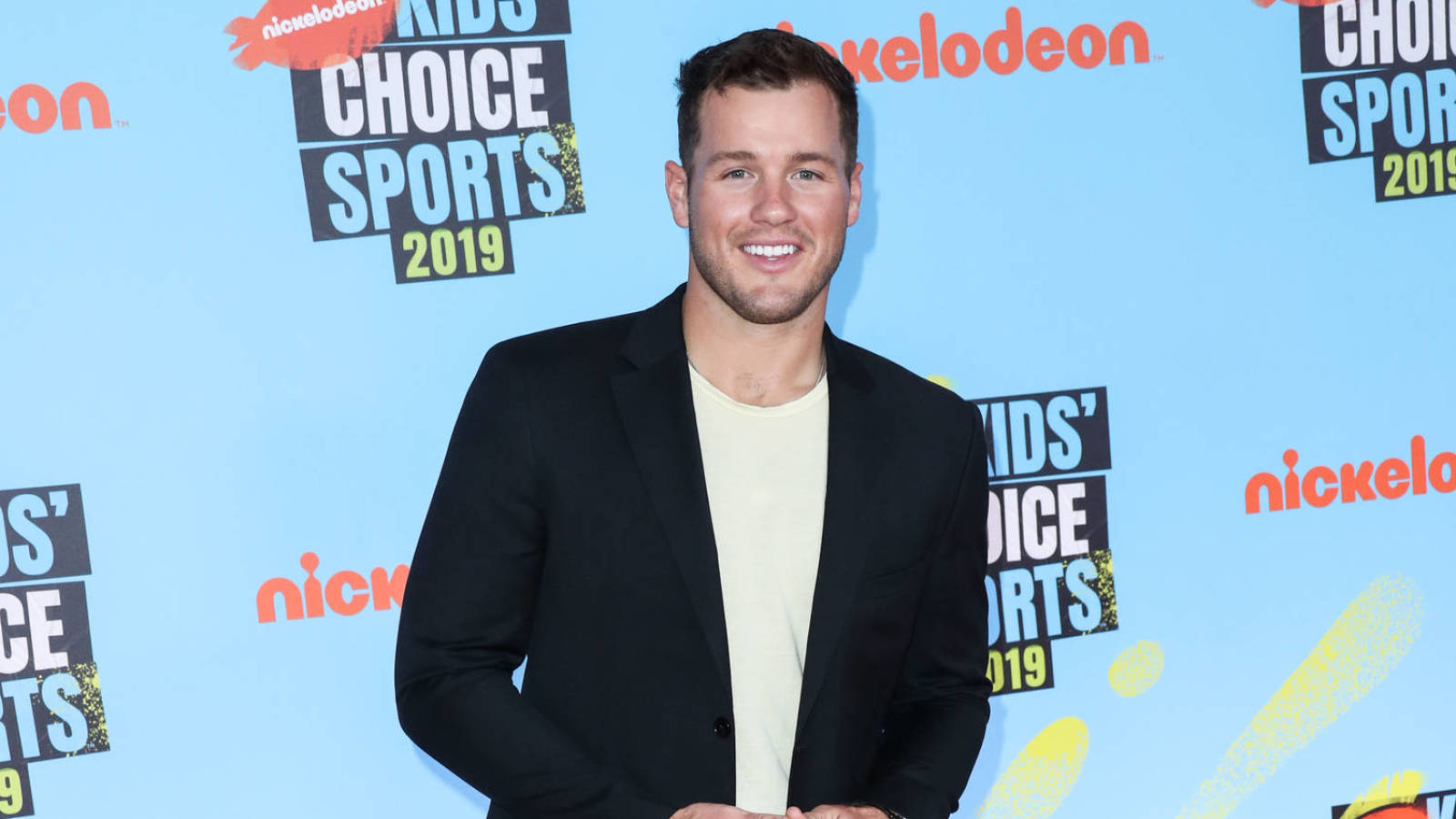
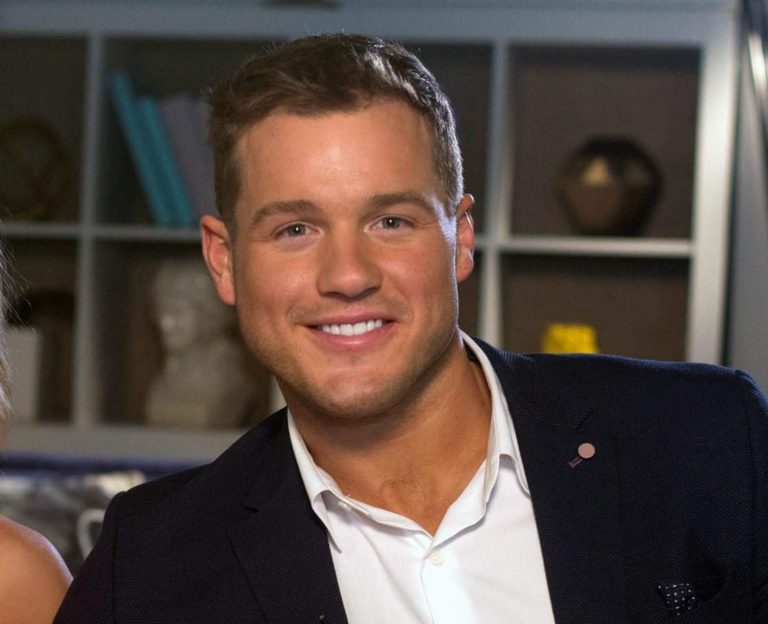
(AP) – Colton Underwood, the former football tight end who found fame on “The Bachelor,” has revealed that he is gay.

“I’ve ran from myself for a long time. I’ve hated myself for a long time,” Underwood told “Good Morning America” on Wednesday. “And I’m gay. And I came to terms with that earlier this year and have been processing it. And the next step in all of this was sort of letting people know.”

Underwood tried out briefly for a handful of NFL teams before his professional football career ended in 2016. Three years later, he won over Cassie Randolph on Season 23 of “The Bachelor,” a show centered on a single bachelor who is asked to select a wife from a pool of romantic interests. Underwood and Randolph never married.

“Every LGBTQ person’s journey to discovering and accepting their authentic self is different, and Colton Underwood’s decision to share his truth with the public reminds us that there is no set timeline for coming out,” said Anthony Allen Ramos, head of talent for GLAAD.

“Given the large and loyal fandom who know Colton from ‘The Bachelor,’ his coming out and discussion of his faith will hopefully open eyes to the millions of out and proud LGBTQ people who are also people of faith.”

Underwood said he finally got to a place where he could be honest with himself after 2020, the year that made people “look at themselves in the mirror and figure out who they are and what they’ve been running from or what they’ve been putting off in their lives.”

Reaction to the news came from Andy Cohen — “You’re free now” he told Underwood on Twitter — and Billy Eichner, who said he was happy for Underwood. “If you’re gay, be gay!”

Before headlining “The Bachelor,” Underwood appeared on the 14th season of “The Bachelorette” and season 4 of “Bachelor in Paradise.” He has a book, titled “The First Time.”

Randolph filed a restraining order against Underwood, later claiming that he placed a tracking device on her car. He denied the allegations and the police order was dropped.

Copyright 2021 The Associated Press. All rights reserved.

Texas Senate Passes Anti-Transgender Sports Ban Bill – Human Rights Campaign

The NCAA opposes efforts to limit participation of transgender students

The NCAA Board of Governors released a public letter making it clear that it “firmly and unequivocally supports the opportunity for transgender student-athletes to compete in college sports.” Moreover, “When determining where championships are held, NCAA policy directs that only locations where hosts can commit to providing an environment that is safe, healthy and free of discrimination should be selected.” This puts the 30 states with discriminatory, anti-trans legislation under consideration on notice that their actions will have repercussions for their states.

Trans equality is popular: Anti-transgender legislation is a low priority, even among Trump voters

In a 10-swing-state poll, including Texas, conducted by the Human Rights Campaign & Hart Research Group last fall:

  • At least 60% of Trump voters across each of the 10 swing states say transgender people should be able to live freely and openly.
  • At least 87% of respondents across each of the 10 swing states say transgender people should have equal access to medical care
  • When respondents were asked about how they prioritized the importance of banning transgender people from participating in sports as compared to other policy issues, the issue came in dead last, with between 1% and 3% prioritizing the issue.

States that pass anti-transgender legislation suffer economic, legal, reputational harm

Analyses conducted in the aftermath of previous divisive anti-transgender bills across the country, like the bathroom bills introduced in Texas and North Carolina and an anti-transgender sports ban in Idaho, show that there would be or has been devastating fallout.

  • Idaho is the only state to have passed an anti-trans sports ban to date, and that law was swiftly suspended by a federal district court. The National Collegiate Athletic Association (NCAA) came out against the Idaho bill and others like it and subsequently moved planned tournament games out of Idaho.
  • The Associated Press projected that the North Carolina bathroom bill could have cost the state $3.76 billion over 10 years.
  • During a fight over an anti-transgender bathroom bill in 2017, the Texas Association of Business estimated $8.5 billion in economic losses, risking 185,000 jobs in the process due to National Collegiate Athletic Association (NCAA) and professional sporting event cancellations, a ban on taxpayer funded travel to those states, cancellation of movie productions, and businesses moving projects out of state.

These bills are solutions in search of problems that are driven by national anti-LGBTQ groups, not local legislators or Texans’ concerns

These bills come from the same forces that drove previous anti-equality fights by pushing copycat bills across state houses — hateful anti-LGBTQ organizations like the Heritage Foundation, Alliance Defending Freedom (designated by Southern Poverty Law Center as a hate group), and Eagle Forum among others.

  • For example, Montana’s HB 112, the first anti-transgender sports bill to be passed through a legislative chamber in any state, was worked on by the Alliance Defending Freedom.

‘Bachelor’ star Colton Underwood comes out as gay – Yardbarker

0

Before this morning, Colton Underwood was most widely known for jumping a fence on Season 23 of The Bachelor because he loved Cassie Randolph.

The 29-year-old leapt over a monumental obstacle in an exclusive sit-down interview with Good Morning America‘s Robin Roberts, which aired Wednesday morning, by coming out as gay:

The full piece ranged approximately 13 minutes and 30 seconds. The former NFL tight end bravely overcame obvious nerves to vocalize how dark his journey to reclaim his identity has been:

“Obviously, this year’s been a lot for a lot of people, and it’s probably made a lot of people look themselves in the mirror and figure out who they are and what they’ve been running from or what they’ve been putting off in their lives. And for me, I’ve ran from myself for a long time. I’ve hated myself for a long time. And I’m gay. I came to terms with that earlier this year and have been processing it. … I’m emotional, but I’m emotional in such a good, happy, positive way. I’m the happiest and healthiest I’ve ever been in my life.”

Underwood then revealed that he had slipped into a “dark and bad” place that forced him to confront what he never wanted to acknowledge himself or publicly share. “I would’ve rather died than say, ‘I’m gay,'” he said.

Roberts asked if Underwood ever thought about self-harm, and he admitted that one unspecified morning in Los Angeles he woke up when he had not intended to ever wake up again. “I think, for me, that was my wake-up call of, like, this this your life. Take back control.” Other examples of suicidal ideation included driving his car near the edge of a cliff, but he does not carry those thoughts anymore since accepting his truest self.

Elsewhere in the interview, Underwood said he has known that he was “different” since he was six years old and recognized he was gay in high school, but growing up within the masculine football culture perpetuated gay stereotypes and triggered him to bury his identity.

Inevitably, Roberts asked Underwood about being The Bachelor franchise’s 23rd leading man and how he would address people who may feel he “misled those women from that season”:

“I would understand why they think that way. I thought a lot about this, too, of, do I regret being The Bachelor? Do I regret handling it the way that I did? I do. I do think I could have handled it better. I’ll say that. I just wish I wouldn’t have dragged people into my own mess of figuring out who I was. I genuinely mean that. But I also, at the same time that I can say I’m sorry to all of those women, I can also say thank you because them and without The Bachelor franchise, I don’t know if this would have ever came out.”

Underwood’s Bachelor season was defined by the fact that he was a virgin: 

Ultimately Underwood ended up with Randolph, though they did not get engaged like couples usually do on the show. Their relationship lasted until publicly announcing their split in late May 2020. Randolph then filed for a restraining order against Underwood last September but dropped it in early November.

Underwood told Roberts that he genuinely did love Randolph. “That only made it harder and very confusing for me,” he said. “If I’m being very honest. I loved everything about her. … I would just say that I’m sorry from the bottom of my heart. I’m sorry for any pain or emotional stress that I caused. I wish it wouldn’t have happened the way it did. I wish that I would have been courageous enough to fix myself before I broke anybody else.”

Underwood also touched on how fearful he was to come out to his family and close friends, but largely, they reacted by asking why he hadn’t told them sooner.

The full interview can be watched on Good Morning America‘s official website.

Megan Armstrong (@megankarmstrong) is a writer with previous work appearing in places such as Billboard, Bleacher Report, GQ and others. She’s most interested in writing about people and how they live their lives, through the framework of music, entertainment and sports.

Why the Transgender Conversation Is Changing – ChristianityToday.com

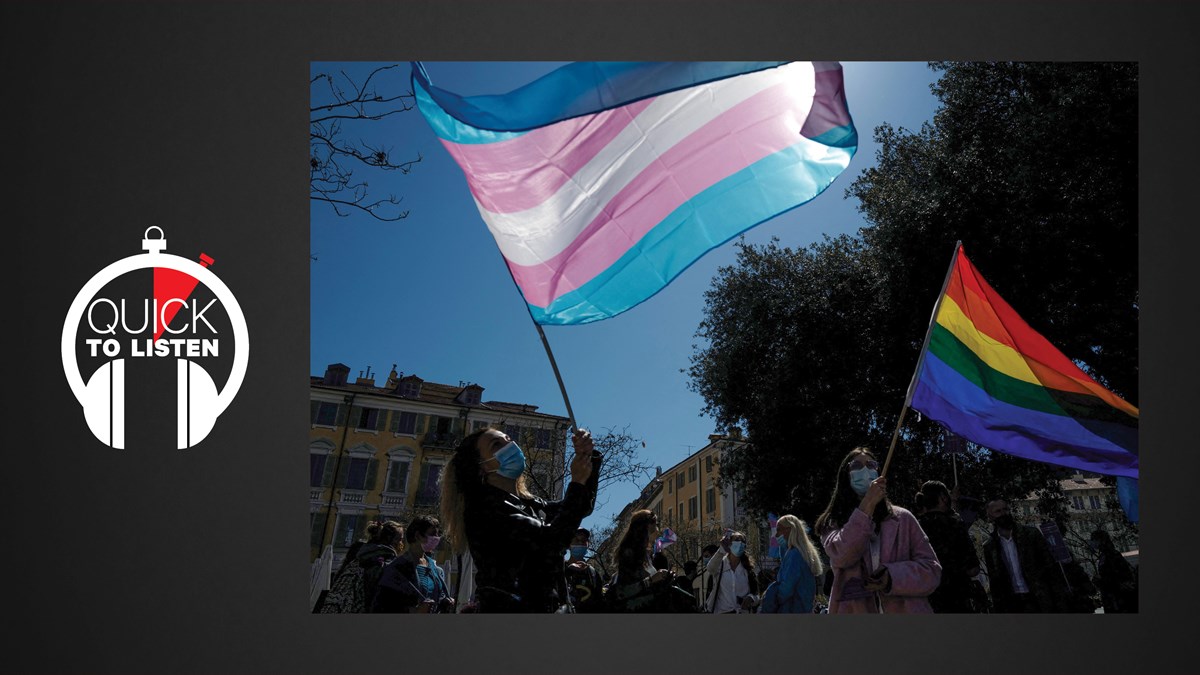
Last Friday, a bill that would ban transgender athletes from competing in middle, high school, and college sports passed in the West Virginia legislature. At least 20 different state legislatures have introduced transgender athlete bans in 2021. While South Dakota’s governor Kristi Noem vetoed a proposed ban, Tennessee, Arkansas, and Mississippi have signed these changes into law.

Arkansas’ governor, Asa Hutchinson, did, however, veto legislation that would have banned gender confirming treatments or sex reassignment surgery for transgender youth under 18. That bill would have been the first in the country to ban this practice. Meanwhile, last Monday, GOP legislators in North Carolina introduced a bill that that would prevent doctors from performing sex reassignment surgery for transgender people under the age of 21.

This flurry of state bills—a month ago LGBT advocacy group Human Rights Campaign had counted more than 80—has once again provoked impassioned fighting, much of it centered around children. It’s led to questions of fairness in youth sports, if adolescent judgement and diagnosis should be trusted, and what role and what say parents should have in how their children express their gender.

Mark Yarhouse is a pyschology professor at Wheaton College and the director of the Sexual and Gender Identity Institute. His books include Understanding Gender Dysphoria and most recently, Emerging Gender Identities. He joined global media manager Morgan Lee and editorial director Ted Olsen on this week’s episode of Quick to Listen.

What is Quick to Listen? Read more

Rate Quick to Listen on Apple Podcasts

Follow the podcast on Twitter

Follow our hosts on Twitter: Morgan Lee and Ted Olsen

Follow our guest on Twitter: Mark Yarhouse

Go down Ted’s music rabbit hole

Music by Sweeps

Quick to Listen is produced by Morgan Lee and Matt Linder

The transcript is edited by Yvonne Su and Bunmi Ishola

Highlights from Quick to Listen #260

What is the same and what has changed in the conversation around gender over the past five or six years?

Mark Yarhouse: The conversation around gender has become more pronounced and centered in cultural discussions.

You see an increase in the number of people who identify as transgender or what I refer to as emerging gender identities. There’s a splintering of gender categories into different experiences, different language for describing people’s experiences.

Things have become more polarized as well. You saw that with the reaction to legislation like the bathroom bill, and you see that now with the law passed in Alabama. 20 or more states have gender identity–change laws in place for minors to keep that from happening. There’s an increase on both sides of a divisive topic.

What led to this development?

Mark Yarhouse: When I wrote my first book on understanding gender dysphoria, I was trying to introduce evangelical Christians to the concept of transgender experiences. Gender dysphoria is this experience that’s distressing when a person’s gender identity doesn’t align with their biological sex.

When I talk about emerging gender identities, it’s beyond that basic framework of transgender. Young people say that they’re gender-expansive, they’re gender-creative, they’re bi-gender, they’re pan-gender and the different identifiers go from there.

It helps us as Christians to be thoughtful in how we engage in a culture that’s shifted so dramatically and where language has been shifting. You’re interacting now with younger people for whom these are taken-for-granted realities and the generation that went before them had a limited scope of categories and language. There’s a real high likelihood of our misunderstanding and talking past one another.

Article continues below

Do the lessons about transgender issues from before map onto the emerging gender identities?

Mark Yarhouse: Some of the lessons learned will map onto that. It’s challenging to know exactly how to, as Christians, enter into this conversation because we have had norms around sexuality and gender that we want to be able to articulate.

But sometimes when we articulate those norms, we can do it in ways that seem to cast doubt on the experience of other people around us, who don’t use those same norms as anchor points that we do. It ends up becoming more of a risk of speaking past each other or being entrenched in not understanding.

You can both teach norms around sexuality and gender and recognize that there are exceptions to those that are likely the result of a fallen world and the challenges that people face in that space. There are also clinical differences and issues from a classic transgender presentation and some of the emerging gender identities.

To seek common ground, is it helpful to talk about how we also have dysphoria or don’t conform to cultural or biblical notions of what it means to be male or female?

Mark Yarhouse: There are an upside and a downside to that approach. Christians would hold that we have so much in common as we bear the image of God and we should start there. People are beloved by God. God wants a relationship with people. There’s so much in that sense as a starting point for shared human experience.

But if you overplay that, you look past how some people’s experience is so far on the margins that you might not fully appreciate the challenges that they’re facing, particularly when it is dysphoria, a painful experience that you’ve never experienced.

There are also people saying that this is willful disobedience on your part. We’re not speaking the same terms here about people’s experiences.

How do you define gender dysphoria? Is the term interchangeable with the idea of transgenderism?

Mark Yarhouse: Gender dysphoria is the discomfort or distress that’s associated with the lack of concordance between someone’s biological sex, usually thought of in terms of chromosomes, genitalia and gonads, and the person’s gender identity, their experience as a man or a woman or a different gender identity than that.

When that’s distressing to them, it’s dysphoria versus euphoria, a positive emotional state. It’s a negative emotional state. I don’t think of that as synonymous with transgender but many people who would identify as transgender would report gender dysphoria. It can vary in severity from mild to severe, and it can ebb and flow in severity in a person’s life.

Historically, gender dysphoria was thought of as having an early onset. A boy or a girl is aware of their gender between ages two and four, developmentally. They’re aware that they’re a boy or a girl, or they’re going to express a different experience than that.

What we’ve seen in the last six years has been a remarkable increase in the number of cases that we would call late-onset. That means at or after puberty, the person is reporting dysphoria that they didn’t appear to have much evidence of, if at all, in childhood.

That’s what’s concerning to some mental health professionals and others. There’s not been a satisfying explanation that accounts for that increase.

Is it true that, before the last five or six years, people that were saying “I’m trans” most likely started feeling those feelings well before puberty?

Mark Yarhouse: Most of the cases had been what we would call early onset. Parents would wonder if their child was going through a phase. They would probably go to a specialty clinic when that child turned six or seven, maybe when they were going to preschool or kindergarten, when the comparison would be their peer group, rather than at home with their family.

Article continues below

Historically, that would be the more typical presentation. It was more often biological males rather than females, at about a four- or five-to-one ratio that would be referred to these specialty clinics. That was probably the result of having a narrower box for what a boy can be like.

If they’re outside of that expectation, then it raises more flags for parents. Whereas girls can have a little more latitude in how they present; and if they’re gender atypical in some ways, you have positive language for that. They could be tomboyish and no one’s going to be particularly concerned.

That probably accounted for that ratio, but now you’re seeing quite a flip. Now we’re seeing not just the late-onset cases at a higher rate, but also seeing it among biological females at a higher rate than you do males. We don’t understand what’s going on with that switch.

How do you distinguish between someone who expresses themselves outside the cultural understanding of masculinity or femininity, versus someone who feels uncomfortable being a particular gender?

Mark Yarhouse: When you meet with somebody to make a diagnosis of gender dysphoria, you rule out that they’re within the range of what a boy or girl, or a man or a woman, would be like. They maybe have different characteristics, different presentations, different ways different interests, and so forth that are gender atypical. They don’t fit into maybe stereotypes, but they’re not gender dysphoric.

So how do you make that distinction? Several things go into that. You can have a conversation with an adult and they’re telling you. It’s harder when you’re trying to make that determination with a child who might not be able to pull all that together. But there are certain criteria that you follow around what they’re able to say about their gender identity.

It’s usually their response to primary and secondary sex characteristics. It’s the desire for the sex characteristics of the other gender. These things aren’t for a few weeks or a few months; it’s over time and it’s significant. It’s significant in their body image and how they experience and see themselves. It’s distressing to them.

What advice would you give to adults who have recently learned that a young person in their life is trans?

Mark Yarhouse: Christians typically have this skill set. We are used to applying it to other groups of people whose individual characteristics are different than our own. For example, we don’t seem to have difficulty relating to our agnostic neighbors, even though their characteristics around their religious identity are different than ours.

We have a sense of how to relate to that person who’s different in terms of racial or cultural background. When people’s characteristics vary from ours, we can relate to them, talk with them, recognize God’s love for them, value them as a person, to encourage them to bring all of their experiences into the relationship that we’re forming with them as an acquaintance and maybe a friend.

You use the same skill set here. It’s doesn’t have to be more difficult than that.

I don’t normally speak into the lives of adolescents around me unless I have a relationship with them and I’m invited into that space. It would run a significant risk of me overstepping the nature of the relationship I have with them, and then likely speaking past them. Then what they may know about me is that I’m a Christian who’s now a witness to them. I have this top-down approach where I’m telling them that they’re at-risk or they’re doing something wrong.

Article continues below

I would probably take the position more with an adolescent than I do as a neighbor, as a family friend, or something like that. To listen more about what their experience has been like, remember that they’re navigating at their age.

Their generation has a lot more categories for language around categories and linguistic constructs around gender and sexuality than my generation did. They’re probably deeply shaped by what’s been made available to them and they’re interacting with those categories and they’re making sense to them, or they might not make sense to me.

I might have a reaction to that, but it would be better to understand how the language functions for an adolescent rather than begin with the place that they’re wrong or that they need to be corrected. That kind of mutational strategy does not work with adolescents period. It doesn’t work in this conversation because our connection to their language has been so different and they’ve been exposed to so many different categories.

How do you counsel people on the basic questions of name and identity?

Mark Yarhouse: If a person is able to live in a way that reflects their birth sex, it’s going to be less complicated.

There are so many layers of complexity. Some people are in this place where they’re considering a social transition or a partial transition, and they’re trying on different names and pronouns.

If the person’s trying to do that because they’ve been suffering from gender dysphoria and it’s been distressing to them, and they’ve used other strategies to manage that (like the clothing they wear, the way they keep their hair, and these things have taken the edge off that dysphoria and been helpful to them), but it’s sufficiently distressing that they think that using pronouns that they would prefer might be helpful to them, then I’d like to understand what’s behind the request and how it’s functioning for them.

That’s not an uncommon strategy that people use. They try to use these strategies usually in a trial-and-error way and in a stepwise fashion. They can always reverse and go back to their original pronouns.

They can always do that; they’re trying to figure this out. I don’t want to be overly reactive to that. I want to meet them where they are. I want to have a sustained relationship with them. I err on the side of hospitality towards somebody to be in a relationship with them rather than do things on the front end that would sever the tie that they might otherwise want to have with me.

What advice do you have for parents as they try to understand where their child is coming from?

Mark Yarhouse: When you have early onset, parents are not that surprised when a child says to them, “I’m transgender,” or “I experience my gender identity differently than most people do,” or however they frame it. Parents knew something was going on. They just didn’t have language for it. But when you have late-onset cases, it is blindsiding. Parents feel like their world has been rocked and there’s no reference point for what their teenager is saying. There’s little or no history to understand it.

There has been some concern that there might be teens who have other issues going on in their life and they’re finding a sense of identity and community in something that has such social salience today. It’s moved to the center of some of the cultural discourse around sexuality and gender, where some time ago, being gay had occupied that space.

The transgender conversation has moved into that space culturally and maybe a generation ago, a young person might’ve landed in a different area and explored different aspects of themselves. But today this has the kind of salience that might be appealing to some people where they might not have gender dysphoria.

Article continues below

There may be other things going on and they’re finding something in this space. I want to be careful when I say that because I don’t think that’s most of what I’m seeing in my clinic. Some people have been trying to research that as a possible phenomenon.

Is that something that is trending among adolescents and we should be cautious about? I want parents to be wise and discerning to check things out with a provider, someone who has expertise in this area and to realize there could be multiple things going on here and it would take discernment and time to figure out what’s going on.

Are there important ways that we should differentiate between dysphoria and transgender issues, versus same-sex attraction issues?

Mark Yarhouse: They are different experiences. When someone describes themselves as gay, they’re talking about their attraction towards the same sex and their orientation towards the same sex. When someone says that they’re transgender, they’re talking about their experience of their gender identity as a man or a woman or a different gender identity than that.

Gender identity doesn’t have to do with who you’re physically, emotionally, or sexually attracted to. A lot of times when people are wrestling with dysphoria, they’re often being asked about their sexual orientation. That’s a confusing topic for some people.

They’re not sure what they could even say about that. They’re trying to figure out what’s going on around gender. Sometimes Christians are more preoccupied with sexual behavior. I don’t think that’s where a lot of people are when they’re figuring out gender. That’s a different thing for them. Distinguishing that is helpful.

Some Christians see that Scripture speaks more to the question around sexual behavior than it does to gender identity. That complicates this conversation more. It’s not that Scripture doesn’t say anything about gender, but it doesn’t certain passages that stand out around sexual behavior. It’s not quite as clear if you’re looking for direct scriptural passages.

What effect do you expect banning surgery for young people to have?

Mark Yarhouse: There are several things that minors might consider, like whether to block going through puberty. That’s right at the beginning of the development of puberty. Then young people might consider using cross-sex hormones at some point, maybe a year or two later. If they did the puberty-blocking intervention, then that becomes a consideration. Some of the legislation may be looking at that. There are surgical procedures as well.

On both sides of this debate, people have young people’s best interests at heart. They’re both trying to address vulnerable young people that they’re concerned about, but they’re landing diametrically in places to express their concern. Those who are saying we shouldn’t allow these types of procedures are saying young people don’t have the capacity to make these kinds of decisions, to understand the consequences of these decisions, and what that could mean for them five or 10 years out.

Other people believe that young people are at great risk and that these are the kinds of things that medical and psychiatric providers think should be on the table and considered for a young person. They can make that decision.

What are some of the consequences that people proposing these bans are concerned about? To what extent are they valid or exaggerated?

Article continues below

Mark Yarhouse: With the use of cross-sex hormones, this would be a lifelong regimen that a young person would have to take to have the clinical effects of using the other hormones of the other sex. If you stop taking the hormone, you stop having that clinical benefit.

We don’t have the kind of long-term research on the effects of an adolescent using cross-sex hormones over 30 years. The greatest risk would be the risk for sterility.

Another topic that people are concerned about is that a young person at 16 or 17 doesn’t understand what that would mean in 10 years. Do they understand the risks that they’re taking there?

I’m not a fan of legislating around these complex clinical issues on either side. Once you move towards legislation on either side of these complex issues, ultimately, it ends up not being nimble enough to respond to the needs of the next person in front of you. I’d love for those needs to be met more by the mental health profession and the people who are working with them.

Those that regulate the mental health professions, that’s where typically complaints would be adjudicated. It would be through the people who were licensing the providers to provide services rather than through legislation that creates a statement that’s applied to everybody across the board. That doesn’t end up being as flexible on members as we would.

Have you seen any examples of school districts figuring out how to have trans girls and women play in youth or collegiate sports without resorting to laws?

Mark Yarhouse: We need more time to research how to measure advantage and what that looks like. When you develop a policy like the NCAA has tried to, looking at the length of time to be on hormones, there’s good intention to try to figure that out. What gives someone a competitive advantage? How do you safeguard that without excluding people from being able to compete when this is what they have trained to do?

They’re good at this, and you want to allow them to do this. There have been controversies at every level of competition; this is not going to be resolved quickly. There hasn’t been enough work done on clarifying what those standards would need to be across the board. Maybe they need to be applied more on a case-by-case basis than having one length of time that’s applied to everybody. I wonder if it’s more complicated than it’s been made out to be.

How should we understand stories of people who have transitioned, then transitioned back? What kind of attention should they get?

Mark Yarhouse: Sometimes it’s referred to as de-transitioning. I haven’t seen a very well-designed study that would show us how common that is. In the Netherlands, they recently published a report on 30 years of people using different interventions, including surgical procedures.

The rate of regret continues to be low. I don’t think that you’re seeing a dramatic rise in regret that would typically correspond with de-transitioning. You could have regrets about surgery and elect not to be transitioned. We need to study that more to see how common that is, but based on the rates of regret that were published more recently, I don’t see a rise in that.

I am concerned that we could see a rise in that for the reasons that I’ve talked about: atypical presentations, late onset, the gender ratio flip towards more cases of female adolescents with later onset. Where will they be in five or 10 years? We don’t know yet.

Most actually don’t make medical transitions at this point, but if they were to, would we see a rise in regret? I’d be curious.

How do you recommend we pray for people who are experiencing gender dysphoria?

Article continues below

Mark Yarhouse: We pray for God to continue, if He’s already been speaking to them, to continue to speak to them; to speak to me, to guide me, to help me know best how to see the person, to love this person, that they would know that they are loved by God. For me and them to have wisdom and discernment moving forward. For wisdom and discernment on how I relate to them as someone that God cares deeply about.

Those are the types of prayers that I pray. I also provide ministry outside of my role as a psychologist. That’s been helpful to me in walking with people. I mentioned that most people don’t make a medical transition at this point. I think in the last transgender survey, about 44% of something like 26,000 transgender persons had indicated that they were using hormone treatment and only about 25% had used any type of gender confirmation surgery.

That’s been a helpful conversation to have in the back of my mind.

Colton Underwood & More NFL Stars Who’ve Come Out As Gay – Hollywood Life


NFL Players Who Came Out As Gay & Bi: Colton Underwood & More – Hollywood Life


ad


Up Next Gay man burned in Kenya refugee camp dies – Washington Blade

Three transgender people allege they suffered abuse at a Miami jail last year after police arrested them during Black Lives Matter protests.

The Transgender Legal Defense and Education Fund in a letter it sent to Miami-Dade County Mayor Daniella Levine Cava on Wednesday notes Christian Pallidine, a college student who identifies as a trans man, was attending a Black Lives Matter protest in downtown Miami on May 31, 2020, when Miami-Dade police officers arrested him and charged him with violating a county-wide curfew.

Pallidine arrived at the Turner Guilford Knight Correctional Center a short time later, and the letter notes personnel abused him because of his gender identity.

“The staff at TGK subjected Mr. Pallidine to degrading and outrageous treatment because he is transgender,” it reads. “TGK staff forced him to strip and display his genitals in front of a group of officers — part of a series of invasive, pseudo-medical, sexualized procedures conducted on him for no legitimate purpose. TGK staff also belittled Mr. Pallidine, publicized his transgender status to others, asked gratuitous questions about his anatomy, and called him derogatory names.”

The letter, among other things, notes Pallidine underwent an examination that “focused solely on his transgender status” and it “took place in a public area where others could easily see and hear him and the person questioning him.” The letter says the officer who conducted the exam asked him “multiple questions about his genitals and plans for future medical care, such as, ‘Do you want a penis in the future?’”

Pallidine alleges he was forced to take a pregnancy test “because of his genitals” and officers mocked him because of his gender identity. Pallidine also says officers forced him to undergo a strip search and placed him in solidary confinement before his release.

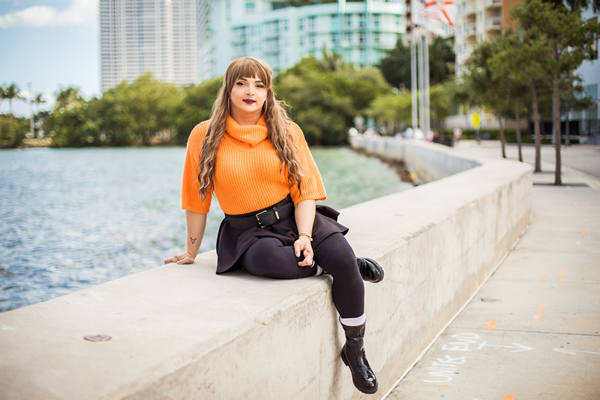
Jae Bucci and Gabriela Amaya Cruz on July 19, 2020, attended a rally and march for Black trans women in downtown Miami. Miami-Dade police officers brought them to the Turner Guilford Knight Correctional Center after they arrested them.

Bucci, who is a teacher and makeup artist, on Wednesday during a virtual press conference that TLDEF, the Southern Poverty Law Center and the Harvard LGBTQ+ Advocacy Clinic organized, said the gender marker on her ID is female and the Miami-Dade Police Department processed her as such. Bucci noted Turner Guilford Knight Correctional Center personnel also processed her as female, but she said an officer told her, “Aha, I knew it. That’s what I was looking for” after she disclosed her gender identity.

Bucci said her friends were not able to find her because officers had reclassified her as male. Bucci told reporters that officers placed her with male prisoners and, like Pallidine, forced her to undergo an “illegal strip search in front of several officers.”

“They tugged at my piercings, drawing blood, and forcibly tried to remove my hair, assuming it to be a wig,” said Bucci.

“They forced me to sit with men … I was put in danger,” she added. “I needed protection. I asked to be seated with other women, but the guards were only hyper-focused on my genitals, repeatedly calling me a man.”

Bucci said she was later placed in solitary confinement “for hours with no contact, food, water, leading to a panic attack where I began to self-harm and contemplate suicide.” Bucci said officers also forced her to wear men’s clothing “with my breasts clearly visible.”

Jae Bucci (Photo by Emely Virta)

Amaya Cruz — a barista, artist and activist — said she suffered many of the same abuses that Bucci and Pallidine described once she arrived at the Turner Guilford Knight Correctional Center.

Amaya Cruz told reporters the officers did not know whether to place her with female or male inmates once she disclosed her gender identity to them.

She said officers forced her to remove her wig before they took her mugshot.

Amaya Cruz said she objected to male officers patting her down, and they told a female colleague that “he’s saying he’s a woman, but he’s a man. He has a dick still.”

Amaya Cruz said the female officer did her pat down and allowed her to fill out paperwork in which she disclosed her gender identity. Amaya Cruz said the officer allowed her to sit with other female inmates.

Amaya Cruz was born with ectrodactyly, a rare genetic disorder that limits finger movement, but she was subject to “excessive force” during the pat down and when guards took her fingerprints.

Amaya Cruz said the female officer who did her pat-down told her to change into a pair of basketball shorts and a white t-shirt before her release.

“I was so uncomfortable and I just complied because my only reaction was I don’t want to be here any longer,” said Amaya Cruz. “At that point I felt uncomfortable, humiliated, my gender was being yelled out the entire night. My gender identity was not being taken seriously in any way.”

Gabriela Amaya Cruz (Photo by Sonya Revell/Southern Poverty Law Center)

TLDEF Staff Attorney Alejandra Caraballo told reporters the “health and safety of our clients were jeopardized by the willful and wanton treatment by the officers at TGK.”

“The current policies followed at TGK are woefully inadequate and are discriminatory on their face, which will inevitably lead towards the targeted harassment of trans people in custody,” added Caraballo.

Harvard LGBTQ+ Advocacy Clinic Founding Director Alexander Chen also took part in the press conference alongside Arianna Lint, chief executive officer of Arianna’s Center, an organization that serves trans women in South Florida. Tatiana Williams, co-founder and executive director of Transinclusive Group, which also works with trans people in South Florida, also participated.

“The change has to happen, as we all mentioned, structurally,” said Williams. “It has to happen at the top.”

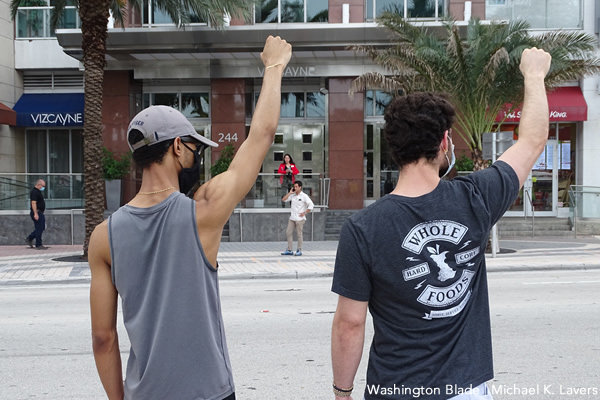
Two men hold their fists in their air during an anti-police brutality protest in downtown Miami on June 1, 2020. (Washington Blade photo by Michael K. Lavers)

The letter to Levine Cava calls for her office to “reach a resolution” with Pallidine, Bucci and Amaya Cruz without litigation that specifically addresses several points:

1) “Policy and procedure updates to address the issues faced by our clients and other transgender community members.”

2) “Meaningful accountability measures for MDCR (Miami-Dade Corrections and Rehabilitation Department) staff that go well beyond what Internal Affairs currently provides.”

3) “Appropriate discipline for the MDCR staff involved in the inappropriate treatment of our clients.”

4) “Updates to county records concerning our clients and their gender.”

5) “Compensation to our clients as allowed by law; and reasonable attorneys’ fees and costs as allowed by law.”

“We have achieved similar results working with officials elsewhere in the country, and are confident we can do the same here,” reads the letter.

Chen echoed this point during the press conference.

“We have every expectation that we will be able to come to an accord with the county that will both do justice to our plaintiffs and protect transgender people in the county going forward,” he said.

Lint, like Chen, noted Levine Cava championed LGBTQ rights when she was a member of the Miami-Dade County Commission until she succeeded now-Congressman Carlos Giménez last November.

“I am calling on Mayor Levine Cava to continue this support for the transgender community by taking steps to address the mistreatment of transgender individuals in Miami-Dade County jails,” said Lint. “Arianna’s Center is committed to working with Mayor Levine Cava to eradicate prejudice against the transgender community in our prisons, jails, detention centers and through the whole criminal justice system.”

Levine Cava’s office has not returned the Washington Blade’s request for comment.

‘The Bachelor’ star Colton Underwood comes out as gay – KGNS.tv

(AP) – Colton Underwood, the former football tight end who found fame on “The Bachelor,” has revealed that he is gay.

“I’ve ran from myself for a long time. I’ve hated myself for a long time,” Underwood told “Good Morning America” on Wednesday. “And I’m gay. And I came to terms with that earlier this year and have been processing it. And the next step in all of this was sort of letting people know.”

Underwood tried out briefly for a handful of NFL teams before his professional football career ended in 2016. Three years later, he won over Cassie Randolph on Season 23 of “The Bachelor,” a show centered on a single bachelor who is asked to select a wife from a pool of romantic interests. Underwood and Randolph never married.

“Every LGBTQ person’s journey to discovering and accepting their authentic self is different, and Colton Underwood’s decision to share his truth with the public reminds us that there is no set timeline for coming out,” said Anthony Allen Ramos, head of talent for GLAAD.

“Given the large and loyal fandom who know Colton from ‘The Bachelor,’ his coming out and discussion of his faith will hopefully open eyes to the millions of out and proud LGBTQ people who are also people of faith.”

Underwood said he finally got to a place where he could be honest with himself after 2020, the year that made people “look at themselves in the mirror and figure out who they are and what they’ve been running from or what they’ve been putting off in their lives.”

Reaction to the news came from Andy Cohen — “You’re free now” he told Underwood on Twitter — and Billy Eichner, who said he was happy for Underwood. “If you’re gay, be gay!”

Before headlining “The Bachelor,” Underwood appeared on the 14th season of “The Bachelorette” and season 4 of “Bachelor in Paradise.” He has a book, titled “The First Time.”

Randolph filed a restraining order against Underwood, later claiming that he placed a tracking device on her car. He denied the allegations and the police order was dropped.

Copyright 2021 The Associated Press. All rights reserved.

Texas’ transgender students face school sports barriers under Senate bill – The Texas Tribune

Center for gender and sexuality ushers in a new era of support for women and LGBTQIA+ students at Princeton – Princeton University

Building upon the historical legacy and impactful work of Princeton’s Women*s Center and LGBT Center, a new center for gender and sexuality at Princeton University will launch in fall 2021, allowing staff to better serve individuals and groups across campus, said LaTanya Buck, dean for diversity and inclusion in the Office of the Vice President for Campus Life.

“Students’ identities, experiences and needs, and the ways in which students experience college campuses have evolved over the years,” Buck said. “Under the umbrella of a new center for gender and sexuality — and with the energy of a renewed commitment to improve understanding and facilitate belonging for all students — we will be better able to carry out our mission to eliminate discrimination and injustice at Princeton based on sex, gender and sexual identity.”

With a focus on the student co-curricular experience, the center will engage all members of the Princeton community through education, training and programming on gender and sexuality. Staff members will provide individual and group support for students, and serve as a resource and content expert for the campus.

Small-group listening sessions with students, faculty and staff will be held in late April to facilitate the transition and help name the new center, Buck said. Approximately 10 listening sessions are planned, each lasting 75 minutes and including 10 participants. (Sign-up details are below.)

“This new center will allow us to amplify the voices and experiences of our LGBTQIA+ and women-identified students,” said W. Rochelle Calhoun, vice president for campus life.

The new center will bring together the staff of the Women*s Center and LGBT Center, maintaining current services and allowing for more expansive programming that acknowledges the many intersections of gender and sexual identity. The center will affirm and assist students in their exploration of sexuality, gender, asexuality, agender, race, ability and religion, among other identities.

The Women*s Center was founded in 1971 by some of the Princeton’s first undergraduate women. Building upon a legacy of activism and advocacy, the Women*s Center has remained committed throughout the years to inclusive and intersectional feminism, and centering equity and racial justice, particularly for people of marginalized identities.

Princeton’s LGBT Center dates back to 1989, when the offices of the Dean of the Chapel and the Dean of Student Life began hiring graduate students to help organize LGBT student activities. At the time, Princeton University was the sixth university in the country to create an LGBT coordinator position, which evolved into a full-time professional position in 2001. The LGBT Center was officially launched in 2005.

The yet-unnamed center for gender and sexuality will benefit from the leadership of a newly created assistant dean for diversity and inclusion/director position, which will give the center more institutional leverage than it had in the past, Buck said. An assistant director and two program coordinators, each with a programmatic and support emphasis on LGBTQIA+ and women/femme/gender identities, will also be part of the leadership team.

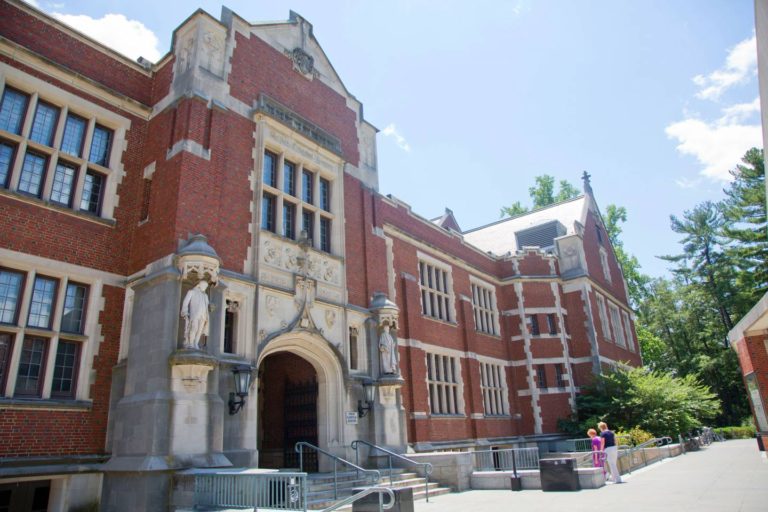
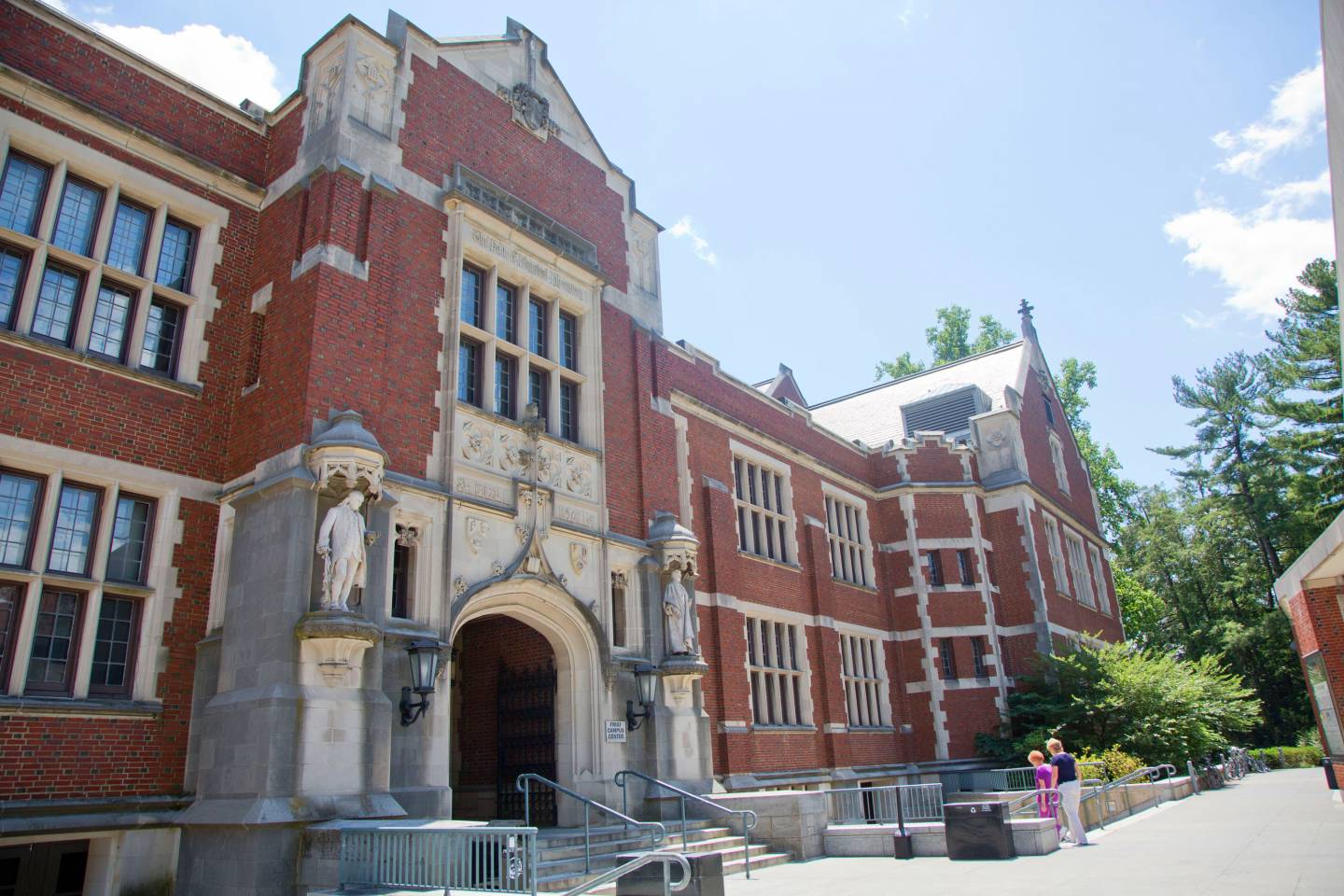
The Rainbow Lounge and Women*s Space will continue to operate separately within the new center at Frist Campus Center, allowing for more personalized services and to maintain affinity space.

The new center also will allow for more synergy and collaboration with the Program in Gender and Sexuality Studies (GSS) and its curricular experience, Buck said.

GSS has undergone its own evolution at Princeton, launching as women’s studies in 1982. It was renamed gender and sexuality studies in 2011 to reflect the trajectory and expanded reach of the teaching and scholarship among Princeton faculty, and in the field more generally.

GSS recently named Wallace Best, professor of religion and African American studies, as its first male and first African American director.

“There is an opportunity for us to continue to explore gender and sexuality through a critical and intersectional lens, engage GSS students’ and scholars’ research, and partner on co-curricular experiences like programming and mentorship,” Buck said.

Listening sessions for the new center will be conducted during the weeks of April 19 and 26. Interested participants may sign up to join sessions for students and for faculty and staff.

For inquiries, please contact the Office of Diversity and Inclusion – Campus Life at odi@princeton.edu.

‘The Bachelor’ star Colton Underwood comes out as gay – KKTV 11 News

(AP) – Colton Underwood, the former football tight end who found fame on “The Bachelor,” has revealed that he is gay.

“I’ve ran from myself for a long time. I’ve hated myself for a long time,” Underwood told “Good Morning America” on Wednesday. “And I’m gay. And I came to terms with that earlier this year and have been processing it. And the next step in all of this was sort of letting people know.”

Underwood tried out briefly for a handful of NFL teams before his professional football career ended in 2016. Three years later, he won over Cassie Randolph on Season 23 of “The Bachelor,” a show centered on a single bachelor who is asked to select a wife from a pool of romantic interests. Underwood and Randolph never married.

“Every LGBTQ person’s journey to discovering and accepting their authentic self is different, and Colton Underwood’s decision to share his truth with the public reminds us that there is no set timeline for coming out,” said Anthony Allen Ramos, head of talent for GLAAD.

“Given the large and loyal fandom who know Colton from ‘The Bachelor,’ his coming out and discussion of his faith will hopefully open eyes to the millions of out and proud LGBTQ people who are also people of faith.”

Underwood said he finally got to a place where he could be honest with himself after 2020, the year that made people “look at themselves in the mirror and figure out who they are and what they’ve been running from or what they’ve been putting off in their lives.”

Reaction to the news came from Andy Cohen — “You’re free now” he told Underwood on Twitter — and Billy Eichner, who said he was happy for Underwood. “If you’re gay, be gay!”

Before headlining “The Bachelor,” Underwood appeared on the 14th season of “The Bachelorette” and season 4 of “Bachelor in Paradise.” He has a book, titled “The First Time.”

Randolph filed a restraining order against Underwood, later claiming that he placed a tracking device on her car. He denied the allegations and the police order was dropped.

Copyright 2021 The Associated Press. All rights reserved.

‘The Bachelor’ star Colton Underwood comes out as gay – 13abc Action News

(AP) – Colton Underwood, the former football tight end who found fame on “The Bachelor,” has revealed that he is gay.

“I’ve ran from myself for a long time. I’ve hated myself for a long time,” Underwood told “Good Morning America” on Wednesday. “And I’m gay. And I came to terms with that earlier this year and have been processing it. And the next step in all of this was sort of letting people know.”

Underwood tried out briefly for a handful of NFL teams before his professional football career ended in 2016. Three years later, he won over Cassie Randolph on Season 23 of “The Bachelor,” a show centered on a single bachelor who is asked to select a wife from a pool of romantic interests. Underwood and Randolph never married.

“Every LGBTQ person’s journey to discovering and accepting their authentic self is different, and Colton Underwood’s decision to share his truth with the public reminds us that there is no set timeline for coming out,” said Anthony Allen Ramos, head of talent for GLAAD.

“Given the large and loyal fandom who know Colton from ‘The Bachelor,’ his coming out and discussion of his faith will hopefully open eyes to the millions of out and proud LGBTQ people who are also people of faith.”

Underwood said he finally got to a place where he could be honest with himself after 2020, the year that made people “look at themselves in the mirror and figure out who they are and what they’ve been running from or what they’ve been putting off in their lives.”

Reaction to the news came from Andy Cohen — “You’re free now” he told Underwood on Twitter — and Billy Eichner, who said he was happy for Underwood. “If you’re gay, be gay!”

Before headlining “The Bachelor,” Underwood appeared on the 14th season of “The Bachelorette” and season 4 of “Bachelor in Paradise.” He has a book, titled “The First Time.”

Randolph filed a restraining order against Underwood, later claiming that he placed a tracking device on her car. He denied the allegations and the police order was dropped.

Copyright 2021 The Associated Press. All rights reserved.

‘The Bachelor’ star Colton Underwood comes out as gay – The Durango Herald

0

Colton Underwood, the former football tight end who found fame on “The Bachelor” has revealed that he is gay.

“I’ve ran from myself for a long time. I’ve hated myself for a long time,” Underwood told “Good Morning America” on Wednesday. “And I’m gay. And I came to terms with that earlier this year and have been processing it. And the next step in all of this was sort of letting people know.”

Underwood tried out briefly for a handful of NFL teams before his professional football career ended in 2016. Three years later, he won over Cassie Randolph on Season 23 of “The Bachelor,” a show centered on a single bachelor who is asked to select a wife from a pool of romantic interests. Underwood and Randolph never married.

“Every LGBTQ person’s journey to discovering and accepting their authentic self is different, and Colton Underwood’s decision to share his truth with the public reminds us that there is no set timeline for coming out,” said Anthony Allen Ramos, head of talent for GLAAD. “Given the large and loyal fandom who know Colton from ‘The Bachelor,’ his coming out and discussion of his faith will hopefully open eyes to the millions of out and proud LGBTQ people who are also people of faith.”

Underwood said he finally got to a place where he could be honest with himself after 2020, the year that made people “look at themselves in the mirror and figure out who they are and what they’ve been running from or what they’ve been putting off in their lives.”

Before headlining “The Bachelor,” Underwood appeared on the 14th season of “The Bachelorette” and season 4 of “Bachelor in Paradise.” He has a book, titled “The First Time.”

Former ‘Bachelor’ star Colton Underwood comes out as gay – ABC News

0

Colton Underwood is ready to live his truth.

The former “Bachelor” star came out as gay in an exclusive interview with Robin Roberts on “Good Morning America” on Wednesday.

“I’ve ran from myself for a long time. I’ve hated myself for a long time,” Underwood told Roberts in a pre-taped chat. “And I’m gay. And I came to terms with that earlier this year and have been processing it. And the next step in all of this was sort of letting people know.”

“I’m still nervous, but yeah,” he continued. “It’s been a journey for sure.”

Underwood said he finally got to a place where he could be honest with himself after 2020, the year that turned everyone’s lives upside down, and made people “look at themselves in the mirror and figure out who they are and what they’ve been running from or what they’ve been putting off in their lives.”

When Roberts, who is also openly gay, said she could “see the joy” and “see the relief” in Underwood, he said he was “emotional in, like such a good, happy, positive way,” and is “the happiest and healthiest” he’s ever been.

Underwood said he went through a “dark and bad” time before feeling like he could reveal this about himself and his “wake up call” was feeling like he “would’ve rather died” than say he’s gay.

“There was a moment in L.A. that I woke up and I didn’t think I was gonna wake up. I didn’t have the intentions of waking up. And I did,” he recalled, noting this moment — and other “suicidal thoughts” — led him to “take back control” of his life.

When Roberts asked about the women from his “Bachelor” season and how they — among others — may feel misled, Underwood said he “would understand why they think that way.”

“I’ve thought a lot about this too, of, ‘Do I regret being the Bachelor and do I regret handling it the way that I did?’ I do,” he said. “I do think I could’ve handled it better, I’ll say that.”

Underwood said he “genuinely” wishes he hadn’t dragged people into “my own mess of figuring out who I was.” In addition to saying sorry to those women, he would said thank you because, ultimately, they and the franchise helped him get to this place.

When he was named the Bachelor, Underwood said he remembered “praying to God” the morning he found out and “thanking him for making me straight,’ thinking this would lead to him finally getting the wife and them having kids.

But Underwood said he had known the truth of his sexuality since a young age, knowing he “just felt different” from the age of 6, when he couldn’t process it. He knew he was “more emotional” than the other boys in his class. It took until high school for him to realize he “was more attracted to the boys and the men” than he was the opposite sex.

Having grown up in the Catholic church, he remembered he “learned in the Bible that gay is a sin” in Catholic grade school. And during his time in sports, he remembered people using the word “gay” as a term that held “a connotation of negativity.”

“I think there’s a lot of things, when I look back, I’m like, ‘No wonder I held it in,'” he said.

Underwood said he has grown “closer to God” in this revelation and said he knows some people will question how that’s even possible for a gay man to say.

“I used to wake up in the morning and pray for him to take the gay away. I used to pray for him to change me,” he said, adding that his relationship with God now isn’t “conditional.”

Underwood said he’s had “a range of responses” to his coming out and the “underlying, most common one” has been they wish he’d told them sooner, including his dad.

“And when I hear that, I wish I would have had faith in my friends and my family a little bit more,” he said. “The only reason I’m sitting down with you today is because I have the love and the support of my friends and my family.”

Underwood said he still hasn’t had an “emotional connection” with someone of the same sex, but he is looking forward to finding a partner.

“I’ve never allowed myself to,” he continued. “And It’s never been sort of in my cards to let myself get there, and I want to more than anything. I’m looking for someone who can push me and challenge me in all the great ways.”

When Roberts asked if he had any advice for someone struggling to come out, Underwood said he still has a long way to go and is still learning.

“But if I had to go back and give anybody advice, I mean, you’re gonna get through it is what I would tell myself. Keep fighting for you. Keep choosing you every morning. And when the time’s ready or when the time’s right and you’re ready, do it on your own time.”

Bachelor Nation was first introduced to Underwood when he was a contestant on Becca Kufrin’s season of “The Bachelorette,” the 14th season, in 2018. He made it to Kufrin’s final four.

The former football star followed this up with a brief stint on season 4 of “Bachelor in Paradise,” on which he had a fling with Tia Booth.

Underwood was then the lead of season 23 of “The Bachelor” in 2019, with his virginity being a frequent topic of conversation and his famous fence-jumping moment being one of the franchise’s most dramatic moments. He gave his final rose to contestant Cassie Randolph but ultimately chose to not propose to her, though they later told “GMA” they had discussed an engagement.

The two dated after the show wrapped until announcing their breakup in early 2020. They later made headlines when Randolph was granted a restraining order against Underwood, accusing him of stalking and harassing her. In a police report, she accused him of putting a tracking device on her car. Underwood later released a statement explaining that he and Randolph had resolved their issues in private. She later dismissed the restraining order and requested the police investigation be dropped.

In his interview with Roberts, Underwood apologized specifically to Randolph for “any pain and emotional stress” he caused her and said he wishes it hadn’t happened the way it did.

“I wish that I would’ve been courageous enough to fix myself before I broke anybody else,” he said.

He said he “loved everything” about Randolph, which “only made it harder and more confusing” for him as he was experiencing his own “internal fight.”

Prior to his time on reality TV, Underwood famously dated Olympic gymnast Aly Raisman. He wrote about their relationship — and much more — in his 2020 book, “The First Time: Finding Myself and Looking for Love on Reality TV.”

These days, Underwood is just “proud” of how far he has come.

“I’m still the same Colton everybody met on TV. I’m still the same Colton to my friends and my family, I just happen to be able to share with people now all of me,” he said. “And I am proud of that, you know? I am proud to be gay.”

If you or someone you know needs help or support, contact The Trevor Project’s TrevorLifeline 24/7 at 1-866-488-7386. Counseling is also available 24/7 via chat at TheTrevorProject.org/Help, or by texting 678-678.

Obituary: Edward Ross Gay – CentralMaine.com – Kennebec Journal and Morning Sentinel

0

Edward Ross Gay

AUBURN – Edward Ross Gay, 64, of Auburn passed away peacefully on April 9, 2021 after a recent diagnosis of metastatic lung cancer.

Eddie was born in Waterville on August 29, 1956 to Harvard Gay, Sr. and Joan Gay. He was educated in the China school system, attended Winslow High School and was a 1974 graduate of Erskine Academy.

Eddie spent many years working for Eastland Shoe in Freeport and retired after a long career at Dingley Press in Lisbon in 2018.

Ed was predeceased by his grandparents; mother Joan; and his beloved sister Melody, who was so special to him.

Surviving are his father, Harvard Gay, Sr. of Vassalboro; brothers Harvard Gay, Jr. of Lewiston, Dean Gay of Fairfield, Dana Gay of Lisbon, and sister Melinda Simon of West Gardiner, and their families. Ed had a special place in his heart for his many nieces and nephews and could probably best be called the favorite uncle.

He enjoyed going to the beach, playing pool, talking about his love of cars, reminiscing about the good old days and going for spontaneous rides to his old stomping grounds in China and Vassalboro and popping in for visits with family and old friends.

The family would like to thank Nurse Practitioner Daniel Strauss, St. Mary’s Hospital staff and the D’Youville Pavilion rehab staff for the kind and compassionate care they have provided.

In keeping with Eddie’s wishes, there will be no public service. A gathering of family at a graveside burial at Mt. Hope Cemetery in Augusta will held at a later date.


Guest Book

Anti-gay bias led to ‘serious flaws’ in Toronto serial killer investigation – NBC News

0

“Systemic bias” and “serious flaws” in the handling of missing persons cases impeded the Toronto Police Service’s investigation of a serial killer who preyed on gay and bisexual men in Canada’s largest city for seven years, according to an independent review released Tuesday.

The 161-page report said “misconceptions” and “stereotypical ideas” about LGBTQ people led police to overlook evidence and miss “critical connections” during their investigation into the missing men and Bruce McArthur, who pleaded guilty in 2019 to killing eight men, most of them people of color.

“There was institutional resistance to the notion that these cases might be linked and that a serial killer might be preying on Toronto’s LGBTQ communities. This systemic failure is perhaps the most troubling,” Gloria Epstein, a retired Ontario Court of Appeal justice, said in the report.

Convicted killer Bruce McArthur has been sentenced to life in prison.Facebook via Reuters

Epstein said she “cannot say that McArthur would necessarily have been apprehended earlier if the investigative steps outlined in this report had been taken,” but she said the police force “did lose important opportunities to identify him as the killer.”

The report found that police failed to properly communicate with the public about the investigation, which “heightened existing mistrust and ultimately diminished, rather than protected, the integrity of existing and future investigations.”

“This lack of communication reinforced the broadly held impression that ‘the police did nothing,'” Epstein said in the review.

The interim police chief, James Ramer, said “the deficiencies were neither overt nor intentional.”

“There were too many times that we did not live up to what is expected — and in some cases required — of us to keep you safe and the consequences were grave,” Ramer said in a statement.

The report listed 151 recommendations to help improve missing persons investigations, including doubling the number of investigators assigned to the police department’s missing persons unit from four to eight and involving social service and community agencies in cases.

Jim Hart, chair of the Toronto Police Services Board, said the force “fell short of certain policing requirements and of our responsibilities to effectively engage the communities we serve.”

“It is vital for us to see what went wrong, and importantly, the ways in which we can and must be better,” Hart said.

The 519, a Toronto-based LGBTQ advocacy group, said in a statement that it hopes the review will lead to “real and meaningful change for all marginalized communities and that these recommendations will be considered within broader calls for accountability and a total reimagining of policing in our city.”

Follow NBC Out on Twitter, Facebook & Instagram