Home Blog Page 384

Fans want a gay ‘Bachelor’ season with Colton Underwood, but it’s not the right move. Here’s why – USA TODAY

0

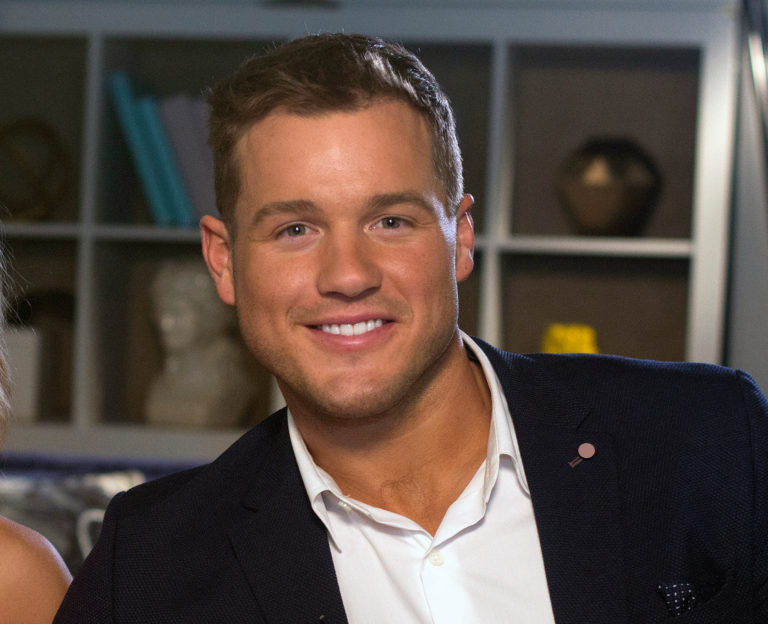
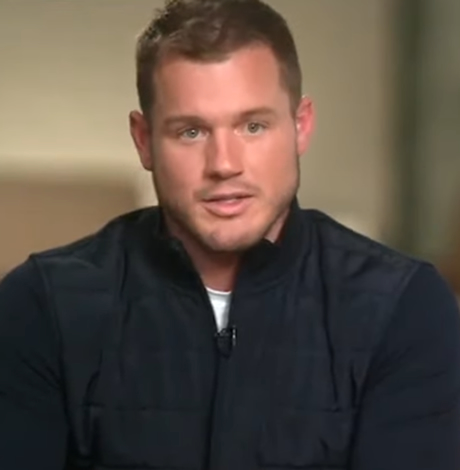
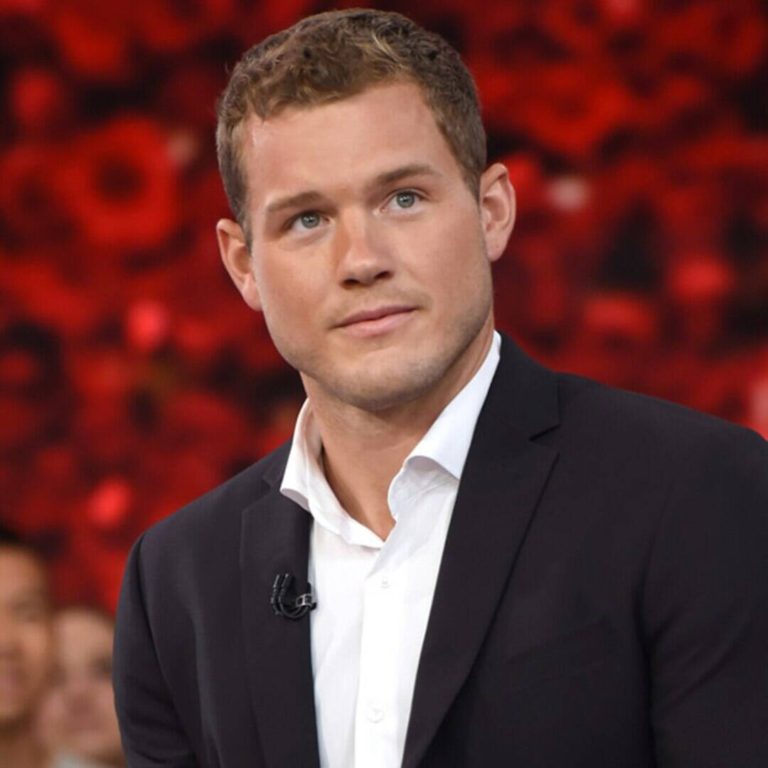
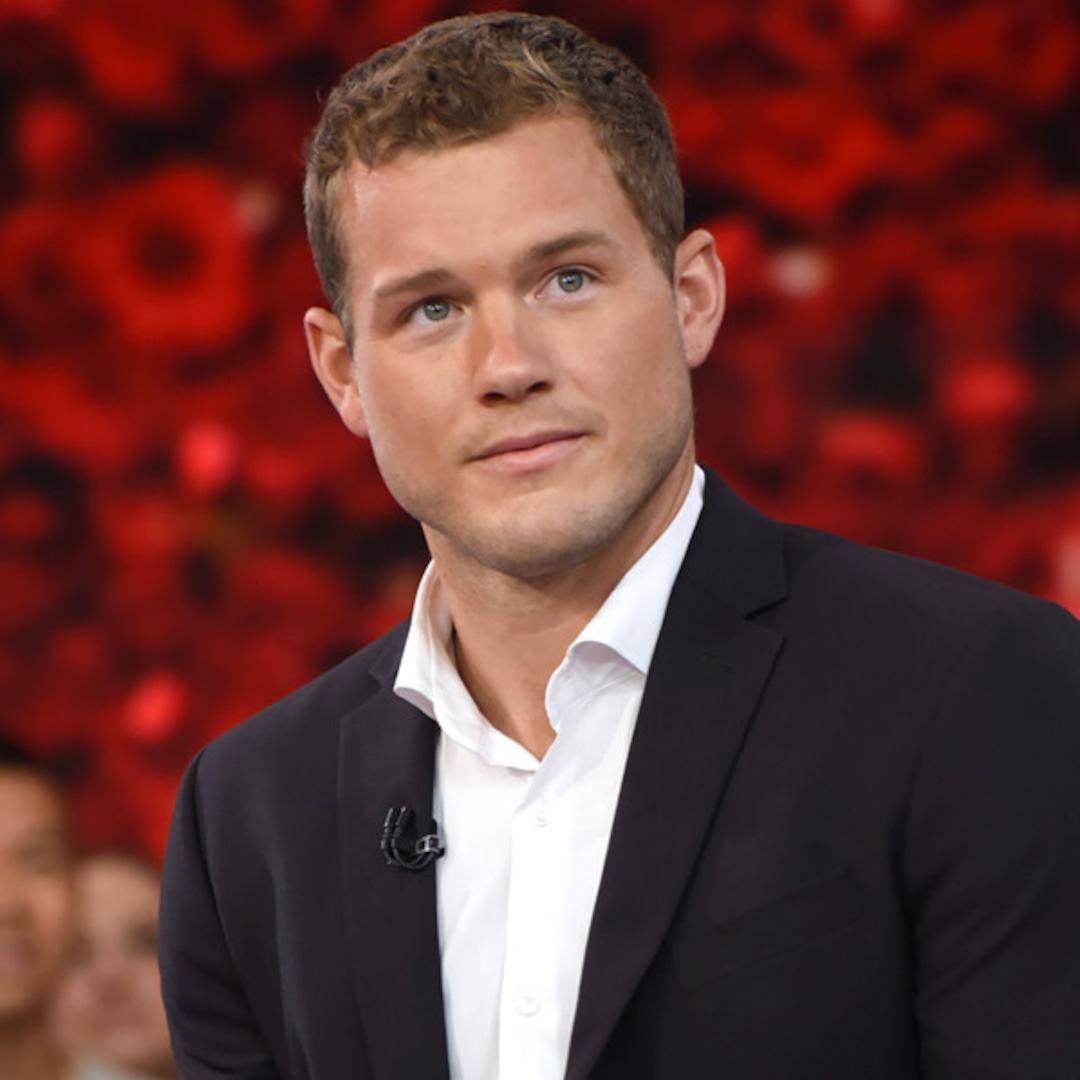
Former “Bachelor” Colton Underwood – you might remember him as the one who jumped the fence – came out as gay Wednesday morning on ABC’s “Good Morning America.”

Underwood’s revelation has renewed calls for a gay version of “The Bachelor,” which may sound like a great idea: After all, fans have long called for the show to feature an LGBTQ lead.

“I hated Colton’s season of The Bachelor but now that he’s out we should let him give it another go and find love with a man,” @victoriakusy wrote on Twitter. @DrAMPeddle wrote: “Okay, but like, can we have a new season of @BachelorABC with @colton ?? Where do I apply??!!”

But a gay season of “The Bachelor,” given the series’ lackluster track record when it comes to representation, would likely falter.

Former "Bachelor" Colton Underwood – you might remember him as the one who jumped the fence – came out as gay Wednesday morning on Good Morning America.

For the full story:Former ‘Bachelor’ star Colton Underwood comes out as gay

Why? In part because queer dating is not the same as straight dating, and the show’s format doesn’t lend itself to adequately exploring those differences. “The Bachelor” works because sparks constantly fly as contestants vie for the lead’s love. But for a gay season of the show to succeed from a representation standpoint, it would need to spend significant amount of time educating the audience about gay dating. Simply put, a raunchy reality show doesn’t feel like the right avenue for that.

For example, straight dates don’t cover the coming out process, nor do they involve picking a location that is LGBTQ-friendly. One problem that many straight people may be unfamiliar with, too, is that a huge piece of queer dating for men involves baseline sexual compatibility. Explaining that to a mainstream audience isn’t impossible, but may be difficult to convey given network restrictions (“The Other Two,” a comedy series set to stream its next season on HBO Max, does a good job.)

Maybe the show’s contained environment could gloss over some of the particulars of queer dating and just focus on showing people falling in love – the goal of the franchise in the first place. Netflix’s “Dating Around” does that effectively on a smaller scale, in a docuseries format, and doesn’t follow couples beyond one episode. “The Bachelor” formula wouldn’t offer the same first-date charm week-to-week. 

In case you missed:What will it take to fix ‘The Bachelor’ franchise’s racism?

We’ve been down this road before 

Calls for a gay version of “The Bachelor” are nothing new – and the concept has been tried before. Think back to Logo‘s “Finding Prince Charming” and Bravo’s “Boy Meets Boy.” Both stalled after one season. 

A queer season of MTV’s “Are You The One,” The Atlantic‘s Hannah Giorgis notes, was a good example of how a queer dating show could work, partially because of the flexible format. That show lent itself to contestants trying out many potential relationships, whereas “The Bachelor” doesn’t. Contestants on the same season of “The Bachelor” falling for each other works for offshoot “Bachelor in Paradise,” but not the original series. 

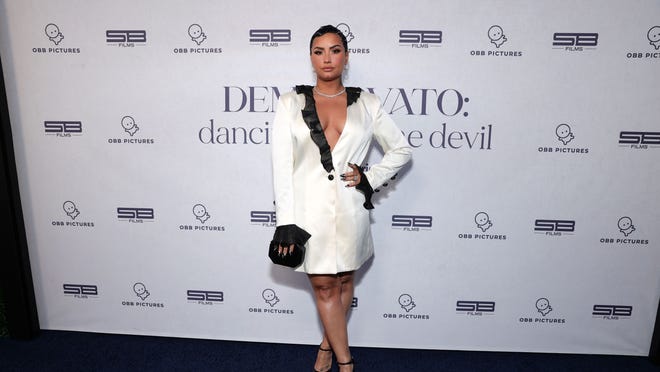
“The Bachelor” showed it was capable of featuring a same-sex romance with Demi Burnett on “Bachelor in Paradise” in 2019. But it’s not like the franchise is the greatest depiction of straight courtship; dating someone for a few weeks and professing your love (or seeking a wedding proposal) isn’t exactly commonplace.

And “The Bachelor” has had highly publicized missteps with comments regarding the LGBTQ community. Former “Bachelor” Juan Pablo Galavis made inflammatory homophobic remarks (though he later apologized) at a Television Critics Association event in 2014. And that same year, then-host Chris Harrison questioned whether having a gay “Bachelor” would be a “good business decision” in an interview with The New York Times Magazine.

Attitudes toward acceptance have certainly shifted for the better since then, and the Supreme Court legalized gay marriage and prohibited employment discrimination for gay and transgender individuals. But a 2019  survey indicated that young people have become less tolerant of LGBTQ people. One statistic from that survey: 36% of young people indicated they were uncomfortable finding out that a family member was LGBTQ, up from 29% in 2017.

An antidote is featuring more LGBTQ people in media. But simply featuring a larger quantity of queer people doesn’t guarantee quality of representation.

More on this:Progress toward LGBTQ equality ‘is a jagged line.’ Here’s what has changed over the past decade.

Colton Underwood isn’t right for the role

Reps for Underwood did not immediately respond to a request for comment regarding reports he plans to star in a Netflix documentary series, according to Variety and People

And as for whether Underwood should star in a new “Bachelor” season: A newly out person coming to terms with their sexual orientation may not be the candidate to fall in love on national television.

That said, every gay person’s coming out journey is their own – and Underwood’s truth could change hearts and minds.

As GLAAD’s head of talent, Anthony Allen Ramos, said in a statement: “Given the large and loyal fandom who know Colton from ‘The Bachelor,’ his coming out and discussion of his faith will hopefully open eyes to the millions of out and proud LGBTQ people.” 

For kids:I wish I had an LGBTQ role model like JoJo Siwa growing up

Colton Underwood, star of ‘The Bachelor,’ says he’s gay – ABC27

0

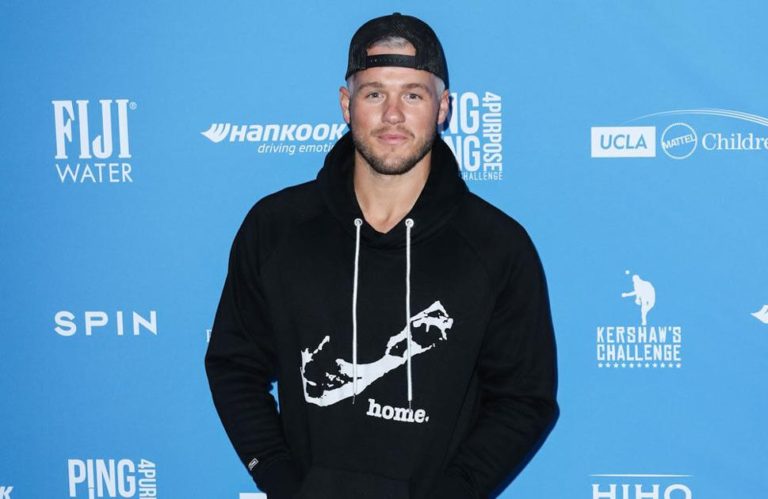
FILE – Colton Underwood from the reality series, “The Bachelor,” appears during an interview in New York on March 13, 2019. Underwood, the former football tight end who found fame on “The Bachelor” has revealed that he is gay. (AP Photo/Gary Gerard Hamilton, File)

Colton Underwood, the former football tight end who found fame on “The Bachelor,” has revealed that he is gay.

“I’ve ran from myself for a long time. I’ve hated myself for a long time,” Underwood told “Good Morning America” on Wednesday. “And I’m gay. And I came to terms with that earlier this year and have been processing it. And the next step in all of this was sort of letting people know.”

Underwood tried out briefly for a handful of NFL teams before his professional football career ended in 2016. Three years later, he won over Cassie Randolph on Season 23 of “The Bachelor,” a show centered on a single bachelor who is asked to select a wife from a pool of romantic interests. Underwood and Randolph never married.

“Every LGBTQ person’s journey to discovering and accepting their authentic self is different, and Colton Underwood’s decision to share his truth with the public reminds us that there is no set timeline for coming out,” said Anthony Allen Ramos, head of talent for GLAAD.

“Given the large and loyal fandom who know Colton from ‘The Bachelor,’ his coming out and discussion of his faith will hopefully open eyes to the millions of out and proud LGBTQ people who are also people of faith.”

Underwood said he finally got to a place where he could be honest with himself after 2020, the year that made people “look at themselves in the mirror and figure out who they are and what they’ve been running from or what they’ve been putting off in their lives.”

Before headlining “The Bachelor,” Underwood appeared on the 14th season of “The Bachelorette” and Season 4 of “Bachelor in Paradise.” He has a book, titled “The First Time.”

Former ‘Bachelor’ star Colton Underwood comes out as gay – KCTV Kansas City

(CNN) — Colton Underwood told Robin Roberts on “Good Morning America” that he is gay in an interview that aired Wednesday morning.

“This year’s been a lot for a lot of people and it’s probably made a lot of people look at themselves in the year and figure out who they are,” Underwood said. “I’ve ran from myself for a long time, I’ve hated myself for a long time. I’m gay. I came to terms with that earlier this year, and the next step in all of this was sort of letting people know. I’m the happiest and healthiest I’ve ever been in my life. That means the world to me.”

The former star of ABC’s “The Bachelor” said that he wishes he had accepted his truth sooner.

Former 'Bachelor' star Colton Underwood: 'I'm gay'

Colton Underwood said in an interview on “Good Morning America” that he is gay.

“I’ve had sort of a range of responses and the underlying most common was ‘I wish you would have told me sooner’ and when I hear that I wish I would have had faith in my friends and family a little bit more,” Underwood said. “The only reason I’m sitting down with you today is because I have the love and support of my friends and my family.

Underwood starred on season 23 of the popular dating show. He made headlines at the time for being open about remaining a virgin. The Indiana native was named after the Indianapolis Colts, and he went on to play for three NFL teams, including the San Diego Chargers, the Philadelphia Eagles, and the Oakland Raiders.

He formely was in a high-profile relationship with olympic gymnast Aly Raisman. During his time on the show he quickly fell in love with contestant Cassie Randolph and following the show’s finale they dated until April 2020. Randolph filed a restraining around that time against Underwood but eventually she dropped it.

Underwood spoke about questioning his sexuality in his book, “The First Time: Finding Myself and Looking for Love on Reality TV.”

In it he said dating Rudolph helped him realize he was straight.

“[The show taught me] that I’m straight and I’m very, very attracted to Cassie and women — but it would have been OK if it would have been the other way too,” Underwood told “Entertainment Tonight.” “I think that’s the biggest message I have for people.”

CDC: U.S. STD Rate at Record High Again – HealthDay News

0

WEDNESDAY, April 14, 2021 (HealthDay News) — Statistics for 2019 — the latest data available from the U.S. Centers for Disease Control and Prevention — show that sexually transmitted disease (STD) rates in the United States hit a new high again for the sixth straight year. The CDC STD Surveillance Report was released April 13.

In 2019, nearly 2.5 million Americans had an infection of chlamydia, gonorrhea, or syphilis, the CDC said. And early data from 2020 suggest that these trends are continuing.

The new research revealed about 2.5 million cases of chlamydia, gonorrhea, and syphilis in 2019, which is an almost 30 percent increase in these STDs between 2015 and 2019. Gay and bisexual men accounted for nearly half of all 2019 primary and secondary syphilis cases, the CDC reported. The highest increase was in syphilis among newborns, which nearly quadrupled between 2015 and 2019.

Although STDs increased across many groups in 2019, racial and ethnic minorities, gay and bisexual men, and youth were hit the hardest. According to the new report, STD rates were five to eight times higher for Black people than for White people, three to five times higher for American Indian or Alaska Native and Native Hawaiian or Other Pacific Islanders than for Whites, and one to two times higher for Hispanic people than for White people. Gay and bisexual men accounted for nearly half of all 2019 primary and secondary syphilis cases. Gonorrhea rates were 42 times higher among heterosexual men in some areas. Young people aged 15 to 24 years made up 61 percent of chlamydia cases and 42 percent of gonorrhea cases.

“Less than 20 years ago, gonorrhea rates in the U.S. were at historic lows, syphilis was close to elimination, and advances in chlamydia diagnostics made it easier to detect infections,” researcher Raul Romaguera, M.D., acting director for the CDC Division of STD Prevention, said in an agency news release. “That progress has since unraveled, and our STD defenses are down. We must prioritize and focus our efforts to regain this lost ground and control the spread of STDs.”

More Information

Former star of ‘The Bachelor’ comes out as gay – Washington Blade

0

Caitlyn Jenner was quickly repudiated by LGBTQ advocates after she entered California’s recall election as a gubernatorial candidate — and her fellow transgender Republicans are mixed over whether or not to back her up.

Transgender Republicans are few in number, but some are in high-profile positions and have been working with their party to change its approach and drop its attacks on transgender people, whether it be in the military, public bathrooms, or school sports.

Jordan Evans, a Charlton, Mass.-based transgender Republican who unsuccessfully last year ran to become a Massachusetts Republican State Committee Woman, told the Washington Blade she had high hopes for Jenner as a fellow transgender candidate, but they were quickly dashed after her campaign launched.

“My feelings changed quickly after Caitlyn made it clear that she was less interested in using this opportunity to present the Republican Party and conservative movements with an accessible and high-profile introduction to the trans community and simply wanted to be a trans woman who espoused the same destructive approaches that we just so happen to be seeing all over the country,” Evans said.

Evans said the high hopes she had were based on the transgender advocacy she said Jenner was doing behind the scenes and the potential for two prominent LGBTQ Republicans to run for governor in California. After all, Jenner may soon be joined in the race by Richard Grenell, who was U.S. ambassador to Germany and acting director of national intelligence before becoming the face of LGBTQ outreach for Trump’s failed re-election.

But Jenner’s approach to the gubernatorial recall in California, Evans said, is “putting trans youth at risk for a campaign that isn’t even transformative for Republicans during this volatile time.”

“Even her current messaging is superficial and does nothing to help dispel claims that she’s unqualified,” Evans said. “The only positive thing that I’ve seen come from this is conservative mainstream media using her correct pronouns, but that is not worth the damage that she’s inflicting.”

Much of the disappointment over Jenner’s campaign is the result of her essentially throwing transgender kids under the bus as part of her campaign at a time when state legislatures are advancing legislation against them, including the bills that would essentially bar transgender girls from participating in school sports.

Jenner, declining to push back on these measures and assert transgender kids have a place in sports, instead essentially endorsed the bills shortly after she announced her candidacy.

“If you’re born as a biological boy, you shouldn’t be allowed to compete in girls’ sports,” Jenner told TMZ, which asked her about the hot-button issue during a Sunday morning coffee run.

Jenner dug deeper into MAGA-world at the expense of solidarity with the transgender community. Last week, Jenner retweeted Jenna Ellis, who has a notoriously anti-LGBTQ background and was criticized just last year for refusing to use the personal pronouns of Rachel Levine, who’s now assistant secretary of health and the first openly transgender presidential appointee to win Senate confirmation.

Jennifer Williams, a New Jersey-based transgender Republican who unsuccessfully ran for a seat in the New Jersey General Assembly last year, said via email Jenner “did much good for several years by educating millions of people around the world about transgender folks,” but won’t countenance the candidate’s remarks on transgender kids in sports.

“In regard to her current run for California governor, her recent comments regarding transgender youth playing sports are confusing,” Williams said. “Just last year, she said that she supported transgender female athletes. Caitlyn should consult with tennis great Billie Jean King, soccer star Megan Rapinoe or WNBA legend Candace Parker on the subject of transgender athletes in women’s sports, as they are very well versed on the matter.”

At a time when state legislatures are pushing through legislation targeting transgender youth, restricting their access to sports and transition-related care, Jenner’s refusal to repudiate those measures has become a focal point for opposition to her candidacy from LGBTQ advocacy groups, who say she’s “out of touch” (although none were supporting her even before she made those comments).

The LGBTQ Victory Fund, which supports LGBTQ political candidates and public officials, has signaled it wants nothing to do with Jenner.

Sean Meloy, vice president of political programs for LGBTQ Victory Fund, said Jenner hasn’t applied for an endorsement from the Victory Fund “and she shouldn’t bother to.”

“Her opposition to full trans inclusion – particularly for trans kids in sports – makes her ineligible for the endorsement,” Meloy said. “There are many great trans candidates running this cycle who are champions for equality.”

To be sure, Jenner used her celebrity status as a former reality TV star and Olympic champion on behalf of transgender lobbyists, urging donations to groups like the National Center for Transgender Equality and going to Capitol Hill to lobby Republicans on transgender issues. Jenner has also given money for transgender kids to attend college, giving transgender advocate Blossom Brown a check for $20,000 on “The Ellen Show” in 2015.

Blaire White, a transgender conservative and YouTube personality, drew on these examples of Jenner helping transgender youth in a video earlier this month and said the two once had dinner together, but wasn’t yet ready to make a endorsement.

“I will say that until she lays out all of her policy positions and until she’s more on record in long form really talking about what she wants to do for the state of California, I can’t say for sure I would vote for her and would not vote for her,” White concluded in the video. “What I can say is: I’m interested. And also, being under Gavin Newson’s governorship, I would literally vote for a triple-amputee frog over Gavin Newsom, so she already has that going for her.”

Jenner’s campaign couldn’t be reached for comment for this article on the repudiation of her campaign from LGBTQ advocacy groups.

Gina Roberts, who’s the first transgender Republican elected to public office in California and a member of the San Diego GOP Central Committee, said she’s neutral for the time being as an elected Republican Party leader, but nonetheless had good things to say about Jenner’s candidacy.

“I think it’s awesome,” Roberts said. “It’s kind of indicative of how cool the Republican Party in California is because nobody really cares or it makes any difference. I mean, I was the first elected GOP transgender person in California and I think we’re ready for No. 2.”

Asked whether Jenner’s comments about allowing transgender kids in sports was troubling, Roberts said that wasn’t the case because she has her own reservations.

“I have pretty much the same opinion because … there’s so many nuances in that,” Roberts said. “If somebody transitions after they’ve gone through puberty, there is a big difference, especially in high school. If they transition beforehand, it’s not a big deal.”

A gun enthusiast and supporter of gun owner’s rights, Roberts said she competes in women’s events in shooting sports, but there’s a difference because she doesn’t “really have any advantages all those young, small ladies can pull a lot faster than I do and shoot faster than I do.”

Roberts concluded she’ll personally make a decision about whom she’ll support in the California recall election after Grenell announces whether or not he’ll enter the race, but can’t say anything until the San Diego GOP Central Committee issues an endorsement.

“He’s a good friend of mine, too,” Roberts said. “I know both of them. I think they’d both be certainly better than Gavin Newsom, I have to stay neutral until the county party decides who they’re going to endorse. I will support somebody or another in the endorsement process, but I can’t publicly announce it.”

Although LGBTQ groups want nothing to do with her campaign, Jenner’s approach has garnered the attention of prominent conservatives, who are taking her seriously as a candidate. One of Jenner’s first interviews was on Fox News’ Sean Hannity, a Trump ally with considerable sway among his viewers. Hannity was able to find common ground with Jenner, including agreement on seeing California wildfires as a problem with forest management as opposed to climate change.

Kayleigh McEnany, who served as White House press secretary in Trump’s final year in the White House and defended in the media his efforts to challenge his 2020 election loss in court, signaled her openness to Jenner’s candidacy after the Hannity interview.

“I really enjoyed watching @Caitlyn_Jenner’s interview with @seanhannity,” McEnany tweeted. “I found Caitlyn to be well-informed, sincere, and laser-focused on undoing the socialist, radical, a-scientific policies of Biden & the left. Very good.”

In theory, that support combined with Jenner’s visibility might be enough to propel Jenner to victory. In the recall election, California will answer two questions, whether California Gov. Gavin Newsom should be recalled, and if so, which candidate should replace him. The contender with the plurality of votes would win the election, even if that’s less than a majority vote, and become the next governor. There isn’t a run-off if no candidate fails to obtain a majority.

With Jenner’s name recognition as a celebrity, that achievement could be in her reach. After all, Arnold Schwarzenegger won the 2004 recall election in California as a Republican based on his celebrity status, and ended up becoming a popular governor.

But the modest inroads Jenner has made with the acceptance of conservatives and potential to win isn’t enough for other transgender Republicans.

Evans, for example, said Jenner’s candidacy is not only a disappointment, but threatening the potential candidacies of transgender hopefuls in the future.

“It’s difficult to be in electoral politics, and that’s even more true when you’re a member of a marginalized community,” Evans said. “Caitlyn’s behavior is making it even more challenging for the trans community to be visible in a field where we desperately need to be seen. She’s casting a tall shadow on our ability to have a voice and is giving credibility to lawmakers and local leaders simply unwilling to view us with decency and respect.”

Williams said Jenner should avoid talking about transgender issues over the course of her gubernatorial run “and instead focus on the hard, critical policy issues facing California.”

“It is a state in crisis and she has to run a very serious campaign and not rely on her celebrity or LGBTQ status to win over voters’ hearts and minds — just like all other LGBTQ candidates around the country need to do when they run for public office,” Williams said.
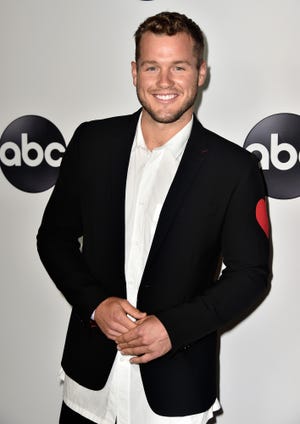
Billy Eichner, Who Joked About Colton Underwood Being Gay On ‘The Bachelor’ In 2019, Posts His Support After Today’s Reveal – Deadline

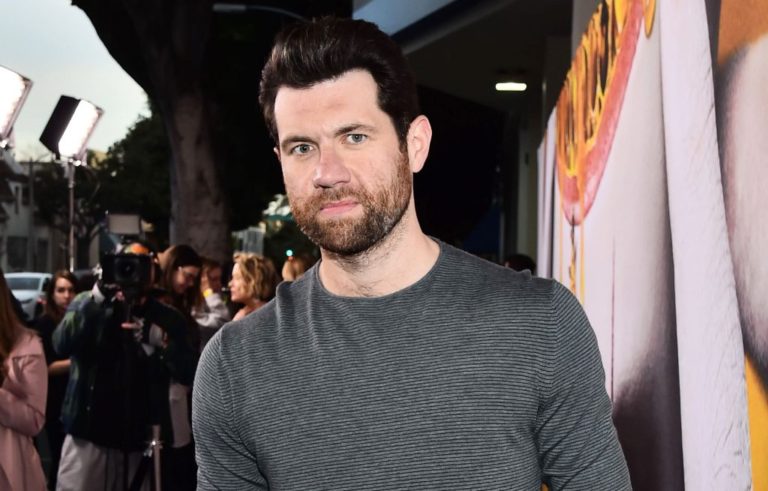
Billy Eichner, who had a brief cameo on reality show The Bachelor in 2019 and joked about being gay with Colton Underwood, came out today with support for his friend.

The Eichner Season 23 clip circulated today in the wake of Underwood’s bombshell Good Morning America interview revealing his previously hidden sex orientation.

In 2019, the Billy on the Street star, 42, had a brief cameo during one of the group dates on the show. When he later joined Underwood and host Chris Harrison, Eichner joked, “I’m gay. I know that’s a shock, Colton. And that I think you should look into.”

He added, “Maybe you’re the first gay Bachelor and we don’t even know.”

Eichner’s attempt at a joke obviously didn’t age well, and today he praised Underwood’s courage.

“I’m happy for @colton. If you’re gay, be gay! I’ve been gay forever & I love it!” the Lion King actor tweeted. He later posted, “Here’s how Hollywood works: Colton’s gonna get a GLAAD Award before I do.”

Underwood was appreciative of Eichner’s support in his own Instagram post today. “Love you. Love this (now) and now I love being gay,” he replied on the comedian’s clip of him from The Bachelor.

Eichner commented back, “I’m happy for you. See you at the club, Colton!”

30 Different Pride Flags and What Each Represents – MarieClaire.com

Leather, Latex, & BDSM Flag

There’s also debate over this flag, centered around whether kinks exist within or outside of the LGBTQ+ community. But the “leather flag,” created by Tony DeBlase in 1989, is a symbol of that community (which includes many gay men)—black may symbolize leather, white is purity, blue is devotion, and the heart is love.

The Bachelor’s Colton Underwood Comes Out as Gay – E! Online

0

As Colton grew older, he abstained from sex with female partners, which caused some speculation about his sexual identity among his peers, especially his teammates.

“It was one of those things where you hear something so often, you start believing it,” he says. “I thought, maybe I am gay. The captain of the football team should be having sex and drinking, right? But I wasn’t.”

The rumors were so abundant Colton said his parents ended up confronting him about it. He recalled his mother telling him, “You know, Colt, we’d still love you and support you if you were gay.”

The speculation continued into Colton’s adulthood, even after he dated Olympic gymnast Aly Raisman and appeared on Becca Kufrin‘s season of The Bachelorette, as well as Bachelor in Paradise. It was during this time that his virginity became a topic of discussion, but his friends and loved ones were “proud” that he was open and honest about it.

‘When you are a person of colour in Ireland people don’t see you as gay’ – The Irish Times

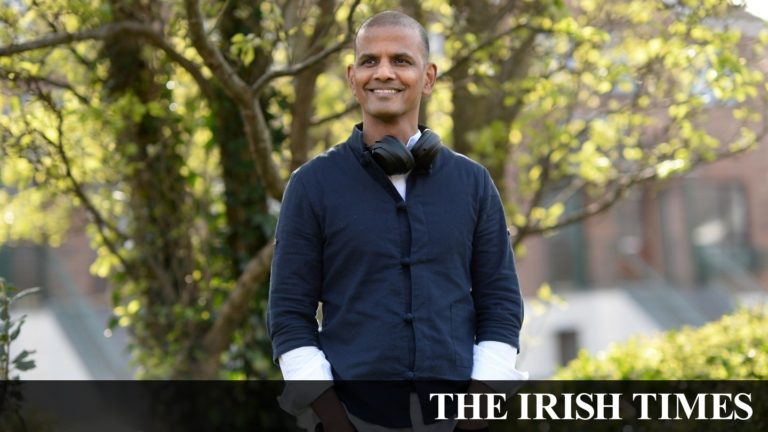
When Pradeep Mahadeshwar was growing up in Mumbai he regularly saw members of the city’s transgender and intersex community – known as hijra – in the streets around his home and school.

This “third gender” community, as they are described in India, intrigued Mahadeshwar who realised at an early age he was gay.

“Hijras are all over India but it’s particularly big in Bombay [renamed Mumbai in 1995] and they are more visible there. There is no shaming in Bombay for being who you are, it’s so busy no one has time for shaming others. Of course there are underlying prejudices but generally there is plenty of space for everyone.”

I didn’t play football or cricket in the summer. I wasn’t masculine. I liked to read and make art and cook and help my mum clean the house

The son of an artist and community educationalist, Mahadeshwar was exposed to politics and literature from an early age and studied art at university. However, as a young boy with a strong stammer, Mahadeshwar found his childhood very challenging. “I was bullied all through school, there was a lot of shame around stammering. Nobody cared about children with stammers back then, there was no help from the school.”

Mahadeshwar’s sexuality also made him a target for bullies. “I didn’t play football or cricket in the summer. I wasn’t masculine. I liked to read and make art and cook and help my mum clean the house. Indian society is quite male dominant and there are certain rules you’re supposed to follow. But I rejected everything. The bullying made me stronger.”

Mahadeshwar never formally “came out” as gay but became more comfortable about his sexuality at college as his circle of friends grew. Unfortunately, he did not get the same acceptance from his family and with Indian society’s consistent pressures and expectations, he eventually decided to leave the country and start a new life abroad. He moved to the United Kingdom with all his belongings packed into one suitcase to study a master’s in fine art and “build a life from zero”.

“I wasn’t new to London, I had visited a few times and that supported my decision to move there. In Soho you’re exposed to so many people. I loved the vibrancy of its gay culture. It was a beautiful time.”

While in London, Mahadeshwar started dating an Irish man and in 2012 he moved to Dublin to be with him. “My first impression was Dublin was cute and nice but when I went into bars at that time it was very white. Everything came down to your accent and your colour. I felt it was hard to make friends although my boyfriend’s family were amazing and supportive.”

Dublin FrontRunners was an opportunity to meet people outside bars where the lights are dark and everyone comes with an agenda of hooking up. With the running I could meet real Irish queer people in broad daylight

When his relationship ended, Mahadeshwar was unable to move back to the UK because of his immigration status, and so he stayed in Dublin. Trying to meet new people in Irish gay bars was difficult and he found many men stereotyped him because of his appearance.

“When you are a person of colour in Ireland people don’t see you as a gay person. They don’t see you as someone worth going on a date with or kissing casually in a bar. And being from southeast Asia, there are so many stereotypes. Indians are seen as working in IT or nurses, Pakistanis are seen as taxi drivers and running fast-food joints. People put you in boxes.”

“It’s hard to build meaningful relationships if you are an immigrant, it took me more than eight years to develop friendships.”

He was working as a freelance designer when he secured a position as art director at Groupon, a job he says “changed my life”. “You don’t have to hide who you are at Groupon, and I got pride from that. They hire people from all around the world; it’s an inspiring place.”

He also joined Dublin FrontRunners running club where he met other members of the city’s LGBTQ community. “It club was an opportunity to meet people outside bars where the lights are dark and everyone comes with an agenda of hooking up. With the running I could meet real Irish queer people in broad daylight.”

In 2015, he campaigned for a “Yes” vote in the same sex-marriage referendum and knocked on more than 100 doors in Glasnevin and Ballymun. While he has fond memories of celebrating the result of the vote, the anniversary celebration the following year was somewhat different. “My friends had decided to go to a gay bar to celebrate but the doorman wouldn’t let me in because he said I ‘didn’t look gay’. He told me I looked new to Dublin and asked whether I knew what the bar was. He said that people like me would bother people inside and make drama. That made me so angry, what does it matter what I look like? I’m gay.”

People don’t come here just to work and learn; they bring their whole culture with them, and in the process our society becomes more mature as we’re exposed to different realities

Racial stereotyping is an everyday occurrence for most people of colour on the Dublin gay scene, says Mahadeshwar. He’s found people openly state on dating app profiles that they’re “not into Asians” or “no Brazilians/Latinos please”. Some accounts specify “only Irish”, he says.

Latino gay men, particularly Brazilians, are seen as “glamorous, fun and sexually desirable” while Asian or black African gay men are regularly considered “unsexy” or “unattractive”, he adds.

Mahadeshwar has witnessed members of the gay community develop friendships, go on dates or engage in casual hookups based on “skin colour, class and geographical stereotypes” but then “express outrage about racism on social media”. “It’s hypocrisy. The gay community needs to show a little bit of empathy for each other. The online and offline Dublin gay scene could be more inclusive.”

Mahadeshwar has found life during the pandemic difficult but says social isolation is not new for him. “Some of my Irish friends say they miss meeting people but for me that was always hard, Covid or no Covid.”

He recently started contributing to GCN (Gay Community News), writing articles about Asian queer people’s experience of Ireland’s LGBTQ community.

“I think there’s a rich culture of immigrants here but we don’t give them a chance to showcase themselves. People don’t come here just to work and learn; they bring their whole culture with them, and in the process our society becomes more mature as we’re exposed to different realities.”

He has also made a short film during the pandemic about how social isolation is affecting sex and intimacy.

Despite the challenges he’s faced since moving here, Mahadeshwar says he’s very happy in Dublin and recently became an Irish citizen. “It’s disheartening to say but most of my racist experiences have been in gay spaces. Otherwise, I think this is a beautiful country. I definitely have a sense of home here.”

We would like to hear from people who have moved to Ireland in the past 10 years. To get involved, email newtotheparish@irishtimes.com@newtotheparish

Hungary footballers’ row exposes gay rights split – BBC News

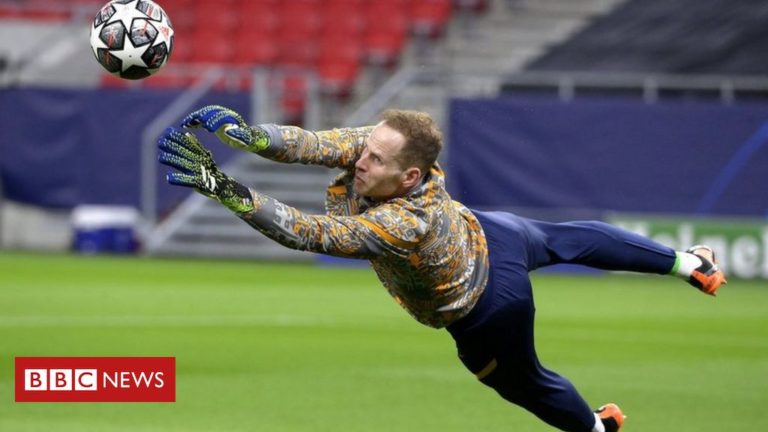
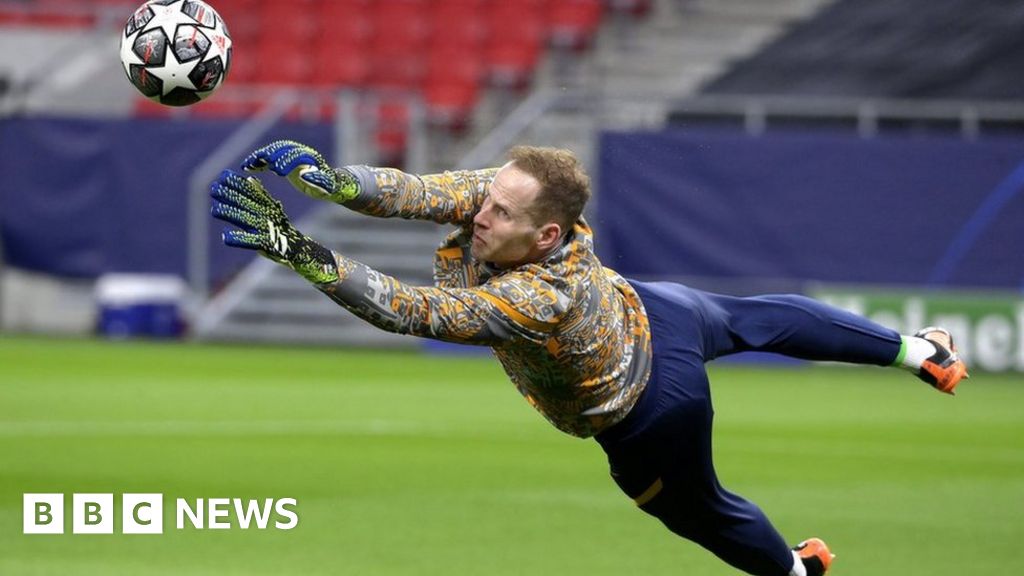
Peter Gulacsi, now at high-flying rival RB Leipzig and formerly of Liverpool, posted the message on Facebook in February. “The more time I spend abroad or among people from different cultures,” he wrote, “the more I realise the world is more colourful due to the fact that we are not all the same, and that love, acceptance, and tolerance are the most important things.”

Why Arkansas Anti-Trans Law Is Dangerous for LGBTQIA+ Youth – Healthline

Share on Pinterest
Arkansas has passed new legislation banning gender-affirming care for trans youth. Experts say it could do a great deal of harm to their mental and physical well-being. Julie Bennett/Getty Images

Last week, Arkansas became the first state to ban gender-affirming care for transgender youth, defying a prior veto from Gov. Asa Hutchinson.

Called the “Save Adolescents From Experimentation (SAFE) Act,” the legislation prohibits physicians from providing hormone therapy and puberty blockers to young people.

And what is particularly cruel, say critics, is the legislation applies even to people who have already begun these treatments.

The legislation made national headlines and sent shockwaves to trans youth and their families across the country.

“This is devastating to transgender youth and their families,” said Jamie Bruesehoff, a New Jersey parent of a trans daughter, Rebekah. “This will cost lives. My child’s healthcare should be between me as a parent, her, and her team of medical providers.”

“I’m so scared for the youth in Arkansas,” Rebekah said. “I’m scared to say what would happen if I didn’t have access to the affirming healthcare I receive, if I wasn’t on medicine to block puberty. I don’t think I’d be alive.”

“It’s exhausting to know that my rights are constantly up for debate,” she added. “I just want to be a kid. I wish I could be worrying about my homework instead of what state is trying to take away my rights, my healthcare, and practically erase me from society.”

The vast majority of health experts support gender-affirming care.

Major medical organizations like the American Academy of Pediatrics (AAP), which comprises nearly 70,000 members, and the American Psychiatric Association have spoken out against the ban.

Dr. Gary Wheeler, president of AAP’s Arkansas chapter board of directors and a pediatric infectious disease physician, is “extremely disappointed” in the state’s decision to overturn the governor’s veto.

However, he said he’s not surprised.

Wheeler, who testified before legislative committees against the law, said lawmakers in the Republican-majority legislature were not overly receptive to the testimonies from experts in support of gender-affirming care.

The reason? He pointed to the “extensive work” done in advance by outside interest groups to lobby Arkansas politicians and polarize the issue as part of national culture wars.

The Human Rights Campaign (HRC), a major LGBTQIA+ political group, pointed to the Heritage Foundation, the Alliance Defending Freedom (which is designated by the Southern Poverty Law Center as a hate group), and the Eagle Forum (founded by the late anti-gay activist Phyllis Schlafly) as among the primary drivers of this legislation — not families with transgender kids, of which there are comparatively few in Arkansas.

“I want anti-transgender lawmakers to talk to transgender youth and their families before trying to legislate their lives,” Jamie Bruesehoff said. “We’re real families with real lives. I wish they’d get to know us before speaking and voting on things they know nothing about.”

While there were a few medical professionals who did testify in support of the Arkansas ban, they represented “fringe” groups, like the American College of Pediatricians (ACPeds), which comprises many religious-leaning physicians who parted ways with the AAP over cultural issues.

Wheeler said it was “disturbing” to watch members of his profession and uninformed politicians “cherry pick” information in legislative committees, misread journal papers, and use outdated data while “overlooking what is clearly detrimental to these children, which is the systematic legislative bullying of a class of individuals that causes harm to them.”

For example, the ban’s primary sponsor, Republican Rep. Robin Lundstrum, cited a 2011 study saying that, after gender confirmation surgery, transgender people were more likely to consider suicide and have mental health issues.

But that same study also said surgery helped alleviate gender dysphoria.

First, the legislation denies the medical care itself to transgender young people under age 18.

Many people have already begun hormone therapy only to have it disrupted at critical periods in development after extensive research and decision making efforts from their family members.

There’s also the serious harm to mental health that comes when elected officials are debating your dignity.

A pediatric endocrinologist working with the AAP saw a “dramatic uptake” in calls from parents concerned with their trans children’s mental well-being, attested Wheeler.

Indeed, resources like the Trans Lifeline (877-565-8860), which provides support to trans young people contemplating suicide, have routinely seen calls increase during past political attacks on the transgender community.

An example is when North Carolina passed a “bathroom bill” denying public restroom use to trans people in 2016.

“I’m very concerned that those who are proponents of the bill are ignoring the harm that they’re causing just by bringing this legislation forth,” Wheeler said.

So, why would legislators vote to harm children?

Wheeler believes that conservative interest groups are “very effective” at lobbying individual legislators with no background in transgender health.

Additionally, he has observed a growing distrust of the medical community in Arkansas politics, which has become increasingly polarized.

“I think the credibility of physicians has really eroded. I think in the past, we were thought to be dispassionate, nonpartisan technocrats, but we’re not seen that way anymore,” he said.

“I think there’s some political slant to almost every issue that is presented now in our legislature, unfortunately. And as a result of that, the best decisions are not always being made,” he said.

And Arkansas is not alone in pushing anti-transgender legislation.

The HRC counted 82 anti-trans bills introduced in state legislatures — a record high for any year — and that was only by March 13.

Around 30 states are now considering legislation similar to Arkansas’s. In addition to assailing gender-affirming care, these bills target the participation of transgender athletes in sports.

“These bills are not addressing any real problem, and they’re not being requested by constituents,” said Alphonso David, HRC’s president, in a statement. “Rather, this effort is being driven by national far-right organizations attempting to score political points by sowing fear and hate.”

These groups are doing so against the tide of popular opinion.

According to a poll conducted last fall by the HRC and Hart Research Group, at least 87 percent of respondents in 10 swing states think trans people should have equal access to medical care.

States that advance anti-transgender laws have a lot to lose — economically and reputationally.

In March, more than 65 major U.S. companies like Apple, Facebook, American Airlines, and Hilton signed a statement opposing anti-LGBTQIA+ legislation and outlined the negative impact these laws would have on employees and the economy.

For example, The Associated Press estimated North Carolina’s “bathroom bill” may have resulted in $3.76 billion in lost business over the course of 12 years.

Most troublingly, the extent of the legislation’s harm to trans kids is still unknown.

A large concern for Wheeler is that, under the enacted law, referrals of transgender kids undergoing gender transition management to mental healthcare may be forbidden.

This will leave them “horribly affected,” he said bluntly.

And under the ban, healthcare professionals seeking to help trans youth risk losing their medical license.

Another concern is that trans kids and their parents who want to seek treatment will have to travel outside of the state, which, much like abortion access in some states, would be an option available only to the wealthy or people living in border towns “that can literally cross the river and get care.”

Additionally, Wheeler is unsure telemedicine appointments with physicians in other states will be permitted.

Before the anti-trans bill’s approval, the AAP’s Arkansas chapter had attempted to hold meetings with legislators to educate them on the issue and to assuage them that the group’s work was nonpartisan — but that in-person work was interrupted by the pandemic.

“We’ve got a lot of work to do” going forward, Wheeler said.

Fortunately, trans young people are “tough as nails,” said Wheeler, who witnessed their bravery in testifying for their rights before legislative committees.

And he has a message for them on behalf of his organization.

“Be patient with the people that control the power around you. We’re going to keep working with you to try to get you across the finish line at some point. So, don’t give up. Don’t stop inspiring us, because I think a lot of folks that have worked in this area are very discouraged right now.

“And I think the patients themselves are the ones that are going to keep the fires stoked and continue to inspire us to try to do the work that we need to do to improve the law and improve services and healthcare for these individuals,” Wheeler said.

From a legal statement, the American Civil Liberties Union (ACLU) is also vowing to support trans kids and fight the Arkansas legislation in court.

A ban on gender-affirming care is “not only wrong, it’s also illegal,” said Holly Dickson, ACLU of Arkansas executive director, in a recent statement.

Rebekah is one of those youth leaders who will continue to speak out against those who would seek to demonize her community.

“We’re not scary. We’re not a threat. We are just kids like all other kids, and being transgender is just a tiny part of who we are,” she said.

“We are musicians, athletes, writers, leaders, future politicians, and more.”

Colton Underwood comes out as gay | Entertainment | insidenova.com – Inside NoVA

Colton Underwood has come out as gay.

The former ‘Bachelor’ star revealed the truth about his sexuality and admits that he came to terms with being attracted to men earlier this year after spending a “long time” running from himself.

During a candid chat with Robin Roberts on ‘Good Morning America’, Colton explained: “For me, I’ve run from myself for a long time. I’ve hated myself for a long time.

“I’m gay and I came to terms with that earlier this year and have been processing it. The next step in all of this was sort of letting people know. It’s been a journey for sure.”

The 29-year-old TV personality admitted he’s been feeling “emotional” but is secure in himself.

He continued: “I’m emotional, but I’m emotional in such a happy and positive way. I’m like the happiest and healthiest I’ve ever been in my life and that means the world to me.”

Colton opened up on how he knew he had to tell the truth when felt death would have been a better option than coming out.

He said: “I got into a place for me in my personal life that was dark and bad. I can list a bunch of different things, but they’d all be excuses. But I think overall, the reason why now is because I got into a place where I didn’t think I was ever going to share this. I would’ve rather died than say ‘I’m gay.’

“And I think that was sort of my wakeup call.”

Asked if he had considered self-harm, Colton said: “Yeah. There was a moment in LA that I woke up and I didn’t think I was going to wake up. I didn’t have the intentions of waking up, and I did. And I think for me, that was my wake-up call of like, ‘This is your life. Take back control.'”

Colton also apologised to his former partner Cassie Randolph, whom he had met on ‘The Bachelor’, after she had filed a restraining order and accused him of stalking and harassment after they split during the summer of 2020.

He shared: “I’d like to say sorry for how things ended. I messed up. I made a lot of bad choices.

“If I’m being honest, I loved everything about her and it’s hard for me to articulate exactly what my emotions were in going through with that relationship with her was, because I obviously had an internal fight going on.

“I would just say that I’m sorry from the bottom of my heart. I’m sorry for the pain and emotional stress I caused. I wish it wouldn’t have happened the way it did.”

British PM pledges to exempt prayer from LGBT+ conversion therapy ban – Reuters

LONDON (Thomson Reuters Foundation) – British Prime Minister Boris Johnson has said prayer for someone exploring their sexual orientation or gender identity will not be criminalised in any conversion therapy ban, as LGBT+ activists and conservative Christians clash over the issue.

Johnson said that “appropriate pastoral support (including prayer)” would remain legal, in a letter to the Evangelical Alliance, a conservative Christian lobby group representing 3,500 churches, seen by the Thomson Reuters Foundation.

“I take freedom of speech and freedom of religion very seriously,” he wrote in the letter, dated March 27 and which became public this week.

“Like you, I do not want to see clergy and church members criminalised for normal non-coercive activity.”

Britain’s ruling Conservative Party has come under increasing pressure from LGBT+ activists to fulfil a pledge made in 2018 to ban practices that aim to change or suppress someone’s sexual orientation or gender identity.

The United Nations has called for conversion therapy to be banned globally. Brazil, Ecuador and Malta have nationwide bans, Germany outlaws it for minors and it is illegal in parts of Spain, Canada, Australia and the United States.

LGBT+ campaigners and politicians expressed concerns on Wednesday that Johnson’s letter could mean the government granting religious exemptions in any proposed ban, despite previous promises to include religious practices.

“LGBT people of faith have been courageous in speaking about the harms caused by conversion therapy,” Liz Barker, an opposition lawmaker of Britain’s upper house of parliament, said in emailed comments.

“Johnson’s letter shows that the Conservatives have forsaken those brave people, and given their abusers a green light to continue. This is shameful. Only people of faith who seek to abuse LGBT people have anything to fear from a complete ban.”

A spokeswoman for the government said in emailed comments that it was fully committed to advancing LGBT rights.

“We have made clear that we will take action to stamp out conversion therapy in this country. We have engaged with a variety of stakeholders as part of this process and will bring forward proposals shortly,” she said in emailed comments.

Jayne Ozanne, a gay evangelical Christian who resigned from the government’s now-disbanded LGBT Advisory Panel last month over delays to the planned ban, called on the government to listen to LGBT+ survivors of conversion therapy.

“I think the government are appeasing evangelicals, without understanding the harm that they’re doing,” she said by phone.

“They’ve been heavily lobbied by them, but what they haven’t done is engage in any depth with the survivors and victims of this abhorrent practice.”

The Evangelical Alliance did not respond to requests for comment.

Reporting by Rachel Savage @rachelmsavage; Editing by Katy Migiro. Please credit the Thomson Reuters Foundation, the charitable arm of Thomson Reuters, that covers the lives of people around the world who struggle to live freely or fairly. Visit news.trust.org

Florida House passes contentious transgender sports ban – POLITICO – POLITICO


Stephanie Marty demonstrates against a proposed ban on transgender girls and women from female sports leagues outside the South Dakota governor's mansion on March 11.

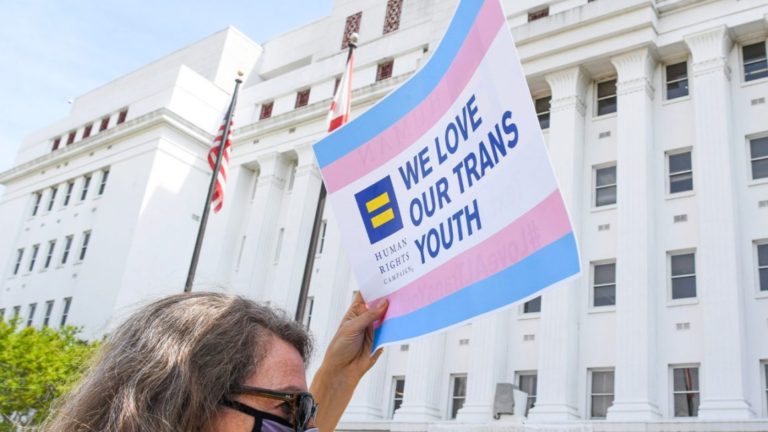
Stephanie Marty demonstrates against a proposed ban on transgender girls and women from female sports leagues outside the South Dakota governor’s mansion on March 11. House and Senate Republicans in Florida have seized on women’s sports as a priority in 2021, following the path of more than 20 other GOP-leaning states that are using the issue to limit transgender rights. | Stephen Groves/AP Photo

TALLAHASSEE — The GOP-controlled Florida House on Wednesday passed controversial legislation banning transgender athletes from playing girls’ sports, shifting attention to the state Senate where final approval is needed to send the bill to Gov. Ron DeSantis.

The 77-40 mostly party-line vote, with all but one Democrat opposing, came one day after House Democrats held up a floor session for hours attempting to scale back the measure. GOP lawmakers say the bill is needed to protect the sanctity of women’s sports, but opponents contend it would only “legalize bullying” for transgender students.

“HB 1475 is purely political, and it plays on the fears and the ignorance about the transgender community in order to score partisan points,” state Rep. Carlos Guillermo Smith (D-Orlando), an openly gay lawmaker, told reporters ahead of Wednesday’s vote.

House and Senate Republicans in Florida have seized on women’s sports as a priority in 2021, following the path of more than 20 other GOP-leaning states that are using the issue to limit transgender rights. LGBTQ advocacy groups like Equality Florida are aligned with the majority of Democrats in opposing the legislation, arguing it would lead to increased stigma and misinformation surrounding transgender students.

The idea issue was magnified on Monday when the NCAA put states like Florida on notice, warning that locations that don’t treat all student athletes with “dignity and respect” could be ineligible to host future championship games.

Democrats attempted to leverage the NCAA’s stance against Republicans by cautioning that Florida could lose out on millions of dollars in revenue should events move elsewhere, similar to how the MLB pulled its All-Star Game from Atlanta over Georgia’s new voting rights laws. But that failed to sway the House’s GOP majority, who maintained the bill protects fairness in women’s sports.

“There is an inherent, biological, undeniable difference between men and women, boys and girls,” said state Rep. Traci Koster (R-Tampa). “Simply put: we were designed differently.”

Democrats pushed back against that rhetoric, insisting the legislation is aimed at LGBTQ rights and not girls’ athletics.

“Sports have become another avenue to attack the rights of trans people,” said state Rep. Anna Eskamani (D-Orlando). “And those efforts have caused incredible harm to trans youth, who, like all kids, especially in the middle of a pandemic, deserve compassion and support.”

Dubbed the Fairness in Women’s Sports Act, the House bill lays out that female sports teams in Florida are specifically for “biological” women and girls while also creating a path for handling gender disputes by requiring a medical professional to verify a student’s sex. The law would apply to students in K-12 and higher education.

Democrats on Tuesday lobbed 19 amendments at the proposal during its initial House floor hearing, spending three hours going back and forth with one other in questions and debate, begging Republicans to engage with them.

One GOP lawmaker did step up to bash the NCAA, claiming Democrats were mistakenly holding the organization up as a “moral compass.” The Florida Legislature has a history of sparring with the NCAA, including last session when lawmakers passed a bill allowing student athletes to profit from their name, image and likeness, circumventing the organization’s long-standing policies.

One House member suggested the states that pass transgender sports bans should unite and create their own athletic association to rebuke the NCAA.

“We know exactly what they’ll do if this law passes,” state Rep. Chip LaMarca (R-Lighthouse Point) said Tuesday. “The same thing they do for our student athletes right now — and that’s nothing. They treat them like free labor.”

With the House bill officially passed, it’s now the Senate’s turn take up its measure. FL SB2012 (21R) was slated for its final hearing on Wednesday but got temporarily postponed by sponsor Sen. Kelli Stargel (R-Lakeland) due to the packed Rules Committee agenda.

Stargel’s bill, which breaks from the House version by allowing athletes who declare as female to participate in sports if their testosterone levels are below a certain mark, could resurface at a meeting on April 20.

“All eyes are on the Florida Senate to stop this cruel legislation and protect the transgender youth this bill vilifies,” said Jon Harris Maurer, Public Policy Director for Equality Florida.

Once on the Brink of Eradication, Syphilis Is Raging Again in San Francisco and Beyond – KQED

0

In 2000, syphilis rates were so low that public health officials believed eradication was on the horizon. But the rates started creeping up in 2001, grew steadily for the next two decades, then spiked 74% since 2015. There were nearly 130,000 cases nationwide in 2019, according to data released Tuesday by the Centers for Disease Control and Prevention.

In California, and throughout the United States, about half of syphilis cases are in men who have sex with men. More than a third of women in the western U.S. who have syphilis also use meth, a drug that has seen its own surge in recent years.

These are just some of the trends causing overall national cases of sexually transmitted diseases to hit all-time highs for the past six years in a row, reaching 2.5 million cases. And the consequences are now trickling down to babies who are contracting syphilis from their mothers; these congenital syphilis rates nearly quadrupled between 2012 and 2019.

This was all before the coronavirus pandemic took hold in the U.S., and with contact tracers and testing supplies diverted from STDs to COVID-19, the CDC is predicting 2020 numbers will be no better.

“We are quite worried about this and have seen this trend over time,” says Dr. Erica Pan, California’s state epidemiologist. “Unfortunately, with years of not having enough funding and infrastructure in public health, and then in this past year, of course, both at the local and state level, a lot of personnel who had been focusing on STDs and syphilis follow-up have really been redirected to the pandemic.”

Multiple Factors Fueling Surge

There are many factors that contribute to the rise of STDs, and syphilis in particular.

In the gay community in San Francisco, for example, the rise of mobile dating apps like Grindr and Tinder have made finding a date “faster than getting pizza delivered to your home,” says Dan Wohlfeiler, an STD prevention specialist and co-founder of Building Healthy Online Communities, which uses these apps to improve gay men’s health.

When the dating apps first came on the scene around 2009, they made it harder for disease investigators to track the spread of STDs and notify people who may have been infected, because men don’t always know the names of the other men they hook up with.

“They sometimes only know their online handle,” says Dr. Ina Park, associate professor at UCSF School of Medicine and author of the book “Strange Bedfellows,” about the history of STDs. “And if the sex didn’t go well, then sometimes they will block the person from their app and they don’t even know how to reach that person again.”

Online dating began back in the late 1990s, which was around the same time effective medications to prevent the transmission of HIV became available: first, antiretrovirals that suppress the virus in those who are HIV-positive, and then later, in 2012, preexposure prophylaxis, or PrEP, which prevents new infections in people who are HIV-negative, but considered at risk for exposure to the virus.

With the risk of contracting a deadly disease falling to almost zero, condoms fell even more out of favor than they already were, says Park.

“If one man is taking PrEP and the other one is virally suppressed, there’s no HIV risk at all,” she says. “So why use condoms if you don’t mind having a touch of syphilis?”

Diagnosing Syphilis Is Tricky

While syphilis is not benign — it can cause blindness, deafness or brain damage — it is easy to treat. Typically, a shot of penicillin in the buttock will cure it.

But diagnosing syphilis can be tricky, says Park, who treats patients with STDs at the San Francisco City Clinic. She often finds herself crouched low in the exam room, “lifting up their scrotum and lifting up their penis,” craning her head to get a look from all angles.

She does these gymnastics to find rashes associated with syphilis. Some are obvious, others subtle. She says doctors in regular family medicine clinics often aren’t trained on where to look, or when.

“The patient came in saying, ‘I’m tired,’ ” Park says, referring to a common symptom of syphilis. “How many people are going to say, ‘Take off your pants and lift up your scrotum, I want to look? We only do that at the STD clinic because that’s what we do.”

But specialized public STD clinics, like the one where Park works, have been shutting down nationwide. One reason is persistent underfunding of public health programs, a trend laid bare during the coronavirus pandemic. Another reason is the Affordable Care Act. In a strange way, the 2010 law intended to expand access to health care actually contributed to the closure of STD clinics.