Home Blog Page 383

Japan urged to outlaw LGBTQ discrimination before Olympics – The Japan Times

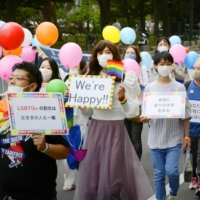
As sports fans count down to the start of the Tokyo Olympics in July, the eyes of LGBTQ activists are firmly focused on the Diet, or Japan’s legislature, with the goal of using the global spotlight to end discrimination against lesbian, gay, bisexual, transgender and questioning and queer people.

More than 100,000 people have signed a petition calling on the government to pass an LGBTQ equality law before the games open on July 23 to honor their key themes of celebrating “unity in diversity” and “passing on legacy for the future.”

“We have seen through history the power of the Olympics to mobilize athletes and fans to speak out for what they believe in,” said Hudson Taylor, founder of Athlete Ally, a U.S.-based advocacy group backing the petition.

“Sport teaches us that we are stronger when we stand together, and now is the time for the global sport community to stand in solidarity with the LGBT community in Japan.”

Taylor pointed to African American athletes Tommie Smith and John Carlos who were sent home from the 1968 Olympic Games for their raised-fist protest against racism on the podium, and the 2014 Winter Olympics protests against Russia’s anti-gay laws.

Apart from a spell in the 1870s, gay sex has never been illegal in Japan. Yet, in a race to modernize over the last century, LGBTQ rights were largely swept under the carpet in a culture with strong family-focused attitudes, activists say.

Being openly gay remains largely taboo, although acceptance of homosexuality in Japan rose to 68% in 2019 from 54% in 2002, a poll by the U.S.-based Pew Research Center found.

Taiwan became the first place in Asia to legalize same-sex marriages in 2019.

LGBTQ campaigners won a symbolic victory last month when a Sapporo court ruled that not allowing same-sex couples to marry was “unconstitutional,” although the gay couples who brought the case lost their claim for damages for being unable to wed.

“(The ruling) is an encouraging boost to many same-sex couples,” Suki Chung, regional campaigner at Amnesty International, told the Thomson Reuters Foundation.

“But considering their current difficulties in dealing with the pandemic and the arrangements for the Summer Olympics, I do not foresee that the Japanese government will introduce legislation to allow marriage equality … before the games.”

International spectators have been barred from the Olympics, which were postponed last year due to the COVID-19 pandemic, and participants must wear masks at all times except when eating, sleeping or outdoors in a drastically scaled-back event.

Health authorities in Japan fear that variants of the new coronavirus are driving a fourth wave of the pandemic. Olympic Torch relay events have been cancelled in Osaka, where the government has implemented stricter measures due to record infections.

A bill to legalize same-sex marriages was brought to Japan’s parliament by opposition parties in 2019 but failed to progress after it was unable to win the backing of conservative lawmakers in the ruling Liberal Democratic Party (LDP).

Athletes and activists have spoken out in support of an equality law ahead of the games, highlighting that the governing Olympic Charter bans “discrimination of any kind,” including on the grounds of sexual orientation.

Fumino Sugiyama, a transgender activist and former fencer on Japan’s national women’s team, has called on athletes worldwide to push for change, adding that many Japanese LGBTQ sportsmen and women are scared to come out as they fear discrimination.

“The Olympics is only a start of something. We have to push and create new laws like the anti-discrimination law,” Sugiyama told the Human Rights Watch website. “We can’t look back and say: ‘Oh there was a big party, but nothing changed.’ What we leave to the next generation is what’s important.”

Shiho Shimoyamada, Japan’s only openly gay athlete who plays for women’s football club Sfida Setagaya FC and used to be a midfielder with Germany’s SV Mappen, is also backing reform.

“I believe that the sports world has the potential to create a society that recognizes, accepts, and respects differences,” she said on the Athlete Ally website.

Despite the opportunity brought by the Olympics, analysts believe Prime Minister Yoshihide Suga is unlikely to push for reform before parliament closes in June.

Gon Matsunaka, director of Marriage for All Japan, said the lobby group is already looking to the October elections for the House of Representatives, or lower house.

“Marriage equality and LGBTQ-related laws will be a big issue for voters,” he said.

In a time of both misinformation and too much information, quality journalism is more crucial than ever.
By subscribing, you can help us get the story right.

SUBSCRIBE NOW

PHOTO GALLERY (CLICK TO ENLARGE)

With Gay Adoption Decision, Will the Supreme Court Erode the Regulatory State? – Boston Review

0

Apr 15, 2021

22 Min read time

Image: tedeytan / Wikimedia 

On the surface, Fulton v. Philadelphia poses a question about religious conscience—but its proponents hope it will enable conservatives to pick and choose which laws they have to follow.

LGBTQ+ Americans appear to owe a lot to the Supreme Court lately. Despite fifty years of right-wing legal training, conservative foundation building, and huge influxes of donor cash, the federal judiciary has for the past two decades rather consistently delivered on queer rights. From same sex marriage to Title VII employment protection rights—even the right to be intimate without the police knocking at the bedroom door—the Court has found cause to side with gay and trans advocates. It has done so despite simultaneously fulfilling an otherwise anti-state corporate agenda that has curtailed Medicaid expansion, decimated labor and voting rights, imperiled the work of regulatory bodies, and opened elections to a flood of near unlimited corporate spending.

A ruling in favor of Catholic Social Services could grant private organizations a broad right to discriminate, all while working as agents of the state operating with taxpayer funds.

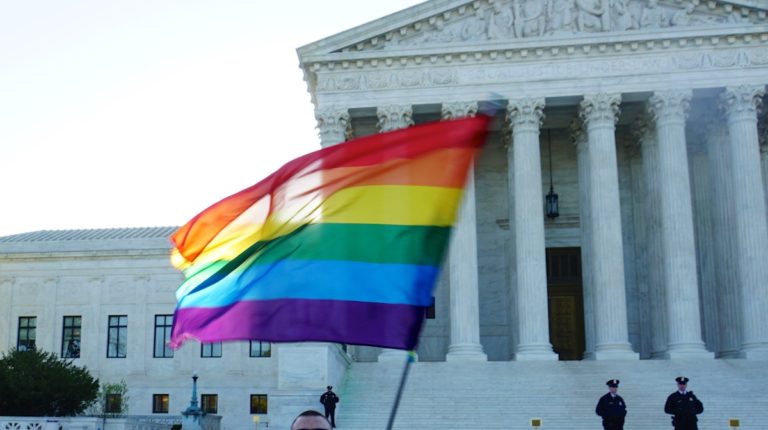
This summer, however, conservative adversaries of LGBTQ+ rights and enemies of the welfare state alike may finally get their way.  That is, the entire conservative coalition might score a victory if the Supreme Court rules in favor of a Catholic foster and adoption agency in Fulton v. City of Philadelphia. Such a decision could give religious social service providers a blanket First Amendment pass to avoid state and city regulatory efforts—including those which prohibit discrimination on the basis of sexual orientation and gender identity. 

• • •

At the center of Fulton v. City of Philadelphia is a contested contract. In 2018 city officials learned that one of Philadelphia’s major adoption and foster care service contractors, Catholic Social Services (CSS), refused to certify otherwise qualified, married same-sex couples (and unwed heterosexual couples, for that matter) as suitable caregivers. That refusal, Philadelphia claimed, violated its Fair Practices Ordinance, which forbids such discriminatory denials of service. In riposte, CSS has argued that the city’s subsequent canceling of its contract constituted an unconstitutional blow against its First Amendment religious free exercise and free speech rights. After serving Philadelphia’s poor and needy for over two centuries, CSS maintains that it has been shunned for upholding Catholic doctrine and for refusing to engage in “compelled” speech that would affirm the moral legitimacy of same-sex marriage.

It is certainly true that the Fulton case is an attempt by the religious right to erode the newly won civil rights of queer people. CSS is represented by the Becket Fund for Religious Liberty, a nonprofit which specializes in framing far-right causes as matters of religious liberty—perhaps most famously with Burwell v. Hobby Lobby (2014), in which the Court ruled that companies can refuse reproductive health care to employees on religious grounds. The Becket Fund has played an outsize role in making religious liberty–themed cases a perennial feature of the Court’s docket. But it is just one in an expansive coalition of Christian litigations firms and conservative foundations that has also pursued an anti-transgender rights agenda in the form of bathroom bills and sports restrictions.

CSS wishes to place the city’s basic functioning at the whim of every contractor’s religious preferences, undermining the ability of government to actually govern.

But Fulton poses dangers that extend far beyond LGBTQ+ rights. For example, the unwed heterosexual couples that CSS also discriminates against are likely to be poor or working class. And in an ongoing related case, an evangelical Christian agency has sued for the right to deny service to Jewish and Catholic parents. A ruling in favor of CSS, therefore, could grant private organizations a broad right to discriminate, all while working as agents of the state operating with taxpayer funds.

Faced with the choice of abiding by the city’s antidiscrimination ordinance or having its contract canceled, CSS insists that religious social service contractors are being treated unfairly, and has asked in particular that the Court overturn its 1990 ruling in Employment Division v. Smith. That case, in which the Court denied Native American Church adherents a religious exemption to ritualistically consume peyote, set a relatively high bar for what counts as an unconstitutional abrogation of religious free exercise. Smith holds that a law is constitutional if it was neutral toward a religious entity when passed and generally applicable beyond that entity.

It may surprise many readers to learn that it was Justice Antonin Scalia who decided Smith. Indeed, when Smith was first decided, it was liberals—such as President Bill Clinton and the American Civil Liberties Union—who decried the decision as undercutting protections for practitioners of minority religions. Prior to Smith, free exercise jurisprudence occasionally provided exemptions for those minorities, allowing Jehovah’s Witnesses to refrain from pledging allegiance in the classroom and Amish Mennonite families to remove their children from school before the state-mandated age.

Conservatives today have embraced this pre-Smith case law, albeit largely to serve the interests of mainstream religious organizations—particularly massive nonprofits and even organizations not previously understood as religious, such as flush corporations like Hobby Lobby. The Supreme Court’s conservative majority has endorsed this pro-exemption, anti-regulatory approach in several recent cases that pit COVID-19 public health measures against religious groups. In other words, Smith is under fire, but not exactly for the benefit of downtrodden religious minorities. Recall that the sister case in Fulton features a Protestant agency that wishes to discriminate against Jews and Catholics.

CSS and its legal team have attempted to gut the Smith precedent in at least two ways. First, CSS has argued that a mere antidiscrimination ordinance is neither neutral nor generally applicable. It claims that it was targeted by the city unduly and that the law is not general because Philadelphia makes provisions—what CSS lawyers dishonestly call “exemptions”—for children to be placed with families of the same ethnicity. This is ultimately a false equivalence: there are no agencies in Philadelphia that only cater to clients of a certain ethnicity or which would refuse outright to place children in homes of a different ethnicity.

Second, CSS has offered what appears to be a minor technical way to resolve the case, but which might nonetheless warp Smith beyond recognition. Whereas the city has claimed managerial authority over its contractors as it does its employees, CSS’s lawyers posit that the agency is a mere collaborator with the city government rather than its de facto appendage—a licensee rather than a contractor. If the Court grants that the city is simply licensing CSS’s services to ensure that children find suitable homes rather than acting through the agency, this perversely privileges the rights of the welfare providers over the rights of the children and families they serve. Not only would this infringe upon citizens’ rights; it would place the city’s basic functioning at the whim of every contractor’s religious preferences. In effect, this so-called technicality could fundamentally undermine the ability of government to actually govern.

In an additional maneuver to evade direct regulation, CSS has argued that the agency is akin to a private school that receives public funds. That itself is a frightening prospect, as religious schools have in recent years broadened their right to discriminate against their sick and disabled employees. Catholic schools now have much of the same discretion to hire and fire their teachers as parishes have in selecting their clergy. In last summer’s Our Lady of Guadalupe School v. Morrissey-Berru and cases like it, the Court held that religious schools have the right to terminate teachers for essentially any reason—including ones that would ordinarily be illegal, like firing a teacher for undergoing cancer treatment or for having narcolepsy.

The Fulton case threatens to transform what’s left of our hollowed-out social service landscape into its conservative caricature—opaque, dysfunctional, and defined by arbitrary authority—all to the benefit of opponents of the welfare state, religious and not.

CSS’s most radical argument is that the Smith precedent sets the bar far too low. It wants to shift the burden onto the government to prove that neutral policies that apply to everyone equally—such as antidiscrimination ordinances—do not in any way curtail religious freedom. If the government could not meet this high threshold of proof, it would be forced to provide an exemption.

These exemptions could quickly undercut social welfare programs that have come to rely on faith-based agencies to carry out their work. City, state, and local governments today contract out some $1 trillion annually to private companies, many of which are religiously affiliated. As the American Civil Liberties Union has warned, those seeking services at publicly funded homeless shelters, food banks, hospitals, disaster relief agencies, and other faith-based humanitarian organizations could be denied care. In cities and states where religious providers now predominate, exemptions would significantly weaken the state’s ability to regulate an array of public services.

Either by poking holes in Smith or jettisoning it completely, a Court ruling sympathetic to CSS would have enormous ramifications for minority rights and the functioning of government more generally. The Fulton case thus threatens to transform what’s left of this hollowed-out social service landscape into its conservative caricature—opaque, dysfunctional, and defined by arbitrary authority—all to the benefit of opponents of the welfare state, religious and not.

• • •

Though the cynical use of religious liberty may appear to be a recent phenomenon, its origins extend back to the 1970s. Evangelical schools and their allies within the fledgling religious right frequently claimed a First Amendment right to racially discriminate. Bob Jones University, for instance, argued that the free exercise clause allowed it to deny enrollment to unmarried black students and—after failing on that front—to prevent interracial dating.

After many losses before the Supreme Court and in the court of public opinion—even the Reagan administration reluctantly revoked Bob Jones’s tax-exempt status—the religious right emptied its legal strategy of its most overtly discriminatory content. While those such as the Moral Majority’s Jerry Falwell bellowed publicly about how the United States was a Christian nation, the movement’s attorneys began to portray themselves as pluralists—just one interest group among many seeking a seat at the table. Religious right leaders turned away from contentious pro-segregation litigation and began to frame their constitutional demands in terms of “equal access” to pots of money, including for education and social welfare.

For over a decade now, right-wing crusaders have been picking legal fights that—when stripped of their ostensibly pluralist tone—look an awful lot like those in the Bob Jones University cases. In a slew of state laws and litigation that would grant everyone from religious bakers to county clerks the right to discriminate against same-sex couples, conservatives stirred up a conflict over “competing rights.” That is, just as the law protects a gay couple’s right to wed, so too should it protect religious dissenters who believe homosexuality is sinful.

A victory for CSS in Fulton threatens to continue inverting the roles of oppressor and victim.

In 2014 and 2015, fifteen GOP-dominated statehouses strove to pass or strengthen existing religious freedom restoration acts—more simply “RFRAs”—in retaliation against same-sex marriage reforms. Though RFRAs have a complicated past—in 1993 the ACLU and President Bill Clinton supported a national version to counteract the Smith decision—their modern variants are bald attempts to curb LGBTQ+ rights. In addition to championing RFRAs, some states have worked to preemptively codify a religious right to discriminate against gay adoptive and foster parents.

At the national level, the Trump administration expanded federal funding for religious social service providers while simultaneously enhancing their ability to discriminate against the populations for which they provide. Congressional Republicans too have sought to undercut queer rights through religious liberty legislation that would hinder the federal government’s power to enforce nascent LGBTQ+ rights against nonprofit contractors and private businesses that object to serving or selling to queer people. Since losing the House in 2018, the GOP has rallied against the Democratic Party–led effort to pass the pro-LGBTQ+ Equality Act through either outright opposition or compromise legislation like the Fairness for All Act, which would bake in a plethora of religious rights exemptions.

Even the Supreme Court’s seemingly unbridled backing of LGBTQ+ rights has actually been fraught with conditions that may pave the way toward extensive exemptions. Three years after proclaiming a constitutional right to same-sex marriage, Justice Anthony Kennedy penned the majority opinion in Masterpiece Cakeshop. There, the justice suggested that religious dissenters may merit exemptions to antidiscrimination laws. Kennedy and the conservative majority expressed more than a little sympathy for Jack Phillips, a Colorado-based cake artisan whose Christian faith compelled him to refuse queer customers looking for custom-baked wedding desserts.

And the Court’s 2020 landmark decision in Bostock v. Clayton County—which ruled that Title VII guarantees employment protection for queer and trans people—came with a warning from its author, Justice Neil Gorsuch: religious liberty rights may often trump federal antidiscrimination protections for gay and trans employees. Now that Trump-appointee Justice Amy Coney Barrett has replaced the late Ruth Bader Ginsburg—who was perhaps the most reliable dissenter in these matters—religious liberty will likely triumph over other constitutional rights with which it now competes.

A victory for CSS in Fulton threatens to continue inverting the roles of oppressor and victim in these conflicts. CSS has portrayed Philadelphia as having unjustly retaliated against its religious beliefs. The inversion of what constitutes unlawful animus is striking given that the principle is commonly associated with the 1996 case Romer v. Evans. There, the Court struck down a Colorado state constitutional amendment that—in barring the state and municipalities from passing antidiscrimination laws—had treated gays and lesbians with such animus.

Two decades later in Masterpiece Cakeshop, Justice Kennedy flipped the analysis of animus from his majority opinion in Romer, this time chastising the Colorado state officials who had treated Jack Phillips with contempt during his initial civil rights commission hearing. Queer people and their defenders, it seems, could be just as indefensibly draconian as their oppressors. Given that same-sex couples are likely to experience some form of vendor discrimination while planning their wedding day, what may appear like a balancing act here is in fact a tipping of the scales.

• • •

The Fulton case is best understood as a vehicle through which the most traditional among Christian conservatives—and the most narrowly economically-minded among political libertarians—stand to benefit.

How is it that religious organizations have so fundamentally transformed the U.S. contemporary legal landscape? Since the dawn of the New Deal, Christian organizations and captains of industry discovered a nexus where their interests converged. Whereas powerful industrialists have retaliated against labor law and corporate regulation, Christian groups have stoked fears about a godless communist horizon.

As corporate donors began to coordinate with—and even bankroll—entrepreneurial ministers, a Christian libertarian front took form and was enlisted in the broader political campaign to erode the regulatory and welfare state. In the 1930s the new corporate lobbies that formed to combat the New Deal quickly made Christian allies. Religious leaders such as Billy Graham and Reverend James W. Fifield, Jr., found common cause with industrialists in the National Association of Manufacturers and with the U.S. Chamber of Commerce. Together they set to union-busting and did everything in their power to counter what Fifield called “the totalitarian trends of the New Deal.”

Though those early efforts were unable to combat many of the Roosevelt administration’s sweeping reforms, over the ensuing decades corporate donors—including oil barons in the Koch and Olin families, beer brewing heir Joseph Coors, marketing maven Richard DeVos, and aluminum-spooned Richard Mellon Scaife—wielded their tremendous wealth and power to fund a growing conservative movement. Often in coalition with religious groups, these businessmen poured millions into conservative think tanks, legal networks, and academic programs to combat government regulation. Compared to more traditional pro-business think tanks (such as the American Enterprise Institute) which were wary of appearing partisan, this new crop was more aggressive in their lobbying, infiltration of academia, and legal strategies.

On the eve of the Reagan Revolution, the familiar shape of the modern corporate–social conservative coalition took form. The Coors-funded Heritage Foundation paved the way, combining the message from corporate attorney and future Supreme Court justice Lewis F. Powell, Jr.’s apocalyptic memo, “Attack on American Free Enterprise System,” with religious fears about creeping secularism and homosexuality’s threat to family values. This was in many ways a political extension of the Coors Corporation’s internal management style, which combined a fierce anti-unionism with corporate policies that instilled Christian values (employees were, among other things, required to “prove” their heterosexuality with a lie-detector test). Senate leaders such as Jesse Helms, social movement celebrities such as the Moral Majority’s Falwell, and eventually Reagan himself remade the Republican Party in this coalitional mold.

Within a couple decades, the return on investment was clear. The religious right scored legislative victories, including the 1984 Equal Access Act, and Supreme Court rulings that expanded federal and state funds for religious nonprofits and schools. In fact, social conservatives benefited enormously from the Federalist Society’s work in training a new generation of litigators, scholars, and judges that would wed religious liberty jurisprudence with anti-regulatory doctrine.

Today, even as corporate lobbies and wealthy libertarian ideologues have endeavored to break away from the most erratic groups and figures associated with the modern religious right, they have persisted in allying with such forces when conditions are amenable to their broader aims. As astute chronicler of the Koch brothers, Lee Fang, has remarked, “social initiatives are more often a Trojan horse for imposing their radical economic views.” Though David Koch, for example, publicly expressed his support for marriage equality, over the past few decades, he and his brother hitched their wagons to religious organizations because these groups could advance the billionaires’ neoliberal economic agenda.

This Reagan-era conservative coalition has proven incredibly durable. It continues to draw from an evangelical voting bloc for its electoral purposes while allowing corporate leaders to call many of the policy shots.

• • •

Funneling taxpayer money into the hands of private entities immune from public scrutiny is the Kochs’ métier.

Given the long view of the interests involved, the Fulton case is best understood as a vehicle through which the most traditional among Christian conservatives—and the most narrowly economically-minded among political libertarians—stand to benefit. While CSS is not itself a shadow Koch operation, its attorneys work for one. The Becket Fund, which represents CSS, has been funded by the Kochs and the Bradley Foundation, a conservative charity that funded both Governor Scott Walker, who decimated Wisconsin’s public-sector unions, and Charles A. Murray of The Bell Curve (1994) infamy. In Fulton and cases like it, corporate backers have found a way to use the interests of genuinely religious traditionalists to further erode the welfare and regulatory state.

Indeed, an amicus brief filed by the Koch-funded Americans for Prosperity (AFP) Foundation reveals the oil barons’ broader political aims to degrade the state. Framed around the writing of French aristocrat and political theorist Alexis de Tocqueville, the AFP brief describes voluntary associations as the foundation of a truly free and democratic society. In AFP’s view, religious organizations ought to play a central role in the provision of social services as a bulwark against government overreach.

In describing its vision of a voluntary society, the AFP cites the anti–public-sector union decision Janus v. AFSCME as an exemplar of how our judicial system should favor individual rights of association over government intrusion. The state that the AFP describes as encroaching, Orwellian, and tyrannical would, of course, be the very same state bankrolling CSS if it wins the case. But for the Kochs and their ilk, there is no apparent contradiction. Funneling taxpayer money into the hands of private entities immune from public scrutiny is their métier.

Whatever the specific ruling might be in Fulton, a win for religious liberty advocates would likely accelerate the decades-long project to restructure and hollow out the already minimal U.S. welfare state. This corporate onslaught has helped make the U.S. welfare state considerably less generous than those of comparably wealthy industrialized nations. According to 2019 statistics from the OECD, the United States spends 18.7 percent of its GDP on public social spending, whereas countries like France and Finland spend around 30 percent.

The U.S. welfare state has always been structured quite differently than its more generous social democratic peers, but this more privatized structure has only intensified in the past few decades. Since the advent of industrial capitalism, corporate interests have ensured that the U.S. government would have to consistently rely on private (often religious) assistance. As a result, the United States heavily depends upon private third-parties (often nonprofit organizations or for-profit companies) to administer and deliver services.

For example, most industrialized nations offer some version of national public health insurance, whereas U.S. public health insurance schemes (Medicare, Medicaid, CHIP, and the Affordable Care Act) are either direct public subsidies to insurance companies or require private companies to administer public funds. Though the case of health care is perhaps the most well-known, social services writ large (including, importantly, child welfare services) are also largely privatized and increasingly administered by private companies whose decisions are determined by their executive boards.

As soon as Fulton first hit the courts in 2018, Walter Olson of the libertarian Cato Institute launched his campaign for foster care and adoption service vouchers. Advertised as a bipartisan solution to a mess made by his own donors, Olson’s vouchers would balance the ostensibly competing rights of religious organizations and LGBTQ+ groups through direct consumer subsidies. In lieu of public oversight and administration, consumer-citizens could choose to patronize whichever nonprofit sprung up to serve them. Though the government would have essentially no authority to prevent any one agency from discriminating, the rational market would presumably ensure that any demand that could be met would inevitably find a supplier.

This move is consistent with Cato’s efforts to dismantle the regulatory state. Indeed, it is the same model it promoted for schools. After its benefactors starved public schools of much-needed tax revenue for decades, Cato helped pitch vouchers as a “choice” for parents and children to escape their decayed educational systems. But Cato’s everyone-wins adoption voucher solution ignores the reality that the model wouldn’t help queer or unmarried couples living in areas where faith-based organizations are the exclusive providers. And when the voucher model inevitably fails to serve the needs of LGBTQ+ families, they would have already lost the opportunity to mobilize around shared experiences and to demand more or different services from the state. Vouchers therefore foster an anti-statist ideology wherein public services are perceived to be the barrier to social problems, not their remedy.

• • •

Vouchers foster an anti-statist ideology wherein public services are perceived to be the barrier to social problems, not their remedy.

Even if this looming threat to voucherize child welfare takes some time to materialize, a right-wing victory in Fulton would still be quite the win given the Supreme Court’s recent decisions that grant wealthy nonprofits and for-profit businesses the same religious rights afforded to individual believers.

Just as Citizens United conferred free speech rights to corporations, enabling them to spend unlimited political contributions, so too the Court has granted free exercise rights to a multimillionaire employer, enabling it to deny reproductive health coverage to its employees. In its 2014 Burwell v. Hobby Lobby decision, the Court ruled that “closely held” corporations—that is, private companies with a limited number of shareholders—could claim this constitutional right. Despite Hobby Lobby’s 5.3 billion annual revenue and its 43,000 employees, the for-profit craft supplies giant and many others like it (some scholars think that 90 percent of U.S. companies fit this description) were granted what may soon become a general right to discriminate.

We do not have to imagine how far restrictions in social services could go if publicly funded religious agencies are granted the same rights that are wielded by those like the massive Catholic hospital care networks that now control much of the U.S. health care market. Recent reports suggest that one in six hospital beds are located in institutions that—by virtue of their control by a larger Catholic health care entity—refuse to perform certain reproductive care procedures. Some of the implications border on the absurd. For example, a large secular hospital in the Chicago suburbs, which briefly passed into the hands of a Catholic conglomerate before being sold to a secular for-profit, is now contractually bound to Catholic social teachings in perpetuity.

For this reason, free exercise expert Elizabeth Sepper has urged Court watchers to see what ties together Citizens United and Hobby Lobby. These reinterpretations of the First Amendment mark a return to a Gilded Age judicial philosophy. In the realm of free speech, as Amy Kapczynski has argued, the Roberts Court has done far more than open the floodgates to unlimited corporate election spending. It has also sided with pharmaceutical companies selling physicians’ prescribing data or marketing drugs without providers’ consent and sided against labor unions collecting member dues. In speech and religion cases, the Court has been actively reshaping constitutional rights that in the twentieth century came to protect individuals—for example, the right to picket a government building or to refrain from pledging allegiance to the flag—into just another tool for economic elites.

• • •

The Court has been reshaping constitutional rights that in the twentieth century came to protect individuals—for example, the right to picket a government building or to refrain from pledging allegiance to the flag—into just another tool for economic elites.

In all, a win for the right in Fulton would not only roll back newly won and expanded LGBTQ+ rights. It also has the potential to further erode our meager regulatory and welfare state—securing a victory for those who seek to pilfer the public coffers and place wealth back into the hands of private entities. For faith-based groups, this means ensuring unfettered access to taxpayer dollars; for their corporate chums, this means ensuring that social services remain privatized, fractured, and degraded. Even amidst the rise of “compassionate capitalists” in Silicon Valley and the Chamber of Commerce—who buy good will (and good press) by boycotting states that enact anti-LGBTQ+ policy—there are plenty of other highly organized and long-sighted industry leaders who find discrimination tolerable and even useful for their anti-statist agenda.

The specific issue at hand here is minority rights, but the bigger fight is about democracy itself. The equal rights ordinance at the center of the Fulton case not only protects minority rights, but was passed by the people’s representatives in city government. Hard-fought civil rights legislation stands to be undone with the aid of antidemocratic lobbies whose mission is to pad their wallets, not provide public goods. As public wealth and power transfers upward, voters will continue to lose oversight of institutions that are intended to provide for the general welfare.
Bachelor Nation Rallies Around Colton Underwood After He Comes Out as Gay: ‘So Proud of You’ – Us Weekly

0

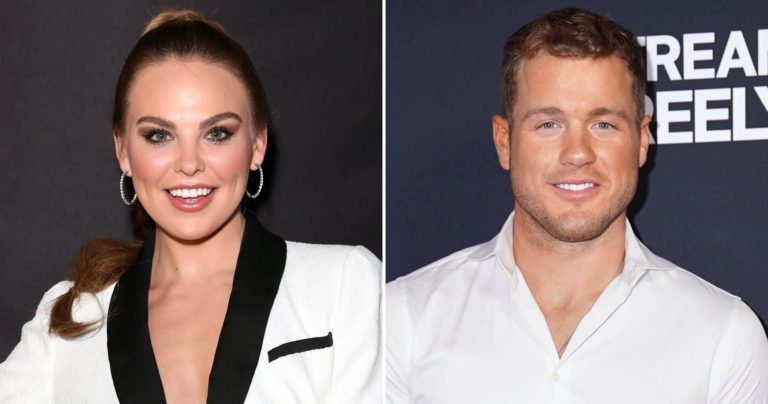
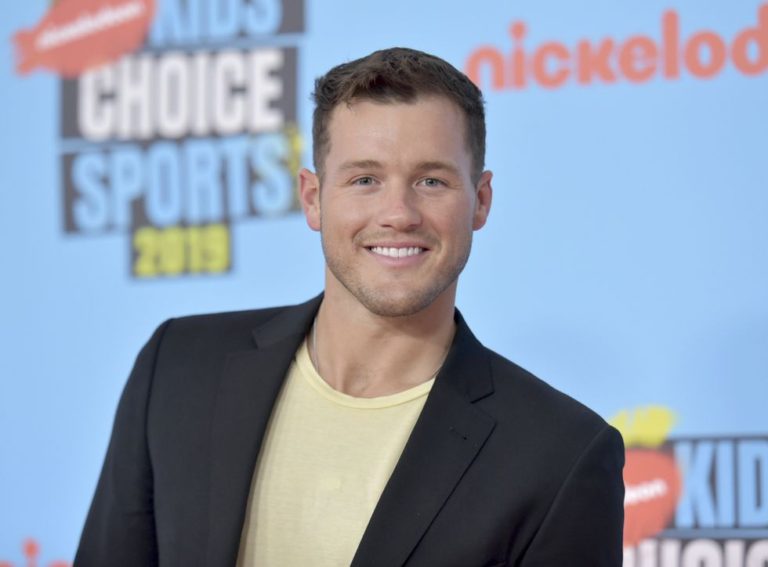
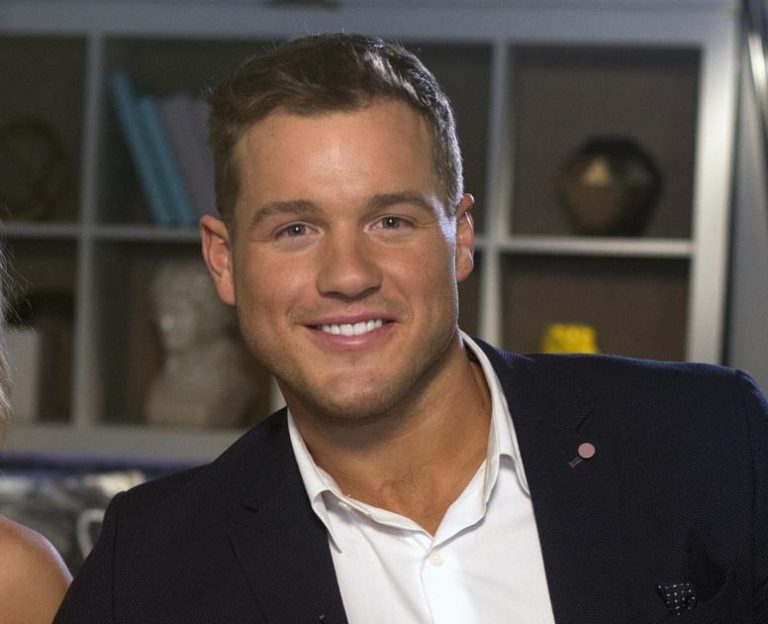
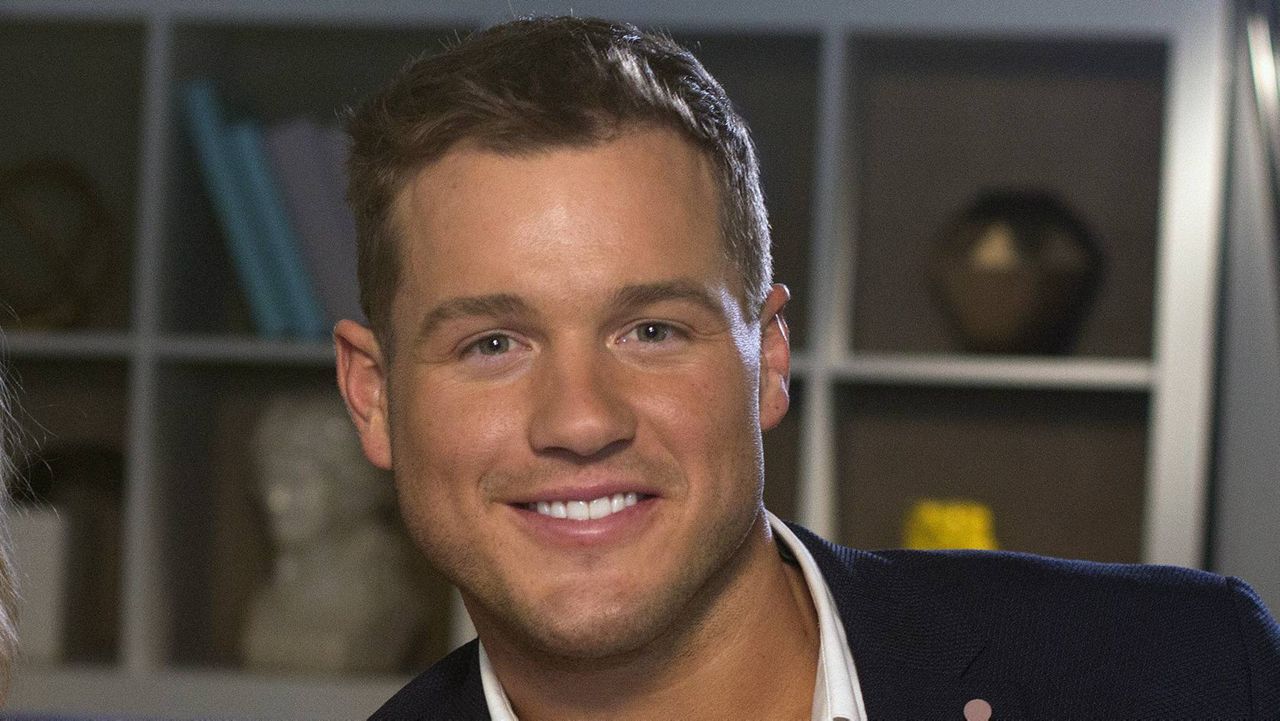
Bachelor Nation sticks together. After Colton Underwood came out as gay during an emotional interview on Good Morning America, supportive messages from past contestants on the ABC franchise came pouring in.

Underwood, 29, opened up about his sexuality in a conversation with Robin Roberts, which aired on Wednesday, April 14. “This year’s been a lot for a lot of people and it’s probably made a lot of people look at themselves in the year and figure out who they are,” he said. “I’ve ran from myself for a long time, I’ve hated myself for a long time. I’m gay. I came to terms with that earlier this year, and the next step in all of this was sort of letting people know. … I’m the happiest and healthiest I’ve ever been in my life. That means the world to me.”

The Indiana native previously competed on Becca Kufrin‘s season 14 of The Bachelorette in 2018 before being named the lead of season 23 of The Bachelor the following year. In his 2020 memoir, The First Time: Finding Myself and Looking for Love on Reality TV, Underwood remembered his dad, Scott Underwood, discovering that he might have been questioning his sexuality.

“He’d pulled up the history of recent Google searches, which included gay porn sites and a variety of questions: Am I gay? How do you know if you’re gay? Why don’t I like having sex with my girlfriend?” Colton wrote. “At first, I denied responsibility. Then I owned up to having been curious. He asked if I wanted to talk about it. I said no, explaining that I’d figured things out on my own. I begged him not to tell Mom. I’m sure he did. But neither of them ever spoke about it with me. All that research, though, led me to understand that I was definitely attracted to girls.”

After finally coming forward with his truth, the Bachelor in Paradise alum said that his family cheered him on wholeheartedly — especially his father.

“His reaction was sort of … ‘I wish you would have trusted me sooner,’” he said on Wednesday. “He followed it up with, ‘How can I help you? How can I take this off of your plate? Who can I tell?’ To me, that was more meaningful than ‘I love you.’ The only reason I’m here today is because I have the love and support of my family.”

Colton’s search for love on The Bachelor didn’t end with an engagement, but he walked away from the season with winner Cassie Randolph, who he dated until May 2020. During his GMA interview, the former NFL player admitted that he “made a lot of bad choices” following his split from Randolph, 25, and apologized for “how things ended.” However, he asserted that his connection with the California native was genuine.

“I loved everything about her and it’s hard for me to articulate exactly what my emotions were in going through that relationship with her was because I obviously had an internal fight going on,” he recalled. “I would just say that I’m sorry from the bottom of my heart. I’m sorry for any pain and emotional stress I caused. I wish that it wouldn’t have happened the way that it did. I wish that I had been courageous enough to fix myself before I broke anybody else.”

In September 2020, Randolph filed a restraining order against her ex-boyfriend, who she claimed was harassing and stalking her. At the time, the former athlete denied the allegations and the case was later dropped.

The philanthropist’s Bachelor journey might not have turned out the way he predicted — but he’s still grateful for the experience. “I do think I could have handled it better, I’ll say that,” he admitted on Wednesday. “I just wish I wouldn’t have dragged people into my own mess of figuring out who I was. I genuinely mean that. … At the same time, I can sit here and say I’m sorry to all of those women, I can also say thank you. Without them and without the Bachelor franchise, I don’t know if this would have ever came out.”

Executive producers from the ABC franchise shared the love on Wednesday, writing in a statement, “We are so inspired by Colton Underwood’s courage to embrace and pursue his authentic self. As firm believers in the power of love, we celebrate Colton’s journey in the LGBTQIA+ community every step of the way.”

Keep scrolling to see how members of Bachelor Nation are rallying around Colton after his coming out.

Neither In Nor Out: The Paradox of Poland’s ‘LGBT-Free’ Zones – Balkan Insight

0

Poland decriminalised homosexuality in 1932, becoming one of the first countries in the world to do so. Popular attitudes towards openly gay and lesbian people have, however, been heavily shaped by the powerful Catholic church, which has been fiercely critical of non-heterosexual relationships.

In the 30 years since the collapse of communism, the clergy have taken a more assertive role in public life. Over the same period, Poland’s integration into the European Union has exposed the country to new international norms and demands for the equal treatment of sexual minorities. An increasingly visible campaign for LGBT rights has coalesced around calls for the legal recognition of same-sex unions and for sex education in schools to include discussion of discrimination and non-heterosexual relationships.

The declarations adopted by local governments are widely interpreted as a rejection of these demands. The impact of these declarations on LGBT life lies at the heart of the debate over the zones.

There is anecdotal evidence of an uptick in homophobic aggression since the declarations were passed, with violent counter-protests accompanying the Equality Marches in Lublin and Bialystok in 2019. However, it is impossible to establish the extent to which this violence is a direct result of the declarations versus, for instance, the broader climate of hostility to LGBT people fostered by the government. There are no official data on homophobic attacks as Polish law does not recognise these crimes as a distinct category.

Milosz Zawistowski has glimpsed the face of homophobia in his city. Three years ago, he went with his mother to Lublin’s first Equality March – the Polish version of Pride – only to be hemmed in by rioting football hooligans and far-right protesters. The police eventually secured the route, making some 20 arrests, and the parade went ahead.

He would march again the following year, after the region had earned the “LGBT-free zone” label. This time, the route of the parade seemed better secured, and the hooligans were kept well at bay by riot police. But the danger was arguably greater. Among the dozens of rioters arrested that day were a married couple, carrying a rucksack full of firecrackers taped to cans of lighter fluid – crude, homemade explosive devices.

The couple was in their twenties, the man was a gas-fitter by trade, the woman unemployed. At their trial, experts testified that the explosives, although crude, could have been deadly if deployed as intended, against the marchers. The male defendant offered an explanation for his actions: “I am for Poles and for family. For me, family values are a boy and girl.”

Milosz told BIRN that he had not ruled out relocating to Warsaw. He added, however, that if he were to ever make the move, it would have nothing to do with his sexuality. “My orientation neither helps nor hinders me here,” he said. “I am not fighting for anything but nor am I hiding very much.”

Warsaw appeals to him as it appeals to the youth of provincial cities all over Poland – it has a thriving job market. “I am sick of standing behind the bar,” he said. “And there is simply no other job here for someone like me.”

Haphazard process

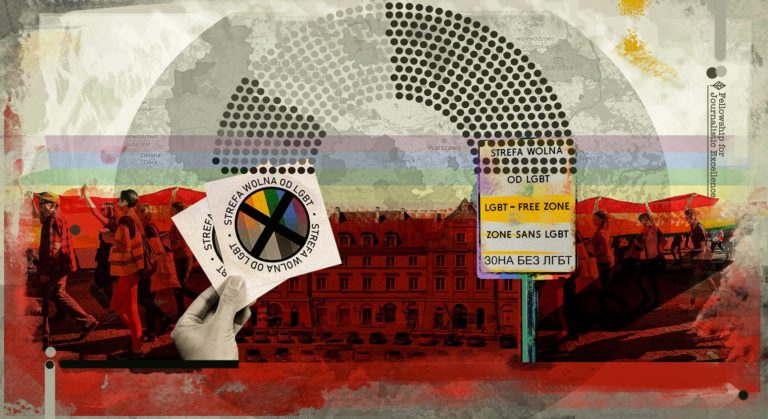
The term, “LGBT-free zone”, entered Polish political discourse as a crass marketing stunt. In July 2019, the slogan was featured on a free sticker given away with the weekly edition of Gazeta Polska, a pro-government tabloid known for its ultra-conservative, nationalist stance.

The illustration on the stickers featured the colours of the rainbow crossed out – an apparent riposte to the rainbow-flag stickers commonly displayed by LGBT-friendly venues. The sticker campaign provoked an outcry and was swiftly banned in a lawsuit brought by an LGBT activist, Bart Staszewski. Gazeta Polska responded to the lawsuit with a fresh sticker campaign bearing a new slogan: “LGBT-ideology free zone”.

Death notice: Gay Karnes | News, Sports, Jobs – The Adirondack Daily Enterprise

Word has been received of the death of Gay Karnes, age 63, of Lake Clear, on Monday, April 12, 2021, at Albany Medical Center.

Calling hours are tentatively set to take place on Monday, April 19, from 4 to 7 p.m. at the Fortune-Keough Funeral Home in Saranac Lake. A complete obituary will be available on Friday.

1 in 6 Gen Zers identify as LGBT: Gallup poll – WJBF-TV

0

(NEXSTAR) – A Gallup poll released Wednesday found that adults from Generation Z are far likelier to identify as lesbian, gay, bisexual or trans (LGBT) than older Americans are.

An estimated 5.6 percent of U.S. adults identify as LGBT, according to the poll, a 4.5 percent increase from Gallup’s last update, based off data from 2017.

The results are compiled from more than 15,000 interviews conducted throughout 2020 with Americans aged 18 and up.

As for Gen Zers (those born between 1997 and 2002) 1 in 6, or roughly 16 percent of respondents identified as as LGBT.

Comparatively, 9 percent of Millennials and 3.8 percent of Gen Xers identify as LGBT. Just 1.3 percent of those born before 1946 and 2 percent of baby boomers identified similarly.

Gallup is uncertain whether the higher LGBT identification in younger Americans “reflects a true shift in sexual orientation” or “a greater willingness of young people to identify as LGBT.”

The vast majority of LGBT respondents (54.6 percent) identify as bisexual, while nearly a quarter say they are gay, 11.7 percent lesbian and 11.3 percent transgender.

Women and politically liberal people are more likely to identify as LGBT than men and politically conservative individuals. Nearly nine percent of Democrats and 1.7 percent of Republicans identify as LGBT, per the survey.

According to Gallup, the poll results stem from “a time when Americans are increasingly supportive of equal rights” for LGBT people, and “with younger generations far more likely than older generations to consider themselves LGBT,” the identification is predicted to rise steadily.

5 helpful tips for gay travel – fingerlakes1.com

0

When you have a gay dating partner that you want to travel with, you need to understand that the world around you is going to be a little different than it would for straight people. In fact, some places in the world are going to be downright hostile. It is better to be realistic about the risks than fearful, so we are going to provide you with five helpful tips for gay travel that will keep you secure and ensure you have a good time with your loving partner. Take a look at these and start planning your next excursion.

Research the Place/s You Are Visiting

Before you go to any place, you need to do some research on where you are visiting. As a gay person, you have to do all the same research as anyone else. When are the good times to go during the year? How much money should you bring along? What are the travel plans like in this area? You should also do a deeper search into the country by looking around on different sites to see how their country reacts to gay people. A lot more nations than you imagine are accepting of gay people, but there are some places within countries you should still know about before booking a trip. The long and short of the situation is that you need to do your research and make sure you’re not about to walk head-first into a problem.

Be Careful with Public Displays of Affection

Again, we do not want you to fear for your life when you are traveling with your partner. The fact of the matter is that PDAs can come with consequences when you travel with another man. Hugging or kissing a man in public in some spots might get people to mutter under their breath. In other places, it can result in police harassment or overt violence. Watch your surroundings and leave the loving kisses behind closed doors. We know it’s not necessarily right, but it is safer.

Make Safe Choices

Aside from traveling to the right places, you need to make safe choices. When you are traveling, there will be inherently unsafe areas to go to in certain cities and countries. You should be able to identify situations where you could be scammed or where someone is trying to lead you away from the place where you’re staying. For example, in some tropical countries, you should only stay at the resorts and not venture too far out into the surrounding areas. People that get off of cruise ships or are seen coming from expensive resorts are often targeted by criminal elements. You don’t have to spend the whole trip looking over your shoulder, but you should be aware of the potential for danger to occur.

Find Gay-Friendly Businesses

On the more pleasant side of things, you have to consider the fact that your visit can do a lot to bolster the local community. Before you travel to a new place, you should consider putting together a list of gay-friendly businesses that you can visit while you are on your journey. You can find all sorts of businesses, from restaurants to shops selling unique, local jewelry. Visit them, give them your support, take pictures, and make sure that you leave them a good review (if appropriate) so that other people, gay or not, can come and help support the business. Now, some of the search engines today are tagging businesses that are owned by gay people to help them get more notice within their communities. Using these resources to plan your trip can greatly increase the ability to patronize the local companies.

Read Gay Travel Publications & Blogs

You are probably not the first gay couple to travel to a specific area of the world. You will be fortunate in that sense because you can look up information that is available about the places where you are traveling. Specifically, you can look at gay travel publications and websites to see what you need to know before you reach the destination.

For example, using a gay travel publication can tell you and your partner:

  • Places to go and avoid
  • Pleasant things to try with your partner
  • Good places to eat
  • Safe places for gay people (a gayborhood)
  • Nightclubs

Using information from people that have traveled to your country of choice before, you could easily come up with several meaningful ways to have a great journey no matter where you are. With that in mind, take some time to find a few good publications that are written by gay people that have traveled.

Bonus Tip: Join an LGBTQ Tour

The last tip that we have is not available everywhere that you go, but if you happen upon a destination that seems right, then you need to at least try to get an LGBTQ tour. You can find them in many major cities in North America and Europe, especially. These tours will take you around to famous gay bars and attractions. Sometimes you might find yourself at a historical spot where gay people fought for their freedom or won a victory in the courts.

The LGBTQ tours can be a serious history lesson for some, or they can be a way to attach yourself to a day of fun partying around people that you can trust. That being said, you need to first find out the times and places that they are going to visit if you want to take part in a tour when you go out on the town.

Some parts of the world are less friendly to gay people than others, but that doesn’t mean you should not visit those places. More often than not, tales of foreign oppression are drummed up and sold to us to get views. Be smart, do your research, and you can be assured you will have a wonderful trip no matter where you wish to go.

‘The Bachelor’ star Colton Underwood comes out as gay – KWTX

(AP) – Colton Underwood, the former football tight end who found fame on “The Bachelor,” has revealed that he is gay.

“I’ve ran from myself for a long time. I’ve hated myself for a long time,” Underwood told “Good Morning America” on Wednesday. “And I’m gay. And I came to terms with that earlier this year and have been processing it. And the next step in all of this was sort of letting people know.”

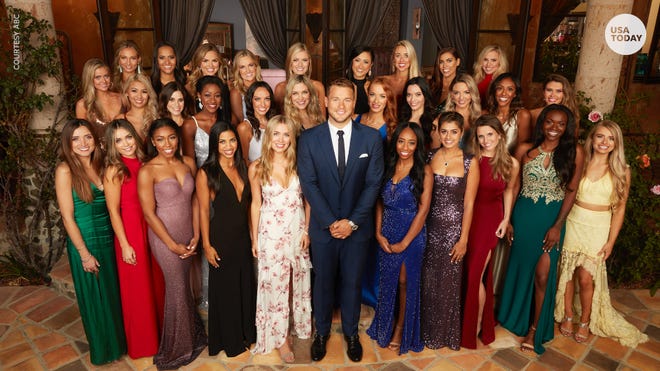
Underwood tried out briefly for a handful of NFL teams before his professional football career ended in 2016. Three years later, he won over Cassie Randolph on Season 23 of “The Bachelor,” a show centered on a single bachelor who is asked to select a wife from a pool of romantic interests. Underwood and Randolph never married.

“Every LGBTQ person’s journey to discovering and accepting their authentic self is different, and Colton Underwood’s decision to share his truth with the public reminds us that there is no set timeline for coming out,” said Anthony Allen Ramos, head of talent for GLAAD.

“Given the large and loyal fandom who know Colton from ‘The Bachelor,’ his coming out and discussion of his faith will hopefully open eyes to the millions of out and proud LGBTQ people who are also people of faith.”

Underwood said he finally got to a place where he could be honest with himself after 2020, the year that made people “look at themselves in the mirror and figure out who they are and what they’ve been running from or what they’ve been putting off in their lives.”

Reaction to the news came from Andy Cohen — “You’re free now” he told Underwood on Twitter — and Billy Eichner, who said he was happy for Underwood. “If you’re gay, be gay!”

Before headlining “The Bachelor,” Underwood appeared on the 14th season of “The Bachelorette” and season 4 of “Bachelor in Paradise.” He has a book, titled “The First Time.”

Randolph filed a restraining order against Underwood, later claiming that he placed a tracking device on her car. He denied the allegations and the police order was dropped.

Copyright 2021 The Associated Press. All rights reserved.

‘The Bachelor’ star Colton Underwood comes out as gay – Colorado Springs Gazette

Colton Underwood, the former football tight end who found fame on “The Bachelor,” has revealed that he is gay.

“I’ve ran from myself for a long time. I’ve hated myself for a long time,” Underwood told “Good Morning America” on Wednesday. “And I’m gay. And I came to terms with that earlier this year and have been processing it. And the next step in all of this was sort of letting people know.”

Underwood tried out briefly for a handful of NFL teams before his professional football career ended in 2016. Three years later, he won over Cassie Randolph on Season 23 of “The Bachelor,” a show centered on a single bachelor who is asked to select a wife from a pool of romantic interests. Underwood and Randolph never married.

“Every LGBTQ person’s journey to discovering and accepting their authentic self is different, and Colton Underwood’s decision to share his truth with the public reminds us that there is no set timeline for coming out,” said Anthony Allen Ramos, head of talent for GLAAD.

“Given the large and loyal fandom who know Colton from ‘The Bachelor,’ his coming out and discussion of his faith will hopefully open eyes to the millions of out and proud LGBTQ people who are also people of faith.”

Underwood said he finally got to a place where he could be honest with himself after 2020, the year that made people “look at themselves in the mirror and figure out who they are and what they’ve been running from or what they’ve been putting off in their lives.”

Reaction to the news came from Andy Cohen — “You’re free now” he told Underwood on Twitter — and Billy Eichner, who said he was happy for Underwood. “If you’re gay, be gay!”

Before headlining “The Bachelor,” Underwood appeared on the 14th season of “The Bachelorette” and season 4 of “Bachelor in Paradise.” He has a book, titled ”The First Time.”

Randolph filed a restraining order against Underwood, later claiming that he placed a tracking device on her car. He denied the allegations and the police order was dropped.

‘Bachelor’ star Colton Underwood comes out as gay: ‘I’m the happiest and healthiest I’ve – Spectrum News NY1

Former “Bachelor” star Colton Underwood revealed that he’s gay in an emotional interview with “Good Morning America.”


What You Need To Know

  • Former “Bachelor” star Colton Underwood came out as gay during an interview that aired Wednesday morning on “Good Morning America”
  • The former football player told GMA’s Robin Roberts that he had been so ashamed of his sexuality that he contemplated suicide, but said he feels relieved to have come out
  • Underwood was the star of “The Bachelor” during Season 23 in 2019, choosing Cassie Randolph in the finale
  • He was also a contestant on “The Bachelorette” and “Bachelor in Paradise” in 2018, with his virginity being a major storyline throughout his reality show career

Underwood, 29, opened up about his sexuality with GMA’s Robin Roberts on Wednesday.

“For me, I’ve ran from myself for a long time,” Underwood said. “I’ve hated myself for a long time. And I’m gay. And I came to terms with that earlier this year and have been processing it. And the next step in all of this was sort of letting people know.”

Underwood said he feels relieved to have come out.

“I’m emotional, but I’m emotional in, like, such a good, happy, positive way,” he said. “I’m, like, the happiest and healthiest I’ve ever been in my life. And that means the world to me.”

The former NFL player said he had been so ashamed of his sexuality that he contemplated suicide. 

“I got to a place where I didn’t think I was ever going to share this,” he said. “I would have rather died than say, ‘I’m gay.’

“There was a moment in LA that I woke up, and I didn’t think I was going to wake up,” he added. “I didn’t have the intentions of waking up, and I did. And I think for me, that was like my wake-up call. I’m like, ‘This is your life, take back control.’”

Underwood said he no longer has suicidal thoughts.

He was the star of “The Bachelor” during Season 23 in 2019, choosing Cassie Randolph in the finale. He famously stormed off the set that season, jumping over a fence after Randolph rejected him. But she later gave Underwood a second chance.

The match, however, didn’t last off-camera, and in September Randolph reportedly obtained a temporary restraining order against Underwood, which Randolph later dropped, Underwood said.

Underwood was also a contestant on “The Bachelorette” and “Bachelor in Paradise” in 2018, with his virginity being a major storyline throughout his reality show career. 

Underwood, who once dated American gymnast Aly Raisman, spent time on the practice squads of the Philadelphia Eagles, San Diego Chargers and Oakland Raiders in 2014-15.

If you or someone you know needs help, please call the National Suicide Prevention Lifeline at 800-273-8255, or text HOME to 741741 for support from the Crisis Text Line.

Former ‘Bachelor’ star Colton Underwood: ‘I’m gay’ – Gwinnettdailypost.com

Colton Underwood told Robin Roberts on “Good Morning America” that he is gay in an interview that aired Wednesday morning.

“This year’s been a lot for a lot of people and it’s probably made a lot of people look at themselves in the year and figure out who they are,” Underwood said. “I’ve ran from myself for a long time, I’ve hated myself for a long time. I’m gay. I came to terms with that earlier this year, and the next step in all of this was sort of letting people know. I’m the happiest and healthiest I’ve ever been in my life. That means the world to me.”

The former star of ABC’s “The Bachelor” said that he wishes he had accepted his truth sooner.

“I’ve had sort of a range of responses and the underlying most common was ‘I wish you would have told me sooner’ and when I hear that I wish I would have had faith in my friends and family a little bit more,” Underwood said. “The only reason I’m sitting down with you today is because I have the love and support of my friends and my family.

Underwood starred on season 23 of the popular dating show. He made headlines at the time for being open about remaining a virgin. The Indiana native was named after the Indianapolis Colts, and he went on to play for three NFL teams, including the San Diego Chargers, the Philadelphia Eagles, and the Oakland Raiders.

He formerly was in a high-profile relationship with Olympic gymnast Aly Raisman. During his time on the show he quickly fell in love with contestant Cassie Randolph and following the show’s finale they dated until April 2020. Randolph filed a restraining order around that time against Underwood but eventually she dropped it.

Underwood spoke about questioning his sexuality in his book, “The First Time: Finding Myself and Looking for Love on Reality TV.”

In it he said dating Randolph helped him realize he was straight.

“[The show taught me] that I’m straight and I’m very, very attracted to Cassie and women — but it would have been OK if it would have been the other way too,” Underwood told “Entertainment Tonight.” “I think that’s the biggest message I have for people.”

Following his announcement Wednesday, GLAAD issued a statement in support of Colton.

“Every LGBTQ person’s journey to discovering and accepting their authentic self is different, and Colton Underwood’s decision to share his truth with the public reminds us that there is no set timeline for coming out,” GLAAD’s Head of Talent, Anthony Allen Ramos said. “Given the large and loyal fandom who know Colton from ‘The Bachelor,’ his coming out and discussion of his faith will hopefully open eyes to the millions of out and proud LGBTQ people who are also people of faith.”

Recommended for you

Diversyfund gathered 15 important statistics on the gender investing gap using financial news and reports. Click for more.

Former ‘Bachelor’ star Colton Underwood: ‘I’m gay’ – Boston News, Weather, Sports | WHDH 7News

(CNN) — Colton Underwood told Robin Roberts on “Good Morning America” that he is gay in an interview that aired Wednesday morning.

“This year’s been a lot for a lot of people and it’s probably made a lot of people look at themselves in the year and figure out who they are,” Underwood said. “I’ve ran from myself for a long time, I’ve hated myself for a long time. I’m gay. I came to terms with that earlier this year, and the next step in all of this was sort of letting people know. I’m the happiest and healthiest I’ve ever been in my life. That means the world to me.”

The former star of ABC’s “The Bachelor” said that he wishes he had accepted his truth sooner.

“I’ve had sort of a range of responses and the underlying most common was ‘I wish you would have told me sooner’ and when I hear that I wish I would have had faith in my friends and family a little bit more,” Underwood said. “The only reason I’m sitting down with you today is because I have the love and support of my friends and my family.

Underwood starred on season 23 of the popular dating show. He made headlines at the time for being open about remaining a virgin. The Indiana native was named after the Indianapolis Colts, and he went on to play for three NFL teams, including the San Diego Chargers, the Philadelphia Eagles, and the Oakland Raiders.

He formerly was in a high-profile relationship with Olympic gymnast Aly Raisman. During his time on the show he quickly fell in love with contestant Cassie Randolph and following the show’s finale they dated until April 2020. Randolph filed a restraining order around that time against Underwood but eventually she dropped it.

Underwood spoke about questioning his sexuality in his book, “The First Time: Finding Myself and Looking for Love on Reality TV.”

In it he said dating Randolph helped him realize he was straight.

“[The show taught me] that I’m straight and I’m very, very attracted to Cassie and women — but it would have been OK if it would have been the other way too,” Underwood told “Entertainment Tonight.” “I think that’s the biggest message I have for people.”

Following his announcement Wednesday, GLAAD issued a statement in support of Colton.

“Every LGBTQ person’s journey to discovering and accepting their authentic self is different, and Colton Underwood’s decision to share his truth with the public reminds us that there is no set timeline for coming out,” GLAAD’s Head of Talent, Anthony Allen Ramos said. “Given the large and loyal fandom who know Colton from ‘The Bachelor,’ his coming out and discussion of his faith will hopefully open eyes to the millions of out and proud LGBTQ people who are also people of faith.”

The-CNN-Wire
™ & © 2021 Cable News Network, Inc., a WarnerMedia Company. All rights reserved.

(Copyright (c) 2021 CNN. All Rights Reserved. This material may not be published, broadcast, rewritten, or redistributed.)

Join our Newsletter for the latest news right to your inbox

Colton Underwood, star of ‘The Bachelor,’ says he’s gay – WJW FOX 8 News Cleveland

0

FILE – Colton Underwood from the reality series, “The Bachelor,” appears during an interview in New York on March 13, 2019. Underwood, the former football tight end who found fame on “The Bachelor” has revealed that he is gay. (AP Photo/Gary Gerard Hamilton, File)

Colton Underwood, the former football tight end who found fame on “The Bachelor,” has revealed that he is gay.

“I’ve ran from myself for a long time. I’ve hated myself for a long time,” Underwood told “Good Morning America” on Wednesday. “And I’m gay. And I came to terms with that earlier this year and have been processing it. And the next step in all of this was sort of letting people know.”

Underwood tried out briefly for a handful of NFL teams before his professional football career ended in 2016. Three years later, he won over Cassie Randolph on Season 23 of “The Bachelor,” a show centered on a single bachelor who is asked to select a wife from a pool of romantic interests. Underwood and Randolph never married.

“Every LGBTQ person’s journey to discovering and accepting their authentic self is different, and Colton Underwood’s decision to share his truth with the public reminds us that there is no set timeline for coming out,” said Anthony Allen Ramos, head of talent for GLAAD.

“Given the large and loyal fandom who know Colton from ‘The Bachelor,’ his coming out and discussion of his faith will hopefully open eyes to the millions of out and proud LGBTQ people who are also people of faith.”

Underwood said he finally got to a place where he could be honest with himself after 2020, the year that made people “look at themselves in the mirror and figure out who they are and what they’ve been running from or what they’ve been putting off in their lives.”

Before headlining “The Bachelor,” Underwood appeared on the 14th season of “The Bachelorette” and Season 4 of “Bachelor in Paradise.” He has a book, titled “The First Time.”

Billy Eichner once told Colton Underwood he might be 1st gay Bachelor – Today.com

0

Billy Eichner celebrated former “Bachelor” star Colton Underwood’s coming out by sharing a 2019 video of himself jokingly telling Underwood he might be gay.

The short clip, which has now gone viral, aired in 2019 during Underwood’s season of the ABC reality dating series. The “Billy on the Street” funnyman, 42, appeared as a special guest on one episode in which he and host Chris Harrison chatted with Underwood, 29, about his search for love.

When Underwood asks Eichner what he looks for in a partner, Eichner responds, “I’m gay, I know that’s a shock, Colton. That I think you should look into.”

The “Parks and Recreation” alum adds, “Maybe you’re the first gay Bachelor and we don’t even know!”

As Underwood laughs, Eichner tells a cameraperson, “Put that in your promo!”

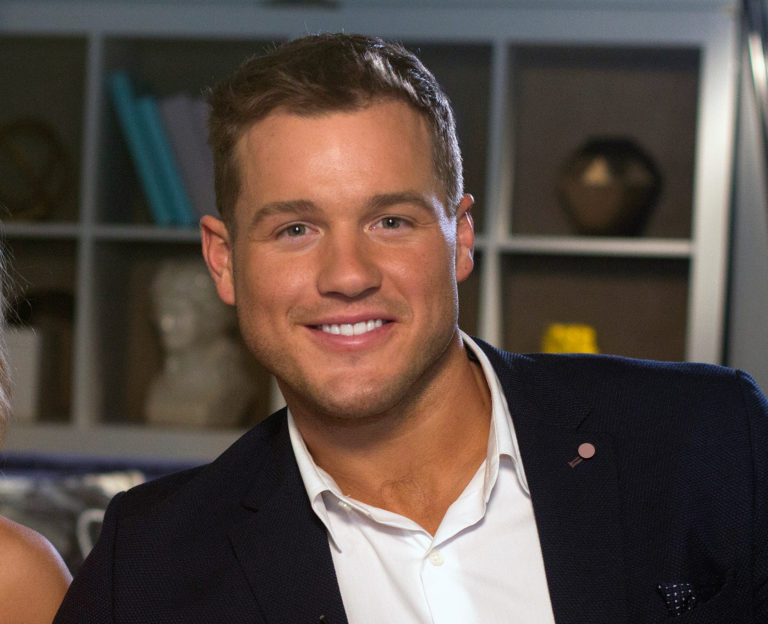
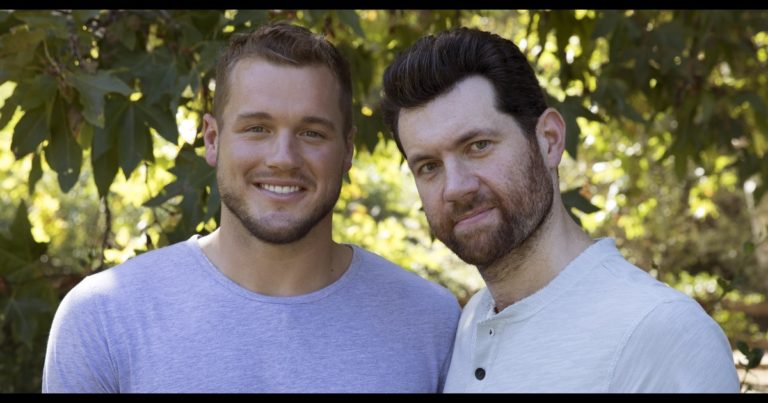
Colton Underwood poses with actor and comedian Billy Eichner on the set of “The Bachelor.”Rick Rowell / Walt Disney Television via Getty Images

After Underwood came out as gay Wednesday morning, Eichner showed his support by posting the old clip to his Instagram page.

“Congrats @coltonunderwood! If you’re gay, be gay! I’ve been gay forever and I love it!” he wrote.

Underwood responded in the post’s comments, writing, “Love you. Love this (now) and now I love being gay.”

Eichner followed up to express how glad he was that the former pro football player was able to live his truth.

“I’m happy for you. See you at the club, Colton!” he wrote.

Eichner later took to Twitter to address how difficult it can be for some members of the LGBTQ community to come out. He also thanked those in the entertainment industry who came out long before it was “embraced.”

“Two things. Number one, pop culture now sometimes makes it seem like every 14 year old gay boy is flying out of the closet without a care in the world. Some are. And that’s INCREDIBLE. But many are not. So let’s remember that,” Eichner wrote.

“AND let’s ALSO honor and praise those in entertainment who came out years — DECADES — before it was embraced and could be used to professional advantage. I don’t mean me — I mean many others, especially those before me — that took real guts. Let’s put some shine on them too,” he added.

Underwood was known as the “virgin Bachelor” during his season of the show. He gave his final rose to contestant Cassie Randolph. The couple dated until May 2020, when they announced they’d broken up in separate — now deleted — posts on Instagram.

“It’s been a crazy few months to say the least,” Underwood wrote at the time. “Cass and I have been doing a lot of self-reflecting. Sometimes people are just meant to be friends — and that’s okay.”

Former ‘Bachelor’ star Colton Underwood comes out as gay, Chris Harrison is ‘very proud’ of him – USA TODAY

0

Former “Bachelor” star Colton Underwood has come out as gay. 

The 29-year-old reality dating show alum and former NFL player opened up about coming to terms with his sexuality during the past year. 

“I’ve ran from myself for a long time; I’ve hated myself for a long time,” Underwood in an interview with “Good Morning America” anchor Robin Roberts Wednesday. “The next step in all of this is letting people know. I’m still nervous… It’s been a journey for sure. I’m emotional in such a good, happy, positive way. I’m the happiest and healthiest I’ve ever been in my life and that means the world to me.” 

Underwood, who spent a few years in the NFL after signing with the San Diego Chargers in 2014, began his reality TV stint on Becca Kufrin’s season of “The Bachelorette” before going on to star on “The Bachelor” in 2019. He and his final rose recipient, Cassie Randolph, dated until last year.

His announcement is a first for the “Bachelor” franchise. Previously, “Bachelor” and “Paradise” contestant Demi Burnett, who appeared on Underwood’s season, made history as the franchise’s first contestant in a same-sex romance on air when she proposed to Kristian Haggerty on “Paradise” in 2019. Jaimi King, who appeared on Nick Viall’s season in 2017, was the franchise’s first openly bisexual contestant. 

Chris Harrison, sidelined host of the “Bachelor” franchise, shared his support for Underwood on Instagram.

“Very proud of you today @coltonunderwood Happy to see you stand up and openly live your truth. You have my love and support my friend,” Harrison captioned a photo of him with Underwood.

The series’ producers also issued a statement in support of the former contestant.

“We are so inspired by Colton Underwood’s courage to embrace and pursue his authentic self,” the executive producers of “The Bachelor” said in a statement to USA TODAY. “As firm believers in the power of love, we celebrate Colton’s journey in the LGBTQIA+ community every step of the way.”

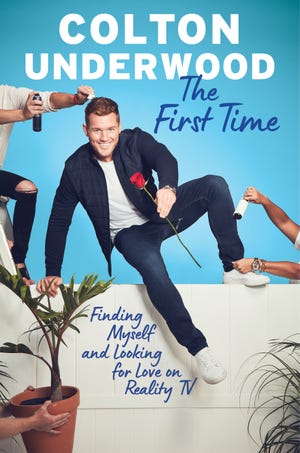
In his 2020 memoir “The First Time: Finding Myself and Looking for Love on Reality TV” (a cheeky reference to Underwood’s much-discussed virginity throughout his appearances on “The Bachelorette,” “Bachelor in Paradise” and then “The Bachelor”), Underwood explored instances of self-discovery throughout his life, from re-learning his identity after his football career to questioning his sexuality.

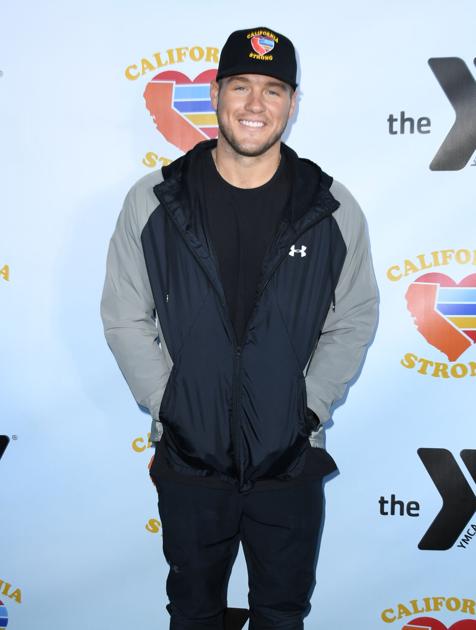
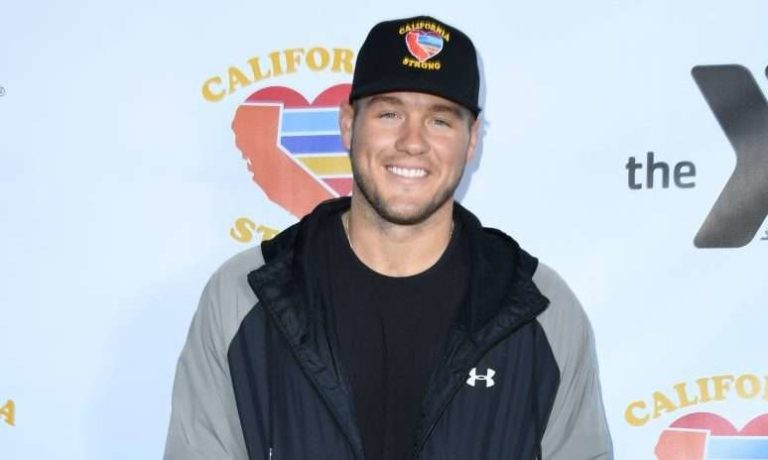
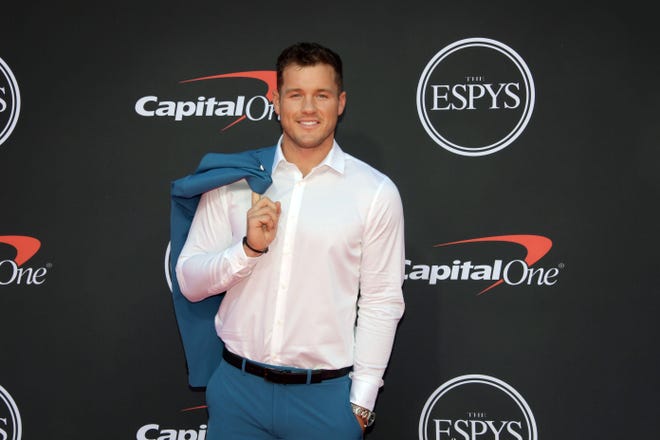
Colton Underwood arrives on the red carpet at Microsoft Theatre.

At one point in the book, he wondered if his hesitancy to sleep with his high school girlfriend meant he was gay.

“Maybe (if I had been gay) it would have helped me to know myself better and sooner. Maybe I wouldn’t have stayed a virgin,” he wrote. “Maybe I wouldn’t have asked ‘Who am I?’ as often as I did and suffered as much angst because I didn’t have an answer. Identity was such a big question mark with me. Yes, I was a football player. But what else was I? Was there anything more?” 

Reflecting on his past to “GMA,” Underwood said growing up in the Catholic church and playing football (where a bad play would sometimes be dubbed “gay” as a way of insulting the player) made it difficult for him to accept who he was, though he had an inkling that he was different by the time he was 6 years old.

There were times during his self-discovery that he fell into a “dark” place and sometimes grappled with suicidal thoughts, he added. 

Now, after coming to terms with who he is, Underwood noted: “I don’t feel that anymore.”

Colton Underwood's memoir "The First Time: Finding Myself and Looking for Love on Reality TV" hit bookshelves March 31, 2020.

When he officially became the Bachelor, Underwood recalled praying to God and thanking him “for making me straight.”

Underwood said he has no regrets about appearing on “The Bachelor” (and believes he wouldn’t have come out if not for the franchise) though he is sorry for the way he handled things on the show. 

“I just wish I wouldn’t have dragged people into the mess of figuring out who I was,” he said. “I had an internal fight going on. I’m sorry from the bottom of my heart and for the emotional pain it caused… I wish I would have been courageous enough to fix myself before I broke anyone else.” 

Interview:‘Bachelor’ alum Colton Underwood opens up about battling coronavirus, his new book ‘The First Time’

Last year, Underwood told USA TODAY that he hoped the major takeaway from his book is that no one is alone. 

“It’s OK not to have it all figured out,” he said. “I just hope (the book) helps (readers) realize that they’re not alone – that there’s people… going through similar situations.”

He added: “I feel like I’m still learning who I am as a human being and that’s not only my morals and my values and what I stand for, but that’s what I want out of life. It changes and I think that’s completely OK. Now, without football, I can say yes to a million different things and not have to worry about repercussions or focusing too much energy on something else and not another thing. I think that’s the most exciting part right now. And at the same time, it’s also the most terrifying, but I’m OK with that. It’s taken a while for me to get to that stage of being aware enough to know it and bold enough to try it.”

If you or someone you know may be struggling with suicidal thoughts, you can call the U.S. National Suicide Prevention Lifeline at 800-273-TALK (8255) any time day or night, or chat online.

Crisis Text Line also provides free, 24/7, confidential support via text message to people in crisis when they dial 741741.

For people who identify as LGBTQ, if you or someone you know is feeling hopeless or suicidal, you can also contact The Trevor Project’s TrevorLifeline 24/7/365 at 1-866-488-7386.