Home Blog Page 375

Up Next Trans kids in sports may be sticking point in Equality Act talks – Washington Blade

With the Equality Act remaining at an impasse in the U.S. Senate, one sticking point for potential supporters is whether or not the legislation will address the hot button issue of transgender kids participating in sports as one prominent LGBTQ legal group says it will draw a red line on the issue in any negotiations on the bill.

Shannon Minter, legal director for the National Center for Lesbian Rights, said the organization “will certainly hold firm” on protecting transgender kids from all forms of school-based discrimination, including in sports, which he said is already law in the aftermath of the U.S. Supreme Court’s decision last year in Bostock v. Clayton County.

“There seem to be a lot of misconceptions about this issue, so this may well turn out to be an area where more discussion will show there is little if any real disagreement.,” Minter said. “For example, current law already allows for reasonable regulations, such as those adopted by the NCAA, to ensure both inclusion and fairness in elite competition. Nothing in the Equality Act would change that.”

After the court ruling in Bostock, which found anti-LGBTQ discrimination is an illegal form of sex discrimination under the law, transgender legal advocates have argued — and won in court — the ban on sex discrimination in schools under Title IX of the Education Amendment of 1972 requires them to allow transgender students to compete consistent with their gender identity. Moreover, U.S. government discrimination on the basis of sex is subject to heightened scrutiny under legal jurisprudence, which in theory after Bostock would apply to schools prohibiting transgender athletes from participating in sports.

Amid a wave of anti-LGBTQ legislation throughout the country targeting transgender kids in sports — most recently in Oklahoma, where the state House approved legislation essentially barring them from participation — legal advocates have already declared they will look to the courts for the legal protections afforded under Bostock to challenge any new laws.

And transgender advocates are pointing to the policy of the National Collegiate Athletic Association, which allows transgender athletes to participate consistent with their gender identity provided they meet certain sex-based characteristics, such as testosterone suppression treatment for transgender women to compete in women’s sports. Although the NCAA had held out on commenting on anti-transgender state legislation, the organization last week issued a statement affirming its commitment to transgender athletes and hinting it would move events from states with those measures in place.

Other transgender groups echoed the sentiment that current law already protects transgender students and the NCAA’s policy could provide a model for schools writ-large, although they stopped short of saying they would draw the line on the issue in negotiations on the Equality Act.

Rodrigo Heng-Lehtinen, deputy executive director of the National Center for Transgender Equality, pointed to both existing law and the NCAA in response to an inquiry from the Washington Blade on talks about the legislation.

“NCTE is committed to protecting transgender youth from discrimination in every aspect of education, including school sports,” Heng-Lehtinen said. “The Bostock decision also reinforces that anti-transgender discrimination is illegal. Notably, the NCAA already has policies to allow for transgender student-athletes to compete, and nothing in the Equality Act would change that.”

NCTE didn’t respond Wednesday to a follow-up inquiry on whether that means the transgender sports issue would be a red line in talks over the Equality Act.

Andy Marra, executive director of the New York-based Transgender Legal Defense & Education Fund, said in response to an inquiry the need for allowing transgender athletes to compete consistent with their gender identity will become apparent as talks continue.

“For a decade now, the NCAA has maintained an inclusive policy that allows for transgender athletes to participate fully in sports. We are confident that as we continue to clarify this issue, it will become clear that not only is discrimination against transgender students both harmful and wrong, it is also already illegal.”

If advocates hold firm on the issue of transgender athletes in sports, it may well mean the Equality Act will have no chance of winning the 60 votes needed to overcome a filibuster in the Senate.

A recent PBS Newshour poll found two-thirds of Americans oppose anti-transgender laws proposed in the states, including measures prohibiting students from participating in sports. That opposition to anti-trans sports bills is seen across party lines, with 69 percent of Democrats, 66 percent of Republicans and 67 percent of independents saying they opposed the measures. However, Americans are most closely divided when it comes to the actual issue of transgender participation in sports.

“For grade school, 50 percent of people said transgender children should be allowed to play on teams that match their gender identity, while 44 percent said they should not. In middle school, the split was 49 percent for, and 47 percent against,” writes Matt Loffman, PBS NewsHour’s deputy senior politics producer. “In high school, 47 percent were for and 48 percent against. And in college, 49 percent were in favor and 45 percent opposed.”

Seeming to pick up on that hesitation, Sen. Susan Collins (R-Maine) — who had co-sponsored the Equality Act in the previous Congress, but not now — has articulated the sports issue as a point of contention she wanted to address as a condition for renewed support of the Equality Act. Collins was among the senators who voted for an amendment proposed as a part of Biden’s COVID relief package that would have zeroed out Title II funding for schools allowing transgender athletes to participate in sports.

Joining Republicans in voting for the amendment was Sen. Joe Manchin (D-W.Va.), who remains the lone Democratic hold out on the Equality Act as a Democratic insider says he’s facing a deluge of calls in opposition to the legislation. Some insiders are looking to Sen. Shelley Capito (R-W.Va.), an unlikely Republican who may be a surprise supporter of the Equality Act, to lock up support from Manchin.

Transgender advocates may have good reason to be concerned negotiators on the Equality Act may buckle on the transgender sports issue. After all, when the Blade asked Sen. Jeff Merkley (D-Ore.), the lead co-sponsor of the Equality Act, during an interview upon introduction of the bill in February whether he’d be willing to make accommodations for the issue, he hedged as opposed to ruling it out.

“In terms of the dialogue that is held between the two chambers and with the Republican colleagues, that dialogue will happen in close consultation with the civil rights groups that have enormous expertise and working to make sure that no modification or clarification is anything that undermines the opportunity of LGBTQ Americans to thrive in our society,” Merkley said.

Many key negotiators on the Equality Act are staying silent on the transgender sports issue as they continue to keep their cards close to their vest on talks. The Human Rights Campaign, for example, didn’t respond to the Blade’s request for comment for this article.

Merkley said in a statement to the Blade provided by his office in response to an inquiry for this article that he remains committed to transgender athletes in his efforts to pass the Equality Act.

“All kids deserve the opportunity to play school sports with their friends,” Merkley said. “That experience of forming camaraderie, being part of a team, and discovering something you love is so valuable, and no kid should be turned away. Every child deserves equal dignity, respect, and opportunity, and that’s why I’m working hard in the Senate to pass the Equality Act.”

Merkley said his focus is finding the 60 votes in the Senate needed to end a filibuster on the legislation and get the measure to the desk of President Biden, who campaigned on signing the legislation into law within his first 100 days in office.

“I am deeply committed to working on a bipartisan basis to find the necessary votes to pass this landmark law and replicate the bipartisan success of the 2013 Employment Non-Discrimination Act,” Merkley said. “Those conversations are ongoing. I am gathering feedback and working with colleagues on both sides of the aisle — and with civil rights organizations — to find a path forward that will bring senators together behind a vision of full equality for LGBTQ Americans.”
16 Gay Trainers to Follow on Instagram for In-Home Fitness Goals – Hornet

0

If you need some inspiration to work out while we’re stuck in quarantine, there is nothing like going on social media to gawk at some of the fittest gay trainers around.


Their ‘grams are full of helpful tips, inspirational mantras and shirtless selfies that demand our attention.


Here are 16 super-hot gay trainers to follow on Instagram:


1. Branden Hayward


Trans kids in sports may be sticking point in Equality Act talks – Washington Blade

178 Shares

Equality Act, gay news, Washington Blade

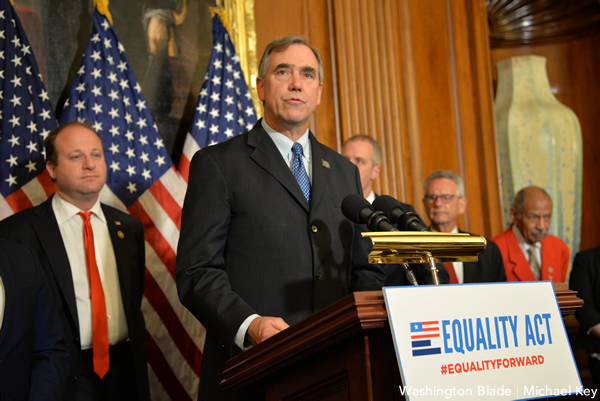
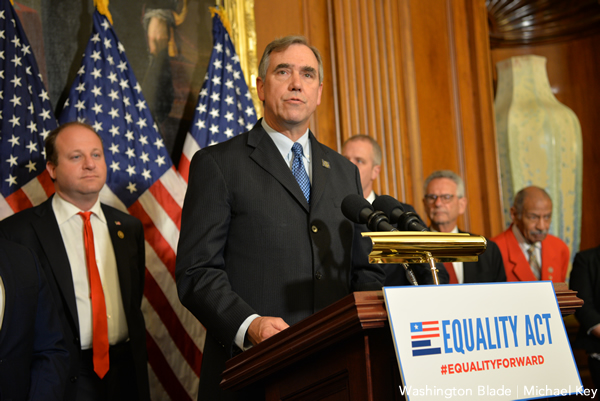
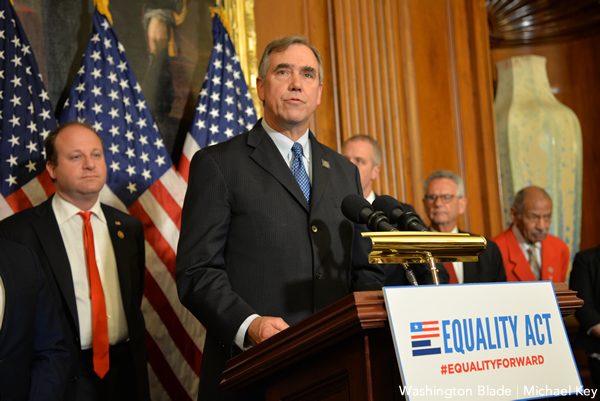
Sen. Jeff Merkley (D-Oregon) speaks at the reintroduction of the Equality Act at the U.S. Capitol on May 2, 2017. (Washington Blade photo by Michael Key)

With the Equality Act remaining at an impasse in the U.S. Senate, one sticking point for potential supporters is whether or not the legislation will address the hot button issue of transgender kids participating in sports as one prominent LGBTQ legal group says it will draw a red line on the issue in any negotiations on the bill.

Shannon Minter, legal director for the National Center for Lesbian Rights, said the organization “will certainly hold firm” on protecting transgender kids from all forms of school-based discrimination, including in sports, which he said is already law in the aftermath of the U.S. Supreme Court’s decision last year in Bostock v. Clayton County.

“There seem to be a lot of misconceptions about this issue, so this may well turn out to be an area where more discussion will show there is little if any real disagreement.,” Minter said. “For example, current law already allows for reasonable regulations, such as those adopted by the NCAA, to ensure both inclusion and fairness in elite competition. Nothing in the Equality Act would change that.”

After the court ruling in Bostock, which found anti-LGBTQ discrimination is an illegal form of sex discrimination under the law, transgender legal advocates have argued — and won in court — the ban on sex discrimination in schools under Title IX of the Education Amendment of 1972 requires them to allow transgender students to compete consistent with their gender identity. Moreover, U.S. government discrimination on the basis of sex is subject to heightened scrutiny under legal jurisprudence, which in theory after Bostock would apply to schools prohibiting transgender athletes from participating in sports.

Amid a wave of anti-LGBTQ legislation throughout the country targeting transgender kids in sports — most recently in Oklahoma, where the state House approved legislation essentially barring them from participation — legal advocates have already declared they will look to the courts for the legal protections afforded under Bostock to challenge any new laws.

And transgender advocates are pointing to the policy of the National Collegiate Athletic Association, which allows transgender athletes to participate consistent with their gender identity provided they meet certain sex-based characteristics, such as testosterone suppression treatment for transgender women to compete in women’s sports. Although the NCAA had held out on commenting on anti-transgender state legislation, the organization last week issued a statement affirming its commitment to transgender athletes and hinting it would move events from states with those measures in place.

Other transgender groups echoed the sentiment that current law already protects transgender students and the NCAA’s policy could provide a model for schools writ-large, although they stopped short of saying they would draw the line on the issue in negotiations on the Equality Act.

Rodrigo Heng-Lehtinen, deputy executive director of the National Center for Transgender Equality, pointed to both existing law and the NCAA in response to an inquiry from the Washington Blade on talks about the legislation.

“NCTE is committed to protecting transgender youth from discrimination in every aspect of education, including school sports,” Heng-Lehtinen said. “The Bostock decision also reinforces that anti-transgender discrimination is illegal. Notably, the NCAA already has policies to allow for transgender student-athletes to compete, and nothing in the Equality Act would change that.”

NCTE didn’t respond Wednesday to a follow-up inquiry on whether that means the transgender sports issue would be a red line in talks over the Equality Act.

Andy Marra, executive director of the New York-based Transgender Legal Defense & Education Fund, said in response to an inquiry the need for allowing transgender athletes to compete consistent with their gender identity will become apparent as talks continue.

“For a decade now, the NCAA has maintained an inclusive policy that allows for transgender athletes to participate fully in sports. We are confident that as we continue to clarify this issue, it will become clear that not only is discrimination against transgender students both harmful and wrong, it is also already illegal.”

If advocates hold firm on the issue of transgender athletes in sports, it may well mean the Equality Act will have no chance of winning the 60 votes needed to overcome a filibuster in the Senate.

A recent PBS Newshour poll found two-thirds of Americans oppose anti-transgender laws proposed in the states, including measures prohibiting students from participating in sports. That opposition to anti-trans sports bills is seen across party lines, with 69 percent of Democrats, 66 percent of Republicans and 67 percent of independents saying they opposed the measures. However, Americans are most closely divided when it comes to the actual issue of transgender participation in sports.

“For grade school, 50 percent of people said transgender children should be allowed to play on teams that match their gender identity, while 44 percent said they should not. In middle school, the split was 49 percent for, and 47 percent against,” writes Matt Loffman, PBS NewsHour’s deputy senior politics producer. “In high school, 47 percent were for and 48 percent against. And in college, 49 percent were in favor and 45 percent opposed.”

Seeming to pick up on that hesitation, Sen. Susan Collins (R-Maine) — who had co-sponsored the Equality Act in the previous Congress, but not now — has articulated the sports issue as a point of contention she wanted to address as a condition for renewed support of the Equality Act. Collins was among the senators who voted for an amendment proposed as a part of Biden’s COVID relief package that would have zeroed out Title II funding for schools allowing transgender athletes to participate in sports.

Joining Republicans in voting for the amendment was Sen. Joe Manchin (D-W.Va.), who remains the lone Democratic hold out on the Equality Act as a Democratic insider says he’s facing a deluge of calls in opposition to the legislation. Some insiders are looking to Sen. Shelley Capito (R-W.Va.), an unlikely Republican who may be a surprise supporter of the Equality Act, to lock up support from Manchin.

Transgender advocates may have good reason to be concerned negotiators on the Equality Act may buckle on the transgender sports issue. After all, when the Blade asked Sen. Jeff Merkley (D-Ore.), the lead co-sponsor of the Equality Act, during an interview upon introduction of the bill in February whether he’d be willing to make accommodations for the issue, he hedged as opposed to ruling it out.

“In terms of the dialogue that is held between the two chambers and with the Republican colleagues, that dialogue will happen in close consultation with the civil rights groups that have enormous expertise and working to make sure that no modification or clarification is anything that undermines the opportunity of LGBTQ Americans to thrive in our society,” Merkley said.

Many key negotiators on the Equality Act are staying silent on the transgender sports issue as they continue to keep their cards close to their vest on talks. The Human Rights Campaign, for example, didn’t respond to the Blade’s request for comment for this article.

Merkley said in a statement to the Blade provided by his office in response to an inquiry for this article that he remains committed to transgender athletes in his efforts to pass the Equality Act.

“All kids deserve the opportunity to play school sports with their friends,” Merkley said. “That experience of forming camaraderie, being part of a team, and discovering something you love is so valuable, and no kid should be turned away. Every child deserves equal dignity, respect, and opportunity, and that’s why I’m working hard in the Senate to pass the Equality Act.”

Merkley said his focus is finding the 60 votes in the Senate needed to end a filibuster on the legislation and get the measure to the desk of President Biden, who campaigned on signing the legislation into law within his first 100 days in office.

“I am deeply committed to working on a bipartisan basis to find the necessary votes to pass this landmark law and replicate the bipartisan success of the 2013 Employment Non-Discrimination Act,” Merkley said. “Those conversations are ongoing. I am gathering feedback and working with colleagues on both sides of the aisle — and with civil rights organizations — to find a path forward that will bring senators together behind a vision of full equality for LGBTQ Americans.”
How to Help a Teen With Depression: 9 Pieces of Advice – Healthline

If you have a teenager in the house, you’re probably familiar with silence or vague responses when you attempt conversation, a tendency to sleep the day away unless you intervene, and a preference for phones and computers over face-to-face time with loved ones.

These behaviors are pretty characteristic of most teens, but they can also be signs of depression. Abrupt changes in their mood can lead you to wonder whether they’re struggling with mental health symptoms or just, well, being a teenager.

Depression symptoms in teenagers often include:

If you’ve noticed these signs on most days for more than a week or two, your child could have depression. Here’s how to approach the topic gently and offer support.

Start by finding a quiet, private time to have a conversation. It may help to approach the subject with just one parent, since facing two parents at once might overwhelm your child or create an atmosphere of confrontation.

Explain the behaviors worrying you:

  • “I’m wondering why you haven’t spent much time with your friends lately.”
  • “I’m worried because you’re sleeping much more than usual.”
  • “I’ve noticed you get angry so quickly these days.”
  • “I’m concerned because you haven’t put much effort into your schoolwork lately.”

Then, follow up with open-ended questions:

  • “What happened to change your mind about your friends?”
  • “Can you explain what’s bothering you?”
  • “What’s making you feel this way?”
  • “Do you think about death or dying?”

Keep in mind the idea that asking about suicide will give someone the idea is just a myth. Asking your child about suicidal thoughts makes it easier to get them the right support. You’ll find more guidance and suicide prevention resources below.

It’s absolutely normal to feel scared and want to rush them to a mental health professional immediately. Getting them talking first, though, can help give you a clearer picture of what’s going on.

If they don’t open up the first time you ask, keep asking. If they seem reluctant to talk about depression, remind them it’s a common mental health condition, not a choice, personal failing, or anything they can control on their own.

When they do start to open up, use active listening to help them feel heard. Wrap up what you’re doing — work, meal planning, or getting other kids ready for bed — as soon as you can and try not to let the moment pass.

Depression sometimes makes people feel as if they’re burdening loved ones. That means they might take a completely reasonable, “Just 5 minutes!” as a rejection and hesitate to “bother” you again.

If you can’t stop what you’re doing, take a moment to explain. “I want to give you my full attention, but I need to take care of this first. I’ll be done in about 45 minutes, and then I can focus on you completely.”

When it’s time to talk:

  • Give them all of your attention.
  • Avoid interrupting, finishing their sentences, or filling in their pauses. Let them share in their own time, even if it takes them a while to get the words out.
  • Focus on their words, not what you want to say to them.
  • Summarize what they’ve said to make sure you understand. “It sounds like you’ve been feeling sad and hopeless about life and you can’t find the energy to do anything. Is that right?”
  • If you aren’t sure what they mean, ask for clarification.

You might not understand exactly what they’re feeling, but avoid minimizing or invalidating their pain by saying things like:

  • “Oh, that’s not such a big deal.”
  • “Everyone feels like that sometimes.”
  • “I was moody all the time when I was a teenager, but I grew out of it.”

Offer compassion and validation instead:

  • “I can see how you feel overwhelmed by those thoughts.”
  • “That sounds painful, but you’re not alone. I’m here to support you.”
  • “I imagine feeling sad all the time must make you feel exhausted. You’re going through so much.”

While your compassion and guidance can make a big difference for your child, professional support is typically the best way to improve symptoms.

If they resist the idea of therapy at first, talking to a school counselor, family pediatrician, or favorite teacher can help them get more comfortable with the idea. They might be more willing to consider therapy when other trusted adults encourage them to reach out.

Talking over what happens in therapy can also help demystify the process. If they seem worried about being hospitalized or forced to take medication, explain that a therapist will listen to their thoughts, offer support without judgment, and help them explore ways to start feeling better.

You can also explain that while medication can help relieve severe symptoms, they have other treatment options, too.

Considering online therapy? Check out our list of the 7 best online therapy programs for teens.

Encouraging your teen to stay active and involved in household responsibilities can help them continue to feel supported. Still, understand there may be times when they don’t feel up to doing much.

Remember, depression is an illness. If they had the flu, you’d give them a break from household chores and schoolwork, right? Depression can still drain their energy and prevent them from putting in their usual effort.

They might:

  • find it harder than usual to concentrate
  • move more slowly than usual
  • seem frustrated and overly self-critical when they make a mistake

Encourage them to do what they can and offer gentle reminders instead of criticizing forgetfulness.

Try not to add to stress around schoolwork by saying things like, “College application deadlines are coming up,” or “Don’t you need to study for finals?” Chances are, they’re already feeling the pressure — and blaming themselves for their struggles.

Instead, offer help with homework and finding ways to make tasks more manageable.

If they have a research project, for example, you might:

  • help them brainstorm topics
  • talk over things to include on an outline
  • take them to the library to find source material

Lifestyle changes can have a lot of benefit for depression symptoms.

These changes might include:

Incorporating these changes into your family routine can improve well-being for everyone without singling them out. As an added bonus, new habits can increase family time, helping your teen feel more connected and supported.

A few things to try:

  • Take a family walk after dinner.
  • Designate the last hour or two before bedtime as device-free time. Instead, play a boardgame, work on a puzzle, or listen to an audiobook together.
  • Cook meals together as a family whenever possible. Get kids involved in meal planning and preparation. You can even challenge each other to come up with new recipes.
  • Make sure everyone gets to bed in enough time to get the sleep they need. Teenagers need 8 to 10 hours of sleep each night.

Maintaining important friendships can help your teen continue to feel socially connected even when they’re struggling.

Consider temporarily relaxing your usual rules around socializing. If you usually don’t allow sleepovers or late hangouts on school nights, for example, you might make some exceptions until their symptoms improve.

You can always make spending time on schoolwork or helping out with dinner a condition of the sleepover.

It’s also worth encouraging them to try a new activity or hobby, like guitar lessons, art classes, or a sport. Volunteering and other acts of kindness, like helping out neighbors, may also help ease feelings of depression.

1. Criticism and punishment

In normal circumstances, you might respond to failed exams and incomplete homework by grounding your teen, limiting TV time, or taking away their phone.

Depression isn’t a “free pass” for misbehavior, but it’s important to separate the effects of depression from actual wrongdoing. Taking away their phone, or main method of interacting with friends, might actually make things worse.

Instead:

  • Let them know that you understand that they’re struggling, and encourage them to keep trying. As an alternative to screen time, you might suggest they invite a friend to study, play games, or get outside together.
  • Work together to find solutions. You might say, “I know it’s hard to keep up with chores when you feel like this. What do you think you can handle right now?”
  • Remind them you love and support them, no matter what.

2. Judging self-harming behaviors

It can be deeply distressing to discover your teen has started cutting or injuring themselves in other ways. While self-harm is never something to ignore, it doesn’t automatically mean your child is considering suicide.

Your first instinct may be to search their room and throw out self-harm tools, check their body every day, or keep them in your sight at all times. But these responses often only shame your child and drive them away.

A compassionate, judgement-free response is always more helpful:

  • Ask: “Can you tell me more about the feelings that make you want to hurt yourself?”
  • Say: “I can see you’re in a lot of pain, but I’m worried about your safety. Could we talk about some alternative things to try that might help?”

3. Taking things personally

Your child may not always want to talk about their feelings or share the progress they’re making in therapy. Certainly, you want to know they’re getting better, but pushing them won’t help them feel more comfortable opening up.

It’s important you know about any side effects of treatment or recurring distressing thoughts. Otherwise, remind them you’re there whenever they feel ready to talk, and give them space to share in their own time.

Not everyone with depression thinks about suicide. Many people who do have suicidal thoughts never make a plan or attempt suicide. That said, you’ll want to take any mention of suicide seriously.

It’s time to get professional support right away if you notice any of the following signs in your child:

  • writing stories or poems about dying
  • exhibiting risk-taking behavior, including substance or alcohol use
  • talking about dying or wanting a way out of their pain
  • becoming more withdrawn from others
  • saying others would be better off without them
  • giving away personal possessions

If they tell you they’re thinking about suicide:

  • Ask if they’ve made a crisis or safety plan in therapy, and follow those steps.
  • Connect them with their therapist for guidance on next steps.
  • Encourage them to text the Crisis Text Line (text HOME to 741741) or call the National Suicide Prevention Lifeline (800-273-8255) for 24/7 crisis support.
  • Take them to the emergency room for support.

Explore more suicide prevention resources here.

Avoid leaving them alone while they’re in crisis, and make sure they don’t have access to any weapons or medications.

You know your child, so you probably know when something’s not right. If they seem low or irritable on a regular basis, talk with them about getting help for depression.

Above all, don’t forget to emphasize that you’re on their side and will do whatever it takes to get them support. They might shrug you off, but they’re listening, and your words can make a difference.

Remember, depression is no one’s fault — not theirs, and not yours.

Crystal Raypole has previously worked as a writer and editor for GoodTherapy. Her fields of interest include Asian languages and literature, Japanese translation, cooking, natural sciences, sex positivity, and mental health. In particular, she’s committed to helping decrease stigma around mental health issues.

Chumley’s gay bar in downtown State College makes return one year after closing doors for renovations – The Daily Collegian Online

0

There are not many locally-owned businesses that would risk closing for over a year amid a global pandemic, but Chumley’s is no ordinary local bar.

A staple in the downtown State College area since 1984, the bar reopened on April 14 for the first time after renovations forced the business to close its doors last year.

Ellen Braun, the general manager at Chumley’s, has worked there since 1992 and said while the time away was needed, the loss of the community was “harder than [she] could have ever imagined.”

In March 2020, just as the coronavirus was first detected in Centre County, new owners acquired the local bar and shut down operations soon after in order to begin renovations.

“Not being able to see the regulars who would always come in during the week was tough enough as it was,” Braun said. “But then add to that not seeing anyone due to the pandemic, and it was heartbreaking.”

While the bar’s new owners always planned for the bar to reopen, the pandemic made renovations a little more challenging.

Jeff Sorge is the co-owner of Hotel State College & Company, a business conglomerate in downtown State College. He acquired Chumley’s alongside his brother-in-law, Michael Croce, at the end of 2019.

The two own a small family hospitality management business with operations out of Key West, Florida, but are based in Philadelphia to be “closer to family,” according to Sorge, who said they had been looking for a project in the Pennsylvania area for almost two years.

“We didn’t quite know what our next work project would be,” Sorge said. “We were looking, but nothing felt right. However, as Penn State graduates, when the opportunity came up to buy Hotel State College, we knew how special that was, and so we took it.”

Hotel State College consists of a variety of beloved food and beverage places at the center of the downtown area including The Corner Room, Zeno’s pub, Bill Pickle’s Tap Room, Allen Street Grill and The Basement Nightspot.

“We saw an opportunity where we could make a difference while also reviving historic places that maybe needed some improvements here and there,” Sorge said. “That excitement really pushed us to think about the big picture.”

Though the owners had ambitious plans to work with the space at Chumley’s already, Sorge said they had not anticipated remodeling so soon.

“We were planning a slower approach to renovations over the span of a couple years,” Sorge said. “However, like so many things, the pandemic gave us no choice but to tackle the issues we had with the layout immediately.”

MORE BOROUGH COVERAGE

The Downtown State College Farmers Market announced Friday via Facebook it will open May 7 f…

Sorge said after recovering from the initial shock of closing Chumley’s among other Hotel State College businesses, the focus turned to making sure the team did everything it could to prepare for post-lockdown operations.

Like Sorge, Braun said Chumley’s had no choice but to take advantage of the extra time.

“Basically, our former layout lacked the accessibility to be fully socially distanced, so when it came time to make the tough decision to close, we knew it was the right thing to do,” Braun said. “We’re actually pretty lucky in that we benefited from the time away.”

Outdoor seating, distanced tables and dividers at the bar itself have been installed in order to prevent any potential spread of the virus, and according to Braun, the bar will follow a strict mask protocol and distancing between groups.

“It’s been nice to be able to sink our time and energy into something so productive and forward thinking,” Sorge said. “Chumley’s has always been such an inviting place, [and] we wanted to make sure it felt that way from the inside as well.”

Along with updates to layout, furniture and artistic design, Braun said the team has revamped an entirely new food and cocktail menu, calling the bar more “cosmopolitan than we have ever been before.”

Sorge added that a new partnership with the kitchen at the Allen Street Grill gave the menu just what it needed to meet the goal to produce “whimsical food on small plates with international flare.”

Though a whole new approach to the menu was incorporated into the redesign and furniture and artwork have been modernized, Sorge stressed that the bar is still what it has always been.

“So many people walk by without realizing that we’re here,” Braun said. “Outside of the queer community, we are relatively unknown, so by adding these extra touches, we’re hoping it will attract more people from this community, including students, to come in and feel safe doing so.”

Named after a cartoon from the ‘60’s, Chumley’s has stayed an important part of the LGBTQ community in State College.

“I would say we’ve been known as a gay bar almost immediately since we opened,” Braun said. “While our identity has evolved over the years, that inclusivity and acceptance has stayed a priority and we wouldn’t have it any other way.”

Outside of health protocols, Braun said there was also room to make the space their own, with a focus on creating a bigger street presence that supports and uplifts the queer community.

Braun said a mural was designed to display the history of significant LGBTQ events, and a custom bar top was installed with tributes to former customers who died from AIDS, historic quotes from movies that support the queer community, and symbols of unity including the Stonewall riots.

“We wanted to make sure the space still had the neighborhood bar intimacy that we love but also the whimsical feel that honors the past,” Braun said. “Because we had the luxury to make some of those artistic decisions, it’s really special that that can now be shared with the public.”

MORE BOROUGH COVERAGE

The Pennsylvania Emergency Management Agency and the Department of Health are offering end o…

Josh Bannon is an executive board member of Penn State LionPride, an LGBTQ student organization, and first noticed Chumley’s after walking by and seeing the rainbow flag hanging outside.

“Honestly, almost as soon as I walk off campus, I feel like I am in the real world,” Bannon (junior-aerospace engineering) said. “State College gives off this cute little college town vibe, but sometimes it does not seem that way at all.”

Bannon said finding out Chumley’s existed was a “breath of fresh air” but hopes the bar off campus is welcoming to all members of the LGBTQ community, including those enrolled at the university.

“I believe the new ownership is a good thing because they have the opportunity to reinvent themselves,” Bannon said. “If they can incorporate more aspects of Penn State queer culture and get involved with some of the orgnaizations on campus, that would be amazing.”

However, while Bannon said they look forward to attending Chumley’s, they do not feel comfortable going to any bars until they receive a vaccine.

“Personally, I have had too many coronavirus scares at this point to be willing to risk it,” Bannon said. “I keep telling myself to be patient and wait until I am fully vaccinated. Once that happens, I will feel much more comfortable getting back to some of the things I miss most.”

Alex, a student who wished to remain anonymous due to past experiences as a queer person of color at Penn State, said the division between queer safe spaces and non-queer-dominated spaces is quite evident in the broader State College community.

Like Bannon, they have struggled to find places off campus where they feel comfortable being themselves and hope Chumley’s offers a new experience altogether.

“When I am walking around, I am always super hyperaware,” Alex said. “When I want to be around my other queer friends, in a space where I know I can be myself completely, I’m glad Chumley’s exists.”

Alex said even though they had siblings who attended the university, they had no idea there was a queer bar downtown until their second semester of their sophomore year.

“I’ve always kind of dreaded the bar scene,” Alex said. “But to have a place like Chumley’s back up and running again, it really means the world.”

Braun said while over the past 10 years there has been more of a wider acceptance of the LGBTQ community, she has met many students who have shared similar experiences.

“Since I started working here almost 30 years ago, there are a lot of people from surrounding areas that just don’t have resources,” Braun said. “They come to this university and they don’t know where to go. We want to be a place for them to take that mask off.”

Ismaiel Szink is a former Penn State graduate student who moved to the State College area in 2015 and has since been a customer at Chumley’s.

MORE BOROUGH COVERAGE

3 Dots Downtown and its owners realized there was a hole in the State College community a ye…

“Having a gay bar in the middle of downtown, I mean that in of itself is pretty special,” Szink said. “So being away from the place and the people who make it what it is for so long was really hard for me. It’s like my second home.”

Szink said while growing up in Provo, Utah, the acceptance, support and community he had was lacking compared to what he feels at a place like Chumley’s.

“I have so much respect for a place, even if it’s a bar, that puts inclusivity and acceptance ahead of everything else,” Szink said. “As a gay man, that means something.”

Braun said while Chumley’s remains at its foundation a gay bar, the way many percieve gay bars has “drastically changed” over the years.

“Other than changing who we cater to and what our outward appearance looks like, we’re still the same old Chumley’s,” Braun said. “We want to be able celebrate all that Chumley’s is while making sure people know our renovations come from the desire to continue its legacy into the future.”

Chumley’s has different priorities as a neighborhood bar, according to Braun.

“We have a different niche that has only become further evident with the renovations,” Braun said. “It’s important to be different, and that’s what anyone should expect when they come here.”

Szink said every time he walks down College Avenue and sees the rainbow flag above the bar, it changes “the whole perception” of what a small college town in the middle of Pennsylvania represents.

“I get the privilege of promoting a message of love and equality each and every day I come to work,” Braun said. “Knowing all of that gets me emotional when I think of all the work that has gotten us to this moment. I just couldn’t be more grateful.”

If you’re interested in submitting a Letter to the Editor, click here.

JoJo Siwa Cuddles with Girlfriend Kylie Prew During Disney World Family Trip: ‘So So So Happy’ – Yahoo Entertainment

Jojo Siwa and Kylie Prew

JoJo Siwa is spending some quality time with girlfriend Kylie Prew.

The YouTube star, 17, recently shared several photos and video from her visit to Walt Disney World, in which she can be seen having some fun with Prew, 18, as they hung out with the Siwa family.

In one picture, the couple cuddle up while riding Splash Mountain together. Another snapshot shows Prew giving Siwa a piggyback ride in front of Cinderella’s Castle at Magic Kingdom.

Siwa also posted a video of herself and Prew in the backseat of a water taxi taking off in Lake Buena Vista.

“I’m happy:)” the Dance Moms alum wrote on her Instagram. “so so so happy.❤️.”

RELATED: JoJo Siwa Opens Up About Coming Out as LGBTQ: ‘The First Time That I’ve Felt So Personally Happy’

Siwa first came out in a series of social media posts in January, first teasing the news with a lip-sync of Lady Gaga‘s LGBTQ anthem “Born This Way” before confirming it by sporting a “BEST GAY COUSIN EVER” T-shirt.

She recently told PEOPLE that the announcement was inspired by her relationship with Prew, which began as friendship and turned romantic late last year.

“I still don’t know what I am. It’s like, I want to figure it out. And I have this joke. Her name is Kylie. And so I say that I’m Ky-sexual,” Siwa said of her sexuality. “But like, I don’t know, bisexual, pansexual, queer, lesbian, gay, straight. I always just say gay because it just kind of covers it or queer because I think the keyword is cool.”

RELATED: JoJo Siwa Celebrates First Valentine’s Day with Girlfriend Kylie: ‘Most Perfect Person Ever’

“I like queer,” she added. “Technically I would say that I am pansexual because that’s how I have always been my whole life is just like, my human is my human.”

Siwa also openly spoke about her romance with Prew, sharing that she knew her girlfriend was someone special after meeting on a cruise ship.

“I told her my whole spiel that I tell everyone when they ask me my life story,” Siwa recalled of their first meeting. “She goes, ‘I could have Googled that. I want to know your life story. You just told me about your career. I want to know about you.’ And I was like, No one’s ever asked me that before.”

RELATED VIDEO: JoJo Siwa on How She Met Girlfriend Kylie and the “Beautiful Moment” When They Revealed Their Feelings to Each Other

During the GLAAD Media Awards earlier this month, Siwa raved about Prew, calling her “the best, most amazing, wonderful girlfriend in the entire world who makes me so, so, so happy.”

“I think it’s really cool now that kids all around the world who look up to me can now see that loving who you want to love is totally awesome,” she said.

“If you want to fall in love with a girl, if you want to fall in love with a boy, if you want to fall with somebody who is a they, them or who is non-binary, that is incredible,” Siwa continued. “Love is awesome. You can be in love with whoever you want to be in love with, and it should be celebrated. And amazingly, now today in the world, it is.”

Court in Namibia Rules Against Same-sex Couple’s Twins – Gay Nation

0
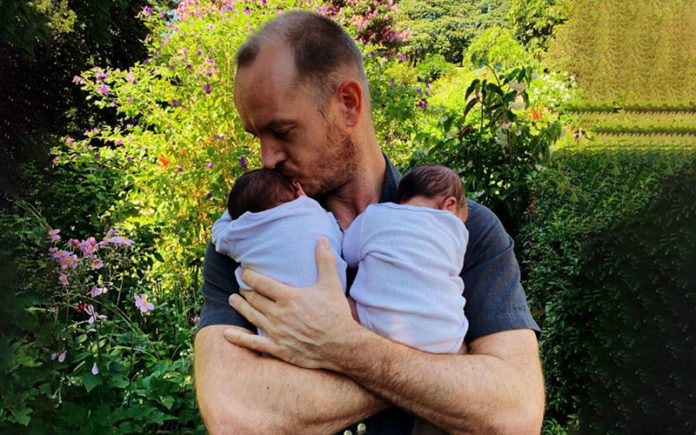
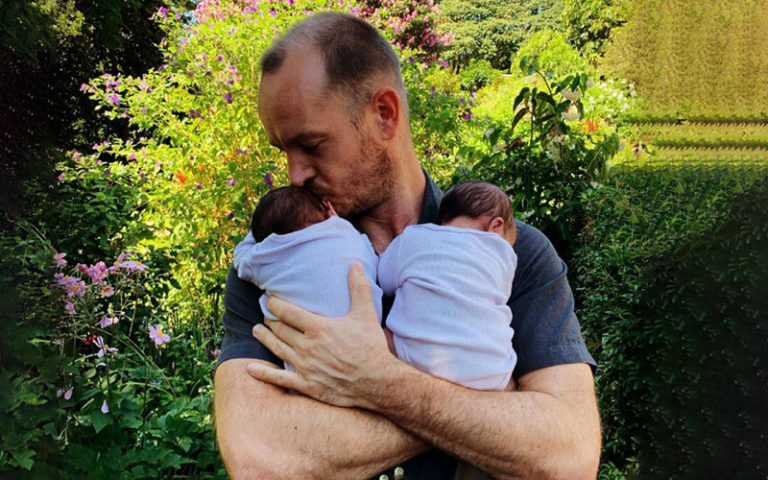
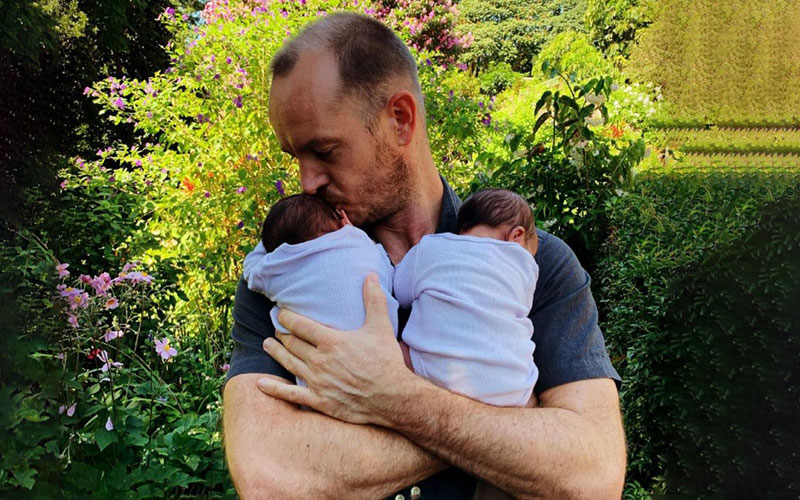
Phillip Lühl and his two daughters in South Africa (Instagram)

2 min read

Namibia’s High Court has ruled against a gay couple battling to obtain travel documents for their twin daughters, born to a surrogate in South Africa, after authorities refused to do so on the basis the infants were not citizens.

Namibian Phillip Luhl and his Mexican husband Guillermo Delgado, had already been fighting for citizenship for their two-year-old son when the twins, born in March, were refused the documents required to enter Namibia.

In an urgent application to the court, the fathers asked the judge to compel the home affairs ministry to issue the documents to bring their new daughters home.

Judge Thomas Masuku refused, however, saying such an order would be “judicial overreach”.

Namibia’s legal system does not recognise same-sex marriages and criminalises sexual contact between men, though the law is seldom, if ever, enforced.

The Ministry of Home Affairs said no one was immediately available to comment on the ruling on Monday.

Luhl told Reuters that the couple would have to study the ruling before deciding on the next steps.

“(It’s an) unexpected judgment and, on a personal level, quite a big blow to us,” he said, adding it was evidence of resistance at all levels in Namibia on progress towards equal rights.

While the South African surrogacy process requires a genetic link, the couple argue that requiring evidence of a genetic link to obtain citizenship has no basis in law and was discriminatory, because both fathers are legal parents.

Monday’s ruling means the family will remain separated, with Luhl in South Africa with the twins and Delgado in Namibia with the couple’s son, while a judgment in their larger citizenship case is pending.

Human Rights lawyer Norman Tjombe, who was not involved in the case, said the judgment was a blatant violation of the rights of the children and reflected the government’s stance on same-sex marriage.

“Had the children being born from a heterosexual marriage, no questions would have been asked about the paternity,” he said, adding the children were entitled to citizenship by descent like any other child born outside the country to a Namibian parent.

Last Updated on Apr 21, 2021

The news team for Gay Nation love tips from our readers. Got tips or a news story that you would like published? Go here to tell us something.
Visit the Gay Nation store Now

Harry Styles, Lizzo and The 1975 among nominees for British LGBT Awards – NME.com

Harry Styles, Lizzo and The 1975 are among the nominees for this year’s British LGBT Awards.

The annual awards, which are voted on by the public, celebrate personalities from across charity, the media and business who have helped to advance the rights and lives of LGBT+ people.

Those nominated in the music category include Lil Nas X, Lizzo, Sam Smith, MNEK, and The 1975. Also in the running is Harry Styles, who has been praised for his gender non-conforming fashion style and his staunch support of the LGBT community.

Advertisement

The celebrity award category features Umbrella Academy star Elliot Page, who recently came out as transgender, Demi Lovato, Cara Delevingne, Jane Fonda, Willow Smith, George Clooney, and Queer Eye fashion expert Tan France.

Celebrities in the ally category include Charli XCXSpice Girls singer Mel CDrag Race judge Michelle Visage, and Killing Eve‘s Jodie Comer.

Elsewhere, Netflix thriller The Haunting Of Bly Manor, Channel 4’s It’s A Sin, CBBC’s The Next Step have been shortlisted in the media moments category, along with Strictly Come Dancing, recognised for its first same-sex pairing.

“These awards shine a light on those who have stood shoulder to shoulder with the LGBT+ community, during what has been an extremely challenging 12 months,” explained British LGBT Awards founder, Sarah Garrett.

“The nominees, which include an exciting mix of famous LGBT+ faces, allies and organisations have all demonstrated a commitment to advancing LGBT+ rights.”

Advertisement

The awards will take place on August 27, 2021 – find out more info here.

Meanwhile, Imagine Dragons frontman Dan Reynolds has donated his childhood home in Las Vegas to an LGBT+ organisation.

The gift comes as part of the ‘$8 Million, 8 Houses’ campaign from non-profit organisation Encircle, who are building resource centres for LGBT+ youth across Arizona, Idaho, Nevada and Utah.

OPINION: For the LGBT community, an Arkansas bill sets a dangerous precedent nationwide – UNCW Seahawk

0

In Arkansas, any transgender resident under the age of 18 is about to be denied the medical care required to help them transition genders. This includes the care required to keep them alive. Yes, you read that right. 

The GOP-dominated Arkansas House and Senate unanimously passed the SAFE Act. Governor Asa Hutchinson vetoed the bill and the legislature voted to override the decision. The new law will ban minors from receiving gender-affirming medical procedures, including surgeries, hormone therapies and puberty blockers. Even exceptional situations, such as parental consent and medical need, will still be subject to the rule. Not only is this sick piece of legislation extremely disrespectful to members and allies of the LGBT community, it could also cause serious injury or even death to its youth. 

Furthermore, the bill constitutes extreme government overreach and places the interests of the state above those of the people, as well as science and knowledge. The politicians who sponsored the legislation have shown they are more willing to remain loyal to their personal interests and fight a “culture war,” notes Reason Magazine, than serve their constituents. Others who voted in favor of the bill cite unfounded claims that transgender treatments could maim recipients and harm their mental health. These talking points were echoed by the Family Research Council, a right-wing think tank that has been identified by the Southern Poverty Law Center as a hate group due to publishing false anti-LGBT propaganda.

The heinous attack on transgender Arkansans’ human rights comes on the heels of similar proposals in dozens of other states. State legislatures have a long history of churning out anti-LGBT bills at the start of each year, but 2021 has seen a record number of such bills, with nearly 100 being debated across 28 states. While most are likely to die, each and every piece of legislation presents an opportunity for further erosion of LGBT rights, and the sheer number of bills means that a few are sadly going to become law. 

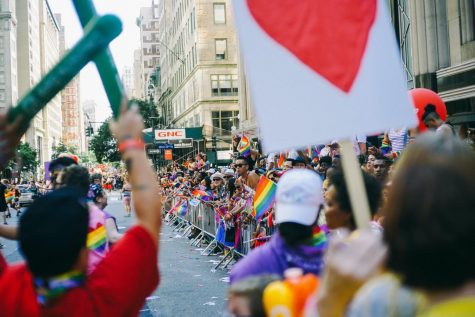
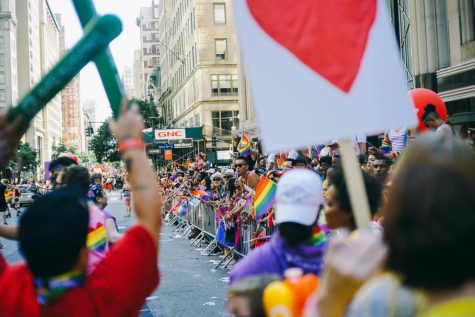
A pride parade in New York.
Photo by Josh Wilburne on Unsplash

Such opportunities even exist here in North Carolina. Senate Bill 514, introduced by three Republican legislators, seeks to ban gender-affirming treatment for minors and prohibit the use of state and insurance funds for such procedures for all ages. It is very similar to the legislation ratified in Arkansas. However, this bill contains some notable enhancements. Most notably, it defines a minor as anyone 21 years of age or younger, rather than 18 in Arkansas. In addition, school officials would be required to report students displaying signs of gender transition to their families, and conversion therapy would face fewer legal hurdles. 

While the bill is most likely destined to die, according to the Associated Press, it is still extremely dangerous for the state’s LGBT population. Most obviously and significantly, many college students would be classified as minors under the legislation and thus subject to the ban on gender treatments. This provision would be extremely devastating for young transgender adults trying to seek autonomy from their parents. For context, amidst mass shutdowns during the COVID-19 pandemic, LGBT students from transphobic families who were able to finally feel accepted on campus were suddenly forced “back into the closet,” testified a California freshman.

Here in North Carolina, no matter how adverse Senate Bill 514’s prognosis is, the proposal is extremely disrespectful to both LGBT college students and the universities that provide them services and protect them from their families.

Additionally, regardless of how many of the other bills across the country die, the actions of state legislatures threaten to stir additional hate crimes and discriminatory action against those who identify as LGBT or transgender. Each proposal bolsters the credibility of transphobic people and conspiracy theorists who routinely spread anti-LGBT rhetoric and disinformation. Many uneducated people could be swayed to reject scientific research on the matter in favor of traditional values or beliefs. Furthermore, bullying and harassment of people questioning their gender identity, including public-school students, could become more rampant. 

The surge in anti-LGBT legislative action even threatens advocacy efforts of allies by potentially desensitizing them to ever-increasing hardships faced by the LGBT community. Jude Ellison Sady Doyle, in an opinion piece for NBC News, warned that the only element driving the fight for non-LGBT people is anger. If conservative legislators and governors realize how angry their people would be if their transphobic laws pass, she writes, they would be more reluctant to affix their signatures. However, this outrage is self-limiting because fatigue or other, more pressing stories or crises will eventually take over. Once that happens, and allies stop fighting, many more of the bills attacking the LGBT community will likely become law.

To every member and supporter of the LGBT community in the entire U.S., you need to be on high alert right now and for the foreseeable future. Regardless of how likely anti-LGBT legislation is to be passed in your state, disinformation, propaganda and even violence could affect you severely. Your opponents could gain additional ammunition and spread even more of their hateful rhetoric. Even more bills and further opportunities for legal disenfranchisement of your rights and dignity are likely on the way. And finally, especially to allies who are not directly LGBT or transgender, please, please, please do not give up or take your eyes off the ball until this fight is over. The only way to win is to stay angry, stay loud and stay in it until the very end.

Lil Nas X Shuts Down Twitter Trolls Who Say He’s ‘Being Gay for Success’ – Yahoo Entertainment

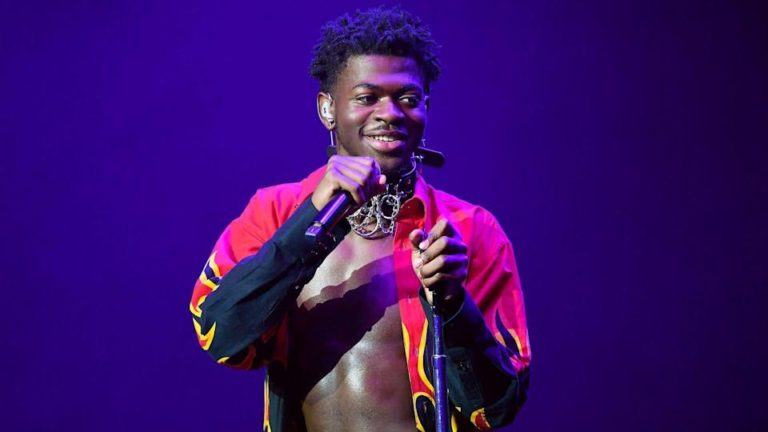
Photo by Steve Jennings/Getty Images for iHeartMedia

Lil Nas X is done with comments that he’s being “gay for success.”

The artist, who recently topped the Billboard Hot 100 with his latest single “Montero (Call me By Your Name),” took to Twitter Tuesday to call out haters who’ve claimed he’s using his sexuality to further his success.

“Y’all love saying i’m being gay for success but can’t name 5 successful gay male artists in the last 10 years to save your life,” Nas wrote in a tweet that’s since earned over 60,000 likes in the last hour and change.

In the replies and quote tweets, some tried— and failed— to do so. Nas responded to two replies in particular, both of which have been deleted by the users who sent them out. One seemingly accused Nas of dissing other artists.

“I’m not dissing anyone,” Nas wrote. “i’m acknowledging the fact that we aren’t usually as successful as our peers. what’s not clicking starbucks spellman.”

One user even took a jab at Nas’ latest track, which the rapper says he hopes “will open doors for many other queer people to simply exist,” a line he wrote in a letter to his former self on social media upon its release.

“It’s a million n—-as in the industry that make nothing but songs about women and y’all don’t complain,” Nas wrote in response to the Twitter user Tuesday. “But i make my first song about a n—a and now it’s my entire artistry. y’all crack me up man.”

Giving Satan a lap dance certainly turned a lot of conservative pundit’s heads this past month, but if there’s anything Nas makes clear in his latest Twitter exchange, it’s that he’s not going to shy away from being himself just because some are uncomfortable with it.

Related Articles

More Complex

Sign up for the Complex Newsletter for breaking news, events, and unique stories.

Follow Complex on: Facebook, Twitter, Instagram, YouTube, Snapchat, TikTok

Nearly a third of gay youths have attempted suicide, study finds – NBC News

Suicide rates among young people have been on the rise in recent years, according to the Centers for Disease Control and Prevention, but gay and bisexual youths are almost five times as likely to have attempted suicide as their straight peers.

And, despite advances in the fight for LGBTQ equality, a new report finds that young gay people today are even more likely to have attempted suicide than in previous generations.

Researchers at the Williams Institute, a sexual orientation and gender identity think tank at UCLA School of Law, found that 30 percent of lesbian, gay and bisexual respondents ages 18 to 25 reported at least one suicide attempt, compared to 24 percent of those 34-41 and 21 percent of those 52-59.

The study, published last month in the journal PLOS One, also revealed that these young adults are experiencing higher levels of victimization, psychological distress and internalized homophobia than older generations.

“We had really expected it would be better for the younger group,” said lead author Ilan H. Meyer, a distinguished senior scholar of public policy at the institute. “But at the same time, we knew data from other studies has shown LGB youth do a lot worse than straight youth — and not much better now than in earlier times.”

Meyer and his colleagues surveyed 1,518 respondents who identified as lesbian, gay or bisexual (trans people were included in a separate study). Participants were divided into three cohorts: the “Pride” generation, those born from 1956 to 1963; the “Visibility” generation, born from 1974 to 1981; and the “Equality” generation, born from 1990 to 1997.

Using the Kessler Scale, a clinical measure of psychological distress, they found that members of the Equality generation reported almost twice as many symptoms of anxiety and depression as the Pride generation. Many factors influenced the data, Meyer said, including the fact that people are coming out younger than ever. 

“That can be a positive, of course,” he said. “But it can also backfire and expose you to a lot of harassment and victimization. You might not be prepared for the consequences.”

Members of the Equality generation reported coming out to a family member at age 16 on average, compared to 22 for the Visibility generation and 26 for the Pride generation.

That can put them at risk of rejection at a time when they rely most on family for emotional and financial support, said Amy Green, vice president of research for The Trevor Project, an LGBTQ youth crisis intervention and suicide prevention organization.

According to a survey by the organization last year, 40 percent of LGBTQ youths ages 13 to 24 had seriously considered attempting suicide in the previous 12 months.

“It’s not that the world isn’t making progress for LGBTQ people, it’s that recent progress has resulted in an amazing community of young people who understand who they are but still live in a world where others may be unkind to them, reject them, bully them or discriminate against them,” Green said in an email. “And we know these experiences of victimization can compound and produce negative mental health outcomes.”

The advent of social media and the internet has also greatly affected the Equality generation’s sense of identity.

“When we asked them about other people in the community, the younger group’s answers were always — always — about social media, not about real-life encounters,” Meyer said. “People are very cruel online, whether it’s Twitter or Grindr.” 

Meyer said that before he examined interviews accompanying the survey, he expected to hear people in their teens and 20s present “a different way of being gay.”

“But one of the first narratives I listened to was from an 18-year-old Latino from San Francisco, and his narrative was the same as we’ve heard for generations — homophobia, exclusion, shame. The evolution [in LGBTQ rights] hadn’t impacted his life as much as you’d expect.”

Members of the Equality generation reported more anti-LGBTQ victimization than their older counterparts, Meyer said. Nearly 3 out of 4 (72 percent) said they had been verbally insulted about their identity, and almost half (46 percent) said they had been threatened with violence. More than a third (37 percent) reported having been physically attacked or sexually assaulted.

“I believe in the power of institutions and social structures changing. I really do,” Meyer said. “But I think real progress takes longer than we think. Just because we’re seeing change doesn’t mean every gay kid’s parents are accepting or that their friends are embracing them.”

There were some silver linings: Of the three groups, members of the Equality generation most reported feeling connected to the LGBTQ community.

“That was actually surprising, because we hear so much about people feeling like they don’t belong,” Meyer said. “But this suggests there is still pride, despite the difficulties and negativity, sometimes even from within our own community.”

Coming out younger has also given them more resiliency, he added.   

“Coming out earlier gives you a great start on life, even if you face hardships,” he said. “This generation is already out when they get to college. They have a better sense of who they are. Older generations had to wait longer to live their authentic lives.”

If you are an LGBTQ young person in crisis, feeling suicidal or in need of a safe and judgment-free place to talk, call the TrevorLifeline now at 1-866-488-7386.

Follow NBC Out on Twitter, Facebook & Instagram

Documentary about Father James Martin’s LGBT ministry selected for Tribeca Film Festival – America Magazine

0

A Martin Scorsese-produced documentary about James Martin, S.J., and his ministry to L.G.B.T. Catholics has been selected to be part of the Tribeca Film Festival in June, the organization announced Tuesday.

The documentary, “Building a Bridge,” is based on Father Martin’s 2018 book of the same name.

“The film follows Father Martin and the lives he has impacted, including a grieving Pulse mother, a family with three queer siblings, and a college student trying to reconcile his gay and Catholic identities,” reads a statement from the documentary’s creators. Father Martin is an editor-at-large of America.

“Tribeca Film Festival is the perfect place for us to premiere this documentary,” Evan Mascagni and Shannon Post, the film’s directors and producers, said in a statement. “We are so proud of this film and grateful for the opportunity to show it amongst so many talented filmmakers, especially at the first major U.S. festival to be held in person this year and during Pride month.”

Father Martin said he was moved to write his book following the 2016 shooting at Pulse, a gay nightclub in Orlando, which left 49 people dead. He has urged church leaders to be more welcoming, emphasizing aspects of Catholic teaching that call for treating L.G.B.T. people with “respect, compassion and sensitivity.” Some Catholic leaders have criticized Father Martin’s ministry, challenging him to be more clear about the church’s teaching that condemns homosexuality.

The film also features Michael Voris, the founder of the website Church Militant, which regularly publishes articles and videos denouncing Father Martin and his ministry.

In 2018, Father Martin spoke at the World Meeting of Families in Dublin, a global conference hosted by the Vatican’s family and laity office, about how parishes could welcome L.G.B.T. Catholics. The following year, he was received at a private audience by Pope Francis.

In a statement about the documentary, Father Martin said he hopes the film will prompt Catholics to reflect on how to create a more inclusive church.

“I was so happy to learn that ‘Building a Bridge’ had been accepted by the Tribeca Film Festival, since it will help more people see the kinds of outreach that the Catholic Church is doing with L.G.B.T. people,” Father Martin said. “I’m especially grateful to Martin Scorsese, the executive producer; and Evan Mascagni and Shannon Post, the directors; for making such a sensitive documentary with so many different voices. I pray that church leaders will see what is possible with this kind of pastoral ministry, and that L.G.B.T. people feel more welcome in what is, after all, their church too.”

The Tribeca Film Festival, founded in 2002 to spur economic activity in New York following the 2001 attacks on the World Trade Center, will run June 9-20.

More stories from America: 

Florida Anti-Trans youth sports bill stalls, likely no path forward this year – Los Angeles Blade

739 Shares

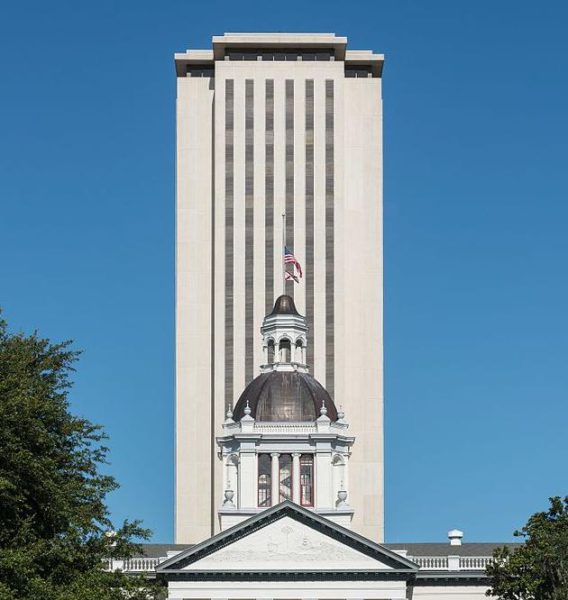
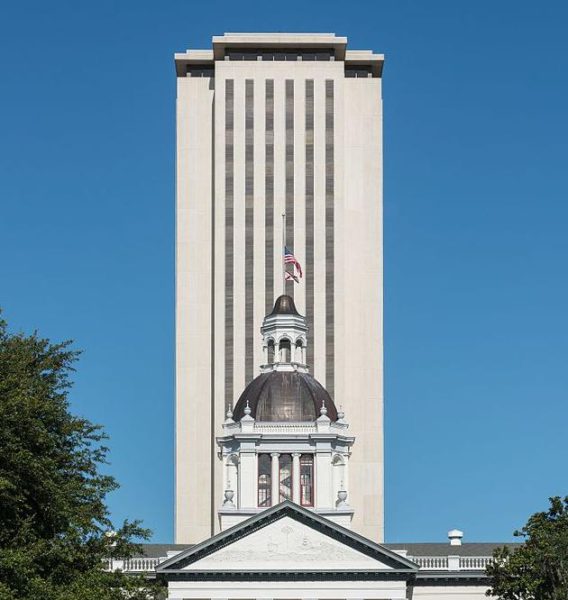
Florida State Capitol Building (Blade file photo)

TALLAHASSEE, FL. – A controversial bill that would ban trans youth from participating in sports has stalled in the Republican held State Senate Tuesday.

Politico reported that a top Senate panel on Tuesday put off considering the ban, a move that signals the upper chamber is reluctant to move forward with the bill. The proposal’s sponsor, powerful Senate budget chief Kelli Stargel, said her attention will be on finishing the state budget with less than two weeks left in session.

“Right now, my primary focus as Appropriations Chair is our constitutional responsibility to pass a balanced budget,” Stargel, a Lakeland Republican, said in statement to POLITICO. “And in a time-limited environment, I don’t know that we will have sufficient time to revisit SB 2012 this session.”

Florida Senate bill SB2012 would affect students in grades K-12 and the state’s colleges and universities by limiting them to their biological sex and provided, according to the bill’s language, any disputes regarding a student’s sex arising would be resolved with a “health examination and consent form” verifying the student’s biological sex.

“The health care provider may verify the student’s biological sex as part of a routine sports physical examination by relying only on one or more of the following: 1. The student’s reproductive anatomy; 2. The student’s genetic makeup; or 3. The student’s normal endogenously produced testosterone levels.”

“Biological sex,” is a term that refers to the sex assigned at birth and which has been a term that is categorized as transphobic and non-accepting/affirming by LGBTQ advocacy groups.

In a statement to the Los Angeles Blade, Gina Duncan, Director of Transgender Equality for Equality Florida said, “With the temporary postponement of SB2012 and the subsequent statements from Senator Stargil, it appears that the overwhelming opposition to the Trans Youth Sports Ban makes it unlikely to move forward.”

“We will continue monitoring to ensure that no other procedural moves can resurrect it. While the reversal of momentum on this bill is welcome news, the harm inflicted by lawmakers this Session is unconscionable. Facing unprecedented and urgent challenges in the wake of a deadly pandemic and the largest civil rights protests in American history, legislators placed a target on the backs of the most vulnerable among us — transgender children — to score political points. Make no mistake, this is a nationally-coordinated effort to feed red meat to a socially-conservative base at the expense of our kids.

We are grateful to the coalition of sports icons, major corporations, organizations, business leaders, classmates, parents, and trans kids who stood tall in the face of transphobia to oppose this legislation. This bigoted, damaging bill should never have seen the light of day and lawmakers should reflect on the harm they have caused vulnerable youth to further their political careers. To trans kids across Florida: you are loved. And we will continue to defend your right to thrive,” she added.

Reaction from Democratic State Senator Janet Cruz (D-Tampa) was blunt, “Ding dong the witch is dead,” she tweeted adding. “Rip Transgender bill.”

State Sen. Shevrin Jones (D-Miami Gardens) said he hoped the Senate bill, FL SB2012 (21R), would die in its committee Tuesday — the last scheduled meeting of 2021.

“The Florida Legislature has done enough bad policies for one session, and the last thing we need is more divisive rhetoric that will do nothing but keep all of us in our little corners, while the people of Florida look at the Legislature in disgust,” Jones, an openly gay lawmaker and outspoken LGBTQ advocate, said in a statement to POLITICO.

In a phone interview with the Blade last week, a spokesperson for Equality Florida, Brandon J. Wolf pointed out that cruelest aspect of the bill is that terrorizes trans youth athletes. He noted that a separate Senate bill that would also impede trans youth participation in athletics, SB 2012 would require that even “a 12-year-old trans female youth would be forced to adhere to Olympic standards for testosterone levels.”

Wolf said that both bills were simply “cruel and grotesque” and warned that there’s a definite racist element as Black Trans girls will end up bearing the brunt of these trans-adverse laws if passed.

Repeated calls by the Blade requesting comment by Florida’s Republican Governor Ron DeSantis have gone unanswered.

Namibia denies residency to infant daughters of gay citizen – Erasing 76 Crimes

0

A Namibian court ruled Monday against a gay couple demanding the right to bring their infant daughters home after being born to a surrogate in South Africa. The Namibian Ministry of Home Affairs says the girls are not Namibian citizens, despite being born to a Namibian father.

Namibian Phillip Lühl hasn’t been able to bring his twin daughters home to meet the rest of their family since they were born in Durban, South Africa, in March. (Photo courtesy of Phillip Lühl via Instagram.

Phillip Lühl is a Namibian citizen married to Guillermo Delgado, a Mexican national. Together they also have a two-year-old son who was also born to a South African surrogate. Right now the family is separated because their twin daughters were born in Durban, South Africa, and the Namibian government has refused to issue travel documents to them. Lühl is in South Africa with their daughters and Delgado is in Namibia with their son.

Lühl said the couple is deciding on its next steps.

“(It’s an) unexpected judgment and, on a personal level, quite a big blow to us,” he said after the decision.

Namibia does not recognize same-sex marriage or permit surrogacy arrangements. Namibia also maintains a prohibition against sodomy under its common law system, although the government is not believed to have pursued charges of sodomy in over 25 years. In 2019, the Ombudsman of Namibia echoed calls from the United Nations Human Rights Committee for the sodomy ban to be repealed.

South Africa does recognize surrogacy and has issued birth certificates to all three children with both Lühl and Delgado listed as parents. But the Namibian government is insisting that the couple prove a genetic link between the children and Lühl before issuing citizenship documents. Lühl says there is no basis for the requirement of proof of a genetic link in Namibian law.

“We rejected the notion that a genetic link or DNA test will prove my parentage,” Lühl said to Reuters. “We rejected that because of the fact that one of us has to have a genetic link. It doesn’t mean that one of us is a parent. We are both parents legally.”

Lühl says that’s discriminatory, since heterosexual families are not required to prove genetic links to their own children in order to pass on their Namibian citizenship.

The judgement effectively leaves all three children stateless. They would be entitled to Mexican citizenship through Delgado, but they would have to apply at the embassy in Pretoria, South Africa, and their son cannot cross the border to reach Pretoria because he lacks travel documents.

Lühl and Delgado are no strangers to the Namibian court system. They already have separate cases before the court seeking continued right of Delgado to reside in Namibia and recognition of the Namibian citizenship of their son.

Additionally, three other cases are before the High Court of Namibia seeking recognition of same-sex marriage.

Related article: 

Discriminatory policies worsen Black sexual minority men’s health – Futurity: Research News

Eliminating racist and anti-LGBTQ policies is essential to improving the health of Black gay, bisexual, and other sexual minority men, according to a new study.

Researchers examined the effect that US state-level structural racism and anti-LGBTQ policies have on the psychological and behavioral health of Black and white sexual minority men.

“Our results illuminate the compounding effects of racist and anti-LGBTQ policies and their implementation for Black gay, bisexual, and queer men,” says Devin English, an assistant professor at Rutgers School of Public Health and lead author of the paper in the American Journal of Preventive Medicine.

“To improve mental and physical health and support their human rights, these oppressive policies must be changed.”

The researchers surveyed a US nationwide sample of 1,379 Black and 5,537 white sexual minority men over age 16, identified as male (including cisgender and transgender men), were HIV-negative or unaware of their status, and reported on their psychological health (e.g., anxiety symptoms) and behavioral health, (e.g., heavy drinking and HIV testing frequency).

The study measured structural racism based on an index assessing state-level Black-white inequities in incarceration rates, educational attainment, economic indicators, employment status, and residential segregation.

It measured anti-LGBTQ policies using the Human Rights Campaign State Equality Index that grades each state based on how its laws affect LGBTQ communities, like permitting hate crimes, conversion therapy, and discrimination in housing, employment, and public accommodations.

The states with the worst LGBTQ-policy grades were those in the southern and upper midwestern US that continue to limit access or criminalize experiences of LGBTQ people, such as restricting access to bathrooms that match the gender identity of transgender and gender expansive communities.

States with the worst structural racism scores were predominantly those with large metropolitan areas in northern states with legacies of redlining, systematic disinvestment, and other forms of racism.

Black sexual minority men living in states with high levels of both structural racism and anti-LGBTQ policies were exponentially more likely to see themselves as a burden to others and engage in heavy drinking than those living in states with lower levels of structural oppression.

Additionally, Black participants had higher rates of anxiety in states with high levels of structural racism and anti-LGBTQ policies, and lower rates of HIV testing in states with anti-LGBTQ policies.

The study shows that structural racism compounded the effects of anti-LGBTQ policies and vice versa. In contrast, the study did not find an association between either form of structural oppression and health outcomes for white sexual minority men.

“The finding that anti-LGBTQ policies were associated with negative psychological and behavioral health outcomes among Black, but not white, sexual minority men suggests this oppression disproportionately affects Black sexual minority communities,” English says.

“To effectively combat the negative health effects of structural oppression for Black sexual minority men, clinicians, researchers, and policymakers must advocate for the passage of anti-oppression laws, like the Equality Act, that protect these men from interpersonal and institutional discrimination.”

Source: Rutgers University