Home Blog Page 321

Critical race theory is about to face its day(s) in court – News-Daily.com

As recently as last summer, few people outside academia had heard of critical race theory, whose central claim is that racism, not liberty, is the founding value and guiding vision of American society. Then, President Trump issued an executive order last September banning the teaching of this “malign ideology” to federal employees and federal contractors.

Trump’s ban was blocked by a federal judge in December and immediately revoked by Joe Biden upon occupying the White House in January. Since then, federal agencies and federal contractors have resumed staff training on unconscious bias, microaggressions, systemic racism and white privilege – some of the most common but also most disputed concepts associated with the four-decade-old academic theory.

Now critical race theory is about to face a major real-world test: a spate of lawsuits alleging that it encourages discrimination and other illegal policies targeting whites, males and Christians. But unlike Trump’s executive order, which ran into First Amendment problems by prohibiting controversial speech, the lawsuits name specific policies and practices that allegedly discriminate, harass, blame and humiliate people based on their race.  

The common thread of these legal challenges is the inescapable logic that making accommodations for critical race theory will erode the nation’s anti-discrimination law as it has developed since the 1960s. This would mean replacing the colorblind ideal of treating all people equally, which has been widely viewed as the crowning achievement of the civil rights movement, with a contrary strategy: implementing race-based policies, which can range from affirmative action to reparations for compensating African Americans for the injustices of the past and for producing equitable outcomes in the future.

“Critical race theory is a Trojan horse of sorts,” said David Pivtorak, a Los Angeles lawyer representing two white men who are suing two California state environment agencies. “It disguises itself as the gold standard of fairness and justice but, in fact, relies on vilification and the idea of permanent oppressor and oppressed races. Its goal is not ensuring that all people play by the same rules, regardless of race, but equity, which is a euphemism for race-based outcomes.”

About a dozen lawsuits and administrative complaints have been filed since 2018, with another wave planned this summer by conservative public interest law firms and private attorneys. Their goal is to draw attention to some of the more pronounced practices and win court judgments to slow down the spread of CRT in K-12 schools, government agencies other organizations.

A pair of lawsuits filed in 2019 by four white women against the New York City public school system allege that a diversity trainer told employees, “White colleagues must take a step back and yield to colleagues of color,” and that they should “recognize that values of White culture are supremacist.” The California suit filed last year by the two white men alleges that the state hosted a discussion series in 2020 in which speakers stated “that any disparate outcomes in society must be the result of white supremacy.”

A 2019 complaint filed by an Illinois public school teacher led to a finding that as part of a year-long course on equity and diversity, seventh- and eighth-graders participated in a white privilege awareness exercise that required them to remain “in silence” and with “eyes lowered” as they responded to a facilitator’s prompts. A 2020 lawsuit filed by a 12th-grade biracial student and his African American mother says that a civics class in a Nevada charter school taught that “reverse racism doesn’t exist” and that “people of color CANNOT be racist.”

Critical race theory scholars assured RealClearInvestigations that white people should never be fired, penalized or gratuitously humiliated for the historical accident of being born white. But organizations should be granted wide leeway in adopting diversity training and equity policies, they say, even if asking white people to acknowledge their unearned privilege and think about their complicity in white supremacy makes them feel singled out and induces anxiety.

“Part of being an employee or a public official or a school teacher requires you to appreciate your own standing – your identity and your positionality,” said Margaret Burnham, a law professor at Northeastern University and a former Massachusetts state judge, using CRT terms that describe racial and gender power hierarchies.

“Anything that is about the education of the person so that they can do a better job is fair game,” Burnham said. “Just like you have to learn new technologies, new languages, I consider this part of being an employee, part of being in a public space where you’re going to interact with other people.”

Proponents of critical race theory say the lawsuits are a form of white denialism that confirms the pervasiveness of the problem that CRT exposes. Many critical race theorists believe that the United States has functioned as an elaborate affirmative action scheme to empower and enrich white males, a strategy that depends on a certain degree of coverup.

“I see these lawsuits as a last gasp attempt of those who benefit from the racial hierarchy to cling to the power and the privileges that have been associated with whiteness from the beginning of the country,” said andré douglas pond cummings (who writes his name in lowercase letters), a business law professor at the University of Arkansas at Little Rock who has taught courses on corporate justice and “Hip Hop & the American Constitution.”

“Critical race theory challenges the very legitimacy of the legal system in which these lawsuits are situated,” cummings said. “Treating people with dissimilar histories equally, where some have been historically oppressed, can lead to unjust results and outcomes, thereby requiring a focus on results and outcomes, not on blind process, with the goal being equal economic opportunity and equity.”

The central unifying insight of critical race theory is that racism is embedded in the U.S. legal system and social structures, “so that you don’t have to think about it anymore and you can have racism without racists at this point,” said Robert Westley, a Tulane University law professor who specializes in critical race theory and reparations.

“You don’t have to be an avowed racist in order for there to be race-based outcomes in this society,” Westley said, noting that confronting these matters “is going to entail talking about things that make a lot of people very uncomfortable.”

CRT rejects the foundational premises of classical liberalism – such as legal neutrality and individual rights – and from that perspective, colorblindness is not understood as a strategy to overcome racism but as a method to perpetuate it.

“It’s a white ideology,” Burnham said. “Colorblindness really comes into fashion as a means of denying the persistence of racial stratification in the United States.” 

The lawsuits face a number of challenges, a point borne out by early setbacks some of the claims have experienced so far, including the defeat of Trump’s executive order on free-speech grounds. In another case, lawyers dropped the discrimination allegations in one of the first such lawsuits, filed in 2018 against the Santa Barbara Unified School District in California, because, they said, students and staff who supported the lawsuit were “deathly afraid” of repercussions if they spoke out and came forward publicly as plaintiffs. 

Claimants generally have to prove the alleged discrimination is severe and pervasive. They also have to overcome the freedom-of-speech rights of those who are professing to be dismantling systemic racism. What’s more, lawyers on both sides say that courts traditionally defer to employers and educators to set policy on workplace training and classroom curricula, a built-in restraint on activist judges.

Perhaps the biggest wild card in these lawsuits is the staggering cultural shift of the past five years, during which many of the precepts of CRT have become widely accepted, especially among many in the nation’s intelligentsia and the professional managerial class.

President Biden has adopted the language and made equity part of his platform, including a proposal to establish an Equity Commission “to support the rights of Black, Brown and Native farmers.” Immediately upon taking office, he issued an “Executive Order on Advancing Racial Equity” to address systemic racism and “affirmatively” promote equity and racial justice in the federal government.

“Our Nation deserves an ambitious whole-of-government equity agenda that matches the scale of the opportunities and challenges that we face,” the executive order states.

And last week, Biden’s Education Department proposed new priorities for its American History and Civics Education programs in recognition that the Covid-19 pandemic and “the ongoing national reckoning with systemic racism have highlighted the urgency of improving racial equity throughout our society.” The priorities include incorporating diverse perspectives and anti-racist practices into the teaching of history, with The New York Times 1619 Project cited as an example.

This paradigm shift has catapulted “anti-racist” experts like diversity trainer and best-selling “White Fragility” author Robin DiAngelo into the stratosphere of fame. Another beneficiary of the zeitgeist is Ibram X. Kendi, the Andrew W. Mellon Professor in the Humanities at Boston University who runs the school’s Center for Antiracist Research. Kendi is the author of the 2019 bestseller “How to Be an Antiracist,” which contains a succinct antiracist formula that rests on the distinction between bad discrimination (racism) and good discrimination (antiracism): “The only remedy to racist discrimination is antiracist discrimination. The only remedy to past discrimination is present discrimination. The only remedy to present discrimination is future discrimination.”

The nation’s current anti-discrimination law does not make such a distinction, and would read Kendi’s proposal as absurd as claiming that there’s a meaningful difference between good theft and bad theft; instead, all discrimination is wrong in the existing legal framework, with the exception of limited, narrowly tailored exemptions that are subject to strict scrutiny by the courts.

A sampling of recent lawsuits and complaints shows how critical race theory practices have played out in a variety of circumstances.

The suit against the New York City Department of Education alleges that employees were told at a diversity retreat that “there is White toxicity in the air and we all breathe it in.” Examples given included the Protestant work ethic and being socialized to be “defensive.” Such messages about “interrogating Whiteness” were repeated over the course of a year, during which time four white employees who later filed suit were accused of privilege, shamed, demoted and replaced by African Americans. The pair of lawsuits, filed in 2019, are in the discovery phase as the Department of Education and the lawyers for the four white women suing exchange documents and evidence.

A fall 2020 civics curriculum at a Nevada charter school encouraged students to “unlearn” the oppressive structures within their families, their religion and their intersectional identities. The teacher, who identified herself in class materials as a bisexual agnostic with a mental health disability, asked 12th-graders to reflect on the parts of their identity that “have privilege attached to it.” according to a discrimination suit filed by the biracial male student and his black mother who allege he was coerced to affirm a political ideology against his conscience and his Christian faith. The case, filed last December, is headed for trial after a judge, saying the allegations raise “some serious constitutional issues,” refused to toss it out.  

In the California lawsuit brought by the two white men, a discussion hosted by the state Department of Fish & Wildlife featured speakers who said that black people don’t use the outdoors in proportion to their population because of white racism, generational trauma and a historical fear of lynching. White employees were instructed on the country’s deeply racist legal system and advised that “silence is complicity” when it comes to racial injustice. According to the lawsuit, employees were subjected to implicit bias training that amounted to compelling staff to take “loyalty oaths” to CRT ideology. The lawsuit, filed last October, is in the early procedural stage; the state’s lawyers are seeking to have the case dismissed.

In one of the more unusual cases, the Department of Education’s Office of Civil Rights agreed in early January with an Illinois public school teacher that her school district violated anti-discrimination law when it implemented a discipline policy that explicitly directed staff to consider a student’s race when evaluating behavioral and disciplinary issues.

The case offers indications that different judges will likely reach opposite conclusions in such disputes: Just two weeks after ruling for the schoolteacher under the Trump administration, the Department of Education put the case on hold when President Biden took office and issued the “advancing racial equity” executive order.

The Department of Education initially found that the K-8 school district engaged in illegal stereotyping when administrators and staff were invited to write down “some defining aspects of white culture” in a white privilege awareness exercise. The materials provided several examples of “common white reasoning,” including: “we [whites] haven’t had to develop the skills, perspectives or humility that would help us engage constructively” in cross-racial conflicts. The agency also flagged a segregated “affinity group” for white students that served as a “safe space” for students to learn about white privilege, internalized dominance, microaggressions and how to act as an ally for students of color.

Hovering in the background of these lawsuits is the unresolved question: To what extent does truth provide a defense against charges of discrimination? It will come as no surprise that to conservatives and other critics of CRT its fatal flaw is its factual wrongness.

“The ideology is so patently stupid and racist to the common person that the only way you can implement it or teach it is with an element of coercion, otherwise it would just be laughed at,” said Jonathan O’Brien, the lawyer representing the student and mother who filed the Nevada lawsuit. “That’s why the training sessions are like pressure cookers.”

But if critical race theory is true, as its adherents believe, then labeling the truth as discriminatory smacks of censorship.

The lawyers who successfully challenged Trump’s executive order last year, for example, claimed truth as a defense when they argued that their clients offer instruction about systemic racism and white privilege as an essential part of their social justice mission to provide equitable health care services. Systemic racism is understood as the totality of social institutions operating in such a way as to generate disparate outcomes for people of color in criminal justice, health care, education and other areas.

“We’re talking about a structure, a system, that was set up to benefit white people. Whether people realize it or not, they’re often continuing that system in a way that hurts people of color,” said Camilla Taylor, director of constitutional litigation for Lambda Legal, which calls itself the nation’s oldest and largest LGBTQ rights group. “And to undo that structure you need to be able to name who it benefits and who it disadvantages.” 

Lambda Legal represented the NO/AIDS Task Force, Los Angeles LGBT Center and Dr. Ward Carpenter, the Los Angeles center’s co-director of health services who specializes in transgender medicine and personally treats 200 patients. Their successful legal challenge argued that the restrictions in Trump’s executive order “not only run afoul of First Amendment protections, but they ignore verifiable and truthful information, and therefore restrict highly protected professional speech.”

In a phone interview, Taylor cited medical research published in 2019 in the Proceedings of the National Academy of Sciences that contended when African American newborns are cared for by African American physicians, their mortality rate is cut by half. There is no explanation for the disparity in death rates but the race of the provider, she said.

“Implicit bias is a problem that is greater in white people than it is in people of color,” Taylor said. “To prevent people from talking about these facts, because they make you feel some sense of personal responsibility or guilt that you don’t want to feel, is not only wrong but it hurts people in real time.”  

The stakes of this dispute couldn’t be higher, at least judging by the rhetoric expressed by both sides.

One of the conservative groups planning to file lawsuits, the Upper Midwest Law Center in Golden Valley, Mich., is in talks with prospective clients who include non-whites, said the center’s president, Douglas Seaton.

Seaton described the abandonment of the colorblind idea as giving up on the nation itself.

“You can’t have a country as diverse as ours without equality before the law,” Seaton said. “It’s a recipe for communal violence, tribalism. You can’t simply proceed that way. You’d be doomed to internecine battles between groups.”


Recommended for you

Stacker compiled data for all films on Netflix as of May 1 and used IMDb user ratings and Metacritic data to find the best films on Netflix right now. Click for more.

Eurovision 2021 Israel Profile: ‘Set Me Free’ by Eden Alene – Aussievision


Israel in Eurovision

Israel is a very successful Eurovision country, despite being one of the smallest nations to compete. They first took place at the Contest in 1973, and has won the Contest four times. Back to back victories were achieved in 1978, with Izhar Cohen and the Alphabeta, and in 1979 with Milk and Honey.

Dana International’s win in 1998 was a truly ground-breaking moment for the LGBT community, and then Netta in 2018 with ‘Toy’ won as well. Israel hosted the most recent Eurovision, in 2019, in Tel Aviv and produced a spectacular show.

2021 Entry: Eden Alene – ‘Set Me Free’

  • Semi-final: Eden will compete in semi-final 1, in 12th position in the running order

  • My Eurovision Scoreboard fan ranking: 23rd out of 39 entries

  • Odds to win ranking: 17th out of 39 entries

  • Odds to qualify ranking: 11th out of 16 entries

(ranking as of 29 April 2021)

About the artist

Eden Alene is just 20-years-old, and she has Ethiopian-Jewish heritage. Both of her parents migrated to Israel and Eden was born and raised in Jerusalem. Eden attended a religious school, did ballet during her childhood and idolises Beyonce. As all Israelis do, Eden serves in the Israeli Defence Force, where she is part of the army band.

Her singing career rose to prominence after competing on and winning X Factor Israel in 2017 as a 17 year old, and shortly after, her first single, ‘Better’, charted at #10. Eden participated in HaKokhav HaBa (Rising Star), which served as Israel’s selection method for Eurovision 2020. She won the show, and then held her own National Final with four songs to choose from. ‘Feker Libi’ was supposed to go to Eurovision in 2020 before it was cancelled, and Eden was invited back for 2021.

About the song

‘Set Me Free’ was written and composed by Amit Mordechai, Ido Netzer, Noam Zaltin and Ron Carmi.

The song’s message is one of hope of exiting a toxic relationship. Lyrics such as “Feeling like in prison”, “in my bed so lonely” and “used to be your treasure, now I’m gone forever” display how Eden feels it is hard to leave such a relationship, but wants to be set free.

The final version of the track shows off Eden’s impressive vocal range and includes a funky, bass-fuelled instrumental break, which may lend itself to some dance moves on stage. The latest music video also displays Eden’s impeccable sense of style and fashion. The track is effortlessly catchy and while predominantly sung in English, the song includes a few lines in Hebrew as well.

National Final and Revamp

Eden was internally selected for the 2021 Contest, and song submissions were open, from which nine were chosen and released as demos. The Israeli public then voted on the three best, which were ‘Set Me Free’, ‘Ue La La’ and ‘La La Love’. The three were recorded by Eden, and a music video was released for each.

A one-hour National Final was held, presented by Eurovision 2019 host Lucy Ayoub, during which the public voted for their favourite song, garnering 71.3% of the vote.

More recently, a revamp of the song was released, along with a new music video. The revamped song has a longer instrumental break, plus adds some more production to the chorus, and Eden’s glass-shattering high note in the final chorus is included.

Aussievision Podcast – Israel Episode

Check out the Aussievision podcast review and rank episode, including comments from Dale, Mike and the team!

Listen via:

Apple

Spotify

Podcast Addict: https://podcastaddict.com/podcast/1958380

Captain Rick and Grumpy Old Men are back – The Local Ne.ws

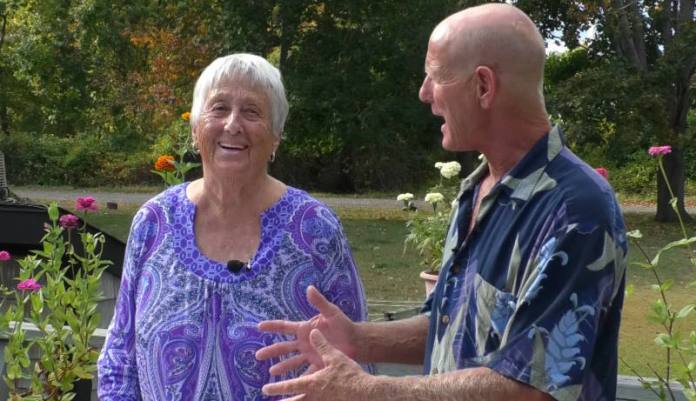
Captain Rick Murawski and his mom make baked stuffed lobster (courtesy photo)

Please Support Local Advertisers

Grumpy Old Men and Captain Rick are back with new episodes on ICAM. Grumpy Old Men Paul Valcour and George Pacheco cook French Canadian Meat Pie, Portuguese Tomato Rice and Green Beans with Linguica.

Captain Rick Murawski and special guest Vinnie Burridge show you how to make lobster traps and Rick’s meme (mom) makes baked stuffed lobster.

ICAM Public Channel
Comcast Ch. 9 and Verizon Ch. 33

Sunday, May 2, 2021
7:30 a.m. Let’s Visit Show: Alaska
8 a.m. Healthy Hiking: Finding Easy Walks Wherever You Are
9 a.m. Smart Boating: PT Boats
10 a.m. First Church of Ipswich Service
11 a.m. ECKANKAR: It’s a Miracle
1 p.m. Grumpy Old Men Cooking: French-Canadian Meat Pie & Portuguese Tomato Rice & Green Beans with Linguica
4 p.m. YMCA Barre Fusion Exercise Class
4:30 p.m. Havana Fairfax with Pablo Mendez
5:30 p.m. Cooking Healthy with Coastline – Tomato Cucumber Avocado Salad
6 p.m. The World Fusion Show: The Opium Moon
7 p.m. Good News: Fred Natalo Pt. 1
7:30 p.m. Quarantine Cafe: Jakob Pek
8 p.m. I Love My Wonderful Life- a Sad Milk Livestreamaganza NYE! PART 1
9 p.m. Smart Boating: PT Boats
9:30 p.m. John wants answers: Filibuster, NFTs, and Gubernatorial Recall Elections
10 p.m. Energy Week: Pres Biden’s infrastructure proposal. Evidence that melting glaciers.
11 p.m. OK in the Backyard EP7- OTTER RIVER

Please Support Local Advertisers

Monday, May 3, 2021
8 a.m. Captain Rick’s Adventures: Learning to Build Lobster Traps
12 p.m. Good News: Fred Natalo Pt. 1
12:30 p.m. Captain Rick’s Adventures: Learning to Build Lobster Traps
3 p.m. Pathways Yoga: Chair Class with Mary
4 p.m. YMCA Cardio Dance Class
7 p.m. Let’s Visit Show: Alaska
7:30 p.m. The Show & A Half: Ange and Lauren
9 p.m. I Love My Wonderful Life- a Sad Milk Livestreamaganza NYE! PART 1
10 p.m. Democracy Now! Monday

Tuesday, May 4, 2021
7 a.m. Off The Shelf: The Book Tree by Paul Czajak
7:30 a.m. New Englanders – Topsfield Fair
8 a.m. Democracy Now! Monday
9:30 a.m. Taking Care of You with Mrs. Magoo – Ep 11
10:30 a.m. First Church of Ipswich Service
12 p.m. Democracy Now! Monday
1 p.m. Off The Shelf: The Book Tree by Paul Czajak
1:30 p.m. Healthy Hiking: Finding Easy Walks Wherever You Are
2:30 p.m. Energy Week: Pres Biden’s infrastructure proposal. Evidence that melting glaciers.
3:30 p.m. The Show & A Half: Ange and Lauren
4 p.m. YMCA Dance Fitness Class
5 p.m. Ascension Memorial Church Sunday Service
6 p.m. Methodist Church Service
7:30 p.m. New Englanders – Topsfield Fair
8 p.m. Healthy Hiking: Finding Easy Walks Wherever You Are
10 p.m. Democracy Now! Tuesday
11 p.m. Gay USA

Wednesday, May 5, 2021
7 a.m. Gay USA
8 a.m. Democracy Now! Tuesday
9 a.m. Methodist Church Service
10:30 a.m. Methodist Church Service
11:30 a.m. Cooking Healthy with Coastline – Tomato Cucumber Avocado Salad
12 p.m. Democracy Now! Tuesday
1 p.m. ICAM Presents: 2020 in 60 seconds Film Festival
3 p.m. Ipswich Museum Lunch Lecture: Artifacts – Discovered and Recovered
4 p.m. YMCA Fit For Life Exercise Class
5:30 p.m. Gay USA
7 p.m. Grumpy Old Men Cooking: French-Canadian Meat Pie & Portuguese Tomato Rice & Green Beans with Linguica
8 p.m. Energy Week: Pres Biden’s infrastructure proposal. Evidence that melting glaciers.
9:30 p.m. Derby St Music Acts at Topsfield Fair
10 p.m. Democracy Now! Wednesday

Thursday, May 6, 2021
7 a.m. ECKANKAR: It’s a Miracle
8 a.m. Democracy Now! Wednesday
9:30 a.m. Smart Boating: PT Boats
10 a.m. Pathways Yoga: Chair Class with Mary
12 p.m. Democracy Now! Wednesday
1 p.m. Taking Care of You with Mrs. Magoo – Ep 11
4 p.m. YMCA Gentle Stretch Class
4:30 p.m. First Church of Wenham Service
6:30 p.m. Cooking Healthy with Coastline – Tomato Cucumber Avocado Salad
7 p.m. ECKANKAR: It’s a Miracle
8 p.m. OK in the Backyard EP7- OTTER RIVER
9 p.m. John wants answers: Filibuster, NFTs, and Gubernatorial Recall Elections
9:30 p.m. Off The Shelf: The Book Tree by Paul Czajak
10 p.m. Democracy Now! Thursday

Friday, May 7, 2021
8 a.m. Democracy Now! Thursday
9 a.m. Ipswich Museum Lunch Lecture: Artifacts – Discovered and Recovered
11 a.m. Quarantine Cafe: Jakob Pek
12 p.m. Democracy Now! Thursday
1 p.m. YMCA Mat Pilates Exercise Class
3 p.m. John wants answers: Filibuster, NFTs, and Gubernatorial Recall Elections
4 p.m. Grumpy Old Men Cooking: French-Canadian Meat Pie & Portuguese Tomato Rice & Green Beans with Linguica
4:30 p.m. Ascension Memorial Church Sunday Service
5:30 p.m. Let’s Visit Show: Alaska
6 p.m. Captain Rick’s Adventures: Learning to Build Lobster Traps
6:32 p.m. Ipswich Museum Lunch Lecture: Artifacts – Discovered and Recovered
7:20 p.m. ICAM Presents: 2020 in 60 seconds Film Festival
8 p.m. The World Fusion Show: The Opium Moon
9 p.m. Democracy Now! Friday
10 p.m. ICAMs Aberrant Movie: The Wild Women of Wongo

Saturday, May 8, 2021
8 a.m. Democracy Now! Friday
9 a.m. First Church of Wenham Service
10 a.m. Good News: Fred Natalo Pt. 1
10:30 a.m. Pathways Yoga: Chair Class with Mary
11:30 a.m. The Show & A Half: Ange and Lauren
12 p.m. Democracy Now! Friday
1 p.m. YMCA Vinyasa Flow with Jori
2 p.m. Havana Fairfax with Pablo Mendez
3:30 p.m. Quarantine Cafe: Jakob Pek
4:30 p.m. Taking Care of You with Mrs. Magoo – Ep 11
5 p.m. ICAM Presents: 2020 in 60 seconds Film Festival
6 p.m. New Englanders – Topsfield Fair
6:30 p.m. Derby St Music Acts at Topsfield Fair
8 p.m. Havana Fairfax with Pablo Mendez
9:30 p.m. The World Fusion Show: The Opium Moon
10 p.m. OK in the Backyard EP7- OTTER RIVER
10:30 p.m. Derby St Music Acts at Topsfield Fair
11 p.m. I Love My Wonderful Life- a Sad Milk Livestreamaganza NYE! PART 1
11:59 p.m. ICAMs Aberrant Movie: The Wild Women of Wongo

Grumpy Old Men Paul Valcour and George Pacheco (courtesy photo)

The ICAM Education Channel
Comcast Ch. 98 and Verizon Ch. 31

Sunday, May 2, 2021
9 a.m. Current Topics in Science: Vermont’s Forests and Climate Change
10:30 a.m. Mind Field:In Your Face S1 Ep 7
12 p.m. Sidewalks Entertainment: Ed Quinn and Kron Moore, BET’s “Tyler Perry’s The Oval”
12:30 p.m. IHS 2021 Spring Choral Concert
1 p.m. Ipswich School Committee Meeting 4/15/21
5:30 p.m. Recovery Recreation May 2021
6 p.m. Fairy Tale Access: 25 Sentences Author Geraldine Woods
7 p.m. Whittier School Committee Meeting 4/14/21
8:30 p.m. IHS 2021 Spring Choral Concert
9 p.m. Ipswich School Committee Meeting 4/15/21

Monday, May 3, 2021
8 a.m. NASA: Urban Air Mobility
9 a.m. Here We Are with guest Dennis Waring
10 a.m. Sidewalks Entertainment: Ed Quinn and Kron Moore, BET’s “Tyler Perry’s The Oval”
10:30 a.m. Learning Music with Pat
2:30 p.m. Fairy Tale Access: 25 Sentences Author Geraldine Woods
6:30 p.m. IHS 2021 Spring Choral Concert
7 p.m. Sidewalks Entertainment: Ed Quinn and Kron Moore, BET’s “Tyler Perry’s The Oval”
7:30 p.m. Learning Music with Pat
8 p.m. Lucy’s Big Beautiful World of Painting: Adirondack Loveseat
8:30 p.m. Here We Are with guest Dennis Waring

Tuesday, May 4, 2021
9:30 a.m. Supreme Master Television – COVID
11 a.m. The Kamla Show with guest Reena Merchant
1 p.m. Whittier School Committee Meeting 3/10/21
3:30 p.m. Fur, Fins and Feathers Ep 37
5 p.m. Mind Field:In Your Face S1 Ep 7
6 p.m. Mike Paige Doodle Club: Monsters
9 p.m. Supreme Master Television – COVID
10 p.m. Both Sides of The Bars: Repairing Today’s Ineffective Justice System

Wednesday, May 5, 2021
9:30 a.m. Money Matters: Developing nano medicines, DNA, and target therapy
10 a.m. Recovery Recreation May 2021
12 p.m. The Kamla Show with guest Reena Merchant
1 p.m. Money Matters: Developing nano medicines, DNA, and target therapy
6 p.m. The Kamla Show with guest Reena Merchant
7 p.m. Whittier School Committee Meeting 4/14/21
8:30 p.m. Recovery Recreation May 2021
9 p.m. Current Topics in Science: Vermont’s Forests and Climate Change

Thursday, May 6, 2021
11:30 a.m. Lucy’s Big Beautiful World of Painting: Adirondack Loveseat
12 p.m. Mike Paige Doodle Club: Monsters
1 p.m. Ipswich School Committee Meeting 4/15/21
5 p.m. NASA: Urban Air Mobility
6 p.m. Mind Field:In Your Face S1 Ep 7
6:30 p.m. Money Matters: Developing nano medicines, DNA, and target therapy
7 p.m. Ipswich School Committee Meeting 5/6/21

Friday, May 7, 2021
8 a.m. Here We Are with guest Dennis Waring
9 a.m. Lucy’s Big Beautiful World of Painting: Adirondack Loveseat
10 a.m. Both Sides of The Bars: Repairing Today’s Ineffective Justice System
1 p.m. Ipswich School Committee Meeting 5/6/21
6 p.m. NASA: Urban Air Mobility
7 p.m. Both Sides of The Bars: Repairing Today’s Ineffective Justice System
7:30 p.m. IHS 2021 Spring Choral Concert

Saturday, May 8, 2021
7 a.m. Saturday Morning Cartooning – The Grinch
9 a.m. Fur, Fins and Feathers Ep 37
9:30 a.m. Mike Paige Doodle Club: Monsters
10 a.m. Saturday Morning Cartooning – The Grinch
10:30 a.m. Whittier School Committee Meeting 4/14/21
12 p.m. Fairy Tale Access: 25 Sentences Author Geraldine Woods
2 p.m. Learning Music with Pat
3 p.m. Current Topics in Science: Vermont’s Forests and Climate Change
4:30 p.m. Supreme Master Television – COVID
7:30 p.m. IHS 2021 Spring Choral Concert
8 p.m. Fur, Fins and Feathers Ep 37

ICAM Government Channel
Comcast Ch. 8 and Verizon Ch. 32
Replay times for meetings may change as meeting lengths are determined.

Sunday, May 2, 2021
7 a.m. Governor Baker Covid-19 Update 4/27/21
8 a.m. MA House of Reps Informal Session 4/5/21
9 a.m. Tai Chi – Tashi Mark Warner
10 a.m. Ipswich Zoning Board Meeting 4/29/21
2:10 p.m. Ipswich Planning Board Meeting 4/22/21
5:30 p.m. Ipswich Select Board Meeting 4/20/21
7:10 p.m. Ipswich Conservation Commission Meeting 4/21/21

Monday, May 3, 2021
7 a.m. Governor Baker Covid-19 Update 4/27/21
9 a.m. Line Dancing With Margo
12 p.m. Governor Baker Covid-19 Update 4/27/21
1 p.m. Ipswich Select Board Meeting 4/20/21
6 p.m. Governor Baker Covid-19 Update 4/27/21
7 p.m. Ipswich Select Board Meeting 5/3/21

Tuesday, May 4, 2021
7 a.m. Governor Baker Covid-19 Update 4/27/21
8:30 a.m. MA House of Reps Informal Session 4/5/21
9 a.m. Senior Fitness with Patsy Valcour
10:30 a.m. MA House of Rep Formal Budget Session: FY2022 General Appropriations 4/27/21
12 p.m. Governor Baker Covid-19 Update 4/27/21
1 p.m. MA Joint Formal Session: An Act financing the reconstruction of the Soldiers’ Home 4/15/21
2 p.m. MA Joint Committee Meeting on Tourism, Arts and Cultural Development Public Hearing 4/9/21
6 p.m. Governor Baker Covid-19 Update 4/27/21
7 p.m. Ipswich Bean Counting 4/13/21

Wednesday, May 5, 2021
7 a.m. Governor Baker Covid-19 Update 4/27/21
9 a.m. Line Dancing With Margo
10:30 a.m. MA Joint Committee Ways & Means Public Hearing 4/6/21 3 of 4
12 p.m. Governor Baker Covid-19 Update 4/27/21
1 p.m. Ipswich Conservation Commission Meeting 4/21/21
4:30 p.m. Community Conversation: Mental Health in the Time of Covid-19
6 p.m. Governor Baker Covid-19 Update 4/27/21
7 p.m. Ipswich Conservation Commission Meeting 5/5/21

Thursday, May 6, 2021
7 a.m. Governor Baker Covid-19 Update 4/27/21
9 a.m. Tai Chi – Tashi Mark Warner
10:30 a.m. MA House of Rep Formal Budget Session: FY2022 General Appropriations 4/27/21
12 p.m. Governor Baker Covid-19 Update 4/27/21
1 p.m. Ipswich Planning Board Meeting 4/22/21
4:30 p.m. MA House of Rep Formal Budget Session April 26, 2021
6 p.m. Governor Baker Covid-19 Update 4/27/21
7 p.m. Ipswich Zoning Board Meeting 4/29/21

Friday, May 7, 2021
7 a.m. Governor Baker Covid-19 Update 4/27/21
9 a.m. Line Dancing With Margo
10 a.m. MA Joint Committee Meeting: Covid-19 Management 1 of 4
12 p.m. Governor Baker Covid-19 Update 4/27/21
1 p.m. Ipswich Select Board Meeting 5/3/21
6 p.m. Governor Baker Covid-19 Update 4/27/21
7 p.m. Ipswich Conservation Commission Meeting 5/5/21

Saturday, May 8, 2021
7 a.m. Governor Baker Covid-19 Update 4/27/21
9 a.m. Senior Fitness with Patsy Valcour
10:30 a.m. Community Conversation: Mental Health in the Time of Covid-19
12 p.m. Ipswich Conservation Commission Meeting 5/5/21
4 p.m. Ipswich Select Board Meeting 5/3/21
8 p.m. MA House of Rep Formal Budget Session: FY2022 General Appropriations 4/27/21
9:03 p.m. MA House of Reps Informal Session 4/5/21

Climber Jordan Cannon Shares His Coming-Out Story – Outside

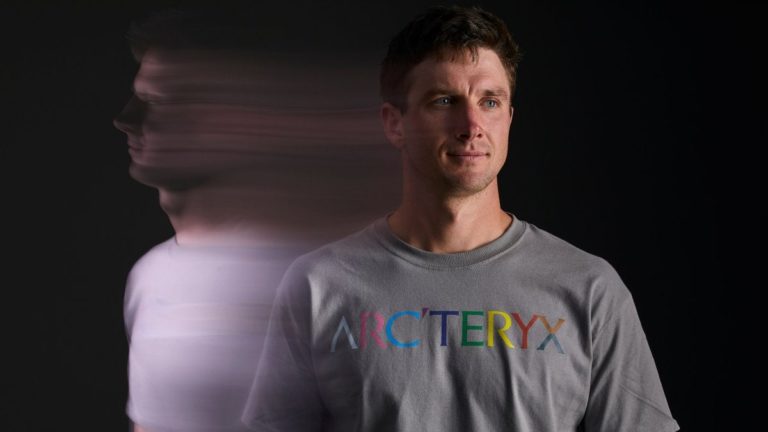
Jordan Cannon is a professional climber. Last November, he free climbed Golden Gate on El Capitan in 20 hours and 26 minutes, just a few days after Emily Harrington’s historic one-day ascent of the route. He decided he wanted to come out publicly, and he reached out to us to help him do it. 

Here’s Jordan’s story, as told to Maren Larsen.

Every year, I give myself a birthday challenge—some kind of arbitrary climbing goal—to celebrate and push myself. Each year I try to up the ante a little bit, and for this, my 27th birthday, the best challenge I could think of for myself was to come out publicly. So here it is: I’m gay.

Recently, my sexuality has felt like a distraction from what I want all my focus to be on: climbing. I’ve been climbing for eight years, and for most of that time, my sexual orientation and identity didn’t affect me at all—partially because I never really gave those parts of me much room to breathe. But over the past two years, I’ve begun telling close friends. And recently I realized that I’ve been carrying this weight on my shoulders a little too long.

I moved around a lot when I was a kid, mostly in the southeast. My family and the people around me were very religious and conservative—like, reading-Harry Potter-is-a-sin religious. People made gay jokes all the time, used faggot as an insult. It was a really fearful place for me, because from the time I was four, I knew I was different. When I was inadvertently outed to my parents late in high school, they reacted in the extreme. My dad sat me down and told me that I was giving into the lies of the devil and needed to return to God. They have apologized now, and we’re on good terms. But that experience definitely inhibited my progress toward accepting who I am.

My upbringing made it really hard for me to form long-lasting relationships. But when I moved to California after high school, I started living on my own and found the climbing community. I had this realization that this is my place, these are my people, and this is the thing I want to do for the rest of my life. And given all that, these friends that I have now are probably going to be my friends forever, and I should start treating them as such and opening up to them. 

Around the same time, I felt that I had been too selfish in my climbing. I had prioritized my own goals over the people that got me there. I wanted to refocus on partnerships because, at the end of the day, that’s the thing that makes this sport so meaningful to me.

That’s when I met Mark Hudon, my climbing partner and personal hero. Mark is like a father figure, and it may seem strange to say, but my friendship with him was really the first serious relationship I’d ever had. He showed me true love and acceptance in a way that I never had before. 

That safety allowed me to pay attention to my sexuality and try to unpack it for the first time. It felt daunting and scary. That process started to take a lot of my energy and focus away from my climbing. In some ways, that was a good thing: I had been hiding this part of me from everyone, including myself, for my whole life. But as I started to open up with all of my friends, yet still try to hide this part of myself publicly, I started to feel like I was being inauthentic. Seeing what’s going on in the outdoor industry and in the climbing community with people demanding more diversity and representation, I began to ask myself if I wanted to participate in that conversation.

The first person I came out to was Samuel Crossley, who directed Free As Can Be, a documentary about my partnership with Mark. Sam is an out gay filmmaker and photographer and very visible in the climbing world. He was so excited for me. He was like, Oh my gosh, we have to put this in the film. And I was like, No way, dude. I wasn’t ready yet. But from the very beginning, he was very encouraging about me sharing my story publicly.

And then earlier this year, I signed with Scarpa. They have an athlete mentorship initiative where their pro athletes mentor members of the community. I outed myself to my manager by asking that they send any gay applicants my way. I ended up being paired with Patrick Dunn, who runs Out in the Wild, a queer climbing community and guiding service in Bend, Oregon. On the application, they asked him which professional athletes he looked up to and identified with. None, he said. I don’t relate to any of them

And I thought, man, that’s such a bummer. For me, sexuality didn’t play a part in who I thought of as a role model. But people in the climbing community have been speaking up lately about representation—asking ourselves, for instance, how we can expect a Black person to feel welcome if they don’t see any Black climbers. That made me start to think about my impact, because as far as I know there aren’t any out gay men who are professional climbers. 

When I came out to Patrick, it seemed to have a big impact on him. It made me understand the value that action could have for the community as a whole. If me displaying a little bit of courage and coming out and being visible helps climbers like Patrick or those in the new generation see themselves in the sport, it’s worth it. 

Climbing can be a pretty macho sport. But I have had zero experiences with homophobia as I’ve come out to other climbers, even those from the older generation. I think that’s partially because climbing has always been a place for outsiders and misfits and people who want to live an alternative lifestyle. But oftentimes it’s just that people don’t really give a shit. At the end of the day, most of us just care about climbing, first and foremost. If you’re a good climber and a good human being, people are going to respect you for that, regardless of your sexual identity. 

One of my biggest fears when I started to consider coming out was that people were going to assume that my primary career from now on would be as a gay activist, and that this would be seen as the majority of my identity. I want to show up for the LGBTQ+ community. But I’m also doing this to free myself so that I can focus all my energy where I want it to be, on my climbing. Maybe one day I’ll be more comfortable playing an activist role, but for now the best I can do is focus on climbing and try to set an example for others to be themselves.

To be honest, I just want to move on with my life. To do so, it’s unfortunately still necessary to come out. I hope that one day, we will be past the point where people generally assume everybody around them is straight, and I hope that me coming out is a step in that direction. Because for me, the climbing community was not a barrier to coming out. That community is what made it possible. This is the takeaway I want not just those with a similar struggle, but anyone reading this to have: the outdoors and the outdoor community can be a great catalyst for recovery from trauma. Moving out west and becoming part of the climbing community gave me the tools and the confidence I need to be able to accept myself and come out publicly. 

Next week, I’m headed to Yosemite Valley. Spring in Yosemite is the most important part of the climbing season for me. I don’t want to get into specifics, but I have big plans. Now I’m out of the closet, and my business is taken care of. I can focus all my energy on what matters most to me right now: climbing big walls. 

Lead Photo: Courtesy ARC’TERYX

Up Next When Trans Athletes Win – Los Angeles Blade

PHOTO CREDIT: Austris Augusts on Unsplash

We need to understand what’s happening to fuel all of these anti-trans bills.

By Zack Ford | The war on trans people’s right to exist has escalated greatly this year in state legislatures. By far, the most popular anti-trans legislation — in terms of both how many bills have been introduced and how successfully they’re becoming law — comes in the form of bills banning transgender student athletes from competing on teams that match their gender identity. And there’s something fascinating we have to reconcile about the success these bills are having this year: conservatives found more success advancing anti-trans discrimination by lowering the stakes of their arguments.

Think about it. Half a decade ago, everything you heard from conservatives was about bathrooms and locker rooms. The narrative was safety: “Women won’t be safe if they have to see a trans person changing!” It was offensive bullshit, of course, but as far as narratives go, “safety” is a pretty high-stakes one. But the new narrative is “fairness” — in sports of all things — and it’s a much lower-stakes claim. And, perhaps counterintuitively, I think that’s why it’s been more successful.

Many of the bills we’re also seeing are attacking the health care that trans kids deserve, which is very dangerous and high-stakes, so I don’t want to ignore it. But I’ll ask you to join me in setting those bills aside for a moment to consider just where this surge of anti-trans sports bills is coming from and why it’s so effective. At least 33 different states have seen at least one of these bills introduced, and seven states now have bans in place, including West Virginia, where the ban just became law this past week.

There was previously only one ban in place. Idaho was the first state to pass such a ban into law just last year, and Idaho’s ban is not even currently enforceable thanks to the ACLU’s quick victory in court challenging it. From one state in 2020 to at last seven so far in 2021 is a huge escalation, and we have to examine what’s happening there, because these sports bills are gateway bills. As we’ve already seen at a rapid pace in Arkansas, one kind of anti-trans discrimination begets another (including the bills targeting kids’ health care and the bathroom bills of yore).

So how is this lower-stakes argument for anti-trans discrimination accomplishing so much more for conservatives?

It’s because some trans girls won their races. Some Black trans girls.

Yeah, race is a factor too. Because of course it is.

If you think back to the surge of anti-trans advocacy we saw after the Supreme Court’s marriage equality decision in 2015, the focus was almost entirely on bathrooms and locker rooms. Overblown stories about simply seeing trans people in these spaces (like the Planet Fitness case in Michigan) were used to demonize all trans people (though really just trans women) as perverts and predators and justify discrimination against them. This arguably culminated in early 2016 with North Carolina’s passage of HB2, which mandated discrimination against trans people in public places.

While the effort to demonize trans people has by no means dissipated, the focus on such “bathroom bills” has seemingly diminished since then.

Before even getting into the reasons why that might be, it’s important to note that these anti-trans campaigns are not organic. More than any other conservative organization or individual, the Alliance Defending Freedom (ADF), an anti-LGBTQ hate group, is controlling the narrative and approach of anti-LGBTQ litigation and legislation. My buddy Josh Israel profiled ADF in 2014 as “The 800-Pound Gorilla of the Christian Right,” and it’s only grown since then. The strategic shifts we’ve seen in the attacks on trans people can easily be connected to ADF’s successes and failures.

As to why we’ve seen less of a push for bathroom bills, the first and foremost reason is surely how monumental the backlash to HB2 was. The bill itself was a reaction to Charlotte becoming North Carolina’s first city to pass LGBTQ nondiscrimination protections at the local level — you know, the kind of inclusive protection that dozens of major cities and states have that have resulted in none of the consequences conservatives fear-monger about. HB2 both banned such protections in North Carolina cities and prohibited trans people statewide from using public facilities consistent with their identities. Major corporations, artists, and sports leagues punished the state so heavily that HB2’s major champion, Gov. Pat McCrory (R), lost reelection in 2016 even as Donald Trump won North Carolina’s electoral votes.

Newly elected Gov. Roy Cooper (D) quickly worked to repeal the ban on trans people using facilities in 2017 and set an end-date for the ban on municipal LGBTQ nondiscrimination protections. When that ban finally lifted last December, Chapel Hill, Carrboro, Hillsborough, Durham, Greensboro, and Orange County all immediately followed Charlotte’s lead and passed their own protections. As a law, HB2 is now history, and the state has better LGBTQ protections than it did before its passage. It’s no surprise that conservatives have at least rethought their approach on such blatantly discriminatory bills given the massive net loss.

Secondly, Trump’s election helped ease the pressure conservatives likely felt to push for discriminatory policies at the state level by reversing all the federal protections introduced by the Obama administration. Education Secretary Betsy DeVos reversed the Title IX guidance protecting trans students, Attorney General Jeff Sessions reversed the Title VII guidance protecting trans workers, HUD Secretary Ben Carson reversed the guidance protecting trans people seeking shelter, and Trump tweeted out a ban on trans military service — to name just the most prominent examples. There was no longer a “threat” to conservatives that the whole nation was going to be obligated by the federal government to abide by these LGBTQ protections.

Thirdly, ADF and similar conservative legal groups were losing a lot of their bathroom cases in court. ADF has a two-pronged approach; it helps draft, lobby for, and defend discriminatory bills, but it also challenges the laws that do protect LGBTQ people in court and defends schools and employers that want to keep discriminating. But there was a big wave of victories in federal courts for transgender students seeking or trying to maintain equal access to facilities in their schools, including in WisconsinIllinoisOhio, and Pennsylvania. The Supreme Court notably refused to hear ADF’s case in Pennsylvania after it lost its push for discrimination in the Third Circuit.

But the Supreme Court did hear a trio of cases about employment discrimination, including one about a trans woman, and delivered a massive defeat to ADF in Bostock v. Clayton County. Federal law officially now protects trans people from discrimination.

It’s no surprise we now see a new raft of bills with a new strategy, one that capitalizes on a case ADF found that follows a rather different narrative.

There’s a lawsuit ADF filed in 2016 that never went anywhere, but that I’ve never forgotten.

Targeting a high school in the small city of Virginia, Minnesota, the lawsuit was ostensibly one of ADF’s many attempts to reverse a school’s inclusive policies for transgender students. It made all the usual false claims about “safety and privacy” for cis girls, but it also directly attacked “Student X,” a real trans student enrolled at the school.

You can go back and read my full reporting on the suit, but I want to draw your attention to this specific paragraph from the complaint:

Student X began dancing in the locker room while Girl Plaintiff A and others prepared for track practice. Student X would dance in a sexually explicit manner — “twerking,” “grinding” or dancing like he [sic]was on a “stripper pole” to songs with explicit lyrics, including “Milkshake” by Kelis. On at least one occasion, Girl Plaintiff A saw Student X lift his [sic] dress to reveal his [sic] underwear while “grinding” to the music.

Before we get to the Connecticut case, let’s talk broadly about sports for a minute.

Objectively, sports aren’t fair.

We go to a lot of trouble to convince ourselves that they are, but they never truly are. Each person’s biology is different, so on a fundamental level, we can only approximate fairness.

We do that in a lot of ways. Gender is obviously one way we divide up sports in an attempt to make the competition more fair. Age is another factor, where we have everything from junior varsity to senior citizen leagues — to say nothing of sports like gymnastics where competitiveness is by default limited to a very narrow age range. Some sports like wrestling and boxing specifically consider physical attributes like weight. Through rules about steroids and other performance-enhancing drugs, we set limits about what exactly a person can do to their body to achieve a competitive advantage. And in college sports we even separate athletes into divisions with the primary difference being whether students can receive athletic scholarships, which —though we don’t generally think about it — inherently introduces all kinds of factors like career goals and finances into determining the fairness of athletic competition.

In short, a lot of thought has gone into how to approximate fairness in athletics. But we also acknowledge that we can only make things so fair. For example, we can’t really do anything about Michael Phelps. From his torso-to-leg height ratio to his massive wingspan to his double-jointed ankles and elbows to his reduced lactic acid creation, Phelps’ body naturally excels at swimming, and he capitalized on that with discipline and drive. When he swims, we all just stand in awe of what this cis white guy with a ton of biological advantages is capable of; he’s the best and hooray for what the human body can achieve! Of course he’s allowed to compete; his advantages don’t fit any of the disqualifying criteria we’ve established.

But not everyone just gets to be the best when they excel in athletics. In a lot of other cases, when someone does well, it raises suspicion instead of applause. Sports do not exist in a bubble and are not exempt from societal forces. The question “Why did that person win?” quickly leads to the question ‘“Did they have an ‘unfair’ advantage?” and attempts to identify what sets them apart. When trans people excel, just like when women excel and when people of color excel, such suspicion around their success very easily and inevitably turns into a proxy for discrimination against them. It’s one thing if someone is allowed to compete; it’s quite another if they’re able to win.

Terry Miller and Andraya Yearwood were able to win. Both Black and both trans young women, they won a combined 15 track championships in Connecticut from 2017 to 2019. And ADF turned them into the symbol of the alleged unfairness of transgender inclusion in sports because of the opportunities they were supposedly taking away from cis white girls.

It’s no surprise that the question of whether it’s fair for trans people to compete has been asked. But it’s also been answered — for some time now. The International Olympic Committee, the NCAA, and K-12 athletic leagues across the country have long had policies allowing trans people to compete according to their gender identity with simple caveats regarding how far along they must be in their transitions.

That’s because studies have repeatedly found that the changes trans people make to their bodies set them up for fair competition with their cis peers. Trans women, the most common concern, lose most of the advantages often associated with male bodies. I really appreciate how Joanna Harper, author of some of these studies, framed the debate in a recent interview with OutSports (emphasis added):

For those who suggest trans women have advantages: We allow advantages in sport, but what we don’t allow is overwhelming advantages… Trans women also have disadvantages in sport. Our larger bodies are being powered by reduced muscle mass and reduced aerobic capacity, and can lead to disadvantages in quickness, recovery, and a number of other factors.

The bottom line is, we can have meaningful competition between trans women and cis women. From my point of the view, the data looks favorable toward trans women being allowed to compete in women’s sports.

To the extent that any sports are “fair,” allowing trans people to compete is fair enough. And there are trans people competing all over at varying levels of competition that we never hear anything about. There’s nothing to hear, and there are no complaints about their participation, because they aren’t winning.

But Miller and Yearwood’s ability to win — as both trans and Black in the very white state (75%) of Connecticut — drew attention. Then all ADF had to do was find a couple of cis girls who didn’t like losing to them to file a lawsuit attempting to overturn the Connecticut Interscholastic Athletic Conference’s entire inclusive policy for all trans athletes in the state. The message was clear: If inclusion means these two trans athletes can win, then no trans athlete should be allowed to compete.

At this point, I want to send you on a detour to read a recent piece by the brilliant Derrick Clifton. In it, he connects the way Miller and Yearwood have been targeted for their bodies to the long history of cis Black women being policed in the same way, such as Serena Williams, as well as Black women who are intersex or have other conditions like hyperandrogenism, including the saga of Caster Semenya. As he writes, “Black women in sports — whether they are cis, trans, or intersex — constantly encounter shifting rules and expectations as a reprimand for their successes.”

One of the things I didn’t even know until I read Derrick’s piece is that Chelsea Mitchell, one of the cis white girls who joined ADF’s suit, actually beat Miller in their last two races and had earned her own state championships. So the portrayal that these Black trans athletes were always superior and depriving the cis white girls of victories and scholarships wasn’t even true; Miller and Yearwood were merely competitive. It’s not a detail that has come up often.

The Biden administration had already withdrawn the support for the suit offered by the Trump administration, and about a week ago, a federal judge tossed ADF’s suit entirely. It was moot, he ruled, because Miller and Yearwood aren’t even students anymore and there were no other winning trans athletes to substitute into the case. Trans inclusion in Connecticut’s school sports appears to be safe for now.

But even if the case ends there, the damage has been done. Literally every time this issue is now discussed or written about, photos of these two Black trans girls become the symbol of unfairness in athletics. They are likewise the scapegoats for all of this new legislation — and it’s literally because there are no other examples.

In state after state, the lawmakers advancing these anti-trans sports bills have been asked if they can identify a single example of a trans student athlete in their state who could even be accused of benefiting from an unfair advantage. As this CNN report from this week highlights, they repeatedly answer “no” then pivot to highlighting the Connecticut case.

In an interview with the conservative site CNSNews this past week, ADF Legal Counsel Christiana Holcomb claimed, “We have seen increasing examples across the country of males [sic] dominating girls’ athletic competitions when competing as females, capturing championships and shattering long-standing female track records.” It’s telling that she specified track (as opposed to any other sport) but provided no “increasing examples” as to who or where these trans athletes are, and it’s no coincidence that the article featured a photo and two different videos of Miller and Yearwood.

Shortly after West Virginia Gov. Jim Justice (R) signed his state’s anti-trans sports bill into law this week, MSNBC’s Stephanie Ruhle asked him the same question about why this was no necessary. He had no answer, and Ruhle proceeded to read him for filth about all of the other concerns he could be prioritizing in West Virginia instead of this purely discriminatory bill. It’s worth clicking through to watch the clip:

The pure cruelty of these bills is obvious. But the question remains: Why do conservatives feel less risk advancing them — and why have more of them prevailed — compared to follow-up bathroom bills? I have a theory.

Part of it, as I said at the top, is that the stakes feel lower. Thus, conservatives can try to sell the message that the discrimination is somehow less cruel or less consequential than, say, the outright banishment from public spaces dictated by bathroom bills. This is just about specific participation in sports, they can claim, and it’s only about fairness in competition, not about discriminating against trans people. It’s a false narrative, to be clear, but it’s one they can market differently than trying to paint all trans women as predators while erasing trans men from existence altogether.

But I also think there’s something a bit more insidious at work than just a less-discriminatory-sounding message, and it speaks to why these sports bills are the new vanguard for anti-trans legislation and the way they open the door for even worse bills.

The premise of all anti-trans prejudice is to convince people to reject the legitimacy of transition: Ignore the decades of research and 95+% success rate of affirmative treatment and surgeries; ignore the mental health benefits of transitioning and mental health consequences of not transitioning; and ignore the very reality of the lives transgender people live and instead regard them only as the sex they were assigned at birth. Any skepticism of transitioning is a victory for transphobia.

In the context of sports, conservatives can carve out this diabolical little niche that convinces people that even if transgender people transition, they’re still going to have these physical differences that they can’t change. Those differences — those so-called “advantages” — are an essential part of their existence, and no matter what gender defines how they’re living their lives, it’s unfair to let them compete as such because of those relic differences. It’s an emphasis on the imperfections of transition, a tether that ties trans people to their sex assigned at birth without overtly rejecting the legitimacy of their transition.

Like everything else in transphobia, it doesn’t even have to be true; it only has to be believable by people who don’t have any foundation for understanding trans people’s experiences. Competitive advantages based on race aren’t true either, but a lot of people still believe in such myths as well, which compounds the believability that these Black trans girls are somehow undeserving of their success and a barrier to cis white girls’ apparently more deserving success.

What this results in is that many people who might otherwise be supportive of protecting trans people from discrimination can be convinced to make a small exception for sports under the guise of “unfairness” that’s no fault of the trans athletes themselves. A perfect example is Caitlyn Trump-would-be-good-for-trans-people Jenner — whose contributions to the trans community have largely been in spite of herself — saying this weekend that she doesn’t think trans inclusion in sports is fair. Again: It’s a false narrative, but a sellable one.

These anti-trans sports bills thus achieve the goal of instituting transphobia and rejecting the full legitimacy of trans identities in our laws while simultaneously appearing not to engage in overt transphobic discrimination.

But hey, now that conservatives already have folks thinking about trans kids and already signing onto one form of discrimination, they have a receptive audience for selling their other false narratives about what health care should look like for trans kids. And from there, they can continue to escalate back toward the ultimate goal of bathroom bills. It’s exactly what happened in Arkansas over the past couple months:

By lowering the stakes from safety to fairness, conservatives found an easier entry point to get more people on board with anti-trans regulations. Their goals haven’t changed, but they found a new approach to get their foot in the door for mandated discrimination. These anti-trans sports bills are clearly a gateway to additional transgender discrimination, and they should be subjected to the exact same level of backlash as the worst discriminatory bills we can imagine.

In other words, the stakes aren’t lower. They’re as high as they’ve ever been for trans people’s right to exist as themselves in this society of ours. “Fairness in sports” is just a façade for justifying a form of transphobia.

And a final thought: We have to own that true inclusion includes an equal opportunity to win. Any trans athlete who has the bravery to compete and the discipline to succeed deserves any championship title that they earn — fair and square.

I’ll be revisiting the legislation that’s been targeting health care for trans youth in a future newsletter. Stay tuned.

Zack Ford is the former LGBTQ editor at ThinkProgress.org and currently serves as press secretary at Alliance for Justice. His views are his own.

The preceding piece was originally published at Fording the River Styx and is republished by permission.

Caitlyn Jenner trans sports opinion on why she dey against trans girls for women’s sports – BBC News

Caitlyn Jenner

Wia dis foto come from, Getty Images

Wetin we call dis foto,

The former Olympic athlete is running as a Republican candidate for California governor

Caitlyn Jenner, wey be candidate for California governor and former Olympic gold medallist, say she dey against make pipo wey don change dia gender from man to woman participate for women’s sports.

Madam Jenner, wey come out as (pesin wey change gender) woman for 2015, tell reporter say: “E just no dey fair. And we gats to protect girls’ sports for our schools.”

Some US states dey consider to ban trans girls for women’s sports.

Caitlyn Jenner na one of di US most successful athletes for di decathlon during di 1970s and win gold for di Montreal Olympics for 1976.

In recent years, she don turn household name sake of say she involve for di hit reality show Keeping Up with the Kardashians. Before she change, she bin marry Kris Jenner and di two of dem get two daughters, Kendall and Kylie.

Ms Jenner, wey dem don describe as di highest-profile American wey come out as transgender, bin ansa question on her opinion on di hot-button issue of trans athletes while she bin dey outside dey walk wit her dog to get coffee.

“Dis na question of fairness,” she tok. “Dat na why I dey against biological boys wey be trans competing in girls’ sports for school. E just no dey fair. And we gats to protect girls’ sports for our schools.”

Ms Jenner then enter Twitter to repeat di statement wey show wia she stand on di matter.

Ms Jenner views on trans athletes put her at odds with many activists for di trans community, wey argue say legislation wey target trans children dey dangerous and discriminatory.

Oscar-winning `Moonstruck` actress Olympia Dukakis dies at 89 – WION

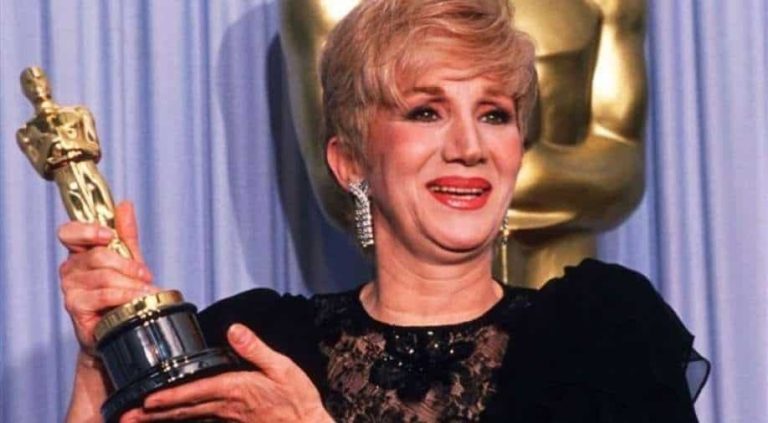
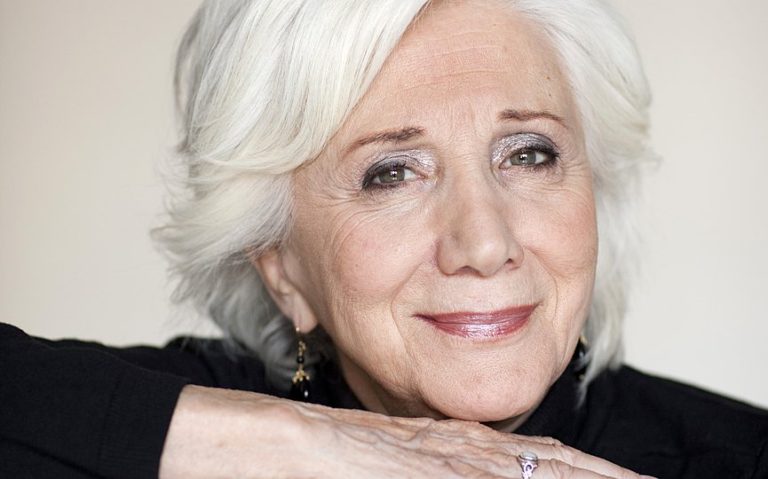
Olympia Dukakis, who won an Oscar for her performance as a sardonic, middle-aged mother who advises her headstrong daughter on matters of love in the 1987 romantic film comedy ‘Moonstruck’, died on Saturday at age 89.

Dukakis – a cousin of unsuccessful 1988 Democratic U.S. presidential nominee Michael Dukakis – passed away at her New York City home on Saturday morning after months of failing health, said her agent, Allison Levy. Her daughter, Christina Zorich, was by her side.

The Massachusetts-born daughter of Greek immigrants, Dukakis worked for decades as a stage, TV and film actor before rocketing to fame at age 56 playing the mother of Cher`s character in “Moonstruck.”

Dukakis built on that with roles in films including “Look Who`s Talking” (1989) and its sequels with John Travolta and Kirstie Alley, “Steel Magnolias” (1989) with Shirley MacLaine, Sally Field and Julia Roberts, director Woody Allen`s “Mighty Aphrodite” (1995) and “Mr. Holland`s Opus” (1995) with Richard Dreyfuss.

Dukakis, a master of deadpan humor, also was nominated for Emmy awards for TV roles in 1991, 1998 and 1999.
But her most indelible performance came in director Norman Jewison`s “Moonstruck” as Rose Castorini, a Brooklyn woman with a cheating plumber husband (Vincent Gardenia) and a widowed bookkeeper daughter (Cher) who has an affair with her fiance`s opera-buff brother (Nicolas Cage).
Her banter with Cher was among the film`s highlights, including a scene in which Dukakis scolded her daughter during a kitchen dissection of her love life.

“Your life`s going down the toilet,” Dukakis said in her throaty voice. At another point, she tells Cher it is good she did not love her fiance. “When you love them, they drive you crazy because they know they can.”

‘Moonstruck’, considered one of Hollywood`s great romantic comedies, won three Academy Awards, including Cher as best actress, and was nominated in three other categories, including best picture. It also was one of the highest-grossing films of 1987.

In accepting her Oscar as best supporting actress in April 1988, when her cousin was battling to become the Democratic Party`s presidential nominee, she thanked Jewison, her husband and a few others.

She then raised the golden statuette over her head and shouted to the worldwide TV audience, “OK, Michael, let`s go.”
Michael Dukakis won the nomination but lost badly in the general election to Republican George H.W. Bush. Olympia Dukakis embraced liberal views like her cousin, advocating for causes including women`s rights, gay rights and the environment.

Dukakis was born in Lowell, Massachusetts, on June 20, 1931 and continued to act into her 80s. Referring to becoming a movie star at an age when many actresses have a hard time finding good roles, Dukakis told the Guardian newspaper in 2012, “Who knows how that happened? Chance, fate or a bit of both. But I`m very glad I did `Moonstruck.` It meant that I woke up the next day and was finally able to pay the bills.”
Dukakis said she enjoyed her fame after “Moonstruck.”

“The fun part is that people pass me on the street and yell lines from my movies,” she told the Los Angeles Times in 1991. “For `Moonstruck` they say, `You`re life is going down the toilet.`”

Her TV appearances included playing a transgender landlady in the 1993 miniseries “Armistead Maupin`s Tales of the City” and its 1998 and 2001 follow-ups.

Other films included “Cloudburst” (2011) playing a foul-mouthed lesbian, “Away from Her” (2006) with Julie Christie, “The Event” (2003), “Better Living” (1998) with Roy Scheider, “Never Too Late” (1996) with Cloris Leachman, and “Dad” (1989) with Jack Lemmon and Ted Danson.
Dukakis married fellow actor Louis Zorich in 1962, with whom she had two sons and a daughter. Her husband passed away in 2018. She also had four grandchildren.

Global Goat milk Market Analysis, Size, Share, Growth, Trends and Forecast 2021-2025 – Valley Bugler Newspaper – Valley Bugler Newspaper

Goat milk

“A SWOT Analysis of Goat milk, Professional Survey Report Including Top Most Global Players Analysis with CAGR and Stock Market Up and Down.”

The global “Goat milk market” research report highlights the need for the up-to-date market data for the business management that will offer development and profitability of the global Goat milk market. The research report presents all the essential facts and figures on drifts & growths. It emphasizes on technologies & capacities, materials & markets, and unpredictable structure of the Goat milk market. In addition, it also highlights the dominating players in the market joined with their market share. The well-established players in the market are Emmi Group, Goat Partners International Inc., Ausnutria Dairy Corporation Ltd., Summerhill Goat Dairy, Gay Lea Foods Co-operative Ltd., Granarolo Group, Delamere Dairy, Stickney Hill Dairy Inc., Kavli, Hay Dairies Pte Ltd..

The global Goat milk market report portrays best approaches to assess the global Goat milk market. It offers the reliable facts and extensive analysis of the global Goat milk market. The report presents a summary of the global Goat milk industry, embracing categorizations, applications, and industry chain structure. The study also represents a thorough analysis including significant insights, industry-legalized figures, and facts of the global Goat milk market.

Furthermore, the study also assesses the principal aspects of the market that entails revenue, demand, gross value, growth rate, cost, capability, market share, import, gross margin, expenditure, export, manufacture, supply, and so on. A number of methodological tools are used in the global Goat milk market analysis. It offers a complete analysis of the market statistics and the estimation of the global Goat milk industry players along with their market scope.

The additional geographical segments are also mentioned in the empirical report.

North America: U.S., Canada, Rest of North America
Europe: UK, Germany, France, Italy, Spain, Rest of Europe
Asia Pacific: China, Japan, India, Southeast Asia, North Korea, South Korea, Rest of Asia Pacific
Latin America: Brazil, Argentina, Rest of Latin America
Middle East and Africa: GCC Countries, South Africa, Rest of Middle East & Africa

Read Detailed Index of full Research Study at:: https://www.marketresearchstore.com/market-insights/goat-milk-market-816543

The research report highlights the assessment of its diverse segments. It also offers analysis of main topographies of the global Goat milk market. This profound review portrays the existing market development & drifts, key aspects impelling the market expansion, market projections, drivers, limits, and market structure. The market study also offers analysis of every area of the global Goat milk market along with its sub-segments. Additionally, the global Goat milk market report covers the major product categories and segments Milk, Cheese, Milk Powder, Other along with their sub-segments Hypermarkets & Supermarket, Convenience Store, Specialty Store, Medical & Pharmacy Store, Online in detail.

In addition, the study emphasizes the leading market players ruling worldwide. It also provides the user with important details such as sales, contact details, product specifications & pictures, and market share. The assessment also embodies previous and expected data and statistics that make the report an extremely precious reference for advertising individuals, advisors, industry executives, sales & product executives, forecasters, and other personals hunting for crucial industry information in readily handy scripts with outstandingly displayed tables, statistics, and graphs.

Impact Of COVID-19

The most recent report includes extensive coverage of the significant impact of the COVID-19 pandemic on the Heated Jacket division. The coronavirus epidemic is having an enormous impact on the global economic landscape and thus on this special line of business. Therefore, the report offers the reader a clear concept of the current scenario of this line of business and estimates the aftermath of COVID-19.

There are 15 Chapters to display the Global Goat milk market

Chapter 1, Definition, Specifications and Classification of Goat milk, Applications of Goat milk, Market Segment by Regions;
Chapter 2, Manufacturing Cost Structure, Raw Material and Suppliers, Manufacturing Process, Industry Chain Structure;
Chapter 3, Technical Data and Manufacturing Plants Analysis of Goat milk, Capacity and Commercial Production Date, Manufacturing Plants Distribution, R&D Status and Technology Source, Raw Materials Sources Analysis;
Chapter 4, Overall Market Analysis, Capacity Analysis (Company Segment), Sales Analysis (Company Segment), Sales Price Analysis (Company Segment);
Chapter 5 and 6, Regional Market Analysis that includes United States, China, Europe, Japan, Korea & Taiwan, Goat milk Segment Market Analysis (by Type);
Chapter 7 and 8, The Goat milk Segment Market Analysis (by Application) Major Manufacturers Analysis of Goat milk ;
Chapter 9, Market Trend Analysis, Regional Market Trend, Market Trend by Product Type Milk, Cheese, Milk Powder, Other, Market Trend by Application Hypermarkets & Supermarket, Convenience Store, Specialty Store, Medical & Pharmacy Store, Online;
Chapter 10, Regional Marketing Type Analysis, International Trade Type Analysis, Supply Chain Analysis;
Chapter 11, The Consumers Analysis of Global Goat milk ;
Chapter 12, Goat milk Research Findings and Conclusion, Appendix, methodology and data source;
Chapter 13, 14 and 15, Goat milk sales channel, distributors, traders, dealers, Research Findings and Conclusion, appendix and data source.

Enquire Here Get customization & check discount for report @: https://www.marketresearchstore.com/inquiry/goat-milk-market-816543

Reasons for Buying Goat milk market

  • This report provides pin-point analysis for changing competitive dynamics
  • It provides a forward looking perspective on different factors driving or restraining market growth
  • It provides a six-year forecast assessed on the basis of how the market is predicted to grow
  • It helps in understanding the key product segments and their future
  • It provides pin point analysis of changing competition dynamics and keeps you ahead of competitors
  • It helps in making informed business decisions by having complete insights of market and by making in-depth analysis of market segments

Thanks for reading this article; you can also get individual chapter wise section or region wise report version like North America, Europe or Asia.

About Market Research Store

At Market Research Store, we provide reports about a range of industries such as healthcare & pharma, automotive, IT, insurance, security, packaging, electronics & semiconductors, medical devices, food & beverage, software & services, manufacturing & construction, defense aerospace, agriculture, consumer goods & retailing, and so on. Every aspect of the market is covered in the report along with its regional data. Market Research Store committed to the requirements of our clients, offering tailored solutions best suitable for strategy development and execution to get substantial results. Above this, we will be available for our clients 24×7.

Ask Queries/Buy Report Directly by Contacting Us @ sales@marketresearchstore.com

Contact US:

Market Research Store
3422 SW 15 Street,Suit #8138,
Deerfield Beach,Florida 33442, USA
Tel: +1-386-310-3803GMT
Tel: +49-322 210 92714
Website: https://www.marketresearchstore.com

Global Whipping Cream Market Report has Assured Quality, Customer’s Satisfaction, Analyst Support and Instant delivery – KSU | The Sentinel Newspaper – KSU | The Sentinel Newspaper

Global Whipping Cream Market

Syndicate Market Research’s Latest updated Report on global Whipping Cream Market 2021 Analyses Research Methodology Figure out including Secondary Research, Primary Research, Company Share Analysis, Model ( including Macro-monetary pointers, Demographic information, and Industry pointers: Expenditure, foundation, area development, and offices ), Research Limitations and Revenue Based Modeling. Organization share examination is utilized to determine the size of the worldwide market. Just as an investigation of incomes of organizations for the last three to five years likewise gives the base to determine the market size and Shares (2021-2027 ) and its development rate. also, representing the Whipping Cream Market Factor Analysis- Porter’s Five Forces, Supply/Value Chain, PESTEL analysis, CAGR value, product offerings, company landscape analysis, Market Entropy, CAPEX cycle, COGS Analysis, EBITDA analysis, Patent/Trademark Analysis, and Post COVID Impact Analysis. Key Leading Players having extreme Growth Rate in last Few decades included Rich Graviss Products Pvt. Ltd., Hanan Products Co. Inc., GCMMF-Amul, Conagra Brands-Reddi Wip, Gay Lea Foods Co-operative Ltd., Cabot Creamery, Borden Dairy Company, Gruenewald Manufacturing Company Inc., Narsaria’s, Granarolo S.p.A

Get a FREE Sample PDF Report Of Whipping Cream Market For your Research@ https://www.syndicatemarketresearch.com/sample/whipping-cream-market

Our Research Analyst gives you a Free PDF Sample Report copy as per your Research Requirement, also including impact analysis of COVID-19 on Global Whipping Cream Market 2021

Don’t miss out on the Analysis of business opportunities in the Whipping Cream Market. Speak to our analysts and gain vital industry insights that will help you for your business growth. fill the Free Sample PDF Reports For Further Research

Advantage of requesting FREE PDF Sample Report Before purchase

  • A brief introduction to the research report and Overview of the market
  • Selected illustrations of market insights and trends.
  • Graphical introduction of global as well as the regional analysis
  • Syndicate Market Research methodology
  • Know top key players in the market with their revenue analysis
  • Example pages from the report
  • and many more…

The Syndicate Research Report organization Focuses on regional and country-level industry growth factors and drivers, The report breaks down late key patterns, esteem investigation, organization outline, piece of the pie, and SWOT examination of Whipping Cream industry driving players based on most latest advanced technologies, developments, trending strategies and furthermore assuming a significant part in the development of the industry in impending a very long time up to 2027. This report remembered top central members for the worldwide Whipping Cream market and segmented by Geographies Regions/Countries like the United States, Europe, India, China, Japan, and South-east Asia, Product Type and Applications.

Trending Whipping Cream Market Analysis: By Applications
B2B, B2C

Whipping Cream Market Trends: By Product
Dairy, Non-dairy

Whipping Cream Market Split by Key Regions they are: 

North America- U.S, Mexico, Canada, Guatemala, Cuba, Haiti, Dominican Republic, Honduras, Nicaragua, El Salvador, Costa Rica, Panama, Jamaica, Trinidad and Tobago, Belize, and the Rest of North America
Europe- Russia, Ukraine, Sweden, Norway, Germany, France, Italy, Spain, Finland, Poland, Italy, United Kingdom, Romania, Belarus, Kazakhstan, Greece, Bulgaria, Hungary, Austria, and the Rest of Europe
Asia Pacific- China, Japan, India, Indonesia, Bangladesh, Philippines, Vietnam, Iran, Turkey, Thailand, Myanmar, South Korea, Afghanistan, Iraq, Uzbekistan, Malaysia, Saudi Arabia, Hong Kong, Singapore, and Rest of Asia Pacific
Latin America- Brazil, Colombia, Peru, Venezuela, Chile, Argentina, Ecuador, Guatemala, Bolivia, Cuba, Haiti, Dominican Republic, Honduras, Paraguay, Nicaragua, El Salvador, Costa Rica, and the Rest of Latin America
The Middle East and Africa- Egypt, Iran, GCC Countries, Yemen, Syria, United Arab Emirates, Libya, Oman, Kuwait, Qatar, Bahrain, Nigeria, Ethiopia, South Africa, Tanzania, Kenya, Uganda, Algeria, Sudan, Morocco, Niger, Liberia, Namibia, Guinea-Bissau and Rest of Middle East & Africa

Full Scenerio of Whipping Cream Report is Here: https://www.syndicatemarketresearch.com/market-analysis/whipping-cream-market.html?utm_source=Ksusentinel-VPL&utm_medium=Varsha

Key Research Techniques: 

The qualities of this study in the industry experts industry, such as CEO, Marketing Director, Technology and Innovation Director, Vice President, Founder and Key Executives of key core companies and institutions in major Whipping Cream around the world in the extensive primary research conducted for this study we interviewed to acquire and verify both sides and quantitative aspects.

The main sources are industry experts from the Whipping Cream industry, including management organizations, processing organizations, and analytical services providers that address the value chain of industry organizations. We interviewed all major sources to collect and certify qualitative and quantitative information and to determine prospects.

Table of Content included in Whipping Cream Market Globally are: 

1 Study Coverage– Whipping Cream Product, Key Market Segments in Study, Key Manufacturers Covered, Market by Type, Global Whipping Cream Market Size Growth Rate by Type, Market by Application, Global Whipping Cream Market Size Growth Rate by Application, Study Objectives, Years Considered

2 Executive Summary
1 Global Market Size- Revenue, Production
2 Whipping Cream Growth Rate (CAGR) 2021-2027
3 Analysis of Competitive Landscape- Manufacturers Market Concentration Ratio (CR5 and HHI), Key Manufacturers, Manufacturing Base Distribution, Headquarters, Manufacturers Product Offered, Date of Manufacturers Enter into Market
4 Key Trends for Whipping Cream Markets & Products

3 Market Size by Manufacturers– Production by Manufacturers, Production Market Share, Whipping Cream Revenue by Manufacturers, Revenue by Manufacturers (2015-2020), Price by Manufacturers, Mergers & Acquisitions, Expansion Plans

4 Whipping Cream Production by Regions- Global Whipping Cream Production Market Share by Regions, Global Whipping Cream Revenue Market Share by Regions
1 United States- United States Production, Revenue, Key Players in United States, Whipping Cream Import & Export
2 Europe- Europe Production, Revenue, Key Players in Europe, Europe Import & Export
3 China- China Whipping Cream Production, China Revenue, Key Players in China, China Import & Export
4 Japan- Japan Production, Japan Revenue, Key Players in Japan, Japan Import & Export
5 Other Region

5 Whipping Cream Consumption by Regions
1 Global Whipping Cream Consumption by Regions and Share by Regions
2 North America- Consumption by Application, Countries (United States, Canada,  Mexico)
3 Europe- by Application and Countries (Germany, France, UK, Italy, Russia
4 Asia Pacific- Application, Countries (China, Japan, South Korea, India, Australia, Indonesia, Thailand, Malaysia, Philippines, Vietnam)
5 Central & South America- Consumption by Application, Country
6 the Middle East and Africa- Consumption by Application, Countries, GCC Countries, Egypt, South Africa

6 Market Size by Type- Production, Revenue and Whipping Cream Price by Type

7 Market Size by Application
1 Overview
2 Global Breakdown Dada by Application-  Global consumption by Application and by Market Share by Application (2015-2020)

8 Manufacturers Profiles- Overall Companies available in Market- Company Details, Company Overview, Company Production Revenue and Gross Margin (2015-2020), Product Description, Recent Development and others

9 Production Forecasts
1 Global Whipping Cream Production and Revenue Forecast
2 Whipping Cream Production and Revenue Forecast by Regions
3 Whipping Cream Key Producers Forecast by Regions
4 Forecast by Type (Global Production and Revenue )

10 Consumption Forecast
—-contd–

11 Value Chain and Sales Channels Analysis
1 Value Chain Analysis
2 Sales Channels Analysis- Whipping Cream Sales Channels
3 Whipping Cream Customers

12 Market Opportunities, Drivers & Challenges, Risks/Restraints,  Key World Economic Indicators and Influences Factors Analysis

13 Key Findings in the Global Whipping Cream Study

14 Appendix- Research Methodology- Methodology/Research Approach, Research Programs/Design, Market Size Estimation, Breakdown and Data Triangulation, Data Source (Secondary Sources, Primary Sources), Author Details & Disclaimer

Read Our Other Trending Blogs:- 

https://www.openpr.com/news/2246431/global-video-intercom-devices-and-equipment-market-by-industry

https://melvinasmarketblogs.blogspot.com/2020/11/global-cardiac-rhythm-management-crm.html

Sunday Long Reads: Satyajit Ray centenary, pandemic battles, and more – The Indian Express

What does coming of age mean in the middle of a pandemic?

Your first kiss. The first time you partied all night and returned home at 5 am. Your first day at college. Your first heartbreak. The first vacation with friends. The first lease agreement. Your first paycheque. Your first taste of adult life.

If the teen years and the early 20s are when many life experiences debut, something drastically changed last year, with the coming of the COVID-19 pandemic. Much-anticipated milestones never arrived, and a time that ought to have been marked by gay abandon was marred instead by an undeterred stream of stressful situations. Young adults have lost jobs; traded independence for a life of anxiety at home; seen loved ones die as they scrambled for hospital beds; become caregivers to their families sooner than they would have expected.

Read more here

How can health professionals and the media cut the clutter of false facts around COVID-19?

COVID-19, information on COVID-19, COVID-19 social media, health professionals, false facts about COVID-19, eye 2021, sunday eye, indian express news A wall painted with a graffiti of frontline workers in Mumbai, Maharashtra. (Photo: Amit Chakravarty)

In the last one year, the amount of time I have spent interacting, engaging and responding to journalists would come next only to the time spent on my public-health work. Nearly 100 years ago, the world had learnt a hard lesson. During the great influenza pandemic of 1918-20, nations fighting World War I had thought that the news of the pandemic would affect the morale of their soldiers and citizens. They censored the press from reporting on the disease spreading widely. Two years later, when the pandemic ended, an estimated 500 million people — a third of the then population — developed the infection and at least 50 (by some estimates, 100) million people died worldwide. Would it have been less severe and the impact on society and the world less if there was no censor on the press? The answer, arguably, is yes.

Read more here

How a son’s photographs of his elderly father’s battle with COVID-19 won him a POY Asia award

POY Asia award, Amit Chakravarty, COVID 19, Picture of the Year-Asia 2021, indianexpress.com, indianexpress, elderly father, eye 2021, Titled “War Comes Home”, the award-winning series, has 18 photographs with accompanying text. (Source: Amit Chakravarty)
In June 2020, photojournalist Amit Chakravarty turned the lens on his 85-year-old father. The novel coronavirus had hit India, and Chakravarty’s father had tested COVID-19 positive. “I was arranging things in the hospital, where my father was admitted, when the nurses told me to wear a double mask and a PPE kit. I had to talk to them from a distance of 10 feet. The idea of communicating from such a distance is what caused me to document my father’s illness,” says Mumbai-based Chakravarty, who has been working with The Indian Express for eight years. Previously, he has worked with publications like TimeOut.

Read more here 

On his birth centenary, a tribute to Satyajit Ray through images captured by his friend and colleague of over two decades, the late photographer Nemai Ghosh

satyajit ray (Ghare Baire, 1984). Ray composes music on a synthesiser at home, 1982. “I am afraid Calcutta is now short of musicians,” he said in the mid-1980s, “and you have to fall back on the synthesiser much of the time. For instance, there’s no oboeist in Calcutta, no cor anglais, horn or brass players. I’m not very happy using the synthesiser, anywhere in my films, except for the oboe tone: that’s one tone the synthesiser can produce very faithfully.” Photograph by Nemai Ghosh, courtesy Delhi Art gallery (DAG)

“In a sense, the possibilities of fusing Indian and Western music began to interest me from Charulata (1964) on. I began to realise that, at some point, music is one … Especially for my contemporary films … I knew that raga music alone just would not do: because the average, educated middle-class Bengali may not be a sahib, but his consciousness is cosmopolitan, it is influenced by Western modes and trends. To reflect that musically you have to blend — do all kinds of experiments. Mix the sitar with the alto and the trumpet and so on.”

—Satyajit Ray

Read more here

How Satyajit Ray’s films throw up prescient images of viruses afflicting societies

Satyajit Ray, Satyajit Ray’s films, Satyajit Ray films on virus, Satyajit Ray film on epidemic, viruses, eye 2021, sunday eye, indian express news Interpreter of Maladies: Still from the film Jana Aranya (1976) (Photo: Express Archive)
In Mahanagar (The Big City, 1963), when Arati’s (Madhabi Mukherjee) chatty boss Mr Mukherjee (Haradhan Banerjee) drops her home one evening, while navigating the congested lanes of Calcutta’s Kalighat area, he speaks — in an attempt to impress her, perhaps — of how he feels for the pedestrians and tries to give them a lift in his car. It upsets his wife, a stickler for hygiene, who requires “three bottles of Dettol per month”, he says. She tells him, “How do you know they aren’t carrying infectious germs? Disinfect the car or I won’t ride in it”. In one seamless sequence, director Satyajit Ray masterfully establishes class divide, “othering”, and prejudice of how the haves consider those off the streets as “carrier of germs” and obsess over sanitising themselves. The scene has uncanny resemblance to our times when the coronavirus has made people socially distant, every human a “carrier of germs”, and every class of people relying on sanitising liquid to keep the virus at bay!

Read more here

How TV talk show and news anchors can benefit from mynahs

Mynahs wildlife, Mynahs what to learn, indianexpress, ranjit column, sunday eye, eye 2021, Mynah Talk Show: The birdies can teach humans how to hold civilised discussions (Ranjit Lal)

A major characteristic that sets us apart from the rest of the animal kingdom is language. We’re so proud of this that we’ve even begun teaching the brighter stars of the animal kingdom English, if not American Sign Language (ALS). There was Alex, the famous African grey parrot, the subject of a 37-year-old experiment, who was taught to “converse” in English (there have been several since he died), and the gorilla Koko, who was fluent in ASL and had an English vocabulary of over 2,000 words. Her last message to us was “man stupid” and “save Earth”. A bit far-fetched, but who knows. After all gorillas don’t go about hacking and burning rainforests and waging war, or spreading bat viruses, do they? Researchers have even tried to figure out whether animals have their own language.

Read more here

Why the President’s Bodyguard horses are the best-groomed in the country

The agility, faithfulness and valour of the horses have added to the regiment’s colourful history, that continues to inspire generations every time they escort the President of India for ceremonial functions.


History of humankind, it is said, cannot be written without a reference to our special bond with the horse. That is also true for the President’s Bodyguard (PBG), which prides itself as the senior most regiment of the Indian Army. It has a legacy of nearly 250 years, but its story is incomplete without a nod to this magnificent animal, and the role it has played over the years in the battlefield, in the sporting arena and even in the regiment’s stables.

Read more here

Chris Evans, Cardi B and More React to Trump Mob’s Chaos at U.S. Capitol – Yahoo Entertainment

The Guardian

Why are Republicans so threatened by universal daycare?

Universal pre-school, paid family leave, subsidized childcare … who could possibly object to Biden’s plans to help children? Senator Marsha Blackburn: ‘You know who else liked universal day care?’ Another red plot rumbled! Photograph: Ken Cedeno/EPA Free childcare equals class warfare, say Republicans Joe Biden wants to spend big money on small children. On Wednesday the president announced an ambitious $1.8tn plan to boost family assistance programs, childhood education and student aid. If passed, the American Families Plan would overhaul the current (dire) childcare system and inject billions into universal preschool, paid family leave and subsidized childcare. It would be paid for by raising taxes on the wealthy. Sounds great, right? Who wouldn’t support investing in children? The party of “family values”, of course! The party that loves advocating for embryos but doesn’t seem quite so keen on helping kids. Predictably Republicans are up in arms about the idea that the US, which one recent survey ranked as the second-worst place in the world to raise children, might become a little more family-friendly. As soon as Biden had finished speaking, out came the usual talking points about how Biden was pushing a dangerous socialist agenda and trying to indoctrinate American children. “You know who else liked universal day care?” the Republican senator Marsha Blackburn tweeted, linking to a 1974 article about day care in the Soviet Union. Think that’s an unhinged response? I think it may have been surpassed by JD Vance’s incomprehensible contribution to the debate. On Thursday, the Hillbilly Elegy author and vocal Republican tweeted that “‘Universal day care’ is class war against normal people.” His line of reasoning, if you can call it that, was that: “normal Americans care more about their families than their jobs, and want a family policy that doesn’t shunt their kids into crap daycare so they can enjoy more ‘freedom’ in the paid labor force”. Perhaps Republicans should just cut to the chase and say that they don’t support any policy that makes it easier for women to leave their houses. When you think women are just walking wombs then it’s expedient for childcare costs to be so staggeringly high that they push women out of the workforce. Earlier this year, Idaho lawmakers turned down a $6m federal grant to support early childhood care and education. Let me repeat that, they turned down millions of dollars earmarked for children. Why? Well as the Republican state representative. Charlie Shepherd explained, that money would hurt “the family unit”. “[A]ny bill that makes it easier or more convenient for mothers to come out of the home and let others raise their child, I don’t think that’s a good direction for us to be going,” Shepherd said. Really saying the quiet part out loud there! Richard Nixon made pretty much the same argument in 1971, which was the last time the US was on the verge of creating a universal childcare system. Nixon vetoed the largely bipartisan effort, saying it would have “family-weakening implications”. By which, of course, he meant it would make it easier for women to work. You know what is really “family-weakening”? Making the costs of having and raising kids so ridiculously high that it’s getting harder and harder for anyone to afford a family. According to the Census Bureau, childcare expenditures rose more than 40% from 1990 to 2011; childcare has only become more expensive since then. The same geniuses who don’t want to expand access to childcare regularly wring their hands over declining birth rates in America. Why aren’t people having kids, they ask? It’s the economy, stupid. The pandemic cost women over $800bn Women’s lost income in 2020 totaled the combined wealth of 98 countries, Oxfam reports. Women, who are overrepresented in low-paid, precarious sectors like retail and food services, lost more than 64m jobs in 2020, amounting to at least $800bn in lost income globally. This estimate doesn’t even include wages lost by women working in the informal economy, such as domestic workers. There could be a link between being teargassed and abnormal periods Nearly 900 people reported abnormal menstrual cycles after being exposed to teargas during protests in Portland, Oregon, last summer, according to a new study. Hundreds of people also complained of other negative health impacts. This is the first published, peer-reviewed study to confirm a link between teargas and abnormal menstruation but it’s far from the first time the dangers of teargas have been discussed. Researchers have previously found, for example, that the use of teargas in Palestinian refugee camps has a devastating effect on the mental and physical health of residents. Egyptian mummy was a pregnant woman, not a male priest Polish researchers have found the world’s first known case of such a well-preserved mummy of a pregnant woman. Insert your own mummy joke here. Why aren’t more moon craters named after women? That’s not a question I’ve really lost sleep over, I’ve got to admit. However, efforts are under way to increase cosmic equality. German bomb squad investigates suspicious sex toy A concerned citizen stumbled across what they thought was a second world war bomb in the Bavarian forest. After arriving at the scene and finding condoms in the area, the police suspected it might be rather more banal. “An internet search confirmed the suspicion,” police said. “There are actually sex toys in the form of hand grenades.” The week in pawtriarchy Four dogs who flunked out of guide dog training have now been trained to sniff out the coronavirus at a Florida hospital. More Labs in labs please!

Books in brief: Shared theme of hope in new teen titles – Independent.ie

Adolescence is a time of tumultuous change, and books which highlight the importance of figuring out one’s identity can help teens navigate those difficult years. These four Irish books bravely tread that path.

In Sarah Moore Fitzgerald’s wonderful new rags-to-riches novel for younger teens, All the Money in the World (Hachette €9.99), the flawed but lovable Penny undertakes such a journey to arrive at a place of integrity and acceptance.

She lives with her mam in The Flats, once a mansion with a huge garden, now divided into dilapidated apartments “dark and full of sour corridors”, where no one is expected to become anyone or anything of significance. But Penny wants more. She wants to rise above the restraints of disadvantage, above the bullying from schoolmates and the indifference of teachers. Passionate about music, she befriends the old lady next door, Violet Fitzsimons, who gifts her enough money to attend a highly prestigious boarding school, where her musical and intellectual talents will be fostered.

What she must learn in this life-affirming tale is that you must find your own value and worth, while staying loyal to the people around you. The characters, friendships and family dynamics are sensitively portrayed, and the plot thoroughly engrosses from the first page to the last.

In the powerful verse novel Gut Feelings (UCLan Publishing €9.06), CG Moore draws on his own experience of childhood illness to create the main character Chris, who struggles with bullying, body image and sexual identity, all heavy-hitting topics, handled in a sensitive and honest manner. It’s important for young people to get true insights into the world of mental and physical disability, and to realise teenagers living with chronic illness are still just teens trying to figure out the usual stuff, such as friendships, love and identity.

Gut Feelings does this in spades, with beautiful, unobtrusive, free-flowing verse and a gripping and far-reaching story. 


Close

What Love Looks Like, by Jarlath Gregory

What Love Looks Like, by Jarlath Gregory

What Love Looks Like, by Jarlath Gregory

What Love Looks Like (O’Brien Press, €10) by Jarlath Gregory is a valuable addition to the LGBTQ canon; a tender, funny, uplifting romance, with a rich cast of diverse characters. It’s the summer of 2015 and the people of Ireland have voted to let gay people get married, but all 17-year-old Ben wants is a guy to “take you out for a pint in PantiBar, and maybe a snog in Burger King afterwards?”

Ben, a warm-hearted young man with supportive parents, worries about the same things as his peers. Which career should he choose, will he ever meet the right guy, and will his friend’s cousin’s fake ID get him past the bouncers? Being gay is not an issue for him but although the gay marriage referendum has passed with overwhelming support, it doesn’t mean the bullies have gone away. In fact, there is one living right down the street.

So how will he navigate the challenges? His disparate group of pals add much humour and warmth to this gritty story for the older teen – especially Soda, his drag queen friend, his best mate Chelsea and his wonderful stepdad. Entertaining and important, Gregory’s novel explores a broad view of what diversity and love in all its guises really looks like.


Guard Your Heart (Macmillan €8.99) by Sue Divin will appeal to adults and teens, especially anyone old enough to remember Joan Lingard’s Across the Barricades. A Romeo and Juliet tale set in Derry in 2016, it follows the romance between two protagonists, both born on the day the Good Friday Agreement is signed.

Aidan is Catholic, Irish and from a strong Republican family. Iona is Protestant and British; with a father and brother in the police service. Both have secrets; both have family that will stand in their way, and a past that keeps rearing its head. This is a superb tale about love and grief, overcoming obstacles and being true to yourself. The characters are so authentic, and the dangers they face so real, that you tear through the pages to find out how it all turns out in the end.

The shared theme of hope in these powerful novels is important for young people to hear. 

Sunday Independent

Russian LGBT Activist On Trial For ‘Pornography’ Launches Hunger Strike – Radio Free Europe / Radio Liberty

A Russian LGBT activist and artist on May 1 announced a hunger strike to protest the proceedings of her closed-door trial on pornography charges.

Yulia Tsvetkova’s trial began on April 12 after a nearly 1 ½ year investigation, during which time she has been fined for spreading LGBT “propaganda” and put under house arrest in the city of Komsomolsk-on-Amur, in Russia’s Far East region.

Tsvetkova, 27, is charged with producing and distributing pornographic material for administering a page on social media called The Vagina Monologues showing abstract art of female genitalia.

The artist, an activist who draws women’s bodies, is known for her advocacy of LGBT issues.

Her trial, which has been repeatedly drawn out, is ostensibly being held behind closed doors because prosecutors need to show evidence in the form of artistic vagina images and drawings of women’s bodies.

In a Facebook post declaring a hunger strike, Tsvetkova wrote that the state’s “cowardly” handing of her case and ruining of her life amounted to “torture.”

She said the hunger strike would continue until the state could “be a man” and open the trial to the public and allow her to defend herself.

According to Amnesty International, the case against Tsvetkova amounts to political repression and “Kafkaesque absurdity.”

“A woman has been criminally charged with ‘producing pornography’ simply for drawing and publishing images of the female body and freely expressing her views through art,” Natalia Zviagina, Amnesty International’s Moscow Office Director, said ahead of her trial this month. “During this ordeal, Yulia has spent time under house arrest and twice been subjected to extortionate fines under the so-called ‘gay propaganda’ law.”

With reporting by RFE/RL’s Russian Service

Olympia Dukakis’ Message To The LGBT Community-“Stand In Your Truth” – Instinct Magazine

Whether she is portraying the magical Anna Madrigal in the Tales of the City series or looking back on her own life, career and advocacy in her new documentary, the aptly titled Olympia, Oscar-winning actress and longtime LGBTQ advocate Olympia Dukakis is forthright, wistful, and wickedly hilarious. 

The world lost Olympia Dukakis today when she passed away at the age of 89. When I spoke with her recently to promote her highly acclaimed documentary Olympia, she was game to discuss absolutely everything. Whether it was her work with Cher (Moonstruck) or Dolly Parton (Steel Magnolias), or her advocacy for the LGBTQ community, Dukakis had a very simple message for the community that loved her almost as much as she loved us-“Never let anyone intimidate you….justice always prevails”

Rest In Power Olympia Dukakis. 

Michael Cook: Was it overwhelming to be looking back on your entire life when you decided to be the subject of the documentary?

Olympia Dukakis: I do think that at the very beginning there was an element of “God, what have I done? Why did I agree to do this?” but as they started filming, I realized that it wasn’t going to be that bad. I’m not one that focuses too much on the past, so I was worried that I would get bored talking about it. Harry Mavromichalis (the director) is extremely engaging and has a way of making you open up about anything and everything. I think he’s extremely talented and so I trusted his sensibility and allowed him to lead the way. Looking back on this, I’m so grateful to have shared this journey together.

MC: What are some of the parts about your life that you loved getting a chance to relive? Anything that made you cringe?

OD: I absolutely loved seeing all the archival footage. Especially the video footage from the 1970’s and 80’s. I loved seeing my parents, my brother and sister-in-law, my colleagues from The Whole Theatre, Louie and the kids. I hadn’t seen that since then, so it was almost like seeing it for the first time. I thought my mother’s response after I won the Academy Award was hysterical! I had forgotten about that…

MC: What do you look back on as your biggest career achievement? Life achievement?

OD: That’s a tough question. I don’t think there’s one career moment that stands out from all the rest. Having been able to do what I love for so long is something that I find deeply gratifying and has brought a lot of meaning to my life. But if you want to be more specific, Tales of the City, Moonstruck, Mother Courage, the Rose Tattoo, Rose (my one-woman play), Hecuba, all definitely the Chekhov plays.

My family is my biggest life achievement and the great friends I made along the way.

MC: The LGBTQ community has embraced you in your appearances in everything from “Jeffrey” to “Tales of the City”. When you did you know that you were beloved so much by that community? 

OD: It’s been a mutual love affair. One of my best friends was gay. He died during the early AIDS epidemic and that left me angry. I couldn’t understand how the world we lived in would turn a blind eye to people’s suffering. When they offered me the part of Anna Madrigal in Tales of the City, and I saw the humanity and complexity that Armistead Maupin gave this character, I knew I wanted to do it. I had no idea it was going touch so many people, but I knew that it was a once in a lifetime opportunity because these kinds of projects don’t come often.

I’ve always felt the love, but I don’t think it hit me as hard as when I was Grand Marshall at San Francisco’s Pride. Sitting in the car and waiting to enter the parade, I was approached over and over again by gay men and women who wanted to tell me how they felt about me. I was so overwhelmed with gratitude and so humbled that my small contribution would have such a lasting effect.

MC: What message do you have for the LGBTQ community as someone who has battled on the front lines?

OD: Stand in your truth. Never let anyone intimidate you. Continue the work to move the conversation forward, especially now with the assault on the trans community. It’s important to remember that no matter how hard others may try to stop progress, they will never succeed. They might slow it down, but justice always prevails.

MC: What could possibly be something that you as a performer did not get to achieve that you always wanted to?

OD: About ten years ago, I started toying with the idea of making a music album. I wanted to sing some of my favorite songs (from George Jones ‘I Don’t Need Your Rocking Chair’ to ‘Misirlou’). Not that I’m a good singer, but I wanted to sing. And not that anyone would want to hear me, but I wanted to do it for myself.

MC:When or where do you feel the most authentically, yourself?

OD: The limitless freedom the stage gives me, allows me to express myself to the deepest core.

MC: You’ve acted with gay icons like Dolly Parton and Cher; how does it feel to join them as an official icon to our community?

OD: I’ve never thought of myself as an icon, but if I had to be one, I’d choose the LGBTQ+ community any day. Plus it ain’t too shabby to hang out with Dolly and Cher! 

For more information on ‘Olympia’ the documentary, check out their website

Reign actress Adelaide Kane introduces girlfriend in new social media post – Gay Times Magazine

Since their joint announcement, fans have flocked to their comment sections and social media pages to show support.

One fan wrote: “This is literally one of the biggest power couples I’ve ever seen.” Another follower commented: “Wait what I had no idea. Omg, y’all are so cute.”

Earlier this year the Australian actress came out to her TikTok followers with a video captioned, “This has been sitting in my drafts for weeks.”

To the beat of Michael Buble’s Haven’t Met You Yet, Kane can be seen in a state of flux as “me super nervous to come out publicly as bisexual to the people in my life on social media” hovers over the screen.

The video then cuts to Kane entering the room with “my friends, family, the TikTok algorithm and my Twitch chat” superimposed on the video as she mouths the lyric, “I’m not surprised.”

She later shared the video to her Instagram feed with the caption: “Spoiler alert: I’m not straight.”

Congratulations you two!

@marthwubbles@realadelaidekane it was never a joke, I am a joke☺️ ##fyp ##foryou♬ I stole this sound from another tiktok sound
@marthwubblesThis was so hard to put into 1min lol @realadelaidekane ##fyp ##grocerieschallenge

♬ Monkeys Spinning Monkeys – Kevin MacLeod