Home Blog Page 398

BREAKING: South Dakota Rejects Gov. Noem’s Changes, Kills Anti-Trans Sports Bill – Human Rights Campaign

SOUTH DAKOTA — Today, the South Dakota legislature voted to kill the changes made by South Dakota Governor Kristi Noem’s style-and-form veto of HB 1217, the anti-transgender sports ban bill that she had previously expressed excitement about signing. While this temporarily ends the threat of this legislation, Governor Noem has threatened a special session to address this made up problem. Noem took objection to the inclusion of collegiate sports in the participation ban, citing fears of economic repercussions due to the NCAA’s previous threats to pull tournaments and events from states that pass anti-LGBTQ and specifically anti-transgender laws. Noem also feared potential litigation — a burden that would fall on taxpayers to fund, calling the bill “a trial-lawyer’s dream.” A similar bill is currently facing litigation in Idaho. Noem’s earlier backtrack, by even an extreme governor with national political aspirations, exposes the economic, legal, and reputational threats these bills pose to other states considering anti-transgender legislation.

Vatican’s gay blessing ban stokes fear among African LGBT Catholics – National Catholic Reporter

0

JOHANNESBURG — The Vatican’s recent decree banning Catholic priests from blessing same-sex marriages has stoked fear among the LGBT community in countries across Africa, where gay people are routinely discriminated against or even arrested because of harsh laws criminalizing same-sex activity.

Nigeria is one place with such a law on the books. If a person is found engaging in a same-sex relationship and convicted, they can be punished with a 14-year prison sentence. Activists say the measure’s passage in 2014 led to a spike in violence against LGBT people.

Paul, a 23-year-old Nigerian who asked to use a pseudonym for fear of reprisal, told NCR he has been living in fear since he came out as gay in 2018. He said the March 15 decree from the Congregation for the Doctrine of the Faith complicates issues for him and his friends, who struggle for acceptance in “a society that derides and attacks us.”

“We believe this will put us in a difficult situation,” said Paul. “The church should accept us the way we are and not make our lives miserable. This [statement] has dashed our hopes that one day we will come forward to receive a priest’s blessing at the altar as couples.”

Paul said he has been facing subtle discrimination in the church since he came out as gay. One priest told him: “Change your life because God forbids homosexuality.”

“They look at me as though I committed an unforgivable sin because of my sexual orientation,” he said.

Henry Ugwu, a Nigerian pro-LGBT activist, called the Vatican’s decree “quite unfortunate.”

“I am surprised the pope would endorse a statement like this that refers to gay people and their union as sin,” he said. “It’s quite offensive that this is happening when the global conversation … is changing.”

Ugwu, who was a Catholic and now identifies as agnostic, said the way Nigerian LGBT persons are treated should change “because the world is evolving.”

“The conversation we should be having in 2021 should not be about LGBTQI rights because these are human beings who are just loving in the way they are wired, in the way they know how to love,” he said. “They should be accorded respect and given the seat at the table that they deserve.”

The decree has also been criticized in South Africa, where LGBT persons still face discrimination and violence despite same-sex marriage being legalized in 1998.

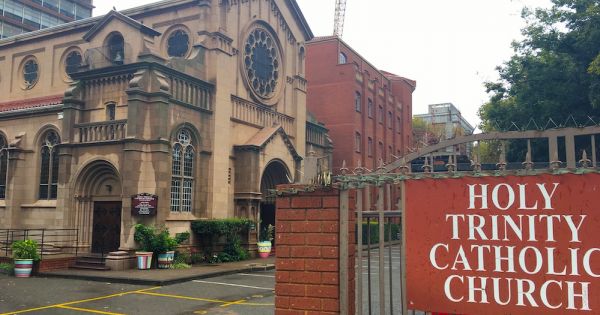
Ricus Dullaert, founder of an LGBT support group at Holy Trinity Catholic Church in Johannesburg, called the decree “a step back for LGBTQI communities around world.”

“It surprises me that this is happening,” said Dullaert, who also runs Sister Mura Foundation, a nonprofit that provides support to refugees with HIV/AIDS. “That I am gay is not choice, but I found out that I am gay and I have integrated it in my Catholic faith.”

Dullaert told NCR he was especially stunned by the statement because Francis has been open to the gay community and once responded, “Who am I to judge?” when asked about a gay priest in Vatican service.

“He is also the first [pope] in history to use the word ‘gay’ freely and has practiced a more welcoming and inclusive language towards the LGBTQI community,” said Dullaert.

Dullaert and his Nigerian spouse, Sylvester, held a 2014 ceremony at the Chapel of Our Lady in Amsterdam to celebrate their union. Among the featured moments was a blessing by a Catholic priest.

“Saying that gay people should live a celibate life is a beautiful statement but doesn’t work because they are humans and if people love each other and live together, you can’t say that they should not have sex,” said the activist.

Dullaert said he is concerned the Vatican’s decree may prevent LGBT Catholics in South Africa from coming forward, or may lead to criticism of parish groups like his that organize workshops on issues such as homophobia or discrimination.

“We have a number of vocal people who see it as a scandal that we have an LGBTQI group and they try to push the clergy and the parish council to say this is against the teaching of God and should be stopped,” said Dullaert.

LGBT persons in South Africa still live in fear of attack. Lesbians are particularly vulnerable to violence, especially so-called “corrective” rape.

In Nigeria, gay people live nearly always in hiding. There are also churches in the country that promote conversion therapy.

Paul told NCR that given the opportunity, he would like to leave the country for a place “where I will be safe and accepted.”

“An environment where you are not accepted is not a good one,” he said. “I have friends who have left here [Nigeria] because of the way they are treated. We just want a place to live and express ourselves.”

Why Are Gay Men Banned From Donating Blood? – menshealth.com

AMERICAN HOSPITALS ARE flooded with sick patients, and not everyone there is battling Covid-19. Many people need blood transfusions—in fact, the American Red Cross estimates that someone in the U.S. requires a blood donation every two seconds. The country’s blood supply is also running dangerously low: About 30 percent of centers across the nation have a supply that could run out in one day or less and must be carefully managed. And more than half of all centers have less than a three-day stockpile for times of crisis.

That’s because the pandemic forced the cancellation of blood drives—three times as many were canceled in 2020 compared with the year before, according to the Red Cross. Collections at high schools and colleges dropped by 50 percent over that same period. If we don’t get more blood donors fast, we’re not going to be able to treat people with serious burns, those having heart surgeries and organ transplants, and those battling cancer.

But there is one easily implementable solution to the national blood-supply shortage that’s been available for years and could be a lifeline: allowing gay and bisexual men to donate freely. Right now in the U.S., gay and bisexual men (often referred to as MSM, or “men who have sex with men”) are not allowed to give blood if they’ve had sex with another man in the past three months. The same is true for women who’ve had sex with MSM.

men's health mvp sign up

Click here to join for more exclusive health and fitness content.

.

Allowing MSM equal access to donate could increase the total annual blood supply by 2 to 4 percent, adding anywhere from 345,400 to 615,300 pints of blood each year, the Williams Institute at UCLA reported in 2014. Researchers estimated it would help save the lives of more than a million people, and experts agree this wouldn’t be putting anyone at additional risk of HIV—a fear that many scientists say needs to be put to rest. Ayako Miyashita Ochoa, lead author of the 2014 report, remains flummoxed as to why, seven years after pointing out the obvious benefit, the change hasn’t happened. “It is my opinion that we continue to have a real problem with laws and regulations based on fear rather than science,” she says.

The continuation of a MSM-specific barrier to giving is not only limiting the blood supply, it’s unnecessary and “rooted in homophobia,” explains Perry N. Halkitis, Ph.D., M.P.H., dean of the School of Public Health at Rutgers University. So far, the FDA has been reluctant to overhaul its policy, but as the need for fresh blood becomes ever more urgent, health and social-justice advocates are pumping new energy into the fight.

why the ban exists

.

BLOOD-DONATION DISCRIMINATION against MSM started in 1983 at the height of the AIDS epidemic, when the FDA instituted a lifetime ban on any man who’d had sex with another man since 1977. “You could potentially understand why this ban came into place nearly four decades ago,” says Marguerita Lightfoot, Ph.D., director of the Center for AIDS Prevention Studies.

we continue to have a real problem with laws and regulations based on fear rather than science

.

At the time, doctors were only beginning to examine how exactly HIV was transmitted and whom it could affect. “We were still trying to figure out the transmission of the virus, and all we knew was that this population was disproportionately impacted,” Lightfoot says. Now it’s clear that HIV transmission isn’t about whether you have sex with men; it’s about whether you have safe sex, no matter who you are.

For years, LGBTQ activist groups have encouraged the FDA to remove its restriction, noting that the ban isn’t rooted in science and perpetuates stigma. Medical experts like Lightfoot agree. “It doesn’t make sense to have a blanket class of people who can’t donate blood,” she says. “People should be screened for risky sexual behavior, such as not wearing condoms when having sex, as opposed to sexual orientation.”

In 2015, theFDA loosened its restriction, permitting gay and bisexual men to donate blood as long as they hadn’t had sex with another man in the past year. That wasn’t much of a victory, according to LGBTQ activist organizationGLAAD, which quickly countered with a biting video starring actor Alan Cumming as the head of a fictitious government agency in charge of encouraging abstinence. (“That’s right—365 days of celibacy!” Cumming exclaimed with mock excitement before sharing a list of hobbies that quickly turned sexually suggestive.)

removing the ban would alleviate the stigma, and could help save the lives of millions of americans

.

GLAAD then created a petition encouraging the FDA to screen donors based on their exposure to risk and not on sexual orientation. But it took a national emergency for things to finally shift a bit. InApril 2020, as blood donations plummeted due to the pandemic, the FDA updated its restriction to a three-month abstinence period before donating.

Activist organizations including GLAAD say three months is still discrimination, and they’ve kept pushing the FDA to lift the ban entirely. “These time deferrals are based in discrimination and stigma, not science,” says Mathew Lasky, GLAAD’s director of communications. “We’re continuing to put pressure on the FDA and are working with celebrities and elected officials to get the word out.”

In mid-April, the group shared an open letter, signed by 500 medical professionals, that states that the FDA revision is “a step in the right direction, [but] it does not go far enough in reversing the unscientific ban.”

An FDA spokesperson told Men’s Health in an email that the agency is now reexamining this issue, including “taking into account the current body of scientific information, and we are considering the possibility of pursuing alternative strategies that maintain blood safety.”

why the blood supply would remain safe

.

PART OF WHAT MAKES the current ban so archaic is that when it was instated, the U.S. didn’t have the sensitive detection methods for HIV in donated blood. Now we do. Every blood donation is tested for HIV in two different ways (through antibody analysis and NAT, a molecular technique for blood screening). As a result, the rate of accidentally acquiring HIV through a blood transfusion is extremely low—roughly one in 1.5 million.

There are current tests, specifically RNA tests, that can detect HIV within 11 days of exposure. So if the FDA wanted to keep a time-deferral ban, it could utilize these tests and shorten the eligibility restriction to men who haven’t had sex with another man in the past 11 days. There is no reason to keep it at three months, Halkitis says.

Regardless, people who don’t engage in behaviors associated with high risk of HIV exposure shouldn’t need to wait at all to give. For example, if you’re a gay man who wears condoms during sex, you limit your risk of contracting HIV. Same goes for gay men who are married or in a long-term monogamous relationship. Additionally, taking PrEP (Pre-Exposure Prophylaxis) daily can decrease the likelihood of acquiring HIV through sexual contact by 99 percent.

Taking PrEP can decrease the likelihood of acquiring HIV by 99%. But users still can’t donate blood immediately.

In late December, the FDA announced it is funding a pilot study that may prove there’s a more logical way to move forward. Conducted in tandem with the nation’s largest blood centers—the American Red Cross, Vitalant, and OneBlood—the research effort will survey 2,000 gay and bisexual men across the country between the ages of 18 and 30 who have had sex with at least one man in the past three months. Men will answer questions about their sexual risk. Then their blood will be drawn and tested for HIV as well as anti-retroviral drugs found in PrEP.

Results from this study are expected in late 2021. But if the sexual-risk disclosures can vet candidates as well as or better than the time-based ban, the FDA may use that information to potentially change its donation procedures for MSM. “The FDA remains committed to considering alternatives to time-based deferral by generating the scientific evidence that is intended to support an individual-risk-assessment-based blood-donor questionnaire,” the agency confirmed via email.

countries that have moved away from discriminatory time deferral bans have not seen an increase in hiv positive blood

.

The FDA has not said when that policy change might take effect. The earliest it might happen would be in 2022, says Lightfoot. It might also take longer if the agency decides that additional confirmational studies are needed. But there’s already plenty of precedent that this concept can work: If the ban were to be lifted, the United States would join the ranks of countries including Italy, Brazil, the UK, Mexico, and Israel, all of whom have adopted a risk-based questionnaire to screen blood donors instead of ruling out all men who’ve had sex with other men in a set period.

“The countries that have moved away from blanket, discriminatory time-deferral bans have not seen an increase in [HIV-positive] blood,” Lasky says. “We already know that the three-month discriminatory ban does not align with science, so why are we doing this study again?”

The policy change could have a significant positive effect on the mental health of gay and bisexual men, too. While CDC data shows that straight men and women make up roughly 24 percent of new HIV cases, Halkitis says the MSM-specific ban creates “others” out of those excluded. “It makes them feel less than,” he says. This sort of categorical dehumanization canlead to a slew of negative mental-health outcomes, including depression, anxiety, and suicidal thoughts and tendencies. It also puts gay and bisexual men at higher risk for acquiring HIV over time.

“Social and structural factors that cause gay men to feel othered cause them to engage in risky sexual behavior,” Halkitis says. So a ban like this isn’t just harmful to the American public; “it’s incredibly harmful to the gay community, both emotionally and physically.”

Removing the ban would alleviate that stigma and create a new resource that could help save the lives of millions of Americans. To make that happen faster, Halkitis recommends making your voice heard, no matter your sexual orientation. “Like with all social-justice matters, it is imperative that that allies of the LGBTQ+ populations work to voice their concerns about the ongoing blood ban,” he says.

The first step is to sign GLAAD’s petition at glaad.org/blood. You then can—and should—educate those around you, “since many people, including gay and bi men, don’t know that this ban exists,” adds Lasky. Lastly, “engage with Congress. Let them know you don’t support discriminatory practices that ban gay and bisexual men from doing their civic duty.”

Giving everyone an equal chance to help one another shouldn’t be a difficult decision—especially when unity and healing remains a vital need.

GV LGBT Resource Center celebrates Transgender Day of Visibility – Grand Valley Lanthorn

0

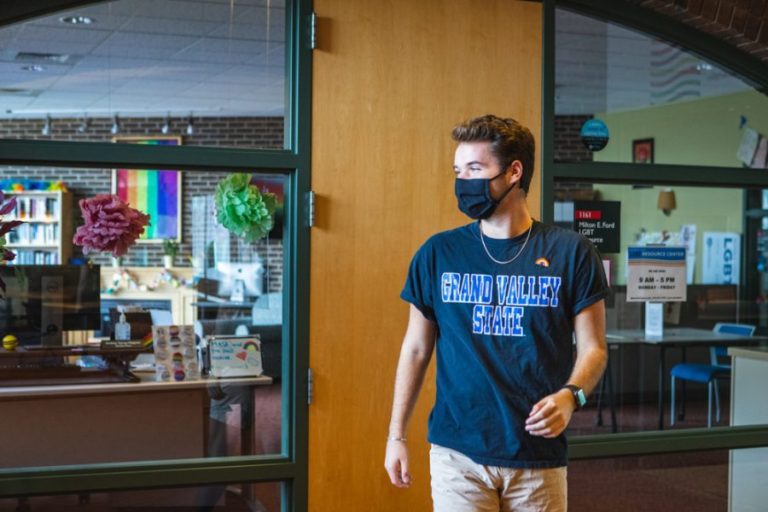
March 31 marks the 12th annual celebration of Transgender Day of Visibility, a day dedicated to raising awareness of the issues faced by the transgender community and celebrating members in the community.

The day was founded in 2009 by Michigan transgender activist Rachel Crandall, who saw a need for more recognition of the lives, accomplishments and cultural contributions of the transgender community. Now in 2021, Transgender Day of Visibility is recognized internationally and events are held worldwide to honor and uplift transgender and nonbinary people.

Here at Grand Valley State University, the LGBT Resource Center has recognized and celebrated Transgender Day of Visibility for the last four years through their annual keynote events. The goal of these events is to explore issues faced by the transgender and nonbinary communities through a multitude of different lenses. 

“This day is particularly resonant today in the context of a record-breaking year for anti-transgender legislation across the country,” said Marla Wick, Associate Director of the LGBT Resource Center. “Many of these anti-transgender legislative efforts are aimed at excluding transgender people from public life, which is obviously deeply salient on a day when we celebrate the visibility of this community.”

Due to COVID-19 guidelines, this year’s keynote with speaker Chelsea Thompson was held virtually on March 25. The event focused on how technologies such as facial recognition and body scanners have failed the transgender community. 

These types of technological failures are not new to many in the transgender community who suffer from society’s assumed gender binary. In particular, transgender students run into these issues within school systems and, consequently, in the classroom.

Unfortunately, a lot of systems are designed around the gender binary (man and woman) and assume the immutability of these designations,” Wick said. “Because of this, transgender students can run into issues with name systems, lack of inclusive facilities, and misgendering from other students as well as faculty and staff.”

Both GVSU and the LGBT Resource Center have been working and continue to work to make the campus experience safe and welcoming for all transgender and nonbinary students. 

Available to all at GVSU, the myName system allows students, staff and faculty to designate a name other than their legal name to appear across campus where a legal name is not required. In addition, the LGBT Resource Center holds a weekly student facilitated program, T2, for transgender, nonbinary and gender-questioning students, as well as offering resources and tips on inclusive classroom practices to ensure all students are addressed correctly in that space. 

The LGBT Resource Center also offers educational programs throughout the year for members of the campus community to increase the competence of gender and sexual diversity and build allyship through awareness of issues surrounding the transgender and nonbinary community. 

“We encourage everyone to participate in one of our two-hour Queer & Trans 101 workshops,” Wick said. “We offer these twice a semester for open registration and also present to interested groups across campus by request.”

For more information and resources, visit the Milton E. Ford LGBT Resource Center at their website www.gvsu.edu/lgbtrc.

Grad student builds community for students – University of Georgia

0

Ricky Belizaire loves every second of his work as a graduate assistant in the University of Georgia’s LGBT Resource Center.

A master’s student in college student affairs administration in the Mary Frances Early College of Education, he advises the LGBT student ambassadors and PRISM, a discussion group for queer and trans people of color. A lot of his work is in building community for UGA students—and making them feel connected.

Inclusivity is something he’s passionate about—it’s why he picked his master’s program. As an undergraduate in New Jersey, he was a member of his college’s diversity and inclusion board, interned with the dean of students and involved in Greek life.

Through mentors, he discovered the field of student affairs. UGA has one of the best student affairs master’s programs in the world. A native of Connecticut, Belizaire wanted something different for college. The school’s reputation plus Georgia’s warmer climate convinced him to move South.

“I wanted to learn at a place that would really challenge me and allow me to grow,” he said.

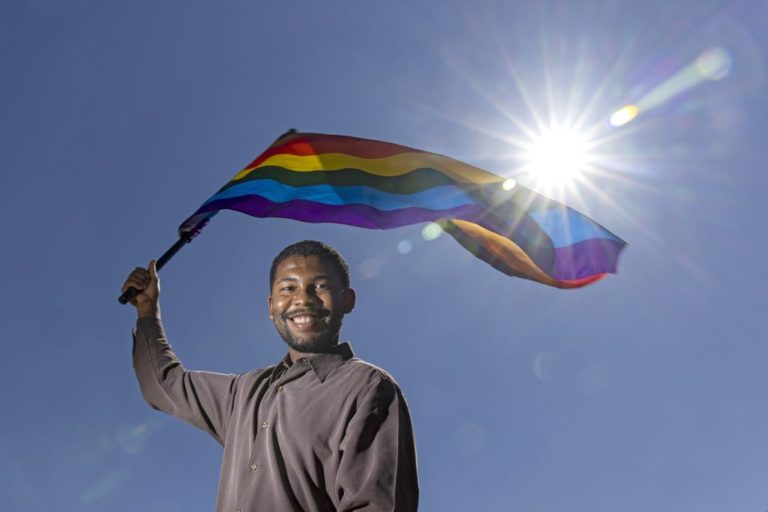
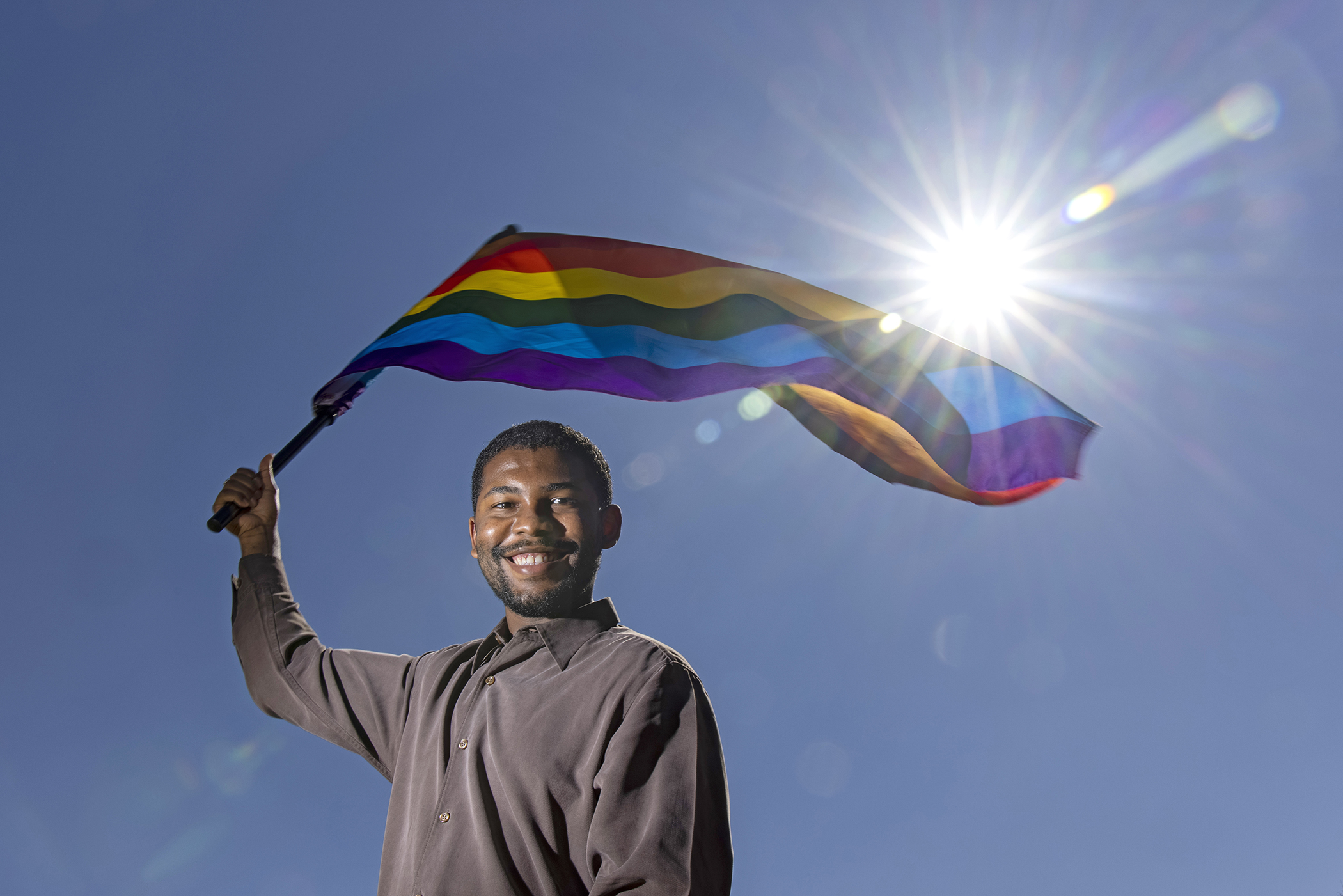
Ricky Belizaire waves the Philadelphia Pride flag.

Graduate student Ricky Belizaire waves the Philadelphia Pride flag. (Photo by Andrew Davis Tucker/UGA)

The power of y’all

One thing that surprised Belizaire was Southern culture. He’d heard of Southern hospitality but was skeptical.

‘You guys’ is inherently masculine centered, which I didn’t stop to consider enough when I was younger. This role as a graduate assistant has allowed me to be more aware of language.”

The College Student Affairs Administration program

In his master’s program, he has learned leadership—how to lead a team and lead other people—skills he could easily translate to the nonprofit sector or corporate world.

He learned how to be a better communicator. “I don’t show up the same way I used to,” he said. “I listen to people. I listen to their needs. I assess what they might need and ask questions. I explore things other people might not. I really like to sit down with my students: What is going on, how can I really support you?”

He holds biweekly meetings with students and tries to go beyond asking about class, instead asking about their challenges and how he can help them meet those challenges.

“Who I am now is completely different than I was two years ago—because of my education,” he said. “I just see the world differently. I’m advocating for rights, advocating for people who don’t look like me, getting them support, not backing down. Two years ago, I would never openly discuss things and speak up. I didn’t feel like I had enough knowledge.”

The program gave him confidence so that he can speak up. But through his coursework and experience, he sees what students need—and tries to fill that need.

It’s how Q-mmunity Wednesdays came about.

Photo of Ricky Belizaire and two students in a meeting.

(From left) Senior coordinator Erin Hill, graduate assistant Ricky Belizaire and administrative specialist Jennifer Spradley gather for a staff meeting of the LGBT Resource Center in a conference room in Memorial Hall. (Photo by Andrew Davis Tucker/UGA)

Q-mmunity Wednesdays

When the pandemic hit, the LGBT Resource Center first worked to get its students immediate resources to combat food and housing insecurity and then quickly focused on student mental health. While the pandemic has been hard for everyone, they wanted to support students of color, queer and trans students—to make sure they were seen and heard.

Belizaire created Q-munnity Wednesdays to have an online safe space for queer students in crisis. He saw the need and volunteered to write the program proposal.

“We’re meeting students where they’re at virtually,” he said. “We have critical conversations so that students in crisis, in need of support can get those resources. We give them a virtual space to connect with others, to interact.”

Indeed, the pandemic flipped the way the LGBT Resource Center operated. Previously, the center held lots of in-person events to build community for students. Last year, the center switched to Zoom and social media. Belizaire and other staffers would post on social media every day to check in on their students. They went from 500 followers to 1,425 followers on Instagram—with lots of engagement.

“We need those interactions,” he said. “We’re all human and social by nature, and we need to be with people and need community.”

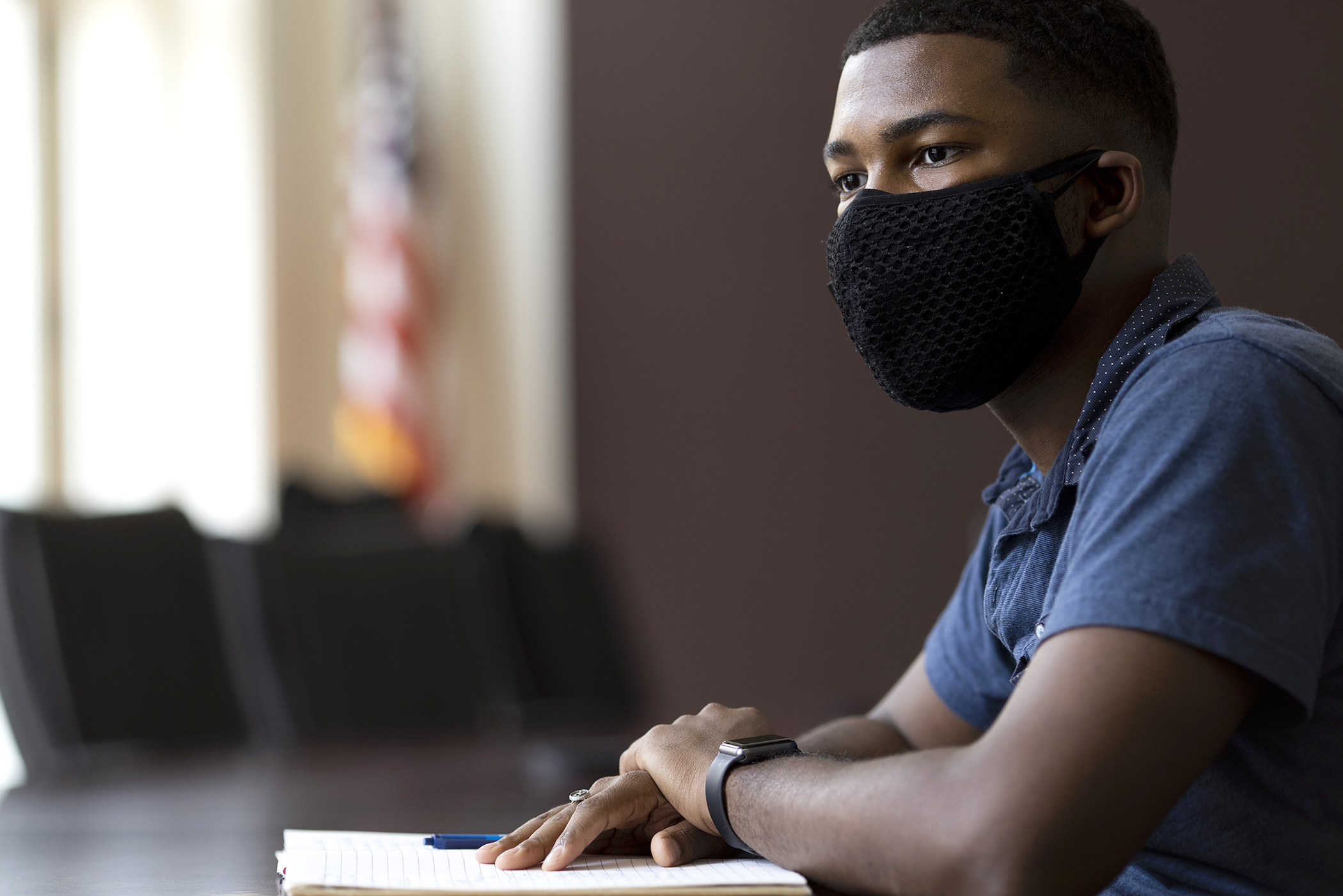
Photo of Ricky Beliziare

Graduate assistant Ricky Beliziare listens during a staff meeting of the LGBT Resource Center in a conference room in Memorial Hall. (Photo by Andrew Davis Tucker/UGA)

COVID-19 impact

Ultimately, COVID-19 made him think more about his students. He also took time to check in with himself, asking, “How am I doing?”

“If I’m not doing well, what does this mean for my students? How can I make sure they’re getting the help and support they need during this time?” he said.

Proudest accomplishment

But through all of the classes, one-on-one sessions with students and POSE marathons he holds for his PRISM group, he’s proudest that soon he’ll be a published author. He’s working on a book chapter for “Exploring Black College Men & Leadership Learning.” His chapter looks at transfer student experiences, specifically what their motivation is and what shapes their experience: mentors, communities of support or self-determination.

First generation

Beyond that, he says he has immense pride to be graduating with a master’s degree this May.

The son of Haitian immigrants, Belizaire is a first-generation college student who is the first in his family to live away on campus, and the first in his family to be getting a master’s degree.”

The pandemic also changed some of his plans. Originally, he thought he’d want to work in Atlanta.

But when his dad got coronavirus last March, he realized how much family—and being close to family—meant. And after May graduation, he’ll be looking for jobs in the Connecticut-New York area near his family.

Alexis Gay Is a Former Patreon Employee Turned Comedian and Podcaster. – Business Insider

  • Alexis Gay, a former Patreon employee, quit her job to become a full-time comedian and podcaster.
  • In the last year, she has racked up 2.9 million followers on Clubhouse and thousands across platforms.
  • She’s most well-known for her videos on Twitter, where she pokes fun at Silicon Valley tech culture.
  • Read more on the Insider homepage.

You may have seen Alexis Gay on Twitter, where her videos playfully skewering Silicon Valley culture often go viral.  

A recent post captioned “every single park hang in San Francisco” — where she spouts quips like “Oh, are those the new AllBirds?” and “That valuation was actually hilarious … they don’t even have any users” — has 1.9 million views.

Gay has racked up nearly 3 million followers on audio app Clubhouse and more than 82,000 on Twitter and also runs a podcast where she interviews media, business, and tech moguls about “everything but their resume.” 

In January of 2021 she decided that she was reeling in enough ad revenue from that project to take the plunge and quit her tech-company day job to focus on her comedy and podcast career full-time. Here’s how she became the :

Her journey from tech to comedy

Gay had moved to New York for school with the dream of becoming an actor, but her first taste of the tech world as an intern at an events startup in 2013 hooked her. In true techie fashion, she fell in love with the “meritocracy of it” and eventually nabbed her first San Francisco gig at developer-focused firm Twilio in 2016.

She eventually moved on to Patreon in 2018 and started hitting up open mics and improv classes in her free time. She’d mostly crack jokes at her own expense, making fun of how she was the kind of person who would flirt in an UberPool or about how her parents essentially named her “Alex Is Gay.”

As a New York transplant and tech worker going to work and parties surrounded by other tech workers (or even just overhearing conversations in the park), she also began realizing that many of the cliches and stereotypes around Silicon Valley culture felt uncannily accurate.

“I think something about the videos that maybe most people don’t realize is that I’m really making fun of myself as much as I’m making fun of anybody else,” Gay told Insider. 

She was having a blast hosting shows at comedy clubs when the pandemic abruptly shut the city down and, like everyone, she had a lot of time on her hands. 

Having “the attention span of a couple of hours at a time, maybe” inspired her to start creating “really short, bite-sized content,” she said. 

Her first viral moment came in April 2020 when her video captioned “every single party in San Francisco” took off. While she doesn’t just make videos about tech culture — she’s joked about going to couples counseling with CNNher reactions to the end of 2020, and what it would be like to receive the gifts from the song “12 Days of Christmas” she thinks her San Francisco videos get a lot of views because of their relatability.

“I think it’s fun to take a minute and enjoy the humor in our daily lives, which we might normally miss because we’re so busy in back-to-back meetings,” Gay quipped. 

Many of the cringey tropes are things she really experiences. For example, a line in her park video about hybrid work was inspired by her own experience driving by the massive Salesforce tower downtown and genuinely wondering how the firm would handle going back to the office. 

“Like that happens to me regularly and it’s mortifying, but it’s true,” she said. 

Bolstered by the success of her viral videos, Gay started playing around with the audio chat app, Clubhouse. She met the app’s founder in April 2020 in a Clubhouse room and pitched the idea of doing a regular talk-show — he loved the idea and told her to go for it.

Now, with over 2.9 million Clubhouse followers, Gay hosts a room with a cast of rotating guests every Monday at 5:30 PM PT called “Housin’ Around. She launched her podcast — dubbed “Non-Technical” — in December 2020 where she gabs with industry experts about everything from how they take their coffee to whether they believe in ghosts. She started hooking sponsors right away.

“What I’m hoping that it gives the audience — cause this is definitely what it gives me — is a little peek behind the curtain at who this individual is outside of their very impressive LinkedIn,” Gay said. “And I think that that’s important because in tech there can be so much idolatry — oftentimes very well-deserved idolatry — that it creates a little bit of a barrier between the person and then the people who admire them.”

Catholic Church lobbied against suicide hotline supporting LGBT people – Insider

0

The US Conference of Catholic Bishops lobbied against the National Suicide Hotline Designation Act, which would create a national suicide prevention hotline, in 2019 because it included LGBTQ+ resources.

According to the National Catholic Reporter, the bill allocated funding to LGBTQ+ suicide prevention programs in addition to creating a national, toll-free suicide hotline. The organization, an assembly of Catholic leadership in the US, opposed the legislation behind the scenes and attempted to prevent it from passing. 

But it wasn’t the first time the USCCB opposed legislation that expanded the rights of LGBTQ+ people. 

LGBTQ Nation reported the USCCB used the same logic to oppose the 2013 Violence Against Women Act, which would provide more funding to prosecuting cases of violence against women. 

“All persons must be protected from violence, but codifying the classifications ‘sexual orientation’ and ‘gender identity’ as contained in S. 47 is problematic,” the organization wrote in a statement about the Violence Against Women Act.

“These two classifications are unnecessary to establish the just protections due to all persons. They undermine the meaning and importance of sexual difference.” 

Most recently, the USCCB spoke out against the 2021 Equality Act, which expands protections for LGBTQ+ people from workplace discrimination.

The organization stood against the policy supported across party lines and by President Joe Biden because it “dismiss[es] sexual difference and falsely presenting ‘gender’ as only a social construct” by supporting transgender rights, according to a statement.

“The bill is well-intentioned but ultimately misguided,” the USCCB wrote. “The Equality Act discriminates against people of faith, threatens unborn life, and undermines the common good.”

Gay priests: Breaking the silence – CBS News

0

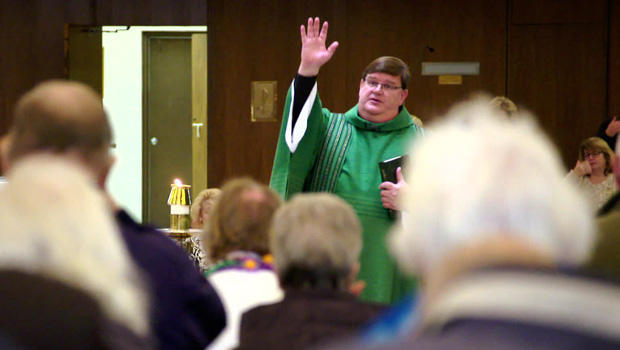
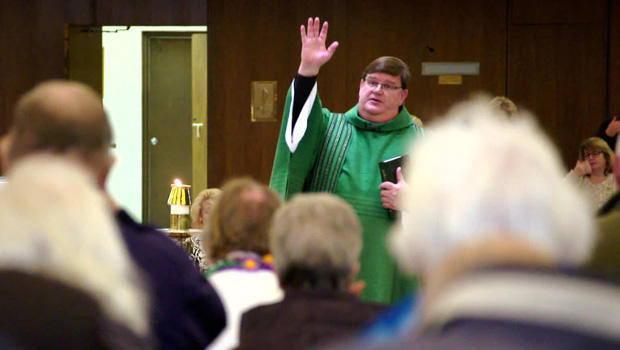
The setting, with its soaring cathedral ceiling and sacraments, is typical of any Catholic service, but the similarities stopped with this sermon: “Because if there’s anything that an LGBTQ person will know, it is that we’re going to face opposition,” said Father Greg Greiten.

Yes, Father Greiten said “we” members of the LGBTQ community. He is one of very few openly gay priests.

When asked how many there are, he said, “I’ve always heard the number thrown out, like, ten of us, that are really out there.”

There are roughly 38,000 priests in America.

Correspondent Seth Doane Asked, “What are you risking by being out?”

“Sometimes it feels like I have to walk on a tightrope,” he replied.

Father Greiten “came out” to his congregation in this Milwaukee suburb about three years ago, at age 51, when he announced, “I am a gay priest, and a celibate priest.” This moment came after a lifetime of struggle, serving a church that teaches that “acting on” homosexual feelings is a sin.

father-greg-greiten-620.jpg
Father Greg Greiten is one of a very few openly gay priests in America.  CBS News

“I just want to break the silence,” he told Doane. “We’re here. And for me, Seth, that was part of the hypocrisy that I was watching happen.”

“Did you feel like a hypocrite when you were up here at the pulpit, and not out?”

“I personally did. It’s like wearing a mask. Every day I have to go up there and pretend I’m something I’m not.”

He pledged, as all priests do, to live a celibate life. For him, this was not about sexual activity, but identity. He found folks in his congregation were overwhelmingly supportive.

Doane asked Carol Webber, “Does it matter to you that the priest here is gay?”

“No, it’s a positive thing,” she replied.

Carol and Fred Webber’s son had come out to them years earlier. “We went into the closet for a while, until we were able to accept it,” she said. “Of course, we loved our son.” Later, they say having an openly-gay priest helped.

But the church itself has not been so pleased.

Father Greiten said, “The unwritten comment is, ‘Don’t talk about it. We know you’re there, but be silent.'”

“Father Frederick,” as we’ll call him, feared losing his salary, healthcare, church housing, pension, and the authority to minister. During his interview, “Sunday Morning” hid his identity. “I’m not courageous enough yet,” he said.

Doane asked, “What does it say that you need to do this interview in shadow?”

“It says that it’s not cool to be gay if you’re a priest. And if you are gay and a priest both at the same time, you’ve gotta hide one or the other.”

He likened that secrecy to the “double-life” of spies.

When asked if he has remained celibate as a priest,” Father Frederick replied, “No, I did not. I experimented. I struggled. There were liaisons, there were relationships. And there was love several times.”

Love and sexual intimacy with another man? “Yes.”

With other priests? “Once or twice.”

He said his seminary where he trained to be a priest was a “warehouse” of young men struggling with their sexuality. They were encouraged from the top, and the beginning, to keep quiet.

Doane asked, “What’s the effect of this culture of silence on the church?”

“It is a slow-moving cancer,” Father Frederick said.

While Pope Francis famously responded “Who am I to judge” when asked about gay priests during a papal press conference, he has also said that anyone with “deep seated” homosexual tendencies shouldn’t be a priest. “Their place is not in ministry or in consecrated life,” he said.

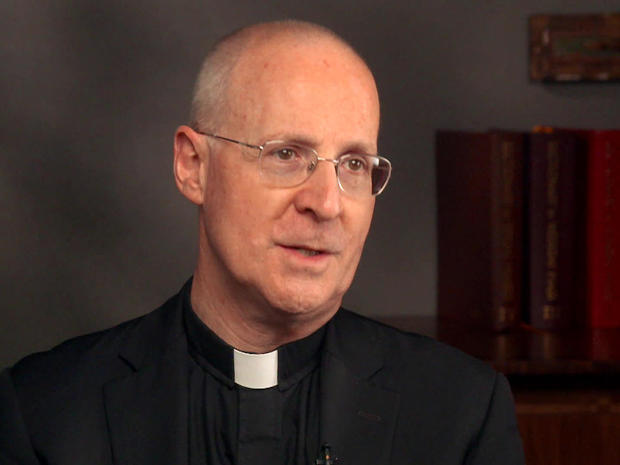
Father James Martin, a Jesuit priest and author, and the most high-profile advocate for LGBTQ Catholics, said, “I think that if you had suddenly all the gay priests in the United States come out, I think the Church would be forced to look at the question of homosexuality in a very different light.”

father-martin-1280.jpg
Father James Martin. CBS News

In 2019 Pope Francis requested a meeting with Father Martin: “The Vatican put our audience on the Pope’s official schedule. They sent out a picture. I met with him in the Apostolic Palace, which is where he meets with presidents and diplomats. It was a pretty strong sign of his support.”

“The tone is new; the teachings haven’t changed?” asked Doane.

“The teachings haven’t changed, but the tone is very important.”

And, Father Martin says, ultimately Catholic leaders need to shift their thinking: “It’s a life issue. We have high suicide rates among LGBT youth, and we also have places in the world where gay people can be arrested and executed for being gay.”

He calls Pope Francis (the first pope to use the word “gay” publicly) the most pro-LGBTQ pope ever, though acknowledging that’s “not a high bar.”

“One of the things I lament is, if there were a case of, say, bullying in a parish or in a school, it would be wonderful for the gay priest to get up and say, ‘Look, I was bullied as a boy,'” Father Martin said. “So, there are these life experiences that I think people are missing in the church.”

Doane asked. “How many gay priests do you think there are?”

“I’m guessing maybe 40 percent. Who knows?” he replied. “If it was 40%, I wouldn’t be surprised; if it was 80%, I wouldn’t be surprised.”

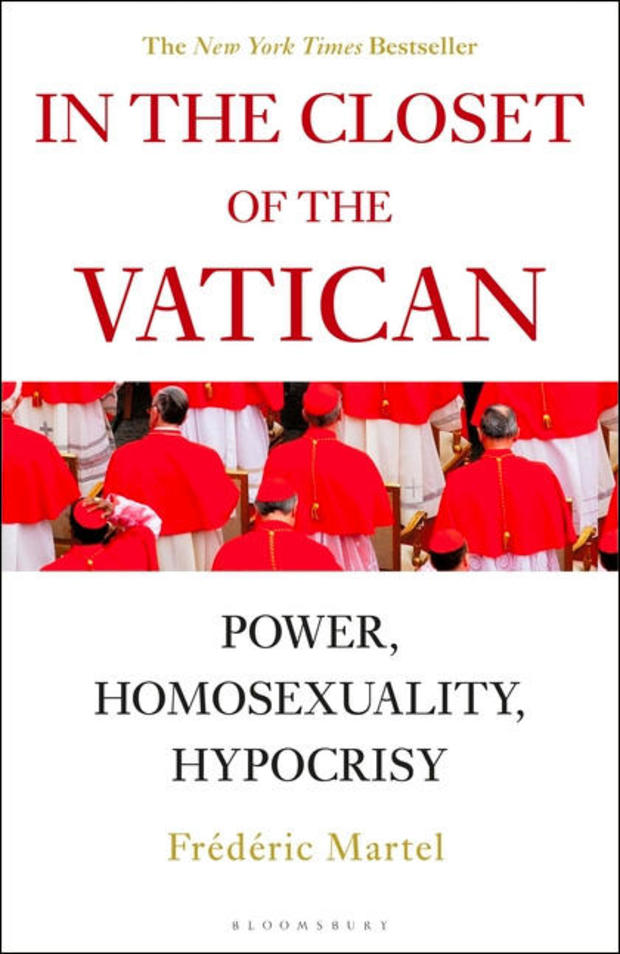
“It is a large, silent community, a vast silent majority,” said Frédéric Martel, a French author who spent four years researching his book, “In the Closet of the Vatican,” about the gay underworld there.

in-the-closet-of-the-vatican-cover.jpg
Bloomsbury Continuum

He said he interviewed hundreds of priests, even cardinals: “It’s ‘Fifty Shades of Gay.’ I mean, a lot of different kind of gay.”

He suggests the largest group of men in the Vatican may be gay, but do not practice, and can actually be the most homophobic – and in interviews discovered a real range of sexual identities. “Each of them, each of them is totally singular in his little closet,” Martel said.

Francesco Mangiacapra is a sex worker with a law degree who found one priest client led to another, and another. When Doane asked how many priests he had slept with, Mangiacapra replied, “I think about 100. We have in Italy many, many thousands of priests, so 100 is not so much.”

Over roughly five years, Mangiacapra compiled a 1,200-page “dossier” of personal profiles, graphic photos and text-message exchanges with roughly 50 of the priests who were his clients. He submitted it to his local archdiocese of Naples – he says – as a political act.

“This demonstrates that there’s a flaw in the system – a system which tolerates certain behavior but makes it so these behaviors are hidden,” he said.

Mangiacapra admitted the dossier had scared off some priest-clients, but not all, adding: “The libido is higher than the fear.”

It’s important to note: the priests “Sunday Morning” spoke with, as well as the Vatican itself, see no connection between homosexuality and the clerical sexual abuse crisis. A five-year study by New York’s John Jay College, commissioned by bishops, found “the data do not support a finding that homosexual identity is a risk factor for the sexual abuse of minors.”

Doane spoke with about two dozen priests, who told us they were gay, but few would share their stories publicly.

Father Frederick said, “I admire priests who are willing to stand up, come out of the closet. That’s courage.”

Most told Doane they felt forced into the closet. It’s a painful, confining place, particularly in a church community where they’re expected to be role models.

Father Greg Greiten, faithfully serving his parish in Wisconsin, said secrecy is a scourge in the church, so the first step for him is being open and honest.

Doane asked, “You signed up to work for an institution that thinks being gay, acting out on that, is a sin.”

“Correct. But the difference is, this is my spiritual home. This is where I was baptized. This is where I received my first communion. And so, this is my home. And I don’t believe that the home should be throwing out its children.”

     
For more info:

     
Story produced by Sari Aviv and Anna Matranga. Editor: Ed Givnish. 

Trans Women Are Women: In Sport and Literally Everywhere Else – Outsports

Trans women are women. Trans women athletes are women athletes.

As we wrap Women’s History Month and approach Transgender Day of Visibility on March 31, support for trans women in women’s sports is reaching a critical point. Not only are rights and protections being eroded with bills in states across America, online hate and abuse for transgender women is seeing a dangerous uptick.

A major setback that signaled this shift happened in sports came in October, when World Rugby began the process of erasing the rights of transgender women by releasing an announcement regarding its decision to follow through with transgender participation guidelines shared in draft form with the sports community in July 2020.

Policy pieces revealed this summer that World Rugby was considering a ban on allowing transgender women to participate in the sport. International Gay Rugby, in concert with other community members, shared a 230 page rebuttal to the proposed ban backed with scientific data, testimonials from athletes, and policy ideas from around the globe.

Similarly, in December, Representatives Tulsi Gabbard and Markwayne Mullins attempted to push the “Protect Women’s Sports Act of 2020,” legislation that equated to erasure of transgender women under Title IX protections.

Rep. Marjorie Taylor Greene (R ) recently doubled down on opposition to “Equality Act” legislation, and in South Dakota, Governor Kristi Noem (also Republican) waffles on her State Senate bill restricting transgender children from participating in youth sports.

In February, a member of the White House Press Corps attempted to get Biden’s Press Secretary Jen Psaki to condemn trans youth women participation in high school sports. (Thankfully, she did not.) And although the Biden administration has stated that “Trans rights are human rights,” the US government continues to allow each sports organization and competitive pathway to make its own decisions around the definition and rights of transgender women and girls.

So, why this issue and why now? In my opinion, conservatives are looking for what they consider an easily moveable issue; one that was already pushed by the Trump administration’s rollback of transgender protections. In short, they need a community to pick on, so they continue to weaponize women’s policy against transgender community members. It’s a bait-and-switch tactic that uses a pseudo-feminist framework to marginalize and attack.

But at its core, this framework demeans cisgender women, too. Trans women are too aggressive, they argue. Too rough, or just too good for cis women to compete against. As though being a trans woman athlete is an unfair advantage in sport–a false claim even Scientific American is stepping forward to debunk.

Depicting cis women as fragile objects meant to be coddled does our entire community a disservice. It’s not advancing feminism, and it’s keeping women right where white supremacy culture wants us.

Policies like World Rugby’s also undermine what intersectional feminism is really here for, and what any sound policy around Title IX should aim to protect: diversity. Yet World Rugby remains consistent with the ongoing discriminatory policies of the International Olympic Committee vis à vis the World Anti-Doping Agency, which maintains that biology and endocrinology are the ultimate test for gender and gender-based athletic success–especially as they pertain to women.

These transphobic policies in sport uphold misogyny, punish participants, and require all women–and, increasingly, *children*–to engage in exhausting emotional and physical trials around what their bodies should and should not be able to do.

As the Executive Director for the Women’s Flat Track Derby Association, the governing body for another women’s contact sport, roller derby, I want to convey clearly that we do not need less diversity in women’s sports to grow and succeed in athletics, we need more.

Building an inclusive environment in women’s sports is not a destination, but an ongoing journey of dialogue within communities. It means getting called in, being educated, and probably getting a lot wrong at first.

The WFTDA continues to reckon with our past and current policies and decisions around equity–primarily including race and gender. We have been working on repairing the harms caused by our own policies, and learning how to center the voices that need amplification the most.

This process is not perfect or easy. It is messy and it breaks down often. But the consequences for not taking action to move equity work forward are catastrophic. And that’s what keeps me, personally, involved.

World Rugby has the opportunity to fix their policy, apologize to the community and learn about the harm these policies cause. The Biden administration has the chance to step forward and say “Trans women are women, period.” State-level legislators still have the capacity to do right by children who want to play a sport inclusive of their gender. And women’s sports organizations worldwide have the power and influence to push back against exclusionary feminism.

As Women’s History Month comes to a close, we all have the opportunity to celebrate women by standing in solidarity with our transgender, nonbinary, and gender nonconforming community members who deserve basic human rights–whether in rugby, roller derby, high school athletics and beyond.

Anything that suggests otherwise weakens women’s sports, our successes and achievements, and the rich diversity of our athletic skills and gifts.

Erica Vanstone is the Executive Director of the Women’s Flat Track Derby Association. She has acted as an announcer for the Atlantic League of Professional Baseball, the Arena Football League, and more. Erica is dedicated to expanding perspectives of inclusion around women’s sports and proudly coaches youth roller derby in Philadelphia, PA.

Erica Vanstone

Erica Vanstone

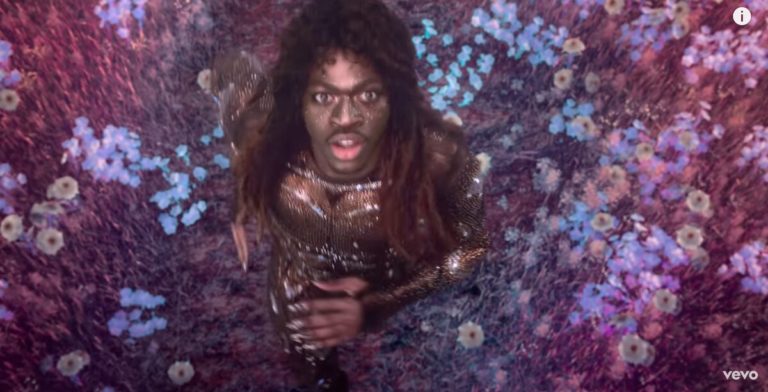
Lil Nas X’s ‘Montero’ video and queer music artists – Chicago Tribune

From the stripper pole, short shorts and pelvic undulations to the deliberatively provocative religious imagery, Nas evoked everyone from Madonna and Janet Jackson to Nicki Minaj and Megan Thee Stallion, and in doing so proclaimed that he has every right to be just as brazen about his desires and titillating about his body. Other out music stars — Frank Ocean, Scissor Sisters, Adam Lambert, Olly Alexander, Orville Peck — have waded into the same territory, most recently Troye Sivan with his (self-proclaimed) bop about bottoming, “Bloom.” But no music star who’s achieved Nas’ chart-topping, record-setting level of success and also come out has attempted anything on the scale of what Nas is doing with “Montero.”

‘Solar Opposites’: Are Terry and Korvo a couple? We asked Justin Roiland and Mike McMahan – Inverse

If you squint hard enough, the Solar Opposites family kind of looks like the Simpsons.

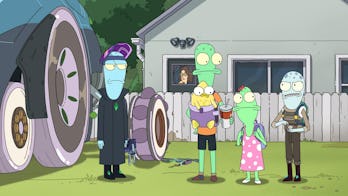
Solar Opposites takes the traditional cartoon nuclear family and flips it on its head. There are two parental figures (Korvo and Terry), but they’re sexless aliens who can seem more like work frenemies than a married couple. There are two siblings (Jesse and Yumyulack), but they’re actually “replicants” of their “parents.” And then there’s the Pupa, a mostly non-speaking baby who’s actually some sort of genetically engineered creature designed to terraform entire planets.

But if we accept that Solar Opposites co-creators Justin Roiland and Mike McMahan are taking some inspiration from the world’s favorite cartoon family, then there’s one question we have to ask: Do Terry and Korvo love each other? (After all, there’s no denying that Homer and Marge are in love, even if that love has hit plenty of speedbumps along the way.)

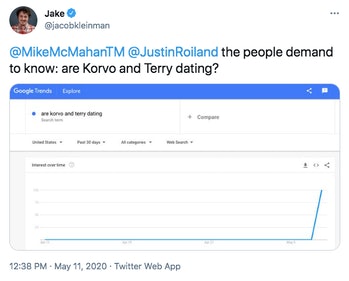
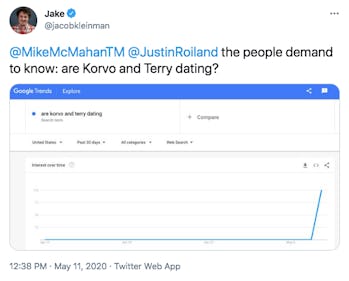
This might seem like an unusual question to ask, but I can’t take credit for it. Almost a full year ago, after Solar Opposites premiered on Hulu, I noticed an uptick in Google searches for the phrase “are Korvo and Terry dating?” Unfortunately, I’d missed my chance to ask the show’s creators in person, and when I reached out on Twitter, I was ignored.

Thankfully, Solar Opposites Season 2 provided a chance to finally get some answers. So when I got on a Zoom with Roiland and McMahan, it was the first thing I asked:

Are Korvo and Terry a couple?

Solar Opposites offers a bizarre take on the nuclear cartoon family.Hulu

The answer was surprisingly simple. The two Solar Opposites characters were never meant to be a couple, but over the course of two seasons, that’s exactly what they’ve become.

“I think we didn’t know when we started writing it, but at this point, I’d say yeah,” Justin Roiland tells Inverse. “I mean, they don’t have penises or buttholes, but they are in a committed relationship. They do love each other. They do go on vacation together. They pay the bills together.”

“When they launched off of Shlorp they weren’t a couple,” McMahan adds, “but I think after living on Earth for so long, they love each other. That’s how we write them, you know?”

“Yeah, their partners,” Roiland concludes. “I think they’re like, beautiful partners.”

The Solar Opposites are going to Springfield!

How similar are the Simpsons and the Solar Opposites?20th Century

Speaking of The Simpsons, there’s a recurring joke in The Solar Opposites Season 2 that’s a direct reference to the beloved cartoon. Throughout the season, one of the main characters will excitedly announce: “The Solar Opposites are going to…” with the final word queuing up an adventure whether that destination is London or jail.

It’s a funny bit of meta-humor that works surprisingly well, but according to the show’s creators, it’s also a direct reference to The Simpsons. Here’s McMahan with a full explanation:

“It was me in the Season 2 premiere because I wanted to do an episode that felt like when the Simpsons would travel, and they’d be like ‘The Simpsons are going to Lagos!’ or whatever. So it started off as that ‘The solar opposites are going to London!’

Internally, when we’re talking about the Wall versus talking about the other side of the show, we call the the Solar Opposites side of the show the Solars for short. And so because in the writers room, we were calling them the Solar Opposites versus, ‘Okay, today, we’re going to do some story breaking for the Wall,’ it kind of leaked into the show, which you see happen in comedies a lot.

And then, since we did that joke in the pilot, it just felt like it was part of the DNA of the show. So every time it made us laugh.

Will the Solar Opposites ever actually go to Springfield? Considering that the two shows are both owned by Disney, it’s not impossible, but I’ll have to wait until Season 3 for another chance to ask Roiland and McMahan.

The Solar Opposites is streaming now on Hulu.

Up Next LGBTQ lawmaker arrested, dragged from State Capitol – Washington Blade

0

Caitlyn Jenner was quickly repudiated by LGBTQ advocates after she entered California’s recall election as a gubernatorial candidate — and her fellow transgender Republicans are mixed over whether or not to back her up.

Transgender Republicans are few in number, but some are in high-profile positions and have been working with their party to change its approach and drop its attacks on transgender people, whether it be in the military, public bathrooms, or school sports.

Jordan Evans, a Charlton, Mass.-based transgender Republican who unsuccessfully last year ran to become a Massachusetts Republican State Committee Woman, told the Washington Blade she had high hopes for Jenner as a fellow transgender candidate, but they were quickly dashed after her campaign launched.

“My feelings changed quickly after Caitlyn made it clear that she was less interested in using this opportunity to present the Republican Party and conservative movements with an accessible and high-profile introduction to the trans community and simply wanted to be a trans woman who espoused the same destructive approaches that we just so happen to be seeing all over the country,” Evans said.

Evans said the high hopes she had were based on the transgender advocacy she said Jenner was doing behind the scenes and the potential for two prominent LGBTQ Republicans to run for governor in California. After all, Jenner may soon be joined in the race by Richard Grenell, who was U.S. ambassador to Germany and acting director of national intelligence before becoming the face of LGBTQ outreach for Trump’s failed re-election.

But Jenner’s approach to the gubernatorial recall in California, Evans said, is “putting trans youth at risk for a campaign that isn’t even transformative for Republicans during this volatile time.”

“Even her current messaging is superficial and does nothing to help dispel claims that she’s unqualified,” Evans said. “The only positive thing that I’ve seen come from this is conservative mainstream media using her correct pronouns, but that is not worth the damage that she’s inflicting.”

Much of the disappointment over Jenner’s campaign is the result of her essentially throwing transgender kids under the bus as part of her campaign at a time when state legislatures are advancing legislation against them, including the bills that would essentially bar transgender girls from participating in school sports.

Jenner, declining to push back on these measures and assert transgender kids have a place in sports, instead essentially endorsed the bills shortly after she announced her candidacy.

“If you’re born as a biological boy, you shouldn’t be allowed to compete in girls’ sports,” Jenner told TMZ, which asked her about the hot-button issue during a Sunday morning coffee run.

Jenner dug deeper into MAGA-world at the expense of solidarity with the transgender community. Last week, Jenner retweeted Jenna Ellis, who has a notoriously anti-LGBTQ background and was criticized just last year for refusing to use the personal pronouns of Rachel Levine, who’s now assistant secretary of health and the first openly transgender presidential appointee to win Senate confirmation.

Jennifer Williams, a New Jersey-based transgender Republican who unsuccessfully ran for a seat in the New Jersey General Assembly last year, said via email Jenner “did much good for several years by educating millions of people around the world about transgender folks,” but won’t countenance the candidate’s remarks on transgender kids in sports.

“In regard to her current run for California governor, her recent comments regarding transgender youth playing sports are confusing,” Williams said. “Just last year, she said that she supported transgender female athletes. Caitlyn should consult with tennis great Billie Jean King, soccer star Megan Rapinoe or WNBA legend Candace Parker on the subject of transgender athletes in women’s sports, as they are very well versed on the matter.”

At a time when state legislatures are pushing through legislation targeting transgender youth, restricting their access to sports and transition-related care, Jenner’s refusal to repudiate those measures has become a focal point for opposition to her candidacy from LGBTQ advocacy groups, who say she’s “out of touch” (although none were supporting her even before she made those comments).

The LGBTQ Victory Fund, which supports LGBTQ political candidates and public officials, has signaled it wants nothing to do with Jenner.

Sean Meloy, vice president of political programs for LGBTQ Victory Fund, said Jenner hasn’t applied for an endorsement from the Victory Fund “and she shouldn’t bother to.”

“Her opposition to full trans inclusion – particularly for trans kids in sports – makes her ineligible for the endorsement,” Meloy said. “There are many great trans candidates running this cycle who are champions for equality.”

To be sure, Jenner used her celebrity status as a former reality TV star and Olympic champion on behalf of transgender lobbyists, urging donations to groups like the National Center for Transgender Equality and going to Capitol Hill to lobby Republicans on transgender issues. Jenner has also given money for transgender kids to attend college, giving transgender advocate Blossom Brown a check for $20,000 on “The Ellen Show” in 2015.

Blaire White, a transgender conservative and YouTube personality, drew on these examples of Jenner helping transgender youth in a video earlier this month and said the two once had dinner together, but wasn’t yet ready to make a endorsement.

“I will say that until she lays out all of her policy positions and until she’s more on record in long form really talking about what she wants to do for the state of California, I can’t say for sure I would vote for her and would not vote for her,” White concluded in the video. “What I can say is: I’m interested. And also, being under Gavin Newson’s governorship, I would literally vote for a triple-amputee frog over Gavin Newsom, so she already has that going for her.”

Jenner’s campaign couldn’t be reached for comment for this article on the repudiation of her campaign from LGBTQ advocacy groups.

Gina Roberts, who’s the first transgender Republican elected to public office in California and a member of the San Diego GOP Central Committee, said she’s neutral for the time being as an elected Republican Party leader, but nonetheless had good things to say about Jenner’s candidacy.

“I think it’s awesome,” Roberts said. “It’s kind of indicative of how cool the Republican Party in California is because nobody really cares or it makes any difference. I mean, I was the first elected GOP transgender person in California and I think we’re ready for No. 2.”

Asked whether Jenner’s comments about allowing transgender kids in sports was troubling, Roberts said that wasn’t the case because she has her own reservations.

“I have pretty much the same opinion because … there’s so many nuances in that,” Roberts said. “If somebody transitions after they’ve gone through puberty, there is a big difference, especially in high school. If they transition beforehand, it’s not a big deal.”

A gun enthusiast and supporter of gun owner’s rights, Roberts said she competes in women’s events in shooting sports, but there’s a difference because she doesn’t “really have any advantages all those young, small ladies can pull a lot faster than I do and shoot faster than I do.”

Roberts concluded she’ll personally make a decision about whom she’ll support in the California recall election after Grenell announces whether or not he’ll enter the race, but can’t say anything until the San Diego GOP Central Committee issues an endorsement.

“He’s a good friend of mine, too,” Roberts said. “I know both of them. I think they’d both be certainly better than Gavin Newsom, I have to stay neutral until the county party decides who they’re going to endorse. I will support somebody or another in the endorsement process, but I can’t publicly announce it.”

Although LGBTQ groups want nothing to do with her campaign, Jenner’s approach has garnered the attention of prominent conservatives, who are taking her seriously as a candidate. One of Jenner’s first interviews was on Fox News’ Sean Hannity, a Trump ally with considerable sway among his viewers. Hannity was able to find common ground with Jenner, including agreement on seeing California wildfires as a problem with forest management as opposed to climate change.

Kayleigh McEnany, who served as White House press secretary in Trump’s final year in the White House and defended in the media his efforts to challenge his 2020 election loss in court, signaled her openness to Jenner’s candidacy after the Hannity interview.

“I really enjoyed watching @Caitlyn_Jenner’s interview with @seanhannity,” McEnany tweeted. “I found Caitlyn to be well-informed, sincere, and laser-focused on undoing the socialist, radical, a-scientific policies of Biden & the left. Very good.”

In theory, that support combined with Jenner’s visibility might be enough to propel Jenner to victory. In the recall election, California will answer two questions, whether California Gov. Gavin Newsom should be recalled, and if so, which candidate should replace him. The contender with the plurality of votes would win the election, even if that’s less than a majority vote, and become the next governor. There isn’t a run-off if no candidate fails to obtain a majority.

With Jenner’s name recognition as a celebrity, that achievement could be in her reach. After all, Arnold Schwarzenegger won the 2004 recall election in California as a Republican based on his celebrity status, and ended up becoming a popular governor.

But the modest inroads Jenner has made with the acceptance of conservatives and potential to win isn’t enough for other transgender Republicans.

Evans, for example, said Jenner’s candidacy is not only a disappointment, but threatening the potential candidacies of transgender hopefuls in the future.

“It’s difficult to be in electoral politics, and that’s even more true when you’re a member of a marginalized community,” Evans said. “Caitlyn’s behavior is making it even more challenging for the trans community to be visible in a field where we desperately need to be seen. She’s casting a tall shadow on our ability to have a voice and is giving credibility to lawmakers and local leaders simply unwilling to view us with decency and respect.”

Williams said Jenner should avoid talking about transgender issues over the course of her gubernatorial run “and instead focus on the hard, critical policy issues facing California.”

“It is a state in crisis and she has to run a very serious campaign and not rely on her celebrity or LGBTQ status to win over voters’ hearts and minds — just like all other LGBTQ candidates around the country need to do when they run for public office,” Williams said.

From an Actor Defending J.K. Rowling’s Transphobia to Gay Captain America, This Week in LGBT Entertainment – SouthFloridaGayNews.com

This week read about Ralph Fiennes standing up for Rowling and her anti-trans beliefs, a queer director receiving the Criterion Treatment for the first time, and a new gay Captain America character.

Voldemort Actor Plays Down Rowling’s Hate Speech

It’s no surprise that J.K. Rowling, best known for her creation of the Harry Potter series, has received a lot of backlash about being transphobic and how ironic it is that a villain would come to her aid. A movie villain that is.

Ralph Fiennes, the actor who plays Voldemort, has come to protect Rowling and her views, while other members of the Harry Potter cast have spoken out against Rowling.

“I can understand the heat of an argument, but I find this age of accusation and the need to condemn irrational. I find the level of hatred that people express about views that differ from theirs, and the violence of language towards others, disturbing,” Fiennes said in an interview with Telegraph.

Other actors, such as the popular and renowned Emma Watson, is in full support of the trans community and is making sure she voices it.

She said in a 2020 Twitter post, “I want my trans followers to know that I and so many other people around the world see you, respect you and love you for who you are.”

Dee Rees Gets Criterion Treatment

Dee

Dee Rees. Photo via IMDb.

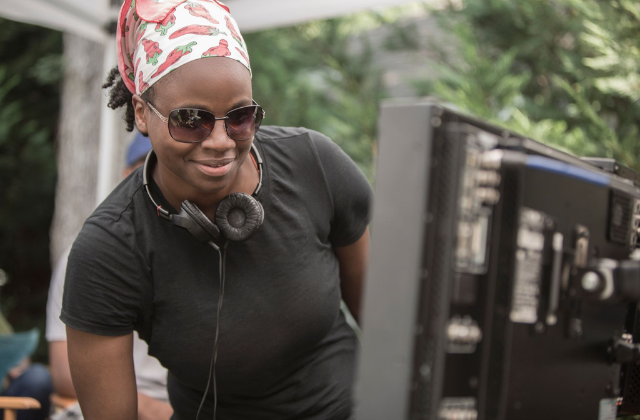
Dee Rees, the director of “Pariah,” gives the viewer a first-person point of view of the world through the eyes of a teenage Queer woman of color.

On top of receiving a lot of praise for the movie, Dee Rees has made history for being the first Queer woman of color to receive the Criterion Treatment, according to Out.

The film was released back in 2011 at the Sundance Film Festival, where it received the Excellence in Cinematography award, according to Out.

Dee Rees’s track record isn’t just limited to “Pariah.” Out says Rees has earned Emmy nominations for writing and directing the HBO biopic “Bessie” starring Queen Latifah. Her next film “Mudbound” was nominated for Best Adapted Screenplay at the 2016 Oscars, and won a Directors Guild Award, Independent Spirit Award, New York Film Critics Circle Awards and more.

Gay Captain America

Captain

Aaron Fischer, a gay teenager starring in the new Captain America comics. Credit: Marvel.

If you’ve been waiting for a major marvel character to step into the LGBT community, then wait no more. Marvel is introducing Aaron Fischer, a gay teenager who will star in “The United States of Captain America.”

According to the Guardian, Marvel is celebrating their 80th anniversary by releasing its new series which is scheduled to debut during Pride Month.

The comic storyline will have the new hero, alongside longtime friend Bucky Barnes, travel across the United States in search of his notorious shield.

This character is inspired by heroes and activists of the LGBT community.

Series Writer Josh Trujillo has high hopes for the new character. Trujillo said, “He stands for the oppressed, and the forgotten. I hope his debut story resonates with readers, and helps inspire the next generation of heroes.”

Marvel shows its support for the LGBT community, but that hasn’t always been the case.

The Guardian says, “Marvel reportedly had a ‘No Gays in the Marvel Universe’ policy in the 1980s and, in the 1990s, placed an ‘Adults Only’ label on any comics featuring prominent LGBTQ+ characters in response to conservative protests.”

As the comic universe changes, hopefully more characters will too.

Gay Agenda • March 26, 2021 – Dallas Voice

0

The Gay Agenda

Have an event coming up? Email your information to Managing Editor Tammye Nash at nash@dallasvoice.com or Senior Staff Writer David Taffet at taffet@dallasvoice.com by Wednesday at 5 p.m. for that week’s issue.

The Gay Agenda is now color-coded: Red for community events; blue for arts and entertainment; purple for sports; green for nightlife and orange for civic events and holidays.

Every Monday: THRIVE

Resource Center’s THRIVE Support Group for people 50 and older meets virtually from 11:45 a.m.-1 p.m. led by a SMU Intern from their counseling program. A secure Zoom Room opens at 11:30 a.m. for people to join and chat. Email THRIVE@myresourcecenter.org to request the link.

Every Tuesday: Totally Tuesdays

A night of totally fetch throwbacks hosted by Marissa Kage. Masks required. 11 p.m. at The Round-Up Saloon, 3912 Cedar Springs Road.

Weekly: Frontrunners

Meet in Lee Park where the old statue stood on Wednesdays at 7:15 p.m. and Saturdays at 9 a.m. for a one-hour walk/run on the Katy Trail.

Biweekly: Hope Cottage Foster Parent Information Meeting

Hope Cottage holds information meetings for those interested in becoming foster parents. The meetings are held alternately on Saturdays at 10 a.m. and Thursdays at 6 p.m. For information email Clyde Hemminger at chemminger@hopecottage.org.

MARCH

Now through July 10: Lonesome Dove: Photos by Bill Wittliff

Lonesome Dove — Larry McMurtry’s epic novel of two aging Texas Rangers who drive a herd of stolen cattle 2,500 miles from the Rio Grande to Montana to found the first ranch there — truly captured public imagination. The Lonesome Dove Miniseries, which first aired on CBS in 1989, lassoed an even wider audience. Capturing the sweeping visual imagery of the original miniseries, the Lonesome Dove exhibition presents classic images taken during filming by Bill Wittliff, renowned photographer, writer, and executive producer of Lonesome Dove. The images, however, are worlds apart from ordinary production stills, depicting an extraordinary union of art, literature, and history. Dupree Lobby, Irving Arts Center, 3333 North MacArthur Blvd., Irving.

Now through April 30: Visages: Recent Portraits by Francisco Benitez

Visages: Recent Portraits by Francisco Benitez span works from 2013 to the present and reflect a variety of his series’ and show off his wide range of artistic techniques. Typically working in oil Francisco, has worked back into an old technique of using encaustics which is a mix of heated beeswax and colored pigments which has been used since before the ancient Egyptians. Maestri Gallery, 401 Exposition St. Hours and info at MaestriGallery.com.

LGBTQ market. Keynote speakers, discussion panels and performances. Tickets at UnleashedLGBTQ.com.

March 27: 2022 GSWS Cornhole fundraiser

The 2022 Dallas Gay Softball World Series committee is raising money with the Cornhole Fundraiser sponsored by Sin City Classic at noon at TMC’s expanded outdoor patio.

March 27: TAG game night

Tyler Area Gays Game Night resumes on the last Saturday of every month beginning March 27 at 6 p.m. in the renovated Genocov Room in the Tyler Area Chamber of Commerce Building, 315 N. Broadway Ave., Tyler.
If you would like to bring a dish or side to pass, please click https://sable.godaddy.com/c/261137?id=6569.368.1.9e690782822b3f40934a03255f5c4c19 to sign up.

March 26-27: Together We Dance

Avant Chamber Ballet outdoor performance with Bruce Wood Dance and Dallas Black Dance Theatre at 8 p.m. at Annette Strauss Square, 2403 Flora St. $30 general lawn seating. $50 table seating. ATTPAC.org.

March 27-May 2: Fort Worth Lynching Tour: Honoring the Memory of Mr. Fred Rouse

DNAworks presents a bike and car tour to the sites associated with the lynching of Mr. Fred Rouse on Dec. 11, 1921. The tour is accompanied by a downloadable, augmented reality app that can be used in each of the five sites to better understand the story of Rouse’s murder at the hands of a white mob. Tickets at Eventbrite.com. The two hour tour begins at 1 p.m. on Saturdays and Sundays.

March 27: AIDS Walk South Dallas

Postponed until June 30.

March 27: Different Strokes Golf Association (DSGA)

DSGA, the LGBTA golf organization begins its 24th season at 10 a.m. at Cedar Crest, 1800 Southerland Ave. $60 includes golf, cart, range balls and prizes. Information at DSGADallas.org or communications@dsgadallas.org.

March 27: Jeff Parrott

Opening reception for Jeff Parrott’s Arcadian Kaleidoscopic Propagation exhibition from noon-5 p.m. at Ro2 Art Downtown, 110 N. Akard St. Exhibit runs through May 1.

March 30-April 18: Art Heist

A true crime walking theater experience. Outdoors and socially distanced. Help solve this real life mystery. Sammons Park, 2403 Flora St. Tickets at ATTPAC.org.

March 30: Virtual LGBT Community Forum

Sister Helen Holy facilitates a community forum sponsored by the Coalition for Aging LGBT for those 50 and older. RSVP at CFA.LGBT.

March 30: LGBTQ Family Building

The LGBT Chamber of Commerce presents a virtual seminar with Dr. Dorette Noorhasan, the medical director and co-founder of CCRM Dallas-Fort Worth, board certified in reproductive endocrinology and infertility. From 6-7:30 p.m. Register at https://northtexasglbtchamber.chambermaster.com/eventregistration/register/7492

APRIL

April 1-30: Bryan’s House Virtual Raffle

Win a luxury trip, fine jewelry and more. Information at BryansHouse.org/raffle.

Through April 3: She’s Got the Look

A celebration of 1980s fashion. The free exhibit is curated by fashion expert Ken Weber and includes dozens of looks from Dynasty, Charlie’s Angels and more. Tuesday-Sunday at Galleria Dallas, 13350 Dallas Parkway on Level I next to Sephora.

April 3: The Other Felix

Echo Theater celebrates its 23rd anniversary with a fundraiser and presents a screening of The Other Felix by Reina Hardy produced in partnership with Shakespeare Dallas at 7:30 p.m. at Bath House Cultural Center Outdoor Lakeshore Patio. $25. EchoTheatre.org.

April 3: Easter in Victory Park

Find the free event located on the lawn just outside the Sweet Tooth Hotel with whimsical floral installations, live music, libations, a hair braid bar, a lush picnic area and more, including an Easter Egg Hunt featuring gift card prizes to redeem throughout Victory Park from 11 a.m.-3 p.m. VictoryPark.com.

April 4: Easter

April 7-21: The Brannen & Red Show

Sammons Center for the Arts presents a virtual concert featuring Brannen Temple on drums and Red Young on organ. Concerts begin at 7:30 p.m. and are presented as 48-hour rentals on Vimeo. $10. Members free. SammonsArtCenter.org.

April 8: PFLAG Dallas

Virtual support meeting for parents, family and friends of LGBTQ people at 7 p.m. Register for link at PFLAGDallas.org.

April 8-11: Bonfire Dallas

Black Pride for Her Weekend. Exotic dancers, celebrity guests, local/national emcees and hosts. Venues include Canvas Hotel, Pink Lounge, Chocolate Lounge, Murphy’s and more. Earlybird tickets available through March 30 at Eventbrite.com.

April 10: Queer Reads

Join the Dallas Public Library online to discuss The Song of Achilles by Madeline Miller. Register at https://dallaslibrary.librarymarket.com/events/queer-reads-book-club-3

April 13: Same-sex partner grief group

Grief group for LGBTQ people who have lost a spouse meets virtually 6:30-8 p.m. For Zoom room, contact raymond.sablack@gmail.com.

Through April 15: LGBTQIA+ Grief Care

Community Healthcare of Texas Grief Care Services presents and LGBTQ support group for families and friends runs online six Thursdays from 5:30-7:30 p.m. To register, call 800-958-5014 or email griefcare@chot.org.

April 15-25: Always … Patsy Cline

Always…Patsy Cline stars Jolie Holliday as Patsy Cline. Based on the true story of Patsy’s friendship with her most devoted fan, Louise Seger, and chronicles the friendship which began when the two met at the Esquire Ballroom outside Houston. Casa Mañana, 3101 W Lancaster Ave., Fort Worth. Tickets start at $65 at CasaManana.org.

April 24: Forgotten Space: Celebrating the Grateful Dead

Forgotten Space is a Texas-based Grateful Dead tribute band comprised of six diverse musicians with a deep understanding and respect for the rich and varied Grateful Dead songbook. Strauss Square

2389 Flora St. Tickets at ATTPAC.org.

April 27: Get Centered tour

Virtual Resource Center tour streams for free at 5 p.m. Registration required. MyResourceCenter.org

April 27: Same-sex partner grief group

Grief group for LGBTQ people who have lost a spouse meets virtually 6:30-8 p.m. For Zoom room, contact raymond.sablack@gmail.com.

MAY

May 1: Toast to Life

Annual fundraiser for Resource Center. Venetian Carnival is the theme hosted by Steve Kemble. DJ Blake Ward. Free virtual event.

May 5-19: Texas Gypsies

Sammons Center for the Arts presents a virtual concert featuring Steve Curry on guitar and vocals, Tony Baker, Brian Sandridge, Joe Perez, Andrew Griffith and Travis Udall . Concerts begin at 7:30 p.m. and are presented as 48-hour rentals on Vimeo. $10. Members free. SammonsArtCenter.org.

May 6-8: Strut Your Stuff

The annual race to end animal cruelty is virtual this year with minimal contact swag bag pick-ups taking place the weekend of the event from noon-2 p.m. at Jan Rees-Jones Animal Care Center, 2400 Lone Star Drive. Register and form a team at GoStrut.org.

May 8: Queer Reads

Join the Dallas Public Library online to discuss Semi Queer by Anne Balay. Register at https://dallaslibrary.librarymarket.com/events/queer-reads-book-club-4

May 13: PFLAG Dallas

Virtual support meeting for parents, family and friends of LGBTQ people meets the second Thursday of the month at 7 p.m. Register for link at PFLAGDallas.org.

Through May 16: Shirin Neshat: I Will Greet the Sun Again

Thirty-year retrospective of artist Shirin Neshat’s work runs through May 16 at The Modern, 3200 Darnell St., Fort Worth. TheModern.org.

Through May 17: Cufflink Art group show

Group show in a variety of mediums includes meticulous graphite drawings by Marshall Harris, subliminal compositions through oil on canvas by Linda Shobe, personal storytelling via collage by Dwight Owsley, intimate close-up portraits from the perspective of Nathan Madrid, dark yet mischievous concrete sculptures by Ross Bonfanti, and digitally abstract maps manipulated by Scott Anderson. Cufflink Art, Dickson-Jenkins Lofts and Plaza, 120 St. Louis Ave. Suite 149, Fort Worth. CufflinkArt.com.

Through May 31: A Celebration of Friendship

Artist Melanie Brannan is raising funds for the AIM at Melanoma Foundation with an exhibit that explores the meaning of friendship and the potential loss of that relationship with 20 paintings that chronicle her friendship with someone struggling with a diagnosis of nodular melanoma. From noon-5 p.m. on Monday-Friday and at all public events at Messanine Gallery at the Eisemann Center for the Performing Arts, 2351 Performance Drive, Richardson.

JUNE

June 4: MetroBall XV

Benefit for GDMAF this year features Tiffany, Jennifer Holliday, Thea Austin and Chris Chism. If you purchased tickets for 2020’s Metroball, they will be valid this year. Contact David Hearn at pianobar@aol.com. 7 p.m. at S4, 3911 Cedar Springs Road. GDMAF.org.

June 4-5: Cinderella

Ballet North Texas presents the story of an ordinary girl experiencing one magical night, thanks to her Fairy Godmother and a pair of glass slippers featuring Prokofiev’s jubilant score. Winspear Opera House, 2403 Flora St. Tickets at ATTPAC.org.

June 5: Bloomin Ball

Benefit for AIN. Thelma Houston performs. Cocktails, silent auction, three-course seated meal with a performance by Denise Lee, after party with drinks and dancing from 6 p.m.-midnight at Renaissance Dallas Hotel, 2222 N. Stemmons Freeway. AINDallas.org.

June 5-6: Dallas Pride

June 10: PFLAG Dallas

Virtual support meeting for parents, family and friends of LGBTQ people meets the second Thursday of the month at 7 p.m. Register for link at PFLAGDallas.org.

June 12: Queer Reads

Queer Reads is an online book club meets the second Saturday of every month from 6:30-7:30 p.m. Register at dallaslibrary.librarymarket.com/events/queer-reads-book-club-0.

June 15-17: DEI Conference

The Texas Diversity Equity & Inclusion Conference virtually brings together LGBT Chamber member businesses and other certified businesses, DEI professionals, supplier diversity professionals, employee resource group members and more.

June 18-20: Juneteenth Unity Weekend 2021

Hosted by Dallas Southern Pride. Free. Sheraton Suites Market Center, 2101 N. Stemmons Freeway is the host hotel. Code DSP for $89 rate. Ultimate Mega Party at Gilley’s Dallas, 1135 S. Lamar St. on Saturday from 10 p.m.-3 a.m.

Through June 20: Frida Kahlo: Five Works

Five works by Frida Kahlo from a private collection including four paintings and a drawing will be on display in the atrium on level 4 at the Dallas Museum of Art, 1717 N. Harwood St. DMA.org.

June 22: Get Centered tour

Virtual Resource Center tour streams for free at 5 p.m. Registration required. MyResourceCenter.org.

June 30: AIDS Walk South Dallas

Tenth anniversary AIDS Walk South Dallas 5K run/walk kicks off at 8 a.m. This year’s theme “Intensifying The Fight for Health and Rights” extends the mission which is to inspire, educate and galvanize the community of South Dallas and surrounding areas to continue to curb the spread of HIV/AIDS and assist those impacted. MLK Jr. Community Center, 2922 MLK Jr. Blvd. From $25.

JULY

July 4: Independence Day

July 8: PFLAG Dallas

Virtual support meeting for parents, family and friends of LGBTQ people meets the second Thursday of the month at 7 p.m. Register for link at PFLAGDallas.org.

July 10: Queer Reads

Queer Reads is an online book club meets the second Saturday of every month from 6:30-7:30 p.m. Register at dallaslibrary.librarymarket.com/events/queer-reads-book-club-0.

Through July 25: Cubism in Color: The Still Lifes of Juan Gris

First U.S. exhibit of cubist Juan Gris in 35 years with more than 40 of his paintings and collages. Dallas Museum of Art, 1717 N. Harwood St. DMA.org.

AUGUST

Aug. 12: PFLAG Dallas

Virtual support meeting for parents, family and friends of LGBTQ people meets the second Thursday of the month at 7 p.m. Register for link at PFLAGDallas.org.

Aug. 24: Get Centered tour

Virtual Resource Center tour streams for free at 5 p.m. Registration required. MyResourceCenter.org.

SEPTEMBER

Sept. 9: PFLAG Dallas

Virtual support meeting for parents, family and friends of LGBTQ people meets the second Thursday of the month at 7 p.m. Register for link at PFLAGDallas.org.

Sept. 24: Awards luncheon

The LGBT Chamber’s 2021 Business & Community Excellence Awards Luncheon.

Sept. 24: Wynonna Judd and Cactus Moser

Wynonna Judd and Cactus Moser perform live at The Kessler, 1230 W. Davis St. Tickets at Prekindle.com.

Sept. 24-26: LGBTQ Outdoorfest

LGBT Outdoors camping weekend will feature hands-on outdoors workshops and that magic community building that can only take place outdoors around a campfire. Rainbow Ranch in Groesbeck.
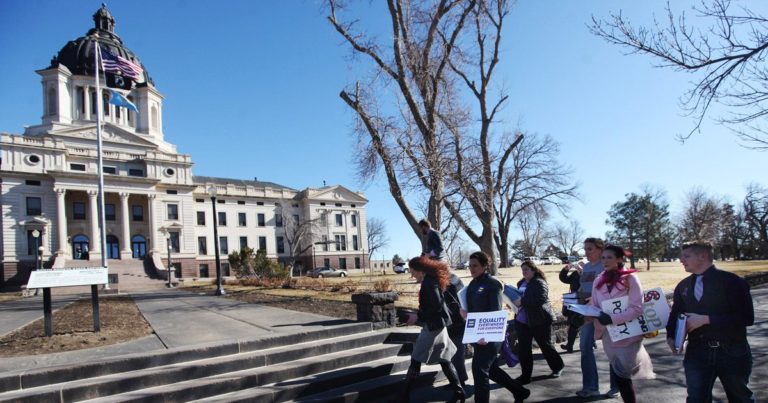
Pantene champions LGBTQ families in ad featuring trans child with lesbian parents – Metro Weekly

pantene, lgbtq, trans
Ellie, Sawyer, and Ashley — Photo: Pantene

Pantene has released an ad celebrating the relationship between a transgender girl and her lesbian moms.

In the two-minute commercial, Sawyer, a transgender girl, and her two moms, Ashley and Ellie, celebrate their family motto, “Everybody loves everybody, no matter what path you follow.”

The family dynamic between Sawyer and her proud moms is the core of the ad, which is one of a number of recent ads aimed at providing positive representation of the LGBTQ community.


Sawyer’s mom Ashley also talks about the importance of her daughter’s hair to her transition.

“Once she told us that she identified as a girl, she immediately wanted to grow her hair out,” she says in the ad.

“I remember the first time she was out in the community wearing the clothing she wanted and her hair,” Ashley continues. “And she kind of was herself. And that was the first day where I saw her.”

Pantene prefaced the ad with a heartfelt message posted to Twitter, writing, “Hair is a large part of our identity. And for LGBTQ+ youth like Sawyer, who choose to express themselves, their style, and their creativity through their hair style, it can help them feel seen.”

Growing her hair out made Sawyer “feel good and confident, and it made my insides match my outsides.”

In spite of the ad’s inspiring message, it was met with a significant amount of transphobic hate from Twitter users.

Many hurtful comments were aimed directly at the family featured in the ad, which led Pantene to condemn the transphobic messages and issue a further statement of support for the LGBTQ community.

“Transphobia has no place in our world or on our feed,” they wrote.

Read More:

HRC video highlights absurdity of Republican anti-trans athlete bills

Five years after passing anti-trans “bathroom bill,” North Carolina lawmakers introduce anti-trans sports bill

Boulder shooting suspect had a history of anti-LGBTQ comments

Support Metro Weekly’s Journalism

These are challenging times for news organizations. And yet it’s crucial we stay active and provide vital resources and information to both our local readers and the world. So won’t you please take a moment and consider supporting Metro Weekly with a membership? For as little as $5 a month, you can help ensure Metro Weekly magazine and MetroWeekly.com remain free, viable resources as we provide the best, most diverse, culturally-resonant LGBTQ coverage in both the D.C. region and around the world. Memberships come with exclusive perks and discounts, your own personal digital delivery of each week’s magazine (and an archive), access to our Member’s Lounge when it launches this fall, and exclusive members-only items like Metro Weekly Membership Mugs and Tote Bags! Check out all our membership levels here and please join us today!