Calling the legislation “political pandering,” the executive director of a leading LGBT organization on Tuesday slammed legislative attempts to ban transgender youth from organized sports as bad for kids and the larger economy of the state, including college sports.
“Simply put: lawmakers in Florida are putting the state’s economy at risk right alongside the health and well being of transgender kids in a move that puts political pandering ahead of the welfare of children,” said Equality Florida Executive Director Nadine Smith.
Many on the right have agitated in recent years against transgender youth in sports, specifically girls’ and women’s athletics. Smith notes that this position will not play well with the nation’s leading sanctioning organization for college sports.
“Bills that fly in the face of inclusion and empowerment for all young people are bound to draw the ire of organizations committed to encouraging equitable participation – organizations like the NCAA,” Smith warned, citing legislation that abridged rights to equal accommodations.
“Their boycott of championships in North Carolina following the disastrous ‘bathroom bill’ torched the state’s economy and marred its reputation. The trans sports bans moving through the Florida legislature now are senselessly tempting a similar fate. Lawmakers would do well to heed the warnings from North Carolina and stop this legislation in its tracks,” Smith urged.
The media release notes the NCAA sees these bills as “damaging to transgender athletes.” Legislation elsewhere attempting to ban transgender athletes has met with federal roadblocks. And even the Republican Governors of Utah and South Dakota rejected such bills.
Despite these concerns, the legislation continues to move toward full floor votes in the House and the Senate.
Rep. KayleeTuck‘s version of the legislation (HB 1475) has one committee stop left, the Education and Employment committee.
Sen. Kelli Stargel‘s version of the bill (SB 2012) will be taken up by the Health Policy Committee on Wednesday. From there, the legislation would advance to Rules, and then potentially to the full Senate.
Catholics are divided along party lines on whether Biden should be allowed to receive Communion
Shadowed by security detail, Joe Biden leaves St. Joseph on the Brandywine Roman Catholic Church, his home church in Wilmington, Delaware, on Jan. 9, 2021. (Chip Somodevilla/Getty Images)
How we did this
Joe Biden is just the second Catholic president in U.S. history, after John F. Kennedy. Most U.S. adults know that Biden is Catholic, including majorities within both major political parties, according to a new Pew Research Center survey.
But partisan similarities in views about Biden’s religion end there. Republicans and Democrats have vastly different views about how religious Biden is and whether he talks about his religious faith too much, too little or the right amount. This political divide extends even to Biden’s fellow Catholics, who are deeply split along party lines over whether Biden’s views about abortion should disqualify him from receiving Communion.
Overall, roughly six-in-ten U.S. adults – including 63% of Democrats and independents who lean toward the Democratic Party, along with a slightly smaller majority of Republicans and Republican leaners (55%) – say Joe Biden is Catholic. Most of the remainder say they are not sure what Biden’s religion is, while about one-in-ten say that Biden practices a religion other than Catholicism or that he is not religious. A small handful of Republicans volunteer that Biden is a “fake Catholic” or a “Catholic in name only,” or offer other insulting comments.
While majorities in both parties know that Biden is Catholic, they disagree profoundly about the role of religion in his private and public life. Nearly nine-in-ten Democrats say that Biden is at least “somewhat” religious, including 45% who say they think he is a “very” religious person. By contrast, almost two-thirds of people who identify with or lean toward the GOP (63%) say that Biden is “not too” or “not at all” religious.
On the whole, the share of Americans who say Biden is a “very” or “somewhat” religious person has risen from 55% in February 2020 to 64% today. Over that period, there has been a particularly pronounced increase in the share of Americans who say Biden is “very” religious (from 9% in February 2020 to 27% today). But virtually all of this increase has happened among Democrats; among members of Biden’s own party, 13% described him as very religious early last year, compared with 45% today.
While eight-in-ten Democrats (79%) say Joe Biden mentions his religious faith and prayer about the right amount, fewer than half of Republicans (42%) agree.
Even among Biden’s fellow Catholics, partisanship permeates views of Biden’s religion. Nine-in-ten Democratic and Democratic-leaning Catholics say they think Biden is at least somewhat religious, including half who say he is “very” religious. Among Republican and Republican-leaning Catholics, by contrast, a 56% majority say Biden is “not too” or “not at all” religious. And while eight-in-ten Catholic Democrats say they think Biden discusses his faith “about the right amount,” barely half as many Catholic Republicans say the same (42%).
The survey finds, furthermore, that a slim majority of Catholic Republicans (55%) think that Biden’s views about abortion should disqualify him from receiving Communion in the Catholic Church. But nearly nine-in-ten Catholic Democrats (87%) come down on the other side of this question, saying that Biden should be allowed to receive the Eucharist. Biden has said that he wants to make Roe v. Wade, the landmark 1973 Supreme Court decision that established a woman’s right to an abortion nationwide, the “law of the land,” among other policy changes. As a result, some Catholic clergy have called for Biden to be denied Communion, and U.S. bishops may produce a document on the issue.
These are among the key findings of a new Pew Research Center survey conducted March 1-7, 2021, among 12,055 U.S. adults (including 2,492 Catholics) on the Center’s online, nationally representative American Trends Panel. More information on how the survey was conducted is available in the methodology.
In addition to asking about whether Biden should be allowed to receive Communion, the survey also asked Catholics whether, in general, Catholic politicians who disagree with the church’s teachings about a variety of issues should be allowed to go to Communion.
Overall, three-in-ten Catholics say that Catholic political figures who disagree with church teaching about abortion should be barred from Communion. But fewer say this should be the case for those who disagree with the church over homosexuality (19%) or the death penalty (18%), and just one-in-ten say Catholic politicians who disagree with the church’s teachings on immigration should be disqualified from receiving the Eucharist.
There are big partisan differences over whether politicians’ views about abortion and homosexuality should make them ineligible for Communion. (Both of these are issues on which Catholic teaching might be described as “conservative” in the context of American politics.) Roughly half of Catholic Republicans (49%) say politicians who support legal abortion should not be able to receive the sacrament; just 15% of Catholic Democrats agree. And there is a partisan gap of 18 percentage points on the question about homosexuality: 30% of Catholic Republicans say politicians should be barred from Communion if they disagree with the church about homosexuality, compared with just 12% of Catholic Democrats who say the same.
On the other two issues raised in the survey – the death penalty and immigration, where Catholic teaching might best be described as “liberal” within the U.S. political context – there are no such partisan differences. Large majorities of Catholics in both parties say that Catholic politicians who disagree with the church about these issues should be able to present themselves for Communion.
Combining these questions shows that seven-in-ten Catholic Democrats don’t think disagreeing with the church about any of the four issues raised by the survey should disqualify Catholic politicians from receiving Communion.
By contrast, most Republicans say they think it should be disqualifying if a Catholic politician disagrees with the church on at least one of these issues. This includes 18% of Catholic Republicans who think abortion is the sole issue of those presented by the survey that should be a litmus test for receiving Communion, along with 17% of Republicans who name both abortion and one other issue (usually homosexuality). An additional 14% of Catholic Republicans say that three or four of these issues should be grounds for disqualifying Catholic politicians from receiving Communion in the event of a disagreement with the church.
Most U.S. adults do not know Vice President Harris’ religion
The public is less familiar with Vice President Kamala Harris’ religious identity than with Biden’s, and fewer people say they think Harris is a religious person than say the same about Biden. Two-thirds of U.S. adults say they are not sure what Harris’ religious identity is, while just 12% say that she is a Protestant (Harris identifies as Baptist).
About half of U.S. adults say they think Harris is a “very religious” (8%) or “somewhat religious” person (38%), while the other half say that she is “not too religious” (28%) or “not at all religious” (23%). Again, Democrats are far more likely than Republicans to see Harris as at least somewhat religious (69% vs. 19%), although equal shares in both parties say they do not know what Harris’ religion is (64% each).
The remainder of this report explores these and other findings in more detail.
Six-in-ten U.S. adults know Biden is Catholic
Two-thirds of U.S. Catholics, including three-quarters of White Catholics, know that Joe Biden shares their religious identity. Three-quarters of U.S. Jews also know that Biden is Catholic, as do two-thirds of self-described atheists and agnostics. Among Black Protestants and those who describe their religion as “nothing in particular,” roughly half or fewer are able to identify Biden’s religion.
Americans are far less familiar with Kamala Harris’ religion than with Biden’s. Overall, about two-thirds of U.S. adults (65%) say they are not sure what the vice president’s religion is. One-in-eight (12%) correctly describe Harris as Protestant, while 3% say she is Hindu. Harris’ mother was from India and her father was from Jamaica, and “she was raised on Hinduism and Christianity,” according to Religion News Service.
Majorities across a wide variety of religious groups say they are not sure what Harris’ religion is. Jews, Black Protestants and self-described atheists and agnostics are able to correctly identify Harris’ religion at slightly higher rates than those in some other religious groups. Still, even among these most knowledgeable groups, only about one-in-five know that Harris is Protestant.
While Democrats and Republicans are equally likely to say they don’t know what Harris’ religion is, there are differences among those who do give a response. Democrats are more likely to say that Harris is Protestant (18% vs. 7%), while Republicans are more inclined to say that she does not have a religion (15% vs. 3%).
Nearly two-thirds of U.S. adults say Biden is at least somewhat religious; fewer say the same about Harris
Across a variety of religious groups, sizable majorities say they think Biden is at least somewhat religious, ranging from 60% of White Protestants who are not evangelical to 87% among Black Protestants. There is just one exception to this pattern: Only one-third of White evangelical Protestants (35%) say they think Biden is a religious person, while almost two-thirds (63%) say he is “not too” or “not at all” religious.
Fewer people in most religious groups say they think Harris is a “very” or “somewhat” religious person. Here again, the view that Harris is a religious person is most common among Black Protestants (78%) and least common among White evangelical Protestants (20%).
These differences among religious groups are in line with patterns of partisanship: Black Protestants are among the most strongly and consistently Democratic constituencies in U.S. politics, while White evangelical Protestants are among the most reliably Republican groups.
The survey also asked respondents about how religious they think former President Donald Trump is, with overall results similar to early 2020. Today, 32% of U.S. adults say Trump is “very” or “somewhat” religious, while 67% say he is “not too” or “not at all” religious. In February 2020, 35% said Trump was at least somewhat religious and 63% said he was not too or not at all religious.
Six-in-ten say Biden talks about his faith ‘about the right amount’
Six-in-ten U.S. adults say they think Biden mentions his religious faith and prayer “about the right amount,” while the remainder are divided as to whether he discusses his faith “too much” (14%) or “too little” (21%).
Majorities of people in nearly every religious group analyzed express the view that Biden discusses his religion the appropriate amount, topping out at 78% among Black Protestants. White evangelicals are the only group in which fewer than half of respondents say Biden discusses his faith “about the right amount” (41%); a similar share (39%) say Biden doesn’t talk about his faith enough.
Respondents who identify as atheist or agnostic are more likely than other Americans to say Biden discusses his faith too much (28%), but still, two-thirds in this group say Biden talks about religion the right amount (68%).
Four-in-ten weekly Mass attenders say Biden, other politicians who disagree with the Catholic Church about abortion should not be allowed to go to Communion
U.S. Catholics who attend Mass at least once a week are considerably more likely than those who attend Mass less often to say that politicians who disagree with the church’s position on abortion should be ineligible for Communion (42% vs. 24%). Weekly churchgoers also are more inclined than other Catholics to say disagreements over homosexuality and the death penalty are cause for barring politicians from the Eucharist. But there are no differences among Catholics based on frequency of church attendance when it comes to whether politicians who disagree with the church about immigration should be able to receive Communion.
Catholics ages 50 and older are a bit more likely than younger Catholics to say politicians who support abortion rights should be ineligible for Communion, while younger Catholics are slightly more likely than their elders to say a politician who disagrees with church teachings about capital punishment or immigration should be disqualified from Communion.
More specifically, four-in-ten Catholics who attend Mass at least once a week say that Biden’s views about abortion should disqualify him from receiving the Eucharist – 15 points higher than the share who say this among those who attend Mass less often. White Catholics and those 50 and older are somewhat more inclined than Hispanic Catholics and those under 50 to say Biden should not be allowed to go to Communion.
Boycott Delta trends after statements on controversial Georgia voter law
Advertiser Disclosure
Many of the credit card offers that appear on the website are from credit card companies from which ThePointsGuy.com receives compensation. This compensation may impact how and where products appear on this site (including, for example, the order in which they appear). This site does not include all credit card companies or all available credit card offers. Please view our advertising policy page for more information.
Editorial Note: Opinions expressed here are the author’s alone, not those of any bank, credit card issuer, airlines or hotel chain, and have not been reviewed, approved or otherwise endorsed by any of these entities.
Celebrate your marriage and get on track with the tax tips that gay couples need today.
NurPhoto via Getty Images
Two of our good friends just got married, and of course, they asked me what this meant for their taxes as a gay couple. While I am a huge fan of marriage equality, I don’t love all the marriage penalties in our tax code. Many of these penalties are especially onerous for high-earning gay couples.
The Internal Revenue Service (IRS) has pushed back the tax deadline for 2021; please don’t wait until 11:47 p.m. on May 17th to ask for a referral to an amazing tax expert. When you do, you put yourself at risk of getting shocked by a surprisingly high bill. This also increases your odds of missing out on strategies to lower your taxes owed, greatly increasing the odds of a mistake being made on your tax returns. Trust me, paying more taxes than you owe or racking up interest and penalties is nobody’s idea of a gay old time.
From my household to yours, here are a few things you should do now to be tax-wise this season and beyond.
Schedule a financial date night with you partner or spouse to get on the same page financially for … [+] your fabulous gay financial goals.
getty
Get on The Same Page Financially
Marriage equality has forced LGBTQ married couples to discuss finances at least once per year. You could call this a weird wedding gift from the IRS. Back when same-sex marriage was banned, I knew many couples who did not talk about money beyond how to split the shared bills like a mortgage or cable.
To pay the least amount of taxes over time, gay couples must function as a team. To do this, LGBTQ couples must talk about money, talk openly about money, and talk often about money. Talking about money and taxes may not be fun, but let me tell you, large tax bills are not fun either.
MORE FOR YOU
Filing taxes is stressful and a significant pain in the butt, regardless of your sexual orientation. But when it comes to tax liabilities for same-sex couples, ignorance is most definitely not bliss. Having the money talk or going on a financial date night is much better than a surprise tax bill come tax season. (Taxes are now due May 17th, 2021, for 2020.)
Schedule some time with your significant other to sit down uninterrupted and share your favorite cocktail or a nice bottle of wine (maybe two, depending on how serious this conversation may get). Discuss your short and long-term financial goals. Take a look at where you are financially today, both as individuals and as a couple. Perhaps you want to plan to retire early and fabulously?
As it is tax season, gather your tax documents and make an appointment with your wonderful CPA, or schedule a session to suffer through your own do-it-yourself TurboTax data entry. And if the dog did happen to eat some of your tax forms (I know, I know, it happens), don’t ignore it until May 17th. Do what you need to do to get copies now. Hopefully, you are working with a fabulous gay financial planner who has helped you through the year with some proactive tax planning, so you won’t get any nasty surprises when filing your taxes.
The ‘Marriage Penalty’ Is Rough for Many Gay Couples
As a happily married gay man, I can tell you that the marriage penalty can be rough for high-earning LGBT couples. Much of the tax code is designed to benefit a nuclear family, where one spouse stays home and raises multiple children. Yes, I am aware many same-sex couples have children, but parenting is still less common in the gay community.
Gay Marriage Penalty Tax Brackets
Double incomes and no kids can be tax nightmares, especially for those who earn a salary. A single person would enter the highest federal tax bracket (37% in 2021) at an income of $518,401. In contrast, a married couple enters that tax bracket at $622,051 of income. Depending on how your income is split, most gay high-earning couples will pay more federal income taxes as married versus single.
Most gay high-earning couples will pay more federal income taxes as married versus single.
Getty
Gay Marriage Penalty for Real Estate
Many real estate tax breaks are the same whether you are married or single. The mortgage deduction is $750,000, whether you are single or married. As a financial planner who resides in Los Angeles and Palm Springs, I’ll tell you this is a big deal for many of my clients who are gay couples.
The good news is there is not a marriage penalty when you sell your home. You can exclude $250,000 of gains, if you are single, and $500,000 of gains as a married couple. With many gay couples living in expensive parts of town, this benefit can be a huge tax saver.
One of the worst provisions for LGBT couples in the 2017 Tax Cuts and Jobs Act (TCJA) is the $10,000 state and local tax (SALT) cap. This cap is the same whether you are married or single. So essentially, a married couple will have half the SALT cap that two single people would have.
Now that you’re a married couple, some tax deductions may now make sense that didn’t work in the past. On the flip side, much of your income may end up in higher tax brackets when your income is combined. Your new higher combined income levels may also eliminate some tax deductions you were previously eligible for.
Save For the Future Together
Do you dream of being financially independent? Is paying less in taxes appealing to you? Would you like to retire comfortably or, perhaps, retire early? If you are answered yes to any (or all) of these questions, saving for retirement is a must. The money either of you contributes to a 401(k) or an IRA is excluded from your taxable income, helping you reduce your overall tax bill each year. Plan these contributions together. If one spouse makes substantially more than the other, it may make sense to help the lower-earning spouse contribute more to his or her retirement accounts. In some cases, one husband may contribute nearly 100% of his income to a retirement account. This is done to lower the overall household income.
I’m sure you’d rather write a check to yourself than the IRS. You have until tax time to fully fund an IRA or Roth IRA if you qualify for 2020. That can be another $6,000 deduction, each, $12,000 for you as a couple, or $7,000/$14,000 for those gay couples who are 50 years of age or older. If one spouse does not work, gay couples can now also take advantage of a spousal IRA, further lowering their tax bills.
For those who are self-employed or business owners, you can still open and fund a SEP-IRA for 2020. This could allow contributions as large as $57,000, each, for 2020. Looking forward to 2021 and beyond, those making $280,000 or more should look at combining a 401(k) plan with a Cash Balance Pension Plan. This could allow you to shelter hundreds of thousands of dollars from taxation each year.
Want to improve your investment returns without having to take on any more investment risk? Look for tax savings within your portfolio. Ask your gay financial planner if there are any tax-saving opportunities in your nonretirement accounts. If that person is old school and doesn’t do tax-loss harvesting, it may be time to leave your stockbroker (probably calling themselves a “financial advisor) and start working with a fabulous financial planner. This fabulous financial planner should at have the CFP® marks (Certified Financial Planner™),
Tax-loss harvesting can reduce your taxable income by $3,000, per year, or more if you are offsetting other realized short-term capital gains. Over the long term, it is estimated that proactive tax-loss harvesting can potentially add 1.75-2%, per year, (on average) to your net investment returns. Sprucing your returns can help make reaching your financial goals easier. Also, investing together may help reduce fees and costs associated with investing.
LOS ANGELES, CA – MAY 26: Trainer Cara Castronuova (C) joins David Rae the Fun FInancial Planner … [+] and other riders for The AIDS lifecycle which kicks off in San Francisco to Los Angeles, California. (Photo by Tommaso Boddi/Getty Images)
Getty Images
Get Tax Savings for Your Gay Philanthropy
Did you make a spring-cleaning donation to Out of Closet? You’ve done some good and now, you may get a nice tax deduction as longas you received a receipt at the donation site. When donating cash, use a check or credit card to ensure you have easy proof of your generosity in case the IRS questions your contributions. You may be surprised how all those donations to the AIDS/LifeCycle and other charities add up. As they add up, they can mean substantial tax savings. Speaking of the AIDS/LifeCycle (7x rider here), you can also get a tax deduction for your expenses incurred volunteering or fundraising.
In a typical year, taxpayers would need to itemize to get a deduction for donations to charity. In 2020 and 2021, you can donate $300, each, to charity and get a tax break even if you take the standard deduction.
A couple that files taxes together is married. Whether gay, straight, or otherwise, tax time is not sexy time. But making smart money moves and minimizing your tax liability could mean you get to take that next exotic vacation sooner.
The Ohio University LGBT Center is hosting renowned disability justice advocate, attorney, speaker, writer, and organizer Lydia X. Z. Brown on Wednesday, April 7, from 6-7:30 p.m. EST, for a talk titled “Weaving Crip, Mad, Queer, Trans Dreams: Disability Justice for Our Classrooms, Our Futures, and Our Freedom.”
The event is co-sponsored by the OHIO Women’s Center and The Gladys W. and David H. Patton College of Education. OHIO students, faculty, staff, and alumni are invited to learn more about the event and register at https://bit.ly/LydiaBrown-OHIO. ASL interpretation will be available.
Brown’s talk will share insights, context, and perspectives on how disability justice can help find ways to reimagine our relationships with ourselves, each other, and the communities where we live, teach, work, and learn. According to Brown, “Designing and teaching for justice and freedom challenges us to incorporate multimodality, flexibility, relational access, and interdependence into our pedagogies, communities, and movements.”
“We are thrilled to welcome Lydia X. Z. Brown to Ohio University,” said Dr. Jan Huebenthal, Assistant Director of the LGBT Center. “Radical inclusion in higher education has only become more urgent in times of COVID-19. Over the past year, we have all found new ways to support our students and create new and accessible educational spaces. Research tells us that LGBTQ+ people are statistically more likely to have a disability than other groups, so this conversation is both timely and relevant for queer and trans audiences.”
Dr. Mona Robinson, professor and program coordinator for Patton College’s Counselor Education program and Human Services program, emphasizes that educators must “not only be culturally competent in working with persons with multiple marginalized identities, but they must also be knowledgeable in navigating complex systems in order to assist those with disabilities in order to effectively disrupt those systems that discriminate against people from diverse backgrounds.”
Robinson, who served as accessibility coordinator for the Association for the Multicultural Counseling and Development 2019 Summit, added, “People with disabilities (PWD) constitute the largest minority group in the United States, and PWD is the only minority group comprised of all genders, races, age groups, socioeconomic levels, and religions.”
A key focus of Brown’s will be how ableism undergirds other forms of interpersonal violence.
“The Women’s Center collaborates across campus and community to provide large-scale programming that centers survivor voices, and we recognize that people with disabilities are disproportionately impacted by interpersonal violence,” said Dr. Geneva Murray, Director of the Women’s Center. “This is true for so many of the topics that we address within the Women’s Center. We should be inclusive and accessible, and not just retroactively try to make a program accessible. It is crucial to us at the Women’s Center, and for everyone on campus and in our community, to participate in educational opportunities such as this that will challenge us to continue to be better.”
About Lydia X. Z. Brown Lydia X. Z. Brown is an advocate, organizer, attorney, strategist, and writer whose work focuses on interpersonal and state violence against disabled people at the intersections of race, class, gender, sexuality, faith, language, and nation. They are adjunct lecturer and core faculty in Georgetown’s Disability Studies Program, and adjunct professorial lecturer in American University’s Department of Critical Race, Gender, and Culture Studies. Previously, they taught as a visiting lecturer at Tufts University. Lydia founded the Fund for Community Reparations for Autistic People of Color’s Interdependence, Survival, and Empowerment; co-edited All the Weight of Our Dreams: On Living Racialized Autism; and is creating Disability Justice Wisdom Tarot. Often, their most important work has no title, job description, or funding, and probably never will.
A Texas state law prohibiting workplace discrimination outlaws discrimination based on sexual orientation and gender identity, in keeping with the U.S. Supreme Court’s Bostock decision (Tarrant County College District v. Sims, No. 05-20-00351 (Court of Appeals Fifth District of Texas at Dallas, March 10, 2021)).
A former Tarrant County College employee sued her employer alleging that she was subjected to workplace discrimination after she revealed to a supervisor that she is gay.
The appeals court noted that the Texas Commission on Human Rights Act was enacted to address discrimination and retaliation in the workplace as well as to coordinate and conform with Title VII of the Civil Rights Act of 1964, a federal law. The appellate court also explained that the trial court had decided the case four months before the Supreme Court ruled that Title VII forbids bias based on sexual orientation or gender identity. The appeals court concluded that, in order to reconcile the TCHRA with federal law, the TCHRA’s prohibition on discrimination because of sex must include a prohibition bias based on sexual orientation and gender identity.
Dive Insight:
The Supreme Court held in June 2020 in Bostock v. Clayton County, Georgia that Title VII’s prohibition on discrimination because of sex forbids an employer from engaging in workplace discrimination against sexual orientation and gender identity, even if those attributes are not explicitly mentioned in Title VII’s statutory language, said Juan Hernandez, an attorney with Baker Donelson.
The High Court’s landmark decision cleared up confusion in the federal appellate courts where about half of the courts had held that Title VII protections didn’t apply to the gay and transgender community and the other half had ruled that it did. In addition, many states and some of the local jurisdictions also had rules on the books forbidding such bias. The end result was, as many described it, a messy patchwork of laws.
The Sims decision provides state-level protections for Texas LGBTQ workers, Hernandez wrote in a blog post for the firm. “Employers should be mindful that courts in other states could follow the Bostock ruling in interpreting state anti-discrimination laws if they have not done so already,” Hernandez said. Texas was one of 27 states with no statewide employment non-discrimination laws protecting LGBTQ workers before this ruling, according to the Human Rights Campaign.
“Employers need to ensure their policies include protections consistent with these decisions. Employers need to also take the same steps required to maintain a workplace free of discrimination and harassment based on an employee’s LGBTQ status,” Hernandez suggested.
Xiaomi’s latest fitness band, the Mi Band 6, is doing its best to overcome its condition. In fact, I’d say the band is very close to emulating a smartwatch – starting with the big display.
For those of you who’ve seen, tried, or owned a Band 5, the increase in display size is going to be obvious. In fact, Xiaomi has made the screen 50% bigger, coming at 1.56-inches (with 60+ band faces). It’s almost as big as that of a smartwatch and with the brains to back it up!
Mi Band 6 now offers 30 fitness modes, with 6 of those being detected automatically by the wearable. It has plenty of sensors to monitor your health and hobbies, starting from an Sp02 sensor and ending with a PPG heart rate sensor, a 3-axis accelerometer, and a 3-axis gyroscope sensor.
The tech enabled Mi Band 6 to also track your sleep, and stress levels. You can also count on female health stats and idle alerts, along with a camera remote shutter function.
The band has 5ATM of water resistance and lasts more than your average smartwatch. You can count on 14 days battery and just a 2-hours long recharging process.
Interested? Then you should know the fitness band sells for €44.99 in Europe and comes in six band colors: Black, Orange, Yellow, Olive, Ivory, and Blue. Plus, Mi Band 6 will also be available as an NFC-capable band.
Subscribe to our website and stay in touch with the latest news in technology.
Thank You For Subscribing!
You will soon receive relevant content about the latest innovations in tech.
Subscribe error!
There was an error trying to subscribe to the newsletter. Please try again later.
Mi Band 6: A Fitness Band That Wants to Be a Smartwatch
Gay-hate crimes in Victoria have seen a sharp and worrying upturn in the past two years.
Data from the Crime Statistics Agency revealed that in 2020 around 148 offences were registered with the modus operandi code classifying it as “Prejudicially Motivated Crimes – Sexual Orientation”. More than half of the offences were registered during the state’s COVID-19 lockdown. In 2019, there were 121 offences in this category.
The data was obtained by the Victorian Pride Lobby, which said that the law needs to take into account that the crime was motivated by hate when sentencing the accused.
Anti-Vilification Laws Should Cover Gay-Hate Crimes
Advertisement
Earlier this month, the the Legal and Social Issues Committee had tabled its inquiry report before the Victorian Parliament, that among its other recommendations had sought strengthening the state’s anti-vilification laws to cover hate crimes against LGBTQI and other communities.
“To still see an increase throughout 2020 is both interesting and concerning to us, though there is definitely an issue of under-reporting and poor data collection. It is also concerning to us that there has been, as far as we know, only two cases where homophobia has been taken into account in sentencing,” said Nevena Spirovska, co-convenor VPL.
“There is a need for Victoria Police to improve its data collection on prejudice-motivated crime and to include prejudice motivation in sentencing submissions. The Government must also urgently enact laws to protect LGBTIQA+ Victorians from hate-based conduct, as recommended by the parliamentary inquiry into anti-vilification protections,” added Spirovska.
The data of the crimes that have been motivated by prejudice on account of the victim’ sexual orientation have seen an increase from 2004 to 2020.
Source: Crime Statistics Agency
Gay-Hate Crimes Recorded During Lockdown
Between 2004 and 2013, the number of such offences remained below 50, except for 2006 when it shot up to 58. The low numbers could be attributed to low reporting or recording of such crimes.
In 2014, the number of such offences climbed to 102, before dropping the next year to 87. Anti-gay hate crime offences then maintained its upward trajectory from 2016 onwards (160), except for 2018 when it fell to 79. For the other years, the annual number of gay-hate offences were 102 (2017), 121 (2019), 148 (2020).
Advertisement
In 2020, when most of Victoria was under a strict lockdown, the numbers have seen an increase with around 101 of the 148 cases recorded in the April-June (26) and July-September (75) quarters.
Star Observer reached out to the Victoria Police, which said that it takes LGBTQI hate crimes seriously.
“Every Victorian has the right to feel safe and secure in the community. Any acts of vilification based on an individual’s sexual identity has no place in our society, and Victoria Police takes these incidents very seriously,” said a Victoria Police spokesperson in a statement provided to Star Observer.
“We understand the impact that these incidents can have on individuals. They can leave our communities feeling vulnerable, threatened and isolated.”
Report Gay-Hate Crimes
The police saw the increase in numbers as partially due to LGBTQI community’s confidence in reporting such crimes, which have traditionally been under-reported to the authorities.
“While we are seeing figures increase partly because of the community’s increased confidence to report to police, we acknowledge that a number of these crimes are under-reported.”
The increase of such crimes in the lockdown year pointed to the fact that anti-gay hate crimes do not just occur in outside settings, but technology has enabled many homophobes to target victims using online resources.
“The emergence of technology and apps, as well as the fact many more people used these platforms last year due to the restrictions associated with the Covid-19 pandemic has also provided more opportunity for predatory offenders to target people based on their sexual identity,” said the spokesperson.
Victoria Police has urged anyone who experiences or witnesses crimes against LGBTQI communities to report them to the police.
“Police will closely work with the victim to determine if the crime is prejudicially motivated. Recording this information helps police identify trends and prevent further incidents from occurring. Collecting this information assists in gathering knowledge about prejudice motivated crime that may require a broader policing response in the community. If you believe the crime was prejudice motivated, make sure to let the police know,” the spokesperson added.
If you feel distressed reading the story, you can reach out to support services.
For 24 hour crisis support and suicide prevention call Lifeline on 13 11 14
For Australia-wide LGBTQI peer support call QLife on 1800 184 527 or webchat.
EXCLUSIVE:OUTtv Media Group (OMG) is partnering with Producer Entertainment Group (PEG), to launch OUTtv USA, an SVOD service dedicated to premium LGBTQ+ content. OUTtv marks the first LGBTQ+ Apple TV channel and is now available on the Apple TV app.
OUTtv debuts today and is available for a seven-day trial on the Apple TV app. Subscriptions will be $2.99 per month. OUTtv is expected to launch across other marquee SVOD platforms later this year.
“We are delighted to deepen and evolve our relationship with PEG further by bringing OUTtv to America”, said Brad Danks, CEO, OUTtv Media Group. The real potential and impact will come from the groundbreaking LGBTQ+ content that we will develop, produce and distribute together.”
Related Story
New Hollywood Podcast: Ziwe Brings Comfort And Humor To Uncomfortable Conversations With New Showtime Series
“Demand for premium, authentic queer content is at an all time high, said Jacob Slane, Partner, Producer Entertainment Group. “We’re proud to join OMG to bring their long standing history of serving the LGBTQ+ community with programming that’s both entertaining and inspiring to the U.S. market. Our door is now open to creatives with diverse, high-quality concepts and leading-edge talent. We look forward to bringing the next wave of inclusive content to our viewers.”
Jacob Slane will serve as senior domestic executive overseeing the venture from Producer Entertainment Group’s headquarters in Burbank, CA. At launch, the library includes over 75 titles and 2,000 hours of content. Additional original series and library titles will be announced in the coming months.
Check out OUTtv USA’s programming slate below — which includes a lot of familiar faces from the RuPaul’s Drag Race universe.
From Katya with Love – The eight-episode unscripted dating series follows everyone’s favorite bi-sexual Russian drag hooker, Katya, as she looks for love among a diverse group of singles.
The Sherry Vine Show – Drag legend Sherry Vine fronts a modern, gay sketch comedy series that only her twisted mind could produce. One part Carol Burnett and the other John Waters, The Sherry Vine Show will include six 30-minute episodes and feature guest stars Bianca Del Rio, Bob the Drag Queen, Candis Cayne, Jackie Beat, Varla Jean Merman, Nadya Ginsburg and Mario Diaz.
Translation– The first talk show on a major network hosted by an all-trans cast, the series is fronted by Peppermint, Carmen Carrera, Jiggly Caliente and Sonique. Join these powerful women as they speak truth on topics of love, sex, dating and more. Season One is currently available on OUTtv Canada and Amazon Prime in the US. Season two will be available exclusively on OUTtv USA.
Nubia – A supergroup of drag entertainers including BeBe Zahara Benet, Bob the Drag Queen, Monique Heart, Peppermint and Shea Coulee, Nubia was formed to amplify and uplift Black drag voices. After a sold-out run of live shows in New York last year, the group released a one-hour standalone TV special as a partial response to and exploration of percolating race issues in America. OUTtv has committed to funding a live concert special and additional talk specials to come.
The Alaska Thunderf**k Extra Special Comedy Special – Star of stage and screen Alaska Thunderf**k is proud to present The Alaska Thunderf**k Extra Special Comedy Special. Featuring some of Alaska’s greatest musical hits, exciting special guests, and a series of comedic jokes, join Alaska for a one-night-only engagement filmed in pre-pandemic Hollywood, California. But in a rapidly changing world, does the comedy go too far? Are the jokes too risqué? Is the glamour too glamourous? Premiere date is April 15.
Cam Boy – The new scripted series, which includes eight 30-minute episodes is created by award-winning writer and director Thom Fitzgerald (Sex and Violence, The Hanging Garden, Forgive Me). When Ashton finds himself left to his own devices with bills to pay while his boyfriend is in New York, he turns to camming to make ends meet.
Boy Boy Montreal– Boy Boy Montreal documents a contemporary portrait of gay pornography in Montreal, sharing insight into the industry through international actors, cult filmmakers and other specialists. The series includes ten 30-minute episodes.
Additionally, OUTtv has set a first-look development deal with Drag Race season 8 winner Bob the Drag Queen’s production company, Purse First Productions. As part of the deal, OUTtv will be producing a second season of his scripted digital series Besties.
HIV activists have been saying for years that investing in local communities could improve HIV outcomes for Black and Latino people for whom the current health care system isn’t working. New data from the Conference on Retroviruses and Opportunistic Infections (CROI) seem to support this.
Kashif Iqbal, MPH, of the Centers for Disease Control and Prevention (CDC), presented data from seven metropolitan statistical areas that received funding for the CDC’s THRIVE program, a five-year demonstration project that formed community collaboratives and provided funding for pre-exposure prophylaxis (PrEP) to community groups working with Black and Latino gay and bisexual men. These were communities without ready access to PrEP otherwise. They were Philadelphia; Baltimore; Washington, DC; Virginia Beach-Norfolk; Newport News, Virginia; New Orleans; New York City; and Birmingham, Alabama.
The funding paid for increased HIV testing, PrEP screening, counseling, education and navigation services, support for continuing to take PrEP if appropriate, and trainings for local health care providers on how to provide PrEP to clients. Plus, the collaborative of community-based groups, health departments and health care providers met regularly to assess needs and adjust.
Researchers then used National HIV Surveillance System data to compare HIV diagnosis rates between those seven jurisdictions receiving THRIVE funding and 12 others with similar demographics that didn’t receive this funding. The THRIVE-eligible but non-funded jurisdictions included Columbia, South Carolina; Atlanta; Orlando, Florida; Dallas; San Antonio; Phoenix; Miami; Puerto Rico; and Newark.
They found that 9,494 Black and 3,528 Latino gay and bi men received PrEP services in the THRIVE jurisdictions. Between 2014 and 2018, HIV diagnoses among Black same-gender-loving men were 4.2% lower in THRIVE jurisdictions than in THRIVE-eligible but unfunded jurisdictions.
Meanwhile, HIV diagnoses rose 1.7% among Latino gay and bi men in THRIVE-eligible but unfunded jurisdictions. But in areas where community groups and health departments worked together to get PrEP to Latino men, HIV diagnoses dropped by 2.7%.
Especially significant was the finding that Black men between ages 25 and 34 saw their HIV rates increase over those four years in jurisdictions not funded through THRIVE. But in THRIVE-funded jurisdictions, the rates decreased. There was a similar, statistically significant difference between HIV diagnoses among 35- to 44-year-old Latino gay and bi men.
But Iqbal cautioned that the results couldn’t necessarily be attributed to the community collaboration, noting that a lot of factors affect overall HIV diagnosis rates in a community. Notably, during this same time, New York City reached the UNAIDS 90-90-90 goals separate from the THRIVE funding. Still, he said, the program seems to have had some effect.
“One of the lessons learned in THRIVE was that health department–led collaborations with community-based organizations and clinical partners can improve the provision of HIV prevention services,” he said. “However, barriers still exist and highlight the need to better engage with the Hispanic community and the African-American community to identify better ways to engage these populations.”
A growing number of young people are identifying as part of the LGBTQ+ community, and many are challenging binaries in gender and sexual identity to reflect a broader spectrum of experience beyond man or woman and gay or straight. But not everyone is participating equally in these diverse forms of expression, according to new research from the University of California, Santa Cruz.
Psychology Professor Phillip Hammack’s latest paper, published in the Journal of Adolescent Research, is shedding light on the social factors that can either hinder or support expression of diversity in sexual and gender identity among teens and young adults.
“I think the language is finally evolving to represent the actual diversity of experience that exists,” Hammack said. “On the one hand, teens seem much more liberated and have a much more expansive vocabulary than previous generations, but you also still have these unresolved issues around things like masculinity. So that was the real shock to me.”
In particular, the paper found that regional differences and pressures to conform to masculinity may have a dampening effect on diversity of expression.
Identifying regional differences
Hammack’s research focused on teens between the ages of 14 and 18, who are among the younger members of Generation Z. Researchers wanted an in-depth understanding of these young people’s experiences, so they performed detailed research at a small number of field sites in the San Francisco Bay Area and California’s Central Valley.
These sites were selected to represent higher and lower levels of resources, rights, and visibility for sexual and gender diversity. Within these communities, researchers surveyed 314 LGBTQ+ teens and conducted extensive interviews with 28 LGBTQ+ youth informants and 24 adult LGBTQ+ leaders.
Almost a quarter of all LGBTQ+ youth surveyed expressed some form of nonbinary gender, and use of they/them pronouns was common. But there was a difference of more than 11 percentage points in the proportion of youth expressing nonbinary gender identity in the Bay Area compared to the Central Valley. Some study participants told researchers that, while they felt diverse sexuality is becoming more broadly normalized, gender diversity is still less accepted.
“It was hard to hear all of the difficulties that the participants were going through and challenges with not feeling safe being out or having access to the resources they needed,” said Julianne Atwood, a coauthor on the paper who conducted field interviews with Central Valley participants. “It’s tough being a queer person in a rural community, but it does get better.”
Researchers found that there was less open discussion of sexual diversity in Central Valley communities compared to the Bay Area, but in this case, there was no corresponding difference in diversity of sexuality labeling. Study participants often mentioned finding information through the internet and social media, rather than their geographic communities.
“Being online is kind of like the great equalizer for LGBTQ youth, and I think that benefits them all tremendously,” Hammack said.
The pressures of masculinity
Researchers also noticed that teens who were assigned female at birth seemed more comfortable with diverse forms of gender expression. Among teens in the study group who identified with a nonbinary gender label, 78.7 percent were assigned female at birth. There were also notably more transgender boys in the study than transgender girls.
During interviews, study participants consistently shared stories of how those who were assigned male at birth faced strong pressures to conform to standards of masculinity. Accounts of violence against transgender women of color were common in interviews, along with other fears that it might not be safe for those assigned male at birth to express nonconforming gender or sexual identities.
Hammack said he believes harmful “regulation of masculinity” may stem from feelings of insecurity among boys as gender hierarchies are being challenged. The paper’s documentation of these trends will be an important contribution to the future of LGBTQ+ research and support, said Stephen Russell, a prominent sociologist and professor at the University of Texas at Austin who served as a scientific advisor on the project.
“I know that I’ll cite this work for the way they link gender normativity and the pressures of masculinity for boys,” Russell said. “There are different imperatives and possibilities for young people if they are assigned female at birth or if they’re assigned male at birth, and this shows what that means for how they can understand themselves in the world.”
Reaching teens across labels
Ultimately, perceptions of gender and sexuality labels can affect which types of resources and support are most accessible for teens. For example, Hammack said that cisgender gay males in the research areas were noticeably missing from LGBTQ+ support groups, which may indicate that these spaces are being perceived as “feminine.”
Similarly, the study found that some identity labels are racialized in ways that may make boys of color less likely to identify with them. But targeted recruitment efforts could help LGBTQ+ support groups for teens to better reflect the true diversity of the community.
Hammack hopes his research might offer a window into that diversity to create greater acceptance and recognition across all labels.
“I’ve actually been trying to shift my speech away from saying LGBTQ+, with that uncomfortable plus sign, because there are so many identities that are not captured within that label,” Hammack said. “I’ve been thinking about these issues instead as phenomena of sexual and gender diversity, and I’d like to see more researchers and educators recognizing those nuances within the community.”
Wide range of business and advocacy groups, athletes oppose anti-trans legislation
Earlier this month, more than 60 major U.S. corporations stood up and spoke out to oppose anti-transgender legislation being proposed in states across the country. New companies like Facebook, Pfizer, Altria, Peloton, and Dell join companies like Amazon, American Airlines, Apple, AT&T, AirBnB, Google, Hilton, IBM, IKEA, Microsoft, Nike, Paypal, Uber, and Verizon in objecting to these bills.
The nation’s leading child health and welfare groups representing more than 7 million youth-serving professionals and more than 1000 child welfare organizations released an open letter calling for lawmakers in states across the country to oppose dozens of bills that target LGBTQ people, and transgender children in particular.
A fight driven by national anti-LGBTQ groups, not local legislators or public concern
These bills come from the same forces that drove previous anti-equality fights by pushing copycat bills across state houses — dangerous, anti-LGBTQ organizations like the Heritage Foundation, Alliance Defending Freedom (designated by Southern Poverty Law Center as a hate group), and Eagle Forum among others.
For example, Montana’s HB 112, the first anti-transgender sports bill to be passed through a legislative chamber in any state, was worked on by the Alliance Defending Freedom.
Trans equality is popular: Anti-transgender legislation is a low priority, even among Trump voters
In a 10-swing-state poll conducted by the Human Rights Campaign & Hart Research Group last fall:
At least 60% of Trump voters across each of the 10 swing states say transgender people should be able to live freely and openly.
At least 87% of respondents across each of the 10 swing states say transgender people should have equal access to medical care, with many states breaking 90% support
When respondents were asked about how they prioritized the importance of banning transgender people from participating in sports as compared to other policy issues, the issue came in dead last, with between 1% and 3% prioritizing the issue.
Another more recent poll conducted by the Human Rights Campaign & Hart Research Group revealed that, with respect to transgender youth participation in sports, the public’s strong inclination is on the side of fairness and equality for transgender student athletes. 73% of voters agree that “sports are important in young people’s lives. Young transgender people should be allowed opportunities to participate in a way that is safe and comfortable for them.”
States that pass anti-transgender legislation suffer economic, legal, reputational harm
Analyses conducted in the aftermath of previous divisive anti-transgender bills across the country, like the bathroom bills introduced in Texas and North Carolina and an anti-transgender sports ban in Idaho, show that there would be or has been devastating fallout.
The Idaho anti-transgender sports bill that passedwas swiftly suspended by a federal district court. The National Collegiate Athletic Association (NCAA) came out against the Idaho bill and others like it and subsequently moved planned tournament games out of Idaho.
The Associated Press projected that the North Carolina bathroom bill could have cost the state $3.76 billion over 10 years.
During a fight over an anti-transgender bathroom bill in 2017, theTexas Association of Business estimated $8.5 billion in economic losses, risking 185,000 jobs in the process due to National Collegiate Athletic Association (NCAA) and professional sporting event cancellations, a ban on taxpayer funded travel to those states, cancellation of movie productions, and businesses moving projects out of state.
The Human Rights Campaign is America’s largest civil rights organizations working to achieve equality for lesbian, gay, bisexual, transgender and queer people. HRC envisions a world where LGBTQ people are embraced as full members of society at home, at work and in every community.
The Arkansas Senate passed a bill Monday that would ban access to gender-affirming care for transgender minors, including reversible puberty blockers and hormones.
The bill now heads to Gov. Asa Hutchinson, a Republican. Unless he vetoes it, Arkansas will become the first state to ban gender-affirming care for trans youth.
Chase Strangio, deputy director for transgender justice at the American Civil Liberties Union LGBT & HIV Project, called the bill “the single most extreme anti-trans law to ever pass through a state legislature.”
The bill is one of two types of legislation being considered in more than two dozen states: measures that ban or restrict access to gender-affirming care for trans minors, and those that ban trans young people from competing in school sports teams of their gender identity.
Governors in three states — Arkansas, Mississippi and Tennessee — have signed trans athlete bans into law.
In addition to Arkansas, Alabama and Tennessee are also advancing restrictions on gender-affirming care. Alabama’s Senate approved a bill that would make it a felony to provide care such as puberty blockers or hormones for trans minors, and a Tennessee House Committee also just advanced a similar measure that includes misdemeanor criminal penalties.
March 30, 202102:52
Strangio and trans people in Arkansas, Tennessee and Alabama are afraid of what the next week and months will look like as more states hear and pass anti-trans bills.
“I really worry about the fact that we’re just a few votes away from some of the most sweeping and damaging and potentially genocidal laws from ever being passed, and we barely have a mention of it in the bigger national conversation of what’s going on in this particular moment in U.S. history,” Strangio said.
Arkansas’ bill is already having an impact on trans people there, said Rumba Yambú, director of Intransitive, a group that supports trans people in the state.
“It’s one of the worst bills that they could have created,” said Yambú, who uses gender neutral pronouns.
Michele Hutchison, a pediatric doctor in Arkansas, testified in front of the state Senate last Monday, March 22, that just after the bill passed the House, there were “multiple kids in our emergency room because of an attempted suicide, just in the last week.”
Yambú said, “It’s just expected that if this passes, it will cost lives, and they don’t seem to care about that,” referring to the Arkansas legislators who support the bill. “It’s already difficult enough to survive here, when they’re not actively creating more laws to oppress us.”
Strangio said Alabama’s bill, which the state Senate passed this month, is the most extreme medical bill so far, because it would ban care for trans people up to 19 years old, and it includes felony penalties. It would also prevent public funds, such as Medicaid, from being used for transition-related care.
If either Arkansas or Alabama passes their bills, trans young people who are already receiving care will lose it, Strangio said. Zuriel Hooks, 18, a trans client of the Knights and Orchids Society, which supports trans people in Alabama, said she would be “devastated” if that happens.
“That’s something I would never want to happen,” she said. “I’ve come so far, I made a goal, and for that to be taken away from me is sad. This is something I want and need in my life to make me feel like me. I don’t want to see that taken away at all.”
Alabama’s bill would also require school personnel to “out” students and tell their parents if they say their gender or sex is inconsistent with their assigned sex at birth.
It’s a way of “scaring anyone who’s even questioning their gender from ever mentioning it,” said Nic, 32, who lives in Cedar Point, Alabama, and asked to go only by her first name because she’s not out as trans at work and fears repercussions.
“You’re actually threatening these kids’ entire livelihoods by forcing them to be out to family who may not be supportive,” Nic said.
A House committee in Tennessee passed a similar measure last week. The bill would make it a misdemeanor for doctors to provide gender-affirming care to children who haven’t yet reached puberty, and it would also require trans youth who have reached puberty to have at least two physicians and one child psychiatrist sign off on their treatment.
Ray Holloman, a trans man who lives outside of Nashville, said the bill would have a detrimental affect on trans youth, “because it’s already so difficult to find providers that can provide affirming care to youth.”
He added that gender-affirming care has been shown to save young people’s lives by reducing their risk for suicide and depression. “Ultimately, we have more trans youth living and thriving because of these things,” he said. “And now to see the state try to put all those restrictions back on to the providers and basically handcuffing them as to what they can and can’t do in the state, it’s going to harm the kids.”
Major medical organizations such as the American Academy of Pediatrics, the American Medical Association, the Endocrine Society and the American Psychiatric Association, among others, support gender-affirming care for trans youth and have opposed measures to limit it.
At a news conference Monday, Dr. Lee Savio Beers, president of the American Academy of Pediatrics, said, “The AAP recommends that youth who identify as transgender have access to comprehensive gender-affirming and developmentally appropriate health care provided in a safe and inclusive clinical space. The bill advancing through Arkansas Legislature not only ignores this recommendation but undermines it.”
Strangio said the consequences of all of the bills are the same: People are going to lose health care. “I don’t think I ever imagined a world where we would start ripping health care away from people, essentially forcing them to detransition by government coercion,” Strangio said.
Strangio added that the ACLU will sue if the bills pass or if other states pass similar measures.
Though Arkansas’ bill is heading to the governor’s desk, Yambú said at the news conference that Intransitive will not stop fighting the bill and others that come after it.
“We’ve been here before this legislative session, and we will be here for you after,” they said. “To every trans kid, know that it is a fact, it is a fact that you were born blessed. To be trans is a blessing, and it’s a blessing that scares people who are born without it.”
Not content to merely spur controversy and debate within the country music industry, Lil Nas X has jump-started the 21st century’s first foray into Satanic Panic by selling blood-infused Nikes.
Welcome!
It all started with the March 26 release of his latest music video, “Montero (Call Me by Your Name),” in which he cavorts erotically with various iterations of Satan, is stoned by a crowd throwing buttplugs, transforms a spear that’s been homoerotically aimed at him (à la St. Sebastian) into a stripper pole, and then slides all the way down the pole into hell before giving Satan a lap dance as an excuse to seduce him, murder him, and steal the crown of hell for himself in a win for bottoms everywhere.
Oh, and he does all of this while singing with a mix of joy and wryness about gay sex, the frustration of living a closeted life, the pain of loving someone who’s still in the closet — Lil Nas himself is openly gay — and the jealousy he feels toward straight people who get to live their lives without facing bigotry and oppression due to their sexuality. “You live in the dark, boy, I cannot pretend,” he sings. “I’m not fazed, only here to sin.” The song’s subtitle, “Call Me by Your Name,” also doubles as a refrain, in which he sings, “Call me by your name / tell me you love me in private” — another reference to the closet, as well as a reference to the acclaimed 2017 film about an illicit gay affair.
So you can see how the music video might be a little bit shocking — especially from the portion of the public that loves a good moral panic and believes queerness is a sin.
But Lil Nas X apparently wanted to ratchet up the potential for outrage just a bit further. So he partnered with a creative agency named MSCHF, a Brooklyn-based promoter with serious Zardulu energy that’s become known for a string of viral stunt promotions. In 2019, MSCHF released a viral pair of sneakers called “Jesus Shoes,” which claimed to contain a drop of holy water in every pair.
Together, Lil Nas X and MSCHF designed “Satan Shoes”: a limited edition of 666 pairs of custom Nike Airs in which the air bubble in the sole has been filled with a mixture of red ink and “one drop of human blood.” The shoes, which cost $1,018 per pair and went on sale at 11 am Monday, reportedly sold out in less than a minute (or should we say … soul’d out?) — although Nike has reportedly moved to sue MSCHF and block sales of the shoes, citing infringement.
Outside of sneaker culture, you wouldn’t typically expect a limited number of shoes being sold at a very high price to set the world on fire. After all, how much trouble could a few hundred pairs of shoes possibly cause? Yet in the three days since they were announced, all hell has broken loose. According to many outraged conservatives, in fact, these boots were made for pied-piping children directly into the fiery pit of eternal damnation.
The “Montero” music video, with its decadent queer eroticism, spurred an initial homophobic backlash as conservative viewers chided Lil Nas X for supposedly corrupting children. But if the video drew a wave of backlash, the video plus the Satan shoes drew a veritable tsunami.
The resultant controversy has spawned a series of endlessly entertaining moments — cascading dominos of devilish diversion, starting with the enjoyably campy video that began all of this hysteria:
And beyond the initial hilarity, the shoes have also prompted a broader discussion about bigotry, homophobia, the historical roots of Satanic Panic in the US, and whether all that much has really changed since Satanic Panic began in the 1980s.
A fight for the soles of the nation
The world found out about the Satan shoes from this tweet on March 26, which immediately went viral:
MSCHF x Lil Nas X “Satan Shoes”
Nike Air Max ’97 Contains 60cc ink and 1 drop of human blood ️666 Pairs, individually numbered $1,018 ️March 29th, 2021 pic.twitter.com/XUMA9TKGSX
The satan.shoes website that promoter MSCHF built features a photo of one of the blood-infused shoes rotating against a backdrop of orgiastic demons depicted as a ’90s collage-style website wallpaper, along with quotes from Paradise Lost and the Bible:
Get thee behind me.MSCHF
The launch of the website led to this official description of the process by which the shoes — purchased by MSCHF and altered after the fact — were injected with the ink-and-blood mix, which MSCHF co-founder Daniel Greenberg provided to the New York Times, and which the New York Times, paper of record, subsequently quoted: “Uhhhhhh yeah hahah not medical professionals we did it ourselves lol.”
Nike, for its part, was quick to issue a statement to the Times emphasizing that the shoes were not sanctioned by Nike:
“We do not have a relationship with Little Nas X or MSCHF. Nike did not design or release these shoes, and we do not endorse them.”
In context, the terse dismissal carries the terrified tone of a jock shouting, “No homo” — an impression bolstered by Nike’s subsequent reported lawsuit against MSCHF.
For what it’s worth, the Church of Satan also distanced itself from the stunt — but not before the shoes prompted intense alarm among prominent Christians. Most visible was this tweet from South Dakota Gov. Kristi Noem, who took time out from presiding over the worst Covid-19 response in the US to cry that Christians are in “a fight for the soul of the nation,” implying literally that Lil Nas X’s shoes are a satanic influence.
“Our kids are being told that this kind of product is, not only okay, it’s ‘exclusive.’” Noem wrote. “But do you know what’s more exclusive? Their God-given eternal soul.”
Our kids are being told that this kind of product is, not only okay, it’s “exclusive.” But do you know what’s more exclusive? Their God-given eternal soul.
We are in a fight for the soul of our nation. We need to fight hard. And we need to fight smart. We have to win. https://t.co/m1k1YWFpuo
Noem’s response garnered a wide range of reactions, most notably from Lil Nas himself, who subsequently boggled that she was “a whole governor” who was “tweeting about some damn shoes” instead of doing her job.
But other conservatives also spoke out against the shoes, including popular Tennessee pastor Greg Locke, who called Lil Nas a “thug” and railed against the shoes as “a bunch of demonism, devilism, and psychotic wickedness.” Black right-wing activist Candace Owenscalled out Lil Nas and his Black fans for “promoting Satan shoes to wear on our feet.” Rapper Joyner Lucas complained that Lil Nas was corrupting his legions of young fans — to which Lil Nas quickly clapped back, as he did for most of the louder grievances:
(My personal favorite response born of all this social media chaos is this incredible “hole for Satan” tweet, made by a Christian comedian who seemed to think “hole for Satan” was a legitimately funny burn, which consequently makes it the funniest thing anyone has ever said.)
But concern over the shoes has predominantly been met with ridicule on social media, and trends like Satanic Panic and #SatanShoes have made the rounds as a result. Lil Nas X seems to be exulting in the controversy. He was quick to double down by posting a faux apology on YouTube that essentially functioned as a Rickroll for the music video’s aforementionedbump-and-grind moment with Satan:
He also continued courting attention and scorn in equal measure by promising to release a Christian-friendly version of the shoe, with a nod to the famously homophobic, if kinda reformed, Christian-founded fast food chain Chick-fil-A:
The artist also made it clear how fully he anticipated all the outrage — and how happy he is to ride the waves of it to even greater success:
i had 9 months to plan this rollout. y’all are not gonna win bro.
But while he’s clearly been having fun with the responses, he’s also been consistent about bluntly explaining the importance of the song and how it fits into his role as one of the few out gay entertainers in the music industry.
In fact, the whole topic has spawned ongoing conversations about everything from queer subtext in art to religious moral hypocrisy to (my favorite) the storied folkloric tradition of associating queerness with demon-fucking.
Be gay, do crimes, enjoy hell
Lil Nas X, as much a performance artist as any other Hollywood star, has made it clear that he intended for “Montero” to spawn exactly this level of outrage in precisely the way that said outrage has unfolded. In essence, it’s the entire package of “Montero” — the video, the shoes, and the social media backlash — that he’s presenting as art. All of it taken together creates a commentary about modern-day witch hunts, modern-day Christianity in general, and modern-day queer identity.
The video for “Montero” uses mostly classical imagery from a traditional version of Christianity to showcase how intertwined the languages of religiosity and homoeroticism have always been. In case it’s not clear from the sequence where Lil Nas X throws buttplugs at himself in the shape of stones, all the titillating erotic elements in the video are intended as metaphors. He also plays all the characters in the video, and so essentially winds up self-flagellating — another bit of erotic play, this time on the theme of eroticized guilt and self-hate that also runs through Christian iconography.
The classical religious imagery in the video functions precisely the way religious imagery always has for many queer people — as a way of inserting queer subtext and overlaying figurative storytelling onto more socially acceptable biblical narratives. Remember, queer people have historically been denied access to salvation through legitimized readings of the Bible and stories like the fall of Adam and Eve — not to mention the constant reminders from most Christian churches that they consider being gay a sin. In response, they’ve inserted subtextual interpretations into biblical stories and readings of characters, and passed those subtextual readings down through the centuries.
The “Montero” video is in keeping with this tradition: It teems with traditionally homoerotic religious imagery, like the phallic spearing of St. Sebastian, the erotically charged Miltonian depiction of Satan as a ripped hot guy, and of course the bondage implications of tangling with a giant snake in the Garden of Eden. Lil Nas X showcases, calls out, and celebrates all of this long-established subtext, making it overtly sexual. In doing this, he not only creates an explicitly queer religious commentary but also challenges Christianity to reckon with the hidden queer identities in its midst. And he does it all while he’s singing about loving a man who’s still trapped in the closet — a societal closet that Christianity helped create and still reinforces.
Lil Nas X is deeply aware, as most queer people are, that the queer experience has always been defined by deviance, primarily because mainstream society has historically refused to legitimize any other kind of queer experience. Queerness has always been associated with the monstrous and diabolical, with queer influences being framed as corrupt and perverse, and queer people experiencing higher rates of imprisonment than straight people, all while being disallowed to marry, start families, and enjoy “normal” lives. Thus, queer people have learned to embrace and own their social ostracism, turning deviance into something to celebrate.
They made us to be monsters Then gasped As we grew fangs and wings.
— Thembo of Light #BLM✊ ✊ ✊ (@DJxMatchax) March 28, 2021
Lil Nas anticipated the backlash to his stunt — and weaponized it to make a point about religious intolerance
These themes aren’t particularly deep — they’re a well-established part of queer theory, religious history, and media criticism. Most people probably wouldn’t even need to know much about them to understand the metaphors in “Montero.”
Modern evangelical Christianity is largely influenced by the kind of epic Christian fantasy that emerged during the 1980s when writers like Frank Peretti turned the concept of “spiritual warfare” into, ironically, a kind of Dungeons and Dragons-like role play that saw good Christians quite literally fighting and defeating actual demons through prayer and spiritual badassery. Fueled by Satanic Panic, that version of Christianity spread like wildfire across the country during the rapid growth of evangelicalism throughout the 1980s and ’90s. And it never really went away — as Lil Nas X’s strategic baiting has made clear.
Lil Nas X is really exposing how many Christians think of Satan not in spiritual terms as a force of temptation and punishment for earthly wrongdoing, but in Diablo II terms as a second god who has magic powers and will take over as main God if he gathers enough Worship Points
Simultaneously, Christians’ justification of the persecution of queer people has historically been based on very literal interpretations (and frequent misinterpretations) of biblical passages. These include verses in which sodomy is discussed and other same-sex subjects are hinted at broadly; this is also the approach that’s been used over the centuries to justify slavery and burning women alive for alleged witchcraft.
So a queer Black entertainer, singing about gay sex and flirting with the occult all in one fell swoop? That’s basically a bingo card of challenges to Christian literalism — and many Christians, at least on social media, seem to be failing the test.
satanic panic stuff is wild because you have one side being like “don’t you understand symbolism and art, even a little bit, even conceptually?” and the other side responding “no, absolutely not even a little”
You might be asking: What’s the point of all this? Why would Lil Nas X bother to get people riled up and angry for no real reason?
There’s actually an excellent reason. It’s virtually unheard of to see an openly gay entertainer sing about being in love and having positive gay sexual experiences, let alone one as famous as Lil Nas X — who didn’t come out until after he was already famous. He is clearly determined to make his own outing into a positive, inspiring act, and making music about his queer identity is part of that.
But the flip side of that positivity is the joyous subversion that’s such a huge part of queer creation: acknowledging and celebrating your deviance. Lil Nas X has cut straight to the core of the queer experience with “Montero” and its accompanying diabolical shoes, framing queer people as fabulously demonic. In presenting that side of queer identity, he’s owning his queer Black heritage and anticipating the response to his daring performativity.
He’s also arguably inviting Christians to kick back and not start a new moral crisis over something so relatively trivial. But the nature of the stunt is that he’s already anticipated this predictable moral panic and framed it in advance as the kind of response that proves his point about the need for queer people to reject hate and choose to love themselves.
“i spent my entire teenage years hating myself because of the shit y’all preached would happen to me because i was gay,” Lil Nas X tweeted. “so i hope u are mad, stay mad, feel the same anger you teach us to have towards ourselves.”
It’s possible there will be more controversies yet to come around “Montero,” Christianity-adjacent or otherwise; many people have pointed out the video’s alleged plagiarism of the FKA Twigs video “Cellophane” (which also features a stripper pole to Hell), including the director of the latter. But the backlash to the music video — and to those 666 pairs of shoes with their 666 drops of human blood — reveals how skilled Lil Nas X is at owning a conversation and asserting his identity in an innovative way, all while making music that justifies the hype.
Previously, men who have sex with men (MSM) were unable to donate blood. They would have to abstain from sex for 12 months to be eligible for donation. However, challenges to blood supply and campaigns to alter eligibility have resulted in changes to the donation criteria. At present, the deferral period for MSM in the United States is now 3 months.
Donating blood is vital to public health as it is a safe, quick, and easy way to help doctors and nurses save lives. However, it is important that all blood donations are safe, with no risk of passing bloodborne infections to the recipient or causing other potential complications due to incompatible blood types.
Previously, MSM would face deferral for 12 months and could only donate after a year of abstinence. The reasoning was that this would reduce the risk of passing certain infections, such as HIV, to the recipient. However, this policy discriminated against members of LGBTQIA+ communities.
Many sexual health and LGBTQIA+ organizations have campaigned against this deferral period. In 2020, the Food and Drug Administration (FDA) changed its guidelines to encourage more blood donations during the COVID-19 pandemic. The FDA reduced the 12-month deferral period to 3 months.
In this article, we discuss changes to blood donation rules and exclusion criteria and explain how these changes may affect LGBTQIA+ individuals wishing to donate blood.
Throughout the rest of this article, we will use the same binary language present in the blood donation guidelines. These guidelines do not consider nonbinary genders and require people to identify as male or female. The guidelines also use “male” and “female” to refer to gender rather than sex.
Under the FDA’s revised guidelines, MSM are eligible to donate blood if they have abstained from intercourse for 3 or more months. The same guidelines also apply to males in a monogamous same-sex relationship and to anyone who has had sex with an MSM.
There is no deferral period for males who have sex with females or females who have sex with other females.
Organizations such as the Red Cross understand that not all people identify as male or female and that there are many gender identities. They also acknowledge that sexual orientation should not determine blood donation eligibility. However, the FDA’s revised guidelines require donors to define themselves as either male or female.
People can self-identify or self-report their gender, allowing donors to register with the gender with which they most closely identify. There are no deferral criteria associated with being transgender, and eligibility is based on criteria relevant to the reported gender.
For example, individuals who register as male will be ineligible to donate blood if they have had sex with another male within the past 3 months. Individuals who identify as female and have sex with a male may be eligible to donate blood if they meet all other blood donation criteria.
According to the FDA guidelines, people who are intersex will also need to self-report a binary gender to donate blood but do not need to state that they are intersex. This also applies to people who identify as gender-expansive, genderqueer, gender fluid, agender, or nonbinary.
Individuals who are asexual can donate blood if they meet all other blood donation criteria.
The 3-month deferral is an attempt to reduce the risk of passing on infections. If a person acquires an infection in this window, current screening methods and other tests may not be able to detect the infection.
Although testing has improved, and every unit of blood undergoes testing, it is still not 100% effective in detecting infectious diseases in blood from donors with very early infection. The 3-month deferral allows adequate time to detect potential infections and avoid passing them onto the blood recipients.
The emergence of AIDS in the early 1980s and the recognition that it could transmit via blood changed the U.S. blood system.
Due to a lack of effective screening methods, a poor understanding of potential risk factors, and heterosexist perceptions, the U.S. implemented a lifelong ban on MSM, preventing them from donating blood between 1985 and 2015.
In 2015, the FDA changed the indefinite deferral to a 12-month deferral from the most recent sexual contact with another male. The organization selected this time window to allow adequate time to detect potential infections present in the blood. Research notes that this change did not result in an increase in HIV incidence among first-time donors.
In April 2020, in light of COVID-19-related blood shortages, the FDA further reduced the deferral to 3 months to respond to the urgent need for safe blood products.
Researchers have suggested that the current criteria rely on old biases and that scientists should advocate for policies rooted in science and against ones that unnecessarily marginalize groups of people.
Some experts recommend that the deferral period should instead be 2 weeks and that blood donation criteria should undergo further revision to treat all people equally. Rather than a discriminatory blanket ban on certain individuals, they say that blood centers could evaluate donors based on “concrete risky behaviors.”
For example, a person who registers as male and has sex with another male once is unable to donate for 3 months. However, a person who registers as female could have unprotected sex with multiple partners over the same time with no knowledge of their sexual or health history and remain in the donor pool.
Groups such as the Human Rights Campaign advocate for the FDA to revise donation eligibility to evaluate the risk of sexual behaviors equally, without regard to sexual orientation or gender identity.
The FAIR (For the Assessment of Individualised Risk) steering group in the United Kingdom suggests the following changes to ensure a fair and safe screening system for everyone:
asking all donors with new or multiple partners if they have had anal sex in the last 3 months, regardless of condom use
deferring those who have had anal sex with a new partner or multiple partners in the last 3 months irrespective of their or their partner’s sex
allowing those who have only had oral sex to donate
asking all donors about their sexual history
According to general blood donation criteria, donors must:
In addition to individuals who have sex with MSM, the FDA’s revised guidelines also state that each of the following makes a person ineligible to donate blood:
receiving a positive HIV test result
engaging in sex for money or drugs in the last 3 months
using needles to take drugs, steroids, or other substances that a doctor has not prescribed
having sex with an individual who meets any of the above criteria in the last 3 months
receiving a blood transfusion in the last 3 months
having contact with the blood of another individual through needles or open wounds in the last 3 months
getting a tattoo or piercing in the last 3 months
having a history of syphilis or gonorrhea or receiving treatment for either in the last 3 months
Before donating blood, a person will need to complete a Blood Donor History Questionnaire (DHQ). Typically, the questions in the DHQ will ask a person about their health, recent travel, medications, and potential risk of infections.
The person’s answers will identify any potential risk factors and determine whether they are a suitable candidate to donate blood.
According to current policies, people can donate blood if it has been at least 3 months since they last had sex with a male who has sex with other males. If they pass other blood donation criteria, they may be able to donate blood.
Several organizations are advocating for changes to the blood donation guidelines so that they treat everyone equally, regardless of sexual orientation or gender identity.



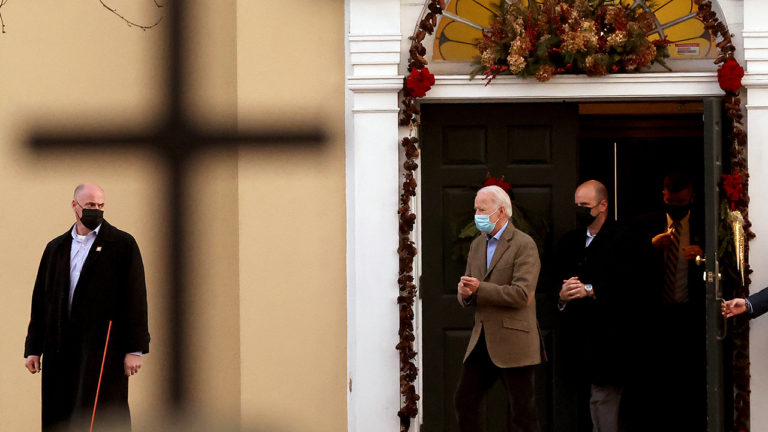
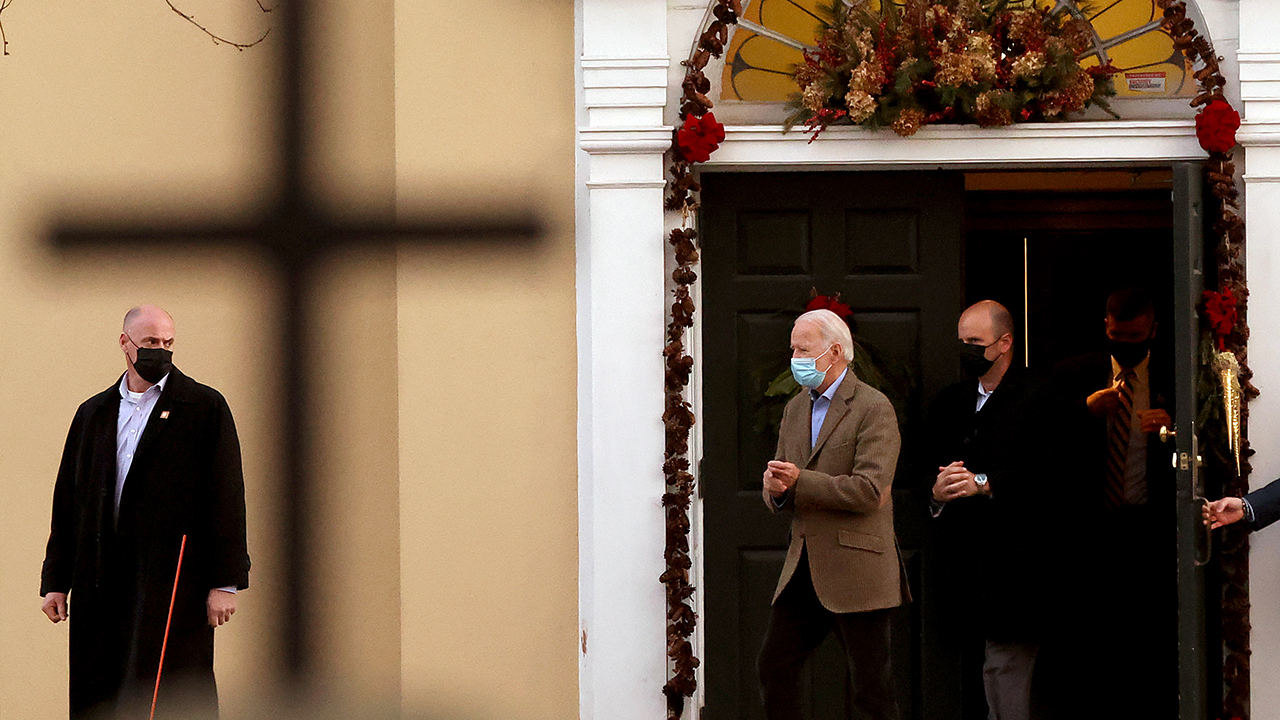
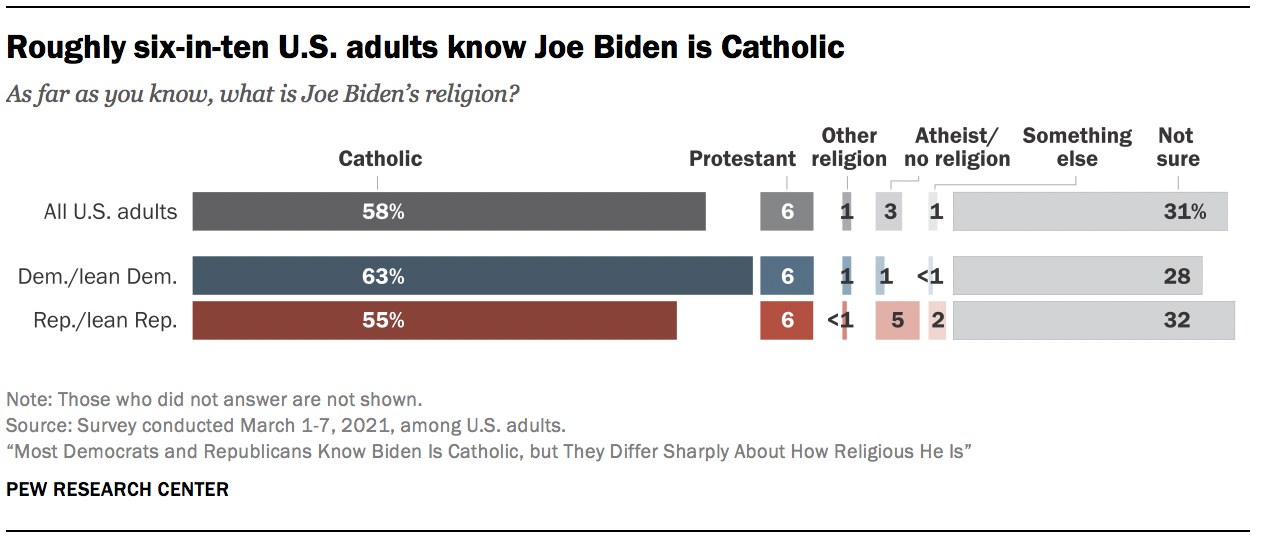
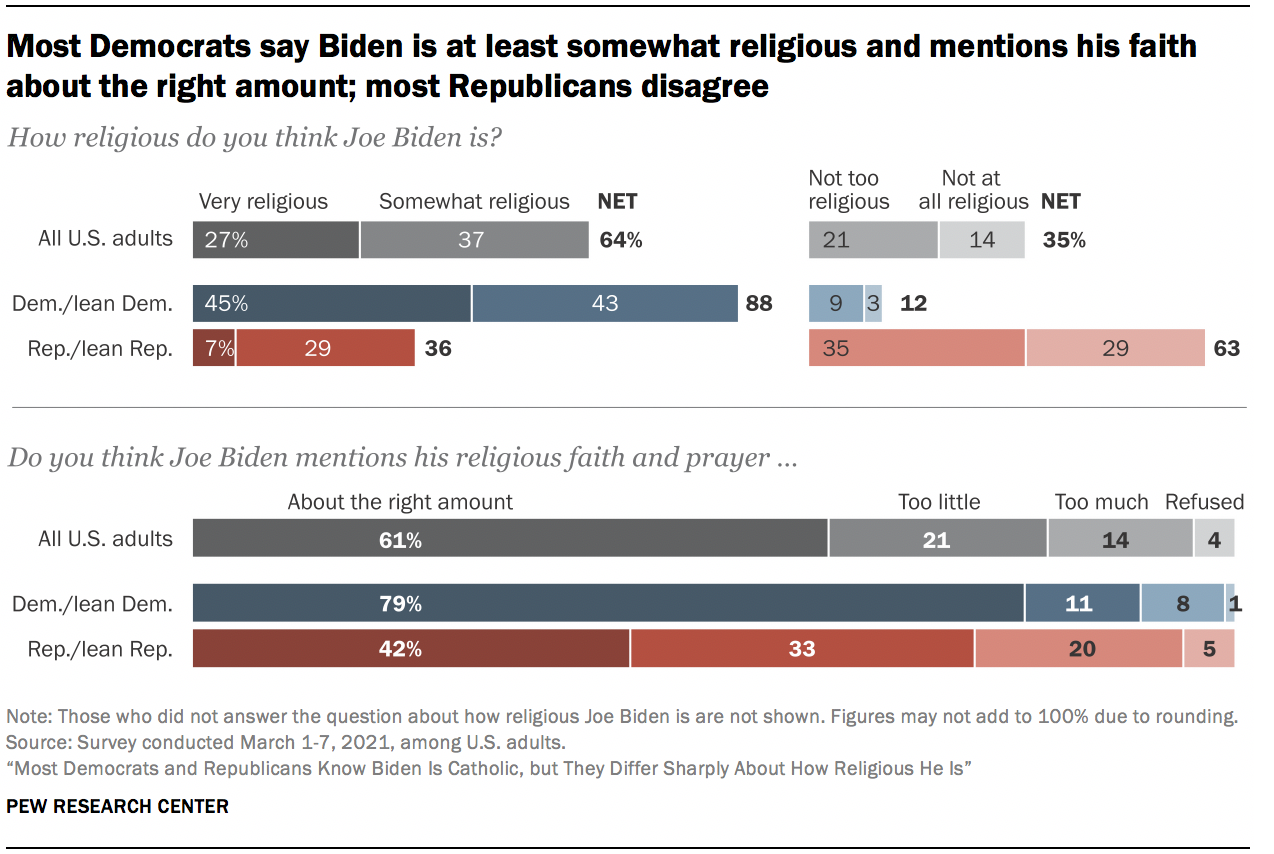

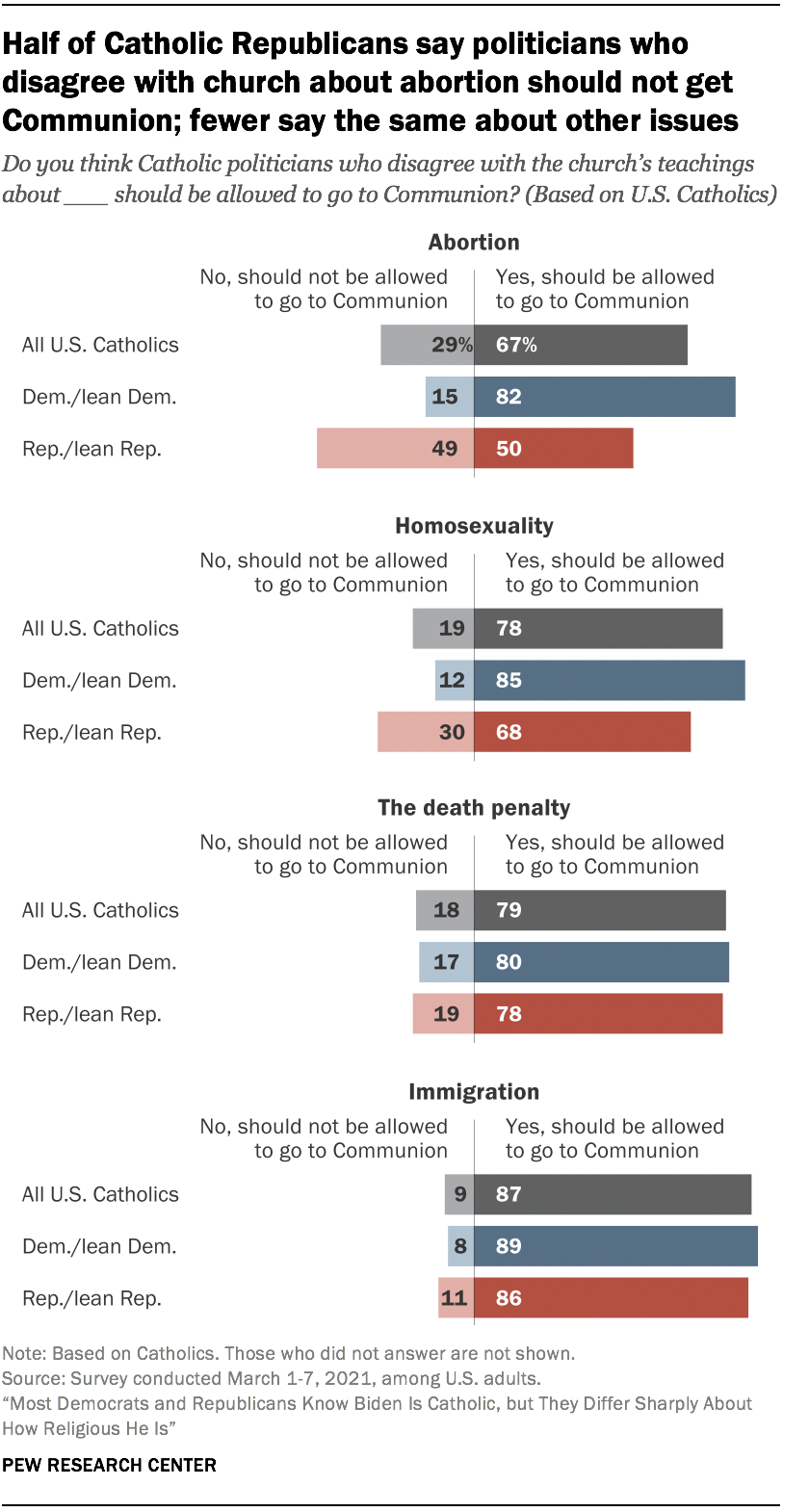

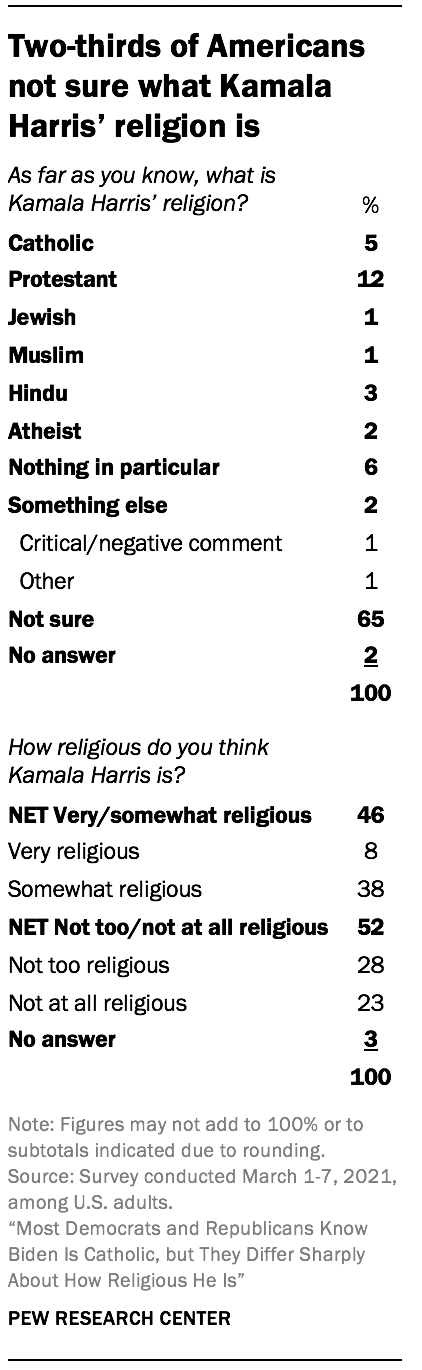
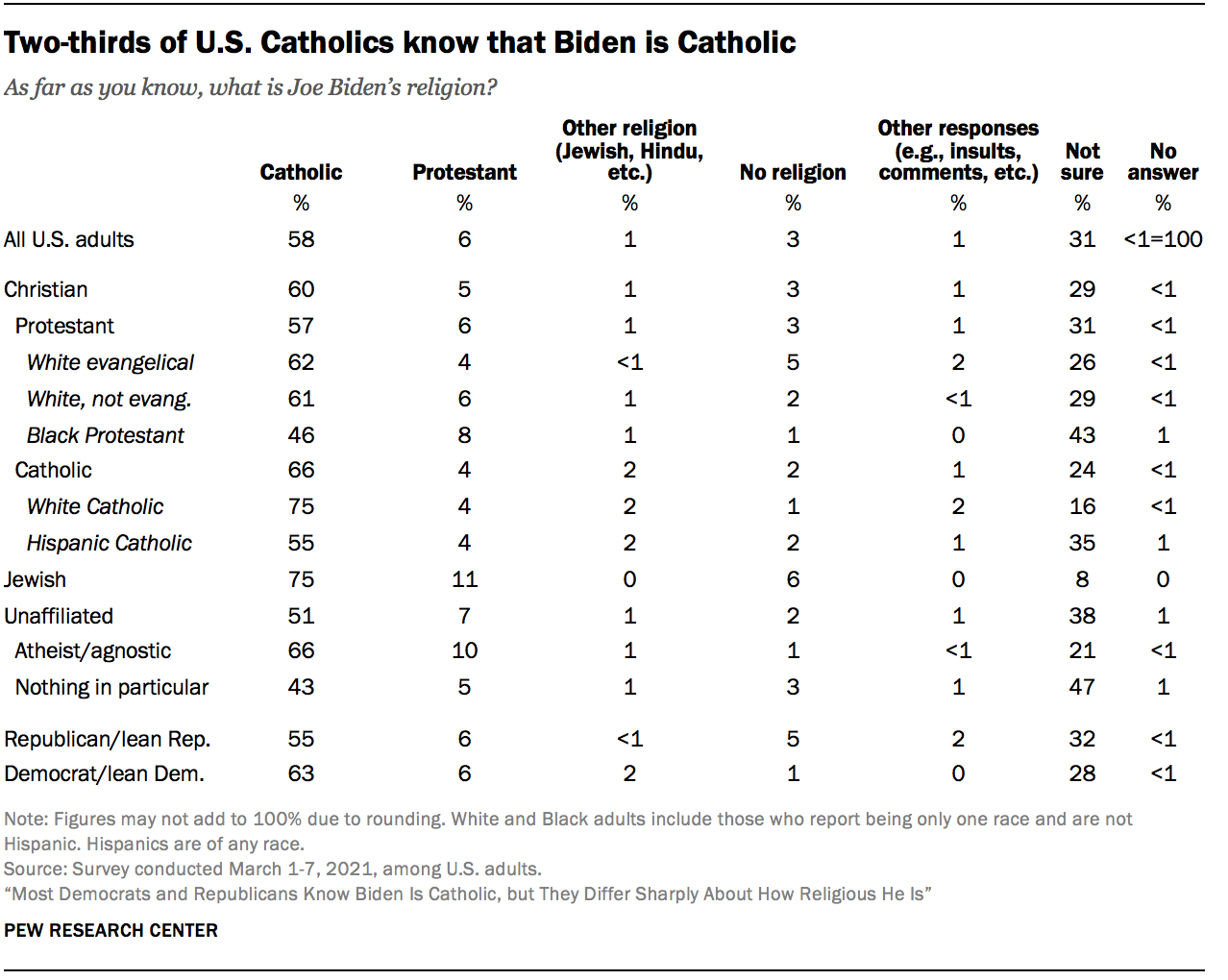

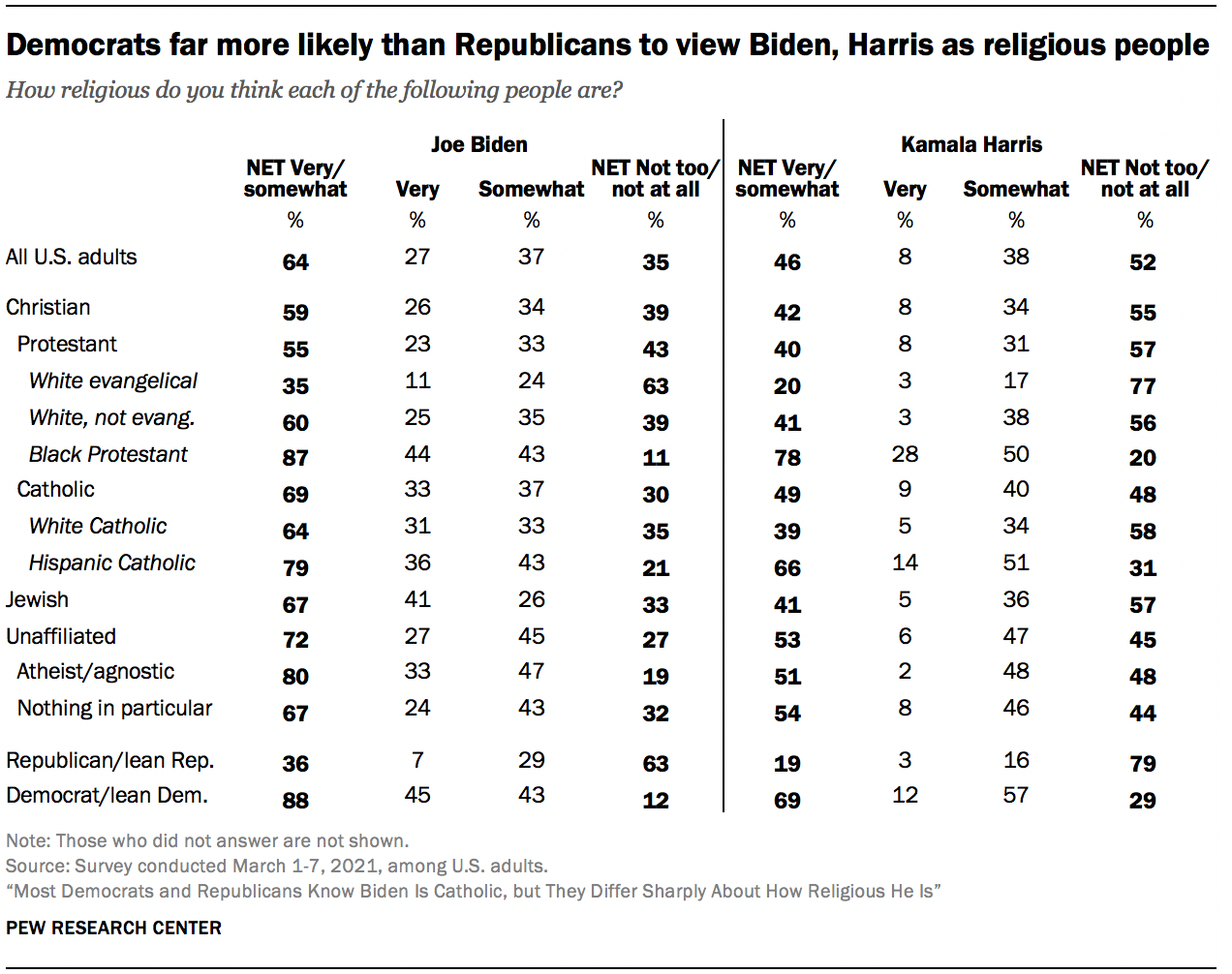
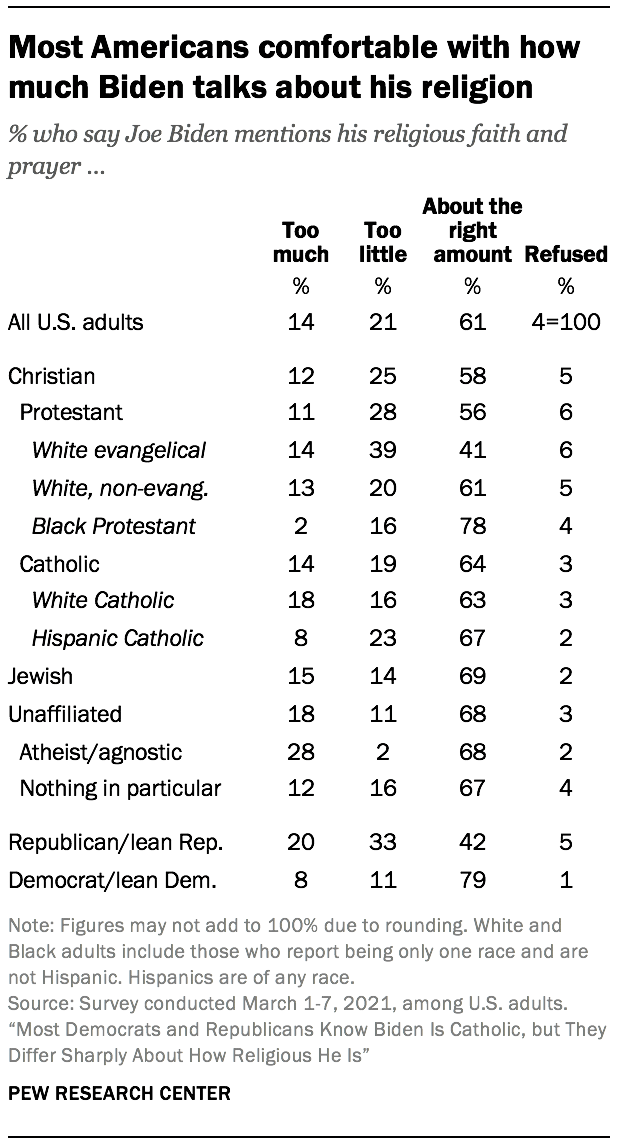
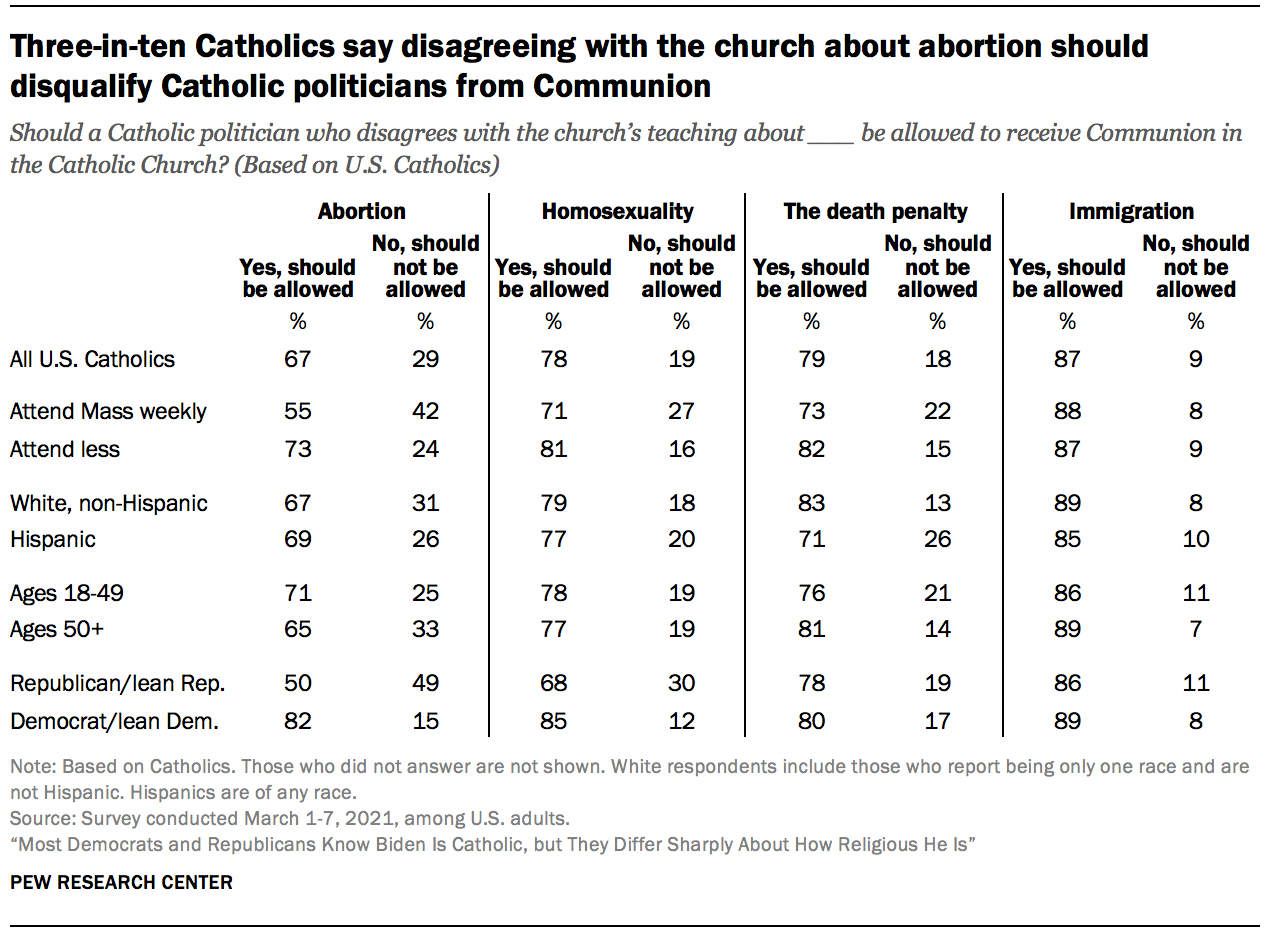
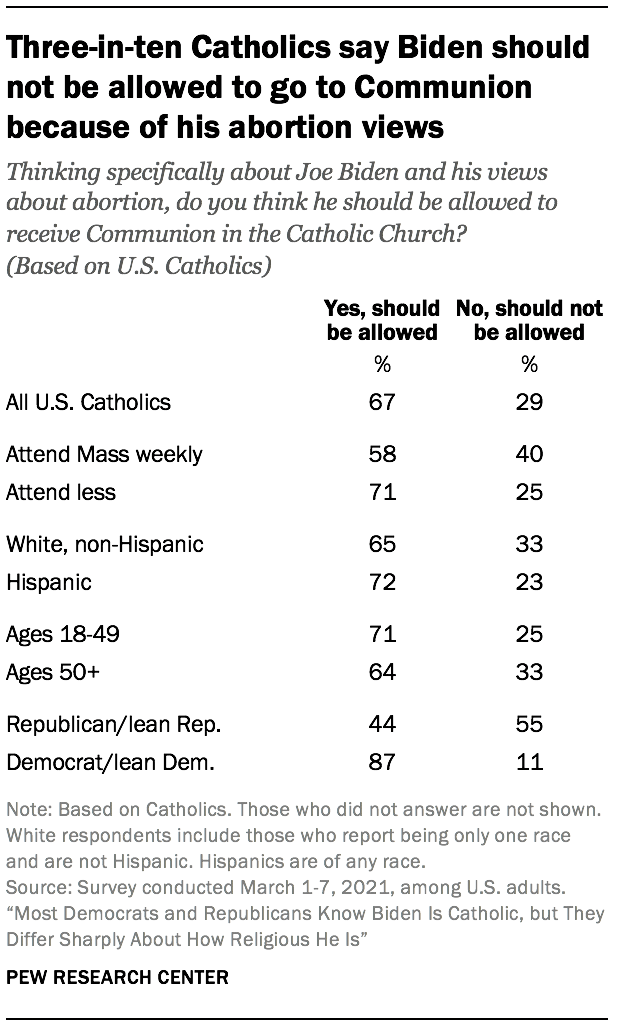
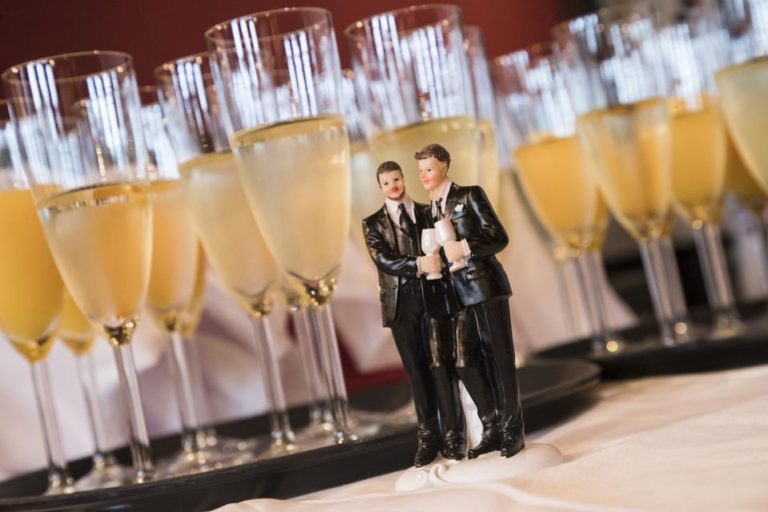


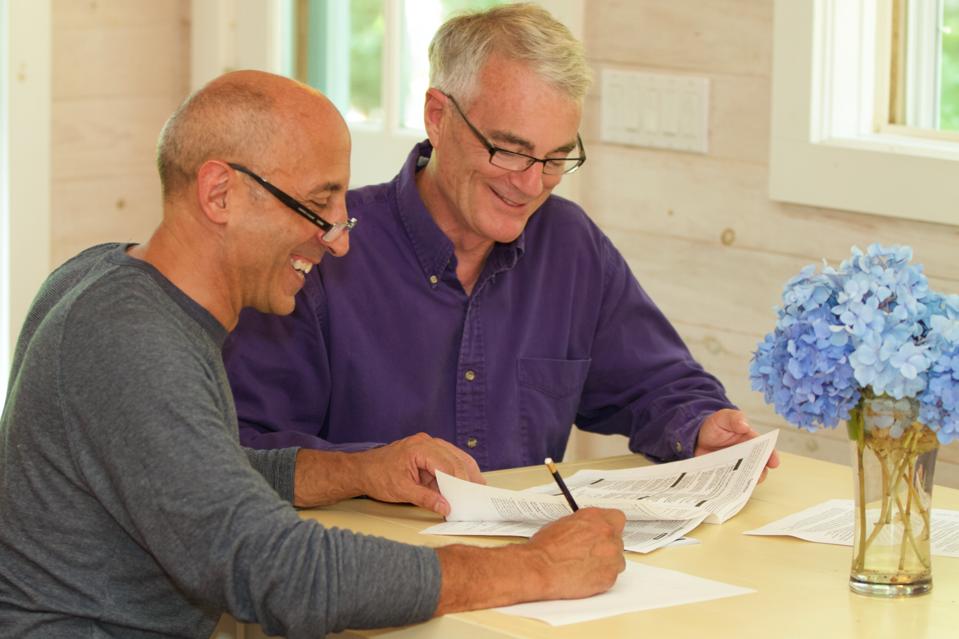





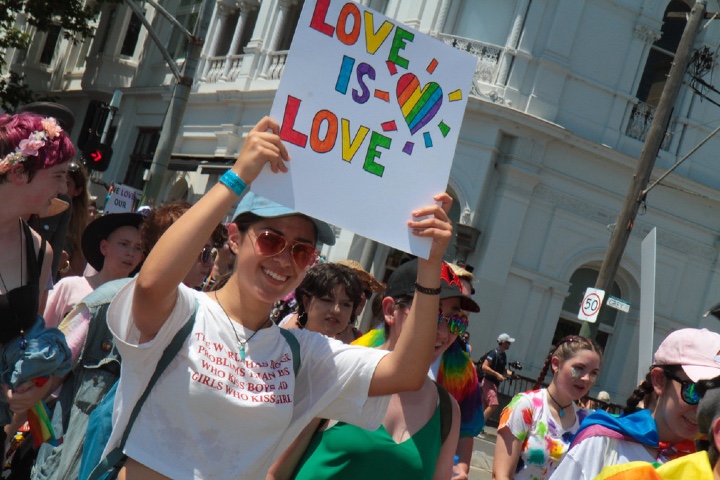
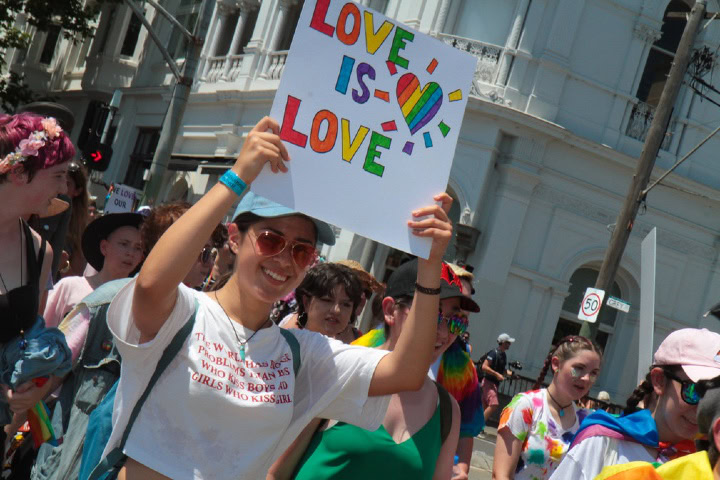
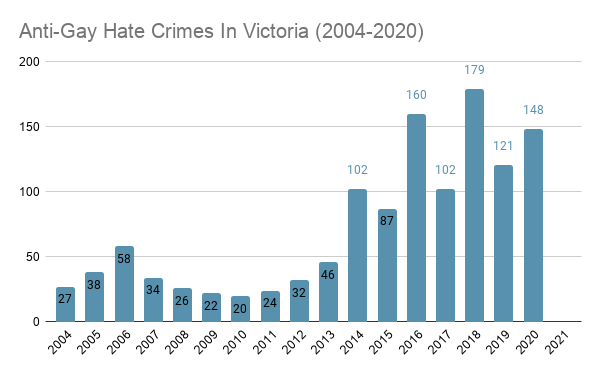


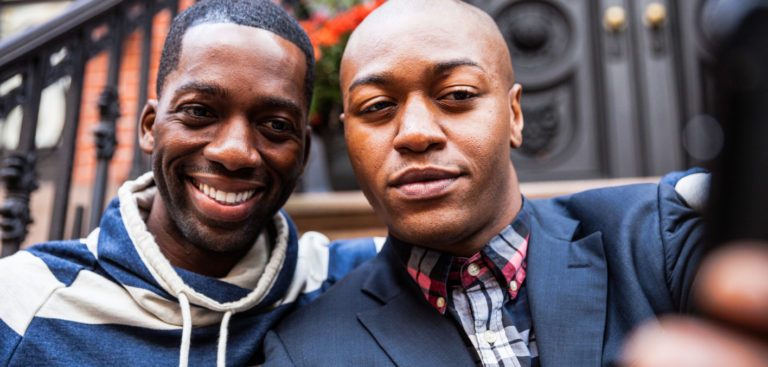

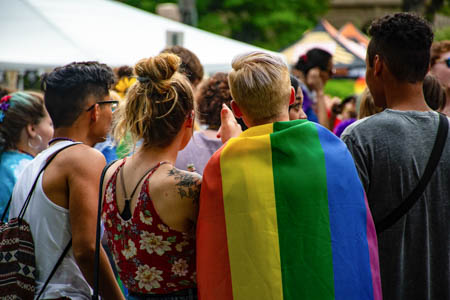
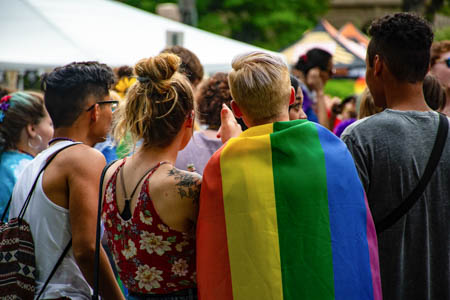
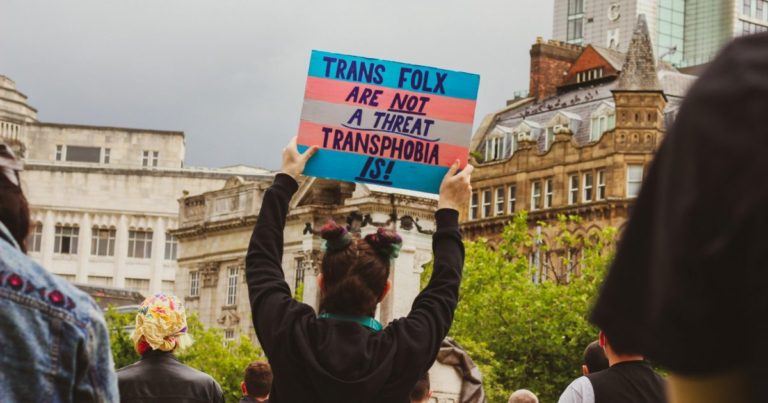

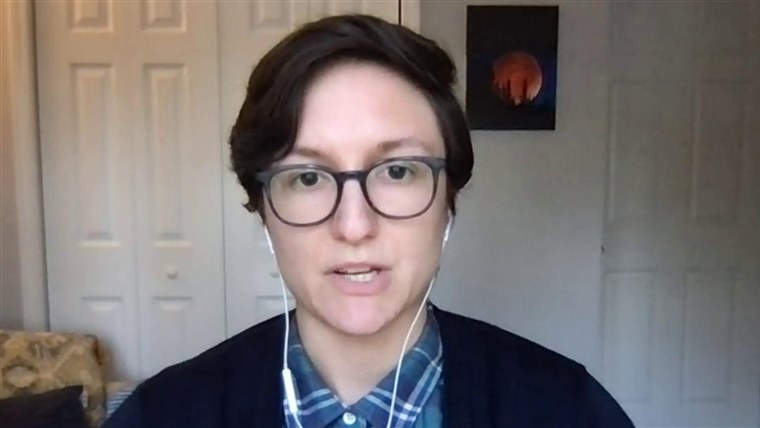

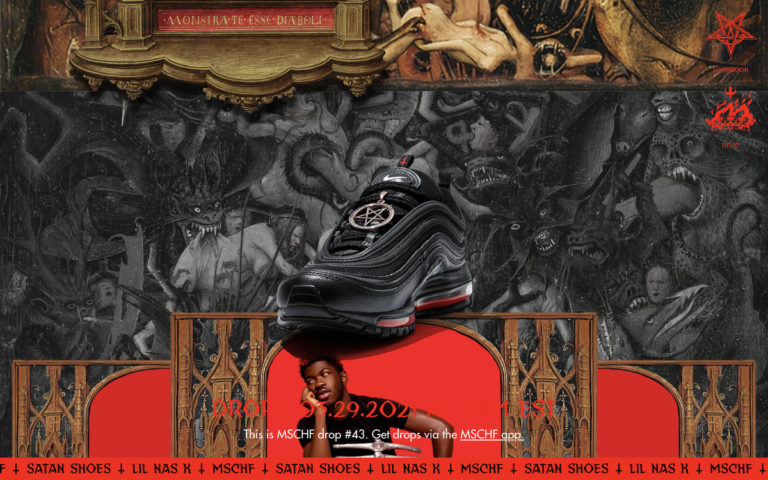
:format(webp):no_upscale()/cdn.vox-cdn.com/uploads/chorus_asset/file/22405322/Screen_Shot_2021_03_29_at_10.36.17_AM.png)