Home Blog Page 396

Two Catholic bishops join LGBT group to condemn discrimination against transgender people – America Magazine

WASHINGTON (RNS) — Two Roman Catholic bishops and other church leaders have teamed up with the Human Rights Campaign, an LGBTQ advocacy organization, to condemn discrimination against transgender people, the groups announced Wednesday (March 31).

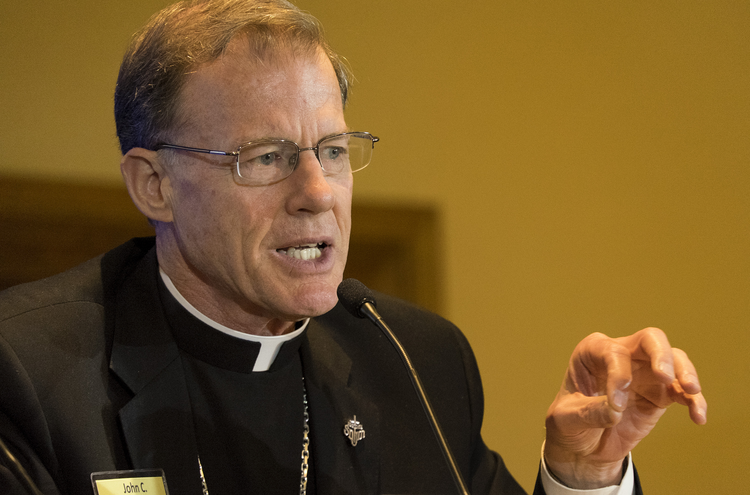
In a statement provided to Religion News Service, Archbishop John Wester of Santa Fe, New Mexico; Bishop John Stowe of Lexington, Kentucky; and the Association of U.S. Catholic Priests as well as the presidents of two Jesuit organizations declared that, “we, Bishops, religious and lay leaders of the Roman Catholic Church join with the Human Rights Campaign in calling for an end to the epidemic of violence against transgender individuals.”

March 31 has been celebrated as Transgender Day of Visibility since 2009.

The statement, which cites the words of St. John Paul II, notes that the Catechism of the Catholic Church insists “every sign of unjust discrimination” against LGBTQ people “should be avoided” and condemns violent acts perpetrated against transgender people in recent years that have been documented by HRC.

Two Catholic bishops and other church leaders have teamed up with the Human Rights Campaign, an LGBT advocacy organization, to condemn discrimination against transgender people.

“It is our Catholic duty to affirm the dignity of transgender people and to defend them from harm,” the statement reads.

The statement invokes St. Bonaventure — “we are led to contemplate God in (all creation)” — before adding “this is no less true of our transgender siblings.”

It concludes: “Transgender people have always been members of our local parishes and the witness of their lives … leads us to greater contemplation of God and the mystery of our faith. To our transgender siblings, may you always know that the Image of God resides in you, and that God loves you.”

In addition to the bishops, signers include the Rev. Michael Garanzini, president of the Association of Jesuit Colleges and Universities; Tom Chabolla, president of the Jesuit Volunteer Corps; the Rev. Bob Bonnot and the Rev. Louis Arceneaux, who serve as executive director and secretary, respectively, of the Association of United States Catholic Priests; and the Rev. Neil Pezzulo.

HRC President Alphonso David celebrated the statement.

“It is our Catholic duty to affirm the dignity of transgender people and to defend them from harm,” the statement reads.

“The life-threatening violence against the transgender community, spurred by discrimination and hate, is a moral issue and one in which the voices of Catholic leaders are critical to the safety of our transgender siblings,” he said in a press release. “This is a critical moment to come together united, propelled by our faith, and lift our voices to unequivocally say that transgender rights are human rights, and they must be protected.”

The statement comes less than a week after Stowe publicly endorsed the Equality Act, a bill that would amend the Civil Rights Act of 1964 to offer anti-discrimination protection for LGBTQ Americans in an array of areas, including housing, education, lending and civic affairs.

“LGBTQ people reflect the image of likeness of God, just as anyone else, and so it is our duty to love and defend them,” Stowe wrote in a March 19 letter to Sens. Dick Durbin and Chuck Grassley, according to America Magazine. “As a Catholic bishop, I hate to see any form of harmful discrimination protected by law and it is consistent with our teaching to ensure that LGBTQ people have the protection they need.”

[Related: ‘It is our duty to love and defend’ LGBT Americans: Bishop Stowe breaks with U.S. bishops on the Equality Act]

Stowe’s support for the bill came in direct opposition to the U.S. Conference of Catholic Bishops, which has campaigned against the Equality Act and argued that it “discriminates against people of faith precisely because of those beliefs.”

The Kentucky cleric was also among 14 active and retired Catholic bishops who signed a statement in January that called on “all people of goodwill” to “help, support, and defend LGBT youth” who have been bullied, harassed and fallen victim to violent attacks. More than 20 priests in Stowe’s diocese followed suit a month later, signing a statement arguing that religious people have a duty to “help, support, and defend LGBT youth who attempt suicide at much higher rates than their straight counterparts.”

None of the statements directly challenges church teaching such as the Catechism of the Catholic Church, which, among other things, refers to “homosexual tendencies” as “objectively disordered.”

None of the statements directly challenges church teaching such as the Catechism of the Catholic Church, which, among other things, refers to “homosexual tendencies” as “objectively disordered.” Earlier this month, the Vatican released a statement declaring that LGBTQ couples cannot receive a blessing by a priest.

[Related: Vatican, with Pope Francis’ approval, says priests cannot bless same-sex couples]

“Since blessings on persons are in relationship with the sacraments, the blessing of homosexual unions cannot be considered licit,” read the statement, which was signed by the prefect of the Vatican’s Congregation for the Doctrine of the Faith.

Even so, the Vatican document is widely seen as evidence of growing discontent among some Catholics — including bishops — regarding the church’s approach to LGBTQ people and relationships: When German bishops met earlier this year, among the conversations with lay Catholics was the possibility of priests blessing same-sex couples.
More from America

Singled Out tells the story of Glenn Burke, MLB’s first gay player – FanSided

0

Glenn Burke, the first gay man to play Major League Baseball, was a pioneer. In Andrew Maraniss’ new biography, Singled Out, Burke’s story is told in full.

Glenn Burke made history on April 9, 1976, when, in a losing effort against the San Francisco Giants, he pinch-hit for the Los Angeles Dodgers. That day, Burke, a tremendously talented prospect, after years of fighting his way through the minor leagues, became the first gay player in Major League Baseball history, though no one knew it at the time. He was a vivacious character, beloved by teammates for his energy and humor. He was also the man who invented the high-five. In spite of his vital role in athletic and cultural history, a full biography of him has never before been written. Thankfully, Andrew Maraniss has rectified this with his new book, Singled Out.

Glenn Burke was born in Oakland, California, and in his youth, he quickly became one of the area’s best high school athletes. His greatest success as a teenager came when he led his basketball team to the Northern California Championship in 1970. Despite his early success as a basketball player, after being drafted by the Los Angeles Dodgers, he decided to pursue baseball instead. After a few years hopping around the country in the Dodgers’ farm system, he made it to the major leagues in 1976. Despite looking like a potential star in the minors, he struggled to find his footing in Los Angeles, and never played more than 83 games in a single season.

Burke never officially came out as gay during his career, but his sexuality was an open secret. The longer he played, the more evident it became to his teammates that he was gay. Every time they would introduce him to a woman, he would demur and find something wrong with her. As teammate Dusty Baker recalled, “The girls would flock to him and ask him to dance. But at the end of the night, he’d go home by himself every time.”  For Baker, the decisive moment was when Burke lied about staying with his mother on a road trip to San Francisco where, instead of spending time with family in Oakland, he was hanging out with gay friends across the Bay.

When his teammates discovered that Burke was gay, most claimed to not be bothered. But actual support never materialized. Teammates “started wearing towels around the clubhouse more frequently and made offensive jokes out of earshot.” As speculation increased, Dodgers GM Al Campanis met with Burke, offering him a $75,000 bonus if he would agree to get married. After he refused, he was quickly traded to the Oakland Athletics. It may have been a coincidence, but believing this requires more than a cursory suspension of belief.

Glenn Burke was an MLB trailblazer in more ways than one

While playing for the Dodgers, Burke also invented the high-five. After successfully hitting a home run during a late-season game against the Astros, Dusty Baker was greeted by an exultant Burke at home plate who was shouting “Way to go!” and holding his right hand up. He was “inviting Baker to slap it, which he did, with gusto.” Burke was also one of the first baseball players to wear Nikes in a major league game. He had struck up a friendship with a vendor named Bill Frishette who managed a shoe store owned by Phil Knight, Nike’s founder. After Frishette gave him some shoes, he then dyed a pair of Astrograbbers Dodger blue, hoping that they would give him and his teammates better traction on artificial playing surfaces. Frishette eventually became Nike’s director of baseball business and the company became MLB’s uniform supplier in 2020, “a development that traces its roots back to Glenn Burke’s 1977 conversation with a frozen malt vendor at Dodger Stadium.”

Living a double life eventually became untenable for Burke, leading him to play his last major league game at 26. He was tired, perpetually in fear of being blackballed due to his sexuality in addition to feeling stymied by having to hide his true self. Upon retiring, he felt liberated, finally able to live life as an out gay man. However, this sense of freedom was coupled with a sense of confusion. Once the glory of being a former Major Leaguer faded, he struggled. He was able to find athletic success again through participation in the San Francisco Gay Softball League and the Gay Games, though the final years of his life would prove tragic. He would go on to struggle with cocaine addiction and homelessness in his final years, ultimately dying of complications from AIDS at 42.

Maraniss does a great job at evoking each of these periods in Burke’s life. He interviewed over 50 people for this book and it is filled with their stories and memories. Seemingly every page contains a wonderful anecdote about Burke, ranging from the hilarious to the heartbreaking. Readers who read Singled Out will put it down, not only with a knowledge about the details of his life but with a sense of his personality. The book is also well-written, drawing the reader in and making for a compelling read.

Throughout the book, Maraniss interweaves information about the struggle for LGBTQ equality providing further context and texture to Burke’s story. He writes about the Stonewall Riots, Harvey Milk’s election, and San Francisco’s burgeoning gay subculture. Also captured is the backlash to this progress as epitomized by the diatribes of bigots such as Anita Bryant. For many sports fans who are not otherwise informed on these topics, Singled Out will also function as a primer on the intersection between sports and LGBTQ history. The appendices further this aim as Maraniss includes both a timeline chronicling the history of gay rights in the United States and a list of LGBTQ Black Americans that interested readers can research themselves.

Singled Out is an engaging and informative read that, while written primarily for high schoolers, never condescends or over-simplifies to accommodate an audience of young adults. Burke’s story is a celebration of a gay man’s achievements in a homophobic world, an elegy for a man whose life, desires, and ambitions were hampered due to attitudes towards his sexuality. This book is more than just a biography, it is a chronicle of the life of one great LGBTQ athlete and how it relates to the wider fight for justice. Glenn Burke is a man who has long deserved a well-written and thoughtful book that honors his achievements, struggles, and legacy — Andrew Maraniss has given him one.

11 Plus Size Trans Influencers and Activists You Should Be Following – The Curvy Fashionista

Sharing is caring!

International Trans Day of Visibility is celebrated and observed today, March 31st! Trans Day of Visibility acknowledges the contributions made by people within the transgender, nonbinary, and gender-diverse communities. It is important to celebrate and support trans folks EVERY DAY. We certainly didn’t want to miss this opportunity to amplify some of our favorite plus size trans creators and activists!

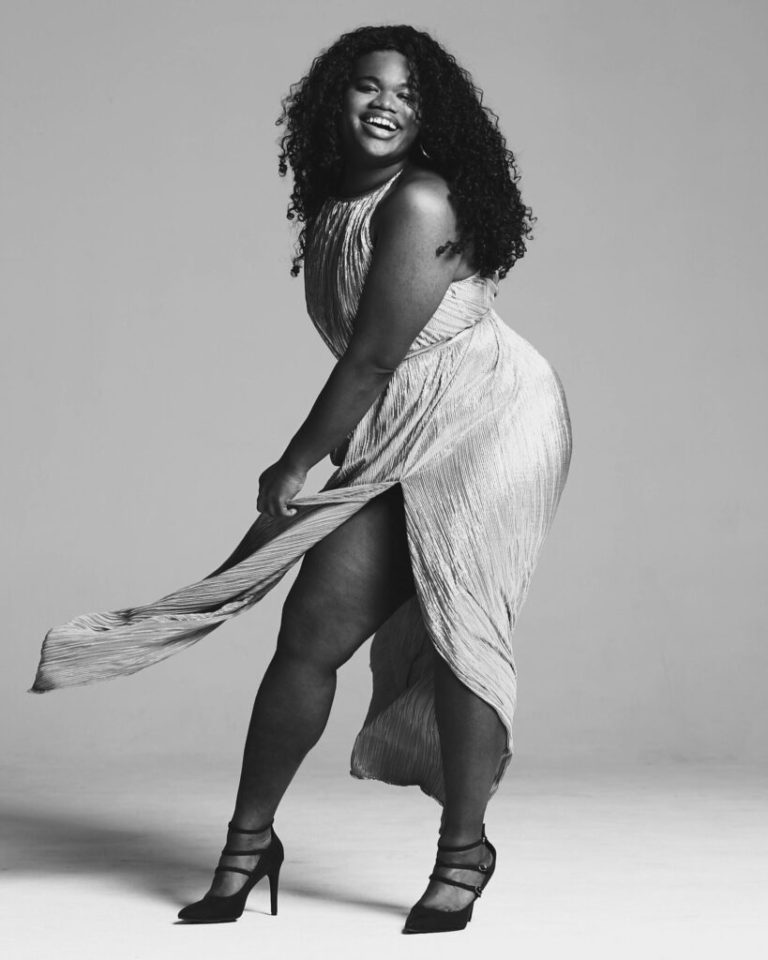
jari jones in black and white. plus size trans creatives to follow

Check out this list of inspiring and endlessly cool trans creatives and changemakers that you should know (if you didn’t already)!

11 Plus Size Trans Influencers and Activists You Should Be Following

This list of amazing trans changemakers is just the tip of the iceberg! Be sure to follow them all and continue to support and be an ally to the transgender community!

Want To Know Of Some Other Ways You Can Be Of Support?

Continue to educate yourself.

Take time to learn about the trans experience and visit websites like TransEquality.org. They have extensive resources about trans folks and can likely answer any questions you may have or maybe enlighten you with information you may not have even thought about. It is important to seek this information on your own and not rely on your trans friends/family/acquaintances as a sole resource (aka google is free).

Speak out in support of transgender people and transgender rights.

This one is major! Be vocal and consistent about your support of trans people and the issues that directly affect them. Politely correct others if they use the wrong name or pronoun for a transgender person. It is super important to challenge anti-transgender conversations and “jokes.” It can be intimidating to speak out, but visible and vocal support for transgender rights can show transgender people that they are accepted, encourage other allies to speak out, and help change the minds of people who aren’t supportive of transgender people.

Think about how you use gendered language.

This one may take a bit of practice because, as a society, we are so ingrained in seeing things in such a binary way. We have to remember that someone’s appearance doesn’t always align with their gender identity. Normalize stating your own pronouns and asking others for their pronouns to learn how to address them properly and respectfully. If you make a mistake and use incorrect pronouns, simply apologize, correct yourself and move on. Soon enough, stating your pronouns and asking people’s pronouns will become second nature.

Learn about policies affecting transgender people.

We can make a difference just by paying attention to policies in places like our workplace, school, gym, etc. Find out if the spaces you frequent have trans-inclusive policies. If you notice something that is exclusionary, point it out! Advocate for change. Make sure that trans people feel safe and welcome in any and all spaces.

Call your elected officials.

While we can effect change on a smaller scale, we can also make a major difference on a grander scale as allies, as well! We must reach out to our local and nationally elected officials and demand change. Demand trans-inclusive laws be set, to end anti-trans discrimination.

Right now, Arkansas just passed a horribly anti-trans bill to ban gender-affirming care for trans youth.  In addition to Arkansas, Alabama and South Dakota are also pushing for restrictions on gender-affirming care. Arkansas, Tennessee, and Mississippi have also signed trans-athlete bans into law.

Call them to let them know that anti-trans legislation is unacceptable!

Call Arkansas Governor Asa Hutchinson at (501)-682-2345 or email him at [email protected] and tell him to Veto HB1570!

Call Alabama Governor Kay Ivey at (334) 242-7100 and tell her to veto HB1/SB10 and HB 391!

Call South Dakota Governor Kristi Noem at (605)773-3212 or email her at [email protected] and demand her to stop HB 1217!

How do you use your voice to be an ally to trans people? Do you know of any other incredible plus size trans creators that we may have missed? Please let us know in the comments!

Sharing is caring!

You Realize Lil Nas X Made the “Montero” Video to Provoke This Exact Brand of Anti-Gay Rhetoric, Right? – Cosmopolitan.com

I was in fourth grade when I found out about gay people. My family had driven to Provincetown, Massachusetts, for a day trip, and as we walked down the street, I watched shirtless men holding hands and kissing. Suddenly, it felt like the hurricane in my head that’d been picking up speed for months had quieted; everything clicked into place. I felt, for the first time, not alone and not insane.

I didn’t have the words at the time, but that didn’t matter because my male middle school classmates did. It was only months after Provincetown that they started calling me gay, pointing out the way I talked (“gay”), walked (“gay”), sat (“gay”), and more or less just existed (“gay!!!!”). The word and its synonyms—“homo,” “fruity,” and “faggy” choice among them—became my waking nightmare. I started correcting my behavior and amending my taste, hoping it’d stop the onslaught. Instead, I retreated even further into the closet. I was only 11. Twelve years would pass before I could call myself by their names.

There’s no bigger thrill as a member of the alphabet mafia than to see someone vocalizing and externalizing their queerness in bright, bold strokes.

I’m one of the lucky ones—the only physical harm I faced at the hands of my (assumed) sexuality came when I was pelted in the stomach with a dodgeball at 14 and threatened by a group of high schoolers with lacrosse sticks when I was 15. But not everyone has that luxury. It’s a gay blessing to be able to spend decades unpacking childhood trauma, big or small, instead of falling victim to it. It’s a shared language we lucky ones speak, and the strongest of our ranks can channel that persecution into power—which is why there’s no bigger thrill as a member of the alphabet mafia than to see someone vocalizing and externalizing their queerness in bright, bold strokes.

Someone like Lil Nas X.

The 21-year-old star proved that we don’t make progress by only preaching to the choir when he shook up the music industry with “Old Town Road,” a 2019 chart-topping and Grammy-winning sensation that appealed to country fans, hip-hop obsessives, parents, and children (even though the track is about “lean and adultery,” something he’s not shy to admit).

His new single “Montero (Call Me by Your Name)” is a tongue-in-cheek track that flips fire and brimstone into art and profit. Predictably, it’s earned a truly ridiculous amount of pearl clutching from conservatives who claim he’s poisoning his young fans with images of him grinding on Satan. But Lil Nas X has always shown who he really is: He came out as gay months after “Old Town Road” dropped, although it seems like fired-up right-wing Twitter abusers (Candace Owens and South Dakota Governor Kristi Noem among them) missed the memo.

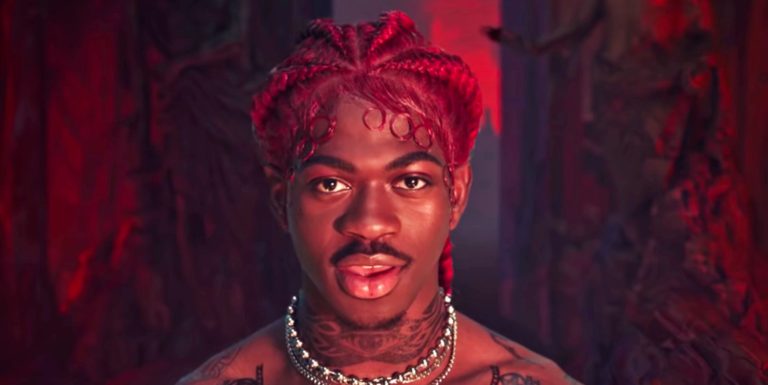
In the “Montero” music video, the singer pole dances his way to hell and gives the devil a lusty lap dance before usurping his throne, a literal and laugh-out-loud reclamation of the eternal damnation we’re told to prepare for if we “choose” to lead our lives as gay people. It’s gleeful, it’s glorious, and it’s very, very gay—and it’s been pissing off mommy bloggers and Christmas Christians for almost a week.

This content is imported from YouTube. You may be able to find the same content in another format, or you may be able to find more information, at their web site.

The conservative and religious outrage that followed the release was immediate, red-faced, racist, and predictable, playing perfectly into the media-savvy entertainer’s expectations. None of the backlash acknowledged the genius of flipping decades of homophobia on its head. “They will say I’m pushing an agenda,” Lil Nas X wrote when the song dropped. “The truth is, I am: the agenda to make people stay the fuck out of other people’s lives and stop dictating who they should be.” His note ends with a promise: “Sending you love from the future.”

This content is imported from Twitter. You may be able to find the same content in another format, or you may be able to find more information, at their web site.

To see Lil Nas X lift the curtain on still-lingering homophobia is to find hope again, to believe that we’re actually making progress by just forcing the conversation to happen in the first place. “Montero” holds up a mirror to the very insults many of those enraged by the video have been lobbing at gay people for a century. This time, people aren’t mad because Lil Nas X is in on the joke—they’re furious because he’s pointing out that they’re the punch line.

Things are better for LGBTQIA+ people in America than they were even a decade ago, but they’re still not great. Just days ago, Arkansas passed horrific and extreme anti-trans legislation, then South Dakota’s governor killed a sports bill that would have banned trans women from participating in female sports but quickly reversed course with a pair of flimsy executive orders that showed her true colors. “I spent my entire teenage years hating myself because of the shit y’all preached would happen to me because I was gay,” Nas said last week, “so I hope u are mad, stay mad, feel the same anger you teach us to have toward ourselves.”

One song won’t change the world, but it might make a dent. “Montero” is trending toward a number one debut on the Billboard Hot 100 next week. Like it or not, people are finally listening, and maybe—just maybe—better days are coming for the little Monteros of the world.

This content is created and maintained by a third party, and imported onto this page to help users provide their email addresses. You may be able to find more information about this and similar content at piano.io

Amid Debate Over LGBT Rights, Uzbek Authorities Victim-Blame Attacked Activist – The Diplomat

0

The day after a human rights activist was assaulted by three masked men near his apartment in Tashkent, leaving him with a fractured leg and a concussion, among other injuries, the Uzbek Interior Ministry put out a video statement blaming the victim of the attack. Then Komil Allamjonov, the chairman of the board of trustees of the Public Foundation for Support and Development of the National Mass Media, tweeted a video with English subtitles making a similar argument.

The attack against Miraziz Bazarov, a well-known activist and blogger with a distinct and provocative style, occurred against the backdrop of discussions about Uzbekistan’s continued criminalization of sexual relations between men. 

In the Interior Ministry’s telling, Bazarov provoked the attack on himself by calling on “individuals with nontraditional sexual orientation” to hold mass demonstrations near the Hazrati Imam mosque and Amir Timur avenue in downtown Tashkent. 

RFE/RL’s summary of the statement noted:

The ministry said in its video that Bazarov “had deliberately ignored” social-behavior rules by distributing videos with contents “not typical for the Uzbek nation,” and “demonstrating his perverted behavior to the society.”

“[Bazarov], acting with the assistance and support of destructive external forces and ill-intentioned international nongovernmental organizations, attempted to propagate homosexualism and similar evils, despite the fact that it is banned by Uzbek law, and created the atmosphere of protest and intolerance,” the ministry’s statement said.

Enjoying this article? Click here to subscribe for full access. Just $5 a month.

Allamjonov, formerly the acting director of Uzbekistan’s Agency of Information and Mass Communications (AIMK), made similar comments in his video, stating that society in Muslim-majority Uzbekistan “does not tolerate unnatural men and women (LGBT)! Our holy religion, Islam, does not allow it.”  He then commented: “For example, Bazarov, what was the consequence of speaking without thinking?!”

Bazarov is well-known for issuing harsh criticisms of the Uzbek government on social media, particularly via Telegram. He had recently urged the government, among other things, to decriminalize same-sex relations. Per RFE/RL’s reporting, while he does not consider himself an LGBT activist, he “believes that being gay is a personal issue and that laws should not be created to regulate it.”

Before the attack that left Bazarov hospitalized and in serious condition, a weekly event that he organizes for Japanese anime and K-pop fans was disrupted by a crowd of men shouting “Allah hu Akbar!” Videos of the march show Uzbek police calmly walking through the crowd which, in nearly any other context in Uzbekistan, would have warranted a harsh response. 

In the Interior Ministry’s telling, the crowd of men was a “group of our citizens who considered [Bazarov’s] calls as an insult… [and] created a situation compromising public safety by staging mass disorders.” The ministry said individuals “responsible for the disorder” had been arrested. 

Nevertheless, it’s clear that the Uzbek government is comfortable pegging blame for all the chaos, and the assault, on Bazarov. 

Uzbekistan and Turkmenistan are the only countries in Central Asia that continue to have laws on the books banning sexual relations between men. It’s worth pointing out that neither criminalizes sexual relations between women. 

One aspect to highlight is that the rationale used by the Uzbek Interior Ministry in its statement is old hat. Recall, the statement accused Bazarov of “acting with the assistance and support of destructive external forces and ill-intentioned international nongovernmental organizations, attempted to propagate homosexualism and similar evils…” 

This taps into well-trod territory of blaming external actors for what are domestic problems, as well as equally familiar arguments that same-sex relationships are a Western invention and nefarious export. That Western governments have advocated for tolerance toward LGBT people, urged the Ubzek government to change its laws, and reacted strongly to Bazarov’s attack further feeds this sentiment, but does not prove it to be valid. 

This line of argument assumes that absent these “destructive external forces” there would be no LGBT Uzbeks. But there are, indeed, gay, lesbian, bisexual, and transgender Uzbeks. Furthermore, if same-sex relationships were simply a Western plot, why then have Western societies themselves struggled to tolerate and accept LGBT people?

In the United States, it was only in 2003 that the Supreme Court ruled sodomy laws unconstitutional. (“Sodomy laws” being a catchall term for laws criminalizing certain sexual acts, often left undefined but understood to be “immoral” — almost always referring to anal and oral sex, among other things). Before 2003, same-sex sexual relations were illegal in 14 states, Puerto Rico, and in the U.S. military. Over the past decades there have been shocking attacks on LGBT people in the United States and a firm objection to not just same-sex marriage but tolerance of LGBT people simply existing in society. 

Enjoying this article? Click here to subscribe for full access. Just $5 a month.

Over time, attitudes shift and cultures evolve. But Allamjonov approaches this truism with twisted logic, calling on media to “stop covering the topic of LGBT relentlessly.”

Discussing these issues will kill people’s sensitivity. We will begin to take this very unpleasant topic as a regular one, as it goes. In fact, such statements should be perceived to such an extent that one trembles when hears them.

In essence: Do not discuss these matters because discussing them normalizes them and people’s attitudes might be changed.

Additionally, Allamjonov makes the argument that if anti-LGBT laws were relaxed, “and such categories start to show themselves on the streets, the number of lynching[s] may increase.” He goes on to say, “Even if no formal punishment is imposed [on LGBT people], the Muslim community will not leave them alone anyway.” 

The struggle between conservative social norms and progressive values is something that has occurred around the world, across religions, and throughout time. Uzbekistan is no different in this regard. 

There’s a central paradox to Allamjonov’s argument: While he says “Of course, human rights are an important issue and every citizen, regardless of their behavior, is under the protection of the state” everything that follows undercuts that sentiment. 

Uzbekistan is a secular state, one with a long history of cracking down on iterations of Islam its leaders have perceived as radical, or Islamists who seemed to challenge the state’s grasp on authority. Yet Allamjonov and others reach to Islam for justification to denigrate the LGBT community and excuse attacks against it (and its supporters). 

Allamjonov also reaches to democracy, stating that “the word ‘democracy’ means the rule of the people. Since the majority of the people are against something, it is necessary to take into account their wishes, and this is democracy!” Yet who has asked the Uzbek people their wishes? And which Uzbek people? If the confirmed public stance of the government and its officials is that beating up LGBT supporters is somehow justified, why would any Uzbek — gay or not — utter a word in defense of the LGBT community? There’s no safe path toward a civilized conversation when a topic is de facto off limits. Rather than cooling the debate, urging calm and respect for the rule of law above all else, the Uzbek government’s response to Bazarov’s beating is poised to only stoke the flames of contention.

Biden issues first presidential proclamation on Trans Day of Visibility – NBC News

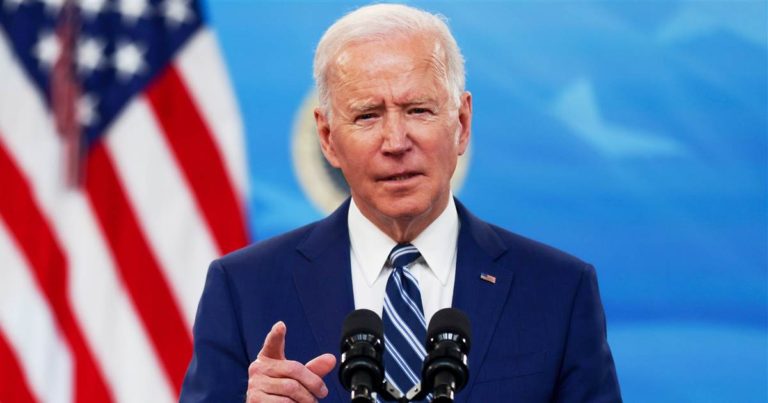
President Joe Biden on Wednesday issued the first presidential proclamation recognizing Transgender Day of Visibility.

The day is dedicated to celebrating transgender people and bringing awareness to the discrimination and violence they face everyday.

In his proclamation, Biden said Trans Day of Visibility recognizes the generations of activism by transgender and nonbinary people.

“Their trailblazing work has given countless transgender individuals the bravery to live openly and authentically,” Biden wrote. “This hard-fought progress is also shaping an increasingly accepting world in which peers at school, teammates and coaches on the playing field, colleagues at work, and allies in every corner of society are standing in support and solidarity with the transgender community.”

Despite progress for lesbian, gay, bisexual and queer Americans, such as marriage equality, Biden said trans people “still face systemic barriers to freedom and equality,” such as higher rates of violence, harassment and discrimination.

Nearly 1 in 3 trans people have experienced homelessness, Biden wrote, and they also face discrimination in employment, housing, health care and public accommodations.

“The crisis of violence against transgender women, especially transgender women of color, is a stain on our Nation’s conscience,” Biden said. Forty-four transgender people were killed in the United States last year, a record; 23 of them were Black trans women.

Biden said his administration has already started implementing new policies to protect trans people, such as the executive order he issued on the first day of his presidency to expand discrimination protections for LGBTQ people under federal laws such as the Affordable Housing Act.

He also mentioned “the first openly transgender American to be confirmed by the United States Senate” — Rachel Levine, the assistant secretary for health — and “patriotic transgender service members, who are once again able to proudly and openly serve their country” — a reference to his executive order undoing former President Donald Trump’s ban on transgender people serving in the military.

But he also called on Congress to pass the Equality Act, a sweeping bill that would grant LGBTQ people protections from discrimination in employment, housing, education, credit, jury service and more.

“To more fully protect the civil rights of transgender Americans, we must pass the Equality Act and provide long overdue Federal civil rights protections on the basis of sexual orientation and gender identity,” Biden wrote. “It will serve as a lasting legacy to the bravery and fortitude of the LGBTQ+ movement.”

From 2012 to 2014, the Obama administration recognized Transgender Day of Remembrance, a day each November dedicated to memorializing trans people who were killed.

Trump did not recognize either Trans Day of Remembrance or Visibility, and for three of his four years as president, he also did not recognize or proclaim June LGBTQ Pride Month as Obama did throughout the eight years of his presidency.

In June 2019, Trump recognized Pride Month for the first time in a series of tweets, writing, “My Administration has launched a global campaign to decriminalize homosexuality and invite all nations to join us in this effort!”

Critics noted at the time that Trump had recently rolled back nondiscrimination protections in health care for trans people, and opposed passage of the Equality Act.

Follow NBC Out on Twitter, Facebook & Instagram

Entertainment To The People Worried Lil Nas X Will “Turn Kids Gay” – Romper

Lil Nas X recently released his “Montero (Call Me By Your Name)” music video and instantly the internet exploded with, “This person is making our children gay! Hide your very straight kids who will see A Gay.” For so many reasons, I have questions.

Some of the concern behind this music video in particular apparently stems from the belief that there is a “machine” that wants your kids to “turn gay.” And while it goes without saying that no devout heterosexual can “turn gay” simply by seeing a music video, I can tell you if we have any “system” at all, that system wants to “turn you” straight.

Lil Nas X, previously known to many parents as the person who sang kid-favorite “Old Town Road,” acknowledges this system in the music video. He begins with a voiceover about how we are asked to hide the parts of ourselves that we don’t want the world to see, and introducing the idea of a world called Montero, where we don’t have to hide the true parts of ourselves. I think if you asked the average parent which kind of world they want to see — one wherein their kids are allowed to be who they want to be, or one wherein they’re forced to become something they are not — they would unanimously favor the latter.

Unless, of course “being who they’re allowed to be” means they are LGBTQ.

The truth that so many of these Very Concerned Parents are ignoring is that heteronormative culture actively encourages kids to “turn straight.” It dictates what someone’s assigned gender means, and how they should act because of that, and which gender they can love. From birth, many of us will only see stories of heterosexual couples being told on screen, and notably many of the queer characters we will see will die tragic deaths, or one of them dies, perpetuating the message: “Be careful kids, being queer has consequences!” The happy endings, the acceptance, the happiness, often belongs solely to kids who go down the path society really wants you to go down: heterosexuality.

When you have kids, you’re supposed to have them with the idea that you have no idea who this person is meant to be.

The idea that you can be worried that kids can “turn gay” simply from seeing openly queer performers not only doesn’t make any sense — How does someone turn gay? Are they removed from the lumber yard at Home Depot and, as though in a trance, they turn to kiss someone in the Garden Center? — it also speaks 100% to the base issue that you don’t like queer people.

When you have kids, you’re supposed to have them with the idea that you have no idea who this person is meant to be. Yes, you bring them into the world, but kids come into the world, even as babies, with their own personalities, their own things that make them unique and special. If your child is born queer, and sees a queer performer, that can only, and will only, open up an entire world of possibility for them. However, if your child is born queer, and sees only heterosexual performers and icons, and is told those are the only appropriate figures to view in the world, that child will feel immense shame that will negatively impact them for as long as they hold onto it. It is actively damaging.

“I know we promised to never come out publicly, I know we promised to never be ‘that’ type of gay person, I know we promised to die with the secret, but this will open doors for many other queer people to simply exist.” -Lil Nas X in a letter to his 14-tear-old self upon the release of “Montero (Call Me By Your Name)>Little Nas X Official Youtube

People talk about seeing queer figures in media as though they’re cigarettes: something unhealthy and bad and wrong, and seeing them look cool means your kids will get evil gay cancer by trying them. This is incorrect, and says so much more about someone’s view of LGBTQ people than it does about a system they made up.

Queer people are not cigarettes. They are not meth. And the fact is, if you’re really worried about your kids suddenly becoming something other than who they really are, due to media influence, I’d ask you to acknowledge that it’s already doing that. So many queer people I know, myself included, never saw themselves fully in media, and even now, only very rarely even though the strides made have been wonderful.

The only thing the increased visibility of queer artists like Lil Nas X will do is show your child that if they are queer, it is beautiful, and it is acceptable, which he has repeatedly done in his response to criticism. And if there’s one thing every parent should want for their child, it’s for them to know they are beautiful and worthy no matter who they are.

OHIO LGBT Center invites LGBTQ+ graduates to attend virtual Pride Graduation ceremony on April 24 – Ohio University

0

Distinguished alumnus and journalist, entrepreneur, and producer Chris Witherspoon will deliver the keynote address

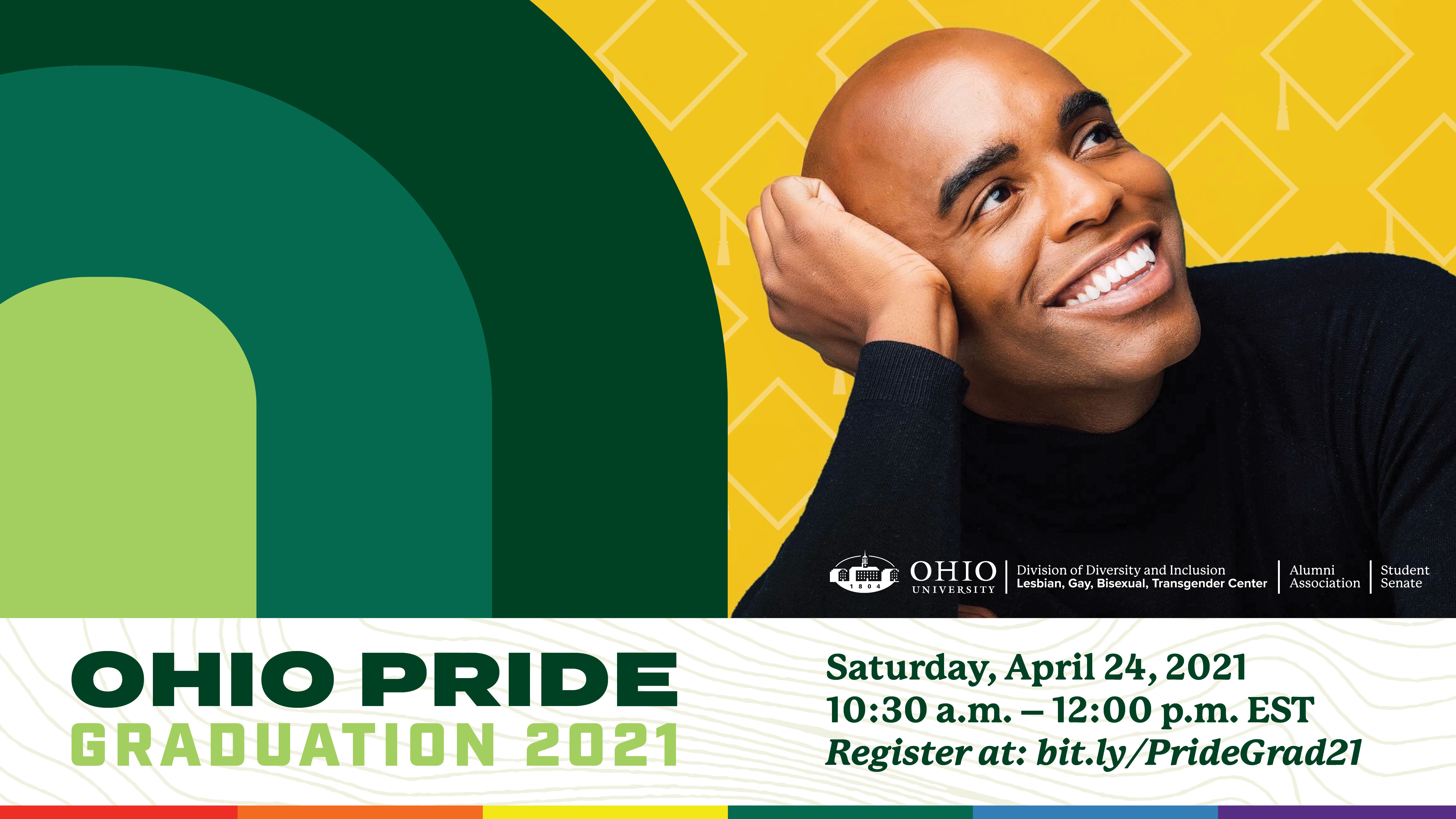
The Ohio University LGBT Center invites 2021 OHIO graduates to attend Pride Graduation on April 24, a virtual ceremony honoring LGBTQ+ graduates from all academic OHIO campuses and academic levels. The event is co-sponsored by Student Senate and the Ohio University Alumni Association (OUAA).

Graduating students from all OHIO campuses, friends, family, faculty, and staff are invited to register for Pride Graduation – as a participant or a guest – at https://bit.ly/PrideGrad21

“Pride Graduation is an annual tradition at Ohio University,” said Micah McCarey, Director of the LGBT Center. “It is a joyous occasion to celebrate our graduates, congratulate them on their degree completion, and highlight their unique contributions to the Bobcat community. We are delighted to have the support of our OHIO community.”

For the first time this year, Pride Graduation has two-cosponsors in Student Senate and the Ohio University Alumni Association (OUAA).

“We are proud that Student Senate supports Pride Graduation and the LGBT Center because our community is more than deserving of being honored and supported as a part of our Bobcat family one last time before their next steps in the big world,” said Molly Davis, undergraduate student in Health Sciences and Professions and the LGBT Commissioner in Student Senate. “Part of our heart leaves when our members graduate, so we want them to have a forever memory with us. #BobcatforLife”

Graduating students who register to participate will receive a complimentary LGBTQ+ graduation stole, courtesy of the Ohio University Alumni Association (OUAA). The stoles can be shipped or picked up in the LGBT Center – while supplies last. 

“The Ohio University Alumni Association is honored to support Pride Graduation and welcome our LGBTQ+ students to the Bobcat family. We work to provide welcoming and inclusive opportunities for all alumni to connect with each other and students, and to offer engaging and valuable programming for life,” said Erin Essak Kopp, Assistant Vice President for Alumni Relations and Executive Director of the Ohio University Alumni Association. “We especially look forward to staying connected with the class of 2021.”

Distinguished alumnus Chris Witherspoon — pop culture journalist, producer, entrepreneur, and ’04 graduate of the Scripps College of Communication, will give the keynote address. Chris is excited to return to his alma mater as an ambassador for all LGBTQ+ OHIO graduates who have embarked on meaningful, authentic, and fulfilling careers. Chris says that his time at OHIO taught him valuable lessons that he hopes to share with 2021 graduates: “‘If you can’t see the example, be the example.’ I carried that with me during my time in Athens and to this very day.”

Chris Witherspoon is an entertainment journalist, producer, and entrepreneur with a signature, accessible approach to media and culture. He is currently the Founder & CEO of PopViewers. Chris served as an entertainment correspondent for Fandango and CNN, and was the Entertainment Editor for NBC’s theGrio.com. He still regularly appears on MSNBC, TODAY, The Wendy Williams Show, and NBC’s Nightly News; and has interviewed the likes of Meryl Streep, Tom Hanks, Oprah Winfrey, Will Smith, Viola Davis, Hugh Jackman, Denzel Washington, Harrison Ford and Kerry Washington. Witherspoon got his first taste of media as an intern with ABC’s Good Morning America, and has never looked back. He is an alum of the prestigious NBC Page Program and Ohio University.

If you have any questions leading up to OHIO Pride Graduation 2021, please contact Dr. Jan Huebenthal at huebenthal@ohio.edu.

Demi Lovato: ‘I am too gay to marry a man right now’ – CNN

0
CNN —  

Demi Lovato is not just sharing revelations in her new docuseries, “Demi Lovato: Dancing With the Devil.”

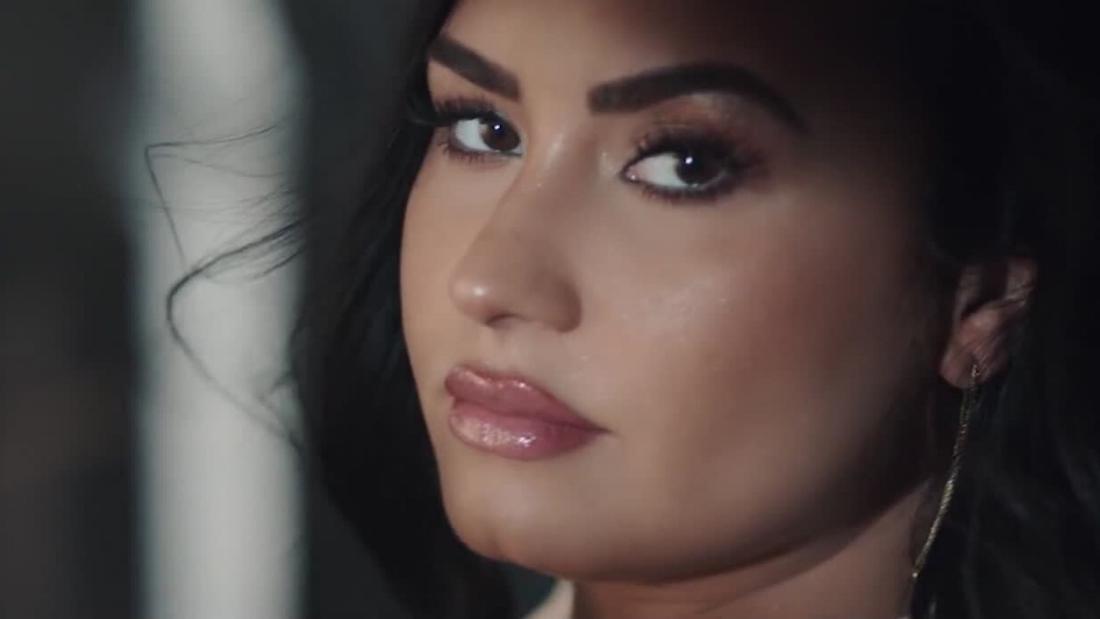
In a recent interview with EW, the singer and actress opened up about how ending her engagement to actor Max Ehrich helped her understand she’s “just too queer” for such a commitment to a man at the moment.

“Regardless if drama is happening or not, I am too gay to marry a man right now,” she says. “I don’t know if that will change in 10 years and I don’t know if that’ll never change, but I love accepting myself.”

Such openness has not always been the case.

In 2017, Lovato talked about her belief that she didn’t have to be labeled when it came to her sexual identity.

“I just feel like everyone’s always looking for a headline and they always want their magazine or TV show or whatever to be the one to break what my sexuality is,” she told PrideSource.com. “I feel like it’s irrelevant to what my music is all about.”

Things have clearly changed and Lovato told Joe Rogan on an episode of his podcast that aired over the weekend that she identifies as pansexual.

“I’m so fluid now, and a part of the reason why I am so fluid is because I was super closeted off,” she said.

Those who are pansexual are open in their sexual choices no matter their partners’ biological sex, gender, or gender identity.

Lovato told EW, “I’ve always known I was hella queer, but I have fully embraced it.”

Two gay men burned in Kenya refugee camp attack – Los Angeles Blade

An attack at the Kakuma refugee camp in Kenya on March 15, 2021, left two gay refugees with second-degree burns. (Photos courtesy of Gilbert Kagarura)

KAKUMA, Kenya — An attack at a Kenya refugee camp earlier this month that left two gay men with second-degree burns has once again drawn attention to the plight of LGBTQ refugees and asylum seekers who live there.

A press release the Minnesota-based Black Immigrant Collective sent to the Blade last week notes “petrol bombs were thrown into a group of LGBTQ+ refugees, allies and their children who live in” Block 13 of the Kakuma refugee camp on the morning of March 15.

“This attack not only set people on fire, but also destroyed beddings and personal belongings as many of the refugees sleep in the open air,” reads the press release.

The press release also notes the men who are described as “organizers” suffered second-degree burns throughout their bodies.

Gilbert Kagarura, a human rights activist and refugee from Uganda who lives in Block 13, on Tuesday sent the Blade a series of pictures of the two men that show burns on their arms, legs and other parts of their bodies. Shifra, an 18-year-old refugee who also lives in Block 13, on March 24 during a virtual press conference the Black Immigrant Collective and other advocacy groups and human rights activists in the U.S., Kenya and elsewhere around the world organized recalled the attack.

“I thought we were all going to die,” said Shifra. “Everyday I relive this horrible experience that I have.”

The U.N. Refugee Agency in a March 25 statement notes it “organized” the men’s transfer to a hospital in Lodwar, a town that is roughly 75 miles away from the camp. The men are now receiving treatment at a public hospital in the Kenyan capital of Nairobi.

“UNHCR organized their transfer to a regional hospital in Lodwar and, following expert advice from burn specialists, to a Nairobi hospital,” says UNHCR in its press release. “Both are receiving specialized treatment for their burns and progress in their recovery is being closely monitored by the local medical team and a UNHCR doctor.”

Kakuma, which is located in northwest Kenya near the country’s border with Uganda and South Sudan, is one of two refugee camps the UNHCR operates in the East African nation. The other, Dadaab, is located near Kenya’s border with Somalia.

Kagarura told the Blade that UNHCR created Block 13 within a section of the camp known as Kakuma 3 in May 2020.

The press release the Blade received from the Black Immigrant Collective notes “most of the 135 refugees at Block 13 fled Uganda for Kakuma when the anti-gay bill was introduced.”

Ugandan President Yoweri Museveni in 2014 signed his country’s Anti-Homosexuality Act, which imposed a life sentence upon anyone found guilty of repeated same-sex sexual acts. The law was known as the “Kill the Gays” bill because it once contained a death penalty provision.

Scott Lively, an anti-LGBTQ evangelical pastor from Massachusetts, is among those who urged Ugandan lawmakers to support the measure. Uganda’s Constitutional Court eventually struck down the Anti-Homosexuality Act on a technicality, but consensual same-sex sexual relations remain criminalized in the country.

UNHCR defends efforts to protect LGBTQ refugees

Kagarura on Tuesday noted to the Blade that LGBTQ refugees and asylum seekers who live in Kakuma have endured attacks, harassment and discrimination for years. Kagarura and participants in the virtual press conference on March 24 said UNHCR has failed to protect them.

They demanded UNHCR immediately evacuate Block 13’s LGBTQ residents “and fast-track the LGBTQ+ Block 13 group for expedited resettlement as they are survivors of intensive and unending homophobic violence.” They also demanded UNHCR transfer the two men burned in the March 15 attack to a private hospital in Nairobi “with specialized, competent and humane burn care treatment” and allow their caregivers “to accompany them at all times.”

UNHCR in its statement notes it “hosts around 300 refugees and asylum seekers with an LGBTIQ+ profile” in Kakuma and has “stepped up our services on the ground.” These include investing “heavily in building capacity and ensuring more attention is paid to the specific and profound challenges that LGBTIQ+ people face.”

“Despite the challenges of life in a refugee camp, the overwhelming majority report to us that they have been able to live peacefully within the Kakuma community,” reads the UNHCR statement. “This comes in stark contrast with reports of security incidents, including on social media, by a small group of refugees with an LGBTIQ+ profile residing in Kakuma 3, who are requesting urgent resettlement out of Kenya.”

UNHCR, however, acknowledged it is “concerned by these incidents as well as by the increasing tensions between this group and other refugees, including some with an LGBTIQ+ profile.”

“Several have reported being threatened or attacked by members of this particular group for refusing to join protests or lend their voice to the call for urgent resettlement on security grounds,” reads its statement.

UNHCR says “police patrols in Kakuma 3, medical, legal and psycho-social assistance has been strengthened in the camp.” The statement also notes UNHCR, along with Kenya’s Refugee Affairs Secretariat and partner organizations “have also held meetings with community leaders in Kakuma 3 to identify solutions and reduce tensions, although the smaller group of LGBTIQ+ persons has (sic) declined to engage in these dialogues.”

The statement further indicates UNHCR in recent months has “relocated” more than 30 LGBTQ refugees and asylum seekers “to other parts of the camp based on the protection concerns raised by them and following careful assessment by our teams on the ground.”

“UNHCR does not tolerate discrimination or any form of violence against refugees, including violence committed by other refugees, and works with law enforcement and other branches of government in Kenya to ensure that refugees are protected and safe,” reads the statement.

UNHCR says an estimated 1,000 of the more than half a million refugees and asylum seekers who currently live in Kenya are LGBTQ. It’s statement also notes Kenya “remains the only country in the region to provide asylum to those fleeing persecution based on sexual orientation, gender identity or expression,” even though consensual same-sex sexual relations remain criminalized.

UNHCR says 48 percent of the LGBTQ refugees and asylum seekers who have asked to be resettled outside of Kenya have left the country.

“We strongly condemn this senseless violence,” reads the statement, referring to the March 15 attack. “We have been advised that the ongoing investigation by Kenyan police is progressing and we hope that it will bring full clarity in respect of this incident and that those responsible will be held to account in accordance with Kenyan law.”

A State Department spokesperson on March 27 acknowledged UNHCR’s statement about LGBTQ refugees and asylum seekers in Kakuma.

The spokesperson noted the U.S. in fiscal year 2020 provided $120 million in humanitarian assistance to Kenya through UNHCR and other non-government organizations with which it partners. The spokesperson also told the Blade that the State Department’s Bureau of Population, Refugees and Migration leads the U.S. government’s work with UNHCR.

“In working with UNHCR and other international organizations, we stress the need to make extra efforts and invest additional resources to ensure that vulnerable populations at risk of violence, abuse, and exploitation, as well as at risk of receiving inadequate assistance and protection, are themselves present in, engaged in, participating in, and contributing to humanitarian responses,” said the spokesperson. “The United States works with international and non-governmental organization partners to ensure and provide equal protection and support to at-risk populations who are particularly vulnerable due to their sexual orientation, gender identity and expression, and/or sex characteristics.” 

“We have expressed our concern about this group of LGBTQI+ refugees in Kakuma and are in close contact with UNHCR on the situation,” added the spokesperson. 

The Organization for Refuge, Asylum and Migration is among the NGOs that works with LGBTQ refugees and asylum seekers in Kakuma.

ORAM Executive Director Steve Roth described the situation in the camp “as complex and multilayered, and has yet to be fully understood.”

“ORAM is committed to working with partners to gather all the facts and develop a complete understanding of the challenges facing LGBTIQ refugees in Kakuma, uncovering root causes and identifying sustainable solutions,” he told the Blade. “We do know that some of the core challenges that LGBTIQ refugees face in Kakuma are economic — a lack of income and ability to pay for basic necessities, which in turn creates other insecurities.” 

Roth noted ORAM in 2019 partnered with a Kenyan NGO to support microbusinesses in the camp. One such program provides LGBTQ refugees and asylum seekers in Kakuma materials that allow them to make soap and raise poultry they can sell in the camp and elsewhere.

These programs help generate needed income for LGBTIQ refugees as well as providing skills training, a sense of purpose and the chance to improve their relationships with other camp residents by offering them products and services that they need,” said Roth. 

New Anti-Trans Legislation Passed By Arkansas Senate – NPR

0

The Arkansas Senate passed a bill that would bar access to trans healthcare for minors. NPR’s Ailsa Chang talks with journalist Katelyn Burns about the wave of anti-trans legislation around the U.S.

AILSA CHANG, HOST:

The Arkansas Senate has passed what the ACLU calls, quote, “the most extreme anti-trans law to ever pass through a state legislature.” It is now being sent to the desk of Republican Governor Asa Hutchinson, who last week signed a bill that would ban trans women and girls from participating in sports consistent with their gender identity. Here to talk with us about anti-trans legislation across the country is journalist Katelyn Burns.

Welcome.

KATELYN BURNS: Thank you for having me.

CHANG: Can you just start us off by telling us a little more about this bill in Arkansas? What would it do exactly?

BURNS: Yeah. So this bill is one of many that have been introduced in conservative state legislatures all over the country, but it’s the first one to pass. What it essentially does is it bans transgender minors – so anybody under the age of 18 – from being able to access trans-affirming care. So we’re talking about puberty blockers for younger teens. And we’re talking about hormone replacement therapy for older teens. Surgery typically is not done on teenagers. Though the bill alludes directly to surgery, that is kind of a moot point.

CHANG: And do you fully expect it to be signed by Governor Hutchinson?

BURNS: We have no reason to believe that he wouldn’t sign it.

CHANG: Now, this other legislation we mentioned, the ban in Arkansas on trans women and girls competing in women’s sports, came around the same time as similar restrictions in South Dakota. Can you just talk about what are the justifications that these state lawmakers are giving for restricting the rights of trans people in sports?

BURNS: So this is another outgrowth of their broader culture war against trans people. If you remember, after marriage equality was passed into law by the Supreme Court, what the religious right then did was sort of start ignoring lesbian and gay and bisexual people and focus all of their attention on trans people. So in 2016, you know, the bathroom bill in North Carolina that passed, you had all these states trying to institute bathroom bills. That effort largely spectacularly failed and actually increased Americans’ knowledge and sympathy towards the trans community. So what they’ve done is they’ve moved on to more sort of fringe issues that poll better for them. And one of them happens to be the sports issue.

CHANG: But help me understand something, Katelyn, because according to the Public Religion Research Institute, three-quarters of Americans support LGBTQ protections. So why do you think we’re seeing such a significant wave of anti-trans legislation on the local level?

BURNS: There’s been a very concerted effort on the far right to divide the T from the rest of the LGBT. So somebody who ostensibly leans liberal, maybe has gay relatives or friends or long ago accepted marriage equality, like, they think they know what’s up with all of this stuff. But then when you start drilling down on these more difficult questions, like should we allow trans children to transition or trans teens to transition, the polling all of a sudden starts moving, right? And you see this especially with the trans kids and also the trans athlete question. So it’s – I think it’s easier to sort of thread in anti-trans propaganda that sort of turns the polling a little bit.

CHANG: That is journalist Katelyn Burns. Her podcast is called “Cancel Me, Daddy.”

Thank you very much for joining us.

BURNS: Thank you.

Copyright © 2021 NPR. All rights reserved. Visit our website terms of use and permissions pages at www.npr.org for further information.

NPR transcripts are created on a rush deadline by Verb8tm, Inc., an NPR contractor, and produced using a proprietary transcription process developed with NPR. This text may not be in its final form and may be updated or revised in the future. Accuracy and availability may vary. The authoritative record of NPR’s programming is the audio record.

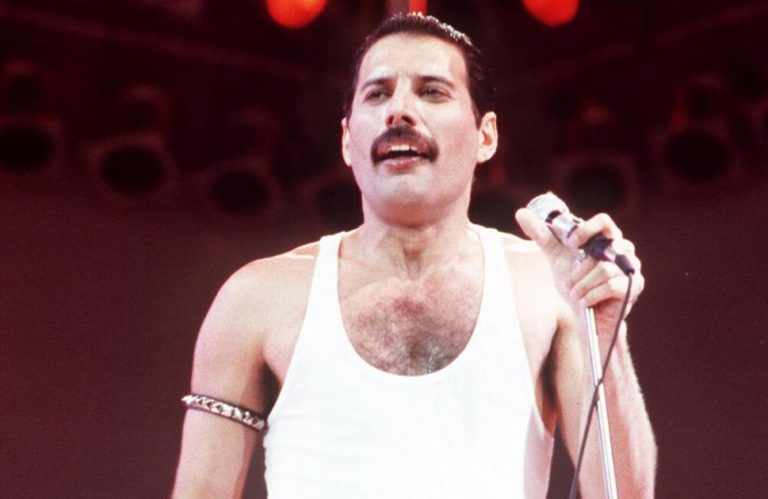
Freddie Mercury’s first girlfriend recalls the moment she knew he was gay – Inside NoVA

Freddie Mercury’s first girlfriend realised he was gay during a visit to an art exhibition.

Rose Pearson – who now goes by the name of Rose Rose – has recalled the late music icon becoming “enamoured” with photographs of men wrestling in the nude at the exhibition.

She told the Radio Times: “We had been to the V&A and seen Eadweard Muybridge’s photographs of men wrestling in the nude.

“I could see he was enamoured in a way that went beyond art appreciation. Then we went to see Ken Russell’s ‘Women in Love’ and he was dumbfounded by the wrestling scene.

“He wanted to stay in the cinema and see the whole thing again. My blood ran cold, not because it was a bad film but because of the implications. That was the tipping point.”

Rose decided to end their romance after they spent two weeks together in Russia.

The artist decided to “take matters into [her] own hands” and call time on their relationship, rather than allowing it to drag on.

Rose never spoke to the singer – who died of bronchial pneumonia resulting from Aids in 1991 – ever again and she subsequently made a conscious effort to avoid watching or reading about the Queen star.

Meanwhile, Roger Taylor revealed earlier this year that he still has his Freddie Mercury statue in his garden.

The Queen drummer claimed the statue of the band’s former frontman after it was removed from outside the Dominion Theatre in London, where the Queen musical ‘We Will Rock You’ was previously staged.

Asked if it’s still in his possession, Roger replied: “Yes, absolutely. I said, ‘Why don’t they just put it on a lorry and we’ll put it in the garden.'”

Human Rights Trends Moving in Wrong Direction, US Report Finds – Voice of America

0

WASHINGTON – Human rights abuses abounded across the globe in 2020, the U.S. State Department concluded Tuesday in its annual review of how the world’s governments treat their people.

“The trend lines on human rights continue to move in the wrong direction,” Secretary of State Antony Blinken told reporters.

Commenting on the report, Blinken also said the coronavirus pandemic led to “unique challenges” throughout the world, with some governments using “the crisis as a pretext to restrict rights and consolidate authoritarian rule.”

Secretary of State Antony Blinken speaks about the release of the “2020 Country Reports on Human Rights Practices,” at the State Department in Washington, March 30, 2021.

“Women and children faced heightened risk as the prevalence of gender-based and domestic violence increased due to lockdowns and the loss of traditional social protections,” the top U.S. diplomat said about the country-by-country look at human rights.

He said that “other marginalized populations,” including older people, those with disabilities and the lesbian, gay and transgender communities “experienced particular vulnerability.”

The report, authorized by Congress to assess conditions in countries where the U.S. is sending foreign aid, did not analyze human rights conditions in the U.S., such as last year’s street protests against police abuse of minorities or unfounded complaints by former President Donald Trump that voting irregularities led to his reelection loss to Democrat Joe Biden.

Blinken said Biden’s new administration “has placed human rights front and center in its foreign policy,” while it recognizes “there is work to be done at home,” as the country strives “to live up to our highest ideals and principles.”

“We all have work to do, and we must use every tool available to foster a more peaceful and just world.”

A protester from the Uyghur community living in Turkey, holds an anti-China placard during a protest in Istanbul, March 25, against the visit of China’s FM Wang Yi to Turkey.

But overseas, Blinken said, “too many people continued to suffer under brutal conditions in 2020.”

He cited numerous countries the U.S. considers offenders of basic human rights.

“In China, government authorities committed genocide against Uyghurs, who are predominantly Muslim, and crimes against humanity, including imprisonment, torture, enforced sterilization, and persecution against Uyghurs and members of other religious and ethnic minority groups,” Blinken said.

The report on China said Beijing “continued to imprison citizens for reasons related to politics and religion. Human rights organizations estimated tens of thousands of political prisoners remained incarcerated, most in prisons and some in administrative detention. The government did not grant international humanitarian organizations access to political prisoners.”

Protesters gather to mark the 10th anniversary of the start of the Syrian conflict, in opposition-held Idlib, Syria, March 15, 2021.

Blinken contended that atrocities sanctioned by Syrian President Bashar al-Assad “continued unabated, and this year marks 10 years of their struggles to live in dignity and freedom.”

He said the war in Yemen “has driven millions to extreme humanitarian need, preventing them from exercising many of their basic rights.”

Blinken said the Russian government “has targeted political dissidents and peaceful protesters, while official corruption remained rampant.”

The U.S. diplomatic chief said that in Nicaragua, the “corrupt” regime of President Daniel Ortega “passed increasingly repressive laws that limit severely the ability of opposition political groups, civil society and independent media to operate.”

FILE – Riot police prepare to disperse protesters during a rally against Nicaraguan President Daniel Ortega’s government in Managua, Nicaragua, Feb. 25, 2020.

The report said that in Nicaragua, “the government continued to hold 106 political prisoners as of December, nine of them in solitary confinement. Political prisoners were kept together with common criminals.”

The State Department review said that “advocacy groups (working in Nicaragua) reported that prison authorities instigated quarrels between the general prison population and political prisoners by blaming political prisoners for any withheld privileges, often resulting in violence. Human rights organizations received several reports of political prisoners being beaten, threatened, held in solitary confinement for weeks, and suffering from poor ventilation and poisoned or contaminated food and water.”

A man arrested for protesting over human rights abuses makes a court appearance in leg irons in Harare, Zimbabwe, Sept, 14, 2020.

Elsewhere, Blinken said that in Cuba, “government restrictions continued to suppress the freedoms of expression, association, religion or belief, and movement. State-sanctioned violence in Zimbabwe against civil society activists, labor leaders, and opposition members continued a culture of impunity,” while gay and transgender people “continued to be vulnerable to violence, discrimination, and harassment due to criminalization and stigma associated with same-sex sexual conduct.”

In Turkmenistan, Blinken said, “Citizens criticizing the government faced possible arrest for treason, and the whereabouts of more than 100 political prisoners remain unknown.”

He concluded that “these and other ongoing rights abuses cause untold damage well beyond the borders of any single country; unchecked human rights abuses anywhere can contribute to a sense of impunity everywhere.”

12 extremely unapologetic LGBT t-shirts that defiantly scream ‘gay rights’ – PinkNews

We 100% agree with this t-shirt.

One of the best ways to express your identity is through your clothes, especially for LGBT+ people, and slogan tees are pretty much ideal for that purpose.

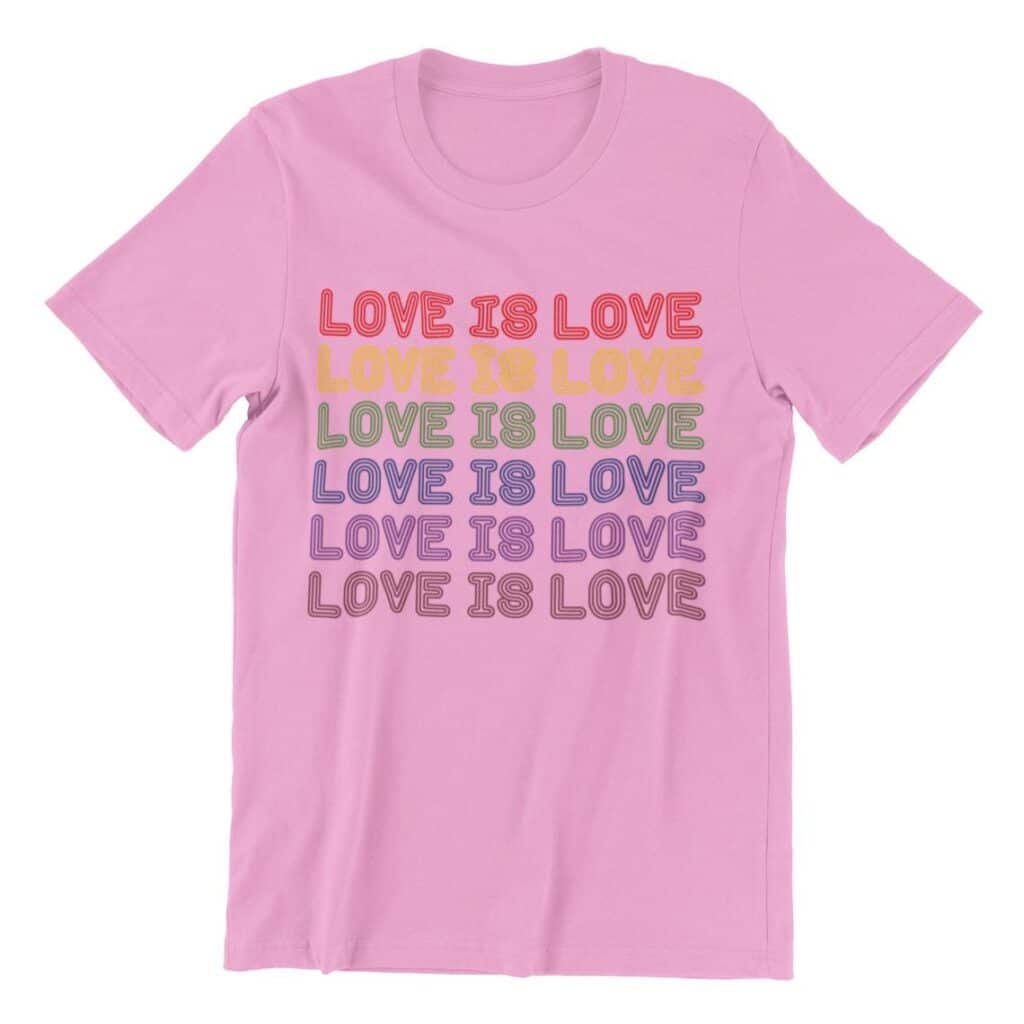
Let’s face it, there’s no better way to be loud and proud about being LGBT+ than with a rainbow covered, in-your-face, graphic printed t-shirt. And the good news is, there are plenty of them out there, with quotes from, “love is love” to “gay AF” and “sounds gay I’m in” to simply just “queer“.

If you think your wardrobe is missing an unapologetic slogan tee that reps being LGBT+ then don’t worry because we’ve got you covered.

To help you find the chest covering that suits you and your identity best, we’ve compiled a list of some of the amazing slogan tees you can wear loudly and proudly.

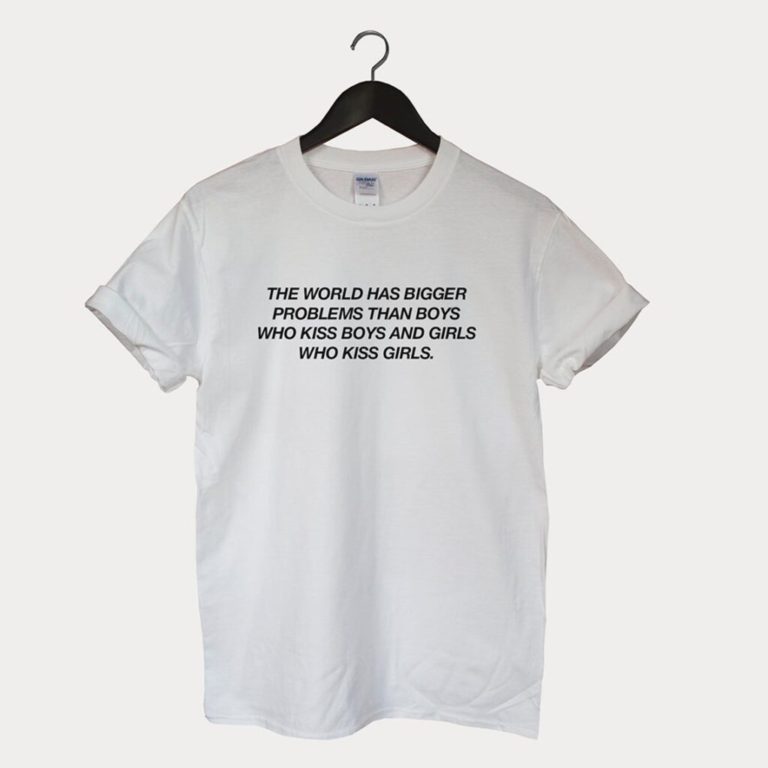
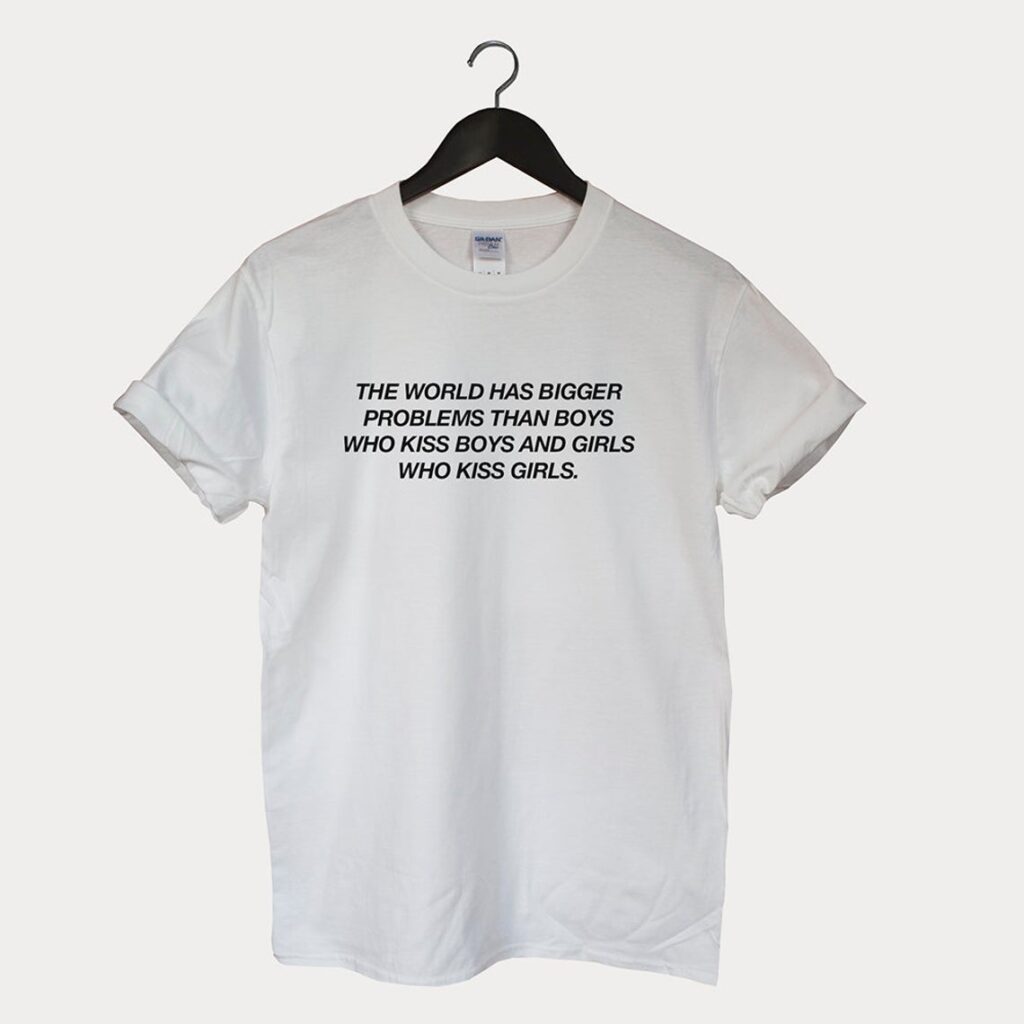
1. “The world has bigger problems…”

The simple but powerful t-shirt is available from Etsy. (NoBrandNeededTee)

This simple slogan tee which says, “the world has bigger problems than boys who kiss boys and girls who kiss girls” is in a similar style to Frank Ocean’s Internet-breaking tee “why be racist, sexist, homophobic or transphobic when you could just be quiet” that he wore during a festival set a couple of years back. It’s a powerful statement in a simple style that’s available from Etsy here for £14 and you can choose from a selection of colours.

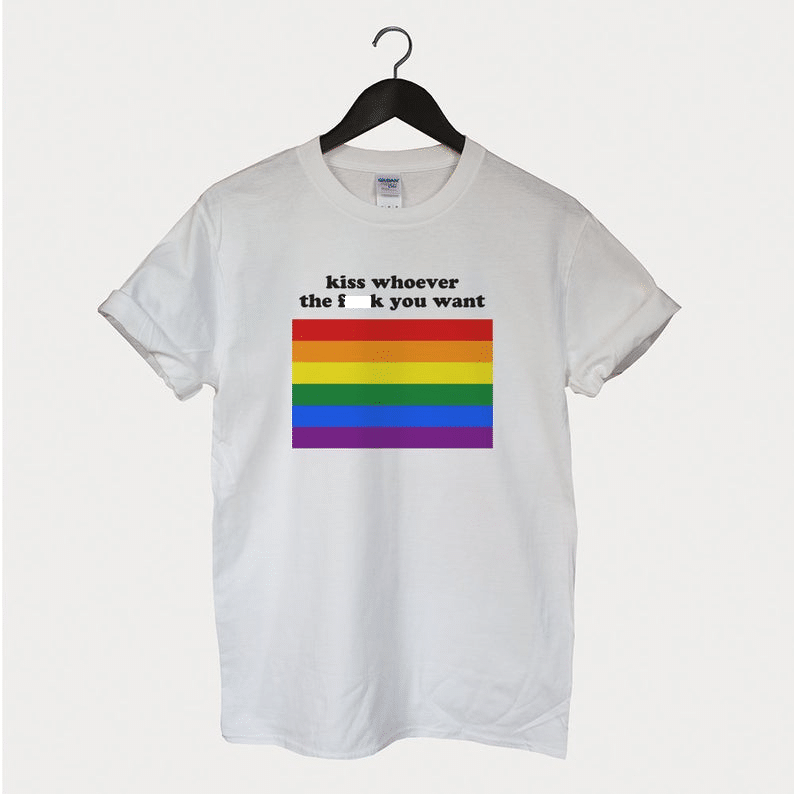
2. “Kiss whoever the f**k you want”

A Kiss Whoever the F**k You Want t-shirt. (NoBrandNeededTee)

This t-shirt says “kiss whoever the f**k you want” alongside a giant gay Pride flag, so it doesn’t really get more unapologetically queer than that. If you want to wear this top with pride then it’s priced at £13 and you can get it from this Etsy store here.

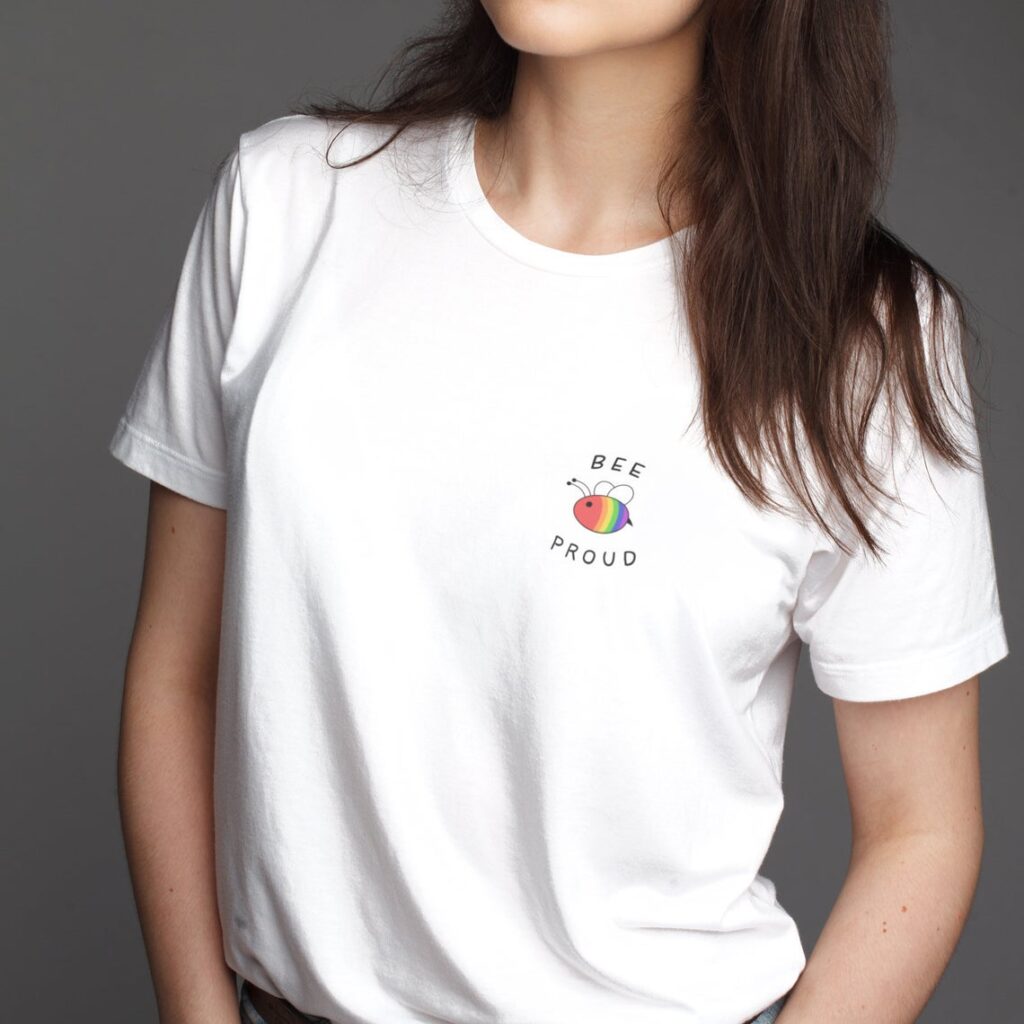
3. Bee Proud

The Bee Proud t-shirt is available in a number of Pride flag colours. (BeeProudco)

This “Bee Proud” is a little more subtle but features a cute bee design that comes in a number of different Pride colours. You can choose from the lesbian, pansexual, trans, asexual, bisexual and gay flag themed bee that’ll be a badge of honour you can showcase on your t-shirt. It’s priced at £10.95 and is available from Etsy here.

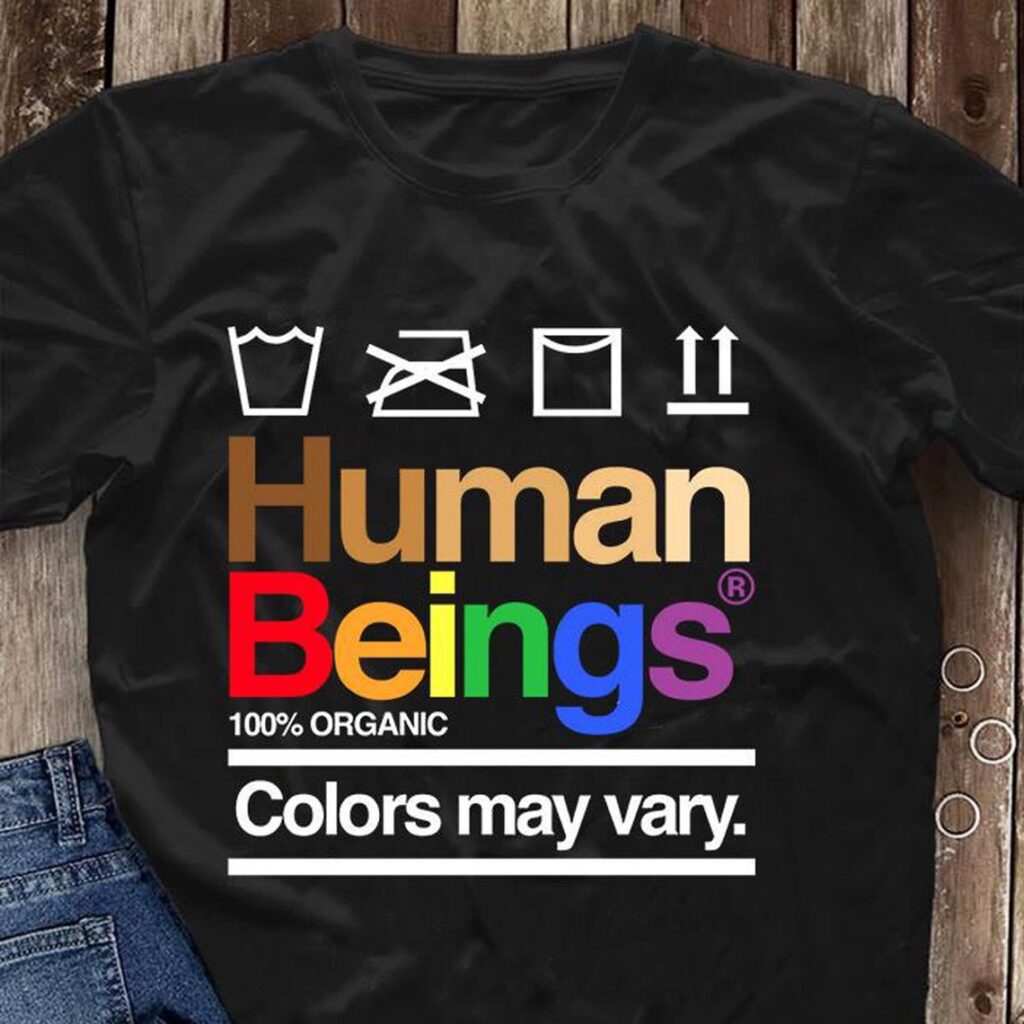
4. Human Beings t-shirt

The Human Beings t-shirt. (BallTerenceStore)

This t-shirt plays with the labels we see on clothing and the labels we rep in real life. It says “Human Beings, 100% organic, colors may vary” in a design that features different skin tones and rainbow colours. It’s priced at £7.20 and is available in a number of different colours from Etsy here.

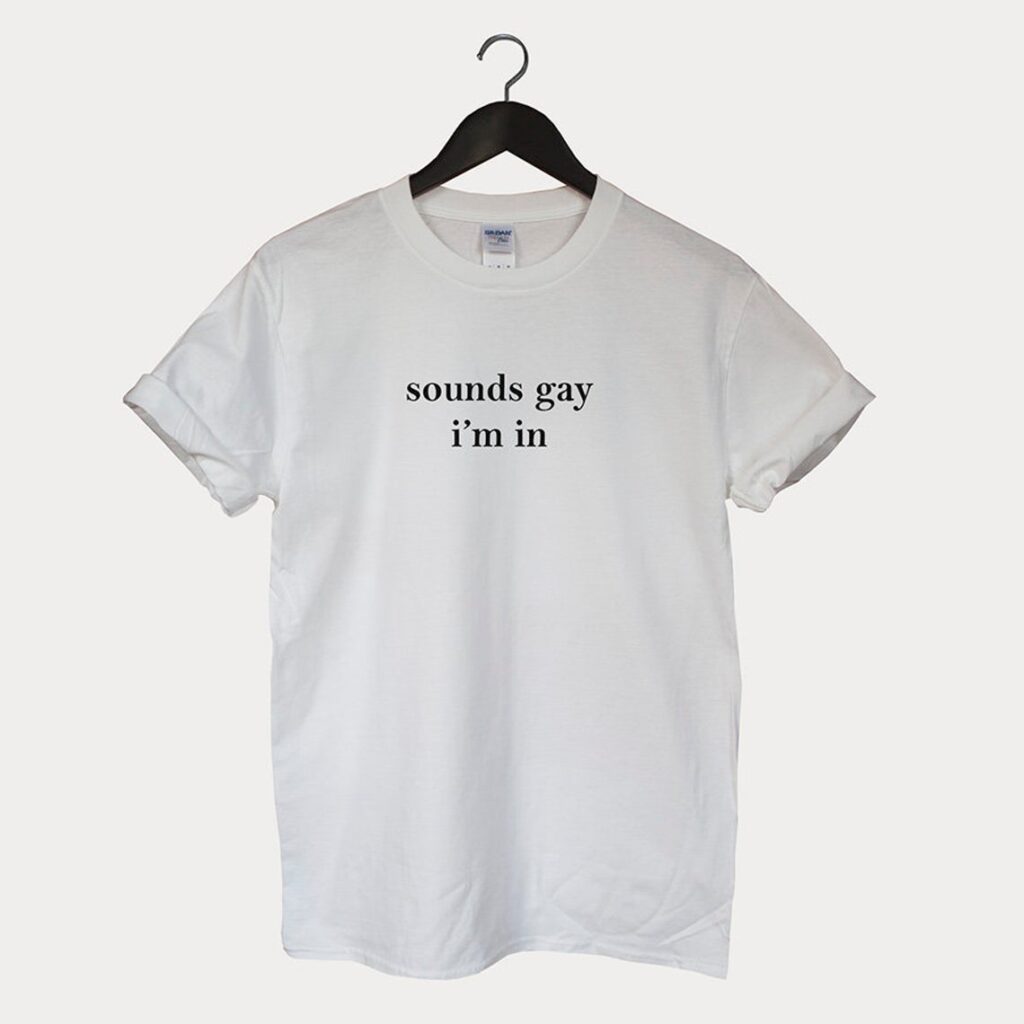
5. “Sounds gay I’m in”

A "sounds gay I'm in" t-shirt. (NoBrandNeededTee)
A “sounds gay I’m in” t-shirt. (NoBrandNeededTee)

Another quote t-shirt is this one which simply says “sounds gay I’m in”, a mantra for all LGBT+ people to rep proudly on their clothing. It’s priced at £13 and is available in different colours from Etsy here.

6. Love is Love t-shirt

A vintage style "love is love" t-shirt. (MercenaryTees)
A vintage style “love is love” t-shirt. (MercenaryTees)

This “Love is Love” t-shirt comes in a retro style design with rainbow font. It’s perfect to wear for a Pride event or every day if you want to loudly and proudly show everyone that love is love. It’s available in white, pink, black, blue and more for £18.75 from Etsy here.

7. Queer space

The Queer space t-shirt. (DavatkaFashion)

This t-shirt is a fun spin on the classic NASA design which was everywhere a few years back. Instead of NASA though this one says “Queer” and is perfect for any LGBT+ space or sci-fi geeks. You can get it in white, black or grey and it’s available from Etsy here.

You can also get the NASA t-shirt in the trans flag colours, which is a popular choice among customers. This one is available here.

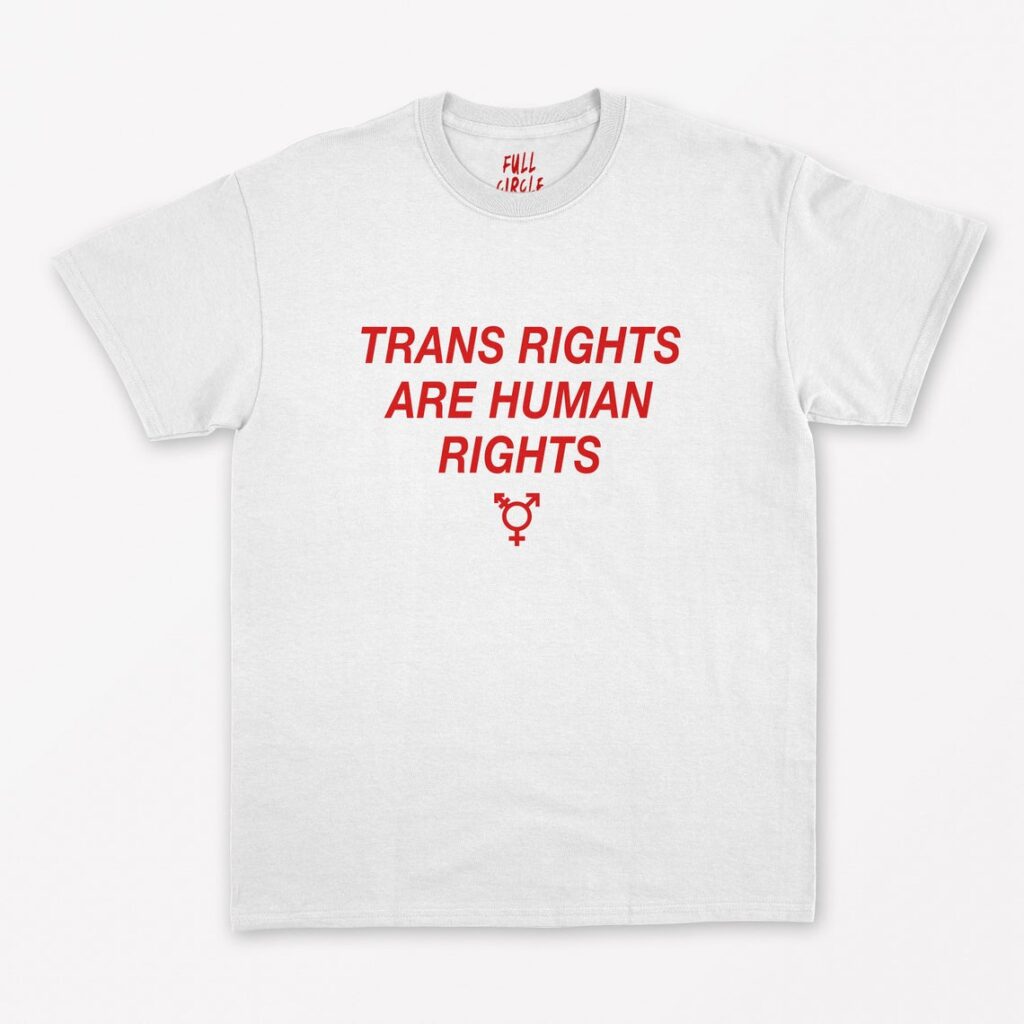
8. “Trans rights are human rights”

A "Trans rights are human rights" t-shirt. (FULLCIRCLEWEAR)
A “Trans rights are human rights” t-shirt. (FULLCIRCLEWEAR)

This slogan is important and simple, “Trans rights are human rights” in a bold and capitalised font. It’s perfect for trans people and allies to rep proudly and unapologetically until everyone gets the message. It’s available from Etsy here and is priced from £12.

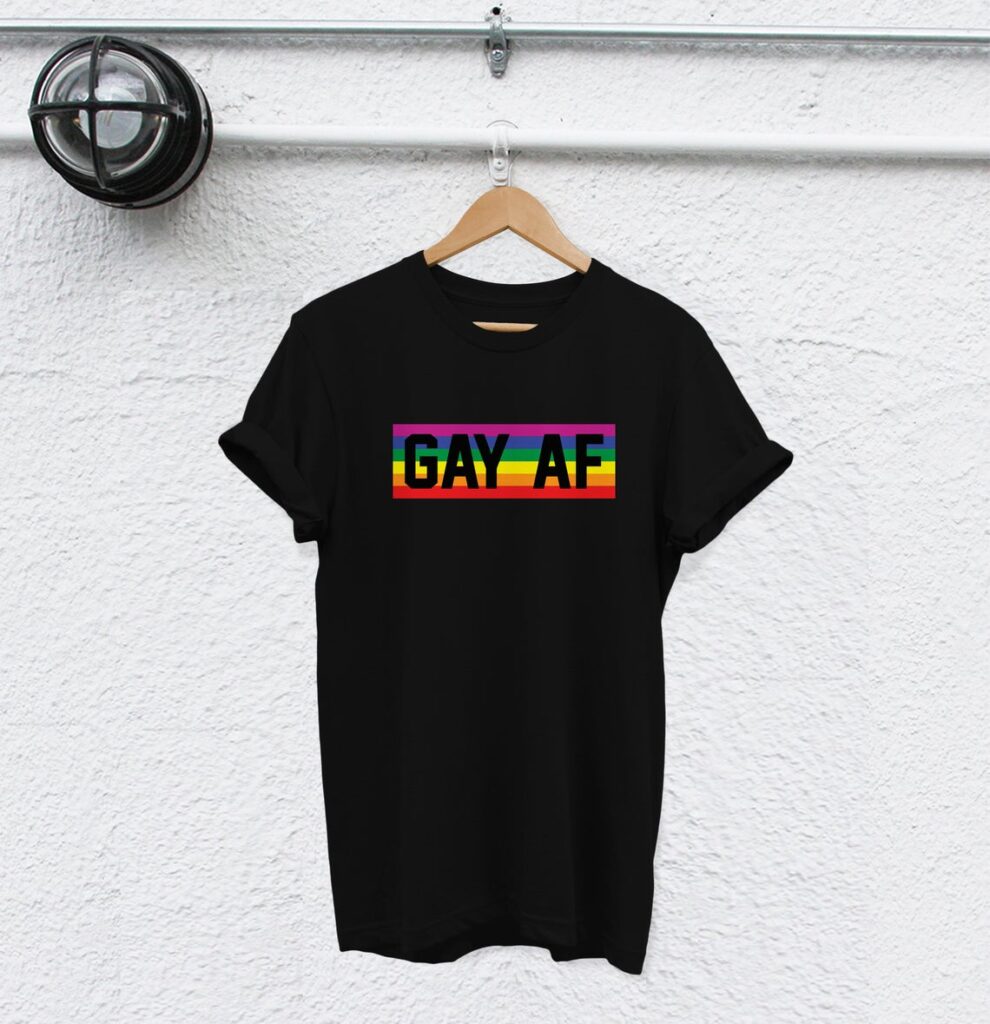
9. Gay AF t-shirt

The "Gay AF" rainbow t-shirt. (mateeshop)
The “Gay AF” rainbow t-shirt. (mateeshop)

This LGBT+ slogan tee reads “Gay AF” against the backdrop of the rainbow flag, it doesn’t really get more blunt than that, so if you want to proudly tell everyone you’re gay AF then this t-shirt is ideal. It’s priced from £11 and you can get it in a choice of different colours from Etsy here.

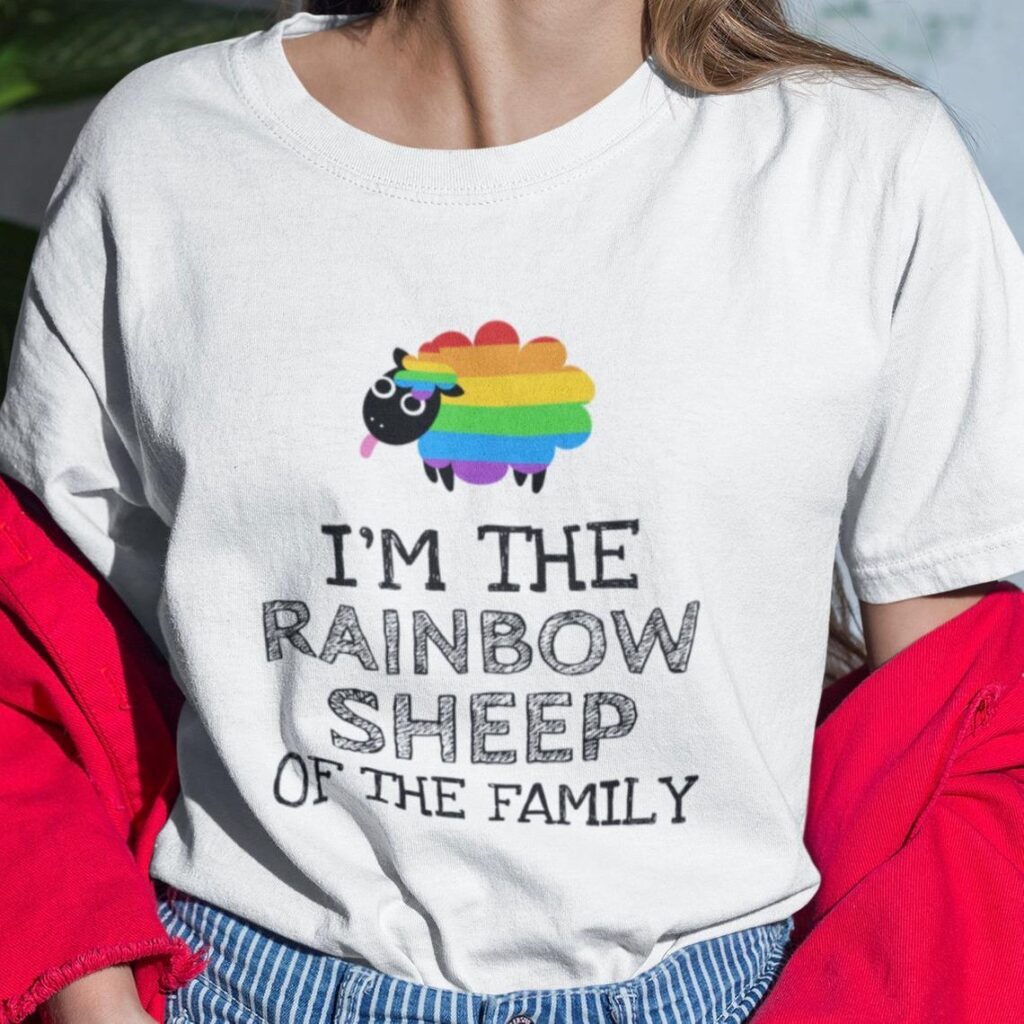
10. Rainbow sheep t-shirt

The rainbow sheep t-shirt. (youriconicdesign)

You can rep proudly that you’re the rainbow sheep of the family with this fun LGBT+ slogan tee. It features a cartoon sheep in Pride colours and is perfect if you want to show off that you’re the LGBT+ member of the fam, a.k.a. the gay cousin. It’s priced at £8.95 and you can get it from Etsy here.

11. Global Pride t-shirt

This t-shirt highlights freedrom for every LGBT+ person across the globe. (ThirstyStore)

This t-shirt features the globe in rainbow colours, and the words “We can’t stop fighting until we are all free”, highlighting the need for rights for LGBT+ across the world. If you want to wear this proudly then it’s priced at £14.99 and you can get it from Etsy here.

12. United Against Hate t-shirt

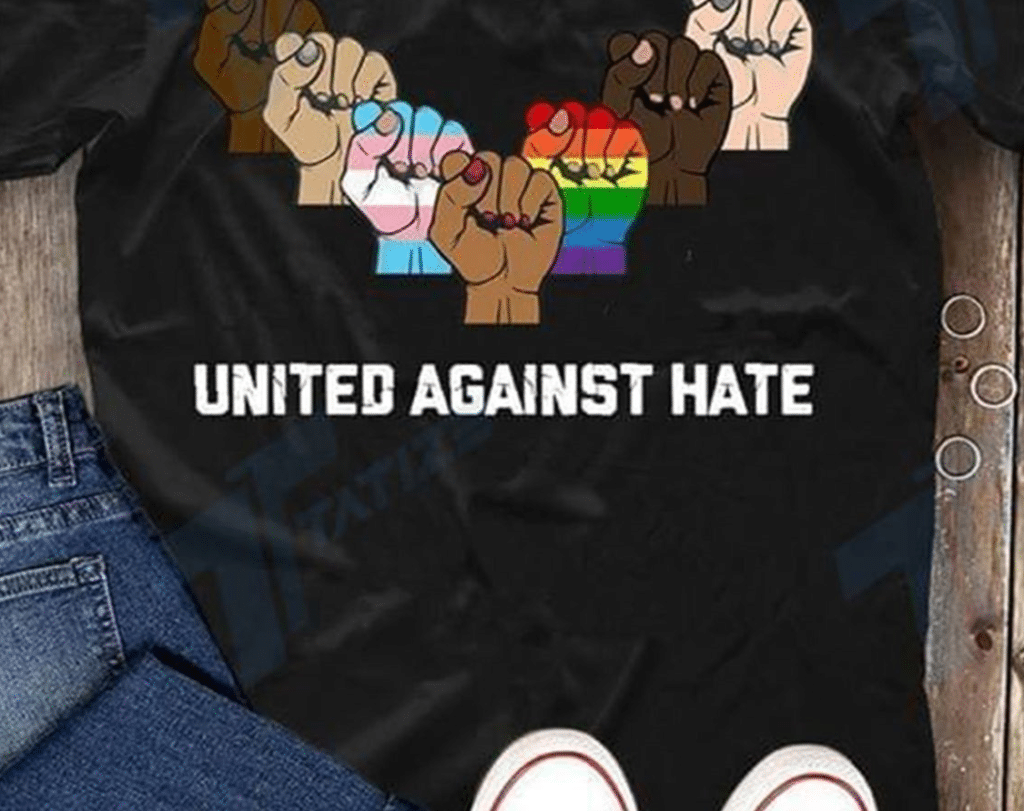
The United Against Hate top features the power fist graphic. (LightColorBoutique)

This top is definitely a big statement as it features the power fist graphic in different skin tones, as well as two featuring the gay pride colours and the trans flag colours. It also includes a “United Against Hate” quote and is available in a number of different colours and styles including hoodies. The design is priced from £13 and is available from Etsy here.

This article contains affiliate links, PinkNews may earn revenue if you click through and purchase products through the links.

Why Are Trevor Lawrence and Half of the Internet So Mad at Lil Nas X Over a Pair of Sneakers? – InsideHook

0

Over the weekend, Lil Nas X dropped a video for his new single “MONTERO (Call Me By Your Name)” full of campy visuals that include the artist sliding down to hell on a stripper pole and giving Satan a lap dance before killing him and stealing his horns. To accompany the video, he teamed up with MSCHF to release a limited-edition line of devil-themed sneakers that come complete with pentagrams and a “1 drop of human blood.”

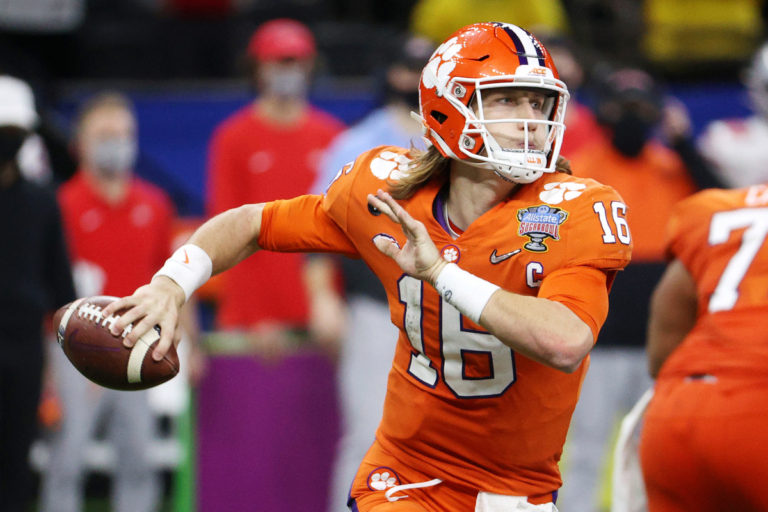
One person who is apparently not cool with the new Satanic shoes, however? Clemson’s star quarterback Trevor Lawrence, who — despite a concerted effort to remain apolitical when it come to maintaining his public persona — felt compelled to weigh in on social media.

“Line has to be drawn somewhere,” he tweeted. “Smh.”

Lawrence is hardly the only person to be offended by the shoes and their accompanying music video. Lil Nas X has spent the past few days clapping back at his detractors, who include everyone from Nick Young to South Dakota governor Kristi Noem, whose reaction to the sneakers was “We are in a fight for the soul of our nation.”

It is, however, notable that Lawrence is choosing now to weigh in. The college star is the presumptive no. 1 overall pick an NFL Draft that is less than a month away, and a scroll through Lawrence’s Twitter will tell you that he — like so many athletes before him — has no interest in courting controversy. Prior to his response the sneaker drop, his posts over the last six months consist almost entirely of football highlights, words of congratulation for teammates and a very telling retweet of a photo with the Clemson athletic department’s assistant communications director.

While Lil Nas X has not yet taken the time to address Lawrence’s comment, he has been active on Twitter over the last couple days addressing various other detractors, including Noem:

The latest controversy over the shoes, however, isn’t an ideological one so much as a business concern. Nike has filed a lawsuit against MSCHF, claiming the shoes — which include a design similar to the brand’s iconic “swoosh” — will “likely to cause confusion and dilution and create an erroneous association between MSCHF’s products and Nike,” adding that there’s “already evidence of significant confusion and dilution occurring in the marketplace, including calls to boycott Nike in response to the launch of MSCHF’s Satan Shoes based on the mistaken belief that Nike has authorized or approved this product.” 

“As a direct and proximate result of MSCHF’s wrongful acts, Nike has suffered, continues to suffer, and/or is likely to suffer damage to its trademarks, business reputation, and goodwill that money cannot compensate,” the lawsuit reads. “Unless enjoined, MSCHF will continue to use Nike’s Asserted Marks and/or confusingly similar marks and will cause irreparable damage to Nike for which Nike has no adequate remedy at law.” 

You can watch Lil Nas X’s video for “MONTERO (Call Me By Your Name)” below.

Thanks for reading InsideHook. Sign up for our daily newsletter and be in the know.