Home Blog Page 387

15 LGBTQ TV Shows on Netflix to Binge Right Now – Seventeen.com

best lgbtq shows on netflix

Courtesy of Studios

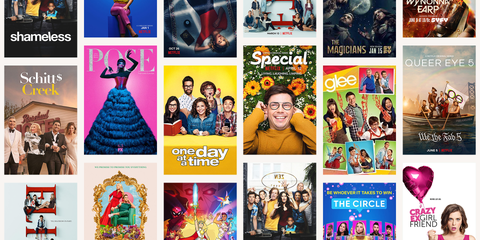
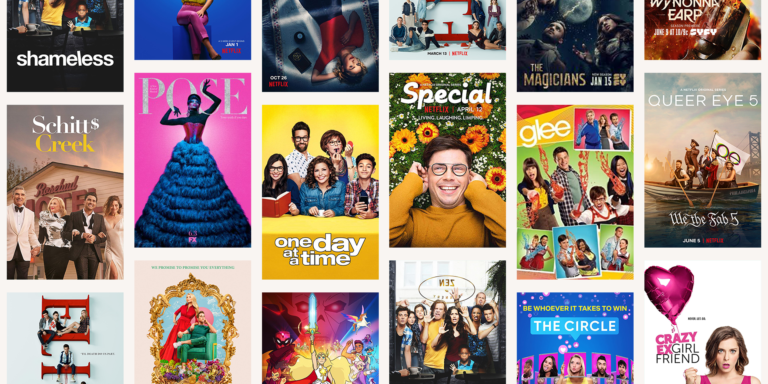
Television has finally involved to included more LGBTQ+ representation than ever. While there’s still much more to be done, there have been some standout series in recent years that we can’t get enough of. Whether you’re looking for the ultimate sci-fi lesbian adventure, or a fun family drama that will leave you crying your eyes out, there’s something on this list for everyone. Here are the best LGBTQ+ TV shows on Netflix.

Advertisement – Continue Reading Below

Schitt’s Creek

There’s a reason this special comedy has become an award winning series. Get ready to fall in love with the Rose family as they head off to a little town called Schitt’s Creek after losing their fortune.

Watch Now

Pose

Welcome to the ballroom where only one house will come out victorious. Follow some of the biggest houses on the scene as they battle it out of fame, trophies, and respect on the floor.

Watch Now

One Day at a Time

The Netflix turned Pop series ended way too soon, but at least we’ll always have it ready to play on our queue. Not only does it include one of the greatest LGBTQ+ coming out stories, but it also talks about other themes like immigration, veteran rights, and identity.

Watch Now

Special

This series is perfect if you’re looking for a quick binge. Follow Ryan as he finally moves out and ties to live his independent life as a gay man with cerebral palsy.

Watch Now

Glee

2021 marks the 10th anniversary since Santana Lopez, played by the late Naya Rivera, came out. For so many Latinx women, it was the first time they saw themselves on TV and her legacy, along with many other characters, continues to live on.

Watch Now

Queer Eye

If you’re looking for ultimate guilty pleasure makeover series, then look no further. Follow the new Fab 5 as they travel around they set up in different cities almost every season and use their knowledge to change some incredible and well deserving people’s lives.

Watch Now

Elite

Netflix’s library is filled with a ton of fun international shows that you might have not have tried yet, like one of their biggest hits, Elite. The students of Las Encinas as put on edge when one of their own is murdered. But who did it and what was their motive? You’re going to have to go on a wild adventure to find out.

Watch Now

The Politician

Ryan Murphy’s television takeover continued long past Glee thanks to series like The Politician. Just when you thought that you lived through the craziest presidential campaign, this series turns everything up with some interesting reveals and twists that you definitely did not see coming.

She-Ra and the Princesses of Power

There’s a reason why She-Ra is considered one of the most impactful animated series in recent years. Creator Noelle Stevenson takes viewers on a powerful ride that turns some of the most iconic characters from the original series into the kind of heroes you wish you had when you were younger.

Watch Now

Chilling Adventures of Sabrina

This isn’t the Sabrina the Teenage Witch that you grew up with in the 90s. Things in Greendale are darker than ever as Sabrina has to make a decision between becoming a full witch or a full human. Which side will she choose?

Watch Now

Shamless

The iconic series, which just ended its 11 season run, might take some dedication to go through. However, it’s long run allows you to see these characters truly grow up before your eyes.

Watch Now

The Circle

For a reality series that allows players to hide by catfishing, it’s surprising how many people choose to be their true authentic selves as they try to come out on top and take home $100,000.

Watch Now

Crazy Ex-Girlfriend

The song “Gettin’ Bi” is still one of the greatest bisexual moments on television and you’re going to be hooked to this fun and quirky series from the first episode.

Watch Now

Wynonna Earp

The series’ passionate fandom is the reason why it was able to run for four incredible seasons and its impact on queer women representation in sci-fi is one that will last long after its end.

Watch Now

The Magicians

The Magicians is perfect for Harry Potter lovers who are looking for something to replace their magical world with a new one. Follow a group of students as they learn how to use their magical abilities.

Watch Now

This content is created and maintained by a third party, and imported onto this page to help users provide their email addresses. You may be able to find more information about this and similar content at piano.io

Advertisement – Continue Reading Below

Everything Colton Underwood Has Said About Gay Rumors Throughout the Years – Just Jared

0

Colton Underwood will be sharing something “deeply personal” in a new interview on Good Morning America and people are speculating about what he might be revealing.

Something that Colton might be talking about are the allegations from ex-girlfriend Cassie Randolph, who accused him of stalking and harassment. Many fans don’t think that ABC should give him a platform to discuss these allegations though and lots of people don’t think he should be given a platform whatsoever.

The other subject that fans think Colton might discuss is his sexuality, which is something he has brought up throughout the years.

You might remember that Colton gained notoriety when he starred on The Bachelor in 2019′s 23rd season and was very open about being a virgin. His sexuality was discussed throughout his time in Bachelor Nation in relation to his virginity.

Click inside to find out everything he has said about rumors that he’s gay…

Keep reading to see everything he’s said in response to rumors that he’s gay…

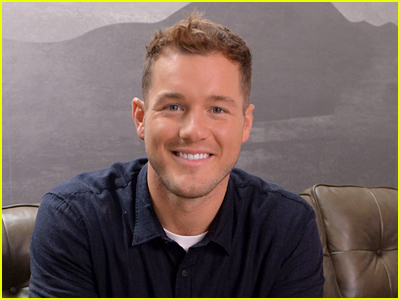
Colton Underwood sitting on a couch

While promoting his memoir “The First Time” in March 2020, Colton sat down with People and discussed his sexuality and how he was bullied when he was younger.

Colton says that a rumor spread through his high school that he was gay. He told the outlet, “It was one of those things where you hear something so often, you start believing it. I thought, maybe I am gay. The captain of the football team should be having sex and drinking, right? But I wasn’t.”

Ever since he was in grade school, he would search “Am I gay?” online. He added, “I didn’t know who I was. And I come from an athletic family, so it was always, ‘Move on, you’re good.’ So that threw me off. In high school, when I was struggling with my sexuality, I’m not going to talk to my parents about it. So I internalized it.”

The gay rumors continued during his time in Bachelor Nation.

“Even while my season was airing, I battled the gay [rumors],” he said. “They’d say, ‘he’s gay, he’s hiding it.’ No. But I’ve been there, done that now.”

Keep reading to see what he said taught him that he was straight…

Colton Underwood and Cassie Randolph sitting on a couch

Colton says that his time on The Bachelor taught him that he was straight.

“[The show taught me] that I’m straight and I’m very, very attracted to Cassie [Randolph] and women — but it would have been OK if it would have been the other way too. I think that’s the biggest message I have for people,” Colton said in an interview with Entertainment Tonight while promoting the book.

He added, “If anybody takes anything from this or is going through this, if I help one young man or one young woman go through something that they’re struggling with — to let them know that they’re not alone — then I consider the book a huge success.”

“Even now, I still battle gay rumors when I’m with Cassie, but that’s how it was for me as a young kid in grade school and high school,” Colton said. “I can deal with them now. …People, sometimes when they don’t understand, they have to get from Point A to Point B somehow, and that’s a line that they draw. That’s just what they do to make sense of things in their mind.”

Colton also talked about how rumors about his sexuality in high school got to his mom.

“There was a rumor going around my high school that I was gay because I broke up with one of my girlfriends at the time. It even got to my mom, where my mom was pulled me aside and said, ‘You know what? We’d still love you if you were gay.’ I was like, ‘I appreciate that, but I gotta figure this out.’ It was a little awkward,” he said.

Colton says he he “never acted on anything” when he was questioning his sexuality. He added, “There was questions there, and I either internalized it or moved forward with football. And going on The Bachelor was a way for me to not be able to run away from a relationship, not to be scared, and to open up.”

Keep reading to see what he said after the book was released…

Colton Underwood on the red carpet

Months after the book was released, Colton gave an interview to Reality Steve and once again addressed the rumors that he’s gay.

“In regards to those rumors,” he said. “I addressed it pretty heavily in the book [The First Time] and I’ve gone through it throughout my whole entire life. And of course, it doesn’t help being on a national stage for the mental health aspect.”

“But the bottom line is I’m not gay. I have love and support for anybody in the LGBT+ community and support that, and love is love at the end of the day,” he added. “I’m sort of used to it at this point, but I don’t think I’m ever going to give a good enough answer. I’m always going to almost feel like I’m on defense probably for a very long time.”

In a new excerpt from his book that was released earlier this year, Colton revealed why Cassie broke up with him.

UPDATE: Colton has officially come out as gay.

Oshkosh Corp. joins Wisconsin LGBT Chamber of Commerce – Oshkosh Northwestern

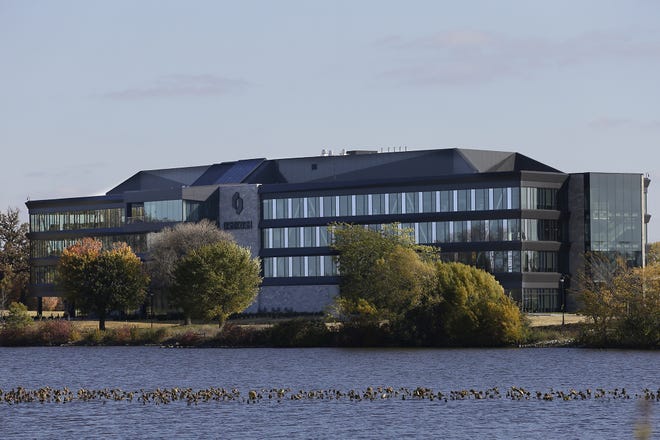
The new Oshkosh Corp. headquarters opened in the fall of 2019. Doug Raflik/USA TODAY NETWORK-Wisconsin

OSHKOSH – Oshkosh Corp. announced Tuesday that it joined the Wisconsin LGBT Chamber of Commerce. 

Oshkosh Corp. wants to build an inclusive and diverse company where people feel valued, Tina Schoner, senior vice president and chief procurement officer, said in a press release. 

“We are proud to welcome Oshkosh Corporation to the Wisconsin LGBT Chamber as our newest gold member,” President and CEO Jason Rae said in a statement. “We’re excited to be working with such a well-known company like Oshkosh Corporation to build and strengthen Wisconsin’s diverse business community. We know that in order for companies to succeed, diversity and inclusion in the workplace is essential.”

Oshkosh Corp. looks forward to working with the LGBT chamber, Schoner said. 

Oshkosh Corp. joined as a gold member, which means the company will be able to serve on the chamber’s leadership council. 

The state’s LGBT chamber works with LGBT-owned-and-allied businesses to promote economic growth in addition to inclusive work environments across the state. 

Contact Lydia Slattery at 920-426-6710 or lslattery@gannett.com. Follow her on Twitter at @lydiaslattery.

STREETWISE:Popeyes ‘definitely coming to Oshkosh,’ franchise owner says

STREETWISE:‘A mini mall of beauty professionals,’ Sola Salon to open in Oshkosh April 15

Vaccine tourism is a draw in US Virgin Islands – Travel Weekly

0
Gay Nagle Myers

Gay Nagle Myers

U.S. visitors flocking to the U.S. Virgin Islands these days are getting more than just fun in the sun.

Many of them are also getting a shot in the arm.

Joseph Boschulte, commissioner of tourism, confirmed that “although we’re not actively promoting or marketing vaccine tourism, nonresident vaccinations appear to be a benefit of the vacation experience for some of our visitors. We’re not stopping them or preventing them from getting the vaccine.”

All USVI residents 16 and over have been eligible for the jabs since March 1, and by the end of March the territory had administered more than 33,000 Covid-19 vaccines and 10,600 residents had received two shots, according to the New York Times.

“Information had circulated that visitors could get vaccinated here. Appointments are available at our two centers in St. Thomas or St. Croix through the Department of Health’s website after a visitor arrives or online before travelers head south,” Boschulte said.

“We have enough vaccine supply, and the rule is that you have to use up your allotment before you can be resupplied with more doses.”

The USVI does not track the numbers of visitors inoculated but rather places the emphasis on the local government’s self-imposed deadline of having 50% of the population of 106,000 residents vaccinated by July 1.

Depending upon which vaccine is administered, there’s a wait time of three or four weeks between the first shot and the second.

Visitors who have received the first shot either return home to the U.S. mainland and then fly back for the second jab “or they stay here for three or four weeks,” the commissioner said.

“This checks a lot of boxes for us. Our economy benefits from those who stay several weeks, eat in our restaurants, stay at hotels, charter boats for day trips and shop while waiting for the second shot,” Boschulte said.

“The airlines get the passengers who return a second time, and our visitor numbers increase. Our airlift right now is ahead of both the prepandemic lift and the pre-2017 hurricane flight operations.”

Boschulte attributed the current surge in visitors to the entry regulation that requires travelers to fill out the online Travel Portal to receive certification prior to travel. A negative Covid-19 test result taken within five days of travel also is required.

“Visitors are confident about our health and safety protocols. Right now we’re averaging 3,000 arrivals a day into St. Thomas and 800 into St. Croix,” he said.

Boschulte is “thankful and grateful” for the uptick in arrivals and feels that the numbers are sustainable.
He described the summer forecast as strong. “The expectation that all kids will be back in the classroom in the fall bodes well for family vacation travel this summer,” he said.

The American Rescue Plan Act Will Significantly Address LGBTQ Poverty – Center For American Progress

The American Rescue Plan Act’s (ARPA) $1.88 trillion in investments to combat the COVID-19 pandemic not only represents a comprehensive pandemic response but also one of the most significant measures to address poverty in U.S. history. As detailed in a previous CAP column, the ARPA is particularly important for LGBTQ communities of color, low-income households, and people with disabilities—all of whom have been among the hardest hit by the pandemic. Even prior to the pandemic, LGBTQ people, particularly transgender people and LGBTQ people of color, experienced disproportionate levels of poverty. According to the Williams Institute, before the pandemic, more than 1 in 5 LGBT adults in the United States lived in poverty, compared with 16 percent of cisgender straight adults. Nearly 30 percent of cisgender bisexual women and transgender people lived in poverty, and poverty rates for Black and Asian LGBT adults are higher than those of their cisgender straight counterparts. The pandemic has only made those numbers worse.

This column illustrates several important ways that the ARPA’s provisions can benefit LGBTQ people and address poverty in the community.

Some of the many benefits of the ARPA

Direct cash payments. Millions of people have already received direct payments under the ARPA. Low- and middle-income households will receive $1,400 per person. Single filers with incomes between $75,000 and $80,000; heads of household with incomes between $112,500 and $120,000; and married couples with incomes between $150,000 and $160,000 will also receive some direct payments.

Extended unemployment benefits. The ARPA extends both emergency unemployment insurance programs and the $300 weekly supplement to state unemployment benefits through September 6, 2021. According to the Movement Advancement Project, 47 percent of LGBTQ households experienced employment loss, compared with 32 percent of non-LGBTQ households.

Increased earned income tax credit. The ARPA nearly triples the maximum tax credit benefit for low-wage workers not raising children at home, from $543 to $1,502. It also reduces the minimum age of eligibility to claim the credit from 25 to 19 and eliminates the upper age limit, expanding eligibility to childless workers ages 65 and above. Workers whose earnings decreased because of the pandemic won’t see a reduction in their benefit amount, which will help many of the estimated 56 percent of LGBTQ households who saw wages or hours reduced since the pandemic began.

Unprecedented child tax credit expansion. The ARPA will cut child poverty in half. The law ensures that all low- and middle-income families receive the full benefit and raises the benefit from $2,000 per child under the age of 17 to $3,600 per child under the age of 6 and $3,000 per child ages 6 to 17. The money will also be distributed in periodic installments beginning as early as July 2021, so families won’t have to wait until tax time to receive support that they need now. According to the U.S. Census Bureau, 12 percent of unmarried same-sex couples and 19 percent of married same-sex couples are raising children. And while the census does not collect data on single LGBTQ people or LGBTQ people who do not live with a same-sex partner, the Williams Institute estimates that 11 percent of cisgender gay men, 30 percent of cisgender lesbian women, 30 percent of cisgender bisexual men, 45 percent of cisgender bisexual women, and 33 percent of transgender people have a child or children in their households.

Efforts to combat hunger. The ARPA extends the 15 percent increase in Supplemental Nutrition Assistance Program (SNAP) benefits through September 30, 2021. According to a nationally representative June 2020 survey from CAP and NORC at the University of Chicago, 25 percent of LGBTQ people and their families—including 30 percent of transgender people, 32 percent of LGBTQ people of color, and 42 percent of disabled LGBTQ people—reported receiving SNAP benefits.

Assistance to keep people in their homes. The ARPA provides $21.6 billion in emergency rental assistance and $5 billion in emergency housing vouchers for people experiencing homelessness or who are at risk of homelessness. It also provides nearly $10 billion in assistance to homeowners who are struggling to keep their home. According to the Williams Institute, 20 percent of LGBT respondents and 26 percent of LGBT respondents of color, compared with 12 percent of non-LGBT respondents, reported having trouble paying their rent or mortgage between August and December 2020. The ARPA also provides $20 million to enforce nondiscrimination protections, which will help protect LGBTQ people from discrimination in housing.

Improved access to health care. CAP’s 2021 survey found that nearly 1 in 3 LGBTQ people, including more than half of transgender people, postponed or avoided needed medical care due to cost. LGBTQ people are twice as likely to be uninsured than non-LGBTQ people. The ARPA provides $35 billion in subsidy increases for people who purchase insurance on the Affordable Care Act (ACA) marketplaces and $7.6 billion to community health centers, including many LGBTQ-serving health centers. It also provides incentives for states to expand Medicaid. In states that have expanded Medicaid, just 8 percent of LGBTQ adults are uninsured, compared with 20 percent in states that have not expanded Medicaid. The ARPA also provides $7.5 billion in funding to the Centers for Disease Control and Prevention for vaccine distribution.

Investments in mental health care. The ARPA includes $3.88 billion to expand investments in mental health care. According to the Kaiser Family Foundation, 3 in 4 LGBT people reported that worry and stress from the pandemic has had a negative impact on their mental health. CAP’s survey found that more than half of LGBTQ people reported that discrimination negatively affected their psychological well-being to a moderate or significant degree in the year prior. And more than 60 percent of LGBTQ people—including more than 70 percent of transgender people—felt down, depressed, or hopeless because of the pandemic,.

Protection for LGBTQ workers. Complaints filed with the U.S. Equal Employment Opportunity Commission alleging discrimination on the basis of sexual orientation or gender identity have risen each year since 2013. CAP’s survey found that more than 1 in 3 LGBTQ people who experienced discrimination in the year prior had that discrimination occur in the workplace. The ARPA invests $200 million in worker protection enforcement.

Conclusion

The American Rescue Plan Act will provide critical relief to LGBTQ people and their families. However, additional investment is needed to counter the effects of stigma and discrimination that contribute to higher poverty rates for LGBTQ people. LGBTQ people also face lower educational attainment, higher rates of unemployment, and overrepresentation in low-wage jobs—and these disparities are more pronounced for transgender people, bisexual women, and people of color. Raising the minimum wage, improving access to education and skills training that prepares people for available opportunities, and ensuring access to supports that allow LGBTQ families to meet basic needs are needed to address economic insecurity. Furthermore, the federal government must collect sexual orientation and gender identity data to assess the needs of the community and the success of policies in meeting those needs.

While the ARPA is a significant step in addressing the concerns of LGBTQ people, their families, and their communities, it is incumbent upon policymakers at the federal, state, and local levels to implement strategies targeted toward those who are most vulnerable.

Sharita Gruberg is the vice president of the LGBTQ Research and Communications Project at the Center for American Progress.

Gay TV History: The Straightening of Chandler Bing – The Portland Mercury

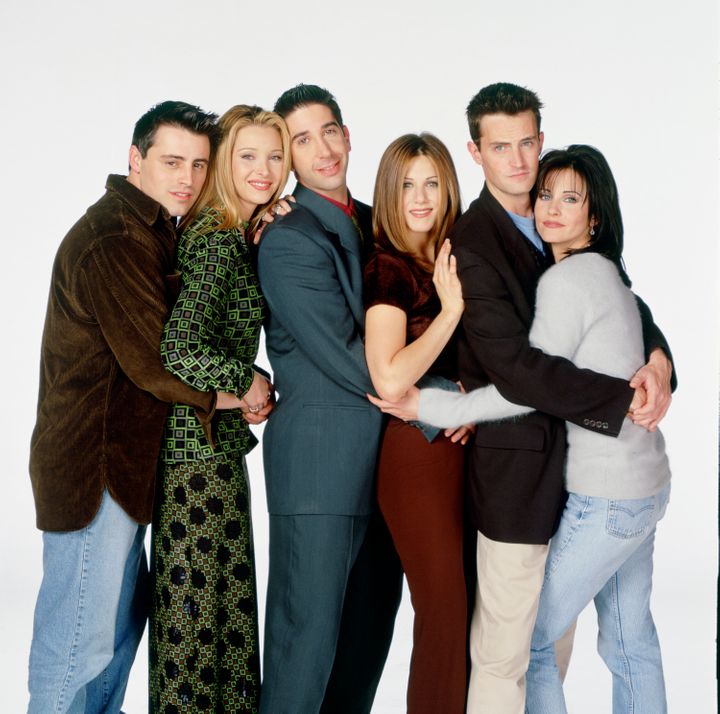
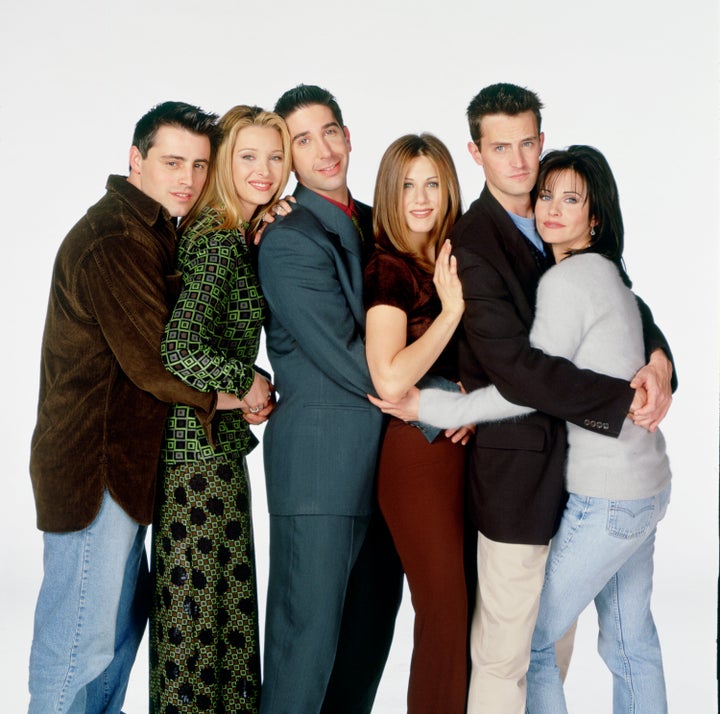
We all know this gay couple.

We all know this gay couple. Friends

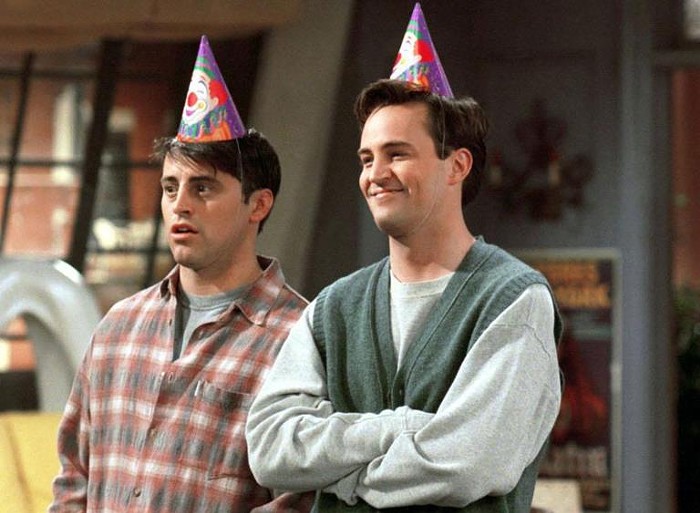
This weekend Friends finished filming a reunion episode, slated to appear on HBO Max at some point, which has me thinking about just how close the show came to featuring what could have been the most prominent gay sitcom character in history.

Showrunners came this close to making the Chandler character gay, only pulling back after they cast Matthew Perry.

But despite having straightened Chandler out, creators Marta Kauffman and David Crane gave the cast and crew explicit instructions to retain the gay vibe: “write it gay,” they told everyone, “and play it straight.”

I wonder, looking back now, if they had allowed Chandler to be gay — or bi, or any other flavor of queer — would that have been better? Or would it have been a huge mess?

When Friends premiered, audiences instantly picked up on the gay undertones. I was combing through newspaper archives from the mid-90s, and a surprising amount of the coverage is devoted to slow, patient explanations that Chandler isn’t gay — really, we promise. “We’re not going to tell you again,” fumes one entertainment column.

Viewers were picking up on the vestiges of the original plan, vestiges that are still visible in the pilot episode according to David Crane. One of Chandler’s first lines of dialogue is an offhand remark about wishing he was a lesbian, and Crane says that the pilot-ending line in which he describes his dream of being Liza Minnelli is a holdover from when they were still contemplating the possibilities of the character’s sexuality.

On top of that, Chandler’s coded as queer in a way that would have been familiar to audiences of the time — not only because he’s sassy and sarcastic, but because he also conforms to a gay trope that was observed by his colleague, Jerry Seinfeld: “Single, thin, and neat.”

Throughout the show’s run, Chandler was the constant butt of gay jokes — always assumed to be “that,” as the show tended to say rather than using the word “gay.” He also had a complex relationship with his parent, whose handling is complicated to discuss: Identified on the show as a gay man who performed in drag, the character was described by showrunners in interviews as a transgender woman. (Kathleen Turner has said that she has some regrets about taking the role.)

Ultimately, Chandler wound up being persistently heterosexual. But if he had been gay … would that have been better? It’s hard to say what might’ve been, but to be honest, I think we dodged a bullet.

For one thing, despite the “write it gay, play is straight” directive, the show seems a bit wobbly when it comes to gay humor, returning over and over and over to the same joke: It would be funny if someone was gay. That’s it. That’s the whole gag.

For another, I think it’s best that the first prominent recurring gay character on a US primetime sitcom was played by a queer person. Matthew Perry might’ve been able to handle gay Chandler (or maybe not) but Ellen’s groundbreaking Puppy Episode set a strong tone for gay sitcom characters by depicting a positive coming-out.

Before Ellen’s coming-out, sitcoms tended to treat gay characters as a crisis, with “what do we do about this” Very Special Episodes. But when she came out in 1997, the show showed a warm, supportive, congratulatory response. Gay episodes that followed on other shows seemed to take the cue, and queerness was suddenly a cause for celebration on TV instead of agitation.

The creators of Friends got a sort of second chance at gay Chandler on their next show, Veronica’s Closet. Though it wasn’t quite the hit that Friends was (and, it must be noted, it starred the unpleasantly Trump-supporting, Scientology-defending Kirstie Alley), Veronica’s Closet featured a smart, sarcastic character not unlike Chandler. But this time, Kauffman and Crane created a character who was actually queer, though initially closeted; and when he comes out in season 3, he’s met with support and approval. It’s sweet.

Support The Portland Mercury

That’s not to say that Friends couldn’t have done the same — if anything, their more sensitive handling of the Josh character on Veronica’s Closet shows that a more nuanced take than “lol he’s gay” was waiting in the wings. So who knows! Maybe it would have been good! Maybe Chandler would have been a triumph of queer representation!

But that is a very vast “maybe.” As it was, Friends seems to struggle with gay comedy, repeatedly dipping into the same “haha someone’s gay” well, whereas other gay comics of the time like Scott Thompson and Bob Smith were doing far more nuanced and funny takes on queer life in the ’90s.

Ultimately, I suspect — if I had to guess — that at the end of the day, “write it gay and play it straight” is not, in fact, the most useful of prompts.

Opinion: NCAA must make states with anti-trans laws pay with loss of championships – USA TODAY

Bigotry comes with a price.

All those states that already have or are in the process of trying to ram through legislation that would prohibit transgender girls and young women from playing sports should take note of that letter issued late Monday by the NCAA’s Board of Governors. Its support for transgender athletes, and the science-based criteria that guides their participation, is noteworthy.

But it is the Board of Governor’s warning at the bottom of the letter that should set off alarm bells in Texas, Florida, Louisiana, Tennessee and more than a dozen other states.

“When determining where championships are held, NCAA policy directs that only locations where hosts can commit to providing an environment that is safe, healthy and free of discrimination should be selected,” the board wrote. “We will continue to closely monitor these situations to determine whether NCAA championships can be conducted in ways that are welcoming and respectful of all participants.”

In other words, keep going down this discriminatory path, and you can kiss goodbye your ability to host Final Fours and earlier rounds of the men’s and women’s basketball tournaments, as well as championships for tennis, golf, rowing, cross country and any other number of sports.

This is no idle threat. After North Carolina passed HB2, the so-called “bathroom bill” that also targeted transgender people, in the spring of 2016, the NCAA yanked its first- and second-round games in the men’s basketball tournament out of Greensboro the next year. (The ACC followed suit, moving its football championship to Orlando.)

South Carolina did not host any predetermined NCAA championship from 2002 until 2015 as punishment for the state’s insistence on flying the Confederate flag above the capitol. When the NCAA and SEC said last June that they would not hold championships in Mississippi so long as the state flag contained a Confederate battle emblem, it took lawmakers less than two weeks to get rid of it.

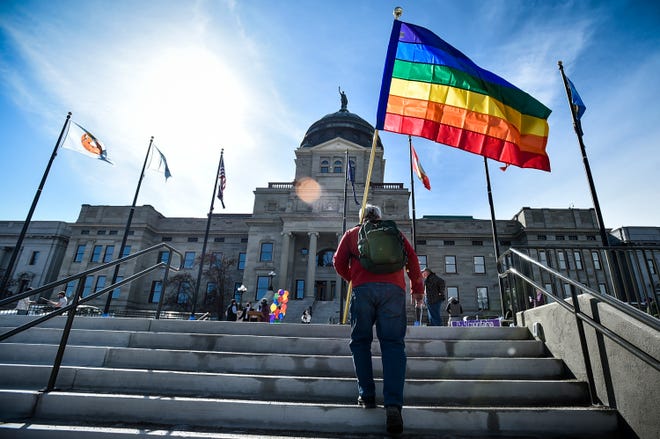
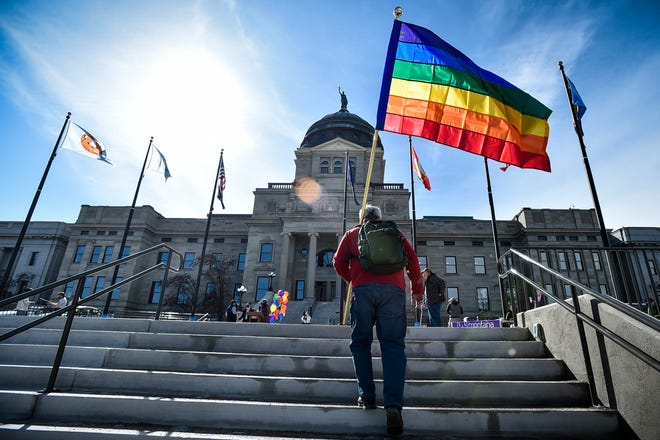
Demonstrators gather on the steps of the Montana State Capitol protesting proposed anti-transgender legislation.

It isn’t just the prestige of hosting these events that’s at stake, either. The men’s Final Four has an economic impact of more than $100 million for the host city, studies have found, while other events generate millions in spending at hotels, restaurants and other local businesses.

And yet, legislators are willing to sacrifice all of it because of their own hate, ignorance and/or political calculation.

Because the bills they’re passing sure aren’t based on any science or facts.

“These bills are illogical, in so many different ways,” Alphonso David, president of the Human Rights Campaign, told USA TODAY Sports on Tuesday morning. “They know they have no facts, no science, no data to support their legislation. And yet, they’re pushing them anyway.”

NANCY ARMOUR:Banning transgender girls from sports doesn’t protect anyone, it promotes hate

CHRISTINE BRENNAN:Sports leaders seek to protect women’s sports while accommodating transgender girls and women

The lawmakers pushing these bills, and the far right-wing groups giving them money to do so, would have you believe that women’s sports are on the verge of being overrun by boys and young men who either can’t compete against their own gender or are looking for opportunities to prey on girls and young women. Aside from being a hateful mischaracterization of transgender people, it simply is not true.

The NCAA has had rules on its books – crafted with the guidance of actual scientists! – since 2011 governing the participation of transgender athletes. And yet, there has been very little impact on women’s sports. Transgender athletes have not “taken over,” nor have cisgender women been shut out of opportunities.

“Transgender people have been participating in sports consistent with their gender identity for decades. This is not new,” David said. “The sky didn’t fall. There’s been no problem.”

Except that right-wing politicians recognize this as an opportunity to open a new front in the culture wars.

These bills, much as previous legislation to block gay marriage and discriminate against the LGBTQ+ community was, are meant to “otherize” transgender people. To turn them into bogeymen who will rally Americans frightened by our changing country to vote.

The politicians will of course take umbrage at this, insisting they are simply trying to “protect” girls and young women. But their hypocrisy is apparent in their indifference to the actual threats to women’s sports and those who participate in them.

I don’t seem to recall Texas legislators registering their collective outrage over the disparities at the women’s basketball tournament, which was held in San Antonio and where two state teams, Texas and Baylor, made deep runs. Nor do I remember lawmakers in South Dakota, Mississippi or Tennessee pressing state schools to ensure they were living up to their Title IX obligations.

The only purpose of these bills is to sow hate and discrimination. Which is why Monday’s statement from the NCAA’s Board of Governors cannot be its last word.

“These are not just hypotheticals. Five states are banning transgender participation in sports. Five,” the HRC’s David said. “We need to do more than just monitor. We need action.”

It’s a waste of time to appeal to the decency of politicians so eager to marginalize transgender youth, but the NCAA can appeal to their egos and pocketbooks. So long as lawmakers are willing to play politics with the lives of these vulnerable kids, the NCAA had better be willing to act and direct millions of dollars into other states.

Follow USA TODAY Sports columnist Nancy Armour on Twitter @nrarmour. 

PitchIt Podcast Episode 2: Billie Simmons of Daylight – Lend Academy

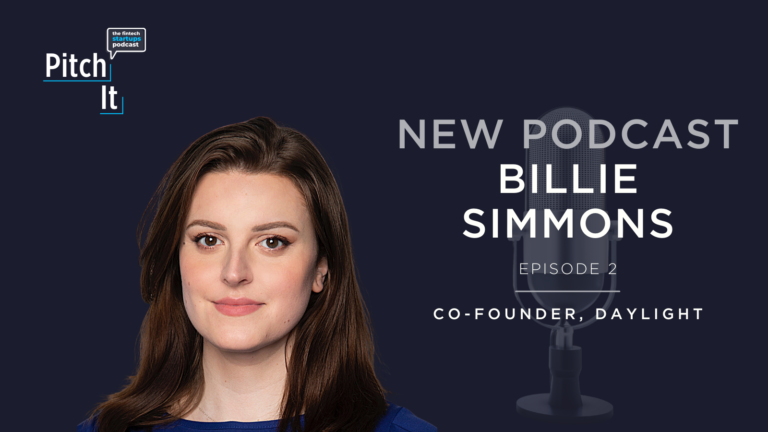
In episode two of PitchIt: the fintech startups podcast we talk with Daylight Co-Founder and Chief of Staff Billie Simmons.

Daylight is a truly unique neobank built by LGBT co-founders and for the LGBT community. Community is really what stands out, the firm is driven by the need to serve their community.

Traditional banks have never served LGBT customers in a respectful manner, they don’t understand their needs and what types of services suit them best. Daylight is aiming to change that through their offering and by working with others to help change a culture that is in desperate need of change.

PITCHIT FINTECH STARTUPS PODCAST NO. 2– BILLIE SIMMONS


Welcome to PitchIt, the Fintech Startups Podcast, one founder, one startup, one investor at a time. I’m your host, Todd Anderson, Chief Product Officer, LendIt Fintech.

(music)

Todd Anderson: On today’s episode, we talk with Billie Simmons, Co-Founder of Daylight. Daylight’s a neobank focused on the LGBT+ community and so when thinking about the power of fintech and the tools that have been created, we can’t help but think communities that have been left behind by traditional banks. That’s the problem Daylight’s looking to solve for the LGBT+ community. I had a lot of fun during the conversation and I hope you enjoy the show.

(music)

Welcome to the podcast, Billie, how are you?

Billie Simmons: I’m good, thank you. How are you?

Todd: I’m well. So, I’d like to kick off the podcast with just a bit of background on you professionally and, you know, kind of got to where you are and then we’ll jump into your founder story. So, tell the audience a little bit about yourself.

Billie: Sure. My name is Billie Simmons, I’m the Co-Founder of Daylight, the first digital banking platform designed for and by the LGBT community. My background is really in the fintech and early stage startup land. I’ve worked at VCs, at incubators, various early stage fintech startups really in a very broad range of roles, really considered myself a generalist, I’ve done software engineering, I’ve done marketing, I’ve done a bit of everything and, you know, I sort of have really enjoyed working for other people.

About two years ago now, I started to take the leap into building something for myself which was at first an app to help trans and non-binary people access safe spaces that kind of yelp for safe spaces and, yeah, taught me a lot, taught me lot about how hard it is to start companies and, you know, the importance of engaging authentically with the LGBT community and just in general about building for the LGBT community. Through some of those activities, met my Co-Founder on stage at Google, Rob Curtis, and together we joined up about six months later and started what is now Daylight.

Todd: Was there one specific thing that in terms of….you know, you mentioned building something for yourself, was there something that you thought, alright, a digital bank is what we need to do versus maybe another project. I mean, you mentioned the safe spaces app, why a digital bank, did you think that was the way to go and kind of where did you come up with the idea.

Billie: I definitely can’t take credit for the idea. You know, firstly, there’s been a number of iterations on the idea of an LGBT bank. This one came about from a venture studio in Europe, who kind of wanted to put together some people to work on this idea. They brought in Rob, Rob brought in me and I think together, the two of us, really started to shape it in the direction that is now…you know, I think the danger with building anything for a specific community can be …that it just becomes like a marketing, an acquisition play, that it’s like, you know, every other bank, but instead, there’s a rainbow on it.

I think that was something that was really important for us when we were kind of going through this process and talking to the LGBT community and really getting to the root of what makes LGBT money unique, what are the pain points, how can we solve them. There are a number of things that we can do when we’re kind of building a neobank from the ground up, from an infrastructure perspective. from kind of, you know, some of the bolt-ons, some of the ways that we approach things like education and community. So, yeah, I mean, you know, for me the light bulb moment was the way that…..you know, I first got involved was Rob, just asked to pick my brain about my experiences as a trans-woman, like as a consumer of financial products.

I ended up speaking for about three hours about it because as I was going through my experiences just realized that I was so much wrong with how I’ve been treated and the various systems that I had to navigate in order to just self-actualize in order to just, you know, live my life and to access normal financial products. And then the more we delved, the more we talked to potential customers, the more we realized like, wow, we’re on to something huge here and there’s, you know, a big problem that’s not being solved.

Todd: Can you talk a little bit about some of those issues in traditional banking that, you know, you, your experience and that traditional banks essentially are not serving this community well.

Billie: You know, when I think about this problem it kind of splits up into a couple of parts. So, firstly, you have this kind of scary idea of systemic discrimination. So, LGBT couples are 73% more likely to be denied a mortgage compared to non-LGBT couples with the same financial background, we have higher level of student debts, we are less prepared for retirement, we have lower levels of financial literacy so it’s kind of all of these sort of being kind of unwieldy problems that we kind of face.

There’s also just the fact that it costs more money to be LGBT. So, the average cost of having a child for an LGBT couple is $55,000 versus, you know, usually free for non-LGBT couples. And, you know, transitions for trans and non-binary people can cost up to $100,000 so there’s a huge lump sums of money that are needed that most people not in this community don’t need to come up with and they were already kind of on the back foot of all of these systemic discrimination.

And then, I think kind of the third part of it for me is that the systems just weren’t designed for us, in the first place. So, when I was kind of talking about my experiences, you know, updating my name legally and having to go through multiple stages and hundreds of dollars and hours and hours of my time just to get a debit card with my name on it. And, I still get an email every month from my bank that uses my dead-name, just the name I used before I transitioned, and there’s no way to change that because in that infrastructure ways haven’t been built in a way to do that. So, those are the kind of big…like sort of three things that we think about when we think about the kind of key pain points and what we can do to solve them.

Todd: Yeah. I mean, even hearing you describe it, most financial products I see when I either watch TV or get the mail, it talks about, you know, the car and your house as your two biggest financial purchases and, obviously, not taking into consideration this community who have these other issues going on. Like you just said, the $55,000 for having a kid or for transitioning clearly is not being served in the traditional….your financial services ecosystem.

You mentioned one thing in there about the debit card and changing it on your website, you make a point to mention and now we’ll get into a little bit more about what Daylight offers, Visa branded cards in your preferred name even if it doesn’t match your legal ID, just curious how that kind of works and what kind of issues potentially come up with that. I mean, as we are in a lockdown or Corona virus today, touchless and contactless payments are becoming more and more of the norm, but in thinking through that, you know, does that bring up other issues if someone is asked to show an ID for a purchase and how does that work.

Billie: So, you know, that is the main question that we get and that we got when we first started this process. And so, we did a huge audit with FINTRAIL and really took a look at the landscape and to see if allowing trans and non-binary people to have their chosen name or preferred name on their card would actually increase the risk of fraud and we found no reason to believe that that was the case. The reason for that is when you’re on-boarding, you still have to put your legal identity through KYC, you’re still background checked in the way that you sign up with the banks.

All it really does is allow, you know, this community the dignity of being recognized and not having to use, you know, publicly a name that they no longer identify with. Again, when we started working with Visa, they actually took a look at their internal regulatory compliance rules and found that actually they have never required legal names to be on cards. It is actually just because we all presume that that is the rule, that that has been kind of the rule that we adhere to and so, you know, a Visa card that takes a PIN, it would be very hard to spoof this or use it for fraud.

I’m sure at some point, like every financial product, someone will try to, but, you know, we really just see it as allowing trans and non-binary people the dignity of living their lives without compromise. Yeah, you know, I think even beyond that there are a couple of similar products in the market from depositors that do a similar thing, but where they kind of get it wrong is it’s a very minor change, right.

So, in other products you can get a name on your card, but nowhere else so still when you log-in or when you see a correspondence, you’re dead-named. What we have built is a system that takes your legal name one time when you sign up and you never have to see it again, if you don’t want to and then from then on, you are referred to in all correspondence, on the app, in your account statements, by your chosen name. And so, you know, really this is about empathy, this is about understanding and building something that takes into account our unique needs and builds for them.

Todd: Yeah. You’ve mentioned that a couple of times here, it’s obviously on your website a fair amount which is community. How important is that aspect, you know, as you’re building daylight not only in, you know, who you guys are. In talking with you a little bit before, you talked about your Savings Goal feature and how that encourages community interaction so how important is that as you’re building this company and building obviously a community that feels as if this product speaks to them.

Billie: It’s usually important, right, like the LGBT community is an incredibly resilient and organized and a supportive community as it stands. So, I think really when we set about building Daylight, we took inspiration from existing structures in the LGBT community. You know, we have a long history of mutual aid and financial support as well as mentorship and advice sharing and information sharing, but a lot of these systems are hyper localized, you know, difficult to access. You need to know certain people in certain communities in your physical area to actually access some of the support so, you  know, asking ourselves the question, what happens if we take all these, amazing traditions and bring them into one place in the app and make it easier to do.

So, you have a community tab for people can ask questions, share advice, you can book time with LGBT financial coaches, but the feature that I’m super excited about, and that just came out with the launch of our beta in the middle of March, is the ability to start Savings Goals, share them with the community and cheer each other on. You know, you’re more likely to hold up a good saving habit if you have support from other people and if you’re held accountable to other people, but even beyond that, you know, GoFundMe is the number one funder of trans surgeries in the US. So, what would it look like if we took that model, brought it into your banking platform and gave you the ability to, you know, fund raise for your transitions and for these things that cost a lot of money and allows your community to donate to you in the app.

Todd: I just think it’s so interesting what, you know, you guys are building and how you’re doing it. I mean, some of the stuff seems simple, you know, from my point of view. Obviously, I’m not in the community, but it just seems as if it’s about respect, it’s just being about, you know, who this person say there are and that’s what they want to be and just respecting them for that. Clearly, traditional financial services, you know, they’re bad at many, many things, but, you know, certainly understanding their customer the way they want to be understood is probably their biggest downfall, just generally.

Billie: 100%. (laughs)

Todd: In terms of, you know, your beta, I know you said you recently launched beta, how is that going and is there anything that’s kind of coming from that that you and the team are surprised about, it can be like alright, we didn’t know this and so this could be something that we’re potentially looking to build.

Billie: I mean, it’s going well, it’s been definitely, as I was saying to you earlier, a very hectic time. We’re still a relatively small team of six so, you know, it’s very much all hands on deck, but I think what has been our biggest takeaway has been the immediate connection that our customers have with us. I think that’s something that is so incredibly special and something that I’m thinking a lot about at the moment about how do we scale this is like our customer support. People are sharing things with us that you would never ever share with like a bank, traditionally, or even customer support people, you know, sharing parts of their lives with us and it’s such a privilege to be able to be trusted in that way. I really want to be able to continue to have that relationship with our customers because they know that we have their back and that we’ll go out of our way to make sure that they have a wonderful time using our product and that is a really hard thing to scale.

You know, I’ve had many people already tell me that it’s just like simply cannot be done, but I’m really going to try because, you know, I think that’s the magic, right, like people telling us that opening the app feels like returning home, you know, people sharing their goals with the community. That’s such a vulnerable thing to do, right, to say this is what I’m saving for, these are my goals and sharing that with a group of strangers. Immediately, these people are no longer strangers because you’re sharing the most vulnerable parts of yourself with them. And so, that’s really where the magic is, you know, this instant community, it’s instant connection and it’s instant understanding.

Todd: You mentioned a small team of six, I saw that you were in the Visa Fast Track Program, how crucial is that type of program for emerging startups. A lot of startups who listen to the podcast, they probably want to see like I have an idea, but I’m not sure I can get either funding for it or kind of where to take that idea, you know, how crucial are programs like the Fast Track to help you get off the ground and kind of see where, you know, you could take the company that you have and kind of conceptualized in your head?

Billie: I mean, Visa has been like hugely and incredibly helpful. I actually don’t know that we would have gotten the traction that we have without their support, you know, purely because having a company the size of Visa stand beside our launch and say, we agree that trans and non-binary people should have whatever name they want on their cards lends an incredible amount of weight to that statement  and you know beyond that their so ope, they have an hrc score of 100 which means, you know, (inaudible) estimations, they are….if I walk them in place with the own and term culture for the LGBT community, but I think in partnering with us there was an acknowledgment that maybe they haven’t done as much as they could do for the LGBT community externally.

They really just said, okay, what do you want us to support. I’m not sure when this episode will come out, but over the next couple of months you’re going to be seeing a number of huge projects that Visa are supporting alongside of us; advocacy campaigns, research campaigns, marketing campaigns, you name it. They’ve really, you know, put their money where their mouth is and done everything they can to support us. And it does seem like that is not just because we’re an LGBT startup and they want to do that, it does seem like, you know, other startups that I’ve spoken to on the program have a similar relationship. For a large corporation, they are incredibly agile and keen to build things and to move fast.


Todd: Yeah. I mean, we host a Latin American events and Visa did a….you know, the finals of a startup competition there and you hear similar things from a lot of the companies that are in it. You know, it’s refreshing for a company of their size in financial services to be able to be as nimble as they are.

Billie: Yeah.

Todd: I wanted to shift a little bit about, you know, just you and managing your time, the team. You mentioned it’s a hectic time with beta launch, how do you stay grounded, the team stay grounded. Obviously, we’re still in the pandemic, it’s not like we can all just get together very easily, you know, how does that work in terms of prioritization with the team and just making sure you’re connected as you’re building this company through, hopefully, the pandemic, but that’s going to be over soon.

Billie: Yeah. I mean, so we started this company in the pandemic so we are almost a remote pandemic, by design, company and so that’s really challenged us to create connection opportunities and to create a culture that can exist online. You know, I think I feel incredibly blessed to have the team that we do have working on this, every single person is an absolute superstar, everyone is from the LGBT community although tomorrow, not tomorrow, Monday, we do actually hire our first person not officially part of the community, but their children are part of the community so there’s still a deep connection there. But, you know, we have a very strong sense of culture, that partially comes because we’re all from the same LGBT community, right, like there are certain cultural references and understandings that transcend location, that transcend age range and that kind of thing. We’ve also recently started to just lean into that as well.

A couple of weeks ago, we had a drag queen come and teach us how to make cup cakes and so we all got sent cupcake ingredients, walk us through and it was the most fun I’ve ever had like on a Zoom call, I have to say. You know, it was the most engaged I’ve had, almost engaged time that I’ve had and I think also we’re starting to think about the way that can translate into some external events because there was some magic there, for sure. Like what other bank do you know has drag queens teaching you financial education.

Todd: Zero.

Billie: Yeah. (laughs)

Todd: Definitely not. Has there been kind of anything along the way to date that you kind of regretted or said, hey, I wish we would have done that versus maybe what we’ve done so far and was there any point secondary to that, we thought alright, this is just not going to work and it’s a bit too hard, you know, there’s all these barriers in place and while we can put as much effort into it, it’s just going to burn us down.

Billie: I think with the first question, the main thing that I wish we’d done sooner in just lean-in to our queerness. I think, Rob and I especially, but to some degree everyone on the team. You know, we’ve got to where we are in our careers because we played down that aspect of our identity, you know, the idea of assimilation is not new, it’s something that almost everyone that represent the demographic has to deal with in some way. You know, suddenly, I have been at jobs that I have not disclosed I am trans to anyone for fear that it will cause discrimination or just make people not like me as much, frankly.

That’s something that I’ve left far behind me, but, you know, there is still an element of playing down this aspect of my identity and the unique perspectives that it gives me in order to make myself compatible to non-LGBT people. And, I think that drag queen teaching us cupcakes really was the moment when we were like we could do more of this, like we have to be more queer, more ourselves and let that fit into our app, let that fit into the way that we engage with customers, you know, the way that we run everything because that’s really where the magic is.

Todd: And it comes off as genuine to your community when you’re leaning into it, you’re not afraid to do stuff like that.

Billie: Yeah, exactly. You know, with the second question, tenacity is really like the core of everything we do. We say no problem too small for us, whether that’s engaging with large corporates and really pushing them to change that internal systems to make them more inclusive. I’m in conversations with a number of the credit bureaus to, you know, improve their products for the trans and non-binary community, in particular.

These are really difficult problems and, you know, risk is the number one thing on most people’s minds when we talk to them in the financial services industry. And, yeah, I refuse to accept defeat in any of these areas so I don’t think, so far, there’s anything that I’ve decided to bail on because we’ve had a lot of success thus far, I will say. You know, people have finally realized that being inclusive is a competitive advantage so they are open. You know, a lot of corporates lack direction about how to be more inclusive so we’re able to come in and kind of direct it, there’s a lot of appetite for that. So, it’s actually been a pretty nice requirement for that kind of behavior.

Todd: I feel like the number one go to for large corporates is we have a pile of money, kind of put it out there and that will kind of take care of our image, so to speak, instead of, you know, maybe bringing in a Daylight or another organization that can actually teach them how to change the way they operate.

Billie: Exactly. I mean, you know, I’m in a number of LGBT professional groups and number complaint that I hear constantly is, my health insurance does not cover the surgeries that I need to get in order to transition or I’ve updated my name, but HR won’t update it in their systems. You know, there are a ton of just systemic issues within the companies that go way beyond just, you know, having LGBT employee resource groups and throwing some money at pride.

People actually want to see concrete change and adjustments made for that for their needs and often it takes someone like us to kind of speak up for most people’s behalves because those employees are not empowered to sort of ring the bell about these things.

Todd: You mentioned something in there about the HR thing, I’m curious…..is there actually any policy against making these changes or is it just hey, it’s just kind of not what we do.

Billie: Yeah. I mean, as far as I understand there’s no reason that they can’t adopt a very similar policy, for example, that we have the we have with the cards that you want to be referred to by this name, but your legal name is, you know, something else. I mean, even, you know, we us JustWork and not to put them in a spot here, but they collect the employees’ sex and they only give you female and male as your two options and that’s completely just wiping out all inter-sex people from a genetic level, you know, in those binary categories.

But, I’m also not sure why they’re collecting that data, I could be wrong, there might be a reason to collect it, but as far as I understand, there is no reason that they need to have the data on file, but sometimes it’s just what is collected. Because that’s how we’ve done things for decades, sometimes it takes someone to unashamedly stand up and say, hey, why are you asking this question and often employees don’t feel they’re able to do that because they don’t want to get repercussions and they don’t want to be the martyr of the company.

Todd: Yeah, that’s true. You know, kind of looking a bit more broadly at the fintech market, you mentioned that there were other companies doing similar things. Now, clearly, I think there’s a neobank that’s launching pretty much every week, how do you ensure that, you know, with the constant competition, so much money being poured into some of these companies that you’re not left behind and is it…you know, some of the stuff you’ve been saying all along which is community and staying true to who you guys are, but sometimes it’s hard to compete when someone’s got a bank of $50 Million, the VCs or some of the biggest names, you know, in the market.

Billie: Yeah. I mean, you know, we do not intend to go head-to-head with Chime, for example. We’re likely to never be able to match them toe-to-toe as they grow in terms of banking features, but, you know, one thing they will never build is a community that allows people to share their goals and share advice on how to adopt in a state where adoption is illegal for LGBT couples. And so, it really does come down to community and to the specificity of our product.

I’m sure someone could and there have been kind of attempts to do similar things with the LGBT community, but I think short of just literally copying us, which may actually still not work because we’ve been in the market since December. We’re engaging with our community in really authentic ways, we’re a team of LGBT millennials building for LGBT millennials. I believe that 100% when I say there is no one out there that can build what we are building better than us.

Todd: I mean, it’s kind of a compliment when someone tries to build something after you (Billie laughs), copy it because in their minds, you know, something that you’re doing is right. They themselves are trying to capitalize on it, but they probably can’t succeed from the original idea comparatively.

Billie: And I think there’s a lot of skepticism about the neobank model working still.

Todd: Yeah.

Billie: And so, you know, there is a certain level of fearlessness that requires to start one at this point. You know, despite the fact that there is….because I agree, there’s one popping up almost every week at the moment, but it is still an incredibly hard thing to do, it’s an incredibly hard thing to make profitable, it’s incredibly hard to differentiate yourself, especially with the legs up that Current and Chime have. And so, I think you really have to be building for a community like us that has really specific and unique needs that we just know no other neobank is going to be building for.

Todd: In terms of, you know, potentially raising money or at least talking to investors, has there been an appetite for it, has there been, you know, some of the old school, you know, this is just not something we’ll fund, have you run into it, some of that type of, you know, discrimination when potentially talking to investors and maybe looking to raise money. I’m not sure if you’re actively raising money, but, just kind of curious how that environment is for a company like Daylight.

Billie: It’s definitely interesting. You know, I think that the VC industry is one that is not always the most open-minded industry, especially for one that refers to itself as kind of innovative and forward looking, I think often the actual reality is very, very different, I would say it’s really a mixed bag. You know, some of our biggest champions and supporters are not from the LGBT community, but they might have some kind of connection to it or they might just understand the importance of it, you know.

We have a Daylight Allies Channel in our slack, there we have various people who want to support us and, you know, help us out with various bits and pieces. You know, LGBT entrepreneurs are less likely to raise funding and we’re also less likely to feel comfortable coming out, you know, to potential investors for fear of not getting funding, that is not really an option for us. Being open about our identities and sharing our stories is an important part of the Daylight story, who’s to say really, I can’t say for sure that being LGBT has impacted.

I will say that, by and large, we have avoided any overt discrimination. We did have one person who had said that helping the LGBT community was just not a priority for him which was just a little interesting to be that overt about your disinterest, but aside from that, you know, I think ….I guess the only other thing I would say is that there is a misconception that we are a small community. There are 30 million LGBT people in the US, that is as many people as there are citizens in Australia and we have a trillion dollars spending power.

Todd: Ten percent of the US population.

Billie: Yeah. And it’s growing significantly, you know, I think the latest polls with Generation Z estimate about a third of Gen Z identify as LGBT. You know, partially this is because of social changes, because it is more acceptable to be out about being LGBT, but, you know, we’re a huge community, but we’re often an invisible community. So, honestly, the biggest piece of feedback that we got was TAM that they think it’s too small, we know otherwise. We know that beyond the size of the market there is also…..you know, we will have a very genuine, authentic connection with our customers and we are able to really increase the lifetime value of that customer as a result, but….you know, I am a positive person and I would say overall, it’s been a fine experience.

Todd: We’re almost out of time, but I wanted to end with a little bit of fun. What is your favorite book and what was the last book that you read?

Billie: So, my favorite book, well, I have a favorite series.

Todd: That counts, that counts.

Billie: I love sci-fi so it’s usually a trilogy, it’s the Xenogenesis series by Octavia Butler, pretty much helped me understand my own gender as it has aliens who have like a concept to their third gender, it’s just an incredible sci-fi series as well. The last book I read I think actually was Secrets of Sand Hill Road, I’m vaguely ashamed to say, which is such a cliched book for any founder to be reading, but someone recommended it to me and I decided to give it a read, but it’s very interesting, very interesting story. I truly haven’t had a lot of time to read books recently so…..

Todd: Yeah, I would expect that recently. (laughs) Do you have a favorite sport or sports team that you root for?

Billie: I wouldn’t say I do, I’ve never connected  with sports, I’m afraid. I quite enjoy watching sports live like a good basketball game or like ice hockey.

Todd: Like going in person to those?

Billie: Yes, like going in person. I was born in Pittsburgh so I’ll say the Pittsburgh Penguins for ice hockey, there you go.

Todd: Biggest inspiration in life.

Billie: It’s cliche, but I have to say my mother. She really taught me what being a successful woman looks like, she is a Professor of Epidemiology over in the UK, she raised three children practically by herself and I would like to thank her very well and I’m incredibly blessed to have been raised by someone like her.

Todd: Well, Billie, it was a fantastic discussion I think you guys are building something truly unique at Daylight so I appreciate your taking a few minutes out of your day. This episode will air in a couple of weeks so look out for it. Billie Simmons of Daylight, thank you for joining me.

Billie: Thank you for having me.

(music)

Todd: Community, community, community is what strikes me most about Daylight. Billie and the team are building a community within Daylight that allows for members to share and understand the financial services experience that suits them with the respect and care they deserve. That’s what you hear when you hear the conversation with Billie. I couldn’t help but think community when talking with her and so I think it’s a real interesting mission that they’re on, I wish them the best of luck. You, to the audience, thank you for joining us, I hope you enjoyed today’s episode. See you next time.

(music)


You can subscribe to the PitchIt: the fintech startups podcast via Apple or Spotify. To listen to this podcast episode there is an audio player directly below or you can download the MP3 file here.
Peduto stands by record on police issues; challengers in mayoral primary say resources can be used better – Pittsburgh Post-Gazette

MENU

ACCOUNT

SECTIONS

OTHER

CLASSIFIEDS

CONTACT US / FAQ


Politicians Don’t Get to Use ‘Science’ to Oppose the Equality Act – Scientific American

Last month the Senate Committee on the Judiciary held a hearing on the Equality Act, a bill that would extend civil rights protection to LGBTQ people throughout the U.S. It is supported by 70 percent of Americans and recently passed the House of Representatives.

But some politicians are hell-bent on making sure it doesn’t pass. Senator Lindsey Graham of South Carolina recently noted he will use the filibuster to make sure federal protections aren’t extended to LGBTQ people. “I would talk until I fell over,” he said.

As a gay man, a physician and a mental health researcher, my heart broke listening to the hearing. When Senator Tom Cotton of Arkansas said, in front of a transgender teenager, that “men are men, and women are women”—a common phrase used to imply transgender people are actually mentally ill or confused—my eyes welled with tears. Republican opposition to this bill is cruel. But beyond that, it’s also antiscience.

GOP senators repeatedly cited “science” as a reason to oppose civil rights protections for LGBTQ Americans. Similar vague statements were made during debates between House members. Yet the politicians opposing the Equality Act never cited any research literature to back their assertions. I can tell you that science firmly disagrees with their position. As Human Rights Campaign president Alphonso David pointed out during the Senate hearing, “we have to make sure our policies are driven by facts.”

The scientific literature shows that bills protecting LGBTQ rights promote health and well-being. A recent landmark study by researchers at Harvard Medical School showed that transgender antidiscrimination laws result in a decrease in suicidality. In states that implemented these antidiscrimination policies, odds of transgender people struggling with suicidality dropped by 39 percent.

A similar study in 2017 showed that when states implemented same-sex marriage protections, they saw a 14 percent reduction in suicide attempts among adolescents in sexual minority groups. These adolescents, of course, were not likely to be getting married at the time. Rather, the study suggested these protections for LGBTQ people have a broad societal impact that improves our social climates and subsequently mental health.

Currently, LGBTQ people rely on a patchwork of state-level civil rights protections. Because federal protections are lacking, it is still legal to refuse services to us in many states. To give one extreme example, Arkansas governor Asa Hutchinson recently signed the ironically named Medical Ethics and Diversity Act, which allows doctors, pharmacists, and insurers to refuse to treat LGBTQ people based on personal or corporate “moral” grounds.

We have seen this denial of services to LGBTQ individuals using “moral” justifications in areas outside of health care as well. Many will remember the recent Supreme Court case Masterpiece Cakeshop v. Colorado Civil Rights Commission, in which a bakery refused to make a wedding cake for a same-sex couple. Though the Supreme Court largely sidestepped the question of LGBTQ civil rights versus “moral” objections in its majority decision in the case, the science is relatively clear. A rigorous study published in 2018 showed that laws permitting the refusal of services to same-sex couples substantially increase mental health problems.

Some politicians have argued that because the Equality Act would allow transgender women to use public facilities that match their gender identity, it would result in more sexual assaults. Research shows this is not true. A 2019 study by researchers at the University of California, Los Angeles, found that trans-inclusive public-accommodation laws did not result in an increase in sexual assaults in restrooms or locker rooms among the general population. Another study in the journal Pediatrics found that these trans-inclusive policies are actually linked to lower rates of sexual assault victimization among transgender youth. Politicians have similarly tried to create a moral panic over transgender girls competing in girls’ sports leagues, another concern that has been shown not to be a real issue. As I recently explained in Scientific American, my own state of California has protected the rights of transgender people to compete on sports teams that match their gender identity since 2013, and there have been no problems.

Arguably the saddest themes in the discussions around the Equality Act are those that invalidate the experiences of transgender youth. It appears that the GOP has come to understand that attacking sexual minority people is no longer going to win them votes. In contrast, it seems they think attacking transgender people and invalidating their gender identity is a more winning strategy. Research consistently shows that the greatest predictor of suicidality among transgender kids is this kind of rejection of their gender identity. This population has suicide attempt rates as high as 40 percent, and it is unacceptable for politicians to be contributing to this public mental health crisis.

If GOP Senators are going to continue opposing the Equality Act, it is time they admit that their opposition isn’t based on science. It’s based on the regressive view, not shared by the majority of Americans, that LGBTQ people are threatening and don’t deserve equal protection under the law. With scientific evidence overwhelmingly disagreeing with their position, they don’t get to use “science” as their rationale for discrimination.

Could a Rare Covid Vaccine Side Effect Put More at Risk? – The New York Times

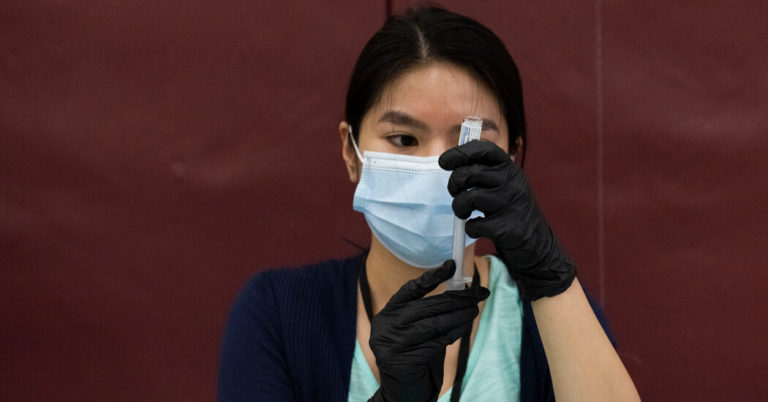
To federal health officials, asking states on Tuesday to suspend use of the Johnson & Johnson coronavirus vaccine until they can investigate six extremely rare but troubling cases of blood clots was an obvious and perhaps unavoidable move.

But where scientists saw prudence, public health officials saw a delicate trade-off: The blood clotting so far appears to affect just one out of every million people injected with the vaccine, and it is not yet clear if the vaccine is the cause. If highlighting the clotting heightens vaccine hesitancy and bolsters conspiracy theorists, the “pause” in the end could ultimately sicken — and even kill — more people than it saves.

With coronavirus cases spiking in states like Michigan and Minnesota, and worrisome new variants on the horizon, health officials know they are in a race between the virus and the vaccine — and can ill afford any setbacks.

“We are concerned about heightened reservations about the J&J vaccine, but in addition to that, those reservations could spill over into public concerns about other vaccines,” said Dr. Paul Simon, the chief science officer for the Los Angeles County Department of Public Health.

Officials at the Food and Drug Administration and the Centers for Disease Control and Prevention said Tuesday that the break in vaccinations could last only a matter of days as they sort out what happened, determine whether to place limits on the use of the vaccine and examine ways to treat clotting should it occur.

Around the country, people who have taken the one-dose Johnson & Johnson vaccine — and even those who have not — were left to weigh their risks, especially women ages 18 to 48, who accounted for all six cases of blood clots.

The repercussions could be more dramatic than federal officials are bargaining for, just as they were in Europe, where a similar clotting issue has turned the AstraZeneca vaccine into something of a pariah. There, too, officials stressed that blood clotting in people injected with the AstraZeneca vaccine was extremely rare. Yet according to a YouGov poll published last month, 61 percent of the French, 55 percent of Germans and 52 percent of Spaniards consider the AstraZeneca vaccine “unsafe.”

“It’s a messaging nightmare,” said Rachael Piltch-Loeb, an expert in health risk communications at the N.Y.U. School of Global Public Health. But officials had no other ethical option, she added. “To ignore it would be to seed the growing sentiment that public health officials are lying to the public.”

The one-dose Johnson & Johnson vaccine was just beginning to gain traction among doctors and patients after its reputation took a hit from early clinical trials suggesting its protection against the coronavirus was not as strong as competitor vaccines made by Pfizer-BioNTech and Moderna. Before Tuesday’s pause, some patients were asking for it by name.

“I knew that I wanted to get the Johnson & Johnson — the idea of it being one and done really appealed to me,” said Kayli Balin, 22, a freelance web designer and recent graduate of Wellesley College who was scheduled to get the Johnson & Johnson vaccination on Tuesday — only to have her appointment canceled. Now she will get the Moderna vaccine, she said.

But amid the blizzard of news and social media attention around the “pause,” those gains may well be lost, especially if the rare blood clotting feeds politically driven conspiracy theorists and naysayers, who seemed to be losing ground as the rate of vaccinations ramped up.

“This is exactly the wrong situation at the wrong time at the very moment that Republicans are reconsidering their hesitancy,” said Frank Luntz, an American pollster who studies messaging for Republicans, a group that has exhibited high levels of skepticism about the coronavirus vaccines.

Brian Castrucci, an epidemiologist and head of the de Beaumont Foundation, which studies public health attitudes, said: “It’s an easy turn to, ‘If they kept this from us, what else have they kept from us?’ We need to get out in front of this very quickly. ”

The problem is getting the public to understand relative risk, said Rupali J. Limaye, who studies public health messaging at the Johns Hopkins Bloomberg School of Public Health. She noted that the potential rate of blood clotting in reaction to the vaccine is much smaller than the blood clotting rate for cigarette smokers and for women who use hormonal contraception, although the types of blood clots differ.

Dr. Angela Rasmussen, a virologist with the Center for Global Health Science and Security at Georgetown University, made that point Tuesday on Twitter, noting the incidence of blood clots among those vaccinated, those taking oral contraceptives and those who have Covid-19.

Patients interviewed on Tuesday said the news gave them pause — if not for themselves, then for what it would mean for the nation’s ability to slow the spread of the virus. Jen Osterheldt, 33, of Norwalk, Ohio, who is pregnant and received the Johnson & Johnson vaccine about a month ago, said she would take it again, but worried that others would shun it even if the pause was lifted.

“We could potentially be doing more damage with pulling this than we think,” she said.

Officials are not “pulling” the vaccine. They are simply asking for a timeout, in effect, to figure out how best to use it going forward. But that timeout is causing consternation among those eager to be vaccinated, like Polly Holland, a 23-year-old state worker in Worcester, Mass., who was set to get the Johnson & Johnson vaccine next week after scheduling her appointment on Monday morning.

She had hopes of a vacation to Washington, D.C., and of hugging her 82-year-old grandmother again. But on Tuesday, she received an email notifying her of the pause, and telling her that she would have to wait for the Pfizer vaccine instead.

“I don’t think with the number being as low as it is, that they should completely stop and hold us back from getting to the next step of our lives,” Ms. Holland said.

Vaccinators on Tuesday were already fielding questions from worried patients.

Maulik Joshi, the president and chief executive of Meritus Health in Hagerstown, Md., which has given out 50,000 doses of all three vaccines without any reported major reactions, said he had a simple message to calm patients’ fears: “It’s a great thing that they have paused it, and this is science at work.”

That is the message that public health experts say the Biden administration needs to be communicating, especially to people who are undecided about vaccination — the wait-and-see group. Surveys show that group’s biggest concern is the potential for side effects.

In January, the Kaiser Family Foundation found that 39 percent of unvaccinated people would be less likely to take a vaccine if they learned that some patients had serious allergic reactions to it. At the same time, many Americans do not distinguish among the three vaccines being offered in the United States, which could create confusion and add to vaccine skepticism.

In Europe, the public’s confusion over the AstraZeneca vaccine, which was linked to blood clot problems, was exacerbated for weeks as different countries made different decisions, leading to a drop in confidence in the product as well as the monitoring process. American officials should emphasize swiftness of the response here to shore up the public’s confidence, said Dr. Piltch-Loeb of N.YU.

“People have valid concerns about side effects and vaccines,” she said. “We can talk through that. It’s a lot harder to counter the broad, emotional sentiment of ‘deep-state government conspiracy.’ So by addressing concerns head on and being transparent, the C.D.C. will get meaningful answers and, hopefully, people will come out on the side of ‘I still want to get the vaccine.’ ”

Jennifer Steinhauer, Madeleine Ngo and Hailey Fuchs contributed reporting.

Florida House OKs bill limiting transgender women in sports – Bay News 9

TALLAHASSEE, Fla. — The Florida House on Wednesday approved a GOP-proposed ban on transgender female athletes joining female athletic teams in high school and college sports by a 77-40 vote.


What You Need To Know

  • House Bill 1475 would affect transgender student athletes if passed
  •  It would ban athletes born male from competing in female sports
  • Republican lawmakers made the bill a priority following President Biden’s executive order on transgender athletes
  • The state Senate’s companion bill still must be approved

The companion bill in the state Senate still has to pass before legislation makes it to Gov. Ron DeSantis’ desk for his signature. The vote in the House followed party lines.

Florida is one of more than 30 other states with bills aiming to force transgender athletes to play on teams for their sex assigned at birth.

In House Bill 1475, lawmakers are proposing a ban on athletes born male, from competing in female sports, but it allows anyone born female to compete in any sport.

Rep. Chris Latvala says the bill is based in science.

“Boys and men are faster and stronger than women. That’s just genetics and that’s just science,” he said. “We’re not targeting the LGBT community and we’re not targeting the trans community. We’re just, in my mind, we’re protecting women’s access to sports.”

Supporters of the LGBTQ community say the bill is just discriminatory. Tampa Bay Rowdies player Zach Steinberger is a member of the LGBTQ organization Athlete Ally. While he says as a straight man he can’t identify personally with those trans athletes, he plans to continue to fight for their rights. 

“No matter what you identify as, no matter what or how you’re born it’s something that should be a safe and free environment,” he said. “And to try and take that away from somebody is, that’s dismantling to me. That is so un-American.”

The National Collegiate Athletic Association (NCAA) issued this response to the legislation:

“The NCAA Board of Governors firmly and unequivocally supports the opportunity for transgender student-athletes to compete in college sports. This commitment is grounded in our values of inclusion and fair competition.

The NCAA has a long-standing policy that provides a more inclusive path for transgender participation in college sports. Our approach — which requires testosterone suppression treatment for transgender women to compete in women’s sports — embraces the evolving science on this issue and is anchored in participation policies of both the International Olympic Committee and the U.S. Olympic and Paralympic Committee. Inclusion and fairness can coexist for all student-athletes, including transgender athletes, at all levels of sport. Our clear expectation as the Association’s top governing body is that all student-athletes will be treated with dignity and respect. We are committed to ensuring that NCAA championships are open for all who earn the right to compete in them.

When determining where championships are held, NCAA policy directs that only locations where hosts can commit to providing an environment that is safe, healthy and free of discrimination should be selected. We will continue to closely monitor these situations to determine whether NCAA championships can be conducted in ways that are welcoming and respectful of all participants.”

The United States Tennis Association told Spectrum News that it supports the NCAA’s position, and that could affect tournaments scheduled for Florida.

House Democrats had hoped that would weigh enough on Republicans to defeat the bill, but ultimately, it did not.

“You cannot vote for this bill and say that you love God and say that you love people and you’re willing to put God’s people, God’s children, his babies, in a position that is untenable,” state Rep. Michele Rayer (D-St. Petersburg) said.

Lawmakers said the bill was made a priority during this legislative session as a response to President Joe Biden’s executive order about transgender athletes.  

Democrats pushed back against this legislation, filing 19 amendments trying to weaken it.

Democrat Rep. Carlos Guillermo Smith of Orlando had called on the House to add a provision that would allow transgender students to sue the school if they feel they’ve been deprived of an athletic opportunity.

He has not given up on stopping final approval of the legislation, despite GOP control of the state Senate, too.

Spectrum News’ Jonathan Alba contributed to this report.

Protests Erupt As Gay Man’s Twins Are Denied Travel Home – Instinct Magazine

0
Image via Instagram @phillipluehl

A Namibian man and his newborn twin children are stranded in South Africa after the government refused to recognize his status as their father.

According to GayNation, Phillip Lühl’s daughters, Paula and Maya, were born in South Africa through a surrogate on March 13, Now, the twins have not been barred from returning to their father’s home. The reason being, Namibia’s Home Affairs Ministry has refused to give the twins travel documents. At its heart, the issues is the government doesn’t recognize Lühl’s marriage.

Architect and University professor Lühl married his Mexican-born husband, University professor Guillermo Delgado, in South Africa in December 2014. But, same-sex marriage is not legal in Namibia, as Face2FaceAfrica reports. As such, the South African country does not recognize Lühl’s parentage of the twins.

Despite the registered birth certificates recognizing both men as parents, the ministry asked for genetic proof that Lühl is the biological father of the children. It also took this stance in an earlier case when Lühl sued the minister in pursuit of citizenship for the twins’ older brother, Yona.

Delgado, who is currently waiting in Namibia with the couple’s 2-year-old Yona, applied for a permanent residence permit in December of last year. In the end, the Immigration Selection Board rejected the application saying he had “insufficient means of sustenance.” Delgado argues, however, that he had sufficient means as his available savings and investments exceed N$1 million (approximately $68,848.00).

Now, the twins are essentially stateless and stuck in South Africa. In response, Lühl has filed an urgent application in the Windhoek High Court. He’s asking the court to order the Namibian minister of home affairs, immigration, safety, and security to issue emergency travel certificates to his daughters or allow the three to enter Namibia.

Meanwhile, BBC News reports that protests sprung up in late March in response to the situation. Activists marched the streets in Namibia in support of the family. The protesting and Namibia’s recent Independence Day led to Lühl reflecting on the situation in a social media post.

“For many members of the LGBTQ community, the words freedom and equality, after 30 years, still ring quite hollow. We have a minister of Home Affairs who is essentially closing the door of the Namibian house to two baby girls that are not even a week old,” he said.

To date, the family has remained separated. A petition has started to express support of the family. Meanwhile, the Namibian High Court will announce its decision on the matter on April 19.


Source: Face2Face Africa, GayNation, BBC News,

Here’s Why Some ‘Friends’ Fans Think Chandler Was Originally Meant To Be Gay – HuffPost

After 10 seasons, NBC’s “Friends” came to a close in 2004 with one of its central couples, Chandler Bing and Monica Geller, adopting twins and moving out of New York and into the suburbs.

Seattle-based journalist Matt Baume, however, believes the show could have ended very differently if the creative team’s original plans for Chandler, played by Matthew Perry, had been executed.

In a new video report, Baume ― who is the author of the 2015 book “Defining Marriage” and the host of “Culture Cruise,” an acclaimed YouTube series ― delves into thinly sourced but persistent reports that the creators of “Friends” had intended for Chandler to be a gay man, but changed him to a straight character after Perry was cast. He also breaks down a number of gay jokes ― many of them cringeworthy by modern standards ― presented in the show at the character’s expense as evidence of a defunct plot line.

Speculation about Chandler’s sexuality can be traced back to the show’s earliest seasons. In a 1996 interview with Entertainment Weekly during Season 2, co-creator and executive producer David Crane dismissed such arguments. “No, Chandler isn’t gay,” he said at the time. “Nor will he be gay. It’s not as if he has a choice. He either is or he isn’t. And he happens not to be.”

The cast of NBC's "Friends" will appear on an HBO Max reunion special later this year. 


The cast of NBC’s “Friends” will appear on an HBO Max reunion special later this year. 

Many fans, however, remained unconvinced. And Perry’s co-star Lisa Kudrow, who played Phoebe Buffay, gave credence to that theory in a 2014 interview with the Television Academy suggesting that she, too, believed the character was gay at first.

Noting that Chandler possesses what he believes is “a gay sensibility, but no gay storylines,” Baume told HuffPost, “If they had made it fully gay ― written gay, played gay ― would that have been a good thing or a bad thing?”

“On one hand, it would have been amazing to see a gay main character on one of the most popular shows in TV history,” he continued. “But on the other, ‘Friends’ seemed to falter sometimes when they tackled queer topics. They’d often repeat the same simple joke, that it would be funny if a person was gay. … [The show] seemed to be at its best when telling heterosexual stories, and I’m not sure they could have pulled off the challenge of featuring TV’s most prominent gay main character.”

Fans interested in reassessing Chandler’s sexuality for themselves will be able to get their fix later this year, when the hotly anticipated “Friends” reunion special debuts on HBO Max.

Watch Matt Baume break down Chandler on “Friends” below.

Toronto Police Hindered by Anti-Gay Bias in Bruce McArthur Serial Killer Case – The New York Times

0

Chief Ramer committed the department to fulfilling the review’s recommendations, and said that the force has already established a central missing persons unit and would review all open cases back to 1919.

The report cited a number of police investigations, including one by a force in a Toronto suburb, that touched on Mr. McArthur’s killings. But a widespread rejection within Toronto’s police force of a provincial major case-management database meant that a lot of evidence went unshared — including interviews with Mr. McArthur.

That made it impossible to for subsequent inquiries to connect the dots.

The first major investigation into the deaths of three of Mr. McArthur’s victims was prompted by a tip from law enforcement in Switzerland. It indicated that an Ontario man might have been part of an international cannibalism ring and that he may have killed one of Mr. McArthur victims. Evidence gathered in that investigation connected all three victims to Mr. McArthur.

But, the review found, that investigation was plagued with “tunnel vision,” focusing entirely on the cannibalism claims. After they were eventually dismissed as the grisly fantasies of the man identified by the Swiss, who was charged with child pornography offenses, the investigators left it at that, the review found.

Other investigators, including some of those who interviewed Mr. McArthur, did not check databases for his criminal history or, in one case, dismissed his record as irrelevant because of the time that had passed.

In 2016, Mr. McArthur was arrested after a man said Mr. McArthur had choked him during sex. He was released, the review said, after the police concluded that “McArthur honestly, though mistakenly, believed” the man had consented. No effort was made to re-interview the accuser before officers drew that conclusion.

Ultimately, the investigation that finally led to Mr. McArthur was only set off by the disappearance of Andrew Kinsman, the last of his murder victims. A public campaign by family and friends of Mr. Kinsman, who was white, pushed the police into action.