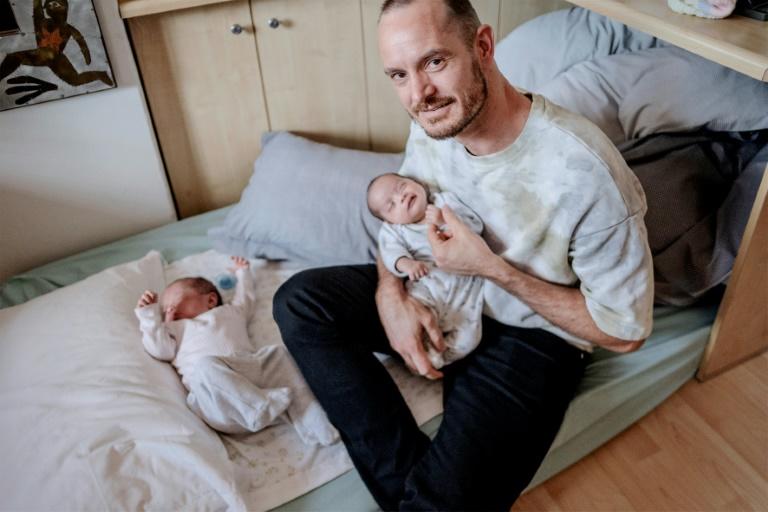
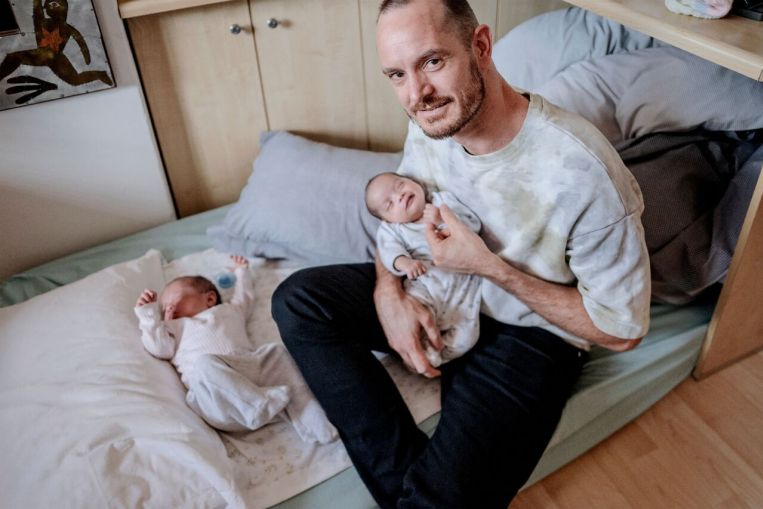
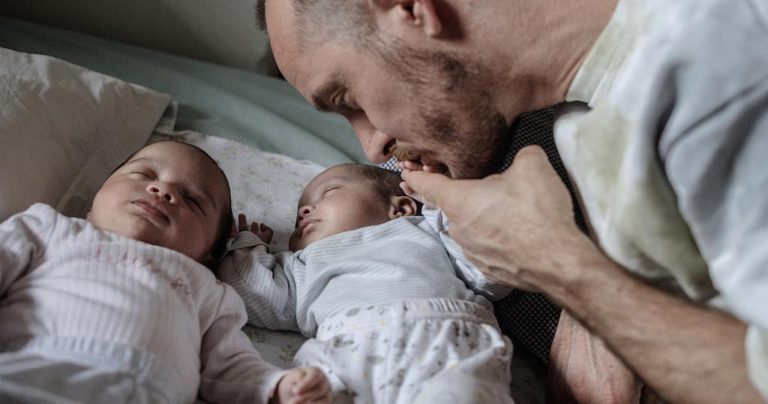
On a calm autumn afternoon, newborn twins Maya and Paula lay peacefully on a mattress at a Johannesburg house, blissfully taking turns to bottle-feed and nap, oblivious of the uncertainty over their citizenship status.
They are daughters of a Namibian-Mexican gay couple, and the Namibian authorities have dragged their feet on issuing documents for the girls born to a South African surrogate mother to travel to Windhoek.
They have demanded proof of a biological connection to the infants on the part of the parents, 38-year-old Phillip Luehl and his partner Guillermo Delgado, 36.
The men are now pinning their hopes on a Namibian High Court ruling, scheduled for Monday, to at least allow the infants to secure temporary documents to travel to Windhoek and join Delgado and their two-year-old brother Yona.
Before the babies arrived, the couple had applied for papers to ensure they would be able to travel home to Namibia shortly after birth.
“To our surprise that… very innocent request was denied,” Luehl told AFP.
Now “I’m here in South Africa with the girls and cannot travel, cannot enter Namibia,” he said as the girls’ 70-year-old grandmother, Frauke Luehl, bottle-fed one while the other slept.
For now, a house in Johannesburg’s leafy suburb of Auckland Park is the girls’ temporary home.
Luehl and Delgado argue that there is no legal basis to require DNA proof of a biological relationship and that they are being targeted and “discriminated” against because they are a same-sex couple.
“This requirement would never be asked from a heterosexual couple… (or) from a single mother who gave birth in South Africa, and comes to Namibia,” Luehl said.
Similarly, parents of adopted children would not be subjected to such requirements, he said.
But the Namibian government has rejected accusations of discrimination.
– ‘Outright rejection’ –
Home Affairs Minister Frans Kapofi “did not agree to a request to issue the twins Namibian travel documents, because their entitlement to Namibian citizenship by descent had not been determined,” the government said in a statement last month when the case was brought before the courts.
At the time, a crowd of activists rallied at a picket outside the court building in support of the twins.
In a separate case, the couple’s first child Yona — also born through surrogacy — is still fighting for Namibian citizenship.
When they proactively applied for the travel documents before the daughters’ birth they did not expect an easy ride.
“We were prepared… but not for this outright rejection by the Namibian government,” Luehl said.
Yet he is optimistic about the upcoming court ruling.
“I’m positive,” said Luehl, before picking up and rocking the babies, occasionally planting kisses on their heads.
He whispered that one day he will tell them about the legal rigmarole they went through as newborns.
Homosexuality is illegal in Namibia under a rarely-enforced 1927 sodomy law dating back to its period of South African rule.
Luehl dubs the government’s refusal to allow his daughters to travel an “active act of discrimination… state-sanctioned homophobia that is still very much in place”.
South Africa is the sole African nation that allows gay marriage, legalised in 2006.
Elsewhere, Botswana, Lesotho, Mozambique, Angola and the Seychelles have decriminalised homosexuality.
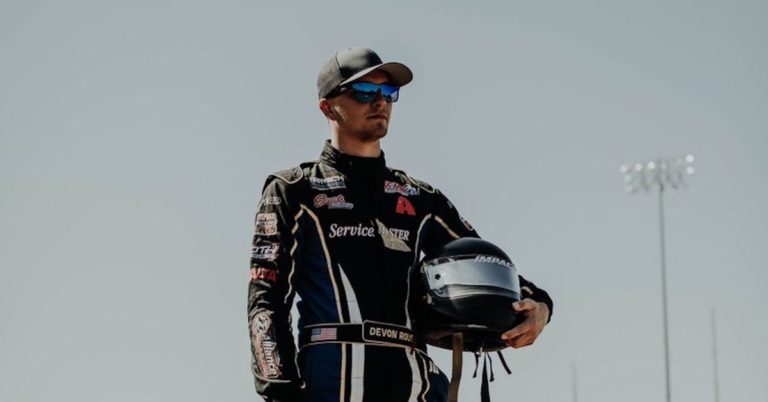
Devon Rouse’s NASCAR career got off to a great start. After coming out last June, he ran at Daytona and was blazing a trail on the track. There seemed to be nothing that could stop him from achieving his motorsports dreams.
Then he needed money. Being a professional race car driver is very expensive, with the top NASCAR teams spending about $400,00 per week at the track. Sponsors typically pay for the exorbitant cost, but it takes a lot of leg work, and exposure, to get those deals done.
Rouse is a 22-year-old kid from Iowa who works a regular desk job, in addition to racing. He’s found the business portion dejecting.
“I don’t have a big history. I don’t have a big name,” he said. “My dad or grandpa weren’t huge in it. I’m working a full-time job in addition to doing this.”
Three weeks ago, Rouse pulled out of The Food City Dirt Race at the Bristol Motor Speedway, due to a lack of funds.
“It was so disheartening, because I had such a big uproar after the whole Daytona thing, and then such big hopes coming off that,” he said. “Knowing that the only thing holding me back was not having the money to do it — that was really disheartening.”
Rouse’s next big race is the NASCAR Camping World Truck Series at the Knoxville Raceway slated for July 9, and this week, he decided to ask for help. On Tuesday morning, Rouse sent out the following message to his followers:
Well guys, after months & months of trying to come up with all the funds for these @ARCA_Racing & @NASCAR_Trucks races, it just doesn’t seem to be there for me. wasn’t even pulling for myself, but more my fans and supporters.. nevertheless I’m still digging, just not promising
In the past, some of Rouse’s followers have tagged Marcus Lemonis, the celebrity CEO of Camping World, when responding to his tweets (Camping World is Rouse’s main sponsor). Naturally, they brought Rouse’s latest message to his attention. This time, Lemonis replied.
He privately messaged Rouse and pledged to cover his $25,000 in outstanding costs for the race in Knoxville. Rouse says the exchange was surreal.
“It’s absolutely amazing. I don’t think it’s quite fully hit yet,” he said. “It was such a quick turn of events. It was so much emotion for a couple of hours — the excitement, not knowing whether this is real, and being like, ‘OK, I’ve got to get all of this done,’ and making sure I had everything in line. I can’t come up with the words for it. I’m almost speechless, which is a not a normal thing for me.”
In an email, Lemonis said he wants to help Rouse achieve his racing goals.
“My primary goal in this sport is to help teams, drivers and sponsors knock down the doors that are in front of them,” Lemonis said. “Devon has displayed a relentless pursuit of that. “
With the Slocum 50 on tap this weekend, Rouse is keeping the pedal to the metal — literally. All he can ask for is a spot on the track. What happens next is up to him.
Rouse determined to make the most of every opportunity, and prove he belongs.
“NASCAR didn’t just come out and pick a random gay person in the world and say, ‘We need you to start driving, because we need diversity on our organization,’” Rouse said. “That just didn’t happen.
“I hope I’m able to perform well at Knoxville, but also have it keep going, so people can see me and my talent and give me a chance.”
As a transgender gay man in recovery, I know how vital these spaces are.
LGBTQ+ bars and nightclubs have traditionally been places where queer folks can find community, acceptance, and safety. As a result, alcohol has become a normalized part of LGBTQ+ life.
When I was first exploring my queer identity as a young person in the early 90s, discovering the vibrant LGBTQ+ scene hidden beyond blacked-out bar windows was a revelation. I had rarely seen openly queer people, and here they were in all their glory, free to be themselves and express affection to each other without fear. I was home.
The irony is that although queer venues have historically been places of safety, they also pose a risk to a community that already has a higher incidence of drug and alcohol use.
According to the Alcohol Rehab Guide, “25 percent of the general LGBTQ+ community has moderate alcohol dependency, compared to 5 to 10 percent of the general population.”
In honor of Alcohol Awareness Month in April in the United States, now seems like a good time to bring attention to this serious problem.
Higher addiction rates in our community are largely connected to experiencing discrimination and hostility for being queer.
“Formative experiences of shame and stigma contribute to symptoms of depression, anxiety, trauma, and substance abuse,” said Jeremy Ortman, licensed mental health counselor and founder of Real Talk Therapy.
I strongly relate to this. As a teenager in the 80s, I found myself drawn to the few queer people I saw, and as I became an adult, experimenting with my own queerness was something I did in secret.
Confused about my sexuality and gender, and experiencing rising anxiety and distress as a result, I turned to drugs and alcohol as a coping mechanism. The fact that I had found my new support community in places like clubs and bars, where alcohol was at the center, just made my substance use worse.
Many years later, I am now a proud 47-year-old sober transgender gay man, and acceptance of LGBTQ+ folks has come a long way since my early days of queer exploration.
However, stigma still exists. Personally, I feel this most when it comes to public displays of affection.
Depending on where I am, I can’t kiss my partner in public without checking over my shoulder first, for fear of disapproving looks, which we often still receive.
This is why many of us prefer to socialize in queer venues, because in these spaces, we feel safe to live our lives and be ourselves.
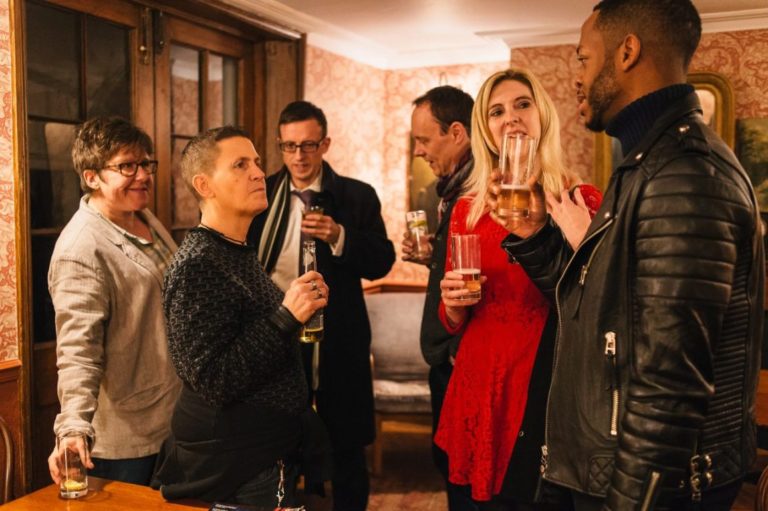
Share on PinterestAttendees socialize at a Queers Without Beers night. Photo by Justine Trickett.
But trying to change the way you drink, as I have, when your identity and community are wrapped up in these alcohol-centered spaces, can feel impossible. How then can queer people who are looking to change their drinking habits break out of this cycle?
When I realized that I needed to stop drinking in my late 30s, my resolve was not strong enough to socialize in bars without being tempted by alcohol.
My queer friends were supportive — they would meet me in a café for lunch or just to hang out — but they were always drawn back to the bar or the club afterward. It was heartbreaking to no longer be a part of the community where I had discovered myself.
Luckily, I found an accepting and supportive recovery community in Alcoholics Anonymous. But 12-step meetings, even LGBTQ+-specific ones, are primarily focused on maintaining recovery rather than on developing community, and I missed my queer family. Plus, I still wanted a social life.
It’s precisely this lack of community-focused spaces for sober queer people that inspired Phoebe Conybeare and Hollie Lambert to create their own, Queer Sober Social (QSS), initially Chicago Queer Sober Social.
They held their inaugural in-person events in January and February 2020, the first at a coffee shop which stayed open late for them after over 100 people attended.
“The atmosphere was great, and there were just games and people hanging out and chatting,” said Carly Novoselsky who took over from Conybeare when in-person events unfortunately had to close due to the pandemic.
Determined not to lose the momentum they had started, Novoselsky and Lambert moved things online.
They currently host two virtual events each week over Zoom, a relaxed hangout with chatting and games, and a more structured setup with icebreakers and set topics, such as positive things that have happened that week.
“Of course, we can talk about queer and sober topics as much as we want,” Novoselsky said about QSS events, “but that was never really so much of the focus. We just wanted to talk about normal things that normal people talk about.”
Providing alternative queer social events is also a goal for Laura Willoughby, co-founder of U.K.-based Club Soda, which she describes as a “mindful drinking organization.” It offers everything from tools to help people cut down on their drinking to an online support community.
Through Club Soda, in 2018, Willoughby created Queers Without Beers, a series of pop-up “bar” nights, where sober and sober curious people can try a variety of low- and no-alcohol beers, wines, and spirits in a social setting.
“Substitution is a really important part of behavior change,” Willoughby said.
In-person events are currently on hold because of the pandemic, but in the meantime, Queers Without Beers is running online social events, such as bingo nights and dance parties, as well as informative talks and workshops.
When Cuties, a queer café in Los Angeles owned by Virginia Bauman, was forced to permanently close due to the financial effects of lockdown, CEO Sasha Jones began looking at ways to bring events online, as well.
“I immediately was like, ‘OK, how can we continue what we built?; How can we keep bringing our community together?’” Jones has built a thriving queer and black-run virtual space, hosting an array of creative events such as drawing and writing workshops, as well as talks and socials.
As a result of moving online, community is also now more accessible.
“It gives people access to queer community where maybe they don’t have it where they live,” Jones said.
The imposed social isolation has also caused us to seek more meaningful connections.
“The people that are showing up to virtual events are people that really want to be in community,” Jones said.
I’m definitely one of those people. I’ve found myself socializing far more with my queer siblings over this last year than I have in years prior. This is both out of isolation and because there are more options available.
I’m attending queer self-development workshops, meditation sessions, and quiz nights, and the connection feels purposeful and meaningful in ways it never did in drinking spaces. Hanging out online, I also don’t have to worry about avoiding alcohol. I can just relax and spend time with the queer people I relate to, without my sobriety being a barrier.
In this way, sober socials, what people in the community are labeling as “third spaces,” are uniquely positioned to offer an alternative social community. They provide much-needed social spaces, not just for those in recovery, but for anyone interested in, or curious about, changing their drinking habits.
Share on PinterestHollie Lambert, left, and Carly Novoselsky at a Queer Sober Social event. Photo courtesy of Carly Novoselsky.
“Wanting to change your drinking has always been linked with the suggestion that you’ve got a problem,” Willoughby said, adding, “The whole point of Club Soda is about normalizing not drinking.”
Because alcohol is so deeply ingrained in queer life, and such a culturally accepted part of social interaction in general, there is a huge amount of stigma toward those who don’t drink. This is yet another barrier to recovery, and is just one reason why this normalization is so crucial.
We see this normalization, not just in venues, but also at Pride events, which have often been heavily sponsored by the alcohol industry. I love attending Pride parades, but being handed a rainbow flag with a vodka name emblazoned on the back does not sit well with me as a person in recovery.
This is something Willoughby has been working on while in-person events have been closed.
“For me, this is mostly a diversity campaign,” she said, “because it’s about saying, ‘Why would you not consider what could potentially be half the people at your event when you’re organizing, and only focus on alcohol?’”
There are now many alcohol-free alternatives. One example is the queer-owned beer brewing company Drop Bear Beer Co., co-founded by Joelle and Sarah Drummond.
After quitting alcohol and being disappointed with the alternatives, they created the alcohol-free craft beer they wanted to see themselves.
“I hope Drop Bear Beer can address the alcohol issue in the LGBTQ+ community by providing an epic brand and product range,” Joelle said.
The increasing number of LGBTQ+ sober socials and queer-owned booze-free beverage companies popping up highlights that there has been a shift in queer people’s relationship with alcohol.
It’s proof that we can choose a different narrative. We don’t have to be hidden away and dulled with alcohol and drugs. We can be visible as queer people, and work together to create a more mindful, meaningful, and healthy community space for us all.
“The conversation about sobriety has only gotten bigger since I’ve been sober,” Novoselsky said. “I feel like it’s turned into a movement.”
Willoughby agreed. “I also think that now is just the right time to make some real significant progress,” she said, “both in terms of our social settings as a whole, but also in the way we talk about alcohol in the community.”
As we move through life, our DNA begins to literally unravel at the ends. This is what leads to the symptoms and indications of what we call aging. Our nutritional patterns can dramatically accelerate or slow this process, as can reducing other sources of excess inflammation. Inflammation comes from any kind of stress, and it causes oxidation. Emotional duress, dangerous foods, excess alcohol, smoking, lethargy, exposure to chemical agents and the elements (sunburn, frost bite, windburns, etc.). All these and more cause aging because they are sources of stress and inflammation.
You may have heard of the antioxidants you can get from food and other sources. They blunt the effects of oxidants, which are the free radicals that bombard your system at the microscopic level. This is what oxidation is. It’s rather like the way a microwave heats food: It uses tiny particles to pummel the food. The friction of the impacts is what generates the heat that cooks the food. But, this is also why microwaved food tends to look wilted or collapsed. It’s also why microwaved food tends to lack nutrition compared to conventionally cooked meals. Similarly, free radicals are literally perforating your cells and DNA. It’s like we live inside a shooting gallery and we’re being riddled with bullets.
To offset some of the damage that simply being alive will eventually cause, it is important to understand the ways we can make adjustments to unhealthy habits. The three most easily adapted patterns are nutrition and hydration, physical activity and rest. Here are some suggestions for each.
Nutrition and Hydration
It should be taken for granted that food and drink can either be medicine or poison. Water is necessary for all biological processes, so staying hydrated makes everything run efficiently and gives your body a chance to flush out toxins. It’s easy to quickly swallow lots of excess calories and other additives, so sticking to fresh water (infused with flavor by soaking fruits, vegetables and/or herbs and spices for variety) is an important practice. Caffeine in reasonable amounts helps with mental clarity, metabolism, and mood; however, it is also a diuretic. With that in mind, keep your intake of teas and coffees to a minimum to avoid dehydration. Remove all sodas from your diet as quickly as possible: They have the additional risk of depleting your bones (cola’s acidity might leach minerals from your skeleton in your body’s attempt to maintain the pH balance in your blood).
Construct your meals around fresh vegetables and fruits. Think in terms of filling most of the space on your plate with them, then filling in the sides (literally side dishes) with fist-sized portions of complete proteins and unrefined starches. Your meals should be resplendent with color. The colors of natural foods are the sources of those antioxidants that grab onto free radicals and reduce them battering you to death.
Physical Activity
It cannot be stressed enough that remaining physically active is critical to wellness. As we age, we produce lower levels of many hormones. Hormones speak the language of the body, and they communicate between and regulate all our bodily functions. This includes producing and maintaining muscles, bones and connective tissues. Proper nutrition is fundamental to all this, but so is exercise.
Maintaining muscle mass allows us to move safely and independently. It also supports a healthy metabolism, alert mind and stable mood. On top of that, doing impact and/or resistance exercise stimulates the formation of new muscle and bone cells. If we do not make demands of our bodies, they will break down from atrophy. Literally use it or lose it.
Exercises that are low impact, but which still create the stimulation needed to maintain strength and mobility, are those that require us to exert ourselves (generally while supporting our own weight and posture) without exposing us to injury. Strength, balance, coordination and conditioning activities are all essential. This is because movement sends little reverberations through our skeletons, which jiggle our bone cells. This shaking stimulates the bone cells to split and make new bone material. This is what maintains bone density.
For strength, focus more on body weight, cable machines and free weights (dumbbells and kettlebells especially). As much as possible, avoid machines: They generally restrict movement, and they tend to do much of the work of stabilizing the resistance and/or balance required to execute the movement. Unless you are injured or purposefully working on isolation exercises, it is better to force yourself to control your efforts on your own. As much as possible, include exercises like chest pressing, rowing (pulling backward), squatting or standing from sitting, bending over, pressing overhead and pulling downward. I might suggest a workout comprised of the following: pushups, standing cable row, walking lunges (with or without dumbbells), alternating kettlebell pick ups, overhead dumbbell presses and seated or kneeling cable pulldowns. In addition, tai chi, qi gong, hiking or walking (not jogging), swimming or water aerobics, cycling and yoga are all excellent for seniors.
As we age, our hormone levels change. This can both make getting enough sleep difficult (and thus exacerbating mental decline) while also undermining our ability to have energy to remain active (and thus exacerbating a slowing metabolism). Fatigue is a source of stress, and thus inflammation. Although adequate sleep is essential throughout our lives, what I mean by rest might be better described as relaxation and mental focus. To improve mental acuitym I suggest meditation, studying a foreign language, making a hobby of something creative (music, art, dance, etc.) and solving puzzles of whatever kind. Give your mind activities that keep you curious and minimize your ability to focus on fretting.
Jack Kirven completed the MFA in Dance at UCLA, and earned certification as a personal trainer through NASM. His wellness philosophy is founded upon integrated lifestyles as opposed to isolated workouts. Visit him at jackkirven.com and INTEGRE8Twellness.com.
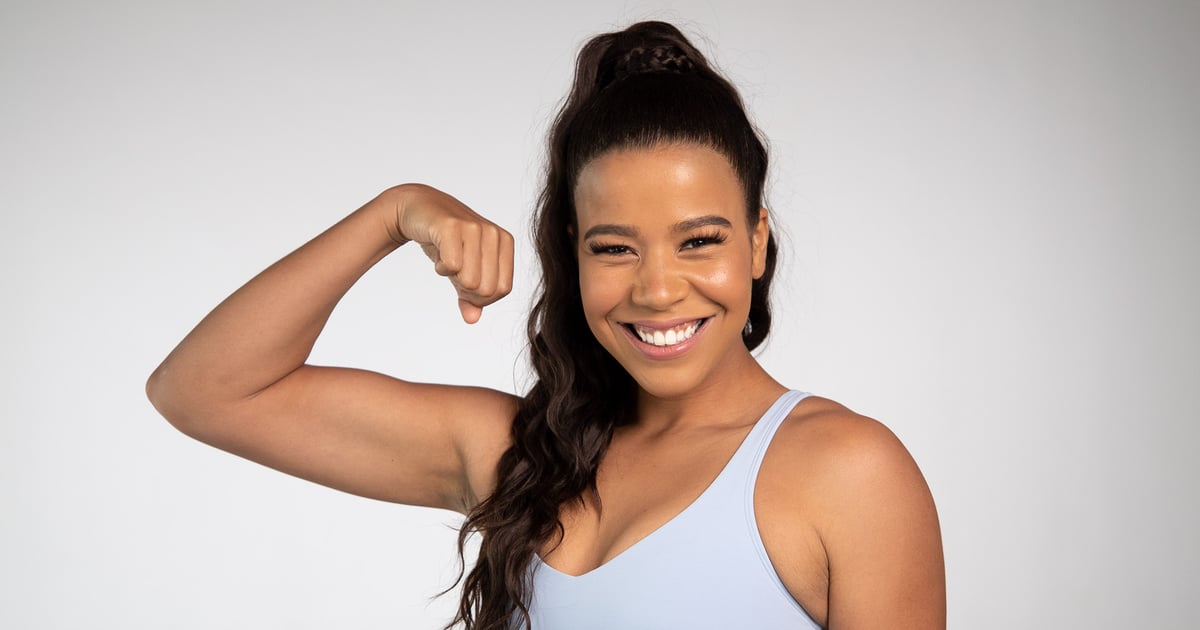
If you’re looking to lose weight, combining cardio with strength training is effective and recommended by trainers. And walking is one of the best forms of cardio you can do for weight loss because it’s low-impact and easy to do anywhere — even indoors! Canfitpro-certified personal trainer and kinesiologist Johanna Sophia (growwithjo on YouTube) knows firsthand that walking works helps with weight loss, since it helped her lose 50 pounds after her pregnancy. She designed this four-week indoor walking and strength training workout plan to help you.
Most of the workouts in this four-week workout plan require zero equipment, except for one, which recommends light dumbbells if you have them. “I’m a firm believer that you can get a good workout in even with your bodyweight if you are willing to push your limits a bit,” Sophia said. So grab a mat, a water bottle, and a towel for how sweaty you’re about to get!
Sophia said the purpose of this plan is to help you realize that you don’t have to be working out for hours in the gym to see results. Those who participate in this challenge may lose one to two pounds per week, which is a healthy amount for a sustainable weight-loss plan, but every body is different. Keep in mind that fitness is just one piece of the weight-loss puzzle. Eating a healthy, balanced diet, full of veggies, fruits, and other nutrient-dense foods, limited processed foods, and eating in a a modest calorie deficit is essential for weight loss. Your mental health is also important, so be sure to keep your stress levels down, get enough sleep, and make time in your life for the people and things that bring you joy.
“Don’t underestimate walking as a form of cardio and bodyweight exercises as a form of strength,” Sophia said. Sometimes you just have to go back to the basics to get rid of that mind block when you want to start a fitness routine, or even continue one that you may have not been enjoying. These basic exercises will take you far if you’re willing to commit 20 to 40 minutes per day. The daily workout in this challenge are only a tiny fraction of your day, but can completely transform how you feel the rest of the day. Sophia said, “Do this for you! You deserve it!”
4-Week Indoor Walking and Strength Training Workout Plan For Weight Loss
Equipment needed: lightweight pair of dumbbells (optional)
Directions: Scroll through to find each of the daily workout videos posted below this chart. Each week there are four indoor walking workouts, two strength training workouts, and one rest day. Feel free to adjust the plan to fit your schedule. This is a two-week plan, so you can repeat it twice to make it a four-week plan.
The Michigan Department of Health and Human Services extended the epidemic order through May 24. It also expanded mask requirements to include children ages 2-4 years old.
“Michigan continues to implement smart health policies and mitigation measures to fight the spread of COVID-19,” MDHHS Director Elizabeth Hertel said. “This includes the requirement to wear a mask while in public and at gatherings, limits on indoor residential social gatherings larger than 15 people with no more than three households, and expanded testing requirements for youth sports.”
Restaurants
Indoor dining at restaurants and bars is limited to 50% capacity or 100 people, whichever is fewer.
Indoor and outdoor dining has a curfew of 11 p.m.
Groups cannot exceed six people at a table, and groups must be at least six feet apart.
Outdoor dining is allowed at 100% capacity.
Takeout and delivery services are allowed. Igloos, huts and small tents can be used as long as only one group is inside.
Gatherings
Up to 15 people from a total of three households can gather indoors. Up to 50 people can gather outside.
Face masks are required at all times during residential gatherings, except while eating or drinking. People who are fully vaccinated — meaning at least two weeks have passed since receiving the final dose — can remove masks as long as they don’t have symptoms, officials said.
Residents are encouraged to only socialize with a “pod” of people from other households.
At non-residential gatherings, everyone has to wear a mask at all times, unless eating or drinking while in a designated area.
Food and drinks at non-residential gatherings are only allowed while people are sitting in a designated area with no more than six people per group, officials said. Groups must stay at least six feet apart from each other and can’t intermingle.
Mask mandate
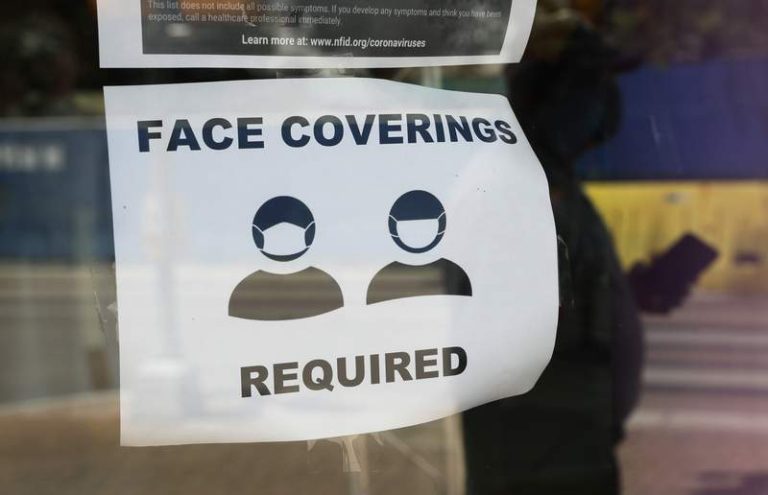
Businesses, government offices, schools, child care organizations, public transit drivers and all other gathering organizers can’t allow indoor or outdoor gatherings of any kind unless they require masks.
They cannot assume someone without a face mask falls into one of the exceptions categories, but they can accept someone’s word that they aren’t wearing a mask because they fall within a specified exception.
Starting April 26, the face mask requirement includes children ages 2-4, and a good faith effort must be made to make sure they wear masks while in gatherings at childcare facilities or camps, according to the state.
“This addresses the increase in cases among younger Michiganders and follows recommendations from the American Academy of Pediatrics and Centers for Disease Control and Prevention guidance,” a state release says.
Businesses
Gatherings at a retail stores, libraries and museums cannot not exceed 50% of total capacity. Spaces for indoor dining, including food courts, must comply with the requirements for food service establishments, state officials said.
Personal care services, including hair, nail, tanning, massage, spa, tattoo, body art and piercing services, are allowed with appointments. Masks must be worn at all times, unless a customer is receiving a medical or personal care service that requires removing masks.
Entertainment
Groups of up to 25 people can go to auditoriums, arenas, cinemas, concert halls, performance venues, sporting venues, stadiums, theaters, archery ranges, amusement parks, arcades, bingo halls, bowling alleys, gun ranges, laser tag and trampoline parks.
Indoor facilities can’t exceed 50% capacity or 300 people.
Outdoor facilities can’t exceed 50% capacity or 1,000 people.
Stadiums and areans
Everyone has to wear masks at all times, unless eating or drinking while seated in a designated area. Eating and drinking is only allowed in groups of six people or fewer, and groups have to stay six feet apart.
Large indoor stadiums and arenas with capacity of up to 10,000 can have up to 375 people. Venues with capacity larger than 10,000 seats can have up to 750 people.
Up to 20% capacity is allowed in an outdoor stadium or arena as long as there is fixed seating for at least 5,000 spectators, an infection control plan that complies with the protocols included in MDHHS’s Enhanced Outdoor Stadium and Arena Guidance is followed and a plan is posted publicly.
Infection control plans have to be available to local health departments and MDHHS at least seven days before events.
Outdoor stadiums and arenas that don’t establish and abide by an infection control plan can’t have more than 1,000 people.
Sports organizers at outdoor stadiums have to administer a testing program as specified in MDHHS’s Interim Guidance for Athletics to all players.
Sports
Gatherings are allowed indoors and outdoors for individual exercise, group classes and individual and group instruction. Gymnasiums, fitness centers, exercise studios, tracks, sports complexes, pools, yoga, dance, gymnastics, cycling studios, ice rinks, roller rinks and trampoline parks are included.
Attendance cannot exceed 30% of the total capacity limits. At least six feet of distance must be kept between workout stations.
Masks are required, except during swimming.
Ice and roller rinks cannot exceed 10 people per 1,000 square feet.
Athletes ages 13-19 years old are required to be tested in accordance with the testing protocol specified in MDHHS Interim Guidance for Athletics. Masks have to be worn unless an organizer has deemed a sport to be unsafe with a face covering.
COVID metrics
Michigan’s positivity rate has increased for eight weeks, but has seen a recent five-day decline to 17.1%. The metric remains up 390% from the mid-February low and is above the December peak of 14.4%, officials said.
The statewide case rate has increased over the past eight weeks to 613.9 cases per million. The rate is more than 475% higher than the low in mid-February, but remains below peak of 737.8 cases per million on Nov 14.
The percentage of inpatient beds dedicated to those with COVID-19 is now at 18.8%. This metric peaked at 19.6% on Tuesday, Dec. 4, and is up 373% from the February low.
“Nurses are exhausted,” said Jamie Brown, president of the Michigan Nurses Association. “Many hospitals are close to 100% capacity. RNs around the state are being put in the impossible situation of having to decide which patient to attend to. Nurses are working up to 18 hours at a time, often without breaks. We are begging for everyone in the community to do their part. Stay home. Wear a mask. Get a vaccine when you are able. We are barely able to keep our heads above water. We are in crisis. We need our communities’ help.”
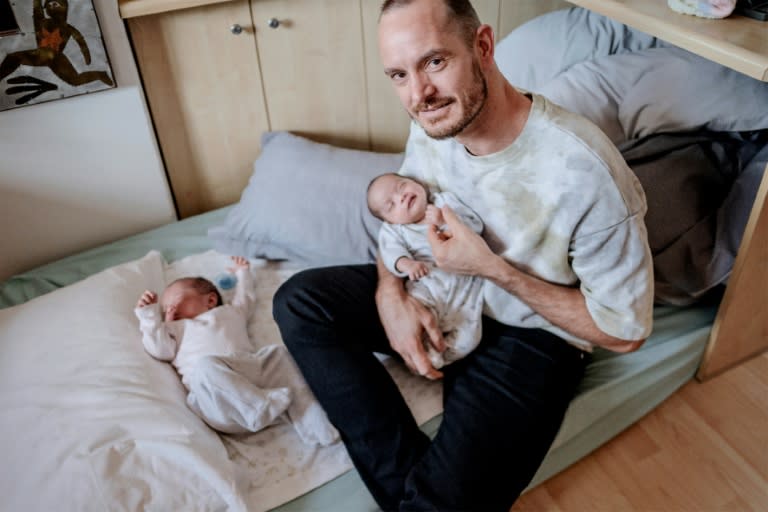
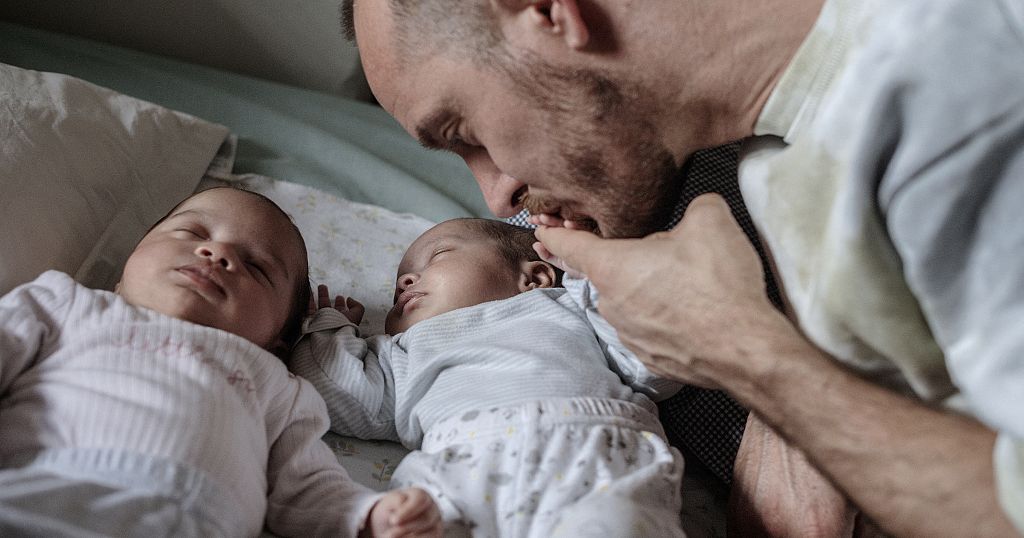
On a calm autumn afternoon, new-born twins Maya and Paula lay peacefully on a mattress at a Johannesburg house, blissfully taking turns to bottle-feed and nap, oblivious of the uncertainty over their citizenship status.
They are daughters of a Namibian-Mexican gay couple, and the Namibian authorities have dragged their feet on issuing documents for the girls born to a South African surrogate mother to travel to Windhoek.
They have demanded proof of a biological connection to the infants on the part of the parents, 38-year-old Phillip Luehl and his partner Guillermo Delgado, 36.
The men are now pinning their hopes on a Namibian High Court ruling, scheduled for Monday, to at least allow the infants to secure temporary documents to travel to Windhoek and join Delgado and their two-year-old brother Yona.
Before the babies arrived, the couple had applied for papers to ensure they would be able to travel home to Namibia shortly after birth.
“To our surprise that… very innocent request was denied,” Luehl told AFP.
Now “I’m here in South Africa with the girls and cannot travel, cannot enter Namibia,” he said as the girls’ 70-year-old grandmother, Frauke Luehl, bottle-fed one while the other slept.
For now, a house in Johannesburg’s leafy suburb of Auckland Park is the girls’ temporary home.
Luehl and Delgado argue that there is no legal basis to require DNA proof of a biological relationship, and that they are being targeted and “discriminated” against because they are a same-sex couple.
“This requirement would never be asked from a heterosexual couple… (or) from a single mother who gave birth in South Africa, and comes to Namibia,” Luehl said.
Similarly, parents of adopted children would not be subjected to such requirements, he said.
But the Namibian government has rejected accusations of discrimination.
– ‘Outright rejection’ –
Home Affairs Minister Frans Kapofi “did not agree to a request to issue the twins Namibian travel documents, because their entitlement to Namibian citizenship by descent had not been determined,” the government said in a statement last month when the case was brought before the courts.
At the time, a crowd of activists rallied at a picket outside the court building in support of the twins.
In a separate case, the couple’s first child Yona — also born through surrogacy — is still fighting for Namibian citizenship.
When they proactively applied for the travel documents before the daughters’ birth they did not expect an easy ride.
“We were prepared… but not for this outright rejection by the Namibian government,” Luehl said.
Yet he is optimistic about the upcoming court ruling.
“I’m positive,” said Luehl, before picking up and rocking the babies, occasionally planting kisses on their heads.
He whispered that one day he will tell them about the legal rigmarole they went through as newborns.
Homosexuality is illegal in Namibia under a rarely-enforced 1927 sodomy law dating back to its period of South African rule.
Luehl dubs the government’s refusal to allow his daughters to travel an “active act of discrimination… state-sanctioned homophobia that is still very much in place”.
South Africa is the sole African nation which allows gay marriage, legalised in 2006.
Elsewhere, Botswana, Lesotho, Mozambique, Angola and the Seychelles have decriminalised homosexuality.
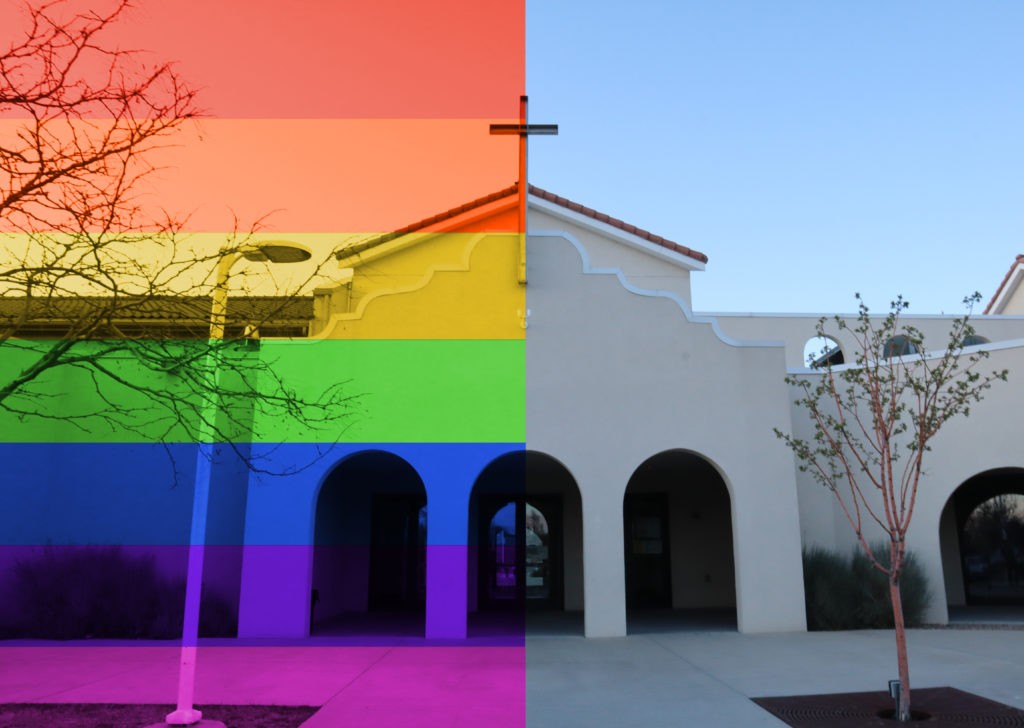
The Catholic Church recently announced an affirmation that they will not bless gay marriages. This announcement is one of many examples where freedom of religion and religious institutions come into conflict with gay rights. (Photo illustration by Cassidy Wixom)
The Catholic Church’s doctrinal authority recently decreed that the Church cannot bless gay marriages because God cannot “bless sin.”
The Congregation for the Doctrine of the Faith, a group of cardinals, bishops and other church officials charged with defending Catholic doctrine since 1542, made this announcement on March 15 in response to questions on whether Catholic clergy are authorized to bless gay unions. The answer from the Congregation was “negative” and an explanatory note was published by approval from Pope Francis.
According to the Associated Press, this statement affirmed the church’s doctrine for same-sex individuals where gay people are welcome in the church, but their unions are not.
Tricia Bruce is a sociologist of religion affiliated with the University of Notre Dame and University of Texas San Antonio who has expertise in Catholicism and social movements. She said because of earlier progressive comments by Pope Francis to the gay community, many Catholics were anticipating a change in position, or perceived the Catholic Church as moving to be more open on its position opposing gay marriage.
The Vatican’s announcement, however, was “ultimately affirmation of what in fact, is the current teaching” of the Catholic Church, she said.
The Catholic Church defends marriage between a man and a woman due to it being instated by God on Adam and Eve during the creation of the world. The Catechism of the Catholic Church states “the union of man and woman in marriage is a way of imitating in the flesh the Creator’s generosity and fecundity.”
In the explanatory note on not blessing same-sex marriage, the doctrinal authority said “it is necessary that what is blessed be objectively and positively ordered to receive and express grace, according to the designs of God inscribed in creation.”
So although the Catholic Church recognizes the valuable, positive elements in same-sex relationships, the church “cannot justify these relationships and render them legitimate objects of an ecclesial blessing, since the positive elements exist within the context of a union not ordered to the Creator’s plan.”
Rising acceptance of gay marriage
Although the Catholic Church, The Church of Jesus Christ of Latter-day Saints and other churches have not changed their positions on gay marriage, acceptance of such unions in wider American society has been rising in the last few decades.
“That’s not to say that there aren’t Americans who disagree vehemently with it, but as a trend, that’s the direction it’s going,” Bruce said.
Part of this change has occurred because of differences between generational values. Bruce attributed this to a generational replacement, where the younger generation’s views start to replace the older generation’s world views and attitudes.
“There’s a real stark divide generationally. Younger Americans are more accepting and open to issues related to homosexuality and gay marriages than older Americans,” Bruce said. “It makes the overall view look, in this case, more liberal or accepting vis-à-vis gay marriage. I think that probably will continue.”
There are still large pockets of resistance to approval of gay marriage, she said, but overall there is a cultural climate saying gay marriage is acceptable. Whenever someone counters that public voice, it seems like they are “entering a firing squad” because it is such a contested sphere.
University of Cincinnati political science professor Andrew Lewis guesses religious bodies will try to be more respectful of gay rights, but “they may not go as far as some gay rights advocates want them (to).”
Lewis said there are individuals who want to support religious freedom and gay rights broadly, but because of current partisanship, “that combination of things is difficult in our political arena to achieve.”
He said when gay rights are expanded in the public sphere, some religious people feel there is a conflict between their faith and what is required of them in the public sphere. That’s how many “end up with these conflicts,” Lewis said.
Despite the rising acceptance of gay marriage, the Supreme Court ruled in favor of freedom of religion in the 2018 Masterpiece Cakeshop v. Colorado Civil Rights Commission case. The prospective future of which rights — gay marriage or religious freedom — will take priority is unclear.
What is freedom of religion?
Religious freedom has been a guaranteed right in the U.S. since the Constitution was established by the Founding Fathers. Freedom of religion secures individuals’ right to practice their preferred religion and also ensures the government cannot force them to adopt any religious faith.
Bruce said colloquially, Americans take pride in being grounded in the separation of church and state, but sometimes the practical implications of the separation of church and state get lost.
Generally, Bruce said Americans should not, and are not, trying to legislate morality through their religious freedom. Individuals, however, have and continue to lobby and advocate for religious freedom as a way “ultimately to be lobbying for and advocating for broader cultural issues,” she said.
University of Tampa sociology professor Ryan Cragun has a sociological emphasis on religion and worldviews. His research focuses on macro and micro factors in The Church of Jesus Christ of Latter-day Saints as well as the growing movement of non-religion.
Cragun said religions in America and around the world, function in a “marketplace.” People who want a religion, can “shop around” and decide which church or institution they want to be associated with.
Religions carve out niches in the marketplace and individuals find “welcome homes” in religions that have similar beliefs. This is validating for those adhering to the religion, Cragun said. It makes people feel like they are not a “weirdo” because those in their faith tradition hold the same beliefs they do.
Cragun said this also means people don’t feel comfortable in a religious institution that doesn’t accept their values. This can cause members to leave a church if changes are made they do not agree with.
Many churches can help people find a “prescriptive vision and articulation of morality” to navigate the difficulties of life, Bruce said. Religions are also seen by many as stabilizing or traditionalizing voices in a rapidly changing world.
Religious freedom in institutions
A debate lies in whether freedom of religion applies solely to individuals or if it also applies institutionally.
Throughout America, various groups differ on the institutional vs. individual interpretation of religious freedom. Cragun said most governments around the world lean toward an individual conception for freedom of religion but America has interpreted freedom of religion both individually and institutionally. He thinks freedom of religion will increasingly be defined at the individual level instead of as something that protects institutions.
Some major religious groups in the U.S. though — the Catholic Church and The Church of Jesus Christ of Latter-day Saints included — interpret freedom of religion to be applied at an institutional level in addition to the individual aspect.
At the institutional level, these churches want freedom of religion to say that they get to have and practice their own beliefs, rituals and policies, Cragun said.
This institutional religious freedom also means churches reserve the right to restrict people from participating in certain rituals or practices. “What this ultimately means,” Cragun said, is he thinks church institutions “can choose to discriminate.”
Churches would never use the term “discriminate” to describe what they are doing and instead believe they are protecting the sanctity of their beliefs, “but functionally, (discrimination) exactly is what’s happening,” Cragun said.
If a religion came out today and said it would not allow Black individuals to participate as full members of the church because that religion sees them as unworthy, “people would lose their minds,” Cragun said. Being Black is not a choice, he said, and therefore that church policy would be “clearly discriminatory.”
The Pope’s explanatory note explains the Catholic Church is not being discriminatory in regards to gay marriage because it is carrying out God’s will.
“The declaration of the unlawfulness of blessings of unions between persons of the same sex is not therefore, and is not intended to be, a form of unjust discrimination, but rather a reminder of the truth of the liturgical rite and of the very nature of the sacramentals, as the Church understands them,” the statement reads.
For most people in the U.S. today, there’s no difference between race and sexual orientation as two aspects of identity, Cragun said. “They see LGBTQ individuals as the exact same as Black individuals. This is not a choice, so if (churches) are choosing to not allow them full participation, even if it’s on the grounds of freedom of religion, then you are using freedom of religion to justify discrimination.”
He said this explains why many leaders in The Church of Jesus Christ of Latter-day Saints continue to emphasize that being lesbian or gay is not a problem because individuals can’t choose if they are gay or not. Individuals can, however, choose whether they act on it.
The Church’s website says, “People who experience same-sex attraction or identify as gay, lesbian or bisexual can make and keep covenants with God and fully and worthily participate in the Church. Identifying as gay, lesbian or bisexual or experiencing same-sex attraction is not a sin and does not prohibit one from participating in the Church, holding callings, or attending the temple.”
Acting on same-sex attraction is the Church’s “fine line distinction,” Cragun said, which makes this issue different from race because there is choice involved. The Church has the ability to restrict full religious membership when it is dependent on the member choosing to live a certain lifestyle, such as participating in homosexual behavior.
The Church also insists that members should treat all people with civility and kindness even if they disagree. “We affirm that those who avail themselves of laws or court rulings authorizing same-sex marriage should not be treated disrespectfully,” the Church said on its same-sex marriage webpage.
In his opinion, Cragun said, “In some ways, the LDS Church is okay with allowing lesbian and gay individuals to have some rights. But it’s still not — I think it’s safe to say — not allowing true equality.”
The Church maintains that because its members choose their personal behavior and lifestyle, anyone who chooses to marry someone of the same sex is responsible for how that choice impacts membership in the faith based on God’s law for marriage, not on academic or societal definitions of “equality.”
Pressure to change
The Catholic Church is “very slow” to change, Bruce said. Because of this, “when it does change, people know. People listen. People hear.”
The Catholic Church, The Church of Jesus Christ of Latter-day Saints and other Christian denominations listen to each other and sometimes even “mirror” each other on policies and stances, Bruce said.
The Catholic Church and The Church of Jesus Christ of Latter-day Saints’ policy positions are “almost exactly the same,” Cragun said. This similarity provides validation on both sides. If the Catholic Church says it isn’t blessing gay marriages, then The Church of Jesus Christ of Latter-day Saints will feel validated in also not sanctioning gay marriage.
If the Catholic Church had said it would bless gay marriages, it could’ve caused many members to leave because they no longer share the same beliefs, Cragun said. Hypothetically, he said this could have “bolstered the ranks” of The Church of Jesus Christ of Latter-day Saints because those who left Catholicism might have joined the Church.
Internal and external pressure for The Church of Jesus Christ of Latter-day Saints to change its policies on homosexual individuals, however, is increasing, he said. “That pressure is there and I’m sure they feel it.”
Because gay marriage is increasingly accepted in America and around the world, Cragun said he believes that pressure will eventually cause The Church of Jesus Christ of Latter-day Saints to change its position on gay marriage.
“I think the pressure is going to get so strong, they are going to have to. That’s gonna be a huge, huge change because of the massive doctrinal implications. I don’t know how they’re going to resolve those, but they’re going to have to,” Cragun said.
In The Church of Jesus Christ of Latter-day Saints, particularly among young members, many don’t agree with the Church’s position on gay individuals, Cragun said. If the Church doesn’t change, he said they could end up alienating young members and more progressive members who believe gay members deserve greater recognition and rights.
“All religions change. They have to adjust to changing social values and morals. It’s just a matter of how far they are going to lag behind,” Cragun said.
Though some academics and scholars may share Cragun’s view, Church leaders have remained firm in the face of increasing societal pressure for such change, and there is no indication in doctrinal and policy statements that such pressure will have any impact. In a document on the Church website from 2015, leaders state definitively that “same-sex marriage will not become a part of Church doctrine or practice.”
The Church’s website explains “changes in the civil law do not, indeed cannot, change the moral law that God has established. God expects us to uphold and keep His commandments regardless of divergent opinions or trends in society.”
The Church believes marriage between a man and a woman is “instituted by God and is central to His plan for His children and for the well-being of society.” Because of this, the Church does not allow Church officers to perform same-sex marriages or any ceremonies associated with same-sex marriages to be held at Church meetinghouses.
JOHANNESBURG (AFP) – On a calm autumn afternoon, newborn twins Maya and Paula lay peacefully on a mattress at a Johannesburg house, blissfully taking turns to bottle-feed and nap, oblivious of the uncertainty over their citizenship status.
They are daughters of a Namibian-Mexican gay couple, and the Namibian authorities have dragged their feet on issuing documents for the girls born to a South African surrogate mother to travel to Windhoek. They have demanded proof of a biological connection to the infants on the part of the parents, 38-year-old Phillip Luehl and his partner Guillermo Delgado, 36.
The men are now pinning their hopes on a Namibian High Court ruling, scheduled for Monday (April 19), to at least allow the infants to secure temporary documents to travel to Windhoek and join Mr Delgado and their two-year-old brother Yona. Before the babies arrived, the couple had applied for papers to ensure that they would be able to travel home to Namibia shortly after birth.
“To our surprise that… very innocent request was denied,” Mr Luehl told AFP. Now, “I’m here in South Africa with the girls and cannot travel, cannot enter Namibia,” he said as the girls’ 70-year-old grandmother, Ms Frauke Luehl, bottle-fed one while the other slept.
For now, a house in Johannesburg’s leafy suburb of Auckland Park is the girls’ temporary home. Mr Luehl and Mr Delgado argue that there is no legal basis to require DNA proof of a biological relationship, and that they are being targeted and discriminated against because they are a same-sex couple. “This requirement would never be asked from a heterosexual couple… (or) from a single mother who gave birth in South Africa, and comes to Namibia,” Mr Luehl said. Similarly, parents of adopted children would not be subjected to such requirements, he said. But the Namibian government has rejected accusations of discrimination.
‘Outright rejection’
Home Affairs Minister Frans Kapofi “did not agree to a request to issue the twins Namibian travel documents, because their entitlement to Namibian citizenship by descent had not been determined”, the government said in a statement last month, when the case was brought before the courts.
At the time, a crowd of activists rallied at a picket outside the court building in support of the twins. In a separate case, the couple’s first child Yona – also born through surrogacy – is still fighting for Namibian citizenship. When they proactively applied for the travel documents before the daughters’ birth, they did not expect an easy ride. “We were prepared… but not for this outright rejection by the Namibian government,” Mr Luehl said. Yet, he is optimistic about the upcoming court ruling.
“I’m positive,” said Mr Luehl, before picking up and rocking the babies, occasionally planting kisses on their heads. He whispered that one day he will tell them about the legal rigmarole they went through as newborns.
Homosexuality is illegal in Namibia under a rarely-enforced 1927 sodomy law dating back to its period of South African rule. Mr Luehl dubs the government’s refusal to allow his daughters to travel an “active act of discrimination… and state-sanctioned homophobia that is still very much in place”.
South Africa is the sole African nation that allows gay marriage, legalised in 2006. Elsewhere, Botswana, Lesotho, Mozambique, Angola and the Seychelles have decriminalised homosexuality.
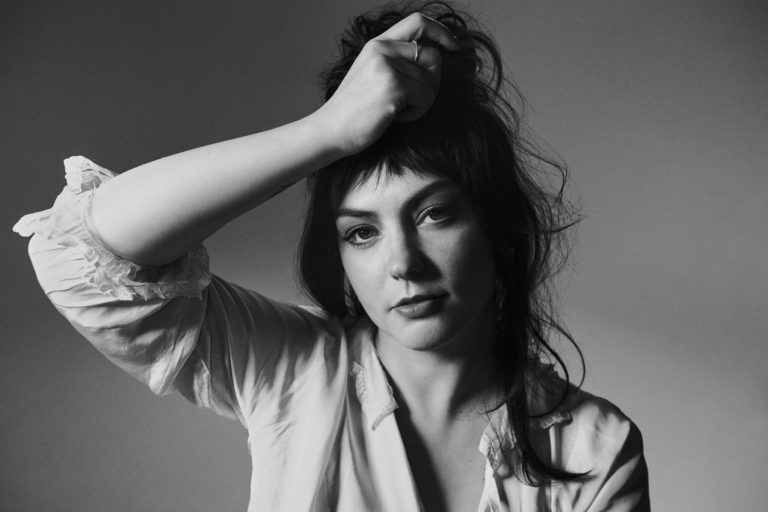
Angel Olsen took to Instagram on Friday to announce that she’s gay, posting a photo of her partner on the site.
The post featured several pictures of her partner, including their loafers and tattoos. Olsen also posted a photo of herself on her Instagram story, writing “I’m gay!!!!!”
Olsen recently announced the box set Song of the Lark and Other Far Memories, which contains 2019’s All Mirrors, 2020’s Whole New Mess, and Far Memory, a new LP of bonus tracks. It includes b-sides, remixes, outtakes, a 40-page booklet, and a cover of Roxy Music’s “More Than This.” “It feels like part of my writing has come back from the past, and another part of it was waiting to exist,” she said.
Olsen recently honored Candi Stanton in Rolling Stone‘s annual Women Shaping the Future issue. “A lot of people try to get me into other singers,” she said, “but there’s something about her vocals — maybe it’s just that I can relate to it.”
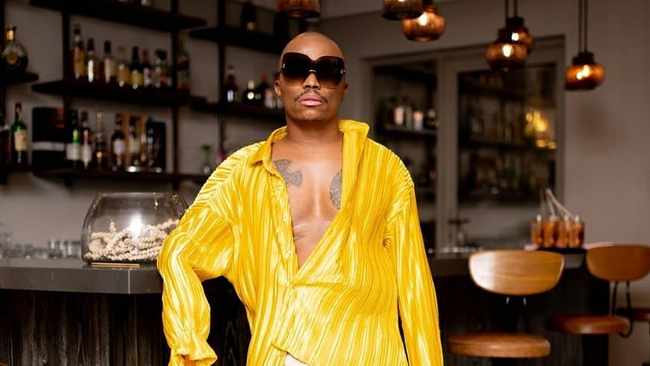
Media personality Somizi Mhlongo-Motaung flew to Gqeberha this week to show support for the family of 40-year-old Andile “Lulu” Ntuthela.
Somizi joined thousands of people across the country who have called for justice for Andile and have shown support to his family.
Andile’s body was found in a shallow grave KwaNobuhle in the Eastern Cape at the home of a friend, who is now a suspect in the case.
HeraldLIVE reported that Ntuthela’s family last saw him on March 31 when he left to visit a friend. His cousin, Asanda Ntuthela, said he hadn’t returned by the Easter weekend but they were not worried as he usually spent time with friends.
Andile’s brutal killing lead to outrage from ordinary South Africans on social media and the LGBTQIA+ community, including Idols South Africa judge Somizi.
Somizi took to Twitter to share that she had flown to see Andile’s family.
“Flew to Gqeberha this morning to give support to the family of the brutally murdered member of our LGBTIQ+ fam LULU…I’ll be back on the 1st June for the court hearing”, he wrote in a tweet.
Many other famous faces have shown support for Andile’s family and the LGBTQIA+ community in the area, including Somizi’s husband Mohale and politicians Naledi Chirwa and Fikile Mbalula.
“Lulu from Uitenhage was brutally killed for his sexuality*.
Bigotry and hate have no space in our society – all of us we must use our voices to call out homophobia. We can’t call ourselves a free society of people still die for simply being who they are. #JusticeForLulu”, tweeted the transport minister.
Lulu from Uitenhage was brutally killed for his sexuality*.
Bigotry and hate have no space in our society – all of us we must use our voices to call out homophobia. We can’t call ourselves a free society of people still die for simply being who they are. #JusticeForLulu
Horrifying💔 It was #justiceforspha in less than 2 weeks ago. Please, if you’re around the area, please do show up at Kwanobuhle District Court, Uitenhage tomorrow at 9am. Homophobia doesn’t end at “it’s just my opinion” it ends in brutal murder! #justiceforLuluhttps://t.co/DMYVVjYisK
Twenty-nine-year-old Jasmine, who asked to use a pseudonym to protect her privacy, moved to northern Thailand last year to be with her boyfriend, a 60-year-old American. As a trans woman, Jasmine, feared coming back to Indonesia after suffering bullying from her peers while growing up.
“My friends called me banci or bencong [a slur akin to ‘tranny’]. As a kid, I always felt unworthy and [this name-calling] has left lifetime trauma,” said Jasmine, who was born and raised in Sukabumi, West Java.
Determined to find a new life, Jasmine studied hard and landed a job in Abu Dhabi as a hotelier. There, she met her boyfriend online and moved to Thailand in March last year – just before the COVID-19 pandemic hit – so they could be together. Jasmine says she feels safe and accepted by the Thais – despite the language barrier.
Jasmine, who volunteers at a local foundation and has obtained a visa, is aware of the hatefulness of Indonesian internet users especially toward members of the lesbian, gay, bisexual and transgender (LGBT) community. She cited a fellow trans woman with a huge following on Instagram who regularly faces transphobic comments, as an example.
What Jasmine did not anticipate was how those vile comments could reach the Thai cyber community, as shown by a recent online attack on Bangkok-based Suriya Kertsang, 28, who posted pictures of a commitment ceremony between him and his partner, 24-year-old Suriya Manusonth, on his Facebook account.
“I’m even more scared after reading the news [about the Thai gay couple]. I don’t want to return to Indonesia. The situation is getting worse,” she said.
The homophobic online attack on Kertsang’s Facebook account started last week. Kertsang finally addressed the situation in a public Facebook post on April 12, following what he said was a “non-stop [three] consecutive days and nights” of “insults” and “threats” from “Indonesians.” Later, he also set his Instagram account to private after the hateful comments reached his posts there as well.
In an exclusive interview with The Jakarta Post on Thursday, Kertsang said the attacks had taken a toll on his and his partner’s mental health. The attacks did not stop at negative comments and insults but also took the form of threats toward their family and friends. At one point, him and his partner Manusonth received death threats.
“We received a horrible video clip of a third-gender person’s throat being slit in their country,” said Kertsang, who used a Thai word for gender entities that are neither male nor female.
Kertsang went on to say that many Indonesians have cursed him and Manusonth, in the name of religion. He found this particularly odd because both him and his partner are not from Indonesia and, as Thais, hold different beliefs than the Indonesians.
“[This shows that] Thai people respect each other regardless of gender and sexual orientation. We [my partner and I] never feel discriminated against [by the Thais],” he added.
ThePostreached Kertsang via LINE, a messenger app popular in Thailand. He submitted his answers in Thai and they were translated by Chitsanupong Nithiwana, founder of Young Pride Club and Chiang Mai Pride.
Thailand is the only ASEAN country where sexual and gender minorities tend to be openly tolerated, especially in urban areas. While same-sex marriages and civil partnerships remain unrecognized by Thai law, wedding or commitment ceremonies are common – as Kertsang and Manusonth celebrated recently.
A Thai civil partnership bill is being discussed by the Thai parliament. Last year, another bill, this time aiming to legalize same-sex marriage, was introduced by the progressive opposition Move Forward Party.
Kertsang and Manusonth’s experience mirrored what happened to 38-year-old Soelis and his partner Made, 27, who live in Bali. In 2018, they faced homophobic comments after posting a picture of themselves with their friends wearing traditional clothes on Instagram. It was not a wedding picture but it did not stop many Indonesian internet users from labeling it as such.
“We were shocked. We thought about our parents. They accept us but they are not ready to face such comments,” said Soelis, who have asked for both him and his partner to be identified by their given names only.
Dede Oetomo, a sociologist from the University of Airlangga, said the introduction of the civil partnership bill in the Thai parliament was initially expected to have a positive impact on neighboring ASEAN countries such as Indonesia.
“The online attack toward the Thai gay couple proves the expectation wrong,” he said.
Dede added that many politicians and clerics in Indonesia promoted intolerance in speeches.
“These people feel safe to express their hatred online because in cyberspace they can hide behind anonymity,” he said.
As a gay man, Nicky Suwandi, 36, an Indonesian who lives in Bangkok and works for the Asia Pacific Coalition on Male Sexual Health, believes his Thai friends will not put him in the same box as the many homophobic Indonesians on social media.
“However, I’m still ashamed to introduce myself as an Indonesian whenever I meet Thai people, because my people have hurt their people,” said Nicky.
Nicky Suwandi, 36, an Indonesian who lives in Bangkok, said his Thai friends were not homophobic like many Indonesians, especially on social media. (JP/Courtesy of Nicky Suwandi)
Patricia Wattimena, an Indonesian who lives in Chiang Mai said Thailand provided a far more welcoming environment for minorities of all kinds – not only sexual but religious minorities as well – in comparison to her homeland.
“I’ve been in Thailand for more than five years and despite the different cultures we have, I have never experienced in any way this kind of coercive thinking or measures toward what I believe in. Nobody cares about the religion I belong to. How we treat each other is always grounded on respect. It is as simple as that.”
After suffering online abuse from many Indonesians himself, Kertsang said that, as a fellow gay man, he was worried about the safety and the mental health of the Indonesian LGBT community.
“I sincerely wish that the LGBTQ+ people in Indonesia could receive equal treatment like us [the Thais],” said Kertsang.
Gay (Blanchard) Karnes, age 63, of Lake Clear, passed away peacefully on Monday, April 12, 2021, at the Albany Medical Center.
Born in Saranac Lake on April 10, 1958, she was the daughter of Archie Blanchard Jr. and Wilma Jean Wenner Hill. She married Harold (Joe) Karnes on July 13, 1985.
Gay worked as a playground monitor at Bloomingdale Elementary School, where she became a mom to so many kids. She then went to work for the Village of Saranac Lake Public Works Department until her retirement. After her retirement she worked part-time at Hyde Mobil, where she became even more known throughout our community. Her signature saying, “Hi Honey,” was the highlight of everyone’s morning.
She is survived by her father Archie and stepmom Patricia Blanchard Jr., husband Harold “Joe” Karnes and two daughters Misty (Travis) Minnie and Karyn Karnes (Corey Brown). She is also survived by her greatest treasures, her seven grandchildren: William, Lucas, Hailey, Kiara, Cassandra, Cadin and Austin; her brother Harold Blanchard (Erin Mitchell); and sisters Joanne Blanchard, Jean Blanchard, Christina Blanchard (Billy Stamper) and Kimberly (Dave) Rascoe. She is also survived by her step-siblings Meissa Barry and Ralph (Bunker) Hill, many nieces, nephews and cousins, and countless friends. She was predeceased by her brother Archie Blanchard III, mother Wilma Jean Wenner Hill and niece Harley Rascoe.
Calling hours will take place at the Fortune-Keough Funeral Home from 4 to 7 p.m. on Monday, April 19. A graveside service will take place at the convenience of the family at St. John’s Cemetery in Lake Clear.
Family and friends wishing to remember Gay are asked to make memorial contributions to the Saranac Lake Volunteer Rescue Squad in care of the funeral home. Family and friends can also share their condolences, and memories at fortunekeoughfuneralhome.com.
After years of battling the opioid epidemic, which caused the deadliest year for drug overdoses on record in 2020, experts now worry about the next epidemic on the horizon: stimulants like meth.
Meth can lead to euphoric and long-lasting highs and is cheaper than other stimulants. Highly addictive and highly damaging to the brain, meth can be made at home, but most of the supply in Rhode Island is brought in through transnational gangs. It can be smoked, injected or taken in pill form. Sometimes people who think they’re taking Adderall, a drug used to treat attention deficit hyperactivity disorder, are actually taking meth. Experts say cocaine is still more common, but the state Department of Health last month called meth an “emerging drug threat in New England.”
The use of meth among gay and bisexual men, as well as male sex workers, is of particular concern. Experts also worry about sexually transmitted infections because, as one former meth user and sex worker put it, people high on meth don’t usually pause to put on a condom.
Advertisement
To deal with the growing problem in Rhode Island, health care providers here got a grant a few years ago to start Project BREAK, which helps people who want to cut down on or stop using drugs. It has particular focuses on methamphetamine and people in the LGBT community. Dr. Philip Chan, an associate professor at Brown University and an infectious diseases expert, oversees HIV and sexually transmitted infection treatment.
“There’s a significant subset of gay men who report crystal meth use directly related to new HIV infections,” Chan said. “It’s a problem.” HIV infections in Rhode Island, Chan said, have plateaued in recent years.
Dr. Megan Pinkston-Camp, a psychologist at The Miriam Hospital, works on the behavioral health side, where she focuses on therapy in a non-judgmental environment for meth users.
“It can be so difficult to treat, because it’s kind of everywhere at this point,” Pinkston-Camp said in an interview. “And there’s a lack of access to providers who actually understand methamphetamine.”
Pinkston-Camp understands it. Before coming to Rhode Island, she was in Missouri, where meth was the most common stimulant among her patients. Arriving in Rhode Island 13 years ago was like traveling back in time to a world that meth had not touched. Slowly but surely, that has changed.
“It’s scary to see what this has done to some amazing people, and what it’s done to their lives — it’s heartbreaking,” Pinkston-Camp said.
As one patient told Pinkston-Camp recently: “The AIDS epidemic gutted the gay community, and now meth is gutting it.”
Advertisement
Rich Holcomb uses his experience with addiction and sex work to help others find recovery, working with Project Weber/Renew.Jonathan Wiggs/Globe Staff
On a recent overcast weekday this spring, Dennis Berganza, Rich Holcomb and Charles Seaberry drove around in a van looking for people to help.
They work in outreach for Project Weber/RENEW, an organization that helps sex workers, people who have substance use disorder, and other at-risk populations.
Holcomb, who is 44 and a former sex worker and meth user, got into recovery and started his first outreach efforts for male sex workers in 2008, a few months after he was diagnosed with HIV.
In 2016, the organization he founded — named after a friend and sex worker, Roy Weber, who was shot in 2003 on Allens Avenue, a murder that has never been solved — merged with another organization called Project RENEW. In part this was because they needed more help, and in part it was because Holcomb had relapsed.
His care for other people had forced his own self-care into the backseat. Once he started, he couldn’t stop, and he lost everything, again. People he’d worked with in the recovery world were now walking past him in Kennedy Plaza. He was so filled with shame that he assumed he could never recover and he’d die on the streets.
Like many recovery stories, his is not linear: Holcomb got into recovery again. He was mentoring someone who had been sober for a few months. Then that man relapsed and died of a fentanyl overdose.
Advertisement
“It was devastating for me,” Holcomb said. He was a pallbearer at the man’s funeral. Holcomb fell into a major depression and used drugs again for three days. This reset the clock of what he called his “clean time:” January 21, 2018.
Now carrying a token marking three years with him wherever he goes, he is back with Project Weber/RENEW, and on a recent weekday he lugged a big plastic Tupperware container filled with Narcan, clean needles, condoms, hand sanitizer and face masks to give out to people in an area by the Seekonk River. It is a scenic stretch on Providence’s East Side where men sometimes meet for sex and drugs.
“It can be Park Avenue or a park bench,” Holcomb said, riding in the backseat of the van on a recent weekday on the way to the site. “Addiction doesn’t discriminate.”
Berganza parked the van by a line of cars along the river, each one with a man in the front seat, some hunched over cellphones. Holcomb and Seaberry went up to them one by one.
“Condom?” Holcomb asked one. “Hand sanitizer?” There were several takers.
Charles Seaberry, who was formerly a meth user and sex worker, now works for Project Weber/Renew, helping people navigate their way to recovery. Jonathan Wiggs/Globe Staff
There was no hard sell on recovery, though. The idea here is harm reduction: You can’t help everyone quit right away, but you can help them avoid the worst consequences of substance use disorder. Once someone is ready to get into recovery, people like Holcomb are there, with credibility to back it up. Project Weber/RENEW has a drop-in center on Broad Street in Providence for men who engage in sex work to get support and services. It’s been closed through the COVID-19 pandemic. It’s set to reopen Monday.
Advertisement
“We want to keep them alive long enough so they find recovery,” Holcomb said.
Recovery is especially difficult with methamphetamine, a drug for which proven treatments have proved elusive, even in places where it’s more common. One approach, called contingency management, is controversial: It involves paying people to stay off drugs. Many people white-knuckle it. They go it alone.
Seaberry, who originally from Sharon and now lives in Woonsocket, swam against the tide to get where he is now. On April 5, 2020, when the state was in the depths of its strictest COVID-19 lockdowns, Seaberry got into recovery. The world was going to hell. Seaberry says he was pretty much there already: living through stretches of homelessness, selling sex in the back of what he calls the “rape vans,” high on meth and destroying his life several times over.
As he handed out hand sanitizer on a recent weekday by the Seekonk River, Seaberry paused to point out the red bridge over to East Providence. He remembers walking to the middle of it one day, thinking about jumping off, and deciding not to, because it wasn’t high enough for the fall to kill him.
“I looked in a mirror and didn’t even recognize who I saw,” Seaberry said.
Who you’ll see now, a year later: A stylish 34-year-old with a quick laugh that reveals a big smile, a man who is so enthusiastic about his new job at Project Weber/RENEW that he worries he’s going to annoy his new bosses. Those new bosses had once helped him when he was using. Now he has joined them.
He has used just about every drug out there in the past, he said. He knows from experience what to say when he sees people who need help now. About three out of every four people he encounters as an outreach worker are people he’s known from before April 5, 2020.
“They’ve all seen me at my worst, paranoid and in psychosis, and here I am,” Seaberry said. He’s gained a healthy 60 pounds from going to the gym. He is doing well. He is proud of it.
“A lot of them are like, ‘Holy crap,’” Seaberry said. “And I tell them, ‘When you’re ready, I’m here.’”




:strip_exif(true):strip_icc(true):no_upscale(true):quality(65):fill(FFF)/cloudfront-us-east-1.images.arcpublishing.com/gmg/KY5T3C6YWZFLNA7PZFYNPL6DJY.jpg)