Home Blog Page 364

#AM_Equality: April 23, 2021 – HRC – Human Rights Campaign

📍 IN THE STATES

KANSAS GOV. LAURA KELLY VETOES ANTI-TRANS SPORTS BAN: “This discriminatory legislation — pushed forward by state legislators in the middle of the night — has no place in the state of Kansas. This veto will prevent further discrimination against transgender kids who are simply trying to play sports with their friends,” said HRC Kansas State Director Shawn Copeland. More from Advocate, Metro Weekly and HRC.

📺 GET CULTURED

🏑 THIS 14-YEAR-OLD TEEN ATHLETE IS LIKE ANY OTHER KID: With anti-trans laws targeting trans youth, it is kids like Rebekah (@therealrebekah) that are being harmed. Her story was featured by HRC in a video showing exactly the kind of kids that just want to play sports that GOP lawmakers are targeting. More from LGBTQ Nation.

🌍 GLOBAL EQUALITY

LGBTQ SOUTH AFRICANS AND ALLIES DEMAND JUSTICE AFTER HATE CRIME WAVE: With the murders of four gay men in South Africa in less than a month, LGBTQ South Africans and their allies have taken to the streets to demand justice. More from them.

🏉 DOCUMENTARY ABOUT LGBTQ-INCLUSIVE RUGBY TEAM: In a documentary featuring the Kings Cross Steelers (@kxsrfc), a U.K. LGBTQ-inclusive rugby team, the importance of acceptance in sports and its life-saving impact is on full display. More from Gay Times (UK) and ESPN.

Have news? Send us your news and tips at AMEquality@hrc.org. Click here to subscribe to #AM_Equality and follow @HRC for all the latest news. Thanks for reading!

Fellas, Is It Gay To Be Immune From A Deadly Virus? – Yahoo Lifestyle

0
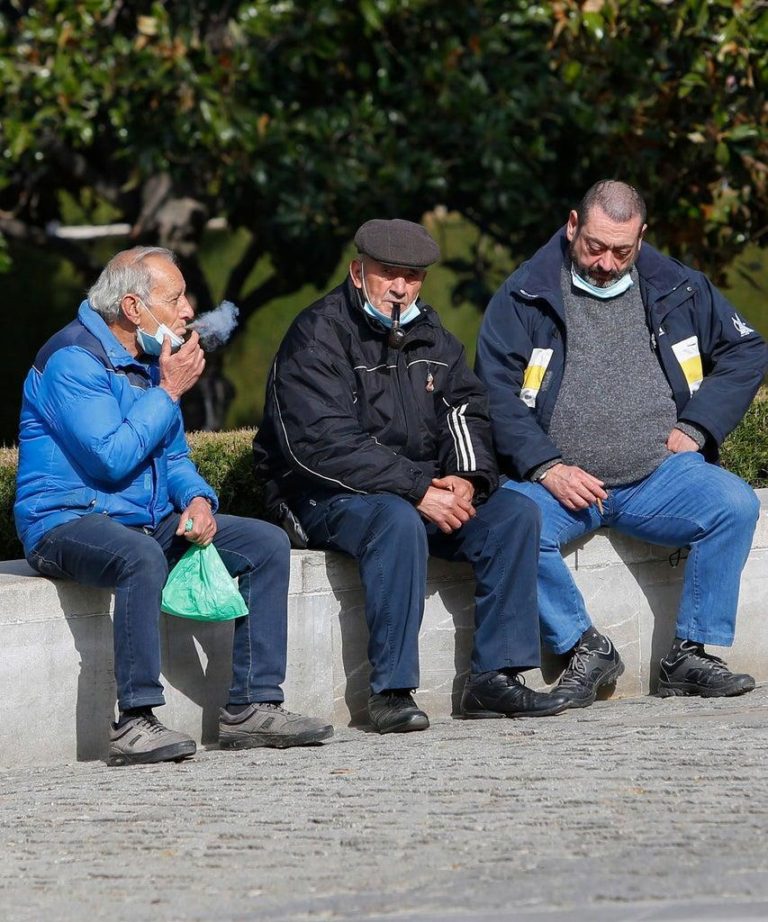
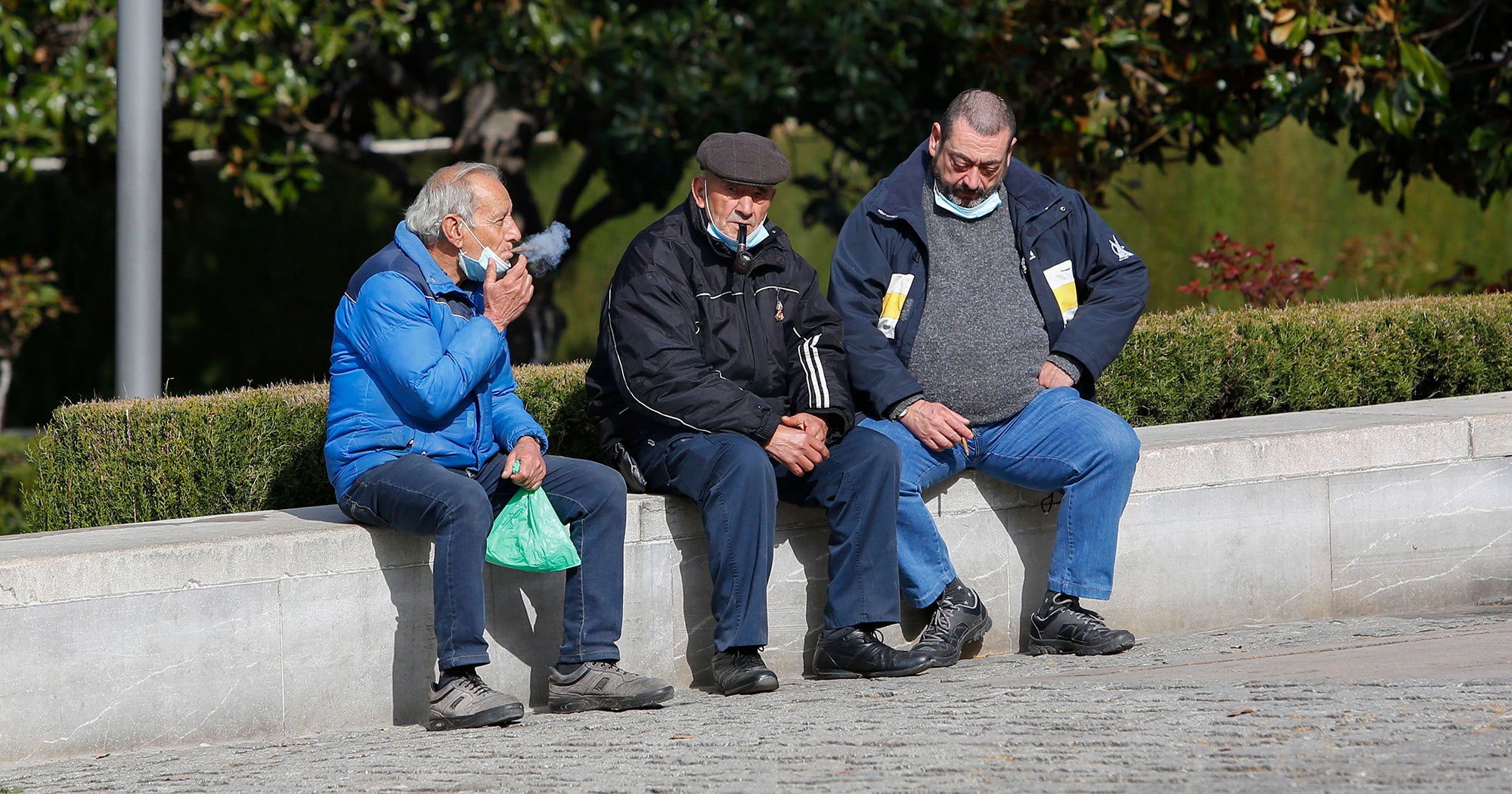
Editorial Use Only Mandatory Credit: Photo by Álex Cámara/NurPhoto/Shutterstock (11785718j) Three old men smoke with no face masks amid the coronavirus pandemic on March 04, 2021 in Granada, Spain. Daily Life in Granada amid the Covid-19 pandemic, Spain – 04 Mar 2021

Editorial Use Only Mandatory Credit: Photo by Álex Cámara/NurPhoto/Shutterstock (11785718j) Three old men smoke with no face masks amid the coronavirus pandemic on March 04, 2021 in Granada, Spain. Daily Life in Granada amid the Covid-19 pandemic, Spain – 04 Mar 2021

New statistics about the rates at which Americans are getting vaccinated for COVID-19 reinforce something we already know: toxic masculinity is literally killing people. As it turns out (to little surprise), women are getting vaccinated at far higher rates than men — about 10 percentage points — despite the fact that there are roughly the same number of men and women in the U.S.

In some places, like Los Angeles County, the divide is even starker: The New York Times reports that while 44% of women over 16 have received the vaccine, just 30% of men in the same age group have. There are a few factors that partially explain this gap. The first group of people to be vaccinated were people over 70, and there are more women in that age group than men in the U.S. Not only that, more than three-quarters of health care workers are women, as are over 75% of teachers — two more demographics that were prioritized for the earliest rounds of vaccines.

But there’s another factor at play, one that has more to do with cultural gender norms. “This avoidance has been linked to masculinity ideals of men being strong, invincible and not asking for help,” Kristen W. Springer, an associate professor in the Department of Sociology at Rutgers University in New Jersey, told The Times.

This vaccine reluctance among men echoes other patterns we’ve seen throughout the pandemic. Men are also less likely to wear masks, which one study found was related to perceived “illusions of vulnerability” created by the act of masking up. They are also less likely to adhere to social distancing recommendations.

Research from last month found that white Republican men are the largest anti-vax group in the country, with 49% of those surveyed saying that they will not get the vaccine. But as these newest numbers show, it’s not just white men who are resistant to receiving the vaccine. In Los Angeles County, while 35% of Asian men and 32% of white men have received the COVID-19 vaccine, only 19% of Black men and 17% of Latino men have. There could be other factors at play, like access, and Dr. Paul Simon, the chief science officer at the Los Angeles County Department of Public Health, told The Times they were planning to do outreach specifically targeting men.

One message they are hoping might speak to men who hold traditional ideas about what it means to be “a man” is the idea that vaccinating yourself can protect your family from the virus, appealing to the trope of men being “protectors.” This might counteract the trend of men being less likely to pursue preventative healthcare, which is impacted by ideas of being too “macho” to go to the doctor.

And one of the biggest concerns if large numbers of men refuse to get vaccinated is that the country might not reach herd immunity, which is when enough people have been inoculated against a virus to prevent community spread of it. “If we’re below 60% to 70% vaccination for COVID when we enter the fall respiratory season, that could easily tip us into an emergency situation,” Samuel Scarpino, who models the coronavirus outbreak at Northeastern University, told NPR.

Either way, it might be hard to reach some men who think they don’t need the vaccine. “Some men have a sense that they are not necessarily susceptible,” Simon told The Times. “They have weathered this for more than a year and have a sense of omnipotence.”

Like what you see? How about some more R29 goodness, right here?

This Is The Key To Preventing Vaccine Soreness

So, Do We Have Herd Immunity Yet?

No, The COVID Vaccine Won’t Give You Herpes

Fellas, Is It Gay To Be Immune From A Deadly Virus? – Refinery29

Research from last month found that white Republican men are the largest anti-vax group in the country, with 49% of those surveyed saying that they will not get the vaccine. But as these newest numbers show, it’s not just white men who are resistant to receiving the vaccine. In Los Angeles County, while 35% of Asian men and 32% of white men have received the COVID-19 vaccine, only 19% of Black men and 17% of Latino men have. There could be other factors at play, like access, and Dr. Paul Simon, the chief science officer at the Los Angeles County Department of Public Health, told The Times they were planning to do outreach specifically targeting men.

Diversity at the Oscars over the decades – Minneapolis Star Tribune

1920s

“Chang” is a nominee in the very first ceremony in 1929 in the one-time-only category, “Best Picture, Unique and Artistic Production.” The documentary/fiction hybrid was made by white filmmakers but shot in Thailand with a Thai cast.

1930s

Mitchell Leisen, who was closeted, is probably the first gay Oscar nominee. He got a nod at the second Oscars, in 1930, for art-directing “Dynamite.”

On the way to becoming the most-nominated Asian American in Oscar history, cinematographer James Wong Howe wins his first of 10 nods for “Algiers” in 1939.

1940s

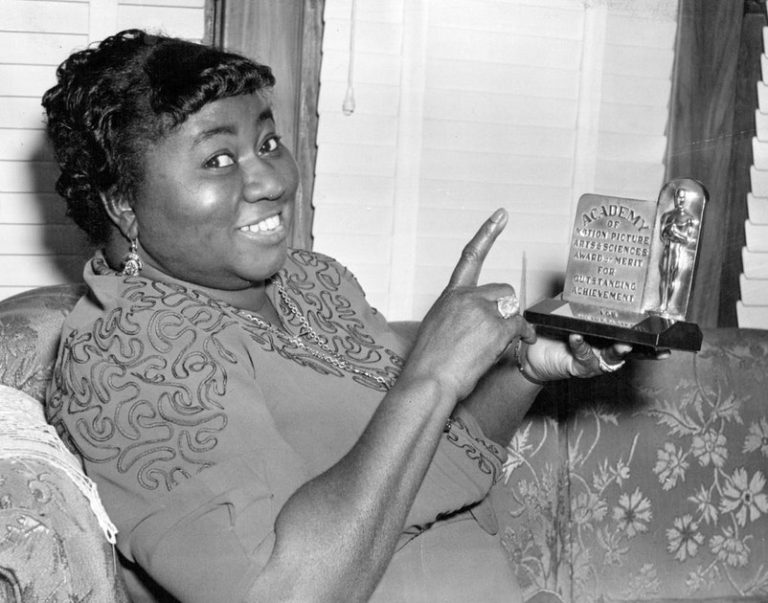
Hattie McDaniel becomes the first Black Oscar winner in 1940, for her supporting role in “Gone With the Wind.” Jim Crow laws prevented her from attending the Atlanta premiere. But she did go to the Oscar ceremony, held at a segregated hotel in Los Angeles, but was banished to a distant table.

Harold Russell is the first winner with a disability. The actor, who lost both hands in an Army accident, won for “The Best Years of Our Lives” in 1947 but wasn’t cast in another movie for 34 years.

1950s

Jose Ferrer is the first Latino acting winner in 1950, taking best actor for “Cyrano de Bergerac” (Latinos have subsequently won best supporting actor and supporting actress but not the actress trophy).

Actor Dorothy Dandridge becomes the first presenter of color in 1955.

In 1957, Miyoshi Umeki (“Sayonara”) becomes the first Asian performer to win, as best supporting actress.

While their “outness” is debatable in a time when Hollywood was closeted, costume designer Orry-Kelly and composer Aaron Copland both earn several nominations in the decade, with each winning at least once.

1960s

Sidney Poitier is the first Black person to win best actor, for “Lilies of the Field” in 1964.

In 1966, Laurence Olivier is nominated for playing the title role in “Othello,” for which he used blackface makeup.

1970s

“Sounder” is nominated for best picture and three other Oscars, becoming the first film with Black contenders for actor (Paul Winfield) and actress (Cicely Tyson). Lonne Elder is the first Black writer to be nominated for screenplay.

1980s

Although LGBTQ people have won Oscars, John Gielgud, who took home the supporting award in 1982 for “Arthur,” is considered to be the first openly gay actor to win.

For cowriting the original song, “Up Where We Belong,” from “An Officer and a Gentleman,” Buffy Sainte-Marie becomes the first Indigenous Oscar recipient. (In 2020, Taika Waititi wins the adapted screenplay award for “Jojo Rabbit” and actor Wes Studi receives an honorary Oscar.)

Marlee Matlin becomes the only Oscar-winning actor who is deaf, for “Children of a Lesser God” in 1987. Her unicorn status could change with the upcoming “CODA,” a Sundance Film Festival winner expected to compete for many awards next year.

Not counting music, Willie D. Burton becomes the first Black winner of an Oscar in the craft awards. His sound trophy in 1988, for “Bird,” is the first of his four Oscars (Ruth E. Carter and Hannah Beachler are the first Black people to win for costume design and production design, both for “Black Panther” in 2019).

1990s

Spike Lee’s classic, “Do the Right Thing,” does not earn nominations for best picture or director. He gets a nod for his screenplay but loses to “Dead Poets Society.” Lee would finally get a directing nomination for “BlacKkKlansman” in 2019. He lost.

2000s

Halle Berry is the first — and, so far, the only — Black best actress, winning in 2001 for “Monster’s Ball.”

In 2005, Ang Lee is the first person of color to win best director, for “Brokeback Mountain.” In 2009, Kathryn Bigelow becomes the only woman to win that trophy, for “The Hurt Locker.”

2010s

Between Alfonso CuarĂłn, Alejandro GonzĂĄlez Iùårritu and Guillermo del Toro, the directing prize has gone to Latino men five times in the decade. Lee picks up another statuette for “Life of Pi.”

When he gets the supporting actor award for “Beginners” in 2012, Christopher Plummer, 82, becomes Oscar’s oldest winner. That year’s host, Billy Crystal, stirs up controversy by doing a Sammy Davis Jr. impression in blackface.

In 2015, #OscarsSoWhite trends on Twitter after the announcement that all 20 acting nominees were white. (The same would be true in 2016.)

Anohni becomes the first transgender Oscar nominee for writing “Manta Ray,” a song from the documentary “Racing Extinction,” in 2016. She boycotts the ceremony after not being asked to perform. (Other nominees, including “Juno” star Elliot Page, have come out as trans after their nominations.)

Rachel Morrison becomes the only woman nominated for cinematography for “Mudbound” in 2017. No woman has ever won.

Also in 2017, Mahershala Ali becomes the first Muslim winner for his supporting performance in “Moonlight.” (He won another supporting actor Oscar in 2019 for “Green Book.”)

“Get Out” makes Jordan Peele the first Black screenplay winner in 2018.

2020s

Last year, with awards for directing, co-writing and coproducing “Parasite,” Bong Joon-ho becomes the most honored filmmaker of Asian descent in Oscar history.

Jonathan Bennett and Jaymes Vaughan say their wedding is ‘bigger than’ them: ‘It’s about the LGBTQ+ community’ – USA TODAY

Jonathan Bennett is explaining why he and his fiancĂŠ were rejected from their dream wedding venue â€“ and how that led them to make their nuptials a celebration for the LGBTQ+ community.

The “Mean Girls” actor told The Knot Tuesday that he and TV host Jaymes Vaughan initially hoped to get married at the Palace Resorts in Mexico but were denied because they are same-sex couple.

“When we got engaged, the owner said he couldn’t marry us because we’re two men and it goes against his morals,” Bennett said, calling the experience “a sucker punch to the gut.”

As a result, Bennett said this incident made him realize that their wedding should represent the larger LGBTQ+ community.

“We decided in that moment that our wedding was bigger than us. It’s our wedding, but it isn’t just about us. It’s about the LGBTQ+ community. We’re really making a point to make this wedding very loud on purpose,” he said.

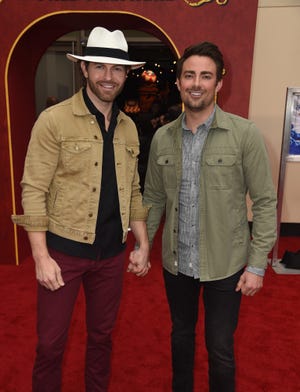
Jonathan Bennett and his husband, former "Amazing Race" contestant Jaymes Vaughan, at the premiere of "Dumbo" on March 11, 2019 in Los Angeles.

Celeb weddings and engagements:Jeannie Mai, Paris Hilton, Bella Thorne, more stars who got engaged or married in 2021

Vaughan explained that the two decided to have their wedding at the UNICO Hotel instead “because on social and in their marketing, they have shown us that we’re welcome there.”

“We want to make sure that there’s never a moment during the engagement or wedding planning journey that LGBTQ+ people aren’t excited,” Bennett added. “We want to make sure that they are celebrated every moment and don’t feel a sense of otherness. The otherness needs to be removed from gay weddings.”

USA TODAY reached out to Palace Resorts and reps for Bennett for comment.

‘It fits in’:Hallmark, Lifetime Christmas movies finally show LGBTQ love in leading roles

Bennett and former “The Amazing Race” contestant Vaughan went public with their relationship in 2017. The couple announced their engagement over Thanksgiving weekend in 2020.

Last year, Bennett starred in “The Christmas House,” the first Hallmark Channel movie with a leading LGBTQ+ storyline. He told USA TODAY in October 2020 that the Hallmark milestone was “really special, because it feels like it’s progress.” He envisioned what the representation would’ve meant to his younger self.

“If I saw a movie that had a storyline like this – with a gay couple who are adopting a child and starting their own family with unconditional love – I think I would’ve felt a little less scared at Christmas,” he says. His motivation for doing the film was to help viewers “feel a little less scared and a little more seen this Christmas.” 

Hollywood’s casting dilemma:Should straight, cisgender actors play LGBTQ characters?

‘Mean Girls’ Day:The definitive ranking of the movie’s best quotes

Daniel Armando’s gay drama “A Boy Like That” explores unequal power dynamics – Metro Weekly

0
a boy like that, daniel armando, film
A Boy Like That — Photo: Novo Novus Productions

Treading with care around provocative subject matter, Daniel Armando’s A Boy Like That explores unequal power dynamics in a relationship fraught with mystery and apprehension. Arriving in Queens, New York from Jalisco, Mexico to teach acting at the New School, 40-year old Harold (Jaime Zevallos) finds himself inadvertently sharing his Airbnb with 17-year-old Felix (Andres Nicolas Chaves), who grows increasingly attached to the older man.

Writer-director Armando dealt with similar themes of taboo desires, although in markedly different contexts, in his previous features Daddy’s Boy and The Breeding. Abetted by frequent collaborators producer Dane Joseph and cinematographer Ryan Balas, Armando has evinced a reflective, sensual style that envelopes these stories in “will-they-or-won’t-they” suspense.

In Harold and Felix’s case, they shouldn’t, and the film walks a fine line limning the teacher’s struggle to maintain a purely platonic bond, despite the youngster’s affectionate nature and aversion to clothing. Colombian actor Chaves, a convincing onscreen teen, is of age, and his Felix turns out to be no mere innocent. But Felix is a boy — yet one who quite painfully reminds Harold of his first love, Pablo Antonio, who died soon after he and teenaged Harold had their first kiss.

In a poignant twist, we learn Felix is mourning a loss of his own. Harold tries to remain a mentor to the grieving kid, while staying open to hookups with age-appropriate partners, like hunky property manager Eddie (Juvian Marquez). Throughout, Armando stirs the pot with flashbacks, fantasies, a surprise family reunion, and a somewhat incongruous but strangely riveting, off-the-rails dinner party with a Trump-supporting Latina from Texas and another daddy with his eye on Felix.


The film — this month’s selection for the Reel Affirmations On Demand film series — makes many bold, romantic flourishes, from its repeated flashes of lovers intertwined, rolling in the sand and waves like a Herb Ritts fantasy, to a scene of teacher Harold quoting Neruda and Ephesians to his eager pupil. Armando also slips in an eye-catching reference to Kubrick’s take on Lolita to go along with the parade of red flags warning Harold to slow his roll. Will they, or won’t they, and what might be gained or irrevocably lost?

Amid strains of Brett Walling’s haunting original score, alternating with Debussy and Bizet classics, Harold and Felix work to free themselves, and perhaps each other, from past regrets.

A Boy Like That is available to screen virtually from 12 a.m. Friday, April 30 to 11:59 p.m. Sunday, May 2. Tickets are $10, and include access to the film, plus a pre-recorded Zoom Q&A with director Armando and producer Joseph. Visit https://thedccenter.org/events/aboylikethat.

Read More:

Cher & the Loneliest Elephant is a feel-good film about animal rights activism

‘Until the Flood’ at Studio Theatre joins a national conversation about police killing Black people

Gay Men’s Chorus celebrates 40 years with Alan Cumming, Laura Benanti, Shangela and more

Trans girls deserve to play sports aligned with their gender identity – Outsports

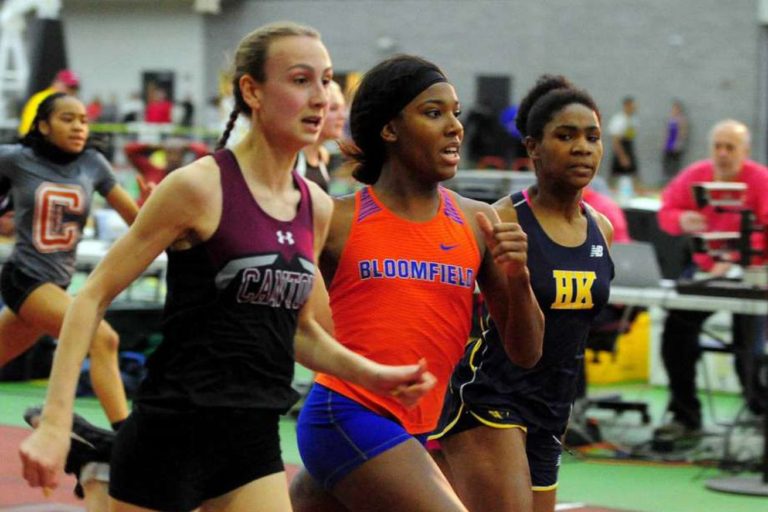
Chelsea Mitchell, left, beat Terry Miller., center, on Feb. 14, 2020, in the CIAC Class S track and field championships at Floyd Little Athletic Center in New Haven, Conn. – Photo by Christian Abraham, Courtesy of CT Post, Hearst Connecticut Media, used with permission.

Recently, 500+ collegiate athletes petitioned the NCAA to stop holding championships in states that pass or are considering passing laws that ban trans athletes from participating in sports aligned with their gender identity.

As a Director of Diversity, Equity, and Inclusion (DEI) and a former collegiate athlete, I care deeply about inclusion and character-building on and off the athletic field. The athletic field is a microcosm of life, where distinctions between fairness, equality, and justice come into stark relief. It’s where generations have learned to value teamwork, treat people respectfully, and follow the rules. Athletics played a vital role in my own development, mental and physical well-being, and fulfillment as a young woman. I’ve been asked my opinion about transgender athletes by people who think trans inclusion is “just unfair” to cisgender girls. If we’re so concerned about fairness, how fair would it be to deny those same opportunities to trans girls?

The “fairness” of transgender girls competing in girls’ sports is the latest political football. Last year, Idaho became the first state to pass a ban – ironically called the “Fairness in Women’s Sports Act” – on trans girls competing. More than two dozen states have proposed such measures, including a draconian provision that a physician panel should examine the “reproductive organs” and “genetic makeup” of assigned male-at-birth youth who seek to play girls sports. Must we violate a child’s sense of privacy and security with highly invasive tests for the sake of “fair play”?

Chelsea_Mitchell_Terry_Miller_Shawn_McFarland.png

A common argument is that trans girls will have unfair physical advantages and “steal” awards and scholarships from “deserving” cisgender girls. Trans athlete Terry Miller’s 2020 loss to cis athlete Chelsea Mitchell in the Connecticut State Championship Girl’s 55-meter dash challenges that argument. So does physiology: training that increases the body’s ability to use oxygen for fuel, rather than sheer lung capacity that varies with body size, is the key factor in performance. Sport governing bodies enforce policies that significantly limit trans women competing in women’s events. Hormone levels matter, and policies are evolving toward longer required periods of hormone treatment before trans athletes can compete at elite levels. Three trans women athletes may compete among 10,000+ competitors in the 2021 Summer Olympics. Is it fair to deny the very few out of biased fear for the vast majority?

Growing up in rural Pennsylvania, I attended one of the smallest schools in the district and often found myself on the losing end of the scoreboard against teams from larger schools. On balance, those teams had taller kids on the basketball court, faster kids on the hockey field, and more fans in the stands. If there had been a campaign to raise awareness of DEI back then, the backs of our jerseys would’ve said ‘Inequality’. But we played on; for the camaraderie, the physical outlet, the freedom to assert ourselves outside the classroom where social norms muted the competitive spirit, and for those rare David-beats-Goliath moments.

Sports gave me confidence to reach for bigger goals, like walking on to my college golf team despite no prior formal competitive experience, and an appreciation for lessons learned in defeat. One of the most important and enduring lessons I learned through sports was not “how to be a winner” but rather how to define winning on my own terms. Developing my own internal scorecard was like creating my compass. It carried me through injustices on and off the field and still guides me today. Doesn’t every kid deserve a fair chance to find their own north star?

The arc of sports history has slowly bent toward inclusion. Initially a bastion of white men and boys, the door slowly opened to people of color; women; people who identify as gay or lesbian; athletes with disabilities; and, yes, even transgender athletes like Patricio Manuel, the first trans man to win a professional boxing match in the U.S. This evolution of inclusion in sports is one concrete way our nation has become a better version of itself – where fairness is more inclusive and diversity fuels creativity, drives innovation, and pushes our collective competitive edge to new heights. Do we really want to turn back the clock by codifying discrimination against trans girls who just want to get in the game?

Brandon Boulware

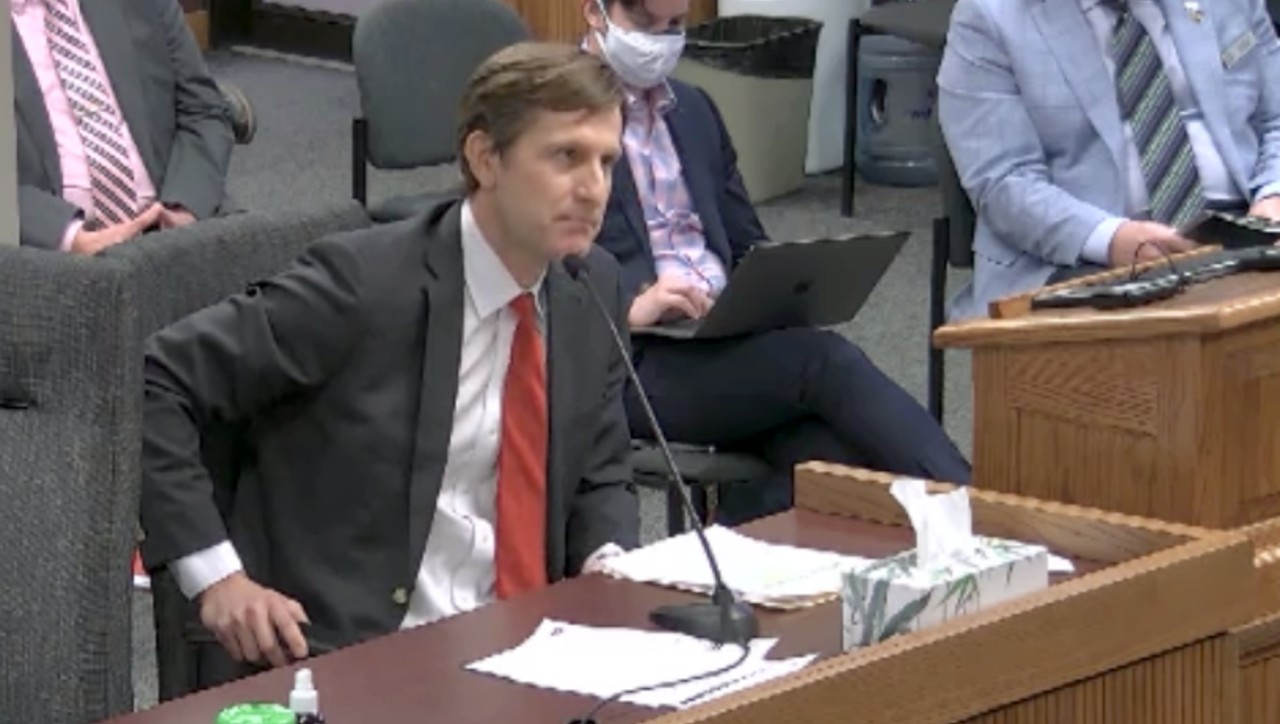
Dad of trans daughter Brandon Boulware is a lifelong Missourian. He testified against anti-trans legislation.

In his recent testimony to Missouri lawmakers seeking to ban trans girls from sports, Brandon Boulware – a Kansas City citizen and father of four – described his child’s transformation from a sad, withdrawn boy who never smiled into a vibrant, confident trans girl who has friends and enjoys playing sports. He, too, was transformed when he put his daughter’s well-being ahead of his own fears. Don’t we owe all kids a chance to be their authentic selves?

The college athletes petitioning the NCAA believe fairness matters. Who better to lead on the issue of trans inclusion than the competitors themselves?

Kim Brownley, PhD, is the Director of Diversity, Equity, and Inclusion (DEI) and Research Professor in the Department of Psychiatry at the University of North Carolina at Chapel Hill School of Medicine.

What Role Could Artificial Intelligence Play in Mental Healthcare? – HealthITAnalytics.com

– In just over a year, nearly every part of the medical industry has been ushered into a new era of care delivery.

Upended by a crisis, the healthcare sector has had to quickly find new ways of safely providing quality care to patients. For many, the solution was to go digital – typically in the form of telehealth services.

In the mental health field, this has become particularly prevalent. 

“The onset of COVID-19 led to a dramatic increase in the use of telehealth,” said Zac Imel, PhD, professor and director of clinical training in the department of educational psychology at the University of Utah.

“Mental health is one area of healthcare that can be delivered via telehealth without losing its essence. There is something that’s lost, but there’s a lot of it that you can do. And there’s been a significant shift. I’ve seen students in my program go from doing no telehealth to almost 95 percent of them doing telehealth.” 

Recent research has reflected the virtual trend as well: A RAND study found that the significant rise in telehealth use during the height of the pandemic was driven more by people looking for mental health services than care for physical conditions. 

The rise of digital mental healthcare has also brought up the use of a technology that has remained somewhat elusive in the medical space: Artificial intelligence. 

For years, the industry has seen tools like chatbots and virtual assistants as a viable way of wading into the waters of AI. With the onset of COVID-19 – and all the stressors that came with it – organizations have turned to AI to potentially broaden access to and availability of mental health services. 

At The Trevor Project, a suicide prevention and crisis intervention organization for lesbian, gay, bisexual, transgender, queer & questioning (LGBTQ) young people, leaders recognized the need for wider availability of digital mental health services during the pandemic.

“Our research shows an estimated 1.8 million LGBTQ youth between the ages of 13 and 24 in the US seriously consider suicide each year, and at least one LGBTQ youth between these ages attempts suicide every 45 seconds,” said Kendra Gaunt, data and AI product manager at The Trevor Project.

“So, when we’re thinking about what we can do to meet this need, and how we can equip our highly skilled counselors, it’s through the lens of connecting with every LGBTQ youth that needs our support. We’ve also seen a shift as a result of the pandemic. At times our volume has doubled what it was pre-COVID.” 

Kendra Gaunt, The Trevor Project

Kendra Gaunt, The Trevor Project

To get ahead of this issue, The Trevor Project recently partnered with Google.org to launch The Crisis Contact Simulator, a first-of-its kind counselor training tool powered by AI.

The model simulates digital conversations with LGBTQ youths in crisis and allows aspiring counselors to experience realistic practice conversations before taking live ones. The platform will enable staff to train even more volunteers and make regular training updates.

“While we’ve definitely noticed that this method of the instructor-led role plays is effective, we also saw a really unique opportunity here to leverage AI to increase our number of trained counselors,” Gaunt said. 

“The technology can also improve the flexibility and quality of our training process. About 68 percent of our digital volunteer counselors do shifts on night and weekends, so now they can be trained on nights and weekends as well.”

In the research sector, organizations are also exploring the use of AI in mental healthcare. A study recently published in JMIR examined the utility of an AI-powered chatbot called Woebot, a mental health digital solution designed to treat substance use disorders. 

Substance use disorders and mental illnesses often go hand-in-hand – and recent circumstances seem to have only exacerbated both conditions. Research from NYU School of Global Public Health showed that people with anxiety and depression are more likely to report an increase in drinking during the pandemic than those without mental health issues.

“There might be the potential for more problematic substance abuse because people are isolated and stressed, whether over health concerns, financial concerns, political concerns, or social concerns,” said Judith Prochaska, PhD, MPH, a licensed clinical psychologist and professor in the department of medicine at Stanford University.

“A lot went on in 2020, and that was compounded with isolation and reduced access to in-person counseling or 12-step programs.”

In the JMIR study, Prochaska and her team demonstrated that Woebot was associated with significant improvements in substance use, confidence, cravings, depression, and anxiety. The findings indicate that chatbots like Woebot could potentially reduce the burden of substance use disorders.

“Woebot will reach out to people sometimes and say ‘hey, let’s connect,’ or people can go in and use it,” Prochaska said.

“There are psycho-education lessons that are cognitively based. There are check-ins where it asks individuals about their mood or anxiety, as well as tools to use in the moment to manage anxiety and cravings.”  

AI as a means to personalize care, increase access, and provide support

If there is one chief benefit of using AI in clinical care, it’s the technology’s ability to obtain insights from massive amounts of data. 

This advantage still stands when AI is applied to the mental health space, noted John Torous, MD, director of the digital psychiatry division at Beth Israel Deaconess Medical Center.  

“In mental health, we’ve had several innovations,” he said.

“First, we had the genetic revolution where we had all this new genetic data and it unlocked the key to understanding mental health. We’ve also had neuroimaging to help us understand how the brain works, as well as smartphone and sensor data. Intuitively, we know that these tools contain important information that we could use to personalize care for patients, but it’s been very hard to unlock that data for clinical insights on a routine basis.”

John Torous, MD

John Torous, MD

AI systems could help providers go through these data resources and collect clinically actionable targets that will improve patient care.

“By doing that, we may be able to offer more personalized and preventive care. And hopefully, we can approach these mental illnesses in a more targeted way,” said Torous.

For Prochaska and her team, delivering care that is personalized to the user was top of mind when developing their AI-powered chatbot.

“Woebot is based on cognitive behavioral therapy principles. It has an empathy component that’s tailored to the messages that the individual sends,” said Prochaska. 

“It’s designed to target cravings and urges and to help the individual build self-awareness in terms of their patterns of thinking, mood-related thinking, anxiety, depression, as well as the urge and craving to use.”

Another advantage of AI-driven tools? Increased access. 

“Chatbots can interact with an individual in real time. They’re available 24/7, at no cost, and they reduce stigma in terms of accessing treatment. Whether these tools are used as stand-alone treatment agents or as an adjunct to more traditional counseling, chatbots provide added therapeutic content,” Prochaska said.

Advanced analytics technologies also have the potential to remove access challenges for marginalized groups, Gaunt pointed out.

“AI can increase equity and access to mental health services, especially for LGBTQ youth who exist at an intersection of identities – because we know that LGBTQ youth already face injustices and discrimination in their everyday lives. This is only compounded when you layer on race, ethnicity, socioeconomic status, gender identity, and so on,” she said.

“When I think about how AI can evolve to support people who represent a variety of lived experiences, I think about eliminating barriers to convenience, or access, or privacy. So, making services available 24/7 on demand in different platforms, and also giving people the space to have sensitive conversations – even more so for ones that they might not feel comfortable having out loud.”

While the use of AI comes with several potential benefits, it will be critical to maintain care approaches that are focused on the patient-provider relationship. 

“There will always be a need for human-to-human connection. AI’s role in this space shouldn’t be to replace humans, it should be to support them,” said Gaunt. 

“At Trevor, we are not setting out to design an AI system that will take place of a counselor, or that will directly interact with a person who might be in crisis. Instead, we’re designing AI to work in partnership with counselors.”

According to Imel, this is the most feasible application of AI in the mental healthcare field.

“The role of AI in mental healthcare that I’m most excited about, and that has the most potential to make an impact now, is supporting human therapists,” he said. 

“Right now, therapists are mostly on their own in the room with the clients and even afterwards. After you’re trained as a therapist, you don’t get supervised much anymore in most places. You’re using your judgment and training to try and make sure you’re doing the right things. There are AI tools now that can listen into these sessions and give therapists some pretty useful feedback –even things like how much you talked and the types of basic interventions you used.”

Ensuring AI helps, not harms

For all of the good AI could do, there are a number of significant barriers to using the technology in mental healthcare. 

With smartphone apps and chatbots, patient engagement is a key factor in determining the success of the technology. 

“One challenge for mobile health applications is making sure people come back and interact with it on a regular basis,” said Prochaska. 

“Typically, the more the individual uses it, the greater the benefit they’ll get from it. Anything you can do to boost engagement should help with your outcomes in terms of accuracy and effectiveness.”

Judith Prochaska, PhD, MPH

Judith Prochaska, PhD, MPH

Additionally, developers and researchers need to make sure they equip these tools with appropriate protections for high-risk patients.

“Woebot does have some safety features built into it, like language detection and rules for risk management. It does state explicitly that it is not a suicide prevention tool,” said Prochaska.  

“And then for our study, because it was our first evaluation of the tool, we were thoughtful in terms of our inclusion and exclusion criteria. For example, if we felt that somebody was at risk for overdose, we didn’t include them in this first evaluation.”

The data used to train AI models is a crucial aspect of their clinical utility – and data quality can be particularly challenging when it comes to mental healthcare.

“AI is only as good as the data it’s trained on and the people that are using it. Each of those are important considerations,” said Torous.

“In terms of the data it’s trained on, we have to wonder what the gold standard is that we’re using. It’s especially hard to have a gold standard in mental health because we know that the current clinical definitions we use are not ideal. We have to take a very careful approach to how we’re training these algorithms, and it’s not going to be as simple as scoring people’s symptoms.” 

Torous also cited the importance of partnerships between industry and academia to develop AI systems that will effectively address the complexity of mental illnesses.

“If we’re just solving very easy problems, it doesn’t advance care. If we have an algorithm that can tell whether someone has schizophrenia or not, it’s useful, but it’s not really going to advance the field. That’s a very small improvement,” he said. 

“We also need to have diverse samples on which to train these models, because if we only take one region, one clinic, or one population, these algorithms are going to have very limited utility. These tools have to be built from the ground up with a very diverse approach – you have to work with the patients, as well as consider input from clinicians, data scientists, and regulators.”

Imel stressed the significance of collaborative development as well. 

“We have to think about how to build partnerships with patients, stakeholders, and therapists around the data that’s going to be necessary to build these tools,” he stated.

“We have to start thinking about how get buy-in from patients as well as providers. The chat platform that a patient is using is capturing their data, and the people behind that platform are trying to use your data to improve care. Similarly, providers are often not super excited about being recorded, so how do we get buy-in from them? Because if we don’t, it’s not going to work.”

Where AI and mental health will meet in the future

While the future application of AI in any area of healthcare is still unclear, this reality may be especially true in the mental health space.

The use of AI in therapy is dependent on several factors, and even if the industry is able to overcome some major challenges, the technology isn’t likely to appear in front-facing mental healthcare delivery.

Zac Imel, PhD

Zac Imel, PhD

“In the future, AI may be helping us on research – sorting through data to find new patterns that may help us understand how mental health illnesses develop, how they spread, and how we can prevent them,” Torous said.

In order for AI to take on a more central role, investigators will need to refine research and analysis in this area, Torous added.

“We know that people are interested in chatbots, and we know that patients are willing to try them. But in 2021, we really want to be answering questions like ‘How well does it work?’ Or, ‘Can we conduct higher quality studies?’ We’ve seen the interest, and hopefully that catalyzes more development,” he said.

Prochaska noted that she and her team plan to further test the Woebot tool to evaluate its effectiveness. 

“This is the first study in a series of three that we have planned. We see this as building a program of research and building the evidence basis for the program, and then we can make improvements in the program as we go,” she said.

One of the most important things to remember is that the development of these tools should be an ongoing undertaking – and not a one-and-done endeavor, Gaunt stated.

“The application of AI is a process that should evolve as we do,” she concluded. 

“Just because we’re doing one thing today doesn’t mean that’s how it always can and should be done in the future. Considering how the world around us can change – not just by the day or the hour anymore, but in minutes or seconds – that’s important. There’s always going to be a new model, a new technique, or knowledge that we acquire.”

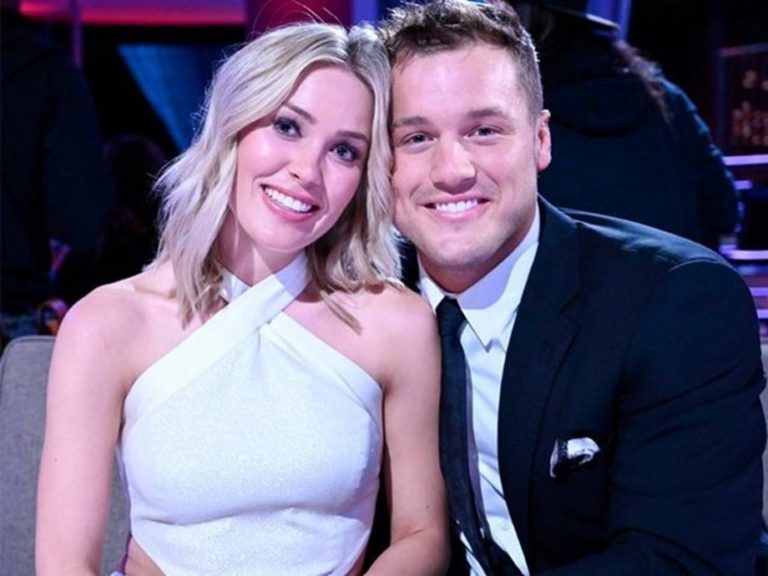
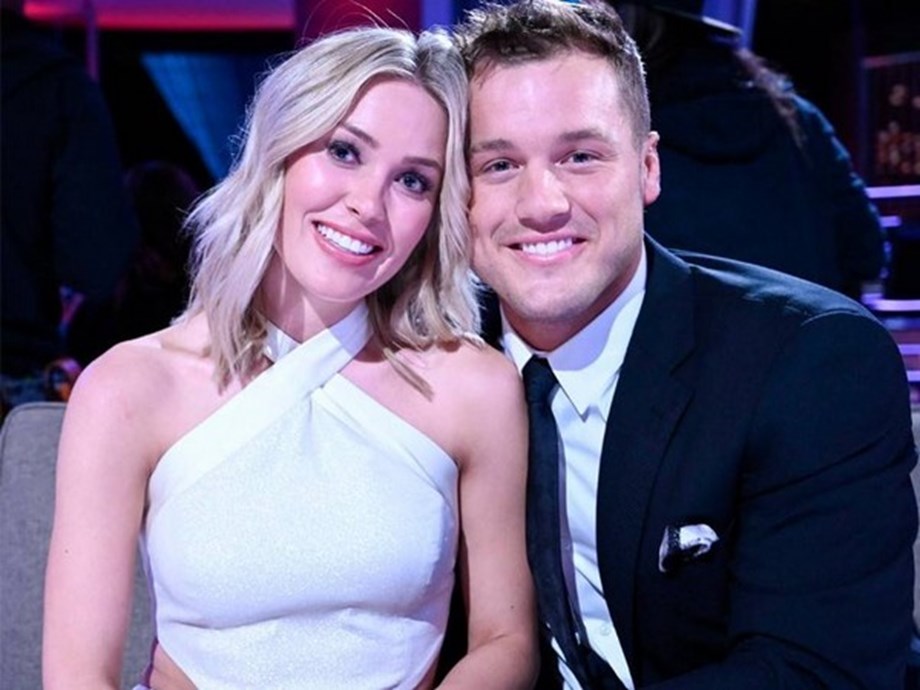
Cassie Randolph addresses ex Colton Underwood coming out as gay – Devdiscourse

American TV star Cassie Randolph, the former girlfriend of ‘Bachelor’ star Colton Underwood recently addressed her ex coming out as gay. According to Page Six, the 25-year-old star commenced her YouTube video blog posted on Thursday by saying thanks to fans for their support on “the topic in the media that brought [her] name up” but said she is not ready to fully address it just yet.

“I simply needed to tell you that I am not going to be further discussing it or commenting on it for now.” “There is a lot of layers to it, and I just think the best thing for me at this time is to move forward and just focus on going forward,” she said.

She added, “If I do decide in the future to say anything or make a comment at all, you guys will be the first to know.” The California native vied for Underwood’s affections on Season 23 of ‘The Bachelor,’ which premiered in January 2019.

Just as a week ago, Underwood, who also has dated Olympic gymnast Aly Raisman, came out to Robin Roberts during a pre-taped interview on ‘Good Morning America.’ Underwood said, “I have run from myself for a long time. I have hated myself for a long time. I came to terms with that earlier this year and have been processing it, and the next step in all of this was sort of letting people know.”

As revealed by Page Six, during Underwood’s sensational season of the long-running ABC franchise, he scandalously crossed the fence after Randolph dumped him. Underwood, who talked genuinely about his virginity on the show, later reconciled with Randolph sans a commitment. Underwood later disclosed in his 2020 journal, ‘The First Time,’ that he lost his virginity while shooting ‘The Bachelor,’ and had parted from Randolph months after the show wrapped.

Last May, the couple called it quits. “With all that we have gone through, we have a unique bond that will consistently be there. I love Colton definitely and I have an enormous amount of respect for him,” Randolph wrote on social media at that point.

Soon after the split, however, Randolph recorded a restraining order against Underwood and claimed he had been following her. Page Six occupied the court docs in September in which Randolph claimed Underwood was harassing her with “unsettling” text messages and planted a GPS beacon on her vehicle. Randolph dropped the restraining order against Underwood in November.

“Today Cassie requested that the court excuse the impermanent controlling request against me. Both of us had the option to agree to address any of Cassie’s interests” Underwood told TMZ at that point. “I do not really accept that Cassie did anything incorrectly in petitioning for the limiting requests and furthermore accept she acted in accordance with good faith. I appreciate everyone’s respect for privacy regarding this matter,” he added. (ANI)

(This story has not been edited by Devdiscourse staff and is auto-generated from a syndicated feed.)

Gay Men’s Chorus celebrates 40 years with Alan Cumming, Laura Benanti, Shangela and more – Metro Weekly

0

Gay Men's Chorus of Washington DC
Gay Men’s Chorus of Washington DC: Spring Affair, A Ruby Jubilee

In recent years Alan Cumming has invited the Gay Men’s Chorus of Washington to support him in cabaret-style performances at the Kennedy Center. The group is returning the favor, inviting the Tony-winning star to serve as the emcee for the organization’s Spring Affair 2021.

Cumming is just one among a handful of celebrities featured at the all-star, all-virtual show. The lineup includes five-time Tony-nominated actress Laura Benanti, also known for her uproarious impersonation of former First Lady Melania Trump on The Late Show with Stephen Colbert; the triple-threat entertainer Lea Delaria, a veteran musical comedy and jazz/cabaret singer and actor known for playing “Big Boo” in Orange is the New Black; Todrick Hall, who parlayed early success on American Idol and YouTube to become a performer and pop artist; and Shangela, the iconic three-time Drag Race contestant who has found success in music and in acting and has gained greater recognition for her work as co-host and consulting producer of We’re Here, HBO’s Emmy-nominated drag makeover series.

“This year’s theme is ‘A Ruby Jubilee’ for our 40th anniversary,” says Artistic Director Thea Kano. “We want our celebration to be fitting for this occasion — big, bold, and beautiful for this milestone — especially since we are all celebrating at home this year.”

The celebration also includes a silent auction with a variety of prizes up for bid starting Monday, April 26, and concluding Sunday, May 2. The slate includes a number of enticing travel packages — “A Greek Island Adventure,” “New Orleans Cruise,” and “Escape to Key West,” among them.


The GMCW Spring Affair is Saturday, May 1, at 7 p.m. Free with advanced registration. VIP Packages, offering a pre-event wine tasting, a wine, and dessert reception the night of the event, commemorative stemless wine glasses, and “extra special perks for VIPS,” range in price from $150 to $400. Visit www.gmcw.org.

Read More:

SONiA disappear fear honors Lesbian Visibility Day with a livestream performance

Dance Place previews “CLASS,” a documentary about visionary co-founder Carla Perlo

Sixth and I’s upcoming discussions include Malcolm Gladwell, Amy Klobuchar, and “Rabbi vs. Jedi”

Support Metro Weekly’s Journalism

These are challenging times for news organizations. And yet it’s crucial we stay active and provide vital resources and information to both our local readers and the world. So won’t you please take a moment and consider supporting Metro Weekly with a membership? For as little as $5 a month, you can help ensure Metro Weekly magazine and MetroWeekly.com remain free, viable resources as we provide the best, most diverse, culturally-resonant LGBTQ coverage in both the D.C. region and around the world. Memberships come with exclusive perks and discounts, your own personal digital delivery of each week’s magazine (and an archive), access to our Member’s Lounge when it launches this fall, and exclusive members-only items like Metro Weekly Membership Mugs and Tote Bags! Check out all our membership levels here and please join us today!

Doug Rule covers the arts, theater, music, food, nightlife and culture as contributing editor for Metro Weekly. Follow him on Twitter @ruleonwriting.

Kehlani Comes Out As A Lesbian On TikTok & Says She Was The Last To Know – Bustle

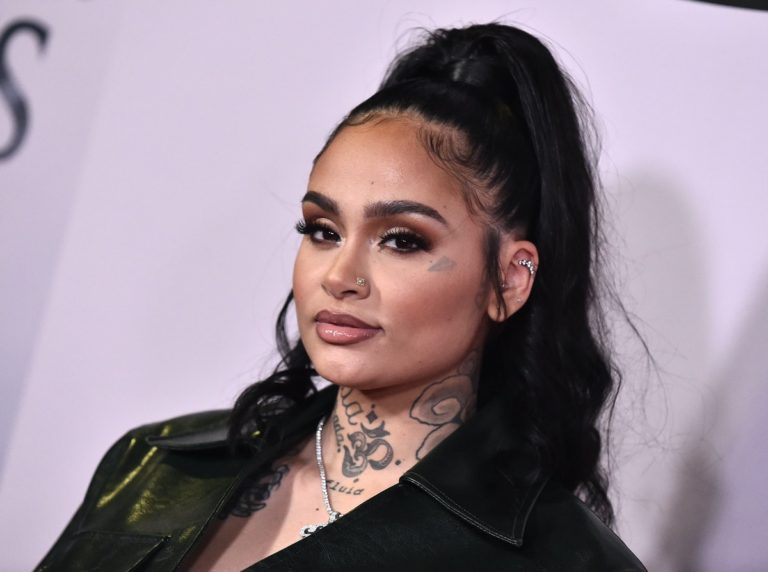
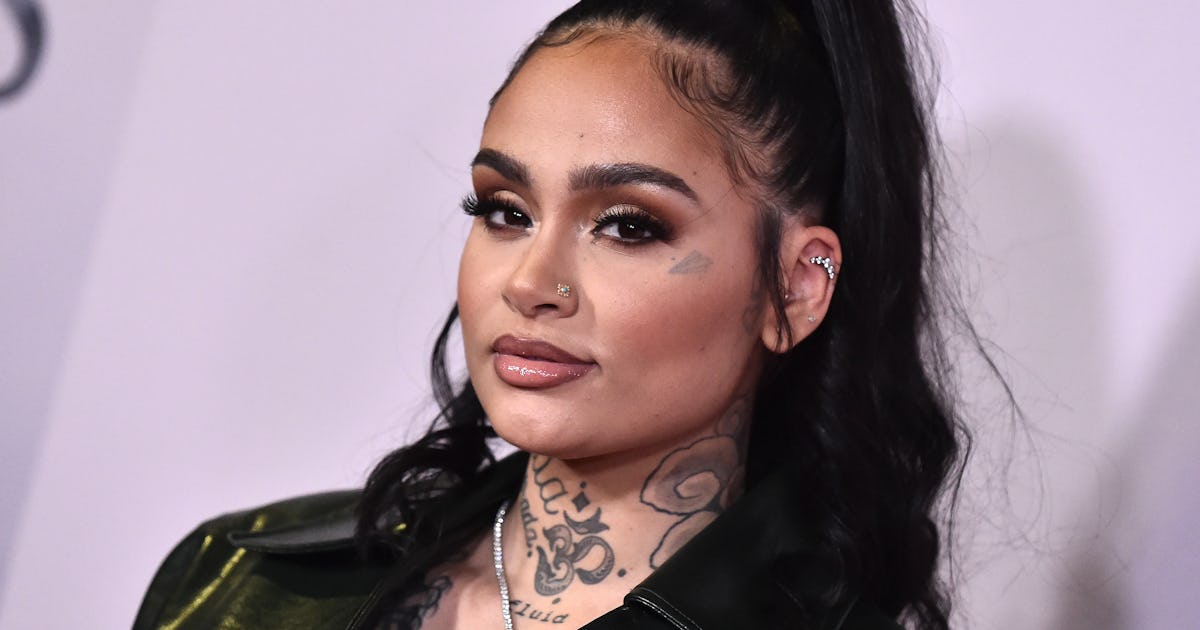
Kehlani has officially come out as a lesbian, and apparently, she was the last member of her family to find out. In a TikTok shared on Thursday, April 22, the R&B star finally set the record straight after previously hinting at being gay during a recent Instagram Live. “I’m just gonna f*cking say it because everybody keeps bringing it up to me,” the two-time Grammy-nominated artist said before asking if fans remembered her saying that she “finally” knew she was a lesbian. “Well, it’s f*cking true,” they confirmed. “I am gay-ga-gay-gay-gay.”

The 25-year-old musician then went more in-depth about her own personal coming-out story, revealing that friends and family knew about her sexuality long before she did. “I’m like, ‘Guys, I finally know that I’m gay. Like, I’m gay gay,’” the “Good Life” artist recalled. “They’re like, ‘We know. Duh, stupid.’” Kehlani, however, was expecting (and was actually sort of looking forward to) a more dramatic reaction than the one she got. “I just feel like no. I want you to fall on the floor and be like, “Congratulations, we had no idea! Sh*t,’” she said.

Despite not getting the shocked reaction, Kehlani seems happy to be on the same page as all of the people who’ve apparently known her sexuality for years. “Damn, everyone’s just like, ‘Duh, you’re the only one who didn’t f*cking know,’” they continued, adding that “the f*cking closet was glass.” And now that Kehlani came out to her family and friends, the musician felt it was time to share the news on TikTok. “I guess I just wanted y’all to know that everyone knew but me,” they added.

Kehlani, who shares a two-year-old daughter with guitarist Javie Young-White, opened up about her sexuality on social media years ago before knowing that she was a lesbian. “Cuz I keep geddin asked.. I’m queer,” they wrote in a series of tweets from 2018. “Not bi, not straight. I’m attracted to women, men, REALLY attracted to queer men, non-binary people, intersex people, trans people. Lil poly pansexual papi hello good morning. Does that answer your questions?”

“And since we on that … I’m the LEAST attracted to straight men, y’all really adorable sometimes tho,” the artist continued in a separate tweet, adding that bisexual men are “little gifts from God.” She also explained why, at the time, she preferred to be labeled “queer” over “gay.” “I felt gay always insisted there was still a line drawn as to which ‘label’ of human I was attracted when I really jus be walking around thinking ERRYBODY FINE,” they added.

Prior to those tweets, Kehlani opened up to MTV in 2017 about the importance of being authentic in both her music and in real life. “I am very openly queer,” the singer-songwriter told the outlet. “I thought that my music lacked representation of how my actual life is. I thought it was important to be myself fluidly in my music and not just in my life … it’s only right that that’s what I make music about and that I’m able to put that out confidently.”

Gay Agenda • April 23, 2021 – Dallas Voice

The Gay Agenda

Have an event coming up? Email your information to Managing Editor Tammye Nash at nash@dallasvoice.com or Senior Staff Writer David Taffet at taffet@dallasvoice.com by Wednesday at 5 p.m. for that week’s issue.

The Gay Agenda is now color-coded: Red for community events; blue for arts and entertainment; purple for sports; green for nightlife and orange for civic events and holidays.

• Every Monday: THRIVE

Resource Center’s THRIVE Support Group for people 50 and older meets virtually from 11:45 a.m.-1 p.m. led by a SMU Intern from their counseling program. A secure Zoom Room opens at 11:30 a.m. for people to join and chat. Email THRIVE@myresourcecenter.org to request the link.

• Every Tuesday: Totally Tuesdays

A night of totally fetch throwbacks hosted by Marissa Kage. Masks required. 11 p.m. at The Round-Up Saloon, 3912 Cedar Springs Road.

• Weekly: Frontrunners

Meet in Lee Park where the old statue stood on Wednesdays at 7:15 p.m. and Saturdays at 9 a.m. for a one-hour walk/run on the Katy Trail.

• Biweekly: Hope Cottage Foster Parent Information Meeting

Hope Cottage holds information meetings for those interested in becoming foster parents. The meetings are held alternately on Saturdays at 10 a.m. and Thursdays at 6 p.m. For information email Clyde Hemminger at chemminger@hopecottage.org.

APRIL

• April 23: Hootie and the Blowfish

Virtual concert at 8 p.m. presented by Sessions. Tickets at sessionslive.com/hootie/tickets?network=attpac&meta1=business&sourceNumber=38705&utm_source=Mail2&utm_medium=Email&utm_campaign=ATTPAC+-+Friday+041521+-+thurs

• April 24: Musical Moments

Coalition for Aging LGBT presents a virtual concert series featuring LGBTQ artists and allies the last Saturday of the month at 3 p.m. To register, visit cfa.lgbt/musicalmoments.

• April 24: Forgotten Space: Celebrating the Grateful Dead

Forgotten Space is a Texas-based Grateful Dead tribute band comprised of six diverse musicians with a deep understanding and respect for the rich and varied Grateful Dead songbook. Strauss Square

2389 Flora St. Tickets at ATTPAC.org.

• April 24: Soltar

Teatro Dallas and Cara Mia Theater Company present a magical pageant and interactive procession that celebrates the spring equinox. Procession begins at 2 p.m. at Exall Park and ends at the Latino Cultural Center. Tickets at ci.ovationtix.com/34495/production/1041934.

• April 25: North Texas Pride Foundation Drag Pageant Brunch

North Texas Pride Foundation presents an afternoon of drag and the elegance of a pageant that will crown the next king and queen of the North Texas Pride Foundation. Silent auction and door prizes. Doors open at 1 p.m. and show at 2 p.m. at El Noa Noa Tex-Mex Restaurant, 1915 N. Central Expy. Suite 100, Plano.

• April 25: Digital Drawing from the Masters

Enjoy afternoons of informal drawing instruction remotely over Zoom as artist Ian M. O’Brien leads you through a work of art in the Meadows Museum’s collection. Each session will provide an opportunity to explore a variety of techniques and improve drawing skills. Designed for adults and students ages 13 and older, and open to all abilities and experience levels. Attendance is limited to 10 households. To register, visit eventbrite.com/e/134472108697. For more information, call 214-768-8587 or email meadowsmuseuminfo@smu.edu.

• April 25: WOOD/SHOP

The second in a series of three programs features innovative new works by Bruce Wood Dance company dancers Weaver Rhodes and Seth York at 4 p.m. on Zoom. Free. Register at BruceWoodDance.org.

• Through April 25: Suffocation Theory

David Rabe, along with Undermain Theatre, turns his short story into a virtual solo performer story told by an unnamed narrator played by Bruce DuBose. Suffocation Theory explores a kind of dreamscape or nightmare-scape of destabilization — of climate, of public events, of private lives — in which all of the narrator’s fears seem to materialize at once. Tickets at undermain.secure.force.com/ticket#

• Through April 25: Always … Patsy Cline

Always…Patsy Cline stars Jolie Holliday as Patsy Cline. Based on the true story of Patsy’s friendship with her most devoted fan, Louise Seger, and chronicles the friendship which began when the two met at the Esquire Ballroom outside Houston. Casa Mañana, 3101 W Lancaster Ave., Fort Worth. Tickets start at $65 at CasaManana.org.

• April 27: Get Centered tour

Virtual Resource Center tour streams for free at 5 p.m. Registration required. MyResourceCenter.org.

• April 27: Same-sex partner grief group

Grief group for LGBTQ people who have lost a spouse meets virtually 6:30-8 p.m. For Zoom room, contact raymond.sablack@gmail.com.

• April 29: Black Tie kickoff

Black Tie Dinner’s digital kickoff. The 2021 fundraising year begins with news including this year’s theme, beneficiaries and other surprises. 6 p.m. at BlackTie.org.

• April 30-May 1:

The Dallas Symphony Orchestra and the Metropolitan Opera Orchestra hold a joint concert to benefit both orchestras’ COVID-19 relief fund at 7:30 p.m. at the Meyerson Symphony Center, 2301 Flora St. DallasSymphony.org.

• Through April 30: Bryan’s House Virtual Raffle

Win a luxury trip, fine jewelry and more. Information at BryansHouse.org/raffle.

• Through April 30: Visages: Recent Portraits by Francisco Benitez

Visages: Recent Portraits by Francisco Benitez span works from 2013 to the present and reflect a variety of his series’ and show off his wide range of artistic techniques. Typically working in oil Francisco, has worked back into an old technique of using encaustics which is a mix of heated beeswax and colored pigments which has been used since before the ancient Egyptians. Maestri Gallery, 401 Exposition St. Hours and info at MaestriGallery.com.

MAY

• May 1: Toast to Life

Annual fundraiser for Resource Center. Venetian Carnival is the theme hosted by Steve Kemble. DJ Blake Ward. Free virtual event.

• May 1: Day at the Races

The 13th annual Day at the Races benefits the Turtle Creek Conservancy. Enjoy the popular Derby in a Box, which serves two to four at your home while the event is live streamed from Turtle Creek Park oror on your phone/tablet while you picnic at Turtle Creek Park, and watch the most exciting 2 minutes in sports, the Kentucky Derby plus a silent and live auction, Hat Judging Contest, “wagering” and more. From 4:30-6:30 p.m. Buy Derby in a Box here: dayattheraces.muradbid.com and get more event details here: turtlecreekconservancy.org/events/day-at-the-races.

• May 1: Crystal Queer Riot

Propa and Rainbow Vomit present Crystal Queer Riot with guest DJ Tyler Moore benefiting Exude Love Foundation from 10 p.m.-after hours at 3609 Parry Ave. $30-50. Tickets at eventbrite.com/e/crystal-queer-riot-tickets-149896768269.

• Through May 2: Fort Worth Lynching Tour: Honoring the Memory of Mr. Fred Rouse

DNAworks presents a bike and car tour to the sites associated with the lynching of Mr. Fred Rouse on Dec. 11, 1921. The tour is accompanied by a downloadable, augmented reality app that can be used in each of the five sites to better understand the story of Rouse’s murder at the hands of a white mob. Tickets at Eventbrite.com. The two hour tour begins at 1 p.m. on Saturdays and Sundays.

• May 5-19: Texas Gypsies

Sammons Center for the Arts presents a virtual concert featuring Steve Curry on guitar and vocals, Tony Baker, Brian Sandridge, Joe Perez, Andrew Griffith and Travis Udall . Concerts begin at 7:30 p.m. and are presented as 48-hour rentals on Vimeo. $10. Members free. SammonsArtCenter.org.

• May 6: Grace Pettis

Austin’s Grace Pettis performs at Poor David’s Pub. Her new single ‘Landon’ features The Indigo Girls. The album will be released on May 7. Poor David’s Pub, 1313 Botham Jean Blvd. Doors open at 6:30 p.m. Showtime at 7 p.m.

• May 6-8: Strut Your Stuff

The annual race to end animal cruelty is virtual this year with minimal contact swag bag pick-ups taking place the weekend of the event from noon-2 p.m. at Jan Rees-Jones Animal Care Center, 2400 Lone Star Drive. Register and form a team at GoStrut.org.

• May 7: ArtCultivation

Resident artists Allegre Ballet Folklorico and Poppy Xander are joined by Sofia Torres, Jessi Jones, Rosalee, Gabriel Scampini and Maria Acevedo at 8 p.m. at 723 Fort Worth Ave. Tickers at Artstillery.org/vip.

• May 8: Queer Reads

Join the Dallas Public Library online to discuss Semi Queer by Anne Balay. Register at https://dallaslibrary.librarymarket.com/events/queer-reads-book-club-4

• May 8: Dallas Burlesque Festival

The Dallas Burlesque Festival returns for its 12th year featuring Lou Lou D’Vil and Ryan Kelsey at 7:30 p.m. at the Fair Park Bandshell. DallasBurlesqueFest.com.

• Through May 9: The Rising

The rising is an the interactive, multimedia musical experience presented by Exude Love Foundation and Rainbow Vomit that combines live performers, ground-breaking interactive technology and new, original music by the UK group HÆLOS. The 45-minute performance is limited to eight guests per experience. $60. For showtimes and tickets, visit ExudeLove.org or RainbowVomit.com.

• May 13: PFLAG Dallas

Virtual support meeting for parents, family and friends of LGBTQ people meets the second Thursday of the month at 7 p.m. Register for link at PFLAGDallas.org.

• May 14: Texas Justice: Brandon Woodruff

Documentary about a Texas man wrongly convicted of murdering his parents simply because he is gay at 6 p.m. at Texan Theater, 2712 Lee St., Greenville. $7.50.

• May 15-June 19: Rusty Scruby

Gay artist Rusty Scruby has a solo exhibit called Comfort at Cris Worley Fine Arts, 1845 E. Levee St. Suite 110. Open house on May 15 from noon-4 p.m. CrisWorley.com.

• May 16: Crawfish for a Cause

Crawfish for a Cause: Mental Health Matters sponsored by Mental Health America of Greater Dallas is an online event with music and info on how important mental well-being is including information for the LGBTQ community. Free but a $25 donation includes a t-shirt. Tickets at eventbrite.com/e/crawfish-for-a-cause-tickets-148835413729?fbclid=IwAR1H9Usp9pvwTgXDPP2fs69CzmSveXQ8ilXLg_8k_VGiOSXfypVI_-Njnfg.

• Through May 16: Shirin Neshat: I Will Greet the Sun Again

Thirty-year retrospective of artist Shirin Neshat’s work runs through May 16 at The Modern, 3200 Darnell St., Fort Worth. TheModern.org.

• Through May 17: Cufflink Art group show

Group show in a variety of mediums includes meticulous graphite drawings by Marshall Harris, subliminal compositions through oil on canvas by Linda Shobe, personal storytelling via collage by Dwight Owsley, intimate close-up portraits from the perspective of Nathan Madrid, dark yet mischievous concrete sculptures by Ross Bonfanti, and digitally abstract maps manipulated by Scott Anderson. Cufflink Art, Dickson-Jenkins Lofts and Plaza, 120 St. Louis Ave. Suite 149, Fort Worth. CufflinkArt.com.

• May 19: Unity

A virtual party benefiting the LGBTQ+ Real Estate Alliance DFW Chapter and Dallas Hope Charities with Marsha Dimes streamed live at 7 p.m. on YouTube and at MarshaDimes.com/unity.

• May 22-23: The Wars of the Roses

Shakespeare Dallas presents a staged reading of Shakespeare’s history plays: Henry VI Part I, Henry VI Part II, Henry VI Part III and Richard III at Samuell-Grand Amphitheatre, 6000 E. Grand Ave. at noon.

• May 29: Musical Moments

Coalition for Aging LGBT presents a virtual concert series featuring LGBTQ artists and allies the last Saturday of the month at 3 p.m. To register, visit cfa.lgbt/musicalmoments.

• Through May 31: A Celebration of Friendship

Artist Melanie Brannan is raising funds for the AIM at Melanoma Foundation with an exhibit that explores the meaning of friendship and the potential loss of that relationship with 20 paintings that chronicle her friendship with someone struggling with a diagnosis of nodular melanoma. From noon-5 p.m. on Monday-Friday and at all public events at Messanine Gallery at the Eisemann Center for the Performing Arts, 2351 Performance Drive, Richardson.

JUNE

• June 3-6 and 10-13: Hamlet Project

Shakespeare Dallas presents Hamlet Project, a world premiere performance event where actors perform a one-person interpretation of Hamlet with 16 actors given only 24 hours to prepare prior to curtain at Samuell-Grand Amphitheatre, 6000 E. Grand Ave. at 8:15 p.m.

• June 4: MetroBall XV

Benefit for GDMAF this year features Tiffany, Jennifer Holliday, Thea Austin and Chris Chism. If you purchased tickets for 2020’s Metroball, they will be valid this year. Contact David Hearn at pianobar@aol.com. 7 p.m. at S4, 3911 Cedar Springs Road. GDMAF.org.

• June 4-5: Cinderella

Ballet North Texas presents the story of an ordinary girl experiencing one magical night, thanks to her Fairy Godmother and a pair of glass slippers featuring Prokofiev’s jubilant score. Winspear Opera House, 2403 Flora St. Tickets at ATTPAC.org.

• June 5: Bloomin Ball

Benefit for AIN. Thelma Houston performs. Cocktails, silent auction, three-course seated meal with a performance by Denise Lee, after party with drinks and dancing from 6 p.m.-midnight at Renaissance Dallas Hotel, 2222 N. Stemmons Freeway. AINDallas.org.

• June 5-6: Dallas Pride

• June 10: PFLAG Dallas

Virtual support meeting for parents, family and friends of LGBTQ people meets the second Thursday of the month at 7 p.m. Register for link at PFLAGDallas.org.

• June 12: Queer Reads

Queer Reads is an online book club meets the second Saturday of every month from 6:30-7:30 p.m. Register at dallaslibrary.librarymarket.com/events/queer-reads-book-club-0.

• June 15-17: DEI Conference

The Texas Diversity Equity & Inclusion Conference virtually brings together LGBT Chamber member businesses and other certified businesses, DEI professionals, supplier diversity professionals, employee resource group members and more.

• June 18-20: Juneteenth Unity Weekend 2021

Hosted by Dallas Southern Pride. Free. Sheraton Suites Market Center, 2101 N. Stemmons Freeway is the host hotel. Code DSP for $89 rate. Ultimate Mega Party at Gilley’s Dallas, 1135 S. Lamar St. on Saturday from 10 p.m.-3 a.m.

• June 18-Sept. 5: Jurassic World: The Exhibition

You’ve seen the films. Now experience them in real life at Jurassic World: The Exhibition. Educational, immersive, interactive and most of all, awesome, the Exhibition will thrill audiences of all ages as they come face to face with these mighty and sometimes vicious creatures. Grandscape, 5752 Grandscape Blvd, The Colony.

• Through June 20: Frida Kahlo: Five Works

Five works by Frida Kahlo from a private collection including four paintings and a drawing will be on display in the atrium on level 4 at the Dallas Museum of Art, 1717 N. Harwood St. DMA.org.

• June 22: Get Centered tour

Virtual Resource Center tour streams for free at 5 p.m. Registration required. MyResourceCenter.org.

• June 26: Musical Moments

Coalition for Aging LGBT presents a virtual concert series featuring LGBTQ artists and allies the last Saturday of the month at 3 p.m. To register, visit cfa.lgbt/musicalmoments.

• June 26: Trinity Pride

A hybrid celebration will consist of a live stream of Virtual Trinity Pride Fest on Facebook Live as well as at official Trinity Pride Partner locations throughout Fort Worth at 7 p.m.

• June 30: AIDS Walk South Dallas

Tenth anniversary AIDS Walk South Dallas 5K run/walk kicks off at 8 a.m. This year’s theme “Intensifying The Fight for Health and Rights” extends the mission which is to inspire, educate and galvanize the community of South Dallas and surrounding areas to continue to curb the spread of HIV/AIDS and assist those impacted. MLK Jr. Community Center, 2922 MLK Jr. Blvd. From $25.

• June 30-July 4, July 8-11, July 15-18 and July 22-24: The Complete Works of Shakespeare (Abridged)

Shakespeare Dallas presents parodies of the plays of William Shakespeare performed in comically shortened form by three actors at Samuell-Grand Amphitheatre, 6000 E. Grand Ave. at 8:15 p.m.

JULY

• July 4: Independence Day

• July 8: PFLAG Dallas

Virtual support meeting for parents, family and friends of LGBTQ people meets the second Thursday of the month at 7 p.m. Register for link at PFLAGDallas.org.

• July 10: Queer Reads

Queer Reads is an online book club meets the second Saturday of every month from 6:30-7:30 p.m. Register at dallaslibrary.librarymarket.com/events/queer-reads-book-club-0.

• Now through July 10: Lonesome Dove: Photos by Bill Wittliff

Lonesome Dove — Larry McMurtry’s epic novel of two aging Texas Rangers who drive a herd of stolen cattle 2,500 miles from the Rio Grande to Montana to found the first ranch there — truly captured public imagination. The Lonesome Dove Miniseries, which first aired on CBS in 1989, lassoed an even wider audience. Capturing the sweeping visual imagery of the original miniseries, the Lonesome Dove exhibition presents classic images taken during filming by Bill Wittliff, renowned photographer, writer, and executive producer of Lonesome Dove. The images, however, are worlds apart from ordinary production stills, depicting an extraordinary union of art, literature, and history. Dupree Lobby, Irving Arts Center, 3333 North MacArthur Blvd., Irving.

• Through July 25: Cubism in Color: The Still Lifes of Juan Gris

First U.S. exhibit of cubist Juan Gris in 35 years with more than 40 of his paintings and collages. Dallas Museum of Art, 1717 N. Harwood St. DMA.org.

AUGUST

• Aug. 12: PFLAG Dallas

Virtual support meeting for parents, family and friends of LGBTQ people meets the second Thursday of the month at 7 p.m. Register for link at PFLAGDallas.org.

• Aug. 20-21: New Media Artworks

New media artworks by Refik Anadol and Quayola commissioned by Fort Worth will premiere as the first of four major public art projects at Will Rogers Memorial Center. Free.

• Aug. 24: Get Centered tour

Virtual Resource Center tour streams for free at 5 p.m. Registration required. MyResourceCenter.org.

SEPTEMBER

• Sept. 9: PFLAG Dallas

Virtual support meeting for parents, family and friends of LGBTQ people meets the second Thursday of the month at 7 p.m. Register for link at PFLAGDallas.org.

• Sept. 24: Awards luncheon

The LGBT Chamber’s 2021 Business & Community Excellence Awards Luncheon.

• Sept. 24: Wynonna Judd and Cactus Moser

Wynonna Judd and Cactus Moser perform live at The Kessler, 1230 W. Davis St. Tickets at Prekindle.com.

• Sept. 24-26: LGBTQ Outdoorfest

LGBT Outdoors camping weekend will feature hands-on outdoors workshops and that magic community building that can only take place outdoors around a campfire. Rainbow Ranch in Groesbeck.

• Sept. 25-Jan. 9: Anila Quayyum Agha: A Beautiful Despair

Introducing a dozen new ornate works by the multidisciplinary artist, Anila Quayyum Agha: A Beautiful Despair will open this fall at the Amon Carter Museum of American Art (the Carter). The exhibition debuts the latest evolution of Agha’s luminous lantern-like sculptures—two site-specific installation pieces commissioned by the Carter—alongside a corresponding series of drawings that elevate practices traditionally assigned as female handiwork, such as embroidery. Amon Carter Museum, 3501 Camp Bowie Blvd., Fort Worth. Free. CarterMuseum.org.
The Simpsons: Gay character Julio to be voiced by gay actor following recast – The Independent

The Simpsons has recast one of its gay characters with a gay voice actor.

In recent years, the long-running cartoon series has been working to improve the diversity among its voice cast and choose actors better fitting the characters they are playing.

One such actor to leave the show was Hank Azaria, who was best known for voicing Apu Nahasapeemapetilon.

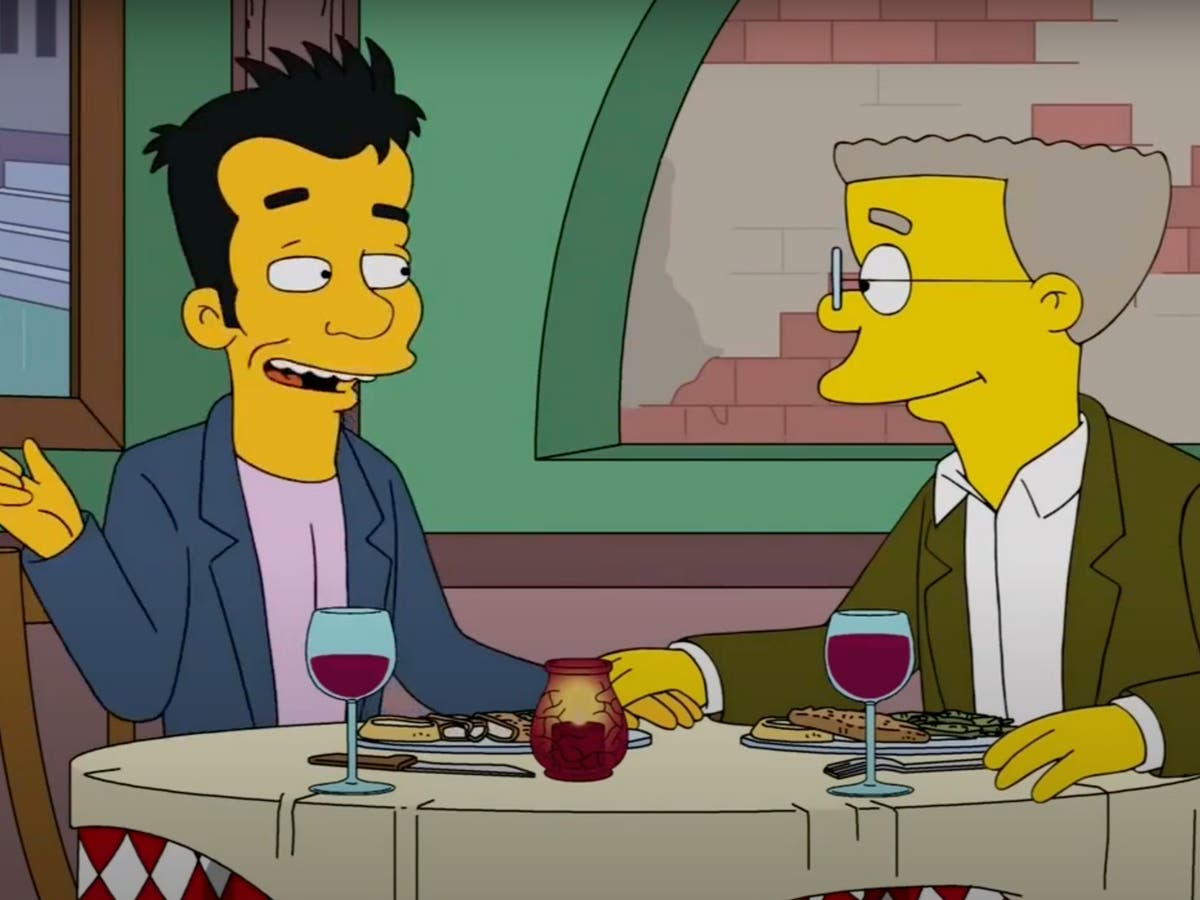
Azaria voices many other characters on the series, including that of Marge’s hairdresser Julio, a gay man who has previously dated Waylon Smithers.

The character is now voiced by gay actor Tony Rodriguez, who like Julio, is gay and Cuban.

The actor made his debut on the series in March, writing on Instagram: “Tonight I make my debut on The Simpsons as gay, Cuban Julio. This is a dream come true for me and I was already a living cartoon.”

Last week, Azaria opened up about voicing the Indian character of Apu for the first time, saying that he “really [did] apologise” for playing the role.

“I was speaking at my son’s school, I was talking to the Indian kids there because I wanted to get their input,” Azaria said. “A 17-year-old … he’s never even seen The Simpsons but knows what Apu means. It’s practically a slur at this point. All he knows is that is how his people are thought of and represented to many people in this country.”

Last year, white actor Harry Shearer also stepped down from voicing Black doctor Julius Hibbert on the show.

Things to Do Denver: Best Concerts April 23 to 25, 2021 – Westword

^

Keep Westword Free

I Support

  • Local
  • Community
  • Journalism
  • logo

Support the independent voice of Denver and help keep the future of Westword free.

Lotus continues its four-night run that kicks off Red Rocks Amphitheatre’s limited-capacity concert season, while Elephant Revival’s Daniel Rodriguez plays two sets at the Boulder Theater and Montana folk band the Lil Smokies plays at Planet Bluegrass Ranch. The weekend’s lineup also includes two nights with the River Arkansas at Lost City, and Itchy-O continues its weekly Noise Bath interactive streaming series.

Here’s what’s happening in and around town (and online) this weekend:

Ben Markley Quintet
Fridays in April, 6:30 and 9 p.m.
Nocturne, 1330 27th Street
$25

As part of “Explorations of the Journey,” pianist Ben Markley curates a collection of compositions that marks a new chapter in his music development, including originals and works by Herbie Hancock, Ari Hoenig and John Scofield.

Daniel Rodriguez
Friday, April 23, 7 and 9:30 p.m.
Boulder Theater, 2032 14th Street, Boulder
$55
Singer-songwriter Daniel Rodriguez, a former member of Elephant Revival, released his debut album, Sojourn of the Burning Sun, last summer.

The Lil Smokies
Friday, April 23, 6 p.m.
Planet Bluegrass Ranch, 500 West Main Street, Lyons
$197.53

Tickets were recently added for Montana folk act the Lil Smokies‘ show, with local singer-songwriter Danny Shafer opening.

Lotus 
Friday, April 23, through Sunday, April 25, 8 p.m.
Red Rocks Amphitheatre, 18300 West Alameda Parkway, Morrison
$45-$69.50

Jamtronica act Lotus continues its four-night run through the weekend at Red Rocks.

Pandasaywhat
Friday, April 23, 9 p.m.
Globe Hall, 4483 Logan Street
$50-$100

Jordan Panasewicz’s solo project, Pandasaywhat, fuses electronica with hip-hop.

The River Arkansas
Friday, April 23, and Saturday, April 24, 6:30 p.m.
Lost City, 3459 Ringsby Court
$25-$200

The River Arkansas, which blends country, blues, folk and Americana inspired by the Arkansas River, plays two outdoor shows at the RiNo coffee shop. Claire Heywood opens Friday and Hunter Burnette opens on Saturday.

Summit Musicians Relief Fund Cares Concert Series
Ongoing through June, 6 p.m.
Online
Donations

The SMRF Cares Concert Series pays local musicians to perform at the Silverthorne Performing Arts Center in front of a small audience. Each concert is recorded, and the video is released on the organization’s YouTube channel.

A-Mac & the Height (album release)
Saturday, April 24, 6:45 & 9:45 p.m.
Cervantes’ Other Side
$35

Denver alt-rock, reggae and hip-hop act A-Mac & the Height celebrates the release of its new album.

Harry Tuft
Saturday, April 24, 7 p.m.
Online
$15-$23

Local folk legend Harry Tuft livestreams a “Rock, Paper, Scissors” show with his friends and guitarists Janet Feder and Rich Moore from Swallow Hill Music’s Daniels Hall.

Itchy-O’s Noise Bath Series
Sundays through May 16, 5:55 p.m.
Online
$15

The 57-piece avant-garde group Itchy-O presents its Noise Bath interactive streaming series, which runs Sundays through May 16.

Adam Deitch’s Birthday Show
Sunday, April 25, 4:20 & 7:15 p.m.
Cervantes’ Masterpiece Ballroom
$40
Lettuce drummer Adam Deitch celebrates his birthday with two sets with Adam “Shmeeans” Smirnoff, Eric “Benny” Bloom, Joey Porter and Chris Loftlin.

Vlad Girshevich Trio Honors Chick Corea and Keith Jarrett
Sundays in April, 6:30 and 8 p.m.
Nocturne, 1330 27th Street
$16
Vlad Girshevich and his trio pay homage to fellow jazz pianists Chick Corea, who died in February, and Keith Jarrett, Sundays in April.

Find more music events in the Westword concert calendar. Organizing a concert you’d like to be considered for this list? Send information to editorial@westword.com.

Keep Westword Free… Since we started Westword, it has been defined as the free, independent voice of Denver, and we would like to keep it that way. Offering our readers free access to incisive coverage of local news, food and culture. Producing stories on everything from political scandals to the hottest new bands, with gutsy reporting, stylish writing, and staffers who’ve won everything from the Society of Professional Journalists’ Sigma Delta Chi feature-writing award to the Casey Medal for Meritorious Journalism. But with local journalism’s existence under siege and advertising revenue setbacks having a larger impact, it is important now more than ever for us to rally support behind funding our local journalism. You can help by participating in our “I Support” membership program, allowing us to keep covering Denver with no paywalls.

Rams have created kicking competitions; might DeSean Jackson return punts? – Los Angeles Times

As the Rams prepare for the NFL draft, The Times will examine their roster. Part 5 of 8: Specialists.

In their first four seasons after returning to Los Angeles from St. Louis, the Rams enjoyed consistent production from specialists that had been together for years under special teams coordinator John Fassel.

But after the 2019 season, Fassel joined the Dallas Cowboys’ staff, and kicker Greg Zuerlein followed. In March, the Cowboys signed longtime Rams long-snapper Jake McQuaide.

Punter Johnny Hekker, a four-time Pro Bowl selection, is the remaining link to the past.

Advertisement

New special teams coordinator Joe DeCamillis has replaced John Bonamego, now a senior coaching assistant. DeCamillis has worked for seven other NFL teams and has been a coordinator since 2009, most recently with the Jacksonville Jaguars.

Hekker, who carries a $4.9-million salary-cap number, last season averaged a career-low 45.6 yards per punt. The Rams signed punter Brandon Wright to the practice squad, and Tuesday signed former Buffalo Bills punter Corey Bojorquez.

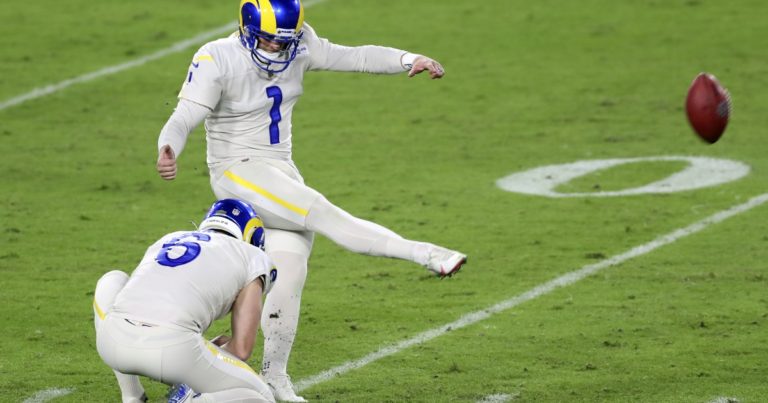
Matt Gay solved the Rams’ 2020 kicking woes after signing in mid-November and making 14 of 16 field-goal attempts in the final seven games. Kicker Austin MacGinnis is on the practice squad.

Colin Holba and Steve Wirtel will compete to replace McQuaide.

Receiver Nsimba Webster returned punts and kickoffs in 2020. After signing a one-year contract, veteran receiver DeSean Jackson hinted he also might return kicks. Raymond Calais returned kicks in four gameas last season.

“We’ve got to get a guy that can ring the bell and drop the ball over the goal line,” DeCamillis said.

Advertisement

Under contract for 2021: Hekker ($4.9 million), Gay ($850,000), Holba ($920,000), Webster ($850,000), Calais ($780,000), MacGinnis ($660,00), Wright ($660,000), Wirtel ($660,000), Bojorquez (TBD).

Free agents: McQuaide, the Rams’ long-snapper for 10 seasons, signed a one-year contract with the Cowboys that could be worth as much as $1.2 million. The Rams signed Bojorquez this week after he was released by the Bills.

Draft: Last year, the Rams drafted kicker Samuel Sloman in the seventh round, and then released him after seven games. The Rams could be looking for receivers and running backs who also can serve as return specialists.

Roster decisions: Hekker has been one of the league’s top punters, but after a down year by his standards he could use a bounce-back performance to justify his salary. Gay and Webster are in the final year of their contracts.

Advertisement

NEXT: Linebackers