Home Blog Page 350

Gay Pride Day planned for June 5 | Local News | starbeacon.com – The Star Beacon

ASHTABULA TOWNSHIP — A Gay Pride Day is being planned to take place at Lake Shore Park, but no one told park commissioners of the plans.

The event, scheduled for noon to 5 p.m. June 5, will feature a drag show, music, unicorn pony rides, face painting, free HIV testing and more. The LGBTQ Community Club of Ashtabula County is sponsoring the event. 

Peggy Davis, administrative assistant for the Ashtabula Township Park Commission, said someone reserved a pavilion for June 5, but did not say they were planning a big event. She found out about it Monday when someone sent her a copy of the notice that appeared over the weekend on Facebook.

“It’s not [a Lake Shore Park] event,” she said. 

June is Pride Month, a month to celebrate lesbian, gay, bisexual, transgender and questioning members of communities, made official in 2014 with a proclamation from President Obama. LGBTQ is a widely accepted initialism.

The Rev. John Werner, pastor at First Congregational United Church of Christ in Jefferson, shared notice of the event on Facebook. When contacted Monday, Werner said he will know more about it on Friday. 

“We are having a board meeting Thursday,” he said.

Park commissioners spoke to Werner on Monday afternoon.

“Apparently there was some miscommunication but we are working on it,” Werner said.

Davis said the park commission has a disc golf tournament scheduled at Lake Shore Park that day, so it will be a busy day.

Help Wanted: In pandemic, worry about finding summer workers – Lewistown Sentinel

BOSTON (AP) — The owner of seafood restaurants on Cape Cod has eliminated lunch service and delayed the opening of some locations because his summertime influx of foreign workers hasn’t arrived yet.

More than a thousand miles away, a Jamaican couple is fretting about whether the rest of their extended family can join them for the seasonal migration to the popular beach destination south of Boston that’s been a crucial lifeline for them for decades.

As vaccinated Americans start to get comfortable traveling again, popular summer destinations are anticipating a busy season. But hotel, restaurant and retail store owners warn that staffing shortages exacerbated by the coronavirus pandemic could force them to limit occupancy, curtail hours and services or shut down facilities entirely just as they’re starting to bounce back from a grim year.

The problem, they say, is twofold: The annual influx of seasonal foreign workers has stalled in places because of the pandemic. Businesses have also struggled to attract U.S. workers, even as many have redoubled their efforts to hire locally amid high unemployment.

“It’s the ‘Hunger Games’ for these employers, fighting for getting these guest workers into the country while also trying everything they can to recruit domestically,” said Brian Crawford, an executive vice president for the American Hotel and Lodging Association, a Washington, D.C.-based industry group. “It’s really frustrating. They’re trying to regain their footing after this disastrous pandemic but they just can’t catch a break.”

Earlier this month, President Joe Biden let expire a controversial ban on temporary worker visas such as the J-1 program for students and the H-2B program for nonagricultural laborers imposed by former President Donald Trump.

But American embassies and consulates remain closed or severely short-staffed in many countries. The U.S. has also imposed restrictions on travelers from countries including the United Kingdom, Ireland, Brazil and South Africa because of the emergence of new virus variants or rising COVID-19 cases.

Advocates for the J-1 program, which brings in about 300,000 foreign students annually, urged the State Department in a letter Thursday to exempt the applicants from the travel bans and provide other relief so they can start their summer jobs. Ilir Zherka, head of the Alliance for International Exchange, which sent the letter along with more than 500 supporting groups and companies, argued the J-1 program doesn’t just benefit local economies, but also helps strengthen national security by promoting understanding and appreciation of U.S. culture.

Supporters of the H-2B program, meanwhile, have renewed their call to overhaul the program, which is capped at 66,000 visas per fiscal year. The Biden administration, citing the summer demand from employers, said Tuesday it will approve an additional 22,000 H-2B visas, but lawmakers from New England and other regions that rely on the visas for tourism, landscaping, forestry, fish processing and other seasonal trades say that’s still inadequate.

“That’s infinitesimal. It isn’t anywhere close to the need,” said Congressman Bill Keating, a Democrat representing Cape Cod.

Cem Kuçukgenç (Gem Koo-CHOOK-gench), a 22-year-old engineering student at Middle East Technical University in Turkey, is among thousands of foreign students worldwide awaiting approval for a J-1 visa.

He’s slated to work at a waterfront restaurant in Sturgeon Bay, Wisconsin, this summer, but the U.S. Embassy in Ankara recently announced that it won’t be unable to process temporary work visas in time for the summer season.

Turkey has imposed a partial lockdown as the coronavirus surges there, but Kuçukgenç is still holding out hope the embassy might relent if virus cases subside.

“I graduate next year,” he said. “I’m not sure when I’ll have another chance.”

In Jamaica, Freda Powell says she and her husband have secured their H-2B visas and will arrive on Cape Cod, where they’ve worked in retail stores and restaurants for roughly 20 summers now, in early May.

But the 55-year-old worries her siblings and other relatives might not be so lucky. The U.S. Embassy in Kingston has temporarily halted visa processing because of rising COVID-19 cases in her country, she says.

“In Jamaica, you can work, but it’s hand to mouth,” Powell said. “With the money you make in the U.S., you can buy a car, fix the house, send your kids to school and build savings.”

The uncertainty around international hires has forced American businesses to redouble their efforts to hire domestically, or make tough compromises until reinforcements can arrive.

In New Hampshire’s White Mountains, the Christmas-themed amusement park Santa’s Village is promising college students free housing and utilities.

In California’s Sonoma Valley, business leaders in the famous winemaking region are exploring the idea of pooling employees, among other workforce initiatives.

Mark Bodenhamer, head of the Sonoma Valley Chamber of Commerce, said a restaurant that serves breakfast and lunch could possibly share employees with one that does the majority of its business during evening hours.

“Those solutions are complicated and costly,” he said. “But at this point, it’s all hands on deck.”

In North Carolina’s Outer Banks, the tourist season is already in full swing, but staff shortages abound, according to Karen Brown, head of the beach region’s chamber of commerce.

Some restaurants have been forced to shut down once a week or halt curbside service, while in some hotels, managers are helping maids turn over rooms, she said.

“Everyone is pitching in where they can just to keep the wheels on the bus,” Brown said.

Mac Hay, who owns seafood restaurants and markets on Cape Cod, is among the business owners who have their doubts that extra efforts to hire American workers will pay off.

On a given year, he estimates about a third of his 350-person summer workforce ultimately has to come from seasonal visa workers from Mexico, Jamaica and elsewhere when the jobs aren’t filled locally.

Hay argues the foreign workers are the “backbone kitchen staff” — the line cooks, food prep workers and dishwashers — who make it possible for him to hire Americans for jobs they’re seeking, such as waiting tables, bartending and management.

“We simply won’t be able to meet demand without an increased workforce,” he said.

Business owners and experts say there are myriad reasons why U.S. citizens aren’t rushing to respond to the job boom, from COVID-19-related worries to child care issues or simply a decision to collect unemployment benefits, which have been increased and extended through the summer season in most places.

But the need for international workers on Cape Cod — where soaring housing costs have been a major barrier to generating a substantial homegrown workforce — boils down to a simple math problem, Hay said.

Provincetown, a popular gay resort community at the very tip of the cape, has just 2,200 year-round residents, yet restaurants like Hay’s employ about 2,000 workers in high season alone.

“We’re on a dead-end street up here, basically,” he said. “There’s no one else coming.”

Today’s breaking news and more in your inbox

Gay Man Shot 10 Times After Calling 911 For Help – Rainbow Times

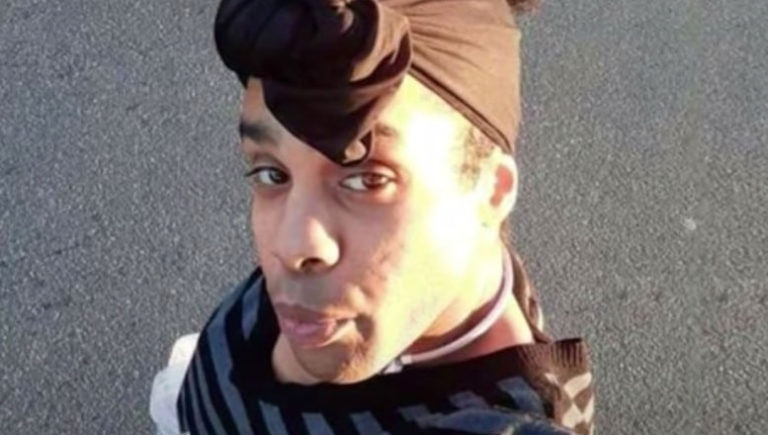
Isaiah Brown, a Black Gay Man, Was Shot by Sheriff’s Deputy 10 Times After Calling for Assistance

VIRGINIA—The Spotsylvania County Police Department just joined the list of police departments that are under scrutiny because one of their own officers, a sheriff’s deputy, fired on and shot 10 times an unarmed gay man after calling 911 for assistance and declaring he was unarmed, according to the executive director of the National Black Justice Coalition.

“Isaiah Brown should not be hospitalized in critical condition. He should be living his life as he has always lived it – in service to others as an essential worker and health aide,” read a statement by David Johns, executive director of the National Black Justice Coalition, a leading civil rights group. “All reporting indicates that Brown complied with orders, which included raising his arms with his cell phone in hand, and informing the 911 dispatcher he was unarmed ahead of police arrival.”

Isaiah L. Brown, 32, is in the Intensive care unit, fighting for his life. Only 2 bullets were removed from his body, at the time of this story breaking. His family and many around the country are outraged and there are Black Lives Matter protests ongoing due to yet another black man being killed by police in another part of the country and a week after another former officer, Derek Chauvin, was convicted for the murder of George Floyd in Minneapolis, Minnesota.

The same sheriff’s deputy who’d driven Brown home one hour earlier is the same sheriff’s deputy who shot him repeatedly, mistaking the cordless house phone Brown was using and to speak with 911 for a gun.

“After viewing the Spotsylvania County sheriff’s deputy’s bodycam video and listening to the 911 call, it is evident that the tragic shooting of Isaiah Brown was completely avoidable. Isaiah clearly told dispatch that he did not have a weapon more than 90 seconds before the deputy arrived. He told dispatch that he was walking away from the house and away from anyone else and was on the roadway by himself. Isaiah was on the phone with 911 at the time of the shooting and the officer mistook a cordless house phone for a gun,” Brown family attorney David Haynes said in a statement.

And Brown is an essential worker and a man who also belongs to the LGBTQ+ community.

Qualified Immunity: Harms POC, Shields Police Abuse, Accountability 

“Isaiah’s Black and gay/same gender loving identity will likely make it more difficult for his family to attain accountability for the officer responsible,” Johns’ statement added. “Still, Black LGBTQ+ people continue to die by violence, often unreported, perpetrated by police officers and other state-sanctioned actors who do not value Black Lives Matter.

“We echo the Brown family’s demands that all audio recordings associated with this shooting be released to the public. Additionally, that the police officer in question, who made careless and basic errors while violating police protocols, should be held accountable. We will continue to advance efforts that aim to reform national policy in an attempt to prevent this from happening to another member of our community again.”

Haynes also said the deputy “made multiple, basic policing errors and violated established protocols” during the incident. “The deputy was situated nearly 50 feet from Isaiah, was never threatened, and should not have discharged his weapon.”

To do something to ensure that these crimes don’t go unpunished, call your Senators to sign the George Floyd Justice in Policing Act.

This story continues to unfold. Come back for more details. More reactions from the Internet below.


Sex Ed For Queer Students: What School Health Class Left Out : Life Kit – NPR

LILLY QUIROZ, HOST:

A heads up – this episode is about sex and may not be for everyone. My name is Lilly Quiroz. I’m a producer and journalist at NPR. And this is LIFE KIT.

Like you, I spent a lot more time last year holed up inside my house. I was really bored. So I did it. I downloaded TikTok. I didn’t know what I’d find, but I didn’t want to end up being a millennial fumbling my way through Megan Thee Stallion’s “Savage” remix or BENEE’s “Supalonely” dance. My for you page landed me on alt TikTok, where I found a fun LGBTQ+ community, something that I really miss from not being able to see friends or go to gay bars.

I’m not sure what the algorithm was getting at when one day it started showing me TikToks of queer people giving tips on how to have sex with someone with a vulva. But there I was, wondering, where was this information when I needed it? It’s possible you took sex ed years ago, so you may not remember it well. But even if you do, did you come out feeling like you’d learned much? I went to school in Texas, where the approach to this day requires educators to emphasize abstinence until marriage, and that’s even if the school chooses to teach about sex. Growing up, sex was talked about as something that exclusively happened between a CIS man and a CIS woman. It was all very heteronormative.

Now, fast-forward a bit. I’m thinking about having sex for the first time with someone who has a vulva, and I’m excited. But I’m also a nervous wreck because I have no clue what to do. So in an effort to save you from that panic, I present this crash course on how to have better and safer sex regardless of who you’re into.

Before we jump into things, I want to say, don’t feel bad about wanting to know more about sex. We weren’t prepared to succeed in this area. So our first takeaway is facing the facts. Queer people are intentionally left out of the sex ed conversation in the U.S. It’s a hotly debated topic being taken up by state legislatures right now. As of April 1, 2021, states like Alabama, Louisiana, Mississippi and Texas not only leave LGBTQ+ students out of the conversation, but go as far as stigmatizing their identities through what is often called no promo homo laws.

CHRIS HARLEY: This is basically legislation that prohibits, and in some cases penalizes, educators if they speak affirmatively about homosexuality…

QUIROZ: That’s Chris Harley, president and CEO of SIECUS: Sex Ed for Social Change.

HARLEY: …Which, as you can imagine, is incredibly devastating for a young person who is queer. And it, you know, creates really unsafe environments for young people.

QUIROZ: There’s currently no national mandate for sex education in the U.S. So depending where you grow up, you may or may not receive a comprehensive sex education. According to SIECUS’s count…

HARLEY: There 35 states that still require schools to teach only abstinence until marriage or truly stress abstinence until marriage. There are 15 states that don’t require sex education to be even medically accurate, evidence-based or evidence-informed. And there are nine states that explicitly require that teachers do not speak about homosexuality or LGBTQ individuals in a positive fashion.

QUIROZ: On the other hand, over 25 states and the District of Columbia do mandate sex education. And 11 states have policies that require sex ed to be inclusive of sexual orientation. Instead of the current scattered teachings, SIECUS backs a more inclusive and comprehensive curriculum, which would include education about human anatomy, healthy relationships, violence prevention and more. This comprehensive kind of education has positive benefits. Harley says it’s proven to better mental health outcomes and reduce suicidal ideation among some queer youth. It can also help students understand their queer classmates’ identities.

HARLEY: We do have the research that shows that comprehensive sex education that affirms and is inclusive of sexual orientation, gender identity and expression can reduce homophobic bullying and harassment, increases the safety of school environments for LGBTQ young people but actually for all students.

QUIROZ: Instead, an emphasis on abstinence and shame-based messaging prevails in many states. That, combined with the erasure of queer identities and sex education, leads lesbian and bisexual youth to experience a higher rate of unintended pregnancies when compared to their heterosexual peers. Instead of shaming people for wanting to embrace their sexuality, Ericka Hart says people should receive sex-positive messages. Hart is a sexuality educator with a focus in racial, social and gender justice. They also teach workshops on creating safer spaces for LGBTQIA+ communities and on something called radical sex positivity.

ERICKA HART: Sex positivity to me is the end of (laughter) the projecting of CIS-hetero patriarchy onto people, right? Sex positivity looks like actually dealing with the structures that have kept us from experiencing pleasure and moving in a way that abolishes them.

(SOUNDBITE OF MUSIC)

QUIROZ: All right, y’all. Our second takeaway is get to know your body and discover what pleasure feels like to you. So why do we even have sex? Well, for one reason, simply put, many of us enjoy the pleasure it gives us, right? And one of the best parts about it is that we can access a lot of that pleasure on our own. So set the mood just like you might for someone you’re interested in, and have a date night to yourself. Explore every inch of your body. I’m not kidding. If necessary, get a hand mirror to explore these body parts.

HART: Young people should know all of their genitals. As much as they know head, shoulders, knees and toes, they should know penis, vulva, breasts, anus.

QUIROZ: Hart also has another unique approach. They’ve assigned students to create 3D models of anatomy as a way to explore genitalia.

HART: And it has students really look at some parts of anatomy that oftentimes are not talked about, like the internal and external sphincter of the anus and how they are super sensitive to touch and also have lots of blood vessels. So it’s important to be sensitive to that area. There’s not a lot of conversations around the clitoris and its only function, which is sexual pleasure, and also the internal clitoris.

QUIROZ: Exploring your anatomy, how it looks, how it feels and how it functions will get you one step closer to understanding your sexual needs and wants. It’s also possible to discover you might not have any of those needs or wants. But if you do want to have sex, think about it, you’ll benefit in more ways than one by accessing pleasure on your own. If you find yourself having sex with someone who has the same genitalia or body parts as you, getting in tune with your body could be a win-win scenario. You can discover what you like and possibly even what another person might be into.

If you want to learn more about pleasure, LIFE KIT also has an episode all about it and how right now is the perfect time to explore your body. We’ll link to it in our episode page.

Now, depending on what your sex history looks like, you may already know some of what you like sexually. Some of it might be informed by the messages you’ve gotten from society.

HART: It’s a matter of just taking in messages that you’re receiving from the world and seeing if they are a fit or not.

QUIROZ: And if those messages don’t apply to you, work on unlearning them. Hart says masturbation is a great tool for figuring out what you do or don’t like.

HART: There are many people who are in relationships with folks with penises that aren’t interested in penetration – right? – regardless of their sexual identity.

MELINA GIOCONDA DAVIS: One of the awesome opportunities about being a queer person is that we may not be as entrenched in some of the gender narratives and roles that can be kind of prescriptive around sexuality. So I think it can be a really amazing opportunity for us to explore our sexuality outside of those norms and patterns. It can also be kind of confusing ’cause it could just be like, well, what do I do?

QUIROZ: Meet sexuality educator Melina Gioconda Davis, who also goes by their stage name, Melina Gaze. They are a performer and co-founder and director at Vulgar, based in Mexico City.

GIOCONDA DAVIS: Expanding our notion of what sex can look like is super important.

QUIROZ: So what is sex? Well, to start off, let’s debunk the obviously false notion that sex only involves a penis inside a vagina. And depending on what kind of genitalia and body parts you have and what turns you on, the answer to this question will be different for everybody. That gets us to takeaway No. 3 – know that there isn’t a singular or right way to have sex. Sex can be whatever brings you pleasure. Unlike what we’ve been told, it doesn’t have to necessarily be physical either.

GIOCONDA DAVIS: We could have phone sex or, like, Internet-related sex where we’re, like, having sex across a screen where, you know, we could be, like, touching ourselves.

QUIROZ: Your idea of pleasure is unique, so they encourage you to create a definition for yourself.

GIOCONDA DAVIS: For me, it would be, like, pleasure-oriented experiences or interactions that involve some sort of arousal. You know, that doesn’t mean that it has to end in orgasm.

QUIROZ: This last point is pretty important. Not everyone experiences orgasms, and not everybody wants to.

GIOCONDA DAVIS: I prefer a definition that is inclusive of lots of different body parts. And those could be, like, a diversity of genitals. But it could also be other types of body parts. Like, we don’t just have to have sex with our genitals. We can have hand sex.

QUIROZ: On top of that, sex can happen with whoever you want. Human sexuality is very complex, and you don’t need to be tied down to any one thing.

GIOCONDA DAVIS: There’s identity, and there’s also behavior. And, like, I could identify as a lesbian and still have sex with men if I wanted to, you know. And so I think it’s important to empower everyone with the information that they need so that they can make decisions with their body and not assume that, like, identities are going to be static forever.

QUIROZ: If a person claims an identity, trust that they know who they are. Throughout time, you can be firm that you are fluid and firm that you are not. You can also not know or not feel strongly about your identity. And that’s also fine. While I found the queer community on TikTok inviting, I also came across a lot of content that didn’t affirm my lived experiences as a queer woman. You’ll find stereotypes and inaccurate representations in the media that won’t necessarily fit your own lived experiences either. So remember, you don’t have to ascribe to that.

GIOCONDA DAVIS: Because sometimes we may see things that look affirming but actually aren’t (laughter). And I would say anything that’s, like, trying to police your identity, beware.

(SOUNDBITE OF MUSIC)

GIOCONDA DAVIS: For me, like, the biggest tool of media literacy is like, is this actually affirming me and helping me, or is this making me feel bad?

QUIROZ: Once you figure out what does affirm you, you can choose to throw a person into the mix, and you can communicate with them some of what you’ve just learned. But it doesn’t have to be everything, Ericka Hart says. While it may feel awkward to communicate these things, you shouldn’t feel any shame when doing so. If someone makes you feel that way, then maybe it’s a sign they aren’t ready to have sex with you.

(SOUNDBITE OF MUSIC)

QUIROZ: So think of it this way. You’re basically providing another person with your guidebook, and they should provide you with theirs. As time goes by, you might get more comfortable sharing more guidelines. Also, note that changing the guidelines is fair game. So our fourth takeaway is communication should be ongoing with sexual partners to make sure everyone is comfortable and satisfied. Of course, consent is part of this conversation. But it’s more extensive than you might expect.

HART: It’s necessary that consent includes what is informed, right? So you are informed about what you are going to be engaging in. And consent is also ongoing, right? So even if things are getting hot and heavy, you can stop at any time – right? – and regroup, have a conversation about that, get more specific, right? Specific is another value, another aspect that has to be included in consent, right? I like it when you touch me there, but can you push a little bit harder?

QUIROZ: So don’t be afraid or embarrassed to ask for what you want. It’ll only make the sex that much better. And if you’re in a relationship, it can improve that too. Listening is also necessary. If someone says no to a particular act, it’s important to respect that. For example, if you want to try anal but your partner isn’t into it, respect that boundary and move on. Maybe there’s something else y’all could try, something that you’re both comfortable with and excited about.

Hart recommends Scarleteen’s “Yes, No, Maybe So: A Sexual Inventory Stocklist.” This checklist helps you decide what your boundaries are, what physical and non-physical acts you’re comfortable with, what words affirm you and more. You and your partner should go through the list individually at first. Then you can compare notes. If that’s not your jam, here’s another way this conversation can look.

HART: I think it’s different for just about anybody, but I would say, you know, let’s have a conversation about what feels good for our bodies. You know, I think that would feel good for me, right? I statements are important. Is that something that you want to do, right? Is there something that you want to engage with me in? And from there, based on the answer that you get, negotiating on what that looks like.

QUIROZ: This communication also needs to progress if you continue pursuing sexual activities with the same person. As we’ve already mentioned, queer identities are not static. Bodies and bodily expression can also change. So it’s good to make sure you and your sexual partners remain comfortable. So maybe this conversation looks something like you asking them if they still like their penis being called that or if they prefer another name for it.

If you want to dive further into what consent should look like and how to practice it, LIFE KIT has a great episode on this that you should check out.

(SOUNDBITE OF MUSIC)

QUIROZ: All right. We’re at our fifth and final take away, don’t let shame or stigma prevent you from caring for your sexual health. Let’s begin with STDs and STIs. We’ve come a long way in the medical field, but Gaze says stigmas have stuck around.

What are the misconceptions around sties or STDs?

GIOCONDA DAVIS: Oh, my God, there’s so many (laughter). I think the biggest thing is that STIs make you dirty, which is just a terrible lie. And also, I think the other one is like, if you get an STI, your sex life is over. Like, no, most STIs are curable or treatable. And it doesn’t have to be, like, this mark of shame.

(SOUNDBITE OF MUSIC)

QUIROZ: Using barrier methods like a condom or a dental dam can prevent STIs and pregnancies, but they won’t always be foolproof. So getting tested is another way to be on top of your sexual health.

GIOCONDA DAVIS: Testing is super important. I think it’s also really important to mention that access to testing in the United States is very spotty for a lot of people. You know, a lot of people don’t have health insurance, or they live really far away from a free clinic, and they don’t have a car. But testing is a really great way to know your own status, like, know where you stand so that you can communicate that with other people.

QUIROZ: They say it’s smart to determine where you land on what they call the risk spectrum.

GIOCONDA DAVIS: So, like, if we know we’re risk averse, maybe we know that we want to use multiple forms of barrier methods, and we also want to limit any sort of fluid exchange. That would mean, like, I just want to masturbate next to that person, or I just – I’m only willing to do hand sex with gloves.

QUIROZ: Or you could be more risk taking, whatever that may look like for you. So how often should you get tested? Well, there isn’t a set recommendation because everyone’s risk assessment looks different.

GIOCONDA DAVIS: Go to a trusted health care provider, and work together to decipher your level of risk. Risk is not a moral judgment. It’s kind of like a statistical equation. You know, like, how many people are you having sex with? Where? What type of safer sex methods are you using?

QUIROZ: Going to a doctor’s office can be intimidating for a number of reasons. It might help to find a doctor who understands your needs as a queer person. And if you decide you want to get tested simply for peace of mind, just say, I’d like a full panel, please. And that way, they’ll know to test for a full range of STIs. Finally, sexual health also includes caring for your mental, emotional and physical health. Sexual health is intersectional.

GIOCONDA DAVIS: Sexual health is so much more than just STI prevention. I think it’s mental health in relation to gender or sexual identities around the sexual encounters we have. I think sexual health has to do with general bodily well-being. We’re not just individuals, right? We’re inserted in structures that go beyond just the individual social structures, like racism, like classism, like ableism. And those things impact how we have sex.

They impact whether we feel entitled to our bodies or not. They impact, you know, whether we think our pleasure is important. They also impact the likelihood that we may experience sexual violence. Why is it that Black trans women in the United States experience more violence than white CIS women? There’s an intersection of structural forces and personal experience there that has very real consequences for how people can live out their sexuality or not.

(SOUNDBITE OF MUSIC)

QUIROZ: Now, I know this is a lot to tackle. So how do we do it? Well, having these conversations is a start. That means talking about sex-positive messages, learning about the benefits of comprehensive sex ed and understanding the implications of legislation that is seeking to limit health care for trans youth. Again, many of us weren’t equipped to thrive in our sex lives, especially not as queer people. TikTok or any other social media shouldn’t be your primary source for sex ed. But I get that we got to take what we can get sometimes.

I hope after listening to this, you’re able to feel a little more confident in your sex life. Since we can’t fit everything into this episode, and there are some things I can’t say on NPR, I’ve compiled a list of additional resources with the help of our experts. We’ll point you to some links that cover safer sex for trans folks and more on how you can explore your sexuality.

(SOUNDBITE OF MUSIC)

QUIROZ: Before we recap the takeaways, I just want to say, it’s going to take time and practice. There may even be times where you’re still thinking, what the heck am I doing? But have fun with it. You’ll get the hang of it. Good luck.

(SOUNDBITE OF MUSIC)

QUIROZ: All right, y’all. Let’s recap some of what we’ve just learned. Takeaway No. 1, sex ed in the U.S. is severely lacking and not inclusive of LGBTQ+ students. Just like their heterosexual peers, queer people deserve to have safe sex. And that means being given the knowledge on how to do it. Takeaway No. 2, to get comfortable with your body and discover what turns you on or off.

Melina Gaze has one last bit of advice.

GIOCONDA DAVIS: I think when we’re looking to explore our sexuality or looking to explore our pleasure, it’s a really great tool to think of our explorations as, like, pleasure-oriented instead of goal-oriented.

QUIROZ: Most of us have previously been fed a narrative that certain body parts are gross or that we shouldn’t access pleasure. But I think if you give it a chance, you just might enjoy it.

Takeaway No. 3, society’s heteronormative and patriarchal norms have always tried to define what sex can look like. But the truth is, there isn’t a right way to have sex. You get to decide what you want sex to look like for you. Takeaway No. 4, whether it’s before, during or after sex, communication is important. Be upfront about what you want from your sex partner. And takeaway No. 5, sexual health is not only limited to our genitals but also our body and mind. Don’t let shame or stigma prevent you from caring for your sexual health.

(SOUNDBITE OF MUSIC)

QUIROZ: For more LIFE KIT, check out our other episodes. We have one on how to pick birth control that works for you and another on how to set boundaries with family. You can find these at npr.org/lifekit. And if you love LIFE KIT like I do and you want more, subscribe to our newsletter at npr.org/lifekitnewsletter. And now a completely random tip, this time from listener Mark Harris (ph).

MARK HARRIS: What was earth-shattering for me was to save my coffee from the day before and put it into my oatmeal in the morning. And now I just brew coffee especially for the oatmeal the next day.

QUIROZ: I think my sister Leslie (ph) will like that.

All right, if you’ve got a good tip, leave us a voicemail at 202-216-9823, or email us a voice memo at lifekit@npr.org.

(SOUNDBITE OF MUSIC)

QUIROZ: This episode was produced by my talented and good friend Audrey Nguyen. Meghan Keane is the managing producer. Beth Donovan is senior editor. And this episode was edited by Mallory Yu, with help from Nell Clark – special thanks to Deme Brown and a special apology to my roommate Naomie (ph) for roasting you about TikTok. Our digital editors are Beck Harlan and Clare Lombardo. And our editorial assistant is Clare Marie Schneider. I’m Lilly Quiroz. Thanks for listening.

Copyright © 2021 NPR. All rights reserved. Visit our website terms of use and permissions pages at www.npr.org for further information.

NPR transcripts are created on a rush deadline by Verb8tm, Inc., an NPR contractor, and produced using a proprietary transcription process developed with NPR. This text may not be in its final form and may be updated or revised in the future. Accuracy and availability may vary. The authoritative record of NPR’s programming is the audio record.


Melbourne Gay Bar Sircuit Apologises For Police Tribute – Star Observer

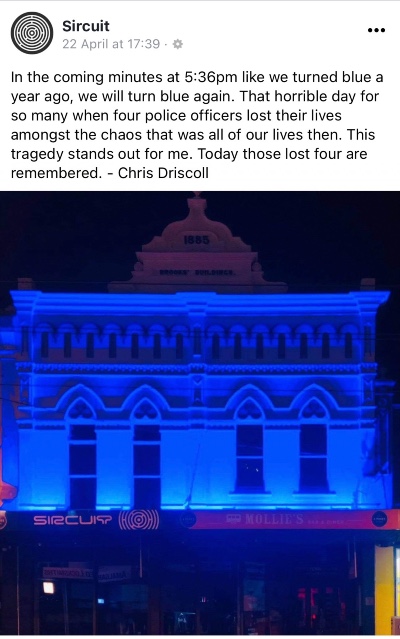
Chris Driscoll, the owner of Sircuit Bar and Mollies Dinner on Smith Street in Melbourne, has failed to read the room and been forced to offer an apology after the venue was lit up in blue last Thursday to honour the memory of gay police officer Glen Humphris who along with three of his colleagues were killed in an accident on the Eastern Freeway last year.

The Facebook post by Smith Street gay bar, Sircuit, that received a backlash.

Deaths In Police Custody Not Addressed

The issue is simple, right now Victoria Police, along with police forces in other states are once again being dragged over the coals over their ongoing treatment of Indigenous populations. In Victoria, for example, it was proven that unconscious bias was a factor in the death in custody of Yorta Yorta women Tanya Day.

Advertisement

Since the 1991 Royal Commission into Black Deaths In Custody, there have been some 434 further fatalities.  In relation to the LGBTQI communities, it could also rightly be argued that police have and continue to do more damage to our community than good.

Sadly, not too far away from Sircuit in 2019, Victoria Police wrongly raided  long standing LGBTQI business Hares and Hyenas, which saw gay man Nik Dimopoulos unfairly targeted in another example of racial profiling.

The attack left Dimopoulos with a severe injury, which required major surgery, yet there was no disciplinary action taken against the police officer who assaulted Dimopoulos.

Bar Owner Apologises

Driscoll seemingly unaware of the hurt, pain and suffering that Victoria Police have inflicted on minority groups, was quickly pulled into line, after a torrent of abuse began flooding the venues’ social media channels. Comments described the venues’ actions as “vomit”, “gross” while also asking management-rightly to “read the room”.

The backlash was so swift, that the venue has now blocked any further comments being posted on its Facebook page.

Another social media user declared it as an “absolutely abhorrent statement to make. Why not stand in the fight to stop black deaths in custody instead of supporting oppressors? The queer community will never stand with cops.”

Though the most truthful appraisal of the situation came from another user who posted “White gay men proving, yet again, that they will always be white men before they are anything else. Truly the weak link in the movement.”

Advertisement

It is a tragedy that Humphris and his colleagues were killed. Surely no one deserves to die whilst out working. But nor do individuals deserve to be treated as the lesser, because of their skin colour or sexuality.  And, they certainly don’t deserve to die in custody just because of the bias, and complete and utter failings of Victoria Police.

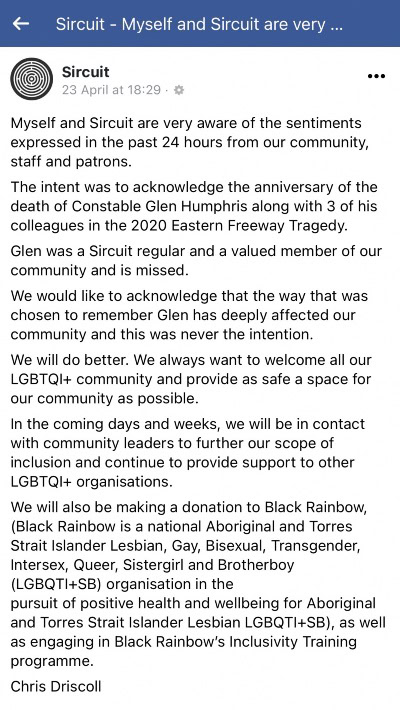
Driscoll in response to the outrage posted that Humphris was a “Sircuit regular and a valued member of our community and is missed”.

Smith Street gay bar Circuit posted an apology for its tribute to Victoria Police.

“We would like to acknowledge that the way that was chosen to remember Glen has deeply affected our community, and this was never the intention. We will do better. We always want to welcome all our LGBTQI+ community and provide as safe a space for our community as possible.”

LGBTQI+ Venues Should Be Held Accountable

In an attempt to make up for lost ground, Sircuit quickly announced it would be making a donation to Black Rainbow, a national organisation supporting Aboriginal and Torres Straight Islander LGBQTI+SB (Sistergirls and Brotherboys) while also announcing that in the coming days and weeks, the venue would be in contact with community leaders to further its scope of inclusion and continue to provide support to other LGBTQI organisations.

Though whether or not certain parts of the LGBTQI communities will still feel welcome at this venue, remains to be seen, but what is most upsetting about this, is that the role Sircuit has filled post lockdown as part of our night time culture is a big one- anyone who has spent hours lining up for entry on a weekend would know this.

Simply put we should expect and hold such venues to a higher standard of accountability. In 2021, minorities who continue to be persecuted should stand together in solidarity, not be acting divisively, with little to no thought about the consequence of our actions.

If you feel distressed reading the story, you can reach out to support services.

For 24 hour crisis support and suicide prevention call Lifeline on 13 11 14

For Australia-wide LGBTQI peer support call QLife on 1800 184 527 or webchat.

First Gay Prom allows students to ‘be themselves’ – The Baylor Lariat

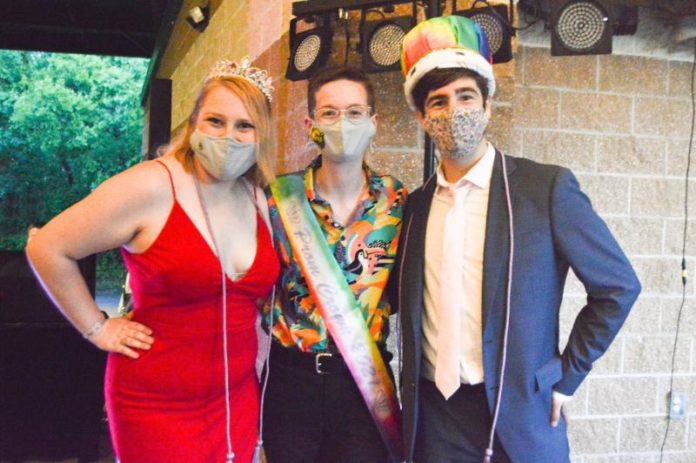
Gamma Alpha Upsilon put on its first ‘Gay Prom’ for students and non-students at Cameron Park.
Photo courtesy of Gamma Alpha Upsilon.

By Brennen DiMarzo | Staff Writer

On Friday, April 23, Gamma Alpha Upsilon held their first Gay Prom at Cameron Park.

Gamma Alpha Upsilon had been planning this event since last September. Due to them not being a chartered organization, they didn’t have the funding in the past to be able to put on large scale events such as Gay Prom.

A donor, who shall remain anonymous per Gamma’s request, pulled their donation to Baylor after Matt Walsh came to campus and gave a speech entitled ‘The War on Reality: Why the Left has set out to redefine Life, Gender and Marriage.’ The donor then gave their donation to Gamma, allowing them to host Gay Prom, Vice President of Gamma Jake Picker said.

To add to the night festivities, there were multiple local business there providing all catering for the students who attended the event.

“We brought in Waco Axe Company, it was catered by Xristos. We also had Pop’s lemonade, cupcakes and a photo booth for the students,” Picker said. “All students got in for free and non-students had to pay 5 dollars. We ended up having upwards of 150 people attending the event.”

However, the students who attended the event said it was much more than just axe throwing and cupcakes. It was a place where they could freely express themselves and have no fear
of judgment.

“The main reason we threw this event was because a lot of our members couldn’t go to their prom, or they couldn’t bring the person they wanted, or they couldn’t wear what they wanted to wear.” Picker said. “We wanted to give people a chance for them to be themselves.”

Many students said they felt like they could be themselves. Even some who had reservations found those quickly washed away when they got to the event.

Alumni Henry Beard had never been to a Gamma event before and was nervous about this being the first one. He said when he got there, he realized his fears had no grounds to stand on.

“It felt like being enveloped in a non-stressful social situation. When you got there, it was so relaxed, there was no social pressure to hide behind a mask,” Beard said.

While no problems presented themselves at Gay Prom, some said they couldn’t help but feel in the back of their mind someone could sneak in and cause issues.

“I would say I was honestly nervous that someone was going to sneak in and harm us,” Beard said.

For other students, Gay Prom became a place that felt like the first time they have been affirmed.

“Several people said that it was a super affirming event,” Picker said. “One alumni even said that this was the first time he ever felt affirmed while at Baylor. I even started to cry when I saw people dance with their partners, seeing them hold onto one another and dance.”

Though Gay Prom was a success, students such as Picker said they still can’t help but feel that Baylor is making students choose between religion and sexuality.

“I shouldn’t have to choose my religion over my sexuality,” Picker said. “We want to grow in our Christian faith too.”

There are many organizations and websites that support Gamma and their desire to become chartered. BuBearsForAll is one organization that aims to help LGBTQ+ members on campus under a platform that states, “All members of the Baylor family should be treated with equal dignity and respect, regardless of sexual orientation or gender identity.”

Penn’s virtual Lavender Graduation will honor LGBTQ graduates from all schools – The Daily Pennsylvanian

lavender
Credit: Nathan Adler

The LGBT Center’s seventh annual Lavender Graduation will be completely virtual this year, and will honor Penn’s LGBTQ+ graduates from undergraduate, graduate, and professional schools. 

The Lavender Graduation will take place on Zoom on May 7 at 5 p.m., and feature individually designed slides for each graduate, three speakers, and two performances from the newly merged gender-inclusive Glee Club, Director of the LBGT Center Erin Cross and Associate Director of the LGBT Center Malik Muhammad said. Rainbow tassels will also be distributed to each graduate during the ceremony.

Although Penn only adopted the Lavender Graduation as a tradition in 2014, over 45 Lavender Graduation ceremonies were held at colleges and universities across the nation by 2001. The first ceremony, which celebrated three graduates, was created at the University of Michigan in 1995 by Ronni Sanlo, a Jewish lesbian who was prohibited from attending her biological children’s graduation ceremonies because of her own sexuality, Muhammad explained. 

Both Muhammed and Cross spoke to the importance of inclusivity in the plans for the ceremony. Any graduating LGBTQ+ Penn student can register for and be honored at the ceremony, they said, whether or not they are active in the LGBT Center’s community. 

Besides undergraduates, graduate and professional students alike will be honored at the event, Cross said, which is another factor that distinguishes the graduation from the schoolwide commencement ceremony. Penn’s Class of 2021 commencement will be held in person for undergraduates on May 17 with limitations on who can attend, while graduate and professional ceremonies will be separate and held entirely online. 

“It’s always been important to us to have everybody in the same space celebrating their achievements,” Cross said. “So we’re really excited that we have that breadth of folks and we can see folks in the LGBTQ+ community achieving different goals, doing different things.”

Cross emphasized the ceremony as a place where graduates can be their “full selves” and be celebrated for their accomplishments. In some cases, she said, graduates might not be out to their parents, or may not feel comfortable wearing the rainbow tassel or makeup in the schoolwide graduation ceremony.

The events of the ceremony will include a speech from Vice Provost for University Life Mamta Accapadi and a toast to the graduates given by Reverend William Gipson, the associate vice provost for equity and access, as well as a congratulatory video from PennGALA, Penn’s LGBT Alumni Association.

Muhammad and Cross added that they were especially excited to have the Penn Glee Club perform at the beginning and end of the event, as the LGBT Center supported the club’s recent decision to open its choir to singers of all genders.

College senior João Campos said that he’s looking forward to being able to take part in traditions like the rainbow tassels, as he has worked at the LGBT Center as a program assistant since his first year at Penn in 2017, and was part of the committee to organize this year’s virtual Lavender Graduation.

Another part of the ceremony will provide each graduating student with a chance to honor a mentor who has shaped their journey at Penn, Cross said.

Last year, Cross said the event was smaller than anticipated because of the virtual format, which meant the mentors and students alike were able to speak about their experiences with each other in “heartwarming” and “profound” speeches. She added that she is excited to again showcase these student-mentor relationships in the virtual ceremony this year.  

Campos chose his close friend, Felipe Gomez, who has also worked with him at the LBGT Center, to honor at the ceremony.

“He’s one of the people who has been with me, part of my Penn journey,” Campos said. “I feel like we’ve just gone through a lot together. And we’ve worked at the center this whole time. So I felt like it made sense to put him there.”

Cross and Muhammad emphasized the importance of the Lavender Graduation ceremony for celebrating the LGBTQ+ community at Penn.

“More and more people feel like this is an important way to mark my journey here, that ‘this is a part of me that may not be what’s always out there in the front, but it’s important to me, and it was important in my journey here at Penn,’” Cross said. “And the more we can celebrate that and we can celebrate everybody and their whole selves, the better.” 

Muhammad agreed, adding that visibility and providing graduates an opportunity to celebrate with a more intimate community are also reasons for the Lavender Graduation’s significance. 

“It really is something that provides a chance to uplift a community that is oftentimes pushed to the margins,” Muhammad said. “So we don’t want to just be in this marginalized space, but really want to center the queer and trans and nonbinary experience[s] of our folks here at the University.”

Muhammad and Cross said that assuming next year’s ceremony can be held in person, it will be larger than past ceremonies and in a new venue, as the LGBT Center may not be able to hold the increased number of participants who will attend.

“We hope to see it continue to grow, and more and more folks involved, so we can get into a new space, and make this thing bigger and better every year,” Cross said.

Gamma Alpha Upsilon’s premiere ‘Gay Prom’ event off campus – The Baylor Lariat

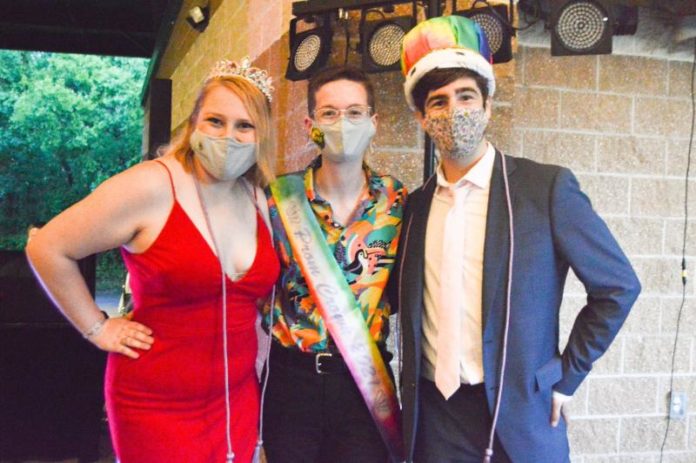
Gamma Alpha Upsilon put on its first ‘Gay Prom’ for students and non-students at Cameron Park.
Photo courtesy of Gamma Alpha Upsilon.

By Brennen DiMarzo | Staff Writer

On Friday, Gamma Alpha Upsilon held their first Gay Prom at Cameron Park.

Gamma Alpha Upsilon had been planning this event since last September. Due to them not being a chartered organization, they didn’t have the funding in the past to be able to put on large scale events such as Gay Prom.

With help from one donor, (anonymous per Gamma’s request) Gay Prom was a go. who gave their donation directly to Gamma instead of Baylor, after conservative blogger Matt Walsh was hosted by the Baylor Young Americans for Freedom in 2019 to give his speech, “The War on Reality: Why the Left has set out to redefine Life, Gender and Marriage,” vice president of Gamma, Jake Picker said.

Gay Prom was held at Cameron Park and there were multiple local business there providing all catering for the students who attended the event.

“We brought in Waco Axe Company, it was catered by Xristos. We also had Pop’s Lemonade, cupcakes and a photo booth for the students,” Picker said. “All students got in for free and non-students had to pay five dollars. We ended up having upwards of 150 people attending the event.”

However, the students who attended the event said it was much more than just axe throwing and cupcakes. It was a place where they could freely express themselves and have no fear of judgement.

“The main reason we threw this event was because a lot of our members couldn’t go to their prom, or they couldn’t bring the person they wanted, or they couldn’t wear what they wanted to wear.” Picker said. “We wanted to give people a chance for them to be themselves.”

Many students said they did feel like they could be themselves. Even some who had reservations found those quickly washed away when they got to the event.

Alumni Henry Beard had never been to a Gamma event before and was nervous about this being the first one. He said when he got there, he realized his fears had no grounds to stand on.

“It felt like being enveloped in a non-stressful social situation. When you got there it was so relaxed, there was no social pressure to hide behind a mask,” Beard said.

While no problems presented themselves at Gay Prom, some said they couldn’t help but feel that in the back of their mind that someone could sneak in and cause issues.

“I would say I was honestly nervous that someone was going to sneak in and harm us,” Beard said.

For other students, Gay Prom became a place that felt like the first time they have been affirmed.

“Several people said that it was a super affirming event,” Picker said. “One alumni even said that this was the first time he ever felt affirmed while at Baylor. I even started to cry when I saw people dance with their partners, seeing them hold onto one another and dance.”

Though Gay Prom was a success, students such as Picker said they still can’t help but feel that Baylor is making students choose between religion and sexuality.

“I shouldn’t have to choose my religion over my sexuality,” Picker said. “We want to grow in our Christian faith too.”

There are many organizations and websites that support Gamma and their desire to become chartered. BuBearsForAll is one organization that aims to help LGBTQ+ members on campus under a platform that states,”All members of the Baylor family should be treated with equal dignity and respect, regardless of sexual orientation or gender identity.”

Gamma’s first Gay Prom was enjoyed by students and non-students alike and is another step for Gamma becoming an official organization.

Global RUM Market Analysis, Trends, Dynamics, Forecast and Supply Demand 2021-2026 – Clark County Blog – Clark County Blog

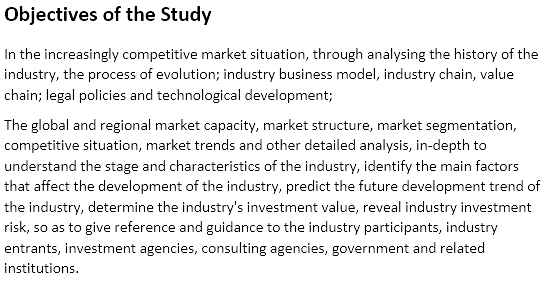
The latest research report, titled “Global RUM Market Outlook and Forecast 2021-2026,” provides a comprehensive analysis of the RUM market’s development and operation on a global and regional scale. This research is a summary of all accurate statistics relevant to industry trends over the past years, as well as many predictions.


Request For Free Sample Report Including Full TOC, TOF, Tables, Graphs, Charts

https://globalmarketers.biz/report/chemicals-and-materials/global-rum-market-report-2020-by-key-players,-types,-applications,-countries,-market-size,-forecast-to-2026-(based-on-2020-covid-19-worldwide-spread)/158687#request-sample

The Leading Manufacturers Analysis:

William Grant and Sons
Suntory Holdings
Halewood International
Maine Craft Distilling
Lyon Distilling
Cayman Spirits
Mount Gay Distilleries
Diageo
Hampden Estate Rum Tours
Admiral Nelson’s Rum
Bacardi
Westerhall Rums
Pernod Ricard
Remy Cointreau

Regional Analysis

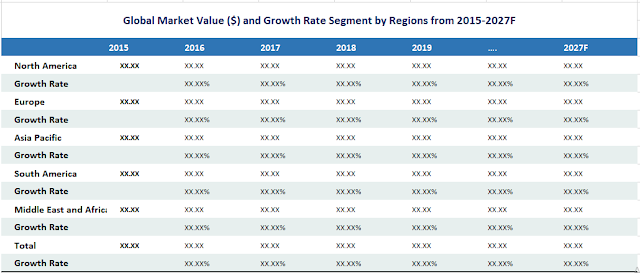
Furthermore, the major market regions provide an in-depth analysis of their rise, challenges, key innovations & strategies, and key trends influencing the global RUM market’s growth. North America, Latin America, Europe, Asia-Pacific, the Middle East, and Africa are key regions considered in this research

Global RUM Market Segmentation:

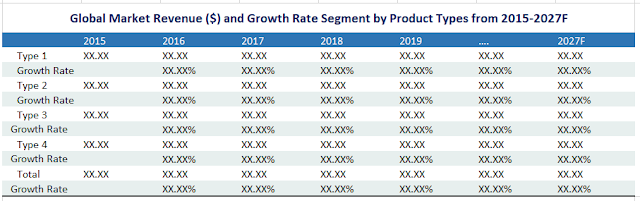
By Type:

White
Golden
Dark
Spiced

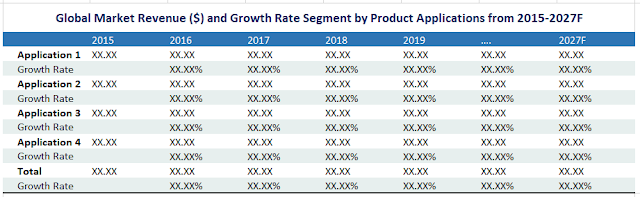
By Application:

Direct Sales
Liquor Shops
Supermarket
E-commerce
Others

Find out how COVID-19 has affected the growth of the industry. Get a free sample report with detailed analysis @ https://globalmarketers.biz/report/chemicals-and-materials/global-rum-market-report-2020-by-key-players,-types,-applications,-countries,-market-size,-forecast-to-2026-(based-on-2020-covid-19-worldwide-spread)/158687#request_sample

Table Of Content

1 RUM Market Report Overview (report description, scope, and research methodology)

2 Executive summary of RUM market report

3 Market Analysis (market dynamics, drivers, restraints, and opportunity)

4 Global RUM Market Growth Trends

5 Detailed analysis of market share by key players

6 Market data breakdown by product type and application

7 Regional analysis (North America, Latin America, Europe, Asia-Pacific, the Middle East, and Africa)

8 This segment include key players profile

9. Downstream buyers and sourcing strategies, industrial chain analysis

10. Sales channel, distributors/traders & marketing strategy analysis

11 Market Forecast data 2020-2026

12 Research Methodology and data source, research findings, and conclusion

Browse Full TOC, [email protected] https://globalmarketers.biz/report/chemicals-and-materials/global-rum-market-report-2020-by-key-players,-types,-applications,-countries,-market-size,-forecast-to-2026-(based-on-2020-covid-19-worldwide-spread)/158687#table-of-contents

Global RUM Market Analysis, Trends, Dynamics, Forecast and Supply Demand 2021-2026 – Clark County Blog

The latest research report, titled “Global RUM Market Outlook and Forecast 2021-2026,” provides a comprehensive analysis of the RUM market’s development and operation on a global and regional scale. This research is a summary of all accurate statistics relevant to industry trends over the past years, as well as many predictions.


Request For Free Sample Report Including Full TOC, TOF, Tables, Graphs, Charts

https://globalmarketers.biz/report/chemicals-and-materials/global-rum-market-report-2020-by-key-players,-types,-applications,-countries,-market-size,-forecast-to-2026-(based-on-2020-covid-19-worldwide-spread)/158687#request-sample

The Leading Manufacturers Analysis:

William Grant and Sons
Suntory Holdings
Halewood International
Maine Craft Distilling
Lyon Distilling
Cayman Spirits
Mount Gay Distilleries
Diageo
Hampden Estate Rum Tours
Admiral Nelson’s Rum
Bacardi
Westerhall Rums
Pernod Ricard
Remy Cointreau

Regional Analysis

Furthermore, the major market regions provide an in-depth analysis of their rise, challenges, key innovations & strategies, and key trends influencing the global RUM market’s growth. North America, Latin America, Europe, Asia-Pacific, the Middle East, and Africa are key regions considered in this research

Global RUM Market Segmentation:

By Type:

White
Golden
Dark
Spiced

By Application:

Direct Sales
Liquor Shops
Supermarket
E-commerce
Others

Find out how COVID-19 has affected the growth of the industry. Get a free sample report with detailed analysis @ https://globalmarketers.biz/report/chemicals-and-materials/global-rum-market-report-2020-by-key-players,-types,-applications,-countries,-market-size,-forecast-to-2026-(based-on-2020-covid-19-worldwide-spread)/158687#request_sample

Table Of Content

1 RUM Market Report Overview (report description, scope, and research methodology)

2 Executive summary of RUM market report

3 Market Analysis (market dynamics, drivers, restraints, and opportunity)

4 Global RUM Market Growth Trends

5 Detailed analysis of market share by key players

6 Market data breakdown by product type and application

7 Regional analysis (North America, Latin America, Europe, Asia-Pacific, the Middle East, and Africa)

8 This segment include key players profile

9. Downstream buyers and sourcing strategies, industrial chain analysis

10. Sales channel, distributors/traders & marketing strategy analysis

11 Market Forecast data 2020-2026

12 Research Methodology and data source, research findings, and conclusion

Browse Full TOC, [email protected] https://globalmarketers.biz/report/chemicals-and-materials/global-rum-market-report-2020-by-key-players,-types,-applications,-countries,-market-size,-forecast-to-2026-(based-on-2020-covid-19-worldwide-spread)/158687#table-of-contents

San Antonio 146, Washington 143 | Sports | titusvilleherald.com – Titusville Herald

FG FT Reb
SAN ANTONIO Min M-A M-A O-T A PF PTS
DeRozan 40:57 12-23 13-13 1-2 10 3 37
Johnson 38:04 10-14 1-1 1-3 2 1 21
Poeltl 26:23 3-4 4-5 1-4 2 5 10
Murray 41:44 12-23 1-1 6-17 5 5 25
White 19:08 3-7 3-4 0-3 2 0 9
Mills 32:08 3-8 2-2 0-2 4 1 11
Gay 20:12 6-11 3-4 0-4 1 2 17
Walker IV 19:48 0-3 0-0 0-1 1 0 0
Eubanks 18:00 4-7 2-3 2-4 0 4 10
Dieng 8:08 2-3 1-2 2-4 0 0 6
Vassell 0:28 0-0 0-0 0-0 0 0 0
Totals 265:00 55-103 30-35 13-44 27 21 146

Percentages: FG .534, FT .857.

3-Point Goals: 6-17, .353 (Mills 3-6, Gay 2-3, Dieng 1-2, Murray 0-1, Walker IV 0-1, White 0-4).

Team Rebounds: 9. Team Turnovers: None.

Blocked Shots: 1 (Gay).

Turnovers: 6 (DeRozan 2, Eubanks, Gay, Murray, Poeltl).

Steals: 6 (Murray 3, Eubanks 2, Johnson).

Technical Fouls: None..

FG FT Reb
WASHINGTON Min M-A M-A O-T A PF PTS
Beal 41:36 20-37 5-5 2-3 1 2 45
Hachimura 31:41 5-7 2-2 1-6 1 2 13
Len 23:21 8-9 0-1 6-10 1 4 17
Neto 24:49 2-4 2-2 0-4 1 1 6
Westbrook 42:21 9-26 4-4 4-13 14 4 22
Bertans 34:25 3-5 4-4 1-4 0 2 13
Smith 25:57 3-7 0-0 0-2 8 1 6
Gafford 15:15 1-3 4-6 3-4 0 4 6
Gill 13:55 6-7 0-1 1-3 0 2 13
Mathews 11:40 1-4 0-0 0-1 0 1 2
Totals 265:00 58-109 21-25 18-50 26 23 143

Percentages: FG .532, FT .840.

3-Point Goals: 6-20, .300 (Bertans 3-5, Gill 1-1, Hachimura 1-1, Len 1-1, Neto 0-2, Mathews 0-3, Westbrook 0-3, Beal 0-4).

Team Rebounds: 5. Team Turnovers: None.

Blocked Shots: 8 (Bertans 2, Gafford 2, Gill, Hachimura, Len, Westbrook).

Turnovers: 8 (Westbrook 6, Bertans, Gafford).

Steals: 4 (Gill, Hachimura, Neto, Westbrook).

Technical Fouls: None..

San Antonio 38 27 30 38 13 146
Washington 34 28 33 38 10 143

A_2,133 (20,356). T_2:33.

San Antonio 146, Washington 143 – Houston Chronicle

DeRozan 12-23 13-13 37, Johnson 10-14 1-1 21, Poeltl 3-4 4-5 10, Murray 12-23 1-1 25, White 3-7 3-4 9, Vassell 0-0 0-0 0, Walker IV 0-3 0-0 0, Eubanks 4-7 2-3 10, Gay 6-11 3-4 17, Dieng 2-3 1-2 6, Mills 3-8 2-2 11. Totals 55-103 30-35 146.

Beal 20-37 5-5 45, Hachimura 5-7 2-2 13, Len 8-9 0-1 17, Neto 2-4 2-2 6, Westbrook 9-26 4-4 22, Bertans 3-5 4-4 13, Gill 6-7 0-1 13, Gafford 1-3 4-6 6, Mathews 1-4 0-0 2, Smith 3-7 0-0 6. Totals 58-109 21-25 143.

San Antonio 38 27 30 38 13 146
Washington 34 28 33 38 10 143

3-Point Goals_San Antonio 6-17 (Mills 3-6, Gay 2-3, Dieng 1-2, White 0-4), Washington 6-20 (Bertans 3-5, Neto 0-2, Mathews 0-3, Westbrook 0-3, Beal 0-4). Fouled Out_None. Rebounds_San Antonio 44 (Murray 17), Washington 50 (Westbrook 13). Assists_San Antonio 27 (DeRozan 10), Washington 26 (Westbrook 14). Total Fouls_San Antonio 21, Washington 23. A_2,133 (20,356)

San Antonio 146, Washington 143 – Danbury News Times

Percentages: FG .534, FT .857.

3-Point Goals: 6-17, .353 (Mills 3-6, Gay 2-3, Dieng 1-2, Murray 0-1, Walker IV 0-1, White 0-4).

Team Rebounds: 9. Team Turnovers: None.

Blocked Shots: 1 (Gay).

Turnovers: 6 (DeRozan 2, Eubanks, Gay, Murray, Poeltl).

Steals: 6 (Murray 3, Eubanks 2, Johnson).

Technical Fouls: None..

FG FT Reb
WASHINGTON Min M-A M-A O-T A PF PTS
Beal 41:36 20-37 5-5 2-3 1 2 45
Hachimura 31:41 5-7 2-2 1-6 1 2 13
Len 23:21 8-9 0-1 6-10 1 4 17
Neto 24:49 2-4 2-2 0-4 1 1 6
Westbrook 42:21 9-26 4-4 4-13 14 4 22
Bertans 34:25 3-5 4-4 1-4 0 2 13
Smith 25:57 3-7 0-0 0-2 8 1 6
Gafford 15:15 1-3 4-6 3-4 0 4 6
Gill 13:55 6-7 0-1 1-3 0 2 13
Mathews 11:40 1-4 0-0 0-1 0 1 2
Totals 265:00 58-109 21-25 18-50 26 23 143

Percentages: FG .532, FT .840.

3-Point Goals: 6-20, .300 (Bertans 3-5, Gill 1-1, Hachimura 1-1, Len 1-1, Neto 0-2, Mathews 0-3, Westbrook 0-3, Beal 0-4).

Team Rebounds: 5. Team Turnovers: None.

Blocked Shots: 8 (Bertans 2, Gafford 2, Gill, Hachimura, Len, Westbrook).

Turnovers: 8 (Westbrook 6, Bertans, Gafford).

Steals: 4 (Gill, Hachimura, Neto, Westbrook).

Technical Fouls: None..

San Antonio 38 27 30 38 13 146
Washington 34 28 33 38 10 143

A_2,133 (20,356). T_2:33.

Texas’ challenge to California travel ban tossed by U.S. Supreme Court – The Texas Tribune

Stigma, discrimination impede engagement in HIV prevention and treatment – News-Medical.Net

Stigma and discrimination, such as homophobia and racism, impede engagement in HIV prevention and use of biomedical tools for treatment in both HIV-negative and HIV-positive gay and bisexual men, according to a Rutgers study.

The paper, published in AIDS and Behavior, examined the impact of stigma on HIV-related outcomes among gay and bisexual men in the U.S.

Despite recent advances in HIV prevention and treatment, and access to biomedical interventions that can hasten the end of the HIV epidemic, gay and bisexual men continue to be disproportionately affected by the virus.

Stigma, which has been associated with negative health outcomes, often impacts marginalized groups including gay and bisexual men and other high-risk populations.

Gay and bisexual men often embody more than one minority status, yielding experiences of intersectional stigma, for example, experiencing both racism and homophobia. These stigmas can prevent individuals from seeking information, getting tested, and seeking care or treatment.

The researchers, led by Rutgers School of Public Health doctoral students, reviewed 47 studies that examined stigma and HIV-related outcomes among gay and bisexual men over the past three decades.

They found that stigma influences an individual’s decision to engage in HIV prevention, treatment, and care among both HIV-negative and HIV-positive gay and bisexual men. Specifically, HIV-positive gay and bisexual men were impacted predominantly by internalized stigma, which resulted in lower levels of engagement with treatment. For young gay and bisexual men of color, intersectional stigma intensified the social and structural barriers to care adherence.

These findings are important because the conclusions from this review can inform stigma reduction interventions or programs, and advance stigma research, to ultimately end this epidemic.”

Riddhi A. Babel, lead author, doctoral student, Department of Biostatistics and Epidemiology, Rutgers School of Public Health

The study emphasizes critical intersectional efforts that must be made to address stigma, understand an individual’s identity, and create and implement policy for community-based interventions.

“Although we now have the tools to end the HIV pandemic, stigma continues to stand in our way,” said senior study author Chongyi Wei, an associate professor in the Department of Health Behavior, Society and Policy at the Rutgers School of Public Health. “Without systematically addressing it at all levels, whether homophobia, racism, or both, we will not prevail this virus.”

Future research should evaluate how individual types of stigma, as well as intersectional stigma, impact viral suppression and treatment adherence, and PrEP uptake and adherence. Mixed-method studies should also be conducted in the future, to better understand the implications of intersecting stigma amongst men of color.

Journal reference:

Babel, R.A., et al. (2021) Stigma, HIV Risk, and Access to HIV Prevention and Treatment Services Among Men Who have Sex with Men (MSM) in the United States: A Scoping Review. AIDS and Behavior. doi.org/10.1007/s10461-021-03262-4.