
Home Blog Page 334

The Thrill and Melancholy of Jacob deGrom and the Mets – The Wall Street Journal

In baseball, but especially around these parts, it’s known as “deGrom Day,” as in an afternoon or evening that pitcher Jacob deGrom takes to the hill for the New York Mets. DeGrom, who is 32 years old, is widely viewed as the best pitcher in the game. I know that sounds like the kind of presumptuous claim people in New York like to make about everything in New York, but in this case, it’s actually true. Pretty much everyone around baseball agrees. DeGrom is great, and he’s getting better. 

DeGrom pitched Wednesday night, against the Boston Red Sox. In his prior start, versus Washington, the right-hander threw a two-hit shutout in which he struck out 15 batters, a career high. The game before that, against Colorado, he had 14 strikeouts, including nine in a row. Entering the game against Boston, deGrom had 50 strikeouts in his first four starts, a major-league record to begin a season. He was amid an astonishing April, even for him. 

What was especially stirring about deGrom’s prior two outings, versus Washington and Colorado, was that the Mets actually won both games, including one in which they came from behind. If there is a theme to deGrom’s major-league career, now in its eighth season, it is his consistent dominance, which is regularly undercut by morbid offensive support from his own club. DeGrom won the Cy Young Award in 2018 and 2019 as the National League’s finest pitcher, and he did it in seasons in which he led the league in earned-run average, and the next year, strikeouts, and yet he still finished with pedestrian-looking 10-9 and 11-8 records, because the Mets lineup so chronically underwhelmed. 

On Wednesday night, the local telecast on SNY offered up a sobering statistic: 33 times in deGrom’s career, he has given up zero runs, or just one run, and not won the game—an ignominious achievement that has happened to him eight more times than anyone in baseball over the same period. DeGrom is a historic talent, but the regular failure of the Mets to ignite during his starts has given his career a kind of melancholy. He is a Ferrari, being asked to run on vegetable oil. 

Despite this—or maybe, in part, because of it—deGrom Day is riveting theater, as must-see as sports gets in 2021. When deGrom is pitching, plans are set aside or ignored, and the tall man (deGrom is 6 foot 4) almost always delivers on his end. Versus Boston, deGrom began the game by striking out the Red Sox leadoff hitter on a rippling 101 mph fastball, and retired the side on a crisp 12 pitches. At a time when baseball is wrestling with pace of play and long, dull games, deGrom is a crackle of efficiency. Step to the fridge to get a beer, and you could miss three outs. 

In the bottom half of the first, I called the legendary New Yorker writer and fiction editor Roger Angell, whose foray into baseball writing began in 1962 with the “grotesque early sufferings” of the expansion Mets under Casey Stengel (“a walking pantheon of evocations,” Angell wrote of the aging Stengel), eventually reaching a point of such stature and admiration in the sport that, in 2014, Angell was honored by the Baseball Hall of Fame. Angell is now 100 years old, and his eyesight is challenged, but he still locks in for the drama of deGrom Day.

“There’s something very intense about him, but it’s effortless intensity,” Angell told me. “There’s no grunting or groaning. His pitches up in the 100s are just so surprising, because the pitch comes so quickly, and from normal effort. He’s immensely powerful, but it doesn’t show itself much.”

I noted the 41 on the sleeve of deGrom’s jersey, a patch which the Mets are wearing this season to honor Tom Seaver, who died last August. Angell had known Seaver well. Did he see any comparison?

“Well, aside from their fabulous efficiency, I don’t see much comparison, because Seaver was essentially a drop-down pitcher,” Angell said. “He went straight down—that was his power; his knee would strike the dirt. DeGrom’s is just very simple motion. I don’t know where this enormous speed comes from. He’s strongly built, but he does not look overpowering. But he is. The amazing thing is that he’s getting faster.”

He is indeed getting faster. As the Journal’s Andrew Beaton and Joshua Robinson noted earlier this month, deGrom’s average velocity is climbing at a career point in which pitchers are usually learning how to be craftier, and less reliant on speed. One theory is that DeGrom is a late bloomer: he also played shortstop in college, and in his first season in the minors, he hurt his arm and had Tommy John surgery, missing a season and a half. DeGrom didn’t throw 140 innings in a season until he was 25 years old, and the result is a delayed career arc that, as Beaton and Robinson humorously theorized, resembles F. Scott Fitzgerald’s character of Benjamin Button. DeGrom appears to be aging in reverse, routinely hitting three digits on the radar gun.

Against Boston, he was very good, but not his best. In the second inning, the Red Sox tagged him for a pair of doubles and a run, and while deGrom stopped the bleeding there, New York couldn’t score at all off Boston’s Nick Pivetta or his relievers, triggering another doleful night for the Mets faithful. A start like what deGrom delivered—six innings, three hits, one run, nine strikeouts, one walk—should be more than enough to get a win, most of the time. Once again, it was not. In Metsworld, the frustration slipped on like an old sweater. 

“He has had every reason over the last few years to throw teammates under the bus, and has not done it once,” the Mets broadcaster Gary Cohen said late in the contest.

Sure enough, in his postgame comments, deGrom—whose 2021 record now stands at 2-2, with a 0.51 ERA and 59 strikeouts, with opponents batting .163 against him—blamed himself for the lone run (“Just wasn’t able to make pitches when I needed to”) and declined to point a finger at anyone besides himself. The ace remained a diplomat. This was just the way it had gone, as it had gone before. Another deGrom Day had passed, and the wait for the next had begun. 

SHARE YOUR THOUGHTS

What do you think of the pitching performance of Jacob deGrom?

Write to Jason Gay at Jason.Gay@wsj.com

Copyright ©2020 Dow Jones & Company, Inc. All Rights Reserved. 87990cbe856818d5eddac44c7b1cdeb8
‘The Bachelor’ Colton Underwood Poses Shirtless After Coming Out as Gay – Heavy.com

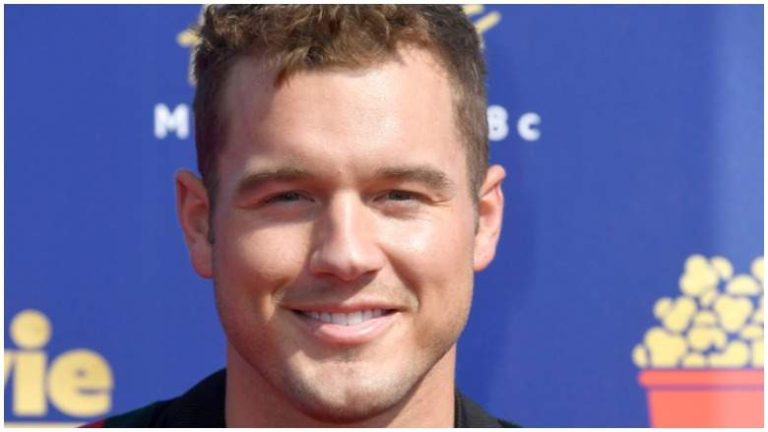
Colton Underwood

Getty Colton Underwood of The Bachelor

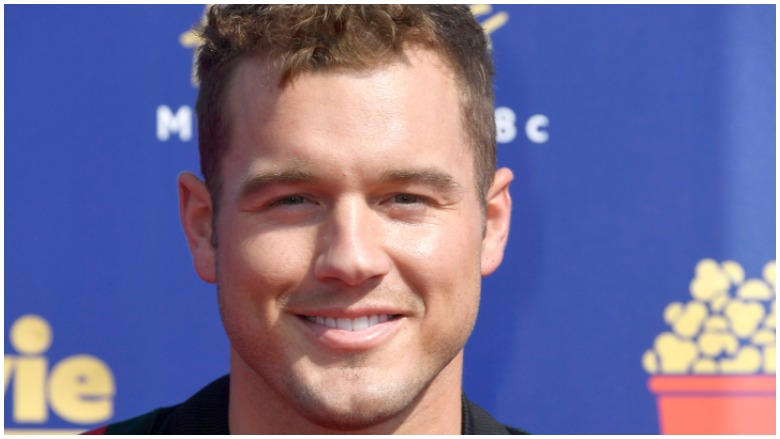
Colton Underwood caused a frenzy with new photos he shared on Instagram. Two weeks after coming out as gay during an interview on ABC’s Good Morning America,” the former “Bachelor” star struck a shirtless pose – or two – as he told fans that his focus has been on his physical and mental health over the past year.

Underwood, 29, shared two snaps to his social media page as he flaunted his ripped abs with his shorts pulled as far down as possible without going too far. The former leading man also wore a baseball cap and a necklace as he showed his 2 million followers how his hard work at the gym has paid off.

“This year I prioritized my health. physically and mentally,” Underwood captioned the snaps.

“Bachelor” fans know that Underwood has had a lot to work on. His roller coaster year included a breakup with his ex, Cassie Randolph, and later allegations that he stalked her and was slapped with a restraining order. His coming out interview came after he scrubbed his Instagram account clean, presumably so he could have a fresh start.


Fans Called Colton’s New Photos a ‘Thirst Trap’

While Underwood appeared happy and confident in his new pics, some followers accused him of looking for attention by posting the shirtless snaps. Others even called him out and joked that he was following a “gay“ handbook.

“I see your gay guide has moved on to the ‘thirst trap’ chapter,” one follower wrote.

“Ah the first thirst trap. Officially a true gay. Welcome!!” another added.

“Not you giving the gays what they want!” a third follower chimed in.

While others admitted they are “here” for “thirsty Colton,” some of Underwood’s female followers were left distressed by the photos of his ripped body as they drummed up memories of his outdoor showers on “The Bachelor.”

“COLTON. DONT DO US GIRLS LIKE THIS !!!!” one fan wrote.

Underwood’s “thirsty” new pics are his fourth Instagram post since his coming out interview earlier this month. His other photos have featured a smiley selfie and his dogs.


Colton Underwood Was Spotted With Out to Lunch With a Male Friend Earlier This Week

While he was dubbed the ‘Virgin Bachelor” during his days as an ABC reality star,  in his “GMA” interview, Underwood claimed he has yet to be close with a man either physically or emotionally. But he seems to be prepping himself for something, and all eyes are on his ripped physique as he gets ready to embark on his next chapter.

According to a report by Radar Online, Underwood was photographed early this week having lunch with a mystery man in Los Angeles, California. “The Bachelor” alum wore a grey hoodie and workout shorts as well as his signature baseball cap, while his dining partner was also casually dressed, The two men reportedly hugged after their lunch date before going their separate ways. Based on Underwood’s new pics, he probably headed to the gym after lunch!

In addition to focusing on his health, Underwood is filming a new TV series about his coming out journey.

READ NEXT: Did Chris Harrison & Lauren Zima Have a Secret Wedding?


Sexuality is private affair, Keep it so – Ursula to youth and LGBT community – Graphic Online

LGBT

Sexuality is private affair, Keep it so – Ursula to youth and LGBT community

The Minister of Communications and Digitalization, Mrs Ursula Owusu-Ekuful has advised the LGBTQI community to keep it private as Ghanaians cannot be compelled to accept a practice which is culturally and socially abhorrent.

In a radio interview on Accra based Starr FM, she noted that Ghanaians are not expressive and do not fondle their partners in public.

Adults can do whatever they like in the privacy of their homes but should not force their sexual preferences down anyone’s throat, she noted.

She admitted that she is still friends with her first boyfriend and also stated that the practice of “supi” was commonplace in many boarding schools during her time.

She said at that youthful stage of a girl’s life, there is the proclivity to explore one’s sexuality which is just a passing phase. It was also seen as a harmless adventure.

“You’re exploring your sexuality, so you do all kinds of silly things growing up. Thank God there was no social media when we were growing up to leave a permanent record of some of the crazy things we did…” she said

She however charged the youth to grow out of the crazy things and be useful to the society.

There’s a gay wage gap – and it’s linked to discrimination – The Conversation UK

The wage gaps that exist between men and women and between white and black people have received a lot of attention in recent years. But there’s another wage gap that tends to be overlooked – between heterosexuals and LGBT+ people.

Interestingly, it works in two different directions: most studies show a wage penalty for gay men but a wage premium for lesbian women compared with their heterosexual counterparts. One analysis of 32 studies from several countries found that on average, gay men earned 11% less than heterosexual men, while lesbian women earned 9% more than heterosexual women. Studies and surveys have also shown a negative wage gap for bisexual and also for transgender people, though the evidence is much more limited, particularly for transgender people.

Within the data on gay people, there are also variations between countries and depending on how exactly sexual orientation is classified, for example whether it’s based on survey evidence or cohabitation – and there are studies such as this one from the US that found gay men actually earning more. But if the numbers above reflect a broad average, why do such differences arise?

One possible explanation is the work choices that gay people make. Research suggests gay men are more likely to avoid occupations that are more male-dominated than other men (which includes the best paid jobs), while lesbian women are more likely to avoid female-dominated occupations than other women (which are typically worse paid). Lesbians may also earn more because they tend to work longer hours.

But why do gay people enter different professions? It may be because they make different educational choices. For instance, LGBT+ students in the US are less likely to finish school and attend university than other students. American men in same-sex couples are more likely to obtain a bachelor’s degree than men in different-sex couples, but they are 12 percentage points less likely to complete their degree in a STEM subject.

The role of discrimination

A key question is whether these differences in wages and choice of employment are driven by prejudice, or whether they are the result of some innate, work-relevant traits of gay people related to their preferences or skills. If gay men are paid less because of prejudice, then society is not making the best use of their skills and productivity. This would be economically inefficient and would hold back output, because it would suggest that gay men are not making the contribution that they could.

It’s not easy to get to the bottom of why these differences in wages and employment exist. But recent research using various methods has certainly found that discrimination is a key driver.

I will highlight three examples. First, research from Australia has shown that gay and lesbian workers choose to enter occupations with fewer prejudiced workers, with male-dominated occupations more likely to feature discrimination.

Second, in a research experiment in the US, participants were asked to evaluate CVs. Some of the CVs made references to LGBT+ activities while others did not. Male participants penalised CVs that included an LGBT+ activity.

Third, discrimination of LGBT+ people emerges in workplace surveys. For instance, Stonewall and YouGov found in 2017 that 18% of LGBT staff in the UK had been a target of negative comments or conduct from work colleagues in the previous 12 months because of their sexual orientation.

Inclusion and economic benefits

Discrimination against gay people is a global issue. The Franklin & Marshall Global Barometer of Gay Rights gave 62% of countries a failing grade on legal and social protections afforded to LGBT+ people in 2018. Contrasts among countries are wide. For example, Finland scored 96% in the barometer, while Russia scored just 19%.

This raises the question of whether it is possible to quantify the potential economic consequences of this discrimination, particularly in countries that lag the world’s leaders in both economic output and LGBT+ rights.

One approach is to estimate the lost productivity due to discrimination among gay people, based on research from countries where such data are available. These estimates can then be applied to the GDP of other countries. Open For Business, a global coalition of companies, on whose research advisory board I sit, has just done exactly that for Hungary, Poland, Romania and Ukraine – four countries with GDP per capita and LGBT+ inclusion ratings well below the European average.

At the low end, the report estimates that LGBT+ discrimination costs the Hungarian economy between 0.1% and 0.2% of GDP each year, or around £200 million. At the high end, the estimated cost to the Romanian economy is between 0.6% and 1.7% of GDP, or up to £3 billion.

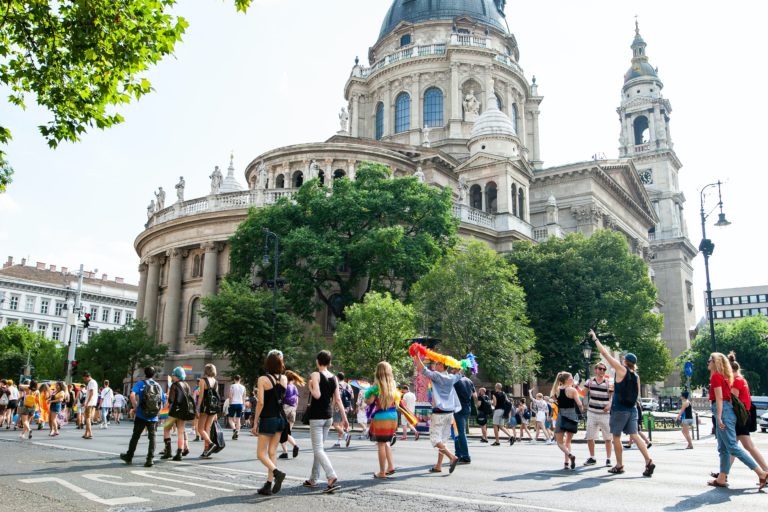
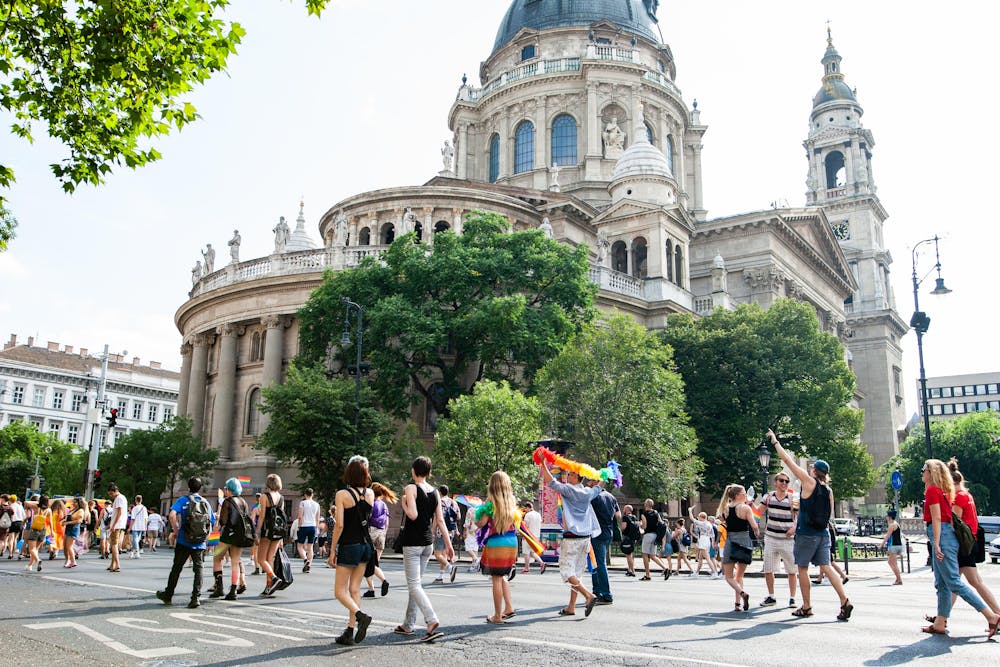
Men and women walk through city street, some with rainbow flags and clothing.
Pride march in Budapest, Hungary, 2019. Zoltan Galantal/Alamy

While these figures are unlikely to make or break a country’s economy, they are substantial in context. For instance, the Romanian government’s spending on education was 3.1% of GDP in 2017. Lost GDP from limited LGBT+ inclusion could fund half of that spending every year.

Moreover, these estimates only represent direct costs of exclusion. There could be additional, indirect economic costs related to brain drain, adverse effects of discrimination on well-being, or even foreign investors going elsewhere because they worry that the prejudice in a country’s workforce could harm their reputations.

One thing that this report does not consider is the potential negative effects of inclusion. For instance, could higher participation of gay people in the workforce actually deter prejudiced heterosexual people from, say, working as productively, or even working at all?

There are two reasons why this is unlikely. First, several studies on the legalisation of same-sex marriage in the US have found no effect on different-sex couples, including no impact on the probability of whether they are employed.

Second, even though prejudice does exist, attitudes do shift as LGBT+ rights evolve. Recent research has shown that attitudes towards LGBT+ people turned more positive after laws recognising same-sex relationships were enacted across Europe. More inclusive laws led to more tolerant views – not the opposite.

One explanation is that equality laws confer legitimacy toward sexual minorities – and attitudes adjust in response. This suggests that such laws could eventually be accepted, even in countries where acceptance of LGBT+ people is low.

If so, and given the potential economic benefits, it is another reason why greater inclusion is worth pursuing. Beyond the level of individual countries, this could also bring benefits for the global economy.

Gay wage gap: it’s linked to discrimination – and is bad for economic growth – Yahoo Eurosport UK

<span class="caption"/>Different outcomes.  <span class="attribution"><a class=Andrey_Popov/ Shutterstock” src=”https://s.yimg.com/ny/api/res/1.2/JlPRx76_zSrpGEtHRqlUZQ–/YXBwaWQ9aGlnaGxhbmRlcjt3PTk2MDtoPTY0MC42NDUxNjEyOTAzMjI2/https://s.yimg.com/uu/api/res/1.2/Jn929Ru8.l5mt1XIWdhbkg–~B/aD0zMzE7dz00OTY7YXBwaWQ9eXRhY2h5b24-/https://media.zenfs.com/en/the_conversation_464/d94ab895653bea29eb6173bc173af07b” data-src=”https://s.yimg.com/ny/api/res/1.2/JlPRx76_zSrpGEtHRqlUZQ–/YXBwaWQ9aGlnaGxhbmRlcjt3PTk2MDtoPTY0MC42NDUxNjEyOTAzMjI2/https://s.yimg.com/uu/api/res/1.2/Jn929Ru8.l5mt1XIWdhbkg–~B/aD0zMzE7dz00OTY7YXBwaWQ9eXRhY2h5b24-/https://media.zenfs.com/en/the_conversation_464/d94ab895653bea29eb6173bc173af07b”>

The wage gaps that exist between men and women and between white and black people have received a lot of attention in recent years. But there’s another wage gap that tends to be overlooked – between heterosexuals and LGBT+ people.

Interestingly, it works in two different directions: most studies show a wage penalty for gay men but a wage premium for lesbian women compared with their heterosexual counterparts. One analysis of 32 studies from several countries found that on average, gay men earned 11% less than heterosexual men, while lesbian women earned 9% more than heterosexual women. Studies and surveys have also shown a negative wage gap for bisexual and also for transgender people, though the evidence is much more limited, particularly for transgender people.

Within the data on gay people, there are also variations between countries and depending on how exactly sexual orientation is classified, for example whether it’s based on survey evidence or cohabitation – and there are studies such as this one from the US that found gay men actually earning more. But if the numbers above reflect a broad average, why do such differences arise?

One possible explanation is the work choices that gay people make. Research suggests gay men are more likely to avoid occupations that are more male-dominated than other men (which includes the best paid jobs), while lesbian women are more likely to avoid female-dominated occupations than other women (which are typically worse paid). Lesbians may also earn more because they tend to work longer hours.

But why do gay people enter different professions? It may be because they make different educational choices. For instance, LGBT+ students in the US are less likely to finish school and attend university than other students. American men in same-sex couples are more likely to obtain a bachelor’s degree than men in different-sex couples, but they are 12 percentage points less likely to complete their degree in a STEM subject.

The role of discrimination

A key question is whether these differences in wages and choice of employment are driven by prejudice, or whether they are the result of some innate, work-relevant traits of gay people related to their preferences or skills. If gay men are paid less because of prejudice, then society is not making the best use of their skills and productivity. This would be economically inefficient and would hold back output, because it would suggest that gay men are not making the contribution that they could.

It’s not easy to get to the bottom of why these differences in wages and employment exist. But recent research using various methods has certainly found that discrimination is a key driver.

I will highlight three examples. First, research from Australia has shown that gay and lesbian workers choose to enter occupations with fewer prejudiced workers, with male-dominated occupations more likely to feature discrimination.

Second, in a research experiment in the US, participants were asked to evaluate CVs. Some of the CVs made references to LGBT+ activities while others did not. Male participants penalised CVs that included an LGBT+ activity.

Third, discrimination of LGBT+ people emerges in workplace surveys. For instance, Stonewall and YouGov found in 2017 that 18% of LGBT staff in the UK had been a target of negative comments or conduct from work colleagues in the previous 12 months because of their sexual orientation.

Inclusion and economic benefits

Discrimination against gay people is a global issue. The Franklin & Marshall Global Barometer of Gay Rights gave 62% of countries a failing grade on legal and social protections afforded to LGBT+ people in 2018. Contrasts among countries are wide. For example, Finland scored 96% in the barometer, while Russia scored just 19%.

This raises the question of whether it is possible to quantify the potential economic consequences of this discrimination, particularly in countries that lag the world’s leaders in both economic output and LGBT+ rights.

One approach is to estimate the lost productivity due to discrimination among gay people, based on research from countries where such data are available. These estimates can then be applied to the GDP of other countries. Open For Business, a global coalition of companies, on whose research advisory board I sit, has just done exactly that for Hungary, Poland, Romania and Ukraine – four countries with GDP per capita and LGBT+ inclusion ratings well below the European average.

At the low end, the report estimates that LGBT+ discrimination costs the Hungarian economy between 0.1% and 0.2% of GDP each year, or around £200 million. At the high end, the estimated cost to the Romanian economy is between 0.6% and 1.7% of GDP, or up to £3 billion.

While these figures are unlikely to make or break a country’s economy, they are substantial in context. For instance, the Romanian government’s spending on education was 3.1% of GDP in 2017. Lost GDP from limited LGBT+ inclusion could fund half of that spending every year.

Moreover, these estimates only represent direct costs of exclusion. There could be additional, indirect economic costs related to brain drain, adverse effects of discrimination on well-being, or even foreign investors going elsewhere because they worry that the prejudice in a country’s workforce could harm their reputations.

One thing that this report does not consider is the potential negative effects of inclusion. For instance, could higher participation of gay people in the workforce actually deter prejudiced heterosexual people from, say, working as productively, or even working at all?

There are two reasons why this is unlikely. First, several studies on the legalisation of same-sex marriage in the US have found no effect on different-sex couples, including no impact on the probability of whether they are employed.

Second, even though prejudice does exist, attitudes do shift as LGBT+ rights evolve. Recent research has shown that attitudes towards LGBT+ people turned more positive after laws recognising same-sex relationships were enacted across Europe. More inclusive laws led to more tolerant views – not the opposite.

One explanation is that equality laws confer legitimacy toward sexual minorities – and attitudes adjust in response. This suggests that such laws could eventually be accepted, even in countries where acceptance of LGBT+ people is low.

If so, and given the potential economic benefits, it is another reason why greater inclusion is worth pursuing. Beyond the level of individual countries, this could also bring benefits for the global economy.

This article is republished from The Conversation under a Creative Commons license. Read the original article.

The Conversation

The Conversation

Pawel Adrjan is a member of the Research Advisory Board at Open For Business, an organisation whose report is mentioned in the article. He is also employed as Head of EMEA Research at Indeed where he carries out research on labour market topics.

Lithuanian artist uses homophobic messages to raise money for LGBT causes – Devdiscourse

A Lithuanian artist has raised over $6,000 for LGBT groups by selling a digital collage of homophobic messages that were sent to a member of parliament who champions gay rights causes. The black-and-white artwork by Erikas Malisauskas, titled “Hate Speech Cloud”, consists of 400 offensive messages bundled together in the stylised shape of a cloud.

“My goal was to monetise the hate speech,” said Malisauskas. “Now everyone who wrote the hateful messages to LGBT people has contributed money towards LGBT causes.” The messages were originally addressed to Tomas Raskevicius, a well-known figure in Lithuania where he is the first gay rights activist to be elected to parliament.

Malisauskas, who is not gay, said he was shocked by the extreme levels of abuse hurled at Raskevicius and the LGBT community in general. Among the messages included in the artwork, which are in Lithuanian, are many that used a term of abuse that would translate into the English slur “faggot”.

“You are destroying Lithuania and you should be ashamed,” says one of the messages. “Pervert, stop showing yourself to normal Lithuanian people!” says another.

Raskevicius says that on an average day, he gets a few messages like that on social media. But on days when he speaks publicly in support of policies such as introducing same-sex partnerships or ratifying an international treaty against domestic abuse, the number of hateful messages spikes. He says he usually forwards any threats of physical violence to the police, and posts other messages on his social media feeds to stimulate debate.

“There is no way to tackle the negativity when it’s underground. When it’s out in the open, we can actually deal with it,” he said. “On the human level, the negativity impacts both mental and emotional health, for sure. One of the coping strategies I employ is to make these messages public, for other people to discuss and express their opinion.”

The police have initiated more than 20 criminal investigations into threats sent to Raskevicius. Malisauskas said the reason why he arranged the messages in the form of a cloud was “because clouds fade away”.

He sold the artwork in the form of a non-fungible token or NFT, a type of digital asset verified using blockchain technology. NFTs are increasingly popular in the art world because they allow a file to be permanently authenticated, regardless of copies and downloads. The sale of “Hate Speech Cloud” was the first of a Lithuanian artwork in the form of an NFT to be publicly announced.

The person who bought the NFT wished to remain anonymous. An image of the artwork can be seen at https://www.neapykantosdebesis.lt/.

(This story has not been edited by Devdiscourse staff and is auto-generated from a syndicated feed.)

Chechnya Grants State Protection to ‘Kidnapped’ Gay Men – Reports – The Moscow Times

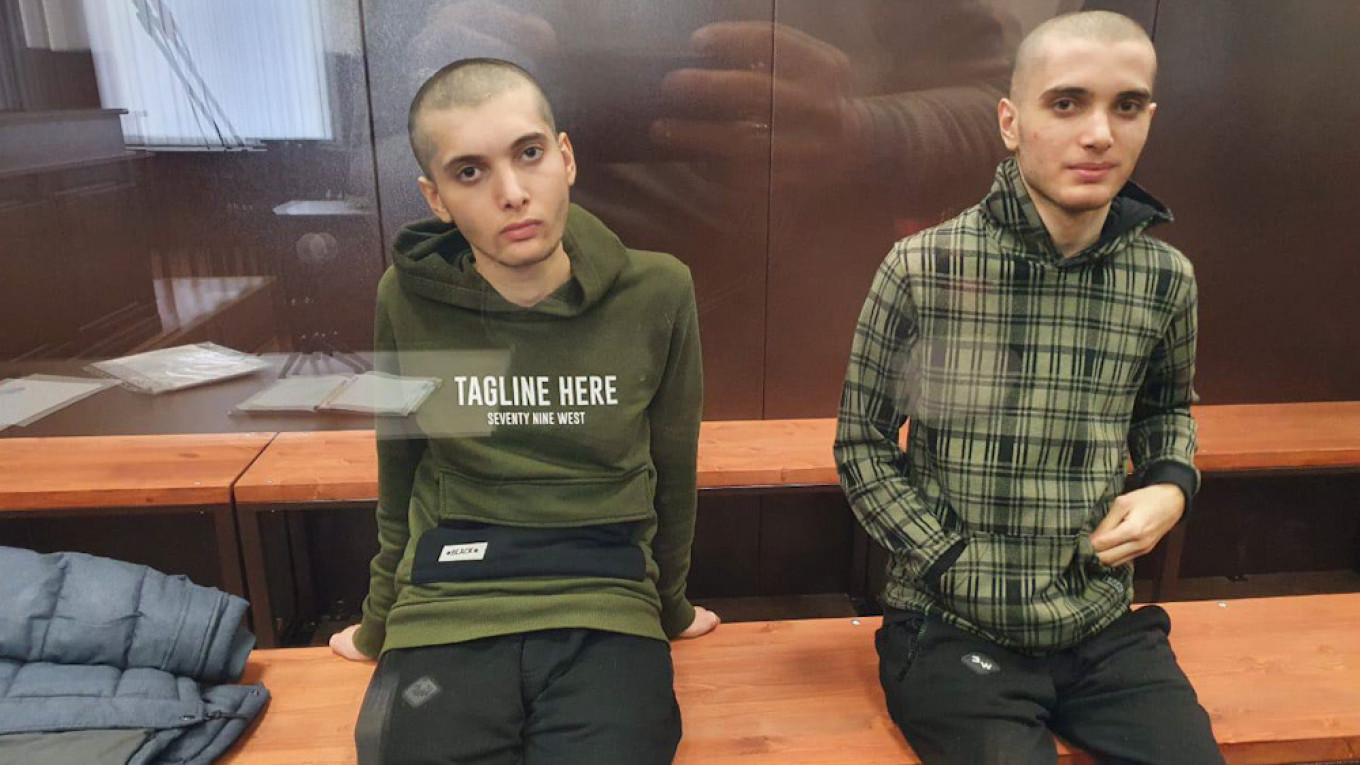
Authorities in Russia’s republic of Chechnya have granted state protection to two gay men facing threats of familial “honor killings” after they were forcibly returned to their home region, the MBKh Media news website reported Thursday.

Salekh Magamadov and Ismail Isayev had fled Chechnya for Nizhny Novgorod northeast of Moscow last summer after they were allegedly tortured by Chechen special police. They were seized and returned to Chechnya earlier this year in what rights groups called a kidnapping.

The LGBT Network rights group, which had helped the two men flee, successfully petitioned Chechnya’s Investigative Committee to grant state protection to them, claiming they are now at risk of “honor killings” by their relatives. 

“The state has recognized that Magamadov and Isayev are under threat of danger,” MBKh Media quoted LGBT Network lawyer Alexander Nemov as saying.

It is not yet clear what kind of protection the two men will receive. 

The LGBT Network has said that the official reason for Magamadov and Isayev’s initial arrest and torture by Chechen special police in April 2020 was for running an opposition Telegram channel, but in reality they were detained because of their sexual orientation. 

The Muslim-majority republic of Chechnya has been at the center of several high-profile investigations into alleged mass LGBT persecution since 2017. The region’s strongman leader Ramzan Kadyrov has dismissed the reports and denies that homosexuals exist at all in Chechnya. 

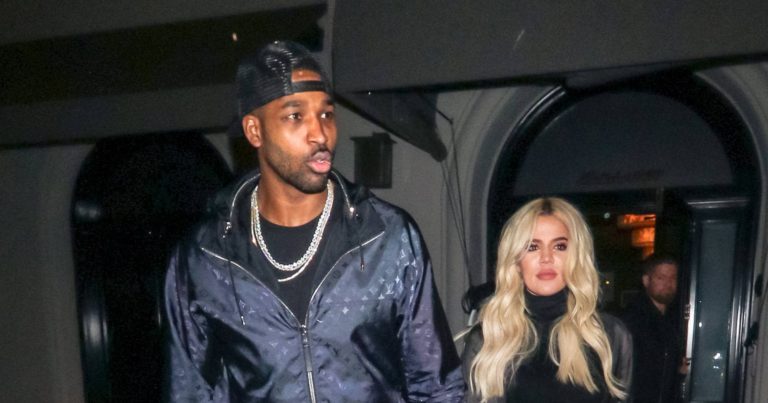
Tristan Thompson faces fresh claims he cheated on Khloe Kardashian, more ICYMI April news – Wonderwall

0

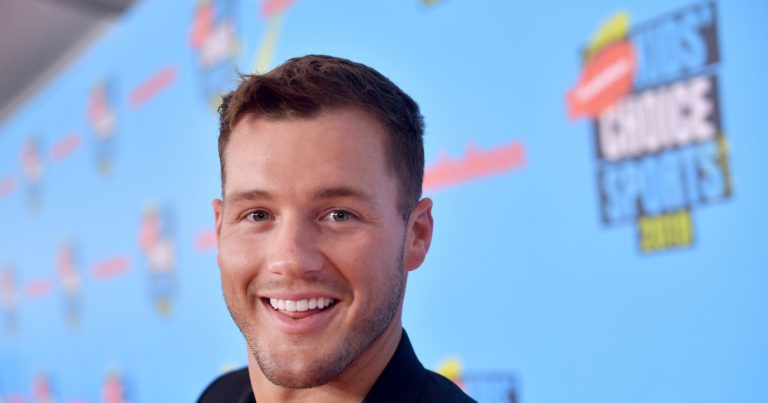
‘The Bachelor’ star reveals he’s gay, more ICYMI April news – Wonderwall

Alabama governor signs bill to remove anti-gay language from sex education curriculum – Metro Weekly

alabama
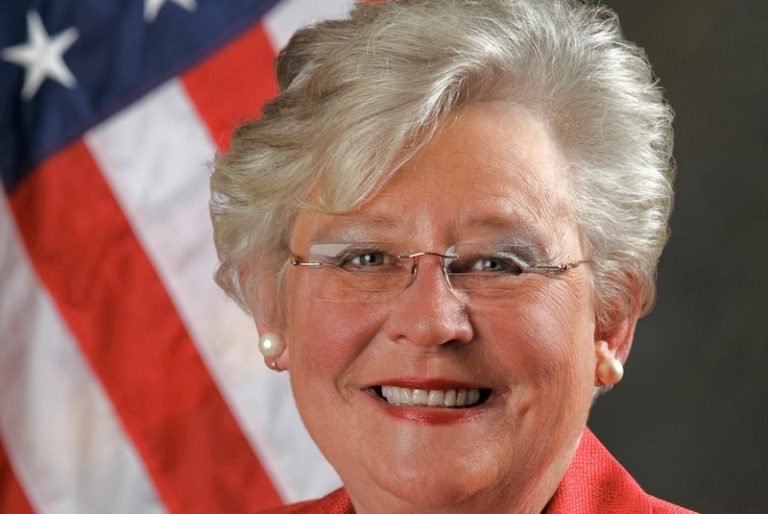
Alabama Gov. Kay Ivey – Photo: Facebook.

Alabama Gov. Kay Ivey (R) has signed a bill into law reforming the state’s sex education standards, removing anti-LGBTQ language that previously required teachers to condemn homosexuality and portray it in a negative light.

The bill, sponsored by State Rep. Laura Hall (D-Huntsville), a former high school science teacher, updates materials on sex education and sexually transmitted diseases to be scientifically accurate and use correct medical terminology.

It removes the requirement that teachers must tell students that homosexuality is “not a lifestyle acceptable to the general public” and that “homosexual conduct is a criminal offense under the laws of the state” — a statement that hasn’t been true since the U.S. Supreme Court’s 2003 Lawrence v. Texas decision, which nullified Alabama’s anti-sodomy law outlawing consensual same-sex relations.

Under the new law, teachers will still emphasize the importance of abstinence in avoiding “unintentional pregnancy” or transmission of STDs — as required by Alabama law.

But they will be allowed to speak about the importance of “delaying sexual activity [until marriage]” and “discouraging risky sexual behavior” rather than condemning students who engage in sexual activity as lacking “self control and ethical conduct.”

The law, which goes into effect on July 1, also adds a requirement for parents to be notified about a school’s intent to provide instruction about sexual education or human reproduction, and will allow them to request copies of the teaching materials upon request, according to Alabama Media Group.

Read More: Tennessee CEO fired after harassing gay teen who wore dress to prom

Hall told the Alabama Media Group in March that she downplayed the removal of the condemnation of homosexuality and focused arguments in favor of the bill on making the sex ed curriculum age-appropriate and scientifically accurate, fearing that the Republican majority might derail the bill if it focused to much on its LGBTQ aspects.

The previous law, which was amended by Hall’s bill, was one of several “No Promo Homo” laws governing LGBTQ content in the classroom in various states.


Such laws discourage or punish teachers, whether in sex ed, history, or literature classes, from presenting homosexuality in a neutral manner — let alone a positive light — and compel speech by requiring them to regurgitate pre-approved statements condemning homosexuality. Lawsuits have been filed in several states with No Promo Homo laws, prompting some politicians to repeal them.

LGBTQ and sexual education advocates alike praised Ivey’s signing of the bill.

“Ending state-mandated homophobia in sex ed is a hard-won fight by advocates who’ve been working toward this for years,” Courtney Roark, Alabama policy and movement building director for URGE, said in a statement. “We are proud that young queer and trans folks, in particular, made their voices heard in ending this harmful requirement. This win is just one step in the direction of the sex ed we’d like to see in Alabama, which is sex ed that is comprehensive and LGBTQ+ affirming.”

Read More: Two gay men set on fire in “brutal” homophobic attack

The Southern Poverty Law Center also commended Ivey for signing the measure into law, saying it “ends the accepted culture of discrimination endured by Alabama’s youth solely because of their sexual orientation.”

“Since 1992, state law has required that when sex education is taught in Alabama schools the instruction include language targeting ‘the homosexual lifestyle’ as illegal and immoral. This language is not only legally inaccurate, it encouraged further stigmatization and isolation of LGBTQ students,” the SPLC said in a statement. “Non-inclusive sex education not only prevents LGBTQ students from learning the information and skills they need to stay healthy, but it also contributes to a climate of exclusion in schools, where LGBTQ students are already frequent targets of bullying and discrimination.

“With these changes, we’re encouraged that all youth, regardless of their sexual orientation, will receive an education that empowers them to make healthy, informed decisions about their relationships and their bodies,” the SPLC concluded.

The American Civil Liberties Union also celebrated passage of the bill, but noted that Alabama lawmakers have been hostile towards LGBTQ rights in recent months and weeks.

They pointed to Gov. Ivey’s decision last week to sign a bill into law prohibiting transgender individuals from competing on sports teams that align with their gender identity, and a bill being pushed by lawmakers to bar transgender youth from receiving gender-affirming care.

Under the latter bill, doctors who prescribe puberty blockers or hormones to treat gender dysphoria could lose their license and even face jail time, and insurance companies would be empowered to deny coverage to anyone — adult or minor — seeking transition-related care.

Read More: President Biden tells transgender Americans “your president has your back”

The ACLU and ACLU of Alabama, along with law firm Cooley LLP, have said they plan to sue if Ivey signs the ban on trans-affirming health care. 

“The Alabama legislature has been down this road before, wasting taxpayer time and money to pass unconstitutional bills that they know will get taken to court. This year seems to be no different,” Kaitlin Welborn, a staff attorney for the ACLU of Alabama, in a statement. “Transgender youth have the constitutional right to access necessary healthcare, just like everyone else. If the state tries to take that healthcare away, we’ll see them in court.”

Related:

Alabama governor signs anti-transgender athlete bill into law

Alabama Republican allegedly “liked” trans pornstar’s tweet after voting against trans health care

TikTok influencer warns parents of trans kids to flee Alabama after anti-trans bill passes

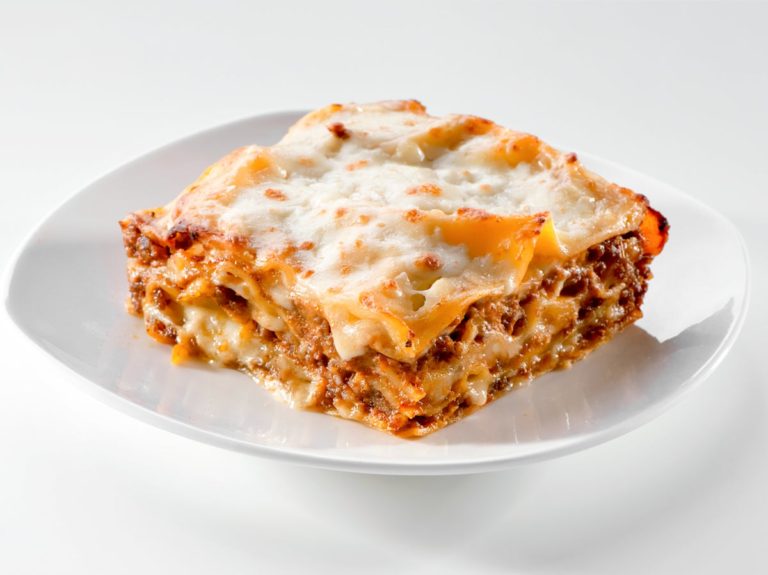
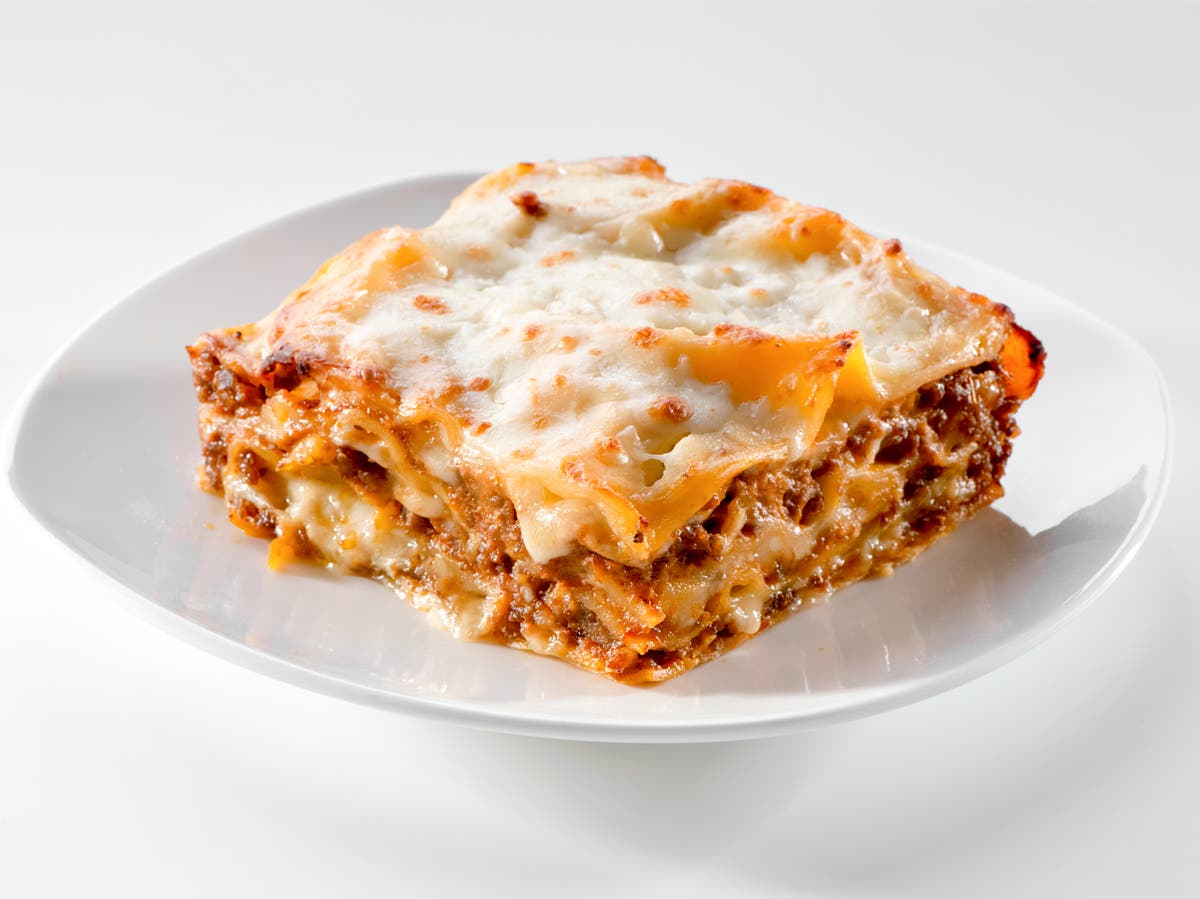
‘Abolish lasagna’ trends on Twitter after senator’s photoshopped powerpoint goes viral – The Independent

0

A Republican senator’s criticism of Joe Biden’s agenda went viral on Twitter after a powerpoint was photoshopped to feature the words ‘Abolish lasagna’.

The powerpoint also called for “only gay people” to go to restaurants and for Washington DC to become a state, among other causes.

It was photoshopped by journalist and Twitter user Keaton Patti, who was ridiculing Iowa senator Joni Ernest for standing in front of a powerpoint titled ‘Liberal Fantasy Island’ on Wednesday.

The Republican was addressing colleagues with the aid of the powerpoint to criticise the agenda of President Biden, who was appearing in front of Congress for a joint session on Wednesday evening.

Ms Ernest alleged in her presentation that congressional Democrats and the president were responsible for “fast tracking” an agenda during 100 days of office, and for “killing jobs” and creating a “migrant crisis” on the US-Mexico border.

The real powerpoint featured taglines including “abolish ICE”, “end the filibuster now”, “expand the court” and “defund the police”, which she was calling a ‘Liberal Fantasy Island’.

In reality, defunding the police and abolishing ICE are not on president Biden’s agenda, as Mr Ernest alleged.

Twitter users ridiculed the Iowa senator for the address and the powerpoint, causing the site to issue an explanation for why “Abolish lasagna” was trending.

“After Iowa senator Josie Ernest unrelieved a graphic showing policies that would be popular on ‘Liberal Fantasy Island’, ahead of president Joe Biden’s first joint address to Congress, an edited version image of the replacing ‘Abolish ICE’ with ‘Abolish Lasagna’ [instead],” Twitter wrote.

A user wrote: “I mean I’d never abolish lasagna. Everyone knows the Left is in the pocket of Big Garfield.”

Jim Parsons and Zachary Quinto on the pressure to be a ‘gay role model’ – PinkNews

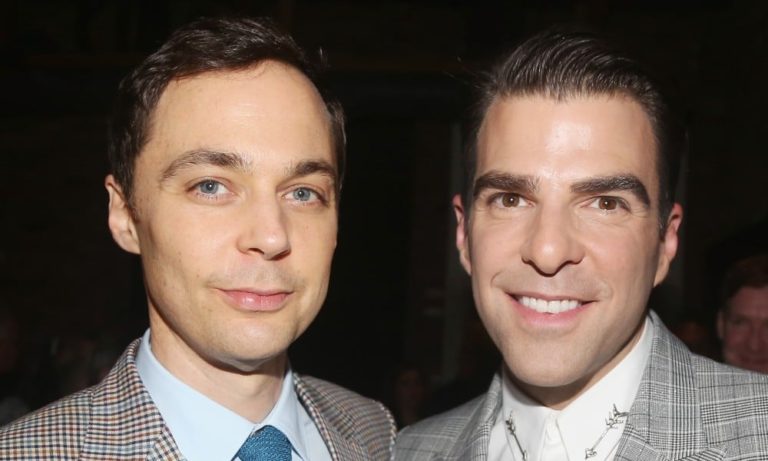
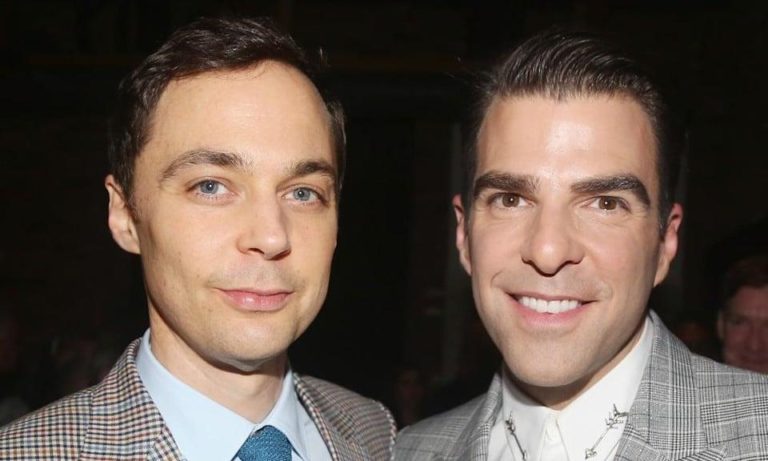
Jim Parsons and Zachary Quinto pictured on May 30, 2018 in New York City (Bruce Glikas/Bruce Glikas/FilmMagic)

Zachary Quinto and Jim Parsons reflected on what it means to be gay in the modern era after voicing two historic gay icons, Truman Capote and Tennessee Williams.

After starring in Ryan Murphy’s remake of The Boys In the Band, the actors are delving into the lives of the gay literary giants in the documentary Truman & Tennessee: An Intimate Conversation.

Speaking to Attitude, the pair explored Capote and Williams’ rare status as out gay figures during the mid-20th century, compared with their experience today.

“I don’t know what the average audience member was thinking when they were watching them, but I’m certain it was different than it is now, and they had less experience and less exposure to people like Truman and Tennessee,” Parsons said.

“It fascinates me, and it fascinates me [how] being gay in that time affected their work and their art.

“I wouldn’t trade the life I’m living through right now and the time I’m living through right now for the world, but I am intrigued by that idea of the degree to which they were pushed into their choices by things more strongly out of their control than what I’m living through right now.”

In the documentary Jim Parsons takes on the role of Truman Capote, the American novelist, screenwriter and playwright best known for Breakfast at Tiffany’s (1958).

Meanwhile Star Trek actor Zachary Quinto voices Williams, the legendary playwright behind A Streetcar Named Desire (1947) and Cat on a Hot Tin Roof (1955).

Both Capote and Williams battled with drug and alcohol addiction throughout their lives. It’s an experience Quinto could relate to, though he acknowledged that he has access to far more support and resources than his counterpart ever did.

“We are encouraged in our contemporary society I think to more fully talk about our experiences, whether they relate to our sexual or gender identity or just the social pressures of the time,” he mused.

“I think there’s more of an integrated sense of self-examination now than there was then. And I do think that Truman and Tennessee among some of their other contemporaries were bearing a certain kind of burden for society, where their sexuality was an unspoken but undeniable part of their personas and who they were.

“And so I do think there comes a unique pressure with that, at that time in particular.”

Asked about whether the pressure to be a “good gay role model” as a gay man in the public eye compromises their personal lives, Jim Parsons replied: “I don’t feel compromised by it, but I think anybody – not even just LGBTQ+ people –  right now who has any platform for any reason at all feels a certain obligation [to speak out].

“And many times, I’ll be blunt about [it], it’s fear: ‘I’m just trying to speak honestly, am I saying something wrong that’s going to cause me big issues?’

“To me, that can be a worrying aspect of being somebody who’s known by other people.”

Truman & Tennessee: An Intimate Conversation is available on Dogwoof on Demand and other platforms in the UK and Ireland from 30 April.

Jim Parsons and Zachary Quinto on the pressure to be a ‘good gay role model’ – Yahoo Eurosport UK

Zachary Quinto and Jim Parsons reflected on what it means to be gay in the modern era after voicing two historic gay icons, Truman Capote and Tennessee Williams.

After starring in Ryan Murphy’s remake of The Boys In the Band, the actors are delving into the lives of the gay literary giants in the documentary Truman & Tennessee: An Intimate Conversation.

Speaking to Attitude, the pair explored Capote and Williams’ rare status as out gay figures during the mid-20th century, compared with their experience today.

“I don’t know what the average audience member was thinking when they were watching them, but I’m certain it was different than it is now, and they had less experience and less exposure to people like Truman and Tennessee,” Parsons said.

“It fascinates me, and it fascinates me [how] being gay in that time affected their work and their art.

“I wouldn’t trade the life I’m living through right now and the time I’m living through right now for the world, but I am intrigued by that idea of the degree to which they were pushed into their choices by things more strongly out of their control than what I’m living through right now.”

In the documentary Jim Parsons takes on the role of Truman Capote, the American novelist, screenwriter and playwright best known for Breakfast at Tiffany’s (1958).

Meanwhile Star Trek actor Zachary Quinto voices Williams, the legendary playwright behind A Streetcar Named Desire (1947) and Cat on a Hot Tin Roof (1955).

Both Capote and Williams battled with drug and alcohol addiction throughout their lives. It’s an experience Quinto could relate to, though he acknowledged that he has access to far more support and resources than his counterpart ever did.

“We are encouraged in our contemporary society I think to more fully talk about our experiences, whether they relate to our sexual or gender identity or just the social pressures of the time,” he mused.

“I think there’s more of an integrated sense of self-examination now than there was then. And I do think that Truman and Tennessee among some of their other contemporaries were bearing a certain kind of burden for society, where their sexuality was an unspoken but undeniable part of their personas and who they were.

“And so I do think there comes a unique pressure with that, at that time in particular.”

Asked about whether the pressure to be a “good gay role model” as a gay man in the public eye compromises their personal lives, Jim Parsons replied: “I don’t feel compromised by it, but I think anybody – not even just LGBTQ+ people – right now who has any platform for any reason at all feels a certain obligation [to speak out].

“And many times, I’ll be blunt about [it], it’s fear: ‘I’m just trying to speak honestly, am I saying something wrong that’s going to cause me big issues?’

“To me, that can be a worrying aspect of being somebody who’s known by other people.”

Truman & Tennessee: An Intimate Conversation is available on Dogwoof on Demand and other platforms in the UK and Ireland from 30 April.

B.S.D. Crown Ltd. – Annual Report 2020 – Yahoo Finance UK

0

Storyful

Camels at Denver Zoo Celebrate First Birthday

Two bactrian camels named Hagrid and Sprout celebrated their first birthday at a zoo in Denver, Colorado, footage shared on April 28 shows.Video filmed by Denver Zoo shows the camel pair enjoying their birthday treats in each other’s company.“There’s no better way to celebrate these magical animals than with a special Sorting Hat ceremony,” the zoo wrote in a caption. “Based on their selection of food bowls in their Hogwarts-themed yard, Hagrid is now a Gryffindor, while Sprout was selected for Hufflepuff!”“Hagrid, the male, is outgoing and playful while Sprout, the girl, is sweet and shy – but holds her ground when she needs to,” the zoo tweeted in August 2020. Credit: Denver Zoo via Storyful

Attacks on gay rights become issue in GOP campaign for lieutenant governor – starexponent.com

{{featured_button_text}}

Attacks on gay rights bubbled to the surface of one of the GOP statewide campaigns ahead of a May 8 nominating convention, prompting rebukes for one of the party’s candidates for lieutenant governor from Democrats and some of his fellow Republicans.

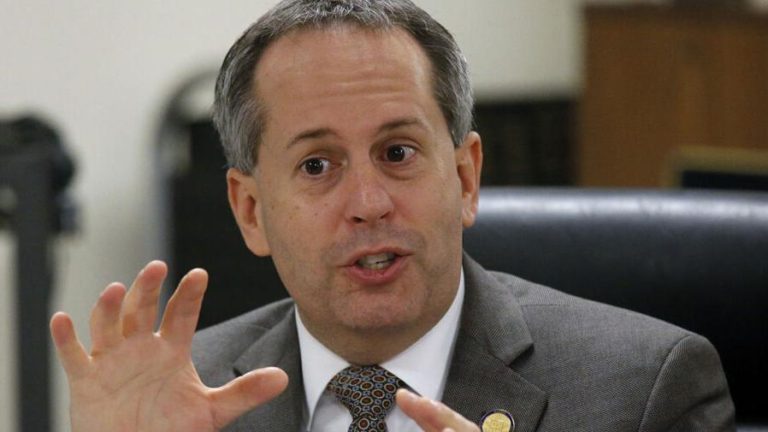
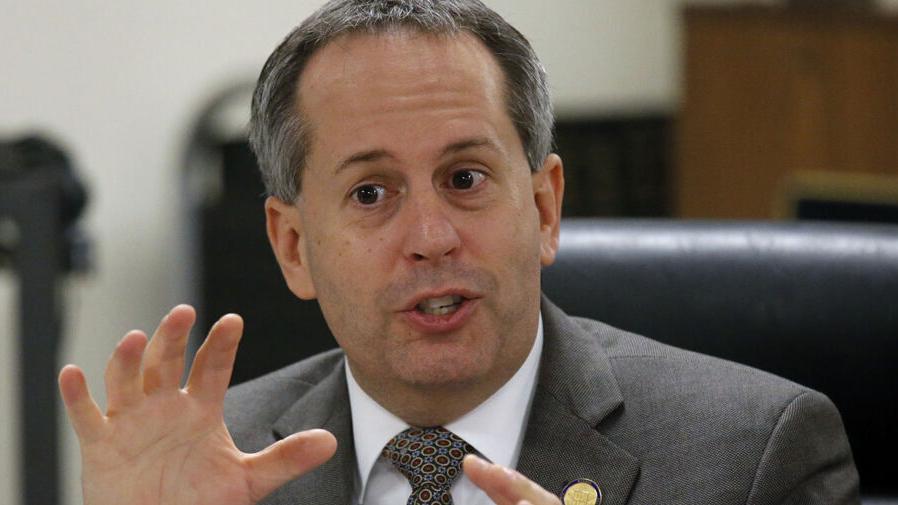
Del. Glenn Davis, R-Virginia Beach, a candidate in the GOP nomination contest for lieutenant governor, posted on Twitter Tuesday evening that he had come under attack from one of his GOP rivals, Tim Hugo, a former delegate from Fairfax County.

Davis texted an image from one of Hugo’s mail pieces. It shows Davis wearing a colorful, striped shirt at a PrideFest event in Hampton Roads. The mail piece included the words, “Don’t be fooled. Glenn Davis is no Republican.”

Hugo, who had been largely silent publicly during the campaign thus far, came under criticism.

Davis tweeted: “I’m sorry for my colleague’s #homophobia, but I don’t believe the government has any place in our bedrooms PERIOD.”

Former U.S. Rep. Denver Riggleman, a Republican who routinely calls out extreme elements in the party, wrote on Twitter: “It’s their playbook, Glenn. You must be doing well. It’s shameful behavior on Tim’s part.”

Hugo campaign manager Dustin Rhodes declined to say how many of the mail pieces were sent or to what parts of the state.

Then on Wednesday, a text message surfaced with the same image of Davis in the colorful shirt. Brandon Jarvis, a reporter with The Virginia Scope, tweeted the image. It said, “Gay Glenn … Votes like a Democrat!”

“Did you know Glenn Davis is a Gay Democrat?” the text said, before promoting Hugo for lieutenant governor.

Hugo declined to be interviewed Wednesday by the Richmond Times-Dispatch but sent out a statement saying he was not behind the text.

“A recent text sent attacking my opponent Glenn Davis is NOT in any way from our campaign or anyone associated with our campaign,” the statement said. “We condemn the language used in this ridiculous and offensive text.” Hugo also called Davis Wednesday evening to discuss the situation.

Davis and his wife, Chelle Davis, have been married for 16 years and both have been active in Republican politics.

Davis said the text was widely distributed and reminded him of attacks on Sen. Jill Holtzman Vogel, R-Fauquier, a GOP candidate for lieutenant governor in 2017, over her support for an openly gay judge.

“It just seems like these are the types of attacks that get launched against the front-runner,” Davis said.

Republicans, who have not won a statewide race in Virginia since 2009, will gather at locations across the state on May 8 for a convention that will allow voting by party regulars who file to become delegates.

Attacks on issues like gay rights can sometimes sway votes within the conservative GOP base.

But Democrats say they are ready to clobber the GOP over the gay rights issue in the November general election. Grant Fox, a spokesman for the Democratic Party of Virginia, said on Wednesday that GOP candidate for governor Pete Snyder had made transphobic comments during the campaign. Snyder said during a forum in Fredericksburg he feared his daughter could someday be cut from the lacrosse team “because someone two weeks ago used to be a dude.”

“Tim Hugo launching these homophobic attacks right before the Republican convention is just another sign that the bigotry and extremism Virginia Republicans have displayed for years is not going anywhere,” Fox said. “The Virginia GOP openly embraced Donald Trump’s incendiary hatred, and Republicans up and down the ballot are campaigning on those same far-right views.”

The other GOP contenders for lieutenant governor are Puneet Ahluwalia, Lance Allen, Maeve Rigler and Winsome Sears.

pwilson@timesdispatch.com (804) 649-6061 Twitter: @patrickmwilson