Home Blog Page 333

Ewan McGregor Explains Why He Took on Gay ‘Halston’ Role Despite Backlash Concerns – IndieWire

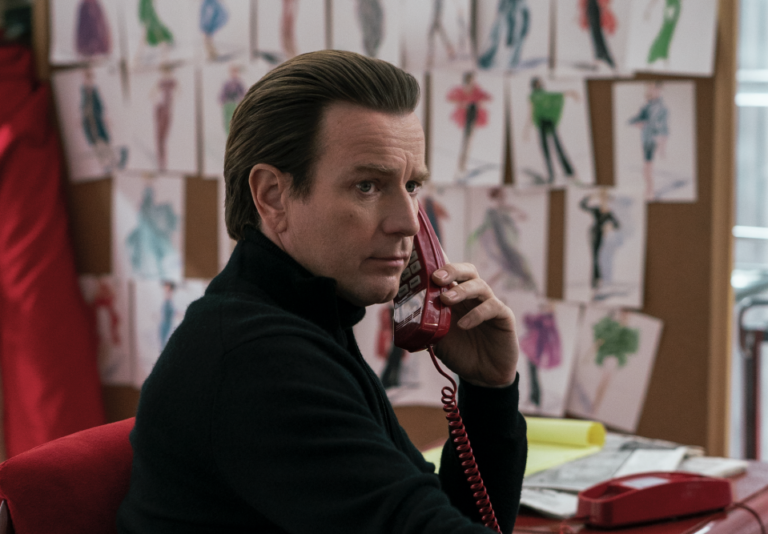
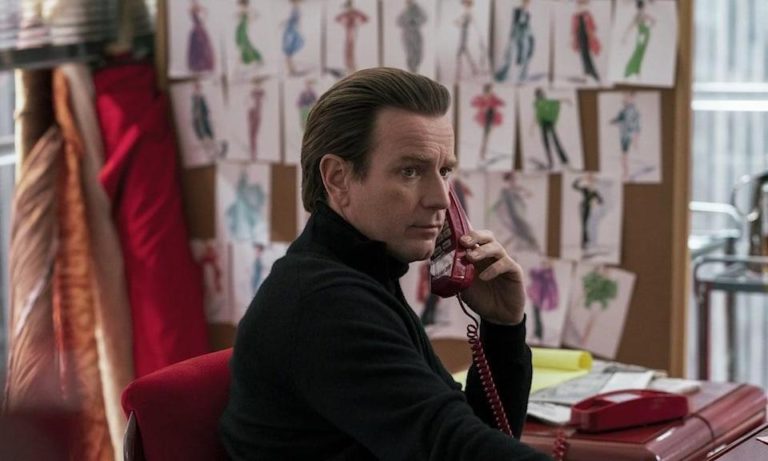
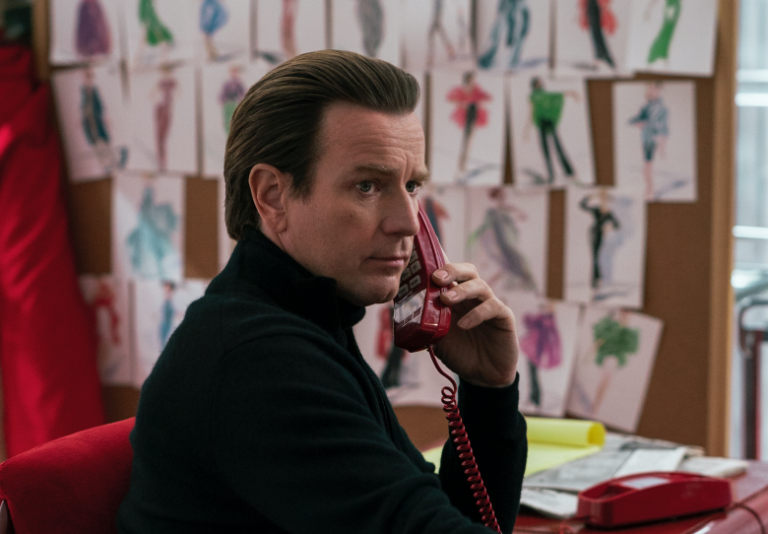
Ewan McGregor scored his first Emmy nomination in 2017 for his performance in FX’s limited series “Fargo,” and now he’s returning to the television awards season with Netflix’s upcoming “Halston.” Executive produced by Ryan Murphy, “Halston” stars McGregor as the beloved fashion designer. As part of the actor’s cover story for The Hollywood Reporter, the publication reports that “McGregor was concerned that taking on a gay icon like Halston might result in a backlash.” McGregor has played gay characters throughout his career (see “I Love You Phillip Morris” for starters), but there’s a more heightened awareness these days about straight actors tackling queer roles.

“I hear the discussion and I respect both sides of it, I really do,” McGregor told THR. “I haven’t walked in Billy Porter’s shoes. I don’t know what it’s like to lose out on parts when you might feel it’s to do with your sexuality. So I can only respect his point of view.”

McGregor is referring to Billy Porter’s appearance on THR’s 2019 Actor Roundtable. The “Pose” Emmy winner addressed sexuality-blind casting in Hollywood being an issue because it only works in one direction. Porter said, “If ‘flamboyantly’ wasn’t in the description of the character, no one would see me ever for anything. Straight men playing gay — everyone wants to give them an award.”

“If it had been a story about Halston’s sexuality more, then maybe it’s right that gay actors should play that role,” McGregor added, explaining why he felt comfortable taking on a gay role in “Halston” specifically. “But in this case — and I don’t want to sound like I’m worming out of this, because it’s something I did think a lot about — I suppose ultimately I felt like it was just one part of who he was.”

McGregor joined in on pitch meetings to help get the series bought (Murphy said yes immediately and set up the project at Netflix) and learned to sew so he could play Halston as accurately as possible.

“There are people I met who do not have nice things to say about him,” McGregor said of becoming Halston. “And there are people who love him and are unbelievably loyal to this day. I was excited to play that. To go to the extremes of his temper. But behind it all — this drive, this creative drive. And this desire to be grand. Everything had to be the best.”

“Halston” debuts May 14 on Netflix. Head over to The Hollywood Reporter’s website to read McGregor’s cover story in its entirety.

Sign Up: Stay on top of the latest breaking film and TV news! Sign up for our Email Newsletters here.

Ewan McGregor Explains Why He Took on Gay ‘Halston’ Role Despite Backlash Concerns – Yahoo Entertainment

Ewan McGregor scored his first Emmy nomination in 2017 for his performance in FX’s limited series “Fargo,” and now he’s returning to the television awards season with Netflix’s upcoming “Halston.” Executive produced by Ryan Murphy, “Halston” stars McGregor as the beloved fashion designer. As part of the actor’s cover story for The Hollywood Reporter, the publication reports that “McGregor was concerned that taking on a gay icon like Halston might result in a backlash.” McGregor has played gay characters throughout his career (see “I Love You Phillip Morris” for starters), but there’s a more heightened awareness these days about straight actors tackling queer roles.

“I hear the discussion and I respect both sides of it, I really do,” McGregor told THR. “I haven’t walked in Billy Porter’s shoes. I don’t know what it’s like to lose out on parts when you might feel it’s to do with your sexuality. So I can only respect his point of view.”

More from IndieWire

McGregor is referring to Billy Porter’s appearance on THR’s 2019 Actor Roundtable. The “Pose” Emmy winner addressed sexuality-blind casting in Hollywood being an issue because it only works in one direction. Porter said, “If ‘flamboyantly’ wasn’t in the description of the character, no one would see me ever for anything. Straight men playing gay — everyone wants to give them an award.”

“If it had been a story about Halston’s sexuality more, then maybe it’s right that gay actors should play that role,” McGregor added, explaining why he felt comfortable taking on a gay role in “Halston” specifically. “But in this case — and I don’t want to sound like I’m worming out of this, because it’s something I did think a lot about — I suppose ultimately I felt like it was just one part of who he was.”

McGregor joined in on pitch meetings to help get the series bought (Murphy said yes immediately and set up the project at Netflix) and learned to sew so he could play Halston as accurately as possible.

“There are people I met who do not have nice things to say about him,” McGregor said of becoming Halston. “And there are people who love him and are unbelievably loyal to this day. I was excited to play that. To go to the extremes of his temper. But behind it all — this drive, this creative drive. And this desire to be grand. Everything had to be the best.”

“Halston” debuts May 14 on Netflix. Head over to The Hollywood Reporter’s website to read McGregor’s cover story in its entirety.

Best of IndieWire

Sign up for Indiewire’s Newsletter. For the latest news, follow us on Facebook, Twitter, and Instagram.

No more marching but actor Leslie Jordan proud to break gay ground – Reuters

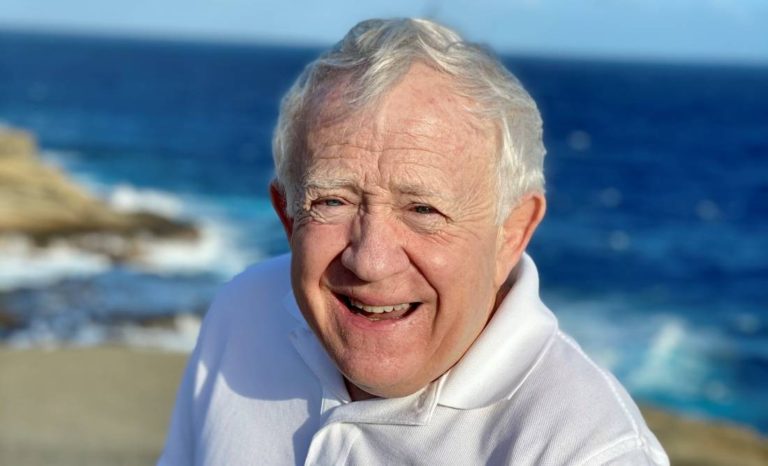
LONDON (Thomson Reuters Foundation) – His marching days are over but Emmy Award winner Leslie Jordan is proud for bringing LGBT+ life into U.S. living rooms and helping bust prejudice with hit TV sitcom “Will & Grace”.

When he joined the programme, which premiered in 1998 and was one of the first mainstream shows with leading gay characters, straight men would approach him in public and tell him their girlfriends or wives were fans.

“(But) by the end of the run, construction workers out on the street were hollering, ‘I love you on that show,’” Jordan told the Thomson Reuters Foundation via a video call from Savannah in the southern U.S. state of Georgia.

“We’ve made some progress.”

Speaking before the British publication of his new book, “How Y’all Doing? Misadventures and Mischief from a Life Well Lived”, Jordan said the long-running sitcom’s characters “were the first gay people in many people’s living rooms”.

“I’m proud of that,” said the U.S. actor, who played the closeted Beverley Leslie, frequent sparring partner of Karen Walker, performed by double Emmy Award-winning Megan Mullally.

“You don’t think as things are happening that, ‘Oh, I’m a gay icon’, but then you look back and you think, ‘Wow! You know what I’ve done – I’ve done my share,’” Jordan said.

While remaining an advocate for LGBT+ rights, the 65-year-old said: “Honey, I leave the marching to the kids.”

But Jordan remains relevant and his book charts his unexpected, new-found following on Instagram.

“Fame is something I’ve always wanted,” Jordan said, but social media was a mystery when he first signed up.

“A friend called and said, ‘You’ve gone viral’ and I said, ‘I’m fine, I don’t have COVID. And he said, ‘No, you’re internet viral.’”

FAME AT A PRICE

“Will & Grace”, which ran for an initial eight series and was rebooted almost 20 years later, brought both fame and awards, including a Primetime Emmy for Jordan.

But now the actor, who also appears in the long-running FX television series “American Horror Story”, has become known to a whole new generation of fans through his quirky and unscripted Instagram posts filmed as COVID-19 ravaged the United States.

“Silly stories about my family, baton twirling with a back scratcher, doing yoga stretches up on the kitchen counter, cutting my own hair to old hippie rock music….” Jordan recalls in his new book.

The scenes of ordinary life in extraordinary times touched a nerve, with Jordan amassing close to 6 million Insta followers.

But they came at a price.

“I’m the kind of guy that likes to go to Starbucks and sit and read for newspapers. You know, I used to sit for hours in Starbucks. Can’t do it (now),” he said with a shrug.

A collection of stories inspired by his Instagram posts, “How Y’all Doing” builds on his earlier autobiography – only this one gets his mother’s seal of approval.

“Finally, one she can tell her girlfriends in Sunday school, ‘You’ve got to read my son’s book,’” Jordan says laughing.

“Because she wouldn’t have said that about the last one. She was just horrified.”

Horrified because the road to fame came with pitfalls, and his first book details both drug abuse and sex addiction.

Looking back, Jordan says while he may not have achieved his dream of becoming the “gay Hugh Hefner”, referring to the founder of Playboy magazine, he did get to duet with one of his heroes, singer Dolly Parton on a recent album of hymn covers.

“You know exactly what she’s like; you don’t have to meet her. She is what she is,” Jordan said. “She’s like creme brulee – you just want to eat her with a spoon.”

Reporting by Hugo Greenhalgh @hugo_greenhalgh. Editing by Lyndsay Griffiths. Please credit the Thomson Reuters Foundation, the charitable arm of Thomson Reuters, that covers the lives of people around the world who struggle to live freely or fairly. Visit news.trust.org

No more marching but actor Leslie Jordan proud to break gay ground – Devdiscourse

By Hugo Greenhalgh LONDON, April 29 (Thomson Reuters Foundation) – His marching days are over but Emmy Award winner Leslie Jordan is proud for bringing LGBT+ life into U.S. living rooms and helping bust prejudice with hit TV sitcom “Will & Grace”.

When he joined the programme, which premiered in 1998 and was one of the first mainstream shows with leading gay characters, straight men would approach him in public and tell him their girlfriends or wives were fans. “(But) by the end of the run, construction workers out on the street were hollering, ‘I love you on that show,'” Jordan told the Thomson Reuters Foundation via a video call from Savannah in the southern U.S. state of Georgia.

“We’ve made some progress.” Speaking before the British publication of his new book, “How Y’all Doing? Misadventures and Mischief from a Life Well Lived”, Jordan said the long-running sitcom’s characters “were the first gay people in many people’s living rooms”.

“I’m proud of that,” said the U.S. actor, who played the closeted Beverley Leslie, frequent sparring partner of Karen Walker, performed by double Emmy Award-winning Megan Mullally. “You don’t think as things are happening that, ‘Oh, I’m a gay icon’, but then you look back and you think, ‘Wow! You know what I’ve done – I’ve done my share,'” Jordan said.

While remaining an advocate for LGBT+ rights, the 65-year-old said: “Honey, I leave the marching to the kids.” But Jordan remains relevant and his book charts his unexpected, new-found following on Instagram.

“Fame is something I’ve always wanted,” Jordan said, but social media was a mystery when he first signed up. “A friend called and said, ‘You’ve gone viral’ and I said, ‘I’m fine, I don’t have COVID. And he said, ‘No, you’re internet viral.'”

FAME AT A PRICE “Will & Grace”, which ran for an initial eight series and was rebooted almost 20 years later, brought both fame and awards, including a Primetime Emmy for Jordan.

But now the actor, who also appears in the long-running FX television series “American Horror Story”, has become known to a whole new generation of fans through his quirky and unscripted Instagram posts filmed as COVID-19 ravaged the United States. “Silly stories about my family, baton twirling with a back scratcher, doing yoga stretches up on the kitchen counter, cutting my own hair to old hippie rock music….” Jordan recalls in his new book.

The scenes of ordinary life in extraordinary times touched a nerve, with Jordan amassing close to 6 million Insta followers. But they came at a price.

“I’m the kind of guy that likes to go to Starbucks and sit and read for newspapers. You know, I used to sit for hours in Starbucks. Can’t do it (now),” he said with a shrug. A collection of stories inspired by his Instagram posts, “How Y’all Doing” builds on his earlier autobiography – only this one gets his mother’s seal of approval.

“Finally, one she can tell her girlfriends in Sunday school, ‘You’ve got to read my son’s book,'” Jordan says laughing. “Because she wouldn’t have said that about the last one. She was just horrified.”

Horrified because the road to fame came with pitfalls, and his first book details both drug abuse and sex addiction. Looking back, Jordan says while he may not have achieved his dream of becoming the “gay Hugh Hefner”, referring to the founder of Playboy magazine, he did get to duet with one of his heroes, singer Dolly Parton on a recent album of hymn covers.

“You know exactly what she’s like; you don’t have to meet her. She is what she is,” Jordan said. “She’s like creme brulee – you just want to eat her with a spoon.”

(This story has not been edited by Devdiscourse staff and is auto-generated from a syndicated feed.)

No more marching but actor Leslie Jordan proud to break gay ground – Thomson Reuters Foundation

Will & Grace star Leslie Jordan talks about finding Instagram fame at 65

By Hugo Greenhalgh

LONDON, April 29 (Thomson Reuters Foundation) – His marching days are over but Emmy Award winner Leslie Jordan is proud for bringing LGBT+ life into U.S. living rooms and helping bust prejudice with hit TV sitcom “Will & Grace”.

When he joined the programme, which premiered in 1998 and was one of the first mainstream shows with leading gay characters, straight men would approach him in public and tell him their girlfriends or wives were fans.

“(But) by the end of the run, construction workers out on the street were hollering, ‘I love you on that show,'” Jordan told the Thomson Reuters Foundation via a video call from Savannah in the southern U.S. state of Georgia.

“We’ve made some progress.”

Speaking before the British publication of his new book, “How Y’all Doing? Misadventures and Mischief from a Life Well Lived”, Jordan said the long-running sitcom’s characters “were the first gay people in many people’s living rooms”.

“I’m proud of that,” said the U.S. actor, who played the closeted Beverley Leslie, frequent sparring partner of Karen Walker, performed by double Emmy Award-winning Megan Mullally.

“You don’t think as things are happening that, ‘Oh, I’m a gay icon’, but then you look back and you think, ‘Wow! You know what I’ve done – I’ve done my share,'” Jordan said.

While remaining an advocate for LGBT+ rights, the 65-year-old said: “Honey, I leave the marching to the kids.”

But Jordan remains relevant and his book charts his unexpected, new-found following on Instagram.

“Fame is something I’ve always wanted,” Jordan said, but social media was a mystery when he first signed up.

“A friend called and said, ‘You’ve gone viral’ and I said, ‘I’m fine, I don’t have COVID. And he said, ‘No, you’re internet viral.'”

FAME AT A PRICE

“Will & Grace”, which ran for an initial eight series and was rebooted almost 20 years later, brought both fame and awards, including a Primetime Emmy for Jordan.

But now the actor, who also appears in the long-running FX television series “American Horror Story”, has become known to a whole new generation of fans through his quirky and unscripted Instagram posts filmed as COVID-19 ravaged the United States.

“Silly stories about my family, baton twirling with a back scratcher, doing yoga stretches up on the kitchen counter, cutting my own hair to old hippie rock music….” Jordan recalls in his new book.

The scenes of ordinary life in extraordinary times touched a nerve, with Jordan amassing close to 6 million Insta followers.

But they came at a price.

“I’m the kind of guy that likes to go to Starbucks and sit and read for newspapers. You know, I used to sit for hours in Starbucks. Can’t do it (now),” he said with a shrug.

A collection of stories inspired by his Instagram posts, “How Y’all Doing” builds on his earlier autobiography – only this one gets his mother’s seal of approval.

“Finally, one she can tell her girlfriends in Sunday school, ‘You’ve got to read my son’s book,'” Jordan says laughing.

“Because she wouldn’t have said that about the last one. She was just horrified.”

Horrified because the road to fame came with pitfalls, and his first book details both drug abuse and sex addiction.

Looking back, Jordan says while he may not have achieved his dream of becoming the “gay Hugh Hefner”, referring to the founder of Playboy magazine, he did get to duet with one of his heroes, singer Dolly Parton on a recent album of hymn covers.

“You know exactly what she’s like; you don’t have to meet her. She is what she is,” Jordan said. “She’s like creme brulee – you just want to eat her with a spoon.”

Related stories:

Oscar winner Dustin Lance Black urges UK to ban LGBT+ conversion therapy

Black, gay and happy: is Hollywood ready for that?

‘Lord of the Rings’ actor Viggo Mortensen defends decision to play gay role

(Reporting by Hugo Greenhalgh @hugo_greenhalgh. Editing by Lyndsay Griffiths. Please credit the Thomson Reuters Foundation, the charitable arm of Thomson Reuters, that covers the lives of people around the world who struggle to live freely or fairly. Visit http://news.trust.org)

Our Standards: The Thomson Reuters Trust Principles.

Potential contenders for new Northern Ireland first minister – RiverBender.com

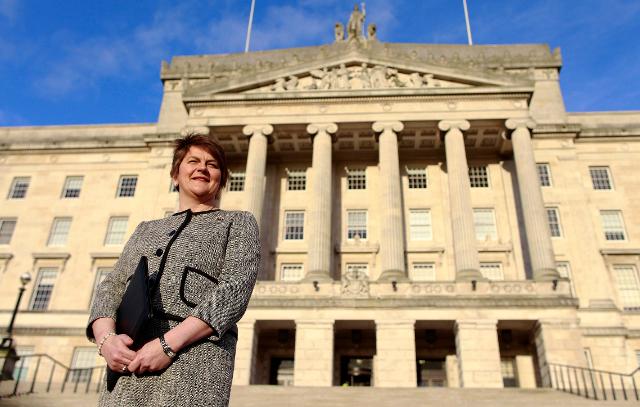
FILE – In this Monday, Jan. 11, 2016 file photo newly elected Northern Ireland First Minister Arlene Foster who is also the Democratic Unionist Party leader faces the media outside Parliament Buildings, Storming, Belfast, Northern Ireland. Foster, the leader of Northern Ireland announced her resignation on Wednesday, April 28 after party members mounted a push to oust her over her handling of the fallout from Brexit and other issues. Foster said she would step down as leader of the Democratic Unionist Party on May 28 and as First Minister of Northern Ireland at the end of June. (AP Photo/Peter Morrison, File)

FILE – In this Thursday, April 11, 2019 file photo, Northern Ireland Democratic Unionist Party leader Arlene Foster, center, speaks to journalists after her meeting with European Union chief Brexit negotiator Michel Barnier at EU headquarters in Brussels. Foster, the leader of Northern Ireland announced her resignation on Wednesday, April 28 after party members mounted a push to oust her over her handling of the fallout from Brexit and other issues. Foster said she would step down as leader of the Democratic Unionist Party on May 28 and as First Minister of Northern Ireland at the end of June. (AP Photo/Francisco Seco, File)

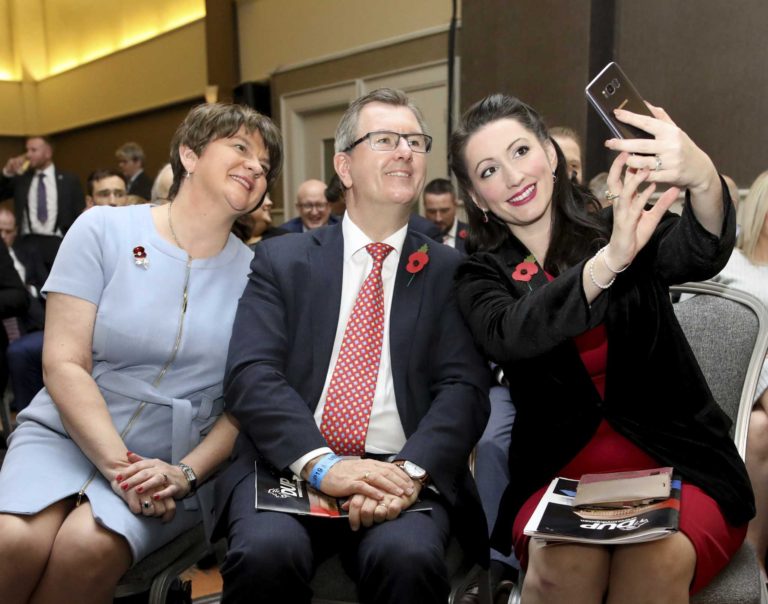
FILE – In this Satuday, Oct. 26, 2019 file photo, Democratic Unionist Party leader Arlene Foster, left, has her picture taken with party members Jeffrey Donaldson, MP, and Emma Littele-Pengelly, MP, at the party’s annual conference in Belfast, Northern Ireland. Northern Ireland’s Democratic Unionist Party is looking for a new leader following the announcement Wednesday, April 28, 2021 by First Minister Arlene Foster that she will be standing down after nearly five and a half years in post. Following weeks of pressure related to her handling of Brexit and her perceived softening on social issues such as abortion and LGBT rights, Foster said she would step down as leader of the party on May 28 and as first minister at the end of June. Potential candidates include Jeffrey Donaldson, Edwin Poots, Gavin Robinson, Sammy Wilson and Ian Paisley Jr. (AP Photo/Peter Morrison, File)

FILE – In this Thursday, Oct. 17, 2019 file photo, people walk past the grounds of Stormont estate beside Parliament buildings, in Belfast, Northern Ireland. Northern Ireland’s Democratic Unionist Party is looking for a new leader following the announcement Wednesday, April 28, 2021 by First Minister Arlene Foster that she will be standing down after nearly five and a half years in post. Following weeks of pressure related to her handling of Brexit and her perceived softening on social issues such as abortion and LGBT rights, Foster said she would step down as leader of the party on May 28 and as first minister at the end of June. Potential candidates include Jeffrey Donaldson, Edwin Poots, Gavin Robinson, Sammy Wilson and Ian Paisley Jr. (AP Photo/Peter Morrison, File)

FILE – In this Friday, May 8, 2015 file photo, Democratic Unionist Party candidate for East Belfast Gavin Robinson celebrates after being elected MP for East Belfast at the Kings Hall count center in Belfast, Northern Ireland. Northern Ireland’s Democratic Unionist Party is looking for a new leader following the announcement Wednesday, April 28, 2021 by First Minister Arlene Foster that she will be standing down after nearly five and a half years in post. Following weeks of pressure related to her handling of Brexit and her perceived softening on social issues such as abortion and LGBT rights, Foster said she would step down as leader of the party on May 28 and as first minister at the end of June. Potential candidates include Jeffrey Donaldson, Edwin Poots, Gavin Robinson, Sammy Wilson and Ian Paisley Jr. (AP Photo/Peter Morrison, File)

FILE – In this Tuesday, April 21, 2015 file photo, Democratic Unionist Party Member of Parliament Ian Paisley Jr, smiles to the media during the launch of the Democratic Unionist Party Election Manifesto in Antrim, Northern Ireland. Northern Ireland’s Democratic Unionist Party is looking for a new leader following the announcement Wednesday, April 28, 2021 by First Minister Arlene Foster that she will be standing down after nearly five and a half years in post. Following weeks of pressure related to her handling of Brexit and her perceived softening on social issues such as abortion and LGBT rights, Foster said she would step down as leader of the party on May 28 and as first minister at the end of June. Potential candidates include Jeffrey Donaldson, Edwin Poots, Gavin Robinson, Sammy Wilson and Ian Paisley Jr. (AP Photo/Peter Morrison, File)

LONDON (AP) — Northern Ireland’s Democratic Unionist Party is looking for a new leader following First Minister Arlene Foster’s announcement that she will be standing down after nearly 5 1/2 years in the post.

Following weeks of pressure related to her handling of Brexit and her perceived softening on social issues such as abortion and LGBT rights, Foster said she would step down as leader of the party on May 28 and as first minister of Northern Ireland at the end of June.

Her successor, who will be the party’s fourth leader, is set to be chosen in a ballot of the party’s lawmakers in the U.K. Parliament in London as well as those in Northern Ireland’s power-sharing assembly in Belfast.

It’s unclear whether there will be more than one candidate. If there is, it would be the first time in the Democratic Unionist Party’s 50-year history that an election has taken place. It’s also not clear whether the winner will necessarily take up the position of first minister as the leader could be based in London.

Still, who replaces Foster matters — for Northern Ireland and for the wider United Kingdom and its relationships with Ireland and the European Union.

That’s because the DUP has played an outsized role in British politics over the past couple of decades after becoming the leading proponent of the union between Northern Ireland and Britain.

The party has provided three of the four first ministers to have run the devolved administration in Northern Ireland since the Good Friday Agreement of 1998 formalized power-sharing arrangements between those who want to remain in the U.K. and those who wish to see Northern Ireland become part of the Republic of Ireland.

For decades, that fissure fueled sectarian violence. The so-called Troubles, which formally ended with the Good Friday Agreement, resulted in around 3,500 deaths.

The DUP also played a prominent role in the Brexit debate. It backed the U.K.’s departure from the EU in the 2016 referendum and has tried to use its votes in the U.K. Parliament in the years since to eke out concessions from successive British Conservative governments.

However, post-Brexit trade rules that took effect at the start of this year imposed customs checks on some goods moving between Northern Ireland and the rest of the U.K., which has angered many within the DUP .

These are some potential contenders to succeed Foster:

JEFFREY DONALDSON

Donaldson, 58, has been a lawmaker in the U.K. Parliament since 1997 and leads the DUP’s eight–member grouping there. He says he wanted to enter politics after the Irish Republican Army killed his police officer cousin Samuel Donaldson in 1970. Like Foster, he is considered a pragmatist. Both started out in the Ulster Unionist Party, which the DUP usurped as Northern Ireland’s main voice of unionism. As a result, he may face questions of trust — as Foster did — from the more traditional wing of the DUP. He was knighted by Queen Elizabeth II in 2016.

___

IAN PAISLEY JR.

The 54-year-old son of the party’s founder, Paisley has appeal within the DUP. However, he is sometimes viewed as somewhat of a maverick. A series of controversies involving the non-declaration of foreign trips with U.K. Parliament authorities have dinted his standing.

___

EDWIN POOTS

Poots, 55, the current agriculture minister in the Northern Ireland assembly, is seen by many as the leading contender to replace Foster, partly because he takes a hardline stance on social issues that many DUP members think echo the party’s founder, Dr. Ian Paisley. When he was health minister in the Northern Ireland assembly, Poots in 2011 backed a ban on gay men donating blood, and he is a vociferous opponent of abortion and LGBT people adopting children. Recently, he found himself in an awkward position as his ministerial portfolio requires him to implement the border checks required under the Brexit deal. Earlier this year, Poots had surgery for kidney cancer and returned to work soon after.

___

GAVIN ROBINSON

Robinson, 36, has been a lawmaker in the U.K. Parliament for the East Belfast constituency since 2015. Given his youth and relatively liberal views, the former lawyer could be the option for those who think it’s time for the party to move on. Others may think it’s too soon.

___

SAMMY WILSON

Wilson, 68, was heard regularly during the Brexit debates. While Northern Ireland ultimately voted to remain in the EU, Wilson aired his pro-Brexit views with passion. As a result, he is a popular figure within the party. His social conservatism, such as his consistent opposition to same-sex marriages, may be an asset, though it’s unclear whether he will run to become DUP leader. He declined to do so in 2015.

Potential contenders for new Northern Ireland first minister – San Francisco Chronicle

LONDON (AP) — Northern Ireland’s Democratic Unionist Party is looking for a new leader following First Minister Arlene Foster’s announcement that she will be standing down after nearly 5 1/2 years in the post.

Following weeks of pressure related to her handling of Brexit and her perceived softening on social issues such as abortion and LGBT rights, Foster said she would step down as leader of the party on May 28 and as first minister of Northern Ireland at the end of June.

Her successor, who will be the party’s fourth leader, is set to be chosen in a ballot of the party’s lawmakers in the U.K. Parliament in London as well as those in Northern Ireland’s power-sharing assembly in Belfast.

It’s unclear whether there will be more than one candidate. If there is, it would be the first time in the Democratic Unionist Party’s 50-year history that an election has taken place. It’s also not clear whether the winner will necessarily take up the position of first minister as the leader could be based in London.

Still, who replaces Foster matters — for Northern Ireland and for the wider United Kingdom and its relationships with Ireland and the European Union.

That’s because the DUP has played an outsized role in British politics over the past couple of decades after becoming the leading proponent of the union between Northern Ireland and Britain.

The party has provided three of the four first ministers to have run the devolved administration in Northern Ireland since the Good Friday Agreement of 1998 formalized power-sharing arrangements between those who want to remain in the U.K. and those who wish to see Northern Ireland become part of the Republic of Ireland.

For decades, that fissure fueled sectarian violence. The so-called Troubles, which formally ended with the Good Friday Agreement, resulted in around 3,500 deaths.

The DUP also played a prominent role in the Brexit debate. It backed the U.K.’s departure from the EU in the 2016 referendum and has tried to use its votes in the U.K. Parliament in the years since to eke out concessions from successive British Conservative governments.

However, post-Brexit trade rules that took effect at the start of this year imposed customs checks on some goods moving between Northern Ireland and the rest of the U.K., which has angered many within the DUP .

These are some potential contenders to succeed Foster:

JEFFREY DONALDSON

Donaldson, 58, has been a lawmaker in the U.K. Parliament since 1997 and leads the DUP’s eight–member grouping there. He says he wanted to enter politics after the Irish Republican Army killed his police officer cousin Samuel Donaldson in 1970. Like Foster, he is considered a pragmatist. Both started out in the Ulster Unionist Party, which the DUP usurped as Northern Ireland’s main voice of unionism. As a result, he may face questions of trust — as Foster did — from the more traditional wing of the DUP. He was knighted by Queen Elizabeth II in 2016.

___

IAN PAISLEY JR.

The 54-year-old son of the party’s founder, Paisley has appeal within the DUP. However, he is sometimes viewed as somewhat of a maverick. A series of controversies involving the non-declaration of foreign trips with U.K. Parliament authorities have dinted his standing.

___

EDWIN POOTS

Poots, 55, the current agriculture minister in the Northern Ireland assembly, is seen by many as the leading contender to replace Foster, partly because he takes a hardline stance on social issues that many DUP members think echo the party’s founder, Dr. Ian Paisley. When he was health minister in the Northern Ireland assembly, Poots in 2011 backed a ban on gay men donating blood, and he is a vociferous opponent of abortion and LGBT people adopting children. Recently, he found himself in an awkward position as his ministerial portfolio requires him to implement the border checks required under the Brexit deal. Earlier this year, Poots had surgery for kidney cancer and returned to work soon after.

___

GAVIN ROBINSON

Robinson, 36, has been a lawmaker in the U.K. Parliament for the East Belfast constituency since 2015. Given his youth and relatively liberal views, the former lawyer could be the option for those who think it’s time for the party to move on. Others may think it’s too soon.

___

SAMMY WILSON

Wilson, 68, was heard regularly during the Brexit debates. While Northern Ireland ultimately voted to remain in the EU, Wilson aired his pro-Brexit views with passion. As a result, he is a popular figure within the party. His social conservatism, such as his consistent opposition to same-sex marriages, may be an asset, though it’s unclear whether he will run to become DUP leader. He declined to do so in 2015.

GOP challenger to Sen. Murkowski endorsed “ex-gay” conversion therapy – Metro Weekly

kelly tshibaka, lisa murkowski, senate, alaska
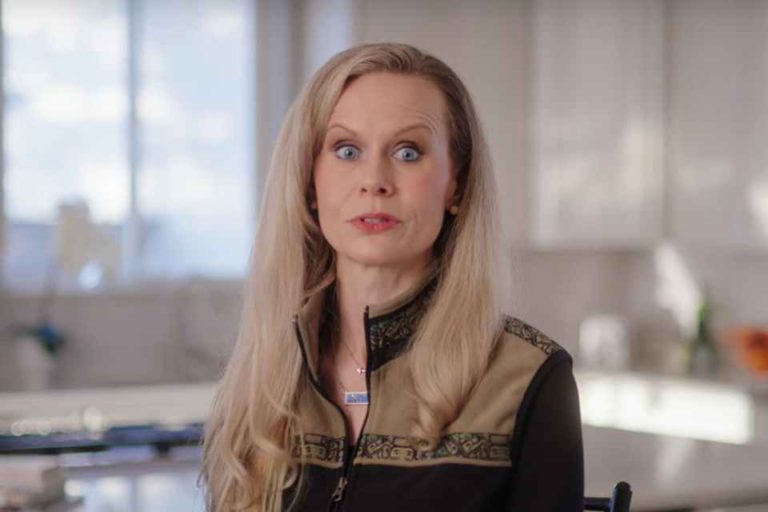
Alaska Republican Senate candidate Kelly Tshibaka

Kelly Tshibaka, Republican challenger to U.S. Sen. Lisa Murkowski (R-Alaska), once supported “ex-gay” conversion therapy and believes that homosexuality is caused by sexual abuse.

CNN’s KFile investigated Tshibaka, a conspiracy theorist and Trump supporter who is running against Murkowski in the 2022 election, and found an article by the former federal government lawyer arguing that gay people can “work through the process of coming out of homosexuality.”

Published in the Harvard Law Record, Tshibaka celebrated “National Coming Out of Homosexuality Day” in the article, which she said was “dedicated to helping homosexuals overcome their sexual tendencies and move towards a healthy lifestyle.”

Tshibaka told gay people “not be controlled by the ‘once-gay-always-gay-rhetoric’ used to advance political agendas” and instead wrote that Christianity could help them to “come out of homosexuality.”

She specifically mentioned the now-defunct “ex-gay” organization Exodus International, an umbrella organization that touted conversion therapy — a widely debunked practice that claims to change a person’s sexuality or gender identity.

Read More: Global religious leaders call for ban on conversion therapy

Exodus was shuttered in 2013 after its president, Alan Chambers, came out as gay. He denounced the practice in an interview with Metro Weekly, calling it ineffective and “dangerous.”

In her article, Tshibaka referenced Exodus’ claim that “the most common cause of homosexuality is sexual molestation during childhood,” and advised that gay people instead seek “pastoral counseling, accountability groups, personal prayer and Bible studies.”


In addition to supporting conversion therapy, Tshibaka also endorsed conspiracy theories alleging that twice-impeached former president Donald Trump was the victim of widespread voter fraud when he lost the 2020 election.

She claimed this month that we “don’t know the outcome of the 2020 election” (President Biden bested Trump by 7 million votes and 74 electoral college votes) and has previously demanded an investigation into “credible allegations of fraud, voter suppression, and voting irregularities.”

CNN also found instances of Tshibaka — who, along with her husband Niki, is a Pentecostal minister — denouncing the Twilight franchise, as well as warning against the dangers of witchcraft.

Specifically, she called Twilight “evil” and said her supporters “should not read or watch it.”

Some say this book is harmless, that it promotes Christian values, and that it does not promote anything wicked at all,” she wrote in 2009. “But Satan does not usually look repulsive, horrific, and evil on the outside.”

She has also railed against people consuming media that “incorporate, focus on, or glorify things like magic, witchcraft, vampires, or the occult.”

After CNN reached out to Tshibaka about her anti-LGBTQ comments, she responded saying, “I strongly believe that we should treat all people with respect and dignity. The student article was assigned to me by an editor as a counterpoint piece about 20 years ago, and I don’t hold that point of view today.”

Tshibaka said she opposes same-sex marriage, but added, “the Supreme Court has ruled that same-sex marriage is the law of the land.”

She refrained from saying whether she still supports conversion therapy.

Read More: ‘Ex-gay’ Republican fired by Texas GOP for attending Capitol riot

Sen. Murkowski, whom Tshibaka hopes to unseat, is a relatively moderate Republican, although her record on LGBTQ rights is mixed.

A senator since 2002, she voted in favor of a constitutional amendment defining marriage as between a man and a woman in 2004 and another banning same-sex marriage in 2006.

However, she supported the repeal of Don’t Ask, Don’t Tell in 2010, and in 2013 became the third sitting Republican senator to support same-sex marriage. She also voted to expand social security benefits to same-sex couples in 2015.


Earlier this year, she opposed an amendment to strip federal funds from schools that allow trans athletes to compete according to their gender identity, and supported the nomination of Dr. Rachel Levine, a transgender woman, to be assistant health secretary at the Department of Health and Human Services.

However, Murkowski has yet to endorse the Equality Act, a landmark piece of LGBTQ rights legislation that would enshrine nondiscrimination protections into federal law.

Read More:

Alabama governor signs bill to remove anti-gay language from sex education curriculum

Joe Biden nominates Gina Ortiz Jones, a lesbian Iraq war veteran, as Under Secretary of the Air Force

South Carolina lawmakers vote down second bill to ban transgender athletes from competition

Ewan McGregor defends playing a gay character in new Ryan Murphy series: ‘It was just one part of who he was’ – Yahoo Eurosport UK

Straight actor Ewan McGregor has defended his role as gay fashion designer Halston in Ryan Murphy’s new Netflix miniseries.

The five-part series, simply titled Halston, is set to be released on 14 May, and will follow fashion designer and Studio 54 icon Roy “Halston” Frowick “as he leverages his single, invented name into a worldwide fashion empire that’s synonymous with luxury, sex, status and fame”.

In an interview with The Hollywood Reporter, McGregor was reminded of a quote from Pose star Billy Porter: “Straight men playing gay — everyone wants to give them an award.”

McGregor, who has previously taken up other queer roles The Pillow Book and I Love You Phillip Morris, responded: “I hear the discussion and I respect both sides of it, I really do.

“I haven’t walked in Billy Porter’s shoes. I don’t know what it’s like to lose out parts when you might feel it’s to do with your sexuality. So I can only respect his point of view.”

Halston was openly gay, and the show will portray his relationship with lover Victor Hugo, played by Gian Franco Rodriguez. The fashion designer died from an AIDS-related illness in 1990.

But, defending his role, McGregor said: “If it had been a story about Halston’s sexuality more, then maybe it’s right that gay actors should play that role.

“But in this case — and I don’t want to sound like I’m worming out of this, because it’s something I did think a lot about — I suppose ultimately I felt like it was just one part of who he was.”

Ryan Murphy said Ewan McGregor was ‘the only choice’ to play Halston

Ryan Murphy, who wrote and executive produced Halston, told Tom Ford in a Vogue interview that Ewan McGregor “was, to us, the only choice” for the role, despite the current debate over straight actors playing gay characters.

Ford said that he originally thought the Scottish actor was “completely wrong” to play Halston, but he was won over when he saw the series.

Murphy added: “The thing that Ewan got about Halston was that Halston had a vision in mind of who he wanted to be in life. He was self-created.”

6 LGBTQ+ Runners on How the Sport Gave Them Support—When No One Else Would – runnersworld.com

Editor’s note: This story discusses death by suicide.


In early December, a survey published in the Journal of American College Health found that physical activity of LGBTQ+ and non-LGBTQ+ college students differed significantly, with the latter getting more aerobic and resistance training overall.

The researchers didn’t dive deeper into the possible reasons, saying only that perceived barriers should warrant more research. But runner Joy Puleo, Balanced Body education program manager, wasn’t surprised by the results.

“Some of this may be built into the need to be with likeminded individuals who may or may not be going to the gym,” she tells Runner’s World. “It may be due to feelings of displacement, other-ism, or of not belonging. They might find the gym environment harsh and unforgiving.”

For some, that changed with running. Not because it was something they could do solo, away from crowded gym spaces and potentially non-welcoming sports teams—although that can provide its own balm—but because many found groups that provided the kind of support they didn’t think they’d find. Here are a just a handful of the stories of those who have embraced the sport, and the allies who run alongside.

Boost your running performance and find your community with Runner’s World+!


John Ladesic, 39, Washington, D.C.

lgbtq runners

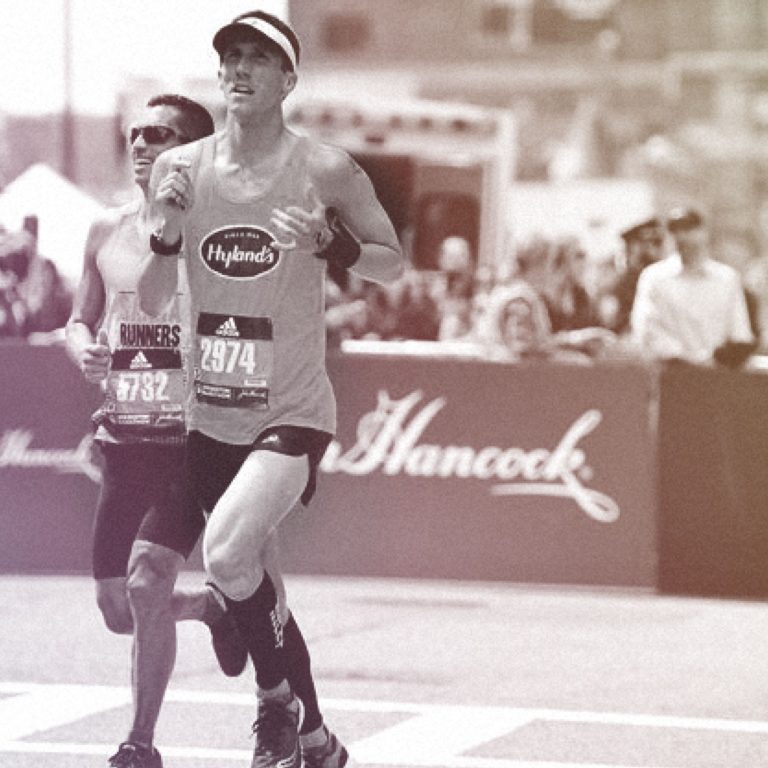
MarathonFoto

Even when I was in elementary school, coaches realized I had a natural talent for running, but they didn’t realize a major part of that was because of how much I was bullied. All the pain, the anxiety, the fear about being different, I could burn it off through running. Sometimes, I would pretend each light post was a specific bully in my class, and I would run past them to show myself that I could leave them behind.

Ironically, the better I got, the more positive attention I received, but only when I was setting county records or contributing to a team’s score. Even then, I made sure never to use the locker room or go to the bathroom because kids had been talking about me being gay since I was 6 years old, and I was terrified of being in a situation where they would accuse me of looking at other boys.

This was strengthened by hearing some of my teachers put me down for “acting gay,” and supporting one of the darkest parts of my story, which was being sent to conversion therapy when I was 15. Through it all, I kept running. It’s always been a way to get away and feel free.

After I got older and became a first-grade ESL teacher, the brand Hyland’s partnered with the Boston Marathon to hold a contest for teachers in 2018, and I entered and won a spot. In my profile, I talked about being bullied, and it forced me to reflect on my life—it made me tell my story in a new way. But it wasn’t until I got back to my school after the marathon that everything really changed.

The superintendent of my district asked me to do an anti-bullying assembly, along with discussion and role play that would help kids talk about their emotions and how they can channel that into something positive, like running had been for me. Seeing this get recognized was incredible, and it inspired me to start a running group for kids called Let Me Run, as a way to debunk masculinity in sports. For example, before a run, the kids write positive comments to each other, to let boys know it’s okay to support each other—it’s okay for them to talk with kindness.

Running has always been my safe haven, but for a long time, it was what I did to get away. Now, it’s become this amazing force that’s helped me build a community of other runners, and to start this group where I hope I can inspire kids to feel secure in who they are.


Sammie Bennett, 32, Grand Rapids, Michigan

lgbtq runners

Andi B Photography

Although I’ve only come out in the last year, I didn’t feel like I could be my full self in the gym before that. It just didn’t feel welcoming somehow, and I was concerned that once other people knew I was gay, that would only get more pronounced. That may be, in part, because I live in a very conservative part of Michigan where I feel like I can’t be out in general. But I wondered if maybe running could help me find my community.

“If you haven’t found your community, create your own.”

Running has always been an outlet for me, especially through struggles with depression and anxiety. I had some dark years of suicidal thoughts and attempts, but in addition to getting help through therapy, running helped me process emotions—it’s where I thrive. So, even in the middle of pandemic, I thought it would be good to put a group together.

In late summer 2020, I created a trail running group through Trail Sisters, and said all are welcome. We meet biweekly, wear our masks, and keep a good distance—and our numbers keep growing. Sometimes we have up to 25 women on a run, and some of them are gay, but even those who are not are supportive. When I first started talking about myself, I was nervous, but the reactions were so positive and friendly that it was a huge relief. There’s something intimate about talking when you’re running with a group, people are so open in a way they may not be otherwise.

My advice to other LGBTQ runners would be to find a group and take a chance. I spent a lot of time being afraid of other people, but maybe that’s because I wasn’t talking to the right ones. If you haven’t found your community, create your own. She used the online resource Trail Sisters, but you can also create local Facebook groups, talk to the owners of the nearest running store to put the word out, even put up fliers in places where other runners are likely to see them—like coffee shops close to a well-traveled running route.


Douglas Otero, 47, New York City

lgbtq runners

Cassidy Sparrow

For most of my life, I was an anti-runner, I didn’t understand why people did it. I liked working out, but not every gym feels welcoming, and I know I’m not alone in saying that. There are just many spaces where you immediately feel uncomfortable.

“Running with people who support who you are is just the epitome of love.”

I’m a professional makeup artist for Broadway, and in 2014, one of my clients, Amber Sabathia—who is on the board of NYRR—talked about the running group she had with her husband, CC Sabathia, who’s a retired pitcher for the New York Yankees. They also have a nonprofit, called PitCCh, where they give back to inner-city kids, and I just appreciated their whole positive approach, so I thought I’d give it a try.

I began running races to help the nonprofit raise money—that was seven years ago, and joining them opened me up to what running is really about. I realized that running physically felt like dancing, and the group that came together felt like the theater community. You’re around people who lift you up and make you feel like you have a purpose. It doesn’t matter who they are, gay or straight, they’re there for you.

I’m proud when I look at my race medals, but most of all, I feel like I have these best friends, and I didn’t expect that at all. That’s been especially valuable in the past year when we’ve all been trying to cope with the pandemic, and if anything, I’ve become more passionate about running because of that.

Running with people who support who you are is just the epitome of love and inclusivity, and that’s not just for LGBTQ people. It’s for everyone.


Jenny Thomas, 49, Montana

*Name and location changed for anonymity

Right now, I’m only out to my running group. No one else in my community knows, including people at my work, and not even my kids. There will come a time when I’ll tell them, but for now, I’m getting the support I need when I run, and that’s important to me.

What’s funny is that I was actually out in college but then it started to feel difficult with people judging me, and I decided it would be easier to live a straight life. So, I got married and stayed married for 20 years, with two kids along the way. But I was so unhappy all the time. Every counselor I saw told me, “You’re not going to fix this until you start living who you are.”

I joined the running group a few years ago as a way to cope, but I didn’t know how much it would help. We’re about 15 women of all different professions, backgrounds, and political views. We run about five miles every day and spend the whole time talking—the understanding is that what happens in run group stays in run group.

When I began talking about being gay, I didn’t even know at first why I brought it up, except that we were all discussing our struggles. And there was such an outpouring of support and zero judgement. People stepped up for me, and I can’t even describe how grateful I felt for that.

That gave me the courage to end the marriage and to keep navigating toward who I am and what I want. I’m in the middle of this journey of coming out, but it means everything to me to run alongside people who will support me every step of the way.


DJ Pulce, 27, Atlanta, Georgia

lgbtq runners

DJ Pulce

After I graduated from college, I realized how hard it was to make friends as an adult, and back then I felt like the only place to interact with others was at a bar or a club, which didn’t lead to the most in-depth conversations. Then I met Thomas Barker, the president of Front Runners Atlanta, and he suggested I join their run group.

I wasn’t a good runner, and I was afraid they’d all leave me behind, but I was excited about the chance to be around people who wanted to do healthy things together, not just hang out and drink. In August 2018, I gave it a try and was relieved to be greeted by LGBTQ people of all ages, shapes, and sizes who genuinely loved connecting with others while running.

Everyone was so happy and positive, and what stuck with me is that from day one, you could tell they were looking out for each other. No matter how slow I was, someone would run with me and actually tell me to go slower so we could talk. They taught me how to pace myself, and I couldn’t believe they’d take the time to do that for someone in the back of the pack, but they did. Because of that, I went from 10-minute miles to 7:30 times on casual runs in about six months.

Now I’ve become one of the people who’s supporting those who are new. I know what it’s like to be intimidated when you’re starting out and you just want to feel comfortable. As a gay person, having this group has really helped me feel like I’m part of the community, like I’m not alone. These are definitely my friends, and it feels like we’re united not just because we’re all gay, or because we’re all runners, but because we care about each other.


Joy Puleo, 55, Sacramento, California

lgbtq runners

Scott Kartagener/Balanced Body

When I was in the process of coming out, running was my respite. I was married to my childhood sweetheart, had an 18-month-old son, and both our families to come out to. During that time, I was married to my childhood sweetheart, had an 18-month-old son, and living the hetero-suburban “dream,” but it didn’t feel right.

“Running truly saved my life, gave me perspective, and helped me organize my thoughts.”

It was running on the track where I was able to close my mind to the onslaught of questions, needs, pleas, and general feelings of disappointment and anger to figure out my path—my next steps and my feelings about who I was. When I put on the headphones, the world around me disappeared, and all I could feel was my own heartbeat in time with the rhythm of whatever anthem I was playing.

Running truly saved my life, gave me perspective, and helped me organize my thoughts, which, in turn, helped me navigate through all the drama until everyone—husband, child, parents—ultimately came to a place of acceptance and love.

It does not surprise me that LGBTQ college-aged students do not frequent the gym as much as their straight counterparts. The images of buff, strong, masculine/feminine are what sells fitness, and are not often what is experienced or felt by the individual.

Sports are even more skewed toward the “ideal,” and being competitive and athletic is imperative. When coming out, finding community and feeling supported is important, and these environments may not inspire self-acceptance and love. For me, while I was actually working in a gym at the time, my feelings of strength, solace, and optimism, came from shutting out all the images of what I was supposed to be, what I was supposed to look like, and what I was supposed to want, and to see my world for what it could be.

Fitness, movement, exercise, sport, and health are important for the LGBTQ community to embrace. These can empower not only our physical being, but our emotional being as well. However, the environment matters—the type of exercise needs to resonate, and the way we see ourselves needs to expand beyond the picture perfect poster that greets you in the gym lobby.


If you or someone you know is struggling with mental health, reach out for assistance. There are hotlines you can call right now for free. Contact the NAMI HelpLine (800) 950-6264 that can be reached Monday through Friday, 10 a.m.–8 p.m., ET. If it’s an emergency, call the National Suicide Prevention Lifeline—(800) 273-8255or 911, available 24/7. The Trevor Project can also help.

This content is created and maintained by a third party, and imported onto this page to help users provide their email addresses. You may be able to find more information about this and similar content at piano.io
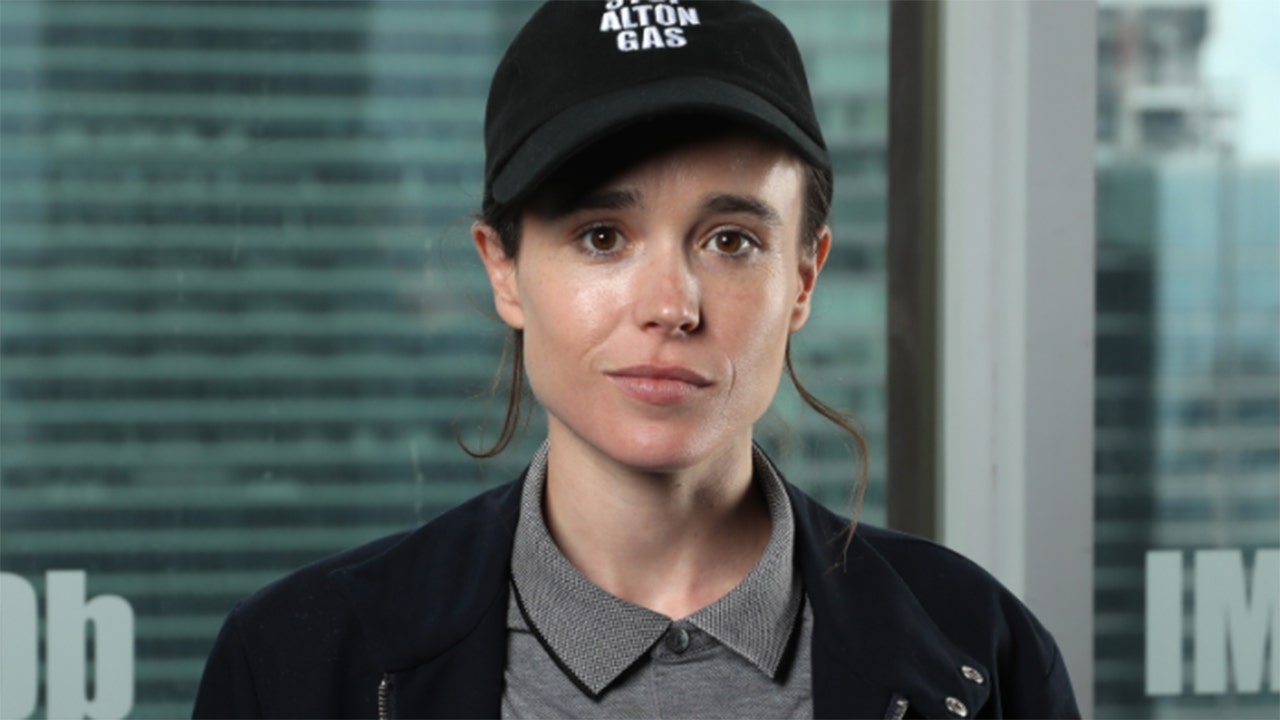
Elliot Page releases happy tears in Oprah Winfrey interview about coming out as transgender – Fox News

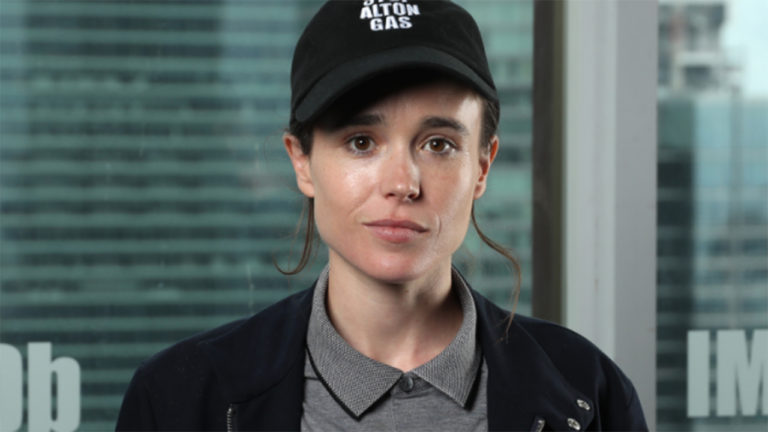
Elliot Page is giving his first televised interview to Oprah Winfrey since coming out as a transgender man.

In a clip ahead of the interview, which airs on April 30 on Apple TV+, Page, 34, discusses the highs and lows of his journey. He first came out as a transgender man publicly in December 2020 on Twitter.

“All of the trauma aside that it took you to get here, the courage it took you to stand within the truth of yourself and to do the thing that you’ve always known you needed to do, what part of your transition has actually brought you the most joy?” Winfrey, 67, asks the “Umbrella Academy” star in a released teaser.

“Goodness, what has brought me the most joy? The most joy. It’s getting out of the shower and the towel’s around your waist and you’re looking at yourself in the mirror and you’re like, ‘There I am.’ And I’m not having the moment where I’m panicked,” he tells Winfrey.

ELLIOT PAGE SAYS HE’S ‘FULLY WHO I AM’ IN FIRST INTERVIEW SINCE COMING OUT AS TRANSGENDER

“I’m not having all of these little moments that used to be…just being in a t-shirt. It’s being able to touch my chest and feel comfortable in my body for probably the first time,” Page continued as he begins to tear up.

Winfrey will also question Page about his journey suffering depression, anxiety, and panic attacks ahead of his transition. The Netflix actor is also expected to speak to the high rate of deaths in the trans community, an issue he discussed on Twitter in December.

“At least 40 transgender people have been murdered” in 2020 alone, a majority “of which were Black and Latinx trans women,” Page said in his statement at the time.

Page’s announcement came six years after he publicly came out as gay at a conference in Las Vegas for educators and counselors who work with gay youth. In 2018, the star married partner Emma Portner although the two announced early in January they are divorcing.

ELLIOT PAGE, EMMA PORTNER GETTING DIVORCED: ‘WE HAVE THE UTMOST RESPECT FOR EACH OTHER’

In his initial statement, Page asked for “patience” as he navigates his transition. While admitting that his “joy is real,” the Hollywood star reminds fans that it’s also a “fragile” thing to come out.

Ahead of Page’s sit-down with Winfrey, he discussed what it means to finally live authentically with Vanity Fair.

“The most significant difference is that I’m really able to just exist. I would imagine you’ll understand where I’m coming from—just exist by myself, like be able to sit with myself. Not have some constant distraction, all these things that aren’t conscious or aren’t even overly overt,” Page told the outlet.

CLICK HERE TO SIGN UP FOR OUR ENTERTAINMENT NEWSLETTER

“For the first time in, I don’t even know how long, [I am] really just being able to sit by myself, be on my own, be productive, and be creative. It’s such an oversimplification to say it this way, but I’m comfortable. I feel a significant difference in my ability to just exist—and not even just day to day, but moment to moment,” he continued.

In an interview with Time magazine that published in March, Page recalled his childhood of feeling and wanting “to be a boy.”

“I would ask my mom if I could be someday,” Page explained.

CLICK HERE TO GET THE FOX NEWS APP

Page revealed that he underwent a surgical procedure to remove his breast tissue, also known as a subcutaneous mastectomy. 

“I was finally able to embrace being transgender,” Page continued, “and letting myself fully become who I am.”

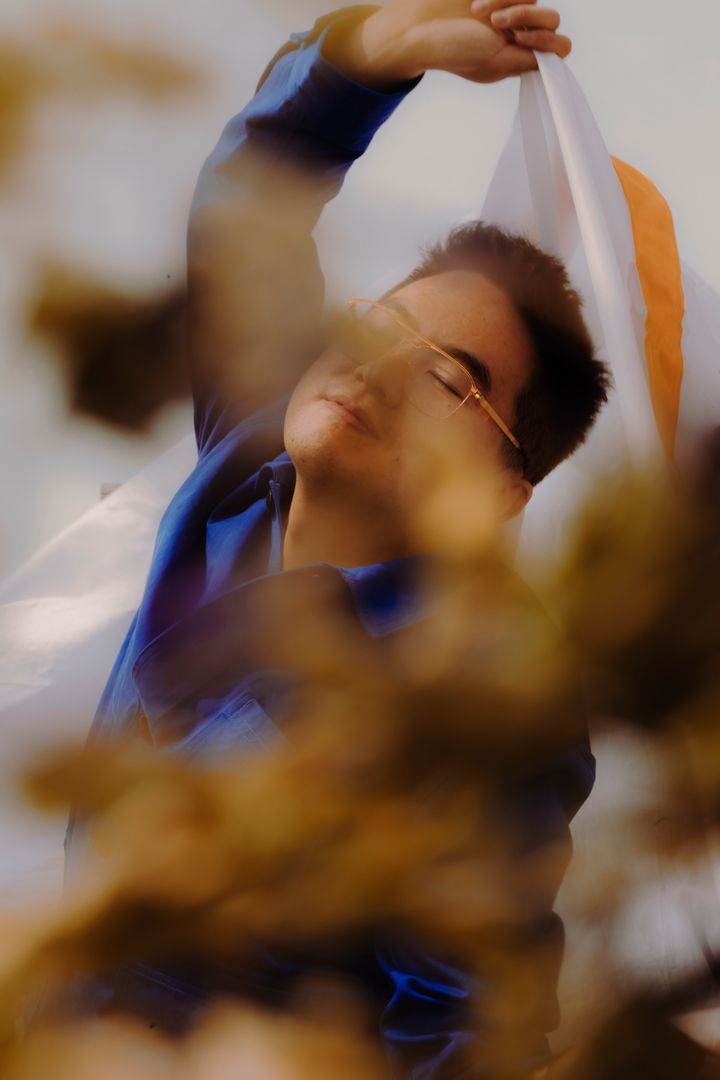
Bowen Yang Is Adding Fresh Irreverence To Late Night Comedy – HuffPost

To read about the rest of the Culture Shifters, including TV writer Cord Jefferson and activist Mariah Moore, return to the full list here.

In 2014, when Kim Jong-un was absent from public life and rumored to be gravely ill, Bobby Moynihan portrayed the North Korean Supreme Leader in a “Saturday Night Live” cold open. The impression was typical Moynihan: loud, excitable, a bit slapstick. He jumped around the stage and whipped himself into a frenzy.

Five years later, Bowen Yang played Kim during his on-camera “SNL” debut. Yang’s approach was wildly different. Instead of treating Kim like a noisy bloviator, Yang made him petty. He scowled, rolled his eyes and came across as a bitchy gossip.

It’s no discredit to Moynihan’s talents to say that Yang’s sketch is the one that stuck. Positioning a dictator as screamy and narcissistic is a no-brainer; finding irony in his personality is transgressive.

Yang had already spent several months writing for the show, but it was his premiere as a performer that showcased his ability to reinterpret old concepts with fresh irreverence. His funniest recurring character is fictional Chinese bureaucrat Chen Biao, a gleeful braggart who calls himself a “crisis queen” and once transformed Megan Thee Stallion lyrics into a Communist manifesto. When parodying Elton John, politician Andrew Yang and former writer Fran Leibowitz, Yang’s mannerisms morph into well-calibrated caricatures, accentuating the uncanny (and sometimes obnoxious) intimacy derived from specific celebrities’ personas.

Part of Yang’s singularity stems from the fact that he is the show’s first Chinese American cast member (and only the fourth cast member of Asian descent in its 46-season history). That’s one of several traits that makes the 30-year-old different from most “SNL” veterans. He’s also gay, extremely online and possesses a testy absurdism common among millennial humorists.

Yang’s popular podcast “Las Culturistas,” for example, ends with a segment titled “I Don’t Think So Honey,” in which he and co-host Matt Rogers adopt 60 seconds of faux outrage about prosaic topics like plant care, toenail odor, 5G technology and Meryl Streep’s movie taste. In an increasingly ridiculous capitalistic world in which survival depends on building a “personal brand,” performative indignation has found a comic groove — and Yang’s version of it is wittier than anyone else’s, as evident in his recent viral turn as the aggrieved “Iceberg That Sunk the Titanic.”

“‘Las Culturistas’ sort of gave me space to extemporaneously talk and try out different points of view and aspects of my personality and literally just try out takes,” Yang said during a recent Zoom conversation. “With ‘I Don’t Think So Honey,’ it’s just us being like, ‘Let me try to fake a strong negative opinion about, you know, trucker hats or whatever.’”

The podcast had a modest start in 2016. Not long after Yang joined “SNL,” he and Rogers signed a contract for the megaconglomerate iHeartMedia to bankroll the series, putting them in the same ballpark as Will Ferrell, Shonda Rhimes and Questlove. It currently averages half a million downloads per month, according to an iHeartMedia representative.

When Yang was still starting out, he and his friends would hear the same label: “too niche.” They’d go to auditions or pitch meetings and come away with what could easily sound like a code for “too queer” or “too young” or “too nonwhite.” But with Yang’s rise, the cheeky, rapid-fire, exceedingly pop-culture-literate intuition of comics in their 20s and early 30s can no longer be seen as an outlier. It is the moment and, perhaps, the future. “Las Culturistas” alone has spawned a handful of copycats, with Rogers and Yang leading a changing comic tide the way that Mike Nichols and Elaine May did in the early 1960s.

Still, Yang doesn’t quite agree that “SNL” is suddenly so much queerer than it used to be. Sure, his most memorable sketch to date (co-written with the great Julio Torres) stars Harry Styles as a gay Sara Lee social media manager caught posting horny comments (“Wreck me daddy”) on celebrities’ Instagram photos. (Fun fact: Yang wrote a pandemic-themed Chef Boyardee follow-up for Timothée Chalamet, but it got cut.) He believes that the internet “snark gallery” doesn’t give the series enough credit for its long-term progress, pointing to queer alumni like Paula Pell, Chris Kelly, Terry Sweeney, Sam Jay and James Anderson, who wrote for “SNL” from 2000 to 2020.

“The thing about ‘SNL’ is that it is this container for all sorts of different things to coexist,” Yang said. “I don’t think there’s this new phenomenon that there is a queer sensibility in the show all of a sudden. It’s been at a different volume maybe, and we turned some of those tracks up.”

In general, Yang has opted to distance himself from the Sunday-morning quarterbacking that accompanies “SNL.” Scroll through Twitter after a new episode and you’ll see a lot of puffed-up people declaring the show’s irrelevance — despite clearly monitoring its every move. Partly inspired by Jenny Odell’s book “How to Do Nothing: Resisting the Attention Economy,” Yang quit the platform (more or less) because he anticipated what it might do to his sense of self.

“I’m not saying that that snark gallery is flawed in the way that it has existed all this time, but it’s not necessarily that useful for me as a performer to mire myself in the snark of it all,” he said. “Not to draw this terrible capitalist simile, but ‘SNL’ is Amazon and the sketches and the people in them are products, and everyone’s just leaving reviews — but in the way that Amazon reviews have this tone to them where it’s like, ‘Well, I hate this thing because it came in the mail broken.’ It’s that same frequency of people being like, ‘Let me come in hot with my take because they’re these granular units of things that I can attach my opinion onto because I’ll watch something and consume it within four minutes.’”

As a stand-up who has performed everywhere from dingy Brooklyn basements to HBO’s “2 Dope Queens,” Yang is used to being evaluated in real time. But where a live audience’s reaction is fleeting, a tweet or a piece of criticism can last forever. Sometimes the feedback involves his identity, like the time he saw someone say, “Bowen only plays Asian people. He can’t do anything but play Asians,” which left him thinking, “OK, so you’re saying there’s a deficiency in being Asian.” Eventually, that discourse colors one’s self-regard, no matter how famous you are, and so like other “SNL” stars, Yang had to turn away.

“It made complete sense to me why people who’d been at the show for a long time who are still in the cast, like Kenan for example, are just like, ‘I don’t care,’” Yang said. “It sounds kind of cruel and maybe a little callous, but it’s the necessary, healthy thing to do.”

Yang does, however, find validation from his peers. (He is closest with Aidy Bryant, Cecily Strong, Ego Nwodim and Heidi Gardner.) He is encouraged by seeing mainstays from the proverbial New York comedy scene, like his friend Patti Harrrison, achieve their own eminence. And for whatever it’s worth, he has also received affirmation from unlikely sources. Take Andrew Yang, whom he impersonated during the 2020 presidential race. After Dave Chappelle’s post-election show in November, he and Nwodim were doing shots in their dressing rooms when Yang got a phone call saying the other Yang (no relation) was downstairs and wanted to meet him. He’d been there for the taping. It was a “lovely” conversation. They exchanged numbers.

About a month later, while Yang was about to step into the shower in his Clinton Hill apartment, his phone rang. “I heard on the other line, ‘Hi, Bowen! It’s Andrew Yang!’” he recalled. “I’m like, ‘Oh my god, how are you?’ He was in Georgia at the time helping with the runoffs, and he was telling me, ‘I’m going to announce my candidacy for mayor.’ People had been speculating enough up to that point, so I wasn’t surprised. I was just like, ‘Great! OK, it’s happening.’ I wished him the best of luck, but I was ass-naked when he told me.”

It’s not uncommon for politicians to commune with the comedians who roast them, especially on “SNL,” where President Gerald Ford once delivered the “live from New York …” introduction and Tina Fey landed a seismic career boost after appearing alongside Sarah Palin. But there’s something about Bowen Yang that makes people want to know him beyond the enchanting spell that fame casts. Because “Las Culturistas” is so personality-driven, and because it underscores the cultural vocabulary of its time, and because Yang has made such an instantaneous splash on TV, he seems like someone who is crystallizing the next decade of comedy right before our eyes — the familiar and the new rolled into one exciting package.

“I got to ingratiate myself or put myself out there to an audience,” Yang said of his upward momentum. “I feel like with the people who say ‘I listen to you on “Las Culturistas,”’ I’m like, ‘OK, you kind of have a better sense of who I am over someone who’s like, “I loved you in ‘Nora from Queens.”’ There’s not much else to go off of than ‘Thank you for watching.’ People who say they listen to ‘Las Culturistas,’ I’m like, ‘OK, thank you, what do you think of “Bling Empire?”’”

Lithuanian artist uses homophobic messages to raise money for LGBT causes – Reuters

A Lithuanian artist has raised over $6,000 for LGBT groups by selling a digital collage of homophobic messages that were sent to a member of parliament who champions gay rights causes.

The black-and-white artwork by Erikas Malisauskas, titled “Hate Speech Cloud”, consists of 400 offensive messages bundled together in the stylised shape of a cloud.

“My goal was to monetise the hate speech,” said Malisauskas. “Now everyone who wrote the hateful messages to LGBT people has contributed money towards LGBT causes.”

The messages were originally addressed to Tomas Raskevicius, a well-known figure in Lithuania where he is the first gay rights activist to be elected to parliament.

Malisauskas, who is not gay, said he was shocked by the extreme levels of abuse hurled at Raskevicius and the LGBT community in general.

Among the messages included in the artwork, which are in Lithuanian, are many that used a term of abuse that would translate into the English slur “faggot”.

“You are destroying Lithuania and you should be ashamed,” says one of the messages.

“Pervert, stop showing yourself to normal Lithuanian people!” says another.

Raskevicius says that on an average day, he gets a few messages like that on social media. But on days when he speaks publicly in support of policies such as introducing same-sex partnerships or ratifying an international treaty against domestic abuse, the number of hateful messages spikes.

He says he usually forwards any threats of physical violence to the police, and posts other messages on his social media feeds to stimulate debate.

“There is no way to tackle the negativity when it’s underground. When it’s out in the open, we can actually deal with it,” he said.

“On the human level, the negativity impacts both mental and emotional health, for sure. One of the coping strategies I employ is to make these messages public, for other people to discuss and express their opinion.”

The police have initiated more than 20 criminal investigations into threats sent to Raskevicius.

Malisauskas said the reason why he arranged the messages in the form of a cloud was “because clouds fade away”.

He sold the artwork in the form of a non-fungible token or NFT, a type of digital asset verified using blockchain technology. NFTs are increasingly popular in the art world because they allow a file to be permanently authenticated, regardless of copies and downloads.

The sale of “Hate Speech Cloud” was the first of a Lithuanian artwork in the form of an NFT to be publicly announced.

The person who bought the NFT wished to remain anonymous. An image of the artwork can be seen at https://www.neapykantosdebesis.lt/.

Our Standards: The Thomson Reuters Trust Principles.

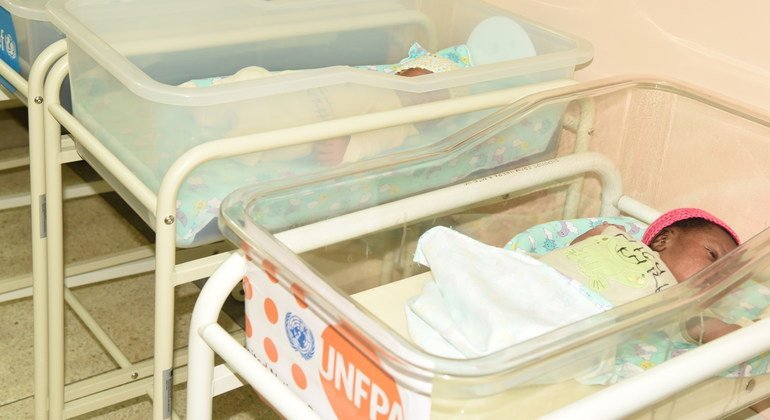
UK’s 85% family planning aid cut will be devastating for women and girls says UNFPA, while UNAIDS also ‘deeply regrets’ cuts – UN News

“When funding stops, women and girls suffer”, UNFPA Executive Director Dr. Natalia Kanem, said in a statement, “especially the poor, those living in remote, underserved communities and through humanitarian crises.”  

Dr. Kanem added that the UNFPA deeply regrets the UK’s decision to step away from its commitments at a time when inequalities are deepening, and international solidarity is needed more than ever. 

Impact of the cuts 

The withdrawal of approximately $180 million to the UNFPA Supplies Partnership, would have helped prevent around 250,000 maternal and child deaths, 14.6 million unintended pregnancies and 4.3 million unsafe abortions, she added.  

Whilst acknowledging the challenging situation facing many donor governments, Dr. Kanem said the UNFPA deeply regrets the UK’s decision to step away from its commitments at a time when inequalities are deepening and international solidarity is needed more than ever.  

154 million GBP ($211 million) had been the expected contribution from the UK for 2021. This will now be reduced to around 23 million GBP ($32 million), a retreat from agreed commitments made to the programme in 2020.  

In addition, 12 million GBP ($17 million) is to be cut from UNFPA’s core operating funds. Several country-level agreements are also likely to be impacted. 

Delivering on rights to modern contraceptives  

Dr. Kanem stated that the UNFPA remained dedicated to its mandate and is currently assessing the full scope and impact of the cuts, whilst actively formulating mitigation strategies.  

Reiterating the rights of women and girls to modern contraceptives, Dr. Kanem called on all the agency’s partners and allies to come together and secure the viability of UNFPA Supplies and of all its programmes.  

In this Decade of Action on the Sustainable Development Goals (SDGs) and especially during the COVID-19 pandemic, the unfinished business of the International Conference on Population and Development programme, to deliver on the promises made to women and girls must be finished.  

They are counting on us, Dr. Kanem said. 

UNAIDS ‘deeply regrets’ announcement of UK cuts 

The UN agency dedicted to ending AIDS, UNAIDS, also expressed deep regret at the UK decision to cut funding for the agency by more than 80 per cent, during 2021.

The UK confirmed to the agency that its funding would extend to GBP 2.5 million, compared to the GBP 15 million received by UNAIDS from the UK for 2020.

“This cut of GBP 12.5 million (or more than 80%) is significant. It affects the provision of live-saving HIV prevention and treatment services around the world”, said the agency, in a statement released late on Thursday.

“It affects the empowerment of young women and adolescent girls and their access to sexual and reproductive health and rights across the world, and Africa in particular. It impacts on support to upholding the human rights of some of the most marginalized people, including lesbian, gay, bi-sexual, transgender, queer and intersex people in low and middle-income countries. It reduces global health security.”

While the agency said it recognizes the “challenging situation facing many governments”, it “deeply regrets this decision of our longstanding partner and advocate. We are assessing the full scope and impact of the cut and are actively formulating mitigation strategies.”

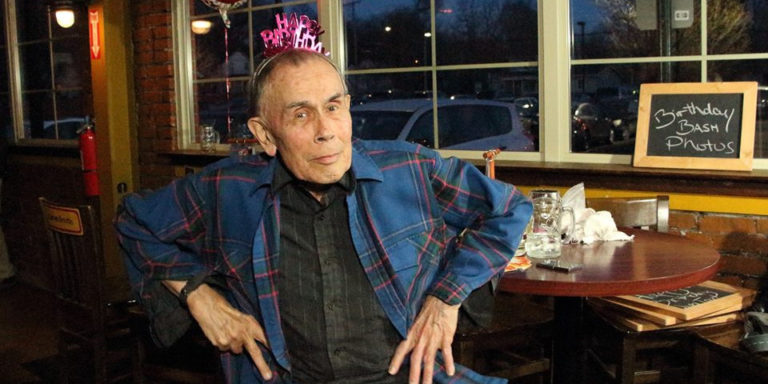
Jim Toy, First Openly Gay Man in Michigan, Turns 91 Today. It’s Not too Late to Send Him a Birthday Card – pride source.com

Longtime activist Jim Toy turns 91 today. Known as the first openly gay man in Michigan, after coming out in 1970, Toy developed the first-ever campus center dedicated to supporting those in the LGBTQ+ community at the University of Michigan. And because of his almost 50-year career of service to the LGBTQ+ movement through speaking, teaching, writing, administrating, organizing and protesting, Ann Arbor’s LGBTQ+ Center bears his namesake to honor his legacy.

And it’s not too late to send him a birthday card.

“Today is the legendary Jim Toy’s birthday!!! Happy 91st Birthday to our namesake, our hero and our beloved friend!” reads the Ann Arbor Center’s Facebook page today.

Cards can be mailed to:

Jim Toy

c/o Jim Toy Community Center

P.O. Box 1152

Ann Arbor, MI 48106-1152