Home Blog Page 330

Title 42 deportations cause dire humanitarian consequences on Mexico’s northern border – Doctors Without Borders

0

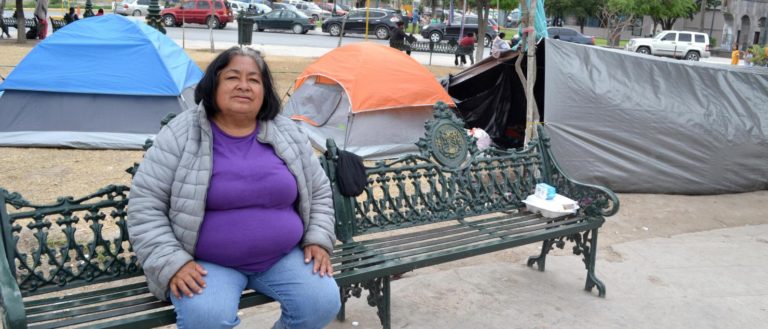
REYNOSA/NEW YORK APRIL 29, 2021—Hundreds of people deported by the United States to Mexico under the Title 42 policy—most of them women and children—are stranded in a public square in Reynosa, Tamaulipas, vulnerable to kidnapping and violence and going without basic necessities, including drinking water, shelter, and health or social services, the international medical humanitarian organization Doctors Without Borders/Médecins Sans Frontières (MSF) said today.

Since February, MSF has been providing medical and psychosocial care once a week to the hundreds of migrants deported back to Mexico under Title 42. They are comprised mostly of families from Honduras, Guatemala and El Salvador, also known as the Northern Triangle of Central America (NTCA), who are currently crammed in the “Plaza de la República” in Reynosa, located in one of Mexico’s most dangerous regions. The plaza is adjacent to the International Bridge, just a few yards from the US border. MSF’s team provides more than 150 medical, psychological, health promotion, and social services consultations each week.

“We are seeing mostly families, particularly women traveling alone with their children, who were immediately deported and just left here, in an extremely dangerous city, to sleep in the street and fend for themselves for basic needs,” said Jose Antonio Silva, MSF project coordinator in Reynosa. “These people are scared, in an unknown, unsafe city and often traumatized from a harrowing journey through Mexico and from their experience in US custody.”  

For the past month, the number of people deported to Reynosa has continued to increase—as of a few days ago, there were approximately 400 people in the public square. Most are migrants who crossed into the US and were directly deported to Mexico under Title 42, a harmful, discriminatory, Trump-era policy that has continued under the Biden Administration. In violation of domestic and international law, the Title 42 policy exploits the pandemic to essentially shut down the border, rapidly blocking migrants and people seeking asylum in order to expel them directly back to Mexico or their countries of origin.

Since March 2020, the US government has carried out over 618,000 deportations under Title 42. In March 2021 alone, more than 104,000 people were deported.

While the Biden administration had pledged to overturn harmful Trump-era policies and expand pathways for protection in the US, it has chosen to continue blocking and expelling asylum seekers and migrants under the pretense of safeguarding public health.

“What we are witnessing today in Reynosa is also what we are seeing in other border cities such as Tijuana and Ciudad Juárez,” said Silva. “This is a massive deportation apparatus occurring all over Mexico and in the region, with little regard to people’s health and safety. We are extremely concerned that some of the most vulnerable people are increasingly being deported to Mexico and left without any kind of support.”

The US government has been deporting migrants who do not speak Spanish such as indigenous people or Haitians to Mexico. Other vulnerable groups who have been deported include people who are injured or ill, people traveling with children, teenagers, pregnant women, and lesbian, gay, bisexual and transgender people. All these people are at increased risk of violence due to their particular vulnerability.

“We have reports of people disappearing day and night at the square, which is very worrisome,” said Silva.

At least 492 violent attacks have been reported since President Joe Biden took office on January 21, 2021, including kidnappings, rapes, torture, threats, robberies, and assaults against people stranded at the US-Mexico border or expelled to Mexico, according to the international organization Human Rights First.

MSF mental health teams working with deportees in psychological support groups in Reynosa have observed signs of complex trauma and depression in these patients. They report acute reaction to stress, psychosomatic symptoms such as headache and back pain, hypervigilance due to the insecure location, difficulty sleeping, and fear and anxiety related to their deportation or living in violent and unpredictable conditions.

As the number of people deported by the US continues to climb in these border cities and throughout the region, the government of Mexico is not doing enough to provide essential services and ensure the safety of this highly vulnerable group of people. MSF observes deficiencies in the management carried out by Mexican authorities due to the overcrowding of shelters and the few state facilities allocated to receive migrants, including the Sistema Nacional para el Desarrollo Integral de la Familia (SNDIF) and the Centro de Atencion a Menores Fronterizos (CAMEF).

MSF calls on the Biden administration to immediately rescind Title 42 and restart the processing of asylum requests at the southern border. Title 42 is an illegal and discriminatory policy that risks people’s lives and sends them back to violence and danger in Mexico and in their home countries.     

MSF also urges Mexican authorities to immediately adopt measures to increase capacity for housing, medical care, and protection of people in transit in its territory, especially for families and minors.

This should be a priority in order to prevent the creation of new camps, such as the one that was dismantled less than two months ago in Matamoros, and to allow migrants to travel in safe and dignified conditions.

Given its responsibility in perpetuating the humanitarian crisis along the US-Mexico border, the US government must also support the Mexican authorities and humanitarian organizations responding to rising needs in northern Mexico.
Support for gay marriage doubles in Romania – EUobserver

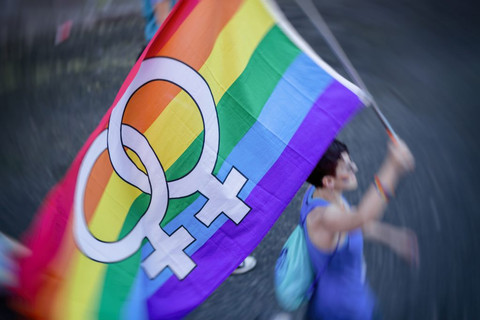
A new study has shown that Romanians are increasingly more tolerant towards LGBTI rights – with 43 percent saying that they support a legal form of same-sex union in Romania, either as civil unions or marriage.

That number has doubled since 2016, when a citizens’ initiative to alter the Romanian constitution to explicitly reference marriage as a union between a man and a woman was launched.

That citizens’ initiative gathered over three million signatures – substantially more than the 500,000 required to kick start a constitutional amendment referendum.

Despite winning a large majority of those turning out to vote, the referendum of 2018 to approve the constitutional change failed, as the turnout was only 21.1 percent, below the required voter-turnout threshold of 30 percent.

Had it been approved at the ballot box, the constitutional change would have implicitly prohibited same-sex marriages.

The new study commissioned by ACCEPT Romania, an NGO fighting for LGBTI rights, points to regional differences when it comes to accepting same-sex unions.

People from eastern and southern Romania are less inclined to do so, compared with those living in the western part of the country. The capital Bucharest stands above the national average.

Young adults show a higher degree of tolerance in supporting any form of legal union between people of the same sex, as do those who have a gay family member or acquaintance.

Some 68 percent of those taking part in the study agreed that all families should be protected by law in Romania, including same-sex families. Again, the percentage of those age 35 and below supporting this idea was higher.

“This research shows that public opinion in Romania is changing towards accepting equal rights for all families in our community. Moreover, we are seeing growing support for same-sex marriage, especially among young adults. Young people are more inclined to regard equality before the law as essential, and apply the same principles to LGBTI couples”, Teodora Ion-Rotaru, executive director of ACCEPT Romania, told EUobserver.

The majority of those favouring same-sex marriages are also in favour of gay couples raising children.

Three-quarters of those interviewed for the study say that legalising gay marriage would not impact their lives in any manner, and half agree that those from the LGBTI community should benefit from the right to inheritance.

The public shift in attitude is all the more significant – since Romanians regard family as their main personal value in life, ahead of health and religious belief.

“Romanians are increasingly more prepared to accept the regulation of equal marriage and civil partnership and politicians should act accordingly and take account of that”, Ion-Rotaru said.

Despite the shift in progressive attitudes, the majority of Romanians still oppose legalising gay unions. There are have been a total of 21 gay couples suing Romania at European Court of Human Rights in Strasbourg, over their lack of legal protection in the last few years.

Finding a solution to curb LGBTI discrimination, not only in Romania but throughout eastern Europe, would also have a positive economic impact.

Open for Business, a coalition of dozens of global companies promoting LGBTI+ inclusion said earlier this week that LGBTI discrimination costs eastern European countries almost two percent a year in economic growth.

Their research showed that countries such as Hungary, Poland, Romania and Ukraine are losing billions of euros each year due to the lack of equal workplace rights for LGBTI staff, plus the brain-drain of those skilled workers from the community leaving for countries that are more welcoming.

Chargers take Rashawn Slater at 13 – Yahoo Sports

The Chargers have provided Justin Herbert with some pass protection.

Northwestern offensive tackle Rashawn Slater went to Los Angeles with the 13th overall pick in the 2021 NFL draft.

The offensive tackle position was the one that most mock drafts had the Chargers addressing in the first round, although many draft observers expected Slater to be off the board before the Chargers’ pick came up. They had to be pleased to have him available.

And Herbert has to be pleased that the Chargers decided to prioritize their offensive line. After his strong rookie season, the Chargers think they have the most important piece of the puzzle in place, and now they’re giving him help.

Chargers take Rashawn Slater at 13 originally appeared on Pro Football Talk

West Virginia Governor Jim Justice Signs Transgender Athlete Bill – Wheeling Intelligencer

Justice

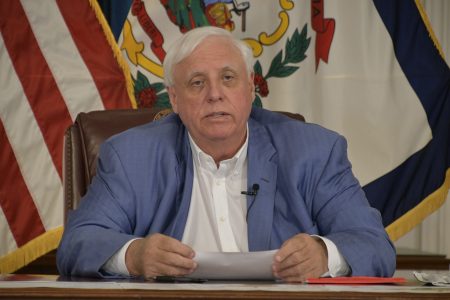
CHARLESTON, W.Va. (AP) — West Virginia’s governor signed a bill Wednesday that bans transgender athletes from competing in female sports in middle and high schools and colleges.

The bill was among 38 signed by Republican Gov. Jim Justice. It had narrowly passed the state Senate, which had added the college component, before being overwhelmingly approved in the House of Delegates.

Justice said earlier this week that he would “proudly” sign the bill despite warnings from some lawmakers that the NCAA could retaliate and decide not to hold college tournaments in the state.

Last month, hundreds of college athletes signed a letter to the NCAA Board of Governors asking the organization to refuse to schedule championships in states that have banned transgender athlete participation in sports.

The NCAA in 2016 moved championships out of North Carolina in response to a bill legislating transgender people’s use of public restrooms.

“It concerns me that we may miss out on a really important sporting event or something like that that could come to West Virginia,” Justice said. “However, I think the benefits of it way outweigh the bad part of it.”

Bills seeking to ban transgender girls from competing on girls’ sports teams in public schools also have been enacted this year in Alabama, Arkansas, Tennessee and Mississippi, while South Dakota Gov. Kristi Noem has implemented the move by executive order.

“We regret the governor has signed this cruel and unlawful bill after refusing to meet with young transgender West Virginians and their family members,” the American Civil Liberties Union’s West Virginia chapter said. It added in its statement: “ACLU-WV stands ready to intervene whenever and wherever this harmful law is enforced.”

Andrew Schneider, executive director of Fairness West Virginia, an LGBTQ advocacy group, said Wednesday that “transgender children are worthy of love and support. They deserve the chance to learn and grow in the classroom and on the field.”

A 2017 study by the Williams Institute at the UCLA law school used state-level, population-based surveys to estimate that West Virginia had the highest percentage (1.04%) of residents ages 13 to 17 among all states who identified as transgender. That equated to about 1,150 teens.

During debate in the House of Delegates, Republican John Mandt defended the bill. He said it could drive residents to move into the state, a comment ridiculed by Democrat Cody Thompson, an openly gay man.

“This isn’t going to bring people to West Virginia,” Thompson said. “This just sends a message across the country that we’re closed minded and we don’t accept you for who you are.”

Several Democrats said the bill was discriminatory, while some Republicans said the bill was about ensuring an equal playing field for biologically female athletes. Supporters have argued that transgender athletes would have physical advantages in female sports.

The West Virginia Secondary School Activities Commission has not received any complaints about transgender athletes on girls teams. SSAC Executive Director Bernie Dolan has said the SSAC is unaware of openly transgender students participating in scholastic sports currently or in the past.

Today’s breaking news and more in your inbox

W.Va. transgender athlete bill signed by governor – The Daily Times

CHARLESTON (AP) — West Virginia’s governor signed a bill Wednesday that bans transgender athletes from competing in female sports in middle and high schools and colleges.

The bill was among 38 signed by Republican Gov. Jim Justice. It had narrowly passed the state Senate, which had added the college component, before being overwhelmingly approved in the House of Delegates.

Justice said earlier this week that he would “proudly” sign the bill despite warnings from some lawmakers that the NCAA could retaliate and decide not to hold college tournaments in the state.

Last month, hundreds of college athletes signed a letter to the NCAA Board of Governors asking the organization to refuse to schedule championships in states that have banned transgender athlete participation in sports.

The NCAA in 2016 moved championships out of North Carolina in response to a bill legislating transgender people’s use of public restrooms.

“It concerns me that we may miss out on a really important sporting event or something like that that could come to West Virginia,” Justice said. “However, I think the benefits of it way outweigh the bad part of it.”

Bills seeking to ban transgender girls from competing on girls’ sports teams in public schools also have been enacted this year in Alabama, Arkansas, Tennessee and Mississippi, while South Dakota Gov. Kristi Noem has implemented the move by executive order.

“We regret the governor has signed this cruel and unlawful bill after refusing to meet with young transgender West Virginians and their family members,” the American Civil Liberties Union’s West Virginia chapter said. It added in its statement: “ACLU-WV stands ready to intervene whenever and wherever this harmful law is enforced.”

Andrew Schneider, executive director of Fairness West Virginia, an LGBTQ advocacy group, said Wednesday that “transgender children are worthy of love and support. They deserve the chance to learn and grow in the classroom and on the field.”

A 2017 study by the Williams Institute at the UCLA law school used state-level, population-based surveys to estimate that West Virginia had the highest percentage (1.04%) of residents ages 13 to 17 among all states who identified as transgender. That equated to about 1,150 teens.

During debate in the House of Delegates, Republican John Mandt defended the bill. He said it could drive residents to move into the state, a comment ridiculed by Democrat Cody Thompson, an openly gay man.

“This isn’t going to bring people to West Virginia,” Thompson said. “This just sends a message across the country that we’re closed minded and we don’t accept you for who you are.”

Several Democrats said the bill was discriminatory, while some Republicans said the bill was about ensuring an equal playing field for biologically female athletes. Supporters have argued that transgender athletes would have physical advantages in female sports.

The West Virginia Secondary School Activities Commission has not received any complaints about transgender athletes on girls teams. SSAC Executive Director Bernie Dolan has said the SSAC is unaware of openly transgender students participating in scholastic sports currently or in the past.

Today’s breaking news and more in your inbox

Crossties officially opens | Downtown venue gets credit for being ‘game-changer’ – Texarkana Gazette

story.lead_photo.caption

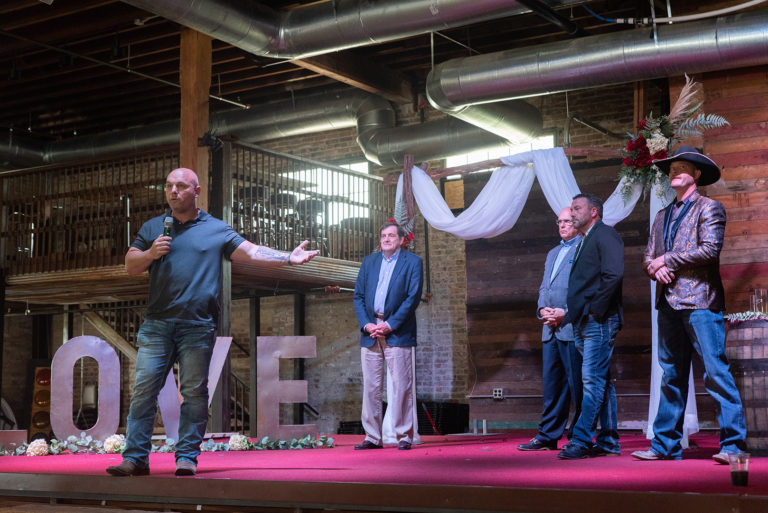
Crossties co-owner Les Munn addresses the room at their grand opening Thursday as his partners, Joe Gay and Justin Jones, as well as Texarkana, Arkansas Mayor Allen Brown and Chamber of Commerce President Michael Malone, watch on stage behind him.
Photo
by
Kelsi Brinkmeyer
/ Texarkana Gazette.

TEXARKANA, Ark. — Crossties, an event venue on Broad Street, officially opened Thursday with an afternoon commemoration downtown — though in practical terms it has been doing business in one form or fashion for months.

The red carpet was rolled to officials who took the opportunity to talk about how this enterprise has helped change the face of downtown.

“This is something the whole community can be proud of,” said Mayor Alan Brown. “This is a game-changer, bringing back the young people, setting the vision, showing the path forward downtown for this city.”

The building that houses Crossties Performance & Entertainment Venue spent most of its life as Moore’s Furniture, until it was sold in December of 2019 and work on this enterprise started.

For this occasion, all four of the rooms in Crossties were decked out and prepared to receive visitors. The venue, measured at 36,000 square feet, even had a few surprises awaiting folks checking it out.

Every room was set up to enable visitors to reflect on the hard work that made the project possible, said Les Munn, one of the owners.

Munn, along with partners Joe Gay and Justin Jones, said seeing the mayor speak about this took him back to the beginning of this venture.

“I can’t tell you how many times I drove through downtown, wondering why there isn’t more here,” he said. “When we began this effort, we were in it 24 hours nonstop from January (2020) to now. I can’t count all the people who helped make this happen. But Mayor Brown, the city board, the department of public works, the fire marshal, so many went above and beyond.”

Munn said there is more to come.

“What we’ve done to the inside, we are doing to the outside as well,” he said. “We are not done yet.”

(Crossties is located at 324 E. Broad Street.)

Ryan Murphy calls ‘Pose’ one of his proudest accomplishments – Associated Press

NEW YORK (AP) — The big flashy red carpet has made its return to New York City — albeit in a massive socially distant manner — with the premiere of the third and final season of the FX series, “Pose.”

Series co-creator Ryan Murphy considers the energy of his inclusive cast perfect for celebrating a return to normalcy after a devastating pandemic shut the city down for more than a year, but that’s not the only reason.

Murphy calls the series — which resumes Sunday — a “love letter to so many things.”

He said the New York-based show on the underground ballroom dance scene represents one of his proudest accomplishments because it boasts the biggest LGBTQ cast in history.

“‘Pose’ to me was a very personal show, for one, because when I started off in my career in 1997, ’98, I was not even allowed to have a single gay character because the networks were so afraid of that at the time,” Murphy said.

ADVERTISEMENT

Since that time, Murphy has created award-winning television series that include “Glee,” “American Horror Story,” and “Hollywood” But it’s “Pose” that stands out.

“I’m very proud of the legacy of the show, which in many ways is more important than the show itself, I think. But I love it. It’s one of the things that I’m the most proud that I’ve ever done,” Murphy said.

The event Thursday was held indoors at Rose Theater at Jazz at Lincoln Center. Thee were plastic barriers between photographers and the stars and reporters were kept 4 feet apart.

Billy Porter, who won an Emmy for his role as Pray Tell on the series was thrilled to celebrate the final season in “normal” fashion after being “locked up for a long time” due to the pandemic.

“There’s a light at the end of the tunnel and maybe we can all breathe again. And I hope that we all come out of this a little bit different,” Porter said before heading into the screening.

He added: “I hope we’ve learned something, and we could be a little different.”

“Pose” tells the story of the city’s underground ball culture, with the first season taking place on the mid-1980s, and the second in 1990. In the final season, it’s 1994 and the AIDS epidemic is taking its toll on the community.

In addition to its inclusivity with actors of color and the LBGTQ community, “’Pose” also features the largest cast of transgender actors as series regulars, including Mj Rodriguez, Dominique Jackson, Hailie Sahar and Indya Moore.

Moore, who is transgender and non-binary, struggled as a teen with unsupportive parents forcing, they to leave home at 14 to live in the foster system.

So, a show that prominently features trans characters brings tears to Moore’s eyes.

“I don’t have any words,” Moore said. “I think that the size of what this means to me, I just can’t get it out into words.”

Global Whipping Cream Market Development and trends, CAPEX cycle, innovations, and the dynamic structure forecast 2021-2027 – Clark County Blog

0

Whipping Cream Market

The latest survey on Whipping Cream Market Industry managed various organizations of the industry from different geographies or regions. The Report study consists of qualitative and quantitative information highlighting key market developments challenges that industry and competition are facing along with gap analysis, new opportunities available and trend also include COVID-19 impact Analysis in Whipping Cream Market and impact various factors resulting in boosting Whipping Cream Market at global as well as regional level. There are huge competitions that take place worldwide and must require the study of MARKET ANALYSIS such as Top Competitors /Top Players are: Rich Graviss Products Pvt. Ltd., Hanan Products Co. Inc., GCMMF-Amul, Conagra Brands-Reddi Wip, Gay Lea Foods Co-operative Ltd., Cabot Creamery, Borden Dairy Company, Gruenewald Manufacturing Company Inc., Narsaria’s, Granarolo S.p.A. Porter’s Five Forces Analysis, impact analysis of covid-19, and SWOT Analysis are also mentioned to understand the factors impacting consumer and supplier behavior.

Download FREE PDF Sample Copy of Whipping Cream Market @ https://www.syndicatemarketresearch.com/sample/whipping-cream-market

Don’t miss out on business opportunities in Whipping Cream Market. Speak to our analyst and gain crucial industry insights that will help your business growth while filling Free PDF Sample Reports

We are here to implement a Free PDF Sample Report copy as per your Research Requirement, also including impact analysis of COVID-19 on Whipping Cream Market Size

Key Highlights of the TOC provided by Syndicate Market Research:

  • Whipping Cream Market Executive summary: This section emphasizes the key studies, market growth rate, competitive landscape, market drivers, trends, and issues in addition to the macroscopic indicators.
  • Whipping Cream Market Study Coverage: It includes key market segments, key manufacturers covered, the scope of products offered in the years considered, global Whipping Cream Market and study objectives. Additionally, it touches the segmentation study provided in the report on the basis of the type of product and applications.
  • Whipping Cream Market Production by Region: The report delivers data related to import and export, revenue, production, and key players of all regional markets studied are covered in this section.
  • Whipping Cream Market Profile of Manufacturers: Analysis of each market player profiled is detailed in this section. This segment also provides SWOT analysis, products, production, value, capacity, and other vital factors of the individual player.

Major Product Type of Whipping Cream Covered in Market Research report: Dairy, Non-dairy

Application Segments Covered in Market Research Report: B2B, B2C

Global Whipping Cream Industry Market: By Region

North America

  • U.S.Canada
  • Rest of North America

Europe

  • UK
  • Germany
  • France
  • Italy
  • Spain
  • Rest of Europe

Asia Pacific

  • China
  • Japan
  • India
  • Southeast Asia
  • Rest of Asia Pacific

Latin America

  • Brazil
  • Argentina
  • Rest of Latin America

The Middle East and Africa

  • GCC Countries
  • South Africa
  • Rest of Middle East & Africa

Regions-SMR

Competitive Market Share

In terms of Whipping Cream market, Rich Graviss Products Pvt. Ltd., Hanan Products Co. Inc., GCMMF-Amul, Conagra Brands-Reddi Wip, Gay Lea Foods Co-operative Ltd., Cabot Creamery, Borden Dairy Company, Gruenewald Manufacturing Company Inc., Narsaria’s, Granarolo S.p.A are the top players operating in the global market. These behemoths have implemented key business strategies such as product innovation, strategic partnerships & collaborations, new product launches, new service launches, joint ventures, and contracts to reinforce their market position along with gaining a huge chunk of the market share.

In addition, the report also covers key strategic developments of the market including acquisitions & mergers, new type launch, agreements, partnerships, collaborations & joint ventures, research & development, regional expansion of major participants involved in the Whipping Cream market on a global and regional basis.

TOC include below Mentioned Featured Points: 

Chapter 1:: Report Overview

Chapter 2:: Market Snapshot

2.1 Major Companies Overview

2.2 Whipping Cream Market Concentration

2.3 Six-Year Compound Annual Growth Rate (CAGR)

Chapter 3:: Value Chain of Whipping Cream Market

3.1 Upstream

3.2 Downstream

3.3 Porter’s & Five Forces Analysis and SWOT Analysis

Chapter 4:: Players Profiles

4.1 Company Profiles

4.2 Product Introduction

4.3 Production, Revenue

4.4 SWOT Analysis

Chapter 5:: Global Whipping Cream Market Analysis by Regions

5.1 Whipping Cream Market Status and Prospect

5.2 Whipping Cream Market Size and Growth Rate

5.3 Whipping Cream Market Local Capacity, Import, Export, Local Consumption Analysis

Chapter 6:: North America Whipping Cream Market Analysis by Countries

Chapter 7:: China Whipping Cream Market Analysis by Countries

Chapter 8:: Europe Whipping Cream Market Analysis by Countries

Chapter 9:: Asia-Pacific Whipping Cream Market Analysis by Countries

Chapter 10:: India Whipping Cream Market Analysis by Countries

Chapter 11:: the Middle East and Africa Whipping Cream Market Analysis by Countries

Chapter 12:: South America Whipping Cream Market Analysis by Countries

Chapter 13:: Global Whipping Cream Market Segment by Types

Chapter 14:: Global Whipping Cream Market Segment by Applications

Chapter 15:: Whipping Cream Market Forecast by Regions

Chapter 16:: Appendix

Read Our Other Exclusive Blogs:

https://www.openpr.com/news/2242076/global-pelvic-floor-electric-stimulator-market-drivers

https://melvinasmarketblogs.blogspot.com/2020/11/global-traffic-management-software.html

About Syndicate Market Research:

At Syndicate Market Research, we provide reports about a range of industries such as healthcare & pharma, automotive, IT, insurance, security, packaging, electronics & semiconductors, medical devices, food & beverage, software & services, manufacturing & construction, defense aerospace, agriculture, consumer goods & retailing, and so on. Every aspect of the market is covered in the report along with its regional data. Syndicate Market Research committed to the requirements of our clients, offering tailored solutions best suitable for strategy development and execution to get substantial results. Above this, we will be available for our clients 24×7.

Contact US:

Syndicate Market Research
244 Fifth Avenue, Suite N202
New York, 10001, United States
Website: https://www.syndicatemarketresearch.com/
Blog: Syndicate Market Research Blog

https://clarkcountyblog.com/

Activists To Protest Latham’s Anti-LGBT Bills In Sydney On June 5 – Star Observer

The next protest against One Nation MP Mark Latham’s anti-LGBTQI bills  is scheduled for June 5, at the Town Hall in Sydney.

The protests against the bills are  building momentum, with a steady amount of pressure being applied by April Holcombe, co-convenor of Community Action for Rainbow Rights (CARR) and the CARR group itself, against the worrying procession of the LGBTQI rights eroding bills. 

Holcombe successfully disrupted the start of a two-day hearing at the NSW Parliament  on the morning of the 20th April, standing up and demanding to be heard, ignoring an isolated shout of “sit down” from an attendee of the hearing and finishing their piece, as reported by the Star Observer at the time,

“How dare you sit there and try to oversee the rolling back of our rights, rolling them back by decades, trying to attack the most vulnerable people in our society,” Holcombe stood up and called out to Latham.

“Transgender young people have already got it tough enough.”

“[Mark Latham] is nothing but a thug and a bigot [who only] represents a tiny minority of bigots in this society. The vast majority of people want our schools to be inclusive spaces,” Holcombe said.

“[They] don’t want teachers to have to turn around and worry about their own jobs, their own livelihoods, because of the bills you are trying to pass, with the support of the Liberal Party, in this parliament.”

Chanting protestors in NSW Parliament House 

She then began leading a group of protesters that had legally accessed the NSW Parliament House with her that morning with chants of “When trans rights are under attack, what do we do?” at which point, the other activists rose up out of their seats to respond, “Stand up, fight back.” 

This chanting went on for an impressive amount of time before the protestors were then lead peacefully out of Parliament House, with Holcombe offering up some final thoughts to the committee on what these bills mean for our community before shew left.

A successful protest

As far as Holcombe and the protestors are concerned, it was mission accomplished, assisted by the momentum created by a successful protest a few days before, with around 500 protestors coming out to show their support for the movement. 

“We wanted to work off the momentum of Saturday and keep the pressure up. We aimed to disrupt the proceedings.  So, as soon as Latham began the hearing, I stood up and denounced him. About a dozen other protesters who came with me, all stood up and chanted until he was forced to leave the room. I think we made our point clear.”

As explained in a blog post by Paul Gregorie for Sydney Criminal Lawyers about Latham’s Anti-trans kids bill, who also interviewed Holcombe about the disruption of the hearing, 

“On the ground, what these laws would mean is that youths struggling with questions concerning their gender identity who approached a teacher or a guidance counsellor for help would be met with a blank expression.”

“And if they weren’t offering a blank expression and actually decided to assist the youth asking these difficult questions, that teacher or guidance counsellor could face sacking from their position and stripping of their qualifications, denying them the ability to make a living helping and educating children.”

CARR is hoping to keep this swell of community support building with another protest against Latham’s Anti-LGBTQI bills (he currently has two seperate but equally dangerous bills for the LGBTQI community on the go) coming up at Town Hall in Sydney on the 5th June @ 1pm.

Alabama removing anti-gay language from state’s sex ed law – WIVB.com – News 4

Alabama removing anti-gay language from state’s sex ed law | News 4 Buffalo


‘Uncle Tim’ trends on Twitter after Sen. Scott gives rebuttal to Biden – Yahoo News

0

The Telegraph

Coronavirus latest news: AstraZeneca chief rejects EU accusations of ‘overpromising’ vaccine supply to bloc

Exclusive: Social distancing not needed at big events, PM to be told Quarantine and self-isolation could be replaced with daily tests Just 1 in 1,000 in England now has Covid as rates continue to plummet Why has India been hit by Covid so badly now – and where could be next? How Europe’s vaccine roll out is finally catching up with the UK Subscribe to The Telegraph for a month-long free trial AstraZeneca’s chief executive has denied accusations from the EU that the drugmaker ‘overpromised’ on vaccine supplies to the bloc. The European Commission has launched legal proceedings against the Anglo-Swedish drugmaker, alleging that it did not respect its contract or have a “reliable” plan to ensure timely deliveries of vaccine doses. Pascal Soriot said AstraZeneca it did its best to deliver as many doses as possible to the EU, and while disappointed not to have delivered more, he was proud of the company’s work and was “totally committed” to increasing supply. “We never overpromised, we communicated what we thought we would achieve at the time,” Soriot told a media briefing, adding that AstraZeneca will have delivered 50 million doses to the EU by the end of April. But Irish Health Minister, Stephen Donnelly said Astrazeneca “failed to deliver” on its commitments to the bloc. AstraZeneca, which had delivered only a quarter of what it had committed to the EU by the end of March, plans to ship a total of 100 million doses to the bloc by the end of June, far below the 300 million foreseen in the contract. Follow the latest updates below.

‘Gay conversion therapy’ can work, no matter what Joe Biden says » MercatorNet – MercatorNet

One of Joe Biden’s campaign promises was a national ban on LGBT “conversion therapy”. He described this as “deeply harmful, highly unscientific, and often lead[ing] to trauma”. He even promised to back the passage of a Therapeutic Fraud Prevention Act. This aims to ban “treatment designed to change a person’s sexual orientation or gender identity or otherwise change behaviors, thoughts, or expressions related to gender or sexual attraction”.

Currently sexual orientation change efforts (SOCE) provided by licensed therapists have been legally prohibited for minors in 20 states in the United States. There are moves to extend the scope of these laws to include adult clients and non-licences religious counselling.

Elsewhere bans are spreading. Some jurisdictions in Australian forbid it. The European Parliament has passed a resolution condemning it. Malta, Ecuador, Brazil, Taiwan and Albania and Germany have effectively banned it.  

The legislative energy invested in these initiatives is puzzling. In the past coercive and abusive programs to “cure” people of homosexual urges did exist. But nearly all of these disappeared long ago. What’s the point of banning them today?

Furthermore, what proof is there that all SOCE– to use a more neutral term – provided by professionals doesn’t work, is harmful, or involuntary?

A recent article in the open-source journal F1000Research tackles this incendiary question.

The authors, Paul Sullins, Christopher H. Rosik and Paul Santero, a sociologist and two psychologists, are modest in their conclusions, but insist that some men have been helped by therapy. Contrary to what gay activists (and President Biden) say, it is impossible to assert that all SOCE is harmful, unscientific, and traumatic.

In particular, the study rebuts an often-cited claim by the American Psychological Association that “To date, there has been no scientifically adequate research to show that therapy aimed at changing sexual orientation (sometimes called reparative or conversion therapy) is safe or effective.”

Any research about this topic must begin with some caveats. Nearly all the academic literature – pro or con — is based on small samples and convenience studies. This means, firstly, that the percentages cannot be extrapolated to the population as a whole. Secondly, the subjects of the research are to some extent self-selected. The studies to which President Biden has referred probably involved clusters of men who had bad experiences.

Thirdly, this is all about men, not women. Dr Sullins told MercatorNet: “All SOCE research, including our study, involves men only. No one disputes that lesbian sexuality is more fluid and can change. No women (that I’m aware of) have alleged harm from SOCE, only men. Thus laws that apply bans to ‘sexual orientation’ change for all homosexual persons based only on alleged findings for men improperly go beyond even the LGBT-affirming research findings, and (there are lesbians who will tell you) are sexist to boot.”

It’s hard to deny the lived experience of men who feel traumatised – but how about those who had good experiences?

They do exist. This paper, “Efficacy and risk of sexual orientation change efforts: a retrospective analysis of 125 exposed men”, studies their reactions. It reaches “a middle position between the opposing extremes that therapy-assisted change in sexual orientation is never possible or that such change is readily or widely accessible to sexual minority persons.”

On the one hand, this research finds that sexual orientation is – supported by an increasing number of studies – not genetic, fluid, and susceptible to change under religious influence.

On the other, it confirms other evidence that “sexual orientation is not usually or easily changeable”. About 14 percent of the men in the sample no longer felt same-sex attracted at all after SOCE and 23 percent no longer engaged in same-sex behaviour. But the most common change was to bisexuality, not heterosexuality.

Perhaps the results become more understandable if we apply an idea borrowed from critical race theory – intersectionality. Sexual minorities are not uniform; some members are bitterly anti-religious; others are deeply religious. Some are single; some are married. Some have ineradicable attractions for the same sex; others are more fluid. There are intersections of these conditions which can be helped by professional therapists if they want change.

Marriage seems to help. “Heterosexually married sexual minority men reported engaging in more same-sex behavior prior to SOCE and less same-sex behavior subsequent to SOCE than their unmarried counterparts,” the authors report. “This may suggest that maintaining and strengthening their heterosexual marriage was a significant motivating factor in our participants’ decision to pursue SOCE.”

Religious practice seems to help. All of the 125 men in this sample were religiously active, with 88 percent of them attending a service once a week—about four times the national average, while only about nine percent of LBG-identified people do. About half were Mormons – who were obviously vastly over-represented. “Still, we do not have a complete picture of what characteristics may be associated with reported change via SOCE,” the authors write, “so it cannot be assumed that most highly religious and motivated men who seek SOCE will perceive an experience of change.”

The media often highlights men who complain that they have suffered from PTSD after “conversion therapy”. This may be their lived experience – although the abuse often took place decades ago—but the authors found that most of the men in their sample experienced “enhanced well-being”. Only five percent had negative experiences.

LGBT activists are sure to question the conclusions of this study. Not unreasonably, they will point to an article based on the same data which was published in 2018 in the Linacre Quarterly, the official journal of the US Catholic Medical Association. Last year it was retracted – the academic equivalent to being run over by a Mack truck.

However, this was not due to substantial flaws, but to the journal’s own failure to conduct a pre-publication statistical review, which would have identified some weaknesses in the analysis. The article in F1000Research represents a complete revision of the material.

What explains the bitter divide between researchers who find that SOCE is “inherently degrading and discriminatory”, to use the words of the United Nations’ independent expert on “conversion therapy” and those who find that it can be and often is beneficial?

“The current state of SOCE research may be compared to two groups who study marital counseling, one of which investigates consumers who have maintained their marriage and the other who examines persons who have since divorced,” the authors write. “Neither group is likely to possess the whole truth about the relative benefits and risks of the treatment in focus.” They conclude that:

“The polarization within organized psychology over SOCE appears to have led to insular research that treats one subgroup of sexual minorities as representative of the whole population, with detrimental consequences for accurately comprehending the complexities of sexual orientation change among these individuals.”

This ought to be one of many studies of who can benefit from sexual orientation change efforts. Banning therapy for unwanted sexual feelings is an unjustifiable limitation of democratic freedoms.

San Francisco’s Honey Bear Murals Fnnch | The Bold Italic – thebolditalic

I remember the first time I came by one of fnnch’s honey bear pieces. It was in 2018, the painted ursid — a mesmeric mix of sun-yellow Pantone colores juxtaposed against an otherwise utilitarian gray backdrop — was an innocent visual delight.

Its recent presence was welcomed by a passerby; I was far from the only person who filled their iPhone with pictures of the Haight-Ashbury bears. I eventually left after a few minutes, ambivalent; I was not pulled nor pushed in any single way; the bag of cellular waste and protein enzymes that I call my own carried on existing, unaffected.

The same level of indecision when I would find myself eyeing one of fnnch’s human-sized murals lingered for some time. But by the very nature of my job — someone who makes a living by publishing timely syntax and diction and SEO-friendly articles — my equivocation and familiarity with his work began shifting, albeit slowly.

(Much like KQED’s Rae Alexandra — who wrote what can only be described as an absolute mic drop on the controversy swirling around fnnch’s artwork — I, too, called his pieces the “most Instagram-able” murals in San Francisco… more times than I’d care to publicly admit.)

I plugged fnnch’s honey bears in listicles. I waxed on the cis-heterosexual white man’s occasional philanthropic niceties. I explained how denizens of the city could purchase print copies of the former tech employee’s honey bear murals. I glowed about his Covid-19-theme honey bears that doubled as PSAs for mask-wearing.

I, rather embarrassingly, became a passive consumer of his artwork.

But my unbothered opinion on fnnch however quickly evolved into a repressed rage as his murals began morphing into fixtures of gentrification. Like suffocating canaries in a coal mine, the appearance of fnnch’s sunset-orange honey bears had grown into symbols of displacement.

The past twelve months have seen finch’s once benevolent honey bears oversaturate the city with their monotony. In that explosion of cookie-cutter public art, one could say that queer people like myself began feeling their teeth ache.

This month, in particular, the disdain for his work came to a head.

Public outcry against fnnch’s work turned into critical Instagram accounts, celebrating defacements of his honey bears. Twitter became a conduit for constant hot takes on his now-loathed pieces. Facebook filled with comment sections debating the merits of his work — which, if printed, could be bound and made into individual coffee table books.

In an almost unbelievably congruent happenstance: Manny’s, which presently exists as a microcosm of San Francisco’s very conflict around gentrification, hosted fnnch as part of its Painting the Pandemic & Future of Public forum at The Chapel’s outdoor stage on April 22.

One of the SF’s most vociferous proponents against fnnch’s monopoly of local public art is Ricky Rat, who TBI profiled this past summer. Like myself, Ricky’s criticism of fnnch’s art isn’t singular in nature but rather sits inside a larger account of public artwork — one that’s fraught with inequities and unfairness afforded by white cis-male heterosexual artists.

“I’m not saying I’m more talented or deserving than fnnch is, because I’m not,” Ricky says, the artist’s Instagram having consistently offered introductions to local painters in San Francisco. “But there are hella other artists from here, like Lucia Ippolito, who I think are just better. She’s dope, and she’s actually from the Mission. Someone like her deserves way more of that recognition than he does.”

“I don’t care where you’re from, but if you’re not doing something directly positive that reflects the real community, then I won’t support it,” Ricky added to The Bold Italic last August. “[fnnch] didn’t invent gentrification, but he most publicly represents what it’s about.”

Ricky’s then-remarks around the Missouri native also included a bout of clairvoyance to fnnch’s future viral proclamation, calling himself an “immigrant of San Francisco.”

“I don’t care where you’re from, but if you’re not doing something directly positive that reflects the real community, then I won’t support it,” Ricky continued. “San Francisco has always had a transient population, and the people who come here don’t always have any real investment in our communities, because they can just come and go to build their own shit.”

My smoldering frustration with fnnch grew into a four-alarm fire when the “Sister Honey Bear” was smattered on Powerhouse — an iconic, kink-positive space in San Francisco, which has existed as a safe space away from heteronormativity since 1981. When I met up with an ex-turned-friend at the “PigPen” earlier this month for a drink, there was no shaking lose the unsettling notion that I was nursing a cocktail underneath a massive piece of art made by a straight man.

A straight man whose work had proliferated The Castro; a straight man that saw no harm in painting a trio of his now-removed honey bears outside the SF LGBT Center; a straight man who removed himself from discussions around accountability under the guise of charity. A straight man that defended his committee-approved work — harming and hurting the city’s LGBTQI+ community, all the while.

Identifying as queer is to find yourself in an evergreen tug-of-war with a world organized around heterosexuality. It’s having a daily inner dialogue with yourself to both honor and celebrate your idiosyncrasies, but remind yourself to remain acutely aware of the spaces you occupy.

Being queer is to walk fast. Sometimes out of fear. Other times led by anxiety.

To holster your hands inside a crowded Lubbock, Texas gas station, remembering not to gesticulate in a fashion that might elicit unwanted gazes. To realize that the idea of a “chosen family” is an almost entirely foreign concept to people from your shared suburban childhood.

Being queer, too, is an exercise in finding comfortable nooks that make up your reality — the bars, beaches, bodegas, bookstores — which mirror your most authentic self.

These spaces allow you to relax your hands. Drop the baritone of your voice. Find love, then lose it; make friends, construct your chosen family. Celebrate your humanity by simply being.

Fnnch’s art displayed on queer spaces is more than just hinting at the straight world that surrounds LGBTQI+ people. It doubles as a reminder of the well-documented predation and erasure of queer spaces by heterosexual culture — even here in the “gay capital of the world.”

Polk Street, which was formerly San Francisco’s vibrant gayborhood, is now lined with vacant storefronts and home to the only surviving gay bar, The Cinch, from that bygone LGBTQI+ era. After becoming another casualty of the pandemic, The Stud last year was sold to new landlords who tripled the rent and saw it fit to, quite literally, whitewash the watering hole’s beloved outdoor artwork with fresh coats of weather-resistant paint. (Though, an ongoing lawsuit drawn up against the new owner by a coalition of artists hopes to somewhat rectify this careless botching.)

When spokesperson Jessica Berg from development company Group i asserted that the Tenderloin’s secret LGBTQI+ tunnels at the block of 950 Market Street were “complete fiction,” she attempted to delegitimize queer history — never mind that historians and activists have confidently proved this network of secret tunnels previously allowed LGBTQI+ people to escape police raids. Myth or not, Berg’s remarks exemplify a perpetuated dialogue that makes queer people appear (and feel) less-than.

Fnnch has continued to show his complacency in understanding his own participation in San Francisco’s storied gentrification and queer erasure.

We can paint over his honey bear murals; we should. But the damage has been done. The pain from these queer toothaches people, like myself, have been feeling at the sight of his honey bears is ingrained in our hippocampus. And his homogenized art still threatens to rot the very creative soul of this city.

While we go about metaphorically lacquering our incisors with Orajel, let’s take a page from Ricky: If you’re not doing something directly positive that reflects the real community, then [we] won’t support it.

Tom Elias: UC Health should end ties to Dignity – Davis Enterprise

On some levels, it’s sensible for the University of California’s health system, including famed hospitals like UCLA, UC San Francisco and UC San Diego, to link with the Dignity Health group of hospitals and clinics often located in much more isolated and rural locations.

While UC hospitals generally operate in major cities and urban counties, Dignity’s 67 California hospitals and urgent care centers serve both urban and suburban locales including San Jose and Glendale. They also span places as disparate as Mt. Shasta, Santa Cruz and the Inland Empire.

Dignity’s current 2-year-old arrangement with UC Health can provide care much closer to home for some patients affiliated with the state-owned hospitals.

The deal also lets Dignity patients access care and consultations with the many world-renowned specialists working at UC’s teaching hospitals. The two systems are also the state’s No. 1 and No. 2 providers of Medi-Cal services for low-income patients.

But there are some limits, mostly imposed by Dignity, owned and operated by a Roman Catholic organization. Like all Catholic hospitals and clinics, Dignity obeys the dictates of the church’s national conference of bishops.

This means most of its hospitals observe dictates of the church’s Ethical and Religious Directives for Catholic Health Care Services. Translation: No abortions, unless doctors determine they are a major medical necessity. It also can mean fewer services for gay, lesbian and transgender people.

This is starting to bother some California officials a lot, so pressure is building to end the affiliation, and that pressure appears justified.

“I could not in good conscience agree to a policy that allows us to continue affiliations with private healthcare operators that limit the delivery of medicine in any way that’s not based on … the best practice of medicine,” UC Board of Regents chairman John Perez told a reporter. Perez, once the first openly gay speaker of the state Assembly, has UC actively considering the future shape of its connections to Dignity and other religiously affiliated medical systems.

State Sen. Scott Wiener, D-San Francisco, goes further, sponsoring a bill to limit UC’s ability to make deals with hospitals or clinics that put “nonclinical” limits on services they offer. Many Wiener bills on subjects like housing and drug use are perennial failures in the Legislature, but manage to move the state’s agenda even if they die. This one has a solid chance at passage.

As it should. For while Dignity brags on its website that the UC partnership gives “thousands of medical students and residents statewide access to comprehensive clinical training,” that also could mean subtle indoctrination of those same future physicians against giving treatments that many women and others consider essential.

Yes, Dignity’s hospitals and centers sometimes offer more services than UC for children with traumatic injuries and better inpatient psychiatric care for adolescents, but at what cost?

For if UC hospitals can in any way have care they provide influenced by authorities of one religion, who’s to say they won’t someday move toward other religious preferences — like, for instance, Muslim Sharia law? This is a Pandora’s box UC would be wise to slam shut while the arrangement is still young and not solidly ingrained in its habits.

Said one UC spokesman, “Our goal in establishing relationships with other health care organizations is to extend the reach of the university’s high-quality care and expertise.”

That noble idea could also be accomplished if UC set up new clinics in less urban locations than where its hospitals exist. It’s also possible to link up with non-sectarian clinics and urgent care centers, even if no other chain has as many locations and patients as Dignity.

The bottom line: The deal with Dignity brings too many pitfalls for it to be good for UC’s health system or for many of its patients. Let’s end it sooner rather than later.

— Email Thomas Elias at tdelias@aol.com. His book, “The Burzynski Breakthrough: The Most Promising Cancer Treatment and the Government’s Campaign to Squelch It,” is now available in a softcover fourth edition. For more Elias columns, visit www.californiafocus.net.

LGBT Groups Say They’re Not Behind Caitlyn Jenner’s Campaign For Governor – uInterview.com

Caitlyn Jenner announced Friday morning that she would be running for Governor of California. In a statement posted to her social media, Jenner said she took issue with California’s restrictive lockdown and the high taxes.

Since the announcement, she has been met with a lot of criticism and very little support, even from LGBT groups.

Jenner is running as a Republican and had shown support for former President Trump in the past. She later criticized the Trump administration for discriminating against transgender people and walked back her support of him. But still, some people expressed their distrust of her politics.

“Make no mistake: we can’t wait to elect a #trans governor of California,” tweeted the group, Equality California. “But @Caitlyn_Jenner spent years telling the #LGBTQ+ community to trust Donald Trump. We saw how that turned out. Now she wants us to trust her? Hard pass.”

Jennifer Finney Boylan, a transgender writer and professor at Barnard College, said she considers Jenner a friend, but disagrees with her politics.

Wyatt Ronan of the Human Rights Campaign, a major national LGBTQ-rights organization, said Jenner “is not the leader California needs.”

“Her support of Donald Trump, the most virulent and vocal anti-LGBTQ president in American history, and her decision to hire Trump’s inner circle for her campaign are just two examples why,” he said.

David Badash, editor of an LGBTQ-oriented news and opinion site The New Civil Rights Movement, said that Jenner’s campaign website lacked information about her platform and the issues. He said it only had designated places to shop or to donate to her campaign.

Badash also questioned why Jenner would run as a Republican at a time when GOP legislators in more than 20 states have been pushing bills aimed at curtailing transgender youths’ ability to play school sports and receive gender-affirming medical care.

Jenner’s family, the reality famous Kardashian clan, has been noticeably silent about the news. Not even Jenner’s daughters Kylie Jenner and Kendall Jenner have said anything about it.

Some activists welcomed Jenner’s announcement, saying it was further evidence that transgender Americans are running for office more frequently.

“Voters want leaders who will deliver results for their communities, no matter who they are,” said Rodrigo Heng-Lehtinen of the National Center for Transgender Equality Action Fund.

Attorney Sasha Buchert, co-director of the Transgender Rights Project at the LGBTQ-rights group Lambda Legal, said when the public sees transgender people in public life it “serves to expand public awareness of the reality and diversity of trans lives.”

“It matters to us what policies candidates support — and what their track record might be — on a full range of issues, not just trans rights and inclusion,” Buchert said. “That is the lens one should always use in evaluating any candidate, including Caitlyn Jenner.”

Read more about:

Leave a comment