Home Blog Page 300

‘The word feminism is still a trigger’: Russia’s feminists in their own words – Open Democracy

A new wave of feminist activism is spreading across Russia, breaking boundaries both online and off. These initiatives tackle all kinds of topics; some provide help for victims of domestic violence, others offer self-education and try to spread positive images of women in the public sphere. From Moscow Femfest, an acclaimed feminist festival launched in 2017, to the Eve’s Ribs community hub and domestic violence centre Nasiliu.net, Russia’s feminist infrastructure is growing – in Moscow and St Petersburg, at least.

Outside the major cities, however, there are much fewer organisations and projects working on a feminist agenda. According to Nasiliu.net, Russia has 207 officially registered organisations that provide legal and psychological assistance to women, 14 of which are located in Moscow and 25 in St Petersburg. But some regions have no aid organisations at all. The Russian feminist association ‘She’ says that feminist events are held in 45 towns or cities (not including these two cities).

openDemocracy spoke to the founders of independent feminist projects in four Russian regions – from the Baltic enclave of Kaliningrad to Tatarstan and Buryatia in Siberia – about their work, the practical difficulties they face and how they’re changing the country.

Dasha Yakovleva, co-founder

даша яковлева1.jpeg
Даша Яковлева. | Фото из личного архива.

Feminitiv was set up in December 2018. Officially, we provide “information and consulting services” – lectures, film screenings, online and offline meetings – and we’re active on Instagram, where we share useful content.

We also provide free psychological assistance for women, girls and LGBTQ+ persons, online or in person, and we also run support groups moderated by our psychologists. Online consultations are also open for girls from other regions.

Feminitiv is financed by grants from partners. The money is spent on employees’ salaries, our projects and the office costs. We have a team of six, and we work with specialists on a freelance basis – for example, a lawyer and a clinical psychologist, who advise on complex cases. We also have an online chat with 75 participants, run by volunteers.

At the moment, Feminitiv is registered as an individual entrepreneur (under my name). We wanted to set up as an NGO, but over the past six months it has become clear that obtaining NGO status will only complicate our work and risk us being seen as a “foreign agent”.

I know from acquaintances that the authorities have increased their attention towards us, but there have been no serious complaints so far. Perhaps this is because our rhetoric is rather soft. It’s a point of principle for us to avoid self-censorship and to continue publicising our position, but we are very careful.

For example, the Eve’s Ribs organisation in St Petersburg has a very strong activist, even political, position. We try to be careful; our PR manager checks the wording on our statements a hundred times. We are careful with words, with LGBTQ+ symbols. It’s important for us to maintain a safe space for the community.

Kaliningrad is a region with a strong FSB [Russia’s security service] and military presence. Employees of international NGOs have told me they would not carry out any projects in Kaliningrad because “the FSB there is angry”. This is partly because Kaliningrad is isolated geographically – on the edge of the Baltic, sandwiched between Lithuania and Poland.

Bill Offers Expanded Access To HIV Drugs – The Lund Report

Pharmacists would get reimbursed from insurers for prescribing and administering HIV prevention drugs under a bill in the Oregon Legislature.

House Bill 2958 aims to boost access to the life-saving drugs for people who don’t have access to a primary care doctor. The bill would allow pharmacists to prescribe and administer the drugs and get reimbursed from insurers. Usually, only physicians prescribe the drugs. 

The bill seeks to open a new chapter in the fight against AIDS, which was a death sentence in the 1980s though people can these days live an extended life with the virus. Now, the battle is turning toward drugs that can prevent HIV. 

The Senate Health Committee heard testimony Wednesday on the bill, which has already passed the House with a 47-7 vote. No one testified in opposition. 

In the early years of the AIDS epidemic, the gay community faced the “harmful narrative” that the disease was exclusively among gay men, said Rep. Rob Nosse, D-Portland, one of the bill’s main sponsors.

“We still need to take action to prevent the spread of HIV,” said Nosse, who is gay and married to his husband.

The prescriptions in question are antiretroviral drugs for people who may have been exposed to HIV and for those in high-risk groups for contracting HIV, such as people who use intravenous needles. 

The drug for at-risk populations is called preexposure prophylaxis, or PrEP. People who use PrEP take daily oral doses to lower their chances of infection. Research suggests PrEP reduces the risk of HIV infection by 99% for sexually transmitted HIV and about 74% for people exposed to HIV through drug use. 

The drug for people who are exposed to HIV is post-exposure prophylaxis, or PEP. It’s taken within 72 hours of exposure. 

“PEP and PrEP are not nearly accessible as they should be,” said Rep. Dacia Grayber, D-Tigard, another sponsor of the bill. 

While new HIV cases have declined in recent years, Grayber said, the risk remains of a resurgence due to homophobia and a lack of testing, treatment and access to medication.

The bill aims to make it quicker and easier for a patient to get either drug.

The bill requires insurers to reimburse pharmacists and to cover the drugs without prior authorization. 

Insurers also would have to cover the pharmacist’s consultation with the patient. 

That’s a key part of the bill. In submitted testimony, the Oregon State Pharmacy Association said pharmacists support the bill and are willing to provide the service. Historically, they have faced pushback from insurers who are unwilling to reimburse them on parity with other medical providers. In 2015, Oregon lawmakers passed a law that says pharmacists “may be” reimbursed for medical services. However, most insurers either don’t do that or do so on a low pay level that discourages pharmacists from offering additional services, the group said.

The prior authorization process requires providers to get an insurer’s approval in advance before treating the patient. That can delay treatment. 

In testimony, the Cascade AIDS Project, which is in Portland and southwest Washington state, gave real-life examples of people who have struggled to access the medication. They include: a woman who suffered a sexual assault was unable to get a prescription through an urgent care clinic and finally got one after multiple attempts through her primary care provider. Many patients in rural areas feel their provider is not knowledgeable about the topic, the group said.

Multnomah County Commissioner Sharon Meieran, also an emergency room physician, told lawmakers in submitted testimony that patients come to emergency departments because it’s one of the few places where they can get the medication. But that environment can be traumatic and have long wait times, Meieran said. 

“As we fight to end the HIV epidemic, removing barriers to life saving medications is crucial,” Meieran said in a letter to lawmakers.”This is especially important for people who experience marginalization, discrimination, and other challenges to receiving basic healthcare. We need to ensure that medications like PrEP and PEP are truly accessible — meaning available, affordable and convenient — in as many places as possible, and without barriers for those who need them.”

Under the bill, the State Board of Pharmacy would adopt rules for the process of prescribing and dispensing the medication. The bill also clarifies that a pharmacist can order an HIV test and receive the test results. 

It’s not the first time that Oregon lawmakers have used pharmacists to increase avenues to medical care. Prescriptions from pharmacists for hormonal contractives are available following legislation in 2015 and 2017, said Christel Allen, executive director of NARAL Pro-Choice Oregon.

Citing a 2019 Oregon Health & Science University study, Allen said that one year after passage of the legislation, 63% of ZIP codes in Oregon had a pharmacist certified to prescribe hormonal contraception. The study found that among Medicaid enrollees, nearly three-quarters of patients who received hormonal contraception from a pharmacist were new contraceptive users.

The committee didn’t take action on the bill Wednesday. 

You can reach Ben Botkin at [email protected] or via Twitter @BenBotkin1.

Wilma Kelley | News, Sports, Jobs – Parkersburg News

Wilma Kelley

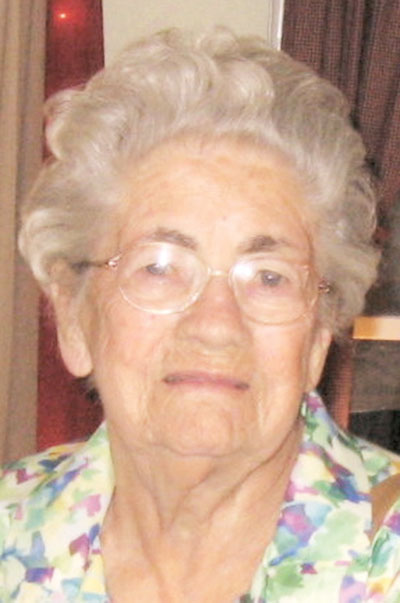
Wilma Kelley, 94, of Spencer, West Virginia, died peacefully at home on May 4, 2021. She was a lifelong resident of Roane County and was born Jan. 6, 1927, to the late Pat and Leora Schoolcraft.

In addition to her parents, she was preceded in death by her husband, Jack Kelley; two brothers, Earl and Clyde Schoolcraft; two half-sisters, Trudice Carper and Reva Nichols; and three half-brothers, Leo, Otho, and Gay Schoolcraft.

Wilma was a homemaker until her daughter, Karen, reached school age. She then went to work for Spencer Elementary as a school cook. She enjoyed canning, sewing, quilting, and flower gardening. Wilma was an avid reader and visited the Roane County Library weekly up until the time of her passing. Her family brought great joy to her life.

Wilma is survived by her brother, Ray Schoolcraft of North Carolina; her children, Martha (Dave) Marks of Little Hocking, Ohio, James Kelley of Sierra Vista, Arizona, and Karen (Ray) Arbaugh of Cottageville, West Virginia; a grandson, Christopher (Kelly) Boggs of Mesa, Arizona and Ada Murdock of Morgantown, West Virginia; great-granddaughters, Charis Jewell Boggs and Gianna Isabelle Boggs, both of Mesa; and numerous nieces and nephews.

The family wants to extend special thanks to Wilma’s caring neighbors who always watched out for her: Ross and Patricia Walker, Mancer and Carolyn Fluharty, David and Sheila Bowen, and Tom Hardman.

Her end of life journey was made easier with the in-home caregivers who lovingly cared for her: Jessie Summers, Tena Tallman, Deanna Cottle, and Twila Criner.

Funeral services will be held at 2 p.m. on Saturday, May 8, 2021, at the Taylor-Vandale Funeral Home in Spencer, with Wilma’s grandson, Lay Minister Christopher Boggs officiating. Burial will follow in the Spencer Memorial Cemetery. Visiting will be one hour prior to the service at the funeral Home.

In lieu of flowers, the family requests donations be made to the Spencer Library, Housecalls Hospice, or a charity of your choice.

Taylor- Vandale Funeral Home is providing arrangements. Online condolences may be shared with the family at: www.taylorvandalfuneralhome.com.

Uganda: Reject Sexual Offenses Bill – Human Rights Watch

(Kampala) – Uganda’s Sexual Offenses Bill, 2019 both criminalizes consensual sex acts and would allow some nonconsensual acts to go unpunished, Human Rights Watch said today.

The bill, approved by parliament on May 3, 2021, violates international human rights law by criminalizing consensual sexual acts between adults and yet falls short in its definition of consent. While offering provisions designed to prevent and punish sexual violence, it also further criminalizes lesbian, gay, bisexual, and transgender (LGBT) people and sex workers.

“Ugandan lawmakers should focus on ending endemic sexual violence rather than seeing this as an opportunity to imbed abusive provisions that criminalize the sex lives of consenting adults,” said Mausi Segun, Africa director at Human Rights Watch. “Sexual offenses legislation should advance the rights of survivors and potential victims of violence, not enshrine rights violations into law.”

The bill includes some positive provisions toward addressing sexual violence, including protecting sexual assault survivors’ rights during criminal proceedings and criminalizing sexual harassment by people in positions of authority, Human Rights Watch said.

But it also punishes any “sexual act between persons of the same gender,” as well as anal sex between people of any gender, with up to 10 years in prison, in flagrant violation of the rights to privacy and nondiscrimination. It even provides that if Ugandans perform these sexual acts outside Uganda, they can be prosecuted in Uganda. It also includes provisions that discriminate based on HIV status and that could punish those who report crimes and allows for the death penalty for certain offenses.

Uganda’s penal code already criminalizes consensual same-sex conduct through a provision that punishes “carnal knowledge against the order of nature” with up to life in prison. In 2014, parliament passed the Anti-Homosexuality Act, which further criminalized same-sex acts, restricted freedom of association, and incited discrimination against LGBT people. The Constitutional Court overturned the 2014 Act on the grounds that lawmakers passed the bill without the requisite quorum.

The criminalization of consensual same-sex acts means that LGBT survivors of sexual violence are unlikely to seek access to or obtain justice. In the wake of the passage of the Anti-Homosexuality Act, gay and transgender victims of violence told Human Rights Watch and Amnesty International that they were hesitant to follow up on a police complaint against their assailants out of fear that they themselves could be arrested.

Ugandan feminists and human rights activists advocated for a sexual offenses bill that would decriminalize sex work, saying that criminalization fosters violence and limits access to justice. However, parliament rejected their recommendations, maintaining prison sentences for sex workers, clients, and brothel keepers. Human Rights Watch supports the Ugandan activists in opposing the criminalization of consensual adult sex work. Criminalization leads to violations of the rights of and abusive working conditions for those involved and contributes to impunity for those who commit violence against sex workers.

Perversely, parliament also limited the requirement for consent to sexual acts by removing a provision that would have clarified that consent may be withdrawn “at any time before or during the performance of the sexual act.” Legislation on sexual violence should consider any sexual act that takes place after consent has been withdrawn to be a form of sexual assault, Human Rights Watch said.

The Sexual Offenses Bill includes other provisions that violate rights. The bill prescribes the death sentence for “aggravated rape,” including when rape is committed by a person who is HIV positive. Human Rights Watch opposes the death penalty under all circumstances, as well as any enhanced penalties based on a person’s HIV status.

Because the bill provides for extraterritorial jurisdiction, Ugandans who engage in consensual same-gender sexual conduct or anal sex outside Uganda could be prosecuted, irrespective of whether such conduct is legal where it takes place. If this provision is adopted, no country should send a person to Uganda if they could face charges for such offenses in violation of international law. To do so would violate their own obligations under international law of nonrefoulement – the prohibition on returning someone to a country where they could face torture, cruel, inhuman, or degrading treatment or punishment, and other irreparable harm.

The bill also provides that anyone who commits these offenses would be entered on a sex offenders register, in effect opening up the possibility of having a “register” of LGBT people or sex workers in Uganda that would not only be discriminatory but ripe for serious abuse.

The bill punishes family members who fail to report any offenses under the bill with up to three years in prison, effectively requiring Ugandans to turn in their LGBT relatives.

The bill criminalizes “false sexual allegations,” a provision that activists fear could be used against survivors in a legal system that has often disregarded their claims. While the stated purpose of the bill includes preventing sexual offenses, the bill makes no effort to address underlying causes of widespread sexual violence, including gender inequality and the absence of comprehensive sexuality education. It does not address protection and assistance for survivors. An exclusive focus on punitive responses is unlikely to root out sexual violence, Human Rights Watch said.

“The Sexual Offenses Bill does not do enough for survivors, conflates consensual sexual acts with violence, and offers tools to persecute LGBT people and sex workers in Uganda,” Segun said. “President Museveni should reject the bill and instruct parliament to present a revised bill that takes a proper rights-respecting approach to addressing sexual violence, so that survivors and the general public can reap the benefits.”

CGA closes season out with success | Local Sports – Brunswick News

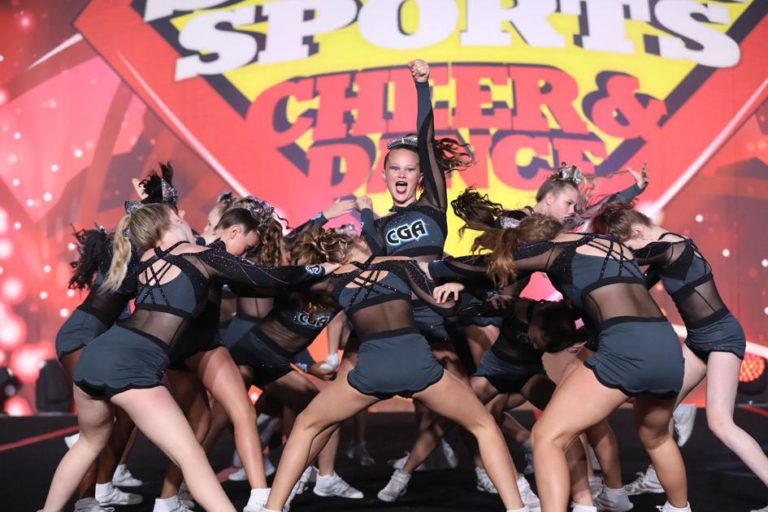
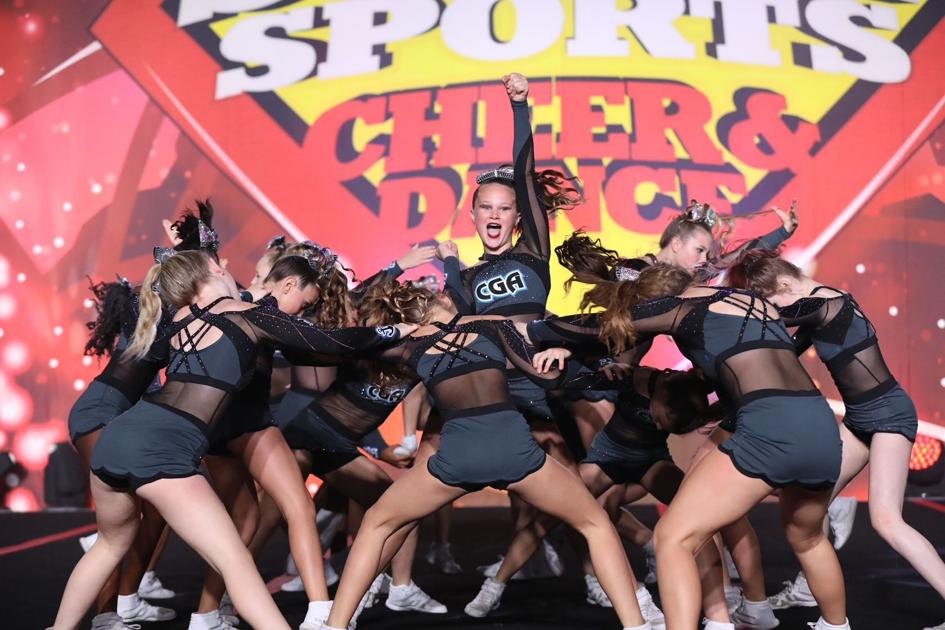
Two of the three cheer teams of Coastal Georgia Athletics have competed in their national competitions in Orlando, as both the Chrome and Platinum squads earned big victories.

All three cheer squads won their divisions at the VIP Championships on Jekyll Island back in April to get to the national stage. They also earned the high point award for their levels.

Lady Still earned the award for Most Creative routine of Level 3. Chrome earned Best Tumbling and Most Creative of Level 1, and Platinum took home Most Creative, Best Tumbling and Best Building of Level 2.

“Keeping cheer alive through COVID has been quite a challenge this season,” said CGA owner and coach Matt Gay. “But it has been well worth it to bring our athletes some sense of normalcy while developing the resiliency and perseverance necessary to overcome adversity and adapt to an ever-changing world. I could not be more proud of the growth our athletes and staff have made this season.”

The first team to compete at nationals was Chrome, as they competed at East Coast Nationals in Orlando, where they won first place.

“Before Nationals, we knew the competition would be stiff, and therefore we upgraded their routine to hit high category rankings in difficulty,” said Allstar Director and CGA coach Rachel Condit. “These girls met this challenge with such grace and drive. All we asked of them was to hit their routine.

“Once they hit their routine on stage with zero deductions and the highest score of the season, we were overwhelmed with emotions. We coaches, at this point, were not worried about placement. The girls set out a goal and accomplished it. We could not have been more proud of them. Once they were called in first place, we knew this would be a memory they would cherish forever.”

Platinum was the next CGA team to compete at The One Cheer and Dance Finals, where they were also victorious and won the title.

Coaches said this two-day event brought out the team’s resiliency as the venue suffered a few power outages throughout the first day, causing delays and no air conditioning.

The lack of A/C left the team hot and tired, but they rolled with the situation and hit zero, putting them in first place after Day 1. Then their Day 2 performance had a few minor mishaps, which increased the suspense when it came time to announce winners.

Coaches said they huddled around a phone waiting for the virtual award ceremony to get started, and the suspense lingered. However, once they were announced as the One Champions, screams and tears of joy rang out.

Melissa Hannum, a parent of a Platinum team member, said she couldn’t even begin to explain how excited they were.

“The anticipation of waiting and waiting for the results to be announced and then there were tears of joy,” Hannum said. “ I have never been so proud of a group of girls before in my life — I can’t wait for the new season to start.”

Lady Steel will be the last group to compete later this month at the D2 Summit at Disney World in Orlando.

Registration for CGA is now open. For more information, check out their website at CGAcheer.com. Evaluations for their 14th season start this month.

‘Fun Home’ Proves That Musical Theatre Is For Lesbians ‘Fun Home’ – Junkee

Musical theatre is generally considered the purview of gay men, but ‘Fun Home’ proves that musical theatre is deeply, deeply sapphic.

When I was 14 I fell madly in love. Now, many would argue that 14 year olds lack the emotional maturity to experience true love and they would be correct, but at the time I would not listen to reason, and I pursued the object of my affection — a school prefect 3 years my senior — with a wild and embarrassing fervour.

One of my favourite pastimes was belting out ‘On My Own’ from Les Misérables, changing the pronouns so I was singing about another girl. I did this often, occasionally crying a little, because I was very cool. While my school friends listened to late 90s triple j and hooked up with boys who could sell us bad acid, I listened to emotional ‘I want’ songs from classic musicals.

It’s no coincidence that I took comfort in musical theatre. While as an art form, musical theatre is generally considered the purview of gay men, with its camp excess and absurdity, I put it to you that musical theatre is deeply, deeply sapphic. It’s feelings upon feelings upon feelings, and the show simply cannot go on without a gruff butch stage manager calling the shots.

The thing is, despite this, a search through the back catalogue of musicals reveals a dearth of explicitly lesbian characters. We got a nod (and an absolute banger of a duet) in Rent and we’ll always have Calamity Jane singing about ‘a woman’s touch’, but for decades we had nothing truly driven by a queer woman’s perspective.

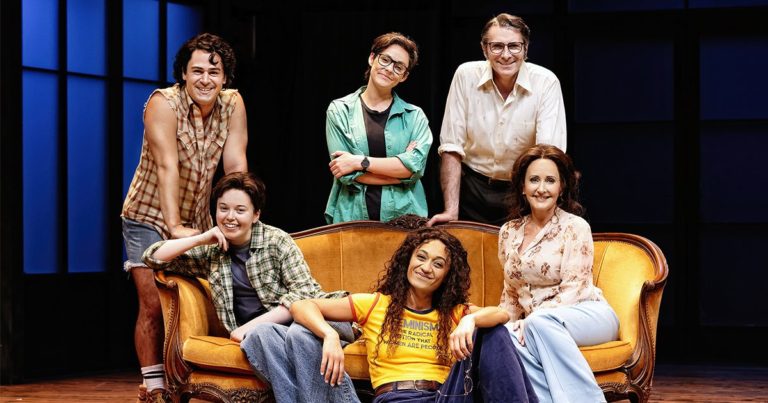
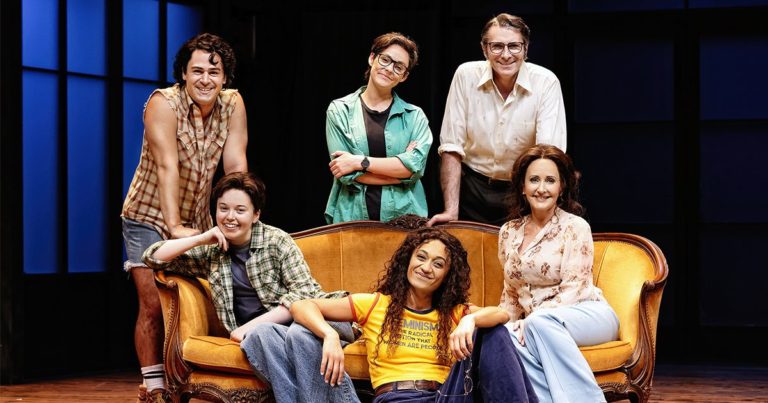
Enter Fun Home in 2015, an unlikely adaptation of Alison Bechdel’s autobiographical graphic novel of the same name, a dark tale of growing up in a funeral home, coming out, grief and family secrets, with book and lyrics by Lisa Kron and music by Jeanine Tesori. Bechdel is arguably best known for the pop cultural phenomenon of The Bechdel Test but to queer women she is so much more. And to queer women who love musical theatre, she’s iconic.

For Clemence Williams, associate director of the Sydney Theatre Company production of Fun Home that opened last week, Bechdel’s work means a huge amount”.

“When I think of lesbians in musicals it was just that cameo of the lighting designer in The Producers. It’s just one joke. I’m like, ah, that’s what I’ve been told a lesbian is by musicals up until this point.”

“I heard the music [to Fun Home] in late 2015 and I’ve just been obsessed ever since,” she adds. “I read her graphic novels, I read Dykes To Watch Out For. And I felt this weird sense of grief that I hadn’t had this when I was coming out. It was, like, these friends that I needed and didn’t have, and now I’ve got them in this book – and this show – forever.”

Now starring in Fun Home, Maggie McKenna first saw the show on Broadway in 2016. “I was blown away and completely destroyed emotionally,” she says. “I’d never seen a show I connected to as much as I did with this one. Just seeing a young woman in college, which I was at the time, discovering her sexuality. I felt like I was the same.”

Fun Home isn’t just explicitly queer in that the central character is a lesbian, it also grapples with the trauma of her losing her father — a closeted gay man — to suicide. For director Dean Bryant, the work’s ability to traverse this complexity so deftly was what drew him to the show.

“It’s so well-made, so succinct, every line,” he says, “but I think probably the pain underneath it is what I am drawn to. We all long to have our parents understand us and to be able to live the life that we feel comfortable with.”

Dean concedes that as a gay man he hasn’t had to wait nearly as long to be represented in theatre. Indeed, there are more white gay men in major Artistic Director roles in Australia right now than there is any other demographic.

“The joy for me has actually been having Clem and Maggie and Carmel Dean [musical director] and Isabel Hudson who’s in design, getting to be in their presence as they work on material that literally speaks to their lives, to be amongst people that are getting to feel that for the first time.”

The team have taken great delight in celebrating a queer sensibility and aesthetic in the work, and on drawing on the diverse expression of sexuality present in the rehearsal room.

“I think when I’ve approached some of the works that I’ve directed, I’ve wanted to apologise for myself and my aesthetic and my needs, when in fact it’s something to be celebrated,” reflects Clem. “[Working on Fun Home], I’ve never felt once that I’ve had to modify myself or my gender and sexuality coding, to the point where Dean has got all of the [actors playing] Alison to watch me walk around the room to make sure that they walk like a ‘real’ lesbian.”

Thank God someone is taking charge of ensuring butch swagger makes it to the stage!

Fun Home’s celebration of not just lesbian identity, but butch lesbian identity sets it even further apart from most representations of queer womanhood, not only in musicals but across the entertainment industry.

In the canon of musical TV shows, queer women have been given a little more than on stage, though often with what I refer to as the ‘bisexual afterthought’ exemplified in Glee or Crazy Ex Girlfriend, where a woman is written as straight only to come out as bisexual once the show has an established fanbase (and once those fans have pointed out that character’s Big Queer Energy). This isn’t to erase the importance of bisexual representation (don’t cancel me, some of my best life partners are bisexual), but a Season 3 coming out is very different to a character being written as queer from the pilot.

While the Tony-award-winning success of Fun Home didn’t see an immediate onslaught of more lesbian musicals, hopefully its impending success here in Australia sees theatre companies continue to invest not only in queer artists (we’re everywhere) but in explicitly queer work. Hopefully when my own kid is a teenager filled with hopefully queer yearning, they have a veritable buttload of passionate ‘I want’ songs to sing, and they don’t have to change the pronouns.

Fun Home is currently playing at the Sydney Theatre Company.


Maeve Marsden is directing a lesbian musical later this year so make sure you’re following her on Twitter.

‘Fun Home’ Proves That Musical Theatre Is For Lesbians – Junkee

Musical theatre is generally considered the purview of gay men, but ‘Fun Home’ proves that musical theatre is deeply, deeply sapphic.

When I was 14 I fell madly in love. Now, many would argue that 14 year olds lack the emotional maturity to experience true love and they would be correct, but at the time I would not listen to reason, and I pursued the object of my affection — a school prefect 3 years my senior — with a wild and embarrassing fervour.

One of my favourite pastimes was belting out ‘On My Own’ from Les Misérables, changing the pronouns so I was singing about another girl. I did this often, occasionally crying a little, because I was very cool. While my school friends listened to late 90s triple j and hooked up with boys who could sell us bad acid, I listened to emotional ‘I want’ songs from classic musicals.

It’s no coincidence that I took comfort in musical theatre. While as an art form, musical theatre is generally considered the purview of gay men, with its camp excess and absurdity, I put it to you that musical theatre is deeply, deeply sapphic. It’s feelings upon feelings upon feelings, and the show simply cannot go on without a gruff butch stage manager calling the shots.

The thing is, despite this, a search through the back catalogue of musicals reveals a dearth of explicitly lesbian characters. We got a nod (and an absolute banger of a duet) in Rent and we’ll always have Calamity Jane singing about ‘a woman’s touch’, but for decades we had nothing truly driven by a queer woman’s perspective.

Enter Fun Home in 2015, an unlikely adaptation of Alison Bechdel’s autobiographical graphic novel of the same name, a dark tale of growing up in a funeral home, coming out, grief and family secrets, with book and lyrics by Lisa Kron and music by Jeanine Tesori. Bechdel is arguably best known for the pop cultural phenomenon of The Bechdel Test but to queer women she is so much more. And to queer women who love musical theatre, she’s iconic.

For Clemence Williams, associate director of the Sydney Theatre Company production of Fun Home that opened last week, Bechdel’s work means a huge amount”.

“When I think of lesbians in musicals it was just that cameo of the lighting designer in The Producers. It’s just one joke. I’m like, ah, that’s what I’ve been told a lesbian is by musicals up until this point.”

“I heard the music [to Fun Home] in late 2015 and I’ve just been obsessed ever since,” she adds. “I read her graphic novels, I read Dykes To Watch Out For. And I felt this weird sense of grief that I hadn’t had this when I was coming out. It was, like, these friends that I needed and didn’t have, and now I’ve got them in this book – and this show – forever.”

Now starring in Fun Home, Maggie McKenna first saw the show on Broadway in 2016. “I was blown away and completely destroyed emotionally,” she says. “I’d never seen a show I connected to as much as I did with this one. Just seeing a young woman in college, which I was at the time, discovering her sexuality. I felt like I was the same.”

Fun Home isn’t just explicitly queer in that the central character is a lesbian, it also grapples with the trauma of her losing her father — a closeted gay man — to suicide. For director Dean Bryant, the work’s ability to traverse this complexity so deftly was what drew him to the show.

“It’s so well-made, so succinct, every line,” he says, “but I think probably the pain underneath it is what I am drawn to. We all long to have our parents understand us and to be able to live the life that we feel comfortable with.”

Dean concedes that as a gay man he hasn’t had to wait nearly as long to be represented in theatre. Indeed, there are more white gay men in major Artistic Director roles in Australia right now than there is any other demographic.

“The joy for me has actually been having Clem and Maggie and Carmel Dean [musical director] and Isabel Hudson who’s in design, getting to be in their presence as they work on material that literally speaks to their lives, to be amongst people that are getting to feel that for the first time.”

The team have taken great delight in celebrating a queer sensibility and aesthetic in the work, and on drawing on the diverse expression of sexuality present in the rehearsal room.

“I think when I’ve approached some of the works that I’ve directed, I’ve wanted to apologise for myself and my aesthetic and my needs, when in fact it’s something to be celebrated,” reflects Clem. “[Working on Fun Home], I’ve never felt once that I’ve had to modify myself or my gender and sexuality coding, to the point where Dean has got all of the [actors playing] Alison to watch me walk around the room to make sure that they walk like a ‘real’ lesbian.”

Thank God someone is taking charge of ensuring butch swagger makes it to the stage!

Fun Home’s celebration of not just lesbian identity, but butch lesbian identity sets it even further apart from most representations of queer womanhood, not only in musicals but across the entertainment industry.

In the canon of musical TV shows, queer women have been given a little more than on stage, though often with what I refer to as the ‘bisexual afterthought’ exemplified in Glee or Crazy Ex Girlfriend, where a woman is written as straight only to come out as bisexual once the show has an established fanbase (and once those fans have pointed out that character’s Big Queer Energy). This isn’t to erase the importance of bisexual representation (don’t cancel me, some of my best life partners are bisexual), but a Season 3 coming out is very different to a character being written as queer from the pilot.

While the Tony-award-winning success of Fun Home didn’t see an immediate onslaught of more lesbian musicals, hopefully its impending success here in Australia sees theatre companies continue to invest not only in queer artists (we’re everywhere) but in explicitly queer work. Hopefully when my own kid is a teenager filled with hopefully queer yearning, they have a veritable buttload of passionate ‘I want’ songs to sing, and they don’t have to change the pronouns.

Fun Home is currently playing at the Sydney Theatre Company.


Maeve Marsden is directing a lesbian musical later this year so make sure you’re following her on Twitter.

Utah 126, San Antonio 94 – Midland Daily News

Percentages: FG .402, FT .650.

3-Point Goals: 7-23, .304 (Samanic 2-4, Eubanks 1-1, Jones 1-1, Johnson 1-3, Vassell 1-3, Walker IV 1-4, Gay 0-1, Mills 0-1, Murray 0-2, Dieng 0-3).

Team Rebounds: 8. Team Turnovers: None.

Blocked Shots: 5 (Eubanks 2, Bates-Diop, Samanic, Vassell).

Turnovers: 7 (Samanic 3, Murray 2, Bates-Diop, Dieng).

Steals: 7 (Bates-Diop 2, Poeltl 2, DeRozan, Dieng, Walker IV).

Technical Fouls: None.

FG FT Reb
UTAH Min M-A M-A O-T A PF PTS
Bogdanovic 25:36 10-13 1-1 0-2 0 2 24
Niang 23:24 4-9 0-0 0-2 1 3 11
Gobert 21:37 3-6 4-6 2-8 1 1 10
Ingles 25:24 5-11 1-1 0-5 7 2 14
O’Neale 24:31 2-4 0-0 0-7 2 0 5
Clarkson 24:40 12-16 4-5 0-6 4 1 30
Forrest 21:26 3-4 0-0 0-6 2 2 6
Oni 18:55 2-3 0-0 1-6 2 2 6
Favors 14:23 2-3 0-1 2-5 0 1 4
Thomas 10:24 2-8 0-0 1-3 1 1 5
Brantley 8:29 2-5 0-0 1-2 2 1 5
Morgan 8:00 0-1 0-0 0-1 0 0 0
Ilyasova 7:29 0-2 0-0 0-0 1 4 0
Hughes 5:42 2-3 0-0 0-0 1 0 6
Totals 240:00 49-88 10-14 7-53 24 20 126

Percentages: FG .557, FT .714.

3-Point Goals: 18-41, .439 (Bogdanovic 3-4, Niang 3-7, Ingles 3-8, Hughes 2-2, Oni 2-3, Clarkson 2-4, Brantley 1-2, O’Neale 1-2, Thomas 1-7, Forrest 0-1, Ilyasova 0-1).

Team Rebounds: 9. Team Turnovers: 4.

Blocked Shots: 2 (Favors 2).

Turnovers: 14 (Bogdanovic 5, Clarkson, Favors, Forrest, Gobert, Ilyasova, Ingles, Morgan, O’Neale, Oni).

Steals: 5 (Bogdanovic 2, Niang, O’Neale, Oni).

Technical Fouls: None.

San Antonio 26 16 21 31 94
Utah 38 28 34 26 126

A_6,506 (18,306). T_1:58.

Utah 126, San Antonio 94 | Sports | titusvilleherald.com – Titusville Herald

SAN ANTONIO (94)

DeRozan 3-8 0-0 6, Johnson 2-10 1-2 6, Poeltl 4-8 0-0 8, Murray 2-6 3-4 7, Vassell 6-10 1-2 14, Bates-Diop 1-2 1-2 3, Samanic 6-14 1-2 15, Walker IV 3-11 0-0 7, Eubanks 4-8 5-6 14, Gay 0-1 0-0 0, Dieng 1-5 1-2 3, Jones 5-8 0-0 11, Mills 0-1 0-0 0. Totals 37-92 13-20 94.

UTAH (126)

Bogdanovic 10-13 1-1 24, Niang 4-9 0-0 11, Gobert 3-6 4-6 10, Ingles 5-11 1-1 14, O’Neale 2-4 0-0 5, Brantley 2-5 0-0 5, Favors 2-3 0-1 4, Ilyasova 0-2 0-0 0, Morgan 0-1 0-0 0, Oni 2-3 0-0 6, Clarkson 12-16 4-5 30, Forrest 3-4 0-0 6, Hughes 2-3 0-0 6, Thomas 2-8 0-0 5. Totals 49-88 10-14 126.

San Antonio 26 16 21 31 94
Utah 38 28 34 26 126

3-Point Goals_San Antonio 7-23 (Samanic 2-4, Johnson 1-3, Vassell 1-3, Walker IV 1-4, Murray 0-2, Dieng 0-3), Utah 18-41 (Bogdanovic 3-4, Niang 3-7, Ingles 3-8, Hughes 2-2, Oni 2-3, Clarkson 2-4, Brantley 1-2, O’Neale 1-2, Thomas 1-7). Fouled Out_None. Rebounds_San Antonio 35 (Eubanks 9), Utah 53 (Gobert 8). Assists_San Antonio 22 (Walker IV 5), Utah 24 (Ingles 7). Total Fouls_San Antonio 13, Utah 20. A_6,506 (18,306)

National Honor Our LGBT Elders Day is May 16th – Los Angeles Blade

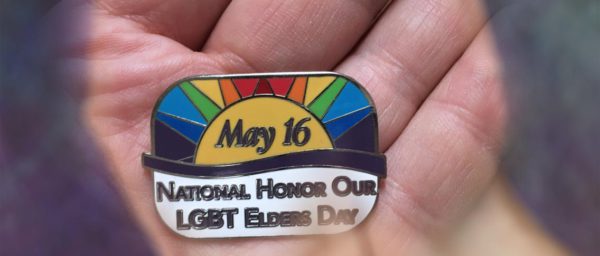
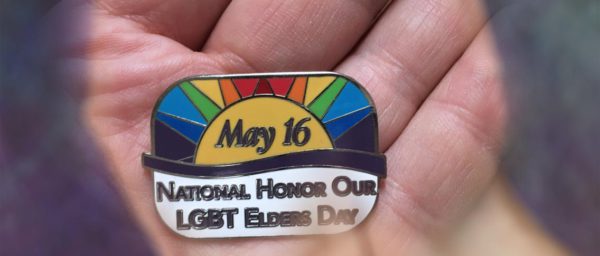
BALTIMORE, MD. – Celebrate an LGBT elder who made a difference in your life, and spread the word about the importance of LGBT older adults in your community on Sunday, May 16—National Honor Our LGBT Elders Day.

Join us as we celebrate National Honor Our LGBT Elders Day virtually with videos and retrospectives on the event’s official Facebook page, www.facebook.com/LGBTEldersDay.

Visit our website at www.lgbteldersday.org to submit your video honoring an LGBT elder who made a difference in your life. You can also join the conversation with our social media toolkit, and learn more about the history and purpose of National Honor Our LGBT Elders Day.

There are an estimated 3 million LGBT adults over the age of 55 throughout the U.S.

“It’s important to celebrate elders every day,” said Sam McClure, executive director of the Center for LGBTQ Health Equity, which inaugurated the national day of recognition in Baltimore in 2016. “Respect for those with more experience is an essential element of civility. In intergenerational dialogues, we discover we have differing opinions based on our experiences and perspectives. I love seeing Elders and youth learning from each other.”

For more, visit www.lgbteldersday.org.

Ross Gay, Bon Iver shape the poetics of gratitude in new collaboration – The Stanford Daily

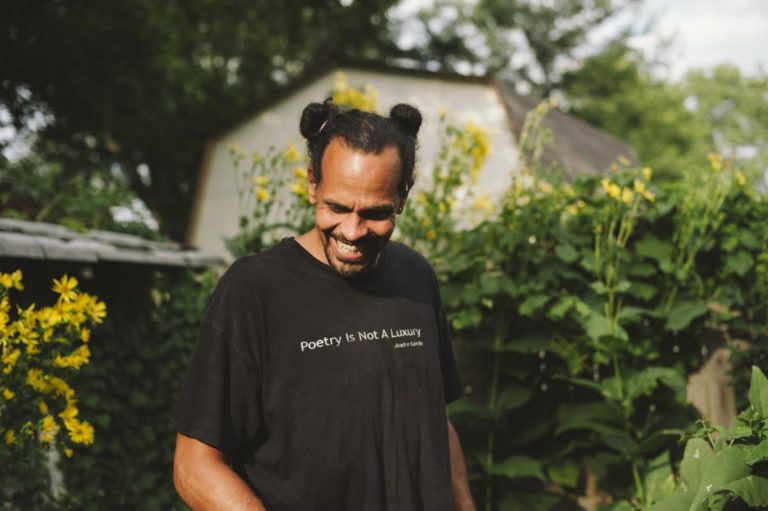
“Friends,” Ross Gay addresses listeners in the first seconds of “Catalog of Unabashed Gratitude.” With that, he welcomes us into a poetic orchard where he cultivates thanks for both the mundane and tragic experiences that make us human. Set against a shimmering soundscape by Bon Iver, Gay performs the titular poem from his widely-lauded 2015 book. The result of this collaboration between an acclaimed poet and indie star is a profoundly joyful treatise on what it means to live life consciously and appreciatively.

“Catalog” comes as the first track of Jagjaguwar’s newly released 25th anniversary record “Dilate Your Heart.” Indie diehards may know Jagjaguwar as the label backing artists like Sharon Van Etten, Angel Olsen and, of course, Justin Vernon, frontman of Bon Iver. In fact, the drone-filled music behind “Catalog” echoes Vernon’s cover of Van Etten’s “Love More,” cementing Gay’s track as a true complement to Jagjaguwar’s well-curated lineup of indie music. Yet, “Catalog of Unabashed Gratitude” resists categorization as spoken word poetry or contemporary music — perhaps because gratitude requires a new form.

Gay reads in a voice that is proclamatory, resonant and clear. He has come here “to holler.” However, rather than spectators to an onstage slam performance, Gay’s reading situates us as visitors in his home, sitting on “the corduroy couch [he has] put [us] on.” He even thanks us, the listeners, “for staying here with me / for moving your lips just so as I speak.” He gives us “a cup of tea. [He has] spooned honey into it.” In those lines, the poem becomes an offering rather than a purely performative act. After all, Gay takes us to “the realest place” he knows: a community garden in Indiana. Gay even produces “a bowl of blackberries from the garden,” and just as quickly as he conjures that sweetness, he gives it away to us, saying, “I picked them just for you.”

Poets and creative writers from the modern workshop era — in which writers are often encouraged to hone, cut and pare down language — will likely recognize that the tumbling excess and meanderings of Gay’s language is different. That is not to say that Gay’s language is cluttered or imprecise. Far from it. 

The poem succeeds because Gay’s detailed, expansive catalog proves just how much we have to appreciate in the world, from the “zinnia, and gooseberry, rudbeckia and pawpaw” flowers to the “baggie of dreadlocks [Gay] found in a drawer / while washing and folding the clothes of [his] murdered friend.” Compared to the excess of human experience in the world, we are so small: “There is a fig tree taller than you in Indiana / it will make you gasp / it might make you want to stay alive even.”

In response to Gay’s blooming language, Bon Iver’s music takes on a subtle yet powerful supporting role. The most accurate way I can describe the music is that it evokes the feeling of an interstellar religious ceremony celebrating sunrise on an alien planet. Vernon creates a soundscape with two main layers: the tremendous rattling of background synths set against clear tones that weave in and out, accommodating Gay’s words the way we might imagine a “river bends around the elephant’s / solemn trunk.”

The music reaches its zenith at the end of the track. Gay moves into the final question of his poem, and the music starts to fade. In giving way to silence, Bon Iver co-creates the feeling of awakening from a dream or coming up from being underwater. Gay’s voice meets us on the other side of that dream.

I am reminded, in that moment, of Bon Iver’s song “Heavenly Father,” a piece written for the movie “Wish I Was Here” and with the same trance-like, religious quality. In that song, Vernon sings, “I was never sure how much of you I could let in.” I’d like to sit that song next to Gay’s poem and imagine how Gay would answer that worry. I’d like to think he would say to let in everything and everyone.

After all, Gay acknowledges that life is “so much worse than we think,” and its end comes sooner than we ever expect. His poem unfurls into a question about life’s meaning: “What do you think / this singing and shuddering is, / what this screaming and reaching and dancing / and crying is?” When I reach this question, I think I understand. Gay’s entire poem has been rising to give the answer he affirms, in the end, so simply. The poem lives in praise of “loving, what every second goes away.” And we ought to consider living in this way, too.

The Italian influencers who gatecrashed the country’s political scene – POLITICO Europe

Press play to listen to this article

ROME — Together, they’re known as the Ferragnez — Italy’s most potent influencer power couple.

Increasingly, however, they might just be Italy’s most potent political influencers. And politicians are desperate to share their limelight. 

The husband-and-wife duo — Fedez, a superstar rapper, and Chiara Ferragni, a fashion blogger-turned retail mogul — reportedly fetch €60,000 from lifestyle brands for posts sent to their collective Instagram audience, which is almost the same size as the population of Canada. 

But in recent months, the pair have been occasionally swapping brand engagement for civil activism, upending Italian politics along the way.  

On issues from gay rights to the coronavirus to gender-based violence, the duo has wielded their digital savvy to push their thoughts, raise money and cajole politicians. They’ve directed fans to troll the Instagram page of a politician holding up an anti-LGBT violence bill. They’ve crowd-sourced funding for a hospital. And just this past weekend, Fedez grabbed Italy’s attention when he accused a state-run broadcaster of trying to censor him during an appearance.

Their political rise represents a new twist in a long-standing dynamic in Italy: distrust of political parties and elites. The wariness has taken different forms over the years. In the 1990s, Italians vaulted Silvio Berlusconi from media baron to prime minister. Two decades later, comedian Beppe Grillo founded the anti-politics 5Star Movement, which swept to power in 2018.

Now, Fedez and Ferragni have become the latest figureheads in Italy’s culture (and political) wars, resonating with a Gen Z audience. And the country’s politicians of all ideologies are lining up to praise them, court them and elbow into their online videos, all in the hope that some of their stardust rubs off.

Influencers, meet COVID

Fedez and Ferragni became national heroes during Italy’s first wave of the pandemic, a brutal period that overwhelmed the country’s health care system and provided a disturbing preview of what was to come across much of Europe. 

The duo took to social media to help bolster a struggling hospital in Milan, asking for donations. Soon, they had raised millions, enabling the hospital to establish a new coronavirus department. 

Then-Prime Minister Giuseppe Conte took notice. He called Fedez and Ferragni personally to ask for help persuading young people to wear masks. The outreach quickly became a meme-able moment in Italy with a common theme: the Ferragnez controlled Conte. 

For the pair, the fundraising effort represented a shift from their normal social media fare, which typically featured cute pictures of their children and pets, as well as videos of them pranking each other. 

But injecting more political content into the mix didn’t dampen the duo’s popularity — in fact, it became a surprise hit among their 36 million followers. 

In one video Ferragni posted last year, she argued that sexist victim-blaming was being used to rationalize violence against women, slut-shaming and revenge porn. It got 7 million views.

More recently, Ferragni — who over 12 years has turned her fashion blog into a retail empire — criticized the chaotic vaccination booking system in Italy’s Lombardy region, which was delaying her husband’s grandmother from getting a vaccine. 

With the posts, the married couple was taking a new version of a well-trodden path for celebrities entering the political fray. Comedian John Cleese made broadcasts for the U.K.’s Liberal Democrats. Married musical megastars Beyoncé and Jay-Z fundraised and stumped for former U.S. President Barack Obama. 

But the Ferragnez were going around the political system altogether, and making the politicians come to them. 

A political pivot

As the couple got more political, they adopted a central issue: Fighting for a law that would classify violence against LGBT people and women as hate crimes.

The measure is contentious in Italy. The leftist Democrats are pushing the bill, calling it essential to reducing discrimination. But the Catholic Church and the liberal right are strongly opposed, claiming the bill would infringe on a right to speak freely on gender and sexual orientation.

The Ferragnez has jumped right into the middle of the debate. 

In April, Fedez hosted an online debate with the MP behind the law, Alessandro Zan. Two million people watched. And last month, the pair ordered followers to flood the Instagram comments of Andrea Ostellari, the right-wing Italian lawmaker blocking the law from moving through parliament. They complied, posting more than 5,000 comments. Ostellari ultimately caved. 

Then last weekend, the issue exploded into a political row when Fedez performed in a televised Labor Day pop concert on Saturday. During his appearance, Fedez shamed politicians from the right-wing League party for homophobic statements. He specifically named people like Giovanni Di Paoli, a regional councillor in Liguria, who allegedly said: “If my son was gay, I would burn him alive.” (Di Paoli denies making the remark). 

On Fedez’s Instagram, the clip of his remarks racked up more than 15 million views.

The comments themselves drew even more attention after Fedez also attacked the state broadcaster Rai 3, which was airing the concert. Fedez claimed that initially the network, controled by political figures on the right, had tried to “censor” his broadside, urging him to avoid naming individual politicians. 

Politicians rushed to join the fray.

Luigi Di Maio, Italy’s foreign minister and a senior 5Stars figure, said “every artist must be permitted to express themselves freely,” before making sure to note his personal connection to Fedez.  

“I have known Fedez for some time,” he said. “As well as being a great singing talent he is a person that puts his heart into everything he does.”

Enrico Letta, leader of the leftist Democrats, also came in to support Fedez, saying he was “in perfect agreement” with the remarks during the performance. 

“The fact that someone like him speaks about these issues has broken the taboo against discussing civil rights because we are in a pandemic,” Letta said.

Even Matteo Salvini, the firebrand leader of the League, ostensibly Fedez’s enemy, condemned the homophobic remarks Fedez highlighted, calling them “disgusting.” He then noted he had been trying to meet with Fedez “to speak peacefully about the future, freedom, rights, art, music.”

Italy’s influencer era

Essentially, with just a few comments on social media and TV, Fedez had gotten the entire Italian political world to pay attention to his preferred issue.

It’s a phenomenon that reflects the power of modern-day social media influencers, said pollster Lorenzo Pregliasco of YouTrend.

“A big difference from the past is that today an influencer with millions of followers has an enormous reach, not just when he goes on TV,” Pregliasco said. 

Their setup also creates a symbiotic feedback loop: If a social media star speaks about Gen Z-friendly political issues, it generates wider attention — and more likes. 

It’s “on-demand politics,” said Pregliasco. Influencers can pick and choose where to express themselves, without having to take a broader ideological stance on everything.

The intense attention Fedez and Ferragni have attracted has generated the obvious question: Will they become Italy’s next pop icon-turned populist politician? 

Some have linked them to the Democratic Party, which is pushing to lower the voting age to 16. Having Fedez and Ferragni in the fold could certainly attract a younger demographic to the party. 

But the Ferragnez insist they have no plans to enter politics

“In this list of things that my wife and I have to do, entering politics comes straight after becoming a professional cricketer,” said Fedez in a recent video. 

Pointing to their dog, Ferragni added: “It is more likely that Maty goes into politics.”

ITALY NATIONAL PARLIAMENT ELECTION POLL OF POLLS

For more polling data from across Europe visit POLITICO Poll of Polls.

Sex, gender and discrimination dominate arguments at the Supreme Court in a case about women’s privacy at gyms – theday.com

Something like a Socratic discussion of sex, gender and what they mean in contemporary society broke out at the state Supreme Court Wednesday as the justices heard arguments in a sex discrimination case that some advocates say could change the direction — or at least confuse — Connecticut’s path toward greater equality.

“There was a couple of times where you said there is a clear difference between the sexes,” Chief Justice Richard A. Robinson asked, halfway through nearly two hours of argument. “What does that mean? I am going to ask you. It is a simple question, but probably a very complex answer. What is sex? What is gender?”

The case before the court involves a suit by the state Commission on Human Rights and Opportunities that accuses the owners of two health clubs of breaking anti-discrimination law by providing women with private exercise areas in gyms open, otherwise, to both men and women. The ostensible purpose of the private areas is to protect women from sexual harassment by men.

The suit raises questions about whether the thrust of state anti-discrimination law is to treat everyone equally or whether it was meant to redress historic persecution of some groups, such as women, by other groups, specifically men. Complicating the questions are rapidly evolving definitions of sex and gender and whether, in society’s view, they are preferences rather than biological distinctions.

“If you had a transgender women who had not had gender reassignment surgery, is she a women for the purposes of entry into this restricted area of the gym?” Justice Andrew J. McDonald asked one of the attorney’s for the health clubs.

“Yes,” attorney James F. Shea replied.

“Who’s policing this?” McDonald asked.

“No one,” Shea said. “I mean, no one is checking to confirm that the person is biologically as the person presents.”

The case reached the Supreme Court after the health clubs won the early rounds of litigation, convincing a commission hearing officer and a Superior Court that there is a right to gender privacy in Connecticut law that exempts women-only exercise areas from the anti-discrimination prohibition. Many advocates — the case has attracted wide interest — predict that if the Supreme Court follows that reasoning and recognizes a gender-based privacy right, other groups will follow, threatening a chain reaction that could erode laws intended to ban discrimination against anyone in any public place or organization.

McDonald suggested that men might need private space in gyms to protect them from “ogling” by gay men.

The parties to the case — the commission and two health club owners — tried to argue narrowly that the dispute rests on interpretation of the state’s public accommodation law and what the Legislature intended the law to do. The law prohibits sex-based discrimination against anyone for any reason in any place open to the public, with two narrow exceptions — sleeping accommodations such as hospital rooms rented for the exclusive use of persons of the same sex, and separate bathrooms or locker rooms.

The commission, taking the position that all sexes and genders must be treated equally under state law, argued that the Legislature intentionally limited the exceptions and explicitly did not make gender privacy, a concept not articulated in state law, one of them.

“There is no ambiguity in these exceptions,” said Michael Roberts, who argued for the commission.

The health clubs ridiculed that position as absurd, arguing that such a narrow interpretation would prevent, among other things, battered women’s shelters from banning men.

From their questions, the justices sounded divided, but concerned about the practical implications of whatever decision the majority reaches.

Just seconds into his argument, Justice Steven D. Ecker interrupted Roberts with the first of what became a long list of hypotheticals from the court: If women are harassed by men after being denied private exercise areas, can they bring harassment claims against gyms?

Roberts said the solution to that problem could be a requirement that prospective gym members submit to harassment training as part of the membership application process.

Shea said the case is not about harassment, but about the objectification of women, centuries of which have made women susceptible to depression or other disorders.

“This is not a case of sexual harassment,” Shea said. “Our expert talked about the concept of objectification. And women are objectified without harassment.”

Justice Christine E. Keller wanted to know whether a gender privacy right applies to women at swimming pools.

“I think women probably feel more uncomfortable about being looked, at ogled or objectified in a bathing suit than whatever they wear to the gym — baggy sweats or one of those nice expensive workout outfits you can buy now in expensive stores.,” Keller said. “Should we have separate hours for women at public swimming pools? Separate swimming pools for women, screened off from the swimming pool for men? Because you are far more exposed in a bathing suit than you are in exercise clothes.”

Shea said that gyms, unlike pools, are “a traditionally male dominated environment” and so women are entitled to privacy right in gyms as a “remedial” measure to correct past mistreatment.

Keller wanted to know what the remedy should be for an overweight man who felt inappropriate looks from women at his gym amounted to “fat shaming.”

Shea said that the expert commissioned by the health clubs to examine the subject determined that “men don’t feel objectified like women.”

Ecker expressed concern that if women are denied private exercise space in co-ed gyms, they will be forced to work out at home. Some of the justices pressed the commission lawyer with questions about whether private, single sex gyms are legal in Connecticut, under public accommodation law, but did not get a definitive answer.

Robinson said the cases presented the court with a ”tough” question. Some of the judges suggested the solution may lie with sending the health clubs across Capitol Avenue to lobby the Legislature for a clarification.

Brazilian comedian’s COVID-19 death unites nation in grief – The Associated Press

RIO DE JANEIRO (AP) — Paulo Gustavo, a popular comedian whose character Dona Herminia dealt with everyday family and LGBTQ issues in some of Brazil’s biggest-box office movies and television shows, died of COVID-19, sparking an outpouring of grief across a country polarized by the pandemic. He was 42.

Gustavo died Tuesday evening in a Rio de Janeiro hospital after spending more than a month in intensive care. Fans had begun a vigil for him outside the hospital.

Conservative President Jair Bolsonaro, who tends to shrug off COVID-19 deaths and has downplayed the disease, tweeted his regret at the death of Gustavo, “who with his talent and charisma conquered the affection of all Brazil.”

His leftist archrival, former President Luiz Inácio Lula da Silva, mourned Gustavo as “a great Brazilian, who celebrated our country with so much joy.”

Brazil’s Senate held a moment of silence in Gustavo’s memory Wednesday before resuming a hearing into the president’s handling of the pandemic, which has killed more than 400,000 Brazilians. Officials now say a more-contagious variant of the virus is spreading across the South American nation.

ADVERTISEMENT

Gustavo’s death at 42 highlighted how the disease is increasingly affecting younger Brazilians. The country is bitterly split between those urging stepped-up vaccination campaigns and lockdown measures and followers of Bolsonaro, who has denounced such restrictions.

“Look at reality. Stop denying the seriousness of this virus,” Hellen Calixto, a Brazilian Twitter user, wrote in response to Gustavo’s death. “I think that many, like me, did not treat the virus seriously because by the mercy of God it did not reach their family. But let’s get serious, people.”

The actor’s character Dona Hermínia, inspired by his mother, was featured in movies and shows that sold 22 million tickets — making them among the most popular in Brazil’s history. He played Dona Hermínia as a loud Rio suburban mother who humorously dealt with her gay son’s sexuality in a way many considered helpful to positively presenting families with LGBT members.

Gustavo, who had more than 16 million followers on Instagram, represented a vision of a stable LGTBQ family that is still controversial in some conservative sectors of Brazilian society.

He is survived by his husband, Dr. Thales Bretas, and two 1-year-old children, Romeu and Galel, who were born in the United States to surrogate mothers.

Gustavo was hospitalized in mid-March after contracting COVID-19, was intubated a week later for breathing difficulties and eventually needed an artificial lung.

He recorded a video alluding to the disease at the end of last year, urging his fans to take care. He said that while Brazilians have covered their smiles with masks due to the pandemic, “we will not stop smiling or having hope.”

Famed Brazilian singer Caetano Veloso shared a photo of himself hugging Gustavo on his social networks.

“The Brazilian people are in mourning,” he wrote. “And they must react against those responsible for our vulnerability in the face of the pandemic that took this beloved person from us.”

Night Fever: How club culture has moved with the times – BBC News

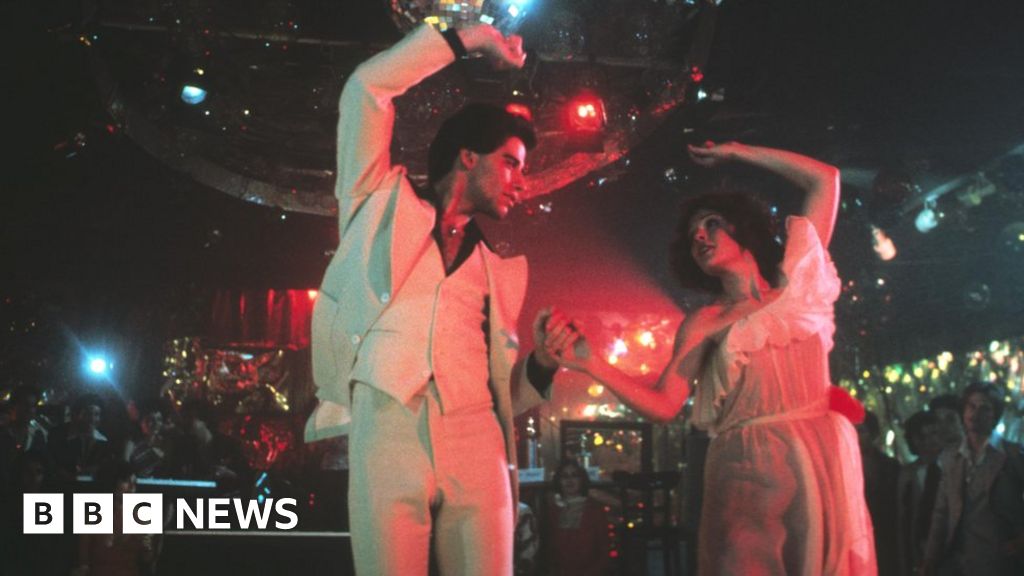
The scene from the film Saturday Night Fever is now 44 years old, but it remains a crucial moment in the history of nightclubs and discotheques. Pre-social media, and before Strictly and the other TV dance contests, the film made disco music and disco dance part of mainstream culture.