Home Blog Page 281

German priests defy Vatican ban by blessing same-sex unions – Reuters

BERLIN (Thomson Reuters Foundation) – The Catholic Church has lost touch with the “living reality” of LGBT+ people, said one of more than 100 German priests who are defying the Vatican this week by blessing same-sex couples.

In a move that angered liberals within the 1.3 billion-member Church, the Vatican’s doctrinal office said in March that priests cannot bless same-sex unions in lieu of marriage, despite ministers doing so in countries such as Germany.

“If we say that God is love, I cannot tell people who embrace loyalty, unity and responsibility to each other that theirs is not love, that it’s a fifth-or sixth-class love,” said Christian Olding, a priest in the western city of Geldern.

“I look forward to the blessing. We’re going have all forms of relationships: classic heterosexual marriages, divorced and remarried couples, unmarried couples and yes, also same-sex couples,” Olding told the Thomson Reuters Foundation.

“We’re going have the whole diversity of love.”

Priests and dioceses all over Germany have joined the “Liebe Gewinnt” or “Love Wins” initiative, with blessings taking place this week in cities like Berlin, Munich and Cologne, home to Germany’s largest archdiocese, as well as rural areas.

The March ban on blessings, which Pope Francis approved, sparked dissent within the Church and surprised many because he has been more conciliatory towards gay people than perhaps any other pontiff.

The pope has held meetings with gay couples and encouraged those who want to raise their children in the Church to do so. In 2013, he made the now-famous remark “Who am I to judge” about gay people seeking God and trying to live by the Church’s rules.

The Church teaches that being gay is not inherently sinful but forbids same-sex sexual activity.

In March, more than 2.000 priests, theologians and other members of the Catholic Church in Germany and Austria signed a petition in favour of blessing same-sex couples.

“When someone says that something cannot be discussed anymore, I find that unreasonable and inappropriate,” Olding said, adding that the Church had lost touch with its LGBT+ followers.

“I live in the centre of society. I don’t want to be separated from the daily living reality of the people I accompany as a priest.”

According to the Pew Research Center, a U.S.-based think-tank, 86% of Germans think homosexuality should be accepted.

Reporting by Enrique Anarte @enriqueanarte; Editing by Katy Migiro and Hugo Greenhalgh. Please credit the Thomson Reuters Foundation, the charitable arm of Thomson Reuters, that covers the lives of people around the world who struggle to live freely or fairly. Visit news.trust.org

The Forgotten History of the World’s First Trans Clinic – Scientific American

The first gender affirmation surgeries took place in 1920s, at a facility which employed transgender technicians and nurses, and which was headed by a gay Jewish man. The forgotten history of the institute, and its fall to Nazis bent on the euthanasia of homosexuals and transgender people, offers us both hope—and a cautionary tale—in the face of oppressive anti-trans legislation in the United States.

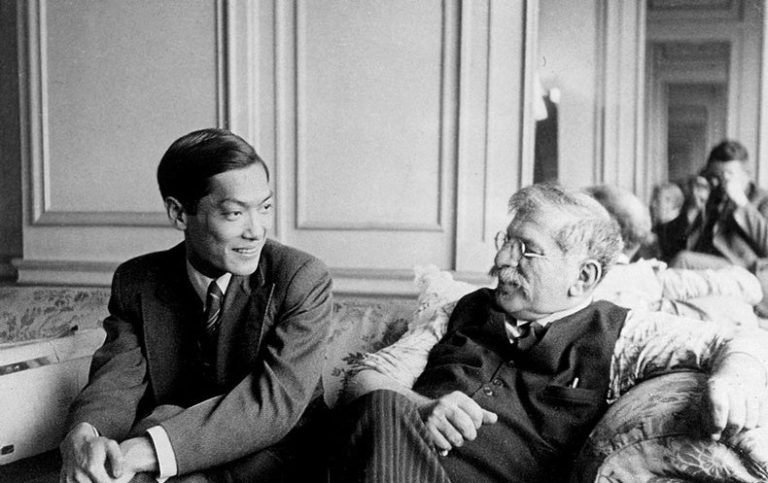
This story begins late one night in Berlin, on the cusp of the 20th century. Magnus Hirschfeld, a young doctor recently finished with his military service, found a German soldier on his doorstep. Distraught and agitated, the young man had come to confess himself an urning, a word used in Germany to refer to homosexual men. It explained the cover of darkness; to speak of such things was dangerous business. The infamous “Paragraph 175” in the German criminal code made homosexuality illegal; a man so accused could be stripped of his ranks and titles and imprisoned.

Hirschfeld understood the soldier’s plight; he was, himself, both homosexual and Jewish. He had toured Europe, watched the unfolding trial against Oscar Wilde, and written an anonymous pamphlet asking why “the married man who seduces the governess” remains free, while homosexual men in loving and consensual relationships—men like Oscar Wilde—were imprisoned. Hirschfeld did his best to comfort the man, but upon leaving his doctor, the soldier shot himself. It was the eve of his wedding, an event he could not face.

The soldier bequeathed his private papers to Hirschfeld, along with a letter: “the thought that you could contribute to [a future] when the German fatherland will think of us in more just terms,” he wrote, “sweetens the hour of death.” Hirschfeld would be forever haunted by this needless loss; the soldier had called himself a “curse,” fit only to die, because the expectations of heterosexual norms, reinforced by marriage and law, made no room for his kind. These heartbreaking stories, Hirschfeld wrote, “bring before us the whole tragedy [in Germany]; what fatherland did they have, and for what freedom were they fighting?” In the aftermath of this lonely death, Hirschfeld left his practice to specialize in sexual health, and began a crusade for justice that would alter the course of queer history.

Hirschfeld called his specialty “sexual intermediaries.” Included beneath this umbrella were what he considered “situational” and “constitutional” homosexuals—a recognition that there is often a spectrum and bisexual practice—as well as what he termed “transvestites.” This group did include those who wished to wear the clothes of the opposite sex, but also those who “from the point of view of their character,” should be considered as the opposite sex.

One soldier with whom Hirschfeld had worked described wearing women’s clothing as the chance “to be a human at least for a moment.” He likewise recognized that these people could be either homosexual or heterosexual, something that is still misunderstood about transgender people today. Perhaps even more surprising was Hirschfeld’s inclusion of those with no fixed gender at all, akin to today’s concept of gender fluid or nonbinary identity (he counted French novelist George Sand among them). Most importantly for Hirschfeld, these men and women were acting “in accordance with their nature,” not against it.

If this seems like extremely forward thinking for the time, it was—possibly more forward thinking than our own. Current anti-trans sentiments center on the idea that transgender is both unnatural and new. In the wake of a U.K. court decision limiting trans rights, an editorial in the Economist argued that other countries should follow suit, and an editorial in the Observer praised the court for resisting a “disturbing trend” of children receiving medical treatments as part of a gender transition. But history bears witness to the plurality of gender and sexuality; Hirschfeld considered Socrates, Michelangelo and Shakespeare to be sexual intermediaries; he considered himself (and his partner Karl Geise) to be the same. Hirschfeld’s own predecessor, Richard von Krafft-Ebing, had claimed in the 19th century that homosexuality was natural sexual variation—and Hirschfeld believed that a person was congenitally born that way.

This was no trend or fad, but a recognition that people may be born with a nature contrary to their assigned gender. And, in cases where the desire to live as the opposite sex was strong, Hirschfeld thought science ought to provide a means of transition. He purchased a Berlin villa in early 1919 and opened the Institut für Sexualwissenschaft (Institute for Sexual Research) on July 6. By 1930 it would perform the first modern gender affirmation surgeries in the world.

A PLACE OF SAFETY

A corner building with wings to either side, the institute was an architectural gem that blurred the line between professional and intimate living spaces. A journalist reported it could not “be a hospital,” for it was furnished, plush, and “full of life everywhere.” It’s stated purpose: to be a place of “research, teaching, healing, and refuge” that could “free the individual from physical ailments, psychological afflictions, and social deprivation.” Hirschfeld’s institute would also be a place of education. While in medical school, he’d experienced the trauma of watching as a gay man was paraded naked before the class, to be verbally abused as degenerate.

At his institute, Hirschfeld would instead provide sex education and health clinics, advice on contraception, and research on gender and sexuality, both anthropological and psychological. He worked tirelessly to try and overturn Paragraph 175, managed to get legally accepted “transvestite” identity cards for his patients, and worked to normalize and legitimize homosexual and transitioning individuals. The grounds also included room for offices given over to feminist activists, as well as a printing house for sex reform journals meant to dispel myths about sexuality. “Love,” Hirschfeld said, “is as varied as people are.”

The institute would ultimately house an immense library on sexuality, gathered over many years and including rare books and diagrams and protocols for male-to-female (MTF) surgical transition. In addition to psychiatrists for therapy, he had had hired Ludwig Levy-Lenz, a gynecologist, and surgeon Erwin Gohrbandt. Together, they performed male-to-female surgery called genitalumwandlung—literally, “transformation of genitals.” This occurred in stages: castration, penectomy and vaginoplasty. (The Institute only treated men at this time; female-to-male phalloplasty would not be practiced until 1949 by plastic surgeon Sir Harold Gillies). Importantly, patients would also be prescribed hormone therapy, allowing them to grow natural breasts and softer features.”

Their groundbreaking studies, meticulously documented, drew international attention—and international patients, as well. Rights and recognition did not immediately follow, however. After surgery, some transwomen had difficulty getting work to support themselves, and as a result, five became nurses at the institute itself. In this way, Hirschfeld sought to provide a safe space for those whose altered bodies differed from the gender they were assigned at birth—including, at times, protection from the law.

LIVES WORTH LIVING

That such an institute existed as early as 1919, recognizing the plurality of gender identity and offering support, even through affirming surgery, comes as a surprise to many. It should have been the bedrock on which to build a bolder future. But as the institute celebrated its first decade, the Nazi party was already on the rise. By 1932, it was the largest political party in Germany, holding more parliamentary seats, and growing its numbers through a nationalism that targeted the immigrant, the disabled, the “genetically unfit.” Weakened by economic crisis and without a majority, the Weimer Republic would collapse. Hitler was named chancellor on January 30, 1933 and would enact policies to rid Germany of lebensunwertes Leben; that is, “lives unworthy of living.” What began as a sterilization program ultimately led to the extermination of  millions of Jews, “Gypsies,” Soviet and Polish citizens—and homosexuals and transgender people. The Nazis came for the Institute on May 10, 1933. Hirschfeld was out of the country. Karl Geise fled with what he could carry; everything else would perish by fire.

The carnage would flicker over German newsreels, the first (but by no means last) of the Nazi book burnings. Troops swarmed the building, carrying off a bronze bust of Hirschfeld and all of his precious books. Nazi youth, women, and soldiers took part, the footage and its voiceover declaring the German state had committed “the intellectual garbage of the past” to the flames. Soon, a tower-like bonfire engulfed more than 20,000 books, some of them rare copies that helped to provide a historiography for nonconforming peoples; they could never be replaced.

The Nazis also stole lists of clients, adding the names to “pink lists” from which to poach homosexuals for concentration camps. Levy-Lenz, who like Hirschfeld was Jewish, fled Germany to escape execution—but in a dark twist, his colleague Erwin Gohrbrandt, with whom he had performed so many supportive operations, joined the Luftwaffe and would later contribute to grim experiments in the Dachau concentration camp. Hirschfeld’s likeness would be reproduced on Nazi propaganda as the worst of offenders, both Jewish and homosexual, all that the Nazis would stamp out in their bid to produce the perfect heteronormative Aryan race.

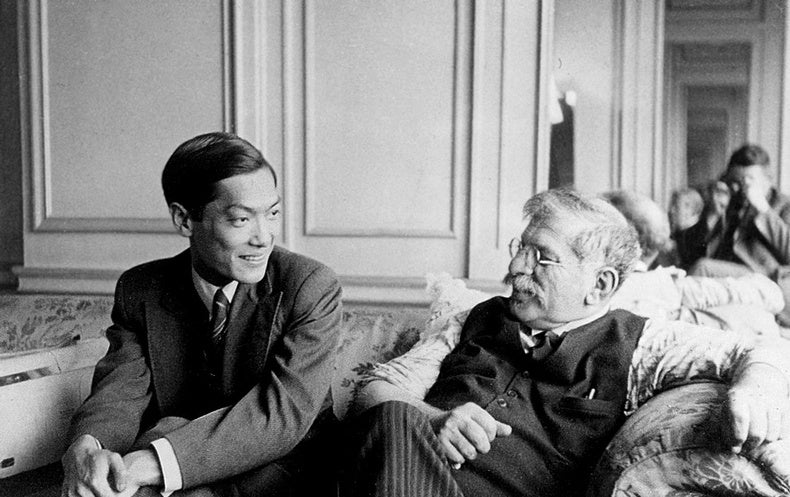
In the immediate aftermath of the Nazi raid, Karl Geise joined Hirschfeld and his protege Li Shiu Tong, a young medical student, in Paris. The three would continue living together as partners and colleagues with hopes of rebuilding the institute, until the growing threat of Nazi occupation once more required them to flee. Hirschfeld died of a sudden stroke in 1935 while still on the run. Giese committed suicide in 1938—and Hirschfeld’s protgege Li Shiu Tong would abandon his hopes of opening an institute in Hong Kong for a life of obscurity abroad. 

Their history had been effectively erased—so effectively, in fact, that though the newsreels still exist, and the pictures of the burning library are often reproduced, few know they feature the world’s first trans clinic. The Nazi ideal had been based upon white, cishet (that is, cisgender and heterosexual) masculinity masquerading as genetic superiority. Any who strayed were considered as depraved, immoral, worthy of death. What began as a project of “protecting” German youth and raising healthy families had been turned, under Hitler, into a mechanism for genocide.

A NOTE FOR THE FUTURE

The story of Hirschfeld’s institute at once inspires hope and pride for an LGBTQ+ history that might have been, and could still be. It simultaneously sounds a warning. Current legislation, and indeed calls even to separate trans children from supportive parents, bear striking resemblance to those terrible campaigns against so-labeled “aberrant” lives. Studies have shown that supportive hormone therapy, accessed at an early age, lowers rates of suicide among trans youth—but there are those who, counter to Hirschfeld, refuse to believe that trans identity is something you can be “born with.” Richard Dawkins was recently stripped of his “humanist of the year” award for comments comparing trans people to Rachel Dolezal, a civil rights activist who posed as a Black woman, as though gender transition was a kind of duplicity. His comments come on the heels of yet more legislation in Florida banning transgender athletes from participating in sports, and an Arkansas bill denying transgender children and teens supportive care.

The future doesn’t always guarantee social progress. Hirschfeld’s Institute for Sexual Research, with its trans-supportive community of care, ought to have provided a firm platform to build a future that indeed thought of “sexual intermediaries” in “more just terms.” But these pioneers and their heroic sacrifices help to provide a sense of hope—and of history—for LGBTQ+ communities worldwide. May we learn the lessons of history, because where we go from here is up to us.

This is an opinion and analysis article.

Prospects dim for passage of LGBTQ rights bill in Senate – NBC News

WASHINGTON — Controlling Congress and the White House for the first time in a decade, Democrats were hopeful that this would be the year they finally secured civil rights protections for LGBTQ Americans.

Then came an increasingly heated debate over women’s and girls sports.

Legislation that would add sexual orientation and gender identity to the Civil Rights Act of 1964 is running aground in the Senate, partly knocked off course by the nationwide conservative push against transgender girls’ participation in girls and women’s athletics that has swept state legislatures and now spilled into the halls of Congress.

Sen. Ted Cruz, R-Texas, said the House-passed legislation would “in effect repeal Title IX” by making it easier for transgender women to play on girls teams. Sen. Cindy Hyde-Smith, R-Miss., said that allowing “male-bodied athletes” to compete against females would “totally undermine” girls basketball. Rep. Vicky Hartzler, R-Mo., said the bill would “decimate” female athletic competition.

Democrats are frustrated by the shift in the debate, saying there’s ample evidence that the Republican claims are false and overblown.

The International Olympic Committee has allowed transgender athletes to compete for years under specific parameters, and, to date, there have been no known transgender women compete in the Olympics. Only one known transgender woman has competed at the Division I level in the NCAA. And though legislators in around 30 states have introduced legislation to ban or limit transgender athletes from competing on teams that align with their gender identity, few lawmakers have been able to cite specific cases in their home states where it became an issue.

“We are waiting for this avalanche of problems,” said the chair of the Senate Judiciary Committee, Democratic Sen. Dick Durbin of Illinois, characterizing the Republicans’ argument. “They haven’t really surfaced.”

But Republicans are unyielding in their opposition to the legislation, spurred on by conservative groups who are pushing anti-transgender laws nationwide. With no Republicans signed on, for now, Democrats are unlikely to win the 60 votes needed to pass the Equality Act, potentially putting the issue in limbo indefinitely.

“It’s very discouraging, but in many ways not surprising, that Republicans are so focused on the trans community to build up opposition,” said Rep. David Cicilline, D-R.I. He called the GOP arguments over sports a solution in search of a problem.

Sports are just the latest front in the decades long GOP culture war over LGBTQ rights that has focused increasingly on transgender Americans since 2015, when the Supreme Court legalized same-sex marriage. Conservative groups including The Heritage Foundation, Family Policy Alliance and the Christian legal network Alliance Defending Freedom have been engaged for much of the past two decades in advocacy against the LGBTQ rights movement. An earlier push by those groups to enact laws requiring transgender people to use public bathrooms corresponding to the sex on their birth certificate sputtered amid backlash.

Republicans contend the Equality Act would open the floodgates for transgender girls and women to play on female sports teams and hurt others’ chances to compete. While the bill does not explicitly mention sports or touch Title IX protections against sex-based discrimination, they say extending the protections to gender identity would eliminate “private spaces” for cisgender women, including sports teams.

They have repeatedly pointed to one example in Connecticut, where two transgender high school runners in Connecticut won several championships. A lawsuit filed by the runners’ teammates was recently thrown out.

“I have to say, as the father of two young girls, that girls sports has had a profound impact in their lives,” Cruz said at a hearing on the bill.

“The discipline, the teamwork, the camaraderie, the competitiveness, that girls sports teaches, is effectively destroyed from this bill.”

Christiana Holcomb, a lawyer with Alliance Defending Freedom, contends that the Equality Act would supersede Title IX “and force vulnerable girls to share intimate spaces with men who identify as female.”

GOP opposition to the bill goes beyond sports, however. Republicans have stalled earlier iterations of the legislation while making different arguments, including that it would infringe on religious freedom.

Democrats say that none of those objections hold weight and that it’s long past time to make clear that the nation’s civil rights laws explicitly include sexual orientation and gender identification. Passage of the law would outlaw discrimination in employment, housing, loan applications, education, public accommodations and other areas, as it did for women and racial minorities in an earlier era.

President Joe Biden pushed for the bill in his address to Congress last month, speaking directly to transgender Americans “watching at home, especially young people, who are so brave. I want you to know, your president has your back.”

The lead sponsors of the bill, Democratic Sen. Jeff Merkley of Oregon and Cicilline, say they know they have work to do. Merkley says he is working with Republicans and civil rights organizations “to find a path forward that will bring senators together behind a vision of full equality for LGBTQ Americans.”

The legislation has support from the Women’s Sports Foundation, a group that has advocated for women’s and girls sports for more than 40 years. The group says the GOP narrative on transgender athletes is a distraction from more important issues, including pay inequity and the harassment and abuse of female athletes.

“Let us be clear, there are many real threats to girls’ and women’s access and opportunity in sports,” the group said. “However, transgender inclusion is not one of them.”

Many of the state legislators who have pushed the bills to ban transgender girls from competing on girls sports teams couldn’t cite any local examples, according to a review by The Associated Press in March. The AP reached out to two dozen state lawmakers sponsoring such measures as well as the conservative groups supporting them and found only a few times it’s been an issue among the hundreds of thousands of American teenagers who play high school sports.

Stella Keating, a 16-year-old transgender girl from Washington state, testified to the Senate that she wanted to join her school’s bowling team because her friends were on it.

“I can tell you that the majority of transgender people who join sports just want to hang out with their friends,” Keating said. “And that’s basically it.”

Follow NBC Out on TwitterFacebook & Instagram

The research shows that one-quarter of all LGBTQ people have faced discrimination or postponed or avoided receiving needed medical care – Yahoo News

The Daily Beast

‘Anti-White Watch’ Is the Racist Answer to Surging Hate Crimes

Photo Illustration by The Daily Beast/GettyViolence against people of Asian descent is exploding in America. According to a recent analysis of police records, reports of anti-Asian hate crimes in the largest U.S. cities shot up 169 percent in the first quarter of 2021 versus the same time last year. This spike in vitriol and violence is especially disheartening, as it followed a well-documented surge in anti-Asian hate across the country last year, triggered at least in part by blatantly racist reactions to the COVID-19 pandemic. And even before 2020, America had already witnessed several years of well-documented growth in bigoted bile and violence against numerous non-white communities.But stark and grim as these trends are, a small yet vocal group falsely insists that they pale in comparison to another form of supposedly widespread, growing, and under-reported bigotry: hate crimes targeting white people.White nationalists have launched a handful of initiatives over the last few years in flailing bids to prove this ludicrous point. But perhaps the most notable among them is something called Anti-White Watch, a platform “dedicated to documenting bias, policies, hate, and violence directed at ethnic-European people worldwide.” Its main web portal maintains a heat map and database of alleged anti-white incidents—focusing on accounts of brutal violence supposedly enacted by non-white perpetrators, pulled from across the web by admins and readers. It also catalogues numerous alleged hate-crime “hoaxes,” incidents that many on the right believe malicious actors—often assumed to be liberal elites—either inflate or fully fabricate in order to stoke racial tensions for their benefit, and to slander white people as racists.“They try to both minimize the apparent threat from the far right,” Kurt Braddock, an expert on white-supremacist communication and radicalization strategies at American University, told The Daily Beast, “and to make it seem like the real threat to America is minorities.”A Twisted Church Attack Shows the High Bar for Hate Crimes in AmericaThe overarching goal behind these sites—collect and spin stories of violence perpetrated by non-white people to gin up a sense of white peril—is far from new. And Anti-White Watch and other sites like it, though widely linked and referenced within white nationalist silos, are still small and buggy. But these sites do take a novel approach to gathering and presenting such stories at a time of increased focus on hate crimes.And many of these approaches have seemingly been modeled on actual hate-crime monitoring systems—a disturbing development experts fear could prove alarmingly effective at radicalizing white racists.”The creation of a definitive database that has a veneer of legitimacy is particularly concerning,” Robin O’Luanaigh, a consultant with the anti-disinformation and anti-extremism solutions shop Moonshot, told The Daily Beast.White bigots started fabricating accounts of violence allegedly committed by non-white people, especially Black men, at least as far back as the antebellum era. Initially, these tales served as a justification for America’s uniquely brutal form of slavery, and wider racist legal framework. After the Civil War, the same sort of fear-mongering anecdotes were repurposed to support segregation and other forms of oppression, as well as brutal reprisals against any non-white person who (literally) so much as looked at a white person wrong.“Just as the blood libel was historically used to justify horrific crimes against Jews, this type of propaganda in the United States has led to lynch mobs, among other forms of extrajudicial punishments against minorities, such as fire bombings, vandalism, and kidnapping,” said Josh Lipowsky, a research analyst at the Counter Extremism Project, a non-profit organization that monitors and attempts to disrupt the operations of all sorts of violent radical groups.This tradition never really vanished, even as America supposedly progressed as a nation. It just evolved.“When I started working in this field in the ’80s, Black-on-white crime listings were still a major feature of Klan periodicals, and similar literature,” Brian Levin of the California State University-San Bernardino’s Center for the Study of Hate and Extremism—which compiled the recent report on anti-Asian hate crimes—told The Daily Beast. And when white supremacist internet forums like Stormfront cropped up in the late ’90s, people quickly started to compile and expand these lists on dedicated threads. New Nation News, launched in 1998, has developed a small stable of “reporters” who find accounts of “black-on-white” violence online, then repost them with a focus on race. They often post mugshots, victim injury photos, and blunt warnings about the supposed dangers of interacting with Black people—like their standard tag for domestic violence stories: “Dangers of interracial dating * MISCEGENATION KILLS.”Sometimes, they throw in shots of apes and monkeys, just in case their old-school racist messages weren’t clear enough.These forum-lists can have dire real-world impacts: Stumbling upon these sorts of curated and explicitly dehumanizing lists reportedly played a key role in the radicalization of convicted neo-Nazi mass murderer Dylann Roof. REUTERS/Rachel Wisniewski Even in the mainstream, right-wing provocateurs and outlets still craft lists of crimes committed by non-white people against white victims, usually projecting motives of racial grievance onto assailants without any clear basis for doing so. There are entire (actual) books cataloguing supposed instances of “the knockout game,” an alleged early 2010s fad in which young Black men supposedly socked random white people in the head for sport. Although rooted in a tiny seed of reality, coverage of the game quickly developed into a racial-moral panic, so these books are accordingly and predictably full of misrepresentations and false associations.But Levin notes that more mainstream right-wing lists take pains to avoid old tropes about inherent violence or sub-human status. Instead, they’re usually offered as so-called evidence that racial justice initiatives are just creating a culture of division and animus. Or as an ostensible antidote to what far-right eyes see as a liberal tendency to cry racism left and right when white perpetrators are involved in an incident, and refusal to report on—or even acknowledge the existence of—anti-white sentiments and violence.This strand of spurious whataboutist, two-sides deflection of meaningful racial dialogue plays a major role in modern right-wing politics, noted Michael King, a criminologist at Bridgewater State University who has studied this sort of list-making. Notably, he explained, it laid the groundwork for the rise of Donald Trump and Trumpism.Still, these lists are often piecemeal and poorly constructed—both in terms of their sloppy layout and presentation of facts. Their promoters often abandon them in favor of a few shorthand case studies or statistics. And the charged framing around them almost always reeks of overt political posturing and conspiracy theories about liberal plots that alienate many uninitiated viewers.Anti-White Watch and its ilk, on the other hand, appear to be part of a recent trend among overt white nationalists to appeal to broad audiences by stripping away clear signs of racism and conspiratorial thinking. This crowd places a premium on sleek design, efforts to dispassionately convey seemingly innocuous information, and often attempts to co-opt the language of social-justice movements to convey a sense of high-minded morality.“These new efforts seem to be modeling themselves on the Anti-Defamation League and the Southern Poverty Law Center’s hate incident monitoring system structures and aesthetics,” Braddock told The Daily Beast. Joanna Mendelson, associate director of the ADL’s Center on Extremism, agrees with this assessment: Anti-White Watch’s name seems to directly reference the SPLC’s Hatewatch project, and it organizes its information using a system eerily similar to the ADL’s Hate, Extremism, Antisemitism, and Terrorism (HEAT) map and wider databases. White supremacist mass murderer Dylann Roof, who may have been radicalized in part by racist propaganda about crime Pool/Getty The choice to mimic these organizations makes sense, argued O’Luanaigh, the disinformation and extremism expert. “The ADL and SPLC’s work has helped many people realize the extent to which hate and extremism towards minority groups in the U.S. still very much exists,” she said. So, their style is a useful shorthand for apparent data collection rigor and legitimacy—for mainstreaming efforts. “White nationalists also very much hate the ADL and SPLC” because of their very visible and effective anti-hate work, O’Luanaigh added. “In a way, I see this as almost a way to troll these two organizations, as well.”Anti-White Watch uses a mélange of social-justice buzzwords in its social-media posts, too: “We stand with #EthnicEuropean (White) students against the systemic racism, Replacism and bigotry deployed against them at every level of academia and media,” the project tweeted last month.“They want you to think of social justice and equality when looking at their materials and thus think they also must be a legitimate monitor of hate,” Lipowsky told The Daily Beast.Violence motivated by anti-white sentiment is, in truth, not entirely fictional. The FBI’s crime tracking systems have monitored official reports of expressly anti-white violence for decades, and publish their stats regularly, in highly visible and accessible places, always to widespread media coverage.Their figures are far from authoritative, thanks to inconsistent definitions of hate crimes across the U.S., enforcement of existing anti-hate statutes, and reporting from local officials to the feds—as well as citizens’ well-documented reticence to report many types of hate crimes to the authorities. But their data shows that anti-white hate crimes in general, and violence motivated by anti-white sentiments, are exceedingly rare compared to other forms of hate. Far-right voices attempt to twist this data, and its clear limitations, to insist explicitly racist violence against white people is far more common than it seems at face value. Yet analyses of anti-white hate crime reports have made compelling cases that these types of incidents are likely in fact over-reported.The media does report on well-substantiated instances of expressly anti-white violence. It just does not dwell on them. Meanwhile, the social context and criminological trends around other forms of violence—especially hate crimes against non-white people—speaks clearly to the importance of digging into those stories. They are highly salient to pressing national conversations, and have historically been marginalized in favor of an over-emphasis on crimes against white victims, who have long had overwhelming power to shape popular discourse around crime in general.“Unfortunately, crime rates remain high in the United States overall,” explained Sophie Bjork-James, an expert on white nationalism and hate crimes at Vanderbilt University. REUTERS/Alyson McClaran That makes it all too easy for projects like Anti-White Watch and their communities to find instances of violence involving non-white perpetrators and white victims, cherry-pick or distort details from those cases while stripping out wider context, and file them as instance of hate—just like earlier list-makers have done. “When you examine the cases on these sites, a lot of them have nothing to do with race,” stressed Sanford Schram, an expert on white nationalist mainstreaming efforts at Hunter College. “Pages like Anti-White Watch are very misleading at a bare minimum.”The Daily Beast was unable to reach the individuals behind Anti-White Watch and similar projects. But an administrator of a white nationalist resource hub that directs readers towards Anti-White Watch misleadingly defended the practice of scrambling to label incidents expressly anti-white crimes.“It doesn’t take a great leap in logic to suspect anti-white hatred as a strong motivating factor for many, if not most interracial crime involving white victims and non-white perpetrators,” the administrator, who did not reveal their identity, told The Daily Beast. “When the roles are reversed—non-white victims and white perpetrators—racial hatred is almost always at the top of the list as the suspected criminal motive. Nobody has a problem believing white people are capable of racial hatred and acting on it. But suggest the same thing about non-whites, and brains begin to melt.”The Twisted Group Focused on Making Nazis Comfy in PrisonThis fallacious reasoning misrepresents the context around most reports of racist motives in attacks against non-white individuals and groups. It also functionally acknowledges the fact that these projects are little more than exercises in creating false equivalencies in the name of misdirection.But even if the cases reported to Anti-White Watch and similar sites are largely misrepresented in ways that do not accord with established criminological facts and trends, experts worry that the way these platforms present information could be highly effective gateways for radicalization.Like other compilations of supposed anti-white hate incidents, they speak to a well-documented belief shared by many white Americans that they face as much discrimination as any non-white American community. (It should go without saying that they do not.) This belief stems at least in part from fears that minority groups will gradually replace white people, then turn around and attempt to punish them and destroy their culture—a baseless concern currently being amplified by the the Great Replacement conspiracy theory and its public promoters, like far-right blowhard Tucker Carlson. It predisposes them to think that they should see equivalent levels and types of hate crimes against them as they see documented in the news targeting Asian, Black, or other non-white groups. These platforms, like prior lists, also bombard people with brutal highlights from crimes, which create a visceral reaction—a sense of personal racial peril—that can override critical thought.But unlike other compilations of alleged anti-white hate crimes, the apparent sterile formality of the data collection and presentation on these platforms may make them seem more credible. And the co-opted language of social justice may lend them a bogus sheen of the erudite and moral. “This allows them to attract new followers who might believe the dressing and not immediately realize the core is rotten,” Lipowsky explained. “Only with a deeper dive will many discover that these platforms’ goal is more in line with ‘separate but equal’ policies rather than true racial equality.”“Their strategy also allows them to case those in disagreement with their positions as immoral,” Lipowsky added, which presents a major challenge to fact checkers who could otherwise help people break down and analyze the fallacy of their reports, and reveal the ideology behind them.Fortunately, Anti-White Hate is unlikely to pop up on many vulnerable, uninitiated readers’ radars, noted Rick Eaton, a longtime digital extremism watcher at the Simon Wiesenthal Center, a Holocaust education and hate-monitoring group with a history of Nazi hunting. Despite its flashy surface, the site—and many others like it—is hard to navigate beyond its front page. Its social media presence is also sporadic at best, and often tips its hand a little too hard towards egregious conspiracy and hate rhetoric to escape its white nationalist silo. Take, for example, the recent Anti-White Watch tweet: “We are #Nationalists, conservatives roll over, we want separation.”On the same day, their account tweeted out the following explicitly bigoted hot take on the conviction of Derek Chauvin, the cop who murdered George Floyd in public and on camera: “Thug Floyd OD while resisting arrest and him and his people are destroying our country.”But even if Anti-White Watch probably won’t convince the average American that the country is suffering from a secret wave of anti-white hate and violence, it represents a growing sophistication in the way racist groups are making their cases. In more competent hands, and with more resources behind them, these tactics and future tweaks to them could have disturbing spillover effects, far beyond the weird world of white nationalism.“Far-right, white supremacist groups are paying attention to the messaging being used to challenge them,” Braddock noted. “And they’re adapting to it in a way that attempts to neutralize the facts on the ground about where the racial threats really are in America.”Read more at The Daily Beast.Got a tip? Send it to The Daily Beast hereGet our top stories in your inbox every day. Sign up now!Daily Beast Membership: Beast Inside goes deeper on the stories that matter to you. Learn more.

German Catholics to bless gay unions despite Vatican ban – Times Daily

BERLIN (AP) — Germany’s powerful Catholic progressives are openly defying a recent Holy See pronouncement that priests cannot bless same-sex unions by offering such blessings at services in about 100 different churches all over the country this week.

This page requires Javascript.

Javascript is required for you to be able to read premium content. Please enable it in your browser settings.

Get Unlimited Access
$3 for 3 Months

Subscribe Now

Support local journalism reporting on your community

* New Subscribers Only
* Digital Subscription Only
After the initial selected subscription period your subscription rate will auto renew at $8.00 per month.

Poland’s left questions police textbook that lists LGBT as social pathology – EURACTIV

The Left (Lewica), Poland’s left-wing opposition grouping alliance in parliament, has asked the police chief to explain why a new textbook for police officers titled “Social pathologies, selected problems” lists the transgender and LGBT community among social pathologies.

“Apart from such social pathologies like drug addiction and beggary, the textbook also speaks about the LGBT community”, leftist MP Agnieszka Dziemianowicz-Bąk said on Friday. “In particular, transgender and gender-queer people have been described in the textbook as examples of social pathology”, she said.

“These are people who are being exposed to harm, violence and discrimination,” said  Dziemianowicz-Bąk, adding that “it was unacceptable that the police, who are obliged to protect all citizens (…) irrespective of who they are, discriminates against these people.”

Last year, a number of local councils in Poland declared themselves LGBT-free zones, while the United Right coalition has been accused of scapegoating the LGBT community, as well as sexual and reproductive health activists for political ends.

The phrase “gender equality” was removed Friday from a declaration on advancing social cohesion in the European Union following the lobbying of Poland and Hungary. (Mateusz Kucharczyk | EURACTIV.pl)

All APS students need LGBTQ+ inclusive sex-ed – Albuquerque Journal

“Employees shall work together to increase their individual and collective capacity to effectively teach an equitably diverse and changing student population.”

– Albuquerque Public School’s Equity and Diversity page

Statements like this suggest APS is dedicated to providing students with a high-quality education that meets their diverse needs. However, the district does not contribute enough to this effort. In fact, APS fails to acknowledge an important population of students in one of its most vital educational curricula, sexual education. This is despite the fact that this population, according to a New Mexico Department of Health report, is three times more likely to be victims of sexual assault and experience dating violence.

This population is APS’ lesbian, gay, bi-sexual, transgender, queer, intersex, and other non-heterosexual/cisgender students (LGBTQ+). APS does not require LGBTQ+ identities to be discussed in its schools’ sexual education classes. The district’s Human Sexuality and AIDS Instructional Guidelines do encourage schools to provide accurate and unbiased information. However, the guidelines do not specifically encourage nor require them to develop curriculums that cover LGBTQ+ topics. This does not mean the district curriculum is completely exclusive. In an interview, two APS high school health teachers stated they are not required to teach inclusive sex-ed but are provided training and allowed to teach about LGBTQ+ topics left out in educational standards. The problem, however, is that school cultures vary, and as it stands, LGBTQ+ students do or do not receive the sex-ed they need depending on their academic community. And yes, inclusive sex-ed is a need. A 2020 Journal for School Health research study suggests that to combat high rates of sexual and relational violence, schools must provide sexual education that reduces LGBTQ+ stigma, creates a deeper understanding of gender identity and sexual orientation, and incorporates examples of healthy LGBTQ+ relationships. Without such a curriculum, LGBTQ+ students look to other sources, healthy or not, to teach them.

However, inclusive sex-ed is not just for LGBTQ+ students but is essential for non-LGBTQ+ peers, especially peers with anti-LGBTQ+ biases or who participate in LGBTQ+ targeted bullying. According to a Children, Youth and Families Department resource guide, lesbian, gay, and bisexual students are bullied twice as much as their non-LGBTQ+ peers. Half of these students report feeling unsafe at school, and 15% report missing school each month out of fear. With American’s long anti-LGBTQ+ history and the current wave of anti-transgender legislation, it is not surprising some students are misled into committing orientation and gender-based harassment. However, APS can do more to ensure its school environment is safer by teaching non-LGBTQ+ students about their diverse peers.

Some are concerned that inclusive sex-ed confuses youth or is too obscene, but children from a young age decipher their gender identity and determine who they consider attractive. Age-appropriate inclusive sex-ed will not create confusion but rather give youth the words they need to name their experiences. Inclusive sex-ed is also no more descriptive than any other comprehensive sexual education curriculum. The curriculum simply states the facts, and the fact is that LGBTQ+ students exist and deserve relevant sexual education. It is time for APS to contribute more to equitable education by including LGBTQ+ topics in its instructional guidelines and mandating inclusive sex-ed be taught in its schools.

……………………………………………………….


Zbigniew Ziobro’s Game of Thrones – Balkan Insight

Winning conservative hearts and minds

Ziobro knows only too well that any second attempt to take over PiS (he tried and failed a decade earlier) needs to be successful or he risks political annihilation.

At one point in 2020 he proposed to Kaczynski to fully integrate United Poland into the PiS structures. The offer was rebuffed. Realising the road to the leadership of the Polish right cannot go through membership of PiS, Ziobro is heading down a different path: to win the hearts and minds of the conservative voters and PiS activists even without the endorsement of Kaczynski. In other words, to be more radical than PiS itself.

What this has meant in practice is to put himself at the forefront of the culture wars happening in Poland, becoming the figurehead of the ultra-conservative, hardline Catholic, nationalist movement fighting Brussels and its attempts to impose a socially liberal agenda on Poland. This has elevated him into the international headlines.

Since the summer of 2020, Ziobro has been battling on two fronts, being careful not to appear to be going against the PiS leader directly, instead targeting the new dauphin, moderate Prime Minister Morawiecki.

The first front is “gender ideology”. Ziobro wants Poland to withdraw from the Istanbul Convention on combating violence against women, which he and other arch-conservatives believe threatens the traditional family, and has been pushing an alternative treaty that bans abortion and homosexual marriage. The prime minister neatly sidestepped this issue over withdrawal from the Istanbul Convention by sending the matter to the Constitutional Tribunal for review.

In August 2020 Ziobro demanded the prime minister intervene when the European Commission announced that six Polish towns would lose EU funds because of their “LGBT free zones”. His Justice Ministry defended the towns’ “courage to demand our basic family values, freedom, tradition, who are today the subject of harassment and attacks by the European Commissioner [Helena Dalli]”. His prosecutors are now actively pursuing LGBT activists like Margot and Elzbieta Podlesna, who have been protesting LGBT hate speech in Poland.

The second front on which Ziobro has turned his firepower is the so-called “defence of sovereignty” from intrusion by EU institutions. Since July 2020, the EU’s rule-of-law conditionality, which links the distribution of EU funds from the European multi-annual budget to member states upholding fundamental values, has become the subject of major controversy for Ziobro and his United Poland.

It was Ziobro’s party that demanded the prime minister veto the July and December 2020 European Council meetings over the issue. Ziobro called Morawiecki a “crumbler”, suggesting he was too soft and unable to properly defend Polish national interests. Instead, Morawiecki reached a compromise deal endorsed also by Hungarian Prime Minister Victor Orban and Jaroslaw Kaczynski. Ziobro found himself on the brink of being forced out of the government.

This situation is dragging into 2021. Ziobro and his MPs voted against the ratification of the EU recovery fund because they argue it hands too much power to Brussels. He has openly accused the prime minister of implementing the policies of the opposition – yet remains a minister. This is only because without him, Kaczynski’s PiS would not enjoy a majority in the Sejm. Meanwhile, Morawiecki blocks some of Ziobro’s radical initiatives and even fired a United Poland deputy minister, Janusz Kowalski, one of the most outspoken critics of government policy.

Ziobro is playing a “Game of Thrones” in Warsaw. He is punching above his weight but, frustrated and alienated, he remains dangerous. His Hobbesian worldview is radically right-wing. He does not convey hope; his modus operandi is to create hate towards “the other” – ie, those who look different and think independently. This category includes judges, opposition politicians, journalists and activists. Progressive, international and European instruments are hostile because they cannot be controlled; the international left-wing agenda (so-called “gender ideology”) is a threat to the core of Polish identity, he believes.

At one point in 2020 Ziobro proposed controlling the NGO sector in the same way that civil organisations are controlled in Russia or Hungary. He had to be stopped by PiS, of all people.

Piotr Maciej Kaczynski is a Senior Fellow at the Centre for International Relations.

The opinions expressed are those of the author and do not necessarily reflect the views of BIRN.

Peter Gay: Playing with fire in Plainville | Columns | thesunchronicle.com – The Sun Chronicle

I have had a front-row seat to five Proposition 2½ override attempts over the last eight years.

Three of those were in North Attleboro; residents rejected two tries before they agreed to raise their own property taxes. The amount grew to meet the needed revenue: $3.19 million in 2013, $4 million in 2015 and $6.5 million in 2018.

Although the extra income helped the town recover, officials realized they needed to bring in new businesses to grow their tax base and is why they were proactive in adding an economic development coordinator.

North Attleboro is headed in the right direction.

I wasn’t surprised when Plainville’s first shot at an override also failed. A request for $3.25 million was rejected, 1,479 to 1,030, in June 2020. The margin wasn’t bad considering it was a first attempt.

While North Attleboro’s second request was larger than the initial amount, Plainville officials took the opposite approach. Instead of requesting money that would bring staffing to desired levels, they asked for $1.95 million to restore positions lost the year before.

The vote not only failed, it was defeated by a larger margin.

Officials told me they suspected a significant portion of the residents who voted “no” in the two elections did so because they were struggling financially as a result of the coronavirus pandemic.

I certainly understand that reasoning. What I can’t understand, however, is why those people didn’t step up and run for office in last month’s election. There was only one contested race, a seat on the planning board.

Wouldn’t you expect residents opposed to the override attempts to be unhappy with the direction their town is headed? Yet, the incumbent selectman ran unopposed.

It’s as if they were telling selectmen they’re on their own.

Two of those men, Jeff Johnson and Stanley Widak, took it upon themselves to mow the grass in front of the new town hall when there wasn’t money in the budget to have someone do it.

They showed their love for the town. I have to wonder how many residents feel the same way.

Volunteering, however, won’t bring back the three-dozen positions lost in the Plainville public schools.

Keep in mind that Plainville’s district is made up of only two schools, the Jackson and Wood elementary schools. It’s not unreasonable to predict the loss of the positions will negatively impact the education of the town’s children.

The department was saved this school year in part because of COVID-19. The money approved by Congress and signed by the president last spring helped restore some of those positions.

That won’t be the case moving forward.

The fire department also won’t be able to get its second ambulance back in service.

That’s a big gamble. Imagine calling 9-1-1 when you or a loved one collapses. It’s likely Plainville’s only ambulance is at Sturdy Memorial over in Attleboro, or Rhode Island Hospital out in Providence, and would be unable to respond for an hour or more.

It will certainly won’t take as long for an ambulance from neighboring Mansfield, North Attleboro or Wrentham to respond but there’s also the possibility that those ambulances are already on a call in their own community.

You or your loved one might have to wait up to a half-hour for a rescue to come from Attleboro or another surrounding community.

It’s a fact that minutes are crucial when someone is having a heart attack or stroke; the lack of a second ambulance operating in Plainville might be the difference between life and death.

Former Fire Chief Justin Alexander said it best: “You can’t build a staffing model and an operational model on mutual-aid use, it’s wrong, it’s improper. You just can’t do it. It’s not right.”

“Other people’s tax dollars are paying for Plainville for not being able to fill their obligations,” he said. “It’s one thing when you get hit with three, four, five calls at a time. That happens. That’s what mutual aid is for. But if you know that you’re going to get a call 40% of the time and you don’t have a plan to deal with that, you’re not fulfilling an obligation to provide your own community’s public safety needs.”

Alexander is now the former Plainville Fire Chief. He opted to take the same position in nearby Easton.

He downplayed the fact that the stress of trying to keep Plainville residents safe without the men and women, or equipment, necessary to do so, was a factor in his decision to leave.

A town can replace a chief, even one of Alexander’s quality.

That’s not true of lives lost.

‘Quantum Leap’: 1 of the Show’s Controversial Episodes at the Time Wouldn’t Have Bothered So Many People Today – Showbiz Cheat Sheet

0

Over the years Donald P. Bellisario has proven that he is a bit of a television genius. Bellisario is responsible for creating series like NCIS and Magnum P.I. The talented screenwriter and producer is still celebrated and praised for his role in Quantum Leap.

Bellisario pitched Quantum Leap to NBC, and the television show began airing in 1989. The sci-fi series revolved around time travel and often shed light on empowering and important messages. However, there was one episode of Quantum Leap that, at the time, was considered to be extremely controversial.

Though that wouldn’t be the case in today’s day and age, take a look back and Quantum Leap and the episode that caused such a stir. 

The cast and characters of ‘Quantum Leap’ 

RELATED: ‘NCIS: New Orleans’ Star Scott Bakula Talks ‘Quantum Leap’ Reboot: ‘There’s Lots to Do’

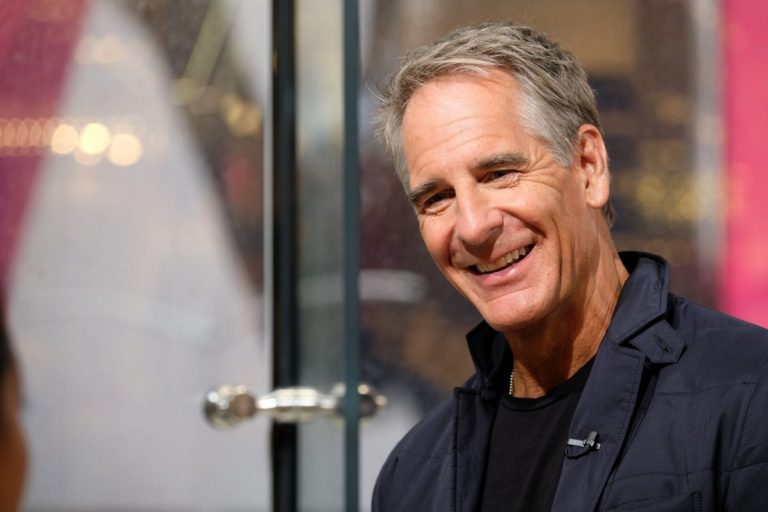
Quantum Leap became a fan-favorite for quite a few reasons, and, of course, the cast and characters were a huge part of it. Scott Bakula played the series’ main character, Doctor Sam Beckett.

In Quantum Leap audiences would watch as Sam Beckett leaped between bodies and time in an attempt to right the problem at hand. Naturally, in his host’s body, it was always up to Sam Beckett to figure out the pressing issue that he had to tackle. 

Dean Stockwell was cast as Admiral Al Calavicci on Quantum Leap. Stockwell was well-known as the fictional hologram who guided and helped Beckett throughout his time travelling endeavors. Many of the television show’s fans enjoyed his character, and Stockwell’s performance led to a Golden Globe Award.

After five seasons Quantum Leap abruptly came to an end in 1993, but many people still enjoy watching reruns of the series today. 

A look back at some of the most memorable episodes of ‘Quantum Leap’

Scott Bakula

Scott Bakula | D Dipasupil/Getty Images for Extra

RELATED: Alright ‘NCIS: New Orleans’ Fans — Here’s What Scott Bakula Says About a ‘Quantum Leap’ Re-Boot Once and For All

At its core, the television series’ created a foundation and platform to explore social issues that weren’t always discussed or wrongly addressed in the past.

With that being said, there were many episodes and scenes that carried a lot of meaning and impact. This was the case for “The Wrong Stuff — January 24, 1961”. The season 4 episode shed light on animal rights and research. The episode struck a chord with many animal rights activists when Dr. Sam Beckett took the screen as an entrapped chimp. 

Season two’s “Jimmy- October 14, 1964” was another memorable episode that educated viewers on the stigmas and judgments surrounding people with disabilities. Over the course of Quantum Leap‘s 97 episodes the show tackled many important issues, but not all of them were considered to be a hit at the time. 

One of ‘Quantum Leap”s most controversial episode at the time would not have bothered so many people today 

There was one episode of Quantum Leap that received a surprising amount of pushback. Fans and viewers of the series can probably remember the season 4 episode “Running for Honor – June 11, 1964.”

In the episode Sam Beckett found himself forced to return to a Naval college to try to stop one of the classmates who was gay from getting murdered.

The content of the episode, unfortunately, turned many people off, and, as a result, Quantum Leap lost around $500,0000 because of the LGBTQIA+ story. Mental Floss has recapped the disappointing details behind the surprising turn of events. In the episode, the year was set to be 1964, however, when the episode aired, it was actually 1992.

Though it is still disappointing to hear, fans and viewers of Quantum Leap can take comfort in knowing this definitely isn’t how the episode would be embraced in today’s day and age.

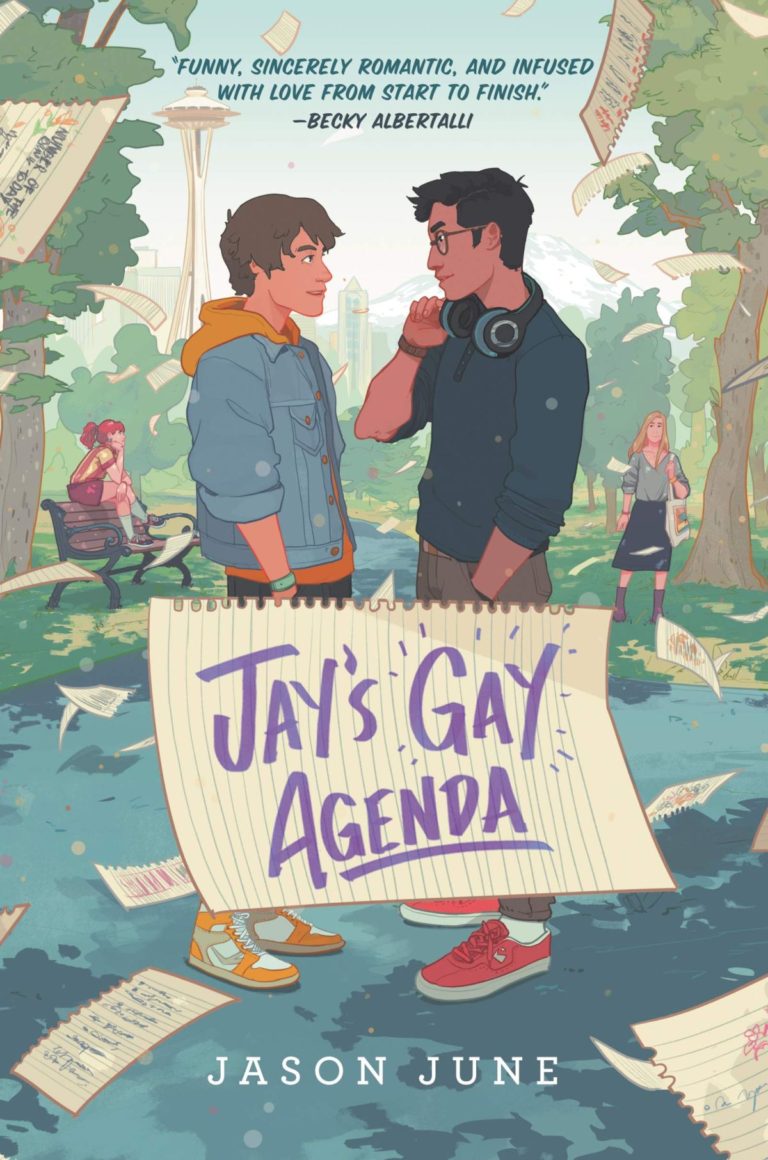
#ReadWithPride: Jay’s Gay Agenda by Jason June – The Nerd Daily

“We all make mistakes as we develop into the person we’re meant to be. It’s how you make up for those mistakes that matters.”

Let me preface this review with pointing out one overarching theme in this book: Jay is a disaster gay. No, he is the epitome of a disaster gay. If you were to look up the term “disaster gay” in a dictionary, I am one hundred percent sure that you would find a picture of Jay there.

And that fact alone might or might not be the reason this book is so addictive because I guarantee you at least once every chapter, you’ll flinch thinking of how you yourself did the same disaster-gay-energy like thing Jay did.

In Jay’s Gay Agenda, we follow young Jay as he is taken out of his small town where he was the only out gay person in his school and gets plopped down in Seattle, where the gays are thriving. Not one to be unprepared, Jay already has a list down of all the things he wants to do—his fabulous Gay Agenda—now that he is finally, finally not the only gay dude. But some of those bullet points—meet another queer person, have a first kiss in the rain while slow dancing to a Shawn Mendes song—might be easier than others to cross off. Like, say, lose your virginity.

Honestly, this book was just all kinds of fun. Any person on the LGBTQIAP+ spectrum probably knows what it’s like to watch all your straight friends have grand romances, first loves, and heartbreaks while you’re sitting in the corner, dreaming of what it will be like for you to experience all of that once you are finally surrounded by people like yourself. And in this book, that’s exactly what Jay does. He daydreams and then he finally gets the opportunity to have all of the teen experiences—having your first kiss, making some very, very questionable decisions and finding a guy who’s really something, not just the idea of something. Add to that a heap of drama, new friendships, and a design class teacher who is the incarnation of a walking dad pun, and you have all the ingredients for one hell of a young adult novel.

While there are some things in this book that will make readers cringe, such as there being some cheating and in true fashion, Jay does not deal with it in a mature way, but come on he’s a teenager and that’s when you make these kinds of bad calls—I think that overall, this is the kind of feel-good, uplifting queer YA story that will take readers’ hearts by storm. Jay isn’t perfect by any means and sometimes I really, really wanted to scream “what are you doing?!” at this dude, but that’s also what makes this story so great. There is so much room for growth and becoming the person you know you can be in here and I loved that aspect. Quite like the quote above, it takes getting things wrong for you to realise what is right sometimes and I loved how that stayed true throughout the story.

While I could mention the adorable love interest and the incredible friend dynamics, not to mention the really hard-hitting, honest, and relatable commentary on friendship this story has to offer, I really want readers to pick this up without knowing too much of the story, because I feel like that will give you the best reading experience. Just know that you’re in for a great, fun time. June has an addictive writing style and the dialogue flows really well—you’ll be finished with the book before you know it!

Jay’s Gay Agenda is a heartfelt, hilarious, and honest debut novel about the mistakes we make on the way to finding our way and the people who help us stay true to ourselves. Perfect for fans of Jonny Garza Villa and Lev A.C. Rosen, Jason June’s debut moves right into the ranks of feelgood and upbeat YA romcoms!

Jay’s Gay Agenda is available from Amazon, Book Depository, and other good book retailers, like your local bookstore, as of June 1st 2021.

Will you be picking up Jay’s Gay Agenda? Tell us in the comments below!


Synopsis | Goodreads

See also

The Guest List by Lucy Foley Review

There’s one thing Jay Collier knows for sure—he’s a statistical anomaly as the only out gay kid in his small rural Washington town. While all this friends can’t stop talking about their heterosexual hookups and relationships, Jay can only dream of his own firsts, compiling a romance to-do list of all the things he hopes to one day experience—his Gay Agenda.

Then, against all odds, Jay’s family moves to Seattle and he starts his senior year at a new high school with a thriving LGBTQIA+ community. For the first time ever, Jay feels like he’s found where he truly belongs, where he can flirt with Very Sexy Boys and search for love. But as Jay begins crossing items off his list, he’ll soon be torn between his heart and his hormones, his old friends and his new ones…because after all, life and love don’t always go according to plan.

From debut novelist Jason June comes a moving and hilarious sex-positive story about the complexities of first loves, first hookups, and first heartbreaks—and how to stay true to yourself while embracing what you never saw coming.


Huge Demand of Lactose Free Sour Cream Market by 2027 | Valio, Hain Celestial, Gay Lea Foods Co-operative – Clark County Blog – Clark County Blog

Lactose Free Sour Cream, Lactose Free Sour Cream market, Lactose Free Sour Cream market research, Lactose Free Sour Cream market report, Lactose Free Sour Cream Market comprehensive report, Lactose Free Sour Cream market forecast, Lactose Free Sour Cream market growth, Lactose Free Sour Cream Market in Asia, Lactose Free Sour Cream Market in Australia, Lactose Free Sour Cream Market in Europe, Lactose Free Sour Cream Market in France, Lactose Free Sour Cream Market in Germany, Lactose Free Sour Cream Market in Key Countries, Lactose Free Sour Cream Market in United Kingdom, Lactose Free Sour Cream Market in United States, Lactose Free Sour Cream Market in Canada, Lactose Free Sour Cream Market in Israel, Lactose Free Sour Cream Market in Korea, Lactose Free Sour Cream Market in Japan, Lactose Free Sour Cream Market Forecast to 2027, Lactose Free Sour Cream Market Forecast to 2027, Lactose Free Sour Cream Market comprehensive analysis, COVID 19 impact on Lactose Free Sour Cream market, Valio, Hain Celestial, Gay Lea Foods Co-operative, Redwood Hill Farm & Creamery, Danone, Regal Cream Products, Green Valley Creamery, Barambah Organics

Lactose Free Sour Cream Market research is an intelligence report with meticulous efforts undertaken to study the right and valuable information. The data which has been looked upon is done considering both, the existing top players and the upcoming competitors. Business strategies of the key players and the new entering market industries are studied in detail. Well explained SWOT analysis, revenue share and contact information are shared in this report analysis.

“Lactose Free Sour Cream Market is growing at a High CAGR during the forecast period 2021-2027. The increasing interest of the individuals in this industry is that the major reason for the expansion of this market”.

Get the PDF Sample Copy (Including FULL TOC, Graphs and Tables) of this report @:

https://www.a2zmarketresearch.com/sample?reportId=436602

Top Key Players Profiled in this report are:

Valio, Hain Celestial, Gay Lea Foods Co-operative, Redwood Hill Farm & Creamery, Danone, Regal Cream Products, Green Valley Creamery, Barambah Organics.

This report provides a detailed and analytical look at the various companies that are working to achieve a high market share in the global Lactose Free Sour Cream market. Data is provided for the top and fastest growing segments. This report implements a balanced mix of primary and secondary research methodologies for analysis. Markets are categorized according to key criteria. To this end, the report includes a section dedicated to the company profile. This report will help you identify your needs, discover problem areas, discover better opportunities, and help all your organization’s primary leadership processes. You can ensure the performance of your public relations efforts and monitor customer objections to stay one step ahead and limit losses.

Global Lactose Free Sour Cream Market Segmentation:
Market Segmentation by Type: Organic Lactose Free Sour Cream, Conventional Lactose Free Sour Cream

Market Segmentation by Application: Supermarket, Convenience Store, Online Store, Others

The report provides insights on the following pointers:

Market Penetration: Comprehensive information on the product portfolios of the top players in the Lactose Free Sour Cream market.

Product Development/Innovation: Detailed insights on the upcoming technologies, R&D activities, and product launches in the market.

Competitive Assessment: In-depth assessment of the market strategies, geographic and business segments of the leading players in the market.

Market Development: Comprehensive information about emerging markets. This report analyzes the market for various segments across geographies.

Market Diversification: Exhaustive information about new products, untapped geographies, recent developments, and investments in the Lactose Free Sour Cream market.

Get up to 30% Discount on this Premium Report @:

https://www.a2zmarketresearch.com/discount?reportId=436602

The cost analysis of the Global Lactose Free Sour Cream Market has been performed while keeping in view manufacturing expenses, labor cost, and raw materials and their market concentration rate, suppliers, and price trend. Other factors such as Supply chain, downstream buyers, and sourcing strategy have been assessed to provide a complete and in-depth view of the market. Buyers of the report will also be exposed to a study on market positioning with factors such as target client, brand strategy, and price strategy taken into consideration.

Reasons for buying this report:

  • It offers an analysis of changing competitive scenario.
  • For making informed decisions in the businesses, it offers analytical data with strategic planning methodologies.
  • It offers seven-year assessment of Lactose Free Sour Cream Market.
  • It helps in understanding the major key product segments.
  • Researchers throw light on the dynamics of the market such as drivers, restraints, trends, and opportunities.
  • It offers regional analysis of Lactose Free Sour Cream Market along with business profiles of several stakeholders.
  • It offers massive data about trending factors that will influence the progress of the Lactose Free Sour Cream Market.

Table of Contents

Global Lactose Free Sour Cream Market Research Report 2021

Chapter 1 Lactose Free Sour Cream Market Overview

Chapter 2 Global Economic Impact on Industry

Chapter 3 Global Market Competition by Manufacturers

Chapter 4 Global Production, Revenue (Value) by Region

Chapter 5 Global Supply (Production), Consumption, Export, Import by Regions

Chapter 6 Global Production, Revenue (Value), Price Trend by Type

Chapter 7 Global Market Analysis by Application

Chapter 8 Manufacturing Cost Analysis

Chapter 9 Industrial Chain, Sourcing Strategy and Downstream Buyers

Chapter 10 Marketing Strategy Analysis, Distributors/Traders

Chapter 11 Market Effect Factors Analysis

Chapter 12 Global Lactose Free Sour Cream Market Forecast

Buy Exclusive Report @:

https://www.a2zmarketresearch.com/buy?reportId=436602

If you have any special requirements, please let us know and we will offer you the report as you want.

About A2Z Market Research:

The A2Z Market Research library provides syndication reports from market researchers around the world. Ready-to-buy syndication Market research studies will help you find the most relevant business intelligence.

Our Research Analyst Provides business insights and market research reports for large and small businesses.

The company helps clients build business policies and grow in that market area. A2Z Market Research is not only interested in industry reports dealing with telecommunications, healthcare, pharmaceuticals, financial services, energy, technology, real estate, logistics, F & B, media, etc. but also your company data, country profiles, trends, information and analysis on the sector of your interest.

Contact Us:

Roger Smith

1887 WHITNEY MESA DR HENDERSON, NV 89014

[email protected]

+1 775 237 4147

https://clarkcountyblog.com/

San Antonio Spurs’ long-distance drought comes at bad time – San Antonio Express-News

Dejounte Murray has come up with a sure-fire cure to the 3-point shooting woes that have plagued his team in May.

After missing all three of his attempts from distance in the Spurs’ 124-102 loss at Portland on Saturday, leaving him 0-for-the-month, Murray is clear on what he needs to do to pull himself out of his funk.

“I’ve got to knock that (expletive) down,” Murray said.

If it is any consolation to Murray — and it is not — the 24-year-old point guard is not the only Spurs player who could stand to heed that advice.

As the Spurs prepare for the final week of the regular season with a Western Conference play-in berth well within their grasp, they appear to have suffered a power outage from 3-point range at the worst possible time.

The Spurs face Milwaukee on Monday at the AT&T Center, fresh off a 1-3 road trip in which they went 24 of 93 from 3-point range, a paltry 25.8 percent.

“We just ain’t making nothing, starting with me,” said Murray, who is 0 of 11 in four games this month. “We just got to knock them down, starting with the whole team, and encourage each other to shoot it.”

Over the past decade or so, the 3-pointer has become the most important shot in basketball. Teams who can’t make them consistently struggle to win.

The Spurs were outscored from 3-point range on each game of the road trip. The 8-for-30 night they endured in Portland was their most prolific long-range night of the four-game stretch.

It was something of a miracle the Spurs won the one game they did on the trip, beating Sacramento 113-104 despite going 4 of 22 from beyond the arc.

It is an area the Spurs will have to improve if and when they wind up in the play-in tournament, especially if they are paired against Stephen Curry and Golden State.

“That’s a lot of shots we’ve gotten,” forward DeMar DeRozan said. “We’ve had countless opportunities to make open shots. They just didn’t fall. When they don’t fall, it’s definitely frustrating.”

In 2018-19, the Spurs led the NBA in 3-point accuracy at 39.2 percent but ranked 26th in 3-pointers made with 812.

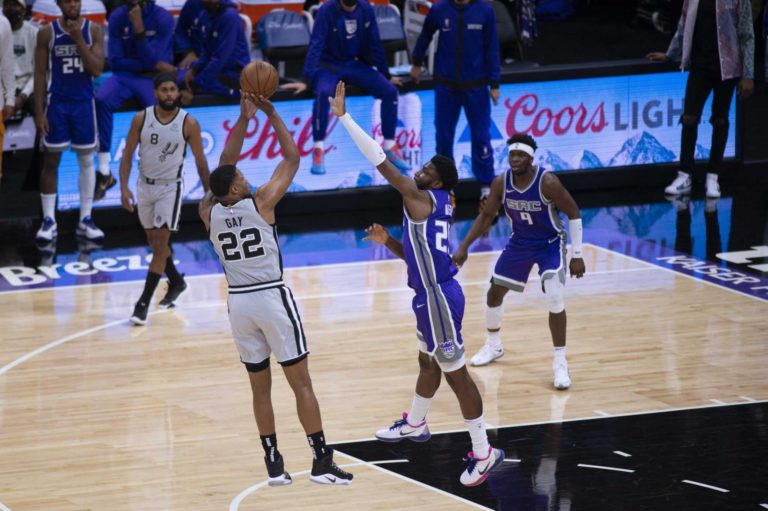
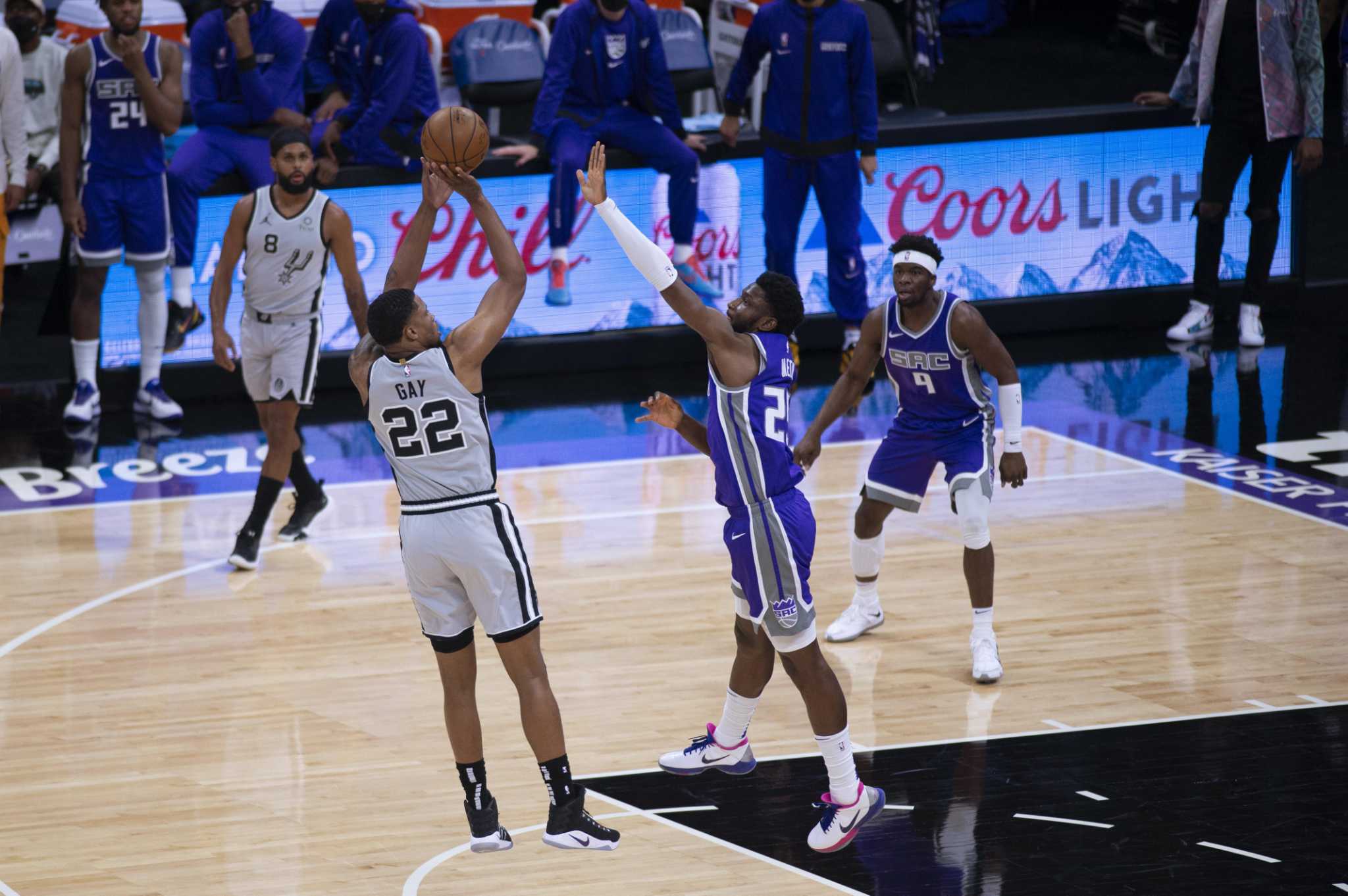
That roster featured three players who attempted at least 100 3-point goals and shot better than 40 percent — Davis Bertans (42.8 percent), Bryn Forbes (42.6 percent) and Rudy Gay (40.2 percent).

Patty Mills was not far off, at 39.4 percent.

Bertans was traded to Washington in the summer of 2019 in an ill-fated attempt to sign Marcus Morris as a free agent.

Forbes was allowed to walk last offseason and is shooting a career-best 44.9 percent from 3-point land for the Bucks team that visits the AT&T Center on Monday.

Listen to the latest on the Spurs Insider podcast


This season, the Spurs are neither making 3-pointers at a particularly high clip (35.2 percent, tied for 21st in the NBA) or in high quantities (674, 29th in the league).

That trouble was exacerbated on the Spurs’ recent road trip, when they faced the NBA’s two most prolific 3-point shooting teams and were routed twice by Utah and once by Portland.

“You just have to keep pushing,” DeRozan said. “It happens. We can’t let it get to us. We just have to keep going.”

The reasons for the Spurs’ 3-point deficiency are myriad.

Having guard Derrick White in and out of the lineup all season before losing him for good to an ankle sprain April 24 hasn’t helped.

White wasn’t having his best year from 3-point range at 34.6 percent, but he often creates open looks around the arc for others.

“He’s a great decision-maker,” coach Gregg Popovich said. “He makes a lot of things happen, so it makes it a little more difficult for us (not having him).”

White was also one of the Spurs’ most accurate 3-point shooters despite his mediocre percentage, and that is also part of the problem.

Of the regulars in the Spurs rotation, Gay leads with a 38.4 percent clip from 3-point range.

Since the All-Star break, Gay is at 39.9.

The Spurs’ next-most-accurate 3-point marksman in that span is Lonnie Walker IV, at 36.5 percent.

Also hampering the Spurs is an untimely drought by Mills, perhaps regarded as the team’s top remaining 3-point shooter.

In the seven games since White’s season-ending injury, Mills has gone 6 of 30 from distance.

Rookie Devin Vassell, who profiles as a future 40 percent 3-point shooter, has made 6 of 22 in that stretch.

Then there is Murray, who has not made a 3-point goal since going 2 for 2 in an overtime loss at Boston on April 30.

“I work on it, and I am confident,” Murray said. “I know that I am a better 3-point shooter than my percentage.”

Murray is in the throes of a career season, averaging 15.8 points, 7.0 rebounds and 5.4 assists. He has posted four triple-doubles.

Murray has become deadly from 2-point range, making a career-best 49 percent. His 3-point game hasn’t quite come along for the ride.

He is converting only 31.8 percent on three attempts per game.

“I’ve got a long offseason (ahead),” Murray said. “I already know what I am going to lock in and do. The work you put in, you are going to get out.”

In the meantime, the Spurs are headed down the home stretch of the season hoping to postpone their offseason by an extra game or more.

It would help if they could start knocking that (expletive) down from 3-point range now.

jmcdonald@express-news.net

Twitter: @JMcDonald_SAEN

IGLTA and LGBTMPA add Equality to the World Tourism Network (WTN) – eTurboNews | Trends | Travel News

0
  1. The World Tourism Network is a global initiative of approximately 1500 stakeholders in the global travel and tourism industry in 127 countries, and many more observers.
  2. Interest groups are the backbone of WTN to reach out to all sectors in travel and tourism. Adding the LGBTQ Interest Group is an important step for equality.
  3. IGLTA and LGBTMPA are the world’s two leading organizations to ensure equality and opportunities for Bi, Lesbian, Gay, Transgender travelers, and industry professionals.

IGLTA was founded in 1983 and is the world’s leading network of LGBTQ+ welcoming tourism businesses. IGLTA provides free travel resources and information while it is continuously working to promote equality and safety within LGBTQ+ tourism worldwide. IGLTA’s members include LGBTQ+ friendly accommodations, transport, destinations, service providers, travel agents, tour operators, events, and travel media located in over 80 countries.

iglta-logo
The LGBT Meeting Professionals Association (LGBTMPA), is the first and only organization solely committed to connecting, advancing, and empowering the LGBT+ meeting professional. While the LGBT community is well known for its inclusive and diverse culture, LGBT MPA provides the opportunity for our unique voices to be uplifted, representing and educating the industry on a broad range of topics pertaining to inclusion and diversity. Our research-driven data provides a more meaningful understanding of our community while sharing best practices for industry leadership.
As a community-based association, with an international membership, LGBTMPA provides exposure across all established meeting sectors. As an inclusive association, IGLTAMPA provides an opportunity for all meeting professionals to be a part of the larger goal of inclusion throughout the industry.

Both IGLTA and LGBTMPA lead the newly formed LGBTQ Interest Group of the World Tourism Network. Anyone joining the interest group is also encouraged to join IGLTA and/or LGBTMPA as a member.

“We’re pleased to welcome IGLTA and LGBTMPA as our latest members, and are looking forward working with both organizations on rebuilding the travel and tourism industry. This is an important step for the World Tourism Network in its mandate to be a n inclusive network for all sectors of the global travel and tourism industry”, said WTN Chairman Juergen Steinmetz.

World Tourism Network (WTN) is the long-overdue voice of small and medium-size travel and tourism businesses around the world. By uniting our efforts, we bring to the forefront the needs and aspirations of small and medium-sized businesses and their Stakeholders.

World Tourism Network emerged out of the rebuilding.travel discussion. The rebuilding.travel discussion started on March 5, 2020 on the sideline of ITB Berlin. ITB was cancelled, but rebuilding.travel launched at the Grand Hyatt Hotel in Berlin. In December rebuilding.travel continued but was structured within a new organization called World Tourism Network (WTN) .

By bringing together private and public sector members on regional and global platforms, WTN not only advocates for its members but provides them a voice at the major tourism meetings. WTN provides opportunities and essential networking for its members in 127 countries.

By working with stakeholders and with tourism and government leaders, WTN seeks to create innovative approaches for inclusive and sustainable tourism sector growth and assist small and medium travel and tourism businesses during both good and challenging times.

It is WTN’s goal to provide its members with a strong local voice while at the same time providing them with a global platform.

WTN provides a valuable political and business voice for small and medium-sized businesses and offers training, consulting, and educational opportunities.

  1. For more information on IGLTA visit www.iglta.org
  2. For more information on LGBTMPA visit www.lgbtmpa.com
  3. For more information on the World Tourism Network visit www.wtn.travel

TRAVEL: Getting back out — safely – Dallas Voice

0
Tips for safe travel beyond the COVID rules

Lawrence Ferber
Contributing Writer

As travel rebounds and some international borders open to U.S. residents — especially, or exclusively, if you’re fully vaccinated — you’ll need to pack more than a suitcase to ensure safe trips during the pandemic’s latter days, and far beyond. After all, it’s not quite a COVID-free world yet, nor will it be for a while. (And yes, I’m death-staring at the self-destructive, reckless, stupid gays who traveled to dance parties and other superspreader events during the heights of the pandemic.)

Since the world packs travel hazards besides COVID-19, from accidents to dangerous local scum and villainy targeting queer tourists, here’s some dead serious and hunty advice and resources for LGBTQs to take into consideration. Bon safe voyage, bitches!

  • Get insurance that covers COVID-19 (and yes, your hubby, too)

Before booking that flight, cruise, hotel or car rental, secure a travel insurance policy. Be sure it covers COVID-19 related calamities, including hospitalization and cancellations on either your end or that of the airline, cruise line, hotel, tour company, etc. (as many learned since March 2020, their policies did not).

For several years before the pandemic hit, I took out an annual individual policy with Allianz (they’ve added COVID-19 benefits to some policies), which I made one claim on during early 2019 for a doctor’s visit in Singapore. The claims process was easy and paid out in a timely manner — a simple urgent-care illness situation that included medication.

When my husband joined me in Bangkok for just a week, I purchased a single trip policy from Travel Guard for him (which does not appear to cover COVID-19 as of now). LGBTQ-friendly insurance company Seven Corners, meanwhile, offers policies for both singles and same-sex couples, and can even ensure you stay together if a medical evac is required for one partner. Seven Corners also offers policies covering COVID-19.

Lastly, if you have homeowners’ insurance, inquire whether your personal property is covered against destruction or theft while traveling.

  • Geotag the shit out of everything!

Be sure to activate your phone’s, pad’s and laptop’s geolocation features. Worst-case scenario, you know beyond a shadow of a doubt that your iPhone’s been stolen if it’s suddenly five miles away from where you last left it on a table, and you can deactivate the device. (Also, though, don’t leave your iPhone on a table)

I’ve learned it’s an all-too-common practice for airlines to take bags off planes pre-departure if the vessel’s too weight-heavy or may excessively tax its fuel supply. They won’t always confess that yours lost the lottery and tell you where it’s chilling out. But Apple’s new tracking device, AirTag, will essentially spill the tea.

  • Know the LGBTQ+ laws of the land

Homosexuality is still illegal and even punishable by death in parts of the world. Some of these anti-gay laws entail toothless legislative holdovers, like Singapore’s Penal Code Section 377A, which remains on the books despite ongoing legal challenges and an open, even thriving local gay scene (and entertainers like “Drag Race Thailand” queen Vanda Miss Joaquim). But as of April 2021, countries with death penalty on the books for same-sex relations include Iran, Saudi Arabia, Afghanistan, Pakistan, Northwest Africa’s Mauritania, Nigeria, Somalia, Yemen and the United Arab Emirates.

Beyond the personal safety issue, there’s also the question of whether to spend money in places inhospitable to LGBTQs, either socially or politically, like transphobic Arkansas, Jamaica and hateful-assed Poland, which continues to piss off the rest of the European Union with its never-ending conveyor belt of anti-gay and anti-semitic bullshit.

I’ll admit, I like visiting Poland. I’m part Polish, although you’d never tell by looking at me. But one night, casually taking photos in a Kraków gay bar, a young gay Pole lunged at me from across the room (he actually dove underneath a table, like a submarine missile, to make a straight beeline), asking why I was shooting in his direction, both enraged and terrified. That was the last photo I took in a gay space.

Alternately, to some, traveling to these places is a form of activism, visibility being a necessary part of change, while also supporting the local LGBTQ+ businesses and community.

Human Rights Watch maintains a series of online maps of countries with anti-LGBTQ+ and anti-gender expression laws, plus those with age of consent disparities between same-sex versus heterosexual individuals. It’s worth a look. So is travel bloggers Asher & Lyric’s whopping 150-country list of best and worst countries for LGBTQ+ travel in 2021, while our own U.S. State Department boasts a fantastic information and resource page for LGBTI international travelers. There, you can find safety tips, how to reach U.S. Embassies and Consulates while abroad (“Consular officers will protect your privacy and will not make generalizations, assumptions, or pass judgment,” it promises) and a TSA info page for Transgender Passengers.

  • Google where you’re going before booking tickets

Googling your destination and “anti-gay” could produce up-to-the minute news developments that may inform your plans. A Molotov cocktail attack on a Laguna Beach, Calif. gay bar in mid-2020, for example, is a pretty clear “maybe not right now.”

Egypt has long been an LGBTQ+ traveler’s fave, but the past few years saw an increase of disturbing anti-gay and anti-trans violence, harassment and detainment by the police. Largely Islamic Indonesia keeps seeing waves of political crackdowns on and vilification of queers — including raids of Jakarta bathhouses and, just this past August, a private gay party — while Indonesia’s Aceh province is ruled by Sharia law and sees public lashings and life-destroying shamings (plus, this border-crossing cyber hate campaign bullshit). Indonesia’s island of Bali, however, is extremely LGBTQ-positive and tolerant, and not informed by hateful fundamentalism. Go there, henny!

  • Show respect and be smart about PDAs

Life isn’t always a gay cruise or a strut down Santa Monica Boulevard. In some cultures, PDAs between people of any gender or sexual identity are completely frowned upon and offensive, so look that up and, even better, look around you once you arrive. Watch (nonchalantly, not in some creepy way) how locals behave before indulging in PDAs (don’t be surprised to see men affectionately holding hands like Sex and the City girlfriends in Arab countries or India; it’s a cultural norm, despite the homophobia). Conversely, if you’re in a known gayborhood like Tokyo’s Shinjuku Ni-chome or Mexico City’s Zona Rosa, live out loud and flash those conservative locals the gayest smile you can.

  • Back up critical documents to a cloud service

I’ve never been pickpocketed (and probably jinxed myself writing that), but if this ever happens, or if you misplace important documents, a wallet, etc., have copies ready in the cloud, including booking numbers and, of course, travel insurance policy. Use iCloud, DropBox, whatever — just be sure it’s an encrypted service. Now you can more easily request replacements and access important numbers to cancel credit cards.

If you’re legally married or partnered, also have copies and cloud backups of your marriage license and anything related to power of attorney and medical access. Especially here in the good ol’ freedom-y USA where some nosy “Christian” nurse in a some “Red” area hospital may attempt to refuse a same-sex spouse access to a hospital unless you’re packing legal documents and a winnable lawsuit.

  • Don’t let your lube spill all over your suitcase like mine did

Ask me about the time the large bottle of Swiss Army silicon lube, which I had previously opened and used some of, burst inside my suitcase en route to Thailand, where I discovered that silicon lube isn’t even available. (The good news: three cycles through the laundry and the stains were out of my shirts) Bring new, unopened bottles of your favorite lube(s); pack them in a couple of ziplock bags and a large padded envelope, and make sure they — and any liquid for that matter — aren’t too tightly pressured by all your other stuff.

If you have preferred brands of condom, bring those, too. In some countries, condom brands and sizes can be very different from ones available in the U.S. — just like clothing. You’ll be hard pressed to find anything like an XL-sized Magnum in Japan. “Foreigners definitely think that Japanese brands in general are too small,” admits Andrew Pugsley, a gay Tokyo-based Canadian expat whose excellent gay vlog Tokyo BTM is chock full of insider deets on the culture, city and queer nightlife.

Japanese condoms are also supremely thin — all the way down to .01 millimeter, which is basically like wearing thick air — which some may appreciate (and take home in mass quantities, just sayin’), but others find less assuring than Lifestyles or Trojans and hard to roll down without tearing. And yes, I’ve conducted many experiments for the sake of “research.”

  • Watch out for the catfish … and sharks

It can happen anywhere in the world, including home, but apps and hookup sites are swimming with scam artists and bad news freaks. In some countries, apps are used by homophobes and zealous anti-gay police to entrap, jail and torture LGBTQs. In other cases, you could get robbed, especially in second and third world countries where first world tourists represent an easy, even deserving in their eyes, mark.

If you do meet someone online, take precautions. In countries where locals target tourists, five-star hotels will often require visitors leave their ID at the front desk and won’t allow them to retrieve it and leave until you give a sign-off by phone. If someone refuses to visit your five-star hotel (especially if they use the, “I don’t like hotels because they’ll treat me like I’m a prostitute” excuse), that’s a red flag. And if you do have a new “friend” over, put those valuables in the safe first.

  • Always keep your medications on you (but not recreational drugs)

Don’t put your PrEP in check-in luggage. I repeat: Do not put your PrEP in check-in luggage. Ever. If it’s medication you need daily, you’re risking missed doses should that bag get lost (or purposely purged from the plane to lighten its load; see above), and worse, if the drug isn’t readily available where you’re headed. Keep them in your carry-on only!

Also, for fuck’s sake, don’t bring recreational drugs into a country where you can go to jail for it. It’s a really wise use of 60 seconds on Google to look that up, because tourists will not be treated with leniency. It’s a lesson you don’t want to learn.