Home Blog Page 280

GLAAD social media report finds top sites ‘unsafe’ for LGBT people – PinkNews

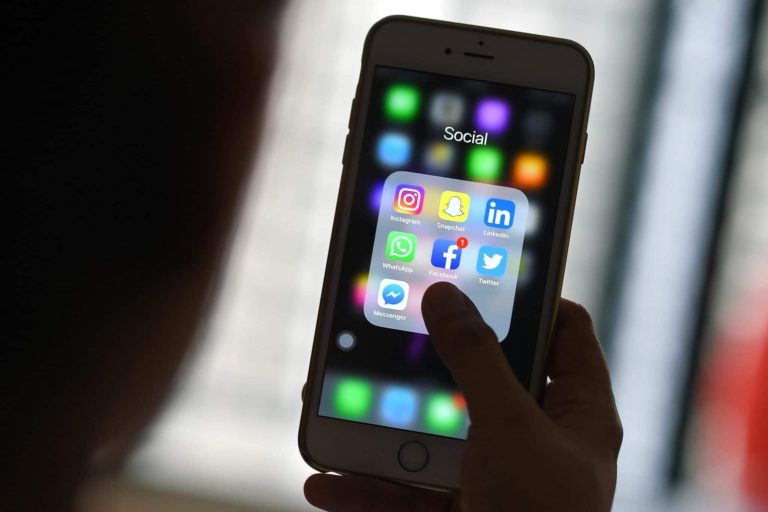
Social media sites are “categorically unsafe” for queer users, the damning report found (Manan VATSYAYANA/AFP/ Getty)

Facebook, Twitter, Instagram, TikTok and YouTube are all “categorically unsafe” for LGBT+ people, according to a damning new study from GLAAD.

GLAAD had originally planned to give grades for each site as part of a new social media safety index, but this was scrapped when it became apparent “they’d all fail, quite frankly”.

“They are categorically unsafe, across the board,” GLAAD president and CEO Sarah Kate Ellis said in an interview with Axios on HBO on Sunday (9 May).

For the report, GLAAD’s team of outside experts examined the policies of each of the leading social media sites and their track record of enforcing them.

What they found was that every single one of the platforms are failing to protect LGBT+ users from being harassed and threatened – and what happens online isn’t staying online.

“There are real world consequences to what happens online,” Ellis said. “There are direct lines you can draw between the over 100 anti-trans bills that are now circulating at the state [level] and what’s being produced and pushed out within the social media world.

“I think that there are direct lines to, unfortunately, suicides of our community,” she added.

She highlighted the disconnect between the LGBT-inclusive ethos espoused by all the top platforms, which nonetheless allow for harmful misinformation and harassment to spread unchecked.

“What shocked me the most about all of this is at the end of the day, these companies have the tools to stop it,” she said.

Ellis noted that there are “absolutely bright spots,” with LGBT+ people finding support online. “However, the challenge right now is that the negative is outweighing the positive.”

GLAAD’s report lays out a variety of recommendations for all the platforms, including specific suggestions for each service.

“This is about less watchdogging, more partnering with these platforms to get it right,” Ellis explained. “We’re looking for real, concrete changes in the next year,” after which GLAAD will issue the aforementioned grades.

Responding to the report, Facebook and Instagram said in a statement to Axios that they “believe deeply in the representation of and visibility for the LGBT+ community”.

“Finding the right balance between giving voice and taking action on harmful content is hard,” said CMO Alex Schultz. “This is why we partner with experts, non-profits and other stakeholders – like GLAAD – to try to get it right.”

A spokesperson for YouTube highlighted the platform’s “significant progress” in removing hateful and harassing anti-LGBT+ content, but acknowledged that the work is ongoing and said they “appreciate the thoughtful feedback from GLAAD”.

Twitter also welcomed GLAAD’s initiative, and said it had engaged with the group to understand their requests and commit to an open dialogue.

TikTok’s statement said it is committed to supporting and uplifting LGBT+ voices and as it cares deeply about “fostering a welcoming and supportive experience for everyone”.

“We share GLAAD’s dedication to the safety of the LGBTQ+ community and will continue working with GLAAD and other LGBTQ+ organisations to help inform and strengthen our work,” their spokesperson added.

Derrick Z. Jackson receives Scripps Howard Award for COVID-19 coverage – Environmental Health News

Derrick Z. Jackson received the Excellence in Opinion Writing award from Scripps Howard for his columns in Grist and the Union of Concerned Scientists on the failed U.S. COVID-19 response in 2020.


Jackson—an EHN contributor and board member of Environmental Health Sciences, which publishes EHN—wrote more than a dozen columns outlining the COVID-19 crisis’ disproportionate impact on essential works and people of color.

“Derrick Jackson writes with the aplomb of one heavily armed intellectually and the vigor of a man determined to use his voice to right wrongs. His research and sourcing provide credibility, and his eloquent writing makes his work moving and memorable,” the Scripps judges wrote.

Jackson, a Union of Concerned Scientist Fellow in climate and energy, is a veteran reporter and columnist and previously worked at the Boston Globe and Newsday. He’s a Pulitzer Prize finalist, a 10-time award winner from the National Association of Black Journalists, a 2-time winner from the Education Writers Association, a commentary winner from the National Lesbian and Gay Journalists Association, and co-winner of Columbia University’s Meyer Berger Award.

Follow Jackson’s EHN columns here.

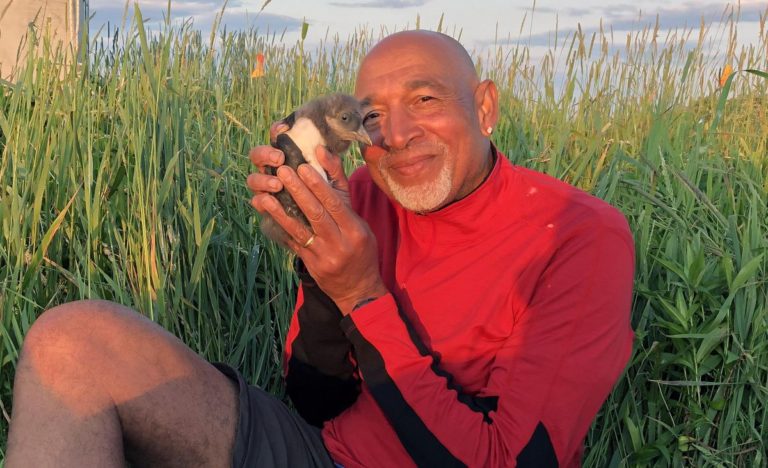
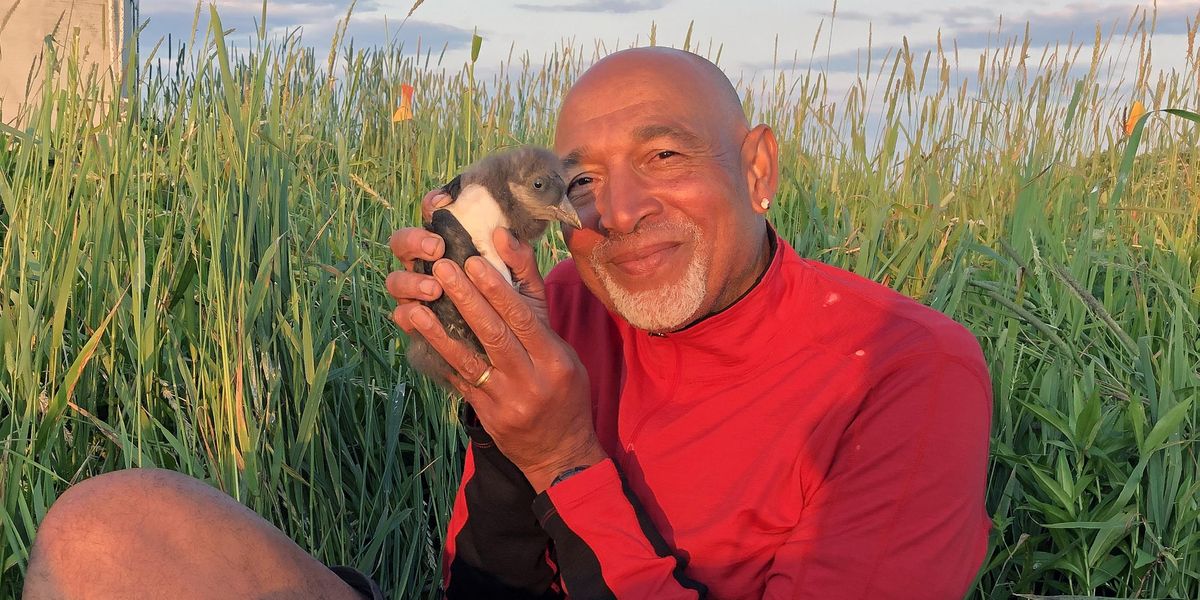
Banner photo: Derrick Z. Jackson holding a puffin chick in 2019 on Eastern Egg Rock.

Political Notes: Bay Area cities set to fly various Pride flags in June – Bay Area Reporter, America’s highest circulation LGBT newspaper

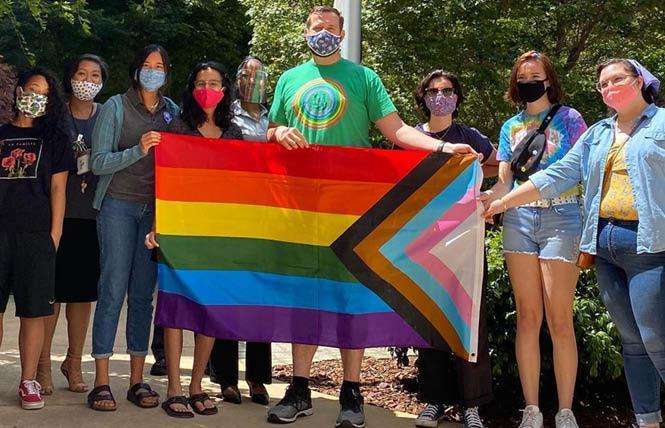
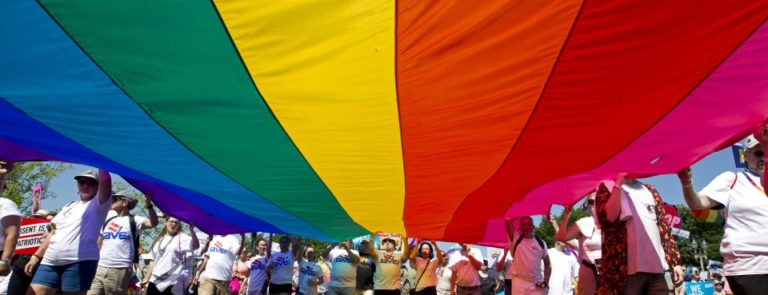
Not only are more Bay Area cities than ever expected to raise the Pride flag this June, a number are eschewing the traditional version of the LGBTQ symbol for flags with more inclusive designs.

At the request of San Mateo County LGBTQ leaders, cities on the Peninsula are being asked to fly the Progress Pride flag throughout Pride Month this year. Daniel Quasar designed it in 2018 by combining versions of the Philadelphia and the transgender pride flags. The Philly version includes black and brown stripes at the top of the flag in addition to the standard six colors of the rainbow.

Those two additional colors and the blue, pink, and white stripes of the trans flag form a chevron that points right on the Progress flag to symbolize marching toward a better future. Sacramento city leaders had raised it last June for the first time, as the Bay Area Reporter noted at the time, and the Merced City Council will fly it this June in the city’s Bob Hart Square.

Tanya Beat, who identifies as lesbian and queer and is director of the San Mateo County LGBTQ Commission, told the B.A.R. that the county government will raise the Progress flag for the first time this year June 1 in front of its offices in Redwood City and fly it throughout the month. Belmont and South San Francisco city officials also plan to fly that version of the Pride flag next month.

“We are inviting people to, I think, learn what the Progress flag is and have reason to fly it because it is all about equity and inclusion,” said Beat. “I wouldn’t be surprised if other cities raise it that Tuesday, June 1. We are right in the midst of our communications with the cities.”

This will mark the first Pride Month observance in an official public capacity for bisexual South San Francisco City Councilman James Coleman, as he was elected in November as the first LGBTQ person to serve on his council. He told the B.A.R. the city opted to raise the Progress flag due to the request from the commission and will also be approving a Pride Month proclamation at its May 26 meeting.

“The Progress Pride flag centers the experiences of trans, Black, and Brown members of the LGBTQ+ community. As a member of the queer community myself, I’m proud that my council colleagues and I are raising this flag in June,” said Coleman, who is of Asian and white descent. “In addition to this, we as a city must work to turn words into action, and create a more inclusive and welcoming community to people of all backgrounds and identities.”

The county commission has incorporated the Progress Pride flag into its own symbol this year. And it has created a Gilroy Dispatch reported that the Santa Clara County city is expected to adopt such a flag policy soon.

Next door in Morgan Hill, city leaders will once again be flying the Pride flag in not one but three locations around town throughout June.

“This year it will happen for the fifth time now (it’s one of my successes dating back to early 2017 — with support by all of my council members back then and every year since then),” noted gay City Councilman Rene Spring in a response to the B.A.R. “Proud of Morgan Hill’s welcoming community!”

The San Mateo County LGBTQ Commission, in addition to asking the various cities to livestream their Pride flag raising ceremonies via their official Facebook pages, plans to stream as many of the events as it can on its own http://twitter.com/politicalnotes

Got a tip on LGBTQ politics? Call Matthew S. Bajko at (415) 829-8836 or e-mail m.bajko@ebar.com

Help keep the Bay Area Reporter going in these tough times. To support local, independent, LGBTQ journalism, consider becoming a BAR member.

This Is The Shame Of Being Secretly Gay – Yahoo Lifestyle

Trigger warning: suicidal ideation

I’m here; I’m queer, but I’m still not used to it. In fact, writing these words makes me anxious. My heart is racing, pounding in my chest. There is a tightness around my breast — vice is gripping me. Squeezing. Tightening. Twisting. I’m struggling for air. And my whole body is warm and flushed. I can feel a panic attack coming on. Deep breath in, deep breath out. But I don’t feel this way because I’m ashamed of who I am. Not really. I’m a proud gay woman, one who acknowledged her sexuality last year, in the midst of a pandemic. In the middle of curfews, quarantines, and a (near) complete shutdown. I feel this way because I am secretly gay, which is to say I still live a very closeted life, and the shame is killing me.

The weight is overwhelming.

To be clear, there are a few people who know about my identity. I’ve confided in my spouse and sister, my best friend and sister-in-law. My therapist knows, as does my psychiatrist. Telling them was (more or less) essential. I couldn’t work through my feelings if I hid them, and two of my dearest companions know about my sexuality. Hell, they’ve helped me come to terms with it. They’ve loved me on the days when I’ve wanted to give up. When I feel broken and damaged. When I feel as though something or someone — ehem, me — is wrong. But otherwise, my secret is just that: a secret. And living in the closet is hard. It is a cold, lonely place.

I regularly have breakdowns and panic attacks. I am anxious, uncomfortable. I feel like I’m crawling in my own skin. Sometimes I drink more than I should. I have an extra glass of wine or two. I throw back another bottle of beer. I worry. A lot. I wonder how my secret identity will affect my loved ones and family. Can I still have this family — the nuclear one I’ve built — if I’m gay? Will I lose their love and companionship? Will I lose my in-laws, “cousins,” and friends? I also fight with age old adages and beliefs. I wrestle with things I was taught during my Catholic upbringing, by the church and in my home because I was supposed to find love and marriage. My life was meant to include long term vows and a (proverbial) baby carriage, and while these things are very much a part of who I am, I don’t know how these things will change when I “come out,” openly and freely. When everyone knows my truth.

Of course, I am not alone. Millions of individuals struggle with their sexuality. In fact, it is estimated that 83% of those who identify as lesbian, gay, or bisexual keep their orientation hidden from all or most of the people in their lives, according to a study by the Yale School of Public Health.

“In the developmental histories of gay men and women, periods of difficulty in acknowledging their homosexuality, either to themselves or to others, are often reported,” an article on the Psychiatric Times reports. “Hiding activities learned in childhood often persist into young adulthood, middle age and even senescence, leading many gay people to conceal important aspects of themselves.” Millions, like me, hide who they are and how they feel. And while their reasoning varies — people stay closeted for numerous different reasons — the effects of such secrecy are similar.

Many closeted individuals will experience and/or live with chronic mental health conditions, including depression and dissocitive identity disorder, an article on Out Smart explains. “Notable psychiatrists Sullivan and Roughton have discovered that closeted individuals routinely separate their attractions and feelings for the persons of the same sex from their identity. That means these men and women find their desires so unacceptable that they keep them out of their conscious awareness, separating their sexual identity from the rest of their persona. Blocking the anxiety-provoking thoughts about their sexuality forces them to lead a double life and are very often unaware of it.” It can also cause feelings of sadness and apathy. Self-loathing and hatred are also common. And some closeted individuals will use and abuse substances. Others will have suicidal thoughts.

“Growing increasingly withdrawn and depressed, closeted individuals often follow unsafe sexual practices and engage in other destructive, risk-taking behavior,” Out Smart explains. “Constantly haunted by suicidal thoughts, many consider ending their lives.”

I have.

It’s been a month since I last considered killing myself.

But, closeted or not, you do not have to accept the shame and blame. You do not have to live with these thoughts. From therapy to LGBTQ support groups, there is hope.

If you or someone you love is struggling with their identity and/or is experiencing suicidal thoughts, visit GLAAD for a full list of resources or contact someone at the The Trevor Project or the LGBT National Helpline.

See the original article on ScaryMommy.com

Gay and bipolar disorder: Where to find support – Medical News Today

Gay people may be more likely to experience difficulties with their mental health. This is mainly the result of the stigma and discrimination they face. Being lesbian, gay, or bisexual (LGB) may increase the chance of developing bipolar disorder.

Some research suggests that being attracted to people of the same gender may mean having a higher chance of developing bipolar disorder than the general public.

In addition to the oppression that gay people face that contributes toward worsening mental health, heterosexism may also present a barrier to accessing suitable treatment.

This article will discuss the association between being gay and having bipolar disorder and suggest where people may be able to find support.

Bipolar disorder refers to a group of conditions that cause unusual shifts in a person’s:

  • mood
  • energy levels
  • activity levels
  • concentration
  • ability to carry out day-to-day tasks

During depressive episodes, a person may feel sad, worthless, hopeless, guilty, or alone. They may also experience physical complaints, struggle to concentrate, and feel unable to work or go to school.

During a manic episode, a person may feel very energetic. Some people become very happy and sociable or make impulsive decisions such as spending a lot of money. Others may become aggressive or combative.

Some people with bipolar disorder may also experience psychosis. This can cause them to become disconnected from reality, and they may have false beliefs or see or hear things that are not really there.

Different types of bipolar disorder may mean that either the mania or the depression is less severe. However, the hallmark of bipolar disorder is not the severity of either state but the cycling of moods. Manic or depressive periods may last days or weeks.

Researchers do not fully understand why some people develop bipolar disorder, let alone why it is more prevalent among gay people.

Some studies suggest that genetic and early developmental factors, such as an infection in the birthing parent during pregnancy or exposure to certain drugs or illnesses, may play a role.

Research also suggests that certain environmental factors, such as emotional abuse, can play a role in the development of bipolar disorder.

Gay people may be more likely to experience the following environmental risk factors:

  • Trauma: These challenges could include bullying, discrimination, or family rejection.
  • Other mental health issues: A history of anxiety or depression, both of which are more common among gay people, may correlate with a higher chance of developing bipolar disorder.
  • Physical health issues: Certain physical health issues, such as asthma, may increase the chance of developing bipolar disorder. Research also suggests that gay people may have difficulty accessing healthcare, which could cause worsening health outcomes.

Most research into sexual orientation and mental health has not looked specifically at being gay and having bipolar disorder. Instead, researchers often group several different sexualities together, then look broadly at the frequency of mental health diagnoses overall, rather than just bipolar disorder.

Research suggests that mental health conditions such as depression are more prevalent among people in LGBTQIA+ communities. For example, one 2017 report notes that LGBT communities face a higher rate of mood disorders such as bipolar disorder.

The Trevor Project’s National Survey on LGBTQ Youth Mental Health suggests high rates of mental health issues among LGBTQ youth. It notes that 46% of respondents wanted mental health counseling but could not access it and that 40% of people seriously considered suicide during the previous year.

A small number of studies have looked exclusively at bipolar disorder. For example, one 2018 study indicates that same-sex sexual behavior may be more common among adult women with bipolar disorder. This may suggest that bipolar disorder may be more prevalent among LGB individuals.

However, not all studies suggest a link between bipolar disorder and sexual orientation. One 2016 study suggests that same-sex sexual behavior occurred at similar rates between people with and without a diagnosis of bipolar disorder.

Although research does suggest that mental health conditions may be more prevalent in LGBTQIA+ communities, currently, there is not much evidence to suggest that bipolar disorder itself is more common among gay people.

Gay people who live with bipolar disorder may find relief from a combination of medications, therapy, and social support.

When looking for a mental health professional, people may want to consider:

  • What they are looking for: For example, a person may wish to consider whether or not they would prefer a professional who is also gay or who has an understanding of common LGBTQIA+ issues.
  • Referrals: People may wish to ask trusted friends or loved ones for a referral. People may also find positive reviews using directory searches, community centers, or health centers.
  • Calling ahead: Some people may wish to call ahead of an appointment to check whether or not the professional has previous experience with LGBTQIA+ clients.
  • Asking questions: People can ask questions to ensure that the mental health professional is LGBTQIA+ competent and that their views align.
  • Building a relationship: Although it may take time, it is important to build a relationship with the professional to ensure that they can truly help.

Some other options for getting support may include:

  • joining a local advocacy organization, which can connect a person to more resources, help them form meaningful friendships, and reduce isolation
  • contacting a school counseling center, as many such centers offer free or low cost services, as well as education for gay students
  • talking with a doctor about the symptoms of bipolar disorder
  • joining a local support group for gay people

Having a mental health diagnosis is a risk factor for thinking about and attempting suicide.

One 2019 review notes that the rate of suicide among people with bipolar disorder is 10–30 times higher than that of the general public and that 20–60% of people with bipolar disorder attempt suicide at least once in their lifetime.

Research also suggests that the prevalence of seriously considering or attempting suicide is higher among LGB people.

It is important to take any mention of suicide seriously and to listen attentively and compassionately to anyone who is expressing difficulty.

National hotlines can provide free, confidential assistance from trained professionals. These hotlines are available 24 hours per day and may benefit anyone who is experiencing difficulty with their mental health or wanting or needing to talk about their feelings.

If anyone believes that a person is at risk of suicide, they should call 911 or a local emergency number immediately. People should try to provide as much accurate information as the emergency services require.

Suicide prevention

If you know someone at immediate risk of self-harm, suicide, or hurting another person:

  • Ask the tough question: “Are you considering suicide?”
  • Listen to the person without judgment.
  • Call 911 or the local emergency number, or text TALK to 741741 to communicate with a trained crisis counselor.
  • Stay with the person until professional help arrives.
  • Try to remove any weapons, medications, or other potentially harmful objects.

If you or someone you know is having thoughts of suicide, a prevention hotline can help. The National Suicide Prevention Lifeline is available 24 hours per day at 800-273-8255. During a crisis, people who are hard of hearing can call 800-799-4889.

Click here for more links and local resources.

Gay people are more likely to experience difficulty with their mental health. This may mean that they have a higher chance of experiencing mood disorders such as bipolar disorder.

Bipolar disorder can be a challenging diagnosis, especially for gay people who may struggle to access care due to stigma and discrimination. Receiving proper care can greatly improve quality of life and help a person live better with bipolar disorder.

CEE should redouble efforts to end violence against women – Emerging Europe

Ten years after of the landmark declaration of the Council of Europe’s Istanbul Convention on women’s rights, a significant number of countries in Central and Eastern Europe have yet to ratify the treaty. Others are considering pulling out.

Council of Europe member states should reinforce efforts to combat violence against women by swiftly ratifying and carrying out a landmark regional convention on women’s rights, according to Human Rights Watch (HRW).

HRW believes that governments should take urgent steps to counter misinformation about the convention and to fight dangerous myths and discriminatory stereotypes that undermine work to curb violence against women.


“The Covid-19 pandemic has exposed violence against women as one of the most far-reaching and persistent rights abuses, and a daily threat to the lives and health of women and girls around the world,” says Hillary Margolis, senior women’s rights researcher at Human Rights Watch.

“At this decisive moment, Council of Europe members should demonstrate they are serious about prioritising the safety and well-being of all women and girls by committing to and carrying out the Istanbul Convention.”

May 11, 2021, is the tenth anniversary of the Council of Europe Convention on Preventing and Combating Violence against Women and Domestic Violence, known as the Istanbul Convention, which opened for signature in Istanbul, Turkey in 2011.

Legally binding standards

The convention establishes robust, legally binding standards for governments to prevent violence against all women and girls, support survivors, and hold abusers to account. However, in its decade of existence, some governments have withdrawn or threatened to withdraw from the convention and others have refused to ratify it despite soaring reports of domestic violence during Covid-19 pandemic lockdowns.

Thirty-three Council of Europe countries have now ratified the Istanbul Convention, which came into force in 2014, and twelve more have signed but not yet ratified.

Thirty-four countries had ratified, but Turkey’s President Recep Tayyip Erdoğan made an unprecedented decision in March to withdraw from the convention, drawing widespread criticism domestically and internationally. Erdoğan’s decision is a setback for women’s rights in the country and poses dangerous risks for the region, Human Rights Watch said. Turkish authorities frequently fail to protect women from abuse and femicide rates remain persistently high.

The Istanbul Convention is notably inclusive and comprehensive, Human Rights Watch said. It mandates protections from forms of violence that are often not yet incorporated into national legislation, such as stalking, sexual harassment, and forced marriage, and requires protections for all victims of violence, regardless of age, ethnicity, sexual orientation, disability, immigration status, or other characteristics.

A key benefit of the convention is that it requires governments to remedy gaps in domestic law and policy protections for particular groups, including migrants with insecure immigration status, and lesbian, gay, bisexual, and transgender (LGBT) people.

Conservative backlash

Despite being hailed as a landmark treaty by women’s rights defenders across the region, the convention has faced unprecedented backlash in a number of countries, often due to its definition of gender as a social construct, as well as its explicit inclusion of LGBT people and migrants.

Conservative politicians and groups have erroneously claimed the convention threatens “traditional” families, promotes homosexuality and so-called “gender ideology,” and corrodes “national values”.

Some governments claim that national legislation provides adequate protection from and accountability for violence against women. However, many survivors continue to face stigma, dismissive attitudes from authorities, and social pressure to remain silent. Weak police and judicial response often compound obstacles to justice and contribute to impunity for abusers. Local women’s rights groups say they provide most services for survivors, including shelter, mental health care, and legal assistance, often with little government support.

“Non-governmental organisations are trying to provide as much help as possible [to survivors of violence], but obviously they do not have enough human or material resources to fill the gap in the institutional system,” says Noa W. Nogradi, a women’s rights activist affiliated with the and Women for Women Together Against Violence Association (NANE) and Society against Patriarchy (Patent) in Hungary.

“We often hear that [the national hotline] does not refer those who want to escape [abuse] to further organisations unless they can prove immediate danger to life. So as long as your husband is simply beating you on a regular basis, but he is not stabbing you right now, this doesn’t help.”

Poland’s Justice Minister Zbigniew Ziobro announced in July 2020 that he would pursue withdrawal from the convention, and Prime Minister Mateusz Morawiecki referred the convention to the country’s allegedly politically-influenced Constitutional Tribunal for review due to its definition of “gender”.

The ruling Law and Justice Party used the same Constitutional Tribunal to bypass proper parliamentary procedures in eliminating legal grounds for abortion last October.

Poland is even reported to be mulling its own alternative to the Istanbul Convention, which would promote the preservation of “traditional family values”.

“Keeping the convention as a document of binding international law in Poland is extremely important for us [because] of the standards that are included there,” said Urszula Nowakowska of the Women’s Rights Centre in Warsaw. “[They] are our reference point, something that we can strive for.”

Hungary’s parliament, where the ruling party Fidesz has a two-thirds majority, blocked the convention’s ratification in May 2020 and Slovakia’s parliament has blocked ratification several times, most recently in February 2020.

Bulgaria’s Constitutional Court ruled in 2018 that the convention’s use of “gender” makes it unconstitutional.

Countries such as Croatia have ratified the convention despite significant opposition from right-wing groups. Still others have committed to ratification but are lagging, such as Ukraine, which signed the convention in 2011.

Azerbaijan and Russia are the only two Council of Europe member states that have not signed the convention.

A better chance at a safe life

Women’s rights defenders say the Istanbul Convention is crucial to ensure comprehensive and much-needed legal and policy reforms as well as resources for their implementation.

“It is abundantly clear that the Istanbul Convention will motivate the state to respond to victims,” says Marta Chumalo of Ukraine’s Women’s Perspectives Centre. “The ratification of the Istanbul Convention would be such a big moment for me and my work because I understand that many of the women who have gotten help from our organisation, who now live in shelters administered by our organisation, who are represented by our organisation in the courts – they will have a better chance at a safe life.”

Efforts to comply with the convention have spurred positive steps, such as new or strengthened legislation. Several countries have established help lines and bolstered services for survivors. Others have criminalised additional forms of violence such as stalking, forced marriage, and female genital mutilation, or amended legislation to base definitions of sexual violence on lack of wilful consent.

“The convention was a huge source of emotional strength for women,” said Eren Keskin, co-chair of the Human Rights Association in Turkey. “Withdrawing from this convention is to say, ‘I will do whatever I want to you.’”

Keskin said that people should not abandon hope that Turkey and other countries will commit to the Istanbul Convention and its standards: “I believe that the women’s movement will bring this back and [Turkey’s] signature will be on that convention again…. The only solution is to be vocal: everyone has to raise their voice against violence against women wherever they are.”


Unlike many news and information platforms, Emerging Europe is free to read, and always will be. There is no paywall here. We are independent, not affiliated with nor representing any political party or business organisation. We want the very best for emerging Europe, nothing more, nothing less. Your support will help us continue to spread the word about this amazing region.

You can contribute here. Thank you.

emerging europe support independent journalism

Mediaplanet Wins 4 Prestigious Awards of Excellence for Its Content Marketing Work – MarTech Series

The Academy of Interactive & Visual Arts’ esteemed 27th Annual Communicator Award winners have been announced and Mediaplanet wins big with four overall Awards of Excellence (gold) that include two client-branded content pieces – the first piece titled, “Life-Saving Specialty Medical Care Helping People with Severe Eating Disorders” sponsored by ACUTE Center for Eating Disorders and the second piece titled “How a COVID-19 Diagnosis Helped This Couple Find a New Purpose” sponsored by Wave. The two additional Awards of Excellence were in the category of overall Integrated Campaign, celebrating Mediaplanet’s published “Journey to Transplantion” campaign that features actor and comedian George Lopez on the print cover, and the “Living With HIV” campaign that features Netflix star chef, Gabe Bertacini who lives with HIV. Both campaigns were published within USA TODAY in November and December of last year respectively.

Marketing Technology News: Avatier Unveils 2021 Spring Release Identity Anywhere Suite

These four awards of excellence are a great reminder that powerful stories can be a guiding force, offering hope in challenging times.” – Luciana Olson; Mediaplanet’s U.S. Managing Director

The Communicator Awards is the leading international awards program recognizing big ideas in marketing and communications. Founded nearly three decades ago. The Communicator Awards receives over 6,000 entries from companies and agencies of all sizes, making it one of the largest awards of its kind in the world. Find Mediaplanet listed among this year’s winners in the program’s official announcement in both the Branded Features category and Integrated Campaign category.

“The recognition by the Academy of Interactive & Visual Arts’ of our work this past year is especially rewarding,” said Luciana Olson, Mediaplanet’s U.S. Managing Director. Like so many of our industry colleagues and the world, our teams had to come together like never before and quickly reconfigured our production and publishing departments to continue to deliver meaningful publications for our readers and clients. These four awards of excellence are a great reminder that powerful stories can be a guiding force, offering hope in challenging times.”

Mediaplanet’s “Journey of Transplantation” campaign helps to shed light on transplantation and featured stories and op-eds by industry leaders and renowned advocates such as George Lopez – actor/comedian and transplant recipient, American Society of Transplantation, United Network for Organ Sharing (UNOS), National Kidney Foundation, Gift of Life, NATCO and many others. With the United States transplant list currently at 113,000+ names and growing, as well as 20 people on average dying daily waiting for a transplant, the campaign advocates for transplant donor registrations and covers the main challenges of the various forms of transplantation to educate the public, as well as those awaiting transplants, patients, caregivers, and healthcare professionals.

Marketing Technology News: MarTech Interview with Ben Brenner, VP of Business Development and Strategy at Digital Remedy

Mediaplanet’s second awarded integrated campaign, “Living with HIV” breaks down the stigma surrounding the virus and highlights new and innovative technologies and therapies in prevention, detection and treatment. The campaign’s content covers topics that include Aging with HIV, HIV and COVID, Diagnostics, Women and HIV and more while featuring prominent industry voices and leaders such as Chef Gabe Bertaccini, HIV positive Celebrity Chef and Reality TV Host of Netflix’s Say I Do (cover story); Jeff Murray, M.D., deputy director of the Division of Antivirals in the FDA; Health HIV; AIDS United; American Academy of Clinical Chemistry; CDC Division of HIV/AIDS Prevention; Office of the Assistant Secretary of Health; The Lesbian, Gay, Bisexual & Transgender Community Center; Prevention Access Campaign; Theratechnologies; CAN Community Health; and many more.

The two branded content pieces that won awards cover the incredible stories of organizations who are helping individuals overcome adversity and thrive within their communities, and were made possible by Mediaplanet’s work with two key partners: ACUTE Center for Eating Disorders, a medical intensive care unit specifically for patients with severe eating disorders, who was part of a Teen Health and Safety campaign, and Wave, a financial software built for supporting entrepreneurs, who featured in Mediaplanet’s Small Business Recovery campaign.

Marketing Technology News: PIM Drives The Future Of Data In Marketing And Sales

Post-industrial public steps could use some love, attention – Lewistown Sentinel

PHILADELPHIA (AP) — Stairways were always rising and falling in Pennsylvania’s industrial towns.

Long, wooden steps carried workers down to the mills in Manayunk and businesses in Jim Thorpe, then back up to their homes in the hilly streets at night. Over the centuries, wood was replaced by stone, then patched with concrete, then barely maintained at all in some towns. Today, many stairways, like the majestic, stone “99 Steps” in this Northumberland County coal town, are closed and crumbling.

The stairs have been closed since 2008, but in November, a sign affixed to a gate there was switched from “Closed” to “Steps close to be being fixed!”

Saving those steps — which actually number 88 — has become a passion project for two women with Shamokin roots. One of them, Allison Williams, used to climb the stairs every day as a child. The other, Kathy Vetovich, has been trying to pump life back into the hardscrabble town 130 miles northwest of Philadelphia. Vetovich, president of the Shamokin Area Business for Economic Revitalization (SABER), owns several properties downtown, and turned a former church into a coffeehouse at the base of the stairs. Shamokin has nine sets of public stairs, and Vetovich said they should be signs of life, not grave markers of the past.

“Functionally, they used to be used by thousands of people, but the pride is the biggest motivator for me,” Vetovich said.

SABER is asking people to “Step up” and donate, via Paypal, to the renovation of the 99 Steps, which the group says will cost $200,000. They’ve raised $20,000 so far. First built in 1914, the stairs were rebuilt, by hand, with stone by Franklin D. Roosevelt’s Works Progress Administration in the early 1940s. Much of that stone still stands today and SABER hopes to preserve some parts of the original work when they’re replaced.

Maintenance of public stairways often falls on municipalities. That includes everything from snow removal to structural repairs. In Shamokin, which is exiting Pennsylvania’s ACT 47 status as a financially distressed city, the 99 Steps proved to be too much. It’s unclear whether the city will contribute to the fund-raiser. Mayor Dave Brown did not return requests for comment.

In Philadelphia, Manayunk is home to approximately a dozen stairways, often built by the mill workers themselves in the 1800s, and are serviced by the city’s Streets Department. Like all public stairways, they’ve been used less as people began to drive, but Manayunk’s steps have their own, small group of supporters.

“When I lived there, I got really into them,” said Ellen Grupe, who now lives in mostly-stairless Jersey City. “Maybe I was the only one.”

Grupe, who lived near Manayunk’s largest staircase on Gay Street, used to host tours of the staircases. Handfuls of people showed up, she said.

“I know this is crazy but I actually stood at the bottom of the Roxborough Avenue stairs and surveyed people to see why they used them,” she said. “People said they make the city more walkable and they’re great for exercise.”

Grupe was not alone in her love for Manayunk’s staircases. Attorney Eliot Duhan started the “Stairs of the Schuylkill Valley” Facebook group and hopes, one day, to have a one-day stairs festival there.

In Shamokin, where its nine staircases were studied by a Bucknell University class’ research project, stair aficionados are simply longing to replace the gate blocking the 99 Steps with a reopening ribbon they can cut.

“Every day, I took these stairs,” Williams said after climbing them. “It’s not as easy as it used to be.”

Today’s breaking news and more in your inbox

LDP accepts wording against discrimination of sexual minorities : The Asahi Shimbun – Asahi Shimbun

The ruling Liberal Democratic Party accepted a “maximum” compromise on legislation to protect sexual minorities against discrimination, but conservative party members may still block the bill over their aversion to same-sex marriages.

Opposition lawmakers have already submitted a bill to the Diet to eliminate discrimination against LGBT people.

Discussions and negotiations by both the ruling and opposition sides on such legislation are entering the final stretch.

According to multiple sources, an LDP committee on May 7 offered a revision bill with a summary that says “discrimination is unacceptable.”

In its initial revision bill drafted in 2016, the summary said the LDP will “promptly realize lawmaker-initiated legislation that aims to increase an understanding of (LGBT) issues.”

The party has promoted this bill in national election campaigns.

However, the main opposition Constitutional Democratic Party of Japan has demanded that the LDP clarify that the bill’s purpose is to eliminate discrimination and to set rules that ban public offices and businesses from discriminating against sexual minorities.

The LDP quoted part of the opposition’s draft bill to emphasize that the party’s focus on promoting awareness is intended to eliminate discrimination.

The new summary of the bill says, “This stands by the principle that all people are respected as irreplaceable individuals who are equally entitled to basic civil liberties regardless of his or her sexual orientation or gender identification, and it is based on the idea that discrimination because of sexual orientation and gender identity is unacceptable.”

The ruling party had kept a distance from the opposition lawmakers’ draft bill to eliminate discrimination because some LDP members expressed opposition, feeling that banning discrimination “would lead to legalizing same-sex marriages,” sources said.

The current draft bill is the “maximum concession” that the party can make, an LDP representative said.

If negotiations fail, the LDP may submit its initial revision bill to the Diet.

The Olympic Charter pledges to fight against all forms of discrimination, including those based on sexual orientation.

Partly because of that, the LDP committee, headed by a former Defense Minister Tomomi Inada, wants to pass the bill before the Tokyo Games this summer.

The LDP’s junior coalition partner, Komeito, also backs early passage of the legislation.

NO ACTION IN 5 YEARS

The LDP’s General Council in 2016 accepted a “basic idea” about LGBT issues, saying, “If procedures to ban discrimination are taken under the current circumstances where a necessary understanding is not growing, there is a chance of producing unintended offenders and further pushing (LGBT people) into isolation.”

The LDP’s revision bill has been kept on the shelf for five years because of strong opposition from conservative lawmakers.

Likewise, five years have passed since opposition parties submitted a bill to eliminate discrimination against sexual minorities.

Japan currently has no basic law that covers discrimination based on sexual orientation and gender identification.

There is the Special Provisions for Handling Gender for People with Gender Identity Disorder Law, but it mainly concerns changing gender in the family registration system.

The absence of a law that protects LGBT people has contributed to a lack of policies dealing with problems facing sexual minorities.

Lawmakers of the LDP and CDP started negotiations on the legislation in April.

If the lawmakers fail to pass the bill at the current Diet session before the Tokyo Olympics, they will likely lose momentum for the legislation.

LGBT people and their supporters on May 2 issued an emergency statement, questioning whether the LDP’s initial wording about “promoting an understanding” of the issues would actually protect the human rights of sexual minorities.

They expressed concerns that such a bill would let discrimination go unchecked and hamper moves to allow same-sex marriages and similar partnership systems.

The LDP then added, “discrimination is unacceptable,” in the description of the bill’s purpose.

Although negotiations between the ruling and opposition parties over the bill have finally entered the crucial stage, criticism is growing within the LDP over anything that could allow dual surnames for married couples.

“If passage of the bill becomes realistic, the same group will oppose it,” a conservative pundit said.

German Catholics to bless gay unions despite Vatican ban – The Associated Press

BERLIN (AP) — Germany’s powerful Catholic progressives are openly defying a recent Holy See pronouncement that priests cannot bless same-sex unions by offering such blessings at services in about 100 different churches all over the country this week.

The blessings at open worship services are the latest pushback from German Catholics against a document released in March by the Vatican’s orthodoxy office, the Congregation for the Doctrine of the Faith, which said Catholic clergy cannot bless same-sex unions because God “cannot bless sin.”

The document pleased conservatives and disheartened advocates for LGBTQ Catholics around the globe. But the response has been particularly acute in Germany, where the German church has been at the forefront of opening discussion on hot-button issues such as the church’s teaching on homosexuality as part of a formal process of debate and reform.

ADVERTISEMENT

The dozens of church services celebrating blessings of gay unions are the latest escalation in tensions between conservatives and progressives that have already sparked alarm, primarily from the right, that part of the German church might be heading into schism.

Germany is no stranger to schism: 500 years ago, Martin Luther launched the Reformation here.

Pope Francis, who has championed a more decentralized church structure, has already reminded the German hierarchy that it must remain in communion with Rome during its reform process, known as a “synodal path.”

In Berlin, the Rev. Jan Korditschke, a Jesuit who works for the diocese preparing adults for baptism and helps out at the St. Canisius congregation, will lead blessings for queer couples at a worship service May 16.

“I am convinced that homosexual orientation is not bad, nor is homosexual love a sin,” Korditschke told The Associated Press in an interview Friday. “I want to celebrate the love of homosexuals with these blessings because the love of homosexuals is something good.”

The 44-year-old said it is important that homosexuals can show themselves within the Catholic Church and gain more visibility long-term. He said he was not afraid of possible repercussions by high-ranking church officials or the Vatican.

“I stand behind what I am doing, though it is painful for me that I cannot do it in tune with the church leadership,” Korditschke said, adding that “the homophobia of my church makes me angry and I am ashamed of it.”

The head of the German Bishops Conference last month criticized the grassroots initiative for gay blessings which is called “Liebe Gewinnt” or “Love Wins.”

Limburg Bishop Georg Baetzing said the blessings “are not suitable as an instrument of church political manifestations or political actions.”

ADVERTISEMENT

However, Germany’s powerful lay organization, the Central Committee of German Catholics, or ZdK, which has been advocating for gay blessings since 2015, positioned itself once more in favor of them. It called the contentious document from Rome “not very helpful” and explicitly expressed its support for ”Love Wins.”

“These are celebrations of worship in which people express to God what moves them,” Birgit Mock, the ZdK’s spokeswoman for family affairs, told the AP.

“The fact that they ask for God’s blessing and thank him for all the good in their lives — also for relationships lived with mutual respect and full of love — that is deeply based on the Gospel,” Mock said, adding that she herself was planning to attend a church service with gay blessings in the western city of Hamm on Monday in which she would pray for ”the success of the synodal path in which we, as a church, recognize sexuality as a positive strength.”

The ZdK has been taking part in the “synodal path” meetings for more than a year with the German Bishops Conference. They are due to conclude in the fall. The meetings include talks about allowing priests to get married, the ordination of women and a different understanding of sexuality, among other reforms. The process was launched as part of the response to revelations of clergy sexual abuse.

“We’re struggling in Germany with a lot of seriousness and intensive theological discourses for the right path,” Mock added. “Things cannot continue the way they did — this is what the crimes and cover-ups of sexual abuse showed us.”

“We need systemic changes, also regarding a reassessment of the ecclesiastical morality of sexuality,” Mock said.

German Catholics to bless gay unions despite Vatican ban – RiverBender.com

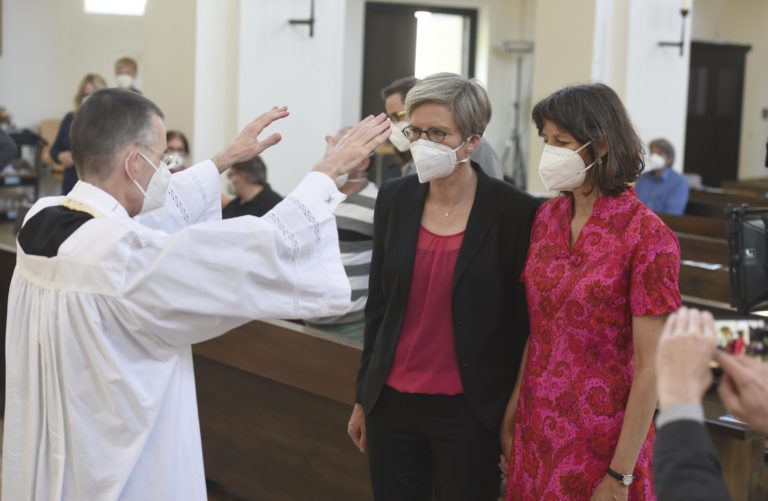
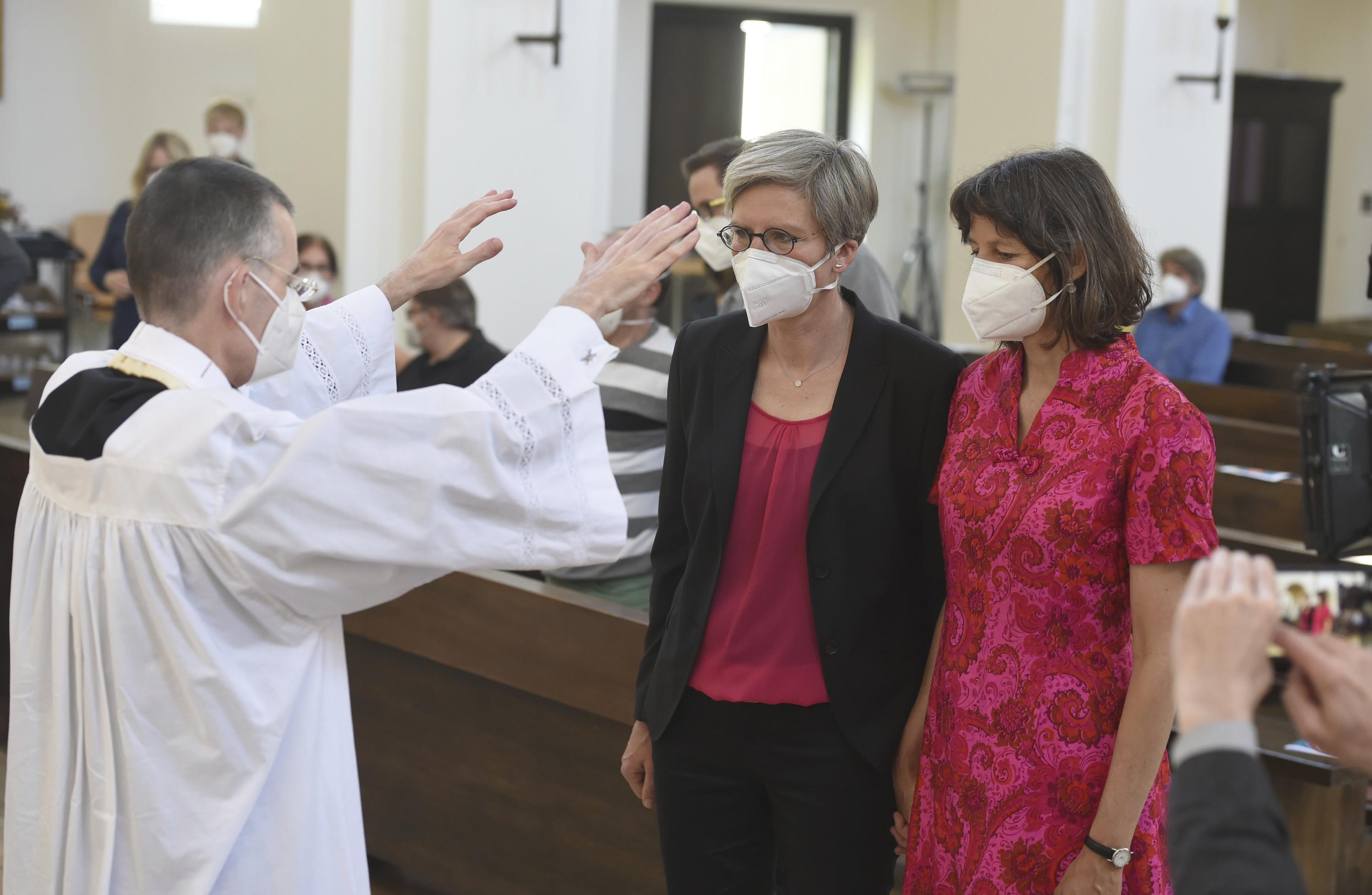
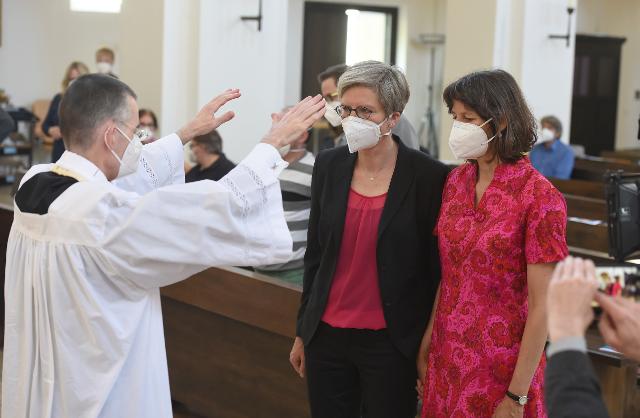
Vicar Wolfgang Rothe, left, blesses the couple Christine Walter, center, and Almut Muenster, right, during a Catholic service with the blessing of same-sex couples in St Benedict’s Church in Munich, Sunday, May 9, 2021. Germany’s Catholic progressives are openly defying a recent Holy See pronouncement that priests cannot bless same-sex unions by offering exactly such blessings at services in about 100 different churches all over the country. The blessings at open worship services are the latest pushback from German Catholics against a document released in March by the Vatican’s orthodoxy office, which said Catholic clergy cannot bless same-sex unions. (Felix Hoerhager/dpa via AP)

Vicar Wolfgang Rothe, center, blesses two men during a Catholic service with the blessing of same-sex couples in St Benedict’s Church in Munich, Sunday, May 9, 2021. Germany’s Catholic progressives are openly defying a recent Holy See pronouncement that priests cannot bless same-sex unions by offering exactly such blessings at services in about 100 different churches all over the country. The blessings at open worship services are the latest pushback from German Catholics against a document released in March by the Vatican’s orthodoxy office, which said Catholic clergy cannot bless same-sex unions. (Felix Hoerhager/dpa via AP)

Jesuit Father Jan Korditschke, who will lead blessings for same-sex couples in Berlin in the upcoming week, poses for a photo at the Canisius Church in Berlin, Germany, Friday, May 7, 2021. Germany’s Catholic progressives are openly defying a recent Holy See pronouncement that priests cannot bless same-sex unions by offering exactly such blessings at services in about 100 different churches all over the country. The blessings at open worship services are the latest pushback from German Catholics against a document released in March by the Vatican’s orthodoxy office, which said Catholic clergy cannot bless same-sex unions. (AP Photo/Michael Sohn)

Jesuit Father Jan Korditschke, who will lead blessings for same-sex couples in Berlin in the upcoming week, poses for a photo at the Canisius Church in Berlin, Germany, Friday, May 7, 2021. Germany’s Catholic progressives are openly defying a recent Holy See pronouncement that priests cannot bless same-sex unions by offering exactly such blessings at services in about 100 different churches all over the country. The blessings at open worship services are the latest pushback from German Catholics against a document released in March by the Vatican’s orthodoxy office, which said Catholic clergy cannot bless same-sex unions. (AP Photo/Michael Sohn)

BERLIN (AP) — Germany’s powerful Catholic progressives are openly defying a recent Holy See pronouncement that priests cannot bless same-sex unions by offering such blessings at services in about 100 different churches all over the country this week.

The blessings at open worship services are the latest pushback from German Catholics against a document released in March by the Vatican’s orthodoxy office, the Congregation for the Doctrine of the Faith, which said Catholic clergy cannot bless same-sex unions because God “cannot bless sin.”

The document pleased conservatives and disheartened advocates for LGBTQ Catholics around the globe. But the response has been particularly acute in Germany, where the German church has been at the forefront of opening discussion on hot-button issues such as the church’s teaching on homosexuality as part of a formal process of debate and reform.

The dozens of church services celebrating blessings of gay unions are the latest escalation in tensions between conservatives and progressives that have already sparked alarm, primarily from the right, that part of the German church might be heading into schism.

Germany is no stranger to schism: 500 years ago, Martin Luther launched the Reformation here.

Pope Francis, who has championed a more decentralized church structure, has already reminded the German hierarchy that it must remain in communion with Rome during its reform process, known as a “synodal path.”

In Berlin, the Rev. Jan Korditschke, a Jesuit who works for the diocese preparing adults for baptism and helps out at the St. Canisius congregation, will lead blessings for queer couples at a worship service May 16.

“I am convinced that homosexual orientation is not bad, nor is homosexual love a sin,” Korditschke told The Associated Press in an interview Friday. “I want to celebrate the love of homosexuals with these blessings because the love of homosexuals is something good.”

The 44-year-old said it is important that homosexuals can show themselves within the Catholic Church and gain more visibility long-term. He said he was not afraid of possible repercussions by high-ranking church officials or the Vatican.

“I stand behind what I am doing, though it is painful for me that I cannot do it in tune with the church leadership,” Korditschke said, adding that “the homophobia of my church makes me angry and I am ashamed of it.”

The head of the German Bishops Conference last month criticized the grassroots initiative for gay blessings which is called “Liebe Gewinnt” or “Love Wins.”

Limburg Bishop Georg Baetzing said the blessings “are not suitable as an instrument of church political manifestations or political actions.”

However, Germany’s powerful lay organization, the Central Committee of German Catholics, or ZdK, which has been advocating for gay blessings since 2015, positioned itself once more in favor of them. It called the contentious document from Rome “not very helpful” and explicitly expressed its support for ”Love Wins.”

“These are celebrations of worship in which people express to God what moves them,” Birgit Mock, the ZdK’s spokeswoman for family affairs, told the AP.

“The fact that they ask for God’s blessing and thank him for all the good in their lives — also for relationships lived with mutual respect and full of love — that is deeply based on the Gospel,” Mock said, adding that she herself was planning to attend a church service with gay blessings in the western city of Hamm on Monday in which she would pray for ”the success of the synodal path in which we, as a church, recognize sexuality as a positive strength.”

The ZdK has been taking part in the “synodal path” meetings for more than a year with the German Bishops Conference. They are due to conclude in the fall. The meetings include talks about allowing priests to get married, the ordination of women and a different understanding of sexuality, among other reforms. The process was launched as part of the response to revelations of clergy sexual abuse.

“We’re struggling in Germany with a lot of seriousness and intensive theological discourses for the right path,” Mock added. “Things cannot continue the way they did — this is what the crimes and cover-ups of sexual abuse showed us.”

“We need systemic changes, also regarding a reassessment of the ecclesiastical morality of sexuality,” Mock said.

US Will Protect Gay and Transgender People Against Health Care Discrimination – KQED

When that rule was finalized last year, LGBTQ people and advocates criticized the change, saying it could have a chilling effect on gay and transgender people seeking needed health care.

“The mission of our Department is to enhance the health and well-being of all Americans, no matter their gender identity or sexual orientation. All people need access to healthcare services to fix a broken bone, protect their heart health, and screen for cancer risk,” said Dr. Rachel Levine, assistant secretary for health, who in March became the first openly transgender person to serve in a Senate-confirmed position.

The announcement from HHS comes as conservative state legislatures are working to enact a variety of bills targeting transgender people. Last month in Arkansas, legislators overrode Gov. Asa Hutchinson’s veto to enact a new law banning doctors from providing gender-affirming medical care to transgender youth.

“With health care for transgender youth under attack by state legislatures, this move to protect LGBTQ people from discrimination in health care is critical. The Biden administration has affirmed what courts have said for decades: Discrimination against LGBTQ people is against the law. It also affirms what transgender people have long said: Gender-affirming care is life-saving care,” said Chase Strangio, deputy director for transgender justice at the ACLU.

Copyright 2021 NPR. To see more, visit NPR.org.

White House Reverses Trump Ban on LGBT Health Protections (2) – Bloomberg Law

The federal government will begin enforcing protections for LGBT Americans in health care again, reversing a ban put in place by the Trump administration, the Health and Human Services Department said Monday.

The decision to do so was made in light of the Supreme Court’s finding in Bostock v. Clayton County, which held that LGBT people are protected from discrimination under Title VII of the Civil Rights Act of 1964.

“The Supreme Court has made clear that people have a right not to be discriminated against on the basis of sex and receive equal treatment under the law, no matter their gender identity or sexual orientation,” Health and Human Services Secretary Xavier Becerra said in a statement.

“Fear of discrimination can lead individuals to forgo care, which can have serious negative health consequences. It is the position of the Department of Health and Human Services that everyone—including LGBTQ people—should be able to access health care, free from discrimination or interference, period,” he said.

Section 1557 of the Affordable Care Act prohibits discrimination on the basis of race, color, national origin, sex, age, or disability by entities that primarily provide health care and receive federal funding. This notice says that the Biden administration will enforce it as the law was initially intended.

This notice doesn’t address all aspects of the Trump-era rule, including which entities are covered under the rule, protections for those with limited English proficiency, and others, said Omar Gonzalez-Pagan, an attorney with Lambda Legal, an LGBT legal and advocacy organization.

The Justice Department told a court Monday morning that the Biden administration intends to issue a proposed rule around Section 1557, but it didn’t provide a timeline for doing so, Gonzalez-Pagan said.

The Office for Civil Rights of the HHS is reviewing the 1557 regulations and “we do anticipate engaging in rulemaking under 1557,” Robinsue Frohboese, the office’s acting director, said in an interview.

“It’s important to emphasize everybody needs access to health care,” especially during Covid-19, HHS Assistant Secretary for Health Rachel Levine said in an interview. “But people also have broken bones, and they have heart disease, and they need checkups, and no one should be discriminated against when seeking medical services.”

LGBT Americans have been “so challenged by the previous interpretation from the previous administration, and this is a breath of fresh air,” Levine, the highest ranking openly transgender person in the Biden administration, said.

“This decision by the Biden administration needlessly and dangerously politicizes medicine and threatens the conscience rights of medical providers,” said Emilie Kao, director of the Heritage Foundation’s DeVos Center for Religion and Civil Society.

“The Biden administration’s actions are unlawful overreach, not health-care protections,” Kao said.

Obamacare’s anti-discrimination protections are based on Title IX, which bans discrimination in education and programs that receive federal funding, but courts typically look to Title VII when interpreting Title IX.

“It’s very logical and clear that the interpretation the Supreme Court used in Bostock is going to apply to every single federal civil rights statute that bars sex discrimination,” Alexander Chen, founding director of Harvard Law School’s LGBTQ+ Advocacy Clinic, previously told Bloomberg Law.

The HHS isn’t doing this alone but as part of the Biden administration’s government-wide implementation of Bostock, Katie Keith, a health-care policy research professor at Georgetown University, said. Other agencies have issued similar policies, and the Obama administration undertook similar efforts after the decisions in United States v. Windsor and Obergefell v. Hodges, two landmark LGBT Supreme Court decisions, she added.

Employer Insurance Question

The majority of Americans, about 156 million people, get their insurance through their employers. Most employers rely on health insurance companies to process their claims and administer their plans as a third-party administrator, said Matthew Cortland, a disability rights attorney policy director at the health-care advocacy organization Be a Hero Fund.

However, the question of how it applies to insurers has been a conflict over the past five years.

The Obama administration issued a rule in 2016 that said those protections applied to employer-sponsored plans that relied on insurance companies receiving federal funds as a third-party administrator, Keith said.

The 2016 rule was “clearly intended” to reach the third-party administrators of the employer-sponsored plans, Cortland said. However, the employer-sponsored plan insurance industry made clear it didn’t want the nondiscrimination law to apply to third-party administrators, and the 2020 Trump-era rule reversed that.

The Trump-era regulation allowed health-care workers, hospitals, and insurance companies that receive federal funding to refuse to provide or cover any care for LGBT Americans.

The 2020 rule says health insurers aren’t bound by the ACA’s nondiscrimination provisions because they don’t provide health care, Wayne Turner, a senior attorney at the National Health Law Program, said.

The two previous regulations are still tied up in lawsuits, and this notice is likely to follow the same fate. Keith said there will likely be more litigation surrounding Section 1557 until the Supreme Court rules definitively on it or Title IX.

In the Courts

The Obama administration made clear in 2016 rule that Section 1557’s protections extend to bar discrimination based on sexual orientation, gender identity, transgender status, and against women seeking abortion-related care.

But Judge Reed C. O’Connor of the U.S. District Court for the Northern District of Texas held in 2019 that the rule violates the Religious Freedom Restoration Act as to providers that have sincerely held religious beliefs against providing such care. But O’Connor didn’t block the HHS from enforcing the rule, leading the providers to appeal his decision.

The U.S. Court of Appeals for the Fifth Circuit recently sent the injunction question back to O’Connor for reconsideration. He ordered the parties to file supplemental briefs addressing the issue. The providers’ brief is due May 14. The HHS’s answering brief is due June 4.

The same issue also is pending in the U.S. Court of Appeals for the Eighth Circuit. The U.S. District Court for the District of North Dakota held in January that the rule can’t be enforced against providers and entities that have sincerely held religious beliefs that preclude them from providing the care. The HHS appealed.

A 2020 Trump administration rule modifying the regulation has been challenged by several LGBTQ groups and has been partially blocked in New York and the District of Columbia. A similar suit is pending in federal court in Massachusetts.

Those cases are on hold, for the most part, pending the Biden administration’s actions.

“There are live issues” both in Lambda Legal’s case against the Trump-era rule and other cases regarding Section 1557, Gonzalez-Pagan said.

“Equitable access to health care is a human right, and it is a gargantuan task, not just for us, but for the current administration to reverse the discriminatory course of the last administration,” Gonzalez-Pagan said. This is “one significant step, but not the end of the road.”

—With assistance from Mary Anne Pazanowski

CRIME 20-Year-Old Man Reportedly Beheaded by Family For Being Gay – Out Magazine

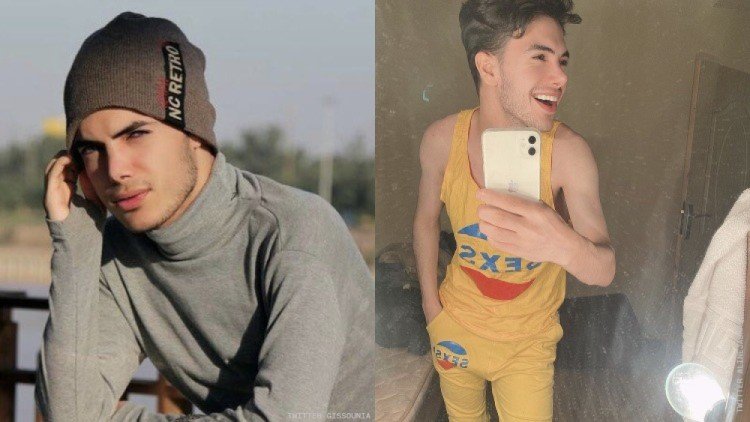
A young gay man was brutally beheaded in Iran in an alleged honored killing committed by the man’s half-brother and other male relatives. According to a report in Iran International, Alireza “Ali” Fazeli Monfared, 20, was killed after his family learned he had been exempted from military service because of his sexual orientation. Monfared reportedly feared his family members, and was planning to move to Turkey to live with his partner before he was lured to a remote location in the village of Borumi and beheaded.

According to the report, the local Persian LGBTQ+ activist group 6Rang, or six colors, said Monfared had recently been exempted from military service due to his sexual orientation and an exemption card was mailed to his former home. His partner, Aghil Bayat, said Monfared had already moved out of the home because he feared some of his family, and only returned there to retrieve the card. However, his half-brother allegedly found the letter and card first. When Monfared arrived, he was told his father wished to speak to him. The half-brother and two other men then drove him to a remote location in the village of Borumi, where they allegedly murdered, beheaded, and dumped his body.

After cutting off his head and discarding his lifeless body by a tree, Bayat said the killers then called Monfared’s mother and told her where she could find the body of her only son. She was reportedly hospitalized with shock upon hearing the news.

Sadly, though, such honor killings by family members are not uncommon and are rarely punished in the country.

“Cultural attitudes in society towards homosexuality are a literal life or death problem,” Gissou Nia, a human rights lawyer with the Atlantic Council tweeted, noting that honor killings by a victim’s family are difficult to prosecute.

“LGBTQI persons face abuse at home but legal protection against abusive family members is slim,” Nia tweeted. “The law gives parents extensive discretion in disciplining their children.”

Iranian journalist and activist Masih Alinejad tweeted a video of security forces she said were arresting a man off the street simply because he was gay. She said she has been “receiving many videos like these from Iran’s LGBTQ community” telling “harrowing stories of brutality by security forces.”

Iran is a dangerous place for the LGBTQ+ community. A report published by 6Rang last year found violence against queer folk was commonplace and that 62 percent of LGBTQ+ Persians had experienced violence from their own family. 6Rang said Monfared’s murder highlighted the dangers of the exemption card and Iranian laws regarding same-sex sexual relations.

“Alireza’s killing as a result of his sexual orientation being stated on his military service card has once again provided proof for our warning several years ago about the risks caused by the military service exemption process for gay Iranian men and underlines the need for legislation to prevent these safety risks,” 6Rang said in a statement.

RELATED | Iran Could Execute Popular Singer Accused of Being Gay

Marjorie Taylor Greene suggests that Kevin McCarthy is gay – Metro Weekly

Marjorie Taylor Greene, gay, kevin mccarthy
Marjorie Taylor Greene

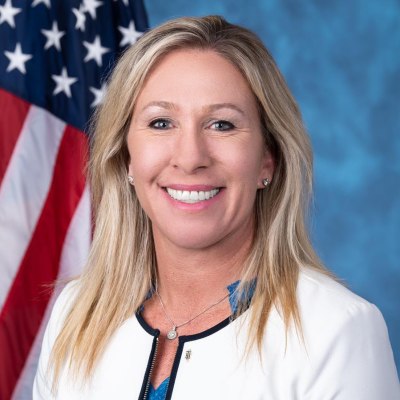
Conspiracy theorist and Republican congresswoman Marjorie Taylor Greene (R-GA) suggested last week that House Minority Leader Kevin McCarthy (R-CA) could be gay.

Greene made the comments while appearing on Fox News host Tucker Carlson’s Fox Nation show Tucker Carlson Today.

During their interview, conversation turned to McCarthy’s announcement that he had “rented a room” from Republican pollster Frank Luntz.

Carlson had previously criticized McCarthy for the living arrangement, saying the Republican leader tells his base that he will “fight for them against permanent Washington, the forces that would like to destroy their lives” and then “goes home to Frank Luntz’s apartment in Penn Quarter and laughs about it.”

McCarthy issued a statement saying that the rental situation was a temporary arrangement due to the pandemic.

But that didn’t stop Carlson and Greene from launching into innuendo, with Greene in particular insinuating that McCarthy and Luntz are gay.

“Were you shocked to learn they share a toothbrush or are roommates or whatever?” Carlson asked Greene.

“I was more curious, like, who gets the top bunk and who gets the bottom bunk,” Greene responded.

Carlson asked if they had “any clarity on that?”

“Somebody should find out, right?” Greene said.

Also ReadFox News is ‘obsessed’ with trans student athletes, but can’t provide evidence of a problem


Elsewhere in the interview, Greene suggested that her colleagues in Congress “are not qualified to be there.”

In February, Greene was stripped of her House committee assignments in a bipartisan vote, after previously suggesting that school shootings in Sandy Hook and Parkland were staged and claiming that a plane didn’t strike the Pentagon on 9/11.

Neither Greene nor Carlson are strangers to anti-LGBTQ rhetoric or statements. Greene previously attacked the Equality Act, a landmark piece of legislation that would enshrine nondiscrimination protections for LGBTQ people into federal law, calling it “evil and “a direct attack on God’s creation.”

She has also protested a Drag Queen Story Time event in Georgia and claimed it was “brainwashing” children, liked the anti-LGBTQ group MassResistance on Facebook, and wrote on her social media, “Trans does not mean gender change, it just means a gender refusal and gender pretending! Truth is truth, it is not a choice!!!”

Also ReadTexas governor promises to sign ban on transgender athletes in women’s sports into law

Last month, Carlson devoted multiple segments of his Fox News show to attacking transgender people, including calling the trans community a threat to the “perpetuation of the species.”

Carlson also claimed that providing transgender youth with access to gender-affirming health care increases their risk of suicidal ideation, and called hormone therapy “chemical castration.”

It continues a pattern of anti-transgender rhetoric by Carlson, after he last year called trans youth “grotesque” and a “nationwide epidemic.”

Carlson also reportedly listed an anti-gay senator in his college yearbook bio and called gay people “unnatural and unhealthy” in a letter to his college newspaper.

Read More:

Gay man beheaded by family in Iran while preparing to flee country

Man stabbed with ice pick on New York subway after attacker calls him a “f—-t”

Atlanta police warn that robbers are using gay dating apps to target victims