Home Blog Page 171

Check it Out: Library to commemorate Pride Month – Williamsport Sun-Gazette

The James V. Brown Library, 19 E. Fourth St., will observe June as Pride Month throughout the building.

Pride Month commemorates the Stonewall Riots which took place on June 28, 1969, in response to police raids in the Stonewall Inn in the Greenwich Village neighborhood of New York City. The ensuing demonstrations by the LGBTQ community that followed marked the beginning of the LGBTQ movement in the U.S.

This month is a celebration and raises awareness of the important impact that the LGBTQ community has had and continues to have across the world. The term Gay Pride was created by Thom Higgins, a gay rights activist from Minnesota, and the first Pride March was coordinated by Brenda Howard, also known as the “Mother of Pride,” who worked to coordinate the first events for Pride Day that later evolved into the month-long celebration that we recognize today.

The library will have book displays throughout the building, and you can learn more about the history of Pride Month and celebrate the LGBTQ community with the following books about the Stonewall Riots and LGBTQ activism:

Stonewall: Breaking out in the fight for gay rights by Ann Bausum.

Out in Central Pennsylvania: The history of an LGBTQ community by William Burton.

The Book of Pride: LGBTQ heroes who changed the world by Mason Funk.

A Queer History of the United States for Young People by Michael Bronski.

Queer, There and Everywhere: 23 people who changed the world by Sara Prager.

Queer by Marke Bieschke.

For more information about Pride Month, visit the Library of Congress at https://www.loc.gov/lgbt-pride-month/about/.

— The library supports the PA Forward statewide initiative, which believes that when Pennsylvania residents improve their command of five types of literacy — basic, information, civic and social, health and financial — they can achieve greater success as students, parents, employees, consumers, as citizens. Libraries are community centers of information, technology and learning that will fuel educational and economic opportunity for all of our citizens.

For your safety, all returned materials are quarantined for three days.

The James V. Brown Library is open for browsing and holds pick up from 10 a.m. to 6 p.m. Monday through Friday; and 9 a.m. to 2 p.m. Saturday. To place a hold, visit www.jvbrown.edu or call 570-326-0536 during the library’s operating hours. The James V. Brown Library, 19 E. Fourth St., Williamsport, Pa., is the place to go to learn, connect and grow. Founded in June 1907, the library champions the love of reading, opens new doors to lifelong learning, provides a haven to those who seek and ensures the preservation of public library services for future generations. The library has more than 225,000 visitors in a year and circulates a half-million items annually. A member of the Lycoming County Library System, the James V. Brown Library participates in PA Forward, a statewide initiative to promote literacies in our communities to power a better future for everyone.

Today’s breaking news and more in your inbox

Gay circuit party impresario Jeffrey Sanker dies at 65 – Washington Blade

WEST HOLLYWOOD – In its third annual survey released late last week, The Trevor Project found that well over two-thirds of the 35,000 LGBTQ youth ages 13–24 across the United States interviewed reported that the affects of the coronavirus pandemic has largely negatively impacted their lives.

“The past year has been incredibly difficult for so many LGBTQ young people because of multiple crises, from the COVID-19 pandemic to the hostile political climate and repeated acts of racist and transphobic violence. This data makes clear that LGBTQ youth face unique mental health challenges and continue to experience disparities in access to affirming care, family rejection, and discrimination., ” Amit Paley, CEO & Executive Director of The Trevor Project told the Blade in an emailed statement.

“We are proud that this survey sample is our most diverse yet, with 45% being LGBTQ youth of color and 38% being transgender or nonbinary. The data speaks to the wide variety of experiences and identities held by LGBTQ youth across the country, and emphasizes the need for comprehensive, intersectional policy solutions to confront systemic barriers and end suicide,” he added.

The Trevor Project also noted that this year’s survey reflected a wider sense of diversity, with 45% of LGBTQ youth survey being of color and 38% being transgender or nonbinary. The study highlights that only 1 in 3 LGBTQ+ youths live in an affirming home. It also shows the impact of discrimination on the mental health of LGBTQ+ youths of color.

According to the report, 42% of LGBTQ youth seriously considered attempting suicide in the past year, including more than half of transgender and nonbinary youth. Additionally, 12% of white youth attempted suicide compared to 31% of Native/Indigenous youth, 21% of Black youth, 21% of multiracial youth, 18% of Latinx youth, and 12% of Asian/Pacific Islander youth.

Statistically, LGBTQ+ youth are more at risk for depression and suicide than their heterosexual peers. A contributing factor is the lack of an affirming home space or environment. More than 80% of LGBTQ youth stated that COVID-19 made their living situation more stressful — and only 1 in 3 LGBTQ youth found their home to be LGBTQ-affirming.

“These findings are extremely concerning as they highlight many distinct factors that contribute to LGBTQ youth suicide risk. But we encourage lawmakers, public health officials, and youth-serving organizations to focus on the protective factors illuminated in the data, which point to best practices on how to better support LGBTQ young people,” Dr. Amy Green, Vice President of Research at The Trevor Project the licensed clinical psychologist who oversaw the survey said.

“Once again, we find that LGBTQ-affirming spaces and transgender-inclusive policies and practices are consistently associated with lower rates of attempting suicide. The past year has been really difficult for so many of us, but we also know that LGBTQ youth in particular are facing unique challenges,” said Green.

Key Findings include:

94% of LGBTQ youth reported that recent politics negatively impacted their mental health.

70% of LGBTQ youth stated that their mental health was “poor” most of the time or always during COVID-19.

48% of LGBTQ youth reported they wanted counseling from a mental health professional but were unable to receive it in the past year.

30% of LGBTQ youth experienced food insecurity in the past month, including half of all Native/Indigenous LGBTQ youth.

75% of LGBTQ youth reported that they had experienced discrimination based on their sexual orientation or gender identity at least once in their lifetime.

Half of all LGBTQ youth of color reported discrimination based on their race/ethnicity in the past year, including 67% of Black LGBTQ youth and 60% of Asian/Pacific Islander LGBTQ youth.

13% of LGBTQ youth reported being subjected to conversion therapy, with 83% reporting it occurred when they were under age 18.

Transgender and nonbinary youth who reported having pronouns respected by all of the people they lived with attempted suicide at half the rate of those who did not have their pronouns respected by anyone with whom they lived. Trans and nonbinary youth who were able to change their name and/or gender marker on legal documents, such as driver’s licenses and birth certificates, reported lower rates of attempting suicide.

LGBTQ youth who had access to spaces that affirmed their sexual orientation and gender identity reported lower rates of attempting suicide. An overwhelming majority of LGBTQ youth said that social media has both positive (96%) and negative (88%)impacts on their mental health and well-being.

“The Trevor Project is the largest suicide prevention organization for LGBTQ youth, but even we do not know how many LGBTQ youth die by suicide each year because that data is simply not collected systematically,” Green said and added; “This third annual survey aims to fill the gaps in the limited research we do have on LGBTQ youth mental health and suicide risk as a means to raise public awareness and improve public health interventions.”

To read the full report go here: https://www.thetrevorproject.org/survey-2021/?section=Introduction

If you are an LGBTQ young person, please know that you are never alone and The Trevor Project is here to support you 24/7.

Need Help? We are here for you 24/7: 1-866-488-7386 | Text | Chat

Japan’s LDP shelves LGBT bill for current Diet session due to conservative opposition – The Japan Times

The ruling Liberal Democratic Party has decided not to submit to the current Diet session a cross-party bill to promote greater awareness among the public of LGBT people.

The decision was made amid difficulties in reaching a consensus among LDP lawmakers, with some conservative factions voicing strong objection to the bill and stalling the approval process at the party’s General Council.

Tsutomu Sato, chairman of the council and one of the party’s highest ranking officials, said at a news conference after a panel meeting it would be impossible to pass the bill before the end of the ordinary Diet session on June 16 given the current split in opinions.

The debate concerns a statement within the bill stipulating that “discrimination on the basis of sexual orientation and gender identity is unacceptable.”

Conservative LDP lawmakers have raised concerns that the undefined scope of discrimination could lead to frequent lawsuits.

Despite the bill being approved after lengthy deliberations between the party’s Special Committee and Policy Research Council Board before Thursday, objections were still raised at the meeting on Friday.

“Deliberations in the Diet operate on a tight schedule. So the General Council can’t determine its direction,” Sato said.

With the House of Representatives election to be held by the fall and campaigning for the Tokyo Metropolitan Assembly election to kick off late next month, an executive committee member has expressed concern over losing support among voters if disagreements within the LDP continue.

Yukio Edano, head of the main opposition Constitutional Democratic Party of Japan, criticized the LDP’s decision to postpone the bill’s submission in a virtual party meeting, saying, “As the host nation of the Tokyo Olympics and Paralympics, it is our duty to forward legislation.”

Tomoko Tamura, policy chief of the Japanese Communist Party, said the LDP’s handling of the bill is problematic as it “goes against the elimination of discrimination.”

The bill was drafted by the LDP’s Special Mission Committee on Sexual Orientation and Gender Identity, with a revision agreed to with opposition parties on May 14.

The committee had aimed to pass it during the current Diet session and before the Tokyo Games begin on July 23 to reflect the Olympic Charter, which includes a statement prohibiting discrimination on the basis of sexual orientation.

In a time of both misinformation and too much information, quality journalism is more crucial than ever.
By subscribing, you can help us get the story right.

SUBSCRIBE NOW

PHOTO GALLERY (CLICK TO ENLARGE)

LGBTQ equality rights at center of Kentucky state contract dispute – Washington Blade

WEST HOLLYWOOD – In its third annual survey released late last week, The Trevor Project found that well over two-thirds of the 35,000 LGBTQ youth ages 13–24 across the United States interviewed reported that the affects of the coronavirus pandemic has largely negatively impacted their lives.

“The past year has been incredibly difficult for so many LGBTQ young people because of multiple crises, from the COVID-19 pandemic to the hostile political climate and repeated acts of racist and transphobic violence. This data makes clear that LGBTQ youth face unique mental health challenges and continue to experience disparities in access to affirming care, family rejection, and discrimination., ” Amit Paley, CEO & Executive Director of The Trevor Project told the Blade in an emailed statement.

“We are proud that this survey sample is our most diverse yet, with 45% being LGBTQ youth of color and 38% being transgender or nonbinary. The data speaks to the wide variety of experiences and identities held by LGBTQ youth across the country, and emphasizes the need for comprehensive, intersectional policy solutions to confront systemic barriers and end suicide,” he added.

The Trevor Project also noted that this year’s survey reflected a wider sense of diversity, with 45% of LGBTQ youth survey being of color and 38% being transgender or nonbinary. The study highlights that only 1 in 3 LGBTQ+ youths live in an affirming home. It also shows the impact of discrimination on the mental health of LGBTQ+ youths of color.

According to the report, 42% of LGBTQ youth seriously considered attempting suicide in the past year, including more than half of transgender and nonbinary youth. Additionally, 12% of white youth attempted suicide compared to 31% of Native/Indigenous youth, 21% of Black youth, 21% of multiracial youth, 18% of Latinx youth, and 12% of Asian/Pacific Islander youth.

Statistically, LGBTQ+ youth are more at risk for depression and suicide than their heterosexual peers. A contributing factor is the lack of an affirming home space or environment. More than 80% of LGBTQ youth stated that COVID-19 made their living situation more stressful — and only 1 in 3 LGBTQ youth found their home to be LGBTQ-affirming.

“These findings are extremely concerning as they highlight many distinct factors that contribute to LGBTQ youth suicide risk. But we encourage lawmakers, public health officials, and youth-serving organizations to focus on the protective factors illuminated in the data, which point to best practices on how to better support LGBTQ young people,” Dr. Amy Green, Vice President of Research at The Trevor Project the licensed clinical psychologist who oversaw the survey said.

“Once again, we find that LGBTQ-affirming spaces and transgender-inclusive policies and practices are consistently associated with lower rates of attempting suicide. The past year has been really difficult for so many of us, but we also know that LGBTQ youth in particular are facing unique challenges,” said Green.

Key Findings include:

94% of LGBTQ youth reported that recent politics negatively impacted their mental health.

70% of LGBTQ youth stated that their mental health was “poor” most of the time or always during COVID-19.

48% of LGBTQ youth reported they wanted counseling from a mental health professional but were unable to receive it in the past year.

30% of LGBTQ youth experienced food insecurity in the past month, including half of all Native/Indigenous LGBTQ youth.

75% of LGBTQ youth reported that they had experienced discrimination based on their sexual orientation or gender identity at least once in their lifetime.

Half of all LGBTQ youth of color reported discrimination based on their race/ethnicity in the past year, including 67% of Black LGBTQ youth and 60% of Asian/Pacific Islander LGBTQ youth.

13% of LGBTQ youth reported being subjected to conversion therapy, with 83% reporting it occurred when they were under age 18.

Transgender and nonbinary youth who reported having pronouns respected by all of the people they lived with attempted suicide at half the rate of those who did not have their pronouns respected by anyone with whom they lived. Trans and nonbinary youth who were able to change their name and/or gender marker on legal documents, such as driver’s licenses and birth certificates, reported lower rates of attempting suicide.

LGBTQ youth who had access to spaces that affirmed their sexual orientation and gender identity reported lower rates of attempting suicide. An overwhelming majority of LGBTQ youth said that social media has both positive (96%) and negative (88%)impacts on their mental health and well-being.

“The Trevor Project is the largest suicide prevention organization for LGBTQ youth, but even we do not know how many LGBTQ youth die by suicide each year because that data is simply not collected systematically,” Green said and added; “This third annual survey aims to fill the gaps in the limited research we do have on LGBTQ youth mental health and suicide risk as a means to raise public awareness and improve public health interventions.”

To read the full report go here: https://www.thetrevorproject.org/survey-2021/?section=Introduction

If you are an LGBTQ young person, please know that you are never alone and The Trevor Project is here to support you 24/7.

Need Help? We are here for you 24/7: 1-866-488-7386 | Text | Chat

Transgender Patient Care a Priority in MD, PA, and PA Online Curricula – Yale School of Medicine

A woman, who was assigned male at birth, is diagnosed with prostate cancer. This was a recent clinical training exercise from Yale’s Physician Assistant Online (PA Online) Program involving standardized patients who are transgender women. At Yale School of Medicine (YSM), MD, PA Online, and Physician Associate (PA) degree programs incorporate curricular content to train students to care for transgender and non-binary patients competently and compassionately. Importantly, the programs are committed to ongoing curricular assessment and revisions.

YSM began the process of meaningfully including such content into its MD curriculum in 2014, as part of a larger collaborative effort between students and faculty to evaluate and increase content related to sexual and gender minority (SGM) medicine. This involved carefully examining the curriculum to determine what was and was not being covered, based on nationally established competencies provided by the Association of American Medical Colleges. Faculty were provided guidance and resources for incorporating missing content into the curriculum. A key principle was developing unified, intersectional learning activities that focused on the experiences and needs of all patients to address the multifaceted nature of patient identities and health care concerns.

Relevant content is now embedded in a number of pre-clerkship courses and several clerkships, such as an Ob-Gyn shared decision-making workshop using a case study of a male assigned female at birth with cervical cancer.

MD students can participate in a Family & Transgender Medicine elective at a clinic in Oneonta, New York, where YSM alumni, Carolyn Wolf-Gould, MD ‘90 and Christopher Wolf-Gould, MD ’90, serve as preceptors. Michael Solotke, MD-MBA ’21, spent two weeks seeing only transgender and non-binary pediatric and adult patients during the elective. Because these patients are some of the must underserved in our health care system, he explains, “it was extremely valuable for my education to have the chance to learn in an environment that centers their needs.” Solotke praises the Wolf-Goulds as truly outstanding preceptors who “modeled how to provide care that is structurally informed, evidence based, humble, and community engaged.”

The travel restrictions during the COVID-19 pandemic underscored that an equivalent opportunity does not yet exist in New Haven, though the Pediatric Gender Program created a temporary opportunity for students to participate in a transgender and non-binary medicine elective.

The YSM Dean’s Council for LGBTQI+ Affairs was born out of the 2014 MD curriculum review. Since its creation in 2015, it has included representatives from the MD, PA, and PA Online Programs, as well as the Yale Schools of Nursing and Public Health. It not only focuses on curricula, but a range of Lesbian, Gay, Bisexual, Transgender, Intersex, and Queer+ (LGBTQI+) issues, as well as organizing events. In January 2021, the Council created an official Education/Curriculum Working Group to provide curricular advice to YSM’s Dean Nancy J. Brown, MD, C.N.H. Long Professor of Internal Medicine, and other educational leaders.

In 2020, the MD Program added a four-year Health Equity Thread (HET) to its curriculum, with the goal that by 2023, 50% of the curriculum incorporates health equity in a meaningful way. Associate Dean for Curriculum Michael Schwartz, PhD, anticipates that as the strong content related to the appropriate and meaningful care and treatment of transgender and non-binary patients is incorporated within the HET, students will gain even greater exposure to this important facet of health care delivery.

As of September 2020, the Accreditation Review Commission on Education for the Physician Assistant required accredited PA programs to prepare their graduates to provide care for SGM patients. (There is not yet an equivalent accreditation requirement for medical schools.) Both of YSM’s PA programs were meeting this requirement prior to its adoption. PA Online faculty member Diane Bruessow, PA-C, DFAAPA, credits PA Online Program Director James Van Rhee, MS, PA-C, with ensuring the topic’s inclusion in the curriculum when Yale welcomed its first class in January 2018.

Transgender health material is woven throughout the PA Online patient assessment course. For example, the musculoskeletal system curriculum includes a discussion of how sex steroids, particularly estrogen, influence bone health, and how that relates to pubertal suppression and hormone therapies. When studying the pulmonary system, PA Online students learn about pulmonary risks associated with some chest binding techniques—a non-medical/surgical alternative to top surgery that transmasculine individuals may engage in to create a masculine presenting chest.

During the multi-institutional Virtual Interprofessional Education (VIPE) program, PA Online students work through clinical cases in small interprofessional groups. In one scenario, the patient is a young transgender woman of color who presents with a musculoskeletal issue and abuse is uncovered. Additionally, many PA Online students participate in the program’s virtual clinical elective on SGM health, designed to help students understand and apply the scientific constructs of sexual orientation and gender identity and expression to patient assessment and clinical decision-making.

Bruessow, who has expertise in transgender and non-binary medicine, spent the last year authoring chapters on transgender health for medical textbooks, with the aim of enabling other programs to teach this content as well.

The PA Program similarly has material woven into its didactic and clinical curriculum. Interspersed throughout the first year is content on approaches to treatment and care including hormone therapies, implicit bias, gynecological care, psychiatric impact, diversity, and inclusion. Additionally, students take a class on Healthcare of Gender Variant Youth, and participate in a session on LGBTQ health disparities, focusing on identifying major barriers in accessing health care and the health disparities and risk factors that this community experiences. Students learn about providing primary care to LGBTQ patients, including developing a clinically inclusive and empathic approach to providing optimal medical care.

In their shared medical decision-making sessions with standardized patients, PA students have a case with a transgender male who is making decisions about having children with his partner. They also can participate in clinical rotations at the Nathan Smith Clinic in New Haven, which provides care for patients, including transgender and non-binary individuals, with HIV. Clinical electives are available at the interdisciplinary Yale Gender Program and the Walter–Whitman Clinic in Washington, DC, both of which have a focus on transgender and non-binary health care.

YSM Deputy Dean for Education Jessica Illuzzi, MD, MS, professor of Obstetrics, Gynecology and Reproductive Sciences, says it is vital that students are trained to care for transgender and non-binary individuals to ensure this segment of the population receives the care they need and deserve in a supportive, understanding, and inclusive environment. “Recognizing and minimizing bias in caring for our patients is critical. This is at the core of our mission and, therefore, our curriculum.”
LA Based Gay Comedian Nicky Paris Is Breaking Barriers – The Pride LA

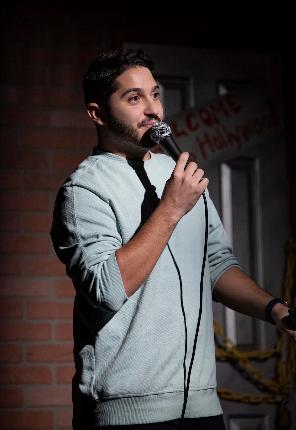
Nicky Paris is an LA Based gay comedian on the rise. 

Making waves performing throughout the country, Paris has been featured on Wendy Williams, MTV, The Daddy Issues Podcast with Dean McDermott and Adam Hunter. 

For Pride Month Paris will be performing at the legendary Laugh Factory in Las Vegas June 21-23 and opening for Eric D’Alessandro at The Mayo Performing Arts Center in New Jersey June 11-13, New York City, as well as The St. George Theater in Staten Island this October.

Paris began his comedy career at the age of 17 where he quickly became a fixture in the Big Apple’s comedy circuit however comedy was not always easy he admits. Telling The Pride LA how he was once turned away from a legendary NYC comedy club for being gay at 18 years old. 

When asked how difficult it is being a gay comic in a heterosexually male dominated field Paris said, “I don’t find it hard; I find it to be an exciting challenge. Sure, there were people and gatekeepers who may not have embraced me when I first started, heck- there was even a club in New York when I first started when I was a teenager that straight up told me they wouldn’t put me up because I was gay. Although I was disappointed, I look at every rejection as a challenge. I truly believe funny is funny and I knew that if I worked hard and was irrevocably committed, my work would eventually speak for itself. I’m a comedian because I’m funny, not because I’m gay, and I do think that’s what the game should be all about. I want to be the funniest person on a lineup regardless of race, gender, and who I’m disappointing in the bedroom.”

While the pandemic stripped many comics of their livelihoods, Paris accepted the challenge to pivot and reinvent and has been performing for the last year in unique settings around the country including the New York City subway, the back of pick-up trucks, rooftops, socially distanced indoor shows and virtual shows around  the country. 

Comic Nicky Paris
Photo credit: Michele Torres-Garcia

First introduced to television viewers on The Wendy Williams Show as on-air talent at 19, Paris used his sharp wit and love for juicy, celebrity gossip for Wendy’s “Street Talk” segments where he quickly became a regular for the segment on the hit talk show. Soon after, Elite Daily tapped Paris to become one of their lead cast members for their hit web show GEN WHY, where he has represented millennials for over six seasons along with some of the biggest internet personalities on the web.

After appearing on a handful of specials such as MTV’s Epic Fails of 2015, 2016, It’s Complicated and Video Love and the Off-Broadway Production of My Big Gay Italian Funeral, he quickly carved himself a space in Los Angeles’ stand-up comedy scene after becoming a west coast resident and can be seen nightly in Los Angeles’ premiere comedy clubs. 

“I love the Los Angeles comedy scene and I feel so grateful to be a part of it. It’s been very kind to me while at the same time challenging me. In LA, I’ve been the only person on a lineup without a TV show or a special and it’s forced me to step up my game and grow to hold my own on these monster lineups.” Paris added, “In Los Angeles, you can literally be on a show at a comedy club with people you always looked up to and idolized – that never gets old for me! New York’s comedy scene is different but just as special. I will say there is nothing like a New York audience. I started doing standup in New York City when I was 17 and I used to work at Broadway Comedy Club in the heart of Manhattan when I first started. I worked for stage time instead of money. That’s how bad I wanted to do this. Every four hours I worked I got 5 minutes on stage and looking back, I was so lucky that I got that opportunity because it really gave me the chance to get up regularly and find my voice very early in my career.”

Nicky can be seen as a host on LATV’s The Zoo and as well as on the Daddy Issues podcast with Dean McDermott and Adam Hunter. Nicky most recently headlined the legendary Caroline’s on Broadway as part of their “Breakout Artist Series,” which puts the spotlight on the very best and brightest emerging stand-up comedians in their very own headlining show and was featured on Audible’s 2020 Pride Special.

When asked how being gay influenced his comedy Paris says. “Being gay has influenced my comedy because it’s a part of the prism through which I see the world. I was always different than the other kids. For example, as a kid, when I would get spanked, I was the only one who would say “And how are you paying today?” Being gay has allowed me to embrace myself authentically: on and off the stage. I knew I was gay since I saw George of the Jungle with Brendan Frazer. I’ve had those moments throughout my life where I didn’t fit in and felt different than everyone else like I didn’t belong. Doing standup has given me the opportunity to take some of the hardships I’ve endured in my life and make them funny and suddenly, it’s not that painful anymore. I can now laugh at it.”

What Is The Meaning of This Dianna Agron Gay Smooching Instagram Photo?! – Autostraddle

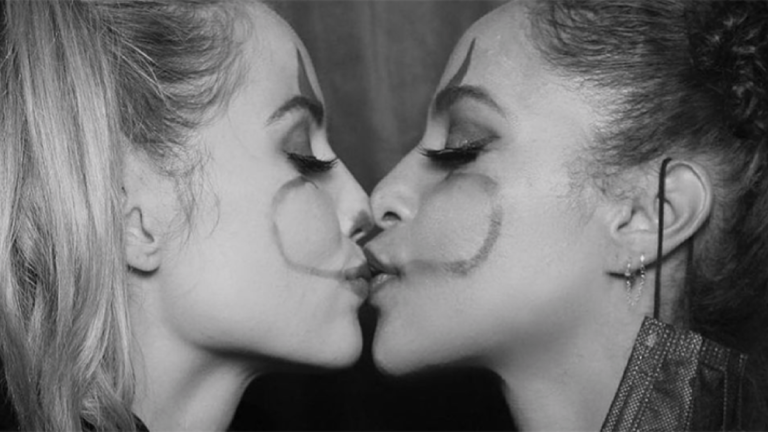
Exactly one hour ago, Dianna Agron posted a photo on Instagram of her smooching Megalyn Echikunwoke on the mouth with the caption “I love her, I love her, I love her :balloon emoji:” and I just want to know: WHAT DOES IT MEAN? What does this mean! DIANNA AGRON, WHAT IS THE MEANING OF THIS PHOTO? Is it gay? Is it a gay photo? Is this a gay kiss? Is this a “friend” kiss? Are you coming out? Do people “come out” anymore? Did TikTok truly turn the entire planet into a queer mob? WHAT IS THIS PHOTO, DIANNA AGRON! TELL ME!

Dianna Agron is, of course, most famous for playing Quinn “Pink Hair Don’t Care” Fabray on Glee, and being one half of probably the most famous femslash ship of all time, a lil pairing you might have heard of called Faberry. Megalyn Echikunwoke has done a lot of voice acting, is most known for her role as Edie Palmer on Almost Family, and was seen canoodling with Olivia Wilde on Instagram as recently as two months ago. I am saying that last thing because Olivia Wilde has made a lot of people gay and that’s just a fact that seems relevant at this time.

If, like me, you are a gay elder, you remember the time in 2011 when Diana Agron wore a shirt that said “LIKES GIRLS” at one of those Glee live concerts and the internet lost its entire goddamn mind. Honestly, looking back, I think that was the moment that started the whole gay discourse. It was like, oh, she can’t wear that shirt, she’s not a lesbian! What a jerk! And oh, if she’s wearing it, she’s definitely a lesbian! Leave her alone! And, like, booo you troll! And, all hail our mighty homosexual monarch! Anyway it was such a Thing, Diana Agron had to go on Tumblr — Tumblr! — and be like, “I just picked it up off the merch table to show my love to gay people, my bad.”

Which I’m saying because I feel like you don’t live through being Quinn Fabray and come away not knowing what it’s gonna do to the internet when you POST A PHOTO OF YOU KISSING ANOTHER WOMAN ON THE MOUTH!

Listen, there is no precedent for this new world we’re living in. Nobody’s coming out on the cover of Time magazine, some queer people are using labels and some queer people are not using labels, some celebs are trolling with gay-looking lip-mash photos, Tessa Thompson is out here getting photographed kissing whoever the fuck she wants whenever the fuck she wants, sometimes even on boats. There was a time, like maybe a year ago, when the Autostraddle editors would be hand-wringing all night in Slack about what to call this and can we publish it. Tonight, though, I texted our Editor in Chief, Carmen Phillips, and I was like, “Come on.” And she was like, “COME on!” And I was like, “COME ON!” And she was like, “COME ON!!!!” and now this post exists.

Dianna Agron likes girls. 🎈

Syracuse Experts Available to Discuss Key Pride Month Issues – Syracuse University News

The month of June is Pride Month in America. Originally started as Gay Pride Day to honor the 1969 Stonewall Uprising that was the catalyst for the gay liberation movement in the U.S., the day has morphed into a month of parades, picnics, celebrations and learning opportunities in honor of the LGBTQ+ population.

For your Pride Month coverage in June, Syracuse University professors are available for interviews to provide insight and perspective on the LGBTQ+ issues and trends, from the legal to the political to the social:

Think all LGBTQ+ citizens vote the same? 

Think again. The LGBTQ+ community is growing its political power. From Pete Buttigieg’s appointment as U.S. Secretary of Transportation, to Caitlyn Jenner’s announcement to run for governor of California, members of the LGBTQ+ community are amassing and growing its political power. In what was dubbed a “rainbow wave” last year, dozens of LGBTQ+ candidates captured historic wins in the 2020 U.S. elections. It included the elections of the first openly transgender person for a State Senate seat and the first gay Black men elected to Congress.

William Robert is the director of LGBTQ Studies and an associate professor of religion at Syracuse University’s College of Arts and Sciences. Prof. Roberts talks about the importance of remembering the political diversity within this growing community of voters and lawmakers. 

Prof. Robert says: 

William Robert

“I’m almost always thrilled when LGBTQ+ candidates win political offices.  I say ‘almost’ because our identities are intersections. They’re never reducible to one category, like gender or sexuality.  LGBTQ+ citizens aren’t a bloc of one-issue voters. They seem not to be a bloc at all, given how little national media attention they receive.”

“What’s most exciting to me are how many LGBTQ+ persons of color who have won recent elections and how their victories range from local to national positions. If the old saying is right, that ‘all politics are local,’ that gives me hope that LGBTQ+ persons can effect urgently needed sociopolitical change.”

New Laws Against Transgender Youth

During the 2021 legislative session in dozens of states, there has been a surge in anti-trans bills. Legislatures in 30 some states have considered banning trans youth from sports teams that align with their gender identity. Twenty have weighed bans on gender-confirming medical care for transgender minors. The Human Rights Campaign has called 2021 the worst year for anti-LGBTQ legislation in recent history.

woman looking into camera

Deborah Coolhart

Deborah Coolhart is an associate professor in the Marriage and Family Therapy Department at Syracuse University’s David B. Falk College of Sport and Human Dynamics. A licensed marriage and family therapist, Coolhart’s scholarly interests include clinical issues related to marginalized and queer experiences and relationships, with a focus on transgender people and their families. Coolhart created the Transgender Treatment Team, which provides services throughout Central New York and where Syracuse University students gain specialized training with trans people and their families.

Coolhart has this to say about actions to restrict health care to trans patients.

“And while there have been steps to afford LGBTQ people the same basic rights as other humans, there are also steps being taken backward. (Last year) the Trump administration finalized an administrative rule for the Department of Health and Human Services, making it legal for healthcare providers to refuse medical treatment for LGBTQ people. This rule especially impacts the trans community, who overwhelmingly report mistreatment in healthcare settings.”

“(Past rulings) also allowed insurance companies to deny coverage for transition-related medically necessary treatments for trans people, including hormone therapy and surgeries. So, if you’re trans and get in a car accident, is the hospital allowed to let you die?”

Stigma Around Blood Donations

Doron Dorfman, associate professor at Syracuse University College of Law, is available to speak to the media on issues surrounding the current restrictions on gay men donating blood.

man wearing glasses in natural environment

Doron Dorfman

Professor Dorfman studies the intersections of health, law and social science to understand perceptions around public health. His scholarship explores how stigma informs the legal treatment of disempowered communities through.

His latest paper, The PrEP Penalty, which will be published later this year by Boston College Law Review, exposes the paradoxical legal treatment of people who use PrEP, the treatment shown to be highly effective in preventing HIV infection. Dorfman writes that while PreP has wide approval and acceptance for the prevention of HIV, the FDA still restricts PrEP users, largely sexually active gay men, from donating blood through a legal policy known as the ‘blood ban.’  Dorfman’s research shows how moral judgment impacts decisions related to public health which is detrimental not only to LGBTQ individuals but also to society as a whole.

Dorfman wrote about this issue last year for an op-ed in Law 360:  “COVID-19 May Help Lift FDA Policy On Gay Blood Donors.”

For more information or to schedule an interview with any of these professors, please contact a member of the Syracuse University media relations department.

Overrepresented in prisons: LGBTQ2S+ people – Workers World

At every stage in the criminal injustice system, LGBTQ2S+ people are overrepresented, including within the juvenile justice system.

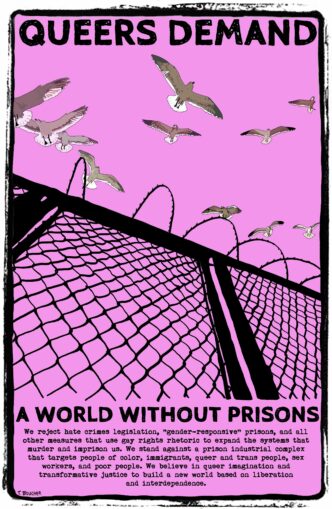
Queers Demand a World Without Prisons: “We reject hate crimes legislation, ‘gender-responsive’ prisons, and all other measures that use gay rights rhetoric to expand the systems that murder and imprison us. We are in solidarity against a prison industrial complex that targets people of color, immigrants, queer and trans people, sex workers, and poor people. We believe in queer imagination and transformative justice to build a new world based on liberation and interdependence.”  Credit: Tyrone Boucher

According to the Prison Policy Initiative, this is true from arrest to sentencing to incarceration to probation to parole: “In 2019, gay, lesbian and bisexual individuals (with an arrest rate of 3,620 per 100,000) were 2.25 times as likely to be arrested than straight individuals (with an arrest rate of 1,610 per 100,000). This disparity is driven by lesbian and bisexual women, who are 4 times as likely to be arrested than straight women (with an arrest rate of 3,860 per 100,000 compared to 860 per 100,000). Meanwhile, gay and bisexual men are 1.35 times as likely to be arrested than straight men (with a rate of 3,210 arrested per 100,000 compared to 2,380 per 100,000).” (tinyurl.com/LGBTQbehindbars)

Incarceration rates also reflect the discriminatory trends of the arrest rates, with queer women facing the brunt of disproportionality. They, along with trans women — whose sexual orientation may overlap with queer identity or not — also tend to have the least amount of data to show what is happening to them.

“Once behind bars, trans people face extremely high rates of harassment and physical and sexual assault, are frequently denied routine health care and are at high risk of being sent to solitary confinement. Black and Pink found that 44% of transgender, nonbinary gender and [Indigenous] Two‐Spirit [people] in their sample were denied access to hormones they requested.” (Prison Policy Initiative)

This high percentage of LGBTQ2S+ people persists in prisons, jails and migrant detention centers and interlocks with other oppressions based on race, disability and income. Data demonstrates that Black, Latinx and Indigenous people are locked up in numbers incredibly disproportionate to their share of the population. Many LGBTQ2S+ people are people of color, and many have disabilities.

There are no data on Two-Spirit Natives incarcerated. However, according to the Appeal, South Dakota leads the country on jail admissions based on arrests for nonviolent crimes, and Native people account for the majority of all arrests in that state.

“In South Dakota, the people who are arrested and admitted to jail are disproportionately Native. Although Natives make up 8.7% of South Dakota’s population, they are roughly half of those booked into jails in the state. Racial disparities in incarceration rates exist nationwide — Black people are jailed at more than 4 times the rate of white people — but disparities in South Dakota are far greater: According to data from the Vera Institute of Justice, Natives between the ages of 15 and 64 are incarcerated at 10 times the rate of white people in South Dakota.” (The Appeal, Sept. 18, 2019)

Roots of oppression

Gender-based oppression and oppression based on sexual orientation have their roots in the rise of private property and capitalism. These oppressions have similar roots as other class-based oppressions like race and disability.

Oppression based on gender and sexual orientation is maintained through various social enforcements such as, but not limited to, criminalization and the structure of the nuclear family. These tactics rely on the punishing power of imposed isolation, confinement and imprisonment.

Overrepresentation of LGBTQ2S+ people in the criminal legal system is largely due to obstacles LGBTQ2S+ youth face after fleeing abuse and lack of acceptance at home. In order to survive, many are pushed toward drug sales, theft and sex work — which dramatically increase the risk of arrest and confinement.

Up until 1973, the American Psychiatric Association listed homosexuality in its Diagnostic and Statistical Manual (DSM). That medical definition — and the assumptions that continued even after it was delisted — has been used to confine, isolate and punish many LGBTQ2S+ folks. Because of the material conditions faced by LGBTQ2S+ individuals, many find themselves with high rates of depression, anxiety and suicidal ideation. In this context, someone needing mental health care can end up confined for an indefinite stint in a hospital under strict surveillance — experiencing something more like punishment than help.

Shared struggles, abolition, liberation 

Liberation for those oppressed based on their gender or sexual orientation means envisioning and building a world without prisons, jails and migrant detention centers. These structures do not keep people safe from violence, but perpetuate violence rooted in the origins of these institutions on this continent.

Prisons, jails and detention centers in the U.S. evolved from enslavement of African people. Enslavement legally codified Black people as property. During the shift from slavery to the system of convict leasing to today’s mass incarceration, there have been continuously shared struggles to abolish these institutions that are based on profiting on people.

Now the fight has turned to ending the profit-making prison-industrial complex and abolishing the legal status of capitalist private property. Abolition also means the end to borders and criminalization of migrants, who are simply workers and oppressed people seeking to find a place they can survive.

Societal organization based around meeting human needs can and must be built in the wake of the afterlife of enslavement.

Many of the reasons LGBTQ2S+ people end up being held in prisons, jails and detention centers could be alleviated first and foremost by abolishing capitalism. This project of abolition — whether it be prison abolition or the abolition of capitalism — is not simply a negation. It is a generative project that requires collective building.

This means building up social support for LGBTQ2S+ youth within families, schools, communities and other institutions; eliminating discrimination against LGBTQ2S+ people in housing, employment, and other realms; eliminating homelessness, for housing is a human right; ending criminalization of sex work; and providing free, gender-affirming health care for all.

LGBTQ2S+ people’s liberation is bound to the struggle for Black liberation, just as it is bound up with the struggle for disability justice. Our liberation is bound to the struggle against settler colonialism and capitalism at home and around the world.

No cages! No borders! We will accept nothing less.

Rugby: French club Biarritz Olympique announces gay dating app Grindr as jersey sponsor – New Zealand Herald

Players from Biarritz Olympique Pays Basque Rugby Club point out the cheeky placement of Grindr’s logo. Photo / Twitter

French rugby club Biarritz Olympique have announced a bold new sponsorship partner – the world’s largest gay, bi, trans, and queer dating app.

The second-tier club, which takes part in the ProD2 league, has sold its primary jersey sponsorship to Grindr which will display its name front and centre, accompanied by the cheeky placement of its logo on the back of the playing shorts.

While the deal is reportedly expected to net the club €4m ($NZ6.7m) over four years, it is also part of a wider campaign by the club to counter homophobia within the sport.

In a statement shared online, the club said it had pledged to “participate in the fight against homophobia” and “to have committed to Grindr to continue its action for inclusion and acceptance at the level of its league and rugby”.

Former All Blacks centre Francis Saili is one of three New Zealanders in the club’s squad that also includes former Otago players Adam Knight and Gavin Stark.

A survey in 2020 by English rugby club Harlequins, in partnership with Australia’s Monash University, found that 69 per cent of male rugby players had heard their teammates using homophobic slurs in the previous two weeks.

Controversial cross-code player Israel Folau was sacked by Rugby Australia in 2019 for homophobic social media posts and is currently embroiled in a fight between a local rugby league club in Queensland and his French Super League club for the right to return to Australian sport.

Players from Biarritz Olympique Pays Basque Rugby Club show off their new jerseys. Photo / Twitter

Grindr is estimated to be worth $NZ851m and is used by more than 13 million people in more than 200 countries. The company includes outreach and support for its communities as part of its operations.

“Grindr for Equality is an ever-evolving mission to help LGBTQ people around the globe. Our wide-ranging initiatives impact communities large and small on issues that matter to them the most: safety, sexual health, advocacy, and more.”

Tokyo Olympics committee silent on Japan lawmakers’ anti-LGBTQ comments – Washington Blade

Editor’s note: The Washington Blade published a Spanish version of this story on May 20.

CONCEPCIÓN, Chile — LGBTQ activists and organizations celebrated the results of last weekend’s historic elections in Chile in which eight openly queer candidates were elected to write the Latin American country’s new Constitution.

They are Jennifer Mella, Valentina Miranda, Bessy Gallardo, Pedro Muñoz, Javier Fuchslocher, Gaspar Domínguez, Rodrigo Rojas and Tomás Laibe, who represent 5.2 percent of the total of 155 seats that will make up the Constitutional Convention.

“Although the representation of people with different sexual diversities remains low, it is a historic step to have constituencies that allow us to install the urgency of our demands, and promote respect and protection of the rights of the LGBTIQ+ population in the new constitution and in society. The commitment of feminist and progressive forces regarding these issues will also be very relevant, and as an observatory we will be attentive to that discussion,” explained Marion Stock, coordinator of Les Constituyentes, Marion Stock, in a statement after the votes were counted.

The Movement for Homosexual Integration and Liberation (Movilh), meanwhile, described “as historic that eight openly LGBTIQ+ people had been elected as constituents, inasmuch as this allows the rich diversity of Chile to have a voice and vote in the most important transformation process faced by the country.”

“We hope that the new constitution explicitly guarantees nondiscrimination based on sexual orientation, gender identity and expression; as well as by all the categories protected in the Zamudio Law; and full equality of rights is recognized for all individuals, couples and families, whatever their composition. Only with this, each and every one of the homo/transphobic laws and public policies that still persist in Chile can be eliminated at once,” said Movilh spokesperson Óscar Rementería.

Laibe from the Socialist Party of Chile, who was elected in the southernmost area of the country, views his presence and that of seven other LGBTQ people at the convention will help replace the current constitution as a cultural milestone. The current Chilean constitution has been in place since Augusto Pinochet’s military dictatorship.

“I think it is a milestone that, first, we have had more than 40 candidates of sexual diversity to this Constitutional Constitution,” said the political scientist during an interview with Lo Que Queda del Día on Cooperativa radio. “It is a milestone in the history of Chile and it will probably set the tone for what the rest of the elections, in which I am sure we will have more of a presence, will be.”

He added that “we feel proud in our case, because we were the only diverse candidacy in the southern region, where we are so isolated and suddenly we are much more conservative than in the rest of the country and we do not realize that in Santiago they pass things and that perhaps there is a cultural advance that is very different from what is happening in the regions.”

“It has been very important to nail down this flag, to talk about sexual diversity throughout the campaign to try to make visible this problem that is part, I think, of the diagnosis of the social outbreak: There are flags that have been hidden, invisible, for a long time; there are people who feel discrimination every day and who experience inequality and discriminatory treatment in education, health, at work,” said Laibe. “That is going to be, without a doubt, one of the struggles that we are going to have to address in the Constitutional Convention.”

Chileans in the last elections not only elected Constitutional Convention members. They chose their new community and regional representatives. And the LGBTQ community also saw positive results in these races.

The Washington Blade spoke with Cristian Martínez, an LGBTQ activist who was elected as a councilmember in Molina, a city that is 210 kilometers south of the Chilean capital of Santiago.

His race made national news a few weeks ago due to the fact that an Adventist college distributed openly anti-LGBTQ text to its students. Martínez last Sunday made history in Molina as the first openly gay person to be elected as an elected official in his home region.

“My city and my region is rural and conservative. We are a rural area, however, there is a process of change and that is demonstrated by the fact that they have elected me, an openly gay person as a councilor, but it is slower than what is happening in the big cities, I believe that we are going slower here with respect to the LGBTQ+ community and particularly trans people, therefore visibility is the most important thing,” Martínez told the Blade.

“As long as residents do not know trans people, lesbian, bisexual, gay, intersex people, etc., they will not know how to love, respect and welcome them, I believe that making ourselves visible is the most important thing and there you have to do a job that we are advancing. I believe that my town is willing to advance on these issues, but the challenge is huge. There are slightly more conservative Christian communities that also exert social pressure in certain spaces. I believe that this will be lessened as we become more visible,” concluded the now-elected councilor.

Martínez told the Blade that it was “super important” for LGBTQ activists “to participate in these elections because after the social outbreak, all activists and people who participated in social movements felt the responsibility and obligation to assume responsibilities of popular election in the elections that took place. they came, in our territories, in our communes, in our spaces.”

Chile, in this way, leaves behind the prejudices that say LGBTQ people are unqualified to hold public office and this will allow further political inroads, especially in the next elections in November when Chileans go back to the polls to elect a president and members of Congress.

Cristian Martínez (Photo courtesy of Cristian Martínez)

Spike in Memorial Day Travel to Coachella Valley expected as pandemic restrictions relax – kuna noticias y kuna radio

0

Travel is expected to make a significant jump this holiday weekend as millions of Americans head out following some of the most stringent pandemic restrictions being relaxed.

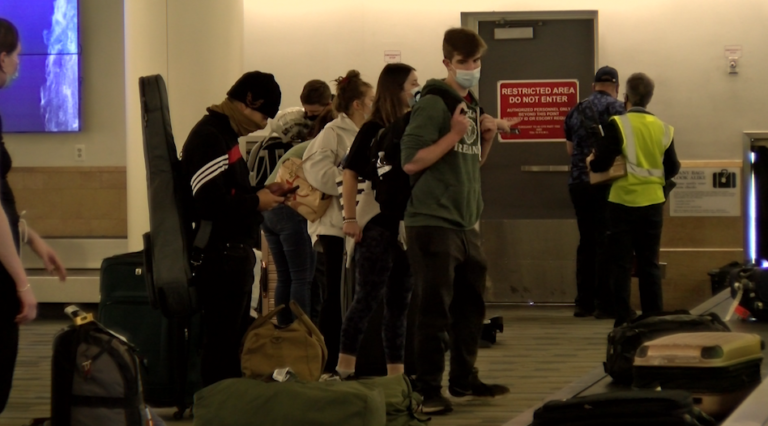
On Friday several flights landed at Palm Springs International Airport as people from all over the country descended onto the valley.

“I’m meeting friends, we got a house and we have a pool and of course Palm Springs is gorgeous,” said Portland resident, Michael Tony.

The valley became a home away from home for several residents making the drive from different parts of Southern California.

“Every year we come out for Memorial Day weekend and we go to a timeshare in Indio,” Ontario resident, Berta Correa said. “We just enjoy it, we like the heat and we always enjoy coming out here during this time.”

Others came in from out-of-state to soak in the sunshine.

“I am on a girls and gays trip with some of my best friends. All the men had to stay home unless they’re gay and we’re just going to have fun. We’re calling it a looks trip where we’re just dressing up and being ridiculous,” Portland resident, Rachel Bills said.

On Friday PSI looked much busier than what we’ve observed in a while. As California rolls back on some of its most stringent pandemic guidelines, and more vaccines are administered, people were ready to get out and have some fun.

“I’m definitely going to meet up with some friends now that I’m vaccinated. I get to see people that I haven’t seen in about 18 months so that’s very exciting,” said Tony.

Projections for Memorial Day weekend 2021 by AAA predicted a 64 percent increase in travel among Southern California residents, which amounted to 2.9 million people. A majority of travelers were expected to get to their destinations by a vehicle.

“Freeways all across Southern California will be more crowded, especially the hours between 3 p.m. and 8 p.m. as people who are heading out of town mixed with the commuters heading home from work. Also it’s important to keep in mind that Monday afternoon is typically a very heavy day on the roads as well,” said AAA spokesperson, Doug Shupe.

A look at the latest TSA traveler throughput numbers for Thursday, May 27 rose nearly six times compared to the same date in 2020.

Spike in Memorial Day Travel to Coachella Valley expected as pandemic restrictions relax – KESQ

0

Travel is expected to make a significant jump this holiday weekend as millions of Americans head out following some of the most stringent pandemic restrictions being relaxed.

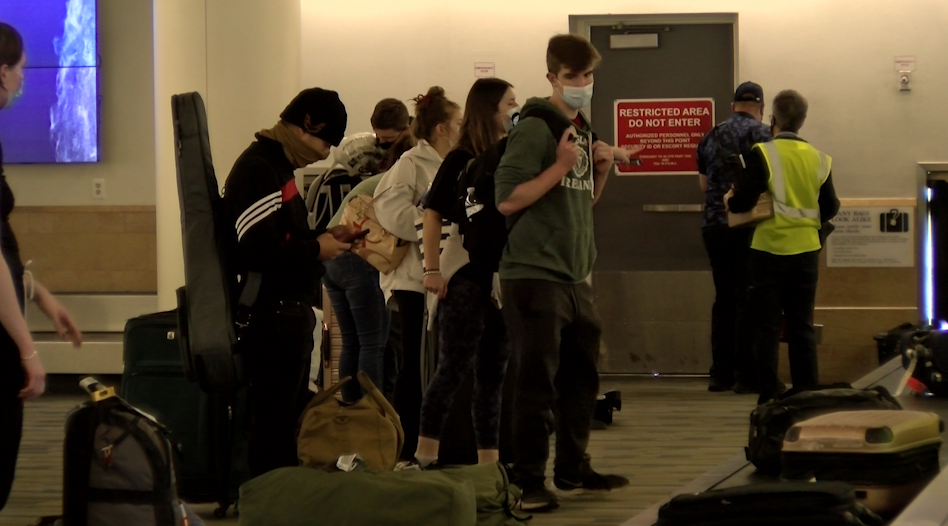
On Friday several flights landed at Palm Springs International Airport as people from all over the country descended onto the valley.

“I’m meeting friends, we got a house and we have a pool and of course Palm Springs is gorgeous,” said Portland resident, Michael Tony.

The valley became a home away from home for several residents making the drive from different parts of Southern California.

“Every year we come out for Memorial Day weekend and we go to a timeshare in Indio,” Ontario resident, Berta Correa said. “We just enjoy it, we like the heat and we always enjoy coming out here during this time.”

Others came in from out-of-state to soak in the sunshine.

“I am on a girls and gays trip with some of my best friends. All the men had to stay home unless they’re gay and we’re just going to have fun. We’re calling it a looks trip where we’re just dressing up and being ridiculous,” Portland resident, Rachel Bills said.

On Friday PSI looked much busier than what we’ve observed in a while. As California rolls back on some of its most stringent pandemic guidelines, and more vaccines are administered, people were ready to get out and have some fun.

“I’m definitely going to meet up with some friends now that I’m vaccinated. I get to see people that I haven’t seen in about 18 months so that’s very exciting,” said Tony.

Projections for Memorial Day weekend 2021 by AAA predicted a 64 percent increase in travel among Southern California residents, which amounted to 2.9 million people. A majority of travelers were expected to get to their destinations by a vehicle.

“Freeways all across Southern California will be more crowded, especially the hours between 3 p.m. and 8 p.m. as people who are heading out of town mixed with the commuters heading home from work. Also it’s important to keep in mind that Monday afternoon is typically a very heavy day on the roads as well,” said AAA spokesperson, Doug Shupe.

A look at the latest TSA traveler throughput numbers for Thursday, May 27 rose nearly six times compared to the same date in 2020.

Pride – The March, The Film and The Review – The Suburban Times

0

The film “Pride” came out in 2014. I didn’t see it until 2016 or 2017. It tells a great story of the struggles of a gay life-style, unions and their police repressions, acceptance and struggles against authorities in Great Britain namely Margaret Thatcher’s years as Prime Minister of the U.K.

The film is available on Prime for online viewing. Watch the trailer – imdb.com/video/vi2804329497

Pride Trailer (more family friendly) – imdb.com/video/vi788573209

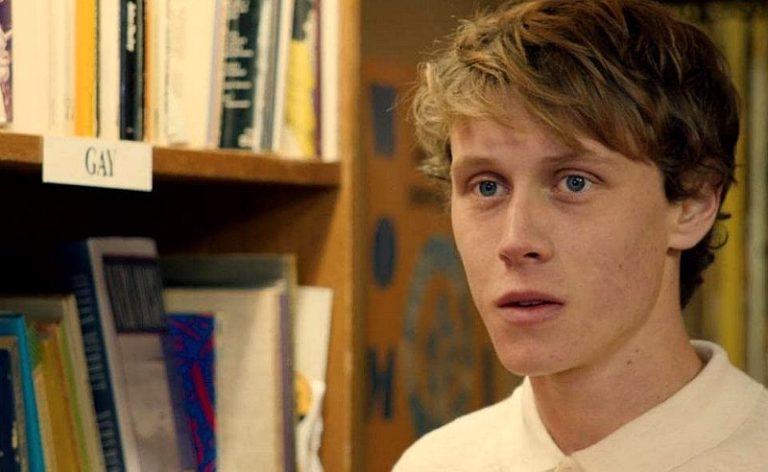
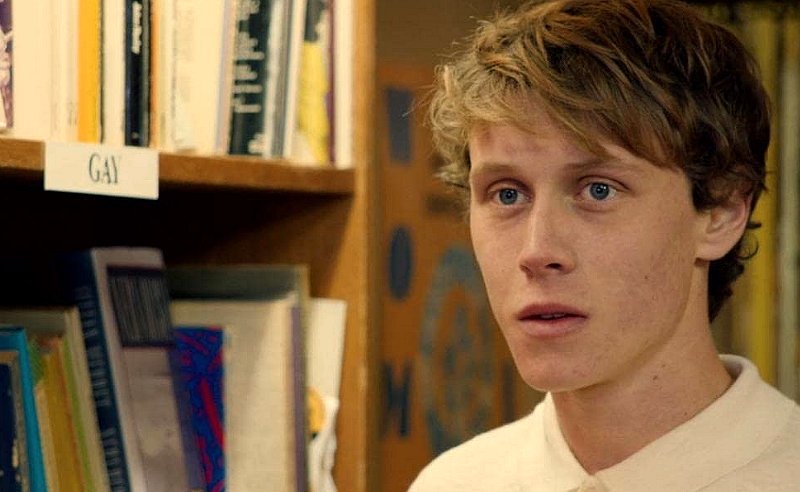
The story begins with Joe, played by George MacKay.

The story begins with Joe, played by George MacKay, who finds himself watching a gay demonstration and then gets handed a pole to carry a sign in the parade. Joe didn’t fit in, but is accepted by a small group of gays and lesbians. He’s from Bromley (a district of south east London), and soon that’s what people call him. He’s an affable, likable character and soon becomes the group photographer. In real life MacKay, has done well in films. He starred in the Oscar nominated film “1917” with a cast of prime film stars. The film didn’t win best picture, but won for Cinematography, Visual Effects, and Sound Mixing.

The film “Pride,” based on true events and people, concerns the miners strike during 1984-85. “The ensuing strike against job losses, for which the NUM (National Union of Mineworkers) controversially never held a national ballot among its members, pitted striking miners against Mrs Thatcher’s government, the police and other miners, and led to divisions in families which remain to this day.”

Pride is filled with familiar faces, most notably Bill Nighy, Dominic West, and Imelda Staunton. It’s a great cast.

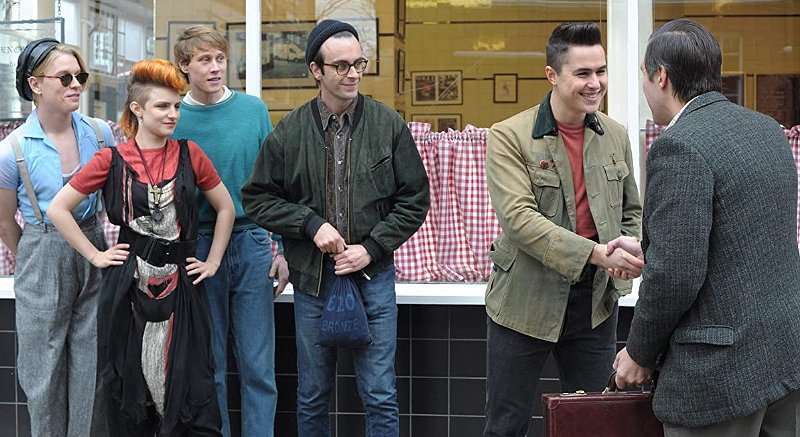
Union rep Dai Donovan (Paddy Considine) meets his new supporters in London and is welcomed by Mark (Ben Schnetzer).

Mark Ashton, played by Ben Schnetzer, puts two and two together and realizes that gays and lesbians are not being harassed by the police any more, now that they are harassing the miners instead. He proposes to his friends that they support the miners. It’s not an easy sale. After many phone calls they connect with one miner’s union, the Dulais Valley Lodge. The representative of the union, Dai Donovan, played by Paddy Considine, travels to meet his new supporters in London and is welcomed by Mark Ashton.

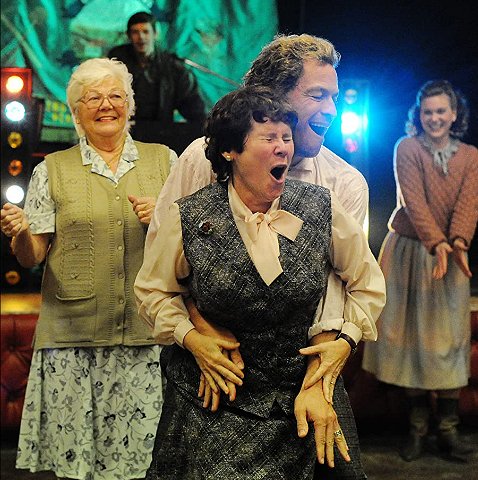
Mark and his crew travel to the Wales to meet the miners and get a luke-warm reception until Jonathan (Dominic West) takes over. He changes the DJ’s tune and dances with almost every wife and girl friend at the lodge to the astonishment of the men and the joy of the women. At the end of the dance, Jonathan says, “God, I miss disco.” West has extensive film credits (known for “The Wire” (2002), “Chicago” (2002), “The Forgotten” (2004), “300” (2006), and “The Affair” (2014). The gap was filled by getting married and having four children.

Mark and his crew face a luke-warm reception at the lodge until Jonathan (Dominic West) takes over.

Later at a full-room meeting in Wales, Mark has an epiphany and realizes what needs to be done. He speaks up and shares . . . when he finishes a young woman stands up and sings “Bread and Roses.” I tear up every time I see this. The song is a traditional union song from the women’s point of view and is a showstopper. – youtu.be/qNQs6gSOkeU

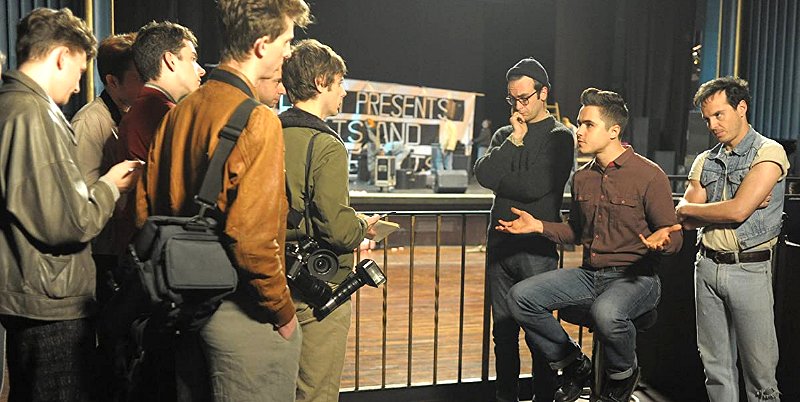
Back in London, Mark talks to the press as he plans a live concert/dance. Standing to the left of Mark is Andrew Scott who plays the shy Gethin Roberts. Gethin left Wales when his mother couldn’t stand that he was gay. When he travels to Wales he meets the lodge director, Hefina (Imelda Staunton) who delivers one of the best lines in the film:

Mark talks to the press as he plans a fantastic event. To his left is Andrew Scott who plays the shy Gethin Roberts.

Dai : Where are you from?
Gethin : Rhyl, originally.
Dai : [Hefina, Dai and Cliff turn serious] No, no way.
Hefina : [to Jonathan] Listen, we don’t mind the gays, and the lesbians, that’s fine. But don’t you dare be bringing people from North Wales down here!
[an awkward silence follows and then they all laugh]

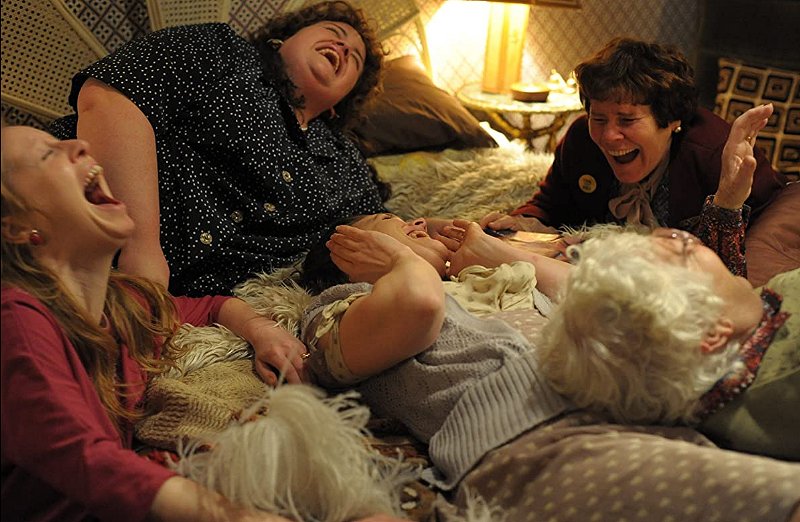
The promised fantastic event is a success. Women from the lodge attend, visit all-male bars afterward, and have the time of their lives.

Women from the lodge attend the concert, visit all-male bars, and have the time of their lives.

The opening act performs Bronski Beat’s – Why? at a super audio level.

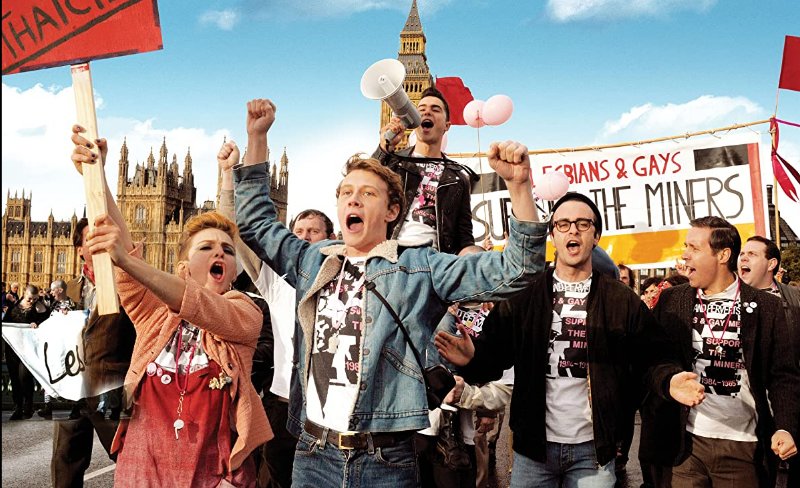
There is dissension from some of the miners and our group loses their starting position at the London Pride parade, but . . . you need to watch it yourself.

I recognized Andrew Scott from his role as “Cowboy” in the second episode of “Band of Brothers.” He played a radio operator who helps blow up German field guns that are killing Americans landing at Normandy. He’s the only fatality.

Our group loses their starting position at the Pride parade, but . . .

Currently Scott is playing a “hot” priest in the BBC series, “Fleabag” – irishtimes.com/culture/tv-radio-web/fleabag-s-hot-priest-andrew-scott-on-sex-catholicism-and-lgbt-actors-1.3903069

There is humor through-out the film as well as pain and hurt. Bromley turns legal age and declares that his name is Joe.

I highly recommend this film for both pure entertainment as well as its historical significance.

The views expressed in this article are the writer’s own.

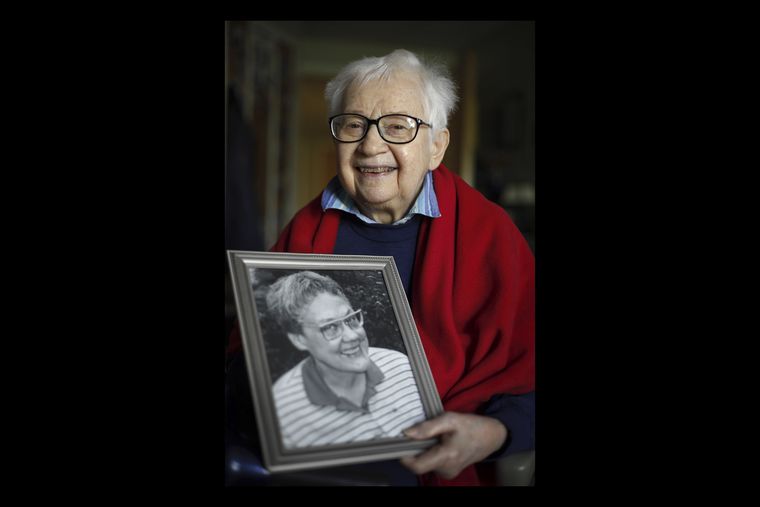
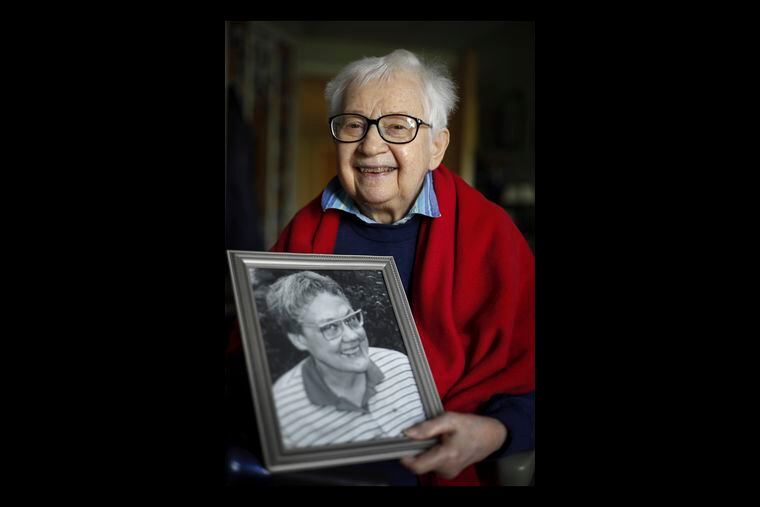
Kay Lahusen, nationally esteemed gay rights activist and photojournalist, dies at 91 – The Philadelphia Inquirer

Katherine “Kay” Lahusen, 91, a gay-rights pioneer who never gave up the fight and one of the first photographers to document the struggle, died Wednesday, May 26, in hospice care at Chester County Hospital after contracting an infection.

Ms. Lahusen, with her life partner, the late Barbara Gittings, led early LGBTQ protests in Philadelphia that paved the way for the historic Stonewall riot in New York City in 1969. Together, they helped get the American Psychiatric Association to strike homosexuality from its Diagnostic and Statistical Manual of Mental Disorders.

Known as the first openly gay photojournalist, Ms. Lahusen was also one of the earliest chroniclers of the gay-rights movement, documenting scenes from the front lines as well as the dignity of LGBTQ life.

“It is impossible to overstate Kay’s importance in the struggle for LGBT rights and dignity,” said Kevin Jennings, CEO of Lambda Legal, a national gay civil rights organization. “Kay and Barbara worked tirelessly and fearlessly in the foundational fights that laid the ground for everything we’ve accomplished. We owe an incalculable debt of gratitude to their work and example.”

Ms. Lahusen’s individual contributions stand on their own, he said.

“Kay captured the indomitable, imaginative spirit of our movement as a photographer,” Jennings said, “and her courage and vision as an activist and storyteller inspired me and many others of my generation.”

“She was a force to be reckoned with,” said Bob Skiba, archives curator for Philadelphia’s William Way Community Center. “She was just an amazing woman.”

Born in Cincinnati in 1930, she was adopted as an infant by her grandparents George and Katherine Lahusen, who raised her. She attended Ohio State University, where she earned a bachelor’s degree in English. After graduation, she left for Boston, where she met Gittings in 1961 at a picnic of the Daughters of Bilitis, the first lesbian rights organization in the United States. They became partners in life and in the battle for gay rights for 46 years until Gittings’ death in 2007. They lived together in New York, Philadelphia, Wilmington, and, shortly before Gittings’ death, at Kendal at Longwood, the Kennett Square continuing care community where Ms. Lahusen last resided.

Ms. Lahusen’s many photographs documented the early protests and struggles of the gay-rights movement, but she also captured the tenderness of gay and lesbian couples, something not often depicted at the time. Her photos appeared in various publications and are archived in the New Public Library. Her book Gay Crusaders was published under the pen name Kay Tobin with coauthor Randy Wicker.

Ms. Lahusen’s advocacy continued throughout her life, including well after Gittings’ death. She sought to support young people and their efforts to continue the gay-rights movement.

One of those activists is Grete Miller, a filmmaker who worked on a documentary project with Ms. Lahusen. They became friends. But she said she also learned a great deal from Ms. Lahusen.

“I learned that activism is a daily thing,” Miller said. “It is not about glory. It is not about fame. It is about getting up every day, which is what Kay did, and fighting the good fight, doing all the things for the people you care about for something that is bigger than yourself when no one is looking.”

Generous in action and spirit, Ms. Lahusen once enlisted Miller’s help in assisting a local middle schooler with a class project on gay rights. And before she died, she asked that donations on her behalf go to a local food bank. She believed individuals could make a difference.

“When there were challenges, she would tell me, ‘Don’t let them get you down. Do something about it,’” Miller said. “Whenever I feel worn down or discouraged by the challenges we face today, or the movement itself, it’s, ‘Do something.’ You can do something about it, and make your voice heard.”

Ms. Lahusen is survived by close friends Judith Armstrong, Ada Bello, John Cunningham, James Oakes, and many others who made up her chosen family.

Her ashes will be interred along with Gittings’ at Congressional Cemetery in Washington, inside a bench designed to express their love for each other and their dedication to show that “Gay is Good,” a slogan on the bench, said Armstrong. Due to the pandemic, a public memorial will be held at a future date.

Donations in Ms. Lahusen’s memory may be made to the William Way Community Center, 1315 Spruce St., Philadelphia, Pa. 19107 or to Kennett Area Community Service, P.O. Box 1025, Kennett Square, Pa. 19348, for their local food cupboard.