Home Blog Page 170

Pride said gay cops aren’t welcome. Then came the backlash – bdnews24.com

The officers were angry. The mayor called it a mistake.

At a tense Zoom meeting on May 20, members of the organisation, Heritage of Pride, tore into their leadership, moving to overturn the ban and unseat the executive board. Some called the ban no different from the discrimination they all faced.

Passions flared on both sides of the issue, often dividing along racial or class lines. After two hours of debate, members voted to overrule their own board, allowing cops to march.

Minutes later, in a closed session, the board unanimously rejected the members’ vote. Members learned about this through a late-night email.

“This is the worst that I’ve ever seen it,” said Maria Colón, a longtime Heritage of Pride member and former board member. “We’re at a pivotal moment where we either come back, or people will look elsewhere.”

For Heritage of Pride, which just two years ago staged the biggest march in its history, with 5 million spectators attending, it was a stunning turn. How did a celebration that delights millions of people create so much rancor and mistrust?

Stories about Pride — and there must be millions of them — often go something like this. Michael Donahue was 25 and living with his parents in the Rockaway section of Queens in 2005, not fully open about his sexual orientation. When a friend dragged him into Manhattan for Pride, an hour-plus subway ride, he expected brunch and a little parade.

“It was like the whole world opened up to me,” he said. “It was a whole other experience of love and light and excitement.” On a rooftop at the end of the day, after some drinks, he called home and told his father that he was gay. It was an awkward moment. After they hung up, his father called back and said: “Have fun today. I love you. I’ll always love you. Let’s talk more when you get home.”

Such experiences are the heart of Pride, said André Thomas, a co-chair of the organisation. “It’s always someone’s first Pride,” Thomas said.

Francesca Barjon, 25, who is Black and bisexual, did not see herself in these stories. At the Pride march in 2018, her second, she recalled seeing all the corporate floats and the stores with rainbow flags and thinking, This doesn’t feel real.

“We didn’t have job protections,” she said. “Black trans women were being murdered. So I could see the Heritage of Pride parade as this thing for white gay men, muscly, in glitter. My first Pride march was so exciting, but what are we actually doing?”

Barjon found she was not alone. She heard about a group called the Reclaim Pride Coalition, which had formed a few years earlier in frustration over what the Pride march — originally a protest against police harassment — had become.

Many of Reclaim’s organisers were veterans of ACT UP or other protest groups, reinvigorated after the election of Donald Trump. They initially tried to work within Heritage of Pride, pushing to reduce the police presence at the march and to get rid of corporate floats.

“It was clear we were just hitting our heads against a wall,” said Ann Northrop, one of Reclaim’s organisers and a longtime activist. When Reclaim announced its own march in 2019, for the morning hours before the official Heritage of Pride march, no one knew what to expect.

At 9:30 that Sunday morning, the streets of Greenwich Village filled with people, some carrying signs declaring “Stonewall Was a Riot!” With almost no budget, and no corporate sponsors or floats — no parade permit, either — tens of thousands of people marched north to Central Park in what was called the first Queer Liberation March.

Later that day, Heritage of Pride mounted the biggest march in its history, with live TV coverage and a closing performance by Madonna. It was the 50th anniversary of the Stonewall riots, and close to 4 million visitors flocked to New York in a show of LGBTQ power and visibility that would have been unimaginable to the demonstrators in that first march 49 years earlier, when it was still illegal for two men to dance together in New York.

But behind this success, there was turmoil within Heritage of Pride, a mostly volunteer organisation with a volunteer board elected by members and a small paid staff.

“People were afraid to speak up because there were smear campaigns,” said Evan Brewer, who served in several leadership roles. “And we were hearing cries from the community that we were becoming too corporate. We were moving too far away from the grassroots.”

A slate of new board members complained about a lack of financial transparency and support for members of colour. As the arguments grew, the two co-chairs resigned. When newcomers tried to make changes, said Vincent Maniscalco, who became the director of governance and briefly a co-chair, “we met resistance at every turn.”

He left the organisation last year, along with a handful of other board members.

“We’d joke about being insurgents, but we were reformers,” said Maria Tamburro, who served several terms on the board before being expelled last year amid disputes with other members.

Divisions within the Pride community are as old as the march itself. The first Christopher Street Liberation Day march in 1970 was a break from its precursor, the Annual Reminder picket, where women had to wear dresses and marchers could not kiss or hold hands. “It wasn’t in touch with the revolutionary spirit of the ’60s,” said Ellen Broidy, one of the Christopher Street Liberation Day organisers. The energy unleashed at Stonewall had changed everything. “Gay liberation,” she said, “meant revolution.”

In 2019, Broidy, who left New York in 1971, returned as a marshal at Pride. She was taken aback by what the march had become.

“I have two contradictory feelings,” she said. “One is, yeah, it’s wonderful that there are literally millions of people in the street and on the street watching this. I never thought I would be in a march with Citibank and the NYPD marching behind me.

“On the other side of that coin, it’s lost some of its revolutionary fervour. It’s a party now. When we started, we had no floats, no television coverage. We had a bunch of people taking to the streets to say, ‘My life means something.’ And when I look at the Black Lives Matter demonstrations, where they don’t have floats, and there’s tons of handmade signs and people in the street saying, ‘Look at me, this is what I need, this is what I want,’ I mourn the loss of that, and what Pride has become. I mourn the loss of the revolutionary fervour. The significance of the event gets lost in the glitter.”

Within Heritage of Pride, a contentious issue became the police’s role in the event. Groups in other cities, including No Justice, No Pride in Washington, were pushing to remove the police or corporations from their marches. In 2017, members of Hoods4Justice and other groups sat down in front of police contingents at New York’s Pride march, halting the parade until 12 demonstrators were arrested. Some in the crowd booed the protesters.

In Phoenix, a group called Trans Queer Pueblo disrupted the city’s Pride march to protest the participation of law enforcement agencies and banks that work with immigration detention centres. Other marchers yelled at them to “go home,” a racially loaded barb for protesters seeking immigrants’ rights.

Then came COVID, which forced Heritage of Pride to move all of its 2020 events online, without the catharsis of a big, boisterous march. A year after its biggest success, Pride was quiet.

For Reclaim Pride, many of whose members were marching in the Black Lives Matter demonstrations last June, it was an opportunity.

“All of the folks under 50, and a few of us over 50, were immediately out in the streets every day,” said Jay W. Walker, a Reclaim organiser. “We said, ‘We’ve got to have the Queer Liberation March be out on the streets, and it’s got to be for Black lives.’”

A Brooklyn march for Black trans lives drew around 15,000 demonstrators, most dressed in all white, and drew worldwide attention on social media.

“This might be the start of a new movement,” said Devin-Norelle, a transgender activist, writer and model. “So many people showed up and protected us. People are speaking up about the discrimination trans people face.”

Two weeks later, on Pride Sunday, Reclaim’s march, dubbed the Queer Liberation March for Black Lives and Against Police Brutality, drew a crowd that organisers estimated at 50,000 people and that ended with a skirmish between protesters and police officers.

“It was complete and utter chaos,” said Skylar Moore, a member of the Reclaim group. “They pulled batons out on us. People got pepper-sprayed. I thought, this is going to be Stonewall 2.0.” The demonstrators left angry but exhilarated.

With clashes between protesters and police filling social media, pressure rose on Heritage of Pride to reduce police involvement, including banning the Gay Officers Action League, which routinely receives effusive cheers during the Pride march. The Pride board announced a monthlong pause to reassess its goals and practices.

“It was important for us to take a step backwards and hear from the community about what worked or didn’t work,” said David Correa, the interim executive director. The New York City Anti-Violence Project called on Heritage of Pride to break all ties with police and corrections officers and to hire private security for its events.

As part of its reassessment, Heritage of Pride created a task force and engaged four outside activists to help it address its relationships with corporations and the police. “It was super uncomfortable for the first two calls,” said Devin-Norelle, who was one of the activists. “There was a lot of pushback. It made me question whether I wanted to be a part of it. But the work had to be done. We got through it.”

This past February, a group of trans activists, including the Strategic Transgender Alliance for Radical Reform, called on Heritage of Pride to turn the march over to people of colour. Talks between the two groups fizzled immediately. “HOP is over,” said Mariah Lopez of STARR, which reprises an organisation formed in 1969 by Marsha P. Johnson and Sylvia Rivera, after the Stonewall uprising.

Then in early May, Heritage of Pride told reporters it would be announcing a ban on police marching in uniform, at least until 2025, explaining that the “safety that law enforcement is meant to provide can instead be threatening, and at times dangerous, to those in our community who are most often targeted with excessive force.” The board did not tell members about the decision or ask for a vote.

When the Gay Officers Action League learned about the coming policy, it preempted Heritage of Pride with its own statement calling the ban “shameful.” For many Heritage of Pride members and volunteers, the officers’ statement was the first they heard of the ban.

The response was immediate and heated.

“It’s flat-out discriminatory,” said Russell Murphy, who was a member for 20 years and on the board for many of them. “To ban an organisation that has been instrumental in Pride since its inception is just wrong.”

Cathy Marino-Thomas, a leading activist in the campaign for marriage equality, said she was ending her associate membership in Heritage of Pride, calling it “out of touch.”

“Not that there’s no issue with the police,” she said. “I’m completely on the side of our various communities that have suffered abuse from the NYPD. But to not allow a group of our siblings to tell their coming-out story, we become our oppressors.”

Mayor Bill de Blasio and opinion writers at The Washington Post and The New York Times condemned the ban as discriminatory. Other media pushed back.

After years of being criticised for allowing officers to march, the organisers found themselves under fire for banning them.

“My God, what a debate over this,” said Andy Humm, a longtime co-host of “Gay USA,” a TV news program. “And it’s mostly white people moaning over process. The majority of the executive board are people of colour. They want a different direction. This is where a lot of the community is going.”

At the hastily called May 20 Zoom meeting, emotions flared on both sides.

Some supporters of the ban broke down in tears, describing how the presence of uniformed officers at the march made them feel unsafe and unwelcome. Sally Fisher, a member, moved for a vote of no confidence in the board, which was tabled until after Pride month. Another member, Antonio Centeno Jr., moved for a vote to overturn the ban.

“They said they consulted all the stakeholders,” Centeno said last week. “What about the stakeholders that elected you to the board?” Centeno said that as a Puerto Rican man whose father had been beaten by the police, he knew the fear they engendered and the need for reform. “But what’s happening here is not police reform.”

Bansri Manek, a board member who supported the ban, said she saw the conflict coming. “This organisation grew up back in the ’80s, and at that point this movement was largely cis white men,” she said last week. “The new board that came in is a very diverse board.”

She added, “At some point, hopefully, they’ll try to step in my shoes, and maybe they can see the other side.”

As members argued about the ban, Thomas angrily accused some of dismissing the negative experiences so many African Americans had with police. In the past week, he told them, he had received online messages of hate consistently from white gay men, to the extent that his family feared for his safety. “This organisation will no longer get any more of my Black life, my Black labour and my Black body,” he told them, according to his own account. “You’ll receive my resignation tomorrow.”

After members voted to rescind the ban, the meeting broke up, with hard feelings all around. “Everyone was frustrated, on principle and on process,” said Hannah Simpson, an associate member who opposed the ban.

The 13-member board then met — without Thomas, who did not attend — and overruled the vote, sending notice to members just before midnight. “My jaw hit the floor,” said Fisher, who had called for the vote of no confidence.

Brian Downey, president of the gay officers group, said he felt “betrayed” by the ban, especially because the officers “put so much of themselves on the chopping block” by working to change practices and attitudes within their departments.

“I understand that there’s community sensitivities towards law enforcement, and justified,” Downey said. “We’re working to change the system from within, which we have for 40 years. I don’t know how this got here in the flick of a light switch.”

In the meantime, Pride month approaches.

Heritage of Pride is planning a mostly virtual slate of events, creating a vacuum for other marches to fill. Dan Dimant, the organisation’s media director, said no sponsors had withdrawn their support after the ban on police officers. VIP ticket packages run to $475 for full access, which includes ingredients for a virtual cooking lesson.

Thomas announced Monday that he was not resigning from Heritage of Pride after all, promising members he would work “even harder on fixing the systemic racism that plagues this organisation, as it does this country.” He lamented members’ opposition to the ban and vowed, “Our mission demands we educate them.”

Some members were insulted.

The Dyke March, which was started in 1993 by women who felt erased by the larger Pride march, will proceed down Fifth Avenue on Saturday, June 26. As always, it has no police permit or police presence.

The Reclaim coalition and STARR are both planning marches for June 27, either together or separately, or some combination.

Now in its third year, Reclaim’s march has a broad agenda that goes beyond strictly LGBTQ issues to include support for Indigenous people, Palestinians and people who have disabilities or are homeless.

Pride marches in Seattle and Denver followed New York’s lead in banning the police. And New York’s marches come as the city is bursting to congregate — to rally for social justice or just to party. How many people will show up is anyone’s guess.

Last Sunday, Reclaim volunteers fanned out around the city with posters and cards promoting its march. At Dive Bar Lounge, a Hell’s Kitchen bar decked in rainbow flags, Devin Revolorio approached three men at a table.

“We want to highlight the QTBIPOC community and their struggles,” Revolorio said, using an acronym that did not seem to engage the men. Finally, Justin Lovecchio took a card. He was interested, he said.

“The LGBT community has gotten too exclusive,” he said. “This sounds like more of a community thing.”

His friends smiled and took cards, then returned to their beers.

© 2021 New York Times News Service
China censors Lady Gaga, LGBT references from ‘Friends’ reunion episode – FRANCE 24 English

Issued on:

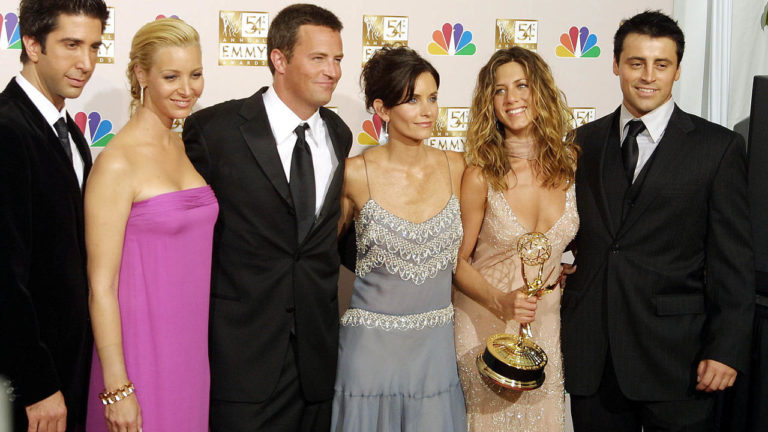
Chinese fans of the popular sitcom “Friends” were furious after censors cut guest stars Lady Gaga, Justin Bieber and Korean boyband BTS from the much-awaited reunion episode.

Advertising

When the one-off special of the beloved 1990s sitcom was streamed on three Chinese video platforms, cameos by the celebrities who have all incurred the wrath of the ruling Communist Party were removed from all versions.

Lady Gaga was banned from touring China in 2016 after she met with the exiled Tibetan spiritual leader Dalai Lama, who has been labelled as a separatist by Beijing.

Bieber has been blocked since 2014 when he posted a photo of himself at the controversial Yasukuni Shrine in Tokyo that honours Japan’s war dead, including convicted war criminals from World War II.

Boyband BTS angered the party last year when they omitted any reference to Chinese fighters who died during the Korean War when speaking about the “history of pain” in the region.

Chinese fans were also quick to point out that local versions of “Friends: The Reunion” expunged all LGBTQ references from the special, which was several minutes shorter than the 104 minute show released worldwide on HBO Max on Thursday.

Chinese streaming services iQiyi, Youku and Tencent Video did not answer AFP queries about what prompted the censorship.

The sitcom about six white New Yorkers has a huge following among Chinese millennials and is even recommended in schools as a way to learn English.

The show’s popularity has also spawned Central Perk cafes in several Chinese cities, styled after the hangout regularly featured in the show.

‘Mangled’

Angry fans took to social media to vent out their frustration at the censorship.

“I was waiting for weeks to watch the Friends reunion only to find that the version streamed in China was all mangled,” wrote one user.

“Why can’t the censors just let us enjoy a sitcom?” asked another.

Earning the wrath of Chinese authorities has become costly for entertainers after China became the world’s box office last year surpassing the United States.

Earlier this week, American wrestler and actor John Cena apologised after stirring a hornet’s nest by referring to Taiwan as a country while promoting his latest movie “Fast and Furious 9.” Beijing considers the democratic island a renegade province.

(AFP)

Too young to admit I was gay, here’s how I learned to stop complaining and love summer camp – USA TODAY

Summer camp drop off sign

A few weeks back, our son Lucas, age 9 – who’s surely owed an adventure after the masked-up pandemic summer of 2020 – selected these electives for his upcoming time at sleepaway camp: the climbing wall, the ninja warrior course, and not one but two sessions of soccer.

My picks when I went to camp at Lucas’ age were a touch different: drama, singing, and two sessions of arts and crafts.

Outdoorsy and athletic, Lucas told me and his other father, Jack, that he wants to maximize the experience and attend camp for all seven weeks: “Dad and Pops, I can’t wait to get to the woods.” Quiet and flabby, I could only bear to attend for a fraction of that: “Mommy, do I really have to go?”

See, I was never cut out for sleepaway camp. But by the summer’s end, I had changed – and it was because of camp and specifically, a handful of supportive counselors.

The great indoors, and outdoors

While too young to acknowledge I was gay, I was hardly fit to spend a summer with a bunch of boys in the wilderness. A lover of the great indoors, I was already deeply fixated on movies, TV and books. I shined in the schoolroom, far from the soccer field. I was attached to my mother, sister and my female teachers. As my cousin says, I was always one of the girls.

While the boys in my bunk were thrilled to play sports, I sat on the sidelines waiting for 3 p.m., when I got to dull the pain with M&M’s at the canteen. My nemesis, an aggressive kid named Micah, took advantage of my athletic ineptitude, constantly tripping and punching me. The sunset mosquitoes seemed to target me more than the other campers, munching me up and down my arms and legs. At night, I’d quietly sob myself to sleep.

But then a funny thing happened once I stopped whining. With guidance from some empathetic counselors, camp made me a better version of myself.

USA TODAY’s Louie Villalobos:We’re vaccinated but our son isn’t. The CDC lifted mask rules. So what do we do now?

I discovered untapped skills. A chubby kid who never wanted to take off his shirt, I found I was actually decent at one sport – swimming – and the college-aged lifeguard counted as I clocked dozens of laps in the camp pool. When it came time for “Color Wars,” an athletic competition where the camp was divided into teams, I advanced quickly, encouraged by a nurturing male leader who showed me the game was largely strategic – more brain than brawn. Plus a trusted counselor slipped me some B-1 pills to help solve my mosquito problem.

Camp also gave me the chance during afternoon downtime to dig into new obsessions that would deepen as I grew into a teenager. One of them was music. When the other boys played tag outside, I was free to lie on my bunk with headphones, rewinding cassettes of singles again and again that I’d recorded from the radio.

Bradley Jacobs Sigesmund at age 9.

Most crucially, I fell in love with the 7:45 p.m. “Evening Program,” where all the bunks gathered in the central mess hall to watch skits and musical comedy. It was heaven for this future theater junkie. I was so enraptured by the presentations that by camp’s end, staffers installed me as a mini emcee, introducing acts and entertaining the campers, most of whom looked up at me either scornfully or bored out of their little minds. I didn’t care. I was a natural. The next morning, I’d jump out of bed and immediately ask my male bunk counselors, “So what’s the Evening Program tonight?”

I was showing – and starting to embrace – my theatricality, my exaggerated mannerisms. My, well, campy behavior.

Find your tribe

Still, I never went back to sleepaway camp. In those years, my parents were struggling, drifting toward their eventual separation and moving homes regularly. My sister and I changed schools four times in four years.

Follow the science:Let my children take off their masks, the science says it is safe

Reflecting on it today, I wish I had returned to those woods every year. With a safe refuge from my family’s issues, perhaps I would have benefited from the stability and developed confidence earlier? Maybe I could have found my tribe faster and come to accept that I was gay without so much self-torment? Many kids experience their first kiss at camp. Why not me?

I know Lucas will succeed at camp in ways I never fathomed. He’s already well ahead of the game, far more comfortable in his youthful skin than I ever was. (Asked by a stranger in a park at age 5 if he needed help finding his mother, Lucas shrugged and said, “I have two dads,” then rejoined his game of hide-and-seek.) I’m excited for our son, at the outset of his wonder years, to start to unravel some of life’s great mysteries in an environment designed to nurture one’s character.  

Bradley Jacobs Sigesmund (left) with his partner Jack Bamberger (right) and their son Lucas at a soccer match in London in September 2019.

A month after camp ended that long-ago summer, a memento arrived in the mail. It was the flimsiest of yearbooks: eight or so pages, stapled together, with a section for each bunk. On my cabin’s page, my counselors wrote, “Bradley’s Pet Peeve: Micah.” Guess he and I never got over our issues. But it said something else: “Bradley’s Favorite Quote: ‘What’s the Evening Program?’”

I didn’t get it at the time. But today I see that, like the best mentors, those counselors were helping kids find their true selves. Those nurturing young adults – similar to a few key teachers I’d meet in the following years – were celebrating campy little me.

Bradley Jacobs Sigesmund, an NYC-based journalist who’s written for Bloomberg, Newsweek and Us Weekly, is penning a TV pilot about a sports-averse gay dad with a soccer-obsessed son. Follow him on Twitter at @BradleyJacobs

Pride in North Cumbria receive £350,000 funding from National Lottery Fund | News and Star – News & Star

An LGBT+ youth group in Cumbria is over the moon to have received over £375,000 worth of funding to continue their “life-saving”work in the community.

Pride in North Cumbria’s (PiNC) £375,181 boost from the National Lottery Fund, which is spread out over five years, is going towards their projects and funding staff and running costs.

Pride in North Cumbria, based in Carlisle run youth groups, youth drop sessions and a range of other projects for members of the LGBT community in north Cumbria.

Got told about the funding last month and we’ve just received it.

PiNC Project Manager, Pam Eland , said the centres services are “very vital”.

“Our services are life-saving.”

According to the LGBT in Britain report, published in 2018, one in eight LGBT people aged 18-24 said they had attempted to take their own life in the last year.

The report, based on YouGov research also said that half of LGBT people (52 per cent) said they’ve experienced depression in the last year.

Pam said that there is still a way to go in making people more aware of the challenges facing the LGBT community.

She added: “I think people need to be made more aware of LGBT issues.

“It doesn’t matter where you are. There’s always going to be issues, especially in minority communities because people just want to discriminate.”

In a statement about the funding, PiNC said: “We at PiNC are so grateful to the National Lottery Fund for seeing the importance in the work we do for LGBTQ+ people in Cumbria and awarding us the funds to keep our vital centre open.

“We are happy to have wonderful new staff as a result and are now able to be open 5 days a week for any LGBT+ person who needs out help.”

PiNC are preparing to launch their WHY PRIDE? project on June 1.

The four-month project that will deliver workshops and events exploring why Pride started.

NOT REAL NEWS: A look at what didn’t happen this week – Hawaii Tribune-Herald

A roundup of some of the most popular but completely untrue stories and visuals of the week.

None of these are legit, even though they were shared widely on social media. The Associated Press checked them out.

ADVERTISING


Here are the facts:

___

No evidence COVID-19 vaccines create new virus variants

CLAIM: The variants of the coronavirus that have been found in the global population were created by COVID-19 vaccines, because the vaccines caused people to develop antibodies and forced the virus to evolve.

THE FACTS: An article quoting a virologist known for spreading conspiracy theories about the coronavirus is pushing the false claim that COVID-19 vaccines were the catalyst that caused new variants of the virus to emerge around the globe. “Bombshell: Nobel Prize Winner Reveals – Covid Vaccine is ‘Creating Variants,’” reads the headline of the article, which has been shared thousands of times on Facebook. The article claims that the vaccines forced the virus to “‘find another solution’ or die,” thus producing the known coronavirus variants. The article attributes the claim to Luc Montagnier, who won the Nobel Prize in 2008 for discovering HIV and has spread false claims about the coronavirus. It is published on the website of the RAIR Foundation, which describes itself as a “grassroots activist organization” aiming to “combat the threats from Islamic supremacists, radical leftists and their allies.” Experts contacted by The Associated Press explained that coronavirus variants found across the globe began emerging long before vaccines were widely available. They said the evidence suggests new variants evolved as a result of prolonged viral infections in the population, not vaccines, which are designed to prevent such infections. “There’s no evidence that the vaccines create new variants, largely because vaccination appears to shut down viral infections, prevent people from spreading it to others,” said Dr. Stuart Ray, a professor at Johns Hopkins University’s medical school. “If the virus can’t spread, it doesn’t have the opportunity to evolve.” With some viruses, such as dengue virus, scientists have observed a phenomenon called antibody-dependent enhancement, in which antibodies generated by a past infection or a vaccine will bind to a viral pathogen but not neutralize it. This can cause people who have antibodies to experience more severe symptoms if they are infected later. However, this phenomenon has not been observed with the coronavirus or vaccines to prevent it. Montagnier did not respond to a request for comment.

— Associated Press writer Ali Swenson in Semora, North Carolina, contributed this report.

____

COVID-19 vaccines do not wipe out antibodies

CLAIM: The Red Cross says if you recovered from COVID-19 and had a vaccine, you cannot donate blood plasma because the vaccine wipes out natural antibodies.

THE FACTS: The Red Cross says that statement is inaccurate and COVID-19 vaccines do not wipe out antibodies, according to experts. As of March 26, the Red Cross discontinued the dedicated collection of COVID-19 convalescent plasma due to declining demand from hospitals and a sufficient industry supply. Posts online are now misrepresenting the change and are spreading the false claim that the Red Cross is no longer taking any plasma donations from those who have had the COVID-19 virus and received a vaccine. Social media users are sharing a February clip from KMOV-4, a CBS-affiliate news station in Missouri, where the anchor incorrectly says the Red Cross is no longer accepting convalescent plasma from people who are vaccinated because COVID-19 vaccines wipe out natural antibodies. “If you have had covid and recovered you can donate plasma to help save lifes UNLESS YOU GET THE VACCINE after having recovered,” reads an inaccurate tweet that shared the video. Red Cross spokeswoman Katie Wilkes told The Associated Press that her organization had reached out to the news station to correct the information, since it is not correct that vaccines wipe out natural antibodies. Wilkes also said that even though the dedicated convalescent plasma program was discontinued, vaccinated people are still able to participate in blood drives. “In most cases, you can donate blood, platelets and plasma after a COVID-19 vaccine as long as you’re feeling healthy and well,” she said. KMOV-4 updated their story on May 27. “Today News4 updated a story we reported in February,” a station spokesperson told the AP in an email. “At that time, a representative of the American Red Cross said the organization’s policy was to discourage convalescent plasma donations from donors who previously had COVID-19 and were then vaccinated because of a then-belief about antibodies.” Experts say the recent posts about antibodies get it all wrong. Dr. C. Buddy Creech, a Vanderbilt University vaccine expert, said there is no reason to suspect that COVID-19 vaccines would diminish antibodies. In fact, vaccines should boost them. Vaccines produce a more consistent immune response to the coronavirus, since mild infections lead to lower antibody levels than more severe infections, Creech explained. “This is why those who have been infected still benefit from vaccination; that vaccine will then serve to boost the immune response that was made during the initial infection,” Creech said in an email.

— Associated Press writer Beatrice Dupuy in New York contributed this report.

___

Sweden is still using PCR tests for COVID-19 detection

CLAIM: Sweden has stopped using PCR tests to detect viruses.

THE FACTS: A post by Sweden’s top health agency discussing the use of polymerase chain reaction (PCR) tests to detect the coronavirus is being misinterpreted by social media users who falsely say the test is being discontinued there. “Sweden Stops using PCR Tests – for the reason that good scientists have been saying for fifteen months – RNA from Viruses can be Detected for Months After Infection. Not fit for purpose,” a Twitter user falsely stated. The false claim also spread on Instagram. The PCR test, which can detect whether a virus’s genetic material is present in a sample, is considered to be the most accurate kind of COVID-19 test available. “We can confirm that Sweden has not suspended the use of PCR tests,” Anna Wetterqvist, a spokesperson for Sweden’s Public Health Agency, told the AP in an email. In July, the health agency published a notice describing clinical criteria that can be used to determine when COVID-19 patients should be considered free of infection, which was misinterpreted on social media. “The PCR technology used in tests to detect viruses cannot distinguish between viruses capable of infecting cells and viruses that have been neutralized by the immune system and therefore these tests cannot be used to determine whether someone is contagious or not,” reads a translation of the agency’s website. The health agency’s website notes, however, that PCR tests are used to identify whether someone is infected with COVID-19. Wetterqvist noted that about 350,000 PCR tests were carried out weekly in April and May. Sweden has carried out over 9.7 million PCR tests, she added. “The tests are considered secure given that testing is performed according to regulations for quality assessment as stated by the Health and Medical Services Act,” Wetterqvist said.

— Associated Press writer Arijeta Lajka in New York contributed this report.

___

Video shows protesters at Toronto vaccine site

CLAIM: Video shows parents in Toronto being blocked by police as children were given the COVID-19 vaccine in exchange for ice cream, without parental permission.

THE FACTS: Posts online are falsely claiming that a video showing protesters outside a vaccine pop-up clinic at Toronto City Hall were in fact parents trying to stop health professionals and police from vaccinating their children. The city of Toronto and the University Health Network held a pop-up vaccination event on May 23 at City Hall, where 2,500 doses of vaccine were administered, along with free ice cream, to those 12 years of age and older, according to the University Health Network. Canada became the first country to approve the Pfizer vaccine for 12- to 15-year-olds on May 5, a decision that was criticized by anti-vaccine advocates. In videos online, protesters can be seen at Nathan Phillips Square outside City Hall speaking out against vaccinating children at the clinic. “This is our children and we will not back down,” one woman could be heard yelling in the video at police. Posts online shared the video to falsely claim it showed children being vaccinated against their parents’ wishes. “A pop up vaccine clinic in Canada that is offering kids free ice cream in exchange for a vaccine, no parental permission required. Police are guarding the front to stop parents from intervening,” one tweet said. Another post claimed that the video showed parents being barred from a school campus where children were being vaccinated without parental consent. Gillian Howard, a spokesperson for the University Health Network, said clinic staff did not see children being vaccinated without a family member present. “Anyone receiving vaccination would have been taken through the consent process by clinical staff and if there was any indication that someone – whatever their age – didn’t understand the consent process, they would not be vaccinated,” she wrote in an email. Only a handful of demonstrators took part in the protest. Howard said that police were present due to threats to the clinic. Under Ontario’s Health Care Consent Act, there is no minimum age to provide consent for vaccination, according to Toronto Public Health spokesperson Dr. Vinita Dubey. Rather, it is up to the healthcare providers to ensure that they obtain informed consent prior to immunization. “This means the healthcare provider administering the vaccine has to deem the youth capable of understanding their decision,” Dubey said. “If the individual is incapable of consenting to receiving the vaccine, they would need consent from their substitute decision-maker, such as their parent or legal guardian.”

— Beatrice Dupuy

___

NY Post 1987 cover with Fauci is fake

CLAIM: The front page of a New York Post newspaper shows an image of Dr. Anthony Fauci under the headline, “THE MAN WHO GAVE US AIDS.”

THE FACTS: The supposed cover is fake. The image of the newspaper’s front page was manipulated to show a photo of Fauci under the headline, “Triggered ‘gay cancer’ epidemic in the U.S. THE MAN WHO GAVE US AIDS,” to give the false impression that a 1987 article was about him. The Post did run that headline on Oct. 6, 1987, but the actual story was about a different individual and did not mention Fauci — nor did it include his photo. Kenneth Moy, head librarian at the Post, shared with The Associated Press a scanned copy of the authentic front page and accompanying article that showed the real story focused on so-called “Patient Zero,” a gay man who was accused of bringing HIV to the United States. Scientists now say that assumption was wrong, and that HIV appeared in the U.S. at an earlier date. During the AIDS epidemic, Fauci was appointed director of the U.S. National Institute of Allergy and Infectious Diseases. At the height of the crisis, Fauci and other government officials were criticized by AIDS activists for how they handled developing and administering treatments for the disease.

— Associated Press writer Terrence Fraser in New York contributed this report.

___

Chelsea Clinton didn’t tweet about Bill Gates’ ‘behavior’

CLAIM: Chelsea Clinton tweeted about Microsoft co-founder Bill Gates, asking, “What kind of man pursues a physical relationship with an underling and has relations with her in their office?”

THE FACTS: On May 24, just over a week after news broke that Microsoft Corp. had investigated Gates over a romantic relationship with a female Microsoft employee, social media users were sharing a fake tweet about the situation designed to look like it came from former President Bill Clinton’s daughter Chelsea Clinton. “The more I hear about Bill Gates behavior the more ashamed for him I feel,” the fake tweet read. “What kind of man pursues a physical relationship with an underling and has relations with her in their office??? Time to close the window on him. I always liked Mac better anyway.” Facebook and Twitter users shared the bogus tweet as real, suggesting the younger Clinton’s words were ironic in light of the extramarital affair her father had with a White House intern while in office. But there is no evidence Chelsea Clinton ever tweeted this. A search of her Twitter feed shows she did not post any tweets on the date shown on the fake tweet, May 17. Clinton’s feed before and after that date also shows no evidence of any tweet resembling the image. An internet search finds no credible reports on the tweet, which likely would have garnered media attention had it been real. Chelsea Clinton’s spokesperson Sarah Horowitz confirmed to The Associated Press that the tweet is fake.

— Ali Swenson

___

Video of Ted Cruz supposedly swallowing a fly was edited

CLAIM: Video shows Texas Sen. Ted Cruz swallowing a fly during a Fox News interview.

THE FACTS: The video circulating on social media was manipulated and was first shared on Reddit last year as a joke with the title “Ted Cruz Eats Spider.” On June 27, 2019, Cruz, the Republican senator, appeared on the Fox News show “Hannity,” but there was no crawling critter in the original clip. In the original video, Cruz’s voice cracks and Hannity tells him, “Take a sip of water. By the way, that’s your Marco Rubio moment, just in case you didn’t know.” A clip of Sen. Marco Rubio of Florida sipping from a water bottle during a speech was widely shared in 2013. In the edited video of Cruz, which has no audio, some kind of crawling pest has been added. Social media users compared the edited video to the time a fly landed on Vice President Mike Pence’s head during a debate with then-vice presidential nominee Kamala Harris last October. “Remember that fly on Pence’s head? Well Ted Cruz ate it last night,” wrote an Instagram user who shared the manipulated video. Twitter users shared the manipulated video with the hashtag #ToadCruz.

— Arijeta Lajka

___

Find all AP Fact Checks here: https://apnews.com/APFactCheck

ADVERTISING


___

Follow @APFactCheck on Twitter: https://twitter.com/APFactCheck

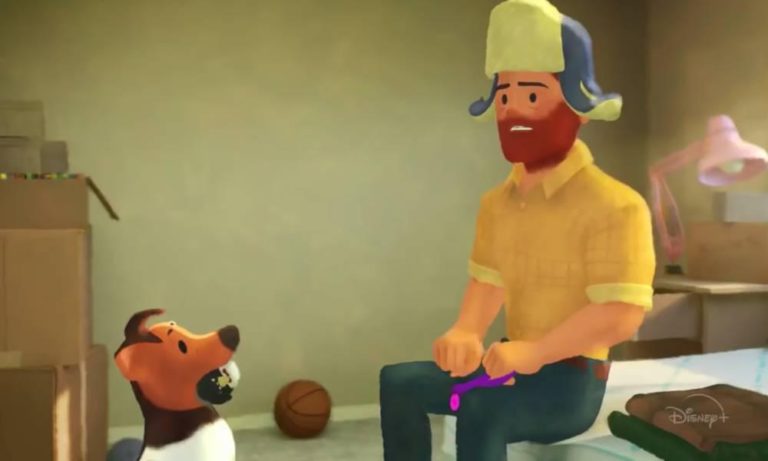
Russia warns Disney against screening short film ‘Out’ featuring gay character – Yahoo Eurosport UK

The Telegraph

Dan Biggar could miss Lions’ warm-up clash with Japan if cited over clear-out in Saints victory over Wasps

Northampton Saints 30 Wasps 25 Dan Biggar could miss the Lions’ warm-up clash with Japan if he is cited over a dangerous clear-out in Saints’ victory at Franklin’s Gardens. Referee Adam Leal failed to act at the end of the contest when the Wales fly-half was clearly seen to strike Jacob Umaga in the head with a forearm at a ruck. If he is cited, Bigger could be hit with a three- or six-week ban. Wasps boss Lee Blackett was clearly upset with the fact Biggar’s actions were missed and said: “I don’t think he wanted to look at it. I thought the TMO chose when he wanted to come in and when he didn’t want to come in throughout the game. The problem is, I think you’ve got young officials out there on the field, but that’s where you need the experience to make the big decisions and calls.” A ban would be a blow for the player who was outstanding in kicking 13 points and engineered this win which assured Saints of Champions Cup exploits again next season, even if Harlequins’ win over Bath meant they missed out on the playoffs. Saints director of rugby Chris Boyd praised both Bigger and Courtney Lawes, who returned to action in his bid to regain match fitness in time for his second Lions tour. Lawes, 32, showed no rustiness, as he returned from a five-month injury absence to his scrapping, carrying best, while Bigger kicked outstandingly from hand and turf to leave his rivals facing defeat. Boyd enthused: “Courtney is a world-class player. He makes a big difference. We asked him how he was feeling after 70 minutes and he came back with a bundle of expletives to suggest he’d done his shift. He was aching and puffing a bit by then. But he was outstanding for us on his return. “Dan Biggar trained well this week and he was also orchestrating things out there again. He will be all the better for that run-out and played a major role again.” Lawes defied his lack of game time to produce the kind of performance which made him a Lion in New Zealand four years ago, and show why Warren Gatland has given him another chance to shine in the prestigious red jersey. A watching Eddie Jones would have been pleased to see Lawes back on the field even if he is unable to pick him for any of England’s summer Tests. Lawes was immediately involved in adding his muscle to the move which put Saints on the way to victory. A simple lineout drive pushed Wasps back over their own line, and hooker Sam Matavesi rose to take the slaps on the back from his teammates. Biggar added the extras but Wasps responded with an outstanding piece of opportunism from Thomas Young. The flanker demonstrated a commendable turn of pace to burst through the middle of the Saints defence before offloading one-handed to the supporting Dan Robson to run over unchallenged. Umaga converted but the fly-half was soon leaving the field after being shown a yellow card by the referee for deliberately kicking the ball away near his own line from an offside position with Wasps on the attack. Wasps captain Brad Shields then bulldozed his way over for a try, Charlie Atkinson converting. Biggar and Umaga exchanged penalty blows and the two sides were all square at the break. In the second half, Ollie Sleightholme rescued Saints by chasing down Josh Bassett as the Wasps wing made a break, while the visitors had a try by Zach Kibirige ruled out for a forward pass. Biggar kicked his side back in front from a scrum penalty. Another Biggar penalty increased the lead. Flanker Tom Wood then forced his way over for a try to put the game beyond the visitors as Tom Willis’ late scores failed to save Wasps from defeat. Match details Northampton: Freeman, Sleightholme, Proctor, Dingwall, Naiyaravoro, Biggar, James, Waller, Matavesi, Hill, Ribbans, Ratuniyarawa, Lawes, Ludlam, Wood. Replacements: Haywood, Iyogun, Painter, Moon, Coles, Tupai, Francis, Hutchinson. Wasps: Atkinson, Kibirige, Odogwu, Le Bourgeois, Bassett, Umaga, Robson, West, Oghre, Alo, Rowlands, Gaskell, Shields, Young, T. Willis. Replacements: Cruse, McIntyre, Toomaga-Allen, Cardall, Vailanu, Vellacott, Gopperth, Miller. Referee: Adam Leal (RFU)

Kentucky’s ties to agency at risk over gay rights – Northwest Arkansas Democrat-Gazette

LOUISVILLE, Ky. — A cultural clash pitting religious beliefs against gay rights has jeopardized Kentucky’s long-running relationship with a foster care and adoption agency affiliated with the Baptist church that serves some of the state’s most vulnerable children.

The standoff revolves around a clause in a new contract with the state that bans discrimination based on sexual orientation and that Sunrise Children’s Services is refusing to sign. It’s another round in a broader fight in states and the courts over religious liberty and LGBTQ rights, including whether businesses can refuse to provide services for same-sex weddings.

An upcoming U.S. Supreme Court decision in a Pennsylvania case could be decisive in the Kentucky clash. It’s reviewing a refusal by Philadelphia Catholic Social Services to work with same-sex couples as foster parents.

In the Kentucky contract, Sunrise officials are concerned the disputed clause would compel them to violate deeply held religious principles by sponsoring same-sex couples as foster or adoptive parents.

Sunrise is affiliated with the Kentucky Baptist Convention, comprising nearly 2,400 churches with a total membership of about 600,000 people. The faith views homosexuality as a sin.

Supporters of the provision see it as a crucial safeguard against discrimination.

Child welfare advocates worry that losing Sunrise — which also offers residential treatment programs — would further strain a state system struggling to keep up with demand. Kentucky consistently has some of the nation’s worst child abuse rates.

“You cannot pivot from losing such a large provider of child welfare services … and not anticipate some degree of disruption,” said Terry Brooks, executive director of Kentucky Youth Advocates.

The state set a June 30 deadline for Sunrise to sign. If it refuses, the state has threatened to stop placing children with the agency.

Formerly called Kentucky Baptist Homes for Children, Sunrise’s history dates to caring for Civil War orphans. It has contracted with the state for 50-plus years, becoming one of Kentucky’s largest service providers for abused or neglected children.

Sunrise’s supporters say the agency is the target of a political correctness campaign. Critics say allowing exceptions to the LGBTQ-inclusive clause would sanction discrimination.

“If Sunrise doesn’t want to abide by that, that’s fine. They shouldn’t have access to state money, state contracts or children in the state’s care,” said Chris Hartman, executive director of the Fairness Campaign, a Louisville-based gay rights advocacy group.

Hartman said he worries LGBTQ children in Sunrise’s care are “deeply closeted,” hiding their sexual orientation out of fear of “indoctrination and proselytization.”

A long-running federal lawsuit has alleged that Sunrise imposed religious indoctrination on children. Sunrise’s attorney, John Sheller, calls it an “outrageous accusation.”

Sheller said Sunrise “willingly and gladly” accepts LGBTQ youths and does not put children in conversion therapy, which tries to change a person’s sexual orientation or gender identity. Sunrise’s focus is on finding good homes for children and treating mental health, substance abuse or other problems they are battling, he said.

When same-sex couples contact Sunrise about becoming foster parents, the agency offers to help steer them to other child services agencies that are a “better fit,” Sheller said. He was aware of a handful of such instances.

“There is clearly a tension between LGBT issues and traditional Christian values,” Sheller said. “And it does not have to be winner-take-all. There is room for both principles to survive and thrive in our pluralistic society, and we can accommodate both.”

Kentucky’s Cabinet for Health and Family Services says it hopes for a “positive resolution.” Sunrise President Dale Suttles said he wants the relationship to continue.

“Sunrise would act on a contract today that allows them to care for Kentucky’s needy and abused children while protecting their deeply held religious beliefs,” said Todd Gray, executive director-treasurer of the Kentucky Baptist Convention.

Like many other states, Kentucky contracts with private agencies like Sunrise for some of its child welfare services. Overall, about 5,000 of the 9,100 children in Kentucky’s care are in foster homes or other placements managed by the state. About 4,000 receive care through private agencies.

Sunrise, which operates only in Kentucky, says it currently cares for nearly 800 children. The state reimburses Sunrise for about 65% of its costs, with private donations covering the rest.

The state insists it’s bound by an Obama-era federal rule to include the contract clause that Sunrise opposes. The rule included sexual orientation as a protected class under anti-discrimination provisions.

“It would be a mistake not to place kids with wonderful couples that want to be foster parents that are gay,” Democratic Gov. Andy Beshear said this week. “People make wonderful foster parents in all types of couples and we shouldn’t be eliminating or discriminating against any of them.”

Sunrise argues that the federal rule was invalidated under former President Donald Trump, giving the state leeway to exclude the clause. Sheller said the agency is “open to any reasonable process” as long as it’s “not compelled by that language to violate its faith principles.”

“The state’s position is that it’s going to try to compel Sunrise to sign the same form contract that it uses with secular providers,” Sheller said. “And Sunrise cannot and will not sign that form contract by July 1st or any other date.”

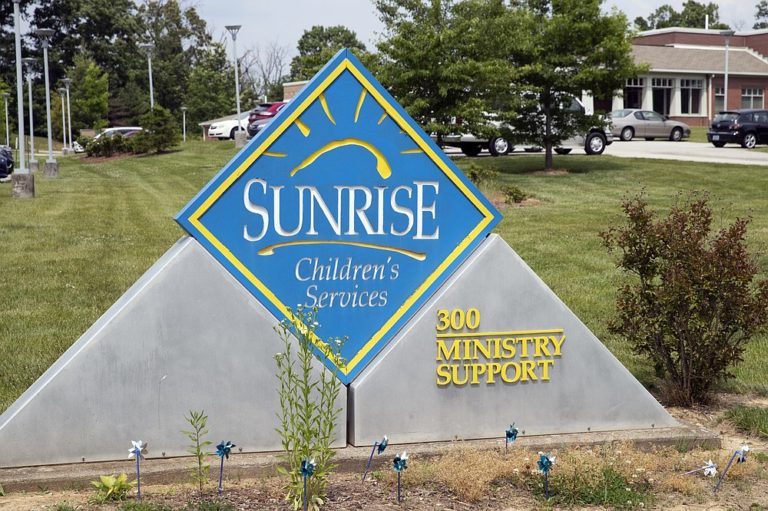
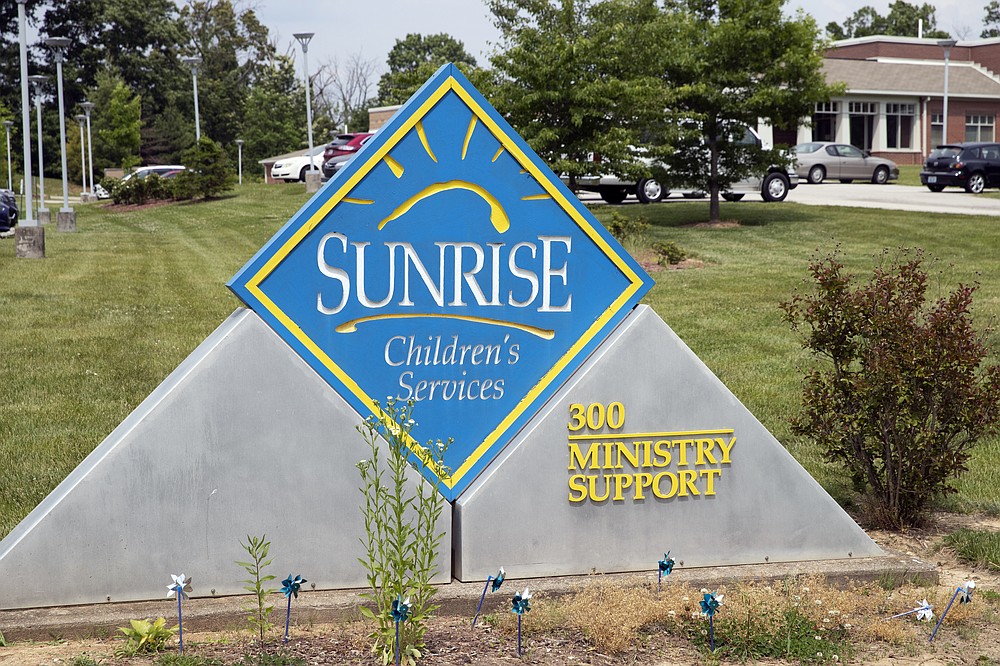
A sign for Sunrise Children's Services sits in front of the agency's Mount Washington, Ky., location on May 26, 2021. A cultural clash pitting religious beliefs against gay rights has jeopardized Kentucky's long-running relationship with a foster care and adoption agency affiliated with the Baptist church, Sunrise Children’s Services, which serves some of the state's most vulnerable children. (Brandon Porter/Kentucky Today via AP)

A sign for Sunrise Children’s Services sits in front of the agency’s Mount Washington, Ky., location on May 26, 2021. A cultural clash pitting religious beliefs against gay rights has jeopardized Kentucky’s long-running relationship with a foster care and adoption agency affiliated with the Baptist church, Sunrise Children’s Services, which serves some of the state’s most vulnerable children. (Brandon Porter/Kentucky Today via AP)

Benito Skinner Is All About Drama – The New York Times

0

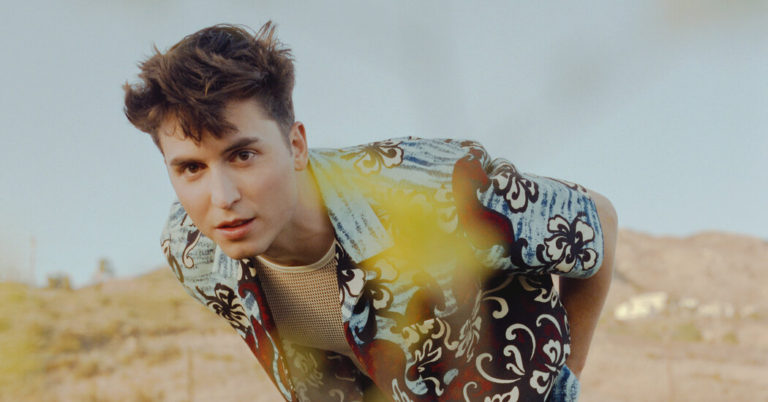
Benito Skinner was born and raised in Boise, Idaho, but has long felt destined for Hollywood, by way of a stint in New York City.

“There’s space, and I just needed to fit more of my wigs and costumes in my apartment,” he said of his new West Hollywood rental.

The 27-year-old writer, actor and digital creator, known on Instagram, TikTok and Twitter as Benny Drama, moved to California during the pandemic to expand his career as a sketch artist and comedian — a word he is still barely comfortable using to describe himself. (“It’s like the scariest word in the world, but I do feel like a comedian,” Mr. Skinner said in a recent interview. “That is something that I would never tell, like, a straight man, because then they want to hear a joke.”)

Like many internet-incubated talents, Mr. Skinner worked a day job (as a video editor) while building his following, honing a brand of comedy that pulls heavily from celebrity impressions, including of the Kardashian clan, Lana Del Rey and Shawn Mendes.

He also plays a variety of characters he dreamed up himself, including Jenni the hairdresser, a consummate oversharer who smacks her gum and rips out grays; Kooper the intern, who is egregiously unaware of how to behave professionally at work; and Throat Rippin’ Annie, a deranged chain-smoking, beer-drinking, gun-wielding version of an adult Little Orphan Annie.

At a time when teasing humor, especially parodies of celebrities who can easily seem like caricatures in their public-facing lives, can look cruel or bullying, Mr. Skinner has mastered the fine art of mocking people without dragging them through the mud. It often feels like they could be in on the joke. Sometimes they actually are.

The Kardashians, for example, routinely praise Mr. Skinner’s parodies of their show on Instagram — despite the fact that Mr. Skinner portrays Kris Jenner, the family matriarch, as an evil puppeteer, complete with red taloned devil hands. And Ms. Jenner made a cameo as herself for a parody video Mr. Skinner made marking the final season of “Keeping Up With the Kardashians.”

“Kris is the most fun for me to do because I was able to give her a full other story,” he said. “I leaned into this internet perception of her that the devil works hard, but Kris works harder.”

His videos of personifications of the astrological signs also routinely go viral. One, in which he plays the different astrological signs coping with life in quarantine, had more than 1,000 comments within three minutes of being posted, Mr. Skinner said, a first for him. It featured a Virgo dressed like Hannibal Lecter obsessively cleaning; a Libra styled as Kim Kardashian saying she’s going to medical school to save people; and a Cancer having an emotional breakdown after convincing themselves that everyone hates them.

Though Mr. Skinner has begun writing and producing bigger projects, including a pop culture podcast with the comedian Mary Beth Barone called “Obsessed” and Halloween special that featured the band Haim and Drew Barrymore, his process remains scrappy.

He is almost always the writer, stylist, makeup artist, director, video, sound and graphics editor for his sketches. Sometimes Mr. Skinner’s boyfriend, Terrence O’Connor, and their friends help out.

Growing up in Boise, Mr. Skinner hid that he was gay. He knew that his family would support him, but thought that if people at school knew, life would only be difficult. As a result, he steered clear of performing (or dressing up as Lindsay Lohan in the movie “Confessions of a Teenage Drama Queen” or as Lady Gaga in her 2010 “Telephone” video, the way he wanted), he said, and played football and “absolutely hated it.”

“Sometimes if I’m on a set and something’s taking a long time or difficult, I’m like, ‘It’s OK, I played football. I can honestly do anything in this life because nothing could be more opposite of my liking or core being.’”

It wasn’t until he was studying film at Georgetown University that he began to feel more comfortable writing stories and being in front of the camera, both things he’d enjoyed doing as a child. Through learning about queer characters in media and finding friends who he thought he could be himself with, Mr. Skinner felt comfortable enough to come out at 22.

“My work is me kind of taking the reins of those things and taking the power back,” Mr. Skinner said. Many of his characters are manifestations of his love of pop culture and the queer icons that he admired, secretly, while growing up. He wants “other kids who are growing up in Idaho and other places that aren’t New York City or L.A. to feel like there’s someone out there who is doing it and it’s being celebrated and that there is a light at the end of the tunnel,” he said.

At the onset of the pandemic Mr. Skinner was living in New York and initially unsure about whether it would be insensitive to keep posting almost daily videos as news reports of people dying rolled in. But people stuck at home and afraid were requesting more of his videos and were in search of laughter and joy, so he delivered.

He introduced new characters, reprised some old classics and revisited even older sketches he’d written but not followed through on, like a parody “sequel trailer” to “Call Me by Your Name,” which he’d written some three years earlier.

“I was like, OK, we’re going to dig into the archives because I know the dolls need new video this week and, you know, and it made me feel better, too,” he said.

Mr. Skinner’s impressions of Timothée Chalamet and Billie Eilish have been hits. But not all fans like to see their favorite stars parodied, regardless of whether it is meant in good fun.

“It’s been an interesting thing of stans just interpreting something and being like, ‘This is the devil’s work,’” Mr. Skinner said. “I’m like, ‘No, it’s literally an impression. I promise this isn’t like coming from a terrible place.’”

Mr. Skinner didn’t specify which celebrities and fans haven’t been receptive, but a scan of his accounts shows fans of Shawn Mendes being particularly displeased. They saw, for example, a Mendes impersonation — cut with footage of astronauts from the space station — as disrespectful to the actual event that Mr. Mendes participated in with the astronauts.

Mr. Skinner said he only parodies people whose work he enjoys. And he tries his best to imagine his videos through a very earnest lens to avoid hurting feelings.

“The thing I always go back to is: Do I feel like this is coming from a friend or does it feel like this coming from an enemy?” he said. “If it feels bullying, I’m like, OK, no, we’re not doing this. That’s not going to be fun to watch.”

Indy DC Download: Senate GOP blocks Jan. 6 commission, chamber pauses work on tech innovation bill – The Nevada Independent

0

Senate Republicans killed legislation to establish an independent commission to investigate the causes of the Jan. 6 insurrection in the U.S. Capitol after they struck a deal with Senate Democrats to finish consideration of a technology innovation measure after the Memorial Day recess.

Democrats in Nevada’s congressional delegation had strong words for Republicans who opposed the commission.

“The only reason to oppose an independent fact-finding commission is if you are afraid of the facts,” Rep. Dina Titus (R-NV) said. “This is a disgrace to our democracy.”

Sen. Catherine Cortez Masto (D-NV) called out Senate Majority Leader Mitch McConnell (R-KY) for urging his fellow Republicans to oppose it.

“The Jan. 6 attack on the Capitol was a truly painful day,” Cortez Masto said. “Why is Mitch McConnell blocking a bipartisan commission to investigate what happened? The brave law enforcement officers who defended us and the Capitol deserve so much better.”

The vote on the commission came after the Senate voted on a series of amendments to the United States Innovation and Competition Act, which would provide about $250 billion for technology research that will help the nation better compete with China. 

While no votes were held in the House, members participated remotely in hearings, including Titus, who took part in a hearing on Russia and how the nation sees climate change as a geopolitical advantage. 

1/6 Commission

The Senate voted 54 to 35 to open debate on the measure to establish the commission, but 60 votes were needed to overcome a filibuster. All Democrats that were present voted for the measure. Six Republicans joined with them, short of the 10 needed given the current 50-50 party split in the chamber.

McConnell said he opposed the commission because he believes that it is politically motivated and is not needed given the other investigations underway in Congress and the Department of Justice.

“I do not believe the additional, extraneous “commission” that Democratic leaders want would uncover crucial new facts or promote healing,” McConnell said Thursday on the Senate floor. “Frankly, I do not believe it is even designed to.”

After voting, Sen. Jacky Rosen (D-NV) said part of the rationale for the commission is to learn lessons and improve security at the Capitol complex, which is a symbol of freedom around the world.

“It shouldn’t be political because this is about the integrity and the safety of our Capitol,” Rosen said. “The world is watching this bill and the United States Congress, it stands for something.”

Rosen said she felt for Gladys Sicknick, the mother of the late U.S. Capitol Police officer Brian Sicknick, who visited with 16 GOP senators Thursday to urge them to support the bill. Sicknick suffered two strokes a day after the riot, though District of Columbia authorities said he died of natural causes. 

“I can’t imagine being a mother; the pain and the strength it took to come and look people in the eye and say, ‘Please honor my son so something like this doesn’t happen again,” Rosen continued.

Cortez Masto said that the defeat of the measure does not honor the Capitol Police.

“It’s disappointing,” Cortez Masto said. “We were all here on Jan. 6. We should be supporting, not only upholding the rule of law and uncovering through an appropriately independent investigation, not only what happened but how we prevent it.

The bill would “ensure that our Capitol Police, who stand guard for us every single day… have the resources and the support they need to ensure that they can also do their job and that we respect what they’re doing,” Cortez Masto continued.

The House may still form a select committee, a special-purpose panel, that could investigate the insurrection. But it’s unlikely that Republicans would participate and then would question its impartiality. 

Innovation

The Senate is poised to approve the United States Innovation and Competition Act when it returns from the Memorial Day recess the week of June 7. The package includes about $190 billion for various provisions to strengthen domestic technology markets to better compete globally, including $81 billion for the National Science Foundation over five years.

The legislation includes $16.9 billion for the Department of Energy for research and development and energy-related supply chains in key technology areas. NASA would get $10 billion in connection with the Artemis program that plans to land the first woman on the moon.

The bill would also provide $49.5 billion over five years to help address the shortage of semiconductors, which are now in so many products that demand has outstripped supply.

Rosen spoke highly of the bill, which has bipartisan support.

“It puts investment in basic research, in public private partnerships, in things that we need to do to be competitive,” Rosen said. She drew an analogy to the Global Positioning System, which was slowly built up by launching a series of satellites over decades for military use. 

“That was developed over time,” Rosen said. “Now who among us doesn’t have Google Maps. So that research, done years and years prior, was really able to be put to use. And so those are the kinds of things we have to think about. And that’s what a lot of this basic kind of research does.”

Elko Cemetery

Cortez Masto cheered an announcement by the Department of Veterans Affairs (VA) that the agency has selected a site for a national veterans cemetery in Elko.

“Elko’s veterans and community leaders have been waiting for this day for almost 10 years,” said Senator Cortez Masto. “The approval of this cemetery has been a longtime priority of mine, and I can’t wait to see construction begin on a site that will finally allow Elko to establish this much-needed veterans cemetery for the region.”

The VA plans to acquire 15 acres from the city to construct the cemetery. The initial construction will consist of five acres of burial ground, with the intent to hold 10 additional acres in reserve for veterans in the future. It will serve more than 4,000 veterans and be the largest cemetery ever established under the VA’s Rural Initiative. 

Elko is one of eight places chosen by the VA to build national cemeteries under the initiative. The closest veterans cemetery currently available for Elko regional veterans and their families is over 200 miles away in either Reno or Salt Lake City.

Gil Hernandez, commander of Elko’s Veterans of Foreign Wars Post 2350 and member of the Northern Nevada Veterans Memorial Cemetery Advisory Committee, also praised the announcement.

“This cemetery means so much to our veteran population and their families, thanks to her advocacy with the VA we are now able to complete a new, nationally recognized burial ground for the men and women who have served our nation in uniform,” Hernandez said.

Miscellany

At a hearing on Russia, Titus asked experts whether the U.S. could work with the Vladimir Putin-led state on climate change. She raised, for example, whether Russia could be held accountable along with nations that joined the Paris Climate Accord.

Yuval Weber, who teaches at Texas A&M, said that Russia views climate change as geopolitically beneficial.

“It’s better growing seasons inside of Russia, which is a cold country,” Weber said. “It’s greater access to the mineral resources in the Arctic itself and if the Arctic becomes a navigable zone, well then they can militarize it and make it something which they are a founding member of…something to negotiate with the United States and others, akin to nuclear weapons. So they are actually all in on climate change being a good thing.”

Rep. Susie Lee (D-NV) signed onto a letter, with more than 100 others House members urging Speaker Nancy Pelosi (D-CA) and Minority Leader Kevin McCarthy (R-CA) to provide more funding to the $28.6 billion Restaurant Revitalization Fund.

RRF,  which provides grants to restaurants hurt by the pandemic, received more than 362,000 applications that requested about $75 billion in funding, nearly tripling the initial $26.8 billion Congress provided by Congress.

“We urge you to work together with House Small Business Committee leadership and the SBA to bring a bill to the floor that would allocate funds so every eligible applicant can receive assistance,” the letter said. “Our economy is still emerging from the immense damage of the COVID-19 crisis and our hardest hit small businesses, such as restaurants, bars, and food trucks, are still navigating the impacts of over a year of lockdown orders and limits to capacity among other health requirements.”

Titus and Rep. Steven Horsford (D-NV) were also signatories.

Horsford addressed the Legislature last week and highlighted the $4 billion the state received from the American Rescue Plan. He also touted 100 percent coverage of COBRA health insurance premiums for unemployed or furloughed workers and increased benefits under the law’s child tax credit provision.

“The American Rescue Plan allocates around $4 billion to help Nevada’s state, county, and local governments get back on track,” Horsford said.

He also pointed to bills he hopes to help enact this legislative session. These include the Hospitality and Commerce Job Recovery Act, which would provide a series of hospitality and tourism industry tax breaks. 

The measure includes a new tax credit that would let taxpayers write off the cost of attending or hosting a convention, business meeting or trade show between 2022 and 2024. It would also create a credit to encourage middle-class travel. The credit would be worth 50 percent of qualified travel expenses up to a maximum of $1,500 per household plus $500 for each qualifying child.

Horsford wants to pass the SAFE Banking Act, which would give the marijuana industry access to banks and financial services. He also backs a bill to remove cannabis from the federal Controlled Substances Act and expunge previous marijuana convictions. He is working to pass police reform legislation, a bill to protect about 2 million acres of public lands in Southern Nevada and immigration reform.

For a full rundown of the measures the delegates supported or opposed this week, check out The Nevada Independent’s congressional vote tracker and other information below.

SEN. CATHERINE CORTEZ MASTO

Legislation sponsored:

S.1928 – A bill to amend the National and Community Service Act of 1990 to establish a national climate service corps to help communities withstand and respond to changes in the Earth’s climate with respect to natural disasters, and for other purposes.

S.1913 – A bill to modify the penalties for violations of the Telephone Consumer Protection Act of 1993.

S.1902 – A bill to empower communities to establish a continuum of care for individuals experiencing mental or behavioral health crisis, and for other purposes.

Legislation co-sponsored:

S.1947 – A bill to authorize the position of Assistant Secretary of Commerce for Travel and Tourism, to statutorily establish the United States Travel and Tourism Advisory Board, and for other purposes.

S.1942 – A bill to standardize the designation of National Heritage Areas, and for other purposes.

S.1924 – A bill to direct the President to enforce the intellectual property provisions of the Economic and Trade Agreement Between the Government of the United States of America and the Government of China, and for other purposes.

S.1918 – A bill to support the reuse and recycling of batteries and critical minerals, and for other purposes.

S.1912 – A bill to clarify the rights of certain persons who are held or detained at a port of entry or at any facility overseen by U.S. Customs and Border Protection.

S.1901 – A bill to amend the Act of June 18, 1934, to reaffirm the authority of the Secretary of the Interior to take land into trust for Indian Tribes, and for other purposes.

S.1900 – A bill to amend the Trade Act of 1974 to modify the eligibility requirements for the Generalized System of Preferences to strengthen worker protections and to ensure that beneficiary developing countries afford equal rights and protection under the law, regardless of gender, and for other purposes.

S.1891 – A bill to transfer and limit Executive Branch authority to suspend or restrict the entry of a class of aliens.

S.1885 – A bill to provide funds to assess the availability, accelerate the deployment, and improve the sustainability of advanced communications services and communications infrastructure in rural America, and for other purposes.

S.1859 – A bill to amend title 37, United States Code, to require the Secretary concerned to pay a member in the reserve component of an Armed Force a special bonus or incentive pay in the same amount as a member in the regular component of that Armed Force.

S.1856 – A bill to enhance the security operations of the Transportation Security Administration and stability of the transportation security workforce by applying the personnel system under title 5, United States Code, to employees of the Transportation Security Administration, and for other purposes.

S.1848 – A bill to prohibit discrimination on the basis of religion, sex (including sexual orientation and gender identity), and marital status in the administration and provision of child welfare services, to improve safety, well-being, and permanency for lesbian, gay, bisexual, transgender, and queer or questioning foster youth, and for other purposes.

S.1841 – A bill to amend the Public Health Service Act to revise and extend projects relating to children and to provide access to school-based comprehensive mental health programs.

S.1819 – A bill to support State, Tribal, and local efforts to remove access to firearms from individuals who are a danger to themselves or others pursuant to court orders for this purpose.

S.1802 – A bill to amend the Internal Revenue Code of 1986 to expand and modify employer educational assistance programs, and for other purposes.

S.1795 – A bill to address mental health issues for youth, particularly youth of color, and for other purposes.

SEN. JACKY ROSEN

Legislation sponsored:

S.1884 – A bill to ensure that fixed broadband internet access service assisted by any Federal broadband support program meets a minimum level of service.

S.1881 – A bill to reauthorize and improve a grant program to assist institutions of higher education in establishing, maintaining, improving, and operating Student Veteran Centers.

Legislation co-sponsored:

S.1943 – A bill to amend title XVIII of the Social Security Act to improve access to, and utilization of, bone mass measurement benefits under part B of the Medicare program by establishing a minimum payment amount under such part for bone mass measurement.

S.1942 – A bill to standardize the designation of National Heritage Areas, and for other purposes.

S.1891 – A bill to transfer and limit Executive Branch authority to suspend or restrict the entry of a class of aliens.

S.1868 – A bill to amend the Child Abuse Prevention and Treatment Act to require that equitable distribution of assistance include equitable distribution to Indian Tribes and Tribal organizations, to increase amounts reserved for allotment to Indian Tribes and Tribal organizations under certain circumstances, and to reserve amounts for migrant programs under certain circumstances, and to provide for a Government Accountability Office report on child abuse and neglect in American Indian Tribal communities.

S.1864 – A bill to amend the Foreign Assistance Act of 1961 to require a section on reproductive rights in the Annual Country Reports on Human Rights Practices, and for other purposes.

S.1856 – A bill to enhance the security operations of the Transportation Security Administration and stability of the transportation security workforce by applying the personnel system under title 5, United States Code, to employees of the Transportation Security Administration, and for other purposes.

S.1848 – A bill to prohibit discrimination on the basis of religion, sex (including sexual orientation and gender identity), and marital status in the administration and provision of child welfare services, to improve safety, well-being, and permanency for lesbian, gay, bisexual, transgender, and queer or questioning foster youth, and for other purposes.

S.1810 – A bill to provide incentives to physicians to practice in rural and medically underserved communities, and for other purposes.

S.1795 – A bill to address mental health issues for youth, particularly youth of color, and for other purposes.

REP. DINA TITUS

Legislation sponsored:

H.R. 3547 – To amend title 23, United States Code, to encourage widespread and proper use of child safety seats, and for other purposes.

Legislation co-sponsored:

H.R. 3552 – To amend the Internal Revenue Code of 1986 to provide that floor plan financing includes the financing of certain trailers and campers.

H.R. 3485 – To impose sanctions on foreign persons responsible for violations of internationally recognized human rights against lesbian, gay, bisexual, transgender, queer and intersex (LGBTQI) individuals, and for other purposes.

REP. MARK AMODEI

Legislation co-sponsored:

H.R. 3537 – To direct the Secretary of Health and Human Services to support research on, and expanded access to, investigational drugs for amyotrophic lateral sclerosis, and for other purposes.

Tributes to novelist and gay rights campaigner | News – Monmouthshire Beacon

Iona McGregor, who has died at the age of 92, has been described as “a brave and inspirational pioneer” in the fight for LGBT equality, who risked her career as a full-time teacher by pushing back against prejudice.

Walmart ranked 6 on LGBT support – Arkansas Online – Arkansas Online

Walmart Inc. placed sixth on Diversity Inc.’s recently released 2021 list of large U.S. companies that support gay and transgender employees and suppliers.

The company also was the highest-ranked retailer on Diversity Inc.’s Top 50 Companies for Diversity list, placing 32nd, a Walmart spokeswoman said Thursday.

Walmart’s workplace policies and resources as well as its philanthropic gifts to LGBT organizations factored into the rankings, according to Diversity Inc.

A media and marketing firm in New Jersey, Diversity Inc. gathers data from the world’s major corporations. With that information, it develops software that companies can use to achieve their diversity goals with their workforce and suppliers.

The annual Top 50 list is drawn from corporate survey submissions, according to the company’s website. The same data gathered from the surveys is used to determine the top specialty lists in categories such as people with disabilities; talent acquisition for women of color; supplier diversity; and philanthropy.

Walmart’s spokeswoman also pointed out that the Bentonville-based retailer earned a 100% rating on the 2021 Human Rights Campaign Corporate Equality Index, a national benchmarking tool on corporate policies and practices pertaining to LGBT employees. In addition, the company was designated a 2021 Best Place to Work for LGBTQ Equality.

Despite all the kudos, though, a study by the employment website Glassdoor.com suggests some LGBT employees at Walmart aren’t as happy there as their non-LGBT counterparts.

Last year, Glassdoor said, it began allowing users to voluntarily — and anonymously — put their demographic information on their profiles. When users wrote reviews about a current or former employer, they were asked to give the company a 1- to 5-star “Diversity & Inclusion Rating.”

The reviews can be filtered by the reported demographic characteristics.

When Walmart’s reviews are filtered for sexual orientation, the results show that the 84 respondents identifying themselves as LGBT gave the company an average rating of 2.7 stars. In contrast, more than 400 respondents who identified themselves as heterosexual gave Walmart 3.2 stars.

Ratings were based on six workplace factors: career opportunities; compensation; culture; diversity and inclusion; senior leadership; and work-life balance. Over all the companies, LGBT employees were most unhappy with senior leadership, followed by career opportunities and compensation.

The number of respondents who chose to reveal their sexual orientation is small, making it difficult to draw a definitive conclusion from the ratings.

In Walmart’s 2020 Culture, Diversity, Equity and Inclusion Report, issued in April, Walmart outlined a number of actions it has taken to foster diversity and inclusion companywide.

For instance, Walmart once again awarded a grant to PFLAG National, an organization for LGBT people and their parents, families and allies.

The company also sponsored the Ad Council’s 2020 Love Has No Labels campaign. According to its website, Love Has No Labels is “a movement to promote acceptance and inclusion of all people across race, religion, gender, sexual orientation, age and ability.”

Walmart also has what it calls “Associate Resource Groups” that represent different segments of the company’s more than 1.5 million U.S. workers. For more than 15 years, these groups have worked to foster an inclusive environment in the workplace; attract and retain diverse talent; and enhance Walmart’s reputation in the communities it serves.

Associate resource groups include Walmart Pride. Group members advise the company on policy and participate in Pride events around the country. Besides growing in the U.S., the group has helped establish others in some of the company’s international markets.

Walmart ranked 6 on LGBT support – Arkansas Online

Walmart Inc. placed sixth on Diversity Inc.’s recently released 2021 list of large U.S. companies that support gay and transgender employees and suppliers.

The company also was the highest-ranked retailer on Diversity Inc.’s Top 50 Companies for Diversity list, placing 32nd, a Walmart spokeswoman said Thursday.

Walmart’s workplace policies and resources as well as its philanthropic gifts to LGBT organizations factored into the rankings, according to Diversity Inc.

A media and marketing firm in New Jersey, Diversity Inc. gathers data from the world’s major corporations. With that information, it develops software that companies can use to achieve their diversity goals with their workforce and suppliers.

The annual Top 50 list is drawn from corporate survey submissions, according to the company’s website. The same data gathered from the surveys is used to determine the top specialty lists in categories such as people with disabilities; talent acquisition for women of color; supplier diversity; and philanthropy.

Walmart’s spokeswoman also pointed out that the Bentonville-based retailer earned a 100% rating on the 2021 Human Rights Campaign Corporate Equality Index, a national benchmarking tool on corporate policies and practices pertaining to LGBT employees. In addition, the company was designated a 2021 Best Place to Work for LGBTQ Equality.

Despite all the kudos, though, a study by the employment website Glassdoor.com suggests some LGBT employees at Walmart aren’t as happy there as their non-LGBT counterparts.

Last year, Glassdoor said, it began allowing users to voluntarily — and anonymously — put their demographic information on their profiles. When users wrote reviews about a current or former employer, they were asked to give the company a 1- to 5-star “Diversity & Inclusion Rating.”

The reviews can be filtered by the reported demographic characteristics.

When Walmart’s reviews are filtered for sexual orientation, the results show that the 84 respondents identifying themselves as LGBT gave the company an average rating of 2.7 stars. In contrast, more than 400 respondents who identified themselves as heterosexual gave Walmart 3.2 stars.

Ratings were based on six workplace factors: career opportunities; compensation; culture; diversity and inclusion; senior leadership; and work-life balance. Over all the companies, LGBT employees were most unhappy with senior leadership, followed by career opportunities and compensation.

The number of respondents who chose to reveal their sexual orientation is small, making it difficult to draw a definitive conclusion from the ratings.

In Walmart’s 2020 Culture, Diversity, Equity and Inclusion Report, issued in April, Walmart outlined a number of actions it has taken to foster diversity and inclusion companywide.

For instance, Walmart once again awarded a grant to PFLAG National, an organization for LGBT people and their parents, families and allies.

The company also sponsored the Ad Council’s 2020 Love Has No Labels campaign. According to its website, Love Has No Labels is “a movement to promote acceptance and inclusion of all people across race, religion, gender, sexual orientation, age and ability.”

Walmart also has what it calls “Associate Resource Groups” that represent different segments of the company’s more than 1.5 million U.S. workers. For more than 15 years, these groups have worked to foster an inclusive environment in the workplace; attract and retain diverse talent; and enhance Walmart’s reputation in the communities it serves.

Associate resource groups include Walmart Pride. Group members advise the company on policy and participate in Pride events around the country. Besides growing in the U.S., the group has helped establish others in some of the company’s international markets.

Gay circuit party impresario Jeffrey Sanker dies at 65 – Los Angeles Blade

0

WEST HOLLYWOOD – Each year the City of West Hollywood celebrates Pride with its One City One Pride LGBTQ Arts Festival, which runs from Harvey Milk Day (May 22) through the end of June Pride month.

The City of West Hollywood’s Mayor Lindsey P. Horvath officially declared May 23 as “Born This Way Day” in honor of the album of the same name by Lady Gaga in a small ceremony in front of The Abbey Sunday, also kicking off the City’s One City One Pride LGBTQ Arts Festival.

To commemorate and recognize its cultural impact, the City of West Hollywood is celebrating with a street painting on Robertson Blvd dedicated to Lady Gaga’s “Born This Way,” which celebrates its 10 year anniversary this year. The album shattered records around the world in sales and streaming and has had significant cultural impact as a quasi-anthem for LGBTQ people around the globe.

A crowd had gathered in front of the Abbey to witness Mayor Horvath, other city officials, and the owner of the Abbey, David Cooley greet Lady Gaga as she looked over the street painting. Mayor Horvath also presented a Key to the City to Lady Gaga Sunday with a note of thanks: “Thank you for encouraging us to love ourselves and be proud!

Photograph: Mayor Lindsey P. Horvath hugging Lady Gaga as the Abbey owner David Cooley looks on in the background. (Photo courtesy of Mayor Horvath)

When it was originally released in 2011, Born This Way shattered records around the world. To date, the album has more than 5.8 billion global streams, 5.2 million physical albums sold, and 31 million digital tracks sold. Born This Way was Lady Gaga’s first #1 album and it debuted at #1 in 25 countries. It was named one of Rolling Stone’s 500 Greatest Albums of All Time and is Certified 4X Platinum in the U.S.

Concurrent with the unveiling of the colorful street painting is the kickoff of Pride season in West Hollywood with the annual One City One Pride LGBTQ Arts Festival. The 2021 theme for One City One Pride is For the Record – LGBTQ stories of the past that have often been hidden or undocumented. One must read between the lines to find stories hidden behind “beard” marriages, coded language, and erased or destroyed evidence. This year, One City One Pride looks at some of these previously hidden stories.

In order to prioritize health and well-being, One City One Pride 2021 is taking place virtually/in a socially distant manner for 2021.

A partial list of some of the upcoming events and programs for the 2021 One City One Pride LGBTQ Arts Festival includes;

Sat, May 22, 20215:30 PM  Wed, Jun 30, 202110:30 PM, presented by Rogue Artists Ensemble.

Free. No RSVP Needed. Experience online or as a self-guided experience at Plummer Park, 7377 Santa Monica Boulevard West Hollywood, CA 90046

Rogue Artists Ensemble’s Love Note is a free, interactive, solo audio expedition of your heart, taking place in West Hollywood’s Plummer Park, where audience members can activate sonic narrative experiences at eight unique stops throughout the park. Using only your cell phone and headphones, you’ll discover and listen to stories about romance, compassion, and connection, leading to a secret phone line, where you are invited to share your own love story that will become part of the project’s archive.  The community-contributed stories recorded during the run will be then woven back into the experience to create an ever-evolving tapestry of voices calling out for love and belonging.

Love Note is a collaborative creation exploring the transcendence of love beyond identity, boundaries, and definitions. Significant contributions and performances are contributed by members of the LGBTQIA+ community.

Sat, May 22, 2021 6:30 PM  till Thu, Jun 30, 2021 7:30 PM

Outdoor exhibition on traffic median at Santa Monica Blvd. and Doheny Drive

Meringue is a temporary public art exhibition by LGBTQ artist Kim Kiduck. Meringue’s sensual curves invite touch, and the artist intends it to feel like a portal to travel without moving—that you travel when you come in contact with it, not physically, but in the imagination. The translucency of Meringue lets sunlight in to glow naturally during the daytime, and at night transforms Meringue into a mixing chamber of various light combinations. The exhibition will be lit up in rainbow colors for the duration of the City’s One City One Pride LGBTQ Arts Festival.

Fri, Jun 4, 20216:00 AM  till Wed, Jun 30, 202111:59 PM

Presented by ONE Archives Foundation

Outdoor temporary art exhibition on the construction fence at 687 Robertson Boulevard and other sites in the Los Angeles region.

ONE Archives Foundation presents “Pride Publics: Words and Actions,” a multi-site outdoor exhibition that examines the intersection between pride and publicness and examines themes central to queer public life while highlighting trailblazers and their visions. With free and accessible outdoor installations plus a digital guide, this exhibition aims to give visibility to LGBTQ life in the public through the lens of history, community, and activism.

This exhibition is curated by Rubén Esparza, a multidisciplinary artist, activist, and independent curator based in Los Angeles. Installations will be on view for the months of June (West Hollywood) and October (Los Angeles County) in 2021. 

“Pride Publics: Words and Actions” provokes questions central to queer public life: Who have been the LGBTQ movement leaders and trailblazers? What have they said? What have they done to advance the wellbeing of LGBTQ community? What key moments of change that have contributed to the public health, safety, education, rights, identity, and social belonging of queer life.

This exhibition is organized by ONE Archives Foundation. This program is supported by the City of West Hollywood’s Arts Division as part of the City’s One City One Pride LGBTQ Arts Festival.

You can view all 2021 events as a list here. Follow at www.facebook.com/wehopride or www.instagram.com/wehoarts to stay up to date.

One City One Pride is organized by the City of West Hollywood’s Arts Division. If you have additional questions about One City One Pride please email Mike Che, One City One Pride coordinator/City of West Hollywood’s Arts Coordinator at [email protected]

Breaking News: Jeffrey Sanker dead at age 65. – WEHOville

Update: This article has been updated to reflect Mr. Sanker’s age of 65. Please note that WEHOville is experiencing heavy traffic and there may be problems posting comments. In addition, we will not be posting negative comments. Please be respectful.

Founder of White Party and Gay Icon Jeffrey Sanker passes earlier today after a long illness with liver cancer. It is reported his mother and sister were at his side.

The MIAMI HERALD dubbed him “the high priest of gay parties.” GENRE MAGAZINE lists him as “Circuit Master.” NEXT MAGAZINE describes him as “the sultan of soirees.” And CIRCUIT NOIZE MAGAZINE simply calls him “the man.” With every accolade, Jeffrey Sanker further solidifies his name as the premier producer of gay nightlife and entertainment.

In 2014 Jeffrey Sanker received a star on the famed “Palm Springs WALK OF STARS,” aptly placed on the S.E. corner on Palm Canyon Drive and the (very gay) Arenas Road!

Jeffrey Sanker is the founder of LA-based White Party Entertainment, Inc. and creator of such signature events as WHITE PARTY PALM SPRINGS; New Year’s Eve celebrations in Los Angeles, Miami & Rio de Janeiro and the One Mighty Party at Orlando’s Gay Days.

Sanker has been credited by the MIAMI HERALD as being “the father of the modern gay event party.” Nowhere is this more evident than with Sanker’s trademark extravaganza: White Party Palm Springs, which has evolved into the nation’s largest gay dance music festival, attracting more than 30,000 attendees from every corner of the globe.

Sanker’s passion for parties began during the early eighties in New York City. Working at such legendary locations as Studio 54, Palladium and Private Eyes, he fine-tuned his skills as a promoter and special event producer. He has hosted parties for numerous celebrities over the years.

Sanker moved to Los Angeles in 1987. His innovative technique of using landmark venues for trend-setting themed events was credited for breathing new life into the Los Angeles scene. Since then, he has worked with all of the hottest and trendiest venues and nightclubs in Los Angeles, Las Vegas and Miami.

Superstar entertainment has become a hallmark of Sanker events. Lady Gaga, Carmen Electra, Jennifer Lopez, Icona Pop, Kelis, Ke$ha, Deborah Cox, Boy George and Lisa Vanderpump, have all graced the stage at Sanker events. Over the years, Jeffrey has also helped launch the careers of hundreds of new and up & coming performers.

World-class DJs reign supreme over Sanker’s packed dance-floors as well. His events feature high caliber DJs/producers, including: Dave Aude, the late Peter Rauhofer, Junior Vasquez, Victor Calderone, Freemasons, Manny Lehman, Rosabel and Tony Moran.

Jeffrey has also helped ignite the careers of countless other rising-star DJs by giving them their first big break. This prompted NEXT Magazine to comment: “the two best friends a DJ can have are Madonna and Jeffrey Sanker.”

Sanker has proudly produced fundraising events on behalf of numerous charities and community organizations, including Gay & Lesbian Elder Housing (GLEH), The Trevor Project, and Desert AIDS Project.

Text your messages to 310-733-7388.:

Brian Holt”. Hard to believe how quickly the world turns. ..I was one of the Jeffrey’s OG “White Party Boys”; helping to promote the first two events. The group of us would meet at his home and help sort flyers then go to all the bars in both LA and PS and hand them out at closing time. Jeffrey was without a doubt a controversial figure to some, but always kind and generous. He breathed new life into a community shook by the AIDS epidemic and reminded us all it was ok to have fun and most of all to DANCE!

Josh Kirwood: As a straight man who’s spend the last 20 years enjoying the circuit scene with my wife and beautiful gay friends I’ve witnessed an awe inspiring transformation of a culture and a people who have more confidence and sense of belonging than ever. Jeffrey was a major part of that transformation as he pushed forward a collective vision that gay men belong and have a reason to celebrate. We will never forget him.

Bobby Trendy: The community lost a trailblazer who brought folks from all over the world together at the annual White Party.

Councilmember John D’Amico : “Sending much love to his family and friends. Mr. Sanker helped our community live bigger-than-life lives through his world famous events bringing joy and fun and a sense of belonging to the LGBT community. I know my life is better for having known him and enjoying his events and I know thousands of others can say the same.”

Former Councilmember John Duran: “Jeffrey was a long time friend. He was an iconic figure in gay history with his creation of the White Party. for many gay men, he created a space for gay men to find their tribe and sexuality. While hie had his critics – he loved the gay community and left a lasting mark. So many of us found a place to belong because of his vision.”

David Wood: “Jeffrey perfected the circuit party.”

Enrique Cheng-Robles MD: Thank you Jeffrey for helping me on my coming out journey. Your warm embrace helped me immensely. May you rest in peace. xo

Larry Block: I am saddened to learn about the passing of Jeffrey Sanker. His life was legendary. Many will speak to his many contributions to our community but I’d like to speak to the kind neighbor and friend. Jeffrey was my next door neighbor on Huntley Drive for almost ten years. We both moved from New York about the same time and shared many good times. In fact it was Jeffrey who sat with me to help choose the name for the shop. After he said BlockParty was his choice among the finalists, we went with it. Our community has lost a leader, a legend and an icon.

Publishers Note: We will update this page with comments if you prefer to text to 310-733-7388. HATEFUL NEGATIVE COMMENTS WILL NOT BE POSTED. SHOW SOME RESPECT.

Article Rating

Russia warns Disney against distributing short film featuring gay character – WION

Russia`s communications regulator Roskomnadzor on Friday warned Walt Disney Co against distributing content it said was harmful to children in Russia with its release of a short film, ‘Out’, which features a gay main character.

Roskomnadzor said it had sent a letter to Disney noting that it was against Russian law to distribute information which “denies family values and promotes non-traditional sexual relationships” to children.

US movie theaters remove mask mandate for vaccinated people

‘Out’ was released on Disney+ in the United States last year. Disney did not immediately respond to a request for comment.

Same-sex relationships are legal in Russia, but a 2013 law bans disseminating “propaganda on non-traditional sexual relations” among young Russians. Human rights groups have condemned the legislation, saying it has helped increase social hostility towards homosexuality.

A Russian prosecutor on Monday called for Dolce & Gabbana Instagram advertisements showing same-sex couples kissing to be banned in the country.