(Tokyo) – Major corporations have endorsed Japan’s proposed Equality Act, which would protect lesbian, gay, bisexual, and transgender (LGBT) people from discrimination, J-ALL, Athlete Ally, All Out, and Human Rights Watch said today. As global LGBT Pride month kicks off, among the companies signed on to the LGBT Corporate Support Letter for #EqualityActJapan are Coca-Cola, Deloitte, EY Japan, Intel, PwC, Salesforce, PepsiCo, and SegaSammy.
These and other major companies have joined efforts within Japan and abroad calling on the Japanese government to pass the bill during the current session of Japan’s legislature, the Diet, which is scheduled to end in mid-June 2021.
“Companies endorsing the LGBT Corporate Support Letter have made a clear call to end LGBT discrimination in Japan,” said Yuri Igarashi, co-chair of the Japan Alliance for LGBT Legislation (J-ALL). “It is the responsibility of the Japanese government to pass an LGBT equality act now.”
In March, J-ALL, Athlete Ally, All Out, and Human Rights Watch submitted a petition containing 106,250 signatures from Japan and abroad to Japanese political parties including the ruling conservative Liberal Democratic Party (LDP). The petition asked them to introduce the Equality Act to prevent discrimination against and abuse of LGBT people in Japan. The coalition aims for the bill to be passed ahead of the Tokyo Olympics, which are set to start on July 23.
The Corporate LGBT Support Letter urges legal reform in Japan “that would prohibit discrimination based on sexual orientation or gender identity and contribute to an inclusive society where everyone is treated equally.” Endorsing companies said that they “believe strongly in the equal treatment of people regardless of sexual orientation,” and support “passing an LGBT Equality Act.”
In April, the LDP made a commitment to pass an LGBT law during the current Diet session. While the LDP’s original proposal did not mention anti-discrimination and only emphasized promotion of understanding, the cross-party negotiation improved the bill to include the words “discrimination is unacceptable” among its philosophical ideals.
If the LDP approves the current draft and the Diet passes the law, it will create a ground shift in Japan for LGBT rights as the country’s first national legislation for LGBT people, the organizations said.
Many of the businesses now calling for Japan’s first LGBT equality act are members of the Partnership for Global LGBTI Equality (PGLE), which seeks to accelerate LGBTI equality and inclusion globally. The Partnership, announced in January 2019, is an initiative of the Office of the United Nations High Commissioner for Human Rights, the World Economic Forum, and BSR, a network of sustainable business experts that works with major companies.
“By collaborating with civil society to encourage the Japanese government to adopt the Equality Act, the private sector is sending a strong signal that it supports LGBTI equality and inclusion,” said Salah Husseini, Associate Director at BSR, which serves as the secretariat for the Partnership. “Companies have a vital role to play in advocating on behalf of their LGBTI employees and stakeholders, especially in countries where restrictions undermine the rights of those employees.”
“Business worldwide thrives in inclusive settings,” reads the Corporate LGBT Equality Support Letter. “We support the current efforts to protect the rights of LGBT people through the Japanese Diet’s introduction of the Equality Act.”
5Pillars deputy editor Dilly Hussain said being gay was “a gross crime against Allah”. (YouTube/ ITV)
Muslim news site 5Pillars has been asked to pay back a COVID emergency grant after it published a video describing gay people as a “gross crime against Allah”.
Last year, 5Pillars received a £3,000 COVID emergency grant from the Public Interest News Foundation (PINF), which supports independent news providers in the UK.
PINF is led by Jonathan Heawood, the founder of the UK government’s press regulator, IMPRESS, which also regulates 5Pillars.
Last summer, PINF began to receive complaints that 5Pillars was supporting conspiracy theories, including that MI5 had been responsible for the murder soldier Lee Rigby in 2013.
In a statement in June 2020, PINF described the selection process for its COVID emergency grants: “To demonstrate that they follow high standards of journalism, we asked applicants to confirm whether they were regulated (e.g. by IPSO or IMPRESS) or otherwise accountable for their professional standards (e.g. to the NUJ or ICNN).
“5Pillars is regulated by IMPRESS and thus satisfied this requirement.”
It added that applicants were also required to have a “track record of publishing public benefit journalism”, to be responding to the COVID-19 pandemic “through journalism or related activities”, and to have “a clear vision for their future development as a news organisation”.
PINF said that 5Pillars “scored well” in these areas, and that by the time they became aware of concerns about its content, “the grant to 5Pillars had been paid and could not be withdrawn”. At the time, it encouraged readers to raise any complaints with IMPRESS.
But PINF has now demanded that 5Pillars return the grant money, after it broke IMPRESS rules that ban inciting hatred against the LGBT+ community.
According to the Daily Mail, in a now-deleted video, the deputy editor of the Muslim news site described being gay as “a gross crime against Allah”.
In a ruling this month, IMPRESS said that “‘crime’ has a clear and persuasive meaning”, and that the comments were likely “to encourage or legitimise real-world threat” to LGBT+ people.
Responding, 5Pillars editor Roshan Muhammed Salih and deputy editor Dilly Hussain said the decision was “unfair, flawed and an attack on the right of Muslims to express themselves freely within the law”, but added that they would “comply with IMPRESS’s judgement under protest”.
A veteran with a fever and hacking cough that suggest a possible coronavirus infection tries to make a doctor’s appointment, only to be turned away by a receptionist who personally decides the would-be patient can’t see a physician.
A former service member and sexual assault survivor at risk of suicide is denied access to mental health services by a bureaucratic gatekeeper stationed at the therapist’s front desk.
These are two of thousands of examples of veterans seeking the Veterans Affairs healthcare they’re legally entitled to — and being wrongly refused it. This is due to a pervasive misunderstanding, and misapplication, of the rules regarding other-than-honorable discharges.
Among veterans this refusal is based on what is known as having “bad paper.” The “bad paper” designation can be based on minor misconduct, such as being late to morning formation, showing disrespect to a superior or one-time drug use.
Advertisement
Being turned away is an institutional shortcoming that can be easily remedied — not by an act of Congress, or time-consuming changes to federal rules, but instead through administrative corrective steps that can be taken at the Department of Veterans Affairs.
An estimated 400,000 former service members are at risk of wrongly being denied VA healthcare and other benefits, according to a 2020 study by OutVets, a group of LGBTQ+ military veterans. It showed that gay and lesbian veterans and victims of military sexual assault are disproportionately at risk. So are veterans who served in the Navy or Marines, the wars in Iraq and Afghanistan, and those with post-traumatic stress disorder.
Once burdened with “bad paper,” such veterans are more likely to be homeless and suffer mental health problems, and are at greater risk of suicide.
Here’s how the denial of care happens. Veterans who receive other-than-honorable discharges — a designation applied to roughly 7% of them since 1980 — can still qualify for VA healthcare and are legally entitled to individualized eligibility reviews and written notification of the determination.
Though that group includes some with bad conduct and dishonorable discharges, which can involve the commission of serious crimes while in uniform, more than 80% of them bear the burden of an administrative determination made without full due process.
The majority of “bad paper” veterans includes many of the estimated 100,000 LGBTQ service members discharged for purported misconduct between the end of World War II and the 2011 official repeal of the “don’t ask, don’t tell” policy that banned gay people from openly serving in the military.
Though there should be consequences for military misconduct, they shouldn’t include an across-the-board denial of healthcare — especially if a person has a service-related disability, is experiencing homelessness or dealing with the effects of military sexual trauma or PTSD.
Yet the OutVets study found that VA gatekeepers in more than a dozen states — including California, Florida, Missouri, New York, Pennsylvania and Texas — incorrectly told “bad paper” veterans they were ineligible for benefits.
Advertisement
In one case, a Vietnam veteran endured untreated PTSD for more than 50 years after he was wrongly told he didn’t qualify for VA healthcare. The situation was rectified only after a pro bono lawyer intervened. Just as no one should need a lawyer to apply for a driver’s license, or enroll a child in public school, a veteran shouldn’t need an advocate solely to access VA healthcare for which they qualify.
A new report released last week by Legal Services Corp.’s Veterans Task Force further documents the lingering stain of “bad paper” on veterans. The report notes that, often because of service-related mental health conditions and other hardships, these veterans are often in greater need of supportive services. Yet their “bad paper” status prevents them from receiving the vital assistance they need to recover and reintegrate into civilian society.
In response to the OutVets report, VA officials described an “updated enrollment system” that would better identify and track those with other-than-honorable discharges. Such promises aren’t enough.
The VA must also work to overhaul the training, guidance and oversight of its staff and improve how it communicates with veterans. Its outreach to those who have been unlawfully refused care should include social media campaigns and easy-to-understand letters that outline who is eligible to receive care.
Advertisement
Congress and the military have started to take notice of the need for reform. In April, a federal court in Connecticut approved a class-action lawsuit settlement requiring the Army to reconsider thousands of less-than-honorable discharges issued over the last 20 years after failing to properly account for whether mental health conditions played a factor in those discharges. A similar class-action suit on behalf of Navy and Marine Corps veterans is pending.
Military service members dedicate their lives to defending our country. Once they return home, they shouldn’t have to fight for access to justice and basic benefits earned from their selfless service.
Dana Montalto is a clinical instructor at Harvard Law School’s Veterans Legal Clinic, which published the OutVets report “Turned Away” with Veterans Legal Services.
PrEP is a pill taken by those who are HIV-negative to stop the virus from taking hold in the body if it enters their system (Picture: Getty Images)
I was born in 1992 into a world where HIV was a death sentence for many.
As a child, my early memories include my grandmother warning me of life’s dangers: crossing the road without looking, speaking to strangers – and HIV. She instilled a hypervigilance of needles and sharp objects, the risks of blood and an awareness of HIV’s prevalence.
My grandmother taught me this because she loved me; she wanted to protect her granddaughter from, what seemed to her, an unassailable force. For this reason, my initial perception of HIV, like many, was deeply rooted in fear.
Yet in 1996, life-saving treatment started to become available and the tide slowly began to turn in the fight against HIV in this country.
Now, it is scientifically possible to end new cases of HIV by the end of the decade in the UK – something the Government and opposition have pledged to make a reality. We have the tools available to make that happen which include an incredible drug to prevent HIV transmission.
PrEP is a pill taken by those who are HIV-negative to stop the virus from taking hold in the body if it enters their system. When used correctly, it is nearly 100% effective.
Regrettably, far too many people still don’t know about its existence, let alone life changing potential.
Those least likely to know about PrEP but most likely to benefit look like me – they are Black and female. This must change.
Before I entered Parliament, I worked as a pharmacist. It was through my clinical training that I learned about the ground-breaking medication. This knowledge has empowered me to now teach my grandmother, and the women I care for, about these medical advancements, which can make new cases of HIV history in our country.
I have worked in many NHS hospitals with excellent HIV clinics and administered medication to out-patients (Picture: London Portrait Photoqrapher-DAV/Terrence Higgins Trust)
For Black communities – in particular Black African women – the HIV epidemic continues to touch lives in disproportionate numbers, but this life-changing drug could help finally turn the tide.
PrEP works for anyone at risk of HIV, however, knowledge and take up is low beyond gay and bisexual men.
While Black and Asian gay and bisexual men were well represented on a recent NHS England PrEP trial, figures indicate that of the 24,255 people on the trial between October 2017 and July last year, only 44 Black cisgender heterosexual people and 16 cisgender heterosexual Asian people were involved.
We need to close this alarming gap if we are sincere in our commitments to end new cases of HIV by 2030.
Charities like Terrence Higgins Trust have started the work with a recent award-winning campaign – PrEP protects – specifically helping to raise awareness of the prevention tool among Black African communities using digital marketing. But they can’t do this alone.
This same disparity concerningly extends to HIV testing at sexual health clinics. Black African heterosexual men are twice as likely to decline a HIV test at a sexual health clinic than gay and bisexual men (9% and 4% respectively), while Black African heterosexual women are five times as likely (20%).
In addition, of the quarter of a million people who attended a sexual health clinic in 2019 and were not offered a HIV test – half of these were women and nearly half of those were Black women.
This flies in the face of the data and is a big issue if we truly want to end HIV cases in the UK. Which we do.
Something must change, and if the collective political, social and cultural will is there, it can.
We need to extend access to PrEP beyond hospitals and onto the high street (Picture: James Basire/Terrence Higgins Trust)
The increased uptake of the Covid-19 vaccine in Black and South Asian communities following successful campaigns tackling vaccine hesitancy is just one example of this (despite further work being needed).
We urgently need to dispel the stigma and shame attached to HIV within ethnic minority communities and cultivate trust and understanding instead. This is key to rectifying racial health inequalities that still devastate our communities.
In my role as a senior pharmacist, I have worked in many NHS hospitals with excellent HIV clinics and administered medication to out-patients.
I know the life-changing impact medicine can make to reduce transmission and enhance the quality of lives. However, the inaccessibility of these specialist services are holding us back from bringing the wider population up to speed with medical progress.
Confining PrEP access to specialist and sexual health clinics weakens our position in a fight that can be won.
We need to extend access to this healthcare beyond hospitals and onto the high street.
I’m still a practicing pharmacist, I regularly see the power of the community setting to help people, providing space for women to open up about symptoms and ailments. GPs and other local services do the same and can be private spaces for people to talk in confidence about taking charge of their sexual health.
In April, the Department for Health and Social Care handed £23million to local government to support the second year of the PrEP roll-out.
I welcome this increase in funds but it must also be accompanied by an expansion in provision. It can no longer just be sexual health clinics where PrEP is available – it needs to be the services all communities use regularly.
Prenatal, maternity, post-natal and termination services are all places that should be able to discuss options they have to stay HIV-free (Picture: Terrence Higgins Trust)
This was one of the key findings of the recent HIV Commission, which made it crystal clear that PrEP must be properly utilised across all of the communities most affected by HIV to make the speed of progress necessary to reach that 2030 goal.
That’s why the organisations behind the HIV Commission – Terrence Higgins Trust, National AIDS Trust and the Elton John AIDS Foundation – are calling on the Government to make PrEP available in GP clinics, local pharmacies and in A&E departments.
Prenatal, maternity, post-natal and termination services are all places that should be able to discuss options they have to stay HIV-free.
At the moment, PrEP feels like the gay community’s best kept secret, but by talking about it in a broader range of places and spaces, we can help to get the word out. I absolutely support their campaign.
PrEP – like the contraceptive pill before it – has been derided as a sex drug. This is at best misinformation and at worst discourages take-up of lifesaving protection.
If a couple wants to try for a baby or feel they cannot negotiate condom use in their relationship, a daily pill taken discretely can provide peace of mind and protection against HIV.
Women have made monumental gains in reclaiming autonomy of our health and our bodies. From exposing inequality in period poverty to rejecting toxic and patriarchal beauty standards. Empowering women to take charge of their sexual health is just the next battle to be won.
Right now the Government is drafting its HIV Action Plan that will set the course for reaching its ambitions to end the domestic epidemic by 2030. This is a crucial point in the UK’s HIV response and tackling inequalities should be its guide.
Ministers should change the core GP contract, meaning family doctors would be able to prescribe PrEP, as well as talk to their patients about it as part of options for HIV prevention.
A Patient Group Directive should also be created to provide a legal framework for making PrEP available via both GPs and pharmacies. But this takes time – even if all stakeholders agree – and so the process must start now.
The course of action is clear on PrEP – will this government take it or be dragged kicking and screaming?
Terrence Higgins Trust, Elton John AIDS Foundation, and National AIDS Trust have launched a new campaign to urge MPs to write to the Government to take action on HIV. You can write to your MP hereand lend your voice to ending HIV cases by 2030.
Realising he was gay as a teenager, Feehily told Vinny Hurrell on theWhen I Was 25 podcast that he grappled with “guilt” while in the closet that eventually festered into “internalised homophobia”.
Through therapy, he embarked on a deeply personal journal that helped him free himself of the shame that held him back from coming out.
Mark Feehily’s therapist told him he had ‘internalised homophobia’
“I had this guilt,” he said. “I’m not the type of person to live a lie, yet somehow I found myself in that position.
“I suppose, in the end, the only person that was stopping myself from getting out of this situation was me, but I didn’t know how to do that.”
The singer added: “I did some therapy sessions with an older lady, she was like my granny’s age group.
“There was a eureka moment where she [the therapist] told me: ‘Do you realise that you’re actually homophobic?’”
“I was like: ‘What? How dare you. I’m homophobic? I’m gay, how can I be homophobic?
“‘This is a joke. I can’t be homophobic. I’m always afraid of all these other people that are homophobic, now I’m homophobic?’
Westlife. (Eamonn M. McCormack/Getty)
“That was a big turning point in my head. I was shocked about my own, what they call, internal homophobia.”
“Actually, probably the majority of young gay lads’ biggest enemy is their own opinion of themselves.
“It’s not other people’s opinion, it’s what they think of themselves.
“I thought: ‘That’s the last straw. I’m not homophobic’. If I really wanted to change that, I needed to come out.”
Mark Feehily said that he never dated men during the height of his fame in Westlife, paranoid that he would be outed by the press.
“Being gay doesn’t define you but it’s also a huge part of who you are so I had that switched off or muted,” he said.
“It was locked away, I was living half a life. It was made less enjoyable because on the other side you have this success, screaming fans and huge record sales.”
He added: “I came out to my family and friends around 2003 and then the lads in early 2004.
“I know there are gay pop stars out there who might be straight to the public or might sneak out to the gay clubs, I couldn’t I was so scared.”
Realising he was gay as a teenager, Feehily told Vinny Hurrell on theWhen I Was 25 podcast that he grappled with “guilt” while in the closet that eventually festered into “internalised homophobia”.
Through therapy, he embarked on a deeply personal journal that helped him free himself of the shame that held him back from coming out.
Mark Feehily’s therapist told him he had ‘internalised homophobia’
“I had this guilt,” he said. “I’m not the type of person to live a lie, yet somehow I found myself in that position.
“I suppose, in the end, the only person that was stopping myself from getting out of this situation was me, but I didn’t know how to do that.”
The singer added: “I did some therapy sessions with an older lady, she was like my granny’s age group.
“There was a eureka moment where she [the therapist] told me: ‘Do you realise that you’re actually homophobic?’”
“I was like: ‘What? How dare you. I’m homophobic? I’m gay, how can I be homophobic?
“‘This is a joke. I can’t be homophobic. I’m always afraid of all these other people that are homophobic, now I’m homophobic?’
Westlife. (Eamonn M. McCormack/Getty)
“That was a big turning point in my head. I was shocked about my own, what they call, internal homophobia.”
“Actually, probably the majority of young gay lads’ biggest enemy is their own opinion of themselves.
“It’s not other people’s opinion, it’s what they think of themselves.
“I thought: ‘That’s the last straw. I’m not homophobic’. If I really wanted to change that, I needed to come out.”
Mark Feehily said that he never dated men during the height of his fame in Westlife, paranoid that he would be outed by the press.
“Being gay doesn’t define you but it’s also a huge part of who you are so I had that switched off or muted,” he said.
“It was locked away, I was living half a life. It was made less enjoyable because on the other side you have this success, screaming fans and huge record sales.”
He added: “I came out to my family and friends around 2003 and then the lads in early 2004.
“I know there are gay pop stars out there who might be straight to the public or might sneak out to the gay clubs, I couldn’t I was so scared.”
Today is the first day of Pride month, a commemoration of visibility, affirmation and equality for the LGBTQ community. Pride takes place during June as a way to remember the Stonewall riots which began on June 28, 1969. It was a major event in the growing momentum of the gay liberation movement and its efforts to stand against societal shame of queer people.
Although the month culminates with marches, festivals and other celebrations around the 28th, the rest of June provides a great opportunity for taking time to learn more about LGBTQ history, culture and significance.
One of the best ways to learn more is through the arts, as it has long provided means of expression for the queer experience. If you’re a reader, you’re in luck. There is a wealth of literature by members of and about the LGBTQ community. Here are a few books you can check out if you’re interested in learning more this June. Check with your local libraries and bookstores for these titles and other Pride month recommendations they may have.
Non-fiction
“We Are Everywhere,” by Matthew Riemer and Leighton Brown – A collection of history and photographs that aims to document the history of social movements for queer liberation within Western culture, dating as far back to periods of activism in late 19th-century Europe.
“The Stonewall Reader,” by New York Public Library – Released in 2019 to celebrate the 50th anniversary of the Stonewall uprising, this book takes from New York Public Library archives to provide a curated collection of first accounts, articles, literature and diary excerpts to capture the years leading to and following the riots.
“How to Survive a Plague: The Story of How Activists and Scientists Tamed AIDS,” by David France – A moving telling of the AIDS epidemic and its profound effect both on the health and reputation of gay communities as the disease was erroneously attributed to homosexuality after initial cases emerged in gay men as well as those who took drugs through injection. This insider’s account of the outbreak highlights the humanity of those who were affected and raised awareness of the disease, as well as the researchers who then worked to develop anti-AIDs drugs that have improved and saved the lives of millions.
“Outlaw Marriages,” by Rodger Streitmatter – A historian-led journey into the stories of same-sex unions through history, such as the relationships between Alice B. Toklas and Gertrude Stein, Frank Merlo and Tennessee Williams and Walt Whitman and Peter Doyle.
Fiction
“Giovanni’s Room,” by James Baldwin – An American expatriate is torn between his personal desires and social expectations in 1950s Paris.
“Aristotle and Dante Discover the Secrets of the Universe,” by Benjamin Alire Sáenz – A coming of age tale about a two loner teens who strike up an unexpected friendship that teaches them life-changing truths about themselves and one another.
“Maurice,” by E. M. Forster – A story of homosexual love set in the Edwardian world of 20th-century England and the internal personal battles that are born out of shame of oneself.
“The Color Purple,” by Alice Walker – An epistolary novel that tells the story of Celie through a series of letters written over the span of 20 years. Growing up poor and frequently abused, Celie’s sufferings eventually lead her to discovery of her personal truth.
“Passing,” by Nella Larsen – A Harlem Renaissance-era short novel centered around two women who share the experience of hiding their true selves.
“Guapa,” by Saleem Haddad – A day in the life of a gay man living in an unnamed Arab country who’s secret love life is uncovered, leading him to face his identity.
Participants wave a rainbow flag during the 2019 LGBT+ Pride parade in Barcelona. Josep LAGO / AFP) (Photo credit should read JOSEP LAGO/AFP via Getty Images)
Five gay people were the victims of “barbaric” attacks in a single weekend in Barcelona, Spain, fuelling concern among officials and activists.
The Observatory Against Homophobia (OAH) said Sunday (30 May) on social media that five gay men had been injured in three separate attacks.
In the most serious of the string of violence, a man required facial surgery after he and his friends were attacked on Somorrostro Beach.
As two same-sex couples and their straight friends walked along the beach in the Barceloneta neighbourhood at 10pm on Saturday (29 May), armed men cornered them, TOT Barcelona reported.
After letting the straight friends flee the scene, the brutality began. The assailants set upon the gay men, bursting into “a lot of aggression” as they spat on and threw sand at the couples.
“One of them came up to us and kicked one of us and that’s when we got up and they started the blows,” a victim told the outlet. “It was horrible.”
And seemingly underscoring the level of impunity felt by the homophobic attackers, nobody on the beach sought to help them.
“They tore our clothes, threw us to the ground; my boyfriend has been left injured in the mouth and we have been told in the emergency department, where we have spent the whole night, that he will need maxillofacial surgery,” he added.
Discharge paper seen by the outlet says that the 34-year-old victim who required surgery suffered a maxillary fracture and several bruises.
It came only hours after another gay man was beaten in the Gràcia neighbourhood. On Twitter, the victim, Marc Sagt, said that at around 9am a group of men started to cruelly mock him before abruptly kicking him in the end.
The incident left him visibly bruised – and wary of the rocketing rate of homophobia in Barcelona.
Acabo de sufrir una agresión. A las 9AM. Me crucé con un grupo de hombres por la calle que se ríen (claramente de mi), se acerca uno, me dice algo que no escucho (auriculares) y me da una patada en la mano y se van. Por suerte no fue nada. Me pegaron por maricón? Most likely. pic.twitter.com/237EbRfRdB
“These kinds of experiences are just the tip of the iceberg,” he tweeted. “Until when do we have to continue putting up with these attacks?”
The third attack that capped off a weekend of fear and vigilance for the community came 9pm on Sunday. A gay man was strolling through the Barcelona Auditorium when a bystander began to heckle him, calling him a “f***ing fag”, and then swung at him.
Speaking to local newspaper The News 24, OAH president Eugeni Rodríguez denounced the spate of attacks. “It is a spiral that we are not used to,” he said of the “barbaric aggression”.
“It is terrible that, after the pandemic, we are in this situation.”
This year alone, the capital city of Catalonia has seen at least 74 anti-LGBT+ attacks, according to the OAH’s data.
Such violence has, Rodríguez, fuelled “growing fear” within the OAH and that he has sought help from city officials to “stop this spiral”.
“We will never normalise this situation,” tweeted Marc Serra Solé, Barcelona council’s head of citizenship rights.
Five gay people were the victims of “barbaric” attacks in a single weekend in Barcelona, Spain, fuelling concern among officials and activists.
The Observatory Against Homophobia (OAH) said Sunday (30 May) on social media that five gay men had been injured in three separate attacks.
In the most serious of the string of violence, a man required facial surgery after he and his friends were attacked on Somorrostro Beach.
As two same-sex couples and their straight friends walked along the beach in the Barceloneta neighbourhood at 10pm on Saturday (29 May), armed men cornered them, TOT Barcelona reported.
After letting the straight friends flee the scene, the brutality began. The assailants set upon the gay men, bursting into “a lot of aggression” as they spat on and threw sand at the couples.
“One of them came up to us and kicked one of us and that’s when we got up and they started the blows,” a victim told the outlet. “It was horrible.”
And seemingly underscoring the level of impunity felt by the homophobic attackers, nobody on the beach sought to help them.
“They tore our clothes, threw us to the ground; my boyfriend has been left injured in the mouth and we have been told in the emergency department, where we have spent the whole night, that he will need maxillofacial surgery,” he added.
Discharge paper seen by the outlet says that the 34-year-old victim who required surgery suffered a maxillary fracture and several bruises.
It came only hours after another gay man was beaten in the Gràcia neighbourhood. On Twitter, the victim, Marc Sagt, said that at around 9am a group of men started to cruelly mock him before abruptly kicking him in the end.
The incident left him visibly bruised – and wary of the rocketing rate of homophobia in Barcelona.
“These kinds of experiences are just the tip of the iceberg,” he tweeted. “Until when do we have to continue putting up with these attacks?”
The third attack that capped off a weekend of fear and vigilance for the community came 9pm on Sunday. A gay man was strolling through the Barcelona Auditorium when a bystander began to heckle him, calling him a “f***ing fag”, and then swung at him.
Speaking to local newspaper The News 24, OAH president Eugeni Rodríguez denounced the spate of attacks. “It is a spiral that we are not used to,” he said of the “barbaric aggression”.
“It is terrible that, after the pandemic, we are in this situation.”
This year alone, the capital city of Catalonia has seen at least 74 anti-LGBT+ attacks, according to the OAH’s data.
Such violence has, Rodríguez, fuelled “growing fear” within the OAH and that he has sought help from city officials to “stop this spiral”.
“We will never normalise this situation,” tweeted Marc Serra Solé, Barcelona council’s head of citizenship rights.
Five gay people were the victims of “barbaric” attacks in a single weekend in Barcelona, Spain, fuelling concern among officials and activists.
The Observatory Against Homophobia (OAH) said Sunday (30 May) on social media that five gay men had been injured in three separate attacks.
In the most serious of the string of violence, a man required facial surgery after he and his friends were attacked on Somorrostro Beach.
As two same-sex couples and their straight friends walked along the beach in the Barceloneta neighbourhood at 10pm on Saturday (29 May), armed men cornered them, TOT Barcelona reported.
After letting the straight friends flee the scene, the brutality began. The assailants set upon the gay men, bursting into “a lot of aggression” as they spat on and threw sand at the couples.
“One of them came up to us and kicked one of us and that’s when we got up and they started the blows,” a victim told the outlet. “It was horrible.”
And seemingly underscoring the level of impunity felt by the homophobic attackers, nobody on the beach sought to help them.
“They tore our clothes, threw us to the ground; my boyfriend has been left injured in the mouth and we have been told in the emergency department, where we have spent the whole night, that he will need maxillofacial surgery,” he added.
Discharge paper seen by the outlet says that the 34-year-old victim who required surgery suffered a maxillary fracture and several bruises.
It came only hours after another gay man was beaten in the Gràcia neighbourhood. On Twitter, the victim, Marc Sagt, said that at around 9am a group of men started to cruelly mock him before abruptly kicking him in the end.
The incident left him visibly bruised – and wary of the rocketing rate of homophobia in Barcelona.
“These kinds of experiences are just the tip of the iceberg,” he tweeted. “Until when do we have to continue putting up with these attacks?”
The third attack that capped off a weekend of fear and vigilance for the community came 9pm on Sunday. A gay man was strolling through the Barcelona Auditorium when a bystander began to heckle him, calling him a “f***ing fag”, and then swung at him.
Speaking to local newspaper The News 24, OAH president Eugeni Rodríguez denounced the spate of attacks. “It is a spiral that we are not used to,” he said of the “barbaric aggression”.
“It is terrible that, after the pandemic, we are in this situation.”
This year alone, the capital city of Catalonia has seen at least 74 anti-LGBT+ attacks, according to the OAH’s data.
Such violence has, Rodríguez, fuelled “growing fear” within the OAH and that he has sought help from city officials to “stop this spiral”.
“We will never normalise this situation,” tweeted Marc Serra Solé, Barcelona council’s head of citizenship rights.
According to the latest report by IMARC Group, titled “Fertility Services Market: Global Industry Trends, Share, Size, Growth, Opportunity and Forecast 2021-2026”, the market is currently witnessing strong growth. The global Fertility Services Market to exhibit moderate growth during the next five years. Fertility services refer to the procedures which are utilized as a treatment for infertility issues. There are various clinics and hospitals, which offer these services, which are widely being adopted by couples, single parents and members of the LGBT community who are unable to conceive or carry a full-term pregnancy. Some of the most common treatment options include fertility drugs, surrogacy, artificial insemination, In Vitro Fertilization (IVF), egg-freezing or oocyte cryopreservation, and Assisted Reproductive Technology (ART) procedures.
A significant rise in infertility rates and inflating per capita income levels have led a majority of the population to opt for fertility services. On account of hectic working schedules and sedentary lifestyle habits, there has been a significant increase in the incidences of stress, obesity and polycystic ovarian syndrome (PCOS), which have impelled the demand for fertility services across the globe. The rising trend of late pregnancies, especially among the expanding career-oriented population base, is also creating a positive outlook for the market. Nowadays, people prefer to have children later in life when they are more mature and financially stable. Additionally, several women and couples are opting for the freezing of eggs, which can be utilized when they wish to have children. Other factors, such as technological advancements, growing awareness regarding fertility services and enhanced access to improved healthcare facilities, are further driving the market growth.
The report has also analysed the competitive landscape of the market with some of the key players being.
Instituto Bernabe
INVO Bioscience
Monash IVF Group
Apollo Hospitals Enterprise
Care Fertility Group
Carolinas Fertility Institute
Genea Limited
The Cooper Companies
Virtus Health
Vitrolife
The Johns Hopkins Helath System
Medicover Group
Ovascience
Progyny
Xytex Cryo International
Market Breakup by Cause of Infertility:
Male Infertility
Female Infertility
Market Breakup by Procedure:
In Vitro Fertilization with Intracytoplasmic Sperm Injection (IVF with ICSI)
Surrogacy
In Vitro Fertilization Without Intracytoplasmic Sperm Injection (IVF without ICSI)
Intrauterine Insemination (IUI)
Others
Market Breakup by Service:
Fresh Non-Donor
Frozen Non-Donor
Egg and Embryo Banking
Fresh Donor
Frozen Donor
Market Breakup by End-User:
Fertility Clinics
Hospitals
Surgical Centres
Clinical Research Institutes
Cryobanks
Market Breakup by Region:
Europe
North America
Asia Pacific
Middle East and Africa
Latin America
Key highlights of the report:
Market Performance (2015-2020)
Market Outlook (2021- 2026)
Porter’s Five Forces Analysis
Market Drivers and Success Factors
SWOT Analysis
Value Chain
Comprehensive Mapping of the Competitive Landscape
Related Reports:
About Us
IMARC Group is a leading market research company that offers management strategy and market research worldwide. We partner with clients in all sectors and regions to identify their highest-value opportunities, address their most critical challenges, and transform their businesses.
IMARC’s information products include major market, scientific, economic and technological developments for business leaders in pharmaceutical, industrial, and high technology organizations. Market forecasts and industry analysis for biotechnology, advanced materials, pharmaceuticals, food and beverage, travel and tourism, nanotechnology and novel processing methods are at the top of the company’s expertise.
Contact US: IMARC Group 30 N Gould St Ste R Sheridan, WY 82801 USA – Wyoming Email: Sales@imarcgroup.com Tel No:(D) +91 120 433 0800 Americas:- +1 631 791 1145 | Africa and Europe :- +44-702-409-7331 | Asia: +91-120-433-0800, +91-120-433-0800
Mixed in a recent commentary in print edition of The Herald by David Von Drehle are some very important doctrinal truths. But, for the statement that “A God contained in a book, or a system, or an orthodoxy, is but a force harnessed by humans is no God at all,” presented to a biblically illiterate mankind pumps secular affirmations that man is in charge. Not God.
Truth is either absolute, or relative. For God’s word to be absolute renders it to be the sole source of his revelation of his disclosed will for man; not subject to revision, modification, or cultural or social manipulation. No mention is made in this piece of the Bible or of the Bible as our authority in all matters.
It is inadequate to iterate something like “God cannot bless sin” when from the very beginning He has called it disobedience and showed man that kind of behavior is not acceptable in His eyes in any situation. Apart from His word, we have the new advent of his Son, and the gift of the Spirit, who is the only source of knowing the thoughts of God. God’s word stands supreme in His authority, over all of mankind’s thoughts and subjects all things to his word.
God has defined “Love” in the manor in which he created all things. Even his word says let there be no revisions to what is written in the Bible. No, there is nothing new in what God has authority over that mitigates the words in the Bible. No new thing! Man must serve God!
Jen Herranz is a video game communicator and gamer. A little over a year ago, when Spain was confined by the coronavirus pandemic, she received an offer to be the organizer of a Fashion show on her island of Animal Crossing. He had to take care of getting all the objects, like the spotlights and the chairs. “And for the designers to mess with their virtual characters on my island and have a show with their designs.” In the end, the initiative did not go ahead but it was not the first time that the Fashion brands are entering the video game sector and on platforms like Twitch. And it will not be the last one.
Net-a-Porter has recently partnered with Animal Crossing: New Horizons so that avatars can have available five looks inspired by the Isabel Marant collection. Balenciaga launched its FW21 collection through the video game Afterworld: The Age of Tomorrow. Y Louis Vuitton has released a capsule collection in League of Legends. Fashion brands veered toward video games a while ago, and the pandemic did the rest. Also viral phenomena such as Ibai Llanos and the rise of Twitch, which has turned these spaces into a great business opportunity.
Net-a-Porter Collection for Animal Crossing: New Horizons
In the pandemic, the audiences of video games and eSports soared and with it the advertising interest. “The most audacious fashion brands began collaborating earlier and the coronavirus was the time to crystallize alliances,” Óscar Soriano, co-founder of Play The Game, an agency specializing in video games and eSports, told Hypertextual.
For Soriano, a decisive factor for the increase in collaborations between fashion and video games it’s the end of a stigma. The one that pigeonholed gamers as “geeks” with acne and glasses. «Right now gaming has become widespread. Mostly thanks to Twitch. Everyone under 40 has played a video game, “and he continued,” It’s a mainstream thing and fashion brands have noticed. “
Brands such as Burberry or Balenciaga would thus reach an audience that is not so controlled, but the way they advertise their collections is different. The co-founder of Play The Game underscored the importance of generate value for players.
«It is not worth putting the logo too large, brands have to think about what they are going to contribute to gaming platforms. Communities are very grateful to brands, but with those that generate good content and experiences.
Óscar Soriano, co-founder of the Play The Game agency
Goodbye to the exclusivity of fashion brands
Louis Vuitton is one of the brands that understood this concept very well and opened the ban on video game collaborations with the design of the Trophy Case for the Summoner’s Cup, the League of Legends World Cup trophy. The opportunities to make a difference in this sector are, for now, endless.
Fashion-related companies have changed the way they approach the public over the years
«The fashion sector is eminently visual. And that of videogames, such as the world of photography, offers valuable tools for firms to present their collections ”, stated Laura Suárez, director of the Master of Fashion and professor at IADE. The strategy of fashion brands has also changed in recent years and, Suárez explained, that notion of exclusivity that was previously associated with this sector has changed.
Gamer aesthetics and virtual reality are increasingly part of advertising strategies. And the coronavirus pandemic has taught companies a great lesson; that of the need for “Hybridize” the digital world. In the world of fashion, not only large firms such as Louis Vuitton or Burberry have jumped on the bandwagon. So have others like H&M and Uniqlo. On May 17, the Japanese network released a limited edition League of Legends themed t-shirts.
Video games and the burden of a stigma
Photo by RODNAE Productions on Pexels.com
Even greats like Inditex entered the world of video game t-shirts. Although some brands do not launch the same for men and women. Communicator Jen Herranz recalled that in one of the Inditex stores, Worldcraft t-shirts were only for boys, Sailor Moon t-shirts for girls. At Primark, T-shirts with Super Nintendo and PlayStation logos he bought them in the men’s section. Within videogames, however, the reality seems to be different.
Despite the fact that the number of women and men who play video games is practically equal, some people continue to associate gaming with the male gender. In the same way that they can relate the world of fashion to women. These generalizations, virtually no data to back it up, They do not seem to be, despite everything, a challenge for brands that have formed alliances with video games such as League of Legends and Animal Crossing.
Laura Suárez opined that these differentiated notions are increasingly out of date and fashion brands have taken notice.
«The gamer world is an interesting tool to dismantle all the rigid gender codes that had been creeping in since the 20th century. Not only the fact that by choosing your avatar, you can choose your physical attributes, hair color or even clothes, but also more and more characters that have a cyborg or ambiguous aesthetic, in any case not binary. In that sense, the gaming strategy is also interesting for brands, echoing these challenges in terms of gender that are taking place on a social level.
Laura Suárez, director of the Master of Fashion and teacher at IADE
«Geeks» and videogames
Suárez’s statements are also in accordance with the end of the stigmas related to video games to which Óscar Soriano referred. In this regard, the eSports player Laura Muñoz, also known as Aryenzz, added that it has always been thought that people who played video games were geeks or “adult people with childish personality who did not mature.” «My mother thought it was not a girl thing and that it was only intended for the little ones, “he told Hypertextual. “That is why many some media have only spoken badly about these issues although I am seeing, both on TV and radio and others, that they have a greater involvement because they want to understand that space and try to make it known.
Collaborations between video games and brands are a way to approach a different audience
In general, Muñoz has seen that these collaborations have been well received, especially because they help to increase acceptance of the world of eSports in the “real” world and it is a way of getting closer to another type of public.
An example of the acceptance by gamers of the entry of brands in video games is Marbella Vice, the video game of Ibai Llanos on the GTA server. In the game, the Police textures in English were changed to those of the National Police and gamers could enter El Corte Inglés to buy clothes. The formula worked and has been a hit on Twitch.
The perfect marriage
Brands are the first interested in being part of this world that attracts millions of people. But for video games it also has many advantages. Maye McSwiney, Marketing and Communication Director of Riot Games for Spain, Portugal and Italy, defined this relationship to Hipertextual as a win-win.
“Fashion brands are interested in getting closer to the world of gaming that is constantly growing and that they find inspiring or fascinating. We at Riot Games are interested in offering quality products that allow our fans to show their love for the game beyond the screens. “
Maye McSwiney, Marketing and Communication Director of Riot Games for Spain, Portugal and Italy
Riot Games wants to offer fans different ways to show their love for the game and the characters. And so far his methods of doing this seem to have worked. Campaigns such as League of Legends for H&M and Uniqlo have paid off and been well received by video game fans. For McSwiney, this is explained because they feel that their passion for the game has an expression beyond the screen. “And it transcends a broader cultural / emotional / expression level.”
The Riot Games and fashion collaborations began in 2019 and after hits like the Louis Vuitton campaign, nothing indicates that this alliance could weaken. Beyond commercial interests, this marriage expands, in the words of Maye McwSwiney, the culture of gaming and brings this world closer to an audience that may not be very familiar with the video game industry. And that he is curious, being able to “fall in love.”
Brands don’t want to be left behind
Fiction has already surpassed reality in some ways. And anyone who has not seen it coming is in danger of being left behind. This is not the case with brands like Gucci. On the online video game platform Roblox, players have paid for a handbag from the exclusive brand more than $ 4,000 through the Gucci Garden Experience. The bag, however, retails for $ 2,450 in physical format.
“Always digital, never physical” is the motto of The Fabricant, a clothing brand that can only be used in digital environments. Selling pieces that do not exist, or that at least we cannot touch, is fashionable. So much so that The Fabricant managed to sell one of their dresses for $ 2,000 at auction. The barrier between what we can only physically see or touch gets smaller. This phenomenon is currently being fueled by the rise of non-fungible tokens (NFTs).
Even when it comes to influencers. In recent years, Instagram has become one of the most effective tools for fashion brands thanks to collaborations with influencers. María Pombo, Laura Escanes or Alexandra Pereira are some of the examples. But the digital has also imposed in this sector.
Lil Miquela has 3 million followers. He has done collaborations with brands like Prada and Chanel. But she is not a real woman. Vogue named her “the fictional girl of the moment” in 2019 and since then her popularity has not stopped growing. In addition to collaborating with different fashion brands, she is also an advocate for movements such as Black Lives Matter and LGBT rights. The creators of Lil Miquela have managed to attract an investment of up to 125 million dollars from the Spark Capital startup fund.
They are no longer just runway models. Or exclusive events to present the new collections. The world of fashion has not been indifferent to a change that has affected all sectors. In the case of fashion brands, this also happens through an alliance with video games that not everyone saw coming.
Taking to Instagram, Noti Flow re-shared a video by King Alami of the two looking cozy and lovey-dovey.
Since the start of May, the rapper’s relationship with King Alami gave speculation that they were dating as they looked all cozy together.
In an Instagram post seen by Pulse Live on May 17th, Noti Flow shared a video of King Alami getting a tattoo of the rapper’s name.
Now, in recent developments, Noti Flow has shared that they have moved in together.
“Our first night apart since we moved in together & I wake up to this 🥺😭😭😭😭 She’s in love with me like I’m in love with her 💘 Nobody should stop this kind of love ❤️❤️❤️❤️❤️❤️❤️🦄🌈”
In a cryptic message, Noti Flow said, “Everything I ever wanted in him I found in her ❤️.”
Noti Flow has in the past been in a relationship with fellow rapper Colonel Mustapha and ended up in a nasty breakup; he claimed that she had been violent during their time together while she claimed that he is gay.
S has also been rumored to having an affair with fellow artist Benzema, although she shut it down saying that she had never had sexual relations with him even though she wanted to.She added that Benzema has been mad at her since she refused to have sex without protection.
Noti Flow and King Alami have now officially claimed each other and are showering each other with love.
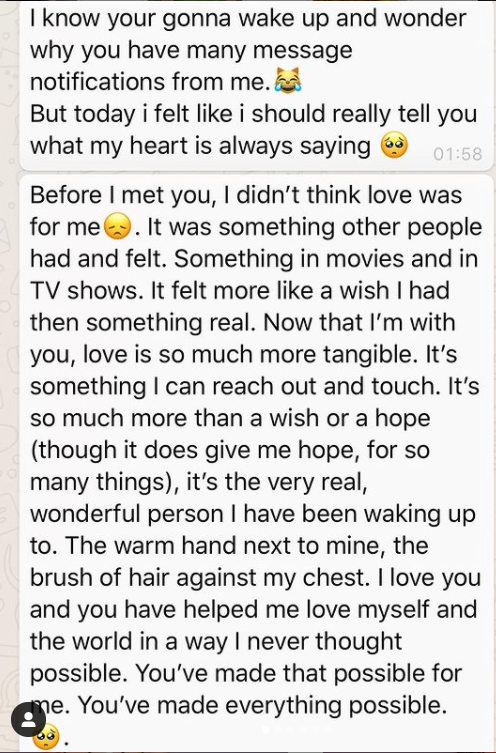
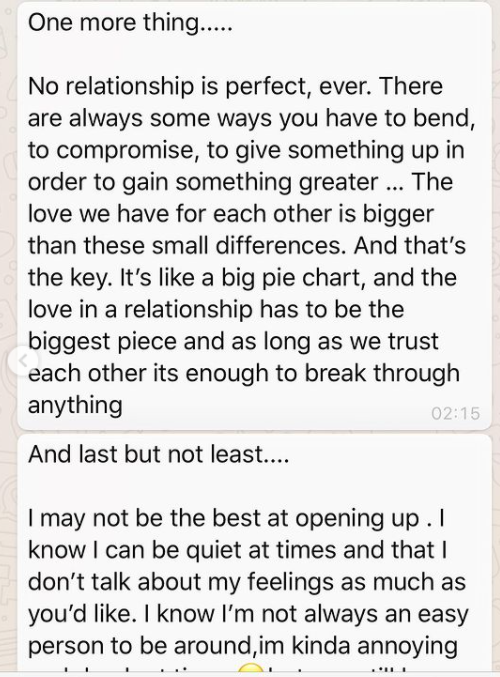
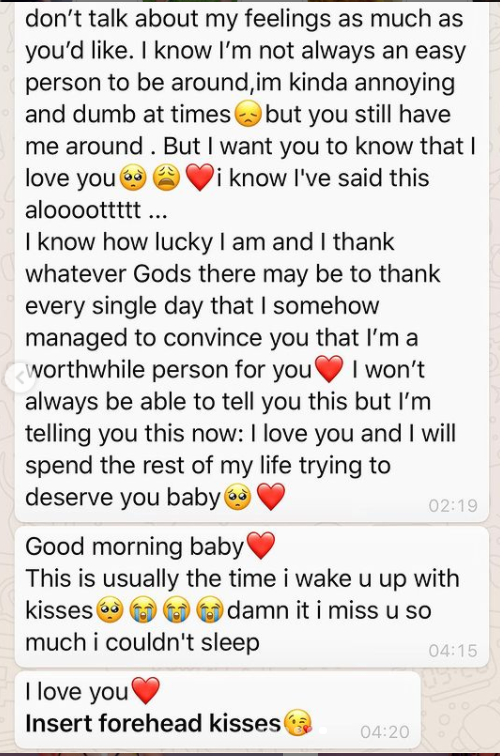
Noti Flow shares private chats as she comes out as gayNoti Flow shares private chats as she comes out as gay Pulse Live Kenya
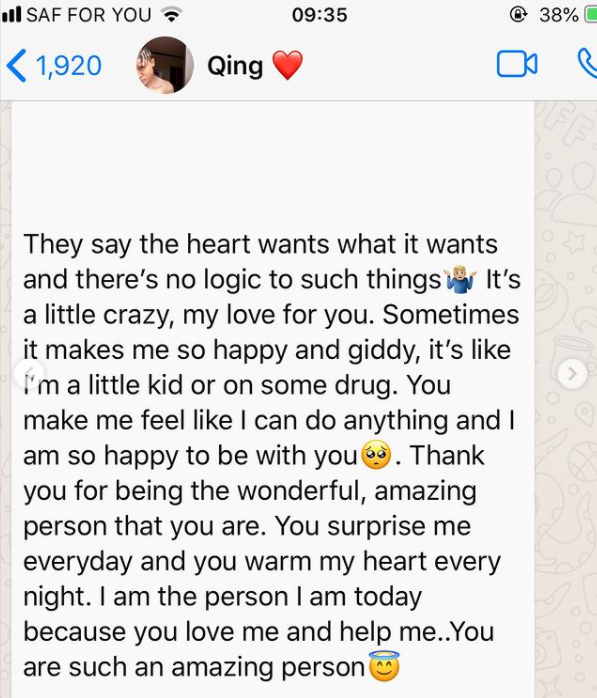
Noti Flow shares private chats as she comes out as gayNoti Flow shares private chats as she comes out as gay Pulse Live Kenya
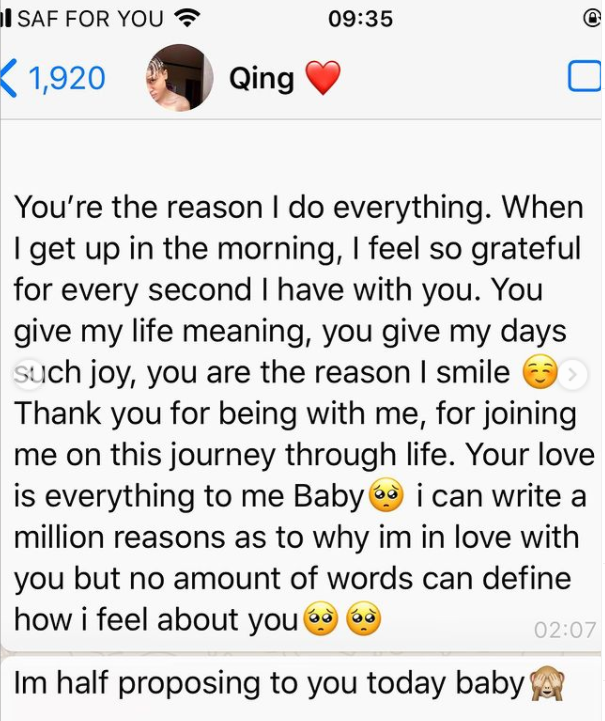
Noti Flow shares private chats as she comes out as gayNoti Flow shares private chats as she comes out as gay Pulse Live Kenya
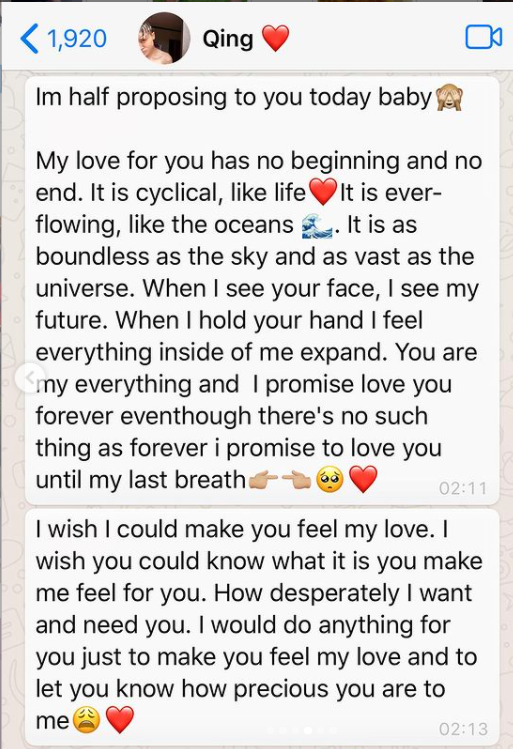
Noti Flow shares private chats as she comes out as gayNoti Flow shares private chats as she comes out as gay Pulse Live Kenya
Noti Flow shares private chats as she comes out as gayNoti Flow shares private chats as she comes out as gay Pulse Live Kenya
Noti Flow shares private chats as she comes out as gayNoti Flow shares private chats as she comes out as gay Pulse Live Kenya
Last week Victorian Greens Senator Janet Rice confronted the Attorney General’s department at Senate Estimates on the Sex Discrimination Act and its implications for schools.
Rice, in her questions drew particular attention to section 21 of the Act, which states that under Australian law it is unlawful for an educational authority to discriminate against a person on the ground of the person’s sex, sexual orientation, gender identity, intersex status, marital or relationship status. Section 38, provides an exemption for religious schools.
“In 2018 when we were in discussion about discrimination at religious schools, our prime minster issued a statement that said, ‘our government does not support expulsion of students religious non state schools on the basis of their sexuality’, and want to know if this is still government policy?” Senator Rice asked.
Religious Discrimination Bill Is Being Developed
Andrew Walter for Attorney Generals Department responded that the matter was referred to the Australian Law Reform Commission and that its inquiry has been put on hold while the Government’s Religious Discrimination Bill is developed and considered.
With two years having passed since PM Morrison’s promise, the bill is still marked as pending and has not yet been introduced. Despite this delay, it is still both damaging and of concern that the proposed Religious Discrimination Bill allows increased discrimination in the name of religion against LGBTQI people, women, people with disability and others.
When Senator Rice was told that putting a timeline on the introduction of the new religious freedom legislation, or revisiting the anti-discrimination legislation was impossible, she pointed to the fact that students, who were in Year 7 in 2018 when the Prime Minister made the commitment to end discrimination against LGBTQI students in faith-based schools, would be in Year 11 before any action may indeed be taken.
Shortly after the committee hearing, Senator Rice took to twitter to double down on her attack on the inaction of the Morrison Government, tweeting “No student should be able to be expelled for who they are but our laws allow just that. Religious schools can discriminate against & expel students because of their sexuality or gender identity. The Gov said they opposed that in 2018 but still haven’t changed the law”
No student should be able to be expelled for who they are but our laws allow just that. Religious schools can discriminate against & expel students because of their sexuality or gender identity. The Gov said they opposed that in 2018 but still haven’t changed the law#estimates
With Michaela Cash assuming the role of Attorney General, what is perhaps most concerning is Queensland Senator Amanda Stoker being appointed as Assistant to the Attorney General.
Stoker in the past has written that “To obtain the protection, or indeed the promotion of the state, one must identify some attribute through which a special victimhood arises. These can be outside an individual’s control (such as sex, race or disability) or matters of personal choice (such as gender identity or sexuality).”
Stoker has also been vocal in her opposition towards banning conversion practices.
The Morrison Government’s failure to bring to an end discrimination against LGBTQ* students in faith-based schools has been slammed by rights groups.
Just.equal spokesperson, Rodney Croome, said via a statement that “Scott Morrison’s commitment could not have been clearer and the Government’s dodging and weaving could not be more obvious.”
“Preventing school children from being discriminated against because of who they are is a simple commitment that doesn’t need in-depth inquiries, fancy amendments or cross referencing to other legislation. It just needs the will to prevent harm to LGBTQ young people, a will the Government clearly lacks,” said Croome.
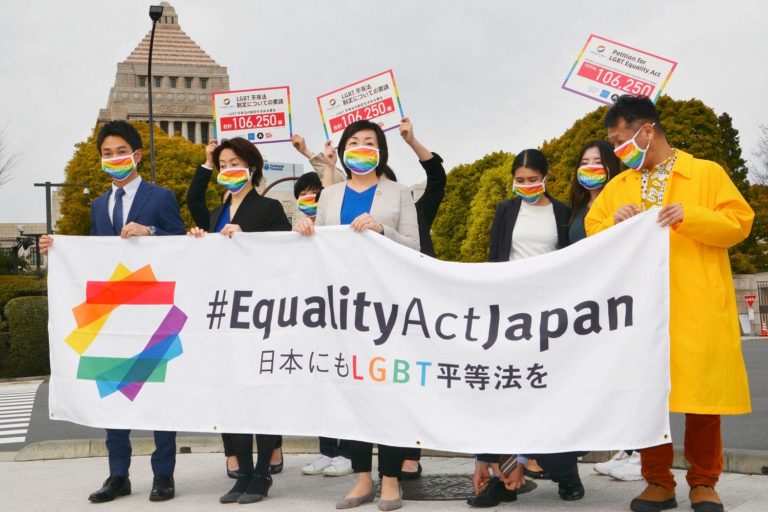
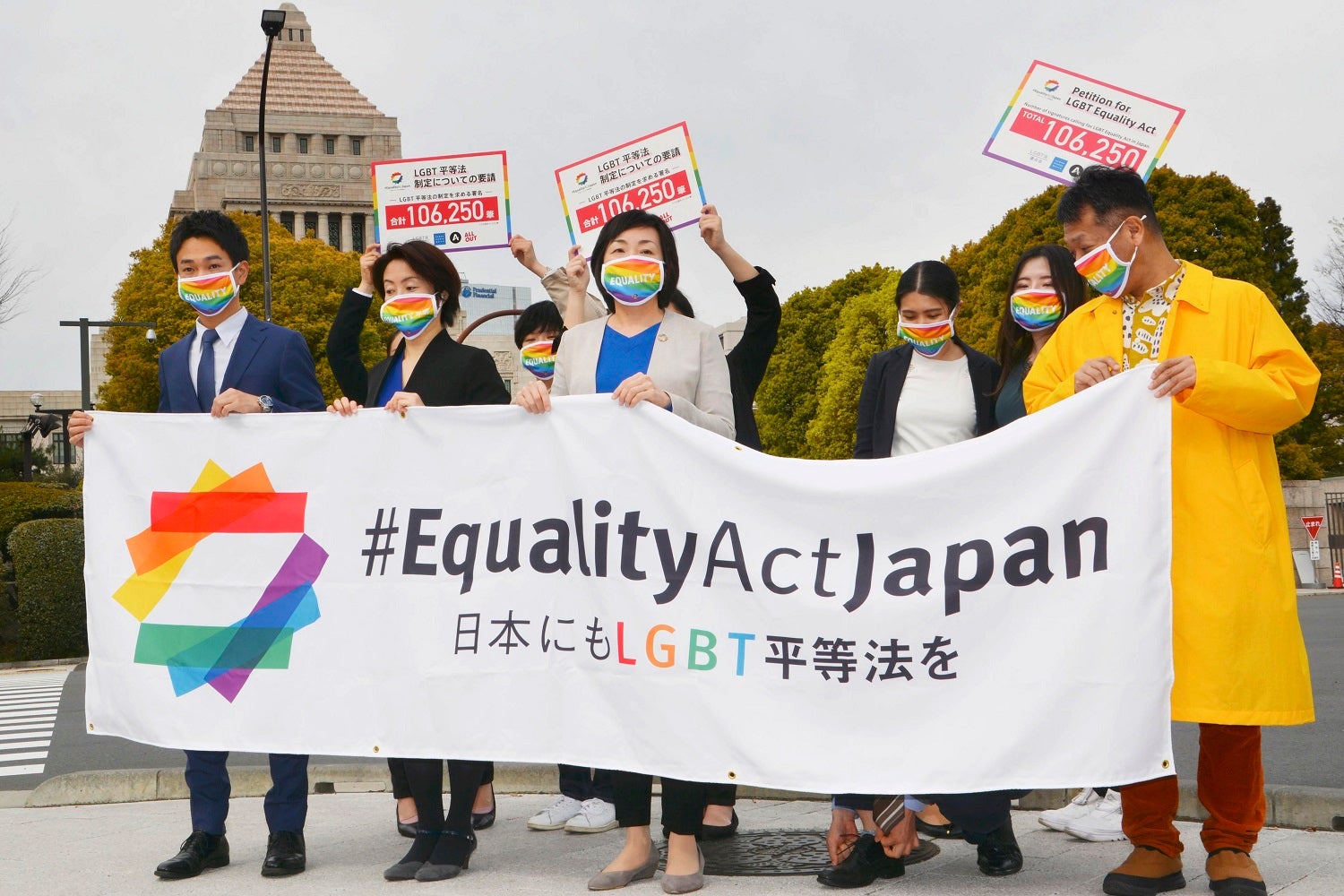



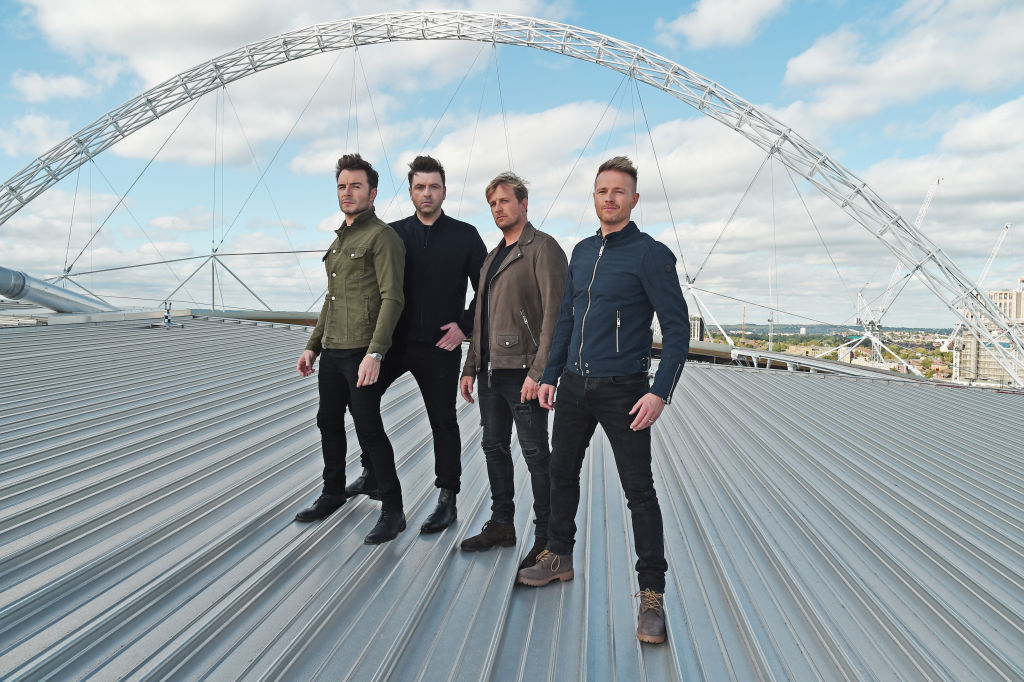
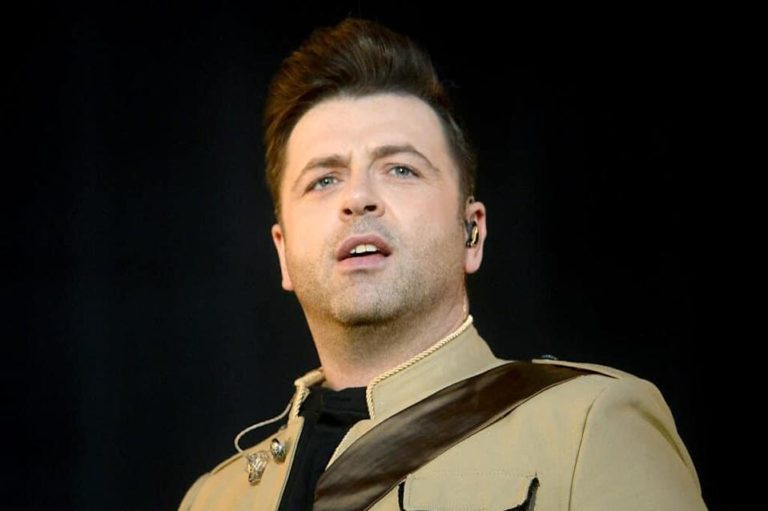


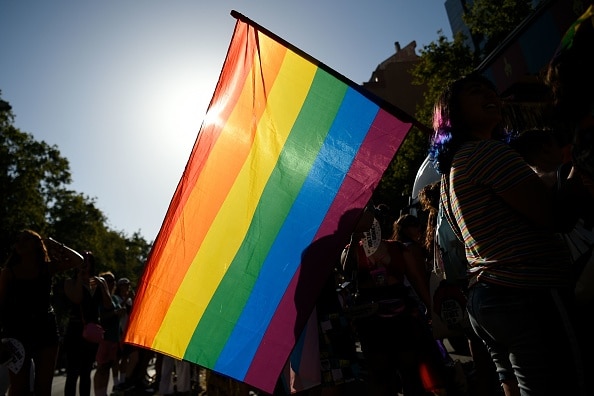

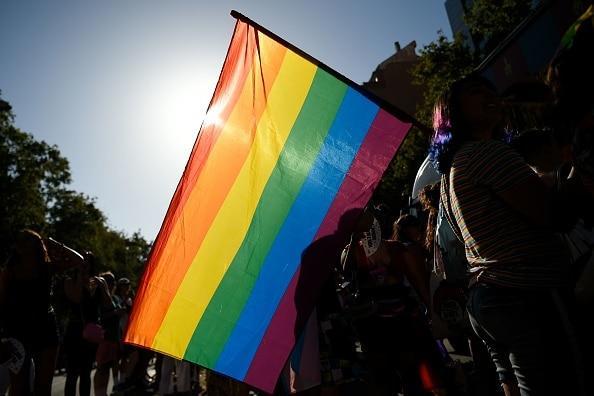




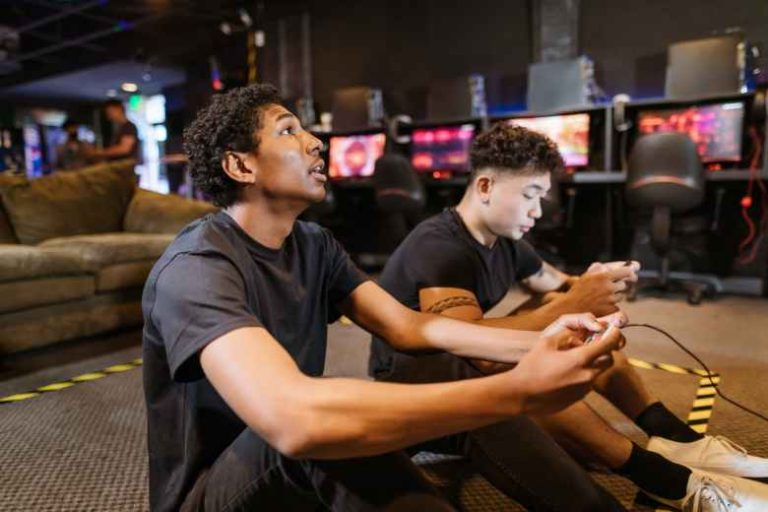
 Photo by RODNAE Productions on Pexels.com