Home Blog Page 371

Footballers ignite ‘cancel culture’ row in Hungary – Yahoo Sports

When a German football club sacked a Hungarian coach for anti-immigration comments, outraged officials in Budapest rushed to defend his right to free speech against “liberal opinion-terror”.

But Viktor Orban’s right-wing government itself often stands accused of silencing criticism at home as the nationalist premier has sought to shape the country into a “Christian-conservative” bastion against liberalism.

Budapest’s muscular defence of free speech after the dismissal of Zsolt Petry by Bundesliga side Hertha Berlin followed its threat earlier this year to regulate social media giants like Facebook for alleged censorship of conservative opinions.

Orban’s flagship policies include radical pro-family measures aimed at reversing demographic decline, as well as anti-migration and anti-LGBT legislation that has been slammed by rights groups.

Critics also say the self-styled “illiberal” Orban — in power since 2010 and likely to seek a fourth straight term at next year’s election — clamps down himself on opinions he doesn’t like.

The central European country dropped to 92nd position — the second lowest in the EU — in the annual press freedom index of Reporters Without Borders published Tuesday, with the media watchdog calling it a “would-be information police state”.

– ‘Toxic country’ –

In one recent case of free speech under threat, the pro-government media targeted writer and poet Krisztina Toth after she said a classic novel should be dropped from the school curriculum over its old-fashioned depiction of gender roles.

“Hungary has become a toxic country,” Toth told the Austrian magazine Falter, adding that she has received death threats and dog excrement in her postbox.

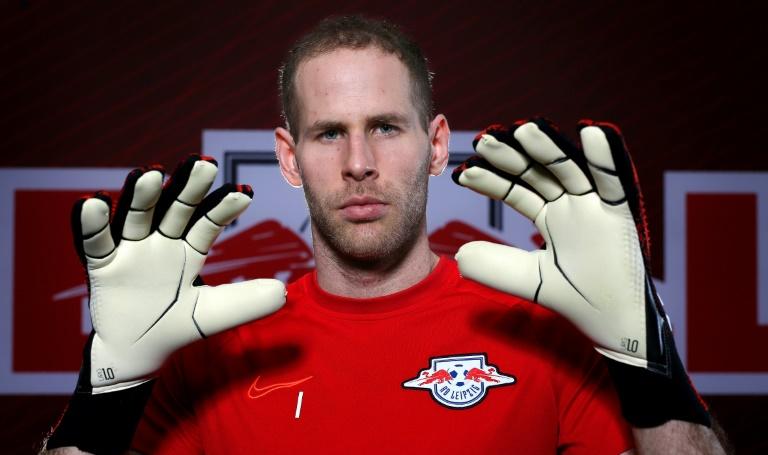
The latest free speech row was ignited February in the world of football, Orban’s favourite sport, by RB Leipzig and Hungary goalkeeper Peter Gulacsi, 27, who expressed support for gay rights in a Facebook post.

His solidarity with “rainbow families” came weeks after the introduction of a law that effectively bans gay adoption.

With Hungarian sportspeople rarely commenting publicly on current affairs, the popular goalie sharply divided fan opinion and drew criticism in pro-government media.

In an interview with the main pro-Orban newspaper Magyar Nemzet early this month, Gulacsi’s German-based compatriot Petry, a goalkeeping coach at Hertha since 2015, cautioned against sports personalities “stirring up emotions”.

– ‘Moral decline’ –

But asked for his own opinion on social issues Petry, 54, went on to blast Europe’s immigration policy which he called the “manifestation of moral decline” of the “Christian continent”.

Although Petry said the paper left out comments in favour of “rainbow families” Hertha promptly fired him for “not respecting” its values of multicultural diversity and tolerance.

Orban’s cabinet chief compared the dismissal “for expressing an opinion” to Germany’s “totalitarian” past, while the foreign ministry summoned a German diplomat over the affair.

According to freelance sports journalist Gergely Marosi, Petry was “most likely used by the government”.

“Hertha’s clear explanation for his sacking allowed it to run with the ‘opinion-terror’ narrative,” Marosi told AFP.

– ‘Cancel culture’ –

Fallout from Gulacsi’s Facebook message is also believed to have led to dismissals in Hungary itself.

Former Kaiserslautern defender and Hungary international Janos Hrutka was removed from his pundit job by Spiler TV, a sports channel belonging to a media group owned by a pro-government businessman, soon after praising Gulacsi for his “independence”.

A commentator on public media was also let go shortly after “liking” the goalkeeper’s post.

Administrative and organisational reasons for the removals were cited in both cases.

Unlike at Hertha “nobody in Hungary would ever transparently say someone is out because of a political opinion,” Marosi told AFP.

According to political analyst Patrik Szicherle, pro-Orban business and media circles “present a unified worldview to the audience”.

“If someone breaks this unity, they risk their jobs… Budapest’s criticism of cancel culture only applies to so-called ‘liberal dictatorships’ not to someone losing their job here for having a different opinion,” Szicherle said.

Another prominent football journalist Janos Kele says Spiler TV sacked him as a studio pundit three years ago after he wrote on social media about corruption in sport and a sports firm linked to Lorinc Meszaros, Hungary’s richest man and Orban’s childhood friend.

“I never got a straight answer why I was fired, but I was later told by the editor-in-chief that if I behaved correctly I might be invited again. Of course it never happened,” Kele told AFP.

On Hertha’s firing of Petry, Kele said: “We have to keep common sense. So that goalkeeper coaches can remain coaches, and TV commentators as commentators.”

pmu/jza/pvh

Kansas City Gay Bars Fight To Stay Alive During Pandemic: ‘It’s The Only Space That We Have’ – KCUR

0

On a typical night at Woody’s KC, patrons would be packed into the self-described “cozy” club, dancing with no room to spare.

But a year into the pandemic, guests are confined to spend their evening confined to socially-distanced seats.

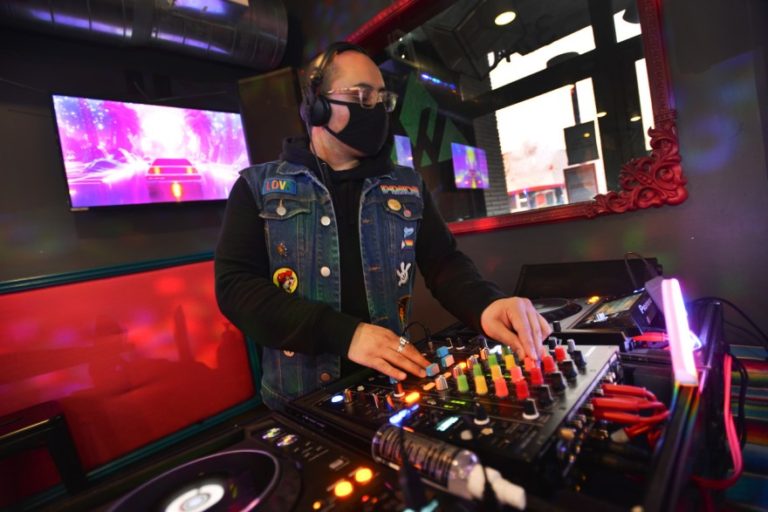
That doesn’t stop local DJ Adam Gonzales from playing house music well into the night.

“At no point, when I started DJing, did I ever think that I would be DJing in a mask,” Gonzales says. “And with people not dancing.”

When restaurants and businesses shut down last spring to curb the spread of COVID-19, gay bars were no exception. Beyond offering a place to get out for the night, though, these establishments are some of the few public places that many LGBTQ people say they can exist freely.

“It’s a community hub,” Gonzales says. “With the pandemic, I think it posed a challenge to many people who very often feel that some of those spaces are the only spaces where they are safe going outside their home.”

Gonzales, also known by his stage name SirQueen, moved to Kansas City in late 2019 and began working as a resident DJ at Missie B’s, another LGBTQ-friendly bar.

Laid off during the shutdown, Gonzales decided to not let that stop him from keeping the community connected in the best way he knew how. He ended up hosting his own virtual DJ gigs from his bedroom.

“It allowed me to express what I was feeling. And maybe sometimes not even just express, but to escape into what I once felt playing that music,” Gonzales said. “It also gave me an opportunity to provide that escape for other people who wanted to tune in.”

042121_cm_Woodys

Carlos Moreno

DJ Adam Gonzales controls the music during a recent session at Woody’s KC where he performs in-person every other Thursday.

A Community Hub

Gonzales was invited by Woody’s to livestream a fundraiser from their signature rainbow steps, with the aim of reminding watchers that these queer spaces still existed.

Other LGBTQ organizations, like Transformations and the Kansas City Anti-Violence Project, also began to use Woody’s as a base for community outreach during the pandemic.

“I think that was kind of one of the first times that we realized too, that we weren’t just a queer bar that was just serving liquor and having fun events with costumes and lights and stuff, but we actually were a community space,” says Ace Torrez, former manager of Woody’s KC.

Torrez said Woody’s serves a community that stretches well outside the metro. When Woody’s closed its doors last spring, Torrez said it wasn’t too long until he heard from visitors who used to drive hours to the bar, just for the night.

“I was getting messages telling me that they were really scared, and they were really upset, because they live in a small town and they can’t be their authentic selves,” Torrez said. “And now that we were closed, they didn’t feel like they had any space to go to or anyone to talk to, and they just felt really alone and isolated.

Torrez says he focused on preserving the bar for exactly those people — to ensure that everyone had a safe place waiting for them on the other side of the pandemic.

But once bars could open back up, with new restrictions and capacity limits, neither the customers nor money came rolling in like Torrez expected.

“It gets to be difficult to draw people to your event, when the draw is the music, and the restriction is that they have to stay seated,” Gonzales says. “It kind of cancels itself out.”

Torrez realized it would be safer and cheaper to keep the bar shuttered . But Jeff Edmondson, the owner of both Woody’s KC and Hamburger Mary’s Bar and Grille, said they needed to stay open, even if it took pulling money from his savings.

“I remember just saying like, we need to be open. It’s important for us to be open,” Edmonson said.

Only A Few Places Like It

The queer scene in Kansas City pales in comparison to larger cities like New York, San Francisco or Chicago. For many LGBTQ people in the Kansas City area, bars like Woody’s are few and far between.

“We’re giving them a place where, when you’re you’ve been stuck at home for so long, and not feel like you’re going to be looked at or gawked at because you’re gay or lesbian or you’re transgender or you’re bisexual or you’re queer,” Edmondson said.

Gonzales says he considered quitting altogether until the pandemic was over, but remembered what places like Woody’s meant to him when he grew up in a small town with no gay bars of its own.

“I know what it’s like to drive two hours just to go dance your butt off to good music,” Gonzales says. “I know what it’s like to drive two hours just to go to happy hour and just spark up a conversation with a stranger, just because you know that that person isn’t going to judge you because of who you are, who you love, how you identify.”

Woody'sSeated.jpg

Jodi Fortino

Woody’s hosts a viewing of RuPaul’s Drag Race. Guests must watch from their seats.

While gay bars moved slowly to welcome back customers, Gonzales found himself playing gigs at different spots across than the ones he usually frequented. At those venues, Gonzales noticed many of his audience members were cisgender, heterosexual, and middle class.

“And many of them didn’t always share the same concerns about COVID that I did, and that many of my LGBTQ friends did,” Gonzales said.

Along those lines, Edmonson noticed that business was quicker to return to Hamburger Mary’s, which has an audience of mostly straight women, than to Woody’s, whose clientele is primarily LGBTQ.

According to the Kaiser Family Foundation, 85% of LGBTQ people said they could follow social distancing guidelines for more than six months or until there is a widely available vaccine, compared to 69% of non-LGBTQ people.

To keep the scene alive, Gonzales is trying to bring in the new fans he’s made during the pandemic — some of whom are straight, and wouldn’t necessarily make Woody’s their first choice for a night out.

Gonzales says it’s critical his audience, no matter where they come from, remembers the importance of wearing face masks and keeping their distance, to ensure these safe places stay safe. After all, if a COVID-19 outbreak closes a straight bar, there are hundreds of alternatives. But if a gay bar closes in Kansas City, there are only a handful of others left.

“It’s kind of a sacred space,” Gonzales says. “It’s very special and it’s important for us to support these places, to follow the rules, to make sure that we don’t jeopardize the integrity of the space. Because for some of us, it’s the only space that we have.”

Now that more people are getting vaccinated, Gonzales says the LGBTQ community is finally buzzing about going out again. And Edmondson says sales, especially at Hamburger Mary’s, are finally nearing what they were pre-pandemic.

Although his “Throw It Thursday” audience still needs to listen from their seats, Gonzales looks forward to the day they’ll be dancing together again.

“One of the things I’m looking forward to most,” Gonzales says, “is having those moments where I look out on the dance floor, and I see two very different people who I know didn’t know each other before that night, coming together and sharing a moment through a song, through a vibe, through a feeling.”

Correction: An earlier version of this story misspelled the name of the bar Missie B’s.

Business leaders, firms and footballers shortlisted for LGBT Awards – Business Live

0

The British LGBT Awards has released its shortlist ahead of the annual ceremony later this year, with business leaders, firms, celebrities and footballers up for top honours.

The awards, in association with founding partner NatWest and headline sponsor Tesco, celebrate leading LGBT+ activists, allies and celebrity figures who have worked to advance the rights of LGBT+ people during the past year.

Global corporations like Vodafone, Moody’s and HSBC are in the running for accolades alongside big name celebrities including Harry Styles, Sam Smith and RuPaul.

Liverpool FC captain Jordan Henderson and Liverpool manager Jurgen Klopp have been shortlisted in the newly created ‘Football Ally’ category for their work in promoting LGBT+ inclusivity in sport.

Liverpool-based law firm BLM is also shortlisted with big brands including Starbucks, Cadbury and Marks & Spencer.

The awards will take place on August 27.

Sign up for your free BusinessLive North West newsletter


BusinessLive is your home for business news from around the North West- and you can stay in touch with all the latest news from Greater Manchester, Liverpool City Region, Cheshire, Lancashire and Cumbria through our email alerts.

You can sign up to receive daily morning news bulletins from every region we cover and to weekly email bulletins covering key economic sectors from manufacturing to technology and enterprise. And we’ll send out breaking news alerts for any stories we think you can’t miss.

By bringing together North West coverage with that from across Reach’s titles in England and Wales, BusinessLive will shine a spotlight on the entrepreneurs, the stars of the future and the small firms that are the backbone of our economy.

Visit our email preference centre to sign up to all the latest news from BusinessLive.

The shortlist also sees award nominations for Killing Eve actress Jodie Comer, RuPaul’s Drag Race UK’s Michelle Visage, comedian Jennifer Saunders, TV presenter Dermot O’Leary and Spice Girl Melanie C, who are all nominated for the Celebrity Ally Award – a prize previously won by HRH Prince William in 2017.

Channel 4’s drama It’s a Sin has been shortlisted for the Media Moment prize.

UK Black Pride, It Gets better and The Outside Project are some of the charities in the running for awards.

Sarah Garrett, MBE, who is the British LGBT Awards founder, said: “These awards shine a light on those who have stood shoulder-to-shoulder with the LGBT+ community, during what has been an extremely challenging 12 months.

The nominees, which include an exciting mix of famous LGBT+ faces, allies and organisations have all demonstrated a commitment to advancing LGBT+ rights. The awards on 27 August, which will take place after lockdown restrictions are eased, will be a huge celebration that’s needed more than ever.”

Jen Tippin, chief transformation officer at British LGBT Awards partners, NatWest, said: “2021 has been a year of change but also hope for the future, and during that time we have seen the LGBT+ community come together more than ever. NatWest has had a long and proud history of supporting the British LGBT awards since becoming a founding partner and we are privileged to do so again this year.


NatWest’s Jen Tippin

“We look forward to recognising and celebrating together the wonderful business and community leaders, charities and organisations that are working so hard to provide a more equal future for all at the ceremony on 27 August.”

The full 2021 British LGBT Awards shortlist:

Inspirational leader

Alex Kalomparis, Gilead

Jonathan Taylor, BNP Paribas

Josh Graff, LinkedIn

Julia Atwater, Atos

Lucy Bradbury, AECOM

Lucy McKillop, Clear Channel

Nicci Take, Mercer

Paul Donovan, UBS

Richard Moor, National Grid

Stephen Jacques, Key Assets Group (Europe)

HSBC UK – Business ally

Alan Haywood, BP

Brian McNamara, GSK

Cait O’Riordan, FT

Carol Lukaszewicz, M & G

Emma Smith, Vodafone

John Soutar, HomeServe

Jonathan Howe, PwC

Philipp Lohan, Nielsen

Sharon Hague, Pearson

Tia Ferguson, NatWest

Diversity Hero

Anthony Dunn, Johnson and Johnson

Chris Wilkinson, Homes England

Clare Coates, Barclays

Deon Pillay, LGIM

Filipe Mota da Silva, Tata Consultancy Services

Lisa Pinney MBE, Coal Authority

Lynne Nicholls, Clarion Housing

Scarlet-Marie Morgan, Allianz

Scott Sallee, Dentsu International

Stephen Nutt, NSPCC

Macquarie – Future Leader

Adam Shooman, State Street

Afonso Varatojo Januário, Schroders

Elliot Briery, Oliver Wyman

Harry Levey, Network Rail

Jennifer Spilling, Moody’s

Jung Wei Toh, HSBC UK

Justin Farrance, Allen & Overy

Noémie Lefort, Warner Music Group

Tyler Lee, Unilever

Victoria Jackson, BLM Law

Exceptional Inclusion

Chris Kenna, Brand Advance

Claire Brody, Disney

Georgina Court, Clifford Chance

Greg Turner-Smart, Rolls-Royce

Guilherme Zardo Klein, Philip Morris agency

Gurchaten Sandhu, United Nation’s International Labour Organization

Jessica Williams, Mace

Louise Bailey, SSE

Nigel Moralee, Sage (Accounting software)

Sarah Fennell, Macquarie

Network Group (ERG)

Emerge, ViacomCBS’ LHBT+ Employee Resource Group, Viacom

Jacobs – Prism Network, Jacobs

Just Eat Takeaway LGBT+ Network, Just Eat

LGBT+@Sky, Sky

LGBTQ+ at Tesco, Tesco

London Stock Exchange Proud Network, LSEG

Pride@Airbus, Airbus

Proud@Shell, Shell

SEGA LGBTQ+ Network, SEGA

TalkPride, Talk Talk

Tesco – Inclusive Employer or Company

Avanti West Coast

Capco

ITV

KPMG

Nestlé

O2

Sainsbury’s

Tideway

TSB

Wickes

Online Influencer

Abigail Thorn

Adam Eli

Char Ellesse

Ericka Hart

Florence Given

Jessica Kellgren-Fozard

Kate Moross

Marie Ulven Ringheim

Phil Lester

Yves Mathieu

Celebrity

Adam Lambert

Andrew Scott

Cara Delevingne

Demi Lovato

Elliot Page

Gillian Anderson

Jameela Jamil

RuPaul

Tan France

Willow Smith

MTV – Music Artist

Anne-Marie

Harry Styles

Jojo Siwa

Kim Petras

Lil Nas X

Lizzo

The 1975

MNEK

Rina Sawayama

Sam Smith

Celebrity Ally

Charli XCX

Dermot O’Leary

Eugene Levy

George Clooney

Jane Fonda

Jennifer Lopez

Jennifer Saunders

Jodie Comer

Melanie C

Michelle Visage

Broadcaster, Journalist or Host

Dr Ranj Singh

Edward Enninful

Jamie Windust

Joe Lycett

Phillip Schofield

Rose & Rosie

Steph McGovern

Suzi Ruffell

Tom Allen

Tom Read Wilson

Media Moment

BBC America’s Killing Eve

CBBC’s The Next Step

Christmas romance Happiest Season

Mae Martin’s Feel Good

Netflix’s Haunting Of Bly Manor

Nicola & Katya on Strictly Come Dancing

RuPaul’s Drag Race features first trans Queen, Gottmik

Russell T Davies’ It’s a Sin

Ryan Murphy’s Hollywood

Schitt’s Creek finale

Swinton Group – Football Ally

Conor Coady

Danny Welbeck

Gary Cahill

Gary Lineker

Graeme Souness

Hector Bellerin

Jamie Vardy

Jordan Henderson

Jurgen Klopp

Richarlison de Andrade

Network Rail – Brand or Marketing Campaign

Argos

Cadbury’s Creme Egg

Calvin Klein

Clean&Clear

Fairy Liquid LGBT+ rebrand

GSK Consumer Healthcare (Sensodyne, Voltarol)

Marks and Spencer LGBT sandwich

Starbucks’ Name Advert

Unilever (Lynx, Vaseline, Simple, Close Up)

Wagamamas gender neutral toilets

Johnson & Johnson – Charity or Community Initiative

Ban Conversion Therapy

Drag Queen Story Hour UK

Fringe! Queer Film & Arts Fest

Inclusive Mosque

It Gets Better

Just Like Us

Mindline Trans

Opening Doors London

The Outside Project

UK Black Pride

Outstanding Contribution to LGBT+ Life

DJ Ritu

Dr S Chelvan

Helen Jones

Holestar

Jim MacSweeney

Leni Morris

Lou Englefield

Matthew Mahmood Ogston

Paul Martin OBE

Reverend Jide Macaulay

As the story of a murdered gay Newport teen goes viral on TikTok, authorities still haven’t figured out a motive – Pacific Northwest Inlander

0

Wilson Criscione photo

Using TikTok, Pepper Fox has brought more attention to the murder of her son, Jason.

For months, Pepper Fox has been pleading for the world to pay attention to the murder of her son, Jason.

While authorities have yet to determine a motive, Pepper is convinced that Jason, 19 at the time of his death, was killed in Newport, Washington, because he was gay. She’s spread that message both to the media and the internet.

And last month, that message went viral.

“This is my attempt to get ahold of Ellen Degeneres and Lady Gaga,” Pepper Fox says on a TikTok video.

Josh Helfgott, LGBTQ+ advocate with more than 3.3 million Tik Tok fans, stitched that to his own post and gave a response.

“I’m not Gaga, but you want your son’s story to go viral, and I think I can help,” Helfgott says, explaining what’s been reported about Jason’s murder.

That TikTok post has garnered more than 1 million likes. The hashtag #justiceforjasonfox has nearly 13 million views overall, and Pepper’s own TikTok profile has taken off as well.

“I couldn’t believe it,” Pepper tells the Inlander. “This really hit hard for a lot of people at home.”

Pepper says she has evidence proving her son was killed because he’s gay, but law enforcement in Pend Oreille County remains hesitant to say his sexuality was the reason he was killed. Four men have been charged with murder in connection with his death.

While search warrants indicate Fox had previously had confrontations with those men, investigators have yet to put together a clear picture of what happened the night of Jason’s death.

“I’m glad that people are interested and paying attention,” says Glenn Blakeslee, Pend Oreille County sheriff. “I hope people will reserve judgment until we get to court and facts can be presented in a thorough manner.”

The night Jason was killed, just past midnight on Sept. 14, 2020, he sent a relative the address of Timber River Ranch, a wedding venue where he planned to meet friends.

Jason was uneasy about going because he didn’t want Riley Hillestad to be there, court records show. He asked the person encouraging him to come out, Claude Merritt, if Hillestad would be there before going.

“Where’s ur place and is it fr not Riley?” Jason asked on social media, using “fr” as a shorthand for “for real,” court records say. “Like I fr wanna kick it, I just ain’t down for drama.”

Advertisement:

Jason was killed that night, and his body was found weeks later buried in a shallow grave at the ranch. In police interviews, the four men charged with murder — Hillestad, Merritt, Matthew Raddatz-Freeman and Kevin Belding — all indicated they were at the ranch that night, but none admitted personally to killing Jason. A witness indicated that Hillestad that night operated a skid steer, a type of excavator, around the area where Jason’s body was located.

Investigators have access to social media records that reveal how Jason had a recent history with the men accused of murdering him. A Google account Pepper provided to deputies contained nude photos of Merritt, along with photos of other unidentified men, according to a search warrant. There were also screenshots of text conversations with Jason involving threats back and forth, but investigators have evidently not been able to confirm the identity of the people in those texts.

Investigators have screenshots of a text conversation between Raddatz-Freeman and Fox that took place on June 27, months before Jason’s death. Both appear to be threatening each other and referencing a previous altercation. At one point, according to the search warrant, Raddatz-Freeman says, “I wasn’t playing around that night if you hadn’t of backed up your car like you did you probably wouldn’t be here man.” This conversation took place three days after Fox made a harassment report to the Pend Oreille County Sheriff’s Office saying that Raddatz-Freeman swung a pipe at his car and then bullied Fox into giving up money.

A month later, on July 31, Fox made a malicious mischief report to the sheriff’s office saying that both Hillestad and Raddatz-Freeman smashed the windshield of his car. Fox at the time said that Hillestad had an assault rifle and yelled “about how he wanted to shoot” Fox, a search warrant says. Afterward, Fox posted on Facebook calling the two “the biggest pieces of shit I’ve ever met in my whole life,” saying they destroyed his windshield after blaming Fox for someone taking their license plate, the warrant says.

Pepper says she has since been able to get into Jason’s iCloud account, where she’s learned more about Jason’s history with the people in jail for his murder. Investigators requested a warrant for that account.

“Pepper Fox continues to claim on social media that she has information proving that the murder of Jason Fox was a hate crime and should be prosecuted as such,” the warrant says. “I believe that Jason’s iCloud accounts likely contain more information that is relevant to this investigation.”

A judge granted a warrant for those records on April 6.

Pepper believes it will prove that the murder of her son was a hate crime.

“It’s so heartbreaking,” she says. “It’s so hard to look at some of this stuff.”

Michael Fox, Jason’s father, says he’s glad that people on TikTok are angry about the murder of his son.

“It shouldn’t have happened regardless of the motive,” Michael Fox says.

Previously, he was skeptical that the evidence in the case would rise to the level of a hate crime. But having seen more evidence since then, he’s a bit more confident that it is.

“I think there’s a pretty good argument to be made that it is a hate crime,” he says.

Still, he says things have been exaggerated on TikTok that he’s uncomfortable with. Specifically, he says he’s seen some people say Jason was tortured and dismembered. Authorities have said that is not true.

“I don’t see how that’s going to help,” he says.

But Pepper says the attention on social media has reminded people that it’s still difficult to grow up gay, especially in a rural town. She says because of that attention, she was able to help lead a Pride parade in Newport earlier this month in honor of her son.

“It hit a heartstring with a lot of people. There’s a lot of gay men who either grew up in rural areas or their parents rejected them after they came out as gay,” Pepper says. “He could have been them.” ♦

Geosocial networking apps can be a helpful tool to study larger cohorts in HIV research and assess health interventions – On Health – BMC Blogs Network

A networking app can help construct and maintain larger study cohorts

To estimate HIV incidence, conducting a prospective cohort study is recommended, however it is challenging to construct and maintain cohorts among people with HIV in China due to fear of stigma, discrimination and perceived lack of confidentiality, which has likely exacerbated the HIV epidemic.

In recent years, the extensive use of geosocial networking (GSN) apps for seeking social and sexual partners has changed the patterns of sexual behaviors in most demographic groups, including men who have sex with men (MSM). Moving from venue-directed to internet-directed networking has resulted in an increased likelihood of casual sex. However, the influence of risky sexual behaviors on HIV incidence caused by this change has not been clearly established. To better understand the role of GSN apps in influencing these behaviors we used a popular networking app to conduct our study.

How did we harness the app to estimate HIV incidence among its users?

We constructed an open cohort among MSM through an app with 40 million users worldwide, which included an HIV survey and test booking functionality. Users who wanted to be tested for HIV completed a questionnaire and booked a test via the app. Individuals who tested positive were referred to the appropriate center for disease control (CDC) for a confirmation test.

During the study period, participants who voluntarily booked two or more HIV tests via the app and completed the online survey were considered as individuals with a complete follow-up visit. Participants who had only one HIV test through the app were considered lost to follow-up in this study.

The cohort and HIV seroconversion

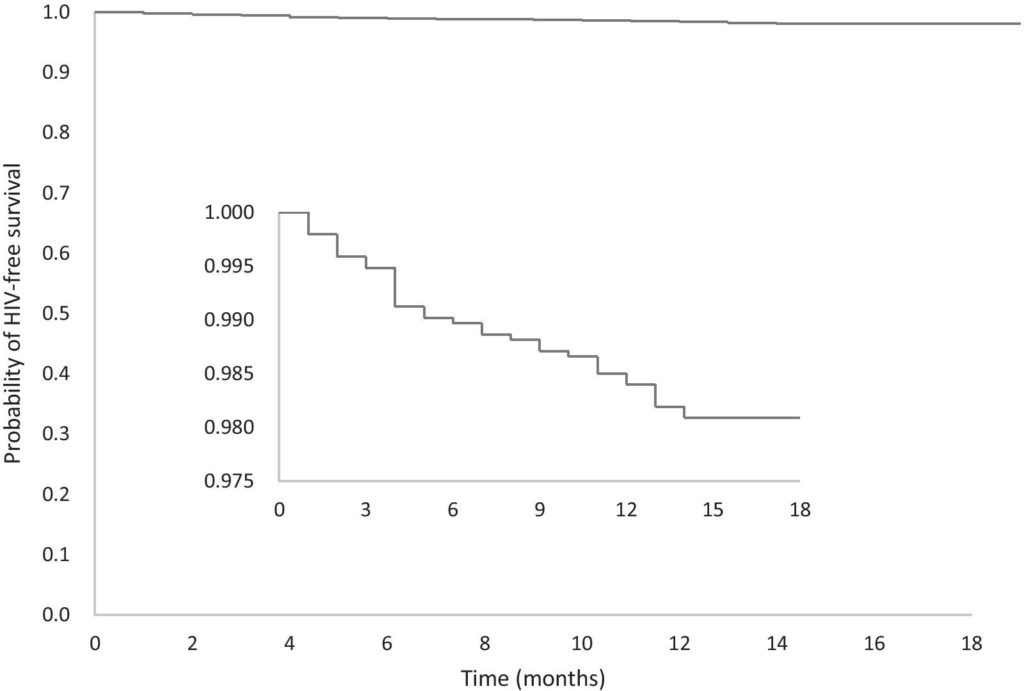
During the 18-month study period, we enrolled 6952 HIV negative men in the cohort and identified 37 HIV seroconversions among 1,937 HIV negative individuals who reported two or more episodes of HIV testing. The total person-time observed was 1,065 person-years. The estimated HIV incidence rate was 3.47 per 100 person-years (95%CI 2.37-4.57).

HIV incidence among users of the app.

We found that in the six months before their last follow-up, 37.2% of participants reported two or more sexual partners, 4.5% reported having HIV-positive sex partners, while 48.3% did not know the HIV status of their sexual partners, and those who never or occasionally used condoms during anal sex accounted for 35.8%.

We found that it was not socio-demographic characteristics, but sexual behaviors that were associated with HIV seroconversion. Having more than five sexual partners as well as partners living with HIV were the dominant risk factors for seroconversion. Consistent condom use and being exclusively insertive during anal sex were protective factors against HIV seroconversion. In China, HIV incidence among users of the app was still high despite multiple interventions being implemented to reduce transmission.

In recent years, social media applications are being increasingly integrated into public health interventions. With the extensive use of dating apps, more and more interventions and health education are performed via these apps and, as a consequence, health resources are more accessible to users. In light of this, smartphone apps could potentially play an important role in promoting health and well-being beyond HIV control.

Peloton’s ‘King of Quarantine’ Cody Rigsby Takes Fear Out of Fitness – EDGE Media Network

0

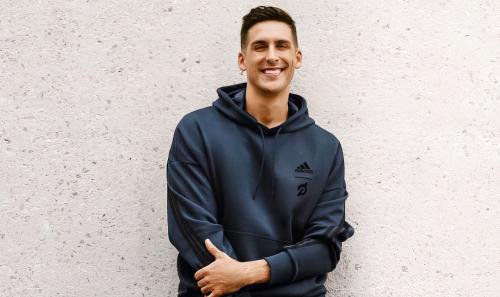
Vogue called him Peloton’s “King of Quarantine.” Meet Cody Rigsby, the exercise giant’s instructor whose streaming sessions have made him a breakout exercise star. He has been with Peloton for seven years, well before it grew to three million subscribers last year, and he has a loyal fan base he calls his Boo Crew. What’s been key to his success, , is his “no-nonsense chats during his classes — which include not only cycling but also strength and cardio-based workouts — paired with his pop-leaning music tastes have made him a favorite teacher among Peloton’s userbase.”

Raised in Greensboro, North Carolina, by his single-mom, Rigsby’s childhood wasn’t without issues, such as their being homeless for three years. But he found solace in music and dreams of dancing in music videos. Although he wasn’t able to take his first dance class until college, he was such a natural that he received a summer scholarship at the Broadway Dance Center in New York during college. In New York, he saw what his life could be like as an out gay man.

First he danced in gay clubs, then as back-up with such artists as Pitbull and Katy Perry, but he wasn’t satisfied. Then a choreographer friend recommended him for a new startup fitness company seeking performers to be instructors. “In the seven years since, Rigsby has found the purpose he sought as a dancer, beaming his advocacy for LGBTQ+ rights into home gyms, basements and living rooms across the country,” wrote Vogue. “I always think of the Peloton bike as a Trojan horse of diversity and acceptance,” he says. “I want to be able to change people’s hearts and open their minds to what a gay man is.”

EDGE recently spoke to Rigsby about joining Peloton, his recent celebrity, and his love of pop divas.

Cody Rigsby  (Source: Instagram)

EDGE: Tell us who Cody Rigsby is?

Cody Rigsby: That is a loaded question, but I’ll try to give you the CliffsNotes. I’ve lived in New York for over 11 years. I grew up in Greensboro, North Carolina. I moved to New York to pursue a career in commercial dance, but I also kind of fumbled around in fashion and a bunch of other freelance work that never felt right until Peloton came along.

EDGE: How did you become a Peloton instructor?

Cody Rigsby: After I was coming to a very unhappy and uncomfortable end in my dance career, I started to lean into fitness and honestly that’s when Peloton happened in my life. It was kind of divine intervention, but really I was in the right place at the right time.

I’ve been at Peloton now for about 7 years. I’ve been here through the infancy. I’ve watched it grow, develop, and I have also watched the lives and the careers of my fellow colleagues blossom. It’s been beautiful to share that journey with them.

I consider myself a fitness clown. I like to make sure that people leave my class having fun or having a good laugh and not taking things so seriously. Fitness for a lot of us is scary and it evokes a lot of fear. So, I always strive to take out that fear and make everyone feel welcome in my class. Oh, and by the way, I will beat anyone’s ass in pop culture trivia.

EDGE: Do you practice your dance moves before a class?

Cody Rigsby: Oh no! I have no time for that. Everything that I do on the bike as far as just dancing and having fun is just for me. I love music, obviously. I trained as a commercial dancer, so that that’s my foundation for teaching. Dance for me is a form of expression, and I love losing my myself in the music. So, the dancing on the bike is just improv.

EDGE: Did you expect fame to be a part of working with Peloton?

Cody Rigsby: For me, when I first started with Peloton it was just another gig. A way for me to make some money. I was getting tired of waiting tables. I needed to do something to bring in some consistent coin. Once I really settled into the job, I saw the vision that John Foley had set out for his company. Working here has allowed me to grow up, and it has pushed me to develop and change. Notoriety or being seen was never the big carrot in front of the wagon for me. It just became part of the job. I will say that ever since I was little, I have always been an extroverted person, and I do feed off some of the attention. I think that comes with the territory. I knew I was destined to have a platform and I’m happy that is with Peloton.

EDGE: Through your stories, your mom, Cindy, has become a mini-celebrity. How does she feel about it?

Cody Rigsby: It’s funny cause I think she’s just oblivious to it. So, now that we are both fully vaccinated, I’ll be sharing more stories about her because we will be spending more time together.

EDGE: Where does your love for Britney Spears stem from?

Cody Rigsby: I have always been obsessed with Britney Spears ever since I was probably 12 years old. I remember going to a middle school dance and seeing the “Baby One More Time” video, and I just remember that being such a moment and being so captivated by it. After that I was just consumed with her. I loved all things Britney! Her concert was the first one I ever attended when I was 13 years old. To me, 2000 Britney is the best. No one can entertain like she did back then. There was just this raw energy that we were all captivated by. She always makes me feel so nostalgic, safe, and fierce.

EDGE: You have four spin bikes, so which pop divas are on them?

Cody Rigsby: Definitely, Britney! I think Madonna needs to be there because she is a workout-aholic, and I would love to see her in action, and I think she’s an icon. Lady Gaga is a must. Can I have someone dead? If so, then Whitney Houston has to join us. She is one of my all-time favorites. What a class that would be!

EDGE: You seem to be an open book when speaking about your life, but is there any topics that you try to stay away from?

Cody Rigsby: No, not really. I’m a storyteller, and I get to control the story that I tell. There’s no pressure on me to have to say something. I have this privilege to tell my story when I want to tell it. Before I talk about things on the bike or on social media, I have already processed it personally. So, I have already subscribed to the idea, and I am not reacting. I think sometimes when you share things out of reaction, it doesn’t come out right. So, for me, there’s nothing that I don’t feel comfortable speaking about. I talk about my mom. I talk about my relationships and my loss. I am a pretty much an open book, and I think the superpower that I have along with a lot of my colleagues is the ability to tell stories and be vulnerable. When we share our vulnerability, it opens up others to their own vulnerability, and that’s the key to acknowledging your strengths, your weaknesses, and what you need to change.

EDGE: What is your process for creating your playlists?

Cody Rigsby: It’s different based on every ride and every different class that I teach. I always want to give a sense of familiarity in my pop ride. That’s where you’re really going to hear songs that you love and want to dance to. I usually share stories that I have a special connection to with the song. It’s all always about the energy that the music brings.

EDGE: What does it mean to you to work for a company that celebrates diversity and inclusion?

Cody Rigsby: I am very fortunate to have the privilege to work for a company that celebrates all different types of people and gives me a platform to share my story. I think it’s important to share my story in the context of the privilege that I have, and honoring those who came before me. I know that I can comfortably sit on that bike and be as gay as hell because people created that space for me. I think of people like Ellen DeGeneres, who lost her career in the 90s after coming out. I think back to the Stonewall riot and black trans women like Marsha P. Johnson who really did the work and fought for our rights. Activists like her, who fought for us and paved the way, gave us a platform to be our authentic self, and I stand on the bike knowing and celebrating those roots. I want to not only share my story as a gay man, but then also create space for those who are still marginalized within our community and to continue to hold a space for them and advocate for them as an ally.

For more information about Peloton, visit www.onepeloton.com and you can find Cody on Instagram @codyrigsby

When PMS Has Me Feeling Sluggish, I Turn to These 5 Peloton Classes – POPSUGAR

0


My exercise routine gets a hard edit when I’m PMSing. Whether it’s because of painful cramps or the fact that my energy is totally zapped, I have no interest in the high-energy and intense Peloton classes (courtesy of Jess Sims) that I usually love.

But working out is particularly important for my overall mood and mental health — and actually ends up soothing my raging cramps — so I try to make it a point to incorporate some sort of movement. That’s why I’ve curated a special set of period and PMS-friendly Peloton classes to turn to every month — read on to find out about my favorites.

Low-Impact Rides

Sometimes getting up out of the saddle for intervals is just too much when I’m feeling crampy or exhausted. I also tend to experience joint pain during my period. That’s when I turn to low-impact rides. Most of Peloton’s low-impact rides are completely in the saddle, meaning you’re always seated, as opposed to standing, while pedaling. But don’t confuse the term low-impact for easy because Peloton’s low-impact rides leave me completely drenched in sweat — just like a Sweat Steady class with Jess King (if you know, you know).

At the beginning of class, instructors will inform you of the highest resistance you’ll reach during the entire class, which, in my experience, hasn’t been more than 50. They tend to focus on endurance, so you’re maintaining the same resistance for a longer period of time. If you’ve never tried a low-impact class before, I highly suggest Hannah Corbin or Tunde Oyeneyin as your introduction to the genre.

Recovery Rides

On days where low-impact rides feel too intense, I turn to recovery rides with Emma Lovewell and Ally Love for some movement. As you might have assumed, these rides are programmed for recovery days, or the days following a difficult and demanding workout where your body can’t handle as much stress. These classes tend to focus on low heart rates and lower resistance, and they almost have a meditative vibe because you’re maintaining a fairy flat ride the entire time.

I never feel the pressure to push myself to the limit, which is exactly what I need when my energy levels have plummeted. The only downside: there aren’t as many recovery cycling options within the Peloton system as other types of classes.

Beginner, Slow Flow, and Restorative Yoga

When my PMS anxiety has peaked, I turn to yoga to help calm my body and mind. My coordination tends to be off a little bit on my period, so I steer clear of segments that focus on challenging poses and cardio-inspired flows and roll out my mat for Peloton’s beginner, slow flow, and restorative yoga classes instead. In these classes, the poses are held for a little longer, giving you the opportunity to concentrate on form and stretch out the body.

My favorite Peloton yoga instructor is Ross Rayburn; I find his personality to be soothing, and I love that he dives into the biomechanics associated with each pose. Fifteen or 20-minute classes usually do the trick here!

Pilates

I am beyond thrilled that Peloton finally dropped more Pilates classes; they are my go-tos when I’m in the mood to work my body but still want to give my joints a break from the repetition of pedaling. I had been taking the same 30-minute classes with Hannah Corbin for a few months now, but I guess that’s a testament to just how much I like them.

Like most Pilates classes, Peloton’s programming consists of moves that focus on core strength and flexibility. By no means am I a Pilates pro, but the instructors’ encouragement and modification suggestions have motivated me to invest more time into my practice. The new Pilates instructors include Jess King, Ally Love, Anna Greenberg, Rebecca Kennedy, and Kendall Toole.

Full-Body Stretches

When even beginner slow flow yoga feels like to much to handle, I join a Peloton full-body stretch class. The gentle movement helps soothe my achy joints, and thanks to the instructors’ well-curated playlists, I never feel like I’m rushing to roll up my mat. These classes have also taught me new stretches, which has helped bring life to my once very boring post-workout routine.

While I truly think that every instructor shines in these classes, my favorites right now are Adrian Williams and Selena Samuela.

UFC’s silence on Florida’s anti-trans sports bills is ‘deafening’ – Outsports

The Ultimate Fighting Championship hosted its first pay-per-view event with fans in attendance in over a year, UFC 261, on Saturday, April 24. The event was held at the VyStar Veterans Memorial Arena in Jacksonville, Fla., partially due to the Florida state government’s rescinding of policies implemented during the coronavirus pandemic limiting in-person gatherings and live attendance at public events.

The fact that a sellout crowd was packed into an indoor arena while the state averages over 6,000 daily Covid-19 cases is disheartening to say the least. The promotion has admittedly been one of the better major sports organizations at implementing stringent Covid-19 testing protocols during the pandemic, but implementing similar measures for fans feels untenable. The addition of an “Assumption of Risk” clause to tickets to UFC 261 that specifically cites attendees’ risk of contracting Covid-19 by attending the event speaks to such.

But the UFC’s return to Florida also coincides with the state government’s push to implement discriminatory laws that would ban trans girls and women from competing in sports consistent with their gender identity. A bill that passed through the Florida House last week, HB 1475, drew heightened criticism for the inclusion of a provision that would allow a challenge to a student-athlete’s gender identity to be resolved by an examination of their “reproductive anatomy.”

Though the Florida Senate amended its version of the bill, SB 2012, to remove that language and reports now say it is unlikely to be put to a vote before the state’s legislative session ends on April 30, the silence of major sports organizations regarding such legislation rings incredibly loud. Especially as similar bills have been introduced in more than 30 states, plenty of which are home to professional sports teams.

The UFC’s big return to events with live crowds this weekend has placed it in the spotlight regarding that collective silence. In a video on his personal YouTube channel, Bloody Elbow’s Trent Reinsmith highlighted the UFC’s turning a blind eye to the trans-exclusionary bills while the company promotes itself as a proponent of LGBTQ inclusion.

“This is not going to stop the UFC from going to Florida or any state that has a law like this. And the reason is because the UFC doesn’t really give a shit about this. It pays lip service to it during Pride month. They’ll have their rainbow shirts and they’ll act like they give a shit, but if you ask them … if they’re going to do anything about this bill, if they’re going to say ‘we’re not going to go to a state that has an anti-LGBTQ, anti-trans law. We’re not going to go there because it doesn’t represent our morals.’ Well, c’mon now. We know the UFC doesn’t have many morals whatsoever. The silence on this, because it just happened, is incredible. It’s deafening.”

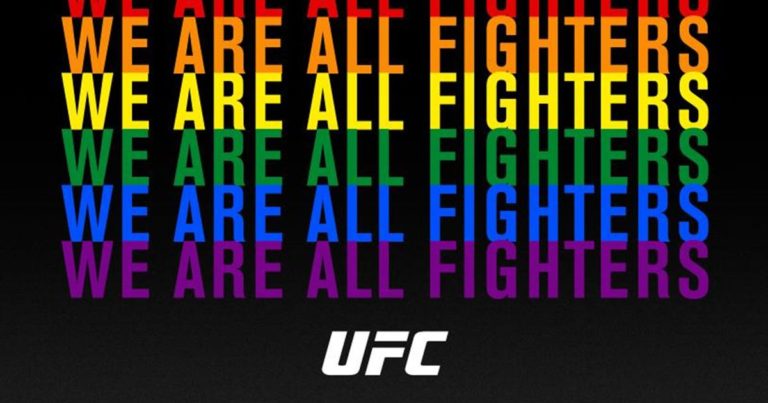
The “rainbow shirts” Reinsmith refers to in the video are Pride-themed shirts emblazoned with the phrase “We are all fighters” in rainbow colors that the UFC has sold since 2016 with the proceeds benefitting LGBTQ organizations. The initiative is commendable, but flies in the face of its continued relationships with anti-LGBTQ governmental bodies in the United Arab Emirates and Chechnya.

But even its pro-LGBTQ optics have been exclusionary to trans populations. The UFC features multiple out fighters within its women’s division, including UFC double champion Amanda Nunes and Jessica Andrade, who challenged UFC Flyweight champion Valentina Shevchenko at UFC 261, and got rag-dolled, according to Bloody Elbow. However, prominent figures within the organization haven’t been as welcoming to trans fighters of any gender identity.

UFC president Dana White, UFC announcer Joe Rogan and former UFC bantamweight champion Ronda Rousey made incredibly transphobic comments toward former MMA fighter Fallon Fox in 2013. Rogan has come under fire again recently for transphobic comments on his popular Spotify-exclusive podcast, The Joe Rogan Experience.

According to Bloody Elbow, Rogan’s recent comments came as Spotify employees demanded the removal of select episodes of The Joe Rogan Experience from the platform and increased editorial oversight of the podcast going forward. Rogan and Spotify reportedly agreed to the deletion of several episodes. Fox herself spoke out yet again, calling on Spotify to cancel Rogan’s podcast. “Joe Rogan is being transphobic yet again. He has had more transphobic episodes than you can shake a stick at. Spotify needs to cancel his show already,” Fox said in a Facebook post.

All of this amounts to yet another cultural moment that the UFC expectedly hasn’t met. The promotion is perfectly fine exploiting and profiting off LGBTQ bodies and paying the LGBTQ community lip service when it is good P.R., but truly taking a stand against trans-exclusionary ideation and legislation isn’t something anyone will find inside the octagon.

The UFC will have another opportunity to address this matter next month when it runs its next pay-per-view event, UFC 262, in Texas, another state that is currently debating bills targeting trans youth and athletes. Maybe the message “we are all fighters” will finally sink in.

Transgender kids, gender dysphoria and puberty blockers: Your questions, answered – The Washington Post

Transgender rights have once again emerged as a political flash point in America.

While President Biden signed an executive order expanding protections for LGBTQ people, Republican lawmakers have sought to roll back the rights of the transgender community — especially the rights of children. Across the country, conservative legislators have introduced and passed a wave of bills that would ban medical treatments for transgender children and restrict transgender students from playing in sports according to their gender identity.

Many of these political debates are laden with misinformation and misunderstandings about what it means to be a transgender teenager today, advocates and medical experts say.

Informed by medical guidelines, and interviews with doctors and experts, The Washington Post compiled answers to some of the most commonly asked questions about transgender young people.

Understanding the transgender community: The basics

What does it mean to be transgender?

Transgender is an umbrella term for anyone whose gender does not align with their sex assigned at birth. Cisgender is a term applied to people who are not transgender — people whose gender identity matches their assigned sex.

Gender identity is not the same thing as gender expression. For example, a cisgender woman might present in a more stereotypically “masculine” way but still identify as her female sex assigned at birth.

How do doctors diagnose gender dysphoria?

Gender dysphoria is defined as “psychological distress” that results from a mismatch between one’s sex assigned at birth and one’s gender identity, according to the Diagnostic and Statistical Manual of Mental Disorders published by the American Psychiatric Association (APA).

Not everyone who is transgender is diagnosed with gender dysphoria. Some transgender people do not feel discomfort or distress in their bodies. And not all people diagnosed with gender dysphoria will choose to undergo medical treatments or transition-related surgeries.

For adolescents to be diagnosed with gender dysphoria, they must have experienced “a marked incongruence” between their gender and their assigned sex at birth, lasting at least six months, according to the APA diagnostic manual. For young adolescents, this can be manifested as a strong desire to prevent the development of secondary sex characteristics, such as facial hair or breast growth.

Gender dysphoria can have serious health impacts. It can affect a person’s ability to function at school or work and can lead to intense anxiety, depression and suicide risk. Some adolescents or adults have experienced distress using the bathroom and developed gastrointestinal issues as a result, said Jack Turban, a doctor and fellow in child and adolescent psychiatry at Stanford University School of Medicine. Some transgender people who bind their chests have experienced skin infections and respiratory problems, Turban said.

A recent study from Turban and a team of other researchers found that exposure to gender identity conversion therapy — attempts by a professional to force a transgender person to be cisgender — was associated with increased odds of attempting suicide. Instead, major medical organizations such as the American Academy of Pediatrics have encouraged doctors and parents to take a gender-affirming approach to a transgender child’s care.

Jasper Swartz, 17, of Takoma Park, Md., identifies as nonbinary and uses they/them pronouns. Jasper is a member of Generation Z, a group of young Americans that is breaking from binary notions of gender and sexuality. (Bonnie Jo Mount/The Washington Post)

At what age do young people realize they are transgender?

This depends entirely on each individual case. With more information about the transgender community becoming available to young people and their parents, more children are coming out at earlier ages than in the past, and more transgender clinics are available to provide them with care.

Some people don’t realize they are transgender until they reach puberty, or later in adulthood. But some children show signs that they are transgender early on in childhood. “Not everybody puts their puzzle together in the same way or at the same time,” said Johanna Olson-Kennedy, medical director of the Center for Transyouth Health and Development at Children’s Hospital Los Angeles, one of the largest transgender clinics in the country.

Olson-Kennedy said the vast majority of transgender youth patients at the clinic first arrive when they have already reached puberty. The average age for presentation for services at the clinic is 15, she said. Despite the intense political focus on young transgender children, only 10 percent of the children arriving at her clinic are pre-pubertal.

How many young people identify as transgender?

The Williams Instituteat the UCLA School of Law estimates that 0.7 percent of teens ages 13 to 17 identify as transgender. A recent Gallup poll found that 11 percent of LGBT adults identify as transgender. Re-basing this percentage to represent the share of the U.S. adult population, Gallup found that 0.6 percent of U.S. adults identify as transgender. But among Generation Z adults, about 2 percent identify as transgender, and researchers expect that number to continue to grow.

Does this mean there are more transgender people than before? Advocates say it’s merely a sign that more transgender people have the information and language available to understand and describe their identities. Transgender people have existed throughout history, including transgender children. But many clinics have been treating transgender children only in recent decades. Olson-Kennedy said her clinic has been taking care of trans young people since the 1990s.

“What’s happening now is not a massive surge in transgender people,” said transgender advocate Gillian Branstetter. “It’s an understanding that gender, much like sexuality, exists on a spectrum and is more fluid than people allow.”

What does it mean to be nonbinary?

Nonbinary is a term used to describe people who do not identify exclusively as male or female. Some nonbinary people also identify as transgender, and some are also diagnosed with gender dysphoria, but others are not. Many — but not all — nonbinary people use they/them pronouns, instead of he/him or she/her. Some nonbinary people will use a combination of different pronouns.

What does it mean to be intersex?

Intersex is an umbrella term used to describe people with differences in sex traits or reproductive anatomy, which can include variations in genitalia, internal anatomy, hormones or chromosomes. Some people are born with these differences, while others develop them in childhood, according to the organization InterACT.

Transgender medical care for children

How does a young child transition?

For pre-pubertal transgender children diagnosed with gender dysphoria, doctors recommend avoiding gender-affirming medications, according to the Endocrine Society’s Clinical Practice Guideline, which sets standards of care for transgender people.

“If you have not yet started puberty, there’s nothing to block and nothing to add,” Olson-Kennedy said. “It’s about creating environments that are supportive.”

Rather than beginning a medical transition, pre-pubertal transgender children may begin a social transition, changing one’s name and pronouns, and wearing different clothing or hairstyles. This transition can in some cases involve legal changes to names and genders listed in identifying documents. Transgender children are not offered puberty blockers or hormone treatments until they reach puberty. Medical guidelines generally do not recommend genital gender-affirming surgeries before a child reaches age 18.

Chloe Clark, 15, who is a transgender girl, shops at an Urban Outfitters in Richmond Heights, Mo., on March 7, 2020. State legislators are considering a bill that would limit medical treatments for transgender minors. (Whitney Curtis for The Washington Post)

What are puberty blockers and when are they offered to transgender children?

Once a transgender child has met diagnostic criteria for gender dysphoria, and after the child first shows physical changes of puberty, clinicians may recommend puberty-suppressing treatments, also known as puberty blockers.

Puberty blockers are fully reversible. The medications pause puberty and prevent unwanted changes to teenagers’ bodies, such as periods in transgender boys or the deepening of the voice in transgender girls. The puberty blockers are intended to give young people more time to decide what to do next. At any point, a transgender teenager can stop taking puberty blockers and will continue to go through the puberty of their sex assigned at birth.

For decades, puberty suppression has been used by doctors to treat precocious puberty — abnormally early onset of puberty — in children, as well as endometriosis and prostate cancer in adults. But it was first used as gender-affirming treatment in the 1990s, at a transgender clinic in the Netherlands.

Politicians critical of puberty blockers have at times focused on federal approvals for the drugs. While puberty suppressants are approved by the Food and Drug Administration to treat children with precocious puberty, the medications have not been approved specifically for gender-affirming care. Olson-Kennedy argues that this lack of approval is because drug firms have declined to perform the studies necessary to get these approvals.

In general, because many drug companies avoid performing trials on children, it is common in pediatric medicine for doctors to prescribe drugs off-label.

What are hormone treatments and when are they offered to transgender youth?

Once a transgender teenager reaches later years in adolescence, some may request sex hormone treatment — estrogen for transgender girls and testosterone for transgender boys. These medications can help align a transgender person’s body to their gender identity, leading to facial hair growth and a deeper voice in transgender boys, for example, and breast growth in transgender girls.

Since these are partly irreversible treatments, the Endocrine Society recommends waiting to begin treatment until after a person has “sufficient mental capacity to give informed consent,” which the society said most adolescents have by age 16. In some cases, according to the 2017 guidelines, transgender youth may have this capacity by age 14. Each teenager’s ability to consent has to be determined individually, Olson-Kennedy said. “One person’s 14 is very different from another person’s 14.”

The Endocrine Society recommends starting treatment with a gradually increasing dose schedule carefully monitored by a multidisciplinary team of doctors.

In recent debates over transgender medical care, politicians have made claims that transgender children are undergoing genital surgeries at young ages. Current medical guidelines say children should not undergo gender-affirming genital surgery before they turn 18.

Chest surgeries can be performed on transgender teenagers before the age of majority in a given country (age 18 in the United States), according to standards of care from the World Professional Association for Transgender Health, “preferably after ample time of living in the desired gender role and after one year of testosterone treatment.”

Chloe Clark takes her prescription medicine, which includes hormone therapy drugs, before school on March 6, 2020, in St. Louis. (Whitney Curtis for The Washington Post)

What does scientific research tell us about these treatments and their impacts?

Research on these medications is still evolving, due in part to the nascent nature of the treatments, the challenges of performing studies on children and the small size of the transgender youth population. But several studies on puberty blockers have found that transgender young people who were treated with the medications showed lower rates of depression and anxiety, and demonstrated better global functioning.

A study conducted by Turban and colleagues, published in the journal Pediatrics in 2020, showed that young people who wanted a puberty suppressant and were able to access it had lower odds of considering suicide.

Critics of gender-affirming treatments often argue that children are too young to make these decisions and may regret them in adulthood. Skeptics will often cite statistics from studies suggesting that a majority of young transgender children will eventually grow out of their transgender identity later in life. But Turban and other experts have argued the methodology used in these studies is flawed because the researchers included a large cohort of children referred to transgender clinics, not children who actually met the criteria for gender dysphoria. He argued that many of these children were not transgender to begin with and may have simply been brought to the clinics by their parents because they were “tomboys” or gender-nonconforming children.

A new study by Turban and other researchers from the Fenway Institute and Harvard Medical School found that 13.1 percent of currently identified transgender people have “detransitioned” at some point in their lives but that 82.5 percent of those people attributed their decision to external factors such as pressure from family, school environments and vulnerability to violence.

What are some of the risks of these medications?

Since puberty blockers are reversible, they do not impair fertility or lead to other permanent changes to a child’s body. Puberty suppressants do come with some risks, and the Endocrine Society’s 2017 guidelines mentioned the need for more research on the effects of the prolonged delay of puberty in adolescents.

Puberty suppression may include adverse effects on bone mineralization, according to the Endocrine Society, but the estimated calculated risk of bone fracture remains extremely low, Turban said, citing a recent paper in Pediatrics. For each patient, this likely low risk of fracture needs to be weighed against the risk of adverse outcomes from gender dysphoria itself, Turban said.

If a child has been on puberty blockers for years, “most endocrinologists will say by the time you get to 16, you make a decision. Either come off the blocker or start estrogen or testosterone to mineralize your bone,” Turban said.

For transgender teenagers who first take puberty blockers and then take estrogen and testosterone treatments, the Endocrine Society warns that the treatment may compromise fertility later in life. But Turban says more research is needed on the subject. The Endocrine Society recommends that clinicians counsel all transgender people seeking hormone treatments on their options for fertility preservation before they start taking estrogen or testosterone.

What legislation has advanced in the U.S. to restrict these medications?

As of April, at least 18 states have introduced bills to criminalize or ban access to puberty blockers, hormone treatments and transition-related surgeries for transgender minors. Legislators in Arkansas in early April voted to pass the nation’s first ban on gender-affirming medical treatments for transgender youth, overriding a veto from their governor. Gov. Asa Hutchinson (R) described the bill as a “vast government overreach” that would interfere with physicians and parents “as they deal with some of the most complex and sensitive matters involving young people.”

Major medical organizations including the American Psychiatric Association, American Academy of Pediatrics and the American College of Physicians have written in opposition to these bills. And according to the Williams Institute at UCLA School of Law, an estimated 45,100 transgender youth ages 13 and older in the United States are at risk of being denied gender-affirming medical treatments due to proposed and enacted state bans.

Transgender youth and sports

What are the current guidelines in the U.S. for the participation of transgender people in sports?

Policies on the participation of transgender students in high school sports vary from state to state. At least 16 states and the District of Columbia have policies that help facilitate the full inclusion of transgender, nonbinary and gender-nonconforming students in high school sports, according to TransAthlete.com and the American Civil Liberties Union. A patchwork of policies exists in other states, with at least 10 states requiring trans athletes to undergo some treatment, and 12 states effectively banning participation, including four that passed new laws and executive orders this year.

At the college level, NCAA guidelines require at least a full year of testosterone suppression before a transgender woman is allowed to compete with other women. That guidance, published in 2011 and citing medical experts, notes that transgender women “display a great deal of physical variation, just as there is a great deal of natural variation in physical size and ability among non-transgender women and men. … It is important not to overgeneralize.” The assumption that all people assigned male at birth are “taller, stronger, and more highly skilled in a sport” is not accurate, the handbook states.

At elite levels, policies also vary across national and international associations and federations. The International Olympic Committee issued guidance in 2015 for determining eligibility. According to the guidance, transgender men can compete in male categories without restriction, but transgender women must meet certain conditions, including demonstrating that their total testosterone level in serum has been below 10 nmol/L for at least 12 months before their first competition.

Andraya Yearwood, a transgender student-athlete, participates in the Connecticut Winter Indoor Track Championships in New Haven last year. (Stan Godlewski for The Washington Post)

What research is available about transgender athletes and whether they have an advantage over cisgender athletes?

Across the country, more than half of U.S. states have introduced bills in 2021 that would bar transgender participation in school sports according to their gender identity. Many of these bills argue that transgender women and girls have a biological advantage over cisgender girls when competing in sports. An Idaho bill, which was signed into law in 2020 but has been stalled in court proceedings, argues that transgender girls and women have “denser, stronger bones” and “larger hearts, greater lung volume per body mass” and other characteristics that lawmakers claimed would give transgender women an athletic edge.

But studies of the performance of transgender athletes so far are limited and based on small, narrow samples that some researchers say cannot necessarily be applied to high school sports.

One study published in the British Journal of Sports Medicine in 2020 suggested that transgender women in the U.S. Air Force retained certain athletic advantages over cisgender female peers for about two years into hormone therapy. The researchers assessed the medical records and fitness tests of 29 transgender men and 46 transgender women from 2013 and 2018, reviewing the number of push-ups and sit-ups they could perform in a minute and the time required to run 1½ miles.

The study’s authors found that when it comes to muscle strength, after two years of hormone therapy “you can’t distinguish the performance of the trans women with the average performance of cis women in the Air Force,” said the study’s lead author, Timothy Roberts, director of the adolescent medicine training program at Children’s Mercy Hospital in Kansas City, Mo. When it came to running times, the transgender women’s times did slow down but were still 12 percent faster on average than those of their cisgender female peers. But looking at the spread of run times among cisgender women, the transgender women were still slower than 9 percent of them.

“There’s natural variation in talent, there’s natural variation in testosterone levels,” Roberts said. “There’s never really been a level playing field.”

Roberts and the other authors of the study have cautioned against applying the study’s findings to high school athletics. The average age of the U.S. Air Force members in the study was 26. The athletic abilities of a trans person undergoing hormone therapy as an adult are going to be vastly different from those transitioning as teenagers. Roberts said. For transgender teenage girls who took puberty blockers followed by estrogen treatments, “they probably have absolutely no advantages over the other cisgender women.”

LGBTQ advocates and health experts say that assertions about the biological advantages of transgender athletes also fail to take into account social hurdles that may affect a transgender athlete’s ability to compete.

“Harassment and discrimination, years of internal turmoil and shame and a lack of validation … that inhibits the ability to thrive,” said Chase Strangio, an attorney and deputy director for transgender justice at the ACLU.

Olson-Kennedy said many of the trans girls she treats in her clinic avoid playing sports, in part because they don’t want to build muscle, but also because “in competitive sports … everything about it is dysphoria-producing,” she said. “What are people going to say? Are they going to accept me on the girls’ team? What’s the locker room situation going to be like?” These are the kinds of questions transgender girls ask before even considering playing sports, Olson-Kennedy said.

Some of the recent legislation has raised questions about how the restrictions would be enforced, and whether high school athletes would be subject to physical exams. LGBTQ advocates and transgender health experts say demanding certain hormone levels or requiring sex-verification exams to determine eligibility in sports can be harmful to both transgender and cisgender young people.

A proposed ban on transgender athletes participating in girls’ sports at public high schools in Utah would affect transgender girls like this 12-year-old swimmer seen at a pool in Utah on Feb. 22. (Rick Bowmer/AP)

How has the participation of transgender girls in sports impacted outcomes for cisgender high school athletes?

As lawmakers across the country introduced bills to restrict transgender participation in sports, the Associated Press contacted two dozen state lawmakers sponsoring such legislation. In almost every case, the AP reported, lawmakers could not cite “a single instance in their own state or region where such participation has caused problems.”

Many supporters of these bills point to a 2020 case in Connecticut. The families of three Connecticut high school track and field athletes filed a federal lawsuit objecting to a Connecticut Interscholastic Athletic Conference rule that allows high school athletes to compete in sports corresponding with their gender identity.

Related stories

The lawsuit centered on transgender runners Andraya Yearwood and Terry Miller, who won a combined 15 state titles in different events. But two days after the Connecticut lawsuit was filed, one of the cisgender plaintiffs defeated one of the transgender girls in a state championship.

“We’ve had years and, in some cases, decades of inclusion … and just quite simply there are no examples of trans people taking over or winning in any sort of significant numbers,” Strangio said. “And there’s been zero examples of a trans girl in high school getting an athletic scholarship to compete in college.”

Typography animation by Sarah Hashemi and Audrey Valbuena. Editing by Annys Shin. Copy editing by Mike Cirelli. Design by J.C. Reed.
The Federalist Illinois Bill Would Force Health Insurers To Buy Babies For Gay People For two – The Federalist

The inability to conceive and carry a pregnancy seems to be on the rise for couples in the Western world, due to the rise in the age at which they seek to conceive and for other known and unknown reasons. But also on the rise is the number of gay couples and single women who wish to conceive, and even though they are not technically infertile, they would like insurance companies to think they are.

A new bill in the Illinois legislature, introduced in February and now standing at 25 sponsors, seeks to wholly redefine what it means to be “infertile.”

The U.S. Centers for Disease Control and Protection defines infertility as “not being able to get pregnant (conceive) after one year (or longer) of unprotected sex.” But this new law is not about that, as Illinois law already requires that Illinois insurance companies cover fertility services for couples who have attempted to conceive for a year regardless of whether those attempts are through sexual intercourse or other means, or where an individual has been diagnosed with a fertility-impacting medical condition.

Through the Illinois Family Building Act of 1991 and 1997, and a 2010 ruling by the Illinois Department of Insurance, the fertility benefit mandate applies to women who are physiologically unable to conceive and carry a pregnancy regardless of how they attempt to conceive.

The new bill in Illinois, HB 3709, actually has nothing to do with infertility. Instead, it would mandate that all health insurance plans sold in the state pay for fertility-related services for single people and same-sex couples regardless of whether, physiologically, they have any impairment in their fertility at all.

The legislation removes the element of the prior definition that included “the inability to conceive after one year of attempts to produce conception” (as a supplemental component of the definition beyond the traditional requirement of unprotected sex) and replaces it with “a person’s inability to reproduce either as a single individual or with a partner without medical intervention.”

If a specific service has been developed for actually infertile couples, services which the law already defines as “including, but not limited to, in vitro fertilization, uterine embryo lavage, embryo transfer, artificial insemination, gamete intrafallopian tube transfer, zygote intrafallopian tube transfer, and low tubal ovum transfer,” then this law deems it available to singles and gay couples too.

The Chicago Tribune’s coverage of the bill profiles the case of a gay couple contemplating hiring a surrogate. They face high expenses for “everything from compensation for the woman who will carry his baby, to in vitro fertilization and genetic testing” without any payments from insurance.

“If Marcus and his husband were heterosexual, on the other hand, at least $20,000 in medical expenses would be covered by his employer-based health insurance, and potentially $40,000 or $60,000,” the story reads. “…The heterosexual sex requirement effectively disqualifies LGBTQ people and people without partners, according to state Rep. Margaret Croke, D-Chicago, who recently introduced a bill that would extend protection to those groups.”

The article also implies the bill would cover egg-freezing costs for single women. Separately, WCIA from Springfield reports:

The proposal would not require insurance providers to cover the cost of surrogate fees, but would require them to provide some form of coverage for in vitro fertilization and other infertility treatments. Croke says the coverage could help pay for expensive things like ‘sperm selection and your egg donor and ovulation stimulation.’

‘This idea of taking [parenthood] away from someone because of who they love is pretty heart wrenching,’ she said. ‘There are people who want to be parents, and I don’t think that we should be determining who becomes a parent because of financial barriers, or because they are in a same sex relationship, or they’re single.’

No one is “taking parenthood away” from anyone merely by the lack of a state mandate that insurance companies pay for fertility-related services for anyone who wishes to use them. After all, health insurance coverage is meant to remedy medical conditions, to treat diseases, or (in its present-day form) prevent them. It is not meant to cover any service that simply happens to be provided by a medical professional or to be regulated by medical regulators.

No one has a “right” to have covered any particular service that is not curative or preventive even when the general terms and conditions of that insurance policy cover superficially similar services that are medical treatments.

More troubling, though, is the utter indifference on the part of Croke, the journalists, and those cited in the article to the plain meaning of the word “infertility.” For a woman to lack a spouse or partner, but wish to have a child, does not mean that she is infertile. For two men or two women to wish to parent a child to whom they have a partial biological connection does not mean that they are infertile.

We see over and over again a process play out in which the political and cultural left redefines basic terminology, then insists that their definition of the word is the only “true” and universal one, even to the point of enshrining it in law. How many more times will this play out before the rest of us manage to stop it?

Yang Tries to Appeal to Gay Democratic Group, Loses Its Endorsement – New York Magazine

Photo: David Dee Delgado/Getty Images

On Wednesday, the Stonewall Democratic Club of New York City interviewed several mayoral candidates before voting on an endorsement. One of those in the hot seat was Andrew Yang, whose head-in-the-clouds demeanor and occasionally bizarre comments are considered a plus for many of his most ardent supporters. But the front-runner’s strange way with words offended some members of the New York’s first citywide LGBT Democratic organization.

According to video of the exchange reviewed by the New York Times, Yang made several tone-deaf comments while attempting to explain the impact of gay culture in the city. “You’re so human and beautiful,” he said. “You make New York City special. I have no idea how we ever lose to the Republicans given that you all are frankly in, like, leadership roles all over the Democratic Party.” He added that Democrats “have, like, this incredible secret weapon. It’s not even secret. It’s like, we should win everything because we have you all.”

He also made frequent references to “your community” and cited gay members of his staff as proof of his support for the group’s interests. “Well, first, let me say that if I go to Cubbyhole, I think I’m going to be accompanied by at least one of my two campaign managers who are both gay,” he said, according to Politico. “So there’s like a lot of, you know, familiarity with, with the community, at the head of my campaign leading it.”

“He came across like he was a tourist in New York and said he wanted to visit a gay bar,” Rose Christ, the president of SDNYC, told Politico.

“Gay, gay, gay. Wow,” one member wrote in the chat for those watching the video, according to the Times. “More to us than just that.” Another member, filmmaker Harris Doran, told the Times that frequent “your community” messages were off-putting, “like we were aliens.”

“When I see a candidate come in just with Michael Scott levels of cringe and insensitivity, it either tells me Andrew Yang is in over his head or is not listening to his staff,” another member, Alejandra Caraballo, told the Times. “Those are both radioactive flashing signs that say he is not prepared to be mayor of New York.”

Yang’s overwhelming lack of policy expertise was also apparent in the interview. When members asked him about how he would tackle issues facing LGBT New Yorkers, he reportedly responded by mentioning gay bars, but not some major issues including inequitable access to health care and housing and the murder of trans women.

Ultimately, Yang did not win the endorsement of the Stonewall Democrats, who announced on Thursday morning their co-sign of city comptroller Scott Stringer, who has already won the support of the Lambda Independent Democrats of Brooklyn. But as Yang continues to lose out on endorsements, he keeps winning in the polls, with just nine weeks until the Democratic primary.

Advancing President Biden’s Equity Agenda — Lessons from Disparities Work – nejm.org

As of January 20, 2021, the United States has a national policy aimed at addressing systemic racism. On his first day in office, President Joe Biden signed an executive order on advancing racial equity and supporting underserved communities. Under the order, as part of a “whole-of-government equity agenda,” each federal agency must assess whether its programs and policies perpetuate systemic barriers that affect people of color and other underserved groups.1 In health care, efforts to reduce inequities have typically targeted individual clinicians without holding institutions or systems accountable.2 Biden’s executive order presents an opportunity to implement lessons from health disparities research that target systemic racism.

The new executive order revokes former President Donald Trump’s September 2020 executive order regarding diversity training. That policy prevented federal agencies and their contractors from holding diversity-and-inclusion training programs based on concepts that the Trump administration considered to represent race-based “stereotyping” or “scapegoating,” such as White privilege and systemic racism. Federally funded entities that didn’t comply with Trump’s order would have been subject to fines, lawsuits, and contract terminations. Hundreds of organizations — including the American Medical Association, the American Nurses Association, and the American Hospital Association — denounced the policy for impeding efforts to fight discrimination. On December 22, 2020, the U.S. District Court for the Northern District of California issued a nationwide preliminary injunction preventing the Office of Federal Contract Compliance Programs from enforcing the executive order.

Biden’s executive order puts forth a definition of equity that could be seen as somewhat self-contradictory. According to the order, equity refers to “the consistent and systematic fair, just, and impartial treatment of all individuals, including individuals who belong to underserved communities that have been denied such treatment, such as Black, Latino, and Indigenous and Native American persons, Asian Americans and Pacific Islanders and other persons of color; members of religious minorities; lesbian, gay, bisexual, transgender, and queer (LGBTQ+) persons; persons with disabilities; persons who live in rural areas; and persons otherwise adversely affected by persistent poverty or inequality.”1 The first part of this definition emphasizes equality for all people, whereas the second part calls attention to specific underserved groups. To promote equity, the Biden administration should distribute resources differentially in order to benefit groups that are persistently disadvantaged.

The order delineates tasks for senior government officials. The U.S. Domestic Policy Council, for example, must coordinate with federal agencies to identify communities that the federal government has underserved and create policies supporting equity. The director of the Office of Management and Budget and agency leaders must conduct assessments to classify barriers to obtaining access to federal benefits, services, and contracts and measure equity on the basis of race, ethnicity, religion, income, geography, gender identity, sexual orientation, and disability. They must also study strategies for increasing investment in underserved communities. Since some federal data sets aren’t disaggregated by variables such as race, ethnicity, gender, disability, income, and veteran status, an Interagency Working Group on Equitable Data (the Data Working Group) must collaborate with the Domestic Policy Council to identify deficiencies in data collection and potential solutions.

Moving forward, the Biden administration could take several steps to enhance the effectiveness of the executive order. First, it could implement a single data-management system with updated variables throughout federal agencies. The Agency for Healthcare Research and Quality publishes an annual disparities report under congressional mandate. Reporting for its Healthcare Cost and Utilization Project has relied on a method that combines race and ethnicity into one variable using definitions from 1977; when states report Hispanic ethnicity separately from race, the analysis prioritizes Hispanic ethnicity over race categories to enable uniform coding. The Office of Minority Health, however, advises organizations to collect race and ethnicity data separately as part of its guidance on advancing the National Standards for Culturally and Linguistically Appropriate Services in Health and Health Care. Both agencies use binary options for gender in their surveys and don’t permit people to select multiple options for sexual orientation, which would be in keeping with the idea that sexuality is fluid. Updating variables related to identity would fulfill the Data Working Group’s responsibility to refine data in order to measure equity and capture diversity.1

Second, the administration could use variable disaggregation to model the ways in which various groups face disadvantages based on intersectional identities, or interconnected affiliations with various groups defined by race, ethnicity, gender identity, sexual orientation, class, or other factors that contribute to privilege and power or to discrimination and disadvantage. Because of limited sample sizes, disparities researchers typically present outcomes using univariate analyses that include race, ethnicity, or gender, without accounting for within-group or intersectional differences.3 Studies are often underpowered to detect interaction effects, but federal data sets with nationally representative samples have sufficient power to reveal interactions. Conducting multivariate analyses that include race, ethnicity, gender, sexual orientation, and income — and examining interactions among these variables — could capture lived experiences more accurately than univariate analyses. Black homosexual people face different barriers to health care than Black heterosexual people, for example, and equity assessments should explore barriers based on intersectionality, not just single identity variables.

Third, the administration’s equity agenda should align with contemporary understandings of systemic racism, which is conceptualized as the way in which interconnected social institutions reinforce discriminatory beliefs, practices, and distribution of resources. Researchers have proposed various definitions for systemic racism, but they all point to the ways that societies discriminate against underserved populations by means of inequitable and mutually reinforcing systems in the housing, education, employment, economic, health care, and criminal-justice sectors.2 For years, scholars in law, medicine, public health, and the social sciences have described associations between increased housing segregation among minorities and higher policing activity, more criminal charges, and worse health outcomes, for example.4

An equity agenda can uncover interactions among barriers in various agencies and social sectors. Interagency coordination and data sharing could reveal patterns of clusters of inequities, which could inform the development of new interventions. The federal government could adopt cross-sector approaches, such as reforming drug and immigration policies to reduce incarceration and improve access to health services.2 It could regularly hold institutions and systems accountable through Section 1557 of the Affordable Care Act, which prevents federally funded entities from discriminating against people on the basis of age, color, disability, national origin, race, or sex.5 Any health care provider or state agency that receives funding from the Children’s Health Insurance Program, Medicaid, or Medicare would then be subject to legal action if it discriminated against people from underserved communities.

Fourth, the administration should engage with the public. The executive order directs agency leaders to communicate with community organizations and civil rights groups.1 But it doesn’t specify plans for outreach to direct service providers or state and local officials who implement federal programs. Ignoring the input of these players would be a missed opportunity to learn from the people and organizations that provide federal services, benefits, and contracts. Nor does the order mention whether the results of equity assessments will be made public. Disparities researchers use methods such as community-based participatory research to involve various stakeholders; such approaches are critical for building trust, setting priorities, and fostering support for reforms. The National Institutes of Health involves members of the public in study sections and advisory councils, a mechanism that could be expanded to other agencies.

Biden’s equity agenda will be effective only if it is inclusive at every step. To achieve this goal, the government can democratize data collection and analysis, hold agencies accountable by publicly disseminating findings, and develop cross-sector interventions to break cycles of systemic inequity. These strategies align with health disparities work focused on developing trust among underserved communities. According to the executive order, “advancing equity requires a systematic approach to embedding fairness in decision-making processes.”1 The government should strive for transparent processes while implementing evidence-based policies against systemic racism.

36 percent of adults in North Carolina are fully vaccinated against COVID-19 – WTVD-TV

0
RALEIGH, N.C. (WTVD) — Here are the latest updates about COVID-19, the disease caused by the novel coronavirus, in North Carolina.
3:19 p.m.
Gov. Roy Cooper and North Carolina Department of Health and Human Services Secretary Dr. Mandy Cohen visited a vaccine clinic at Mission Health / Asheville-Buncombe Technical Conference Center to see people receive their vaccines.

“The quicker more people get vaccinated, the sooner we can turn the corner on this pandemic,” Cooper said. “Getting vaccinated is easy and everywhere, and it’s safe and effective, so do it now for your family, your friends and yourself.”

Next week, Cooper will issue an Executive Order outlining safety restrictions for the month of May.

“Thanks to collaborative community partnerships, we are making steady progress in our vaccination efforts here in Buncombe County,” Buncombe County Public Health Director Stacie Saunders said. “Partnerships with the Community College, Mexican Consulate, YMCA, faith community, aging services and other providers have helped to ensure that the vaccine reaches every corner and community in Buncombe County with equity and efficiency.”

1:57 p.m.
The NC House voted 112-1 to pass House Bill 334 – Temporarily Align PPP Treatment to Federal Treatment, which will provide tax relief for small businesses and individuals affected by the COVID-19 pandemic.

After the bill’s second reading on the House floor, House Finance Chairman Rep. Keith Kidwell, R-Beaufort, offered an amendment that would extend tax relief to thousands of North Carolinians who were unemployed during the COVID pandemic.

The amendment brings North Carolina in line with the federal CARES Act of 2020 and the American Rescue Plan Act of 2021 by excluding unemployment compensation from taxpayers’ gross income up to the amount specified under federal guidelines. The provision will apply for taxable years of 2020 and 2021.

“We should not be taxing COVID Relief money,” said Rep. Kidwell. “The federal government got it right, forty-seven other states got it right, and it is time for North Carolina to correct its position on the issue.”

House Bill 334 was filed by Rep. Ray Pickett, R-Ashe, and Rep. Jason Saine, R-Lincoln, to reduce the tax burden on small businesses who utilized PPP loans to keep employees on the payroll and keep their businesses open.

“This is a commonsense bill to help North Carolinians who have been dealing with the significant economic impact of COVID-19,” Pickett said. “For this situation, we felt it was best to simplify the process, align with the Federal tax guidelines specified in the American Rescue Plan, and save folks a little more money towards the bottom line.”

Specifically, the bill would allow PPP loan recipients to deduct expenses paid for by the loans. Currently, North Carolina is one of only three states that do not allow business owners to deduct expenses paid for by PPP loan funds.

1:56 p.m.
The 4th Fighter Wing is hosting a COVID-19 mass vaccination line for authorized TRICARE beneficiaries at the Seymour Johnson Air Force Base Fitness Center on Friday from 7:30 a.m. to 4 p.m.

The first and second doses of the Pfizer vaccine are available for anyone 16 years of age and older. Persons must have a valid DoD ID card and be TRICARE authorized for healthcare in Military Medical Treatment Facilities.

1:27 p.m.
The Halifax County Health Department reports 14 new cases for a total of 5,436 positive COVID 19 cases. Deaths remain at 108, or 2% of cases.

12:44 p.m.

NCDHHS is reporting 2,236 new cases for a total of 954,765. It’s the first time above 2,000 cases since Saturday but still fewer cases than a week ago at the same time.

The percent positive is 4.9%, the lowest in nine days and certainly welcome news to NCDHHS, which has 5% set as the target high. A day earlier,it was 7%.

Hospitalizations fell by 19 from Wednesday, with a total of 1,149 people in the hospital. The number has decreased for the second day but it is still 13% above last Thursday’s level

Twenty-five more deaths were added, bringing the statewide total to 12,505 since the start of the pandemic.

In all, 37.5% of the overall population has been partially vaccinated and 28.9% of the overall population has been fully vaccinated.

10:52 a.m.
CityWell United Methodist Church in Durham is holding a free COVID-19 vaccination clinic from 2 p.m. to 4 p.m. Saturday.

No registration is required, Spanish translation is available.

The church is at 2317 Chapel Hill Road.

10:27 a.m.
The North Carolina Department of Health and Human Services announced the Bringing Summer Back get-out-the-vaccine campaign that hopes to engage community organizations across the state to fully vaccinate as many people as possible by summer.

To date, more than 3.6 million adults in North Carolina have been vaccinated with at least one dose. While the state has made great progress in helping people schedule and get to their vaccine appointments, more than half of the adult population is still completely unvaccinated, putting them at higher risk of contracting and spreading the virus, NCDHHS said.

The Bringing Summer Back campaign will run during two weeks in May (May 9-15 and May 16-21) and two weeks in June (June 6-12 and June 20-26), during which organizations across the state will rally together to promote vaccination.

8:12 a.m.
Free drive-thru COVID-19 testing is available at three new Wake County park locations through the weekend, with one permanent testing site transforming into a vaccination drive-thru for the next three days.

Wendell Community Center, at 601 W. 3rd St. in Wendell, has been open to free testing seven days a week, but from April 22 through 24 the park site will transform into a free drive-thru vaccination clinic. Appointments for free COVID-19 shots are available from 9 a.m. to 4 p.m. through Saturday. Just click here to schedule an appointment. This site will return to testing on Monday, April 26 from 8:30 a.m. to 5 p.m.

In Wake County, COVID-19 positive cases have been nearly stable – with only a 1% increase in cases comparing March over April. However, in the last two weeks, Wake County has seen a 9.4% increase in positivity and a 16.4% increase in hospitalizations. The highest positivity rates are in the 25-49 age group. Anyone with any signs or symptoms of COVID-19 is urged to get a free test, regardless of vaccination status or prior infection.

Three local parks will offer free testing weekly from Thursday through Sunday, 8:30 a.m. to 3 p.m. in rotating locations. These convenient sites make it easy for people who live in these communities to get tested. All sites are free, and residents do not need an appointment, insurance or ID. Sites will offer walk-up testing for anyone who does not have a car.

Park locations for Thursday through Saturday, April 22-25 are:

  • Sanderford Road Park, 2623 Sanderford Road, Raleigh, NC 27610
  • Carolina Pines, 2305 Lake Wheeler Rd, Raleigh, NC 27603
  • White Deer Park, 2400 Aversboro Rd, Garner, NC 27529

THURSDAY MORNING HEADLINES
North Carolina could be fully reopened as early as June 1.

Gov. Roy Cooper said Wednesday he planned to lift all social distancing, capacity and mass gathering restrictions by the start of June as long as key COVID-19 numbers remained steady.

However, you will still be required to wear a mask while out in public.

Cooper said he thought the mask mandate would remain in place until at least 66 percent of North Carolinians get fully vaccinated.

Currently, just 36 percent of adults in the state are fully vaccinated–although 47 percent are partially vaccinated.

A Raleigh church is hosting a vaccine clinic for the LGBTQ community.

Raleigh Pride and the LGBT Center of Raleigh partnered with St. John’s Metropolitan Community Church on Maywood Avenue to create the clinic.

The clinic has around 200 doses of Moderna. Anyone interested in getting vaccinated at this location should click here to register.

Lastly, an advisory panel with the Centers for Disease Control and Prevention will meet tomorrow to discuss the future of the Johnson and Johnson vaccine.

Experts have been investigating the vaccine after a small number of people who received the vaccine developed blood clots.

A regulatory group working for the European Union said it had identified a possible link between the vaccine and the blood clots, but that group still determined that the benefits of the vaccine outweighed the risks.

The CDC advisory panel is expected to come to a similar conclusion as the European Union regulatory group.

WEDNESDAY
4:31 p.m.
St. John’s Metropolitan Community Church along with the LGBT Center of Raleigh and Raleigh PRIDE is hosting a COVID-19 vaccine clinic from 4 p.m. to 7 p.m. Thursday.

There are 200 doses of Moderna vaccine available

The church is at 622 Maywood Ave. in Raleigh.

You can register for the event here.

4:08 p.m.
Cumberland County Government will hold a COVID-19 Remembrance Vigil on Tuesday at 5:30 p.m. on the front steps of the Judge E. Maurice Braswell Cumberland County Courthouse.

Attendees are asked to wear a mask and practice physical distancing.

There have been 296 coronavirus-related deaths of Cumberland County residents.

3:24 p.m.
The Halifax County Health Department reported 10 new cases for a total of 5,422 total COVID 19 cases. There have been 108 deaths or 1.99% of cases.

2 p.m.
Gov. Roy Cooper indicated the state is on track to have almost all capacity and social distancing restrictions lifted by June 1.

With the nation about to mark its 200 millionth vaccination, the Tar Heel State itself opened up vaccinations to all residents 16 and older earlier this month, and the campaign appears to be working.

“North Carolina’s strong safety protocols and actions to slow the spread are why we’ve been able to avoid a surge in cases overwhelming our hospitals,” Cooper said. “Our careful, reasoned approach has worked, striking the right balance.”

Face coverings, however, will still be required.

Cooper and NCDHHS Secretary Dr. Mandy Cohen did note a slight increase in the state’s COVID-19 metrics, urging North Carolinians to continue to practice the prevention methods they have been using for more than a year now and get in line quickly to get their shot.

“Until enough of us are protected by the vaccine, we need to keep protecting each other,” Cohen said. “For now, keep wearing your mask in public so we keep our trends where we want them.”

Cooper encouraged people who have gotten vaccinated to push their friends, coworkers, family members and neighbors to get the shot. Once two-thirds of the adult population has at least one shot, he said, the state will be able to begin lifting mask mandates.

1:54 p.m.
The North Carolina Department of Health and Human Services said there are 1,963 new cases and the daily percent positive stands at 7%.

Hospitalizations were at 1,168, a slight decline from the previous day.

There were 43 more deaths reported, bringing the total to 12,480 recorded deaths attributed to COVID-19 in North Carolina.

In all, 37% of North Carolina’s population is fully vaccinated and about 28% is partially vaccinated.

1 p.m.
The Wake County Public School System is discussing plans for graduations.

Students will be given four tickets to graduation ceremonies and students will be spaced six feet apart, Rolesville High School Principal Dhedra Lassiter said in a media briefing.

Lassiter said Rolesville’s graduation will take place in the football stadium on campus, Friday, June 11.

There will be 8 a.m., 11 a.m. and 7 p.m. graduation ceremonies.

WATCH: Rolesville principal details graduation plans

Brian Pittman, Senior Director of High School Programs for WCPSS said there will be no screening or rapid testing before graduations as of now. Most schools will have the same plan as Rolesville, with the vast majority of graduations in stadiums, though some will be in gyms.

12:21 p.m.
The Johnston County Health Department is holding a first and second dose Pfizer drive-thru clinic on Friday from 8 a.m. until supplies last at Johnston Community College, 245 College Road in Smithfield.

The Health Department will be administering the first dose of the Pfizer vaccine (16 years of age and up) as well as second doses.

Individuals seeking a second dose should have received their first dose of the Pfizer vaccine on or before April 2.

9:40 a.m.
Duke Health is relaxing visitor restrictions for patients at its three hospitals.

The health group explained that it came to that decision due to the current rate of COVID-19 in the community combined with the increase in vaccination rates.

All adult patients at Duke University Hospital, Duke Regional Hospital and Duke Raleigh Hospital will be allowed to designate two support people aged 18 or older. Those two people can visit anytime between 9 a.m. and 9 p.m. Both of them may be in the patient’s room at the same time.

6:20 a.m.
With anyone 16 and older now eligible to get vaccinated, there’s a growing push to get older teens to take the shot.

Chapel Hill Pediatrics is working with high schools in the area to encourage juniors and seniors to get vaccinated.

“They are getting the virus at an increasing rate and many of them are being hospitalized or getting severe COVID. So we’re trying to spread the word that yes they are at risk, yes they are susceptible to severe disease. So want to change that mindset that they’re invincible and won’t contract the virus,” Dr. Mary Braithwaite said.

The Pfizer vaccine is currently the only one authorized for 16- and 17-year-olds.

WEDNESDAY MORNING HEADLINES
Governor Roy Cooper will give a COVID-19 pandemic update at 2 p.m. today.

Cooper’s announcement comes as the state’s hospitalizations reach their highest point in a month.

Meanwhile, Wake County Public Schools is expected to make an announcement today about graduation plans for this year. That announcement is expected at 1 p.m.

Yesterday the school district confirmed that Virtual Academy would be an option for parents and students for the next school year.

Vaccinations continue to push ahead across the country. More than half of all adults have been at least partially vaccinated.

A first dose drive-thru vaccination clinic is happening today in Johnston County. Appointments are not required. The clinic begins at 8 a.m. at West Johnston High School in Benson.

Copyright © 2021 WTVD-TV. All Rights Reserved.

Anguilla shuts borders to tourists for two weeks after Covid increase – Travel Weekly

0

Anguilla is on a government-mandated 14-day lockdown, effective at midnight April 22, due to a surge in Covid-19 cases on the island, according to Shellya Rogers-Webster, deputy director of tourism.

The airport on Anguilla and ferry services connecting Anguilla with St. Maarten/Martin are closed to incoming travelers, although travelers already on Anguilla will be allowed to leave. Tourists are restricted to the property where they are staying and cannot visit public restaurants except to collect take-out.

All people on Anguilla other than those providing essential services are required to stay home; public gatherings are prohibited; schools are closed, and restaurants and other food establishments are restricted to take-out services only.

Persons can only leave their residences to seek medical care, including vaccinations, visit the pharmacy, buy food or fuel, go to the bank or exercise for 90 minutes between 5 a.m. and 6 p.m. Masks are mandatory in public spaces.

Anguilla had 30 confirmed cases of Covid-19 as of April 20.

The Four Seasons Anguilla contacted every guest who had reservations in the two-week lockdown period. Guests were offered the option to reschedule their stay for alternative dates or to relocate to another Four Seasons property for the same set of dates. Some guests already at the property opted to extend their day, but none have left early, according to a  spokesperson.

Belmond Cap Juluca has informed its guests in residence and is contacting guests who had booked their stay during this two-week period. The luxury property said it is working closely with the Anguilla health authorities to ensure guests’ safety and that of the local community. 

“Belmond has a flexible booking policy in place and has advised any guests with existing bookings or booking enquiries to contact the central reservations office or their travel advisor to discuss options,” a spokesperson said.

Permanent Secretary Foster Rogers said the three new cases of Covid are of unknown origin, rather than community spread. Contact tracing is being carried out by medical teams.

Approximately 50% of the adult population have received either first or both doses of the vaccine. The island had just recently detailed its plan for allowing only visitors who are fully vaccinated, starting in July.

This report was updated April 23 with new information throughout.