Still image from Spirited Away. (Studio Ghibli/YouTube)
If you’re like me, you’re slow to hop on any train no matter what it is.
I didn’t listen to The Beatles until I was 20. I didn’t try hummus until I was 19. Some of y’all would come for me and say it’s less a choice and more of a lack of culture in my life. And you know what, you’d be right. That is why I binge, cuties; what’s your excuse?
My most recent binge was the Studio Ghibli collection. HBO Max recently added the top most popular Studio Ghibli films in the US to their catalogue and when I didn’t want to pay the $14.99, my sweet, sweet 87-year-old grandmother let me borrow her password. Thanks Ginger!
And I binged those f**kers like the world is ending, not that it isn’t.
I realised that the not only are so many other shows I loved growing up derivative of this body of work (Avatar: The Last Airbender and Legend of Korra, I’m looking at you) but damn if it isn’t coded in queer ideaology from head to toe.
Themes of magic, fantasy, transformation, curses, war, civilisation versus nature as well as coming-of-age and hero’s journey narratives pose the perfect landscape for the queering of traditional, heteronormative, patriarchal societal standards including those of beauty, love, presentation and behaviour.
So without further ado, let’s dive into the ranking.
Warning: All explanations contains spoilers.
1. Ocean Waves (1993)
A still image from Ocean Waves. (Studio Ghibli)
Were you a confused and closeted queer high schooler? Are you keen on reading social subtext? This film is for you! This film follows the drama and nuances two implicitly queer friends caught in a love triangle. Need I say more?
2. When Marnie Was There (2014)
Still image from When Marnie Was There. (Studio Ghibli)
This is going to get controversial in here for a second, but bear with me. So our main character Anna is suffering from severe depression and anxiety, classic gay combo, so she is sent to the countryside to spend time with her aunt and uncle.
After flubbing every IRL interaction she has with kids her own age, she finally befriends a girl who lives in a mansion across the inlet. The two become inseparable in the grasses and shallows by the mansion.
When Anna is not with Marnie she is thinking about her and drawing her. Ultimately it turns out that it is the ghost of her grandmother, BUT before any of that was known to Anna or the audience, undeniable gay vibes.
3. Spirited Away (2001)
Spirited Away. (Studio Ghibli/YouTube)
This film draws its queerness both from its depiction of familial relationships and social ostracisation. Chihiro’s parents don’t recognise their daughter’s reality as truth and much to the anxiety of viewers like me, gaslight her about the danger she senses.
Being gaslit by your parents is generally a human experience, but queers get an all too generous helping imo. While Chihiro is assisted by allies in this unwelcoming, deadly spirit bathhouse, it is ultimately her core values of kindness and authenticity that save her and her friends.
4. Pom Poko (1994)
Still image from Pom Poko. (YouTube)
This film highlights the story of gentrification and colonisation experienced by shapeshifting raccoons in the Japanese countryside. Right off the bat we see the separation of civilisation (compulsive heterosexuality) and nature (LGBTQ+ spectrum), with humans suffocating the lifestyles of dancing and partying magical creatures, othering them in the name of progress.
In order to save their homes and lifestyle, the racoons must conform and shapeshift into humans to learn how to outwit them. Most of us have been in their shoes, having to wear a hetero mask at work or with family only to come out once you realise being uniquely you is the only thing that will save you.
It’s a tale of finding one’s place in a world that’s made no room for you and it’s pretty f**king gay. Oh and I forgot to mention that the racoons’ magical power is stored in their balls and ovaries which feels queer to me. I know I can’t be the only one who thinks that ahah.
5. My Neighbor Totoro (1988)
Still image from My Neighbour Totoro. (Studio Ghibli/YouTube)
Queer is children seeing into another dimension. One full of fantasy where dreams are seen and unseen and limits are never presupposed. Queer is letting go of your perception of real and normal to make room for the inconceivable. Enough said, go watch this.
6. Kiki’s Delivery Service (1989)
Still from Kiki’s Delivery Service. (Studio Ghibli/YouTube)
This film is a lesbian cottagecore feverdream minus, unfortunately, the lesbians. It offers a coming-of-age take on modern witch hood. And if we know anything it’s that witches are gay af.
As Kiki moves to the big city to master her witchcraft she becomes demoralised by how slow of a study she is, causing her powers to wane. And it’s only when she meets an artist, a fellow believer in “magic” that her powers reach their full potential. In the queer fashion, community is the key to sanity.
7. Ponyo (2008)
Still from Ponyo. (Studio Ghibli/YouTube)
This Little Mermaid-esque children’s story is a queer allegory if I ever saw one. A half-fish half-magic princess, Ponyo, desires to explore the surface world in defiance of her father’s strict no-human rules.
Using up her father’s stores of precious magic, she turns the seas asunder and herself into a human; her body and soul clearly misaligned. The film’s journey is centred around Ponyo and her friend’s attempts to keep her human. Big ally energy right there.
8. Howl’s Moving Castle (2004)
Still image from Howl’s Moving Castle. (Studio Ghibli/YouTube)
It’s the wattpad energy for me. Our main character, a down on herself capricornesque young woman is cursed by the local witch to look like an old woman. In an attempt to break the spell she winds up the housekeeper of Howl, the local wizard’s castle. There the two fall in love in the midst of soul-bonded fires and alternate dimensions.
This film is resoundingly queer not in the romantic dynamics but in the domestic life. The crew living in howl’s castle is hoagepoage, a chosen family. We don’t know where any of them, except for main, came from but we know they are ride or die now. Magical and cursed misifts. I ain’t never seen a group of queer friends where all of them weren’t misfits.
9. Princess Mononoke (1997)
Still image from Princess Mononoke. (Studio Ghibli/YouTube)
This film, like so many of Studio Ghibli’s, dissects the relationship between man and nature; conformity and instinct. And lucky for us that makes it an instant addition to the queer canon.
The metaphor aligns so strongly because queers of every disposition will at some point succumb or be heavily influenced by the unavoidable compulsive heterosexuality. I know that s**t had a hold of me for nearly 21 years. Shout out to all the cis men I mistakenly made out with. JK. Shout out to all the women and enbies who came after.
Like so many historically praised and historically hidden queers, Princess Mononoke is willing to sacrifice everything to protect the natural world from those who sought to rid it of its agency and spirit. In other words we are here we are queer, and we’ll march and collectise and sue until you get used to it hunny.
10. Porco Rosso (1992)
Still image from Porco Rosso. (Studio Ghibli/YouTube)
This is the story of a man who is given a second chance at life after a near death experience, but this time as a pig-man. Porco is a cishet man who must come to terms with the fact that he isn’t really a straight man. There are hints of Porco returning to his human/cishet form, but they are only ever perceived by others. He feels as if the world will not accept him and sequesters himself, but in reality everyone loves him just the way he is.
Any Studio Ghibli films left out scored less than a 4/10 on the queer scale.
LGBT+ refugee campaigners take part in the Pride in London parade in July, 2019 in London, England. (Wiktor Szymanowicz/Barcroft Media via Getty)
An LGBT+ asylum charity says the pandemic has put even more pressure on vulnerable people left isolated, hungry and struggling.
Earlier this year, African Rainbow Family was one of the groups who received funding from Black Lives Matter UK, as it began distributing the £1.2 million in donations it received following widespread protests in summer 2020.
African Rainbow Family is a volunteer-run charity offering urgent support for queer asylum seekers of African heritage and other Black and Asian communities. It was established in 2014 by a lesbian in response to “toxic and draconian” laws in African countries that are in the Commonwealth. In recent years, its work has become ever more crucial.
According to experimental Home Office figures, 1,212 asylum applications on the basis of sexual orientation were lodged in 2019, representing three per cent of all claims. That year, the grant rate for LGB asylum applications was 46 per cent, six points lower than the overall rate. This was an improvement on recent years (the rate dropped to just 22 per cent in 2017), however there continues to be widespread calls for a major overhaul of the often cruel way the Home Office treats queer people seeking asylum.
In July 2020, researchers from the University of Sussex found a pervasive “culture of disbelief” against LGBT+ asylum seekers both in the UK and across Europe. It followed a 2019 revelation that the UK had refused at least 3,100 people who had fled nations where being queer is illegal, and were seeking asylum on this basis.
Before they even get to this point, many are left in limbo for years. “We have some people who’ve been waiting five years,” says Nadim Uddin, one of African Rainbow Family’s volunteers.
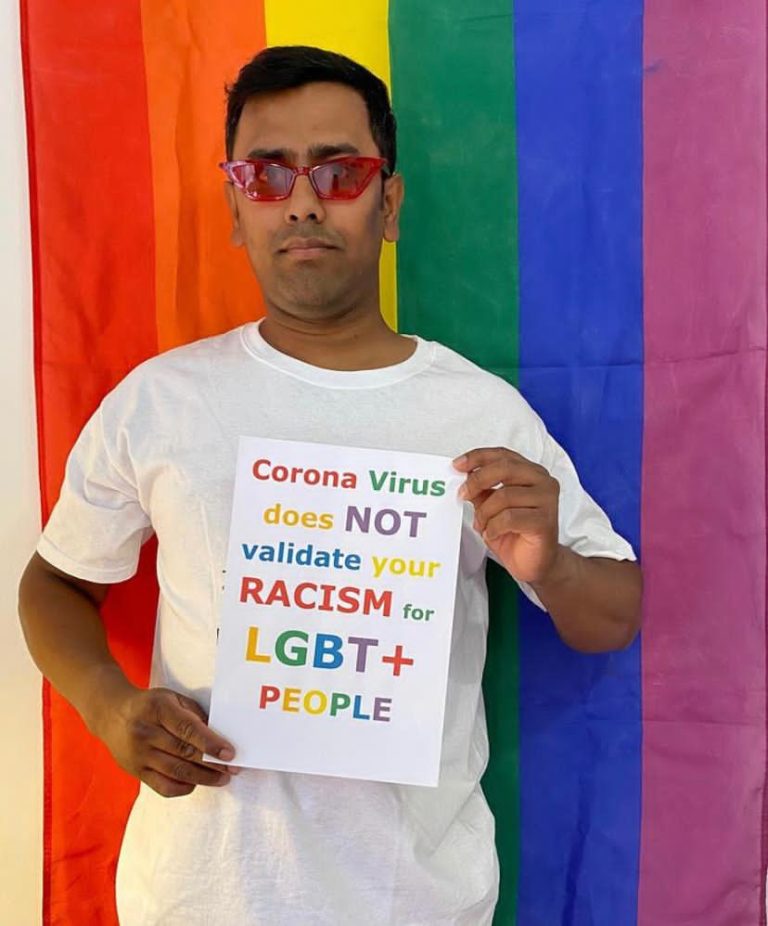
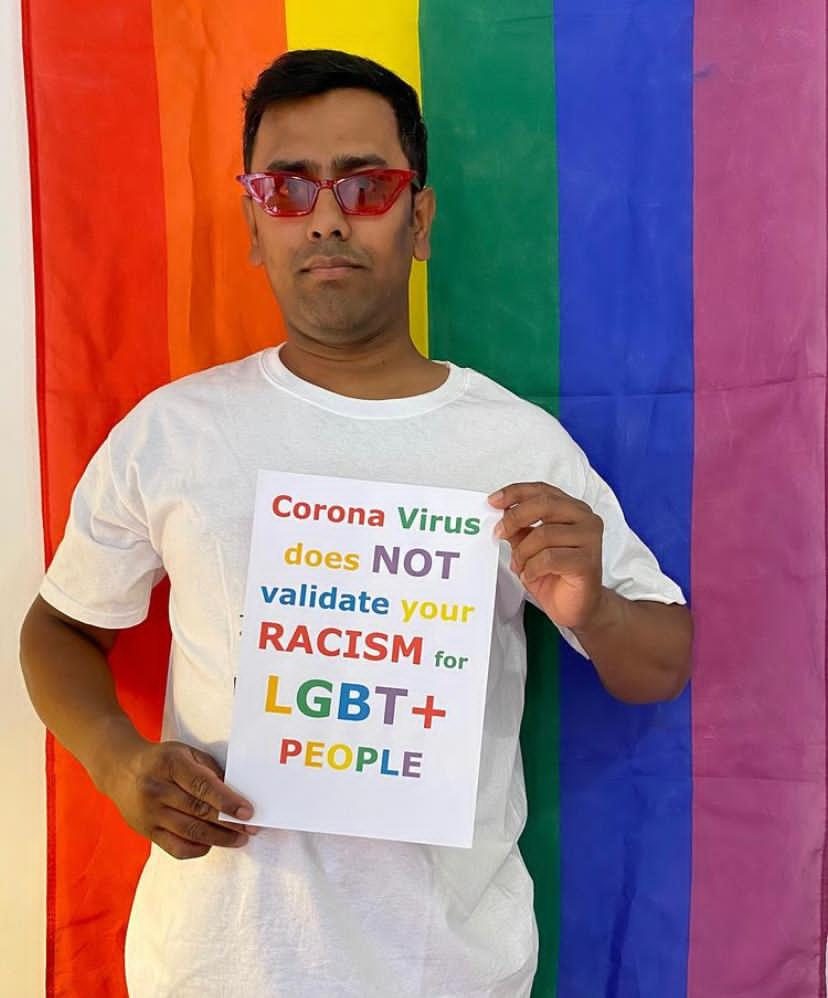
Nadim himself has been waiting a number of years for his asylum decision. He’s gay and originally from Bangladesh, where homosexuality is illegal, and like most of the charity’s volunteers, “knows how it feels to live in uncertainty”.
Those who are waiting for a decision can ask the government for somewhere to live, but have no choice in which part of the country this is, potentially cutting them off from loved ones. They can also claim just under £40 a week, which is approximately £5 per day for food, clothing, medicines and essential toiletries. Some, such as those who’ve been refused asylum and have also rejected housing offered by the Home Office, get nothing. And, aside from in limited circumstances, until asylum is granted, a person cannot legally work to earn their own keep.
“A lot of people used to get food from food banks or though charities,” Nadim explained. “Maybe from friends or other people. But as COVID hit, all the food banks shut down. Most of them are from Africa or Asia and have different food requirements.”
Nadim, a volunteer at LGBT+ asylum charity African Rainbow Family. (Supplied)
It’s not just about food. Something as simple as being able to call a loved one means being able to buy phone credit. Watching a film on Netflix or joining in with a Zoom call, things that help many people combat loneliness and stress in lockdown, are impossible if you have no way of accessing the internet. Buying hand sanitiser, face coverings and hygiene products all cost money.
Lockdown was stressful for everyone, Nadim says. “But if you have access to the phone, and have enough money to make phone calls, if you aren’t able to see your loved ones but you can at least speak to them, [things are easier].” Some members of the African Rainbow Family are in relationships, but because they have no choice in government accommodation, “one might be living in Cardiff, the other in Scotland”.
“Sitting at home, doing nothing, not able to meet anyone, not having phone credit to speak to each other, it’s stressful,” he adds.
The charity has been fundraising throughout the pandemic. It’s been able to pay £35 a week to between 70 and 100 of its most vulnerable members who do not receive government funds, with an extra £10 per month to buy phone credit. It’s run karaoke Zoom nights and other online events to help people’s mental health, and where possible has stepped in to buy tablets or digital devices. Throughout lockdown it’s also offered counselling and group sessions. But it can only do so much with the limited funds and resources it has.
“We are knocking every single door to see who can help us,” says Nadim. Currently the charity has branches in London, Manchester, Birmingham and Leeds, but ideally it would operate in every city in the UK, with paid staff, and would be able to support “as many people as possible”.
“We want to continue helping people until our work is no longer required,” Nadim says. “These people are the most vulnerable. They don’t have the right to work, they don’t have access to anything. It doesn’t matter what your immigration status is, your legal status is, you’re a human being. You should at least be able to have enough food to eat every day. We don’t want anyone to sleep on an empty stomach.”
You can support African Rainbow Family through GoFundMe or directly through its website, which has details for setting up regular donations, PayPal payments and bank transfers.
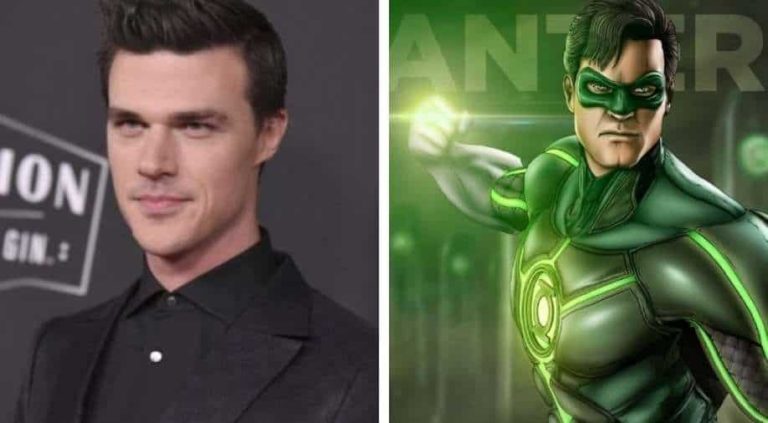
American Horror Story actor Finn Wittrock is taking the lead role in the upcoming ‘Green Lantern’ series at HBO Max.
As per the variety, Finn will play the role of Guy Gardner, who is described as a hulking mass of masculinity, and, as rendered in the comics, an embodiment of 1980s hyper-patriotism. And yet, Guy is somehow likeable.
He is the first actor to be cast in the live-action series based on the DC comics property. Berlanti, Guggenheim and Grahame-Smith executive produce with Geoff Johns, Sarah Schechter, David Madden and David Katzenberg; Elizabeth Hunter and Sara Saedi co-executive produce. HBO Max has ordered 10 one-hour episodes of the upcoming show.
”Green Lantern reinvents the classic DC property through a story spanning decades and galaxies, beginning on Earth in 1941 with the very first Green Lantern, secretly gay FBI agent Alan Scott, and 1984, with cocky alpha male Guy Gardner (Wittrock) and half-alien Bree Jarta. They’ll be joined by a multitude of other Lanterns — from comic book favourites to never-before-seen heroes”. As per the Deadline.
Wittrock is best known for his work in ‘American Horror Story,’ for which he earned an Emmy nomination in 2015. He later worked on the second season of the same show, which also earned him an Emmy nod. Most recently, He worked in the Netflix series ‘Ratched’.
In the context of rising dissaving by the poor – when you spend more than you make – and its macroeconomic implications, there are vital lessons to be learnt from historical data and from studies conducted for other advanced countries. (Pexels photo)
A report on household economics, issued by Statistics Canada in March, presented a snapshot of key indicators about how the financial well-being of Canadians evolved during the pandemic. Driven by record increases in government support measures, the lowest-income households saw a rise in income of almost 37 per cent over the first three quarters of 2020. The youngest households recorded the greatest gain in their net worth. Consequently, the gap between incomes of the lowest and highest earners dropped in 2020 as economic activity recouped in the third quarter. Higher income coupled with lower spending due to lockdowns brought about unprecedented gains in net savings. There were other reported gains, too. Wealth for the lowest-income bracket grew the most, owing to surges in the value of their real estate holdings.
But this doesn’t really tell the whole story. It is imperative to remind ourselves that these aggregate figures mask the divergent experiences of different groups of Canadians, and hide growing inequalities between the employed and those facing dwindling financial security. This will create challenges for governments as they try to design an appropriate mix of policies for the recovery phase of the pandemic. Because there are so many different ways Canadian families are coping in a COVID-19 economy, no one-size-fits-all response is expected to work effectively.
Many Canadians continue to struggle with financial uncertainty, according to MNP Ltd.’s consumer debt index. This has necessitated going without not just recreational spending but also foregoing many essentials. The report reveals that the improvement in savings did not carry through to the third quarter for households belonging to the lowest-income groups. On the other hand, richer and university-educated Canadians are saving more due to lower spending on travel and entertainment. With record low mortgage rates, many have used their home equity to buy recreational properties or new homes better suited to their new reality of remote working. These trends together suggest a further widening of the savings gap between the rich and poor Canadians seen over the last two decades (Figure 1).
In the context of rising dissaving by the poor – when you spend more than you make – and its macroeconomic implications, there are vital lessons to be learnt from historical data and from studies conducted for other advanced countries. In a research article by Atif Mian, Amir Sufi and Ludwig Straub, the rise in savings by Americans at the top of the income distribution scale is directly connected to the rise in income inequality. The authors attribute growing income gaps between the rich and poor Americans to the twin phenomena of rising debt and declining interest rates since the early 1980s. Their work indicates that the increase in savings by the top one per cent, what they refer to as the “saving glut of the rich,” has not been accompanied by a rise in investment, and instead has been absorbed in a less conventional manner through dissavings by the government and the rest of Americans.
The precise mechanisms through which the top one per cent in Canada have accumulated savings in the recent past closely imitate the U.S. experience. We have seen that higher savings of rich Canadians are largely accounted for by their increase in holdings of financial assets. In contrast, the dissaving by poorer households has been driven by heightened borrowing as well as a decline in the accumulation of financial and real assets. Sadly, one may expect the existing inequalities to worsen in the wake of COVID-19.
Lately, a lot of attention has been paid to the possibility of a K-shaped recovery, denoting an uneven economic upturn, amplifying financial disparities that existed before the pandemic. The basic idea is that the pandemic is having considerable adverse economic effects on some parts of the economy while having a positive effect on others. The deep divide between the rich and poor is often described in multiple, often-overlapping frameworks. At the forefront of this discussion are the soaring income and savings gaps. Figure 2 plots the progression of the share of income earned by Canadians in the top and bottom percentiles before the pandemic.
The divide is noticeable in the Canadian real estate market as well, which has helped sustain the fortunes of older and higher-earning Canadians. High-rise condos increased only slightly in value compared to the more popular low-rise homes. On a related note, a Statistics Canada study has found that intergenerational income mobility has significantly dropped across all of the cohorts. The already widening gap is predicted to worsen, with the children of baby boomers most likely to see the benefits of their parents’ wealth, as opposed to the generation of kids born from parents of other generations in the lowest income bracket.
A somewhat more obscure, longer-lasting impact of the pandemic is on the marginalized groups, making extreme inequality inevitable in the near future. Women have borne the brunt of the crisis, primarily due to unpaid caregiving responsibilities, widening the gender gap and increasing the possibility of them pulling out of the labour market entirely. An asymmetrical picture also emerges as low-wage jobs (for example, hotel cleaning staff and retail workers) have been lost, while a surge in high-wage jobs is anticipated. Many small businesses have been forced to shut down, while companies that can function remotely or that have capitalized on pandemic-related trends are booming.
There are also growing concerns about the strong association between high infection rates and low-income, visible-minority status. Data from Montreal, Toronto, and other ethnically and culturally diverse neighbourhoods, suggests strong correlations linking higher rates of infections with neighbourhoods with higher percentages of racialized residents.
The unpleasant reality we face today is that the pandemic has brought in extra cash and soaring asset values for the rich, and it spells financial doom for the poor. Undoubtedly, the government’s efforts to counteract the financial blow of the pandemic are commendable. Nonetheless, the true cost of the pandemic will become apparent as governments start to roll back their temporary relief programs. Tax hikes on capital gains and excessive profits are widely advocated policy recommendations. But a lot more needs to be done to address the sizeable social divide projected over the years to come.
Fiscal policy needs to direct spending toward groups expected to lose due to the structural transformation caused by the pandemic, so they are not left far behind those that flourish. As suggested by Oxfam Canada in its reports on The Inequality Virus, fairer economies are the key to rapid recovery. The solution may be as simple as introducing support measures to facilitate parents to get back to work in the form of access to affordable child care, as well as the provision of vocational training and education to those who have permanently lost their jobs due to the shift in the nature of work that rendered their skills obsolete. Additionally, various sector-specific changes may be necessary. For example, there is a pressing need to raise the supply of homes for rent or purchase because COVID-19 has stimulated further demand for additional housing.
The challenge facing policy-makers is to acknowledge that the aggregate figures hide an enormous degree of heterogeneity across households and must be taken with a grain of salt. It is crucial to remember what the crisis has revealed so far, and take immediate steps to mitigate the financial blow to the marginalized groups in the true Canadian spirit of inclusivity. All recovery plans need to aim at minimizing the long-term economic distress of the pandemic, and to ensure a smooth transition to the new normal.
This article first appeared on Policy Options and is republished here under a Creative Commons license.
Amazon Prime Video has one of the best libraries of LGBTQ films of all the streaming services. Whether you’re in the mood for politically charged biopics of some of the community’s icons and changemakers or stories of the perseverance of true love against the odds, there’s always something great to watch. If you’re willing to dig for it, that is. Luckily, that’s where we come in. We’ve gone through Prime Video’s impressive collection of LGBTQ movies to find the best they have to offer, including romances, documentaries, comedies, and more.
As an activist, a politician, and the first openly gay man elected to office in California, the late Harvey Milk was a gift to the struggle of the LGBTQ community to enjoy the rights it should never have had to fight for in the first place. Sean Penn brings the activist to life in Milk, following the eponymous hero from when he first decides to move from New York City to San Francisco to his assassination at the hands of Dan White (Josh Brolin). In between, we get an impressively accurate recreation of the times in which Milk lived, as well as a perfectly human portrayal of Milk’s political setbacks along with his victories, including defeating the infamous 1978 Briggs Initiative, which sought to ban gay men and lesbians from working in San Francisco public schools. Milk proved to be one of the darlings of the 81st Academy Awards. The film attracted eight nominations, including two wins — Penn for Best Actor and screenwriter Dustin Lance Black for Best Original Screenplay.
Rotten Tomatoes: 93% Stars: Sean Penn, Josh Brolin, Emile Hirsch Director: Gus Van Sant Rating: R Runtime: 128 minutes
Starting in February, Prime is streaming the acclaimed 2016 documentary Kiki. Following the struggles and joys of real LGBTQ youths, Kiki is named for the kiki community, existing as early as a century ago during the Harlem Renaissance, as a safe space for queer kids of color. While Kiki exposes plenty of the abuse and difficulties its subjects face, it also makes sure to revel in the contagious joy and empowerment of the vogue scene where they find a second home — or, for too many of them, their only home.
Rotten Tomatoes: 82% Stars: Loretta Coombs, Takima Coombs, Afrika Juicy Couture Director: Sara Jordenö Rating: 16+ Runtime: 94 minutes
In Amazon Prime’s original film Uncle Frank, Paul Bettany plays Frank Bledsoe — a man about to learn that the secrets we keep from our families can be both more and less important than we ever imagined. Set in the early ’70s, Uncle Frank finds its titular lead living with his lover, Walid (Peter Macdissi). Frank’s pretty sure no one in his South Carolinian family knows he’s gay, but that changes when his young niece, Beth (Sophia Lillis), pays him a surprise visit in New York and discovers her uncle’s true life. Matters are further complicated when news of the death of the family patriarch arrives. Frank and Beth set out on their own to South Carolina for the services, leaving Walid behind because Frank doesn’t want the rest of his family to discover his secret. Walid follows anyway, and the trio has a touching, funny journey to the funeral, where some shocking surprises await them.
Rotten Tomatoes: 77% Stars: Paul Bettany, Sophia Lillis, Peter Macdissi Director: Alan Ball Rating: R Runtime: 95 minutes
In the nation of Georgia, which straddles the border between Europe and Asia, there were a lot of people who didn’t want And Then We Danced to be made, much less screened. Filmmakers were concerned enough to hire bodyguards to protect the cast and crew of the film, and its release was met with protests. The 15-minute standing ovation it received at the 2019 Cannes Film Festival was a pretty clear sign that audiences felt it deserved to be made regardless of the intolerance it faced. And Then We Danced tells the story of aspiring dancer Merab (Levan Gelbakhiani), who can’t seem to find his rhythm. He’s initially envious of the new arrival Irakli (Bachi Valishvili), but once the rebellious new dancer gives Merab some tips, it’s clear a connection has been made. They become friends and, as Merab’s girlfriend Mary (Ana Javakishvili) begins to suspect, in secret they become much more. And Then We Danced is a powerful and compassionate portrayal of a man trying to come to terms with his feelings, his life, and the oppressive society in which he’s trapped.
Rotten Tomatoes: 93% Stars: Levan Gelbakhiani, Bachi Valishvili, Ana Javakishvili Director: Levan Akin Rating: Not rated Runtime: 113 minutes
This biographical music movie tells the life story of iconic musician Elton John and his meteoric rise to fame, starting from his early days as a prodigy attending the Royal Academy of Music. Taron Egerton earned a Golden Globe for his portrayal of the pop star, beautifully capturing both his unique musical talents and flamboyant style. John and his long-time collaborator Bernie Taupin also won an Academy Award for Best Original Song. John and his husband David Furnish had been working on a film about John’s life for decades, finally culminating in Rocketman. It’s totally worth the wait.
Rotten Tomatoes: 89% Stars: Taron Egerton, Jamie Bell, Richard Madden, Bryce Dallas Howard Director: Dexter Fletcher Rating: R Runtime: 121 minutes
This historical comedy-drama is based on the true story of a group of lesbian and gay activists who banded together to raise money for families impacted by the British miners strike of 1984. The event eventually became known as the Lesbians and Gays Support the Miners campaign. While the help was initially unwelcome, the group addressed the homophobia head on to dispel myths and preconceived notions, finding unlikely allies in the small-town miners and their families. Nominated for a Golden Globe, the film has been universally praised and referred to as a “joyous crowd-pleaser.”
Rotten Tomatoes: 91% Stars: Bill Nighy, Imelda Staunton, Dominic West, Paddy Considine, Andrew Scott, George MacKay, Joseph Gilgun, Ben Schnetzer Director: Matthew Warchus Rating: R Runtime: 120 minutes
As the first Hollywood-backed film to focus on Chinese-Americans since Disney gave us The Joy LuckClub in 1993, this romantic comedy is a story of intersecting lives that follows Wil (Michelle Krusiec), a closeted New York surgeon who falls for a dancer (Lynn Chen) who happens to be the daughter of her boss. The tapestry unravels when Wil’s widowed mother Gao (Joan Chen) shows up at her door, pregnant out of wedlock. The pair struggle with their situation as they go completely against the pan-East Asian social concept of “face,” which refers to behaviors and customs that suggest morality and honor. The movie is inspired by director Alice Wu’s own experience in coming out to her traditional Taiwanese mother, who initially did not accept her as being gay. Will Smith is counted among the producers.
Rotten Tomatoes: 86% Stars: Michelle Krusiec, Joan Chen, Lynn Chen Director: Alice Wu Rating: R Runtime: 91 minutes
During the time when the “don’t ask, don’t tell” military policy existed, private Barry Winchell (Troy Garity) finds himself in a difficult position when it’s discovered that he’s dating Calpernia Addams, a transgender showgirl. Jealousy, anger, lack of acceptance, and pressure lead to rising tensions between Winchell and his roommate Justin Fisher (Shawn Hatosy) that escalates to violence and Winchell’s eventual murder. Based on a true story, this crime drama will have you clenching your fists in anger. The ending, however, brings some closure with a discussion of the events that occurred after Winchell’s death.
Rotten Tomatoes: 88% Stars: Troy Garity, Lee Pace Director: Frank Pierson Rating: R Runtime: 112 minutes
With a perfect rating, this documentary is about the HIV/AIDs crisis in San Francisco in the early ’80s that was then known as the “Gay Plague.” It includes interviews with five key individuals of the time: A man who worked as a counselor for gay men, a political activist, an HIV+ artist, a black dancer who operated a flower stand that sold flowers for many funerals of those who died from the disease, and a nurse who helped administer the clinical trials for antiretroviral drugs. We Were Here delves deep into the crisis to help viewers better understand the critical importance of medical care, social services, and community support.
Rotten Tomatoes: 100% Stars: Ed Wolf, Paul Boneberg, Daniel Goldstein, Guy Clark, Eileen Glutzer Director: David Weissman Rating: NR Runtime: 90 minutes
Also known as Mi mejor amigo, this Spanish-language Argentinian film is a coming-of-age movie about Lorenzo, a 16-year-old boy in Patagonia discovering his sexuality, with the help and friendship of Caito, a 17-year-old who has been taken in by Lorenzo’s parents. The film beautifully presents the idea of a young man struggling to understand his feelings and attractions as well as his emotional connections with others. It has been praised for its subtleties and believable performances about two young men simply trying to find themselves.
Rotten Tomatoes: 100% Stars: Angelo Mutti Spinetta, Lautaro Rodriguez Director: Martin Deus Rating: 16+ Runtime: 91 minutes
An Icelandic-language film, this coming-of-age drama looks at the emotional and sexual journeys of two preteen boys, Thor and Christian, who are living in an Icelandic fishing village. As they deal with adolescence, one boy shows an interest in a girl while the other is confused about his newfound feelings for his best friend. The film took home the Queer Lion award at the 73rd Venice Film Festival.
The Mexican drama, available with English subtitles (originally in Spanish) is divided into four self-contained stories, each about a different person exploring love and self-acceptance. The first is an 11-year-old boy trying to come to terms with his attraction to a male cousin. The second is a pair of college kids who get into a relationship but one is not comfortable with officially coming out. In the third, one man struggles with his attraction to someone else while in a long-term relationship with another man. An old family man obsessed with a young male prostitute is the subject of the fourth story. The film was shortlisted for the Foreign Language Film category for the Academy Awards but was not selected.
Rotten Tomatoes: 86% Stars: Antonio Velazquez, Alejandro de la Madrid, Cesar Ramos, Gustavo Egelhaaf, Alonso Echanove, Alejandro Belmonte, Karina Gidi, Juan Manuel Bernal Director: Sergio Tovar Velarde Rating: NR Runtime: 110 minutes
CLEVELAND, Ohio — Suicide related to the destructive, self-loathing cocktail of fear and shame is what filmmaker Rodrigo Bellott deftly explores in his new transformative movie “Tu Me Manques.”
Originally staged as a 2015 play of the same name in Bellott’s Bolivian homeland, the movie focuses on a grieving and conservative father flying from South America to New York City hoping to find answers as to why his closeted gay son committed suicide.
For Bellott, the fear of being ostracized in his home country was only exceeded by the desire to publicize the devastating number of suicides related to living as a closeted gay man in Bolivia.
For comparison stateside, a 2020 Trevor Project survey revealed 40 percent of LGBTQ youth ages 13 and 24 have seriously considered suicide.
We caught up with Bellott, who came through Northeast Ohio in 2004 when his film “Sexual Dependency” appeared at the Cleveland International Film Festival, during a recent Zoom call to Bolivia.
Rodrigo, congrats on the film, which despite receiving a 2019 premiere continues to find new life around the world.
In the context of the pandemic, we never thought people would get to see it or get to share it. It’s incredibly humbling. We were so surprised we were able to sell the film all over the world at the worst possible moment. I think people are really eager to watch emotional journeys and know what’s going on in other people’s hearts.
“Tu Me Manques” (Courtesy of Dark Star Pictures)
Initially, were you thinking about a movie adaption?
Not at all. The reason why I made a play was because of a sense of urgency to tell this story that went beyond an audience or commercial thinking. We were thinking about doing this play to save lives. We had no support, no money, so we initially made the play for a one-day show. We never expected it to be this well-received. I was really expecting to be kicked out of my country. We thought it was going to be social suicide in 2015. Nobody had ever done anything openly gay or a play that talked about these issues with frontal male nudity. The morning after the play, we just got so many entries on our Facebook page of people sharing their stories about how they came out or parents talking about their kids being gay. It just became a snowball. We decided to do it one more day and that show sold out within hours. It just became a big box office success. We started getting offers from all over the world, including a Broadway producer who said this would be a great film.
Could you discuss how fact and fiction intertwine in “Tu Me Manques,” which is based around your life experience?
What’s interesting is I play with memory and what is real and what is fiction. When you’re in the closet, you are gay and you’re not — and both of them are real. Obviously, I never met the father. It’s really a great essay on what’s fiction and what’s reality and how life reproduces itself with wishful thinking. I knew I would get a lot of criticism saying no Latin American machismo-driven father would go to the U.S. to meet his late son’s boyfriend or friends. I said that’s exactly the revenge fantasy. That is what people should do. If parents would actually take the leap of faith and know their kids, a lot of lives would be saved. (NOTE: Bellott said during the three years it took to complete the film he lost seven friends to suicide).
“Tu Me Manques” (Courtesy of Dark Star Pictures)
Continuing that thought, while “Tu Me Manques” is billed as a gay film it really speaks to the difficulty parents have seeing their children for who they are.
Absolutely. For us, it was ultimately a story that if you see that tenderness, if you see the struggle, if you see the pain and the love, you understand this is about the connection between mothers and daughters, fathers and sons. During the play, I had a lot of mothers talk to me about their relationships with their daughters and trying to protect them and survive in this violent and misogynistic world. In that process, they never let them be who they are because they’re relieving their own fears and projecting them into their daughters. It’s just great how people see beyond the anecdotal part of a gay story and just connect with the emotions of human beings.
Something else that felt groundbreaking in the film is its use of nudity in sex scenes. There was no shying away from the subject, which forces those uncomfortable viewers to confront any biases.
We knew we were making a point with the sex scenes. For me, they were important because I had never seen a gay film that showed tenderness. That was really important to see two guys laughing, being tender and loving. You’re going beyond the nudity and going beyond the sexuality and just sharing their hearts. That’s what making love is. I can imagine a lot of straight audiences have never seen gay sex on screen. They’ve seen gay films that just show muscular guys. I wanted to show tenderness with no shame of their bodies, no shame of nudity and no shame of being vulnerable.
It’s interesting you mentioned shame because there’s a good argument that could have been the film’s title with so many of its characters — gay and straight — dealing with societal conventions tied to religion, family and so on. That said, what’s surprised you the most about how “Tu Me Manques” has been received.
I thought this would be a film that would speak to young gay guys and girls but the audience that comes to see the film and loves the films are mothers and fathers and grandpas. That just says a lot about that the universality of that love story. The fact it’s felt worldwide gives you an idea it’s also transcending language and cultural barriers. People are seeing themselves on the screen in this father’s struggle to understanding his son and the mourning. Ultimately, this is “Romeo & Juliet.” It’s the same old story told many, many times — we can’t just let people love.
The future of one of the Lehigh Valley’s most important pillars of the LGBTQ community is in doubt.
The building that houses Stonewall Lehigh Valley, a beloved gay bar in downtown Allentown, is under contract to be sold, confirmed Joel Krieger of Krieger Real Estate. The sale of the property includes the liquor license, leaving Stonewall’s future pretty cloudy.
The property, located at 28 N. 10th Street in Allentown, was initially listed in February with an asking price of $600,000. Krieger said he could not divulge more information without consent of the buyer and seller.
The three-story property was built in 1916, eventually becoming Stonewall in 1972, a home for the Lehigh Valley’s LGBTQ+ community. The bar regularly hosts drag performers, dancers and karaoke nights. The club’s Facebook page states that it’s “where friends come together” since 1972. Next year would be it’s 50th year in operation.
The loss of Stonewall would be a travesty for those in the LGBTQ+ community in the area. It’s the last bar or nightclub of its kind in the Lehigh Valley, hallowed and homely ground for gay and transgender people.
“Gay bars were the original community centers,” said Adrian Shanker, executive director of Bradbury-Sullivan LGBT Community Center. “They have long been places where LGBTQ people could find community. That’s why it is so sad to have Stonewall Lehigh Valley, the last remaining gay bar in our region, close its doors.”
A program of the Bradbury-Sullivan Center, the Lehigh Valley LGBT Community Archive, is launching a project in partnership with Muhlenberg College to remember the near half-decade of Stonewall. “This project will collect photographs, stories, and other materials from Stonewall that will be added to the archive,” according to a release from the center. “The memories will be included in a future public exhibit and in a special issue of the Lehigh Valley Gay Journal.”
The 8,072-square-foot building is currently owned by RJS, LLC, which bought the property in September of 2005 for $175,000. The current listening includes all furnishings, furniture and equipment, in addition to the liquor license.
Our journalism needs your support. Please subscribe today to lehighvalleylive.com.
Alabama is a ruby red state in the Bible Belt with a reputation for temperance, dry counties and religious leaders worried over the effects of drunkenness.
“I think it’s the culture,” said state Rep. Terri Collins, R-Decatur, who sponsored a wine delivery bill that passed the Alabama House on Thursday. “I don’t think there is much of a fear in (direct shipments of alcohol).”
But even as worries over alcohol fade and a past “culture war” recedes, other battles are raging in Montgomery. Three major issues, all with culture war elements to them, are anticipated to go before the Legislature next week for a final verdict: The legalization of gambling, medical marijuana, and criminal penalties against those who provide medical care for transgender youths.
Alabama’s latest culture battles are not the typical Republican versus Democratic conflict. The battlefront this spring is also producing intraparty debate over values and beliefs. Some statewide conservative leaders are concerned that their fellow Republicans, who hold a supermajority voting status in the Legislature, are abandoning them in the culture war issues of gambling and marijuana legalization.
“The pro-life issue is the one thing we’ve gotten done under a supermajority Republican leadership,” said Joe Godfrey, executive director with the Alabama Citizens Action Program. That group lobbies for evangelical Christian interests in the Legislature and has long opposed loosening of alcohol-related laws and is opposed to the present gambling expansion plan.
“But everything else, the Republicans have been more like Democrats on the vices like alcohol and marijuana … more than I realized,” Godfrey added.
Critics of the culture wars have long derided the issues as superficial compared to educational spending, health care and budgets. The critics view those issues — abortion rights, LGBTQ matters, Confederate imagery, the so-called “War on Christmas,” gun control, among many other things – for doing more to exploit grievances, stir emotions and further the national political divide.
“This preoccupation from our Legislature with so-called culture issues is an unfortunate distraction from the real challenges that plague our state,” said JaTaune Bosby, executive director with the ACLU of Alabama. “We often see these kinds of bills pass as a reaction to national trends, whether that’s the anti-immigration bill of 2011, the abortion ban of 2019, or this year’s anti-trans bills, which only leads to costly litigation and loss of revenue for Alabama.”
‘Manufactured issue’
Alabama Speaker of the House Mac McCutcheon (John Sharp/jsharp@al.com).
Republican lawmakers say they continue to push culture war issues because they are responding to their constituents. That is the reason they cite for their support of a statewide gambling package that includes lottery and legalization of sports betting. A debate on the gaming package is set to begin on Tuesday.
The one issue that is creating the classic split in the culture wars, pitting Republicans against Democrats, is HB1 and SB10. Those two bills place restrictions on medical treatment for transgender youths under age 19.
Alabama House Speaker Mac McCutcheon, R-Monrovia, summed it up this way, “I really think anytime you deal with an issue like pro-life or the transgender (questions) where faith is an issue on whatever the legislation may be, I think … members just have to vote their districts and their conscience, if you will, and see how many votes are left when the count is over.”
The next showdown over transgender rights is expected to come this week over the “Vulnerable Child Compassion and Protection Act,” which criminalizes medical care such as hormone therapy and prescribing puberty blockers for transgender youths.
If it does advance, and Ivey signs either HB1 or SB10 into law, Alabama will be the second state to approve the measure behind Arkansas. Ivey’s signature on such a law would make Alabama the first state to adopt the measure without significant opposition – in Arkansas, Republican Gov. Asa Hutchinson vetoed similar legislation, which the Legislature overrode.
Kate Oakley, state legislative director and senior counsel with the HRC – an LGBTQ advocacy group — said the legislation surfacing in conservative states like Alabama “is a completely manufactured issue” that hardly resonated two years ago. Oakley called the push against transgender rights, brought forward by national conservative organizations, as an invention “to create a culture war where none exists.” She said those organizations have combined to generate a level of online “fear mongering that is just incredible.”
“The most important takeaway from SB10 is this is not only responding to a problem that does not exist, it actively harm trans youth in Alabama,” said Oakley. “This is not a little deal. It is a really big deal.”
Oakley said SB10 could lead to a corporate backlash that Alabama lawmakers aren’t considering. An Associated Press report last week indicated the five states – including Alabama – that have adopted laws restricting transgender sports participation have not faced notable backlash for their actions. It’s a stark difference from 2016, when North Carolina adopted restrictions limiting which public restrooms transgender people could use and resulted in powerful backlash: The NBA and NCAA relocated events, and companies like PayPal dropped building expansion plans.
Oakley said it’s a matter of time before Alabama faces repercussions if lawmakers adopt either HB1 or SB10.
“The idea that these are transgender people, and they don’t deserve health care, that’s discrimination no matter how you use it,” she said. “It’s not just about LGBTQ employees, but employees having LGBTQ family members. What this bill would say, if passed into law, is if you have a trans kid in your family, you are not going to be able to care for them in Alabama. How is a business supposed to feel about that? Will they say, ‘sure, we’ll ask employees to come live in a state where their families don’t feel safe.’ It’s just a matter of time.”
Some Republican state lawmakers believe it’s a state’s business climate, not the culture war issues, that matter the most for industries looking to locate within Alabama.
State Sen. Clay Schofield, R-Guntersville, pointed to recent Census data that shows more left-leaning states like California, New York and Illinois losing congressional representation.
“Our incentives that we offer are very, very good,” said Schofield. “They are very successful in recruiting business to our state. We are investing in infrastructure, whether that be highways or broadband. We are focusing on workforce development. Those three things, I think, are key to economic recruitment.”
‘Bible in their hands’
Democratic lawmakers believe any struggles Republicans are having over support for culture war issues are part of their own doing.
“So many of the things they have done is about party politics and the saddest thing is it’s not about the issues that are happening here,” said state Rep. Mary Moore, D-Birmingham. “A lot of the things they are doing is not for the people they are representing, but it’s for the party of which they are a member of.”
Moore said any idea originated by state or national Democrats stands little chance of advancing in Montgomery. She said that is the reason why Alabama lawmakers have long opposed expanding Medicaid through the Affordable Care Act of 2010 – otherwise known as Obamacare – despite the urging from the medical and business communities about the economic and health benefits in doing so.
“You look at gaming, when the Democratic Party offered it up, the Republicans had a Bible in their hands,” Moore said, referring to the failed attempt in the late 1990s by then-Democratic Gov. Don Siegelman to push through a statewide lottery. “But now they think it’s a fantastic idea and they put the Bible on the shelf. They are peculiar group of people. If they have the opportunity to take an idea someone else has worked on, they put their name on it and sell it like they’ve worked all day and night on it. That transgender bill has been presented in several different states, yet they will come back … and say, ‘I thought of this because of (remarks) in my district.’ That’s one of their national bills they are pushing.”
Moore said the anti-rioting legislation, which doesn’t appear to be advancing this session, is also based on national Republican interests. A similar measure strengthening penalties against rioters won approval in Florida and was signed into law by Republican Gov. Ron DeSantis.
“The rioting bill is another one they are pushing across the country,” she said. “How can you stand in front of everyone and say, ‘I am doing this because of what happened in Birmingham?’”
‘Emotional issues’
The latest culture war push from Republicans in Alabama and nationwide comes at a time when Democratic President Joe Biden and his economic policies are polling strong. That include the $1.9 trillion coronavirus relief act adopted in March, a $2.25 trillion infrastructure plan, and a $1.8 trillion plan for child care and universal pre-K.
Brent Buchanan, a Montgomery-based GOP pollster, said he believes Biden’s agenda is popular now because “no one knows the specifics.” He predicts suburban Republicans, who didn’t support former President Donald Trump, will come back into the Republican fold because of the “massive ‘soak the rich’ payment method of Biden’s” policies.
Biden is also milquetoast, Buchanan said, making it difficult for opponents to define.
“That, in turn, makes it challenge for Republicans to have cohesive counter proposals,” he said. Buchanan believes the popularity with the new administration will eventually erode over what he feels is a shift toward “socialism and collectivism.”
Buchanan said there are little risks for Republicans to emphasize the culture war fights right now as Biden focuses on economic matters.
“Culture and social issues are emotional issues, compared to economic issues which are logical,” said Buchanan. “Emotional always trump logic in debates and voting.”
Alabama Republican Party Chairman John Wahl talks with other Republicans after being the party’s winter meeting on Saturday in Montgomery. Wahl was elected chairman, replacing Terry Lathan, who stepped down after six years.
Economic issues aside, Alabama Republicans view the culture war issues like transgender rights as “important to the majority of Alabamians,” according to Alabama GOP chairman John Wahl.
“Our citizens want to defend women’s sorts,” he said. “This is a very conservative state, and it is the responsibility of the Republican Party to defend their values.”
He added, “Fighting for family values in the middle of a culture war will never be popular with the leftist mainstream media or Big Tech. However, we will always stand with middle class, hardworking Americans, and the principles they believe in.”
Polling on the issue is rather sparse and is non-existent in Alabama. A recent PBS NewsHour/NPR/Marist poll found that more than two-thirds of Americans are against laws restricting transgender rights. That same poll showed that among Republicans, only 26% support the bills that prohibit medical care for transgender youths. The poll does not indicate whether Republicans in Alabama were screened.
“Protecting women’s sports is a popular issue among Republican primary voters, which is the most important electorate in the state of Alabama.” Buchanan said.
Peter Loge, an associate professor of media and public affairs at George Washington University in Washington, D.C., said individual legislators mostly pay attention to their own elections and, due to gerrymandering and other factors, “mostly means taking care of the more liberal or conservative voters you need.”
“Legislators need to raise money, get people to volunteer their time, and vote,” said Loge. “Fear is a good way to motivate people. So, candidates say, ‘those people are not like us, they are threat to us, we need to stop them at all costs.’ The problem for a democracy is that ‘those people’ are our neighbors. We are those people.”
David Hughes, assistant professor of political sciences at Auburn University at Montgomery, said the morality issues like alcohol and same-sex marriage do not resonate in Alabama like they once did mainly because “for many younger residents, these are simply non-issues.” High-profile court victories in favor of same-sex marriage also helped increase the visibility of gay people throughout the country including in Alabama, Hughes said.
Transgender people, he said, are less visible today and “their rights have become the later iteration of the culture wars.”
“I suspect that as Alabamians become more familiar with the transgender community – just as they did with the gay community – these types of bills will similarly lose their potency,” Hughes said. “Until then, we can expect more of the same.”
‘Focus on gambling’
Godfrey, with ALCAP, is supportive of the Republicans efforts to restrict transgender youths from accessing medical care. But he’s fearful that conservative lawmakers are abandoning their culture war roots when it comes to opposition to gambling.
He is also worried they will be distracted with the gambling and lottery legislation next week that they will forgo a vote on either HB1 or SB10. As of Friday, there was no scheduled date for either bill to come before the full House for a vote, and it was not on Tuesday’s calendar. The Alabama Senate has already approved SB10.
“I am afraid they will put all their focus on gambling,” said Godfrey. “I’m afraid (HB1 or SB10) will get pushed aside.”
Alabama lawmakers will consider a gaming package that includes a statewide lottery this week.
The concerns over a gambling package in Alabama are so much that conservative lawmakers like state Rep. Rich Wingo, R-Tuscaloosa, and Rep. Reed Ingram, R-Montgomery, approached reporters on Thursday to express dismay over a lack of time they have been given to review what is inside the legislation. As proposed, four casinos would be located at greyhound tracks in Birmingham, Mobile, Greene County and Macon County. Another casino would be at a bingo facility in Dothan. The sixth would be in located in Northeast Alabama.
Wingo said he’s concerned that gambling expansion will be given its most aggressive airing in Montgomery since long before Republicans gained a supermajority status in the Legislature.
“A Republican supermajority that is bringing medical marijuana, is bringing full blown Class 3 gaming,” said Wingo. “If this were a Democratic supermajority, I could understand that. But we are Republicans, conservatives with moral values. We preach the Gospel and pray to God every day here. Do we glorify him with this? No. We don’t glorify God one bit.”
Godfrey said his concerns about the Republicans also extends to legislation legalizing medical marijuana. Thirty-six states, including conservative states like Louisiana, Arkansas, and Oklahoma, have legalized marijuana for medical purposes.
Godfrey added, “They said ‘that’s all we want.’ We said we’d be OK with that. But I was warned, and I ignored it, that this was the camel’s nose in the tent. Sure enough, the come back every year to (attempt) to expand marijuana legalization. This bill … it’s not recreational, but that’s the next step and it’s where we are headed. It used to be we could count on Republicans not to push things like that.”
Some of Tāmaki Makaurau-Auckland’s queer community have staged a protest outside two of the city’s best-known gay bars.
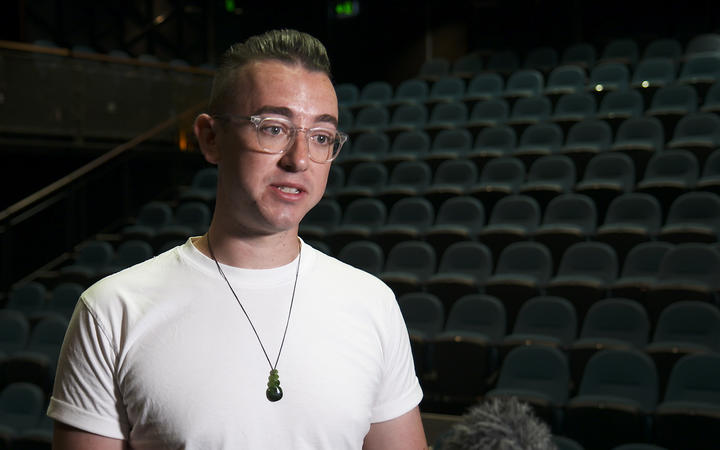
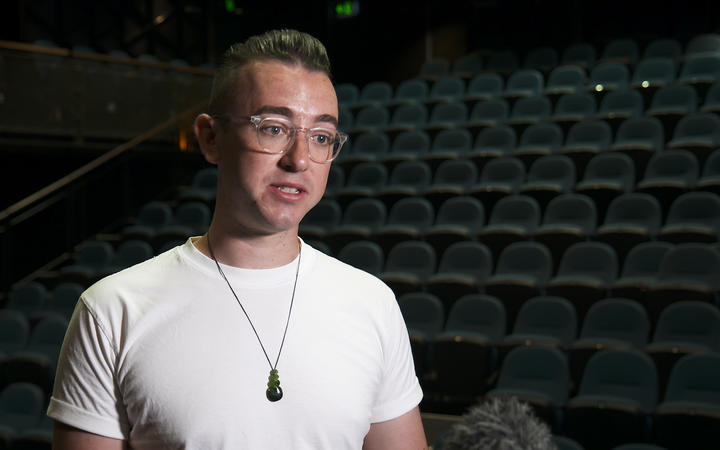
Director of Auckland Pride Max Tweedie. Photo: Dan Cook
The owners say the protesters’ claims relating to deadnaming are wrong and the venues are open to all.
Hundreds protested outside the Family and G.A.Y bars on Karangahape Road Saturday night, accusing its management of transphobic behaviour, which the owners deny.
Auckland Pride director Max Tweedie said owners Wayne Clark and Grady Elliott had mocked a transgender employee who was working as a bar staff of G.A.Y.
“Stories have been coming out over the past couple of weeks from trans and nonbinary staff that the owners have been using their deadnames – or the name they were given at birth.
“That’s disrespecting their trans and nonbinary identities, which can be incredibly unsafe and harmful,” Tweedie said.
Great turnout last night at the protest for safe and inclusive queer spaces, and against Family and G.A.Y. Trans lives matter. pic.twitter.com/c09Ui68jjP
Elliot denied those claims and said there was no transphobia.
The issue was an internal employee matter about tax details and the community had blown it out of proportion, he said.
“As far as we are concerned, we bought the place for everybody, all the gay community and nothing has changed. It’s still a safe space. We’re just scratching our heads asking what have we done wrong?” Elliot said.
The issue stemmed from IRD documents that had the employee’s former name, which was later corrected when they realised the employee changed names, he said.
“So really, it’s an internal thing, it’s not a community thing. And they should all just keep their noses out,” he said.
Tweedie said it was disappointing some members of the trans community no longer felt safe inside one of the cornerstones of the queer nightlife.
“These spaces are still incredibly important to us for coming together as a community, for gathering, sharing experiences, having fun and being ourselves and getting to throw away the worries that come with being queer and trans in 2021,” he said.
There were a number of negative impacts on the Rainbow community when spaces that were once accepting did not feel welcoming anymore, he said.
“Fewer people come out and explore who they are or connect with their communities and feel a sense of safety and normality around their identities in a sometimes unkind world.”
The New York Giants were surprisingly aggressive in free agency last month, and they didn’t change the game plan in the NFL draft. General manager Dave Gettleman rolled the dice on three draft-day deals, found promising players at need positions, and picked up three extra choices for next year’s talent-rich draft in an effort to get New York back to playoffs for the first time since 2016. “It’s all about calculated risk,” Gettleman said Saturday. “You go to Vegas, go to Atlantic City, some people are aggressive, some people aren’t. It’s instinct. Sometimes it’s just looking at the board and seeing where it’s going to take you. We felt we were aggressive in the off-season, both in free agency and in the draft.” The move that stands out most was on the first day of the draft. Football analyst Daniel Jeremiah had said NASCAR would have right-hand turns before Gettleman traded down in the first round. Then Gettleman did the unexpected. The 70-year-old GM traded the 11th overall pick to the Bears for the 20th pick overall, a fifth-rounder this year, and first-and-fourth rounders next year. It hit big for both teams. The Bears got Ohio State quarterback Justin Fields. The Giants got speedy Florida receiver Kadarius Toney, one of their top needs. The Giants added edge rusher Azeez Ojulari of Georgia in the second round and cornerback Aaron Robinson of Central Florida in picks that involved more wheeling and dealing up and down on Friday. It also filled more needs with value selections. New York, 6-10 in Joe Judge’s first season, had three picks Saturday. It took outside linebacker Elerson Smith of Northern Iowa in the fourth round and running back Gary Brightwell of Arizona and cornerback Rodarius Williams of Oklahoma State, both in the sixth round. “We feel like we’ve added a strong group of players at a variety of positions,” Gettleman said. “We’ve added playmakers, We’ve added pass rushers and we’ve added corners. We feel good about what we’ve done.” The Giants signed 16 players in free agency, led by receiver Kenny Golladay and cornerback Adoree Jackson Judge said the picks and free agency moves have increased the competition at almost all the team’s positions, the lone exception being the offensive line. Value and need at the position never seemed to match. EDGE RUSHER The Giants are going to lots of candidates for getting to the passer. Leonard Williams returns from a career-best season, and Lorenzo Carter and Oshane Ximines are back from injury. Linebackers Cam Brown and Carter Coughlin have a year of experience and the draft picks — Ojulari and Smith — have potential. Coming out of FCS school Northern Iowa, the 6-foot-6 Smith had 21 1/2 sacks combined in 2018 and ’19, but he did not play last season. He showed well against stiffer competition at the Senior Bowl. Ojulari had 8 1/2 sacks at Georgia despite missing time with a knee injury. NEXT YEAR What makes the extra picks for next year so important is many college football players decided to use the extra year of eligibility the NCAA granted for the 2020 season due to the coronavirus pandemic to stay in school. Chris Pettit, Giants director of scouting, said next year’s draft class is going to be large and will stress the scouting departments. “At least now we have the picks to really hit it out of the park in next year, hopefully,” he said. New York added the Dolphins’ third-round pick in 2022 in dropping from 42nd to 50th in the second round so Miami could take Notre Dame offensive lineman Liam Eichenberg. New York took Ojulari. GREEDY’S BROTHER Rodarius Williams, the second of the two sixth-round picks, is the older brother of Cleveland Browns cornerback Greedy Williams. The younger Williams, 23, was a second-round draft pick in 2019 out of LSU. Rodarius Williams, who will turn 25 in September, set a record with the Big 12’s Cowboys, making 48 straight starts. He had two career interceptions. SENIOR BOWL With the NFL not having a combine, the Senior Bowl was the one event where Giants coaches and staff were able to sit down and talk to the athletes, as well as examine them and see them play. It’s not surprising five of the six players they took played in the game. The exception was Brightwell, who caught the Giants’ interest because of his special teams play along with his ability as a halfback. “To be honest, the guys you only see on tape you don’t have enough interaction with,” Judge said. “You may like him as a player and there’s just something missing that you can’t really stand on the table and say, ‘This guy fits our locker room. This guy fits our culture.’ So the interactions are definitely crucial for us.” ___ More AP NFL coverage: https://apnews.com/hub/NFL and https://twitter.com/AP_NFL Tom Canavan, The Associated Press
Dates and times of events are subject to change without notice. Always check the event organizer’s website for the most updated schedule before attending. Check local COVID-19 restrictions and updates.
At his inauguration, President Joe Biden promised to be a unifying leader. But, 100 days and several faith-related policy moves later, religious groups remain divided over whether he has their best interests in mind.
More liberal denominations have applauded many of Biden’s actions, including efforts to reduce anti-LGBTQ discrimination and boost abortion rights. But these same decisions angered conservative people of faith, including leaders from Biden’s own church.
“The unalienable dignity of women and their unborn children deserves so much more,” said one Catholic archbishop after the Biden administration announced it would increase access to a chemical abortion pill.
He and other Catholic leaders are so angry with the president’s approach to abortion rights that they’ll vote this summer on whether Biden should still take communion, according to The Associated Press.
When faith groups from across the political spectrum have united, it’s usually been to push back against something Biden has done. For example, religious leaders of all stripes cried out when the administration tried to keep a Trump-era plan for refugee admissions in place.
“We’re in a global refugee crisis,” said Mark Hetfield, president and CEO of HIAS, a Jewish refugee resettlement organization, to Religion News Service last month. “This is a time to demonstrate real leadership.”
Overall, around half of Catholics (58%) and Protestants (47%) approve of the job Biden has done so far, according to Gallup. By comparison, 71% of religiously unaffiliated Americans are pleased with the president after 100 days.
Here’s a list of Biden’s key faith-related actions from the past three months, as well as notable responses from religious leaders.
Repealed President Donald Trump’s ban on travelers from some Muslim-majority countries
Within hours of taking office on Jan. 20, Biden signed an executive order rescinding Trump’s travel ban. Many religious leaders credited faith-based activism with inspiring the move.
“We have fought tirelessly for this moment,” said Iman Awad, legislative director for the Muslim group Emgage Action, in a statement at the time.
The travel ban, which Trump presented as a national security measure, was seen by many faith groups as an assault on religious freedom. Leaders from a variety of denominations praised Biden for standing up for Muslims’ rights.
The policy change “will help ensure that those fleeing persecution and seeking refuge or seeking to reunify with family in the United States will not be turned away because of what country they are from or what religion they practice,” said leaders from the U.S. Conference of Catholic Bishops.
Sent an immigration reform bill to Congress
Faith groups were also broadly supportive of Biden’s early work on immigration reform, which began on Inauguration Day. That’s when he sent his immigration plan to Congress and signed executive orders pausing certain deportations, as well as construction on the border wall.
“We … celebrate what this legislative proposal symbolizes: a renewed appreciation for the ways in which the United States is strengthened by the contributions of immigrants,” said Rabbi Jonah Dov Pesner, director of the Religious Action Center of Reform Judaism, in a statement on Biden’s immigration bill.
Since January, some of these good feelings have fizzled out, as the situation at the U.S.-Mexico border has grown more chaotic. But many religious leaders are confident that Biden remains committed to putting humane policies in place.
“We know that changes will take time but applaud President Biden’s commitment to prioritize assisting our immigrant and refugee brothers and sisters,” said Bishop Mario E. Dorsonville, chairman of the U.S. Conference of Catholic Bishop’s Committee on Migration, in a February statement.
Instructed federal officials to tackle anti-LGBTQ discrimination
In yet another executive order signed on Inauguration Day, Biden took aim at anti-LGBTQ discrimination. The order expands federal civil rights protections by stating that existing bans on “sex discrimination” cover attacks on gay and transgender people, as well.
“It is the policy of my administration to prevent and combat discrimination on the basis of gender identity and sexual orientation,” Biden wrote.
Leaders from more conservative faith groups were quick to point out that such a policy change could put church-state partnerships in jeopardy.
Federal officials may interpret the order to mean they shouldn’t work with denominations that oppose same-sex marriage, said Tony Perkins, president of the Family Research Council, in a January statement.
“Ultimately, if this executive order is able to be fully carried out, it will affect everyday Americans who hold biblical and conservative values,” he said.
Ryan Anderson, president of the Ethics and Public Policy Center in Washington, D.C., tweeted that the order undermined Biden’s promise to work toward unity.
“Calls for unity while advancing (a) radical, divisive agenda ring hollow,” he said.
Rescinded the “global gag rule” keeping U.S. aid recipients from discussing abortion
Conservative religious leaders were also outraged by Biden’s decision to revoke the so-called Mexico City Policy, which kept some recipients of U.S. aid money from discussing abortion with their clients.
“Foreign aid is a vital part of American leadership in the world and should be used to protect life, not end it,” said Russell Moore, president of the Southern Baptist Convention’s Ethics and Religious Liberty Commission, in a statement on the decision.
Biden is far from the first Democratic president to rescind the rule, but his Catholicism made the decision more controversial.
The Catholic Church officially opposes abortion rights. However, surveys have shown that around half of Catholics believe abortion should be legal.
“It is grievous that one of President Biden’s first official acts actively promotes the destruction of human lives in developing nations,” said leaders from the U.S. Conference of Catholic Bishops in a January statement.
Reestablished the White House Office of Faith-based and Neighborhood Partnerships
At several points in his presidency so far, Biden has leaned on faith groups to help him achieve his goals. For example, he’s urged religious leaders to talk to their congregations about the COVID-19 vaccine.
Getting vaccinated is “how we’re going to defeat this virus and that’s how we’re going to come together again in our communities, in our houses of worship,” he said during an April 1 call with pastors and other community leaders, according to The Hill.
In February, Biden showed his support for more formal church-state partnerships by reestablishing the White House Office of Faith-based and Neighborhood Partnerships. For the past two decades, the office has helped coordinate government outreach to religious organizations.
“I’m reestablishing the (office) to work with leaders of different faiths and backgrounds who are the frontlines of their communities in crisis and who can help us heal, unite and rebuild,” Biden said at the time.
A wide variety of religious leaders celebrated the move, as well as Biden’s decision to appoint Melissa Rogers, an expert on religion and policy, to lead the office.
“When she served in the Obama administration, Rogers successfully worked with people across faiths and the nonreligious to adopt policies that protect the religious freedom of people who use federally funded social services,” said Rachel Laser, president and CEO of Americans United for Separation of Church and State, in a Feb. 14 statement.
Called on Congress to pass the Equality Act
One month after angering some conservatives with his executive order on LGBTQ discrimination, Biden stirred up more controversy by reiterating his support for the Equality Act, legislation that would add protections for gay and transgender Americans to the federal Civil Rights Act.
“The Equality Act provides long overdue federal civil rights protections for LGBTQ+ Americans, preventing discrimination in our housing, education, public services and lending systems. I urge Congress to swiftly pass this historic legislation,” the president tweeted on Feb. 19.
The bill would also limit certain religious freedom protections, leaving faith-based organizations more vulnerable to discrimination lawsuits. For this reason, some religious leaders have asked policymakers to either revise the Equality Act or abandon it.
“The Equality Act would discriminate against people of faith,” wrote five leaders from the U.S. Conference of Catholic Bishops in a February letter to Congress
Other faith leaders share Biden’s support for the bill, which passed the House on Feb. 25. They applaud the president for acknowledging that LGBTQ rights and religious freedom do not need to be in conflict.
“The Equality Act is a step forward to the full — and overdue — citizenship rights for LGBTQ persons,” said Rabbi Jack Moline, president of Interfaith Alliance, in a February statement.
The Equality Act is currently awaiting Senate action. Biden urged policymakers to make the legislation a priority during his address to Congress on April 28.
“I … hope Congress can get to my desk the Equality Act to protect the rights of LGBTQ Americans,” he said.
Biden has yet to weigh in on the Fairness for All Act, which is sponsored by Rep. Chris Stewart, a Republican from Utah.
Unlike the Equality Act, the bill would balance LGBTQ civil rights protections with enhanced religious freedom rights. For this reason, it may be more palatable for Republican leaders and, therefore, have an easier route through the Senate.
Sanctioned two Chinese officials over human rights abuses
In March, the Biden administration, along with Canada, the United Kingdom and the European Union, sanctioned Chinese leaders over their treatment of ethnic and religious minority groups. Religious freedom advocates saw the coordinated action as a powerful step toward protecting people of faith around the world.
“Today’s announcement represents a major victory for religious freedom and an important step toward holding China accountable,” tweeted the U.S. Commission on International Religious Freedom on Mar. 22.
Later that month, Biden’s State Department described China’s actions toward its Muslim citizens as “genocide and crimes against humanity” in a report on human rights practices around the world.
The Council on American-Islamic Relations is among the faith groups that have praised Biden for being tough on China while also calling on him to do even more.
“Now that the Biden administration has recognized that China is committing genocide, our nation must take every possible action to stand against these crimes against humanity,” said the council’s executive director, Nihad Awad, in a March statement.
Decided not to raise the refugee ceiling but then agreed to reconsider
Biden’s most contentious faith-related decision came in mid-April, when the administration announced it would not raise a Trump-era limit on refugee admissions as soon as originally planned.
The pushback from people of faith was swift and intense. Religious leaders from across the political spectrum accused Biden of breaking his promises.
“The number of refugees who will be welcomed this year is far short of what we can do as a country and is not an adequate response to the immense resettlement need,” said Bishop Mario E. Dorsonville, chairman of the U.S. Conference of Catholic Bishops’ Committee on Migration, in a statement released April 19.
Within a few hours, officials from the Biden administration announced it would reconsider the original plan. Refugee resettlement experts expect the new ceiling to be announced sometime in May.
“As Jews, we know too well the harm of turning away those seeking refugee. Our own historical experiences throughout the centuries remind us what it is like to be uprooted from home and to seek refuge in other countries. We demand nothing less than a significant increase in refugee admissions from an administration whose stated values must be matched by actions that reflect justice and compassion,” Rabbi Pesner from the Reform Jewish Movement said in a statement.
The Aces are starting off Mental Health Awareness Month strong with their brand new single Don’t Freak.
Backed by a dance-pop sound, the new record explores the damaging stigmas surrounding mental health.
The track starts with a mesmerizing guitar riff that immediately sets an energetic tone. As the song progresses the lead singer, Cristal Ramirez, begins to deliver powerful lyrics and show-stopping vocals that will leave music listeners in awe.
Don’t Freak is a song that beautifully navigates the struggles of having anxiety while also instilling a sense of hope.
Ramirez opened up about the inspiration behind the new track in a statement.
“I’ve struggled with severe anxiety for my entire life, and this year started having intense panic attacks. When you struggle with your mental health, you start to realize very quickly just how little space is held for you in society, ” Ramirez said.
“You quickly feel like a burden to those around you and end up thinking, ‘why can’t I just get my shit together’ constantly. In a time where all you need is patience and understanding, you’re made to feel alienated and inadequate, which in turn makes your mental state so much worse.
“That’s how ‘Don’t Freak’ came to life. We wanted to put this very real story into our music. Mental health issues are something everyone goes through, and not only do we need to be talking more about it, but we need to be holding space for it.”
The Aces are showing no signs of slowing down, and are set to appear in the forthcoming episode of the TV series Exposure. The fierce foursome will be giving a special performance of Don’t Freak and their hit single Daydream.
Listen to Don’t Freak here and watch The Ace’s release party for the single below.
In the midst of yet another confined-to-the-hotel road trip during the pandemic, Gregg Popovich expressed gratitude that this Spurs team is a tight-knit bunch.
“Can you imagine if you are in all these hotels and you didn’t like the people you were around?” the coach said before Friday night’s game at Boston, the fourth and final outing of a week-long road trip. “You’d have all kinds of personnel problems. It would be just devastating. So that’s far from what we have had to deal with — no problems.”
Popovich said it’s helped that the chemistry between the team’s few thirtysomething veterans and all the youngsters on the roster is good. With an average age of 25.5, this is the youngest team Popovich has guided since he became coach in 1996.
“It’s fortunate, they all have great senses of humor, so we are able to dig them, and they dig us back,” Popovich said. “We try to make light of some situations that are obviously difficult, but together, we get through them. It’s been a joy to be around.”
Popovich also praised the leadership provided by the team’s oldest current player. The 34-year-old Rudy Gay on Friday became the 11th active NBA player and the 138th in league history to play in 1,000 games, including 247 with the Spurs spread over four seasons.
“He’s been a great teammate, somebody who understands what he can do, knows what it takes to be a professional,” Popovich said. “And he’s communicated that, been a good mentor for a lot of our young kids. He and (31-year-old) DeMar (DeRozan) both have taken on that role. Because we have so many young guys, I guess, they have stepped up, and they coach them as much as we do.”
And the youngsters are willing to listen, which makes his job fun, said the 72-year-old Popovich, who owns five championship rings.
“We have had some tough losses, and you feel badly because some of the mistakes are just almost inescapable because of the youth, but the effort is always there,” he said. “These young guys are open to coaching. They understand they have a lot to learn. Obviously, it’s a different challenge than winning championships, but the same things win or lose. Whether you are at the .500 level or whether you are at a championship level, you still have to teach the right things to get to the next level.
“The basketball doesn’t really change, and if you have people that are willing, that just makes everything enjoyable.”
Hammon interview part of NBC special
Spurs fans earlier this week received a teaser of Becky Hammon’s upcoming NBC interview, but the preview just solidified what many already knew: She’s ready to be an NBA head coach.
On Saturday, NBC will launch “Inspiring America: The 2021 Inspiration List,” a prime-time special highlighting personalities who lifted their communities during the pandemic. The series is leading off with the Spurs assistant coach.
In a preview shared by the network Thursday, NBC journalist Hoda Kotb chatted with Hammon about the groundbreaking moment she took over as head coach after Popovich was tossed from a late December game against the Lakers. In the preview, Hammon and Kotb chatted about her thoughts on taking on a permanent position as head coach.
“I mean, this ball is never moving fast enough, in my opinion,” Hammon said. “People don’t like doing something new and different. It’s uncomfortable. It takes massive amount of risk. Somebody’s going to have to take a chance.”
Boston coach Brad Stevens called Hammon a “terrific candidate” to become a head coach in the NBA.
“I don’t know her well, but I know what people think about her, and I know how well she is respected all across the league by the players and the coaches,” Stevens said. “I would hope that time is coming very soon.”
Hammon, 44, has been a part of Popovich’s coaching staff for six years. The sports world often speculates when an opportunity will come knocking for Hammon to break barriers again and become an NBA head coach.
“Hamilton” creator Lin-Manuel Miranda, NASCAR driver Bubba Wallace, World Central Kitchen founder Jose Andres and Feeding America CEO Claire Babineaux-Fontenot will be featured alongside Hammon on the series.
The special premieres at 7.p.m. Saturday on NBC. The network plans to eventually host the series as a live, in-person event.
The Spurs ended up falling short to the defending champions 121-107 on Dec. 31 at the AT&T Center, but the moment Hammon replaced Popovich, who was ejected, remains a historic achievement as she became the first woman to lead an NBA team.
But the milestone wasn’t at the forefront of her mind as she stepped up to make history that game, Hammon told Kotb after the broadcaster asked if she realized the importance of the trailblazing moment.
“No,” Hammon said. “What dawned on me is: I want to beat the Lakers; I want to beat them really bad. I guess it’s amazing because you’re going about your work and then you have these moments where it’s like, this is happening.”