NEW YORK (AP) — Roxane Gay’s latest project is an imprint that will release the kinds of books she likes to read.

NEW YORK (AP) — Roxane Gay’s latest project is an imprint that will release the kinds of books she likes to read.

NEW YORK (AP) — Roxane Gay’s latest project is an imprint that will release the kinds of books she likes to read.
The author of such works as “Bad Feminist” and “Hunger” is teaming up with Grove Atlantic on Roxane Gay Books, which will publish three books a year. Gay has worked for years with Grove, which in 2014 released her debut novel “An Untamed State.” She also has long been interested in promoting other writers, whether through her Medium magazine Gay or through her Audacious Book Club.
“I love having a hand in bringing brilliant writing into the world, and over the past 15 or so years, I’ve done that in various editorial capacities that have been incredibly gratifying,” Gay said in a statement Wednesday. “It has been a lifelong dream to have a literary imprint of my own where I could publish great books and have the support of a storied publishing house behind me.”
Gay’s new imprint will publish fiction and nonfiction, and, in partnership with Grove, will sponsor a publishing fellowship program “for candidates who might not have access to the industry through traditional avenues,” according to Grove.


The Telegraph
Frustrated Championship clubs are pleading for clarity from the Rugby Football Union with England’s second tier still unaware of the level of funding it will receive for next season. Budget cuts and the financial side-effects of the Covid-19 pandemic have meant that each Championship club received only around £160,000 in central funding at the start of the 2020-21 season, compared with around £600k two years ago. For this season, roughly £90k was funded by the RFU with the remaining £70k coming from Premiership Rugby Limited. With less than a month left of the current season, however, and with less than two months until England’s second-tier clubs reconvene ahead of the 2021-22 campaign, the Championship remains in the dark about the level of funding it will receive from the RFU and PRL. Telegraph Sport understands that clubs are expecting no increase or decrease in funding, with plans and budgets for next season being made accordingly, and the RFU has confirmed that it aims “to provide certainty over next season’s funding… in the coming weeks”. Alistair Bow, chairman of 10th-place Nottingham, told Telegraph Sport: “There are rumours, but we don’t know what funds we are going to see from either the RFU or PRL for next season and beyond. “Because of the cuts and Covid, we are at Ground Zero, so we now have to budget according to the worst-case scenario. We are assuming, and therefore budgeting, that we’re not going to be getting any more money [from the RFU and PRL] than what we’re currently getting. “With Covid still hanging around, it’s not just that funding that’s going to be hit, but we’re going to be budgeting for potentially smaller crowds at games next season because there’s no guarantee we’re going to be back to full capacity. “We are semi-pro but I cannot budget for a fully professional squad because there isn’t enough income. There is uncertainty of central funding, uncertainty on ring-fencing, uncertainty on the Championship model, Covid; when you’ve got all those things, you can only budget for what you know. And there are far too many uncertainties.” Bow’s counterpart at fifth-place Coventry, Jon Sharp, added that planning for next season is “impossible”. “How can we recruit?” Sharp told Telegraph Sport. “Normally we would start in January but, alongside the pandemic, the continued uncertainty does not help the situation at all.” The lack of funding clarity has not been helped by the Championship clubs having to play matches behind closed doors until last weekend, with money made through ticket sales and hospitality a key source of revenue for the league. “We did open our gates on Saturday for the Saracens game, but even then that was incredibly restricted – we had 1,400 in the ground,” Sharp said. “With all the additional Covid safety measures, if we made any money – I don’t know the answer yet – I would be very surprised. I imagine we would have lost money.” Bow and Sharp both argue, too, that if the Premiership were to suspend relegation indefinitely, then PRL should increase the size of their payment to the Championship clubs, which was originally set-up to reimburse the second tier for abolishing their promotion play-offs. The matchday attendance and revenue generated from home matches against the Premiership’s relegated side eclipses anything else in the Championship season. “Playing the Premiership’s relegated team with crowds, which we didn’t have this season, brings a big income,” Bow added. “We would have been full for our match against Saracens – and we were looking at moving it to Meadow Lane (Notts County’s stadium). It was worth £70,000 to us, that game; we were forecasting a crowd of up to 10,000.” Sharp added: “If there is any form of ring-fencing then Championship clubs need to be compensated for that lost game against the Premiership’s relegated side.” In response, an RFU spokesperson said: “Championship funding is variable and linked to the RFU’s profit. This year the RFU is likely to make a loss of between £30-35m, however we have continued to provide funding to the Championship and have not pro-rated it for a shorter season. The RFU also has a responsibility to support the wider community game and its 1,900 clubs. “Any decision on promotion to or relegation from the Premiership would require a vote by the RFU council at the end of June… As the discussions are ongoing nothing has been decided.”


NEW YORK — (AP) — Roxane Gay’s latest project is an imprint that will release the kinds of books she likes to read.
The author of such works as “Bad Feminist” and “Hunger” is teaming up with Grove Atlantic on Roxane Gay Books, which will publish three books a year. Gay has worked for years with Grove, which in 2014 released her debut novel “An Untamed State.” She also has long been interested in promoting other writers, whether through her Medium magazine Gay or through her Audacious Book Club.
“I love having a hand in bringing brilliant writing into the world, and over the past 15 or so years, I’ve done that in various editorial capacities that have been incredibly gratifying,” Gay said in a statement Wednesday. “It has been a lifelong dream to have a literary imprint of my own where I could publish great books and have the support of a storied publishing house behind me.”
Gay’s new imprint will publish fiction and nonfiction, and, in partnership with Grove, will sponsor a publishing fellowship program “for candidates who might not have access to the industry through traditional avenues,” according to Grove.
Copyright 2021 The Associated Press. All rights reserved. This material may not be published, broadcast, rewritten or redistributed without permission.

Last Updated
Many Americans are heading south of the border this year to sunny Mexico. Those who wish to play on the beach and sun may be headed to lovely Puerto Vallarta. If you are looking for things to do in Puerto Vallarta during your upcoming vacation, you are all set. So it doesn’t matter if you want to lie on the beach, ride an ATV, or party all night, you will have plenty to do at this magnificent Mexican city.

This pier and the beach are the place to go in Puerto Vallarta for relaxing and fun. On the pier, you can stroll around, drink, dine and shop. This popular tourist spot is also the place where you can charter a boat, go snorkeling or diving, plus many other activities. Before or after the pier you can head over to the adjacent Playa de Los Muertos Beach. This beautiful beach is perfect for swimming, sunbathing and snorkeling.

Zona Romantica is also known as Old Vallarta or Old Town and is a must see spot in Puerto Vallarta. Couples will not help but feel romantic when walking the narrow cobblestone streets lined with buildings with colorful facades. This neighborhood has the laid back feel of a beach village, but with incredible restaurants and nightlife.

In this neighborhood, tourists can also browse the shops for handicrafts, pottery and folk art at any of the area’s art galleries or grab some keepsakes to take home from one of the many shops. Foodies may want to take a walking food tour to sample the best local food. The Old Town Farmer’s Market is a great place for tourists and locals to purchase fresh local produce. Tourists can also take many other landmark and site seeing walking tours in this area.

As far as clubbing and bar hopping, Zona Romantica has many bars and nightclubs to celebrate your evenings. The city comes alive at night, where some of the city’s best restaurants and nightclubs are located. The Olas Atlas area is where most of the gay bars, restaurants and beaches are concentrated.

There are many adventure options in Puerto Vallarta on land and on the water.
Have an adventure on the beautiful landscape of Puerto Vallarta. On the land you can do ziplining, ATV mountain adventures, motorcycle tours, skydiving, hiking and biking. There are biking tours that also include mural art tours along the route. Also available are many ecotourism and nature excursions including bird watching, sea turtle protection, botanical gardens and the zoo.

If you enjoy spending time in and around the water, Puerto Vallarta has it all. Activities in the water include whale watching tours, swimming, snorkeling, fishing, parasailing and boat charters. You can also take a trip to explore the Marietas Islands, which is a fantastic place for all water sports and activities.

Puerto Vallarta has many museums for visitors to discover the history and culture of the area. Some museums are historical like the Naval Museum, the Manuel Lepe house, and Galeria Pacifico. While other museums are a little unusual such as the Museo de Tequila, and the ChocoMuseo. The Puerto Vallarta Art Walk is a great way to see awesome local artwork and the culture of several small neighborhoods at the same time.

Puerto Vallarta has so many iconic landmarks that it would be impossible to name all of them. Many you will come across while you explore the city. Take a leisurely walk around Central Historico and you will see Plaza de Armas, the cathedral, and the culture of the El Centro neighborhood. See one of the many iconic statues in the city such as the Caballito, which depicts a boy riding on a giant seahorse while he waves to everyone.

Now is the time to book that Mexican vacation and start all the wonderful things to do in Puerto Vallarta.
READ MORE:
Travel Insurance that Covers Covid-19
Top Adventure Destinations In The US To Explore This Summer
↓ Join the community ↓
The Travel Off Path Community FB group has all the latest reopening news, conversations, and Q&A’s happening daily!

Enter your email address to subscribe to Travel Off Path’s latest breaking travel news, straight to your inbox
Disclaimer: Current travel rules and restrictions can change without notice. The decision to travel is ultimately your responsibility. Contact your consulate and/or local authorities to confirm your nationality’s entry and/or any changes to travel requirements before traveling. Travel Off Path does not endorse traveling against government advisories

NEW YORK, May 26, 2021 (GLOBE NEWSWIRE) — Progyny, Inc. (Nasdaq: PGNY), a leading benefits management company specializing in fertility and family building benefits solutions in the United States, along with RMA of Connecticut, RMA of New York, and Stanford University partnered on the largest research study on decision making by single or coupled intended fathers in their family building using assisted reproductive technology (ART) treatment to become parents.
Study author Dr. Mark Leondires, RMA of Connecticut, commented, “Our analysis shows the desire and importance of co-fatherhood and the mutual desire for genetic linkage to their children. This report will help guide and educate providers in their clinical approach and social understanding of this growing population of patients who seek to become parents using ART to grow their modern family.”
The multi-center, retrospective study examined 119 single or couple intended fathers (SCIF) who underwent initial consultation for ART treatment across 18 fertility centers. Five single and 39 coupled intended fathers had completed an IVF cycle at the time of survey.
The abstract titled, “Single or Coupled Intended Fathers: Modern Approaches to Parenting,” was presented at ACOG Annual Clinical and Scientific Virtual Meeting April 30 – May 2, 2021. Key findings included:
The abstracted titled, “IVF Outcomes in a Multi-Center Analysis of Single or Coupled Intended Fathers: Biology and Fatherhood,” was presented at the 69th annual Pacific Coast Reproductive Society Meeting May 6 – May 8, 2021. Key findings included:
The findings from both abstracts show SCIFs are increasingly pursuing fertility treatments to become parents. However, the cost is one of the most significant barriers to treatment. Employers can help alleviate this and support their LGBTQ+ workforce by providing an inclusive and comprehensive fertility and family building benefit.
About Progyny:
Progyny (Nasdaq: PGNY) is a leading fertility benefits management company in the US. We are redefining fertility and family building benefits, proving that a comprehensive and inclusive fertility solution can simultaneously benefit employers, patients, and physicians.
Our benefits solution empowers patients with education and guidance from a dedicated Patient Care Advocate (PCA), provides access to a premier network of fertility specialists using the latest science and technologies, reduces healthcare costs for the nation’s leading employers, and drives optimal clinical outcomes. We envision a world where anyone who wants to have a child can do so.
Headquartered in New York City, Progyny has been recognized for its leadership and growth by CNBC Disruptor 50, Modern Healthcare’s Best Places to Work in Healthcare, Financial Times, INC. 5000, and Crain’s Fast 50 for NYC. For more information, visit www.progyny.com.
About Reproductive Medicine Associates of New York (RMA of New York):
RMA of New York is widely recognized as a global leader in state-of-the-art reproductive medicine. Led by an integrated team of doctors and scientists with extensive reproductive endocrinology, fertility and urology experience and training, RMA of New York consistently reports IVF success rates to the Society for Assisted Reproductive Technology (SART) and the Center for Disease Control and Prevention (CDC) and is internationally recognized for achieving high success rates in the treatment of infertility. RMA of New York maximizes access to care by helping patients explore all insurance coverage and financing options available for treatment. RMA of New York is sensitive to the needs of the LGBTQ+ community, women choosing single parent motherhood, and women pursuing fertility preservation.
Headquartered in midtown Manhattan, RMA of New York has six patient care facilities throughout New York, including three facilities in Manhattan, as well as in Brooklyn, Garden City, Westchester, and abroad in Mexico City. For more information, please visit www.rmany.com.
About Reproductive Medicine Associates of Connecticut (RMA of Connecticut):
RMA of Connecticut is a leader in fertility care, specializing in a range of infertility treatments. Our assisted reproductive technologies (ART) include intrauterine insemination (IUI), in-vitro fertilization (IVF) and pre-implantation genetic testing (PGT). RMA of Connecticut is Fairfield County’s largest fertility clinic and egg donation center. Through RMA of Connecticut’s Integrated Fertility and Wellness Center, we offer nutrition counseling, individual and couples psychological counseling, acupuncture and yoga, as well as financing and support services for our patients going through infertility treatment.
Our internationally recognized Gay Parents To Be® program at RMA of Connecticut specializes in LGBTQ family building. For the last three years, RMA of Connecticut has been recognized as a Leader in Healthcare Equality by the Human Rights Campaign.
About Stanford University
Stanford Medicine Fertility and Reproductive Health is one of the largest IVF centers in the western United States, serving approximately 20,000 patients a year. We specialize in cutting-edge technology (laser, genetic disease, chromosomal abnormalities and oocyte cryopreservation). We have the newest and most innovative research as well as many innovative options for cancer patients. We have multidisciplinary coordination with Stanford geneticists and urologists as well as access to perinatal diagnosis and pre-implantation genetics. The REI Center physicians, nurses and laboratory staff are recognized and published experts on many aspects of reproductive endocrinology. We practice non-discriminatory philosophy for patient selection and treatment, seeing patients who have been refused at other centers. For more information visit: https://www.stanfordchildrens.org/en/service/fertility-and-reproductive-health
For Further Information, Please Contact:
Media:
Selena Yang
media@progyny.com

The Calvin Klein collection features underwear, apparel and accessories. (Calvin Klein)
Calvin Klein has released its collection for Pride 2021 – and yes, it includes jockstraps.
This year’s colourful #ProudInMyCalvins range features underwear, apparel, swimwear and accessories.
Shoppers can get the collection, which is priced between £17 and £130, from the Calvin Klein website.
This article contains affiliate links, PinkNews may earn revenue if you click through and purchase products through the links.
It features some exclusive pieces to the Calvin Klein website include a five-pack of jockstraps in yellow, red, green, blue and orange.
Also on offer are matching triangle bra and thong sets in two rainbow stripe designs, which Calvin Klein say are “sought-after”.
Other exclusives are trunks and briefs with elastic waistbands in a rainbow design, a one shoulder bralette and a bodysuit, t-shirt, tank top and joggers with the Calvin Klein Pride logo.

You can also get multi-coloured trunks, bralettes in white, grey or black with rainbow embellishments, hoodies, sweatshirts and accessories including caps and bags as part of the main Pride collection.
Calvin Klein has teamed up with LGBT+ stars including producer and DJ Honey Dijon, artist Arca, star of Netflix’s Elite Omar Ayuso and poet and model Kai-Isaiah Jamal for the campaign.
They each appear in a video entitled ‘The Moment’, which sees them discuss an important part of their life while wearing pieces from the collection.
In her video Honey Dijon says: “I didn’t have the language to define myself for myself. And when you come into that space, that’s when you become really sexy.”
The brand has confirmed it is supporting ILGA World’s advocacy, communications and capacity building work to aid LGBT+ led organisations from more than 160 countries in their fight for equality.
To shop the Calvin Klein collection for Pride 2021 head to www.calvinklein.co.uk/pride-all.
The release of the range follows up a number of big brands launching their collections for Pride 2021 including online fashion retailer Boohoo, sports brands Reebok and Adidas and one-offs from Dr. Martens and vodka brand Stoli.
During the COVID-19 pandemic, children have experienced major disruptions as a result of public health safety measures, including school closures, social isolation, financial hardships, and gaps in health care access. Many parents have reported poor mental health outcomes in their children throughout the pandemic – in May 2020, shortly after the pandemic began, 29% said their child’s mental or emotional health was already harmed; more recent research from October 2020 showed that 31% of parents said their child’s mental or emotional health was worse than before the pandemic. Some children have also exhibited increased irritability, clinginess, and fear, and have had issues with sleeping and poor appetite. As mental health issues become more pronounced among children, access to care issues may also be increasing. These access issues may exacerbate existing mental health issues among children.
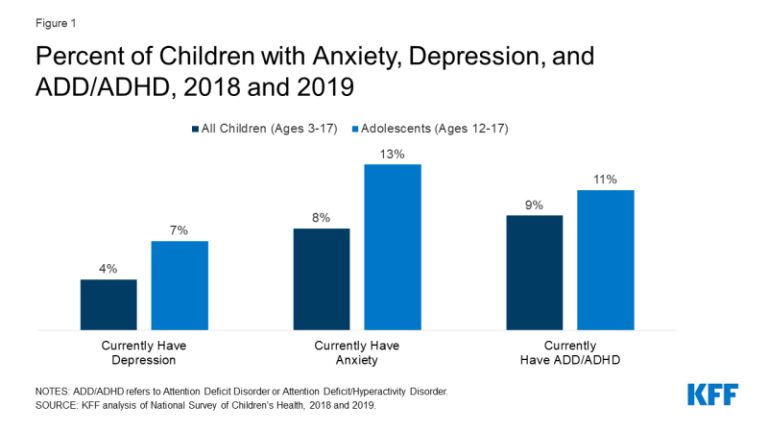
Even before the pandemic, many children in the United States were living with mental health disorders. On average, in the years 2018 and 2019, among children ages 3-17, 8% (5.2 million) had anxiety disorder, 4% (2.3 million) had depressive disorder, and 9% (5.3 million) had attention deficit disorder or attention deficit/hyperactivity disorder (ADD/ADHD) (Figure 1). Other mental health disorders among children and adolescents include obsessive-compulsive disorder (OCD), post-traumatic stress disorder (PTSD), and eating disorders. Adolescents in particular have seen increases in poor mental health outcomes in recent years, such as persistent feelings of sadness or hopelessness and suicidal thoughts. Many mental health conditions develop by adolescence and, if unaddressed, can persist into adulthood and limit quality of life.
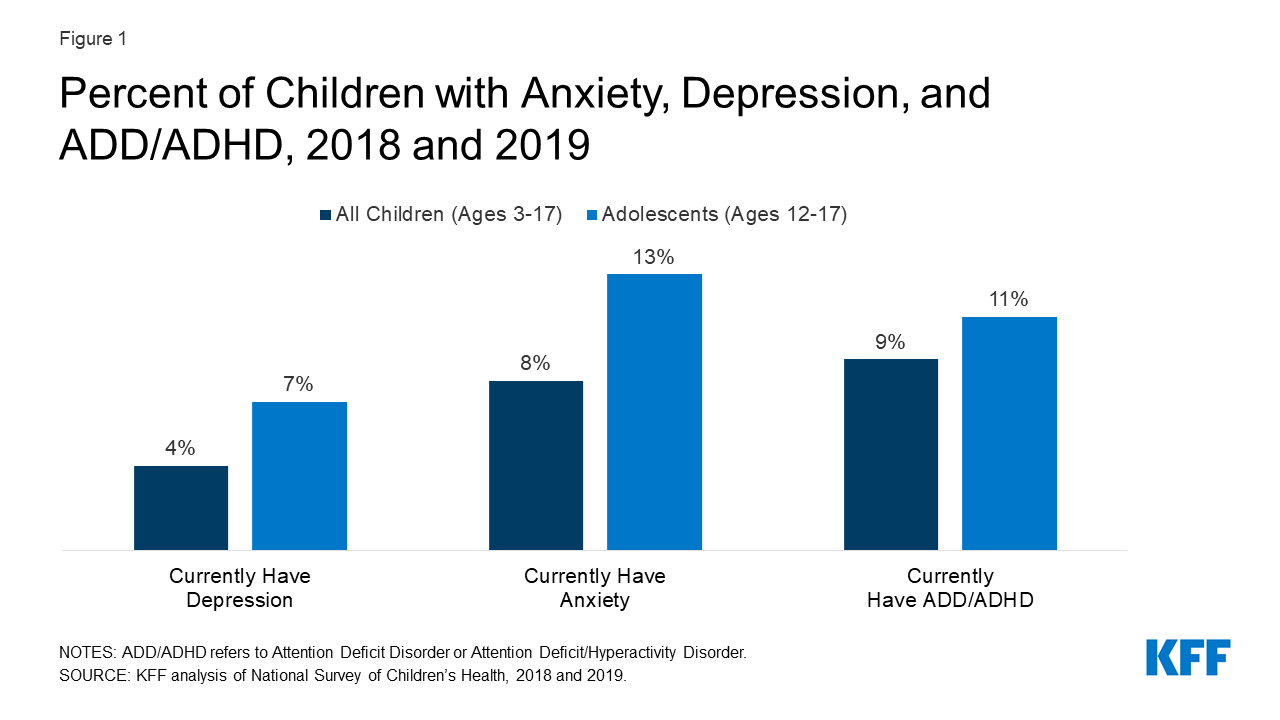
Figure 1: Percent of Children with Anxiety, Depression, and ADD/ADHD, 2018 and 2019
This brief explores factors contributing to poor mental health and substance use outcomes among children during the pandemic, highlighting groups of children who are particularly at risk and barriers to accessing child and adolescent mental health care. Although data on child and adolescent mental health have historically been limited, where possible, we draw upon data from the National Survey of Children’s Health, the Youth Risk Behavior Surveillance System, and the National Survey on Drug Use and Health, in addition to surveys conducted during the pandemic. Key takeaways include:
Children’s mental health during the pandemic may be negatively affected by social distancing and stay-at-home orders, which could lead to loneliness and isolation – known risk factors for poor mental health outcomes. Nearly a quarter of high school students report feeling disconnected from their classmates during the pandemic. Research has broadly shown that loneliness is associated with anxiety and depression among children. Additionally, the duration of a child’s experience of loneliness is linked to mental health problems later in life. Pandemic-related isolation and quarantines may also lead to some children experiencing separation anxiety from their parents or caregivers and fear of themselves or family members becoming infected.
Many parents are experiencing stress and poor mental health during the pandemic. This may be due to a number of factors, including parents balancing both work and childcare, and parents facing income insecurity (49% of households with children reported a loss of employment income and 61% reported difficulty paying for usual household expenses in late March 2021). The poor mental health of parents may adversely affect children’s mental health. Additionally, children in low-income households are at greater risk for mental health issues and are less likely to have access to needed mental health care, compared to children in high-income households.
Media reports suggest child abuse may have increased in light of the pandemic, although it is unclear based on available data. The pandemic’s negative impact on parents’ mental health and stress may be associated with the possible rise in child abuse. Child abuse can lead to immediate emotional and psychological problems and is also an adverse childhood experience (ACE) linked to possible mental illness and substance misuse later in life. Reports of child abuse have dropped since school closures began, and child abuse-related emergency department (ED) visits have decreased throughout the pandemic. However, the severity of injuries among these ED visits has increased and resulted in more hospitalizations; and it is possible that due to school closures and stay-at-home orders during the pandemic, many cases are going undetected, since educators play a primary role in identifying and reporting child abuse. Research has also found that cases of child abuse increased during the previous recession.
Research during and leading up to the pandemic suggests that adolescents, young children, LGBTQ youth, and children of color may be particularly vulnerable to negative mental health consequences of the pandemic, including anxiety and depression.
Throughout the pandemic, data has shown that adolescents have experienced poor mental health outcomes. Shortly after the pandemic began, more than 25% of high school students reported worsened emotional and cognitive health. A more recent survey of high school students found that only one-third felt they were able to cope with their sources of stress, which include strained mental health and peer relationships. Private insurance data also shows that while all health care claims for adolescents ages 13-18 were down in 2020 compared to 2019, mental health-related claims for this age group increased sharply. The most frequently diagnosed mental health conditions in 2020 were depression, anxiety, and adjustment disorder. Even before the pandemic, 7% (1.8 million) of high school students had depression and 13% (3.1 million) had anxiety (Figure 1).
It is unclear whether suicidal ideation and suicides have increased among adolescents; however, media reports and a study of a pediatric emergency department suggests they may have in light of the pandemic. Prior to the pandemic, serious thoughts of suicide were already on the rise among high school students (from 14% in 2009 to 19% in 2019, Figure 2). Suicide was also the second leading cause of death among adolescents (ages 12-17) in 2019, resulting in 1,580 deaths.
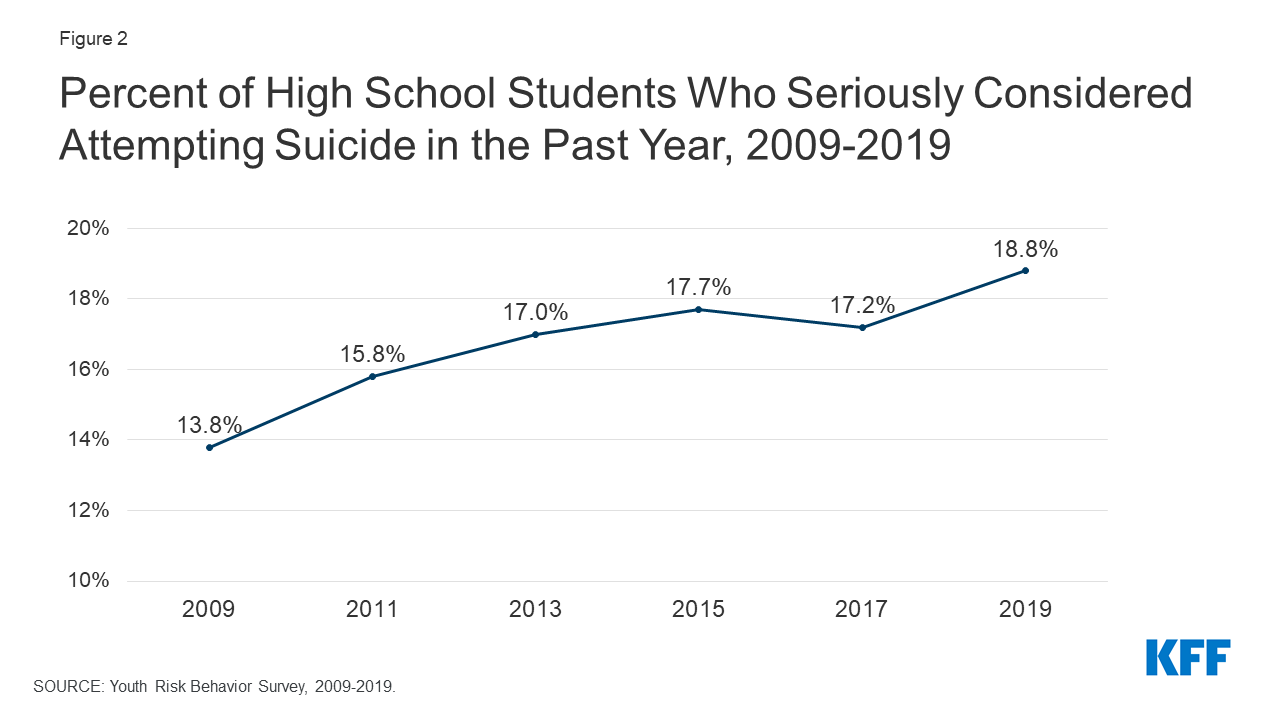
Figure 2: Percent of High School Students Who Seriously Considered Attempting Suicide in the Past Year, 2009-2019
Some evidence also shows that substance use disorders and overdoses among adolescents are increasing during the pandemic. Solitary substance use, as opposed to social substance use, has increased among adolescents during the pandemic. An analysis of private insurance data found that, in general, claims for substance use disorders and overdoses increased as a share of all medical claims for adolescents ages 13 to 18 in 2020, compared to 2019.1 Prior to the pandemic, 1.1 million adolescents reported having a substance use disorder in the past year. When substance use begins at younger ages, it is more likely to persist into adulthood and increase the risk of addiction.
During the pandemic, parents have reported that young children experienced worsened mental health outcomes. Young children may be experiencing worsened mental health due to pandemic-related disruptions in their routine and caregiving or stressful home environments. Forty-seven percent of parents with children who are not yet school-age reported they are more worried about their children’s social development than they were before the pandemic. During the pandemic, parents with children ages 5-12 reported their children showed elevated symptoms of depression (4%), anxiety (6%), and psychological stress (9%); and experienced overall worsened mental or emotional health (22%) (Figure 3). Parents of children attending school virtually were more likely to report their children experienced overall worsened mental or emotional health than parents of children attending school in-person (25% vs. 16%, respectively).
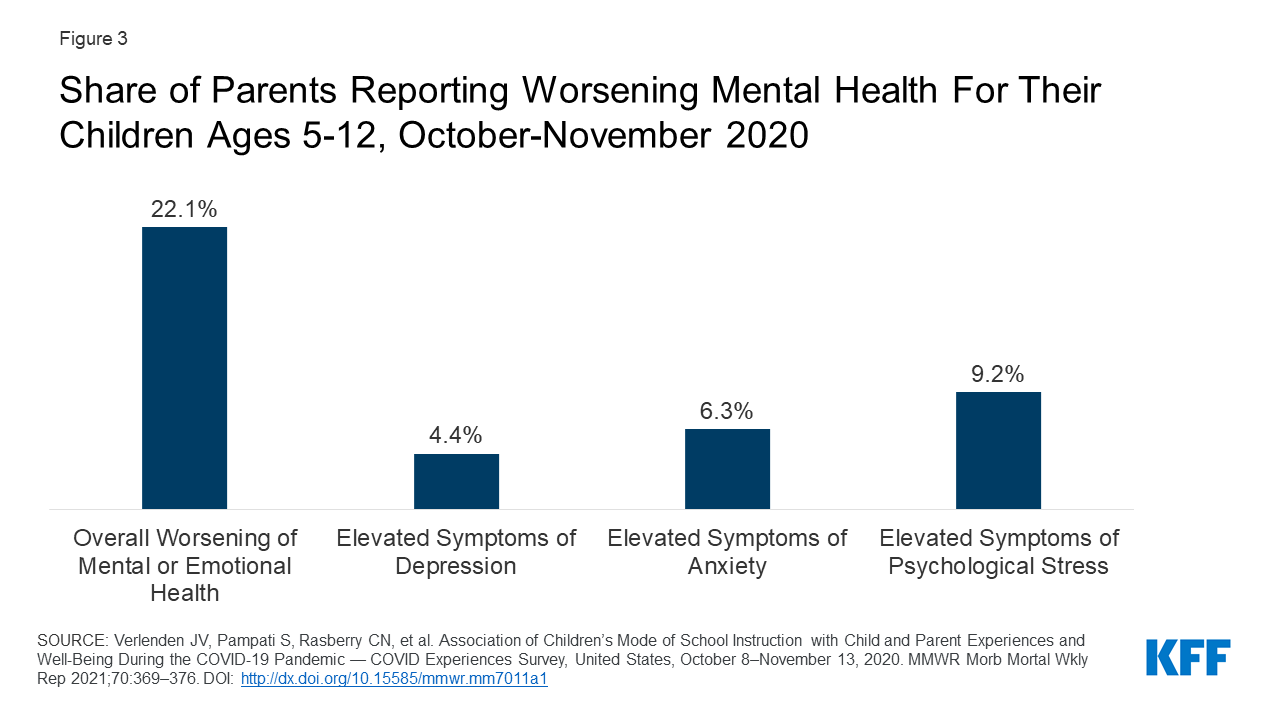
Figure 3: Share of Parents Reporting Worsening Mental Health For Their Children Ages 5-12, October-November 2020
An analysis of private insurance data found that claims for OCD and tic disorders increased as a share of all medical claims for children ages 6 to 12 in 2020, compared to 2019.1 ADHD was the top mental health diagnosis for children ages 6 to 12 during 2020; however, claims for ADHD decreased as a share of all medical claims, compared to 2019. This decrease may be due to teachers being unable to observe possible signs of ADHD as they typically would during in-person instruction.
Early research suggests that lesbian, gay, bisexual, transgender, and queer or questioning (LGBTQ) youth have experienced more mental health concerns during the pandemic than their straight/cisgender peers. A poll conducted in July 2020 found that LGBTQ youth (ages 13-24) were more likely than straight/cisgender youth to report symptoms of anxiety and depression (43% vs. 18%, respectively), and unmet mental health care needs (25% vs. 11%, respectively).
It is not entirely clear whether this disparity is due to the pandemic. Prior to the pandemic, LGBTQ youth were already at increased risk for depression, suicidal ideation, and substance use. In 2019, 66% of lesbian, gay, and bisexual high schools students reported persistent feelings of sadness and hopelessness (compared to 37% of all high school students) and 47% reported serious thoughts of suicide (compared to 19% of all high school students) (Figure 4). Larger than average shares of lesbian, gay, and bisexual youth also reported substance use before the pandemic.
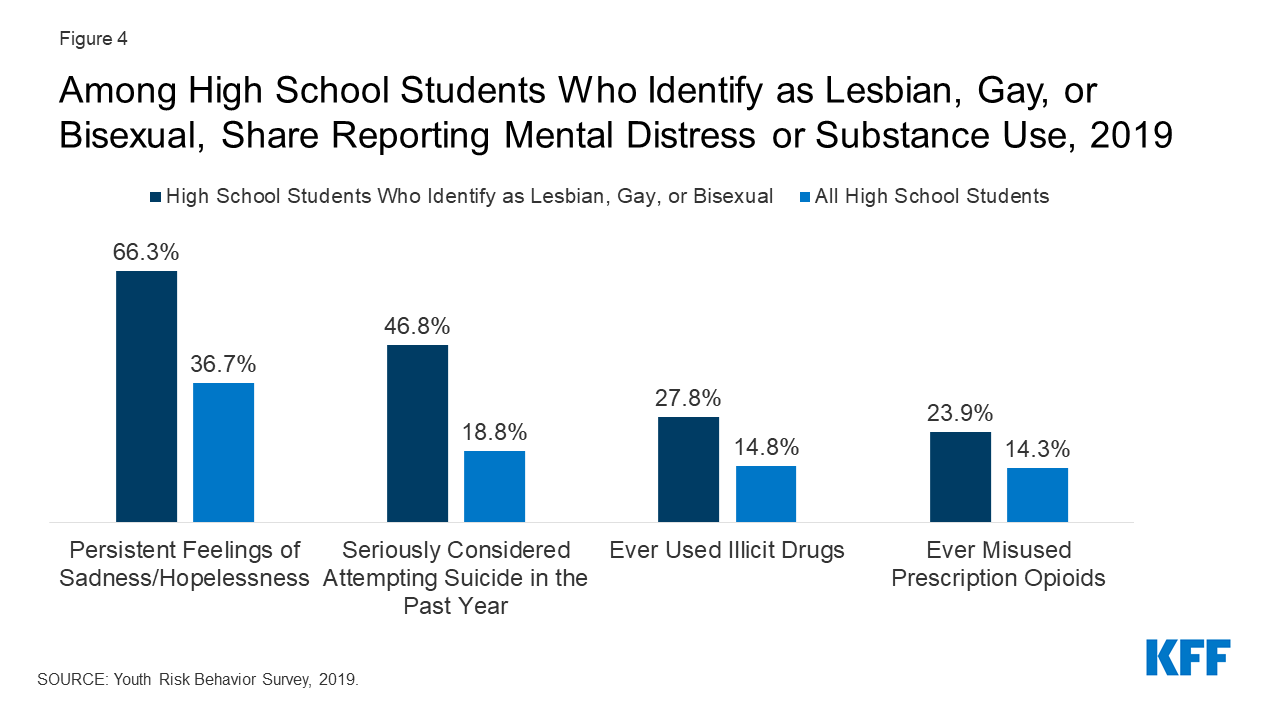
Figure 4: Among High School Students Who Identify as Lesbian, Gay, or Bisexual, Share Reporting Mental Distress or Substance Use, 2019
Poor mental health outcomes resulting from the pandemic may disproportionately affect children of color. Prior to the pandemic, children of color had higher rates of mental illness, but were less likely to receive care. They were also less likely than White children to have access to school health services, including mental health care. During the pandemic, these access issues may be further exacerbated as school services may have been suspended or limited. Asian children may also be uniquely at risk of adverse mental health outcomes due to anti-Asian racism that has emerged during the pandemic; prior to the pandemic, they were more likely to face barriers to accessing mental health services than White children. Structural racism has been associated with poor mental health outcomes. During the pandemic, Black and Latino adults have also experienced higher rates of illness and death from COVID-19, negative financial impacts, and poor mental health outcomes, which may have adverse mental health effects on children from these communities.
Suicide may also disproportionately affect children of color. Before the pandemic, Native American adolescent girls were three times more likely to die of suicide than White adolescent girls, and suicide rates have been increasing faster among Black children and teens than among non-Black children and teens.
Prior to the pandemic, many children with mental health needs were not receiving care for reasons including costs, lack of providers, and limited insurance coverage. In 2019, 11% of children ages 3-17 received mental health care in the past year. However, only one in five children with mental, emotional, or behavioral disorders were receiving mental health care from a specialized provider. It is possible that access to mental health care – like access to all health services – worsened during the pandemic. In an effort to slow the spread of the coronavirus, many health care providers changed the way they deliver services, sometimes suspending them or operating at limited capacity. Telehealth use has increased for many types of health services, but not necessarily by enough to offset the drop in in-person care.
A small share of parents also reported delaying mental health care (4%) or treatment for alcohol or drug use (2%) for their children in September 2020 in order to reduce exposure to COVID-19 or in light of limited provider services. However, other data suggests there have been large declines in pediatric mental health care utilization. Among Medicaid and Children’s Health Insurance Program (CHIP) beneficiaries under the age of 18, the number of children receiving mental health services dropped by 50% from February to October 2020 (Figure 5). While utilization rates of other services – including child screening and dental services – among Medicaid and CHIP beneficiaries under the age of 18 eventually began to rebound during this time period, mental health service utilization rates lagged in comparison. Nearly two out of five children under the age of 18 in the U.S. are Medicaid or CHIP beneficiaries. Private mental health care claims also decreased from 2019 to 2020.1 Despite a drop in the total number of mental health claims among privately insured patients, mental health care represented a larger share of total medical claims among these patients in 2020 than in 2019.
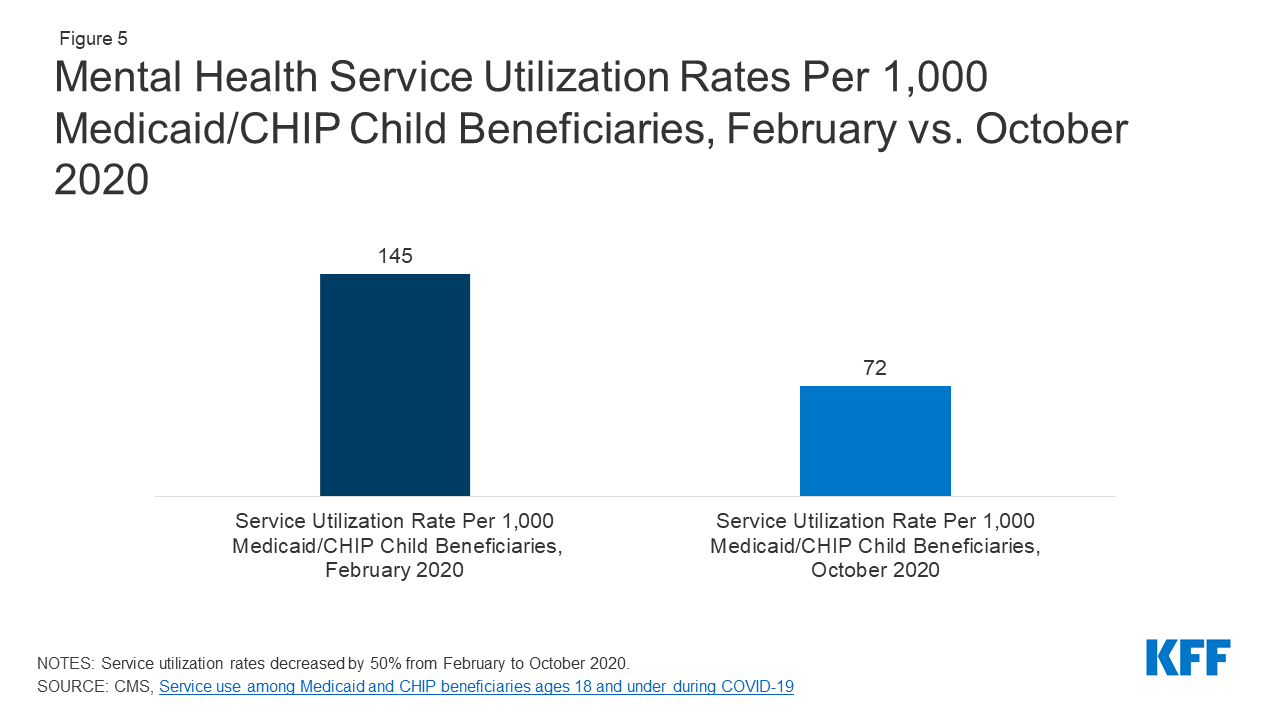
Figure 5: Mental Health Service Utilization Rates Per 1,000 Medicaid/CHIP Child Beneficiaries, February vs. October 2020
Throughout the pandemic, many insurers and mental health care providers have expanded telehealth services during the pandemic. Claims data from CMS show a significant increase in the utilization of outpatient mental health services via telehealth for Medicaid/CHIP child beneficiaries beginning in March 2020, with a peak in April. By July 2020 (the latest telehealth data for mental health services available at the time of this publication), the use of telehealth for mental health services decreased, but remained above pre-pandemic utilization levels. Analysis of pediatric private claims data has shown a similar trend.1 Additionally, a number of barriers may limit some children’s access to mental health care via telehealth during the pandemic, including lack of access to digital devices, internet, and privacy in speaking with a provider.
With pandemic-related school closures, children and adolescents may have faced limited or suspended health services they commonly access through school-based health centers (SBHCs), including mental health services. In focus groups conducted during the pandemic, many SBHC staff reported challenges delivering health care and heightened concerns around mental distress among students, including symptoms of anxiety and depression and suicidal ideation. Prior to the pandemic, many adolescents sought mental health care through schools (3.7 million adolescent visits in 2019, Figure 6).
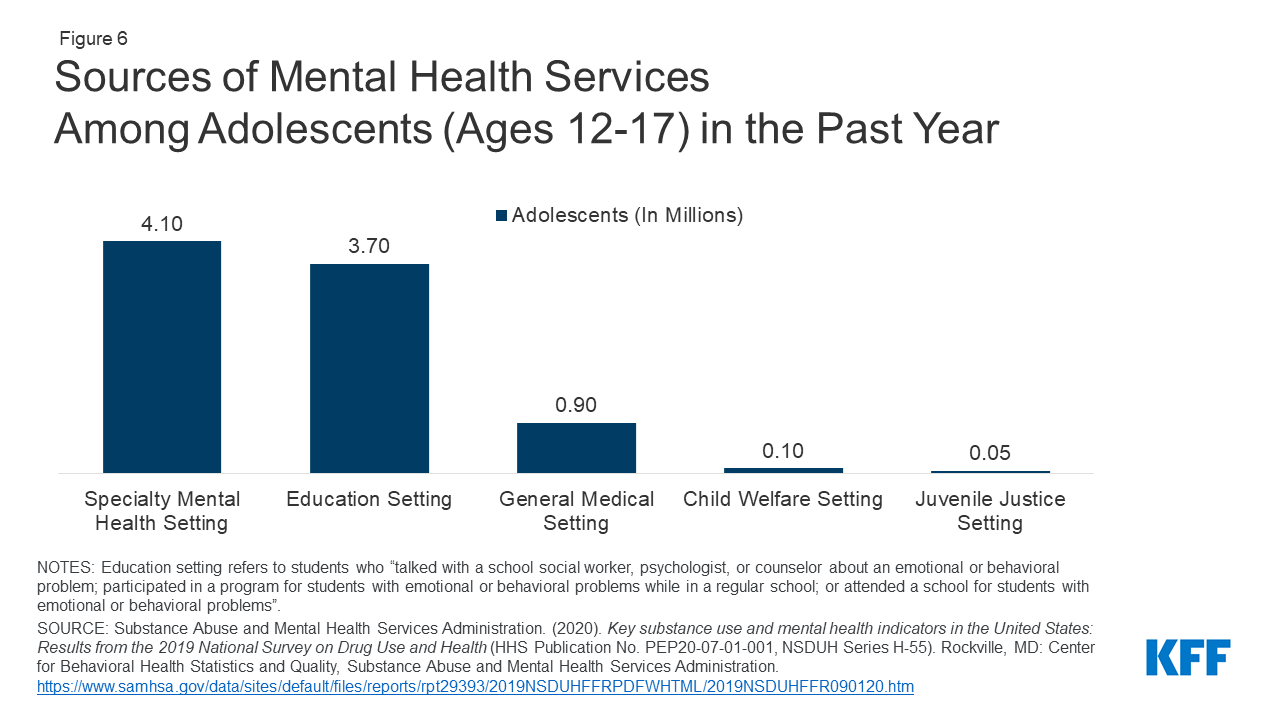
Figure 6: Sources of Mental Health Services Among Adolescents (Ages 12-17) in the Past Year
Anecdotal evidence from numerous media reports suggests that the availability of psychiatric beds in hospitals and mental health facilities has decreased during the pandemic, exacerbating an existing shortage of child and adolescent psychiatric beds, which are needed for individuals seeking emergency care during a mental health crisis. Surges of patients with severe COVID-19 have, at times, left hospitals at or above admissions capacity, and some have repurposed psychiatric beds for COVID-19 patients or have limited admissions in order to mitigate the spread of the coronavirus. Some financially hard-hit hospitals have closed inpatient psychiatric units entirely. It is possible that children in need of hospitalization for mental health disorders during the pandemic have challenges finding hospitals with enough capacity.
Stimulus bills passed during the course of the pandemic have included direct financial support for families with children, as well as other provisions that may alleviate some of the mental health burdens children and adolescents face. The American Rescue Plan Act (ARPA), which was signed into law on March 12, 2021, builds on prior pandemic aid by providing financial support to many families with children. It also allocates funding for mental health and substance use disorder services, with a portion designated specifically for children’s mental health, including $80 million for pediatric mental health care access, $20 million for youth suicide prevention, and $10 million for the National Child Traumatic Stress Initiative. The ARPA also designates funding for school, child care, and nutrition programs that serve many children and adolescents; provides relief fund payments for rural Medicaid and CHIP providers; and newly offers federal support to states for community-based mobile crisis intervention services. The recently proposed American Jobs Plan and American Families Plan outline additional funding for services to benefit children, including free preschool, new and upgraded public schools and childcare facilities, and nutrition programs.
Bipartisan bills aimed at addressing mental health and substance use consequences from the pandemic were recently introduced. Several of these bills at both the national and state level specifically focus on children. The COVID-19 Mental Health Research Act proposes research on pandemic-related mental health impacts, including impacts on children and adolescents. In Colorado, the Rapid Mental Health Response For Colorado Youth bill would establish a temporary program allowing youth to access mental health and substance use disorder services for free or reduced costs.
Looking ahead, poor mental health outcomes and access to care issues among children and adolescents are likely to persist beyond the pandemic. The pandemic may also increase the risk of children having adverse childhood experiences, such as experiencing violence or being exposed to adult substance misuse, which can lead to long-term mental health and substance use issues. This brief highlights the need for policymakers, providers, educators, parents, and researchers to consider the ways the COVID-19 pandemic may impact children’s mental health for the long-term.
This work was supported in part by Well Being Trust. We value our funders. KFF maintains full editorial control over all of its policy analysis, polling, and journalism activities.

The Equality and Human Rights Commission (EHRC) has quit as a member of Stonewall’s ‘Diversity Champions’ programme it has been revealed.
Responding to an open letter by women’s rights campaigners in May, calling on the watchdog to end its “inappropriate relationship of obedience and submission” with Stonewall, the EHRC said that its membership had expired in March.
Around 250 public bodies pay upwards of £2,500 to subscribe to the lobby group’s programme, which rewards employers for promoting LGBT ideology inside and outside of the workplace.
In a public statement explaining its decision, the EHRC claimed that – after a budget review of all its memberships – “the Stonewall Diversity Champions programme did not constitute best value for money”.
It continued: “Therefore we chose not to renew our membership, and advised them accordingly.”
The subscription fee charged by Stonewall under the scheme depends on an organisation’s size, but starts at £2,500 plus VAT.
According to calculations made by The Sunday Telegraph last year, fees paid by public bodies for Stonewall’s services could be costing the taxpayer at least £600,000 a year.
The EHRC decision follows a series of incidents where Stonewall’s influence and advice has been exposed and questioned.
Last week, barrister Akua Reindorf warned the University Of Essex, after its links to the LGBT lobby group resulted in it misrepresenting the law on transgender issues.
At the beginning of this month, a former Old Bailey judge raised serious concerns over the privileged position afforded to Stonewall by the Law Commission in its consultation on hate crime law.
And last year a freedom of information request revealed that the Scottish Civil Service had been pushing a range of controversial Stonewall policies on transgender and non-binary issues.
Gay columnist Matthew Parris, writing in The Times, revealed that he had also cancelled his Stonewall membership recently.
He accused the organisation, which he helped to found in 1989, of “anger, intolerance and partisanship” and of adopting an “extremist stance” on the “trans issue”.
anger, intolerance and partisanship
Parris criticised the LGBT lobby group for becoming embroiled in “attempts to deny free speech” at the University of Essex after its Stonewall-inspired trans policy denied gender critical academics the right to speak on campus.
The columnist also questioned why Stonewall had “dived into the judicial issue of whether would-be trans children can consent to chemical or surgical intervention”.
Stonewall responded to the increased press scrutiny by tweeting: “Hey @thetimes @the sundaytimes @ mailonline, U ok hun?”
Hey @thetimes @thesundaytimes @mailonline,
U ok hun?
Just checking because you are spending a *lot* of time talking about us.
It’s a bit creepy. pic.twitter.com/XBMMy0gDDq
— Stonewall (@stonewalluk) May 23, 2021

Lawyer: ‘Stonewall misleading universities over equality law’
Female student investigated by uni for stating biological fact
Misleading trans schools guidance scrapped by equalities watchdog
Stonewall guide ‘misleads and intimidates’ schools over ‘inclusive’ Ofsted checks
New RSE guidance expels radical trans ideology from the classroom
Equalities Minister blasts unapproved LGBT guidance for schools
Warwickshire council axes more controversial trans guidance
Women’s rights campaigners tell EHRC: ‘Remove Stonewall muzzle’
Public bodies paying thousands to join Stonewall’s pro-LGBT scheme


Associated Press
Three crew members of a Japanese crab fishing vessel died Wednesday after a collision with a Russian freighter in the Sea of Okhotsk, north of Japan’s Hokkaido island, officials said. The Russian cargo ship rescued all five crew members, but three were confirmed dead after arriving at the port of Mombetsu, Japan’s government spokesman Katsunobu Kato said. Japanese broadcaster NHK identified the Japanese vessel as the 9.7-ton Daihachi Hokko Maru, based in Mombetsu, and the freighter as the 662-ton Amur, registered in Nevelsk in Russia’s Sakhalin island.

The majority of Americans support allowing openly transgender people to serve in the military but oppose permitting them to play on sports teams that align with their gender identity, according to new Gallup data.
The annual Values and Beliefs survey — conducted May 3-18 by telephone interviews with 1,016 randomly selected adults living in the U.S. — found that 66 percent of people favor allowing openly trans people to serve in the military, though Gallup noted that this figure is down slightly from its previous measure in 2019, when 71 percent were in favor.

At the same time, 62 percent of Americans say trans athletes should only be allowed to play on sports teams that correspond with the sex they were assigned at birth, while 34 percent say they should be able to play on teams that match their gender identity.
The contrast — one in support of trans people’s participation and the other against — is at least in part due to the wave of state legislation seeking to bar trans students from competing on school sports teams that align with their gender identity, said Mara Keisling, executive director of the National Center for Transgender Equality.
“What people are reacting to here is just an absolute barrage orchestrated by the extremist anti-LGBT groups — the same ones who, in 2004, caused there to be a bunch of marriage equality losses around the states,” Keisling said.
As a result of proposals to ban same-sex marriage, Keisling said reporters in 2004 were asking, “Are people turning against gay people?”
“And in fact the opposite was true,” she said, adding that “2004 was the real turning point in the marriage equality fight — not in small part because of all of those bills that passed all around the country.”

Since 2004, public support for same-sex marriage has steadily increased, according to the Williams Institute at UCLA School of Law, which researches LGBTQ policy issues.
So, while the Gallup data on trans athlete participation “isn’t good,” according to Keisling, she’s hopeful, because the survey did find that more people know trans people, which she believes will positively affect public opinion.
Public support for trans people serving in the military is down from 71 percent in favor in 2019 to 66 percent in 2021, though the drop was mostly among political independents. In its analysis, Gallup wrote that it “has routinely found shifts in public opinion, particularly among political independents, during presidential transition periods — as has been the case for approval of the Affordable Care Act and support for labor unions.”
The margin of error for the total sample of national adults was plus or minus 4 percentage points at a 95 percent confidence level.
Keisling said that “as more and more people are exposed to trans service members and trans veterans, support will stabilize.”
Unlike state policies on trans athlete participation, federal policy has also become more supportive of trans people serving in the military. During his first week in office, President Joe Biden repealed former President Donald Trump’s ban on transgender people enlisting.
Keisling said state legislators who have introduced measures to ban trans girls and women from competing on girls and women’s sports teams “have done a great job of framing the conversation.” The proposals target middle school, high school and college athletes, but when most people are asked about trans athlete participation, they think of elite or professional athletes, she said.
So far, governors in eight states have signed laws or executive orders restricting trans student athlete participation — seven of them in 2021.
Gallup noted in its analysis that the issue of sports policies for trans athletes is “fairly new to many Americans, and that their opinions on LGBT issues have changed over time, often in big ways.”
“Sizable majorities of Americans have expressed consistent support for transgender military service in recent years, whereas this first measure on sports policies suggests that they are not viewing the two issues the same way,” Gallup wrote.
Keisling said that as people know more about the issue, and know more trans people, public opinion will change. And Gallup data suggests that might be true.
Those who know someone who is trans are more likely to say trans athletes should be able to play on a team of their gender identity, with 40 percent in favor, than people who do not know someone who is transgender, with 31 percent in favor. Those who have a trans person in their life are also more supportive of trans people’s right to serve openly in the military, at 74 percent, than those who do not know someone who is trans, at 62 percent.
Gallup noted that it found a similar trend in the past among Americans who personally knew a gay person and their views on related issues.
“If you look at the younger folks in terms of who knows a trans person, it’s really obvious here that we’re winning,” Keisling said, pointing to the fact that half of people younger than 30 know someone who is trans, according to Gallup. By comparison, only 19 percent of the oldest age group, people 65 and older, know a trans person.
“These state legislators who are doing this, their children and their children’s children already know that they’re making this stuff up for political gain,” she said, referring to trans athlete restrictions. “Someday they’ll be in the dustbin of history.”
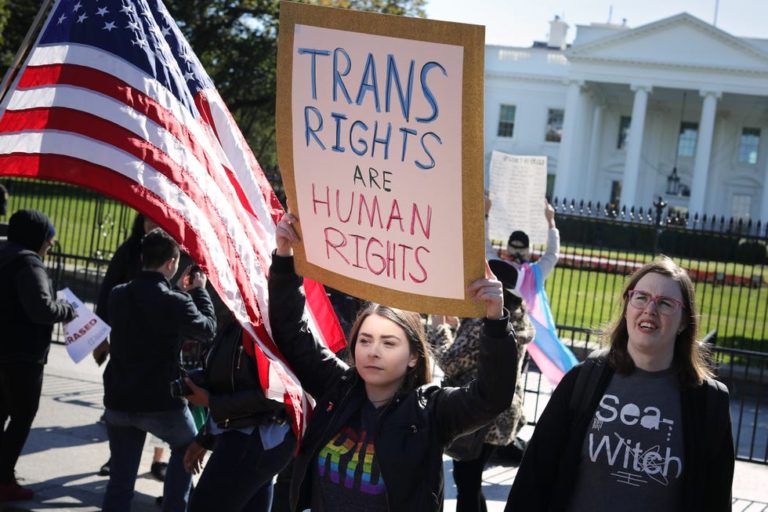
Forty-seven years ago this month, my mother, Bella Abzug, introduced the nation’s first gay rights bill in Congress. It would have amended the Civil Rights Act of 1964 to included lesbian, gay and bisexual Americans. My mother, ever the pioneering reformer, saw the clear and urgent need for addressing discrimination that far too often destroyed people’s well-being and lives.
While much has improved for LGBTQ Americans since that spring day in 1974 – with growing opportunities for living openly and in safety, for marrying and for serving in the nation’s military – discrimination remains a daily reality for many in our communities. For nearly a half-century, however, Congress has failed to follow my mother’s lead to extend equal nondiscrimination protections to all LGBTQ people – despite polling showing overwhelming and bipartisan support across the nation for doing just that.
Anti-LGBTQ discrimination is not some abstract or political football. Instead, it has profoundly damaging, real-life and often lifelong consequences for LGBTQ Americans. More than 1 in 3 LGBTQ folks, according to a 2020 Center for American Progress survey, experienced discrimination of some kind – perhaps in public spaces, on the job, in schools and in their own neighborhoods – in the previous year, with that number rising to over 60% among transgender people.
Vulnerable groups, including communities of color, transgender folks, seniors and youth, face especially severe consequences. According to a 2013 report by multiple advocacy groups, unemployment and poverty rates – already higher among people of color than among whites – are significantly higher yet among LGBTQ people of color, particularly Black LGBTQ people, who are more likely than their white LGBTQ counterparts to be raising children under these burdens.
Women die in combat:Men-only military draft is a vestige of anti-women bias. Supreme Court should strike it down.
According to a large 2016 report, transgender Americans experience unemployment and poverty at 2.5 to three times the national average, and almost 1 in 3 have experienced homelessness in their lifetime. Violence also stalks the lives of trans people – with nearly half of adults, 47%, reporting having been sexually assaulted at some point in their lives and a record 44 killings last year, most of them targeting women of color. Unsurprisingly, psychological distress, including suicide attempts, far exceeds the level confronted Americans generally.
Among LGBTQ elders, same-sex couples face persistent discrimination in securing senior housing, while our community’s youth face bullying and depression and risk for suicide at alarmingly high levels, with less than half the states providing explicit protections against harassment and discrimination on the basis of sexual orientation or gender identity.
After 47 years, there is now hope that Congress might finally be ready to act. For the first time, both Democrats and Republicans have put forward measures that include LGBTQ protections in our nation’s civil rights laws. The major bone of contention between the two parties’ bills involves how to balance the urgent need to protect LGBTQ people with the religious freedoms all Americans enjoy.
My mother, known by many as “Battling Bella,” famously never shied away from a fight. At the same time, she was deeply committed to getting things done, saying “I want action – not talk.”
For example, she partnered with Republican Rep. Barry Goldwater to get the Privacy Rights Act of 1974 over the finish line. She co-authored and championed Title IX – the historic law prohibiting discrimination on basis of sex by educational institutions receiving federal funding – accepting that an exemption for religious schools was a price of winning. Over the fierce opposition of many leaders of the women’s rights movement, she knew it was critical that conservative women – including opponents of abortion – be invited to the first National Women’s Conference in 1977.
Dress code double-standards:Edited Bartram Trail High School yearbook photos are as inherently sexist as they are unsightly
We need this kind of courageous leadership today from the Republican and Democratic senators who say they support nondiscrimination protections for LGBTQ people. We need them to get out of their safe corners and find common ground. This is what legislating is all about and it doesn’t require sacrificing fundamental principles.
After nearly five decades, it’s time for Congress to finally deliver on my mother’s vision and include LGBTQ people – coast to coast – in the protections provided to all other Americans by the Civil Rights Act.
Liz Abzug is a national public affairs and strategic consultant, and founder and president of the Bella Abzug Leadership Institute, New York City.


The dream of a dedicated LGBT centre for Fife is to become a reality after plans to transform a vacant shop building in Kirkcaldy town centre were given the green light.
Pink Saltire, the charity which has organised the hugely successful annual Fife Pride events attracting thousands of people to the town since 2017, are behind the ambitious project.
They say it’s now “full steam ahead” with efforts to bring the new facility to the town.
A fundraising appeal has been launched to help cover the costs of creating the hub which will be known as The Hive LGBT Centre.
The project will breath new life into the former Goldbergs department store in Whytescauseway just off High Street, which has lain empty for a number of years.
The 10,000 square foot space, which is spread over two floors, will be transformed into a multi functioning hub including a cafe, recording studios, community meeting rooms, hot desks for hire and an exhibition space in what is the first phase of a long-term project.

Commenting on the news, Stuart Duffy, founder of Pink Saltire, said everyone was excited to be able to launch this final phase of their ambitious plans.
“It’s been a long journey since we took the keys back in July 2020, made even more difficult during the pandemic as trades have been so difficult to get a hold of, but we’re determined to get the doors open this summer,” said Stuart.

“We’re hoping the community will support us raise the money needed to get things finished.
“More than £50,000 has already been raised to help make this first phase a welcoming, safe space in Fife for LGBT+ people.
“We’ve had support from The National Lottery Community Fund, Fife Charities Trust and our landlord has also made a contribution to the fundraising – now it’s the final big push.”
Two community organisations have already signed up as residents too, with Transgender Fife and Scene Alba Magazine now based at the facility on Whytescauseway.
It’s also hoped the building will act as a base for a number of community services and programmes, as well as offering a focus during the successful Fife Pride event each year.

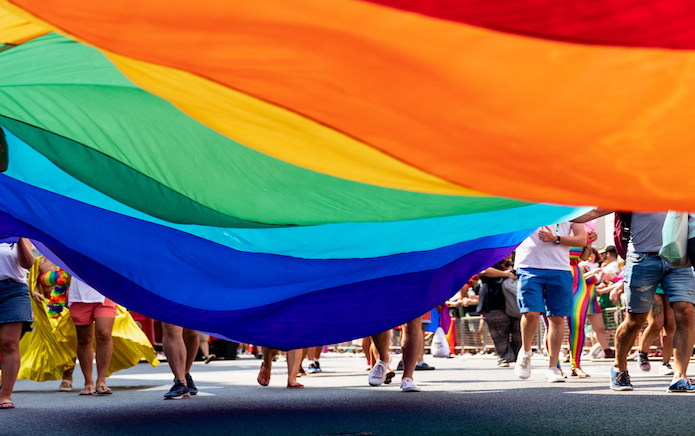

Apple, Coca-Cola, Goldman Sachs, Google, Hewlett-Packard were of few of the companies that received a high rating in the CEI report.
“While taking a public stand on potentially sensitive social or political issues may lead to positive outcomes and competitive advantages, the repercussions of social advocacy can also be detrimental if the stance taken is not aligned with the preferences and values of the firm’s key stakeholders,” the report reads.
“Taken as a whole, our empirical findings provide strong evidence to suggest that LGBT-friendly corporate policies enhance firm performance,” it concludes.
“These findings can be considered to support the view that socially progressive corporate policies and diversity management pay off and create value for the firm.”
If companies continue to introduce policies that support sexual and racial minorities, employees are likely to be attracted to an inclusive working environment.
Therefore, top companies benefit from a strong, dedicated workforce that recognises the importance of a working community that represents everyone.
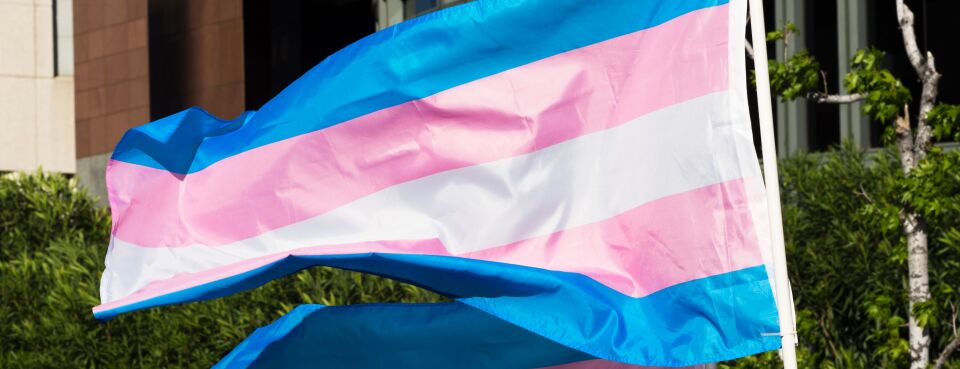
Action by the Biden administration to protect LGBT individuals from discrimination in health care pits the federal government against states passing laws that prohibit gender-affirming care, such as puberty blockers, for transgender minors.
Arkansas and Tennessee have recently passed such laws. Meanwhile, the Department of Health and Human Services said it would resume enforcing protections for LGBT Americans in health care, reversing a ban put in place by the Trump administration. This puts the states’ laws in direct conflict with federal law, attorneys say.
Transgender youth “are already at significant risk of bullying and harassment. And these state laws limiting their participation in sports and especially the laws that are limiting their access to medical care are just so difficult,” Rachel Levine, assistant secretary for health at the HHS, said in an interview.
The Arkansas law prohibits doctors and other health-care providers from suppressing puberty for transgender minors and using hormone therapy to induce gender-affirming physical changes. The Tennessee law bans hormone treatment for transgender minors who haven’t yet hit puberty.
Bans against providing gender-affirming care “are putting health care providers into a tricky spot where they’re prohibited from discriminating under federal law, but forced to discriminate under state law,” said David Brown, legal director for the Transgender Legal Defense & Education Fund.
However, it’s unclear how the change in federal enforcement will affect these state laws or other states considering similar legislation. About 20 other states have introduced similar legislation, according to the ACLU.
“If President Biden decides to sue the State of Arkansas to stop us from implementing the GIRLS Act, which safeguards opportunities for our young girls, or the SAFE Act, which protects children from experimental procedures, then my message to him is this: Bring it on, Biden!” Arkansas Attorney General Leslie Rutledge said in a statement.
“I will happily fight to ensure that Arkansas’s girls have a fair playing field and that our doctors follow the science instead of the political winds,” Rutledge said.
The SAFE Act, or the Save Adolescents From Experimentation Act, is an Arkansas law that bans gender-affirming medical care for transgender people under the age of 18. The GIRLS Act, or the Gender Integrity Reinforcement Legislation for Sports Act, is an Arkansas law that prohibits transgender girls and women from competing in women’s sports.
Tennessee on May 19 also passed a law banning gender-affirming medical care for transgender minors. The ACLU on Tuesday filed suit challenging Arkansas’ ban on gender-affirming care for minors, a move it planned to make even before the Biden administration’s action.
“I’m sure that there’ll be interactions between those state laws, and the new interpretation in terms of 1557, and we’ll see how legally that plays out. But I want to emphasize how difficult and challenging these are for transgender youth,” said Levine, the highest ranking openly transgender official in any administration.
“The ban on medical care is going to hurt kids. I mean it is going to lead to more challenges and more difficulties for already vulnerable transgender youth,” she said.
According to polling by the Center for American Progress and the nonpartisan research organization NORC at the University of Chicago, 28% of transgender respondents said they postponed or avoided needed medical care while they were sick or injured because they were concerned they would face discrimination.
Forty percent said they avoided preventive screenings, and 36% of LGBT people who had faced previous discrimination reported avoiding doctor’s offices.
Section 1557 of the Affordable Care Act prohibits discrimination on the basis of race, color, national origin, sex, age, or disability by entities that primarily provide health care and receive federal funding. An HHS notice from May 10 says the Biden administration will enforce it as the law was initially intended.
The Obama administration made clear in a 2016 rule that Section 1557’s protections extend to bar discrimination based on sexual orientation, gender identity, transgender status, and against women seeking abortion-related care. The Trump administration then finalized a 2020 rule that removed women seeking abortions and LGBT people from the ACA’s non-discrimination protections—allowing health-care workers, hospitals, and insurance companies that receive federal funding to refuse to provide or cover services such as abortions or transition-related care.
The point the Biden administration is trying to make is that it is here to help LGBT people who are discriminated against in the health-care system and it wants to receive complaints in those situations, Katie Keith, a health-care policy research professor at Georgetown University, said
After the ACA became law, the Obama administration received an influx of complaints from LGBT individuals, and the Biden administration may see one as well, she said.
The Biden administration’s action “means HHS will start investigating these complaints again and using enforcement authority to investigate and follow up,” said Wayne Turner, a senior attorney at the National Health Law Program.
Brown said they hope there will be complaints about discrimination filed from states like Arkansas if there is bias occurring.
The notice from the Biden administration doesn’t “repeal the Trump-era regulation by itself, there’s more work to do,” and that will take time, Brown said.
The Office for Civil Rights of the HHS is reviewing the 1557 regulations and “we do anticipate engaging in rulemaking under 1557,” Robinsue Frohboese, the office’s acting director, said in an interview earlier this month.