Home Blog Page 167

How common are mental health conditions among bisexual people? – Medical News Today

Mental health conditions are prevalent in the bisexual population. This is typically due to the stigmatization, oppression, and discrimination that they and others in LGBTQIA+ communities face. These factors can all contribute to negative mental health outcomes.

Bisexuality is a type of sexual orientation. A person is bisexual when they experience a sexual attraction, romantic attraction, or both to more than one gender.

Bisexual people make up the largest population within LGBTQIA+ communities. However, there is a lack of research regarding mental health issues in bisexual people.

This article explores existing research regarding mental health conditions in bisexual people. It also looks at where these populations may find support.

An older report by the San Francisco Human Rights Commission notes that bisexual people make up the largest single population within LGBTQIA+ communities. According to the American Psychiatric Association (APA), approximately 3.9% of the adult population of the United States are bisexual.

However, there is a lack of significant research surrounding mental health in bisexual people. This is despite research suggesting that bisexual people are at greater risk of mental ill-health than lesbian women and gay men.

In a 2020 study looking at mental health in Australian bisexual people, 72% of the participants reported high or very high levels of psychological distress. Other research also highlights that bisexual people experience higher or equivalent rates of poor outcomes for depression and anxiety relative to gay and lesbian people.

In particular, bisexual women experience higher lifetime rates of mood and anxiety disorders than lesbian and heterosexual women. Similarly, bisexual men experience higher lifetime rates of mood and anxiety disorders than heterosexual men.

Research also indicates that there is a higher risk of suicide and non-suicidal self-injury in bisexual individuals than in heterosexual, gay, and lesbian people.

The APA notes that bisexual people are more likely to experience depression than heterosexual, gay, and lesbian individuals.

The Centers for Disease Control and Prevention (CDC) also note that bisexual and gay men have higher risks of major depression.

One 2015 study suggests that bisexual women are 26% more likely to feel depressed than lesbian women.

A 2018 review looking at various studies also found that depression scores were higher in bisexual individuals than in heterosexual, gay, and lesbian individuals. The review suggests three potential causes of depression:

  • Sexual orientation-based discrimination: Bisexual individuals may experience stigma, prejudice, and discrimination that is qualitatively different than it is for lesbian and gay individuals.
  • Bisexual invisibility and erasure: These are in relation to the delegitimization of the bisexual identity, such as people perceiving bisexual individuals as either heterosexual, gay, or lesbian rather than bisexual.
  • Lack of bisexual-affirmative support: This can include a lack of support from the partners of bisexual individuals as well as a lack of support from within LGBTQIA+ communities and the wider society.

A 2020 study also highlights that healthcare professionals may not be as familiar with the health needs of bisexual individuals, which can result in negative outcomes for this population.

A 2018 systematic review highlights the elevated rate of anxiety among bisexual individuals. This is consistent with a 2020 study that notes higher levels of anxiety symptoms among bisexual people.

According to the CDC, gay and bisexual men have a higher risk of having a generalized anxiety disorder. Similarly, bisexual women are 20% more likely to experience anxiety than lesbian women.

One 2015 study suggests that bisexual women are more likely to experience stress from social settings due to discrimination resulting from heterosexism and monosexism. This may cause bisexual women to experience worse mental health than lesbian women.

Bisexual people are also likely to experience minority stress. This concept comes from the fact that bisexual people have sexual minority status. This results in psychological stress that can result from:

A 2020 study also notes that bisexual people may be likely to experience sexual identity stress at multiple levels. This includes stress from:

  • having identity uncertainty
  • having to hide their sexual orientation
  • having a weaker sense of connection to LGBTQIA+ communities

Bisexual people may also experience substance misuse. This can be in response to their experiences with discrimination, stress, and violence.

A 2017 review suggests that bisexual individuals are generally at increased risk of substance misuse, with bisexual people more likely to drink heavily and use illicit drugs.

This is consistent with other evidence that suggests that bisexual men are more likely to misuse tobacco and alcohol than the general population. Similarly, bisexual women drink more than heterosexual women and have a higher risk of developing alcohol use disorder.

The CDC also notes that bisexual men may also use other illicit drugs such as methamphetamines. This can contribute to a higher chance of contracting sexually transmitted infections such as HIV.

Low self-esteem in bisexual people can arise from a number of scenarios. This can be due to rejection from society, family, and friends as well as from religious pressures and social discrimination.

An older report notes that bisexual people experience more stigma in terms of their identity being delegitimized, such as being told that their sexual identity is a “phase.” This can result in bisexual people having lower self-esteem and less certainty regarding their sexual identity.

An older study indicates that bisexual women reported significantly lower self-esteem than heterosexual women. A 2017 study yields similar results, with bisexual women reporting lower self-esteem. This study also notes that self-esteem in bisexual women did not increase from adolescence to adulthood.

A 2019 study in bisexual men notes that low self-esteem and low self-worth had an effect on substance misuse and mental health. It also suggests that people in this population have an increased chance of contracting HIV.

A variety of factors can influence the development of eating disorders in bisexual people, including low self-esteem, discrimination, poor mental health, and impractical body standards.

Bisexual men may have a higher risk of experiencing body dysmorphia and eating disorders. This is consistent with a 2020 study that also suggests that bisexual men have a higher risk of developing eating disorders than heterosexual men.

Evidence indicates that bisexual women are twice as likely to have an eating disorder than lesbian women. A 2020 study notes that bisexual individuals are also more likely to experience disordered eating habits, such as purging and binge eating, than heterosexual individuals.

Mental health complications are prevalent among bisexual individuals, but support is available. Some options that people may want to consider include:

  • Community: Establishing connections with other bisexual people and other individuals within LGBTQIA+ communities may help people feel safer and welcome.
  • Identity: Having involvement and pride in one’s bisexual identity may help prevent delegitimization. For example, people may wish to join advocacy groups.
  • Therapy: Finding a therapist who supports and affirms bisexual identities can help improve a person’s well-being.
  • Healthcare: Finding a doctor who not only supports bisexual identities but is familiar with complications that bisexual people may face can help provide better health outcomes.

Additionally, there are many organizations that can provide support for bisexual people. These include the following:

Click here to learn more about available mental health resources.

Some evidence suggests that bisexual individuals may face a higher risk of suicide than heterosexual, gay, and lesbian individuals.

Bisexual people can access national hotlines for free, confidential assistance from trained professionals. These hotlines are available 24 hours per day and may benefit anyone experiencing difficulties with their mental health or those who want or need to speak about their feelings.

People who may not feel comfortable talking on the phone or verbally discussing their emotions can instead try online messaging and text-based support options.

If a person believes that someone is at immediate risk of suicide, they should call 911 or a local emergency number. People should attempt to supply as much accurate information as the emergency services require.

Mental health conditions are common in the bisexual community. Many factors — such as stigma, discrimination, and oppression — can contribute to these negative mental health outcomes.

More research is necessary to provide better, personalized care and solutions for bisexual individuals, who may be more susceptible to mental health conditions due to stigma and discrimination.

However, support is available. Bisexual people can find support and advocacy from several organizations. Additionally, finding supportive communities and healthcare professionals that affirm bisexual identities can help improve well-being.


I Gained 20 Pounds During the Pandemic, and Yes, I’m Still Going to Enjoy My Summer – POPSUGAR

Photo taken in Taormina, Italy

Like many people during the pandemic, I spent the last year mostly inside with no gym access, my everyday routine turned upside down, and relying on emotional eating and drinking to get me through what was the most anxiety-inducing time of my life. So it was no surprise that I put on nearly 20 pounds over the last 14+ months.

As shocked as I was when I stepped on the scale a few months ago and saw the highest number I’ve ever weighed staring back at me, I vowed to be kind to myself. I have spent most of my life obsessing over my body and weight (going on your first formal diet at age 10 will do that to you). My weight fluctuates often — I currently weigh about 40 pounds more than I did at my lowest weight in college — and I have talked negatively to myself and beaten myself up at every size.

I have come to learn that the problem is with me and how I view myself, and not with my body. That being said, I tried to transform my mindset to be grateful for this strong and healthy body. I caught COVID in March 2020 (testing wasn’t available at that time, but losing taste and smell was a clear sign, and it was confirmed with a positive antibodies test a couple months later). I only had mild symptoms for a few days and was fortunate to make a full recovery.

So yes, most of my clothes no longer fit — going from wearing stretchy leggings to trying on dresses and pants with actual zippers was a real shift. I had to go up a dress size and donate some clothes to Goodwill. And I won’t lie and say it’s been easy: I still struggle with negative self-talk and periods of hating my body, and I am actively trying to lose my COVID weight gain with a PCOS meal plan and regular exercise.

I’m starting to realize that what your body looks like is the least interesting thing about you.

But in the meantime, I’m going to enjoy what I am manifesting as the best summer of my life. I’m fully vaxxed, waxed, and ready to have a hot girl summer two years after Megan Thee Stallion coined the phrase. I’m going to put on my favorite bathing suit and hit up the pool and beach. I am moving into a new building with a nice roof deck and fully plan to take advantage of the lounge chairs in minimal clothing (and high SPF, of course). I am going to wear shorts and short skirts and sleeveless dresses and tank tops. I’m going to have group hangouts with my friends again and won’t spend my time comparing my body to theirs. I’m going to take tons of photos and not obsess over every angle, or even worse, put them through a round of Facetune.

I’m starting to realize that what your body looks like is the least interesting thing about you. I’m sick of diet and weight-gain talk, and I would rather channel that energy into working through my summer reading list and seeking out outdoor restaurants in my new neighborhood and finding the best rooftop to watch the sunset over the Hudson.

If your body has changed at all over the last year, I hope you give yourself grace and don’t beat yourself up about it. As we emerge from a global pandemic, be thankful for all that your body has done for you. You don’t need to necessarily love what your body looks like if that’s too hard of a transition, but you shouldn’t let it stress you out. I hope you will enjoy your summer and sunshine: there’s plenty of fun to be had.

Man pleads guilty to attempting to corrupt minor | News, Sports, Jobs – Williamsport Sun-Gazette

A Texas man has pleaded guilty to attempting to corrupt a minor, though the minor in question was actually two adult males posing as a 15-year-old boy.

According to Det. Loretta A. Clark, Jacob Severo, of Houston, Texas, allegedly contacted “the child” through the dating app Grindr. On the other side of the conversation were two members of a Facebook group. The two men engaged in conversations with Severo over the days of Feb. 25 and 26, that were sexual in nature.

Severo eventually agreed to meet with the two males under the auspices he was meeting a 15-year-old child, Clark alleged. As Severo approached the corner of Hawthorne Avenue and Cherry Street in Williamsport, he was met by the two adult males who had posed as the child.

During Severo’s guilty plea before Lycoming County Court Judge Marc Lovecchio, Severo admitted he had taken substantial steps toward meeting someone he believed was 15 years old. Although Severo never met an actual 15-year-old, he admitted he walked toward the address after he had been advised of the supposed minor’s age.

According to Assistant District Attorney Michael Sullivan, the plea bargain was toward the bottom-end of the acceptable range of punishment.

Severo told Lovecchio he had been sexually abused as a child and had grown up in an abusive environment before leaving to attend college in Williamsport. He said he has been diagnosed with PTSD and depression and has been seeing a therapist.

“He comes to this area and knows nobody, gets into the gay community and meets people on apps to later hook up,” Severo’s attorney, Kyle Rude, said.

Rude said the two men recorded a video of Severo, where they humiliated him with a video put on Facebook where they made Severo remove his shirt and do jumping jacks.

Severo’s former bail restricted him from using a cell phone or the internet, however it was modified to allow him to use a cell phone and the internet only for employment reasons.

Severo will be placed on probation for five years, will be registered for 15 years on SORNA II — formerly known as the Megan’s Law registration — with which he will register with Pennsylvania State Police. He will have to return home to Texas as soon as his paperwork in Pennsylvania is completed, as required by the sentence passed by Lovecchio.

Today’s breaking news and more in your inbox

Olivia Rodrigo rockets to top of U.S. albums chart – Yahoo Lifestyle UK

Refinery 29 UK

Conversations About Periods Must Be About More Than Cis Women

“I felt like my body had betrayed me, the doctors had lied to me and I just felt hopeless.” Kenny Ethan Jones, 27, is a London-based model, activist and entrepreneur. As a trans man, his relationship with his period has always been fraught. Long before he started hormone blockers at 17, he’d felt a strong disconnect when he had his period – “It was automatically like a red alert was going off in my body,” he says – but he’d believed that as he got further along in his transition, his menstrual cycle would eventually stop. And it did at first, when he started hormone blockers. But once he started testosterone, the bleeding came back. “When I started taking testosterone, there’s a period in which your body is basically adjusting,” Kenny tells R29. “So I started to have a regular but temporary bleed. It probably lasted around six months, which I adjusted [to], but I think that was when I was hopeful and I was feeling happy about where I was in my transition. For me, that was the end of periods as far as I was concerned, and I was always looking forward to that.” Five years later, however, he started having full-on periods again. “Doctors don’t really have an explanation why,” he says, “because there’s never been enough research into trans bodies.” The doctors checked his testosterone levels to make sure everything was alright on that front, which it was; beyond that, they couldn’t offer an answer as to why this was happening. “So now I still have on and off periods but they’re not as predictable – I wouldn’t say it’s a regular monthly cycle. I’m just coming to terms [with the fact] that as long as I have my womb, that’s going to be a part of my journey and my existence.” Periods are a part of life for many (but not all) people who were assigned female at birth (AFAB), a group that includes cis women, trans men, trans masc people and non-binary and genderqueer people. Yet what we are taught in school and what we can infer from the culture around us severely limits how we see menstruation and who we think experiences it. Our understanding of the menstrual cycle is limited to a monthly bleed and how it functions in the reproductive system, often eliding the messy reality and firmly establishing it as a ‘women’s problem’. Meanwhile understanding and education about gender beyond a strict gender binary is still reserved for the margins of society. This all compounds to further exacerbate the shame that already surrounds periods for everyone who experiences them. And for AFAB people who aren’t women, that shame exacerbates their complicated feelings around periods. Jamie Raines, 27, is a trans activist and content creator from Essex. Like Kenny, he says that his experiences of bleeding before transition felt completely wrong without fully understanding why. “On the one hand, people had told me that [my period] was going to happen so of course, that’s what’s happened,” he explains. “But on the other hand, it just felt so at odds with how I felt inside. It’s such an abstract concept to describe, but it just made me feel like my body was doing something wrong.” While he acknowledges that no one who experiences periods likes them particularly, he found them incredibly triggering for his gender dysphoria. “[Periods] were something that I struggled with,” he adds, “and I didn’t realise why until I found out I was trans, and there was this extra layer of internal difficulty I was having with accepting that this is what my body was doing.” Once he was out, the difficulty shifted. “I still had all these internal things but there were all these outward messages [conflicting with my experience]. There were no [sanitary] bins in men’s public toilets, all the pads smelled really flowery and they’re all aimed towards women. So it felt like this extra [barrier]. Not only am I telling myself that this shouldn’t be happening but I’m being told by the outside world [that] it shouldn’t be happening as well.” There were no [sanitary] bins in men’s public toilets, all the pads smelled really flowery and they’re all aimed towards women. So it felt like this extra [barrier]. Not only am I telling myself that this shouldn’t be happening but I’m being told by the outside world [that] it shouldn’t be happening as well.Jamie Raines Jamie doesn’t experience bleeding anymore but he does still experience other symptoms associated with a menstrual cycle as he hasn’t had a hysterectomy. “I’ve been on testosterone for over nine years now and I still feel like I go through some kind of cycle (though not as regularly). I still experience some of the things I used to experience when I had a period in terms of cramping and things like that, and I notice with my partner we sometimes match up a little bit on our moods.” Likewise, Kenny has what he calls ‘internal periods’ as well as minimal bleeding. “The emotional swings, bloating, fatigue: all of those things that I was having when I had a ‘regular period’ pre-medication is still what’s happening now.” The struggle comes not just with navigating the symptoms but the fact that there is no medical understanding as to why this is happening to him, or any accessible support. “Even when I’m explaining it to my doctor and going to trans specific clinics, they can’t give you the answers because they don’t know. They want to support you in the best way and they’ve tried putting me on [a version of] the pill that doesn’t contain oestrogen which has slowed down the bleeding, but I’m still having leakage here and there.” Kenny says that this is a fact of life for trans people. There is no research into trans bodies, very limited access to medical support – the ongoing scandal of the waiting lists for access to Gender Identity Clinics in the UK, with the NHS “currently booking appointments for people who were referred to the service in October 2017”, affects trans people for life, not just when they start to transition – and sparse representation of what you should expect your life to be. All you are told, says Jamie, is that taking testosterone should stop your period and if you don’t have a hysterectomy after five years, you should get a scan every two years to check for ovarian cysts. This can coalesce into an expectation that transitioning will put a stop to your period and your menstrual cycle. “I think a lot of people go into starting testosterone thinking that they’re never going to have another period again once they take their first shot of T or get their first prescription,” says Jamie, “not realising that even if it does stop quite quickly for you, it’s probably not going to happen within the first few months.” And as in Kenny’s case, there’s no guarantee that it won’t come back in some form. “It just feels like an area in which I thought there would be more support, because this would never be acceptable for cis bodies but it is for trans bodies,” Kenny adds. “And no one wants to put the money in to actually do the research to find out.” DashDividers_1_500x100 When it comes to menstruation, we are a long way from breaking the taboos or alleviating period poverty on a societal level. In some ways, it’s no surprise that discussions around periods are so lacking for people who aren’t cis women – the discussions are fundamentally lacking for cis women, too. But when we position periods as something integral to womanhood and something that only women experience, it does nothing to support women. It just makes life harder for everyone. “If we were to take trans people out of the conversation and just talk about cis women experiencing periods, no cisgender woman is always going to experience a period,” says Kenny. He points to pregnancy, menopause, endometriosis and eating disorders as examples of things that change or stop a person’s periods – and by the ‘period = woman’ logic, that would stop them being a woman. But it doesn’t. This is not to dismiss people who feel that menstruation ties them intimately to their womanhood; as Kenny puts it: “If that’s what feels comfortable for you and you want to align yourself with that narrative in terms of saying that a period makes you a woman, who am I to take that away from you?” It only serves to point out that trying to define womanhood as tied to periods and therefore suggest that periods can only happen to women is far too narrow a definition. Clearly, there needs to be a change in how we talk and think about menstruation for the sake of everyone who experiences periods. That change doesn’t come by ‘erasing’ the idea that periods are experienced by cis women – it comes from broadening the conversation and showing the range of experiences. “I think it’s about creating different narratives and allowing people to choose what narrative fits well for them,” says Kenny. “For me, I don’t see periods as a woman’s thing, I just see it as a bodily function that I happen to experience because of my gender. But I think the more stories, the more narratives that are out there, the more that people can align with the version that feels right for them, and that makes them more comfortable and that just leads to better mental health.” View this post on Instagram A post shared by Freda (@myfreda) Part of broadening those narratives is to remove explicitly gendered language, particularly when it comes to menstrual health products. “A big first step that we can take is neutralising the language used in conversations around periods,” says Jamie. He points to product lines like Cycle by Freda, which has completely neutralised packaging, as a great example. “I think by stripping it back, sending out something that’s neutral and not specifically for a certain group of people, sends out the implicit message that periods are experienced by a broader range of people than we initially thought.” Including all people who experience periods in products and advertising is part of a subtle shift in how periods are viewed. And that can positively impact everyone who feels alienated by the more delicate, floral, explicitly feminine branding of period products – from butch women to genderqueer people to trans men. These kinds of changes are not antithetical to fighting for period justice but a part of it – by destigmatising periods for all, we can push for better access to products and help to alleviate the shame that still clouds menstruation. What’s more, it will add to the pressure to put more money into researching and supporting trans bodies when on a basic level more people recognise that periods don’t just affect women. As for those who think broadening the conversation is taking up ‘women’s space’? “The kind of argument I always hear is when you go neutral, it becomes about men,” Kenny says. “But men are never going to be the centre in a conversation about periods, it’s never going to happen, statistically. Trans people are only 1% of the population.” He continues: “Opening a door to gender and accepting people for who they are… I don’t know what they think is gonna happen. I just think that people will be happier.” Like what you see? How about some more R29 goodness, right here?The Phrase ‘Coming Out’ Doesn’t Work AnymoreThe Women Who Don’t Have Periods (NSFW)Gender Critics Used Us To Attack Trans People

Peter Gay: Thank you Ernie Brodeur | Columns | thesunchronicle.com – The Sun Chronicle

My desk is situated so I’m able to look out the window at Barrows Veterans Memorial Park diagonally across the street from North TV.

The park was busier than normal Friday morning in preparation for the next morning’s Memorial Day service. Town employees were busy manicuring the lawn and erecting two large tents to protect people from the predicted heavy rain.

I had wondered earlier Friday if the annual ceremony might have to be postponed or canceled, then I hit me that standing in the rain for a half-hour or more is the least residents can do to pay their respects to the men and women serving our country, especially those who paid the ultimate sacrifice.

It was one of many thoughts I had over the past week. Here are five more I’ve have had inside this gray-haired head of mine:

 I will be thinking of Ernie Brodeur today. Ernie lived across the street from us for approximately 20 years before he lost a courageous battle with cancer last month.

Although he was an Army veteran, enlisting after high school, his life was the epitome of another branch of the service, the Air Force and their motto of “service before self.”

Whenever a snowstorm hit Berwick Road, Ernie would be up before dawn and on his snow blower clearing the driveways of neighbors, starting with those who would have struggled to do so otherwise.

Pattie and I could always tell that we had received significant snowfall overnight when we heard the sound of Ernie clearing our driveway.

His was always the last house to get cleared — service above self.

I told his daughters, Shelly and Nicole, that they were blessed if he was as half as good a father as he was a neighbor.

 I often run into people who don’t realize that North Attleboro, although safer than most cities and towns, still faces the same issues as communities all across our nation. It is why I have always advocated for full funding of the town’s police department when officials are dealing with tight budgets.

Last week’s homicide on historic High Street was proof that the town is not immune and why the men and women who serve the NAPD and other departments deserve our support.

It is why I wrote in this space two weeks ago that I’m in favor of installing traffic cameras to allow officers the time they need to deal with more important issues while also assuring area roads are safe.

 While Plainville’s budget is the most important item on next Monday’s town meeting warrant, I’m waiting to see how residents will vote on Article 19, a “ban on the sale of miniature single-use containers for alcoholic beverages.”

Although Attleboro and other communities have been considering a similar ban, Plainville may beat them to the punch by passing the article. The ban would be effective on Jan. 1, 2022.

 When North TV established goals in the development of a strategic plan late last year, we realized the importance of cablecasting as many live events as possible.

Ironically, the pandemic was actually beneficial because we were allowed to show high school games live for the first time, rather than wait for the Hockomock League’s 24-hour embargo to end.

In addition to showing Saturday’s North Attleboro Memorial Day service live, we have six high school games, six meetings of North Attleboro town boards, three Plainville meetings (including the annual town meeting on June 7), the Feehan baccalaureate Mass and the Feehan, North Attleboro, King Philip and Tri-County graduations all scheduled to be shown live on our channels and website.

That’s 20 live events over 11 days.

You can see why I’m not exaggerating when I call my North TV coworkers the hardest working staff in the business.

 One of those live meetings will be Thursday’s school committee interviews with the three superintendent finalists.

John Antonucci, superintendent in Duxbury, will be the first to be interviewed at 6 p.m. Uxbridge Superintendent Frank Tiano is scheduled for 7 o’clock and Peter Marano, Bellingham’s superintendent, will follow at 8 p.m.

The successor to Scott Holcomb will be announced later that night.

Although it won’t have the same drama as the finales of “American Idol” and “The Voice,” it is much more important and should be must-see TV for all parents.

Author Roxane Gay Urges Cornell Graduates to Find Their ‘True North’ in 2021 Convocation Speech – Cornell University The Cornell Daily Sun

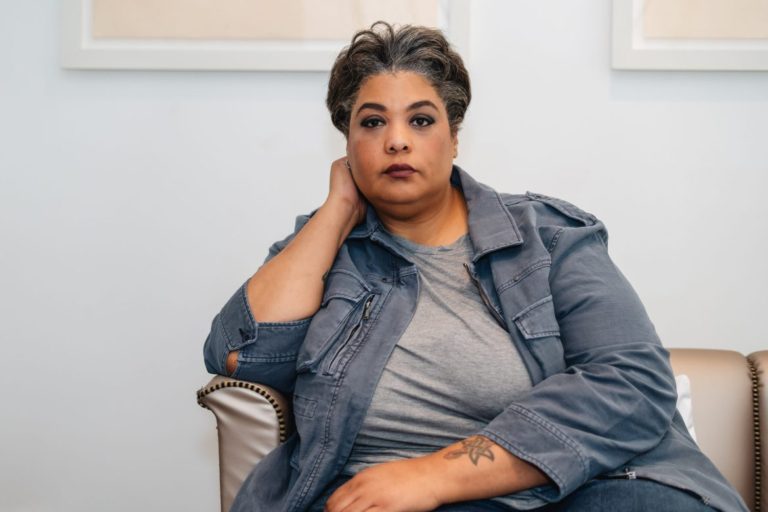
Author Roxane Gay encouraged Cornell’s Class of 2021 to tear down the borders of their imagination and to ardently pursue their dreams without inhibitions. 

In her virtual convocation speech, Gay addressed the graduating class on Friday in this year’s ceremony, encouraging students to go out into the world and aim big. 

“I could not tell you where any of my degrees are, but I can tell you what it took to earn each of them,” the author, professor and social commentator told the graduates in her pre-recorded speech. “I can tell you how they have contributed to who I am today and I hope that is true for you too.”

In the speech, Gay described the early childhood experiences that shaped her love for writing. She wrote stories about imaginary villages and underground cities based around games she would play with her brothers, Gay said, emphasizing the importance of imagination to Cornell’s graduates, even as adults entering the workforce. 

“As you walk into the unknown of the rest of your life,” Gay said, “please tear down the borders around your imagination and what you believe is possible for yourself and for your community. Do not let the fears and insecurities of others keep you from your ambitions for a remarkable life.”

Gay continued to write through school, college and adulthood, describing her lifestyle of constant reading and writing.

“I was able to honor this commitment to my craft because writing was and is my true north,” Gay said.

Gay has penned bestselling books Bad Feminist, an essay collecting covering the intersections of feminism with race, politics and culture, and Hunger, a memoir about food and body image. Gay is also a contributing opinion writer at The New York Times as well as a visiting professor of women’s, gender and sexuality studies at Yale University. She also launched her own publishing imprint, Roxane Gay Books with the publisher Grove Atlantic.

Gay previously expressed her interest in speaking at Cornell’s convocation in 2019 when comedian Hasan Minhaj stepped down from the role — saying at the time that her speech would focus on the importance of listening to others. 

But this commencement weekend, her speech focused instead on pursuing big dreams. Gay recounts her own early dreams of becoming a writer and how she purposely refused to set far-reaching goals. She focused on stories themselves, drowning out other people’s expectations, which allowed her to write on her own terms. 

“I think I just wanted to be free,” Gay said.  

Gay also told students not to let rejection or influence from others prevent them from reaching high. Despite receiving countless rejections, she never doubted her abilities as a writer. Instead, Gay said she used rejection as motivation, determined to prove herself. 

“Sometimes it was pure spite pushing me forward making me write every day and try to improve my craft,” Gay said. “I was going to show each and every editor who rejected my work that I could write well, that I was good enough and eventually I was.”

Gay also urged students not to let their dreams be limited by other’s expectations. 

“Naysayers want you to tame your potential until it can satisfy their lack of imagination for what is possible for you,” Gay said. “They want you to believe that only responsible choices are available to you because those are the choices they made for themselves.”

She concluded her speech by reminding students to ask for help when they needed it. 

“If you have to chart your own map to success, however you define it, share that map with others on the same path,” Gay said. “Be fiercely committed and fiercely kind, be relentless, find your true north, that thing that makes your world make sense.” 

War Horse actor salutes ’80s gay Soho in one-man show – BBC News

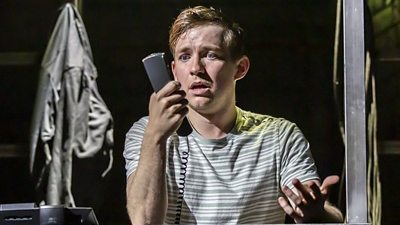
Cruise is a celebration of queer culture in London during the 1980s. The play is written and performed by Jack Holden, who is best known for his lead role in War Horse.

It tells the true story of a man diagnosed with HIV in 1984. He decides to go out with a bang, and says yes to everything.

Directed by Bronagh Lagan with music performed live by John Elliott, this one-man play at the Duchess Theatre takes the audience back to Soho at the height of the HIV epidemic.

The show has a 16+ age recommendation.

Jack Holden spoke to the BBC’s Claudia Redmond about returning to the ’80s.

If you’ve been affected by the issues in this video, you can find help and support from BBC Action Line.

HIV Project Focuses On Overseas Born Gay & Bisexual Men In Australia – Star Observer

Gilead Sciences Australia New Zealand on May 25, 2021, announced the Australian recipients of the Gilead Getting to Zero Grant Program 2021, a global initiative supporting projects aimed at getting to zero new HIV infections.

Two projects – one focussing on overseas born gay and bisexual men and the second on Aboriginal and Torres Strait Islander people – are the recipients of the grant in Australia. 

Accessing PrEP

The first Australian recipient to receive the Gilead ‘Getting to Zero’ Grant funding is Monash University for a project looking to improve access to HIV Pe-Exposure Prophylaxis (PrEP) for newly-arrived overseas-born men who have sex with men. 

Newly arrived overseas-born gay, bisexual and other men who have sex with men (GBM) require an increased focus on HIV prevention, and strategies to encourage HIV testing and earlier diagnosis of HIV . Late HIV diagnoses in overseas born GBM have increased substantially (32%) over the past five years in contrast with a 47% decline in Australian-born gay men.

Associate Professor Doctor Jason Ong, a sexual health physician at Melbourne Sexual Health Centre, part of Monash University’s Central Clinical School and project lead said the funding from the Getting to Zero Grant will help enable overseas born GBM to access pre-exposure prophylaxis (PrEP).

“Success in HIV prevention is highly dependent on cooperation and insights from a range of stakeholders. While overseas-born MSM is a specific population, there are many different countries, associated cultures, behaviours and levels of education and awareness for HIV prevention and treatment within this community,” Dr Ong told Star Observer.

“Our project aims to utilise lessons from behavioural economics to quickly and efficiently engage many stakeholders to solve complex challenges and create intervention strategies to empower overseas born Gay & Bisexual Men (GBM) with a focus on Asian-born GBM to access PrEP,” Dr Ong said.

Less Access To HIV Prevention Methods

“There are many factors that could explain why recently arrived Asian gay men could have a higher risk for HIV. For example, at the individual level, there are fears of testing positive (related to associated stigma and discrimination, and fear that their visa status will be affected), low health literacy and not understanding of how to effectively navigate the Australian health system. At the structural level, those who are not eligible for Medicare have less access to effective HIV prevention methods like PrEP and PEP, unlike Australian-born GBM.” he added.

According to the latest data from the Australian Annual Surveillance Report (published by the University of New South Wales), there is a marked difference in HIV notification among Australian-born gay, bisexual and other men who have sex with men (GBM) (4 per 100,000) compared with GBM born in South East Asia (14 per 100,000). Strikingly, among HIV diagnoses in overseas-born GBM, the proportion that come from Asia has increased from 28% (2008) to 52% (2017).

Dr Ong also said, “ I am excited to receive this grant that will enable us to co-create “nudges” with the community to improve awareness and access to effective HIV prevention methods like PrEP so that individuals can protect themselves from acquiring HIV. Lessons from the successes of the field of behavioural economics can be integrated into the HIV sector to accelerate our progress towards eliminating HIV transmission for all Australians, regardless of their visa status.”

Rates of HIV & STIs Disproportionately High Among Aboriginal and Torres Strait Islander People 

The second Australian Grant recipient is a new project by the Australian Federation of AIDS Organisations (AFAO) in partnership with the Anwernekenhe National HIV Alliance (ANA) to develop, a new program of HIV health promotion for Aboriginal and Torres Strait Islander communities and workforce capacity building materials for health workers engaged with Indigenous people. 

Rates of HIV and STIs among Aboriginal and Torres Strait Islander people remain disproportionately high when compared with non‑Indigenous people, with the rate of HIV diagnoses in Aboriginal and Torres Strait Islander people now over two times the diagnosis rate in Australian-born nonIndigenous people. 

“Australia’s Aboriginal and Torres Strait Islander communities will benefit greatly from HIV programs crafted specifically for them and by them. This is an important initiative that we warmly welcome,” said Colin Ross, Chair of Anwernekenhe National HIV Alliance (ANA).

AFAO and ANA program will provide Aboriginal and Torres Strait Islander communities and health workers with resources, knowledge, strategies and skills to help respond to these disproportionate rates of HIV and STIs experienced among this population.

Leave No One Behind

“While Australia’s HIV treatment and prevention effort is world-leading, we have not made enough progress among Aboriginal and Torres Strait Islander communities. The most powerful HIV responses are grounded in the values and practices of the communities they serve. These resources will strengthen the HIV response for Australia’s First Peoples,” said Darryl O’Donnell, CEO at AFAO

“We are committed to working in partnership with the Aboriginal and Torres Strait Islander Health sector and AFAO to fulfil this innovative work. This funding from Gilead will assist in strengthening our work and resolve in ‘Getting to Zero’ across our community for HIV and STIs,” concluded Mr Ross.

“Australia is one of the countries leading the way in striving for the UNAIDS 2030 targets, but there are still several populations, such as Aboriginal and Torres Strait Islanders and migrant populations, where continued focus and investment is critical if we are to achieve zero new transmissions in Australia,” said Jaime McCoy, General Manager, Gilead Sciences Australia New Zealand

AIDS cannot be ended as a public health threat unless it is ended for all populations affected by the epidemic. We must leave no one behind!” said  Dr Ong. 

Glenn Hilberg won a Jos Brink Oeuvre award for his dedication to serving the LGBTI community – Commentary Box Sports


Glenn Hilberg won a Jos Brink Oeuvre award. The Dutch psychiatrist and activist from Curaçao received the award at the DeLaMar Theater in Amsterdam. The presentation can be viewed via Prof. Live broadcast.

Helberg has been committed to the LGBTI movement in the Caribbean part of the kingdom for years. He is also active in the entire Dutch LGBTI community. Through his work, he tries to find connections between different groups.

Glenn Hilberg is the de The father of mental health From the gay community, the jury “concludes.” In a polarized world, Glenn is an advocate of communication and is open to listening. He is very human and intersecting. In the meantime, he has accumulated enormous works and this makes him a well deserved winner of the Jos Brink Prize 2021, ”according to the jury report.


Hilberg said the award was influenced by him. “It’s unbelievable that I get the award. I’m so happy.” Then he thanked two friends who helped him start a family. “I thank us for the daring to realize ourselves and do what we want.”

10,000 euros and art

The oeuvre prize, which is € 10,000 and a work of art, goes every two years to a person or institution committed to the acceptance and safety of LGBT people. A student from the Royal Academy of Arts The Hague designs the artwork.

The award is named after TV presenter Jos Brink, who passed away in 2007. This is the seventh time the award has been awarded. The award is awarded on behalf of the Ministry of Education.

In addition to Helberg, there were two other candidates: Sandro Kortekaas who works with LGBTI refugees and Tieneke Sumter who fights for social justice and equal rights in the Netherlands and Suriname.


The ‘Rugrats’ Reboot Features a Gay Character – Showbiz Cheat Sheet

Rugrats has held a special place in the hearts of millions of people since it first debuted on Nickelodeon three decades ago. A new reboot of the beloved series seeks to recreate the magic of the original cartoon and bring the world of Rugrats into the 2020s.

Rugrats

Rugrats attend 90sFEST Pop Culture and Music Festival on September 12, 2015 in Brooklyn, New York | Brad Barket/Getty Images for 90sFEST

‘Rugrats’ was a beloved Nickelodeon cartoon

The original Rugrats series followed a group of babies and their (mis)adventures around their homes and local neighborhood. The core gang consisted of Tommy Pickles, Chuckie Finster, and twins Phil and Lil DeVille, as well Tommy’s spoiled cousin Angelica, Chuckie’s stepsister Kimi Finster, and neighbor Susie Carmichael. 

Among other things, Rugrats explored several deeper topics that children are rarely exposed to on TV. Chuckie, for example, dealt with the grief of his mother’s death and his reckoning with having a new stepmother and stepsister. Tommy learns about anxiety thanks to his sippy cup. And many cultural institutions such as the holiday of Kwanzaa were shown to children who watched.

Victoria Justice
Victoria Justice arrives at the Nickelodeon Presents “Fairypalooza” Premiere of “Rugrats: Tales from the Crib: Snow White” held at Nickelodeon on September 24, 2005 in Burbank, California | Frazer Harrison/Getty Images

‘Rugrats’ is back in a whole new way

Nickelodeon and Paramount first announced in 2018 that Rugrats would be the latest ’90s show to get the reboot treatment. Original creators Arlene Klasky, Gábor Csupó, and Paul Germain were also confirmed to return to the series as executive producers.

The new series revisits the world of the Rugrats, this time in the form of live-action CGI animation rather than traditional animation. All of the original characters will be making a return, and a new crop of kids will also be joining the fray. 

There’s also another big change in the Rugrats universe.

RELATED: ‘Rugrats’: Will the Original Voice Actors Be Returning For the Reboot on Paramount+?

The ‘Rugrats’ reboot has a gay character

In the original Rugrats, Phil and Lil’s mom Betty was known for her type-A personality and her iconic female symbol shirt. Despite being married to the twins’ father Howard, many fans of the series believed that she was a queer-coded character.

In an interview with The A.V. Club, Betty’s voice actor in the reboot, Natalie Morales, confirmed that Betty being a lesbian is canon for the series.

“Anyone who watched the original show may have had an inkling Betty was a member of the alphabet mafia,” Morales said. The mom of two owns her own café called Betty’s Beans and frequently talks about football and her ex-girlfriends.

“Betty is a single mom with her own business who has twins and still has time to hang out with her friends and her community,” Morales said, “and I think it’s just so great because examples of living your life happily and healthily as an out queer person is just such a beacon for young queer people who may not have examples of that.”

Martin Scorsese Produced This New Film Directed By A Queer Woman, Starring A Black Asian Trans Woman – Forbes

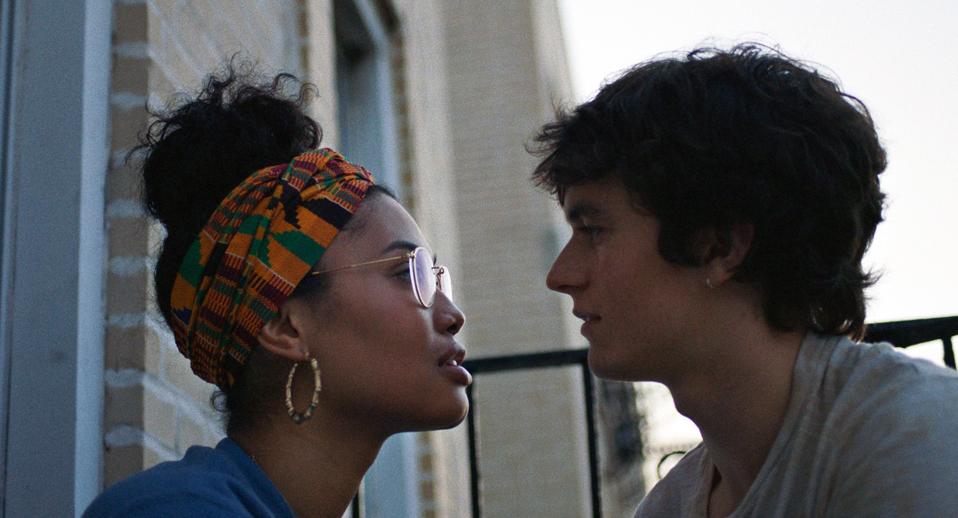
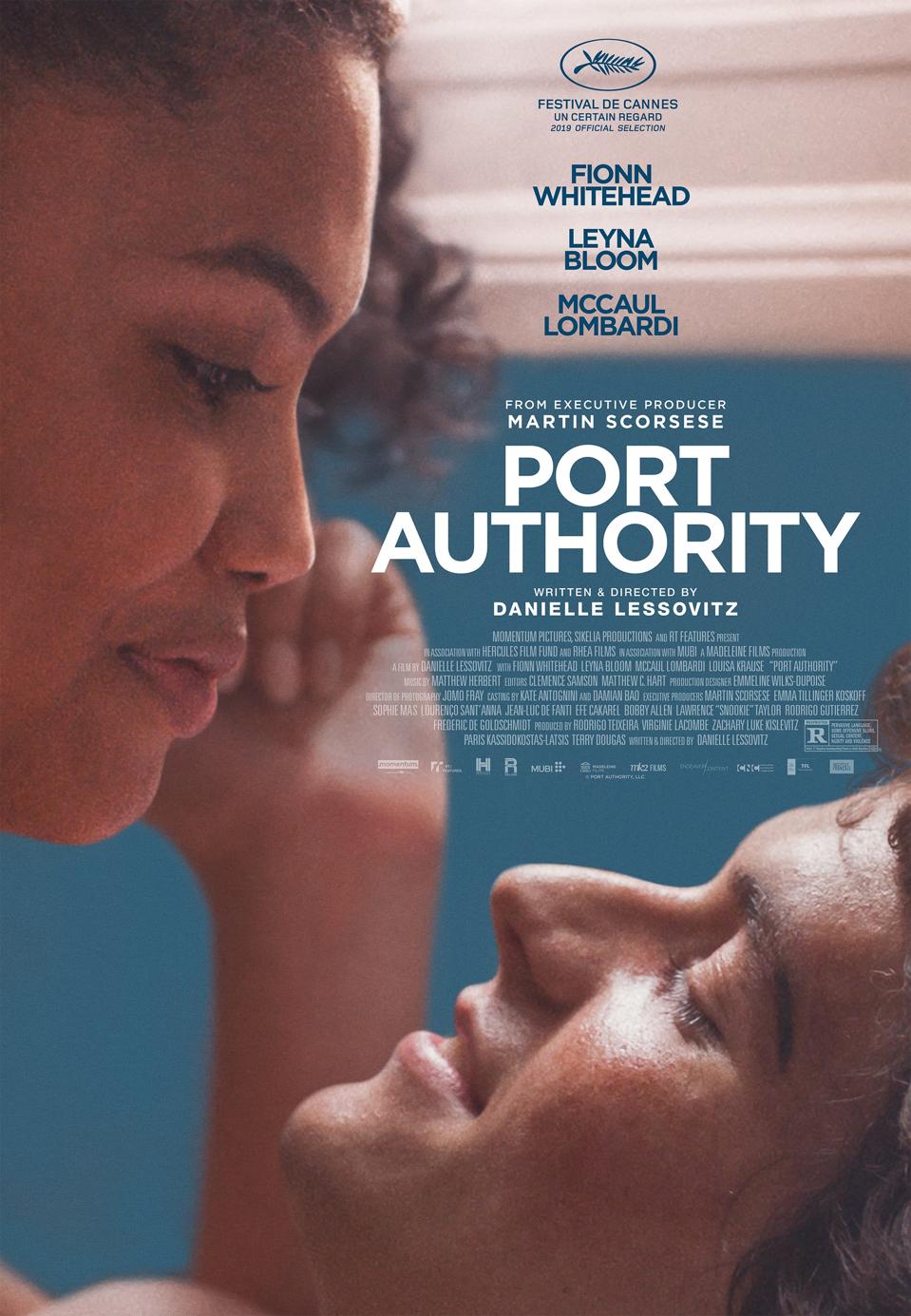
Port Authority is a new film, but also not a new film. Thanks to the Covid-19 pandemic, it is only now playing, in select theaters, for the first time since its debut at Cannes in 2019. That premiere made history as Leyna Bloom became the first out transgender actor to headline a film at that legendary film festival.

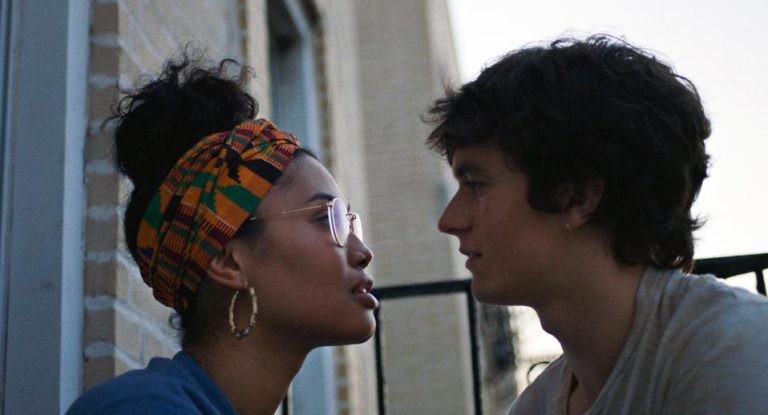
“This is something I’ve always wanted to do,” said Bloom in a phone interview prior to the movie’s release. She plays Wye, a 17-year-old trans girl of color who meets Paul, played by Fionn Whitehead, upon his arrival at the titular Manhattan bus terminal. Wye introduces the newly homeless teen from America’s Rust Belt to her kiki ballroom scene. Love blossoms, and complexities follow.

Art Imitates Life

The characters’ experiences portrayed in the film are not that far off from Bloom’s real life. As reported by The Advocate’s Trudy Ring, Bloom arrived at the Port Authority terminal at 17 without a job or a place to live, a high school drop-out from Chicago who walked away from a scholarship at a performing arts academy because she was restricted to male roles. In between waiting tables and modeling, Bloom found a family and a showcase for her talents in ballrooms from New York to Philadelphia.

“I feel like I’ve always been out, in a sense,” Bloom told me. “I’ve always been me; I’ve always been out. I’ve never been in the closet, actually. I think the world just started noticing me.”

And that notice is indeed global: Bloom was the first out trans woman of color to appear in Vogue India, the first Black and Asian trans woman to be featured in the annual Sports Illustrated Swimsuit Edition, and was also featured in a short film series for the “Dior Stands with Women” campaign. Bloom is now appearing in this third and final season of FX’s critically-acclaimed television series, Pose, and next month is among the stars of Asking For It, premiering online June 13 at the Tribeca Film Festival.

MORE FOR YOU

As a child, her mother was deported to the Philippines and she was raised by her single father, a now retired Chicago cop of French and Nigerian ancestry. “I’m a product of interracial dating,” said Bloom. “I have to remind myself always that we live in a world where I think most people like me, accomplishing all this, being young and doing it, it’s been kind of hard,” Bloom said. “So, I’m lucky that the world is changing so that my dream can come true, and it has come true.”

Directing Debut

“What was interesting about Layna is that every single take she gave something that was breathtaking, but in a different way,” said writer/director Danielle Lessovitz, who makes her feature film debut with Port Authority, which has already been nominated for nine awards and won 2020’s Best Feature Film Award at LesGaiCineMad, the Madrid International LGBT Film Festival. The film will also be available on digital and on demand Tuesday, June 1.

“I worked with her in auditions,” Lessovitz said, of which there were many, according to Bloom. “I knew that she could listen and I knew that she could respond in an authentic way. But I didn’t know that take after take, she could bring out these new layers in every performance. And so when we got into the edit room, it was like just having a wealth of options and different moments. And it was incredible working with her.”

Lessovitz told me in a phone interview she got this break in large part because someone pushed her to take a chance that legendary filmmaker Martin Scorsese would bankroll her debut.

“He started a fund for young filmmakers and they were looking for projects,” said the San Francisco native, an MFA graduate of NYU’s Tisch School of the Arts. A classmate there believed Lessovitz had just the kind of project that Scorsese was looking for.

“They asked me to send the script and they read it and they really appreciated it, and he almost instantly jumped on board,” she said.

Make Room For Mother

Lessovitz’s script did not originally include the character of Mother McQueen, the house mother of Wye’s ballroom family. But she told me that during auditions, as Christopher “Afrika” Quarles offered his advice to prospective actors, she realized she needed to find a place for the real-life kiki ball legend in her film.

“I need to make a role for Afrika, because, you know, they’re a gem,” Lessovitz said. “I don’t know that people have actually kind of witnessed how great they are. And I was almost extracting stuff they had said to me or to other people and just placing it in the film and letting letting them do their thing, just being an incredibly insightful human being.”

“When I hear myself speaking in this role, I’m like, ‘This is me. This is me, as who I am in ballroom.’” said Afrika in a phone interview. “I’m a mother. I’m a father to some, but a mother to most. That line, ‘I know I may look like a father but I’m a mother by nature,’ because I’ve always known how to nurture and guide.”

Afrika, 33, graduated from North Carolina’s Shaw University and moved to New York City in their 20s. In addition to their work in the ballroom and with non-profit organizations aiding HIV-positive members of the LGBTQ community, they were featured in the music videos for Follow Me by The Shacks, the Grammy Record of the Year nominated Colors by Black Pumas, Titus Burgess’ Learn to Love, and also appeared in Pose. If that show’s iconic Pray Tell character, played by award-winning actor Billy Porter, could announce any ballroom category for them to compete in, what would it be?

“Oooh! My category would be Runway!” they said. “I’ve been told that when I walk, people say it’s like there’s like a herd of animals following behind me.”

“It’s About Love”

Bloom said more than anything, Port Authority tells the story of “a love that’s different from everyone else who only see black and white.”

“The world is changing,” she said. “When you add people of trans experience in Black and brown America, the world becomes closer, and that’s what this film’s about: It’s about love. It’s about family. And it’s about bringing people that are missing from society front and center. And the people who watch this, I hope that they love themselves more, and they spread that out to the world around them.”

What the film is not, said Lessovitz, is yet another version of the “Mystical Magical Negro” trope that Spike Lee first slammed in 2001. In a lecture at Yale, the famed director of Do The Right Thing criticized popular movies like The Family Man, What Dreams May Come, The Legend of Bagger Vance and The Green Mile, for relying upon a secondary, supporting Black character to redeem the white protagonist character in those films.

“I saw Wye as a person and I saw Paul as someone who is very flawed. In Wye’s own humanity, Paul could begin to see his blind spots,” Lessovitz told me. Whitehead’s experience as an actor certainly helped convey his shortcomings; he’s also appeared in Dunkirk, Netflix’s Blackmirror: Bandersnatch and the Neil Burger film Voyagers.

The director said the best way to avoid any trope is “when you stop using people, when you stop looking at people as a means to an end, but you start honoring their humanity.

“People catch a lot in non-verbal moments,” she added. “I don’t need Wye’s character to go on a long monologue about her experiences, in her case, for her to be a person. We feel that she’s not there just to bring someone on this magical journey. It’s about honoring the spirit and the beauty of the people who come in and out of your life.”

As a queer filmmaker, Lessovitz spoke to me about her ambition to reach audiences beyond LGBTQ moviegoers.

“You and I are part of the queer community, but there’s this hope that we can find a way to be more inclusive towards people who aren’t queer and don’t have our experiences,” Lessovitz told me. “I’m trying to take anyone on an experience of understanding that what seems like differences can also be—if you just look at them a little bit closer—can also be the things that connect each other.

“So, in this case, you have someone who is white and he’s been marginalized in different ways,” she said, describing Paul’s character. “He hasn’t had access to education. He doesn’t have a family. All these things that a lot of people can relate to and say, ‘Hey, maybe this is part of just the human experience.’ There are things that we share in common in terms of struggles that may be more important than gay or not gay, or trans or not trans, or white or not white or Black or not white. There are other kind of experiences that we can base our identities on that might provide spaces for conversation, or bring us together in ways that are just sort of hard to access right now.”

Watch the trailer for Port Authority below:

Pensacola Beach LGBT Memorial Day weekend celebrations wind down – Pensacola News Journal

© Copyright Gannett 2021

Matthew Stafford airing it out, other observations from Rams OTAs – Sports Illustrated

THOUSAND OAKS, Calif. — Matthew Stafford dropped back during 7-on-7 drills and lofted one of those perfect spirals — appearing to travel for a mile that you’ve seen him throw on game days.

Except this week, Cooper Kupp was the receiver running under the deep ball on the Los Angeles Rams practice field during organized team’s activities.

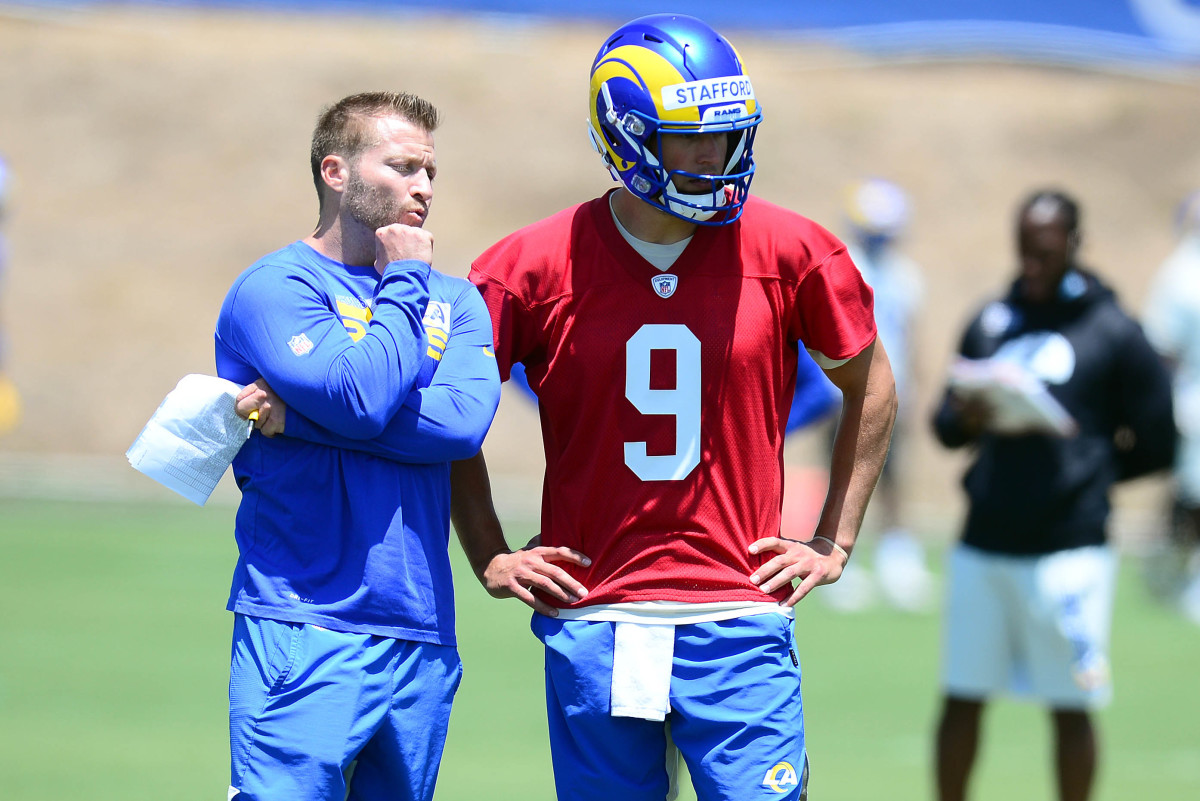
Rams head coach Sean McVay fist pumped as he watched Kupp corral the football, no doubt envisioning that scenario earlier this year when he helped pull off the trade for the 33- year-old signal caller.

“The way he’s handled things up to this point, I’ve been very pleased,” McVay said. “He’s been a joy to be around every single day. The consistency that he comes in to work with is definitely something that makes it very fun. I’ve been pleased with what he’s done up to this point.”

McVay and Stafford were communicating often on the field after plays, as the veteran quarterback attempts to learn the offense as quickly as possible so the Rams can hit the ground running for training camp.

“It’s working out great,” Rams running back Cam Akers said about the transition with Stafford. “He’s a great leader, a great communicator. So, it’s not hard to pick up or understand what he’s trying to get done or understand what he’s saying. He’s very clear-cut, and he’ll let you know what he wants you to do — what you’re doing wrong and what you’re doing right.”

McVay said the focus of offseason work so far has been to get his team’s systems and schemes implemented and taught correctly, building the foundation the right way with Stafford at the helm for what he hopes will be a championship season.

McVay said the Rams will have joint practices with the Raiders and the Cowboys. They also will return to Irvine for training camp practices, with rookies and coaches reporting July 25. Veterans will report July 27.

“They’ve all been able to kind of communicate, where we understand exactly what’s going on,” McVay said. “They’ve handled it the right way. It is a voluntary setting, and I’ve been very pleased with the work we’ve been able to get done.”

Austin Corbett playing center

After letting Austin Blythe sign with the Kansas City Chiefs in free agency and passing on selecting a potential starter in the draft, McVay finally revealed his hand during OTA’s.

Austin Corbett, last year’s starting right guard for the Rams, worked with the starters at center. Across the line for the first group: LT – Andrew Whitworgh, LG – David Edwards, C – Corbett, RG Bobby Evans, RT Rob Havenstein.

“We’re continuing to evaluate,” McVay said. “When you just talk about Austin in particular, what was so impressive to me when you look at it from afar, here is a guy that comes in from Cleveland a couple years ago and on short notice ends up starting at left guard.

“Then you get a chance to get some experience there and played really good football, got better as the 2019 season progressed and as he got more experience under his belt. Then you come back last year and he plays really well at the right guard position. He had a lot of snaps that he played center for Cleveland in the preseason a couple years ago. He’s a guy that can play on the left or the right side. He’s an extremely smart player. He’s got a good feel for the game, so we’re looking at that. We know he can be an elite guard in this league, so that center-quarterback relationship is really important.”

McVay went on to say that Brian Allen appears healthy and give the Rams another option at center, along with Coleman Shelton. But it appears to be Corbett’s job to lose — for now.

“You’ve got Brian Allen, who has started games and he feels like he’s healthy,” McVay said. “I’m really pleased with his progression. And then Coleman Shelton is another player who going back to last year even, he was playing really well in camp, and he kind of had a little ankle injury that set him back.

“So, those are three guys that we’re looking at, at the center spot. But Austin is somebody that we’re excited about kind of seeing how handles some of the things that really requires some extra communication. The above the neck, as you guys like to laugh at when I say it.”

It appears that part of the reasoning for moving Corbett to center was clearing a spot to get Bobby Evans on the field. Evans got a spot start at left guard during the playoffs last season when David Edwards was on the field.

McVay said Evans overall length and athleticism allows him to play outside, but he has the quickness and smarts to play inside where things happen faster. McVay also likes his energy on game day and the fact that game is not too big for him, that he responds well in big games.

“Bobby is a guy that we do think has the ability to be a very good starting player for us,” McVay said. “And he’s shown that, both at the guard and the tackle position.”

Tutu Atwell working at punt returner

Rookie, second-round draft choice Tutu Atwell got some early work at punt returner and appears he will compete for the job with incumbent Nsimba Webster.

“He’s come out here, and he’s done a good job trying to pick things up,” McVay said about Atwell. “There’s a lot of information we’re throwing at him in a short amount of time, but you can definitely feel that speed.

“We’ve got a lot of guys that are potential candidates to be punt returners for us, and we’ve got a long time to be able to figure that out. But I’ve been pleased with Tutu so far for sure.”

No shows
Aaron Donald, Jalen Ramsey, Tyler Higbee, Leonard Floyd and Darious Williams were among players not in attendance in Thursday’s OTA open to reporters — the only practice observed by reporters this week.

McVay said a lot of the players who were not at OTAs on Thursday when reporters were allowed to observe have been in attendance at some point and emphasized that it is voluntary.

“They’ve all been able to kind of communicate, where we understand exactly what’s going on,” McVay said. “They’ve handled it the right way. It is a voluntary setting, and I’ve been very pleased with the work we’ve been able to get done.”

Roll call
Several players will be wearing different numbers for the upcoming season. Robert Woods switched from No. 17 back to his college No. 2.

J.J. Koski (No. 15 last year) grabbed the now available No. 17. With Jared Goff now in Detroit, Bryce Perkins (No. 5 last year) is wearing No. 16. With Troy Hill in Cleveland, David Long Jr. (No. 25 last year) is now wearing No. 22.

Cornerback Darious Williams moved from No. 31 to No. 11. New fourth-round selection CB Robert Rochell is wearing No. 31.

Jordan Fuller moved from No. 32 to No. 4. Cam Akers switched from No. 23 to No. 3. DeSean Jackson will wear No. 1. Kicker Matt Gay (No. 1 last year) will wear No. 8. Linebacker Travin Howard (No. 48 last year) will wear No. 32.

Here are the numbers of the rookie draft picks:

WR Tutu Atwell – No. 15.
LB Earnest Jones – No. 50
DT Bobby Brown III – No. 95
DT Earnest Brown IV – No. 90
CB Robert Rochell – No. 31
TE Jacob Harris – No. 87.
RB Jake Funk – No. 34
WR Ben Skowronek – No. 81
DE Chris Garrett – No. 48

Gay circuit party founder Jeffrey Sanker dies after long battle with cancer – PinkNews

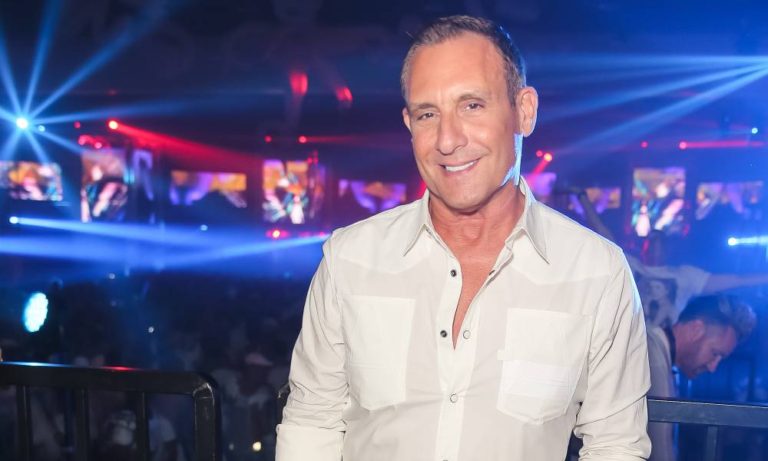
Jeffrey Sanker poses at Jeffrey Sanker’s White Party on 25 April 2015 in Palm Springs, California. (Photo by Chelsea Lauren/WireImage)

Jeffrey Sanker, the founder of White Party Entertainment Inc, died on Friday (28 May) after a long battle with liver cancer.

The Los Angeles Blade reported Sanker, 65, passed away at Cedars-Sinai Hospital in Los Angeles, California. The news outlet reported that members of Sanker’s family were in attendance.

Sanker organised some of the largest gay circuit parties in the US as part of his work with White Party Entertainment. According to the biography on his website, these events included the White Party Palm Springs; New Year’s Eve celebrations in Los Angeles, Miami and Rio de Janeiro; and the Only Might Party at Orlando’s Gay Days.

Sanker’s publicist Jack Ketsoyan confirmed the news of his passing in an emotional tribute on Instagram. Ketsoyan described Sanker as a man who “would do anything just to put a smile on everyone’s faces”. He wrote: “You’ll never be forgotten that simply cannot be.

“As long as I am living, I’ll carry you with me. Safely tucked within my heart your light will always shine.”

White Party Palm Springs also remembered Jeffrey Sanker in a post on the festival’s Facebook page. The post read: “Thank you for extraordinary moments, for the inspiration, for your big heart and kindness, thank you for making so many people feel free and happy.

“We love you”.

According to Sanker’s website, his “passion for parties” began when he worked in New York City in the early 1980s. He worked as a promoter and producer for legendary part locations Studio 54, Palladium and Private Eyes.

The Los Angeles Blade reported Sanker moved to Los Angeles in 1987. It added the party organiser had an “innovative technique of using landmark venues for trend-setting themed events”. The outlet credited his work for “breathing new life into the Los Angeles gay entertainment night scene””.

Jeffrey Sanker received a star on the “Palm Springs Walk of Stars” in 2014 for his work in organising LGBT+ events. According to his website, his events have hosted a wide range of talent and influencers including Lady Gaga, Carmen Electra, Kesha and Jennifer Lopez.

Gay circuit party founder Jeffrey Sanker dies after long battle with liver cancer – Yahoo Eurosport UK

The Telegraph

Wales Euro 2021 squad: Who joins captain Gareth Bale in 26-man party?

Wales boss Robert Page explained the shock inclusion of Cardiff midfielder Rubin Colwill in his Euro 2020 squad by saying the 19-year-old “blew us all away” in training. Colwill has played just 191 minutes of senior football since making his Cardiff City debut in February. But, after taking his place in Wales’ pre-Euros training camp in Portugal this week, Colwill has made the cut for the final 26-man squad skippered by Gareth Bale. “He’s been a breath of fresh air since he’s come in,” Page said of the uncapped midfielder who began the season playing academy football. “He just blew us all away with how he was and how he conducted himself. He’s a top professional already and a great lad to have around the place. “He’s really impressed me, he’s got a presence and maybe something we’ve not got in the middle of the park. “He can play off the right, he can play as a 10, he can play in midfield – and that’s a bonus as well when you’re looking to pick a squad.” There are eight survivors from the group which reached the Euro 2016 semi-finals in France – Bale, Aaron Ramsey, Ben Davies, Chris Gunter, Danny Ward, Joe Allen, Jonny Williams and Wayne Hennessey. Ramsey and Allen, who were both named in the official Euro 2016 team of the tournament, and Davies are all included despite having had injury concerns over the last few months. Stoke midfielder Allen would have missed the tournament had it not been postponed for 12 months from last summer because of the coronavirus pandemic. The 31-year-old suffered a ruptured Achilles in March 2020 and has been declared fit despite missing the last two months of the season with calf and hamstring problems. Swansea’s Ben Cabango, who celebrated his 21st birthday on Sunday, was selected ahead of Luton central defender Tom Lockyer, and Manchester United’s Dylan Levitt got the nod in midfield over Newport’s Josh Sheeham. As expected, Euro 2016 hero Hal Robson-Kanu – released by West Brom last week – missed out after being omitted from the Portugal training camp. Derby forward Tom Lawrence, who missed Euro 2016 through injury, and Schalke winger Rabbi Matondo were also overlooked. Page told the Football Association of Wales’ media channels: “I’ve had to make some tough decisions and there’s some disappointed people around and leaving the camp, which is not easy. “I said to the 26 lucky ones that we’ve got such a good group, and they’re really tight together, that it’s been a hard day. “If I could have taken 31 I would have because they’re such good characters, but we have to make these decisions and move forward.” Euro 2021 wallchart predictor – make your predictions Squad in full Goalkeepers: Wayne Hennessey (Crystal Palace), Danny Ward (Leicester City), Adam Davies (Stoke City) Defenders: Chris Gunter (Charlton Athletic), Ben Davies (Tottenham Hotspur), Connor Roberts (Swansea City), Ethan Ampadu (Chelsea), Chris Mepham (Bournemouth), Joe Rodon (Tottenham Hotspur), James Lawrence (St Pauli), Neco Williams (Liverpool), Rhys Norrington-Davies (Sheffield United), Ben Cabango (Swansea City) Midfielders: Aaron Ramsey (Juventus), Joe Allen (Stoke City), Jonny Williams (Cardiff City), Harry Wilson (Liverpool), Daniel James (Manchester United), David Brooks (Bournemouth), Joe Morrell (Luton Town), Matt Smith (Manchester City), Dylan Levitt (Manchester United), Rubin Colwill (Cardiff City) Forwards: Gareth Bale (Real Madrid), Kieffer Moore (Cardiff City), Tyler Roberts (Leeds United) How to watch the 2021 euros live on TV Wales Euro 2021 fixtures Wales are in Group A, alongside Turkey, Italy and Switzerland Wales vs Switzerland – Saturday, June 12, 2pm (Baku) Turkey vs Wales – Wednesday, June 16, 5pm (Baku) Italy vs Wales – Sunday, June 20, 5pm (Rome) Group A latest standings