Home Blog Page 160

Catholic University LGBT club continues decade-long fight for official status – National Catholic Reporter

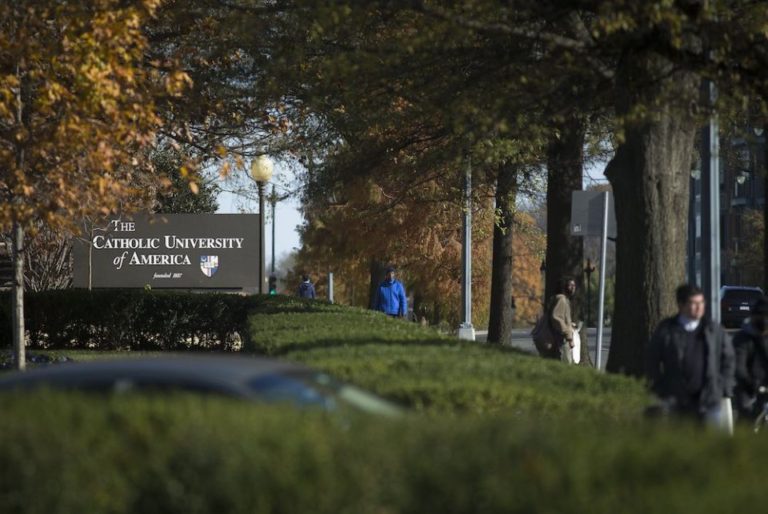
People in Washington walk near the campus of the Catholic University of America Nov. 24, 2020. (CNS photo/Tyler Orsburn)

Ryan Fecteau was on a mission when he returned to his old school for a virtual meeting in February. He was pleading for the student government at the Catholic University of America to vote in favor of an LGBTQ club’s right to exist.

“I have not been this nervous to speak in years,” Fecteau said, as recorded in minutes obtained from the Feb. 22 meeting.

That’s a surprising statement from the speaker of the Maine House of Representatives. But before he was the speaker, he was the president of CUAllies, the Washington, D.C., school’s underground club for queer students.

“If this school does not reject College Republicans or College Democrats, who sometimes have beliefs which go against the [Catholic] Church,” Fecteau said, “then there is no reason to reject CUAllies as they are advocating for the respect and support of one another.”

It was nine years to the day since he first convinced student leaders at Catholic University to vote in favor of his club’s right to exist. Fecteau, who identifies as gay, tried for years while he was a student to convince the university administration to make the club an official campus group.

When Fecteau graduated, CUAllies was in the same position it had been when he arrived his freshman year. But when he returned to his alma mater more than 10 years later, it was déjà vu. He was back for a repeat vote by current student leaders, again fighting a small battle in the Catholic Church’s debate over gay rights.

Ryan Fecteau, a former president of the Catholic University of America’s unofficial LGBT group, is now the Speaker of Maine’s House of Representatives. (Justin Smulski)

He hoped things would be different this time, but the only power the student leaders have is catching the administration’s attention. The university president, John Garvey, gets to decide if he wants to act on the vote. So would the university kill the attempt again?

The reason CUAllies was forced underground is a complicated story. Six U.S. cardinals sit alongside wealthy donors on the university’s board of trustees. Republican juggernauts like the Koch Brothers fill the university’s coffers, which may be part of the reason the school is often seen as more conservative than its peers.

The other reason is that the school isn’t run by a religious order but instead is the only American university with a pontifical charter, tying it directly to the Vatican. So, whatever Garvey’s personal opinions may be, powerful forces pushed CUAllies underground.

Those forces are stronger at Catholic University than at most other Catholic four-year institutions in the United States. Georgetown University, a Jesuit school a few miles from Catholic University, funds an LGBTQ resource center and multiple queer student organizations. Another Jesuit school, Gonzaga University in Spokane, Washington, has a legal clinic for LGBTQ people. The queer club at Fordham University in New York won its own decade-long battle for recognition in 1990.

Beyond the college campus, generations of Catholics have grappled with the issue of LGBTQ rights. The church became a leading opponent of queer unions as the gay rights movement dawned in the 20th century.

Pope Francis has offered contradictory statements about gay rights. The pope said in a 2013 conversation with journalists that “if a person is gay and seeks God and has good will, who am I to judge him?” His bombshell statement ignited hope for queer Catholics, but the Vatican squashed that sentiment in March when it decreed that priests could not bless gay unions.

Catholic University has seen several iterations of unofficial LGBTQ clubs over the last half-century, said Emily D’Antonio, the outgoing president of CUAllies. The school was founded by the U.S. bishops under a charter from Pope Leo XIII in 1887.

CUAllies has existed since 2009. But because the club isn’t official, its members had to meet off campus. They used to gather in Starbucks, Barnes & Noble and other spaces not owned by the school. The group didn’t start meeting on campus until 2017, when two university offices lent the club spaces to meet. The group currently has about 25 members.

CUAllies doesn’t get any money from the school, D’Antonio said. The club has to raise its own money; it raised over $1,700 in its last online fundraiser. A lot of the donations come from alumni. CUAllies also sells merchandise to fund events and pay for speakers.

The group is banned from hanging posters with its logo on campus, said Marina Massaroni, the club’s outgoing vice president and communications director. That means official clubs that organize events with CUAllies can’t advertise any affiliation with the group.

Marina Massaroni, left, CUAllies’ vice president, and Emily D’Antonio, the club’s president (Joe D’Antonio)

D’Antonio went to a Catholic high school in Philadelphia that never addressed sexuality or queer ideology. CUAllies was the first group where D’Antonio found a place for LGBTQ people.

“When I was 13, I realized that I identified as bisexual,” said D’Antonio, a senior psychology major. “I never had a group where people were also like me, until I got to college.”

D’Antonio joined the club as a freshman in 2017. Massaroni didn’t join CUAllies until her junior year, at D’Antonio’s beckoning.

“When I first started identifying [as asexual], I did not know fully what that meant,” said Massaroni, a senior architecture major. “So having this group and getting to hear other people’s experiences was really great.”

At the February meeting this year where the student government voted on CUAllies’s right to exist, student leaders were split. It was the same vote the student government faced a decade ago. While a majority of the student government’s 20-plus senators spoke in favor of CUAllies, the senators who opposed the group’s existence said the university would be flouting Catholic teachings by officially recognizing the club.

“The recognition of CUAllies would be a public endorsement of non-Catholic values,” said Joseph Galassi, a senator in the student government, according to the meeting minutes.

Sophia Marsden, a student government senator and member of the club, said she drafted the legislation for CUAllies because she believes queer students deserve the right to a club on campus.

That’s what she told the student government on that February night. Most of the student leaders agreed, voting 22-3 in favor of the club.

By casting their approving votes, the student government kicked the issue to Garvey’s office. He was the same president in charge when Fecteau led the club a decade ago.

Fecteau now advises the club from afar. He said he recently offered a “dose of reality” to the club leaders: He doesn’t think the university will ever recognize the club.

“I don’t think that will change unless there’s some legal action taken against the university,” Fecteau said.

It’s been three months since the student government vote. Their decision, once again, was overturned in the school president’s office, according to D’Antonio. University officials told the club’s leaders at the end of the school year that they were denying the group recognition.

The university did not respond to multiple requests for comment.

Despite the administration’s denial, CUAllies is continuing its fight for the right to exist on campus. They meet on Zoom these days, since the pandemic forced everyone inside, but they’re responding to the university’s stony silence by speaking out.

“What are they going to do, kick us off campus?” D’Antonio said.

[Alyssa Lukpat is a freelance journalist based in New York. She is a master’s student at Columbia Journalism School and a graduate of Northeastern University. She has reported breaking news at the Boston Globe and the News & Observer and will be a fellow at The New York Times this year.]

Enter your email address to receive free newsletters from NCR.
2021: It could be a significant year for the LGBTI+ community – Echo Live

AS we were all asked to stay at home to battle this virus, LGBTI+ people living in unsupportive homes, or accommodation, found themselves deeply isolated and many experienced a significant decline in their mental health.

This was particularly acute for LGBTI+ people living in the direct provision system, for LGBTI+ members of the Traveller and Roma community, for LGBTI+ older people and younger people, and for those living with a long-term illness or disability.

LGBT Ireland operates the National LGBT Helpline and, in order to respond to the unprecedented events of 2020, developed new supports including the Older and Bolder online community group which provides weekly wellbeing and social events.

Peer support group meetings moved online and became available nationwide and emergency one to one visits to those living in direct provision were provided to those who couldn’t access the support groups remotely.

During 2020 the National LGBT Helpline volunteers, all members of the LGBT+ community, responded to over 2,000 helpline calls and chats and almost 120,000 people visited the website lgbt.ie for support and information.

What was particularly notable in 2020 was the increase in younger people contacting the services, with relationship difficulties particularly with family members, one of the top reasons for younger people getting in touch with the Helpline. There was also a rise in the number of people calling to talk about their gender identity or gender expression and the Transgender Family Support Line, which is run in partnership with TENI, increased its hours of services to offer additional support.

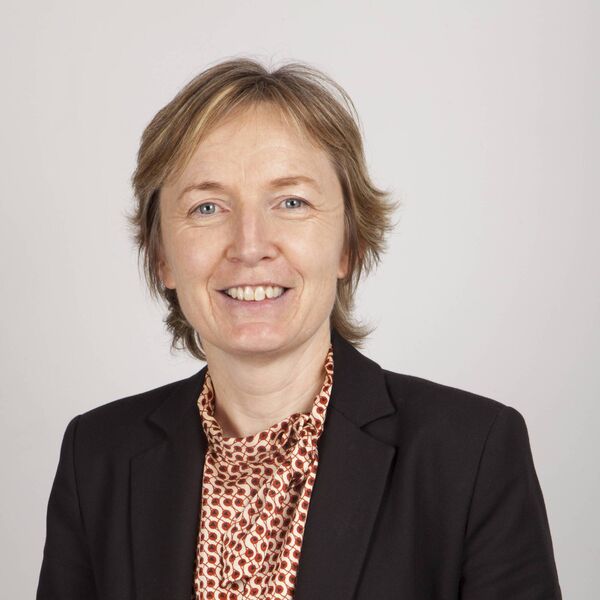
Paula Fagan, CEO of LGBT Ireland.

The pandemic year also resulted in an increase in the number of people calling the Helpline for support around violence within the home and also experiences of hate speech online. The support offered, be it at the end of the phone, online or through emergency call outs was literally a lifeline for some of the people the organisation supported last year. LGBT Ireland is grateful to have been there for those experiencing the worst of times and for the opportunity to provide a listening ear and a compassionate response.

Alongside providing frontline support to LGBTI+ people and their family members, LGBT Ireland also works with many mainstream services to support them to become welcoming, inclusive and accessible, so that LGBTI+ people can access public services when they need them, without fear those services will not meet their needs or worse, discriminating against them. However, there is much work left to do before we reach a tipping point whereby mainstream services can feel confident and competent to be out and proud as LGBTI+ inclusive.

While 2020 was filled with challenges, there were also some reasons for optimism and celebration. In May 2020 a historic step forward was achieved for LGBTI+ parented families, with the full implementation of the Children and Family Relationships Act 2015. With the full implementation of the law it became possible to register two mothers on an Irish birth certificate, enabling hundreds of same sex female parents and their children to have their families legally recognised. However, despite this achievement many LGBTI+ parented families remain in legal limbo, this includes gay dads who have created their families through surrogacy, lesbian mums who have used a known donor, and same sex parents whose children were born abroad.

For these parents, the fight to establish a legal relationship with their children continues and therefore remains an advocacy priority for LGBT Ireland in 2021.

At an international level, LGBT Ireland are acutely aware of the deterioration of LGBTI+ rights and increased levels of state sponsored homophobia and transphobia in some EU member states. It is unacceptable that EU citizens are in danger of being humiliated, threatened, or incarcerated because they are LGBTI+ and LGBT Ireland remains engaged with the Irish Government and Irish MEP’s to ensure measures are put in place to hold these countries to account and to uphold the integrity of the EU principles of equality and non-discrimination.

These worrying developments so close to home remind us of the need to stay vigilant and to cherish the progress that Ireland has made in recognising and protecting the rights of our LGBTI+ citizens.

We have more work to do. 

While 2015 was a historic year for LGBTI+ rights, 2021 could also be of enormous significance for LGBTI+ Equality with Hate Crime legislation, the Assisted Human Reproduction Bill, and the Ban on Conversion Therapy all on the political agenda. 

Ireland now has the opportunity to bring forward laws that can make an enormous difference to the lived experiences of LGBTI+ people and their families across this island and to signal across the globe that LGBTI+ rights are human rights and should be prioritised, respected and protected.

If you or someone you care about is in need of support, please visit: www.lgbt.ie or call our National LGBT Helpline on 1890 929 539, available 7 days a week, from 6.30pm to 10pm Mon – Thur, from 4pm to 10pm Fridays, and from 4pm to 6pm on Sat and Sun.

Right wing Congressional hopeful says gay character in Cruella has ‘ruined’ his childhood – and gets roasted – indy100

An Americanpolitician’ has been left devastated after a film decided to feature a gay character.

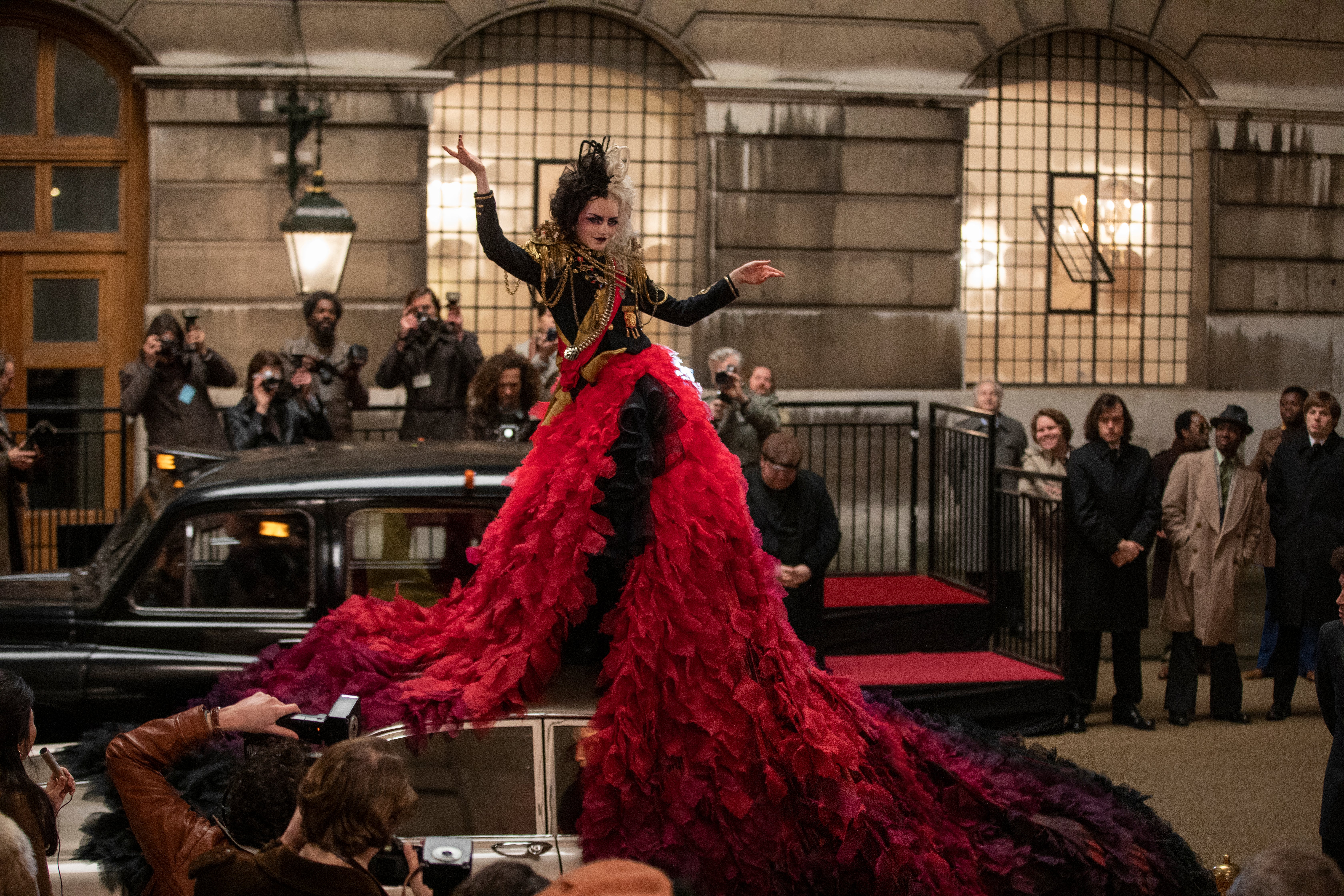
Omar Navarro posted a scathing review of Cruella – the new 101 Dalmatians prequel – on Twitter yesterday, because the film features a gay character called Artie, played by John McCrea.

Speaking to Attitude, McCrea said of his character, who runs a vintage shop and befriends Cruella: “In one of the original scripts he was a drag queen, so I think he was always intended to be queer-representing I suppose, or somehow a member of the LGBTQ community. I imagine that was always the case.”

Navarro positively frothed about this:

Navarro is standing for Congress in California for the fourth time after three defeats by the incumbent Maxine Waters. He has been accused of pepper spraying children (which he denied) and also got into trouble when he posted a fraudulent letter on his Twitter account that indicated Waters wanted to resettle tens of thousands of refugees into her Los Angeles district.

He also served six months in prison after violating a restraining order against an ex-girlfriend, who claimed he was stalking her. Nice guy, then.

And it is not the first time he has been upset with Disney. According to Pink News, he came for the Disney Channel show The Owl House in 2019 after it introduced a bisexual character.

“I don’t agree with this crap being pushed down our throats,” he wrote, using similar language. “What people do at home is there business but publicly I shouldn’t have to be forced.” He added, “Will Christians please stand up?”

Reacting to his latest rant, people were quick to put him in his place:

Poor Navarro. We hope no-one tells the fan theories about Captain Hook…

How a Supreme Court decision last year is reshaping the legal battle over LGBTQ discrimination – USA TODAY

WASHINGTON – A year after the Supreme Court handed down a landmark decision barring workplace discrimination against LGBTQ employees, gay rights advocates continue to benefit from the aftershocks as they simultaneously brace for a more challenging legal environment ahead.

In a ruling with far-reaching implications for education, housing and health care, the Supreme Court sided last June with three employees who were fired because of their sexual orientation or gender identity. The 6-3 decision, written by conservative Associate Justice Neil Gorsuch, is already having a big impact beyond the workplace.

The opinion was noted in an executive order President Joe Biden signed on his first day in office prohibiting discrimination in the federal government.The Justice Department concluded in March that its holding applies broadly to other laws. And two appeals courts have recently relied on the case to strike down bans on transgender students using school bathrooms aligned with their gender identity.

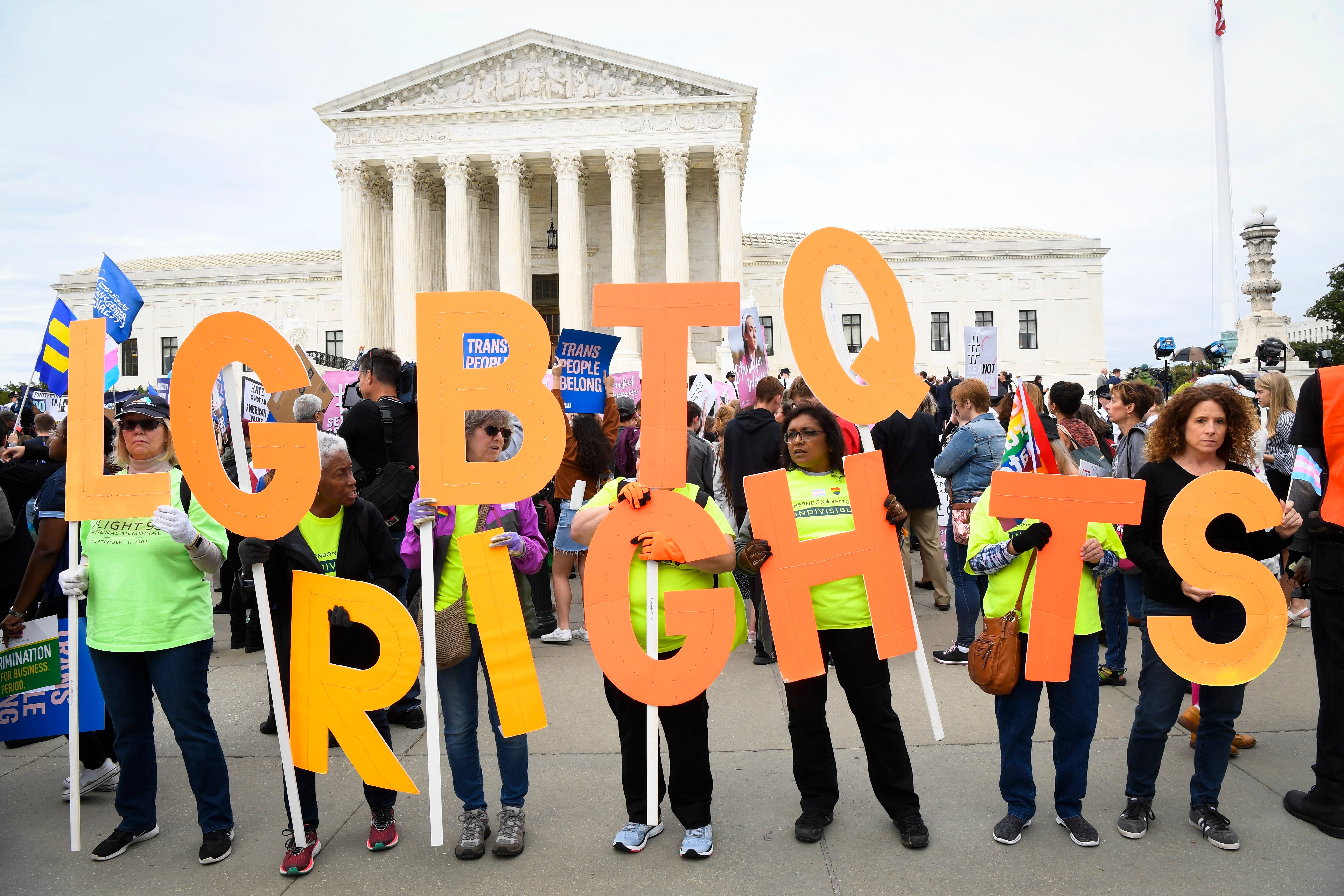
TOP: Joseph Fons, holding a Pride flag, walks back and forth in front of the Supreme Court after the high court ruled LGBTQ people cannot be disciplined or fired based on their sexual orientation or gender identity on June 15, 2020, in Washington, D.C. BOTTOM: Protesters and supporters gather in front of the Supreme Court on Oct. 8, 2019, in Washington as the justices hear three challenges from New York, Michigan and Georgia involving workers who claim they were fired because they were gay or transgender.
LEFT: Joseph Fons, holding a Pride flag, walks back and forth in front of the Supreme Court after the high court ruled LGBTQ people cannot be disciplined or fired based on their sexual orientation or gender identity on June 15, 2020, in Washington, D.C. RIGHT: Protesters and supporters gather in front of the Supreme Court on Oct. 8, 2019, in Washington as the justices hear three challenges from New York, Michigan and Georgia involving workers who claim they were fired because they were gay or transgender.
CHIP SOMODEVILLA/GETTY IMAGES and JACK GRUBER/USAT

“I have had time to process everything and I’ll be honest: It still feels amazing,” Gerald Bostock, one of the three employees whose lawsuits led to the blockbuster ruling last year, told USA TODAY in an interview. “I’m just thrilled every day I think about the impact that we have made and the impact we are making currently.”

While the court’s ruling in Bostock v. Clayton County has been heralded by gay rights groups as the most important outcome since the 2015 decision legalizing same-sex marriage, the celebration has been muted by other issues on the horizon. A growing number of states are passing laws restricting LGBTQ rights and a more conservative Supreme Court is signaling its desire to strengthen religious freedom protections.

Those competing interests – LGBTQ rights and the First Amendment’s protection of religious freedom – will come head to head in one of this year’s most closely watched cases at the high court. In that dispute, a Catholic charity has declined to honor Philadelphia’s requirement that it screen same-sex couples as potential foster parents because the mandate runs counter to its religious beliefs.

A decision in the case is expected this month and observers believe the court, with its 6-3 conservative majority, will side with the Catholic group – giving religious advocates  a big victory since the justices absolved a Colorado baker of discrimination for refusing to create a wedding cake for a same-sex couple in 2018. 

“The Bostock court – it just punted on religious freedom,” said Kim Colby, director of the Center for Law and Religious Freedom at Christian Legal Society.

Colby and other advocates are concerned about the impact the Bostock decision may have on federal and state laws that do not have clear carve-outs for religious beliefs. That’s another area of conflict experts predict will work its way to the high court in coming years.  

“The court, the majority, really was negligent in its responsibility to religious employers and others that would be impacted by the ramifications,” Colby said. 

Bathroom battles 

The majority opinion in Bostock was ostensibly limited to Title VII of the Civil Rights Act of 1964, which bars discrimination in the workplace based on race, color, national origin, sex and religion. Gorsuch, joined by Chief Justice John Roberts and four liberals, said that sexual orientation and gender identity necessarily involve a person’s sex. Because of that, they reasoned, the law must prohibit LGBTQ discrimination even if it doesn’t explicitly say so.

‘Your President has your back’: President Biden addresses transgender Americans

President Joe Biden urged Congress to pass the Equality Act to protect transgender Americans’ rights.

Associated Press, USA TODAY

Gorsuch asserted that the ruling was limited to employers and that it did not “purport to address bathrooms, locker rooms, or anything else of the kind.” 

But the broader implications of the decision have already been felt in other areas, including education, because other laws also ban discrimination on the basis of “sex.” A years-old battle over whether transgender students may use school bathrooms that are consistent with their gender identity is now back at the Supreme Court – awaiting a decision from the court about whether it will hear the case – and the lawyers representing the students contend the ruling in Bostock should determine the outcome.

“In Bostock this court held that discrimination against a person because they are transgender is discrimination ‘because of…sex'” in employment settings, lawyers representing Gavin Grimm, who as a transgender boy was denied the ability to use the boys’ bathroom in school, told the court in late May. “The same reasoning applies” to discrimination in education, they argued. 

Gavin Grimm in 2017.

Gavin Grimm in 2017.
GETTY

Citing Bostock, a federal court in Idaho last summer struck down a state law prohibiting transgender girls from playing on women’s athletics teams. An appeals court is now considering the case.

Similar language banning discrimination on the basis of sex – but not explicitly sexual orientation or gender identity – is found in laws dealing with housing, health care and other areas. Experts say challenges based on those laws will be at the Supreme Court in coming years, forcing the question of how broadly to apply the Bostock ruling. 

“It’s hard to overestimate the importance of Bostock, frankly, because it does bleed into all these other statutory areas and even maybe under the Constitution and so it really is a stunning additional gain on top of Obergefell,” the 2015 case legalizing same-sex marriage, said Georgetown University law professor Paul Smith.   

‘Work to be done’

Gerald Bostock, now 57, worked as a child welfare advocate in Clayton County, Georgia, for a decade when he joined a gay recreational softball league. Soon after, other members of the community made disparaging comments about his participation in the league and, he said, he was fired for conduct “unbecoming” a county employee.

His subsequent lawsuit was one of three argued together at the Supreme Court in 2019, though he is the only surviving plaintiff. Donald Zarda, a gay skydiving instructor who was fired after revealing his sexual orientation, died in 2014. Aimee Stephens, a transgender funeral director, died a month before the high court ruled in the case.

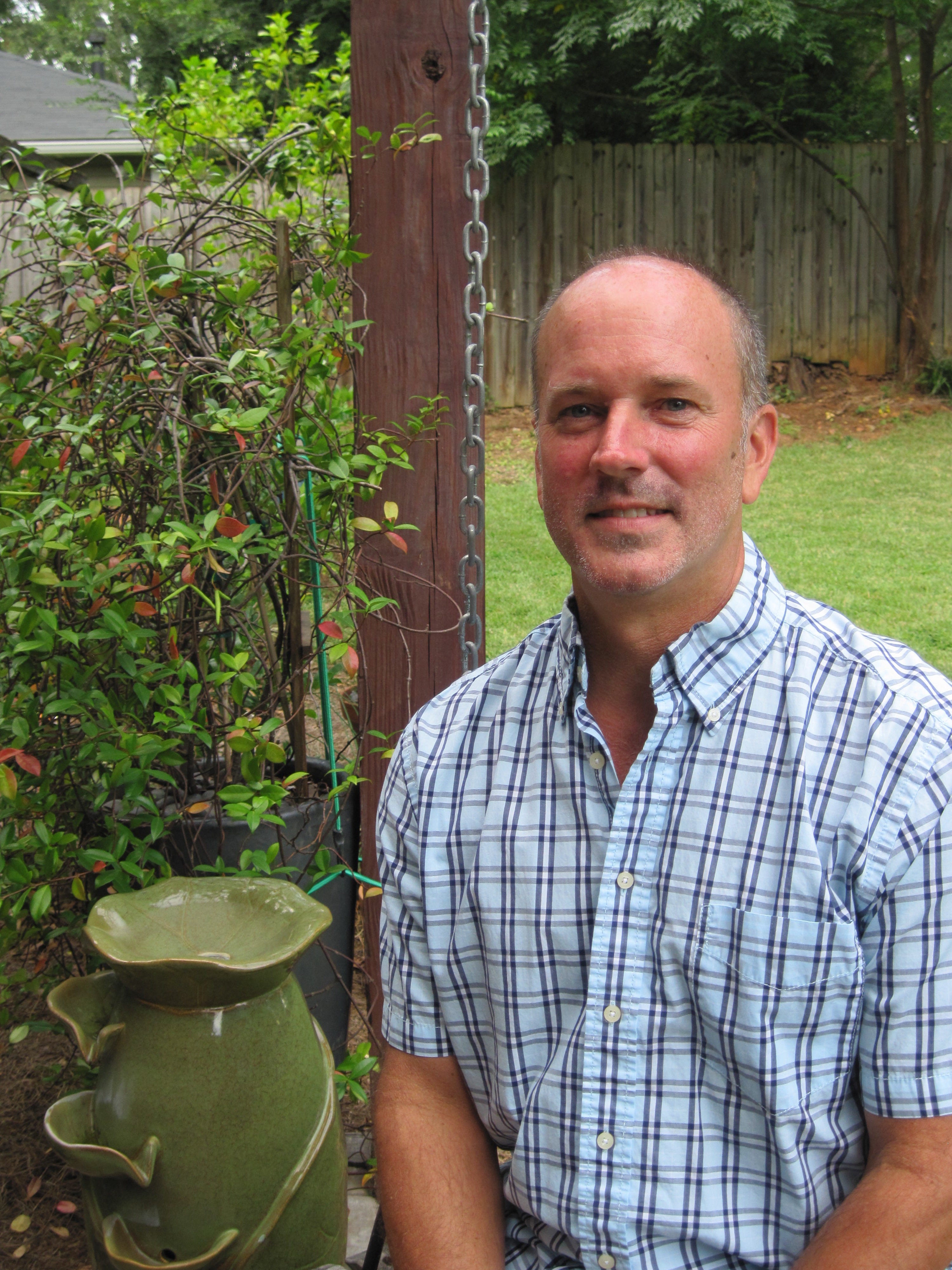
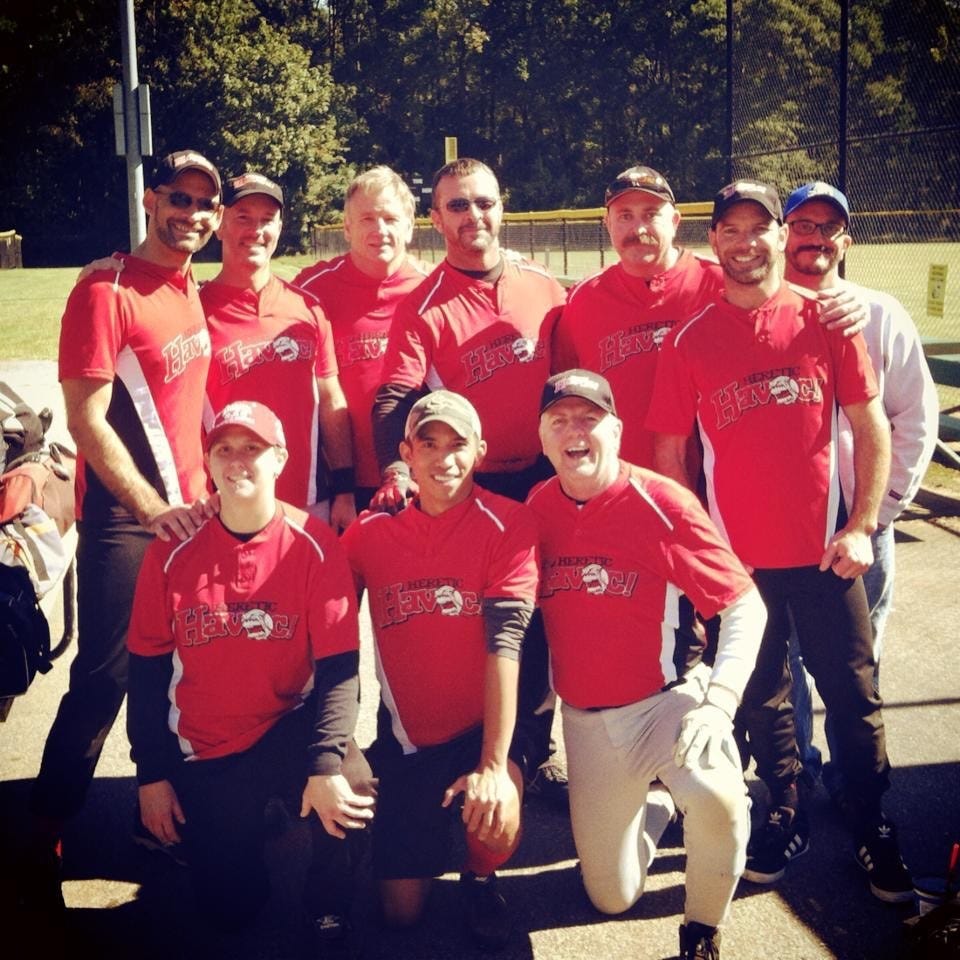
Gerald Bostock, shown at top and also seen here with his softball team in 2013, was fired from his job for “unbecoming” conduct when people learned he was participating in the gay recreational league.
Gerald Bostock, shown left and also seen here with his softball team in 2013, was fired from his job for “unbecoming” conduct when people learned he was participating in the gay recreational league.
Courtesy Buckley Beal law firm

Bostock, who now works at a hospital, had to give up the softball team to focus on the suit – but he hasn’t dropped his advocacy. He has used the notoriety of having his name on a game-changing Supreme Court decision to lobby for legislation in Georgia and Washington.  

“We still have to work harder to do better. There’s still work to be done,” Bostock said. “Knowing that I’m a part of making this happen – it really helps me sleep better at night.”

Other conservatives on the high court, in a dissent written by Associate Justice Samuel Alito, slammed Gorsuch’s majority opinion and said that if Congress wanted to protect LGBTQ people from discrimination in Title VII then lawmakers would have done so in the law. Alito also predicted the majority opinion would have a wide-ranging impact – and that has proven correct. 

Tom Mew, an attorney at the Buckley Beal law firm who represented Gerald Bostock
The biggest challenges that will be coming up, at least in terms of federal issues, will likely … be on the religious exemptions. That may be the next staging ground, if you will, for where some of this is going to come out.

One area that both sides agree is likely to drive future lawsuits: The conflict between gay rights and religious freedom. The Civil Rights Act includes an exemption for religious employers, but Alito wrote that a transgender job applicant at a religious school, for instance, might be able to sue for not being hired under the Bostock decision. 

“The biggest challenges that will be coming up, at least in terms of federal issues, will likely…be on the religious exemptions,” said Tom Mew, an attorney at the Buckley Beal law firm who represented Bostock. “That may be the next staging ground, if you will, for where some of this is going to come out.”

The court’s conservative majority, bolstered by three nominees from former President Donald Trump, has signaled a desire to protect religious freedom. The justices have taken a strong position on the issue in the past year by striking down state COVID-19 restrictions that blocked worship in churches and synagogues.

Uptick in state laws  

One of the reasons gay rights advocates and legal observers are confident appeals testing the limits of the Bostock decision are on the way to the Supreme Court is because states have been busy passing laws that move in the other direction.    

“I don’t know that people got the message,” said Kristen Prata Browde, co-chair of the National Trans Bar Association. “It’s beyond concerning that with each day lawyers in our community are having to file actions to reverse legislative attempts…that would eviscerate every one of the protections that have been won in the past.”

Tennessee Gov. Bill Lee, a Republican, signed a law in March requiring transgender students to compete in school sports according to their sex assigned at birth. Alabama Gov. Kay Ivey, also Republican, signed a similar law in April. Arkansas became the first state in the nation to ban gender-affirming treatments for transgender minors, with state lawmakers overriding a veto of Republican Gov. Asa Hutchinson.

Nearly two dozen laws limiting LGBTQ rights have been approved in at least nine states this year, surpassing the count in 2015 – which previously had the most such laws, according to the Human Rights Campaign, an LGBTQ advocacy group. Several appear designed to draw lawsuits that may bring new questions to the Supreme Court.

“If you’re LGBTQ advocate, you’re worried about the state laws on transgender issues, where they’re pushing and pushing,” said Smith, the Georgetown law professor. “It’s a newer area and in some ways more complicated than just naked homophobia in the workplace.”

Published

Updated

What the Public Thinks About Major Supreme Court Cases This Term – The New York Times

The arrival this term of Justice Amy Coney Barrett, President Donald J. Trump’s third appointee, has transformed a Supreme Court with a slight conservative majority into one that tilted right by a 6-to-3 margin. Justice Barrett has also left Chief Justice John G. Roberts Jr. with a sharply diminished ability to guide the court’s direction in cases on health care, voting, religion and gay rights.

According to a recent survey from researchers at Harvard, Stanford and the University of Texas, the public is divided nearly evenly on those key cases.


Covid Restrictions and Religion

In Roman Catholic Diocese of Brooklyn v. Cuomo, the court ruled that New York could not prohibit in-person attendance at worship services because it violated the Constitution’s protection of religious liberty.

5-4

DECIDED NOV. 25

5-4

DECIDED NOV. 25

Liberal Bloc

Sotomayor

Sotomayor

Kagan

Kagan

Breyer

Breyer

Conservative Bloc

Roberts

Roberts

Kavanaugh

Kavanaugh

Barrett

Coney Barrett

Gorsuch

Gorsuch

Alito

Alito

Thomas

Thomas

Where the public stands

States can prohibit in-person religious gatherings despite the First Amendment right to free
exercise of religion
States cannot prohibit in-person religious gatherings because of the First Amendment right to free
exercise of religion
All ; 46% 54%
Democrats ; 71% 29%
Independents ; 40% 61%
Republicans ; 24% 76%

Question wording: Many states have prohibited large in-person gatherings due to the Covid-19 pandemic. Some people think that states cannot prohibit in-person religious gatherings because of the First Amendment right to free exercise of religion. Other people think that states can prohibit inperson religious gatherings. What do you think? | Source: SCOTUSPoll

Life Sentences for Juvenile Offenders

In Jones v. Mississippi, the court ruled that juvenile offenders need not be deemed incorrigible, or beyond hope of rehabilitation, before a judge sentences them to die in prison.

6-3

DECIDED APRIL 22

6-3

DECIDED APRIL 22

Liberal Bloc

Sotomayor

Sotomayor

Kagan

Kagan

Breyer

Breyer

Conservative Bloc

Roberts

Roberts

Kavanaugh

Kavanaugh

Barrett

Coney Barrett

Gorsuch

Gorsuch

Alito

Alito

Thomas

Thomas

Where the public stands

Juvenile defendants must be deemed incorrigible before being sentenced to life without parole Juvenile defendants need not be deemed incorrigible before being sentenced to life without parole
All ; 71% 29%
Democrats ; 77% 23%
Independents ; 69% 31%
Republicans ; 64% 36%

Question wording: There are states that reserve the ability to sentence juvenile criminal defendants to life sentences without the possibility of any parole. Some people think that such juvenile defendants must be found to be incorrigible — or impossible of being reformed — before being sentenced to life without parole. Other people think that juveniles can be sentenced to life sentences without parole without states having to make such a determination. What do you think? | Source: SCOTUSPoll

Affordable Care Act

In California v. Texas, the court will decide whether a key provision of President Barack Obama’s health care law is constitutional and, if it is not, whether the entire law must fall.

Where the public stands

The individual mandate provision is a tax and is constitutional. The individual mandate provision is not a tax and is unconstitutional.
All ; 44% 56%
Democrats ; 62% 39%
Independents ; 40% 60%
Republicans ; 26% 74%

Question wording: Under the Affordable Care Act (ACA), there is a tax penalty for not buying health insurance. This is called the individual mandate. Recent legislation has set the tax penalty for not buying health insurance to $0. Some people believe that, because the tax penalty is $0, this means that the penalty is actually not a tax and it exceeds the federal government’s power to tax and is unconstitutional. Other people believe that it does not exceed the federal government’s power to
tax and is constitutional. What do you think? | Source: SCOTUSPoll

If the individual mandate is unconstitutional, that should not affect the rest of the law. If the individual mandate is unconstitutional, then the entire law should be struck down.
All ; 53% 47%
Democrats ; 74% 26%
Independents ; 50% 50%
Republicans ; 33% 67%

Question wording: Under the Affordable Care Act (ACA), there is a tax penalty for not buying health insurance. This is called the individual mandate. Some people think that if the individual mandate is unconstitutional then the entirety of the ACA must also be unconstitutional. Other people disagree and think that if the individual mandate is unconstitutional, that should not affect the rest of the law. What do you think? | Source: SCOTUSPoll

Religion and Gay Rights

In Fulton v. City of Philadelphia, the court will decide whether Philadelphia may bar a Catholic agency that refuses to work with same-sex couples from screening potential foster parents.

Where the public stands

Requiring religious agencies to allow foster children to be placed with same-sex couples does not violate their First Amendment rights. Requiring religious agencies to allow foster children to be placed with same-sex couples does violate their First Amendment rights.
All ; 48% 52%
Democrats ; 61% 39%
Independents ; 43% 57%
Republicans ; 35% 65%

Question wording: There are some religiously affiliated foster agencies that refuse to place foster children with same-sex couples. Some people think that governments can prohibit such agencies from participating in the foster care systems they operate unless the agencies allow children to be placed with same-sex couples. Other people think that doing so would violate the agencies’ First Amendment rights to religious freedom. What do you think? | Source: SCOTUSPoll

Where the public stands

Discarding entire ballots from voters who voted outside of their precinct is unlawful. Discarding entire ballots from voters who voted outside of their precinct is lawful.
All ; 51% 49%
Democrats ; 67% 33%
Independents ; 44% 56%
Republicans ; 35% 65%

Question wording: In Arizona, if a voter arrives at a polling place and is not listed on the voter roll for that precinct, the voter may still cast a provisional ballot. After election day, Arizona election officials review all provisional ballots to determine the voter’s identity and address. If officials determine that the voter voted outside of their precinct, the ballot is discarded in its entirety, even if the voter was eligible to vote in most of the races on the ballot. Some people believe that discarding entire ballots in this manner is unlawful. Other people believe that it is lawful. What do you think? | Source: SCOTUSPoll

Voters should be able to rely on another person to collect and drop off ballots. States can forbid voters from relying on another person to collect and drop off ballots.
All ; 50% 50%
Democrats ; 70% 30%
Independents ; 46% 54%
Republicans ; 27% 73%

Question wording: Arizona offers in-person voting at a precinct or vote center either on election day or during an early-vote period. Many voters — particularly racial minorities — who vote early rely on another person to collect and drop off voted ballots. However, the Arizona legislature made it illegal to collect and deliver another person’s ballot. Some people think that voters should be able to rely on another person or third party to collect and drop off ballots. Other people think that states can forbid this. What do you think? | Source: SCOTUSPoll

Where the public stands

Requiring nonprofits to report their major donors to the state does not violate their First Amendment rights. Requiring nonprofits to report their major donors to the state violates their First Amendment rights.
All ; 60% 40%
Democrats ; 74% 26%
Independents ; 61% 39%
Republicans ; 44% 56%

Question wording: To detect possible fraud, the attorney general of California requires private nonprofit organizations to report the names and addresses of their major donors to the state, which keeps this information confidential. Some people think that this violates nonprofit organizations’ First Amendment rights to free association because it might deter people from financially supporting them. Other people do not think that this violates nonprofit organizations’ First Amendment rights to free association. What do you think? | Source: SCOTUSPoll

Students’ First Amendment Rights

In Mahanoy Area School District v. B.L., the court will decide whether schools may punish students for social media posts and other off-campus speech.

Where the public stands

Public schools can punish students for things they say or write off campus Public schools cannot punish students for things they say or write off campus
All ; 30% 71%
Democrats ; 36% 64%
Independents ; 28% 72%
Republicans ; 21% 78%

Question wording: Some people think that public school officials can punish students for things they say or write off campus, including on social media, without violating students’ First Amendment rights to free speech. Other people think that such punishments violate students’ First Amendment rights to free speech. What do you think? | Source: SCOTUSPoll

Where the public stands

The NCAA should not be able to strictly limit paid compensation to college athletes. The NCAA should be able to strictly limit paid compensation to college athletes.
All ; 50% 50%
Democrats ; 58% 42%
Independents ; 49% 51%
Republicans ; 40% 60%

Question wording: The National Collegiate Athletic Association (NCAA) strictly limits colleges and universities from providing paid compensation to college athletes. Some people think the NCAA’s strict limits on paid compensation for college athletes in this manner is an unlawful form of coordination against athletes. Others disagree and think that the NCAA should be able to strictly limit colleges and universities from providing paid compensation to college athletes. What do you think? | Source: SCOTUSPoll

Union Access to Workplaces

In Cedar Point Nursery v. Hassid, the court will decide whether a California regulation that allows union representatives to meet with farmworkers at their worksites amounts to government taking of private property.

Where the public stands

States can require that employers allow union representatives to enter a company’s private property States cannot require that employers allow union representatives to enter a company’s private property
All ; 48% 52%
Democrats ; 65% 35%
Independents ; 46% 54%
Republicans ; 31% 69%

Question wording: California law requires that employers allow union representatives to enter a company’s private property to meet with employees and solicit support for labor organizing. Some people believe that this is akin to the government taking companies’ private property without compensation. Other people argue that the law is acceptable, and is not the government taking companies’ private property without compensation. What do you think? | Source: SCOTUSPoll


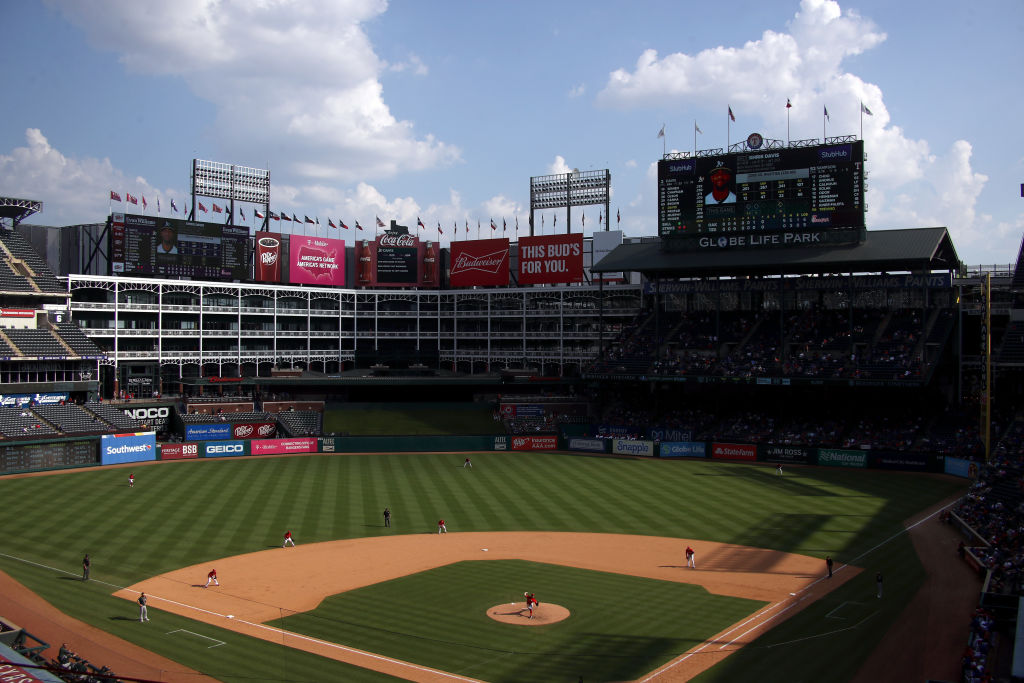
Texas Rangers have pledged inclusivity, but pride game remains absent – Leader-Telegram

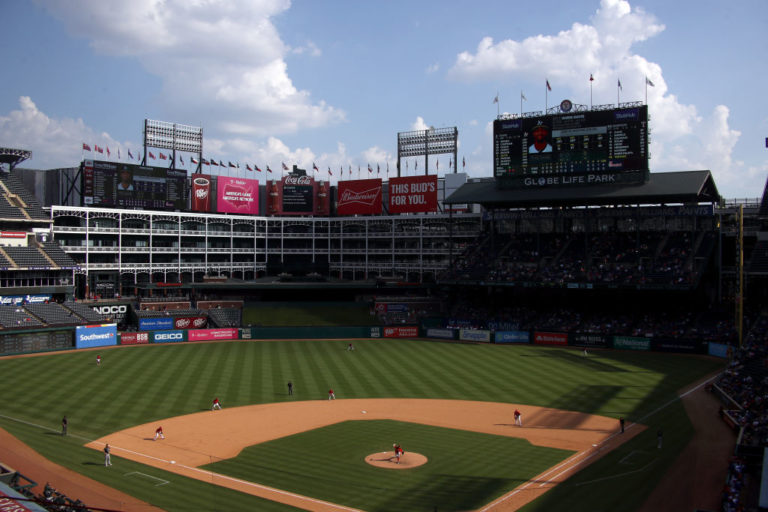
The Rangers are the only team who haven’t celebrated event or scheduled a pride game since 2003.

DALLAS — The baseball calendar in June is populated annually by game promotions to celebrate pride month and welcome the LGBTQ portion of an MLB team’s fanbase.

They’ve been known by various titles over the years: “Gay Day,” “Out at the Ballpark,” or just simply “Pride Night.”

The Rangers are the only team that doesn’t have a pride game promotion of any kind. There’s no indication they’re planning to have one in the near future, either.

Experts and advocates say there’s value in hosting a pride night — specifically in celebrating that portion of the fanbase as a way to grow it and retain it — as well as highlighting other efforts.

The Rangers haven’t publicly spoken about their specific internal initiatives to promote LGBTQ inclusion, instead highlighting their overall work on broader issues such as diversity and inclusion.

The Rangers declined to speak about their stance on hosting a pride day and the franchise’s work supporting the LGBTQ community. The Rangers haven’t done an external, public facing event, akin to the 29 other MLB franchises.

The majority of other professional teams in North Texans have also celebrated pride in some fashion during a game.

“They’ve made some efforts, but it’s very much a start,” said Rafael McDonnell, who works as a liaison between pro sports teams and the Resource Center, the community center that serves LGBTQ North Texas. “Compared to their peer professional sports teams, they have some distance to go.”

Still waiting

The Chicago Cubs first debuted pride games in 2001. The inaugural “Out at Wrigley” game set the blueprint for nearly every other team to adopt similar events, although most did so many years later.

They’ve begun in full force over the last decade, with the Rangers as the lone holdout after the Astros scheduled one in 2020 that was later canceled due to the COVID-19 pandemic. The Astros are scheduled to host their first Pride Night on June 16 against the Rangers. The Yankees, who have no theme nights whatsoever, hosted a Legacy of Pride night in 2019 to commemorate the 50th anniversary of the Stonewall riots.

The ongoing pandemic has interfered with teams’ abilities for many promotions, including pride games, though more than half of the 30 MLB teams already have them on the calendar this year.

Curious why the Rangers didn’t have one, McDonnell decided to reach out to the Rangers in 2019 why that was the case.

“I got a statement from the Rangers and it was pretty bland,” said McDonnell, the Resource Center’s advocacy and communications manager.

He then reached out to MLB ambassador for inclusion Billy Bean, who came out as gay after a six-year MLB playing career. The two sat down for a meeting in Dallas. That led to Bean helping to set up a meeting between the Resource Center and the Rangers in October 2019.

He showed two Texas staffers how other teams were doing pride promotions and merchandising. The meeting set up a line of communication with the Resource Center.

Two years later, McDonnell said he’d still like to see the Rangers have a pride night. The Rangers have indicated previously they have no plans to schedule one.

The team did not respond to follow-up questions from The Dallas Morning News regarding future plans.

In a written statement to The News, the team pointed to its work internally on topics surrounding diversity and inclusion.

“Our commitment is to make everyone feel welcome and included in Rangers baseball,” said Executive VP for Communications John Blake. “That means in our ballpark, at every game, and in all we do — for both our fans and our employees. We deliver on that promise across our many programs to have a positive impact across our entire community.”

The Rangers had a promotional game in 2003, where it invited LGBT community groups, according to the LGBT magazine, The Advocate. It wasn’t a formal pride game promotion, according to the article, but groups such Dallas’ gay and lesbian volleyball league, gay rugby and softball leagues as well as the Texas Gay Rodeo Association were invited.

The event drew anti-gay protests, though.

No similar event has since been scheduled. The Rangers do schedule community-based theme nights, including multiple military appreciation nights, first-responder games and multiple heritage nights for fans from different ethnic backgrounds.

The last time anyone from the team publicly addressed a possible Rangers pride game was in August 2020, when Rangers COO Neil Leibman indicated one wasn’t in the Rangers’ plans.

“With respect to Pride Night, we reached out to the Resource Center and said what can we do internally,” Rangers COO Neil Leibman told The News last summer. “We immediately adopted some changes they suggested to be more inclusive in hiring practices. I think that’s more meaningful than just saying ‘OK, we had a Pride Night.’”

But McDonnell said teams should still do both, similar to other teams around the sports world.

“If you say, ‘We’re doing one and not the other,’ is where you run into a problem,” McDonnell said. “… I don’t think it’s mutually exclusive. I think you can do both.”

Recognizing diversity

The Rangers highlighted other community initiatives they currently participate in, including the development of their Inclusion and Community Impact Council. The team’s foundation participated in MLB’s Shred Hate campaign, directed at anti-bullying and has volunteered with the Resource Center.

But none of the initiatives relate directly to LGBTQ language, and others around baseball say it’s important to back up strong internal work with external support, such as a pride game.

“Every market has gay, lesbian, transgender fans,” said Greg Bader, Senior Vice President of Administration and Experience for the Baltimore Orioles. “And for them to feel like they are wanted at the ballpark and valued as a fan is important.

“Part of what we did with our LGBTQ pride night — that sent a very clear message that members of that community are valued by the club, by the organization, and that we want them to be fans and we want them to come to games.”

Typically Pride nights across baseball involve clubs inviting LGBTQ groups to games. There’s LGBTQ signage and other ways for the team to show its support.

The Tampa Bay Rays hosted a pride night in 2016 just days after the Pulse shooting in Orlando, in which a gunman killed 49 people inside the gay nightclub venue.

Tickets to the Rays game that night at Tropicana Field were $5 and proceeds were donated to the Pulse Victims Fund. The game sold out.

When the Astros scheduled their first pride night for 2020, a team spokesperson told The Houston Chronicle: “We recognize this is one of the most diverse cities in the country and we recognize the city has one of the strongest, if not the strongest, LGBTQ communities in the state.”

Lagging behind

The Rangers scheduling a pride night is “inevitable,” Bean said, but the timing is ultimately up to the club. Bean works with MLB’s commissioner’s office, and regularly meets with players, coaches and front office personnel across all 30 teams to assist in inclusion initiatives.

His 2014 hire has coincided with more and more teams scheduling pride games, and he’s part of that driving force.

“I think their engagement with the LGBTQ-plus community is going to continue to grow,” Bean said. “But how that is, is up to them.”

To have a successful pride game, Bean believes relationships first need to be fostered within the community. A pride game, in his view, is more of the culmination of the work that the Rangers are doing.

“I try to engage in the LGBTQ communities to give the clubs resources that will allow them to feel confident to have a night like that so people will come to the ballpark,” Bean said. “I think if there’s no history or nothing behind the origin of the night, I think the community is probably going to wonder, ‘Why are they doing it?’”

Geography also plays into it, he said.

The political backdrop of Arlington isn’t the same as it might be in Chicago, which isn’t the same as it might be in any other MLB city. Is it relevant to why the Rangers haven’t hosted a pride game?

“Of course,” Bean said.

But the Mavericks, Stars, FC Dallas and the Wings — a franchise also located in Arlington — all have pride games. The Dallas Cowboys, like most NFL teams, do not have a pride game.

The Rangers have taken steps to improve inclusivity over the last two years. They’ve improved language to make sexual orientation and gender identity protected classes in their hiring practices — McDonnell even said they were a “leader” in this area. They’ve started conversations and done training that wasn’t previously happening.

Behind the scenes, there’s some work being done. Publicly, though, the Rangers remain behind their counterparts across the sport.

“I think when all 30 clubs do a pride night, this question is never going to be asked again,” Bean said. “Because it only sounds interesting when someone is not doing something.”

©2021 The Dallas Morning News. Distributed by Tribune Content Agency, LLC.

Joel Kim Booster Is Deeply Frustrated by the Lack of Gay Male Standup Comedy Stars – Yahoo Eurosport UK

SXSW/Getty

SXSW/Getty

Joel Kim Booster likes to play the “hot idiot” on stage. But as you will quickly learn by listening to this episode of The Last Laugh podcast, he is actually quite insightful when it comes to the unique challenges he has faced on his path to becoming one of the funniest young comedians working today.

To kick off Pride Month, the stand-up comic and co-host of the Flameout podcast on Spotify opens up about growing up with his adoptive Evangelical Christian family, how he gave up self-deprecation to embrace over-confidence, and why there hasn’t been a gay male stand-up comedy superstar on the level of Ellen DeGeneres, Wanda Sykes, or Tig Notaro. He also reveals some exciting news about the status of his big gay rom-com Trip co-starring SNL’s Bowen Yang.

“The question is always asked, why hasn’t there been a gay male Ellen or something like that,” Booster says, adding that it’s “definitely true” that no gay men have “really broken through” in the way many gay women have. “I think part of it is a general discomfort with the way that gay men have sex. I think that it’s really hard to look at a gay man and not think about anal.”

Jennifer Aniston and David Schwimmer Reveal They Nearly Had a ‘Friends’ Romance

“I could see it happening,” he adds. “And actually I do know at least one uber-successful stand-up comedian that’s closeted right now. And he doesn’t come off as gay and he doesn’t talk about his life in the same way that I do.”

“Because of the internet, and because it’s so easy to find your niche audience, it’s made it more difficult for somebody to break through with broad appeal,” Booster, who has yet to land an hour-long special, explains. “And I don’t necessarily want to have broad appeal. I don’t necessarily need or want to be for every single person. I’m not looking to be as relatable as John Mulaney is to millions and millions of people because it’s just not me. I’m never going to be the comedian that everyone in middle America is flocking to see. And I’m OK with that. I’ve made my peace with that. Because I’ve found a pretty great, dope audience that likes my shit.”

Listen to the episode now and subscribe to The Last Laugh on Apple Podcasts, Spotify, Google, Stitcher, Amazon Music, or wherever you get your podcasts and be the first to hear new episodes when they are released every Tuesday.

Read more at The Daily Beast.

Get our top stories in your inbox every day. Sign up now!

Daily Beast Membership: Beast Inside goes deeper on the stories that matter to you. Learn more.

Gay Men’s Chorus of Washington celebrates four decades of performing with new special ‘GMCW Turns 40’ – Metro Weekly

Gay Men's Chorus of Washington
Gay Men’s Chorus of Washington

Jack Gerard has been hooked ever since he first signed up to sing with the Gay Men’s Chorus of Washington, a few months after the organization formed in 1981. “The chorus is just amazing for camaraderie and brotherhood, and the togetherness, and the harmony. You can just cry sometimes, it’s so pretty,” he says.

Gerard’s husband, Craig Arnold, also joined the chorus in its first year, equally drawn by the bonds that quickly formed among members. “It really felt like a family,” Arnold says. “And we formed friendships in the chorus that have lasted over the years.”

Friendships that have lasted — as well as deepened and evolved — just like that between Gerard and Arnold, who met in the chorus. “We were just friends back then,” says Arnold. “Jack had a boyfriend at the time. I had several.” They stayed in touch even after each retired from singing with the chorus, for different reasons, after six or seven years. “Jack and I would run into each other every now and then, not just at chorus functions, but other receptions and parties around town.” It wasn’t until 2013, after more than three decades of friendship, that the two decided to spring for something more. They tied the knot four years ago in June.

The two are among roughly 20 original members recognized today as Grande Dames of the Chorus, a designation reserved for people you could call first-year founders. It’s an honorific title, but it’s also a well-earned one, given what they all went through in the organization’s early years, as a deadly virus spread among the chorus and throughout the gay community.

“Members were dropping right and left from AIDS, and we were singing at memorials monthly it seemed,” Arnold says. “That was a very difficult time. We had already established our camaraderie and closeness as a family, and then to start losing people at that rate was just really tough.” The AIDS epidemic was arguably more impactful on the chorus than today’s COVID-19 pandemic. “The biggest difference is, in the beginning, AIDS had a stigma to it as the gay disease,” Arnold says. “With coronavirus, people are certainly nervous about it, but it doesn’t come with the same stigma attached.”

Another distinction is the fact that, at least to date, the chorus has not lost a single member to the coronavirus. “Thank God!” says Thea Kano, the chorus’s artistic director. “I do know some who did come down with it, but they are fine, thank God. And I was really concerned about that, obviously, being a large organization with 300-plus members in the area.” It helped that Kano made the last-minute decision to cancel the group’s Spring 2020 concert last March with only two days’ notice and hours before the first rehearsal, even as a number of members were already en route to the theater.

“Thank God we did that,” she says. “It could have been a different outcome, because, of course, singing, you’re totally spraying your aerosols 30-plus feet. And you can picture us all up there on stage, shoulder to shoulder. We dodged a bullet on that.”


As it happens, that’s just one of several causes for celebration at the chorus right now. The organization is turning 40 as well as thriving in virtually every way. “The biggest challenge for us was, ‘How do you represent 40 years of incredible history — both musically as well as the work we’ve done for social justice and equal rights,” Kano says. “How do you put that into a 90-minute video?”

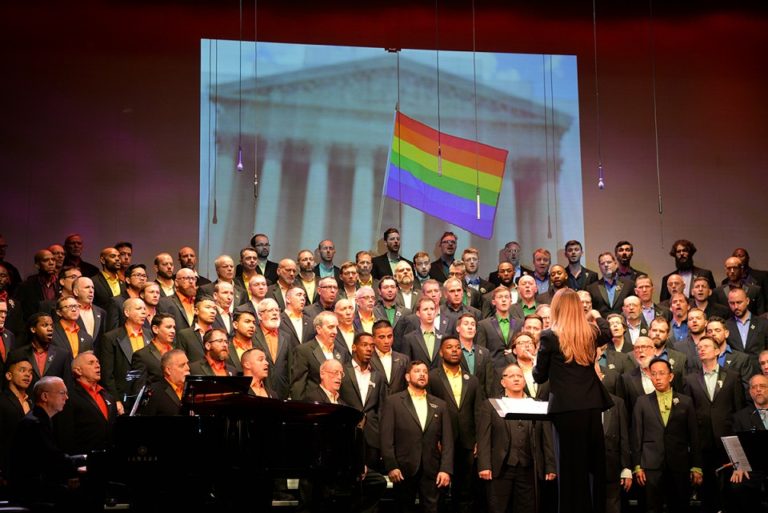
Next Saturday, June 5, they’ll release what they devised in an ALS-interpreted production. The anniversary video GMCW Turns 40 concludes the chorus’s pandemic-necessitated all-virtual season, and represents “a complete turnabout from what we had envisioned at the Kennedy Center Concert Hall, where we traditionally celebrate our anniversary,” says Kano. The concert has been reimagined for smaller screens, putting to use the video-editing skills Kano and her team, including Craig Cipollini, have developed over the last year.

The video launches with a 10-minute montage of archival footage assembled by Cipollini highlighting some of the costumes as well as “little snippets of some solos and the chorus here and there, just to give you a scope of where we’ve been and how far we’ve come,” says Kano. The program also features what she calls two-minute “decade videos” interspersed throughout featuring “photos and clips and headlines from each decade that we’ve been around.”

Additionally, the chorus invited small groups of members to record themselves performing, while socially distanced and outdoors at various iconic locations in D.C. The result is performance footage taken everywhere from the steps of the Supreme Court to Black Lives Matter Plaza to what Kano refers to as “Amanda Gorman Alley,” the area just off 17th Street up from Floriana’s where a new, larger-than-life mural of the inspiring young Biden Inauguration poet towers.

“I am so grateful to our Grande Dames for being very much involved with this year in making sure that our entire history is celebrated and acknowledged,” Kano says. “It really has been so many people hands-on helping me to pull this together.”

At certain past anniversaries, Gerard and Arnold returned to sing a song or two, but they politely declined this time around. “We were offered the chance to sing by Zoom, [but] Jack and I both did not feel up to it,” Arnold says. “But this past year we’ve been very impressed with how the chorus has conducted themselves and had concerts online and streaming. Given all the technical work that goes into putting that together, I just can’t imagine how they get through rehearsals.”

Both are eager to finally see what the chorus has dreamt up for the anniversary video, fully confident it will be up to Kano’s impeccable standards — and yet more evidence that the next 40 years are off to a promising start.

“The programming has been phenomenal,” Arnold says. “As long as the chorus keeps coming up with new ways to present music and fresh ideas that relate to the audience, they will always be successful.”

“The chorus is thriving,” Gerard adds, praising everything from its financial health to its outreach efforts. “The fact that they’ve really made a hard effort to recruit these really talented young people in the last five years especially has just been amazing.”

GMCW Turns 40 begins streaming Saturday, June 5, at 7 p.m., and will be available for 72 hours after the first viewing, or until June 20. Tickets are $25. Visit www.gmcw.org.

Read More:

Drag ‘N Drive is coming to DC to help save 2021

Cruella review: A hyperbolic, hyperactive fashion fail

Leyna Bloom is ready for her closeup with trans romantic drama “Port Authority”

When Is Pride Month 2021? History, Calendar and Facts – Newsweek

0

Pride month usually takes place in June in the U.S. The month sees a series of marches, parades and other events held to recognize and celebrate the LGBTQ (lesbian, gay, bisexual, transgender, non-binary and queer) community.

The celebrations commemorate the Stonewall Uprising in New York City, which was a critical turning point for the gay liberation movement in the country.

A brief history

The Stonewall Uprising began on June 28 in 1969 after police that day raided the Stonewall Inn, a popular gay bar in the Greenwich Village neighborhood in Manhattan.

Homosexuality at the time was considered a criminal offense throughout New York State, with many gay bars were owned by the mafia and operated without a liquor license, according to the Library of Congress.

Police raids and harassment occurred frequently across the U.S. at the time and members of the LGBTQ community began to fight back amid growing activism in the 1960s.

Stonewall Inn had been raided frequently ahead of the uprising, but the June 28 raid led to a series of demonstrations that lasted six days.

“It was not the first time police raided a gay bar, and it was not the first time LGBTQ+ people fought back, but the events that would unfold over the next six days would fundamentally change the discourse surrounding LGBTQ+ activism in the United States,” the Library of Congress website explains.

“Historians have noted that the shift in activism, if Stonewall truly represented one at all, was a shift primarily for white cisgender people, as people of color and gender non-confroming people never truly had the benefit of concealing their marginalized identities,” the website adds.

The first Pride march in New York City took place in 1970 on the anniversary year of the Stonewall Uprising and marked the first U.S. Gay Pride week and march.

The inaugural pride march involved about 3,000 to 5,000 gatherers, while today the number has grown to the millions.

The International Gay and Lesbian Travel Association (IGLTA) says: “Gay pride events, including gay pride parades and festivals were started in major urban centers to improve the visibility, acceptance and legal protections for LGBTQ+ people living in those communities.

“While the aim of pride day started with a political nature, many cities around the world have such wide acceptance and legal protections that many events have become a celebration of pride for the local LGBTQ+ community.”

Pride calendar

Most U.S. cities celebrate Pride in June, which is officially recognized as Pride month in many other countries. But it is observed on alternative dates in some countries.

Some of the world’s largest Pride events are held in New York City, São Paulo, and Madrid—which each host crowds of up to five million people, according to the IGLTA.

“Over the past 50 years, pride events, marches and demonstrations have evolved considerably. In western nations where LGBTQ+ people are protected and acceptance is high, many pride events have grown in scale, welcoming millions of visitors to their celebrations,” the IGLTA says.

Major Pride events in the U.S.

San Francisco, California: Considered the largest gay pride celebration in the country, San Francisco Pride sees more than a million people gather for the event, according to VisitUSA, the official U.S. travel website. This year’s festivities include a Pride Movie Night on June 11 and 12. See the San Francisco Pride website for more details.

New York City, New York: Events take place in late June, including a rally and parade, which this year takes place on June 25 and 27, respectively. See the NYC Pride website for more details.

Washington, D.C.: Events kick off from early June, while the “Colorful Pridemobile Parade” takes place on June 12. See the Capital Pride website for more information.

Denver, Colorado: Denver PrideFest events take place from late June, including a Pride 5K run on June 20 and a virtual parade on June 21. See the Denver PrideFest website for details.

Key West, Florida: Key West Pride events, from brunches to pool parties, are being held from June 2 to 6 this year. See the Key West Pride website for more information.

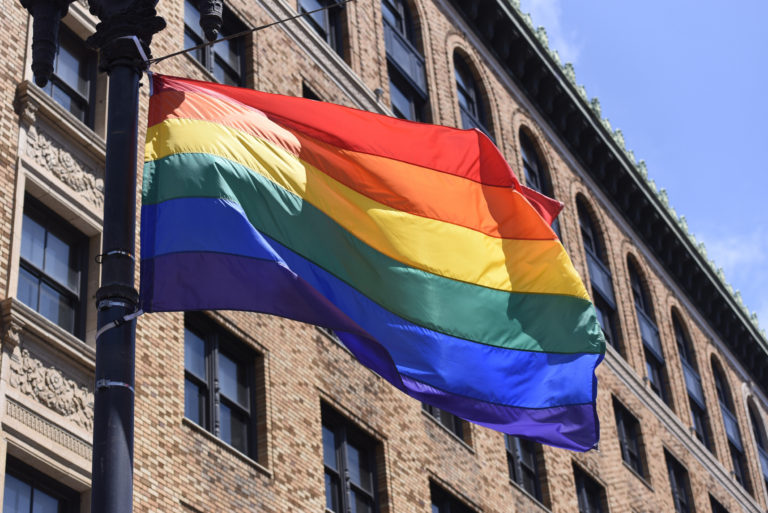
A Pride flag in San Francisco.
A Pride Flag seen during the San Francisco Gay Pride parade on June 30, 2019 in San Francisco, California.
Meera Fox/Getty Images

Edmonton’s LGBT Community Looks Back 40 Years To The Pisces Bathhouse Raid – West Island Blog

About 40 years back, the police in Edmonton conducted a raid on the Pisces Bathhouse, an incident that has caused lifelong aftershocks among the LGBTQ community. This was an awakening call to most, according to former councilor and one of many LGBTQ2S+ advocates.

The police raid made people realize that staying hidden wasn’t going to change a thing and that things would not change anyway, Michael Phair said. He was one of 56 persons who were taken into custody early morning on the 30th of May, 1981.

Phair remembers police lights flashing everywhere and at least 50 officers’ cameras running through the hall.

He remembers the officer getting to the TV room in which he and others were seated and said that that they were running a raid and nobody was allowed to move.

Prior to the raid, the police had performed surveillance to mark all exits and entrances to the Pisces Health Spa, then located at the intersection of 105th Avenue and the 109th street.

Police arrested everyone, and after a long and tough night, Phair was released with a court summons.

He went to court fought off the charge, and won. He added that this was important to him as he knew how damaging a court record would be to his future prospects.

The only charge the 56 faced was that they were in the establishment.

Ron Byers, an LGBTQ historian resident in Edmonton, worked as a barman at the Flashback on the day the raid took place. Part of his plan that day was to visit the Pisces, where he had a shift once a week.

One of the people who attended the birthday party he was headed to got there and found police had raided the place.

Byers said that the media propagated the story into something it wasn’t supposed to be. The media published stories that featured names of the person who had been arrested, taking things to a whole other level.

Pride Month Programming: How Networks Are Marking LGBTQ Celebrations In June – Deadline

Pride Month is observed every June in the U.S. to honor the 1969 Stonewall Uprising in Manhattan, a flashpoint for the Gay Liberation Movement. Here’s a sampling of programming from TV networks and other media platforms, organizations and communities. We’ll update the list when new Pride Month programming is announced. All times Pacific unless otherwise noted.

FOX

The network has premiered a Pride Month-themed music video titled “Little Bit of Color,” which features clips from Fox shows and more. Watch it here:

SHOWTIME

The premium cable network will feature more than 50 hours of LGBTQ+ programming including Xy Chelsea, Same Sex America, Beyond Opposite Sex, L Word Mississippi: Hate the Sin and Semper Fi; select episodes of Desus & Mero; and the first seasons of The L Word, The L Word: Generation Q, Queer as Folk, Work in Progress and Couples Therapy.

HBO MAX

WarnerMedia’s streamer  is launching its Shine On spotlight page, which honors and recognizes its library of LGBTQIA+ stories, characters and creators. A list of curations that will be included on the page is here.

PARAMOUNT+

ViacomCBS’ streaming service will premiere Season 6 of RuPaul’s Drag Race All Stars on June 24. It also will bow the sixth season of aftershow RuPaul’s Drag RaceUntucked! Both are moving from their original home at VH1.

AMAZON PRIME VIDEO

The streamer has a dedicated landing page called Laugh Out Loud for its curated selection of movies and series to honor Pride Month. Celebrating and highlighting LGBTQ creators, actors, producers, writers and filmmakers, Laugh Out Loud includes Uncle Frank, Rocketman, The Wilds (Season 1) and the first five seasons of RuPaul’s Drag Race.

HULU

The streamer is honoring Pride Month with new content and collections in the evergreen LGBTQ+ Hub including Changing the Game, Season 2 of Love, Victor, new series Rurangi and film The Obituary of Tunde Johnson. Additionally, the two new 2021 collections, “Trans Stories” and “Multicultural Stories,” will be prominently featured in the Pride Hub throughout June.

DISNEY+

The virtual variety show This is Me: Pride Celebration Spectacular will run June 27 on the streamer’s YouTube and Facebook outlets. Hosted by Nina West, the performance lineup includes Alex Newell, DCappella, Frankie Rodriguez, Joe Serafini, Hayley Kiyoko, Jackie Cox, Jesse James Keitel, Kermit the Frog, Michael James Scott and Todrick Hall.

FX

The cable network will air a marathon celebrating the fourth and final season of Pose. Curated by Pose co-creator Ryan Murphy, the four episodes will run June 18 from 7 p.m.-12:30 a.m. PT/ET. There also will be special behind-the-scenes footage and vignettes interspersed throughout the marathon.

REVRY 

The first LGBTQ+ digital cable TV network will Revry Presents House of Pride Brought to You by McDonald’s, a variety special hosted by Manilla Luzon, Shar Jossell and Ryan Mitchell on June 6 and “Can’t Cancel Pride,” a virtual relief benefit for the LGBTQ+ community presented by iHeartMedia and P&G. The latter will feature performances or appearances by Brandi Carlile, Dolly Parton, Elton John, Kylie Minogue, Bebe Rexha, Brothers Osborne, Busy Phillips, Demi Lovato, Gus Kenworthy, Hayley Kiyoko, Jennifer Hudson, JoJo Siwa, Lil Nas X, Marshmello, MJ Rodriguez, Nina West, P!NK, Ricky Martin, Regard, Troye Sivan, Tate McRae and more.

HERE TV

America’s first and largest SVOD LGBTQ+ TV video channel is marking Pride Month with programs including the inaugural trans-exclusive modeling competition Slay Model Search (June 11), a “Pride Edition” of Food Fetish with celebrity chef and restaurateur Susan Feniger (June 18) and No Goodbyes, a short film about love in a concentration camp, featuring 92-year-old Holocaust survivor David Lenga (June 4).

SPECTRUM ORIGINALS

The cable channel exclusive to Spectrum customers is offering Pride Month. an on-demand collection of movies highlighting LGBTQ stories, including Bohemian Rhapsody, Boy Erased, The Kids Are All Right, Dating Amber, And Then We Danced and Rafiki. It also includes the 2020 comedy special Brash Boys Club.

LIFETIME

The season finale of dating series Married at First Sight: Unmatchables will center on two LGBTQ men who are looking to find love (June 2). Lifetime also offers Trapped: The Alex Cooper Story, about a teenage girl who is sent to “conversion therapy” after coming out to her devout Mormon parents (June 6), and Prayers for Bobby, about a profoundly religious woman who questions her faith after the suicide of her gay son (June 20).

NBCUNIVERSAL NEWS GROUP

Encompassing NBC News, MSNBC, CNBC, NBC News NOW, NBC News Digital and Peacock, the group is featuring deep-dive storytelling, exclusive reporting and special programming throughout the month of June and beyond. Among them are the hourlong concert event Miley Cyrus Presents Stand by You on Peacock (watch a trailer here), and Transamerica, an hourlong special about trans lawmakers hosted by Joe Fryer, which will stream June 17 on NBC News Now. For a complete list of NBCU News Group programming, click here.

TELEMUNDO

NBCUniversal’s Spanish-language cable network is marking Pride Month with Celebrando el Mes del Orgullo (Celebrating Pride Month), a campaign to support the LGBTQ+ Latino community, celebrate their journeys and raise awareness of the challenges that remain for their progress. The campaign will feature stories of inspiring community members making a difference and kick off June 1.

WORLD CHANNEL

The cable net is sharing stories of community leaders, friends, families and creators who take pride in the LGBTQ+ flag. The films include Jack & Yaya, Little Miss Westie and Mama Gloria and Vision Portraits.

THE OUTFRONTS

The five-day event presented by OutFest from June 4-8 features queer episodic television to connect fans with all things LGBTQIA on television and streaming. It features free-to-view panel discussions and exclusive members-only premieres with the talent from LGBTQIA+ programs. Panels in RuPaul’s Drag Race, Clarice, The L Word: Generation, David Makes Man, Everything’s Gonna Be Okay, Star Trek: Discovery and Love, Victor. See the full lineup here.

NEWFEST PRIDE

NewFest’s summer series will run virtually from June 4-7, showcasing six new features, a short film program and a handful of LGBTQ-focused panels and special events, including a virtual live-read event fundraiser of Legally Blonde to celebrate the film’s 20th anniversary.

THE PALEY CENTER FOR MEDIA

Its inaugural Pride Month celebration, “A Salute to LGBTQ+ Pride Achievements in Television,” will focus on how representations of LGBTQ+ life have evolved dramatically during the past eight decades. Among the highlights is a conversation with Cynthia Nixon, Ilene Chaiken, Laverne Cox, Jason Collins and Adam Rippon and a panel on Hulu’s Love, Victor. See details here.

HOPE IN A BOX

The nonprofit group, which is the nation’s largest early-intervention program building LGBTQ-inclusive schools, is hosting a virtual gala called “Books That Make Us” at 5 p.m. June 24. It will feature prominent leaders and authors including Rep. Jahana Hayes (D-CT), Shanna Peeples, Zach Stafford, David Levithan, Emily Danforth, and Becky Albertalli.  

CITY OF LOS ANGELES

Civic leaders including Councilmember Mitch O’Farrell, one of L.A. three openly gay elected officials, kicked off the annual celebration May 27 and has two more events set: Black LGBTQ+ Community Activists for Change (11 a.m. June 10) and a performance by Snehal Desai & East West Players (11 a.m. June 24).

WHISTLE TV

The station for the sports media and entertainment company is marking Pride Month by airing a new Women’s Flat Track Derby Tournament from 2020 daily. The Women’s Flat Track Derby Association  is the international governing body for the sport of women’s flat-track roller derby and has one of the most inclusive gender statements in sport.

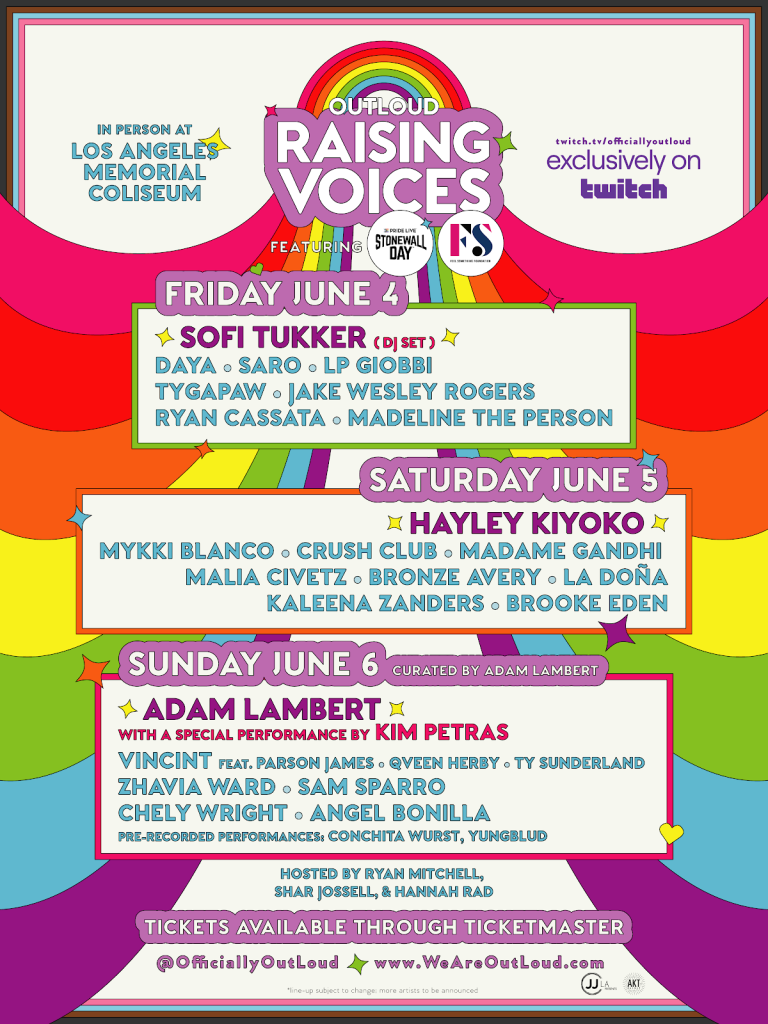
OUTLOUD: RAISING VOICES

A three-day concert set for June 4-6 at the Los Angeles Memorial Coliseum hosted by Adam Lambert will bring together the area’s LGBTQ+ community and allied supporters for a long-awaited return to live celebration that will also give back to charities and Pride city partners across the country. The lineup includes Sofi Tukker, Daya, Hayley Kiyoko and Bronze Avery, with special appearances by Angelica Ross, Conchita, Geena Rocero, Ryan Jamaal Swain, Valentina Sampaio, Yungblud and Whoopi Goldberg. You can watch the livestream here, and the full lineup is below:

Amazon, Giant Food celebrate Pride Month with digital offerings – Chain Store Age

Meanwhile, Giant Food has teamed up with CPG companies Procter & Gamble (P&G) and Kellogg’s to celebrate Pride Month. Throughout June, a dedicated immersive e-commerce experience on GiantFood.com features exclusive recipes curated by celebrity chef, cookbook author and LGBTQ advocate Elizabeth Falkner and special offers from participating brands. The pages spotlight LGBT-owned brands.

Throughout the month of June, Giant customers can shop special online offers on select items from P&G to help them celebrate Pride Month, including ingredients featured in four exclusive recipes Chef Falkner has created for Giant customers. Each recipe on GiantFood.com is paired with a video of Falkner preparing the recipe, plus a full shopping list and instructions. Customers can directly order all the ingredients for home delivery or in-store pickup. 

Giant is also offering Kellogg’s limited-edition “Together With Pride” cereal both in-store and online throughout the month of June. The Together With Pride cereal, featuring berry-flavored rainbow hearts dusted with edible glitter, made by Kellogg’s in collaboration with GLAAD, supports the non-profit organization’s efforts in accelerating acceptance and advancing equality for the LGBTQ community.

“We’re excited to team up with P&G and Kellogg’s to celebrate Pride Month and support the diverse voices that make our communities so special,” said Ira Kress, president of Giant Food and executive sponsor of Giant’s Pride Business Resource Group. “Over the past year, we have been working to bring more awareness to our LGBT-owned products through our shelf labeling program and media campaigns. The Pride Month online experience is another great opportunity for customers to discover these products and join us in supporting our LGBT business partners.” 

Giant is headquartered in Landover, Md., and operates 164 supermarkets in Virginia, Maryland, Delaware, and the District of Columbia. 
 

New foundation seeks to help LGBT rights movement in Poland – Associated Press

WARSAW, Poland (AP) — A Nobel laureate, a Netflix star and a fashion model are among the board members who helped launch an initiative Tuesday to raise money for LGBT rights groups in Poland, where gay men, lesbians, and bisexual and transgender people face a backlash from the country’s conservative government and Catholic Church.

The Equaversity Foundation plans to seek international donations to fund organizations working on the ground in Poland. Activists with the foundation say the help is needed to counter homophobic rhetoric from the highest levels of Poland’s government and from Catholic leaders.

“We can’t count on aid from within the country,” said model Anja Rubik, who is one of the board members.

Along with Rubik, the foundation’s board includes Nobel-winning Polish writer Olga Tokarczuk, film director Agnieszka Holland and Antoni Porowski, a Polish-Canadian cook who is one of the stars of the Netflix show “Queer Eye.”

ADVERTISEMENT

During an online conference Tuesday, several initiators described the new foundation as a way to push back against a rising tide of anti-LGBT discrimination that they view as part of a wider assault on democratic values in Poland, a nation wedged between Western Europe and eastern autocracies.

Polish President Andrzej Duda said last year while running for reelection that the term “LGBT” is “not people” but an “ideology” more dangerous than communism. The country’s education minister has said LGBT people are not equal to “normal people.”

Meanwhile, Catholic Church leaders have also used the term “rainbow plague” to describe the movement for greater rights for lesbians, gays, bisexual and transgender people.

The atmosphere has led some LGBT people to leave the country. Equaversity board member Holland said that 70% of LGBT youth in Poland have suicidal thoughts.

“We just have to fight for their lives,” she said.

Sebastian Hejnowski, a public relations professional who is part of the foundation’s management, said he sees a standoff in Poland between conservative forces and a new generation of young people who favor acceptance of sexual minorities.

He said that unlike Russia, where LGBT rights have been severely curtailed and there is little chance of progress in the near future, Poland could still choose a different path.

“People should support Poland because there is a clear chance to win this fight in Poland,” Hejnowski said.

Among the designated to receive the funds are Campaign Against Homophobia, the Love Does Not Exclude Association and the Polish Association of Anti-Discriminatory Law.

Social Media Destroys The Texas Rangers For Being The Only Team Not Celebrating ‘Pride Month’ (TWEETS) – Total Pro Sports

(Photo by Ronald Martinez/Getty Images)

June 1st marked the very first day of Pride month, which is the promotion of the self-affirmation, dignity, equality, and increased visibility of lesbian, gay, bisexual, and transgender people as a social group.

Major League Baseball teams have been known for celebrating in this month, all except for one team.

The Texas Rangers remain the only team doesn’t have a pride game promotion and they are not showing any indication they will have one now or in the future.

Here’s how social media reacted:

Back in 2003, the Rangers had a promotional game where it invited LGBT community groups such as Dallas’ gay and lesbian volleyball league, gay rugby and softball leagues as well as the Texas Gay Rodeo Association.

The event drew a number of anti-gay protests and nothing similar has been scheduled ever since.

Share This

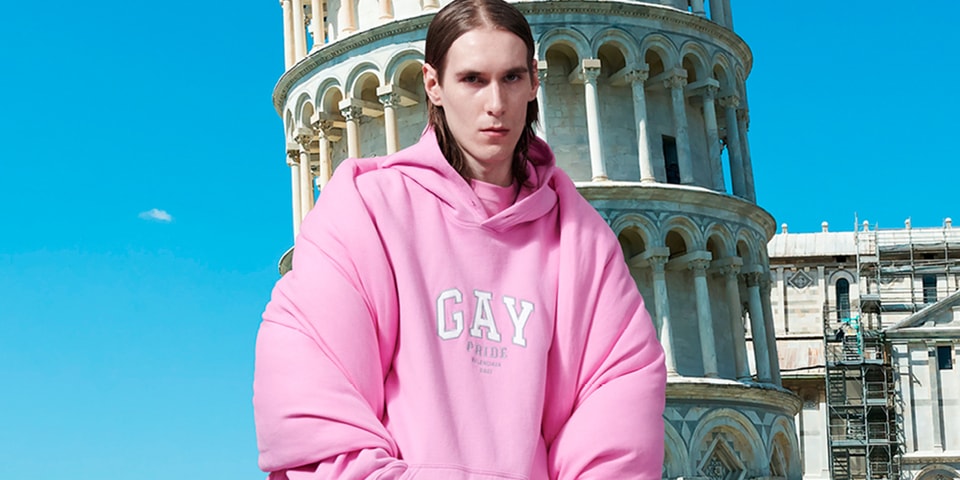
Balenciaga Drops Pride 2021 Capsule Collection | HYPEBEAST – HYPEBEAST

Balenciaga is celebrating Pride Month with a new Pride 2021 collection. This June, Balenciaga continues to promote LGBTQIA+ visibility with a new range of apparel featuring baseball caps, hoodies, shirts, waistbands, bras, thongs and jockstraps.

This collection sees the staple tee and hoodies come in two styles. One features varsity-style lettering that spells out “GAY PRIDE BALENCIAGA 2021” while the other includes the emblazoned word “GAY” and a rainbow flag. Each piece offers a straightforward yet simple supporting message for pride. The rainbow flag is highlighted in abundance with the waistband of men and women’s underwear adorned in the colorful flag. Other accessories that feature the rainbow flag include socks, party bracelets and fake fur shoulder strap coin purses.

Balenciaga is set to donate 15 percent of the sale to the Trevor Project. The Trevor Project, founded in 1998, continues on its mission to end LGBTQ youth suicide. It offers various programs including 24/7 prevention and crisis intervention as well as raises awareness and advocate and fight for the LGBTQ community.

Creative director, Demna Gvasalia said in a statement about the collection, “I’m gay. I grew up in a society where I couldn’t have worn that, and there are places in the world that you cannot today. It’s important to push through against homophobia. I’m not someone who goes out in the street and shouts. But this is the political fashion activism I can do.”

Check out Balenciaga’s Pride collection above.

In other fashion news, StreetX continues to prove that Australia is the reason in its first SS21 drop.

Read Full Article