Home Blog Page 159

Twenty-seven brands supporting LGBTQ pride in style – Everett Post – Everett Post

(NEW YORK) — While the global coronavirus pandemic may have put a damper on many annual Pride festivities across the world in 2020, this year is already looking to be better and brighter.

Whether you are heading out for festivities or planning to celebrate in your own unique special way, there are a lot of brands that are ready to help you commemorate in style.

Every year, loads of beauty and fashion brands band together to create Pride-inspired products that not only help you look good but also feel good as they support organizations that empower and uplift LGBTQ communities.

This year is no different, and lots of companies have continued to share their efforts.

From Disney’s exhilarating Rainbow Pride collection to Reebok’s “All Types of Love” Pride collection and campaign, there is truly something for everyone to smile about.

Ahead, check out 27 brands that will help you celebrate in style:

Ralph Lauren

Ralph Lauren has launched a gender-neutral Polo Pride collection for adults and children, including everything from sweatshirts to polo tops.

One-hundred percent of the purchase price from the sale of each polo shirt, and 25% of the purchase price from the sale of each graphic tee, sweatshirt, flag sweater, fanny pack, baseball cap and socks will be given to Stonewall Community Foundation.

Athleta

Athleta has launched its Love Proudly bra and tights set featuring a beautiful bright design and breathable material that allows for easy airflow.

The brand will be also supporting and donating to LGBT SportSafe throughout the month of June.

Adidas

The global athletic label unveiled its long-running “Love Unites” campaign with a 30+ piece Pride collection. Additionally, the campaign is spotlighting influential members and allies of the LGBTQ community.

John Frieda

The hair care brand has aligned with GLSEN for Pride Month to boost awareness and make schools safe and inclusive for LGBTQ youth.

Additionally, the company will be including Pride-themed packaging on some of its products along with rainbow-colored Teleties.

Abercrombie & Fitch

Along with The Trevor Project, Abercrombie & Fitch has co-designed a Pride collection featuring 24 gender-inclusive items in sizes XXS-XXXL.

In addition to a yearlong round-up campaign, Abercrombie & Fitch will be making an initial $200,000 donation to The Trevor Project and has donated over $2 million since 2010.

Nordstrom

Nordstrom and Nordstrom Rack have partnered with The Phluid Project to create an exclusive Pride capsule featuring gender-free hats, bags and more starting at $12.

The retailer is also providing a grant to the Trans Lifeline x GOLX Hormone Replacement Therapy (HRT) Care Fund in support of transgender, nonbinary and gender nonconforming individuals — with 75% of funds reserved for Black and Indigenous people.

Morphe

Morphe has teamed up with Todrick Hall and The Trevor Project for a beautifying Pride cosmetics collection. The brand’s annual Pride collections have raised $895,000 in support of services and opportunities for LGBTQ youth and students.

Additionally, 100% of net proceeds will be donated to the organization this year.

Rhone

Rhone has launched a stylish unisex Pride capsule collection including everything from bright joggers to hoodies in fresh white, navy and rainbow hues.

With this new collection, the brand is also making a $10,000 donation from the sales to Mental Health America to help the development of LGBTQ-focused resources and initiatives.

Lord Jones

The CBD-focused brand has launched a Pride box that includes a sweatshirt and hemp-derived CBD gumdrops. Lord Jones also plans to continue to annually align with West Hollywood-based LA Pride I Christopher Street West Association to donate 50% of its limited edition Lord Jones Pride launches in support of its initiative focused on trans and non-binary communities.

Peloton

Peloton is honoring the diversity of LGBTQ experiences and the uniqueness of the journey with a “My Truth Is Our Power” Pride-themed apparel collection as well as a “Giving Back Globally” initiative, which works with The Ali Forney Center in Canada, London Friend in U.K. and GLADT in Germany to donate $100,000 collectively.

Disney

This year’s Rainbow Disney collection includes everything from apparel to accessories featuring some of the company’s all-star characters from Pixar, Marvel, Star Wars and more.

To further celebrate Pride Month 2021 and the company’s Pride collection, The Walt Disney Company is donating funds as part of an ongoing commitment to organizations around the world that support LGBTQ communities. To learn more, visit RainbowDisneyCollection.com.

Bombas

Bombas’ Pride 2021 collection includes a wide assortment of socks, T-shirts and underwear. For items purchased, the brand is donating a specially designed item to someone in need within the LGBTQ community through three year-round partners including Casa Ruby, Mozaic and the Transgender Resource Center of New Mexico.

Olay

Olay is launching a limited-edition Pride-inspired version of its best-selling Regenerist Micro-Sculpting Cream along with two gift sets.

The brand will also be supporting the LGBTQ community with a $75,000 donation to The Trevor Project. Additionally, for the second year in a row, Olay is supporting P&G’s Can’t Cancel Pride to bring together the most inspirational voices in the LGBTQ community, along with allies, to help those who had been adversely affected by COVID-19.

UGG

Along with the Pacific Pride Foundation, UGG is celebrating the LGBTQ community with its fifth annual “Proud Prom” event that hosts local LGBTQ and allied youth from Santa Barbara and the coastal communities of California. It’s a celebration of self-identity and love, and this year’s virtual prom and campaign include notables such as musician Lil Nas X, writer Hari Nef, brand ambassador Maya Samaha and several others.

Further supporting the LGBTQ community, for each pair of Disco Stripe slides sold on UGG.com, the brand will donate $25 of the marked retail price to GLAAD — with up to a maximum guaranteed donation of $125,000.

1-800-FLOWERS.COM

1-800-FLOWERS.COM, Inc. has created a special Pride Bouquet featuring vibrant rainbow-toned flowers for customers to shop, and now through June 30, 20% of net proceeds made from each purchase will be donated to GLAAD.

Plus, the company has made a monetary donation of $25,000 to GLAAD.

Madewell

Madewell collaborated with American fine artist, author and illustrator Lisa Congdon to celebrate Pride with a love-inspired lineup of clothing. Fifty percent of proceeds from the collection will be donated to the American Civil Liberties Union.

Parade

Parade is celebrating Pride this month and everyday with the launch of its Color Outside the Lines campaign, which features an expressive collection of over 130 mix-and-match undergarments.

To further support colorful expression for all, Parade is also donating 2,000 pairs of underwear to various LGBTQ organizations and has also included an entirely queer cast and crew in their latest campaign directed by West Dakota and styled by Becky Akinyode.

Hanna Andersson

Hanna Andersson has launched a “Pride Rainbow” capsule collection, which includes “Colorful Rainbow Stripe,” “Loved,” “Peanuts Pride” and “Storytime Rainbow”-themed matching family pajamas as well as dresses, tees, recycled swimwear, sweatsuits and more for children and adults.

Teletubbies

Teletubbies has released a Pride Collection inspired by on-trend ’90s streetwear and centered around two themes: “Big Hug Big Love” and “Teletubbies Love Pride.”

Proceeds from the collection will benefit GLAAD’s culturally changing work to accelerate acceptance for the LGBTQ community.

Rue21

Rue21 has rolled out an exclusive Pride collection featuring everything from hoodies to sandals. The retailer has also teamed up with The Trevor Project to raise awareness about the organization’s important work and made a $50,000 donation to aid in efforts.

Starface

Starface is celebrating Pride all year long with the brand’s Rainbow Hydro-Stars pimple patches — which are a permanent part of the brand’s product lineup.

All net proceeds from Rainbow Hydro-Stars will be donated to the Black-Led Movement Fund and the Hetrick-Martin Institute for LGBTQ youth.

Gap

Gap’s latest Pride capsule highlights a range of meaningful designs by artists Star Casimir, Rachel Lindsey and Abayomi “AC” Carey​ — all members of G.E.A.R., Gap Inc.’s employee resource group that aims to create an inclusive and supportive environment.

To further amplify these voices and celebrate the expressive designs, Gap is also donating $50,000 to GLAAD.

Teva

This year, the footwear brand has unveiled a lineup of all-gender sandals and accessories that aim to celebrate individuality and equality. Additionally, Teva is donating $35,000 to the Human Rights Campaign Foundation in support of the LGBTQ community.

Fossil

Fossil has unveiled a limited-edition Pride watch collection designed to celebrate individuality, the spirit of love and equality. The latest iteration features the brand’s best-selling Minimalist 40mm watch case, reimagined with rainbow flag-inspired indexes and 10 vibrant straps.

The brand has also committed to donating 100% of proceeds from sales made from the Pride watch case and straps to The Trevor Project — with a minimum donation of $25,000.

Harper Wilde

Harper Wilde has debuted a Pride capsule line featuring a limited-edition tote and the company’s best-selling The Bliss bralette. Fifteen percent of proceeds will be donated to The Trevor Project.

Reebok

Reebok has released its “All Types of Love” Pride footwear and apparel collection designed by the footwear company’s LGBTQ employee community, Colorful Soles, which partnered with Iconic Ballroom House of Ninja to pay homage to ballroom culture and what it has brought to the LGBTQ community as well as humanity as a whole on a global scale.

The brand is also donating $75,000 to the Sylvia Rivera Law Project, an organization working to guarantee that all people are free to self-determine their gender identity and expression, regardless of income or race and without facing harassment, discrimination or violence.

BH Cosmetics

BH Cosmetics is unveiling an exciting limited-edition Give Back 12 Color Shadow Palette for Pride month starting on June 9, and $10 from every purchase of the new shadow palette will be donated to The Trevor Project.

Copyright © 2021, ABC Audio. All rights reserved.
Celebrate with pride: Visit these sites where LGBTQ history was made – USA TODAY

0

This nation celebrates Pride Month every June to mark the anniversary of New York’s Stonewall riots, a seminal moment in LGBTQ history.

In 2020, the coronavirus pandemic shifted celebrations to a virtual platform. But this year, as COVID-19 restrictions are lifted and more Americans become vaccinated, some 2021 celebrations are back with a blend of virtual and in-person events.

Megan Springate says notable LGBTQ heritage sites are found across the country: “LGBTQ history is American history. It’s in every community.” People can visit these sites any time of year, not just for Pride.

Springate, a former National Park Service employee and now director of engagement at the America 250 Foundation. helped produce a study documenting hundreds of significant places and shared some favorites with USA TODAY.

Shop Pride:40 brands that are giving back for Pride Month 2021

Pride is back in 2021:Here’s how to celebrate with parades, in-person and online events

Stonewall National Monument, New York

A turning point in LGBTQ rights came in 1969, when New York police raided the Stonewall Inn gay bar and sparked street protests in the surrounding Greenwich Village neighborhood. “Stonewall was a real watershed moment,” Springate says. Today, it’s a National Monument, and visitors can get their National Park Service Passport stamped at the original bar. nps.gov/ston

First Unitarian Church of Denver

This 19th century building hosted one of the modern world’s first same-sex weddings in 1975 after a defiant county clerk issued a marriage license to a gay couple. But local officials refused to recognize the union until 2016. “Ultimately, their marriage was affirmed, and the government eventually apologized,” Springate says. fusden.org

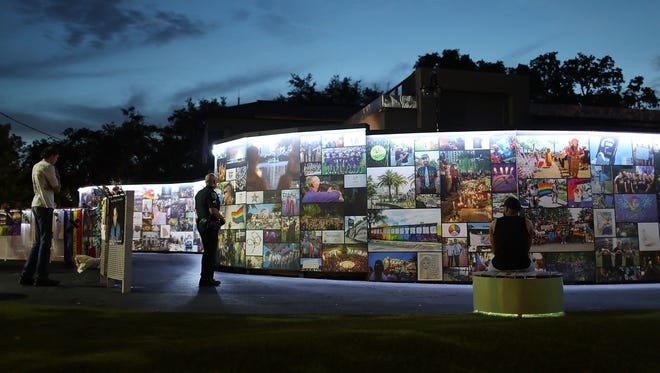
Pulse Interim Memorial, Orlando, Florida

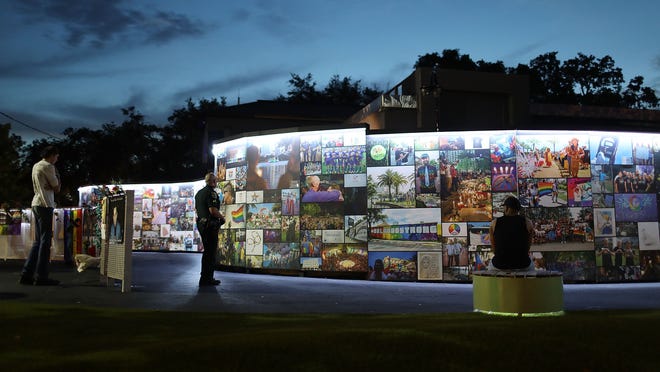
Five years ago, the Pulse nightclub was the site of a mass shooting, considered the deadliest targeted murder in LGBTQ history, Springate says. Ultimately, the violence claimed 49 lives. The nightclub site now has an interim memorial, with plans to build a permanent monument and museum. onepulsefoundation.org

Independence National Historical Park, Philadelphia

In the years leading up to Stonewall, LGBTQ activists led protests in the historic district where the Declaration of Independence was signed. They held “annual reminder” July Fourth picketing demonstrations from 1965 to 1969 to publicize the inequalities they faced. “This was before Stonewall,” Springate says. After the Stonewall Uprising, protests changed. “It went from polite picketing to marching in the streets.” nps.gov/inde

Elks Athletic Club (Henry Clay Hotel), Louisville, Kentucky

For several years, this former downtown hotel housed the Beaux Arts Cocktail Lounge. Newspaper advertisements in the 1950s labeled the bar “gay,” which historians say was meant as a coded message for homosexual customers. “It was a straight-looking hotel bar, but gay men knew they could meet other gay men there,” Springate says. nps.gov/places/elks-athletic-club.htm

Congressional Cemetery, Washington

So many gay rights leaders are buried here that they’ve inspired a walking tour brochure. “It may be the only cemetery in the world with a special LGBTQ corner,” Springate says. Graves include Vietnam veteran Leonard Matlovich, who appeared on the cover of Time magazine. His tombstone reads: “When I was in the military, they gave me a medal for killing two men and a discharge for loving one.” congressionalcemetery.org

The Women’s Building, San Francisco

Founded by a women’s collective, this building still houses community organizations, from a food bank to a street youth group. It’s where a memorial service was held for Harvey Milk, the first openly gay member of the San Francisco Board of Supervisors, who was assassinated in 1978. “The whole community was able to find a space here,” Springate says. Another notable spot: Harvey Milk Plaza, where crowds gathered after his death. womensbuilding.org

Henry Gerber House, Chicago

Visitors can stop outside this private home where Henry Gerber, the “Grandfather of the American Gay Movement,” was once a tenant. In 1924, he founded the Society for Human Rights, recognized as the country’s first gay rights group. “It was a way for people to meet each other and realize that they weren’t alone,” Springate says. chicago.gov

Pauli Murray Family Home, Durham, North Carolina

Civil rights attorney Pauli Murray played a crucial role in shaping federal laws protecting women against employment discrimination. An African American who struggled throughout her life with her sexuality and gender identity, Murray helped found the National Organization for Women and advocated for both women’s rights and civil rights. “As a black queer person, this idea about equality was very personal for her,” Springate says. Her home is currently closed due to COVID-19, but an outdoor educational installation recounts Murray’s life and the history of the house. paulimurrayproject.org

Elizabeth Alice Austen House, Staten Island, New York

Acclaimed photographer Elizabeth Alice Austen shared this home (now a museum) with her partner, Gertrude Tate, for more than 50 years. While Austen’s photos at times showed subjects in gender-bending roles, her relationship has only recently gotten attention. “The connection between her personal identity and her work as an artist was missing. They have put that connection back,” Springate says. aliceausten.org

Iowa’s LGBT groups balance community and COVID for Pride month plans – Iowa Capital Dispatch

Cedar Rapids celebrates Pride month in 2019. (Photo courtesy of Corey Jacobson)

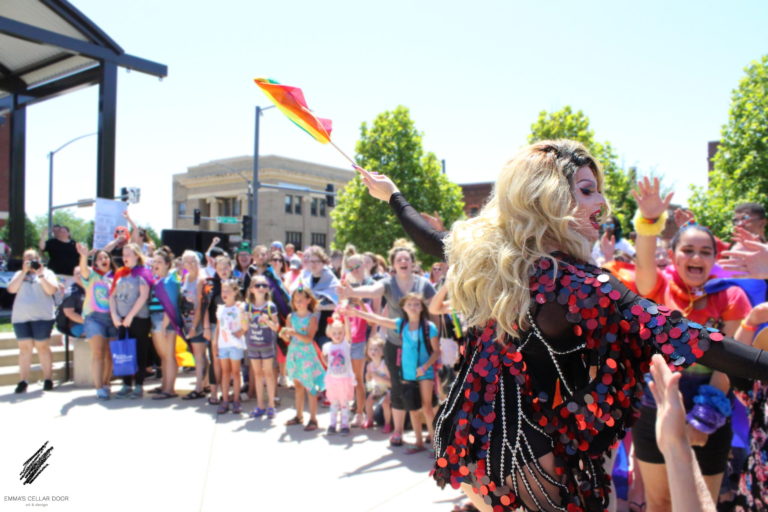
Ginger Snaps must wait a few more months before she dons her wig, tights, and “rhinestones and rhinestones and more rhinestones” to act as the emcee at the Quad Cities Pride Festival. 

“The way I look at it, every time I get on stage, the one thing I want is the audience to leave with a smile on their face, because then I know I’ve done my job,” the drag performer and Miss Gay Illinois 2020 champion said. “Especially after this past year, we need that.”

Ginger Snaps is the emcee at the Quad Cities Pride Festival. (Photo courtesy of Ginger Woodruff)

Snaps, known day-to-day as Ginger Woodruff, has been involved with the twice-annual Quad Cities Pride Festival since 2015. But this year, she’ll have just one event to lead for the group, as organizers decided to cancel the June event and focus instead on “Fall Pride” in September. The festival is one of several LGBT events across Iowa that have been delayed or changed as COVID-19 numbers wane in the state.

The U.S. Centers for Disease Control and Prevention say fully vaccinated people can attend crowded, outdoor events, like Pride parades, but that those events are some of the least safe environments for unvaccinated individuals. Fewer than half of Iowans — 43% — were fully vaccinated as of Friday, according to New York Times data.

Pride organizers emphasized the importance of prioritizing public health while also bringing the community together after a year of isolation.

“How do we connect after a really long and hard year and feel that sense of community again for the first time in a really long time?” asked Jen Carruthers, president of Des Moines’s Capital City Pride.

Capital City Pride this year will consist of 30 days of events that are less crowded than a traditional festival. Carruthers said 2019 was the largest Pride in 43 years, but it didn’t seem “socially responsible” to pack 30,000 people into the East Village this year.

“We also have to take into consideration public health, because we’re an immune-compromised community, right?” she said. “We’re a marginalized group of folks.”

The federal Office of Disease Prevention and Health Promotion reports that LGBT individuals face a range of health care disparities, from higher rates of homelessness and drug use to isolation and lack of services for LGBT elders. Carruthers said that LGBT people tend to have lower socioeconomic status and less access to health care, both issues made even more dire during the pandemic.

A tale of two Prides: Sioux City groups take different approaches

Sioux City has two main Pride celebrations: Sioux City Pride and SUX (pronounced “Sioux”) Pride.

Kyra Rose Shakers performs at SUX Pride in Sioux City. (Photo courtesy of Joe McCulley)

SUX Pride this year will be a two-day event on June 4 and 5. Friday night will be a festival in the city’s historic downtown. Then, the event will take over the Sioux City Convention Center on Saturday for a vendor fair, family and charity events, and, to end the night, a 21-plus “all-star show.” 

“The quality of entertainment is amazing all day long, but the people going from 9 (p.m.) on are usually national title holders or state title holders who really put a lot into this,” said Joe McCulley, executive director of SUX Pride. He expects over 1,000 people to attend.

Meanwhile, Sioux City Pride is pumping the brakes this year, delaying its annual Pride picnic and festival until Sept. 11. The family-friendly event drew about 800 attendees in 2019. 

“It just didn’t seem like enough people were going to get vaccinated quickly enough that it would be safe to hold an event that size,” said Karen Mackey, vice president of the Siouxland Pride Alliance, the group that organizes Sioux City Pride.

Instead, the organization will host a smaller Pride event every weekend in June, from “scooping the loop” in decorated cars to hosting a pizza party for LGBT youth.

The groups took different approaches in 2020, as well. SUX Pride hosted an event in 2020, though McCulley said it was smaller and masks were required. Sioux City Pride delayed and then canceled its festival in 2020.

Don Dew, president of the Siouxland Pride Alliance, told local NBC affiliate KTIV that Pride is meant to be a safe space for LGBTQ people — something that he didn’t feel was possible at the height of the pandemic.

“Pride is still meant to keep LGBTQ people safe,” Dew said last August. “Many of our community members are at higher risk of complications if infected with COVID-19 and our community also has higher rates of uninsured people.”

But both groups, be they partying in June or September, emphasized the importance of the LGBT community coming together, socializing and learning from one another.

“This last year with the pandemic and everything else, there were so many people that were part of the LGBTQIA community that were isolated, and they didn’t have the luxury of getting together and stuff like that,” said McCulley, noting that the same could be said for everyone, regardless of sexuality. “…We’ve all kind of found the importance of social interaction and human interaction.”

Some Prides to partner with businesses still struggling from pandemic

Pride celebrations are often financed by local businesses, but after a year of pandemic-related closures and restrictions, money is tight across the board. Andrew Glasscock, co-director of the Quad Cities Pride Festivals, said the event received fewer sponsorships for 2021 than usual.

“We understand, because of COVID restrictions, everyone’s had to make changes,” he said.

Several of this year’s festivals will promote the local business community in addition to celebrating LGBT community and history.

In Cedar Rapids, CR Pride will take the form of a “poster parade.” Participants will submit a poster on the theme of “color our world with Pride,” and illustrate what their float would look like in a traditional parade. Businesses have partnered with CR Pride to hang the posters in their windows, creating a makeshift parade route.

“We’ll be hanging those up in Czech Village and NewBo for the community to go down on their own time and look, and maybe stop in the business, from June 1 to June 15,” said Corey Jacobson, board president with the CR Pride.

SUX Pride is also drawing people out to local businesses. The two-day event begins with a night out in historic Sioux City — three blocks of restaurants, bars and antique stores for attendees to explore as entertainers perform on the street.

“We are actually trying to get the community to come out and support those businesses, because they’ve been impacted so heavily by COVID,” said McCulley. “They’re literally teetering on whether they’ll be able to stay open or not, so we’re trying to get the LGBT community to come out.”

Iowa City Pride festivities in 2019. (Photo courtesy of Lisa Skriver)

Legislative session casts a cloud over celebration

Pride month this year comes just weeks after lawmakers wrapped up an overtime legislative session that included 15 bills flagged by advocacy groups as anti-LGBT. In the final weeks of session, it looked like lawmakers may also squeeze in a transgender athlete restriction, as requested by Gov. Kim Reynolds.

None of the bills passed, and the session ended without any transgender athlete ban introduced. Even so, some organizers said the political climate changed how they’re approaching Pride this year.

Iowa City will be hosting a community Pride march in October, rather than a traditional parade. Last year was the 50th anniversary of the city’s first Pride celebration, festival director Lisa Skriver said, but this year will serve as the celebration. The theme: “Our pride we will maintain.”

“We’ve really done a lot with equality and rights, but there’s still tons of anti-trans legislation and anti-LGBT legislation introduced to the Legislature in Iowa just this year,” Skriver said. “So we want people to realize that it’s not something you can take for granted.”

Skriver said the march isn’t a formal protest, but organizers hope to honor the spirit of the first Pride. The first Pride celebrations took place in 1970 to commemorate a 1969 confrontation between LGBT attendees of the Stonewall Inn bar and the New York City police. 

“Look back at the history of where it started and keep fighting,” Skriver said. “But it’s also going to be a lot of fun.”

In Sioux City, Mackey said the Pride festivities won’t focus on legislative efforts. The September picnic will have all the usual activities, from LGBT storytime to “drag races” in high heels and women’s clothes. But separately, the Siouxland Pride Alliance is launching its first-ever LGBT youth support group, a move partially prompted by Iowa’s political climate.

“I think some of that comes from the stuff kids are going through in school now, and when you have your state Legislature doing things like this, it poisons the well for everyone,” she said.

CR Pride in Cedar Rapids is an apolitical nonprofit, but organizer Jacobson said the organization tries to raise awareness of LGBT policies proposed by the state. Community members can use that information as they wish, he said.

“It’s unfortunate to see the focus of the state Legislature,” Jacobson said. “We’re working to make sure that people know that they’re loved and accepted for who they are, and they always have a place within our community.”

PrideFest continues to serve community despite cancellation – WTMJ-TV

MILWAUKEE — All of June, TMJ4 News is Celebrating Pride Month.

There are incredible people making sure our community is inclusive.

Leaders with Milwaukee PrideFest are making a huge impact on helping people manage the pressure from a distance.

“Pridefest is a celebration of who we are and who we love,” said Tony Snell, chairman of the Milwaukee Equal Rights Commission, adding that he loves how you can, “Have fun! Let loose! Be who you are.”

But for the second year in a row, the largest LGBTQ festival in Wisconsin has been called off.

Milwaukee Pride President was left asking himself, “How can we keep the festival experience alive?”

He then remembered more than a quarter of the festival’s footprint has to do with health and wellness.

Last month, they launched a health & wellness site.

About 50,000 people come to Milwaukee PrideFest each year. Now all year round, they can find help from vetted organizations from anywhere at any time.

There are 12 different categories. This includes help with military veterans, youth, and seniors.

In a matter of a few clicks, the site can break down someone’s needs by age, specific health issues, or find legal resources.

This includes organizations that are allies to the transgender community, “Putting that at the forefront of this initiative is really, really important,” Shaver said.

Tony Snell explains why finding vetted organizations is so important to the LGBTQ community, “Do you want to have to go through the process of explaining what gender identity is or sexual orientation is? That would be a stopping point for people.”

The site will also connect you to organizations fighting for LGBTQ rights. Tony Snell is the chair of the Milwaukee Equal Rights Commission, “If someone experienced some kind of discrimination or hate or violence they could come to our link.”

In a matter of a few clicks, you can call or email the city organization.

Shaver is excited for this site to continue to grow he says because “Discrimination prejudices and negative behavior towards LGBT people happens every day and every hour.”

More organizations are being added by the day with one goal: To create a safe and supportive community for everyone.

Click here to learn more about Milwaukee PrideFest’s Health & Wellness Hub.

You can also click here to learn from the Gay & Lesbian Alliance Against Defamation, or GLAAD on how to be an ally to the LGBTQ community.

Report a typo or error // Submit a news tip

Police officer who faked long-term gay relationship to scam a $6 million inheritance found guilty of fraud – Yahoo Eurosport UK

A former police officer was found guilty of fraud for faking a long-term gay relationship with a pharmacist just hours after his death to scam his $6 million inheritance.

The Australian officer, Okan Yesilhat, attempted to contest pharmacist George Sclavos’ will by fabricating a 14-year secret relationship between them to claim he was the de facto partner of Sclavos and therefore entitled to his estate. The New South Wales Supreme Court judge called Yesilhat “manipulative” and “calculating”.

Just three and a half hours after Sclavos suffering a fatal heart attack, Yesilhat was found to have transferred $200,000 from the pharmacist’s account to his own, which “took all George’s credit and debit facilities to their available limits”, the Supreme Court heard.

Under Australian law, a couple can be considered de facto partners if they are unmarried but have lived together for at least two years without separation. However, there a number of other factors that can lead courts to consider two people in a de facto relationship, such as the length of the relationship, financial dependency and the degree of a mutual commitment to a shared life. Being considered a de facto partner gives one partner the right to challenge the other partner’s will if they die and claim their social security entitlements.

Sclavos originally left his estate to his two nieces, having never married or had children himself.

Okan Yesilhat married two different women during the 14 years he claimed he was in a relationship with Sclavos.

Yesilhat was found guilty of 14 charges relating to fraud and the misappropriation of money from Sclavos’ accounts. He was sentenced to a two-year intensive corrections order, similar to parole, and 750 hours of community service. He was also ordered to pay costs relating to his various legal challenges to the will, which all failed.

Justice Michael Slattery said Yesilhat “dishonestly diverted to himself or for his benefit all the funds transferred from the deceased’s accounts on and from the day of the deceased’s death.”

He later described Okan Yesilhat as “cold, very cold” and a “highly calculating individual” who “survives and thrives purveying misinformation and inventing stories”.

This entrepreneur helps people who got out of jail in their social reintegration – Entrepreneur

8 min read

This article was translated from our Spanish edition using AI technologies. Errors may exist due to this process.

Opinions expressed by Entrepreneur contributors are their own.

Try, take a reality bath, devise, create and finally found. A 19-year-old Daniel Serrano became interested in the idea of some “cuates” (friends) who wanted to develop a civil association to help the Yucatecan LGBT population.

“I fell in love with the project, I got involved with them and during a year that I was in it I realized that my problems were nothing compared to all the violence and discrimination that existed in Yucatán and, obviously, throughout the country,” he says. Daniel Serrano de Regil, founder of Insade in an interview with Entrepreneur in Spanish .

After this experience, Serrano began to connect with the world of activism, from feminism to work related to HIV, sexual and reproductive rights. The young man ended up specializing in the latter, through a participation in Catholics for the Right to Decide.

“Here my labor activism grew a lot, in one of those I got to know the world of entrepreneurship through Ashoka Mexico and Central America and from there I began to have my approaches to the issue of social entrepreneurship,” he says.

Daniel Serrano refused to create his own civil association for all that it implied in terms of taxes, paperwork “and others.” However, as a result of having the idea of some projects stolen from him in 2010, the following year he decided to found his own organization and in this way Interculturalidad, Salud y Derechos AC , better known as Insade, was born .

Insade is responsible for generating strategies for social reintegration and economic autonomy of populations in the context of violence, crime or confinement through participatory methodologies in the hands of key allies.

“What we are looking for is to show that second chances are possible and that undertaking freely is possible,” says Serrano.

How does this Association work?

Insade has “an intervention model created from the populations themselves” known as “Made in Freedom”, it is dedicated to generating these options for social reintegration and economic autonomy in populations that decide not to commit crimes again.

“This is very important: no one is forced into the model, no one is necessarily channeled by a judge. It is a model that starts from cooperation and volunteering or the will of people who say: “I stop the crime here. I already want to start over ”, explains the entrepreneur.

This program has four phases:

Skills for life , where they use sport as a reintegration approach to work on values such as teamwork, equity, frustration in the face of failure, among others. In addition, they address the issue of drug addiction and foster restorative justice circles, the latter where it teaches people how to file a criminal record discrimination complaint.

The “ Labor Training ” phase, in which beneficiaries are taught to develop products that allow them to be self-employed.

“We help those who want to be self-employed to make artisan products, through screen printing, painting of trees of life, making creams and soaps with natural ingredients. Those who decide to be employed are focused on being apprentices in screen printing and sublimated, and apprentices in cooking ”.

The third phase is about “Entrepreneurial Skills and Access to the Ecosystem” , it has to do with self-employment, it helps the beneficiaries to land a business model, present a pitch, learn the Canvas business model and link them with credits accessible.

“In the case of those who are going to be employed, we link them with small businesses so that they can carry out professional internships, so to speak. Right now, due to COVID, it has not been possible to resume that ”.

Follow-up phase , this last stage is described by Serrano as “the most important”, it is the moment where they follow up on each person to know how the reintegration process is going, it occurs in a period between 6 and 12 years.

“Between 6 and 12 years we follow up on each one of them to see how their reintegration is, to see if they have not had obstacles, if they were not discriminated against, if they had any problems with any procedure.”

What they want to achieve with this methodology is to provide skills, mentoring and links so that people who leave jail or jail can “undertake in freedom.”

Alliances with micro-enterprises

The association that Serrano directs seeks alliances with small businesses, such as cafeterias, restaurants and other types of enterprises that are interested in providing jobs to vulnerable groups.

“A great ally of ours is this social company called Pixza, which employs young people in vulnerable contexts and is an example of a company that is helping us in this regard,” he says.

Success stories

Last year the CA documented between 100 and 150 people with three profiles of social entrepreneurs:

  • Women who came out of prison who already have their micro-businesses and are beginning to employ other women who are coming out of prison.
  • Speakers , former beneficiaries who are going to share testimonies with other young people to motivate them not to commit a crime again.
  • Teachers, those beneficiaries who now teach other people who got out of jail.

“So the model is not only reintegrating people who decide not to commit a crime again, but it is also generating agents of change and social entrepreneurs,” says Serrano.

Remove stigmata

The difficult thing for the association has been convincing donors that the people they are helping will not be criminals for life, also removing the stigma that if they are taught combat sports they will develop violent behavior.

“The challenge is that, that they see them as agents of change and that they stop seeing them as these people who will commit crimes all their lives. Indeed, there are people in jail who look you in the eye and tell you, “I’m going to do it when I’m going out.” And this is very his idea, very his roll and what a pity, but it is worth investing in those who look at you in the face and say, “I no longer want to return here,” he explains.

With the issue of the pandemic, the members of Insade were afraid that there would be recurrences in the beneficiaries. However, despite the fact that some had problems in their jobs, none of them relapsed into crime.

“It was incredible to know from their own voices that they said,” Not even here did the reoffending happen to me. ” And we asked them why, and most of them agreed, “I don’t want to go back to that hell, which meant being in jail for me.”

Insade has already helped just over 5,500 people, of which 20% are women and 80% are men. Likewise, within the profiles of vulnerable groups that most reach the model are older adults, indigenous population and the LGBT community.

“Today we have a presence in five cities with our structure. Nuevo León, Tlaxcala, Mexico City, the State of Mexico and Yucatán, but we are beginning to expand our model through the figure of local partners, allies or allies who have already done something in the area of crime prevention, social reintegration and who want to incorporate something of the model. We are already with local partners in Coahuila and Chiapas ”, Serrano concludes.

It’s Pride Month! Here are 7+ things to do around Louisville to support the LGBTQ community – Courier Journal

It’s finally June, which means Pride Month is here. Pride Month, which celebrates the Lesbian, Gay, Bisexual, Transgender and Queer (LGBTQ) community, is observed each year in the month of June to honor the 1969 Stonewall Uprising in Manhattan, a tipping point for the Gay Liberation Movement in the United States.

Celebrations in the Louisville area often include pride parades, concerts and more, but everything will look a little different this year due to the coronavirus pandemic. Earlier this year, organizers over the 2021 Kentuckiana Pride Festival announced it would move from its usual dates in June to October. 

The two-day event will now happen Oct. 8-9 on the Big Four Lawn at Louisville’s waterfront.

“The health + safety of attendees, staff, vendors + entertainers has been our priority,” Kentuckiana Pride tweeted at the time. “Safety info will be released close to the event.”

You may like:Kentuckiana Pride Festival moved from June to October due to COVID-19

But there’s still plenty of pride to be found in June. From fundraisers to awareness and a mini-drag show, here are some LGBTQ events taking place in the Louisville area for Pride Month. 

Nowhere Bar donations

WHAT: To celebrate Pride month Nowhere Bar will donate $1 to Kentuckiana Pride for every Tito’s Handmade cocktail sold through June 1-30. 

WHERE: 1133 Bardstown Road 

MORE INFORMATION: 502-451-0466

Drag Queen Storytime: Pride Month Reading Event

Dolly Partsuxx, a local drag queen who performs at PLAY Louisville and Le Moo Drag Brunch

WHAT:  Enjoy dinner with the family and friends, reading entertainment and a mini drag show. 

WHERE:Cafe 360, 1582 Bardstown Road

WHEN: 6-8:30 p.m. June 8  

INFORMATION: Admission is $5. louisvillepride.com; eventbrite.com/e/pride-month-reading-event-tickets-154781970039

‘HEROES: A Live-Sung Pride Revue’

Scenes from the Louisville Pride Festival on Sept. 21, 2019.

WHAT: Drag Daddy Productions the creators of “Alice in Derbyland” and “Snow White and the Seven Drag Queens” present this musical revue celebrating the LGBTQIA heroes of the cast with nods to your favorite comic book heroes. Performers include Gilda Wabbit, Diana Rae, Uhstel H. Valentine, Philip Clemons, William Nickles, Cortney Thompson, Shelby Brown and more.

WHERE:Play Dance Bar, 1101 E. Washington St. 

WHEN: June 5 and 12, 7:30 p.m. 

MORE INFORMATION: Tickets are $10 and are available on Facebook. 

Black Trans Stories Matter (Live True Storytelling Performance)

WHAT: A live virtual true storytelling performance. The stories that will be featured will be read by the people who lived them and were crafted in a Black trans-led space.

WHERE: Online

WHEN: 7-9 p.m. June 12

MORE INFORMATION: $20 suggested donation. louisvillepride.com; tmiproject.salsalabs.org/black-trans-stories-matter-performance/index.html.

You may like:Rainbows are everywhere during Pride month. But what do those other LGBTQ flags mean?

Indy Pride Virtual Festival

Scenes from the Louisville Pride Festival on Sept. 21, 2019.

WHAT: Pride 2021 Virtual Festival Presented by Salesforce. This year’s event includes a full line-up of entertainment with new interactive participants including LGBTQ-supporting community organizations, new resources, shopping with LGBTQ-owned and LGBTQ-embracing businesses in the vendor villages and more. 

WHERE: online

WHEN: noon June 12

MORE INFORMATION: IndyPride.org/Live

LGBTQ+ Community Response Network

WHAT: A space for community leaders and organizers to come together to ask questions, share resources, formulate ideas, and make connections. Organized by the Fairness Campaign and Louisville Pride. Email daniel@louisvillepride.com to get involved.
WHERE: Zoom

WHEN: 4-5 p.m. June 15

MORE INFORMATION: After registering, you will receive a confirmation email containing information about joining the meeting. Register in advance for this meeting: zoom.us/meeting/register/tJEuf-utqD4jHdczQ-7qxBSpBS9XljgbRaBm.  

Hiding In Plain Sight: A Brief History of the LGBTQ Community in Old Louisville

Color was the order of the day at the Pride Festival in downtown Lexington.

WHAT: Part of Conrad-Caldwell Museum Thirsty Thursday Summer Evening Lecture Series. Presented by David Williams, who has been an activist in the LGBTQ+ Community since 1982. In that year, he founded the Williams-Nichols Collection, believed to be one of the largest LGBTQ+  archives and libraries in the country.  

WHERE: Zoom

WHEN: 7 p.m. June 24

MORE INFORMATION: Partially funded by Kentucky Humanities and the National Endowment for the Humanities. Free. Register at: conrad-caldwell.org/thirsty-thursday.  

You may like:Black queer pride: LGBTQ Kentuckians at the forefront of Black Lives Matter movement

Robley Rex VA Medical Center 6th Annual Pride Fest

WHAT: The festival celebrates the LGBTQ+ community and builds connections among veterans, their families, staff, and the larger community. Features music by DJ J Lynn, light refreshments, opportunity to participate in a drumming circle, door prizes, health resource information and VA Swag. Also, speakers will share educational information and personal stories. 

WHERE: 800 Zorn Ave.

WHEN: 1-3 p.m. June 25

MORE INFORMATION: Moderna COVID-19 vaccinations will be available on-demand for veterans, spouses, widows, and informal caregivers. Free. facebook.com.

Reach news clerk Gege Reed at greed@courier-journal.com.

Meet ‘That Gay Rugger’: Brookline’s Devin Ibañez fights for inclusion on and off the pitch – Wicked Local

For years, Devin Ibañez took pains to keep his professional rugby career separate from his personal life.

The Brookline native had come out as gay to his parents at just 11 years old and was open about his sexuality with friends. Yet it would be another 16 years before he shared that news with the world, becoming the first openly gay Major League Rugby player.

Since publicly coming out in December, Ibañez has dedicated himself to making sports a more inclusive space for everyone.

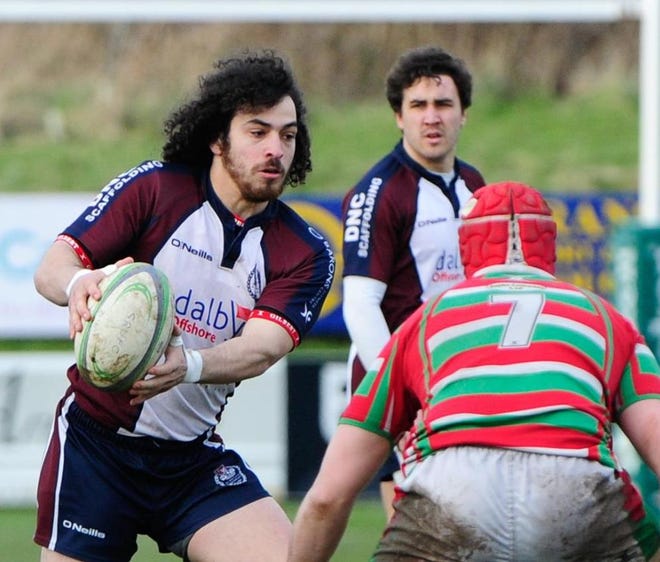
Brookline native Devin Ibañez during his time playing for Scarborough RUFC in the United Kingdom.

Growing up in Brookline, Ibañez recalled the town’s acceptance of LGBTQ people. The sporting community, however, was another story.

“I still felt like it was still very typical and kind of hyper-masculine culture where I didn’t really feel comfortable sharing [my sexuality],” he said.

The 2011 Brookline High School graduate got his start with rugby there, continuing through his time at UMass-Amherst and going on to play abroad in Australia, New Zealand and the United Kingdom.

Ibañez also represented the U.S. at the 2017 Maccabiah Games, where the team won gold. He played locally after returning to the Boston area, becoming one of the first players signed to the Major League Rugby team the New England Free Jacks, founded in 2018.

Even as his pro career grew, Ibañez hesitated to come out publicly.

He knew of other LGBTQ rugby players who had, many years prior, been effectively blackballed from the sport due to the stigma. He also wondered whether he would be tokenized and shown favoritism in the name of inclusivity.

“You just get into your head so much about what the impacts of it could be,” he said.

After taking a shoulder to the throat in 2017, he suffered a severe injury that left him re-thinking how he wanted to live his life. He met his partner, Fergus Wade, soon after.

Fast-forward a few years, and the pandemic hit – rugby was on hold, and Ibañez was physically separated from Wade, who was studying abroad in the UK. On Dec. 29, with Wade’s birthday and the couple’s third anniversary just days away, the timing was finally right.

“I was like, ‘I don’t want to let a whole other year go by where I can’t publicly wish my partner happy birthday [and] I can’t publicly celebrate our love and our anniversary,’” Ibañez recalled. “And then I just had this urgency all of a sudden, where I was just like, ‘You know what, I’m going to stop putting this off.’”

He sat down on his lunch break at work and typed out the social media post that had been long in the making.

“I’d been putting this off for years, because I felt like I needed to accomplish more or prove myself more as a rugby player,” he said. “It’s like, there’s no rugby going on anymore; now it’s just me and what’s best for me and my partner.”
The post on his Instagram account, @thatgayrugger, took off, drawing attention from all over the world.

“It was just a crazy kind of whirlwind experience, where something that I had just written as kind of like an open love letter to my partner became this big, kind of international story,” he recalled.

The rugby community’s response was overwhelmingly positive; to date, Ibañez said he has not received one negative message.

“In rugby, there’s this kind of perception that we have of ourselves that we are the most inclusive sport, and that anybody can play and the only thing we care about is if you’re a great player and a good teammate,” he explained.

At the same time, Ibañez knew that wasn’t always the case.

Last year, governing body World Rugby passed a policy banning transgender women from competing in international women’s competitions.

When Ibañez saw his broad network of rugby contacts remain mostly silent on the issue, he decided to speak up.

“I really felt like it would be incredibly impactful if I could just like, come forward and not only say, ‘Yes, I’m an openly gay rugby player,’ but also say these are issues that should be important to all of us, not just to women’s rugby players, not just to queer rugby players,” he said.

Devin Ibañez, who grew up in Brookline and recently became the first openly gay Major League Rugby player, has launched a fundraiser for the Transgender Law Center with artist Richard Lopez.

He later partnered with artist Richard Lopez, who had heard him speak on the podcast Race Chaser and wanted to launch a fundraiser. World Rugby’s ban wasn’t set to be reconsidered soon, so the pair are fundraising for the Transgender Law Center, which provides legal advocacy and support to transgender people facing discrimination.

They’ve raised more than $5,500 in less than two weeks and hope to make it to $7,500 by the time the fundraiser closes June 6.

Reunited with Wade in London and playing rugby with Richmond Football Club there, Ibañez – who was recently named International Gay Rugby’s global ambassador – is buckling down on his advocacy and community outreach.

“It’s not just about making rugby more accessible to gay athletes, it’s about making it more accessible to all parts of the LGBTQ community, but also making sure that it’s racially inclusive, making sure that all backgrounds and all cultures feel accepted and loved,” Ibañez said. “Unfortunately, with the history of rugby, it is still very much so an overwhelmingly white sport.”

Ibañez has also set his sights on the 2022 Maccabiah Games, where he said he would like to serve as Team USA’s first openly gay captain.

In the meantime, he plans to continue his public speaking and activism. Sports, he said, have the power to set an example of what diversity and inclusivity should look like.

“I just want to marry my two loves of rugby and being myself and showing people that those don’t have to be mutually exclusive things,” Ibañez said.

To donate to Ibañez’s Transgender Law Center fundraiser, visit tinyurl.com/TLCfundraiser.

LGBTQ Pride flags go beyond the classic rainbow. Here’s what each one means – USA TODAY

Happy Pride Month! Can you name all the Pride flags? Here’s a look at many different ones, from original rainbow to lesbian to genderfluid and other sexual orientations and gender identities. 

“Pride flags are a bold visual representation of the movement,” Jessica Stern, executive director of OutRight Action International said. “And, rightly so, there are many, echoing the diversity of identities within the LGBTIQ community, and the need for everyone to be seen and recognized.” 

Flying flags that celebrate each of the LGBTQ communities is primarily an act of visibility, Chris Hartman, the director of the Kentucky Fairness Campaign , told the Courier Journal (part of the USA TODAY Network) in 2019. Hartman credited the success of civil rights movements to a group’s visibility within a community.

“We know that visibility is key to acceptance and legal rights and to changing hearts and minds,” Hartman said.

If you’re puzzled by a term listed here and feel like you can ask someone you love in the LGBTQ community to help you make sense of it, do it. But also be careful not to put the burden of your education on other people when there’s a whole wide world of resources out there.

LGBTQ glossary: Definitions every good ally should know

Here’s what each of these Pride flags represent, many of which are detailed by LGBTQ human rights organization OutRight Action International and the University of Northern Colorado:

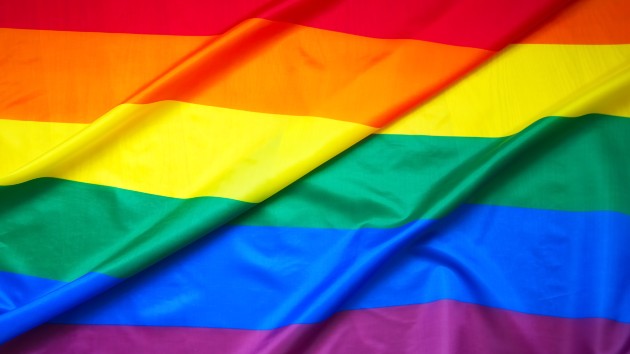
Pride rainbow flag

The universal symbol of pride for LGBTQ people around the world.

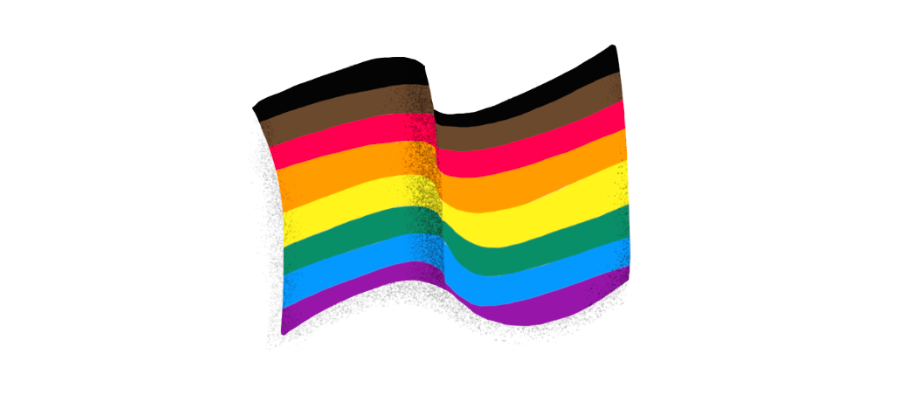
Original rainbow (1978)

In the late ’70s, Harvey Milk, the first openly gay elected official in California, challenged activist Gilbert Baker to design a symbol of hope for the gay community. Baker’s original design had eight stripes, and included the color pink. It first flew in 1978. In the intervening years eight stripes became six, pink was removed, and royal blue replaced turquoise.

Philadelphia rainbow

Philadelphia redesigned the Pride flag in 2017 to include the colors brown and black in an effort to promote diversity and inclusion and to “honor the lives of our Black and brown LGBTQ siblings,” the city said in a statement. Philadelphia’s Office of LGBT Affairs partnered with Tierney, a Philadelphia PR agency, to redesign the flag as part of its new inclusivity campaign, #MoreColorMorePride. 

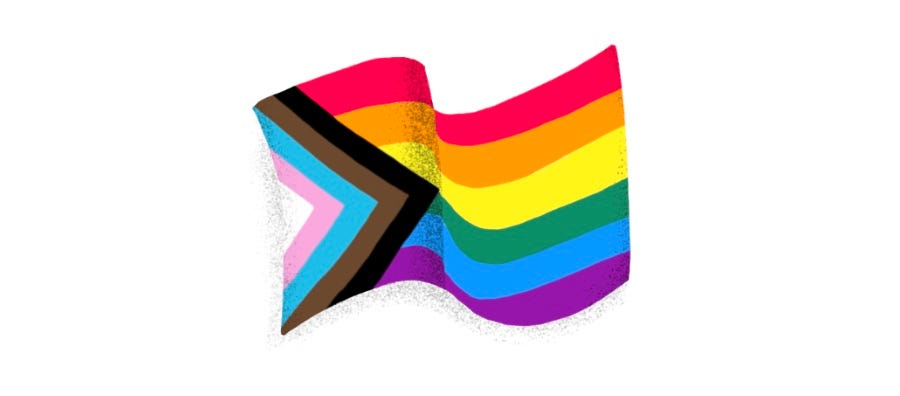
Progress rainbow

Designed by Daniel Quasar in 2018, it adds five new colors to emphasize progress around inclusion. The flag includes black and brown stripes to represent people of color, and baby blue, pink and white, which are used in the Transgender Pride Flag.

Lesbian

While various iterations of the flag exist, this one created in 2018 by Emily Gwen features shades of orange, purple and pink. 

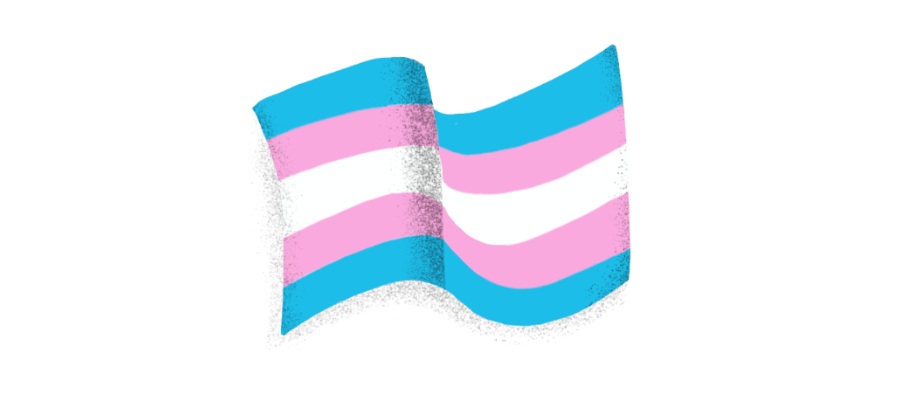
Trans

Transgender activist Monica Helms made this flag in 1999. The light blue and light pink represent the colors baby girls and boys have traditionally been designated at birth and the white stands for intersex, transitioning or a neutral/undefined gender.

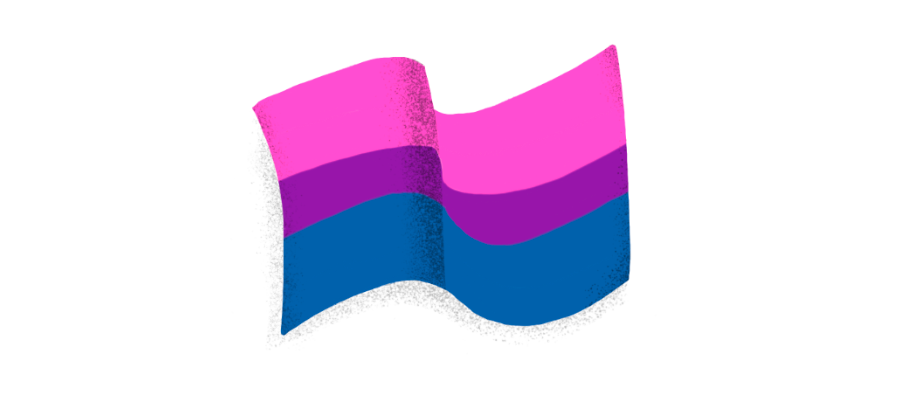
Bisexual

The Bisexual Pride Flag, which activist Michael Page  introduced in 1998, features pink (same-sex attraction), purple (attraction to all or multiple genders) and royal blue (attraction only to opposite sex). 

pride parade

pride parade
Veronica Bravo

Pansexual

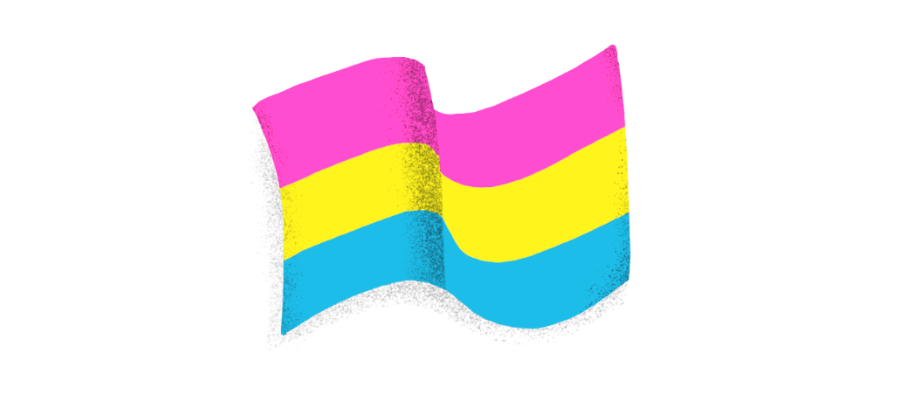
The pink stripes in the pansexual flag reference those who are attracted to women, while the blue references those who are attracted to men. Yellow stands for nonbinary attraction.

Asexual

In the asexual Pride flag, the black stripe is for asexuality; the gray for the gray area in between sexual and asexual and demisexuality; the white for non-asexual partners and allies; and the purple for community. Asexuals or “aces” are people who usually do not feel sexually attracted to anyone.

Intersex

The intersex flag features gender-neutral colors yellow and purple. The circle “represents wholeness, completeness and the intersex people’s potentiality,” according to the University of Northern Colorado. Intersex is an umbrella term for people with variations in sex characteristics that don’t fit neatly in the binary of male or female. Some intersex people are born with varying reproductive anatomy or sex traits — some develop them later in life. About 1.7 percent of people are born intersex.

Nonbinary

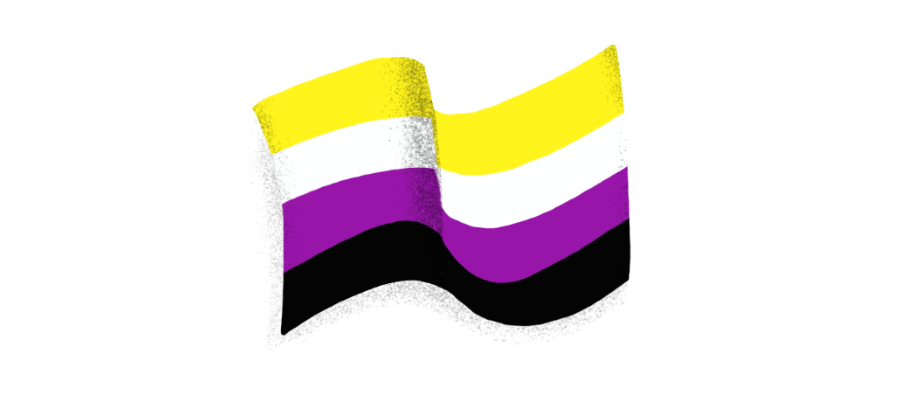
Kyle Rowan is behind the nonbinary pride flag , released in 2014. The yellow is for those whose gender is outside the traditional binary; the white for those with all genders or multiple ones; the purple for those who identify as a male and female mix; and the black for those who don’t have a gender.

Genderfluid

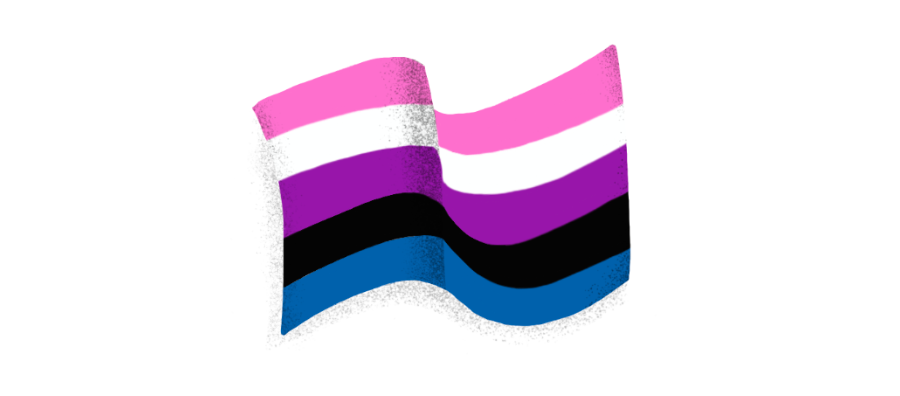
The flag includes five stripes, representing femininity (pink), masculinity (blue), purple (both), black (all genders) and white (no gender).

Genderqueer

Made in 2011 by genderqueer writer Marilyn Roxie. The colors are lavender (a blue and pink combination, to stand for androgyny), white (agender) and chartreuse (not in the gender binary).

Contributing: Lauren Deppen

Gender identity and sex: Find out how they differ based on science and spectrum

There are dozens of different gender identities and three different types of sexes. Here’s a look at the science and culture behind it all.

Just the FAQs, USA TODAY

Published

Updated

How This Founder Creates Safe Spaces For LGBTQ+ Athletes – POPSUGAR

So how can diversity and inclusion become the standard rather than the outlier when it comes to sports? “If institutions don’t provide mandatory training to staff, we can’t expect them to show up knowing how to address systemic racism or the harm student athletes experience as a result of being stigmatized,” Caple said. “There also needs to be a willingness to ask the hard questions of yourself first. To really begin the healing process, those of us who are straight or cisgender or white must be willing to interrogate what it means to be straight, cis, or white in a world that rewards those experiences.”

Though the work of self-reflection is often messy and complicated, Caple said the sports world is the perfect arena in which to be shining a light on these issues. “Sports build relational trust where we learn to speak each other’s language and have each other’s backs,” she said. “No matter where you come from, your race, gender, orientation, socioeconomic status, we share the same spaces. We have the opportunity to learn and lean into different cultures just by being proximate — when we’re proximate with each other, it becomes hard not to see yourself in someone else.”

Boystown still goes by the nickname despite efforts to change – Chicago Tribune

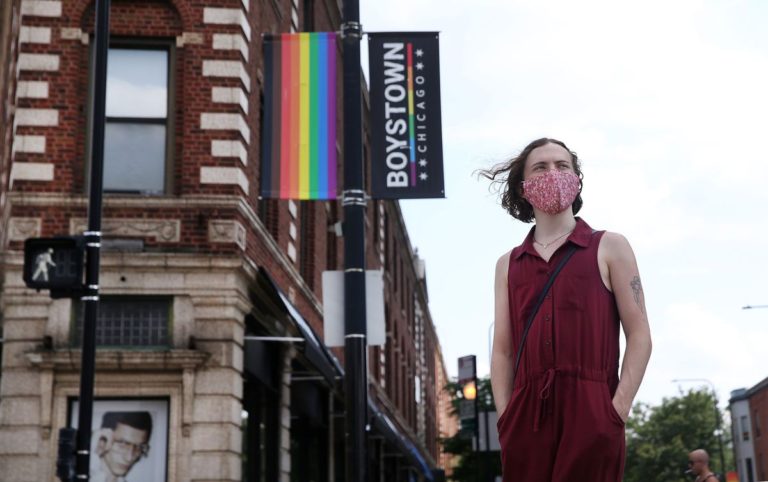
“I was just down there yesterday and saw so many more Black faces, young Black people, ” said Jo MaMa. “I was like, ‘I don’t know who you are — and usually, if you’re gay in this town, I know you.’ But aside from that, to see so many strangers of all colors, walking around, going to lunch, having drinks was really cool.”

Gay teen brutally beaten and choked by fellow students for wearing a Pride flag – Yahoo Eurosport UK

A gay Ohio middle school student was brutally attacked by other students just because he was wearing a Pride flag.

Tristen Torrez, 14, told local news station WTOL 11 that he had been standing on the bleachers at Defiance Middle School in Defiance, Ohio. He said students were allowed outside on Thursday (27 May) to celebrate the last day of classes. But instead of celebrating, Torrez was attacked by fellow students because he was wearing a Pride flag – which was caught on video and shared on social media.

The video, which was shared with WTOL 11, shows Torrez standing on the bleachers with a Pride flag around his neck and draped on his shoulders. Another student approaches Torrez from behind, grabs the flag and throws Torrez down against the bleachers. Torrez sits up, but the other student pulls off the flag and hits Torrez with it.

The video ends with Torrez being surrounded by students, who are hitting him. Torrez told WTOL 11 that the other student “poured water” on him and then “started choking” him.

The teen said that wearing the Pride flag was his “official way” of saying he is gay and “not trying to hide it”. Torrez added: “I was wearing it to state a message, and state just because one person is who they are, proud of who they are, doesn’t mean others shouldn’t be proud of who they are.”

He told WTOL 11 that he heard from other students that he was attacked because of a “dare”. Torrez added: “Someone told me it was because I said a racial slur, which was completely false.

“Some people said it was because I’m gay and just do it anyway.”

Torrez’s mother, Brianne, said the incident was “heartbreaking” to her. She told WTOL 11 that she woke up to her son coming home after school and telling her that “he was roughed up today”.

“He’s so used to the bullying it was kind of nothing to him, but to me, it was heartbreaking,” Brianne said.

Defiance City Schools superintendent Bob Morton said in a statement to WTOL 11 that they are “aware of this situation”. He explained Defiance City Schools takes situations like this “seriously”, and this incident was dealt with “swiftly with school administration and local law enforcement”.

All I Ever Want to Wear Are Sweaty Betty’s New All Day Gym Leggings – POPSUGAR

POPSUGAR Photography / Kirsty Welsh

Image Source: POPSUGAR Photography / Kirsty Welsh

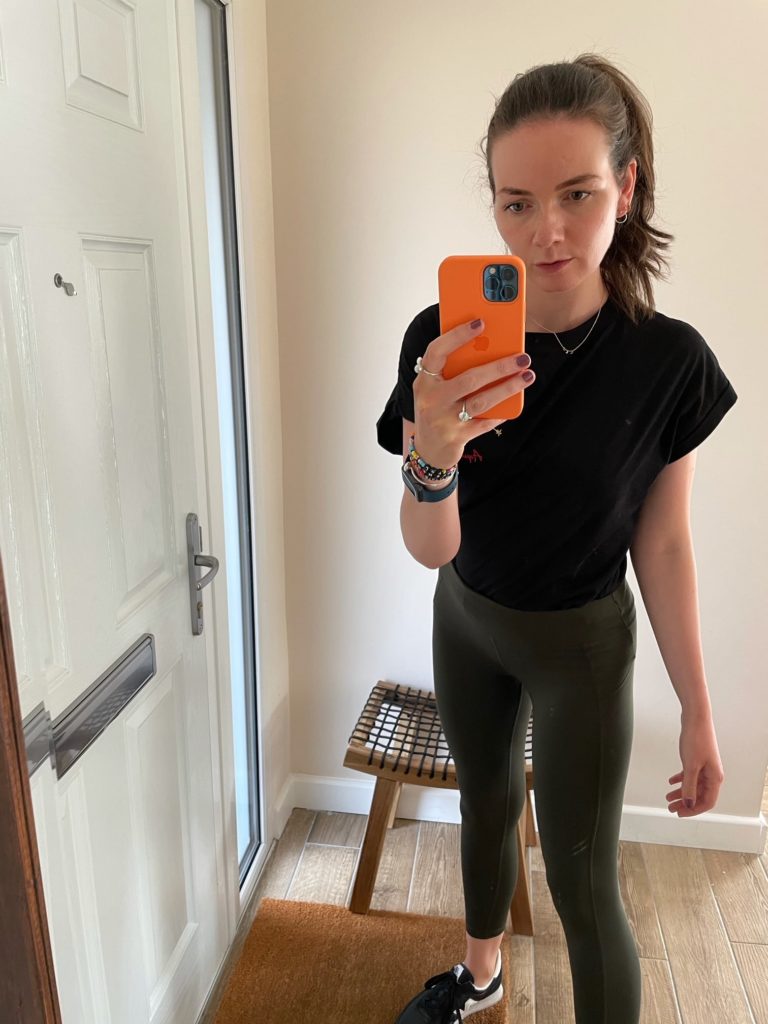
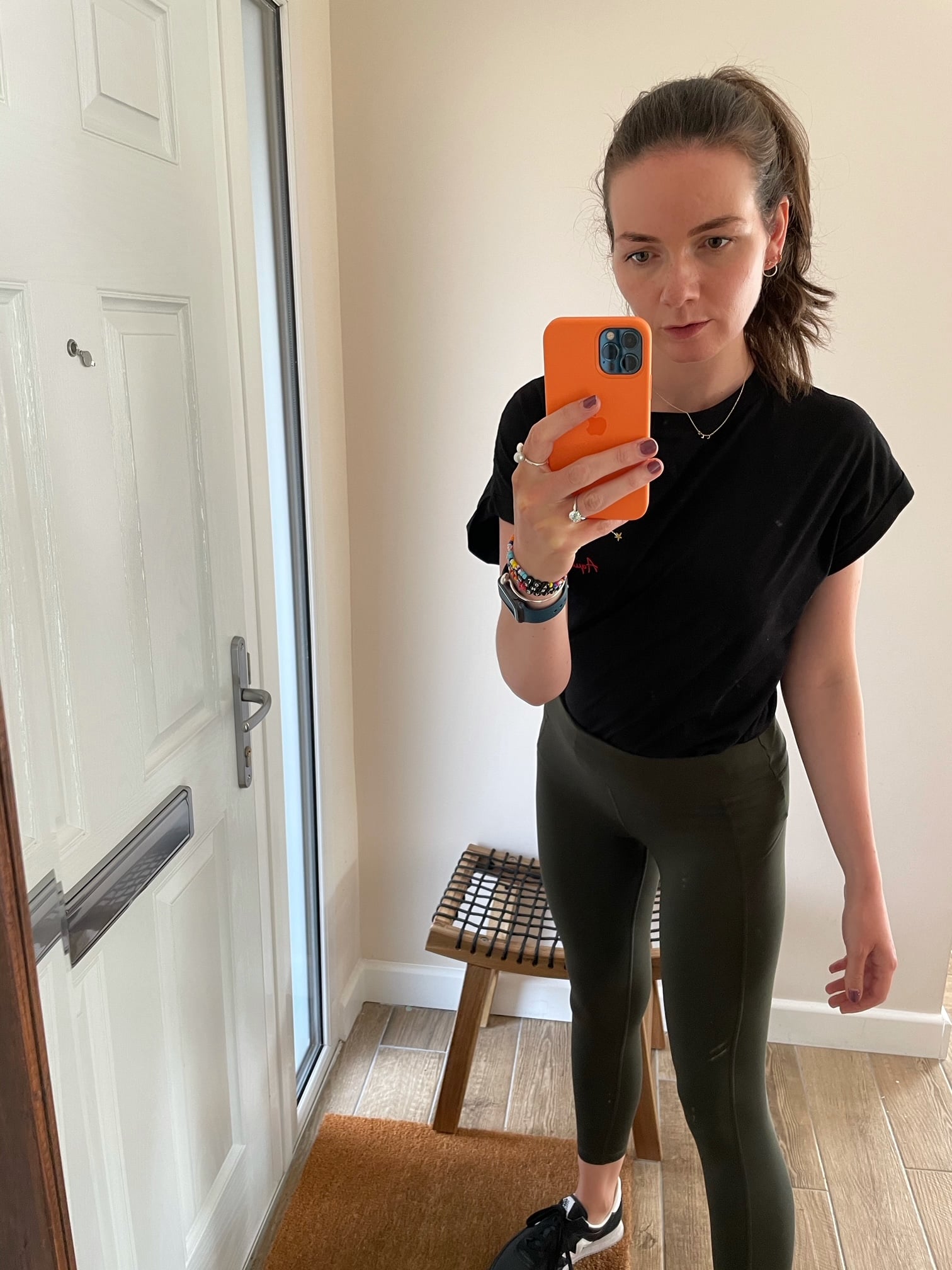
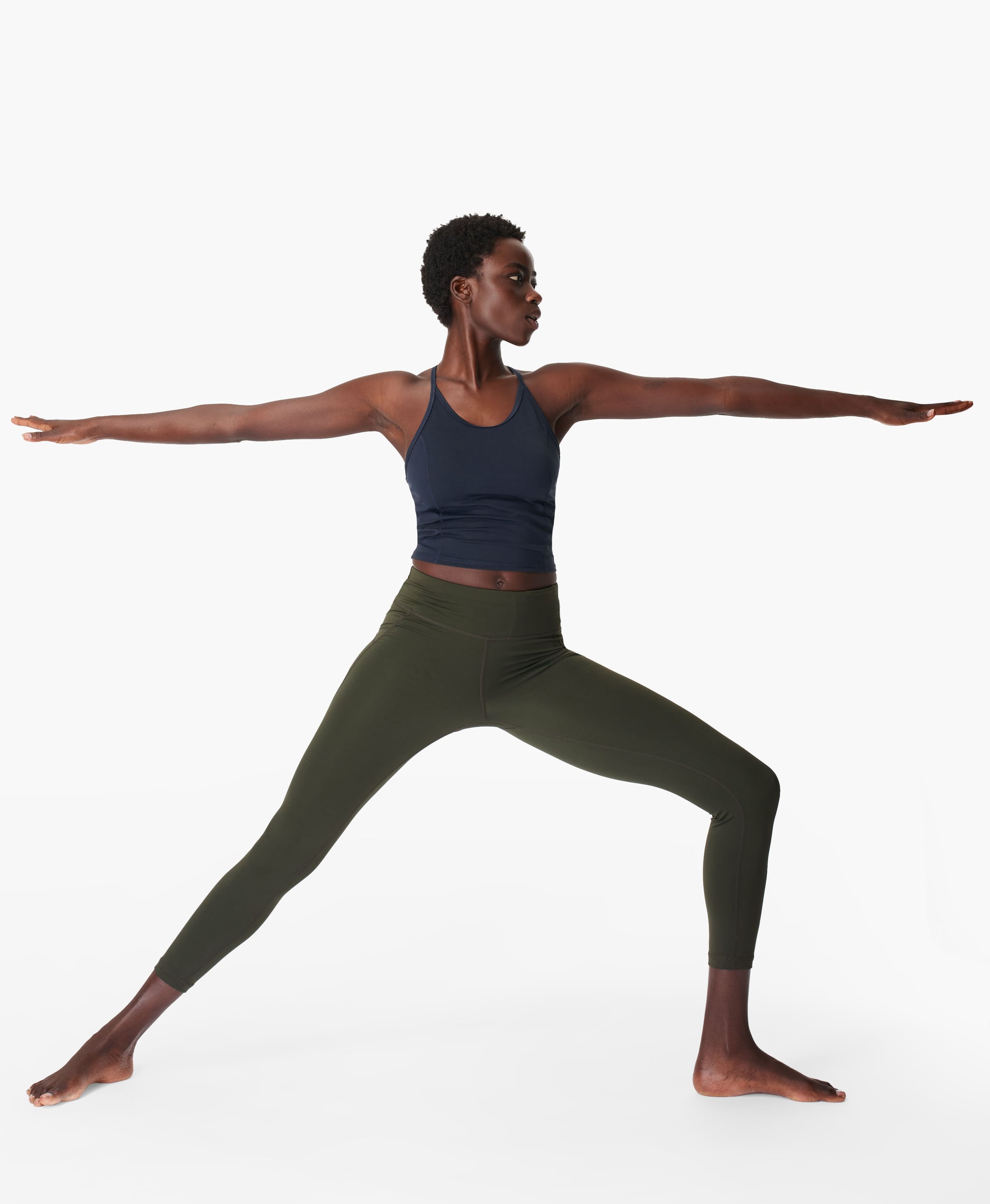
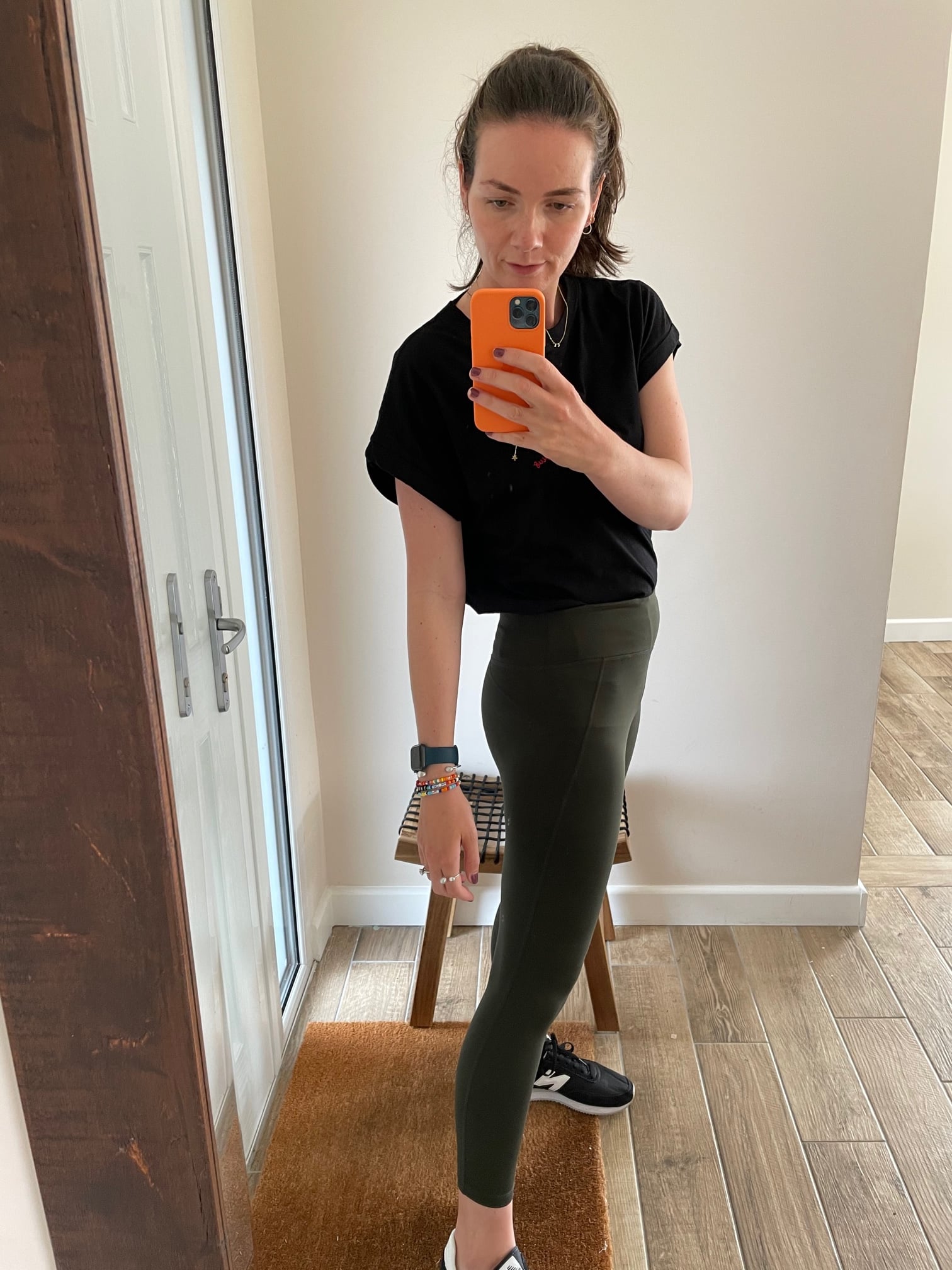
If, like me, you basically lived in workout leggings throughout 2020, and you therefore appreciate the importance of a good fit and comfortable fabric, then you’re going to love Sweaty Betty’s All Day Gym Leggings ($78). Available in four colors (Black, Forest Green, Black Cherry Purple, and Navy Blue) and two different lengths (full and 7/8), they’ve quickly become my favorite pair of leggings to both work out and lounge around in.

Touted as the “softest leggings on the planet” due to the unique buttery-soft fabric (and believe me, they’re mind-bendingly weightless), as soon as my courier delivered my Betty package I couldn’t resist getting my legs into them pronto. Comfort certainly doesn’t outdo performance here, either. During those months being homebound, I craved the utmost comfort from leisurewear. If it’s too itchy or restrictive to lounge on the sofa in, it’s out. I’m even more judgmental after having a baby four months ago; I won’t even consider anything that doesn’t tick the comfort box and hug me in all the right places.

Image Source: sweatybetty.com

The design of these Sweaty Betty leggings is really what sets them apart from other workout tights I’ve tried. These are constructed using a super-soft stretchy and durable fabric that’s lightweight, sweat-wicking, and quick-drying — and, as I know from experience, they can handle seriously sweaty spin classes. They’ve kept me dry throughout my classes, allowing me to run errands and even pop out for that much-needed post-workout coffee afterward without embarrassing sweat patches lingering.

Do you ever find yourself hiding at the back of a group fitness class due to the fear of your leggings going a bit see-through? Well, fear not. I’ve tested the All Day Gym Leggings in front of both oversize gym mirrors and Ikea showroom mirrors. Due to the four-way stretch of the fabric, they won’t go see-through, whether you’re bending down to pick up flat-packed furniture or to squat. And if you do yoga, you can also breathe a sigh of relief, as they won’t even show off your underwear to your fellow yogis when you bend down to perform Downward-Facing Dog.

Trust me, once you experience the wonder of Sweaty Betty’s All Day Gym Leggings, there will no going back. Your regular leggings will be banished to the back of your closet or uploaded to Depop. I’ve already got my eye on my next pair. I might not be spending as much time stuck inside, but you can never have enough pairs of workout leggings, am I right?

Image Source: POPSUGAR Photography / Kirsty Welsh

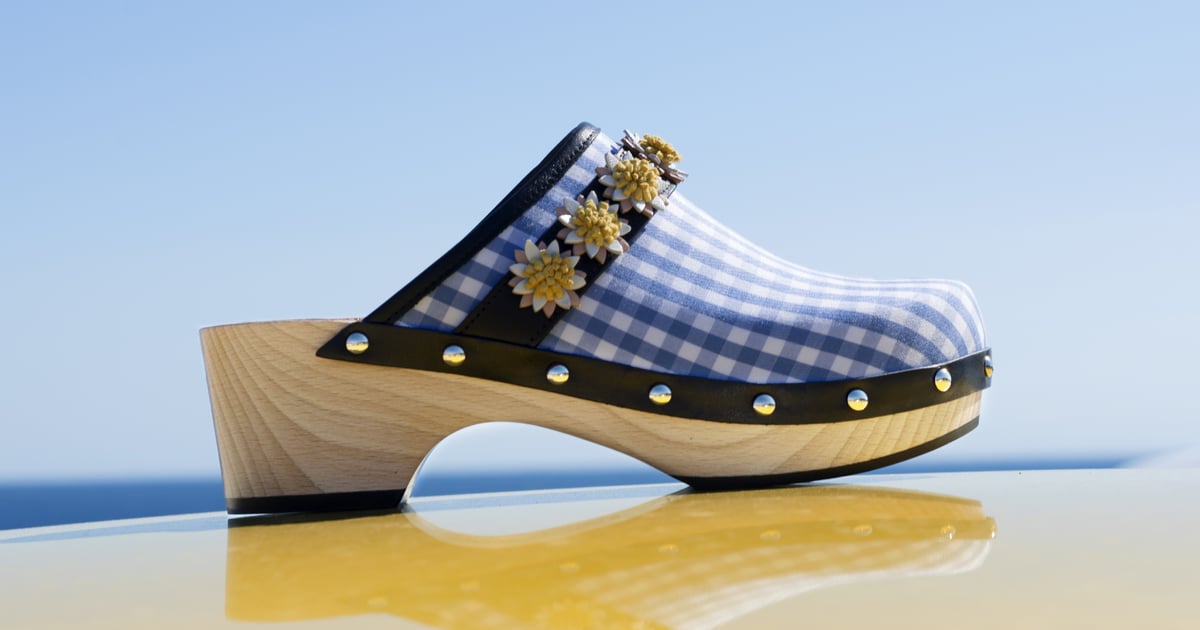
How the Humble Clog Became 2021’s “It” Shoe – POPSUGAR

As ephemeral as trends can be, they’re typically easy to trace, especially in an era of excessive documentation. It’s the items that have been around forever that have far less transparent origin stories. Clogs — the practical wooden footwear that’s been in and out of fashion’s collective consciousness for as long as we can remember — are one such item.

No one can pinpoint an exact date of inception, likely because clogs, originally crafted from a single block of wood, have existed in many forms, gone by many names, and been found in many countries: Belgian sabot in Belgium; Traesko in Denmark; Sabot in France; Holzschuh in Germany; Klumpes in Lithuania; Klomp in the Netherlands; Tamancoo in Portugal; Asturian madreñas or Cantabrian albarcas in Spain; Träskor in Sweden; Zoggeli in Switzerland; Paduka in India; Bakiak in Indonesia; Geta or Okobo in Japan; Namakskin in Korea; Terompah in Malaysia; Bakya in the Philippines; Nalin in Turkey. The list goes on.

What we do know: clogs were originally associated with the working class and used as protective footwear in the fields, because they were cheap, durable, and made from easy-to-find natural resources (read: wood). When stuffed with straw, they were also warm and comfortable (though archaeological finds indicate that wooden clogs may have damaged the feet of Dutch laborers due to repetitive micro traumas, which resulted from “a combination of hard labor and hard shoes”). At the end of their life, worn clogs became firewood (wood inevitably rots, too), and it’s for this reason that relics of clogs’ past are incredibly rare — the oldest surviving pair in Europe was reportedly found in the Netherlands, dating back to sometime in the 1200s. The first clog-making guild was also formed in the Netherlands circa 1570.

Elaborately carved and decorated pairs were often reserved for ceremonial events and traditional dances.

By the Industrial Revolution, from the 1780s to 1849, clogs became more mainstream. It’s thought that “clog dancing,” the precursor to tap, was dreamed up by workers who would tap rhythms on the factory floor with their wooden shoes to pass the time. After the revolution, clogs were worn consistently, and elaborately carved and decorated pairs were often reserved for ceremonial events and traditional dances. (It was also customary for Dutch men to present a pair of hand-carved clogs to the women they were courting — swoon!)

Modern clogs as we know them today — a leather upper with a wooden sole — were championed by the popular Swedish group ABBA, who, interestingly enough, capitalized on the moment with their own line of clogs in the ’70s. And with that, the clog’s fate as a fashion staple was definitively sealed.

From there, Dutch designer duo Viktor & Rolf put their avant-garde spin on the traditional shoe for their fall 2007 collection with chunky heeled versions in high-octane shades and finished with V&R branding. Showgoers sat enrapt, watching models teetering precariously in their clogs as they shouldered heavy steel rigs. “[The models] were asked to walk the runway wearing giant, clunky high-heeled Dutch wooden clogs,” one reviewer wrote. “As the rigs got bigger and the girls’ expressions more frozen with fear, involuntary gasps escaped from the audience . . . ‘I can’t look!’ cried another. ‘That poor girl’s slipping!’ shrieked someone else.”

When clogs reappeared on the spring runways in 2010, there was, thankfully, far less drama. Karl Lagerfeld gave them a makeover with signature Chanel detailing, like tweed fabrication, bejeweled adornments, and tulle floral appliques. While at Louis Vuitton, Marc Jacobs took a more eccentric approach with kitten heels and furry tasseled toppers.

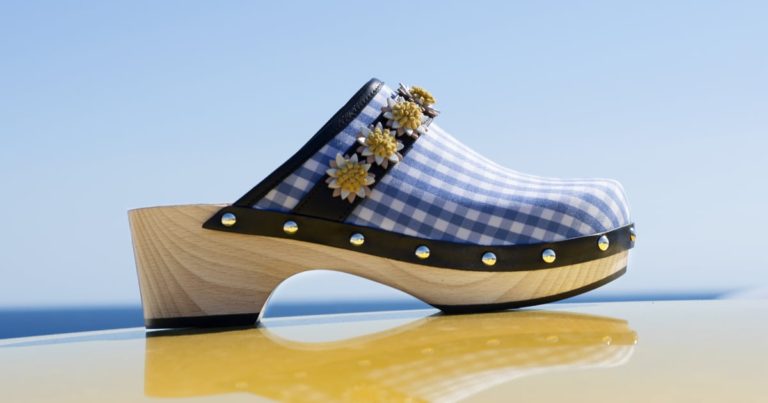
Now, clogs are back — and in a much pervasive, louder, impossible-to-ignore way. For the past several years, all signs pointed to their return: the immense popularity of Crocs among Gen Z, buoyed by buzzy collaborations with brands and artists, like Balenciaga, Justin Bieber’s Drew House, Post Malone, and Bad Bunny; the continued obsession with the ’90s (see: Cher’s iconic line in Clueless, “I broke in my purple clogs”); the refined appeal of the loafer-clog hybrid slide on the Hermès spring 2021 runway that sent the fashion industry’s hearts aflutter; and our post-lockdown desire to seek out footwear that’s both comfortable, comforting, and practical. We have no choice but to stan clogs.

Keep scrolling to shop our favorite clogs to wear this summer and beyond.

Companies healthcare benefits offerings are failing LGBTQ employees – Employee Benefit News

For most, scheduling and attending a doctor’s appointment is nothing short of a chore — easy, if not boring. But for thousands of queer Americans, something as seemingly painless as a routine check-up often leads to an overwhelming sense of hopelessness.

Gaurang Choksi, founder and CEO of Violet, a platform dedicated to help the LGBTQ community access culturally competent healthcare, is no stranger to the negative impact a bad consultation can have on an individual. While attempting to refill his PrEP prescription — an antiviral medication most often used as a preventative measure against HIV/AIDS — his network primary care physician in New York City revealed he didn’t know about the market drug, which has been in circulation since 2012.

In the end, Choksi was able to fill his prescription, but not before having an uncomfortable conversation that left him feeling deflated and unheard.

“The thing that disappoints me was that I was there asking for a refill for a medication that I knew I should be on,” Choksi says. “But think about all the other gay men that ended up there or other individuals that never received the guidance they wanted because the provider wasn’t culturally competent for the community.”

Gaurang Choksi, founder and CEO of Violet.

Members of the LGBTQ community don’t just want better, more inclusive benefits — they want educated providers who are medically qualified to tend to their physical needs and culturally aware enough to ease their psychological ones, too.

Read more: Transgender health company Plume jumps into employee benefits space

Eleven million Americans identify as lesbian, gay, bisexual or transgender, 88% of whom are employed, according to the National LGBTQ Workers Center. Fifty-six percent of the LGBTQ community report experiencing discrimination from a provider and are two to three times more likely to avoid care compared to straight and cisgender populations, according to data from Included Health.

Often the conversation surrounding LGBTQ benefits doesn’t address the disparities these individuals face when seeking out qualified medical professionals, according to Colin Quinn, co-founder and CEO of Included Health. The first step to providing an inclusive healthcare experience is to ensure that the doctors treating queer patients are taking a holistic appraoch.

“Our needs are very much the same as a straight person — we suffer from the same chronic illnesses and we need to go in for our physical routine exams,” Quinn says. “But what we’ve noticed is that providers themselves might not be aware of how to create a safe environment or how to ask the questions the right way.”

Both Quinn and Choksi used their negative healthcare experiences as gay men to found two separate care companies dedicated to bettering queer members’ experience. Quinn’s platform, Included Health, is offered as a workplace employee benefit and connects LGBTQ employees with services that match their identities and preferences. Violet deals directly with the insurance providers, vetting physicians within their network and choosing the ones best suited to tend to queer patients.

“We know members [of the LGBTQ community] suffer from higher rates of certain illnesses like anxiety, depression and chronic illness,” Quinn says. “We’ve got to create a better experience for members of the community. We need to be that safe re-entry point for them.”

Colin Quinn, co-founder and CEO of Included Health.

Queer patients say the most important thing they’re looking for when it comes to medical care is a ‘credit score’ for the cultural competencies of clinicians — a set standard employees can use when searching for inclusive healthcare, according to Choksi.

Read more: Your fertility benefits may be excluding LGBTQ+ employees from treatments

Common pain points for the LGBTQ community involve issues around infertility, as well as transgender-specific medical needs. For example, many insurance providers still require a medical diagnosis for infertility before offering any sort of fertility coverage, despite the fact that 68% of participants in a recent Reproductive Medicine Associates of New Jersey survey said members of the LGBTQ community should have equal access to reproductive care.

In the trans community, more than 50% reported having to explain certain aspects of transgender-specific medical necessities to their healthcare providers — a knowledge gap that keeps many from accessing trans-specific medical procedures like hormone therapy or gender affirmation surgery, according to a survey by the National Center for Transgender Equality and the National Gay and Lesbian Task Force.

Bridging this gap requires accountability and transparency from the industry, Choksi says. An open dialogue should enable queer individuals to bring their their full selves to a clinician.

“The benefits space should be looking at the employee base and understanding the representation they have,” he says. “Then understand the disparities their communities may be having and what they can do about it today.

Director of inclusiveness at consulting firm Ernst & Young, Chris Crespo, remembers reaching out to their benefit coordinator over a decade ago asking if the firm had any benefits for same-sex couples — they did not. Crespo took matters into their own hands: after contributing to a business case for providing benefits to same-sex couples and presenting some competitive analysis, they were finally able to add their partner and three kids to their benefits enrollment.

Since then, Crespo has spearheaded a number of benefit inclusion efforts at EY, such as the company’s Pathways to Parenthood program, which provides a lifetime benefit of up to $25,000 to cover expenses related to fertility, surrogacy and adoption for all. The firm also has a Pathway to Transitions program, which provides a lifetime benefit of up to $25,000 for certain gender affirming medical expenses that are not covered through medical insurance.

Chris Crespo, director of inclusiveness at consulting firm Ernst & Young.

Read more: Employers need to embrace, not tolerate, LGBTQ employees

“Workplace transitions have multiplied over the years and really differ by person,” Crespo says. “Therefore, the benefits and needs of each person truly differ as well. EY needed to be open to questions that came up and think about how to best accommodate the diverse needs of our people, while also ensuring consistency in how we approach all of our benefits.”

Generationally, approximately 16% of Gen Z openly identifies as LGBTQ, millennials at 9% and Gen-X and baby boomers at 3%, according to a survey by Gallup. Although there is more work to be done, there’s hope for a more inclusive landscape as the population becomes more comfortable with disclosing their sexuality and demanding change, according to Quinn.

“HR benefits leaders are beginning to recognize that this one size fits all approach hasn’t been working,” he says. “We shouldn’t have these roadblocks and barriers. Healthcare is a basic human right.”