(DALLAS) — A Texas man who attacked and robbed gay men after luring them to a residence using the dating app Grindr has pleaded guilty to federal hate crimes charges, the Justice Department announced Thursday afternoon.
During the span of a week in December 2017, 22-year-old Daniel Jenkins and at least three other men used Grindr to lure gay men to a vacant apartment in Dallas where they would attack and rob them.
According to Jenkins’ plea, he admitted that in some instances the group would hold the gay men at gunpoint and travel with them to ATMs where they would force them to withdraw cash.
Jenkins pleaded guilty to one hate crime count and one count of conspiracy to commit hate crimes after admitting he and others injured at least one of their victims and taunted others because of their sexuality.
“These defendants brutalized multiple victims, singling them out due to their sexual orientation. We cannot allow this sort of violence to fester unchecked,” acting U.S. Attorney Prerak Shah of the Northern District of Texas said in a statement announcing the plea. “The Department of Justice is committed to prosecuting hate crimes. In the meantime, we urge dating app users to remain vigilant. Unfortunately, predators often lurk online.”
Jenkins is now the fourth person charged in connection with the scheme to plead guilty, according to court filings. He is set to be sentenced on Oct. 6 and could face a maximum of 26 years in prison.
Disney’s history with queer representation on-screen is, diplomatically, dicey at best. The company’s slow arc toward introducing LGBTQIA+ characters in major roles and tentpole films has laid the groundwork for eventual substance, but here and now, they’re mostly half steps — half steps that, more often than not, are more embarrassing than they are meaningfully progressive.
Disney is by no means the only company that comes off looking bad during Pride every June — there’s a reason “Rainbow Capitalism” has become a snarkily accurate read on major brands rainbow-coating their social media profiles and calling it a job well done for the month. But Disney looks particularly egregious celebrating because, well, all year ‘round it otherwise does the barest of minimums to incorporate LGBTQIA+ stories and characters in its biggest material, leaving them on the cutting room floor or slight enough to be edited out of movies to better appeal to bigoted markets that Disney would otherwise love to see some money out of. And so, this Pride, here’s seven of the queer characters the House of Mouse has somehow managed to herald as major “Firsts” for the studio — ranked by just how embarrassingly minor steps they actually were for one of the biggest entertainment corporations in the world.
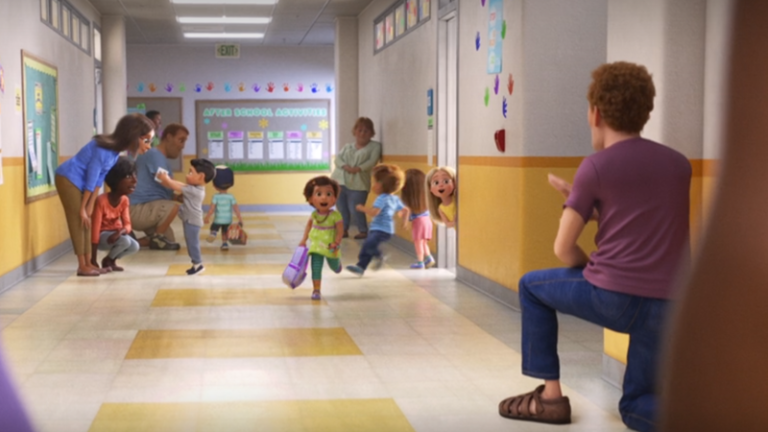
7) Some Background Lesbians, Toy Story 4
Screenshot: Disney
Is it good? I mean, it’s fine. Is it not that embarrassing because Disney didn’t pat itself on the back in a round of press about how progressive it is for including two queer-coded mums in the background of a blink-and-you’ll-miss-it scene? Definitely. Did straight people get mad anyway? Oh, absolutely.
6) Artie, Cruella
Screenshot: Disney
Artie is never explicitly depicted as queer in Disney’s new villain origin story, which made all the hubbub that he was the latest “First” gay character at the studio all rather silly. This is tempered, at least, by the fact that he’s played by out actor John McCrea, who performed the character and read him as queer regardless of the text. Perhaps maybe the closest Disney has come to not putting its Mickey-shaped foot in its mouth about LGBTQ representation in its big-screen output.
5) McGregor, Jungle Cruise
Screenshot: Disney
It’s hard to say how embarrassed either we or Disney should be by this one yet, considering the movie’s not actually out yet (thanks, global pandemic!). But given that we once again gave Jack Whitehall’s character the ballyhooed “First Gay!!!” press round, the answer is probably a little bit, at least. That and the fact it took three trailers for him to get a line of dialogue, suggesting that his role will be minor at best. Disney should probably be more embarrassed by the colonialist overtones his white suit and Panama hat convey in the context of everything else Jungle Cruise has got going on, aesthetically. Hooray, queer people can be imperialists too!
4) Officer Spector, Onward
Screenshot: Disney
On the surface, last year’s fantasy road trip Onward’s brief moment of queerness might not seem that bad, if only because it’s so brief. Officer Spector, played by out lesbian Lena Waithe, makes a passing mention of her wife in her short appearance in the movie. And that’s it! Congratulations on the bare minimum. That said: no cops at pride, cyclops or otherwise.
3) LeFou, Beauty and The Beast
Screenshot: Disney
Ah, a tale as old as time. It really does just feel like yesterday when we were promised the live-action Beauty and the Beast’s “exclusively gay moment,” only to be given Josh Gad dancing with another man in a tiny fragment of the film’s climactic dance sequence. We were so innocent, so pure. Only so embarrassed at Disney. How time has changed. Maybe he’ll be queerer in that Gaston spinoff?
2) Larma D’Acy and Wrobie Tyce, Star Wars: The Rise of Skywalker
Screenshot: Disney
We’ve talked about this frequently in the past, but god, it still sucks, doesn’t it? Ever since John Boyega and Oscar Isaac’s Finn and Poe swapped jackets and lip-bit their way to the galaxy far, far away’s hottest ship this side of the Incom T-65 X-Wing, Star Wars fans have wanted to see some gays in space.
And Disney promised they were coming… and promised… and waited… and waited… And then we got maybe the most heteronormative Star Wars film ever made, The Rise of Skywalker. J.J. Abrams spent part of the pre-release press tour shutting down any chance of Finn or Poe being queer in the film while promising something, and then we got a tiny kiss between a character with maybe five lines of dialogue across the sequel trilogy and her pilot wife so inconsequential she didn’t even get a first name unless you read the movie’s tie-in dictionary. An embarrassment for a universe that has a long history of tiny, tiny half-steps.
1) Unnamed Joe Russo Cameo, Avengers: Endgame
Screenshot: Disney
And here we are: 10 years of Marvel slowly learning how to bring some of its zaniest comic book concepts to the big screen and make them global blockbuster megahits, you’d think a queer person would be easy. Alas, after the Brothers Russo patted themselves on the back in Endgame’s pre-release press tours that they had brought the first on-screen explicitly gay character to the MCU — after some fumbles along the way — we got… one of those Russos playing an unnamed civilian at a therapy group talking about going on a date.
Egregious enough as it was that this was more an indulgent directorial cameo than an actual step forward for onscreen queer representation in the Marvel universe, it was made worse when Marvel head honcho Kevin Feige emerged in the wake of the movie — after that pre-release back-patting — to say that, actually, Marvel never intended the cameo to be “a big deal” and maybe it was our fault for wanting them to not half-arse it. Like most things about Avengers: Endgame, it just got worse the more people involved with it actually spoke about it.
They’re getting better. Maybe. In the near future. TBD, TBD. But that’s the future. We’re here with a Russo in the now, and god that’s just the worst.
Disney’s history with queer representation on-screen is, diplomatically, dicey at best. The company’s slow arc toward introducing LGBTQIA+ characters in major roles and tentpole films has laid the groundwork for eventual substance, but here and now, they’re mostly half steps—half steps that, more often than not, are more embarrassing than they are meaningfully progressive.
Disney is by no means the only company that comes off looking bad during Pride every June—there’s a reason “Rainbow Capitalism” has become a snarkily accurate read on major brands rainbow-coating their social media profiles and calling it a job well done for the month. But Disney looks particularly egregious celebrating because, well, all year ‘round it otherwise does the barest of minimums to incorporate LGBTQIA+ stories and characters in its biggest material, leaving them on the cutting room floor or slight enough to be edited out of movies to better appeal to bigoted markets that Disney would otherwise love to see some money out of. And so, this Pride, here’s seven of the queer characters the House of Mouse has somehow managed to herald as major “Firsts” for the studio—ranked by just how embarrassingly minor steps they actually were for one of the biggest entertainment corporations in the world.
LGBTQ Pride Month is in the middle of a three-day live concert at the Los Angeles Memorial Coliseum featuring dozens of musicians, including Adam Lambert. Other pride-related events include two art walks on the West Side. In addition, there are live opera and dance.
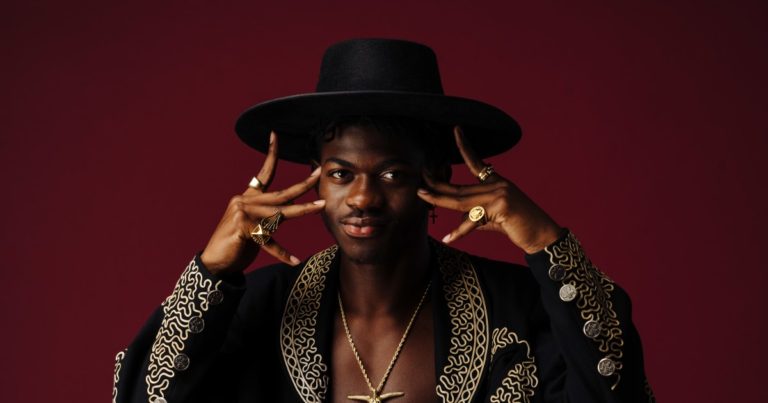
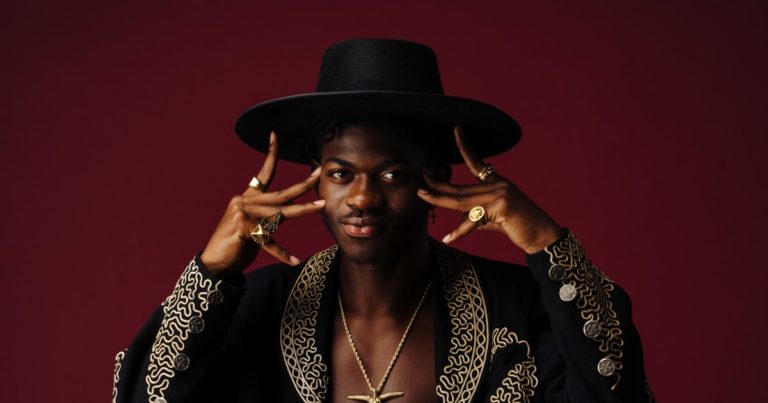
Among the virtual offerings are live stream pride celebrations by Demi Lovato and Lil Nas X, the American Ballet Theater streamed from the Music Center, and Verdi’s “La Traviata” take by the Pacific Symphony Orchestra.
Southern California face-to-face event
“Outloud: Raise a voice featuring Pride Drive’s Stone Wall Day” In addition to playing music, this three-day music festival features celebrity appearances. Indie pop duo Sofi Tukker will headline on the first night, singer-songwriter Hayley Kiyoko on the second night, and Lambert on Sunday. Coliseum, 3911 S. Figueroa St., Los Angeles. Friday-Sunday 4:00 pm. Over $ 30. Advance ticket required. weareoutloud.com Is it impossible for an individual?Concerts will be streamed live — free — Cramps..
Samopride Rainbow Road Art Walk This month, we’re featuring multimedia works and outdoor installations by LGBTQ artists. This art is exhibited at the following locations in Santa Monica: Fig Restaurant (101 Wilshire Blvd.); Third Street Promenade (1351 Third Street Promenade). Santa Monica Place (395 Santa Monica Place); and Santa Monica Pier (200 Santa Monica Pier). 10:00 am from Friday to June 30th. free. A map with a list of exhibits can be found at: smpride.com
“Pride Publics: Words and Actions” Announced by the ONE Archives Foundation, this outdoor exhibition will feature Black Lives Matter co-founder Patrisse Cullors and the Tom of Finland Foundation’s Tom of Finland Foundation. Dark Denner — Pay tribute to other LGBTQ pioneers. It is east of Robertson Boulevard, just south of Santa Monica Boulevard in West Hollywood. Saturday until July 1st. free. onearchives.org
“Still standing” Rachel Bloom Sherri Shepherd decorates the headline for the new edition of this rooftop comedy showcase. New House Hollywood, 6121 W. Sunset Boulevard, Hollywood. 8 pm on Friday. Pre-purchase is required for $ 40 or more. 21 years and over. rsvp.neuehouse.com
“Le 66” At Mission Opera, Offenbach’s one-act comic operetta will be performed four times outdoors. United Methodist Church of Santa Clarita, 26640 Bouquet Canyon Rd., Santa Clarita. Saturday to Sunday at 6 pm. From June 12th to 13th. $ 15, $ 20; Advance purchase required. Mission opera.com
Benita Bike’s DanceArt LA-based modern dance company concludes its 40th anniversary season with live concerts. Madrid Theater, 21622 Sherman Way, Kanoga Park. Saturday at 5 pm (Video of the performance will be available online from June 10th to 13th). $ 25; Advance purchase required. Dance art.org
“Aria Dean: Suite!” The REDCAT gallery will reopen with this solo exhibition by a multimedia artist, also on display at the Hammer Museum’s “Made in LA” Biennale. From noon on Saturday to October 24th. free. A timed admission ticket is required in advance. redcat.org
“Tsubakihime” The Pacific Symphony presents a half-stage version of Verdi’s tragic drama, in which a Parisian prostitute dies for consumption. With soprano Cecilia Violetta Lopez. Saturday at 7 pm. $ 25 for 28-day access. pacificsymphony.org
American Ballet Theater Of the music center “Dance at dusk” The series continues with ABT members playing contemporary works and a classic repertoire. Tickets for the five live performances are almost gone, but you can watch the live stream of the closing night show on Sunday at 7:30 pm for free.Register with musiccenter.org
“Part Ensemble Premier” Is Music group Dedicated to preserving Harry Partch’s work, the group is playing new songs by local composers. The program is followed by a question and answer session from Perch’s 1952 work “Castor & Pollux. Dance for the Twin Rhythms of Gemini.” Friday to Saturday at 8:30 pm. $ 8 to $ 15. redcat.org
“First Friday’s Connected: Los Angeles Crossroads” The closing of the Virtual Salon series at the Natural History Museum of Los Angeles County features a performance by a local singer-songwriter, exploring the murals around LA. Chicken fillet, Kim Ann and others live DJ set. 5 pm on Friday. freedom.Register with nhm.org
“Closed Quarters” Los Angeles Chamber Orchestra Virtual season It concludes with a program featuring Tchaikovsky’s Serenade for Strings. Grant Gershon of the Los Angeles Master Corale will be the guest conductor. Pre-concert talk, Friday 5:30 pm. Performance, 6:30 pm. Available later on demand. Freedom; Donations accepted. laco.org, youtube.com, facebook.com
“Show Must Go On! Live at Palace Theater” British cast members such as “Wicked,” “Hamilton,” “Mamma Mia !,” “Dear Evan Hansen,” and “The Phantom of the Opera” will appear in this gorgeous show directly from London’s West End. 11:00 am on Sunday. It can be viewed on demand for 7 days after the live broadcast. freedom. youtube.com
The recurring coronavirus era art and cultural recommendations are: Posted Every Thursday.
Newsletter
An indispensable guide to LA art
Get Carolina A. Miranda’s Weekly Newsletter for the latest updates, as well as the opening, critic recommendations and more.
You may receive promotional content from the Los Angeles Times.
Things to do in LA, Orange County: Lil Nas X, Gay Pride Source link Things to do in LA, Orange County: Lil Nas X, Gay Pride
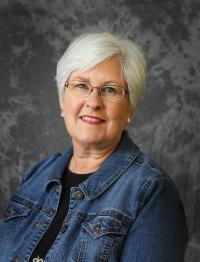
After 30 years of service at the Chilton County Extension Office, Gay West officially retired on June 1.
West has served a total of 38 years in Extension, and her first encounter with Extension was from 4-H when she was growing up.
“It all goes back to the fifth grade when I was first introduced to 4-H by two different Extension agents,” West said. “It made a big impression on me, and, in college, I chose a major that would work for Extension.”
West originally served in Perry County for eight years before moving to Chilton County. She worked for the Department of Human Resources in Clanton for several years before receiving the job at the Chilton County Extension Office.
During her time here, West has worked on a tremendous amount of programs and clubs. When asked if she had favorite programs, West compared it to having multiple children.
“It’s kind of like having to pick a favorite child,” West said. “4-H has to be one of my favorites, because of being able to work with kids. They’re always excited and interested to learn new things. I also like the hands-on projects like, sewing or cooking.”
West also has several programs that she is proud of and hopes to see them come back and continue.
“We started Chilton Leadership in 1998 and the last class we did was in 2013,” West said. “It was a nine month program where we would help people around the county. There were nine different programs they would learn about that included health, government and education.”
She is also thankful for all the volunteers and the many organizations that help to make all the different programs possible. West also wanted to mention how proud she was of the Chilton Food Innovation Center, and all it is doing for the community.
West will be leaving a large place to fill, and many are grateful for all the work she has done. However, she now hopes to have more time to spend with her family. West and her husband have already started a large project at their home thanks to her new free time, but she is most excited about spending time with her new granddaughter.
(DALLAS) — A Texas man who attacked and robbed gay men after luring them to a residence using the dating app Grindr has pleaded guilty to federal hate crimes charges, the Justice Department announced Thursday afternoon.
During the span of a week in December 2017, 22-year-old Daniel Jenkins and at least three other men used Grindr to lure gay men to a vacant apartment in Dallas where they would attack and rob them.
According to Jenkins’ plea, he admitted that in some instances the group would hold the gay men at gunpoint and travel with them to ATMs where they would force them to withdraw cash.
Jenkins pleaded guilty to one hate crime count and one count of conspiracy to commit hate crimes after admitting he and others injured at least one of their victims and taunted others because of their sexuality.
“These defendants brutalized multiple victims, singling them out due to their sexual orientation. We cannot allow this sort of violence to fester unchecked,” acting U.S. Attorney Prerak Shah of the Northern District of Texas said in a statement announcing the plea. “The Department of Justice is committed to prosecuting hate crimes. In the meantime, we urge dating app users to remain vigilant. Unfortunately, predators often lurk online.”
Jenkins is now the fourth person charged in connection with the scheme to plead guilty, according to court filings. He is set to be sentenced on Oct. 6 and could face a maximum of 26 years in prison.
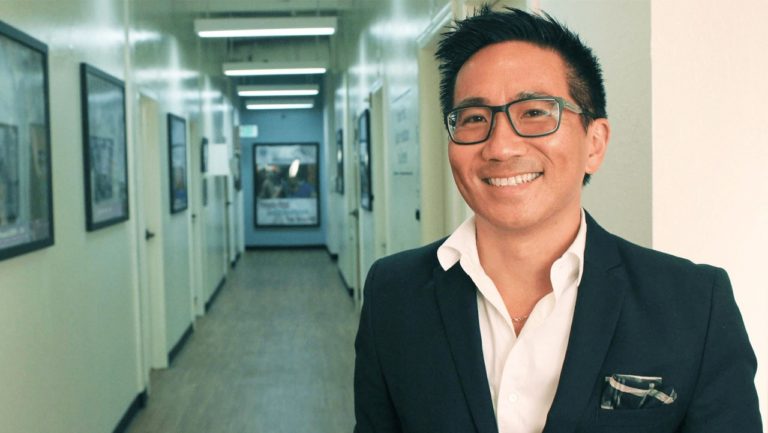
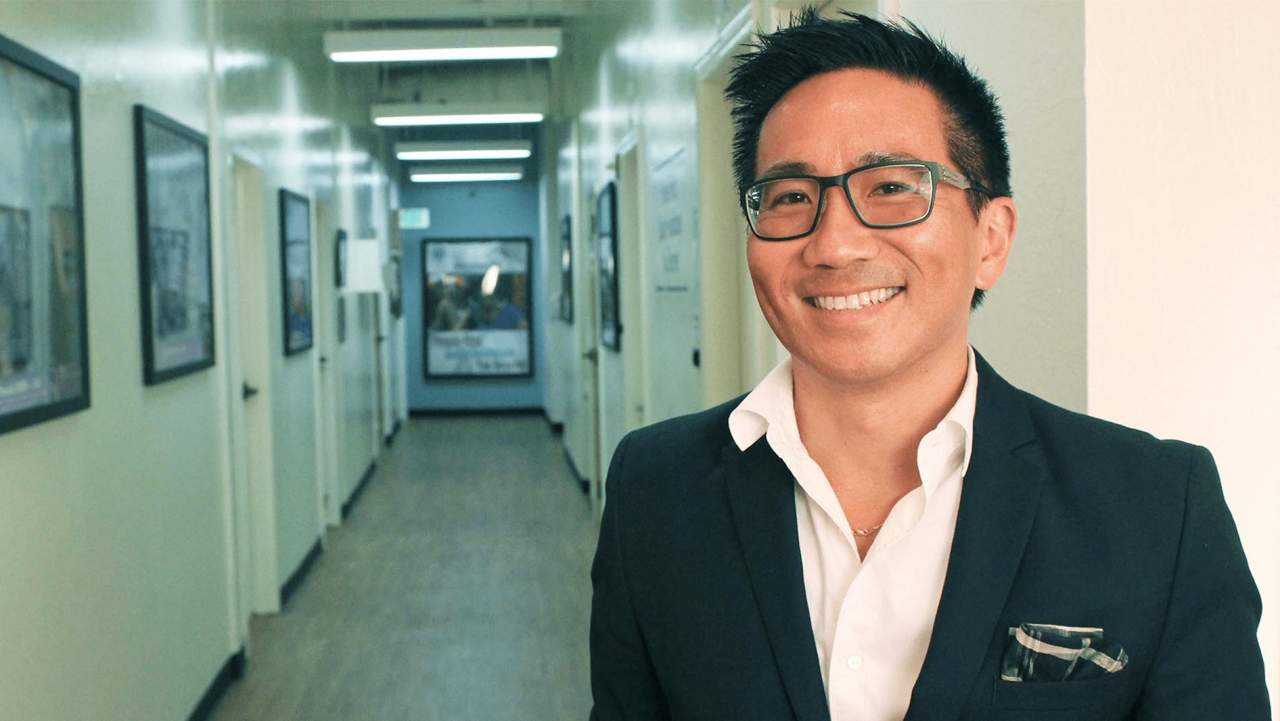
Lance Toma was looking for community. Raised in Hawaii, he came out as gay when he moved to Chicago as an adult and found work serving LGBTQ+ youth and adults there. However, at the time there were few resources specifically created for LGBTQ+ Asian Americans and Pacific Islanders.
“I could see there was such a dissonance about race,” Lance says. “I kept thinking ‘How can I serve my AAPI community?’”
The answer came in 1999, in the form of a job offer in San Francisco. API Wellness, now called the San Francisco Community Health Center, was looking for a director of programs and Lance moved across the country and took the job. In 2006, he was named executive director. Fifteen years later, he continues to create innovative programs and resources aimed at supporting the health and wellbeing of the LGBTQ+ community and people of color.
The center was originally founded by the AAPI community in response to the HIV epidemic in the 1980s, to address the unique cultural barriers to testing and treatment experienced by the Asian American and immigrant community. Reaching this community continues to be a national challenge – the Centers for Disease Control and Prevention (CDC) estimates that as many as 20% of Asian people living with HIV in the United States are undiagnosed, the highest rate of any race and ethnicity.
In 2005, Lance and his team founded the first National Asian and Pacific Islander HIV/AIDS Awareness Day in collaboration with the CDC, with the goal of increasing testing rates, combatting stigma and preventing delayed treatment for HIV.
Shortly after, the team created the Banyan Tree Project, a storytelling program that supports AAPI and LGBTQ+ people living with HIV in sharing their experiences, in an effort to educate others in their communities.
“Storytelling is a powerful way that we can change the hearts and minds of our biological families,” Lance explains. “We get to a core story around what a person’s life-changing moment was and then produce a library of digital stories. This can really move the needle around family acceptance, coming out and even helping individuals feel ready to share that they are living with HIV.”
The organization has changed over the years, as staff adapted to the ever-evolving needs of the center’s communities and began expanding its resources to include the myriad intersections of the LGBTQ+ AAPI community. The center currently serves people of transgender experience, sex workers, people experiencing homelessness, refugees and all communities of color.
“Our competencies, our passion and our focus are on folks who are stigmatized and struggle with direct access to the healthcare system,” Lance explains. “We have always been that safety net.”
Today, the organization is emerging from an intense year. The COVID-19 pandemic meant that the center had to pivot to serve people outdoors, as opposed to inside the sanctuary of its clinics.
In addition to COVID, the George Floyd protests and the Black Lives Matter movement took an emotional toll on staff and, more recently, the team has grappled with the violence inflicted upon the Asian community in San Francisco and across the United States.
“That hate has impacted us on many levels,” Lance says. “There’s a mental health impact on our staff, and we’re meeting more than we ever have. It helps to make sure that when these things happen, there’s an automatic place where we can talk about it and share. We’re also seeing so much stress and anxiety in people coming in.”
Looking ahead, Lance knows the heart of the center will keep beating. Every day, he draws from his Okinawan and Hawaiian heritage to tackle the challenges in front of him.
“There’s a sense of ‘ohana,” he says, citing the Hawaiian word for family. “It’s about taking care of ourselves, but also taking care of our community. We try to create a culture of joy.”
Gilead Sciences
Gilead Sciences
Gilead Sciences, Inc. is a research-based biopharmaceutical company that discovers, develops and commercializes innovative medicines in areas of unmet medical need. The company strives to transform and simplify care for people with life-threatening illnesses around the world. Gilead has operations in more than 35 countries worldwide, with headquarters in Foster City, California.
Gov. Ron DeSantis cut crucial funding to The LGBT Center in Orlando and the Zebra Coalition when he signed the state budget this week. That was just a day after he signed a bill into law banning transgender women from competing in women and girls’ school and college sports.
WMFE spoke with The LGBT Center Executive Director George Wallace about the message these policy decisions send to the LGBTQ community.
Read the full interview below.
Danielle: What have you been hearing from the LGBTQ community here in Orlando over the last 48 hours or so?
George: The community has really rallied towards The Center. We received several donations online overnight. And corporations are reaching out to us to say how can we help? So it was, it brought light to the fact that Governor DeSantis does not value LGBTQ citizens, as well as mental health, specifically Pulse survivors. We’re coming up on the five-year mark of such a horrific time in Orlando and the state of Florida. And I just feel that he has just wants to sweep it under the rug.
Danielle: You know, he said that these actions weren’t meant to send a message to the LGBTQ community. But I’m hearing from you that they are. What is that message that these actions are sending, especially to young people?
George: The message to me is that the state of Florida does not value its LGBTQ citizens.
Danielle: You know, what will the impact of these, these decisions be on local nonprofits like The Center? What sorts of support will you offer to young people moving forward, especially this week. I’m guessing you guys are going to have to make up the difference in a lot of big ways to still offer these services.
George: We will, but I want to preface and say that this is not the end of the program, and The Center is not going anywhere. $150,000 would have had a major impact in providing mental health care for the Pulse survivors that we’re serving, but we will make that up. So I have six months to make this money up. And and I am going to do it.
Danielle: You know, how does this change your, your way of celebrating Pride just on a personal level, but also as The Center this month? I think this really kind of colors it differently, doesn’t it?
George: It does. And I felt a little defeated. And I’m not going to let you know one person’s swipe of a pen, get me down. I was really discouraged last night, and I woke up this morning with a renewed energy. And I will just keep continuing to fight the fight. And I just have to also say that equal rights are not special rights. And it was a target against our community, which we have faced forever since the beginning of time. And the gay liberation or gay rights movement is really only about 50 years old. We’ve come so far, but we have so far to go.
Danielle: You know if people want to help, how can they help and, and on the flip side of that if people need help and they’re not sure where to go, you know feeling feeling lots of different things after this. What would you recommend?
George: If you want to help The Center or you need help from The Center the best thing to do is go to thecenterorlando.org. We have a link tree. We have a really robust social media. So feel free to reach out to us at any time. And we will get back to you. Love is love and I know that the five-year mark for the Pulse tragedy is so hard on so many people. So self care is not selfish. Take care of yourself and if you need help reach out.
With more and more people becoming vaccinated against the COVID-19 Vaccine, as well as the vaccine becoming more readily available to those who want it, places like the MSU Vaccine Pavillion aren’t as needed as they may have been a month ago.
With walk-up vaccines at pharmacies and places like Walgreens, Rite Aid, Meijer, and even possibly your local pharmacy, it has become basically streamlined to get a vaccine, at least here in the United States so far.
In Ingham County itself, 134,000 shots had been given to those who wanted them. Out of all those shots, 94,000 had been given at the pavilion, according to WILX.
Health Officer, Linda Vail said that this vaccine location will be closed next week. The clinic will continue operations until Tuesday, June 8th from 8:30 a.m. to 12:30 p.m.
So far, 8.74 million doses have been given here in Michigan, with another 4.23 million of those people fully vaccinated. That means 42.4% of the people in Michigan are vaccinated.
In the United States as a whole, 297 million people have received a dose of the vaccine, and another 136 million are fully vaccinated. Out of those numbers, 41.5% of the United States population is fully vaccinated from the virus, according to this data.
MSU Pavilion Covid-19 Vaccination Site Lansing, Michigan
Where to go and what to expect at the MSU Pavilion Vaccination site.
KEEP LOOKING: Here are 33 LGBTQ+ charities that need your donation
The rush hour traffic was tightening up, but Anthony Fauci, making the short commute from the National Institutes of Health (NIH) to his home in Northwest Washington, D.C., wasn’t thinking about the flashing brake lights up ahead. Instead, his mind was consumed with strange reports of an unexplained disease among gay men on the other side of the country.
At that moment 40 years ago, no one could have guessed they were witnessing the dawn of a worldwide outbreak that would infect more than 75 million people and kill some 35 million.
The first hint that something ominous was arising came in a little-noticed item in the June 5, 1981 edition of the Centers for Disease Control’s (CDC) Morbidity and Mortality Weekly Report(MMWR): Five gay men in Los Angeles had been treated for pneumocystis pneumonia, a rare fungal infection of the lungs caused by a severely weakened immune system. Not mentioned in the report: Two of the men had already died. Another would soon succumb to the infection.
Then came a second MMWR report in early July. Now no fewer than 26 gay men—this time not only in LA, but also in New York and San Francisco—were suffering from both pneumocystis and Kaposi’s sarcoma, a lesion-causing cancer of the blood vessels, and other opportunistic infections.
“I got chills up and down my spine,” Fauci recalls. “I said to myself, ‘Oh, my God, this has to be a new disease.’”
Fauci had only recently been named chief of NIH’s Laboratory of Immunoregulation at the National Institutes of Allergy and Infectious Diseases. Still, he was among the nation’s most experienced infectious disease experts, having joined NIH in 1968, right out of his medical residency. But his vast scope of knowledge and experience only made the case more perplexing.
“I kept going over it in my mind,” he says, “and the only conclusion I could come up with was that we were dealing with a brand new infection. It was likely a virus, because if it was a bacteria, we could probably see it. Viruses tend to be elusive.”
Fauci and his colleagues went with the tentative assumption that this new virus was zoonotic—originally transmitted from animals—because about 75 percent of all infections in humans start out that way. (Their assumption would prove correct.) The first step was to seek out patients who were suffering from the reported symptoms and bring them into the hospital for observation. (Watch Fauci discuss how we can stop pandemics before they begin.)
Agonizing years
In a world where the COVID-19 virus was identified within weeks of its discovery and effective vaccines were developed within months, it’s easy to forget the agonizing years between the emergence of HIV and effective treatment of it. In July 1982, more than a year after HIV’s outbreak in the gay community, the CDC reported cases among hemophiliacs, an indication that the disease was blood borne.
A month after that, on September 24, 1982, the CDC applied a name to the new disease: acquired immune deficiency syndrome (AIDS). In mid-December, CDC reported that infants in New York, New Jersey, and California were showing signs of AIDS. The growing number of cases in the gay community was particularly devastating.
“In mid-1981, we could see things were happening to people around us,” says Gregory Ford, an actor and AIDS activist in Washington, D.C. “Some people would suddenly get sick and die of pneumonia. Others would simply disappear from the community.”
Around the beginning of 1982, “the terror started,” Ford says. “We knew something was happening, but we had no idea how widespread it was…and how devastating it would become.”
It was clear the symptoms of AIDS were spreading, but until the virus causing it could be isolated and a screening method developed, doctors could only guess how many people in the general population were walking around with the disease.
The good news: In 1983 the HIV virus was identified, and a screening test was quickly developed. The bad news: Screening tests revealed that AIDS was widespread.
“We were horrified,” says Fauci. “We had been dealing with only the tip of the iceberg. There were many, many, many-fold people who were infected who had not yet gotten clinically ill.”
Months went by and the global scale of the outbreak became clear. “We realized we were dealing with something not peculiar to the United States,” Fauci says. “The Europeans were seeing it, and in fact everything pointed to Africa as the place where it all began.”
You can see Fauci, circa 1984, on YouTube addressing an AIDS conference at NIH, where he had recently been named director of the NIAID. His shock of black hair is a little startling, and his Brooklyn accent hadn’t yet taken on the warm, gravelly charm of his later years. But Fauci’s straight-forward approach—and sometimes perplexing enthusiasm for describing the nature of horrible diseases—was already well-hewn.
“It gives me a great deal of excitement and pleasure to talk about AIDS,” he said from the podium, “because it really is one of the…only subjects in all of the subjects that we tackle…where you really have to change your lecture every month because of the extraordinary advances in the evolution of this syndrome.”
After 50 minutes of clinical exhortation, Fauci turns to the problem of prevention— the single most divisive element of the AIDS era, during which a large percentage of Americans, including medical professionals, insisted on viewing AIDS as “the gay disease.”
Ironically, it was that inaccurate and hurtful label that kept many members of the gay community from trusting mainstream medicine as the crisis spread, according to Ford.
“The fact that they were talking about a ‘gay disease’ made no sense to me,” he says. “If you think a disease is going to confine itself to a particular group of people, I can’t trust what you’re doing.”
As a result, Ford says, a comprehensive self-help network grew within the gay community. Through organizations like ACT Up in New York and Us Helping Us in Washington, D.C., people shared numerous unconventional AIDS treatments, including diet and natural remedies.
“People kept these huge files filled with information about treatments,” Ford recalls. “Things like, ‘If you’re taking one particular treatment, then you also need to take this to counteract the negative effects.’ Basically, you were your own science experiment.”
As early as his 1984 NIH address, Fauci was already taking note of the gay community’s proactive approach to HIV.
“The male homosexual community has responded in the most extraordinary and encouraging way by educating themselves and their brethren about the dangers of certain types of contacts,” he said.
Bad blood
One could argue that Fauci should also have spoken about the need for blood-supply screening and contact tracing. In 1984 Marty Keale, the father of a hemophiliac son named Stephen, was invited to a Los Angeles meeting between hemophilia community representatives and gay activists. But this was no friendly confab between allies. Because hemophiliacs at the time used concentrated clotting factor derived from human blood, and because thousands of them were becoming infected with AIDS due to tainted blood donations, relations between the two groups were strained.
“Some people in hemophilia health care had said some things—probably unintentionally—that implied blame on the gay community’s part,” Keale recalls. “And the gay community was not happy. In fact, they were very angry. We were sitting at this big round table with these people, all glaring at us.”
With the help of USC hematologist Edward Gomperts, a leading expert in the field of hemophilia, Keale soothed the raw nerves that day. But even after he moved to Sacramento and became executive director of a regional HIV/AIDS healthcare center, Keale continued to see such confrontations.
“I think guilt played a role,” he says. “I was on a community advisory council that helped decide how federal AIDS funds would be spent. It became clear that, gay or not, at that time people tended to feel guilty about having contracted AIDS. And rather than accept that guilt, they had to blame somebody else. Things could get pretty heated.”
Lonely voices
Despite the agonizing wait for a treatment while tens of thousands died, today Keale still feels confident the NIH was doing all it reasonably could in those early years. Fauci was one of the few government health officials willing to speak about AIDS at all—and especially about the fact that AIDS was much more than an isolated threat.
“This was a massive outbreak,” Fauci says. “But in those early years, officials in the Reagan administration were not particularly amenable to going out and speaking about this. They didn’t use the bully pulpit of the presidency.”
Fauci didn’t have the presidency behind him, but he did have the voice of authority and a growing sense of comfort before news cameras. While the Reagan administration remained relatively quiet, he gave one interview after another, pushing for increased research funding and trying to explain the nature of AIDS to the public. After Reagan left office, he says, “I developed very strong relationships with the succeeding Presidents.”
The war on AIDS lasted much longer than even Fauci could have imagined. In 1987 the FDA approved AZT to treat AIDS symptoms, even though the drug often caused serious side effects. The early 1990s brought antiretroviral drug treatments—followed by multi-drug therapies, the descendants of which now treat people with HIV with remarkable effectiveness.
“The journey of these past 40 years has been extraordinary,” says Fauci. “One of the great successes of biomedical research is the treatment of persons with HIV—and prevention in the form of prophylactic drugs.”
Although some recent drugs have claimed isolated HIV “cures,” Fauci remains skeptical.
“It’s a tough nut to crack,” he says. “This virus’ ability to integrate itself into the genome cells makes it very difficult to eradicate it from the body. But the good news is we have a single pill that contains three antiretroviral agents that directly act at three different vulnerable parts of the virus’ replication cycle. It’s been spectacularly successful.”
‘You were own your own’
For the earliest HIV/AIDS patients, such a well-stocked medicine cabinet was beyond imagination.
Ford and his partner were both diagnosed with HIV in 1987. “People said to us, ‘Why even bother to get tested?’” he recalls. “For one thing, there was no treatment. Plus, you couldn’t tell anybody except maybe your closest friends. You couldn’t tell anyone at work. You sure couldn’t tell your insurance company. What was the point? As far as the world was concerned, you were on your own. That was the hardest part.”
Ford’s partner died in 1989. And for an entire decade after his diagnosis, Ford refused conventional medical treatment, until he finally developed an opportunistic infection. “Even then, my doctor and I had to talk it though for quite a while,” he says. “Because I just wasn’t going to do it!”
Forty years after HIV made itself known, Ford is still a force on the D.C. arts scene, where he heads a theater company that provides a platform for people affected by HIV.
It’s tempting to superimpose America’s recent rapid mobilization against COVID-19 over the relatively slow progress made against HIV/AIDS, but Fauci believes there is very little room for comparison.
The differences between how HIV and COVID-19 were ultimately attacked by science highlight the unpredictable nature of virology.
“For HIV we have spectacularly effective therapies, but no vaccine,” Fauci observes. “And with COVID-19, we have spectacularly good vaccines but no really good therapies.”
For Fauci, nearly four decades as director of NIAID has involved overseeing responses to the likes of not only HIV and COVID-19, but also Ebola, swine flu, resurgences of measles and whooping cough, and SARS. Epidemics don’t wait patiently in line; they can pop up any time, any place.
“That’s the reason we have good surveillance systems,” says Fauci, “so you don’t miss something lurking under the radar screen.”
LGBTQ Pride Month is in full swing with three days of in-person concerts at the Los Angeles Memorial Coliseum featuring dozens of musical acts including Adam Lambert. Other Pride-related happenings include two art walks on the Westside. Plus there is live opera and dance.
Among the virtual offerings are a livestream Pride celebration with Demi Lovato and Lil Nas X, American Ballet Theatre in a performance streamed from the Music Center and Pacific Symphony’s take on Verdi’s “La Traviata.”
SoCal in-person events
“Outloud: Raising Voices Featuring Pride Live’s Stonewall Day” This three-day musical celebration features celebrity appearances in addition to the musical acts. Indie-pop duo Sofi Tukker headlines the first night, singer-songwriter Hayley Kiyoko the second, and Lambert on Sunday. The Coliseum, 3911 S. Figueroa St., Los Angeles. 4 p.m. Friday-Sunday. $30 and up; advance tickets required. weareoutloud.com Can’t make it in person? Concerts will be streamed live — for free — on Twitch.
SaMo Pride’s Rainbow Road Art Walk This monthlong, family-friendly offering features multimedia works and outdoor installations created by LGBTQ artists. The art is on view at these Santa Monica locations: Fig Restaurant (101 Wilshire Blvd.); the Third Street Promenade (1351 3rd Street Promenade); Santa Monica Place (395 Santa Monica Place); and the Santa Monica Pier (200 Santa Monica Pier). 10 a.m. Friday through June 30. Free. A map with a list of exhibits can be found at smpride.com
Advertisement
“Pride Publics: Words and Actions” This multisite outdoor exhibit presented by the ONE Archives Foundation features 28 large-scale black-and-white portraits — by artists including Black Lives Matter co-founder Patrisse Cullors and the Tom of Finland Foundation’s Durk Dehner — saluting other LGBTQ trailblazers. On the east side of Robertson Boulevard, just south of Santa Monica Boulevard, West Hollywood. Saturday through July 1. Free. onearchives.org
“Still Standing” Rachel Bloom and Sherri Shepherd headline a new edition of this rooftop comedy showcase. NeueHouse Hollywood, 6121 W. Sunset Blvd., Hollywood. 8 p.m. Friday. $40 and up, advance purchase required; ages 21 and older. rsvp.neuehouse.com
“Le 66” Mission Opera stages four outdoor performances of Offenbach’s one-act comic operetta. Santa Clarita United Methodist Church, 26640 Bouquet Canyon Rd., Santa Clarita. 6 p.m. Saturday-Sunday; also June 12-13. $15, $20; advance purchase required. missionopera.com
Benita Bike’s DanceArt The L.A.-based modern dance company wraps its 40th anniversary season with a live concert. Madrid Theatre, 21622 Sherman Way, Canoga Park. 5 p.m. Saturday (a film of the performance will be available online, June 10-13). $25; advance purchase required. danceart.org
“Aria Dean: Suite!” The Gallery at REDCAT reopens with this solo exhibition by the multimedia artist whose work is also on view in Hammer Museum’s “Made in L.A.” biennial. Noon Saturday through Oct. 24. Free; advance timed-entry tickets required. redcat.org
“La Traviata” Pacific Symphony presents a semi-staged version of Verdi’s tragic drama about a Parisian courtesan dying of consumption. With soprano Cecilia Violetta López. 7 p.m. Saturday. $25 for 28-day access. pacificsymphony.org
Advertisement
American Ballet Theatre The Music Center’s “Dance at Dusk” series continues with members of ABT performing contemporary works and classic repertory. Tickets for the five in-person performances are all but gone, but you can catch a livestream of the closing-night show — for free — at 7:30 p.m. Sunday. Register at musiccenter.org
“Partch Ensemble: Premieres” The musical collective dedicated to preserving the works of Harry Partch performs new pieces by local composers written for the unique instruments the maverick American composer invented. The program also includes Partch’s 1952 piece “Castor & Pollux. A Dance for the Twin Rhythms of Gemini.” A Q&A follows. 8:30 p.m. Friday-Saturday. $8-$15. redcat.org
“First Fridays Connected: Los Angeles at the Intersections” The closing entry in the Natural History Museum of Los Angeles County’s virtual salon series features an exploration of murals around L.A, a performance by local singer-songwriter Sasami, a live DJ set by Kim Anh and more. 5 p.m. Friday. Free. Register at nhm.org
Advertisement
“Close Quarters” Los Angeles Chamber Orchestra’s virtual season concludes with a program featuring Tchaikovsky’s Serenade for Strings. Los Angeles Master Chorale’s Grant Gershon serves as guest conductor. Pre-concert talk, 5:30 p.m. Friday; performance, 6:30 p.m.; available on-demand afterward. Free; donations accepted. laco.org, youtube.com, facebook.com
“The Show Must Go On! Live at the Palace Theatre” Cast members from U.K. productions of “Wicked,” “Hamilton,” “Mamma Mia!,” “Dear Evan Hansen,” “Phantom of the Opera” and other hit musicals perform in this extravaganza direct from London’s West End. 11 a.m. Sunday; available on-demand for seven days after the live broadcast. Free. youtube.com
Our recurring coronavirus-era arts and culture recommendations are posted every Thursday.
Newsletter
Your essential guide to the arts in L.A.
Get Carolina A. Miranda’s weekly newsletter for what’s happening, plus openings, critics’ picks and more.
You may occasionally receive promotional content from the Los Angeles Times.
“We see a wide range of clients, most of it from the Savannah area but we have people as far away as South Carolina, Florida, and even Alabama who come to us for care. Predominantly the LGBT community,” Starland Family Practice Dr. Raymond Martins said.
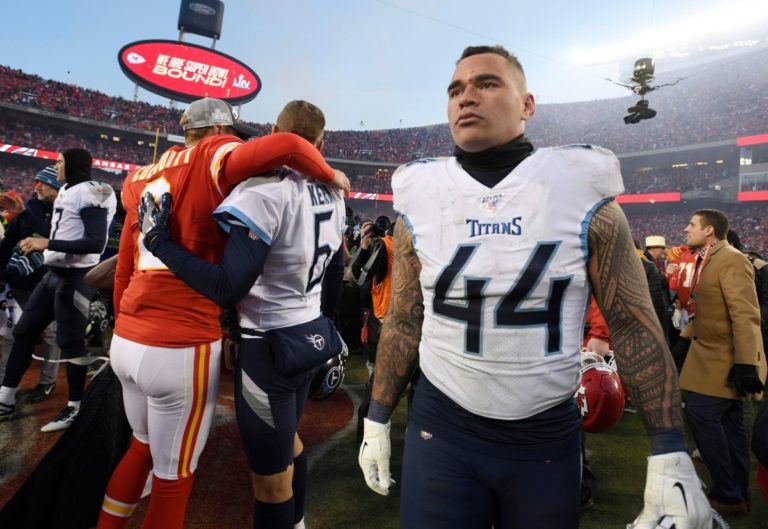
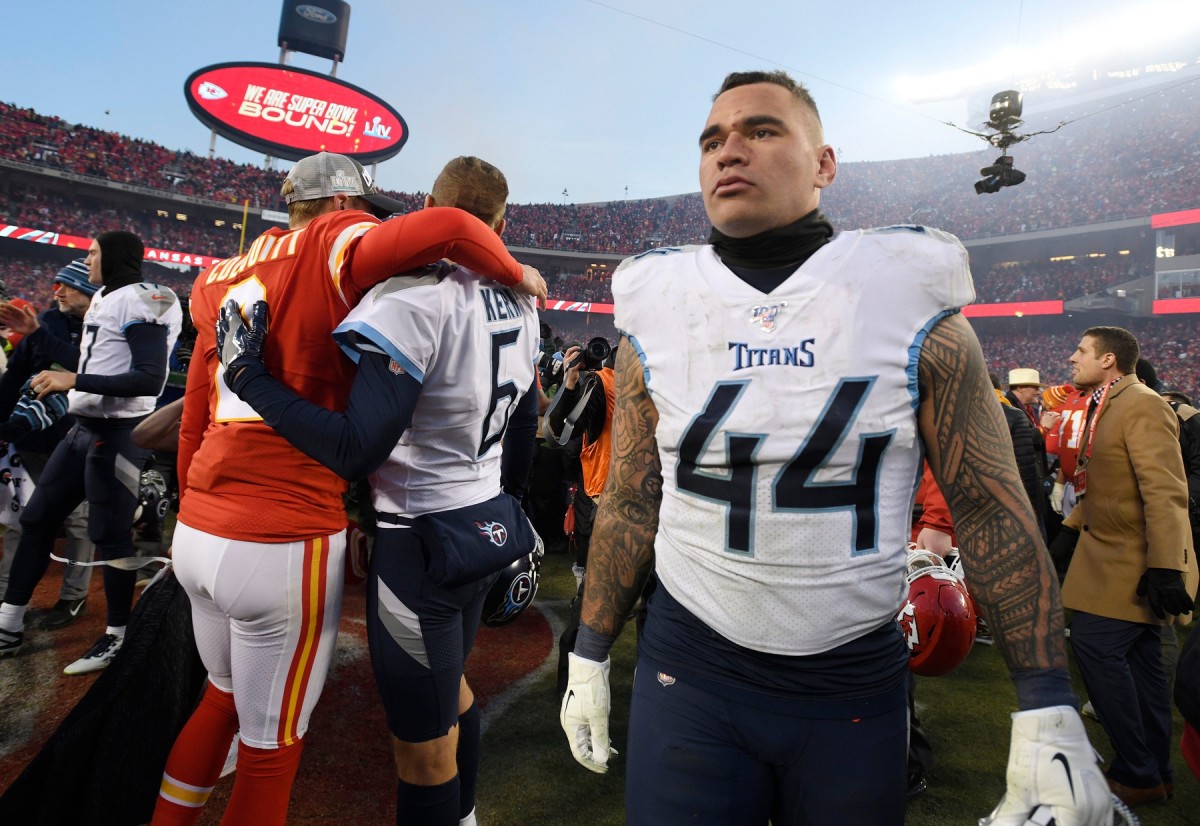
Correa was a second-round pick in the 2016 NFL Draft, selected by the Baltimore Ravens. He has spent five years in the league, playing for the Ravens, Tennesee Titans and Jacksonville Jaguars.
Correa was selected in the second round of the 2016 NFL Draft by the Ravens. He played in nine games, recording four tackles and a forced fumble in his rookie season before being placed on injured reserve.
Following his injury, Correa played in all 16 games for Baltimore and logged eight tackles.
Despite playing the full season in 2017, Correa was traded to the Titans before the start of the 2018 season for a sixth-round pick in the 2019 NFL Draft. Correa collected his first career sack with Tennessee. He finished the 2018 season with 37 tackles, 5 sacks, two pass deflections, and a fumble recovery. He recorded two sacks and 13 tackles during the playoffs.
Correa re-signed with the Titans for the 2020 season on a one-year, $3.5 million deal. Before his deal was up, Correa was traded once again. The Titans traded Correa to the Jacksonville Jaguars in exchange for a sixth-round pick.
Correa has recorded 84 career tackles, 8.5 sacks and two forced fumbles in his five-year career.
Correa seemed like a possible depth piece when the Chiefs added him in May, but with linebackers like veteran Anthony Hitchens, second-year second-round pick Willie Gay Jr., rookie second-round pick Nick Bolton and veteran Ben Niemann, the Chiefs seem to be looking elsewhere (or nowhere else at all) for more linebacker help.
The Correa release may be more interesting if they viewed him as edge-rushing help, potentially opening the door for another veteran pass-rusher like Melvin Ingram III or Justin Houston.
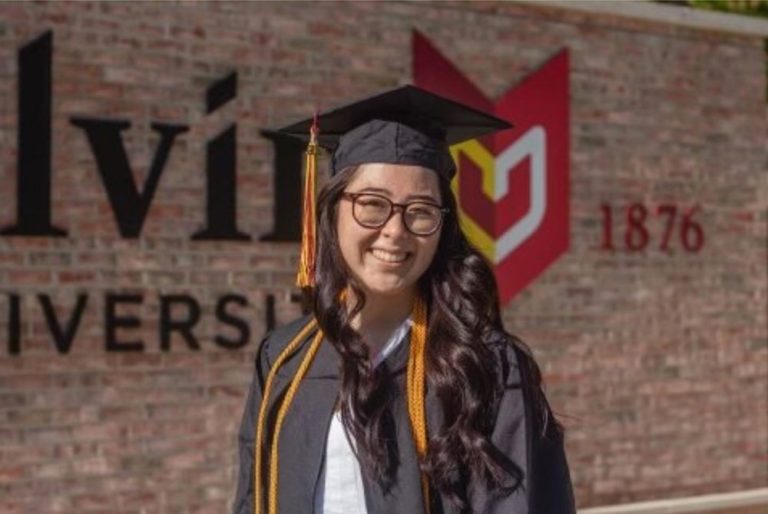
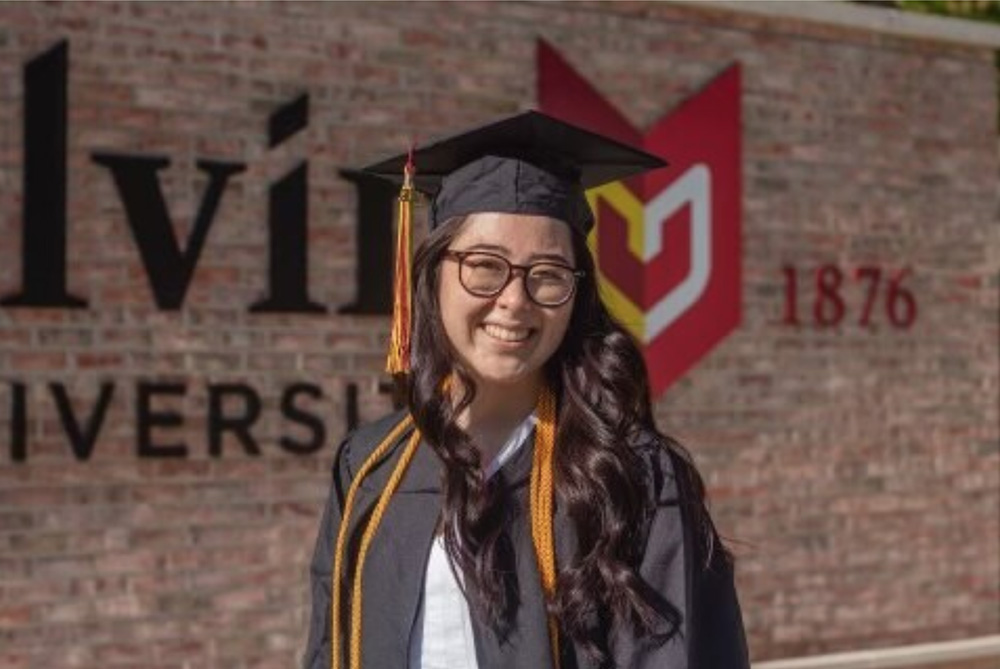
(RNS) — When she suited up in cap and gown to accept her diploma from Calvin University last month, Claire Murashima felt proud of her bachelor’s degree in marketing management.
But to Murashima and to many of her fellow graduates, her more singular and unexpected achievement was having navigated her senior year while serving as the first openly gay student body president in the history of the landmark Christian university in Grand Rapids, Michigan.
The raven-haired 22-year-old, who grew up attending evangelical churches in California and North Carolina and identifies as queer or bisexual, filled her post at the 145-year-old school by taking principled stands about her sexual orientation, while maintaining — or at least seeking — the respect of her mostly straight peers and elders.
“I wasn’t trying to do anything revolutionary or harmful to Calvin,” said Murashima. “I mainly came out so people could look to me and know they didn’t have to give up their faith if they’re in the LGBTQ community.”
Calvin is affiliated with the Christian Reformed Church, a small denomination that holds that “homosexual practice … is incompatible with obedience to the will of God as revealed in Scripture.” Same-sex orientation in and of itself, however, is not a sin, and Murashima made a personal decision not to date women or have sex the year she was student body president.
The school, named after John Calvin, the 16th-century Protestant Reformer, let her be. While other Christian schools may have found a cause for dismissal, Murashima was not censured, disciplined or otherwise harassed for coming out.
“For a CCCU institution, Calvin is relatively welcoming,” said Joseph Kuilema, an assistant professor of sociology and social work who taught Murashima this past year, referring to the Council for Christian Colleges and Universities, an umbrella group. But he added the university still had work to do to be fully welcoming.
A rough estimate puts the number of LGBTQ students attending Christian universities in the U.S. at about 100,000. The schools that make up the CCCU share a traditional Christian view of marriage as between a man and a woman. None of the schools allow LGBTQ people as full-time faculty or staff, and aside from Murashima, few, if any, LGBTQ students at the 180 CCCU schools have risen to positions of leadership.
In March, 33 LGBTQ students or former students at federally funded Christian colleges and universities filed a class-action lawsuit against the U.S. Department of Education. In it, they claim the department’s religious exemption allows schools that receive federal dollars to unconstitutionally discriminate against LGBTQ students. Only about half recognize LGBTQ alliance groups on campus.
Calvin’s LGBTQ affinity group, called SAGA (Sexuality and Gender Awareness), is vibrant, and the LGBTQ community also holds a regular Bible study. Calvin students were not among the 33 named in the class-action lawsuit against the Department of Education.
“I think a lot of what Calvin excels at is starting conversations,” said Joseph Newton, 23, a student who identifies as nonbinary and queer. “It’s invested in the well-being of its students. It’s listening to their concerns.”
That doesn’t mean being an LGBTQ student at Calvin is easy. At least, it wasn’t for Murashima.
Claire Murashima after graduating from Calvin University in May. Courtesy photo by Darian Seale
She arrived on campus from North Carolina proud of her Dutch Reformed ancestry on her mother’s side and her family’s legacy at Calvin: Her mother, uncle and grandparents all attended. At nondenominational Chapel Hill Bible Church, she was active in the congregation’s youth group and participated in four mission trips.
Adjusting to a more conservative environment, as well as Grand Rapids’ cold and gray winters, was difficult. She also struggled to reconcile her love for a fellow female student and her Christian faith that saw homosexuality as sinful.
“I was pretty depressed my freshman and sophomore years,” Murashima said. “I didn’t have a solid group of friends. I was grappling with my sexuality all alone. I kept breaking up and getting back together with a girl.” (The two are now friends.)
“I didn’t want to fully pursue this question,” she said. “If I found I was called to live a life of celibacy, I didn’t want to commit to that at age 19 or 20.”
But she had served on the school’s student senate and had found a passion for social justice. One of her proudest achievements was getting the university to start an annual dance marathon to raise money for a local children’s hospital.
The coronavirus pandemic hit while she was on an internship at the American Enterprise Institute, a Washington, D.C., think tank, and she found herself with time on her hands. She decided to spend it launching a campaign for student body president.
She won the election on May 8, 2020. By then, Murashima knew she was gay and had already come out to her mother and one of her roommates. But she was not active in the LGBTQ group on campus and had made a strategic decision not to come out publicly until after the vote.
“I wanted to work within the system,” she said. “I didn’t want to run the place down.”
As the fall semester started, she drafted an opinion piece for Chimes, the student newspaper, declaring her sexual orientation. She knew she was walking a tightrope and she solicited feedback, sharing her draft with 13 people, including the university president, several deans, professors and a chaplain.
“I didn’t want to catch anyone off guard,” she said. “I wanted to share my story and not undermine them. My question was not, ‘Should I do this?’ but ‘How should I do this?’”
“In the 102 years that Student Senate has existed, we’ve never had an openly gay student body president,” she wrote. “I’m proud to be the first.”
The response was mostly positive. Some professors and students reiterated their views that the Scriptures forbid sex outside of heterosexual marriage, but the discourse was mostly polite. A professor who holds to a traditional view of sexuality even invited her to his home for dinner.
Over the course of the school year she worked hard, she said, to prove to Calvin’s more conservative students she could follow God, be gay and lead well.
She avoided hot-button words like “homophobia” or “discrimination,” and tried her best to listen and give people of different views opportunities to be heard.
Her tenure coincided with a debate within the Christian Reformed Church over whether its sexuality teaching should be elevated to the authority of a confession or church doctrine. The issue will be debated at next year’s meeting of the church’s synod, or governing body.
The CRC has no openly gay clergy. Recently a Christian Reformed Church in Grand Rapids appointed a person in a same-sex marriage to the position of deacon or lay leader — a first in the denomination of about 210,000 members.
In March, a group of conservative students set out a table on campus with a banner that read “LGBTQ is sin.” The university responded by saying the students did not have permission for the table or the banner. The incident was mostly notable for the hundreds of students who organized a silent protest in response.
Murashima is still figuring out her future. She’s planning on moving to Washington in the fall, perhaps to pursue journalism. She’s comfortable holding onto the tension between her faith and her sexuality and will be looking for a new church home.
“I don’t have my life all figured out and it’s good not to,” she said, “because I find God when I’m asking a question.”
(RNS) — When she suited up in cap and gown to accept her diploma from Calvin University last month, Claire Murashima felt proud of her bachelor’s degree in marketing management.
But to Murashima and to many of her fellow graduates, her more singular and unexpected achievement was having navigated her senior year while serving as the first openly gay student body president in the history of the landmark Christian university in Grand Rapids, Michigan.
The raven-haired 22-year-old, who grew up attending evangelical churches in California and North Carolina and identifies as queer or bisexual, filled her post at the 145-year-old school by taking principled stands about her sexual orientation, while maintaining — or at least seeking — the respect of her mostly straight peers and elders.
“I wasn’t trying to do anything revolutionary or harmful to Calvin,” said Murashima. “I mainly came out so people could look to me and know they didn’t have to give up their faith if they’re in the LGBTQ community.”
Calvin is affiliated with the Christian Reformed Church, a small denomination that holds that “homosexual practice … is incompatible with obedience to the will of God as revealed in Scripture.” Same-sex orientation in and of itself, however, is not a sin, and Murashima made a personal decision not to date women or have sex the year she was student body president.
The school, named after John Calvin, the 16th-century Protestant Reformer, let her be. While other Christian schools may have found a cause for dismissal, Murashima was not censured, disciplined or otherwise harassed for coming out.
“For a CCCU institution, Calvin is relatively welcoming,” said Joseph Kuilema, an assistant professor of sociology and social work who taught Murashima this past year, referring to the Council for Christian Colleges and Universities, an umbrella group. But he added the university still had work to do to be fully welcoming.
A rough estimate puts the number of LGBTQ students attending Christian universities in the U.S. at about 100,000. The schools that make up the CCCU share a traditional Christian view of marriage as between a man and a woman. None of the schools allow LGBTQ people as full-time faculty or staff, and aside from Murashima, few, if any, LGBTQ students at the 180 CCCU schools have risen to positions of leadership.
In March, 33 LGBTQ students or former students at federally funded Christian colleges and universities filed a class-action lawsuit against the U.S. Department of Education. In it, they claim the department’s religious exemption allows schools that receive federal dollars to unconstitutionally discriminate against LGBTQ students. Only about half recognize LGBTQ alliance groups on campus.
Calvin’s LGBTQ affinity group, called SAGA (Sexuality and Gender Awareness), is vibrant, and the LGBTQ community also holds a regular Bible study. Calvin students were not among the 33 named in the class-action lawsuit against the Department of Education.
“I think a lot of what Calvin excels at is starting conversations,” said Joseph Newton, 23, a student who identifies as nonbinary and queer. “It’s invested in the well-being of its students. It’s listening to their concerns.”
That doesn’t mean being an LGBTQ student at Calvin is easy. At least, it wasn’t for Murashima.
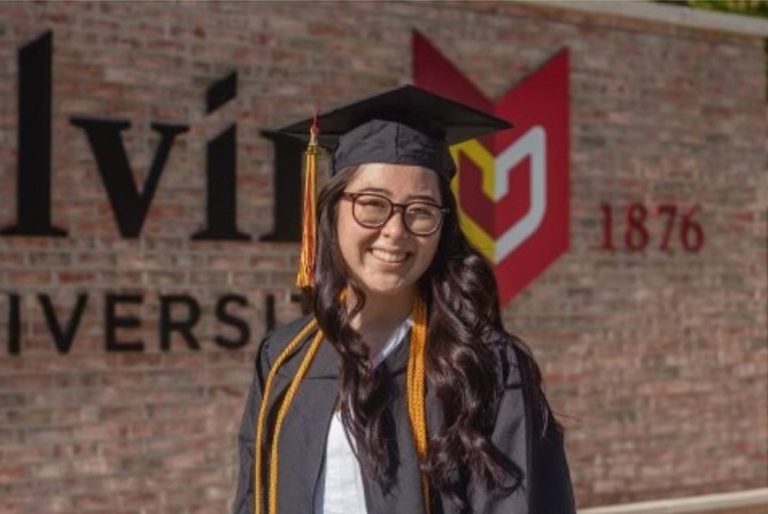
Claire Murashima after graduating from Calvin University in May. Courtesy photo by Darian Seale
She arrived on campus from North Carolina proud of her Dutch Reformed ancestry on her mother’s side and her family’s legacy at Calvin: Her mother, uncle and grandparents all attended. At nondenominational Chapel Hill Bible Church, she was active in the congregation’s youth group and participated in four mission trips.
Adjusting to a more conservative environment, as well as Grand Rapids’ cold and gray winters, was difficult. She also struggled to reconcile her love for a fellow female student and her Christian faith that saw homosexuality as sinful.
“I was pretty depressed my freshman and sophomore years,” Murashima said. “I didn’t have a solid group of friends. I was grappling with my sexuality all alone. I kept breaking up and getting back together with a girl.” (The two are now friends.)
“I didn’t want to fully pursue this question,” she said. “If I found I was called to live a life of celibacy, I didn’t want to commit to that at age 19 or 20.”
But she had served on the school’s student senate and had found a passion for social justice. One of her proudest achievements was getting the university to start an annual dance marathon to raise money for a local children’s hospital.
The coronavirus pandemic hit while she was on an internship at the American Enterprise Institute, a Washington, D.C., think tank, and she found herself with time on her hands. She decided to spend it launching a campaign for student body president.
She won the election on May 8, 2020. By then, Murashima knew she was gay and had already come out to her mother and one of her roommates. But she was not active in the LGBTQ group on campus and had made a strategic decision not to come out publicly until after the vote.
“I wanted to work within the system,” she said. “I didn’t want to run the place down.”
As the fall semester started, she drafted an opinion piece for Chimes, the student newspaper, declaring her sexual orientation. She knew she was walking a tightrope and she solicited feedback, sharing her draft with 13 people, including the university president, several deans, professors and a chaplain.
“I didn’t want to catch anyone off guard,” she said. “I wanted to share my story and not undermine them. My question was not, ‘Should I do this?’ but ‘How should I do this?’”
“In the 102 years that Student Senate has existed, we’ve never had an openly gay student body president,” she wrote. “I’m proud to be the first.”
The response was mostly positive. Some professors and students reiterated their views that the Scriptures forbid sex outside of heterosexual marriage, but the discourse was mostly polite. A professor who holds to a traditional view of sexuality even invited her to his home for dinner.
Over the course of the school year she worked hard, she said, to prove to Calvin’s more conservative students she could follow God, be gay and lead well.
She avoided hot-button words like “homophobia” or “discrimination,” and tried her best to listen and give people of different views opportunities to be heard.
Her tenure coincided with a debate within the Christian Reformed Church over whether its sexuality teaching should be elevated to the authority of a confession or church doctrine. The issue will be debated at next year’s meeting of the church’s synod, or governing body.
The CRC has no openly gay clergy. Recently a Christian Reformed Church in Grand Rapids appointed a person in a same-sex marriage to the position of deacon or lay leader — a first in the denomination of about 210,000 members.
In March, a group of conservative students set out a table on campus with a banner that read “LGBTQ is sin.” The university responded by saying the students did not have permission for the table or the banner. The incident was mostly notable for the hundreds of students who organized a silent protest in response.
Murashima is still figuring out her future. She’s planning on moving to Washington in the fall, perhaps to pursue journalism. She’s comfortable holding onto the tension between her faith and her sexuality and will be looking for a new church home.
“I don’t have my life all figured out and it’s good not to,” she said, “because I find God when I’m asking a question.”


 Screenshot: Disney
 Screenshot: Disney
 Screenshot: Disney
 Screenshot: Disney
 Screenshot: Disney
 Screenshot: Disney
 Screenshot: Disney