Keep it Clean. Please avoid obscene, vulgar, lewd,
racist or sexually-oriented language. PLEASE TURN OFF YOUR CAPS LOCK. Don’t Threaten. Threats of harming another
person will not be tolerated. Be Truthful. Don’t knowingly lie about anyone
or anything. Be Nice. No racism, sexism or any sort of -ism
that is degrading to another person. Be Proactive. Use the ‘Report’ link on
each comment to let us know of abusive posts. Share with Us. We’d love to hear eyewitness
accounts, the history behind an article.
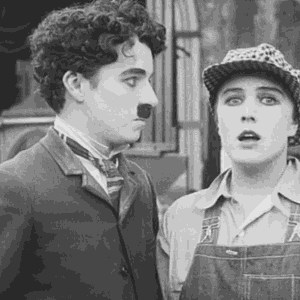
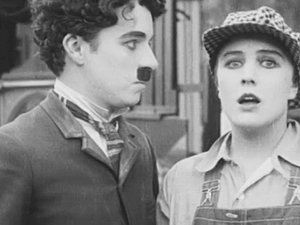
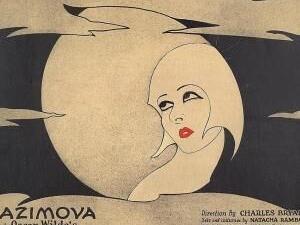
Depictions of queer and trans people have been present in the film medium since its inception more than 100 years ago. But due to censorship and varying degrees of prejudice against the LGBTQ+ community at different points in time, representation onscreen has a long, complicated, and often coded history. While gay characters were frequently used for laughs or not explicitly stated to be queer in most early mainstream Hollywood films, a brief relaxation in Germany’s film production code in the early 20th century allowed for LGBTQ+ classics like “Anders als die Anderen” and “Mädchen in Uniform.”
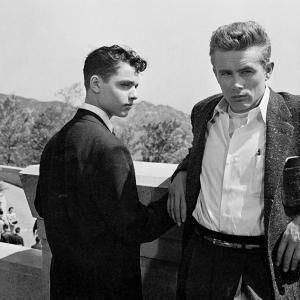
In Hollywood, the strict Hays Code forbade explicit depictions of homosexuality on film for three decades, during which there were a slew of queer-coded villains. Afterwards, gay characters appeared more, but often in tragic stories like 1961’s “The Children’s Hour.”
Although LGBTQ+ representation remained sparse over the next few decades, queer camp in the 1970s saw a rise in popularity with the increased prominence of “The Rocky Horror Picture Show” and the films of John Waters. Later, the New Queer Cinema in the 1990s flourished, as many independent filmmakers (many of whom were gay) told fluid, empathetic stories about queer individuals.
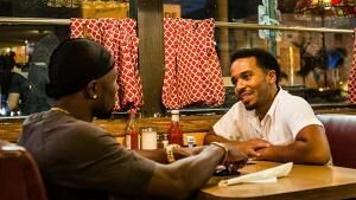
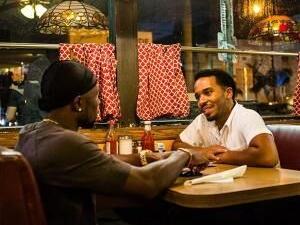
“Moonlight” made history in 2017 as the first LGBTQ+ movie to win the Oscar for Best Picture. The film, which features an all-Black cast, was one big step toward making gay cinema that isn’t whitewashed, features a range of identities, and doesn’t make its queer characters one-note or vehicles of suffering.
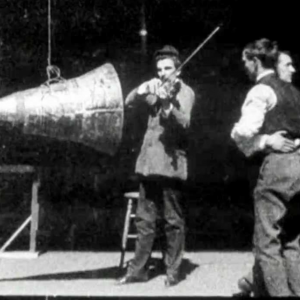
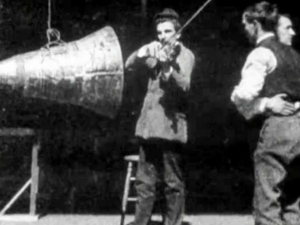
Stacker compiled a list of 50+ significant moments in the history of LGBTQ+ representation on film, using information from cultural critiques, film reviews and retrospectives, film scholars, and historical records to understand how the community has been represented on the big screen over the decades. The history starts in 1894, with the very first gay film, and ends in 2021 with a mainstream children’s movie featuring a main character who is queer.
Keep it Clean. Please avoid obscene, vulgar, lewd,
racist or sexually-oriented language. PLEASE TURN OFF YOUR CAPS LOCK. Don’t Threaten. Threats of harming another
person will not be tolerated. Be Truthful. Don’t knowingly lie about anyone
or anything. Be Nice. No racism, sexism or any sort of -ism
that is degrading to another person. Be Proactive. Use the ‘Report’ link on
each comment to let us know of abusive posts. Share with Us. We’d love to hear eyewitness
accounts, the history behind an article.
“Portrait of Jason” was shot over 12 hours, as experimental filmmaker Shirley Clarke interviewed Jason Holliday—a Black gay sex worker and aspiring cabaret dancer. Although one could argue that such a grueling interview process was exploitative, Holliday’s musings about his life, dreams, and art in the face of societal anti-Blackness and homophobia provide the kind of intersectional look at LGBTQ+ identity that ’60s media sorely lacked.
Keep it Clean. Please avoid obscene, vulgar, lewd,
racist or sexually-oriented language. PLEASE TURN OFF YOUR CAPS LOCK. Don’t Threaten. Threats of harming another
person will not be tolerated. Be Truthful. Don’t knowingly lie about anyone
or anything. Be Nice. No racism, sexism or any sort of -ism
that is degrading to another person. Be Proactive. Use the ‘Report’ link on
each comment to let us know of abusive posts. Share with Us. We’d love to hear eyewitness
accounts, the history behind an article.
Keep it Clean. Please avoid obscene, vulgar, lewd,
racist or sexually-oriented language. PLEASE TURN OFF YOUR CAPS LOCK. Don’t Threaten. Threats of harming another
person will not be tolerated. Be Truthful. Don’t knowingly lie about anyone
or anything. Be Nice. No racism, sexism or any sort of -ism
that is degrading to another person. Be Proactive. Use the ‘Report’ link on
each comment to let us know of abusive posts. Share with Us. We’d love to hear eyewitness
accounts, the history behind an article.
...CRITICAL FIRE WEATHER CONDITIONS TODAY WITH LOW HUMIDITY AND
STRONG WINDS... .Windy conditions in tandem with low humidity are expected today.
The upper level ridge is breaking down and zonal flow is setting
up over the region as an upper trough strengthens to the north.
This strengthening will promote breezy conditions this afternoon
and Saturday. Confidence is low in critical fire weather
conditions being met Saturday due to cooling temperatures and
increasing humidities. ...RED FLAG WARNING REMAINS IN EFFECT FROM 11 AM THIS MORNING TO
10 PM PDT THIS EVENING FOR WIND AND LOW RELATIVE HUMIDITY FOR
FIRE WEATHER ZONES OR639, OR640, OR641, WA639, WA641, AND WA675... * AFFECTED AREA...Fire Weather Zones 639 East Slopes of the
Northern Oregon Cascades, 639 East Slopes of the Southern
Washington Cascades, 640 Central Mountains of Oregon, 641
Lower Columbia Basin of Oregon, 641 Lower Columbia Basin of
Washington and 675 Eastern Washington Southern Columbia Basin. * WINDS...West 15 to 25 mph with gusts up to 40 mph. * RELATIVE HUMIDITY...As low as 10 to 13 percent. * IMPACTS...Increased chance of rapid fire growth on new or
existing fires. PRECAUTIONARY/PREPAREDNESS ACTIONS... A Red Flag Warning means that critical fire weather conditions
are either occurring now....or will shortly. A combination of
strong winds...low relative humidity...and warm temperatures can
contribute to extreme fire behavior. &&
...CRITICAL FIRE WEATHER CONDITIONS TODAY WITH LOW HUMIDITY AND
STRONG WINDS... .Windy conditions in tandem with low humidity are expected today.
The upper level ridge is breaking down and zonal flow is setting
up over the region as an upper trough strengthens to the north.
This strengthening will promote breezy conditions this afternoon
and Saturday. Confidence is low in critical fire weather
conditions being met Saturday due to cooling temperatures and
increasing humidities. ...RED FLAG WARNING REMAINS IN EFFECT FROM 11 AM THIS MORNING TO
10 PM PDT THIS EVENING FOR WIND AND LOW RELATIVE HUMIDITY FOR
FIRE WEATHER ZONES OR639, OR640, OR641, WA639, WA641, AND WA675... * AFFECTED AREA...Fire Weather Zones 639 East Slopes of the
Northern Oregon Cascades, 639 East Slopes of the Southern
Washington Cascades, 640 Central Mountains of Oregon, 641
Lower Columbia Basin of Oregon, 641 Lower Columbia Basin of
Washington and 675 Eastern Washington Southern Columbia Basin. * WINDS...West 15 to 25 mph with gusts up to 40 mph. * RELATIVE HUMIDITY...As low as 10 to 13 percent. * IMPACTS...Increased chance of rapid fire growth on new or
existing fires. PRECAUTIONARY/PREPAREDNESS ACTIONS... A Red Flag Warning means that critical fire weather conditions
are either occurring now....or will shortly. A combination of
strong winds...low relative humidity...and warm temperatures can
contribute to extreme fire behavior. &&
Partly cloudy and windy. High near 75F. Winds W at 20 to 30 mph. Winds could occasionally gust over 40 mph..
Tonight
Clear to partly cloudy. Gusty winds during the evening. Low 48F. WSW winds at 20 to 30 mph, decreasing to 5 to 10 mph. Winds could occasionally gust over 40 mph.
Depictions of queer and trans people have been present in the film medium since its inception more than 100 years ago. But due to censorship and varying degrees of prejudice against the LGBTQ+ community at different points in time, representation onscreen has a long, complicated, and often coded history. While gay characters were frequently used for laughs or not explicitly stated to be queer in most early mainstream Hollywood films, a brief relaxation in Germany’s film production code in the early 20th century allowed for LGBTQ+ classics like “Anders als die Anderen” and “Mädchen in Uniform.”
In Hollywood, the strict Hays Code forbade explicit depictions of homosexuality on film for three decades, during which there were a slew of queer-coded villains. Afterwards, gay characters appeared more, but often in tragic stories like 1961’s “The Children’s Hour.”
Although LGBTQ+ representation remained sparse over the next few decades, queer camp in the 1970s saw a rise in popularity with the increased prominence of “The Rocky Horror Picture Show” and the films of John Waters. Later, the New Queer Cinema in the 1990s flourished, as many independent filmmakers (many of whom were gay) told fluid, empathetic stories about queer individuals.
“Moonlight” made history in 2017 as the first LGBTQ+ movie to win the Oscar for Best Picture. The film, which features an all-Black cast, was one big step toward making gay cinema that isn’t whitewashed, features a range of identities, and doesn’t make its queer characters one-note or vehicles of suffering.
Stacker compiled a list of 50+ significant moments in the history of LGBTQ+ representation on film, using information from cultural critiques, film reviews and retrospectives, film scholars, and historical records to understand how the community has been represented on the big screen over the decades. The history starts in 1894, with the very first gay film, and ends in 2021 with a mainstream children’s movie featuring a main character who is queer.
A native of upstate New York, Cathy Connolly moved west in 1992 to teach at the University of Wyoming in Laramie. She’s a professor in the university’s School of Culture, Gender, and Social Justice, and in 2008 she became the first out member of the LGBTQ+ community to be elected to the Wyoming House of Representatives. She’s still there, having been joined by other out legislators, and is minority floor leader, a Democrat in a heavily Republican state. Connolly, a lesbian, has made advocacy for LGBTQ+ people and other marginalized groups a hallmark of her career, in the legislature and elsewhere. She’s trying to get a hate-crimes bill passed in Wyoming, one of only three states with no hate-crimes law at all, let alone one that covers crimes based on anti-LGBTQ bias. That’s an uphill battle, but she remains dedicated to “keeping the needs of our communities front and center in all conversations and policy debates,” she says. Connolly, 64, is currently single, with a family that includes her son, Lucas, a comedian, and his photographer girlfriend, Jenni, plus two other chosen family members, Melanie and Aimee.
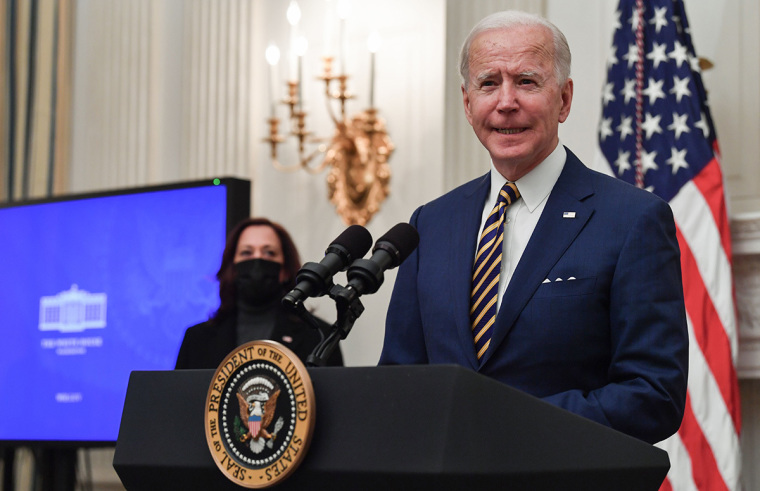
U.S. President Joe Biden speaks about the Covid-19 response before signing executive orders for economic relief to Covid-hit families and businesses in the State Dining Room of the White House in Washington, D.C., on January 22, 2021. | NICHOLAS KAMM/AFP via Getty Images
President Joe Biden issued a presidential proclamation in recognition of LGBT Pride Month, touting the large number of LGBT individuals who serve in his administration and slamming state laws that prohibit biological males from competing in girls’ sports.
The proclamation, issued Tuesday, calls on Americans to “recognize the valuable contributions of LGBTQ+ individuals across America” and “reaffirm our commitment to standing in solidarity with LGBTQ+ Americans in their ongoing struggle against discrimination and injustice” throughout June, which he declared as Lesbian, Gay, Bisexual, Transgender and Queer Pride Month. He reported that “Nearly 14 percent of my 1,500 agency appointees identify as LGBTQ+.”
The president specifically highlighted Transportation Secretary Pete Buttigieg as “the first openly LGBTQ+ person to serve in the cabinet” and Assistant Health Secretary Dr. Rachel Levine as “the first openly transgender person to be confirmed by the Senate.”
While Buttigieg is the first openly gay cabinet member confirmed by the Senate, Richard Grenell, who briefly served as the acting director of National Intelligence during the final year of the Trump administration, was the first openly gay person to serve in a presidential cabinet, although he was never confirmed by the Senate for that position.
Biden lamented that “for all of our progress, there are still many states in which LGBTQ+ individuals lack protections for fundamental rights and dignity in hospitals, schools, public accommodations, and other spaces.” He specifically expressed concern that “some states have chosen to actively target transgender youth through discriminatory bills that defy our Nation’s values of inclusivity and freedom for all.”
While the president did not elaborate on the contents of the aforementioned “discriminatory bills,” he was likely talking about the efforts of states to require student-athletes to compete on sports teams that correspond to their birth sex as opposed to their chosen gender identity. Florida became the most recent state to enact such a law earlier this week, joining Alabama, Arkansas, Idaho, Mississippi, Montana, Tennessee and West Virginia.
“My administration is taking historic actions to finally deliver full equality for LGBTQ+ families,” he added. “On my first day in office, I signed an Executive Order charging federal agencies to fully enforce all federal laws that prohibit discrimination on the basis of gender identity or sexual orientation. As a result, the federal government has taken steps to prevent discrimination against LGBTQ+ people in employment, health care, housing, lending, and education.”
After mentioning his executive order allowing transgenders to serve openly in the U.S. military, Biden asserted that “LGBTQ+ rights are human rights, which is why my administration has reaffirmed America’s commitment to supporting those on the front lines of the equality and democracy movements around the world, often at great risk.” According to the president, “We see you, we support you, and we are inspired by your courage to accept nothing less than full equality.”
Additionally, Biden vowed that “I will not rest until full equality for LGBTQ+ Americans is finally achieved and codified into law.” He urged Congress to pass the Equality Act, a wide-reaching legislative package that Democrats argue is necessary to enshrine nondiscrimination protections against the LGBT community into federal law.
Critics of the legislation argue that the Equality Act’s prohibition against discrimination on the basis of sexual orientation and gender identity will require schools to allow boys who identify as females to compete in women’s sports despite the inherent physiological advantage males enjoy over females in athletics. The U.S. House of Representatives has already passed the Equality Act, but opposition from both Democrats and Republicans has prevented it from passing in the Senate.
“During LGBTQ+ Pride Month, we recognize the resilience and determination of the many individuals who are fighting to live freely and authentically,” he concluded. “In doing so, they are opening hearts and minds, and laying the foundation for a more just and equitable America. This Pride Month, we affirm our obligation to uphold the dignity of all people, and to dedicate ourselves to protecting the most vulnerable among us.”
Biden also asked the American people to “recognize the achievements of the LGBTQ+ community, to celebrate the great diversity of the American people, and to wave their flags of pride high.” In recognition of Pride Month, the U.S. Embassy to the Vatican is flying the rainbow flag despite the Catholic Church’s opposition to same-sex marriage.
In response to criticism over the government’s endorsement of a political movement, Rep. Nicole Malliotakis, R-N.Y., has introduced the Stars and Stripes Act, which would limit the flags that can be flown at diplomatic or consular posts to the American flag, the flag of the country where the post is located, the flag of a particular state or territory in the U.S., a “departmental or secretarial flag,” the flag of an Armed Force, or “a flag designed to honor persons who are classified as prisoners of war or missing-in-action.”
In addition to outlining his administration’s vision on LGBT issues, Biden’s presidential proclamation highlights the history of LGBT activism in the United States, from the Stonewall riots of 1969 that he argued “sparked a liberation movement” to the legalization of same-sex marriage in 2015.
Cruella has been a hot topic ever since it hit theaters last weekend as moviegoers instantly fell in love. Emma Stone, who played the titular character of Estella (aka Cruella) and Emma Thompson, who took on the role of Baroness, completely killed it and has had people talking non-stop.
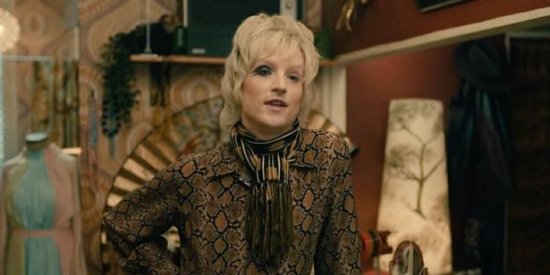
But those two actresses aren’t the only ones from the live-action film that grabbed the eyes of the audience. John McCrea, who plays the owner of a vintage shop and becomes friends with Emma Stone’s Estelle (aka Cruella), has been in the news as well.
Credit: Disney
If you’ve seen the movie, you know that McCrea’s character, Artie, is very flamboyant and the film even hints that he is a member of the LGBTQ+ community. Additionally, in a recent interview before Cruella came out, McCrea was asked if his character was gay, in which he replied with “for me, yes, it’s official: he’s queer”.
More recently, after the film’s debut, Politician Omar Navarro Tweeted out a complaint against McCrea’s character saying he “ruined [his] childhood”:
The new Disney Cruella with Emma Stone just ruined my childhood with an openly flamboyant gay in the movie.
Disney persist shoving the LGBT agenda down our throat.
The new Disney Cruella with Emma Stone just ruined my childhood with an openly flamboyant gay in the movie.
Disney persist shoving the LGBT agenda down our throat.
After the Tweet made its rounds on the social media platform, several other users came to Disney and McCrea’s defense — Including one of the biggest Disney fans out there.
John Stamos, known for his roles in Full House, Fuller House, and the new Disney+ Original, Big Shot, Retweeted Navarro’s original Tweet along with a clap back reply:
If that ruined your childhood, I hope you didn’t watch Full House. Three single men, living under one roof raising kids in San Francisco….
If that ruined your childhood, I hope you didn’t watch Full House. Three single men, living under one roof raising kids in San Francisco…. https://t.co/oCadf3xnIK
Stamos’s Tweet has gotten over 41.7k likes and 1.2k replies, most of which are supporting Stamos’s statement and McCrea’s character, Artie.
Queer communities have highly embraced Disney characters despite if they have been confirmed to be part of the LGBTQ community or not. In fact, just recently Raya from Raya and the Last Dragon has felt like the closest step to representing a gay character within a Disney movie with Kelly Marie Tran confirming her Disney princess is gay.
Additionally, Frozen’s Elsa has been brought up quite often when it comes to this topic. Before the second Frozen film debuted, songwriter Kristen Anderson-Lopez spoke on the topic of Elsa and a love interest, confirming she would not be getting one and why that was okay.
Credit: D23
“Like the first movie, Elsa is not just defined by a romantic interest,” Anderson-Lopez explained at the 2019 D23 Expo. “That’s not a story that we wanted to tell at this point in time. What we really wanted to tell was if you have these powers, how do you grow and change and find your place in the world and find answers that haven’t been found before?”
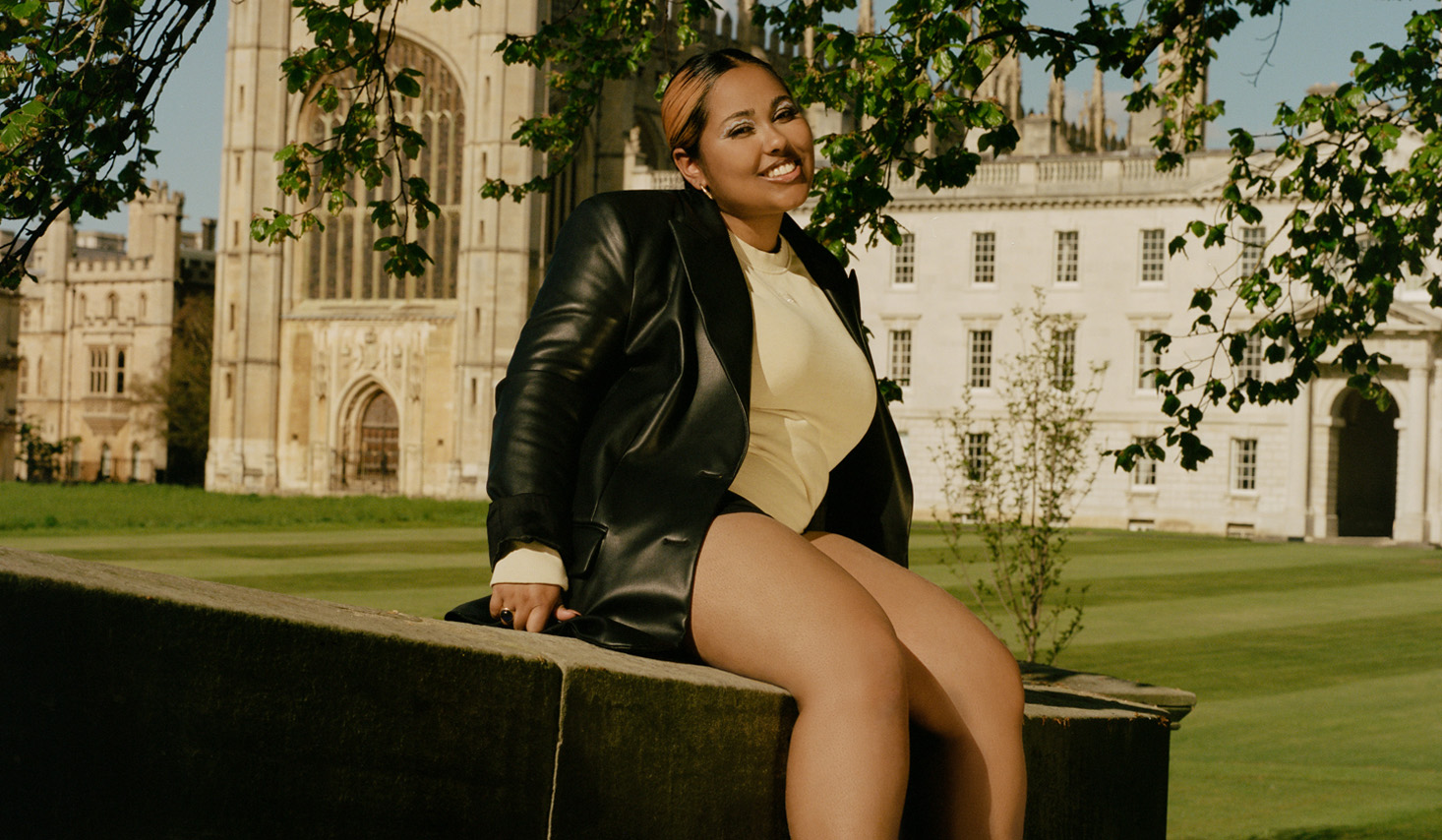
Having read a novel for a class, Sharleen’s focus was drawn to the descriptions of black trauma, and this was what consumed her contributions to a discussion in the following class. “Obviously, you have an emotional reaction to it,” she explains. “But a white girl started bringing up how she liked the ‘whimsical nature’, structural features and language techniques, and while she’s saying this, all I can think of is how reading the book was traumatising to me.”
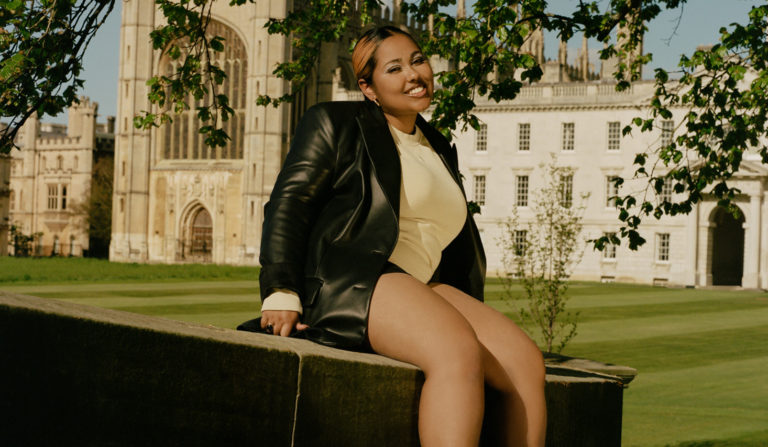
FUSE is the university’s society for LGBTQ+ students of colour. Started by students who sit at the intersection of both racialised and queer communities, the group was set up with the intention of providing support and community to the small body of students scattered across the university. Being part of two marginalised groups already sets these students adrift.
Faced with overwhelmingly white LGBTQ+ societies, students often feel outnumbered and unable to address questions of sensitivity. It’s not a theme exclusive to Cambridge.A study carried out by Stonewall found that over half of Black, Asian and ethnic minority people have experienced racism in the LGBTQ+ community.
Compounded with the university’s collegiate system, wherein students are split into different groups for their studies and accommodation, life can be lonely. FUSE aimed to surmount these gaps and draw these students together in a community of their own. Not only has this involved club nights, but also picnics, movie showings, and more pastoral care. Many students are in the closet, out only to fellow members, making the group one strongly built on trust and solidarity.
Facing discrimination from their individual religious groups and due to their individual backgrounds, regardless of what those backgrounds may be, draws these students together.
Isa*, 19, is a Muslim Bengali student, originally hailing from Birmingham. He says that these shared experiences are the glue that draws these students together. “We come from similar backgrounds. It’s easier to make friends that way because there are people who understand you more and where you’re coming from- why you are the way you are.”
To him, FUSE has characterised his experiences of Cambridge’s community. Feeling out of place in the bustling spaces in which he grew up, he sought to recreate the Eid of bygone days in a fresh environment, setting up a picnic for Muslims and non-Muslims alike. In spaces like this, where Isa* can enjoy freedom to express his true self as a gay man and a Muslim, are where he finds family. Unable to join the university’s Islamic and Bangladeshi societies out of fear of being targeted, the space set up for the celebration was like one he’d never seen before, with so many different queer people of colour gathered in one space.
As Pride month rolls around each June, big brands put out Pride merchandise seemingly as a sign of solidarity – but the trend is being criticized as an exploitative act of Rainbow Capitalism.
Karen Tongson, author and professor of gender and sexuality studies at the University of Southern California, defines Rainbow Capitalism as the “commodification of things related to LGBT culture, especially the concept of gay pride.” Think everything from Pride flags to rainbow-themed sweatshirts and sunglasses that can be found in stores as Pride month nears.
LEGO launching first-ever LGBTQ set ahead of Pride Month
The set has 11 monochrome figures that make up colors of the rainbow, a symbol of pride.
USA TODAY
“On the one hand, it promotes acceptance in the sense that it’s normalizing something that does need to continue to be normalized and accepted… But I think there’s also a kind of annoyance about the rank hypocrisy of some of these companies which in the past, might have actively discriminated against the LGBT community,” he says.
This year in particular there has been an increased call out of Rainbow Capitalism, prompted in part by TikTok users commenting on certain stores’ Pride collections.
User @ylracbutler described Target’s Pride line as “…interesting…”
“Besties i’m scared….” she wrote, showing off a rainbow suit and other items, garnering 1.4 million likes.
“We’re not circus clowns bro,” one user commented. Another joked, “(They) found the straightest intern and put him on this project.”
User @awolfsquared garnered 1.4 million likes for sharing critical clips of Walgreens’ Pride merchandise. One user pointed out that the products appeared to lack effort. “They really said ‘we have to do this so let’s make it quick,’ “ user @shelbyglenn.j wrote.
Target and Walgreens aren’t the only big brands to promote Pride, of course. Lego made waves in May by launching its first-ever LGBTQ-themed set, and Fossil is selling rainbow and transgender flag-colored wristbands. Apple, Disney, Adidas, Gap and more companies ranging from clothing to tech highlight Pride in some way.
Tongson says Rainbow capitalism allows big companies to profit off the queer experience.
LEGO is launching its first-ever LGBTQ-themed set ahead of Pride Month. The set includes 11 monochrome figures each with its own hairstyle and rainbow color.LEGO Group
“It just falls short in every possible way, in terms of actually providing systemic or structural change or justice for the community that it purports to represent,” she says. “Sure, it helps to see somebody who quote-unquote looks like you… (but) if that’s not backed up with with something substantive, like a real commitment to hiring LGBT people or making sure that there are no discriminatory laws… it’s not going to make any difference because people are still going to suffer the same injustices. They’ll just be able to drape themselves in rainbow gear while doing so.”
Coleman says the ongoing issue of safety for the community is another reason these campaigns may rub people the wrong way.
“That feeling like you’re being used in this way and exploited and taken advantage of would contribute to that feeling that your identity is somehow something that you’re not in complete control over,” he explains. “You don’t have complete control over the narrative about it and that could certainly increase feelings of anxiety or things related to that.”
People have also expressed their frustration with Rainbow Capitalism on social media.
Twitter user @notsoscify says Pride feels “co-opted as another ‘happy X’ holiday… especially with all the rainbow capitalism… it feels very disconnected to the actual reason for Pride.”
User @lgbtqbpd says Rainbow Capitalism “makes me feel so empty.”
The Minimalist 40mm watch gets a rainbow flag makeover this year.Fossil
One way brands try to make their actions meaningful is by donating a portion of the proceeds from sales of their Pride merchandise. But sometimes the donations are capped at a certain amount. For example, Abercrombie & Fitch give a set amount to its organization of choice, which as user @mckensea puts it “feels kind of weird because (they) are going to make more in profits than (they) are donating.”
Tongson says oftentimes the donations don’t ultimately wind up in the hands of the most impactful organizations. Instead, the money is “waterlogged into the same kind of corporate structures that these corporations are giving money to.”
The result is consumers of Pride gear are becoming more aware and making an effort to shop where proceeds will make the biggest impact, including shopping at small, queer-owned businesses.
For example, consumers are taking note when companies only feature underrepresented groups during their respective history or heritage months, says Ali Fazal, vice president of marketing at influencer marketing platform GRIN.
“(If) the only time they see LGBT people represented is during Pride Month, it’s clear that what you’re doing is not a long term evolution for your company and your marketing,” Fazal says. “You’re just trying to capitalize upon the seasonality of that month.”
Tongson agrees consumers are well aware Pride merchandise benefits the companies selling it, and they’re doing the work to examine the policies at those companies.
“It’s very easy to slap a rainbow on something but when it comes down to it, will you stand up for your trans employees as they’re facing say a discriminatory law?” she wonders. “So while people might appreciate the symbolic gesture, it remains purely symbolic.”
Karen Tongson, a professor of gender and sexuality studies at the University of Southern California.
People are still going to suffer the same injustices. They’ll just be able to drape themselves in rainbow gear while doing so.
Fazal hopes Pride lines can still have a “positive halo effect with society.”
For example, big stores that promote Pride lines may reach queer people in places where representation is otherwise scarce.
“Maybe the fact that Target has a Pride line is one of the more mainstream representations of LGBT Pride that they’ve been able to see wherever they live,” he explains.
Looking beyond shopping, Tongson points out that Rainbow Capitalism highlights the disconnect between Pride’s activism roots and what it is today.
“So many trans women of color and queers of color who are at the heart of these activists efforts have been erased from those histories as a more sanitized version of Pride has increasingly become the kind of corporate flavor of Pride,” she says.
She also advises people not to look towards these corporations for validation or “symbols of acceptance.”
“Expect more,” she says. “No bit of shopping, no matter how much capitalism tries to convince you of that, is going to make you feel freedom, you have to go and get it.”