Home Blog Page 96

Opinion | Life is precious, so live each day to the fullest – Washington Blade

The mental health of many has suffered amid the coronavirus pandemic, with rates of depression, anxiety, and other mental illnesses steadily rising since March 2020. Youth, especially those who identify as LGBTQ, are being hit especially hard by these manifestations. 

The Trevor Project’s 2021 Youth Mental Health National Survey found that 72 percent of LGBTQ+ people between the ages of 13 and 24 experienced symptoms of generalized anxiety disorder and 62 percent experience symptoms of major depressive disorder — a steep increase since the 2020 survey. This uptick can be attributed to the lack of support that two out of every three respondents to the 2021 survey experience in their homes. 

Due to the pandemic and resulting restrictions placed on social gatherings, LGBTQ youth are unable to participate in in-person activities where their identities are affirmed, and forced to endure misgendering and other discriminatory situations within their homes that are confirmed to increase feelings of loneliness, depression, and anxiety. Online crisis lines, LGBTQ organizations that offer online events for youth, and other resources that support young LGBTQ people are especially vital to their mental health during this time when school-wide Gender and Sexuality Alliances and counseling aren’t as widely accessible. 

Before the pandemic, LGBTQ youth were already suffering from mental illness at extremely high rates. The Trevor Project’s 2019 Youth Mental Health National Survey reported that 39 percent of respondents had seriously considered suicide, more than double the national statistic encompassing both LGBTQ and cisgender, heterosexual youth found in a CDC study the same year. 

The culture surrounding many LGBTQ students in their homes and schools contributes to their alarming rates of mental illness. 

The lack of positive representation of LGBTQ identities in books, on screen, and in classrooms leads youth to believe that there is no hope to ever have successful lives as openly LGBTQ people. 

The LGBTQ characters that young people do have to look up to are often unnecessarily killed off when the “bury your gays” trope is employed, or their storylines center around their LGBTQ identity and disregard any other part of their humanity; tricking them into thinking that they’re nothing beyond their sexual orientation or gender identity and can’t be functioning and productive members of their communities because of it. 

According to the Human Rights Campaign’s 2020 State Equality Index, only two U.S states have laws addressing discrimination against students based on sexual orientation, and only one state has legislated protections for transgender and gender-nonconforming students. Six states specifically restrict the inclusion of LGBTQ topics in curricula. 

The institutionalized exclusion of LGBTQ students from school curriculum further alienates them in spaces where they should feel comfortable and accepted for who they are and helps to facilitate a breeding ground for further discrimination. 

Students internalize the stereotypes, tropes, and other ways in which homophobia and transphobia permeate society and are poisoned with beliefs that they’re abnormal, perverted, and disgusting. Over time, this brainwashing eats away at the psyche of youth as they grow and leads to the high rates of mental health issues in LGBTQ youth. 

Straight and cisgender students are also affected by these failings and in turn, affect the mental health of their LGBTQ counterparts. They absorb the same falsehoods about LGBTQ people and their identities, and lash out at those who they’ve been taught are lesser than them, including their friends and classmates. The internal struggle that manifests in LGBTQ youth as well as external attacks from their peers results in the unique mental health crisis they face. 

LGBTQ youth have also been affected by the pandemic at a higher capacity than other groups. A 2017 study by Chapin Hall at the University of Chicago found that LGBTQ youth are over 100 percent more likely to report homelessness than straight and cisgender youth. 

Many LGBTQ people, especially members of the transgender community, avoid seeing doctors or mental health professionals due to the absence of protections for LGBTQ people and hostile experiences with medical personnel. 

Without access to spaces where they can interact with other LGBTQ youth, shelters in which they feel safe, LGBTQ affirming doctors, and policies in place that protect LGBTQ workers and patients, LGBTQ youth are struggling mentally in high volume that increased during the pandemic. 

The lives and futures of LGBTQ youth are not expendable, and it’s time that they stop being treated as such. Legislated protections for LGBTQ students and resources that are available to youth are necessary to combat the daunting rates of mental illness within the young LGBTQ community.

Maeve Korengold is a freelance journalist and student ambassador for Safe Space NOVA.
Jock Talk: I’m baaaaaack! Now, what did we miss? – Bay Area Reporter, America’s highest circulation LGBT newspaper

It was a bit more than a year ago that my weekly sports column in the Bay Area Reporter was suspended as part of the fallout from the global COVID-19 pandemic and the cessation of so much sports activity (especially on the recreational level). Normally in the span of 14 months my column would have been thrust upon the readership about 60 times; in the year-plus since my weekly column last appeared in late March 2020, my byline has surfaced but 10 times as news headlines warranted.

As we emerge into the new normal, my column returns, but on a twice-a-month schedule rather than weekly. This means I’ll have to hold my breath for twice as long as before. Fortunately, wearing a smothering mask during my waking hours the past year has prepared me for the task.

Now, let’s play catch-up.

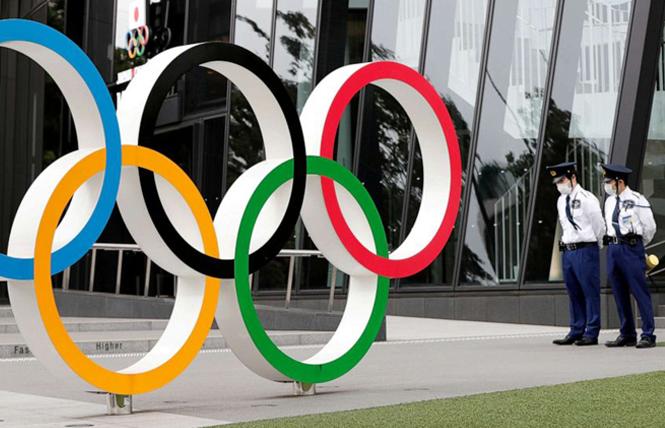
– The 2020 Summer Olympics were postponed and are now set to open July 23, in Tokyo — sans foreign spectators. In past Olympic cycles, we have preceded most games with stories about the human rights abuses involved in constructing the facilities, the financial ruin the event can place on the hosts, and round-the-clock hype for several months to whip us into flag-waving athletic frenzy.

Under the new normal, we are being told that a substantial majority of Japanese residents don’t want the Olympics to be held because they fear it will be a super-spreader event that will overwhelm the health care system while more than two-thirds of the citizens remain unvaccinated. We learn the Tokyo Olympics, whose budget has reportedly exploded from its initial $7 billion projection to as much as $35 billion, will siphon off 10,000 health care workers for its own needs. We read that hundreds of Japanese cities have either uninvited teams that planned to train in them, or that teams have uninvited themselves — again, because of fears of spreading the virus. And we hear that members of the ruling Liberal Democratic Party, while defeating a law that would have reflected the values of the Olympic Charter by protecting the civil rights of LGBTQ individuals, said queers were “morally unacceptable” and “resisting the preservation of the species that occurs naturally in biological terms,” and that transgender rights in other countries meant that “men” were able to win “lots of medals” competing against women and to use women’s restrooms. #foreheadpalmsmack

The new normal sure sounds a lot like the old normal.

– The Oakland A’s have renamed this week’s annual Pride Night to Glenn Burke Pride Night to honor the memory of the gay Bay Area native whose MLB career with the Dodgers and A’s was tragically short but inspired the High Five. Special promotional event tickets are available on the team website for the Friday, June 11, game against the Kansas City Royals. Ten dollars from each special event sale is to be donated to the Glenn Burke Wellness Clinic at the Oakland LGBTQ Community Center. For more information, visit https://www.mlb.com/athletics/tickets/specials (The San Francisco Giants held their Pride Night June 5, with Honey Mahogany, a Black queer trans person recently elected chair of the San Francisco Democratic Party, singing the national anthem.)

– The 2020 EuroGames were wiped out entirely by the pandemic, but registration is ongoing for the 2021 EuroGames in Copenhagen, Denmark as organizers express optimism the four-day event will be held as scheduled, August 17-20, even as some COVID-19 restrictions remain in force.

Registration is open at through July 12. A slate of 29 sports is planned. The base registration cost is 90 euros (about $110) for members of the European Gay and Lesbian Sports Federation, and 120 euros ($146) for non-members. The event website says registrants will receive full refunds if the event is cancelled because of COVID-19.

– Former 49ers assistant football coach Katie Sowers has left the team and joined the coaching staff with the Kansas City Chiefs, but the San Francisco NFL franchise has taken steps to up its image in the queer community.

The Niners have released an apparel line it says is “the only genderless retail line released by an NFL team;” and the section of the website dedicated to its fans who identify as LGBTQ is featuring video profiles of several of its most devoted LGBTQ fans throughout June. In addition, an Activism in Sports panel video will be available on the website Tuesday, June 22. Featured speakers include Sam Rapoport, NFL senior director of diversity, equity, and inclusion; Kimberly Chexnayder, NFL Media; former MMA fighter Fallon Fox; and Kurtis Gabriel, forward for the San Jose Sharks.

– The assault on transgender inclusion in sports continues its contentious course.

Take New Zealand, for example. Weightlifter Laurel Hubbard is expected to be the first transgender athlete to compete in the Olympics if they proceed as scheduled. But while she is allowed to compete with other women at the highest level of their sport, New Zealand rugby is still clutching its pearls debating whether it will allow transgender women recreational players to compete with other women or restrict them to playing with men.

This follows World Rugby’s misguided decision to ban transgender women from playing at the international level but to allow national federations to draw up their own rules for transgender inclusion in their own leagues.

“It was concluded that safety and fairness cannot presently be assured for women competing against trans women in contact rugby,” World Rugby mansplained in its policy announcement.

Makes you wonder what the hell version of rugby they ever played. I routinely played against players anywhere from 50 to 150 pounds heavier than me. My safety was never assured and I never questioned the fairness of our size and strength disparities.

Help keep the Bay Area Reporter going in these tough times. To support local, independent, LGBTQ journalism, consider becoming a BAR member.

Guest Opinion: You can be open about addiction – Bay Area Reporter, America’s highest circulation LGBT newspaper

What queer identity and addiction have in common is that one can choose to be closeted about both. That was my lived experience until I was 40. Today, I advocate for openness around sexuality, but transparency around addiction and recovery are equally as important. For me, fear and denial prevented me from living an authentic, healthy, and fulfilled life for decades. Now, as an openly queer and sober woman, I am experiencing inner peace, growth, happiness, and healing — all outcomes of my journey to self-acceptance and recovery. I’ve come to learn that stigma and shame are toxic barriers that must be eradicated so more people can find freedom from isolation and fear.

Growing up in the 1980s in the San Francisco Bay Area, I started experimenting with drugs and alcohol as a teenager. Following the unexpected death of my brother and my parents’ subsequent divorce, I found that substance use numbed my pain and grief. By the age of 16, I would commonly drink to the point of blacking out. In high school, I dated boys and had secret hook-ups with girls. From outside perspectives, I was achieving what was expected of me — I “fit in” to the social norms of a high school student — I was editor of the yearbook, played varsity sports, and excelled academically. But internally, I felt extremely disconnected. I was hiding my sexuality and had become dependent on alcohol. I had no role models in my community who were bisexual or in recovery from a substance use disorder.

In college, I continued to drink and use drugs while progressing with my studies. My peers seemed to do the same. I dated men openly and slept with women when drunk. I used alcohol as a way to explore my sexuality without having to own an orientation. At that time, alcohol calmed my inner conflict and was easy to blame for any “inappropriate” behavior.

By my senior year at Sarah Lawrence College, I had fallen into a deep depression. I was uncomfortable with my sexuality, my extreme substance use, and feared the future. I was lonely even when surrounded by friends and I had suicidal ideations. By then I was habitually drinking and using street drugs. Nevertheless, the outside indicators of being stereotypically “on track” allowed me to keep moving forward and ignore the signs that I needed help.

In my 20s, I married a man; lived overseas; had a child. In my 30s, I earned a graduate degree; moved back to the Bay Area; had another child; brought in a six-figure income; purchased a home; and volunteered in my community. I was blessed, privileged, and successful by all outside measures — yet I was in emotional turmoil. I drank to quiet my inner knowing that something was gravely wrong. None of my family members or friends knew that I had a drinking problem.

Just before turning 40, I felt a soul sickness even though I continued to keep up with my responsibilities. After brutal arguments with my husband and many sleepless nights, I finally entered therapy, filed for a divorce, and openly started dating women. I began to deal with my childhood trauma and confront my shame. Yet, I did not quit drinking. How could I let go of the “one thing” that gave me relief? I did not understand the toxicity and harm alcohol was causing.

I managed to control my consumption for a few months. Yet, without new coping strategies or life skills, the inner chaos escalated. There came a defining day so psychologically painful that I admitted to myself that I needed help to stop drinking. Little did I know that my sobriety journey was just the beginning of healing and the incredible life changes to come.

During my 40s and into my 50s, I led a San Francisco-based social-impact nonprofit, focused on ending addiction stigma and championing recovery before starting my own firm. I healed my relationship with my ex-husband, grew in so many ways and then met my beloved — she and I are now planning our marriage. Professionally, I now help people integrate recovery into all areas of life and offer companies recovery wellness strategies to enhance employee engagement, well-being and cultural safety. Today, I live a life of congruence, health, and integrity. In recovery, my inside and my outside match.

There are over 22 million people in the U.S. living successfully in long-term recovery, however, the majority of us stay silent and invisible to avoid backlash. I share my story and am open so those needing support can recognize themselves in me and know that a happier, healthier, and more authentic life is possible. Some people think being open about recovery is in direct conflict with Alcoholics Anonymous’ tradition of anonymity, but I believe being open about recovery is an act of pride, advocacy, education, and hope.

With only one in 10 people able to find help out of the 20 million in the U.S. struggling with a substance use disorder — I strongly believe that the time is now to stand up and be open! We must replace shame with empowerment. Let us utilize the power of our voices to end the stigma of addiction. I am open. Are you?

If you or a loved one want to re-assess your relationship with alcohol or learn more about recovery options, check out these resources about alcohol; a quiz; information about treatment; and other resources.

Fay Zenoff is an addiction recovery wellness strategist, consultant, and coach working with individuals, families, treatment centers, and businesses to support freedom from addiction and the integration of recovery into all areas of wellness. Learn more at www.fayzenoff.com

Help keep the Bay Area Reporter going in these tough times. To support local, independent, LGBTQ journalism, consider becoming a BAR member.

Artists celebrate LGBT identity, history in Pride exhibit – KFSK

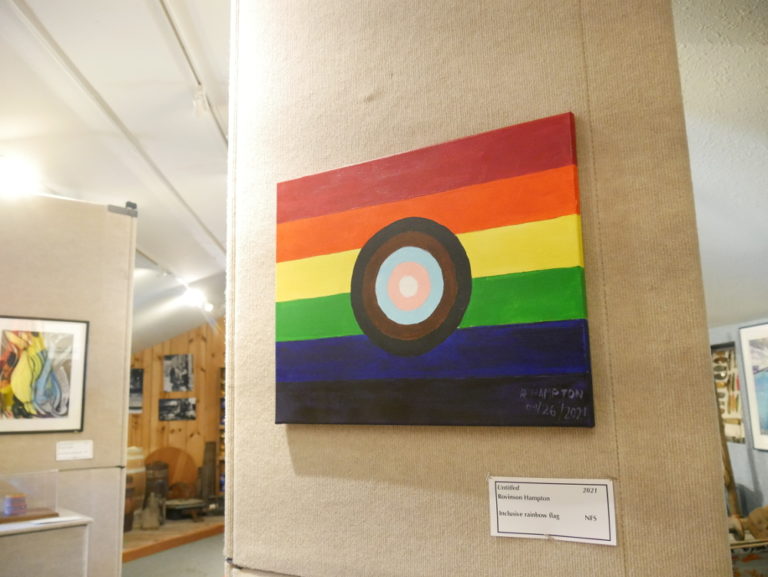
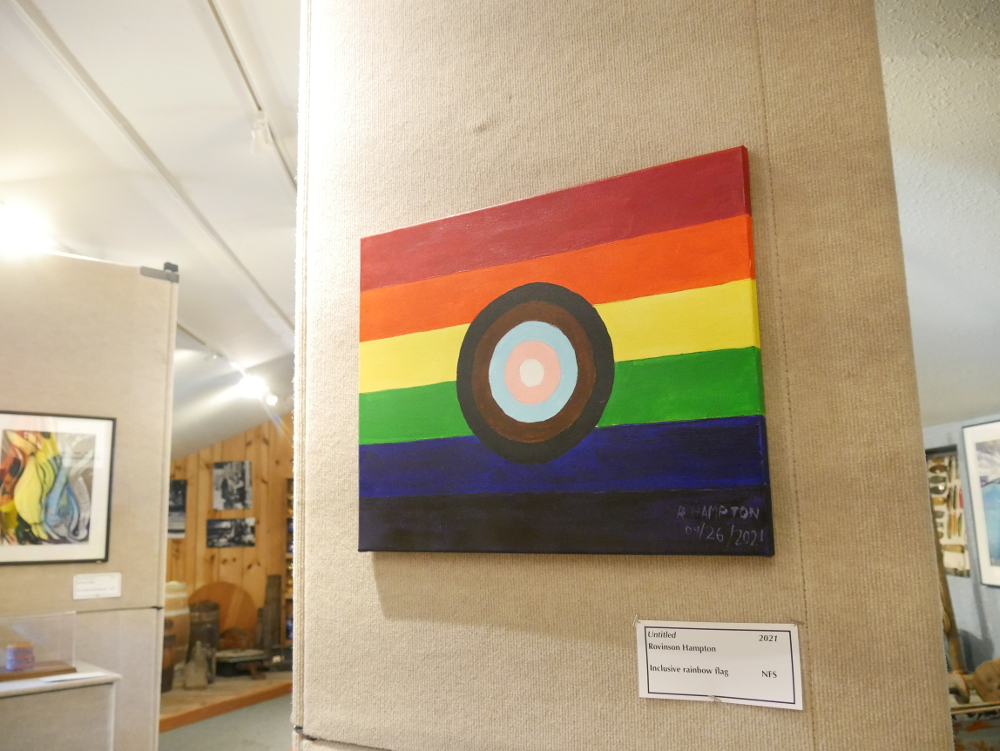
“You Are Beautiful Like A Rainbow” is on display at the Clausen Memorial Museum through June 12.

June is Pride month, a time when the lesbian, gay, bisexual, and transgender community honors its history and identity. It’s held every June to commemorate the 1969 Stonewall riots, which marked a turning point in the gay liberation movement.

Petersburg is celebrating with an art exhibit this week at the Clausen Museum. The exhibit, titled “You Are Beautiful Like A Rainbow,” includes paintings, sculptures and digital art.

Annette Bennett created two pieces of art for this year’s exhibit. One is a painting of a rain cloud, with pink, purple and blue rain drops. It’s a new take on the bisexual pride flag.

“Some people might think rain is sad, but I actually really love the rain, and so to me it’s a happy rain storm,” they said. “But it also is kind of about how being bi, you can sometimes feel like you’re not seen in a lot of ways.”

That desire for more visibility pushed Bennett to organize a pride art exhibit for the first time in 2019. The show was put on hold last year because of the pandemic.

But this year, the Clausen Museum and WAVE brought it back, putting up rainbow flyers around town to raise awareness and call for art submissions.

Bennett hopes the show reminds LGBT people, especially young people, that Petersburg supports them.

“I know that, whether people realize it or not, the impact is there,” they said. “Even seeing the poster up around town makes a difference. I mean, it really can be life-saving, just to know that someone out there is behind you and supports you through whatever you’re going through. It’s a big deal.”

Cindi Lagoudakis helped curate the exhibit. She said the art reflects a range of experiences in the community.

“There are some beautiful pieces there, and some really heartfelt emotion. And a couple things that really make you stop and think, ‘Life has been tough for some people, and it shouldn’t have to be.’ We should love one another and respect one another.”

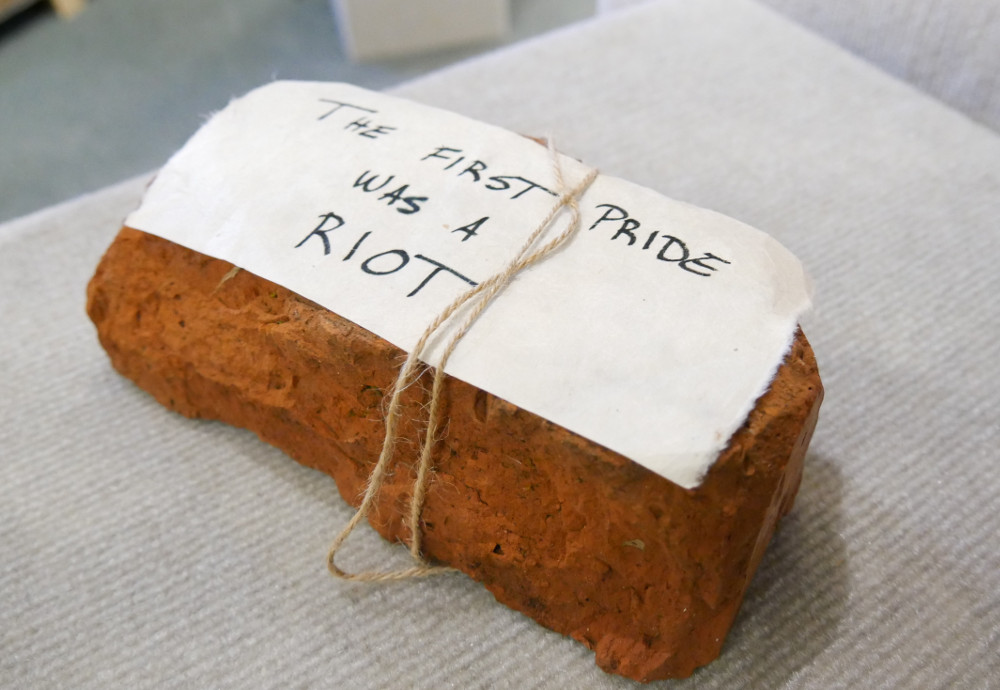
One of those pieces is right at the start of the exhibit. It’s a burnt orange brick with a note tied to it that reads, “The first pride was a riot.”

Pride month is in June in honor of the Stonewall riots, a series of clashes between gay and trans people and the police in New York City in June 1969. Lagoudakis put the brick at the front of the exhibit to remind viewers of that history.

“This is why we’re doing the show,” she said. “To say that the first pride event was a riot really makes you stop and think.”

There are about a dozen works in the exhibit this year. Lagoudakis hopes they remind LGBT people that they’re welcome.

“I think it’s really important to celebrate all parts of our community,” she said. “There are lots of folks who feel like they haven’t been included in the general community conversation. And we’re all a part of a bigger whole. We all make Petersburg what it is.”

The “You Are Beautiful Like A Rainbow” exhibit will be on display at the Clausen Memorial Museum through Saturday, June 12. The museum is open Monday through Saturday from 10 a.m. to 5 p.m.

Pride month is in June in honor of the Stonewall riots that took place in New York City in June 1969.

Women-only LGBT festival coming to the Peak District – Stoke-on-Trent Live

Organisers behind a women-only LGBT music festival have been given the go-ahead to hold the event in the Peak District.

FemmeFest is set to take place in September at Pikehall near Ashbourne – the same location as the Y Not music festival.

DerbyshireLive reports that Fiona-Lisa Grant, who is setting up the festival, said it would provide a safe and secure event for other like-minded people, as well as those “scared” of identifying as lesbian, bi, transgender and queer.

During a licencsing hearing held yesterday, Derbyshire Dales District Council gave the event – which will take place from September 3 to September 6 – the green light.

Concerns had been raised over an additional festival taking place after Y Not, which will run from July 30 until August 1.

Members of the local authority’s licensing committee chose to approve the festival, but scaled back some of the requested hours and events on the Sunday night into Monday morning, so as to avoid disruption to residents.

The festival will be allowed to take place in September this year but will be tied to June in future years and music and alcohol sales on the Sunday night must stop at midnight, instead of up to 2am.

Get email alerts for the latest top stories from Stoke-on-Trent and North Staffordshire

Maximum capacity, initially, has been capped at 2,000 people.

Festival organisers must comply with all relevant Covid-19 regulations.

Local resident Colin McDougall raised concerns over the potential for the festival to grow up to a 5,000-person event, which would have been allowed under the standard application.

He told the hearing: “We don’t want another festival of up to 5,000 people playing music outdoors until 2am in the morning. We think that is a public nuisance.

“We also object to traffic potentially affecting our domestic access.

“The letter from Ms Grant says up to 1,000 people and a silent disco, so we fear that the letter and the licence don’t marry.

“We are not against FemmeFest, per se.

“We have several events which take place in a fairly concise period of the year, the lovely sunny months, about eight weeks, and it is intrusive and has a cumulative effect.

“Mouldridge Lane has now become the site access point. Mouldridge Lane is directly opposite the driveway we use to get to our home and always with Y Not it impacts us getting into and out of our home.

“I would like to facilitate FemmeFest to happen, not to not happen.”

Councillors Michele Morley and Steve Wain both said they appreciated the concern and potential disruption of the festival and sought specific conditions to improve the situation.

Ms Grant told the hearing: “I fully appreciate Mr McDougall’s concerns and that is why I wanted to visit the villagers.

“Some of the things he has had to experience have been awful.

“FemmeFest is nothing like Y Not. I feel as though it has been compared and there is no comparison.

“In my letter that I gave to residents I said I was expecting 500-1,000 residents, it is a women only and an LGBT event and it is the first one, so there is no way it is going to be 5,000 people. I can’t see there ever being 5,000 attendees.

“You have to consider the percentage of LGBTQ people in the UK is only two per cent, so we are just never going to get those numbers. I need 500, 1,000 would be great and 1,500 would be incredible.

“I can’t say how many people will be there, but I am hoping for 1,000.

“The expected age range will be between 25 and 65. I want it to be an 18+ event so as not to segregate those 18-24, that is not fair. But women who are 18 years old are probably still too scared to identify and join this event, so I would still like it to be an 18+ event.

“This is a massive opportunity. There are so many festivals out there with thousands and thousands of attendees, and this one is only a small event in comparison and it is unfair for people who just want to meet like-minded people to be told, ‘well you can have 1,000 and that’s it’.

“The festival will grow, hopefully, and it will give people who have never had this opportunity to meet like-minded people.

“Half of the people are terrified and will be going by themselves and I have set up a group to help them settle their nerves before going.”

On the Saturday night of the festival, there would be a silent disco, from midnight until 2am.

During this part of the event, three DJs will be competing against each other, with music playing on different channels on headphones worn by attendees.

An event listing details: “26 incredible acts, singers and DJs all delivering a packed weekend of music. It’s going to be one huge party and the place to go.”

Live music would be playing from 5pm to 9pm on the Friday, 11am until 9pm on the Saturday and noon until 9pm on Sunday.

DJ sets would then play until midnight on each of the three nights, with lower level music from midnight on the Friday, a silent disco from midnight on the Saturday and background music only from midnight on the Sunday.

Asked about the restriction of the festival to LGBT female attendees, a spokesperson for FemmeFest said: “There are approximately 240 festivals in the UK that are open for any gender to attend.

“FemmeFest is the only music/dance festival that will provide a safe and secure space where lesbian, bi, transgender and queer women can meet like minded women and enjoy a weekend of music within a comfortable environment.

“Tickets are being sold through an established agent and our website gives clear notice what FemmeFest is about for who the festival is for.

“We have employed an established security company to provide us with SIA security who will ensure all necessary measures will be taken to prevent any opportunists or groups spoiling the event.”

A post from mid-January shows that the event had been due to take place from June 25-28, but was shifted by organisers to push it until after all adults are due to have been offered Covid-19 vaccines.

A post later in January says the event will have “rapid on-site testing”.

Top stories from today’s newsletter

Not signed up to the newsletter? Try it outhere

Sign up now to receive it for freehere

Full reopening of bars, clubs boosts Pride celebrations – Washington Blade

Some owners of D.C. gay bars have said Mayor Muriel Bowser’s announcement on May 10 that the city’s restaurants and bars could resume operations at full capacity and return to pre-pandemic operating hours on May 21 caught them by surprise.

After several months of business shutdowns followed by a partial reopening with strict limits of only 25 percent of the normal number of customers inside bars and restaurants, a ban on standing in bars or being served while sitting at a barstool, the mayor’s reopening order left many bars and restaurants short on servers and bartenders.

But nearly everyone associated with D.C. gay bars who spoke with the Washington Blade — including owners, employees, and customers — have said they were ecstatic to see a full reopening after more than a year of COVID-related restrictions and hardship.

“We didn’t really open at a 100 percent capacity,” said John Guggenmos, co-owner of the D.C. gay bars Trade and Number 9, immediately after Mayor Bowser issued her full reopening order. Like other bar owners, Guggenmos said Trade and Number 9 had to bring back employees who had to be let go due to the shutdowns and operating restrictions over the past year.

“But you know, seeing people again, hearing the stories of some of the struggles they went through, and our customers just talking to each other and saying how glad they are to be back gave us a sense of our community and how much we are more than just four walls and some chairs and music,” Guggenmos said.

Dito Sevilla, who works as bar manager at the 17th Street restaurant Floriana, and as longtime host of the restaurant’s lower-level space known as Dito’s Bar, said the May 21 lifting of COVID restrictions has returned business to pre-pandemic levels.

“We were not fully staffed on day one either,” Sevilla told the Blade. “Everyone had to work a little extra,” he said. “And that was OK with them because they had gone without working for so long that working some extra shifts that week wasn’t going to hurt anyone. They were thrilled to do it.”

Doug Schantz, owner of the U Street, N.W. gay sports bar Nellie’s, said he too was caught off guard by the short advance notice of the mayor’s May 21 full reopening of restaurants and bars but like other bar owners said he is pleased that the full reopening has come to D.C.

He said Nellie’s put in place a “soft” reopening on May 21, with operations limited to his second-floor space that has a roof deck and he continued to close at midnight instead of the resumption to normal closing times with the mayor’s order at 2 a.m. on weekdays and 3 a.m. on weekends.

Schantz said he timed his full reopening to take place this weekend to coincide with the kickoff of the city’s LGBTQ Pride events. And by July 1, he said, Nellie’s will resume its popular drag brunch.

“We’re taking it one step at a time, but so many people were happy to be back,” he said. “They want to be back to normal.”

David Perruzza, owner of the Adams Morgan gay sports bar Pitchers and its adjoining lesbian bar A League of Her Own, said he and his regular customers, many of whom continued to show up at the two bars during the height of the pandemic restrictions, are delighted over the full reopening. Like several of the other bar owners, Perruzza said he will continue to operate outdoor seating under the “streetery” program the city established when indoor seating was initially banned and later resumed at just 25 percent capacity.

One COVID-related rule remaining in place for bars and restaurants, which is expected to be lifted soon, is the requirement that bars and restaurants obtain a name and phone number for at least one person entering as part of a group and for each individual entering for contact tracing purposes in the event someone tests positive for COVID on the day the customer was present. The city’s Alcoholic Beverage Regulation Administration, which initiated the requirement during the height of the pandemic, was expected to end the requirement in the next few weeks, according to sources familiar with ABRA.

In addition to the full reopening of bars and restaurants on May 21, the city has cleared the way for the full resumption of large indoor and outdoor events on June 11, including parades and sports stadiums. That development has prompted D.C.’s Capital Pride Alliance, the group that organizes the city’s LGBTQ Pride events, to add to this week’s Pride events a June 12 Pride Walk, which will begin at Dupont Circle at noon and travel to Logan Circle before heading south to Freedom Plaza, where a rally will take place.

“The excitement has been palpable since bars and restaurants in D.C. recently reopened at full capacity and without limit or activity restrictions,” said Mark Lee, coordinator of the D.C. Nightlife Council, a local trade association representing bars, restaurants, and nightclubs.

“The enthusiasm is especially evident at LGBT venues, with long lines common after a long period of shutdowns and slowdowns,” Lee said. “The celebration will expand on June 11 when nightclub-licensed dance clubs fully reopen, and large music venues begin hosting tour acts and special shows in the coming days.”

But Lee said a “flip side” to the reopening celebrations is the reality that many bars, restaurants, and nightclubs must grapple with a massive debt burden of back-rent owed to landlords that threatens their survival.

Lee and others point out that the forced shutdowns and capacity restrictions that these mostly small businesses have faced during the pandemic resulted in a drastic reduction in revenue that forced them to rely on local D.C. and federal COVID moratoriums on evictions for commercial and residential tenants. With the moratoriums ending, the businesses must now repay the back rent owed that Lee says often exceeds $100,000 or more.

“That’s why the D.C. Nightlife Council and the Restaurant Association of Metropolitan Washington are urging Mayor Bowser and the D.C. Council to utilize a small portion of the city’s federal relief monies to create a Rent Relief Fund for local establishments facing unsustainable past-due lease obligations,” Lee said.

Perruzza said that in addition to facing back rent payments related to the pandemic, he and other bar and restaurant owners had to pay D.C. property taxes under their lease agreements at a time when their revenue was greatly suppressed from the pandemic. He said he believes he will be able to cope with the rental payoff, but the relief fund proposed by Lee and others would be immensely helpful for his and other struggling small businesses.

Bowser and members of the D.C. Council have said they were considering the relief proposal.

“We’re thankful for the support the community showed throughout the pandemic and the eagerness to want to get back to us,” said Guggenmos of Trade and Number 9. “We are thrilled and it’s great seeing everyone, but it doesn’t mean the sleepless nights are over,” he said in referring to the rental debt and other COVID-related expenses that his clubs continue to face.

Among the other D.C. gay bars whose representatives or customers said they are pleased over the reopening at full capacity include Uproar, Dirty Goose, JR.’s, Larry’s Lounge, Window’s, Annie’s Paramount Steakhouse, Duplex Diner, and Freddie’s Beach Bar in Arlington, Va.

Lee said the downtown D.C. nightclub Sound Check at 1420 K St., N.W., was scheduled to resume its weekly Avalon Saturday “gay” nights on June 12. Before being put on hold during the pandemic, the event featured drag shows and dancing.

Orange County Considers Limiting Protests + New LGBT Thrift Store – Reverb MSN Music


diagram

© Provided by Patch

Good Morning. My name is Carlos Hernandez and I am back to update you on the latest happening in the Orlando area.

In this issue, you’ll learn about a push for limits on neighborhood protests, allegations over a $1 million in back rent in Downtown Orlando, a LGBTQ thrift store now open, a lawsuit over masks, and more. Now, let’s get started.

Today’s weather: The high is 97 and the low is 76 with mostly sunny skies.

Here are the top 5 stories happening around Orlando:

1. Orange County is considering limits on neighborhood protests after protesters gathered last year outside the house of now-convicted murderer Derek Chauvin in Minneapolis. The ordinance will be designed to keep protesters away from homes and is proposed by Orange County Sheriff John Mina. Commissioners were caught off guard by the proposal and will not take it up until June 22nd to allow time for public comment. (Click Orlando)

2. A downtown Orlando landlord alleges shuttered Elize on Church Street owes nearly $1 million in rent and has filed suit for damages. The landlord is seeking eviction and the restaurant blames the COVID-19 pandemic for financial woes that led to its closure 9 months ago. (Orlando Business Journal)

3. Out of the Closet is a new thrift store in Mills 50 with a pharmacy and free HIV testing center that is also a safe space for the LGBT community. It is run as a nonprofit by the AIDS Healthcare Foundation, started in California. Orlando has one of the highest HIV infection rates in the country. (Orlando Sentinel)

4. A Washington D.C. man has sued the Orlando International Airport, TSA, and President Joe Biden for stranding him in The Villages for refusing to wear a mask. The man says he is stranded at his mothers house and that the mask laws in the airport are illegal due to an executive order signed by Governor DeSantis. (Click Orlando)

5. Winter Park commissioners are contemplating purchasing Austin’s Coffee as well as Vine & Forks, but are unsure of the path forward without any experience as a landlord. The idea is to preserve historic businesses as Orlando grows. (Orlando Weekly)

Today in Orlando:

  • Orange County Library Board of Trustees meeting at Orlando Public Library (6 p.m.)
  • Backyard Open Mic in the courtyard at The Veranda in Thornton Park (7 p.m.)
  • Brews & Blooms: Create your own succulent arrangement workshop at Orlando Brewing. (7 p.m.)

Orlando Patch Notebook:

  • Polk County Public Schools dropped its mask requirements for all students and staff.

From our sponsors — thanks for supporting local news!

Featured Classified: Gigs and ServicesAffordable Window Shades For Your Home In Florida

That’s all for today. I will be back tomorrow with the latest happening in Orlando. My inbox is open if you have any tips to send or want to reach out: orlando@patch.com.

-Carlos Hernandez

About me: I have lived in Florida since 1999 and covered the Orlando area for nearly 10 years, mainly with a focus on food through my blog at CarlosEats.com.

Gloria Ann Gay Bradshaw | Obituaries | argusobserver.com – Ontario Argus Observer

Gloria Ann Gay Bradshaw

DEC. 30, 1941 — JUNE 6, 2021

Gloria Ann Gay Bradshaw, 79, of Ontario passed away on June 6 2021 in Ontario, OR. Born in Oakland, CA to Grant and Viola Gay, Gloria was the second of 3 girls. She was active in the Church of Jesus Christ of Latter Day Saints throughout her life. She married Jimmy T. N. Bradshaw in the Logan Temple and they soon became parents to 1 son and 6 daughters.

Throughout her life, she went out of her way to show kindness to others. She was fiercely loyal to her family and protective of her agency. She devoted her life to her family on both sides of the veil, performing massive amounts of family history work. Above all, she strove to be faithful and honest in all things. Beloved mother and grandmother. She will be greatly missed.

She is preceded in death by her husband Jimmy, daughters Bonny, Laurel, and Rebecca, and grandson Joshua Degen. She is survived by sisters Joyce (Ron) Johnson and Donna Loosli, her son Jimmy Grant Bradshaw, daughters Donna (Tim) Goodrich, Mindy (Brigham) Bush, Holly (Ramiro) Castro, sons-in-law Sean Sullivan and Dale Hock, and 27 grandchildren.

Funeral Services will be held Thursday, June 10, 2021 at 11:00 a,m, with visitation one hour before at the Ontario LDS Stake Center 1705 NW 4th Ave. Interment Evergreen Cemetery. Services under the direction of Lienkaemper Chapel, Ontario. Condolences to the family at www.lienkaemper-thomason.com

To plant a tree in memory of Gloria Bradshaw as a living tribute, please visit Tribute Store.

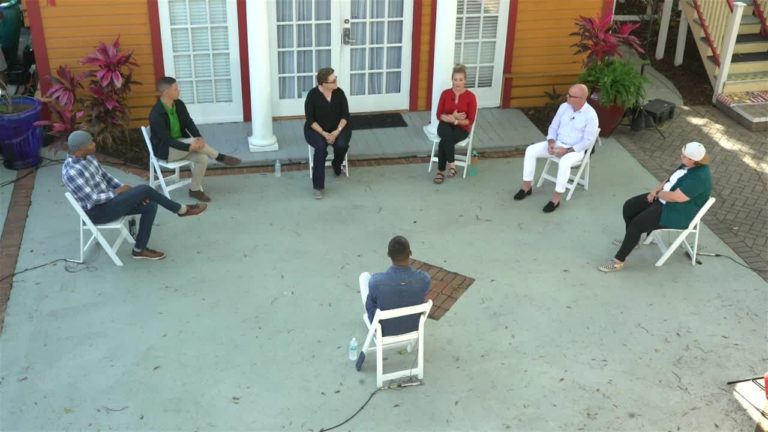
Life after Pulse: A generational roundtable about sexuality, being gay in Orlando – Yahoo News

0

Associated Press

Wild wind and flooding rain lash southeast Australian state

Wild weather in southeast Australia toppled trees, trapping people in cars and houses, cut power to more than 200,000 homes and unleashed flooding that claimed at least one life. The extraordinary weather system that hit Victoria state and its capital, Melbourne, Wednesday night brought wind gusts of up to 119 kilometers (74 miles) per hour and up to 20 centimeters (8 inches) of rain, officials said. People in around 220 homes threatened by a swollen creek were ordered to evacuate at Traralgon, east of Melbourne, officials said.

Opinion | Quieter Pride season offers chance to reassess priorities – Washington Blade

For the second consecutive year, most large-scale Pride celebrations have been canceled or postponed due to the pandemic.

Rather than mourn our lost parades, festivals, and income streams, we should embrace the pause to reflect on the work that lies ahead. Just as many Pride organizations took advantage of Pride cancellations last year to pivot and focus on supporting Black Lives Matter, 2021 provides another opportunity to reassess our priorities in a post-Trump Washington.

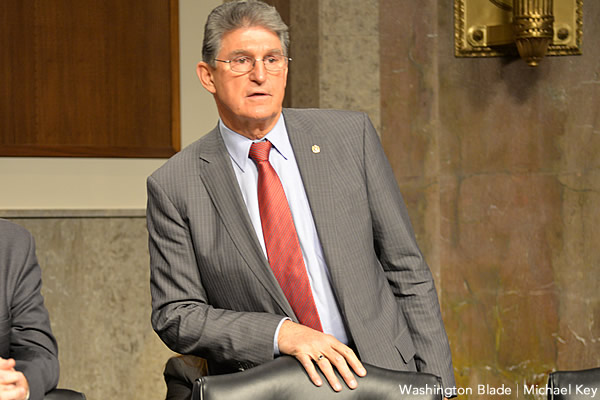
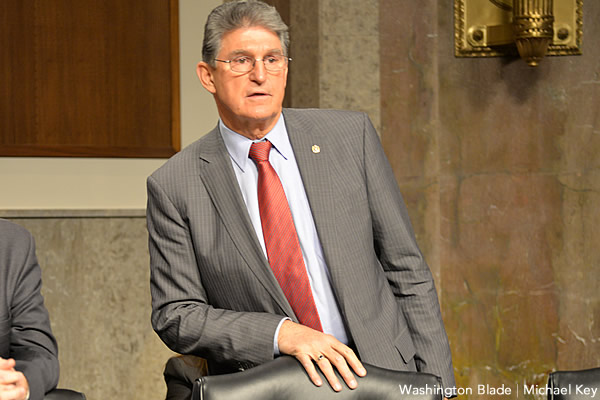
Predictably, the Equality Act appears to be lost again, as the Blade reported recently. As we watch transformative pieces of legislation like the Equality Act, the For the People Act to combat GOP voter suppression, the George Floyd Act to reform police, and a badly needed infrastructure bill die slow deaths at the hands of Sen. Joe Manchin’s naivety, it appears the Democrats are once again poised to snatch defeat from the jaws of victory.

Manchin’s galling announcement this week that he would vote against Democratic efforts to combat voter suppression by undoing Republican state bills to limit mail-in voting and increase the authority of poll watchers, among other components of the sweeping bill, is just the latest in a string of disappointing and irresponsible moves from the West Virginia senator.

Manchin is the only Democrat not to co-sponsor the Equality Act in the Senate and the only Democratic “no” vote on combating voter suppression, which could cost Democrats their majorities next year and Manchin his Energy Committee chairmanship.

Manchin has stoked unfounded fears about trans people accessing the bathroom consistent with their gender identity. He was the lone Democrat to vote in favor of a Title II amendment that would essentially bar transgender kids from participating in school sports. Incredibly, when asked by the Blade about the Equality Act earlier this year, Manchin professed to know nothing about the measure.

And in yet another blow this week, Manchin announced he opposes ditching the filibuster, all but dooming Democratic chances of passing the aforementioned bills. Perhaps Manchin’s push for bipartisanship would be sensible and achievable if we didn’t have a Senate minority run by Mitch McConnell, who announced his top priority is not helping the country recover from the pandemic, but rather to oppose everything Biden wants to accomplish, just as he did to President Obama. Wake up Manchin, the Republicans are playing you.

With the LGBTQ movement’s top legislative priority DOA, despite Biden’s pledge to sign it within his first 100 days, there are other areas where we should focus. From helping Democrats preserve and expand their slim House and Senate majorities, to combatting the stunning avalanche of cruel anti-trans laws around the country in the courts, to supporting the administration’s efforts at immigration reform and aid to Central American countries, there’s no shortage of work ahead.

Just as the LGBTQ movement joined the nationwide protests following George Floyd’s murder, we should support Vice President Kamala Harris in her role leading the effort for immigration reform. Too many LGBTQ migrants are suffering in inhumane conditions in ICE custody; too many queer people fleeing poverty, violence, and discrimination are marginalized or ignored by mainstream immigration reform efforts. There is an important role for LGBTQ and HIV/AIDS advocacy groups to play as the administration gets serious about improving life for migrants.

By fighting for police reform, immigration reform, and having the backs of our trans brothers and sisters in the fight against state legislative attacks, perhaps we’ll have more to celebrate at Pride 2022. In the meantime, get vaccinated, stay safe, and call Joe Manchin’s office once a day to protest his reckless intransigence.

Kevin Naff is editor of the Washington Blade. Reach him at [email protected].

Anti-gay attack near Hanlan’s Point leaves victim unconscious | News – Daily Hive

Editor’s note: This article discusses violence and homophobia.

Friends of a young Toronto man say he was severely beaten in a homophobic attack near Hanlan’s Point on the weekend.

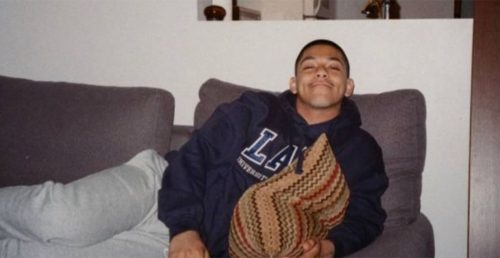
David Gomez, 24, enjoyed a sunny day on Toronto Island with friends on June 5. But when he left the beach around 11:15 pm, he encountered a group of people who made homophobic remarks toward him.

Gomez was punched and kicked in a beating that left him unconscious. He woke up with a broken nose, broken cheekbone, shattered orbital bone, a damaged hip, and a concussion, according to a GoFundMe page raising money to cover his expenses.

“I’m just completely shocked. This happened during Pride month to a queer person on a historically queer beach,” Gomez’s friend Jesse Boland told Daily Hive in a phone interview.

Boland spent the day with Gomez and other friends, but left the beach earlier than Gomez did.

“I grew up on Toronto Island. This happened in my home and in my neighbourhood,” he said. “It easily could have been any one of us.”

Toronto police say Gomez was with a female friend during the walk to the ferry docks when they encountered the other group of people. They’re investigating the incident as a hate crime, and are seeking three suspects:

  • A Black man about 25 to 32 years old, about 6’4″ and 220 pounds with a muscular build, dreadlocks, and a bicycle with him
  • A white man with a thin build who is about 5’6″
  • A white woman, 22 to 28 years old, about 5’5″ and 180 pounds with long blonde hair

Gomez’s friends allege one of the perpetrators was a football player with Ottawa’s CFL team, the Redblacks. The team confirmed on Twitter that it is investigating assault allegations against one of its players.

Boland wants to see the player removed from the team and disciplined quickly.

“The fact the team has a Pride logo on Instagram and social media pages is absurd and insulting to the community,” he said.

Boland does not want to see an increased police presence on Hanlan’s Point as a result of this incident, because many LGBTQ+ people, including himself, have had little success when reporting assaults to police.

But he’d like to see straight Torontonians choose other beaches for the remainder of Pride month to allow the queer community to feel safe at Hanlan’s Point.

“It’s summer and the village is closed. A lot more queer people are travelling down to Hanlan’s — it’s one of [the] only safe spaces … You can feel safe at any other beach,” he said, referring to straight people.

Others have also asked that people who don’t support the queer community stay away from Hanlan’s Point.

The fundraiser for Gomez is raising money to cover out-of-pocket medical expenses such as pain medication, dental fees for a chipped tooth, and therapy. He also had to miss school exams because of the attack, and may need to pay further school fees to re-take them. So far, $28,000 has come in, much more than the original $3,000 goal.

Boland said Gomez is now fine for money, and asked those who wish to support him to consider donating to other Pride-related fundraisers.

“David is an absolutely wonderful person. He’s a fantastic dancer. He’s kind. He’s a Leo and he loves to tell people about that,” Boland said. “He’s been very humble through all this. He’s just been so grateful when he has every right to be angry.”

Ending the Hate: Scholars Emphasize Activism for LGBTQ+ Social Change – Higher Education – Diverse: Issues in Higher Education


People who identify as LGBTQ+ are nearly four times more likely than their heterosexual peers to experience violent victimization, including rape, sexual assault and aggravated or simple assault, according to a study by the Williams Institute at UCLA School of Law released last October.

Based on the 2017 National Crime Victimization Survey, LGBTQ+ individuals experienced 71.1 victimizations per 1,000 people, compared to 19.2 victimizations per 1,000 people for non-LGBTQ+ people. In addition, members of the LGBTQ+ community experienced higher rates of serious violence victimization in almost every type of violent crime except robbery.

Dr. Justin T. Brown

“The findings point to the importance of policies and interventions to reduce victimization and the need to consider the unique susceptibility to violence and the high rates of crime experienced by LGBTQ+ people,” study author Ilan H. Meyer, distinguished senior scholar of public policy at the Williams Institute, said when the institute released the report.

In academia, researchers and leaders in LGBTQ+ studies are heeding the call for policy changes and reformative actions.

“I’m very much a scholar activist; I base myself in doing participatory action research — community engaged research,” says Dr. Justin T. Brown, executive director of the Center for LGBTQ Studies (CLAGS) at the City University of New York. “The work that we do always has some action-based purpose, so that we’re not doing a program or activity merely for the purpose of showcasing it but clearly trying to think through how it can be utilized for the improvement and betterment of our community.”

When he was appointed to the top post at CLAGS in 2017, Brown said he preferred a position that allowed him to maintain an active role in LGBTQ+ studies and its community.

Brown co-authored a qualitative study in 2018 examining Black women’s reluctance to adopt Pre-Exposure Prophylaxis (PrEP) despite having disproportionate rates of HIV. His 2017 dissertation “identified critical factors necessary for the development of asset-based, culturally-responsive, social justice-oriented interventions that could serve as new, alternative prevention strategies for Black/Latino gay/bisexual young men.”

Brown says he believes in forming partnerships with community-based programs that are aligned with CLAGS’ social justice change framework and preserving the history of the LGBTQ+ community struggle through an archiving project. The partnerships ensure that the results of their work “are not kept in an ivory tower and institutionalized but disseminated for the community itself,” Brown explains, adding that his role as scholar activist is “to arm the community members in a way that they can functionally work within a system to break that system because [it] may not work to create social change.”

Brown says he may be a person in the room who is able to speak to policy makers representing the voice of the community.

“A ways to go”

For Dr. Sara Warner, associate professor of performing and media arts and director of Cornell University’s LGBT Studies Program, a commitment to social justice is a critical aspect of her work.

Dr. Sara Warner

“I’ve been an LGBT activist since I came out and moved to San Francisco in 1990,” Warner recalls. “During my tenure as director of LGBT Studies, I’ve tried to make creative and collaborative approaches to social justice the focal point of our speaker and events series.”

In addition, Warner says the university has responded to its growing LGBTQ+ community with a variety of diversity initiatives, including the 2019 opening of its LGBTQ+ living learning space known as Loving House.

However, Warner says, although there has been progress nationally, “we need more diversity initiatives and more sincere commitments to radically changing not only our faculty but the students we serve and the policies that our universities have. There’s definitely a ways to go … we have a lot of work to do.”

In her own work, Warner “examines the forces that mobilize and marshal individuals into constituencies and communities, audiences and electorates.”

In particular, she says she is interested in “alliances that are branded as non-normative (i.e., alternative, aberrant, queer), but which offer productive ways to illuminate, explicate, and trouble ideas about emotions, politics, and performance.”

Warner is author of the award-winning book Acts of Gaiety: LGBT Performance and the Politics of Pleasure published in 2012. More recently she has authored progressive social and political commentary in the Huffington Post and in Time magazine.

Where racism and sexism meet

Another groundbreaking scholar in LGBTQ+ studies, Dr. Moya Bailey, says the findings of the Williams Institute’s research “are not surprising to those of us who live on the gender and sexuality margins of society. One way that humans have learned to force conformity is through violence.”

Bailey, a 2020-21 MLK Visiting Professor at MIT and an assistant professor of Africana studies and women’s, gender, and sexuality studies at Northeastern University, coined the term “misogynoir” to describe anti-Black misogyny — “where racism and sexism meet.” She is the author of Misogynoir Transformed: Black Women’s Digital Resistance and co-author (with Sarah J. Jackson) of #HashtagActivism: Networks of Race and Gender Justice. Her work focuses on how marginalized groups use digital media to promote social justice. Misogynoir Transformed, just released in May, focuses on queer and trans Black women, examining their use of social media to combat anti-Black misogyny.

“At a time when Black women are depicted as more ugly, deficient, hypersexual, and unhealthy than their non-Black counterparts, Bailey explores how Black

Dr. Moya Bailey

women have bravely used social-media platforms to confront misogynoir in a number of courageous and, most importantly, effective ways,” states the publisher, NYU Press.

In the 2017 article “#GirlsLikeUs: Trans advocacy and community building online,” Bailey and two co-authors contend that “the digital labor of trans women, especially trans women of color, represents the vanguard of struggles over self-definition.”

The scholars interviewed for this article see themselves as social activists amid an onslaught of right-wing attacks on the LGBTQ+ community and other marginalized groups, fueled by the rhetoric and policies of the Trump Administration. Bailey mentions the recent introduction of conservative legislation to prevent the teaching of critical race theory in public schools in several states and similar efforts from the right to prevent trans students from participating in certain school sports.

Despite her own breadth of scholarship, “I do not think the academy will save us,” Bailey asserts. “I think the academy is really helpful for thinking about issues in a critical way and giving us the opportunity to see the limits and possibilities of some strategies, but I don’t think the academy itself is going to be the thing to alleviate the systemic oppressions that are in society.”

Rather, Bailey credits “coalitional politics” for “getting to the root cause of a lot of our issues – which, for most of us, is White supremacy.”

Regarding the Williams Institute study, Bailey says, “I am hopeful that the results of this research, which confirm what many activists and organizers have already been saying, will help push for more local and community-led initiatives to address this violence.”

This article originally appeared in the June 10, 2021 edition of Diverse. Read it here.

ICYMI: Multinational Market Research Firm Ipsos Releases New Findings From “LGBT+ Pride 2021 Global Survey” Showing Global Presence of LGBTQ People – Human Rights Campaign

Key Points:

  • On average, across the 27 sampled countries in the report, 1% of adults identify as transgender, non-binary/gender non-conforming/genderfluid or in another way rather than as male or female.
    • 4% of adults in Germany or Chile, 3% of adults in countries such as Argentina or Australia, and 2% of adults in countries such as Canada or India identify as a gender outside of the gender binary, such as such as non-binary, gender non-conforming or genderfluid, compared to 1% of adults in the U.S.
  • Younger adults are more likely to identify as transgender or non-binary, with 4% of adults in Gen Z identifing as transgender, non-binary/gender non-conforming/genderfluid or in another way rather than as male or female, compared to 2% of Millennials, 1% of Gen X and less than 1% of Baby Boomers.
  • On average, across the 27 countries surveyed in the report, 4% of adults identify as bisexual, 3% identify as gay or lesbian, 1% identify as pansexual or omnisexual and 1% identify as asexual.
    • In the U.S., as many as 2% of adults identify as pansexual/omnisexual, while Sweden has the highest prevalence of those describing themselves as asexual (3%).

Ipsos: LGBT+ Pride 2021 Global Survey points to a generation gap around gender identity and sexual attraction

By Nicolas Boyon

Ipsos’s LGBT+ Pride 2021 Global Survey points to a wide generation gap around gender identity and sexual attraction. On average, across the 27 countries surveyed, those who identify as transgender, non-binary, non-conforming, gender-fluid, or other than male or female make up 4% of Gen Z (born since 1997) compared to 1% among all adults. Younger adults are also significantly more likely to identify differently from heterosexual and to say they are equally attracted to both sexes.

The survey, which was conducted on Ipsos’s Global Advisor online platform among more than 19,000 individuals aged 16 (or 18, depending on the country) to 74 between April 23 and May 7, 2021, shows how much exposure to LGBT+ people and engagement with the LGBT+ community varies across the world.

[…]

The survey also finds a lot more support than opposition toward corporate activism promoting equality.

Majorities in most (but not all) countries support LGBT people being open about their sexual orientation or gender identity with everyone. And there is generally more support than opposition toward LGBT people displaying affection in public and more LGBT characters on TV, in films and in advertising.

There is a great deal of support in most countries for lesbian, gay and bisexual athletes in sports teams being open about their orientation. On the other hand, when it comes to allowing transgender athletes to perform according to the gender they identify with, public opinion is divided and varies widely across countries.

The full survey is available here.

Dig out the mini-skirts and the blazers, The Nanny Broadway musical is almost here – The A.V. Club

We can hear her iconic laugh now.

We can hear her iconic laugh now.
Photo: Dimitrios Kambouris (Getty Images)

New York’s Broadway stages are opening up just in time for The Nanny musical. Fran Drescher told The View this morning that The Nanny Broadway musical is “almost ready to launch.” Where the new chapter will take Fran Fine is still under wraps, but we are buzzing with anticipation thinking about a Broadway style reproduction of insatiably catchy The Nanny theme song.

Advertisement

Sadly, Drescher will not reprise her role as the titular nanny, telling The View that she “really can’t sing.” She says that whoever they bring on as Fran will need to be “the next Barbara Streisand.”

When the plans for the Broadway production were first announced early last year, Crazy Ex-Girlfriend‘s Rachel Bloom and Fountains of Wayne’s Adam Schlesinger were set to write the music. Bloom, Schlesinger, and Jack Dolgen won an Emmy in 2019 for Outstanding Original Music and Lyrics for their work together on Crazy Ex-Girlfriend. However, Schlesinger died in April of 2020 due of complications due to COVID-19 at the age of 52. Bloom is set to continue her work for the musical.

Drescher created and wrote The Nanny alongside her then-husband Peter Marc Jacobson in 1993. The two have teamed up once again for the musical production. The original sitcom follows Fran Fine, a Jewish-American fashionista from Queens, whodown on her luck—begins nannying the children of a widowed British Broadway producer. Much of Fran’s character and life was based on Drescher upbringing in Flushing Queens.

The Nanny has retained its popularity over the last thirty years, with streaming services bringing in a younger audience. The continued appeal of the series not only lies in Fran’s fashion and humor, but also in the early positive representations of the LGBT community in sitcom television—which Drescher discusses on The View.

“In The Nanny, over the years that we were doing the show, I wanted to integrate gay storylines without making comments about the person’s orientation,” Drescher says. She continues on to say she sought representation that “made sense” for the show and the characters.

In a recent interview with Harper’s Bazaar, she says the longevity of the show also lies in its ageless narrative combined with a ‘90s time capsule feel.

Advertisement

“[The series was] an anomaly unto itself. It’s laugh-out-loud funny. The sexual tension is off the scale. It’s a Cinderella fantasy. The clothes are just like a beautiful, incredible fashion show every single week,” Drescher said. “It’s got that kind of double entendre where you can watch it with the family, and everybody of every different age will enjoy it in their own way. And yet, it’s got kind of like edgy, gay humor. It never lost its cool.”

Agreed.

Advertisement

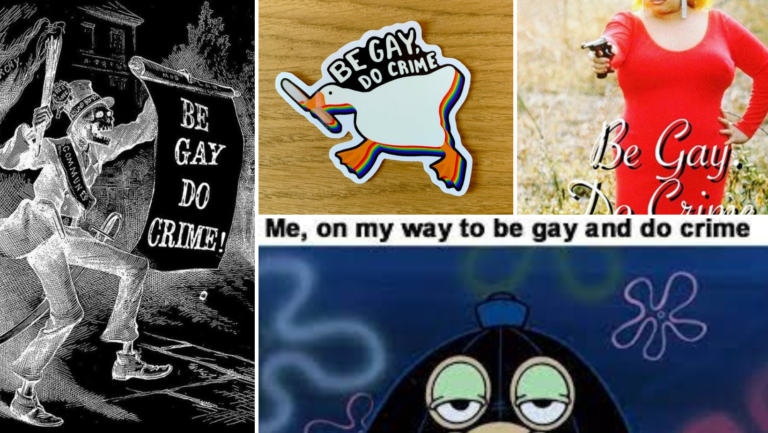
The Short But Fascinating History of “Be Gay, Do Crimes” – INTO

Depending on who you follow, take a glance at your Twitter feed this pride month, and some version of this tweet is sure to come up:

Ah, yes: “Be Gay, Do Crimes,” the rallying cry of a generation. But how did this slogan (and sentiment) come to be? The history is weirder (and shorter!) than you might expect.

In September of 2016, Instagram user @absentobject posted a photo of some graffiti they’d seen in France. No sooner had they uploaded it to Tumblr than it was “all over the Internet” thanks to the @queergraffiti account. 

It’s not hard to see why: in 2016, Instagram was still on the ascendant, and Tumblr was still enjoying something of a golden age for queer creators. The photo took off, and the slogan—simple, compact, elegant—became a rallying cry for queers who were done being commodified by rainbow capitalism.

The photo surfaced a few months after the tragic Pulse Nightclub shooting, a moment during which queer folks began to demand more from brands than meaningless rainbows and “thoughts and prayers” posts. 

Two years later, the photo resurfaced, this time on Twitter. 

This is the first instance of “Be Gay, Do Crimes” being tied to a specific ideology. The anarchism of the original statement, in 2018, took on a leftist bent. 

Soon after, another Twitter user (@isislovecruft) told a story about two kids jumping  the BART turnstyle and shouting “be gay, do crimes.”

just saw two teenage girls hop the bart turnstile and run up the stairs and start making out and i couldn’t resist the urge to shout BE GAY DO CRIMES and they raised their fists and shouted back STONEWALL WAS A RIOT so i am informing you that the kids are in fact alright

This call-and-answer format represents the subtle but important change in queer online discourse from 2016 to 2018. While 2016’s “be gay, do crimes” was enough of a statement in and of itself to ride on shock value, 2018’s “Stonewall was a riot” represents a new desire to reclaim queer narratives. Where generations before had fought to not be seen as criminals, deviants, or threats to the nation, queer kids were now proudly embracing all the ways in which their identities gleefully transgressed the law. The era of apology, it seemed to say, is over. Or: “Get in, losers, we’re going tagging.”

It’s no coincidence that all this happened on Pride Month. When trans artist @bum_lung posted the iconic skeleton design, it was a mere two days before @isislovecruft tweeted about the turnstyle incident. It was as if the entire culture was united: gay is good, and crime is part of that. However petty or inconsequential. 

For decades in this country, being queer was a crime. Merely existing with queer desire was transgressive enough to land you in jail. Wearing more than one article of clothing meant for the opposite sex was also more than enough to land you in the clink, and likely abused (physically and sexually) by police. And after decades of respectability politics and apologies, a new generation of queer kids decided to flip the script. Being gay has always involved doing crimes: it’s a sad, but crucial part of our history.

So yes, I think we can safely say that the kids are, and remain, alright.