Home Blog Page 88

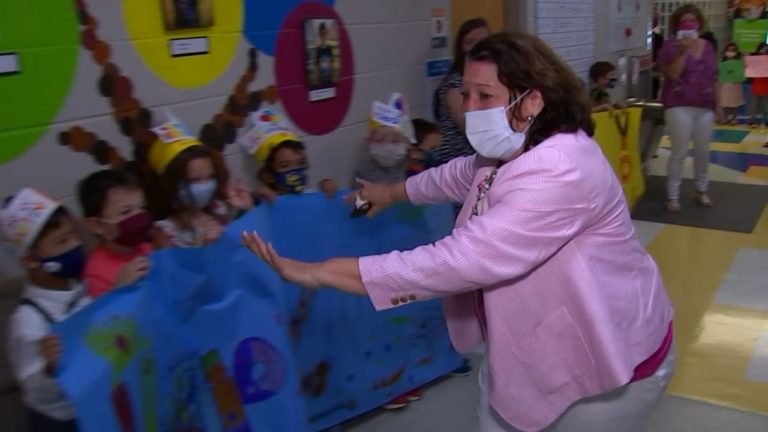
Retiring Combs Magnet principal honored for 43 years of service – Yahoo News

0

Associated Press

UN: Don’t forget to save species while fixing global warming

To save the planet, the world needs to tackle the crises of climate change and species loss together, taking measures that fix both and not just one, United Nations scientists said. A joint report Thursday by separate U.N. scientific bodies that look at climate change and biodiversity loss found there are ways to simultaneously attack the two global problems, but some fixes to warming could accelerate extinctions of plants and animals. For example, measures such as expansion of bioenergy crops like corn, or efforts to pull carbon dioxide from the air and bury it, could use so much land — twice the size of India — that the impact would be “fairly catastrophic on biodiversity,” said co-author and biologist Almut Arneth at the Karlsruhe Institute of Technology in Germany.

Ghana court denies bail to 21 gay rights activists – JURIST

The Ho Circuit Court in Ghana on Tuesday denied bail to 21 LGBTQ rights activists who have been detained since May 20.

The 21 individuals, comprising 16 women and five men, will reappear in court on June 16 for their next hearing. The activists were arrested in a hotel on May 20 after a raid by the police and members of the press. They are accused of holding an unlawful assembly that was meant to promote the LGBTQ agenda. The activists had previously applied for bail, but their applications had been denied to allow prosecutors more time to investigate the matter. In their latest attempt, the circuit court denied their application for bail, stating its inability to overturn the ruling of the high court.

Members of the LGBTQ community often face discrimination in Ghana. Ghana’s criminal code prohibits gay sex. While Human Rights Watch reports that there have not been any convictions on the basis of section 104 of the criminal code, it notes that the law is often used to conduct arbitrary arrests of persons suspected to be homosexuals and extortion of money from them. Members of the LGBTQ community often face domestic violence and violence from members of the public.

Pressure continues to mount for the unconditional release of the activists. The hashtag  #ReleaseThe21, demanding the release of the activists continues to trend online. At the same time other human rights groups have campaigned for the release of the activists. UN rights experts have also condemned the arbitrary arrest of the activists and urged their immediate release. They have termed the arrests a violation of their rights to freedom of expression, peaceful assembly and association. The experts have also restated the key role of human rights defenders in protecting vulnerable groups from violence and discrimination.

LISTEN: How Pride Looks From Behind The Gay Bar – Connecticut Public Radio

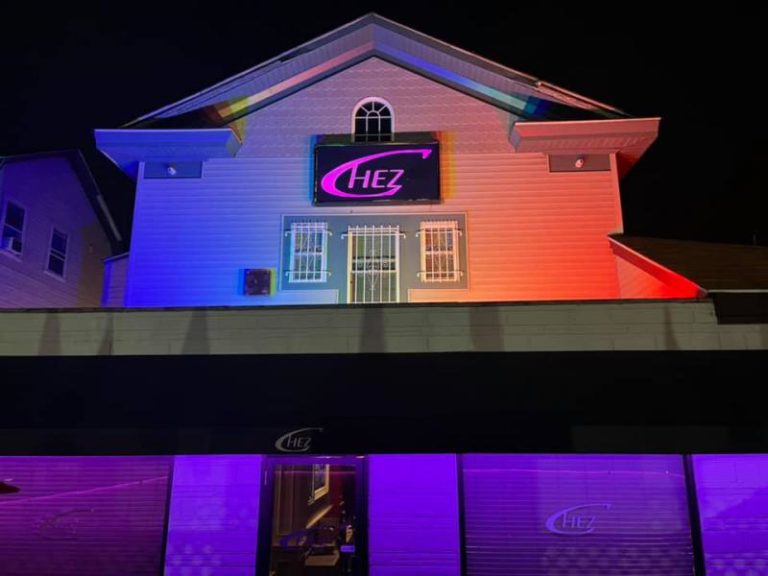
June is Pride month for the gay community. And this particular Pride comes after a year of pandemic shutdown that has forced a community already adept at fighting for its survival, to fight even harder and more creatively than ever before. To talk about his struggle and that of the drag performers at his club, John Pepe, owner of the Chez Est, joined Connecticut Public Radio’s All Things Considered.

Chez Est bills itself as Hartford’s only LGBTQ Restaurant, Bar and Cabaret — an assertion that certainly seems to check out upon further scrutiny. If you are business owner, you might just be inspired by the risky gambit Pepe took during the pandemic — against all advice — which ended up being the key to survival for Chez Est.

Pepe also shares his thoughts on why gay bars are disappearing across the country, why this year’s Pride celebrations won’t be as good as next year’s, and on the increasing commercialization of Pride.

Tammy Jo Keziah Gay – Iredell Free News

Ms. Tammy Jo Keziah Gay, 60, of Shinnville Road, Cleveland, N.C., passed away at Gordon Hospice House in Statesville, N.C., on Tuesday, June 8, 2021. She was born in Mecklenburg, N.C., on May 28, 1961, and was the daughter of the late Toe Keziah and Linda Wallace.

In addition to her parents, she was preceded in death by her son, Mitchell Thomas Gay.

She was a baker at K&W Café and she loved reading.

She leaves to cherish the memory of her life a son, Christopher Gay of the home; her siblings, Trey Keziah, Jonathan Keziah and Kesha Keziah, all of Charlotte; and a host of nieces, nephews, cousins, relatives, classmates, church family and friends.

Visit the Book of Memories for Ms. Gay at www.rutledgeandbigham.com.

Rutledge and Bigham Funeral Home is serving the Gay Family.

The Right of Everyone to Sexual and Reproductive Health: Challenges and Opportunities During Covid-19 – Human Rights Watch

Human Rights Watch is pleased to have the opportunity to offer input for the special rapporteur’s upcoming thematic report on the right of everyone to sexual and reproductive health—challenges and opportunities during Covid-19. Human Rights Watch has extensively documented the human rights impacts of the Covid-19 pandemic, including impacts on sexual and reproductive health and rights. This submission focuses on two areas we have documented in our research: 1) obstacles and challenges to the right to sexual and reproductive health during the pandemic; and 2) good practices and opportunities that have emerged.

I. Obstacles and Challenges

Barriers to Accessing Sexual and Reproductive Health Care

Many governments closed facilities providing sexual and reproductive health care or restricted access to certain services during the pandemic. The International Planned Parenthood Federation, a global nongovernmental organization (NGO) that promotes sexual and reproductive health, reported that the pandemic forced the organization to close thousands of family planning facilities, either due to government orders or social distancing needs. Colombia, El Salvador, Pakistan, Germany, Ghana, Malaysia, Sri Lanka, Sudan, Uganda, Zambia, and Zimbabwe have each had to close at least 100 such facilities.

In Papua New Guinea, where maternal mortality rates are among the highest in the Pacific region, failure to implement measures to ensure women and girls could safely access healthcare facilities amid the Covid-19 pandemic made pregnancy even more unsafe. In Pakistan, where maternal mortality rates were already the highest in South Asia, the closure of several major maternity wards after some staff members tested positive for the virus exacerbated an already grim situation, especially for women and girls living in poverty. In Venezuela, where hospitals were already in the grip of a humanitarian crisis, some maternal health centers suspended prenatal and postnatal services in 2020 due to the pandemic, and NGOs reported that pregnant women suspected of having Covid-19 were being denied prompt care.

In March 2021, the United Nations Population Fund reported that an estimated 12 million women experienced disruptions in access family planning due to the pandemic, leading to 1.4 million unintended pregnancies.

Human Rights Watch research in Afghanistan showed how declining donor support and the Covid-19 pandemic worsened women’s access to health care in multiple ways, including by plunging many families deeper into poverty and reducing the resources available to the government to support health care. Women and girls struggle to access even the most basic information about health and family planning. There is an unmet need for modern forms of contraception; prenatal and postnatal care is often unavailable; specialty care, such as modern cancer and fertility treatment, is largely nonexistent; routine preventative care such as pap smears and mammograms are almost unheard of; and a large proportion of births are still unattended by a professional. Women often have more children than they want because of lack of access to modern contraception; face risky pregnancies because of lack of care; and undergo procedures that could be done more safely with more modern techniques. Maternal and infant mortality remain very high.

In several countries, Human Rights Watch documented barriers to accessing safe and legal abortion care during lockdowns. For example, some hospitals in Russia suspended provision of legal abortion during the pandemic. Authorities in Italy did not immediately deem abortion essential health care, with some facilities suspending abortion services or reassigning gynecological staff to Covid-19 care. The Italian Health Ministry clarified on March 30, 2020 that abortion services were nondeferrable, but hospitals and clinics did not always adhere to this guidance, and travel restrictions to stop the spread of Covid-19 exacerbated longstanding obstacles to accessing abortion services, including burdensome requirements and extensive use of conscientious objection. Poor, rural, and migrant women—already facing heightened disadvantage in accessing abortion—were even more likely to be impacted. In Brazil, only 76 hospitals, in a country of 210 million people, were performing legal abortions in 2019. In June 2020, that number shrunk to 42 due to the Covid-19 pandemic. 

A harmful law in the US state of Illinois requires a young person under 18 seeking an abortion to involve an adult family member in their abortion decision, or go to court to receive a judicial bypass. Before the Covid-19 pandemic, hearings were held exclusively in person during regular business hours, and young people had to secure transportation to the courthouse and arrange time away from school, work, or other obligations without their parents being alerted. To avoid the spread of Covid-19, since mid-March 2020 Illinois courts have held judicial bypass hearings remotely, using an online platform. Experts said these online hearings have eased logistical barriers for some young people but heightened risks around confidentiality and safety for others, since many young people can only rarely leave the home due to Covid-19 restrictions and precautions. Some young people lacked access to reliable internet for online hearings.

In the United States, disparities in Covid-19 outcomes reflected, and may have intensified, the impacts of structural racism on sexual and reproductive health outcomes, and in particular Black women’s sexual and reproductive health. Black women are more than three times as likely to die from pregnancy-related complications as white women in the US. Research has also shown women of color are more likely to die from cervical cancer than white women. In Alabama, for example, Human Rights Watch’s research in 2018 found that racial discrimination and state neglect of women living in poverty contributed to high cervical cancer mortality rates for Black women, leaving them twice as likely to die from cervical cancer as white women in the state. The Covid-19 pandemic exacerbates many of the barriers Human Rights Watch found to accessing adequate and quality health care. For example, reliance on public transportation, at a time when it is not safe, and a lack of reliable internet access for telemedicine when in-person appointments may not be available or safe create greater challenges to accessing necessary health care for low-income people and people of color, especially for those living in rural areas in the US, access to medical care, including obstetric and gynecologic care, is limited and often requires traveling far distances.

Impact of Widespread School Closures on the Right to Sexual and Reproductive Health

An estimated 90 percent of the world’s school-aged children have had their education disrupted by the pandemic. Human Rights Watch published a report on the pandemic’s dire global impact on education, based on interviews with more than 470 students, parents, and teachers in 60 countries between April 2020 and April 2021. Disruptions in education interfered with adolescents’ and children’s access to information about sexual and reproductive health, reduced their autonomy, and isolated them from pathways to seek support. 

A quality education enables children to develop their own identities and emerging autonomy, including exploring and learning about topics that they may be otherwise unable to do with ease at home in proximity to family members or without privacy. Our research showed that certain topics crucial for a teenager’s development and health, such as comprehensive sexuality education, can be hard to deliver remotely, with children at home.

School shutdowns had particular consequences for lesbian, gay, bisexual, transgender, and gender-diverse children. For some, being away from school meant they were away from bullying and mistreatment from fellow students and even teachers (one global survey found that 42 percent of LGBTI+ youth said they had been “ridiculed, teased, insulted, or threatened at school” before the pandemic, because of their sexual orientation or gender identity, primarily by their peers). For others, school closures meant removal from a school environment where they felt free to express their identity and receive support from teachers, counsellors, or peers, and confinement at home with family members with whom they felt comparatively constrained.

One of the most disturbing consequences of school closures was that of pandemic-produced pressures combined with more time confined inside, which increased the risk of children experiencing or witnessing abusive behavior at home, including sexual violence. Removing children from school also minimized an opportunity for adults outside the home to monitor the health and safety of children.

Regressive Legal and Policy Measures

Covid-19 Response Measures

Some governments used the pandemic as an excuse to attempt to block access to abortion. In the US, at least 11 states tried to limit access to abortion. In Brazil, the administration of President Jair Bolsonaro removed two public servants after they signed a technical note recommending that authorities maintain sexual and reproductive health services during the Covid-19 pandemic, including “safe abortion in the cases permitted by Brazilian law.”

In Uganda, Covid-19 was used at least twice as a pretext to arrest LGBT people on charges of “a negligent act likely to spread infection of disease,” in March 2020 and again in May 2021. In both cases, victims were subjected to forced anal examinations.

Laws, Policies, and Practices Unrelated to Covid-19

In addition to regressive Covid-19 response measures, lawmakers in several countries rejected rights-respecting reforms or advanced dangerous and regressive laws, policies, or practices during the pandemic that threaten the right to sexual and reproductive health.

In April 2020, Poland’s parliament debated two dangerous bills that would have eliminated legal access to abortion in cases of severe or fatal fetal anomaly and criminalized anyone providing sexuality education or sexual health information to adolescents. The bill on sexuality education was referred to committee in April 2020 and remains pending at time of writing. In October, Poland’s Constitutional Tribunal ruled that access to abortion on the ground of “severe and irreversible fetal defect or incurable illness that threatens the fetus’ life” was unconstitutional, making it virtually impossible for women to access legal abortion in Poland. The ruling officially took effect after publication in the national Journal of Laws in January. There have been escalating threats against women’s human rights defenders, often targeting those defending the right to abortion, amid ongoing public protests following the ruling.

Lawmakers in the Dominican Republic rejected a proposed criminal code reform to end the country’s total abortion ban and decriminalize abortion in three circumstances: when a pregnancy is life-threatening, unviable, or the result of rape or incest.

Honduran lawmakers adopted a deeply harmful constitutional amendment that entrenched current harsh restrictions on reproductive rights and the prohibition on same-sex marriage. In addition, a harmful new abortion restriction went into effect in the US state of Florida, requiring anyone under 18 to get consent from a parent or legal guardian, or judicial approval, before having an abortion.

Human Rights Watch found that Cameroonian security forces arbitrarily arrested, beat, or threatened at least 26 people, including a 17-year-old boy, for alleged consensual same-sex conduct or gender nonconformity between February 2021 and mid-April 2021. At least one of them was forced to undergo an HIV test and anal examination. In Ghana, police arrested 21 human rights defenders for attending a paralegal training on documenting rights violations against LGBT people. Human Rights Watch has often found that government scapegoating of LGBT people is used as a strategy to deflect attention from governance failures, raising the hypothesis that inadequate state responses to Covid-19 may account in part for an apparent increase in persecution in many parts of Africa.

We also documented the persistent barriers transgender people face in Japan to have their gender identity legally recognized. Under the Gender Identity Disorder (GID) Special Cases Act, the procedure for changing one’s legally recognized gender requires sterilization surgery and an outdated psychiatric diagnosis, and is anachronistic, harmful, and discriminatory. In Spain, the legislature rejected a legislative proposal that would have allowed legal gender recognition based on self-determination. Currently, trans people in Spain must provide evidence of a gender dysphoria diagnosis and undergo two years of medical treatment to “adjust” their physical characteristics to those “corresponding” to the gender marker they seek. In Hungary, the government prohibited legal gender recognition altogether. The Constitutional Court later ruled that the ruling does not apply retroactively to people who had already begun the process of changing their gender markers.

II. Good Practices and Opportunities

Human Rights Watch documented several good practices and opportunities related to the right to sexual and reproductive health during the Covid-19 pandemic.

Rights-Respecting Covid-19 Response Measures

FranceEngland, and Germany, among others, facilitated access to medical abortion (abortion induced through taking medication) in light of pandemic-related travel restrictions and the need to minimize hospital stays. Following pressure from local organizations, the health ministry in Italy issued new guidelines to allow medical abortion on an outpatient basis up to the ninth week of pregnancy.

Rights-Respecting Laws and Policies Unrelated to Covid-19

In December, Argentina’s senate voted in favor of a landmark reform to legalize abortion on any grounds during the first 14 weeks of pregnancy. In May 2021, the national government updated the national guidelines for the comprehensive care of people who choose to access legal abortion.

In several rulings, the Constitutional Court in Ecuador found certain laws unconstitutional, including those restricting same-sex marriage and abortion in cases of rape. Human Rights Watch has urged the newly elected President of Ecuador, Guillermo Lasso, who took office on May 24, 2021, and the Ecuadorean National Assembly to remove all criminal penalties for abortion. As an interim step, it should prioritize implementing Constitutional Court rulings that advance human rights protections.

US President Joe Biden rescinded regressive actions by the administration of former president Donald Trump that made it difficult for pregnant people—both in the US and accessing facilities supported by its foreign assistance—to speak freely with their doctors, access health services, and get information they need to make health decisions, undermining their right to health, right to information, and other rights. In addition, the US State Department re-committed to reporting on reproductive rights in its annual human rights reports, reversing a Trump Administration policy that cut most mentions of key human rights abuses that disproportionately impact women and girls from its reports, in particular country analyses of maternal mortality and unmet contraceptive needs.

The governor of the US state of Alabama signed a bill that will update the state’s sexuality education law, removing inaccurate and stigmatizing language about homosexuality. Previously, Alabama state law required that sexuality education emphasize “that homosexuality is not a lifestyle acceptable to the general public” and “homosexual conduct is a criminal offense under the laws of the state,” even after the US Supreme Court struck down criminal bans on same-sex activity.

In Brazil, the Supreme Court protected access to comprehensive sexuality education by striking down some municipal laws that banned questions of gender or sexual orientation in the classroom. The Supreme Court’s decisions also upheld the right to nondiscrimination by holding that the legislatures neglected their duty to promote politics of inclusion and equality, which can prevent prejudice and violence against LGBT people.

III. Recommendations

We recommend that the Special Rapporteur urge all states to:

  • Invest in public healthcare systems so that they are accessible and affordable to everyone without discrimination, including marginalized groups. This is critical not only to respond effectively and adequately to the pandemic as it continues to unfold, but to ensure rights-respecting healthcare systems that can provide care and prevent illness beyond Covid-19;
  • Establish and adequately fund inclusivity policies that:
    • Support linguistic, ethnic, sexual, gender, disability, and racial diversity in service provision at all levels of health systems; and
    • Acknowledge, confront, and seek to remedy historic and current experiences of racial and other forms of discrimination.
  • Create an official, accessible complaint mechanism for patients who experience discrimination or abuse in the health system.
  • Recognize that accessible sexual and reproductive health services are essential, and the Covid-19 pandemic or other emergencies should not be used as an excuse to roll back access to reproductive health care or other services. As new lockdown measures may be enforced as the pandemic continues, governments should ensure that everyone has access at all times to safe abortion services, prenatal and postnatal health care, maternal health services, sexuality education, and other essential reproductive health care.
  • Ensure that family planning centers have the resources they need in order to stay open, including adequate provision of contraceptives, and that community members are able to access these centers without interruption. Any lockdown measures should explicitly identify reproductive health services as “essential” and ensure that people can safely access them.
  • Following WHO guidelines, set the legal time frame for medical abortion at 12 weeks and eliminate requirements for hospitalization, instead providing guidance on self-management of medical abortion with in-person or telemedicine consultations.
  • Take all feasible steps to remove financial barriers to public health care and ensure that public healthcare services are accessible, available in sufficient quantity, of good quality, and free from discrimination.
  • Invest in increasing the availability of skilled medical personnel, ensuring affordable access to essential medicines, and ensuring that all public health centers are accessible, have scientifically approved equipment, sufficient safe drinking water, and adequate sanitation and hygiene to protect the health of healthcare workers and patients.
  • Ensure adequate, acceptable, and affordable menstrual management materials; access to adequate facilities, sanitation, infrastructure, and supplies to enable women and girls to change and dispose of menstrual materials; and knowledge of the process of menstruation and of options available for menstrual hygiene management, so that menstruating people have the enable environment to manage their periods with dignity and safety.
  • Take urgent action to decriminalize abortion and lift harmful restrictions on abortion access, including by repealing requirements mandating parental involvement in children’s and adolescents’ abortion decisions, eliminating or strictly limiting circumstances in which conscientious objection can be invoked so that it does not prevent or delay access to abortion, and other burdensome requirements and barriers.
  • Implement mandatory comprehensive sexuality education that complies with international standards and is scientifically accurate, rights-based, age-appropriate, and delivered in accessible formats. Ensure that the curriculum reaches students from an early age and builds incrementally to equip them with developmentally relevant information about their health and wellbeing. Ensure that teachers are adequately trained to teach this curriculum, and schools provide safe spaces for children and adolescents to discuss issues in a confidential, non-stigmatizing manner. 
  • Take measures to combat the stigma around adolescent sexuality and promote healthy sexual practices for all adolescents, including those who are out of school, including through national and local campaigns involving and designed by a diverse range of young people.
  • Expand access to appropriate, adolescent-friendly, confidential, non-stigmatizing health services for a full range of sexual and reproductive health needs, without requiring parental notification or consent. Ensure that staff are trained to manage individual cases without stigmatizing young people, particularly children who are already sexually active.
  • Ensure uninterrupted availability of services for survivors of sexual and other gender-based violence, including for children and adolescents as well as LGBT people, racial or ethnic minorities, people with disabilities, and other marginalized groups, and explicitly state that such services can be accessed even during lockdowns.
  • End arbitrary arrests on the grounds of sexual orientation and gender identity.
Problem gambling and Pride month – FingerLakes1.com

Editor’s Note: This was submitted by the Finger Lakes Problem Gambling Resource Center.

Problem Gambling & Pride Month

Happy Pride Month! June is established to recognize the impact that gay, lesbian, bisexual, transgender, and queer individuals have had on the world. LGBTQIA+ groups celebrate this special time with pride parades, picnics, parties, memorials for those lost to hate crimes and HIV/AIDS, and other group gatherings. It’s also important to recognize that the LGBTQIA+ community has been impacted by various mental health issues, including problem gambling. Problem gambling is anytime someone’s life is negatively impacted by their gambling habits. This could be financial struggles, relationship or partner issues, conflicts with work and school, and even translating to criminal behavior.

Unfortunately, there is limited research on the prevalence of gambling addiction among the LGBTQIA+ community. However, the information that is available does suggest that there is a correlation between problem gambling and those who identify as gay, bisexual, and transgender. A 2006 U.S. study reports that 21% of 105 men seeking treatment for problem gambling identified as gay or bisexual. That percentage is 7x higher than the (reported) rate of gay and bisexual men in the general population (21% as opposed to 3%) raising the possibility that gay/bi men might be at increased risk for problem gambling (Grant, JE, and Potenza, MN, 2006). Additionally, a 2015 Australian study reports that 20.2% of 69 LGBT participants met DSM V criteria for gambling disorder. Pub/slot games (58%) and scratch offs (43%) were most common about LGBTI populations. The amount spent ranged from $1 – $3K per month. Reasons were “because it is fun” and “because I like the feeling.”

The most important takeaway from these limited studies is that it’s important to have a comprehensive screening system in place for all individuals receiving treatment for problem gambling, especially screening specifically for LGBTQIA+ folks who are already in care or seeking treatment for mental health or chemical dependency needs. First and foremost, establishing a safe environment for clients should be a normalized step within all counseling and therapy-related practices. Secondly, help is available for problem gambling no matter how you identify. The Finger Lakes Problem Gambling Resource Center (PGRC) is excited to promote our clinicians who are experienced in treating LGBTQIA+ individuals, as well as have training in cultural humility. Below are some barrier-free options the Finger Lakes PGRC offers our community:

-In person or teletherapy counseling (individual or couples therapy)
-Connection to Gambler’s Anonymous or Gam-Anon
-Online family support group
-Guidance through the NYS Casino Self-Exclusion Program
-Online tools and resources, including self-assessment screening
-Connection to statewide inpatient and outpatient treatment services

To get started, call the Finger Lakes PGRC at (585) 351-2262 or email FingerLakesPGRC@nyproblemgambling.org.

For more information, visit https://nyproblemgamblinghelp.org/

Chiefs’ second-year LB Willie Gay Jr. says he’s ‘100%’ after injury – Yahoo Sports

The Kansas City Chiefs lost rookie LB Willie Gay Jr. to injury ahead of the playoff run last season.

Gay missed most of Week 17 and both the divisional and AFC title game with an ankle sprain. He was trending toward healthy until an entirely different injury knocked him out for Super Bowl LV. He suffered a torn meniscus during practice and just like that his season was over.

Gay spoke to reporters for the first time since his injury and even he doesn’t quite recall how or when the injury happened.

“Well I can’t really tell you—I don’t even know what really happened with it,” Gay explained to reporters. “I tore my meniscus. I don’t even know if it was at practice or just walking around after.”

Gay has spent the offseason rehabbing and he was ready for action when OTAs came around. He credits Chiefs athletic trainer Julie Frymyer for getting him back in working order and to 100% ahead of the season.

“But all I do know is during this offseason period with this training staff, we’ve been working nonstop, me and Ms. Julie (Frymyer) and all her help that she has,” Gay said “It’s been a real grind and that’s why I’m here today, 100 percent.”

With Gay healthy for OTAs, he is focused on making improvements to his game. He played less than 25% of the Chiefs’ defensive snaps as a rookie and wants to ensure more playing time during his second season.

“Really all I want to do is just my job,” Gay said. “Be able to be counted on and just do what I do to the best of my ability. Whether it’s tackling, whether it’s covering guys, blitzing, just continue to improve each and every day on the details of plays and execute every little detail that I do have with my assignments and all.”

Expectations are high for Gay in Year 2 and with his injury now behind him, he should be able to meet those expectations as an impact player on the defensive side of the ball.

Congress votes to make Pulse nightclub a national memorial – NBC News

Three days before the fifth anniversary of the attack on Pulse nightclub in Orlando, Florida, the U.S. Senate unanimously passed legislation designating the site of the gay club a national memorial.

The House passed its version of the bill May 12. The measure now goes to President Joe Biden, who has supported a number of pro-LGBTQ proposals and is expected to sign it into law, though it’s unclear when.

Sen. Rick Scott, R-Fla., introduced the Senate bill. Scott was governor at the time of the massacre, which saw 49 clubgoers killed and dozens more wounded before the shooter, Omar Mateen, was killed in a shootout with law enforcement after a three-hour siege.

June 12, 201903:40

While introducing the measure Wednesday, Scott said speaking to parents who lost children and attending funerals and wakes for the young victims following the June 12, 2016, attack “was one of the hardest things I’ve ever had to do,” according to the Orlando Sentinel.  

“[It was] an evil act of terrorism designed to divide us as a nation and strike fear in our hearts and minds,” Scott later said in a statement. “But instead, we came together, and supported each other through heartbreak and darkness, to preserve and rebuild.” 

While a similar bill passed the House in 2020, it languished in the Senate. Scott’s measure passed by unanimous consent, enjoying bipartisan backing from fellow Florida Sen. Marco Rubio, a Republican, and California Sen. Alex Padilla, a Democrat.

In a statement, Rubio said he was “inspired by Orlando’s continued resiliency, pride, and strength.”

On Twitter, Brandon Wolf, a survivor of the attack, thanked the Florida delegation “for recognizing our hallowed ground.”

A message from the Pulse nightclub Facebook page also expressed gratitude for the bill’s passage.

“The unanimous consent is such welcome news as we are set to mark the five-year remembrance of the Pulse tragedy,” the statement said. “This recognition from both the House and Senate means so much to the LGBTQ+ community. #WeWillNotLetHateWin”

The vote came one week after Republican Gov. Ron DeSantis signed a new state budget that cut funding for Orlando’s LGBTQ Community Center and an organization that houses homeless LGBTQ youth.

Wolf, now media relations manager for Equality Florida, said the cuts meant DeSantis “has declared war” on the state’s gay community.

“Before the 2019 Remembrance Ceremony, Governor DeSantis stood on hallowed ground, steps from where I escaped the building in 2016, and promised me that he would always support those of us impacted by the Pulse nightclub shooting,” Wolf said in a statement. “Today, almost two years later to date, he vetoed mental health services for us. I will never forget.”

Pulse’s designation as a memorial does not make it part of the U.S. National Park System or require federal funding to be used in creating any monument.

In 2019, the nonprofit onePulse Foundation unveiled a design for a museum and monument, created by French architectural firm Coldefy & Associés in collaboration with Orlando-based HHCP Architects.

The monument incorporates a reflecting pool and a garden with 49 trees ringing the remains of the nightclub, where an interim memorial currently stands. 

A half-mile away, on West Kaley Street, the museum would rise “like a budding flower,” the foundation said in a news release, with a rooftop memorial offering views of both the memorial and what is being called the “Pulse District” south of downtown Orlando.

The first phase of the memorial, a “Survivors Walk” featuring interactive sculptures, will span a half-mile of South Orange Avenue and connect the memorial to Orlando Regional Medical Center, where many wounded were taken the night of the attack, the Sentinel reported.

Initially set for 2022, completion of the museum and memorial has been delayed by the Covid-19 pandemic, according to the Sentinel.  

In February, singer Ricky Martin signed on as national spokesperson for the foundation’s efforts to raise $49 million for the project.

In addition to the National Pulse Memorial and Museum, the money would be used for community outreach, educational programs and to establish 49 legacy scholarships.

Follow NBC Out on TwitterFacebook & Instagram

Shrinking Republican party struggles for direction in Mass. – Boston News, Weather, Sports | WHDH 7News

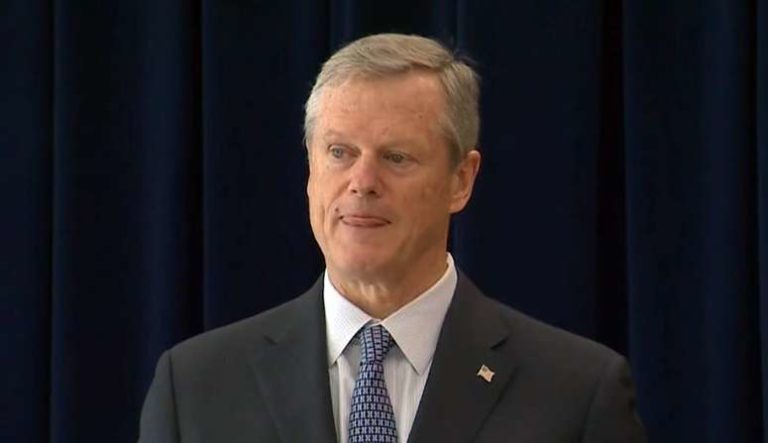
The state Republican Party on Wednesday night united behind resolutions supporting Israel and opposing universal mail-in voting in Massachusetts, but the gathering did not seem to calm the tensions that have been boiling between conservatives and party members more loyal to Gov. Charlie Baker.

The MassGOP’s governing body assembled behind closed doors Wednesday night in Marlborough amidst a still-burning controversy over anti-gay comments made by Republican state committeewoman Deborah Martell.

Baker and nearly every elected Republican in the Legislature has called for Martell to step down from the state committee, but MassGOP Chairman Jim Lyons has refused to demand her resignation, defending her right to free speech.

Martell was allowed to address the committee at the start of the meeting, which came as a surprise to some in attendance, and said she would not resign over her email to committee members in which she said she was “sickened” that 2nd Congressional District candidate Jeffrey Sossa-Paquette had adopted children with his husband.

Tom Mountain, the vice chair of the party, said he is no longer on speaking terms with Lyons, calling the controversy over Martell “the final straw.” Mountain said the meeting featured “a lot of shouting” and he said Lyons also used the occasion to defend himself against critics.

“At this stage, I’m just completely fed up. I’m tired of him moving the party in this direction to the point that we’re now crazy and saluting members who make bigoted remarks about a gay candidate because he adopted children,” Mountain said in an interview Thursday morning.

The party did adopt a resolution declaring racism and bigotry “completely inconsistent with the Republican Party’s platform,” but it did not include the penalties proposed by Norfolk Rep. Shawn Dooley in the original version that would have withheld the party’s support for any candidate that makes offensive remarks.

“It’s not a happy picture in the MassGOP. We’re losing a lot of donors. We’ve lost a lot of support and we’re now are in the middle of a public relations disaster. It’s a very contentious time. It really is,” Mountain said.

Lyons aimed to paint a more unified portrait of the MassGOP coming out of a meeting in which the state committee adopted a number of resolutions, including one expressing support for Israel’s right to defend itself, one supporting a requirement of “proof of citizenship through voter identification” in order to vote, and a third opposing the permanent adoption of mail-in voting.

The House could vote at the State House as soon as Thursday on a plan that would make mail-in voting a permanent option for Massachusetts voters in biennial state elections after using the process during the COVID-19 pandemic to limit people’s exposure to the virus at the polls.

Asserting that thousands of mail-in ballot applications were sent to incorrect addresses last cycle, the committee voted to “oppose all efforts” to make mail-in voting permanent.

“Republicans are free to disagree on plenty of things and have plenty of different opinions, but our collective resolve to stand in solidarity behind important issues like election integrity and supporting our nation’s most loyal allies is unmatched,” Lyons said in a statement.

The governor has also butted heads with party leadership over a plan hatched by more conservative members of the party to weaken the governor’s position on the executive committee, which currently has the authority to endorse in Republican primaries.

Though proponents backed off a plan to remove Baker and other elected Republican officeholders from the committee, they did vote in support of stripping the executive committee of its power to endorse in Republican primaries.

Under the new plan, which must be redrafted and approved at the state committee’s September meeting, a two-thirds vote of the full 80-member state committee would be required to endorse in a primary.

“How it is done. This resolution, passed unanimously, holds the meat of the Lyons reform. Doesn’t fit the narrative of a deeply divided state committee,” Wendy Wakeman, a Republican strategist and Lyons ally, wrote on Twitter.

Lyons, in a statement after the meeting, said the outcomes of the resolutions “put on notice” anyone who wants to continue to sow division within the party.

“There are those that spend so much time trying to sow chaos within the Massachusetts Republican Party, as shown by recent media coverage, but I’m proud tonight to say that Massachusetts Republicans State Committee members found common ground on several positions that matter most,” Lyons added.

Former Rep. Geoff Diehl, who is considering running for governor in 2022, said he did not think the party was as fractured as critics suggest. The state committee member said “everything that was accomplished was done by voice vote and only one or two items weren’t unanimous.”

“I thought Chairman Lyons was able to accomplish a great deal in the span of the 3 hr 15 min meeting!,” Diehl texted.

The committee, which did not permit media coverage of its Wednesday evening meeting in Marlborough, did not vote on Diehl’s proposal to lower the threshold at the MassGOP convention next year to qualify for the ballot from 15 percent to 10 percent of delegates. Diehl said he withdrew it to “keep the option open,” but felt he accomplished what he wanted, which was to encourage participation and dispel the notion that MassGOP leadership might actually try to increase the threshold to make it more difficult for Gov. Baker.

“Having put forth the motion seemed to alleviate that concern, in the end, with no need to make any changes,” Diehl said.

The state committee also adopted a resolution opposing further mask-wearing mandates, stating that masks should be voluntary for vaccinated and unvaccinated residents and that the Legislature should pass “checks and balances as well as clearly defined parameters” on a governor’s authority to impose mask mandates or other restrictions during an emergency.

The meeting took place at the Apex Entertainment Center in Marlborough in a room that party officials said had a capacity limit of 100, which led to some interested Republicans and the media being denied access. Mountain said that he sought to allow more people to enter the room, which had space for additional attendees, but was refused.

Of the 4.73 million total registered voters in February 2021, there were nearly 460,000 registered Republican voters in Massachusetts, according to state data, down from the party’s highwater mark this century of more than 546,000 in October of 2000. There were 1.49 million registered Democratic voters in February across Massachusetts, and 2.72 million voters registered unenrolled.

(Copyright (c) 2021 State House News Service.

Join our Newsletter for the latest news right to your inbox

Apartments proposed for former site of popular East Hollywood gay bar – Livabl

Rendering: Bittoni Architects

The site of a storied gay bar once owned by Judy Garland and her then-husband Sid Luft could make way for 30 apartments and 1,649 square feet of commercial space in East Hollywood, according to a development application submitted to Los Angeles City Planning this week.

Known as The Red Rouge and later Faultline Bar, the business is reportedly moving to a new location. However, the venue at 4216 Melrose Avenue and a neighboring structure housing a tattoo parlor, CrossFit gym and four apartments could be replaced by a modern mixed-use building.

Alex Amirkhanian, the co-founder of Los Angeles-based Tower Investments Group, is listed as the applicant. Plans call for a five-story building with 30 one-bedroom apartments, with three units set aside for very low income households. A total of 19 vehicle parking spaces would be provided, split between an at-grade and subterranean parking level, in addition to storage for 25 bicycles.

The project’s sole commercial space, envisioned as a cafe in the renderings, is slated to occupy the corner of Melrose and New Hampshire Avenue. The ground floor would also feature a residential lobby with a mailroom, an indoor lounge, and a gym that opens onto a rear yard with synthetic turf, planters and benches.

The building’s podium design creates stepped-back outdoor space on the second floor to be used for common and private balconies. A yoga room with a walkout to the common balcony lends an indoor/outdoor feel and views of tree-lined New Hampshire Avenue. Meantime, the fifth floor boasts a movie room and a roof lounge, complete with a gas fire feature, outdoor kitchen, dining tables and lush greenery.

Rendering: Bittoni Architects

The one-bedroom floorplans range from 526 to 630 square feet and incorporate a linear kitchen, reach-in or walk-in closet, in-suite laundry, and a combination tub and shower. The units facing Melrose Avenue tout spacious balconies, some as large as 298 square feet. 

Designed by Bittoni Architects, the building would be characterized by ribbed precast concrete wall panels, board form concrete finish, stainless steel sheet metal, and sand finish plaster in varying colors. The roofline is angled for added visual interest, and dark-trimmed windows are paired with vertical metal picket guardrails in a contrasting white finish.

The storefronts have high ceilings and oversized windows, “which creates transparency into the building and a visual connection for the pedestrian experience,” explains a findings document. “Storefronts along Melrose Avenue are recessed to break up the scale of the building’s facade while creating entry vestibules.”

The project is seeking Tier 3 Transit Oriented Communities (TOC) incentives due to its proximity to the Vermont/Santa Monica subway station on the Metro Red Line, an eight-minute walk away. The neighborhood offers easy access to the Hollywood Freeway and is home to Los Angeles City College, the many bars and restaurants along Virgil Avenue, and independently-owned businesses like Going Underground Records and Hutch Vintage and Handmade.

Hate and Racism Won’t Stop Until We Start Naming It – Hartford HealthCare

Back

June 10, 2021

A man in Texas pled guilty to hate crime charges after using a dating app to target gay men. A man in Alaska pled guilty to threatening a Los Angeles Synagogue. Three Georgia men were charged with hate crimes in the death of Ahmaud Arbery, a black man killed while going for a jog.  A 75-year old Asian woman was punched in the face while walking down a street in Queens.

This all happened within the past month. Unfortunately, it’s an abbreviated list. Hate crimes in the United States, and across the globe, are on the rise.

The latest tragedy occurred in London, Ontario, where a man is accused of deliberately driving his pickup truck onto the curb, striking a family of five. Four of them died. The youngest is hospitalized. They were going for an evening walk. Officials say they were targeted because they were Muslim.

So where do we go from here?

Dr. Javeed Sukhera

“Where we need to go is staring this down. We can’t address what we can’t name,” said Dr. Javeed Sukhera, incoming chair of psychiatry at the Institute of Living and chief of the Department of Psychiatry at Hartford Hospital. “We need to appreciate that there is a culture of denialism and avoidance when it comes to hatred within our midst. The cost of being silent about that is too high. So many times, for me personally, there are things I have been told I shouldn’t say because they make people uncomfortable. I just don’t think that’s OK anymore. So let’s start by naming it.”

This latest act of hate hit especially close to home for Dr. Sukhera. The victims were among the first families he met when he moved to London.

“For me as a leader in a community, a new leader coming into an organization, someone who is passionate about issues of inequities and bias, who has lived it… it’s an entirely different conversation when someone I know is murdered for being who they are… just down the street,” said Dr. Sukhera.

While crimes such as these are easy to spot, Dr. Sukhera said he believes it’s the “subtle” racism that poses one of the biggest challenges.

“Everyone can sit at a moment like this and think, ‘what a horrible and heinous thing. That’s so hateful. That’s not me.’ But what is harder for people to realize is that we all play a part in the subtle racism that exists in our organizations,” said Dr. Sukhera. “It comes from people having a hard time when someone who has experienced racism actually talks about it. We are put in these spaces where we are not allowed to say certain things, and censor ourselves and code-switch all the time. Then we are not allowed to talk about toll that takes, the emotional burden.”

During this week’s UConn Health Disparities Institute “The State of Health Equity Among Boys and Men of Color” virtual summit, Dr. Sukhera spoke about the need to create brave spaces where people can feel comfortable being their authentic selves.  Behavioral Health Network Physician-in-Chief John Santopietro said he hopes Dr. Sukhera can help further open those forums here as he joins the system.

“He is an extraordinary leader in the community.  What really shines through when you hear him speak, including about this recent tragedy which hit close to home, is that Dr. Sukhera was built for this,” said Dr. Santopietro. “His life’s work in scholarship, education, and system transformation around health equity, anti-racism, anti-discrimination work, makes him the right person for this moment. His decision to come here is very much a statement about Hartford HealthCare’s investment in diversity, equity and inclusion.”

“This tragedy is a perfect example of how some individuals’ humanity matters less than the humanity of others. Four people were murdered because they were Muslim. If the perpetrator was Muslim, Anderson Cooper would probably be in my back yard. It would garner national attention. The entire narrative would be different,” said Dr. Sukhera. “I think it’s important to talk about that.  I am going to talk openly about these issues when I join the organization.  I also hope that as an incoming leader, others talk openly with me. I want to hear people who themselves feel that they don’t matter, that they are treated inequitably, or like a second class, or rendered invisible. It’s only by sharing those stories that we can imagine one another’s reality and work towards something better.”

Government Leaders, Children’s Advocates from Voices for Children Highlight Delaware County Residents’ Attitudes About Child Well-Being – Delaware County

Released: June 10, 2021

As families and communities recover from the pandemic, poll shows that federal, state, and local government should put a priority on helping children and families get back on track.

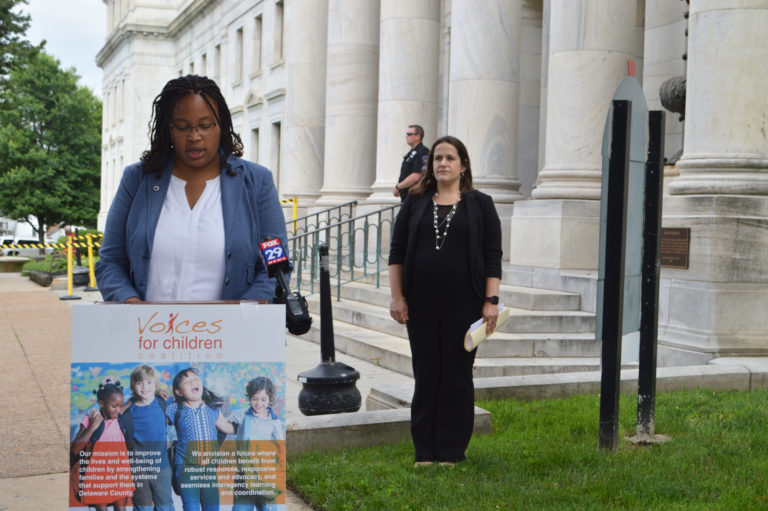
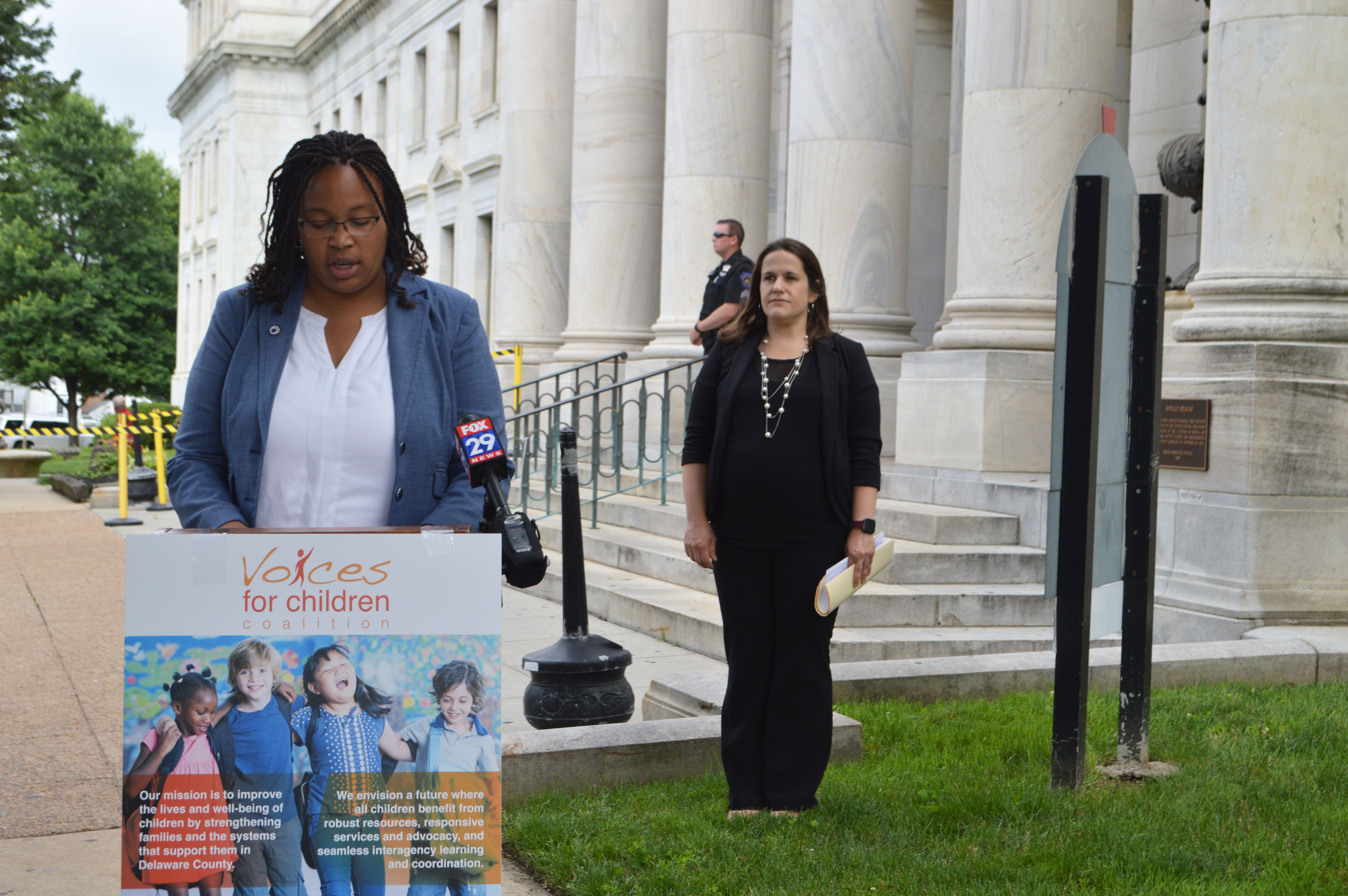
Today, the Voices for Children Coalition, together with lawmakers and local leaders held a press conference to discuss the results of a new poll in Delaware County. The poll of 606 registered Delaware County voters in March 2021 found that county voters support increasing local government funding for a variety of social services and believe that programs for children should be increased.

Voters put the highest priority on services for children who are abused or neglected (76% support) but also prioritize mental health and drug/alcohol services, education, health care access, and protection from domestic violence.

“With society finally emerging from this long, difficult time, we at VFCC wanted to take a snapshot of how the people of Delaware County viewed the status of our children and their well-being, their priorities for what our children need, and how the pandemic may have affected our children,” said Leigh Anne McKelvey, Executive Director of CASA Youth Advocates of Delaware and Chester Counties. “What we found is that there is widespread concern about the effect the pandemic had on children’s well-being and that people want our children to be a priority going forward.”

“Like millions of families across the United States, residents of Delaware County are concerned about the lasting impact of COVID-19 on their children’s health and well-being,” said Congresswoman Mary Gay Scanlon (PA-05). “The past year has, without a doubt, deeply affected our young people. Their education and mental health were impacted. Their families are having difficulty meeting basic needs like food, medicine, and child care.”

“As we work to make a full recovery from the pandemic, it is critical that we invest in our children and families. President Biden’s American Families Plan will make historic investments in the middle class, ensuring that children can get the care and good education they need to thrive and that parents can get back into the workforce to power America’s economy,” Congresswoman Scanlon added. “It would make transformational investments in education, provide direct support to families in the form of nutrition assistance and other programs, and extend key tax cuts – including the expanded Child Tax Credit, Earned Income Tax Credit, Child and Dependent Care Tax Credit, and health insurance tax credits. I am committed to improving the lives of families in my district, and I look forward to working with my colleagues in Congress to deliver much-needed resources to our communities.”

When voters are asked about issues specifically facing children in Delaware County, a few issues stand out as highest priorities, but voters identify a very broad range as worthy of attention:

K-12 education, mental illness, and drug/alcohol abuse are top-of-mind with voters for local elected officials to address: 33% of voters put K-12 education in their top three issues for children and 31% put mental illness and drug/alcohol abuse among young people in their top three.

Other important issues facing children in the area—around one in five voters puts child abuse and neglect, poverty, nutrition, racial inequality, special education, child care, and health care in their top three issues.

“Delaware County Council is committed to ensuring that families have the resources they need to live healthy lives,” said Delaware County Council Vice Chair Dr. Monica Taylor. “Good health includes safety, physical health, mental health, and social wellbeing. We know this takes an investment into the services we offer the residents of our community. We know it takes dedicated and trained staff who work in these fields and strong partnerships with organizations that offer services and support to children. We believe this is a very worthy and vital investment.”

The poll results are critical in understanding county voters’ priorities for the region at a time when Delaware County is set to receive $110 million in federal American Recovery Plan (ARP) dollars, which are intended for County use to help communities hit hard by the coronavirus pandemic. In addition, Pennsylvania state officials must decide how to spend $7.3 billion in federal recovery dollars, as well as state revenues that are currently $2.9 billion ahead of original estimates. This polling shows that additional federal investment going beyond the ARP children is widely supported.

“This survey shows the near consensus of people who want to prioritize children and invest in their safety, their mental wellness, in their nutrition, and in their schools,” Donna Cooper, Executive Director of Public Citizens for Children and Youth (PCCY), a Voices for Children partner. “One of the best things about this survey is its timing. The county, municipalities, school districts, and the Commonwealth have extraordinary resources this year from the American Rescue Plan. We urge local, county and state elected officials to heed the call of their own citizens to make investments immediately to improve conditions for our children.”

Should additional funding be available to local government, children at risk of abuse and neglect are seen as the most important: 81% say that it’s very important that additional local government funding should help this group. Children in foster care (70% very important), children with special needs (74%), and children in low-income families (70%) are also seen as the most important uses.

“Senator Kearney is grateful to Voices for Children for conducting this poll so we can better understand Delco residents’ concerns,” said Alex Christy, District Director for Senator Tim Kearney. “We know that meeting basic needs and getting access to mental health services were already hard for Delco families before the pandemic, that it worsened during the pandemic, and that it won’t simply disappear with the virus. These should be the top priority for leaders on the federal, state, and local levels.”

The poll results show that Delaware County voters believe government leaders should spend these dollars where they will have the most impact – on social services for children and families in their own backyard.

More details about Delaware County voters’ priorities for children are contained in this presentation and this memo.


Recoil Magazine Addresses Controversy Over LGBT Advocate, ‘Top Shot’ Winner Chris Cheng Cover – Yahoo News

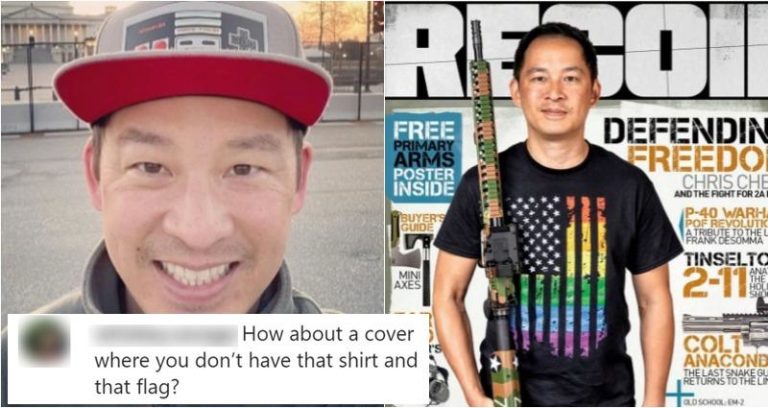
Recoil admitted they were taken aback by the controversy surrounding the magazine cover draft posted on social media featuring Asian American gun enthusiast and LGBT advocate Chris Cheng.

What happened: The magazine asked its followers on Wednesday to vote for which cover they would like to see in the upcoming issue on Instagram.

  • Days after the controversy, Recoil Magazine addressed the issue on social media.

  • The magazine said they were “taken aback” by the reactions to the cover and “maintained” the Second Amendment was for all U.S. citizens.

  • “If you’re as strong of a defender of individual Chris Cheng, we’ll put you on the cover, and let you pick your own wardrobe too,” the statement read.

  • Cheng applauded the magazine on his Instagram page for taking a stand on “inclusivity and for supporting me and the gun community.”

Who is Chris Cheng: Cheng, 41, is a self-taught gun enthusiast from San Francisco. He works in IT for a Silicon Valley tech company, according to an interview with Recoil.

  • His father taught him the basics of firearm safety and handling at age 6. This activity went on once every three to four years.

  • Cheng won Season 4 of History Channel’s “Top Shot” in February 2012 and described himself in his audition as a “self-taught amateur who is a gay, Asian, white-collar techie.”

  • He also testified in front of the U.S. Senate in March to “speak against a number of the gun control measures currently facing Congress.”

  • Cheng argued guns were not the cause of “violence and hate” but “socioeconomic, low self-esteem, lack of mental health resources, lack of community, lack of educational and job opportunities, and a lack of humanity,” according to the video’s description.

Featured Image via @topshotchris (left), @recoilmagazine (right)

Enjoy this content? Read more from NextShark!

Alleged Chinese Spy Slept With Mayors, Helped Fundraisers During Obama Administration

Sold Out PS5s Are Being Resold in Singapore for $800, Up to $25,000 on eBay

Air Force Veteran Beaten, Called ‘Chinese Virus’ in Unprovoked Attack in LA’s Koreatown

Alibaba Releases Chinese New Year Ad Featuring Gay Couple

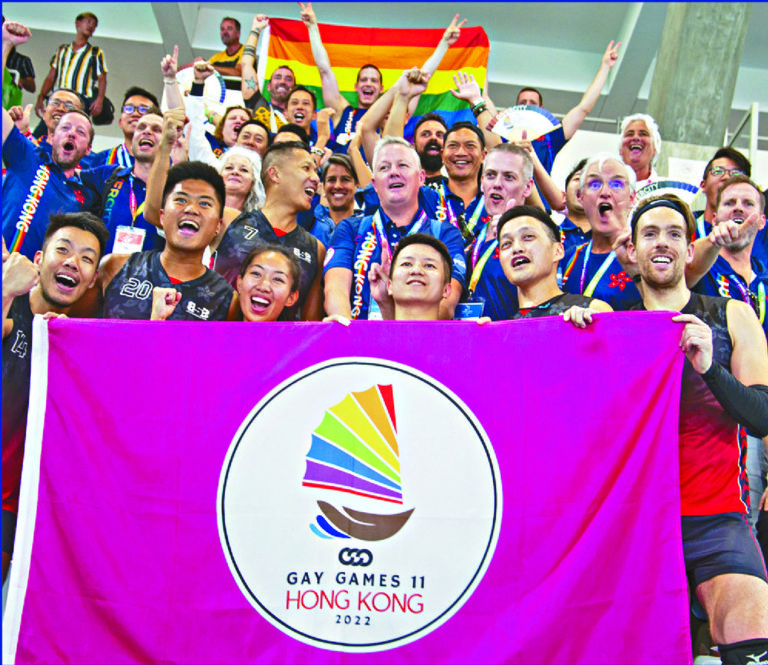
Rights chief throws support behind staging of Gay Games – Hong Kong Standard

Maisy Mok

The Equal Opportunities Commission chief has rejected misconceptions about the Gay Games after several lawmakers objected to the government helping the sports event.

Ricky Chu Man-kin said yesterday the games – set next year in Hong Kong – are worth the commission’s support due to their promotion of equality, diversity and inclusion and that it is unfair to say their aim is to promote same-sex marriage.

Several lawmakers have opposed a call by the New People’s Party’s Regina Ip Lau Suk-yee for the government to offer more support to the games.

Junius Ho Kwan-yiu said “holding the event is disgraceful” and describe any economic benefits from it as “dirty money.”

On radio yesterday, Chu urged lawmakers and the public not to stigmatize the event, adding people should carry an inclusive and respectful attitude as “there is no doubt that it spreads the message of equality, inclusiveness and diversity.”

As there is currently no legislation in Hong Kong to prevent discrimination against sexual orientation, Chu said it is hard to prove whether Ho’s speech was discriminatory on a legal basis.

“If everything has to take a combative approach and treat all matters in Hong Kong in a rigid manner, then nothing can be done,” Chu said.

He said the commission will continue to offer assistance to the games and hoped the government can assist in providing venues.

Lawmaker Priscilla Leung Mei-fun said the games should not be supported as they promote the LGBT+ movement, which “may stir a huge controversy.”

Dennis Philipse, founder and cochair of Gay Games Hong Kong, told The Standard: “Everybody has their own opinion but the games are about bringing everyone together.”

Philipse said the government “is welcoming to have this event in Hong Kong as it aligns with the city’s values to promote inclusion and diversity.”

Francis Tang, founder of social service organization Gay Harmony, said Ho’s remark is discriminatory.

The organizer is expecting 12,000 participants from 100 countries to join the event.

It comprises 36 sports such as dragon boat racing and e-sports, as well as arts and cultural events in which everyone is eligible to participate. It is estimated to have an economic impact of HK$1 billion. The games are held every four years and next year marks the first time they will be held in Asia.

maisy.mok@singtaonewscorp.com

Chiefs lose OL Kyle Long to knee injury in voluntary workout – Blue Springs Examiner

0
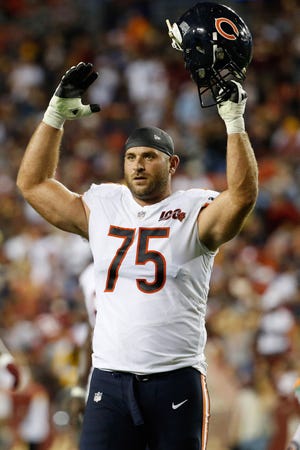
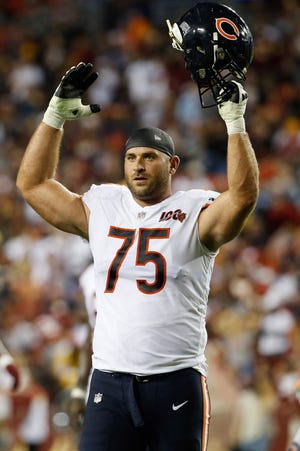
Three-time Pro Bowl guard Kyle Long, after signing a one-year, $5 million deal with the Kansas City Chiefs, may need surgery on his knee after injuring it in voluntary workouts.

KANSAS CITY, Mo. — The offensive line that the Kansas City Chiefs aggressively overhauled this offseason has taken a hit with a knee injury to veteran Kyle Long during voluntary workouts that could require surgery and keep him out of training camp. 

The 32-year-old Long came out of a one-year retirement designed largely to get him healthy to sign a one-year contract with the Chiefs, who completely recast their offensive line after it was decimated by injuries and opt-outs last season. But he failed to make it through three weeks of workouts before another injury sidelined him. 

“We’ll just see how he does here. It doesn’t look like it’s ligaments, but we’ll see,” Chiefs coach Andy Reid said following the last of the workouts Thursday. “There’s a chance he has to have surgery on it, but we’ll see where it’s at.” 

The Chiefs begin a three-day mandatory minicamp Tuesday, then are off until reporting to training camp in late July. 

Long has spent most of his career at right guard, but he also was a Pro Bowl selection at right tackle, and the Chiefs were keen to see him play both positions. Now, they are looking at former starter Laurent Duvernay-Tardif returning from his opt-out to play right guard and veteran Mike Remmers or 2020 draft pick Lucas Niang to play right tackle. 

The Chiefs are also high on Trey Smith, who fell to the sixth round of April’s draft due to his medical history. 

“We’re lucky that we have some good players in there,” Reid said, “and then Larry is coming back. You add all of that in there with (Andrew) Wylie, who has a couple years of starting under his belt, and we should be OK.” 

Duvernay-Tardif is expected at the mandatory minicamp, despite travel concerns due to COVID-19. He has been in his native Canada, where the trained physician spent last year helping people who contracted the coronavirus. 

Despite the injury to Long, the Chiefs appear to be pleased with the work they put in the past three weeks, when several teams opted to skip voluntary workouts altogether. It was especially valuable for the past two crops of rookies, those who missed the entire offseason program last year because of COVID-19 and those just learning the NFL ropes. 

“Of course it was tough for those guys that came in last year, to get their heads started in OTAs and minicamp,” said Chiefs linebacker Willie Gay Jr., who returned from a torn meniscus suffered in late January that kept him out of the Super Bowl. 

“I’m catching onto things that I wasn’t catching onto last year,” he said. “It’s the basics that make good become great.” 

WARD SIGNS 

Chiefs cornerback Charvarius Ward signed his restricted free agent tender, which means he will earn about $3.4 million for the coming season. The 25-year-old Ward was traded to the Chiefs just before the start of the 2018 season and has been a valuable contributor in the secondary, starting 31 of 43 games over the past three seasons. 

The Chiefs put an original-round tender on Ward in mid-March. That meant any other team could sign him, but the Chiefs would have had the right to match any offer. 

VACCINATION QUESTION 

Reid has indicated that the majority of players and staff have been vaccinated, though he has not gone out of his way to encourage players to get immunized. Rather, the Chiefs have provided information from the league and made physicians available to answer any questions. 

“I’m doing what’s best for me: I’m getting vaccinated,” Gay said, “but it’s to help me to focus on things that are important, not worry about masks and having to catch COVID or anything like that. I’m just taking the information given.” 

OVERLOOKED MOVE 

While the Chiefs were busy rebuilding their offensive line, they quietly added defensive tackle Jarran Reed to fortify their defensive line. The move could have even more of an impact than expected because the Chiefs are toying with using incumbent defensive tackle Chris Jones as an occasional edge rusher. 

“Chris is a great guy. You can tell this is his team and we’re following suit,” Reed said. “He’s a great player, real funny. A real cool dude. It’s self-explanatory how he plays. One of the best in the league.”