Home Blog Page 78

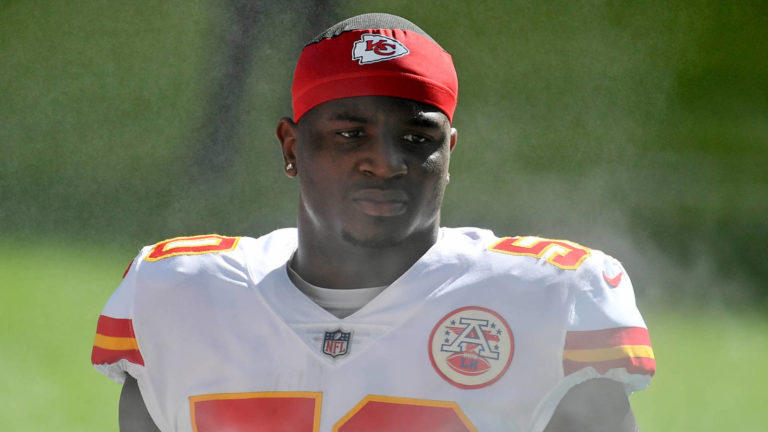
Gay enters Chiefs minicamp back at full health – News-Press Now

Nothing was ordinary about Willie Gay Jr.’s rookie season in the NFL.

The 2020 second-round pick didn’t have organized team activities to prepare for the regular season because of the COVID-19 pandemic.

His training camp was abbreviated, and he had to try to learn Steve Spagnuolo’s defense on the fly.

Injuries in the regular-season finale and on the road to Super Bowl LV shelved him late in the year. Now, he feels fully healthy ahead of the start of mandatory minicamp Tuesday.

“All I do know is during this offseason period with this training staff, we’ve been working nonstop, me and (Chiefs assistant athletic trainer) Ms. Julie (Frymyer) and all her help that she has,” Gay told reporters Thursday. “It’s been a real grind and that’s why I’m here today, 100 percent.”

In the final game of the season, Gay suffered a high-ankle sprain. He later suffered a knee injury during build-up throughout the postseason, sidelining him for the Chiefs’ second-straight Super Bowl appearance.

“I don’t even know what really happened with it,” Gay said. “I tore my meniscus; I don’t even know if it was at practice or just walking around after.”

Six months later, Gay was a full participant throughout OTAs last week.

Now with a chance to find an expanded role in the linebacking corps, health and time are to his benefit this offseason.

“Of course it was tough for us that came in last year,” Gay said. “To only see the playbook for the first time during training camp, it was hard. To get that head start right now in OTAs and minicamp, it’s definitely helping a lot. I’m catching on to the things that I didn’t catch onto last year. I learned the basics. Now, it’s the small details that make good great. It’s coming along pretty good.”

Gay appeared in 16 games with eight starts last year, tallying 39 tackles, one sack, three passes defended and a forced fumble, playing on 25% of the teams snaps.

As part of his group, the Chiefs must replace Damien Wilson, though second-round pick Nick Bolton joins Gay, Anthony Hitchens and Ben Niemann as the team’s notable contributors.

With high expectations and a chance to compete for an immediate starting job, Gay is using the remainder of the offseason to build off last year’s strides.

“Really all I want to do is just my job,” Gay said. “Be able to be counted on and just do what I do to the best of my ability. Whether it’s tackling, whether it’s covering guys, blitzing, just continue to improve each and every day on the details of plays and execute every little detail that I do have with my assignments and all.”

Local Videos

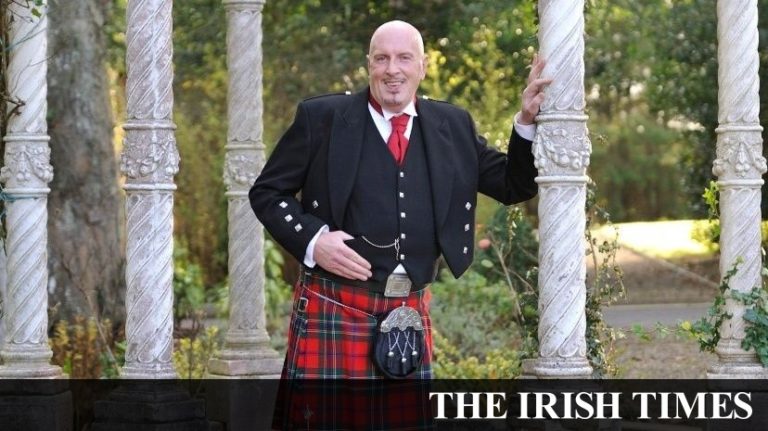
Pioneering campaigner for LGBT rights in 1980s Ireland – The Irish Times

Don Donnelly
Born : January 25th 1955
Died: May 19th 2021

Don Donnelly, who has died aged 66, played a key role in building supports for members of Ireland’s gay community at a time when they were largely unseen by the rest of society, and frequently living in fear.

Ultimately, his life’s work, along with the efforts of many others, transformed the lives of lesbian, gay, bisexual and transgender (LGBT) people and won for them a level of acceptance and equality that a generation hitherto seemed impossible.

A physically large man with an ebullient personality, he had the capacity to motivate others while also achieving, and maintaining, unity between disparate and sometimes fractious activist groups.

“He was a very good leader,” according to fellow campaigner Kieran Rose. “He inspired and we were encouraged by him. A marginalised community needs people they can follow. He was one such.”

Donnelly was born in Dublin in January 1955 and grew up in modest circumstances in Páirc Mhuire, a local authority housing scheme in Newbridge, Co Kildare. His parents, John and Rosealeen Donnelly, lived initially in what he later described as “one room in an old, damp house in a brownstone on the edge of the Curragh”.

With self-deprecating humour, he said that after Christy Moore and Donal Lunny, he was “the third most famous person in Newbridge… or infamous”.

Comparatively well off

Although poverty was widespread within the community around him as a child, he told Edmund Lynch, in a 2013 interview for an LGBT+ oral history project, that his family was comparatively well off.

“Poverty was partly not so much lack of work but it was not unusual, in a three-bedroomed council house, to [have] families of six, eight, 12 or 14 people because people had no concept at all of birth control… I was lucky [because my family] was just a family of three so we were relatively well off,” he said.

He was the eldest of three children. His father was a shift worker and his mother, who was plagued by ill-health, spent long and regular periods in hospital. Around the age of nine or 10, Donnelly said he began to feel that he was different but it was not until he was 12 or 13 that he was able to articulate what the difference was.

In his interview with Lynch, he said that while studying literature at school, the writers Oscar Wilde and Mark Twain helped clarify in his own mind matters of his sexuality to the point where he could come out to his parents.

“I was able to go to my father and tell him that I thought I was gay and that I was pretty sure it was the case,” he said in the interview. “He in turn asked me was I happy, relatively, or was I concerned? And I said no, ‘I am not concerned and I’m not worried.’ And he said fine, just remember, ‘don’t make all the boys cry.’ He was a very calm and relaxed man. And that was my father and the extent to which he would react. So whether his son was coming out to him, or the Korean war had just broken out, he wasn’t phased easily by anything.”

After attending the Patrician Secondary School in Newbridge he qualified as a chartered accountant. He worked variously as accounts and financial controller at Irish Ropes and Hanlon Foods, as well as in Saudi Arabia, Switzerland and Turkey.

Shop steward

In an unusual segue in later life, lean times saw him take a job as a cashier in Tesco in Newbridge, where he became shop steward in Mandate and was elected chairman of the Tesco European Works Council.

But his lasting achievements relate to his activism for gay rights.

In the 1980s when homosexuality remained criminalised, he set up Tel-a-Friend, a phone-based support for gay people, many of them frightened and dealing with their sexuality alone. At the time, publications would not take advertisements using the word “gay” or “homosexual”, so Donnelly and his associates made stickers which they put up in public telephone boxes.

In 1988, he was a founder, with Charles Kerrigan, Suzy Byrne, Kieran Rose and Christopher Robson, of Glen, the Gay and Lesbian Equality Network, a coalition that spearheaded the campaign for gay rights in Ireland.

The following year, he gave a breakthrough soapbox address on The Late Late Show, arguing on prime time television for gay rights.

In the 1989 general election he stood as a Glen candidate in the Dublin constituency of then taoiseach Charles Haughey. He received 141 first-preference votes, plus one transfer.

Despite this electoral rebuff, the campaign for gay rights had gained momentum and it led to an invitation to meet then president Mary Robinson in Áras an Uachtaráin, a not-insignificant sign of growing acceptance.

For all his innovating, Donnelly was a gradualist, supporting civil partnership ahead of full marriage equality for gay people.

“He felt that by changing things one little bit at a time, people would see that the sky had not fallen in,” says his husband Garreth O’Mahony. “You had to bring the people with you because they were frightened of change.”

“It was a very long, slow slog,” recalls long-time friend Jon Taaffe. “We were very gratified by the marriage equality referendum. We never thought we would see gay marriage in our lifetime. We thought civil union would be the height of it.

‘Extremely proud’

“He was extremely proud of what had been achieved… he achieved a great deal in making life much more bearable for a lot of lonely and isolated LGBT people.”

He was blessed by having accepting parents – so much so that they worked with the Irish branch of Parents Enquiry, a support group for parents of gay children. This involved them going to schools and community groups giving talks.

Donnelly died of a heart attack but for much of his life he coped with the highs and lows of bipolar disorder.

“He would have always mentioned that he was bipolar if he thought it could help someone,” says O’Mahony. “It’s a hidden disease and nobody wanted to talk about it, so he would. It was something that he had very much under control.”

Fond of GAA football, swimming, country walks and cinema, Donnelly was also an accomplished chef and host. At one stage, he ran a guest house, Dublin’s first openly gay guest house, and also embarked on an ultimately unsuccessful investment in a bar in Spain.

Friends remember Don Donnelly as a joyous man, whose company was treasured and who was the source of much laughter.

Predeceased by his father, he is survived by his husband Garreth, his mother Rosealeen, brother Aidan, sister Gaye, his wider family and in-laws, and a wide circle of friends.

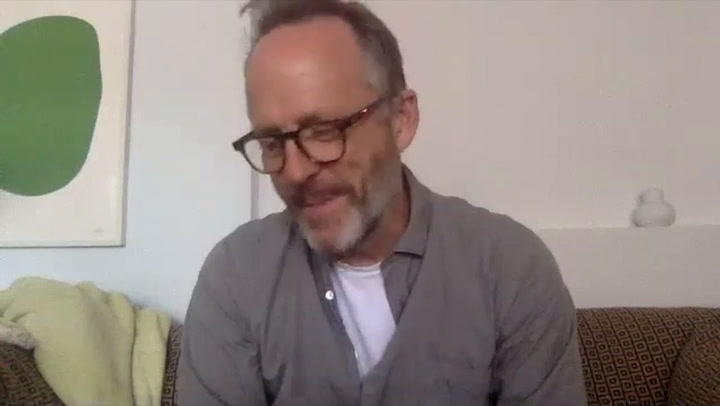
Tony-winner John Benjamin Hickey on finding gay love, Israeli style, in ‘Sublet’ – Queerty

0

June 11, 2021

It’s about time we saw John Benjamin Hickey in another movie. ‘Sublet’ opens June 11.

The classy, bookish actor has spent the bulk of his career on stage, acting in noted Broadway shows including ‘Cabaret,’ ‘The Crucible,’ ‘Love! Valor! Compassion!’ and ‘The Normal Heart,’ the latter for which he won a Tony Award. At the moment, he’s also up for another Tony for his turn in the play ‘The Inheritance.’

Now the openly-gay Hickey goes before the cameras in the romantic drama ‘Sublet,’ directed by Etyan Fox. The film casts Hickey as Michael, a gay travel writer grieving after his surrogate’s miscarriage. In Tel Aviv, he rents an apartment from Tomer (Niv Nissim) a handsome, gay Israeli dismissive of Michael’s life and troubles. An unlikely spark develops between the two as Michael & Tomer begin to explore one another’s pain and realize they share a special bond.

We snagged time with Hickey just ahead of the ‘Sublet’ opening. The film lands in theatres June 11.

Video Editor: David Beerman

Bob Melvin’s daughter has a rooting interest in A’s Glenn Burke Pride Night – San Francisco Chronicle

The Oakland A’s celebrated Gay Pride on Friday with a new twist, naming the night in honor of former outfielder Glenn Burke.

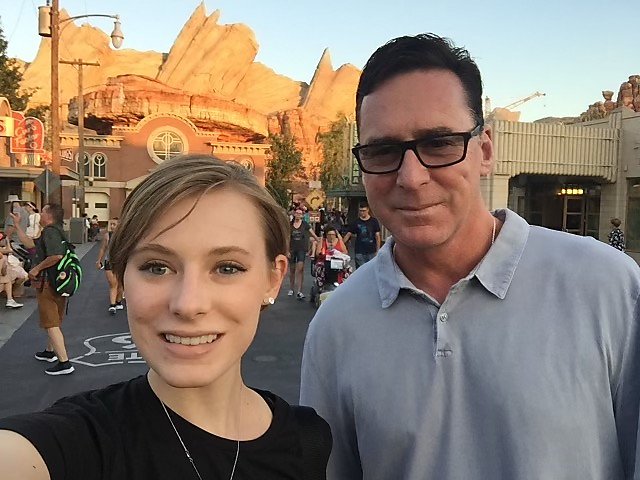
And earlier in the day, manager Bob Melvin’s daughter, Alexi, added another layer to the festivities with a tweet:

“Happy #PRIDE Night to the @Athletics. The manager has had an LGBTQ+ daughter pretty much since she was born. (It me.) And I have always felt very supported and empowered to live my truth. I have been lucky. So much love to the rest of my community.”

Alexi texted the tweet to her dad, because Stone Age BoMel is not on Twitter. He heartily approved.

“It’s cool and I’m proud of her,” Bob Melvin said in a phone interview Friday afternoon.

Alexi wanted to be at the game, but she lives in Arizona and had other commitments, so she sent her love via Twitter.

“I just wanted to share my support and bring any kind of awareness to the organization,” she said.

Alexi Melvin, now 32, was born in 1988 in Redwood City, when her dad was between his fourth and fifth big-league seasons, a backup catcher for the Giants. She is the only child of Bob and wife Kelley.

In many ways, Alexi took the road less traveled. She skipped eighth grade and entered high school at age 13. At 14, she was diagnosed with Type 1 diabetes. At the same time, she was coming to terms with her sexuality.

“When it occurred to me that that’s who I was, around 13 or 14, I didn’t really make it a big deal, I just kind of started living my truth,” Alexi said. “My mom, right off the bat, was really, really supportive and always told me that it didn’t really matter what label I wanted to say I was.

“My dad started to pick up on things, and he never expressed any concern, he just wanted me to be happy, and he always told me that, whether it be with regard to my sexuality, or what I was pursuing with school or career.”

Alexi added with a laugh, “I think he was actually glad that it meant I wouldn’t be going after any of the players on his team.”

Since Alexi was, as far as she knew, the only person in her high school who was out, her parents were her support group.

“It’s definitely a sense of otherness,” Alexi said, and her parents “always made me feel like I was unique in a really special way . . . I never felt like they weren’t there for me. There just always were.”

Bob said, “She became a lot happier once she was able to come out and be the person she wants to be. With most people like that, they have to break down some doors, not only as far as the public goes, but for themselves, too, to feel comfortable, and that’s a very hard thing to do.”

After high school, Alexi went to New York to study acting, and brought her parents with her. They wound up staying in New York for six years, as their daughter earned a BA degree from the New School, and attended the Lee Strasberg Theater and Film Institute, then went to work.

Alexi’s acting credits include two Star Wars movies and some commercial work. Recently she changed her career course and enrolled at the California Institute of Integral Studies in San Francisco. In the fall, Alexi will be majoring in Women, Gender, Spirituality and Social Justice, with the goal of an MA and a Ph.D.

“Bringing more equality and awareness with regards to gender, sexuality, spiritual expression, all of that is really important to me,” she said. “I would like to write books, and speak. I’m really passionate about talking about transcending gender norms.”

Alexi was heartened by the positive response to her tweet about the A’s Pride Night.

“I love seeing the support and acceptance, that’s what we’re working towards,” she said. “A’s fans, I have to say, are great. I’ve dealt with some kind-of-not-nice people, growing up around baseball and having my dad be who he is. But A’s fans have always been just kind and supportive, just really good, kindhearted people, and today was a great example of that.”

Alexi’s interest in sports was limited to one season of Little League baseball. Oh, and she ran the New York City Marathon in 2019 and will run it again this year, in support of her activism in the diabetes community.

Friday night, though, she was a big A’s fan. Her dad had his team in first place in the AL West, and the A’s were saluting gay pride.

“Big day,” Bob Melvin said with a smile.

Scott Ostler is a San Francisco Chronicle columnist. Email: sostler@sfchronicle.com Twitter: @scottostler

Opinion: Pride will look much different this year in San Diego. Here’s what you can expect. – The San Diego Union-Tribune

LaBarbera (they/she) is the education and advocacy manager at San Diego Pride and lives in Normal Heights.

Happy Pride 2021! Yet again, Pride will look much different this year — in a new and exciting way. While we are all finding our paths back to some sort of “normal,” a typical San Diego Pride this July still isn’t in the cards. To recycle some overused buzzwords from 2020, we’re again pivoting to a new version of Pride in this still-unprecedented time.

The pandemic has been particularly hard on LGBTQ communities who have spent a long time apart from their chosen families. Reports from both the Trevor Project and SAGE have found that LGBTQ youth and seniors, respectively, have experienced significant social isolation during the pandemic, putting folks at risk for negative mental and physical health outcomes. The economic and health consequences of COVID-19 have disproportionately affected LGBTQ communities, and our community has endured so many losses over the past year and a half. For those who are able, coming back out either virtually or in-person with other LGBTQ folks will be more important than ever.

We provide this platform for community commentary free of charge. Thank you to all the Union-Tribune subscribers whose support makes our journalism possible. If you are not a subscriber, please consider becoming one today.

Advertisement

This year, we’re celebrating both our resilient past and the resilience we continue to find in each other with a series of hybrid in-person and virtual events. Instead of those 350,000 people at the Pride parade or the more than 50,000 people at a Pride festival, there will be smaller, scaled-back in-person events throughout the county alongside virtual options for those who still want or need to celebrate Pride from home.

On Saturday, July 17, Pride attendees will be able to tune in to our virtual Pride Live or join the LGBTQ community in person for resilient celebration throughout the city and county. For example, folks can join the LGBTQ Latinx Coalition at Mujeres Brew House (a new women-owned brewery space in Barrio Logan), take the elevator up to the rooftop of the Hotel Solamar to celebrate Black Pride with the San Diego Black LGBTQ Coalition, picnic and play yard games in the LGBTQ youth-only space at the Pride Youth Picnic in Mission Hills, or head out to the Viejas Casino to party with Gottmik at Pride at the Park.

And, of course, San Diego Pride and the LGBTQ community still has a home base in Hillcrest, where the Pride Block Party and our LGBTQ-owned businesses are eager to welcome folks back throughout Pride week. She Fest, the annual festival centering women and non-binary folks, is returning to help kick off Pride week on July 10 as a hybrid virtual/in-person event, with an incredible festival planned for the area around Pride Plaza. Our annual Spirit of Stonewall Rally is also returning in-person to the Hillcrest Pride Flag, and Pride events are planned in Hillcrest throughout Pride week.

Pride has at times been a riot, has always been a protest, and more recently has been — thanks to those who paved the way — a celebration. The Pride movement is rooted in protest, in claiming space for our community, in fighting back against state-sanctioned oppression and violence. And here in San Diego, our first “parade” was actually a march — staged without a permit and without permission, while many members of our community marched with bags over their heads to protect their identities. In that spirit and in recognition of that history, we’re returning to our roots in a new way this year, coming together on Sunday, July 11, to march in solidarity, in resilience, in community from Balboa Park to the heart of Hillcrest.

Hillcrest continues to be the heart of the “gayborhood,” and it’s also important to remember that Pride belongs everywhere in San Diego. As Pride volunteers and staff have planned these dispersed Pride events, it has been heartening and exciting to watch these additional neighborhoods and businesses throughout the county welcome and embrace the LGBTQ community. All of these events mentioned are just a sampling of the protests, celebrations and gatherings happening throughout Pride week in San Diego. In pivoting from a centralized festival and parade to these dispersed virtual and in-person events, the LGBTQ community is shining in a new way.

Pride offers LGBTQ people, whether or not they’re fully “out,” an opportunity to be their whole, beautiful, true selves, whether that’s for a minute, an hour, a da, or a lifetime. A beautiful, resilient season is upon us, San Diego. Come out and join us!

Visit sdpride.org/pride for more information on all the San Diego Pride 2021 events.

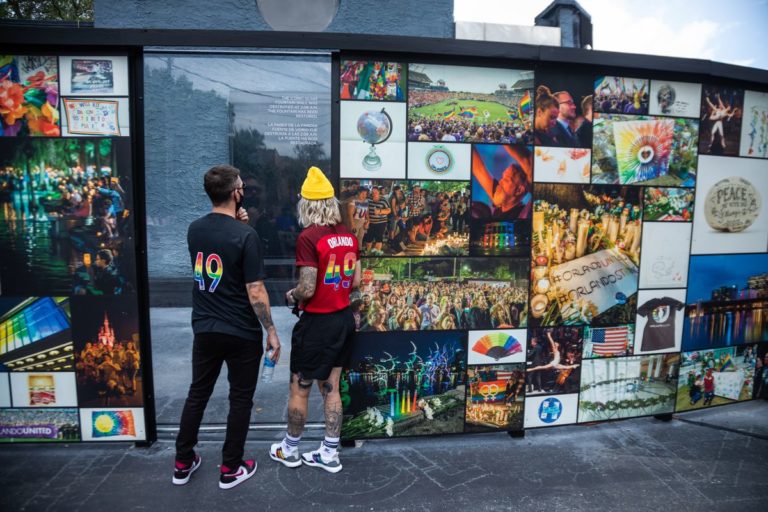
Orlando Pride players reflect on five years since Pulse tragedy – Orlando Sentinel

“I just think people had to realize, ‘If I’m not doing anything, I’m continuing to be a part of the problem,’ ” Harris said. “I do feel like there was this massive shift in Orlando, and I do feel like we’ve grown through that struggle as a community. … It’s now a part of our DNA in Orlando. We protect each other and we realize that we have to create a safe space for everyone.”

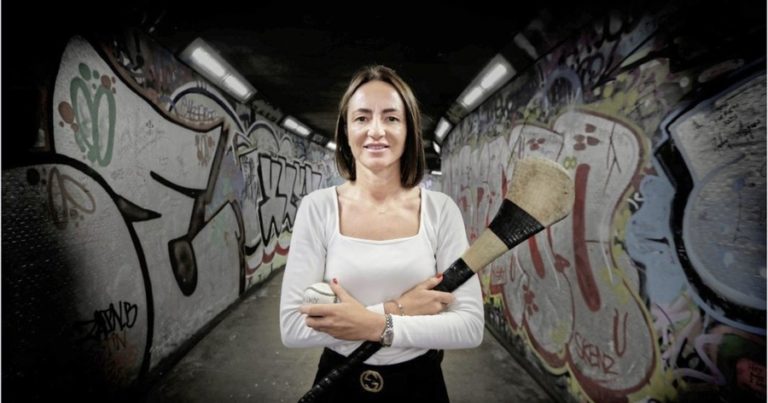
GAA can do more to support LGBT inclusion: Jane Adams – The Irish News

FORMER Antrim camogie star Jane Adams feels the GAA is “moving in the right direction” – but believes more can still be done to support inclusion of the LGBT community within the association.

Adams admits she struggled to accept her sexuality during her playing days and, for all the strides that have been made in recent times, still sees barriers that have to be broken down over time.

“I don’t think there’s enough being done because when it is talked about, it’s still talked about as if it’s a taboo. But they are trying,” said the former Rossa ace, who led the west Belfast club to an All-Ireland senior title in 2008.

“This is Pride month, the GPA and the women’s GPA have changed their badge to a rainbow. Even those small things show that, slowly, we’re going in the right direction. It might not be where we want it to be right now, but it’s moving in the right direction.

“I know lots of girls and fellas within the GAA who are gay but whether or not they will ever come out is entirely up to them. All I can say to them is that, when you do, when you accept yourself, it’s so much easier and life is so much better.

“When I was younger I didn’t want to be talking about being gay, I didn’t want my team-mates to think it. Even now there are issues around the language used in connection with it, so there are still barriers to be broken down.

“Everybody should be looked at as equal. That is always how I have looked at life – I’ve never thought I was better than anybody else, I’ve never thought I’m any worse than anybody else.

“Gay, straight, whatever you are, nobody should be treated differently. But we’ll get there. We will move forward.”

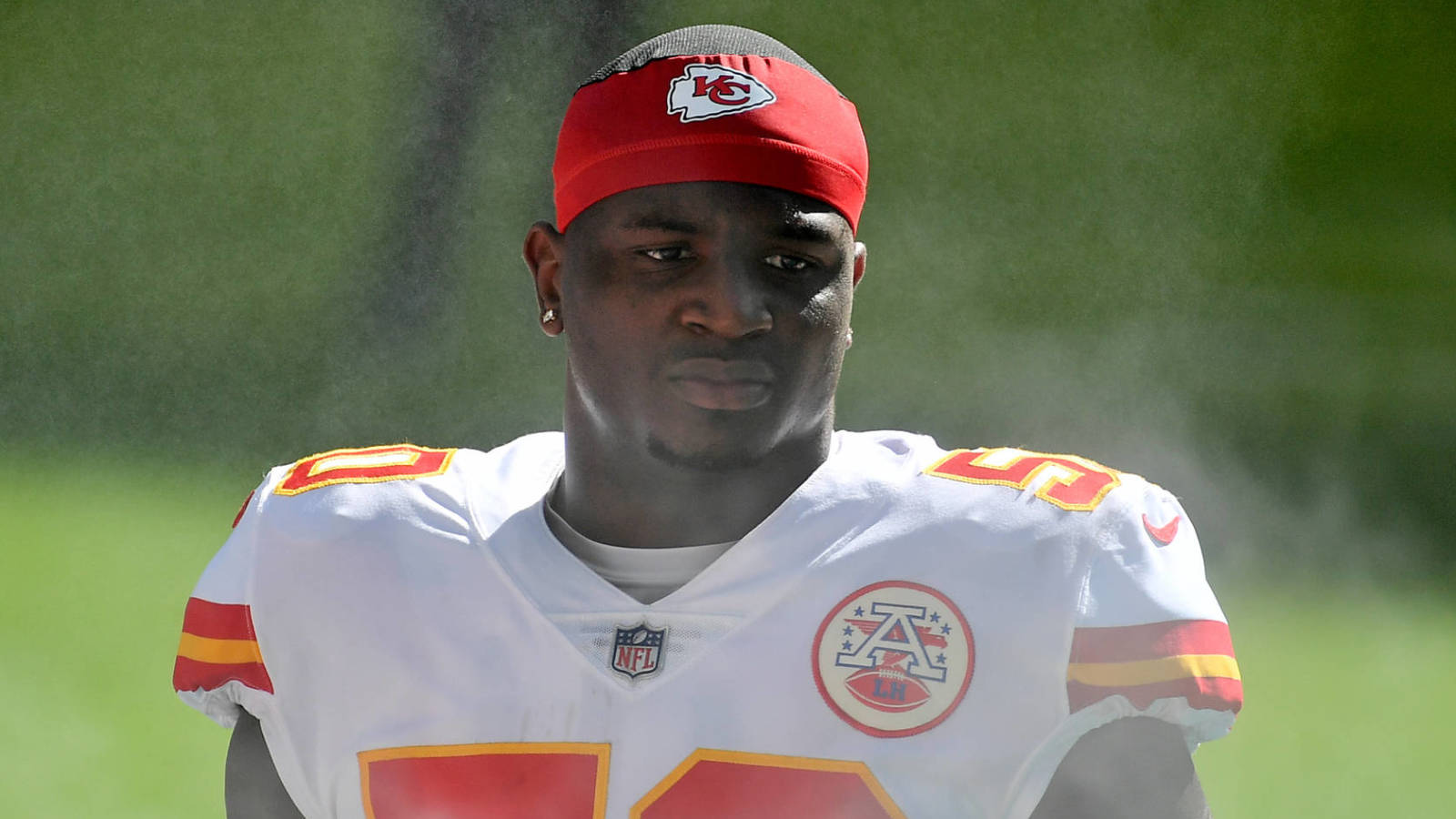
Chiefs’ Willie Gay Jr. fully healthy after missing Super Bowl with torn meniscus – Yardbarker

Kansas City Chiefs linebacker Willie Gay Jr. started in eight of 16 regular-season games and notched 39 total tackles with one sack, one forced fumble and three pass breakups his rookie year until he suffered a high-ankle sprain in Week 17. 

Little did he realize at that time he wouldn’t play again until August 2021 at the earliest. While working to return for the Super Bowl LV matchup against the Tampa Bay Buccaneers, Gay went down to a torn meniscus and had surgery to repair the issue. 

Per Charles Goldman of USA Today/Chiefs Wire, the 23-year-old told reporters he still isn’t exactly sure how or when he experienced the setback but credited athletic trainer Julie Frymyer with getting him ready for this summer’s training camp sessions. 

“But all I do know is during this offseason period with this training staff, we’ve been working nonstop, me and Ms. Julie, and all her help that she has,” he explained. “It’s been a real grind and that’s why I’m here today, 100 percent.” 

He added that he simply wants to do the job assigned to him in any given instance. “Be able to be counted on and just do what I do to the best of my ability,” he said. “Whether it’s tackling, whether it’s covering guys, blitzing, just continue to improve each and every day on the details of plays and execute every little detail that I do have with my assignments and all.”

The second-round selection was initially on track to return for training camp, but his latest comments suggest he’s even ahead of schedule in the final days of spring. 

Lorde’s “Solar Power,” and Pop Trends in 2021 – The Atlantic

0

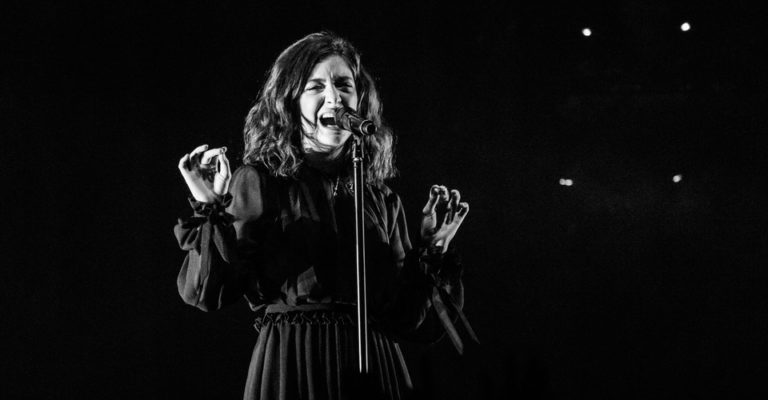
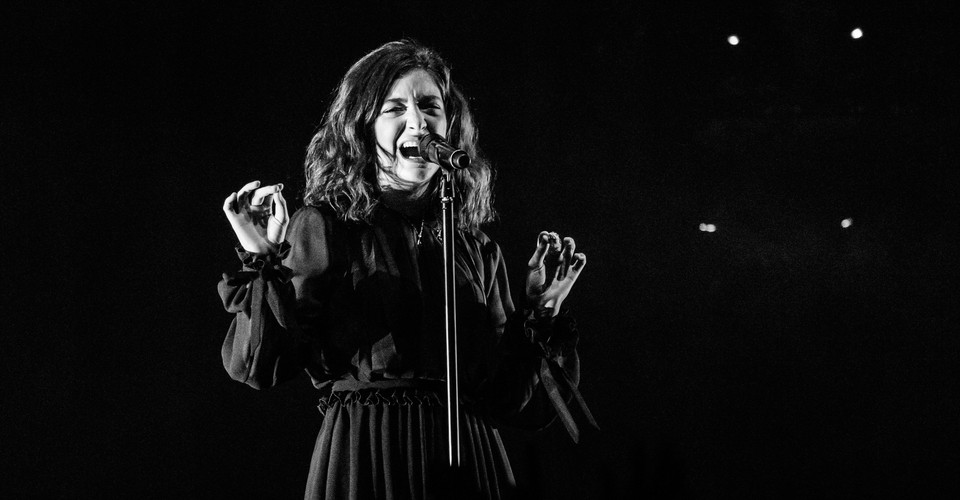
“It’s a new state of mind,” sings the pop artist Lorde in a sunny new single. “Are you coming, my baby?”

With America reopening, there’s a summery exuberance in the air. And the songs blasting from our radios may reflect that newfound carefree attitude.

We caught up with our culture writer Spencer Kornhaber, who argues that, as the nation reopens, Americans may see a return to a simpler, sparkly 2000s vibe.

The conversation that follows has been edited and condensed for clarity.

First, let’s talk about the new Lorde single, “Solar Power.” What do you make of it?

It feels like Lorde is attempting a cultural reset. And I kind of support it. It’s a song about emerging from darkness and winter, and just letting yourself enjoy life again.

Lorde’s first album was also a cultural reset, back in 2013. She ushered in a more introspective, vulnerable, and somewhat morose mood on the pop charts. People might have expected her to come back and make more music like that. But she said, Screw that. I’m going to make my Sheryl Crow, strummy campfire anthem and tell everyone to lighten up.

You recently argued that, as we exit the pandemic, we could see a 2000s-pop-culture revival. Can you explain what you mean by that?

When we think about what life might be like this summer, as things open up again, it feels natural to expect that people will want to be focused on fun, enjoying life, and frivolous things.

The most frivolous time in recent memory for a lot of people was the early 2000s. The pop culture of that era was just sort of ridiculous and flashy and joyfully artificial, with artists such as Britney Spears and Fergie and early Kanye West.

People are nostalgic for that vibe, including the Gen Zers on TikTok. There’s this mood of Let’s forget our problems and just care about wearing silly outfits—and not making all of our pop music have to reveal our soul.

You’ve also written about how pop music of late has been less in the bombastic style of Katy Perry. As America starts to reopen, do you think we might drift back that way? Or will something else dominate?

Between BTS, Doja Cat, and Dua Lipa, you definitely see signs of an upbeat dance-pop moment brewing in the charts. And then at the same time, you see songs like Lorde’s. You also have Justin Bieber’s “Peaches,” featuring Daniel Caesar and Giveon, which is definitely a strummy sing-along. And even Polo G’s “RAPSTAR,” the biggest song in hip-hop right now, is built on a pretty guitar loop. The singles from Billie Eilish’s new album are all very guitar-based.

Which other big music trends are you keeping an eye on this summer?

I’m interested to see what happens in the hip-hop world where, on one hand, you have this continuing trend of pretty morose and streetwise music by men such as Polo G and Roddy Ricch. On the other hand, you have really colorful and upbeat female stars such as Cardi B, Megan Thee Stallion, and Doja Cat, who are also joined by the first gay superstar rapper, Lil Nas X, whose song “Montero” is still riding high on the charts.

I’m interested to see where that more escapist, silly, poppy strain of hip-hop goes in the next few months. I think that’d be a great soundtrack to the summer.

It’s mid-June. Do we have any early contenders for song of the summer?

Two very real contenders as of this moment are “Leave the Door Open,” by Silk Sonic, which is a supergroup made up of Bruno Mars and Anderson .Paak. It’s a throwback R&B song—really sultry, a little bit campy. And then Olivia Rodrigo’s “Good 4 U.” The return of pop-punk is here. If you didn’t get your full pop fix, read Spencer’s review of Rodrigo’s debut album.

Read. Cultish is a “savvy, enlightening new book about the sort-of-cults people join every day and the linguistic patterns those cults and cultlike brands use to reel us in,” Sophie Gilbert says.

Find the book, and more like it, on our summer reading guide.

Watch. The film adaptation of Lin-Manuel Miranda’s In the Heights is now in theaters and streaming on HBO Max. It’s directed by Jon M. Chu, whom our culture writer Shirley Li has dubbed Hollywood’s new crown prince of musicals. The film has a deep understanding of the second-generation American’s dilemma, Carlos Aguilar writes.

On TV, Disney+ debuted Loki, a Marvel series that cares little about the Marvel universe. And the Pose finale was a bittersweet homecoming, Hannah Giorgis writes.

Sleep. In this week’s “How to Build a Life” column, Arthur C. Brooks offers advice for how to optimize your nightly slumber to increase your happiness.

9-Across, nine letters: Where a start-up might start up

Try your hand at our daily mini crossword (available on our site here), which gets more challenging through the week.

→ Challenge your friends, or try to beat your own solving time.

Thanks for reading. This email was written by Caroline Mimbs Nyce.

Congratulations to our colleague Ed Yong, who today won the 2021 Pulitzer Prize for explanatory reporting for his groundbreaking coverage of the COVID-19 pandemic. Revisit some of Ed’s prescient work, and join us in giving him a huge round of applause.

Did someone forward you this newsletter? Sign up here. Need help? Contact Customer Care.

The Black Cap, One of London’s Oldest Gay Bars, Could Get a Second Act – INTO

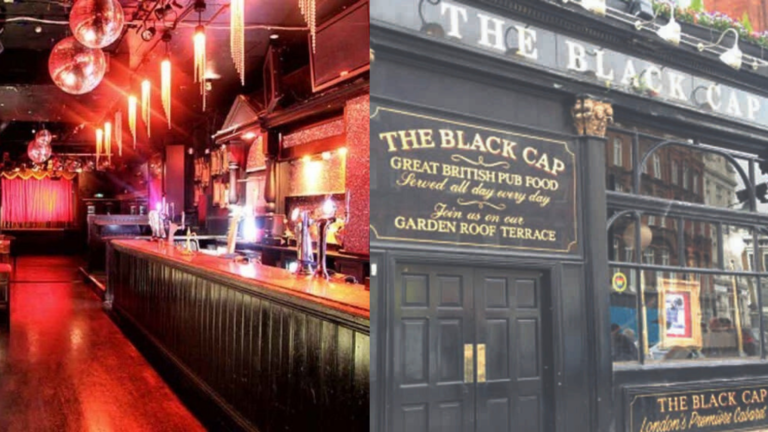
Since the 1960s, queer Londoners have frequented Camden Town’s The Black Cap for drinks, drag nights, cabaret, and company.

In 2015, however, the club had to shut its doors over a planning dispute. The Black Cap’s future looked uncertain, until the Camden New Journal published a recent report about the club’s new ownership. Thanks to years of protests and regular vigils from London’s queer community, the Black Cap is en route to resurrection. 

A company known as Kicking Horse Three has taken over ownership of the Cap, as well as a few other historic bars in Belsize and Dartmouth. 

 “We understand and value the historical and cultural importance of The Black Cap to Camden Town, and in particular, to the local LGBTQ+ community,” new owners Andy Merricks and Steve Billot told the Journal. “We are engaging directly with Camden Council, and look forward to further positive discussions as we work closely with officials and the local community.”

The Black Cap’s reopening is an auspicious sign for gay bars in the US and UK alike. When the pandemic hit last year, gay bars across the world faced a direct threat to their futures due to forced closure and an uncertain reopening timeline. Both the Save Our Spaces project and the documentary  The Lesbian Bar Project have drawn attention to the rapid disappearance of queer-designated historical spaces and bars in the wake of gentrification and COVID closures. It’s by no means a new problem—the fantastic 2006 documentary “Small Town Gay Bar” bemoans the fate of neighborhood gay bars doomed to close—but the pandemic has certainly sped things up and refocused the community’s attention on bars as safe spaces, as well as historical sites of queer history. The Black Cap’s reopening as a “pub, club, and cabaret” is a hopeful sign that historical properties can be collectively fought for and revived. The pub’s new owners told the Journal that the bar is needed “now more than ever.” 

Alex Green, from the Black Cap Foundation that’s been campaigning to save the bar for years, also shone some light on the bar’s closure in 2015. “It came at a time of lots of closures,” he told the Journal. “The Cap was somewhere people would gather not just to relax, to be able to be themselves without worry, but to mark occasions – birth, marriages, wakes. It has been iconic and important for decades. There are very few places where you can walk up, place your hands on the walls and say: this contains our history.”

History deserves to be protected, and gay bars are part of that. 

‘Love, Victor’ Review: TV’s Cutest Gay Rom-Com Matures in Season 2 – Yahoo Entertainment

[Editor’s note: The following review contains minor spoilers for Season 2 of “Love, Victor.”]

With an avalanche of LGBTQ+ content releasing every month, the days of squinting for a glimpse of queer representation seem to be safely behind us. But quantity does not always guarantee quality, especially when it comes to stories about marginalized identities. When 20th Century Fox released “Love, Simon” in 2018, it was the first studio movie to feature a gay teen coming out story. Though it was cheesy as hell, the comedy warmed the hearts of queer audiences of all ages, most of whom had never seen a reflection of their young selves in a big-screen movie with A-list stars.

More from IndieWire

The movie did surprisingly well at the box office, earning $66 million worldwide to become the 15th highest-grossing teen romance since 1980. Clearly, LGBTQ+ audiences were hungry (or thirsty, as the case may be). Wisely capitalizing on its success, 20th Television temaed up with “Love, Simon” screenwriters Isaac Aptaker and Elizabeth Berger to create “Love, Victor,” which expanded the “Love, Simon” universe to pass the baton to Latinx teen Victor Salazar (Michael Cimino). The first season, released on Hulu last June, was a hit with audiences and critics alike (including this one).

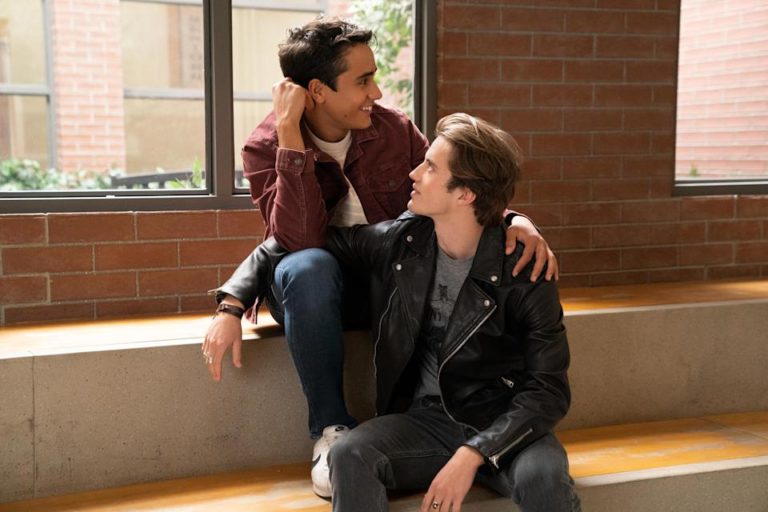
In its second season, “Love, Victor” delivers more of the charming, quirky characters and tender teen romances that gave it such a strong start. Season 2 opens with Victor coming out to his parents and school after a blissful summer of first love with teen hearthrob Benji (George Sear). Flipping the usual trope, it is Victor’s mother Isabella (Ana Ortiz of “Ugly Betty” fame) who is slower to accept him than his befuddled but well-meaning dad Armando (James Martinez). In the wake of their separation, Armando starts attending PFLAG meetings, while Isa finds little support from the family priest.

Even though a savvy viewer can see the narrative beats coming miles away, that doesn’t diminish the enjoyment of living in this bubble gum high school world. Neither does the show avoid heavier topics, but one can rest easy knowing everything will turn out all right in the end. Previously relegated to comedic relief, Victor’s eccentric best friend Felix (Anthony Turpel) must deal with a mentally ill mother (“Breaking Bad” star Betsy Brandt), with the support of his status-obsessed girlfriend Lake (Bebe Wood). Amidst the tension with his own mother, it’s sweet when Victor is able to appreciate Isa’s good qualities seeing her wrap Felix in a bear hug.

While “Love, Victor” is no “Euphoria” or even “Sex Education,” this season doesn’t shy away from discussing (and showing glimpses of) sex. Though it remains decidedly PG-13, after overcoming first-timer anxiety, Victor does eventually get his. More importantly, there’s no straight sex to balance it out, though the straight drama remains. Victor’s ex-girlfriend Mia (Rachel Hilson) is still around in a friend capacity, though her place in the narrative feels increasingly tenuous. Though they both have moments of positive allyship, it’s hard to care about her new relationship with Andrew (Mason Gooding). With Lake and Felix and Isa and Armando, it’s one straight couple too many.

The action picks up with the midseason introduction of Rahim (Anthony Kevyan), an Iranian American from a Muslim family who seeks out Victor’s advice on coming out. Stepping into the mentor role previously filled by Simon (producer Nick Robinson, mostly a voiceover presence), Victor is able to witness his progress through fresh (and admiring) eyes. As the two develop a friendship, they bond over sharing more traditional families, and feeling misunderstood by their white friends. Stylish, witty, and a diehard J-Lo fan, Rahim is the most conventionally gay character on the show. He’s a very welcome addition, and not a moment too soon.

Race is mostly an unspoken presence in “Love, Victor,” though the main cast includes many non-white actors. It’s most pointed during one of Benji and Victor’s many lovers’ quarrels. Fed up with Benji’s impatience with his mom, Victor says he wouldn’t understand because of his “liberal white parents.” The tide suddenly turns for Benji when he asks, “What does me being white have to do with anything?”

The final episode ends with Victor forced to make a fateful choice, the result of which won’t be revealed until next season. If the growth in the show (and Victor) continues on the positive trajectory mapped out by Season 2, hopefully Victor makes the right choice. Like its charming protagonist, “Love, Victor” is all grown up.

Grade: B+

“Love, Victor” Season 2 is now streaming on Hulu.

Best of IndieWire

Sign up for Indiewire’s Newsletter. For the latest news, follow us on Facebook, Twitter, and Instagram.

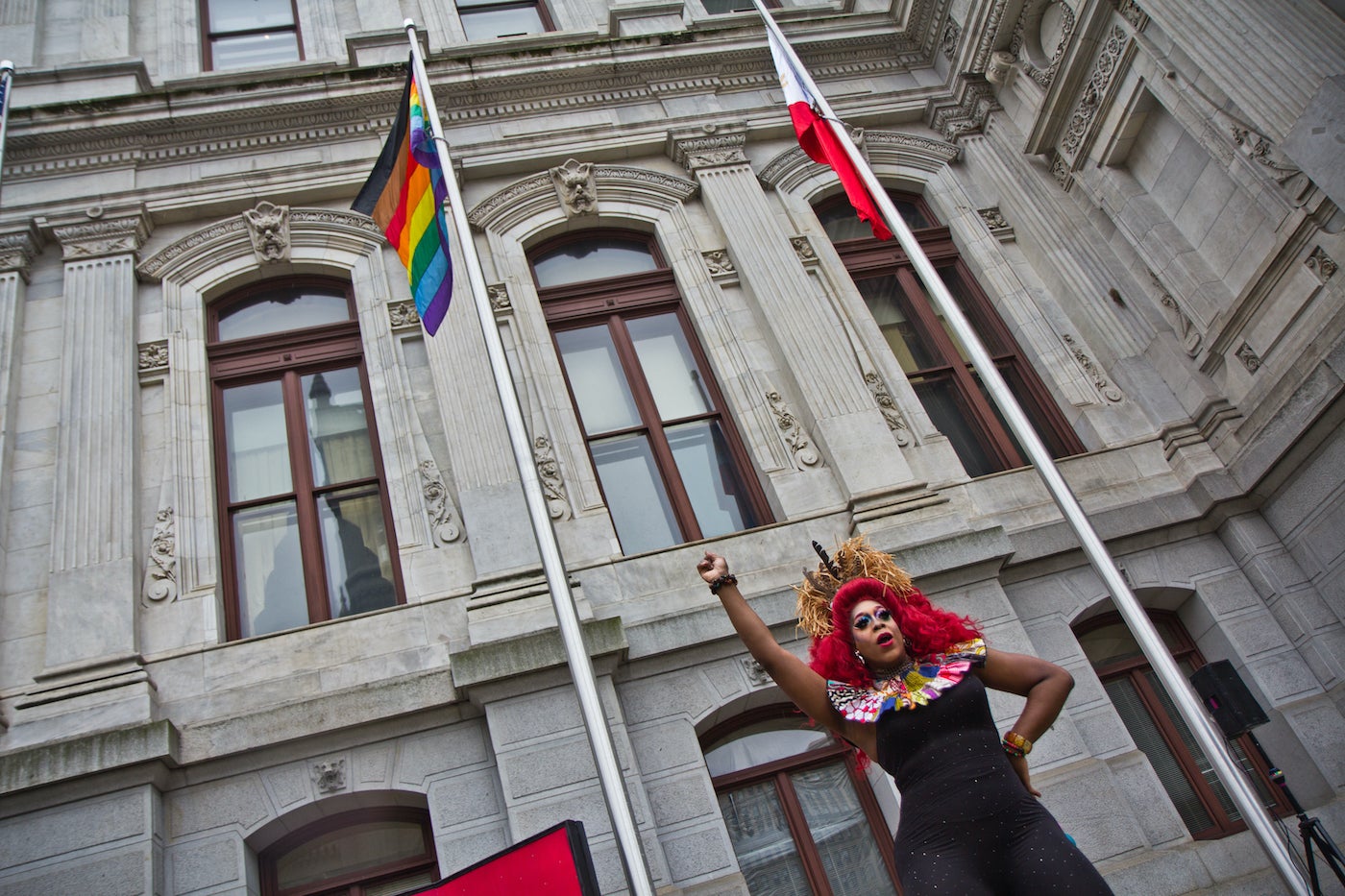
‘More Color, More Pride’ flag ascends at Philly City Hall – WHYY

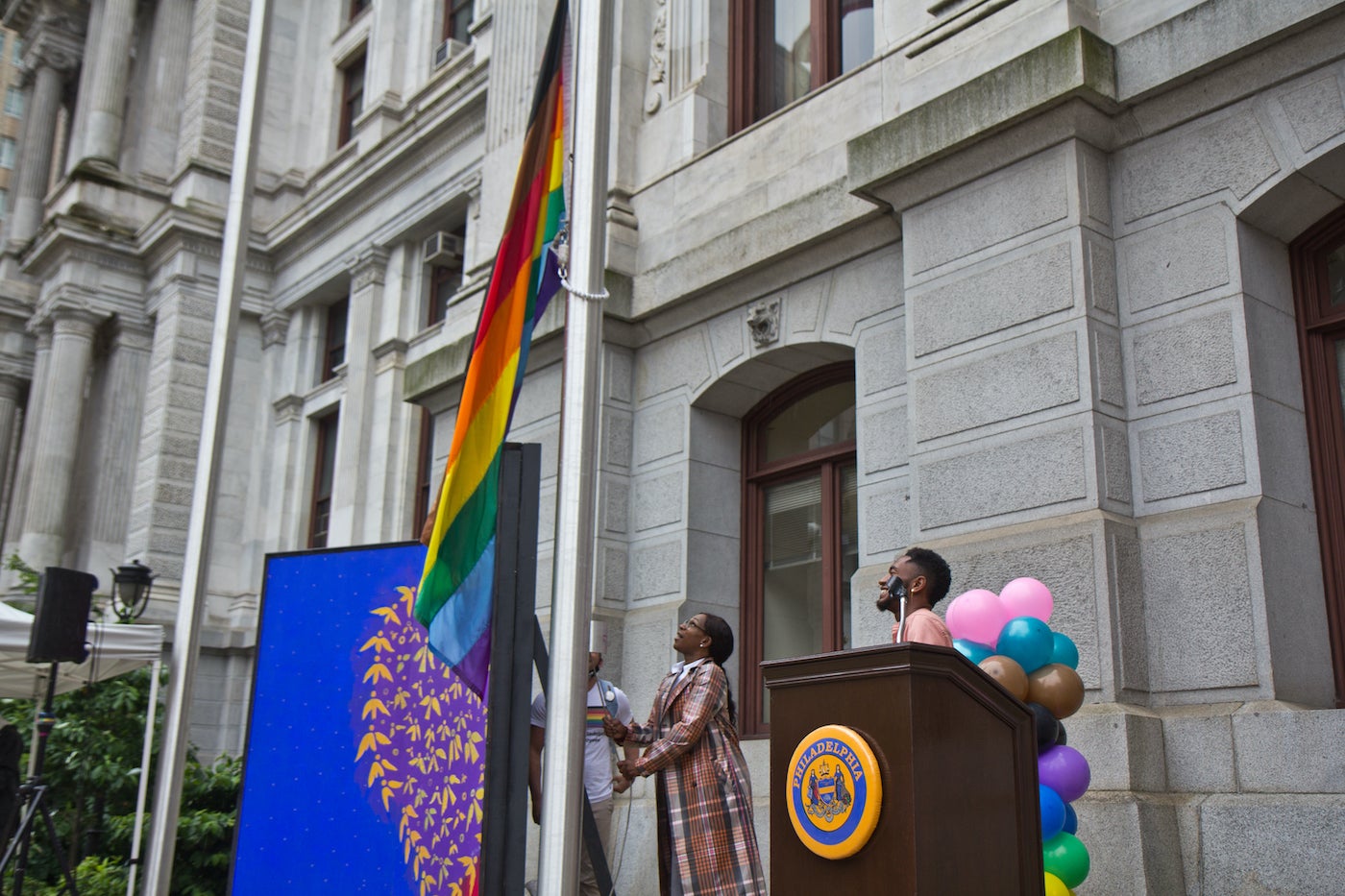
Philadelphia’s Office of LGBT Affairs raised the “More Color, More Pride” flag today at City Hall to kick off LGBTQ+ Pride month.

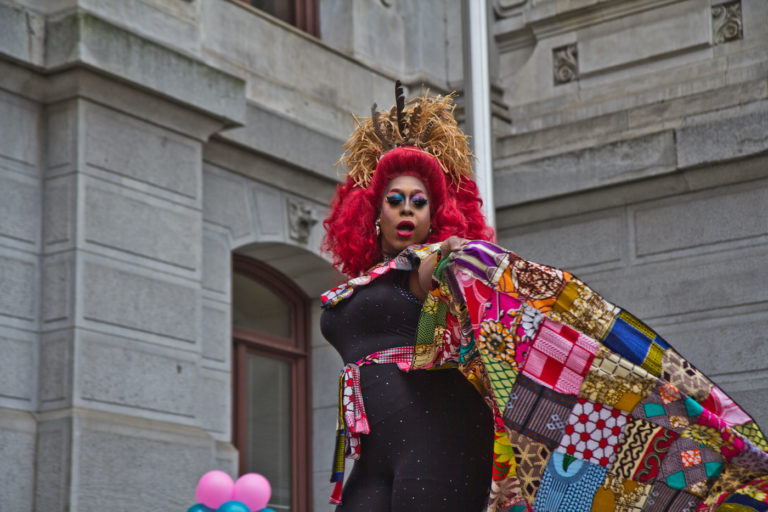
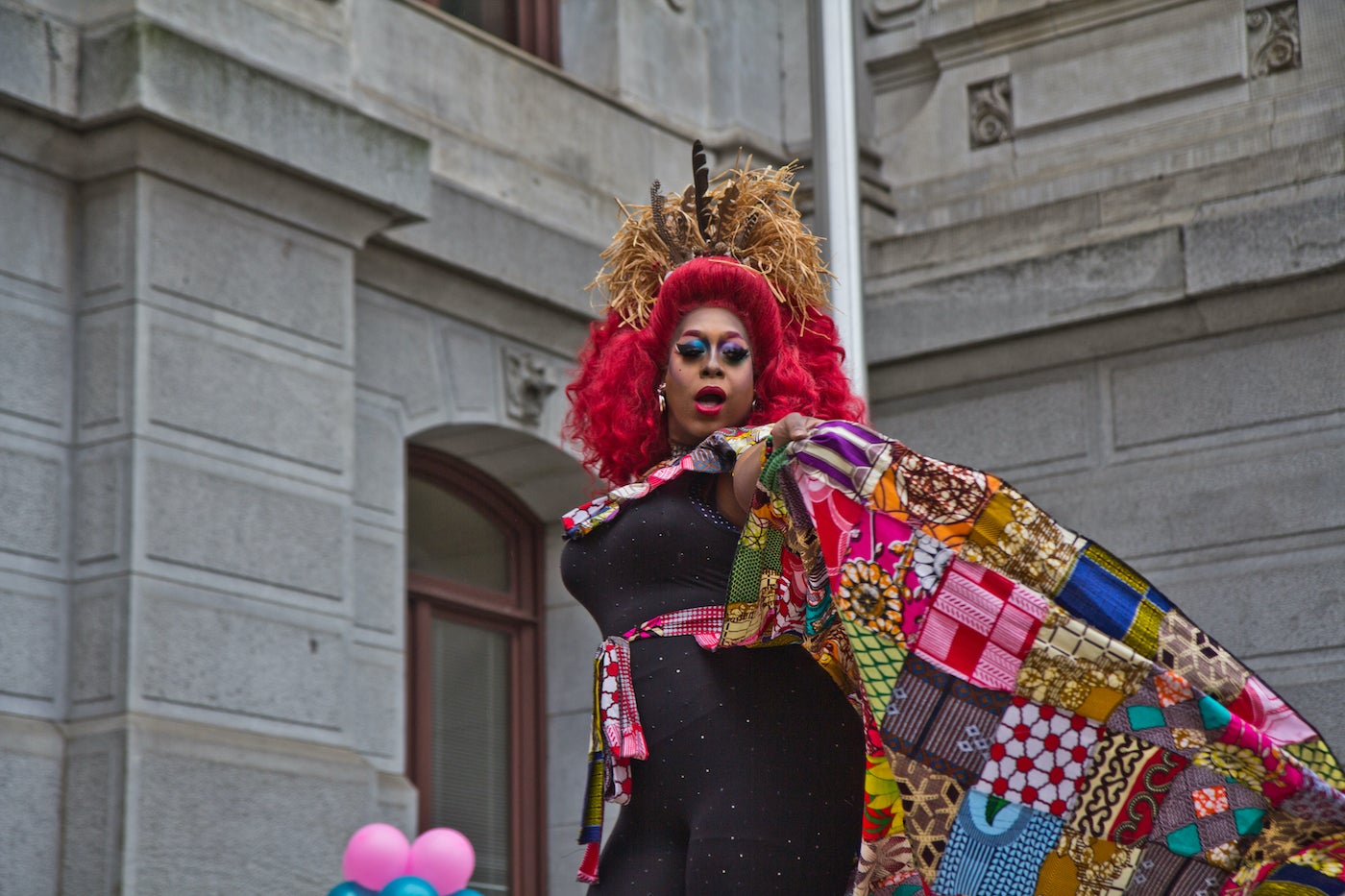
VinChelle of Black Girl Magic performed at the raising of the LGBT flag at City Hall in Philadelphia on June 11, 2021. (Kimberly Paynter/WHYY)

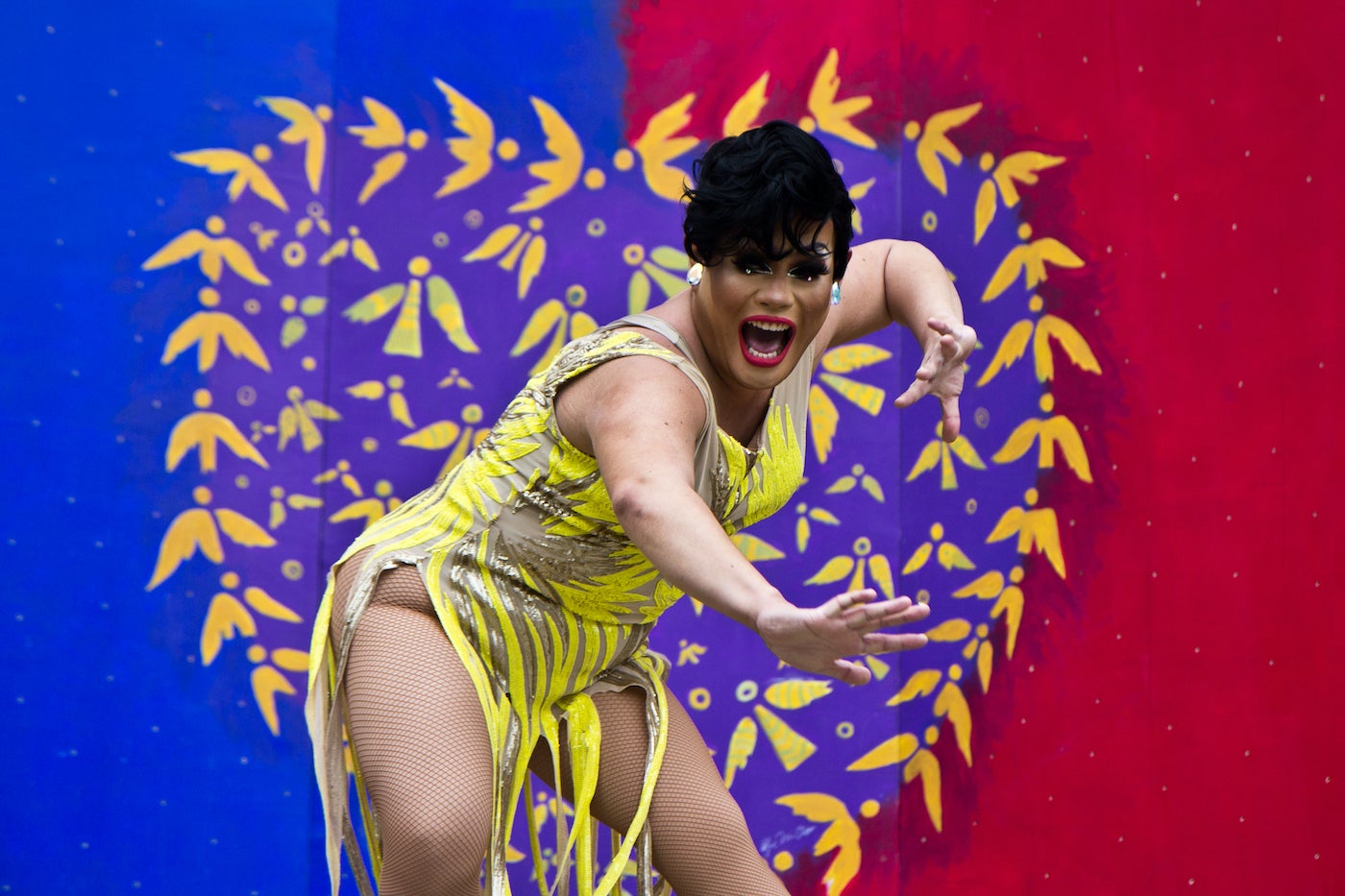
The public event featured drag performers Lady Geisha of #StopAsianHate and VinChelle of Black Girl Magic, musicians, ballroom performers, and other community leaders.

Lady Geisha Stratton of #StopAsianHate performed at the raising of the LGBTQ flag at City Hall in Philadelphia on June 11, 2021. (Kimberly Paynter/WHYY)

The ‘more color’ Pride flag made its debut in 2017 to highlight the racial diversity of the LGBTQ+ community. The new design includes black and brown stripes in addition to the traditional six-color rainbow layout.

Lady Geisha Stratton of #StopAsianHate performed at the raising of the LGBTQ flag at City Hall in Philadelphia on June 11, 2021. (Kimberly Paynter/WHYY)

Celena Morrison, the executive director of  the office of LGBT Affairs, described the event as a celebration of LGBTQ+ victories and a time to mark losses.

Singer Tae Brown, of Next Level Revival Church, performed as Celena Morrison, Executive Director of the Office of LGBT Affairs for the City of Philadelphia, raised the Pride flag at City Hall on June 11, 2021. (Kimberly Paynter/WHYY)

“Although we’re here to celebrate,” Morrison said, “we are here to celebrate the lives and mourn the losses of those that are no longer with us.”

VinChelle of Black Girl Magic performed at the raising of the LGBT flag at City Hall in Philadelphia on June 11, 2021. (Kimberly Paynter/WHYY)

Those who attended the event even had the opportunity to get vaccinated thanks to the Mazzoni Center.

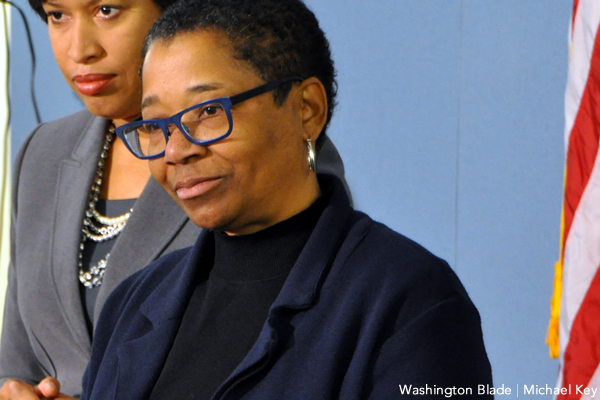
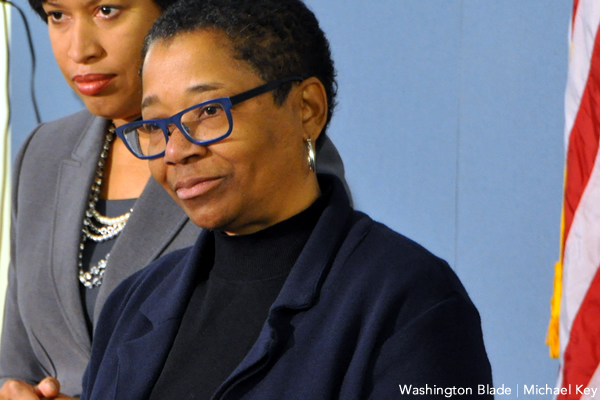
Sheila Alexander-Reid to step down as director of DC LGBTQ Affairs Office – Washington Blade

Some owners of D.C. gay bars have said Mayor Muriel Bowser’s announcement on May 10 that the city’s restaurants and bars could resume operations at full capacity and return to pre-pandemic operating hours on May 21 caught them by surprise.

After several months of business shutdowns followed by a partial reopening with strict limits of only 25 percent of the normal number of customers inside bars and restaurants, a ban on standing in bars or being served while sitting at a barstool, the mayor’s reopening order left many bars and restaurants short on servers and bartenders.

But nearly everyone associated with D.C. gay bars who spoke with the Washington Blade — including owners, employees, and customers — have said they were ecstatic to see a full reopening after more than a year of COVID-related restrictions and hardship.

“We didn’t really open at a 100 percent capacity,” said John Guggenmos, co-owner of the D.C. gay bars Trade and Number 9, immediately after Mayor Bowser issued her full reopening order. Like other bar owners, Guggenmos said Trade and Number 9 had to bring back employees who had to be let go due to the shutdowns and operating restrictions over the past year.

“But you know, seeing people again, hearing the stories of some of the struggles they went through, and our customers just talking to each other and saying how glad they are to be back gave us a sense of our community and how much we are more than just four walls and some chairs and music,” Guggenmos said.

Dito Sevilla, who works as bar manager at the 17th Street restaurant Floriana, and as longtime host of the restaurant’s lower-level space known as Dito’s Bar, said the May 21 lifting of COVID restrictions has returned business to pre-pandemic levels.

“We were not fully staffed on day one either,” Sevilla told the Blade. “Everyone had to work a little extra,” he said. “And that was OK with them because they had gone without working for so long that working some extra shifts that week wasn’t going to hurt anyone. They were thrilled to do it.”

Doug Schantz, owner of the U Street, N.W. gay sports bar Nellie’s, said he too was caught off guard by the short advance notice of the mayor’s May 21 full reopening of restaurants and bars but like other bar owners said he is pleased that the full reopening has come to D.C.

He said Nellie’s put in place a “soft” reopening on May 21, with operations limited to his second-floor space that has a roof deck and he continued to close at midnight instead of the resumption to normal closing times with the mayor’s order at 2 a.m. on weekdays and 3 a.m. on weekends.

Schantz said he timed his full reopening to take place this weekend to coincide with the kickoff of the city’s LGBTQ Pride events. And by July 1, he said, Nellie’s will resume its popular drag brunch.

“We’re taking it one step at a time, but so many people were happy to be back,” he said. “They want to be back to normal.”

David Perruzza, owner of the Adams Morgan gay sports bar Pitchers and its adjoining lesbian bar A League of Her Own, said he and his regular customers, many of whom continued to show up at the two bars during the height of the pandemic restrictions, are delighted over the full reopening. Like several of the other bar owners, Perruzza said he will continue to operate outdoor seating under the “streetery” program the city established when indoor seating was initially banned and later resumed at just 25 percent capacity.

One COVID-related rule remaining in place for bars and restaurants, which is expected to be lifted soon, is the requirement that bars and restaurants obtain a name and phone number for at least one person entering as part of a group and for each individual entering for contact tracing purposes in the event someone tests positive for COVID on the day the customer was present. The city’s Alcoholic Beverage Regulation Administration, which initiated the requirement during the height of the pandemic, was expected to end the requirement in the next few weeks, according to sources familiar with ABRA.

In addition to the full reopening of bars and restaurants on May 21, the city has cleared the way for the full resumption of large indoor and outdoor events on June 11, including parades and sports stadiums. That development has prompted D.C.’s Capital Pride Alliance, the group that organizes the city’s LGBTQ Pride events, to add to this week’s Pride events a June 12 Pride Walk, which will begin at Dupont Circle at noon and travel to Logan Circle before heading south to Freedom Plaza, where a rally will take place.

“The excitement has been palpable since bars and restaurants in D.C. recently reopened at full capacity and without limit or activity restrictions,” said Mark Lee, coordinator of the D.C. Nightlife Council, a local trade association representing bars, restaurants, and nightclubs.

“The enthusiasm is especially evident at LGBT venues, with long lines common after a long period of shutdowns and slowdowns,” Lee said. “The celebration will expand on June 11 when nightclub-licensed dance clubs fully reopen, and large music venues begin hosting tour acts and special shows in the coming days.”

But Lee said a “flip side” to the reopening celebrations is the reality that many bars, restaurants, and nightclubs must grapple with a massive debt burden of back-rent owed to landlords that threatens their survival.

Lee and others point out that the forced shutdowns and capacity restrictions that these mostly small businesses have faced during the pandemic resulted in a drastic reduction in revenue that forced them to rely on local D.C. and federal COVID moratoriums on evictions for commercial and residential tenants. With the moratoriums ending, the businesses must now repay the back rent owed that Lee says often exceeds $100,000 or more.

“That’s why the D.C. Nightlife Council and the Restaurant Association of Metropolitan Washington are urging Mayor Bowser and the D.C. Council to utilize a small portion of the city’s federal relief monies to create a Rent Relief Fund for local establishments facing unsustainable past-due lease obligations,” Lee said.

Perruzza said that in addition to facing back rent payments related to the pandemic, he and other bar and restaurant owners had to pay D.C. property taxes under their lease agreements at a time when their revenue was greatly suppressed from the pandemic. He said he believes he will be able to cope with the rental payoff, but the relief fund proposed by Lee and others would be immensely helpful for his and other struggling small businesses.

Bowser and members of the D.C. Council have said they were considering the relief proposal.

“We’re thankful for the support the community showed throughout the pandemic and the eagerness to want to get back to us,” said Guggenmos of Trade and Number 9. “We are thrilled and it’s great seeing everyone, but it doesn’t mean the sleepless nights are over,” he said in referring to the rental debt and other COVID-related expenses that his clubs continue to face.

Among the other D.C. gay bars whose representatives or customers said they are pleased over the reopening at full capacity include Uproar, Dirty Goose, JR.’s, Larry’s Lounge, Window’s, Annie’s Paramount Steakhouse, Duplex Diner, and Freddie’s Beach Bar in Arlington, Va.

Lee said the downtown D.C. nightclub Sound Check at 1420 K St., N.W., was scheduled to resume its weekly Avalon Saturday “gay” nights on June 12. Before being put on hold during the pandemic, the event featured drag shows and dancing.

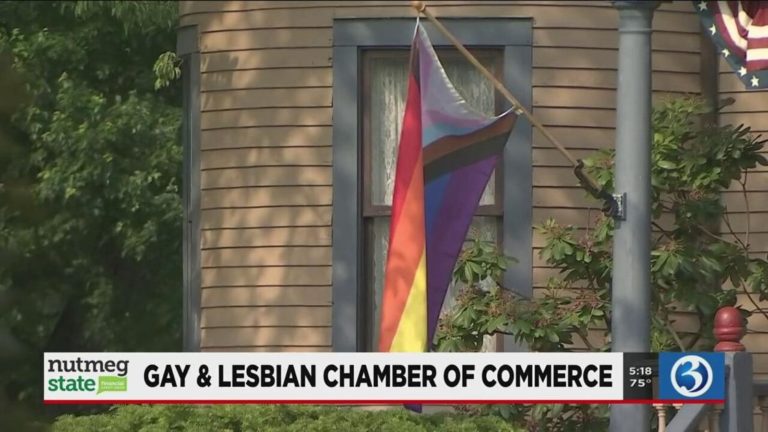
CT’s Gay and Lesbian Chamber of Commerce works to promote diversity – WFSB

(WFSB) — All around the world, Pride Month is celebrated during the month of June.

This month, Eyewitness News is featuring stories about the gay community.

Connecticut’s Gay and Lesbian Chamber of Commerce works to promote diversity throughout the state, year-round.

It all began in 2007.

“We are the only Chamber of Commerce that covers the state of CT. So, the other chambers will focus on the town or the city, but we cover it all,” said Executive Director John Pica-Sneeden. “It’s a plain Chamber of Commerce. If you know what the definition of the chamber of commerce is, it’s a networking, business organization.”

The organization is the voice of dozens of LGBTQ-owned businesses, providing opportunities and educational resources.

It also includes allies, those who support the gay community.

That’s where restaurant owner Chris Skabardonis comes in.

“We like to be part of all different kinds of organizations, but this is an especially good one for us. I think that you have to be inclusive and be on the right side of history and I believe it’s the right thing to do,” said Skabardonis, owner of Nutmeg Restaurant in East Windsor.

Events like “Pink Eggs and Glam,” a drag queen brunch, and “Prime Timers,” a senior organization for gay men, are held at the restaurant.

“We have all kind of different organizations that meet here, they’re good customers and frankly, it’s good business,” Skabardonis said.

Skabardonis has been a Chamber member for about seven years.

There are larger organizations that are also part of the Chamber.

“Foxwoods is a partner, Travelers is a partner, HSB is a partner, the Connecticut Voice Magazine, so we have many, the American Cancer Society. And then we go from these big corporations to the tiniest, little massage therapist,” Pica-Sneeden said.

It doesn’t matter who joins, it’s open to everyone.

The local group is affiliated with the national Gay and Lesbian Chamber.

For more information, click here.

WGA West’s LGBTQ+ Writers Committee Urges Hollywood Combat Gay Bigotry – Deadline – Illinoisnewstoday.com
The WGA West’s LGBTQ+ Writers Committee sent an open letter to Hollywood on Friday urging the film and television industry to employ more LGBTQ+ writers, combat ongoing discrimination, and to more accurately reflect the lives and history of the gay community.

The letter, which was released in advance of L.A.’s Pride Celebration this weekend, says the industry’s history is “steeped in decades of codified bigotry against the LGBTQ+/queer community,” but notes that this discrimination “is not a problem of the past.” Indeed, the letter notes that in the past five years, 22% of the 158-member committee “report having been the target of overt discrimination and/or harassment in an industry setting based on their identity. That number jumps to 57% when looking at micro-aggressions.”

Pride Month: Deadline’s Coverage Of News And Events

It also notes that 22% of the committee’s members surveyed “report being turned down within the past five years for a staff job, a meeting to get on a show, and/or having a script read for staffing because the writer’s room ‘already has an LGBTQ+ writer,’ ” and that 25% reported that they were they were “always” or “often” the only LGBTQ+ writer in the room. “The continuing, systemic forces of heteronormativity and bigotry are preventing us from rising in the ranks, and from being hired in the first place.”

“Hollywood can do better, and so Hollywood must do better,” the letter states, and provides “some good places to start,” including:

• Read us. Get to know us. Hire us. Hire more than one of us in your TV writer’s room. Buy projects from us. Pay us. Pay us what we are worth. Find us in the WGA Directory by specifying Writer’s Background, or by contacting our committee.

• 30% of our members report being asked to consult on a project because of their LGBTQ+ identity. If you are looking to tell a story about a specific queer POV – rather than hire a cishet (a person who identifies as the sex they were born as) writer, only to later bring us in to achieve a degree of authenticity – hire a queer writer at the outset.

• Listen when we tell you an LGBTQ+ storyline, scene, character, or line of dialogue is problematic or inauthentic. When we speak up, it is not a personal attack. It is an opportunity to dig deeper and do better.

• If your program, fellowship, or competition exists to uplift underrepresented and marginalized voices, LGBTQ+ people must be included.

• Do the work to educate yourself on the identities and terms that comprise our community. Respect our names, pronouns, and boundaries. Do not stop trying when you stumble, or because you are afraid to ‘get it wrong.’

• In 2021 alone, over 100 bills targeting the transgender community have been proposed, and dozens enacted into law. Many of our productions are in these states. Hollywood must stand up and vociferously speak out against the wave of anti-trans legislation, not simply with words, but with actions. The industry has spoken out against anti-abortion and anti-voting laws in the past. We must do the same now.

Here is the full text of the letter:

Dear Hollywood,

We see you. Do you see us?

Our industry is in a period of long overdue reckoning. For decades, gatekeepers have been rewarded for locking the most marginalized voices out of the room – whether that be the boardroom or the writer’s room. The system is broken.
As leadership of the WGAW’s LGBTQ+ Writers Committee, we are here to tell you that the fight for inclusion and visibility has hardly begun.

We are halfway through Pride Month, when LGBTQ+ people and our allies come together to celebrate who we are, individually and collectively. While it is also a time to acknowledge how far we’ve come, it is undeniable that there are – to quote a great writer – “miles to go before we sleep.”

The industry’s storied history is also one steeped in decades of codified bigotry against the LGBTQ+/queer community. Some of America’s most treasured cultural and artistic achievements were released under the “moral guidelines” of the Motion Picture Production Code (aka the Hays Code). These guidelines meant that openly LGBTQ+ characters were entirely absent from major studio projects, except to be ridiculed, pitied, or pilloried. Far more often, they existed solely in subtext, trapped in a celluloid closet.

The portrayals of Hollywood’s past — and present — are responsible for exacerbating harmful stereotypes and stigmas that have persisted through generations. Perception bleeds into and then becomes reality. We have been taught to see ourselves as ‘The Other,’ just as the heteronormative majority has been taught to see us. Even in a post-Hays Code landscape, the prevailing narrative has not allowed LGBTQ+ characters the full scope of our humanity. Too often, we are reduced to our collective traumas – coming out, victimization, the AIDS crisis, being murdered for our identities.

GLAAD’s 2021 “Where We Are in TV” report has shown progress, but in film, LGBTQ+ representation is lagging. Of the 118 films released by the major studios in 2019, a mere 22 – only 18.6% – included a single LGBTQ+ character. Of those, only nine featured an LGBTQ+ character for more than ten minutes of screen time. And, of course, the statistics are far more dire when looking at representation for queer BIPOC and queer disabled characters.

But on-screen visibility – or lack thereof – is not the entire story of how Hollywood continues to fail the LGBTQ+ community, and LGBTQ+ storytellers.

Last month, in a survey of 158 members of the WGAW’s LGBTQ+ Committee, a staggering 46% of writers reported that they have hidden their identity – or felt compelled to do so – in an industry environment. Even when narrowing focus to the past five years, that number remains at 25%. When asked why, the top three most cited reasons were: fear of discrimination; fear of not getting or losing a job; and not wanting to be stereotyped. One committee member explained: “When you grow up not fitting in, feeling endangered, and trying not to draw attention to yourself, it’s hard to let that go. I suppose I didn’t want to be reduced to one facet of my being.”

We must challenge any environment where queer writers feel the need to hide their identity. And we must ask how many artists aren’t out at all, or have quit the industry altogether – especially within the more underrepresented and intersectional parts of our community: transgender, non-binary, intersex, BIPOC, disabled, over 55, etc.

In the past five years, 22% of LGBTQ+ Committee members report having been the target of overt discrimination and/or harassment in an industry setting based on their identity. That number jumps to 57% when looking at micro-aggressions.
LGBTQ+ discrimination is not a problem of the past. Hollywood can no longer hide behind good intentions, progressive values, or marriage equality.

Queer people continue to live in fear of being who we are, in a country that continues to marginalize us, invalidate us, erase us, and deny us our basic access to housing, employment, and healthcare. Our industry’s current health plans provide transgender writers with incredibly limited access to gender-affirming care. By comparison, transgender part-time employees of Starbucks receive the highest standard of care, as recommended by the World Professional Association for Transgender Health. But as of the publishing of this letter, we have trans folks at every level who must consider alternative employment in order to have more inclusive coverage. It is time for the industry to do better by our transgender community.

Although LGBTQ+ people share a culture, a psychology, and a history of political and religious oppression – we are, with rare exception, not considered an underrepresented or marginalized group among Hollywood circles. We are left out of diversity reports and fellowship opportunities. Our scripts are often not submitted in response to requests for “diverse voices” because our representatives are told that being LGBTQ+ “does not count.” All the while, there are still shows with queer characters on screen, but no queer writers in the room – let alone a writer who matches and can speak to the specific identity of the character. Frequently, studio executives blame the very laws meant to protect LGBTQ+ people from discrimination, claiming they cannot legally inquire about our sexualities or gender identities. The fact is, we are telling you how we self-identify. Now, we demand you value us and include us.

If you believe the industry already does, think again. Twenty-two percent of surveyed LGBTQ+ Committee members report being turned down within the past five years for a staff job, a meeting to get on a show, and/or having a script read for staffing because the writer’s room “already has an LGBTQ+ writer.” The LGBTQ+ community is not a monolith. We are not interchangeable. Yet our identities continue to be tokenized and our voices minimized by this “there can only be one” mentality – 25% reported they were “always” or “often” the only LGBTQ+ writer in the room. This burdens the singular queer writer with the weight of representation for the entire acronym, which is particularly challenging to navigate at the lower levels.

Unfortunately, this is the same type of box-checking other underrepresented groups face, and it must stop across the board. We refuse to feel fortunate to simply be allowed a seat at the table, only for our presence to be used as a “rainbow shield” while our perspectives are ignored.

In the same way the success of Shonda Rhimes does not mean Hollywood has fixed its racist history of suppressing Black voices, the existence of Greg Berlanti or Ryan Murphy does not mean LGBTQ+ writers as a whole have “made it.” In fact, an overwhelming 72% of TV writers on the Rainbow Pages – an independent database of queer WGA members – are low-level, have written freelance episodes, or have not yet staffed at all. The continuing, systemic forces of heteronormativity and bigotry are preventing us from rising in the ranks, and from being hired in the first place.

Writers are not alone in this. We stand in solidarity with our queer siblings in other industry unions who are suffering the same marginalization, and we must also acknowledge the unique challenges they endure as directors, actors, and crew members.
Hollywood can do better, and so Hollywood must do better. Although this list is not exhaustive or all-encompassing, here are some good places to start:

• Read us. Get to know us. Hire us. Hire more than one of us in your TV writer’s room. Buy projects from us. Pay us. Pay us what we are worth. Find us in the WGA Directory by specifying Writer’s Background, or by contacting our committee.
• Thirty percent of our members report being asked to consult on a project because of their LGBTQ+ identity. If you are looking to tell a story about a specific queer POV – rather than hire a cishet writer, only to later bring us in to achieve a degree of authenticity – hire a queer writer at the outset.
• Listen when we tell you an LGBTQ+ storyline, scene, character, or line of dialogue is problematic or inauthentic. When we speak up, it is not a personal attack. It is an opportunity to dig deeper and do better.
• If your program, fellowship, or competition exists to uplift underrepresented and marginalized voices, LGBTQ+ people must be included.
• Do the work to educate yourself on the identities and terms that comprise our community. Respect our names, pronouns, and boundaries. Do not stop trying when you stumble, or because you are afraid to “get it wrong.”
• In 2021 alone, over 100 bills targeting the transgender community have been proposed, and dozens enacted into law. Many of our productions are in these states. Hollywood must stand up and vociferously speak out against the wave of anti-trans legislation, not simply with words, but with actions. The industry has spoken out against anti-abortion and anti-voting laws in the past. We must do the same now.

There is a tremendous cost to Hollywood’s pervasive, systemic bigotry. This cost cannot only be tallied in dollars – though we would note a UCLA study published in October 2020 that estimated studios lose up to $130 million per film due to a lack of authentic diversity. Every June, multinational corporations engage in Rainbow Capitalism, chasing Pink Money. We must ask: just how much revenue does Hollywood lose each year because it rejects LGBTQ+ stories and storytellers?
The stories we tell, the stories you greenlight, determine the future that LGBTQ+ youth envision for themselves. What we see on-screen and how we are represented informs what we believe is possible.

It is present-day Hollywood’s responsibility to make right all the harm caused by Hollywood’s past. The notion that even a single queer character will be deemed too much of a risk in our increasingly global market is unacceptable. Reject this idea, or knowingly choose to reject us. Either way, we see you.

WGA West’s LGBTQ+ Writers Committee Urges Hollywood Combat Gay Bigotry – Deadline Source link WGA West’s LGBTQ+ Writers Committee Urges Hollywood Combat Gay Bigotry – Deadline