Does money still make the world go round in the legal community?
I’m Lisa Shuchman, bringing you this week’s edition of The Global Lawyer—our weekly summary of the major news and trends affecting the global legal industry.
 Credit: AdobeStock

Does money still make the world go round in the legal community?
I’m Lisa Shuchman, bringing you this week’s edition of The Global Lawyer—our weekly summary of the major news and trends affecting the global legal industry.
Credit: AdobeStock
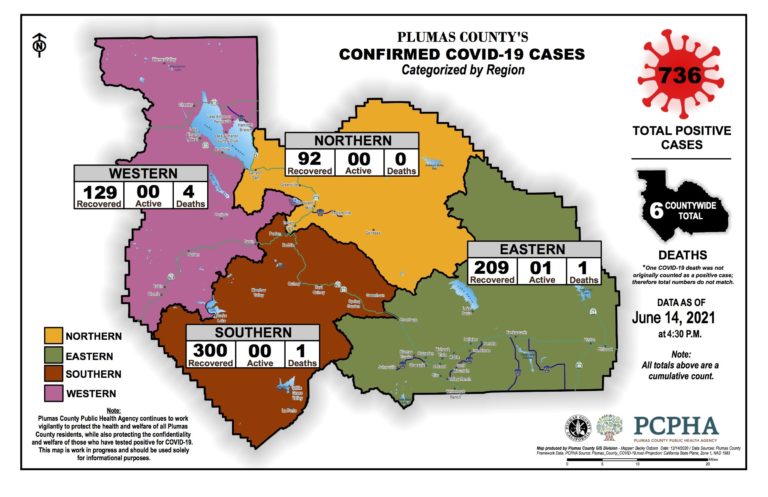
The Public Health Agency announced this evening, June 14, that there is just one new case to report. The health agency is posting positive test results twice a week — on Mondays and Thursdays. On Thursday, Public Health reported two new cases.
Today’s reported case is from the Eastern Region (Graeagle/Portola).
The total confirmed number of coronavirus cases in the county to date is 736. There is just one active case — in Eastern Plumas. There have been 45 hospitalizations and six deaths to date.
To sign up for a vaccine go to the state’s MyTurn system.
More information about COVID-19 in Plumas County can be found by calling the Public Health hotline at 283-6400 or by visiting its covid website here.

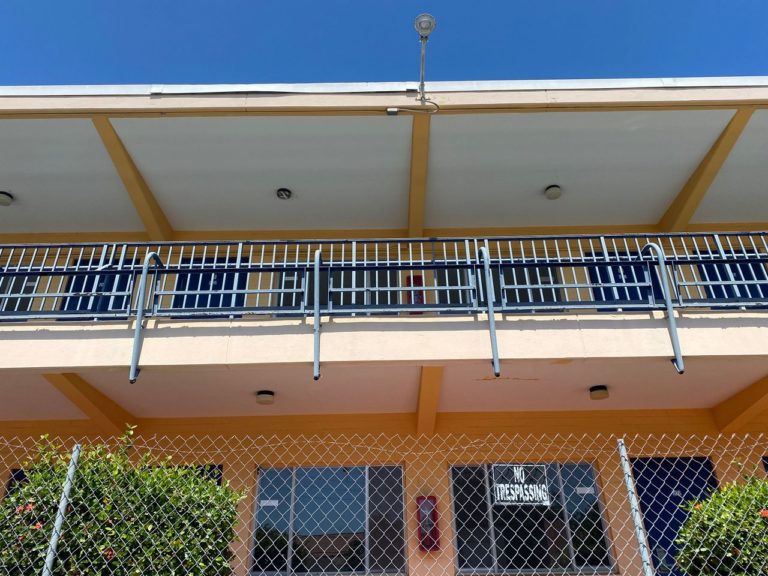
ORLANDO, Fla. — It’s calm and quiet in the abandoned hotel parking lot behind the bustling 200 block of East Colonial Drive.
Just a few feet away, colorful doors line another, similar building at Faith Arts Village — another former hotel on the same property, this one renovated into a family-friendly space with 36 artist studios and galleries.
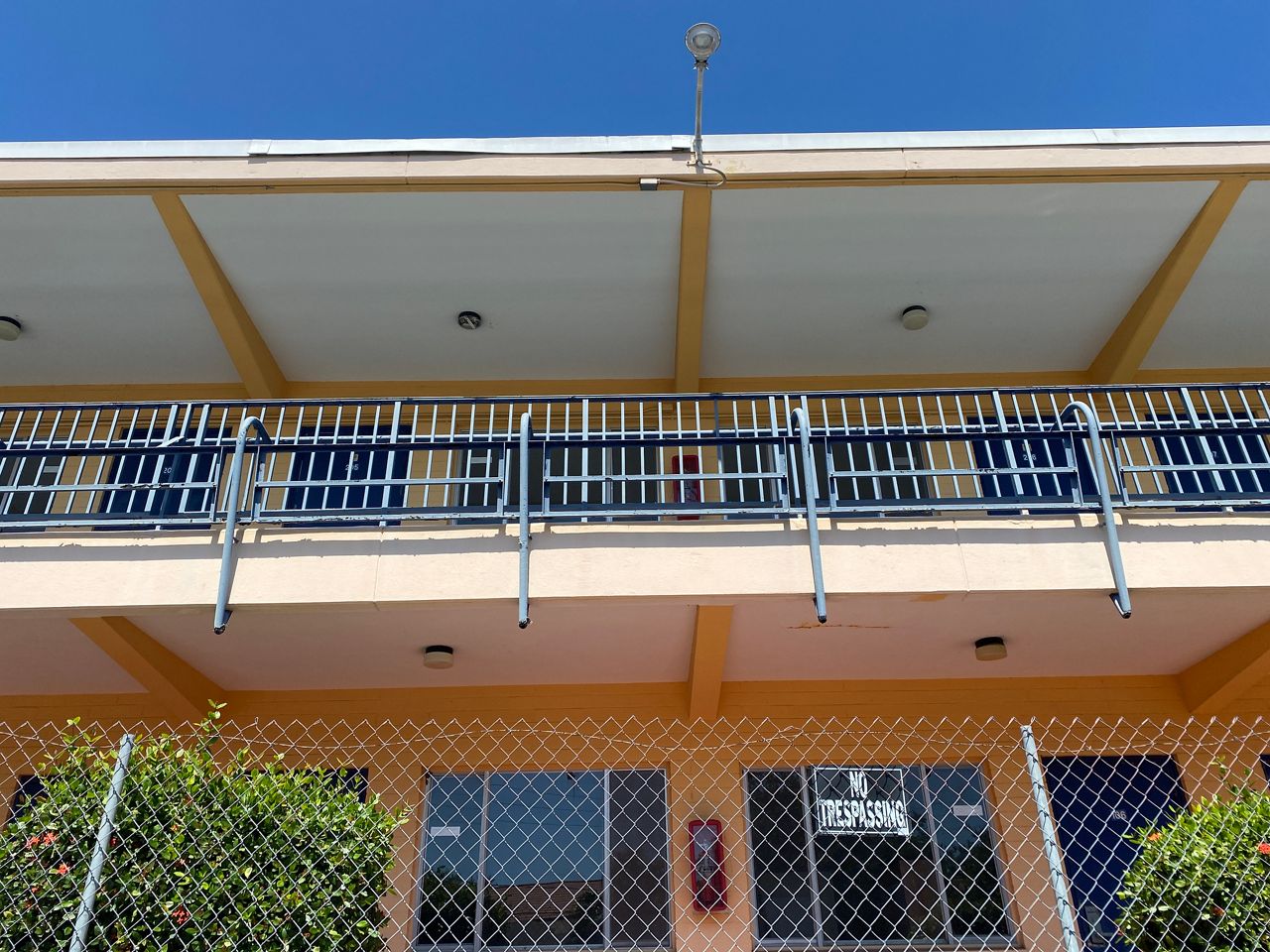
Nearby Park Lake Presbyterian Church owns both hotel properties, and the Zebra Coalition hopes to purchase and renovate the vacant one into affordable apartment units for young LGBTQ+ people who are experiencing homelessness.
Already, the Central Florida nonprofit has helped house approximately 800 at-risk youth through its transitional and rapid rehousing programs, executive director Heather Wilkie said, noting it is an example of the group’s current impact as well as what it has the potential to do for the community. If the Park Lake housing project moves forward as planned, it will triple the number of young people Zebra can serve.
“We’re at capacity, over capacity,” Wilkie said of the group’s current housing situation. “We always have a waiting list.”
Wilkie estimates about 35 percent of all homeless youth currently on the streets of Orlando identify as LGBTQ+.
When bipartisan lawmakers approved $750,000 for the hotel renovation in next year’s state budget, Wilkie and other local advocates felt confident about the project’s outlook. It wasn’t enough, but it would be a huge step forward to achieving what Wilkie estimates could end up being a $1.7 million job.
However, earlier this month, Florida Gov. Ron DeSantis vetoed all the funding set aside for the project. The governor’s veto made national news, with advocates decrying not just that veto but another, smaller budget item DeSantis vetoed for the LGBT+ Center Orlando, which would have funded counseling for victims of the 2016 Pulse massacre.
Combined with the governor’s approval the day before of a statewide ban on transgender students in women’s and girls’ sports — signed on the first day of Pride month — some said DeSantis sent a message that he did not support the LGBTQ+ community.
“He was trying to send a message … that he was not prioritizing LGBTQ issues; in fact, he was rejecting them,” said Democratic state House Rep. Anna Eskamani of Orlando, who helped secure the Zebra Coalition project’s funding during Florida’s recent legislative session.
The governor’s office wrote in a statement to Spectrum News that it’s normal to sign state budgets in June.
“The suggestion that the Governor is sending a hidden message of some sort, by signing the budget during Pride Month, is a borderline conspiracy theory,” Press Secretary Christina Pushaw wrote.
For her part, Wilkie said after the veto, many community members began contributing to the hotel project. She also said the group hopes to apply for grants and take advantage of any and all local funding they’re eligible for.
“I feel very positive and very confident that we will end up making this happen. We have to make it happen. Because the alternative is that our youth do not have anywhere to reside,” she said.
About 40% of the young LGBTQ+ people seeking help from Zebra Coalition do so because of family rejection, according to the group’s website.
Reginald Collins, 23, is part of that number.
Collins goes by a different name than his “government” name, as he calls it, because he was named after his father, who Collins describes as incredibly abusive.
“I don’t want that kind of hate in my life,” Collins said of his family, who he doesn’t remain in contact with. His grandparents disowned him after Collins’s father outed him as gay, he said.
After fleeing his Sumter County home for Orlando at 17, Collins experienced homelessness. He eventually made his way into Zebra Coalition’s transitional, or “bridge” housing, one of the group’s two housing programs. The other, a federally-subsidized rapid rehousing program, helps house about 32 youth on a more long-term basis, Wilkie said.
The bridge program Collins is in can house up to 11 youth at any given time, between rooms Zebra rents out at a family-style home and Home Suite Home, an extended-stay hotel. That hotel is where Collins stays.
Zebra doesn’t put a strict time limit on how long bridge housing residents can stay, Wilkie said, as long as youth keep working on their individualized plan, which a case manager helps develop. The ultimate goal is to help youth integrate more permanently into the community.
For Collins, part of that integration includes recently finding a full-time job he loves at Aspire Health Partners, where he’s part of a recovery program for men struggling with substance abuse and mental health. Some have even struggled with homelessness. Helping those people now feels like a “360 moment,” Collins said.
“When you’re homeless, you don’t think about anything but ‘I need somewhere to stay,’” he said. “When you finally have a roof over your head, you have a bed to go to every night, you’re like, ‘OK, I have some place to stay. What’s my next plan?’”
For Collins, now married and planning to eventually rent his own local apartment, the significance of Zebra Coalition is simple:
“I’m not on the street,” he said. “I’m not dying to be somewhere.”
Renovating old hotels into apartment units is one way to create some of the new affordable housing Central Florida desperately needs.
“It also helps to lift up a community to see that we are investing in old property to revamp it for a new purpose,” Eskamani said. “So many times, we see that take place for gentrification purposes.”
“Now this project is actually not to remove people from the community, it’s bringing folks into the community who will add to the fabric of support and grow within that space,” Eskamani said.
In April, the U.S. Department of Housing and Urban Development allocated almost $254 million to Florida to address homelessness, as part of the American Rescue Plan Act’s $5 billion budget for homelessness assistance. The money is tied to HUD’s HOME Investment Partnerships Program, which funds the creation of affordable housing and supportive services for low-income people. The agency’s full breakdown of HOME-ARP funds allocated to states and localities — including Central Florida counties and cities — can be found here.
Molly Duerig is a Report for America corps member who is covering affordable housing for Spectrum News 13. Report for America is a nonprofit national service program that places journalists in local newsrooms to report on undercovered issues.


Jun. 14—Nothing was ordinary about Willie Gay Jr.’s rookie season in the NFL.
The 2020 second-round pick didn’t have organized team activities to prepare for the regular season because of the COVID-19 pandemic.
His training camp was abbreviated, and he had to try to learn Steve Spagnuolo’s defense on the fly.
Injuries in the regular-season finale and on the road to Super Bowl LV shelved him late in the year. Now, he feels fully healthy ahead of the start of mandatory minicamp Tuesday.
“All I do know is during this offseason period with this training staff, we’ve been working nonstop, me and (Chiefs assistant athletic trainer) Ms. Julie (Frymyer) and all her help that she has,” Gay told reporters Thursday. “It’s been a real grind and that’s why I’m here today, 100 percent.”
In the final game of the season, Gay suffered a high-ankle sprain. He later suffered a knee injury during build-up throughout the postseason, sidelining him for the Chiefs’ second-straight Super Bowl appearance.
“I don’t even know what really happened with it,” Gay said. “I tore my meniscus; I don’t even know if it was at practice or just walking around after.”
Six months later, Gay was a full participant throughout OTAs last week.
Now with a chance to find an expanded role in the linebacking corps, health and time are to his benefit this offseason.
“Of course it was tough for us that came in last year,” Gay said. “To only see the playbook for the first time during training camp, it was hard. To get that head start right now in OTAs and minicamp, it’s definitely helping a lot. I’m catching on to the things that I didn’t catch onto last year. I learned the basics. Now, it’s the small details that make good great. It’s coming along pretty good.”
Gay appeared in 16 games with eight starts last year, tallying 39 tackles, one sack, three passes defended and a forced fumble, playing on 25% of the teams snaps.
As part of his group, the Chiefs must replace Damien Wilson, though second-round pick Nick Bolton joins Gay, Anthony Hitchens and Ben Niemann as the team’s notable contributors.
With high expectations and a chance to compete for an immediate starting job, Gay is using the remainder of the offseason to build off last year’s strides.
“Really all I want to do is just my job,” Gay said. “Be able to be counted on and just do what I do to the best of my ability. Whether it’s tackling, whether it’s covering guys, blitzing, just continue to improve each and every day on the details of plays and execute every little detail that I do have with my assignments and all.”
Brandon Zenner can be reached at brandon.zenner@newspressnow.com. Follow him on Twitter: @NPNowZenner.
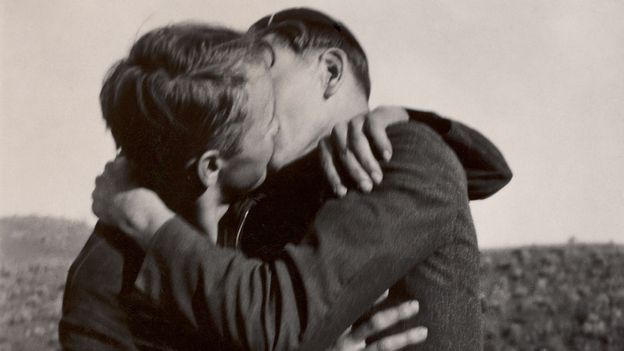
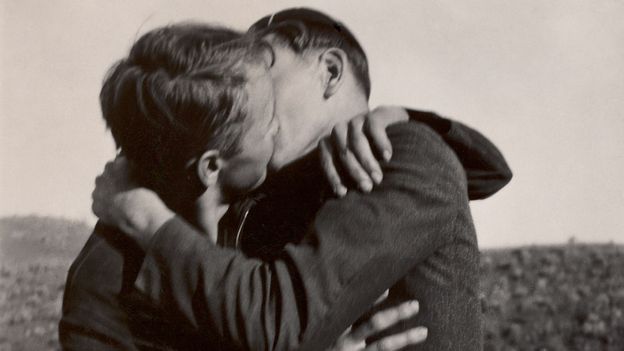
“I would venture to say that the public were disgusted and outraged,” says author Crystal Jeans. She points to the response to the watershed lesbian novel The Well of Loneliness by Radclyffe Hall in the 1920s as just one famous example of the way authors have caused hysteria simply by acknowledging queer lives. Despite the book containing just two very mildly suggestive sexual references, “everyone went berserk and it was banned”, she says.
Stephen Hornby, national playwright-in-residence for the UK’s LGBT History Month, argues that our stories have long been actively suppressed. “The only interest used to be in censoring or denying any queer elements of the records of the past. So, things were kept from public display, passages were omitted from books and sexual relationships were presented as passionate friendships. That was wilful and deliberate distortion.”
But now society is becoming much more welcoming of queer people, there’s a huge appetite to hear our stories. And there are so many amazing stories to tell.
The range of queer stories
On the one hand, there are the tales of famous figures like Greta Garbo, Michelangelo, Leonardo da Vinci, Marlene Dietrich, Tchaikovsky, Josephine Baker and Hans Christian Andersen, all of whom experienced same-sex desire or engaged in same-sex activity in societies that didn’t welcome it, often channelling their frustrations into creating remarkable work that went on, in some cases, to determine the course of Western culture. On the other hand are the invisible stories of the millions of everyday men and women whose lives made less of a mark but included events as dramatic as familial rejection, professional dismissal, social exclusion, blackmail, criminal conviction, imprisonment, torture, electric shock therapy, chemical castration, and execution.
Arguably, even the most ordinary queer person of a certain age has lived an extraordinary life. And, when you consider the impact that the challenges they faced must have had on their emotions and relationships, you have the ingredients for gripping, moving, rousing drama – and characters that modern-day audiences are now ready to root for.
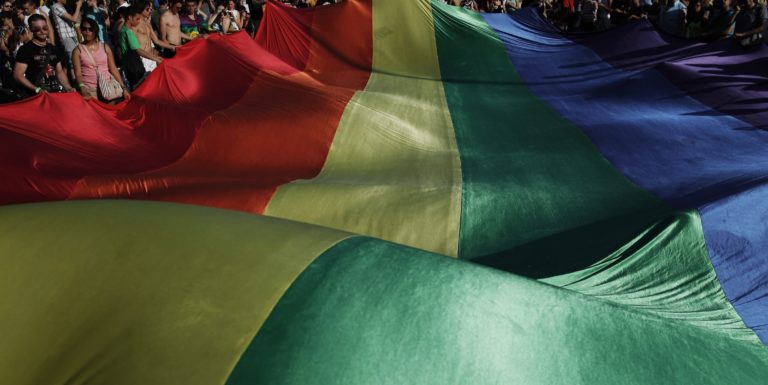

If you were around in ’70s Gay Atlanta, you’d likely know all about Diamond Lil.
The famed drag queen moved to Atlanta in the ’60s and found a living performing at Mrs. P’s on Ponce de Leon. Known as “Queen of the Jukeboxes,” her iconic performances were legend.
It was a different time for Atlanta’s LGBT population, says Atlanta journalist and author Martin Padgett. Depending on whom you ask, the period represented the city’s gay heyday, albeit one full of struggle for visibility and political agency.
In his new book, “A Night At The Sweet Gum Head,” Padgett details the struggle and celebrates the victories. The backdrop? One of the region’s first gay drag bars, The Sweet Gum Head on Cheshire Bridge Road.
“It developed very quickly into a hub of gay nightlife, and then later on, it developed another identity as a center of gay political awareness,” Padgett told WABE’s “All Things Considered” host Jim Burress.
Padgett started by talking about why he chose that Atlanta nightclub venue as the backdrop.


The LGBT Center of Greater Reading will host a COVID-19 vaccine clinic Friday in partnership with Latino Connection.
The event in Reading’s Centre Park is part of the center’s celebration of Pride Month.
“We have a month full of events, services and programs that we are excited to be hosting,” Michelle Dech, executive director of the center, said in a news release.
The free clinic will take place from 4 to 8 p.m. in a festival atmosphere that includes a DJ, music, food vendors and exhibits by community organizations.
Registration is optional, and walk-ins are welcome as long as vaccine supplies last. Participants will have the option of the two-shot Moderna vaccine or the one-shot Johnson & Johnson vaccine.
Staff at a Washington, D.C., gay bar say they’ve fired a security vendor after troubling footage that appeared to show a guard violently dragging a Black female patron down the stairs went viral online.
Footage of the incident, which took place late Saturday and was posted to Twitter and Instagram shortly thereafter, shows 22-year-old Keisha Young being pulled down a staircase at Nellie’s Sports Bar by an unidentified guard.
Seconds later, a fight involving other patrons erupts at the foot of the staircase.
Speaking to WUSA reporter John Henry on Sunday, Young said she “got mixed up in the altercation because I looked like somebody else,” and noted she’d lost her cell phone and glasses amid the ensuing chaos.
“There was an altercation in there and they were trying to get some other people out because somebody else brought a bottle in there,” she said. “I got hit and dragged down the steps. I didn’t do nothing wrong, and that’s all I remember. First walking up the steps, and then getting dragged right back down the steps.”
Young and her father were among those who took part in a group protest outside of Nellie’s Sports Bar on Sunday. According to numerous reports, a second demonstration took place near the purported home of the bar’s owner, Douglas Schantz.
“We ask people to protest and boycott because the owner, which is a white man, doesn’t care about Black women,” one demonstrator said. “If he cared, he would come out here and be concerned about what security [has] done to a Black woman in his club.”
Capital Pride Alliance, which organized the city’s LGBTQ Pride celebrations over the weekend, condemned the “reprehensible actions” seen in the video in a statement issued Sunday.
“Pride weekend is a time for celebration and remembrance, and this incident is a reminder that we need to do a better job of protecting one another,” read the statement, which can be found in full here. “CPA is committed to creating safe spaces for all. We expect Nellie’s to take immediate, remedial action in response to this incident.”
By Monday afternoon, Nellie’s Sports Bar announced on Instagram that the independent security vendor hired specifically for the city’s Pride celebration had been terminated. The bar itself, they added, would remain closed for the week while the investigation continued.
“We offer a heartfelt apology to all who witnessed the horrific events of this past weekend,” they added. “No matter what behavior occurred prior, nothing warrants mistreating, and disrespecting, one of our guests. What we can say is we have heard the concerns of the BIPOC and LGBTQ communities.”
Young’s family members told Washington City Paper they plan to pursue a civil claim against the bar.
Calling all HuffPost superfans!
Sign up for membership to become a founding member and help shape HuffPost’s next chapter

NextShark
A man, 50, and a woman, 51, allegedly subjected an Asian man, 64, to verbal abuse and threats on Sunday evening after finding him sifting through garbage bins in Sydney, Australia. The first attack: The incident, which happened at Trumper Park on Hampden Street in Paddington, caught the attention of Cocoa, 25, who went over to the scene after hearing racist slurs from his car, reported 7News. Cocoa, who happens to live nearby, said he saw a man and woman “saying every racial slur under the sun” at the Asian man.
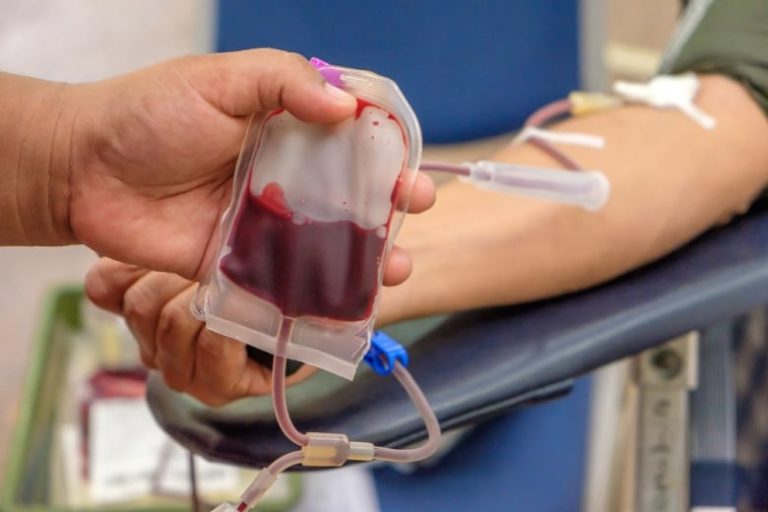
A Federal Court judge has dismissed the federal government’s claim that Health Canada has no say in the rule barring men from donating blood if they’ve recently had sex with other men — clearing the way for a human rights inquiry to continue.
“I’m elated,” said Christopher Karas, who first brought the complaint against Health Canada forward in 2016.
“I do believe this is an important decision made by the Federal Court, but the policy is still not eliminated. So I am waiting to see that.”
Karas accused the department of discriminating against him on the basis of his sexual orientation through its role in upholding the Canadian Blood Services policy of prohibiting men who have sex with men from donating blood in Canada unless they’ve been celibate for a period of time.
When Karas first applied to the Canadian Human Rights Commission, that period of time was one year; it has since been dropped to three months.
For years, the not-for-profit Canadian Blood Services has argued the deferment period is necessary because HIV is more prevalent among men who have sex with men — sometimes referred to as the MSM population.
Karas and his lawyers, Gregory Ko and Shakir Rahim, argue that while Health Canada does not directly take blood donations, it grants regulatory approval to screening by Canadian Blood Services.
Health Canada disagreed, arguing it has never issued a directive requiring that Canadian Blood Services adopt the ban. The department says it only reviews the blood service’s policies and procedures for safety reasons and has no legal authority to direct the arm’s-length agency to do anything.

In 2019, the Canadian Human Rights Commission sent Karas’s complaint forward for further inquiry by the Canadian Human Rights Tribunal, saying preliminary evidence indicated a relationship between Health Canada and CBS that warranted investigation.
The Attorney General of Canada, on behalf of Health Canada, pushed back and sought a judicial review of the commission’s decision at the Federal Court level.
Late last week, Justice Richard Southcott dismissed that request, saying the commission’s assessment that the issue warrants further inquiry is valid.
“I find these submissions compelling,” he wrote.
“The assessment report states that it appears there is a ‘live contest’ as to the exact nature of the relationship between Health Canada and CBS, which warrants further inquiry.”
Ko said the human rights process could still take years, which is why they’re hoping to see movement soon from the Liberal government.
The Liberal Party promised to end what it called the “discriminatory” ban on blood donations in both the 2015 and 2019 federal elections.
“I’m waiting to see the government act and I don’t know how they don’t, because if they don’t this will only become increasingly more important issue on the political front with a looming election,” Karas said.
Ko pointed to the U.K., which recently lifted its ban on blood donations from sexually-active men who have sex with men and moved to a behavioural model. Starting this week, all blood donors in the U.K. will be asked about recent sexual activity, regardless of their sexual orientation.
“That’s going to be more difficult, I suspect, for Health Canada to justify going forward given that there’s this glaring example of a country that has a very similar blood supply system to us that has moved away from the model that Health Canada and Canadian Blood Services has insisted on for for several decades now,” Ko said.
WATCH: MP Eric Duncan calls for elimination of “discriminatory” blood ban

Conservative MP Eric Duncan tabled a private member’s motion calling on the Liberal government to end the ban on blood donations from men who recently have had sex with other men. 2:37
Earlier today, Conservative MP Eric Duncan tabled a private member’s motion calling on the Liberal government to end the “discriminatory” blood ban.
“It is time to end the discriminatory blood ban in Canada. Conservatives are on record with a safe and easy way to make this change,” he said in a statement.
“If the Liberals can promise to end the blood ban during an election, they should use the tools available to them to do so. Stop the virtue signaling and feel-good statements – and follow through on this reasonable and long-overdue change.”

Long before health equity was a research topic that drug companies discussed and long before mainstream HIV conferences or publications recognized the talents and solutions that Black same-gender-loving men could contribute to the HIV field, John L. Peterson, PhD, dedicated his career to it. He died earlier this year.
“A couple of weeks ago, a titan in the HIV research and prevention field left this earth,” HIV clinician, activist, writer and public health expert David Malebranche, MD, MPH, wrote on Twitter on June 8, following the publication of a Counter Narrative Project’s tribute to Peterson. “Anyone who does work with HIV and Black gay men should know his name and work.”
Indeed, it was 1988 when Peterson, a professor and later professor emeritus in the Department of Psychology at Georgia State University, published an article in the American Psychological Association journal American Psychologist sounding the alarm that “ethnic minority men, particularly Blacks and Hispanics, make up a significant proportion of all AIDS cases in the United States”—but investment in HIV prevention research in those communities was not following suit. The article laid out a framework researchers could use when working with Black communities to quantify the disparities between Black same-gender-loving men and white gay men and to identify solutions.
If it sounds outrageous that this work could have begun so early with so little heed paid to it, it should, Ace Robinson, MPH, a longtime public health leader, told POZ.
“We can be very clear that the work we’re doing now [addressing the needs of Black gay men] could have been done 30 years ago,” said Robinson, who started his career as a vaccine researcher and has since worked in HIV clinical trials and HIV prevention and care efforts through institutions including the University of California, Los Angeles and NMAC. He is also a steering committee member for the Prevention Access Campaign’s U=U campaign. Robinson currently serves as cochair of the Federal AIDS Policy Partnership, a coalition of more than 120 local, regional and national groups instituted as part of the federal government’s “Ending the HIV Epidemic” plan.
“We’ve known about HIV for 40 years. Someone just under 35 years ago gave us solutions,” Robinson said. “If we had reimagined the HIV response in the early days and had people like Dr. Peterson on the stage of the first AIDS conference, think of how many people would be alive today.”
Since that 1988 journal article, Peterson authored more than 45 studies that aimed to characterize and correct those inequities. His research ranged from the first random household probability sample of HIV risk behaviors among Black and white men in San Francisco to a study of Black and white gay and bisexual men recruited from bathhouses, sex shops and other community sites. The study showed that poverty and sex work were associated with the 50% increased risk of condomless sex for Black men compared with white men. And that was just in 1992.
In 1996, Peterson was the lead author of a risk-reduction intervention for Black same-gender-loving men. He published a study on HIV testing among Black men the following year and served as coeditor of The Handbook of HIV Prevention in 2000. In more recent years, he published research about the barriers women living with HIV experiencewhen they look for social support, the ways in which homophobia did and did not explain the lack of access to care for Black same-gender-loving men compared with white gay men. Another study explained the different levels of HIV vulnerability among young Black gay and bisexual men.
Peterson counted among his coauthors Emory University’s Carlos del Rio, MD, and epidemiologist Patrick Sullivan, PhD; David Holtgrave, MD, dean of the school of public health at the University of Albany; Ron Stall, MD, cofounder of the Center for LGBT Health Research at the University of Pittsburgh; and Seth Kalichman, PhD, editor of the journal AIDS and Behavior.
Del Rio can remember phone calls with Peterson during which the pair discussed research topics, as well as those times when Peterson called him following a publication of del Rio’s data to “suggest things to consider for the next time.” And there was the time when Black clinic clients reported biased experiences with staff at del Rio’s clinic. Del Rio asked Peterson for help understanding the problem.
“He was a thoughtful advocate, thinker and challenger,” del Rio told POZ. “He tried to answer the tough questions. He didn’t stay in the superficial.”
Perhaps most importantly, though, Peterson guided and helped shape the careers of some of the HIV field’s most important Black researchers and clinicians. He mentored Gregorio Millett, MPH, a former epidemiologist at the Centers for Disease Control and Prevention and architect of the Obama-era HIV/AIDS Strategy who is now director of public policy at amfAR, the Foundation for AIDS Research. Together, the pair collaborated on Millett’s groundbreaking research on the inequitable impact of HIV on Black gay and bisexual men and inequitable access to HIV treatment, despite the fact that Black men got tested for HIV and used condoms more often than their white peers.
Peterson also mentored Malebranche and served as a coauthor on a study of how Black same-gender-loving men perceive medical culture and homophobia. Malebranche later went on to give a powerful plenary at AIDS 2018 on the ways in which the health care system fails Black gay men.
“Both David Malebranche and I considered John a father figure for whom we both owe our successful careers in science,” Millett told POZ.
This sentiment is echoed by the next generation of HIV researchers and activists as well. Robinson remembered meeting Peterson through Millett at an HIV conference years ago. At the time, Robinson was the director of the AIDS Prevention Unit at UCLA, working under Judith Currier, MD. Right away, Peterson asked him, “What are you going to do for us?”
By us, of course, said Robinson, Peterson meant the Black same-gender-loving communities Robinson was researching.
“That’s a very strong question to ask someone,” Robinson said. “I’m like 30 years old, I’m getting my footing and someone’s like, ‘With this role comes a level of responsibility. What are you going to do to support the most impacted communities with your work?’”
That changed Robinson’s thinking. He authored a conference paper in 2012 on pre-exposure prophylaxis (PrEP) for Black same-gender-loving men based on the foundational work Peterson had done. And he never forgot Peterson’s ethos that you don’t have to work harder if you do the right thing in the first place. Peterson was a believer in building new systems by and around the communities most impacted by HIV, not revising systems not built for them.
Daniel Driffin, MPH, a DrPH candidate and cofounder of THRIVE Support Services in Atlanta, concurred that Peterson did not mince words. But he was also the “speak softly and carry a big stick” type.
Still, he didn’t meet or know Peterson’s impact until Malebranche, Driffin’s own mentor, introduced the two at dinner one night. When Malebranche explained the work Peterson had done, Driffin told POZ he realized, “Oh my god, you’re the phoenix!”
“Especially when we think about many of the conversations that we still have today about ‘this community is a hard-to-reach community’—he proved that wrong 30 years ago,” Driffin said. “You hear about the amazing work he does, but he was the most humble guy, not in the limelight, just cranking out amazing research—and the nicest guy you’ll ever meet. He always had a smile and was willing to help out.”
Indeed, as Millett comes to terms with the hole Peterson’s death leaves in the HIV research community and in his own life, he said he knows that Peterson acted with integrity, guided by his own belief in doing community-based and community-supporting research.
“He made our community visible—so much so that research to address HIV among Black men who have sex with men has become common and mainstream over the past decade,” Millett said. “Although I lost a mentor, a colleague, a friend and a member of my family, John left so much behind with his research and inspired two generations of Black scientists. Because of John, Black (gay) lives matter. Because of John, my life and my work matters.”
Click here for more news about HIV and African Americans.
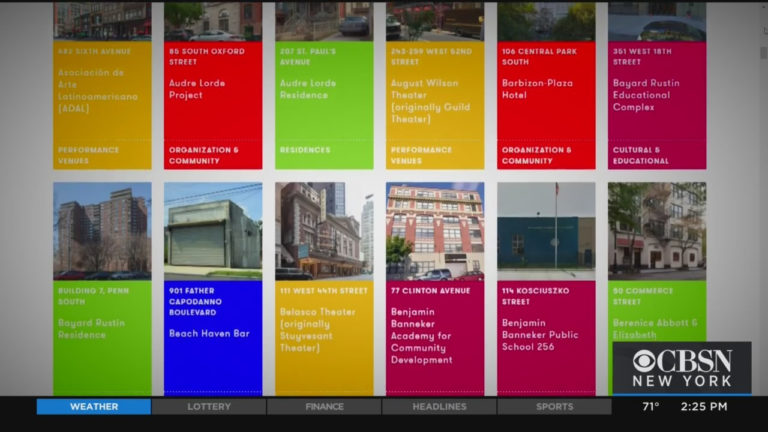

NEW YORK (CBSNewYork) – The Stonewall Inn is probably the best known site when it comes to LGBTQ history and activism. But there are hundreds of other touchpoints in this culture and history that have amazing stories behind them.
In buildings grand and non-descript, locations famous and private, there is rich LGBTQ history in just about every corner of New York City.
READ MORE: #TogetherInPride: Community Fighting To Make Sure LGBTQ+ Bars Survive COVID Pandemic
“We like to say that we’re making an invisible history visible,” said Andrew Dolkart, co-founder of the NYC LGBT Historic Sites Project.
“We have posted on our site over 350 sites, and we have a list with well over double that number that we would like to, to add,” Dolkart said.
Locations on the Historic Sites Project provide walking or armchair tours in the five boroughs. For example, on Staten Island, there is the Alice Austin House.
Web Extra: Extended Version Of Natalie Duddridge’s Report
“Alice Austin was a pioneering woman photographer… when it became a house museum, they refuse to acknowledge that there was any lesbian relationship,” Dolkart said.
Through the work of the Historic Sites Project, Austen’s sexuality is now embraced as part her cultural contributions. Some of her provocative images included women dressed in male drag. Austen lived in the home with Gertrude Tate, her partner of 53 years.
The West Side Tennis Club in Queens was the home of the US Open for over 60 years, featuring history-making players such as Martina Navratilova and Billie Jean King .
“This is where Renee Richards, who was the first trans woman to compete in a professional tournament, tournament play, and this was very controversial as this still is today,” Dolkart said.
Other historic sites include the entire Theater District.
READ MORE: NYU Langone Workers Celebrate Pride Month On Long Island
“We have mentioned every single Broadway theater,” Dolkart said.
Dolkart says LGBTQ contributions are critical to all aspects of this business from the artistic to the technical.
There are dozens of historical residences to peruse too. St. Luke’s Place was home to famed director Aurthur Laurents. Playwright and gay activist Larry Kramer lived at 2 Fifth Avenue. Harlem Renaissance poet Lanston Hughes on East 127th street, and there’s the Lexington Avenue home of artist Andy Warhol. Literary icon James Baldwin’s rowhouse on West 71st street is listed on the national registry, as is the Bleecker Street home of playwright Lorraine Hansberry.
“It’s where she wrote A Raisin in the Sun, the first play on Broadway that was written by a Black woman, and the first play by a Black woman to win the New York Drama Circle Critics Award,” Dolkart said.
The Church of the Holy Apostles is also more than a noted New York City landmark.
“It has this really important social history that relates to the LGBT community, because it was the home of many of the earliest post-Stonewall activist organizations from 1969 to 1974,” Dolkart said.
Also relative to Stonewall was the Wooster Street firehouse, headquarters of the Gay Activists Alliance.
“In the early 1970s, they were involved in civil rights activism. They were involved in trying to end the entrapment of gay men and lesbians,” Dolkart siad.
The GAA moved out of that building in 1974, because of a fire, allegedly set by a homophobic arsonist.
That firehouse is also part of the SoHo-Cast Iron Historic District.
For more information, CLICK HERE.


HIV diagnosis among overseas-born gay and bisexual men, especially those who have come to Australia from Asia, has increased from 28 per cent in 2008 to 52 per cent in 2017, according to the Australian Annual Surveillance report. Now, a new video campaign in Mandarin from ACON hopes to reach out to this vulnerable population to raise awareness about HIV prevention drug PrEP.
The video features popular Taiwan-based social media influencers Fufu and Josh, better known on social media as ‘FJ234’ and sexual health expert Dr Stephane Wen Wei Ku in a trivia challenge about PrEP.
Justin Xiao, Community Health Promotion officer with ACON, told Star Observer that the video, the first from the organisation in a language other that English, aims to meet the gap that was felt in existing HIV-prevention campaigns in Australia.
According to Xiao, campaigns in the past have been from a “white, Western culture centric point of view” that perhaps failed to reach out to different cultural groups.
That could be one of the reasons behind the data that shows that while HIV diagnosis has dropped dramatically in Australia in the past couple of years, “the rate has actually increased among overseas-born gay and bisexual men from Asia, and in particular, those from Mandarin-speaking backgrounds,” said Xiao.
For many Asian gay men, language is not the only barrier to information about HIV and sexual health. As Xiao explained, there also exists cultural barriers when it comes to talking about sex.
“Many Mandarin-speaking gay men don’t know about PrEP or they have heard about it but don’t believe it is right for them,” said Xiao. “We Chinese people tend to say you only take medication when you are actually sick, so to take something that is for prevention is somehow a new concept. Then, there is also a bit of stigma attached to PrEP.”
In the video, Fufu and Josh address these aspects, explaining that PrEP is not only for the so-called high-risk population or those who are more sexually active or taking PrEP doesn’t mean “you are a slut”.
“In Asian cultures, many people are afraid of negotiating sex because they don’t want to feel embarrassed. PrEP is a good tool to protect yourself even if you are not ready to talk about sex with your sex partner. We could all have a great sex life without worrying about HIV,” Josh and Fufu said in a statement.
The hesitancy around talking about sex is common in Asian cultures, said Xiao, and that is excaberated when it comes to sexual orientation and sexual health literacy.
“I struggle with identity, a little bit,” said Xiao, adding, “Many people don’t know that they should get tested for sexually transmitted infections four times a year, many don’t know where to get tested or how HIV is transmitted”.
ACON is hoping the new campaign will play a significant role in briding the gap and raise awareness about PrEP among Mandarin-speaking gay communities in NSW.
“Raising awareness of PrEP, which is an extremely effective strategy for preventing HIV transmission, is fundamental to our efforts in eliminating the virus in NSW,” CEO Nicolas Parkhill said in a statement.
“We know that men in our communities from Mandarin-speaking Asian backgrounds continue to encounter barriers to appropriate HIV prevention messaging, such as language and culture. This means that we must continue to employ new strategies and initiatives to engage Mandarin-speaking Asian gay men about HIV prevention, including increasing awareness of one of the most effective HIV prevention methods we have available – PrEP.”
PrEP is available to Australians through the Pharmaceutical Benefits Scheme since 2018.
“Collaboration is key to improving awareness of PrEP, and we are extremely grateful to Fufu, Josh, Dr Ku and Hotline for taking part in our campaign. By working with them we hope the video will be able to help educate Mandarin speaking communities about a range of questions relating to PrEP, such as how effective it is, how easy it is to get, and different ways that PrEP can be taken,” added Parkhill.
The following was written by Augusta Herman for Public Health Insider, the official blog for the Seattle-King County Department of Health:
Valentino Reyes, 20, hopes to become a therapist for lesbian, gay, bisexual, transgender, and queer or questioning (LGBTQ) teenagers. Like other LGBTQ people, Reyes experienced feelings of isolation when they were growing up. It wasn’t until they worked with their high school counselor, who identified as a gay man, that their mental health began to improve. “Having someone there who understands what you’re going through and has lived experience is really beneficial,” Reyes explains.
Another place where Reyes and other LGBTQ youth have found other people with similar experiences is Gay City: Seattle’s LGBTQ Center, a hub for LGBTQ individuals. In addition to being a resource center – helping people find housing, healthcare, and meet other needs – Gay City serves as place for people to congregate. This is especially important for LGBTQ youth who may not feel like they have a strong community. Building community can improve mental health and wellbeing.
LGBTQ YOUTH CANNABIS USE
This community also educates youth about cannabis use and managing mental health: Gay City’s Youth Advisory Council (YAC) supports effective youth cannabis and vaping prevention strategies.
LGBTQ youth report the highest rates of marijuana use in King County, and data from the Healthy Youth Survey suggest a link between marijuana use, bullying, and mental health distress symptoms such as anxiety and depression.
“This makes perfect sense to me,” Reyes says, considering all of the stressors that young LGBTQ people experience. In addition to typical high school stressors, LGBTQ teens may experience discrimination, feelings of isolation, or lack basic needs. LGBTQ youth are more likely to experience homelessness, food insecurity, or unresolved medical issues that may lead them towards cannabis use.
“Nothing is really set up for us,” Reyes elaborates. “The medical system is hard, education, even small things like going to the bathroom. All of these things are exclusive to LGBTQ people. Using marijuana is a way to cope with that.” Given these exclusions, LGBTQ youth look for ways to cope, even if the strategy is harmful to their health.
Reyes, as a member of Gay City’s YAC, is involved in an assessment of LGBTQ youth cannabis use in King County, in partnership with Public Health – Seattle & King County’s Youth Marijuana Prevention and Education Program (YMPEP) and Matt Harnpadoungsataya, a graduate student at the University of Washington. This work is funded by the Washington State Department of Health through the Dedicated Marijuana Account.
For the assessment, the YAC conducted interviews with young people who use cannabis. These conversations have revealed how youth are introduced to cannabis, the stressors they face, their perceptions of people who use cannabis, and what supports they need. After the assessment is finished, the YAC will again partner with Public Health to take action on the findings, making changes to decrease stressors or support healthier coping.
UPSTREAM PREVENTION
Early findings from the YAC’s assessment suggest that upstream factors, particularly those that help develop healthy coping skills, may be key to preventing cannabis use. These include: welcoming spaces for LGBTQ youth, mental health support in schools, and meeting fundamental needs (food, housing, and inclusive healthcare).
Reyes explains: “Many people have tried to address marijuana usage among youth with fear mongering and scare tactics. It’s clear that doesn’t work. We [Gay City] focus on addressing ‘why are they doing this in the first place?’”
Gay City and the YAC’s approach to preventing youth cannabis use is focused on creating welcoming spaces for LGBTQ youth and educating future healthcare workers on providing care to LGBTQ patients and clients:
Providing a space for LGBTQ youth to build community and addressing some of the underlying factors that exacerbate stressors helps young people build strong foundations for developing healthy coping skills. These skills may make them less likely to use cannabis when faced with stressful and overwhelming situations.
However, strategies that are further upstream are likely to have an even greater impact on whether an LGBTQ individual copes with cannabis. These include affirming healthcare, familial and societal acceptance, and equitable workplace and housing practices, among others.
Reyes, whose dedication to serving LGBTQ youth is clear, summarizes: “I hope there’s a world one day where LGBTQ youth don’t have to worry about things like discrimination or going homeless if their parents find out about their identity. If you really want to help youth cope better and not rely on marijuana,” Reyes explains, “you have to provide solid ground to work on and community support.”
RESOURCES
Gay City: Seattle’s LGBTQ Center – Central hub for LGBTQ individuals seeking affirming and responsive resources, wellness, and community. Resources available for COVID-19, LGBTQ families, youth, and community members.
Ingersoll Gender Center – Peer-led support groups, virtual events, advocacy, education, and financial assistance available for trans and gender diverse community members.
Peer Washington – Made up of Peer Seattle, Peer Spokane and Peer Kent, Peer WA provides emotional support, coaching, advocacy, and resource navigation for LGBTQ+ community members impacted by addiction, mental health and/or HIV/AIDS.
Seattle Counseling – Resources, counseling and therapy referrals for LGBTQ individuals, and support for LGBTQ community based organizations.
Talk to us
Please share your story tips by emailing editor@courierherald.com.
To share your opinion for publication, submit a letter through our website https://www.courierherald.com/submit-letter/. Include your name, address and daytime phone number. (We’ll only publish your name and hometown.) Please keep letters to 500 words or less.
JAMES L. WALLER, 74, of Louisa, Ky., formerly of Fort Gay, husband of Hazel Waller, died June 13. He retired from the Wayne County Board of Education and was a former owner of Giovanni’s Pizza in Prichard. Funeral service will be conducted 1 p.m. June 16 at Young Funeral Home Chapel, Louisa, Ky. Burial will follow in Smith Cemetery, Prichard. Visitation will be from 6 to 8 p.m. June 15 at the funeral home.