Researchers call for mental health and substance use interventions that support students who are gay, lesbian, bisexual and unsure of sexual identity
BUFFALO, N.Y. — Experiencing sexual violence is significantly linked to increased e-cigarette use among sexual minority high school students, but not heterosexual students, according to a University at Buffalo study.
The research, published in Addictive Behaviors, sought to clarify the complex relationships between sexual violence, suicidality (suicidal thoughts and plans, and feelings of sadness), and e-cigarette use among United States teens. Suicidality was not directly tied to e-cigarette use, the study found.
The findings suggest the need for improved school-based mental health and substance use interventions for victims of sexual violence who are also sexual minorities, as sexual minority youth may be more likely than their heterosexual peers to turn to substance abuse to cope with victimization, discrimination and stigmatization, says first author Courtney Doxbeck, doctoral candidate in the UB Graduate School of Education.
“Sexual minority students often experience rejection, harassment and abuse at the hands of friends, family and coworkers during a highly influential period of growth when they need social support the most. Such victimization and stigmatization may negatively impact their physical or mental health and lead to engaging in harmful health behaviors later in life,” says Doxbeck.
Although suicidality and sexual violence have been linked to substance abuse in the U.S., few studies have captured their potential relationships with e-cigarette use, which has become the most popular tobacco product among youth, she says.
“This study serves as a call to action for school administrators and public health officials to target interventions toward at-risk groups, as students may perceive e-cigarettes as less dangerous than traditional tobacco products, and therefore a safer method to consume nicotine or other substances,” says Doxbeck.
Additional investigators include Joseph Jaeger, doctoral candidate in the UB Graduate School of Education; and Jacob Bleasdale, doctoral candidate in the UB School of Public Health and Health Professions.
The researchers analyzed the 2017 National Youth Risk Behavior Survey, which assessed the health behaviors of more than 7,900 U.S. high school students.
Local activists are calling for a boycott of Nellie’s Sports Bar and demanding that it be shut down after a woman was dragged down a flight of stairs by a security guard.
Nellie’s fired an independent security vendor and closed for the week after outcry over a video of 22-year-old Keisha Young being pulled down the stairs by her arms and hair. Young said she was mistaken for another patron who had brought an open container of alcohol into the bar.
The viral video led to dozens of people protesting outside the bar on Sunday, as well as condemnation from local LGBTQ organizations.
Now, three local organizations — DC Ward One Mutual Aid, Harriet’s Dreams, and The Palm Collective — are urging a boycott of Nellie’s and organizing a protest on Friday, June 18, outside the bar’s U Street location.
In addition to boycotting Nellie’s, the groups issued three demands on social media, the first of which is that Nellie’s and its owner, Doug Schantz, “issue a full public apology” to Young.
Organizers also want Schantz and Nellie’s management team to “attend a public community listening session,” as well as “agree to reparations for the Black queer & trans community of D.C. and shut [Nellie’s] down completely.”
In a joint statement, the organizations called Nellie’s response to the incident “an absolute outrage.”
“Nellie’s had multiple opportunities to truly hold themselves accountable for the harm they’ve caused, but instead, they treated Keisha’s brutalization as an isolated incident rather than part of an historic pattern of anti-Blackness and pro-cop behavior,” they said.
“It’s obvious that Nellie’s owners believe they can lay low for a few days and return to business as usual after social media channels calm down,” the groups added. “The problem is that business as usual is a pattern of racist abuse against and exploitation of Black LGBTQAI+ people in Ward One and D.C. We’re here to say, enough is enough.”
Brandon Burrell, Young’s attorney, told FOX 5 DC that they have discussed filing a lawsuit and a police complaint, but wanted to give Nellie’s time to reach out directly to Young.
As of last night, that contact had yet to occur, Washington City Paper‘s Amanda Michelle Gomez tweeted.
Burrell also called for Nellie’s to release security footage of the incident, after a new video was shared on social media showing an excerpt of events prior to Young being dragged down the stairs.
In the video, Young can be seen at the top of the stairs in Nellie’s with at least five other people — including what appears to be two security guards.
The video, which lacks additional context, shows Young striking a man who is grappling with another man — Young’s cousin, according to her attorney.
Young, who is on a higher step than the men below her, is then pulled down through the group by at least two of the men — including one of the security personnel — and thrown onto the steps below the group.
She responds by striking the security guard who yanked her down, and the video ends with Young being knocked further down the stairs by the security guard.
NEW VIDEO: Witness footage appears to show what happened moments before security dragged a Black woman down the stairs by her hair at Nellies Sports Bar.
— Michael Quander WUSA9 (@MikeQReports) June 16, 2021
In a statement to FOX 5 DC, Burrell wrote, “Just as one can defend one’s self, the law allows one to defend others that are in imminent danger of bodily harm.
“Multiple security guards and other staff of Nellie’s Sports Bar were pummeling Keisha Young’s cousin, Dayon Kidd, at the top of the staircase,” Burrell continued. “This physical altercation was initiated by Nellie’s staff when they mistook Ms. Young for another Black woman that allegedly brought a bottle into the establishment.”
Burrell said Young was dragged down the stairs because she “tried to protect her family.”
“The actions of Nellie’s staff were not justified,” Burrell added. “Any ambiguity concerning what happened that night can be dispelled by Nellie’s releasing the video surveillance.”
Doug Schantz, the owner of Nellie’s, could not be reached for comment.
D.C.’s Alcoholic Beverage Regulation Administration confirmed that it is investigating the incident, with Mayor Muriel Bowser telling FOX 5 DC, “Entrepreneurs enforce rules in their restaurants but they’re not allowed to assault anybody…and if that’s a matter, DC police will take it up.”
Ward 2 Councilmember Brooke Pinto issued a statement calling the video of Young being pulled down the stairs “nauseating.”
“Violence and aggressive behavior against women and people of color is completely unacceptable,” Pinto said. “This incident is particularly upsetting given that this establishment touts itself as a safe space for all. I support a full investigation of what occurred.”
Multiple local organizations have condemned Young’s treatment, including Team DC, The Gay Men’s Chorus of Washington, DC, DC’s Different Drummers, and the Capital Pride Alliance, which called out the “reprehensible actions taken by Nellie’s staff over the weekend.”
The DC Center called Young’s treatment “unacceptable” and demanded that Nellie’s “take reparative action for this and prior harm caused to the community.”
Stonewall Kickball responded to the “horrifying incident” by removing Nellie’s as a sponsor of the league, “effective immediately.”
Whitman-Walker Health, the federally-qualified community health center that specializes in LGBTQ-competent and HIV-related care, tweeted that it was “not the first time we have heard calls for respect for Black patrons of Nellie’s Sports Bar.”
“This past weekend, security staff violently removed Keisha, a Black woman, from the Nellie’s Sports Bar facility,” Whitman-Walker said. “The calls for justice for Keisha and the calls for respect for Black patrons must be heard. This physical removal at Nellie’s is inexcusable and is a reminder to all organizations, businesses, and communities — ourselves included — that ensuring that Black Lives Matter is more than hanging a sign, attending a march, or closing for #Juneteenth. We are grateful that Keisha is in good physical health.”
In a dazzling Italy some decades ago, two young men meet and experience a sweeping, happy-sad summer of self-realization together. That may sound roughly like the plot of Luca Gaudagnino’s 2017 film Call Me By Your Name, but it is also the story of the perhaps coincidentally named Luca, the latest bittersweet animated film from Disney and Pixar (on Disney+ June 18).
The film is about two kids, Luca (Jacob Tremblay) and Alberto (Jack Dylan Grazer), who spend most of their time as gilled and finned creatures living under the sparklingly wine-dark Ligurian Sea. If they make their way onto land, they magically transform—in appearance, at least—into humans, free to interact with the landlubbers of a small fishing town populated with whimsical characters. Luca and Alberto share an intense, defining, and world-cracking-open bond, but must hide who they really are in the presence of judgmental, fearful others.
That outline holds an obvious potential for queer allegory, and indeed many Pixar fans tracking the film’s development quickly labeled Luca as the studio’s “gay movie”—a coming-out story to be placed on Pixar’s mantle alongside its meditations on grief, artistic expression, loneliness, Ayn Rand-ian objectivism, and parenting. Finally, Disney might actually venture into queer storytelling, a vast landscape of human experience that the studio has only meekly (and smugly) gestured toward in recent years.
Of course, all of that would have to be done on kid-movie terms. Thus the sea monster metaphor, tempered and universalized by Pixar’s usual cutesy, cozy trappings. Having seen Luca—directed by Enrico Casarosa and written by Jesse Andrews and Mike Jones—I think the film will probably half satisfy those excited theorists.
The film is lovely and funny, but it operates on a more minor key than some of Pixar’s true classics. It’s mostly the story of a kids’ triathlon competition held in the quaint village of Portorosso, where Luca and Alberto meet a local girl, Giulia, who is also a black-sheep outlier in her staid, conservative town. The goofiness of Luca and Alberto learning to ride bicycles and eat pasta, while trying to avoid water, is the film’s central concern; any deeper probing of what the film is actually about will have to be done by each individual audience member.
There is enough there to graft a queer reading onto—Luca’s doting parents (voiced by Maya Rudolph and Jim Gaffigan) are scared about how Luca’s identity may be greeted by those who don’t understand him, for instance—but the film could just as easily be seen as an allegory for other sorts of difference. The boys’ washing ashore brings to mind the recent immigration and refugee crisis gripping Europe, as people fleeing war-torn lands are met with hostility and shunned by governments as they simply try to survive. Or the film could more broadly just be about a particular time in early adolescence, when kids tend to leapfrog over one another on their way to young adulthood, sometimes leaving each other behind as they grow into their true selves and race down newly open paths.
Casarosa has explicitly said that the film is not a queer story, that it is all “platonic” and determinedly “pre-pubescent.” That suggests a limited understanding of gay growing up, particularly of when our feelings of affection and special closeness and difference can first develop. It would seem, as it so often does, that in Casarosa’s (and perhaps Disney’s) view, queerness must specifically involve sex to be queerness at all. And, of course, Pixar is never going to make a movie, ostensibly for kids, that even hints at sex.
Still, Luca is art offered up to be interpreted by myriad disparate viewers. Many of them may well see something specific in the arc of Luca and Alberto’s friendship, and in how they relate to the world around them. This at least nudges Disney closer to exploring the full breadth of reality. And Luca does, despite its vagueness, successfully pull off some of the usual Pixar tricks, provoking warm tears and weary sighs as one considers the familiar trajectories of life. The studio is masterful at teasing out those “It’s true, it really is like that” moments of manageably scaled profundity, all wrapped up in gleaming packages.
Aside from who it may or may not represent, the film is a nice introduction to summer in its intoxicating wash of blues and greens and oranges, the way it conjures up the heady momentum of youth, the thrilling rush of life’s pages turning. (To the likely dread of many worried parents the world over, the film is also a very effective advertisement for Vespa scooters. It should come as no surprise, of course, that Disney is ever adept at selling things.) Luca does well in that regard, though will perhaps be more memorable for what it might have been than for what it actually is.
This week marks the return of Portland Opera in an outdoor venue near OMSI, as well as the return of the Risk/Reward Festival for 2021. Also check out the old-school radio performance of two sci-fi classics.
Members of the Portland Gay Men’s Chorus perform in the annual Gay Pride Parade in this photo from 2012. LC- The Oregonian
“Chasing Rainbows”
Portland Gay Men’s Chorus offers a virtual concert featuring Pride anthems from iconic artists including Whitney Houston, Carly Rae Jepsen, Gloria Gaynor, Lady Gaga, Cher and Dolly Parton.
8 p.m. Friday, June 18, and 3 p.m. Sunday, June 20; free, but registration is required to get the link for the show; live.pdxgmc.org
“Samsara/Samara” an art installation by Marisa Green.Photo courtesy of Agenda
“Samsara/Samara”
Artist Marisa Green offers a show of new work that departs from her usual regimented, geometric cut paper installations. Green offered this statement on the work: “Mother Nature is our greatest teacher in her quiet knowing and acceptant embrace. Her lessons are often communicated the most clearly when we lose a loved one.” Green is a mixed media artist, primarily working in cut paper. According to her bio, her art explores mathematics, connections, and meditation through the use of geometric shapes, patterns, and the art of physical repetition.
Opening reception with masks required 3-6 p.m. Saturday, June 19, Agenda, 4505 S.E. Belmont St. Show continues 11 a.m.-4 p.m. Wednesdays-Sundays through July 25; free.
Portland Opera presents Catalina Cuervo starring as “Frida” in an outdoor performance. Photo courtesy of Portland Opera
“Frida”
Portland Opera, along with OMSI, presents “Frida” in an open-air performance on the Jordan Schnitzer CARE Summerstage. The opera follows the life of Mexican artist Frida Kahlo with music by composer Robert Xavier Rodriguez. The performance is in English and Spanish with captions. Each evening will begin with a performance by Ballet Folklórico at 8 p.m., followed by a 90-minute version of “Frida” without intermission.
8 p.m. Tuesday, Thursday, Saturday and Sunday, June 22, 24, and 26-27; Outdoors at OMSI, 1945 S.E. Water Ave.; tickets $75; portlandopera.org.
An image from the film “The Conduit” by Kelly Nesbitt, one of the featured works in the Risk/Reward Festival of New Work.Courtesy of Risk/Reward.
2021 Risk/Reward Festival of New Performance
Risk/Reward, a festival that showcases new works by indie performing artists from across the region, is pivoting to a drive-in experience for 2021 hosted at Oaks Park. Films will be shown on the 50-foot screen at the Oaks Park Hangar. The films include works by five Portland artists. Attendees will see a pre-show including live music, followed by 80 minutes of films featuring poetry, dance, and performance art. Food and drinks available for purchase.
7:30 p.m. pre-show, 9 p.m. films Thursday-Saturday, June 24-26; Oaks Park, 7805 S.E. Oaks Park Way; tickets are pay-what-you-can online or at the door (suggested $20-$30); risk-reward.org
File photo. HVT
Re-Imagined Radio “X Minus One” tribute
John Barber directs a broadcast of two science fiction stories from the “X Minus One” radio anthology program. The hourlong broadcast features two adapted stories: “The Veldt” by Ray Bradbury and “The Cave of Night” by James E. Gunn.
Noon Monday, June 21, on Vancouver’s KXRW-FM (99.9 FM) and Portland’s KXRY-FM (91.1 FM or 107.1 FM), and archived at reimaginedradio.net.
– If you have live or virtual events you’d like to see highlighted at OregonLive.com or in the weekly printed A&E section of The Oregonian, please email submissions to events@oregonian.com at least three weeks prior to the start of your event. Digital images or links to videos are helpful.
WASHINGTON — A year after the Supreme Court ruled that protections in the Civil Rights Act against discrimination in the workplace extended to gay and transgender people, the Education Department plans to say on Wednesday that it has interpreted the ruling to mean that those protections also extend to students.
The department will say that discrimination against gay and transgender students is prohibited under Title IX, a 1972 law that prohibits sex-based discrimination in federally funded schools. The law has become a political cudgel in the culture wars over sex and education.
“We just want to double down on our expectations,” Miguel A. Cardona, the education secretary, said in an interview. “Students cannot be discriminated against because of their sexual orientation or their gender identity.”
The Education Department’s interpretation of Title IX is the opposite of the stance taken by the Trump administration, which maintained that transgender students were not entitled to protections and threatened last year to withhold federal aid from schools that allowed transgender athletes to participate in scholastic sports. During the last weeks of the Trump administration, the Education Department issued guidance saying that the Supreme Court ruling did not offer transgender students protections.
Since Inauguration Day, the Biden administration has conducted a sweeping effort to rescind, revise or revoke a number of Trump-era policies that rolled back transgender rights. The Department of Housing and Urban Affairs, the Justice Department and the Department of Health and Human Services have all issued guidance affirming the rights of transgender Americans.
But the Education Department’s announcement does not change the process of reporting or investigating individual cases of discrimination, Mr. Cardona said. And it is unclear how far the new interpretation of the ruling will go to address legislative efforts to restrict rights based on gender identity. That includes dozens of bills introduced by Republicans across the country to bar transgender girls from playing sports.
“The reality is each case has to be investigated individually,” Mr. Cardona said. Schools, he added, should “not wait for complaints to come to address these issues.”
He likened the announcement to setting down a marker for schools nationwide, alerting them that the Biden Education Department would not tolerate discrimination in schools receiving federal funds.
“This is really clarity around how we interpret it,” Mr. Cardona said. “We need to make sure we are supporting all students in our schools.”
Experts are skeptical that the new interpretation of Title IX will compel local officials to make changes, including in states that bar transgender athletes, if they are in compliance with state law.
“Some schools, especially in the states where there is legislation, will simply ignore what the federal government says,” said R. Shep Melnick, a politics professor at Boston College and the author of “The Transformation of Title IX: Regulating Gender Equality in Education.” “And then it becomes a question of whether the federal government wants to take enforcement action, which I think they may be somewhat reluctant to do.”
But President Biden — whose wife, Jill Biden, is a teacher — has shown particular willingness to engage in Title IX changes. In March, he waded into an area that has been important to him but politically charged for more than a decade when he directed Mr. Cardona to conduct an expansive review of all policies related to the law.
That decision came as states introduced their own legislation to bar transgender female athletes from competing on sports teams that did not match their biological sex at birth. The Trump administration had revoked Obama-era guidance on the rights of transgender students, but it had not issued a regulation.
The Education Department announced in April that the public’s input would be included in the effort to review the policies. At the time, officials invited students, educators and other stakeholders to share insights on “the issue of sexual harassment in school environments, including sexual violence, and discrimination based on sexual orientation and gender identity.”
Students and faculty members were also given questionnaires meant to provide a fuller picture of how the Trump-era rules had affected schools’ handling of sexual harassment.
“We are in the process now of synthesizing that information as we go to the next steps of actually developing our rules,” Mr. Cardona said on Tuesday. He did not provide a timeline for when the work would be finished, but he added: “We are going to move as quickly as possible on it. We know many folks are waiting.”
As the business voice of the LGBT community, the National LGBT Chamber of Commerce (NGLCC) is the largest advocacy organization dedicated to expanding economic opportunities and advancements for LGBT people and the exclusive certifying body for LGBT-owned businesses. The LGBT business owners that NGLCC represents generate over $1.7 trillion in economic impact, create jobs and innovate business solutions nationwide. Representing every industry from retail to food to construction to medical supplies, if you can buy it, an LGBT-owned business can supply it.
Now more than ever, the collective voice of the LGBT community is growing, along with our economic influence. We have fought hard to secure our rights in the name of equality, and our ability to continue to bring about change for our community lies with our economic power. As is true with our social visibility, economic visibility is essential in building a diverse and inclusive society — and the power of the LGBT dollar is becoming more and more visible every day.
With the arrival of LGBTQ Pride Month in the United States, the question then turns to where the LGBT dollar should be directed. More than 75 percent of LGBT adults and their friends, family, and relatives say they would switch to brands that are known to be LGBT friendly. Several years back, slapping a rainbow on a liquor bottle (or social media profile) one month a year was enough for a brand to consider themselves “gay-friendly.” Now, more and more consumers are holding brands accountable by demanding that they stand behind the LGBT community year-round. By purchasing Pride celebration products like snacks, T-shirts, and additional regalia from our Certified LGBT Business Enterprise® (Certified LGBTBE®) suppliers and NGLCC partners, you are giving directly back to the LGBT community rather than falling prey to the phenomenon of rainbow-washing.
Pride Month is a recognition and celebration of the ongoing fight for justice for the LGBTQ+ community. From Marsha P. Johnson to Harvey Milk, Jim Obergefell and Billy Porter, from Tim Cooke to Beth Ford and Im Fitterling, June is a time to honor the legacies of LGBT freedom fighters and carry them forward by continuing to create opportunities for justice and equality for the LGBT community. Our fight for equality is year-round, but our increased visibility during this month allows our voices to carry far and wide and become more powerful than ever. By actively supporting LGBT-owned businesses, allies can help to spread the community’s message.
True LGBT allyship also requires advocacy beyond Pride Month. When you examine a price tag, look for an indication that the company is an LGBT-inclusive corporation or an NGLCC Certified LGBTBE®. It has never been easier to go online or check with us at nglcc.org/corporatepartners or your local LGBT Chamber of Commerce affiliate to make sure you support the brands that have our community’s back. When you support or join the NGLCC community, you help us to provide business owners with professional development resources, interactive year-round programming, and special channels of city and corporate procurement.
When it comes to diverse communities — LGBT people, women, people of color, people with disabilities, and more — we must stand in solidarity as a business force and a force for good in a nation of diverse citizens. That is exactly what drove us at the NGLCC to bring our friends from other diverse business organizations to one collaborative table. In 2011, we spearheaded the creation of the National Business Inclusion Consortium, the NBIC. Collectively, our organizations represent over $9 trillion in economic impact, as well as tens of thousands of tax-paying, industry-innovating jobs. That kind of strength through unity is what helps open doors and change if not always hearts, certainly minds along the way.
We have never seen greater cooperation and solidarity than we have in right now, and a great deal of that sense of unity is due to the recognition that LGBT people are also part of every other community. Happy Pride – this month and every month.
BUDAPEST (Reuters) – The largest broadcasters in Hungary criticised a new law banning the “display and promotion of homosexuality” among under-18s as a threat to freedom of expression, and one said it could impact showings of some Harry Potter films and classic TV shows.
Prime Minister Viktor Orban’s nationalist government pushed the law through parliament on Tuesday despite criticism from rights groups and the European Union, which said it could result in a loss of development funds for Hungary.
Orban and his ruling Fidesz party, which faces a tight election race next April, have increasingly railed against LGBT+ people and immigrants as part of their self-styled illiberal regime, which has deeply divided Hungarians.
German media giant RTL’s Hungarian unit, the country’s top broadcaster by audience, issued a statement saying it “condemned homophobia… We worry that the bill gravely harms freedom of expression, human rights and basic freedoms.”
Other major broadcasters including HBO, SPI International and A+E Networks joined RTL’s statement. An RTL spokesman said it would come up later with a strategy to deal with the new legislation.
The law says it aims to “defend the right of children to an identity that conforms to their birth gender”, and bans content for minors that “promotes or depicts gender change and homosexuality”. The same rules apply for advertisements.
It has further highlighted a growing rift in the EU between socially liberal western nations, where same-sex marriages are commonplace, and more conservative ex-communist countries in the east. Staunchly Catholic Poland has also clashed with Brussels over its stance on cultural issues including LGBT+ rights.
RTL said Hungary’s new law could provide grounds for banning family favourites from from prime time TV because they touch on homosexuality in some manner.
RESTRICTIONS
“Based on this, works like ‘Billy Elliott’, ‘Philadelphia’, ‘Bridget Jones’ Diary’, or even some Harry Potter films would only be shown late at night,” RTL said. “Series like ‘Modern Family’ would be banned, as would some episodes of ‘Friends’.”
The law will cause significant harm to the media business and makes it more difficult for all Hungarians to access certain kinds of content, the broadcaster added.
The government and the Fidesz deputy who submitted the bill did not reply to Reuters’ requests for comment on the possible impact of the law on programming.
Other media companies said in the statement that they were “stepping up together to support diversity and against discrimination of the non-heterosexual community”.
They did not say how they might change their programming.
In separate emailed comments to Reuters, HBO owner WarnerMedia said: “We stand against all forms of homophobia, prejudice or discrimination. The enduring power of all of our stories can open our eyes to the world, to each other and to new and different perspectives.”
Viacom and A+E spokesmen did not immediately reply to Reuters’ requests for comment. Global streaming giant Netflix, which did not join the protest, did not respond immediately to a Reuters request for comment.
The Hungarian Association of Advertisers (MRSZ) also criticised the new law.
“Excluding sexual minorities from mass media hinders responsible and colourful portrayals of the world” in line with the values of tolerance and acceptance,” it said in a statement.
RTL morning show anchor Mark Lakatos, who is openly gay, accused Fidesz of hypocrisy and joked that he would now “lie every morning” about being in love with a female colleague.
Critics have drawn a parallel between Hungary’s legislation and Russia’s 2013 law that bans disseminating “propaganda on non-traditional sexual relations” among young Russians.
In Turkey, radio and television watchdog RTUK assumed sweeping oversight over online content two years ago, including streaming platforms like Netflix and online news outlets, alarming rights groups who said it could lead to greater censorship of LGBT+ content.
(Reporting by Marton Dunai @mdunai; Editing by Gareth Jones)
As the Rockets await an NBA draft lottery this year that is critical to the franchise’s rebuild, we take a look back at previous lotteries they were involved in. The Rockets are “credited” with ushering in the lottery system after they were accused of tanking in 1983-84 to land Hakeem Olajuwon with the first overall pick (they also had to win a coin flip with Portland).
Year: 2001 Rockets’ final record: 45-37 Odds to win: 0.50 percent First player taken: Kwame Brown (C, Glynn Academy, Ga.) by Washington
Rockets’ final draft slot: 13th
Rockets’ draftee: Richard Jefferson, F, Arizona
How things worked out: Could’ve been better, probably. Jefferson was packaged with fellow first-round picks Jason Collins (taken 18th) and Brandon Armstrong (23rd) to the Nets in a trade for Eddie Griffin, whom New Jersey had taken at No. 7.
In the end, Jefferson had the best NBA career of any of those players, logging 17 seasons in the league and helping the Nets make the Finals his first two years. He then was a veteran reserve on Cleveland’s 2016 championship team.
Collins also enjoyed a long NBA career and was later better known as the first player in the four major U.S. men’s sports leagues to come out as openly gay. Armstrong, meanwhile, was a Nets reserve for three seasons.
As for Griffin, he played two seasons with the Rockets before being waived midway through the 2003-04 season, amid legal and substance abuse issues. He then finished his career with three seasons in Minnesota.
Various queer men spoke to PinkNews about what it is like living with disordered eating. (Supplied)
It’s a simple fact that LGBT+ people are at high risk of developing eating disorders.
A Stonewall study found one in eight LGBT+ people experience an eating disorder and, according to a Beat survey, 37 per cent of LGB respondents wouldn’t feel confident seeking help.
Researchers recently found 18 per cent of boys who identify as gay and 13 per cent of boys who are bisexual experience eating disorders, compared with three per cent of heterosexual boys.
Gay men have battled eating disorders for decades, which are often connected with anxiety and confusion regarding sexuality, but many still struggle to access treatment.
Here are the stories of five gay men who have lived with eating disorders.
Lawrence Smith: ‘I felt destined to fail at existing as an adult’
(Lawrence Smith)
Lawrence Smith, 29, is an actor and singer who had long-term issues with anorexia nervosa, diabulimia and general disordered eating.
“A key factor in my issues was lack of confidence in myself,” he explained.
“I felt destined to fail at existing as an adult, so I adopted the misguided belief that, were I to be ill, I wouldn’t need to engage with the real world.
“This had dangerous effects on my Type One diabetes.”
Lawrence also possessed a hatred of his body and the diabetes he’s had since a young age and used his eating disorder as punishment.
“I’ve been out as a gay man for ten years,” he said.
“I was lucky with the reaction to my coming out, but I had a lot of internal confusion proceeding this, and I was convinced I didn’t deserve love.
“I was surrounded by folks my age discussing their sex lives, so I felt isolated even further with my added eating disorder habits.”
Lawrence wishes his treatment focussed more on his diabetes, as none of his therapists were well versed in diabetes, so diabulimia continued to affect him.
He also highlighted the need to stop viewing eating disorders as a “women’s illness”.
“When I was seeking help 12 years ago, the resources I received all focused on female experiences of eating disorders. I felt absolutely alienated.
“I can only hope things have improved over the years, especially when the number of gay men battling eating disorders has risen.”
Jason Wood: ‘Embracing my vulnerability has been so scary’
(Jason Wood)
Jason Wood, 35, is an office events coordinator and blogger who has struggled with orthorexia.
“After joining Weight Watchers in high school I became fixated on counting calories, which made me feel in control during turbulent times,” James said.
“Several years later I was classified as high risk for colorectal cancer, the same disease that took my dad when I was 11.
“I didn’t want to die young so I developed a mental list of ‘good’ and ‘bad’ foods based on fad diets and clean eating influencers, whose diets I viewed as the epitome of health.”
James never thought he had an eating disorder, as he didn’t match the stereotypes.
He realised he needed help after an outburst in a restaurant when the food he wanted wasn’t available.
“My husband expressed concerns, so I scheduled an appointment the following week, but it wasn’t until months later I realised orthorexia was what I was battling,” he said.
James found it difficult actually finding treatment, however, as a man with a lesser-known eating disorder, and saw several professionals before receiving appropriate care.
Fortunately, he’s now in recovery and wants other gay men to know they deserve help.
“Embracing my vulnerability has been so scary,” he said, “but also really rewarding because I’m getting my life back.”
Dr Sunni Patel: ‘I just wanted to be accepted and avoid bullying for my size’
Dr Sunni Patel, 35, is a business director and gut health advocate who suffered from bulimia and excessive fasting as a teen.
“My issues stemmed from the insecurity of how I looked,” he shared.
“Coming from an Asian background there’s an unhealthy focus on how one looks and acts, and I gained weight as a teenager, so fasting felt like a quick way to lose weight and seem attractive.
“I just wanted to be accepted and avoid bullying for my size.”
Sunni is still on his coming out journey, but anxiety about how others may perceive him made him body-conscious.
“Coming from a conservative background and studying in healthcare meant I couldn’t discuss my eating disorder,” he added. “I was ashamed of my struggle, so I chose to self manage it.
“The gay dating scene also seems very body focused and extremely difficult to navigate because the easiest access to the gay world is through hookup apps and porn.
“It was hard to find people who understood what I was going through.”
Sunni wishes he was able to confidently talk about his struggle because he still battles with BDD (body dysmorphic disorder).
When asked his advice for fellow gay men, Sunni wants people to remember that others in the community shouldn’t pressure you to be a certain way: “Be you and find contentment in that, then you’ll attract the right people.”
Sam Thomas: ‘I would hide in the toilets during lessons and eat’
(Sam Thomas)
Sam Thomas, 35, is a writer and mental health campaigner who developed bulimia as a result of homophobic bullying in school, which manifested into CPTSD (complex post-traumatic stress disorder).
“I would hide in the toilets during lessons and eat,” Sam said. “Over time I evolved from bingeing episodes to bingeing and purging.
“Hardly anyone knew or had reason to be concerned.”
Sam attempted to seek help at 16 and again at 18 but never received treatment for bulimia. Fortunately, he was eventually able to recover, but his bulimia was replaced with alcoholism years later.
“At 18 the doctor focused on my depression rather than bulimia, I was put on antidepressants and referred for counselling,” he continued.
“I’ve often wondered if I were a woman with the same symptoms I might’ve been referred to eating disorder services.
“The concept of being a gay man having eating disorders was unknown 20 years ago. There was no information easily available, nor were there any support groups.”
Sam wants to remind readers that people from all walks of life have eating disorders: “Eating disorders are indiscriminate and anyone can be affected.”
Cassius Powell: ‘Seeing my father in tears encouraged me to seek help’
(Cassius Powell)
Cassius Powell, 38, is a dancer and personal trainer who was diagnosed with anorexia at 15, which was a result of low self-esteem and confusion in his teens.
“I placed a lot of self-worth on my physicality,” Cassius explained.
“I read an article about Leonardo DiCaprio that became the catalyst for my eating disorder. I thought his size was why he was so desired. This was also wrapped up in my suppressed sexual desire for him.
“I quickly became obsessed with exercise and food.”
Cassius didn’t realise the impact of his eating disorder until he confessed to giving away food at school to his father.
“He broke down at the wheel as we drove home one night. Seeing my father in tears encouraged me to seek help.”
Cassius rebuilt his relationship with food following appointments with a dietician, but it’s taken a long time to realise his value isn’t measured by looks.
“Even now I sometimes catch myself over-exercising and being strict with food but, because I’m kinder to myself, I can manage it.”
Cassius’ eating disorder was impacted by suppressing his sexual identity until coming out aged 25.
“I felt like being gay wasn’t acceptable,” he said, “so I tried to shut off any gay thoughts or feelings, which of course is impossible to control.
“What is easy to control, however, is the food you put into your body.”
He also wishes more attention could’ve been given to the mental aspect of eating disorders during treatment, as well as the eating.
“It’s only in the last five years I’ve tackled my OCD, anxiety and depression, which were key factors in my eating disorder,” Cassius shared.
Speaking about stereotypes surrounding gay men and eating disorders, Cassius said: “I felt weak asking for help.
“What I’ve found hopeful is male celebrities sharing their eating disorder stories, such as Freddie Flintoff, Russell Brand and Caleb Followill.
“They’re helping challenge attitudes towards men with eating disorders.
“I didn’t have a dialogue with anyone when suffering from anorexia, but I’ve learnt that talking really helps.
“Others who are struggling should know that, even when you feel overwhelmed, you can work through this.
Will the sovereign state of Arkansas accept equal rights for LGBT people? – Arkansas Times
Advertisement
Advertisement
BREAKING: U.S. Department of Education Confirms Title IX Protects Students from Discrimination Based on Sexual Orientation and Gender Identity https://t.co/xMRMYq30Mr
Will Arkansas defy the federal government on this?
It has already enacted a statute that discriminates against transgender females at the grade school and college level.
Advertisement
It provides no protection under civil rights law at the state level and prohibits local ordinances.
It provides a pretext to claim a religious defense for discrimination.
Advertisement
The Times article notes the difficulty of enforcement:
But the Education Department’s announcement does not change the process of reporting or investigating individual cases of discrimination, Mr. Cardona said. And it is unclear how far the new interpretation of the ruling will go to address legislative efforts to restrict rights based on gender identity. That includes dozens of bills introduced by Republicans across the country to bar transgender girls from playing sports.
“The reality is each case has to be investigated individually,” Mr. Cardona said. Schools, he added, should “not wait for complaints to come to address these issues.”
He likened the announcement to setting down a marker for schools nationwide, alerting them that the Biden Education Department would not tolerate discrimination in schools receiving federal funds.
“This is really clarity around how we interpret it,” Mr. Cardona said. “We need to make sure we are supporting all students in our schools.”
UEFA have been sent an official report on a homophobic banner at Tuesday’s Euro 2020 match between Hungary and Portugal. The anti-discrimination group Fare, which monitors matches for incidents of racism and other forms of discrimination, has sent a report to UEFA and discussed the matter with officials.
Images on social media showed banners stating “Anti-LMBTQ’ using the Hungarian abbreviation for Lesbian, Gay, Bisexual, Transgender and Queer. Hungary’s parliament passed legislation on Tuesday that bans the dissemination of content in schools deemed to promote homosexuality and gender change, amid strong criticism from human rights groups and opposition parties.
Advertisement
Fare was also critical of the booing of the Republic of Ireland team during a pre-tournament friendly with Hungary in Budapest, when the Irish team took the knee — an anti-racist gesture. “The situation in Hungary is problematic, we do need a better and more firm approach to respect for universal rights being conditional for hosting matches at major tournaments,” said Piara Powar, executive director of Fare.
“In Hungary last week the FA issued a statement once they knew the Irish players would take the knee to say it was a political gesture. This then prompted boos against the Irish players and then, a week later, in the same stadium a prominent banner has appeared that is homophobic. “These are political acts in support and endorsement of the policies of the government which has just passed a law that is widely considered to marginalise the LGBTQ community,”
“You cannot make a distinction between the government’s position and what appears to be the position of the football association. It shows where Hungary is as a country. It doesn’t bode well for international events,” added Powar. The Hungarian FA (MLSZ) and UEFA did not immediately respond to a request for comment.
Hungarian Prime Minister Viktor Orban’s Fidesz party, which promotes a Christian-conservative agenda, tacked the proposal banning school talks on LGBT (lesbian, gay, bisexual and transgender) issues to a separate, widely backed bill that strictly penalises paedophilia. The move, which critics say wrongly conflates paedophilia with LGBT issues, triggered a protest outside parliament on Monday, while several rights groups have called on Fidesz to withdraw the bill.
Under amendments submitted to the bill last week, under-18s cannot be shown any content that encourages gender change or homosexuality. This also applies to advertisements. The law sets up a list of organisations allowed to provide education about sex in schools.
(This story has not been edited by Devdiscourse staff and is auto-generated from a syndicated feed.)
For author and journalist Tracy Baim, who wrote a book about early gay activist Barbara Gittings, there’s “nothing more important” in Gittings’ work than one moment in 1972, Baim told TODAY. Gittings’ longtime partner, Kay Lahusen, took thousands of photos of their efforts, but this one stands out.
Barbara Gittings, Frank Kameny, Dr. H. Anonymous and Dr. Kent Robinson, both members of the American Psychiatric Association, at the APA’s May 1972 panel “Psychiatry: Friend or Foe to Homosexuals?”Kay Tobin / NYPL
In a generic conference room in Dallas, a psychiatrist speaks while Gittings, fellow gay activist Frank Kameny and a masked man sit calmly nearby.
‘Theater with intent’
The event was an American Psychiatric Association panel on the role of psychiatry for gay people in which Kameny and Gittings were invited to participate. The masked man, a psychiatrist then known only as Dr. H. Anonymous, famously spoke, with a voice changer, to his colleagues about being gay. Gittings and Lahusen had written letters and made phone calls, searching for someone like Dr. H., who later identified himself as Dr. John Fryer, to join the panel. They smuggled him into the event through back corridors.
At the time, even in the wake of the 1969 Stonewall riots, homosexuality was a diagnosable illness listed in the first two editions of the APA’s “Diagnostic and Statistical Manual of Mental Disorders,” often referred to as the “DSM.” Kameny and Gittings, with Lahusen by her side, had challenged mainstream medical thinking about being gay before, but the panel, thanks to Dr. H, was “theater with intent,” Baim said.
June 26, 201903:57
“It was practical because the diagnosis was used as a reason to keep people out of government jobs or the military or private industry or having custody of their children,” she explained. “The APA was an excuse that was legitimate because the APA was a legitimate organization.”
In advance of the panel, Gittings and Kameny handed out a statement called, “Gay, Proud and Healthy” and set up a display with the same title. The following year, in 1973, the APA voted to remove homosexuality from the “DSM.”
“‘I am a gay man, and I’m a psychiatrist.’ That audience had never heard a psychiatrist actually say it to them,” Dr. Saul Levin, current CEO and medical director of the APA, told TODAY. “The psychiatrists of APA became emboldened by what Barbara, Kay and Frank were doing and said this has got to end.”
In a 2006 speech about the panel, Gittings once said, “Many psychiatrists were used to thinking of us as miserable patients with troubled lives, and they needed to see some reality.”
A movement caught on camera
The APA panel was “the culmination of a decade of work that had been fighting every kind of bias that existed institutionally but a lot of gay people were afraid to take on both for their own careers but also because it felt like an impossible task,” Baim explained. “Barbara, Kay and Frank … never were intimidated by the size of these problems.”
Kay Tobin Lahusen poses with a portrait of her late partner Barbara Gittings, in Kennett Square, Pennsylvania, in May 2012. According to Baim’s book, it was Lahusen’s favorite photo she ever took of Gittings.Matt Rourke / AP
There weren’t many gay activists using their names at the time when the trio was most active, she added.
Lahusen died in late May at age 91, just days before Pride Month 2021 kicked off. She’s credited with closely documenting the birth of the LGBTQ movement in the U.S. and is known as the country’s first openly gay photojournalist. The country’s first lesbian magazine, The Ladder, edited by Gittings, often featured her work. Lahusen also co-authored a book in 1975 under the pseudonym Kay Tobin, about the LGBTQ movement’s early leaders, called “Gay Crusaders.” Her photos, which document the gay rights movement years before Stonewall (and after), are in a collection at the New York Public Library.
June 6, 202102:32
Gittings, known as the mother of the gay rights movement, and Kameny may’ve been bigger activist figures, but according to Baim, “there is no way Barbara Gittings would have accomplished the work or her work would have been as remembered without the support and and documentation of Kay.” The couple met in 1961 and stayed together until Gittings died in 2007 at age 74 of breast cancer.
Baim collaborated with Lahusen on Baim’s book, “Barbara Gittings: Gay Pioneer,” recalling, “Kay was both humble and proud at the same time.”
Lahusen thought her main legacy was her partner, who, among other accomplishments, founded the East Coast chapter of the country’s first national lesbian group, the Daughters of Bilitis. Gittings also worked with the American Library Association to make literature that framed being gay in a positive light more accessible.
In this July 4, 1967, photo, Kay Tobin Lahusen, right, and other demonstrators carry signs calling for protection of homosexuals from discrimination as they march in a picket line in front of Independence Hall in PhiladelphiaJohn F. Urwiller / AP
In addition, Gittings and Lahusen attended with the latter photographing the first gay pickets at the White House in the 1960s and the July 4 Annual Reminder protests from 1965 to 1969 at Independence Hall in Philadelphia, where Gittings and Lahusen lived.
“There was nothing more important to (Kay) at the end of her life than to document their work in a book,” Baim said. “She knew how important it was to talk to multiple generations of gay people to pass on what she learned and the story.”
Gittings and Lahusen pose for a photo together in Philadelphia in the 2000s.John Cunningham
‘20,000,000 gay people cured!’
In the wake of the APA’s 1973 decision, many mainstream and LGBTQ newspapers covered the change. The Chicago Gay Reader went with a more snarky approach, an attitude that former Army Lt. Col. Ken Pinkela, who is gay, remembers seeing in gay people close to him.
Many outlets covered the APA’s decision to remove homosexuality from its list of mental disorders.Courtesy Tracy Baim / Windy City Times
At the time, Pinkela was a child, but he can still recall his gay godparents talking about it at a party.
“I have a vivid memory of that discussion because of the joke, ‘Oh, OK, now the shrinks say we’re not perverts,'” Pinkela, a spokesperson for SAGE, an organization for LGBT elders, told TODAY. “It was just, ‘Are you serious? We needed to have some group of psychologists telling us that we’re not perverts?’ I have an actual memory of them laughing and joking … kind of like a little celebration.”
Nancy Valverde, 87, was living as an out gay woman when the decision was made and remembers all too well when homosexuality was a diagnosable illness. She’s featured in a recent PBS documentary about gay elders called “Senior Prom.”
“Everybody said that the kids were crazy, we were all crazy,” she told TODAY. “I was raised to believe the doctor, the priest and the police, so I thought they were right. … I said, ‘No I can’t let that kind of thinking come into (my mind) because I am not crazy.'”
Valverde didn’t see much change for her after the APA decision but looking back, believes “every little bit counts,” she said.
Barbara Gittings and Kay Lahusen at the 1994 Stonewall celebrations in New York City.Courtesy Wayne Marquardt
When Levin, who is the first openly gay person to lead a medical specialty society, reflects on the decision, he thinks of the structural change it led to.
“People would argue this person is homosexual and should be put away in prison, should have these treatments put on them,” Levin explained. “It forced the courts to say no, the medical society said this is not an illness, and therefore, I’m not going to award what you want to have happen.”
Medical barriers for LGBTQ people today
While Kameny, Lahusen and Gittings’ activism paved the way for a society more inclusive of gay people, the work is not done, Amit Paley, CEO of The Trevor Project, which provides mental health services for LGBTQ youth, told TODAY. He pointed to conversion therapy, which is still legal in 30 states, and the ongoing laws and bills targeting trans youth.
“Some of the attitudes and statements of the mental health field for many years that there’s something wrong with being LGBTQ, there are many people alive in this country today who grew up with those messages,” he said. “Many of them have evolved to change, and some people have not.”
Both the American Psychiatric Association and the American Medical Association have put out statements opposing conversion therapy and restrictions on gender-affirming care for trans youth.
May 26, 202101:59
Attitudes that there’s something wrong with being LGBTQ, as the “DMS” suggested 50 years ago, still have a powerful effect on the community’s mental health, Paley added.
“Those messages impact the way that you think about yourself. If everyone is telling you that you are not worthy of respect, not worthy of love, for many people … those messages become messages of self-hate.”
When Pinkela came out to his family in 1993, the APA’s decision 20 years before played a role, especially in light of the discrimination he faced in the military.
“There was a level of personal validation,” he recalled. But, he added, “You don’t move that ship of cultural change overnight. We have to keep talking about it.”
During LGBTQ Pride Month, TODAY is sharing the community’s history, pain, joy and what’s next for the movement. We will be publishing personal essays, stories, videos and specials throughout the entire month of June. For more, head here.
No one knows about love quite like wedding vendors do. After all, they are surrounded by it every single day—whether it is capturing a couple’s special day, overseeing their vows, planning the reception, and more. And while no love story is the same, every romance deserves to be celebrated.
In the spirit of Pride Month, we asked 30 LGBTQ+ wedding vendors to share their stories, tips, and goals. We wanted to know how they got into the business of weddings, what the past year taught them about love (hint: A LOT), and what Pride means to them. But perhaps, most importantly, we asked how the wedding industry can do better. Because while we’ve made strides in marriage equality, we still have plenty of progress to make. Like ditching the stereotypical roles of bride and groom in favor of more inclusive terms to celebrating love—no matter what it looks like—for what is: love. Whether you’re an engaged couple, a wedding professional, or just a guest, we all have a role to play.
Ahead, learn from planners, photographers, officiants, florists, and more on marriage, Pride, love, and allyship.
Headshot by Teshorn Jackson Photography/Design by Tiana Crispino
Darryl Moore
For Houston-based wedding planner Darryl Moore the meaning of Pride is simple. “Having the courage and self-love to be who I am unapologetically: A proud gay Black man who plans and designs love parties (weddings) every weekend.”
A United States Navy veteran who served during the “Don’t Ask Don’t Tell Era,” Moore founded D’Concierge Weddings in 2007 and has been planning beautiful, modern weddings around the country ever since. “My goal has always been when people look at our wedding [they] can never put a date stamp on the look or details,” he shares of his approach.
As for what Moore learned about love in 2021? “I’ve learned that creativity is key! Maintaining a successful marriage or relationship takes love, patience, work, and focus. Lockdown forced us to become even more creative within our relationships. My hopes are people continue to love the way/who they choose without judgement. No love story is the same.”
Headshot by Capture Studio/Design by Tiana Crispino
LaToya Papillion-Herr
It was the Supreme Court ruling on same-sex marriage in 2015 that led LaToya Papillion-Herr to found Waning Moon Weddings by LaToya. “The ruling was a catalyst for creating safe, supportive, and loving spaces for couples getting married,” the wedding officiant and premarital coach shares. “I had learned that while the laws had changed, many vendors views had not.”
Now, New Orleans-based Papillion-Herr takes “great pride in being an anchor at the altar and an advocate for diversity and inclusion in the wedding industry”—she married the love of her life in 2013! “Since Waning Moon Weddings was created on a foundation of diversity, acceptance, and inclusion, I have become the officiant for couples of varying religious backgrounds, spiritual beliefs, abilities, gender expressions, ages, ethnicities, etc. I’m also a proud champion of love with magical southern charm!”
For Papillion-Herr, Pride boils down to two powerful words: Confidence and freedom. “Freedom to feel empowered, celebrated, and worthy. The confidence to be boldly ourselves without fear of discrimination, harm, or alienation. Pride means the confidence and freedom to live.”
Headshot by Electric Love Studios/Design by Tiana Crispino
Melissa and Adrienne Longo
Behind New Jersey-based photography business Electric Love Studios is wife-and-wife team Adrienne and Melissa Longo, photographer and videographer respectively. “Other LGBTQIA+ couples absolutely love that we are a wife-and-wife team,” admits Adrienne. “They know that their love is safe and honored with us behind the lenses.”
While Adrienne has been a professional photographer since 2009, Melissa started videography in 2016 and it wasn’t long after that the duo combined their talents. Adrienne laughs, “At first I was mad that she didn’t want to be a photographer, but quickly realized it was the perfect way for us to fully serve wedding clients together!”
When we think of Pride and what it means, immediately we feel proud of who we are individually and as a couple.
For the couple, Pride takes on several meanings. Adrienne offers, “When we think of Pride and what it means, immediately we feel proud of who we are individually and as a couple. Pride is being one step closer to eliminating the fears of being a target, and instead, creating a celebration of love. It tells the world we passionately exist. Pride means fighting for equal rights for ourselves and our friends.”
Headshot by Chellise Michaels Photography/Design by Tiana Crispino
Jove Meyer
Brooklyn-based wedding planner Jove Meyer unofficially entered the industry in 2008 while planning his best friend’s wedding. The experience led Meyer to create his own company, Jove Meyer Events, in 2012. “We take a relaxed approach to weddings, ensuring it is a fun and personal experience that infuses our couples love story, personality, and relationship,” he says of his work. “At Jove Meyer Events we believe your wedding should be authentic to your love story, and we take pride in creating custom bright, bold, and fun celebrations that bend, if not break the rules!”
For Meyer, not only is Pride a celebration of the present and future but a reminder of the past, too. He says, “Pride means so many things to me. It is a reminder of how far we have come, but also of how far we have to go. Pride started as a riot 50 years ago—LGBTQ+ people were sick of being mistreated and discriminated against, so they stood up and said enough is enough. The first pride march was a riot, it has evolved over the years as it has become global and now it is a reminder that we still have to keep fighting for full equal rights.”
And while Pride does take center stage in June each year, Meyer reminds that “support, love and real allyship should extend beyond one month a year!”
Headshot Courtesy of Wild Bloom Floral/Design by Tiana Crispino
Kristen Griffith VanderYacht
When no one was hiring florists in New York City in 2013, Kristen Griffith VanderYacht took matters into his own hands and founded his own studio. “I wasn’t going to let a little thing like an employer keep me away from flowers,” he remembers. Fast forward a few years, VanderYacht moved to Seattle and rebranded his business to the now-renowned studio Wild Bloom Floral. “I’m so glad that I did.”
Many may recognize VanderYacht as the head judge on Netflix’s floral design competition show, The Big Flower Fight, but “others might know me as their local wedding florist here in Seattle, Washington,” he says. The florist’s creative approach is simple, too: tell a love story through flowers and “approach design from an artful perspective with an emphasis on architecture, color, and texture.”
He says of Pride, “Pride is the time of year to reconnect with the magic inside that makes us special. It is a time to unapologetically and boldly choose love over fear and judgment. Pride is a beautiful reminder to respect the journey and struggle the LGBTQ+ community has traversed while at the same time celebrating our triumphs! It is the right to choose to live your life however you see fit that goes to [the] heart of Pride.”
Headshot by Shelby Jane Photography/Design by Tiana Crispino
Tawny Ballard
“After everything that happened last year, I have learned that love persists, even in the face of so many challenges,” offers photographer Tawny Ballard. “Without love, I don’t know how any of us would have gotten through 2020.”
My hope is that when couples are planning their wedding, they do not have to fear.
Owner of her eponymous St. Louis studio Tawny Ballard Photography, Ballard’s foray into the wedding industry, however, wasn’t exactly planned. “I had been a photographer for a long time, but had never considered weddings,” she admits; until she photographed a friend’s big day five years ago. “At the end of the night, when I was done with the wedding, I remember telling my partner, ‘This is what I want to do for the rest of my life.’” And she’s traveled around the world to document wedding days for clients ever since.
“My hope is that when couples are planning their wedding, they do not have to fear,” says Ballard. “They should confidently plan their wedding knowing that any vendor will gladly serve them. So many of my couples dread reaching out to vendors, not knowing what kind of reaction they may get from them because of who they are or who they love. I want transgender women to feel confident walking into any bridal store to get the dress of their dreams. I want wedding vendors to understand non-binary folks’ pronouns and not have to continually correct people for getting it wrong. I want same-sex couples to not fear reaching out to wedding photographers, or caterers, or venues because they know they will be accepted and celebrated anywhere.”
Headshot by Edward Underwood Photography/Design by Tiana Crispino
Andrew Roby
When wedding planner Andrew Roby entered the industry in 2005, he was looking to disrupt it. “I was tired of seeing the same type of things over and over again. I wanted to infuse my Miami style into events and weddings that I felt needed a bit more life to them,” he explains. Thus, Andrew Roby Events in Washington D.C. was born.
“My company, Andrew Roby Events, started off with the idea that weddings underscored the real meaning of family, relationships, and what unconditional love looked like no matter the skin tone or sexual orientation,” says Roby. “We believe environments are carefully curated based on the personalities of the people inside them and not based on trends that can easily lose the personal touches our clients deserve. It’s these carefully thought out memory-making opportunities that make wedding planning so rewarding for us.”
Headshot Courtesy of Apollo Fotografie/Design by Tiana Crispino
Jonathon Dakarai of Apollo Fotografie
“Becoming a wedding photographer happened by chance for our founder, Jonathon [Dakarai], or maybe it was fate,” says Liv Schultheis of Apollo Fotografie. “When they were working at HBO in the casting department, a fellow employee asked them to photograph her friend’s wedding, and they loved their photos. It sparked a new career goal as they were inspired by helping couples document the most special day of their lives…love at first click!”
Led by Dakarai, Apollo Fotografie is a group of talented San Francisco wedding photographers who take a “storytelling and editorial approach” to every wedding day. “We take comfort in knowing each of our couples so when it’s time to create, it’s like we’ve known each other for years!”
Schultheis adds, “This world would be a whole lot better if we just made an effort to be less horrible to one another. Let’s start there. Let’s love each other better.”
Headshot by Bessiake Vision/Design by Tiana Crispino
Rev. Whittney Ijanaten
“My approach to weddings is simple: lead with a laugh and accompany the couple’s love story in all its layers,” reveals Rev. Whittney Ijanaten, owner and lead officiant at Rev I, do Officiating in Los Angeles.
While Rev I, do Officiating was founded just over one year ago in February 2020 with the “intent to provide a safe and affirming space for LGBTQ+ couples and their families,” Rev. Ijanaten has been in ministry for nearly a decade. “I specialize in affirming all love,” she emphasizes.
However, the officiant envisions a day where “we won’t have to specifically advertise that we affirm everyone, it will just be!” Adding, “Love is flexible, creative, and magical. It takes on many forms and has no limit.”
Headshot by Frankie Photography/Design by Tiana Crispino
Michael Bak
For Michael Bak, owner of Detroit floral studio Michael B. Anthony, 2021 has taught him “that love is a very precious gift that should never be taken for granted.” Having loved weddings and flowers since he was a child, Bak entered the industry in 2013 with the support of his parents and then-boyfriend (now-husband!).
“As a child, I always loved decorating and gardening. My parents embraced that and gave me all the resources I needed. My now-husband (boyfriend at the time) also supported me in my decision to be a wedding florist. My approach to weddings, especially with my couples, is I embrace bringing out their characteristics in the design. Personal touches like that really stand out and make a wedding.”
A marriage is a marriage and love is love, after all.
In terms of where he hopes the wedding industry will be in the years to come? It’s quite simple: “My hope for the wedding industry is that marriage is viewed as two people [who] are in love and that’s all that matters. In the future, I hope same-sex weddings are not labeled as a ‘gay wedding.’ A marriage is a marriage and love is love, after all.”
Headshot by Diana Ascarrunz/Design by Tiana Crispino
Karla Villar of Once Upon A Vow
“As a season (month), as an event (marches/festivities), and as an ongoing personal lived experience, Pride has morphed over time into something much bigger than I ever understood it to be,” acknowledges wedding officiant Karla Villar. “More than ever before, for me Pride (all of it) is a badge of honor to be part of a beautiful and brilliant community and it’s a sense of personal responsibility to our collective past, present, and future.”
Villar got her start at Once Upon A Vow in 2018 after leaving their role in education. “My sister, Daniela VillaRamos, started the business in 2015 after leaving her non-profit world and brought me into the fold,” they explain. “Our goal is to simply reflect back [the couple’s] truth—their reasons, values, and vision. We celebrate the full love story and the journey to the wedding and make clear the significance of their choice—their commitment to join forces in this lifetime through marriage.”
Based in Boston, Villar also hopes that her work with Once Upon A Vow has a larger impact. They say, “We center IDEAS (inclusion, diversity, equity, accessibility, and social justice) in our work and seek to collaborate with other vendors interested in being more than just LGBTQIA+-friendly. Once Upon A Vow and other small businesses are working with each other to co-create new opportunities and shift paradigms. We believe we’re part of the solution and seek to close the opportunity and wealth gaps that exist in the industry, which currently reflects the same inequity and disparities we see everywhere.”
Headshot by Ruth Marie Photography/Design by Tiana Crispino
Jen Martens
Working in weddings has had an unexpectedly powerful impact on Jen Martens of Jen Plus Colour. “At age 19, I was actually married to a cis-het man and like most relationships, I learned so much about myself and the kind of love I wanted out of life. I always say that working weddings helped me get a divorce,” she admits. “I would see the love and admiration between couples and wanted that for myself.”
Now with her partner, Amanda, for almost five years, the beauty expert takes a progressive and unique approach to her California business. That includes tossing away gendered verbiage, explaining, “I have a service structure that can easily work for any wedding party inclusive of all genders. I knew that I had to create a place for people to come where they felt comfortable, heard, not judged, and welcomed.”
Headshot by Charlton Inije Photography/Design by Tiana Crispino
Brian A. M. Green
Brian A. M. Green is an Atlanta-based wedding planner and owner of By BrianGreen. While he started his namesake business in 2008, he has over 16 years of experience in the events industry. “We make sure we ‘bring the fabulous’ to every event we create,” he shares of his business mantra. “Creativity defines who we are as a team, and it’s about creating that fabulous factor for our clients in a way that speaks to their personalities—while creating an incredible experience for their guests. I get the honor of creating and executing a memory that will last them a lifetime.”
When asked what Pride means to him, the seasoned planner had much to say (“This will be a long answer,” he joked!). “Pride means always being my authentic self. Showing the world who I am, unabashedly, and for me—it also means, using my voice to speak up for people who are yet to find their voices,” Green explains. “To me, Pride is celebrating the past and paying tribute to the Black and Brown trans-women who began this fight for equality back in 1969. It means knowing that it is upon their shoulders that we stand and that the fight is far from over and the mantle is now ours to pass on to the next generation.”
Love is love. It really is that simple.
As for ways the wedding industry could do better for its LGBTQ+ couples? “Marriage isn’t defined as gay or straight in the statutes, it is simply marriage. It’s not a ‘gay wedding’—it’s just a wedding, and a couple is just that—a couple. One, who against all the odds in this world have found each other and are ready, willing, and able to commit to loving each other as a unit. Why people would want to discriminate against love has always confounded me. Love is love. It really is that simple.”
Photo by Sinclaire Yoo; Attire by QUEERA; Model Patrick Yeboah; Hair and Makeup by Karol Rodriguez
Curtis Cassell of QUEERA
The concept for Curtis Cassell’s gender-neutral fashion brand QUEERA was born out of conversations with coworkers one summer. “We would always end up talking about what we thought our weddings would look like. With half the staff part of the LGBTQ+ community, I heard a lot of the same questions revolving around what each of us would wear: ‘Suit or a dress? Suit or a dress?’ I hated that there were only two options, literally, black or white,” Cassell explains.
To solve this problem, the designer began sketching tuxedo jumpsuits, which later transformed into ball gowns for men and an “exquisite corpse of tops and bottoms.” As for the brand name QUEERA? It was originally an “homage to the queen of bridal herself”: Vera Wang. However, per Cassell, now just the name QUEERA can stand on its own.
Cassell also doesn’t consider QUEERA a bridal brand. “I hate the word bridal, it just sounds so gender-exclusive to me and formal wear sounds dull,” shares the designer. “In every facet of what we’re doing, I’m making sure I work with people who are just as passionate about lifting up the community as I am. There are no labels to read or get but something you feel and decide for yourself instead. That’s what we’re doing, undefining anything required to follow the same path of what looks right. That’s why I like creating capsule collections, to inspire others to follow new romantic fantasies.”
Headshot by Tia Nash Photography/Design by Tiana Crispino
Tia Nash
Photographer Tia Nash of New Orleans studio Tia Nash Photography began their business in 2017 in an effort to “bring queer representation into the wedding industry.” They explain, “When my wife and I were married in 2015, we struggled to find photographers with anyone who looked like us in their portfolio.”
Now a self-dubbed “personal historian archiving family memories,” Nash’s goal is “to show future generations how vast, beautiful, and diverse love can be. Many kids grow up imagining what their wedding could be like, but I never did. I never saw a wedding like the one I wanted. Every time I deliver a gallery, I think about the future generations of kids who will grow up seeing LGBTQ couples fully in love and happy. In my photos, I hope that kids can see a potential future for themselves.”
Headshot Courtesy of Daniel Colonel/Design by Tiana Crispino
Daniel Colonel
Ever since kindergarten, Daniel Colonel knew he wanted to be a pastry chef. He graduated from The Culinary Institute of America in 2014 and worked for various cake designers prior to the pandemic. Now the owner of Daniel Colonel’s Cakes in New York City, he laughs, “I guess you can say that I am living the dream!”
“I love creating flavors that are fun and nostalgic,” he shares of his work. “Getting to know the couple and their love story is my favorite part of the process and I love making something beautiful, delicious, and something that is very personal to them. Knowing that the top tier is saved for their anniversary, it’s extra important to make the cake special. It is a way of reliving the wedding all over again!”
As for Colonel’s definition of Pride, it “just means being proud of who you are and your growth!” Adding, “Marriage is the bringing together of two people. It’s not based on religion, gender, or sexual orientation. Love is love is love is love!”
Headshot by Eve Rox Photography/Design by Tiana Crispino
Evelyn R. Avila
“Pride reminds me that I am not alone,” shares Los Angeles-based wedding photographer Evelyn R. Avila. “That I have a big community of people around me that are just like me. It means to celebrate who you are.”
Specializing in weddings and elopements, Avila decided to pursue photography full-time after quitting her desk job of 12 years. Thus, Eve Rox Photography was born. “I’m more of a go with the flow kind of gal and try to document your day as it unfolds without so much equipment around me to interrupt your day,” she says of her photography style. “50 years from now when your wedding album is passed amongst loved ones you want them to feel like they were there when they see the photographs.”
Headshot by David Perlman/Design by Tiana Crispino
Jason Mitchell Kahn
“Pride is looking back at the last ten years of my career and having been a part of so many LGBTQ weddings which weren’t even possible before,” says planner Jason Mitchell Kahn of his namesake firm Jason Mitchell Kahn and Co. His “love affair” with wedding planning began during his tenure at Soho House New York, where he ran all events. When same-sex marriage was legalized in the United States, he published Getting Groomed, a planning book for gay grooms, and was quickly considered a prominent name in the industry.
“I run a tight ship on site but am known for ‘Keep Calm and Marry On,'” Kahn says of his approach. “I have always sought to work with brides, grooms, and those who don’t identify with titles.”
When asked what 2021 has taught him about love so far? “Love is so powerful it transcends even the toughest of times and circumstances. There is a need for love in all of our lives at all times and we will always find a way to express it,” he shares.
Headshot by Stormy Solis/Design by Tiana Crispino
EJ Dilley
“I often feel so grateful for the generations of LGBTQ+ people who came before me. Without them showing the world who they were we would not be able to do the same,” admits EJ Dilley, a Colorado-based photographer.
I often feel so grateful for the generations of LGBTQ+ people who came before me. Without them showing the world who they were we would not be able to do the same.
While she had taught art and photography since 2003, she didn’t start her namesake business until 2014. “Much of it was sparked by things that were changing in education, but mostly I wanted to feel the freedom of owning a business,” she explains. As for her photography approach? Just consider her a “fly on the wall, capturing every detail for you to look back on in the years to come. I want you to cry happy tears when you sit down and scroll through your gallery. When it’s all over and the photos are in your hands I want an email from you saying, ‘Damn you, how I will I ever choose what to print and hang on my walls?’ That is the perfect ending in my mind. And, I hope we meet again and again as your family grows.”
She adds on Pride, “Pride means being able to live my life without hiding. It means I can introduce my wife to strangers and not feel scared to be who I am.”
Headshot by Hooten Photography/Design by Tiana Crispino
Osiris and Michelle Harvey
When Osiris and Michelle Harvey tied the knot during a New Year’s Eve nuptials, they did so without a videographer—and “regretted that decision very much.” However, the choice became their inspiration to start a wedding filmmaking business of their own, Modern Love Productions, and the wife-and-wife team documented their first wedding together in the fall of 2017.
“Deciding to film weddings was one of the best decisions we’ve ever made—as it allowed us to work together and be creative every day and celebrate love,” the Harveys share. “Women are still a minority in the wedding filmmaking community, and as an LGBTQ and Latinx-run business, we love embracing and telling inclusive love stories. Our mission is to spread joy, love, and open hearts and minds by capturing inclusive wedding stories on film.”
Headshot Courtesy of Emily Gaikowski/Design by Tiana Crispino
Emily Gaikowski
“Even before I started my own company, I was curious as to what it would look like to bridge the gap for LGBTQ+ couples who didn’t see their type of love reflected in popular wedding magazines, blogs, and social media,” shares Emily Gaikowski, planner and owner of Heartthrob Weddings and Events. “I know many queer people share the feeling that the wedding industry doesn’t often ‘get’ queer weddings, and I set out to create a space that’s focused on the joy and excitement that should always be at the heart of wedding planning. I love seeing LGBTQ+ couples taking up space, displaying their love, and feeling proud about the wedding or event we produce together.”
The Los Angeles-located planner believes Pride “is an ideology that it’s OK to be visibly queer and true to yourself.” She also isn’t a fan of the “love is love” narrative either, rather, she says, “I think all love is different. Queer love is special!”
Headshot by Riley Glenn Photography/Design by Tiana Crispino
Riley Glenn
Texas photographer Riley Glenn of Riley Glenn Photography tells us, “Pride to me has always been about being able to celebrate who you truly are and appreciate all those people before us that got us to where we are today.”
Her career in the wedding industry started when a friend asked her to second shoot for them. “That first wedding was so magical,” Glenn exclaims. “It was an intimate wedding and they added several of their own unique interests and flair to [celebrate] their union—from there I was hooked!”
Now that Glenn has captured weddings and elopements for a few years now, she has a vision of what she would like the industry to look like. That includes “more acceptance” and “education.” As for her thoughts on love? “Communication and patience are going to get you the furthest. If you can make it through a pandemic and still be in love, it is probably meant to be.”
Photo Courtesy of Melissa Ashmore/Design by Tiana Crispino
Reverend Melissa Ashmore
Reverend Melissa Ashmore got her start as a wedding officiant in 1999 after overseeing her brother’s wedding ceremony. However, Texas-based officiant and owner of Running Reverend admits, “I stopped for a few years because it didn’t seem fair that same-gender-loving couples couldn’t be legally recognized across the country.”
In short, her goal for every ceremony is to portray what the couple believes, or doesn’t believe, about “love, marriage, and the Divine.” Adding, “I like short and sweet but always significant ceremonies.”
And after officiating plenty of weddings in both 2020 and 2021, she’s found that “love perseveres and people find a way to celebrate their love.” After all, she says, “You don’t have to have a big in-person crowd to be married.”
Headshot by Tara Beth Photography/Design by Tiana Crispino
Tara Robertson
Tara Robertson founded her Philadelphia-based studio, Tara Beth Photography, in 2012—when same-sex marriage, unfortunately, wasn’t legal in the United States. “I wanted to give LGBTQIA+ couples the same memorable artwork that straight couples were receiving. Now, same-sex marriage is legal, and I’m still creating art with so many incredible couples!”
Robertson says of her company, “Tara Beth Photography has always been a women-owned, queer-owned, company meant to be a calming and adventurous addition to weddings and elopements all over the world! Thankfully, this is exactly what this company has been! I love to dive into weddings and elopements with everything I have and create art that is unique to each couple.”
Love is a magical gift that we have to take care of. Everyone deserves love.
And on a personal note, Roberston admits she fell in love in 2021 and thus has learned so much. “Love is about communication and vulnerability. Love is about letting each other be who they are. Love is about respect and appreciation. Love is trust and honesty and being good to each other. Love is crying and fighting, and learning with and from each other. Love is so much intentional effort. Love is a magical gift that we have to take care of. Everyone deserves love.”
Headshot by AJK Images/Design by Tiana Crispino
Steph Grant
“In 2010, I quit my corporate job in California, packed my bags, my camera, and my tiny chihuahua, and moved away from all things familiar on a quest to meet new people and document their stories. I was desperate for connection outside of my very religious upbringing,” shares photographer Steph Grant of entering the wedding industry.
Her tenure as a wedding photographer has been riddled with milestones: From capturing the first lesbian Indian wedding in the United States in 2013, to founding the Promote Love Movement, “a safe space for the LGBTQ+ community raised in religious environments to come together and share our stories,” in 2015, to speaking on the California Senate floor. “I have proudly shared my personal story alongside and through my professional work and podcast. I believe that by sharing our stories together, we can soften hearts and, ultimately, save lives.”
As for how the wedding industry can do better? “Not everyone is a bride and groom,” Grant reminds. “Never assume. Never Label. So let’s update our websites, shot lists, and contract verbiage. Give your couples the option to label themselves if they would like to. Inclusive language matters more than you think and can make all the difference for a couple. We want everyone to feel included and safe when they come to us.”
Headshot by Melanie Rivera Photography/Design by Tiana Crispino
Debbie-Jean Lemonte
Specializing in elopements, intimate weddings, and lifestyle portraits, Debbie-Jean Lemonte of DAG Images began photography about 10 years ago. “My approach to weddings is simple; go in open,” she says. “I’ve been blessed to [have] photographed different kinds of unions and each story is different from the previous. With that in mind, we take an adventurous, candid, and natural approach ensuring that not only do our couples have an extraordinary experience, but the photos will serve as beautiful memories that were captured while being their full and authentic selves.”
For Lemonte, Pride means one thing: freedom. “Freedom to be me in all ways. Freedom to love whomever whenever. Freedom to simply exist as me. Fully!” She also reminds us that Pride doesn’t just concern those in the LGBTQ+ community. “We need allies,” Lemonte exclaims. “We are people who love, want to be loved, and given the same rights as others.”
Headshot by Karen Obrist Photography/Design by Tiana Crispino
Justine Broughal
Planner Justine Broughal’s path into the wedding industry was no doubt unconventional. She was working at a church in Portland, Oregon when the Supreme Court legalized same-sex marriage in 2015; a decision which her church strongly disagreed with. “I felt the sharp disconnect between the status quo that tolerates discrimination and arc of history that is bending toward justice. I knew that I had to break out of that sphere and remake my work around equity, inclusion, and vibrant diversity,” shares Broughal.
That defining moment brought Broughal into the events space with the launch of her company, Together Events. “Aiming to create environments centered in radical love and acceptance,” Broughal says, “Together Events is a socially conscious wedding and event planning company that celebrates all bodies and all love. We plan and design gatherings that celebrate partnership over patriarchy.”
As for Pride, she sees this month as “a time to learn from and celebrate the work of queer activists, change-makers, and straight up fabulous people who have fought and lived and loved throughout ‘herstory.’ We honor and remember the Stonewall Riot and the leadership of incredible trans women like Marsha P. Johnson and Sylvia Riviera. Pride acknowledges that we still have a long way to go in the fight for liberation for all of our queer siblings and fights to move us forward.”
Headshot by Girl Squad Inc./Design by Tiana Crispino
Bibi Quiles
Bibi Quiles of DJ Keelez & Associates entered the industry over 10 years ago due to a “lack of LGBTQ+ representation in the wedding world,” adding, “I dove headfirst into making sure the community had access to everything they needed without the fear of being rejected or ridiculed.”
Quiles’ views on love are simple: “I have learned that love conquers all things. No matter how bad things seem to get, if you have the right person or circle of people by your side you will make it through most anything that life throws at you.”
And how can the wedding industry do better? Quiles offers, “My hope is that the wedding industry realizes that there is more than one type of couple out there and begins to show representation as well as practice inclusion on all fronts.”
Photo by Karen Obrist Photography/Design by Tiana Crispino
Talia Margaret Leister
“Simply put, Pride to me means saying it’s OK to love who I am exactly as I am. It’s the support that we show each other. It’s the freedom, and it’s the love,” shares wedding makeup artist Talia Margaret Leister.
Born and raised in Brooklyn, Leister opened her wedding beauty business Simple + Sultry in 2018. Offering hair, makeup, and tanning options for couples, Leister uses her experience from her own wedding as the model for her approach. She explains, “I try to keep in mind what it was like when I was getting married and give people all the information and options I would have wanted, from the intro email to the touch-up kit I leave you with.”
In the coming years, Leister also hopes to see a shift in the beauty industry toward inclusivity, with “more options for those who are non-binary or not within gender norms.” She adds, “Services are still very much geared towards men or women, makeup is still genderized.”
Headshot by Julius Motal/Design by Tiana Crispino
Justin McCallum
“I shot my first wedding assisting a studio while trying to learn more about photography businesses in my hometown in 2010 and got totally hooked on the energy and joy from the experience,” says photographer Justin McCallum. Four years later, McCallum moved to New York City and opened his eponymous studio, Justin McCallum Photography.
He says of his approach, “My business values connection, authenticity, community, and inclusion, so I center all of those in my work. As a fat, queer dude I make it a point to have everyone I work with feel like a freakin’ rockstar, see themselves represented, have their love affirmed—and genuinely laugh while they do it.”
That affirmation of love is also what makes Pride so powerful for McCallum. “To finally celebrate yourself and have Pride in who you are is an act of love and rebellion,” he shares. “Whether it’s at a march or party or just meeting up during the month of June, Pride serves as a reminder that we are not alone and have so many people out there who empathize with us and want to celebrate who we are.”
A man was seen placing swastika stickers on a Jewish museum and a gay bar in downtown Anchorage. Photo courtesy of the Anchorage Police Department
A tall, thin man wearing a hood and a mask was caught on a security camera plastering Nazi stickers on a Jewish museum in Alaska’s largest city.
He drove a scooter to the Alaska Jewish Museum, placed one sticker on the door and jumped to place three more symbols of hate on windows before driving off, Rabbi Yosef Greenberg, the president of the museum’s board of directors, said of what their video cameras showed happening at 2 a.m. May 25.
About 45 minutes later, another sticker was placed on the main entrance door to Mad Myrna’s, a gay bar in downtown Anchorage.
Each white sticker was emblazoned with a black swastika, the symbol of the Nazi party, and targeted two groups associated with Holocaust victims.
Written above and below the swastika are the words, “WE ARE EVERYWHERE.”
“There is no place for hate in our community,” Anchorage police said in a statement asking the public’s help in identifying those responsible.
“What that sticker symbolizes is hate,” Anchorage police spokesperson MJ Thim told The Associated Press. “And we’re not going to stand for it, and there’s no place for it. And we’re going to investigate it and figure out what this is all about.”
Spokesperson Chloe Martin said the Anchorage FBI office is in regular contact with Anchorage police.
“If, in the course of the local investigation, information comes to light of a potential federal civil rights violation, the FBI is prepared to investigate,” she said in an email to the AP.
Thim said to his knowledge, these were the first reports of such stickers showing up in Anchorage. But in Washington state last October, similar stickers were placed on several businesses in Bellingham, the Bellingham Herald reported at the time.
“Swastikas have also become a symbol of white supremacy and the far right, and actions like this disproportionately impact people of color in the LGBTQ community,” said Laura Carpenter, executive director of Identity Inc., a statewide LGBTQ+ organization headquartered in Anchorage, not too far from Mad Myrna’s.
“This is just another example of people trying to demonize the LGBTQ community and Jewish people,” Carpenter said.
Under Adolf Hitler, Nazis systematically murdered 6 million Jews during World War II. Nazis also persecuted gays, mostly men. About 15,000 were sent to camps and at least half were killed.
In concentration camps, Jews wore yellow stars, gays wore pink stars and gay Jews wore an emblem combining the two colors. Other Nazi targets included communists, Slavs, gypsies and Jehovah’s Witnesses.
“Jewish people have 4,000 years’ experience of persecution,” Greenberg said.
He called the person on the scooter, a man believed to be in his late 20s or 30s, a coward whose only purpose was to create fear.
“He is dealing with the wrong people,” Greenberg said. “We are not the people that fear.”
He said the FBI and police indicated it was not a serious or organized threat.
“One guy got excited about something he read on the internet and came and put a sticker,” he said.
Police asking for the public’s help to find the person who did it and “to make a statement that the entire community us united, that such things cannot happen in this community,” Greenberg said.
With assistance from a local firm, security personnel will be on site at the museum and adjacent property for the foreseeable future.
At its 40th Session, 16 June 2021, the Congress of Local and Regional Authorities of the Council of Europe examined the situation of LGBTI people in Europe based on a report prepared by Andrew Boff (United Kingdom, ECR) and Yoomi Renström (Sweden, SOC/G/PD).
The Congress adopted a resolution and a recommendationon the role of local and regional authorities on protecting LGBTI people in the context of rising anti-LGBTI hate speech and discrimination, asking central governments to develop national action plans reinforcing anti-discriminatory and human rights measures, including LGBTI people.
“Across Europe, the rights and recognition of LGBTI people are under pressure,” stated rapporteur Andrew Boff.
“Rising hate speech is creating divisions between the citizens of our towns and regions. Against this, local and regional authorities must strengthen the social rights and well-being of their LGBTI citizens and promote dialogue. We have a duty to all our fellow citizens to create inclusive societies,” he added.
“Since 2019, more than 90 Polish towns and regions had passed resolutions declaring themselves free from so-called ‘LGBT-ideology’. Elected local politicians’ role is not legitimising rejection against LGBTI people. Their role is to promote diversity and uphold human rights. We have asked Polish local authorities to annul such resolutions and declarations,” stated the Rapporteur.
On this occasion Congress President Leendert Verbeek expressed concerns about the worrying developments on the social and political front. “The rising anti-LGBTI hate speech and discrimination is one of those and it is indeed very worrying to learn about the legislation passed by the Hungarian parliament yesterday, particularly at a time when Hungary presides over the Committee of Ministers of the Council of Europe” he added.
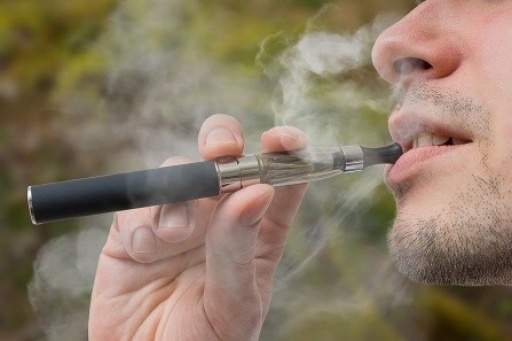

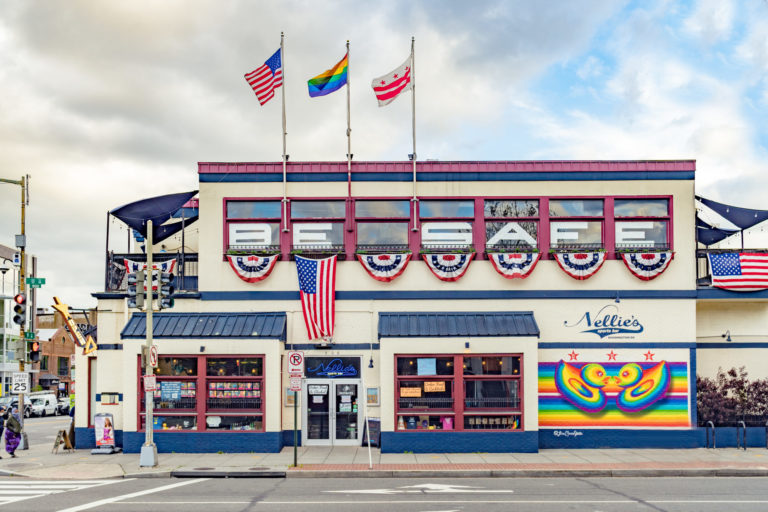
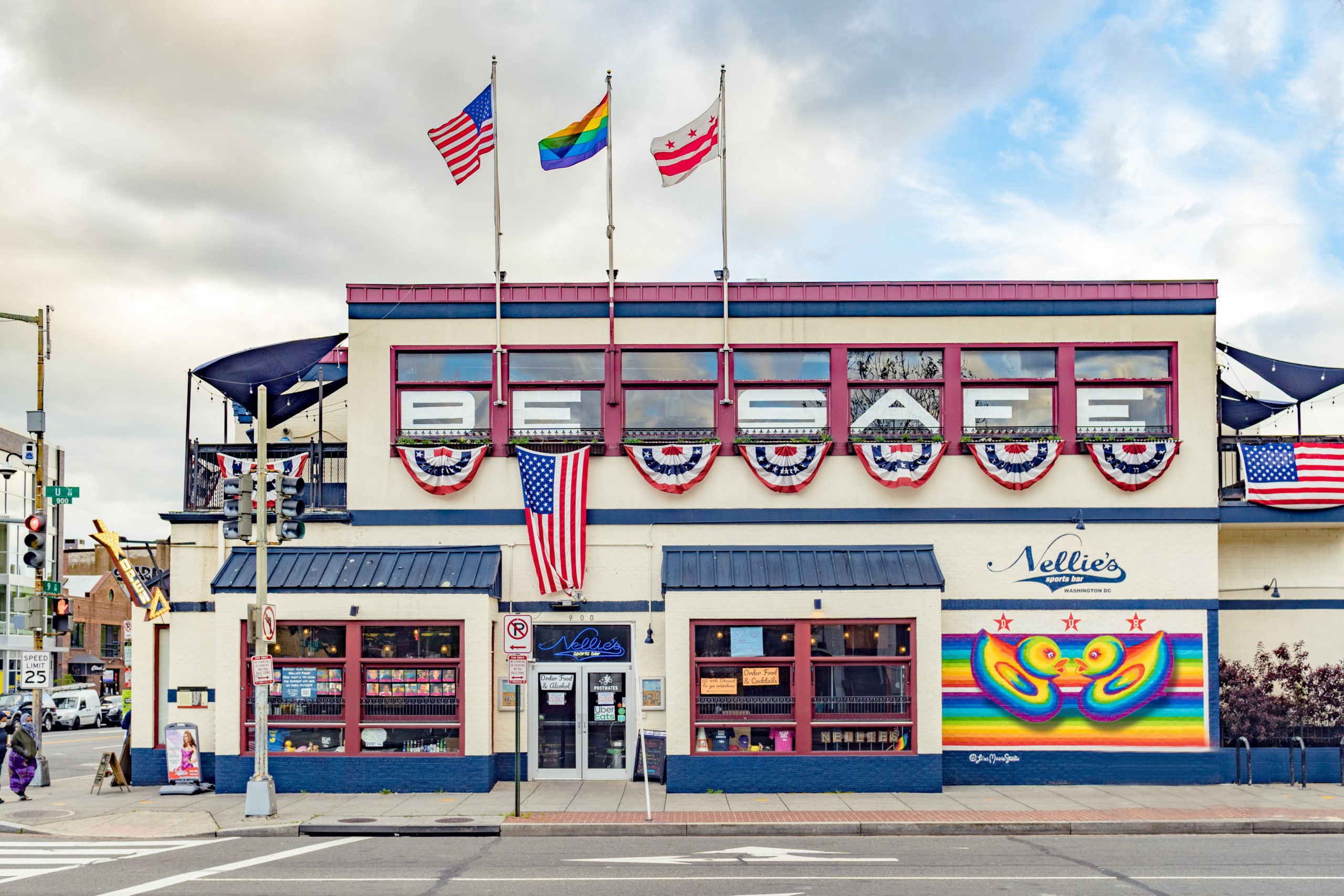


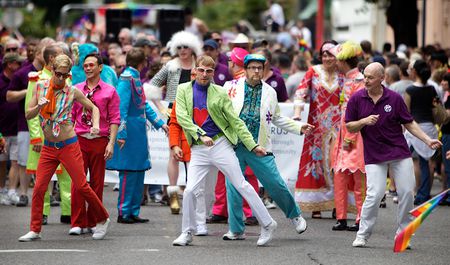


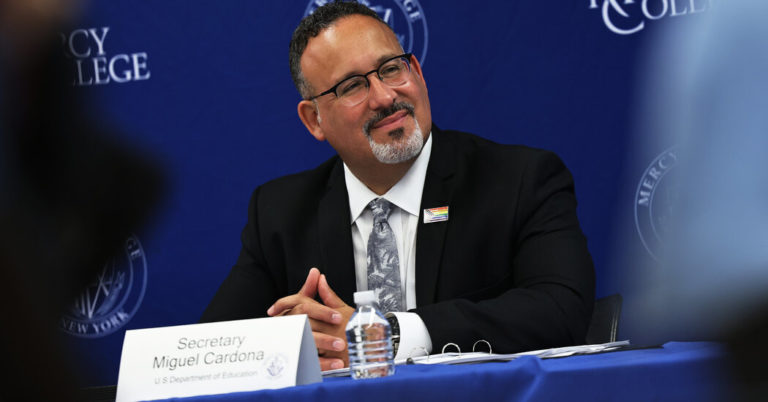



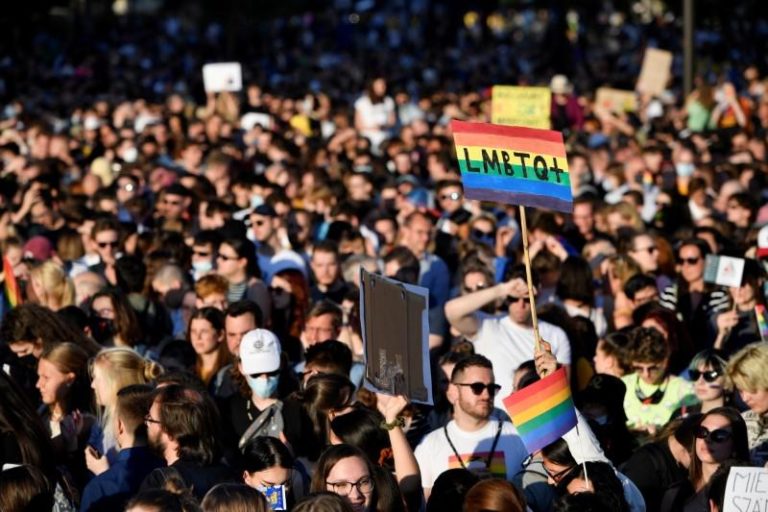

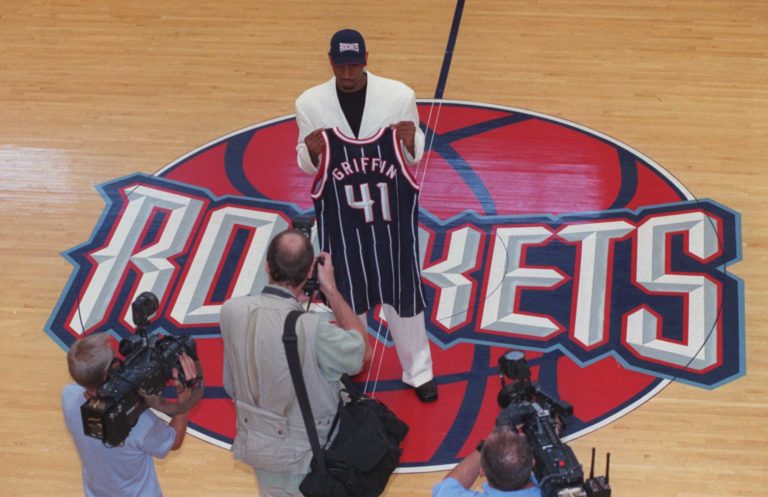
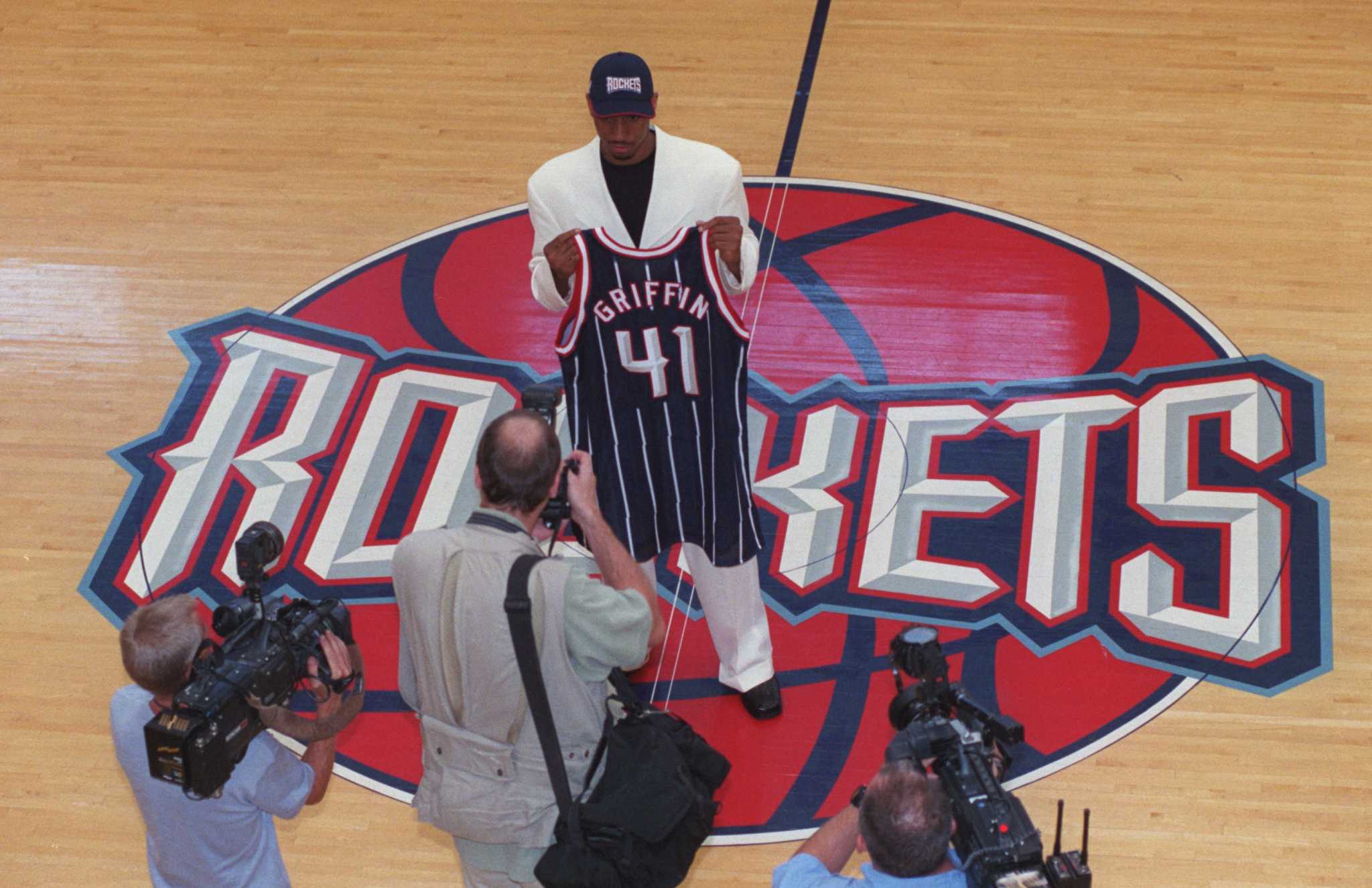
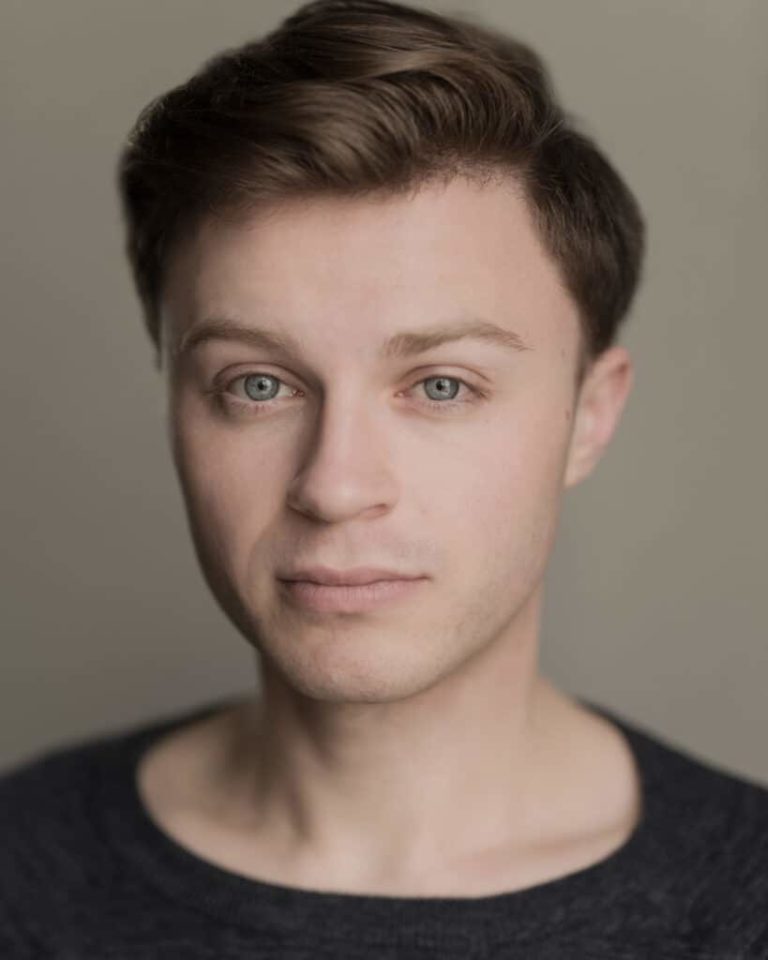

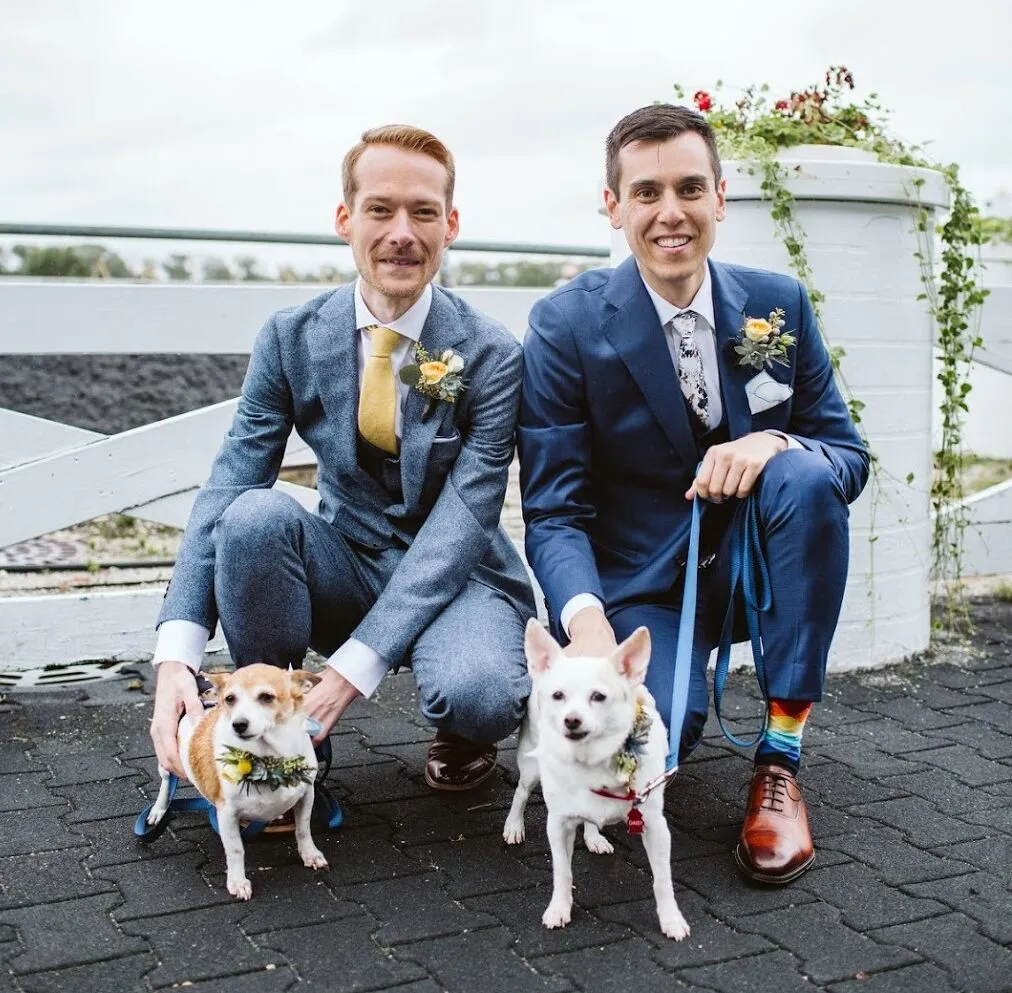




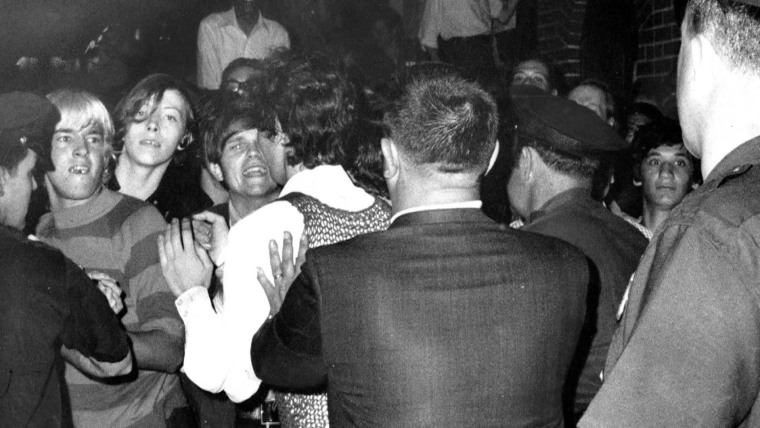


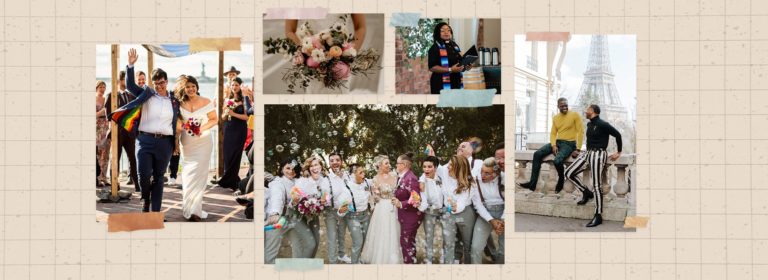
/pride-header1-19f6623cc76a496a87637680fc96bb68.jpg)