Home Blog Page 431

A Sprawling Study Tracks the Global State of LGBT People – lareviewofbooks

0

A GOOD FRIEND of mine who directed the LGBT litigation project at a major public interest law firm and participated in some of the most significant court decisions affecting LGBT rights in the past 30 years told me recently that our side has won. He acknowledged there were still battles to fight against the so-called “religious exemption” claimed by religious bigots to except themselves from LGBT anti-discrimination laws — claims which may well succeed given the current composition of the federal judiciary — and that protections for transgender people lag behind those for gay and lesbians. His point was this: in his 40 years in the trenches of queer activism, there has been a sea change not only in the law but in social attitudes toward LGBT people.

Polling data supports his view: Gallup reports that in 1986 only 32 percent of those Americans polled believed gay and lesbian relationships between consenting adults should be legal; in 2020, 72 percent answered yes. The same poll reports that in 1996, only 27 percent of the sample supported same-sex marriage; by 2018, 67 percent did. This trend is not confined to the United States. A Pew poll shows similar data in other liberal democracies from Sweden (94 percent support legality of same-sex relationships) to Mexico (69 percent support). But acceptance of LGBT people is far from universal. The same Pew poll reports that in sub-Sahara Africa (except South Africa) and the Middle East (except Israel) acceptance of queer people is in the single or low double digits. The same holds true of Russia where only 14 percent of those polled believe society should accept homosexuality. With the exception of the Czech Republic, no Eastern European nation reaches 50 percent on the question. In India, the world’s biggest democracy, and the economic powerhouse of South Korea, only 37 percent and 44 percent respectively believe homosexuality is acceptable.

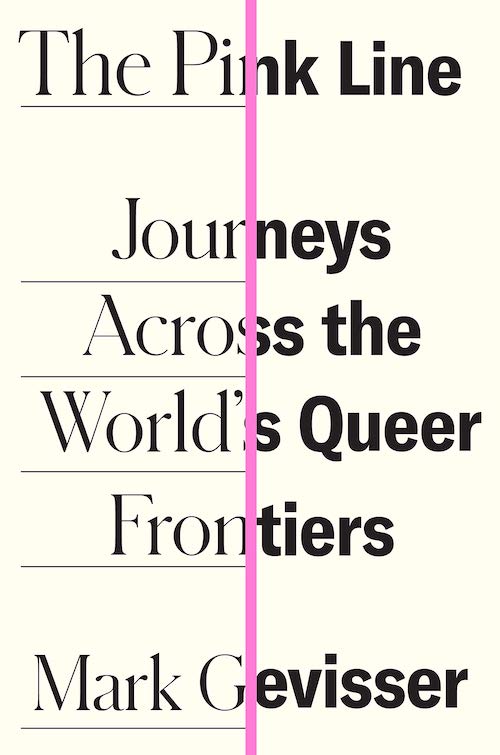
Mark Gevisser calls the demarcation between those regions of the world where queer people have gained legal protections and a level of acceptance and those where they remain powerless and persecuted “the pink line.” In his eponymously titled book, he describes his six-year investigation, from 2012 to 2018, during which he “traveled extensively, trying to understand how the world was changing.” Gevisser traveled to countries on “the new global frontier in human rights discourse,” the subject of which is whether LGBTQ people are comparable to other historically oppressed groups and equally deserving of recognition and protection. He wanted to understand in what way, for example, the LGBTQ rights movement is similar to the women’s rights movement and in which ways it differed “in this era of digital revolution and information explosion, […] of mass migration and urbanization, of global human rights activism.”

His travels have produced The Pink Line. The book provides an invaluable snapshot of a particular moment in the worldwide response to the queer rights movement. It also raises provocative and uncomfortable questions about Western assumptions of the universality of “human rights,” specifically whether sexual orientation and gender identification are such inviolate aspects of personhood that the state should make no laws, nor uphold any cultural bias, that restricts them, as well as the conflict between international norms and national sovereignty and even if LGBT identity is a one-size-fits-all proposition. Having raised these questions, Gevisser never definitively answers them. Indeed, these larger issues tend to get lost in the more personal stories Gevisser tells in a book that alternates between personal reportage, standard journalism, and memoirish self-reflection. If the whole of the book is ultimately less than the sum of its parts, the parts themselves can be thought-provoking and may provide the starting point for future studies that are less ambitious but more coherent.

Gevisser structures The Pink Line around the individual stories of people he encountered and followed over a period of years from Africa, the Middle East, Russia, the United States, and India. These are not simply one-off interviews or even a series of interviews. Gevisser establishes multi-year relationships with his subjects, some of whom he tries to assist in material ways with money and helpful contacts. These personal stories are woven in with more general reportage about the government-sanctioned persecution of LGBT people on the other side of the “pink line.” But the book is not a simple screed against that persecution. It probes more deeply to challenge Western assumptions about the universality of the LGBT identities — gay man, lesbian, bisexual, transgender person — that most Western nations have come to recognize and accept as in some sense innate and which therefore should not the basis for any form of pernicious discrimination. Whether this analysis of human difference, and its political and cultural implications, is appropriate to non-Westerners is a question asked not only by reactionary governments but also by the very people to whom they ostensibly apply.

For example, Gevisser’s first story introduces us to Tiwonge Chimbalanga from Malawi who was prosecuted and imprisoned for conducting a traditional Malawi engagement ceremony (chinkhoswe) with Steven Monjeza. Local papers referred to this as “the first recorded public activity for homosexuals in the country,” and Chimbalanga and Monjeza were prosecuted under a Malawi statute that outlaws homosexuality. However, when Chimbalanga met Gevisser after her exile to South Africa (Gevisser is South African) she told him, “I am not a gay, I am a woman,” and that she had never heard the word gay until after her arrest. Born male, Chimbalanga had lived as a woman in Malawi and called herself, and was called, “Aunty.” Was she transgender, then? We would say yes, and eventually she adopts LGBT terms. But her embrace of that identity may have been less out of conviction than expedience. As Gevisser notes, she recognized that “the wealthy West — people like me — valued such identities and understood people like her as vulnerable, and deserving of our help, or at the very least our solidarity.” So, the woman who initially denied she was gay would later, when speaking to an LGBT audience in Cape Town tell her audience that “her chinkhoswe was ‘the first gay marriage in Malawi.’” In doing so, Gevisser concludes, “She was singing for her supper along the Pink Line.” The whiff of judgment there seems to be directed at the wealthy Westerners rather than Chimbalanga, as if Gevisser is saying the price of our support for people like her is to force square pegs into round holes. But what is frustratingly elusive in this story, as in some others, is the book’s suggestion that Western queer identities are somehow reductive when taken out of the Western context. It’s a tantalizing question that Gevisser never explicitly answers.

Another case in point: Gevisser writes about the kothi community in southeast India led by Sivagami, a priestess of Angalamman, an iteration of Kali. When Gevisser first met Sivgami and her kothi community in 2012, they had never heard the word gay; three years later, they knew the word but did not identify with it. One of them explained to Gevisser, “Gays wear nice clothes and have parties and sex. A kothi is someone who lives in the village and does women’s work.” As the Western concept of transgender found its way into the social and legal discourse of India, it secured a measure of legal protection for the kothi community but also altered its traditional understanding of gender identity. Sivagami, for example, who had adamantly rejected gender reassignment surgery, told Gevisser in 2015 that she was now considering it “because of peer pressure, and a feeling that she would not otherwise gain the requisite respect from the broader hijra community.” (The hijras are an ancient class of Indians who, born male, undergo emasculation and identify and live as women.)

Does this mean the importation of Western LGBT identities undermine local, traditional understandings of those behaviors? Again, Gevisser doesn’t provide a clear answer but he does point out that those traditional understandings can be a double-edged sword. While they may have created a small space for difference, it was at most a space of bare tolerance that consigned people to the lowest rungs of society. In India, for instance, hijras make their livings through sex work and begging. When, by contrast, the Indian Supreme Court decriminalized homosexuality in 2018, the chief justice called for the eradication of discrimination against LGBT Indians and particularly hijras. He praised them for “their formidable spirit, inspired commitment, strong determination and infinite hope.” In the case of India, then, any disruptive impact of Western understandings of sexual orientation and gender on traditional culture may be offset by their liberating effect.

This has not been true in other parts of the world. In sub-Sahara Africa, the legitimizing of male homosexuality, particularly, has been fiercely rejected on the grounds of religious proscription and national sovereignty. The more adamantly the West insists that the protection of LGBT people falls within the umbrella of basic human rights, the more intense the official persecution of gay men in countries like Malawi, Uganda, and Nigeria. This persecution has been justified on religious grounds in these largely religious countries and, simultaneously, on the grounds imposition of LGBT rights is a form of ideological colonialism. This latter argument has particular resonance in a part of that world upon which the hand of European imperialism fell with particular brutality.

Yet, the coupling of these arguments is transparently ironic. The sodomy laws under which nations like Uganda officially demonize LGBT people were imposed by the colonizers from countries — England, France, Germany, Belgium — that have themselves abandoned those laws as inhumane. More strikingly, the Christian faith on which these religious proscriptions are based are themselves the legacy of European colonialism. They are being reinforced by a new class of Western missionaries, American evangelicals, whose views (at least on LGBTQ matters) have been largely discredited in their own country. Now, they preach their particular sectarian understanding of Christianity in Africa.

Among the most notorious of these “secret theocrats” is Scott Lively, author of a book called The Pink Swastika. That book “alleged that a homosexual plot to take over the world began in Nazi Germany, and that gays worldwide now connived to foment ‘social chaos and destruction’ through gay marriage, divorce, child abuse, and AIDS.” Lively influenced Ugandan evangelicals and David Bahati, the Wharton School–educated parliamentarian who in 2009 authored a law that would have imposed the death penalty for “aggravated homosexuality.” The law was eventually revised to remove the death penalty in favor of life imprisonment and in 2014 was declared void by Uganda’s Supreme Court. Nonetheless, “[i]n the intermediate time, a wave of violent homophobia swept Uganda: a prominent activist was killed, many others were outed by a sensationalist media, and many fled into exile.”

The anti-colonialism prong of the attack on LGBT rights in Africa reflects the shaky sense of national identity in some African countries. This, too, is a legacy of European colonialism which arbitrarily devised African borders without regard to linguistic or cultural differences among the people it shackled together geographically. Internal, domestic tensions combined with a seething resentment against the West fuels the claims by African leaders that LGBT rights are a form of ideological colonialism. Rejecting the imposition of those rights is a way for these leaders to assert their independence from the West even as they rely on Western aid to prop up fragile economies and their own political positions and even though their persecutions of queer people are based on prejudices brought to Africa by their European colonizers. In Zambia, for example, when the American ambassador protested the 15-year sentences meted out to two gay men caught having consensual sex, Zambia’s president accused the ambassador of meddling in Zambia’s internal affairs and demanded his recall.

This raises another interesting question that, unfortunately, Gevisser does not answer. What right do Western countries have to insist that non-Western nations adopt international norms of “human rights” with respect to LGBT people? (This is a separate question from whether those rights are universal.) The African leaders are correct: international pressure on any country to revise its local laws or customs impinges on national sovereignty. What would have been the American response if in the Jim Crow era the international community threatened economic sanctions and boycotts unless Southern states repealed those laws and the federal government protected Black Americans? Or, for that matter, if the inhumane treatment of immigrants on the US Southern border was denounced in the United Nations? Does the international community have a right to pressure individual states to change internal policies against the claims of religious doctrine or local tradition or national ideology on the grounds that such doctrines, traditions, or ideologies offend basic human dignity? Gevisser does not directly confront this question. It could be he just doesn’t have an answer — it’s not an easy question, after all. But it may also be that he became so invested in the personal stories of his subjects that he avoided the question because of the answer might be No: Western governments may try to persuade but they have no right to coerce.

It is clearly a question with which Western governments have struggled. Gevisser recounts a telling incident — Barack Obama was in Senegal when the United States Supreme Court decided in favor of marriage equality. Senegal criminalized gay sex. Obama was asked whether he had pressed Macky Sall, the Senegalese president, to decriminalize homosexuality. Obama responded by “drawing a line between personal beliefs and traditions, which had to be ‘respected’, and the state’s responsibility which was to treat all people equally.” Obama’s answer was a politician’s equivocation because the state’s responsibility to treat people equally under the law will, in the case of LGBT people, require it to override personal beliefs and traditions. His answer served mostly to give cover to Sall who replied, “[W]e cannot have a standard model which is applicable to all nations,” and while “Senegal is a very tolerant country, […] we are still not ready to decriminalize homosexuality.” (As of this writing, homosexuality is still criminalized in Senegal for both men and women.)

Setting aside the philosophical question, the practical impact of Western pressure on non-Western states on the LGBT issue has been to increase, rather than lessen, persecution. Gevisser illustrates this in the story he tells of Michael Bashaija, a young Ugandan man caught up in the homophobic backlash against gay men that followed the passage of the “Kill Gays” legislation. When, at 15, his parents discovered his affair with another boy, they threw him out. He made his way to the capital, Kampala, where he hoped to find other gays but ended up on the streets. As his life became increasingly dangerous and intolerable in Uganda, he sought refugee status in Kenya only to be attacked on the streets of Nairobi for “walking girly.” Given asylum in Canada, he soon became disillusioned. “I thought people would be welcoming,” he wrote to Gevisser. “They seem to be welcoming, but they push you away indirectly. I thought people were going to be all happiness.”

In Russia and parts of Eastern Europe, the persecution of LGBT people is motivated less by religion — though that provides support for it — than by the atavistic nationalism that has swept the globe in the last half-decade. Vladimir Putin frames the issue as a conflict between Russian moral purity and Western decadence. In this scheme, LGBT Russians represent the advance guard of moral decay, as Gevisser observes, “an ‘enemy from within’ getting their corrupting ideas from ‘without.’” The Russian campaign to demonize LGBT people has gained traction in some Baltic and Eastern European states and played out most dramatically in the self-governing Russian territory of Chechnya, where gay men have been tortured and murdered.

Gevisser profiles a Russian transgender woman named Pasha Captanovska to illustrate the effects of Putin’s use of LGBT people as punching bags. Pasha was engaged in a bitter and ultimately unsuccessful custody battle with her ex-wife over their eight-year-old son. In denying her even monitored visitation rights, the judge cited Putin’s infamous law banning any discussion of homosexuality as propaganda: “The plaintiff does not conceal her transgenderism, talking to the child about the possibility of changing sex, and thus in fact violates the Federal Law on Protection of Children from Harmful Information, which prohibits the propaganda of non-traditional sexual relationships among minors.” That law, while rarely enforced, has given license for attacks on LGBT people ranging from hounding them out of their jobs to physical violence and murder. Meanwhile, Putin continues to insist that homosexuals are not subject to discrimination in Russia but must “please leave the kids alone,” thus perpetuating the demonic stereotype of LGBT people as child molesters.

Gevisser’s travels also take him to countries where LGBT people have been afforded legal protections and enjoy a measure of social acceptance: Mexico, the United States, and Israel. In these sections, his purpose seems much less clear and they illustrate a basic weakness of the hybrid nature of the book pointed out earlier. The gay Palestinian he profiles in the Israeli section and the lesbian couple he profiles in the Mexican section certainly encounter challenges, but these seem more personal problems than the direct consequences of falling on the wrong side of the “pink line.” The struggles of these subjects are in no way comparable to the physical and psychological violence inflicted on their African counterparts, for example, nor are they subject to government-sanctioned persecution. The American section, which discusses the challenges of asserting non-binary gender identity, only serves to highlight the relative privilege that LGBT people enjoy in the United States.

The personal stories Gevisser recounts are engaging and illustrate the impacts of official policy on individual lives, but they are also distracting to the extent that they eclipse the more global issues he raises about whether LGBT rights are part of a set of universal human rights, how far the international community can go in enforcing those rights against claims of national sovereignty, and whether Western conceptions of LGBT identity are completely transferrable outside the Western context. These are crucial questions, the answers to which — whatever they may be — will affect millions of people on both sides of the pink line. Again and again, Gevisser approaches these question only to pull back and retreat into anecdote. As such, The Pink Line makes for an often frustrating read.

Yet, despite its sprawl and the unanswered questions it raises, The Pink Line is a consequential book. Gevisser’s opus will knock its Western readers out of any parochial sense of complacency about LGBT rights and challenge them to think both globally and strategically about how best to support their brothers and sisters on the other side of the pink line.

¤
Michael Nava is the author of a groundbreaking series of novels featuring gay Latino criminal defense lawyer Henry Rios.

Specialists talk about the future of Cuba travel – Travel Weekly

0
Gay Nagle Myers

Gay Nagle Myers

The election of Biden as president has inspired a lot of post-Covid travel dreams about Cuba, particularly among advisors and tour operators who specialize in travel to the island.

What will president-elect Joe Biden do about Cuba after he’s sworn in on Jan. 20? What are the possibilities for U.S.-Cuba travel? That was the question posed to an impressive group of Cuba experts during a recent Zoom webinar regarding the possibility that the Biden administration would relax travel restrictions to Cuba.

The webinar date, not coincidentally, marked the sixth anniversary of the announcement on Dec. 17, 2014, by presidents Obama and Fidel Castro to normalize diplomatic relations.

William LeoGrande, professor of government and associate vice provost at American University, reminisced about that announcement in 2014.

“The reaction in Cuba was so moving,” he said. “Church bells rang as if the Cold War had ended 60 years of repression.” He added that there were big celebrations when Biden was elected.

“Restricting travel was one of [President] Trump’s main objectives, in addition to putting severe limits on remittances and cutting off the revenue Cuba earned from its export of medical services,” LeoGrande said. “He eliminated the people-to-people category of travel, restricted academic exchanges, prohibited participation in cultural and sports events, ended cruise travel from the U.S., downsized embassies and closed consular sections and prohibited U.S. visitors from staying in government-owned hotels, which really hurt group business.”

The panelists were hopeful that Biden jumps on the Cuba train early on his presidency.

But moderator John McAuliff, founder and executive director of the Fund for Reconciliation and Development and coordinator of the Cuba/U.S. People to People Partnership, suggested that Cuba might not be a priority for the new administration.

“After Obama was elected, his first Cuba move was to do what he said he’d do during his campaign: end all restrictions on travel and remittances,” McAuliff said. “Biden said the same thing during his campaign, but anonymous sources have said he will do nothing regarding Cuba because of his focus on domestic issues.”

“What can Biden do?” McAuliff asked the panelists.

Collin Laverty, founder of Cuba Educational Travel, said he hoped for a return to the people-to-people category of travel and more cultural performances. “We need to return to those categories of travel. We need to remove all restrictions on lodging, permit corporate retreats and big events where hotels can be used as venues for conferences and for lodging groups,” he said.

Laverty also is pushing for the removal of air and sea restrictions and for all airports to reopen to commercial air service and private jets. Right now commercial aircraft from the U.S. are restricted to operations at Havana’s airport.

He pointed to the Conference of the Americas, which brings together heads of state every three years; it’s scheduled to be held next year in the U.S. The event, he said, “will force Biden to figure out his policy on Cuba and Latin America.”

“Cuba was present at the 2015 event when Obama was president, and he and Castro held a private meeting,” Laverty said.

Rita McKniff, the founder of Like a Cuban travel agency, lives in Havana. She has seen the impact on the Cuban people of both the Obama and Trump administrations. “In 2016 a guy I know opened a small printing office, which soon became a huge digital design business,” McKniff said. “He had 10 employees working for him. Then with Trump, tourism slowed down, my friend had to let five people go. Then with Covid, it all ended. Now it’s just he and his wife trying to keep the business alive.”

The only category of Cuban travel open to leisure travelers these days is “support for the Cuban people.” “I offer an intensive, immersive experience for travelers who book this with me,” she said. “I use casa particulares, [private homes owned by Cubans]. My clients dine at private restaurants where the money goes directly to the Cuban people.”

McKniff hopes that as Covid ends and vaccines take effect, that her business will pick up. “It’s been a really rough year,” she said.

Cuba expert Tom Popper, former president of InsightCuba, was unable to join the panel due to technical difficulties, but Greg Miller, head of the Center for Responsible Travel (Crest), a nonprofit, policy-oriented research organization focused on critical tourism issues and responsible tourism practices and one of the sponsors of the panel, stepped in as replacement. Miller cited the need for a bilateral dialogue, the restoration of Americans’ right to travel freely and the return to a policy of engagement.

“Let’s not lose the Cuban people,” Miller said. “They see their well-being linked to a better livelihood in Cuba. Close to 99% of the Cuban people were better off from a policy of engagement. We need to strengthen household-based tourism, mitigate the impacts of climate change and legalize travel to Cuba.”

McAuliff cited the upcoming Georgia election on Jan. 5. “This is important,” he said. “If the Democrats control the Senate, we will have a full ambassador to Cuba and will not get stuck with lower-level officials.”

Laverty pointed to the currency change set to take effect in Cuba on Jan. 1. The country will unify its two currencies, the Cuban peso and the convertible peso, ending a system that’s existed for nearly 30 years. The new exchange rate will be 24 Cuban pesos to the dollar and is intended to make the Cuban economy more accessible to foreign investors at a time when the pandemic has cut off much-needed tourism dollars.

“No one knows what the exact impact of this will be,” Laverty said. “Wages are expected to rise to offset expected price hikes.”

One of the biggest uncertainties revolves around Covid-19. Cuba has been reasonably successful with the control of the virus and has reopened to visitors from abroad who are tested upon arrival and are subject to quarantine if infected.

Panelists agreed that until Covid is tamed, vaccines are accepted by most travelers and the Cuban currency is normalized that it will take six to eight months until a sense of normalcy is felt about travel to Cuba and the uptick in travel takes off. 

2020 Gay Travel Awards Winners Revealed – TravelPulse

0

The Gay Travel Awards presented by GayTravel.com returned for a fifth year in 2020, recognizing the hotels and resorts, destinations and transportation companies around the world that continue to embrace diversity and inclusiveness while always striving to improve their service and safety.

“This year has been like no other. With the pandemic raging across the globe, many travelers are restricted from traveling or waiting for a safer time. In the meantime, The Gay Travel Awards give us all a moment to focus on the industry’s best as a prologue to a time when it’s safer to get back out there,” GayTravel Chief Visionary Officer Steve Rohrlick said in a statement.

MORE LGBTQ

Mexico was one of the year’s big winners, with destinations like Cancun and Los Cabos popping up quite frequently.

Here’s a complete list of this year’s categories and winners, including the all-new Gay Travel Influencers category:

AIRLINE

Cape Air

BED & BREAKFAST/ INN

Inn on the Alameda

CAR RENTAL

Fox Rent a Car

DESTINATION, BEACH

Los Cabos, Mexico

DESTINATION, CITY

Atlanta, Georgia

DESTINATION, FAMILY

Orlando, Florida

DESTINATION, ISLAND

Mykonos, Greece

DESTINATION, MOUNTAINS

Zermatt, Switzerland

DESTINATION, NATURE

Costa Rica, Central America

DESTINATION, WEDDING

Puerto Rico, Caribbean

HOTEL, BEACH

Renaissance Cancun Resort & Marina

HOTEL, BOUTIQUE

Andaz West Hollywood

HOTEL, CASINO

Aruba Marriott Resort & Stellaris Casino

HOTEL, CITY

Four Seasons Hotel Mexico City

HOTEL, FAMILY

JW Marriott Los Cabos Beach Resort & Spa

HOTEL, GOLF

Hilton Los Cabos Beach & Golf Resort

HOTEL, HONEYMOON

Sri panwa, Phuket

HOTEL, LUXURY

The Langham Huntington

HOTEL, SPA & WELLNESS

JW Marriott Cancun Resort & Spa

HOTEL, VALUE

Skyrock Inn of Sedona

HOTEL, WEDDING

The Lodge at Ashford Castle

GAY TRAVEL INFLUENCER (TIE)

@tcappelli

@onairplanemode__

2020 Gay Travel Awards Winners Revealed! – PRNewswire – PRNewswire

0

WEST HOLLYWOOD, Calif., Dec. 29, 2020 /PRNewswire/ — The 2020 Gay Travel Awards℠ presented by GayTravel.com announced the winners today. 

In its fifth year, the Gay Travel Awards mission is to recognize and reward select accommodations, destinations, and transportation companies worldwide. These distinguished organizations lead by example and help inspire other companies and brands to follow their spirit of diversity and inclusiveness. They also strive to continuously improve their amenities, safety protocols, and service excellence.

This year, Gay Travel Influencers have been added for the first time, too, and the new category is an important and noteworthy enhancement.

GayTravel Chief Visionary Officer Steve Rohrlick said: “This year has been like no other. With the pandemic raging across the globe, many travelers are restricted from traveling or waiting for a safer time.  In the meantime, The Gay Travel Awards give us all a moment to focus on the industry’s best as a prologue to a time when it’s safer to get back out there.”

A complete list of this year’s categories and winners are listed below:

AIRLINE

Cape Air

BED & BREAKFAST/ INN

Inn on the Alameda

CAR RENTAL

Fox Rent a Car

DESTINATION, BEACH

Los Cabos, Mexico

DESTINATION, CITY

Atlanta, Georgia

DESTINATION, FAMILY

Orlando, Florida

DESTINATION, ISLAND

Mykonos, Greece

DESTINATION, MOUNTAINS

Zermatt, Switzerland

DESTINATION, NATURE

Costa Rica, Central America

DESTINATION, WEDDING

Puerto Rico, Caribbean

HOTEL, BEACH

Renaissance Cancun Resort & Marina

HOTEL, BOUTIQUE

Andaz West Hollywood

HOTEL, CASINO

Aruba Marriott Resort & Stellaris Casino

HOTEL, CITY

Four Seasons Hotel Mexico City

HOTEL, FAMILY

JW Marriott Los Cabos Beach Resort & Spa

HOTEL, GOLF

Hilton Los Cabos Beach & Golf Resort

HOTEL, HONEYMOON

Sri panwa, Phuket

HOTEL, LUXURY

The Langham Huntington

HOTEL, SPA & WELLNESS

JW Marriott Cancun Resort & Spa

HOTEL, VALUE

Skyrock Inn of Sedona

HOTEL, WEDDING

The Lodge at Ashford Castle

GAY TRAVEL INFLUENCER (TIE)

@tcappelli

@onairplanemode__

About GayTravel.com

GayTravel connects the LGBTQ community with gay-friendly destinations, hotels, cruises, tours, events, entertainment, attractions, clubs, and restaurants worldwide. Their mission is to provide the community with safe, welcoming, and curated recommendations to ensure that every vacation is pleasurable and memorable.

For additional information, visit www.GayTravel.com or call (800) GAY-TRAVEL or follow @GayTravel on Facebook, Instagram, Pinterest, and Twitter.

Media & Press Inquiries

Victoria Prisco

[email protected] 

800-GAY-TRAVEL X 709

SOURCE gaytravel.com

Up Next New Year’s gay parties planned to rage on during pandemic – Los Angeles Blade

0

PUERTO VALLARTA – It certainly isn’t unusual for LGBTQ people to head out to an exotic locale to celebrate a holiday vacation. Top tourist destination in the Mexican state of Jalisco, Puerto Vallarta, sees a steady stream of sunbathers throughout the year, and it has for years been a bastion of a playground for gay men especially. With the pandemic closing off other travel options, the beachside resort city has been one of the few places available that allow visitors to cut loose.

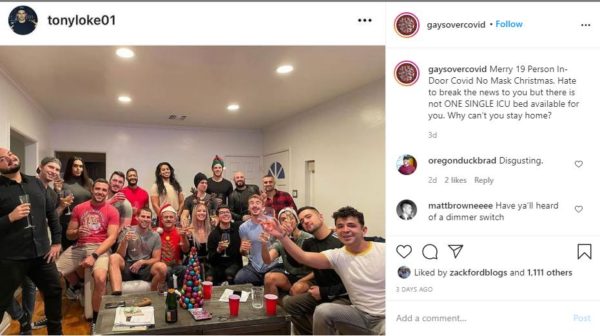
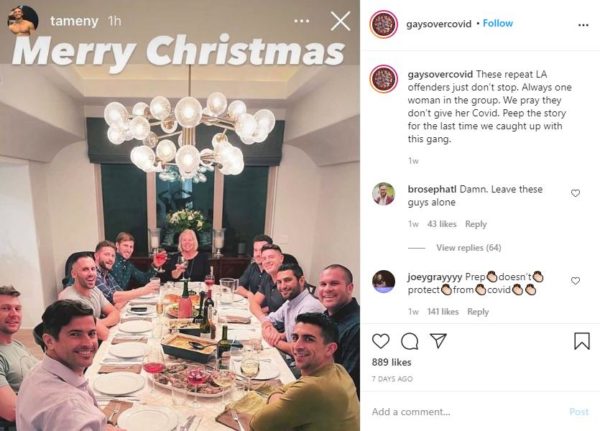
As California experiences back to back surges that has seen the availability of ICU bed space drop to 0.0% in Southern California and healthcare workers overwhelmed by crushing number of coronavirus patients and rising death tally, the activities of some have divided social media to the point that public-shaming Instagram accounts have taken off, particularly one with the handle @gaysovercovid.

You needn’t look further than that Instagram feed to keep track of where the hottest available clubs and promoters are holding court. The comments are chock full of “COVIDIOTS!” and, “So many selfish people.” Other popular call outs include; “You are the reason I haven’t had a weekend off since March.” or “You are the reason thousands are dying a day.”

Sometimes, the users depicted in the posts will jump on to defend or mock their deriders, highlighting a community schism in how to appropriately handle a virus. For many, the dark cloud of small business closures means arguing for the reopening of establishments like LA stalwarts The Abbey, Micky’s and Akbar. For others, the tagline “stay home, stay safe” is the ultimate mantra. 

To even further boast about seems incomprehensible yet one group is leading the charge for a big send-off to 2020, using the recently locked-down Puerto Vallarta as a staging area. While various circuit parties and rages have persisted in recent months, none has matched the attention that was garnered by the White Party organization’s big New Years Eve bash.

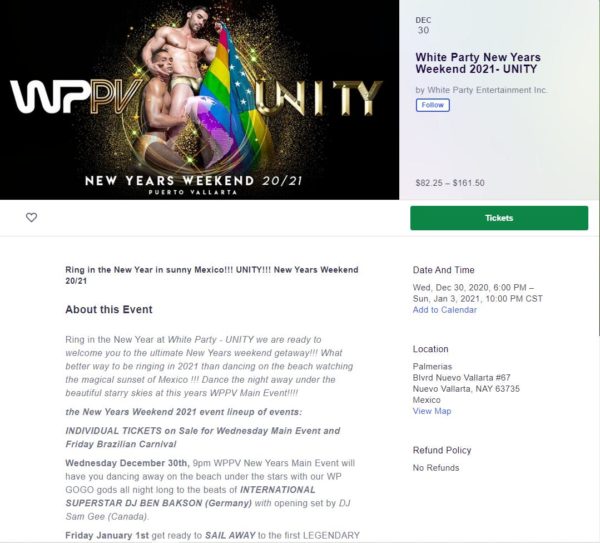
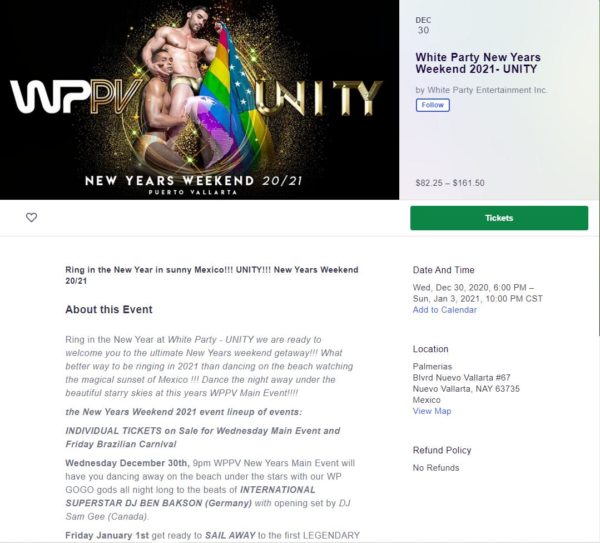
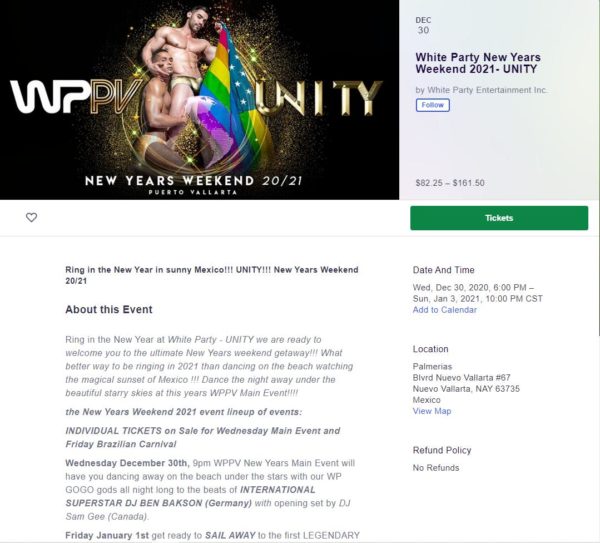
The Eventbrite sponsor’s page reads, “Ring in the New Year at White Party Puerto Vallarta- UNITY where restaurants, gyms, bars and clubs are open and ready to welcome you to the ultimate New Years weekend getaway!!! What better way to be ringing in 2021 than dancing on the beach watching the magical sunset of Puerto Vallarta!!! Dance the night away under the beautiful starry skies with the most spectacular Fireworks show in PV at this years WPPV Main Event!!!!”

The only problem, of course, is that the “restaurants, gyms, bars and clubs” are not actually that open- at least not as a few days ago. According to the visitpuertovallarta.com website, the following mandates have been issued, effective until Jan. 10: “Suspension of activities of bars and clubs in Puerto Vallarta at 19:00 hours; The use of fireworks in the destination is prohibited as part of New Year’s celebrations; New Year’s parties and events will be suspended.” Other places are limited to a 50 percent capacity limit. 

Puerto Vallarta, however, has not had the restrictions enforced with the same levels of which cities like Los Angeles and New York have.

At least one event on the White Party listing starts at 9 p.m., past the 19:00 deadline, and all of the activities would seem to be in violation of the suspension on New Year parties.

Puerto Vallarta’s Industry club, owned by the founder of White Party Palm Springs, Jeffrey Stanker, initially issued a statement indicating that the events would be canceled and refunds would be available.

Less than two days later, however, he announced via the Instagram page, @industrynightclubpv, that the event was, “Still happening. Location change.” Stanker’s club has continued to host events throughout the year, drawing a litany of negative comments online, like “WTF? We’re in a pandemic” and “Damn, how many people did you guys give COVID to?”

Commenting is now turned off for the official @whitepartypalmsprings Instagram page.

The organization notes that they are taking precautions for their New Year’s festivities on their event page, “Event Health and Safety Guidelines: Limited Event Capacity; Temperature Checks; Mandatory Masks required for entry to all venues; ALL State Health Guidelines strictly enforced for ALL guests.” Masks, it should be noted, are not being used in the promotional photos.

DJ Ben Bakson, presumably performing at some of the weekend events, posted to his story that “The team is prepared for any circumstances and has high quality alternatives ready closely [Puerto Vallarta] in order to comply with the local laws. Spacious outdoor venues with fresh air to ensure the best possible protection. So stay calm and trust that the [organizers] are highly professional and work hard right now to make our new year unforgettable. You don’t need to worry about that. This carefree package is included in your ticket price. So stay calm. Get your asses to PV. And I can’t wait to see you all next week!”

@gaysovercovid has highlighted pushback from users over the public shaming, with some arguing that they have antibodies or are going with a quarantine pod, so they feel they are being as safe as possible. Regardless, little is known of what actual precautions will be enforced for events like this throughout the holidays.

The area surrounding Puerto Vallarta, meanwhile, just hit 100 percent capacity at their local hospitals with a startling COVID-19 positivity rate of 65 percent.

Jefferson Health opening first LGBTQ-focused practice in South Jersey – Courier Post

0

In March, Jefferson Health – New Jersey announced it was planning to open a new, first-in-South Jersey medical practice with a focus on lesbian, gay, transgender, bisexual and queer people. The healthcare giant hoped to open the practice in June, just in time for Pride Month.

Jefferson Health New Jersey will offer LGBTQ-focused care at a new practice in Haddonfield, the first of its kind in South Jersey.

But like just about everything else, those plans were delayed by the arrival of COVID-19.

Originally planned for Collingswood, the practice will now open in Haddonfield on Jan. 4.

“COVID derailed the timeline, for sure,” admitted Amanda Kimmel, vice president of ambulatory operations for Jefferson Health – New Jersey. The pandemic disrupted planning and development for the practice as Jefferson, like nearly all health care providers, had to shift its focus and resources on fighting the disease that’s wrought so much havoc, claiming at least 16,706 lives in New Jersey and 14,718 in Pennsylvania, the two states where Jefferson operates.

More:Jefferson plans ‘as inclusive as possible’ LGBTQ-centered medical practice in Collingswood

Todd Levin, a physician specializing in infectious diseases, will lead the practice, Kimmel said.

“Since mid-March, we have been completely focused on COVID-19,” Kimmel said, noting Jefferson opened the first testing site in the region March 8. 

Amanda Kimmel is the vice president for ambulatory operations at Jefferson Health New Jersey.

Jefferson made an effort to ensure that LGBTQ patients had a practice that felt welcoming and understanding of their needs, Kimmel said, and to that end, hired staff representative of the LGBTQ community.

“We heard a lot of feedback from patients who said they wanted a practice where people understand their needs and wants first hand,” said Kimmel; the Mazzoni Center in Philadelphia offered a standard for LGBTQ care that patients cited.

RWJBarnabas Health’s Robert Wood Johnson University Hospital Somerset recently opened the PROUD Center in Somerset County, but Jefferson’s practice will be the first of its kind in South Jersey.

After the initial announcement in March, Kimmel said, many people reached out for updates on when the practice would open, showing the demand for services geared toward an underserved community.

More:2020 in review: History, heartache, hope in South Jersey and beyond

With 10 exam rooms, the practice will offer primary care, HIV/AIDS treatment and prevention services, transgender health services like hormone replacement therapy and medically-assisted treatment for opioid use disorders. Surgical specialists and gynecological providers will eventually be added as well.

Focusing on HIV treatment and prevention, transgender health services including hormone replacement therapy, and medication assisted treatment for opioid addiction. A full-time licensed clinical social worker will be on staff to help patients navigate behavioral health issues. A part-time physician’s assistant will be offer help with medication management and other concerns.

The medication assisted treatment, said Kimmel, is a particular point of pride since most providers require patients to pay out of pocket, which can be expensive for many people who might not have private insurance. The new practice will accept all insurance — including Medicaid. 

“Access in general has been an ongoing issue for the LGBTQ population, especially when it comes to health care,” said Kimmel, a challenge exacerbated by COVID-19. Providers have had to limit in-person visits to stem the spread of the virus, and have leaned heavily on technology like telemedicine and virtual visits.

For those who don’t have access to technology or a car, the Haddonfield location is a short walk from the PATCO Hi-Speedline, Kimmel noted. 

“We wanted to make people comfortable,” she said. “This will be an inclusive practice. You can be an ally and visit us, too. This is meant to serve the entire community with a focus on the LGBTQ community.”

At a glance

Jefferson Health Haddonfield Primary & Specialty Care (A LGBTQ+ Affirming Practice) opens Jan. 4 at 80 Tanner St., Haddonfield. Call 844-542-2273 for more information or to schedule an appointment.

Phaedra Trethan has been a reporter and editor in South Jersey since 2007 and has covered Camden since 2015. She’s called South Jersey home since 1971. Contact her with feedback, news tips or questions at ptrethan@gannettnj.com, on Twitter @By_Phaedra, or by phone at 856.486-2417.

Help support local journalism with a Courier-Post subscription.

FDA considers lifting restrictions on blood donations by gay and bi men – NBC News

0

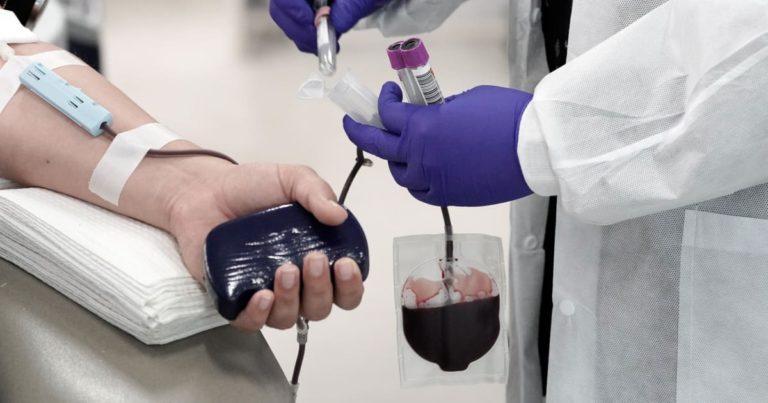
A new pilot study funded by the Food and Drug Administration could be the first step toward lifting restrictions on blood donations by gay and bisexual men.

The program, called Assessing Donor Variability and New Concepts in Eligibility (Advance), has been launched by three of the nation’s largest blood centers — the American Red Cross, Vitalant and OneBlood.

Approximately 2,000 men who have sex with men (MSM) will be recruited at community health centers in San Francisco; Los Angeles; Memphis, Tennessee; Atlanta; Orlando, Florida; Miami; Washington, D.C.; and Baton Rouge, Louisiana. Participants must be 18 to 30, have had at least one male sex partner in the last three months and be willing to donate blood. The results could ultimately determine whether the FDA changes its blood-donor history questionnaire, asked of all potential donors to assess risk factors for infection by transfusion-transmissible diseases such as HIV and Hepatitis B.

“If the scientific evidence supports the use of the different questions, it could mean men who have sex with men who present to donate would be assessed based upon their own individual risk for HIV infection and not according to when their last sexual contact with another man occurred,” a statement on the Advance website reads.

Restrictions on certain blood donors date to the early 1980s, during the height of the AIDS epidemic in the United States, when the FDA instituted a lifetime ban on any man who had had sex with another man since 1977. That rule, intended to keep HIV out of the blood supply, was replaced in 2015 with a year-long abstinence requirement.

After the 2016 Pulse nightclub massacre in Orlando, more than 100 members of Congress — including Sens. Tammy Baldwin, D-Wis., Elizabeth Warren, D-Mass., and Bernie Sanders, I-Vt. — signed letters urging then-FDA Commissioner Dr. Robert Califf to eliminate the deferral policy.

“We can’t say some people can give blood, other people can’t based on their sexual orientation,” then-Rep. Alan Grayson, D-Fla., who represented Orlando at the time, told reporters, according to The Washington Blade.

Gay, bisexual and other men who have sex with men are the group most affected by HIV in the U.S., according to the CDC: In 2018, they accounted for 69 percent of the nearly 38,000 new HIV diagnoses across the country.

In April, as coronavirus lockdowns caused donations to plummet, the FDA quickly lowered the eligibility requirement for MSM to just three months.

The pandemic’s impact on available blood was swift and severe: By mid-March, the American Red Cross had canceled some 2,700 blood drives, resulting in 86,000 fewer donations. In April, donations at the New York Blood Center were down from an average of 9,500 a month to fewer than 2,000, according to New York state Sen. Brad Hoylman, who is gay and was initially rejected as a donor despite meeting the new criteria. “A regular month they host about 600 blood drives,” Hoylman told NBC News in May. “Last week, they hosted two.”

The three-month deferral also affects women who have sex with MSM, sex workers, injection drug users and those with recent tattoos or piercings.

In an April letter to the FDA, two New York Democrats, Rep. Carolyn B. Maloney, chair of the Committee on Oversight and Reform, and committee member Rep. Alexandria Ocasio-Cortez, called the change “a good first step” but urged the agency to move toward assessing potential donors by individual risk.

“A policy that fails to do this perpetuates stigma and falls short of ensuring that every person who can safely donate blood in the United States has the opportunity to do so,” they said.

The Red Cross, which had encouraged the FDA to adopt the three-month deferral model, also called it “a scientifically based interim step” toward abolishing restrictions altogether.

“Blood donation eligibility should not be determined by methods that are based upon sexual orientation,” the relief organization said.

Jay Franzone.Reubelt Photography

Jay Franzone, an LGBTQ advocate who remained abstinent for a year to donate blood in January 2017, said the Advance study is long overdue.

“Italy, Spain and other nations modernized their donor policies years ago, before the U.S. even ended its lifetime ban,” he told NBC News.

More than a dozen nations — including Argentina, Brazil, Mexico and Colombia — have adopted a risk-based questionnaire in place of a blanket policy based on sexual orientation. Earlier this month, the U.K. became the latest.

Franzone said he’s confident the Advance study will bear out what advocates like him have been saying all along: “Individual, risk-based assessment is safer for recipients of lifesaving blood.”

Jason Cianciotto, senior managing director of institutional development and strategy at New York’s Gay Men’s Health Crisis, said it’s exciting to reach this point after more than a decade of advocating for policy change.

He did have concerns about the Advance study, though, saying 2,000 individuals “is not a representative sample,” especially as no health centers in Chicago, New York, Boston or other Northeastern cities are involved.

He speculated that the pilot study, like the three-month deferral, was spurred by the pandemic.

“When we’ve lobbied the FDA in the past, their statements showed they didn’t really see an imperative” to change the current policy, Cianciotto told NBC News. “Even though we explained the ban contributed to stigma against people with HIV.”

A 2014 study by UCLA Law’s Williams Institute found that fully repealing restrictions on gay and bisexual donors could add over a half million blood units annually, increasing the available blood supply by 2 to 4 percent.

But when advocates had mentioned gay and bisexual donors could help alleviate blood shortages, Cianciotto said, the FDA has always claimed it didn’t really have any. “Of course, no one could have predicted a nationwide shortage of blood and blood products caused by a pandemic,” he added.

That the program has started under the Trump administration, which has been accused of rolling back LGBTQ rights, increases the likelihood that it was being driven by necessity, he said.

An FDA spokesperson told NBC News that the agency “remains committed to considering alternatives to time-based deferral by generating the scientific evidence that is intended to support an individual risk-assessment-based blood donor questionnaire.”

The spokesperson indicated there is no announced timeline for the study’s completion, although ABC News reported that researchers aim to present their findings by late 2021.

Cianciotto said he hopes the program is completed and implemented before the next election.

“In a Biden administration, we’ll have an advocate like we had in the Obama administration — in fact, one who actually was in the Obama administration,” he said. “But we can’t risk this becoming a campaign issue.”

Follow NBC Out on Twitter, Facebook & Instagram

Ultimate Gay Travel Guide To Bali, Indonesia – Travelbinger

0

There’s Bali, then there’s the real Bali. The Bali we know conjures screensaver worthy images of beaches, centuries-old temples, pampering villas and spas and maybe a healer or two. Those who have actually visited the island will argue that’s just scratching the surface. Bali is detox and spiritual quests, participating in a Hindu ceremony, rainforest trekking and learning local customs and language, and it’s a haven for gay travelers, especially with the thriving LGBT scene. Here’s our gay travel guide to Bali.

First, right off the bat, we should mention if you’re gangbusters explorative, you will inevitably (and perhaps unfortunately) discover the real “real” Bali. This includes the lack of a waste management system, giving locals no option but to throw garbage into the rivers, which carries trash into the ocean, monster waves spitting them back onto shore, sea water deemed so bad that skin disorders are a threat, particularly after monsoon season (Indonesia was listed as 2nd worst country with poorly managed plastic waste in 2015).

cof

Threats are a reality with Al Qaeda’s objection of the 80 percent Hindu population and the Westerners who support the destination (while Indonesia is the largest Muslim community in the world, Bali is a predominately Hindu-practiced island nation). The 2002 and 2005 bombings still resonate with Americans.

Traffic-choked roads worsen as the rise of motorbikes create further chaos, road rage and destroy the environment. So, now… Bali. Paradise or trouble in Paradise?

Bali gets a lot of slack. While the island may be quickly developing, the infrastructure is not. And there are people like me who notice the buzzkill.

But like the rainbow that emerges after the Balinese rain clouds, Bali is slowly—very slowly—making adjustments. Indonesia is holding onto real democracy and change, a country reimagined after the collapse of the New Order in 1999. While some problems may take years to tackle, the current president Joko Widodo is aware. And he’s not the only one who wants to eat, pray and love Bali.

Hotels belonging to Bali Hotels Association practice sustainable ecological waste management, and traffic control is being explored. Furthermore, security checks are enforced at all resorts, popular restaurants and attractions, every vehicle as well as roster of guests carefully investigated. In fact, the search is so thorough security officials often check under hoods, under the cars and inside trunks, so safety is never questioned.

Thanks to gorgeous resorts, scenery and just pure fabulousness of Bali island life, the gay scene is burgeoning with international visitors. The gay strip— Dhyana Pura—is home to gay bars and gay friendly establishments, and the resorts, beaches, restaurants and attractions are unarguably paradise for the LGBT community. In fact, one doesn’t necessarily need a gay travel guide to Bali; it’s already pretty gay.

I also won’t hesitate to say Bali is one of the most exciting destinations I’ve visited. The dynamic street culture is infectious. Exoticism is rich from beach to rain forest. Centuries-old rituals are still practiced today and ancient temples are ubiquitous, as well as moss-covered stone shrines. The Balinese people are some of the most friendliest and altruistic people on this planet. Indonesian food—if you’re a fan of spice—gets high marks.

Reputable hotel groups have set up camp here due to the unforgettable, commanding landscape and influx of starry-eyed visitors. There’s so much to see in Bali—the size of Singapore with a population of five million—that the average time spent here (10 days) may not be enough. With that said, many visit and actually never leave, evident with the wealth of ex-pats drawn to the people, food and customs—and the fact it’s inexpensive to live there.

What you should pack for a long flight.
Qatar business class Q Suite selfie

From the cultural point of Ubud to the sublime coast of Nusa Dua, each of Bali’s 8 regencies (some would equate to neighborhoods in a city) are unique, impressing those who like diversity with their one-stop destinations. Ultimately, Bali is hedonism, a place of soul-searching and finding it, whether with a romantic partner or yourself and no one will argue that’s the real Bali. Here’s our gay travel guide to Bali based on popular regions.

Ultimate Gay Travel Guide to Bali

Seminyak

While the island is sprawling with endless areas of interest, some are better equipped for tourism, one of which is Seminyak, the most visited regency in Bali, and with good reason. It serves as a hub of terrific hotels and villas, local boutique designer shops, miles of beach and easy access from the airport (about fifteen minutes). But don’t expect glam. The narrow streets are a traffic nightmare, cramped with speedy motorbikes and wandering dogs almost 24-7 and the beaches are trashy (and I mean this literally regarding the floating debris, especially at night).

Even walking along the street, the curbs and sidewalks are littered with flower offerings, small boxes or “boats” typically made from coconut leaves and filled with flower petals and the humidity tends to capture the days-old garbage. In fact, on my first outing, it felt as if there was a huge festival the night before and nobody bothered to clean up. It turns out, well, that’s how the streets look every day! Nevertheless, Seminyak does harbor some of the island’s best sunsets, hotels keep their beachfront tidy and the camp-fed “gay” street is novelty alone.

Speaking of gays, they come to Seminyak in droves. You’ll find a healthy variety at Café Bali, a restaurant that looks like a colonial doll house of sorts with a large outdoor deck, or at Sarong, a trendy restaurant offering a modern approach to street food. It was nice to find Seminyak offered some cosmopolitan flair. I was impressed with the diverse clientele: I heard conversations in German, Japanese and the heaviest of accents (from Australia to the deep south of the states!) proved Bali is on the international bucket list.

In Seminyak, there’s a gay “beach” though it’s reputation of cruising precedes it (which is great if that’s how you roll!). You’re better off at Ku De Ta, a casual hangout favored by both hetero and homo alike, known for beachfront cabanas, a South Beach-style scene with lounge grooves and killer cocktails to boot. A newer option is Potato Head, just down the road, similar atmosphere, same concept. Both bars truly took me from the bustling streets to melt away with a stiff drink.

The strongest indication Seminyak lures the LGBT community is the fact it’s the only place with gay nightlife in Bali. You’ll find the motherload on Dhyana Pura, a tiny street home to a string of small gay bars. Mixwell is the preferred watering hole as the staff is friendliest and the DJ seems to know what the crowd wants. My idea to rise early for the sunset was foiled when the bar really didn’t pick up until after midnight. Every fifteen minutes, a drag queen commanded the audience with American pop songs and local go-go boys strut on the bar in the skimpiest and campiest of outfits. So wrong it was just right. What makes this strip exciting is that the streetfront bars allow the patrons to flood out into the street, particularly on the weekends: tourists (both gay and straight) pause to socialize, flirt and get a nice dose of the free shows at the bars.

There’s no shortage of pampering hotels and villas in Seminyak and you’ll find a diverse range of accommodations, whether it’s the old-school queen of luxury at Legian or the new W Bali.

W managed to muscle its way onto the beach, bringing its signature amenities and design gays live for. The design is a contemporary approach to traditional Balinese, and it’s eye candy with fun amenities (oxygen-filled lounge, three-story beach bar).

I wanted to go medium local and stayed at Anantara Resort & Spa, a Thai brand that opened on the beach about a decade ago. The comfortably chic boutique is a three-minute walk to the gay strip so my stumbling walks home were short and sweet without having to hop on the back of someone’s moped for chump change.

Most of the 60 suites have fantastic ocean views but that was the least of my concerns considering the delightful amenities all the suites are equipped with, including a large outdoor veranda with private jacuzzi tub, large shower with various pressure settings, separate vanity with ample closet space and the cuteness of the welcome fruit inside a large birdcage. We can’t not include this hotel in our gay travel guide to Bali.

Jimbaran Bay

Romance is completely amped up at Jimbaran Bay on the southern peninsula, only a twenty-minute drive from Seminyak. While it shares the same coast, I found the beaches substantially nicer here, and a pace that truly captured “island time.” The shore hosts a number of seafood restaurants, trademark “beds on the beach” and unforgettable sunsets. In fact, these are the three main highlights of the area, considering a shortage of healers, nightlife, rice paddies, jungle treks and money boys. It’s a compact paradise luring foodies to the bustling morning fish markets and surfers to the wealth of great waves, giving a more “retro” feel to the Balinese coast.

The scent of fresh seafood lingers in the salt-stung air, and the perpetual sound of crashing waves creates Zen. Even the two luxury resorts here are attractions in themselves, for both locals and visitors alike. It was the best detox from Seminyak, and I finally had time to crack open my beach book, Robinson Crusoe.

If you’re looking for sprawling and fab, Ayana Resort and Spa is a 200-acre, 368-room property that’s so tricked-out, you don’t have to leave the premises and, quite frankly, most guests don’t. I felt like a passing traveler in a self-contained village.

There are five pools (both fresh- and salt-water), 12 restaurants and lounges, two glass-wedding chapels, a sliver of private beach, tucked away hales, award-winning, 236,000-square-foot spa (that includes a truly pampering, 12-course aquatherapy circuit) and a sports facility that includes fitness center, jogging path, yoga pavilion, tennis courts and 18-hole golf putting course.

If you think that’s enough to keep you busy, they throw in surprises. For instance, during my stay, guest yogi Jacqui Cooper, a medal-winning aerial skiing Olympian and certified instructor, taught a free outdoor class to fifty guests.

To really do Ayana right, splurge on one of the 78 free-standing, cliff-top villas. They start at 3,225 square-feet and include a 24-hour butler (you’re given a cell should you need anything), private infinity-edge plunge pool, sunbeds and gazebos and your own waterfall garden. If that’s not privileged enough, there’s a separate room entirely for the soaking bathtub, about the same size of the living area. I felt quite liliputian in such quarters but I also felt rightfully like a prince in my own kingdom.

Formerly the Ritz Carlton, the property became Ayana two years ago and repeat visitors will notice the sheer awesomeness of the year-old Rock Bar. An open-top bar—with cocktails created by Michelin-star F&B executive Marc Dobbels—is set on a cliff outcrop where crashing waves, 360-degree views and sublime sunset (happy hour is popular here) create an atmosphere challenging to duplicate. Don’t even get me started on the stargazing. It’s one of the main reasons we actually wrote this gay travel guide to Bali… it must have been in the stars!

The 147 villas at Four Seasons Jimbaran Bay are modeled after typical Balinese homes (of the swankier variety), completely rustic with private plunge pools and views of the Bay. The resort is intimate and simple, understated elegance with a signature Beds on the Beach so fine-toothed you’ll think it was specially crafted for you. It includes pampering hale on the coast, a terrific degustation menu under the stars while torch-baring canoes roll out in the ocean before you.

If you want to feel the “old-school” atmosphere of Bali, head to Balangan Beach, a hedonistic strip of sandy beach and home to surfer competitions, $20-a-room hotels on stilts and not much more. It’s wildly idyllic and bare-boned, with little shading so don’t forget your sunscreen. Visit Aluwatu, home of one of Bali’s biggest and most important shrines, and you’ll experience traditional choreographed dances at sunset. Like to ride waves? The breaks here have been named one of the best surfing spots in the world, so we just have to include it in our gay guide to Bali.

Ubud

Locals, including ex-pats, won’t exactly admit Eat, Pray, Love ruined Ubud but their eyes will tell a different story. The location for the blockbuster film is more overrun with tourists, which means longer lines at favorite haunts, cheesy tours and thrice as many roaring motorbikes. If there’s one redemptive note to the instant tourism boom in the small, inland village high in the foothills is that tourists truly fall in love with Ubud, and the small town itself hasn’t changed, which is why we need to include it in our gay guide to Bali.

Ubud is the heart and cultural pulse of Bali. There’s something so magical here, you’re bound to feel a wonderful sensation right away. It’s traditionally been known to inspire and incite artists, writers, hippies, the spiritual variety and, more recently, me. Retreats and ancient temples abound in unspoiled rain forestry. Winding roads are lined with decades-old art studios and old-school vendors while large, stringy root hang from leafy trees, creating a setting only found in fables.

Most villas and resorts perch along the Ayung River, harboring views into the jungle, of rice terraces and gorges. 14th century temples in the Sacred Monkey Forest are home to hundreds of free-roaming, Balinese Macaques monkeys, known to be ubersacred (both the monkeys and the temple) in this neck of the woods. And culinary treats of all kinds—fresh juices, family-run Indonesian restaurants, outdoor BBQ and even suckling pig—make Ubud a fascinating foodie destination. Make a bee-line to Ibu Oka, which the late Anthony Bourdain declared his favorite suckling pig place ever. Get there early as seats fill up fast. Even at 11 am, I stood in line, waiting to work on my appetite on crispy pork skin and savory meat.

Mozaic marches to a more fine-dining beat. It’s touted as the best restaurant in Ubud, heck even all of Bali, thanks to chef Chris Salans (graduate of French Laundry), who opened ten years ago. Mozaic features a six-course tasting menu in a stylish, outdoor venue in the jungle.

If you come to Ubud and see a temple, ride a motorbike, chill in a resort’s infinity pool and indulge in a streetside $5 massage then you haven’t truly experienced Ubud. To fully understand the culture, one must immerse himself by participating in pastimes, activities and attractions most hotels offer.

The chic, 30-suites Amandari was able to arrange a traditional blessing ceremony with a local priest for me. This ceremony is generally offered during an important day (birthday or wedding), a Karma cleansing, if you will, and was performed just outside Amandari’s main entrance. After the priest sang a variety of prayers, I was blessed by him, sprinkled with water and dry rice, and finally I made all sorts of offerings (canag) to the God, and was able to ask for wishes. One wish I should have made was to stop the rain, which comes every day in rainy season due to its location, but the random showers never last a handful of hours.

The 60-room Four Seasons Sayan, where Julia Roberts stayed during filming, is at the base of the river. The design of the resort is quite commanding (note the signature, disc-shaped lily pond roof) and botany lovers will appreciate the well-kept landscape chockfull of stag-horn ferns, thumbergia vines, herb and gardens and Banyan trees. Just imagine the invigorating, floral scents.

The resort pays tribute to the Balinese farmer by offering “Live Like a Local” excursion. After an hour-long, scenic trek in the jungle and village, I had breakfast in a bale by a sprawling rice paddy then planted some of my own. Don’t worry, it gets better. After a few hours of dirtying hands, I was whisked away to the spa villa to experience batukali (stone bathing ritual), which comprises a stone scrub and massage. It’s perhaps more posh than the way of the traditional farmer but thematic nonetheless. This was followed by a riverfront, nasi campur (mixed rice) lunch in a private bale and included a gorgeous scrapbook memento with nasi campur recipes and photos of the day’s journey.

Well off the beaten-path is COMO Shambhala Estate just on the outskirts of Ubud, reached by one road (as in, a one-way road shared both directions). The remote location reflects its level of exclusivity, high in the mountains, about 3,400 feet, right on the edge of a cliff that drops down to Ayung river. It’s home to a natural sacred spring bursting with holy water, creating a handful of pools for natural dipping (ancient texts indicate this is one of seven springs women have to visit before getting married).

There’s only 30 villas, most of which are always booked, thanks to its rustic-chic design (stone walls, thatch roofs, green grounds and most of the villas face a whole hillside of terraced rice paddies), personal butler attendant and holistic program that includes unlimited yoga and pilates classes from some of the world’s top experts. COMO is regarded as the best of the best for the best, as visitors have included Donna Karan, Calvin Klein and Edward Norton. Don’t expect tacky guest speakers and group meditations as this is not that sort of retreat; the spirituality comes from within and it’s one of the reasons we need to include in our ultimate gay guide to Bali.

Karangasem

Visit the Karangasem regency on the east coast, and you’ll still see Bali pre-tourism boom. It’s chockfull of caged-up, cock-fighting roosters, rice fields, home-cum-“street”-front shops and arguably the most smiles in the entire archipelago. Karangasem is as old-school as Bali gets, and we’re talking a thousand years. In fact, the small village of Tenganan was the first to be settled in the 11th century and still retains traditions and customs that haven’t changed from the get-go.

Those who live in the village (about 200 families) never leave, and if they marry someone outside their ring, they must move out. Tenganan is also home to ecat, a type of tapestry that’s hand-woven and takes up to two years to make. This is the village that originally gave birth to ecat and is one of few places where production exists… and out of weavers’ shops for that matter. The art form is so intricate and difficult that no one has learned how to duplicate it correctly. Being that Tenganan was the first settlement in Bali, it’s also home to some of the oldest temples and shrines.

Tradition lingers outside the village. I was fortunate to visit Bali during Usabha Ketiga—meaning “the rituals of the third month” according to the Balinese calendar—where a celebration of dancing, offerings and drinking took place on the side of the street—literally. Cars and motorbikes actually dodged the festival on the edge of the street, the same exact spot where the festival had taken place for centuries, and the road was just an impediment. Visiting shrines and temples are de riguer for locals but tourists should plan to visit one during a celebration, which is much more moving.

A charming, oceanside resort town exists but affluent travelers will prefer the 30-year old Amankila resort. The 34 stilted, thatch-roof, free-standing suites (200 square feet) are bridged by raised walkways, completely removed in its own oasis. Aman groupies may recognize the resort by its signature, three-tiered, infinity swimming pool set into the cliff, facing the sea and flowing into the other down a stepped gradient, similar to terraced rice paddies.

The streamlined staff enhance the atmosphere while the design is noteworthy in itself: tall, stone walls covered with fern and moss, angular structures and thoughtful composition, commanding views anywhere you stand, private cabanas (or bales) throughout the property. At the base of the cliff on which the resort rests is the Beach Club where myriad watersports are offered as well as another pool at a whopping 135 feet. After an exhausting, eight-mile bike ride throughout the regency (mountain bikes provided by the resort), there really wasn’t a better place to come back to than Amankila. Under the band of stars (the light pollution is low, thus constellations wildly pop from the sky), it’s an unrivaled experience, and one of the reasons we need to include in our gay guide to Bali.

Nusa Dua

If for some unearthly reason you have to get away from the belly of Bali, head to Nusa Dua, a self-contained, gated resort complex on the east side of the island. In all fairness, Nusa Dua was conceived in the late seventies as the first development specifically designed for tourism—it’s this region that put Bali on the map internationally!

Also, the best beaches of Bali are arguably here, should you need winning snapshots for your Instagram.

Resorts (most fit for large conventions or weddings) line the sandy coast, all considered high end. There’s also a small shopping center—Bali Connections—and a golf course. The best beach is probably at the base of St Regis, open only three years and still feeling quite new. While one would gripe that there’s no Balinese culture found within the property, most won’t turn down the chic pool with swim-up bar, 24-hour butler service and indulgent Remede Spa. Grand Hyatt recently went through a major renovation and Amanusa is still a luxury hotel junkie’s poison. Further up the coast, just on the border, is Conrad Bali, which has the biggest pools in all of Bali (the lagoon pool is 40,000 square feet).

The new Conrad Suites may be underwhelming with design but it’s the perks—private 2,000-square-foot pool, fee-free cabanas, free laundry and dry cleaning and 15% percent off all F&B—that matter.

Travelbinger is proud to be a publisher with Google News and Apple News

Some of the links in this post are affiliate links. If you click on the link and purchase the item, I will receive an affiliate commission. Please do! I’m a one-man team for this website, so any help is sincerely appreciated.

Travelbinger is now on YouTube! Subscribe here for exclusive travel tips and advice from founder Jimmy Im.  Follow us on Twitter, Facebook and Instagram. 

More stories:

You can live at this 5-star Maldives resort for $2,500 a month

Travelbinger is featured in New Yorker magazine as a travel expert – take a look

4 great ways to have the perfect (and cheapest) staycation

10 best luxury resorts in the world – ranked by Travelbinger

Lesbians Aren’t Going Extinct- But Transphobes are Coming out of the Closet – Los Angeles Blade

0
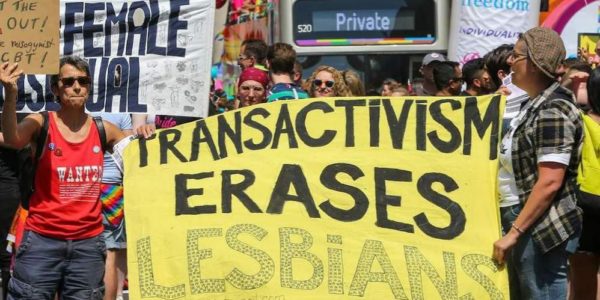
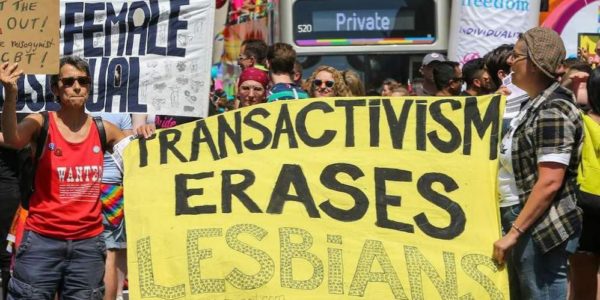
Anti-Trans protestors London Pride July 2018 (Photo Credit Pride In London)

There has been a spate of articles in conservative publications by transphobic authors like Andrew Sullivan alleging that transgender people are making lesbians go extinct. This isn’t just wrong, it exposes some of the anti-trans hatred, and fearmongering strategies, of conservatives who never really cared about LGBT people in the first place.

First off, lesbians aren’t going extinct. Neither are butch lesbians, unless every single one of them decides they’re trans men. When I asked my wife, who identifies as a cis butch lesbian, if she’d ever wanted to be a guy or transition, her response was a visceral, “Eww. No. Why would I want to be covered in hair?” The number of people who identify as trans remains tiny compared to rest of the LGBT community (1.4 million out of a community of 9.4 million adults). Indeed, that data shows that the number of people identifying as LGB has been growing for decades, and it has been driven by bisexual women.

The people who fear monger about this like to cite the “rising number of young trans men.” They leave out the crucial part where the number of young trans men seeking treatment levelled off years ago in the UK. It’s like that moment in the Simpsons where Disco Stu is trying to get Homer to invest in his academies by telling him, “Did you know that disco record sales were up 400% for the year ending 1976? If these trends continue… A-y-y-y!” It’s also worth pointing out that less than 1% of people were left handed in the 19th century, which rose to 10% and stayed there after the beatings stopped.

This line of thinking is intensely disrespectful of trans people as well. It treats most of them as if they are not members of the LGB community, and signals that the authors are revolted by trans bodies. Two-thirds of trans men and women do not identify as straight, which means that the majority of trans men didn’t start off considering themselves as lesbians.  So, where is Andrew Sullivan celebrating that the gay community is adding trans men to its diversity? Or that for every trans man who leaves the lesbian community, there’s roughly one trans woman who enters?

The answer is, of course, that he doesn’t, because he doesn’t consider trans men to be real gay men, or trans women to be real lesbians. At some fundamental level, he finds transgender people repulsive, and refuses to even grant them honorary status within the LGB community. Indeed, he would likely accuse trans women of being interlopers, and warn trans men that they need to disclose their genitals to him immediately. 

The outlets publishing these sorts of articles aren’t friends to the LGB community either. For years they published articles urging society to hold gay men responsible for AIDS, supporting “no promo homo” laws, and opposing same sex marriage. This is merely part of the ongoing right-wing effort to divide and conquer by separating the trans population from the rest of the community, destroying them, then coming back to finish off the LGB community later using the laws they just created. Supposedly “moderate” conservative commentators like David French have lamented not crushing lesbians and gays when they had the chance, and urged fellow conservatives to do the same to trans people while they can.

None of this changes history, where the queens were the first ones stuffed in the paddy wagons at Stonewall and trans people chained themselves to the White House gates in solidarity with LGB sevice members targeted by “Don’t Ask, Don’t Tell.” Where the most prominent trans people in the US at the time used their voices and experiences to point out how irrational and wrong bans on same sex marriage were. 

On the other side of this discussion are institutions who were never friends to the LGB community, and still aren’t when push comes to shove. They’ve made it clear over the past four years that they have no loyalty to the truth while supporting the likes of Trump. They’ve made it clear that they will do anything to turn the community against itself, and then destroy the weakest members one by one. Yet somehow, now they’re supposed to be truthful, trustworthy friends urging you to turn on your allies of the past 50 years? 

Or, is it simply more likely they’re trying to use you through fear mongering and half-truths, before they turn on you too? This is absolutely the simplest, most obvious explanation. Uninformed decisions, conspiracy theories, and throwing your allies to the wolves when they become inconvenient is the sort of thing Trump would do. 

Don’t be like Trump.

Brynn Tannehill is a former board member of SPART*A, author, and senior defence analyst.

Ultimate Gay Travel Guide To Bali, Indonesia – Travelbinger – Travelbinger

0
Villa Mandarinas Puerto Vallarta

There’s Bali, then there’s the real Bali. The Bali we know conjures screensaver worthy images of beaches, centuries-old temples, pampering villas and spas and maybe a healer or two. Those who have actually visited the island will argue that’s just scratching the surface. Bali is detox and spiritual quests, participating in a Hindu ceremony, rainforest trekking and learning local customs and language, and it’s a haven for gay travelers, especially with the thriving LGBT scene. Here’s our gay travel guide to Bali.

First, right off the bat, we should mention if you’re gangbusters explorative, you will inevitably (and perhaps unfortunately) discover the real “real” Bali. This includes the lack of a waste management system, giving locals no option but to throw garbage into the rivers, which carries trash into the ocean, monster waves spitting them back onto shore, sea water deemed so bad that skin disorders are a threat, particularly after monsoon season (Indonesia was listed as 2nd worst country with poorly managed plastic waste in 2015).

cof

Threats are a reality with Al Qaeda’s objection of the 80 percent Hindu population and the Westerners who support the destination (while Indonesia is the largest Muslim community in the world, Bali is a predominately Hindu-practiced island nation). The 2002 and 2005 bombings still resonate with Americans.

Traffic-choked roads worsen as the rise of motorbikes create further chaos, road rage and destroy the environment. So, now… Bali. Paradise or trouble in Paradise?

Bali gets a lot of slack. While the island may be quickly developing, the infrastructure is not. And there are people like me who notice the buzzkill.

But like the rainbow that emerges after the Balinese rain clouds, Bali is slowly—very slowly—making adjustments. Indonesia is holding onto real democracy and change, a country reimagined after the collapse of the New Order in 1999. While some problems may take years to tackle, the current president Joko Widodo is aware. And he’s not the only one who wants to eat, pray and love Bali.

Hotels belonging to Bali Hotels Association practice sustainable ecological waste management, and traffic control is being explored. Furthermore, security checks are enforced at all resorts, popular restaurants and attractions, every vehicle as well as roster of guests carefully investigated. In fact, the search is so thorough security officials often check under hoods, under the cars and inside trunks, so safety is never questioned.

Thanks to gorgeous resorts, scenery and just pure fabulousness of Bali island life, the gay scene is burgeoning with international visitors. The gay strip— Dhyana Pura—is home to gay bars and gay friendly establishments, and the resorts, beaches, restaurants and attractions are unarguably paradise for the LGBT community. In fact, one doesn’t necessarily need a gay travel guide to Bali; it’s already pretty gay.

I also won’t hesitate to say Bali is one of the most exciting destinations I’ve visited. The dynamic street culture is infectious. Exoticism is rich from beach to rain forest. Centuries-old rituals are still practiced today and ancient temples are ubiquitous, as well as moss-covered stone shrines. The Balinese people are some of the most friendliest and altruistic people on this planet. Indonesian food—if you’re a fan of spice—gets high marks.

Reputable hotel groups have set up camp here due to the unforgettable, commanding landscape and influx of starry-eyed visitors. There’s so much to see in Bali—the size of Singapore with a population of five million—that the average time spent here (10 days) may not be enough. With that said, many visit and actually never leave, evident with the wealth of ex-pats drawn to the people, food and customs—and the fact it’s inexpensive to live there.

What you should pack for a long flight.
Qatar business class Q Suite selfie

From the cultural point of Ubud to the sublime coast of Nusa Dua, each of Bali’s 8 regencies (some would equate to neighborhoods in a city) are unique, impressing those who like diversity with their one-stop destinations. Ultimately, Bali is hedonism, a place of soul-searching and finding it, whether with a romantic partner or yourself and no one will argue that’s the real Bali. Here’s our gay travel guide to Bali based on popular regions.

Ultimate Gay Travel Guide to Bali

Seminyak

While the island is sprawling with endless areas of interest, some are better equipped for tourism, one of which is Seminyak, the most visited regency in Bali, and with good reason. It serves as a hub of terrific hotels and villas, local boutique designer shops, miles of beach and easy access from the airport (about fifteen minutes). But don’t expect glam. The narrow streets are a traffic nightmare, cramped with speedy motorbikes and wandering dogs almost 24-7 and the beaches are trashy (and I mean this literally regarding the floating debris, especially at night).

Even walking along the street, the curbs and sidewalks are littered with flower offerings, small boxes or “boats” typically made from coconut leaves and filled with flower petals and the humidity tends to capture the days-old garbage. In fact, on my first outing, it felt as if there was a huge festival the night before and nobody bothered to clean up. It turns out, well, that’s how the streets look every day! Nevertheless, Seminyak does harbor some of the island’s best sunsets, hotels keep their beachfront tidy and the camp-fed “gay” street is novelty alone.

Speaking of gays, they come to Seminyak in droves. You’ll find a healthy variety at Café Bali, a restaurant that looks like a colonial doll house of sorts with a large outdoor deck, or at Sarong, a trendy restaurant offering a modern approach to street food. It was nice to find Seminyak offered some cosmopolitan flair. I was impressed with the diverse clientele: I heard conversations in German, Japanese and the heaviest of accents (from Australia to the deep south of the states!) proved Bali is on the international bucket list.

In Seminyak, there’s a gay “beach” though it’s reputation of cruising precedes it (which is great if that’s how you roll!). You’re better off at Ku De Ta, a casual hangout favored by both hetero and homo alike, known for beachfront cabanas, a South Beach-style scene with lounge grooves and killer cocktails to boot. A newer option is Potato Head, just down the road, similar atmosphere, same concept. Both bars truly took me from the bustling streets to melt away with a stiff drink.

The strongest indication Seminyak lures the LGBT community is the fact it’s the only place with gay nightlife in Bali. You’ll find the motherload on Dhyana Pura, a tiny street home to a string of small gay bars. Mixwell is the preferred watering hole as the staff is friendliest and the DJ seems to know what the crowd wants. My idea to rise early for the sunset was foiled when the bar really didn’t pick up until after midnight. Every fifteen minutes, a drag queen commanded the audience with American pop songs and local go-go boys strut on the bar in the skimpiest and campiest of outfits. So wrong it was just right. What makes this strip exciting is that the streetfront bars allow the patrons to flood out into the street, particularly on the weekends: tourists (both gay and straight) pause to socialize, flirt and get a nice dose of the free shows at the bars.

There’s no shortage of pampering hotels and villas in Seminyak and you’ll find a diverse range of accommodations, whether it’s the old-school queen of luxury at Legian or the new W Bali.

W managed to muscle its way onto the beach, bringing its signature amenities and design gays live for. The design is a contemporary approach to traditional Balinese, and it’s eye candy with fun amenities (oxygen-filled lounge, three-story beach bar).

I wanted to go medium local and stayed at Anantara Resort & Spa, a Thai brand that opened on the beach about a decade ago. The comfortably chic boutique is a three-minute walk to the gay strip so my stumbling walks home were short and sweet without having to hop on the back of someone’s moped for chump change.

Most of the 60 suites have fantastic ocean views but that was the least of my concerns considering the delightful amenities all the suites are equipped with, including a large outdoor veranda with private jacuzzi tub, large shower with various pressure settings, separate vanity with ample closet space and the cuteness of the welcome fruit inside a large birdcage. We can’t not include this hotel in our gay travel guide to Bali.

Jimbaran Bay

Romance is completely amped up at Jimbaran Bay on the southern peninsula, only a twenty-minute drive from Seminyak. While it shares the same coast, I found the beaches substantially nicer here, and a pace that truly captured “island time.” The shore hosts a number of seafood restaurants, trademark “beds on the beach” and unforgettable sunsets. In fact, these are the three main highlights of the area, considering a shortage of healers, nightlife, rice paddies, jungle treks and money boys. It’s a compact paradise luring foodies to the bustling morning fish markets and surfers to the wealth of great waves, giving a more “retro” feel to the Balinese coast.

The scent of fresh seafood lingers in the salt-stung air, and the perpetual sound of crashing waves creates Zen. Even the two luxury resorts here are attractions in themselves, for both locals and visitors alike. It was the best detox from Seminyak, and I finally had time to crack open my beach book, Robinson Crusoe.

If you’re looking for sprawling and fab, Ayana Resort and Spa is a 200-acre, 368-room property that’s so tricked-out, you don’t have to leave the premises and, quite frankly, most guests don’t. I felt like a passing traveler in a self-contained village.

There are five pools (both fresh- and salt-water), 12 restaurants and lounges, two glass-wedding chapels, a sliver of private beach, tucked away hales, award-winning, 236,000-square-foot spa (that includes a truly pampering, 12-course aquatherapy circuit) and a sports facility that includes fitness center, jogging path, yoga pavilion, tennis courts and 18-hole golf putting course.

If you think that’s enough to keep you busy, they throw in surprises. For instance, during my stay, guest yogi Jacqui Cooper, a medal-winning aerial skiing Olympian and certified instructor, taught a free outdoor class to fifty guests.

To really do Ayana right, splurge on one of the 78 free-standing, cliff-top villas. They start at 3,225 square-feet and include a 24-hour butler (you’re given a cell should you need anything), private infinity-edge plunge pool, sunbeds and gazebos and your own waterfall garden. If that’s not privileged enough, there’s a separate room entirely for the soaking bathtub, about the same size of the living area. I felt quite liliputian in such quarters but I also felt rightfully like a prince in my own kingdom.

Formerly the Ritz Carlton, the property became Ayana two years ago and repeat visitors will notice the sheer awesomeness of the year-old Rock Bar. An open-top bar—with cocktails created by Michelin-star F&B executive Marc Dobbels—is set on a cliff outcrop where crashing waves, 360-degree views and sublime sunset (happy hour is popular here) create an atmosphere challenging to duplicate. Don’t even get me started on the stargazing. It’s one of the main reasons we actually wrote this gay travel guide to Bali… it must have been in the stars!

The 147 villas at Four Seasons Jimbaran Bay are modeled after typical Balinese homes (of the swankier variety), completely rustic with private plunge pools and views of the Bay. The resort is intimate and simple, understated elegance with a signature Beds on the Beach so fine-toothed you’ll think it was specially crafted for you. It includes pampering hale on the coast, a terrific degustation menu under the stars while torch-baring canoes roll out in the ocean before you.

If you want to feel the “old-school” atmosphere of Bali, head to Balangan Beach, a hedonistic strip of sandy beach and home to surfer competitions, $20-a-room hotels on stilts and not much more. It’s wildly idyllic and bare-boned, with little shading so don’t forget your sunscreen. Visit Aluwatu, home of one of Bali’s biggest and most important shrines, and you’ll experience traditional choreographed dances at sunset. Like to ride waves? The breaks here have been named one of the best surfing spots in the world, so we just have to include it in our gay guide to Bali.

Ubud

Locals, including ex-pats, won’t exactly admit Eat, Pray, Love ruined Ubud but their eyes will tell a different story. The location for the blockbuster film is more overrun with tourists, which means longer lines at favorite haunts, cheesy tours and thrice as many roaring motorbikes. If there’s one redemptive note to the instant tourism boom in the small, inland village high in the foothills is that tourists truly fall in love with Ubud, and the small town itself hasn’t changed, which is why we need to include it in our gay guide to Bali.

Ubud is the heart and cultural pulse of Bali. There’s something so magical here, you’re bound to feel a wonderful sensation right away. It’s traditionally been known to inspire and incite artists, writers, hippies, the spiritual variety and, more recently, me. Retreats and ancient temples abound in unspoiled rain forestry. Winding roads are lined with decades-old art studios and old-school vendors while large, stringy root hang from leafy trees, creating a setting only found in fables.

Most villas and resorts perch along the Ayung River, harboring views into the jungle, of rice terraces and gorges. 14th century temples in the Sacred Monkey Forest are home to hundreds of free-roaming, Balinese Macaques monkeys, known to be ubersacred (both the monkeys and the temple) in this neck of the woods. And culinary treats of all kinds—fresh juices, family-run Indonesian restaurants, outdoor BBQ and even suckling pig—make Ubud a fascinating foodie destination. Make a bee-line to Ibu Oka, which the late Anthony Bourdain declared his favorite suckling pig place ever. Get there early as seats fill up fast. Even at 11 am, I stood in line, waiting to work on my appetite on crispy pork skin and savory meat.

Mozaic marches to a more fine-dining beat. It’s touted as the best restaurant in Ubud, heck even all of Bali, thanks to chef Chris Salans (graduate of French Laundry), who opened ten years ago. Mozaic features a six-course tasting menu in a stylish, outdoor venue in the jungle.

If you come to Ubud and see a temple, ride a motorbike, chill in a resort’s infinity pool and indulge in a streetside $5 massage then you haven’t truly experienced Ubud. To fully understand the culture, one must immerse himself by participating in pastimes, activities and attractions most hotels offer.

The chic, 30-suites Amandari was able to arrange a traditional blessing ceremony with a local priest for me. This ceremony is generally offered during an important day (birthday or wedding), a Karma cleansing, if you will, and was performed just outside Amandari’s main entrance. After the priest sang a variety of prayers, I was blessed by him, sprinkled with water and dry rice, and finally I made all sorts of offerings (canag) to the God, and was able to ask for wishes. One wish I should have made was to stop the rain, which comes every day in rainy season due to its location, but the random showers never last a handful of hours.

The 60-room Four Seasons Sayan, where Julia Roberts stayed during filming, is at the base of the river. The design of the resort is quite commanding (note the signature, disc-shaped lily pond roof) and botany lovers will appreciate the well-kept landscape chockfull of stag-horn ferns, thumbergia vines, herb and gardens and Banyan trees. Just imagine the invigorating, floral scents.

The resort pays tribute to the Balinese farmer by offering “Live Like a Local” excursion. After an hour-long, scenic trek in the jungle and village, I had breakfast in a bale by a sprawling rice paddy then planted some of my own. Don’t worry, it gets better. After a few hours of dirtying hands, I was whisked away to the spa villa to experience batukali (stone bathing ritual), which comprises a stone scrub and massage. It’s perhaps more posh than the way of the traditional farmer but thematic nonetheless. This was followed by a riverfront, nasi campur (mixed rice) lunch in a private bale and included a gorgeous scrapbook memento with nasi campur recipes and photos of the day’s journey.

Well off the beaten-path is COMO Shambhala Estate just on the outskirts of Ubud, reached by one road (as in, a one-way road shared both directions). The remote location reflects its level of exclusivity, high in the mountains, about 3,400 feet, right on the edge of a cliff that drops down to Ayung river. It’s home to a natural sacred spring bursting with holy water, creating a handful of pools for natural dipping (ancient texts indicate this is one of seven springs women have to visit before getting married).

There’s only 30 villas, most of which are always booked, thanks to its rustic-chic design (stone walls, thatch roofs, green grounds and most of the villas face a whole hillside of terraced rice paddies), personal butler attendant and holistic program that includes unlimited yoga and pilates classes from some of the world’s top experts. COMO is regarded as the best of the best for the best, as visitors have included Donna Karan, Calvin Klein and Edward Norton. Don’t expect tacky guest speakers and group meditations as this is not that sort of retreat; the spirituality comes from within and it’s one of the reasons we need to include in our ultimate gay guide to Bali.

Karangasem

Visit the Karangasem regency on the east coast, and you’ll still see Bali pre-tourism boom. It’s chockfull of caged-up, cock-fighting roosters, rice fields, home-cum-“street”-front shops and arguably the most smiles in the entire archipelago. Karangasem is as old-school as Bali gets, and we’re talking a thousand years. In fact, the small village of Tenganan was the first to be settled in the 11th century and still retains traditions and customs that haven’t changed from the get-go.

Those who live in the village (about 200 families) never leave, and if they marry someone outside their ring, they must move out. Tenganan is also home to ecat, a type of tapestry that’s hand-woven and takes up to two years to make. This is the village that originally gave birth to ecat and is one of few places where production exists… and out of weavers’ shops for that matter. The art form is so intricate and difficult that no one has learned how to duplicate it correctly. Being that Tenganan was the first settlement in Bali, it’s also home to some of the oldest temples and shrines.

Tradition lingers outside the village. I was fortunate to visit Bali during Usabha Ketiga—meaning “the rituals of the third month” according to the Balinese calendar—where a celebration of dancing, offerings and drinking took place on the side of the street—literally. Cars and motorbikes actually dodged the festival on the edge of the street, the same exact spot where the festival had taken place for centuries, and the road was just an impediment. Visiting shrines and temples are de riguer for locals but tourists should plan to visit one during a celebration, which is much more moving.

A charming, oceanside resort town exists but affluent travelers will prefer the 30-year old Amankila resort. The 34 stilted, thatch-roof, free-standing suites (200 square feet) are bridged by raised walkways, completely removed in its own oasis. Aman groupies may recognize the resort by its signature, three-tiered, infinity swimming pool set into the cliff, facing the sea and flowing into the other down a stepped gradient, similar to terraced rice paddies.

The streamlined staff enhance the atmosphere while the design is noteworthy in itself: tall, stone walls covered with fern and moss, angular structures and thoughtful composition, commanding views anywhere you stand, private cabanas (or bales) throughout the property. At the base of the cliff on which the resort rests is the Beach Club where myriad watersports are offered as well as another pool at a whopping 135 feet. After an exhausting, eight-mile bike ride throughout the regency (mountain bikes provided by the resort), there really wasn’t a better place to come back to than Amankila. Under the band of stars (the light pollution is low, thus constellations wildly pop from the sky), it’s an unrivaled experience, and one of the reasons we need to include in our gay guide to Bali.

Nusa Dua

If for some unearthly reason you have to get away from the belly of Bali, head to Nusa Dua, a self-contained, gated resort complex on the east side of the island. In all fairness, Nusa Dua was conceived in the late seventies as the first development specifically designed for tourism—it’s this region that put Bali on the map internationally!

Also, the best beaches of Bali are arguably here, should you need winning snapshots for your Instagram.

Resorts (most fit for large conventions or weddings) line the sandy coast, all considered high end. There’s also a small shopping center—Bali Connections—and a golf course. The best beach is probably at the base of St Regis, open only three years and still feeling quite new. While one would gripe that there’s no Balinese culture found within the property, most won’t turn down the chic pool with swim-up bar, 24-hour butler service and indulgent Remede Spa. Grand Hyatt recently went through a major renovation and Amanusa is still a luxury hotel junkie’s poison. Further up the coast, just on the border, is Conrad Bali, which has the biggest pools in all of Bali (the lagoon pool is 40,000 square feet).

The new Conrad Suites may be underwhelming with design but it’s the perks—private 2,000-square-foot pool, fee-free cabanas, free laundry and dry cleaning and 15% percent off all F&B—that matter.

Travelbinger is proud to be a publisher with Google News and Apple News

Some of the links in this post are affiliate links. If you click on the link and purchase the item, I will receive an affiliate commission. Please do! I’m a one-man team for this website, so any help is sincerely appreciated.

Travelbinger is now on YouTube! Subscribe here for exclusive travel tips and advice from founder Jimmy Im.  Follow us on Twitter, Facebook and Instagram. 

More stories:

You can live at this 5-star Maldives resort for $2,500 a month

Travelbinger is featured in New Yorker magazine as a travel expert – take a look

4 great ways to have the perfect (and cheapest) staycation

10 best luxury resorts in the world – ranked by Travelbinger

The 2020 Top Ten LGBT Stories from Latin America and the Caribbean – Global Americans

0

Avatar

Photo Credit: Jonathan Jiménez / The Tico Times

Pandemic, lockdowns, and unemployment dominated life almost everywhere in 2020. The LGBT community in Latin America and the Caribbean has been impacted by these crises disproportionately. And yet, LGBT advocates were able to achieve victories, even in countries with a poor track-record of openness to LGBT rights.

10. Wedding anniversary

In March, Mexico City celebrated the 10th anniversary of marriage equality with a group wedding for 140 same-sex couples. The city also celebrated the 5th anniversary of its gender identity law, which allows individuals to change their gender designation in official documents. In July, the city became the first jurisdiction in Mexico to formally ban conversion therapies (a comparable nationwide ban under discussion in the national congress was postponed due to the pandemic).

9. Barbados compromise

Governor General Sandra Mason said the Barbadian government would move forward with civil unions, while also stating that same-sex marriage would be put to a public vote. LGBT advocates welcomed the former, but not the latter. In a country that still has laws in the books banning same-sex sexual activity, albeit hardly enforced, advocating civil unions is ground breaking. But a large majority of the electorate in this 286,000-inhabitant island-nation are very conservative, which could mean that a referendum may result in an easy defeat for marriage rights. In justifying her decision to move forward with civil unions, Mason referred to the country being internationally “blacklisted” for its conservatism on LGBT issues. Here’s an example of international pressure doing some good.

8. The Right to Learn

In two separate rulings between April and May, the Brazilian Supreme Court unanimously struck down laws in the states of Goáis and Paraná that banned the use in public schools of education material containing information on gender ideology. Gender ideology is a term used by conservatives, including Catholic and Evangelical clergies, to label any type of idea, theory, or research celebrating non-heteronormative sexuality, gender identity, and even feminism. The courts found that the bans in question violated freedom of expression. In the Paraná ruling in particular, the Court also said the ban violated “the right to learn.”

7. Chile’s Constitutional Court walks backward

In a 5-to-4 vote Chile’s Constitutional Court denied a request by a lesbian couple married in Spain to have their marriage recognized in Chile. The couple involves a Chilean and a Spanish national. The court argued that if accepting marriage rights from other countries became the norm it could lead to acceptance of “intolerable extremes” such as polygamy (as happens in Muslim countries), marriage with minors (as happens in Africa), or arranged marriages (as happens in Japan). The Court made the convoluted argument that a homosexual person does not have their marriage rights violated in Chile because “they can still get married if they do it with a person of the opposite sex.” The June ruling hardly mentioned or completely ignored other rulings in Chile and from the Inter-American Human Rights Courts in relation to Chile demanding greater LGBT rights. Aware that Chile’s court remains one of the most conservative in South America, LGBT advocates are now pinning their hopes for greater equality and redefinition of marriage on the Constituent Assembly scheduled to convene next year.

6. Electoral payback in Brazil

Mônica Benicio, the widow of a Rio de Janeiro councilwoman, Marielle Franco, who was murdered in 2018 under politically dubious circumstances, was elected to the city’s council during Brazil’s midterm election. Benicio celebrated with this tweet: “The City Council will have an openly lesbian councilwoman! I am very grateful to the more than 22,000 people who voted for a future feminist and anti-fascist mandate for the Rio City Council!” Cariocas also voted out of office their mayor, Marcelo Crivella, an anti-gay, anti-Carnival, neo-Pentecostal bishop who was a strong ally of homophobic president Jair Bolsonaro. Crivella lost in every one of the city’s 49 constituencies in a run-off.

5. The Pope breaks the Internet, again.

In a documentary entitled Francesco, Pope Francis appears stating that homosexuals have the right to be in a family: “What we have to create is civil unions.” These statements went viral. Many interpreted them to mean that the Pope is willing to take a more assertive stand in favor of civil unions, a position he embraced as Archbishop of Buenos Aires, but which remains unpopular across parts of the clergy. In late December, Cardinal Carlos Aguiar, the highest prelate of the Catholic Church in Mexico—the country with the second largest Catholic population in the world after Brazil—stated that he was in close agreement with the Holy Father on this issue.

4. Transgentina

Argentina continues to make strides on behalf of the trans community. In September, president Alberto Fernández signed a decree establishing a 1-percent employment quota for trans people in the public sector. Only Uruguay has a comparable law. With approximately 95 percent of Argentina’s trans adults lacking employment in the formal sector, and thus, access to legal protections, health services, and pensions, the decree was widely welcomed by the LGBT community. In addition, Argentine soccer continues to shed some of its macho undertones. While soccer fans mourned the death of star-player Diego Maradona in 2020, they might not have noticed how this widely-beloved sport became more LGBT friendly by allowing Mara Gómez to become the first transgender woman to play pro soccer in Argentina. Last year, Nicolás Fernández became the first professional soccer player in Argentina to publicly identify as being gay.

3. A pandemic strikes again

While many Latin American LGBT communities are still struggling to confront the AIDS pandemic, the LGBT community has been disproportionately impacted by the COVID-19 crisis. Four of the populations most severely affected by the pandemic—informal workers, retail personnel, entertainment professionals, and people with pre-existing health conditions—include a disproportionate number of LGBT people. In addition, in Panama, Peru, and Colombia, authorities experimented with gender-based curfews (pico y género), which impacted trans people negatively. These gender curfews mandated men and women to be out on alternating days. This led to security guards and police targeting trans people for non-compliance, and even incidents of hate crimes. Trans activists were vocal in denouncing these lockdown measures and helping reverse them in Peru and Colombia.

2. Bolivian Annulment

In a year of enormous electoral turmoil, Bolivia’s Constitutional Court issued one of the most remarkable pro-LGBT rulings in the country’s history. The court ordered the annulment of an administrative resolution that denied marriage rights to a gay couple. The Bolivian Court made it clear that such a prohibition violated the Constitution’s principle of equality and non-discrimination. This decision is important because the Constitution (Article 63) recognizes marriage only “between a woman and a man.” For many analysts, this decision paves the way for universal same-sex marriage rights in the country.

1. Tico Pride

Costa Rica became the first Central American, and seventh Latin American, country to legalize same-sex marriage. In the 2010s, the Costa Rican government tried to advance marriage rights, only to face significant opposition from politicians, religious groups, and parts of the electorate. It eventually approached the Inter-American Court of Human Rights (IACHR) for advice (and dare we say, political help) with two questions: what to do with civil unions and gender-identity rights. The IACHR ruled in 2018 that all signatories to the American Convention on Human Rights, which includes Costa Rica, were required to provide full rights, end of discussion. The IACHR gave Costa Rica 18 months to comply. Despite resistance, including a presidential candidate in 2018 who advocated dismissing the IACHR’s ruling and efforts by Congress leaders to delay action using the excuse of the pandemic, same-sex marriage became officially legal in Costa Rica. LGBT advocates in Costa Rica played a major role in pressuring the government not to backtrack. Both the IACHR ruling and the Costa Rican example played a major role in inspiring Bolivian courts. As Costa Ricans like to say, ¡suena bien, dele viaje!

Javier Corrales is Dwight W. Morrow 1895 professor and chair of Political Science at Amherst College in Amherst, Massachusetts.  He obtained his Ph.D. in political science from Harvard University in 1996. Corrales’s research focuses on democratization, presidential powers, democratic backsliding, political economy of development, ruling parties, the incumbent’s advantage, foreign policies, and sexuality.  He has published extensively on Latin America and the Caribbean. His latest book, Fixing Democracy:  Why Constitutional Change Often Fails to Enhance Democracy in Latin America, was published by Oxford University Press in mid 2018.

New Year’s gay parties planned to rage on during pandemic – Los Angeles Blade

0

806 Shares

PUERTO VALLARTA – It certainly isn’t unusual for LGBTQ people to head out to an exotic locale to celebrate a holiday vacation. Top tourist destination in the Mexican state of Jalisco, Puerto Vallarta, sees a steady stream of sunbathers throughout the year, and it has for years been a bastion of a playground for gay men especially. With the pandemic closing off other travel options, the beachside resort city has been one of the few places available that allow visitors to cut loose.

As California experiences back to back surges that has seen the availability of ICU bed space drop to 0.0% in Southern California and healthcare workers overwhelmed by crushing number of coronavirus patients and rising death tally, the activities of some have divided social media to the point that public-shaming Instagram accounts have taken off, particularly one with the handle @gaysovercovid.

You needn’t look further than that Instagram feed to keep track of where the hottest available clubs and promoters are holding court. The comments are chock full of “COVIDIOTS!” and, “So many selfish people.” Other popular call outs include; “You are the reason I haven’t had a weekend off since March.” or “You are the reason thousands are dying a day.”

Sometimes, the users depicted in the posts will jump on to defend or mock their deriders, highlighting a community schism in how to appropriately handle a virus. For many, the dark cloud of small business closures means arguing for the reopening of establishments like LA stalwarts The Abbey, Micky’s and Akbar. For others, the tagline “stay home, stay safe” is the ultimate mantra. 

To even further boast about seems incomprehensible yet one group is leading the charge for a big send-off to 2020, using the recently locked-down Puerto Vallarta as a staging area. While various circuit parties and rages have persisted in recent months, none has matched the attention that was garnered by the White Party organization’s big New Years Eve bash.

The Eventbrite sponsor’s page reads, “Ring in the New Year at White Party Puerto Vallarta- UNITY where restaurants, gyms, bars and clubs are open and ready to welcome you to the ultimate New Years weekend getaway!!! What better way to be ringing in 2021 than dancing on the beach watching the magical sunset of Puerto Vallarta!!! Dance the night away under the beautiful starry skies with the most spectacular Fireworks show in PV at this years WPPV Main Event!!!!”

The only problem, of course, is that the “restaurants, gyms, bars and clubs” are not actually that open- at least not as a few days ago. According to the visitpuertovallarta.com website, the following mandates have been issued, effective until Jan. 10: “Suspension of activities of bars and clubs in Puerto Vallarta at 19:00 hours; The use of fireworks in the destination is prohibited as part of New Year’s celebrations; New Year’s parties and events will be suspended.” Other places are limited to a 50 percent capacity limit. 

Puerto Vallarta, however, has not had the restrictions enforced with the same levels of which cities like Los Angeles and New York have.

At least one event on the White Party listing starts at 9 p.m., past the 19:00 deadline, and all of the activities would seem to be in violation of the suspension on New Year parties.

Puerto Vallarta’s Industry club, owned by the founder of White Party Palm Springs, Jeffrey Stanker, initially issued a statement indicating that the events would be canceled and refunds would be available.

Less than two days later, however, he announced via the Instagram page, @industrynightclubpv, that the event was, “Still happening. Location change.” Stanker’s club has continued to host events throughout the year, drawing a litany of negative comments online, like “WTF? We’re in a pandemic” and “Damn, how many people did you guys give COVID to?”

Commenting is now turned off for the official @whitepartypalmsprings Instagram page.

The organization notes that they are taking precautions for their New Year’s festivities on their event page, “Event Health and Safety Guidelines: Limited Event Capacity; Temperature Checks; Mandatory Masks required for entry to all venues; ALL State Health Guidelines strictly enforced for ALL guests.” Masks, it should be noted, are not being used in the promotional photos.

DJ Ben Bakson, presumably performing at some of the weekend events, posted to his story that “The team is prepared for any circumstances and has high quality alternatives ready closely [Puerto Vallarta] in order to comply with the local laws. Spacious outdoor venues with fresh air to ensure the best possible protection. So stay calm and trust that the [organizers] are highly professional and work hard right now to make our new year unforgettable. You don’t need to worry about that. This carefree package is included in your ticket price. So stay calm. Get your asses to PV. And I can’t wait to see you all next week!”

@gaysovercovid has highlighted pushback from users over the public shaming, with some arguing that they have antibodies or are going with a quarantine pod, so they feel they are being as safe as possible. Regardless, little is known of what actual precautions will be enforced for events like this throughout the holidays.

The area surrounding Puerto Vallarta, meanwhile, just hit 100 percent capacity at their local hospitals with a startling COVID-19 positivity rate of 65 percent.

Instagram’s anti-LGBTQ trolls use algorithms & zap gay influencers – Los Angeles Blade

Matthew Olshefski & Paul Castle (Photo Credit: Matthew Olshefski & Paul Castle)

SEATTLE – The never-ending war by LGBTQ+ creators to protect their accounts against bullies who manipulate the automated fiefdom that is Instagram, has once again claimed another casualty as two gay Instagrammers had their account disabled with no apparent hope of appeal.

The reason is that the social media company, owned by Facebook, is built on a system that makes it nearly impossible to restore an account, have a fair hearing with human interaction, or even receive email communications to dispute the company’s seemingly arbitrary decisions to disable or delete an account.

This allows the anti-LGBTQ+ trolls who target LGBTQ+ people nearly free reign.

There is a long history of the Instagram “systems” targeting LGBTQ people, based on the ability of online trolls to be able to manipulate those systems. In May of 2017, Joe Putignano, the author of the bestseller “Acrobaddict” and a gay man who is also a Cirque du Soleil performing artist, model, and a Broadway performer wrote in the Huffington Post,

“We have learned that Instagram does not investigate pictures or accounts that get removed; it is based on an algorithm and bot from a number of reports that deem the account to be either inappropriate or unfit. Instagram claims to take their harassment and bullying seriously; however in a world where LBGTQ people are still considered “inappropriate” where anything we do is considered “adult content” or “pornographic,” then this raises the question “Is our community actually truly safe from discrimination and harassment?”

He then added, “My own account, @joeputignano, had 264.2K followers and disappeared last week when Instagram decided to delete it without word or warning. I woke up in the morning, and it was gone. I was someone who had been harassed since the inception of my account and had been very public about that harassment because I was trying to get help to stop it. It wasn’t a minor harassment either; it was an army of people with fake accounts using homophobic slurs and remarks to report every photo I posted.”

Like most people caught up in the never-ending vortex of non-communications and auto-response, Putignano, also received no answers. However after a concerted campaign of Facebook posts and publicity the social media company relented and reactivated his account.

For husbands Matthew Olshefski & Paul Castle, not unlike Putignano, they now also face the never-ending battle with the social media giant trying to regain access and reestablish their account disabled due to the anti-LGBTQ forces that bully the community at large and Instagram which makes no allowances to stop this scenario from repeating.

(Photo Credit: Matthew Olshefski & Paul Castle)

Shortly after Matthew and Paul went on their first date in 2016, they started sharing their stories and talents on the internet.

Paul is an artist with a rare form of blindness, and Matthew is a classical violinist who survived a cult in his childhood years. Bonded by their love of the arts, and a shared understanding of “overcoming the odds”, not only did Matthew and Paul become social media influencers: They fell in love and got married.

Along the way, their combined creative forces garnered 100,000 instagram followers, 150,000 TikTok followers, 200,000 Facebook followers, and over 15 million YouTube views.

Matthew shared his beautiful violin music; Paul shared his paintings and illustrations; and together they shared a love story built on unconditional support and a deep admiration for each other.

When the pandemic forced the world indoors last March, Matthew and Paul started their own podcast called “His and His” which touts itself as a “conversation between husbands.” Each week, Matthew and Paul discuss different topics relating to their experiences as gay men. From coming out, to dealing with homophobia, to getting married.

“We  had no idea our podcast would resonate with so many people around the world. We have received countless messages from listeners thanking us for giving them the courage to be themselves,” says Paul. “We were so humbled.”

At the launch of their podcast, Matthew and Paul also started a joint Instagram page simply called “Matthew and Paul” where they shared daily pictures along with essay-style posts about their lives together.

“I was stunned by the reaction to our Instagram page,” says Matthew. “I had no idea our stories would bring hope to so many people. Every day we received hundreds of messages from people around the world, thanking us for being so open about our lives and experiences.”

Within a handful of months, the Instagram page grew to 33,000 followers.

“We’ve been creating social media content for over 4 years. This was the fastest growth we’ve ever seen. Something was really connecting with people,” says Paul. “We were thrilled to be representing a same-sex relationship in such a positive way.”

Matthew and Paul’s social media presence began to shift from hobby, to part-time work, and finally to a full-time job. By May of 2020, social media influencing was their primary source of income.

Then, on the morning of December 20, 2020, Matthew and Paul logged onto their shared Instagram account only to find…nothing.

It was gone.

A single message appeared onscreen informing them that their account was disabled for violating Instagram’s terms of use. A second window revealed the “violation” in question.

“Your account has been disabled for pretending to be someone else.”

Matthew and Paul were stunned. Pretending to be someone else? For the past 4 years, all Matthew and Paul had aimed to do was be their most authentic selves. It was, in fact, the most frequent comment from their fanbase.

“It’s ironic that we were accused of being someone else,” says Paul, “when our fans and followers thank us for being ‘real’ on a daily basis.”

The next window prompted Matthew and Paul to submit photo identification and await an email from Instagram within 24 hours. An email never came.

“While we waited for the email, we did some research online and discovered people in similar situations waited over 2 months to hear back from Instagram” says Matthew, “and others never heard back at all.”

Meanwhile, their many fans were concerned and confused. What happened to the daily pictures and stories of love that had provided them with so much hope?

“We love bringing this kind of content to the world,” says Paul. “But it’s more than just a bunch of pictures and posts; it’s a message of equality and representation in a world where homophobia still thrives.”

They have been left wondering: Was the takedown an act of discrimination?

“We want answers,” adds Matthew, “but more importantly, we want to get back to what we were doing, being our most authentic selves.” 

This is not an issue that occurs in isolated circumstances either it is widespread on the Instagram platform. Adding to the frustrations of LGBTQ users who have lost access to their accounts is the fact that like most of the IT/Internet companies in the San Francisco Bay area which have gone remote as a result of the coronavirus pandemic and its continuing grip on California and elsewhere, Instagram is not staffed except remotely.

A source knowledgeable of the company’s operations but not authorized to speak to the media told the Blade that almost complete reliance on the automated systems and next to no human oversight as a result of the remote virtual work environment has developed into a backlog of disputed decisions on accounts that have been disabled- as a direct result of the algorithms being tripped by repeated so-called ‘complaints’ over content in particular.

The Los Angeles Blade has reached out to Instagram for comment but has not received a response.

Related Story:

https://www.losangelesblade.com/2020/12/15/tiktok-deleted-my-account-because-im-a-latina-trans-woman/

A Gay Veteran Remembers Serving In Silence – NPR

0

Joseph Patton, at home in Santa Monica, Calif., told StoryCorps last year that he was given an undesirable discharge for being friends with openly gay men in the military. Jud Esty-Kendall/StoryCorps hide caption

toggle caption

Jud Esty-Kendall/StoryCorps

Joseph Patton, at home in Santa Monica, Calif., told StoryCorps last year that he was given an undesirable discharge for being friends with openly gay men in the military.

Jud Esty-Kendall/StoryCorps

Decades before openly gay Americans were legally allowed to serve in the military, Joseph Patton, a gay man, served in silence.

Patton, who died earlier this year at 83 years old, sat down for a StoryCorps interview in 2019 to talk about a time in his life that brought him both pride and pain.

He enlisted in the Navy in 1955 at age 17, keeping his sexuality a secret for the entirety of his service.

“My dad told me going in the service would help me be a man,” Patton said.

But his reasons for joining the Navy were a bit more lighthearted than that.

“I like the uniforms,” he said. “They were tight and cute with bell bottoms. Lord have mercy.”

The 1993 Clinton-era policy known as “Don’t Ask, Don’t Tell” took an outright ban on gay service members and replaced it with a policy that allowed homosexual and bisexual people to serve in the military as long as they didn’t reveal their sexual orientation. In 2010, President Obama signed legislation to repeal the policy.

When he served, Patton recalled top military brass actively enforcing the ban when he went to a gay bar in San Diego with other service members.

“They had military police walking around to check and see if there were any service men in any of these gay bars,” he said.

Joseph Patton, pictured in 1955, while he was serving as a member of the U.S. Navy. Courtesy of Joseph Patton hide caption

toggle caption

Courtesy of Joseph Patton

Although Patton kept his sexual orientation private, he was ultimately penalized because he was part of a social circle that included gay men who opened up to leadership about their sexuality.

“When these two guys told the commanders they were lovers, everybody that were close friends with those guys was arrested. And I was kicked out of the service for being friends with a homosexual,” he recalled.

Patton was given an undesirable discharge. Eventually, he was able to get his dismissal classification changed to honorable discharge in 1977.

“That was the worst time in my life,” he said. “To be in the service for my country is the greatest thing I thought I did. I was a perfect sailor. I did my job very well. So that whole period is almost like a dream. A lot of it I didn’t want to think about because it hurt so much. And I was so ashamed.”

But Patton said he was focusing on the present.

“I gotta be right here right now. Minute-to-minute, sometimes, hour-to-hour, I have to remind myself that I’m loved by me and others and by God,” he said.

“Love has no limits in my life and love surprises me all the time … I’m 81 years old but sometimes I get up and dance. I shake my ass with life. Yes! And I’m blessed that I can feel like that.”

StoryCorps’ Military Voices Initiative records stories from members of the U.S. military and their families.

Audio produced for Morning Edition by Jud Esty-Kendall. Emma Bowman adapted it for the Web.

StoryCorps is a national nonprofit that gives people the chance to interview friends and loved ones about their lives. These conversations are archived at the American Folklife Center at the Library of Congress, allowing participants to leave a legacy for future generations. Learn more, including how to interview someone in your life, at StoryCorps.org.

How the pandemic led these people to come out as queer and non-binary – NOW Toronto

0

Living in isolation has given queer people the space to explore their gender identity and sexuality


When the pandemic started, Emma Stern found herself scrolling TikTok more and more, and was confused by all the gay content.

“I remember looking at my roommate, who is straight and being like, ‘Isn’t it so weird how many lesbians are on TikTok?’ And she was like, ‘No, what do you mean?’” they recall.

Pre-quarantine, Stern, who uses she and they pronouns, says she was going on first dates with men almost every week and just didn’t understand why she hated all of them. But during quarantine, she wasn’t dating anymore. Dating, it turned out, was a distraction.

“I was unemployed, no school, I had no friends, and I had a lot of time to think,” she says. “I literally sat down and wrote down in a notebook all of the girls I thought I had crushes on throughout my whole life and I came up with this list of 30 girls and reasons why I thought I had a crush on them.”

The COVID-19 pandemic has resulted in extreme isolation and limited social contact for many, and the impact has been felt more deeply among some communities.

A June report from Egale Canada on the impact of COVID-19 on LGBTQI2S people found that 47 per cent reported a significant negative mental health effects from the pandemic, 21 per cent higher than the national average of 26 per cent.

But isolation and, for some, more free time has also given some Canadians the space to reflect on their gender identity and sexuality. Coming to terms with identity and coming out to yourself or others is a unique process for each person, but doing so during a pandemic comes with its own set of challenges.

Isolation, quarantine a chance for reflection on identity

Alayna Joy, a YouTuber based in Canada, says having to quarantine during the pandemic led to realizations about her sexuality. Joy had identified as bisexual for years and was in a long-term relationship with a man, her fiancé at the time. They were in what she describes as an open relationship, because they had agreed she should be able to explore queer relationships even while they were together.

Joy says that within the past year, the queer “side” of her life had become really important. She was exploring flirting with, dating and developing relationships with women – but when the pandemic hit, Joy had to isolate with her partner.

“That queer side of my life was taken away from me; I could no longer go out and spend time with the queer community that I had built and I could no longer see the other people that I was dating,” she says.

“I had all of this extra time, and usually when I would start having these questions or these panics about being gay, I would rationalize it away and I would be able to talk myself out of it or I would be able to run off to my queer community,” Joy says. “Once I was in quarantine, I was just stuck in my own head with my own thoughts and I had to face it.”

Joy realized that she had been rationalizing away the fact that her experiences with women and non-binary people felt inherently different from her experiences with men. She did love and care for her partner, but after some reflection, she says, she had to accept it within herself that she was gay, not bisexual.

Sarah Miller is a psychotherapist who often works with clients around issues of sex and sexuality, and she says it’s likely the pandemic has prompted people to really think about what is important to them.

“When we face death and loss, it shakes us up in a way that invites us to decide how we want to live our lives,” she says. “It invites us to reimagine what’s meaningful and what’s true about our sense of self and about the life we want to live,” she says.

Briana McGeough, a University of Kansas professor who researches mental health among LGBTQ people, says isolation may also give folks greater space for exploration.

“There is a little bit of space and distance from social pressures, and an opportunity to connect with resources that maybe folks didn’t have the time or opportunity to connect with before,” she says.

@udidthisforwhy

i finally got this app and it’s a game changer omg 😳##comingout ##lgbtq ##wlw ##gaytok ##lesbiantok ##sapphic ##queer ##threads

♬ Elevator Music – Bohoman

For Stern, that exploration came through her TikTok account, @udidthisforwhy, which grew in popularity after she started posting content about coming to terms with her sexuality and later, gender.

“I started to notice more and more people that I followed were starting to use different pronouns or kind of more openly talk about different pronouns,” she says. “And a few people had given me different things I could read, particularly about pronouns that are combined like she/they.”

Stern started using she/they pronouns after reflecting further on their gender identity. “I realized more and more that I didn’t inherently relate to being a woman,” they say.

Without social connection, queer people have turned to online communities

Arianne Persaud is a Toronto writer and filmmaker who had a similar experience to Stern when they came out as non-binary in June in the middle of the pandemic. They say that being isolated with their partner helped them figure out their gender identity.

“Being around people and getting feedback sometimes can reinforce the gender binary and gender roles and expectations,” they explain.

Persaud has been relying on the online non-binary community for advice and positivity during this period of isolation.

“Being away from people physically, I lost this connection to a group community that I only was able to access going out,” they say. “Needing social media in a way to be able to connect with those people is interesting.”

McGeough notes that for queer people, social connectedness to a supportive community is really important.

“Social support around one’s sexual orientation or gender identity is a really big predictor of mental health for this community. So when folks are accessing support services and a supportive community, we see a reduction in things like depression, anxiety, suicidality,” she says.

Turning to online communities is a common response for newly queer people attempting to learn more about their identity.

Like Stern, Ellyce Fulmore, a career and money coach in British Columbia, found support through the queer TikTok community when she started thinking more about her sexuality at the beginning of the pandemic.

“I feel like TikTok made me really just more open to it, because there was this huge community of people that were like, this is okay, this is what it looks like to be in our relationship and things like that,” she says. “So it just gave me the confidence and made me feel more comfortable to actually explore that side of me and learn more about it.”

Fulmore says the more queer content she saw on her TikTok account, the more she was prompted to really consider her attraction to women.

“I was really struggling throughout quarantine, being alone, having a lot of time to think and to journal and just really realizing I’m much more attracted to women than I thought it was, and this is a real thing,” she says.

She ended up breaking up with her boyfriend and trying out Tinder, and is now in a relationship with one of the first girls she matched with that day. Fulmore says she’s sure that she would have realized this about herself eventually, but without the pandemic, it might have taken much longer.

“Who knows, maybe I would have ended up marrying a man and not realizing for a really long time,” she says.

Alayna Joy feels a similar way about her relationship with her ex-partner, especially because she was on the path to getting married.

“I think without quarantine, [the realization] wouldn’t have happened,” she says. “I was really struggling with the idea of getting married, and I couldn’t put my finger on why. I would try to explain it to my partner and the thing I kept saying was, I feel like I’m saying goodbye to a piece of my queer identity. And I know that that wouldn’t be true for a bi woman. It’s a major red flag now.”

Yearning for the post-pandemic life

While it’s been amazing to learn from others and build a community online, Stern finds it tough coming to this realization when opportunities for exploration are so limited.

“I know that everyone in the world wants to just go have fun and be carefree again, but I feel like particularly for people come out during the pandemic, there’s this feeling of, ‘I want to experience what you guys have experienced,’” she says. “And I don’t want to be a baby gay anymore, but I can’t really escape that until the world catches up.”

Persaud says that, for them, it’s more terrifying to think about post-pandemic life.

“I’m not looking forward to having to constantly flag my difference. Before even identifying myself as non-binary I had people come into where I worked, and people would just be like, So are you a boy or girl?’” they say. “I imagine a lot more things like that are going to happen.”

And while many people are able to celebrate their coming out, it’s important to remember that others are not able to depending on their living situation. COVID-19 has forced many young people to move back home with their families.

“There are so many people who don’t feel safe or ready to come out,” Miller says. “I think it might be painful to see other people coming out and not seeing their story reflected.”

@juliajmastro