Home workouts will once again be popular during a national lockdown. (Envato Elements)
It’s January, again, which sees people attempt an alcohol-free, healthy eating month, where your google searches change from Christmas recipes to “how to lose weight fast”, and you start checking out gym memberships.
But with another national lockdown announced across the UK, gyms have once again been forced to close. This means home workouts are going to prove popular again, and if that’s your plan you might want to get some proper home gym equipment.
During the first lockdown in spring 2020 people snapped up home gym equipment to keep active. From dumbbells and weight benches to running machines and exercise bikes, products eventually became harder to get.
So if you want to get ahead and start building your own home gym for the next month you might be searching for the best but affordable equipment for your needs.
Already on retail sites including Argos, dumbbells are proving popular with a number ‘out of stock’, and some at ‘limited’ availability.
We’ve put together a round-up of essential home gym products that shouldn’t break the bank and get you through early 2021.
A dumbbell tree set is priced at £19.99 at Argos. (argos.co.uk)
This trio of dumbbells, priced at £19.99 from Argos is ideal for any beginners working out at home. They can be used for a number of exercises including bicep, tricep, upper arm and leg workouts. It features 1.1kg, 2.3kg and 4.5kg weights and can be stored nicely at home without taking up too much space.
A set of dumbbells priced at £24.99. (argos.co.uk)
This set is a little different and allows users to add or remove weights throughout your workout process. They’re priced at £24.99 also via Argos and come with eight 1.25kg and four 2.5kg weight plates.
Now if you’re after a workout bench to use alongside the weights, then they might be harder to track down with a number of retailers including Argos and Amazon selling out.
The bench press from Amazon that is back in stock on January 15. (amazon.co.uk)
Amazon is currently selling two similar benches for £99.99 each, with one in limited stock and the other back in stock from January 15. Both of them are multipurpose and can be used for weight lifting, resistance bands and classic exercises like sit-ups.
If you would prefer cardio workouts over weights then exercise bikes starts at £59.99, cross trainers start at £89.99 and treadmills at £99.99 via Argos, with good availability on the majority of them.
This exercise bike is priced at £59.99 from Argos. (argos.co.uk)
For the complete gym set up including accessories such as work out balls, pull up bars and hula hoops to name a few there’s plenty to choose from at retailers like Argos, Amazon and Sports Direct, which can all be delivered safely to your front door.
This article contains affiliate links, PinkNews may earn revenue if you click through and purchase products through the links.
Caitlyn Jenner was quickly repudiated by LGBTQ advocates after she entered California’s recall election as a gubernatorial candidate — and her fellow transgender Republicans are mixed over whether or not to back her up.
Transgender Republicans are few in number, but some are in high-profile positions and have been working with their party to change its approach and drop its attacks on transgender people, whether it be in the military, public bathrooms, or school sports.
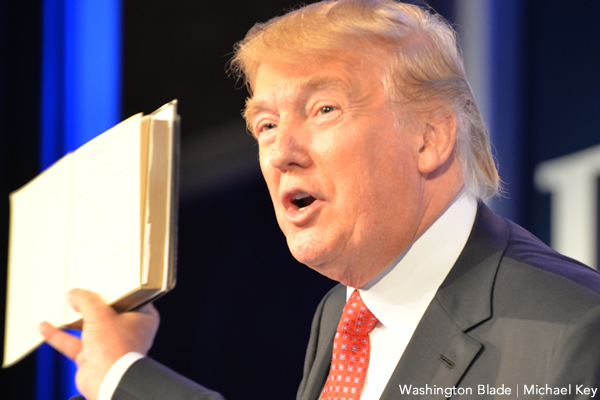
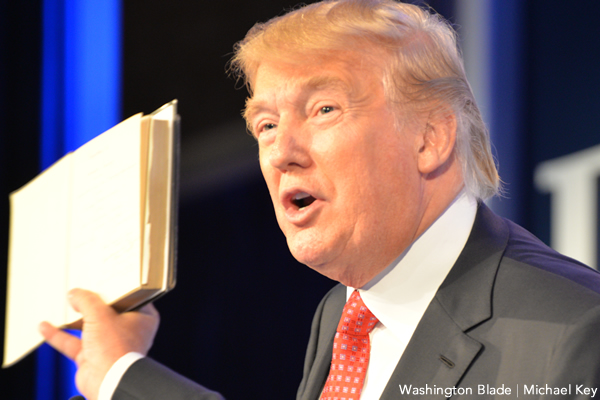
Jordan Evans, a Charlton, Mass.-based transgender Republican who unsuccessfully last year ran to become a Massachusetts Republican State Committee Woman, told the Washington Blade she had high hopes for Jenner as a fellow transgender candidate, but they were quickly dashed after her campaign launched.
“My feelings changed quickly after Caitlyn made it clear that she was less interested in using this opportunity to present the Republican Party and conservative movements with an accessible and high-profile introduction to the trans community and simply wanted to be a trans woman who espoused the same destructive approaches that we just so happen to be seeing all over the country,” Evans said.
Evans said the high hopes she had were based on the transgender advocacy she said Jenner was doing behind the scenes and the potential for two prominent LGBTQ Republicans to run for governor in California. After all, Jenner may soon be joined in the race by Richard Grenell, who was U.S. ambassador to Germany and acting director of national intelligence before becoming the face of LGBTQ outreach for Trump’s failed re-election.
But Jenner’s approach to the gubernatorial recall in California, Evans said, is “putting trans youth at risk for a campaign that isn’t even transformative for Republicans during this volatile time.”
“Even her current messaging is superficial and does nothing to help dispel claims that she’s unqualified,” Evans said. “The only positive thing that I’ve seen come from this is conservative mainstream media using her correct pronouns, but that is not worth the damage that she’s inflicting.”
Much of the disappointment over Jenner’s campaign is the result of her essentially throwing transgender kids under the bus as part of her campaign at a time when state legislatures are advancing legislation against them, including the bills that would essentially bar transgender girls from participating in school sports.
Jenner, declining to push back on these measures and assert transgender kids have a place in sports, instead essentially endorsed the bills shortly after she announced her candidacy.
“If you’re born as a biological boy, you shouldn’t be allowed to compete in girls’ sports,” Jenner told TMZ, which asked her about the hot-button issue during a Sunday morning coffee run.
Jenner dug deeper into MAGA-world at the expense of solidarity with the transgender community. Last week, Jenner retweeted Jenna Ellis, who has a notoriously anti-LGBTQ background and was criticized just last year for refusing to use the personal pronouns of Rachel Levine, who’s now assistant secretary of health and the first openly transgender presidential appointee to win Senate confirmation.
Jennifer Williams, a New Jersey-based transgender Republican who unsuccessfully ran for a seat in the New Jersey General Assembly last year, said via email Jenner “did much good for several years by educating millions of people around the world about transgender folks,” but won’t countenance the candidate’s remarks on transgender kids in sports.
“In regard to her current run for California governor, her recent comments regarding transgender youth playing sports are confusing,” Williams said. “Just last year, she said that she supported transgender female athletes. Caitlyn should consult with tennis great Billie Jean King, soccer star Megan Rapinoe or WNBA legend Candace Parker on the subject of transgender athletes in women’s sports, as they are very well versed on the matter.”
At a time when state legislatures are pushing through legislation targeting transgender youth, restricting their access to sports and transition-related care, Jenner’s refusal to repudiate those measures has become a focal point for opposition to her candidacy from LGBTQ advocacy groups, who say she’s “out of touch” (although none were supporting her even before she made those comments).
The LGBTQ Victory Fund, which supports LGBTQ political candidates and public officials, has signaled it wants nothing to do with Jenner.
Sean Meloy, vice president of political programs for LGBTQ Victory Fund, said Jenner hasn’t applied for an endorsement from the Victory Fund “and she shouldn’t bother to.”
“Her opposition to full trans inclusion – particularly for trans kids in sports – makes her ineligible for the endorsement,” Meloy said. “There are many great trans candidates running this cycle who are champions for equality.”
To be sure, Jenner used her celebrity status as a former reality TV star and Olympic champion on behalf of transgender lobbyists, urging donations to groups like the National Center for Transgender Equality and going to Capitol Hill to lobby Republicans on transgender issues. Jenner has also given money for transgender kids to attend college, giving transgender advocate Blossom Brown a check for $20,000 on “The Ellen Show” in 2015.
Blaire White, a transgender conservative and YouTube personality, drew on these examples of Jenner helping transgender youth in a video earlier this month and said the two once had dinner together, but wasn’t yet ready to make a endorsement.
“I will say that until she lays out all of her policy positions and until she’s more on record in long form really talking about what she wants to do for the state of California, I can’t say for sure I would vote for her and would not vote for her,” White concluded in the video. “What I can say is: I’m interested. And also, being under Gavin Newson’s governorship, I would literally vote for a triple-amputee frog over Gavin Newsom, so she already has that going for her.”
Jenner’s campaign couldn’t be reached for comment for this article on the repudiation of her campaign from LGBTQ advocacy groups.
Gina Roberts, who’s the first transgender Republican elected to public office in California and a member of the San Diego GOP Central Committee, said she’s neutral for the time being as an elected Republican Party leader, but nonetheless had good things to say about Jenner’s candidacy.
“I think it’s awesome,” Roberts said. “It’s kind of indicative of how cool the Republican Party in California is because nobody really cares or it makes any difference. I mean, I was the first elected GOP transgender person in California and I think we’re ready for No. 2.”
Asked whether Jenner’s comments about allowing transgender kids in sports was troubling, Roberts said that wasn’t the case because she has her own reservations.
“I have pretty much the same opinion because … there’s so many nuances in that,” Roberts said. “If somebody transitions after they’ve gone through puberty, there is a big difference, especially in high school. If they transition beforehand, it’s not a big deal.”
A gun enthusiast and supporter of gun owner’s rights, Roberts said she competes in women’s events in shooting sports, but there’s a difference because she doesn’t “really have any advantages all those young, small ladies can pull a lot faster than I do and shoot faster than I do.”
Roberts concluded she’ll personally make a decision about whom she’ll support in the California recall election after Grenell announces whether or not he’ll enter the race, but can’t say anything until the San Diego GOP Central Committee issues an endorsement.
“He’s a good friend of mine, too,” Roberts said. “I know both of them. I think they’d both be certainly better than Gavin Newsom, I have to stay neutral until the county party decides who they’re going to endorse. I will support somebody or another in the endorsement process, but I can’t publicly announce it.”
Although LGBTQ groups want nothing to do with her campaign, Jenner’s approach has garnered the attention of prominent conservatives, who are taking her seriously as a candidate. One of Jenner’s first interviews was on Fox News’ Sean Hannity, a Trump ally with considerable sway among his viewers. Hannity was able to find common ground with Jenner, including agreement on seeing California wildfires as a problem with forest management as opposed to climate change.
Kayleigh McEnany, who served as White House press secretary in Trump’s final year in the White House and defended in the media his efforts to challenge his 2020 election loss in court, signaled her openness to Jenner’s candidacy after the Hannity interview.
“I really enjoyed watching @Caitlyn_Jenner’s interview with @seanhannity,” McEnany tweeted. “I found Caitlyn to be well-informed, sincere, and laser-focused on undoing the socialist, radical, a-scientific policies of Biden & the left. Very good.”
In theory, that support combined with Jenner’s visibility might be enough to propel Jenner to victory. In the recall election, California will answer two questions, whether California Gov. Gavin Newsom should be recalled, and if so, which candidate should replace him. The contender with the plurality of votes would win the election, even if that’s less than a majority vote, and become the next governor. There isn’t a run-off if no candidate fails to obtain a majority.
With Jenner’s name recognition as a celebrity, that achievement could be in her reach. After all, Arnold Schwarzenegger won the 2004 recall election in California as a Republican based on his celebrity status, and ended up becoming a popular governor.
But the modest inroads Jenner has made with the acceptance of conservatives and potential to win isn’t enough for other transgender Republicans.
Evans, for example, said Jenner’s candidacy is not only a disappointment, but threatening the potential candidacies of transgender hopefuls in the future.
“It’s difficult to be in electoral politics, and that’s even more true when you’re a member of a marginalized community,” Evans said. “Caitlyn’s behavior is making it even more challenging for the trans community to be visible in a field where we desperately need to be seen. She’s casting a tall shadow on our ability to have a voice and is giving credibility to lawmakers and local leaders simply unwilling to view us with decency and respect.”
Williams said Jenner should avoid talking about transgender issues over the course of her gubernatorial run “and instead focus on the hard, critical policy issues facing California.”
“It is a state in crisis and she has to run a very serious campaign and not rely on her celebrity or LGBTQ status to win over voters’ hearts and minds — just like all other LGBTQ candidates around the country need to do when they run for public office,” Williams said.
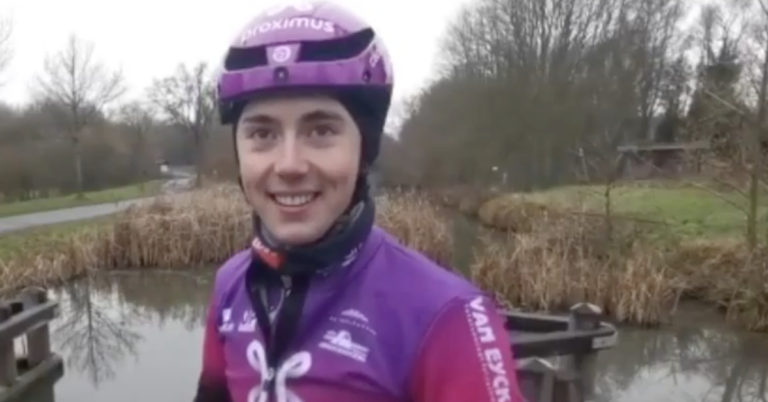
An elite teenage cyclist has become one of the first pro male riders to ever come out as gay. Justin Laevans says he did it so he can be an example to other cyclists struggling with their identities.
In an interview with the Belgian website sportNU.be, Laevens said he’s been wrestling with the decision for a couple of years. The 19-year-old understands he’s a trailblazer.
“I had been thinking about it for two years. It was a big step,” he said. “My parents were very positive about it. I was especially afraid of the reactions of bigger riders or teams, that they would look at me differently, but I don’t think that’s the case.”
While numerous high-profile female cyclists have come out over the years — German rider Judith Arndt became the first out lesbian to medal at the 2012 London Olympics; two-time U.S. Olympian Lea Davison is openly gay — there are far fewer on the men’s side. This is a trend we see across many pro sports, ranging from soccer to basketball.
Former world champion Graeme Obree revealed he was gay in 2011, disclosing he pondered suicide because of his sexuality.
In his announcement, Laevens acknowledged he doesn’t know any other active openly gay male cyclists.
“I didn’t find it difficult to express myself, but I did in sport, because I don’t know any [cyclist] who is gay,” he said.
Still shy of his 20th birthday, Laevens has a long career ahead of him. He’s already an inspiration.
“Being out in the sports world is difficult,” he said. “I hope I can set an example for other athletes, for riders or for cyclocrossers who may still be hidden in their shell.”
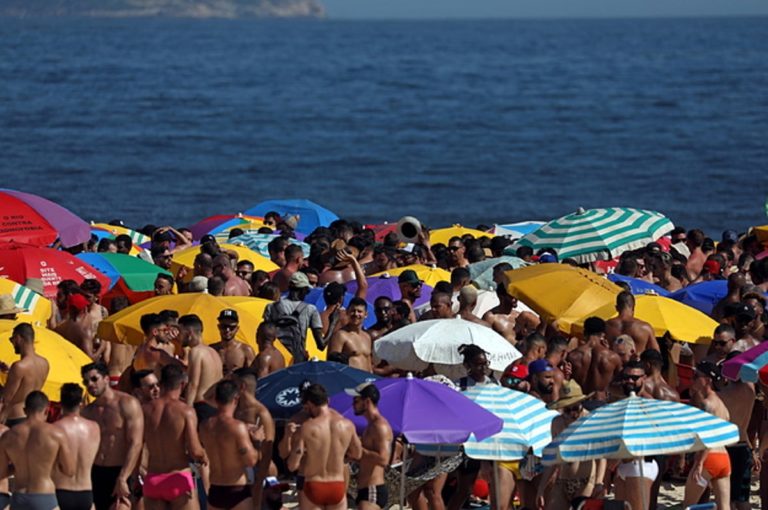
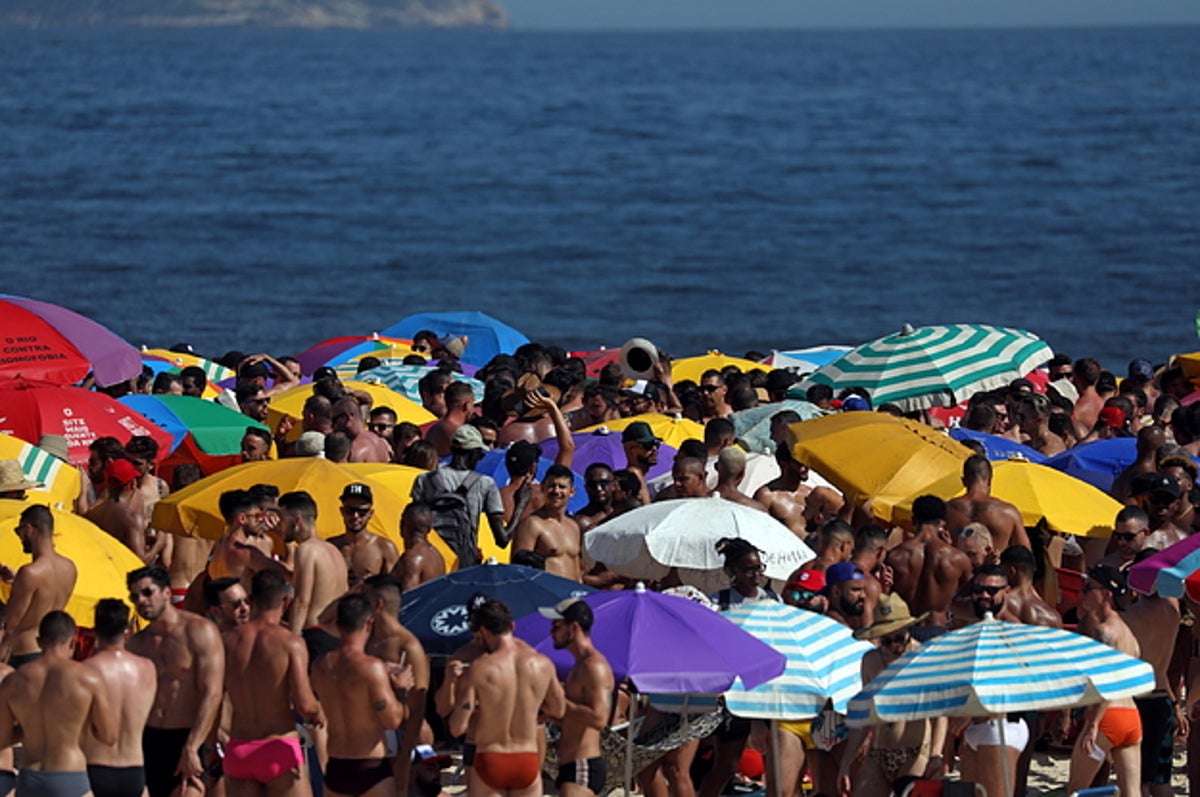
Men gather at Rio de Janeiro’s Ipanema beach in Brazil on Dec. 31, 2020.
The journalists at BuzzFeed News are proud to bring you trustworthy and relevant reporting about the coronavirus. To help keep this news free,become a memberand sign up for our newsletter,Incoming.
For four days, he eschewed sleep to obsessively scroll through social media and sort through hundreds of tips he’s received as part of his secret mission: use Instagram to name and shame other gay men who are partying during the pandemic.
“No part of it is anger on my end,” said the man behind @TheGayRona, a California tech industry worker, who like others in this story asked not to be identified, fearing he would become a social media target himself. “It’s a sense of acting ethically and having a moral compass. I want accountability.”
@TheGayRona is one of several recent so-called COVID vigilante accounts aimed at self-policing the behavior of the gay community during the coronavirus pandemic. As they social-distance at home, the people behind these anonymous accounts are sharing images to thousands of followers of muscular, mostly white men gathering in Speedos on beaches or dancing shirtless at parties in the US and abroad. The accounts highlight the men’s identities, their usernames, and often their job details, sometimes encouraging users to contact the partygoers’ employers. “Hunker Downers, steer clear,” @TheGayRona wrote in one Instagram post tagging a shirtless influencer. “He has had a recklessly busy few weeks. Was just in Miami last week > Rio > LA the following week.”
“🤮🤮🤮🤮 ” commented one follower. “He’s like COVID Santa!”
Most of the drama has been cataloged on the Instagram account @GaysOverCovid, which has amassed more than 115,000 followers and spawned several smaller imitators. “A public forum is better because it sparks change, or at least attempts to,” the gay man in his late twenties running the account told reporters Taylor Lorenz and Alex Hawgood. (He did not respond to requests from BuzzFeed News.) In recent weeks, @GaysOverCovid played detective by checking people’s Facebook location and even Venmo history to place them in Puerto Vallarta, Mexico, and Rio de Janeiro, Brazil, which over the New Year’s Eve period hosted circuit parties — all-night raves with a reputation for drug use and few sexual boundaries — i.e., the opposite of proper social distancing.
“Part of it is the public persona of what they’re doing. They’re going out on Instagram, posting stories, flaunting them flouting guidelines,” said a mid-thirties healthcare industry worker who is one of the four people behind @BostonGaysOverCovid, which has been exposing the behavior of that city’s gay community. “The brashness by which they push against it, by which they flaunt it, versus folks like us who are just sitting at home.”
But the accounts have caused tension in the gay community. One man offered a $500 reward on a circuit party Facebook group for the identity of whoever’s behind @GaysOverCovid, telling Lorenz and Hawgood the account was “like Salem Witch hunting.” Many who have been shamed by the account are now sharing their theories as to who is behind it. There was briefly even a @GaysOverGaysOverCovid account set up to hit back at “public shaming, cyberbullying, and stigma.” (That account naturally prompted a @GaysOverGaysOverGaysOverCovid.)
“We know who the guy is,” insisted Jasson Jerez, a Los Angeles–based influencer with 177,000 Instagram followers who has been called out by the account. Jerez, however, provided no evidence for the claim.
“I let people talk on social media. Honestly, I don’t feed into that. Too much negativity in the world. I don’t need it from social media so I’m staying away,” Jerez wrote in a series of Instagram messages that he later deleted. “The news and the world is already enough. Social media should be an escape from reality for us to just be stupid and silly. This isn’t real life. It’s all facade; it’s not our life.”
Vox reporter Alex Abad-Santos has been the most prominent chronicler of the drama on Twitter where he has shared a series of viral updates about what he jokes has been a “Gay Civil War.” Many of the updates are laced with schadenfreude from those staying home. When a party boat carrying some of the men traveling in Puerto Vallarta sank without passengers being injured, video of the incident was viewed 2 million times and became the subject of memes. When Brazilian police shut down a circuit party, gay men reveled in their counterparts’ wasted money.
Abad-Santos told BuzzFeed News gay men were transfixed by the saga because of the prominent place circuit parties hold in the community — and the horror from some that they might continue in a deadly pandemic.
“The ‘civil war’ stuff is mostly making fun of the way this messiness is being framed,” he said. “I mean, I think there’s definitely other issues that this fight is touching on when it comes to the way gay men look at ourselves, what we value, and how we look at other gay men.”
“It’s kinda not a surprise that one of the common responses from partygoers is that ‘they’re jealous of us,’” he said.
“It’s kinda not a surprise that one of the common responses from partygoers is that ‘they’re jealous of us.'”
Zack Ford, the press secretary for the Alliance for Justice and a former LGBTQ editor for Think Progress whose own take on the parties went viral, told BuzzFeed News the debate touches on issues of male body image and social media that can cause depression in the gay community.
“In a way these influencers, these people whose bodies are in the foreground, they’re kind of like our royalty,” he said. “But when your royalty, the people who exhibit the glamour and the prestige of your community betray you and betray the respect you give them, it can be really disconcerting.”
“It’s really not about circuit parties,” he added. “It’s about a universal experience we’ve all had: weighing the sacrifices we’re all making and trying to process the people who aren’t making those sacrifices.”
There are real-world concerns, too. Palm Springs Mayor Christy Holstege told BuzzFeed News dozens of residents of her California city, long a haven and travel destination for the LGBTQ community, had contacted her office concerned by what they’ve seen posted by @GaysOverCovidPage. “Palm Springs residents are extremely at risk. We have people who lived through the height of the HIV pandemic,” she said. “People are really afraid of others coming back with the virus after partying, and it doesn’t reflect well on the values of Palm Springs.”
The tech industry worker behind @TheGayRona said his account has been particularly focused on exposing medical practitioners who have been preaching safe COVID-19 practices or uploading photos of themselves receiving a coronavirus vaccine, only to then share party pics. (The CDC says vaccinated people should still wear masks and social-distance.) He said he’s concerned they will return to their clinics and hospitals without a proper quarantine period and potentially endanger their patients.
“I get it — they’re frustrated. They’re overworked. It’s been a difficult year for them. I empathize,” he said. “But I think there needs to be ethical behavior from this group.”
Jerez, the Los Angeles influencer, said he’s a medical worker in a clinic and wanted to vacation and party because the pandemic had been so stressful. “Honestly, I don’t mind [being featured by the account]. I know we aren’t doing things we are supposed to do … [But] it’s been almost a year of going insane with the pandemic, and clearly it’s not controllable in my clinic with staff and patients,” he said. “I’m going insane, and if I didn’t get away for some sort of break, I swear I would probably have punched somebody in the face and gotten fired.”
As for why these men would go on vacation and flaunt themselves defying coronavirus safety measures, @TheGayRona believes some users simply can’t help themselves. “There’s so much currency in posting nowadays, it’s inevitable,” he said. “I feel like people are addicted to getting that validation.”
But that status and prominence make it more important to scrutinize those who have influence via their large following, argued Ford, the former LGBTQ editor.
“Certainly when the target group is a group that relies on popularity — that is what fuels influencers and people who capitalize on their bodies and their appearance — we have a duty to hold them accountable and hold them to a higher standard,” he said. “Just because you’re hot, doesn’t give you permission to be an asshole.”
“Just because you’re hot, doesn’t give you permission to be an asshole.”
Mike Schultz, a 43-year-old San Francisco nurse who contracted the COVID-19 at a circuit party in Miami in March, knows firsthand what that extra level of scrutiny can bring. At least 38 people became ill after attending the party, with three men dying. BuzzFeed News interviewed Schultz in May after he spent six weeks intubated in a Boston hospital and had shared a shocking before-and-after photo of how his muscular frame had shriveled. “I wanted to show it can happen to anyone,” he said at the time. “It doesn’t matter if you’re young or old, have preexisting conditions or not. It can affect you.”
But in December, screenshots began circulating from Schultz’s social media accounts in which he said he was excited to go to Puerto Vallarta. He also applauded another post by a man who complained of “fucking bitter queens” and who described COVID-19 as “survival of the fittest.”
Schultz was blasted for his behavior, especially since had received more than $20,000 via a GoFundMe established to cover his medical expenses. But Schultz, who declined to be interviewed over the phone, told BuzzFeed News in a series of text messages he did not ultimately visit Mexico and that the GoFundMe had been established by a friend while he was in a coma. “I never once asked for a penny,” he wrote.
Courtesy of Mike Schultz
Mike Schultz in the before-and-after photo he posted to Instagram in May after being intubated with COVID-19.
Schultz also said he had been targeted by online “monsters” who had called his employer and tried to get him fired. He said he wanted to take legal action against @GaysOverCovid and other sites “posting false defamatory information,” but later said he could not afford a lawyer.
“These monsters believe what they want to believe no matter what I say. I didn’t go to PV and it honestly is no one’s business,” he wrote. “I’m sick of getting death threats and hate mail from these people that think they’re doing good.”
He denied ever endangering his patients or coworkers as a result of his social activities during the pandemic. But asked if he could understand why people were angry when they assumed he would be traveling, Schultz wrote, “I can tell you that I do understand why they’re upset.”
“I’m sick of getting death threats and hate mail from these people that think they’re doing good.”
Leo Herrera, an activist, writer, and artist based in San Francisco and New Orleans, said he’s been troubled by the images of people partying in his native Mexico, where hospitals are overwhelmed with COVID-19 patients.
But Herrera, who has produced a multimedia project on the AIDS crisis, said he’s been most upset by members of his community seemingly forgetting their own history. “A lot of this younger generation don’t understand what it was like to live through HIV before PREP. They don’t see what a lot of our own went through,” he said. “This is about a group of people and a culture that has already lived through a pandemic, so in very real, tangible ways we should know better.”
Not everyone agrees with the AIDS comparisons, though. Abad-Santos, the Vox writer, said public health experts he has spoken with feel the diseases are too dissimilar. It’s also an incredibly delicate issue. The @BostonGaysOverCovid account was suspended Tuesday night after one of the administrators posted a story alleging a man had been lying about his HIV status to sexual partners.
“We (minus that person) are trying to see if we can get it up and running again without them obviously,” one of the men running it told BuzzFeed News. “Shaming people about HIV is one step too far.”
“This is about a group of people and a culture that has already lived through a pandemic, so in very real, tangible ways we should know better.”
Detractors of the COVID vigilante accounts contend they’re also unfairly magnifying the behavior of the LGBTQ community in a manner that is not applied to straight people. But Abad-Santos said there are plenty of critical videos of straight people ignoring health guidelines at political rallies or churches. “I feel like circuit parties are, by their nature, ridiculous,” he said, “and so there’s an edge of that when you compare, like, a bunch of shirtless sweaty men rubbing pecs to devout churchgoers.”
But whether it be men partying on Fire Island for the 4th of July or vacationing on a private island with friends, the gay community has been policing their own throughout the pandemic. “I do think we hold our community to a higher standard,” said @TheGayRona. “We’re a tight-knit community.”
Herrera added that the vigilante accounts are also a reflection of the government’s failed response to the pandemic, forcing the gay community to police their own, “which is a really dangerous and ethically vague position, but it’s the only one we have.”
“I think we have sort of developed this knee-jerk reaction that all shaming is bad. A lot of people confuse public accountability with shaming,” he added. “We have to remind our people that you need to read the room.” ●
Trends have always shaped how every player, team, and era of the NBA is defined by history. Basketball is a sport of streaks, whether it be minute to minute, quarter to quarter, game to game, or season to season. Some moments are short-lived footnotes in the grand scheme of a larger picture, and other extended showings go on to establish new identities or solidly preexisting perceptions that surround an individual or organization.
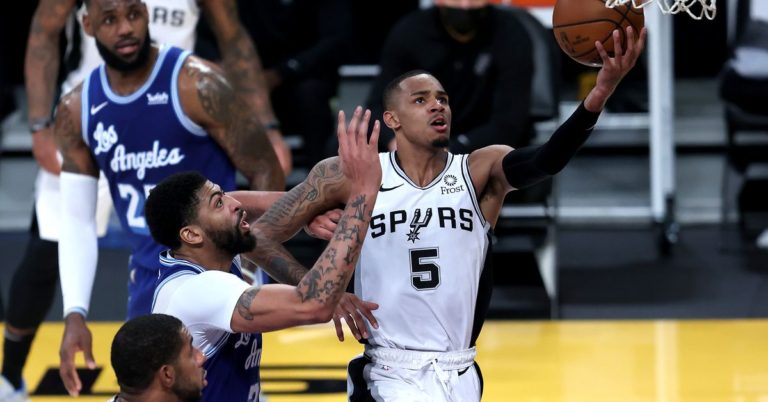
The San Antonio Spurs are 4-4 one-tenth of the way through a shortened 72-game regular season schedule. And the franchise and those who play for it could be on course to alter how the league views them from here on out. Which statistical anomalies are mere flashes in the pan, and could any of these recent developments potentially be here for the long haul? Let’s explore a few notable numbers from early on this season.
Dejounte and DeMar in the paint
Dejounte Murray and DeMar DeRozan have seemingly swapped abilities to finish around the rim, with the former converting at a mindboggling 72.7% and the latter a frigid 48.6% through eight games this season. What makes DeRozan’s early struggles so surprising is the four-time All-Star finished third (70.1%) among all qualifying guards in that category a year ago. And the sudden elite efficiency from Murray is just as unexpected, especially considering he ended his 2019-2020 campaign as San Antonio’s worst shooter from the restricted area (55.2%). Dejounte has caught fire and knocked down plenty of circus shots near the basket for short stretches in the past, so I have my doubts as to whether he can make this a year-long trend.
Still, the fourth-year point guard is protecting the ball, taking smarter angles, and showing a greater understanding of how to use a change of pace to his advantage. And while we’ve never witnessed Murray maintain this sort of production for eight straight games, the fact that his numbers look this good despite a 1-of-13 dud with Rudy Gobert protecting the paint bodes well for his future performance. And who isn’t intimidated by the prospects of challenging the former back-to-back Defensive Player of the Year at the rim?
As for DeMar, I have complete faith he’ll make a swift return to form as the season wears on. DeRozan hasn’t shot below 60% from the restricted area since his third season in the NBA, and as long as he’s healthy, I don’t anticipate this abnormal drop off to linger much longer.
Rudy’s defensive renaissance
Rudy Gay has always been a strange player from a statistical, analytical, and aesthetic perspective, so it comes as no real shock that the 15-year pro has provided me with an observational twofer to share with you. When you watch the combo forward on tape, you’ll quickly notice how heavy his feet are on the defensive end and how questionable his shot selection is on the other.
All this combined with a hot-and-cold motor might lead you to believe he’s one of the least impactful rotational pieces on the roster, but according to most computations, Gay is among the best players the Spurs have. His shooting percentages and per-game figures are all near career-lows, yet Rudy belongs to all five of San Antonio’s top five-man lineups by net rating. You can try to discredit his early success by pointing out the small sample size or who he’s been playing alongside, but his contributions as a stopper suggest his inclusion in said-lineups is no fluke. So far, Gay has allowed just 77 points when designated as the primary defender and done so while holding his assignments to a team-low 28-of-82 (34.1%) shooting in 198 minutes.
The league doesn’t give out awards 10% of the way through a season. However, if they did, Rudy would likely get an All-Defensive Team nod. Do I buy into this defensive renaissance from the vet? No, opponents shot 45.6% and scored 719 points when guarded by Gay last season. And a condensed schedule with more back-to-backs isn’t a particularly favorable circumstance when you’re on the wrong side of 30 and have a torn Achilles on your injury history. Losing weight this offseason has already helped his cause, and this situation is one worth monitoring as the season unfolds.
Vassell’s plus-minus
The Spurs have outscored opponents by 47 points when Devin Vassell is on the hardwood, and what stands out most to me is the rookie leads San Antonio in that category. Most people know this statistic by the name of plus-minus. And while it can be a somewhat empty measure of a single player’s impact on the game, it can be telling when provided with proper context.
Much like the impressive net ratings of the lineups that include Rudy Gay this season, the spectacular plus-minus associated with Vassell is by no means a coincidence. As I stated in my in-depth scouting report on the former Florida State wing last May, Devin is among the most league-ready prospects from the 2020 Draft Class, and he’s shown that from the minute he set foot in an NBA arena. His elite length, instincts, and IQ have elevated San Antonio’s team defense every time he’s on the floor, and the kid rotates, stunts, digs, recovers, contests, and helps more like a ten-year veteran than a 20-year-old rookie.
On the other side of the ball, the 11th overall pick has carried his knockdown, albeit wonky, shooting stroke to the next level, draining eight threes at a 53.3% clip. That long-range percentage will undoubtedly settle into the low 40s or high 30s, and with as well as he relocates without the ball, I wouldn’t worry about it falling any lower than that. Not many players generate a positive influence during their first go-round, but not many players are this poised and fundamentally sound entering the NBA. Can Vassell hang onto his role once Derrick White makes his return from another unfortunate foot injury? That’s unclear, though stringing together more reliable appearances versus Western Conference contenders could earn him minutes.
Aldridge’s impact
The Silver and Black are 4-1 with LaMarcus Aldridge in the lineup and 0-3 when he doesn’t suit up this season. And if we track San Antonio’s record back to the beginning of the Kawhi Leonard saga, the Spurs are a measly 6-15 with the seven-time All-Star on the sidelines. The unforgiving hands of father time and a season-ending shoulder have slowly chipped away at his explosiveness and mobility. Even if it doesn’t always show up in his column on the boxscore, LaMarcus has learned to use his big body more effectively to benefit others. His screens open up more direct routes to the rim, and his boxouts help teammates secure rebounds. San Antonio was out-rebounded by an average of 11 boards in their three games without Aldridge, and that margin closes to 1 when he plays.
On offense, as his vertical pop has waned, his ability to stretch the floor has improved, and though he won’t score 28 points like he did on Thursday night every time out, he improves San Antonio’s spacing with his outside presence alone. I’m not saying this trend will necessarily continue for the rest of the season. After all, LaMarcus shares the same aging vets faced with overcoming a compressed schedule designation I gave Rudy Gay earlier. Regardless, it’ll be interesting to observe how any future absences from LaMarcus affect the team.
Elite from inside the arc
Here’s a stat that probably won’t astonish many fans, the Spurs rank first in the NBA in two-point field goal attempts this season. And should they continue relying on a heavily inside the arc approach, which isn’t tough to imagine, this would be the second year in a row they lead this category. Now I wouldn’t share such trivial information if not for the unusual fact San Antonio also happens to hold the worst field goal percentage from two-point territory in the entire league. So why would the Silver and Black put up more two-pointers than anyone else if they’re the worst shooters from that range?
Well, I don’t legitimately believe Gregg Popovich would center a game plan around one of his squad’s weaknesses, and for that reason, I’ll go out on a limb and say the Spurs won’t finish the season in last place or even bottom five in two-point percentage. San Antonio struggled to create good looks around the rim without a shooting big to draw out the defense while LaMarcus nursed a knee injury. And as I mentioned earlier,DeRozan is off to an uncharacteristically cold start from that range. A lack of improvement could be a significant cause for concern, but let’s give it some time before hitting the panic button.
Are there any important trends I missed in Noah’s Notables? Let me know down in the comments so I can include them next time!
Salvadoran president Nayib Bukele agreed on December 15 to implement an Asylum Cooperative Agreement with the US government. It allows US immigration authorities to transfer non-Salvadoran asylum seekers to El Salvador, instead of allowing them to seek asylum in the US.
US President-elect Joe Biden has pledged to terminate the deeply flawed agreement, a deeply flawed deal that presupposes El Salvador can provide a full and fair asylum procedure and protect refugees. But for some groups, including lesbian, gay, bisexual and transgender (LGBT) people, El Salvador provides no safe haven. Its own LGBT citizens lack protection from violence and discrimination.
A recent Human Rights Watch reportconfirms the Salvadoran government’s own acknowledgment that LGBT people face “torture, inhuman or degrading treatment, excessive use of force, illegal and arbitrary arrests and other forms of abuse, much of it committed by public security agents.” Social and economic marginalization further increase the risk of violence. Many LGBT people flee from home.
Between January 2007 and November 2017, over 1,200 Salvadorans sought asylum in the US due to fear of persecution for their sexual orientation or gender identity. In a groundbreaking judgment, a UK court recently granted asylum to a non-binary Salvadoran, finding that their gender expression exposed them to police violence and daily abuse and degradation.
Five years ago, El Salvador seemed poised to champion LGBT rights. It joined the UN LGBTI Core Group. It increased sentences for bias-motivated crimes. Its Sexual Diversity Directorate trained public servants and monitored government policies for LGBT inclusiveness.
Bukele, then a local official, pledged to be “on the right side of history” on LGBT rights. When he ran for president, his promises dissolved. He opposed marriage equality, effectively shut down the government’s sexual diversity work, and refused to support legal gender recognition for trans people. Despite the landmark conviction of three police officers in July for killing a trans woman, violence remains commonplace, and justice out of reach, for many LGBT people.
The Salvadoran government should back a gender identity law and comprehensive civil non-discrimination legislation, prosecute anti-LGBT hate crimes, and reestablish a well-resourced office to promote inclusion and eradicate anti-LGBT violence. It should axe the Asylum Cooperative Agreement.
As things stand, El Salvador fails to provide effective protection to its own LGBT citizens, let alone LGBT people fleeing persecution elsewhere.
With less than two weeks left in office, the administration of US President Donald Trump has finalized yet another rule rolling back nondiscrimination protections for lesbian, gay, bisexual, and transgender (LGBT) people seeking the services of health and welfare programs funded by the US Department of Health and Human Services.
Previously, a federal regulation expressly prohibited health and welfare programs receiving federal funding from discriminating on the basis of sexual orientation and gender identity. But the administration’s new rule, first proposed in 2019, erases this language. It also deletes a requirement that recipients recognize the marriages of same-sex couples, replacing it with a generic statement that the US Department of Health and Human Services will respect Supreme Court decisions.
The previous regulation was used to ensure adoption and foster care agencies who receive federal support serve all qualified parents, including same-sex couples. Rolling back existing nondiscrimination protections will harm those families, as well as the many kids awaiting placement in loving and supportive homes.
In 2019, Human Rights Watch argued that these changes threatened children’s rights as well as families’ freedom from discrimination and right to health. We’ve previously documented how these types of changes can function as a license to discriminate, shutting LGBT people out of health and welfare services that should be open to all.
In the coming weeks, Congress should swiftly reject this regressive rule. The Congressional Review Act allows Congress to disapprove of a recently enacted regulation and, with the president’s signature, prevent it from taking effect. With an upcoming presidential transition, the US government should take this opportunity to make clear again that the programs it funds are open to all qualified people, regardless of their sexual orientation or gender identity.
For as long as Juan can remember, he felt that he didn’t fit the concept of the ideal kid. He has had several serious episodes with depression and three suicide attempts. By age 12, his parents placed him in a psychiatric clinic.
Today, he is 26 and recognizes that his depression had a very specific cause: He couldn’t accept that he is attracted to men. Juan, who agreed to tell his story without publishing his surname, now considers himself emotionally stable and has expressed his sexuality openly since he was 18. But depression is like an “old friend” that occasionally visits.
The last time was during the quarantine, which he spent with his parents in Bogotá, Colombia, when he overheard his parents talking about him.
“I’ll never accept the fact that Juan is gay,” Juan remembers his mother saying to his father one night. “I don’t know what I would do if someday he introduces me to a boyfriend.”
Advertisement
The numbers show that the discomfort Juan lives with is shared by many LGBTQ young people in Latin America and the United States. And it has gotten significantly worse during the pandemic.
Before the pandemic began, according to UNAIDS, LGBTQ people “had issues associated with their mental and emotional health in a greater proportion than the general population, with manifestations such as depression, anxiety, suicidal thoughts, etc.” That can be worsened by “confinement in solitude or in family groups where they may experience gender violence.”
Recently, Chicas Poderosas — a global effort to inspire and develop the careers of women in media — copublished, with the office of UNESCO in Quito, a series of testimonials from Bolivia and Venezuela that document the discrimination and psychological and physical violence that LGBTQ people have experienced.
The situation in the United States is not that different. Rob Todaro, communications manager for the Trevor Project, which operates a 24-hour crisis hotline for LGBTQ youth, explained that according to a recent Morning Consult survey, one-third of LGBTQ young people in the United States said they couldn’t be themselves at home, and one-third of transgender and nonbinary youth felt unsafe with their life situation since the beginning of COVID-19.
“We knew that even prior to the pandemic, LGBTQ youth had been found to be at significantly increased risk for depression, anxiety and attempting suicide — largely due to increased experiences of victimization,” Todaro said. “Additionally, LGBTQ youth already faced disproportionate rates of unemployment and homelessness, which are among the most consistent risk factors for suicide.”
A rise in requests for expert psychological support and therapy reflects this. Cynthia Ruffin, director of Colors LGBTQ Youth Counseling Services, which offers free mental health services to LGBTQ people younger than 25, said her organization’s waiting list has doubled during the pandemic.
If your mental and emotional health has suffered during the pandemic, here are some recommendations from Todaro and Ruffin that can help you and help guide families, caregivers and other supporters.
Advertisement
Keep a support network
Crisis resources
Here are some phone numbers and websites you can use if you need help immediately.
Ruffin suggests that the first thing to do is to find a community of people around your age who share common interests and with whom you identify . In California, for example, support groups include Colors, the Los Angeles LGBT Center and Tarzana Treatment Centers.
Todaro said the Trevor Project has been encouraging LGBTQ youth to stay connected to support systems: friends, supportive family and other allies.
“These positive connections are vital to prevent suicide because they can absorb the stress, reduce depression and improve wellness,” Todaro said.
Advertisement
Establish a routine
The Trevor Project also suggests that young people set a daily schedule, which can provide structure and some degree of certainty in uncertain times.
“Setting aside time each day to engage in wellness activities like working out, cooking, doing yoga, or meditating could be a great way to reduce stress and positively impact one’s physical and mental health. Also, making sure that young people stay kind to themselves, not exerting pressure or judgment when they don’t engage in all of the wellness activities that they would have liked,” Todaro said.
Connect with nature
Although it’s difficult to surround yourself with people in a pandemic, Ruffin said, finding ways to have socially distanced activities with people is important for mental health.
Advertisement
“Mental health and nature work very well together. We are in California; fortunately, we can be outside almost all year long. So the suggestion is to not be locked down and isolated at home all the time,” Ruffin said. “Find ways to connect with their community, online with people of your same age, or with friends in the outdoors.”
How family, friends and allies can help
Educate yourself, express love and be alert. Ruffin explained that “the first thing that family members can do is to educate themselves, especially if they believe that their son or daughter could be dealing with gender dysphoria (when a person feels dissatisfied and distressed about a mismatch between their gender and biological sex).
She emphasized that it’s key to assure young people that you love them unconditionally and that they can ask for help. It’s OK if you don’t know exactly how to help. You can always seek out professional guidance, Ruffin said.
What are some signs that an LGBTQ person needs professional help for mental or emotional health?
Advertisement
Key warning signs, Ruffin said, include a person feeling alone or isolated, sad and not wanting to go out or talk to anyone. Other warning signs include excessive social media use, especially interacting with much older people, and excessive drug and alcohol use.
In California, if a person is 12 or older, they do not need a parent’s permission to request therapy.
After feeling rejected by his mother, Juan reflected on the meaning of that event. “Somewhat, it’s weird to understand that even though love and acceptance doesn’t mean the same thing, in order to build a healthy relationship free of resentment, both need to go hand in hand.”
Advertisement
So what will he do next? “In fact, I have a plan to leave my house; I have a couple,” he said. But it won’t be right away. “And if I leave, I don’t want to do it on bad terms. After all, I love my parents, and I know that they love me.”
She has designed outfits for Priyanka Chopra, Deepika Padukone and others
New Delhi:
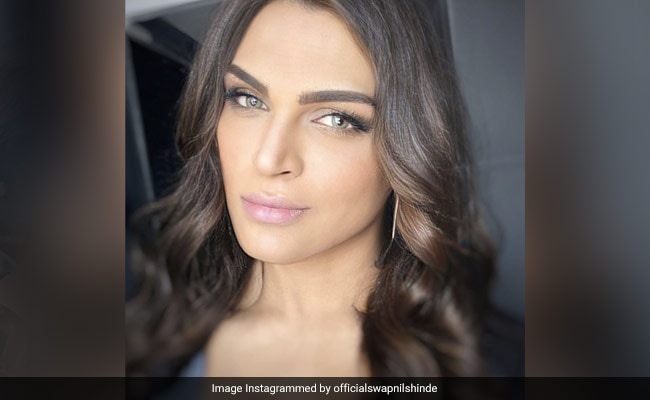
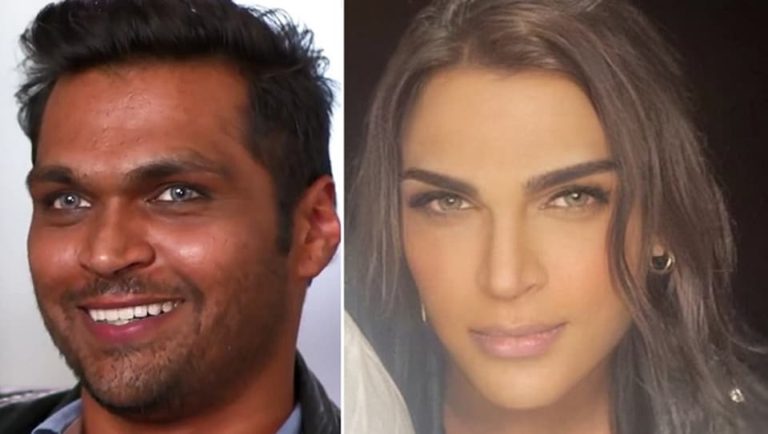
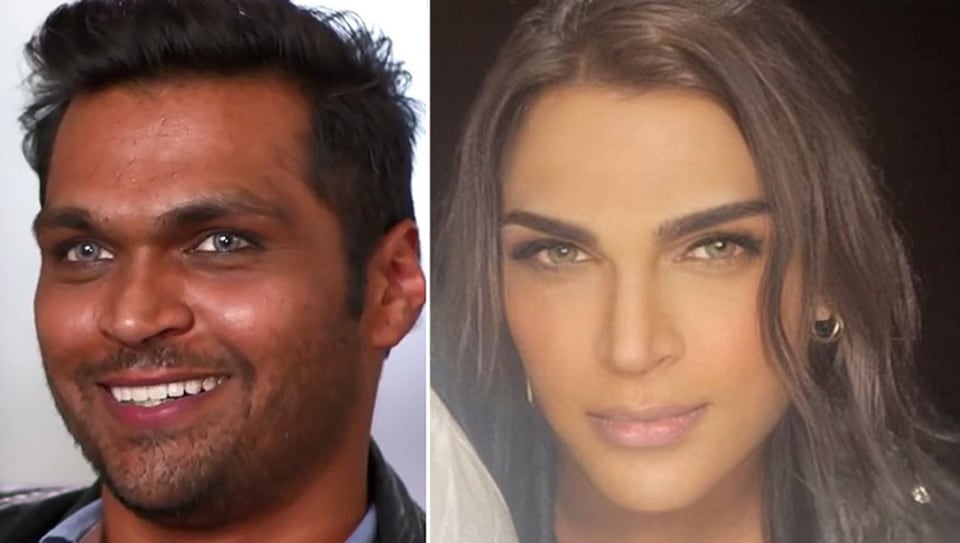
Celebrated fashion designer Swapnil Shinde, who is known for dressing actresses like Deepika Padukone, Kareena Kapoor and Anushka Sharma, has come out as transgender, changing her name to Saisha. The fashion designer shared pictures of her new look, as well as a lengthy note in which she wrote about not being “a gay man” but a “transwoman.” Saisha Shinde’s post read: “Irrespective of your origin, there will always be something that reminds you of your childhood. For me, it takes me back to the kind of loneliness that aches, to pressures that pushed me into solitude and the chaos of confusion that grew every moment. All through school and college, while the boys outside tormented me because I was different, the internal pain was far worse. I felt suffocated living a reality that I knew wasn’t mine, yet one that I had to stage everyday because of societal expectations and norms.”
“It was only in my early 20s at NIFT where I found the courage to accept my truth; I truly bloomed. I spent the next few years believing that I was attracted to men because I was gay, but it was only 6 years ago that I finally accepted to myself, and today that I accept to you. I’m not a gay man. I am a Transwoman,” she added.
Along with her note, the fashion designer explained the meaning of her new name: “PS: Saisha means a meaningful life and I plan to make mine an exceptionally meaningful one.”
Read Saisha Shinde’s post here:
In her latest post, Saisha Shinde posted a picture of herself sporting a long wig and wrote: “To finally changing my Insta profile picture to the one I always related to …. each day is a new and exciting challenge but I’m loving every detailed second of it! PS- Relax it’s just a wig…though am getting there.”
Let’s also check out some old pictures of Saisha Shinde that she shared last year:
Saisha Shinde has designed outfits for celebs like Priyanka Chopra, Kareena Kapoor, Deepika Padukone, Taapsee Pannu, Anushka Sharma, Katrina Kaif, Madhuri Dixit, Sunny Leone, Tara Sutaria, Taapsee Pannu and Bhumi Pednekar among many others.
The last words my stepfather ever spoke to me were uttered between gasps of air from his hospital bed this past January: “Will you move on with your life already?”
Less than two weeks later, I received a call from my mother that my stepfather had gone into hospice. I flew from California to New Jersey to spend his last days together as a family. He passed peacefully in our home, as we held his hand and sang Andrea Bocelli’s “Time to Say Goodbye.” It was one of the most profound moments of my life.
His poignant last words had penetrated me to my core, and now — having sat with them for a few weeks — I knew I needed to find a way to honor him. Still, this was the first significant loss I had experienced in my life, and I needed time and space to heal. I returned to Los Angeles feeling scared and uncertain, knowing my path would inevitably change, though I wasn’t sure how. I prayed for healing and clarity, hoping to find some answers.
His poignant last words had penetrated me to my core, and now — having sat with them for a few weeks — I knew I needed to find a way to honor him.
On the surface, my life and career appeared stable and successful. As a record executive at Epic Records, I had been working in the music business for more than a decade. I was a doer and goal oriented, but eventually, I realized I wanted more for my life than just a career. When I got married, I had hoped to be together for a lifetime and to build a foundation to start a family — but now my marriage was in trouble.
My stepfather wanted me to tap into my strength and make the necessary decisions to take control of my life and manifest my dreams. He was trying to tell me to stop fighting a losing battle. I wasn’t yet ready to move on from my marriage, but I decided to make other big, disruptive changes in my life, just as he had challenged me to do. I started asking myself some tough questions: if being married and starting a family wasn’t my path to happiness, what is?
I chose to focus on taking care of myself. I wasn’t sure what I wanted long-term, but I knew in the short-term, I just wanted to feel happier and more connected to my mind and body. I wanted to feel whole again, and focusing on my physical health seemed like a good place to start. Up until that point, my commitment to fitness had been marginal, as I had other priorities. So, I began attending yoga classes up to a few days a week and working out at the gym weekly.
I realized after my very first workout how cathartic it was to get moving. My brain chemistry had changed, and I knew I needed more of this. What started as an experiment developed into a habit and then a lifestyle. I adjusted my routine to make fitness a priority, climbing into bed by 9:30 so I could get up for my daily training sessions at 6 a.m. before my workday began. When the COVID-19 pandemic shuttered gyms, and I could no longer meet with a trainer in person, I began running. Up to eight miles a day. Exercise made me happy, and I was determined to stick with it, even if I had to do it on my own.
In early April, my trainer challenged me to a 50-mile virtual run with 20 people on the Nike Run app. I was hesitant at first, but then I realized I could probably knock it out in a week. So, I decided to put myself to the test. I made Spotify playlists to fit my mood, so I had something to look forward to each day. Running became my therapy and a way for me to heal. I finished those 50 miles — the first of many I’d run throughout the year.
It was around this time that I decided to have the difficult conversation with my partner about our future together. We decided it would be best to part ways. Getting divorced is hard, and doing it in the midst of a pandemic is harder still, so I took every opportunity to channel my energy into something positive.
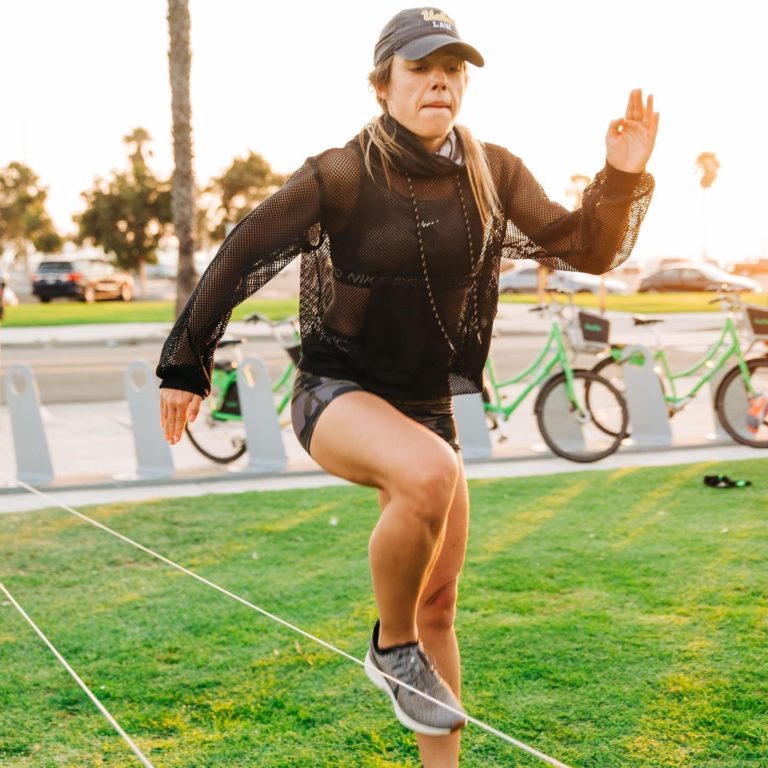
I had received a message from UCLA Law School about a new master’s in legal studies program and decided to apply. It was an exciting opportunity to advance my career trajectory, and I was up for an intellectual challenge, in part inspired by my stepfather, who was a chief assistant district attorney. Between the stress of mediation and applying to law school, I needed an outlet — so, I made another commitment: to run on UCLA’s track for an hour each morning. I wanted to see what it would feel like to be a student again, and I guess I hoped I could somehow manifest my acceptance into the program.
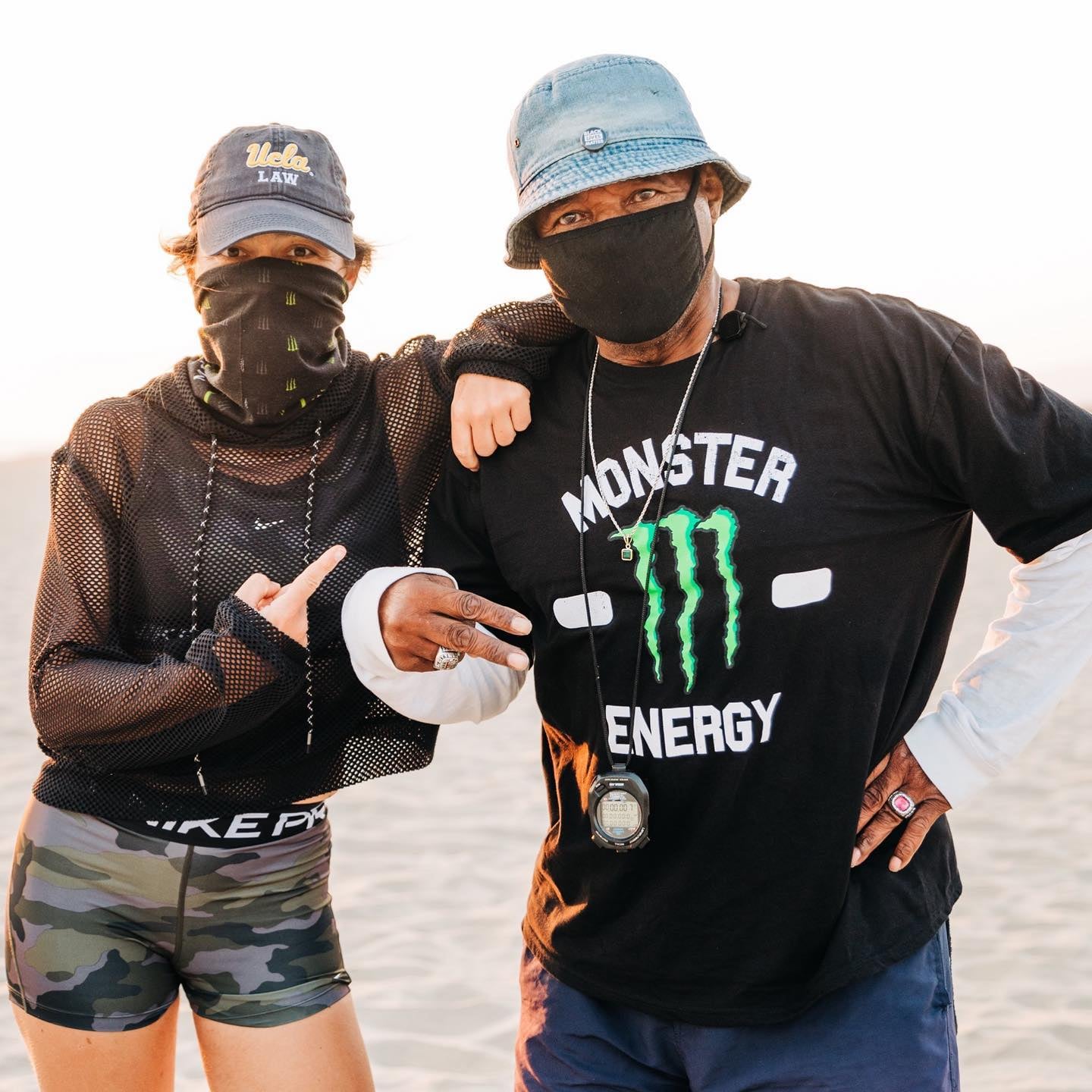
In early June, after two weeks of showing up to the track every day, I was approached by Richard Rucker, the head coach of the UCLA Club Track and Field team. I had watched his practices from afar and admired the work he was doing with his athletes. When he asked what I was training for, I said I didn’t know. “Wrong answer,” Coach Rucker said. “Life.” That’s when our journey began.
At age 38, I started training with Coach Rucker for two hours a day. He helped me discover and develop my athletic ability and taught me that it’s never too late to try something new. (“It’s not the age, it’s the stage,” Coach always says.) Two weeks into our training, he handed me a paper with a breakdown of the sprints and said, “How about competing? You ready?” I had never competed in sports before, but I’m always up for a challenge, and I wanted to make my coach proud, so I replied, “Let’s do it.”
I ran the Trojans vs. Bruins Masters Challenge, where I competed in the 50-, 100-, and 500-meter sprints. Soon after I ran my first cross-country race at an elevation of 1,200 feet. By the end of the year, I had run more than 1,000 miles, and I felt stronger, happier, and healthier than I had at any point in my life. I was accepted to UCLA, too, and I’ll graduate in two years, with a focus in entertainment and media.
By the end of the year, I had run more than 1,000 miles, and I felt stronger, happier, and healthier than I had at any point in my life.
I share this journey in hopes of showing others that even the most challenging times can be a catalyst for change and a source of inspiration, if you allow them to be. You don’t need to take off on an Eat Pray Love-style vacation to learn who you are and find your path to health and happiness. You don’t need to run 1,000 miles or go to law school, either. While that was the direction my life took, the opportunities are endless. You simply need to look inward and take care of yourself first, and you’ll find the energy and power to dream again and break new ground.
I’m grateful that this past year gave me time to reflect, to be present, and to appreciate each and every day. Instead of driving to and from work, I was able to take time to grow in new ways, on the track or in the classroom. I no longer rush through my days but take the time to listen to what my mind and body need. I honor my time every day, and I’m very intentional about what will move me closer to achieving my goals and seeing my dreams come to fruition.
I don’t yet know what 2021 will hold — though I’m committed to continuing to train, in hopes of reaching All-American status — but I know that when you allow yourself to be open and step out of your comfort zone, good things happen. If there’s anything these times have taught us, it’s that tomorrow isn’t guaranteed, so start living the life you want today.
Indoor gyms may not be open where you live, and even those that are open are probably offering fewer or smaller classes – if at all – or have moved equipment outside (which can make for a great workout, actually.)
But until things fully get back to normal, joining an online fitness class may be one way to stay fit–and to connect with others like you.
Thankfully, some also offer the opportunity to share the experience with other members of the LGBTQ community.
Brewer Street Yoga
Brewer Street Yoga (Photo: Supplied)
Based in the heart of Soho, London, Brewer Street Yoga offers sessions dedicated to gay men. It offers smaller classes, contending that “Yoga is about a healthy body and mind. And we think yoga is a great way to develop new friendships and build community. Many of our members, especially from our men’s classes, make new friends with frequent post-class social gatherings.”
For those who can’t get to the classes in London, Its “Yoga for Gay Men and Friends” is available live online and On-Demand for those who want to play catch-up. As an added incentive, it also offers several Men’s Naked Yoga classes.
The online classes are open to all, anywhere in the world, provided you have an internet and Zoom connection.
Spinder
Spinder’s Rich Allsop leads another online Spindercast (Photo: Supplied)
This is physical spin class has built up a hardcore membership and is now gaining a much wider following thanks to its online presence.
“Spinder is the first and friendliest social gay spin class,” says its founder, Rich Allsop. “It’s all-levels and everyone is welcome. We cycle, sweat, and singalong on a bike to a 45-minute themed playlist like divas, Kylie v Madonna, Cher v Celine. Half-way through we have a ‘dance break’: an easy dance routine for your arms and a breather for your legs.”
It’s now offering Zoom home workouts on Mondays, Tuesday, Thursdays and Fridays, with no equipment needed.
Queer Gym
Queer Gym is based in Oakland, California. Before 2020, it offered a range of classes and organized various social events, to help build a supportive environment for its members. It’s particularly welcoming of trans, non-binary and genderqueer individuals, and even offers tailored training for trans clients preparing for gender-confirmation surgery.
In COVID times, it’s moved all its training online via Zoom. Sign up as one of a group of 20 for its 28-day challenge to help kick-start your fitness journey in the best way possible.
You’ll get meals plans, Zoom classes, weekly check-ins, and coaching. Classes include ‘Kick Ass’ and ‘Hardcore Homo’!
Some people may feel particularly self-conscious about joining a fitness class if they’re carrying extra weight. If that sounds relatable, you might be more inclined to dip your toes into the water with ‘Gentle Bear Yoga’ or ‘Gentle Bear Fitness.’ Both are Zoom classes organized by men’s health and wellness coach, Jon Fischer (@coach.cub). He launched Pawed (@pawedNYC), a wellness group designed for the bear community, in 2016. It’s recently also launched its own “The Bear Wellness Podcast.”
No experience is necessary for these classes, with the yoga offering gentle stretching and breathing techniques – perfect for beginners. You’ll get to share the experience with other gay bears, with the inclusive group welcoming all body types and gender identities.
Hurdle Health and Fitness Group
Hurdle is a small gym space in Toronto, Canada. It offers one-on-one training by appointment. However, it also now offers virtual classes – which can be booked by individuals or friends in different households to take part in at the same time. Among its trainers is Caden Catena, a founding member of the Trans/GNC group training program – someone with personal experience of how challenging it can be to feel at home in your body. These are individually-tailored, individual, private sessions for those wanting to take their fitness to the next level.
“We are using Zoom to do one-on-one queer-focused coaching,” co-founder Ryan Wolmer told Queerty. “So educational sessions and check-ins one-to-one to keep the focus on their workouts, food, sleep, digital health (screen time) and just to make sure we stay connected during the pandemic and people don’t feel alone.”
Dolly Trolley
Dolly Trolley runs an online Drag Aerobics zoom class (Photo: Corinne Cumming)
Drag queen Dolly Trolley has been building quite a following with her weekly drag aerobics classes via Zoom in recent weeks. You can keep abreast of information via her Instagram (@dollytrolleydrag).
“We workout and feel our inner divas!” she tells Queerty. “It’s a one-hour session starting with a warm-up, and then turning up the sweat and the sass with follow-along dancercise routines to camp classics, pop diva hits, workout anthems, the best of the 80s, noughties cheese, and even sometimes a bit of Disney. It’s suitable for all levels and our main focus is to keep moving, have fun, and feel fabulous while we’re doing it. Neon lycra strongly encouraged, and participants can do the class with zoom cameras on or off!”
Lastly, there are millions of personal trainers putting videos on YouTube, but we do recommend the team at OUT-FIT. This LGBTQ-run organization empowers athletes “to stay fit while being out and proud.”
It used to run Zoom meetings but found that for many of its followers around the world in different time zones, tuning in at the same time wasn’t possible. It’s now putting new videos on YouTube each week, and they’re aimed at everyone – with some using no equipment or some just utilizing one piece of equipment, such as a kettlebell.
If you’re fortunate to live in New York, you can physically attend OUT-FIT’s Workout Of The Day sessions.
NAIROBI (Thomson Reuters Foundation) – Homophobic comments by Uganda’s president and other politicians are making some LGBT+ Ugandans too scared to vote in elections scheduled for Jan. 14, gay rights campaigners said on Tuesday.
LGBT+ people face widespread persecution in the east African nation, where gay sex is punishable by life imprisonment, and gay activists fear politicians exploiting homophobic sentiment to win votes could stoke fresh attacks on the community.
“We have seen increased harassment against LGBT persons and those who speak up for gay rights,” said Frank Mugisha, who has received dozens of threats over the years as head of the leading LGBT+ rights group Sexual Minorities Uganda (SMUG).
“The politicians are using the LGBT community as a scapegoat to gain support and win votes and it is fuelling homophobia,” he told the Thomson Reuters Foundation.
President Yoweri Museveni, 76, is seeking to extend his 34-year rule, but is facing a challenge from 11 candidates, including Robert Kyagulanyi, a pop star turned lawmaker known as Bobi Wine who has won popular support.
The run-up to the polls has been marred by Uganda’s worst political violence in decades.
The United Nations spoke out last month after more than 50 people were killed in clashes between police and protesters demanding the release of Kyagulanyi after he was briefly detained over alleged violations of anti-coronavirus measures.
In an election rally, Museveni later blamed the protests on groups funded by foreign LGBT+ rights organisations, but did not provide any further details.
“Some of these groups are being used by outsiders … homosexuals … who don’t like the stability of Uganda and the independence of Uganda,” said Museveni.
A spokesman for Museveni did not immediately respond to a request for comment.
Real Raymond, head of LGBT+ charity Mbarara Rise Foundation in western Uganda, said politicians were also making “hate speeches” on the campaign trail, such as pledges to eradicate homosexuality in Uganda, if they were to be elected.
Campaigners also said last month’s arrest of Nicholas Opiyo – one of Uganda’s most prominent human rights lawyers, known for representing sexual minorities – was also contributing to an increasingly tense environment for LGBT+ Ugandans.
Opiyo has been charged with money laundering and released on bail. His organisation Chapter Four Uganda said the charges were “fabricated and malicious” and aimed at obstructing his work as a human rights attorney.
It is not unusual for harassment of LGBT+ Ugandans to spike following homophobic remarks by politicians.
Attacks on LGBT+ people rose in 2019 after a minister proposed bringing back the death penalty for gay sex. The government later denied the plan.
Mbarara Rise Foundation’s Raymond said local advocacy groups were trying to encourage gay, bisexual and trans Ugandans to exercise their democratic right to vote.
“It’s actually a really scary and rough time. LGBT people are fearful to even vote as there is a risk they will targeted at the polling stations due to all the hate speeches,” he said.
“We are trying to educate people about why it is important to vote. Due to safety concerns, we are advising them to go early to the polling stations when there are not many people and they less likely to draw attention.”
Reporting by Nita Bhalla @nitabhalla, Editing by Katy Migiro. Please credit the Thomson Reuters Foundation, the charitable arm of Thomson Reuters, that covers the lives of people around the world who struggle to live freely or fairly. Visit news.trust.org
Instagram account @gaysovercovid has the online gay community divided as to whether people should or should not shame influencers partying during a pandemic, flouting numerous guidelines.
Many of the influencers who have been called out by the Instagram page have since gone private or just deleted their social media accounts entirely.
San Francisco nurse Mike Schultz, who was hospitalized with COVID-19 for six weeks, shared a post from another Instagram user calling the partying “survival of the fittest.”
An anonymous Instagram account with the handle @gaysovercovid, which now boasts over 106,000 followers, has ignited what some are calling a “gay civil war” within the gay online community. The account has been posting videos, photos, and screenshots of chiseled gay men out partying as the coronavirus pandemic continues to claim lives.
While it was created in July of 2020, it reached its highest peak of notoriety over the weekend when it covered gay influencers, some of whom were also medical professionals, who had traveled to a large gathering in Puerto Vallarta, Mexico.
While many internet users celebrated what they saw as poetic justice via online shaming, others online criticized the account for using what they believe are inappropriate tactics.
In July, the account started to call out gay influencers and medical workers who were partying during the pandemic
The account was originally created in July, publically shaming large groups of gay men that sometimes included medical workers and influencers who were flouting social distancing guidelines and partying during the pandemic.
The account focused in on muscular men at circuit parties and adjacent gatherings, which are large gay dance parties that have long-been critiqued within the gay community as breeding grounds for toxic traits such as racism, excessive drug use, and body-shaming.
One of the account’s first subjects was Armstrong Nworka, a nurse at Cedars Sinai. The account reposted a photo of his where he posed on a beach in San Clemente, California over the Fourth of July weekend. The next two posts, uploaded the same day, were also of the same gathering including a group photo of 30 muscular, maskless gay men. The post encouraged followers to “Tag your gays over Covid!”
A post shared by GaysOverCovid (@gaysovercovid)
Since then, the account has covered numerous large gatherings at various holidays including birthdays, Christmas, and New Year’s.
Over New Year’s weekend, the account found wide attention with its coverage of parties in Mexico and Brazil
The account went viral when it started covering New Year’s celebrations and parties that attracted gay Instagram influencers.
On New Year’s Eve, the account posted about the Revolution party in Brazil that was shut down early by authorities. In one video posted by @gaysovercovid, a large group of men could seen dancing shirtless and very close together with the text that reads, “How it started.” The next video had text that said, “How it ended, early” with a laughing face emoji. The last photo shows Brazilian authorities shutting down the event.
A post shared by GaysOverCovid (@gaysovercovid)
@Gaysovercovid also posted a screenshot of the Eventbrite page for Jeff Sanker’s New Year’s Eve White Party in Puerto Vallarta. In the screenshot, the page shows that the organizers were trying to keep a secret and asked people not to take videos, photos, or share the address of the location.
“Please we ask that you not post this information or give it out as this is a private event for our guests and do not want this getting out and causing any issues with the public,” the Eventbrite page read.
A post shared by GaysOverCovid (@gaysovercovid)
When the anonymous Instagram page posted the screenshot, they wrote in the caption, “Hosting a party during a global pandemic lacks every ounce of empathy for the sick, dying, dead, and soon to be sick victims. This is done out of greed and only lines their pockets.”
The shaming continued as the parties continued.
Multiple smaller influencers with followings ranging from 3,000 to 30,000 followers on Instagram posted videos of themselves at the White Party in Mexico, including Nworka and Austin Foxtail Allan (who took credit for being a part of organizing the pandemic getaway).
A private party boat was rented out for the occasion in Puerto Vallarta and it can later be seen in a viral video, capsized with all of the passengers in life jackets, attempting to get on the rescue boats.
Emilio Blanco was on the boat when it began to sink.
It’s still unknown why the boat sank but it might have been because the “water was a bit choppy,” Blanco told OutandAboutPV, “I think the crew just didn’t know how to maneuver the catamaran very well, the sea was not very rough nor was it too windy.”
The group rented the boat from PV Delice Party Cruise. The company did not immediately responded to Insider’s request for comment.
Videos from the sinking ship were shared widely on Instagram and Twitter, quickly turning into a meme.
@Gaysovercovid posted a photo of the sinking ship with the caption, “In a series finale ending to 2020 in Puerto Vallarta, the party boat, PV Delice, sank to the bottom of the ocean.” The account’s memes of the incident helped it go viral and rapidly gain followers.
A post shared by GaysOverCovid (@gaysovercovid)
One account called @xanaxsmoothies posted the video with audio from the movie “Titanic,” specifically the scene where rescue boats are looking for survivors.
A post shared by Xanax Smoothies (@xanaxsmoothies)
Twitter account, @fitnessgayz, later posted the video on Twitter, garnering over 2.1 million views in four days. As more eyes were on this mystery account, the more people were upset with them for calling people out, and specifically focusing on the gay community.
Numerous accounts were created criticizing @gaysovercovid, which vanished Sunday evening
The social media debate around @gaysovercovid has been dubbed a “gay civil war” as some have called the account “toxic” and “divisive,” stoking tensions in the gay community, while others have celebrated it.
Vox entertainment reporter Alex Abads posted a screenshot of a post from the Facebook group Circuit Bitch (Let’s Go) showing a Facebook user named Lan Vu offering a reward for anyone who can reveal the identity of the @gaysovercovid account owner.
In the Facebook post, Vu wrote, “For so long, they have been hiding behind a screen to call out fellow gays, making our community divisive as ever. If they believe what they’re doing is right, why be a coward and not let us know who they really are.”
In addition to individual posts critiquing @gaysovercovid, groups dedicated to criticizing the page and party-shaming also popped up. Gays Over Karens appeared with Vu as one of the organizers. Lan posted a screenshot of the account and wrote in the caption, “This page is too toxic and they’re literally trying to destroy people’s life and career right now.” He then invited people to report the account for “inappropriate, bullying and harassment.”
“I got a lot of positive responses, like people who wanted to report it,” he told Insider, “But then there’s also a mix of people who think that I’m doing the wrong thing.”
He continued to say, “We went through a lot to be accepted and to be liked, to be accepting of other people without judgment. But this is a lot of hatred, this is a lot of toxic fury.”
According to LGBTQ Nation, the account was temporarily suspended after “men repeatedly flagged it as abusive for posting screenshots from photos and videos posted to social media by attendees.”
Mike Schultz – a gay nurse who was hospitalized in March with COVID-19 for six weeks — allegedly posted a screenshot of Nate Spengel’s Instagram story in which he writes, “You f—ing bitter queens… always tearing down other gays! Get out of your little gay bubble! At this point… survival of the fittest. It’s life. Sorry.” He captioned the post with two handclapping emojis.
Schultz also posted on his Instagram story that he was looking forward to attending the Puerto Vallarta party but he allegedly said on the Gays Over Karen Facebook page that he didn’t go.
@Gaysovercovid was later back to posting memes on Monday morning, announcing their return.
Almost all of the “influencers” who were called out by the anonymous Instagram page have gone private. Seemingly from all of the backlash, they get in the comments on the @gaysovercovid page. Many have also deleted all of their social media accounts.
Others like party promoter, Jeff Sanker, who has thrown multiple parties during the pandemic, has been decidedly silent.
Insider reached out to Sanker for comment but did not immediately hear back from him.
Writer and activist Leo Herrera explained how not only vacationing but partying during a pandemic highlights issues of the many dividers in the LGBTQ+ community — i.e. race, class, health, sexual safety, drug use, body image, and representation.
“We aren’t dragging you or cackling at that sinking party boat because we’re jealous,” Herrera wrote on Instagram, “These giggles are because we understand all too well why you’re on that boat to begin with. The dark impulses our community suffers so much to control: the pursuit of pleasure at the expense of spirit, of meth binges and steroid heart attacks, of clubs asking for two forms of ID to Black folx, of casual, deadly transphobia, of gentrification.”
A post shared by Leo Herrera (@herreraimages)
He went on to write, “It’s a confirmation that our worship of the sun-kissed Adonis, that flesh-industrial complex of parties and porn has always hidden a culture of nihilism and death. These are nervous giggles because you embody the most tedious, vapid and scary parts of us, forcing us to use shame as a weapon and knowing we’ll need to unpack yours for years.”
Correction: Insider previously reported that Mike Schultz responded to Vu’s Facebook post and attributed the quote “survival of the fittest” quote to him. Nate Spengel wrote the quote on his Instagram story and Schultz later posted it on Facebook with handclapping emojis.
Bollywood designer (formerly) Swapnil Shinde, best known for dressing A-list Bollywood actors including the likes of Kareena Kapoor Khan, Deepika Padukone, Shraddha Kapoor, Katrina Kaif, Kiara Advani, Priyanka Chopra Jonas, Anushka Sharma, Madhuri Dixit, Sunny Leone, Tara Sutaria, Taapsee Pannu, Bhumi Pednekar, Hina Khan, recently took to his Instagram to come out as a transwoman with a long post, sharing pictures of his new appearance and name – Saisha Shinde. Explaining her post and name, she captioned, “Here we go 2021. P.s : Saisha means a meaningful life and I plan to make mine an exceptionally meaningful one”. Saisha shared how she was bullied for being different, writing, “Irrespective of your origin, there will always be something that reminds you of your childhood. For me, it takes me back to the kind of loneliness that aches, to pressures that pushed me into solitude and the chaos of confusion that grew every moment. All through school and college, while the boys outside tormented me because I was different, the internal pain was far worse. I felt suffocated living a reality that I knew wasn’t mine, yet one that I had to stage everyday because of societal expectations and norms.”
She continued how it was at fashion designing school that she managed to accept her truth, “It was only in my early 20s at NIFT where I found the courage to accept my truth; I truly bloomed. I spent the next few years believing that I was attracted to men because I was gay, but it was only 6 years ago that I finally accepted to myself, and today that I accept to you,” She clarified, “I’m not a gay man. I am a Transwoman.”
Saisha also took to her Instagram stories to share how great it felt to be addressed as a woman and not a man, “The sheer agony of hearing – sir for all those years! Never thought this would ever be a reality but here we are chasing our dreams. My team started saying good morning ‘Ma’am’ about a month ago with utmost pride.”
The designer rose to fame when she designed costumes for Madhur Bhandarkar’s Fashion (2008), and from then on her designs became an instant hit and she was dressing A-listers for red carpets, award shows, magazine covers and even designing costumes for movies, most recently Kiara Advani’s look in the Laxxmi song, Burj Khalifa. In a 2010 interview with the Indian Express, she had admitted that her work was often criticised, sharing, “Critics are highly judgemental of my work. They call me the ‘Britney Spears of the fashion industry’ for breaking the rules!” She also appeared on the internationally acclaimed Project Runway TV series’ 14 season in 2015 where she placed sixth and was judged by celebrity judges Heidi Klum, Marie Claire creative director Nina Garcia, and fashion designer Zac Posen.
We make this list every year. Our goal, on some level, is to return to it 365 days later and tally all the things we got right and wrong, hoping that the former outnumber the latter. And they usually do: we don’t employ clairvoyants, but we do employ very smart and talented editors who consume more than their recommended daily intake of media every day, and they tend to see trends coming a little earlier than most.
One defining trend that we failed to predict in last year’s edition, though, was the arrival of a global pandemic that would cause the entire world to grind to a halt and render at least half of our predictions null and void.
Of course, that’s not the only troubling development that made 2020 a watershed year. Racial tensions erupted into a summer of protests around the country after yet another fatal episode of police violence against an unarmed Black man; severe wildfires ravaged communities in Australia, and later, the American West; a historically contentious presidential election led to unprecedented voter turnout and a surreal response from the incumbent president, who as of this week was still contesting the incontrovertible results spelling his demise; and the Cleveland Browns made the playoffs.
But it was the pandemic that unmoored nearly every aspect of our lives, regardless of caste, creed or color. It changed the ways we work, the ways we socialize, the ways we travel, the ways we eat, the ways we exercise, the ways we … do pretty much everything.
So as we look forward to our predictions for 2021, the legacy of 2020 will be evident throughout. New technologies, institutions and processes have not only arrived, but thrived, and many of them will live long beyond the ominous circumstances that bore them. In a weird way, 2020 may ultimately prove to be a year that — out of pure necessity — helped usher in critical, long-overdue changes for a number of industries and institutions.
Or at least that’s how we’re choosing to look at it, for today, at least. Because that’s the other goal of this list: optimism. Below, our 21 predictions for the trends that will define the lives of American men in 2020. May the odds be ever in our collective favor.
-Walker Loetscher, Editor in Chief
That’s vaccinated Sir Ian Mckellen to you
NHS/Twitter
The Vaccine Selfie Is Gonna Be Huge
The relationship between social media and the COVID-19 pandemic was a bit tumultuous in 2020. Many were using Twitter, Instagram, TikTok and Facebook to flaunt their WFH fits and share memes from the comfort of their isolation bubbles, while others just sort of … showed off all the fun, trendy places and parties they continued to attend, despite the whole deadly pandemic thing. We watched influencers and celebrities fly out to Wyoming to ride horses amid all the CDC travel guidelines they assured us they followed prior to jetting off on their extravagant vacations. We will, undoubtedly, see more of this in 2021, but another corona-adjacent post with a slightly less reprehensible vibe will be all over your feeds as the year progresses: The vaccine selfie (also dubbed the “vaxxie”). If you follow healthcare workers, or Sir Ian McKellen, you’ve already gotten a taste for the selfies yourself. They resemble the ubiquitous “I voted” selfies that come every election cycle and sometimes even include an “I got vaccinated” sticker. Ideally, the vaxxie will help instill public confidence in the vaccine as it starts to roll out to the general public, but it’s likely to come with its own vexations, as it’s probable we’ll have to watch celebs, athletes, influencers and the affluent post their vaxxies before the rest of us can. –Logan Mahan, Assistant Editor
Even With a Vaccine, Music Festivals Won’t Return Just Yet
We’ve all been eagerly awaiting the COVID-19 vaccine for what feels like forever to put an end to this horrific pandemic once and for all, but those in the music industry who have been financially devastated by the virus have been watching extra closely. That’s because the general understanding is that a safe return to live music as we know it is virtually impossible until a vaccine is readily available to the general public. But even if everyone gets vaccinated and we achieve herd immunity by the end of spring or summer — something that seems within the realm of possibility — 2021 touring schedules will still likely be pretty sparse. That’s because while regular concerts and one-off gigs could return relatively quickly after things start to return to normal, music festivals likely won’t come back until 2022. Festivals require much more lead time to put together than a normal show, and the majority of them traditionally take place over the summer, meaning there’s not sufficient time to wait around and see where we’re at pandemic-wise before deciding whether to cancel or go ahead with the months of expensive planning and preparation. Some summer festivals, like Bonnaroo, have postponed to September, but at this point, even that feels pretty optimistic. If, for example, the vaccine rolls out slower than expected, herd immunity could still be a big question mark by the time fests that are slated to take place in the fall need to start putting together lineups, booking travel and lodging, locking in venues, paying vendors and — most importantly — selling tickets. More likely than not, that uncertainty will force them to wait until the following year, when COVID-19 will (hopefully) be a fading memory. –Bonnie Stiernberg, Senior Editor
Comfy Clothes Will Breach the Final Frontier: Your Office
It’s not as though the world of “crossover” menswear (see: traditional silhouettes like polos, button-ups and chinos churched up with fabrics and tech from the athleisure sphere) wasn’t enjoying a pretty meteoric rise already prior to 2020. However, a year spent largely indoors has given the category the equivalent of a Fast & Furious NOS boost, paving the way for a sartorial future in which the stretchy, moisture-wicking wares of brands like Rhone, Willy California and State of Matter are the rule rather than the exception. The vestiary pendulum swung deep into comfort (see: sweats) territory early in the year as we all acclimated to quarantine and working from home — and while there was always to be an inevitable course correction back toward “getting dressed” again, the smart money says that even when gents head back to the office (in and of itself a big question mark, but that’s someone else’s prediction to make), they’ll be prioritizing comfort and versatility over outright style in a way we haven’t seen before (even in their footwear). The big concern here is that this could lead to a rather homogenous and boring sartorial landscape, as the big knock on the crossover category tends to be that the brands … all kinda look alike. Our hope? That larger, more established menswear houses take the hint from the upstarts and start applying similar tech in conjunction with their formidable design acumen, thus ushering in an era in which looking sharp and feeling comfy are closer together than they’ve ever been. –Danny Agnew, Creative Director
The Majority of Americans Won’t Go Back to the Gym
Health clubs will likely operate at 25% capacity or less for the first third of 2021, assuming there aren’t any hitches in the coronavirus vaccine supply chain. But even if the country reaches herd immunity by the summer, it’s hard to imagine that fitness centers — be they global chains or neighborhood boutiques — will abandon pandemic-era safety measures. Mask-wearing and station sanitization will endure for much of the year, while locker rooms may remain closed, and sweaty, tight-quartered group classes will struggle to return. Tack on inflated monthly memberships (an understandable attempt by clubs to climb out of the red), several more months for Americans to invest in and perfect their at-home workout routines, and a general reluctance to return immediately after reopenings, and it’s probable, as unfortunate as it is for a struggling industry, that 2021 will be a gym-less year for exercising Americans. –Tanner Garrity, Associate Editor
We Will Continue to Make Wellness Decisions Based on “Longevity”
The world of wellness is currently amid an informational arms race. Where simply stepping on a scale was once the biometric gold standard, tech titans like Apple and Google (which bought Fitbit a year ago), and surging tracking apps like Strava and WHOOP have now given consumers the opportunity to log hundreds of hours in exercise data and fitness progression a year. That optionality can be intimidating, but a widespread embrace of exercise science will help Americans live healthier lives predicated on longevity instead of making a goal weight in time for summer. After a year where too many lives were taken too soon, look for many Americans to adopt many of the life-extending practices that have been backed of late in genetics labs, like: calorie restriction (especially eating less meat), cold exposure, spending more time moving each day and high-intensity interval training multiple times a week. –Garrity
The cast of “The Office” reunites for a Zoom wedding
Zoom
The New Media Formats That Coronavirus Propagated Will Outlive It
Necessity is one mother of invention. Boredom is another. Stuck at home with very little to do and in many cases desperate to make some money, the artists who drive the cultural conversation in America had to get creative in 2020, devising new formats for distributing and monetizing their content. Musicians started livestreaming from home (sometimes prolifically so) and actors rejoined on Zoom for live table reads of iconic movie and TV scripts. Tattoo artists became, well, just plain old artists, launching ecomm shops for prints or commissioning artworks from clients. Even the rise of the year’s two most talked-about social-media channels — OnlyFans and TikTok, both decidedly more DIY in nature than their forebears — can be attributed, in part, to the fact that media had to be produced in isolation. But don’t expect all these developments to die on the vine once the virus has run its course. Now that creators have familiarized themselves with leveraging new technologies for revenue, they’re not simply going to turn them off. The virtual concert (or stageplay, or lapdance) is here to stay. –Walker Loetscher, Editor in Chief
We Will See an American Pipeline Reckoning Bigger Than Standing Rock
Writing in The New Yorker in 2016, Louise Erdrich described the Standing Rock protests of the Dakota Access Pipeline as “a template for resistance.” A few days before the end of 2020, Erdrich, a prolific author and member of the Turtle Mountain Band of Chippewa, took to The New York Times to draw attention to another oil pipeline, Enbridge’s Line 3, which is currently under construction in Minnesota despite lawsuits that are still pending and overwhelming public opposition (during one comment period, 94.8% of written comments opposed the pipeline). She calls it “a tar sands climate bomb,” and she’s right, in more than one sense; this pipeline battle is one of many factors — including the recent shutdown of Line 5 in Michigan, the ongoing fight over Keystone XL, the incoming Biden administration that’s supposedly climate-friendly — that will make 2021 the year the U.S. finally has a national reckoning with one of the main contributors to climate change. –Alex Lauer, Senior Editor
The Wild Southern Migration Will Commence
It’s not exactly a secret that tech and startup companies in the Bay Area, New York and other traditional business hubs have been decamping for warmer, more tax-friendly climes over the last 12 months. The highest-profile of these relocations was probably Elon Musk uprooting Tesla from its California roots to move to Texas, but it’s certainly not alone: Hewlett Packard and Oracle recently announced similar moves, while tech giants like Facebook have suggested that employees can work remotely well into 2021, if not permanently. The beneficiaries of this migration (if you can call them that)? Temperate cities like Miami, Atlanta, Phoenix and — most prominently — Austin. While many of the imports to these regions are temporary workcationers, policy shifts in favor of remote work will surely compel a ton of young, upwardly mobile professionals to make the moves permanent, with more affordable housing and better weather top of mind. Tragic, corollary prediction to this one: Austin will officially no longer be weird, in case anyone thought it still was. –Loetscher
Jeep’s Rubicon 392 Concept, which was unveiled in July
Jeep/FCA
Custom Trucks and SUVs Will No Longer Be the Express Domain of Gearheads
Your neighborhood might have one modded F-150 or Wrangler, a custom monster with beefy tires and a supercharger that’s lifted up a few inches, owned by a devout gearhead who can be seen tinkering in his driveway every weekend. To own a prowler like that, you previously had to know a thing or two about cars. But this year, Ford and Jeep cut out the aftermarket middleman, announcing their own in-house slate of modification options for the new Bronco (more than 200 accessories, which they showcased in some drool-worthy concepts) and the Wrangler and Gladiator, respectively. Expect more automakers to do the same, and more people who don’t know how to change a tire owning 35-inchers. –Lauer
Luxury Watch Brands Will Become Even More Luxurious
2020 was by all accounts a very bad year for the watch industry, which relies heavily on in-person interaction: trade shows were canceled, points of sale were closed. Further, with everyone stuck at home wearing sweatpants all day, the impetus to buy a new watch just wasn’t there for many people. As a result, according to the Swiss Watch Federation, watch sales plummeted across the board. But, interestingly, the dropoff was inversely proportional to the price range — essentially, the more affordable the watch, the worse they sold. As those prices crept up, though, the drop-off from the previous year was less severe. According to one report, sales of watches under $1,500 were down roughly 40 percent, while sales of watches up to $9,000 were down only 20 percent and sales of watches above $9,000 were down just 10 percent. Even more interesting is that when you get into the ultra-high-end category, watches priced between $50,000 and $100,000, sales were actually up 48 percent. –Mike Conklin, Executive Editor
Monogamy Will Enjoy a Late-Stage Resurgence
Prior to the pandemic, monogamy seemed to finally be on its way out the door. Consensual non-monogamy had started to tiptoe into the mainstream, with open relationships, polyamory and various forms of nontraditional relationships becoming more common practice. Meanwhile, dating apps made single life more attractive than ever before, and the readily available catalogue of potential partners at one’s fingertips left many of us feeling a lot less pressure to settle down. Enter 2020, however, and the pandemic quickly took away most of the things single people liked about being single, like spontaneity and the ability to date around, and escalated others to the point of excess: the freedom and privacy of living alone became isolation. As the many predictions forecasting an intense cuffing season this winter have suggested, single people don’t want to be alone for another lockdown. That post-COVID fuckfest may be on its way in a few years, but for the time being, monogamy has crawled back out of the grave, and there’s going to be a lot of settling going on this year. –Kayla Kibbe, Associate Editor
Regardless, It’s Going to Be a Kinky Year
We’ve done quite a bit of prognosticating this year about what the COVID-19 pandemic might mean for our sex lives. Since March, we’ve been bringing you predictions about phone sex and road head, and testing hypotheses about baby booms and that great post-COVID fuckfest that’s been rumored ever since we thought this whole affair would only last a few weeks. The longer the pandemic drags on, however, the harder it is to predict what a truly post-COVID future will look like, or when it’s even coming. In the meantime, we may have a significant mainstreaming of kinks to look forward to this year. Many have spent the past year largely alone, seeking comfort and gratification in porn or virtual interactions that tend to create a feeling of safety, anonymity and freedom to explore desires and behaviors once thought taboo. Add in the diminishing erotic returns of porn, and many people may find themselves escalating their pursuit for gratification through increasingly kinkier means. After all this time left alone to dive deeper into their kinks, we may see a normalization of behaviors once thought edgy or perverse, especially as people who have spent the pandemic alone with their fantasies return to partnered sex. -Kibbe
The Dead Rabbit’s Irish Coffee Kit
The Dead Rabbit
Bars Will Franchise and Diversify Just to Survive
The Dead Rabbit now sells an Irish Coffee kit you can order from anywhere. Death and Company — now more of a hospitality group — sells in-person and virtual “experiences” while also branching out to multiple cities (and they previously offered an interesting investment opportunity, one we’d never seen for a bar). 2019’s “World’s Best Bar” Dante got into canned cocktails. Add in virtual mixology classes and the continuation of to-go and delivery drinks, and you can see a radically shifting landscape for on-premise booze until we get COVID under control. Bars will survive, barely (no thanks to the lack of government help), but they won’t do it as your local watering hole. –Kirk Miller, Managing Editor
New Laws Will Make It Easier to Get Limited-Edition and Craft Booze
Kentucky’s just-passed HB 415 bill makes it legal for distilleries to sell and ship their spirits online — and not just in Kentucky, but in other states with similar laws. On top of that news, Maker’s Mark just announced plans to offer a direct-to-consumer model for some of their rarer and limited-edition releases. This has been the trend since COVID hit, with states making it easier for their local and craft distillers to ship their own stuff — a necessity if they’re going to survive. We think (and hope) this trend will follow the Kentucky model and not just be limited to helping distilleries and consumers within the same state. –MIller
Regional Craft Brewers Will Scramble to Replace the On-Premise Business They Lost in 2020
Data shows that the endless stream of jokes you read (and made) last year about how you were drinking more than usual were not really jokes at all — a fact that has surely benefited the biggest brands in the game, whose beers you were able to pick up at your nearest bodega or grocery store. But for the local breweries who rely so heavily on bar and restaurant business and on-premise sales at their own formerly thriving tap rooms, that uptick in our consumption didn’t really factor in, and in fact caused them huge losses. With vaccine distribution happening, there’s reason to believe it’ll come back before the end of ’21, but certainly not until summer at the earliest and, realistically, probably not until considerably later. The breweries that continue to lean hard into e-commerce sales and local delivery will be best positioned to weather the storm. They’ll need you to play along, though, and we trust that you will. – Conklin
Major League Baseball’s Schedule Is Not Going Back to “Normal”
With the pandemic raging in the U.S., MLB pushed back the start of its season and ended up settling on playing 60 games instead of the usual 162. To compensate for the ratings loss, baseball expanded the playoffs to 16 teams to capture more ad revenue. It worked: although the MLB regular season didn’t have an overwhelming amount of viewership (like most sports), the expanded playoffs did pretty well. Baseball is already talking about pushing back the start of the 2020 season, and even if they don’t, our guess is the schedule is not going back to 162 games in the regular season. Expanded playoffs? They’re here to stay. Especially with fewer fans in the seats moving forward, MLB needs fewer games, but more meaningful ones. –Evan Bleier, Senior Editor
Celebrity Boxing Matches Will Be the Biggest Thing in Combat Sports
Boxing has always been a sport of spectacle, and gimmickry for the sake of hype (and the revenue that hype generates) is nothing new — after all, the biggest fight in the history of the sport featured one contender who was … not an actual boxer. But the sweet science’s credentials took its biggest hit yet in 2020, with unscored exhibition fights (see: Mike Tyson v Roy Jones Jr.) and social media celebrities (see: the frustratingly unkillable Paul Brothers) threatening to overshadow the bouts of bona fide elite fighters. For better or worse, this seems to be boxing’s new normal. In a sport that has dwindled in popularity with the meteoric rise of MMA, promoters are looking for whatever is going to put butts on couches with eyes glued to PPV, and if that turns out to be a YouTuber knocking an ex-NBA player into the 5th dimension, we should be prepared for a lot more of that. In the aftermath of his victory over Nate Robinson, Jake Paul immediately called out Conor McGregor, while his brother Logan is busy goading the likes of Floyd Mayweather and Chris Hemsworth. Amid the din was a comeback claim from legendary fighter Oscar de la Hoya, apparently interested in fighting current middleweight champion Genady “GGG” Golovkin. Whether or not any of these fights will actually materialize is anyone’s guess, but if history is any indication, once the money train gets enough steam, it is very hard to stop. A possible savior? Recently-crowned WBC interim lightweight champ Ryan Garcia, who proved on Saturday night that behind his 8MM Instagram followers is a formidable fighter capable of dropping opponent Luke Campbell with a vicious left hook to the body in the seventh round. One can only hope that if social media clout is here to stay as part of boxing (spoiler alert: it is), it at least comes coupled with some actual hard-earned skill.
The Esports Bubble Will Burst, If Only Briefly
Following a 54-percent rise in average value in 2019, growth of the top 10 esports organizations stayed even this year, according to Forbes. While their average valuation of $240 million is nothing to sneeze at, don’t expect it to increase in 2021 as the pro sports franchises, celebrities and corporate backers who typically throw their money behind esports teams both big and small are going to have less disposable income for the foreseeable future, and likely won’t be spending what they have to finance the next League of Legends or NBA 2K champion. For those who still want to invest in the future of video games, sinking some money into some blasts from the past may be the smartest move. –Bleier
Claude Monet’s “Soleil couchant à Lavacourt” is now available for download thanks to a massive digitizing project from Paris’s best art museums
Paris Musées
This Will Be the Year That Art Becomes “Very Online”
There’s no way to give a forecast of 2021 for the arts without noting what a complete disaster 2020 was for artists and cultural institutions alike. Next year the arts community will continue to face financial hardships, so if you have the means, it’s a great time to find a living artist that you like and buy their work. Here’s a great place to start looking (here too, and here). In other news, we’re going to see the arts, like everything else, expanding online. In April, Yale released a pop-up lecture series, and you should plant to see a lot of cultural institutions doing the same thing until we can congregate inside without masks. Art sales are also moving online, with Sotheby’s reporting booming sales in online auctions and emerging platforms like Masterworksalso demonstrating strong returns. –Mike Falco, Art Director
The Fashion Industry Will Take Over TikTok
If there was one social media platform that came to dominate 2020, it was TikTok, so it’s only natural for designers and retailers to set their sights on the app as a means of courting a new, younger buyer. Already the app has proven powerful in exerting influence when it comes to delineating trends, inspiring droves of men this past summer to opt for a much shorter, daring short length with a mere hashtag. With the fate of the in-person fashion show still precarious, TikTok is the ideal avenue by which to efficiently and widely broadcast new collections, with Celine’s Hedi Slimane selecting a handful of E-boys to promote his TikTok-inspired collection for Celine Homme Spring/Summer 2021 and Gucci using the app to first tease their collaboration with The North Face. As the industry continues to navigate and adapt to fashion in the midst of a pandemic, expect to see an influx of designers take to the app. –Lee Cutlip, Assistant Editor
Reality TV Will Get More Diverse
Reality TV had a bit of a reckoning this past summer in the wake of nationwide protests related to racial justice, with networks like MTV and Bravo forced to cut ties with some of their well-known personalities over racist tweets or bigoted behavior. It was a long time coming for a TV genre that has historically been overwhelmingly white. Last month, CBS vowed to change, pledging that beginning in 2021, 50% of the casts on all of its unscripted programming will consist of BIPOC people. That of course includes high-profile shows like Survivor and Big Brother, which means we’re likely to see other networks follow suit and diversify their casting to keep up. (And given the fact that both of those programs are also feeder shows for MTV’s The Challenge, there could be a bit of a ripple effect.) Gone are the days when ABC could cast one token Black person on The Bachelor without getting called out on it, and thanks to more diverse shows like Netflix’s Dating Around, network shows will likely do their best to keep up with what’s being offered on streaming services. Beyond that, we also expect reality shows to get more inclusive when it comes to casting more members of the LGBTQ+ community, following the lead of shows like HBO’s 12 Dates of Christmas (which featured a gay man looking for love over the holidays) or MTV’s Are You The One (whose most recent season featured a cast made up entirely of sexually fluid contestants). –Stiernberg
More Like This
For more travel news, tips and inspo, sign up for InsideHook‘s weekly travel newsletter, The Journey.