
Loading…

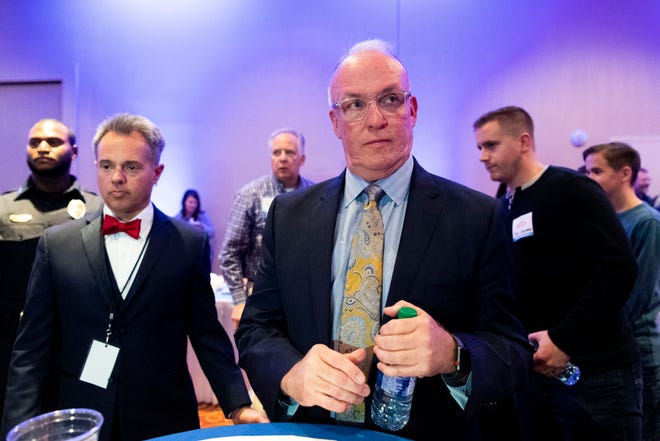
Knoxville state Rep. Eddie Mannis, the first openly gay member of the Republican Party to be elected to Tennessee’s General Assembly, sent a letter to colleagues in opposition to legislation that would restrict how transgender athletes compete in middle and high school sports.
Mannis’ letter was sent Monday to members of the House Education Administration Committee. Mannis is not part of the committee. He is the lone Republican to speak against the bill. His secretary provided a copy of the letter to Knox News on Thursday.
“As we strive to represent ALL of our students, this legislation could very well marginalize a percentage of our kids and have a tremendous impact on them both physically and mentally,” he wrote.
“I trust that you will extend grace and mercy to the circumstance that none of us may totally understand and remember that we are here to represent all our kids … that includes those who may be suffering silently but have the access and right to participate and enjoy the same activities as their classmates.”
The legislation asserts it is unfair for student athletes to compete with each other if they do not share the same biological sex. The bill, which argues boys can be physically stronger than girls and injure them in competition, would effectively ban student participation in school sports under their chosen gender identity.
RELATED:Tennessee’s bill targeting transgender teen athletes clears committees, heads toward final votes
Similar legislation triggered controversy last year and failed to advance in either legislative chamber. While proponents say the bill is about fairness and gender equality, the bill spurred criticism that it discriminates against transgender children.
Debate over the legislation comes following an executive order from President Joe Biden’s administration, which bars gender discrimination, including denying students access to school sports based on their gender identity.
Gov. Bill Lee has said that allowing transgender girls to compete would “destroy women’s sports” as we know them and Thursday, Lt. Gov. Randy McNally, R-Oak Ridge, said though he doesn’t think any transgender athletes are competing in Tennessee high school sports, he’ll likely vote for the bill. McNally previously said lawmakers should “move with caution” on the legislation.
The bill passed committee votes in both the House and Senate, and will be moved to both floors for a final vote, though no date has been set.
Mannis’ main concern about the proposed legislation is the impact on the mental health of students, particularly transgender students, which he said have a much higher rate of suicidal thoughts.
He also relayed a story from his time working in the Knoxville mayor’s office in 2012 he heard from a Knoxville businessman. The man, whom Mannis did not name, said policy that is perceived as being discriminatory or marginalizing makes it hard for the company to recruit to Knoxville and the state.
“Job creators seek states and communities that are welcoming to everyone, including their families, employees and customers,” Mannis wrote.
“This issue will be divisive and will be used against us in general elections for years to come, and likely lead to costly legal battles in the courts,” he continued.
COLUMN:Tennessee’s transgender sports bill is searching for a problem that doesn’t exist
In a statement to Knox News, Mannis said the bill hasn’t been an issue in the state and there are no known examples of problems in middle and high school competition that the bill purports to address.
“I don’t disagree that it may not be the best idea for boys to play on girls’ teams,” he said. “My issue is that transgenders, that have gone through transition therapy, should be exempt from this status. I realize that in Tennessee your birth gender cannot be changed regardless.
“At the end of the day, we must be brave enough to make our own individual decisions and for that, I will have no regret,” he continued.
Shortly after he was elected in November, he told Knox News having himself and Memphis Democrat Torrey Harris, who is bisexual, in the House would be beneficial in spurring conversations on controversial topics.
“I think having two gay men, one Democrat and one Republican, brings a different perspective that maybe (hasn’t) existed in the legislative body ever before,” he said. “In all fairness, there’s no way they can understand that perspective or speak from that perspective.
“I’m sure having a seat at the table when those conversations come around will change that perspective,” he continued. “Or at least will change the conversation. I don’t know if I can say ‘change the perspective,’ but it will definitely change the conversation.”
Mannis’ election to the General Assembly has been a fraught one within his own party. Knox County Republican Party Chairman Randy Pace and others said early on that he wasn’t a true Republican because he had previously voted for Democrats.
Mannis defeated challenger Gina Oster by 99 votes in August’s party primary, but she filed a challenge with the Tennessee Republican Party’s State Executive Committee, saying Mannis is a Democrat and that he received cross-over votes in the Republican primary – meaning Democrats who voted on a Republican ballot. In September committee members overwhelmingly supported his candidacy.

The ugly attack on a fellow lawmaker’s child came after Ms. Newman posted video of herself putting up a transgender pride flag outside her office on Capitol Hill so Ms. Greene, her office neighbor, would have to “look at it every time she opens her door.” In response, Ms. Greene put up a poster of her own in the hallway outside that bore the phrase: “There are TWO genders: MALE & FEMALE.”
Also on Thursday, Senator Chuck Schumer of New York, the Democratic leader, weighed in, lashing out at Mr. Paul and Ms. Taylor Greene — though not by name — during a news conference with Speaker Nancy Pelosi of California in support of the equality bill.
“Their attacks on trans people and the transgender community are just mean, mean and show a complete lack of understanding, a complete lack of empathy,” Mr. Schumer said, adding, “Their despicable comments just make my blood boil with anger. If I didn’t have a mask, you could see my teeth gritting.”
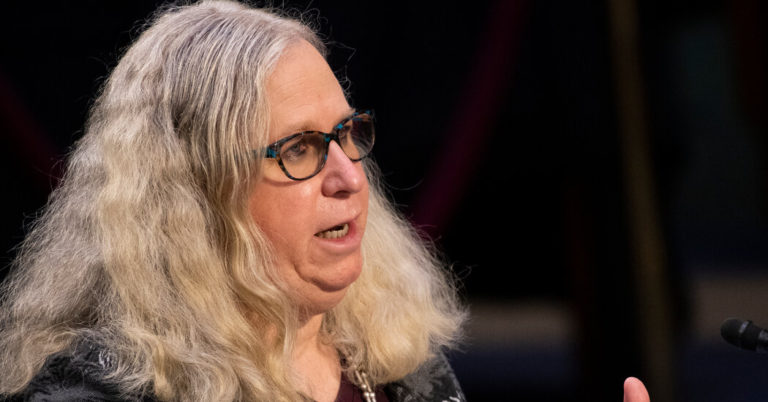
Since Mr. Biden nominated her, Dr. Levine has been subject to attacks on social media and from conservative news outlets that have asserted, without evidence, that she has advocated gender reassignment surgery for minors, which is generally not done in the United States.
Dr. Levine, a pediatrician who previously focused on eating disorders and adolescent mental health, was also the liaison for the L.G.B.T.Q. community for the Office of Diversity at the Penn State College of Medicine.
Her detractors have seized on a 2017 speech she gave describing hormone therapy as a standard of care for transgender youth, and also on a tweet she posted in January 2020 about a study showing that transgender youth with access to puberty blocking drugs are at decreased risk of suicide.
“This study is important because it’s the first to show this specific association,” Dr. Levine wrote.
Catie Edmondson contributed reporting.
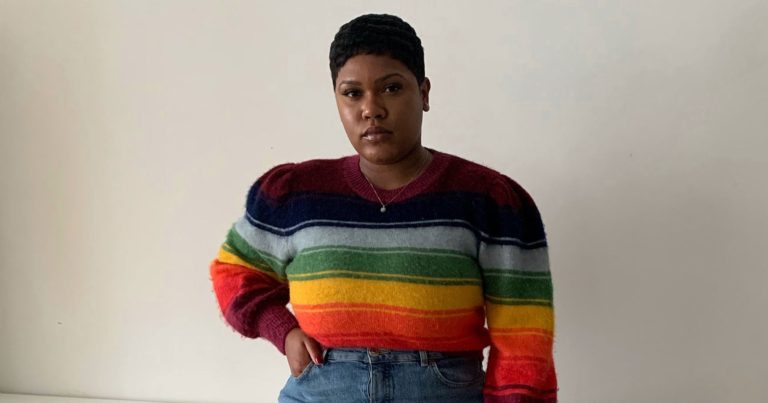
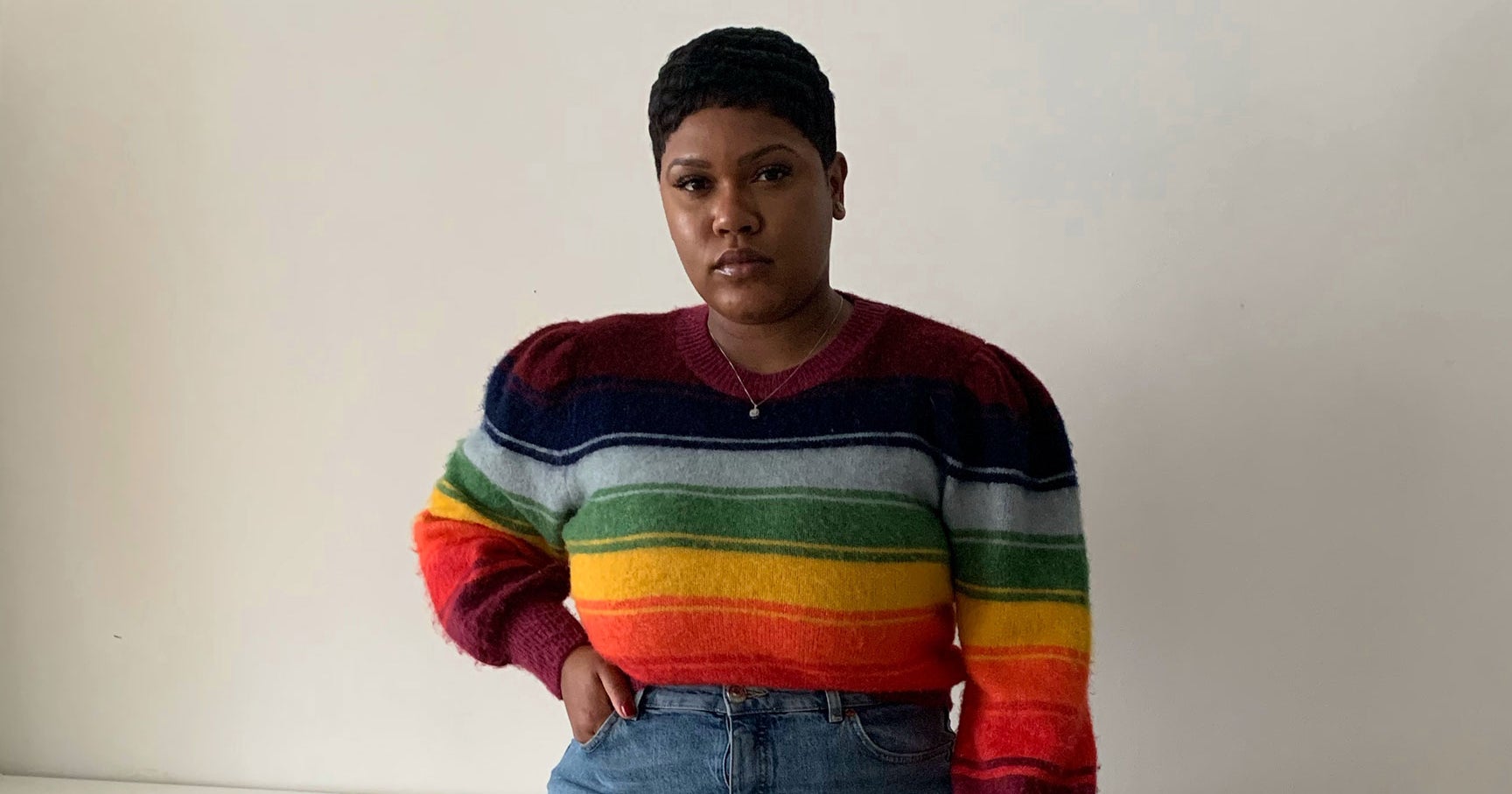
Colour can denote everything from mood to music taste and for queer people, coded colours help show pride loudly or subtly, depending on how safe they feel. These cues are still present today, especially for those of us who feel safer presenting our sexuality in a subtle way to lessen the threat of harassment and abuse. Student Kate Rice, who often wears the pink and purple colours of the bisexual pride flag, says: “I haven’t had super successful experiences coming out in certain aspects of my life – it’s a nice way for me to still feel happy within myself, so I can still wear these [symbols] around people that maybe didn’t accept it.”
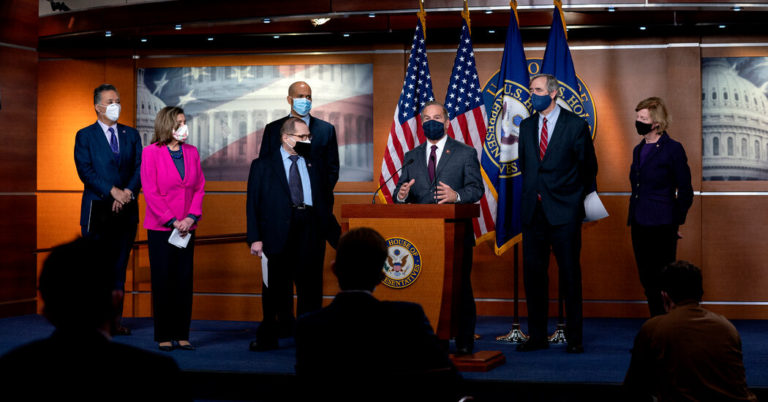

In the House, consideration of the measure devolved into bitter acrimony.
In emotional remarks in support of the bill, Ms. Newman said she was fighting to advance the legislation to ensure that people like her transgender daughter would no longer face discrimination. Ms. Greene responded on Twitter, saying Ms. Newman’s daughter did not “belong in my daughters’ bathrooms, locker rooms, and sports teams.”
The back-and-forth came after Ms. Newman had earlier posted video of herself putting up a transgender pride flag outside her office on Capitol Hill, so Ms. Greene, who has the office across the hall, would have to “look at it every time she opens her door,” Ms. Newman said. In response, Ms. Greene circulated her own video in which she put up a poster of her own outside her office that bore the phrase: “There are TWO genders: MALE & FEMALE.”
Ms. Greene may have been the most vocal in her opposition to the legislation, but it drew fierce criticism from nearly all House Republicans, many of whom argued that the protections were overly expansive and infringed on religious freedom.
“This is a government using its power to tell us to bow down to the will of a cultural elite in this town who want to tell us what we’re supposed to believe,” said Representative Chip Roy, Republican of Texas. “We’re not going to do that.”
Others claimed that the legislation could imperil women’s rights, an argument long used by conservatives to oppose transgender rights legislation, despite the fact that the bill contains protections explicitly to prevent discrimination against women.
Before the vote, Representative Jim Jordan, Republican of Ohio, approvingly shared on Twitter a Wall Street Journal op-ed that asserted that the measure would “threaten the existence of women’s prisons, public-school girls’ locker rooms, and women’s and girls’ sports teams.”
“One of the many reasons to oppose this bill,” Mr. Jordan wrote.
The legislation has won the support of several civil rights groups as well as high-profile leaders in the business community, including Coca-Cola, IBM, Microsoft and the U.S. Chamber of Commerce.
Sheryl Gay Stolberg contributed reporting.

By TOM STRODE, Baptist Press
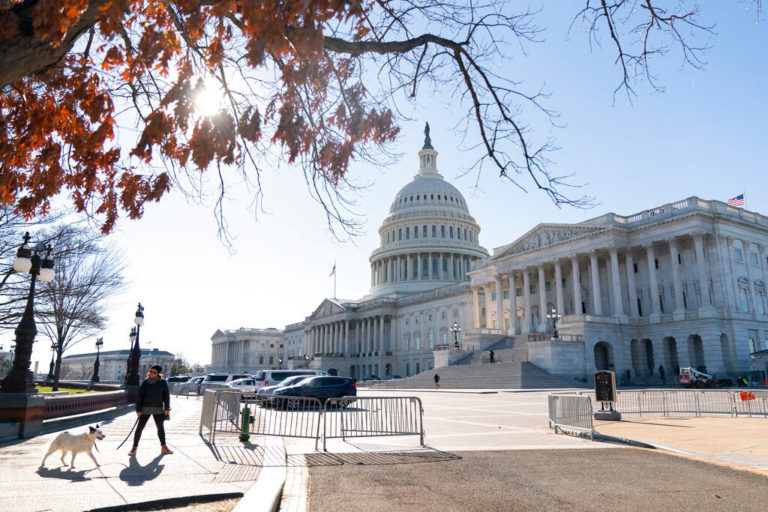
WASHINGTON (BP) – The U.S. House of Representatives passed Thursday for the second time a far-reaching gay and transgender rights proposal that opponents warn would have calamitous effects on freedom of religion and conscience, as well as protections for women, girls and unborn children.
The Democratic-controlled House voted 224-206 for the Equality Act, H.R. 5, which would add “sexual orientation” and “gender identity” to the classifications protected in federal civil rights law. “Sexual orientation” includes homosexuality, bisexuality and pansexuality, while “gender identity” refers to the way a person perceives himself regardless of his biology at birth. Three Republicans voted with all the Democrats in support of the legislation.
President Biden has endorsed the bill, but the measure will face difficulty in the Senate, where supporters will need 60 votes to overcome an expected filibuster.
The House passed the Equality Act in a 236-173 vote in 2019, marking the first time a bill to bar discrimination against people who identify as gay or transgender has gained approval in a congressional chamber. The Senate, controlled at that time by Republicans, declined to act on the measure.
Advocates for the Equality Act say it is needed to protect throughout the country the rights of lesbian, gay, bisexual, transgender and questioning (LGBTQ) people in such categories as employment, housing and public accommodations – which include establishments that provide goods, services or programs, as well as, according to the bill, health-care providers.
Opponents, which include some feminists, say they oppose unjust discrimination but contend the Equality Act would – among other ill effects – coerce behavior in violation of religious beliefs, roll back women’s rights and threaten pro-life laws. The proposal even precludes the use of the Religious Freedom Restoration Act (RFRA), a 1993 law protecting the free exercise of religion, as a possible protection in cases covered by the measure.
“In our lifetime, there has not been such a significant attack on religious liberty” as the Equality Act, said J.D. Greear, president of the Southern Baptist Convention. “Our Gospel teaches us to live at peace with all in our society and that all people are worthy of respect as image bearers of God and entitled to the rights therein.
“We love our LGBTQ neighbors and want to see them treated as equals and protected as citizens. H.R. 5 does not do that,” Greear said in a written statement. “It is governmental overreach, seeking to normalize a view of sexuality and gender that Jews, Christians, Muslims and millions of Americans from other religious backgrounds have found not only wrong but harmful for humanity, forcing that viewpoint on us and on our children.
“Unfortunately, H.R. 5 undermines rather than advances the cause of human dignity, not only punishing religious organizations, but also harming hundreds of thousands of vulnerable people whom these organizations serve. We want equity. This isn’t it. We unequivocally and categorically renounce this bill.”
Russell Moore, president of the Southern Baptist Ethics & Religious Liberty Commission (ERLC), said the Equality Act “is poorly named because, among other negative effects, it would punish faith-based charities for their core religious beliefs. Every human being ought to be treated with dignity, but government policy must continue to respect differences of belief.”
The bill “would have harmful consequences, and it should not be passed into law,” Moore said in written comments. “Congress would make the situation worse in this country with this legislation, both in terms of religious freedom and in terms of finding ways for Americans who disagree to work together for the common good.”
Ronnie Floyd, president of the SBC Executive Committee, called it “a sad day in American history.”
The Equality Act “undermines everything we believe the Bible teaches about gender and the uniqueness of each human life. Gender is not fluid,” Floyd said in written remarks. “The deceitfulness of this legislation erodes the personal liberty of doctors and nurses who are pro-life, taking away their personal protection of having to participate in the godless abortion industry.
“Legislation like this reminds us that every election matters, and oftentimes, human life and personal liberty are lost,” he said. “I pray the U.S. Senate rejects this assault on liberty.”
In an article published Feb. 23, the ERLC said the proposal would:
The legislation “would essentially gut” RFRA, according to the ERLC. Congress approved the law nearly unanimously as a corrective to a damaging Supreme Court ruling, and President Clinton signed it into law. The 1993 law requires the government to have a compelling interest and use the narrowest possible means in burdening a person’s religious exercise. By subverting RFRA, the Equality Act “would force faith-based child welfare organizations to abandon their deeply held religious beliefs or be shut down by the state,” the ERLC said.
The Equality Act would alter the “legal understanding of gender as male and female,” the ERLC said. As a result, it “disregards the privacy and safety concerns women rightly have about sharing sleeping quarters and intimate facilities with the biological opposite sex” in settings such as shelters and locker rooms, according to the entity. By opening female competition to males, the measure would threaten achievements by women and girls in athletics and academics, the ERLC said.
The proposal would redefine “sex” also to consist of “pregnancy, childbirth, or a related medical condition,” according to the ERLC. It would erode conscience protections for pro-life health-care workers and imperil bans on taxpayer funding of abortion, the ERLC said.
The National Right to Life Committee told Congress in a Feb. 19 letter it is “well established [by a federal appeals court ruling] that abortion will be regarded as a ‘related medical condition.’ In short, the Equality Act may be construed to create a right to demand abortion from health care providers and to destroy conscience protections for health care providers.”
Kristen Waggoner – general counsel of Alliance Defending Freedom, a leading religious liberty organization – has said of the proposal, “Many in our nation respectfully disagree on important matters such as marriage and human sexuality. Unfortunately, the Equality Act criminalizes these fundamental beliefs held by major faith groups since the dawn of time and, instead, demands absolute uniformity of thought.”
The Human Rights Campaign (HRC), the country’s largest LGBTQ civil rights organization, welcomed the House action. HRC President Alphonso David tweeted his gratitude to Speaker of the House Nancy Pelosi and “our champions in Congress for their commitment to LGBTQ equality & for advancing this legislation on behalf of all Americans.”
The House passage of the Equality Act came two days after the Biden administration’s Department of Education informed the Connecticut Interscholastic Athletic Conference it was withdrawing a notice that the association and the six school districts violated Title IX protections for women and girls by permitting males who identify as females to compete in girls’ sports. The letter announced the Department of Education Office for Civil Rights’ reversal of a pending enforcement action expressed in two 2020 letters by the same office during the Trump administration.
In June of last year, the U.S. Supreme Court issued a watershed decision regarding federal employment law by ruling in a 6-3 opinion the category “sex” in Title VII of the 1964 Civil Rights Act applies to LGBTQ employees.
More than half of the 50 states already have protections against LGBTQ discrimination. Twenty-two states and the District of Columbia have laws explicitly banning discrimination based on “sexual orientation” and “gender identity,” according to the Movement Advancement Project. Six more states interpret existing law as prohibiting such discrimination, and one state bars discrimination based only on “sexual orientation.” Twenty-one states have no explicit prohibitions.
The Movement Advancement Project describes itself as a think tank that provides research to help hasten equality for LGBT people.
“Sexual orientation” and “gender identity,” or SOGI, policies in some states have especially affected some businesses, including wedding vendors. Adoption agencies, religious colleges, ministries for the needy and churches are among the organizations that have faced legal action for their commitment to marriage as a male-female institution, their determination to maintain policies in keeping with their beliefs and their willingness to protect privacy by preventing people of the opposite sex from using restrooms and locker rooms.
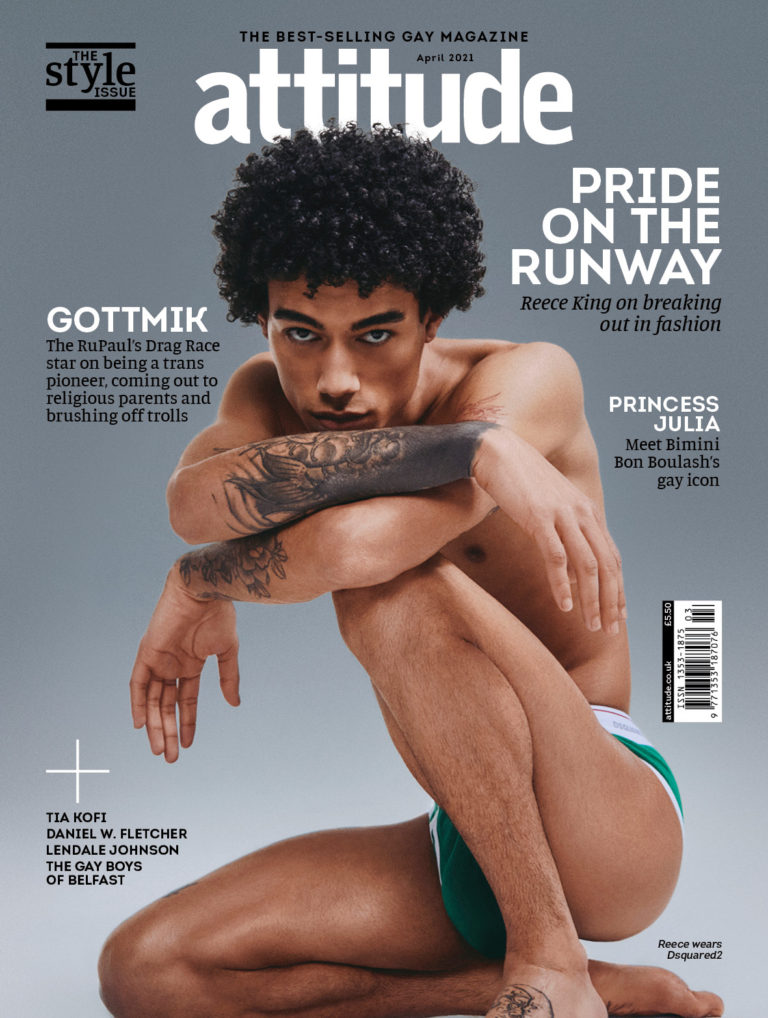
The fashion world has always been a staunch supporter of the LGBTQ+ community. But while many top designers and creative directors are gay, on the modelling side representation is still all too lacking, with casting directors continuing to rely heavily on heteronormative stereotypes when deciding on the face of their new campaign or collection.
For the Attitude April Style issue, out now to download and to order globally, we invited three out and proud male models – Reece King, Billy Langdon and Marcus Hodson – to share their experience of being queer in the modelling industry, and how things are slowly but surely changing for the better.

Reece King for the Attitude April Style issue. Reece wears underwear by Dsquared2 (Photography by Eddie Blagbrough; styling by Joseph Kocharian)
26-year-old Reece King, who has shot for top fashion brands including Calvin Klein and Jean Paul Gaultier, admits “a lot of brands still aren’t OK” with hiring male models who express themselves in a more feminine way.
“I can’t speak for anyone, but from my experience around male models, sometimes there’s a portrayal of what you need to do to get booked”, says Reece.
“I think a lot of it is personality and attitude. And for some reason, I think certain places think it’s easier to just go with the ‘straightest’ male. But obviously, times are changing.”
Of his own sexuality, Essex-born Reece, who has previously identified as bisexual, says: “I don’t know if I really do identify with being ‘bi’. I feel like I’m more comfortable with just saying gay or queer, but that doesn’t ultimately mean that I don’t have some form of connection or interest in women.

Reece wears Givenchy (Photography by Eddie Blagbrough; styling by Joseph Kocharian)
“But at the same time, the spectrum of what a woman is and what a man is — this is so loose to me, it’s not as restricted, but I think that I’m comfortable with saying, ‘I’m just not straight’.
“No matter what label is used, I do think it makes it a bit difficult because some people want it in black and white… to be so precise. But because the spectrum is so big, I can’t really whittle it down to black and white.”
Marcus Hodson began modelling after being scouted in Manchester at the age of 18 and has fronted campaigns for cosmetics giants including Clarins and L’Oréal.
The 25-year-old says that after initially struggling with the often macho environment of a casting room filled with straight male competitors, he’s grown in confidence.

Marcus Hodson for the Attitude April Style issue. Marcus wears waistcoat and trousers by Dsquared2 (Photography by Eddie Blagbrough; styling by Joseph Kocharian)
“I’ve only really [recently] properly come to terms with being, like, ‘Oh yeah, I’m gay and I’m proud,” he says.
“Sometimes the industry can be quite hyper-masculine, and it’s a struggle to be, like, ‘No, this is me, this isn’t what I’m doing’. [Being out has] given me confidence to be, like, ‘Yeah, fuck it, this is where I’m at, this is what I’m doing’. And I’m really grateful for it.”
“I’ve only [recently] started becoming comfortable, especially if I’m in a room with straight lads. I don’t know why I am [like] that. But I’m getting better at it.
He continues: “Since I started dating my boyfriend, I just feel a lot more, like, ‘Fuck it, why am I arsed about this? This is who I am’.

Marcus wears Dsquared2 (Photography by Eddie Blagbrough; styling by Joseph Kocharian)
“In terms of the toxic masculinity, LGBTQ+ people have found different avenues to excel and express themselves, whereas I think you are quite limited with what you can do as a stereotypical male model. I think being LGBTQ+ within modelling and doing the kind of stuff that I’ve been doing gives me a lot more freedom to express myself.”
“That’s what’s given me the confidence, which is sick, and I absolutely love.”
Billy Langdon has been modelling for just two years after being scouted via Instagram at 17 and moving from the West Midlands to London to pursue a career in front of the camera.
“As a child, I was always unapologetically me and I never let myself really fall into those gender norms that are pushed on to you,” says Billy, now 20.

Billy Langdon for the Attitude April Style issue. Billy wears tank top and leather trousers by Dsquared2 (Photography by Eddie Blagbrough; styling by Joseph Kocharian)
“I wasn’t a boy that loved to play football, I was never really boisterous. I never had really boyish friends. Even when I was younger, I was always finding more things in common with the girls.
“I love playing with both feminine and masculine energy, because that’s where I find myself on the spectrum… I think it’s only toxic when you try to put yourself in one box and you don’t let yourself out of it or explore it.”
Billy says the pressure on models to appeals to certain audiences can often prevent them from full expressing themselves – but that picture is beginning to improve.
“There’s a lot of stigma still surrounding what an LGBTQ+ person is [in the fashion world]. It’s kind of hard for the world to wrap their heads around the idea of male models who aren’t necessarily feminine or hyper-masculine”, he says.

Billy wears Valentino (Photography by Eddie Blagbrough; styling by Joseph Kocharian)
“They [male models] can have a problem with adjusting [to] that kind of ideal, and I think that can add a lot of pressure to people and make the idea of coming out more intimidating when you think you have to live up to a certain ideal, or you have to have certain characteristics.”
He adds: “But doors are gradually opening, and we are being more inclusive. I would say there’s definitely still a long way to go.
“I think that the entire spectrum deserves to be celebrated, and everyone on that spectrum deserves to see themselves [represented] in the media on some level, in some way.”
See the full shoot and interview in the Attitude April Style issue, out now to download and to order globally.
Subscribe in print and get your first three issues for just £1 each, or digitally for just over £1.50 per issue.

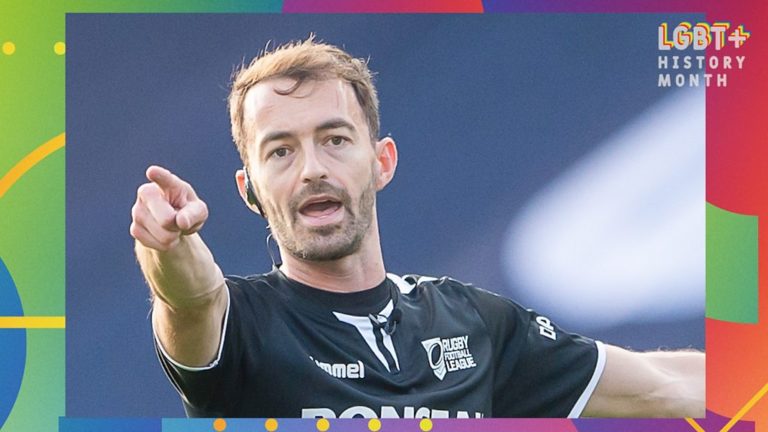
Child wants to ‘help educate’ people and encourage respect
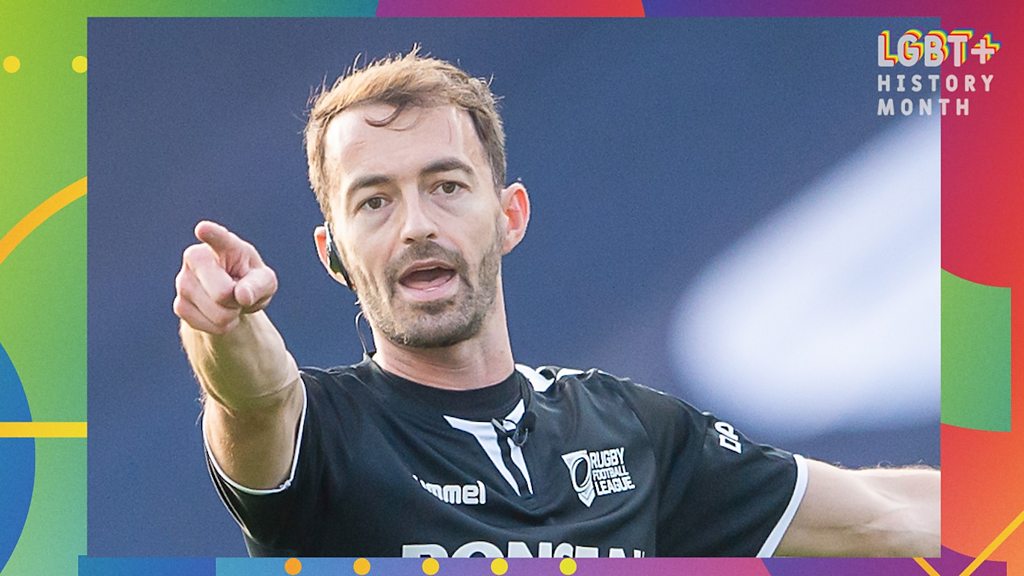
Super League referee James Child has not spoken publicly about his sexuality before – but this is not his ‘coming out’ story.
It’s been a long time since Child was ‘in’ – with his family, friends and refereeing colleagues all aware that he’s gay.
In an exclusive interview for the BBC’s LGBT Sport Podcast, Child has become one of the highest-profile names in rugby league to open up about being gay.
“It’s better to be who you are, and comfortable in who you are,” he says.
Child, 37, was appointed a Super League referee by the Rugby Football League (RFL) in 2010 and officiated the Grand Final in 2017 at Old Trafford.
“The way I’ve lived my life on social media, I’m pretty open about the fact I have a male partner,” he says.
“I don’t necessarily broadcast it but just live my life normally, and that’s the way I’ve chosen to deal with it up until now. And in many ways, my sexuality and my job are completely separate and it’s irrelevant.
“When I run out there and make a decision, it doesn’t matter whether I’m gay or straight. What matters is whether the decision is right or wrong.”
Child’s decision to talk about his sexuality is driven by a number of factors.
There is still more than a month to go until the new Super League season starts, which means he can share his story without worrying about it overshadowing any action on the pitch.
But there’s also another issue.
Like many elite officials, Child gets plenty of abuse – including some of a homophobic nature.
“I do receive my fair share, including a couple of death threats over the past few years that have been referred to the police,” he says.
“I’m not saying that’s all to do with my sexuality, but I certainly think one, if not two of those, were homophobic.”
Child says he’s also received homophobic abuse during games that has been “specifically directed” at him and not other officials or players.
“By me speaking about this publicly, there can’t then be a situation where somebody is homophobic, but denies knowing I’m gay,” he says.
“I’m not denying people their opportunity to go to a game and shout at me as a referee. By all means, do it! Carry on doing it! I’m used to it!
“But when you start bringing religion or disability or sexual orientation into it, we don’t need that level of personalisation.
“If this will help educate people and get us all to be a little more respectful to each other, then that’s great.”
Child admits he, like many people in the LGBT+ community, took time coming to terms with his sexuality.
“As I’ve grown older, I’ve become more comfortable with it,” he says.
“If this helps give other people a bit of courage to speak to their families or friends or work colleagues, then just do it.
“I’ve never had a bad reaction to telling anybody, and I built it up worse than it actually was in some ways.
“I was blown away by how my grandma reacted, for example. She didn’t bat an eyelid! She said: ‘As long as you’re happy, I still love you.'”
Since the start of the Covid-19 pandemic, Child has had a fairly typical lockdown experience.
There’s been baking, TV binge-watching, plenty of long walks with his dog, and a new addition to the family in the form of Pearl – a kitten that Child and his partner rescued from the roadside at the start of the first lockdown.
But like everyone involved in elite sport, the referee is anxious to get back to some form of normal.
“It was strange last year when we started refereeing behind closed doors,” he says.
“Those moments when you walk out of the tunnel and hear the music playing, but there’s no crowd noise, are very strange.
“It won’t feel normal until we start getting fans back in, and hopefully that will happen sooner rather than later but still, it’ll be great to get back out there.”


Apple has earmarked at least $100 million to support social causes since this summer.
James Martin/CNETApple is helping a Utah-based nonprofit expand in four states, offering a community center for LGBTQ youths and families. The program, called Encircle, launched in 2017 and operates out of houses it remodels to offer services like art and music studios, community classes and service projects. It also offers free and subsidized group and individual therapy sessions.
“All people should feel safe and supported enough to be open about who they are with their community and themselves,” Apple CEO Tim Cook said in a statement Thursday. “Encircle is helping to bridge divides and bring people together — sending a powerful message that the greatest thing you can aspire to become is who you truly are.”

An Encircle home in Provo, Utah.
Encircle/AppleEncircle said the money will help its efforts to open eight new homes in Arizona, Idaho, Nevada and its home state of Utah. Apple made its investment alongside Ryan Smith and his wife, Ashley, the owners of the Utah Jazz basketball team. Imagine Dragons lead singer Dan Reynolds and his wife, musician Aja Volkman, also donated Reynolds’ childhood home to the organization. Apple will offer iPads and other products in addition to its $1 million donation.
The move marks Apple’s latest moves with social justice initiatives, which expanded amid racial strife across the US last summer. At the time, Apple said it planned to spend $100 million on education, economic equality and criminal justice reform. Cook said back then it was in order to “challenge the systemic barriers to opportunity and dignity that exist for communities of color, and particularly for the black community.”
Cook’s signaled his interest in charitable giving short after being named CEO in 2011. About a month after he took the job, Cook dipped into Apple’s pile of cash and equivalents, to start employee donation matching programs for up to $10,000 per year. In 2012, Cook told employees Apple had also given $50 million each to Stanford University and Product RED, a products brand of which a portion of proceeds go to help fight AIDS around the world.

Tim Cook, during a virtual Apple product launch event, last year.
AppleCook, who grew up in Alabama during the 1960s and out as gay since 2014, has spoken out on LGBTQ issues.
Apple’s $1 million investment in Encircle may seem small in comparison to some of its other efforts, but organization head Stephanie Larsen said its programs — which have shifted online during the pandemic — are as important as ever. “Studies repeatedly have shown that LGBTQ+ youth across the country struggle with depression and suicidality far more than their heterosexual peers, and the pandemic has made that sense of isolation so many feel harder than ever before,” she said in a statement. “This incredible support makes our nationwide expansion possible and will improve countless LGBTQ+ lives — reminding them that they are perfect, just as they are.”
WASHINGTON, D.C. — About one in 10 LGBT adults in the U.S. (9.6%) are married to a same-sex spouse, with a slightly smaller proportion (7.1%) living with a same-sex domestic partner. Half of LGBT adults have never been married, while 11.4% are married to an opposite-sex spouse and 9.5% are either divorced or separated.
Overall, less than 1% of U.S. adults are married to a same-sex spouse. The greatest percentage of Americans, 47.7%, are married to an opposite-sex spouse.
U.S. Adults’ and LGBT Adults’ Marital Status
| U.S. adults | LGBT adults | ||||||||||||||||||||||||||||||||||||||||||||||||||||||||||||||||||||||||||||||||||||||||||||||||||
|---|---|---|---|---|---|---|---|---|---|---|---|---|---|---|---|---|---|---|---|---|---|---|---|---|---|---|---|---|---|---|---|---|---|---|---|---|---|---|---|---|---|---|---|---|---|---|---|---|---|---|---|---|---|---|---|---|---|---|---|---|---|---|---|---|---|---|---|---|---|---|---|---|---|---|---|---|---|---|---|---|---|---|---|---|---|---|---|---|---|---|---|---|---|---|---|---|---|---|---|
| % | % | ||||||||||||||||||||||||||||||||||||||||||||||||||||||||||||||||||||||||||||||||||||||||||||||||||
| Married to opposite-sex spouse | 47.7 | 11.4 | |||||||||||||||||||||||||||||||||||||||||||||||||||||||||||||||||||||||||||||||||||||||||||||||||
| Married to same-sex spouse | 0.6 | 9.6 | |||||||||||||||||||||||||||||||||||||||||||||||||||||||||||||||||||||||||||||||||||||||||||||||||
| Living with opposite-sex domestic partner | 8.1 | 9.2 | |||||||||||||||||||||||||||||||||||||||||||||||||||||||||||||||||||||||||||||||||||||||||||||||||
| Living with same-sex domestic partner | 0.4 | 7.1 | |||||||||||||||||||||||||||||||||||||||||||||||||||||||||||||||||||||||||||||||||||||||||||||||||
| Single/Never married | 22.9 | 50.5 | |||||||||||||||||||||||||||||||||||||||||||||||||||||||||||||||||||||||||||||||||||||||||||||||||
| Separated | 2.4 | 2.0 | |||||||||||||||||||||||||||||||||||||||||||||||||||||||||||||||||||||||||||||||||||||||||||||||||
| Divorced | 9.5 | 7.5 | |||||||||||||||||||||||||||||||||||||||||||||||||||||||||||||||||||||||||||||||||||||||||||||||||
| Widowed | 5.9 | 2.5 | |||||||||||||||||||||||||||||||||||||||||||||||||||||||||||||||||||||||||||||||||||||||||||||||||
| No opinion | 2.6 | 0.4 | |||||||||||||||||||||||||||||||||||||||||||||||||||||||||||||||||||||||||||||||||||||||||||||||||
| Based on aggregated data from 2020 Gallup polls | |||||||||||||||||||||||||||||||||||||||||||||||||||||||||||||||||||||||||||||||||||||||||||||||||||
| Gallup | |||||||||||||||||||||||||||||||||||||||||||||||||||||||||||||||||||||||||||||||||||||||||||||||||||
These results are based on aggregated data from 2020 Gallup surveys, encompassing interviews with more than 15,000 U.S. adults. According to Gallup’s latest estimate, 5.6% of U.S. adults identify as lesbian, gay, bisexual or transgender, with over half of them saying they are bisexual. LGBT identification is most prevalent among young adults, explaining the high proportion of the subgroup that has never been married.
The percentage of LGBT adults in same-sex marriages appears to have leveled off after increasing following the Supreme Court’s 2015 Obergefell v. Hodges decision that legalized same-sex marriages nationwide. In the six-month period before the Obergefell ruling, Gallup found that 7.9% of LGBT adults were in same-sex marriages. That percentage increased to 9.6% in the first year after the decision (through June 2016) and is the same in the 2020 average.
However, because of the growth in LGBT identification in recent years, coupled with the growth in the U.S. population more generally, the number of same-sex marriages has likely increased significantly. In the pre-Obergefell decision period, Gallup estimated that 0.3% of U.S. adults overall were married to a same-sex spouse. In the first year after that ruling, the proportion of U.S. adults in same-sex marriages was 0.4%, and is 0.6% today.
Extrapolating those percentages to the U.S. population suggests that an estimated 1.5 million U.S. adults are married to a same-sex spouse, which would translate to about 750,000 same-sex marriages. Previously, Gallup estimated there were 368,000 same-sex marriages before the Obergefell decision and 491,000 in the first 12 months after it.
Same-sex marriage rates are similar among most demographic subgroups of U.S. adults, although the percentage does exceed 1% among higher-socioeconomic-status Americans — those in upper-income households (annual incomes of $100,000 or more) and those with education beyond a four-year college degree. The percentage of people married to a same-sex spouse also exceeds 1% among political liberals, Democrats and those with no religious affiliation.
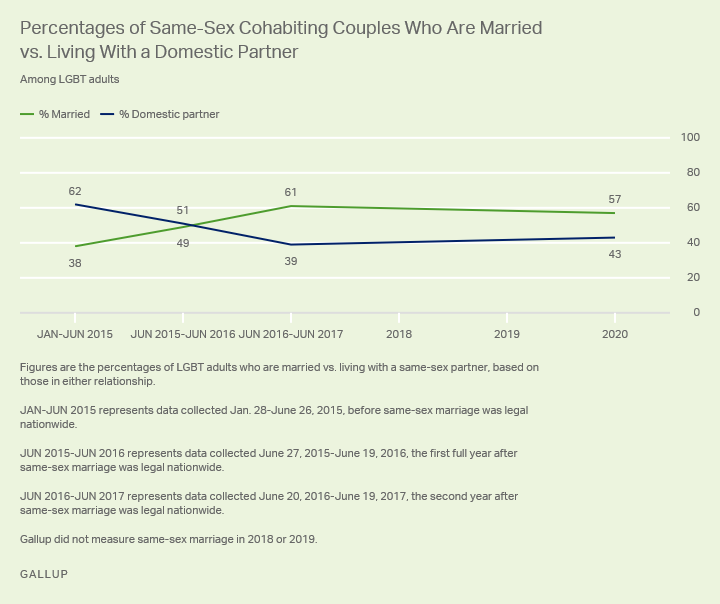
Additionally, Gallup trends show that same-sex cohabiting couples are increasingly opting for marriage rather than domestic partnership. In the months leading up to the nationwide legalization of same-sex marriage in 2015, many more LGBT Americans in same-sex cohabiting couples were living together but not married (62%) as opposed to being married (38%). In the first 12 months after same-sex marriages were legalized, the split was roughly even, with 49% being married and 51% not married. Since then, about six in 10 same-sex couples have been married, including 57% in the 2020 data.
Line graph. Proportion of same-sex cohabiting couples who are married versus domestic partners. From January to June 2015, before the Supreme Court ruled same-sex marriages were legal, 62% of same-sex cohabiting couples were domestic partnerships and 38% were married. In the first year after the Supreme Court ruling, 51% were domestic partnerships and 49% marriages. Since then, the majority of same-sex cohabiting couples have been marriages.
Notably, same-sex marriages are largely confined to gay, lesbian or transgender adults. Only 1.0% of bisexual adults — who comprise the largest segment of the LGBT population — report being married to a same-sex spouse. Meanwhile, 17.2% of bisexual adults are married to a spouse of the opposite sex, which explains why LGBT adults overall are somewhat more likely to be married to an opposite-sex spouse than to someone of the same gender.
Bisexual adults are also much less likely to have a same-sex domestic partner (2.7%) than to have an opposite-sex domestic partner (13.3%), which also leads to more LGBT adults in opposite-sex than same-sex domestic partnerships.
As might be expected, the patterns are different among gay and lesbian adults, who are much more likely to be in same-sex marriages and domestic partnerships than to be married to or in domestic partnerships with members of the opposite sex. Still, close to half of gay and lesbian adults identify their marital status as single.
Marital Status Among U.S. Adults Who Identify as Bisexual vs. Gay or Lesbian
| Bisexual adults | Gay/Lesbian adults | ||||||||||||||||||||||||||||||||||||||||||||||||||||||||||||||||||||||||||||||||||||||||||||||||||
|---|---|---|---|---|---|---|---|---|---|---|---|---|---|---|---|---|---|---|---|---|---|---|---|---|---|---|---|---|---|---|---|---|---|---|---|---|---|---|---|---|---|---|---|---|---|---|---|---|---|---|---|---|---|---|---|---|---|---|---|---|---|---|---|---|---|---|---|---|---|---|---|---|---|---|---|---|---|---|---|---|---|---|---|---|---|---|---|---|---|---|---|---|---|---|---|---|---|---|---|
| % | % | ||||||||||||||||||||||||||||||||||||||||||||||||||||||||||||||||||||||||||||||||||||||||||||||||||
| Married to opposite-sex spouse | 17.2 | 0.3 | |||||||||||||||||||||||||||||||||||||||||||||||||||||||||||||||||||||||||||||||||||||||||||||||||
| Married to same-sex spouse | 1.0 | 23.9 | |||||||||||||||||||||||||||||||||||||||||||||||||||||||||||||||||||||||||||||||||||||||||||||||||
| Living with opposite-sex domestic partner | 13.3 | 1.6 | |||||||||||||||||||||||||||||||||||||||||||||||||||||||||||||||||||||||||||||||||||||||||||||||||
| Living with same-sex domestic partner | 2.7 | 15.9 | |||||||||||||||||||||||||||||||||||||||||||||||||||||||||||||||||||||||||||||||||||||||||||||||||
| Single/Never married | 55.5 | 47.8 | |||||||||||||||||||||||||||||||||||||||||||||||||||||||||||||||||||||||||||||||||||||||||||||||||
| Separated | 1.0 | 1.3 | |||||||||||||||||||||||||||||||||||||||||||||||||||||||||||||||||||||||||||||||||||||||||||||||||
| Divorced | 8.0 | 6.1 | |||||||||||||||||||||||||||||||||||||||||||||||||||||||||||||||||||||||||||||||||||||||||||||||||
| Widowed | 1.4 | 1.9 | |||||||||||||||||||||||||||||||||||||||||||||||||||||||||||||||||||||||||||||||||||||||||||||||||
| No opinion | 0.0 | 1.0 | |||||||||||||||||||||||||||||||||||||||||||||||||||||||||||||||||||||||||||||||||||||||||||||||||
| Based on aggregated data from 2020 Gallup polls; Gallup does not have sufficient data to report reliable, separate estimates for gay vs. lesbian adults, or for transgender adults. | |||||||||||||||||||||||||||||||||||||||||||||||||||||||||||||||||||||||||||||||||||||||||||||||||||
| Gallup | |||||||||||||||||||||||||||||||||||||||||||||||||||||||||||||||||||||||||||||||||||||||||||||||||||
Gallup does not have sufficient data for transgender adults to yield reliable estimates of marital status among that group.
Same-sex marriages are not common in the U.S., or even very common among LGBT adults. But they are becoming more prevalent in the U.S. because of the increase in the LGBT population more generally and because more same-sex cohabiting couples are opting to marry rather than be unmarried partners.
What is unclear is how marital rates among LGBT adults will change as the population grows older and many reach the age when they would want to be in a committed relationship. Though it has been more than five years since same-sex marriage became legal, LGBT adults aged 30 and older are much more likely than non-LGBT adults in the same age group to describe their marital status as single (27.5% vs. 10.9%, respectively).
But decisions about entering committed relationships will be coming at a time when societal trends and attitudes are moving away from marriage. The 48% of Americans who reported being married in 2020 is down from 55% less than a generation ago, in 2006. Additionally, fewer Americans today than in the recent past believe it is important that people be married if they have children together, or if they want to spend the rest of their lives together.
It is unclear what those attitudes are among LGBT Americans, but young adults, nonreligious people, Democrats and political liberals — the subgroups most likely to be LGBT — are among the least likely subgroups to see marriage as being relevant.
And while many LGBT adults may decide not to get married, Americans increasingly support their right to marry a same-sex partner if they choose to do so.
Learn more about how the Gallup Poll Social Series works.
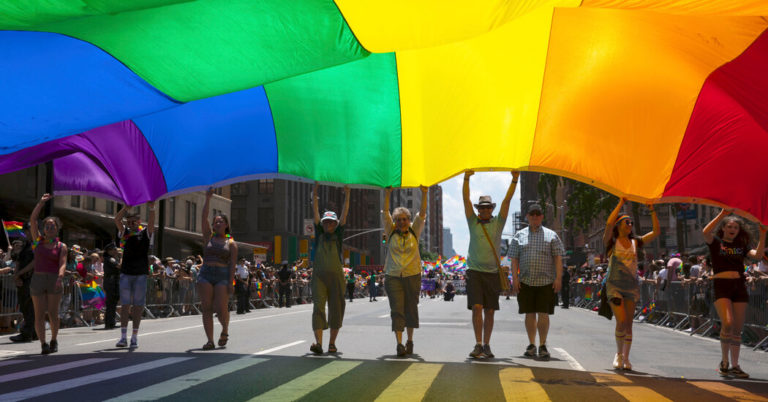

A Gallup survey released Wednesday has found that more adult Americans are identifying as L.G.B.T., a shift that pollsters see as driven, at least in part, by people in younger generations who are more likely to consider themselves to be something other than heterosexual.
The poll found that 5.6 percent of adults identified as lesbian, gay, bisexual or transgender, rising from 4.5 percent in 2017, the last time Gallup reported an annual update. The poll also found that more than half of L.G.B.T. adults identified as bisexual.
One in six adults in Generation Z, people born between 1997 and 2002, identify as L.G.B.T., the poll found. The growth in Americans who identify as L.G.B.T.Q. is likely to continue to increase, Gallup’s senior editor, Jeffrey Jones, wrote in announcing the results. That is because those in younger generations are more likely than those in older generations to to consider themselves L.G.B.T., he said.
Americans have been more supportive of equal rights for L.G.B.T.Q. people, Mr. Jones said, prompting an increase in people who identify themselves as L.G.B.T.
“I think the findings prove that visibility and acceptance, when combined, will bust out closet doors,” said Sarah Kate Ellis, the president and chief executive of GLAAD, an L.G.B.T.Q. media organization and advocacy group.
The survey was based on more than 15,000 interviews conducted throughout 2020 with Americans in all 50 states and the District of Columbia who were 18 or older. Those surveyed were interviewed by both cellphone and landline. They were asked: “Which of the following do you consider yourself to be? You can select as many as apply: straight or heterosexual; lesbian; gay; bisexual; transgender.”
Gallup said the poll’s margin of error was plus or minus one percentage point for all adults, and plus or minus five percentage points for L.G.B.T. adults.
The identity question in the most recent poll was more detailed than in previous years, Mr. Jones said. Respondents answered their precise sexual orientation instead of answering “yes” or “no” to whether they identified as L.G.B.T.
The Supreme Court has made several landmark rulings in the past decade, adding to a more supportive climate for L.G.B.T.Q. people. In 2013, the court ruled that married same-sex couples were entitled to federal benefits. In 2015, the court ruled that same-sex marriage was a nationwide right. Most recently, it ruled in June that civil rights law protected gay and transgender workers.
But challenges continue for L.G.B.T.Q. Americans. Although hundreds of religious leaders around the world signed a declaration demanding a global ban on conversion therapy, which seeks to change the sexual orientations of L.G.B.T.Q. people, only about 20 states have some form of a ban on the disputed approach. During President Donald J. Trump’s administration, the rollback of rights for transgender people extended through the entire federal government.
An annual report by GLAAD also found this year that L.G.B.T.Q. representation on television had fallen for the first time in five years.
The U.S. House of Representatives is likely to vote this week on the Equality Act, a bill that would expand protections against discrimination based on sexual orientation and gender identity, NPR reported.
While leading L.G.B.T.Q. advocacy groups were encouraged that the Gallup results matched their independent polls, leaders said there was more to be done to make the estimates more inclusive for people who identify in other ways or are gender nonconforming.
“You’re not just erasing their identity, but you’re missing an opportunity to understand the complexity of lived experiences,” said Amit Paley, the chief executive and executive director of the Trevor Project, an organization that aims to prevent suicides in young L.G.B.T.Q. people.
For leaders, the poll also highlights a perpetual issue in gathering data on L.G.B.T.Q. people that could influence new policies.
“We don’t actually know how many L.G.B.T.Q. people in this country die by suicide because death records don’t include data on gender identity or sexual orientation, which is erasing L.G.B.T.Q. people in important ways,” Mr. Paley said.


When my cat scratched up my Peloton bike mat, I figured it wouldn’t make much of a difference if I just got rid of it entirely. Boy was I wrong — between the cycling shoes making scuff marks on the floor, my gross sweat forming a slippery puddle around me, and worse, the bike wobbling around during high-impact classes, it became obvious to me why a bike mat is one of the most important Peloton accessories.
Whether you need to replace the one your cat has destroyed, or you’ve come to the realization that your rides would feel a lot more comfortable with some extra padding underneath your bike, here are 10 of the best mats perfectly suited for the Peloton.
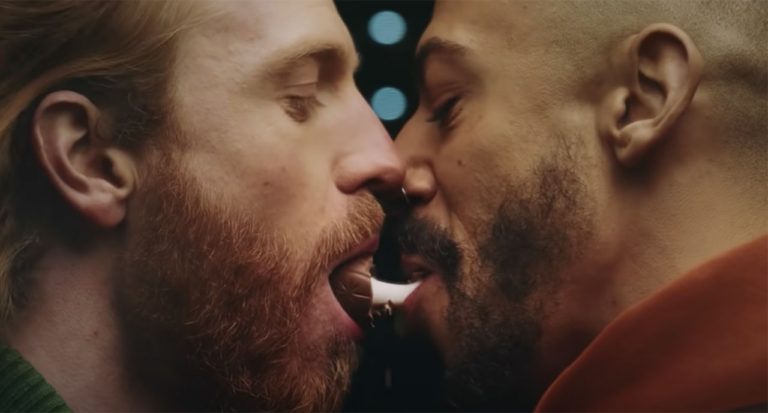

Cadbury‘s desicion to feature a gay couple sharing a gooey Crème Egg in its latest campaign shows progress in advertising’s mission to reach more diverse audiences and truly reflect society, says Chris Kenna, chief executive of diverse media network Brand Advance. And so does the response from audiences and regulators.
Last week, over 25,000 people signed a ridiculous petition to ban an ad from Cadbury, that was created by creative agency Elvis.
The campaign features a real-life same-sex male couple sharing a Crème Egg. And it‘s a representation of true society. Gay couples exist – and yes they eat Crème Eggs – so what?
Despite the ad being praised by many viewers, it also sparked fury and quickly racked up signatures not just for anti-LGBTQ reasons, but religious ones too, claims of sexual objectification somehow mixed in amid the uproar.
Cadbury has stood by the creative, saying: “Cadbury has always been a progressive brand that spreads a message of inclusion, whether it is through its products or brand campaigns.
“We are proud of our Golden Goobilee advert which celebrates the many ways that everyone can enjoy a Cadbury Creme Egg. To illustrate this and showcase the joy our products bring, a clip of a real life couple sharing a Cadbury Creme Egg was included in the advert.”
For its part, the Advertising Standards Authority (ASA) said it will not be taking any further action on complaints against the advert.
A spokesperson for the regulator confirmed it had received and assessed 40 complaints about the gay kiss in the Cadbury advert, but did not “consider that the advertising rules have been broken”.
To me what the furore over this kiss highlights most of all is that no matter how far we think society has come, there’s always going to be another example of a group of people complaining about minority groups taking a star role in media.
Just months ago, we saw a similar backlash to the Sainsbury’s Christmas advert that featured a Black family – a family representative of 13.8% of the UK population who are from minority ethnic backgrounds. While petitions, criticism and complaints aren’t new to brands reaching diverse audiences, neither is the depiction of diverse communities in the media itself.
In 1994 Ikea marked a poignant moment in advertising when the first gay couple in a television ad debuted.
Since then, it has established itself as a trailblazer in diverse campaigns and other brands have followed suit in pushing the boundaries of stereotypes in advertising.
It’s been a slow process but the Black Lives Matter movement has also shone a light on the issue and encouraged a call amongst the media industry to enact change.
What we’re going through now is a change unlike any other generation before us.
Brands are finally making strides to catch up in reflecting true society. And if 25,000 people don’t like it, does it really matter?
We know advertising can change society. I still remember the ‘Think!’ ads with a hard-hitting message to wear your seatbelt in a car – now, you get behind the wheel and plugging in is the most natural thing to do.
While being a big brand has its benefits, its impact on society transpires into huge responsibility. There’s no doubt a lot of hardship at the moment with the pandemic, Brexit, the injustice, and brands can either make a statement, be bold or be relevant, or they can choose not to.
The ones that do their part in reaching diverse communities authentically will be the ones that survive.
In Cadbury’s case, the brand chose to represent a diverse community outside of Pride Week or any dedicated diversity and inclusion month, week, or day.
If brands really want to shun stereotypes and celebrate diversity in all its forms, then it should be part of their campaigns all year around to move the industry in the right direction.
Cadbury took a risk and I commend its response. Despite a rollercoaster of reactions, from celebrating the advert to complete backlash, the brand stands by its message of inclusion.
We see responses like this often – the anti-Cadbury Crème Egg ad petition isn’t the first and won’t be the last.
But, how a brand handles itself says a lot about its values. It’s also a smart move from a commercial perspective.
Brands that create controversy are naturally more spoken about, whether it’s good or bad, and that’s publicity it didn’t have before.
In this instance, Cadbury represents progress in advertising’s mission to reach more diverse audiences and truly reflect society.
However, if we really want to drive societal change and normalise a gay couple in an advert, brands must come together in solidarity.
Following Sainsbury’s Christmas advert criticism, its competitors became allies to unite in a message that stood by its decision to depict a Black family.
The act of solidarity said to the people who found the advert offensive, that if you don’t want to shop with Sainsbury’s then don’t shop with us either.
It’s this power brands have that can be used for good – the more diverse adverts we see, the more it will become accepted.
Now, I challenge brands to stand by Cadbury and show their support of a brand that is weathering the storm for being relevant, and to be a part of generation that makes real change.