Archbishop of Canterbury condemns Nigerian primate’s anti-gay language
‘I completely disagree with and condemn this language. It is unacceptable.’
By Ed Thornton
Posted Mar 5, 2021
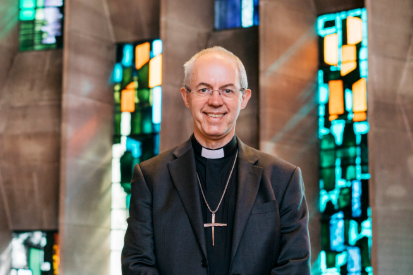
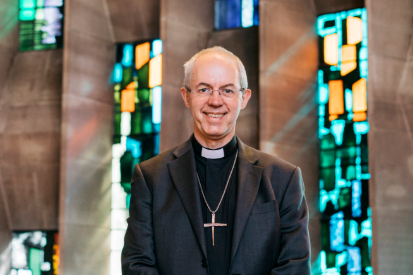
Archbishop of Canterbury Justin Welby. Photo: Lambeth Conference
[Church Times] Archbishop of Canterbury Justin Welby has condemned the “unacceptable” language that Archbishop of Nigeria Henry Ndukuba recently used to describe gay people.
In response to a statement on the pastoral care of gay people issued by the Anglican Church in North America (ACNA) in January, Ndukuba wrote last week: “The deadly ‘virus’ of homosexuality has infiltrated ACNA. This is likened to a Yeast that should be urgently and radically expunged and excised lest it affects the whole dough (Luke 13:20-21; Gal. 5:9).”
In a statement issued on March 5, Welby says: “I completely disagree with and condemn this language. It is unacceptable. It dehumanizes those human beings of whom the statement speaks.
“I have written privately to His Grace The Archbishop to make clear that this language is incompatible with the agreed teaching of the Anglican Communion (expressed most clearly, albeit in unsuitable language for today, in paragraphs c and d of resolution I.10 of the Lambeth Conference 1998).
“This resolution both restated a traditional view of Christian marriage and was clear in its condemnation of homophobic actions or words. It affirmed that ‘all baptized, believing and faithful persons, regardless of sexual orientation, are full members of the Body of Christ.’”
If you are an adult in a romantic and/or sexual relationship with a fellow adult, referring to that adult as your “boyfriend” or “girlfriend” can feel a bit infantile. It’s a term often associated with high school romance, one that conjures up memories of backseat makeouts, post-prom sex and other cringeworthy rites of adolescence.
The solution, and also a John Mulaney joke, is to simply get married, at which point one gains access to more sophisticated terms for their beloved, like “husband” and “wife.” This was a reasonable enough plan back in the ’50s, when high school couples went straight from the backseat to the altar almost immediately after graduation. But as members of younger generations increasingly delay marriage or forego it altogether, many are left using the same words by which we once referred to our high school prom dates to describe the person with whom we share a mortgage, a dog and maybe even a child or two.
This is one reason many couples may choose to use the word “partner” over “boyfriend” and “girlfriend.” But growing use of the gender-neutral term — which has historically been used in LGBTQ relationships — among cis-het couples has been a topic of some debate on Twitter, where, to be fair, most things are a topic of some debate.
Straight girls be like “my partner” whole time it’s their boyfriend Matt
I live in a place where I can be fired for being gay. Normalizing straight people saying “partner” means I’m not outing myself when I say I have a partner because straight people say it too.
— 🌈 a teacher who is tired (@chucktinglevevo) July 20, 2020
straight people saying ‘my partner’ feels homophobic
I stumble upon this discourse so often and it’s so stupid. Like, straight people saying “partner” normalises it and stops gay people from outing themselves when talking about their partner??? There are literally no negatives??? https://t.co/9DgzNHLhcT
While some argue that use of “partner” to refer to people in cis-het relationships appropriates LGBTQ language and culture, others contend that normalization of gender-neutral language outside the LGBTQ community helps to de-stigmatize non-hetero relationships as “other,” as well as to popularize language that reflects a cultural acceptance of a non-binary conception of gender.
So, what’s a socially conscious, straight, cis person dating another straight, cis person to do?
According to Robin Beatch, international sex educator, sex and relationships coach and host of the radio show “Sex with Robin,” you’re probably fine to use “partner.”
“I can appreciate and understand why some people might have concerns about cultural appropriation, and I’m pleased that it is a consideration at all,” Beatch tells InsideHook. “I’m Queer, and of course I don’t speak for all Queer folks, [but] I don’t see a problem with anyone using the term ‘partner’ to refer to a loved one.” According to Beatch, it’s simply “a word that implies a choice to be with someone,” which can come in handy for a wide variety of people, regardless of sex or sexuality. “For example, my mother told me she doesn’t want to use the word ‘boyfriend,’ because to her it sounds like someone she’s ‘necking in the backseat of a car with.’”
Use of the term among cis-het couples can also create opportunities for LGBTQ folks to engage in conversations about their own relationships more easily and comfortably, “As an advocate for everyone using gender-neutral terms in all areas of life, I appreciate the shift away from gendered descriptions of significant others,” says Casey Tanner, a certified sex therapist and expert for LELO specializing in queer sex and gender-affirming language. “The more straight and cis folks incorporate this kind of language in a personal way, to describe someone they care about, the more this language will become integrated into their interactions with others.” This integration, adds Tanner, creates space for LGBTQ individuals to speak openly about their relationships.
“Integrating gender neutral language into our vernacular changes the questions we ask, and by extension the answers we receive,” says Tanner. “For example, rather than asking a woman, ‘Do you have a boyfriend?’ we begin to ask, ‘Do you have a partner?’ If that woman happens to be queer, the use of gender neutral terminology actually gives her space to provide an authentic answer, opening the door to connection and relationship.”
Meanwhile, as LGBTQ educator and coach Dr. Sophia Graham notes, normalized use of the term “partner” can also help protect the privacy of folks who may not want (or safely be able) to discuss their LGBTQ identity. “When I had just come out, I routinely used gender neutral terms to describe my partner who was a woman,” says Graham. “If this is reserved only for LGBT people, then it becomes less gender neutral and more a term used by folks whose relationships are somehow ‘othered.’”
That said, “I understand and validate members of the LGBTQ+ community who are having a negative reaction to this shift in language, and who view it as appropriative,” says Tanner. “For a long time, using the word ‘partner’ was not a choice in the LGBTQ+ community; it was necessary in order to avoid rejection, stigmatization and at times physical harm. It’s understandably angering that straight cis folks now get to opt in and out of using that language, a choice that once again highlights straight cis privilege.”
More Like This
Use of the term “partner” was popularized within the LGBTQ community amid the 1980s AIDS crisis, an association with a particularly dark time in LGBTQ history that renders the term a charged and meaningful one for many in the community. During this time, says Tanner, “‘Partner’ was used, instead of ‘boyfriend,’ to signal the depth and longevity of gay relationships, at a time when gay folks were literally being excluded and banned from their partners’ hospital bed and funerals.”
Of course, as Graham notes, non-LGBTQ use of the word isn’t exactly new. “’Partner’ is a word that has been used by cis-het people for the person they were romantically involved with for centuries,” she tells InsideHook, adding it that it is “reasonably easy to find presumably cis-het people describing someone as their partner” in literature dating back to the 19th century. While the term gained popularity among gay and trans men and their allies in the 1980s, “The fact that LGBTQ people popularized this term doesn’t mean it only belongs to us,” says Graham.
Moreover, restricting use of “partner” among cis-het people could also inadvertently affect bisexual individuals in hetero relationships, or other LGBTQ-identifying folks in hetero-presenting ones. “While bisexual people make up the largest part of the LGBTQ community, we are often invisible and/or mistaken for monosexuals of whatever variety our current relationships would suggest,” says Graham. “Many bisexual people are in opposite-sex relationships, but this doesn’t make them any less queer. I would be disappointed to see a linguistic shift that made it harder for these folks to describe their same-gender and other-gender relationships in similar ways.”
Beatch agrees that the term can be particularly validating for queer and trans folks in hetero-presenting relationships. “It’s a nice way to create and hold the bridge between heteronormative and LGBTQ+ communities,” she says, adding that the word “partner” is also useful in other contexts which may not necessarily involve LGBTQ individuals, but still fall outside the boundaries of traditional hetero-monogamy, such as in polyamorous and consensually non-monogamous (CNM) communities.
In short, even if you’re just a regular old straight, cis person in a monogamous relationship with another straight, cis person, you’re probably not committing any particularly grievous faux pas by referring to your partner as such.
“I haven’t heard anyone within my Queer, Trans, or CNM communities suggest that using the word ‘partner’ was appropriative,” says Beatch. “Everyone I talked to stated they didn’t feel it was an issue. One friend even suggested that the term was ‘a gift’ from our communities to give a more open and inclusive word to anyone that feels it may be right for them.”
“My experience is [that] most LGBTQ [individuals] feel that this is an appropriate term to be used by anyone,” says Graham, though she notes that this may not be a universal view.
Essentially, you’re probably fine to use it, but it never hurts to pause for a little reflection. “My encouragement to straight, cis folks is to use the term ‘partner,’ but to educate themselves on the nuances of the history of that word within the LGBTQ+ community,” says Tanner. “Do not take the privilege of being able to opt in and out of that word lightly. And if you claim to use the word partner because it is in line with your values of deconstructing the binary and lifting up LGBTQ+ folks, be sure that those values are reflected in other areas of your life — not just in using the term ‘partner.’”
More Like This
This article was featured in the InsideHook newsletter. Sign up now.
A Brevard Public School internal document listing accommodations for LGBT students, including allowing transgender children to use the bathrooms and play on sports teams consistent with their gender identities, began making the rounds on social media this week, prompting outrage from parents and public officials, News 6 partner Florida Today reports.
The guidance takes stances on several hot-button issues related to LGBT children that have appeared in court cases and legislation.
Students may dress as the gender with which they identify; should be referred to by their preferred names and pronouns, can access locker rooms and restrooms consistent with their gender identities “or be provided appropriate accommodations” and can participate in school clubs and activities, including interscholastic athletics, as the genders with which they identify, according to the document.
All students have the right to bring same-gender dates to school events, form and participate in LGBT-related organizations and decide when and with whom information about their sexual orientation and gender identities can be shared, according to the guidelines.
The document was shared Monday with school leaders as a reference guide to district practices, BPS spokesperson Russell Bruhn said. Bruhn added that the practices have been in place for some time and are based on legislation and case law.
“Over the years it became apparent that at the school level, a hard document (for) principals and other school leaders on how to address situations to help all of our students be accommodated was needed,” Bruhn said.
The guidance keeps BPS in compliance with state and federal law and does not favor LGBT students over their peers, Bruhn said. He said the school district would not force a child to share a locker room or bathroom with a trans student.
For a dollar, name a romantic comedy from a major movie studio centering on two gay men.
If you can’t, it’s because there’s never been one — until now.
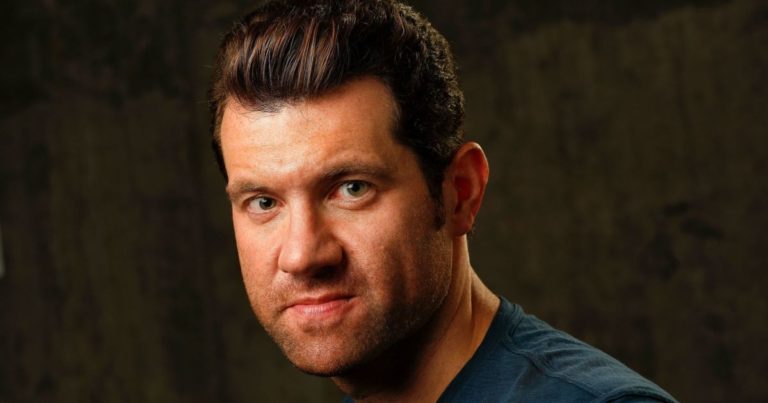
Actor and comedian Billy Eichner has been tapped to co-write, executive produce and star in Universal Pictures’ “Bros,” a love story about “two gay men maybe, possibly, probably stumbling towards love. Maybe. They’re both very busy,” according to a description released Friday by the studio giant.
The “Billy on the Street” host welcomed the milestone on Twitter in his signature sarcastic tone, telling screen icon Julia Roberts to “move over” because “there’s a new rom com QUEEN in town!”
Advertisement
“In shocking news, BROS will be the first rom com about gay men ever produced by a major studio and, apparently, I’m the first openly gay man to ever write and star in their own studio film,” he tweeted. “Only took 100 years! THANKS HOLLYWOOD!!!”
Eichner also had some choice words for a former manager, who he said once advised him to “be less gay because a big agent was coming” to see him perform. Can’t embed that tweet here because it features some strong, euphoric language in all-caps, but suffice to say the former colleagues apparently are not on good terms.
In shocking news, BROS will be the first rom com about gay men ever produced by a major studio and, apparently, I’m the first openly gay man to ever write and star in their own studio film. Only took 100 years! THANKS HOLLYWOOD!!! 💫 https://t.co/ysrwEz2Mmo
Among the film’s producers are Judd Apatow, Joshua Church and Nicholas Stoller, who is also set to direct the film in addition to co-writing the screenplay with Eichner.
Eichner has previously starred in a handful of films, including Disney’s 2019 holiday film “Noelle” and the CGI remake of its animated classic “The Lion King,” featuring the voices of Beyoncé, Donald Glover, Chiwetel Ejiofor, Alfre Woodard, John Oliver, Seth Rogen and James Earl Jones.
He is best known for hosting the sketch comedy series “Billy on the Street,” in which he approaches random people in New York City and asks them rapid-fire question about Hollywood and his celebrity guests.
Universal’s “Bros” will hit theaters Aug. 12, 2022.
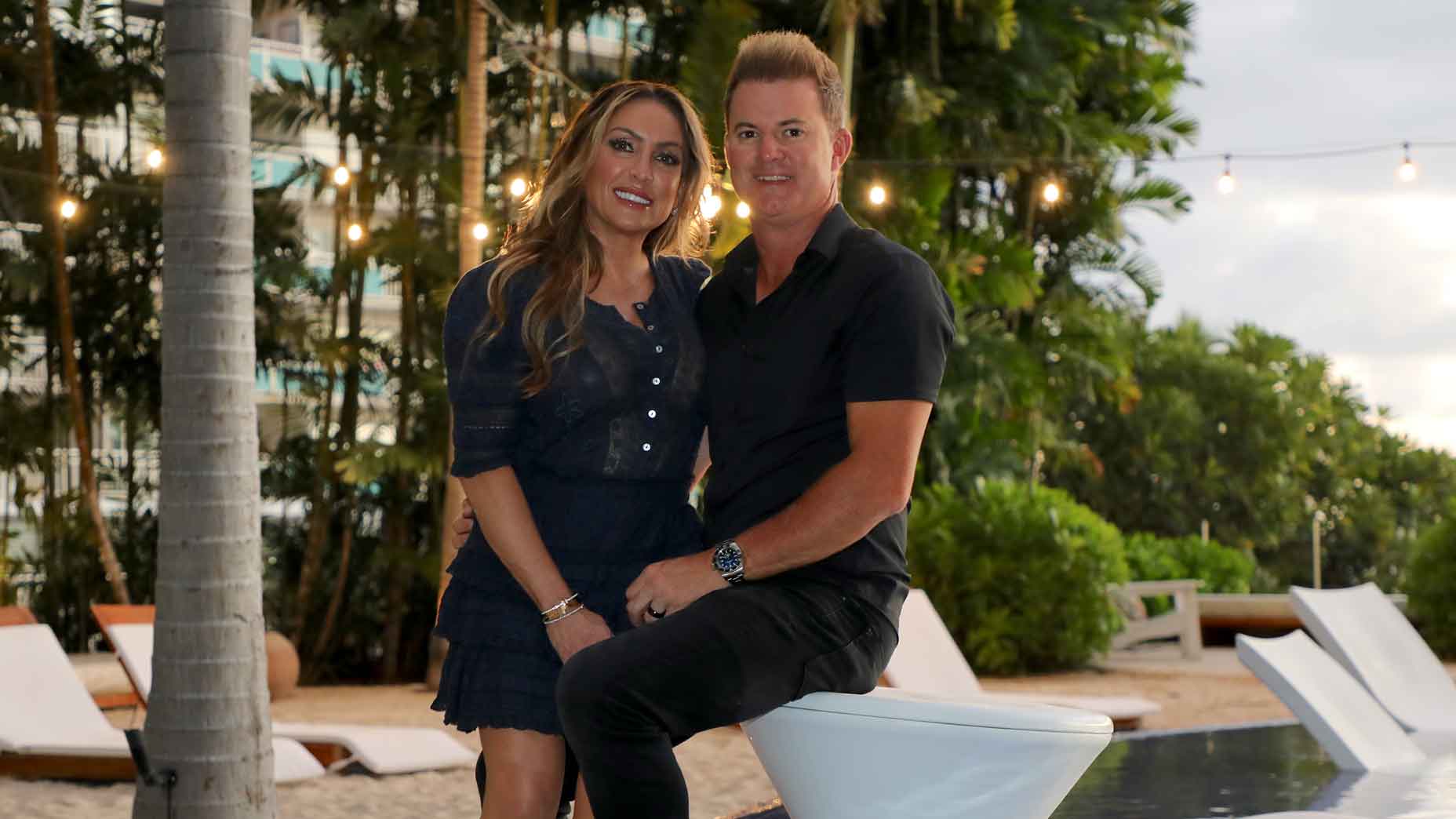
The Gays in Hawaii for this year’s Sony Open, where Brian finished 72nd. Guaranteed he’ll get a talking-to from his agent.
P.S. Yushin/BestHawaii.photos
Unless you were an obsessive golf fan, the arrival of Brian and Kimberly Gay onto the PGA Tour at the turn of the century was easy to miss. Yes, he’d been everybody’s All-American at Florida and she was, to borrow Brian’s favorite phrase, “a tornado with lipstick.” But for most of the 2000s, Brian struggled to find his place on Tour, just barely getting by with a magical short game. He was one of the anonymous journeymen that the camera rarely finds. Meanwhile, Kimberly threw herself into raising two daughters and, at times, a Tour pro.
“Brian is a very quiet, laid-back, introverted guy who’s happy to be on the couch watching football,” says Gay’s longtime swing coach, Joe Mayo. “Kimberly has a take-charge kind of attitude and so she’s been great for him, pushing and motivating him and dotting all the i’s in their life.”
In 2008, Brian finally broke through for his first win, at Mayakoba, and the following season he turned into a semi-star by winning twice, including a stunning 10-shot romp at Hilton Head.
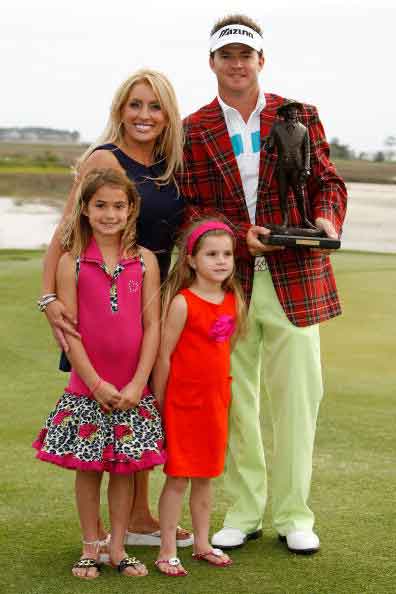
The Gay family poses with the Heritage Classic trophy in 2009.
getty images
It was a remarkable emergence for one of the shortest hitters on Tour. Brian had an agent, but Kimberly became increasingly involved as her hubby began fielding more requests for interviews, charity appearances and corporate outings. By late 2012 Brian was without representation altogether. At that year’s tournament in Disney, Kimberly was walking in the gallery — “I try to never, ever miss a hole” — when she spotted a familiar face from various golf gatherings: Mike Flaskey, a top executive at Diamond Resorts. She said the first thing that came to mind: “Mike, when are we going to sit down and do a deal?”
Flaskey was amenable, and by Tuesday of the following week Kimberly had emailed him a 13-page proposal, which led to the creation of an “ambassador” program starring Brian.
(Upon signing, the Gays didn’t have to part with the 20 percent that agents traditionally skim off the top of endorsement deals.) There wasn’t time to get logoed hats made for Brian’s first start under the deal in Hawaii, so Kimberly bought blank caps at the mall and drove around Honolulu to find an embroiderer.
It’s great to keep the money in the family when Brian signs a deal, but the reason I do this is to be a role model for our daughters.
The following week Brian won the Bob Hope and collected a $25,000 victory bonus that would not have been paid if he hadn’t been wearing the Diamond Resorts hat. “She can pull a rabbit out of a hat like nobody else,” says Brian with a chuckle.
Kimberly has served as Brian’s agent ever since, corralling deals with Sligo, G/Fore, EasyGo, PapaNicholas Coffee and Sentinel Spine, as well as the ongoing relationship with Diamond Resorts. Chris Stroud, winner of the 2017 Barracuda Championship, was so impressed by her work that in 2018 he asked Kimberly to represent him too. That forced her to formalize the business and thus GSD Sports Management was born. (It stands for Get, uh, Stuff Done.)
At the 2019 Players she was invited, for the first time, to the annual meeting between agents and Tour brass. Of the 80 or so aspiring Jerry Maguires in the room, Kimberly was one of only two women. “I’ll be honest, that was an emotional day for me,” Kimberly says. “Yes, it’s great to keep the money in the family when Brian signs a deal, but the real reason I do this is to be a role model for our daughters. For them to be proud of me is the most important thing.”
Mission accomplished. Inspired by her mom, Makinley Gay is majoring in sports management at Florida and simultaneously pursuing a master’s in international business. The hope is that, among other things, she’ll bring a younger, fresher perspective to GSD’s digital-media offerings. Kimberly’s ambitious goal is to someday have 20 players in her stable. She’s already diversifying, having signed Maurice Allen, the 2018 Long Drive champion, and venturing into event management around their hometown of Windermere, Fla. Kimberly’s is not the only reinvention in the Gay household.
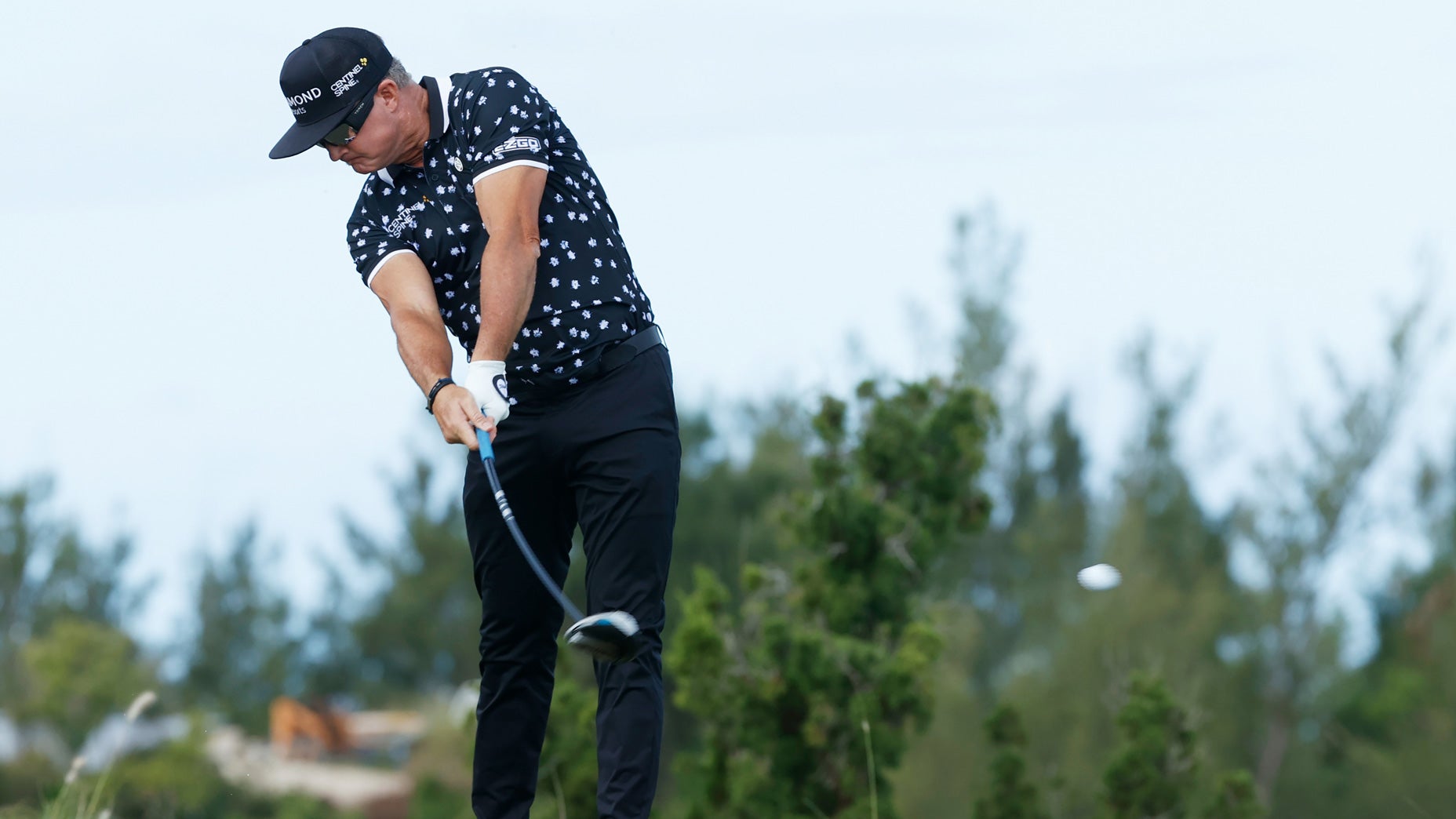
Injuries and the vagaries of aging had kept Brian winless since the ’13 Hope. Finally, at Colonial in 2019, he gave in to Mayo’s beseeching to chase more distance. Mayo, who earned a modicum of fame for his sardonic Twitter nom de plume Trackman Maestro, says that back then Gay generated 107 miles per hour of clubhead speed and 154 mph of ball speed with his driver, carrying his tee shots barely 260 yards. After learning to lift his left heel on the backswing and lengthen his turn, Gay’s speed quickly spiked to 117/173 and he began flying it up to 40 yards farther. The hard work began to pay off that fall in Bermuda, when Gay tied for third. (“I actually didn’t even want to go play there because that weekend was the Florida-Georgia game, but Kimberly talked me into it.”) But Brian struggled throughout the 2020 season.
“I might have been pressing a little bit,” he says. He was aware that, for the first time, colleagues were watching him on the range and whispering about how far he was hitting the ball.
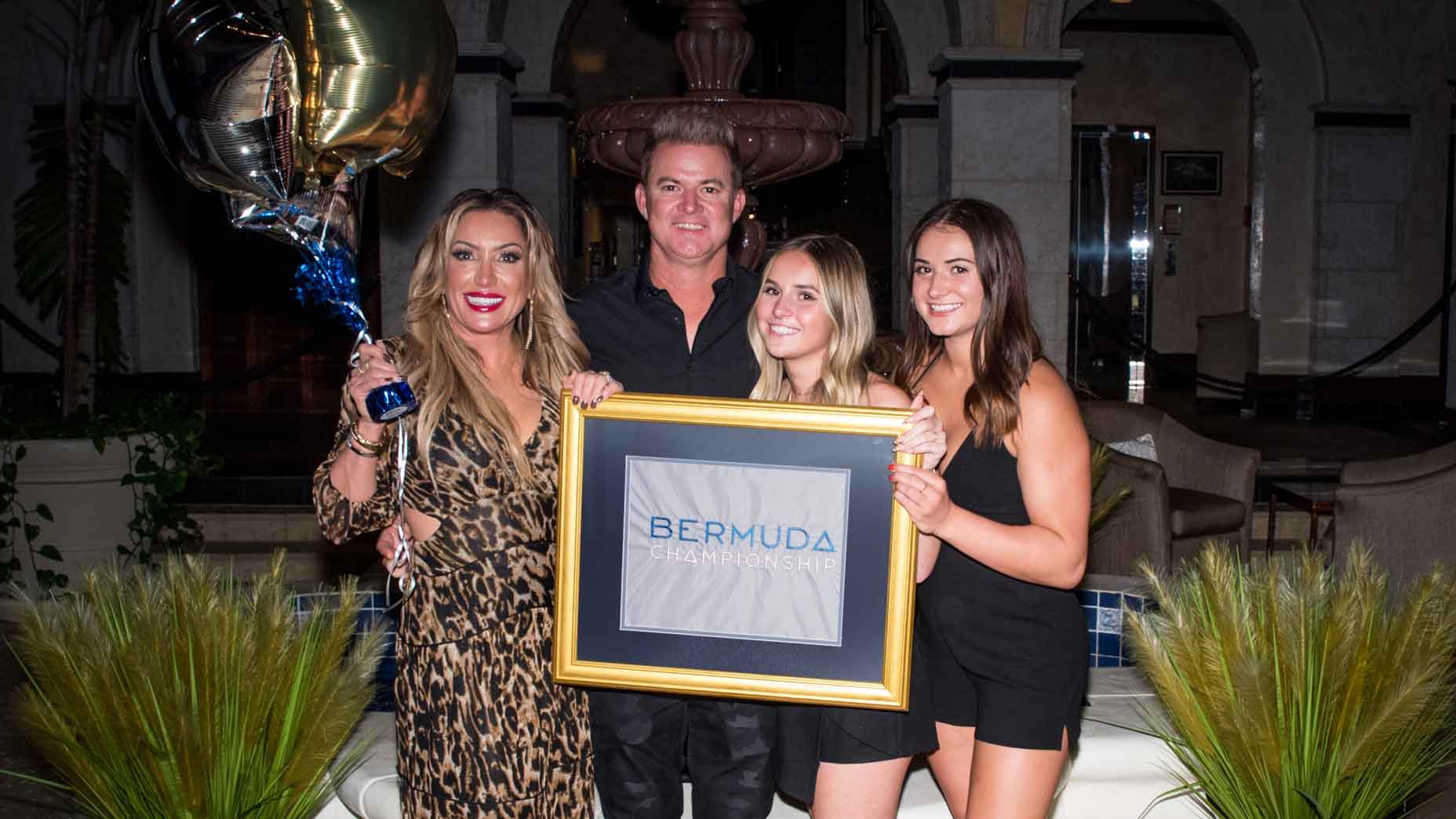
Brian, Kimberly and their daughters celebrate Brian’s Bermuda Championship win.
Courtesy of Kimberly Gay
He finally found some peace of mind returning to Bermuda in November, and a month shy of his 49th birthday Brian birdied the 72nd hole for an out-of-nowhere victory, capping what Mayo calls “one of the most remarkable careers in golf history. I mean, for 20 f—ing years he was the shortest hitter on Tour. If Brian can keep adding speed, Dustin Johnson and everybody else can pack up and go home, because nobody else has this guy’s heart or toughness or ability to get the ball in the hole.”
Kimberly memorialized the victory with an emotional video capturing the ups and downs of their two decades on Tour. “I’m just so, so proud of him,” she says. That’s a wife talking. And what does the victory mean to Brian Gay’s agent? “Let’s just say there are some exciting opportunities we’re pursuing,” says Kimberly, “but I’m not at liberty to discuss them yet.”
Latest In News
Alan Shipnuck
Golf.com
GOLF senior writer Alan Shipnuck writes longform features and a monthly column for GOLF Magazineand has his own vertical on GOLF.comentitled “The Knockdown,” which is home to podcasts, video vignettes, event coverage and his popular weekly mailbag #AskAlan. He is the author of five books on golf, including national best-sellers Bud, Sweat & Tees and The Swinger (with Michael Bamberger). Shipnuck is very active on Twitter, with a following of 50,000.
Are your wrists as piled up with fitness watches as mine are? Well, make some room. Apollo Neuro ($349) straps around your wrist like an Apple Watch or Fitbit, but it’s not there to count your steps or measure your heart rate. It’s a “wearable wellness device for stress relief,” according to the brand’s website, aka it’s here to help with your mental health, not your calorie burn. As a fitness device fanatic myself, I was intrigued when Apollo offered me a band to try. I’ve been wearing Apollo for two months now; here’s my review.
What Is Apollo Neuro?
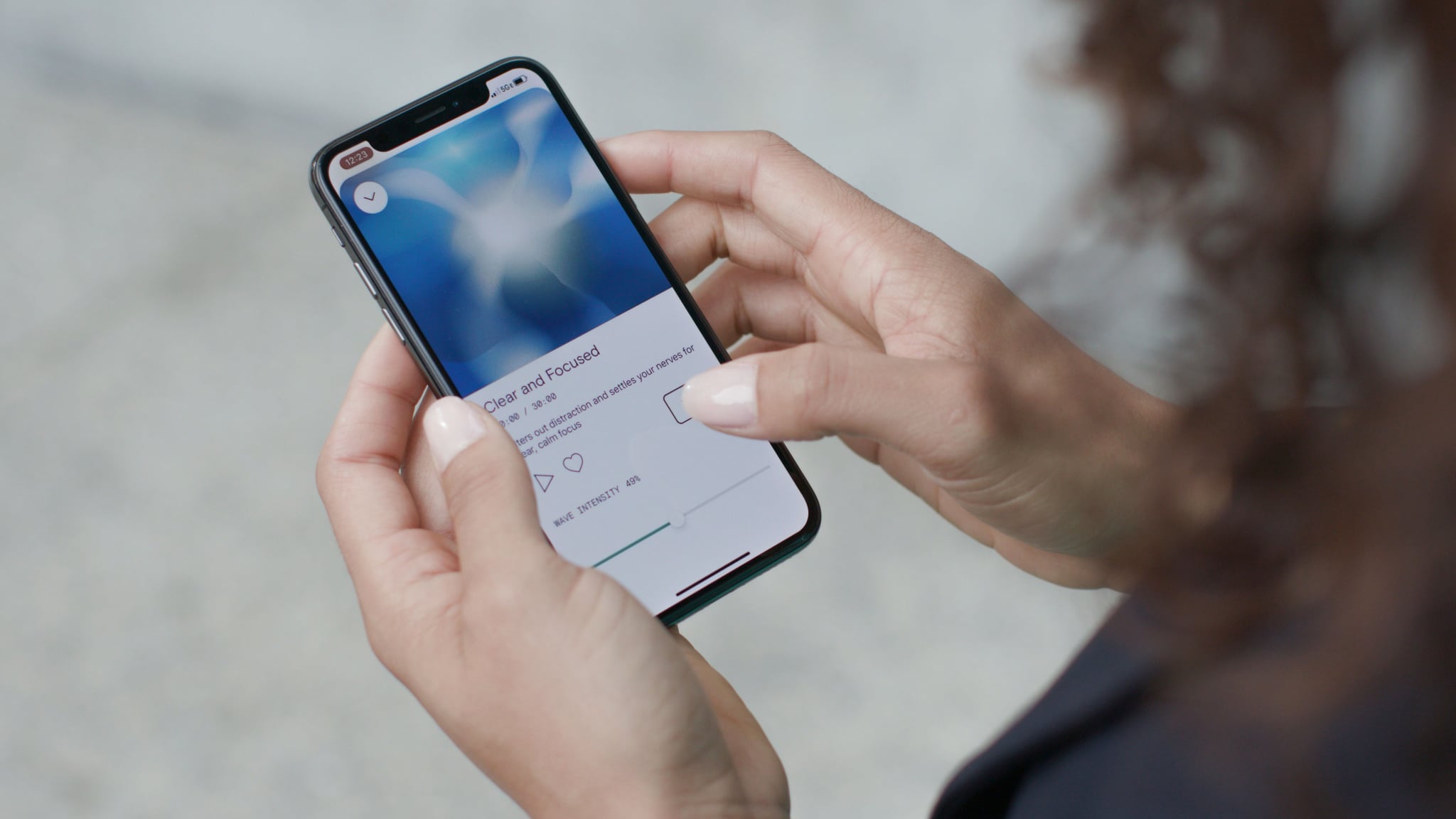
Apollo Neuro is a wearable wellness device for stress relief, but what does that mean? This band uses a form of “touch therapy,” the brand told POPSUGAR, “felt as gentle waves of vibration.” You wear it on the inside of your wrist or ankle and it buzzes against your skin in patterns meant to stimulate your nervous system in different ways. Via a Bluetooth app on your phone, you can choose vibration modes like:
Energy and Wake Up
Social and Open
Clear and Focused
Rebuild and Recover
Meditation and Mindfulness
Relax and Unwind
Sleep and Renew
You then choose the length of time and intensity of the vibration.
Each vibration pattern is different. The Energy and Wake Up setting, for example, is stronger and faster than, say, the Sleep and Renew or the Relax and Unwind modes. “Apollo’s modes are organized based on the science of how our body responds to Apollo vibrations, Apollo trials in the lab, and the experiences of our users,” the brand said. The vibration frequencies work by increasing or decreasing activity in your nervous system, which helps to change your energy level. “Modes designed for rest and relaxation contain more slow-moving, gentle frequencies known to increase parasympathetic activity, the branch of your nervous system that is activated when you meditate, deep breathe, and sleep,” the brand says on its website. “Modes for energy contain vibration frequencies known in the literature to increase heart rate and blood flow for increased energy and alertness.”
With me so far? To sum it up, Apollo vibrates against your wrist or ankle (areas that are “highly sensitive” due to the number of nerve endings there, Apollo said) to soothe or stimulate your nervous system, which can help you relax or give you energy when you need it. It all runs through a Bluetooth app on your phone, so you choose whatever setting you need at that moment.
How Do I Use Apollo Neuro?
“Use Apollo as often as you like,” the brand told us. “The more frequently Apollo is used, the better the biometric improvements we have seen (particularly when consistently used before bed and with sleep).” With that in mind, I wear my Apollo all day and night (except when it needs a charge — usually once every other day, if I use it frequently) and pull up the app whenever I need some kind of mental boost.
I use the Focus mode when I need to dial in at work, the Rebuild mode after a workout, the Social mode during meetings or Zooms with my friends, and the Energy mode when I’m feeling groggy in the morning. You do have to turn on each mode yourself (you can’t set them to come on automatically), so it took a while before I consistently remembered to activate the device as part of my routine.
So far, my favorite modes are Meditation and Mindfulness, Sleep and Renew, and Relax and Wind Down. I thought the meditation mode would distract me during my morning practice, but it actually helped me calm down and the feeling of the vibrations faded smoothly into the background. I love the relax mode for decompressing after work. The sleep mode, though, is the one I use the most. I never forget to turn it on. I haven’t struggled to fall asleep once since I started using it — it just feels like a soothing hum against my ankle that helps me drift right off. (I wear the Apollo on my ankle for the Sleep mode, as the brand recommends, and on my wrist the rest of the time.)
Do I Like Apollo Neuro?
After two months of using Apollo Neuro, I can tell you I’m a big fan. It does take a little getting used to: the vibrations were slightly uncomfortable at first, which the brand said was normal, but your body gets used to it over time and you can always turn down the intensity to ease the transition. It also took some time for me to figure out which modes I liked best and how to make them part of my routine.
Once I got past the adjustment period, though, I loved how soothing Apollo’s vibrations felt and how much they helped when I needed to sleep, relax, or relieve stress. Apollo is more of a supplement to a mental health routine than it is a standalone fix-all, so it’s used as an extra boost on top of the tools you already use. It also helped me hone in on some areas that I really needed help on, like focus, relaxation, sleep, and regulating my emotions and stress. Two months into my Apollo experience, I have no plans to unstrap this band anytime soon.
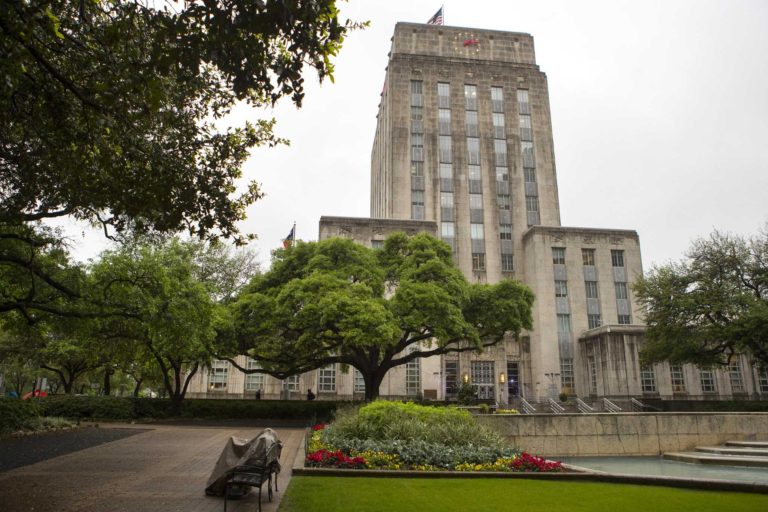
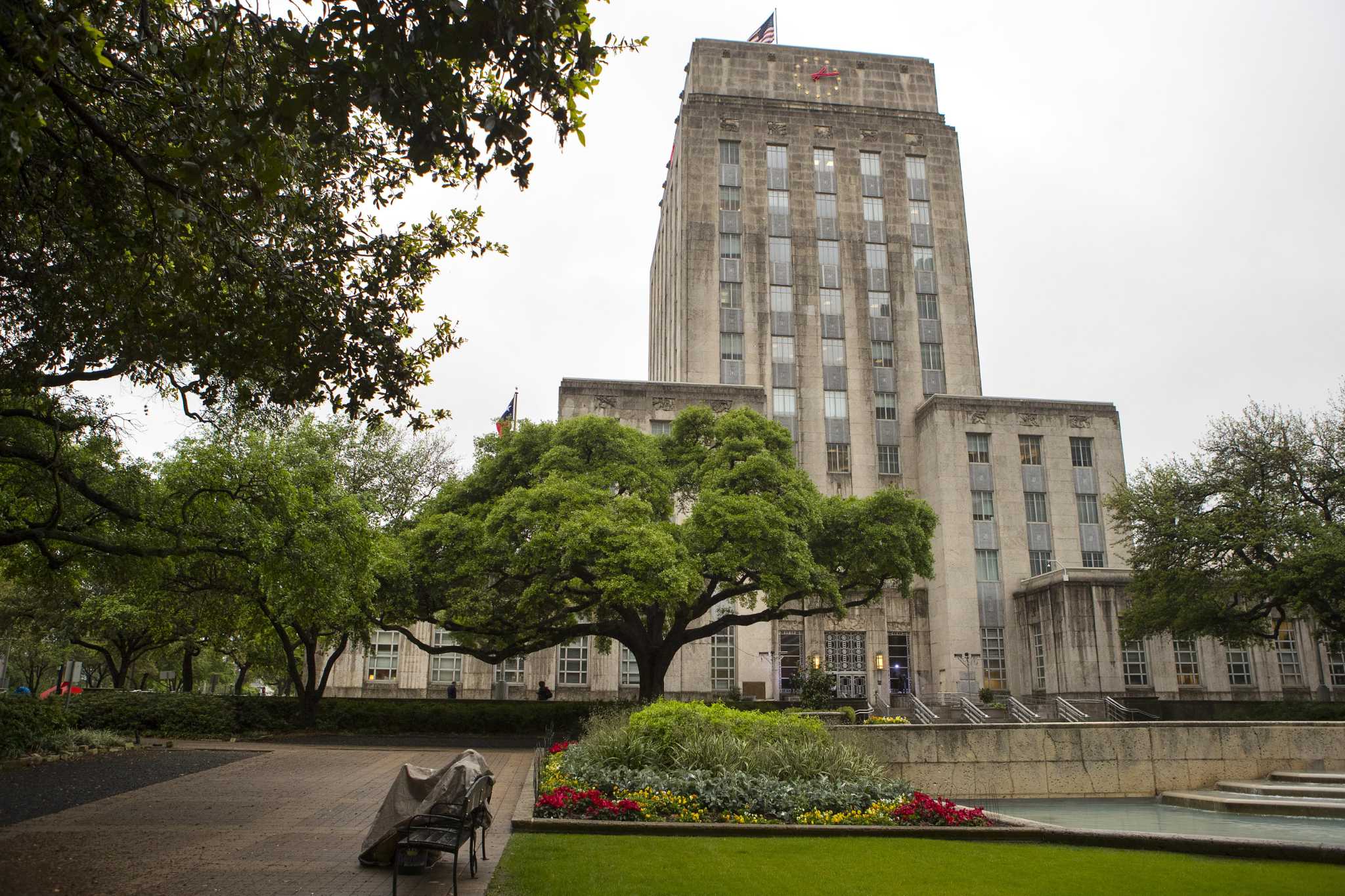
Houston became the first city in Texas on Thursday to add a certification for LGBT-owned businesses in city contracting.
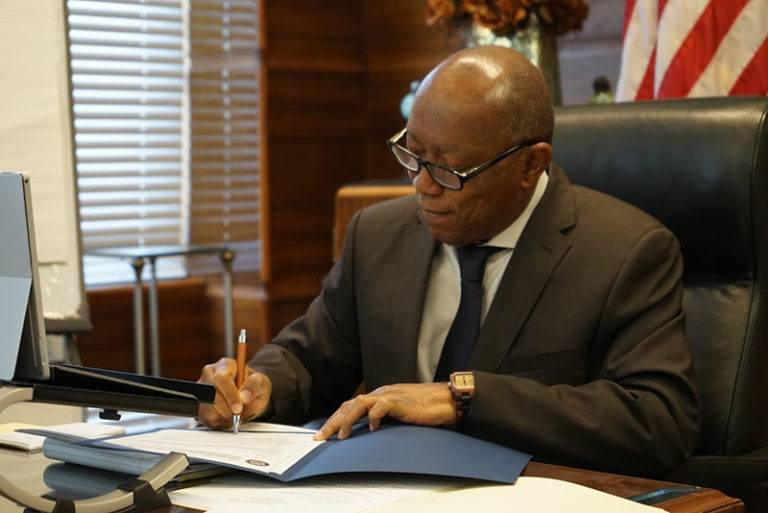
Mayor Sylvester Turner signed an executive order adding the certification during an event with the National LGBT Chamber of Commerce and its Houston affiliate. The Chamber will manage the certification process.
The move ultimately could help the city direct more contracts to LGBT-owned businesses, which make up a small portion of the region’s 130,000 companies.
Some 173 businesses belong to the Greater Houston LGBT Chamber of Commerce, and 70 businesses in Texas — including 38 in Houston — have been certified by the national chamber as LGBT-owned, though the organization said that number often grows after governments recognize them. The number in California tripled in one year after it added the certification.
Houston already has certifications for small businesses and businesses owned by minorities and women, as part of a remedial program intended to boost their participation in city contracting. It places goals for how much of certain contracts are directed toward those entities.
The new LGBT-owned business certification will not be included in those goals, but the executive order says the city will monitor their participation in contracts and produce an annual report about its findings.
It is possible goals could be added in the future. Marsha Murray, the director of the city’s Office of Business Opportunity, said government programs based on sex,like those based on race or national origin, are subject to strict constitutional scrutiny, which means the city has to demonstrate that remedial action is necessary before it can enact goals.
“The city’s new initiative is the beginning step to identify and monitor the level of participation by LGBT business enterprises in city contracting,” she said.
The order also adds the businesses to the city’s firm directory, which means prime contractors will be able to seek out LGBT subcontractors. The city also is launching an outreach campaign to educate LGBT business owners about resources from the Office of Business Opportunity, such as development counseling, legal assistance, and networking events.
Turner said the certification will help Houston diversify its vendors, which he said helps save taxpayer money by expanding the bidding process for city contracts.
“This initiative is a win for our city in so many ways,” Turner said.
Marilyn Jordan and Naomi Scales, managing partners MarFran Cleaning in Houston, which is certified by the National LGBT Chamber of Commerce, said the status has symbolic importance, as well. MarFran, like the 37 other businesses in Houston with the national certification, will be entered into the city’s firm directory now.
“What this executive order and this type of legislation says is, if you want to do business with the City of Houston, you must be willing to see and accept all of us,” Jordan said. “What it says to the LGBTQ community is, we don’t have to force fit into a group that does not address our authenticity.”
Jonathan Lovitz, a senior vice president at the National LGBT Chamber, said Houston joins a growing number of more than 20 cities and states that have recognized the certifications.
California was the first, adopting a public mandate to include certified LGBT businesses in contracting in 2014, according to Lovitz. The state has been analyzing the data around participation and is preparing to adopt its first goals this fall.
In the meantime, the Houston businesses will benefit from programming and being included in the city’s directory, he said.
“We always talk about being invited to the table. Well, now LGBT businesses have their name on the invite to the table,” Lovitz said.
Tammi Wallace, founder and CEO of the Greater Houston LGBT Chamber of Commerce, praised the order. She said it will help show that LGBT business owners are a critical part of the city’s economic fabric.
“It’s an historic announcement on any measure, and certainly another step toward LGBTQ economic inclusion,” Wallace said.
Michael Ritter is looking to become Texas’ first openly LGBTQ+ candidate elected to statewide state Bar office.
He said his campaign’s focus is to raise the profile of LGBTQ+ lawyers in the state, and to address attorney mental health.
The 35-year-old San Antonio resident was one of two attorneys nominated to run for president of the Texas Young Lawyers Association, which is a division of the state bar. The president of the association will serve on the board of directors and the executive committee of the State Bar.
Ritter, a staff attorney for the Court of Appeals in San Antonio, will face off against attorney Reginald Wilson Jr. in the all-virtual election, which will be held throughout April.
More than 26,500 attorneys throughout Texas are eligible to vote in the election, which can be done online or via mail. The association’s attorneys must be in their first five years of practice and 36 or younger as of June 1.
Ritter said Thursday the mental health of attorneys in his state is a big part of his campaign.
“In my first few years as an attorney, I struggled with mental health issues. I would wake up in the morning and dreaded going to work, in part, because I didn’t take pride in my work at the time,” Ritter said.
The COVID-19 pandemic hasn’t made anxiety any easier for those with mental health issues, he said.
“I want to help lawyers struggling with mental health issues to have the tools to empower themselves. Many Texas lawyers have mental health issues. The pandemic has only made it worse. Stress has always been a factor in causing negative mental health outcomes,” he said.
In addition, Ritter said, if elected, he will continue to push for the rights of LGBTQ+ attorneys and residents.
“When it comes to social change related to issues of the LGBTQ+ community, Texas is slowing coming around, but they need a push,” he said.
He said attitudes toward the gay population in his state can improve.
Ritter pointed to a 2018 resource guide for equality in Bexar County, which encompasses San Antonio.
The guide, which Ritter worked on promoting, listed all of the judges in the county that were willing to perform marriages of both straight and gay couples. He said about 20 of the county’s 35 judges said they would.
“When we made the announcement regarding the guide on social media, there were a number of comments like, ‘Two men should not be allowed to marry one another.’ And one even said, ‘Get this shit off my feed.’”
Ritter said he believes most of his peers in his profession in the state are accepting of LGBTQ+ attorneys.
“Where we see the intolerance and ignorance is when lawyers are trying to interact with the public,” he said.
Ritter said attitudes among LGBTQ+ individuals have “improved quite a bit” since he first came out to his family and friends at age 14, about two decades ago.
“From my own personal experience, attitudes have really improved. Things were very different for LGBTQ+ people 21 years ago,” he said.
Ritter noted his parents did something he doesn’t think would have happened today.
“My parents sent me to conversion therapy at our local church. It was hard for my parents. I was raised Catholic and they didn’t know what to do, They loved me, but they thought I was on the wrong path,” he said.
In addition, Ritter said, he was denied several jobs as a teenager because he was gay.
Today, Ritter noted there are many openly gay lawyers, like himself, in the state. That wasn’t the case when he was a teenager, he noted.
“For example, in Houston we have our first openly gay Court of Appeals justice. And, right here in San Antonio, we have the first openly lesbian county court judge,” Ritter said.
Asked if he was optimistic of winning in the election, Ritter said: “Just being nominated is a win.”
Gyms across England are set to reopen on April 12 according to the new four-step plan for easing lockdown announced in February.
They will only open if strict conditions are met and at each stage decisions will be led by “data not dates”.
Since the start of the pandemic gyms have been closed in the majority of England, totaling around eight months out of 12.
Gyms and leisure centres were some of the last businesses to open after the initial lockdown.
When they finally opened in late July, it was only a few months when some were forced to close again – including those across the Liverpool City region when it was placed in Tier 3 in October.
Confusion then rose after Lancashire was put in Tier 3 but gyms were allowed to remain open.
Regular exercise may be essential for maintaining good physical health but for gym-goers the mental health benefits do not go unnoticed.
For many people, especially those who lack suitable fitness equipment at home, gyms and exercise have a huge positive impact on their mental health which they’ve been missing during lockdown.
Research has repeatedly shown that exercise can help mental health issues like depression, anxiety and stress through the release of endorphins and psychological mechanisms.
It has also shown that community-based exercise facilities such as gyms can create a supportive community for mental health.
MM spoke to gym-goers who have struggled with the closure of gyms during the pandemic.
Rebecca Mavi from Teesside highlighted the importance of regular exercise in her and her husband’s lives.
She said: “Going into lockdown took a toll on both myself and my husband.
“My husband was told he faced redundancy. He hit rock bottom, I as a runner encouraged him to come with me one day and it was a game changer.
“He began to run most days on his own and began walking for miles, he would come back energised and with a spark that had previously been extinguished with the threat of his lost job hanging over him.
“He now runs most days and says it is that that picked him up and keeps him going.”
Despite gyms be allowed to open from April 12, group classes will remain closed until at least mid-May.
Newly-qualified fitness instructor Rebecca continued: “I have very much missed the social aspect of attending classes.
“I have stayed positive throughout but definitely feel for my mental health.
“I feel gyms and classes should have been open with things in place for people to exercise. I know many older ladies who live alone and the classes were the thing they looked forward to a few times a week.”
Fitness instructor Rachel Paylor believes gyms are essential for both peoples’ physical and mental health and should have stayed open.
She said she has five children, one with severe autism who needs 24-hour supervision.
The closure of gyms means she can no longer get that time in the day for herself.
She said: “The gym lets me escape for a few hours, spending time with people who all have the same interest as me.
“Without all of this I have had no routine and feel like I’m no longer me.”
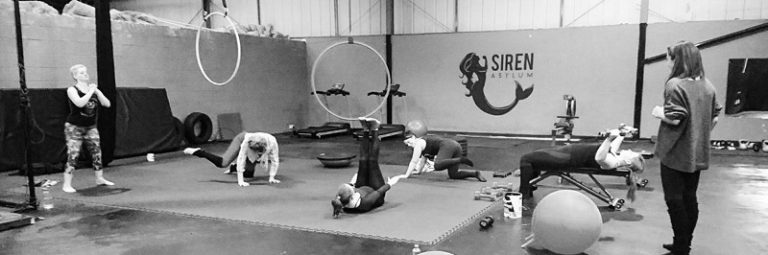
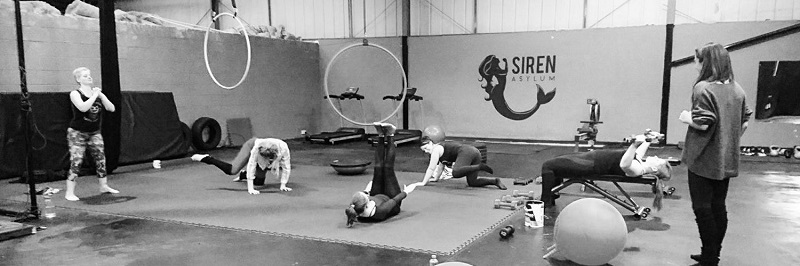
MM also spoke to members of the Manchester-based Siren Asylum team body-positive fitness studio for all who identify as womxn or womxn-aligned.
Kat said: “Sirens is my life. I’ve poured my heart and soul into this place to see it empty has been really hard.
“We are an asylum for a reason, we provide a safe place for all womxn to come and workout in a body positive atmosphere surrounded by a supporting community.
“Without that support network I’ve struggled and it’s been tough seeing our members struggle on social media without their safe haven too.
“I don’t think we should open until it’s safe enough to do so, however I feel it should be up there as priority before retail shops and restaurants.
“I believe this would be one of the best ways to counteract the mental health crisis caused by the lockdowns and the pandemic over this last year.”
Kayley added: “I would ask to see the data that shows gyms are a transmission risk.
“As far as we’re aware, studies into where COVID is transmitted have never highlighted gyms or fitness studios as high risk.
“If they did, then absolutely it’s correct to close them.”
Data published in February shows that for every 100,000 visits to UK gyms and leisure centres during 2020, only 1.7 people went on to test positive for Covid-19.
There is no evidence that transmission of the virus took place in gyms.
Kanye West. Jennifer Hudson. John Cusack. Barack Obama. Chicago has generated its share of people who emerge as national figures. Our city, however, is weak on the social media scene. Local boy Sam Cushing is changing all that. A native of the Chicago region and sometime city resident, he has amassed a major following on YouTube and Instagram. With a blend of content ranging from LGBT topics to fitness to mental health to a burgeoning music career, Cushing has put the city on the map in the social space. Starting out on Instagram when he was living in South America a scant three years ago, Cushing has expanded his range to YouTube with videos that discuss his experiences and offer advice on everything from exercise routines to travel. Cushing is at the vanguard of a new brand of influencer: socially aware but relatable and sweet. No sanctimony or lecturing. Yes, he does brand partnerships, but in a conscious and thoughtful way. He discusses his struggles as a gay man who deals with anxiety, but keeps things entertaining and light. And he’s left the door open for other topics. His reach is such that the tourism board saw fit to name him as an ambassador to the city last year. Cushing may have gone international but he retains his affection for and fascination with Chicago.
Where did you grow up? What was your family situation?
I grew up in the suburbs of Chicago, twenty-five minutes west of the city, with one older brother in a broken family. My parents divorced when I was in fifth grade. So I was splitting my time, running around the Chicago area staying with both sets of parents. Both of my parents are remarried. I went to Hinsdale Central and was senior class president. And then I went to University of Illinois. So I spent a majority of my life in and around Chicago. Then after I graduated with a double degree in business—supply chain management and marketing—I started my career as a consultant, full-time at PricewaterhouseCoopers.
I was there for two years. The first year, I was in Manhattan. And then the second year I was living in Chicago, which was just the best experience ever. I was living with my best friend. We were right there on the Lake, right on Lake Shore Drive. It wasn’t the nicest place in the world. But it was such a beautiful location. To wake up every single day and see Lake Michigan. It was just stunning.
You’ve talked on your channel about coming out. How was growing up as a gay kid in the Chicago area?
It was a mixture. As compared to a lot of my friends and a lot of other coming-out stories I continue to hear, I was relatively fortunate. I didn’t run into too many hiccups within my family. My mom actually asked me if I was gay when I was about fifteen. I had already come out to my best girlfriend that same year. I told my dad the following year. It’s sort of a funny story. I told him in an effort to get out of a grounding because I’d come home really late. I was in my sophomore or junior year of high school at this point. It was summertime and I really wanted to go to the Pride Parade the next day. I was like, “Listen, dad, I know you’re mad at me, but I have something to tell you.” And he was like, “Okay, you can tell me anything.” And I came out to him and got out of my grounding. It was a pretty smooth coming-out story.
The only real issue that I had when I was in high school. I dealt with a lot of bullying and teasing and stuff like that. Mostly speculation of whether or not I was gay. There was a Facebook group that was created called “Sam Cushing = Big Fag.” Of course I panicked. That was the year I was still kind of unsure. You’re so young at that age, and you don’t really have any frame of reference. So it was tricky. Ten years ago, being gay was synonymous with being disliked. “Oh, that’s so gay.” “This is gay.” It was a negative thing. I didn’t want to be disliked. I grew up in Oak Brook. The schools were a lot smaller and filtering into Hinsdale Central, which is a really large school district, I was the new kid on the block. There were all these rumors swirling around and then that group came out. I reported it. A week later, [the guy who created the first group] uploaded another group: “Sam Cushing = Big Fag 2.”
My friends and I have been able to laugh about it in a strange way. The first few years of high school were kind of rough for me. I had social anxiety. My parents were going through a nasty divorce and I was just coming out. There was a lot that was happening all at once. But then I kind of came into my own. I have a really strong family support system from an LGBT standpoint, and my friends are always supportive. I actually started going out my senior year of high school—very, very young—to Boystown and meeting other gay guys.
Your early career was in the business world. What led you down that path?
I was being risk-averse, honestly. I had a dad who was big into business. He was VP of marketing in his company. So that played a role. You look up to that when you’re growing up in terms of what you want to do with your life. My brother followed in those footsteps. I just set the path of what felt like least resistance, felt the most safe and secure from a financial standpoint. I spent four years in high school prepping to get into University of Illinois, the College of Business, four years in college, working my butt off [and then graduated] cum laude. I was very involved on campus with all sorts of business consulting and business fraternity organizations. I landed a few pretty awesome internships after my sophomore and junior year. So my senior year it was nice because I was just coasting. And I already had secured a full-time offer at PwC.
Were there other moments that made you think it wasn’t for you?
You know, being gay, I think that played a factor as well. That led me to know that traditional corporate America wasn’t the right bet. I followed my brain and not my heart. I didn’t feel like I was living a life that was authentic to me. I don’t let being gay define me. There were so many other parts of me that just didn’t fit in. I didn’t fit in with the culture of sitting behind the computer screen for eighty hours a week without talking to very many people and feeling like a cog in the wheel and just a number. It wasn’t for me and I felt disillusioned by all this corporate Kool-Aid that I was drinking. It’s not to say that all those jobs or companies are bad. They’re great places for certain people. I don’t think it was a cultural fit for me.
You’ve discussed how that was a very conservative environment. Did that start to bother you at a certain point? I remember you saying you got reported to HR for not wearing an undershirt. Did you ever find out who did that? How did that conversation go?
Yeah, we did have to have a conversation. I don’t want to call it discrimination. It was odd. It did feel a bit targeted. I didn’t have an undershirt on and I guess between two of the buttons, you could see a tiny little bit of skin. I caused a ruckus and made some men uncomfortable and had to have a discussion.
When did you decide to go to South America? Was there a reason for picking that destination?
I ended up in a situation where I was really unhappy. I spent two years working [at PriceWaterhouseCoopers] and I met some incredible people. I have the utmost admiration for my former colleagues. It just wasn’t the right fit. So two years in, I quit. I left it all behind. I booked a one-way ticket to South America, a part of the world I’d never been before. I didn’t know a single person.
I tried to kind of rediscover myself and gain an international perspective. I ended up staying down there a lot longer than I intended. I only meant to go down there for about six months. I ended up staying for two years. And while I was down there, I improved the social media following that I’ve been able to turn into a full-time career.
I knew that I wanted a large city and I wanted a progressive city. I had studied in Madrid back in college and I absolutely loved that experience. And it was eye-opening for me. It was so culturally immersing. I wanted to replicate that but not in the same place. So I just did a bunch of research and Argentina quickly floated to the top of my list. [Being in a] Spanish-speaking city was really important to me. I wanted to become bilingual. I did, which is pretty cool.
It’s unfortunate because their economy is in shambles. They’re not in a good spot economically, but culturally it is so diverse and so interesting. The topography down there is just insane because you have desert, arid, mountainous regions to the north like Jujuy and then if you go down south to Patagonia, you have the entire coastline, which is gorgeous. There’s just so much to do and so much to see. Argentina is unlike a lot of other countries in South America in that it has very heavy European influence, specifically Spanish and Italian.
From an architecture standpoint, when you’re walking around, you see how opulent the city once was. Back in the 1930s, or forties, it was the fourth-wealthiest nation in the entire world because they were exporting so many resources. Then through corrupt politicians, it completely tanked. You see these beautiful buildings [that are now] just decrepit. There are parts where there are trees growing out of the buildings. It’s just such an interesting dichotomy.
What did you do for work?
I found work at a tech start-up. I was working in marketing sales for about a year. They moved me to Medellín in Colombia, where I spent another year. I was heading up an office of seventy engineers. I was in the tech world and I discovered a love for that culture. If I ever went back to a typical nine-to-five sort of position, it would definitely be in tech just because culturally it is more aligned with my personality. But simultaneous to that, I was beginning to grow my social media presence because I was traveling a lot. It was kind of fun to see this American boy traveling around and trying to fumble through his Spanish and figure it all out.
What led you to documenting your adventures?
Everything I was doing was in Spanish. My relationship was in Spanish, all my friends, everything was in Spanish. It was nice to connect with people back home in English. It was also for other people to be inspired to live a life that feels more authentic to them. That’s always my message, which is to be like the you-est you that you can. But just as much as it was for other people, it was also a very personal way to document and imprint this time in my life, for me to reflect back on. I learned so much about myself when I was down there. It was nice for me to be able to go back and be able to say this is what I was doing December 21 two years ago.
When did you start your YouTube channel?
Instagram has always been my core. My YouTube channel actually is fairly recent. When I decided about a year ago to make the move back up to the States, I made the decision to do social media full-time. In doing so, I decided to launch my YouTube channel. So I really have only had the channel for about a year, which is pretty cool considering that I’m coming close to 200,000 subscribers. I just received my YouTube plaque from Google for crossing that milestone.
How did you decide what kind of content you were going to post? When did you decide that you could monetize this through brand partnerships?
The pandemic hit soon after [I got back] so travel went out the window. There were always a few other themes in my content, one of which is fitness. Another one was wellness—health and nutrition. Music was my fourth pillar. I just decided to double-down on the latter three.
I had a few friends who were in the content creation space and they really sold me on [the brand partnerships]. It’s a bit scary because I came from such a conventional background. I had my life pretty mapped out for me. Going to business school, everything was very step-by-step. In that world, you work toward your next promotion, and you work for another promotion, and it just continues on and on. The social media world was very foreign to me. Especially growing up in the Midwest, entertainment, media, social media are just not as prevalent as they are for some of my friends in L.A. or New York.
For the first few months, I was earning nothing, which was totally fine, because I really enjoyed doing it. I luckily had a bit of savings. When I moved back to the States, I moved in with my family for a little while. So that was hugely helpful. I’m very fortunate in that respect that I’ve finally gotten to that place [where I can make a living].
I want to make sure that I really believe in the brand and believe in the brand mission. I don’t want to become like an advertisement for any company that offers to pay me.
When did you get into fitness and discover you could make money in that sphere?
My older brother got me into it. He was your typical jock growing up, which is the antithesis of me. We always bonded over it. I just felt so much better about myself after leaving the gym, not even from a superficial standpoint of wanting to look good, where you fill out your clothes nicely. It was really internal. We always felt really good about ourselves. So a lot of it for me is wanting to share that with other people.
How do you go about deciding on your partnerships? What are you comfortable promoting?
Typically, there’s an inbound strategy and an outbound strategy. There are a lot of brands that will approach me. If I haven’t already used the product, or I’m not familiar with them, I’ll request that they send it to me, and then for a few months, I’ll try it out. There have been a lot of different brands that I turn down. I don’t believe in it, I didn’t love the product, it didn’t feel worth sharing. I’ll look at corporate responsibility, on who they are as a company, what they stand for, who they donate to. Things like that are important beyond just the product itself. I would never work with a company that has historically very anti-LGBT policies. Then there are other products that I just genuinely use in my day-to-day. I’ll reach out to them, like Hey, I love your stuff. I’m happy to engage. It doesn’t even have to be some kind of contrived [situation]. Even if there is no monetary benefit to that, I believe in them as well.
How do you decide what to share and what to reveal when you talk about personal things?
It’s a scary thing when you share something that publicly, because one thing I’ve learned this year is that our parents were right. When you put something out on the Internet, you can’t come back from that. So you really have to commit. It’s a commitment for life. I think it’s a matter of striking a balance. There are certain things that, out of respect for people in my inner circle, I wouldn’t want to necessarily reveal to everybody. But if it’s a story that I genuinely think will help other people and I feel like the impact is there, I enjoy being authentic in that way. For example, I came out with this video [where I] talk about my anxiety, which is something that I’ve struggled with for a long time. I used to have a bit of a facial tic. It was a manifestation of my anxiety and it would ebb and flow. Even to this day, I still sometimes struggle with that. I thought that in honor of Mental Health Awareness Day, what better time to share my story and help somebody else who may be going through something similar? I think it’s about how I can impact other people.
What are some of your quintessentially Chicago activities?
I did a partnership with Choose Chicago, which is the official tourism agency, to promote the city. They hosted me for a little staycation. I created this video, “Top 8 Things to Do in Chicago.” A lot of the people who follow me have probably never been to Chicago. So things like the Signature Lounge up at the top of the Hancock, Millennium Park, the Riverwalk. I put Sea Dog on there as well as part of your Navy Pier day. Things like heading to Uptown and checking out the Green Mill Cocktail Lounge that has this whole mobster history, where there were these underground tunnels in that part of the city where Al Capone would escape if the police raided the bar.
I’m such a Chicago fanatic. I read all sorts of literature on the history of Chicago. My friends always laugh at me because I’m the king of Chicago fun facts. Anytime we’re walking around the city, I always know weird, quirky facts about the architecture or the history or the food thing that Chicago was really known for. So it was fun to work with that piece of content.
I mean, there are seventy-seven neighborhoods. Every single one has its own individual flare, which is really interesting. I lived in eight different cities in the last eight years, which is really cool. But I always tell people—of course, I’m biased because I grew up in this area, but—as many flaws as Chicago may have, I think that it’s the best city and the most beautiful city and it’s so stunning.
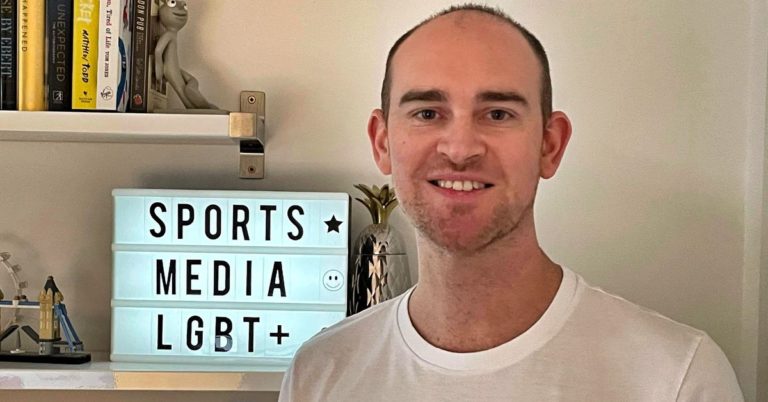
When I first me SkySports editor Jon Holmes at the home of Manchester United during the 2017 Rainbow Laces Summit, we had already communicated briefly about using his platform to elevate LGBTQ voices in sports there in the United Kingdom.
Since then, Holmes has been on fire, taking the lead in the British media to ensure that issues of LGBTQ inclusion in sports get amplified attention.
On this week’s episode of Five Rings To Rule Them All, Holmes talks with me about his journey taking some of the work we’ve done at Outsports in the United States and creating something similar at SkySports.
He talks openly about the support he’s received from so many corners of the British media and sports landscape, as well as some of the unique challenges — both media and fans — he faces in the U.K. trying to tackle homophobia and transphobia.
He’s also created a group for LGBTQ members of the sports media, whose Facebook page has hundreds of people following.
Holmes has been an amazing supporter of Outsports over the years, even coming all the way from London to participate in two of our Outsports Pride events. He’s a true champion of LGBTQ people in all aspects of sports, and it was great to talk with him about his journey.
You can listen to the conversation with SkySports editor Jon Holmes on the Five Rings To Rule Them All podcast on Megaphone, Spotify, Google Podcasts, Apple podcasts and many more platforms. Just search for Outsports wherever you get your podcast.
Mayor Turner Signs Executive Order to Include LGBT Businesses City of Houston First in Texas to Create Initiative
Mayor Sylvester Turner signs Executive Order 1-70: City Inclusion and Opportunity Initiative for the Lesbian, Gay, Bisexual and Transgender Business Community.
March 4, 2021 — Mayor Sylvester Turner signed an executive order today calling for the inclusion of NGLCC LGBT Business Enterprise (Certified LGBTBE) suppliers among the City’s pool of certified companies to ensure they have equitable access to contracting and procurement opportunities throughout the city. For LGBT citizens of Houston, this inclusive initiative provides fair and equal access to contracting opportunities and economic development programs that drive innovation, create jobs, and promote economic growth throughout the region.
This executive order makes Houston the first city in Texas, and one of the largest in the nation, to create an initiative to intentionally expand its inclusion of LGBT-owned businesses in municipal contracting and procurement opportunities. Coupled with the educational, mentorship, networking and access to capital programs offered by both the national and Houston chamber networks, business owners from across all diverse communities in the greater Houston region will see fresh opportunities to thrive.
The City of Houston’s Office of Business Opportunity (OBO) will provide implementation and oversight of this new initiative. In the weeks ahead, OBO will work with the NGLCC and the Greater Houston LGBT Chamber of Commerce to share educational webinars and additional information about the inclusion of LGBT Business Enterprises (LGBTBEs) in its online certification directory via email, as well as on national and local chamber websites.
“The signing of this executive order coincides with the five-year anniversary of the Greater Houston LGBT Chamber, and I am especially proud to celebrate these two historic milestones,” said Mayor Sylvester Turner. “The City of Houston has always been committed to providing fair and equal access to economic and contracting opportunities to all eligible businesses – and we are proud to formally memorialize this commitment to the LGBT community.”
In addition to its certification directory, OBO also provides a host of support services for Houston’s small business community, as well as business development and workforce development programs – all of which are available to all individuals.
“We look forward to the increased participation and awareness of the LGBT community in our programs, which are meant to help businesses grow and increase their success in bidding for contracts in both the public and private sectors,” said OBO Director Marsha E. Murray. “We are eager to strengthen our partnership with the Greater Houston LGBT Chamber and the NGLCC to provide these opportunities.”
Such inclusion is now a best practice of the private sector and of an ever-growing number of states and municipalities thanks to the advocacy of NGLCC and its state and local affiliate chambers like the Greater Houston LGBT Chamber of Commerce. Recent advocacy wins for NGLCC Certified LGBTBE® suppliers include New York City; Los Angeles; Chicago; Miami; Nashville; and statewide opportunities with Massachusetts, Pennsylvania, and California.
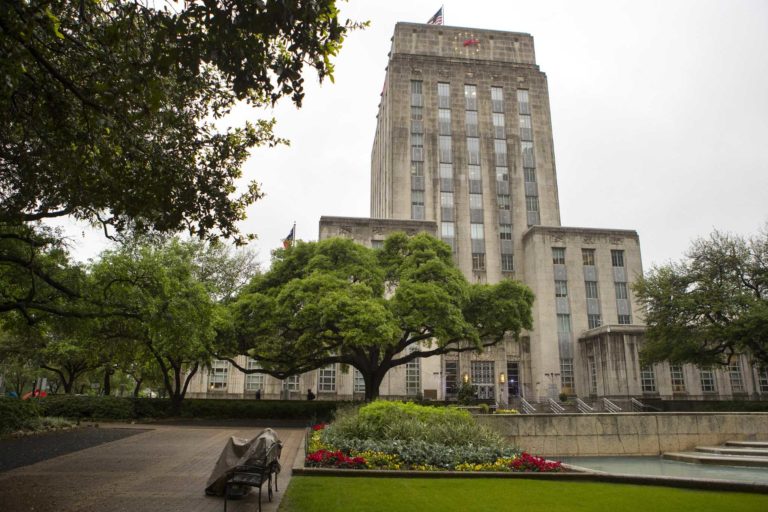
Representatives from the National LGBT Chamber of Commerce, the Greater Houston LGBT Chamber of Commerce, local LGBT-owned businesses and the Office of Business Opportunity join Mayor Sylvester Turner for this historic moment in the City of Houston.
The Gays in Hawaii for this year’s Sony Open, where Brian finished 72nd. Guaranteed he’ll get a talking-to from his agent.
P.S. Yushin/BestHawaii.photos
Unless you were an obsessive golf fan, the arrival of Brian and Kimberly Gay onto the PGA Tour at the turn of the century was easy to miss. Yes, he’d been everybody’s All-American at Florida and she was, to borrow Brian’s favorite phrase, “a tornado with lipstick.” But for most of the 2000s, Brian struggled to find his place on Tour, just barely getting by with a magical short game. He was one of the anonymous journeymen that the camera rarely finds. Meanwhile, Kimberly threw herself into raising two daughters and, at times, a Tour pro.
“Brian is a very quiet, laid-back, introverted guy who’s happy to be on the couch watching football,” says Gay’s longtime swing coach, Joe Mayo. “Kimberly has a take-charge kind of attitude and so she’s been great for him, pushing and motivating him and dotting all the i’s in their life.”
In 2008, Brian finally broke through for his first win, at Mayakoba, and the following season he turned into a semi-star by winning twice, including a stunning 10-shot romp at Hilton Head.
The Gay family poses with the Heritage Classic trophy in 2009.
getty images
It was a remarkable emergence for one of the shortest hitters on Tour. Brian had an agent, but Kimberly became increasingly involved as her hubby began fielding more requests for interviews, charity appearances and corporate outings. By late 2012 Brian was without representation altogether. At that year’s tournament in Disney, Kimberly was walking in the gallery — “I try to never, ever miss a hole” — when she spotted a familiar face from various golf gatherings: Mike Flaskey, a top executive at Diamond Resorts. She said the first thing that came to mind: “Mike, when are we going to sit down and do a deal?”
Flaskey was amenable, and by Tuesday of the following week Kimberly had emailed him a 13-page proposal, which led to the creation of an “ambassador” program starring Brian.
(Upon signing, the Gays didn’t have to part with the 20 percent that agents traditionally skim off the top of endorsement deals.) There wasn’t time to get logoed hats made for Brian’s first start under the deal in Hawaii, so Kimberly bought blank caps at the mall and drove around Honolulu to find an embroiderer.
It’s great to keep the money in the family when Brian signs a deal, but the reason I do this is to be a role model for our daughters.
The following week Brian won the Bob Hope and collected a $25,000 victory bonus that would not have been paid if he hadn’t been wearing the Diamond Resorts hat. “She can pull a rabbit out of a hat like nobody else,” says Brian with a chuckle.
Kimberly has served as Brian’s agent ever since, corralling deals with Sligo, G/Fore, EasyGo, PapaNicholas Coffee and Sentinel Spine, as well as the ongoing relationship with Diamond Resorts. Chris Stroud, winner of the 2017 Barracuda Championship, was so impressed by her work that in 2018 he asked Kimberly to represent him too. That forced her to formalize the business and thus GSD Sports Management was born. (It stands for Get, uh, Stuff Done.)
At the 2019 Players she was invited, for the first time, to the annual meeting between agents and Tour brass. Of the 80 or so aspiring Jerry Maguires in the room, Kimberly was one of only two women. “I’ll be honest, that was an emotional day for me,” Kimberly says. “Yes, it’s great to keep the money in the family when Brian signs a deal, but the real reason I do this is to be a role model for our daughters. For them to be proud of me is the most important thing.”
Mission accomplished. Inspired by her mom, Makinley Gay is majoring in sports management at Florida and simultaneously pursuing a master’s in international business. The hope is that, among other things, she’ll bring a younger, fresher perspective to GSD’s digital-media offerings. Kimberly’s ambitious goal is to someday have 20 players in her stable. She’s already diversifying, having signed Maurice Allen, the 2018 Long Drive champion, and venturing into event management around their hometown of Windermere, Fla. Kimberly’s is not the only reinvention in the Gay household.
Injuries and the vagaries of aging had kept Brian winless since the ’13 Hope. Finally, at Colonial in 2019, he gave in to Mayo’s beseeching to chase more distance. Mayo, who earned a modicum of fame for his sardonic Twitter nom de plume Trackman Maestro, says that back then Gay generated 107 miles per hour of clubhead speed and 154 mph of ball speed with his driver, carrying his tee shots barely 260 yards. After learning to lift his left heel on the backswing and lengthen his turn, Gay’s speed quickly spiked to 117/173 and he began flying it up to 40 yards farther. The hard work began to pay off that fall in Bermuda, when Gay tied for third. (“I actually didn’t even want to go play there because that weekend was the Florida-Georgia game, but Kimberly talked me into it.”) But Brian struggled throughout the 2020 season.
“I might have been pressing a little bit,” he says. He was aware that, for the first time, colleagues were watching him on the range and whispering about how far he was hitting the ball.
Brian, Kimberly and their daughters celebrate Brian’s Bermuda Championship win.
Courtesy of Kimberly Gay
He finally found some peace of mind returning to Bermuda in November, and a month shy of his 49th birthday Brian birdied the 72nd hole for an out-of-nowhere victory, capping what Mayo calls “one of the most remarkable careers in golf history. I mean, for 20 f—ing years he was the shortest hitter on Tour. If Brian can keep adding speed, Dustin Johnson and everybody else can pack up and go home, because nobody else has this guy’s heart or toughness or ability to get the ball in the hole.”
Kimberly memorialized the victory with an emotional video capturing the ups and downs of their two decades on Tour. “I’m just so, so proud of him,” she says. That’s a wife talking. And what does the victory mean to Brian Gay’s agent? “Let’s just say there are some exciting opportunities we’re pursuing,” says Kimberly, “but I’m not at liberty to discuss them yet.”
Latest In News
Alan Shipnuck
Golf.com
GOLF senior writer Alan Shipnuck writes longform features and a monthly column for GOLF Magazineand has his own vertical on GOLF.comentitled “The Knockdown,” which is home to podcasts, video vignettes, event coverage and his popular weekly mailbag #AskAlan. He is the author of five books on golf, including national best-sellers Bud, Sweat & Tees and The Swinger (with Michael Bamberger). Shipnuck is very active on Twitter, with a following of 50,000.
Houston became the first city in Texas on Thursday to add a certification for LGBT-owned businesses in city contracting.
Mayor Sylvester Turner signed an executive order adding the certification during an event with the National LGBT Chamber of Commerce and its Houston affiliate. The Chamber will manage the certification process.
The move ultimately could help the city direct more contracts to LGBT-owned businesses, which make up a small portion of the region’s 130,000 companies.
Some 173 businesses belong to the Greater Houston LGBT Chamber of Commerce, and 70 businesses in Texas — including 38 in Houston — have been certified by the national chamber as LGBT-owned, though the organization said that number often grows after governments recognize them. The number in California tripled in one year after it added the certification.
Houston already has certifications for small businesses and businesses owned by minorities and women, as part of a remedial program intended to boost their participation in city contracting. It places goals for how much of certain contracts are directed toward those entities.
The new LGBT-owned business certification will not be included in those goals, but the executive order says the city will monitor their participation in contracts and produce an annual report about its findings.
It is possible goals could be added in the future. Marsha Murray, the director of the city’s Office of Business Opportunity, said government programs based on sex,like those based on race or national origin, are subject to strict constitutional scrutiny, which means the city has to demonstrate that remedial action is necessary before it can enact goals.
“The city’s new initiative is the beginning step to identify and monitor the level of participation by LGBT business enterprises in city contracting,” she said.
The order also adds the businesses to the city’s firm directory, which means prime contractors will be able to seek out LGBT subcontractors. The city also is launching an outreach campaign to educate LGBT business owners about resources from the Office of Business Opportunity, such as development counseling, legal assistance, and networking events.
Turner said the certification will help Houston diversify its vendors, which he said helps save taxpayer money by expanding the bidding process for city contracts.
“This initiative is a win for our city in so many ways,” Turner said.
Marilyn Jordan and Naomi Scales, managing partners MarFran Cleaning in Houston, which is certified by the National LGBT Chamber of Commerce, said the status has symbolic importance, as well. MarFran, like the 37 other businesses in Houston with the national certification, will be entered into the city’s firm directory now.
“What this executive order and this type of legislation says is, if you want to do business with the City of Houston, you must be willing to see and accept all of us,” Jordan said. “What it says to the LGBTQ community is, we don’t have to force fit into a group that does not address our authenticity.”
Jonathan Lovitz, a senior vice president at the National LGBT Chamber, said Houston joins a growing number of more than 20 cities and states that have recognized the certifications.
California was the first, adopting a public mandate to include certified LGBT businesses in contracting in 2014, according to Lovitz. The state has been analyzing the data around participation and is preparing to adopt its first goals this fall.
In the meantime, the Houston businesses will benefit from programming and being included in the city’s directory, he said.
“We always talk about being invited to the table. Well, now LGBT businesses have their name on the invite to the table,” Lovitz said.
Tammi Wallace, founder and CEO of the Greater Houston LGBT Chamber of Commerce, praised the order. She said it will help show that LGBT business owners are a critical part of the city’s economic fabric.
“It’s an historic announcement on any measure, and certainly another step toward LGBTQ economic inclusion,” Wallace said.
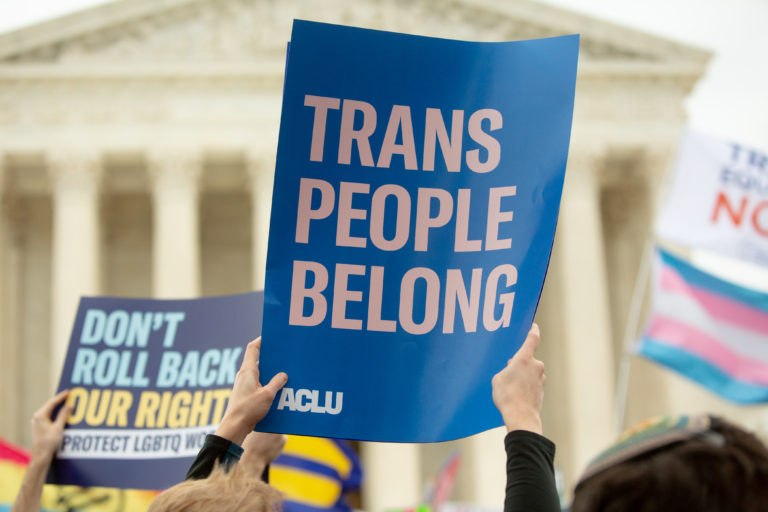
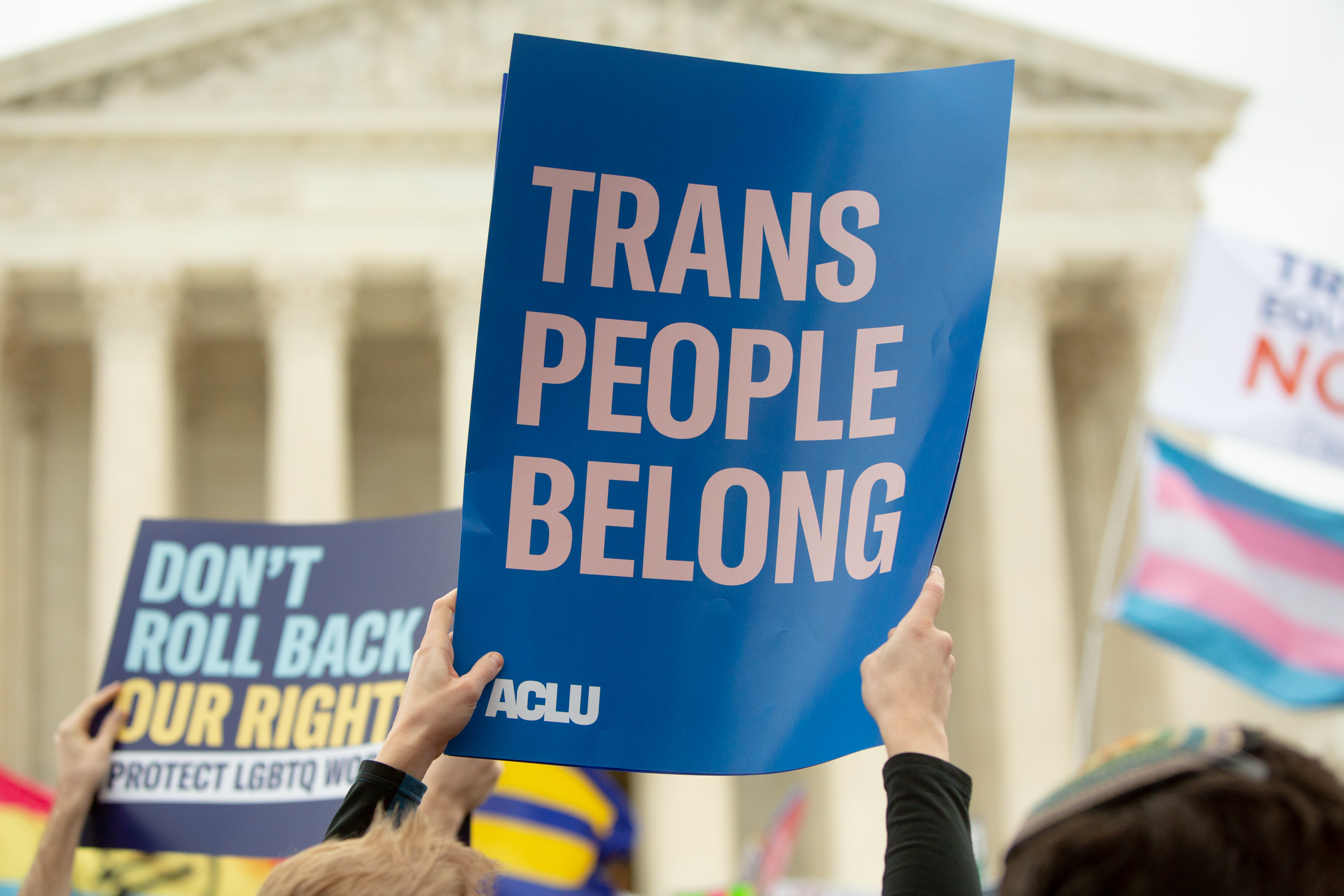
The ACLU works to ensure that lesbian, gay, bisexual, transgender, & queer people belong everywhere and can live openly and authentically without discrimination, harassment, or violence.
The ACLU has a long history of defending the LGBTQ community. We brought our first LGBTQ rights case in 1936. What is now the Jon L. Stryker and Slobodan Randjelović LGBTQ & HIV Project was founded in 1986 and renamed in 2021. Today, the ACLU brings more LGBTQ rights cases and advocacy initiatives than any other national organization does. In fact, the ACLU has been counsel in seven of the nine LGBTQ rights cases that the U.S. Supreme Court has decided — more than any other organization. With our reach into the courts and legislatures of every state, there is no other organization that can match our record of making progress both in the courts of law and in the court of public opinion.
The ACLU’s current priorities are to end discrimination, harassment and violence toward transgender people, to close gaps in our federal and state civil rights laws, to prevent protections against discrimination from being undermined by a license to discriminate, and to protect LGBTQ people in and from the criminal legal system.
The ACLU Lesbian Gay Bisexual Transgender Project seeks to create a just society for all LGBTQ people regardless of race or income. Through litigation, lobbying, public education, and organizing, we work to build a country where our communities can live openly without discrimination and enjoy equal rights, personal autonomy, and freedom of expression and association.
:strip_exif(true):strip_icc(true):no_upscale(true):quality(65)/d1vhqlrjc8h82r.cloudfront.net/03-06-2021/t_46b294632161472f81a87b2b8150d302_name_image.jpg)





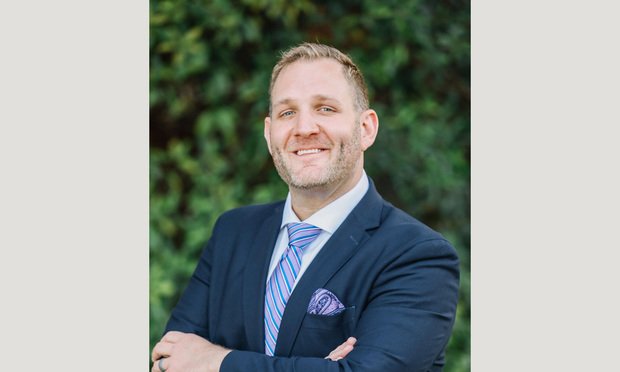
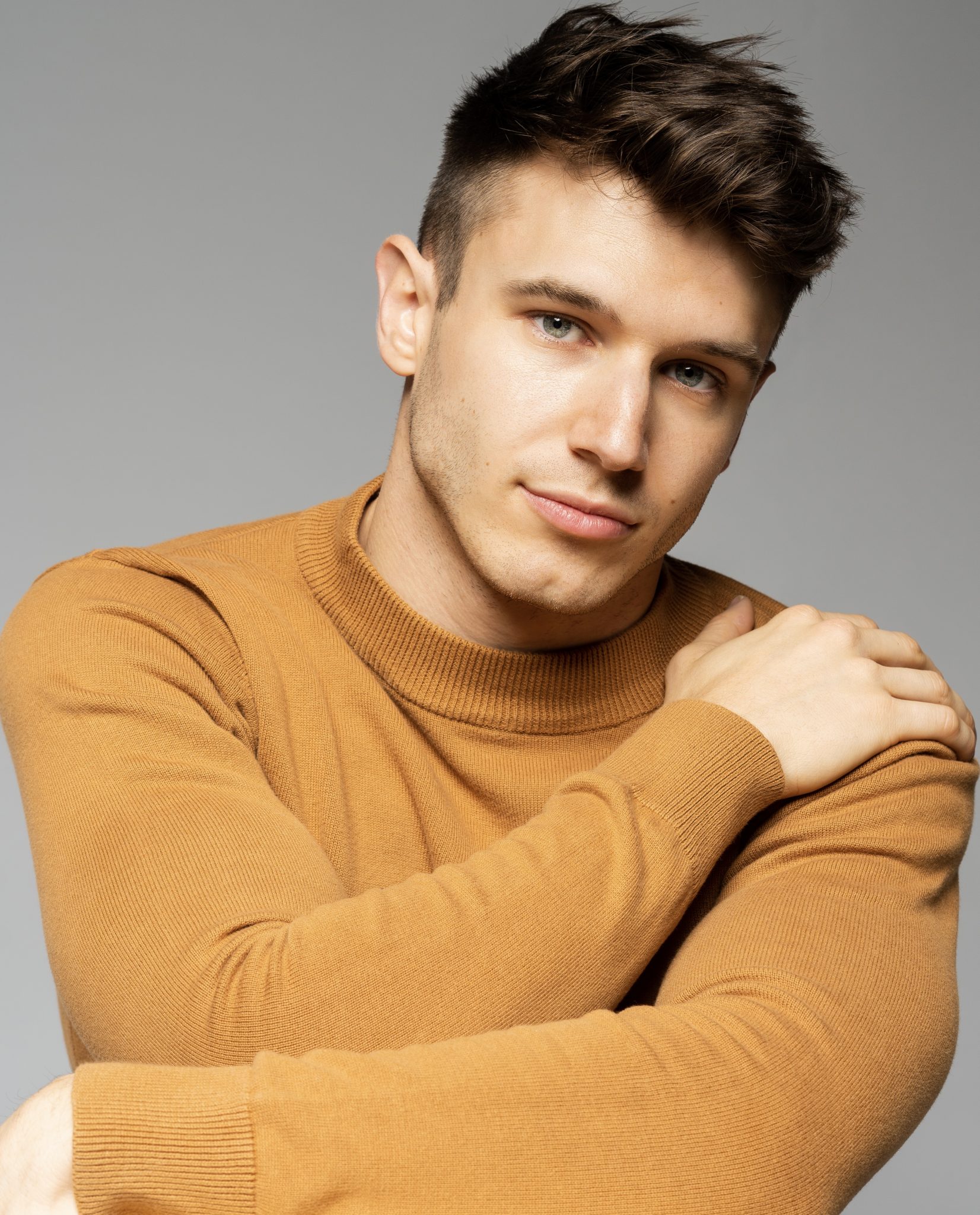
 Texas attorney Michael Ritter. Courtesy photo