Home Blog Page 405

Gay-Listers Guide: Toronto With Miss Conception – Forbes

0

Gay-Listers Guide is a series of destination glimpses through the personal experience of prominent LGBT personalities. 
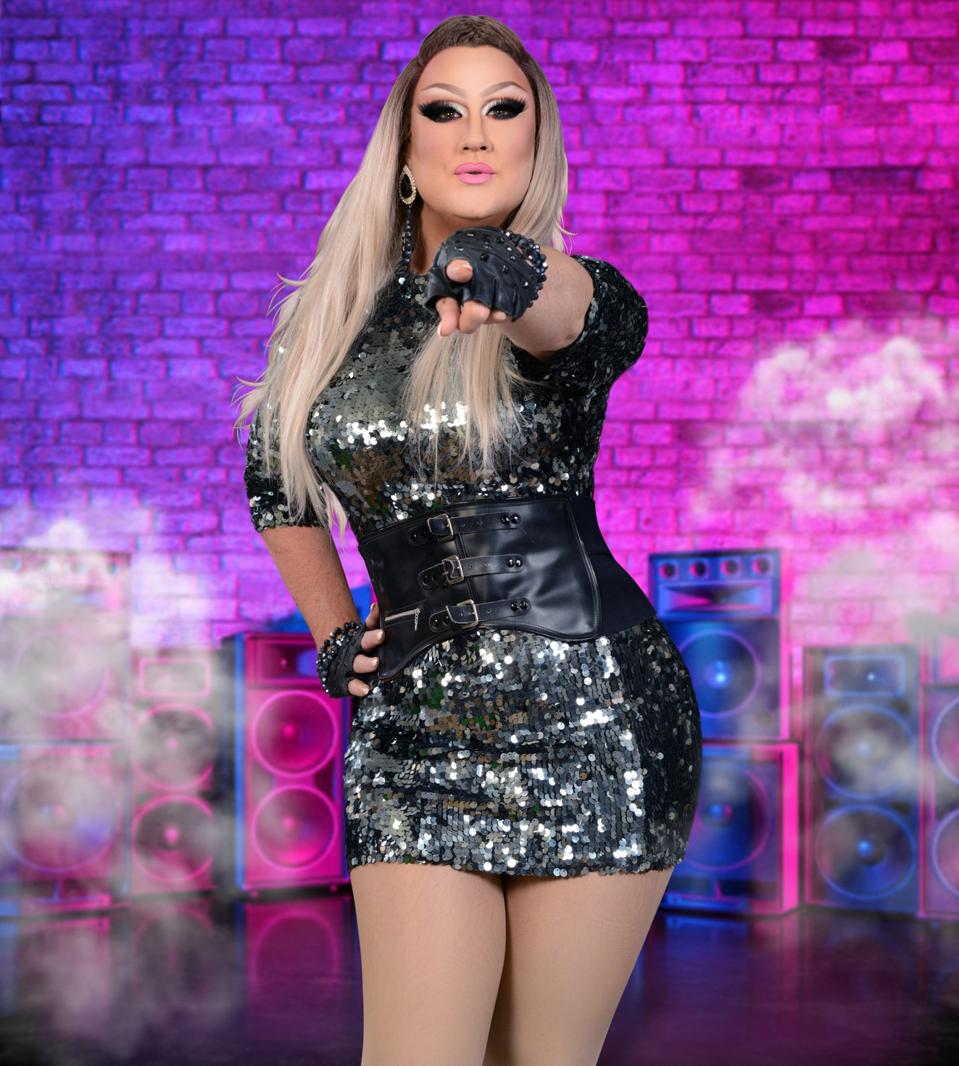
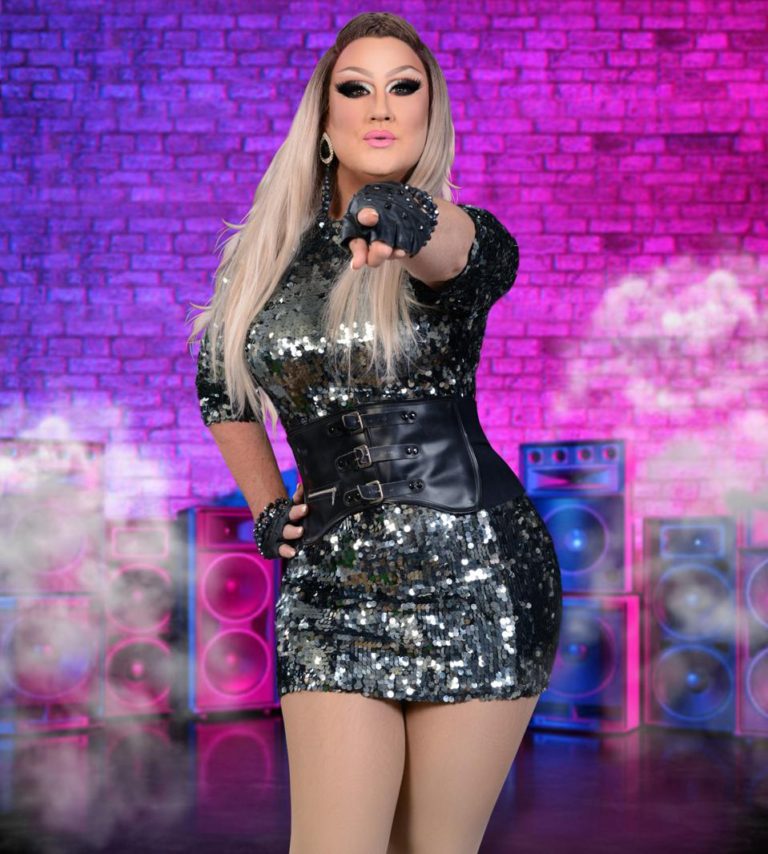
In this edition of Gay-Listers Guide, Canadian drag queen and self-professed “female delusionist” Miss Conception takes us through her beloved hometown, which she calls one of the most diverse cities in the world, Toronto.

How long have you been in Toronto?

I was born in Toronto! From birth to age 19 I lived just on the outskirts of the city in Mississauga, and I spent lots of time in the city all my life. When I was 19, I moved to Toronto to start a new life as a gay man. Twenty-one years later, it’s still my home sweet home.

What’s your best memory of the city?

Personally, a great memory was introducing my parents to the gay bars, and what’s really funny is that I found out that my father actually built the remodel of Woody’s (where I perform) in 1994, so when I introduced him to my boss, Dean, it was a reunion because Dean remembered him from many years ago! I also love all the time I spent with my family at The Canadian National Exhibition, held at the end of August every year. Rides, food, carnival games, haunted houses, deep-fried Mars bars, concerts, beer gardens, water slides . . .  and so much more!

Your worst memory?

I think the worst memory I have of Toronto has to be March 2020, when the world shut down. Seeing my city suffer, with no bars or restaurants and people losing jobs and homes was just terrible. It was like living in a movie when this happened to Toronto and all around the world.

MORE FOR YOU

What do you love most about Toronto?

I always tell people it’s like a mini New York City or Chicago with theaters, nightlife, historic buildings and kind people. I love seeing the tall buildings and walking through the wind tunnels between them. I love the people hustling to work in the mornings and having beers on patios after work.

What do you not love?

The thing I don’t love about Toronto is that the traffic is out of this world. There are only two major roads to get into Toronto and when you have almost 3 million people trying to move about, not to mention so many commuters who work in the city, it becomes a nightmare on the roads.

Where are your favorite places to eat?

We have food from all over the world in Downtown. From Chinatown, Greek on the Danforth, Little Italy, Koreatown and Little India to just a plain old burger, we have everything you can think of to eat. One of my favorite places is Thairoom on Carlton, where you can get the best green chicken curry with purple sticky rice you’ll ever taste. If you want a good old greasy spoon breakfast then head over to The Senator on Victoria street. The Senator is the oldest restaurant in Toronto and in this restaurant you’ll see pictures of famous celebrities who have eaten there dating as far back as 1836. If you’re not the fancy type then you’ll find a nice big dog all around the city at street vendors—nothing like street meat at 2 in the morning after having some pints.

And to drink?

My favorite pub is The Blake House. In the summer, The Blake House has a fabulous patio for drinking a nice pint of beer and eating delicious chicken wings. I have been going here for years, since it was called The Red Lion back in 2000.

What do you love to do here during the day?

During the day I love to head down to The Beaches, which is an area down on the water off Queen street in the East End. Walking the beach, where you can see people playing beach volleyball and biking the path that takes you all over the city, is truly blissful and a great thing to do in the summer. Also the winter, if you bundle up warm.

What are your favorite clubs or nighttime hangouts here?

The nightlife scene in Toronto is hopping from 9 p.m. to 2 a.m., from small bars and huge clubs that provide all-ages events, as well. In my day, I used to go down to the club district and party at the Velvet Underground and Crocodile Rocks but sadly, due to Covid and other circumstances, these places don’t exist anymore. Now, in my 40s, I prefer a good old-fashion pub like Woodys, The Drink, The Well or Pegasus on Church Street. Or I head down to Polson Pier, formerly known as The Docks, for pop-up parties during special events like Pride or The Toronto Caribbean Carnival.

Do you have a favorite hotel in Toronto?

My favorite place for romantic nights is Shangri-La Hotel Toronto on University Avenue. It’s a luxury Asian-inspired hotel with a fabulous spa and indoor pool. I first found out about this hotel because I performed at an event there, and the rooms are the most comfortable and largest you’ll ever find. And the staff are just lovely! If you want to treat yourself to a beautiful, romantic night then I recommend this hotel. Have dinner in their incredible restaurant with two-story windows looking out to the city, too.

Describe the LGBT scene here, and what an LGBT visitor should be sure to check out.

The scene in Toronto isn’t as huge as it was before due to lots of bars closing down for condos, but it’s still strong. So many LGBT restaurants to choose from, local coffee shops, Buddies in Bad Times Theatre, the AIDS memorial at Cawthra Park, massage parlors, gay-owned clothing stores, Express Pizza (better known as “Gay Pizza”), Glad Day Bookshop and all the remaining bars and clubs. There are also some bathhouses you can enjoy, like Spa Excess and Steamworks.

What else should we know about this place?

It’s truly a magical city to visit. Trust me—with all these things I’ve listed, you won’t get bored and you’ll find other treasures like Kensington Market for the perfect vintage clothing, taking a walk down to Evergreen Brick Works or going to the Christmas markets in the Distillery District and sipping hot chocolate by an outdoor fire.

Anything new to plug?

Go to my website for more information on where I’ll be traveling next. In the summer, I’m usually in Provincetown, Massachusetts and in the winter it’s Puerto Vallarta, Mexico!

Transgender Athletes Are Banned from Sports in These States – Newsweek

Two dozen U.S. states could ban transgender women and girls from competing in women’s sports, with lawmakers considering following the example set by Idaho.

In March last year, the Gem State became the first to pass a law preventing transgender women from participating in women’s sports, only for a federal judge to suspend the ban in August. While the law is not being forced as the case remains pending, that hasn’t stopped other states to put forward similar bills.

On Thursday, Tennessee joined Idaho in banning trans women from competing on teams according to their gender identity only two months after President Joe Biden signed an executive order on his first day of office banning discrimination based on gender identity in school sports and elsewhere.

From July 1, the Mississippi Fairness Act will require athletes at public schools and universities to compete according to their sex assigned at birth, as opposed to the one they identify with.

Like the bill introduced in Idaho last year, the Mississippi Fairness Act can still be challenged in court.

“I proudly signed the Mississippi Fairness Act to ensure young girls are not forced to compete against biological males,” Mississippi Gov. Tate Reeves tweeted after signing the bill.

I never imagined dealing with this, but POTUS left us no choice. One of his first acts was to sign an EO encouraging transgenderism in children. So today, I proudly signed the Mississippi Fairness Act to ensure young girls are not forced to compete against biological males. pic.twitter.com/INZgKQRMJr

— Tate Reeves (@tatereeves) March 11, 2021

Those in favor of preventing transgender women from competing in women sports regularly cite the desire to ensure competitive balance as the cornerstone of their argument, suggesting the male hormones that develop through puberty would give transgender women an unfair advantage because of the strength they confer.

While research on the topic remains limited, a study published in 2015 by researcher and medial physicist Joanna Harper found transgender distance runners were no more competitive as women than as men.

However, in an opinion piece written for the Chicago Tribune, Harper also noted that her research was limited only to distance runners and that transgender women athletes in other sports could retain an advantage if they underwent hormone therapy—which suppresses testosterone—after puberty.

Mississippi Gov. Tate Reeves
Mississippi Gov. Tate Reeves speaks on COVID-19 testing in the Rose Garden of the White House in Washington, DC on September 28, 2020. Reeves on Thursday signed a bill preventing transgender girls and women from competing in women’s sports.
Mandel Ngan/AFP/Getty Images

According to the American Civil Liberties Union, 25 states have introduced bills along the lines of those signed by the governors of Idaho and Mississippi.

Bills in Alabama, Montana and Tennessee have already passed one chamber and are being debated in the other, while the South Dakota Senate passed the Women’s Fairness in Sports bill with a 20-15 vote in favor.

Earlier this week, South Dakota Gov. Kristi Noem tweeted she intended to sign the bill, which was aimed at “defending women’s sports.”

Elsewhere, The New York Times reported that lawmakers in Arkansas and Missouri are considering similar bills and constitutional amendments.

Meanwhile, Republicans representatives in Florida and Utah have introduced bills seeking to ban transgender women to compete in women’s sports.

Rep. Mike Lee of Utah last month introduced the Protection of Women and Girls in Sports Act of 2021 bill “to provide that for purposes of determining compliance with title IX of the Education Amendments of 1972 in athletics, sex shall be recognized based solely on a person’s reproductive biology and genetics at birth.”

A month earlier, Rep. Greg Steube of Florida introduced a similar bill, which would make it illegal for sports programs that receive federal funds “to permit a person whose sex is male to participate in an athletic program or activity that is designated for women or girls.”

Title IX of the Education Amendments of 1972 prohibits sex-based discrimination in any school or education program that receives federal funds.

During President Donald Trump‘s term, the U.S. Department of Education ruled Connecticut’s high school system violated Title IX, a decision which was reversed by the Biden administration in February.

One of 16 states along with the District of Columbia to allow transgender girls and women to compete in women’s sports, Connecticut has been sued by three athletes who claim its policy is in breach of Title IX.

Earlier this week, Sports Illustrated reported 545 student-athletes from at least 80 universities have urged the NCAA to no longer hold championship events in states that ban transgender athletes.

“You have been silent in the face of hateful legislation in states that are slated to host championships, even though those states are close to passing anti-transgender legislation,” the letter read.

LGBT community goes vocal through fashion – Times of India

Fashion enthusiasts all over the world would be well aware that there is nothing more fabulous than LGBTQ+ fashion. The fashion industry today would be nothing without the involvement of the LGBTQ+ community, with revolutions and bold statements happening more so in the last two decades. With radical changes being triggered in the world to change conventional thought processes, the fight for freedom and equality for all is also gaining a lot of support. People today demand equal recognition and respect through one’s individualistic style choices, and this movement is massively influencing the world of fashion. However, it should be pointed out that these changes don’t only pertain to the LGBTQ+; they’re equally welcomed by their allies, meaning by people who don’t belong to LGBTQ+ but are fully supportive of their choices to live life the way they wish to.
Freedom of coming out of the closet

Using fashion as a medium, more and more individuals are coming out in the open, choosing their right to live life on their terms. Time and again, rights and social statuses have been challenged, but more than ever, gender fluidity has gained strength from the fashion industry as the latter has blurred the lines between men’s and women’s clothing – almost everything is pangender now. Recently, one of the biggest designers of fashion and Bollywood showed immense courage and came out, boldly claiming the gender of his choice and renaming himself. This reminds us of India’s top-notch celebrity make-up gurus who chinned up a few years back, flaunting a stronger and more beautiful level of talent. In another instance, Bollywood actor Prateik Babbar stunned onlookers as he walked the ramp at LFW 2018 as a drag queen, in support of gender-fluidity. The designers, magazine editors, photographers, makeup artists, and hairstylists of the LGBTQ+ community are all part of contributing to what’s going on in the industry on the stage or behind the curtains. Things that were once not accepted or appreciated, are now being claimed respectfully with heads held high. This is only taking things forward with transparency and acceptance of each other for the skills they bring to make this society an open, egalitarian place to live.

Strongly impacting the fashion industry

The list of LGBTQs influencing fashion is endless, and it comes with the perks of vibrant fashion collections and seasons, creating ensembles that were once exclusively intended for women; now, they’re available for men as well. For instance, small-sized, high-end designer slings or clutches are being getting flaunted this season at Indian holiday destinations, as well as chunky boots and studded outfits being hyped on the streets of Goa. Many transgenders or executives of their preferred sex seem to spend lots of money on these designer pieces which were at some point only showered attention on by the women. The strong and edgy crowd of today’s era has used the latest trends and fashion products to express their sexuality and feel glamorous in their skin. No matter what the past held, the future of this industry seems to account for a big part of sales from the LGBTQ+ community.

Gender-neutral clothing


Gone are those days when one thought that attire is to be based on sex. Many young people of today, LQBTQ+ or not, identify themselves as gender-neutral. Stereotypical and vapid rules like boys wear blue and girls wear pink are being done away with, and this is only the beginning. Buying unisex products online, or even going to a

store and picking up your favourites from the opposite gender’s collection is not a tabooed sight anymore. Embracing gender-neutrality is giving a feeling of freedom and relief that we didn’t know was needed. Taking the hint, fashion companies have started focusing on goods that are bringing in more sales and accommodating the increasing demands of new societal standards.
The rise of transgender agencies


With beauty and appearance changing definitions and becoming more unconventional, it opens the door to models and of all shapes and sizes as well as all genders. Many agencies are getting flexible in offering jobs and limelight to certain segments of society that weren’t a part of this before.

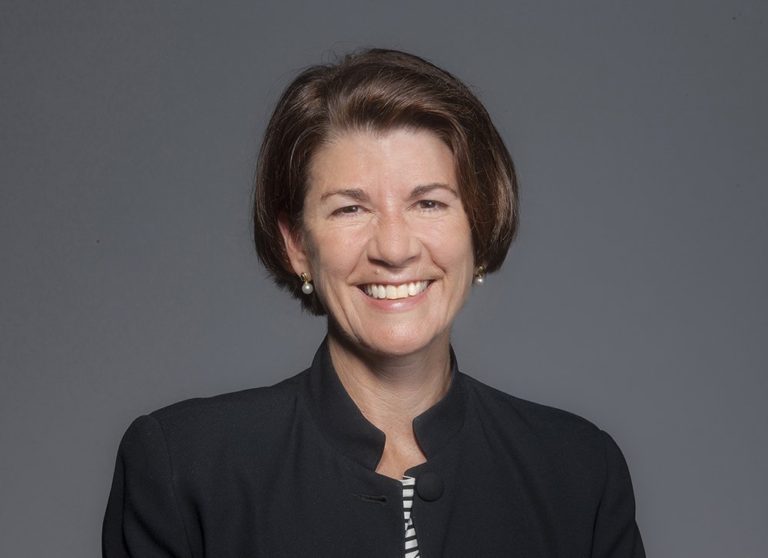
Important advances were made in recent times, when a few well-known designers chose to hire transgender models for their shows, walking the ramp along with the others, sending out the message of diversity and acceptance. Breaking the norms, Anjali Lama became the first transgender model from the subcontinent to have bagged a Calvin Klein campaign, an accolade not many are fortunate enough to achieve. With the increased transgender visibility in society, and with the LGBT community getting stronger, it is somewhere leaving a significant impact on further plans of progress, and in acceptance of beauty products that are now more inclusive than they historically were before.
The legal quandary


Section 377 of the Indian Penal Code is a section of the official criminal code of India, introduced in 1861 during British rule. Based on the Buggery Act of 1533, it makes sexual activities that are against the order of nature, illegal. On 6th September 2018 in a landmark judgement, the Supreme Court of India ruled out Section 377 in regards to homosexuality between consenting adults, calling it irrational, among other similar concepts. Hundreds of people were seen celebrating all over the country, painting their faces in rainbows. Their may have won the battle but the war isn’t over. The right to marry a partner of the same sex, to serve in the military, or to adopt isn’t granted to homosexuals yet. Another surprising fact is that there’s no official data on the LGBTQ+ population in India. Online petitions for such issues and many more are being created and gaining support, like for gender neutral legislation, including a rape law that would also protect men, transgenders, and intersex people that has gained 9000 signatures.
Here’s wishing that the LGBTQ+ community gets more power and resources to stand up strong and be recognized for their individuality. As the new millennium is looking beyond gender binaries, we can hope that these discriminations will come to an end and we will have a harmonious society to live in.

Ask Amy: Teen forces gay friend out of the closet – The Denver Post

Dear Readers: Every year during this time I step away from my column to work on other creative projects. I hope you enjoy these (edited) “Best Of” Q&As from 10 years ago.

Today’s topic is: Coming out.

I also invite readers to subscribe to my weekly “Asking Amy” newsletter, at Amydickinson.substack.com, where I post a favorite Q&A, as well as commentary about what I’m reading, watching, and listening to.

I’ll be back with fresh columns in two weeks.

Dear Amy: I am a 15-year-old girl.

I have known my friend “James” for 10 years. We are close. We attend the same school and church. Our religion is against gay marriage.

A few days ago, I was on Facebook but it was logged into my friend “Tiffany’s” account. I didn’t realize I was logged into her account until I read a message that James sent her. James told Tiffany that he was gay.

He said he didn’t know how to come out and tell other people. He was also slamming our religion. He has been called gay since sixth grade but always denied it.

I told my sister what I found out, and then she told my father.

My dad told James’ dad, and the whole thing got back to James. James now hates me. He says that I shouldn’t have been looking through Tiffany’s messages, and that I should have kept the news about him to myself. I told him the whole story, but he doesn’t believe me.

Was I wrong for telling my sister? I still love James but I don’t agree with his lifestyle. What can I do to fix our friendship?

– Sad Teen

Dear Teen: “James” is right. Though it is possible to be on Facebook under someone else’s account without necessarily realizing it, you read your friend’s private message and then, after you knew this message was private, you disclosed it to someone else.

When you are close friends with someone, you should take your personal questions and concerns directly to them.

James now doesn’t have the option to make his own choice about how to talk about his own life because you and your family have made this choice for him.

You’ve made a mistake. The most you can do now is also the best thing to do – always. Tell the truth. Acknowledge your mistake. Ask for forgiveness, and hope it will be granted.

(October 2011)

Dear Amy: I am a gay man, and I have been involved with a younger guy (he’s 25 and I’m 48) for close to a year.

We have a million things in common. He’s sweet, kind, funny, and I’m very appreciative of his emotional support and advice. I’ve encouraged him to continue his education, and I’ve tried to be supportive.

He’s very new to the whole relationship thing and hasn’t come out to anyone yet.

He’s very shy about being in public with me, and I don’t think that’s as much about the age issue as it is about being gay.

He’s concerned about what people think, and he’s always worried that he will run into someone he knows when we are out in public.

Because of this, we mainly stay home. I’ve talked to him about confiding in a friend or a family member to feel better about himself and become more comfortable in his own skin, but he’s dragging his feet.

I have no intention to deliver ultimatums, but I don’t want this to go on forever. I want him to meet my family, and I want to meet his one day. What else can I do to help him overcome his fears? What we have is extremely special, and I think it could last a lifetime.

– No Closets

Dear Closets: You say you two have a million things in common, but I can think of two very important things you don’t have in common: your age and your life-stage. You, for instance, know who you are. And you are trying to mitigate his immaturity by telling him who he is.

You sound like a nice guy, but this is not a relationship of equals. You can’t pull him out of the closet; instead you are stepping into the closet yourself to guard his sensitivities. Is this what you want?

You don’t need to deliver an ultimatum but giving him some distance might actually be good for both of you. Without your kindly mentoring, he may be able to make some choices of his own.

(May 2011)

(You can email Amy Dickinson at askamy@amydickinson.com or send a letter to Ask Amy, P.O. Box 194, Freeville, NY 13068. You can also follow her on Twitter @askingamy or Facebook.)

Trans women in sports: A mother’s letter to her daughter – Outsports

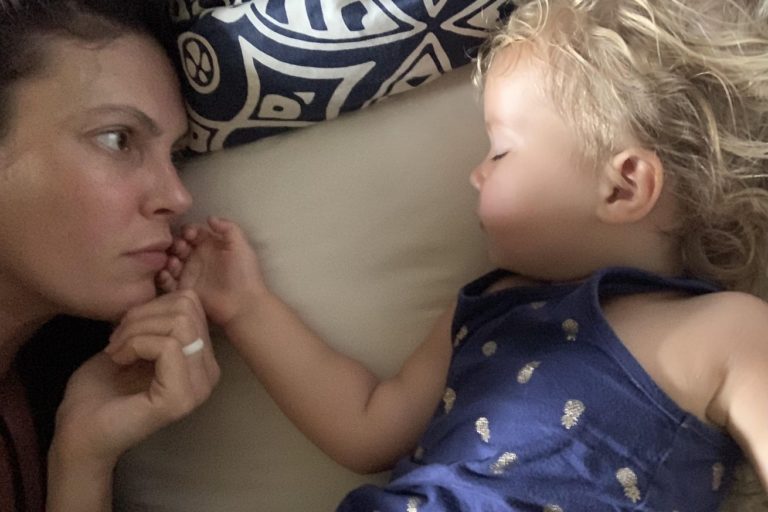
Kendra Stansbury and her daughter – Kendra Stansbury

I have thought a lot about this subject, and I don’t presume to have any answers. It seemed very complicated at first. In some ways it is. When I hear fears about trans women in fighting sports it makes me fear too. Discussions about what is “fair” feel confusing. Yet it’s becoming clearer and clearer to me. I hear the way women’s bodies are being scrutinized, as they always are and always have been. The way they are being told when and how to use them. When it’s ok and when it’s not okay to be who you are.

A female — not trans — Olympic gold winner, Caster Semenya, from South Africa, was told in 2018 that if she wishes to continue to compete in her events she will be forced to take testosterone blockers because her natural testosterone is much higher than most women. I mention her because she is female, but not female enough. Trans women are female, but not female enough. With them both we see an attempt to control and define what and who is a woman, without ever asking the women.

Semenya is also black. I see black women being specifically scrutinized. This is nothing new. The criticism of black women looking “too manly” or “too masculine” or “too muscular” happens among athletes and black women in general. Serena and Venus Williams and Michelle Obama being prime examples (3 examples of beauty and empowerment for many of us). Yes, these criticisms extend to women of all colors — elite Crossfitters and Body Builders, I see you — but these stereotypes of black women are ubiquitous and persistent.

Those dishing out these criticisms are by and large the same people criticizing trans women in sports. The people criticizing trans women in sports are by and large those who do not vote for, or support the laws that would benefit women, the LGBTQ community, or the black community. They say they do. They convince themselves that they do. They do not. The fight against trans women in sports looks like yet another iteration of white supremacy and misogyny, this time disguising itself as a fight for women’s rights. Trans girl athletes are the easy target.

It would make sense to secure the rights, safety, and acceptance of the trans community, then have difficult discussions about their inclusion led by trans people themselves. Instead, their exclusion is being defined by mostly those outside the trans community. How many people righteous in their opinion about trans women in sports have sat down with a trans woman in sports for a discussion? How many are convinced of their views purely because they heard the opinions of another straight or cisgender person who also hasn’t spoken to a trans woman in sports?

Someone close to me recently asked how I would feel if my, currently 3 year old, daughter was someday in competition with a trans girl and she lost out on a scholarship or championship. What would I say to her? How would I explain it? This is my hypothetical letter to her in a very hypothetical situation, based on a hypothetical version of her (I can’t really know what I would need to say, or how I would say it, without knowing her 17 year old self).

Dear Daughter,

I am so sorry. This loss is so disappointing. You worked incredibly hard, and you are undeniably amazing. There are a few important things I want you to remember about today:

1. You will hear people say things about the champion. That she doesn’t deserve it, that she’s not a girl, and worse. She is as much a girl as you are, but to be recognized as one has been a struggle we can never fully understand. We will support and fight for her rights to do everything other girls do.

2. She is very strong, she is very good, and she has worked extremely hard. Others have worked just as hard and haven’t done as well as her, or you. We take what we have been given and do the best we can with it. Striving to be best is integral in sports. She is a girl and she was the best this time. She should never have an asterisk next to her name.

3. A trophy, a title, or scholarship will not make you a good or better person. You already are a good person. What makes you a good and better person is your kindness, your strength in standing up for those who need it, and your gratefulness and awareness of all the amazing things you have in your life and the amazing person that you already are.

4. From our greatest disappointments and losses can come our greatest opportunities. This experience will give you a voice. You can decide how you want to use it. You can choose to tear someone down or lift someone up.

5. Supporting trans girls is supporting girls.

I love you and support you, fully and completely. I am so proud of you. We will grieve this loss, and then we’ll rise to show our strength in kindness.

Love, Mom

Kendra Stansbury

Kendra Stansbury and her children

Vimeo Can’t Be Sued for Banning Pastor’s Account Over Gay Conversion Content, 2nd Circuit Rules | New York Law Journal – Law.com

0

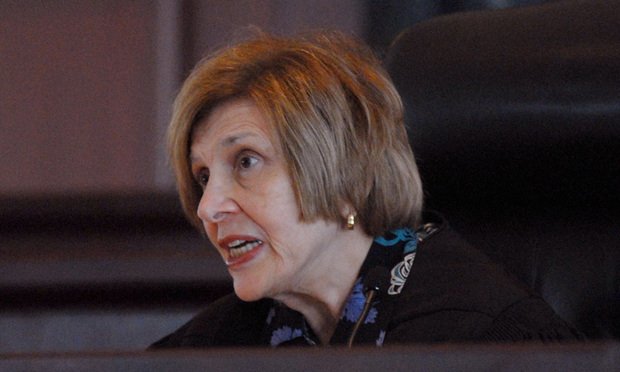
Second Circuit Judge Rosemary S. Pooler Judge Rosemary Pooler of the U.S. Court of Appeals for the Second Circuit at a motion hearing June 26, 2012. Photo: Rick Kopstein


The pastor of a California church may not sue Vimeo over its decision to delete his account after warnings that his postings violated the company’s policy against content that promotes gay conversion therapy, the U.S. Court of Appeals for the Second Circuit ruled Thursday.

A unanimous panel of the appeals court said Vimeo, the internet video services firm based in New York, was protected from the suit by Section 230 of the Communications Decency Act, which grants immunity to interactive computer service providers, like social media companies or video platforms, that make a good-faith effort to restrict offensive content.

The 1990s-era law has recently come under attack from critics, including jabs from former President Donald Trump, who claim that Section 230 gives tech firms excessive power to squelch political speech on their platforms.

But Judge Rosemary S. Pooler of the Second Circuit said, the statute’s impact on plaintiff James Domen’s lawsuit was clear.

“Vimeo is free to restrict access to material that, in good faith, it finds objectionable,” Pooler wrote in an 18-page opinion.

“Indeed, the fundamental purpose of Section 230(c)(2) is to provide platforms like Vimeo with the discretion to identify and remove what they consider objectionable content from their platforms without incurring liability for each decision,” the judge said.

Domen, who lead the California-based Church United, claimed in his suit that Vimeo’s decision amounted to discrimination against his sexual orientation and religion under state and federal law. A self-identified “former homosexual,” Domen publicly promotes conversion through his church, and posted videos to the organization’s Vimeo account advocating for the use of the controversial practice, which has been outlawed in several states.

Vimeo, a Delaware corporation, told Domen in 2018 that the posts violated its policy against “sexual orientation change efforts,” and warned that it would delete the church’s account if he did not remove his videos.

A Manhattan federal magistrate judge dismissed the lawsuit last year, finding that Vimeo was immune to the suit under Section 230. Domen’s allegations of bad faith against Vimeo, meanwhile, were too conclusory to “nudge their claims across the line from conceivable to plausible,” the court said.

On appeal, Pooler agreed with the trial court’s analysis, noting that the punishment was directed at content the pastor had posted, and not at Domen himself. Section 230, she said, does not proscribe specific punitive steps that companies are required take, and publishers have “significant subjective discretion” to determine what they consider to be objectionable.

“Appellants’ bases for arguing that Vimeo acted in bad faith are not 14 commensurate with how courts interpret bad faith in this context,” Pooler said.

She was joined in the decision by Judges Richard C. Wesley and Susan L. Carney of the Second Circuit.

Michael Cheah, Vimeo’s general counsel, said in a statement that the company was “pleased” with the decision.

“It affirms our ongoing efforts to keep Vimeo a safe and inclusive place on the internet, and we will continue to be diligent in removing content and accounts that violate our terms,” Cheah said.

“There is no place on Vimeo for content that is in any way discriminatory or hateful,” he said.

Attorneys for Domen did not immediately respond Thursday to requests for comment.

Domen was represented by Nada Higuera of Tyler & Bursch in Murrieta, California.

Vimeo was also represented by Cheah and attorneys from Jassy Vick Carolan in Los Angeles.

Read More:

2nd Circuit Revives State AG’s Lawsuit Against Anti-Abortion Protestors

2nd Circuit En Banc Rules Manslaughter as ‘Categorically’ Violent, Including Cases of Omission

Class Attorneys’ Handling of Witness List Warranted Decertification, 2nd Circuit Rules

50 Best LGBTQ Movies To Put On Your Must-Watch List In 2021 – Women’s Health

0

It’s Saturday night, and you’ve found yourself in the exact same position as last week—popcorn ready to go, but not a single clue what movie to watch. You could stream The Notebook for the fourth time this year—and be exposed to the same type of heteronormative love and gender expression you see in so many films—but you’re in the mood to change it up with a movie about characters that identify as LGBTQ.

Luckily, you don’t have to waste time scrolling through every streaming service’s offerings in search of something decent. These 50 must-watch films will fit your every mood, from campy hidden gems like DEBS—basically a lesbian version of Spy Kids (count me in!)—to Disclosure, a documentary about transgender representation in media. And who could forget the classic, Thelma and Louise, about two ladies on the run from men and the law? Not all of these movies have received the recognition they deserve, but that just means they’re under-the-radar cool.

Not only are these movies enjoyable to watch, but many of them represent important steps in LGBTQ representation in media. “Movies are one of the key places that LGBTQ people, particularly youth, often find affirmation, identification, and even community,”says Julia Himberg, PhD, associate professor and director of film and media studies at Arizona State University.

For those in the LGBTQ community, exposure to stories similar to their own can be an essential part of self-discovery and -development, especially when the viewer has just begun the process. “Seeing yourself represented on the screen can be tremendously validating. Because most LGBTQ people grow up in heteronormative families, the first images we see of ourselves are often in media,” Himberg notes.

She likens it to an “aha moment” that might spark the process of coming out to yourself. Many of the movies in this list served as such in Himberg’s own life coming of age in the ’90s.

Check out this list of 50 best LGBTQ movies to see some of her expert-approved favorites—and discover your new ones:

Negative attitudes towards effeminacy associated with internalized homophobia among gay and bisexual men – PsyPost

Most members of the LGBTQ+ community recognize that it, like many marginalized and minority communities, suffers from internal struggles centered on identity and the outward display of personality traits and behaviors that generate discrimination from the general public. Effeminacy among gay and bisexual men, and the (perceived) rejection of gender stereotypes associated with it, is a particularly salient and longstanding example.

A recent study published in Trends in Psychology examined the relation between negative attitudes regarding effeminacy and internalized homophobia among gay men, bisexual men, and other men who engage in same-sex relations.

A total of 1123 Brazilian men participated in the study, which used questionnaires to measure negative attitudes towards effeminacy and internalized homophobia. The latter can lead to self-hatred, feelings of shame, and negative views of community members that display effeminate qualities, while internalized stigma in general has been tied to decreased quality of life, anxiety and depression, and lack of general and sexual self-esteem.

The results shed light on a complex and emotionally-charged issue and may represent an opportunity for gay, bisexual and other men to improve their wellbeing by modifying their attitudes toward certain personality traits.

Perhaps unsurprisingly, the authors found a positive relationship between negative attitudes towards effeminacy and internalized homophobia, such that gay and bisexual men who held negative attitudes towards effeminacy demonstrated higher levels of internalized homophobia.

However, digging down into the data leads to some more interesting conclusions. The authors separated participants into two main groups, primarily effeminate (effem) and primarily masculine (masc), and then into three further subgroups: those who wished to be more effeminate (SE-), less effeminate (SE+), and those who were happy with their level of effeminacy (SE=).

The authors found that in general, regardless of how masculine or effeminate a man was, a desire to be more masculine was associated with higher levels of internalized homophobia.

This is particularly interesting because it highlights a paradox faced by a large number of gay and bisexual men who, rejecting effeminate behavior and seeking to distance themselves from it, desire to be ever more masculine. For many, the belief may be that reaching their desired level of masculinity would make them happier.

And yet, the results indicate that the reverse may be true: embracing rather than rejecting this aspect of one’s community and self may have a far more positive impact on wellbeing, by reducing levels of internalized homophobia and stigma.

The effect is so strong that it overcomes the more general trend relating masculinity to internalized homophobia, such that masculine men who wished to be more effeminate (masc_SE+) demonstrated lower levels of internalized homophobia than effeminate men who wished to be more masculine (effem_SE-), and only slightly higher levels than effeminate men who were happy with their level of effeminacy (effem_SE=).

The authors note some limitations, including the need to investigate other elements that may influence masculinity and one’s relation to it, including ethnicity, class, education, and territory. Of course, examining this relation in other cultures, which have their own social norms and perspectives on effeminacy and masculinity, is paramount to improving generalizability.

Internal division plagues many minority and marginalized groups, and the LGBTQ+ community is no different. Understanding how (negative) majority perspectives are internalized by community members and the effect this has on them is essential to resolving these divisions and helping community members to live happier, healthier lives.

The study, “Effeminacy and anti-effeminacy: interactions with internalized homophobia, outness, and masculinity“, was authored by Mozer de M. Ramos, Angelo B. Costa, and Elder Cerqueira-Santos.

2020: The gay Y2K – Daily Californian

From leg warmers to mullets to the revival of low-rise jeans, those who follow fashion trends may have had a hard time keeping up with 2020. Stuck at home with nothing better to do, Gen Z packed what felt like five years of fashion evolution into just 12 months, incorporating style elements from the 1980s, 2000s and our very own bedrooms. 

Several 2020 trends have obvious roots in the Y2K fashion movement. The most abrupt deviation from 2010s fashion was the return of low-waisted pants, which many swore they’d never revisit. While high-rise jeans aimed to elongate the leg, low-rise jeans accentuate the lower midriff, revealing a generation of forgotten lower back tattoos and “whale tails” — a peculiar nostalgia. 

This peculiar nostalgia was a driving force in the return to Y2K fashion. Cooped up at home and finally old enough to pioneer fashion trends, members of Gen Z longed to replicate the fashion trends we saw in our childhoods. Accompanying the low-rise pant came the pleated miniskirt, a 2000s “it girl” staple. Other resurfaced Y2K trends include long shoulder bags, platform shoes, layering dresses and skirts over jeans, baby tees and slip dresses. 

This return to the 2000s keeps in theme with the standard theory of the 20-year trend cycle — a phenomenon in which fashion trends resurface every two decades or so. But Y2K fashion suits the modern era in more ways than one. As the year 2000 approached, a conspiracy theory that computers would be unable to process numbers beyond 1999 circulated throughout popular culture and caused the mass phobia of a technology crash that would lead to the end of civilization. Fortunately, or unfortunately, the world did not end. Technology only got more expansive, the line between natural and artificial intelligence blurred and humans were regularly asked to prove their humanity to robots — thanks, Recaptcha. 

Now, the world truly does seem to be ending. The pandemic forced us indoors, apocalypse-style. We watched a wave of fascism sweep the globe and we’re grappling with the reality of the climate crisis. Gen Z is reviving Y2K not only because we miss it, but because we’re reliving it. We wear our miniskirts and shoulder bags with a similar spirit of optimistic nihilism: The world is ending, so we might as well look cute. 

It’s not all a repeat of 2000, though — 2020’s take on Y2K was met with a queer twist. The mullet and shag haircuts are Gen Z’s most apparent queer-coded changes to Y2K fashion. From Jane Fonda to Rob Lowe, these hairstyles have historically known no gender and have thus become symbols of style, confidence and queerness in 2020. Of course, not all those who rock a 2020 mullet are queer, but from Miley Cyrus to Barbie Ferreira, the look was pioneered by the LGBTQ+ community. 

Other examples of queer-led quarantine trends include septum piercings, sweater vests and, of course, a general desire to stop catering to the male gaze; for example, women proudly wear five-inch Demonia platform shoes without fear of being taller than men. Furthermore, women and femmes have reclaimed the corset — an article of clothing that once symbolized misogynistic and unrealistic body standards now serves as a tool for anyone to embrace their femininity.

A possible cause of this surge in queer femme undertones is that, during quarantine, women and nonbinary folks began leading trends on TikTok. Instead of exclusively big fashion labels setting trends, Gen Z teens set trends from the comfort of their bedrooms. While the feminine fashion industry has historically been dominated by straight women and gay men, the grassroots nature of TikTok allows queer women to control their narrative. 

Toward the middle of quarantine, a TikTok expressing the desire to “look feminine in the way men do” blew up. Thousands of women and nonbinary Gen Z-ers accepted the challenge, sporting androgynous yet feminine looks that said “I’m feminine” in a nonconforming way. This trend isn’t exclusive to any sexuality, but the notion of playing with masculinity and femininity, or simply straying from one’s traditional gender role, has queer elements. Of course, the queer community has been playing with gender for decades, but 2020 saw a breakthrough of queer-led feminine styles into mainstream fashion. 

Women aren’t the only ones who took fashion inspiration from feminine queer communities — 2020 was arguably the year of the “femboy.” Over the course of quarantine, TikTok saw a growing number of men proudly paint their nails and wear skirts, dresses and other traditionally feminine articles of clothing. This trend hit its peak when Harry Styles famously wore a dress for his Vogue cover in November. Femininity was truly “in vogue” this year. 

Reflecting today’s disembodied political arena, 2020 fashion combined the Y2K spirit with queer ingenuity. In a seemingly impossible stroke of gay, fashion-forward creativity, Gen Z found a way to pair the Joan Jett mullet with the Paris Hilton mini skirt. That’s hot. 

Contact Piper Samuels at [email protected].

LGBTQ+ in Sport: Collective launches TikTok to help drive Student Pride Pledge – Sports Media LGBT+

A UK national collective is harnessing the power of TikTok to reach other young people and build a more inclusive community in sport. We invited one of the group’s founding members to explain more…

By Edward Kandel


Edward Kandel is part of the LGBTQ+ in Sport team.

LGBTQ+ in Sport is a national, grassroots collective of people young at heart across the UK working towards making sport inclusive for all.

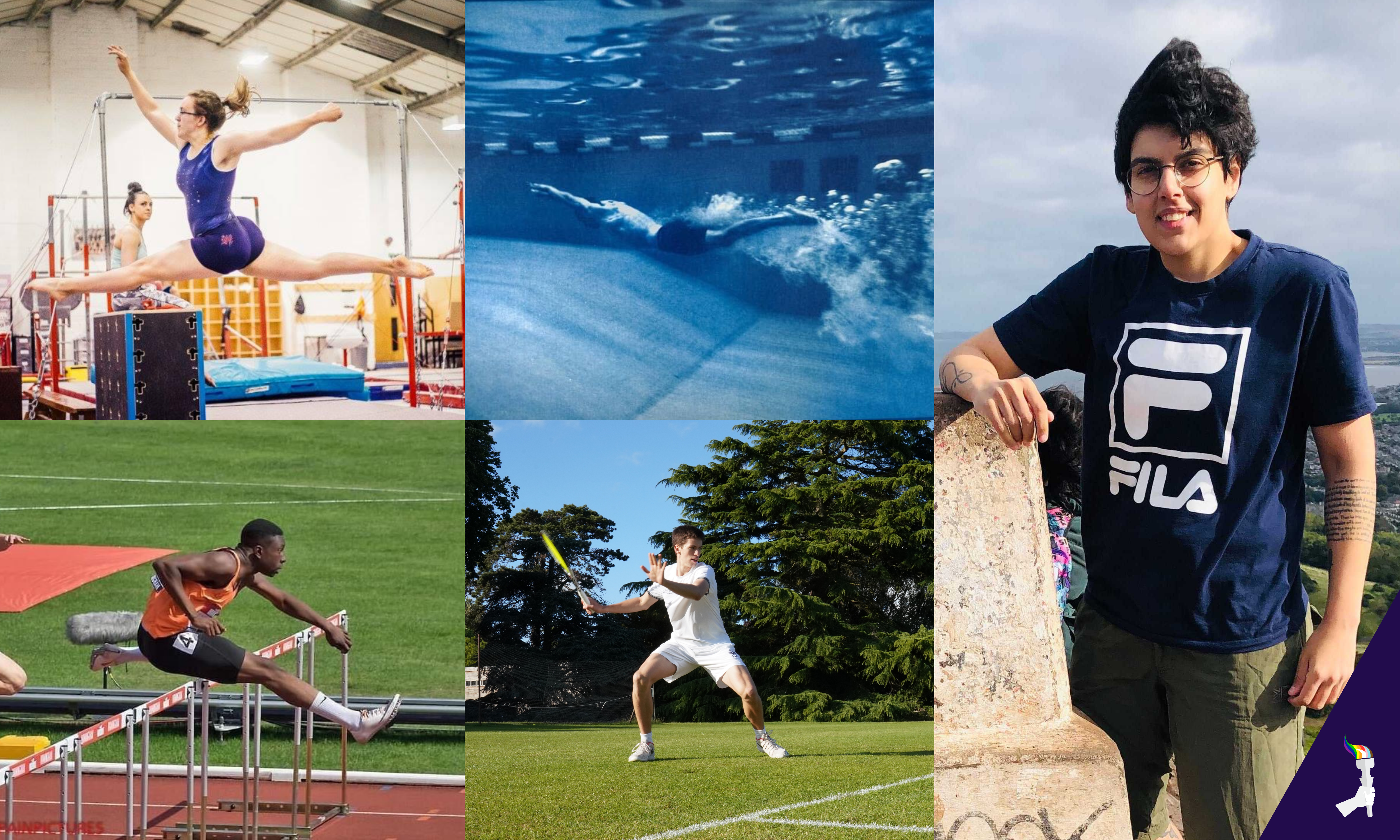
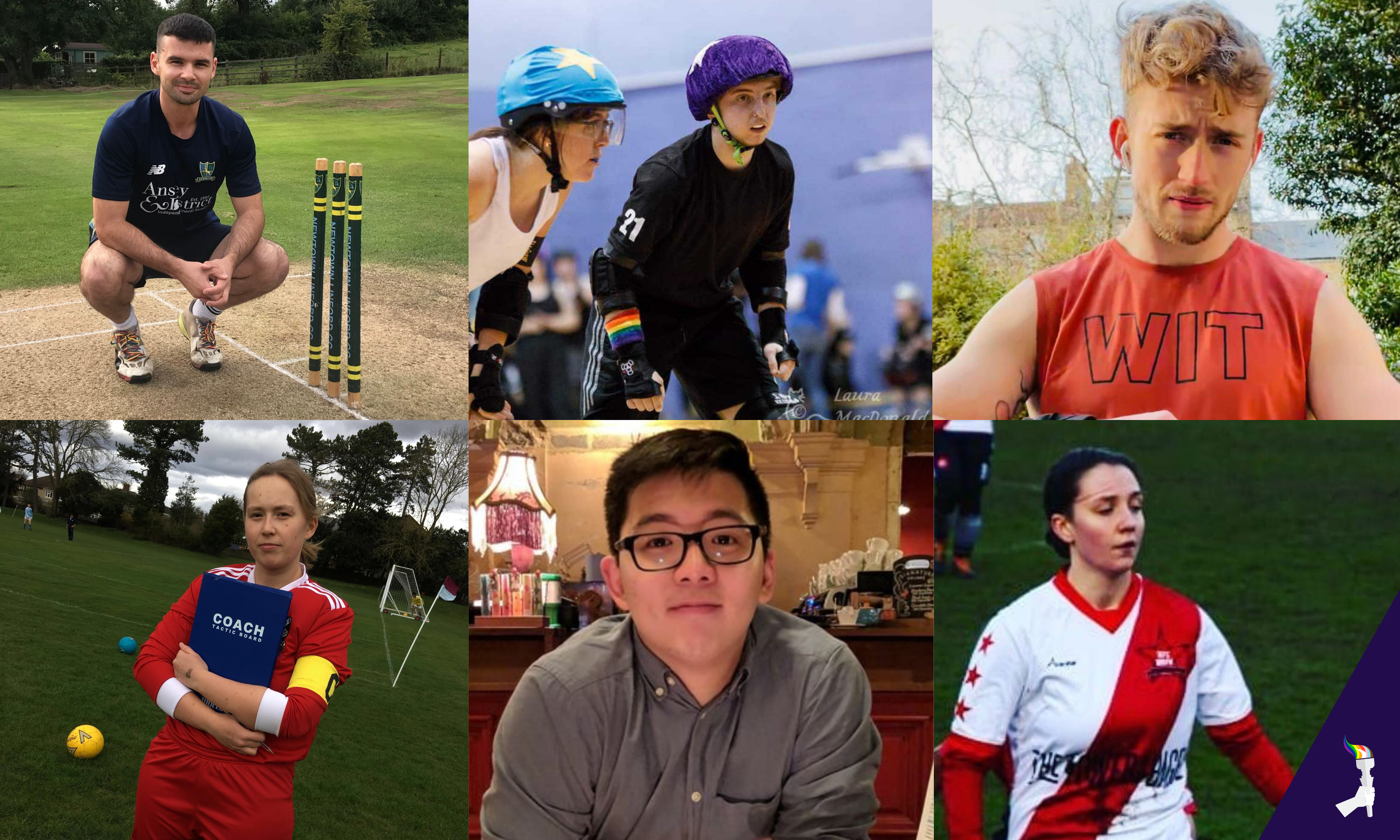
Our team of 20 ranges in age from 19 to 30, across a range of sports – cricket to gymnastics, football to rowing, tennis to roller derby – encompassing a range of sexual orientations and gender identities, as well as ethnicities and races.

We work across four pillars…

  • Building Community – events in-person and online
  • Raising Awareness – collaborations with top athletes and social media
  • Driving Impact – digital, research-backed courses and accreditation schemes for university & college clubs
  • Manufacturing LGBTQ+ Kit – gear that meaningfully benefits the community
Clockwise from top left: Katrina Kelly, Kane Hunt, Esraa Husain, Edward Kandel and Ethan Akanni

Sport reminds us that we are stronger in numbers – that when we are united, we are not only far happier but also more powerful.

Sport has the potential to have the most positive, transformative effect on society, uniting a wide variety of individuals from different backgrounds who have talents and are willing to work and push themselves to their limits, whilst receiving a myriad of health benefits.

However, it’s increasingly accepted that sport is not open and accessible to all. If you don’t have the privileges associated with being male, white, heterosexual, cisgender, and able-bodied, sport can be everything from unwelcoming to inhospitable, physically and mentally dangerous. It’s this issue which we’re laser-focused on nailing.

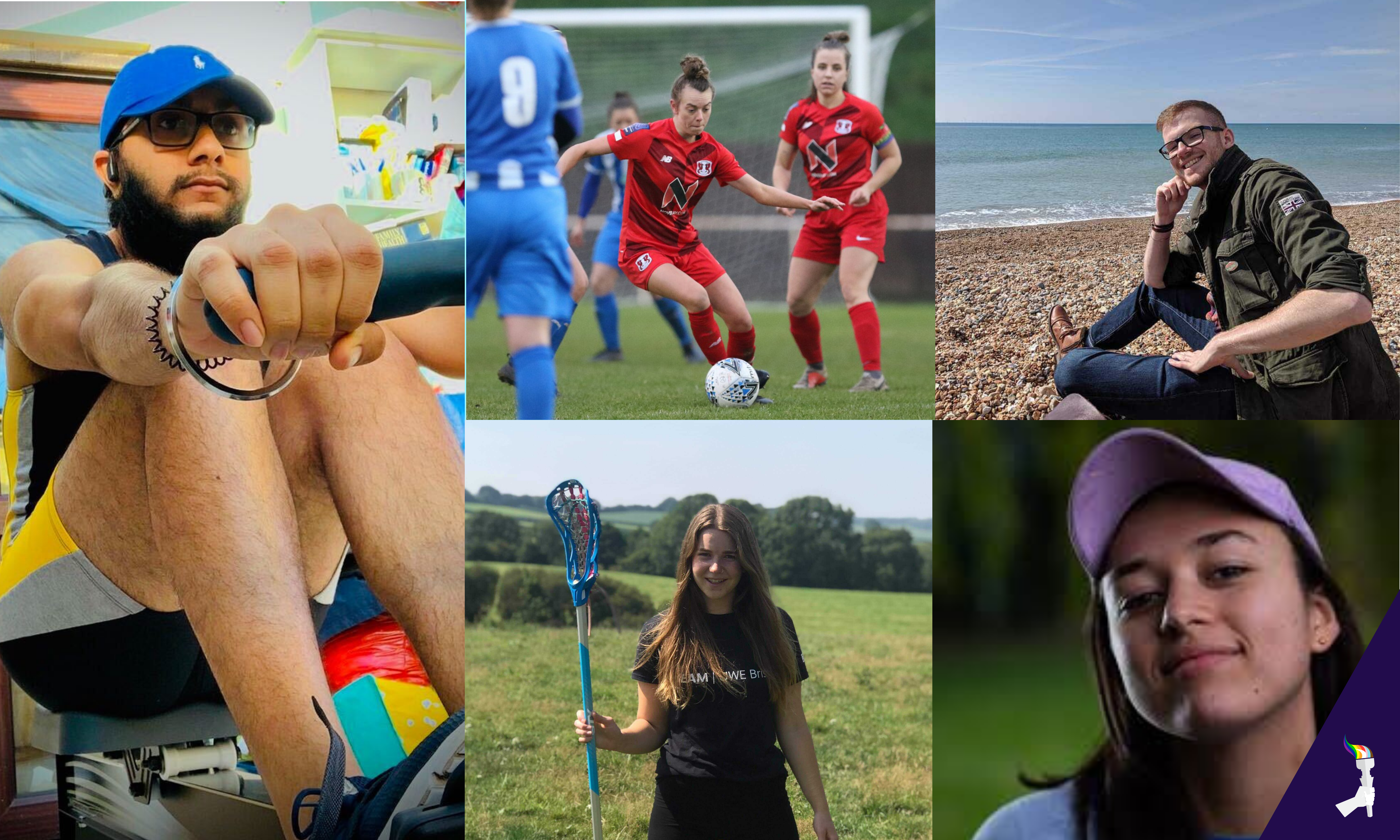
Clockwise from top left: Sam Chambers, Ethan Levi Cain, Ben Mills, Ruth Kennedy, Hon Jiun Wong, Freya Boulton

Research shows that LGBTQ+ people participate in sport far less than their heterosexual and cisgender peers – a Pride Sports report for Sport England in 2016 highlighted that 42% of these people had negative experiences of sport in school and university, and almost half found the culture of sport intimidating or unwelcoming.

Indeed, these experiences have been felt within our own team. I struggled being immersed in a sports environment I loved yet where, in the words of Macklemore, ‘gay is synonymous with the lesser’, used as an insult or put-down regularly, and any insinuation of attraction to the same-sex was met with contempt.

Others on our team have faced societal restrictions and physical assault due to their gender identity; others have been pushed away from even LGBTQ+ ‘inclusive’ sports clubs due to their ethnicity or race; many more of our team have concealed a part of themselves from even close team-mates over fears of reactions to their truth.

Clockwise from top left: Gurdas Singh, Lauren Heria, Alastair McGinness, Georgina Lloyd-Owen, Maria Brookes

Yet, although there is significant work to do, it’s not all doom and gloom – more and more top athletes are feeling able to open up about their identities, and more of the millennial and Gen Z generations are speaking openly about not fitting into the straight, gender binary.

Some of our team have been lucky to have positive experiences within sport due to this change. One of our team members discovered their love of football at university through a women’s and non-binary football group, which has grown to become a huge passion. Others have seen success at the very top of sport, competing in British and European championships without fear or recourse due to their identity.

As part of this, LGBTQ+ in Sport has launched a TikTok account, as part of driving awareness and education of LGBTQ+ issues in sport for all people.

It’s well documented that there are a number of closeted individuals using TikTok.

We’re looking to provide a hub of inspiration, information, and support to all LGBTQ+ people in sport.

We’ll also be providing resources, tips, and guides to being a great ally and making your sport or club actually inclusive.

Twinned with our Instagram (@lgbtqsport), we post something LGBTQ+ and sport-related most days.

In addition, as part of our aim to make all university and college clubs inclusive, we’ve launched our Student Pride Pledge.

This involves university and college clubs publicly stating their support of LGBTQ+ people in sport, and has been signed already by nearly 200 clubs across the country and across a range of sports.

We’re aiming to build this up to a virtual festival involving 400 clubs celebrating Student Sport Pride on Wednesday, May 5.

Also in the latter stages of development are our digital programmes and accreditation. These will enable clubs, for free, to turn this huge amount of support we’re seeing into manageable actions, making their clubs actually inclusive for all LGBTQ+ people.

We’re also working with our Student Union partners to support clubs making this effort, in encouraging new members to join them who may not previously have felt comfortable partaking in sport.

We’re always looking for more awesome people to join our kickass team, solving big problems around inclusion in sport, all whilst having a great time and making lifelong friendships. If that sounds like you, head to the ‘Join Us’ page on our website.

Thanks to Edward Kandel from LGBTQ+ In Sport. Email him at edward@lgbtqsport.co.uk

Visit the group’s website at www.lgbtqsport.co.uk.

Follow on social – TikTok | Instagram | Facebook | Twitter

Learn more on this recent episode of the BBC LGBT Sport Podcast.


Sports Media LGBT+ is a network, advocacy, and consultancy group that is helping to build a community of LGBT+ people and allies in sport. We’re also a digital publisher. Learn more about us here.

LGBT+ in sports? Your story could help to inspire other people – you don’t have to be famous to make an impact, and there are huge gains to be made both personally and more widely in sport. Start a conversation with us, in confidence, and we’ll give you the best advice on navigating this part of your journey.

Email jon@sportsmedialgbt.com or send a message anonymously on our Curious Cat.

Michigan GOP: No transgender athletes in girls’ sports. Critics: Shame on you. – Bridge Michigan

“By the time we get some data somewhere down the road, there could be a lot of girls who’ve lost a lifetime opportunity,” Runestad told Bridge Michigan.

The proposal would likely impact only a small number of students: The Michigan High School Athletic Association has received and approved only 10 transgender athlete eligibility requests in the past five years, according to spokesperson Geoff Kimmerly. 

“It’s very, very few,” he said. “It’s an average of two per school year.”

Under a policy adopted in 2012, the MHSAA determines post-season tournament eligibility for transgender athletes on a case-by-case basis. The association considers factors, including whether the student has begun testosterone suppression therapy or undergone gender-reassignment surgery. 

“This policy has worked for us, and it’s worked for schools,” Kimmerly said. “We haven’t had any issues.”

Supporters argue the new legislation would “protect female sports.” But as written, it would also prohibit cisgender girls — those whose gender matches their sex assigned at birth —  from joining designated boys teams.

Roughly 800 girls played on boys high school teams in Michigan last year, including more than 300 wrestlers, according to Kimmerly.  Some girls simply want to compete against boys, and others join boys teams because their school does not have a separate program for their sport, he said.

Runestad, who is among 13 out of 20 Senate Republicans backing the measure, said transgender girls should not be able to participate in girls sports because there is a clear “genetic advantage to being born a biological male.”

He noted that in 1998, Venus and Serena Williams claimed they could beat any male tennis player outside of the world’s top 200 but were both defeated by No. 203 Karsten Braasch. In 2017, nearly 300 boys rivaled the fastest 400-meter time by gold medal sprinter Allyson Fox. 

“So if you allow biological males to get in and compete, their records are gone, the college scholarships for girls are gone, the records that women set are gone, and I think it’s wrong,” Runestad said. 

But just like other students, transgender athletes “vary in terms of their athletic abilities, and it’s a myth and a mistruth that somehow they have a competitive advantage in school sports,” said Knott, the executive director of Equality Michigan. 

Having lost their fight against gay marriage in 2015 and their fight against workplace anti-discrimination protections in 2020, social conservatives are now “targeting our most vulnerable young people here in Michigan,” she argued.

“I think that it’s disgusting.”

The State Board of Education in 2016 issued guidance to Michigan school districts recommending they allow transgender students to participate in interscholastic sports programs “in accordance with their gender identity.” 

The ACLU of Michigan in 2017 worked with a Jackson-area transgender student to persuade her district to allow her to join the girls track team. Other districts including Ann Arbor Schools have adopted transgender-friendly policies on their own.

“School officials shouldn’t treat a transgender female student as a young woman between the hours of 8 a.m. and 3 p.m., and then flip to treat her as if she’s a young man when sports practice starts,” Knott said. “It’s hurtful to the student and disrupts the school’s policy of treating kids fairly.”

Critics contend the proposal, if enacted, would also violate established anti-discrimination laws, which several state and federal courts have interpreted to protect gay and transgender residents on the basis of “sex.”

The U.S. Supreme Court last year delivered a major victory to LGBT employees last year when it ruled in favor of a transgender Michigan woman who sued after she was fired for transitioning. 

Advocates say transgender students are already some of the most “vulnerable” to discrimination, and researchers say they are more likely to suffer from mental health issues like depression and suicide as a result. 

“Trans students participate in sports for the same reasons other young people do: to challenge themselves, improve fitness, and be part of a team,” said Jay Kaplan, LGBT Rights Project attorney for the ACLU of Michigan. 

“Excluding trans students from participation deprives them of opportunities available to their peers and sends the message they are not worthy of a full life.”

Political Dispute Over Transgender Rights Focuses On Youth Sports – NPR

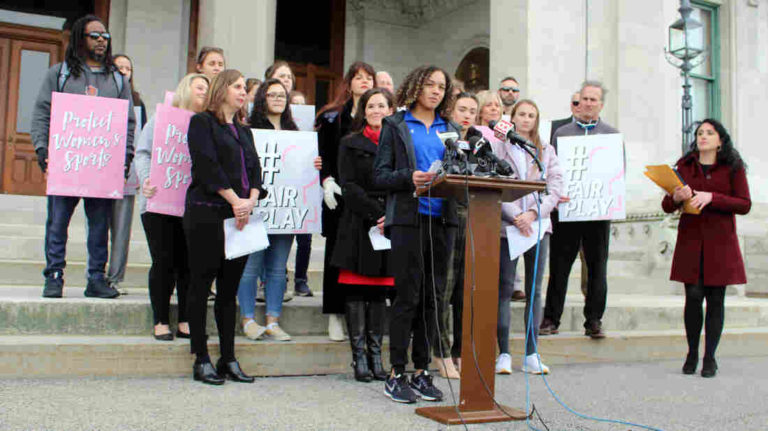
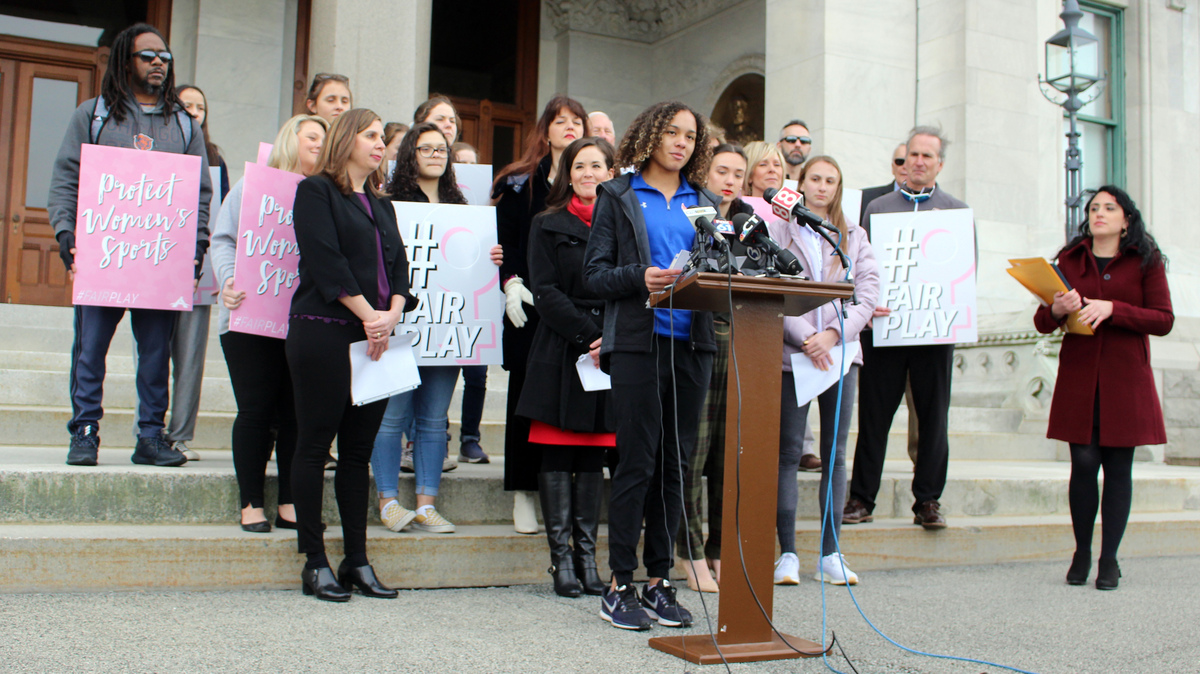
Danbury High School sophomore Alanna Smith at the Connecticut State Capitol on Feb, 12, 2020. Smith is among three girls who sued to block a state policy that allows transgender athletes to compete in girls sports. Pat Eaton-Robb/AP hide caption

toggle caption

Pat Eaton-Robb/AP

Danbury High School sophomore Alanna Smith at the Connecticut State Capitol on Feb, 12, 2020. Smith is among three girls who sued to block a state policy that allows transgender athletes to compete in girls sports.

Pat Eaton-Robb/AP

There was an impassioned debate in the South Dakota State Senate this week over a proposed bill that would restrict transgender female students from participating in female sports.

Legislators supporting the bill framed their arguments around fairness.

“HB 1217 makes sure women’s sports in South Dakota stays fair by prohibiting biological males, no matter how they identify, from competing in female sports,” said Republican state Sen. Maggie Sutton.

A Democratic opponent of the bill responded by talking about Christian values of love and inclusion.​

“Jesus says, ‘Rejoice with me, for I have found my sheep that was lost,’ so meaning that there is no rejoicing until all have found a place in the flock, including our trans siblings of faith,” said Democratic state Sen. Reynold Nesiba, reading from a letter from a Lutheran bishop.

The bill’s proponents were ultimately successful; South Dakota has passed its bill, and Republican Gov. Kristi Noem has tweeted that she is “excited” to sign it.

This bill is just one small part of a bigger national dispute over transgender rights. This year, state legislators have introduced 35 bills restricting transgender girls and women — that is, girls and women who were not assigned as female at birth — from playing on girls’ and women’s sports teams, according to LGBTQ advocacy group Freedom for All Americans. That’s up from 29 bills last year and only 2 in 2019.

Mississippi Gov. Tate Reeves on Thursday signed his state’s bill restricting transgender girls’ sports participation.

Evolving fronts over LGBTQ rights

It’s a fight that’s much bigger than state-level legislation. President Biden in January signed an executive order aimed at protecting LGBTQ rights. That order stated, “Children should be able to learn without worrying about whether they will be denied access to the restroom, the locker room, or school sports.” Democrats have also reintroduced the Equality Act, which would enshrine LGBTQ rights into law.

The topic has taken on far greater importance in Republican rhetoric, as well. Former President Donald Trump brought up the topic at CPAC last month.​

“Young girls and women are incensed that they are now being forced to compete with biological males,” he said. “It’s not good for women’s sports, which worked so long and so hard to get to where they are.”

The bills are a newer front in a fight over LGBTQ rights, where the focus has shifted over time. For example, in 2016 and 2017, there was an uptick in bills that aimed to dictate which bathrooms transgender people could use. Now the focus is on sports, as well as medical treatment for transgender youth, while the number of so-called “bathroom bills” has fallen off.

Jason Pierceson, political science professor at the University of Illinois Springfield and expert on gender and sexuality in politics, sees these bills as just the latest battle in a political culture war waged by the right.

“What they do is typically say, with the bathroom issue five or six years ago or with the transgender youth issue these days, they try to find something that doesn’t seem to poll as well as general anti-discrimination protections,” he said. “And they use a lot of scare tactics around that issue to distort the issue perhaps, to try to create a lot of anxiety among religious conservatives.”

What happens when the bills go into effect?

The question remains what practical impact transgender sports bills would have.

“They are suggesting a solution for a problem that simply does not exist in terms of the numbers of transgender youth who are participating in sports,” said Kyle Velte, a professor of law at the University of Kansas. She testified against that state’s bill.​

A recent AP report found that overwhelmingly, sponsors of these bills couldn’t cite examples in their own states where this became a fairness issue. Some pointed to a lawsuit filed in Connecticut aimed to limit transgender participation in that state.

Proponents maintain that the bills will prove to be useful.

“I think the ultimate outcome will be to protect women and girls’ equal opportunities,” said Emilie Kao, an attorney at the conservative Heritage Foundation.. “I think eventually these cases, the examples will proliferate.”

There are also questions about the legal future of these bills. The first state transgender sports law, passed in Idaho last year, was later blocked by a federal judge who argued, in part, that the state had “not identified a legitimate interest served by the Act.”

The Supreme Court decision in Bostock v. Clayton County last year, that discrimination based on gender identity or sexual orientation qualifies as sex discrimination, also greatly strengthens potential legal cases against these laws once they’re passed, according to Velte.

Legal arguments aside, she also fears these bills further marginalize transgender youth, whom research has shown are at elevated risk for suicide.

Joanna Harper is a leading authority on gender in sports, author of the book Sporting Gender, and a transgender athlete herself.

She explained that considering the roles of gender and sex in sports is phenomenally complicated, not just because of the science, but because of the importance of inclusion and the role of sports in students’ lives. For many students, she said, sports are not about state championships or athletic scholarships, but simply about competing alongside their friends. For more competitive athletes, she added, there’s room for nuance, but in her opinion there are no simple answers.

“At the upper levels, it’s reasonable to hope to put restrictions. Now, restrictions are not the same thing as bans. And I can’t imagine in high school sports that it would ever be unreasonable not to let high school trans girls into girls’ sports after they’ve been through a year of hormone therapy,” she said. “And in many cases, it’s probably not even necessary to do that, but in some cases, it certainly is.”

“And if all that sounds complex, well, it is,” she added.

The upshot is that talking about the topic of inclusion in sports can be deeply sensitive and nuanced, in a way that conversations about limiting transgender girls’ participation in sports often are not.

An appeal to swing voters

Backers of these bills say they are reacting to Democratic overreach, pointing to things like Biden’s executive order and the Equality Act. And they say key voters may be receptive to that argument. Charles Moran, managing director of the Log Cabin Republicans, pointed to a group the GOP struggled with in 2020: suburban women.​

“LGBT issues are something that they care about,” he said. “But at the same time, when presented with this issue that we’re dealing with here, with transgender sports, some of them will be the first ones to stand up and say, ‘No, this is wrong. My daughter shouldn’t be having to compete against a person in the same league who’s M to F.'”

Polling has shown that Americans’ opinions on transgender rights differ based on the specific topic being discussed.

For example, a 2019 poll from the Public Religion Research Institute showed that a solid majority of Americans (62%) said they had grown more supportive of transgender rights as a whole over the prior five years. And 7 in 10 Americans told Gallup that year that they support transgender people openly serving in the military.

However, Americans were more evenly split on which bathrooms they believed transgender people should use. 2018 polling from PRRI likewise showed Americans only slightly in favor of transgender girls playing sports with other girls.

Less than 1% of U.S. adults identify as transgender, according to Gallup. That makes transgender rights a new topic to many Americans, said Robert Jones, CEO and founder of PRRI.

“We’re still at a place in the country where a majority of Americans don’t know someone personally who’s transgender,” he said. “And so I think that means that some of these issues, until they become politicized, aren’t things that the public has spent a great deal of time thinking about. That means that the issue is more malleable, I think, when it’s a low-information or low-salience issue.”

If that’s true, it heightens the importance of the current debates over transgender bathroom usage, medical treatment and sports participation. As these issues become politicized across the country, it could at least temporarily solidify many Americans’ opinions.

The Impact of the COVID-19 Pandemic on LGBT People – Kaiser Family Foundation

0

Key Findings

There has been little data on how the coronavirus pandemic has impacted the lives of lesbian, gay, bisexual, and transgender individuals (LGBT) in the U.S. Drawing on previous research indicating that LGBT individuals are at greater risk of both COVID-19 health and economic outcomes, this analysis examines the reported experiences from self-identified LGBT individuals from two months of the KFF COVID-19 Vaccine Monitor and finds that LGBT people have experienced the COVID-19 pandemic differently than non-LGBT people, including being harder hit in some areas:

  • Economic: A larger share of LGBT adults compared to non-LGBT adults report that they or someone in their household has experienced COVID-era job loss (56% v. 44%).
  • Mental health: Three-fourths of LGBT people (74%) say worry and stress from the pandemic has had a negative impact on their mental health, compared to 49% of those who are not LGBT, and are more likely to say that negative impact has been major (49% v 23%).
  • Views: One-third (34%) of LGBT adults say the news has generally underestimated the seriousness of the pandemic (compared to 23% of non-LGBT adults). Three-fourths of LGBT adults (74%) are either “very worried” or “somewhat worried” that they or someone in their family will get sick from the coronavirus, similar to responses from, non-LGBT adults (67%). A large share of LGBT adults report being willing to take CDC recommend steps to avoid acquisition/transmission of the virus.
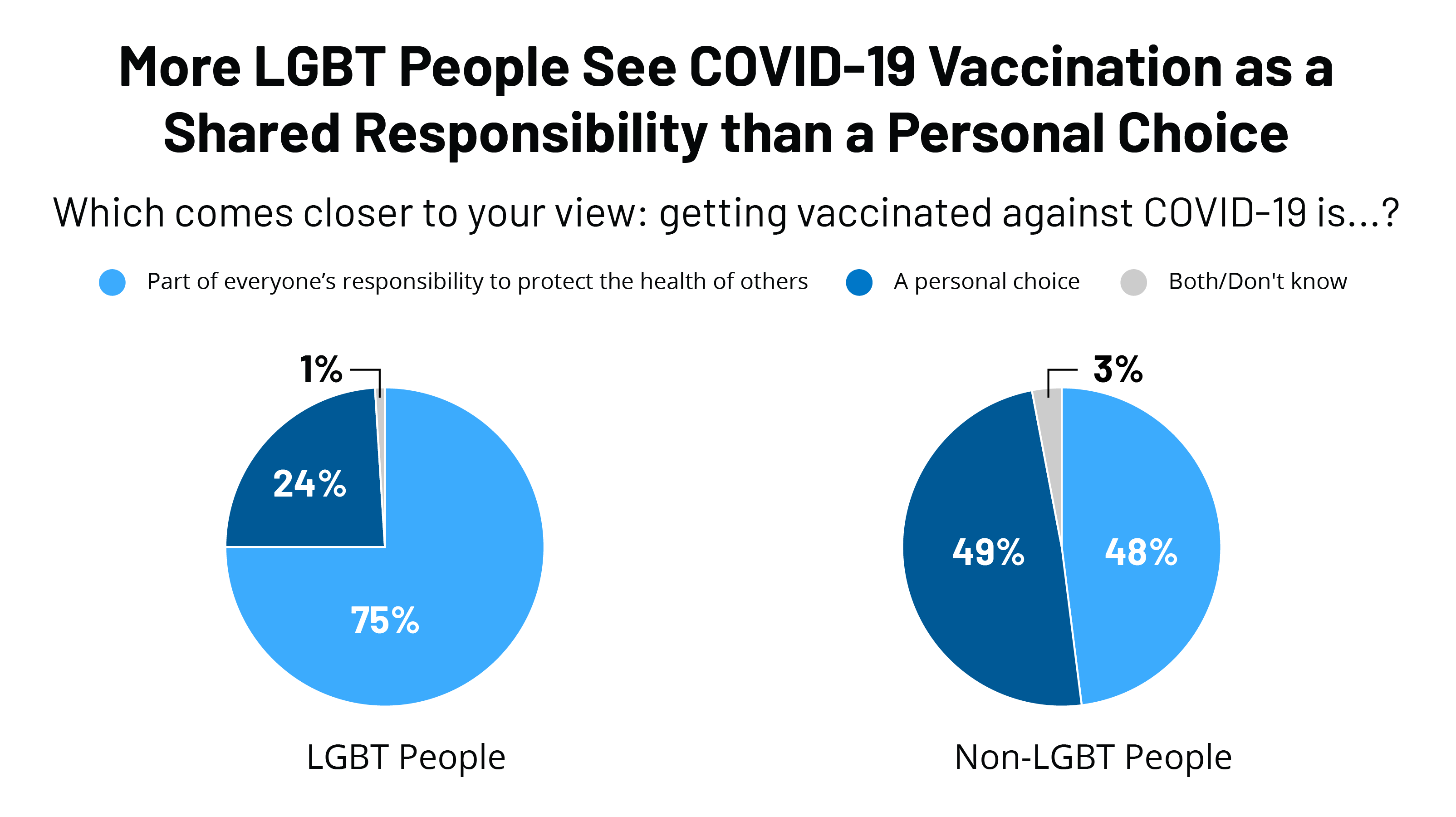
  • Vaccine: While LGBT people report wanting to get vaccinated at a similar pace as non-LGBT people, a greater share of LGBT adults see doing so as part of everyone’s responsibility to protect the health of others (75% v. 48%), while greater shares of non-LGBT people see vaccination as a personal choice (49% v 24%).

Why Examine COVID-19 Views and Experiences of LGBT Populations?

Limited early data available on how LGBT people have experienced the COVID-19 pandemic in the United States (U.S.) has suggested that this group may be disproportionately impacted. The reasons are far-reaching and may include: LGBT individuals being at greater risk of worse COVID-19 outcomes due to higher rates of comorbidities; working in highly affected industries such as health care and restaurants/food services; living on average on lower incomes than non-LGBT people; experiencing stigma and discrimination related to sexual orientation/gender identity, including in accessing health care; and, for transgender individuals, being less likely to have health coverage. As the pandemic continues to take a toll nationwide, our analysis from the KFF COVID-19 Vaccine Monitor explores self-identified LGBT people’s COVID-19 experiences and offers comparisons to the non-LGBT population. We find that LGBT adults have experienced the pandemic differently than non-LGBT people in some key domains including with respect to their risk of COVID-19, mental health, employment loss, vaccine attitudes, and willingness to engage in risk-reduction behavior such as social distancing.

The analysis is based on findings from the December and January KFF COVID-19 Vaccine Monitor and building on previous research conducted early on, offers a new look at experiences nearly a year into the pandemic.

COVID-19 Economic and Health Impacts

Echoing previous research conducted earlier on in the pandemic, we find that LGBT adults and their household members report facing COVID-era job loss at higher rates than non-LGBT adults. Since February 2020, 56% of LGBT people report that they or another adult in their household have lost a job, been placed on furlough, or had their income or hours reduced because of the coronavirus outbreak, compared to 44% of non-LGBT people. Separate research has found that LGBT people are more likely to work in industries hard hit by the pandemic, such as restaurants or food services, than their non-LGBT peers.

In addition to personal or familial experience with job loss, the COVID-19 pandemic has been hard hitting for LGBT people in terms of mental health. Prior to the pandemic, LGBT people experienced certain mental health conditions at higher rates than non-LGBT people. In this analysis, we find three-fourths of LGBT people (74%) say worry and stress from the pandemic has had a negative impact on their mental health, compared to 49% of non-LGBT people. In addition, LGBT people more than twice as likely to say this negative impact has been major (49% compared to 23%).

Views Of the COVID-19 Pandemic

LGBT people have a different perspective on some aspects of the pandemic compared to non-LGBT people, including regarding the media’s portrayal and their own level of concern. They also have different views on COVID-19 risk mitigation efforts.

One-third (34%) of LGBT adults say the news has generally underestimated the seriousness of the pandemic (compared to 23% of non-LGBT adults).  A much smaller share of LGBT people say the seriousness of coronavirus is exaggerated in the news compared to non-LGBT people (15% vs 34%). Previous KFF COVID-19 Vaccine Monitor analysis finds that these views are largely driven by partisanship, with larger shares Republicans saying the seriousness of the pandemic has been “generally exaggerated” compared to Democrats and independents.

Three-fourths of LGBT adults (74%) say they are either  “very worried” or “somewhat worried” that they or someone in their family will get sick from the coronavirus. While this share is not statistically different than those of non-LGBT adults (67%), it demonstrate the high level of concern among LGBT individuals which may be correlated to taking more precautions to protect themselves and family members.

In addition to worry surrounding the virus, large shares of LGBT people report being willing to take CDC recommend steps to avoid acquisition/transmission of COVID-19. Larger shares of LGBT people say they could follow social distancing guidelines for more than six months or until there is a vaccine widely available than non-LGBT people (85% v 69%). Conversely, larger shares of non-LGBT people say they could follow social distancing guidelines for only up to six months compared to LGBT people (28% v. 14%). Additionally and similarly to non-LGBT people, vast majorities of LGBT people also say they wear a mask every time or most of the time when they leave the house (97%) and accurately believe masks limit the spread of coronavirus (90%).

While LGBT people report wanting to get vaccinated at the same rate as non-LGBT people, LGBT people hold different views on whether getting vaccinated is public health imperative or individual choice. LGBT people report wanting to get the vaccine as soon as possible (40%) or take a wait and see approach (39%) at similar rates as non-LGBT people (36% and 36%, respectively). One in ten LGBT people (10%) say they definitely do not plan to get the vaccine, statistically similar to 15% of non-LGBT people.

In Their Own Words.

We asked LGBT people to explain in their own words, “What is the biggest concern you have about getting a COVID-19 vaccine?” Select responses follow:

“My biggest concern is actually getting the vaccine on a timely manner and then the second dose. With so much chaos in this country” – Male, white, transgender, California

“Honestly, I just think that the vaccine was “rushed”, but I’ll probably consider it later on the future for any side affects of any kind.” – Female, black, bisexual, Florida

“Know what really it contains? Is it trustworthy?” – Female, Hispanic, bisexual, Florida

However, a larger share of LGBT people believe getting vaccinated is part of everyone’s responsibility to protect the health of others (75% v. 48%) and a smaller share sees it as a personal choice (24% v. 49%) compared to non-LGBT people.

Implications

Compared to non-LGBT adults, larger shares of LGBT people report experiencing COVID-era job loss, say the pandemic has had a negative impact on their mental health, and report being worried about getting COVID-19. As such it may not be surprising that smaller shares believe the media has overstated the seriousness of the pandemic and with more saying it has been understated. The greater levels of concern and negative experiences with the pandemic in certain domains may also play a role in LGBT people’s willingness to take recommend steps to avoid acquisition/transmission of the virus. Finally, a larger share of LGBT people view COVID-19 vaccination as a collective responsibility than as an individual choice, potentially reflecting the community’s experience with HIV, another infectious disease that requires community level buy-in of public health strategies to curb. While sexual orientation and gender identity may drive some of the differences we find between LGBT and non-LGBT adults, it is also important to note the two populations differ markedly in other key areas. Compared to non-LGBT adults, larger shares of LGBT adults are younger, live on lower incomes, and identify as Democrats, factors that may also contribute to the difference observed. Targeted vaccine outreach to LGBT people could be helpful in reaching a group that has high rates of comorbidities that place them at elevated risk for COVID-19 but has traditionally faced barriers to accessing medical care.

Methods

The KFF COVID-19 Vaccine Monitor is an ongoing research project tracking the public’s attitudes and experiences with COVID-19 vaccinations. Using a combination of surveys and qualitative research, this project tracks the dynamic nature of public opinion as vaccine development and distribution unfold, including vaccine confidence and acceptance, information needs, trusted messengers and messages, as well as the public’s experiences with vaccination.

Designed and analyzed by researchers at KFF, this analysis is based on interviews conducted in December and January among a nationally representative random digit dial telephone sample of 174 adults who identified as lesbian, gay, bisexual, or transgender. The margin of sampling error is plus or minus 9 percentage points for the full LGBT sample and 2 percentage points for the non-LGBT sample. For results based on subgroups, the margin of sampling error may be higher. Detailed methodology can be found in the toplines for the December and January KFF COVID-19 Vaccine Monitor. Methods for the qualitative “in their own words” findings can be found at KFF COVID-19 Vaccine Monitor: In their Own Words.

This work was supported in part by the Elton John AIDS Foundation. We value our funders. KFF maintains full editorial control over all of its policy analysis, polling, and journalism activities. KFF paid for all costs associated with the survey.

Explainer: Why do dozens of U.S. states want to ban transgender women from sport? – Reuters

LONDON (Thomson Reuters Foundation) – Dozens of U.S. states are proposing to ban transgender women and girls from competing in women’s sports, in a move at odds with President Joe Biden’s push for greater LGBT+ inclusion.

WHAT’S AT STAKE?

Idaho was the first U.S. state to ban trans women and girls from women’s sports leagues in schools and colleges in March 2020. The law is currently suspended, after being challenged in court as discriminatory.

This year, about 42 similar bills have been introduced in 25 states, according to a legislative tracker run by Freedom For All Americans, an LGBT+ advocacy group.

The Mississippi Fairness Act was passed last week and South Dakota’s law to promote “fairness in women’s sports” on Monday.

Governors in both states, who need to sign the bills for them to become law, have expressed support for the policies.

“I will sign our bill to protect young girls from being forced to compete with biological males for athletic opportunities,” Mississippi Governor Tate Reeves said on Twitter.

WHY NOW?

On Biden’s first day in office on Jan. 20, he signed an executive order that banned discrimination based on gender identity in bathrooms, changing rooms and school sports – a move opposed by many Republicans such as Reeves.

“The President believes that trans rights are human rights, and that no one should be discriminated on the basis of sex,” White House press secretary Jen Psaki said in a media briefing last week.

Senior Republicans have spoken out against trans girls competing in girls’ sport on the grounds that they have an unfair physical advantage over other competitors.

“I’ve got eight granddaughters,” Senator Mitt Romney said in a confirmation hearing for education secretary Miguel Cardona.

“They shouldn’t be competing with people who are physiologically in an entirely different category.”

WHAT ARE THE CURRENT RULES?

School policies for trans athletes vary, but are usually set at the state level by high school athletics governing bodies, rather than state laws. Several states have no policies at all.

The National Collegiate Athletic Association (NCAA), which governs inter-college sport, says trans women have to suppress their testosterone for at least one year before competing on women’s teams.

Trans men cannot compete with women once they start taking testosterone, NCAA rules state.

On the global stage, International Olympic Committee guidelines advise sporting bodies to allow trans women athletes to compete if their testosterone levels remain below a certain level for at least a year. Trans men face no restrictions.

WHAT DO TRANS ACTIVISTS SAY?

LGBT+ activists say the sports bills are discriminatory, and they dispute trans athletes’ physical advantages.

Gillian Branstetter, a trans advocate and a spokeswoman for the National Women’s Law Center, said that trans athletes have not consistently outperformed other female athletes in the 16 U.S. states that have trans-inclusive high school policies.

“There’s not been the abolition of women’s sport. The nightmarish rhetoric (of) the people proposing these bills simply hasn’t come to fruition,” she said.

Chris Mosier, a triathlete and the first trans man to represent the United States internationally, said the current debate was damaging for all trans people.

“Telling transgender and non-binary youth that they are not valid and not worthy of having the same experiences as their peers not only negatively impacts them – it also impacts the way the rest of the country treats transgender people,” he said.

“These are very dangerous bills that are attempting to serve as an entry point to larger scale discrimination,” he added in emailed comments.

WHAT DO SCIENTISTS SAY?

The muscular advantage enjoyed by trans women only falls by about 5% after a year of testosterone suppressing treatment, found a review of existing studies by the University of Manchester and Sweden’s Karolinska Institute.

Another literature review led by Britain’s Loughborough University found that hormone therapy reduced trans women’s haemoglobin levels – which affects endurance – to equal that of non-trans women within four months.

But strength, lean body mass and muscle area remained higher after three years of medication to block testosterone, it said.

Tommy Lundberg, who co-authored the first study, said male athletes gain their 30% muscular advantages during puberty, but there are no studies of trans adolescents who may take puberty blockers or cross-sex hormones before puberty finishes.

Reporting by Rachel Savage @rachelmsavage; Additional reporting by Sydney Bauer; Editing by Katy Migiro. Please credit the Thomson Reuters Foundation, the charitable arm of Thomson Reuters, that covers the lives of people around the world who struggle to live freely or fairly. Visit news.trust.org

Behold Michael B. Jordan Working Out — That’s It, That’s the Headline – POPSUGAR

0

Picture this: Michael B. Jordan. Now picture Michael B. Jordan working out surrounded by the Caribbean paradise that is St. Barts. In a new cover story for the April issue of Men’s Health, Michael B. Jordan discusses his relationship with Lori Harvey, his duty as a Black man in Hollywood, and his new film Without Remorse, out April 30, in which he stars as a Navy SEAL. In a video accompanying the feature, the actor gives the world an inside look at one of his workouts — and it’s all kinds of intense (he also, apparently, does an aquatic session that involves walking underwater with a lava stone, as mentioned in the intro of the Men’s Health story).

As seen above, Jordan completes some fasted cardio in the morning by swimming laps. It’s a warmup before his 10-to-one dumbbell ladder workout (10 reps of each move, nine reps of each move, all the way down to one) that consists of bicep curls, overhead push presses, and bent-over rows. Then, he does three sets of 10 to 12 ball slams, a true full-body move, and three sets of battle ropes for 30 seconds each and finishes with some meditation to clear his mind for the day ahead.

“You can’t skip any steps,” Jordan says of training for his role as a Navy SEAL. “To transform myself physically and mentally was the goal.” He revealed that he trained with veterans, and then transitioned straight into a continued workout regimen for the upcoming Creed 3. It’s safe to say he’s doing a phenomenal job!