Home Blog Page 39

What does ‘down bad’ mean? The phrase has a few suggestive meanings – Yahoo! Voices

The phrase “down bad” has taken on a life of its own on social media. People seem to be using it in a myriad of ways, but the spirit of the term is to yearn. Urban Dictionary defines “down bad” as the feeling of being so attracted to someone, . you almost feel depressed that you two aren’t together. But it’s mostly used to refer to basic feelings of longing, desperation, sadness, depression and loneliness. There’s also a 2019 song called “Down Bad” by Dreamville, featuring J. Cole, J.I.D, Bas, EARTHGANG, & Young Nudy. Some even use the term to refer to being low on funds. The user @ElaniKitten tweeted “we are down bad” with a meme about overspending

Department of Education Issues Interpretive Ruling Prohibiting Sex-Based Discrimination Against Gay & Transgender Students Under Title IX – JD Supra

On June 16, 2021, the U.S. Department of Education (“DOE”) issued a “Notice of Interpretation” expanding protection of gay and transgender students under Title IX to include educational institutions receiving federal monies. The DOE’s announcement does not change the process of reporting or investigating individual cases of discrimination. And it remains unclear to what extent this pronouncement will have on legislative attempts within various states requiring athletes to compete in school sports according to their sex at birth.

According to the June 16 interpretive ruling, the Office for Civil Rights within the DOE is required to open an investigation into complaints alleging discrimination based on sexual orientation or gender identity under Title IX. This includes “allegations of individuals being harassed, disciplined in a discriminatory manner, excluded from, denied equal access to, or subjected to sex stereotyping in academic or extracurricular opportunities and other education programs or activities, denied the benefits of such programs or activities, or otherwise treated differently because of their sexual orientation or gender identity.” This ruling seemingly aligns with the U.S. Supreme Court’s decision in last June’s landmark Bostock case, in which it was determined that the 1964 Civil Rights Act protects gay, lesbian, and transgender individuals from sex-based discrimination in the workforce.

Educational institutions should continue to take allegations of discrimination made by any of its students seriously, including those from the LGBTQ+ community. Educational institutions are also advised to check their Title IX policies to ensure compliance with this new regulation.

Gay Days Are Returning to Disneyland! – Inside the Magic

0

After having to cancel its 2020 event due to the theme parks being closed amid the pandemic, the incredibly popular Gay Days are set to make their return to the Disneyland Resort! In addition to its return, the celebration will also change dates and take place on a new weekend at the theme park.

Disney Pride
Credit: Disney

Even though it is not an official Disney event, Gay Days have been drawing massive crowds to the Southern California theme park since the celebration first began in 1998. The first event only attracted about 2,500 Guests, but in 2019, there were approximately 30,000 Guests who attended the weekend event. Disneyland has embraced the event and will special pride-themed merchandise during the weekend.

Disneyland Gay Days
Credit: Michael Contreras Instagram

As reported by The Orange County Register, this year’s Gay Days will be happening from September 17-19 instead of October as a way to try to avoid the massive crowds that come to the theme park to celebrate Halloweentime at the Disneyland Resort.

Magical Pride merchandise preview at Disneyland Paris
Credit: Disney

The Orange County Register also reported what Guests might be able to expect at the 2021 event, based on past Disney Gay Day events.

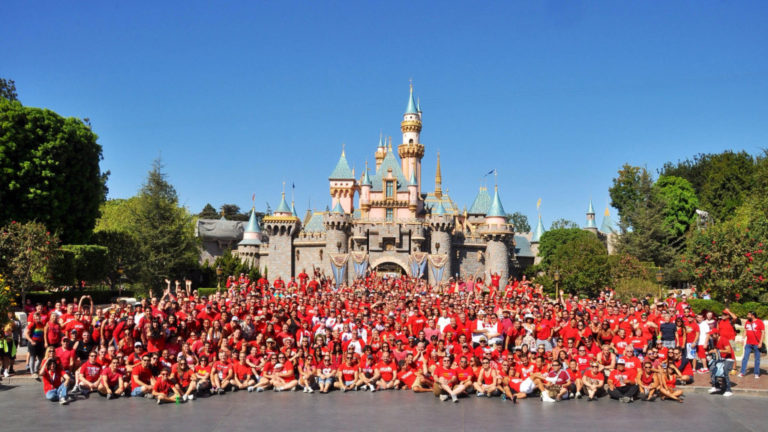
The Disneyland event typically features a scavenger hunt, attraction takeovers on the Mark Twain Riverboat and at the Enchanted Tiki Room with a massive group photo in front of Sleeping Beauty Castle. Lunch normally takes place at four Disneyland restaurants: Plaza Inn, Alien Pizza Planet, Rancho del Zocalo and Hungry Bear.

The DCA event usually involves more ride takeovers (Grizzly River Run, Mickey’s Philharmagic, Silly Symphony Swings) plus a group photo on Pixar Pier. Bing Bong’s Sweet Stuff is a popular selfie spot throughout the day.

Disney Pride
Credit: Disney

Gay Days Anaheim shared the exciting news about the return of the event on its Facebook page.

Gay Days Anaheim is back, September 17-19! Some of you may not know that Mini Gay Days in 2020 occurred just days before the Covid lock down, making us the last group event at the Disneyland resort. And now, we are so excited to announce that Gay Days Anaheim will be the VERY FIRST GROUP to return to Disneyland!!! There is still a lot that we don’t know as Disneyland and California navigate new protocols. We will be sharing more information very soon. regarding discounted park tickets, parties, and our event schedule. But for now… HOLD THE DATE! Gay Days Anaheim is back!!!

Gay Days Anaheim is back, September 17-19! Some of you may not know that Mini Gay Days in 2020 occurred just days before…

Posted by Gay Days Anaheim on Friday, June 11, 2021

For Guests who will be traveling down to Anaheim for the celebratory weekend, there are also some great hotel deals that they should be sure to take advantage of!

Facebook, you are the first to know: the links for discounted park tickets and hotel rooms for Gay Days Anaheim are live NOW! Book yours today at www.gaydaysanaheiminfo.com

Facebook, you are the first to know: the links for discounted park tickets and hotel rooms for Gay Days Anaheim are live NOW! Book yours today at www.gaydaysanaheiminfo.com

Posted by Gay Days Anaheim on Wednesday, June 16, 2021

In addition to celebrating in the theme parks, a number of events take place outside the Park, including cocktail mixers, book signings, and parties. While Disney does not officially host the event, past sponsors have included Aulani, A Disney Resort and Spa, Disney Pride, and Disney Vacation Club.

Gay Days Disneyland
Credit: Gay Days Anaheim Facebook

Disneyland theme park reservations are only available through August at this time, so Guests wanting to visit for Gay Days will have to wait a few more weeks before they can make theme park reservations for September 17, 18, and 19 — the weekend of the event. Again, this is not an event that requires you to pay for a separate event ticket as it is not an official Disney event. All you need to attend is a valid theme park ticket and theme park reservation!

Will you be visiting Disneyland Resort for Gay Days in September? Let us know in the comments!

CLICK HERE to book your Disneyland Resort vacation with our friends at Academy Travel today!

Ian McKellen Lost Role In Harold Pinter Film For Being Gay – Bleeding Cool News

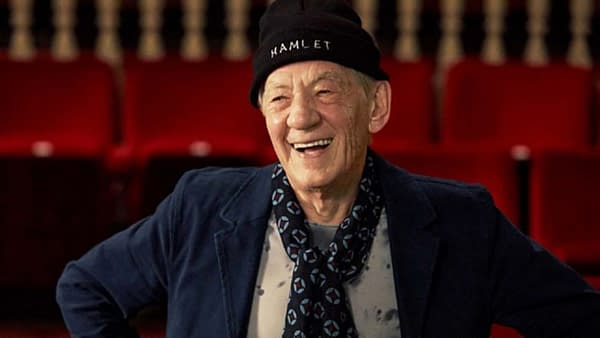
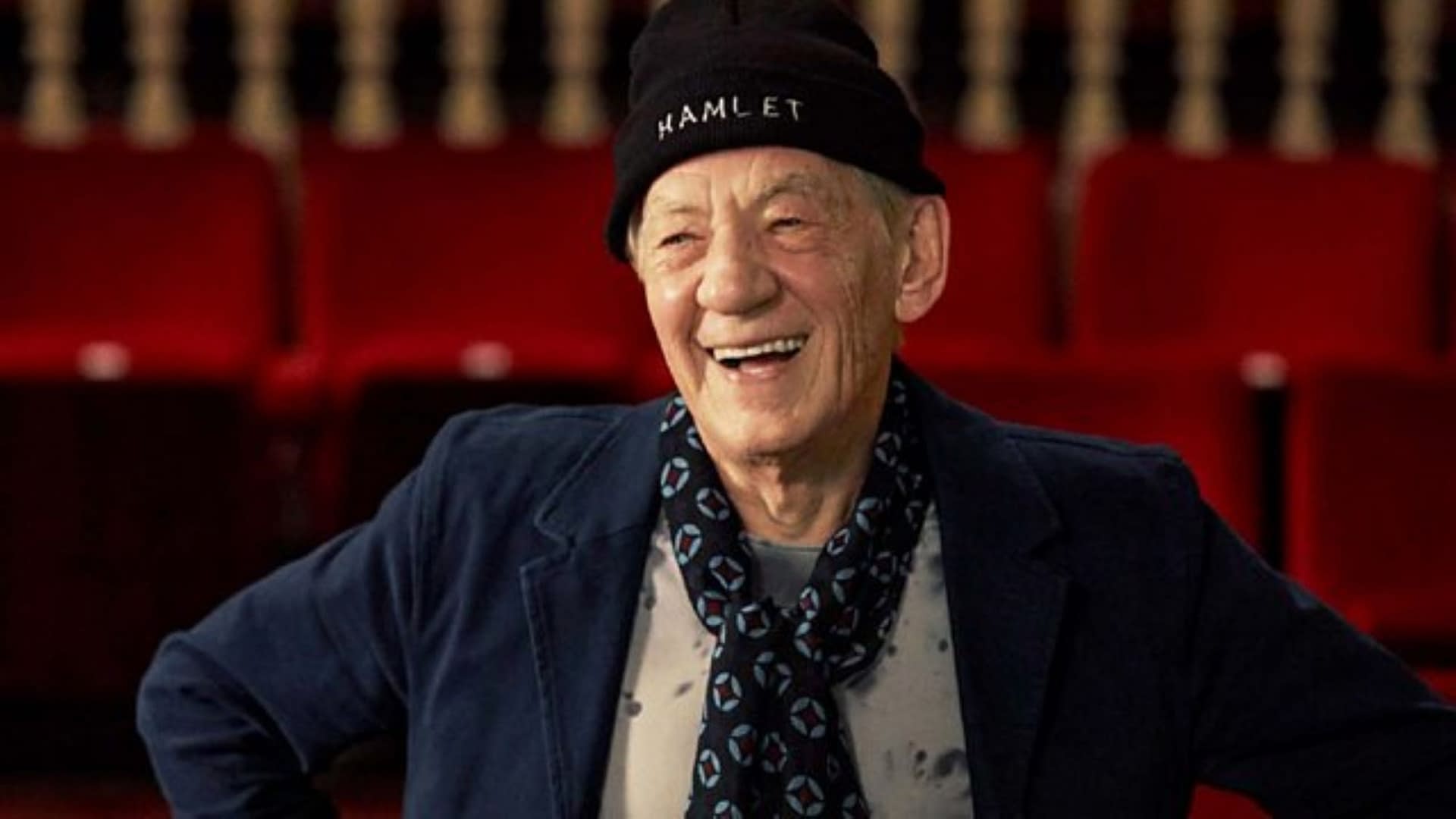
Ian McKellen has been interviewed by John Wilson for BBC Radio 4’s Front Row, talking about his life, his career, and his decision to return to the lead role of Hamlet. During the forty-five-minute interview, he also talked about his gay activism over the years and the effects of another radio interview he gave in 1988, in which he mentioned he was gay, publicly, for the first time. And how at the time in Britain it was only him and Simon Callow.

Ian McKellen noted that his movie career took off after he came out as an actor, as it increased his fame, but also that his life experiences made him a better actor, which may also have something to do with it. “Is it any wonder that my acting got better? It did, almost overnight. Now my acting is not about disguise but about revelation.” But he also mentioned a couple of roles he lost as a result of that and did not go into details. But when pressed, he mentioned, “a film Harold Pinter asked me to be in and when the producer heard I was gay, the suggestion I should be in the film was rescinded, and I was invited to leave the office. And Harold Pinter – it’s an indication of how intense homophobia can be – he, the great fighter of human rights, went along with this decision. And it took him thirty years for him to come to be in a restaurant one day when he was passing by, to say “I’m sorry about the film,” It had been bothering him. I won’t say what it was as another actor played my part, and I don’t attach blame to anybody.” There are many films written by Pinter that might fit into that timeframe, including The Comfort Of Strangers, The Handmaid’s Tale, The Heat Of The Day, The Trial, The French Lieutenant’s Woman, Betrayal, Turtle Diary, and more.

Ian McKellen Lost Role In Harold Pinter Film For Being Gay
Ian McKellen – BBC PR

Talking of playing an older Hamlet than he did fifty years ago, Ian McKellen talked about the art of acting and a wider view to portraying sexuality these days; “When you come to see me, you won’t see an old man pretending to be a young man, you’ll see a man pretending to be a prince, pretending to be an intellectual, pretending to be a neurotic, pretending to love his mother, pretending to love girls and boys. You didn’t know that was in Hamlet, did you? It’s there, Rosencrantz to Hamlet: ‘You did love me once’.”

Ian McKellen also talked about his famous genre film roles, Gandalf and Magneto, and how he wanted Magneto to have long speeches like Gandalf and blames it on coming from comic books, which were all about the pictures… clearly, he never read any of the Claremont X-Men issues. As for the future, he doesn’t know anything about his IMDB listing for a modern retelling Hamlet Revenant; he can’t tell us anything about it because he doesn’t know anything about it. He would like to play a dame again in pantomime, of any producers are reading this. Even those who work with Harold Pinter. And he also invited young playwrights to write something brand new for him, as what he takes next may be his last role… BBC Radio 4’s Front Row can be heard streaming, globally, for free, here.

Enjoyed this? Please share on social media!

Biden Administration Actions Promoting LGBTQ Equality | Baker Donelson – JDSupra – JD Supra

Since being sworn into office on January 20, 2021, President Biden and his administration have taken several steps to advance equality for lesbian, gay, bisexual, transgender, and queer individuals (LGBTQ), including actions to prohibit discrimination on the basis of gender or sexual orientation. Below is an outline of key actions taken by the Biden Administration thus far, as well as an overview of congressional activity related to LGBTQ issues.

Political Appointments

Before taking office, then-President-Elect Biden pledged to make his cabinet “look like the country.” Since then, he has nominated, and the Senate has confirmed, two LGBTQ individuals to serve in high-level positions in the administration, including one at the Cabinet level. On February 2, 2021, the Senate confirmed Pete Buttigieg, a former mayor of South Bend Indiana, as Secretary of Transportation. Secretary Buttigieg is the first openly-gay man to be confirmed by the Senate as a Cabinet member. On March 24, 2021, the Senate confirmed Dr. Rachel Levine as Assistant Secretary of Health for the Department of Health and Human Services (HHS). Dr. Levine, a former Pennsylvania Health Secretary, is the first openly transgender federal official to be confirmed by the Senate.

White House Executive Orders

On January 20, 2021, President Biden’s first day in office, he issued an executive order (EO) on preventing and combating discrimination on the basis of gender identify or sexual orientation. The EO set the tone for the new administration’s position on LGBTQ issues and included a policy that “every person should be treated with respect and dignity and should be able to live without fear, no matter who they are or whom they love.” The EO outlined the administration’s intent to fully enforce Title VII of the Civil Rights Act of 1964 and other laws that prohibit discrimination on the basis of gender identify or sexual orientation. This policy recognized the 2020 U.S. Supreme Court decision in Bostock v. Clayton, in which the Court ruled that the prohibition against discrimination on the basis of sex under Title VII includes protections against discrimination on the basis of gender identity and sexual orientation. The EO also directed federal agencies to enforce prohibitions on discrimination under federal laws consistent with the Bostock decision.

On January 25, 2021, President Biden issued an executive order repealinga Presidential memorandum issued under the prior administration that banned military service by transgender individuals. The EO outlined a new policy to “ensure that all transgender individuals who wish to serve in the United States military and can meet the appropriate standards shall be able to do so openly and free from discrimination.”

Agency Actions Banning Discrimination Based on Sexual Orientation or Gender Identity

Since the White House issued the EO directing agencies to implement prohibitions on discrimination consistent with the Bostock decision, several agencies have moved forward with updated policies. On February 11, 2021, the Department of Housing and Urban Development (HUD) issued a memo outliningHUD’s interpretation of the Fair Housing Act to prohibit discrimination on the basis of sexual orientation and gender identity.

On March 26, 2021, the Department of Justice’s (DOJ’s) Civil Rights Division issued a memo clarifyingthat the prohibition on discrimination in federally-funded education institutions under Title IX of the Education Amendments of 1972 includes a ban on discrimination on the basis of gender identity or sexual orientation.

On May 10, 2021, HHS issued a notice announcingthat its Office for Civil Rights will implement the prohibition on discrimination under Section 1557 of the Affordable Care Act (ACA) to include discrimination on the basis of gender identify and sexual orientation.

Congressional Activity

Congress is once again considering legislation previously advanced by lawmakers, but never enacted into law that would affirmatively add a ban on discrimination based on sexual orientation and gender identity into federal civil rights laws. On February 25, 2021, the U.S. House passed the Equality Act by a vote of 224-206. The House passed a similar version of the bill in 2019, but the Senate did not advance the legislation.

This year, attention has now turned to the Senate to see whether the Equality Act will move forward. On March 17, 2021, the Senate Judiciary Committee held a hearing to consider the legislation. Although several Democratic Senators expressed strong support for the bill, including Tammy Baldwin (D-WI), the first openly-lesbian member of Congress, several Republican senators expressed opposition and highlighted concerns related to infringement of religious beliefs. Current Senate rules require 60 votes for the legislation to advance. With Democrats controlling 50 seats in the Senate, proponents of the Equality Act would need Republican support to enact the bill into law.

40 years of AIDS: Medical advances have made the deadly early days a distant memory – TribDem.com

Medications to successfully treat and prevent HIV infection have dramatically changed the outcomes faced by patients in the four decades since public health officials identified the first five documented cases of AIDS in June 1981.

But for those who lived through the tragic early days of the AIDS crisis, the memories remain haunting.

Alan Jones, who grew up in Westmoreland County, said that he remembers a conversation in the early 1980s at a gay bar in Greensburg when a friend asked if he’d heard about what was then sometimes called “the gay cancer.”

Jones said he dismissed the concern because it didn’t make sense that an illness would be striking gay men specifically.

“I remember saying, ‘Oh, this isn’t anything we have to worry about.’ I just thought it was really odd that there would be a disease that was only affecting gay men,” he said.

Jones said he wondered if, like Legionnaire’s disease – which was originally linked to bacteria in a drinking water system – there might be an environmental cause that had hit members of the gay community in New York.

But then AIDS began to hit in Pittsburgh, too, Jones said, recalling how he first learned that an acquaintance had died from AIDS.

“I was on a dance floor at the Pegasus in Pittsburgh, and my neighbor said to me, ‘Did you hear that Ricky died?’ ” Jones said. ”I just remember, I was dancing, still thinking like, ‘Oh, my God.’ ”

Jones joined the Pittsburgh AIDS Task Force, now Allies for Health and Wellbeing, as a caseworker in 1991.

AIDS claimed the lives of 160 of his clients, he said.

“It was like working for hospice,” he said. Clients on average lived about two years in the early ’90s, though because some clients didn’t seek services until the illness had progressed, some died within weeks of seeking help.

In all, AIDS had claimed the lives of 26,732 Pennsylvanians through 2019, according to the Department of Health.

In addition to clients, Jones estimated that at least seven or eight people he’d considered friends died of AIDS.

At the age of 65, he’s now preparing to retire from Allies and knows he lived through a historic tragedy.

“I feel like someone who survived Hiroshima or Pearl Harbor,” he said.

Treatment improved

Things improved gradually though by the mid-1990s as “cocktail” medical treatments began to become available,

HIV patients began to live longer and longer, Jones said.

“I have a friend who was actually near death at that time. I mean, I knew he was gonna be gone within a year, and the new meds came out, and he’s still alive today and working a job,” Jones said.

“After I was a caseworker, I started doing HIV testing, and outreach and education, I used to get really upset 20 years ago, when I would have to tell a young person, especially, but anybody who’s living with HIV, that they are HIV-positive.”

Now that medical treatment has improved so much, “I feel like I’m doing them a favor,” he said.

“Nowadays, a person regardless of their age bracket, a healthy person who becomes HIV positive today, if they monitor their health care, there’s no doubt in my mind that most people alive with HIV today will live to be older persons,” Jones said.

Treatment for HIV infection has become so effective that advocates have launched a public awareness campaign – “U=U: Undetectable equals Untransmittable” – to educate people that medication can drive down the virus counts in HIV patients so low that they can’t transmit the virus to others, said Kirsten Burkhart, executive director of AIDS Resource in Williamsport.

“I grew up in the 80s when it was on TV every day and people were wasting and dying, and it was terrifying,” Burkhart said. “The younger kids that work for me, they didn’t live through any of that, so they don’t really understand the extent to which it was a crisis, because now it really is manageable.”

AIDS Resource serves people in 10 counties in north-central Pennsylvania – Lycoming, Cameron, Centre, Clearfield, Clinton, Elk, McKean, Potter, Snyder, and Union counties – though most of its 180 active clients are in Lycoming and Centre counties, Burkhart said.

Along with improved treatment options, more recent advances prevent HIV infections in the first place.

The FDA in 2012 approved PrEP – pre-exposure prophylaxis, medication, which prevents HIV infection.

The number of HIV cases in Pennsylvania peaked in 1991 when 2,982 people were diagnosed with the virus, according to the state Department of Health.

2019 was the first year since 1985 that fewer than 1,000 people were diagnosed with HIV.

Even so, Pennsylvania had the ninth most HIV cases in 2019 – behind Florida, California, Texas, Georgia, New York, North Carolina, Illinois and New Jersey, according to the Kaiser Family Foundation. Florida had the most HIV cases in 2019, with 4,387.

While approximately 36,000 individuals are diagnosed and living with HIV, it is estimated that 5,140 individuals are unaware of their infection in Pennsylvania, according to the Department of Health.

While the AIDS crisis in the 1980s and 1990s hit the gay community hardest, and gay sex remains one of the leading causes of transmission, HIV isn’t limited to the gay community, state data shows.

In 2019, gay sex was the mode of transmission in 52% of the HIV cases diagnosed in Pennsylvania. Heterosexual contact was the mode of transmission in 22% of HIV cases in the state, that year. Intravenous drug use was the mode of transmission in 10% of the cases. In 3% of the HIV cases in 2019, the patients had engaged in both gay sex and intravenous drug use, according to the Department of Health. The state’s HIV report doesn’t explain how the other 13% of patients got HIV.

Problems in rural areas

The Department of Health’s data shows that HIV cases have been detected in every county in Pennsylvania, with the exception of Cameron County.

With treatment and prevention available, “the bigger issue really is the stigma and dealing with, you know, the hatred from family or friends or losing your job,” Burkhart said.

Patients living in rural areas may also struggle to get access to the medical care that’s available in the cities, said Mary Bockovich, chief operating officer for Allies for Health and Wellbeing.

“But the hope is that, you know, with transportation assistance that is provided through things like the Ryan White Care Act, people can access treatment, people can access transportation to get to treatment,” she said. In addition to Allegheny County, Allies for Health and Wellbeing serves clients in 10 other southwestern Pennsylvania counties – Armstrong, Beaver, Butler, Cambria, Fayette, Greene, Indiana, Somerset, Washington and Westmoreland.

Testing and convincing people to get tested remains a challenge, Brockovich said.

“The CDC recommends that if you use injection drugs, or if you’re sexually active, that you get tested for HIV once a year, and I think that’s still important. You know, people should know and take control of their sexual health and, and there’s nothing stigmatizing about the test,” she said.

Jones said that people who don’t get tested put themselves at risk for not getting treatment as soon as possible and they risk transmitting the virus to others.

John Finnerty is based in Harrisburg and covers state government and politics. Follow him on Twitter @CNHIPA.
‘Love, Victor’ star says gay role sparked homophobia from his family, death threats – Gazettextra

Michael Cimino, the straight star of Hulu’s gay-themed coming-of-age series “Love, Victor,” says he has been attacked by some in the LGBTQ community and even some of his own family members. He said the former went as far as threatening his life.
In a new interview with Attitude, Cimino — who plays the titular Victor — says: “I got some homophobic comments — I kind of expected that to happen. I didn’t expect it from my own family members, though.”

He added, “Some of them reached out, saying, ‘You used to be so cool; now you’re so gay.’ I chalk it up to ignorance. People have that programming and they often don’t have to evolve and try to push past that.”

The 21-year-old Las Vegas native is of Puerto Rican and Italian German descent and has spoken before of the racism he faced growing up. But he told IndieWire in a 2020 interview that his community had its own issues with prejudice.

“It’s weird … [the Latinx community] is liberal when it comes to things about Latinos, but when it comes to gay rights, it’s like, eh, question mark,” Cimino said in the interview. “We need to change the narrative on that, right away. Because that’s not right. You can’t just be for some issues that concern your people but not all of them. Just because someone’s sexuality is different than yours, that does not mean that they’re not part of your community.”

In the Attitude interview, Cimino said, “There’s nothing wrong with being gay. That ignorance is often something that’s been passed on from generations prior. I always approach that [by saying], ‘These are normal people that are struggling and they shouldn’t have to struggle.'”

Cimino has said in multiple interviews that he has been warned against taking gay roles for fear of typecasting. Meanwhile, the young actor has also faced fierce blowback for taking a role that an out gay actor might have played.

“I’ve definitely had some criticism from the LGBT community for being in the role… I’ve had death threats, which is horrible. But the show is important to me. The messages of hate — I came into it knowing that would happen, regardless of how good I was,” he told Attitude, which did not detail the threats or their sources.

“But there are some straight actors who play gay characters, who are all about supporting LGBT rights while they’re promoting their project, but once they’re done, a year later, it’s kind of forgotten.

“That’s not how [to] be an ally, that’s not how you support LGBT rights. If you’re not an actual ally, then what are you doing?”

Straight actors playing gay roles has been the subject of debate for some time, often hinging on Hollywood’s history of forcing gay actors into the closet in real life and offering only limited chances to explore the humanity of gay characters on-screen.

In an interview with the Sunday Times, straight-identifying actor Richard E. Grant, who received an Oscar nomination for playing a gay character in “Can You Ever Forgive Me?,” said: “I’ve always had that concern … The transgender movement and the #MeToo movement means, how can you justify heterosexual actors playing gay characters? If you want someone to play a disabled role, that should be a disabled actor.”

In a Bustle interview, Emmy winner Darren Criss essentially agreed. Criss, who has famously played queer characters including Andrew Cunanan in “The Assassination of Gianni Versace: American Crime Story” and Hedwig in “Hedwig and the Angry Inch” onstage, said he wouldn’t take gay roles anymore, because “I want to make sure I won’t be another straight boy taking a gay man’s role.”

Oscar winner Cate Blanchett, however, told the Hollywood Reporter, “I will fight to the death for the right to suspend disbelief and play roles beyond my experience.”

Blanchett, who received one of her Oscar nominations as one of the leads in the lesbian love story “Carol,” framed it as essential to the art and task of acting.

“Part of being an actor to me, it’s an anthropological exercise. So you get to examine a time frame, a set of experiences, an historical event that you didn’t know anything about,” she said in 2018.

For his part, Cimino told Attitude: “It’s an honor to play Victor, and a big responsibility. I went in with the pure intent to represent that correctly.”

©2021 Los Angeles Times. Visit latimes.com. Distributed by Tribune Content Agency, LLC.

‘Sesame Street’ introduces its first married gay couple, making a bold statement for LGBTQ visibility – Yahoo News

0

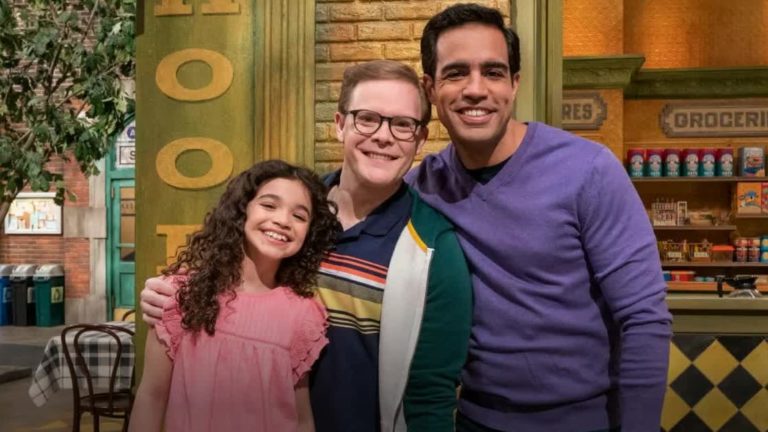
“Sesame Street” is celebrating Pride Month by going where it’s never gone before. This week, the iconic children’s show dropped a very special episode called “Family Day,” introducing two gay dads, Frank and Dave (the brother of Nina, who works as a bike store owner on the street), and their daughter, Mia.

Video Transcript

[MUSIC PLAYING]

Berkshire’s woodland LGBT wellbeing festival confirms this year’s dates – Reading Chronicle

A FESTIVAL aimed at West Berkshire’s LBGT+ community has confirmed the date set for the event.

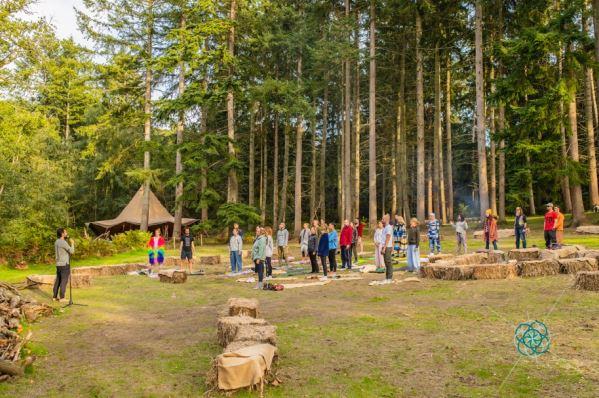
Soul Pride Retreat Festival, set to take place in the woodland of Wasing Park Estate, Aldermaston, West Berkshire, will be offering activities such as health and wellness workshops, well-being talks, fitness, yoga, and pilates during the day, and in the evening the event will host a cabaret, spoken word talks, circus acts, live music, DJ’s, and woodland dancing.

ALSO READ: Too revealing for Wetherspoons? These Reading pubs say otherwise

The event was confirmed to be taking place from July 8, to July 12, 2021.

Chris Fitchew, Creative Director of Wonderment Group said: “We’re delighted to announce Soul Pride will take place in person this year.

“We know the more we nurture our mind, body and soul through meditation, mental health support, yoga, fitness, spiritual exploration and healthy nutritious food, the more we will rise out of our caged emotions.

Reading Chronicle:

“In a world divided, we must come together and unite in our common goal – to support one another, care for one another and have empathy and compassion for everyone’s individual success and challenges, taking lessons from the gift of stillness and reflection.

“Soul Pride is an opportunity for us to bond together in community and nature and provides a safe space to own our LGBTQIA stripes, badges and wings with full force.

ALSO READ: 11 gorgeous photos of intimate weddings in Berkshire during lockdown

“To enjoy a sense of belonging and give us the armour and permission to return to who we really are.”

“Let us ALL have pride in our soul.”

To book tickets, visit www.soulpride.org.

Tristan Thompson’s name trends, everyone thinks the same thing – Wonderwall

0

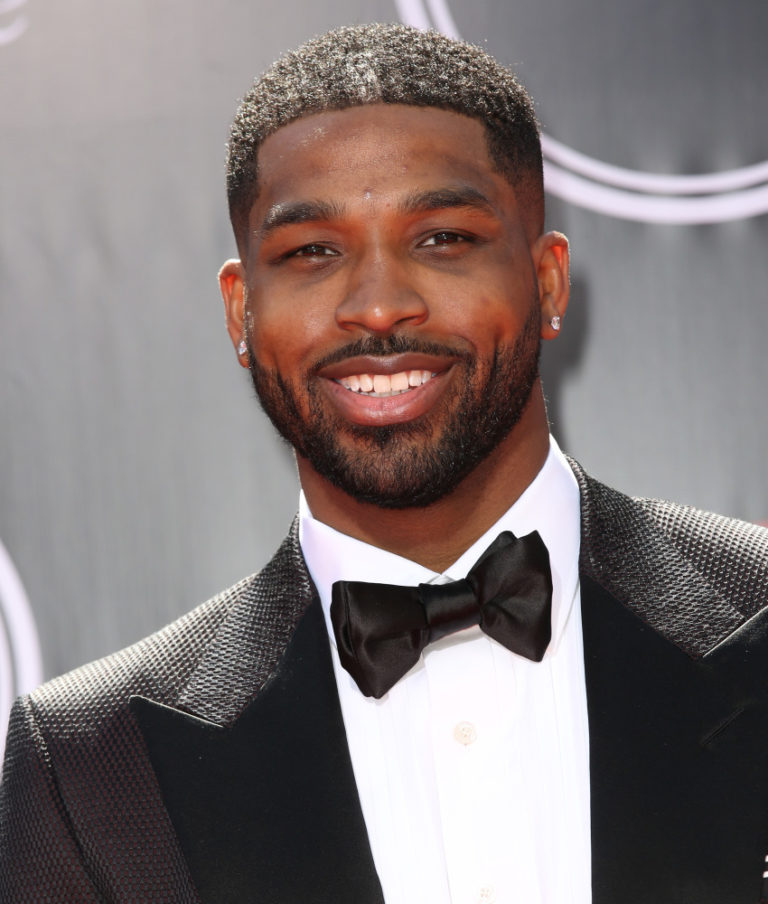
On Friday, Tristan Thompson’s name was trending on Twitter and pretty much everyone had the exact same thought.

“Me seeing Tristan Thompson trending thinking it has something to do with the Kardashians but then realizing it’s about him and sports,” one person said. 

Another added, “Anytime Tristan Thompson is trending, I always assume it’s for something other than basketball lol.”

When Tristan’s name has trended in the past, it’s sometimes had something to do with his relationship with Khloe Kardashian or his, shall we say, spotty track record of faithfulness to her

On June 18, though, his name actually trended through no fault of his own. This time it had to do with his job. Tristan’s name was quickly linked to trade rumors after his team, the Boston Celtics, made a big change with its roster Friday morning. There is growing sentiment that Tristan’s time in Beantown is likely to end.

Brian To/Shutterstock

For pop culture fanatics, trade rumors involving Tristan and his career are a welcome reason to trend. Still, the jokes were pretty universal and similar.

“Tristan Thompson is trending because of basketball ……wtf going on in this world,” one person said. 

Another added, “I forget tristan thompson actually plays basketball when i see him trending.”

Clearly, the Internet is always willing to have a ball at Tristan’s expense.

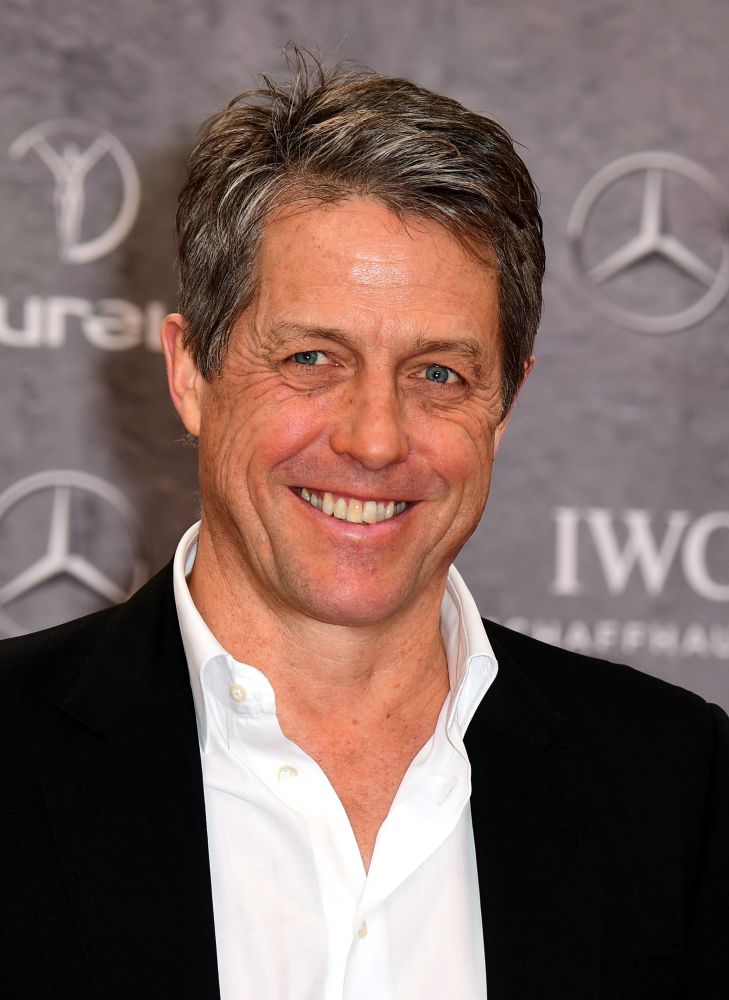
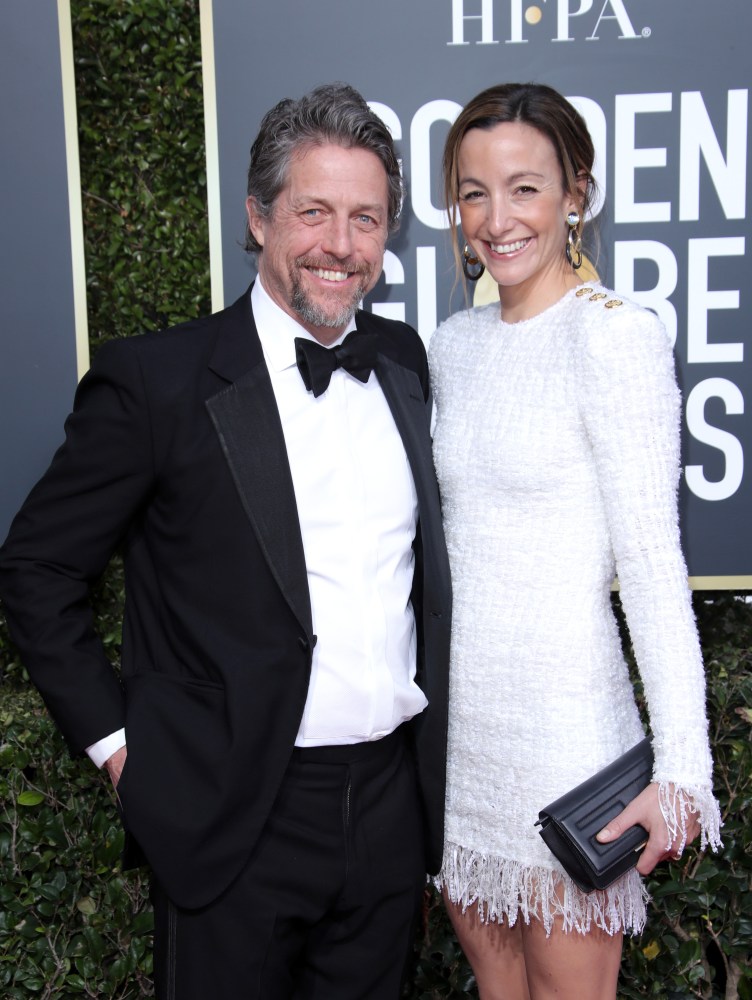
Hugh Grant is publicly balking at a claim on the Internet that plainly states he and his wife of three years married for “passport reasons.”

CLEMENS BILAN/EPA-EFE/Shutterstock

On June 17, the “Bridget Jones’s Diary” actor posted a screenshot from a Google search and took issue with it. 

“No I didn’t, @Internet. I married her because I love her,” he wrote on social media.

It appears that Google’s claim stems from a 2018 interview Hugh did with USA Today. In that chat, Hugh — once thought of as an eternal bachelor — was asked about marrying Swedish wife Anna Elisabet Eberstein.

“My wife agrees with me that marriage is a pretty preposterous social construct,” he’s quoted in USA Today. “But when you’ve got three children, it’s a nice thing to do.”

Matt Baron/BEI/Shutterstock

Travel, he said, weighed into the til-death-do-us-part decision. 

“I didn’t like going through immigration into countries where they’d say, ‘Everyone with a Grant passport, over here, and all the others through there.’ She went through with the nannies. That seemed all wrong,” he said. 

At the time, the USA Today reporter told Hugh that Michael Phelps secretly married before his final Olympics to ease passport clearances.

“Did he? Well, we’re very similar in many ways,” Hugh said.

After Hugh’s tweet on June 17, one follower wondered why the actor was Googling his wife’s name. “Hugh Grant forget who his wife is and have to Google it?” the person asked. Hugh responded, “No. A friend sent it to me.”

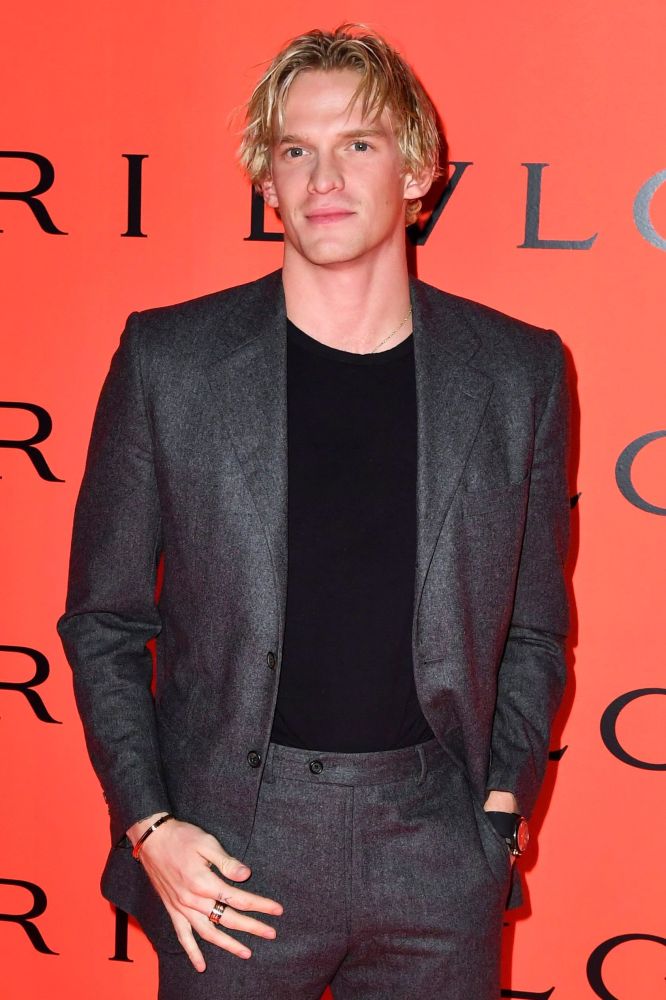
Cody Simpson’s aspirations to compete in the Tokyo Olympics have come to an end.

Stephen Lovekin/Shutterstock

The Australian singer had been attempting to qualify for the postponed 2020 games in swimming. On June 17, his hopes came crashing down at the Australian Olympic Swimming Trials when he missed the mark by 1.14 seconds. 

After it was over, Cody reflected on his experience and vowed to try to swim for Australia at the 2024 Games in Paris.

“What an experience racing at my first Australian Olympic Trials,” he wrote on Instagram. “To make a final was our goal this year and with less than a year of training we did just that. I’ve come so much further than I expected to this year and to be racing the best in the country already is a privilege.”

He also thanked former Aussie Olympian Brett Hawke and his training partner for pushing him.

“I’m so psyched to get back to training,” he said. “See you in 3 years..”

Throughout his training, Cody often documented his progress. 

“Just achieved my 2 goals for this year at once! An Olympic trials final and a 52. 100m fly swim,” he wrote on Instagram on June 16.

His journey was also documented in the Amazon Prime. documentary “Head Above Water.”

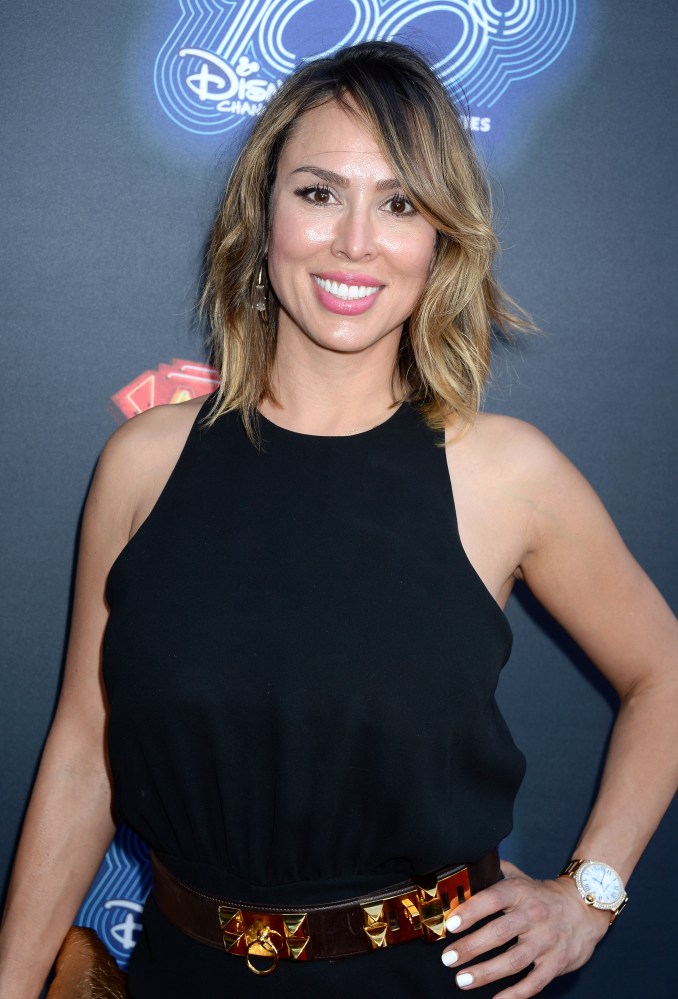
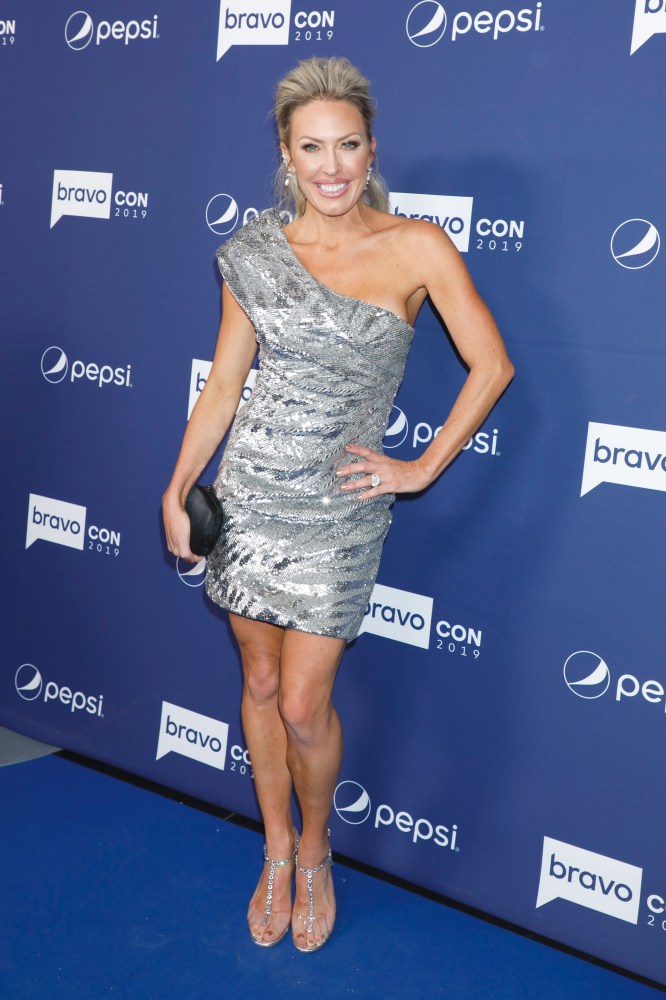
Kelly Dodd has found a scapegoat for her “The Real Housewives of Orange County” exit: Braunwyn Windham-Burke.

On June 17, just two days after the massive “Housewives” cast shakeup was announced, Kelly posted a text conversation she had with Braunwyn. In it, Kelly squarely says Braunwyn is the sole reason she’s off the show.

Broadimage/Shutterstock

Braunwyn appears to have started the conversation, telling Kelly, “I hope you’re okay, I know we’ve been through hell and back but I’m here.”

Kelly, however, was less diplomatic.

“This was your fault. We’d still be on the show if you didn’t make things so dark and ugly and brought all that political ‘woke’ BS,'” Kelly wrote. “Your lies about me, calling me a racist and a homophobe were horribly destructive and your phony storylines didn’t help either.”

Braunwyn, the first gay “Housewives” star, appeared to take the high road, reiterating that she’s available to talk if Kelly ever wanted to reach out. Kelly, though, seems to want no part of an open dialogue.

“I can’t believe this Braunwyn has the audacity to text me !!” Kelly wrote on Instagram alongside a slew of accusations. She also called her former “Housewives” costar a “nut job classic narcissist!”

For her part, Braunwyn confirmed to Page Six that the messages were authentic, but said they were also edited.

“Only Kelly Dodd would post screenshots of her own texts that make her look wildly immature,” Braunwyn said. “I guess that’s what being bitter is like, and I tried to empathize with her, as you can see. I’m a big believer in growing and changing, and second chances (or in this case 10th or 11th chance). At the end of the day, it’s just a tv show and we are still neighbors.”

Gregory Pace/Shutterstock

To be fair, Kelly’s future on the show has long been in question. Last February reports said Kelly (and other cast mates) was set to be fired. Shortly before that, she also threatened to leave the show if Braunwyn were to return.

A source close to the “Housewives” told Page Six on Thursday that Kelly only needs to look in the mirror when figuring out where things went wrong.

“Kelly should take accountability for herself being fired instead of pointing fingers at everyone else,” the insider claimed.

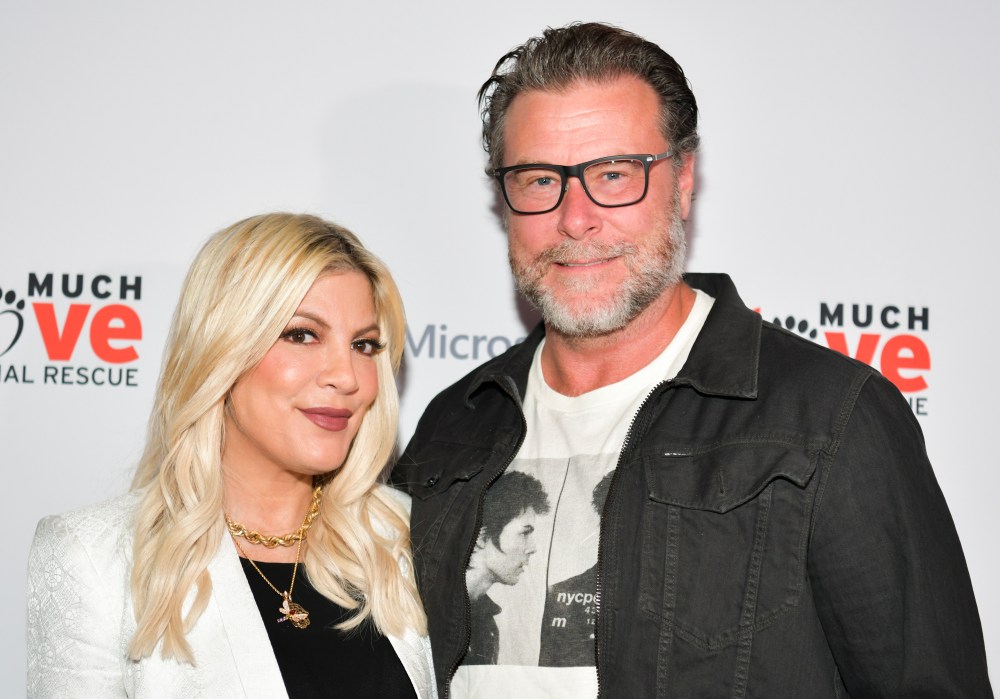
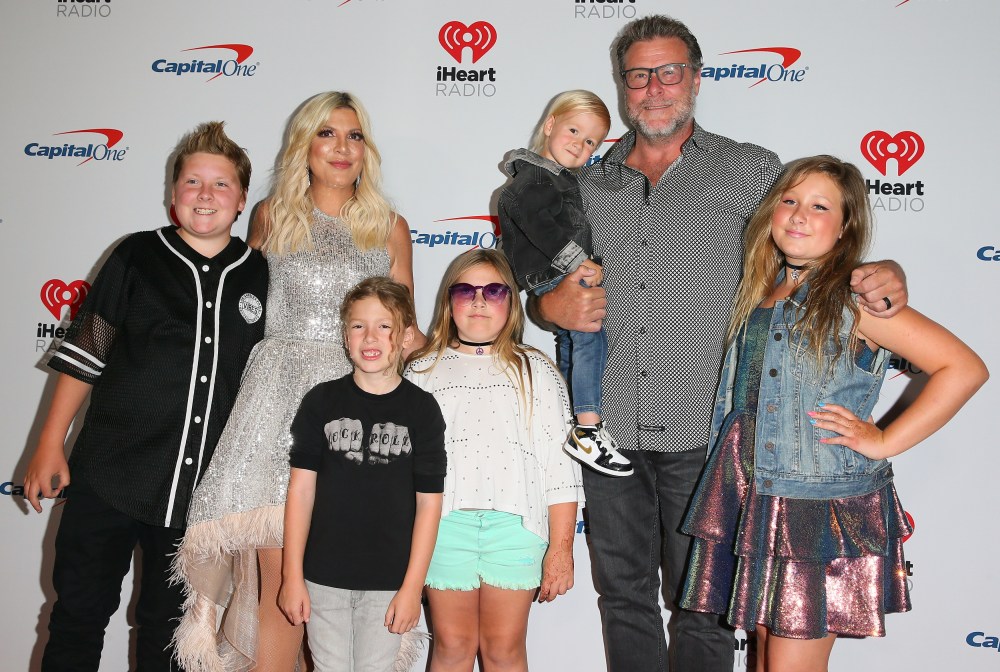
Tori Spelling is not living in a state of marital bliss with her husband, Dean McDermott — in fact, the couple is sleeping in separate bedrooms.

Getty Images

The former “Beverly Hills, 90210” star spoke about the rough patch on SiriusXM’s “Jeff Lewis Live” on June 16 after he brought up paparazzi images from March that showed her without a wedding ring.

“What is really going on? You put the wedding ring on. Are things OK?” he wondered. “Because I feel like the last time you were here things were good, you were having sex. Are you guys sleeping in the same bed? Personal?”

Tori answered honestly.

“Right now, my kids and dogs sleep in my bed,” she said while noting that Dean sleeps “in a room.”

WireImage

The actress said that four of their five children have been sleeping in her room for months.

“Since he left — this is not good, you guys — but since he left [and] he was gone for six months filming in another country, they all stayed with me,” she said. “So I currently still have four in the bedroom with me who have yet to go back to their rooms, yes.”

The confirmation of marital strife comes a few months after divorce speculation hung over their marriage, largely due to the missing wedding band.

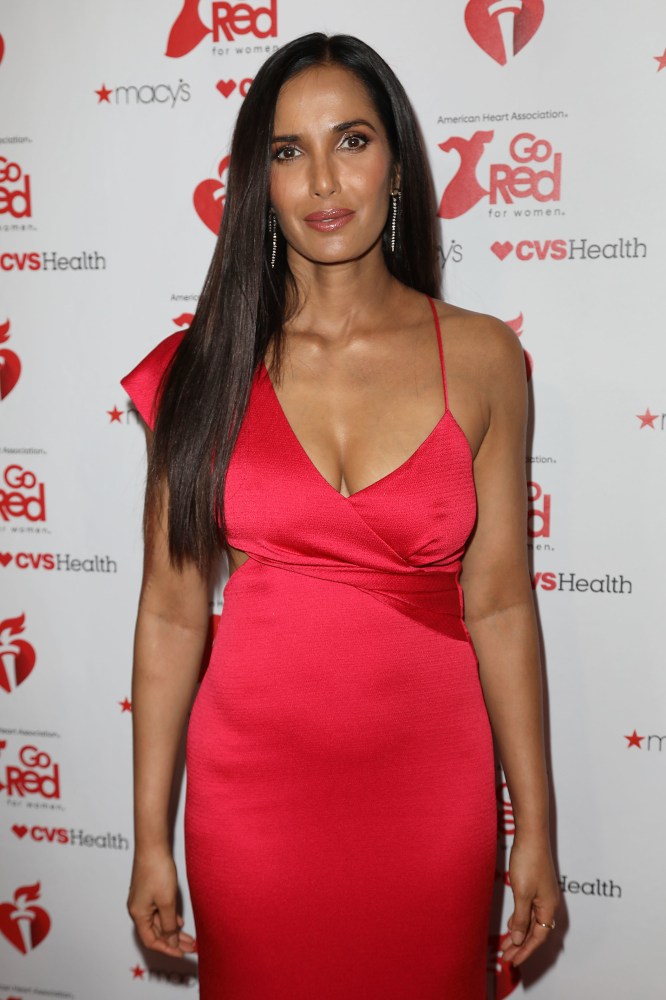
Seems like Padma Lakshmi is writing her own love story. 

THB / BACKGRID

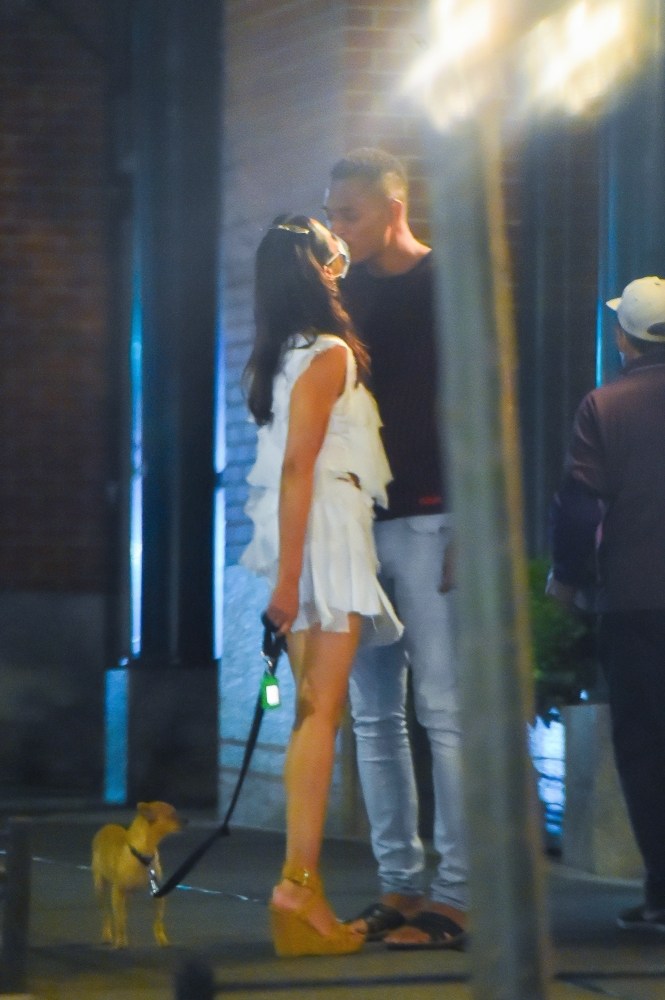
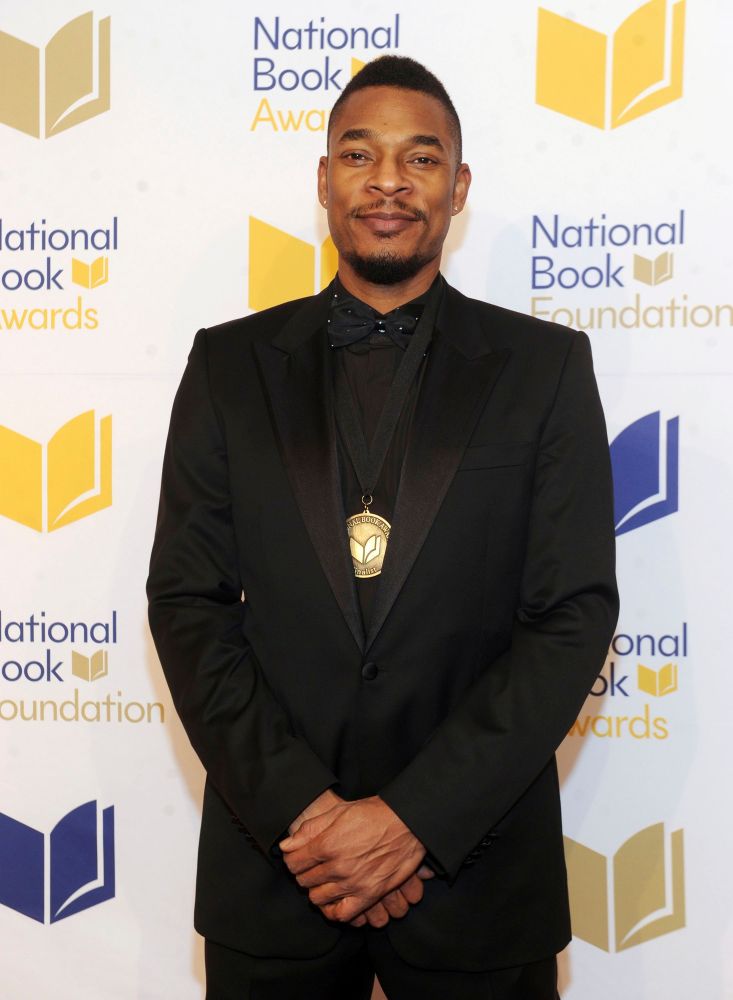
Earlier this week, paparazzi photographed the “Top Chef” host kissing a man in New York City as she walked her dog. At the time, the man’s identity was a mystery, but on June 16, Page Six revealed that the lucky suitor is famed writer and poet Terrance Hayes.

RELATED: Padma Lakshmi kisses new man in NYC plus more celebrity love life updates this week

“It’s early days,” a source told the New York Post’s gossip site. “They’re just getting to know each other.”

Kristina Bumphrey/StarPix/REX/Shutterstock

Like Padma, 50, Terrance has a rather impressive resume, having won the National Book Award in 2010 for his book of poems titled “Lighthead.” He’s also been a finalist twice since then. Page Six notes that Terrance, 49, also received a MacArthur fellowship in 2014 as well as a Guggenheim fellowship.

RELATED: Celebrity splits of 2021

The new romance comes on heels of the the model’s 12-year on-again, off-again relationship with venture capitalist Adam Dell. They share 11-year-old daughter Krishna Thea.

Brad Barket/Invision/AP/Shutterstock

“Adam and Padma broke up shortly after the new year; it was very amicable,” a source said as the new images surfaced. “They are intent on staying the best of friends and remain like family.”

Padma and Adam, the source continued, “are still very close and are committed to co-parenting their daughter, Krishna, who has always been their first priority.”

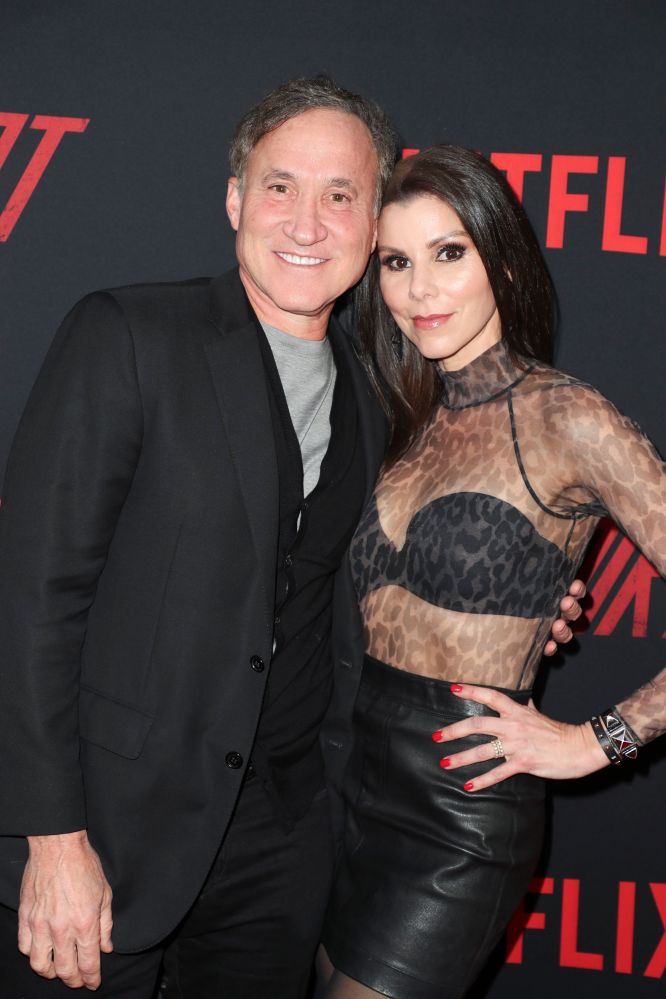
Although many have thought Heather Dubrow’s chances of returning to “The Real Housewives of Orange County” was once a fruitless endeavor, she’s back — and her family is juiced about it!

Rob Latour/Variety/Shutterstock

While discussing the return to Bravo on her “Heather Dubrow’s World” podcast, the 52-year-old said she thought producers were joking when they first approached her.  

“Well, what was funny was — so, production called me, like, I don’t know, December or something like that, and I laughed,” she told Andy Cohen on the podcast. “My first reaction was like, I kind of laughed. And then I thought about it.”

Truthfully, Heather was unsure if she even wanted to go back to the show that made her famous, a show she starred on from 2012-2016. When Heather left, she cited the culture as a reason for the exit. However, much has changed since then, as it’s been announced that Elizabeth Lyn Vargas, Braunwyn Windham-Burke and Heather’s nemesis Kelly Dodd will not be returning.

Still, she knew that rejoining the show would also put the spotlight on her family. 

“When I sort of came to the realization that, ‘Wait a minute. This might be like that space-time continuum moment where it’s, like, a good idea to go back,’ we sat down and had a family meeting about it. We had a serious talk about it,” she said. 

Chelsea Lauren/Shutterstock

Her family — “Botched” star Terry Dubrow, and their four kids — was fully on board.

“I was negative,” she said. “I was like, ‘Guys, you’re on social media now. You do this. You do that. People will comment,’ and they were cool.”

Ciara is back!

This week, the singer revealed that she’s back to her pre-baby weight, having lost nearly 40 pounds with the help of Weight Watchers, for which she’s an ambassador. 

“Goodbye to those last 10lbs I’ve been working on these past 5 weeks, Hello to me-pre baby weight! I’m so proud of myself– down 39 pounds on my @ww journey!” she captioned an Instagram image on June 15. “Thank you to everyone for your support, we did it! If you believe in yourself and set goals, it’s all possible! Go for it! Go get it!”

ABC/Shutterstock

Last September — two months after welcoming son Win — Ciara announced that she’d joined Weight Watchers.

“Ready to level up up my plans post baby and beyond! Leading a healthier lifestyle has always been a long term goal of mine. With my growing family and career I’m more focused on living a balanced life,” she said at the time. “The program is realistic for my goals and I’m having fun with the app! I’ve seen the impact it’s had on family and friends and I’m excited for the journey ahead. I naturally lost 15lbs post baby and after starting the WW program, changing my eating, and working out, I’ve now lost the 5lbs I wanted. I’m ready to go after the rest I want to lose! Let’s go!!!”

Around the new year, the “1, 2 Step” singer said she wanted to lose 20 pounds, but wasn’t in any rush. 

“Let’s go after all we want this year!” she said.

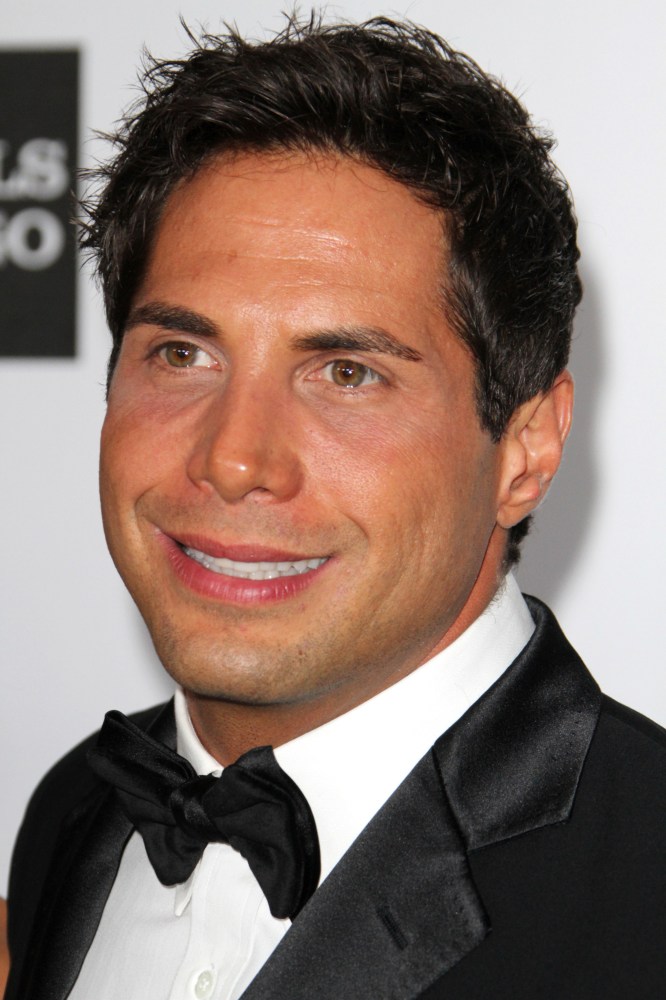
The famed Mexican estate of “Girls Gone Wild” creator Joe Francis caught fire late Tuesday night and is partially in rubble.

Matt Baron/BEI/Shutterstock

Dubbed Casa Aramara, a gaggle of top celebrities have stayed there over the years, including Jennifer Aniston, Eva Longoria, Demi Moore, Orlando Bloom and the Kardashians. Mario Lopez and his wife, Courtney Mazza, even got married there in 2013.

TMZ, which shared photos of the inferno, said Joe wasn’t in town when the blaze stated on June 15, but notes that the home had been rented. About 20 people and 20 staff members were on site when flames broke out. 

It’s not yet known what started the fire, which reduced the main house to rubble. Three other smaller homes are still intact. 

The oceanside estate in Punta Mita, Mexico, is a celebrity magnet and has been featured on several reality TV shows.

“Casa Aramara is heaven on Earth! I have traveled the world but never been to a place where I feel so at home!,” Kim Kardashian wrote in the estate’s guestbook. “I have stayed at Casa Aramara for weeks at a time and always feel so relaxed and entertained.”

Kourtney Kardashian said, “Casa Aramara is really is my favorite place to visit in the entire world.”

Lance Bass said he and his husband, Michael Turchin, fell in love there. 

Gay Days returns to Disneyland on a new weekend after a pandemic pause – Press Telegram – California News Times

Disneyland and Disney California Adventure Park will once again be filled with a sea of ​​red Gay Days T-shirts as an informal annual event celebrating LGBT pride returns to Anaheim’s theme parks after a 2020 pandemic pause. ..

The informal Gay Days Anaheim Mix-in event will return to Disneyland and Disney California Adventure on September 17-19, featuring theme park meet-ups, trivia quizzes, scavenger hunts, megagroup photos, and parties.

Related item: All Disney theme parks around the world have opened for the first time in 17 months

The· 412 days coronavirus closure Disneyland and DCA forced the cancellation of Gay Days 2020 on the first weekend of October.

Plans to move Gay Day from October to September are underway since 2018 with the goal of avoiding the increasingly crowded Halloween season. Gay Days 2021 was always aimed at being the first year of a new weekend in September, after more than 20 years in October.

Mini Gay Day in early March 2020 was the last major pre-blockade event at Disneyland. Gay Days 2021 will be the first major post-blockage event in the park.

Related item: The Disneyland band is back and live entertainment is coming soon

The first Gay Days Anaheim attracted about 2,500 people in 1998. Today, an independent annual event, more than 30,000 Gay Days attendees gather at Disney Park in Anaheim during the three-day event.

Gay Days Orlando attracts more than 100,000 attendees to Walt Disney World in Florida each June.

The annual Gay Days Anaheim Mixin Event brings plenty of red T-shirts to Disneyland and DCA each year. The official Gay Days Anaheim T-shirt for 2019 has a Star Wars theme with a stormtrooper on the front and the slogan “May the Fierce Be With You”.

Gay Days 2021 has not been scheduled yet, The past few years serve as a guide What do you expect?

Friday is the arrival date. Saturdays are all about Disneyland. Sunday is reserved for Disney California Adventure Park.

Disneyland events typically feature a scavenger hunt, a hijacking of attractions on the Mark Twain Riverboat, and a captivating Chiki Room with a large group photo in front of the Sleeping Beauty Castle. Lunch is typically served at four Disneyland restaurants: Plaza Inn, Alien Pizza Planet, Rancho del Zocalo, and Hungry Bear.

DCA events usually include more vehicle hijackings (Grizzly River Run, Mickey’s Philharmonic, Silly Symphony Swings) and group photos at Pixar Pier. BingBong’s Sweet Stuff is a popular selfie spot throughout the day.

Gay Days returns to Disneyland on a new weekend after a pandemic pause – Press Telegram Source link Gay Days returns to Disneyland on a new weekend after a pandemic pause – Press Telegram

A website to generatejobs for LGBT group – Hindustan Times

LUCKNOW: Getting a decent job would no longer be a struggle for people belonging to the LGBT (lesbian, gay, bisexual and transgender) community. thanks to Yadavendra Singh Darvesh, a part of Awadh Queer Pride Community and a social activist who has developed a one-of-its-kind website to connect them to the employers.

Darvesh, who himself is a web designer, said the website would not only bridge the gap between the employers and the talented people of the LGBT community but also showcase their talent in such a way that it would help them in getting jobs. “The website—www.queerlancers.in deals in different streams, including digital marketing, graphic designing, make-up and hair styling, photography, lifestyle, dance etc. For example, if anyone from our group wants to opt for a job as a make-up artist, he/she can select the make-up artist section and upload profile, biodata, work experience and images. It will be a sort of a portfolio, which we will further showcase through social media and other platforms to ensure that the applicant gets a decent job. We are doing it for free,” said Darvesh.

He said the aim behind the move was to generate employment for the people of the LGBT community. He said initially, they were offering only freelancer job but in the later phases they would also be offering full time job opportunities. In mere two days of launch, he got more than 80 queries from the people not only from UP but also from other states, he said.

SHARE THIS ARTICLE ON

Yes Daddy! Celebrate Father’s Day weekend with Queerty’s salute to gay dads – Queerty

Beginners

Welcome to the Weekend Binge. Every week, we’ll suggest a binge-able title designed to keep you from getting too stir crazy. Check back throughout the weekend for even more gloriously queer entertainment.

The Timely: Gay Dad Film Festival

Father’s Day has arrived once again, giving members of the queer community (and beyond) a reason to scream “Yes, daddy.” Just in case you didn’t have one already…

For our Weekend Binge this week, we therefore want to pay tribute to all the LGBTQ dads that have enchanted us on the silver screen. While limited in number for sure, these characters nonetheless point the way toward a future rife with queer dads of all ages, races, nationalities and more. Moreover, said characters also all have one thing in common: they love their children, and above all, want to be good parents to them.

We should all be so lucky. With more and more LGBTQ men marrying and having children, these films speak to an increasing demographic and issue a subtle reminder: the queer experience has many, many more stories to mine.

Beginners

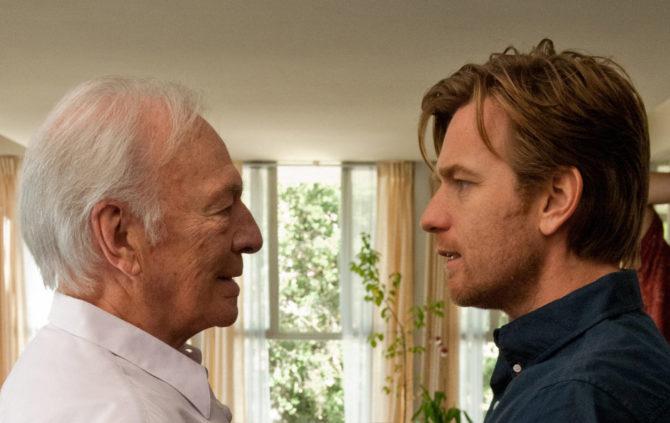
Acting legend Christopher Plummer became the oldest actor in history to win an Oscar for his role in this film. It’s easy to see why: he gives a performance of incredible charisma and sincerity. Beginners chronicles the relationship between Oliver (Ewan McGregor) and his aging father Hal (Plummer). Hal came out as gay very late in life, and finds renewed purpose and joy in joining the community. It also helps that he begins a relationship with Andy (Goran Višnjić), a much younger man. Plummer shines in his role, making Hal into the elder gay we both wish we had as a role model, and wish we could mentor as well.

Streams on Amazon, Hulu, YouTube & VUDU.

Calendar: June 18-24 – Washington, DC – Washington Blade

Friday, June 18

Join the National Archives and Bishopsgate Institute Special Collections and Archives as they present their LGBTQ+ archive collections virtually at 8 a.m. In this event, Vicky Iglikowski-Broad from The National Archives and Stefan Dickers from Bishopsgate will explore the different strengths of their collections, to reflect on how they can be used together to build a fuller picture of LGBTQ+ lives. Event registration is available on Eventbrite.

“DISDance, Pride Edition- Still We Dance” will be at 6:30 p.m. Join the D.C. Public Library and show your Pride by dancing with the Library’s Freegal music collections. Post a video or photo of you and your crew dancing or lip-syncing to Instagram and tag D.C. Public Library on Instagram (@dcpubliclibrary) using the tags #DCPLDanceParty and #StillWeDance. The library’s favorite videos will be shared, and crown the video with the most likes the virtual Queen of Pride. All four Pride playlists are available on Freegal with the names Still We Lead, Still We Live, Still We Laugh, and Still We Love.

Saturday, June 19

Join the DC Center for its virtual job club, a weekly job support program to help job entrants and seekers, including the long-term unemployed, improve self-confidence, motivation, resilience and productivity for effective job searches and networking. The event begins on Zoom at 6 p.m. For more information, email [email protected].

Sunday, June 20

Join the DC Center and the Beta Kappa Chapter of the Beta Phi Omega Sorority for a peer-led support group devoted to the joys and challenges of being a Black lesbian. You do not need to be a member of the Beta Kappa Chapter or the Beta Phi Omega Sorority in order to join, but they do ask that you either identify as a lesbian or are questioning that aspect of your identity. This event will be hosted on Zoom at 1 p.m. More details are available here.

Monday, June 21

The Center Aging Coffee Drop-In will still take place virtually at 10 a.m. via Zoom. LGBT Older Adults (and friends) are invited to have friendly conversations about current issues they might be dealing with. For more information, visit Center Aging’s webpage.

Join GenderQueer DC for a monthly support group on Zoom for people who identify outside of the gender binary. Whether you’re bigender, agender, genderfluid, or just know that you’re not 100% cis – this is your group. The event will be at 7 p.m. For more information, visit genderqueerdc.com.

Tuesday, June 22

The European Union Delegation to the United States will host “Joining Forces for LGBTI Rights Around the World” virtually at 9:30 p.m. This event is a discussion on how the international community can help advance LGBTI rights around the world and will feature panelists: Mark Bromley, chair of The Council for Global Equality, Olena Shevchenko, director of Insight, and Urooj Arshad, senior program manager of Dignity for All: LGBTIQ+ Assistance Program, Freedom House. Registration for this free event is available on Eventbrite.

“Rainbow Challah Tutorial and Discussion” will be at 5 p.m. on Zoom. All are welcome to attend this event. Challah is a type of bread traditionally baked to celebrate the Jewish sabbath. Attendees will be provided with the recipe and materials list in advance if they would like to make it at home. There will also be a discussion about food, identity, and community. For more information, email [email protected] or call 202-543-1778 x204.

Wednesday, June 23

Capital Pride Alliance and Hook Hall will host “Hooked on Capital Pride” at 2 p.m. There will be drink specials, music, and celebration of all things LGBTQ+. A portion of the proceeds from this event will support the Capital Pride Alliance and partner Pride organizations responsible for producing Youth Pride, Silver Pride DC, DC Black Pride, DC Latinx Pride, Capital AAPI Pride, and Trans Pride, through the GivePride365 Fund. Every reservation will include a bottle of Rose Bubbly, and cabana reservations will come with a bonus celebration kit! For more information, visit the Facebook event page.

Join the LGBTQIA Alliance Washington National Cathedral for a free webinar featuring Billy Curtis, director, Gender Equity Resource Center UC Berkeley on Zoom at 8 p.m. Curtis is a community activist and advocate who was hired as UC Berkeley’s first full-time director for LGBT Resources in 1999. Curtis is currently the director of the university’s Gender Equity Resource Center. To register for this event, visit: capitalpride.org.

Thursday, June 24

Join the DC Public Library for a poetry reading with Micah Powell from his book “Things No One Else Wants to Say.” Micah will read from his book and join a conversation with DC’s own Regie Cabico, poet and director of Capturing Fire Press. The event will be hosted on Facebook and YouTube at 5:30 p.m. To register, visit the library’s website.

Hope in a Box will host “Books That Make Us: A Pride Month Celebration of LGBTQ+ Stories” online at 8 p.m. The event will feature a number of notable figures including Jahana Hayes, member of Congress (D-Conn.) and 2016 National Teacher of the Year, Zach Stafford, columnist for MSNBC and former editor of the Advocate. Tickets are available at: hopeinabox.splashthat.com.

The DC Anti-Violence Program will have an open meeting via Zoom at 7 p.m. At this meeting, there will be opportunities to learn more and get involved in lessening violence both within and directed toward the LGBT communities. To access the Zoom link, email [email protected].

Continuing Change in US Views on Sex and Marriage – Gallup Poll

0

The only constant in life is change, it has been said, and we are seeing that maxim exemplified by changes in the normative structure surrounding sexual behavior and marriage in American society. Gallup’s latest update shows a continuing increase in the public’s agreement on the moral acceptability of a series of behaviors relating to sex and marriage. Americans, in short, are becoming more tolerant in their views of what is and is not acceptable. The causes of these shifts are not precisely determinable, but to the degree they represent a shift in actual behavior, these changes could be harbingers of cultural transformations that affect the U.S. economy and population wellbeing.

Six behaviors that relate directly to sexual behavior and marriage are included in the list of issues in Gallup’s May updates. Americans have become more likely to say that all six are morally acceptable compared with baseline measurements taken between eight and 20 years ago. Views that gay and lesbian relations are morally acceptable have increased from 40% to 69%, having a baby outside of marriage from 45% to 67%, sex between an unmarried man and woman from 53% to 73%, divorce from 59% to 79%, polygamy from 7% to 20%, and sex between teenagers from 32% to 43%. (All but one of these issues were first rated between 2001-2003; the baseline for sex between teenagers is 2013).

Sociologists define norms as shared expectations of behavior in certain situations. It is difficult to measure norms precisely, but the Gallup questions about moral acceptability provide a good approximation. The increase in the percentage of the population saying the six behaviors are morally acceptable indicates a significant change in the normative proscription of sexual behavior outside of the traditional heterosexual marriage arrangement.

Views on “having a baby outside of marriage” provide a good example. Twenty years ago, 45% of Americans said this behavior was morally acceptable, suggesting a lack of normative consensus in either direction. Now, 67% of Americans say it is acceptable, a clear indication of a much-diminished norm “frowning” on what used to be considered stigmatized behavior. In other words, the social shame heaped on the act of having a baby outside of marriage today is significantly muted from what it was 20 years ago. In a similar fashion, Americans can engage in other behaviors relating to sexual relations with less concern about societal disapproval than in years gone by.

Are Changes in Norms Related to Actual Behavior?

These measures of societal expectations provide valuable data for understanding collective thinking about sex and marriage. But as we know, norms about what is considered acceptable are a different matter than actual, real-world behavior. All six of the behaviors under discussion here — gay and lesbian relations, sex between unmarried people, having a baby outside of marriage, sex between teenagers, divorce and, to some degree, polygamy — have occurred with variable frequency in American society for centuries whatever the prevailing normative context. Norms can affect behavior but certainly do not control it. As archeologist Timothy Taylor has noted, “That’s not to say that cultural norms keep people from exploring the taboo, but only what is admitted to openly.”

Unfortunately, we don’t always have a way of measuring the relationship between norms and related behaviors with precision, mainly because we don’t always have reliable measures of their incidence. We do know, as an example, that despite the increasing numbers of Americans who say that divorce is morally acceptable, its actual incidence appears to be going down, not up. On the other hand, the increasing numbers of Americans who say that having a baby outside of marriage is morally acceptable have clearly been accompanied by an actual increase in that behavior, with about four in 10 babies in the U.S. now born to unmarried mothers.

But we don’t have ways of accurately comparing attitudes and real-world behavior in relationship to sex between unmarried men and women, gay and lesbian relations, sex between teenagers, and polygamy. It is certainly possible that the occurrence of these behaviors has increased over time in lockstep with the normative shifts, but we can’t demonstrate that empirically. For example, the perceived moral acceptability of gay and lesbian relations has jumped substantially over the past 20 years. But it is quite possible that the actual incidence of same-sex relations has been stable even as the public acceptability of such relations has shifted.

The bottom line here is that we cannot assume that shifts in the perceived moral acceptability of certain behaviors are directly related to their actual occurrence in the real world. It may be that changes in behavior drive normative shifts, or that normative shifts drive behavioral change, or that the two reflect different causal influences altogether.

Marriage and Birth Rates Decline

Both marriage rates and birth rates have been in decline in the U.S. These developments are of general interest but also are consequential for society as a whole. Is it logical to hypothesize that these changes could in some ways be tied up with the loosening attitudes surrounding sex and marriage?

Evidence shows clearly that marriage is associated with a number of positive health and wellbeing outcomes for those involved and presumably for society as a whole. It is also clear that a drop in the birth rate can have serious economic consequences for society, ultimately limiting the pool of available workers, which in turn can limit economic growth and strain the income transfer programs put in place to support older citizens. (Declining birth rates may also, it should be noted, allow more women to be in the workforce, which could be a positive for the economy). If Americans increasingly do not feel they need the sanction of marriage to engage in sexual behavior, marriage rates may decline. And, the decline in marriage may be associated with fewer babies (even if it is increasingly acceptable to have a baby out of wedlock). As one economist and analyst for the Institute for Family Studies concluded after studying the marriage and fertility data in a paper aptly titled No Ring, No Baby, “One vital driver of birth rates is marriage.”

All of these relationships are difficult to prove. Observed correlation between the increase in acceptance of certain formerly more taboo behaviors relating to sex and marriage and the decrease in the marriage and birth rates are just that — correlations; we can’t say for sure what is causing what. Attitudes can change to reflect reality, and reality can change as a result of changed attitudes. But the shift in norms does serve, at the least, as a valuable social indicator of significant shifts in sociological structures and demographic trends.

Why the Changes?

We are looking at a 20-year time span with our Gallup measures of attitudes, a blip in the centuries-long history of the country. We do not have attitudinal trend data going back for hundreds of years (I wish we did!), but it’s reasonable to assume that attitudes and norms about sexual behavior and marriage have been in flux long before the turn of the most recent century.

Historians point out that America’s morals became looser in the late 1800s in the midst of the industrial revolution. There were certainly changes in what was deemed morally acceptable in the Roaring ’20s some 100 years ago. Aging baby boomers can remember the so-called sexual revolution of the 1960s when the age of “free love” was coupled with the advent of more widespread birth control, feminism and the general concept of protest against societal norms engendered by the Vietnam War. The shifts in norms over the past two decades are thus most properly viewed not as a unique occurrence but as another in a continuing-over-time series of shifts in cultural and societal expectations about sexual relations, marriage and the family.

This leads us to consideration of possible changes we might see in the years ahead. If current trends are projected out into the future, then we will ultimately see a situation in which there is little cultural disapprobation of any forms of sexual behavior. But the assumption of a continuing linear trend in these attitudes is not certain.

As I noted at the outset, change in society and culture is basically a constant. At the moment, there are many shifts in American economic, societal and cultural patterns that could affect norms surrounding sexual behavior and marriage. These include such things as the dramatic rise in the use of social media with online communities substituting for physical communities, changing demographics, changes in the role models provided by leaders and celebrities, declining religiosity and so forth. How all of these social trends manifest in shifts in societal norms certainly remains to be seen.

Summary

Over the past two decades, Gallup has documented a significant increase in the percentage of Americans who say that sexual behavior outside of marriage, divorce, polygamy, and gay and lesbian relations are morally acceptable. The reasons for these changes are not clear, and the consequences for society and America’s future are also not fully determinable. Certain real-world changes such as the decline in marriage and birth rates are, however, clearly measurable, and it’s reasonable to assume that shifts in normative expectations about sexual behavior and marriage are part of these shifts.