NEW YORK (CBSNewYork) — As we celebrate Pride Month, we reflect on the progress made in the transgender community, but advocates want real policy changes.
As the colorful symbols of Pride are becoming more visible in store fronts, restaurants and vibrant downtowns, more people have become comfortable showing the world their true colors.
“These young people are trying to express their authentic selves and that’s where the discussion needs to start,” said Robyn Schlesinger from The LOFT: LGBTQ Community Services Center.
Schlesinger is a transgender woman and volunteer at The LOFT, an LGBTQ+ community center in Westchester.
Schlesinger considers herself a role model to the youth and worries about the impact of ignorance.
“This is not a phenomenon. This has nothing to do with social media and the internet and loose morals,” Schlesinger said.
Schlesinger, who only transitioned in the last few years, said one of the simplest ways to be part of the conversation is by asking people what their pronouns are.
“It’s a sign of respect,” said Schlesinger.
“I think it’s less important to use the right vocabulary as it is to have the right attitude,” said Michell McFadden-Dinicola, a mother whose daughter transitioned during high school.
“The people that are being the most mistreated are the ones who are trying to fit into a society that doesn’t have any space for them,” she said.
In 2018, the mayor of Jersey City signed an executive order that bathrooms in city buildings be gender-neutral.
Luna Restaurant and Bar has already done that, posting a sign outside the restroom that says, “Whatever — Just wash you hands.”
“We treat our community like family, so that is the entire community,” said manager Kennedy Shayna Grey.
Advocates say gender-neutral bathrooms and understanding pronouns are good first steps, but barely scratch the surface when it comes to the real policy changes that need to be made.
“I think it’s very alarming,” said Shawn Kobetz of NYC Pride.
Kobetz is referring to the more than 100 bills introduced in 33 states this year that aim to curb the rights of transgender people.
“We need our straight allies to join forces and to push back against this because this is discrimination,” Kobetz said.
Schlesinger agrees, saying, from equal health care to more transgender recruitment at companies and colleges, there is so much more work to do.
“How can the general public, how can I, be a better ally?” Layton asked.
“I think listening is the first thing,” said Schlesinger. “‘What can I do to be a better friend?’ … ‘Is there anything that I should know about your family situation?’”
At this crossroads of acceptance, kindness is the way forward.
Advocates say the community must make the effort to educate itself by asking questions.
The provincial NDP’s education critic is slamming the French school board’s decision to suspend meetings for a gay-straight alliance at a St. John’s school.
Jim Dinn says he’s concerned about the message that’s being sent to LGBT youth at École des Grands-Vents by a suspension.
“It could send a scary message [to young people] that they shouldn’t be here, that they are not safe,” said Dinn on Friday. “If the creation of the club sends one message, the suspension of the club sends another.”
Daniel Taïeb, communications manager for the Conseil scolaire francophone provincial, said the club still exists, but meetings have been put on hold so the board could establish a better framework before the club resumes activities.
Taïeb said the club was created at the start of the last school year at the request of students to offer them an inclusive and safe space in which they can express themselves freely. He did not provide any more details on what led to the suspension of the meetings.
Education Minister Tom Osborne. (Patrick Buter/Radio-Canada)
In a statement, Education Minister Tom Osborne, who said he learned of the situation last week, said the club’s activities were put on hold because the group didn’t have specific guidelines in place, and the school’s intention is to work with the club to establish a framework so that activities can resume in September.
“We hope that its activities can continue without interruption,” said Osborne. “The goal of a gay-straight alliance is to create a safe environment where 2SLGBTQQIA+ students and their allies can work together to make their school more welcoming to other members of the community, regardless of their sexual orientation or identity. “
Osborne noted École des Grands-Vents displays the Pride flag and has planned several activities to mark Pride Month.
SACRAMENTO, Calif. (KTXL) – Part of staying cool through the summer is to stay hydrated, but Sacramento residents may notice something off about the water coming out of their faucets.
“Typically, we’d see these kinds of complaints or start to receive these kinds of complaints at the end of the summer and the beginning of fall. Because of the hot and dry conditions we’re enduring right now, we’re starting to see them much earlier than we normally would,” said Sacramento Water Quality Superintendent Mark Severeid.
In recent years, we’ve seen more LGBTQ+ characters in movies and on streaming series and films and on broadcast TV than ever before, and more actors and filmmakers who are open about their identity. As a mirror of society, Hollywood is a long ways from perfect, and the conversations will be ongoing and the road to equality may never be 100% complete, but the progress is real, and that’s a wonderful thing.
To commemorate and celebrate Pride Month, here’s my list of some of the best LGBTQ+ movies of all time (in alphabetical order).
“The Boys in the Band” (original and remake)
The great Chicago treasure William Friedkin (“The Exorcist,” “The Conversation”) directed the 1970 adaptation of Mart Crowley’s groundbreaking play about a group of gay men gathering for an unforgettable evening in an apartment on the Upper East Side. This was one of the first major films centering exclusively on gay characters. A half-century later, the remake starring openly gay actors Jim Parsons, Zachary Quinto and Andrew Rannells, among others, worked as a reminder of a time when even in New York City in the times-are-changing 1960s, most gay men felt free to be themselves only behind closed doors and among their own ranks.
“Brokeback Mountain” (2005)
Heath Ledger posthumously won the best supporting actor Oscar for his portrayal of the Joker in “The Dark Knight” and rightfully so, but his best performance came a few years earlier as the ranch hand Ennis Del Mar, who shares a long and complicated and heartbreaking love affair with Jake Gyllenhaal’s Jack Twist. “Brokeback Mountain” won Oscars for Ang Lee (director) and Diana Ossana and Larry McMurtry (adapted screenplay), but somehow the best-directed and best-written film of the year lost best picture to “Crash,” a decision controversial to this day.
“The Celluloid Closet” (1996)
Hollywood holds a mirror to itself in this comprehensive, sly, funny and beautifully rendered documentary about the history of gay characters — identified or implied — in cinema. We see clips of gay characters in silent movies (Thomas Edison made a short depicting two men dancing in 1895), later eras when they were almost always portrayed as villains or weak-willed, and keen insights from actors and filmmakers. Setting up a clip from “Gentlemen Prefer Blondes,” the brilliant writer Paul Rudnick (“In & Out,” “Jeffrey”) notes the dancers are “a gym full of body builders who have absolutely no interest in Jane Russell.”
“The Danish Girl” (2015)
Loosely inspired by the true story of one of the first recipients of sex reassignment surgery, Tom Hooper’s sensitive and quietly powerful period piece film set in the early 20th century stars Eddie Redmayne as Einar, who becomes Lili, and Alicia Vikander as Gerda, Einar/Lili’s supportive wife. Both performances were lovely and resonant and garnered Oscar nominations, with Vikander winning best supporting actress.
“Love, Simon” (2018)
The easy shorthand I’ve employed to describe Greg Berlanti’s irresistibly funny and sweet story is that it’s a John Hughes high school comedy/drama, only this time the main character is gay. Nick Robinson is a 21st-century Matthew Broderick — handsome and self-deprecating and smart and likable — as the title character, who knows he’s gay and is trying to find the right moment to share that with the world. With Josh Duhamel and Jennifer Garner as the kind of parents every gay teenager deserves.
“Milk” (2008)
Sean Penn is magnificent as the legendary and groundbreaking Harvey Milk, the first openly gay individual elected to public office in the state of California, and James Franco delivers one of his most memorable performances as Milk’s partner, Scott Smith. Directed by the versatile and gifted Gus Van Sant (“My Own Private Idaho,” “Drugstore Cowboy”), “Milk” is a powerful slice of 1970s/1980s political history, and an empathetic biography.
“Moonlight” (2016)
Writer-director Barry Jenkins’ Oscar-winning adaptation of a play by Tarell Alvin McCraney is really three films in one, chronicling the life and times of Chiron, who is played by Alex Hibbert as a child, Ashton Sanders as a teen and Trevante Rhodes as an adult, as he endures a hardscrabble life and wrestles with his identity. It’s a gorgeous, tough, gritty, emotionally impactful film that will make your heart soar one moment and shatter the next. “Moonlight” is showing at several AMC theaters this week in observance of Juneteenth.
“Personal Best” (1982)
Writer-director Robert Towne celebrates the physicality of athleticism and sexuality in the story of an up-and-coming track-and-field athlete (Mariel Hemingway) who becomes romantically involved with an established star (played by real-life track-and-field competitor Patrice Donnelly). This is an underseen gem that deserves a new audience.
“Portrait of a Lady on Fire” (2019)
This exquisitely rendered, dreamlike, 18th-century lesbian love story set on the western coast of France has Adele Haenel and Noemie Merlant turning in simmering and great work as Heloise and Marianne, respectively, who become friends and eventually more. Their romance is a slow, sultry, intense build, and director Celine Sciamma paints each frame with the unmistakable signature of an original artist.
“Tangerine” (2015)
Shot entirely on iPhone 5s smartphones (relics!), director Sean Baker’s fast-paced, furiously funny, screwball indie comedy/drama stars transgender actresses Kitana Kiki Rodriguez and Mya Taylor as Sin-Dee and Alexandra, respectively, sex workers who get involved in a series of madcap adventures on the streets of Los Angeles on Christmas Eve. A wild, raunchy, profane and farcical buddy comedy, with Rodriguez and Taylor making for an explosively hilarious and original duo.
(EDITORS: For editorial questions, contact Josh Peres, jperes(at)amuniversal.com.)
COPYRIGHT 2021 CHICAGO SUN-TIMES
DISTRIBUTED BY ANDREWS MCMEEL SYNDICATION
1130 Walnut St., Kansas City, MO 64106; 816-581-7500
Sign up for our kicks & entertainment newsletter!
Get the latest local entertainment news, dining reviews, and more delivered right to your inbox every Thursday.
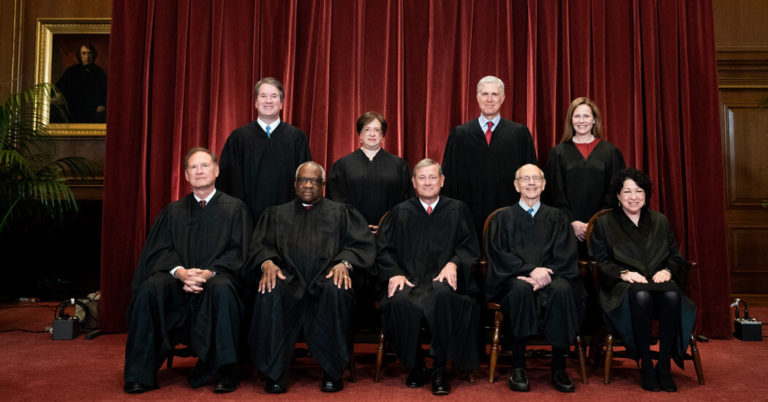
Justice Alito was aghast. “Today’s decision is the third installment in our epic Affordable Care Act trilogy, and it follows the same pattern as installments one and two,” he wrote, joined by Justice Gorsuch. “In all three episodes, with the Affordable Care Act facing a serious threat, the court has pulled off an improbable rescue.”
Richard J. Lazarus, a law professor at Harvard, said the decisions “suggest that several key justices are willing to temper their views to join the chief’s longstanding battle to have the court decide cases more narrowly and with a more unified voice.”
But he added a note of caution. “What remains to be seen,” he said, “is whether, notwithstanding the chief’s best efforts, his battle to promote a nonpartisan image for the court is ultimately a losing one.”
So far this term, the court’s three Democratic appointees have voted with the majority 73 percent of the time in divided cases, slightly ahead of the 72 percent rate of the six Republican appointees. In the term that ended last year, the gap was 14 percentage points in favor of Republican appointees.
The change may be explained by strategic voting. The court’s Democratic appointees have not hesitated to join unanimous decisions with conservative outcomes, as labeled by the Supreme Court Database at Washington University. The percentage of liberal decisions in unanimous cases so far this term is just 30, the lowest since at least 1953.
But the story changes in divided cases, where 64 percent of decisions have been labeled liberal, the highest since 1968.
“Going into this term,” Professor Epstein said, “the expectation was a bunch of divided decisions with the three Democratic appointees getting the short end of the stick. So far that prediction is way off the mark. In divided cases, the Trump appointees have moved the court to the left. If anyone got the short end of the stick, it’s this year’s most conservative justice, Alito.”
It’s Pride
Month, which means the spotlight is shined on the LGBTQIA+
community. And while rainbow insignia can now be seen on just about
everything, I wanted to take a look at one segment of American life
that still lacks adequate LGBT+ representation: the sports world.
Sure, our society at large has come a long way at showing allyship
and support toward this community, but “gayness” is still not
necessarily associated with male athletes, particularly those in
the Big Four. We see a lot more representation in women’s leagues,
with such past and present stars as soccer’s Megan
Rapinoe, the WNBA’s Diana Taurasi, and
tennis’s Billie Jean King leading the charge on
social activism and awareness. And in other sports, we see
representation all over the place, with diver Tom
Daley becoming an Internet sensation during his medaling
run in the 2012 London Olympics (remember they made that app after
him?), figure skater Adam Rippon having wowed us
all in the 2018 Pyeongchang Olympics, and UFC powerhouse Amanda Nunes holding her own as arguably the GOAT
of MMA.
So, what can
be done to up the representation in the four major sports –
basketball, football, baseball, and hockey?
For one
thing, I think the digital age we live in, while giving people of
all different backgrounds, creeds, sexual orientations, gender
identities, and so on, a platform to connect with others in their
respective communities, has simultaneously made it harder for
people to feel safe when revealing private or personal information
due to the nature of trolling and cyberbullying. And the effects of
that are no clearer than in the world of male professional sports.
Per Outsports, there is currently not an
active openly gay player in any of the four major sports combined.
While a lot of that may be due to the outdated views of masculinity
and queerness that have become synonymous with being an athlete, I
wonder if the issue of LGBT+ representation in sports has more to
do with outside the locker room than in the clubhouse.
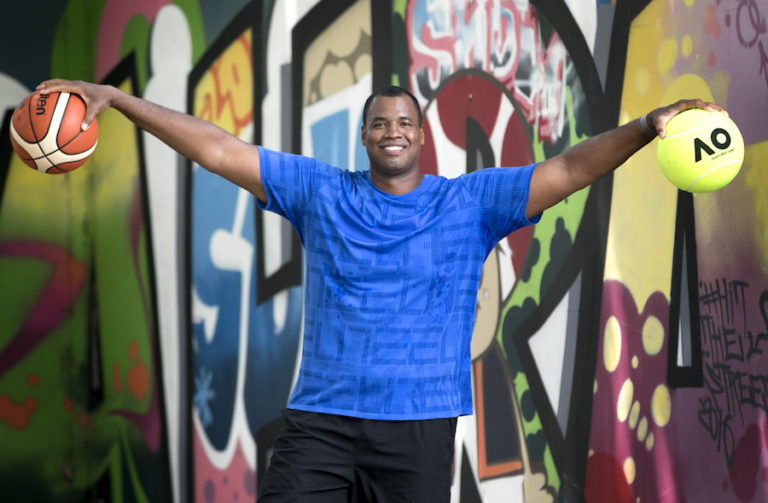
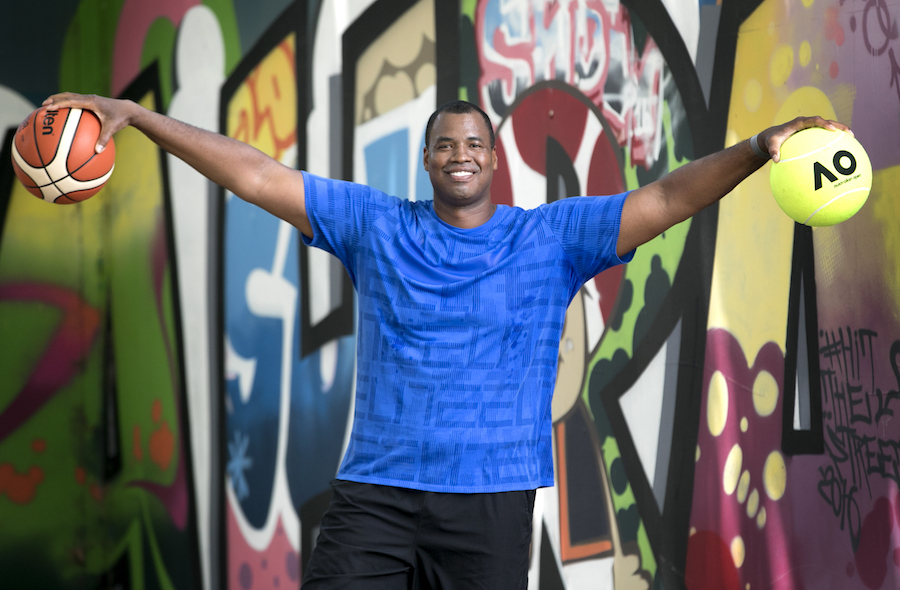
Jason
Collins, who became the first – and, to date, only —
openly gay NBA player in 2013, pointed out how, in the world of pro
sports, “There is that fear of stepping forward.” He went on to
state that it is the responsibility of not just those directly
involved with a given team or sports organization, but also of fans
– particularly in this digital age – to “create that environment
where those closeted athletes out there know that when they do
choose to step forward, that they will be supported and championed,
and continue to play the sport, continue to evolve, and not feel
that they have to hide who they are.”
Like Collins,
I too believe that players feeling comfortable enough to live
proudly in their own truths starts with not just those around them,
but with the fans, whose shoulders it would fall upon to rally
around the athlete in question if and when they were to officially
come out. The Internet can be a hotbed of turbulence and strife,
but how great would it be if a queer athlete experienced the flip
side of that – people from all over the world coming together to
show their love and unrelenting support for these larger-than-life
athletes at their most vulnerable moment? I’d like to note here
that, again, we’ve come a long way as a society in showing love and
acceptance to the LGBTQIA+ community, with Pride symbolism at the
corporate level pervading just about everything from clothing
brands to school supplies, shoes, and just about everything else
under the sun. But to me, what’s even more impressive is that Pride
Nights have become the norm throughout professional sports, a
concept that would have been basically unheard of even a decade
ago.
And even
though there are no active male athletes who identify as LGBT+ in
the NBA, NFL, MLB and NHL, everyday we see glimpses of change that
I believe will only trend in the right direction. Basketball legend Dwyane Wade’s unwavering acceptance of his
daughter Zaya, who recently came out publicly as
transgender, has been so wonderful to witness, and I’m sure such an
inspiration for so many in the trans community. And in 2019, on the
same night that one man proposed to his boyfriend during the
Washington Nationals’ Pride Night, Sean Doolittle – himself a long-time ally to the LGBT+ community — could be seen
with special Adidas cleats honoring both the queer community as a
whole with the traditional rainbow flag, as well as the trans
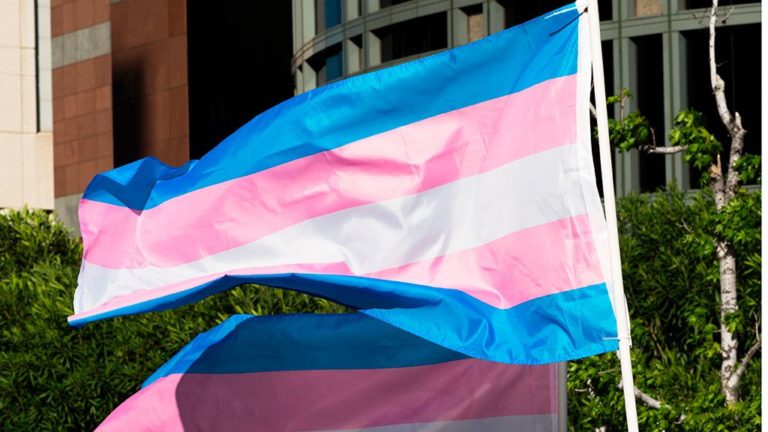
community and its flag.
Happy #Pride! To my LGBTQ friends and family – we love you, support
you, and we’re grateful for you. I’m proud to celebrate and stand
with you because everyone deserves to feel safe and free to be who
they are and to love who they love. Love is love. pic.twitter.com/RIv9Gvkket
— Obi-Sean Kenobi Doolittle (@whatwouldDOOdo) June 1, 2019
So yes, I
think the future looks bright for male professional athletes, and
society at large, who identify as LGBTQIA+, as this community has
only continued to grow at an exponential rate. According to The Williams Institute, as of 2011,
3.5% of adults in the United States identified as gay, lesbian or
bisexual, while approximately 0.3% of adults identified as
transgender. Back then, that meant that 9 million Americans fell
under one of these four categories, a number that is still akin to
the entire population of New Jersey. But today, that number is even
larger, as sources have estimated that up to 7% of adults currently
identify as LGBT. And this doesn’t even include other forms of
queerness!
So where do
we go from here? Well, to put it briefly, I think we follow the
lead of Jason Collins and athletes who have yet to come out
publicly. Of course, we remain patient and hope that closeted
athletes will feel freer to live in their truths at some point in
the near future, but that comfort starts with us, as we
must do everything in our power to make queerness just as much the
norm in sports as it is in many other walks of life. Coming out is
ultimately a personal decision that should be done at a time when
the person in question feels comfortable enough, but I hope we
eventually live in a world where people always feel comfortable to
be out and proud, no matter how old they are, where they live, what
sport they play, or anything else. And for athletes that have yet
to come out or that will continue to blaze the LGBTQIA+ trails for
future generations, know this: We support you. We love you. We are
proud of you. And we still think you’re a world-class athlete no
matter who you love or what you identify as.
The progress
we’ve seen so far excites me, and I can’t wait to see what the
future holds for LGBTQIA+ athletes in the years to come. Happy
Pride, everyone!
(WFSB) — It’s Pride Month, and Channel 3 is sharing stories celebrating the LGBTQ community while also looking at the challenges it faces.
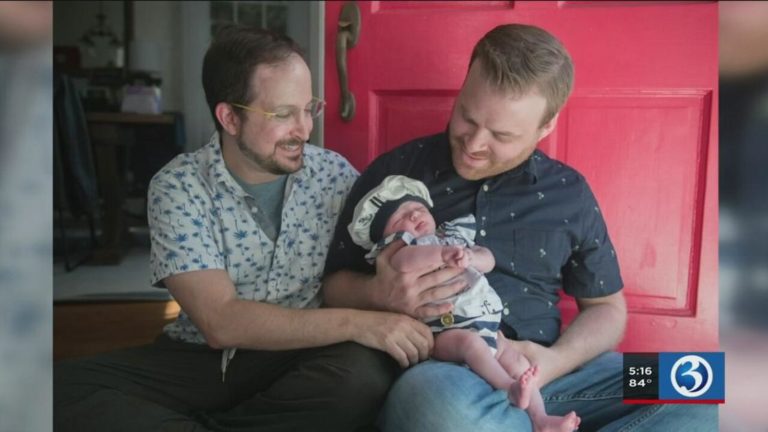
In March, Eric and Tyler Dashner finally held their dream in their hands when Hazel Lou was born.
“We always had it in the back of our minds that we wanted to be parents,” said Tyler Dashner.
On the journey to get there, the Dashners experienced fleeting hope at times.
An adoption fallout slashed the Washington, D.C. couple’s dreams until they met Dr. Mark Leondires.
Just because you happen to be LGBTQ+ doesn’t mean you can’t be a parent,” Leondires said.
In 2002, the medical director opened the Reproductive Medicine Associates of Connecticut, also known as RMA.
After helping heterosexual couples build their families, he felt ready to do the same with his husband.
“I kind of thought I knew I was getting into because I’m a fertility doctor, but I didn’t realize all the things I didn’t know,” Leondires said, referring to the toll on mental health a couple may face as they learn about the family building process while screening donors.
Then, there’s needing the help of a reproductive attorney who can guide same-sex couples through contracts, parental rights and protections.
After successfully welcoming his two sons, Leondires started what he calls a passion project, “Gay Parents to Be.”
It’s a one-stop hub for information and resources featuring experts in reproductive medicine, reproductive law, counseling, surrogacy and egg donor agencies.
The organization is supported by RMA of Connecticut.
Leondires said about 15 percent of his patients are LGBTQ couples. He’s also helped people around the world.
“Part of the gay parents to be ethos is let’s educate people so they know what they need to know,” Leondires said.
For the Dashners, they credit Leondires for not only turning a dream into reality but also creating a community of people who’ve experienced the same hardships and joys of starting families.
“He didn’t have to do that and we’re incredibly grateful that he did because he made our journey really, really flawless and special and great,” Dashner said.
The dads plan to expand their family with by having a boy in 2023.
Progress is slowly being made for same-sex couples wanting to start families.
Earlier this month, the governor signed the “Connecticut Parentage Act,” which ensures any parent, regardless of sexual orientation, has equal parental rights.
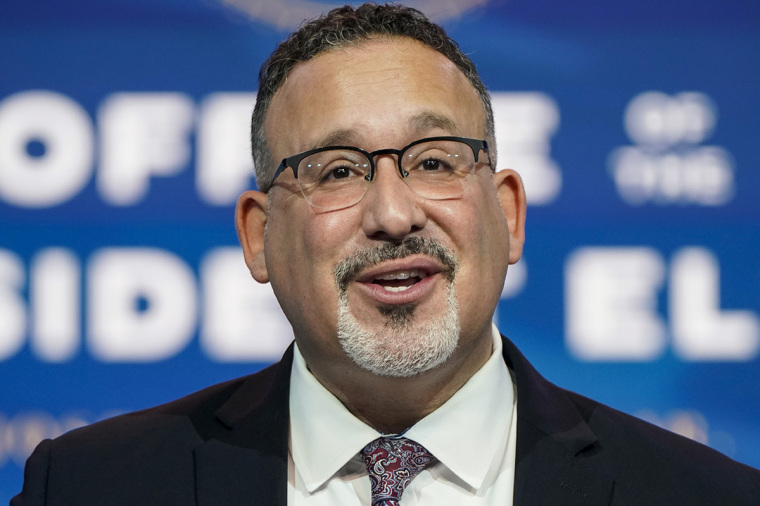
Miguel Cardona speaks after President-Elect Joe Biden announced him as his nominee for Education Secretary at the Queen theatre on December 23, 2020, in Wilmington, Delaware. | Joshua Roberts/Getty Images
Conservative groups are accusing the U.S. Department of Education of “rewriting” federal civil rights law after the agency issued a notice explaining that Title IX law banning sex discrimination will be interpreted to apply to gender identity and sexual orientation.
The Department of Education issued a “Notice of Interpretation” Wednesday announcing that it has determined that Title IX of the Education Amendments of 1972 prohibiting discrimination based on sex also “prohibits discrimination based on sexual orientation and gender identity.”
The notice cited the Supreme Court’s decision in Bostock v. Clayton County, which found that discrimination based on sexual orientation and gender identity violated Title VII of the Civil Rights Act of 1964, as the basis for its decision.
“This interpretation will guide the Department in processing complaints and conducting investigations, but it does not itself determine the outcome in any particular case or set of facts,” the notice reads.
In a statement, Secretary of Education Miguel Cardona cheered his department’s interpretation of Title IX, which comes approximately one year after the Supreme Court’s decision in Bostock.
“The Supreme Court has upheld the right for LGBTQ+ people to live and work without fear of harassment, exclusion, and discrimination – and our LGBTQ+ students have the same rights and deserve the same protections,” he said. “I’m proud to have directed the Office for Civil Rights to enforce Title IX to protect all students from all forms of sex discrimination.”
The secretary assured that his agency is making clear that all students “deserve the opportunity to learn and thrive in schools that are free from discrimination.”
The Department of Education’s notice received immense backlash from conservative groups.
The American College of Pediatricians, which has voiced concerns with the affirmation of transgender identity in children, warned that the Biden administration document “mandates a false definition of sex upon American students.”
“Schools will now be forced to allow biologically male students access to all female-only spaces,” the conservative doctor association warned. “They will be housed with females during overnight school trips and events, participate in female-only sports, and displace females from female-only sports teams. This interpretation is unscientific and a clear threat to the health and safety of female students.”
In a statement, American College of Pediatricians Executive Director Dr. Michelle Cretella argued that “female students lose their rights to privacy and safety in education and fair play in sports.”
“Due to a combination of genetics and sex hormones, males are bigger, stronger and faster than females. Males are also more violent and aggressive than females,” Cretella added.
“Males who self-identify as female, including those who take estrogen, remain genetically male and therefore have no objective reason — let alone a right — to share restrooms and locker rooms, or to be housed with or competing against females.”
Christiana Holcomb, an attorney with the legal nonprofit Alliance Defending Freedom who represents female athletes in ongoing litigation against policies that allow biological males who identify as females to compete in women’s sports, took to Twitter to accuse the Department of Education of “effectively rewriting #TitleIX.”
She described the “politically motivated charge” as “inconsistent with #TitleIX and the real physical differences between males and females.”
“#TitleIX exists precisely to ensure that women and girls have equal opportunities in education, including in sports,” Holcomb added. “Girls and women deserve better than having their opportunities stripped away in service of harmful ideology.”
The Department of Education’s notice comes as several states have passed laws requiring athletes to compete on sports teams that correspond with their biological sex instead of their gender identity.
Last week, Cardona hinted that his department would take action against states that have passed such laws, telling ESPN that “we do have a responsibility to protect the civil rights of students.”
“[A]nd if we feel the civil rights are being violated, we will act,” he stressed.
Wednesday’s notice is the latest example of the Biden administration’s LGBT advocacy.
On his first day in office, President Joe Biden signed an executive order banning discrimination based on sexual orientation and gender identity at government agencies. The order declared that “children should be able to learn without worrying about whether they will be denied access to the restroom, the locker room, or school sports.”
Additionally, the Biden administration has reversed a Trump-era ban on transgender individuals serving in the military.
The Biden administration has expressed support for the Equality Act, which would codify nondiscrimination protections for the LGBT community into federal civil rights law. In a previous interview with The Christian Post, Beth Stelzer of the advocacy group Save Women’s Sports asserted that the Equality Act “erases what a woman is.”
The Save Women’s Sports homepage currently includes an announcement proclaiming that the “U.S. Department of Education Erased Title IX,” accompanied by a link to the Department’s announcement about the “Notice of Interpretation.”
It’s now up to Gov. Ron DeSantis to decide whether Florida law will make clear that education decisions are a parent’s right.
The proposal (HB 241), called the “Parents’ Bill of Rights,” states that public schools cannot infringe on the “fundamental rights” of parents to direct the upbringing of their child. That extends to decisions about education, health care and mental health.
Under the bill, only a parent could make religious upbringing or health decisions for a child. A parent would have to grant permission for their child to get any type of biometric scan, blood type records or for DNA to be collected. The legislation also limits when video can be taken of a child and requires consent from a parent before law enforcement can access education records in most cases.
Supporters of the bill also argue that parents should be the major influence in a child’s life.
“This bill is about changing the culture, returning the focus to family and empowering the parents and families,” bill sponsor Republican Rep. Erin Grall of Vero Beach said on the House floorduring this year’s Legislative Session.
Opponents of the measure share concern about the notification requirements, which allows parents to review all school records on their children and for schools to notify parents in certain instances.
LGBTQ advocates fear the requirement to notify parents regarding mental health services could prematurely out children as gay or transgender before they’ve chosen to come out to their parents. Children in that scenario may want that information to remain confidential.
Rep. Carlos Guillermo Smith, an Orlando Democrat and an openly gay member of the House, shared his personal experience during debate.
“This is a mostly good bill, but I do have serious concerns about what some of the implications are of this well-intended bill, and what they might mean for some of our most vulnerable youth, LGBTQ kids,” Smith said.
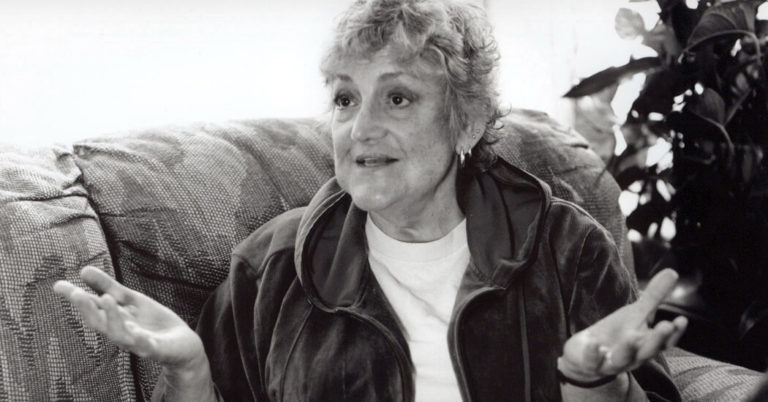
“I am a woman and a lesbian, a minority of minorities,” Madeline Davis told the 1972 Democratic National Convention in Miami Beach. “Now we are coming out of our closets and onto the convention floor.”
That speech was heard by few outside the Miami Beach Convention Center, delivered just after 5 a.m. on July 12, and the party platform plank that she and other gay and lesbian delegates were supporting — a proposal to enact anti-discrimination statutes to protect gay and lesbian Americans — did not pass.
But it was still a watershed day for lesbian and gay rights. In taking the dais, Ms. Davis, who died on April 28 at 80, stood as the first openly lesbian delegate to a national political convention in the United States. Along with Jim Foster, a gay delegate from San Francisco, she spoke to an increasingly progressive-leaning party that would nominate George S. McGovern, the liberal senator from South Dakota, for president.
In 2012, after the Democratic Party had included in its platform, for the first time, language about marriage equality, Ms. Davis reflected on her pioneering efforts decades earlier in an interview with NPR. “I’ve been working in gay rights for 40 years,” she said, “so I came to this information after a long journey, and I thought, Isn’t that nice?”
She died at her home in Amherst, N.Y., near Buffalo, from complications of a stroke, her wife, Wendy Smiley, said.
Ms. Davis began engaging with the lesbian community in 1957, though she did not come out until the 1960s, she told The Empty Closet, a gay publication based in Rochester, N.Y., in 2004. She began writing and performing folk songs early, and later added gay liberation anthems to her repertoire.
One was “Stonewall Nation,” a tribute to the 1969 uprising in New York that has been credited with sparking the gay rights movement. The song, performed in a lilting voice reminiscent of Joan Baez, includes the line “You can take your intolerance and shove it.”
“I went to the first march I ever attended in 1971, and I was so high from that experience that on the way home I wrote in my notebook the words to ‘Stonewall Nation,’” Ms. Davis told the radio show and website “Queer Music Heritage” in 2012.
Her work with gay rights groups attracted the attention of the New York State Democratic Party, which named her a delegate to the national convention from her Buffalo congressional district, pledged to Senator McGovern. The New York Times mentioned her as among “five self-proclaimed homosexuals” who would attend as delegates or alternates from New York State.
Ms. Davis was the co-author of a 1994 book on the history of the lesbian community in Buffalo. Credit…The Madeline Davis LGBTQ Archive of WNY, SUNY Buffalo State
Ms. Davis later taught a course, “Lesbianism 101,” at the State University of New York at Buffalo. She described it as the first university-level class on lesbian history and culture.
Ms. Davis’s primary occupation was librarian; she eventually became the chief conservator and head of preservation in the Buffalo and Erie County Public Library System.
Madeline Dorothy Davis was born on July 7, 1940, in Buffalo to Joe and Harriet (Morris) Davis. Her mother worked in Erie County’s social services department. Her father worked in a Ford Motor Company plant, where he was a union organizer.
Ms. Davis attended Bennett High School in Buffalo and graduated in 1958. She earned an undergraduate degree in English and a master’s degree in library science from SUNY Buffalo.
Ms. Davis was married to Allen Romano in the 1960s. The marriage lasted three years. When she came out as a lesbian in the early 1960s, her family took it “very casually,” she told Playboy magazine in 1973 (for an article titled “New Sexual Life Styles”), and her friends, who were part of the counterculture, accepted her easily.
She met Ms. Smiley in 1974 after performing in a cafe, and they reconnected 20 years later at a community Seder, Ms. Smiley said in her eulogy.
Ms. Davis and Ms. Smiley held four marriage ceremonies over the years before the state recognized their union; the final one, making it legal, was at Temple Beth Zion in Buffalo in 2011. “And then we agreed, enough was enough,” Ms. Smiley said. They were together for 28 years.
In addition to Ms. Smiley, Ms. Davis is survived by her sister, Sheila Davis.
In 2001, Ms. Davis founded an archive of the Buffalo region’s L.G.B.T.Q. history. Originally housed in Ms. Davis and Ms. Smiley’s basement, it was donated to SUNY Buffalo in 2009. In 2016 Ms. Davis received an honorary doctorate from the State University of New York.
After a stroke in January, Ms. Davis received more than $30,000 in support for home health care through an online fund-raiser. “Thank you for a lifetime of important work,” one donor wrote.
That work largely began in the small hours of a July morning in Miami Beach in 1972, when she spoke into a convention-hall microphone so that gay and lesbian Americans might finally be heard.
“I made that speech,” she told Playboy, “because I knew there were gay people out there at 4 o’clock in the morning, sitting in front of their television sets, waiting to see one of their own people stand up.”
A renowned Italian chef once told me: “The flavor of truffles is so exquisite, they are best paired with the simplest of dishes, like pasta, scrambled eggs, or risotto.” Like many precious things, truffles, be they white or black, aren’t easy to come by. Growing in the shelter of the roots of mostly oak trees in the dense woods of Italy and France, they need to be sniffed out by specially trained dogs and carefully dug out. Once upon a time, it was pigs, but that method has been banished because the pigs caused too much damage to the soil. You can buy truffle oil to dress a salad or get them preserved in small jars.
Bikes in Borgo Pignano (Photo Credit: Inka Piegsa-Quischotte)
Still, nothing beats the excitement of going on a truffle hunt yourself and subsequently enjoying your harvest with dishes expertly prepared by the chef mentioned above. I did so in Borgo Pignano/Tuscany, a wonderful country retreat where they also grow the wines to match.
Truffle season lasts from spring to fall, and in these months, the precious truffle is celebrated with several colorful festivals. Some are big and last several days, some are small or take place only at weekends. I have chosen a few of each, but it doesn’t really matter which one you might want to visit, all of them will make you fall in love with truffles, and the locals know how to throw a festival. It’s Italy, after all!
International Truffle Fair of Alba (Photo Credit: Alessandro Cristiano / Shutterstock.com)
1. International White Truffle Festival Alba, Piedmont
White truffles are the more expensive of the two, and they also have a stronger flavor. Alba is a town in the Northwest of Italy, easily reached from either Turin, Genoa, or Milan. It’s famous for three things: Ferrero chocolates, wine, and white truffles. Could you think of a better combination?
The International White Truffle Fair is held from October to December. Two months are packed full with events and entertainment that can be enjoyed by the entire family as kid’s interests aren’t forgotten either.
The centerpiece of the fair is the White Truffle Market, where apart from the tubers, you can also try and buy local products like cheeses, wine, cured ham, and the famous Piedmont hazelnuts and chestnuts. Every Saturday and Sunday, there are events featuring famous chefs, wine tastings, and three large areas dedicated to kids. One of them is a kids’ kitchen where the little ones can learn to cook and get their first taste of haute cuisine using … truffles. Need to change nappies or feed the baby? No problem, facilities where you can do so in peace are also provided at the fair.
2. Acqualagna Truffle Festival Le Marche
Acqualagna in Urbino province/Le Marche is the only location in Italy where fresh truffles can be enjoyed year-round. This is because there are three truffle fairs, The Regional Black Truffle Fair on the last Sunday of February, The Black Summer Truffle Fair on the last Sunday of July, and most important, The National White Truffle Fair that starts 2 weeks after the last weekend of October.
The centerpiece is the market in Piazza Enrico Mattei, where there are stalls selling truffles. Next to it is Palatartufo (tartufo being Italian for truffle) where you can buy any amount of truffle-based products, such as truffle butter, truffle oil and sauce, local cheeses with truffles, and fresh bread with salt, eggs, and truffles.
As in Alba, well-known chefs of the region stage show cookings.
3. Festival In Tignale, Lake Garda
Fall is a great time of year for a visit to Lake Garda. On its western side sits the small town of Tignale, where a truffle festival is held from the end of September to the beginning of October. During the festival, restaurants in town offer truffle-based menus. One of them is Il Calderone with pleasant, rustic décor and a rich variety of seafood apart from the truffle dishes during season.
The truffle fair in Moncalvo (Photo Credit: Fabio Nodari / Shutterstock.com)
4. Moncalvo Truffle Fair
Moncalvo is a small tourist town in the Monferrato Hills of Piedmont. If you want to enjoy a rather intimate local festival, this is your best bet. The fair takes place during the last two Sundays in October in the central square, Piazza Carlo Alberto. On offer are fresh truffles and other mushrooms, cheeses, wine, and local pastries. All can be tasted as well as bought in a very relaxed atmosphere.
5. San Miniato Truffle Fair, Tuscany
San Miniato is famous for its historical center and is one of the main locations where the coveted white truffles can be found and enjoyed. This is due to the extensive oak and willow woods in adjacent Valdegola, where white truffles thrive in the moist and fertile soil. An anecdote: In 1954, the biggest ever white truffle was found in a neighboring village and was sent as a gift across the Atlantic to President Eisenhower.
The annual truffle fair, which started in 1969, is held every second, third, and fourth weekend of November right in the historical downtown. It’s a unique occasion to combine the delights of truffles and all the other local products, including pork specialties and exploring centuries of fascinating history and historical buildings. You might consider a day trip to Pisa, which is only 32 miles to the west, or Volterra.
6. Dovadola Truffle Festival, Emilia Romagna
Like neighboring Tuscany, the Emilia Romagna region of Italy is famous for truffles. Dovadola is a small town in the Montone River Valley with a big truffle festival, celebrated on 16th and 23rd of October. Truffles galore plus all the other delicacies of Emilia Romagna await to be tasted and, of course, purchased because that’s one of the main reasons for the festival. The other is raising awareness of the truffle culture and the many attractions this area of Italy has to offer. At this festival, you have the opportunity to meet actual truffle hunters and to buy directly from them.
Pro Tip: The fair is very popular and can be crowded in the afternoons and evenings. Make sure to visit in the morning for the best experience.
7. Truffle And Potato Festival Pietralunga, Umbria
Umbria is a region in central Italy, halfway between Rome (south) and Florence (north). Pietralunga is a cozy, little town in Umbria that comes to life with the truffle and white potato festival in October.
Apart from the restaurants offering a great variety of truffle and potato dishes, there are some specific activities you might enjoy. Among them, a truffle dog race and even a car and motorcycle race, all with the theme of truffles. Kids will find a play and learn area where they are well looked after.
8. Truffle Festival Sant’ Agata Feltria, Rimini
Located at the foot of the medieval fortress Castello Medievale di Sant’Agata Feltria this small but historical town not far from either Rimini or San Marino celebrates the annual truffle festival at all four Sundays in October.
The truffle market is held in the historical streets, and apart from the tubers, you’ll also find local honey and herbs. Throughout the festival, shows and exhibitions take place in the entire village. And, there is more to Sant’Agata. After a stroll through the market, visit one of several museums, most notably the museum of rustic art.
If you have time, go on a day trip to San Marino or, if you prefer the sea, drive over to the popular seaside resort of Rimini.
9. His Majesty The Truffle In Brisighella, Ravenna
The setting is perfect. Brisighella is a small medieval town framed by three castle-topped hills and rolling vineyards in the Italian province of Ravenna. Pastel-hued houses, narrow streets, few tourists, and smiling people are ready for the big festival in late November, which is actually called His Majesty The Truffle.
Black truffles and the more pungent white truffles are everywhere during the festival, and it’s a joy to amble along the stands, smell the truffles, and taste the other delicacies of the region: local wines, salami, and olive oil. If huge festivals are not to your liking and you want to see a really picture-perfect medieval Italian countryside, this is the place to go. Ravenna is only 32 miles away to the east via Faenza and toward the sea.
When you have had your fill of countryside romantic, head to Ravenna for a day to marvel at the Byzantine era architecture and mosaics, in particular, the 6th-century tomb of King Theodoric the Great.
Black truffle pasta (Photo Credit: Bernd Juergens / Shutterstock.com)
Pro Tips
If you decide to buy a fresh truffle at one of the festivals, make sure you have the facilities to use them quickly because truffles don’t last very long in the fridge and quickly lose flavor. Never wash them, just use a soft brush to remove any dirt or soil.
Truffles are carefully shaved over hot pasta or scrambled eggs, never cooked with them. And remember, less is more, the flavor comes out with the heat of the pasta, risotto, or eggs, and you don’t want to overdo it.
The National Assembly of Hungary adoptedBill Number T/16365 on Tuesday, effectively banning sexual orientation and gender identity related discourse in schools.
The new law, which bans discussions relating to the LGBTQIA+ community, contains various other provisions that put in place stronger measures against acts of pedophilia and sexual crimes against children–all the provisions forming part of the narrative of protecting children.
The new law amends various statutes, the primary one being Act XXXI of 1997 on the Protection of Children and the Administration of Guardianship. Section 1 of the new law, which makes an amendment to the 1997 Act, prohibits the act of making available to a person below 18 years of age any content which disseminates an understanding of gender that deviates from sex assigned at birth or which promotes and displays homosexuality.
In a similar spirit, section 3 of the new law amends Act XLVIII of 2008 on the Basic Requirements and Certain Restrictions of Commercial Advertising Activities and prohibits advertising in a way which makes available to a person below 18 years of age content relating to one’s self-identity being different from one’s sex assigned at birth, gender reassignment or homosexuality, with the aim of protecting children in their sexual development.
Various rights organizations have opposed the new law for being discriminatory, violating free speech and stigmatizing the LGBTQIA+ community. They have urged the President of Hungary Janos Ader to veto the bill and send it back to the National Assembly for review.
Neela Ghoshal, the Associate LGBT Rights Director at Human Rights Watchstated, “Hungary’s ruling party is cynically deploying a ‘protection of children’ narrative to trample on rights and try to render LGBT people invisible. Children do not need to be protected from exposure to diversity. On the contrary, LGBT children and families need protection from discrimination and violence.”
After weeks of low-profile rulings in technical cases, the justice June 17 dropped two of the most anticipated cases of the term.
The court handed progressives a 7-2 win by once again upholding Barack Obama’s signature healthcare law, while pleasing conservatives with a unanimous win for a religious group in the latest clash between LGBT rights and religious freedom.
And although there appears to be broad agreement among the justices, the vote count masks significant disagreement among the nine.
Bloomberg Law’s “Cases and Controversies” podcast hosts Kimberly Robinson and Jordan Rubin discuss the rulings, implications for future cases, and even a few conspiracy theories.
Pride Month is in full swing and after a year in lockdown, what better way to celebrate than to patronize a local LGBTQ-owned business?
While many companies recognize Pride with a new rainbow paint job on their logos, this year, let’s celebrate by giving back to the businesses that work hard year-round to be inclusive and serve queer clients.
Here’s a list of 11 LGBTQ-owned businesses around Houston, from fashion houses to dance studios and restaurants to yoga retreats.
Anthony Ferrell and Alan Lett, Owners
When it comes to high-quality customized shirts, no company does it better than AF Custom Shirts. Apart from excellent apparel, Ferrell and his husband Lett provide monthly training to small businesses with videos and seminars to help them learn how to use resources that are readily available to them.
Rosa Montereal, Owner
At one of the few trans-owned businesses in the Houston area, Montereal provides top-notch haircuts at an affordable price. She is a professional master stylist, creative colorist and amazing barber.
Christopher Barry, Owner
Buddy’s is more than just a gay bar in Houston. Buddy’s provides fantastic events every month that vary from fashion shows to steak nights, to its popular Karaoke nights.
Michael Dorsey and Chih Lin, Owners
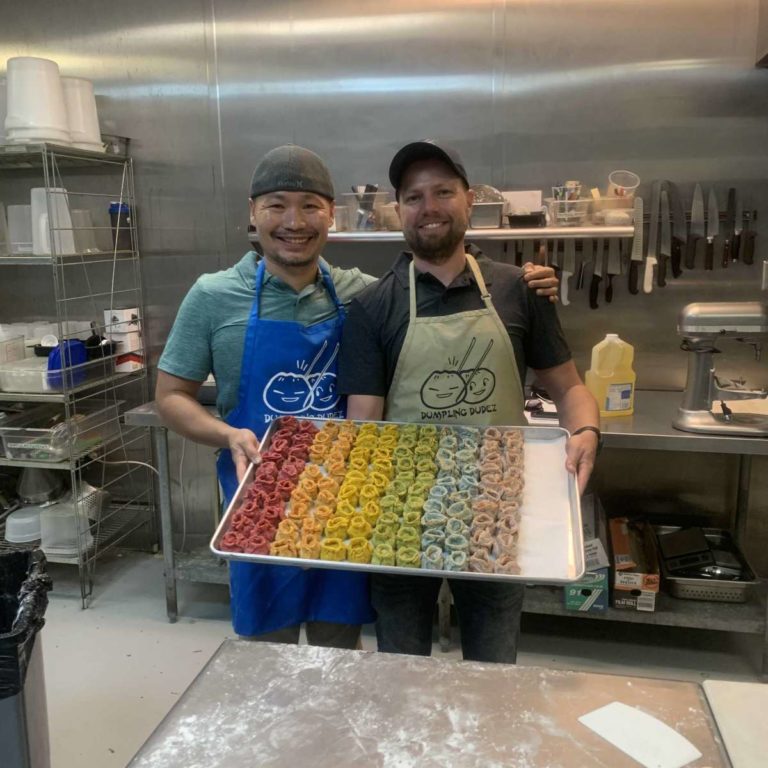
Chih Lin, left, and Mike Dorsey of Dumpling Dudez.
Dumpling Dudez
Looking for a unique dumpling experience? Look no further than Dumpling Dudez. Where else can you get rainbow dumplings in the Houston area? Dorsey and his husband Lin, in their cooking classes, help people create lasting memories and delicious dumplings. This is part of the magic that happens when you attend a class with the Dumpling Dudez.
Juan Quintero, Owner
HortiProcess, dedicated to the specialty coffee and tropical fruit industry, highlights tradition and culture through the gastronomy of the tropics. For Pride Month, use the promotional code PRIDE for 35 percent off.
Antonio and Diego Chiarello, Owners
This Italian café features gorgeous pastries that remind us of the beauty Italy has to offer. Diego, an esteemed chef, shares his love of his culture and homeland at La Sicilia. This establishment captures the American essence of baked goods and merges them wonderfully with his specialties from Sicily.
Charles Armstrong, Owner
JR’s Bar and Grill is one of the most talked about gay bars in Houston. Offering a safe space for the LGBTQ+ community, this establishment promotes local artists and DJs from the queer community. JR’s continues to be a destination for a good time, Pride month or not.
Perfecto Ramirez, Owner
Owned and operated by Ramirez, Sky Dreams Dance Studio provides everyone an enjoyable experience. His dance choreography encourages kids and adults to understand the importance of being responsible, committed and hard-working. By motivating local kids and adults to understand the concept of teamwork, he not only teaches them how to dance but also builds confidence and allows them to explore different genres of music and cultures.
Tamika & Lenie Caston-Miller, Owners
Tamika, left, and Lenie Caston-Miller bought the property for The Ranch Houston in January.
Annie Mulligan, Houston Chronicle / Contributor
This wellness community creates a space where BIPOC and LGBTQ+ people can feel seen, heard and empowered. The facility allows members to reconnect with nature and each other through art and yoga. In addition, they offer free and dramatically discounted services for any paid workshop or event at TRH for those who need it most. All proceeds go back to funding scholarships and education programs for the community.
Krysten Mabry, Owner
Mabry works hard to create an environment where everyone can improve themselves through the practice of yoga. With classes focusing on fitness, mindfulness and recovery, what better way to spend a Monday night?
Julie Mabry, Owner
Julie Mabry, owner of Pearl Bar, poses for a photograph at the bar Tuesday, Sept. 15, 2020, in Houston. The Human Rights Campaign awarded Pearl Bar, Houston’s only lesbian bar, funding to help preserve it during the COVID-19 pandemic.
Godofredo A. Vásquez, Houston Chronicle / Staff photographer
One of the last lesbian bars in Texas, and one of the last 21 in the U.S., the Pearl Bar serves as a hangout for many. Now with a more inclusive vibe, non-stop parties and awesome drinks, it is an environment where everyone is appreciated and accepted.
William Joseph O’Connor November 12, 1940 – June 12, 2021 Bill passed away peacefully on June 12th at the age of 80 after a prolonged illness. He is survived by his wife Gay (Martin), sons Jeremiah and Eric and his beloved dog, Izzy. He also leaves behind his brothers Peter, Michael and Charles, sisters Kathleen, Maura, Margaret and Dorothy and his stepmother, Ann. He was predeceased by his parents Jeremiah W. O’Connor and Marjorie Quigley O’Connor and siblings Jeremiah, Paul, Joseph and Christopher.
The eldest of eleven, Bill grew up in Newton, Massachusetts. He was a graduate of Boston College High School, the College of the Holy Cross (’62) and Harvard Business School (’67). Bill began his career in commercial real estate finance in San Francisco with the Rouse Company. Returning to the East Coast, he and Gay raised their family in Manchester- by-the-Sea, Massachusetts and he continued his real estate career as a partner at Fowler, Goedecke, Ellis and O’Connor in Boston. Always desirous of returning to the West Coast, Bill and Gay moved back to San Francisco where he joined Argus Financial. Upon retirement, he and Gay relocated to Corral de Tierra on the central coast of California.
Siblings describe Bill as the elder statesman of the family. His consistent message emphasized the importance of family, kindness, humor and adventure. An avid reader, lover of Chinese food, fine wines and travel, he began his many explorations as a young officer in the Navy when he served in Japan and the Mediterranean and subsequently travelled the world. Ironically, his favorite writer was John Steinbeck, author of The Pastures of Heaven, where Bill happily spent his final years.
The family wishes to thank his caregivers, Inga, Sheveleva and the staff at Brookdale Manor in Carmel Valley. Donations in Bill’s memory may be made to Boston College High School, 150 Morrissey Blvd, Boston, MA, 02125. A family service will take place on Cape Cod this Summer.
Published in San Francisco Chronicle from Jun. 18 to Jun. 19, 2021.