Home Blog Page 317

CN withholding pension from gay widower over outdated definition of marriage – CBC.ca

Ken Haire was devastated when his partner of 33 years, Gerry Schwarz, died in 2012. He was even more distraught when he learned he wouldn’t see a dollar of the survivor benefits built into Schwarz’s pension because CN Rail’s plan did not recognize same-sex relationships at the time of Schwarz’s retirement.

Haire has spent parts of the last nine years fighting to get the CN’s pension and benefits department to overturn its decision. Now 71 years old, he’s taken that fight public

“He would be devastated if he knew what was going on now,” Haire said of his late partner. “He was a company man. He loved CN Rail.”

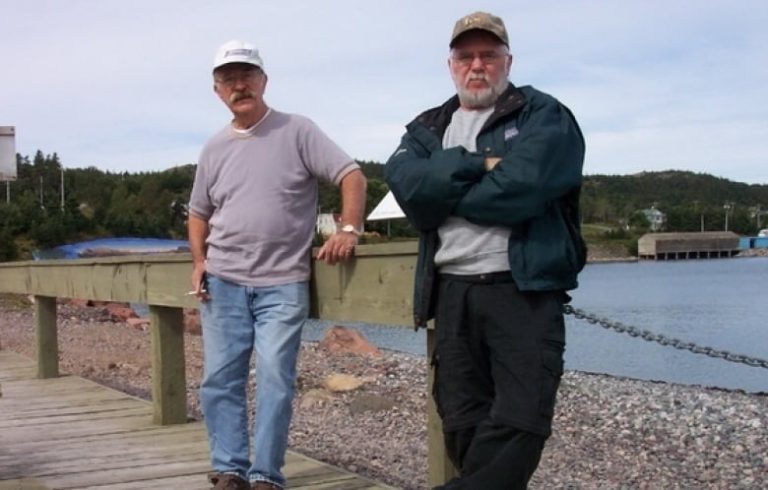
Gerry Schwarz, left, and Ken Haire were in a relationship for more than 33 years. They lived together in Toronto before moving to Harbour Grace to be closer to Haire’s family. (Submitted by Ken Haire)

Schwarz worked for CN in Toronto for more than 30 years. He retired in 1991, and the couple later moved to Harbour Grace, N.L., to be closer to Haire’s family.

They built a life there, with five Pekingese show dogs and a home overlooking the water, decorated with paintings and antiques Schwarz had brought from his home country of Germany. 

We realize that some former practices and decisions made in good faith in the past need to be re-examined in light of our engagement toward diversity and inclusion– CN statement

He died from heart failure on Jan. 2, 2012, at the age of 76. Schwarz had plans in place in the event he died early. It largely revolved around his CN pension.

“He felt comfortable that if anything happened to him, I would be able to continue on with a reasonably comfortable lifestyle,” Haire said. “And it didn’t happen that way.”

Company admits policy falls short on inclusion, diversity

When Haire got Schwarz’s death certificate, he reached out to CN. They sent condolences on the loss of his common law spouse, and said they would do everything in their power to make sure his pension continued to be paid out.

But on Jan. 31, 2012, Haire got a very different letter from CN’s pension and benefits department. It informed him that the definition of spouse at the time of Schwarz’s retirement from CN was a “person of the opposite sex,” in a conjugal relationship for more than one year. Even though the terms had been updated in 1998 to include LGBT relationships, the pension plan had not made those changes retroactive.

Therefore, Haire was not entitled to anything.

“I suddenly went from being Gerry’s common law spouse, to just being a roommate,” Haire said. “I was hurt. I was more insulted by the fact that … after all those years and all the people he had worked with, that they still didn’t acknowledge the fact that Gerry and I were a couple. We were a couple in every sense of the word. It really did hurt.”

Despite not budging on Haire’s repeated requests throughout the years, CN told CBC News on Saturday that it is now reviewing how its policies have affected workers who retired before 1998.

“We realize that some former practices and decisions made in good faith in the past need to be re-examined in light of our engagement toward diversity and inclusion,” a CN spokesperson said in a statement.

The original decision forced Haire’s hand in heartbreaking financial decisions. He sold the house they’d lived in together, and had to sell most of Schwarz’s antiques and paintings. Hardest of all, Haire had to give up their dogs when he moved into an apartment.

“It would have broke his heart,” said Haire, stopping for a moment to catch the tears rolling down his cheeks.

What does the law say?

While he gave up the fight at times over the years, Haire has now dug in for one last kick at the can. He’s hired a lawyer and plans to challenge the decision in court.

He has a legitimate shot, according to one of the country’s top lawyers in LGBT rights.

“I don’t really think that CN has much of a defence, quite frankly,” said Douglas Elliott, a partner with the Toronto law firm Cambridge LLP.

Gerry Schwarz worked for CN, the Canadian railway giant, for more than 30 years. He retired in 1991. (Travis Golby/CBC)

Elliott argued one of the most prominent LGBT rights cases in the country, when he successfully unlocked Canada Pension Plan benefits for surviving spouses in same-sex relationships. The Supreme Court of Canada ordered the federal government to make the funds available retroactive to 1985, when the Canadian Charter of Rights and Freedoms went into effect.

He believes the precedent from that case would be a behemoth for CN to overcome if they should choose to fight this in court.

Elliott also said he understands the turmoil Haire is going through right now.

“It’s a terrible economic burden, but also a terrible psychological burden, to be told by someone that your relationship doesn’t count, that your relationship was second-rate and that they’re going to try and erase that relationship or devalue it. Especially after that man devoted his life to CN Rail, it’s really reprehensible.”

Elliott called CN’s policy “bigoted,” and said it’s frustrating to still be fighting these situations in 2021.

If CN chooses to reverse course and pay out the money, Haire said he’d accept it. But he won’t act grateful.

“It would be nice to get the pension and it would be nice to keep it going until I pass away. But there’s absolutely [nothing] they could do to compensate me for the loss of my home, for the loss of everything Gerry and I worked for, or for the loss of our pets,” he said.

“They’ve made my life hell and it’s just not right.”
Read more from CBC Newfoundland and Labrador

It’s still ‘touch and go’ for gay Black man shot 10 times by police, sister says – PinkNews

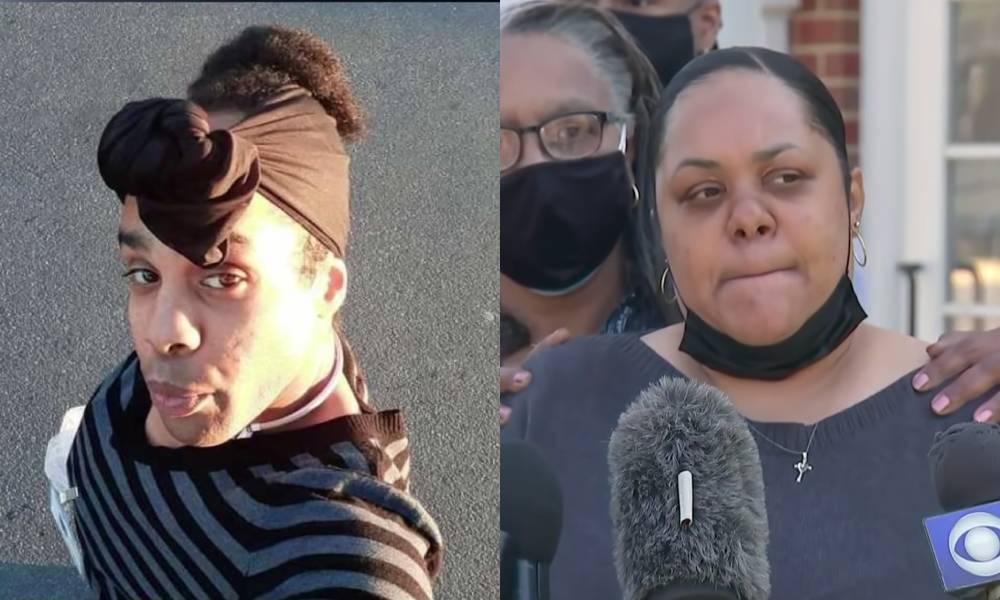
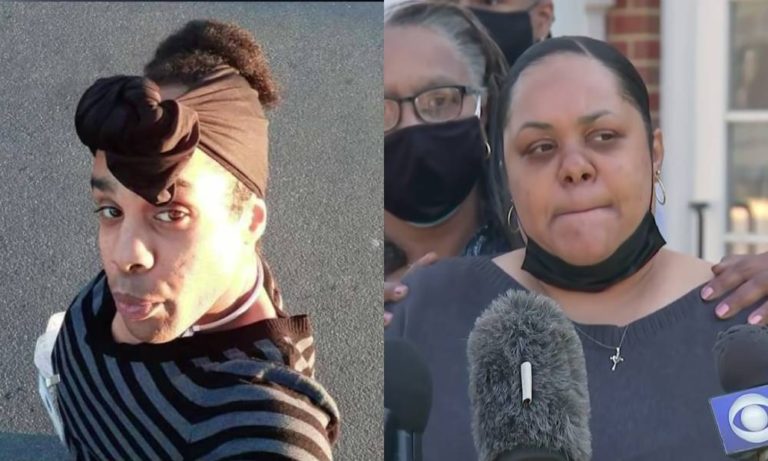
Yolanda Brown (R) speaks out at a press conference after her brother Isaiah Brown, a gay Black man, was shot by police 10 times. (Screenshot: YouTube/WUSA9/YouTube/NBC News) 

The sister of Isaiah Brown, a gay Black man who was shot ten times by police, has spoken out about how her brother is doing after the horrific event.

Brown, 32, was shot by a Virginia sheriff’s deputy less than an hour after the same officer gave him a ride home on 21 April. The officer had returned to Brown’s address to respond to a “domestic incident”, and Brown, who was unarmed, was shot multiple times while on the phone with 911. Brown’s lawyer said the officer “mistook a cordless house phone for a gun”.

He was taken to a local hospital after the shooting with serious but non-life-threatening injuries and is on a breathing machine.

Isaiah Brown’s sister, Yolanda, told the Advocate that her brother’s condition “hasn’t changed”, and he remains in the intensive care unit. She said she’s been the only family member allowed to see Brown because of COVID-19 protocols, and she’s been there “every day” since her brother was admitted.

“It’s still touch and go,” Yolanda said. “His vitals are up one minute and down the next, and he still hasn’t regained consciousness.”

She explained that she has been sitting by her brother’s side telling him stories, praying with him and playing music for him. Yolanda said she keeps telling him that she loves him constantly. She added: “I’m just waiting for him to tell me that he loves me back, and that will lift a big burden off my chest.

“We just have to believe that he will be alright.”

Yolanda said her brother’s smile “just lights up a room”, and he “loves his sweets”. She said he is a music lover, and he “currently loves Big Freedia”.

Yolanda said that “so many things” have been running through her mind since the horrific incident, and she just wants her brother to be healthy. But she said that she wants to uncover more about the incident and get answers as to why it happened.

“Hopefully, we can get answers as to what happened and at least try and move forward,” Yolanda said.

She added that her “heart goes out to all the families that have had to deal with this situation”.

“We need to figure out why this keeps happening and where all the failures are coming from,” she said. “How to fix this million-dollar question. I have other brothers, and I don’t want them to continue walking around in fear.”

Yolanda said that no one from the police department had reached out to her, or her family, to check in on her brother.

The police deputy, who has not been named, has been placed on administrative leave according to the sheriff’s office policy. The Virginia State Police said it is investigating the shooting.

It’s still ‘touch and go’ for unarmed gay Black man shot 10 times by police, sister reveals – Yahoo Eurosport UK

The sister of Isaiah Brown, a gay Black man who was shot ten times by police, has spoken out about how her brother is doing after the horrific event.

Brown, 32, was shot by a Virginia sheriff’s deputy less than an hour after the same officer gave him a ride home on 21 April. The officer had returned to Brown’s address to respond to a “domestic incident”, and Brown, who was unarmed, was shot multiple times while on the phone with 911. Brown’s lawyer said the officer “mistook a cordless house phone for a gun”.

He was taken to a local hospital after the shooting with serious but non-life-threatening injuries and is on a breathing machine.

Isaiah Brown’s sister, Yolanda, told the Advocate that her brother’s condition “hasn’t changed”, and he remains in the intensive care unit. She said she’s been the only family member allowed to see Brown because of COVID-19 protocols, and she’s been there “every day” since her brother was admitted.

“It’s still touch and go,” Yolanda said. “His vitals are up one minute and down the next, and he still hasn’t regained consciousness.”

She explained that she has been sitting by her brother’s side telling him stories, praying with him and playing music for him. Yolanda said she keeps telling him that she loves him constantly. She added: “I’m just waiting for him to tell me that he loves me back, and that will lift a big burden off my chest.

“We just have to believe that he will be alright.”

Yolanda said her brother’s smile “just lights up a room”, and he “loves his sweets”. She said he is a music lover, and he “currently loves Big Freedia”.

Yolanda said that “so many things” have been running through her mind since the horrific incident, and she just wants her brother to be healthy. But she said that she wants to uncover more about the incident and get answers as to why it happened.

“Hopefully, we can get answers as to what happened and at least try and move forward,” Yolanda said.

She added that her “heart goes out to all the families that have had to deal with this situation”.

“We need to figure out why this keeps happening and where all the failures are coming from,” she said. “How to fix this million-dollar question. I have other brothers, and I don’t want them to continue walking around in fear.”

Yolanda said that no one from the police department had reached out to her, or her family, to check in on her brother.

The police deputy, who has not been named, has been placed on administrative leave according to the sheriff’s office policy. The Virginia State Police said it is investigating the shooting.

It’s still ‘touch and go’ for unarmed gay Black man shot 10 times by police, sister reveals – Yahoo News UK

The sister of Isaiah Brown, a gay Black man who was shot ten times by police, has spoken out about how her brother is doing after the horrific event.

Brown, 32, was shot by a Virginia sheriff’s deputy less than an hour after the same officer gave him a ride home on 21 April. The officer had returned to Brown’s address to respond to a “domestic incident”, and Brown, who was unarmed, was shot multiple times while on the phone with 911. Brown’s lawyer said the officer “mistook a cordless house phone for a gun”.

He was taken to a local hospital after the shooting with serious but non-life-threatening injuries and is on a breathing machine.

Isaiah Brown’s sister, Yolanda, told the Advocate that her brother’s condition “hasn’t changed”, and he remains in the intensive care unit. She said she’s been the only family member allowed to see Brown because of COVID-19 protocols, and she’s been there “every day” since her brother was admitted.

“It’s still touch and go,” Yolanda said. “His vitals are up one minute and down the next, and he still hasn’t regained consciousness.”

She explained that she has been sitting by her brother’s side telling him stories, praying with him and playing music for him. Yolanda said she keeps telling him that she loves him constantly. She added: “I’m just waiting for him to tell me that he loves me back, and that will lift a big burden off my chest.

“We just have to believe that he will be alright.”

Yolanda said her brother’s smile “just lights up a room”, and he “loves his sweets”. She said he is a music lover, and he “currently loves Big Freedia”.

Yolanda said that “so many things” have been running through her mind since the horrific incident, and she just wants her brother to be healthy. But she said that she wants to uncover more about the incident and get answers as to why it happened.

“Hopefully, we can get answers as to what happened and at least try and move forward,” Yolanda said.

She added that her “heart goes out to all the families that have had to deal with this situation”.

“We need to figure out why this keeps happening and where all the failures are coming from,” she said. “How to fix this million-dollar question. I have other brothers, and I don’t want them to continue walking around in fear.”

Yolanda said that no one from the police department had reached out to her, or her family, to check in on her brother.

The police deputy, who has not been named, has been placed on administrative leave according to the sheriff’s office policy. The Virginia State Police said it is investigating the shooting.

NBA DFS: Best/worst plays for Monday, May. 3rd – Fake Teams

Welcome to your daily NBA DFS digest at FakeTeams, gents. Every day I’m here with a handful of pro-tips to roster a winning team just a few hours from now. And on top of that, I’ll bring you some statistical trends from the past week of games!

Gotta Win The Day: Best/Worst DraftKings plays for tonight’s slate

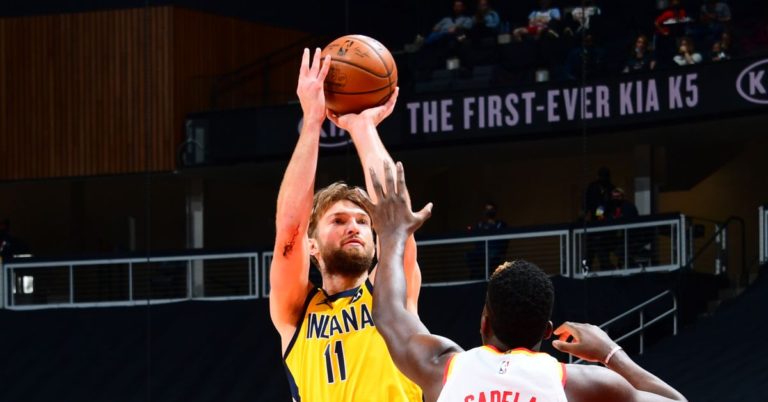
  • Love: Domantas Sabonis (PF/C). Sabonis came back to the court a couple of days ago after missing a couple of weeks, and oh boy did he look awesome. Facing the Tanking Thunder, Sab put up a massive 26-19-14-1 line, hit 2 treys, shot 77% on 13 FGA, and although he committed 5 TOs on the day that didn’t keep Sabonis from finishing as a top-2 fantasy player with a spicy 76 DKFP. The plus/minus was absolutely insane at 49 in that game. LOL. This guy didn’t miss a beat, Indiana needs all it can get off Dom to finish the season in the best possible position and potentially snatch the no. 8 seed from Charlotte, and Sabonis is the only player I’m projecting to 50+ DKFP tonight while priced below $10K. This will be a toughie between a fighting-against-each-other Pacers and Wiz, so there will be no resting time for Sab or anyone. Good for Indy, Washington has between zero and no interior presence and the fourth-worst overall fantasy D.
  • Hate: Ben Simmons (PF). How the hell did Benny go from averaging a very tasty 41 FP before the break to a ridiculous 33 FP after the AS? How the hell has this guy topped 30 FP just four times in the last eight games, averaging a silly 31 FP in that span? Man, it sucks. Lonzo Ball was always Benny Lite for me, but right now it looks more like Ben is Zo Lite. How things change, folks. The Sixers are one game ahead of Brooklyn for the lead in the East, and that gives them some room to load-manage both Simmons (who has played 26 or fewer minutes in three of his last four) and JoJo (also fewer than 26 minutes in four of his last five). Philly is playing on back-to-back nights, and although Chicago shouldn’t be that tough of an opponent, Simmons’s current performing trends aren’t any good, even less for someone above $7.5K.
  • Love: Brandon Ingram (SF). Disappointing Pelicans season… has me sad. Zion deserves better, but Ingram playing as he has of late isn’t going to help Thanos in any possible way. See, BI is good, but he’s been far from great or postseason-deserving through the past two weeks. Going back to Apr. 18 and from that game vs. New York on, Ingram has reached 40 FP just twice in eight games played and has averaged a rather putrid 37 FP. Sure, some players would kill for that average, but we’re talking about a fool tagged north of $8.5K more often than not, which just doesn’t cut it in any shape, form, or way. Ingram keeps hitting pops with gusto dropping almost 23 PPG, but sadly that’s all he’s doing nowadays with very limited contributions on all other fronts and sky-high turnovers 3+ TOPG in that same eight-game span.
  • Hate: Clint Capela (C). Captain Cap has been all around the place of late. He’s gone from 27 to 36, 22, 34, and lastly 39 FP against Chicago on Saturday. The ROI marks Capela is posting are worse than atrocious, but the salaries are not going down a bit and Clint is losing all of his appeal these days. The minutes are fluctuating from 17 to 34, and although as a biggie boy he will keep putting up numbers on both the points and boards cats, he’s far from great and has missed on dub-dubbing twice in the past five games; in fact, he finished 9-8 against Philly on Apr. 28. Ugh. Capela was great until he was no more, it seems. The Hawks are 5th in the East but tied with Miami at 35-30 so we’ll see how this ends if Capela can’t get it right soon enough.
  • Love: Isaiah Stewart (C). Love me some sneaky plays. If Isaiah Stewart is not one of the most undervalued rookies doing it there, then I don’t even know what he is. See, this guy was the no. 16 pick, already outside of the lottery, and drafted by the horrid Detroit Pistons. Motown definitely hit gold with both of their picks this year getting Saddiq Bey and Stewey in tow as they have been sublime. Stewart is absolutely leveling up to close the season on a scorching hot streak, he has started seven of the last 15 games getting back to Apr. 5, and he’s posting a nice 30-FP average in that span. Stewart has reached 40+ DKFP in five games throughout the last month, has dropped five dub-dubs in that span, and is averaging 11-9-1 line in the past 15. Not your best player out there, I know, but for his price, he’s more than a great last-spot filler.

What’s cooking? Statistical trends from Week 19 (Apr. 26 to May. 2)

  • This is getting boring. LOL. One month straight getting the no. 1 DK spot wasn’t enough for Russell Westbrook, who has now five consecutive weeks at the top of the leaderboard. That’s bonkers. Russ did it to the tune of a 65 DKFP average on four games played in the past seven days, putting up a 24-13-12 trip-dub on a monster 39 MPG.
  • Tatum (62), the only other player to break the 60-FP barrier did it on just 3 GP, which takes a bit from him. Luka finished third with 59 FPG on a heavier dose of play on 4 GP and a 31-8-10 dub-dub.
  • On a per-minute basis, Giannis was on a league of his own posting a ridiculously efficient 2.75 FP/min mark. Nobody came even remotely close, with Jokic sliding in no. 2 (1.67) followed by Russ and Luka (both at 1.65).
  • Russ was the only player good enough to post a week-trip-dub, although Doncic came close along with Dejounte Murray (!) and Lonzo Ball (!!).
  • Silly cheap values: Alize Johnson, Mychal Mulder, Frank Jackson, Juan Hernangomez, McDermott, Rondo, Nesmith, Anfernee, Aaron Holiday, Ty Jerome, Cam Payne, Forbes
  • A little more expensive but still with massive ROI: Oshae Brissett, Lonzo, Dejounte, Bey, Tim Hardaway Jr., Birch, Olynyk, Thadd Young, Lowry, Mikal Bridges, DeRozan
  • Some very expensive players not doing enough: Giannis, Embiid, Beal, Paul George, Kyrie, Capela, Gobert, Ingram, Morant, McCollum, Jrue, Garland, Rozier, Simmons, John Collins, Tobias
  • Cheap points (min. 3 games played): Frank Jackson, McDermott, Mulder, Forbes, Lonnie, Rudy Gay, Melo, Juan Hernangomez, Seth Curry, Ty Jerome, Okoro
  • Cheap threes: Mulder, Forbes, Seth, Anfernee, Frank Jackson, Nian, Juan Hernangomez, Ty Jerome, Shamet
  • Cheap boards: Alize Johnson, Willy, Dwight, Theis, Favors, DJ Wilson, Dedmon, Markkanen, Len, Vanderbilt, Gafford, Deck, Clarke
  • Cheap dimes: Rondo, Mike James, Aaron Holiday, Gary Harris, Flynn, Ish, THT, Goodwin, Saben Lee, Ty Jerome, Temple, Looney, Poole
  • Cheap steals: Cody Martin, JTA, Rivers, Thybulle, Clarke, Connaughton, Willy, Burke, Rondo
  • Cheap blocks: Biyombo, Craig, JTA, Reed, Thybulle, Melton, Tony Bradley, Mo Wagner, Brimah, Dwight, Naz Reid, Gafford
  • Cheap FG% (min. 8 FGA): McDermott, Melo, Tye Jerome, Juan Hernangomez, Mulder, Forbes, Theis, Naz Reid, Seth, Gay, Kenyon Martin Jr., Frank Jackson, Quickley, Rondo

If you have any comment or question about the daily column, tonight’s games, players involved in them, or even season-long fantasy NBA topics, just drop it below or reach out to me on Twitter at @chapulana and I’ll get back to you as soon as I grab a keyboard!

How Billy Porter’s journey led to ‘Pose’ and his upcoming directorial debut, ‘What If’ – Gazettextra

PITTSBURGH — The coming weeks will see the culmination of a journey Billy Porter began in 1994.

Back then, the 51-year-old Pittsburgh native was living in New York City and playing Teen Angel in the Broadway revival of “Grease” “with 14 inches of orange rubber hair on my head stomping around like a Little Richard automaton on crack,” he said in a phone interview last week.

During that period, Porter caught part one of Tony Kushner’s two-part play “Angels in America” and immediately connected with the character of Belize, a Black, gay, ex-drag queen who became a nurse on an AIDS ward floor. He realized Belize was “a representation that I had never seen before” and he vowed to do that kind of work going forward.

He’s fulfilled that goal many times over, including in 2010 when he played Belize in Signature Theatre Company’s 20th-anniversary production of “Angels in America”; in 2013 when he originated the role of Lola in “Kinky Boots,” for which he won the Tony for best actor in musical; and his role as ballroom MC Pray Tell in the FX series “Pose,” which returned Sunday for its third and final season.

“The journey I’ve made since 1994 to flipping the trajectory of my life to watching this final season of ‘Pose’ is my evolution of speaking that into the universe and manifesting that for myself,” Porter said. “All these years later, everybody sees what I manifested for myself on that day.”

“Pose” shines a spotlight on New York City’s Black and LGBTQ+ ballroom culture in the 1980s and ’90s. It zeroes in on a few specific figures, like the makeshift family led by matriarch Blanca (Mj Rodriguez) and Porter’s Pray Tell, a larger-than-life figure. The specter of the HIV/AIDS crisis looms over everyone as the then-mysterious disease ravages the community.

Co-creator Steven Canals announced in early March that the show’s seven-episode third season would be its last “because we reached the intended ending of our story,” he said. Porter, who won the 2019 best actor in a drama Emmy for his performance, says playing the character has been a privilege.

“I feel so blessed to have lived long enough to see the day when a show like this, a character like this could exist,” he said. “When I got into the business, it was an impossibility for something like this. It’s just beautiful and lovely, and to have been chosen to be a part of it, to be able to tell a story of a time period I actually lived through and really create a space for an entire generation to heal is a really powerful thing. That’s what I’ve always wanted to do and be with my art.”

He’s gratified that shows like HBO Max’s “It’s A Sin” have picked up where “Pose” is leaving off in terms of telling stories about the vibrancy of LGBTQ+ communities everywhere and just how terrifying AIDS was and still is for them.

Porter had a lot to say about “Pose” coming back as anti-Black and anti-LGBTQ+ violence remains prevalent, as does legislation targeting those groups.

“It’s not a mistake, it’s not an accident, it’s not a coincidence that in the space where the most violent, extremist opposition is happening to a group of individuals, human rights — basic human rights — are being attacked once again,” he said. “Frederick Douglass says eternal vigilance is the price of liberty. If you want your rights, apparently you have to fight for them until the day you die. It’s been that way for everybody the whole time.

“The messaging is wrong. The messaging that we arrive somewhere is wrong. Change and flip the script in your brain from thinking we’re supposed to arrive somewhere and everything’s going to be great and fine. That’s not life, that’s not the truth, and that’s the problem. Yes we’re tired, yes it’s exhausting, yes it feels like it has always. There’s been some changes, but progression is slow. It’s not just slow for us, it’s been slow for everybody. Black people have been dealing with the same s— for 400 years. Is this better than slavery? Slightly. And we still have work to do and will always have work to do.”

Porter has never been shy about his struggles growing up Black, gay and Christian in Homewood and East Liberty and his desire to always keep it real, especially in his hometown. He’ll return to Pittsburgh this summer to shoot his directorial debut film, “What If,” a coming-of-age dramedy about Kelsa, a Black transgender high school senior who will be played by Yasmin Finney, a 17-year-old Black trans woman.

“What If” is set in Pittsburgh, which Porter didn’t realize until he got to page 30 of the script.

“Then it said ‘Pittsburgh aviary’ and I was like, ‘Oh my God, I’m going to get this movie,” he remembered. “That’s the sign.”

He said that principal photography on “What If” is currently slated to begin July 19 and he’ll probably be back sometime before that to prepare. The plan is to shoot on Mount Washington and at the National Aviary, among other locations. Porter also wants to squeeze in a shot coming out of the Fort Pitt Tunnel to capture “that skyline that’s so stunningly beautiful.”

“I’m excited about coming home and making this new step in my artistic trajectory and artistic life in the same place where I started,” Porter said. “My goal is to use a lot of my old mentors and friends and populate it with a lot of Pittsburgh-proud people. I’m working on that now to make sure it’s really a love letter to Pittsburgh.”

Porter also has a new album of pop songs coming out late this summer. Its first single should drop within the next few months. Plus, he’s still set to get a star on the Hollywood Walk of Fame, which hasn’t happened yet due to COVID-19.

Then there’s “Cinderella,” a modern musical version of the classic fairy tale expected to be released in theaters July 16. The film stars pop star Camila Cabello as Cinderella and Porter as a genderless fairy godmother.

“Magic has no gender,” he said. “It’s always been called the fairy godmother, but it’s not a person. It’s a magical being. So it doesn’t have any gender, it can be anything. That’s the approach, fabulous godmother, aka the Fab G.”

With all those projects looming and “Pose” ending, Porter is proud to be associated with films and shows that adhere to the ideals he set for himself back in 1994.

“It’s like, you never forget. Those who don’t know their history are doomed to repeat it. We as artists, that’s what our power is. I just love it.”

(c)2021 the Pittsburgh Post-Gazette

Distributed by Tribune Content Agency, LLC.

How Billy Porter’s journey led to ‘Pose’ and his upcoming directorial debut, ‘What If’ – Tyler Morning Telegraph

PITTSBURGH — The coming weeks will see the culmination of a journey Billy Porter began in 1994.

Back then, the 51-year-old Pittsburgh native was living in New York City and playing Teen Angel in the Broadway revival of “Grease” “with 14 inches of orange rubber hair on my head stomping around like a Little Richard automaton on crack,” he said in a phone interview last week.

During that period, Porter caught part one of Tony Kushner’s two-part play “Angels in America” and immediately connected with the character of Belize, a Black, gay, ex-drag queen who became a nurse on an AIDS ward floor. He realized Belize was “a representation that I had never seen before” and he vowed to do that kind of work going forward.

He’s fulfilled that goal many times over, including in 2010 when he played Belize in Signature Theatre Company’s 20th-anniversary production of “Angels in America”; in 2013 when he originated the role of Lola in “Kinky Boots,” for which he won the Tony for best actor in musical; and his role as ballroom MC Pray Tell in the FX series “Pose,” which returned Sunday for its third and final season.

“The journey I’ve made since 1994 to flipping the trajectory of my life to watching this final season of ‘Pose’ is my evolution of speaking that into the universe and manifesting that for myself,” Porter said. “All these years later, everybody sees what I manifested for myself on that day.”

“Pose” shines a spotlight on New York City’s Black and LGBTQ+ ballroom culture in the 1980s and ’90s. It zeroes in on a few specific figures, like the makeshift family led by matriarch Blanca (Mj Rodriguez) and Porter’s Pray Tell, a larger-than-life figure. The specter of the HIV/AIDS crisis looms over everyone as the then-mysterious disease ravages the community.

Co-creator Steven Canals announced in early March that the show’s seven-episode third season would be its last “because we reached the intended ending of our story,” he said. Porter, who won the 2019 best actor in a drama Emmy for his performance, says playing the character has been a privilege.

“I feel so blessed to have lived long enough to see the day when a show like this, a character like this could exist,” he said. “When I got into the business, it was an impossibility for something like this. It’s just beautiful and lovely, and to have been chosen to be a part of it, to be able to tell a story of a time period I actually lived through and really create a space for an entire generation to heal is a really powerful thing. That’s what I’ve always wanted to do and be with my art.”

He’s gratified that shows like HBO Max’s “It’s A Sin” have picked up where “Pose” is leaving off in terms of telling stories about the vibrancy of LGBTQ+ communities everywhere and just how terrifying AIDS was and still is for them.

Porter had a lot to say about “Pose” coming back as anti-Black and anti-LGBTQ+ violence remains prevalent, as does legislation targeting those groups.

“It’s not a mistake, it’s not an accident, it’s not a coincidence that in the space where the most violent, extremist opposition is happening to a group of individuals, human rights — basic human rights — are being attacked once again,” he said. “Frederick Douglass says eternal vigilance is the price of liberty. If you want your rights, apparently you have to fight for them until the day you die. It’s been that way for everybody the whole time.

“The messaging is wrong. The messaging that we arrive somewhere is wrong. Change and flip the script in your brain from thinking we’re supposed to arrive somewhere and everything’s going to be great and fine. That’s not life, that’s not the truth, and that’s the problem. Yes we’re tired, yes it’s exhausting, yes it feels like it has always. There’s been some changes, but progression is slow. It’s not just slow for us, it’s been slow for everybody. Black people have been dealing with the same s— for 400 years. Is this better than slavery? Slightly. And we still have work to do and will always have work to do.”

Porter has never been shy about his struggles growing up Black, gay and Christian in Homewood and East Liberty and his desire to always keep it real, especially in his hometown. He’ll return to Pittsburgh this summer to shoot his directorial debut film, “What If,” a coming-of-age dramedy about Kelsa, a Black transgender high school senior who will be played by Yasmin Finney, a 17-year-old Black trans woman.

“What If” is set in Pittsburgh, which Porter didn’t realize until he got to page 30 of the script.

“Then it said ‘Pittsburgh aviary’ and I was like, ‘Oh my God, I’m going to get this movie,” he remembered. “That’s the sign.”

He said that principal photography on “What If” is currently slated to begin July 19 and he’ll probably be back sometime before that to prepare. The plan is to shoot on Mount Washington and at the National Aviary, among other locations. Porter also wants to squeeze in a shot coming out of the Fort Pitt Tunnel to capture “that skyline that’s so stunningly beautiful.”

“I’m excited about coming home and making this new step in my artistic trajectory and artistic life in the same place where I started,” Porter said. “My goal is to use a lot of my old mentors and friends and populate it with a lot of Pittsburgh-proud people. I’m working on that now to make sure it’s really a love letter to Pittsburgh.”

Porter also has a new album of pop songs coming out late this summer. Its first single should drop within the next few months. Plus, he’s still set to get a star on the Hollywood Walk of Fame, which hasn’t happened yet due to COVID-19.

Then there’s “Cinderella,” a modern musical version of the classic fairy tale expected to be released in theaters July 16. The film stars pop star Camila Cabello as Cinderella and Porter as a genderless fairy godmother.

“Magic has no gender,” he said. “It’s always been called the fairy godmother, but it’s not a person. It’s a magical being. So it doesn’t have any gender, it can be anything. That’s the approach, fabulous godmother, aka the Fab G.”

With all those projects looming and “Pose” ending, Porter is proud to be associated with films and shows that adhere to the ideals he set for himself back in 1994.

“It’s like, you never forget. Those who don’t know their history are doomed to repeat it. We as artists, that’s what our power is. I just love it.”

(c)2021 the Pittsburgh Post-Gazette

Distributed by Tribune Content Agency, LLC.

Onir eyeing a biopic on pioneering gay filmmaker Riyad Wadia – cinemaexpress

Director Onir is eyeing a biopic on the late Riyad Wadia, a pioneering gay filmmaker from India.

Born in Mumbai, Riyad was the grandson of JBH Wadia. He was related to Mary Evans, also known as Fearless Nadia, on whose life he made a documentary.

In 1996, Riyaz directed BOMgAY, an anthology of six short films capturing the gay subculture of the city. The film, which starred actors Kushal Punjabi and Rahul Bose, is considered the first queer-themed film made in India. It was noted for its guerilla shooting techniques and an explicit sex scene in a library. The anthology was co-directed by Jangu Sethna.

Riyad passed away due to stomach tuberculosis in 2003. 

In an Instagram post, Onir revealed he’s planning to cast an A-list actor in the biopic. “His life was like Freddy Mercury. This is one of the things I am very, very keen on doing and I am trying to get an A-list male actor for that. I hope some male star will have the guts to do it,” Onir wrote. 

Indie Film: Filmmaker taps into his darkest fears for ‘Family History’ – Press Herald

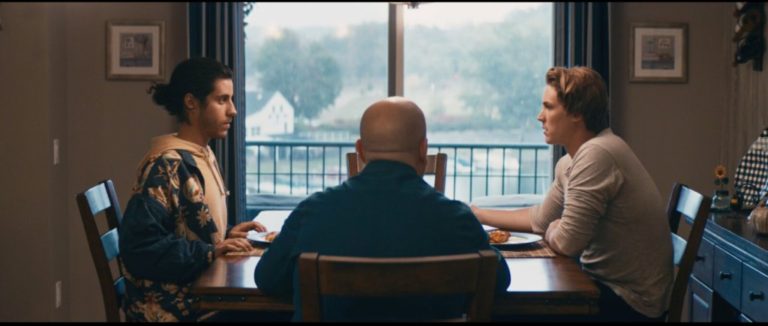
Matthew Courson, Patrick Heraghty and Aleksander Varadian in “Family History.” Courtesy of Mark J. Parker

Horror movies are often overlooked. Overlooked by critics, awards shows and much of the viewing public, who are “just not into that sort of thing.” And that’s just how horror filmmakers like it. 

Sure, who wouldn’t love to be raking in awards and box office dollars, but horror movie makers have long relished the freedom their dark and relatively unsupervised corner of the film industry offers them. After all, it’s on the fringes where you can really say what you want.

“Since the beginning, horror has always been a way to scare us, and to put ourselves in the shoes of people in scary situations,” said Kittery-based filmmaker Mark J. Parker, adding, “And it’s also been where filmmakers could add in another layer to the story.” That’s the case in Parker’s latest short film, “Family History,” which just played at the Sanford International Film Festival and is making the rounds of film fests across the country. 

Filmmaker Mark J. Parker Courtesy of Mark J. Parker

The story of a young gay man whose trip to introduce his boyfriend to his conservative father winds up even more unnerving than that all-too-familiar situation sounds, Parker’s 16-minute film shows how adept horror has always been at turning our inner fears into big-screen chills. Parker describes his taut, exceptionally shot (by Brendan H. Banks, who also shot the very entertaining, Aya Cash-starring horror comedy “Scare Me”) new film as, “a dark family fairy tale.” And, with its creepy unease unfolding in the father’s outwardly placid lakefront condo (with one door that no one should ever, under any circumstances, open), “Family History” delivers – as almost all great cinematic horrors do – on several levels of our fear. 

It’s an achievement the experienced Parker is particularly proud of; the gay filmmaker notes that there’s a rich and evocative vein of fears specific to the gay community that informs his work. “Because the LGBTQ community loves horror, I made a horror film that’s all about the horror of homophobia in a family,” said Parker, noting that the strong central couple fulfill the long-denied promise of a horror film gay character who’s not just “the gay sidekick,” but the driving force of a genuinely creepy and dramatic tale. Citing filmmaker Jordan Peele’s example of making horror films couched in the specific and often misunderstood or ignored fears of the Black community in America, Parker says that he draws from the same sort of narrative energy in his work. 

“As a white filmmaker and horror lover, I have no idea what the Black experience is like,” said Parker, “but, seeing horror films (like ‘Get Out’) gave me insight into the Black perspective in horror. And the idea of being part of a marginalized community, having to overcome all this crazy (expletive), having to fight for your life, for your right just to be heard – it’s something I could relate to.”

Parker, who, in his decade-plus in the New York entertainment industry, worked on everything from “30 Rock,” to “Ugly Betty,” to “Live! With Regis and Kelly,” came to Maine during the pandemic (“the perfect time to move,” he laughs), settling with his Belfast-native husband in Kittery – which just happens to be the setting and inspiration for his next horror short, “Twin.”

Showing that he’s already clued into one of Maine’s spookiest times of the year, Parker explains that “Twin” follows a lesbian couple (from away) whose late-season Airbnb cottage rental comes complete with cold and emptied streets, and an unadvertised rental feature in the form of an old twin bed that – as a sign states, ominously – no one is ever, ever supposed to sleep in. Said Parker of the near-completed short (which should hit festivals right in time for Halloween 2021), “I like to write and produce things that are realistic,” noting that the all-indie “Twin” was shot in his own, deceptively creepy cottage home. “Why not a super-cute but creepy pastel cottage?” asked Parker, indicating, once more, that he knows how uniquely ominous an off-season Maine vacation spot can be. 

For the busy Parker (he’s already prepping another film to be shot in Portland this summer), “Horror is always around to bring to the surface those fears that have always been there.” Noting that his upcoming film has a story “so dark I can’t believe I wrote it,” Parker describes an update of the old “killer on Lovers’ Lane” urban legend, with the additional terror that the lovers are gay, that they are trying to keep their love secret, and the lurker intends to use that secret against them. “Call it ‘hate crime horror,’” said Parker, who plans to use his deepening roots in the Maine film community to work with cast and crew from here in his new home. “I’m slowly meeting more and more of the film community here,” said Parker. “From what I’ve seen, it’s a small but really great and exciting group of people.”

For now, Maine horror fans (or just those with a hunger for ambitious, Maine-made film) can learn more about Parker’s work (he’s an acting teacher, actor, writer, producer and more) at his website, mjp-pov.com. Parker’s first film, the also Maine-set horror short “Sticks,” can currently be seen on Amazon Prime. For more on “Family History” (and to see the film’s excellent trailer), go to filmfreeway.com. 

Dennis Perkins is a freelance writer who lives in Auburn with his wife and cat.


Use the form below to reset your password. When you’ve submitted your account email, we will send an email with a reset code.

filed under:

Google’s Plan for the Future of Work: Privacy Robots and Balloon Walls – The New York Times

MOUNTAIN VIEW, Calif. — Google’s first office was a cluttered Silicon Valley garage crammed with desks resting on sawhorses.

In 2003, five years after its founding, the company moved into a sprawling campus called the Googleplex. The airy, open offices and whimsical common spaces set a standard for what an innovative workplace was supposed to look like. Over the years, the amenities piled up. The food was free, and so were buses to and from work: Getting to the office, and staying there all day, was easy.

Now, the company that once redefined how an employer treats its workers is trying to redefine the office itself. Google is creating a post-pandemic workplace that will accommodate employees who got used to working from home over the past year and don’t want to be in the office all the time anymore.

The company will encourage — but not mandate — that employees be vaccinated when they start returning to the office, probably in September. At first, the interior of Google’s buildings may not appear all that different. But over the next year or so, Google will try out new office designs in millions of square feet of space, or about 10 percent of its global work spaces.

The plans build on work that began before the coronavirus crisis sent Google’s work force home, when the company asked a diverse group of consultants — including sociologists who study “Generation Z” and how junior high students socialize and learn — to imagine what future workers would want.

The answer seems to be Ikea meets Lego. Instead of rows of desks next to cookie-cutter meeting rooms, Google is designing “Team Pods.” Each pod is a blank canvas: Chairs, desks, whiteboards and storage units on casters can be wheeled into various arrangements, and in some cases rearranged in a matter of hours.

To deal with an expected blend of remote and office workers, the company is also creating a new meeting room called Campfire, where in-person attendees sit in a circle interspersed with impossible-to-ignore, large vertical displays. The displays show the faces of people dialing in by videoconference so virtual participants are on the same footing as those physically present.

In a handful of locations around the world, Google is building outdoor work areas to respond to concerns that coronavirus easily spreads in traditional offices. At its Silicon Valley headquarters, where the weather is pleasant most of the year, it has converted a parking lot and lawn area into “Camp Charleston” — a fenced-in mix of grass and wooden deck flooring about the size of four tennis courts with Wi-Fi throughout.

There are clusters of tables and chairs under open-air tents. In larger teepees, there are meeting areas with the décor of a California nature retreat and state-of-the-art videoconferencing equipment. Each tent has a camp-themed name such as “kindling,” “s’mores” and “canoe.” Camp Charleston has been open since March for teams who wanted to get together. Google said it was building outdoor work spaces in London, Los Angeles, Munich, New York and Sydney, Australia, and possibly more locations.

Employees can return to their permanent desks on a rotation schedule that assigns people to come into the office on a specific day to ensure that no one is there on the same day as their immediate desk neighbors.

Despite the company’s freewheeling corporate culture, coming into the office regularly had been one of Google’s few enduring rules.

That was a big reason Google offered its lavish perks, said Allison Arieff, an architectural and design writer who has studied corporate campuses. “They get to keep everyone on campus for as long as possible and they’re keeping someone at work,” said Ms. Arieff, who was a contributing writer for the Opinion section of The New York Times.

But as Google’s work force topped 100,000 employees all over the world, face-to-face collaboration was often impossible. Employees found it harder to focus with so many distractions inside Google’s open offices. The company had outgrown its longtime setup.

In 2018, Google’s real estate group began to consider what it could do differently. It turned to the company’s research and development team for “built environments.” It was an eclectic group of architects, industrial and interior designers, structural engineers, builders and tech specialists led by Michelle Kaufmann, who worked with the renowned architect Frank Gehry before joining Google a decade ago.

Google focused on three trends: Work happens anywhere and not just in the office; what employees need from a workplace is changing constantly; and workplaces need to be more than desks, meeting rooms and amenities.

“The future of work that we thought was 10 years out,” Ms. Kaufmann said, “Covid brought us to that future now.”

Two of the most rigid elements in an office design are walls and the heating and cooling systems. Google is trying to change that. It is developing an array of different movable walls that can be packed up and shipped flat to offices around the world.

It has a prototype of a fabric-based overhead air duct system that attaches with zippers and can be moved over a weekend for different seating arrangements. Google is also trying to end the fight over the office temperature. This system allows every seat to have its own air diffuser to control the direction or amount of air blowing on them.

If a meeting requires privacy, a robot that looks like the innards of a computer on wheels and is equipped with sensors to detect its surroundings comes over to inflate a translucent, cellophane balloon wall to keep prying eyes away.

“A key part of our thinking is moving from what’s been our traditional office,” said Ms. Kaufmann.

Google is also trying to reduce distractions. It has designed different leaf-shaped partitions called “petals” that can attach to the edge of a desk to eliminate glare. An office chair with directional speakers in the headrest plays white noise to muffle nearby audio.

For people who may no longer require a permanent desk, Google also built a prototype desk that adjusts to an employee’s personal preferences with a swipe of a work badge — a handy feature for workers who don’t have assigned desks because they only drop into the office once in a while. It calibrates the height and tilt of the monitor, brings up family photos on a display, and even adjusts the nearby temperature.

In the early days of the pandemic, “it seemed daunting to move a 100,000-plus person organization to virtual, but now it seems even more daunting to figure out how to bring them back safely,” said David Radcliffe, Google’s vice president for real estate and workplace services.

In its current office configurations, Google said it would be able to use only one out of every three desks in order to keep people six feet apart. Mr. Radcliffe said six feet would remain an important threshold in case of the next pandemic or even the annual flu.

Psychologically, he said, employees will not want to sit in a long row of desks, and also Google may need to “de-densify” offices with white space such as furniture or plants. The company is essentially unwinding years of open-office plan theory popularized by Silicon Valley — that cramming more workers into smaller spaces and taking away their privacy leads to better collaboration.

Real estate costs for the company aren’t expected to change very much. Though there will be fewer employees in the office, they’ll need more room.

There will be other changes. The company cafeterias, famous for their free, catered food, will move from buffet style to boxed, grab-and-go meals. Snacks will be packed individually and not scooped up from large bins. Massage rooms and fitness centers will be closed. Shuttle buses will be suspended.

Smaller conference rooms will be turned into private work spaces that can be reserved. The offices will use only fresh air through vents controlled by its building management software, doing away with its usual mix of outside and recirculated air.

In larger bathrooms, Google will reduce the number of available sinks, toilets and urinals and install more sensor-based equipment that doesn’t require touching a surface with hands.

A pair of new buildings on Google’s campus, now under construction in Mountain View, Calif., and expected to be finished as early as next year, will give the company more flexibility to incorporate some of the now-experimental office plans.

Google is trying to get a handle on how employees will react to so-called hybrid work. In July, the company asked workers how many days a week they would need to come to the office to be effective. The answers were divided evenly in a range of zero to five days a week, said Mr. Radcliffe.

The majority of Google employees are in no hurry to return. In its annual survey of employees called Googlegeist, about 70 percent of roughly 110,000 employees surveyed said they had a “favorable” view about working from home compared with roughly 15 percent who had an “unfavorable” opinion.

Another 15 percent had a “neutral” perspective, according to results viewed by The New York Times. The survey was sent out in February and the results were announced in late March.

Many Google employees have gotten used to life without time-consuming commutes, and with more time for family and life outside of the office. The company appears to be realizing its employees may not be so willing to go back to the old life.

“Work-life balance is not eating three meals a day at your office, going to the gym there, having all your errands done there,” said Ms. Arieff. “Ultimately, people want flexibility and autonomy and the more that Google takes that away, the harder it is going to be.”

Google has offices in 170 cities and 60 countries around the world, and some of them have already reopened. In Australia, New Zealand, China, Taiwan and Vietnam, Google’s offices have reopened with occupancy allowed to exceed 70 percent. But the bulk of the 140,000 employees who work for Google and its parent company, Alphabet, are based in the United States, with roughly half of them in the Bay Area.

Sundar Pichai, chief executive of Alphabet, said at a Reuters conference in December that the company was committed to making hybrid work possible, because there was an opportunity for “tremendous improvement” in productivity and the ability to pull in more people to the work force.

“No company at our scale has ever created a fully hybrid work force model,” Mr. Pichai wrote in an email a few weeks later announcing the flexible workweek. “It will be interesting to try.”

Tiffany & Co launches engagement rings for men – CNN

Written by Megan C. Hills, CNN

Luxury jewelry brand Tiffany & Co. is selling men’s engagement rings for the first time in its 184-year history.

Amid reports of growing demand for fine jewelry among male shoppers, the new designs mark a major departure for the American jeweler, which is known for its classic solitaire engagement rings for women.

Available at Tiffany’s flagship New York store from this month, the range is named the Charles Tiffany Setting after the company’s founder, Charles Lewis Tiffany.

The design was inspired by classic signets and comes in either a titanium or platinum setting. The thickset rings feature angular beveled edges and a sparkling center diamond up to five carats in size.

The brand said in a press release the line “honors the jeweler’s long-standing legacy in love and inclusivity, paving the way for new traditions.”

A gray titanium diamond ring from Tiffany & Co's new line.

A gray titanium diamond ring from Tiffany & Co’s new line. Credit: Tiffany & Co.

Tiffany & Co. began selling diamond engagement rings in 1886 with the introduction of the Tiffany Setting, which remains one of its best known styles to date. Engagement jewelry forms a crucial part of the business, making up 26% of the company’s revenue last year, according to Business of Fashion.

Emerging trend

With same-sex marriages recognized in almost 30 countries, jewelers like Brilliant Earth have begun offering gender-neutral engagement ring designs in recent months. Other independent jewelers, such as Stephen Einhorn, offer lines specifically aimed at LGBTQ couples.
In its 2019 Wedding Report, fashion search platform Lyst said there had been a surge of interest in men’s engagement rings on its site, with search volume jumping 66% from 2018 to 2019. As well as proving popular among LGBTQ couples, male engagement rings have also been popularized by celebrities including Ed Sheeran, who wore an engagement ring designed by his then-fiancée Cherry Seaborn, and Michael Bublé, who was given a simple engagement band by his former wife Luisana Lopilato.
The rings are available with round brilliant or emerald-cut diamonds.

The rings are available with round brilliant or emerald-cut diamonds. Credit: Tiffany & Co.

Designer Narcisa Pheres, whose eponymous fine jewelry line has been worn by celebrities including Rihanna and Beyoncé, said that she found the idea of women proposing to men “quite romantic.” While she doesn’t currently sell male engagement rings, she recently launched a gender-fluid necklace line and has previously adapted her designs for men — most notably a ring for Joe Jonas to wear to the 2019 Met Gala.

“With all this feminism and women empowerment talk, why can’t we propose as well?” she said over email. “And since Tiffany (& Co) was the brand that pushed the diamond engagement ring to start with, it’s the perfect time for the brand to reinvent itself and adapt to the 21st-century consumer.”

Pheres also noted that the broader jewelry market has been “changing and adapting to new trends and standards” in the past five years, with stars like Harry Styles championing unisex jewelry and inspiring others to follow suit.

“You see on the red carpet men wearing huge Baroque-style brooches or big diamond rings, necklaces (and so on),” she said. “The biggest influence obviously (has) been (the) music industry, pop art and lots of the young celebrities or influencers wearing more and more fine jewelry in public.

“Gender fluidity is a social trend, not just for jewelry, (and) we will see much more of it.”

HRC Equidad MX Celebrates Fifth Anniversary Promoting LGBT Workplace Inclusion in Mexico – HRC – Human Rights Campaign

How did you manage to go from zero to 200+ companies in less than five years?

With years of experience working on diversity and inclusion consulting related to LGBT workplace inclusion, and the support of a handful of U.S. multinationals leading these efforts, the timing to launch Equidad MX was perfect. In 2014, Mexico City hosted the first congress of LGBT-inclusive practices and Pride Connection, the network of LGBT-inclusive businesses, was launched the same year. The close economic relationship between the U.S. and Mexico helped shape the way in which U.S.-based companies engage with its Mexican counterparts and how they sought to expand their mission to give all their employees the same inclusive daily experience.

What are some of the challenges you have experienced while implementing this work in Mexico?

LGBT inclusion has grown into a household practice for companies in Mexico as we have some of the most forward legislations in Latin America toward non-discrimination, however, the challenge remains to put them into the practice in the everyday lives of the community, and especially in their workplace. During the initial phase of the program, one of the challenges was that very few openly LGBT emerged leaders accompanied our efforts.

NBA roundup: Giannis Antetokounmpo, Bucks edge Nets – Reuters

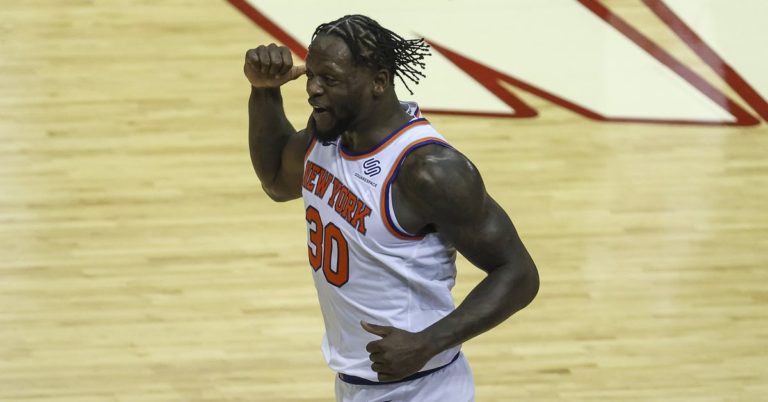
May 2, 2021; Houston, Texas, USA; New York Knicks forward Julius Randle (30) reacts after a play during the third quarter against the Houston Rockets at Toyota Center. Mandatory Credit: Troy Taormina-USA TODAY Sports

Giannis Antetokounmpo scored a season-high 49 points Sunday afternoon and outdueled Kevin Durant as the host Milwaukee Bucks edged the Brooklyn Nets, 117-114.

Antetokounmpo, who missed Friday’s game against the Chicago Bulls with an ankle injury, delivered the dunk that put the Bucks ahead for good with 7:57 left. The 49 points were the third-most of his career and his most since he scored 50 points against the Utah Jazz on Nov. 25, 2019.

Khris Middleton had 26 points and 11 rebounds as the Bucks maintained their hopes of finishing first in the Eastern Conference for the third straight season. Milwaukee closed within 2 1/2 games of the second-place Nets and within three games of the East-leading Philadelphia 76ers.

Durant tied a season-high with 42 points but missed a pair of potential game-tying 3-pointers in the final 30 seconds, including a shot that glanced off the rim just before the buzzer. DeAndre Jordan finished with 10 points and 11 rebounds, and Kyrie Irving scored 20 points.

Raptors 121, Lakers 114

Pascal Siakam finished with 39 points and 13 rebounds, and Kyle Lowry tallied a season-high 37 points and added 11 assists as Toronto dealt Los Angeles its sixth loss in the last seven games.

Kyle Kuzma came off the bench to lead Los Angeles with 24 points. In his second game back from a high-ankle sprain, LeBron James finished with 19 points, seven rebounds and six assists, although he departed with 6:42 left due to soreness in the ankle.

Andre Drummond totaled 19 points and 11 rebounds, and Anthony Davis finished with 12 points, nine rebounds and seven assists for the Lakers, who are among three teams tied for fifth in the Western Conference.

76ers 113, Spurs 111 (OT)

Ben Simmons made a game-winning tip-in at the buzzer in overtime and Joel Embiid scored 34 points and took 12 rebounds as visiting Philadelphia outlasted short-handed San Antonio.

The 76ers had to work hard to hold off San Antonio, which was down four starters but still tied the game at 107 with Keldon Johnson’s putback layup with 1:03 to play. Misses by both teams in the final minute sent the game to an extra period.

Points were at a premium in the overtime, and Rudy Gay’s driving layup with 19.1 seconds left tied the game at 111. Embiid’s shot with one second remaining bounced off the rim but Simmons leaped high and tipped in the rebound to provide the 76ers their fourth straight win.

Knicks 122, Rockets 97

Julius Randle scored a game-high 31 points and authored the clinching run down the stretch of the third quarter as New York opened its final road trip with a victory at Houston.

Randle added seven rebounds, six assists and four 3-pointers to his ledger to lead the Knicks to their 11th win in 12 games.

RJ Barrett chipped in 21 points and seven rebounds, while Derrick Rose had 24 points off the bench for the Knicks, who maintained their hold on the fourth seed in the Eastern Conference and home-court advantage in the first round of the playoffs.

Heat 121, Hornets 111

Bam Adebayo scored 20 points to go with 10 assists as visiting Miami defeated Charlotte for the first time in three meetings this season.

Kendrick Nunn poured in 19 points and Jimmy Butler and Goran Dragic each added 18 points for the Heat. Dewayne Dedmon had 14 points and Duncan Robinson supplied 10 points as Miami won its third game in a row. Butler had eight rebounds and eight assists.

P.J. Washington led Charlotte with 21 points, while Miles Bridges chipped in 15 points, Terry Rozier had 14 points and Jalen McDaniels notched 12 points. The Hornets lost for the third time in their past four games.

Kings 111, Mavericks 99

Buddy Hield finished with 27 points and six rebounds and shot 6-for-10 from 3-point range to lead Sacramento past host Dallas.

The Kings swept the season series against the Mavericks, winning all three matchups since April 18. Those losses are Dallas’ only defeats over its past nine games. Marvin Bagley III had 23 points and nine rebounds, and Delon Wright delivered 14 points off the bench. Richaun Holmes also had 17 points and seven rebounds.

The Kings lost rookie Tyrese Haliburton with 7:30 to go in the third quarter to a left knee injury. Haliburton pulled up while dribbling across midcourt and collapsed, clutching his knee.

Trail Blazers 129, Celtics 119

CJ McCollum scored a game-high 33 points, Damian Lillard added 26 points with 13 assists, and Portland won its fourth straight game on its road swing with a victory over Boston.

Portland remained perfect on its six-game road trip as all five starters scored in double figures. Three notched at least 23 points with Norman Powell scoring 23, including a driving layup in the final minute that gave Portland a seven-point lead.

Powell’s basket followed a Carmelo Anthony 3-pointer that ended a field-goal drought of 2:43. Anthony finished with 13 points, and his 3-pointer was the last of Portland’s 19 on a 19-of-38 shooting night for the team.

Suns 123, Thunder 120

Devin Booker scored 32 points to lead Phoenix over host Oklahoma City.

The Suns extended their winning streak to four, moving into a tie with the Utah Jazz for the top spot in the Western Conference. Phoenix holds the tiebreaker.

A night after sustaining the largest home loss in NBA history — a 152-95 loss to Indiana — the Thunder stayed within striking distance much of the night.

–Field Level Media

Our Standards: The Thomson Reuters Trust Principles.

‘Steven Universe’ cartoonist Melanie Gillman helps draw a path toward broader representation – Highlander Newspaper

Post Views: 244

Courtesy of Warner Bros Television Distribution

Melanie Gillman, an American cartoonist, shared their secrets to success within the comic book industry in an event presented by Stonewall Hall and the LGBT Resource Center. Gilllman is the creator of “As the Crow Flies,” winner of the 2018 Stonewall Honor Award, and “Stage Dreams.” They’ve also worked on comics for popular brands, such as “Care Bears” and “Steven Universe,” and they are a senior lecturer in the Comics Master of Fine Arts Program at the California College of the Arts.

At the start of the event, it was announced that the LGBT Resource Center would be mailing everyone who attended free copies of “Nonbinary,” a minicomic created by Gillman that discusses the process of coming out and living as a nonbinary person. Gillman started the meeting by interacting with viewers and asking them what comics they are currently interested in. Many people called attention to queer graphic novels such as “Kiss Number 8” by Colleen A.F. Venable and “The Prince and the Dressmaker” by Jen Wang. I recommended some of my favorite webcomics, such as “Heartstopper” by Alice Oserman, “Temperature of Love” by NWarrior and “Miracle Simulator” by Misersdream. 

Throughout the event, Gillman shared a few PowerPoint slides to help tell the story of their experiences working on comics. At a young age, Gillman was fascinated by comics and graphic novels but saw that there was a lack of queer representation being produced by the bigger comic book companies. Gillman claimed, “The vast majority of comics that would’ve been available for me as a young person weren’t really up my alley.” 

The popularization of webcomics revolutionized the comic industry for aspiring artists. Having an online platform has made it easier for creators to share their work to a large audience without facing the gatekeeping issues that surround publishing companies. As a result, more queer people have taken to posting queer comics online. According to Gillman, “there was a level of realism and honesty” that accompanied these webcomics that depicted self-representation. Gillman stated that comics are “one of the most direct ways to see through another person’s eyes” because it allows people to see someone else’s direct translation of the world. Having queer people share their stories can help educate others on the LGBT experience and help break harmful stereotypes.

At the end of the presentation, Gillman turned to the aspiring artists in the crowd to share some tips on pursuing self-publishing opportunities and remaining persistent about creating works that they’re passionate about. Gillman cautioned that being a comic artist isn’t always an easy or reliable job. In their experience, they had to take some freelance projects and balance a few steadier jobs in order to create the projects they were passionate about. During the Q&A portion, Evelyn Everheart questioned Gillman on what to do when the passion for a project has simmered away. Gillman revealed that burnout was a common thing for creators to feel. They suggested taking time away from the comic and returning to it at a later time with a fresh pair of eyes.

The event concluded with a drawing exercise where Gillman challenged the audience to brainstorm ideas for a comic that portrays queer joy and/or gender euphoria. There was no time to share any of the comic ideas from this exercise, but it was a creative way to involve the audience and encourage them to create a story they’d enjoy. Overall, this event cast a light on the ups and downs of the comic book industry and the value of seeing more queer representation by queer creators. If you’re interested in more events hosted by the LGBT Resource Center, be sure to check out their social media pages for updates.

Hepatitis C testing in gay and bisexual men with HIV below target, US study finds – aidsmap

The findings are published in the journal Open Forum Infectious Diseases.

Hepatitis C can be cured by a short course of direct-acting antiviral treatment and the World Health Organization has set targets for testing and treatment coverage by 2030 with the aim of eliminating hepatitis C. Left undiagnosed and untreated, hepatitis C may eventually lead to liver damage or liver cancer.

Hepatitis C elimination partially depends on targeting groups of people with high hepatitis C prevalence, such as people who inject drugs and people with HIV, through intensified screening, linkage to care and treatment. This strategy, known as micro-elimination, has demonstrated strong progress towards elimination targets in some countries, notably Switzerland and Spain.

In the United States, up to 30% of 1.1 million people living with HIV are estimated to have co-infection with hepatitis C. It’s unclear what proportion remain undiagnosed. The US Centers for Disease Control and Prevention (CDC), the HIV Medicine Association and the National Institutes of Health recommended routine testing for hepatitis C in people with HIV in 2009. In 2015 CDC recommended that people with HIV should be screened annually if they were at high risk of acquiring hepatitis C.

There is little information about how well this guidance is being implemented in the United States, especially among people at higher risk of hepatitis C acquisition.

Investigators from the HIV Outpatients Study set out to analyse hepatitis C testing in their own cohort among gay and bisexual men with HIV. Ongoing sexual transmission of hepatitis C is especially concentrated among gay and bisexual men who are HIV positive, due in part to condomless sex between men with HIV.

The HIV Outpatients Study follows people with HIV receiving HIV care at nine clinics in six large US cities. This analysis looked at all gay and bisexual men receiving at least two years of care at a participating clinic between 2011 and 2019. It excluded people who inject drugs or people who had already tested positive for hepatitis C antibodies.

“Neither substance use nor condomless anal sex was associated with being tested for hepatitis C.”

The study population consisted of 1829 men with HIV, predominantly non-Hispanic White (64%) or Black (22%). Most participants (69%) were aged 40 or over and had private health insurance (64%). Just over half of the study population had been diagnosed with HIV before 2000 (51%) and 83% were already taking antiretroviral treatment at the beginning of the study period.

Between 2011 and 2019, 66% of participants were tested for hepatitis C antibodies at least once and each year 30% of the study cohort was tested. Multivariable analysis showed that men were significantly more likely to be tested for hepatitis C if one of the following applied:

  • HIV diagnosis after 2000, especially from 2011 onwards (odds ratio 1.42, 95% CI 1.09-1.84 for 2011-2019 versus prior to 2000)
  • Public health insurance (OR 1.22, 95% CI 1.07-1.39 versus private insurance)
  • CD4 cell count below 350 (OR 1.28, 95% CI 1.08-1.52)
  • A history of chlamydia, gonorrhoea (OR 1.68, 95% CI 1.42-2.00) or syphilis (OR 1.54, 95% CI 1.29-1.84)
  • Hepatitis B virus (OR 6.02, 95% CI 2.59-13.98)
  • Liver enzyme elevations (OR 1.30, 95% CI 1.13-1.49).

After controlling for these factors, the investigators found no racial or ethnic difference in testing rates.

Men at higher risk of hepatitis C acquisition were identified through behavioural interviews. Two-thirds of the study cohort completed at least one computerised behavioural interview during the study period. Forty per cent reported substance use and 43% reported condomless anal sex. In each case, around one-third of those reporting the behaviour had been tested for hepatitis C antibodies in the 12 months preceding their behavioural interview. Multivariable analysis showed that neither substance use nor condomless anal sex was associated with being tested for hepatitis C, indicating that the men at greatest risk of hepatitis C acquisition were no more likely to be tested than people at low risk or the sexually inactive.

The study investigators say that four factors probably contribute to the low annual testing rate. They need to be addressed to improve implementation of hepatitis C testing recommendations among gay and bisexual men:

  • Lack of awareness among healthcare providers and gay and bisexual men of the risk of sexual transmission of hepatitis C.
  • Lack of awareness or non-compliance with hepatitis C testing guidance.
  • Time constraints on patient visits means that testing is not prioritised.
  • Lack of awareness of the availability of hepatitis C testing among people with HIV and lack of awareness that it is covered by most public or private health insurance plans.

The investigators recommend that a comprehensive history should be taken to identify people at high risk of hepatitis C acquisition at each clinic visit. Anyone reporting risk factors at a clinic visit should be offered a test for hepatitis C on that visit.