In 1986 a special assignment took me to the remote, desolate and windswept island of Tinian in the Northern Mariana Islands.
What remained of long, twin runways built for B-29s to attack Japan during World War II, were overgrown and difficult to find. Only slivers of concrete the width of our jeep remained visible. Coconut crabs the size of footballs thumped under our wheels.
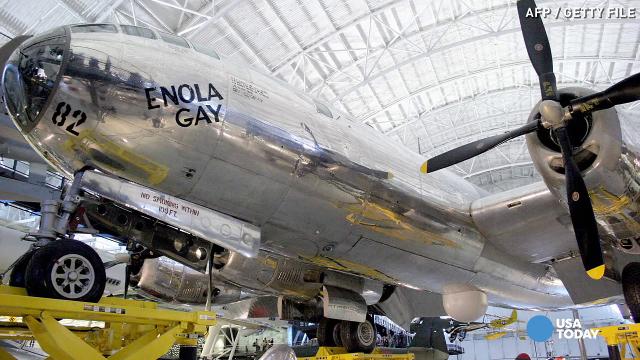
The island is where the atomic bomb “Little Boy” was stored and loaded on the B-29 Enola Gay for its historic mission to Hiroshima, Japan. There’s a small marker to identify the pit where the bomb was kept and one could easily pass it by without recognizing its significance.
A decade later, as the commanding officer of a special team in Coronado, California, a young sailor asked me if his uncle could visit and talk to our troops. Not eager to allow just any “uncle” to occupy our troops’ valuable time, I politely asked his uncle’s name.
“Oh,” he said, “Uncle Tibbets.”
The name seemed somewhat familiar, and with a half-hearted attempt at humor I asked, “You mean Gen. Paul Tibbets, the pilot of the B-29 Enola Gay who dropped the atomic bomb on Hiroshima?”
“Yes sir, that’s him,” responded the young sailor rather casually.
I outwardly embraced the idea and told him to bring his uncle in at his earliest convenience. The young sailor thanked me and we parted with me still a little skeptical but sincerely hoping this was sincere.
Indeed, it was and Gen. Tibbets did visit my command and addressed our troops. He declined press coverage and all offers to expand the audience to the many SEAL teams and larger Navy presence in the San Diego area. He insisted the audience be our team only.
The general’s arrival was inauspicious and informal. He drove up, parked, got out and shook hands. As simple as that. Not many general officers, even those retired and with no historic weight to their name, would allow such lack of formality. But he insisted on it.
My immediate impression was a decisive, fearless man of unwavering aplomb, not given to small talk, fools or humor. His talk was inspirational, captivating and completely not politically correct, to the extreme delight of my troops and myself.
He had strong feelings about aspects of our then current military and society, which also delighted us all. Sadly, these views spoken openly today would certainly be cause for immediate lynching. But he was not afraid to speak his mind, and the troops loved him for this.
He was unapologetic of his role in dropping the atomic bomb and harbored no guilt. One could argue, and many still do, the strategic and moral significance of this one act. But I am totally convinced, having studied the issue, that as horribly destructive as it was, it did shorten the war and saved far more American and allied (and even Japanese) lives than if the war continued.
After his talk, the troops lined up to shake his hand. He shook each one. I was blessed and honored to spend a day with a true American hero; a man asked to do a terrible thing in war; a man who accepted what his country asked of him without hesitation knowing it was an extremely difficult, sensitive mission with lasting consequences.
Thank God for men like this, and men and women of his generation, whose vocabularies did not include “safe space.”
Soon after, the general sent me a poster photo signed by himself, his navigator and his bombardier of the Enola Gay on the Tinian runway precisely where I had stood a decade earlier.
Like the man himself, it’s a treasure.
Michael R. Howard, Vero Beach, is a retired Navy SEAL captain and was executive director of the National Navy SEAL Museum 2004-12.
LEWISBURG — Best practices for health care workers and others who serve senior LGBT clients were outlined Tuesday by a noted professional.
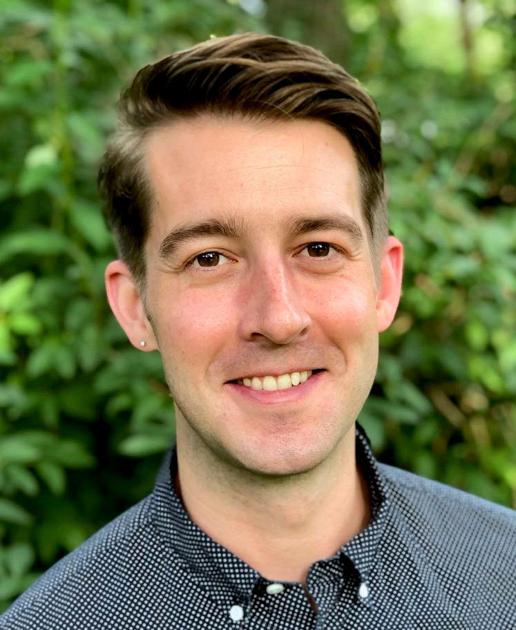
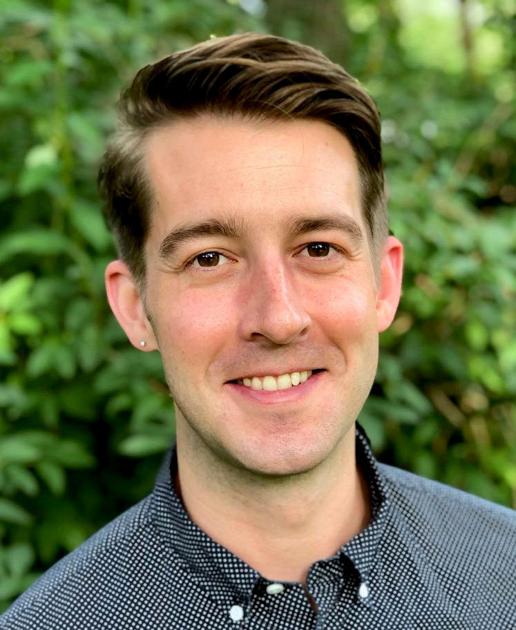
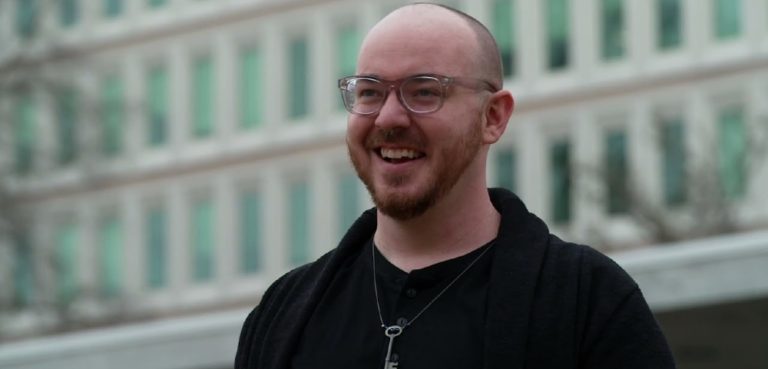
Dr. Tim R. Johnston, SAGE Group senior director of national projects, addressed an online meeting hosted by the Pa. Link to Aging and Disability Resource Center. SAGE advocates and provides services for gay, lesbian, bisexual and transgender elders.
“Everybody has both a gender identity and a sexual orientation,” Johnston explained. “When we are working with members of the LGBT community, we have to remember that somebody might be LGBT because of their sexual orientation, because of who they are attracted to and who they are drawn to. Or they might be LGBT because of their gender identity as transgender or another gender identity or it could be both.”
Making assumptions was to be avoided.
“Just because you know a person’s sexual orientation doesn’t mean you know anything about their gender identity and vice versa,” Johnston said. “When we are talking about data collection, for example, we have to be asking questions that relate to both parts of our human experience.”
Respect for identity meant referring to the person using the pronouns of their choice. However, Johnston noted people who identify as gender non-binary or gender nonconforming may prefer “they” and “them” to “he” or “she.”
“It’s called the ‘singular they,’ meaning the word ‘they’ is being used to reference just one person,” Johnston said. “It is a way of referring to somebody without ‘gendering’ them or making an assumption about their gender identity.”
If the wrong pronoun is used when interacting, Johnston suggested acknowledging the error but not dwelling on it.
Webinar participants asked for a definition of the letter “Q” sometimes added to LGBT identities.
“The ‘Q’ can stand for two different words,” Johnston said. “It can stand for ‘queer’ or it can stand for ‘questioning.’”
Johnston said a “questioning” person may be learning about themselves and that there is a place for them in the LGBT community.
However, “queer” has a different and more negative history. “Queer,” Johnston said, has been reclaimed by some members of the LGBT community and turned into a positive.
Institutions may find that use of the letter “Q” will get a more favorable response at various levels of service than “queer.” Johnston recommended avoiding the word unless a person is certain their client uses it in a positive way. Hearing it may trigger a “visceral trauma response” and make positive rapport difficult.
Johnston indicated 40% of LGBT senior adults say their health care provider does not know their orientation. He added about 25% of older transgender adults report discrimination in housing, while LGBT individuals have higher risks of disability, mental health issues and incidence of alcohol and drug abuse.
Skills worth developing included listening to how older adults describe themselves.
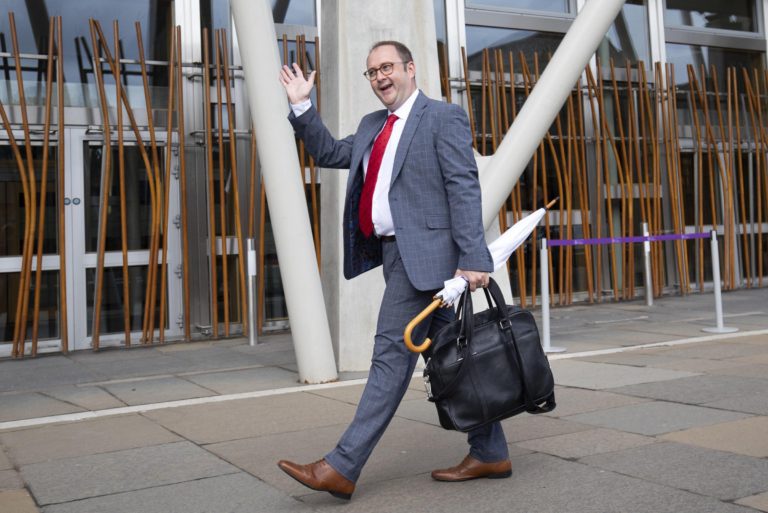
EAST Renfrewshire councillor Paul O’Kane has told of his pride after becoming the first openly gay man to represent Labour at Holyrood.
Mr O’Kane, currently the council’s deputy leader, was elected to the Scottish Parliament on Saturday via the West Scotland regional list.
And he hopes his success will show young people they “can be anything they want to be.”
Following a “whirlwind” few days, he has been settling in at Holyrood and believes there is real excitement around a “very diverse” parliament.
Mr O’Kane wants to focus on Covid-19 recovery, strong public services, and equalities.
He also said a gay male Labour MSP has “been a long time coming” – highlighting how the party had scrapped Section 28, which banned the promotion of homosexuality in schools.
“It should have happened a lot sooner,” added Mr O’Kane. “I’m certainly not going be the last.”
And, in a message to the LGBT community, he said: “No matter what happens, things do get better.”
The new parliament also has the first permanent wheelchair-using MSP –Labour’s Pam Duncan-Glancy – and the first two women of colour – Kaukab Stewart, of the SNP, and Pam Gosal, of the Tories.
Ms Gosal is also the first Sikh to be elected to the Scottish Parliament.
Mr O’Kane was the fourth Labour candidate on the West Scotland list but moved up to third after Jackie Baillie held onto her Dumbarton seat.
Labour then picked up three seats on the list, meaning Mr O’Kane was elected alongside Neil Bibby and Katy Clark.
He admits to having “butterflies” in his stomach as he waited for the result to be announced but said he had people “cleverer than me crunching the numbers” and became more confident as Saturday progressed.
“So many people put their trust in the Labour Party,” said Mr O’Kane. “For me, it’s about how do I repay that trust?”
Overall, Labour dropped two seats at the Holyrood election but Mr O’Kane believes party leader Anas Sarwar has steadied the ship.
He said there needs to be a consensus around Covid-19 recovery, as the pandemic has affected everyone’s lives.
Quoting Mr Sarwar, he added that people should work together – and it “doesn’t matter if you’re Yes, No, Leave or Remain.”
Mr O’Kane has worked alongside the Nationalists at council level, serving as deputy while the SNP’s Tony Buchanan is leader in East Renfrewshire.
He intends to continue to represent his constituents in the Newton Mearns North and Neilston council ward for his whole five-year term, which runs until next May.
However, plans for how he will operate will be brought to a full council meeting in June – and he could step down as deputy leader.
Mr O’Kane added: “I think the deputy leader role needs to have someone who concentrates all their time to it.”
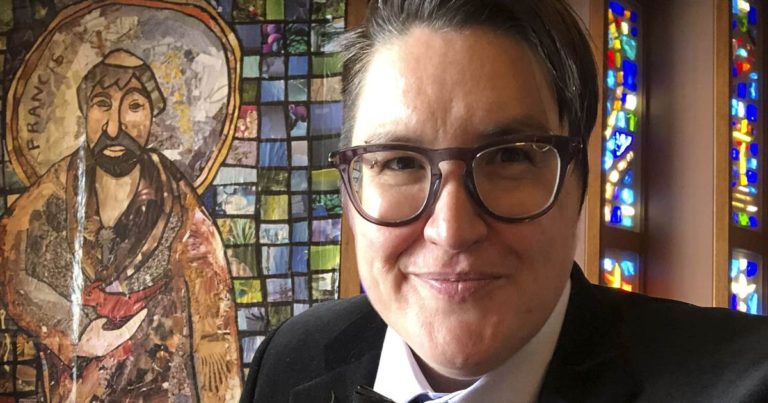
A Lutheran pastor in California has become the first transgender bishop in a major American Christian denomination.
On Saturday, the Rev. Megan Rohrer, pastor at San Francisco’s Grace Evangelical Lutheran Church, was elected bishop for the Sierra Pacific Synod of the Evangelical Lutheran Church in America.
Based in Sacramento, California, the assembly encompasses 36,000 members in 180 congregations across central California, Northern California and northern Nevada.
The Rev. Elizabeth A. Eaton, ELCA’s presiding bishop, praised the synod for recognizing Rohrer’s talents.
“When we say all are welcome, we mean all are welcome,” Eaton said in a statement. “We believe that the Spirit has given each of us gifts in order to build up the body of Christ.”
Rohrer was elected on the fifth ballot, edging out by just two votes the Rev. Jeff R. Johnson, pastor of the Lutheran chapel at the University of California, Berkeley.
In 2006, Rohrer, who uses they/them pronouns, became the first transgender person ordained in the ELCA. They became the denomination’s first trans pastor in 2014, when they were called to Grace Lutheran.
Rohrer, 41, currently lives in the Bay Area with their wife, Laurel, and children McKayla, 7, and Dominique, 8. They were born in Sioux Falls, South Dakota, where religion was a big part of family life: Both their mother and grandmother are Lutheran, and Rohrer was baptized at just a few weeks old.
As their queer identity began to solidify, though, fractures emerged: Rohrer was expelled from a church youth group as a teen after coming out as lesbian.
“I came out around the same time period as Matthew Shepard’s murder,” Rohrer said. “That was a very palpable time in American history, particularly for LGBTQ folk. For me, it was some of the most intense moments of experiencing people questioning whether or not God could love me.”
In religion classes at Augustana University, a private Lutheran college in Sioux Falls, classmates would sing hymns “to try to get rid of my gay demons,” Rohrer told KALW.
But instead of walking away from their faith, Rohrer leaned into it. They credit the support they received from teachers and clergy at Augustana.
“I had a campus pastor who, in the midst of things being the most difficult in my life, let me know that God didn’t have a problem with me being LGBTQ,” Rohrer said. “She said, ‘A real-life problem is not having someone to babysit your kids.’ So she had me babysit her kids — and read them ‘The Hungry Caterpillar.’”
When Rohrer’s congregation in Sioux Falls refused to endorse their ordination, their religion professors at Augustana stepped in.
“You have to have a home congregation that signs off that you’re a faithful person, and mine refused to because I was LGBTQ,” Rohrer said. “So the professors at the college took on that role of being my home congregation and supporting me.”
They moved to the Bay Area in 2002 to attend Pacific Lutheran Theological Seminary in Berkeley and later transferred to the nearby LGBTQ-affirming Pacific School of Religion. It was around that time that Rohrer began to identify as transgender.
“I wouldn’t have gotten elected into this position if it wasn’t for my campus pastors and college professors — and the seminary professors out here in Berkeley — just affirming that God was with me and for me,” they said. “And affirming that I had gifts that could make a difference in this world, even if not everyone was able to imagine it yet.”
In addition to their pastoral duties at Grace Evangelical Lutheran Church, Rohrer serves as community chaplain coordinator for the San Francisco Police Department and is an outspoken advocate for San Francisco’s LGBTQ community and people experiencing homelessness and food insecurity.
With nearly 3.3 million members, the ELCA is one of the largest Christian denominations in the United States. The Rev. Dawn Bennett, a Lutheran pastor at The Table, an LGBTQ-centered congregation in Nashville, Tennessee, called Rohrer’s election “quite encouraging.”
“We know that in order to see and experience ourselves in the full body of Christ, we also have to see ourselves represented in places of leadership,” Bennett said.
Ross Murray, senior director of education and training for the GLAAD Media Institute and a Lutheran deacon, agreed that Saturday’s vote is further proof the church has evolved on LGBTQ issues. In 2006, Rohrer had to be ordained under an “extraordinary candidacy process” because the national ELCA had banned noncelibate LGBTQ ministers.
It wasn’t until 2010 that Rohrer and six other gay and trans pastors were reinstated into the national assembly. (Johnson, who lost to Rohrer on Saturday, was another.)
“In 2009, when the [Churchwide Assembly] voted to ordain gay pastors, people were so worried this is going to be the death of us — that we were going to lose people,” said Murray, author of “Made, Known, Loved: Developing LGBTQ-Inclusive Youth Ministry.” “And, yes, some people left. But the truth is, they were going to leave anyway.”
The exodus, he said, “opened up” the church.
“It freed us to be more loving and live our truth even more than before,” he said. “We’re still learning how to live that truth — in deciding what to say, when to speak up — but in 2009, we would have been completely paralyzed.”
Rohrer has been profiled in Cosmopolitan and appeared last year on the Netflix reboot of “Queer Eye.” They’ve been open about reconciling their faith and their queer identity. With their family, Rohrer said, “It’s been a journey.”
“It takes time sometimes for people to practice pronouns and get all of that right,” they said. “I’m very fortunate to have family members who love me enough to go on the journey wherever that leads.”
Rohrer recalled talking to their grandmother about the bishop election process two Christmases ago.
“I told her I’d have to get new robes, new outfits,” they said. “She wrote me a check for a thousand dollars and said, ‘Buy all the robes!’ She said, ‘I have no doubt you’re going to be elected bishop. I just don’t think I’ll live to see it.’”
On Saturday afternoon, Rohrer called her to share the news.
“She was in tears and just so delighted,” they said. “She could hardly believe it; it was so wonderful.”
In terms of trans issues, Rohrer said the ELCA is now “leaps and bounds ahead” of some other mainline denominations.
In 2015, the Rev. Asher O’Callaghan became the first regularly ordained transgender minister in the ELCA (as opposed to being ordained through the “extraordinary candidacy process,” like Rohrer). O’Callaghan now serves as pastor at Highlands Lutheran Church in Denver, in the Rocky Mountain Synod.
“The leadership in our church has, for a long time, publicly and politically been supporting transgender individuals,” Rohrer said. “I think when they were trying to figure out issues about gay people being pastors, they learned a lot of lessons. So, thankfully, we didn’t restart from the beginning with transgender pastors. The churchwide offices are able to focus on ways to affirm the dignity of all people.”
So far, Rohrer said, there hasn’t been any negativity about their election.
“I’ve only been surrounded by gratitude and thankfulness and people who were excited about this,” they said. “People who have transgender children, who have trans grandkids, who are just excited that this is an opportunity to share their faith with other people.”
Rohrer will succeed the Rev. Mark W. Holmerud, who has served as bishop of the Sierra Pacific Synod since 2008 and will retire in June.
Rohrer, who is scheduled to begin their six-year term on Sept. 11, campaigned on a promise to promote low-income housing in the Bay Area and address potentially discriminatory policies within the synod, Religion News Service reported.
They also hope to restart the conversation with LGBTQ people who have been hurt by religion.
“The Lutheran tradition comes out of a spirit of reformation,” Rohrer said. “Martin Luther was responding to the fear of the Black Plague, and he found a way to see hope and possibility in the world. He had this ability to point to this unending love that Jesus has and the ability to translate it for a new generation.”
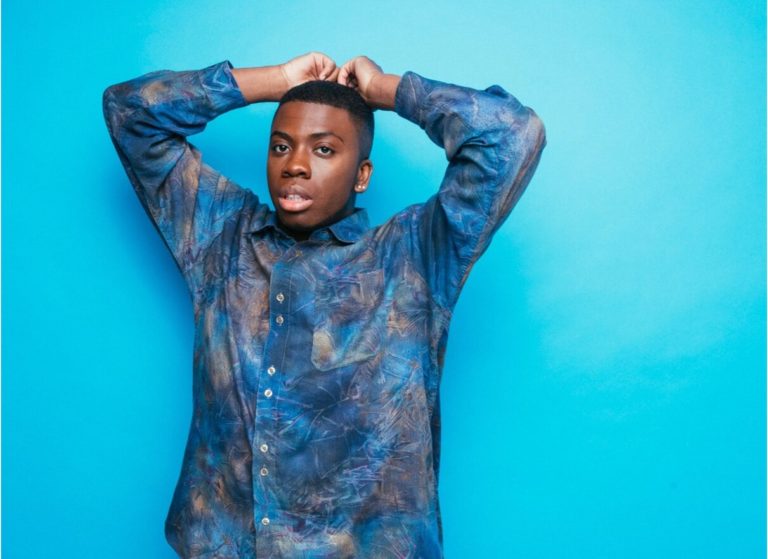
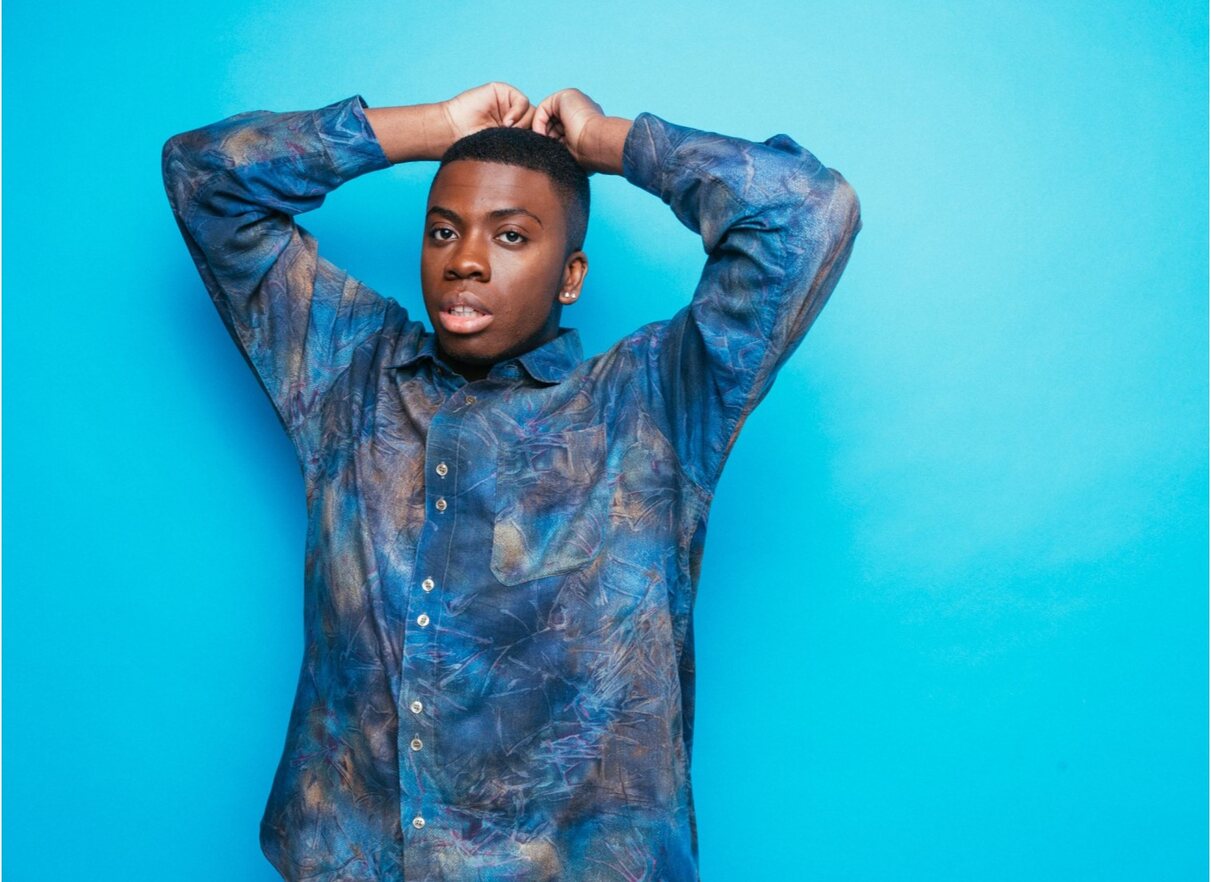
DANIEL MOLYNEAUX is an outspoken music artist who has released a new dancehall EP to tackle homophobia in dancehall music.
With witty lyrics and rhythmic beats, Dance For Your Man is considered the first LGBT dancehall anthem in a genre that has historically made it a scarcity.
Growing up gay in a Caribbean family, Daniel embraced the music that shaped his culture and heritage, while dealing with some of the common anti-LGBT slurs found in some of the most popular dancehall songs.
“I was born gay, first and foremost. So, that’s where the journey really begins from birth,” he said once asked about his own venture into dancehall.
“I started doing music when I was around 14-years-old, but I wasn’t always out. So, the person who I am now was always who I am inside, but I wasn’t always out”
“I’ve always loved bashment and dancehall music. I don’t know if that is because I’m of Caribbean descent, but I’ve just always loved it.
“If I wasn’t, I just think I would still love it the same way because it’s just it takes my body to another level – it’s just up there for me.”
At the age of 19, the North London singer released his first album and admits that all of his songs were about men.
He wrestled with the fact that he “wasn’t out of the closet,” leaving out the pronoun “he” throughout his lyrics.
It was the passing of his mother only five years earlier and the death of a close friend that prompted him to start recording the album, refusing to hide himself any longer.
“I went through a situation with some other family members and I lost a lot of relationships with people,” he said.
“I’ve experienced betrayal beyond belief from people I never expected it from. I was at rock bottom and I just didn’t want to hide anymore because we live in such a messed up world.
“So I said to my producers – I hadn’t told them I was gay but they already knew – that I’m not doing this anymore, that the music I make from this point onwards is going to be using the word ‘he’ and that’s what I’ve done since.”
Daniel’s sophomore album of eleven songs, Free was released last year but the creation of Dance For Your Man came much later as he felt something was missing from his collection of music.
“I love bashment, anyone who knows me knows that I can’t help but whine up myself when it’s on. I wanted that bashment sound where wherever you’re in a club or your heard good vibes, you’re just in a whole different world,” he said.
Dance For Your Man was born and became a pioneering EP in celebration of February’s LGBTQ+ History Month, combining both the flags of his Jamaican heritage and Pride on his single cover.
Daniel described it as a “freeing moment” that inspired the title of his first album.
The reaction from his friends, he said, was beautiful too – but with homophobic slurs like ‘batty man’ and ‘chi chi man’ only now being dubbed, and with Buju Banton’s Boom Bye Bye and Vybz Kartel’s Turn and Wine lauded as anthems, he believes the cultural undercurrent is still present in 2021.
“I do care how homophobic the lyrics are in bashment, but like I said it takes my waistline to another level. It’s the beat that does it for me, that’s what’s inspired it,” he said.
“I didn’t even say to myself let me do a song to combat homophobia, I was just being my natural self – I’m a gay man who loves dancehall music.
“I didn’t have an agenda behind the song, but I want to use my song to combat homophobia.”
Daniel’s EP of Dance For Your Man, also produced as an energetic remix featuring Nallie and an intimate piano-led version, has already garnered reaction from those outside of the LGBTQ+ community.
He said: “I’ve received loads of messages from people like me who are gay saying they’ve waited for this for a long time, and even heterosexual people have to admit that the song slaps. Even if you’re homophobic you have to admit that it’s a good song. Even if it’s from a gay person, I write songs and work with the best producers – I don’t mess about when it comes to my music. It represents expressing myself openly about who I am within a genre I both love and make.”
Dance For Your Man EP is available to listen to on Spotify and YouTube.
DANIEL MOLYNEAUX is an outspoken music artist who has released a new dancehall EP to tackle homophobia in dancehall music.
With witty lyrics and rhythmic beats, “Dance For Your Man” is considered the first LGBT dancehall anthem in a genre that has historically made it a scarcity.
Growing up gay in a Jamaican family, Daniel embraced the music that shaped his culture and heritage, while dealing with some of the common anti-LGBT slurs found in some of the most popular dancehall songs.
“I was born gay, first and foremost. So, that’s where the journey really begins from birth,” he said once asked about his own venture into dancehall.
“I started doing music when I was around 14-years-old, but I wasn’t always out. So, the person who I am now was always who I am inside, but I wasn’t always out”
“I’ve always loved bashment and dancehall music. I don’t know if that is because I’m of Caribbean descent, but I’ve just always loved it.
“If I wasn’t, I just think I would still love it the same way because it’s just it takes my body to another level – it’s just up there for me.”
At 19, the North London singer released his first dancehall inspired album and admits that all of his songs were about men.
He wrestled with the fact that he “wasn’t out of the closet,” leaving out the pronoun “he” throughout his lyrics.
It was the passing of his mother only three years earlier and the death of a close friend that prompted him to start recording the album. And this is when Daniel refused to hide himself any longer.
“I went through a situation with some other family members and I lost a lot of relationships with people,” he said.
“I’ve experienced betrayal beyond belief from people I never expected it from. I was at rock bottom and I just didn’t want to hide anymore because we live in such a messed up world”
“So I said to my producers – I hadn’t told them I was gay but they already knew – that I’m not doing this anymore, that the music I make from this point onwards is going to be using the word ‘he’ and that’s what I’ve done since.”
Daniel’s debut album of eleven songs, Free was released last year but the creation of Dance For Your Man came much later as he felt something was missing from his collection of music.
“I love bashment, anyone who knows me knows that I can’t help but whine up myself when it’s on. I wanted that bashment sound where wherever you’re in a club or your heard good vibes, you’re just in a whole different world,” he said.
Dance For Your Man was born and became a pioneering EP in celebration of February’s LGBTQ+ History Month, combining both the flags of his Jamaican heritage and Pride on his single cover.
Daniel described it as a “freeing moment” that inspired the title of his first album.
The reaction from his friends, he said, was a beautiful too – but with homophobic slurs like ‘batty man’ and ‘chi chi man’ only now being dubbed, and with Buju Banton’s Boom Bye Bye and Vybz Kartel’s Turn and Wine lauded as anthems, he believes the cultural undercurrent is still present in 2021.
“I do care how homophobic the lyrics are in bashment, but like I said it takes my waistline to another level. It’s the beat that does it for me, that’s what’s inspired it,” he said.
“I didn’t even say to myself let me do a song to combat homophobia, I was just being my natural self – I’m a gay man who loves dance music.
“I didn’t have an agenda behind the song, but I want to use my song to combat homophobia.”
Daniel’s EP of Dance For Your Man, also produced as an energetic remix and an intimate piano-led version, has already garnered reaction from those outside of the LGBTQ+ community.
He said: “I’ve received loads of messages from people like me who are gay saying they’ve waited for this for a long time, and even heterosexual people have to admit that the song slaps. Even if you’re homophobic you have to admit that it’s a good song. Even if it’s from a gay person, I write songs and work with the best producers – I don’t mess about when it comes to my music. It represents expressing myself openly about who I am within a genre I both love and make.”
Dance For Your Man EP is available to listen to on Spotify and YouTube.
In Mental Health Awareness Week, the author of ‘Get Your Head In The Game’ talks to Sports Media LGBT+ about the conversations he had with LGBT+ people in football for his book, and how the sport he loves could do more to shift mindsets towards greater inclusion…
“Why should anyone be isolated while taking part in the most popular sport in the world?”
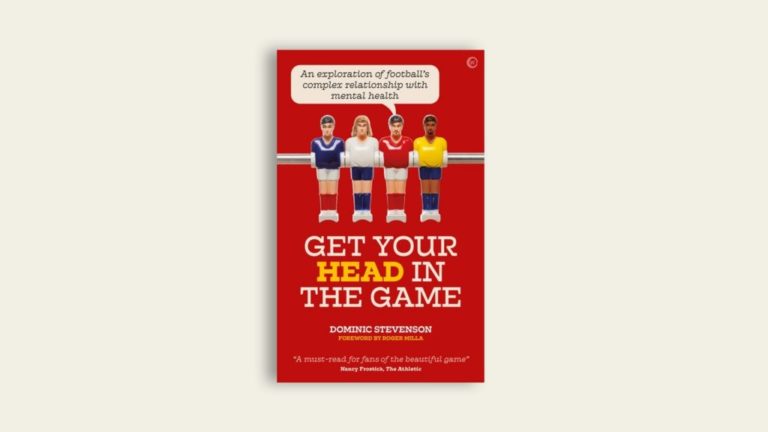
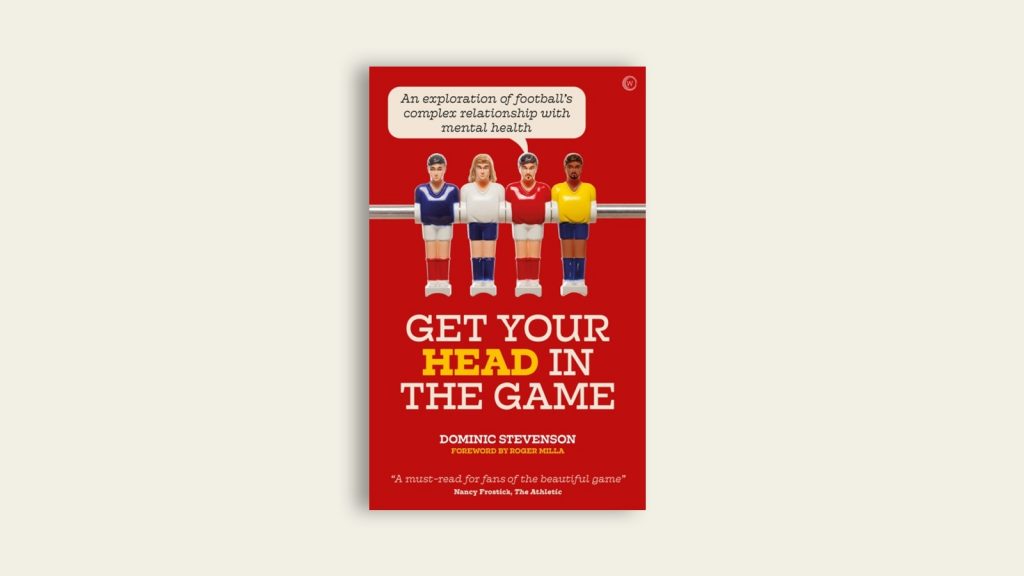
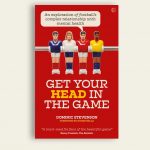
That’s a question posed by Dominic Stevenson in his book ‘Get Your Head In The Game’ – an enlightening exploration of football’s relationship with mental health.
Published in December 2020, the book is a collection of interviews interwoven with Stevenson’s astute analysis of how playing, coaching, and supporting influences the mind in a variety of ways. And as his question suggests, sometimes he learns that it can be lonely inside the game.
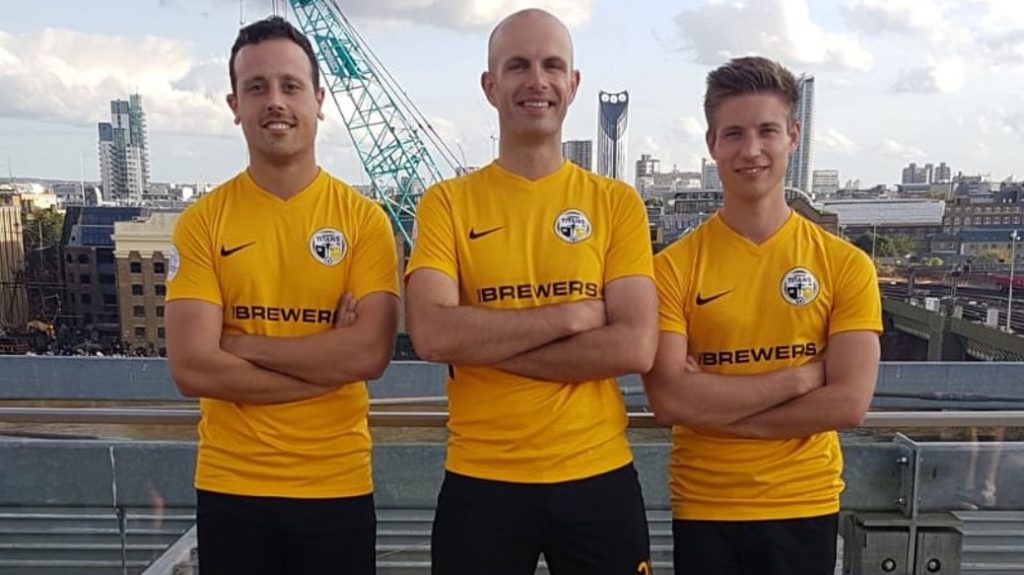
Problems of participation are discussed early on in the book with London Titans FC defender Jim Hearson and Hastings United Women goalkeeper Blair Hamilton, both of whom have spoken out in the media about the importance of LGBT+ inclusion in football.
The book also includes interviews with two more out women – former USA international Ella Masar and the crime writer Val McDermid (one of several celebrity Raith Rovers fans) – while ‘The Secret Footballer’ is among the other contributors to talk about the pressures that gay male professional players face.
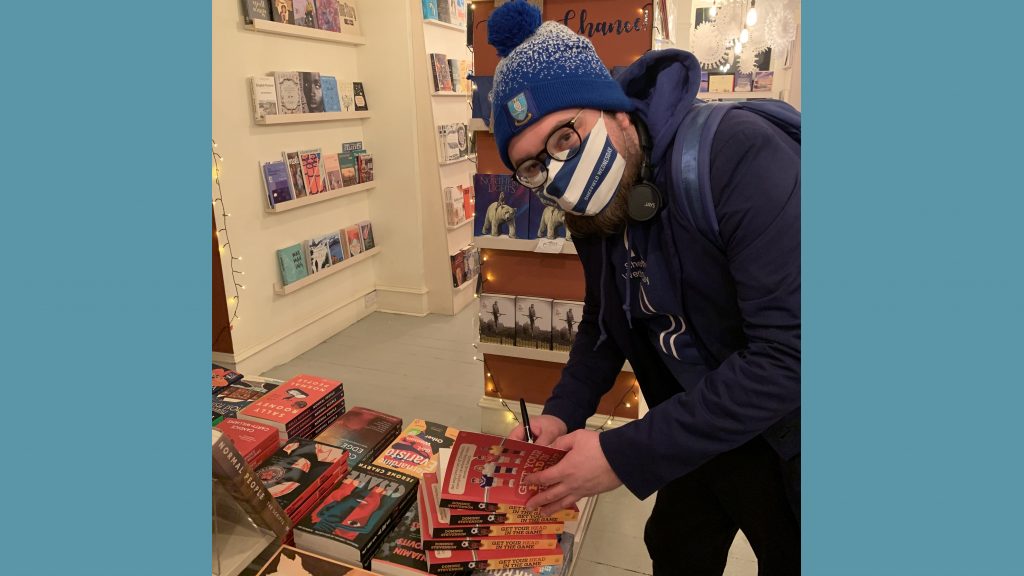
The book, therefore, is rich in LGBT+ representation and to mark Mental Health Awareness Week, I caught up with Dominic – who grew up in Grimsby supporting Sheffield Wednesday, before later moving to live in Edinburgh – to get his take on this part of football’s big conversation…
JH: Hi Dom! Congratulations on the book, it’s such a valuable addition to this important topic for football – something we’re very passionate about at Sports Media LGBT+. Your allyship leaps off the pages. How have you arrived at that?
DS: I’m not perfect, I get things wrong, I say things in anger – but I always try to learn.
The education system I grew up in wasn’t progressive, Section 28 was only repealed in England during my final year of sixth form college. So there was a lot I didn’t know about with regards to diversity – particularly within the LGBTQIA+ community – as Grimsby didn’t have a thriving scene at the time.
I’m a product of my youth. I have positive and progressive parents who have joined me at Pride marches, they’ve travelled the world with me for football, and they’ve shown me what real humanity is – something that I was denied during my schooling.
With them paving the first steps, it’s given me the courage to go forward, to learn more, and to become a better ally.
I’ve spoken to many people in and around football over the years who are LGBT+, and our chats almost always encompass mental health. In the book, Jim Hearson says how that sense of belonging in a space that’s welcoming is a reason why inclusive clubs like the London Titans exist. The men’s game still seems to be struggling to define boundaries, and banter is often mentioned as part of that. Do you see that changing or is the tradition of how men are ‘supposed to be’ still holding football back?
I believe that slow change is happening across football already, as it is in wider society.
Because I had ‘done’ the rest of Netflix due to working from home during the pandemic, I recently found myself watching a series of Michael McIntyre’s Comedy Roadshow. This show was primetime TV for several years, and it featured some of the world’s top comedians. Yet from beginning to end there were jokes that were fatphobic, homophobic, borderline racist, and much more.
That show has since been cancelled. I’ve seen much more recent work from most of the comedians, and none of it is like that anymore.
For me, it was a small example of how society is slowly progressing, how our mainstream is becoming more embracing of diversity, and how we’re punching down less and less.
It’s difficult to maintain a positive outlook I admit, because when you turn on the news, people are screaming ‘culture war’, and when you go on Twitter, trolls are actively seeking out people to abuse. But I do believe we’re slowly getting somewhere more positive.
Football fans have an important role to play in moving society forward, and with LGBTQIA+ fan groups growing at most clubs, with women’s football leading the way with a diverse playing staff, I believe that again, the slow evolution in the men’s game is happening.
As we have more and more out gay, lesbian, bi, and trans people, football fans in generally are becoming more accepting. I believe where we are now is the ‘I don’t care what you are’ stage in the evolution. I genuinely believe most football fans wouldn’t give a damn about sexuality or gender if they could sit and have a pint with you.
The next step for me is the move to ‘ally’, where football fans will call out homophobic, biphobic, or transphobic abuse when they come across it. When that happens en masse, and not just amongst younger fans, that’s when football stadiums will be safer places for all.
I am of course saying that from a position of privilege – and I know that ‘slowly getting better’ is zero consolation to those facing abuse right now. That’s why I believe it’s more important than ever to be an active and vocal ally to the LGBTQIA+ community.
Jim Hearson (c) with his London Titans team-mates Adam Heathcote and Elliot Tilbey
Blair Hamilton’s experiences of being a trans woman playing women’s football are encouraging but she says that as a fan, hearing anti-LGBT comments is “normal”. How do you think football is faring with regards to conversations on LGBT+ mental health specifically?
I would say that football is not engaging very well with LGBTQIA+ mental health at all. All the work I’ve seen is fan led, albeit with some clubs proactively supporting their supporter groups. But decisive action, such as blocking homophobic and transphobic fans on Twitter, ground bans, and so on isn’t happening.
The Rainbow Laces campaign is excellent, but too many football clubs are using it as a get out. They celebrate a day and call it job done – ignoring the fact that their grounds are not always safe places for the LGBTQIA+ community.
As Blair said in my book, she wouldn’t feel safe going to a football match, and for a lifelong fan and player that’s a terrible situation to be in.
While not perfect, football tries to have a zero tolerance policy to racist abuse in grounds, and this should be extended to abuse of the LGBTQIA+ community. They must also look wider to social media and be proactive allies to the community.
While being racist and xenophobic seems almost fashionable nowadays in some horrific circles, stamping down on abuse of the LGBTQIA+ community could have real success because at the minute, it’s not in the spotlight as much. No one really wants to be called homophobic or transphobic – they’ve just not been supported to understand how their ‘banter’ is harmful to others.
Many football fans won’t live in areas with vibrant LGBTQIA+ communities, they’ve had little exposure to the community, and so they understandably lack the knowledge and sometimes empathy for the abuse suffered.
Shouting at them to change will solve nothing, instead it will entrench them in hate. That’s why fans who are allies need to be loud and proud of it, we need to reach out to educate not criticise, and we need to stand with our LGBTQIA+ siblings and amplify their voices.
‘The Secret Footballer’ mentions the media’s interest in “spectacular” stories. What is your view of the media’s role in all this, having written the book? Where is good work being done, and what needs to stop?
No one buys a newspaper that says ‘footballer has a weekly therapist appointment and is doing well’. Sadly for me, I think that’s really interesting and so I tried to write a 250-page book on it!
Sometimes it feels like the media only has the ability to look at one issue at a time. That’s why there is little in-depth analysis of racism for example.
We see headlines like ‘footballer racially abused on Instagram’ but we never hear how it affects them and their families. We never hear from fans about how it makes them feel going to a football ground fearing similar abuse. We never have wider context, we just have headlines and outrage.
The only time contextual analysis comes is in the form of documentaries, but they’re so few and far between and deemed so ‘worthy’ by some, that they only preach to the converted.
We need regular analysis of issues written in a way for all to digest. Sadly though, the media outlets who could make the most difference because they reach an audience who has been left behind in the conversation are the ones least likely to do the analysis.
No newspaper or media outlet will work to normalise mental health support because at the end of the day, they’ll sell more papers, get more clicks, have more viewers, from reporting on the death of a footballer than they will one who has received appropriate support in a timely manner.
Dominic was among the panellists for this NFM event in March exploring the impact of COVID on mental health in football
Since the book was published in December, what other stories or events have helped to grow your own understanding around mental health? Who would be on your wishlist to speak to for a possible ‘GYHITG 2’?
I have already started on my follow-up book, and this time it’s focussing on fans and club officials who are doing positive work in their communities.
My ultimate conclusion is that football is slowly getting there with mental health and it’s on the radar so much now that it can’t be ignored.
What is largely ignored though is the incredible work Wrexham are doing with disabled fans, the fantastic achievements of the Rainbow Blades in Sheffield, and the tireless campaigning of trans footballer Sammy Walker, just to name a few.
Football is a powerful tool for good, when used properly. That’s why my follow-up is going to put the spotlight on those who do good for a diverse range of people in the heart of their local communities, connected to their local football clubs.
What I discovered when writing the first book was that mental health is just one intersection of where football needs to do better in society, and I hope by writing it I have raised awareness of the successes and failures in the game.
Intersections around the LGBTQIA+ community, the disabled community, and others, haven’t ever really been explored and I am excited by the opportunity to do so.
We held a ‘Creating Space’ online event on mental health in football in October. Jay Lemonius from The FA and Stonewall FC said “organisations that are bringing LGBT+ identities to the forefront of sport are doing an incredible job, but they can only go so far. There needs to be an understanding of other identities and what it’s like to be LGBT+”. What have you found educational, and what’s helped you to empathise with LGBT+ people through football?
The LGBTQIA+ football community opened its arms to me when I wrote my book, and I’m eternally grateful. I wouldn’t have been able to write the book without their buy in, their experiences, and their kindness.
The most educational thing for me was to take the time to listen. Like so many, I had an idea of what I felt the issues were, but it was just an idea. If I’d have written the book without asking the questions and listening to the answers, I would have misrepresented the community and I would never have forgiven myself.
There is no education like getting out there and speaking to people and engaging with communities. It shapes who I am as a person, and it shapes my allyship.
I hope that I am a naturally empathetic person, but even with that, I cannot speak to the experience of the LGBTQIA+ community, I can only report on it. Too many people I believe feel that having empathy means they can speak for people and in the end all that does is stifle the voices that need to be heard.
At the end of the day I’m a six foot two, hairy straight white man. I’m the most average person you could wish to meet in a football stadium and absolutely no one in 30 years has ever felt the need to abuse me. That’s why, as an ally writing about these issues, I hope I can convey my empathy and my understanding to a wider audience, to encourage them to engage themselves, and to in whatever way I can boost others within the community in their own writing and campaigning activity.
Another quote from our event, from Natalie Washington – “We need to get football in general to the idea that there’s not a template of what a footballer is like. We need to get this idea that there’s an archetypal footballer of any gender dealt with.” We recently saw a lot of transphobia online about Everton player James Rodriguez. There doesn’t seem to be much understanding at times in football of what it means to be trans, or non-binary. What needs to change before we can have responsible conversations about gender identity and mental health in football?
Sadly, I believe responsible conversations about gender identity are a long way off. However, what we can do now is keep providing a platform for trans footballers to speak, to demonstrate their skill, and to show their commitment to the game.
Doing this though puts at risk the mental health of those speaking up which is why as allies we have to advocate and campaign alongside them, we need to amplify their voices, and we need to make sure that our clubs know that their stadiums are no place for transphobia.
If ever we needed a reminder why Football v Transphobia is necessary, it’s this. Football Twitter is awash with nonsense banter about a ludicrous rumour that James Rodriguez is transitioning. There’s no evidence for this of course, someone just presumably made it up on Whatsapp..
If as a community, and as allies, we are to make individuals our spokespeople, we have to ensure they receive appropriate mental health support. We can’t just watch people speak and then wash our hands when it gets difficult.
I would say that most fans don’t care about trans people, not in a negative way, but trans issues have just never been on their radar. This means if all they’ve ever seen is negative media coverage, they’ll have negative views. However, we can combat this by sharing positive stories, engaging others in conversation, and working with empathy to educate those who through no fault of their own aren’t aware of trans folk and how they are victimise and vilified by a screaming minority.
Bigger societal change has to happen before change in football can happen.
In Scotland where I currently live for example, we’ve seen sitting members of Parliament openly criticise the trans community for… existing. Many of their institutions are staffed by transphobes, and absolutely nothing is done about it.
When politicians can stand up, uncriticised and unpunished, and spout transphobia in the corridors of power, responsible conversations within football are a long way off.
We’ve actually seen more British sportsmen come out publicly as bisexual in the last year than have come out as gay, such as Zach Sullivan (ice hockey), Luke Strong (gymnastics), and Levi Davis (rugby union). Being bi or pan brings different challenges to being gay or lesbian, but particularly for younger generations, we’re seeing more bi visibility (or just more use of the word ‘queer’). From a mental health in football point of view, how encouraging is that and what might it suggest about an academy player potentially coming through who’s been able to be out to friends and family from a young age?
We have seen many great athletes come out, often after retirement, but more and more while they’re still competing. This bodes well for the future, but often the players in question haven’t got the media scrutiny of professional footballers.
As soon as a player at any level comes out, we all know their every move will be reported. Their first kiss, their first night out at a club, their first boyfriend, everything will be front page news. Their lives will be the role model for what newspapers want the British public to perceive a gay footballer to be. As for a bi footballer, I am not convinced this will happen for a good while yet because ultimately I don’t believe enough people understand bisexuality for an individual to feel safe.
I am positive there are many bi footballers, but (and without meaning to sound crude) if a footballer is bi then I suspect many have girlfriends now and may come out when they retire.
I hope athletes from other sports can inspire younger footballers, but youth football within academies are a hotbed of competitiveness and I don’t believe that currently they would be a place where a young footballer would feel safe coming out, however well supported they would be.
I don’t mean to be doom and gloom, and obviously the sooner it happens the better so the media and wider society can move on from waiting for the ‘first’. But if the first is 17, in an academy, and fighting for their chance to get their first contract, I would worry the added pressure would force them out of the game altogether.
I believe once it happens, football will be accepting and fans will rally round. There will be ‘banter’ and abuse, but it will be crushed because fundamentally, I believe the football community can be a very positive one.
At the minute, fans excuse their ‘banter’ because it ‘doesn’t hurt anyone’. That’s why visibility of the community and of allies is vital. Once they see their ‘banter’ hurting others, I do believe it will begin to die out.
Sports Media LGBT+ is a network, advocacy, and consultancy group that is helping to build a community of LGBT+ people and allies in sport. We’re also a digital publisher. Learn more about us here.
LGBT+ in sports? Your visibility will inspire other people – sharing your story can be hugely rewarding and you don’t have to be famous to make a positive and lasting impact. We encourage you to start a conversation with us, in confidence, and we’ll provide the best advice on navigating the media as part of your journey.
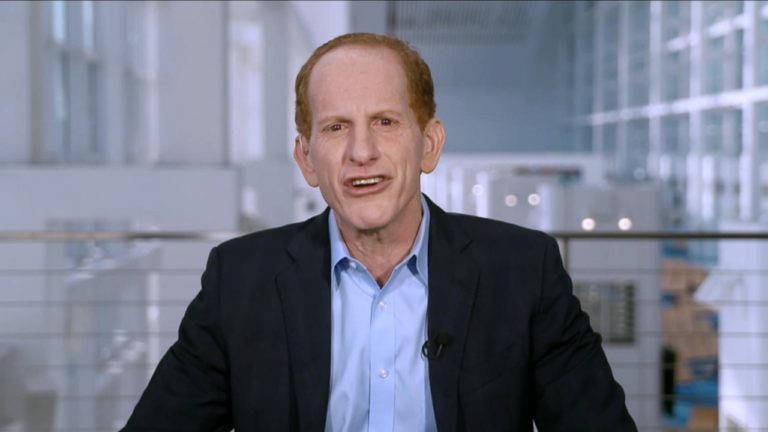
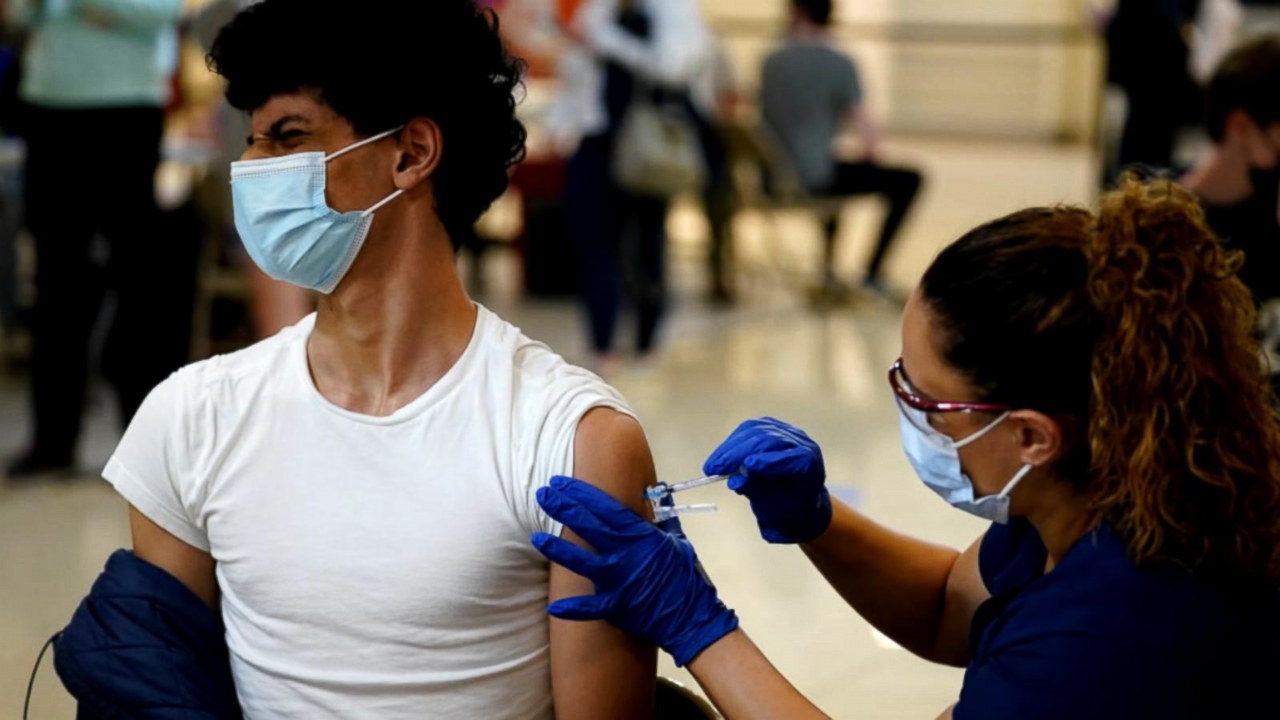
A growing consensus among public health experts that the U.S. could soon safely end mask mandates has put pressure on the Centers for Disease Control and Prevention to update its guidance in the weeks ahead or risk losing credibility with the public. All adult Americans who want to get a vaccine will have had the chance to do so in the next two months, the thinking goes, and they should then be able to make their own risk assessment based on the strong efficacy of the vaccines, which experts believe largely protects fully vaccinated Americans from getting severely ill with the virus and from transmitting it. “What’s happening in the past week or so is that we’re seeing the effect of the vaccine winning this race against the variants, winning the race against the virus, and that’s freeing us up — and forcing us, rightly so — to reevaluate our control strategies that are in place,” said Joe Allen, a professor at the Harvard T.H. Chan School of Public Health.
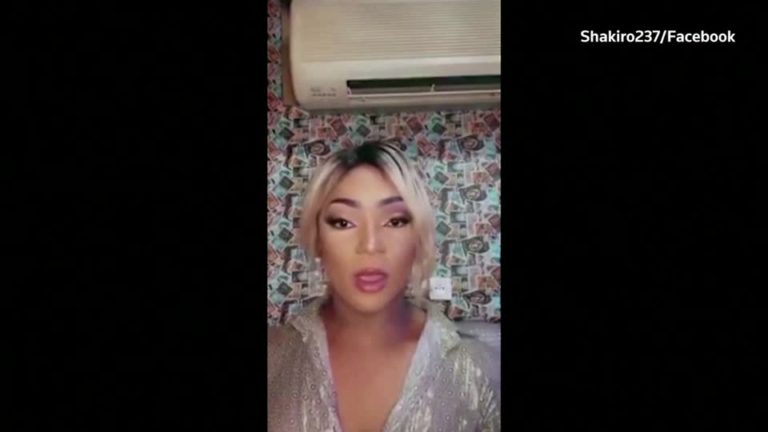
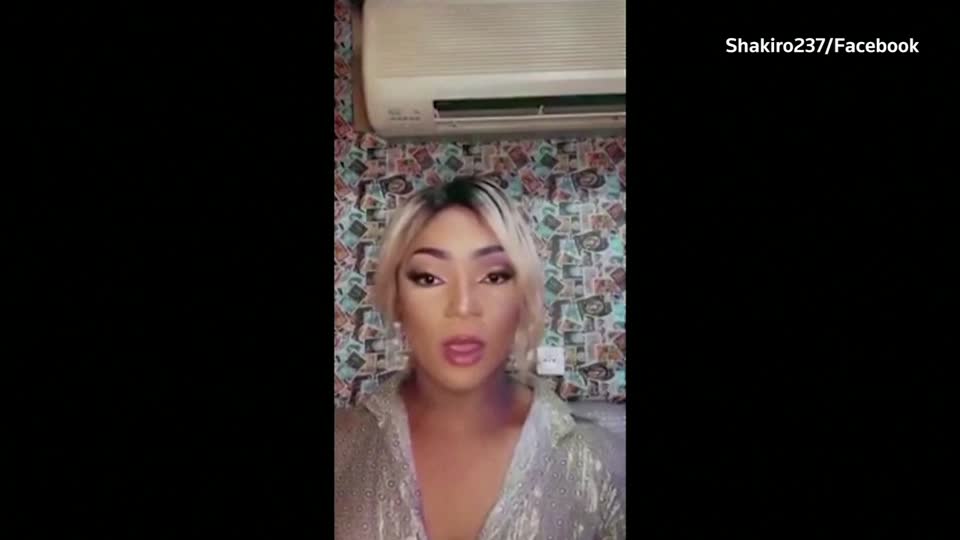
Two transgender women in Cameroon were sentenced on Tuesday for “attempted homosexuality,” according to their lawyers.
The two women were arrested earlier this year for the clothes they wore in a restaurant.
Aside from “attempted homosexuality,” they were convicted of public indecency and failing to carry ID cards.
The two received the maximum sentence, five years in prison and a fine.
Lawyer Alice Nkom said their detention is part of a worrying trend, and said the decision was a political one. She vowed to appeal the verdict.
“The state considers them worse than robbers and Cameroon’s national assembly, the parliament, makes laws to say that if you are homosexual you have to go to prison… if you are homosexual, or deemed as such or suspected, you aren’t given a place in society.”
A government spokesman did not immediately respond to a request for comment.
Cameroon is one of more than 30 African countries where same-sex relations are illegal.
Blanche Bailey is a transgender woman who lives in the country’s largest city, Douala.
She says the arrests in her community have made her fear for her own livelihood.
“Since the arrests, I am afraid. I can’t lie to you. They say that they will arrest other trans people. I wanted to go and visit them in prison, but I was afraid because it could be said that I am her accomplice.”
Human rights Watch said 53 people have been arrested in raids on HIV and AIDS organisations since May last year.
A growing consensus among public health experts that the U.S. could soon safely end mask mandates has put pressure on the Centers for Disease Control and Prevention to update its guidance in the weeks ahead or risk losing credibility with the public. All adult Americans who want to get a vaccine will have had the chance to do so in the next two months, the thinking goes, and they should then be able to make their own risk assessment based on the strong efficacy of the vaccines, which experts believe largely protects fully vaccinated Americans from getting severely ill with the virus and from transmitting it. “What’s happening in the past week or so is that we’re seeing the effect of the vaccine winning this race against the variants, winning the race against the virus, and that’s freeing us up — and forcing us, rightly so — to reevaluate our control strategies that are in place,” said Joe Allen, a professor at the Harvard T.H. Chan School of Public Health.
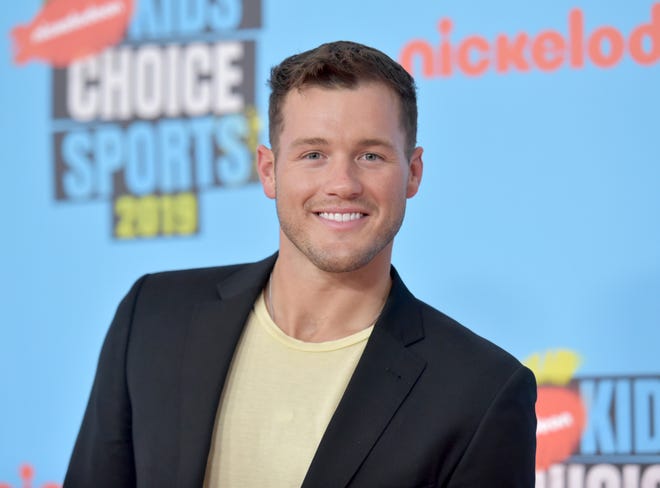
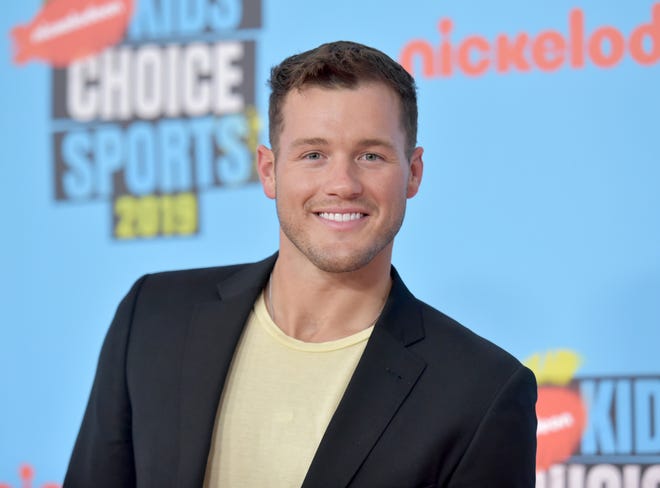
Colton Underwood, the first star of “The Bachelor” franchise to come out, says he was blackmailed before he announced last month that he is gay.
Variety, which has an exclusive interview, says Underwood “secretly visited a spa known for catering to gay clientele. Shortly thereafter, he received an anonymous email, which has been reviewed by Variety, from someone claiming to have taken his nude photos at the venue.”
Underwood, a former professional football player and Washington Community High School graduate, said the incident forced him to come out to his publicist. That led to his public announcement in an interview with Robin Roberts on “Good Morning America” in April.
Underwood confirmed to Variety that he has a Netflix series in the works about his coming-out journey, with fellow gay athlete Gus Kenworthy acting as his guide.
While initially praised for his decision to come out, Underwood, 29, has weathered his fair share of controversy, including allegations of harassment.
After appearing as a contestant on “The Bachelorette,” he was cast in “Bachelor in Paradise” (both in 2018), where he had a fling with fellow contestant Tia Booth. In 2019, he was chosen as the resident Prince Charming for season 23 of “The Bachelor,” the flagship series of ABC’s wildly popular dating show franchise.
Underwood and season 23 winner Cassie Randolph entered into a relationship, during which he contracted COVID-19. They broke up in May 2020, prompting online harassment of Randolph by “Bachelor” fans.
A few months later, Randolph filed a restraining order against Underwood. She claimed Underwood had stalked and harassed her, including installing a tracking device on the bumper of her car.
Colton’s Netflix show prompted backlash, with more than 35,000 people signing a Change.org petition to scrap the series rather than feature someone allegedly guilty of “abusive, manipulative and dangerous behavior.”
Underwood’s coming out sent shock waves through Bachelor Nation. He also received support, including from celebrities such as Billy Eichner, who had previously told him during a guest appearance on “The Bachelor”: “Maybe you’re the first gay Bachelor, and we don’t even know.”
Talking to Variety, Underwood addressed some of the controversy he has faced since then.
“I never want people to think that I’m coming out to change the narrative, or to brush over and not take responsibility for my actions, and now that I have this gay life that I don’t have to address my past as a straight man,” Underwood said. “Controlling situations to try to grasp at any part of the straight fantasy that I was trying to live out was so wrong.”
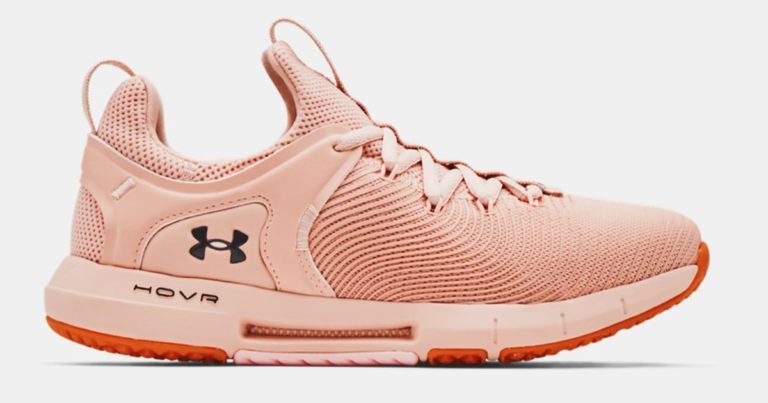
It doesn’t get much worse than running in the rain with slippery shoes, losing your footing in the middle of a deadlift, or making scuff marks all over the floor of a fitness studio. Anyone who spends a good amount of time exercising knows that wearing the right pair of shoes can do wonders for a workout, and wearing the wrong pair can make it even more frustrating.
If you’re itching to do one more box jump or one more mile but your feet are covered in blisters, it’s time to invest in some new kicks to help you level up. Fortunately, Under Armour has a range of athletic shoes for every workout, so no matter where your feet carry you, your shoes will be there to provide (arch) support. Keep reading for 10 of our favorites.
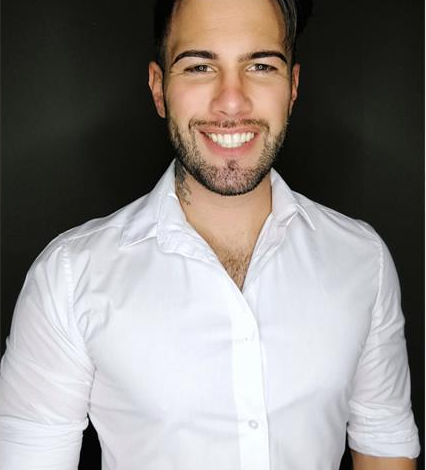
TV presenter and owner of LALT House of Growth (HOG) in Boksburg Louw Breytenbach (31) was recently selected as one of the Top 12 of the Mr Gay World South Africa 2021 pageant.
Breytenbach, who is also a mental health activist and social media influencer, said he is excited about being part of the competition.
“Being selected as a Top 12 candidate brings a massive smile to my face. It is one step closer to my dream of making a bigger impact in the mental health community and creating a voice for our young LGBTIQA+ community,” said Breytenbach.
To vote for Breytenbach, share the photo that was posted of him on the Mr Gay World South Africa’s Facebook or Instagram page and then tag Mr Gay World SA in the post.
A new recruitment advertising campaign for the US Central Intelligence Agency (CIA) featuring a gay agency librarian has received brickbats from all sides of the political spectrum. While conservatives were upset that the ad would make the country’s enemies less cared of the premier intelligence agency, liberals termed the ad as “woke washing”.
The ad was part of the Humans of CIA campaign, intended to showcase the agency as a diverse and inclusive workplace.
“Growing up gay in a small Southern town, I was lucky to have a wonderful and accepting family,” says the man in the video.
” I always struggled with the idea that I may not be able to discuss my personal life at work…Imagine my surprise when I was taking my oath at the CIA and I noticed a rainbow on then-Director [John] Brennan’s lanyard,” he says.
“Officers from the top down work hard to ensure that every single person, whatever their gender, gender identity, race, disability, or sexual orientation, can bring their entire self to work every day,” the man adds.
Backlash Against ‘Woke’ CIA Ad
Donald Trump Jr and Senator Ted Cruz were among the Conservative Republicans who targeted the Humans of CIA ad campaign.
“Another woke and insane CIA ad guys,” railed Trump Jr.
Senator Ted Cruz, claimed the US had come a long way from Jason Bourne – a fictional character.
“If you’re a Chinese communist, or an Iranian Mullah, or Kim Jong Un…would this scare you? We’ve come a long way from Jason Bourne,” said Cruz.
When people pointed out that Bourne was a fictional character, Cruz doubled down saying, “My point is that CIA agents should be bad-asses—not woke, fragile flowers needing safe spaces.”
Lefties made “Jason Bourne” trend bc they think I don’t know he’s a fictional character.
Next, these angry scolds are going to tell me Jack Ryan & James Bond aren’t real either….
My point is that CIA agents should be bad-asses—not woke, fragile flowers needing safe spaces.
Former US Secretary of state and ex CIA Director Mike Pompeo, took potshots at the ad as well.
“When I was Director of the CIA, we valued individuals based on their talent and skill, not their race or sexuality. I’ll never forget what one female analyst said to me: “Thank you for valuing me for my work. I want my abilities and achievements to define me, not my sexuality,” claimed Pompeo.
The collection of incredibly talented patriots serving America at the CIA is what makes it the best spy agency in the world — and we must continue to recruit the best and brightest. We can’t afford to risk our national security to appease some liberal, woke agenda.
CIA attempting to recruit LGBT candidates is not something new – it first started doing so openly in 2012. The CIA’s employee resource group, ANGLE (Agency Network for Gay, Lesbian, Bisexual and Transgender Officers and Allies) has hundreds of members.
Openly LGBTQI persons not only serve in President Joe Biden’s cabinet (state transport secretary Pete Buttigieg and assistant health secretary Dr Rachel Levine), but have also been appointed to top posts in the military and law enforcement.
President Biden picked openly gay Iraq war veteran Gina Ortiz Jones as undersecretary of the US Air Force. Biden also nominated Chris Magnus, openly gay and married Police Chief, as commissioner of Customs and Border Protection
For the past two years, the Charlotte Lesbian and Gay Fund (CLGF) has been unable to hold their yearly fundraiser: The Happening. Like many organizations and companies, both for-profit and nonprofit, the COVID-19 pandemic has taken a large toll on economic viability. Media reports here in Charlotte and around the globe have confirmed that many businesses and organizations have closed permanently and will likely never reopen.
In lieu of the donations not received at the missed fundraisers, CLGF is seeking more participation than ever before with the 704 Mimosa Party on June 5. Because of the continuing challenges that exist as a result of the COVID-19 pandemic, this year’s event will take place in people’s homes, with smaller numbers of guests at multiple homes and and around Charlotte and the Metro area.
The CLGF website explains the 704 Mimosa Party as follows, “We ask volunteers to host parties all around the Charlotte region. They invite their closest friends and family, we provide the orange juice and champagne, and the hosts commit to raising certain amounts based on the number of people they have attend.” Since the previously large-scale party has been broken up into multiple households, there will be less danger of COVID-19 spread.
Champagne will be offered at a discounted price to all hosts by Charlotte’s Wine Vault. CLGF will provide orange juice for the various parties. In past fundraisers for The Happening, CLGF has invited several special guests. Some of these individuals will make an appearance at a few of this year’s 704 Mimosa Party locations.
For those interested in attending a party, rather than hosting one, fill out this form: bit.ly/3uttVDP.
Join us: This story is made possible with the help of qnotes’ contributors. If you’d like to show your support so qnotes can provide more news, features and opinion pieces like this, give a regular or one-time donation today.