Home Blog Page 261

Travel and Tourism Make a Comeback – outsmartmagazine.com

0
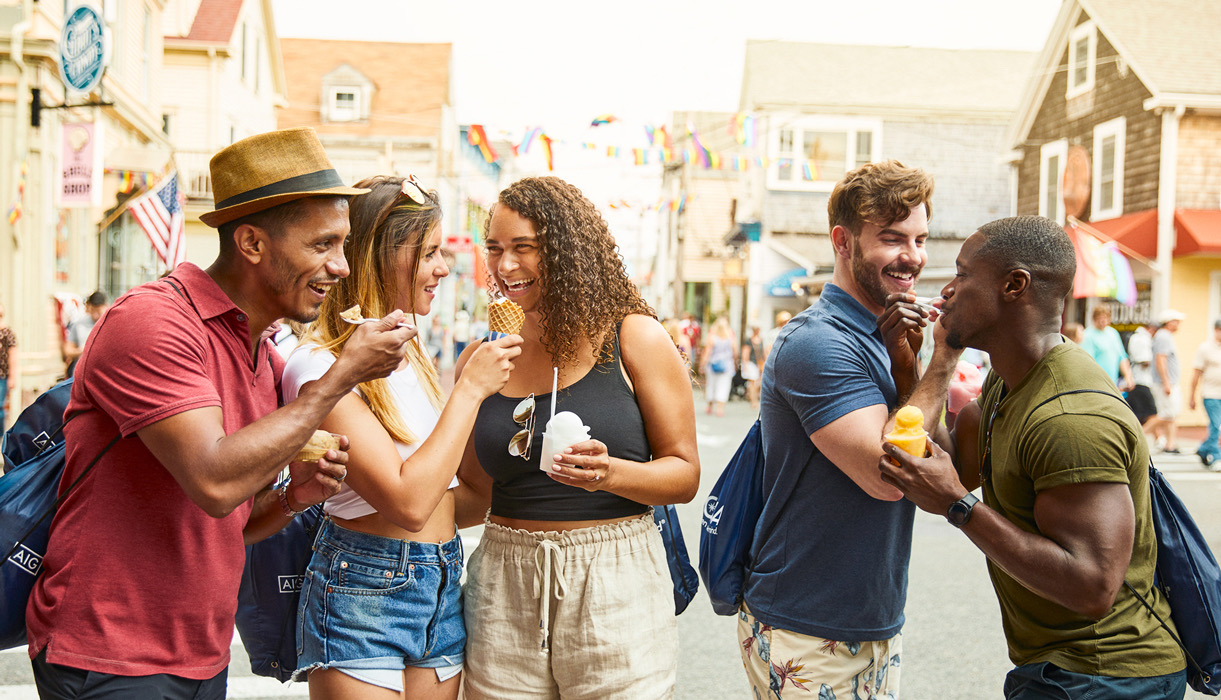
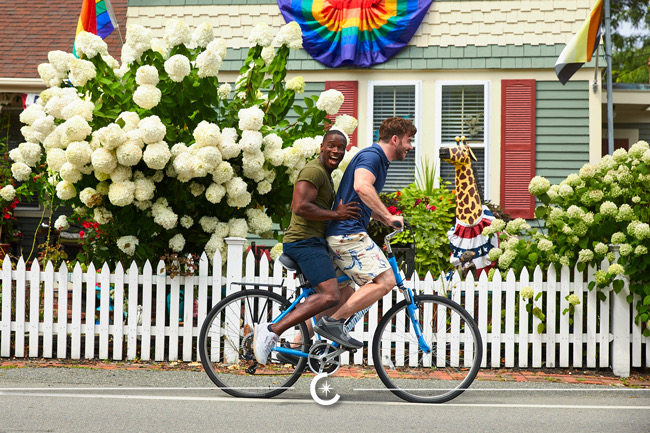
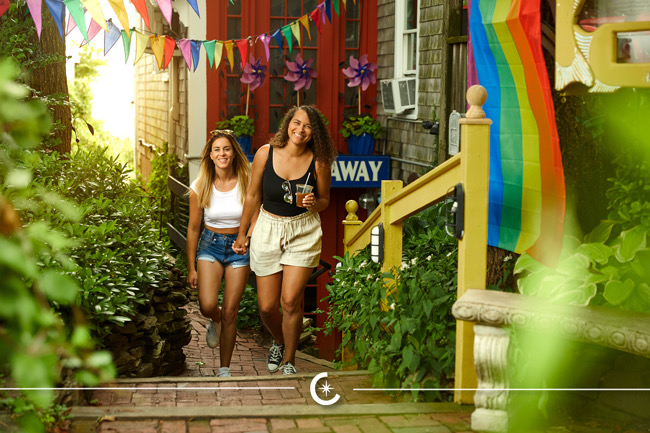
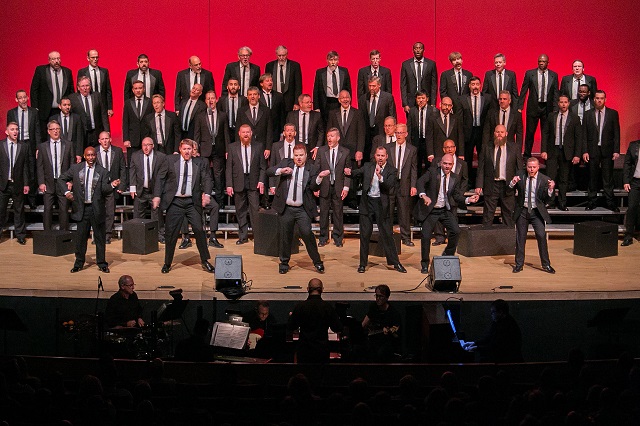
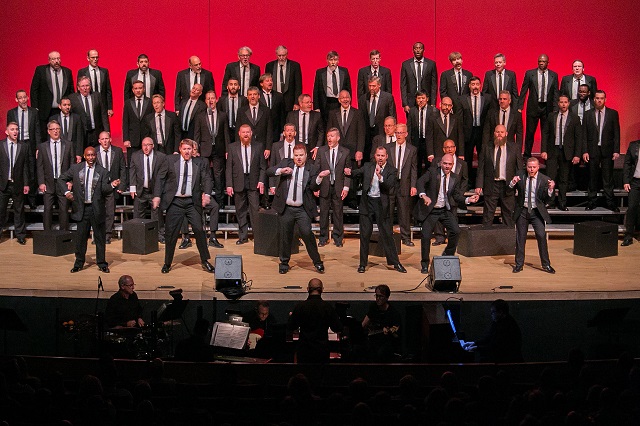
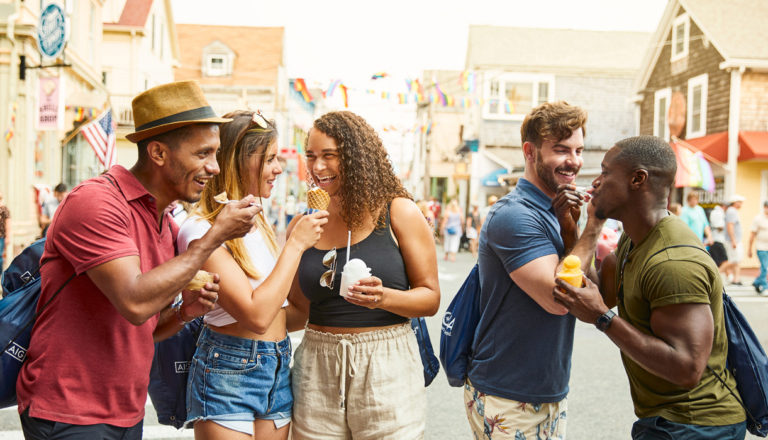
Photos by Vacaya Travel

After a year of being cooped up, Americans are ready to get—as Willie Nelson sings—“on the road again.” And according to the Transportation Security Administration, they are also ready to hit the airports and start flying again. However, since COVID-19 is far from being under control, travel and tourism will look different for the foreseeable future.

“Compared to the latter part of last year, more people are flying today,” says Kim Gustavsson, owner of Concierge Travel, Inc. He notes that young people and fully vaccinated individuals hoping to reunite with relatives make up the bulk of today’s flyers. “Overall, even if air travel is slowly easing its way back, tourism is badly hurting and has not made much of a recovery at all.” Due to the pandemic and early lockdowns, cruise ships, resorts, and those who book them have had almost no income since March or April of last year, and current bookings are nowhere near pre-pandemic numbers.

Although cruise lines still have a few kinks to work out, there is a high demand for the few Caribbean cruises that are scheduled to sail this summer, notes Peter Weeks, franchise owner and travel advisor for Cruise Planners. “Land-based vacations are the most popular right now. Domestic travel is on the rise, but with summer upon us, we would recommend an all-inclusive resort. Mexico, Dominican Republic, and Jamaica have the highest concentration of options, with others spread out throughout the Caribbean.”

Tom Baker of Aquafest Cruises, which specializes in LGBTQ cruises, agrees.

“Mexico is the hottest ticket for Houstonians,” he says. Both Puerto Vallarta and Cancún have been hits, as restrictions have been very light. While not necessarily the safest place to travel because COVID is a massive problem there, many travelers have been willing to risk going there.”

Week says passengers will always experience a degree of risk while traveling. To stay safe, flyers must consult their travel agent and follow current travel advisories implemented by the Centers for Disease Control and Prevention on the State Department’s website.

PTown Summer Jamboree 2021

“There’s a ton of things you can do to be safe: bring extra masks, bring travel-size antibacterials and, most importantly, know everything you can about your destination’s safety requirements—and what requirements there are when you return home,” he says. “For example, if you are traveling to an all-inclusive resort, make sure it is one that is offering free antigen tests to return home.”

Baker encourages flyers to get vaccinated, carry their vaccination card in their passport if they’re traveling overseas, follow COVID testing routines where required, wear a mask, and practice social distancing. “I suggest being considerate to others, as the virus is real and people are still getting sick and dying.”

While resorts and vacation homes in Mexico are currently hot (or at least more so than last year), short getaways to Galveston Island are also popular among Houstonians.

“We are definitely seeing an uptick in weekend day-trippers and hotel guests, now that the weather is warmer, more people are vaccinated, and fewer restrictions like capacity limits at businesses and restaurants are in place,” says Michael Woody, chief tourism officer at the Galveston Island Convention and Visitors Bureau. “We predict a strong spring season with the return of special events, and the kickoff to the summer tourism season that begins on Memorial Day weekend.”

PTown Summer Jamboree 2021

For people who want to avoid crowds on the Island, there are still plenty of activities they can participate in. “If you’re looking to stay socially distanced, there are several walking tours you can experience on your own time,” Woody says. Vacationers can take part in Galveston’s African American History Tour, which takes participants to significant markers, statues, churches, and other sites like Ashton Villa, the birthplace of Juneteenth, when federal troops came to the Island to announce the end of the Civil War and the emancipation of slaves. They can also check out Galveston’s public art program known as Turtles About Town, featuring turtle-inspired artwork placed throughout neighborhoods and the downtown district. The Island City’s Tree Sculpture Tour allows visitors to see one-of-a-kind art made from oak trees that were damaged during Hurricane Ike in 2008.

Before COVID-19, Galveston was home to the fourth-busiest cruise port in the country. “That has definitely changed!” Woody admits. “But we’re optimistic that they will return stronger. In fact, Royal Caribbean is committed to building a brand-new terminal here in the coming years.

New Orleans Cruise 2021

While Galveston’s status as a cruise port is currently in murky waters, other sailing options are on the horizon. “We are still hopeful that several smaller ships, riverboats, and Royal Clipper sailings will happen this year,” says Gustavsson. “For those that are interested, the booking terms and cancellation policies are very favorable, given the continuous changes and updates that occur monthly, if not weekly.”

Although tour prices hit rock-bottom last year, things are looking up for cruise lines in 2022. According to Gustavsson, VACAYA, a new gay cruise operator on the scene, has already sold out three cruises on smaller high-end ships for 2022, and each one sold out in less than two weeks. Brand g Vacations, which operates smaller ships and tours, has several sold-out departures for 2022. Despite the uncertainty over cruise lines being allowed to operate at full capacity, Atlantis Events’ 30th Anniversary Caribbean Cruise in January 2022 has also sold out.

“The future of travel is very strong, and we expect things to normalize more by the end of the year,” Weeks predicts. “Travel is certainly on the rise, and travel agents have never been in greater demand. With so many people itching to travel, resort and cruise prices are sure to rise. We love helping our clients bypass all the stress of searching endless websites for what they’ve been wanting for over a year now.”

Learn more about LGBTQ 2021 travel by following the links below:

conciergetravel.cc
cruiseplanners.com
aquafestcruises.com
galvestonparkboard.org

This article appears in the May 2021 edition of OutSmart magazine.

Princess Diana Liked to Work Out at This 1 Surprising Place – Showbiz Cheat Sheet

Princess Diana was one of the most famous royals of the 20th century. She continues to be remembered not only for her humanitarian work but also her tumultuous personal life.

When Diana is not in her public role, she spent time doing a few things she enjoyed. For example, Diana worked out a lot and visited a surprising place to exercise.

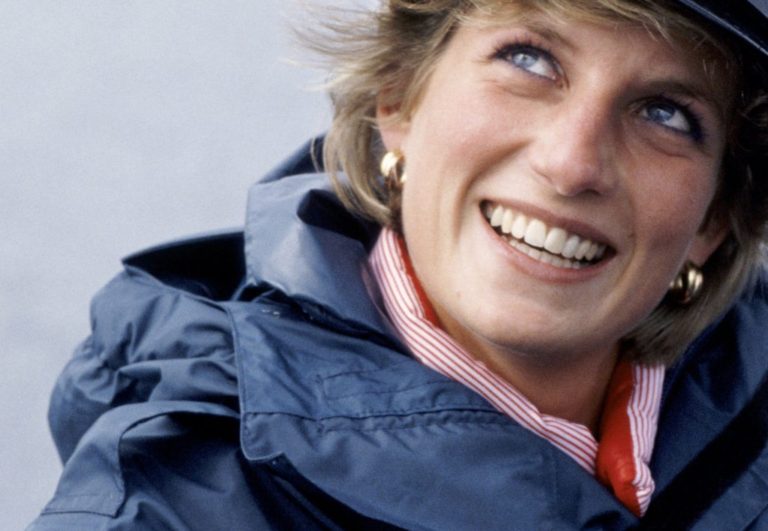
Princess Diana smiling, close up

Princess Diana | Tim Graham Photo Library via Getty Images

Princess Diana worked out a lot and had a healthy diet

Like many celebrities, Diana tried to take good care of her physical appearance. This meant working out and eating healthy meals.

According to Best Life, Diana really enjoyed swimming—something she did ever since she was young. She reportedly swam in a Buckingham Palace pool as a part of her morning routine.

As for her diet, Diana’s personal chef, Darren McGrady, revealed to Hello! that the late princess ate dishes low in fat. He said, “When I was cooking for her I had to change my style of cooking. I had to move from cooking food for the Queen – heavy sauces, rich sauces and creams – to start cooking lighter food again, cutting out the fats, cutting out the carbs.”

Additionally, Diana did not eat red meat, opting for chicken, fish, or vegetarian dishes.

Princess Diana liked to work out at a gym for gay men

Princess Diana in workout clothes
Princess Diana | Johnny Eggitt/AFP via Getty Images

RELATED: Would Princess Diana Have Celebrated Pride Month?

One place Diana frequented to better her health was a gym for gay men. According to Pink News, at the time of her death, Diana was a member of Earl’s Court Gym, a gym that attracted many LGBT members.

“She really felt at ease with gay men, she could relate to them and she didn’t feel threatened by them in any way,” said Jeremy Norman, who founded a chain called Soho Gyms. “They were just friends she could hang out with. And when we bought the Earl’s Court Gym when I was expanding the Soho Gyms group, she was a member there.”

Norman also added that, reportedly, the gym would close “for a couple of hours three times a week” to give Diana privacy.

Princess Diana supported HIV/AIDS patients

RELATED: Who Was Princess Diana Close to in the Royal Family?

Perhaps one of the most well-known way Diana supported the LGBT community was in her advocacy work for HIV/AIDS patients. In the 1980s and 1990s, there was a lot of stigma surrounding HIV/AIDS, which extended to discrimination against gay men. However, Diana pushed back against this.

Diana often visited hospitals and met with AIDS patients. At a time when many people believed one could get infected with HIV by touching someone with AIDS, Diana proved this was not the case. She made headlines everywhere for compassionately hugging and shaking hands with AIDS patients she came across.

In 1991, Diana also gave an impassioned speech urging for the stigma against people living with HIV/AIDS to end.

“HIV does not make people dangerous to know,” she said. “You can shake their hands and give them a hug. Heaven knows they need it. What’s more, you can share their homes, their workplaces, and their playgrounds and toys.”

‘Joey, You’re Gay!’: Inside The Surprising Friends Joke The Writers Deleted – Grazia

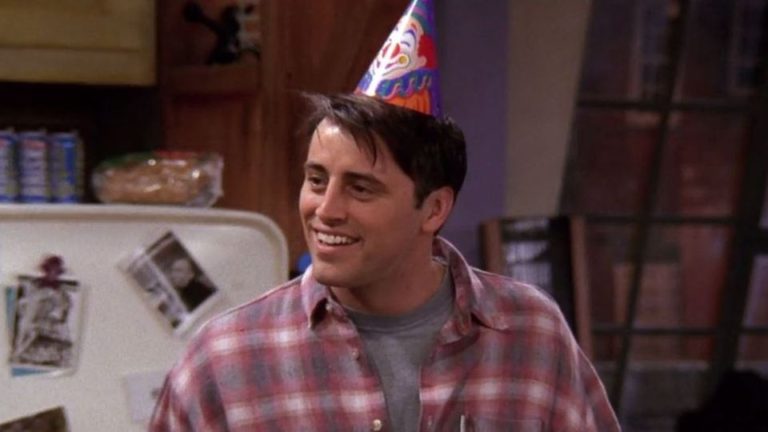
Much has been written about the legacy of Friends and how, viewed in hindsight, it was problematic in how it depicted and distrusted homosexuality in particular. Remember the episodes where Ross rejected the male nanny and tried to dissuade his young son from playing with dolls? When Chandler agonised over how he would be seen if he wore Joey’s ostentatious gold gift, and his possession of what was discussed repeatedly as ‘a quality’? Or when Joey was mocked endlessly for carrying what was actually a very elegant bag? Or the One Where Ross photoshopped Chandler into gay pornography as a prank? There are actually far, far too many examples to discuss here. But these many, many examples seem all the more strange when you discover that, on some level, the writers were open to the idea that Joey himself was gay.

Bear with us. We know it seems unlikely that Joey Tribbiani, the most womanising man in the group, was quietly nursing homosexual desires. We know that Chandler seemed the more stereotypical, cliched candidate thanks to his aforementioned ‘quality’, or that Ross’s explicit homophobia could in fact shield unconscious desires. But it’s true: Joey was the one who the writers explicitly referred to as gay in one episode, before deleting it in the final draft.

This occurred in The One With Ross’s Wedding, when most of the friends flew to London to see Ross marry Emily. Phoebe, however, stayed home. She was in the third trimester of her pregnancy, after all. Rachel stayed to look after her, and to work, but she realised suddenly that this was not the true reason. Rather, she realised that she was still in love with Ross, and that going to his wedding would be too painful.

‘Phoebe,’ she insisted at first. ‘I’m going to Ross’s wedding because he is my ex-boyfriend and that would be really uncomfortable. Not because I’m still in love with him. I mean, hey, y’know, I like Ross as much as the next guy, y’know? Clearly I have feelings for him, but feelings don’t mean love. I mean, I still have loving feelings for Ross. Yeah! I have continuing feelings of love, but that doesn’t mean that I’m still in love with him. I have sexual feelings for him, but I do love him. Oh! Oh my God! Why didn’t you tell me?’ Phoebe is shocked. ‘We thought you knew!’ ‘We?! Rachel asks, incredulous. ‘Yeah, we all know! We talk about it all the time… It’s so obvious! God, that would be like telling Monica, “Hey, you like things clean.”‘

That’s as far as Phoebe goes in the scene that we have all seen. But the original script – published in the tie-in book which printed the entire original script, gave Phoebe an addition: ‘Or, “Hey, Joey, you’re gay.”‘

Weird, right? We know that this statement doesn’t mean that the writers planned then abandoned a storyline where Joey truly does put women behind him and comes out as gay. But the joke, at the very least, shows that Phoebe – the most insightful of the six when you think about it – thought that Joey’s amorous exploits was clearly be a subliminal smoke shield hiding his true self.

The fact that the writers deleted the joke naturally means that they decided that the joke was inconsistent, inappropriate or just not funny enough to keep. But we like the idea that somewhere, in an alternate universe, Joey and his loving husband are raising their two young sons, Chick and Duck.

READ MORE: It’s Finally Time To Accept That Ross And Rachel Were On A Break

Man Convicted Of ‘Crime’ Of Gay Sex Will No Longer Have To Register As A Sex Offender – Yahoo Entertainment

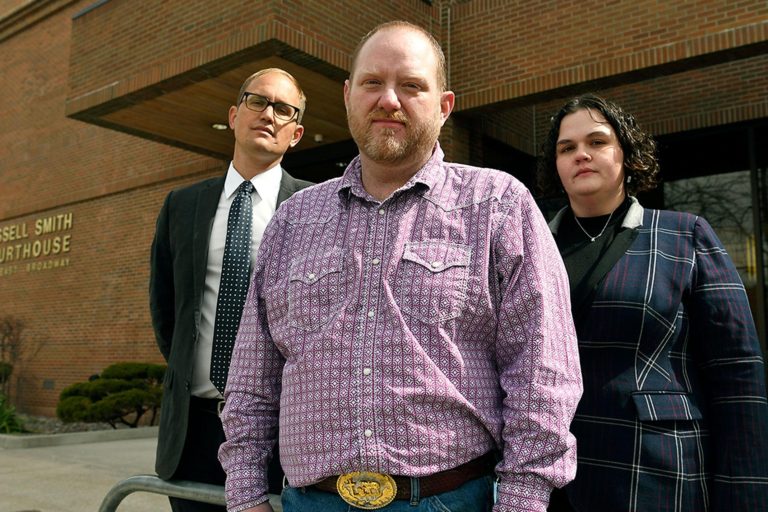
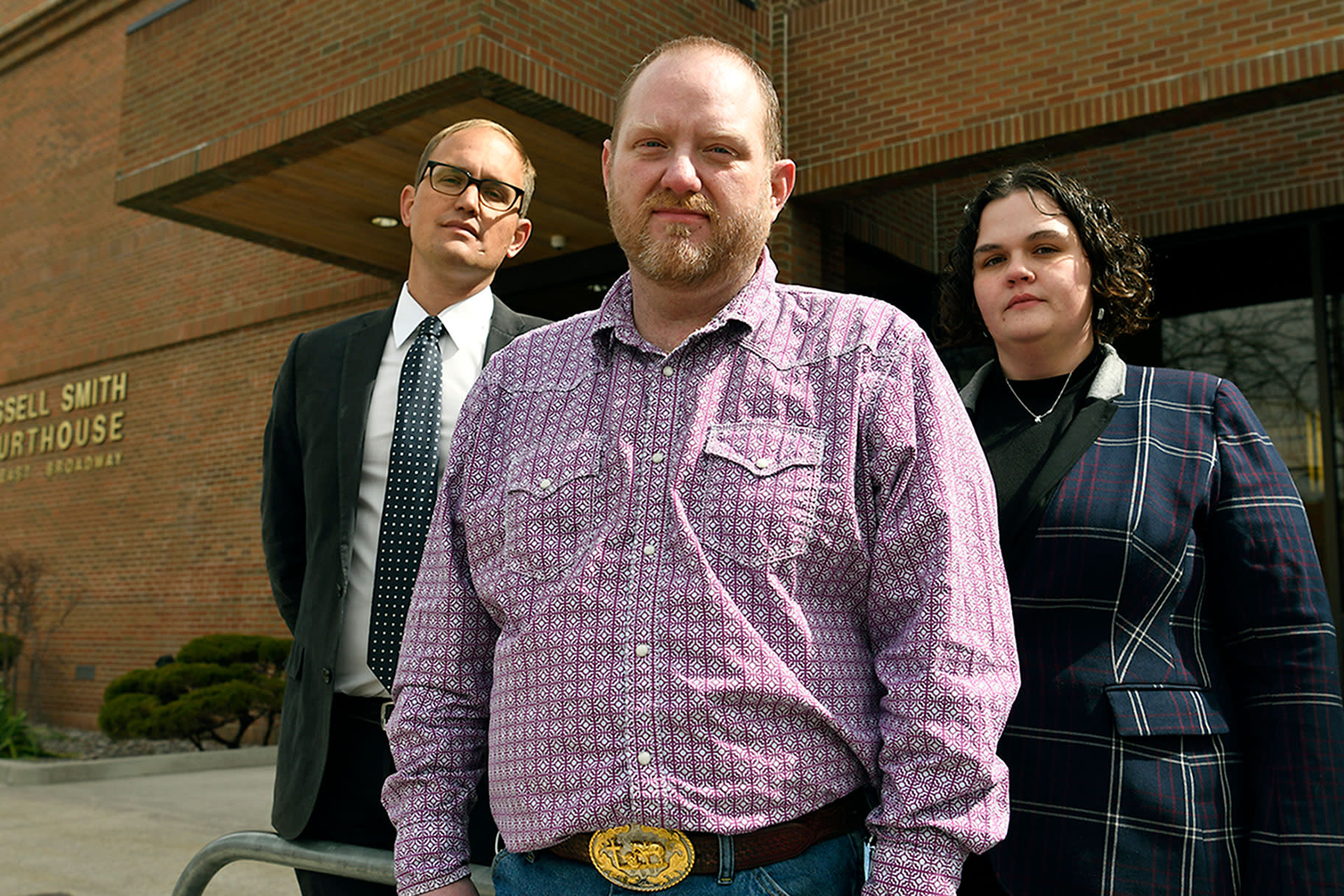
A man convicted in Idaho of having consensual gay sex in 1994 will no longer have to register as a sex offender, according to a federal judge.

U.S. District Court Judge Dana L. Christensen ruled Tuesday in federal court that 45-year-old Randall Menges would no longer have to register as a sex offender in the state of Montana, where he now resides, after ruling there was “no rational basis” for the requirement in his case, according to the Daily Montanan.

Menges was convicted in 1994 under Idaho’s Crime Against Nature statute, which has been interpreted as a ban on anal and oral sex between consenting adults.

When Menges was 18-years-old he had consensual sex with two 16-year-old boys, ultimately leading to the conviction.

He’d go on to serve seven years behind bars before being released on parole. Upon his release, he was required to register as a sex offender in Idaho.

That requirement also extended to Montana where he moved in the mid-2000s despite the fact that Montana formally repealed its “sodomy law” in 2013, according to a statement obtained by Oxygen.com from Menges’ attorney, Matthew Strugar.

The U.S. Supreme Court also ruled in 2003 that a Texas statute that criminalized sexual activity between people of the same sex was unconstitutional.

Strugar said Montana still continued to require individuals with sodomy convictions to register as a sex offender in the state if they were from a state that still required the registration for those convicted of sodomy—such as Idaho, South Carolina and Mississippi.

Menges filed a lawsuit in December of 2020 against the Montana Attorney General’s Office for requiring him to register as a sex offender in the state, arguing that forcing him to do so violated his Constitutional rights, according to The Missoulian.

“It is unconscionable that in 2021, Montana would still put people convicted of having gay sex on the sex offender registry,” Strugar said in the statement. “This kind of overt, state-sanctioned homophobia would have been surprising 30 years ago. Today it is shocking. And it is unconstitutional.”

The judge agreed that Menges should no longer be forced to register as a sex offender simply because “he was convicted of engaging in oral or anal sex with a person of the same sex, not because he had oral or anal sex with a minor or because such contact was nonconsensual. In sum, Montana has no rational basis for forcing Menges to register as a sexual offender,” her ruling stated.

Menges, who said the requirement had made it difficult for him to find housing or a job, was pleased he’d be able to regain his life.

“I’m grateful to the court for putting an end to my nightmare,” he said in the statement from his attorneys. “It should not have required a lawsuit to enforce the Supreme Court’s command from 18 years ago, but I am happy that it’s over.”

The Attorney’s General office, however, is hoping the decision won’t stand.

A spokesperson for the United States District Court District of Montana confirmed to Oxygen.com that prosecutors filed a notice of appeal in regards to the decision on Wednesday.

“We filed a notice of appeal because this order weakens our state’s sex offender registry law and opens it up to more attacks form out-of-state lawyers who are more interested in politics than the safety of Montana children,” Emilee Cantrell, press secretary of the Attorney General’s office told The Missoulian.

These Hornet Users Had Our Favorite #MySecretCity Posts – Hornet

With more than 30 million users around the world, on any given day the Hornet Feed features slices of life from a wide variety of guys. So in an attempt to highlight the diversity of our userbase and showcase some of our favorite Feed contributions, we’ve gathered our favorite posts from the past week.


This week we’re looking at our favorite #MySecretCity posts. The campaign #MySecretCity is a way to show off some of your city’s favorite “hidden gems,” whether it’s your go-to coffee shop, or a special place in a local park where you love to relax. We’ll be on the lookout for more of these #MySecretCity posts, so share your own and be sure to tag them with our special campaign hashtag!


Here are our favorite #MySecretCity posts by Hornet users from the past week:


1. Cooper from Thailand (@arme_big)


2. Nomadic Boys from the UK (@nomadicboys)


3. Artois from Turkey (@artois)


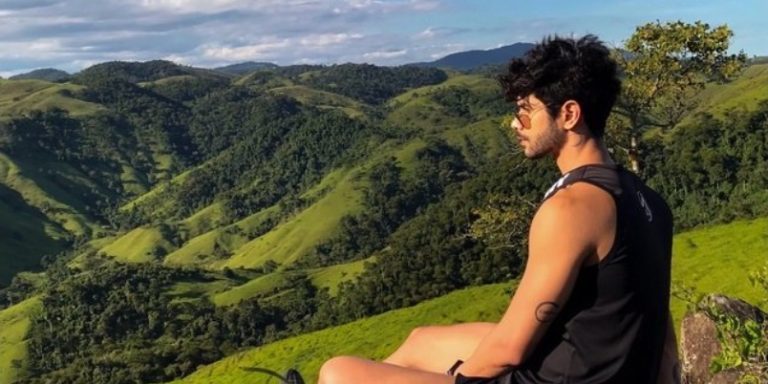
4. Mattheus from Brazil (@omattleao)


5. Mizuki from Indonesia (@mizukii)


6. Ebi from Amsterdam (@ebiheykal)


7. Diputra from Indonesia (@silveryfoxy)


8. Top from Thailand (@top.thailand1)


9. Shien from Taiwan (@shien)


10. Can from Turkey (@whatjohndoes)


If you’d like to be featured in the Hornet Feed, head here for more info on our Featured Guys, Health Ambassador and Sport Captain programs. And head to Hornet.com for tons more great posts by 30 million guys worldwide.


Attitude is seeking a full-time Art Director – attitude.co.uk

Stream Publishing has a vacancy for a Magazine Art Editor/Director role on Attitude magazine, the world’s leading LGBTQ media brand.

In addition to publishing Attitude, Stream is a fast-developing media and content production agency working with diverse brands like Vauxhall and SPAR.

THE JOB

Job Type: Full-time, Permanent

Design experience: 5 years (Required)

Based: Dormansland, Surrey, UK

Hours: 9am-5:30pm, Monday-Friday

Benefits: 25 days paid annual leave per calendar year

Salary: Based on experience

THE ROLE

All Stream titles are available in print and digitally as a web-based page-turning magazine or to download on iPhone/iPad or Android. 

An ability to work across multiple formats will be a distinct advantage, and experience in the Adobe suite of products including InDesign and Photoshop essential.

The ideal candidate would also have knowledge in websites, App design and HTML.

  • Design covers, features and regular pages for Attitude magazine
  • Source images for use in Attitude magazine
  • Work with the editorial team on photoshoot concepts/creative, and attend cover/editorial shoots as required (where possible)
  • Manage production flow between editorial team, sub-editor and design team
  • Supervise and assist with design of the digital/tablet edition of Attitude magazine 
  • Work with the digital team to create assets for Attitude social platforms
  • Supervise other designers
  • Additional design as required for Stream Publishing Ltd

THE CANDIDATE

We are seeking candidates who are bright, engaging and personable, have a background in the publishing industry with a portfolio that demonstrates this, who will contribute to a lively office environment and enjoy both the workload necessary to achieve success and the satisfaction derived from a job well done.

  • Expert knowledge of InDesign and Photoshop
  • A flair for design and creativity
  • A connection to current trends 
  • An understanding of Attitude, its history and industry-leading brand
  • Knowledge or experience of the gay/bi/queer/pansexual male audience 
  • An understanding of the LGBTQ+ community, its sensitivities and history
  • Proven experience working on a monthly or regular magazine title
  • Awareness of key social media and digital platforms
  • Ability to work under pressure and in a small multi-tasking team
  • Experience managing other designers

HOW TO APPLY

Please submit a cover letter, CV and portfolio featuring examples of work to [email protected] by midnight on Monday 24 May 2021.

Conversion therapy is still happening in Catholic spaces—and its effects on L.G.B.T. people can be devastating – America Magazine

J. Frank Pate had one of the easier experiences. Mr. Pate, 50, is a Catholic “revert,” who spent his young adulthood as an evangelical experiencing what he called “unwanted same-sex attraction.” When he returned to the Catholic Church at age 36, his experience with conversion therapy began.

Mr. Pate said his Catholic therapist, like many who attempt to help patients change their sexual orientation, believed that homosexuality was caused by childhood sexual abuse or alienation from one’s parents: what Mr. Pate described as “a simple checklist” of traumas. At the time, Mr. Pate thought this explanation might fit, especially since he had struggled with sexually addictive behaviors. The therapist offered a tantalizing prospect: “He believed in complete healing of wounds and traumas,” Mr. Pate recalled, and that “it’s possible to be free of pain, whether it’s emotional or physical.”

“Conversion therapy” is an umbrella term, now used mainly by opponents of the practice, to cover many approaches intended to create a heterosexual identity for someone who experiences same-sex attraction. The Williams Institute, a research center on L.G.B.T. concerns based at the U.C.L.A. School of Law, estimates that 698,000 L.G.B.T. American adults under the age of 60 have received conversion therapy. This is a small minority of L.G.B.T.-identified people, but that minority likely includes a disproportionate share of the devout and people who are most active in their churches.

The Williams Institute estimates that 698,000 L.G.B.T. American adults under the age of 60 have received conversion therapy.

It is obviously hard to study something as intimate as sexual orientation. Most such studies have small sample sizes, and all face the difficulty of recruiting participants without biasing the results. But one larger study of current or former members of the Church of Jesus Christ of Latter-day Saints found that “sexual orientation is highly resistant to explicit attempts at change”; even one of the studies most positive toward the possibility of orientation change found that fewer than a quarter of the highly motivated participants actually “converted” to heterosexuality.

In 2009 the American Psychological Association adopted a resolution discouraging therapists from “promoting or promising change in sexual orientation.” Since then, 20 U.S. states and the District of Columbia have banned conversion therapy for minors; the ban in Washington, D.C., also covers adults. Six countries ban the practice either entirely or for minors.

The nonprofit world is also taking action. The Global Interfaith Commission on LGBT+ Lives, an initiative whose founders include James Martin, S.J., recently issued a call to abolish conversion therapy. The Trevor Project, which works to prevent suicide in L.G.B.T. youth, partnered with Q Christian Fellowship to launch the Good Fruit Project with the same goal.

In order to understand the inner experience of conversion therapy, I interviewed nine people who sought or were pressed into therapy to change their sexual orientation under Catholic auspices, several of whom received this therapy within the past 20 years. Although only a small minority of L.G.B.T. Catholics will ever seek conversion therapy, the assumptions underlying that therapy often influence the message many gay Catholics hear at home, in the confessional and from friends and mentors. And it can have a devastating impact on their understanding of their identity and their self worth.

Leaving Space for the Cross

Mr. Pate was 38 when he began working with his therapist in an attempt to change his sexual orientation. In the next year, Mr. Pate said, he “courted a woman” in his parish. When the relationship ended, he recalled, “there was certainly a sense of failure, because I ended my first and only dating relationship with a woman, but also…there was a kind of absence of empathy [from his therapist] for her—or for me that I had added to her wounds.”

Mr. Pate said that he did not experience orientation change, but that his therapist turned him into “a poster child” for conversion therapy. “By the time I got into his private practice, I had already been invited to be the [same-sex attraction] witness at some of his seminars.” This hunger for “success stories”—and the paucity Mr. Pate found when he looked around for people who had been “cured” by his therapist—is a recurring theme among those I spoke to about conversion therapy.

Like several interviewees, Mr. Pate was also involved with Journey Into Manhood, an experience described on the organization’s website as “a 48-hour immersion in intensive self-discovery and personal-growth work” run by the organization Brothers Road. Brothers Road describes itself as “a non-profit, multi-faith, international fellowship primarily of men from bisexual or same-sex-attracted backgrounds who—for our own, deeply personal reasons—typically do not accept or identify with the label ‘gay’ and prefer instead to explore and address underlying issues and embrace our authentic masculinity.” The website states that the weekend experience “is designed specifically for men who are self-motivated to address unresolved issues” and “distress” about their attractions. It is not therapy, but it offers exercises ranging from journaling to “psychodrama,” intended to process emotions.

The problem is that there’s still this undercurrent that [same-sex attraction] is a problem to be rid of, and that I’m not whole, healthy, good, complete as long as I still have it.

Mr. Pate said that the ongoing support group provided by Journey Into Manhood offered him brotherhood and acceptance—but he added, “The problem is that there’s still this undercurrent that [same-sex attraction] is a problem to be rid of, and that I’m not whole, healthy, good, complete as long as I still have it.”

Rich Wyler, founder of Brothers Road, said by email that he was saddened to hear this and wrote, “[W]e emphasize… ‘If you gain nothing else from this weekend, we want you to know that you are GOOD AND VALUABLE JUST AS YOU ARE [sic], right now, unchanged, and even if you never change.’” He wrote, “[o]nly 90 minutes of the 20- to 25-hour program is focused more or less directly on sexual orientation” and that the organization “emphasize[s] that not everyone is called to marriage and marriage cannot be seen as evidence of having achieved ‘success’ in this work.” (Several interviewees recalled otherwise.)

Mr. Pate was quick to note: “I hear a lot of our [gay] siblings say, ‘I’m a survivor of conversion therapy,’ and I don’t put myself in that category. I don’t see it as something that was entirely or even mostly detrimental.” Even so, he described feeling pressured to accept reductive theories of homosexuality from a therapist who he felt was so eager for Mr. Pate to get married that he could spare no empathy for a potential partner, a sentiment echoed by several interviewees about their respective therapists.

Mr. Pate now thinks his therapist did not leave enough space for the Cross—and for the possibility that he, as the Catechism of the Catholic Church suggests, might experience his sexuality as “a trial” or cross to be borne rather than an illness to be cured. He also found communities of openly gay people living the Catholic sexual ethic. He cited Revoice, an annual conference founded in 2018 to “support and encourage” L.G.B.T. and same-sex-attracted Christians who embrace “the historic Christian doctrine of marriage and sexuality,” and Eden Invitation, a Catholic community for people exploring issues of sexuality. He also cited the “Side B Community,” a term originating in the Gay Christian Network to describe L.G.B.T. believers who practice a traditional sexual ethic.

Mr. Pate now thinks his therapist did not leave for the possibility that he might experience his sexuality as “a trial” or cross to be borne rather than an illness to be cured.

Mr. Pate now considers himself a celibate gay man. What he most wants to show people about the church now is: “Everybody’s welcome here. Everybody belongs.” His story is the gentlest version of what I heard from my interviewees. But one factor was the same in virtually every interview. I asked Mr. Pate if his therapist ever talked with him about what his future could be like if he did not become straight.

After a long pause he said, simply, “No.”

Catholic Influences

The Catholic media personality Milo Yiannopoulos recently began calling himself “ex-gay” and announced plans to open a “reparative therapy” clinic in Florida. The response of many Catholics is likely to be: That’s just fringe stuff. Catholics don’t push conversion therapy. But several interviewees described Catholic institutions promoting and practicing orientation-change therapy.

In fact, Catholics helped to develop the theories used by many proponents of orientation change. Richard Fitzgibbons, a Catholic doctor who is the director of the Institute for Marital Healing, promotes treatment for what he calls “same-sex attraction disorder.” He was a confidant of Father John Harvey, who died in 2010 and who founded Courage, a group described on its website as a Catholic apostolate “for men and women who experience same-sex attraction.” Although Courage does not promote orientation-change therapy as an official part of its mission, Dr. Fitzgibbons maintained close ties with Courage and influenced Father Harvey’s view of homosexuality. In 1999, Father Harvey and Dr. Fitzgibbons co-authored Homosexuality and Hope, a pamphlet published by the Catholic Medical Association, which advocates therapeutic “prevention and treatment” of same-sex attraction.

Another Catholic, Joseph Nicolosi, who died in 2017, was a co-founder of the National Association for the Research and Therapy of Homosexuality, a secular group formed in 1992 that is now called the Alliance for Therapeutic Choice and Scientific Integrity. Dr. Nicolosi and the association heavily influenced Catholic approaches to homosexuality. He appeared on the Catholic television station EWTN and the popular radio show “Catholic Answers Live,” and he spoke at Courage conferences.

Attempts at conversion therapy in minors seem to have particularly harmful results.

Attempts at conversion therapy in minors seem to have particularly harmful results. A 2020 survey by the Trevor Project, found that “LGBTQ youth who had undergone conversion therapy were more than twice as likely to have attempted suicide in the past 12 months.” But in a 2009 interview with the Catholic news site Zenit, Dr. Nicolosi said of young people experiencing same-sex attraction: “So when a 15-year-old boy goes to a priest and says, ‘Father, I have these feelings, I have these temptations,’ that priest should say, ‘You have a choice; if you don’t want to be gay, there are things that you can do.’ The boy should not to be told [sic], ‘God made you this way.’”

In 2001 Father Harvey wrote: “For those who really want it, reparative growth is a possibility and happens regularly. Men and women leave behind not only the homosexual lifestyle but also the very feelings of same-sex attraction. While all can investigate this option, teens and young adults are especially invited to consult competent therapists.”

Dr. Nicolosi distinguished his reparative therapy from conversion therapy, in part citing client-defined objectives. Mr. Wyler of Brothers Road spent two years in reparative therapy with a therapist at Dr. Nicolosi’s clinic in Los Angeles, and said he was able to “de-eroticize [his] same-sex attractions, both in feelings and behaviors.” He is now married to a woman. In response to being told of the experiences of my interviewees, he said Brothers Road avoids talking about same-sex attractions using terms like “healing,” as it implies a sickness, and also “avoids talking about causation, because it is unprovable and may be unique to different individuals.” Mr. Wyler said that the “real goal is peace, not sexual-orientation change,” but that “sexuality can be fluid,” and “many [men] experience changes in their identity or sexual behaviors” that help to bring their actions in line with their beliefs.

But for all those I interviewed, their experience was very different. Some of the people I interviewed had walked away from attempts at changing their attractions deeply traumatized. Several left the church; at least one was driven to the brink of suicide. Others simply found that therapy did not make them straight—and neither did it offer guidance in living as a Catholic who is gay. Each was left wondering if they had a future in a church where all the saints seem to be straight.

Finding a ‘Fix’

Feeling that there is no future if you cannot “fix” your sexuality can lead to tragedy. In 2019, 24-year-old Alana Chen took her own life. Ms. Chen came out as a lesbian in high school—after which, The Denver Post reported, “she was shamed and told she would go to hell by clergy and church counselors.” Another article in The Denver Post reported that Ms. Chen had increasingly struggled with self-harm and thoughts of suicide. After a psychiatric hospitalization in 2016, she attributed her suffering to the shame caused by the counseling she received in Catholic settings.

Mark Haas, spokesperson for the Archdiocese of Denver, told The Denver Post that Ms. Chen was “never once” directed to conversion therapy by the archdiocese. However, earlier that same year, the archdiocese co-hosted a conference with Desert Stream/Living Waters, a group that, among other things, attempts to “restor[e] persons with unwanted same-sex attraction.” The archdiocese advertised for the conference with a banner that read, in part, “There is no such thing as a ‘gay’ person…That is a popular myth.”

Feeling that there is no future if you cannot “fix” your sexuality can lead to tragedy.

The people I interviewed said Catholic institutions may not widely promote conversion therapy, but the messages gay believers hear in Catholic spaces help promote the idea that conversion is possible. Many gay Catholics have heard, over and over, that nobody is “born gay”; that homosexuality is typically caused by trauma; that being gay is a purely negative experience from which they have nothing to learn, and from which the broader church has nothing to learn. Many have been told that there is “hope” for them if they can manage to marry someone of the opposite sex. These beliefs are not, in themselves, conversion therapy. But they provide theoretical grounding and urgent motivation for the quest to become heterosexual.

A journal entry from shortly before Ms. Chen’s death, written as a letter to herself and read aloud by her mother at Ms. Chen’s funeral, echoes the fears expressed by many of my interviewees: “I know you don’t understand how you can be loved or redeemed. I wish you could see that the people that love you…don’t see you as someone that needs to be fixed or different than who you are.”

In researching this story, I remembered a gay Catholic friend describing a girl he liked as “my last hope”—his last chance at heterosexuality. I also remembered a Catholic mother whose child had just come out asking a support group, “What did I do wrong?” My friends have had priests in the confessional urge them to seek conversion therapy. They have tried sports to become more masculine. They have learned a deep, reflexive suspicion of their longings for intimacy, friendship and love. They have dealt with parents’ guilt over their orientation and their fear that being gay separates them from God. The specific theories and practices of conversion therapy draw on a deep well of silence and shame that affects all gay Catholics, including those who never step inside a therapist’s office.

‘A Highly Compliant Patient’

Tristan is a tomboyish professional in her late 20s, from an orthodox Catholic family. (Like several interviewees, she was reluctant to use her real name because she works for a Catholic institution.) Her family would pray for gay people—but only as sinners and political opponents. Just admitting that she might be gay, she said, “felt like I was giving in to a temptation.”

As she began to sort things through, she “was going to Mass multiple times a day most days, and just feeling like the crazy church lady,” she said with a small laugh. The stress and anxiety led to insomnia and eventually to a mental breakdown. Still, she said, she wasn’t seeking conversion therapy. However, the Catholic psychologist from whom she sought help would not listen.

Tristan did not think of her sexuality as the only issue she was dealing with, but when she raised other concerns, she said, her therapist seemed to think being gay was the central problem. Therapy itself became a source of pain. She spent months suicidal, wishing for death.

Many gay Catholics have heard, over and over, that nobody is “born gay.”

Tristan said her therapist assured her that he was not a “reparative therapist.” But she later learned that he had trained under Joseph Nicolosi, and much of what he told her showed Dr. Nicolosi’s influence. She said her therapist scolded her for “dressing like a boy”; he praised her for being “a highly compliant patient.” Even when some of her closest friends argued that her therapy experience did not sound healthy, she said, “I remember thinking anybody attacking him and his work with me was because they were attacking [Catholic] orthodoxy.”

Tristan applied to join an order of women religious and was turned down. She dated men. Her therapist and her spiritual director both seemed to think that marriage was her only “shot at happiness.” So when her relationship with a man ended, she said, “I think something in me snapped. I was just like, ‘I’ve been trying so hard. And playing within all of the rules I know how,’” and yet she was left without hope.

She recalls that her spiritual director and therapist both said that the pain she was feeling was good, because it meant she really loved her ex-boyfriend. But in reality she was on the edge of suicide because she saw “no way that I could live and be happy.”

She decided to live, even if that meant “embracing [her] identity.” She confronted her therapist and said, “I feel like you don’t think I can be happy and healthy if I’m gay.” In her recollection, he said: “Yes, that’s what I think. I think you need to sort through this and try again with a guy.” Instead, she left his practice.

Her therapist and her spiritual director both seemed to think that marriage was her only “shot at happiness.”

Tristan is not sure yet where her life will go. She has explored relationships with women, even though she still is figuring out “the moral piece” and how her sexuality and faith might find harmony. Instead of a therapist who told her not to talk to anyone (including her boyfriend) about her orientation, she has a protective community.

And instead of constantly wanting to die, she is now exploring what life might have to offer.

Grieving a Community

Some of my interviewees had conversion therapy imposed on them by parents, therapists or religious superiors. But some Catholics actively seek out orientation-change therapy. For people like Christopher Dowling, a Texan in his early 30s, it can feel like the only way to stay a part of the church community.

“The church was my family,” he said, because of an unstable home life. At his Catholic college he began considering himself “same-sex-attracted” and found his desires “coming out sideways in all these addictive behaviors,” from pornography to hookups, driven by shame.

He tried therapy. An early therapist “was very progressive and L.G.B.T.-affirming, and said I should come out and date,” but Mr. Dowling rejected that idea out of hand in favor of more conservative approaches. For most of his 20s Mr. Dowling did therapy once a week—including trying cognitive behavioral therapy, eye movement desensitization and reprocessing therapy, and Internal Family Systems therapy.

Mr. Dowling found the common orientation-change narratives—that same-sex attractions are the product of parental behaviors and/or trauma—plausible because they did describe his situation.

Mr. Dowling found the common orientation-change narratives—that same-sex attractions are the product of parental behaviors and/or trauma—plausible because they did describe his situation: “I did have a distant father and an overbearing mother, and I was a victim of sexual abuse.” He hadn’t encountered any Catholic discussions of what it means to be gay led by people who didn’t have these traumas. So he poured out tens of thousands of dollars on books, therapy sessions, retreats, courses with the Theology of the Body Institute and several retreats at the John Paul II Healing Center in Tallahassee, Fla.

The Theology of the Body Institute did not practice orientation-change therapy, but Mr. Dowling said that in his counseling and confessions there, he found that his orientation was always discussed as “something that was a result of wounding that happened in my formation” and that could be changed. The four 30-hour courses he took at the institute reinforced his belief “that I would be healed by learning about [homosexuality] enough and praying enough.” (The institute did not respond to multiple requests for comment.)

Mr. Dowling cited Dr. Bob Schuchts, founder of the Healing Center, as particularly influential, both on his own thinking and in the church. He described “Dr. Bob, as we all lovingly call him” as “an amazing, loving man,” who nonetheless convinced him of what he now sees as “misinformation” about the nature and origin of homosexuality, attributing a “homosexual inclination” to problems in family relationships, sexual trauma including use of pornography, the lack of a proper development of masculinity and other “wounds”—ideas he later heard from priests in the confessional.

Dr. Schuchts, author of the upcoming book Be Restored: Healing Our Sexual Wounds Through Jesus’ Merciful Love, disagreed with the labeling of his work as of “misinformation,” stating that all of the materials from the John Paul II Healing Center have approval from the local bishop and his books have obtained an imprimatur. In a phone interview, he said he hopes to help people to gain an understanding of the “integrality of the gift [of one’s sexuality],” asking “what is God’s intention for the gift and how is the gift being expressed?” He said that often the work can be emotionally difficult and when people “react against that, they’re reacting against those areas of abuse or trauma that they haven’t yet faced, and then it becomes politicized rather than what the intent [is], which is for people to be loved and accepted and healed, healed in their person, healed in their chastity, healed in their integrity.”

Mr. Dowling noted that the therapists who tried to help him change his sexuality were “well-respected [and] well-trained.”

Today, Mr. Dowling believes he has found his path. He said, “I’m living with a man and want to pursue gay marriage.” Still, he said it was a “huge grief to ‘break up with’ being an orthodox Catholic,” adding that the Catholic Church had provided “every job I’ve ever had, every friend I’ve ever had.”

Mr. Dowling noted that the therapists who tried to help him change his sexuality were “well-respected [and] well-trained…using proven therapeutic models,” like cognitive behavioral therapy. What made conversion therapy damaging for him was not lack of credentials or unsophisticated methods, but what he now believes was a faulty end goal: orientation change. “The finish line never came,” he said.

A Sea of Mixed Messages

Many men I spoke with said that orientation-change efforts included pressure to become more “masculine.” Kent (a pseudonym), speaks deliberately, with long pauses and many qualifiers, as his Canadian accent peeks out here and there. He began conversion therapy in New York City in the late 2000s. Kent was raised Catholic and said, “The first people I came out to were priests whom I trusted.” In college, Kent said, he became “one of those self-radicalized conservative Catholics,” reading contemporary apologetics and traditional Catholic websites. Kent said that subculture provided a certainty to which he aspired. Its emphasis on avoiding near occasions of sin also meant he avoided exploring the meaning of his orientation. He “wanted really badly to be good, to be worthy,” he said, adding with a deep sigh that he believed in what he was being taught.

He also began to feel a call to the priesthood, which “made the stakes [of his sexual orientation] that much higher.” When a Catholic spiritual director suggested that some people might be “called to” gay relationships, Kent “ran in the opposite direction of that. That was scary for me.” He was first introduced to orientation-change literature by a priest who turned out to be gay himself. In this sea of mixed messages, Kent said, the orientation-change approach “coincided with my own unreadiness to explore this part of myself…[a] combination of religious fervor and wishful thinking.”

Hoping to “toughen up” and build “those male bonds that I believed I was missing,” he lived with several other Catholic men. But living with men who didn’t know he was gay, and who often expressed homophobia (at which Kent tried to laugh in response), proved so grueling that he became physically ill. After he moved out, he began therapy with Philip Mango, whom he described as “the de facto trusted Catholic orthodox therapist in New York at the time.” At his recommendation, Kent attended a Journey into Manhood weekend, followed by two years in a Journey Into Manhood weekly support group consisting mainly of Conservative and Orthodox Jewish men. (Dr. Mango did not respond to multiple requests for comment.)

Hey, what if I died without having really investigated and explored this part of my life?

Kent said a common activity was to “deconstruct” a recent experience of sexual attraction, identifying aspects of the attractive man that represented something the support group member felt himself to be lacking. Then the men would seek out activities that could fill what they believed to be gaps in their masculinity or self-confidence. Kent, for example, was encouraged to learn a sport. (Mr. Wyler said that J.I.M. does not recommend sports as a part of its program.) Kent tried judo for a year and a half. He recalled being “really, really bad” at it. “I would be afraid, I would get the runs before every class because I was so scared of it, but I was so determined,” he said. “I showed up every week in Long Island City, [N.Y.,] and [got] thrown on the mat over and over again.”

He moved to San Francisco, a change he described with a laugh as “very jarring!” Then “in 2015 I hit this wall,” Kent said. “I’m really lonely and depressed; this isn’t working. The thought crossed my mind, ‘Hey, what if I died without having really investigated and explored this part of my life?’” He found a Catholic church that he described as “very affirming,” where he met Catholics without his “hangups” around homosexuality. “That’s been really healing,” he said, “and it’s been the help that I needed to stay practicing.” He is in a relationship with a man now but finds that because he spent so long interpreting his emotions as expressions of something lacking in himself, he still struggles to connect with his own emotions, “to feel pleasure.”

As he began to leave conversion therapy behind, Kent read gay narratives like The Velvet Rage: Overcoming the Pain of Growing Up Gay in a Straight Man’s World, by the psychologist Alan Downs. To his surprise, these authors’ work reflected some of the same elements of orientation-change literature: “shame and feeling alone and disconnected from your peers.” But the secular psychologists arranged these elements in a different order, he said: “You are born gay. That results in a feeling of shame because of the way society has been discriminatory against gay people, and that shame further pushes you to isolation.” He added, “This is what makes the…conversion therapy narrative so compelling: It takes seriously those experiences that we’re ashamed of. But it doesn’t necessarily mean that you will be able to change your sexuality—or that that is a healthy thing to try to do.”

Walking Together

Many of the people I spoke with had to rebuild the most basic aspects of their faith after they left orientation-change behind. Some turned to Protestant churches where they found more emphasis on grace. Some, like J. Frank Pate, rediscovered a connection to the Cross instead of being ashamed of the sacrifices and difficulties associated with their sexuality. Others turned to Eastern Christianity for its emphasis on God’s work of resurrection in the soul. Each has had to find new communities and new models for relationship. And they have discovered that the experiences that once caused only shame are sources of wisdom, which they hope to share with the broader church.

The experiences that once caused only shame are sources of wisdom.

John (a pseudonym) is the music director for a Catholic church. He went to a Journey Into Manhood weekend shortly after graduating from a Catholic college, on his parents’ urging, and then did weekly therapy. Like many of my interviewees, he remembers the J.I.M. community warmly but feels that both J.I.M. and his Christian therapist pressured him to focus on his sexual orientation instead of addressing his real concerns. John felt an unspoken belief within J.I.M. that “success” meant marriage to a woman—an ideal he found “damaging.” As for conversion therapy, he said it left him feeling “broken,” and “eventually I came to the conclusion that it was trying to fix something that couldn’t be fixed.”

When John first found gay Catholics sharing their faith (for example, in the writings of the lawyer and blogger Chris Damian), he said, “I wept.” He slowly began to explore a positive vision of his sexuality within Catholic teaching. He found other gay Catholics and formed a small community of support. Eventually he also found a partner. John was clear that he was committed to a Catholic sexual ethic: “We almost broke up because I said, ‘I’m never gonna be able to give you what you want.’ And he said, ‘I don’t care about that. I want to be with you.’” When we spoke, John’s partner was preparing to be received into the church; he is now a Catholic.

John described a journey out of darkness, isolated hookups and porn and shame, into light. He is learning to view being gay as a gift. “I may not fully understand it,” he said of his current life and his partner, “but we both have found a lot of healing and beautiful joy that we’ve never found before, taking this walk together.”

Additional reporting by Kerry Weber.

More from America on LGBT Catholics:
 

Wendling Quarries employee transported to Virginia Gay with injuries – Cedar Valley Daily Times

On May 13, 2021 at 8:21 AM, the Benton County Sheriff’s Office received a report of an employee caught in a roller at Wendling Quarries, 1851 61st St, Garrison IA in Benton County.

A 24-year-old male was freed by co-workers, and was transported to Virginia Gay Hospital, with significant but not life-threatening injuries. He was transferred to another facility from there.

Responding to this accident were the Garrison Fire Dept, Garrison First Responders, North Benton Ambulance, and Benton County Sheriff’s Office.

HHS gender policy imperils conscience rights, critics say – baptistmessenger.com

WASHINGTON (BP)—The Biden administration’s reinterpretation of sex discrimination in health care to include sexual orientation and gender identity imperils the freedom of conscience of medical workers, religious liberty advocates said.

The Department of Health and Human Services (HHS) announced Monday, May 10, it would interpret federal law banning discrimination on the basis of sex to include discrimination on the basis of both sexual orientation and gender identity. Sexual orientation includes homosexuality, bisexuality and pansexuality, while gender identity refers to the way a person perceives himself regardless of his biology at birth.

In reversing a Trump administration policy, HHS said it based its decision on the Supreme Court’s ruling last year that found the category of “sex” in employment non-discrimination law protects lesbian, gay, bisexual and transgender (LGBT) employees. It also relied on ensuing federal appeals court opinions, according to HHS.

Opponents of the new policy expressed concern HHS would require doctors to give drugs and conduct surgeries for sex reassignment that not only violate their consciences but can harm patients.

“We don’t need a federal government forcing medical professionals to violate their consciences,” said Brent Leatherwood of the Southern Baptist Ethics & Religious Liberty Commission (ERLC). “This decision by HHS unfortunately does just that.

“Coercing doctors and nurses to provide medical care that goes against their best judgment for the well-being of their patients is a bridge too far,” said Leatherwood, the ERLC’s vice president of external affairs and chief of staff, in written comments.

Religious freedom lawyer Luke Goodrich described the HHS action as “bad for patients, doctors, and religious liberty.”

Emilie Kao, a religious liberty specialist at the Heritage Foundation, said the decision “needlessly and dangerously politicizes medicine and threatens the conscience rights of medical providers.”

In the notification of its new interpretation, HHS said it would abide in its enforcement of the policy by the Religious Freedom Restoration Act (RFRA), a 1993 federal law that heightened protection for the free exercise of religion.

The Biden administration, however, appealed in April a federal court ruling on the basis of RFRA that supported Catholic organizations challenging an Obama-administration rule that required them to perform or provide insurance coverage for gender-transition procedures.

HHS “is fighting to overturn in court” that RFRA-based decision in North Dakota and other rulings it said in the notification it would comply with, said Goodrich, vice president and senior counsel with the religious-freedom organization Becket.

Becket will ask a federal judge May 14 “for a permanent injunction that protects patients, aligns with current medical research, and ensures doctors aren’t forced to violate their religious beliefs and medical judgment,” Goodrich said in a tweet Monday.

In its announcement, HHS said research found one-fourth of LGBT people who have experienced discrimination subsequently delay or refrain from necessary medical treatment.

HHS Secretary Xavier Becerra said the department’s position is “that everyone—including (LGBT) people—should be able to access health care, free from discrimination or interference, period.”

But the plaintiffs in the case being appealed by HHS “are religious doctors, hospitals and clinics who joyfully serve ALL patients regardless of sex or gender identity,” Goodrich tweeted. “They routinely provide top-notch care to transgender patients for everything from cancer to the common cold.”

Kao, director of Heritage’s DeVos Center for Religion and Civil Society, said the court cases regarding HHS policy on the issue have “involved treatment of gender dysphoria, not access to basic” health care. Gender dysphoria refers to the discomfort a person may feel with his or her biological sex.

“Medical professionals should be able to operate according to the scientific truth that there are two sexes and not be coerced into violating their professional judgment based on radical academic theories about gender,” she said in a written statement.

Alphonso David—president of the Human Rights Campaign, the country’s largest LGBT civil rights organization—applauded the Biden administration for the decision, saying LGBT people “undeniably deserve access to the health care they need.”

The new HHS interpretation is similar to that of the Obama administration, which defined “sex” in a 2016 rule to include gender identity, as well as abortion. The redefinition described gender identity as “an individual’s internal sense of gender, which may be male, female, neither, or a combination of male and female, and which may be different from an individual’s sex assigned at birth.”

At the time, an HHS panel of experts said the literature “is ‘inconclusive’ on whether gender reassignment surgery improves health outcomes for Medicare beneficiaries with gender dysphoria.” The department’s 2016 rule exempted the federal government’s Medicare and Medicaid programs from the regulation’s requirement.

A federal judge in Texas annulled the Obama administration rule in 2019, saying it redefined “sex discrimination” and failed to protect religious freedom.

The Trump administration issued a rule in 2020 that rescinded the Obama-era policy by returning to the ordinary interpretation of the word “sex.”

Messengers to the 2014 Southern Baptist Convention approved a resolution regarding transgender identity that “affirm(ed) God’s good design that gender identity is determined by biological sex and not by one’s self-perception.” The resolution “regard(ed) our transgender neighbors as image-bearers of Almighty God and therefore condemn(ed) acts of abuse or bullying committed against them.” It also invited all transgender people to trust in Jesus.

A 2016 resolution on sexuality reaffirmed Southern Baptists’ love for those who identify as transgender.

Billy Porter and Zachary Quinto to play gay dads in Proud Family reboot – PinkNews

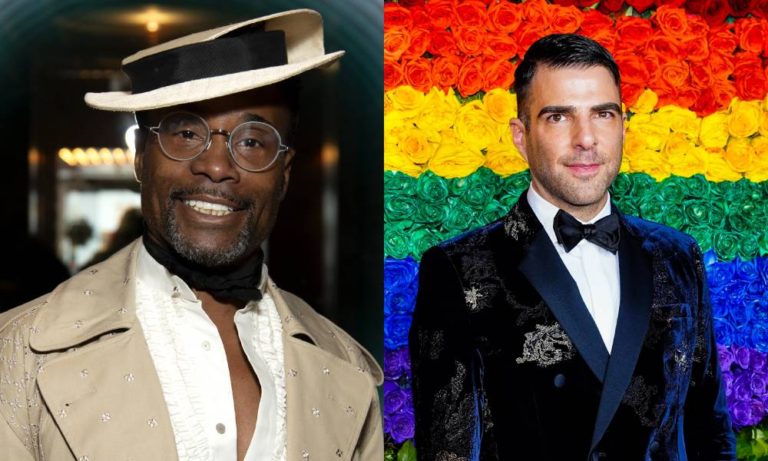
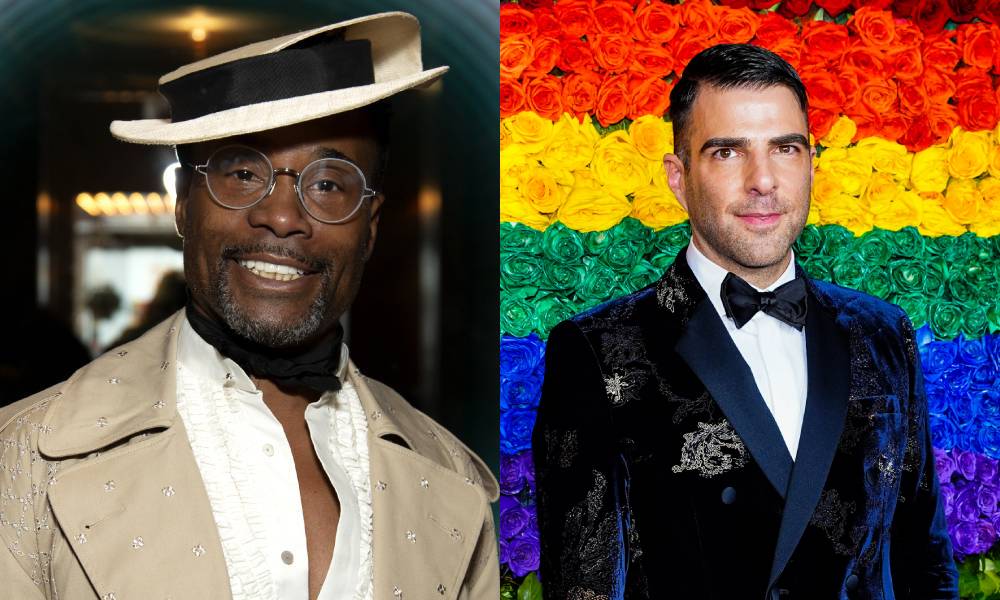
LGBT+ icons Billy Porter and Zachary Quinto will join the upcoming Proud Family reboot as the gay parents of a teenage activist. (Photo by Santiago Felipe/Sean Zanni/Patrick McMullan via Getty Images)

Billy Porter and Zachary Quinto will join the upcoming Proud Family reboot as the gay parents of a teenage activist.

Entertainment Weekly reported that Emmy-winning Pose actor Billy Porter and Zachary Quinto, respectively, will join the cast of The Proud Family: Louder and Prouder as the first-ever gay couple to appear on the show, Barry Leibowitz-Jenkins and Randall Leibowitz-Jenkins.

The stars will play adoptive parents to Maya, a 14-year-old activist, voiced by Scream Queens’ Keke Palmer.

Details about the revival have been trickling out since it was announced in February 2020.

The Proud Family: Louder and Prouder will pick up the story of its central character Penny Proud (Kyla Pratt) and her hilarious family, including parents Oscar and Trudy, twin siblings and her grandmother. The original show ran on Disney Channel from 2001 to 2005 for two seasons.

Palmer told BuzzFeed that the new show will feature the same family “that we know and love, but with new-age themes” that “help kids grow and evolve positively and think about things”. She added views will get the same “growing pain” and “coming-of-age” storylines for the original characters but “within the guide of a modern world in 2021”.

The reboot will see the return of Carlos Mencia, Cedric the Entertainer, Paula Jai Parker, Tommy Davidson, JoMarie Payton, Soleil Moon Frye and Karen Malina White.

Another new addition to the cast is Rich Kids of Beverly Hills‘ EJ Johnson who will play Michael Collins, Penny’s flamboyant friend who loves fashion. In the original series, Collins’ father is a coach and gym teacher who is embarrassed by his son, who is fashion designer, basketball player and choreographer.

The character, who was previously voiced by Phil LaMarr, is often bullied because of his varied interest, but he constantly stands-up for himself and his friends.

The revival will be executive produced by Bruce W Smith and Ralph Farquhar, who both led the original series.

The Proud Family: Louder and Prouder is currently in production at Disney Television Animation and is set for a 2022 premiere on streaming service, Disney Plus. The previous seasons of The Proud Family and its 2005 movie are currently available to watch on the streaming service.

Palm Springs remains an ideal outdoor getaway Washington Blade – Washington Blade

0

Palm Springs, Calif., is a perfect vacation destination when you feel safe to travel again. With outdoor hiking and adventures, there is plenty of room to spread out and enjoy the desert and mountain scenery. The LGBTQ life is back open (socially distanced, outdoor dining and drinking, masks required). The LGBTQ scene includes a vibrant downtown street, Arenas, where most (but not all) of the bars are located.

The city is nestled against the dramatic San Jacinto Mountains. The often-snow-capped peaks tower over the desert community, which is arguably the most LGBTQ friendly in the country. Palm Springs is one of seven or so cities in the Coachella Valley.

GETTING THERE: I took Southwest Airlines, which has stared service from Oakland, Denver, and Phoenix, to the very handy Palm Springs Airport. To get downtown, walk across the street to the Civic Center bus (#2) to get to your hotel. I took American back through Phoenix. Service was top notch on my favorite legacy carrier, which had great in-flight entertainment and charging stations for your devices in the seat. You can also take Amtrak direct three times a week or do an Amtrak bus/train combo to get to Palm Springs. The Sunline system also runs a bus to Riverside to connect with the commuter rail system into Los Angeles.

WHAT TO DO: Hike the Indian Canyons, the ancestral home of the Agua Caliente Band of Cahuilla Indians. The desert oasis features the native Washington fan palm trees, which are the only palms actually native to the Golden State. Both Andreas and Murray Canyons are great for hiking. Palm Canyon runs along a river filled with palms and is an easy hike for all. Bring plenty of water as it can get hot on the trail.

Also hike the Henderson Trail as well or the trails at the end of Ramon Street. Both are free. Check out the modern mid-century architecture including north of downtown.

Don’t miss the LaQuinta Farmers Market on Sundays in Old Town LaQuinta (down the valley a bit). The LaQuinta Resort nearby was the destination for movie stars like Greta Garbo where you can still see her house. The beautiful grounds are worth a visit even if you don’t stay at this posh resort. Stop by Lulu’s Home and Fashion Accessories in Old Town La Quinta.

Visit the Lotus Garden Center in Palm Desert for art work and garden accessories. Take the Tram to the top of the mountain. Advance reservations are required.

Early risers may want to go for a walk or a run with the Palm Springs Front Runners/Walkers. Get the meeting times and locations at psfr.org. Work out at the World Gym. Day passes available.

WHERE TO EAT: The Public Greens Café has great juices. Enjoy the French pastries at Peninsula Pastries. Bouschet Wines also serves food in the parking lot on weekends. The creative bistro food is a must (www.boushet .com). You will find all three just south of downtown in the Sun Center strip mall. Nature’s Health Food (555 Sunrise) has great and healthy salads and other treats. Enjoy the take-out food at the park across the street.

Sherman’s Restaurant is great for New York-style deli food. You will find them downtown. The Native Food Café has a great meat free taco salad. Casa Mendoza’s Restaurant in La Quinta has great Mexican Food.

NIGHTLIFE: There’s a bar for everyone on Arenas Avenue downtown. Stacy’s has jazz and piano. Hunter’s is great for happy hour. You will find the leather crowd at the Eagle 501. Quad Z and Chill Bar are also fun as are Black Book Bar and Grill and Streetbar. Do some shopping at Gay Mart while you are in the neighborhood. All have set up outside seating to maintain social distancing and masks are required.

The Tool Shed at 600 E. Sunny Dunes Road is also fun. Enjoy a slice of pizza for $1. Farther out is the Barracks, which has a packed Sunday beer bust.

WHERE TO STAY: You cannot beat the value of the Motel 6 Downtown (660 S. Palm Canyon Drive). Just steps from Starbucks, the French Bakery, the Organic Restaurant, the Antiques District, and the Tool Shed Bar. Other options include the LGBTQ resorts, including those on Warm Sands Drive (just east of downtown). The Best Western downtown is also handy (and is right next to the Arenas area). I have also stayed at the Courtyard by Marriott. Also recommended is the Ace Hotel and Saguaro. You will find the LGBTQ resorts on Warm Sands and other locations. The Santiago resort is also very nice.

UPCOMING EVENTS: The Dinah Shore golf tournament has been moved to this fall. The Pride Parade may (or may not) be held in November.

TRAVEL TIPS: Summer is your value season as temps can be toasty. Also, you will need a reservation on weekends as the city is quite popular with the LA crowd. During the week is quieter.

Check current COVID-19 restrictions before any travel. When I was there, masks were required everywhere – inside and out including on hiking trails and sidewalks. Check COVID-19 travel recommendations from the CDC, the state of California, and Riverside County before booking your reservation to the area.

For more information, Visit Palm Springs, the official tourism website, has all you need to plan your Palm Springs vacation (visitpalmsprings.com). Check out their LGBTQ guide which has all the information you need including on the variety of LGBTQ resorts.

Bill Malcolm is America’s only LGBTQ value travel writer. Based in Indianapolis, he has written more than 30 columns that have appeared in LGBTQ publications around the country. His opinions are his own. He is not recommending travel unless authorized by the CDC, the State of California, and Riverside County. Check current COVID travel recommendations and restrictions before deciding to travel.

Palm Springs remains an ideal outdoor getaway – Washington Blade

Palm Springs, Calif., is a perfect vacation destination when you feel safe to travel again. With outdoor hiking and adventures, there is plenty of room to spread out and enjoy the desert and mountain scenery. The LGBTQ life is back open (socially distanced, outdoor dining and drinking, masks required). The LGBTQ scene includes a vibrant downtown street, Arenas, where most (but not all) of the bars are located.

The city is nestled against the dramatic San Jacinto Mountains. The often-snow-capped peaks tower over the desert community, which is arguably the most LGBTQ friendly in the country. Palm Springs is one of seven or so cities in the Coachella Valley.

GETTING THERE: I took Southwest Airlines, which has stared service from Oakland, Denver, and Phoenix, to the very handy Palm Springs Airport. To get downtown, walk across the street to the Civic Center bus (#2) to get to your hotel. I took American back through Phoenix. Service was top notch on my favorite legacy carrier, which had great in-flight entertainment and charging stations for your devices in the seat. You can also take Amtrak direct three times a week or do an Amtrak bus/train combo to get to Palm Springs. The Sunline system also runs a bus to Riverside to connect with the commuter rail system into Los Angeles.

WHAT TO DO: Hike the Indian Canyons, the ancestral home of the Agua Caliente Band of Cahuilla Indians. The desert oasis features the native Washington fan palm trees, which are the only palms actually native to the Golden State. Both Andreas and Murray Canyons are great for hiking. Palm Canyon runs along a river filled with palms and is an easy hike for all. Bring plenty of water as it can get hot on the trail.

Also hike the Henderson Trail as well or the trails at the end of Ramon Street. Both are free. Check out the modern mid-century architecture including north of downtown.

Don’t miss the LaQuinta Farmers Market on Sundays in Old Town LaQuinta (down the valley a bit). The LaQuinta Resort nearby was the destination for movie stars like Greta Garbo where you can still see her house. The beautiful grounds are worth a visit even if you don’t stay at this posh resort. Stop by Lulu’s Home and Fashion Accessories in Old Town La Quinta.

Visit the Lotus Garden Center in Palm Desert for art work and garden accessories. Take the Tram to the top of the mountain. Advance reservations are required.

Early risers may want to go for a walk or a run with the Palm Springs Front Runners/Walkers. Get the meeting times and locations at psfr.org. Work out at the World Gym. Day passes available.

WHERE TO EAT: The Public Greens Café has great juices. Enjoy the French pastries at Peninsula Pastries. Bouschet Wines also serves food in the parking lot on weekends. The creative bistro food is a must (www.boushet .com). You will find all three just south of downtown in the Sun Center strip mall. Nature’s Health Food (555 Sunrise) has great and healthy salads and other treats. Enjoy the take-out food at the park across the street.

Sherman’s Restaurant is great for New York-style deli food. You will find them downtown. The Native Food Café has a great meat free taco salad. Casa Mendoza’s Restaurant in La Quinta has great Mexican Food.

NIGHTLIFE: There’s a bar for everyone on Arenas Avenue downtown. Stacy’s has jazz and piano. Hunter’s is great for happy hour. You will find the leather crowd at the Eagle 501. Quad Z and Chill Bar are also fun as are Black Book Bar and Grill and Streetbar. Do some shopping at Gay Mart while you are in the neighborhood. All have set up outside seating to maintain social distancing and masks are required.

The Tool Shed at 600 E. Sunny Dunes Road is also fun. Enjoy a slice of pizza for $1. Farther out is the Barracks, which has a packed Sunday beer bust.

WHERE TO STAY: You cannot beat the value of the Motel 6 Downtown (660 S. Palm Canyon Drive). Just steps from Starbucks, the French Bakery, the Organic Restaurant, the Antiques District, and the Tool Shed Bar. Other options include the LGBTQ resorts, including those on Warm Sands Drive (just east of downtown). The Best Western downtown is also handy (and is right next to the Arenas area). I have also stayed at the Courtyard by Marriott. Also recommended is the Ace Hotel and Saguaro. You will find the LGBTQ resorts on Warm Sands and other locations. The Santiago resort is also very nice.

UPCOMING EVENTS: The Dinah Shore golf tournament has been moved to this fall. The Pride Parade may (or may not) be held in November.

TRAVEL TIPS: Summer is your value season as temps can be toasty. Also, you will need a reservation on weekends as the city is quite popular with the LA crowd. During the week is quieter.

Check current COVID-19 restrictions before any travel. When I was there, masks were required everywhere – inside and out including on hiking trails and sidewalks. Check COVID-19 travel recommendations from the CDC, the state of California, and Riverside County before booking your reservation to the area.

For more information, Visit Palm Springs, the official tourism website, has all you need to plan your Palm Springs vacation (visitpalmsprings.com). Check out their LGBTQ guide which has all the information you need including on the variety of LGBTQ resorts.

Bill Malcolm is America’s only LGBTQ value travel writer. Based in Indianapolis, he has written more than 30 columns that have appeared in LGBTQ publications around the country. His opinions are his own. He is not recommending travel unless authorized by the CDC, the State of California, and Riverside County. Check current COVID travel recommendations and restrictions before deciding to travel.

The Atlanta Gay Men’s Chorus breaks out song in ‘Yaaaaas Broadway’ – Decaturish.com

Atlanta, GA — Feeling down because Broadway and nearly all live theaters have been shut down for over a year? The Atlanta Gay Men’s Chorus has an antidote with a new summer show, “Yaaaaaas Broadway,” a press release announced. The show will be livestreamed June 18 and 19 at 8 p.m. EDT. Tickets are $20. Visit voicesofnote.org to purchase.

Experience the AGMC as they bring musical theater magic to the comfort in your home with spectacular and nostalgic showtunes. Three cheers for a Broadway Concert!

As the AGMC approaches its 3rd virtual show, what better theme than a Broadway concert? This show will bring you back to the days of witnessing live Broadway productions, with a witty, joyful AGMC spirit.

“We’re all excited to get back to singing together in real life. Early in this pandemic time we were all struggling and turned to our music for solace and desperately needed connection,” reveals Donald Milton III, artistic director for the AGMC. “Now there is optimism in the air and we’re approaching what will hopefully be our last virtual concert with joy and excitement. What’s better than a Gay Men’s Chorus singing Broadway songs?”

“This concert will feature songs from classic shows like Fiddler on the Roof, The Wiz, and Hello Dolly,” Milton continued. “We’ll also have 20th century favorites like Avenue Q, and Once on This Island and many more songs to have you belting along and dancing around the house!”

If you appreciate our work, please become a paying supporter. For as little as $3 a month, you can help us keep you in the loop about your community. To become a supporter, click here

Want Decaturish delivered to your inbox every day? Sign up for our free newsletter by clicking here.

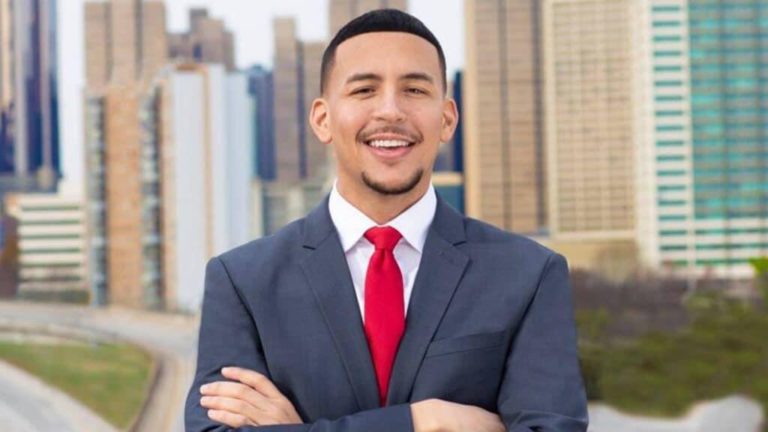
Atlanta’s first openly gay City Councilman Antonio Brown jumps in mayoral race – Yahoo News

The Daily Beast

How Dems Can Salvage Their Doomed Voting Rights Legislation

REUTERSOn Tuesday, the For the People Act, democracy-reform legislation Democrats believe would expand voting access, saw a preview of its fate. The 900-page bill, dealing with everything from election administration to congressional ethics, was the subject of a full day of debate in a Senate committee with nearly 100 proposed amendments. A total of 10 passed, while the rest went down in flames on largely party-line votes. Its future on the Senate floor looks no better: It will be forced for consideration, debated for hours, and will still fail.Rather than squabbling over next steps or surrendering, however, the Democrats have a more realistic option that would solve election administrators’ need for funding and would boost the health of elections in a way that is truly for the people.How? By putting election funding into their infrastructure package.How This Voting Rights Bill Could Turn the Next Election Into a Clusterf*ckThe need for this alternative strategy is obvious. S1, the Senate’s version of HR1, faces a bleak path: Senate Majority Leader Chuck Schumer (D-N.Y.) can now force the bill to the floor as part of his power-sharing agreement with Minority Leader Mitch McConnell (R-KY). Once there, they will have an easier time amending the bill in ways that failed in committee, because Vice President Kamala Harris can break ties. But, there’s no guarantee Harris will be able to serve that role. There aren’t 50 Democrats on board with this bill, and Joe Manchin (D-W.V) — the most powerful man in the senate — is, I’m told by staffers, carrying water for a small handful of other Democrats who do not want this bill to pass but are keeping quiet for fear of being punished by leadership. While the Democratic Party is attempting to sell this bill as supported by a unified front, it is very clearly not. And even if it were, they will still need 10 Republicans or filibuster reform, both of which appear unlikely.The For the People Act may be dead on arrival, but election funding does not have to be. While Republicans assail the infrastructure package, niggling with what “infrastructure” really means anyway, no one could feasibly argue that elections are not infrastructure — federal policy designates it, along with power and water, as “critical infrastructure.”This idea was initially pitched by the Center for Tech and Civic Life — which in 2020 carried out the largest private grant program to elections officials in U.S. history. Unlike the For the People Act, this plan was written in direct coordination with hundreds of bipartisan elections officials, who have, for years, been begging for consistent federal funding. Routing funds through the infrastructure plan provides Congress a real ability to equip local officials to give voters the elections they deserve.“We’ve heard that robust, consistent funding is the most critical need election departments have today, and the lack of adequate, predictable funding is perhaps the greatest barrier election officials face in doing their best work,” they wrote in a statement announcing the initiative. This is because Congress has funded elections as a secondary thought for years, infusing millions of dollars in reaction to crises: after the hanging chad debacle in 2000, after the cybersecurity failures of 2016, and during the pandemic of 2020. There has never been an effort to consistently fund elections offices such that they can plan ahead for necessary improvements.A predictable disbursement of cash to local officials — even with clear parameters for policy priorities — would allow states like Louisiana, which needs machines right now, to buy them. But it would also allow states like Georgia, which just invested millions into new machines, to bank money away for when they will need to upgrade their machines in eight to 10 years. Democrats are serious about their desire for automatic voter registration, updating machines and upgrading physical and digital security. All of these things can be provided for in the infrastructure bill, by offering specific funding for specific plans. This process will not allow Democrats to be as prescriptive in their policymaking, that’s true, but it will become much easier to get Republicans on board — many of whom already live in and represent states with existing automatic voter registration procedures or more stringent security protocols. The money could be specifically allocated to additional polling locations, or to incentivize states to adopt paper-backed machines and begin to do rigorous auditing — all things with at least some bipartisan consensus.That elections were left out of the infrastructure package to begin with, for many local election officials, is a head scratcher.“Elections are clearly infrastructure,” Tiana Epps-Johnson, who heads CTCL, told me. “In order for our elections to improve, they need the funding to plan into the future. This would allow for that.”In contrast, the For the People Act, as evidenced by the debacle of a committee markup, will not.Even internally, Democratic staffers on the various committees responsible for the drafting of the bill acknowledged that it began as a messaging bill while they were in the minority. It was introduced in 2019 as a priority, but because Democrats did not yet hold the majority in the Senate, it was meant to send a signal only. It was introduced again in the House as HR 1 in 2021 to demonstrate their emphasis on voting rights. The bill was then introduced in the newly Democratic-controlled Senate, with almost none of the changes demanded by elections officials, who, as I previously reported, harbored deep reservations about how they could realistically carry out these reforms. Never fear, Democrats said, they would work out the changes in committee.In the committee markup session, Amy Klobuchar (D-Minn.) introduced a manager’s amendment addressing the feasibility of the massive election policy changes in the bill. These tweaks to loosen deadlines and add waivers to the mandates were welcomed by election administrators, who saw them as the first step of a good-faith effort to make the bill workable.“They really did listen to election officials’ concerns,” said one former local official, now active in these negotiations. “I don’t believe they wanted to pass a bill that has unintended consequences, but one that ensures all eligible voters have the same opportunities to successfully participate.”But Klobuchar’s amendment failed, dashing their hopes again. Both Schumer and McConnell showed up to this markup session, a rare event for Senate leadership, demonstrating how important both parties believe the issue to be. But while Republicans present as a solid bulwark against the bill, Democrats are arguing amongst themselves as to strategy and the contents of the bill.If Democrats cannot get a basic amendment addressing basic feasibility concerns passed through a committee they control, it seems their success on the floor isn’t as high as they might claim in public statements. It’s a strategy that’s difficult for local elections officials to digest: Democrats have strapped all of their hopes on voting rights to a single bill that their own party cannot come to a consensus on, and what little funding is made available to elections officials will go down with that ship. Meanwhile, the John Lewis Voting Rights Act — which Manchin has signaled he supports and may well get a small amount of Republican buy in — has been left ignored.Including elections — an obviously critical piece of American infrastructure — in the infrastructure package gives Democrats and interested Republicans a clear opportunity to at least begin to fix the problems that plague our system, even if they cannot fix all of them at once.Read more at The Daily Beast.Get our top stories in your inbox every day. Sign up now!Daily Beast Membership: Beast Inside goes deeper on the stories that matter to you. Learn more.