Home Blog Page 251

A card exempted a gay man from serving in Iran’s military. It may have cost him his life | NewsChannel 3-12 – KEYT

Alireza Fazeli-Monfared’s future was brutally cut short last week when members of his family allegedly murdered him due to his sexual orientation, according to his partner and a LGBTQ rights group.

The 20-year-old Iranian had hoped to escape the country, where he felt stifled by the Iranian regime’s restrictions on homosexuality, and had dreams of modeling or becoming a make-up artist, his partner Aghil Abiat told CNN. In long phone calls and video messages with Abiat — who is a refugee in Turkey after being outed in Iran — Fazeli-Monfared would describe the experiences he longed to have and the life he wanted to build.

But on May 4, Fazeli-Monfared was killed, possibly after his extended family discovered that he was gay through a military service exemption card that arrived in the mail, according to Abiat and the Iranian LGBTQ organization 6Rang. Abiat said Fazeli-Monfared’s mother confirmed his death to him, but she did not respond to CNN’s calls or messages to a phone number provided by Abiat.

The couple met on a public social media channel for members of the Iranian LGBTQ community looking for support in 2019, according to Abiat. They began chatting, and sending video messages back and forth. “Our communication was wonderful. We were honest with each other … Alireza had so much he wanted to experience and he was honest about that as well,” Abiat said.

Always seething in the background, however, was building family pressure and Iran’s draconian laws against homosexuality that make same-sex relations a potential capital offense. “He was always stressed. He bit his nails so there were never any left,” Abiat recalled.

Iran is one of 68 countries where same-sex relations between consenting adults is criminalized, according to Human Rights Watch (HRW). “(The) LGBTQ community is one of the most marginalized in Iran, they face various levels of discrimination and hate. The most obvious one is by law but there is also a lot of homophobia in society depending on where you are and which demographic you belong to … the family can sometimes be the most dangerous place,” Tara Sepehri Far, Iran researcher at HRW.

Just days before the alleged killing, Fazeli-Monfared told Abiat about the arrival of his military service card. Fazeli-Monfared also told his partner that he thought the envelope had been opened and resealed. The couple shrugged it off at the time — chalking it up to paranoia. “We talked about it but we didn’t do anything about it, we thought it was just in our heads,” Abiat said. But the document exempted Fazeli-Monfared from military service on the grounds of his sexuality, and it may have led to his wider family finding out his sexual identity.

Military exemption cards have become weaponized against the LGBTQ community, according to 6Rang. “These exemption cards are issued through the Islamic Revolutionary Guard Corps. Alireza received one … indicating that he was gay, which is permissible under … the military exemption laws. Unfortunately, in Alireza’s case, this selection cost him his life,” the advocacy group said in a statement.

Iran allows exemptions for gay men from its mandatory military service under a medical category for mental health disorders. “The idea is that they are not fit for service because of their sexual orientation,” said Sepehri Far. The card showing either the exemption or completion of military service is vital to function in Iranian society and is required for even basic things such as getting passports. But the exemption is also “confirmation of your sexual orientation in a society where your sexual orientation is criminalized,” the HRW researcher added.

The last time the Fazeli-Monfared and Abiat spoke, on May 2, Fazeli-Monfared said he would go to a store to switch his phone, then buy a train ticket from Ahvaz, his hometown in southwest Iran, to the capital Tehran to get a Covid-19 test for travel to Turkey. Abiat, who is also Iranian and left the country three years ago after a former partner outed him to his family, is currently a refugee waiting for resettlement in Turkey.

By May 4, Abiat had begun to worry. Fazeli-Monfared’s phone was not online. When he called no one picked up. When he read reports of his partner’s murder, he didn’t believe them. A friend also called to tell him the news but Abiat still refused to believe it.

Finally, on May 6, he rang Fazeli-Monfared’s mother, who he calls Mama Ali. They had been previously acquainted through video calls when Fazeli-Monfared would put his mother on the phone. “She knew me as his friend, just friend,” he said. In text and voice messages with his partner’s mother, and then with his aunt, Abiat has pieced together his partner’s terrible fate.

CNN has called and messaged the number Abiat provided but was not able to speak to the person he identifies as Mama Ali, and cannot independently confirm the account below. He has provided CNN with screen shots of the conversations and audio messages.

“Mama Ali, this is Aghil, we talked couple of months back. What are people talking about? What are all these stupid things they are saying about Alireza … I can’t believe this … Please tell me that it’s a lie,” Abiat wrote in a message followed by crying emojis.

She replied with a short message: “No it’s true. They have killed Ali.”

Abiat and Mama Ali continued to text back and forth. When she got overwhelmed, Fazeli-Monfared’s aunt took over and explained the details in a voice message. “We found his body after two days. We found him … and now it is in the morgue dear,” she said.

The aunt went on to explain how when Fazeli-Monfared didn’t come home, his mother went to the phone store to ask about her son. The shopkeeper told her that while he was in the store someone came in, then told Fazeli-Monfared that his father was looking for him and told him to come with them.

When Fazeli-Monfared stepped out of the store he was forced into a car, the shopkeeper told Mama Ali. “There were three people in the car,” the aunt said in the messages to Abiat.

The aunt told Abiat that the alleged murderers also phoned her to say what they’d done. “They killed him … and the same night they called and said that they killed him,” she wrote in a text message.

“The killers” the aunt alleged were male members of the victim’s extended family. “They packed up the same night and fled to their relatives and left their house and wives behind,” the aunt alleged. CNN was unable to contact those individuals and it is unclear if a criminal case has been opened or charges have been filed. And while Fazeli-Monfared’s death has received considerable media attention, senior Iranian officials have not commented on the matter.

Speaking to CNN, Abiat said that all he wants now is justice for Fazeli-Monfared. “I want the killers to have a fair trial in which Alireza’s sexual orientation is not a consideration,” he added.

The man who Abiat had hoped to build a life with is gone. “He was beautiful, handsome. He was kind and determined … All our hopes and plans have vanished” Abiat said. “We were supposed to do it together but now I will have to do it alone.”

This story has been updated to correct when Alireza Fazeli-Monfared and Aghil Abiat first met. It was in 2019.

A card exempted a gay man from serving in Iran’s military. It may have cost him his life – KTVZ

0

Alireza Fazeli-Monfared’s future was brutally cut short last week when members of his family allegedly murdered him due to his sexual orientation, according to his partner and a LGBTQ rights group.

The 20-year-old Iranian had hoped to escape the country, where he felt stifled by the Iranian regime’s restrictions on homosexuality, and had dreams of modeling or becoming a make-up artist, his partner Aghil Abiat told CNN. In long phone calls and video messages with Abiat — who is a refugee in Turkey after being outed in Iran — Fazeli-Monfared would describe the experiences he longed to have and the life he wanted to build.

But on May 4, Fazeli-Monfared was killed, possibly after his extended family discovered that he was gay through a military service exemption card that arrived in the mail, according to Abiat and the Iranian LGBTQ organization 6Rang. Abiat said Fazeli-Monfared’s mother confirmed his death to him, but she did not respond to CNN’s calls or messages to a phone number provided by Abiat.

The couple met on a public social media channel for members of the Iranian LGBTQ community looking for support in 2019, according to Abiat. They began chatting, and sending video messages back and forth. “Our communication was wonderful. We were honest with each other … Alireza had so much he wanted to experience and he was honest about that as well,” Abiat said.

Always seething in the background, however, was building family pressure and Iran’s draconian laws against homosexuality that make same-sex relations a potential capital offense. “He was always stressed. He bit his nails so there were never any left,” Abiat recalled.

Iran is one of 68 countries where same-sex relations between consenting adults is criminalized, according to Human Rights Watch (HRW). “(The) LGBTQ community is one of the most marginalized in Iran, they face various levels of discrimination and hate. The most obvious one is by law but there is also a lot of homophobia in society depending on where you are and which demographic you belong to … the family can sometimes be the most dangerous place,” Tara Sepehri Far, Iran researcher at HRW.

Just days before the alleged killing, Fazeli-Monfared told Abiat about the arrival of his military service card. Fazeli-Monfared also told his partner that he thought the envelope had been opened and resealed. The couple shrugged it off at the time — chalking it up to paranoia. “We talked about it but we didn’t do anything about it, we thought it was just in our heads,” Abiat said. But the document exempted Fazeli-Monfared from military service on the grounds of his sexuality, and it may have led to his wider family finding out his sexual identity.

Military exemption cards have become weaponized against the LGBTQ community, according to 6Rang. “These exemption cards are issued through the Islamic Revolutionary Guard Corps. Alireza received one … indicating that he was gay, which is permissible under … the military exemption laws. Unfortunately, in Alireza’s case, this selection cost him his life,” the advocacy group said in a statement.

Iran allows exemptions for gay men from its mandatory military service under a medical category for mental health disorders. “The idea is that they are not fit for service because of their sexual orientation,” said Sepehri Far. The card showing either the exemption or completion of military service is vital to function in Iranian society and is required for even basic things such as getting passports. But the exemption is also “confirmation of your sexual orientation in a society where your sexual orientation is criminalized,” the HRW researcher added.

The last time the Fazeli-Monfared and Abiat spoke, on May 2, Fazeli-Monfared said he would go to a store to switch his phone, then buy a train ticket from Ahvaz, his hometown in southwest Iran, to the capital Tehran to get a Covid-19 test for travel to Turkey. Abiat, who is also Iranian and left the country three years ago after a former partner outed him to his family, is currently a refugee waiting for resettlement in Turkey.

By May 4, Abiat had begun to worry. Fazeli-Monfared’s phone was not online. When he called no one picked up. When he read reports of his partner’s murder, he didn’t believe them. A friend also called to tell him the news but Abiat still refused to believe it.

Finally, on May 6, he rang Fazeli-Monfared’s mother, who he calls Mama Ali. They had been previously acquainted through video calls when Fazeli-Monfared would put his mother on the phone. “She knew me as his friend, just friend,” he said. In text and voice messages with his partner’s mother, and then with his aunt, Abiat has pieced together his partner’s terrible fate.

CNN has called and messaged the number Abiat provided but was not able to speak to the person he identifies as Mama Ali, and cannot independently confirm the account below. He has provided CNN with screen shots of the conversations and audio messages.

“Mama Ali, this is Aghil, we talked couple of months back. What are people talking about? What are all these stupid things they are saying about Alireza … I can’t believe this … Please tell me that it’s a lie,” Abiat wrote in a message followed by crying emojis.

She replied with a short message: “No it’s true. They have killed Ali.”

Abiat and Mama Ali continued to text back and forth. When she got overwhelmed, Fazeli-Monfared’s aunt took over and explained the details in a voice message. “We found his body after two days. We found him … and now it is in the morgue dear,” she said.

The aunt went on to explain how when Fazeli-Monfared didn’t come home, his mother went to the phone store to ask about her son. The shopkeeper told her that while he was in the store someone came in, then told Fazeli-Monfared that his father was looking for him and told him to come with them.

When Fazeli-Monfared stepped out of the store he was forced into a car, the shopkeeper told Mama Ali. “There were three people in the car,” the aunt said in the messages to Abiat.

The aunt told Abiat that the alleged murderers also phoned her to say what they’d done. “They killed him … and the same night they called and said that they killed him,” she wrote in a text message.

“The killers” the aunt alleged were male members of the victim’s extended family. “They packed up the same night and fled to their relatives and left their house and wives behind,” the aunt alleged. CNN was unable to contact those individuals and it is unclear if a criminal case has been opened or charges have been filed. And while Fazeli-Monfared’s death has received considerable media attention, senior Iranian officials have not commented on the matter.

Speaking to CNN, Abiat said that all he wants now is justice for Fazeli-Monfared. “I want the killers to have a fair trial in which Alireza’s sexual orientation is not a consideration,” he added.

The man who Abiat had hoped to build a life with is gone. “He was beautiful, handsome. He was kind and determined … All our hopes and plans have vanished” Abiat said. “We were supposed to do it together but now I will have to do it alone.”

This story has been updated to correct when Alireza Fazeli-Monfared and Aghil Abiat first met. It was in 2019.

A card exempted a gay man from serving in Iran’s military. It may have cost him his life – ABC17NEWS – ABC17News.com

0

Alireza Fazeli-Monfared’s future was brutally cut short last week when members of his family allegedly murdered him due to his sexual orientation, according to his partner and a LGBTQ rights group.

The 20-year-old Iranian had hoped to escape the country, where he felt stifled by the Iranian regime’s restrictions on homosexuality, and had dreams of modeling or becoming a make-up artist, his partner Aghil Abiat told CNN. In long phone calls and video messages with Abiat — who is a refugee in Turkey after being outed in Iran — Fazeli-Monfared would describe the experiences he longed to have and the life he wanted to build.

But on May 4, Fazeli-Monfared was killed, possibly after his extended family discovered that he was gay through a military service exemption card that arrived in the mail, according to Abiat and the Iranian LGBTQ organization 6Rang. Abiat said Fazeli-Monfared’s mother confirmed his death to him, but she did not respond to CNN’s calls or messages to a phone number provided by Abiat.

The couple met on a public social media channel for members of the Iranian LGBTQ community looking for support in 2019, according to Abiat. They began chatting, and sending video messages back and forth. “Our communication was wonderful. We were honest with each other … Alireza had so much he wanted to experience and he was honest about that as well,” Abiat said.

Always seething in the background, however, was building family pressure and Iran’s draconian laws against homosexuality that make same-sex relations a potential capital offense. “He was always stressed. He bit his nails so there were never any left,” Abiat recalled.

Iran is one of 68 countries where same-sex relations between consenting adults is criminalized, according to Human Rights Watch (HRW). “(The) LGBTQ community is one of the most marginalized in Iran, they face various levels of discrimination and hate. The most obvious one is by law but there is also a lot of homophobia in society depending on where you are and which demographic you belong to … the family can sometimes be the most dangerous place,” Tara Sepehri Far, Iran researcher at HRW.

Just days before the alleged killing, Fazeli-Monfared told Abiat about the arrival of his military service card. Fazeli-Monfared also told his partner that he thought the envelope had been opened and resealed. The couple shrugged it off at the time — chalking it up to paranoia. “We talked about it but we didn’t do anything about it, we thought it was just in our heads,” Abiat said. But the document exempted Fazeli-Monfared from military service on the grounds of his sexuality, and it may have led to his wider family finding out his sexual identity.

Military exemption cards have become weaponized against the LGBTQ community, according to 6Rang. “These exemption cards are issued through the Islamic Revolutionary Guard Corps. Alireza received one … indicating that he was gay, which is permissible under … the military exemption laws. Unfortunately, in Alireza’s case, this selection cost him his life,” the advocacy group said in a statement.

Iran allows exemptions for gay men from its mandatory military service under a medical category for mental health disorders. “The idea is that they are not fit for service because of their sexual orientation,” said Sepehri Far. The card showing either the exemption or completion of military service is vital to function in Iranian society and is required for even basic things such as getting passports. But the exemption is also “confirmation of your sexual orientation in a society where your sexual orientation is criminalized,” the HRW researcher added.

The last time the Fazeli-Monfared and Abiat spoke, on May 2, Fazeli-Monfared said he would go to a store to switch his phone, then buy a train ticket from Ahvaz, his hometown in southwest Iran, to the capital Tehran to get a Covid-19 test for travel to Turkey. Abiat, who is also Iranian and left the country three years ago after a former partner outed him to his family, is currently a refugee waiting for resettlement in Turkey.

By May 4, Abiat had begun to worry. Fazeli-Monfared’s phone was not online. When he called no one picked up. When he read reports of his partner’s murder, he didn’t believe them. A friend also called to tell him the news but Abiat still refused to believe it.

Finally, on May 6, he rang Fazeli-Monfared’s mother, who he calls Mama Ali. They had been previously acquainted through video calls when Fazeli-Monfared would put his mother on the phone. “She knew me as his friend, just friend,” he said. In text and voice messages with his partner’s mother, and then with his aunt, Abiat has pieced together his partner’s terrible fate.

CNN has called and messaged the number Abiat provided but was not able to speak to the person he identifies as Mama Ali, and cannot independently confirm the account below. He has provided CNN with screen shots of the conversations and audio messages.

“Mama Ali, this is Aghil, we talked couple of months back. What are people talking about? What are all these stupid things they are saying about Alireza … I can’t believe this … Please tell me that it’s a lie,” Abiat wrote in a message followed by crying emojis.

She replied with a short message: “No it’s true. They have killed Ali.”

Abiat and Mama Ali continued to text back and forth. When she got overwhelmed, Fazeli-Monfared’s aunt took over and explained the details in a voice message. “We found his body after two days. We found him … and now it is in the morgue dear,” she said.

The aunt went on to explain how when Fazeli-Monfared didn’t come home, his mother went to the phone store to ask about her son. The shopkeeper told her that while he was in the store someone came in, then told Fazeli-Monfared that his father was looking for him and told him to come with them.

When Fazeli-Monfared stepped out of the store he was forced into a car, the shopkeeper told Mama Ali. “There were three people in the car,” the aunt said in the messages to Abiat.

The aunt told Abiat that the alleged murderers also phoned her to say what they’d done. “They killed him … and the same night they called and said that they killed him,” she wrote in a text message.

“The killers” the aunt alleged were male members of the victim’s extended family. “They packed up the same night and fled to their relatives and left their house and wives behind,” the aunt alleged. CNN was unable to contact those individuals and it is unclear if a criminal case has been opened or charges have been filed. And while Fazeli-Monfared’s death has received considerable media attention, senior Iranian officials have not commented on the matter.

Speaking to CNN, Abiat said that all he wants now is justice for Fazeli-Monfared. “I want the killers to have a fair trial in which Alireza’s sexual orientation is not a consideration,” he added.

The man who Abiat had hoped to build a life with is gone. “He was beautiful, handsome. He was kind and determined … All our hopes and plans have vanished” Abiat said. “We were supposed to do it together but now I will have to do it alone.”

This story has been updated to correct when Alireza Fazeli-Monfared and Aghil Abiat first met. It was in 2019.

A card exempted a gay man from serving in Iran’s military. It may have cost him his life :: WRAL.com – WRAL.com

— Alireza Fazeli-Monfared’s future was brutally cut short last week when members of his family allegedly murdered him due to his sexual orientation, according to his partner and a LGBTQ rights group.

The 20-year-old Iranian had hoped to escape the country, where he felt stifled by the Iranian regime’s restrictions on homosexuality, and had dreams of modeling or becoming a make-up artist, his partner Aghil Abiat told CNN. In long phone calls and video messages with Abiat — who is a refugee in Turkey after being outed in Iran — Fazeli-Monfared would describe the experiences he longed to have and the life he wanted to build.

But on May 4, Fazeli-Monfared was killed, possibly after his extended family discovered that he was gay through a military service exemption card that arrived in the mail, according to Abiat and the Iranian LGBTQ organization 6Rang. Abiat said Fazeli-Monfared’s mother confirmed his death to him, but she did not respond to CNN’s calls or messages to a phone number provided by Abiat.

The couple met on a public social media channel for members of the Iranian LGBTQ community looking for support around six months ago, according to Abiat. They began chatting, and sending video messages back and forth. “Our communication was wonderful. We were honest with each other … Alireza had so much he wanted to experience and he was honest about that as well,” Abiat said.

Always seething in the background, however, was building family pressure and Iran’s draconian laws against homosexuality that make same-sex relations a potential capital offense. “He was always stressed. He bit his nails so there were never any left,” Abiat recalled.

Iran is one of 68 countries where same-sex relations between consenting adults is criminalized, according to Human Rights Watch (HRW). “(The) LGBTQ community is one of the most marginalized in Iran, they face various levels of discrimination and hate. The most obvious one is by law but there is also a lot of homophobia in society depending on where you are and which demographic you belong to … the family can sometimes be the most dangerous place,” Tara Sepehri Far, Iran researcher at HRW.

Just days before the alleged killing, Fazeli-Monfared told Abiat about the arrival of his military service card. Fazeli-Monfared also told his partner that he thought the envelope had been opened and resealed. The couple shrugged it off at the time — chalking it up to paranoia. “We talked about it but we didn’t do anything about it, we thought it was just in our heads,” Abiat said. But the document exempted Fazeli-Monfared from military service on the grounds of his sexuality, and it may have led to his wider family finding out his sexual identity.

Military exemption cards have become weaponized against the LGBTQ community, according to 6Rang. “These exemption cards are issued through the Islamic Revolutionary Guard Corps. Alireza received one … indicating that he was gay, which is permissible under … the military exemption laws. Unfortunately, in Alireza’s case, this selection cost him his life,” the advocacy group said in a statement.

Iran allows exemptions for gay men from its mandatory military service under a medical category for mental health disorders. “The idea is that they are not fit for service because of their sexual orientation,” said Sepehri Far. The card showing either the exemption or completion of military service is vital to function in Iranian society and is required for even basic things such as getting passports. But the exemption is also “confirmation of your sexual orientation in a society where your sexual orientation is criminalized,” the HRW researcher added.

The last time the Fazeli-Monfared and Abiat spoke, on May 2, Fazeli-Monfared said he would go to a store to switch his phone, then buy a train ticket from Ahvaz, his hometown in southwest Iran, to the capital Tehran to get a Covid-19 test for travel to Turkey. Abiat, who is also Iranian and left the country three years ago after a former partner outed him to his family, is currently a refugee waiting for resettlement in Turkey.

By May 4, Abiat had begun to worry. Fazeli-Monfared’s phone was not online. When he called no one picked up. When he read reports of his partner’s murder, he didn’t believe them. A friend also called to tell him the news but Abiat still refused to believe it.

Finally, on May 6, he rang Fazeli-Monfared’s mother, who he calls Mama Ali. They had been previously acquainted through video calls when Fazeli-Monfared would put his mother on the phone. “She knew me as his friend, just friend,” he said. In text and voice messages with his partner’s mother, and then with his aunt, Abiat has pieced together his partner’s terrible fate.

CNN has called and messaged the number Abiat provided but was not able to speak to the person he identifies as Mama Ali, and cannot independently confirm the account below. He has provided CNN with screen shots of the conversations and audio messages.

“Mama Ali, this is Aghil, we talked couple of months back. What are people talking about? What are all these stupid things they are saying about Alireza … I can’t believe this … Please tell me that it’s a lie,” Abiat wrote in a message followed by crying emojis.

She replied with a short message: “No it’s true. They have killed Ali.”

Abiat and Mama Ali continued to text back and forth. When she got overwhelmed, Fazeli-Monfared’s aunt took over and explained the details in a voice message. “We found his body after two days. We found him … and now it is in the morgue dear,” she said.

The aunt went on to explain how when Fazeli-Monfared didn’t come home, his mother went to the phone store to ask about her son. The shopkeeper told her that while he was in the store someone came in, then told Fazeli-Monfared that his father was looking for him and told him to come with them.

When Fazeli-Monfared stepped out of the store he was forced into a car, the shopkeeper told Mama Ali. “There were three people in the car,” the aunt said in the messages to Abiat.

The aunt told Abiat that the alleged murderers also phoned her to say what they’d done. “They killed him … and the same night they called and said that they killed him,” she wrote in a text message.

“The killers” the aunt alleged were male members of the victim’s extended family. “They packed up the same night and fled to their relatives and left their house and wives behind,” the aunt alleged. CNN was unable to contact those individuals and it is unclear if a criminal case has been opened or charges have been filed. And while Fazeli-Monfared’s death has received considerable media attention, senior Iranian officials have not commented on the matter.

Speaking to CNN, Abiat said that all he wants now is justice for Fazeli-Monfared. “I want the killers to have a fair trial in which Alireza’s sexual orientation is not a consideration,” he added.

The man who Abiat had hoped to build a life with is gone. “He was beautiful, handsome. He was kind and determined … All our hopes and plans have vanished” Abiat said. “We were supposed to do it together but now I will have to do it alone.”

Princess Diana Worked Out At an LGBTQ Gym Because She ‘Really Liked Gay Guys’ – Showbiz Cheat Sheet

Throughout her life, Diana, Princess of Wales was known for her kind persona and public advocacy, especially after her divorce from Prince Charles. One of the causes she was most passionate about was the HIV/AIDS epidemic that claimed countless lives in the 1980s and ’90s.

Princess Diana

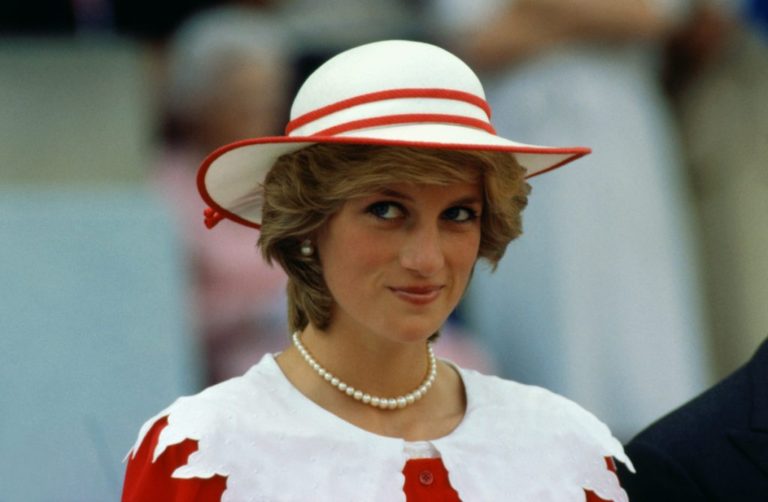
Diana, Princess of Wales, wears an outfit in the colors of Canada during a state visit to Edmonton, Alberta, with her husband | Bettman/Getty Images

Princess Diana was an outspoken HIV/AIDS advocate

In the 1980s, HIV was wreaking havoc in the United Kingdom and beyond. As more and more people developed AIDS and began dying from horrific illnesses, few celebrities around the globe were willing to step up and speak in defense of the mostly LGBTQ victims.

In 1987, Diana famously opened the UK’s first hospital unit purposely built to treat HIV/AIDS patients in London. She made headlines by holding hands with a young man who was living with the virus, breaking a huge stigma at the time and showing that the disease wasn’t contagious.

Photo of Princess Diana from the shoulders up wearing pearl-drop earrings and her signature blue eyeliner

Princess Diana photographed at a dinner party in Paris | David Levenson/Getty Images

Princess Diana changed public perception of people living with AIDS

British author Jeremy Norman and his husband Derek Frost spoke with PinkNews about the “enormous” impact that Diana had on public perception of HIV and AIDS, as well as the people who lived with the virus.

“She did it absolutely knowingly,” Frost said. “Who knows what her private motives were, but she was undoubtedly a very compassionate lady. She took a very, very definite decision in the face of all the stigma against AIDS to say, ‘Actually, I know I’ve got huge influence and I’m going to huge this person or touch their hand.’”

“She liked gay people,” Frost added about the late princess. “I think she genuinely felt that it was utterly tragic that so many young people were dying, as we all did, and she did something about it.”

Diana’s conscious effort to make HIV/AIDS patients feel seen and loved was huge for the LGBTQ community at the time, as they were losing beloved members by the day.

Princess Diana donning Queen Mary's Diamond And Pearl Tiara while having a conversation with Prince Charles

Princess Diana donning Queen Mary’s Diamond And Pearl Tiara while having a conversation with Prince Charles | Tim Graham Photo Library via Getty Images

RELATED: Princess Diana Was ‘Visibly Blushing’ While Dancing With This American Singer, Photographer Reveals

Princess Diana worked out at a gay men’s gym

Norman went on to describe just how personal Diana’s relationship with gay men was at the height of the HIV/AIDS epidemic. In the 1990s, Norman was an entrepreneur who ran a chain of gyms in London called Soho Gyms that catered primarily to gay men — as well as Diana herself.

“It’s not really much discussed, but she really liked gay guys,” Norman said. “She really felt at ease with gay men. She could relate to them and she didn’t feel threatened by them in any way. They were just friends she could hang out with.”

“When we bought the Earl’s Court Gym when I was expanding the Soho Gyms group, she was a member there,” he continued. “That was the gym she was a member of when she died, and she would work out there. I think we closed the gym for a couple of hours three times a week for her.”

Talking Truth | Opinion | Northern Express – northernexpress.com

Guest Opinion
By Triston Cole | May 15, 2021

Truth is, we are all freedom-loving people here in America. Truth is, we are all fiercely independent at heart. And truth is, we have a strong streak of compassion in all of us.

Truth is, we are more similar than dissimilar and agree on a lot more than we disagree. Truth is, right now if you listen to the mainstream media and believe everything you read/see online you likely have a very negative dark and gloomy opinion and view of the political landscape right now. Truth is, we all want pretty much the same things; we just have different paths to get there.

During my time in the Michigan Legislature, I saw the best and worst of the political scene in Michigan. There is a lot to be thankful for, as the vast majority serving, past and present, are good people working on issues, desperately trying to make a difference for their communities.

Individual issues do not always impact every legislative district and become an issue for every legislator. It’s not that the issue is partisan, but often regional and, in Michigan, different regions have different political leanings and trends. Building relationships with colleagues is absolutely vital to ensure a level of trust, expand understanding, and to foster the environment necessary to work together within our system of government.

Believe it or not, meaningful relationships are still built across the aisle by most people serving. Reps and senators, especially the effective ones, have an extremely diverse list of contacts and friends because in the legislature, relationships are everything. Getting to know each other helps us understand passions, smooth discord, and allow for vigorous debates without becoming personal.

I was fortunate to build strong relationships and become friends with people who, from an outside perspective, couldn’t seem more different. Rep. Leslie Love, Minority Floor Leader Yousef Rabhi, Rep. Sherry Gay-Dagnogo, Rep. Harvey Santana — the list goes on. We conversed, broke bread, and genuinely like each other. It helped us all understand implications, results, fears, along with goals for priorities and policies.

If you only derive your opinion from the mainstream media and the nightly news, you will see fiery speeches and assume animosity abounds, and that there is complete and utter discord. Believe it or not, most legislators are not involved in vast conspiracies or nefarious activities, but rather are in it for good, with strong personal convictions and a desire to make a positive difference.

Truth is, elections have consequences for both sides. This is not a “my way or the highway” representative republic that we live in. With elections, there will be a winner and multiple losers. In the Michigan legislature, for anything to become law, it takes teamwork and three things: 56, 20, and 1. Generally referred to as the Lansing zip code, these numbers represent a majority in the House, majority in the Senate, and the governor’s signature. This is the typical pathway to success for changing Michigan law and passing a budget.

There is no place for a go-it-alone mentality in state government. By refusing to work with others, animosity is omnipresent. It is very divisive and difficult to get anything accomplished, no matter how “right” you might be. Furthermore, there are thousands of bills introduced each two-year cycle. Many see no action at all for a variety of reasons. (Insiders, please note: Before you write something on Facebook panicking about something introduced that’s “going to become law,” call and communicate with your representative or senator to see if it’s really even got a chance at moving any further than a simple introduction. That single action and communication will save a lot of stress and anxiety for everyone.)

Currently in Michigan at the state level, we have split power. We have a Democratic Governor, a Republican-led House, and a Republican-led Senate. Think of it as a three-legged stool. Without all three legs, it cannot stand; it tips over. Two legs are stronger than one, but the “one” is still needed for success.

House and Senate members are elected by district, and obviously, the governor is statewide. Within Michigan’s 110 House districts, 58 are held by Republicans — a clear majority. Within the 38 Senate districts, it’s 20 Republicans and 16 Democrats — again, a clear majority. (Currently in the Senate, there are two vacant seats that were held by Republicans who resigned to take different offices; otherwise, it would be 22–16 Republican/Democrat.) Regardless, our state government must work together and have equal respect for each of the three branches.

Truth is, Republicans hold two legs of the three-legged stool and are as equally elected as the governor. Truth is, the vast majority of votes and decisions made are not even partisan — or really all that controversial. If there are 100 votes on the floor of the House, 80 will be very bipartisan and pass by a wide margin. Ten of the votes will be close, with very little bipartisan support, and ten are going to be partisan, with the vote entirely along party lines. Truth is, we’re all in this together, and the truth is, with true mutual respect, we can work together.

Triston Cole was a member of the Michigan House of Representatives from 2015 to 2021, serving Michigan’s 105th District. He writes from Antrim County.

London protest against Israeli attacks on Gaza – Yahoo News

Axios

America’s slowing population growth puts limits on its future

The U.S.’ sharply declining rate of population growth threatens to put an expiration date on a country built around a vision of endless reinvention.The big picture: Fewer people means fewer workers to support an aging population, fewer innovators with new ideas, less economic growth — and more of one thing: political fights over a shrinking pie.Stay on top of the latest market trends and economic insights with Axios Markets. Subscribe for freeBy the numbers: At the end of April, the Census Bureau reported that between 2010 and 2020, the U.S. population grew at its slowest rate since the Great Depression and the second-slowest rate in any decade since the country’s founding. Recent data from the CDC indicates the U.S. birth rate fell for the sixth straight year, with births falling precipitously in December, around when any babies conceived during the start of the pandemic would have been born.The fertility rate — defined as the number of live births per 1,000 women aged 15–44 — fell from 64.1 in 2010 to 55.8 in 2020.That’s in part a result of positive changes, like the sharp drop in teen pregnancies, but it also means Americans are not having enough babies to keep the country’s population growing by births alone.The impact: Countries with falling population growth — and eventually population decline — face serious economic, political and even cultural challenges.Fewer births combined with longer lifespans mean fewer productive young workers to balance those in retirement. As a result, JPMorgan senior economist Jesse Edgerton notes, there will be excess capital sloshing around the global economy, keeping interest rates low and making it more difficult to save for retirement. While a slower-growing population puts less pressure on the climate, new ideas come from people, and fewer people means fewer sources for those new ideas. That leads to a slowdown in innovation at the very moment when we need it most, as Stanford economist Charles Jones argued in a recent paper.Put those two trends together, and you have a formula for corrosive generational conflict and a country in long-term decline — which is exactly what a 2019 Pew survey about Americans’ attitudes toward the future found.”I think for many [Americans], it’s not a completely boundless dream anymore,” Lanhee Chen, a public policy fellow at Stanford’s Hoover Institution, told the Washington Post. Context: Slowing population growth is a reality throughout most of the developed world, as well as in China, where government data released this week showed the average annual population growth over the past 10 years was just 0.53%, the slowest in decades. Yes, but: The U.S. has one option to keep its population growing that China and many other countries lack: immigration.Immigration has always been key to U.S. population growth — absent its foreign-born citizens and residents, the country would have some 40 million fewer people, and cities like New York and Chicago would have shrunk.The demand to come to the U.S. is still huge: Data from Gallup indicates 42 million people in Latin America and the Caribbean alone would move to the U.S. if they could.The average age of immigrants is more than seven years younger than the median American, which means they’re in a demographic position to bolster the workforce for decades and have more children of their own.The catch: While the U.S. had a net migration of more than 1 million people a year leading up to 2016, that number fell to an estimated 595,000 in 2019, even before pandemic-led border controls closed the spigot further.A report this year from the National Immigration Forum found increasing net immigration levels by at least 37% — approximately an additional 370,000 immigrants per year — would prevent the U.S. from falling into a “demographic deficit.”What to watch … the progress of President Biden’s immigration proposals, which would expand legal immigration while creating a pathway to citizenship for millions of undocumented immigrants. The Biden administration has also proposed a number of family-friendly policies in its American Families Plan, including enhanced child tax credits and free preschool for children ages 3–4. But in European and East Asian countries that have grappled with low birth rates for years, attempts to reverse the decline through pro-natality policies like child allowances have done little to bend the fertility curve upward.While Americans have consistently said they desire more children than they actually have, and some demographers suggest the COVID baby bust could be reversed as prospective parents have the children they put off earlier, long-term trends around declining marriage rates and delayed childbearing will be difficult to reverse.The bottom line: No country in the world has figured out a reliable way to induce citizens to have more children over the long term, which means the U.S. can live up to its self-conception as a “nation of immigrants” — or face a shrinking future.Like this article? Get more from Axios and subscribe to Axios Markets for free.

The forgotten origins of the modern gay rights movement in WWI – Yahoo News

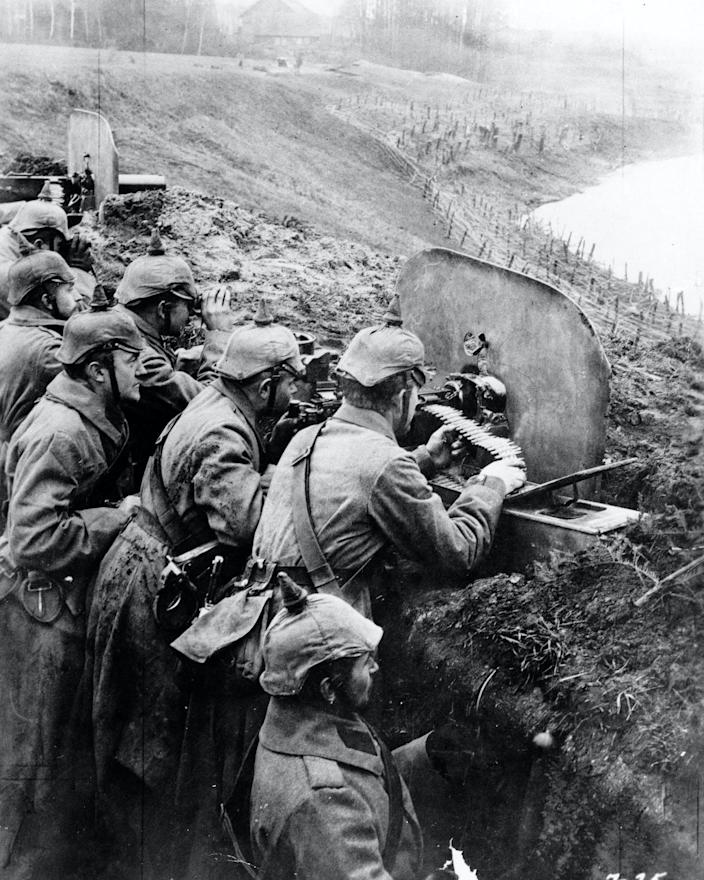
<span class="caption"/>German infantrymen aim machine guns from a trench near the Vistula River in 1916.  <span class="attribution"><span class="source">AP-Photo</span></span>” src=”https://s.yimg.com/ny/api/res/1.2/6UPUDz.7mqxsSTs471hudQ–/YXBwaWQ9aGlnaGxhbmRlcjt3PTcwNTtoPTg4MC43NjA0MTY2NjY2NjY2/https://s.yimg.com/uu/api/res/1.2/x84L1lz1pFEzs8RBBheFYQ–~B/aD0xNzk5O3c9MTQ0MDthcHBpZD15dGFjaHlvbg–/https://media.zenfs.com/en/the_conversation_us_articles_815/0be80281f02b5060530d5ef7d8dd6af3″ data-src=”https://s.yimg.com/ny/api/res/1.2/6UPUDz.7mqxsSTs471hudQ–/YXBwaWQ9aGlnaGxhbmRlcjt3PTcwNTtoPTg4MC43NjA0MTY2NjY2NjY2/https://s.yimg.com/uu/api/res/1.2/x84L1lz1pFEzs8RBBheFYQ–~B/aD0xNzk5O3c9MTQ0MDthcHBpZD15dGFjaHlvbg–/https://media.zenfs.com/en/the_conversation_us_articles_815/0be80281f02b5060530d5ef7d8dd6af3″></div>
</div>
</div>
<p><figcaption class=German infantrymen aim machine guns from a trench near the Vistula River in 1916. AP-Photo

One of the World War I’s most enduring legacies is largely forgotten: It sparked the modern gay rights movement.

Gay soldiers who survived the bloodletting returned home convinced their governments owed them something – full citizenship. Especially in Germany, where gay rights already had a tenuous footing, they formed new organizations to advocate in public for their rights.

Though the movement that called itself “homosexual emancipation” began in the 19th century, my research and that of historian Jason Crouthamel shows that the war turned the 19th-century movement into gay rights as we know it today.

A death in Russia

In the winter of 1915, a German soldier died in a field hospital in Russia. The soldier, whose name is missing from the historical record, had been hit in the lower body by shrapnel when his trench came under bombardment. Four of his comrades risked their lives to carry him to the rear. There, he lay for weeks, wracked by pain in the mangled leg and desperately thirsty. But what troubled him most was loneliness. He sent letters to his boyfriend whenever he could manage it.

“I crave a decent mouthful of fresh water, of which there isn’t any here,” he wrote in his final letter. “There is absolutely nothing to read; please, do send newspapers. But above all, write very soon.”

This soldier, who had to keep his relationship hidden from those around him, was just one of the approximately two million German men killed in World War I. His suffering is not unlike what many others experienced. What his loved ones made of that suffering, however, was different, and had enormous consequences.

His boyfriend, identified in surviving documents only as “S.,” watched the man he loved go off to serve in a war that he did not fully endorse, only to die alone and in pain as S. sat helplessly by hundreds of miles away. S. told their story in a letter to the Scientific Humanitarian Committee, which published it in April 1916.

The Scientific Humanitarian Committee was then the world’s leading homosexual emancipation group, boasting a membership of about 100 people. The soldier’s story took a cruel twist at its very end: S.‘s loving replies were lost in the chaos of the war and never reached the soldier.

“He died without any contact from me,” S. wrote.

Demanding the rights of citizens

After the war, many believed the slaughter had been for nothing. But S. saw a lesson in his partner’s suffering and death.

“He has lost his bright life … for the Fatherland,” wrote S. That Fatherland had a law on the books that banned sex between men. But the sodomy law was just the tip of the iceberg: S. and men like him generally could not reveal their love relationships in public, or even to family members. Homosexuality meant the loss of one’s job, social ostracism, the risk of blackmail and perhaps criminal prosecution.

S. called it “deplorable” that “good citizens,” soldiers willing to die for their country, had to endure the status of “pariahs.” “People who are by nature orientated toward the same sex … do their duty,” he wrote. “It is finally time that the state treated them like they treat the state.”

A new phase of gay rights

Many veterans agreed with S. When the war ended, they took action. They formed new, larger groups, including one called the League for Human Rights that drew 100,000 members.

In addition, as I argue in my book, the rhetoric of gay rights changed. The prewar movement had focused on using science to prove that homosexuality was natural. But people like S., people who had made tremendous sacrifices in the name of citizenship, now insisted that their government had an obligation to them regardless of what biology might say about their sexuality.

They left science behind. They went directly to a set of demands that characterizes gay rights to this day – that gay people are upstanding citizens and deserve to have their rights respected. “The state must recognize the full citizenship rights of inverts,” or homosexuals, an activist wrote in the year after the war. He demanded not just the repeal of the sodomy law, but the opening of government jobs to known homosexuals – a radical idea at the time, and one that would remain far out of reach for many decades.

Respectable citizens

Ideas of citizenship led activists to emphasize what historians call “respectability.” Respectability consisted of one’s prestige as a correctly behaving, middle-class person, in contrast to supposedly disreputable people such as prostitutes. Throughout the 20th century, gay rights groups struggled for the right to serve openly in the military, a hallmark of respectability. With some exceptions, they shied away from radical calls to utterly remake society’s rules about sex and gender. They instead emphasized what good citizens they were.

In 1929, a speaker for the League for Human Rights told an audience at a dance hall, “we do not ask for equal rights, we demand equal rights!” It was, ironically, the ghastly violence and horrible human toll of the World War I that first inspired such assertive calls, calls that characterized gay rights movements around the world in the 20th century.

It would take nearly a century for these activists to achieve one of their central goals – the repeal of sodomy laws. Germany enjoyed a 14-year period of democracy after World War I, but the Nazis came to power in 1933 and used the sodomy law to murder thousands of men. A version of the law remained in force until the 1990s. The United States struck down its sodomy laws only in 2003.

This article is republished from The Conversation, a nonprofit news site dedicated to sharing ideas from academic experts.

Read more:

Laurie Marhoefer receives funding from the University of Washington.

LGBT Activist in Brazil Accuses Neymar of Plotting Attack Against Him, Media Says – Sputnik International

Star Brazilian footballer Neymar – who plies his club trade for PSG – has been accused of organising an armed attack against Agripino Magalhaes, an LGBT activist and assistant to a Brazilian MP, LO-Bianco reports.

Having filed a lawsuit with the Court of Justice of Sao Paulo, Magalhaes also accuses Neymar’s lawyer, Davi de Paiva Costa Tangerina, of making death threats against him. The activist suggests he’s been targeted because he reported on Neymar’s alleged homophobia.

Magalhaes says he keeps changing addresses, fearing for his life, and that he cannot work as normal due to concerns for his safety.

According to the media outlet, he is seeking about $190,000 in compensation.

Covid pandemic causes domestic violence among LGBT in Pak – Big News Network

0

Islamabad [Pakistan], May 15 (ANI): The coronavirus pandemic has resulted in reports of domestic violence and mental distress among LGBT people. It is difficult to find partners due to Covid-19 restrictions and the return of many people to their family homes.

The COVID-19 pandemic has made being LGBT in Pakistan significantly more difficult in a country where these communities already face numerous challenges, including systemic oppression, social stigma and a legal ban on homosexual acts, reported DW News Agency.

Activists are concerned that the increased alienation and barriers to meeting people is negatively affecting mental health within LGBT communities.

Mani, a 36-year-old human rights defender, identifies as a transgender man. His organization called HOPE has carried out several studies on the impact of COVID on his community.

He told DW that more cases of domestic violence among gay and transgender partners had been reported during the lockdowns, as the financial and emotional stress led to more clashes, especially for transgender women.

“Some trans women enjoy having a masculine boyfriend because he can make her feel more feminine and loved, but, during COVID, we saw that many women reported more domestic violence,” Mani said.

LGBT communities have some of the highest rates of suicide in Pakistan, as well as reports of self-harm and mental health problems.

Mani said communities had stigmatized themselves in some ways by reinforcing sexual identity as an act of defiance.

“Sex is a natural need, and, because our community is so marginalized, we talk about sex more openly among ourselves, which has stereotyped LGBT people as being more sexual,” he said, stressing that this stereotype of being hypersexual can also create barriers to finding stable romantic partnerships.

In 1860 colonial British government had criminalised homosexual activities in India establishing them as crimes that can result in life imprisonment or even death by stoning.

Though these laws are seldom enforced by officials, as gay and queer activities remain largely clandestine, those identifying as LGBT rarely come out to their families.

When family members do come out or are found out to be queer, they face threats of violence and disownment. This is why some LGBT Pakistanis often move out of their family homes to pursue more freedom to explore their identity and sexuality.

However, during the pandemic, exploration and independence have become increasingly perilous for some, reported DW News Agency.

Usman, 32, who works for a multinational company in Abbottabad, a city slightly north of the capital, Islamabad, told DW that during the pandemic he has only managed to meet his long-distance boyfriend once every three months.

“My boyfriend is 25 and living with his family in Gujranwala, so he doesn’t have the same freedom to leave his house,” he said. “With the lockdowns and travel restrictions in place, our meetups have become more difficult.”Though Usman prefers monogamy, he and his partner have an agreement that they are free to explore physical relationships with other men, because of the nature of their long-distance relationship.

Such meetings are largely facilitated by social media, online groups and dating applications. Due to the pandemic, however, Usman said that usage of dating apps and the possibility of actual meetups have been considerably reduced.

During the fasting month of Ramzan, Usman said many men were also abstaining from casual sex and hook-ups, as many gay men negatively internalise their sexuality as something shameful or wrong.

Pakistan has more than 873,000 COVID-19 cases and over 19,000 deaths. On May 8, the government imposed a 10-day nationwide lockdown to curb the spread of the virus ahead of the Eid al-Fitr holiday.

Online dating has also suffered a few setbacks. Prime Minister Imran Khan banned the use of dating apps such as Tinder and Grindr earlier last year in order to curb “un-Islamic behaviour”, reported DW News Agency.

However, Saad said, there are lesser-known apps and VPNs through which users can still meet each other.

Dating app users have also found ways around the pandemic by offering more transparency about their health. (ANI)

David Färdmar (‘Living without us’): “It is important for the new generations to have other LGBT references” – Explica .co – Explica

The Swedish David Färdmar premieres his debut film, ‘Vivir sin nosotros’, in Spanish theaters from this May 14th. Starring Björn Elgerd and Jonathan Andersson, the film tells of the breakup of a couple in their thirties. Shown at the Gothenburg Festival, It is a debut with which the director and screenwriter is committed to breaking with the clichés of LGBT cinema. “We live in 2021, it is important for young people, for the new generation, to see other types of references, other approaches,” says the filmmaker.

Living without us tells how a couple in their twenties who are very close to thirty face their breakup. On the one hand, for Hampus (Andersson) it is a relief to leave a relationship that was being self-destructive. On the other, Adrian (Elgerd) is devastated and heartbroken. The two will go through the sentimental duel in different ways, with the audience witnessing the breakdown and subsequent effort to remake their personal lives.

The project is based on a 15-minute short film made in 2018, entitled ‘No More We’, which also featured the same leading actors. “Initially, I wrote the script thinking about a feature film. We started shooting it while we were looking for funding but it fell apart and we had to stop it. With the material I had recorded, I decided to create a short”, shares the director, who highlights that “after the good reception” of ‘No More We’, it was when he was able to make the film he had thought of. “I tried again and, with the help of Swedish and American investors, we were able to do it,” he adds.

“There are too many movies that show how difficult it is to be LGBT”

An element that draws the attention of ‘Living without us’ is that it shuns the usual situations of LGBT cinema related to self-acceptance, homophobia or the hostile environment of society. “I was fed up with these types of films. I’m not saying they are not important, I recognize their value, especially in what they have meant in history and that, in certain regions, they continue to be necessary. But, when I started producing the film, I imposed five rules to be able to do it “, explains Färdmar in an interview for eCartelera during the promotion of the film in Madrid.

Live without us

“The five rules were: 1. There would be no coming out of the closet, 2. That no one was going to be beaten or victim of a hate crime, 3. That there would not be the omnipresence of homophobia and the weight it entails, 4. There would be no HIV-positive characters and 5. That in the end all the protagonists are alive“, details the filmmaker, who considers that there have been” too many proposals that show how difficult it is to be gay, lesbian or trans. “” It is important for the new generations that are LGBT to see new things. I wanted to tell the story of a break in which being LGBT is normative“, he adds.

Hence, the protagonists are young. “I wanted the couple to be made up of two boys between 25 and 35 years old, not older, precisely so that the new generation could identify with them,” he argues. However, Färdmar does not rule out addressing a relationship between more mature gay men in the future. “Gays between 40 and 50 years old have other types of life challenges. It would have been a different film and, perhaps, I will explore it for my next project,” he says.

“It is essential that there is more representation in front of and behind the cameras”

Another virtue of the film is the chemistry of its two main interpreters, Björn Elgerd and Jonathan Andersson. “Before I became a filmmaker, I was a casting director and, in one of my jobs, nine years ago, I met both of them. I really liked their ways of acting and I said to myself that if he ends up being a filmmaker, I would want to work with them. When I started to write the libretto, I did it thinking about them for the leading couple “, reveals Färdmar, who highlights how” a respect and admiration arose between them during the filming “. “There was a splendid atmosphere on set,” he says.

Live without us

Openly gay, Färdmar is aware of the movement from the United States that demands that LGBT characters be played by LGBT actors. “I think it depends on what type of film you want to make and what is the subject you are dealing with. To choose the four gay characters in my film, I asked the actors to read the script and I asked them if they were able to identify with the emotions of a breakup, “says the director.

“It never crossed my mind to ask them about their sexuality. The essential issue, for me, was to find the actor who best fit the role. Whether the subject requires it or not is another question. I think the fundamental thing is that, in the collective, we have more representation, both in front of and behind the cameras. I do not consider that you have to be gay to play a gay character because, if we follow that logic, a homosexual actor or actress would not be eligible for heterosexual roles, “he says.

“The public really wants to go back to the cinema”

On the other hand, Färdmar points out that, in most of the characters, it is their personalities that define them beyond their sexuality. “I don’t think being gay has to be the description for a role. As with society itself, there are many ways to be gay. When I did the casting, I did not talk about the sexual orientation of the protagonists as the main element, but about their emotions, of what they felt and how they lived a sentimental break, that was the essential thing, “he details.

Live without us

Spain has become one of the first countries in which ‘Living without us’ has had a commercial premiere in cinemas, because in other international markets its launch has been limited to platforms, due to the coronavirus pandemic. “Although in Sweden there have not been confinements nor have we experienced the harsh restrictions of other countries, for the cinema it has been devastating. The capacity control measures made it impossible for the theaters to be open, the culture was closed,” he declares . “Now, let’s hope that the limitations will relax. The public is eager to return to the cinema, also to the theater and live music“, keep going.

Directed and written by David Färdmar, ‘Living Without Us’ stars Björn Elgerd, Jonathan Andersson, Micki Stoltt, Nemanja Stojanovic, Víctor Iván, Melker Wernberg, Shirin Golchin, Michaela Thorsén and Lisbeth Johansson. Available in theaters from May 14, from Surtsey Films.

5 books not to miss: Yusef Salaam of Central Park Five pens memoir; Bob Dylan gets bio – USA TODAY

In search of something good to read? USA TODAY’s Barbara VanDenburgh scopes out the shelves for this week’s hottest new book releases. All books are on sale Tuesday. 

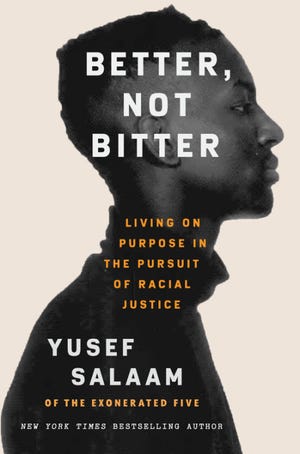
1. “Better, Not Bitter: Living on Purpose in the Pursuit of Racial Justice,” by Yusef Salaam (Grand Central, nonfiction)

What it’s about: From a grave miscarriage of justice comes this inspirational memoir and call to action from a prison reform activist and one of the exonerated Central Park Five. 

The buzz: “Warm, generous, and inspirational: a book for everyone,” says a starred review from Kirkus Reviews.

“Better, Not Bitter: Living on Purpose in the Pursuit of Racial Justice,” by Yusef Salaam.

2. “Where the Grass Is Green and the Girls Are Pretty,” by Lauren Weisberger (Random House, fiction)

What it’s about: From the bestselling author of “The Devil Wears Prada” comes an entertaining story about two sisters – stylish TV anchor Peyton and stay-at-home mom Skye – and the one little lie that cracks their illusions.

The buzz: A ★★★ (out of four) review for USA TODAY says the book “goes down like an ice-cold guilty pleasure on a hot beach-reading day.”

More:Seth Rogen talks Kanye West relationship, shrooms trip, oddball fame in new book ‘Yearbook’

3. “The Double Life of Bob Dylan: A Restless, Hungry Feeling, 1941-1966,” by Clinton Heylin (Little, Brown and Co., nonfiction)

What it’s about: One of pop culture’s most iconic and mysterious figures gets the definitive biography treatment. With fresh research, Heylin tells the story of Dylan’s rise to fame and takes readers inside his creative process. 

The buzz: “This ambitious biography seeks the truth,” says Kirkus Reviews.

“Punch Me Up to the Gods,” by Brian Broome.

4. “Punch Me Up to the Gods,” by Brian Broome (Houghton Mifflin Harcourt, nonfiction)

What it’s about: A raw coming-of-age memoir of growing up Black and gay in the Midwest framed around Gwendolyn Brooks’ poem “We Real Cool.”

The buzz: “(Broome’s) testimony rings out as a searing critique of soul-crushing systems and stereotypes,” says a starred review from Publishers Weekly.

5. “Phase Six,” by Jim Shepard (Knopf, nonfiction)

What it’s about: A harrowing story set in the near future that imagines the next pandemic – one that emerges from a remote village in Greenland and begins to spread around the world.

The buzz: “All the narrative propulsion of escapist fiction without the escape,” says a starred review from Kirkus Reviews.

More:Brat Packer Andrew McCarthy relives scary ‘80s stardom in new memoir

The Covid-19 vaccine and PrEP both require talking about our health without shame – MSNBC

After over a year of living in fear, the Centers for Disease Control and Prevention on Thursday said the words we have been waiting to hear: It’s finally time to begin taking off our masks.

That news comes as confirmation that with enough vaccinations, we as a country can begin to let people go back to some semblance of normalcy — at least in small groups.

You’d think many people would immediately leap to joy knowing that it’s safe to let people see your face in public, but I am still seeing so many people online and off — especially progressives — openly pushing back on the CDCs decision and the science behind it with distrust.

May 14, 202110:51

The debate that’s currently playing out among liberals is a version of one that’s been going on in the queer community for years: The battle to get people to begin taking the HIV prevention drug PrEP is a prime case of how stigma and shame only allow viruses to continue.

Since the first shutdowns began in March 2020, the pandemic has been extremely politicized, with masks becoming the symbol of our polarization in this country. Former President Donald Trump openly mocked mask use before eventually adopting it himself once getting sick. According to a 2020 Pew study, the divide on masks and political parties stood at 63 percent of Democrats believing people should wear masks outside compared to 29 percent of Republicans.

I remember talking to queer men older than me at the time about the new pill. Many of them resented me for having this level of protection available. (Some still do to this day.)

At the time, Democrats were entirely correct. The virus was raging and masks were our first line of defense. But “those who are vaccinated on the left seem to think overcaution now is the way to go, which is making people on the right question the effectiveness of the vaccines,” Dr. Monica Gandhi, a professor of medicine at University of California at San Francisco, recently told The Atlantic.

Which brings me back to PrEP. In 2012, the FDA approved PrEP after it was scientifically shown to be up to 99 percent effective in preventing acquisition of the HIV virus. I remember talking to queer men older than me at the time about the new pill. Many of them resented me for having this level of protection available. (Some still do to this day.)

It’s not hard to understand why. They had survived the height of the HIV epidemic in America during the 1980s and ’90s, burying more people than they’d like to count. They had been the ones who popularized condoms as the No. 1 prevention tool in fighting HIV/AIDS.

But this new drug was not only going to be just as powerful as a condom, it allowed for men to consider not wearing condoms at all. Since then, even as more and more ads roll out explaining how safe it is and its upsides, we still see queer men hesitating to use the pill that could stop the epidemic in its tracks.

June 29, 202005:01

Like the viruses and thevaccine, there’s no way to tell by looking at someone if they’re taking PrEP. It’s a pill I take myself, but still to this day find THAT people will make snide remarks about why folks are taking it and not just wearing condoms. Those remarks are never because they actually care about ending HIV/AIDS — they’re coming from people obsessed with slut shaming those taking measures to protect themselves.

Their rationale — a belief that only “sluts” need a pill like this — is rhetoric that folks taking birth control have also historically faced. It’s the logical outgrowth of the prevailing rhetoric of the early epidemic, which came from both inside and outside the community, that we as gay men just need to have less sex, or just one partner, or no sex at all.

In 2019, Pennsylvania state Rep. Brian Sims, a Democrat, came out as a politician who takes PrEP, at least in part to push back on a stigma that he saw as blocking a future where HIV/AIDS was eradicated.

“Think this is an invite to talk about my sex life? It’s not. Think it’s an invite to shame me or anyone else? Grow up.” he wrote in his Instagram post. “’Stigma’ is the thing our enemies want us to be stunted by. It literally kills us. It’s stupid and we control our own fate. No shame in this game. Just Pride.”

May 23, 201406:12

He’s 100 percent correct that stigma is what’s killing us at this point — not just HIV itself. For years, people have been opting out of getting tested or telling their doctor their full sexual health behaviors for fear of being shamed about it. And instead of that shame pushing folks to maybe wear more condoms, it instead had them performing riskier behaviors, which they then decided to not talk about with anyone, downplaying the need for their partners to get tested. That cycle is partially why HIV/AIDS will turn 40 years old this June, and why community health organizations are doing everything they can to get people to trust PrEP.

If this sounds similar to the underground parties we’ve seen reported all around the country that were superspreader events, it should. Shaming people about partying only made them go deeper underground and made the pandemic worse.

And while I do plan to take off my mask as someone who is vaccinated, I do understand some hesitancy from people who have experienced the darkest points of this pandemic. We cannot forget that we as a country are still traumatized. These changes, coming so quickly after more than a year of oppressive sameness, are happening in the midst of an “epidemic of grief,” as the founder of Modern Loss, Rebecca Soffer, wrote in an NBC THINK essay.

May 13, 202101:20

These two things don’t have to contradict each other. Doctors and medical professionals now heavily rely on more harm reduction practices that have them engaging with people in ways that don’t perpetuate shame. Instead, the focus is on making people feel good in all their decisions by knowing their risks in whatever they do. We should apply similar practices to a world where, like PrEP, we are needing more and more people to adopt a life-saving medicine so we can control this disease forever and end the pandemic.

We have to learn how to talk about our health status, clearly and without shame

Vaccines, masks in crowded spaces, and having intentional conversations with friends and family are all practices we need to be more people to support. But not listening to science when it tells you to relax more in favor of telling people to keep masks on if they don’t want to is not the way to a more normal society for all of us.

We have to learn how to talk about our health status, clearly and without shame. If we don’t, similar to HIV/AIDS, we will be talking about finally eradicating Covid-19 for decades.

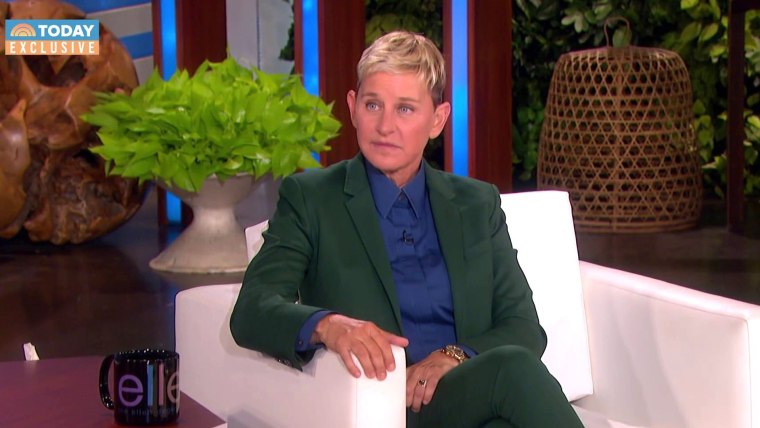
Ellen Degeneres’ show ending underscores the LGBTQ icon’s complex, hypocritical legacy – NBCNews.com

The announcement that “The Ellen DeGeneres Show” will end in 2022, at the conclusion of 19 seasons and more than 3,000 shows, heralds the end of an era. Ellen’s legacy will be one largely emblematic of the particular culture that she both helped define and represented on her show — a culture of kindness not distinct from that of complicity. Inclusion through assimilation. And visibility earned through performative respectability.

Does culture breed character, or does character breed culture? Ellen reflects the tension of this question.

Does culture breed character, or does character breed culture? Ellen reflects the tension of this question, as, arguably, do we all. The answer is not either/or but both/and. Scorned and — literally — canceled after coming out as a lesbian on her hit sitcom, “Ellen,” in April 1997, Ellen fought for years to rebuild her career. And 2003 proved to be transformative: She voiced the widely adored character of Dory in Disney’s “Finding Nemo,” released in May, and later that year, on Sept. 8, “The Ellen DeGeneres Show” had its inaugural episode.

That Ellen’s coming out served as a watershed cultural moment cannot be overestimated. “It’s easy to forget now, when we’ve come so far,” President Barack Obama said as he awarded Ellen the Presidential Medal of Freedom in 2016, “just how much courage was required for Ellen to come out on the most public of stages … just how important it was, not just to the LGBT community but for all of us to see somebody so full of kindness and light, somebody we liked so much, somebody who could be our neighbor or our colleague or our sister, challenge our own assumptions, to remind us that we have more in common than we realize.”

May 13, 202107:22

Before Ellen, LGBT representation in entertainment could best be described as the “celluloid closet,” to evoke both Vito Russo’s 1981 book and, later, Rob Epstein and Jeffrey Friedman’s documentary of the same name. During the 1980s and ’90s, the LGBT community was synonymous with death and disease as the HIV/AIDS epidemic swept the nation and the globe. The ’90s brought sweeping federal legislation like the Defense of Marriage Act (DOMA) and “don’t ask, don’t tell,” which both restricted civil rights and sent the message that discriminating against the LGBT community was legal and permissible.

The context for Ellen’s coming out is essential to comprehending its significance. The year before that episode aired, in 1996, Olympian Greg Louganis’ admission that he had HIV at the time of his diving board incident was met with media sensationalism and gay panic; the year after, 1998, Matthew Shepard was tortured and murdered in Colorado.

With network TV’s national audience, Ellen had the opportunity to change how people thought about and related to gay people. She endeavored — quite successfully — to humanize the gay community through the logic of equality and, specifically, the language of sameness. Ellen, like all gay people, was just like you. As Obama remarked, she “could be our neighbor or our colleague or our sister.”

She endeavored — quite successfully — to humanize the gay community through the logic of equality and, specifically, the language of sameness.

And it cannot be over emphasized how much sameness mattered in September 2003, as then-President George W. Bush declared Iraq to be the “central front” in the “war on terror.” It was a time of “us” versus “them.” And Ellen was intent on showing how gay people — gay, god-fearing Americans like her — were very much a part of the “us.”

Likeness fosters likability. Ellen cultivated this through her “Be Kind” motto and her character, which became the living embodiment of this motto. To be welcomed into the homes of millions of Americans — especially the key daytime demographic of straight women — Ellen had to look the part.

The right kind of lesbian is the innocuous one: not too femme and not too masculine. Like Rachel Maddow, the other lesbian welcomed into millions of homes in the evening, Ellen gave the mainstream nonthreatening androgyny — but with just the right touch of lipstick.

This relatability is something that Ellen addresses in her aptly titled Netflix special, “Relatable,” in 2018. But as BuzzFeed’s Shannon Keating so smartly observes, it is this push for relatability — clearly tied to ratings — that trapped “Ellen in a prison of her own making.”

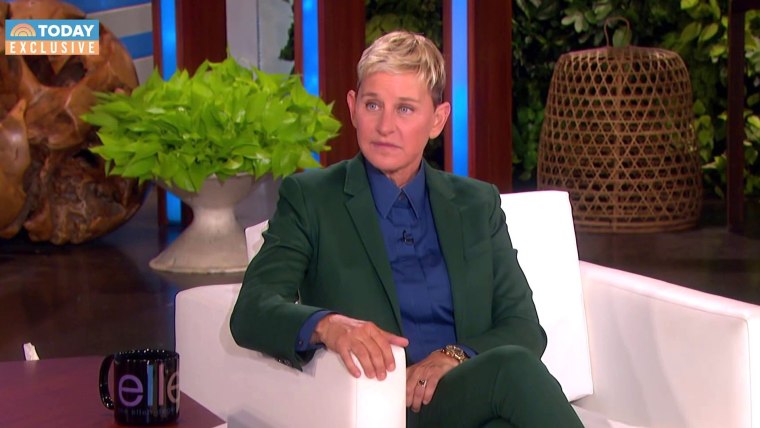
The consequential irony of humanizing the gay community for Ellen is that she could not be human — fallible and flawed — herself. As she commented in her interview with “TODAY” show host Savannah Guthrie this week, sexism influences this likability bind, as it does for all women. There is no room for error. There are few, if any, second chances — especially considering that her show is her “second chance,” of sorts. And she has spoken variously, including in “Relatable,” about how the “Be Kind” motto has ultimately boxed her in: “I cannot do anything unkind now, ever. … I have bad days, but I can’t do the things you do because I’m the ‘Be Kind’ girl.”

But an entire generation has passed since “The Ellen DeGeneres Show” premiered. And visibility as a tactic for acceptance, for any marginalized community, is no longer enough. Responsibility for social problems is often placed onto “systems,” yet the fact is that systems are made and managed by privileged people like Ellen, whose actions empower those very systems.

The visibility that Ellen, among countless others, helped usher in is no longer the endgame. And neither is respectability, as Keating observes: “[W]holesome respectability, of universality, of ‘gay people are just like you’ — has fallen out of favor these days with certain more radical groups within the LGBT community.” Autostraddle’s Heather Hogan similarly writes that “calls for civility have most often been used to silence the oppressed … kindness is not justice,” and “being nice isn’t enough.”

Hogan elaborates that “what Ellen has continued to refuse to understand, however, is that … it is not enough to simply publicly wish we could all get along. We can’t. Not because we’re mean, but because we’re arguing about the literal humanity of oppressed people who have suffered — and continue to suffer — endless, compounded violence rooted in white supremacy.”

May 13, 202100:32

The culture has changed.

But Ellen hasn’t.

Entering the third decade of the 21st century, ours is a culture where a character based on kindness and likeness rings hollow like T.S. Eliot’s modern man, “stuffed,” corrupt and complicit.

Our culture has moved into an era of authenticity and accountability — a movement heavily resisted by those who cry “cancel culture.” Societal resistance to change is not surprising. But what is surprising is how Ellen has acted (behind the scenes) during this time of cultural change. The past year’s allegations and revelations (which, for industry insiders and queer people with any connection to the community have heard rumors about for years) suggest Ellen’s kindness was a fiction masquerading as authenticity all along.

For example, in her recent interview with The Hollywood Reporter, in which she announced the end of her show, Ellen demonstrates her unwillingness to take responsibility for her behavior, which contributed to the show’s toxic environment. The criticism “was all so stupid,” she said, adding that she “didn’t want to address it” because she “had no platform.”

This is odd, considering that Ellen not only has a following in the millions across several social media channels, she also has own own digital publishing platform, EllenTube.

Instead of acknowledging the power and access she has to take responsibility for her own actions and the actions of her deputies, she doubled down on victimization: “[A]ll I cared about was spreading kindness and compassion, and everything I stand for was being attacked. So, it destroyed me, honestly. I’d be lying if I said it didn’t. And it makes me really sad that there’s so much joy out there from negativity. It’s a culture now where there are just mean people, and it’s so foreign to me that people get joy out of that.”

Ellen may claim that she is ending her show after 19 seasons because “it’s just not a challenge anymore,” but she has the opportunity, throughout the final season, to take on the challenge of accountability by doing the work, by learning and growing — not by disavowing and denying. A symbol of courage, she is now associated as much with hypocrisy as bravery. But Ellen knows more than most that her story doesn’t have to be over. Her legacy can still be one of redemption.

Ellen DeGeneres’ show ending underscores the LGBTQ icon’s complex, hypocritical legacy – NBC News

The announcement that “The Ellen DeGeneres Show” will end in 2022, at the conclusion of 19 seasons and more than 3,000 shows, heralds the end of an era. Ellen’s legacy will be one largely emblematic of the particular culture that she both helped define and represented on her show — a culture of kindness not distinct from that of complicity. Inclusion through assimilation. And visibility earned through performative respectability.

Does culture breed character, or does character breed culture? Ellen reflects the tension of this question.

Does culture breed character, or does character breed culture? Ellen reflects the tension of this question, as, arguably, do we all. The answer is not either/or but both/and. Scorned and — literally — canceled after coming out as a lesbian on her hit sitcom, “Ellen,” in April 1997, Ellen fought for years to rebuild her career. And 2003 proved to be transformative: She voiced the widely adored character of Dory in Disney’s “Finding Nemo,” released in May, and later that year, on Sept. 8, “The Ellen DeGeneres Show” had its inaugural episode.

That Ellen’s coming out served as a watershed cultural moment cannot be overestimated. “It’s easy to forget now, when we’ve come so far,” President Barack Obama said as he awarded Ellen the Presidential Medal of Freedom in 2016, “just how much courage was required for Ellen to come out on the most public of stages … just how important it was, not just to the LGBT community but for all of us to see somebody so full of kindness and light, somebody we liked so much, somebody who could be our neighbor or our colleague or our sister, challenge our own assumptions, to remind us that we have more in common than we realize.”

May 13, 202107:22

Before Ellen, LGBT representation in entertainment could best be described as the “celluloid closet,” to evoke both Vito Russo’s 1981 book and, later, Rob Epstein and Jeffrey Friedman’s documentary of the same name. During the 1980s and ’90s, the LGBT community was synonymous with death and disease as the HIV/AIDS epidemic swept the nation and the globe. The ’90s brought sweeping federal legislation like the Defense of Marriage Act (DOMA) and “don’t ask, don’t tell,” which both restricted civil rights and sent the message that discriminating against the LGBT community was legal and permissible.

The context for Ellen’s coming out is essential to comprehending its significance. The year before that episode aired, in 1996, Olympian Greg Louganis’ admission that he had HIV at the time of his diving board incident was met with media sensationalism and gay panic; the year after, 1998, Matthew Shepard was tortured and murdered in Colorado.

With network TV’s national audience, Ellen had the opportunity to change how people thought about and related to gay people. She endeavored — quite successfully — to humanize the gay community through the logic of equality and, specifically, the language of sameness. Ellen, like all gay people, was just like you. As Obama remarked, she “could be our neighbor or our colleague or our sister.”

She endeavored — quite successfully — to humanize the gay community through the logic of equality and, specifically, the language of sameness.

And it cannot be over emphasized how much sameness mattered in September 2003, as then-President George W. Bush declared Iraq to be the “central front” in the “war on terror.” It was a time of “us” versus “them.” And Ellen was intent on showing how gay people — gay, god-fearing Americans like her — were very much a part of the “us.”

Likeness fosters likability. Ellen cultivated this through her “Be Kind” motto and her character, which became the living embodiment of this motto. To be welcomed into the homes of millions of Americans — especially the key daytime demographic of straight women — Ellen had to look the part.

The right kind of lesbian is the innocuous one: not too femme and not too masculine. Like Rachel Maddow, the other lesbian welcomed into millions of homes in the evening, Ellen gave the mainstream nonthreatening androgyny — but with just the right touch of lipstick.

This relatability is something that Ellen addresses in her aptly titled Netflix special, “Relatable,” in 2018. But as BuzzFeed’s Shannon Keating so smartly observes, it is this push for relatability — clearly tied to ratings — that trapped “Ellen in a prison of her own making.”

The consequential irony of humanizing the gay community for Ellen is that she could not be human — fallible and flawed — herself. As she commented in her interview with “TODAY” show host Savannah Guthrie this week, sexism influences this likability bind, as it does for all women. There is no room for error. There are few, if any, second chances — especially considering that her show is her “second chance,” of sorts. And she has spoken variously, including in “Relatable,” about how the “Be Kind” motto has ultimately boxed her in: “I cannot do anything unkind now, ever. … I have bad days, but I can’t do the things you do because I’m the ‘Be Kind’ girl.”

But an entire generation has passed since “The Ellen DeGeneres Show” premiered. And visibility as a tactic for acceptance, for any marginalized community, is no longer enough. Responsibility for social problems is often placed onto “systems,” yet the fact is that systems are made and managed by privileged people like Ellen, whose actions empower those very systems.

The visibility that Ellen, among countless others, helped usher in is no longer the endgame. And neither is respectability, as Keating observes: “[W]holesome respectability, of universality, of ‘gay people are just like you’ — has fallen out of favor these days with certain more radical groups within the LGBT community.” Autostraddle’s Heather Hogan similarly writes that “calls for civility have most often been used to silence the oppressed … kindness is not justice,” and “being nice isn’t enough.”

Hogan elaborates that “what Ellen has continued to refuse to understand, however, is that … it is not enough to simply publicly wish we could all get along. We can’t. Not because we’re mean, but because we’re arguing about the literal humanity of oppressed people who have suffered — and continue to suffer — endless, compounded violence rooted in white supremacy.”

May 13, 202100:32

The culture has changed.

But Ellen hasn’t.

Entering the third decade of the 21st century, ours is a culture where a character based on kindness and likeness rings hollow like T.S. Eliot’s modern man, “stuffed,” corrupt and complicit.

Our culture has moved into an era of authenticity and accountability — a movement heavily resisted by those who cry “cancel culture.” Societal resistance to change is not surprising. But what is surprising is how Ellen has acted (behind the scenes) during this time of cultural change. The past year’s allegations and revelations (which, for industry insiders and queer people with any connection to the community have heard rumors about for years) suggest Ellen’s kindness was a fiction masquerading as authenticity all along.

For example, in her recent interview with The Hollywood Reporter, in which she announced the end of her show, Ellen demonstrates her unwillingness to take responsibility for her behavior, which contributed to the show’s toxic environment. The criticism “was all so stupid,” she said, adding that she “didn’t want to address it” because she “had no platform.”

This is odd, considering that Ellen not only has a following in the millions across several social media channels, she also has own own digital publishing platform, EllenTube.

Instead of acknowledging the power and access she has to take responsibility for her own actions and the actions of her deputies, she doubled down on victimization: “[A]ll I cared about was spreading kindness and compassion, and everything I stand for was being attacked. So, it destroyed me, honestly. I’d be lying if I said it didn’t. And it makes me really sad that there’s so much joy out there from negativity. It’s a culture now where there are just mean people, and it’s so foreign to me that people get joy out of that.”

Ellen may claim that she is ending her show after 19 seasons because “it’s just not a challenge anymore,” but she has the opportunity, throughout the final season, to take on the challenge of accountability by doing the work, by learning and growing — not by disavowing and denying. A symbol of courage, she is now associated as much with hypocrisy as bravery. But Ellen knows more than most that her story doesn’t have to be over. Her legacy can still be one of redemption.