Home Blog Page 244

‘At long last’ Shetland plans to hold its first LGBT Pride festival – The National

SHETLAND is to hold its first ever Pride festival in the summer of 2022.

Although LGBT groups have operated on the islands for several years and taken part in the Shetland Carnival, there has never been a dedicated Pride event.

Shetland Pride founder Kerrie Meyer said it was a chance to do something different.

Despite writing just two years ago that she was “not at all confident” Shetland could host its own Pride event, Meyer has high hopes for attendance next year.

“At Fife’s first Pride, they thought 300 would turn up – in the end 3000 people turned up,” Meyer told the BBC.

Posting on Facebook to announce the event yesterday, Meyer said it was “high time” the islands had their own annual Pride march.

READ MORE: Scottish parties’ LGBT pledges reignite hope for the community

Meyer wrote: “At long last Shetland is planning to host our first Shetland Pride in the summer of 2022.

“Along with 27 other Pride events in Scotland including Orkney, Grampian, Highland, Oban and Bute Prides who host their own Pride celebrations, it was high time Shetland held our own permanent annual Pride March and Festival!

“Since launching on May 9 we already have 150 members and ten local folk on our committee, but we’ll also need a huge number of volunteers so we need your support. 

“Please join via our Facebook and help support Shetland Pride as we move forward to 2022. https://www.facebook.com/groups/shetlandpride

Shetland Islands Council has welcomed the march, telling the BBC that is is due to be “quite a spectacle”.

Council convener Malcolm Bell said: “Shetland’s an open, inclusive, and tolerant society. This will be quite a spectacle next summer if it goes ahead as planned.

READ MORE: Independent Scottish bookshops celebrate huge social media success

“We’ve flown the rainbow flag for a number of years now – we very much support inclusivity and diversity.”

The first major Pride event in Scotland was held in Edinburgh in 1995. Since then, there has been a consistent rise in the number of events, with 26 happening in 2019 before the pandemic stopped events in 2020. 

Scott Cuthbertson, development manager of the Equality Network, said of the events: “People need to see they’re not the only one. Visibility is key to good mental well-being.

“LGBTI people live in every part of Scotland and are part of every community.

“The key thing about being an LGBTI person is that you are someone’s brother, sister, next door neighbour.”

Justice minister outlines improvements made for LGBT community – Cyprus Mail

Justice Minister Emily Yiolitis on Monday highlighted improvements made in Cyprus in recent years to safeguard the LGBTI community but advocacy groups have drawn attention to ongoing difficulties.

In a statement to mark international day against homophobia, transphobia and biphobia, Yiolitis said that: “In Cyprus, at the legislative and institutional level, significant steps have been taken.”

She highlighted the criminalisation of homophobic and transphobic rhetoric as a demonstration of the state’s determination to strengthen equality.

But Accept Cyprus, an LGBTI advocacy group, has drawn attention to several recent incidents which they say shows that more work needs to be done.

They have highlighted the case of a trans woman from Brazil who was deported, despite being the spouse of a Cypriot citizen.

Cyprus was given a ‘score’ of 31 per cent, reflecting the legal and policy human rights situation of the community by (International Lesbian, Gay, Bisexual, Trans and Intersex Association) ILGA-Europe.

Turkey received just four per cent while Germany is at 51 per cent and Norway 68 per cent.

Cyprus liberalised many of its laws relating to the LGBTI community in the run-up to EU accession in 2004, such as decriminalising homosexuality and equalising the age of consent – it had been 18 for homosexuals and 16 for heterosexuals. A ban on “promoting” homosexuality was also lifted.

Since then, major legal changes to protect the community have been passed such as making violence against LGBTI people an aggravating factor during sentencing.

But throughout the discussion on LGBTI rights, the Orthodox church has been a stalwart conservative bloc – sometimes drawing international attention for its views on the issue.

In 2019, the Bishop of Morphou claimed that homosexuality is passed on to unborn children when pregnant women enjoy anal sex.

He also claimed to be able to identify gay people by their smell as they “stink”.

A probe was launched against the bishop but it was decided that no offence had been committed.

During the liberalisation process of Cypriot laws in regards to the LGBTI community in the early 2000s, Archbishop Chrysostomos had told women to “revolt against homosexuals”, saying: “They are depraved sinners.”

He reportedly pledged to “personally excommunicate the perverts”.

But in a display of the shifts in cultural attitudes, the first gay pride event was held in Cyprus in 2014 – 16 years after homosexuality was decriminalised in the Republic.

Rise in anti-LGBT violence in France since Covid lockdown, campaigners warns – Morning Star Online

FRANCE has seen a rise in anti-LGBT violence since the Covid-19 lockdown, campaigners warned today, with the government admitting its own official figures were misleading.

“There have never been so many domestic violence situations to deal with,” spokesman for the Inter LGBT association Matthieu Gatipon-Bachette told France 24.

“For some young people, their coming out to their family has gone very badly. They usually have a support network in their school and from their friends. 

“But with the various lockdowns, they found themselves alone, and some were confronted with violent reactions when their sexual orientation came out. Others were even thrown out of their homes by their families,” he said.

According to government statistics, anti-LGBT hate crimes fell by 15 per cent in France last year. But the Interior Ministry said the figures were misleading, as many victims do not register complaints.

A survey carried out by the ministry between 2012 and 2018 found that just 20 per cent of the victims of anti-LGBT violence and 5 per cent of those who received verbal abuse report hate crimes.

Mr Gatipon-Bachette said that the restrictions imposed to deal with the coronavirus pandemic had had a major impact on people registering complaints.

“The circulation of Covid-19 has deterred people from moving around and getting together, but victims often ask us to accompany them when they are making this type of complaint. They don’t want to go alone,” he said.

Police often fail to register assaults or threatening behaviour as an anti-LGBT crime, which also skews the figures, campaigners pointed out, saying training among the force to raise awareness should be improved.

The Challenges Facing the Department of Veterans Affairs in 2021 – Center For American Progress

Download the PDF here.

The Department of Veterans Affairs is one of the largest and most complex agencies in the U.S. government. Commonly referred to as the Veterans Administration (VA), the department has an annual budget of $240 billion for fiscal year 2021.1 It currently has about 360,000 employees and maintains and operates approximately 6,000 buildings, including 1,600 health care facilities, 144 medical centers, and 1,232 outpatient sites of varying complexity. In addition to providing health care to approximately 9 million veterans annually through the Veterans Health Administration (VHA), it also administers the GI Bill education program and a home loan program for veterans, as well as maintains 135 cemeteries where Americans can bury the brave service members who have sacrificed so much for their country.2

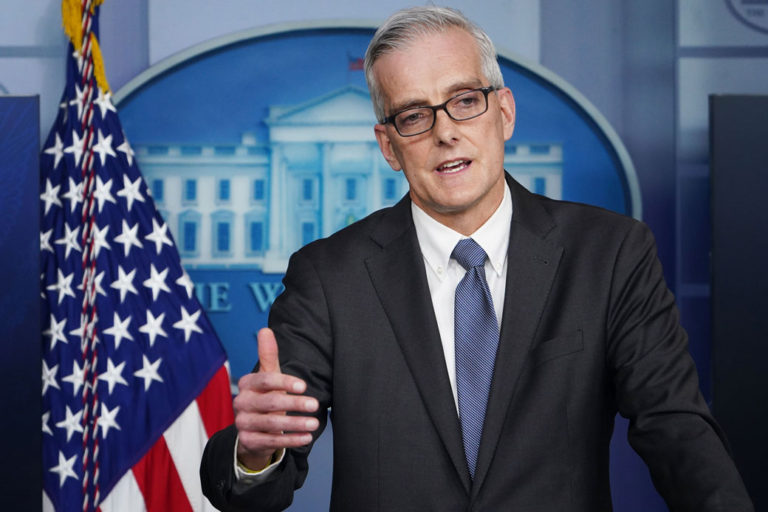
Denis McDonough, the new secretary of Veterans Affairs, is only the second nonveteran to take the helm of the VA since it became a Cabinet-level department in 1988 and only the second person whom Congress did not confirm unanimously for the post.3 He will have his work cut out for him. Not only does Secretary McDonough have to manage a large and complex organization, but he is also facing a series of unprecedented challenges—all compounded by the fact that the VA’s top leadership is in turmoil following the Trump administration, which had five deputy secretaries4 during the former president’s four-year term.

Secretary McDonough’s challenges may be placed into seven categories:

  1. Addressing the ballooning VA budget
  2. Expanding veterans’ access to disability benefits
  3. Reducing the veteran suicide rate
  4. Slowing the privatization of veterans’ health care
  5. Prioritizing the women and LGBTQ people who have and still serve in the military
  6. Rebuilding the department’s infrastructure and staffing
  7. Helping veterans transition into civil society

1. Addressing the ballooning VA budget

The VA budget has grown rapidly and significantly5 since 9/11. In FY 2001, its budget was $40 billion; by 2009, President Barack Obama’s first year in office and before the full impact of the wars in Iraq and Afghanistan was felt, it had risen to $94 billion. The FY 2021 budget that Congress passed in December 2020 allocated a whopping $243 billion to the VA—an increase of more than $200 billion, or 500 percent, since 9/11. From FY 2020 to FY 2021 alone, the VA budget increased by 14 percent, an increase higher than that of any other federal agency. As a result, the VA now has the second-largest discretionary budget in the federal government, trailing only the Pentagon. Its budget is greater than the combined budgets of the Department of State, the U.S. Agency for International Development, the Department of Justice, and the entire intelligence community.6

Moreover, the American Rescue Plan (ARP), which Congress passed in March 2021, gave the VA another $17 billion7 for FY 2021 to provide care for veterans whose health or economic situation was affected by the coronavirus pandemic. The ARP brought the department’s total budget to $260 billion, an increase of $220 billion, or 550 percent, over the past 20 years—and the numbers are expected to increase again in FY 2022. In fact, President Joe Biden’s proposed $2.25 trillion infrastructure plan, the American Jobs Plan, provides another $18 billion8 for the VA, making the total VA budget larger than the entire defense budget of China,9 the United States’ principle geostrategic competitor.

This rapid increase is a result of several factors, including the large cohort of aging Vietnam War veterans and the increase in veterans from all generations using the VA for health care, especially the 4.1 million post-9/11 veterans.10 It is also due to the increasing cost of health care in the United States, the introduction of federal programs such as the Post-9/11 GI Bill, and the COVID-19 pandemic.

While most analysts are not concerned about the current federal deficit—which is larger than the nation’s GDP11—growth cannot continue indefinitely. If the VA budget needs to continue to grow exponentially, the administration must consider from where the money will come after the COVID-19 crisis passes and the country becomes more concerned about the deficit. The administration could, for example, reduce some VA benefits or enact a dedicated war tax to fund benefits. Notably, however, such a tax will have to continue to be paid for decades.

Every two years, just before a new Congress is sworn in, the Congressional Budget Office releases a report offering recommendations for how the incoming Congress could address the country’s growing budget deficit. This year’s controversial report12 offers several proposals for the VA. Unfortunately, these proposals include ending the VA’s individual unemployment and disability payments to disabled veterans when they reach the full retirement age for Social Security and excluding those veterans with disability ratings lower than 30 percent from receiving disability compensation.

2. Expanding veterans’ access to disability benefits

Secretary McDonough will have to decide whether or not the VA will continue to expand eligibility for disability and other benefits to several groups who have previously been denied them. These groups include the Blue Water Navy veterans—who may have diseases such as hypertension, bladder cancer, or Parkinson’s13 because of the widespread and irresponsible use of Agent Orange during their time serving on ships off the coast of Vietnam—as well as those veterans who were stationed in countries bordering Vietnam—namely, Laos, Cambodia, and Thailand—in that disastrous, decadeslong conflict. Other veterans who have been denied benefits include veterans of the wars in the Middle East whose cancer tumors could have been caused by the toxic chemicals and radiation, including burn pits,14 with which they came into contact during their time in those theaters. The VHA reports that 25 percent of these veterans already report health concerns, and about 200,000 of them are enrolled in the burn pit registry.15 Other groups include those who received a less than honorable discharge that made them ineligible for veterans benefits because they acted inappropriately as a result of PTSD or military sexual trauma; those who were expelled16 for their sexual orientation before the Pentagon changed its policy on lesbian, gay, and bisexual individuals serving in the military; and members of the National Guard and Reserves who did not serve on federalized active duty long enough to qualify for benefits.

Secretary McDonough must also work to reduce the VA’s massive backlog17 of compensation and pension exams, which a veteran must receive in order to be granted disability benefits. Many exams have been delayed because of the COVID-19 pandemic: As of March 2021, 357,000 exam requests were pending. This is nearly three times the amount of exams that were pending in February 2020. According to the U.S. Government Accountability Office (GAO),18 VA leaders have not yet developed a clear long-term plan to address the issue.

3. Reducing the veteran suicide rate

Secretary McDonough should take steps to reduce the risk of suicide among veterans—and make the public aware of this problem. Over the past decade, more than 60,000 veterans died by suicide, and 20 veterans die by suicide each day. Between 2005 and 2017, nearly 79,000 veterans killed themselves, more than the total number of troops who have died in the wars in Vietnam, Iraq, and Afghanistan combined (about 65,000).19 During his presidential campaign, Biden promised20 that within his first 200 days in office, he would publish a comprehensive public health and crisis sector approach to address suicide among veterans, service members, and their families. Secretary McDonough must work with President Biden on this plan and promptly implement its recommendations.

4. Slowing the privatization of veterans’ health care

Secretary McDonough must balance veterans’ growing use of private health care with spending funds to maintain the VA’s medical facilities and slow down health care privatization. The Veterans’ Access to Care through Choice, Accountability, and Transparency Act of 2014 and the Mission Act of 201821 relaxed rules that made it difficult for veterans to receive routine or specialty care outside the VA system. Under the current system, veterans can choose to receive routine care from a non-VA doctor if they would have to wait more than 20 days or drive more than 30 minutes for a primary or mental health appointment at a VA facility. For specialty care, the current rules are 20 days and 60 minutes. As a result, Secretary McDonough’s predecessor, Robert Wilkie, encouraged what became a significant increase in the past two years of the Trump administration in patients receiving22 health care through the VA’s network of private providers.

While many conservative veterans groups—such as Concerned Veterans for America, a nonprofit organization funded by the Koch brothers—would like to see the VA completely outsource its health care, most veterans rate their VA-provided health care as positive. In addition, an independent assessment23 has found that when compared with private sector health care, VA health care is better and more efficient.24 Secretary McDonough should be willing to make a public statement that total privatization of the VA’s medical system is no longer under consideration by the department or any of its leaders and that his budget increase will ensure that there is an appropriate balance between providing direct care and purchasing care.

5. Prioritizing the women and LGBTQ people who serve in the military

The VA must also prioritize providing women and LGBTQ service members equal access to earned benefits, as well as ending sexual harassment against them. Women are the fastest-growing segment of the veteran population. Since 2000, the number of women in the military has grown from 63,000 to 473,000—an increase of 310,000, or almost 300 percent25—and the number of women using VA health care has also tripled since then, growing from 160,000 to 475,000.26 Women now represent 16 percent of the current U.S. military force. LGBT personnel, meanwhile, are estimated to make up 6.1 percent27 of service members. A 2020 GAO report28 found that the VA’s inconsistent collection of sexual orientation and gender identity data has limited its ability to assess health outcomes for LGBT veterans.

Despite all the indispensable services that women in uniform deliver to America, a great deal of those women have been subject to sexual assault,29 and many have chosen not to reenlist30 as a result. In April 2021, the VA took a step31 in the right direction to improve care for women and LGBTQ veterans, as well as the approximately 25 percent of veterans who are people of color, by committing to review its existing policies with an eye toward making them more inclusive—and designing and implementing more inclusive policies going forward.

In the meantime, the secretary—at minimum—should consider increasing benefits for veterans who have chosen not to reenlist due to sexual harassment or assault in order to honor their service and safety. In addition, the secretary’s priorities should include establishing a new office of women’s health; ensuring that there is a full-time gynecologist32 at every VA hospital; ending sexual harassment of women at VA facilities; and removing prosecution33 of military sexual assault cases from the chain of command. He should also provide child care at VA facilities, appoint the first woman veteran to be VA’s deputy director or deputy secretary of Veterans Affairs. In addition, the secretary should change the VA motto, which currently reads, “To care for him who shall have borne the battle, and for his widow and his orphan.”34

6.  Rebuilding the department’s infrastructure and staffing

In his upcoming budget request, Secretary McDonough must put aside funding specifically for beginning to fill the department’s 50,000 empty positions and addressing the department’s aging infrastructure, which has been in place for an average of 58 years.35 Additionally, when the secretary appoints his leadership team, he must ensure that his choices reflect the diversity that exists within the active-duty and veteran community.

7. Helping veterans transition into civilian society

The VA must work more effectively with the Department of Defense (DOD) to improve the policies and systems that can help military people transition into civilian society. The VA and DOD should work to increase veterans’ understanding and access to the VA’s health care, educational, and housing benefits that are available to them. The departments should also increase awareness of other resources that are available to veterans upon leaving the service to help them reenter civilian life. They can do this through public information campaigns, including making phone calls to newly separated veterans. They should also continue to increase resources that are available for veterans. As Sen. John Tester (D-MT), the new chair of the U.S. Senate Committee on Veterans’ Affairs put it in an interview with Military Times, “We do a great job making civilians into warriors. But we don’t do as good a job making warriors into civilians.”36

Moreover, the VA should quickly crack down on for-profit colleges, many of which exploit the 90/10 loophole37 that allows them to count veterans benefits toward the 10 percent of funding that they must receive from the private sector in order to qualify for federal loans and grants such as the GI Bill. In addition, the VA should cut off GI Bill funding for schools facing legal or punitive actions from the government for using erroneous, deceptive, or misleading ads.

Furthermore, the VA should scrap the time limit on how long veterans or their families have to use the GI Bill’s educational benefits for those whose studies have been affected by the COVID-19 pandemic. Secretary McDonough should also allow veterans who qualify for both the Post-9/11 GI Bill and the Montgomery GI Bill38—which was enacted in 1984 and provides educational benefits similar to those included in the Post-9/11 GI Bill—to those service members who pay an enrollment fee of $1,200. In essence, this would allow veterans who use up their 36 months of Post-9/11 GI Bill education benefits to access 12 more months of benefits if they paid the enrollment fee for both. Finally, the VA should continue to defer collections, which began in the spring of 202039, on medical bills that veterans owe after September 2021, when the deferment period ends.

Conclusion

While the VA certainly has unprecedented challenges, it is important to note that the United States has provided and will continue to provide more benefits to those who serve than any other country in the world. Providing quality care for veterans has a strong precedent in American history, dating back as far as 1776, when the Continental Congress decided during the Revolutionary War that it would provide pensions40 for soldiers who became disabled due to combat.

The Biden administration, along with Secretary McDonough and his team, must move rapidly to confront these challenges. As neither President Biden nor Secretary McDonough are veterans, they must work in collaboration with the 76 veterans currently in Congress, 53 of whom are Republican,41 and the many groups, such as the American Legion and Veterans of Foreign Wars, that represent U.S. veterans in order to develop comprehensive solutions. And the nation must realize that going to war means not only sending women and men into combat but also providing for those who return from the battle for the rest of their lives.

Lawrence J. Korb is a senior fellow at the Center for American Progress. Kaveh Toofan is a special assistant for National Security and International Policy at the Center.

Endnotes

Bart Heynen photographs modern gay fatherhood in America – i-D

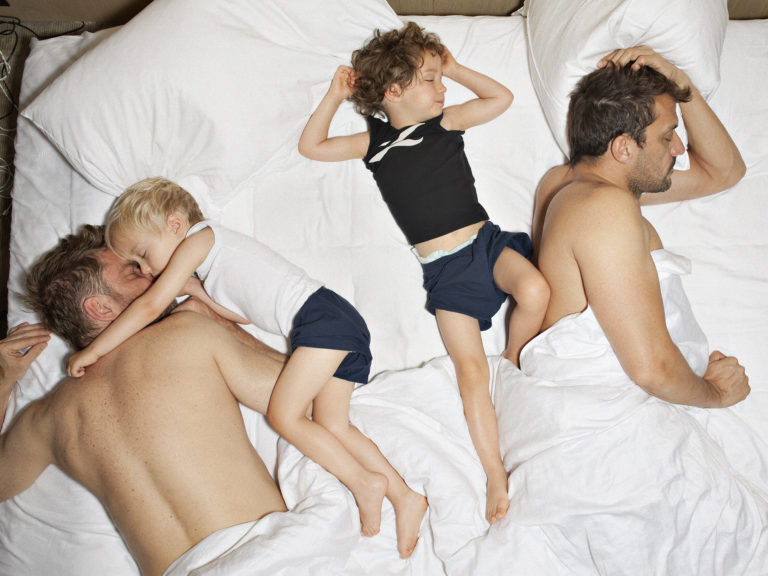
“What you see in the book is commitment and love between parents and children,” says Bart Heynen. For his latest monograph, simply titled Dads, the Belgian photographer travelled across the US cataloguing close to 50 families with gay fathers. Photographing men and their children – from young babies with dummies to 29-year-olds accompanied by fiancées – in spaces of their choosing, Bart sought to immortalise what gay fatherhood looks like today, following America’s milestone ruling in support of same-sex marriage in 2015.

Initially conceived as a personal challenge, having struggled to meet other gay dads following a move to New York and finding an absence of books that mirrored his own family, the project began for Bart in late 2016. “I was sitting with my interns watching Hillary Clinton’s concession speech the first day we started reaching out to gay parents,” he says. “I wanted to do this to meet other gay families; after all, we were all brought up by straight parents and so didn’t have the role models other parents have. I was brought up by a mother and father, [with] the typical roles given to them – my mother did the indoor housework, and my father took us to soccer. Suddenly I became a father, but at the same time, I was taking care of the kids in a different way than my father would have. I wanted to see how other families dealt with that.” 

two fathers lying in bed with their sleeping children between them

From DADS by Bart Heynen, published by powerHouse Books.

What he found as the project progressed was a complete rejection of the traditional gender roles performed in many two-parent heterosexual homes. “That was a major thing, that there is such equality in the division of labour,” he says, observing how the dads he met didn’t try and imitate straight parents, instead creating their own domestic frameworks. “Since they were not confined by their gender, I found that often these men interchange the labour in a very easy way. He can change the diapers, but he can also change the diapers; it’s not a problem because there are no gender divisions there. That I really love and I tried to highlight.”

Inserting himself into the daily lives of families in New York City and Utah, sometimes for a full day and other times for just a couple of hours, Bart would always chat on the phone before meeting everyone — not just with the dads, but also extended family members and occasionally their surrogates. “As soon as I come into their homes, I like to talk about myself and tell them what I have had to deal with, and in this case we had so many connections – I too have kids, twins; I worked with a surrogate, I worked with an egg donor – so we had similarities in creating our family and experiences that it was really easy to connect. I also gave them as little instructions as possible, which I think helped to get some kind of intimacy and be very open.” Additionally, and perhaps what most informed the trust between them, he promised to share the images ahead of publishing, offering to pull any pictures his subjects didn’t like (incidentally, no one took him up on it).

two men in quilted jackets stand on a football field with their son in a football jersey between them

From DADS by Bart Heynen, published by powerHouse Books.

Primarily working with babies and young children – subjects for whom the camera was essentially just another game – elsewhere Bart photographed families with older children and occasionally adults; instances where, alongside their fathers, the background politics of the project were more explicitly understood. On one occasion, he shot a high school senior on the soccer field after practice, “while all the other parents and kids are still there – that was a very tense shoot because I felt like everybody was looking,” he says. “Everybody knew he had two dads, but it was never really mentioned, and now it was kind of formalised by standing there in front of a photographer. I felt the family were a bit uncomfortable. I was a little bit disappointed that we still have to deal with that, you know you still have to be ashamed. But it was also a masculine environment at a high school, so it was actually very nice for the guy, this 18-year-old, to have the courage to stand with his two dads and say, listen, I have two dads. It was a beautiful moment but at the same time frustrating.”

Primarily though, the project is a joyous celebration of gay fatherhood that unites a broad-ranging group of fathers in the US. Diverse in race, locale, income and convictions — and with varying routes to becoming dads — it paints an engaging visual study of one component of recent queer history. “We are pioneers after all,” says Bart, who, recognising the moment as a collective win, positioned the book initially as a visual tool for gay dads, current and prospective, and their children. “We have a responsibility. Since same-sex marriage became legal in the United States, you can really talk about a baby boom, there are so many new parents within the gay community, and we all have an obligation to share that with other people. In so many other countries, it’s still illegal, so it’s an obligation to ourselves, our kids, and also to future dads. We have a role to play.” 

two men in patterned shirts look over their toddler son who stands in a window

From DADS by Bart Heynen, published by powerHouse Books.

Increasingly he’s been considering the universal aspects of the work and, while keen to centre the men that helped make it, appreciates the unifying potential of a wider audience. “Regardless of your sexual orientation, it’s for people who are interested in families, who have a family, and just want to see how other families live their lives.” Produced under the working title Gay Dads, the book’s revised moniker — of Dads — is arguably more striking, simultaneously highlighting the similarities and differences framed within. It arrived at the suggestion of Bart’s publisher. “And I’m so happy he said that because that’s what we are, we’re dads.”

‘Dads’ is published by powerHouse Books out 15 June

two men lean against a lampppost next to a fence with new york city behind it

From DADS by Bart Heynen, published by powerHouse Books.

a father combs his son's hair as he reads a book

From DADS by Bart Heynen, published by powerHouse Books.

two fathers wearing kippahs play games with their young son and his grandmother. one carries a newborn baby.

From DADS by Bart Heynen, published by powerHouse Books.

two fathers prepare breakfast for their to children in highchairs in the kitchen

From DADS by Bart Heynen, published by powerHouse Books.

two gay men look into the camera posing with their son and his partner, outdoors and with a fence separating them

From DADS by Bart Heynen, published by powerHouse Books.

two families with gay male parents interact in their back garden as their kids play in the grass and bushes

From DADS by Bart Heynen, published by powerHouse Books.

two gay fathers sit on their sofa with union jack cushions wearing no tops, each cradling one of their two children

From DADS by Bart Heynen, published by powerHouse Books.

Credits


All images from DADS by Bart Heynen, published by powerHouse Books.

Welsh Bishops back proposed ban on gay conversion therapy – Nation.Cymru

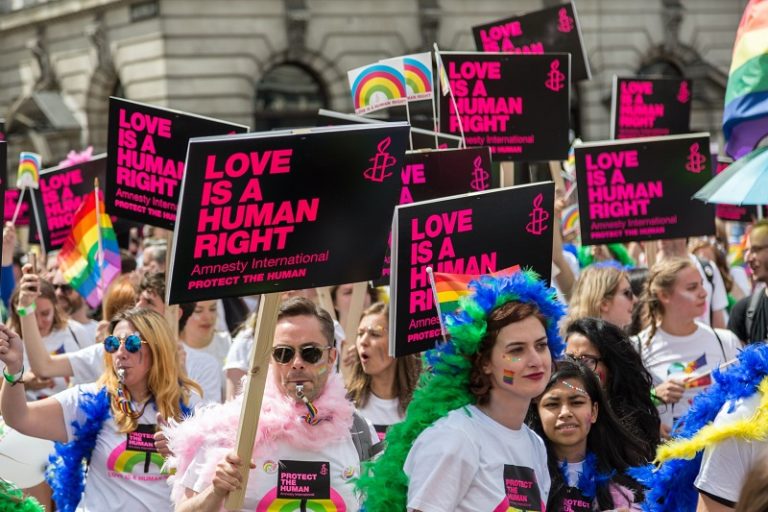
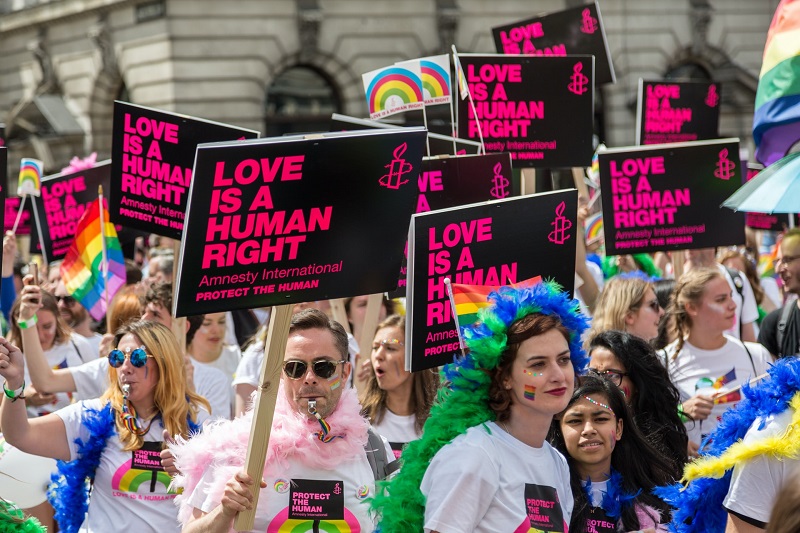
LGBT: London Pride parade. By Ian Taylor

A group of Welsh Bishops have backed a proposed ban on gay conversion therapy

The Bench of Bishops in the Church in Wales said trying to “force people to try and change their sexuality” is “both abusive and traumatising”.

It put a statement in response to the announcement in the Queen’s Speech that the UK Government is planning to make the practice illegal.

It has also urged the Senedd to “bring in robust legislation” to ban it in in “all its forms”.

The statement says: “The Bench of Bishops in the Church in Wales welcomes the announcement in the Queen’s Speech that the UK Government will ban gay conversion therapy.

“We believe that human sexuality is a gift of God to be cherished and honoured. It is an intrinsic part of who we are as human beings and an expression of God’s glorious diversity in creation.

“Anything which seeks to suggest that there is something inherently wrong or sinful in those who are non-heterosexual or which seeks to force people to try and change their sexuality is, we believe, wrong. It is both abusive and traumatising; as those who have experienced such ‘therapy’ can testify.

“We join our voices with The Royal College of Psychiatrists and other healthcare professionals in asserting that the practice of gay conversion therapy inflicts life-long damage on those who are forced to undergo it and has no place in the modern world.

“We understand that the Senedd will also consider this matter, and urge the Senedd to bring in robust legislation that will ban conversion therapy in all its forms thereby offering protection to LGBTQI+ people in Wales from this abusive and damaging practice.”

Sacha Baron Cohen brings back Ali G, Borat and Bruno at awards show – BreakingNews.ie

Sacha Baron Cohen revived some of his best known comic creations while accepting a prize at the MTV Movie & TV Awards.

The actor and writer was honoured with the comedic genius award and joked about cancelling himself over his controversial characters.

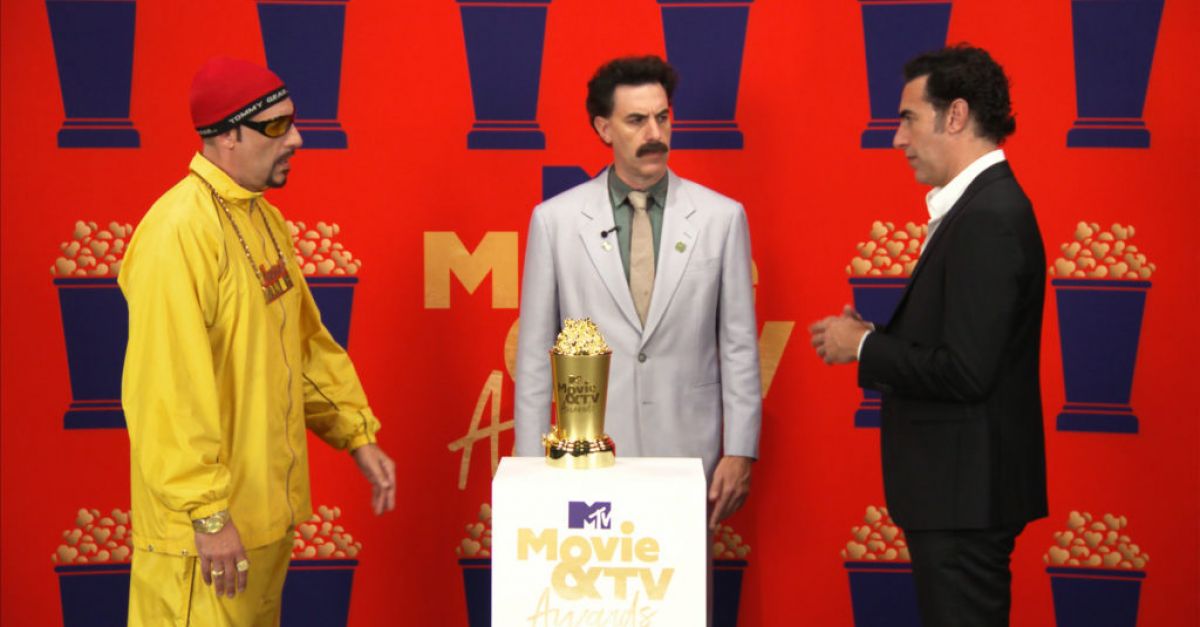
Baron Cohen appeared as Ali G, Borat, Bruno and Admiral General Aladeen during the ceremony, using digital trickery to confront himself.

Sacha Baron Cohen brought out some of his best known comic creations at the MTV Movie & TV Awards (Daniel Leal-Olivas/PA)

He accepted the prize as intrepid Kazakhstani journalist Borat, before suburban wannabe gangster Ali G appeared.

“Easy now, me should be accepting this award, not you, I is the original gangster, the OJ,” Baron Cohen said while dressed in Ali G’s distinctive yellow tracksuit.

Ali G brought Baron Cohen widespread acclaim in the late 1990s and early 2000s while carrying out spoof interviews with stars including the Beckhams, Donald Trump and Buzz Aldrin.

Advertisement

During the MTV awards, Baron Cohen arrived and told Ali G to leave, only for the rapper to reply with his famous catchphrase: “Is it cos I is black?”

Baron Cohen said: “You’re not black. You’re a white suburban kid who is co-opting black culture.”

Sacha Baron Cohen introduced his character Bruno during the awards show (Ian West/PA)

He then started his acceptance speech, only to be interrupted by Bruno, the gay Austrian fashion journalist and star of the self-titled 2009 mockumentary film.

Bruno said he exposes homophobia, only for Baron Cohen to accuse him of offending the LGBT community.

“I am officially cancelling myself,” Baron Cohen, who was nominated for two Oscars at April’s Academy Awards, said.

“I was actually really looking forward to this after losing at the Oscars. You can keep it.”

He added to Bruno: “You’re a caricature.”

Admiral General Aladeen, a character from Baron Cohen’s 2012 film The Dictator, made a brief appearance.

The previous recipients of MTV’s comedic genius award are Will Ferrell, Kevin Hart and Melissa McCarthy.

Bucknell Condemns Harassment of Gay Students – Inside Higher Ed

Bucknell University’s president, provost and associate provost for equity and inclusive excellence have condemned the harassment of gay students. In a letter to the campus Friday, they said, “We write to acknowledge and condemn a horrific incident that occurred last night at Tower House, the Fran’s House affinity residence and center of student life for our LGBTQ student community, and to state our unequivocal support for all LGBTQ Bucknellians. We are both outraged and sorrowful that the residents endured this violation of the space that is so critically important to them as a community. These actions will not be tolerated.”

They added, “It is clear from multiple accounts that the students violated the physical space and, far more importantly, the residents’ sense of place and security. Further, it is equally clear that Bucknell Public Safety’s response to the incident was lacking in myriad ways.”

This Controversial All-Women’s Gym Is Viral On TikTok – BuzzFeed

“I definitely feel safer in an all-women’s gym.”

Heather Huesman is a 23-year-old server who shared her experience exercising at an all-women gym on TikTok, and people have plenty of thoughts.

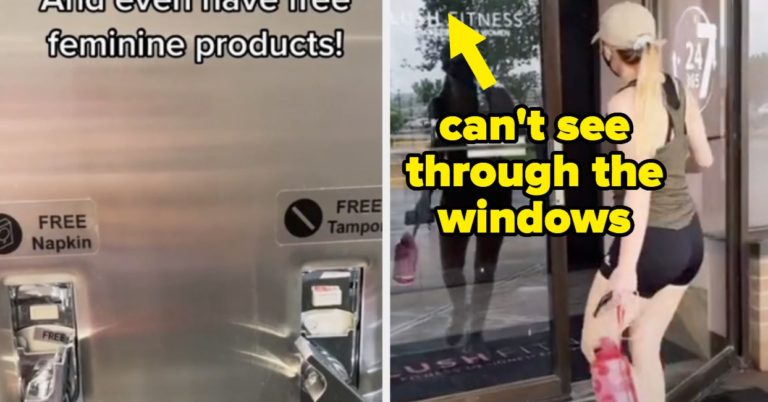
The video, which now has nearly 6 million views, shows off the features and safety measures of Blush Fitness, located in Overland Park, Kansas. While all-women gyms aren’t a new concept, Blush Fitness seems to take things a step further for women’s comfort and safety. For example, the windows are tinted so people can’t see into the building as they’re walking by.

The gym is open 24/7, and women and members can only gain access with a key fob.

There are free menstrual hygiene products in the bathroom.

And to top it all off, women and members are notified whenever male staff members will be working inside the gym.

Heather told BuzzFeed, “I decided to share my experience because ever since the first time I went into Blush, I felt a sense of relief. It felt like a breath of fresh air walking into a gym with no men!”

“I definitely feel safer in an all-women’s gym. I personally like to wear tight clothing because it is easier to work out in, and I don’t have to worry about men taking photos of me without my permission, or worry about men making me feel uncomfortable while I’m there. There are also not so many people there that all the racks are being taken up. The place is very clean and has great energy and vibes to it!”

Judging by the comments on Heather’s TikTok, plenty of women — and even some men — feel the same way:

@heatherhuesman

But there are some other commenters (exclusively men, surprise surprise!!!) who aren’t so thrilled about the gym and its features. They’re calling it “segregation” and saying it doesn’t support “equality”:

When asked what she thought about the whole “segregation” take, Heather told BuzzFeed, “I don’t think the gym is segregation at all. I honestly love the idea of an all-men’s gym as well. I think if someone is mad that there’s an all-women’s gym, it’s because they want women [in their co-ed gym] for a reason. … Whatever makes people feel comfortable working out at a gym is what should be done. Everyone is there for a reason and needs to start somewhere!”

Plenty of other commenters also made some some ~very interesting~ points to counter the “segregation” take. For example, how is an all-women gym any different than a men-only country club?

Or the many other gendered spaces in society?

Also, maybe these feelings of exclusion they’re experiencing are something women have also had to deal with for a long time?

Perhaps women prefer to work out in an environment that minimizes the risk of sexual harassment and sexual assault?

Isn’t there a little bit of hypocrisy in putting all the responsibility on women to protect ourselves, and then getting upset when we do just that?

And lastly, maybe it’s a good idea to consider WHY all-women gyms are a thing in the first place?!

Personally, I’m all about this gym and the way it protects women, and I’m glad Heather decided to share her experience! But what are your thoughts on all-women gyms? Share them in the comments below.

Share This Article

BuzzFeed Daily

Keep up with the latest daily buzz with the BuzzFeed Daily newsletter!

How to empower LGBTQIA+ people to attain well-being – Medical News Today

MNT: What are some of the unique challenges that queer, trans, and nonbinary People of Color in particular face, mental health-wise?

Dr. Kia Darling-Hammond: Belonging, like air, is a fundamental human need. Without it, we are susceptible to profound despair. To be othered is to be deprived of belonging — to community, to humanity, and even to oneself.

Foremost, to protect people’s mental health, we must affirm their inherent humanity, dignity, value, and potential. A thriving human has strong community and selfhood, abundance, pleasure, relief, and wholeness.

Intersectionality goes beyond the idea that identities are additive (i.e., Latinx and nonbinary). It acknowledges that being a nonbinary Latinx person is its own unique phenomenon and is shaped by sociopolitical forces like cultural norms related to gender and ethnic identity, xenophobia, racism, misogyny, and so on.

Add being young to this list, and the magnitude of possible disempowerment grows. With this in mind, the numerous humans who are both “of color” and gender- and/or sexuality-expansive are bombarded by powerful oppression while attempting to build lives atop historical legacies of complex, brutal, and deliberate abuse.

While it is inappropriate to claim that every queer, trans, or nonbinary youth of color experiences life or the world in the same way, there are some trends that deserve attention.

[One such trend is that] Indigenous, Black, and Latinx People of Color are disproportionately surveilled, harassed, arrested, and incarcerated. They are historically economically exploited (see buying homes, buying cars, wage inequality, environmental racism, [and] sovereignty struggles).

Even when they can afford it, community members receive substandard, often abusive healthcare and are more likely to be harmed or even killed when receiving “care.” With growing awareness of the workings of society comes a concurrent, devastating awareness of how disposable most people think that you, your family, and your community are.

This is rarely accompanied by education about how to change society or reduce the pain that such bigotry causes. It does not come with a side of healing.

‘I work with Black and Latinx trans and nonbinary youth — they know these statistics, and they are exhausted and scared’

Queer, nonbinary, and trans people are also disproportionately subjected to systemic and institutional harm (see anti-trans bills right now). Trans people experience the highest rates of every kind of violence we see — from intimate partner violence to violence inflicted by strangers to police brutality.

It is increasingly well-known that a trans person’s life expectancy is 30–35 years of age, and 2020 was a deadly year (the deadliest on record, but being outstripped in 2021 already). I work with Black and Latinx trans and nonbinary youth — they know these statistics, and they are exhausted and scared.

LGBTQIA+/SGL [same-gender-loving] communities are more likely to face housing instability, job insecurity, and homelessness. In fact, while only about 10% of the youth population identify as LGBTQIA+/SGL, they make up 40–50% of the unhoused youth population, depending on geography and identity disclosure.

The top reasons for their displacement are family rejection (and being kicked out) and fleeing family abuse. Once again, and perhaps earlier in the lifespan, queer, nonbinary, and trans communities become acutely aware of how disposable society believes that they (and people like them) are.

People who are both LGBTQIA+/SGL and “of color” experience many of these challenges at a disproportionately higher rate. Compounded identity can result in compounded hardship. While Black LGBTQIA+/SGL youths experience comparable rates of depression and suicidality with non-Black LGBTQIA+/SGL peers, they are less likely to receive help.

The impact of the former U.S. administration

We, QTPOC+ [queer, trans People of Color, and other identities], entered this pandemic reeling from years of targeting, and then the Trump administration sought to undermine housing and healthcare for trans people during a pandemic.

We voted during a pandemic, and youths shy of voting age had to watch as far too much of the nation voted against their safety, lives, and futures.

Under pandemic conditions, several things happened. Some youths who relied on their peers and having a space away from home — [such as] school, extracurriculars, other spaces — lost key sites of identity affirmation and healing, having to be in a state of hyper-vigilance, and being unable to be one’s authentic self is emotionally exhausting and can become debilitating. Many youths have been unsafe at home.

People who already understood that they would be last on the list for priority care had to contend with the fear of becoming ill with a poorly understood virus. This compounded existing atmospheric existential threats, [such as] never [feeling] safe — from the police, strangers, peers, policymakers, advertisements, media, even oneself — and now add [to that] a virus that’s leaving people gasping for breath and dying alone.

Schools and workplaces insisted on continued engagement without attending to basic human needs for reassurance and relief, and online school sometimes reduced student/family privacy and invited additional surveillance.

People, including young people, with the least economic privilege continued to work and risk exposure to the virus because they had to survive.

People all over the country lost income, employment, homes, and other fundamental resources. The stress of loss, or impending loss, of stability is a critical mental health risk factor. People of Color, LGBTQIA+ people, and especially LGBTQIA+/SGL People of Color are already disadvantaged in this inequitable and exploitative society.

Every aspect of life is likely to be harder:

  • institutionally, [threats to] employment, housing, education, public space, and healthcare, etc.
  • psychological stressors, [such as] rejection and abuse, etc.
  • physical stressors, [including risks associated with] air, water, nutrition, inflammation, disease, early mortality, and violence
  • holistic consequences, [such as] mind, body, and spirit breakdowns
  • gaslighting

QTNB-POC [queer, trans, nonbinary People of Color] youths are forced to participate in institutions and systems that are not designed for their thriving (which they tend to realize over time, often before they have the language to describe this).

They are simultaneously told to value and appreciate these systems and institutions and to pour their energy into participating in them in compliance with destructive norms.

For example, school attendance is compulsory with state and local oversight that can include financial and carceral risks. In schools, students are subjected to adultism, cisgenderism, heterosexism, racism, xenophobia, ableism, ranking, sorting, and a host of other systems of practice and belief that reinforce a hierarchy of bodies and minds.

They are told to work hard to be valued within a context that inherently renders their whole selves impossible, disposable, and/or abject. When they do not participate effectively, they are punished emotionally, physically, spiritually, and financially, with effects that can last a lifetime.

‘Popular representations of gender, sexual orientation, and intimacy still privilege cisheteronormativity’

The persistent othering and abuse of LGBTQIA+/SGL People of Color are important to note.

Popular representations of gender, sexual orientation, and intimacy still privilege cisheteronormativity and largely treat nonhegemonic identities as tragic (and disposable) or comedic.

Teachers, doctors, and other professionals who are members of LGBTQIA+/SGL communities still risk their jobs when they disclose their identities, especially when they are of color (where job security is already more tenuous).

In online environments, racist, xenophobic, transphobic, and homophobic rejection and trolling are abundant. It seems it would be impossible to feel safe in the world after “reading the comments,” and as young people’s lives are increasingly visible across social media platforms, so is their exposure to abuse.

In day-to-day environments, these same threats are present in the form of casual comments, insults, or microaggressions, policies that police gender expression, and school pushout that disproportionately impacts children of color, QTNB children, and QTNBPOC, etc.

Stigma and fear around talking about mental health can get in the way of accessing help. In some communities, people look to the church and think that prayer can resolve issues. Many communities seek to avoid the loss of safety and autonomy that can accompany the admission of mental health challenges. There is a long history of having to prioritize survival over well-being in communities of color.

And [it is also important to take into consideration] the appropriate mistrust of medical and other service providers:

  • social/caseworkers who filter people into [the] carceral system and foster care
  • foster and other care systems that are dangerous and dysfunctional at worst and severely under-resourced at best
  • medical abuse

‘Finding a therapist takes effort, perseverance, and resources’

Even when Indigenous, Black, and Latinx LGBTQIA+/SGL people do manage to access mental healthcare, they have to contend with a predominantly white, cishetero, and affluent provider corps that is not only a product of a bigoted society but has also received little to no corrective training and usually cannot provide responsive support.

Even some identity affinity, like having a Black therapist, does not mean that a Black LGBTQIA+/SGL client will receive the empathy and guidance they need.

Finding a therapist takes effort, perseverance, and resources, [including] time and money. The first therapist a person tries may not be a good fit, nor the second, etc.

The field expects clients to be willing to test out several practitioners to find responsive care. QTPOC are less likely to have the time and finances to undertake such a project and may already be too emotionally exhausted to rehash their pain over and over again to each new prospective therapist.

The American Psychiatric Association recently released statements related to race, gender, and sexual orientation that affirmed a lack of attention and preparation in the field. The association admitted its complicity in sustaining and reproducing racism.

There are at least three critical dimensions of building up responsive care. [The first is] cultivating — recruiting, training, mentoring, subsidizing — a pipeline of representative practitioners with intersectional identities who can be better able to fully see and support clients who experience complex marginalization.

[The second is] advancing meaningful, targeted, community-driven, and accessible research related to the mental health and well-being of people who experience complex marginalization, and [the third is] retraining — and, perhaps, re-credentialing — existing practitioners to ensure that their practice is inclusive, competent, dynamic, and appropriate to client needs.

MNT: What are some intersectional policy solutions to these problems that you would like to see implemented?

Dr. Kia Darling-Hammond: Relief may be the most critical starting point, because eliminating existential stressors like housing and food insecurity can free up significant psychological and physical energy, which is part of what is needed to build a more empathetic society.

To that end, federally enforced wealth redistribution will be key. The nation needs to be one in which safe, stable, and healthy — lead-free, sustainable — housing is guaranteed for all, where food deserts are a thing of the past, and where green space is always within immediate reach.

In other words, every human must be able to achieve a high quality of life. If this were the organizing principle, we could see decarceration, the ouster of polluting commerce, profound advances in accessibility, and more.

In education, we have seen advances toward inclusive curriculums from California (ethnic studies) to Illinois (LGBTQIA+), so there is hope. Representative and responsive public education will reflect the powerful histories, contributions, cultures, and innovations of all communities, which, in truth, would profoundly transform how we educate our children and the structures of schooling.

We absolutely need LGBTQIA+/SGL-informed, respectful sex education as well.

Federal legislation like the Equality Act could anchor efforts toward both advancement and repair, as it would instate some long-needed civil rights protections while modernizing others.

There is a bill moving through Congress, the Pursuing Equity in Mental Health Act, that authorizes an $805 million investment in research, provider pipeline development and training, and stigma reduction programs. Its focus is on Black children and youth, with some attention to Black LGBTQIA+/SGL young people. This kind of legislation is essential and establishes a firm foundation for additional policy infrastructure.

Ultimately, I would love to see legislation that supports universal holistic well-being and is grounded in prioritizing dynamic human needs. I always think of Alexis Pauline Gumbs’ short story “Evidence” when I dream about humane policy.

MNT: What can individuals do to support the mental health of LGBTQIA+ youth more broadly, and that of trans, queer, and nonbinary People of Color in particular?

Dr. Kia Darling-Hammond: Affirm, affirm, affirm. Be vocal and unapologetic about your support for QTNB-POC community members as whole people who are experts on their (developing) selfhood and needs.

Seek, follow, and amplify the guidance of community leaders, teachers, and healers (including young ones) and support community efforts, including businesses and organizations.

Respect and use pronouns and preferred names. This indicates respect for people’s humanity and authority over their own identities. It affirms to young people that they are seen, and it also helps them develop a strong sense of self-awareness, self-love, and self-trust.

Help young people find affinity communities and representations that show them positive possibilities for themselves in the present and future (including QTPOC peers and elders).

Support young people in finding, creating, and sustaining safe, affirming, expansive, and joyful spaces (virtual and physical) where they can explore and work toward their identities, passions, dreams, and goals.

Educate yourself about QTPOC histories and cultures. We have always been here. Work on your biases: Embrace the lifelong challenge of unlearning beliefs that oppress and disadvantage others and act to eliminate structural and interpersonal bias, stigma, and discrimination.

Positive youth development (PYD) includes strong, caring relationships, opportunities to develop meaningful skills and knowledge, opportunities to explore and solidify personal values, and opportunities to develop confidence and make a larger contribution to the world.

Through an intersectionally grounded lens, PYD requires critical consciousness — an awareness of how power is distributed and leveraged in society.

It also requires study of social justice, including strategies and tactics for social and political change, as well as for effective interactions that allow young people to survive their encounters with oppression. It also requires explicit and sustained relief/healing practices to offset the constant, atmospheric threats to safety and selfhood.

MNT: Is there anything else you would like our readers to know?

Dr. Kia Darling-Hammond: The invitation of this moment of upheaval and pain is actually dreaming (and redesign). We have an opportunity to design our futures in a way that casts beyond resilience and survival toward true thriving. If we look at QTPOC history, philosophy, art, and culture, we see models for this.

The communities have been imagining visionary, vibrant futures for a very long time. So, readers should know that blueprints exist. They should know that a better future is possible, but only if they accept that their humanity is intricately interwoven with the humanity of everyone else and refuse the status quo.

It is time to divest from the idea that scarcity, poverty, and hardship are inevitable. They are not. They are designed. People need to know that this is a life-and-death, high stakes, urgent moment — and that our young people are watching us closely to see whether we will choose their futures over our comfort.

Pay attention to [the following resources and causes]:

News Iran: Murder of gay man highlights dangers of state-sanctioned abuses against LGBTI people – Amnesty International

The horrifying murder of a 20-year-old gay man in Iran has shed new light on how the criminalization of consensual same-sex sexual conduct and gender non-conformity perpetuates systemic violence and discrimination against lesbian, gay, bisexual, transgender and intersex people (LGBTI), said Amnesty International in a detailed analysis issued to mark the International Day Against Homophobia, Biphobia, Intersex-phobia and Transphobia. His murder also highlights the urgent need for the Iranian authorities to enact and implement laws to protect the human rights of LGBTI people. 

Friends of Alireza Fazeli Monfared, who identified as a non-binary gay man, told Amnesty International that he was abducted by several male relatives in his hometown of Ahvaz, Khuzestan province, on 4 May 2021. The next day the relatives informed his mother that they had killed him and dumped his body under a tree. Authorities confirmed that Alireza Fazeli Monfared’s throat was slit and announced investigations, but none of the suspected perpetrators have been arrested to date.

Alireza Fazeli Monfared’s brutal murder exposes the deadly consequences of state fuelled homophobia and is a tragic reminder of the urgent need to repeal laws that criminalize consensual same-sex relations and gender non-conformity

Diana Eltahawy, Amnesty International

“Alireza Fazeli Monfared’s brutal murder exposes the deadly consequences of state fuelled homophobia and is a tragic reminder of the urgent need to repeal laws that criminalize consensual same-sex relations and gender non-conformity. These laws foster a permissive climate for homophobic and transphobic hate crimes and legitimize violent, including deadly, attacks against people on the grounds of their real or perceived sexual orientation or gender identity.,” said Diana Eltahawy, Deputy Director for the Middle East and North Africa at Amnesty International.

“The Iranian authorities’ brazen disregard for the lives and safety of LGBTI people and the prevailing climate of impunity for such crimes raise the alarm that his murder could go unpunished.

“We urge the Iranian authorities to conduct a prompt, independent, impartial and effective investigation into Alireza Fazeli Monfared’s murder and take urgent action to protect LGBTI people from discrimination, harassment, assaults and other abuses from state and non-state actors.”

According to individuals interviewed by Amnesty International who had known Alireza Fazeli Monfared for months or years prior to his murder, including his partner and a close friend, he had faced years of homophobic and transphobic harassment and death threats by several male relatives because he did not conform to the binary socio-cultural gender stereotypes and “norms” in Iran. According to these informed sources, he had never reported such incidents to the police out of a fear of facing violence and prosecution at the hands of the authorities.

LGBTI people in Iran face pervasive discrimination, live in the constant fear of harassment, arrest and criminal prosecution, and remain vulnerable to violence and persecution based on their real or perceived sexual orientation and gender identity.

Under Iran’s Islamic Penal Code consensual same-sex sexual conduct is criminalized and punished by penalties ranging from flogging to the death penalty.

MFA reminds US embassy not to interfere with domestic issues after it co-hosts webinar with LGBT organisation – The Straits Times

SINGAPORE – The Ministry of Foreign Affairs on Wednesday (May 19) said it has reminded the United States’ Embassy here that foreign missions here are not to interfere in Singapore’s domestic social and political matters.

These include issues such as how sexual orientation should be dealt with in public policy.

This comes after the US Embassy co-hosted a webinar on Monday (May 17) with Oogachaga, a local non-profit working with the lesbian, gay, bisexual and transgender (LGBT) community.

A spokesman said MFA “notes with regret” that the event took place, and added that issues such as sexual orientation “are choices for only Singaporeans to debate and decide”.

The invitation-only webinar, titled The Economic Case For LGBT Equality: Exploring Global Trends With Professor Lee Badgett, was posted on the professor’s personal website.

It was also posted on May17.org, an online resource for events around the world held on the International Day Against Homophobia, Transphobia and Biphobia, which is observed on May 17.

The webinar in Singapore sought to examine how LGBTQI+ (LGBT, queer and intersex+) equality and inclusion could increase economic competitiveness, using case studies from around the world.

Prof Badgett teaches economics at the University of Massachusetts Amherst, and is a renowned author and speaker on the economic impact of LGBTQI+ equality.

To mark the same event in 2020, Oogachaga and the US Embassy also co-organised an online session with Sam Brinton from The Trevor Project, an American organisation providing crisis intervention and suicide prevention services to LGBTQ youth.

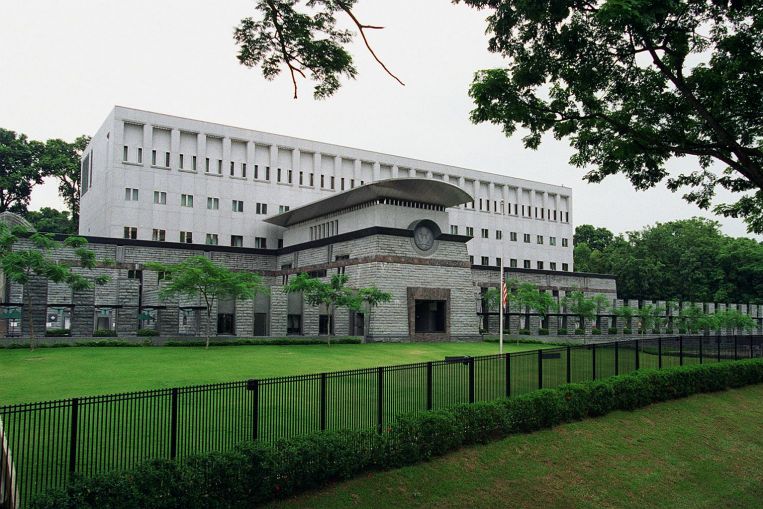
On May 17 this year, the US Embassy posted images on its social media channels of the rainbow pride flag being flown at its Napier Road grounds, and wrote that the US was “committed to advancing the human rights” of LGBTQI+ persons around the world.

The embassies or high commissions of the Netherlands, UK, Sweden, Canada, Denmark, Norway, Australia, Switzerland and Ireland here also either posted messages of solidarity or displayed the rainbow flag on their social media pages.

Last Wednesday, ambassador-at-large Chan Heng Chee reiterated during a routine review of Singapore’s human rights record by the United Nations that the LGBT community were valuable members of society.

“The Government does not tolerate violence, abuse, discrimination, and harassment against the community,” she said. “An annual Pink Dot event in Singapore has been organised by the LGBT community for the past 12 years.

“While Section 377A of the Penal Code remains on the books, the government has stated clearly that it is not enforced. In the context of Singapore, where attitudes towards homosexuality are still evolving, and various communities hold different views, any move by the Government must take into consideration the sentiments of all communities. We believe it is better to let the situation evolve gradually.”

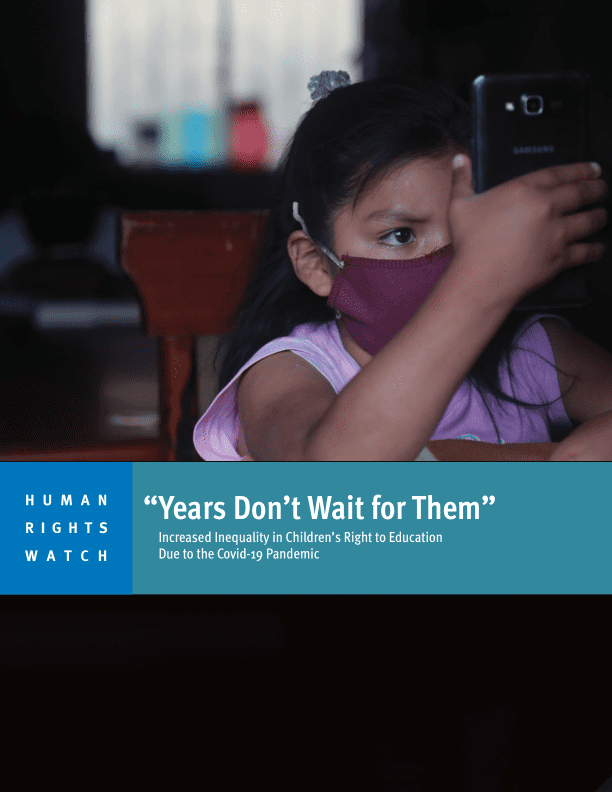
“Years Don’t Wait for Them”: Increased Inequalities in Children’s Right to Education Due to the Covid-19 Pandemic – World – ReliefWeb

Pandemic’s Dire Global Impact on Education

Remedy Lost Learning; Make School Free, Accessible; Expand Internet Access

  • Covid-related school closures affected children unequally, as not all children had the opportunities, tools, or access needed to keep on learning during the pandemic.
  • For millions of students, school closures will not be temporary interference with their education, but the abrupt end of it.
  • Education should be at the core of all governments’ recovery plans, to make education free and accessible to every child around the world.

(London) – Governments should act swiftly to redress the harm caused to children’s education in the wake of the unprecedented disruption from the Covid-19 pandemic, Human Rights Watch said in a report released today. Human Rights Watch accompanied its report with an interactive feature exploring common barriers to education exacerbated during the pandemic.

The 125-page report, “‘Years Don’t Wait for Them’: Increased Inequalities in Children’s Right to Education Due to the Covid-19 Pandemic,” documents how Covid-related school closures affected children unequally, as not all children had the opportunities, tools, or access needed to keep on learning during the pandemic. The heavy reliance on online learning exacerbated the existing unequal distribution of support for education, Human Rights Watch found. Many governments did not have the policies, resources, or infrastructure to roll out online learning in a way that ensured that all children could participate on an equal basis.

“With millions of children deprived of education during the pandemic, now is the time to strengthen protection of the right to education by rebuilding better and more equitable and robust education systems,” said Elin Martinez, senior education researcher at Human Rights Watch. “The aim shouldn’t be just to return to how things were before the pandemic, but to fix the flaws in systems that have long prevented schools from being open and welcoming to all children.”

Human Rights Watch interviewed more than 470 students, parents, and teachers in 60 countries between April 2020 and April 2021.

“Their teacher called me to tell me to buy a big phone [smartphone] for online teaching,” said a mother of seven in Lagos, Nigeria who lost her income when the university where she cleaned shut down due to the pandemic. “I don’t have money to feed my family and I am struggling to make ends meet. How can I afford a phone and internet?”

As of May 2021, schools in 26 countries were closed country-wide, and schools were only partially open – either just in some locations or only for some grade levels – in 55 countries. An estimated 90 percent of the world’s school-aged children have had their education disrupted by the pandemic, according to UNESCO.

For millions of students, school closures will not be a temporary interference with their education, but the abrupt end of it, Human Rights Watch said. Children have begun working, married, become parents, grown disillusioned with education, concluded they cannot catch up, or aged-out of free or compulsory education as guaranteed under their country’s laws.

Even for the students who have returned, or who will return, to their classrooms, the evidence suggests that for years to come they will continue to feel the consequences of lost learning during the pandemic.

The damage to many children’s education is built on pre-existing issues: one in five children were out of school even before Covid-19 began to spread, according to UN data. Covid-induced school closures tended to particularly harm students from groups facing discrimination and exclusion from education even before the pandemic.

They include children living in or near poverty; children with disabilities; ethnic and racial minorities in a country; girls in countries with gender inequalities; lesbian, gay, bisexual, and transgender (LGBT) children; children in rural areas or areas affected by armed conflict; and displaced, refugee, migrant, and asylum-seeking children.

“Governments had years of solid evidence showing them exactly which groups of children were most likely to suffer educationally during school closures, and yet these children faced some of the greatest barriers to continuing their studies,” Martinez said. “Just reopening schools will not undo the damage, nor even ensure that all children will return to school.”

Schools entered the pandemic ill-prepared to deliver remote education to all students equally, Human Rights Watch found. This was due to governments’ long-term failure to remedy discrimination and inequalities in their education systems, or to ensure basic government services such as affordable, reliable electricity in homes, or facilitate affordable internet access.

Children from low-income families were more likely to be excluded from online learning because they could not afford sufficient internet or devices. Historically under-resourced schools with students who already faced greater obstacles to learning particularly struggled to reach their students across digital divides. Education systems often failed to provide digital literacy training for students and teachers to ensure they can use these technologies safely and confidently.

Education should be at the core of all governments’ recovery plans, Human Rights Watch said. Governments should both address the impact of the pandemic on children’s education and the pre-existing problems. In light of profound financial pressures on national economies from the pandemic, governments should protect and prioritize funding for public education.

Governments need to hastily get back on track with the commitments they made in 2015 through the United Nations Sustainable Development Goals to guarantee all children receive an inclusive quality primary and secondary education by 2030, Human Rights Watch said. They should do intensive outreach to ensure that children most at-risk of dropping out or facing barriers, return to school.

Governments and schools should analyze who left school and who came back and ensure that back-to-school programs seek out all of those who dropped out, including by providing financial and social benefits. Outreach for back-to-school campaigns should be broad, and welcome children and youth who were already out of education when schools had to close.

All governments, and the donors and international actors supporting them, should be firm in their commitments to strengthen inclusive public education systems. Building stronger systems requires adequate investment and equal distribution of resources as well as swiftly removing discriminatory policies and practices, adopting plans to redress the right to education for millions of students, and providing affordable, reliable, and accessible internet to all students.

“Children’s education was forfeited in an effort to protect everyone’s lives from the coronavirus,” Martinez said. “To compensate for children’s sacrifice, governments should finally rise to the challenge and urgently make education free and available for every child around the world.”

Decades of slow but steady progress in educating more children around the world abruptly ended in 2020. By April, an unprecedented 1.4 billion students were shut out of their pre-primary, primary, and secondary schools in more than 190 countries, in an effort to slow the spread of the novel coronavirus, according to UNESCO. Schools in some countries later re-opened, or opened for some students, while elsewhere there has been no return to in-person schooling since. During school closures, in most countries, education moved online or was delivered otherwise remotely, but with vast variations in success and quality. Issues including internet access, connectivity, accessibility, material preparedness, teacher training and home situations, factored heavily in the feasibility of remote learning.

Human Rights Watch found trends and patterns common across countries, but did not make generalized findings about how the pandemic affected education and other children’s rights in individual countries. People were interviewed in 60 countries: Armenia, Australia, Bangladesh, Belgium, Brazil, Burkina Faso, Cambodia, Cameroon, Canada, Central African Republic, Chile, China, Costa Rica, Croatia, Democratic Republic of Congo, Denmark, Ecuador, Finland, France, Germany, Ghana, Greece, Guatemala, India, Indonesia, Iran, Iraq, Israel, Italy, Japan, Jordan, Kazakhstan, Kenya, Kyrgyzstan, Lebanon, Madagascar, Mexico, Morocco, Nepal, Netherlands, New Zealand, Nigeria, Papua New Guinea, Pakistan, Poland, Russia, Serbia, South Africa, South Korea, Spain, Sudan, Sweden, Switzerland, Syria, Thailand, Uganda, United Kingdom, United States, Venezuela, and Zambia.

Selected Testimony from the Report

A middle school teacher in rural California, in the United States, said: “A lot of these problems that we are facing with distance learning are problems that we deal with every day in the classroom: lack of internet at home, lack of resources, lack of parent support at home, chaos at home, lack of a schedule at home, uncertainty around food, uncertainty around housing. These aren’t new problems. They just became very, very apparent when all of a sudden, teachers have a front row seat to see it in these children’s homes through Zoom or the fact that they were not at school.”

A 16-year-old student in Garissa, Kenya, said that when her school offered no guidance on how to study during school closures, she tried to get in touch with one teacher. “He said he would not be able to go to anyone’s home, but they could come to his house. As girls we feared going to his house, but I hear the boys have been going.” She said she sometimes watched classes on television, but she was not able to attend all of them because of her chores at home, as she lives with two grandmothers who rely on her care. “It takes up a significant portion of my day attending to them. My chores have increased of course because schools have closed.”

A mother in Armenia said that her grade-7 son, who has a hearing disability, attends classes on Zoom using a smartphone: “It is very hard for him to see sign language via phone… Imagine watching it on the phone…[and imagine also the phone screen divided into seven.”

In Kazakhstan, a 16-year-old boy said that his school wanted to hold classes on Zoom, but the internet was not capable of supporting it: “There were connection glitches and internet malfunctions.”

A father in Mumbai, India, who has two children, said: “We have one computer in the family. Both my wife and I are working from home, so we need it. Now both children have classes, so they need to be on the computer. Two children with classes at the same time, so actually we need two computers. We are taking salary cuts, how can we afford to buy another laptop? So, one child is missing class.”

A second-grade teacher at a school near Potsdam, Germany, said: “The announcement came that Skype would be installed on the school computers, so teachers could use Skype to keep in touch with students and parents… It turned out that the school computers did not have a camera, so the topic was closed… The conditions for teachers to work online or computer based are not given, which limits teachers’ ability to provide education to students during school closures.”

A teacher at a private secondary school in São Paulo, Brazil, which he described as “extremely privileged,” said that he had already been teaching using a digital platform for five years: “So I get to teach the same way I was teaching before… In my world, things are pretty easy.”

In Nepal, a 14-year-old boy started working when his school shut and his family ran out of food. “For a while I thought that I would go back when the school reopens, but I don’t think that anymore,” he said. “I enjoy driving and making money so what will I do going back to school now? Even if I do go back to school, it won’t be for long.”
LA’s hidden gem- Fountain Theatre premieres its Outdoor Stage June 18 – Los Angeles Blade

Photo Credit: City of Los Angeles

LOS ANGELES – According to a report by the Los Angeles County Department of Workforce Development, Aging and Community Services (WDACS) last month, 125,900 hospitality jobs and 37,000 arts and entertainment jobs were sadly lost last year.

If you look past Hollywood’s poignant acceptance speeches and enchantment of the red carpet, you will see a tremendous industry of people–caterers, party planners, publicists, stylists, florists, DJs, etc.– who tirelessly work to create magic during awards season.

But with the pandemic vastly changing Hollywood, countless red carpet-related industry jobs have been eliminated.

Ahead of the Independent Spirit Awards (April 22) and The Academy Awards (April 25) the Los Angeles Blade talked to industry experts about all the changes happening during the 2021 awards season.

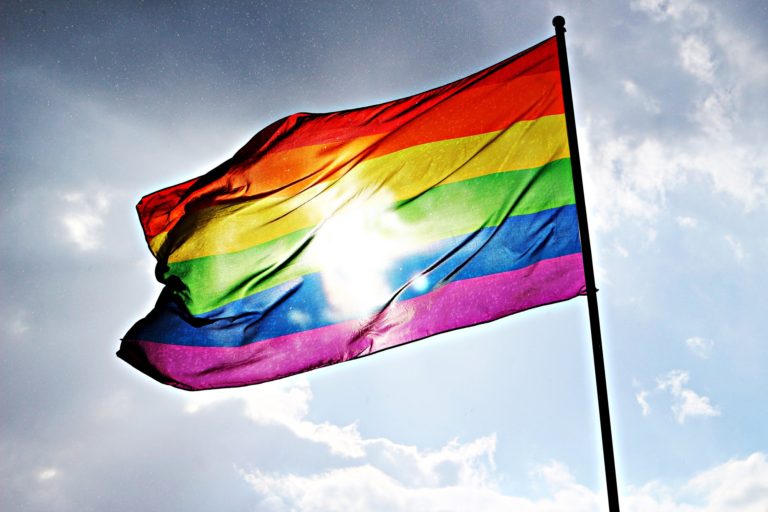
“With the world facing so many bigger, more existential issues right now, this award season’s obviously been sort of disorienting on several levels. On a deeper level, some people might think glamorous celebs accepting golden trophies is a little, well, off point amid a pandemic,” John Griffiths, the Executive Director of the Society of LGBTQ Entertainment Critics (GALECA.org) said.

“With so much loss and depression, people seem to be basically saying ‘throwing glamorous awards shows is especially tone deaf.’
 It’s a good question- Who cares about Hollywood and self-satisfied stars and virtual red carpet fashion? It’s sort of weird. But the show should go on, as they say, because movies have a huge impact on society, and celebrating good work and stories and performances that inspire is always a good thing,” he added.

(Photo: John Griffiths)

The Society of LGBTQ Entertainment Critics is home to the Dorian Awards, which are are film and television accolades given by GALECA.

“The Oscars and all the kudos shows leading up to them, like our own Dorians, all help to put some special films, about immigrants, about inner-spirit, about humanity, about love, about the ravages of hate, on the world’s radar. Movies unite us, they can create change, help heal . . . so we shouldn’t underestimate shows that honor them,” Griffiths said.

“Awards shows having to go “virtual” with awkward hosts and nominees all with Zoom face and any live attendees six feet apart from each other is not a recipe for fun viewing. They have gotten stodgy over the years, so it’s been interesting to see which ones turn the frown upside down. So far, only the Emmys has seemed interested in getting creative—to fun effect,” he stated.

New York City- based Celebrity Jewelry Expert and Stylist, Michael O’Connor weighed in with his observations telling the Blade;

“COVID has really taken a toll on the fashion industry and on celebrity styling overall!! In previous years, the red carpet, the event itself and the many surrounding events provided a plethora of attending celebrities who wanted to look their very best for the events  – and would get photographed. This meant that you could not only showcase your styling expertise, but also you could use pieces from various fashion houses, jewelry designers and accessories designers to bring a vision to life, thereby creating numerous publicity opportunities for the brands themselves. 

These days, the potential universe of styling opportunities is severely limited. No red carpets, no surrounding events and in-home coverage of the nominees really brings the potential to showcase talent way down. Further, some celebrities feel that they should be more relaxed and less dressed up in their home environment. The whole situation is difficult for everyone, celebrities included, and certainly results in some underwhelming and uninspiring fashion.

“As a stylist who lives in NY and often styles celebrities in LA, the idea of virtual styling is not something totally new to me. I’ve been doing it for years. However, the current issues revolve more around the difficulties of fit, alteration and exchanging pieces out that don’t work together. One can’t simply go into a showroom and get a feel for how a necklace might lay on a neck or how low an earring drop is, or how a dress will hug the curves. That tactile sense and true visual understanding has been robbed. Therefore, more is reliant upon planning or going with brands/pieces that you already know. Otherwise, the chance that it all won’t come together perfectly is extremely high.”

(Photo: Michael O’Connor)

Beverly Hills  Celebrity stylist Erick Orellana reflected- “Due to the lack of red carpet arrivals this year for award shows, I am hearing many fellow stylists who really depend on award season work are out of work until the industry rebounds. Since award shows are going virtual and events are at home, many celebrities are opting to  do their own glam or be a little more “relaxed” with it this year. As we saw with some of the celebs at the Golden Globes, winner Jodie Foster and her wife were in what seemed like their pjs.
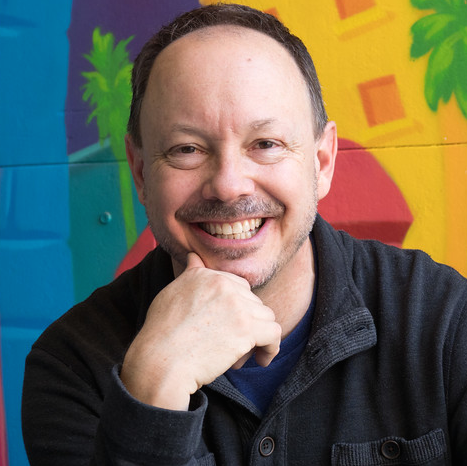
Glam during these pandemic times has looked very different. During awards season, I believe hair and make up this year looks a bit more easy-going. Since most events are virtual, the most important part of hair and make up is the front side of the face. We are going to be seeing a lot of ponytail slick hair or to the side hairdos and I wouldn’t be surprised if some go for a soft romantic touch to their hair.

(Photo: Erick Orellana)

I think most celebrities are mainly working on just their upkeep versus do drastic changes right now. We are definitely seeing the return of the bank/curtain bang that is a nice way to change up a hairstyle without having to commit to a big change all over, since it’s mostly taking place in the front. It’s a good way to frame the face as well. We’re seeing more one tone hair color versus multi dimensional sense, and are also seeing a bit of a return of the 90s inspired hair trend. Most changes in hair have been very subtle since everyone’s really working on just trying to touch up their hair that hasn’t been seen by a stylist in a while, due to Covid restrictions and safety.”

Hollywood jewelry designer Charlie Lapson told the Blade;

“This year, the designers, stylists and clients are hardly meeting in person. Life has become an endless amount of FaceTime, ZOOM, and Skype meetings, reviewing the fabrics of the dress, and the jewelry options to coordinate. On some levels, it’s more efficient because we can interact several times without driving all over LA, and we don’t have to pack and unpack hundreds of pieces.

But the special moment of the actress trying on her choice of earrings, looking in the mirror and saying “these are perfect” just isn’t going to happen. It’s challenging because we’re not working the usual way. 

At the awards events this year, some of the sparkling accessories will be incorporating colorful gemstones. There has been conversations about jewels with Tanzanite, with its luscious deep blue and purple tone, which has become one of the top requests for 2021. 

Pearls of white and gray have been trending, thanks to Madame VP Harris. In addition to necklaces, they’ll be seen in earrings and rings. 

Diamond earrings in unique shapes will be trending, and hopefully ear cuffs will make their debut. Multiple rings across several fingers is something to look for, and then work into your own style.”

It is so devastating to know there are still so many people in our industry who are struggling for work.

“With little to no in person events, I am sad I no longer get to see or work with friends–everyone from event producers to florists to catering companies and designers. It is so devastating to know there are still so many people in our industry who are struggling for work.

The pandemic has totally changed the industry forever. Last year, for example, we did a total of 3 live events during Golden Globes weekend, this year two were canceled and one has gone completely digital. Now with little to no red carpet and the usual fanfare when arriving to events, they will just be limited to a couple of photographers,” Rembrandt Flores, founder, Entertainment Fusion Group said.

Rembrandt Flores

“There is nothing like an event in person, and I am excited to be involved with them again in 2022,” he added.

With no live events, the celebrity wrangling industry has suffered tremendously. Luckily for our agency, we weren’t so dependent on that type of work. We have doubled down heavily on digital and traditional press as well and working with influencers and celebrities for specific brand campaigns,” Flores noted.

Justice for Latchman “Anthony” Singh and Maria Venus Raj – Stabroek News

On April 13, 2021, artist Latchman Singh, otherwise known as Anthony, Marc Anthony, and Maria Venus Raj was murdered in El Dorado, Trinidad and Tobago. A migrant from Guyana, Singh left his hometown seven years ago in pursuit of better economic opportunities and for LGBTQI+ community and support. He was nationally, regionally, and internationally recognized as a formidable makeup artist, fashion designer, pageant runway coach, and drag performer. Described as joyful, humble, inspirational, and brilliant by friends and family, Singh’s death comes as a devastating reminder of the horrific ongoing consequences of homophobia and sexual violence that continue to plague the landscape of the Caribbean and its diasporas.

Learning the devastating news of his death, many artists, friends, family, and community organizations took to social media to offer condolences. Each person paid their respects to the immense talent, spirit, and commitment to the arts, beauty industry, and queer performance that Anthony offered. Reflections from organizations such as Pride Trinidad and Tobago, the Trinidad and Tobago Transgender Coalition,and CAISO Sex and Gender Justice; and media outlets including the Trinidad Express, and Guyana’s Stabroek News, among others, dominated many different social media platforms with video testimonies and picture memorials proliferating throughout global digital space.

 Here at the Caribbean Equality Project, we were equally devastated. Anthony/Maria, was a common collaborator and a friend of our organization. In 2020, Maria participated in a digital drag showcase “A Night of Caribbean Drag,” produced by Sundari The Indian Goddess and Laila Gulabi, which was a celebration of the artistry and talents of Caribbean drag artists from the U.S., Canada, and Trinidad and Tobago. This artist showcase was a benefit for the Caribbean Equality Project’s COVID-19 Emergency Relief Fund, which supports undocumented Caribbean LGBTQ+ immigrants and asylum seekers impacted by the coronavirus in New York City. To date, because of unapologetically queer Indo and Afro-Caribbean drag-centric activists like Maria Venus Raj, the Caribbean Equality Project has distributed over USD$40,000 to 200+ Black and Brown queer and trans Caribbean immigrants. During the peak of the global COVID-19 pandemic, Maria also participated in an interview with fellow drag artist Ryan Persadie/Tifa Wine for an online newspaper feature on Caribbean drag artists around the world, which was published in the New York City-based Gay City News.

 Since Anthony/Maria’s murder, the Caribbean Equality Project has assisted with transporting Anthony’s body back to Guyana and providing his family with relief. With the support of community and more than 65 international donors, we accomplished this goal and posthumously realized Anthony’s dream of one day returning home. On Thursday, April 29, Anthony’s funeral was held in Guyana, where family and friends performed his final rites and said goodbye.

 To memorialize the kindness, generosity, and utter ferocity that Anthony/Maria carried within him, we (Ryan Persadie and Mohamed Q. Amin) began curating a tribute program so that all those who were in relation to him could come together and celebrate his life. We began working to develop a digital tribute space on Zoom where friends, family, and colleagues could submit photographic memorials, video testimonials/messages, and pre-recorded video tributes honoring his love and passion for drag culture.

 On Monday evening, May 3, more than three hundred participants from Trinidad and Tobago, Guyana, Barbados, St. Vincent, the US, Canada, and the UK joined together to mourn, grieve, and celebrate Anthony/Maria. During the virtual memorial, we witnessed deep acts of caring and love from those who were impacted by Anthony/Maria, and their fearlessness, artistry, and aesthetic, spanning countries and continents. Joining in at this virtual memorial were Anthony’s mother Bibi Kassim and his sister Trisha Singh, and his friends Ravi Latchman, Clinton Findlay, Chandradatt Jagdeo, Marcus Kissoon, Mariana Jade Walcott, along with Caribbean regional partners including Pride TT and Xoë Sazzle of the Transgender Coalition of Trinidad and Tobago.

 While Anthony’s sudden and unjust passing is shocking, it regrettably comes as another quantifiable addition to the numbers upon numbers of queer, and trans of color community members who consistently fall victim to acts of harm, injury, and death, often without justice and accountability. Let us remember Raymond Choo Kong, Kwesi Mona, Gregory Singh, Roger Jackson, and Keon Patterson (otherwise known as Sasha Fierce) who also met similar fates in recent years.

As of now, neither Anthony’s family nor us has any information from the murder investigation surrounding the circumstances leading to his death. We are reminded that in the Caribbean, we are still caught in times of (neo-)colonial power, in which racial, sexual, and gender difference continue to mark the graves of those who should still be here. It has been three weeks since the Anthony’s murder and according to his sister, the authorities in Trinidad have failed to provide the family with any information or updates on their investigation; we understand the police are yet to identify a suspect.

We need to continue to support organizations, activists, and transgressive agitators who pursue the ongoing work of liberation for all marginalized communities, including the advocacy and outcry for justice for Anthony Singh. We need to work towards combatting the unimaginable numbers of cold cases of queer and trans death that go unresolved, where we must continue repeating over and over again the names of lives cut much too short. We need to continue combating widely circulated ideas in the Caribbean and its diasporas, that our Caribbeaness is incompatible with gender and sexual difference or that there is no room for queerness in Caribbean spaces. Caribbean landscapes have always been queer, and let us not forget that Anthony’s death is just another reminder of how, despite the age in which we live, many of us are still not free. To many, the “non-normativity” of queerness still holds much weight to pursue the erasure of non-heteronormative life in all of its forms.

 Finally, we leave you with the words of Anthony Singh and Maria Venus Raj as, just some months ago in an interview we did with them, she commented on the state of racial-sexual politics in Trinidad and Tobago and her role in political work as a drag artist with us:

“I have always believed in the saying, “let the beauty of what you love be what you do.” My passion for art is something that was always growing. I became so intrigued about one of the most exquisite expressions of art – drag. My inspiration comes directly from Bollywood actresses and movies. The colors, the fabrics used, the delicate moves, the heavy use of accessories for adornment that enhances one’s beauty. I also love how the colors in Bollywood movies are comparable to the vibrancy of the Caribbean and our melting pot of culture.

Growing up in a very homophobic community, I was always scared to experience new things because of how shallow-minded people were and how bad they treated people who are a part of the LGBT[QI+] community. The moment I started to commit myself and fully accepted who I am, my life took a complete turn. I lost a lot of friends and family, but I was proud of the independent person I became. Drag for me then gave me validation, where I always kept looking for a spark that made me a complete person.

Here in Trinidad, it’s sad that LGBTQ[I+] rights aren’t given any attention or visibility. It’s still characterized as taboo. Two years later, after having the buggery law targeted, I don’t believe there was any major progress to ensure the safety of the community. Hate, ridicule, and discrimination are still prevalent in society.

Being able to liberate myself and live my life freely, I am happy that I was able to motivate and inspire a lot of young gay men to live their true self. When I’m on stage, performing, doing a photoshoot in my full illusion, there is nothing but joy, confidence, and happiness that exudes around and in me. Unfortunately, it’s something I can’t do full-time in Trinidad solely because of the negative view of the public and the consequences that come along with it. I would only wish that the public can be more sensitive and accepting for us all to have an equal community.”

To find out more about the Caribbean Equality Project, visit https://www.caribbeanequalityproject.org/ or email us at info@caribbeanequalityproject.org