Home Blog Page 236

The Sports Report: Albert Pujols is a hit in his Dodger debut – Los Angeles Times

Howdy, I’m your host, Houston Mitchell. Let’s get right to the news.

Jorge Castillo on the Dodgers: The newest member of the Dodgers, the brawny bald-headed surefire first-ballot Hall of Famer with 667 career home runs on his resume and three National League MVPs on his mantle, roamed the infield at Dodger Stadium on Monday afternoon like a regular. He chatted with coaches. He joked with teammates. He sprayed line drives off a machine.

But Albert Pujols dressed in blue, not in red down the 5 Freeway or under The Gateway Arch, made for a strange sight as he prepared for his Dodgers debut before their 3-1 win over the Arizona Diamondbacks.

Advertisement

Albert Pujols during his first at-bat with the Dodgers.

Albert Pujols during his first at-bat with the Dodgers.

(Gary Coronado / Los Angeles Times)

This wasn’t supposed to happen. The Angels weren’t supposed to shock the baseball ecosystem and release Pujols last week, no matter how unproductive he became in the final years of his decadelong, $240-million contract. The Dodgers weren’t supposed to be desperate enough to sign a 41-year-old first baseman who’s been a below-average hitter for five seasons.

But all that happened. The Angels pulled the trigger and the Dodgers, their questionable depth recently exposed by a rash of injuries, officially scooped him up Monday, signing him to a contract for the remainder of the season.

“We believe he can help us win a championship,” Dodgers manager Dave Roberts said.

Roberts thrust Pujols into action Monday; he started at first base and batted fourth, wearing No. 55, against the Diamondbacks (18-24) with left-hander Madison Bumgarner on the mound. He became the oldest clean-up hitter in Dodgers history and the oldest player to hit in the top four of their lineup since a 44-year-old Rickey Henderson in 2003.

“I feel like I still have some gasoline left in my tank,” Pujols said in a videoconference call Monday.

Pujols didn’t run on empty Monday. He delivered a two-out RBI single on an 0-and-2 cutter in the third inning to give the Dodgers (23-18) a 2-0 lead after Will Smith homered in the second. He went one for four before he was replaced as part of a defensive substitution in the ninth inning. He’s slated to start at first base again Tuesday.

————

Advertisement

Bill Plaschke: Who are the Dodgers really getting in Albert Pujols? He needs to prove himself

Enjoying this newsletter? Consider subscribing to the Los Angeles Times

Your support helps us deliver the news that matters most. Become a subscriber.

ANGELS

Shohei Ohtani celebrates with Taylor Ward and Juan Lagares after hitting a home run Monday.

Shohei Ohtani celebrates with Taylor Ward and Juan Lagares after hitting a home run Monday.

(Associated Press)

Jack Harris on the Angels: There were conflicting emotions at Angel Stadium on Monday night.

Advertisement

After the first inning of the Angels’ series-opener against the Cleveland Indians, star center fielder Mike Trout was forced to exit the game with a right calf strain that he seemed to sustain while running the bases.

Minutes later, two-way sensation Shohei Ohtani took the major-league lead with his 13th home run of the season.

Ohtani’s blast, a three-run shot to right field in the second inning, instantly electrified the 9,527 partial-capacity crowd. It left the bat at 105.9 mph. It traveled a projected 431 feet. And perhaps most impressively, it came on a 1-and-2 fastball that was about six inches above the strike zone and more than four feet in the air. Ohtani’s arms were almost parallel to the ground as he made contact.

“Talk about elevated fastball,” Angels manager Joe Maddon said, laughing.

Advertisement

Echoed Angels starting pitcher Patrick Sandoval: “It’s unreal. I don’t know how else to say it. He hits the crap out of the ball and throws the crap out of the ball as well. I don’t think people can grasp how insane what he’s doing is. It’s unbelievable.”

LAKERS

Dan Woike on the Lakers: Their careers have intersected so many times with everyone’s eyes aimed just at them — LeBron James and Stephen Curry at the center of the NBA universe for some of the biggest games of the last decade.

“Our paths have been crossed again,” James said Sunday, after learning the Lakers and Golden State Warriors would meet in the play-in tournament Wednesday at Staples Center, with the West’s No. 7 playoff seed on the line.

“It’s always been a respect, a level of respect that’s even beyond the game of basketball. That’s just the way that I feel for Steph, so that’s cool. I mean, just look at what he’s done this year.”

Advertisement

Curry was the NBA’s top scorer, averaging 32 points to outpace Bradley Beal, Damian Lillard and Joel Embiid. He shot better than 40% from three-point range, the third time he’s averaged at least 10 attempts per game and made at least 42% — no one in history had done that.

Curry scored 40 or more points 11 times, his team going 9-2 in those games. He had 62 against Portland, 53 against Denver and 49 against Philadelphia, three wins that proved he can get hot enough to single-handedly carry these Warriors past a playoff-caliber opponent.

“He creates problems. For every team,” Anthony Davis said. “His ability to shoot the basketball, get in the paint, make his team better, find guys is a challenge for everyone. So that’s going to be our focus. He’s the head of the snake.

“If we can limit him — his three-point attempts, his free-throw attempts — then we have a high chance of winning.”

Advertisement

CLIPPERS

Andrew Greif on the Clippers: As their number of potential first-round playoff opponents dwindled during the regular season’s final days, and Clippers coach Tyronn Lue and his staff tightened their focus on Dallas, they compiled a refresher course on the Mavericks’ preferred plays, what to do if they run out of timeouts and who Dallas coach Rick Carlisle wants to get the ball to in certain scenarios.

In all that film study, however, little of what the Clippers watched might have come from the teams’ own head-to-head matchups.

Though opposing coaching staffs will surely find some utility from studying the 144 combined minutes during the season series won by Dallas, 2-1, none of the games reflected the rosters that will take the court when the seven-game series begins this weekend.

“Seen a lot of crazy things throughout the course of the regular season, and when the playoffs come it’s a whole different season,” Lue said Sunday, after the Clippers clinched the Western Conference’s fourth seed. “Mentality changes, a lot of things change. We can’t read into anything that happened in the regular season as it’s a whole totally different season.”

Advertisement

Clay Helton in 2019.

Clay Helton in 2019.

(Associated Press)

Ryan Kartje on the Trojans: As Clay Helton clung to his job following a 5-7 season in 2018, the embattled coach’s USC salary continued to rise. During the 2019 season, he had the highest reported salary among Pac-12 football coaches, according to a federal tax return filed by the university and obtained by The Times.

Helton earned $4.813 million from USC and its related organizations from July 1, 2019, to June 30, 2020, an increase of more than $244,325 over the previous fiscal year, when a contract extension courtesy of previous athletic director Lynn Swann boosted his salary by more than 40%.

Helton saw a much more modest pay increase in 2019, as USC finished 8-5 and questions about his job security reached a fevered pitch. But the raise was still enough to narrowly eclipse what was previously known to be the top salary among Pac-12 football coaches.

Advertisement

It is unclear whether Stanford coach David Shaw was awarded a salary increase during the 2019-20 fiscal year. As private institutions, Stanford and USC are not required to disclose employee salary information. Shaw made $4.812 million in 2018, according to USA Today’s coaches salary database. His total pay in 2019 has not yet been disclosed.

SOCCER

Kevin Baxter on soccer: The Mexican soccer federation has for years asked its fans to refrain from using a wildly popular anti-gay chant, both during games of the domestic Liga MX and internationally when the country’s national team was playing. Now it’s getting some high-powered help from FIFA, the world governing body for soccer.

Nearly two years ago, FIFA approved a disciplinary code that allows referees to end matches if fans use chants or display behavior deemed to be homophobic or racist. However, because of COVID-19, Mexico’s national team has played few games in front of fans since the rules were adopted.

But when the team returns to the field May 29 to face Iceland in Arlington, Texas, Yon de Luisa, the Mexican federation’s president, said the new code will be strictly enforced. The game, Mexico’s first in the U.S. in 20 months, will also be the first of as many as 14 games El Tri will play in the U.S. this year, a schedule that includes friendlies, the four-team Nations League finals, the CONCACAF Gold Cup and World Cup qualifying.

Advertisement

“There’s a couple of campaigns,” De Luisa said. “The first one is letting [fans] know the possible consequences. And the second one is letting our fans know that this is not the behavior, this is not the image, that we want to show from Mexico.”

HORSE RACING

John Cherwa on horse racing: Trainer Bob Baffert has been temporarily banned from racing in New York by the New York Racing Assn. in light of the recent positive drug test on Medina Spirit after winning the Kentucky Derby.

Baffert has not been charged with anything pending the results of a split sample. He announced the positive for betamethasone on May 9 after he was informed by the Kentucky Horse Racing Commission of the initial drug screening. Churchill Downs then suspended the Hall of Fame trainer from racing at its track.

In the case of both suspensions, they are mostly symbolic in that Baffert does not have many horses at Churchill Downs and was unlikely to enter any horses in the Belmont Stakes, the third leg of the Triple Crown, in less than three weeks. He may have entered a few horses on the Belmont undercard but that option has been taken from him.

Advertisement

NBA PLAYOFFS SCHEDULE

Play-in round
All times Pacific

Today
No. 10 Charlotte at No. 9 Indiana, 3:30 p.m., TNT
No. 8 Washington at No. 7 Boston, 6 p.m., TNT

Wednesday
No. 10 San Antonio at No. 9 Memphis, 4:30 p.m., ESPN
No. 8 Golden State at No. 7 Lakers, 7 p.m., ESPN

Thursday
Winner of Indiana/Charlotte at loser of Boston/Washington, 5 p.m., TNT

Advertisement

Friday
Winner of San Antonio/Memphis at loser of Lakers/Golden State, TBD, ESPN

NHL PLAYOFFS SCHEDULE/RESULTS

Helene Elliott: Here is why Stanley Cup champion Lightning will lose in first round of playoffs

First round
All time Pacific

East Division
Pittsburgh vs. NY Islanders

Advertisement

New York 4, Pittsburgh 3 (OT)
Today: New York at Pittsburgh, 4:30 p.m., NBCSN
Thursday: Pittsburgh at New York, 4 p.m., NBCSN
Saturday: Pittsburgh at New York, Noon, NBC
*Monday, May 24: New York at Pittsburgh, TBD
*Wed., May 26: Pittsburgh at New York TBD
*Friday, May 28: New York at Pittsburgh, TBD

Washington vs. Boston

Washington 3, Boston 2 (OT)
Boston 4, Washington 3 (OT)
Wed.: Washington at Boston, 3:30 p.m., NBCSN
Friday: Washington at Boston, 3:30 p.m., NBCSN
Sunday: Boston at Washington, TBD
*Tuesday, May 25: Washington at Boston, TBD
*Thursday, May 27: Boston at Washington TBD

Central Division

Advertisement

Carolina vs. Nashville

Carolina 5, Nashville 2
Wed: Nashville at Carolina, 5 p.m., CNBC
Friday: Carolina at Nashville, 4 p.m., USA
Sunday: Carolina at Nashville, TBD
*Tuesday, May 25: Nashville at Carolina, TBD
*Thursday, May 27: Carolina at Nashville, TBD
*Saturday, May 29: Nashville at Carolina, TBD

Florida vs. Tampa Bay

Tampa Bay 5, Florida 4
Today: Tampa Bay at Florida, 5 p.m., CNBC
Thursday: Florida at Tampa Bay, 3:30 p.m., USA
Saturday: Florida at Tampa Bay, 9:30 a.m., CNBC
*Monday, May 24:Tampa Bay at Florida, TBD
*Wed., May 26: Florida at Tampa Bay, TBD
*Friday, May 28: Tampa Bay at Florida, TBD

Advertisement

North Division

Toronto vs. Montreal

Thursday: Montreal at Toronto, 4:30 p.m, NHL Network
Saturday: Montreal at Toronto, 4 p.m., CNBC
Monday, May 24: Toronto at Montreal, TBD
Tuesday, May 25: Toronto at Montreal, TBD
*Thursday, May 27: Montreal at Toronto, TBD
*Saturday, May 29: Toronto at Montreal, TBD
*Monday, May 31: Montreal at Toronto, TBD

Edmonton vs. Winnipeg

Advertisement

Wed.: Winnipeg at Edmonton, 6 p.m., NBCSN
Friday: Winnipeg at Edmonton, 6 p.m., NBCSN
Sunday: Edmonton at Winnipeg, TBD
Monday, May 24: Edmonton at Winnipeg, TBD
*Wed., May 26: Winnipeg at Edmonton, TBD
*Friday, May 28: Edmonton at Winnipeg, TBD
*Sunday, May 30: Winnipeg at Edmonton, TBD

West Division

Colorado vs. St. Louis

Colorado 4, St. Louis 1
Wed.: St. Louis at Colorado, 7:30 p.m., CNBC
Friday: Colorado at St. Louis, 6:30 p.m., USA
Sunday: Colorado at St. Louis, TBD
*Tuesday, May 25: St. Louis at Colorado, TBD
*Thursday, May 27: Colorado at St. Louis, TBD
*Saturday, May 29: St. Louis at Colorado, TBD

Advertisement

Vegas vs. Minnesota

Minnesota 1, Vegas 0 (OT)
Tonight: Minnesota at Vegas, 7 p.m., NBCSN
Thursday: Vegas at Minnesota, 6:30 p.m., NBCSN
Saturday: Vegas at Minnesota, 5 p.m., NBC
*Monday, May 24: Minnesota at Vegas, TBD
*Wed., May 26: Vegas at Minnesota, TBD
*Friday, May 28: Minnesota at Vegas, TBD

*-if necessary

THIS DATE IN SPORTS

1920 — Man o’ War, ridden by Clarence Kummer, wins the Preakness Stakes by 1½ lengths over Upset.

Advertisement

1931 — Fifteen-year-old Eddie Arcaro rides his first race, finishing sixth, at Bainbridge Park, Ohio.

1957 — Bold Ruler, ridden by Eddie Arcaro, wins the Preakness Stakes by two lengths over Iron Liege. It’s the sixth and last time Arcaro wins the Preakness.

1968 — Forward Pass wins the Preakness Stakes by six lengths to give Calumet Farm a record seven wins in by an owner in the race. Judy Johnson becomes the first female trainer to saddle a horse for the Preakness. Her horse, Sir Beau, finishes seventh in the field of 10.

1971 — The Montreal Canadiens beat the Chicago Blackhawks 3-2 in the seventh game to win the Stanley Cup.

Advertisement

1985 — Patricia Cooksey becomes the first female jockey to compete in the Preakness Stakes. Tank’s Prospect wins the race and Cooksey’s mount, Tajawa, finishes sixth in the field of 11.

1990 — Edmonton’s Jari Kurri becomes the leading goal scorer in Stanley Cup history when he scores his 90th postseason goal in the first period of Game 2 of the finals against Boston. Kurri adds two more goals as the Oilers beat the Bruins 7-2.

1996 — Louis Quatorze carries Pat Day to the jockey’s third straight Preakness Stakes victory. Louis Quatorze, 16th in the Kentucky Derby, runs 1 3-16 miles in 1:53 2-5 to equal the race record set by Tank’s Prospect in 1985.

1997 — Chris Johnson makes an 8-foot par putt on the second playoff hole to win the LPGA championship over Leta Lindley. It’s the third playoff in the championship since the tournament began in 1955, and the first since 1970.

Advertisement

2004 — Randy Johnson becomes the oldest pitcher in major league history to throw a perfect game, retiring all 27 hitters to lead the Arizona Diamondbacks over the Atlanta Braves 2-0.

2008 — Rafael Nadal beats defending champion Roger Federer 7-5, 6-7 (3), 6-3 to win the Hamburg Masters, adding the only major clay-court title missing from his impressive collection.

2008 — Boston’s Paul Pierce and Cleveland’s LeBron James combine for 86 points in Game 7 of the Eastern Conference semifinals. James outscores Pierce 45-41 in the shootout, but Boston advances with a 97-92 win.

2013 — Oxbow, ridden by Hall of Fame jockey Gary Stevens, leads from start to finish at the Preakness. It’s the sixth Preakness victory for Hall of Fame trainer D. Wayne Lukas and 14th Triple Crown victory, the most in horse racing history.

Advertisement

And finally

Randy Johnson pitches a perfect game. Watch it here.

Until next time…

That concludes today’s newsletter. If you have any feedback, ideas for improvement or things you’d like to see, email me at houston.mitchell@latimes.com, and follow me on Twitter at @latimeshouston. To get this newsletter in your inbox, click here.
Mass Effect Legendary Edition’s first mods let you adjust FOV, have ME1 gay romance – Eurogamer.net

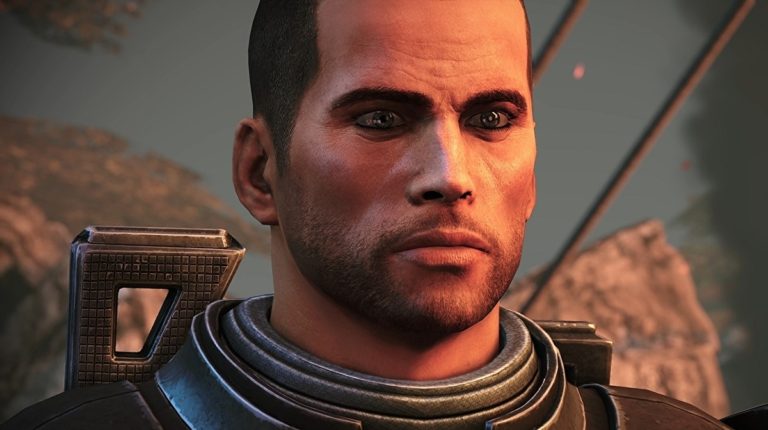
Mass Effect Legendary Edition has only been released a few days, but already there are dozens of mods to customise its experience.

Numerous options available via NexusMods tweak the trilogy’s lighting, colour palette and field of view – such as the Better Camera (Higher FOV) mod by JadeBarker.

An early attempt at unlocking gay romance in Mass Effect 1 has also already appeared. Same Sex Mod for Default Shepard lets male Shepard romance Kaiden and female Shepard romance Ashley. But this will only work with the game’s default Shepard models, and does not add any cut dialogue (Mass Effect did originally record voice lines for these romances, but did not implement them in the final game).

“I’m releasing this in the hopes that it will help others take it further possibly,” mod creator Biganimefan2 wrote, “so feel free to use just give me a credit if you do.”

Elsewhere, QOL Speed Bin Tweaks MELE1 from thelistenersufry provides a number of nice quality of life changes to Mass Effect 1, such as infinite sprinting and unlimited Mako boosting. Those uncharted worlds are big, and this should help!

It also moves the crouch button on a controller to the right stick instead of left, and adds FOV changing.

Another which caught my eye is LEME1 Autosave and QOL console hacks, which makes ME1 save more regularly. Too many times I’ve been sniped at the last second while doing something on an uncharted world, and realised I’d not saved since landing 20 minutes ago. Argh!

Finally, if you really want to mess around with your save file, Trilogy Save Editor by Karlitos will let you toggle various decisions and completed plot points from across the saga so you can craft a save to your will. (Killed a single colonist by accident at Zhu’s Hope? Now you can fix that.)

Who was Alireza Monfared? Iranian gay man, 20, beheaded by step-brother and cousins in alleged ‘honor killing’ – MEAWW

A young Iranian man was allegedly murdered by his family members for “honor” after they found out that he was gay. Alireza Fazeli Monfared was 20-year-old when he was allegedly beheaded by his half-brother and two cousins on May 4, according to reports.

Monfared was reportedly planning to permanently leave Iran because of the criminalization of homosexuality in the country. To claim asylum somewhere else in the world, he was also awaiting an exemption from Iran’s compulsory military service. But just a few days before he was going to leave the country, his half-brother got hold of the documentation for his exemption and learned that he was gay.

READ MORE

Who was Bebe Rexha’s secret gay partner? Singer talks about female celebrity romances and ‘fluid sexuality’

Who is Dr Joe Kort? Sex therapist claims sex between men is not a ‘gay thing’ but a ‘guy thing’

Iranian LGBTQ network 6Rang’s executive director Shadi Amin told Insider that some of his relatives could not digest that he was gay and decided to take his life. His half-brother along with two other relatives allegedly took him to a remote village where they murdered him. Monfared’s death has sparked a global outcry as celebrities like Demi Lovato also took to social media to express her grief and disgust over the tragedy. But as per Iranian human-rights activists, the alleged “honor killing” of Monfared is nothing new for Iran’s gay community members, who are mostly met with the same fate.

Okan Sengun, the executive director and co-founder of the LGBT Asylum Project, said: “The International Day Against Homophobia, Transphobia, and Biphobia’ is coming up on Monday (May 17). On that day, we should speak out about this. Make sure that these laws change. That’s key.”

Who was Alireza Fazeli Monfared?

An Arab Iranian from Ahvaz, the capital of Iran’s Khuzestan province, Monfared was the only child of his mother. His father has other kids from his earlier marriage. He was active on Instagram with more than 18K followers. His posts on the social media platform show him as a lover of designer fashion. Monfared was also reportedly a lover of makeup but failed to do so in public. “Pressure means not being able to behave however you want in society. For example, I would like to walk around with a bit of makeup, but you know how Ahvaz is,” he once said in a voice recording sent to a friend.

In another voice message, he added, “I have been threatened by my father’s side of the family — murder and such. My father sided with them.” And in one of the recordings, he stated, “I’m wondering whether I should go to Sweden or Norway.” “He was not ready to continue this conflict with his family,” Amin said.

Reportedly, being gay is not allowed in Iran and punishable by death, but if someone is homosexual and wants to not do military service, the law allows them to do so. Jasmin Ramsey, the communications director for the Center for Human Rights in Iran, told Insider, “Those who have special conditions can get an exemption; if they have a particular illness, or a missing limb, or other physical issues. Homosexuality is also considered a psychological disease in Iran, and the military’s military board can exempt a gay man from service if they are deemed homosexual after an examination.”

In Monfared’s case, he was about to receive permission from the military, however, the documentation was unfortunately seen by his relative. “I think their hate of homosexuality was so huge that they decided to kill him,” Amin added. And soon his relatives picked him up from a local store, where he went to sell his mobile phone, as they told him his father wanted to speak with him urgently. However, instead of taking him to his father, they took him to a rural village, where they allegedly murdered him using a knife.

After Monfared’s death, Lovato posted a tribute for him. She wrote; “My heart is broken hearing the story of Alireza Fazeli Monfared 💔 #restinpower Repost @mattxiv: “sending the most love to my queer muslim friends. I love u — ‘no one of us can be free until everybody is free’.” Masih Alinejad, a prominent Iranian activist living in exile in New York, told Insider, “I went to look at his page and I found that he was so full of life. Immediately, I posted about his death on my social media and it went viral. I wish he had received this sort of attention while he was alive.” While Sengun confirmed to getting a number of emails from gay people in Iran that state, “’I don’t want to be the next Alireza.’”

If you have a news scoop or an interesting story for us, please reach out at (323) 421-7514

‘Existential threat’: CCCU fights LGBT students’ Title IX lawsuit targeting Christian colleges – The Christian Post

CCCU seeks to uphold rights of Christian colleges amid ‘open hostility’ from Biden admin.

CCCU
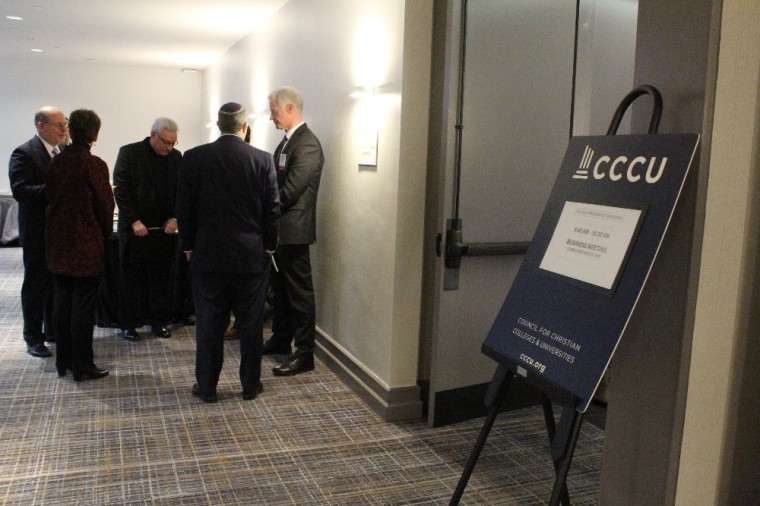
Presidents of religious colleges converse in the hallway of the Washington Court Hotel in Washington, D.C., during the 2019 Council for Christian Colleges and Universities Presidents Conference on Feb.1, 2019. |

A leading association of over 180 Protestant colleges and universities is coming to the defense of Christian colleges amid a lawsuit filed by former and current LGBT students who seek to revoke religious schools’ exemptions to Title IX discrimination law. 

The Council for Christian Colleges and Universities filed a motion to intervene in a legal challenge against the U.S. Department of Education seeking to strip federal financial aid from college students who attend faith-based institutions that espouse biblical beliefs on marriage, gender and sexuality. 

The lawsuit was filed in March by an advocacy organization called Religious Exemption Accountability Project on behalf of 33 LGBT former and current students who felt discriminated against on 25 faith-based campuses across the country.  

Title IX of the Civil Rights Act forbids sex-based discrimination in education. Faith-based institutions that uphold biblical definitions for marriage and sexuality can request a religious exemption that allows them to adhere to scriptural beliefs on matters of sexuality. 

The legal challenge essentially seeks to restrict students at faith-based institutions that adhere to traditional sexuality and gender beliefs from receiving tuition grants, student loans and any other form of federal financial assistance. 

In a statement, the CCCU called the lawsuit “frivolous.” 

“Faith-based higher education has always been an essential element of the diversity of higher education in the United States — many of the first colleges and universities in the country were religious — and it is crucial that students continue to be given the opportunity to choose and access the college of their choice in a diverse educational landscape,” the Washington, D.C.-based council argued.

Most of the plaintiffs of the lawsuit are former or current students of CCCU institutions. CCCU is an advocacy organization that claims over 140 member schools across the U.S., many of which subscribe to “sincerely held biblical beliefs, which include specific religious convictions around human sexuality and gender.”

Policies based on those beliefs could result in LGBT student clubs not gaining official campus recognition, transgender students not being housed in dorm rooms that correspond with their gender identity or prohibitions against same-sex sexual relationships. 

According to CCCU, those schools are “are transparent about their policies and behavior guidelines, which students voluntarily agree to when they choose to attend the institution.” CCCU noted that many of its schools have “core religious tenets that conflict with the Plaintiffs’ understanding of Title IX.” 

“Campuses work hard to ensure that potential students understand their institution and its religious identity and want to be a part of that community,” the CCCU statement continues. 

CCCU’s motion to intervene contends that removing Title IX’s religious exemption poses an “existential threat to religious higher education.” Additionally, it “will deprive religious colleges of the oxygen that gives them life by forbidding them, on pain of losing federal assistance for their students, from teaching and expecting adherence to their core religious beliefs.”

“To CCCU’s member colleges, the Title IX religious exemption has proven indispensable as contemporary notions of sexuality and gender depart, often substantially, from the religious beliefs that animate every aspect of Christian campus life,” CCCU’s motion states. 

CCCU’s motion to intervene argues the Biden administration is opposed to upholding Title IX religious exemptions and said the rights of religious colleges “will go unrepresented and, thus, unprotected.”

“There is ample evidence that the current administration will not only fail to make the points necessary to defend Title IX’s religious exemptions as applied to sexual and gender minorities, but it may also instead be openly hostile to them,” CCCU’s motion states.

Students represented in the REAP lawsuit include current and former students of schools like Bob Jones University, Liberty University, Baylor University, Cedarville University and Brigham Young University. 

“REAP’s lawsuit asserts the constitutional and basic human rights of LGBTQ+ students, seeking to end the sexual, physical and psychological abuses perpetrated under the religious exemption to Title IX at thousands of federally-funded schools, colleges and universities across America,” according to REAP’s website.

The lawsuit claims that such policies at Christian schools led to the abuse and bullying of LGBT students. However, the CCCU has denied that claim. 

“While this lawsuit presents frivolous legal claims, the CCCU takes reports of student experience seriously,” the CCCU statement reads.

“We are committed to learning, growing, and deepening our understanding of how we can provide and strengthen support for all students on Christian college and university campuses, as CCCU institutions should be places where all students feel safe, supported, and welcome. We know the college experience can be stressful, and even more so for LGBTQ students who are working to understand how their sexual orientation or gender identity intersects with their personal faith.”

Alliance Defending Freedom, a national religious liberty advocacy legal group, filed a motion in April to intervene in the lawsuit on behalf of college students at Corban University in Oregon, William Jessup University in California and Phoenix Seminary in Arizona to protect the colleges’ religious exemptions to Title IX. 

“This lawsuit [filed by REAP] wants the federal government to tell Christian schools, ‘To continue accepting students who have federal financial aid, all you have to do is to start acting contrary to your own beliefs.’ That’s neither reasonable nor constitutional,” ADF Senior Counsel and Vice President of U.S. Litigation David Cortman said in a statement.

CCCU asserts its member colleges will only be able to “further their religious missions if they are able to teach and adhere to their doctrines without interference from the government.”

“… [This litigation] threatens to suffocate religious higher education in America. For these reasons, combined with the fact that only religious colleges can fully understand the importance of the exemption and the current Administration’s open hostility to the arguments necessary to fully defend the Title IX religious exemption, CCCU is entitled to intervene as of right,” CCCU’s motion argues. 

Emily Wood is a reporter for The Christian Post. She can be reached at: emily.wood@christianpost.com

Research reveals a pay gap for LGBTQ workers and the cost of exclusion – Fast Company

The wage gaps that exist between men and women and between white and black people have received a lot of attention in recent years. But there’s another wage gap that tends to be overlooked—between heterosexuals and LGBT+ people.

advertisement

advertisement

Interestingly, it works in two different directions: most studies show a wage penalty for gay men but a wage premium for lesbian women compared with their heterosexual counterparts. One analysis of 32 studies from several countries found that on average, gay men earned 11% less than heterosexual men, while lesbian women earned 9% more than heterosexual women. Studies and surveys have also shown a negative wage gap for bisexual and also for transgender people, though the evidence is much more limited, particularly for transgender people.

Within the data on gay people, there are also variations between countries and depending on how exactly sexual orientation is classified, for example, whether it’s based on survey evidence or cohabitation—and there are studies such as this one from the U.S. that found gay men actually earning more. But if the numbers above reflect a broad average, why do such differences arise?

One possible explanation is the work choices that gay people make. Research suggests gay men are more likely to avoid occupations that are more male-dominated than other men (which includes the best paid jobs), while lesbian women are more likely to avoid female-dominated occupations than other women (which are typically worse paid). Lesbians may also earn more because they tend to work longer hours.

advertisement

advertisement

But why do gay people enter different professions? It may be because they make different educational choices. For instance, LGBT+ students in the U.S. are less likely to finish school and attend university than other students. American men in same-sex couples are more likely to obtain a bachelor’s degree than men in different-sex couples, but they are 12 percentage points less likely to complete their degree in a STEM subject.

The role of discrimination

A key question is whether these differences in wages and choice of employment are driven by prejudice, or whether they are the result of some innate, work-relevant traits of gay people related to their preferences or skills. If gay men are paid less because of prejudice, then society is not making the best use of their skills and productivity. This would be economically inefficient and would hold back output, because it would suggest that gay men are not making the contribution that they could.

It’s not easy to get to the bottom of why these differences in wages and employment exist. But recent research using various methods has certainly found that discrimination is a key driver.

advertisement

I will highlight three examples. First, research from Australia has shown that gay and lesbian workers choose to enter occupations with fewer prejudiced workers, with male-dominated occupations more likely to feature discrimination.

Second, in a research experiment in the US, participants were asked to evaluate CVs. Some of the CVs made references to LGBT+ activities while others did not. Male participants penalised CVs that included an LGBT+ activity.

Third, discrimination of LGBT+ people emerges in workplace surveys. For instance, Stonewall and YouGov found in 2017 that 18% of LGBT staff in the UK had been a target of negative comments or conduct from work colleagues in the previous 12 months because of their sexual orientation.

advertisement

Inclusion and economic benefits

Discrimination against gay people is a global issue. The Franklin & Marshall Global Barometer of Gay Rights gave 62% of countries a failing grade on legal and social protections afforded to LGBT+ people in 2018. Contrasts among countries are wide. For example, Finland scored 96% in the barometer, while Russia scored just 19%.

This raises the question of whether it is possible to quantify the potential economic consequences of this discrimination, particularly in countries that lag the world’s leaders in both economic output and LGBT+ rights.

One approach is to estimate the lost productivity due to discrimination among gay people, based on research from countries where such data are available. These estimates can then be applied to the GDP of other countries. Open For Business, a global coalition of companies, on whose research advisory board I sit, has just done exactly that for Hungary, Poland, Romania, and Ukraine—four countries with GDP per capita and LGBT+ inclusion ratings well below the European average.

advertisement

At the low end, the report estimates that LGBT+ discrimination costs the Hungarian economy between 0.1% and 0.2% of GDP each year, or around £200 million. At the high end, the estimated cost to the Romanian economy is between 0.6% and 1.7% of GDP, or up to £3 billion.

While these figures are unlikely to make or break a country’s economy, they are substantial in context. For instance, the Romanian government’s spending on education was 3.1% of GDP in 2017. Lost GDP from limited LGBT+ inclusion could fund half of that spending every year.

Moreover, these estimates only represent direct costs of exclusion. There could be additional, indirect economic costs related to brain drain, adverse effects of discrimination on well-being, or even foreign investors going elsewhere because they worry that the prejudice in a country’s workforce could harm their reputations.

advertisement

One thing that this report does not consider is the potential negative effects of inclusion. For instance, could higher participation of gay people in the workforce actually deter prejudiced heterosexual people from, say, working as productively, or even working at all?

There are two reasons why this is unlikely. First, several studies on the legalisation of same-sex marriage in the U.S. have found no effect on different-sex couples, including no impact on the probability of whether they are employed.

Second, even though prejudice does exist, attitudes do shift as LGBT+ rights evolve. Recent research has shown that attitudes towards LGBT+ people turned more positive after laws recognising same-sex relationships were enacted across Europe. More inclusive laws led to more tolerant views—not the opposite.

advertisement

One explanation is that equality laws confer legitimacy toward sexual minorities—and attitudes adjust in response. This suggests that such laws could eventually be accepted, even in countries where acceptance of LGBT+ people is low.

If so, and given the potential economic benefits, it is another reason why greater inclusion is worth pursuing. Beyond the level of individual countries, this could also bring benefits for the global economy.


Pawel Adrjan, Research Fellow in Economics, Regent’s Park College, University of Oxford

advertisement

The Beauty of the ‘Outdated’ Suburban Restaurant – VICE

MUNCHIES State of the Suburbs is an exploration of eating in the American suburbs today. What makes suburban dining great, and as the suburbs shift, how are suburban dining scenes changing? Read more here.

For most of the pandemic, a rainbow flag that read “with strength, kindness, and community, we will get through this together,” hung outside Molten Java, a coffee shop in Bethel, Connecticut. Then, in early April, an unknown assailant tore the flag down, burnt it, and scattered the ashes out front. The police are investigating the incident as a hate crime, but Molten Java has kept its doors open. 

“It’s the most queer friendly establishment on Main Street,” Rachel Ambrose, a regular at the shop, told me. She’s from Southbury—about 24 minutes away—but she became a devoted customer of Molten Java in 2012, after gathering there with friends participating in national novel writing month. “I stopped by last week when I was in the area and the entire front porch of the shop was festooned with rainbow flags, and the sidewalk leading up to the front door was covered with chalk drawings in rainbow colors.” 

If Molten Java were to be replaced by a chain like Starbucks, Bethel would lose a refuge for queer people, a welcoming, inclusive space that has remained consistent since 2004, when owner Wendy Cahill opened the shop’s doors. 

“A lot of the light would go out of the community,” Ambrose said. “It’s really a space for the entire community to come and engage with each other. Losing that would be a really profound loss to the town.”

Ambrose praises the food with equal fervor: The rich, muddy cups of Turkish coffee and platters of huevos rancheros served all day. Hummus and tabouli made from scratch, and chunky, juicy burritos the size of toy fire trucks. And tagine—one of the few places in Bethel where you can find such a dish. Without that ambitious menu, Bethel might as well be Anywhere, USA, another cookie cutter town. 

The suburbs are hubs of the anti-chain restaurant: independent establishments usually owned and staffed by a close-knit family or long-time friends. More and more, young people are fleeing big cities for more space and the cheaper rent of the suburbs, changing the demographics of these towns. Yet diners, delis, pizza joints, coffee shops, and even the occasional small but upscale suburban restaurant, endure as repositories of history and community gathering spaces. 

At establishments like Molten Java, the decor and menu are also impervious to Instagram trends, untouched by the passing of time. An restaurant’s outdated atmosphere might be brushed off as pitiful or even repellent, but for some residents of the suburbs this eternal sameness is comforting. Usually it means customers know the name of the person making their food, what will be on the menu before they arrive and exactly how it will taste. Technology, trends, and food change so swiftly that what seems like an outdated restaurant is really a refuge, a bubble of safety where the world still feels familiar and easy to understand. 

Applebees, Chili’s, and the Cheesecake Factory might be wildly popular eateries in many suburbs. But they exist alongside beloved staples that carry a different kind of name recognition, depending on communities of regular customers to pass along word of mouth praise. Though this particular type of restaurant—located in strip malls and discreet corners in residential neighborhoods—remains mostly unhelmed by James Beard-award winning or Michelin-starred chefs, they serve, arguably, some of the best food in the country. 

The dishes are handmade and resist assembly lines and pre-packaged ingredients, but the ingredients are also basic and familiar—not necessarily artisanal, organic, “clean,” or expensive. The food has intention and pride behind it, and it’s often obvious that sheer determination and good food, not corporate backing, cemented their survival in the tumultuous restaurant industry. 

Opened in 2017 by husband and wife Vicente Sacramento and Claudia L. Santos in a Monona, Wisconsin strip mall, Monona Bakery and Eatery is an exemplar of such an establishment. It’s the only place selling Honduran food in the Madison suburb, and they source their beans, Honduran cream, and loroco, a variety of edible flower, directly from Honduras. Monona’s Latin American dishes, which include elements of Mexican and Honduran cuisines, are the most popular items on the menu. 

Today the family still does all the cooking in-house. According to Claudia Topel, Vicente and Claudia’s daughter, her father bakes the shop’s cakes, while her mother handles the Honduran food, including the Latin soups, tamales, and baleadas. Topel and her sister Wendy are in charge of prep.

“The main thing both of my parents say is that if they are not willing to eat it, then they don’t want to sell it,” Topel said. “I think because we are so invested in this, we put as much love into each dish as we can.”

At long-standing family-owned restaurants in the suburbs, like Monona Bakery, the cooks are often working with beloved recipes passed down through many generations. There are also some restaurants in the suburbs that, like modern farm-to-table establishments in big cities, partner with local goods suppliers or farmers to provide seasonal, upscale dishes. Their cooking philosophy is the same as the other, simpler, eateries beloved by people in the suburbs, though: They take great care in the work, preparing dishes deliberately and rejecting the fast food mentality. 

Nicole (who asked that her last not be used), a recent transplant to Murfreesboro, Tennessee, stumbled upon Five Senses, a seafood restaurant, located at the back of a strip mall, next to a cat cafe. It’s not the type of place that out of towners could easily find if they didn’t already know about it, and its atmosphere is surprisingly upscale, given its location. But despite its sophisticated menu, Five Senses is far from snobbish; Nicole said that the long-time staff remembers all their repeat customers.  

About that menu: Nicole calls it “reliably excellent and creative,” a reputation the restaurant has honed in the 17 years it’s been open. She remembers one meal there, where she told the waiter she didn’t think a beetroot salad could be considered a seasonal dish in the middle of summer (beets are a winter vegetable). Instead of being dismissed and ignored, the waiter brought out the owner and executive chef of Five Senses, Mitchell Murphy, who explained that the restaurant’s local farmer supplier grew beets in hoop houses (a steel framed greenhouse covered in plastic) all year around. At the end of the meal, Murphy gifted Nicole with a locally grown tomato. 

“You just don’t get that at every restaurant,” she said. “In a super suburban area like Murfreesboro, I honestly have no idea how they survived. I think passionate ownership and sheer grit.”

Survival has become an even more difficult proposition in the era of COVID-19; in the past year around 110,000 “eating and drinking establishments” closed either permanently or temporarily in the United States, according to Fortune. Yet there are some restaurants in the suburbs that have managed to stay open because residents recognize them as the institutions that anchor a town, while the rest of the world continues its swift evolution. 

Riley Adams lives in Pleasanton, a suburb in California’s Bay Area. He discovered Gay Nineties Pizza when his wife was eight-and-a-half months pregnant. The pair ordered the spicy Frank’s Special, a meat-lover’s combination of pepperoni, linguisa, ham, sausage, and salami,  desperate to induce labor. 

It didn’t work, but Adams became enamored with the pizza joint. What draws him back again and again is the pizza crust—never too dry or too flat. He throws out the pizza crust everywhere else except Gay Nineties. But there are also pictures hanging on the walls from parties hosted by the restaurant for people he regularly sees in town, which made him feel at ease. Combined together, these two elements—extraordinary food coupled with spaces that feel like home—make locally-owned, long-standing suburban restaurants worth saving. 

“These are community institutions with a history,” Adams said. “It’s a chronicling of memories that shows the restaurant is a fixture of the community. You’d rarely, if ever, see such a display at a chain.”

Elisabeth Sherman is the assistant food and drink editor at Matador Network. She lives in New Jersey with her three cats. You can follow her on Twitter at @shermanelis.

Amazon To Launch Nicola Adams Doc ‘Lioness’ In UK & Ireland – Yahoo Entertainment

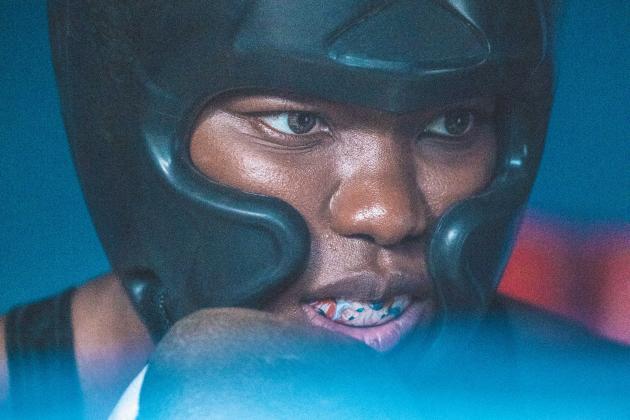
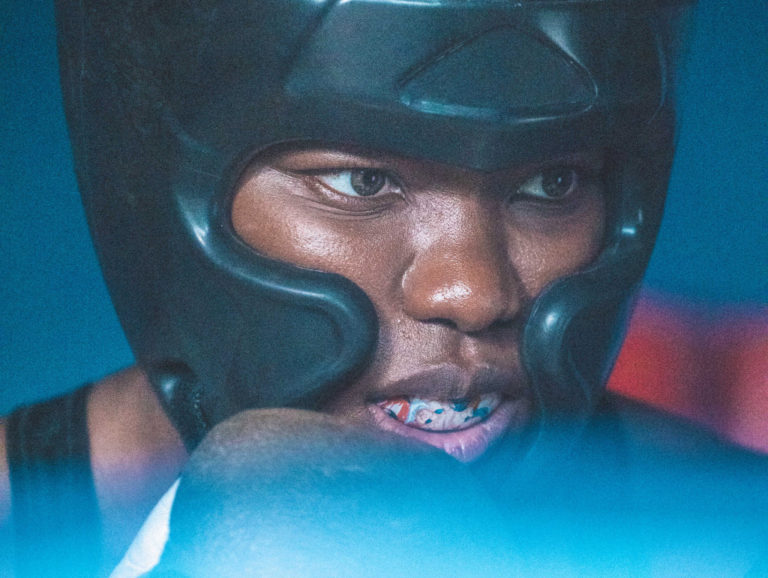
EXCLUSIVE: Lioness, the feature documentary about Olympic boxing champions Nicola Adams that Deadline first revealed in February, will be launched by Amazon Prime Video in the UK and Ireland this summer.

The project will chart Adams’ rise from the streets of Leeds to being a boxing champion as well as a notably rare LGBT sports figure. Adams has been a full participant. It comes from producers Salon Pictures, the company behind McQueen, and director Helena Coan, whose credits include Audrey. Nick Taussig and Annabel Wigoder are producing with Laure Vaysse of Rep Productions (Billie). Film Constellation is handling international sales.

More from Deadline

“Nicola is a trailblazer and her story is one that will inspire audiences of all backgrounds,” said Martin Backlund, Head of Content, UK Prime Video. “Lioness examines Nicola’s life spent fighting fierce competitors, prejudice and adversity and her determination to never give up. We couldn’t be happier to share her story, and her boundless resilience and optimism, with Prime Video customers in the UK and Ireland later this summer.”

Best of Deadline

Sign up for Deadline’s Newsletter. For the latest news, follow us on Facebook, Twitter, and Instagram.

Amazon To Launch Nicola Adams Doc ‘Lioness’ In UK & Ireland – Deadline

EXCLUSIVE: Lioness, the feature documentary about Olympic boxing champions Nicola Adams that Deadline first revealed in February, will be launched by Amazon Prime Video in the UK and Ireland this summer.

The project will chart Adams’ rise from the streets of Leeds to being a boxing champion as well as a notably rare LGBT sports figure. Adams has been a full participant. It comes from producers Salon Pictures, the company behind McQueen, and director Helena Coan, whose credits include Audrey. Nick Taussig and Annabel Wigoder are producing with Laure Vaysse of Rep Productions (Billie). Film Constellation is handling international sales.

“Nicola is a trailblazer and her story is one that will inspire audiences of all backgrounds,” said Martin Backlund, Head of Content, UK Prime Video. “Lioness examines Nicola’s life spent fighting fierce competitors, prejudice and adversity and her determination to never give up. We couldn’t be happier to share her story, and her boundless resilience and optimism, with Prime Video customers in the UK and Ireland later this summer.”

Opioids, LGBT Health, Covid: HHS’s Levine Has Packed Agenda – Bloomberg Law

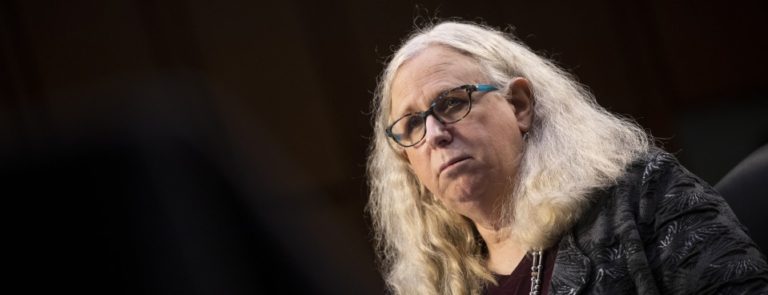
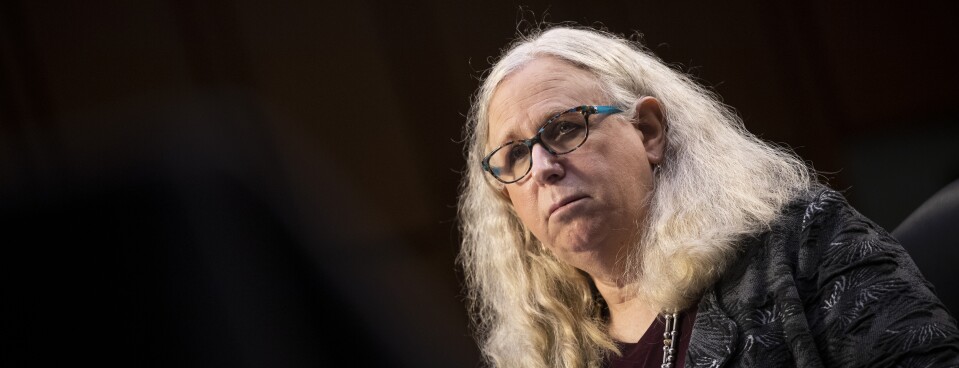
Rachel Levine has a full plate of health inequities she wants to tackle as the Biden administration’s assistant secretary for health, including Covid-19 vaccinations, LGBT health care, HIV, opioid use, and environmental impacts on health.

Because of her position as the highest ranking openly transgender official in any administration, she is facing pressure to be a voice for her community and make a real impact on health policy in the next few years.

The role of assistant secretary for health at the Health and Human Services Department is often shaped by its holder, with the authority to address a multitude of public health issues and a limited amount of time to do so.

Levine’s goals all come back to one message that President Joe Biden has made clear: The Covid-19 pandemic has exposed many existing inequities, and his administration will do what it can to fix them.

In an interview with Bloomberg Law, Levine said she’s already accomplished one goal: reversing the Trump administration’s interpretation of the Affordable Care Act’s nondiscrimination protections. The Biden administration said May 10 that it would include sexual orientation and gender identity as part of Section 1557 protections.

That interpretation is critical to allowing states to expand their coverage for LGBT Americans, she said. When Levine was a state official in Pennsylvania, she used Section 1557 to expand Medicaid and the Children’s Health Insurance Program to cover gender-affirming treatment, and she worked with the state insurance department to do the same with commercial insurance companies.

She now has the national platform to work with other states to do the same thing, but she also has to make sure this reinterpretation is carried out successfully.

“Just saying it doesn’t mean it’s done, and doesn’t mean it’s going to be implemented successfully,” Levine said. She said her main concern is in states that are passing laws to prohibit gender-affirming care for transgender youths and ban transgender women from competing in women’s sports.

“We have regressive laws which are not consistent with that interpretation,” which creates additional work for the federal government, she said.

Covid-19, Ending HIV

Levine said her “No. 1 priority still has to be Covid-19” and making sure there is equitable distribution and administration of vaccines.

However, Covid-19 has provided a “generational opportunity” to build up the public health workforce, Levine said, which could aid some other goals, like ending HIV.

Biden announced a plan May 13 to invest $7.4 billion in recruiting and hiring public health workers across the country.

Covid-19 and HIV/AIDS have “shown us the critical importance of public health in this country,” and efforts to add more public health workers will help address other public health threats, she said.

Levine saw HIV in its early years starting in 1983 during her training as a pediatrician at Mount Sinai Hospital in New York City.

“I tragically saw babies who had had vertically transmitted HIV die. We saw their mothers die. Sometimes their fathers died,” Levine said. “Then we saw teenagers from either horizontally transmitted HIV or we saw actually a lot of the teens who had hemophilia, who had gotten HIV from their factor eight.”

Vertically transmitted HIV is when children get HIV from their mother; horizontal transmission typically happens through sex or needle sharing. Factor eight is a protein that helps blood to clot. Thousands of hemophiliacs received contaminated blood until the mid-1980s.

At the time Levine was practicing in New York, the idea of finding a safe and effective medication to prevent HIV would have been a “miracle.”

However, a program to get 200,000 uninsured patients free access to the HIV prevention drug Truvada hasn’t seen much success. As of Feb. 28, the program had just 1,827 participants, according to Harold Phillips, chief operating officer of the Ending the HIV Epidemic Initiative.

Levine said she is “absolutely committed to addressing and we are committed to ending the HIV epidemic,” continuing work started by the Trump administration.

“We need to strengthen our relationships across the board with community-based organizations, with networks of people with HIV, with clinicians and researchers, with state and local health departments and governors” to get the message out so “people know about this program and take advantage of this program,” she said.

“We can’t take our foot off the gas on this,” Levine said.

Tackling the Opioid Crisis

Levine said her entire career has focused on the intersection between physical health and mental and behavioral health.

She wants to bring her experience working on the opioid crisis in Pennsylvania to the country and make much-needed improvements.

More than 87,000 people died from drug overdoses in the 12 months ending in September 2020, the most of any year on record, according to provisional data from the Centers for Disease Control and Prevention. Many of the overdoses were related to powerful synthetic opioids.

She said her three areas of focus will be to prevent addiction by making sure the prescription of opioids is “judicious and careful,” increase distribution of the overdose-reversal medication naloxone, and put greater emphasis on medication-assisted treatment.

While physician general of Pennsylvania, Levine wrote an order to allow anyone to get naloxone and amended it during Covid-19 to include mail-order prescriptions. “We gave it out free at our state health centers, we worked with the local health departments to give it out free, we worked with stakeholders such as hospitals and other places to give it out free,” she said.

“I will certainly be working with state health officials to do that for states that don’t have standing orders,” Levine said. She also plans to discuss with advocates and her team other policy actions that could make it even easier to distribute naloxone.

Environmental Justice

Climate change is not often thought of “in terms of health equity, but we believe strongly in the concept” of environmental justice, Levine said of the Biden administration.

A Biden executive order in January directed a number of actions from the HHS, including the creation of an office around climate change and health equity. That office will reside within the Office of the Assistant Secretary for Health, Levine said.

“Tribal communities, communities of color, poor individuals, other vulnerable individuals have really borne the brunt of environmental stress and [are] bearing the brunt in terms of climate change,” Levine said.

SongWriter: Roxane Gay + Celisse + Toshi Reagon – American Songwriter

0

SongWriter is a podcast of stories and “answer songs” featuring Amanda Shires, Cheryl Strayed, Michael Ian Black, Joyce Carol Oates, Mary Gauthier, and George Saunders.

I canceled and reformatted a bunch of live shows last March, but the one that stung the most was an event with bestselling author and New York Times columnist Roxane Gay. This was to be the second show Roxane and I had done together, and I was co-producing it with a local arts organization, Harlem School of the Arts, which just completed a $10 million renovation of their performance spaces.

Like lots of artists and presenters we decided we would pivot to an online performance, though it wasn’t immediately clear to us how. Did we charge the same price as we would for an in-person performance, or should we just do it on Facebook Live and hope the audience tipped? Did everything have to be live, or could parts of the show be pre-recorded? Eventually we hashed out the details and came up with a plan that seemed ambitious…but possible.

I was thrilled when Toshi Reagon agreed to be one of the performers who would write a song in response to Roxane’s piece. A singer, a composer, a curator, and a producer, Toshi has worked in the fields of music and theater over a long and fascinating career that spans solo performances, collaborations with her band BIGLovely, and recently the opera she produced based on Octavia Butler’s novel Parable of the Sower. 

Not long after this Celisse came on board as well. I had been introduced to Celisse’s work when I saw her perform with Lizzo on Saturday Night Live. That night she played an iconic cream-colored Gibson SG custom electric guitar and a guitar strap emblazoned with the word “Sister” in honor of Sister Rosetta Tharp. The next day I read about her connection to the rock and roll pioneer, and I followed her extraordinary work from then on.

Though the inevitable technical snafus had me sweating through the first ten minutes, the show was breathtakingly beautiful. Roxane reads a piece about love in the pandemic, and the sweet, slow revelations of who she and her wife are without all the travel and distractions of the pre-pandemic world. Toshi performs a new song called “You Belong,” and Celisse sings a new ballad called “They Say.” 

None it had gone according to plan, but as in so much these days, I was grateful to be there.

Ben Arthur’s newest song is “Hey Sugar,” you can follow him @MyHeart, and listen to episodes of SongWriter below.

Roxane Gay + Celisse + Toshi Reagon SongWriter

Bestselling author Roxane Gay reads a piece called “Getting to Know You, Getting to Know All About You,” about love in the pandemic, and making a home with her wife, Debbie Milman. Songwriter and actor Celisse talks about writing her song, and about properly understanding the work of rock pioneer Sister Rosetta Tharp. Songwriter, composer, and producer Toshi Reagon speaks about how she constructed her song, “You Belong,” to echo the structure of Gay’s piece, and about the connections between Tharp and pioneering writer Octavia Butler, whose novel Parable of the Sower, Reagon made into an opera. This episode was recorded during a live performance co-produced with Harlem School of the Arts.

  1. Roxane Gay + Celisse + Toshi Reagon
  2. Cheryl Strayed + Maia Sharp
  3. Season 3 Trailer
  4. Michael Ian Black + Victoria Jones
  5. Ben Sollee + James Lindsey

Drugs, virus, sex: Concern over chemsex up as Covid shuts Thailand’s LGBT+ bars – Hindustan Times

0

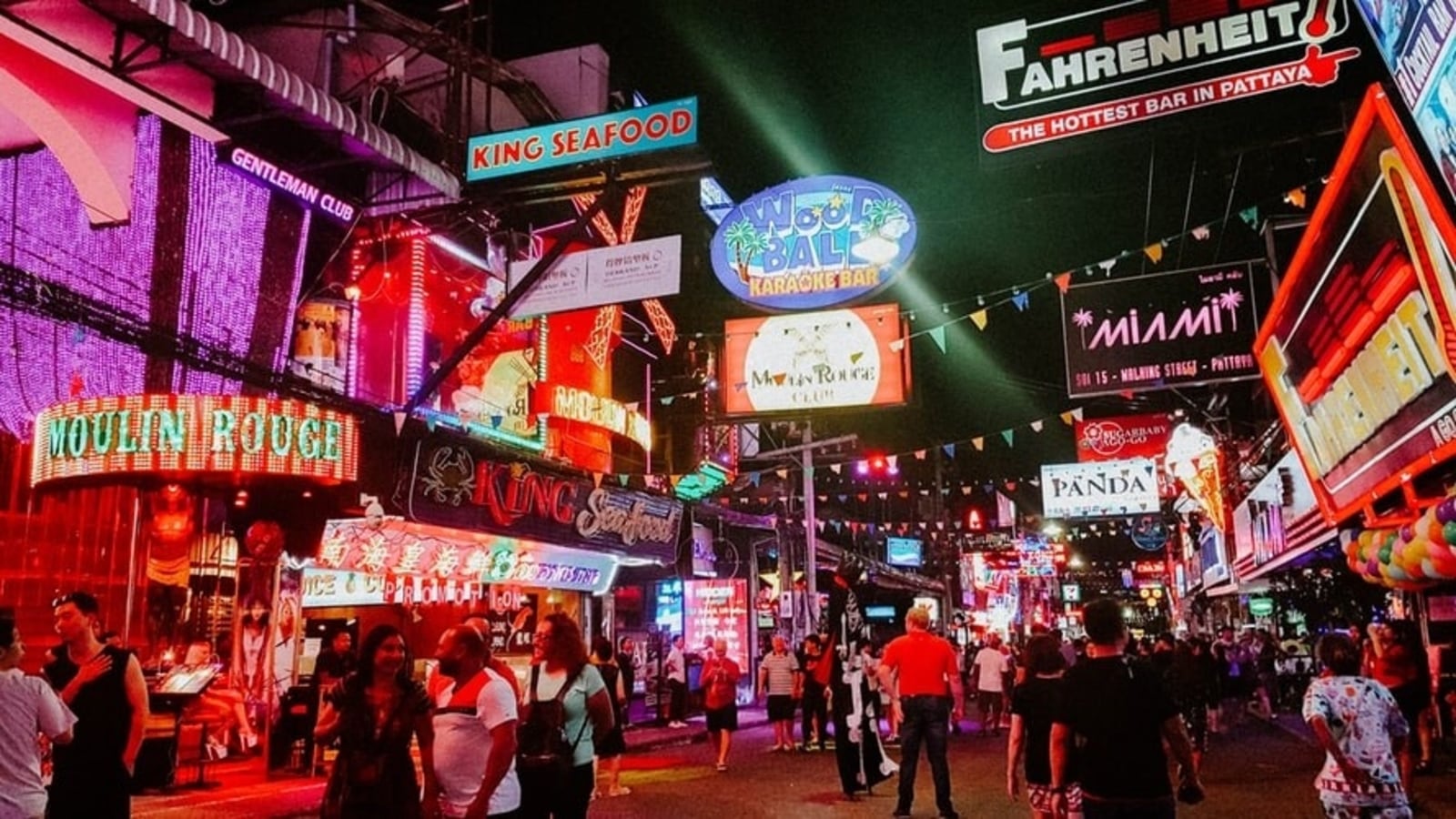
Beam, a gay sex worker, used to go to a “chemsex” party about once a month before the coronavirus pandemic shut Thailand’s bars and clubs. But since then, the drug-fuelled gatherings have become much more frequent.

As Thailand grapples with a third COVID-19 wave, campaigners are warning of the health risks posed by an apparent increase in chemsex – where mainly gay and bisexual men meet to take drugs such as crystal meth or GHB and unprotected sex is common.

Beam, 34, who also works as a porn actor and regularly meets his clients at the parties, said changes to people’s working routines under lockdown had made the gatherings more popular.

“It’s now a golden opportunity for partygoers,” Beam, who asked not to give his full name to protect his identity, told the Thomson Reuters Foundation.

Chemsex users are at risk of drug addiction or overdoses, as well as mental health problems, campaigners said, and Thai media have recently carried reports about chemsex-related violence including physical assault.

As in other parts of the world, where authorities have voiced concern over the phenomenon, the parties are widely advertised on Twitter and gay dating apps like Blued and Grindr.

At Bangkok Rainbow Organization, an LGBT+ NGO, the president, Nikorn Chimkong, said chemsex was “now a new normal” and that the trend was evident in an increase in inquiries about the pre-exposure prophylaxis (PrEP) anti-HIV drug.

He said about 30 or 40 people per month contact the group every month nowadays to ask about the drug, a once-daily pill that protects people from becoming infected with the virus.

That compares to less than 10 before the pandemic, with the majority taking the pills before chemsex parties, he said.

LACK OF SUPPORT

Three current and former chemsex partygoers, and experts supporting users, said Thai public health providers lack the knowledge needed to support those seeking help for chemsex use.

Elsewhere in Asia, too, there are no harm reduction programmes that simultaneously address the risk of drug use and the sexual activity of gay and bisexual men and transgender women, found a recent report by APCOM, a health advocacy group for gay and bi men.

In Europe, where surveys in Britain, Spain and the Netherlands have found that 30-45% of gay and bi men have engaged in chemsex at least once, doctors warned in 2019 that the practice was refuelling epidemics of HIV in urban areas.

Earlier this year, Britain increased penalties for GHB following two high-profile trials, one of which detailed the drug’s use in the rape of almost 50 men.

In Thailand, where gay sex and drug use is widely frowned upon, people who want support for chemsex issues are often reluctant to seek help for fear of being stigmatised, campaigners said.

“There are very few service providers that make users feel like they are another human being,” said Midnight Poonkasetwattana, APCOM executive director.

“These are the groups that we must provide services for in order to reduce their risks of HIV.”

ASSAULTS, OVERDOSES

One place that does offer help is KRUBB Bangkok, a gay social club and community centre, which opened about nine months ago and provides chemsex counselling services for gay men.

Sergeant Shaowpicha Techo, a psychologist at a Bangkok health centre who also sees patients at KRUBB, said he was seeing up to a dozen patients per week compared with one or two before the pandemic.

Thailand does not have official statistics on chemsex, but the Bangkok Metropolitan Administration said up to 90% of gay and bisexual men who have used their healthcare services have experimented with chemsex. Most are aged between 20 and 40.

Anggoon Patarakorn, deputy director of the government’s Princess Mother National Institute on Drug Abuse Treatment, said he had not noticed a surge in chemsex during the pandemic, but acknowledged officials did not yet have expertise on the issue.

“We’re not giving special priority (to this group) at this time, but we may focus on them more in the future,” he said.

The Royal Thai Police’s anti-narcotics bureau declined to comment.

News reports of assaults and fatal overdoses at chemsex parties prompted a group of campaigners to form a network called Safety Net in June last year to support chemsex users.

Aiming to raise awareness among government officials and health workers, it is also working on a first aid handbook for users including advice on what to do if someone overdoses.

Arthur, a 32-year-old actor and model who asked to be identified only by his nickname, has had less work during the pandemic and said he had been attending chemsex parties more often as a result.

But the regular drug use took a toll on his mental health and he is now seeking treatment and helping Safety Net.

“I have hurt myself (from cutting) and attempted suicide many times in the past,” he said. “About five of my friends have died from drugs … and now I want to help other people.”

This story has been published from a wire agency feed without modifications to the text. Only the headline has been changed.

SHARE THIS ARTICLE ON

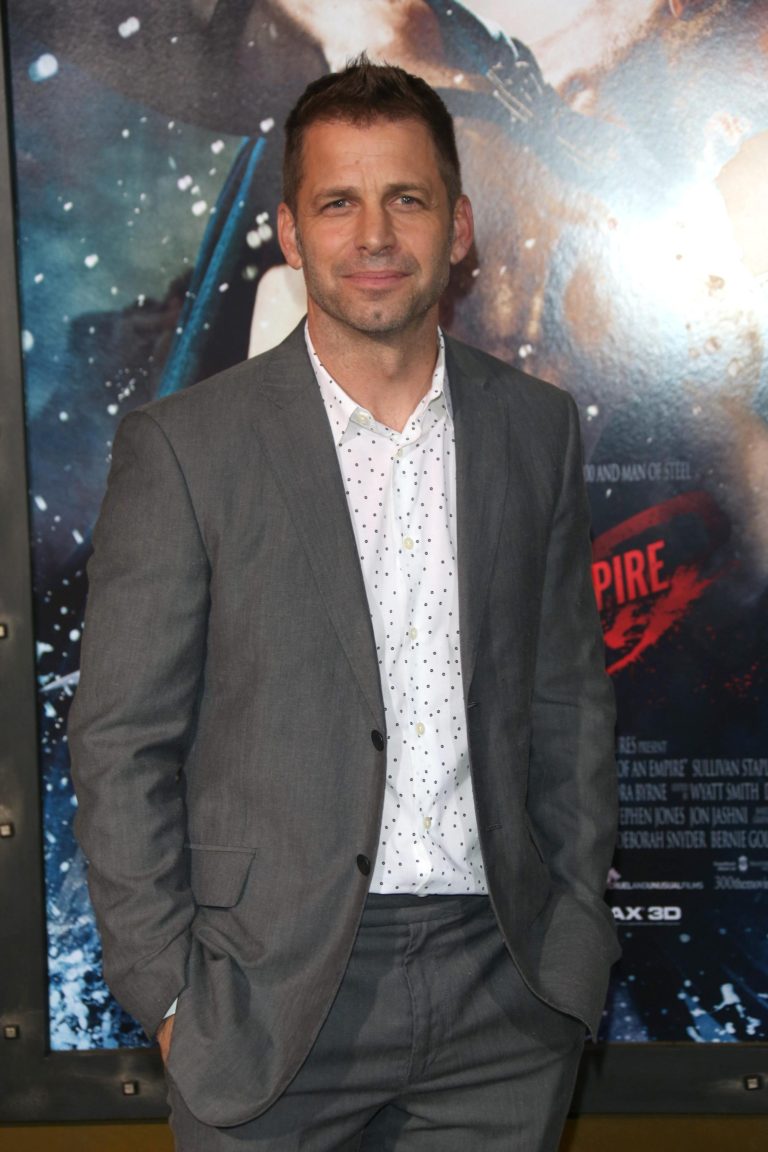
Zack Snyders third 300 movie was going to be a gay love story; Warner Bros rejected it – Republic World

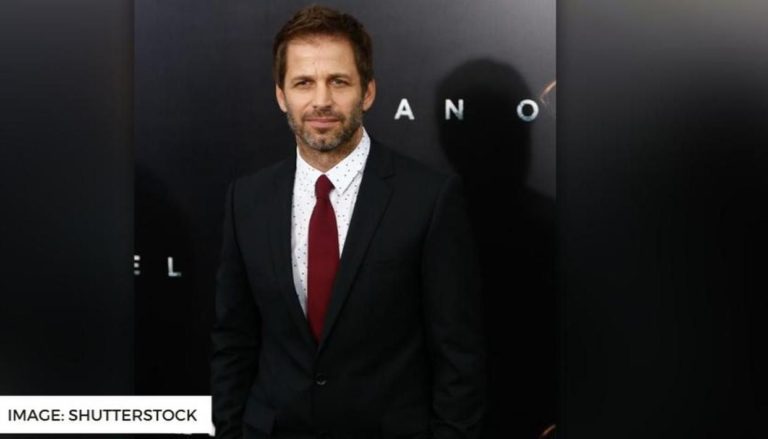
Zack Snyder has revealed stunning information about the third movie in the 300 franchise. The movie series which is a historical drama story has found a loyal fanbase over the years. It is considered one of the best works of Zack Snyder as well. In one of his latest interviews, the filmmaker revealed that his story for the third movie in the 300 franchise was rejected by Warner Bros. 

Warner Bros rejected Zack Snyder’s idea for 300’s new instalment

According to The Playlist’s The Fourth Wall podcast interview with Zack Snyder, the Justice League director revealed that he was asked by Warner Bros to write the script for the third instalment in the 300 series which would also serve as the final chapter for the franchise. Over the course of the pandemic, Zack came up with a story for the third movie, but it wasn’t what WB has hoped for. 

The co-writer of 300 revealed that he came up with a new story altogether. The story is about Alexander the Great’s relationship with Hephaestion. The story is called Blood and Ashes and it is a love story between the two. The ace director called it “a beautiful love story, with warfare”. He further quipped, “They (WB) are not huge fans of mine”.

Back in February 2021, he also expressed his interest in working on a film retelling an Arthurian legend. While he did not mention many details about the project but revealed that it is set in the “Gold Rush Era of America”. He called the project a little weird and also cool. 

About Zack Snyder’s latest silver screen releases

Zack Snyder made waves all over the globe when the Snyder Cut of Justice League was announced. Originally, Zack was tasked with the filming but he left the project halfway due to his personal matters. The movie that was previously released received bombed at the box office and fans of the director awaited to see Zack’s vision on screen. The four-hour-long Snyder Cut of Justice League titled Zack Snyder’s Justice League was met with high expectations from the fans. Following the movie’s release, Zack recently released a zombie-action film Army of the Dead in select theatres and is slated to release worldwide on Netflix on May 21, 2021. The movie features Dave Bautista and Huma Qureshi. 

(Image: Shutterstock)

Get the latest entertainment news from India & around the world. Now follow your favourite television celebs and telly updates. Republic World is your one-stop destination for trending Bollywood news. Tune in today to stay updated with all the latest news and headlines from the world of entertainment.

Zack Snyder penned gay love story for final chapter in 300 trilogy – Yahoo Lifestyle UK

Zack Snyder penned a gay love story for the final chapter in his 300 trilogy.

The director co-wrote and directed the 2006 historical epic, starring Gerard Butler and Lena Headey, and wrote the script for the 2014 sequel, 300: Rise of an Empire.

In a new interview with The Playlist’s The Fourth Wall podcast, Snyder revealed he was asked last year by Warner Bros. bosses to write a script for “what was essentially going to be the final chapter in 300”.

However, the filmmaker confessed he struggled to pen another action thriller, and instead ended up focusing on the relationship between ancient Macedonian ruler Alexander the Great and his army general Hephaestion.

“When I sat down to write it, I actually wrote a different movie. I was writing this thing about Alexander the Great, and it just turned into a movie about the relationship between Hephaestion and Alexander. It turned out to be a love story. So it really didn’t fit in as the third movie,” the 55-year-old explained.

“There was that concept, and it came out really great. It’s called Blood and Ashes, and it’s a beautiful love story, really, with warfare. I would love to do it, (Warner Bros.) said no… you know, they’re not huge fans of mine. It is what it is.”

Snyder has had a difficult relationship with the studio since he had creative differences with officials while making 2017’s Justice League. He ended up leaving the project due to a family tragedy and was replaced by Joss Whedon, whose version of the movie was poorly received by both fans and critics.

After years of fan campaigning, Warner Bros. let Snyder bring his four-hour version, known the Snyder Cut, to life and it was released earlier this year.

Snyder partnered with Netflix for his upcoming movie, Army of the Dead, which is released this week.

Zack Snyder penned gay love story for final chapter in 300 trilogy – Yahoo Eurosport UK

Zack Snyder penned a gay love story for the final chapter in his 300 trilogy.

The director co-wrote and directed the 2006 historical epic, starring Gerard Butler and Lena Headey, and wrote the script for the 2014 sequel, 300: Rise of an Empire.

In a new interview with The Playlist’s The Fourth Wall podcast, Snyder revealed he was asked last year by Warner Bros. bosses to write a script for “what was essentially going to be the final chapter in 300”.

However, the filmmaker confessed he struggled to pen another action thriller, and instead ended up focusing on the relationship between ancient Macedonian ruler Alexander the Great and his army general Hephaestion.

“When I sat down to write it, I actually wrote a different movie. I was writing this thing about Alexander the Great, and it just turned into a movie about the relationship between Hephaestion and Alexander. It turned out to be a love story. So it really didn’t fit in as the third movie,” the 55-year-old explained.

“There was that concept, and it came out really great. It’s called Blood and Ashes, and it’s a beautiful love story, really, with warfare. I would love to do it, (Warner Bros.) said no… you know, they’re not huge fans of mine. It is what it is.”

Snyder has had a difficult relationship with the studio since he had creative differences with officials while making 2017’s Justice League. He ended up leaving the project due to a family tragedy and was replaced by Joss Whedon, whose version of the movie was poorly received by both fans and critics.

After years of fan campaigning, Warner Bros. let Snyder bring his four-hour version, known the Snyder Cut, to life and it was released earlier this year.

Snyder partnered with Netflix for his upcoming movie, Army of the Dead, which is released this week.

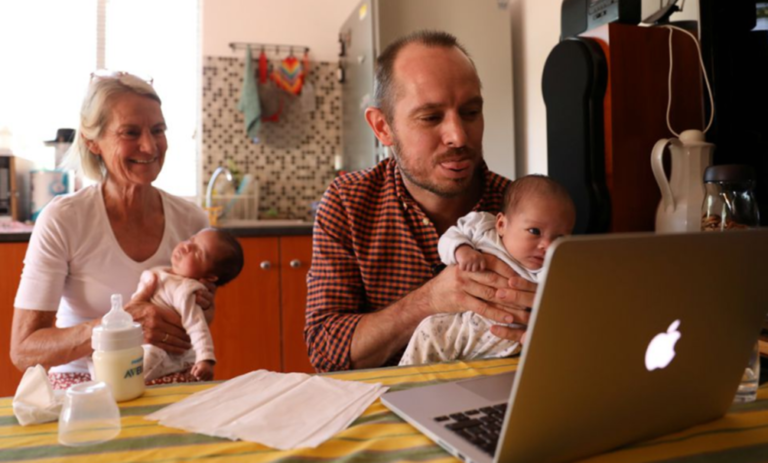
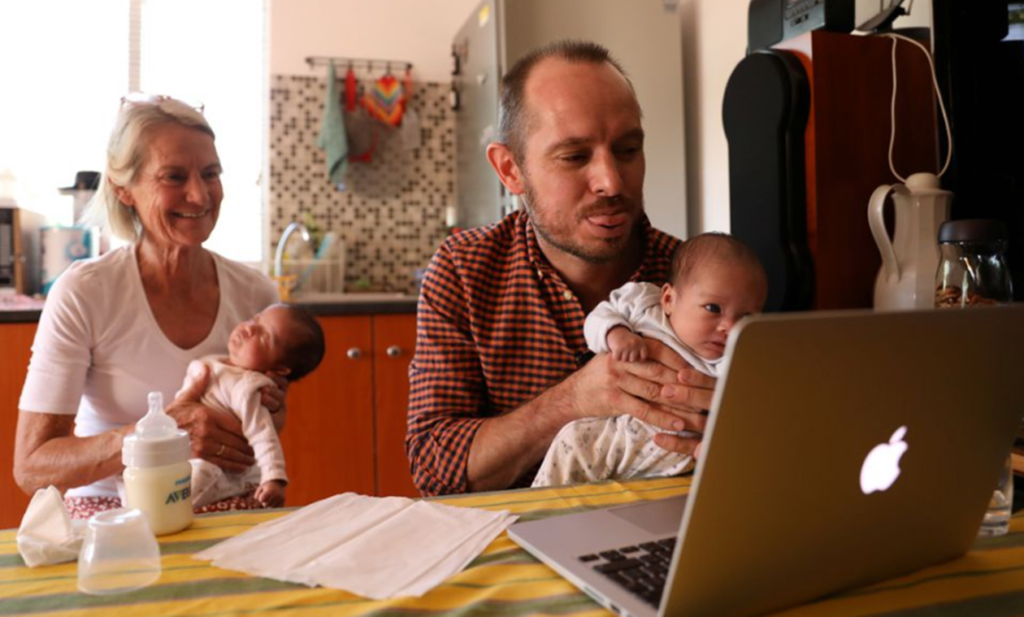
Namibia Gay Couple Secure Travel Documents For Newborn Twin Daughters – Towleroad

0
Namibia

A gay couple in Namibia notched a victory Tuesday in their effort to bring their surrogate-born twin daughters back to their Namibian home when the nation’s home affairs ministry issued emergency travel documents for the newborns.

According to Reuters, Namibian citizen Phillip Luhl and his husband, Guillermo Delgado, have been at odds with the Namibian home affairs ministry for some time before Tuesday’s decision. The couple were already embroiled in a fight with the agency over their two-year-old son Yona’s Namibian citizenship when the return of their twin daughters became a topic of contention as well.

The twins, Maya and Paula, were born in March to a surrogate in South Africa but weren’t permitted to enter Namibia until Luhl satisfied the ministry’s request that he prove a genetic link to the children. The couple lost an appeal to Namibia’s High Court last month, but a change in leadership at the home affairs ministry soon afterward brought new hope to the gay couple’s cause.

“It’s quite sad that it takes so much emotional, financial disruption to our lives in order to get a simple bureaucratic decision taken that allows us to be together as a family,” Luhl told Reuters.

The ministry reversed course on Tuesday, issuing emergency travel documents for the twins to enter Namibia per new home affairs minister Albert Kawana’s instructions. Kawana explained that Tuesday’s decision is separate from the couple’s older child’s citizenship case nor did it grant citizenship to the newborns.

Namibia is one of the few countries that still criminalizes same-sex sexual activity and doesn’t legally recognize same-sex marriages. Luhl and Delgado are bringing their daughters home, but the fight for their Namibian citizenship as well as their brother’s will continue.

Namibia: Previously on Towleroad

Screenshot of photo from Reuters/Siphiwe Sibeko