As an adult, I’ve traveled to well over 50 countries and lived in more than a dozen of them on six different continents. I’ve documented my world travels in two books, all the while considering myself a true blue New Yorker at heart. Throughout my globetrotting, the one place I never thought to venture for any extended period of time were the U.S. suburbs. Having already spent my formative years getting my fill of American suburbia in Kissimmee, Florida, a return engagement was the furthest thing from my mind. I’m a gay man. Bright lights, big city is supposed to be my natural habitat.
Then the pandemic happened. Now I’m living in Kingston (population: 23,000), the original state capital of New York, in the Hudson Valley at the foot of the Catskill Mountains, about two driving hours from Manhattan. So how exactly did I end up here?
I’m a gay man. Bright lights, big city is supposed to be my natural habitat.
After 13 years living abroad, I moved back to New York City, previously my home for 15 years, with my husband Jayden near the end of 2019. A few months later, COVID-19 sent everything screeching to a grinding halt. Despite the stark, sudden decline of that familiar New York City energy, even at its ghost-town worst when it was the global epicenter of the pandemic, Manhattan still felt like the gay haven it was when I first moved there fresh out of college in the early ’90s.
As the months drifted by, and I settled into two new normals (marriage and pandemic life), my priorities shifted dramatically. I no longer needed the city I lived in to be my gay haven because, for the first time in my life, I had that at home. My best friend and her husband had moved permanently into their house upstate near Woodstock to wait out the pandemic, and after a few visits to see them and their then-foster son Isaiah (who is now Jayden’s and my godson), we decided to make a newlywed move I hadn’t previously seen coming. In November, we left New York City and its by-then-resurgent hustle and bustle for quiet, suburban life in Kingston.
I no longer needed the city I lived in to be my gay haven because, for the first time in my life, I had that at home.
About one hour south of Albany, Kingston is not exactly Schitt’s Creek. For one, we’ve yet to find a real-life Moira Rose anywhere in Kingston – and I do look for her every time we go to our favorite neighborhood diner. Also, it’s far from the cow towns of both our youths (Jayden grew up in Trafalgar, Australia, which is two hours outside of Melbourne and has a population of just under 4,000, according to the 2016 census). Kingston has multiple supermarkets and gas stations, gorgeous Gothic churches, and a Hudson River waterfront. It even has a historic center. It’s not exactly the middle of nowhere either, but its 23,000 residents and 8.77 square miles is a massive drop from New York City’s eight million people and eight million stories.
What Kingston lacks in skyscrapers, urban energy, and an obvious gay presence (despite an LGBTQ center a few blocks from our apartment in the historic center that’s currently closed for pandemic reasons), it makes up for in sheer beauty. We have clear mountain views all over town and according to every real-estate agent we spoke to, all the Brooklyn hipsters are flocking here to get out of the city. Despite the much-publicized urban migration and the “Black Lives Matter” signs peppering our neighborhood, Kingston remains, at heart, the epitome of small-town suburbia. For a bit of context, Dubuque, the 11th largest city in Iowa, a state I’ve always considered to be the ultimate gay graveyard, has a population of 58,000.
The other day my husband Jayden asked me if I thought Kingston has any nightlife (translation: a place for the gays we occasionally see on the streets to hang out and meet when they aren’t practicing social distancing). I was surprised to realize I didn’t even care. I used to judge vacation destinations based on the number of LGBTQ venues listed in travel guides and, more recently, on the size of their Grindr grid. I used to be the Manhattan snob who feared crossing the river into Brooklyn or New Jersey. Now here I am, two hours away and perfectly happy.
I used to judge vacation destinations based on the number of LGBTQ venues listed in travel guides and the size of their Grindr grid.
As a gay man, I’ve never felt more content, which feels like a major evolution. As much I enjoyed walking a block or two to get to Phoenix and Nowhere, two of the gay bars near our East Village apartment where we’d go at least once a week for happy hour in Manhattan, I enjoy happier hours going nowhere in Kingston.
Of course, life in Kingston isn’t life in a bubble. As a gay Black man in a post-Trump America, I’ve become more aware of my otherness outside of the gay urban comfort zone than I ever was when I was surrounded by diversity in Manhattan. The aforementioned “Black Lives Matter” signs offer some reassurance in a town with considerably less racial diversity, but not always for my husband, a White Australian.
Moving to the US during a time of heightened racial tension has given Jayden a crash course in American racism. Shortly after we moved to Kingston, he confessed to me that he worries every time I leave the house and drive anywhere alone that I might get stopped by a racist cop who will use some minor or made-up traffic infraction as an excuse to harass me… or worse. So far, so good – for both of us – but we don’t let down our guard.
It’s nice to have someone in my corner here, and I’m fully aware that my positive reaction to living in the suburbs might be markedly different if I were still single and 10 or 20 years younger. But I’m not (thank God), and Kingston couldn’t have come at a better time. Surviving as long as we did in lockdown Manhattan tested my bond with Jayden and strengthened it. Now I feel like we get to enjoy the payoff: nature trails, long drives, trees, and Woodstock, which is only 20 minutes away. Of course, there are drawbacks, too. Kingston is a driving community, so we don’t burn calories walking everywhere (although shoveling snow is a great way to break a sweat in the dead of winter). We even have to drive to the gym, and that requires another layer of motivation. I thought I’d left strip malls behind me for good when I left Florida after college graduation, and once again, there seems to be another one every other mile or so.
We don’t let down our guard.
Several weeks ago, Jayden and I returned to Manhattan for the first time since we left in November, and it seemed even dirtier than it had been when we’d left. I couldn’t wait to leave again, and Jayden, who had once been so excited to be living in the city, felt the same way. Sometimes I think about David and Patrick in the Schitt’s Creek series finale and how they choose small-town life over big-city dreams, even after David no longer has to. When I watched it last summer, I was secretly rooting for New York to win, but now that Jayden and I are in a similar space, I finally understand why they decided to stay put.
Far away from the center of everything has never felt more like home.
Jeremy Helligar is a journalist, blogger, and author (Is It True What They Say About Black Men? and Storms in Africa) whose work has appeared in various publications and on various websites, including The Advocate, HuffPost, People, Reader’s Digest, Variety, and Queerty. He lives with his husband in Kingston, NY.
Tickets go on sale this Friday, May 21st at 10am from Ticketmaster and Tickets.ie.
Belfast post-punk rock group Enola Gay has announced Irish dates for their debut tour this winter.
The four-piece band will be taking the stage in venues across Listowel, Belfast, Galway, Limerick, Derry and Dublin in November 2021.
The announcement follows their latest single ‘Sofa Surfing’, which they have described as “a deeply personal insight into a turbulent chapter of their teens”.
The group released their debut single ‘The Birth of A Nation’ in October 2020, which addressed systemic oppressions and how racism still spreads in the streets of Belfast. The band is comprised of Fionn Reilly on vocals, Joe McVeigh on guitar, Adam Cooper on Bass and Stevie Curtis on Drums.
When I was 17 years old, I really did not want to be gay. I did not want to have a crush on my basketball teammate like I did. I wore heels and skirts out to parties, hoping they would disguise my tomboyish mannerisms. I truly believed I would be alone forever.
Fast-forward to a few days ago when I celebrated my 37th birthday with a group of friends who are diverse in race, profession, and sexual orientation, and who were invited by my fiancé, the most brilliant and beautiful woman I know. Moments like this one remind me that it does, and it did, get better.
For context, I am a Black, queer, masculine-presenting cis female who works as a psychiatrist. I am living my “dream,” technically. Yet, I continue to struggle with severe anxiety and depression despite consistent treatment with medication and therapy for over a decade. In fact, one of the reasons I decided to become a psychiatrist in the first place was to better understand my anxiety, which first manifested in high school in the form of panic attacks.
My reflections come on the heels of the results from The Trevor Project’s third annual National Survey on LGBTQ Youth Mental Health. For those of you who may not know much about The Trevor Project, it’s a nonprofit focused on suicide prevention for lesbian, gay, bisexual, transgender, queer, and questioning youth through 24/7 crisis services platforms.
As a psychiatrist, the results of this year’s report are unfortunately not surprising, but still deeply disturbing. Out of the nearly 35,000 LGBTQ youth who were surveyed, 42 percent of respondents between the ages of 13 and 24 had seriously considered attempting suicide within the past 12 months, with more than half identifying as trans or nonbinary youth.
Looking closer at the data, values were higher for those ages 13 to 17, the age range we label “adolescence.” When most of us think about adolescence, we probably think about typical teenage angst centered around getting good grades, managing bad acne, or whether your crush likes you back.
For mental health professionals, adolescence represents a period where individuals try to solidify who they are, what they believe in, and what they want. What The Trevor Project report shows is that LGBTQ adolescents are not only grappling with typical teenage concerns, but also relentless bullying at school and, for some, where they will find their next meal.
For example, an HRC Foundation analysis of the CDC’s 2019 Youth Risk Behavior Survey shows that 29 percent of transgender youth have been threatened with a weapon on school property. Data from The Trevor Project suggests that 30 percent of LGBTQ youth experienced food insecurity in the past month, and that 1 in 4 will experience housing instability at some point in their life.
These numbers paint a much different picture of adolescence for LGBTQ youth and provide for additional worries like whether they want to stay alive.
This is not to say that “typical” adolescent concerns are not distressing as well. However, from my own experience and that of patients, I know how hard it can be to manage both traditional psychosocial dilemmas and intersectional identities.
While my panic attacks in high school may have been triggered by exams, college applications, and a perceived lack of time due to extracurricular activities, my chronic anxiety was kept alive by worrying how I fit in among my peers as a Black closeted lesbian. I spent so much of my emotional energy on edge, worried that my actions would betray my secret to those around me.
At school, classmates questioned my acceptance to Stanford, citing my race rather than my intelligence as the major admission factor. At home, in West Palm Beach, Florida, where religious values were at the forefront, liking girls put my soul in jeopardy of going to hell.
The Trevor Project results suggest concerns like mine are common for LGBTQ youth in general. For example, half of respondents reported discrimination based on their race/ethnicity in the past year, and only 1 out of 3 found their homes to be LGBTQ-affirming.
I see similar themes in my work with patients with depression in their 20s or 30s related to mental health struggles that began in their youth. They recall stories about not fitting into their racial communities or feeling undesirable as genderqueer teens.
Their experiences correlate with The Trevor Project findings that in the two weeks preceding the survey, 72 percent of LGBTQ youth reported symptoms of generalized anxiety and 62 percent reported symptoms of major depressive disorder.
This brings me to the results that are the most distressing for me: Nearly half of LGBTQ youth wanted counseling from a mental health professional in the past year but did not receive it. The harrowing truth is, help is hard to find, as there are on average only 9.75 child psychiatrists per 100,000 children in the United States with 70 percent of counties having no child psychiatrists.
I think of how many young people continue to live their lives alone in their thoughts, unable to share with family or friends. This is especially true during the COVID-19 pandemic, when more than 80 percent reported that their living situation has been made more stressful, and 70 percent stated that their mental health was “poor” most of the time.
It’s not difficult to imagine how symptoms like depression and anxiety transform into suicidal thinking over time without help.
Truthfully, I do not have faith that the workforce will grow to meet the demand in the foreseeable future. A few times a month, I receive an email from a frantic parent, a former classmate, or a colleague asking if I treat children or if I could connect them to a child psychiatrist. (I am trained as an adult psychiatrist and see patients over age 18.)
Every time I read one of these emails, I feel a wave of sadness knowing the uphill battle these kids and their families will face in looking for a provider that is probably not taking new patients, is too costly and out of network, or does not understand their plight as People of Color.
I wonder whether their kids will contribute to the continued trend in data showing increased rates of suicidal thinking among youth of color, a group that had historically seen relatively low rates compared to white youth up until the 2000s.
What will adulthood be like for these respondents if they do not receive help? Or, more importantly, what could help look like?
Despite the obstacles, I believe help can come in many forms.
Firstly, we will need more mental health providers if we want to reduce the risk of youth suicide and the preceding symptoms that represent a cry for help, like depression or anxiety. In the meantime, we need to ensure that pediatric providers, teenagers, and guidance counselors receive training to identify the special needs of LGBTQ youth with depression, anxiety, or other mental health symptoms and intervene before suicide becomes an option.
Secondly, we need to continue to elect politicians that will protect the rights of LGBTQ individuals, like Sarah McBride, the first openly transgender state senator, and other LGBTQ policymakers with intersectional identities.
And we need to get involved on the ground level, too. Right now, there is a record-breaking amount of anti-trans legislation being passed or proposed across the country. Parents, teachers, doctors, and friends of LGBTQ individuals need to hold state politicians who create laws designed to hurt young people accountable by voting them out when it is time, especially since young people under 18 cannot vote themselves.
Thirdly, let’s be courageous in sharing our stories about our own mental health struggles to reduce the stigma of asking for help. The more adults who normalize discussing emotional health and seeking assistance, the more likely young people will feel comfortable speaking up and asking for help.
I applaud the transparency of LGBTQ celebrities like Demi Lovato and Ruby Rose who discuss their personal experiences seeking help for mental health issues publicly, and I encourage more of us to do the same.
As difficult as it is to confront the reality painted by the more concerning findings in the new Trevor Project report, it does not tell the full story of LGBTQ youth.
The report ends by naming hundreds of ways respondents find joy — from watching anime to seeing rainbow flags in public to spending time with chosen family. The comments about joy remind me of the numerous LGBTQ patients I have seen over the years and their resilience in being able to express themselves and find support in unlikely places.
Similarly, I am also reminded of my own high school friends who were excited for me to come out of the closet, already suspecting that I was queer. I hear a song by rapper Lil Nas X on the radio, see a post by trans activist Ashlee Marie Preston on my Instagram feed, or laugh at the antics of Ncuti Gatwa’s Nigerian queer character on the TV show “Sex Education” and feel encouraged by the openness and bravery of these folks who serve as role models for so many.
I remember my own mentors who were proudly out in their roles as medical school deans and who encouraged me to be open about my sexuality, as well, when applying for medical school. And I think of my future genderqueer patients who will be excited to start therapy for the first time because they’ll have found a psychiatrist who is “like them.”
Welcome to our preview of all of the Netflix Original TV shows we currently know about coming to Netflix in 2021, 2022 and beyond. Treat it as the upcoming series bible for Netflix. It’s a big one, and in fact, we don’t think we’ve even scratched the surface of what Netflix has in store over the next few years.
Quite a few caveats to add before we dive into the list. This list is far from complete. We believe a definitive list of upcoming English language series doesn’t exist because there are just so many projects in development.
Secondly, we’re going to restrict this list to English main speaking titles only to keep it at a respectable length. That means titles like Money Heist or Elite won’t be on here.
With all that said, let’s get started.
Debut Netflix Original Shows Coming in 2021 & Beyond
Here are even more of Netflix’s upcoming series currently in development.
1899 – Historic horror from the creators of the German series Dark expected in 2022.
A Chorus Line – Mini-series starring Ewan McGregor about Broadway dancers auditioning for spots from Ryan Murphy.
Ada Twist, Scientist – Chris Nee produces this animated series about a young scientist.
Agent King – Animated series about Elvis Presley as a secret government spy. Created by John Eddie.
All The Right Moves – Reality dance competition series that’s setting out to find the next big choreographer.
American Jesus – TV series from the Millarworld universe that should start production in 2021.
Angry Birds: Summer Madness – The first major mobile phone game has matured into a multi-faceted entity with two big-budget animated movies now under its belt and in 2021, it’ll be joining Netflix for a new animated kids series.
Anatomy of a Scandal – TV anthology series that looks into various public scandals over the years and comes from the creator of HBO’s Big Little Lies.
Archive 81 – New horror series that should wrap production in the first quarter of 2021.
Army of the Dead: Lost Vegas – Anime series based on the rebooted Netflix movie from Zack Snyder.
Assassin’s Creed – live-action series based on the Ubisoft video game.
Astérix – Animated mini-series based on the classic French comic character.
Avatar: The Last Airbender Live-Action Series – With the creators departing it seems highly unlikely we get the live-action series released in ’21 but we could hear more about development.
Ayrton Senna miniseries – Biopic series expected in 2022.
Baby Reindeer – British comedy series starring Richard Gadd.
Battle Kitty – Kids animated series about a warrior kitten.
Beef – Steven Yeun and Ali Wong will headline this new A24 produced series.
Bloom – Callie Khouri and Juliana Maio are set to write this series about women attempting to break into the world of fashion after WW2.
Blue Eye Samurai – Jane Wu directed animation action series featuring the voices of Maya Erskine and Brenda Song.
Bone – Adaptation of Jeff Smith’s comic book series.
Boo, Bitch – From the creators of Crazy Ex-Girlfriend and On My Block will come a new comedy series that’s set to star Lana Condor who awakes to find she’s a ghost.
Brand New Cherry Flavor – Rosa Salazar headlines this new revenge horror thriller about a film director living in 1990s LA embarking on a journey that takes a horrific turn. Nick Antosca and Lenore Zion serve as showrunners.
Breathe – Drama series from the creators of NBC’s Blindspot. Will tell the story of a small plane that crashes in the middle of the Canadian wilderness.
Bridgerton Young Catherine Spinoff – After the success of Bridgerton, a spinoff focusing on Young Catherine is in development.
BRZRKR – Anime series based on the Keanu Reeves comic.
Call Your Daughter Home – Netflix’s live-action adaptation of the book by Deb Spera.
Captain Fall – Animated series from the creators of Netflix’s Norsemen.
Charlie and the Chocolate Factory – Animated kids series based on the Roald Dahl tale – part of the larger Roald Dahl output.
Chinatown Prequel Series – David Fincher and Robert Towne team up for this prequel series to the movie.
Churchmen – Big Love creators Will Scheffer and Mark V. Olsen created series adapting T.C. Boyle’s The Tortilla Curtain.
Clickbait – Australian/American co-production miniseries which explore the dangerous ways social media can damage lives.
Comfort Me with Apples – Memoir from celebrity chef Ruth Reichl being adapted into an 8-part series.
Colin in Black & White – Ava DuVernay and Colin Kaepernick are working together on this new biopic on the NFL player’s teen years.
Conan the Barbarian – First of many adaptations based on the Conan the Barbarian IP.
Cowboy Bebop – Live-action adaptation of the well-regarded anime series. The series will star John Cho, Mustafa Shakir, and Alex Hassell. The series has been in production since 2019 with it being delayed twice so far.
Cuckoo Song – British horror series about two warring sisters.
Cyberpunk: Edgerunners – Anime series based on the hit video-game series.
DeadEndia – Hamish Steele helms this new animated series based on graphic novels.
Dirty Beasts – One of the many Roald Dahl projects in development.
Entergalactic – Kenya Barris and Kid Cudi team up to bring his next album to life in this animated series.
Esio Trot – Another one of the many series in development for Netflix’s Roald Dahl’s library.
Farzar – New animated series from the creators of Netflix’s Paradise PD.
Firekeeper’s Daughter – Young adult thriller from the Obamas production company based on the debut novel from Angeline Boulley.
First Kill – Vampire series featuring Emma Roberts.
Free Food for Millionaires – Alan Yang teaming up with author Min Jin Lee to adapt the 2007 novel which is set to be a period drama in 1990s Manhattan.
From Scratch – Zoe Saldana will feature in this drama about an American woman filling in love with a man while studying in Italy.
Game Changer – Adaptation of the novel by Neal Shusterman.
George’s Marvellous Medicine – Another one of the Roald Dahl adaptations.
God’s Favorite Idiot – Sitcom workplace comedy featuring Melissa McCarthy and Ben Falcone.
Good Times – An animated reboot from Seth Macfarlane.
Great National Parks – Docu-series from the Obamas production company exploring the world’s best national parks.
Guillermo del Toro Presents 10 After Midnight – Horror anthology series.
Half Bad – British series about a 16-year-old who is the illegitimate son of a witch.
Halston – Ewan McGregor headlines this Ryan Murphy limited series that documents the rise of the famed fashion designer.
Heartbreak High – Australian teen series reboot expected to release in 2022.
Heartstopper – Euros Lyn who has helmed Sherlock and Doctor Who will be adapting the YA graphic novel Heartstopper for Netflix into an eight-part series.
Heaven’s Forest – New action animated series from the creators of Netflix’s Castlevania.
Hit and Run – New series from the creators of Fauda for Netflix. Stars Lior Raz about a man looking for answers after his wife was killed by a hitman.
Human Resources – From the team that bought you Big Mouth comes a new workplace sitcom.
I Heart Arlo – A spinoff animation series to the Netflix movie Arlo the Alligator which released in early 2021.
Inside Job – Animated workplace comedy.
Inside Man – BBC co-production mini-series from Steven Moffat.
Inventing Anna – Limited series from
Isabella’s Witch Chronicles – Kids adventure series about a dragon-witch princess narrating her life.
Johnny Test (Season 7) – Continuation of the Cartoon Network series coming exclusively to Netflix.
Jupiter’s Legacy – May 7th – Netflix’s first major solo foray into the superhero universe of Millarworld begins in 2021 with the release of season one of Jupiter’s Legacy.
Kaos – British historical comedy that looks into Greek mythology.
Kings of America – Adam McKay and Amy Adams reunited for a limited series on the rise of Walmart.
Life in Colour – David Attenborough docu-series looking at how animals use color in their day-to-day lives.
Lockwood & Co. – Adaptation of The Screaming Stiarcase with Joe Cornish adapting.
Lost Ollie – From 21 Laps Entertainment comes this highly anticipated limited series about a lost toy searching across the country for the boy who lost him. Prep the tissues.
Maid – Margot Robbie produces this dramedy that is inspired by the memoir of the same name. The cast for the series is huge and currently includes Margaret Qualley, Nick Robinson, and Andie MacDowell.
Magic: The Gathering – Animated series produced by the Russo Brothers based on the card trading game. Rumored for release in 2021.
Man vs Bee – British comedy series from Rowan Atkinson.
Maya and the Three – A stunning new animated series from Jorge Gutierrez about a warrior princess embarking on a quest to save the world of men and gods.
Midnight Mass – One of the new projects from horror super producer Mike Flagan is Midnight Mass. The series is about an isolated island community that experiences strange events and employs the help of a young priest to figure out what’s going on.
Mr. Harrigan’s Phone – Jason Blum and Ryan Murphy produced horror series. Not expected for 2021.
Monster: The Jeffrey Dahmer Story – New limited series on the well-covered serial killer Jeffery Dahmer with Evan Peters leading.
Mulligan – Animated adult sitcom from Robert Charlock and Sam Means featuring the voice of Tina Fey.
Notes on Love – Shonda Rhimes anthology series.
Oggy Oggy – Preschool animation series from Xilam Animation.
Painkiller – Limited series from Eric Newman and Peter Berg about the opioid crisis.
Pieces of Her – Based on the 2018 novel by Karin Slaughter, this series will star Toni Collette, Bella Heathcote, and David Wenham. Follows a woman who is caught up in a deadly mass shooting in a diner and witnessing her mother swooping in to save the day.
Portrait of a Thief – Grace Li’s book will be adapted by Michael Sugar via his big output deal for Netflix.
Q-Force – LGBT animated series from Mike Shur, Sean Hayes and Todd Milliner.
Recursion – Matt Reeves and Shonda Rhimes team up on both a movie and TV series adapting the sci-fi novel from Black Crouch.
Red Rose – BBC horror co-production from one of the producers of Sex Education on Netflix.
Reset: My Fight for Inclusion and Lasting Change – Shonda Rhimes produced biopic series on Ellen Pao’s memoir who took on the big boys of tech.
Resident Evil – Live-action series with Andrew Dabb (Supernatural) showrunning.
Samurai Rabbit: The Usagi Chronicles – CGI series with Gaumont Animation teaming up with Netflix Animation.
Sex/Life – Sarah Shahi, Mike Vogel, and Adam Demos feature in this love triangle comedy series helmed by Stacy Rukeyser.
Shadecraft – Lucifer showrunner Joe Henderson set his next project at Netflix which will adapt the upcoming comic book from Image Comics.
Sharkdog – Nickelodeon animated series due out in 2021.
Skull Island – Animated series based on the Monsterverse featuring King Kong.
Splinter Cell – Anime series based on the video game character.
Spongebob Spinoff Series – An untitled spin-off series based on Spongebob Squarepants.
Stay Close – Harlan Coben series starring Cush Jumbo, James Nesbitt, and Richard Armitage.
Sonic Prime – Animated series based on the fast hedgehog game series from Sega.
Sparking Joy with Marie Kondo – New reality series with the Japanese consultant.
Sunshine Scouts – Dark comedy from Shonda Rhimes and Shondaland with Jill Alexander starring and showrunning. “apocalyptic disaster spares a rag-tag group of teenage girls at sleepaway camp who must then summon their moxie”.
Super Crooks – Anime series based on the Millarworld comic series.
Sweet Tooth – Superhero series from the DC Universe executive produced by Robert Downey Jr with Jeff Lemire showrunning.
Sword Art Online – A live-action adaptation of the anime series.
The 39 Steps – Benedict Cumberbatch limited series rebooting the classic thriller novel that was last adapted by Alfred Hitchcock.
The 50th Law – Kenya Barris and 50 Cent team for an adaptation of Curtis Jackson’s bestselling book.
The BFG – Animated mini-series based on the Roald Dahl novel.
The Chair – Sandra Oh and Jay Duplass will star in this dramedy produced by David Benioff and D.B. Weiss.
The Chronicles of Narnia – Not expecting any TV releases of Narnia but are expecting to hear more on the roadmap in 2021.
The City of Brass – Historical fantasy series with Edgar Wright, Nira Park, Joe Cornish and Racheal Prior producing.
The Girls on the Bus – Greg Berlanti and Julie Plec adaptation of the best selling Chasing Hillary.
The Green Beret’s Guide to Surviving the Apocalypse – Comedy anthology series covering different world-ending scenarios.
The House – Animated dark comedy from Nexus Studios.
The Hype House – Reality series featuring TikTok stars.
The Last Bus – Described as an eco-fable, the series will be a sci-fi road trip.
The Lincoln Lawyer – TV adaptation based on the book.
The Magic Order –
The Midnight Club – Mike Flanagan horror series due to film in early 2021.
The New Adventures of Oggy – Xilam Animation returns for their fourth Netflix Original project due out in late 2021.
The Pentaverate – Mike Myers comedy series.
The Red Zone – Sam Mendes produced series based on a middling football club in the UK.
The Residence – Shondaland will be adapting this Kate Andersen Brower nonfiction book.
The Sandman – DC series based on the comic book series from Niel Gaiman.
The Screaming Staircase – TV adaptation by Joe Cornish about agencies fighting off ghosts.
The Three-Body Problem – The first major TV series from David Benioff and D.B. Weiss. Don’t expect this one to release for a couple of years but we could hear more about casting etc in 2021.
The Upshaws – Multicam sitcom starring Wanda Sykes and Mike Epps.
The Watcher – Ryan Murphy produced series based on the true story as reported by The Cut.
The Witcher: Blood Origin – Prequel series to The Witcher.
The Woman in the House – Kristen Bell will star in this limited series from Gloria Sanchez Productions. Set to be a dark thriller.
Thomas & Friends: All Engines Go – New 2D Thomas the Tank Engine series. Unclear whether this is a Netflix Original.
Transformers: War for Cybertron Trilogy: Kingdom – Limited anime series based on the Hasbro toy.
Tomb Raider – Animated series based on the famed video game character.
Uncoupled – Darren Star, the creator of Emily in Paris, will be creating a second title for Netflix
Unrecorded Night – David Lynch series.
Vikings: Valhalla – An all-new spin-off to the wildly successful Viking series.
Watergate – Limited series from George Clooney and Matt Charman on the infamous Watergate scandal.
Wednesday – Based on The Addams Family, this new reboot of the series will follow the school-life of Wednesday Addams.
White Stork – Political thriller miniseries starring Tom Hiddleston – production begins early next year but isn’t clear whether it’ll be ready for 2021.
Wings of Fire – Animated adaptation of the book from Tui T. Sutherland.
Returning Netflix Shows Coming to Netflix in 2021 & Beyond
These shows are all confirmed to be returning for new seasons either in 2021 or beyond.
#blackAF (Season 2)
After Life (Season 3 – Final Season)
Another Life (Season 2)
Atypical (Season 4)
Big Mouth (Season 5)
Black Summer (Season 2)
Bling Empire (Season 2)
Blood and Water (Season 2)
Blood of Zeus (Season 2)
Bridgerton (Season 2)
Cobra Kai (Season 4)*
Dash & Lily (Season 2)
Dead to Me (Season 3/Final Season)
Dear White People (Volume 4)
Disenchantment (Part 4)
Dogs (Season 2)
Down to Earth with Zac Efron (Season 2)
Dream Home Makeover (Season 2)
Emily in Paris (Season 2)
Fate: A Winx Saga (Season 2)
F is for Family (Season 5)
Fabulous Lives of Bollywood Wives (Season 2)
Family Reunion (Season 2)
Feel Good (Season 2)
Formula 1: Drive to Survive (Season 4)
Gentefied (Season 2)
Get Organized with The Home Edit (Season 2)
Ginny & Georgia (Season 2)
Grace & Frankie (Season 7)
Green Eggs and Ham (Season 2)
How to Ruin Christmas: The Wedding (Season 2)
I Think You Should Leave with Tim Robinson (Season 2)
Jack Whitehall: Travels with My Father (Season 5)
Johnny Test (Season 7)
Kid Cosmic (Season 2)
Locke & Key (Season 2 & Season 3)
Lost in Space (Season 3)
Love is Blind (Season 2)
Love, Death & Robots (Season 3) – Confirmed for 2022
There you have it. We think we’ve put together the most comprehensive 2021 and beyond list of any outlet and hope that gets you amped up for the next few years of great TV on Netflix.
What are you looking forward to and more importantly, have we missed anything? Let us know in the comments down below.
The second and final season of Netflix’s “Special” reaches its emotional climax after two characters have a romantic getaway interrupted by literal poop.
The intentionally cringeworthy scene, which takes place in the series’ penultimate episode, is indicative of what makes “Special” so, well, special. The show, based on creator Ryan O’Connell’s experiences as a gay man with cerebral palsy, is best known for its candid portrayal of sex as a sometimes less-than-satisfactory experience. One of the characters in that scene also happens to be a disabled person ― a powerful aspect that’s easy to overlook, because the show is a comedy with a lot to say about relationships, toxic workplaces and millennial culture.
“I want gay sex and ‘Special’ to be synonymous,” O’Connell told HuffPost. “I want my show to be known for topping, bottoming, top anxiety, lube ― all those things. I want to take the mystery and shame out of gay sex by depicting it as I’ve experienced it: erotic, humiliating, empowering, funny and intense, all within the same thrust.”
“Hopefully, I’ve removed some stigma and made nondisabled viewers feel less skittish and uncomfortable around disability, too,” he added. “That’s what I hope to do: lube and disabled awareness.”
BETH DUBBER/NETFLIX
Ryan O’Connell in Netflix’s “Special.” The show’s second and final season debuts May 20.
Season 2 of “Special,” which debuts Thursday, contains many provocative and subtly inclusive moments. The show follows Ryan (played by O’Connell), who is now living apart from his estranged, if well-meaning, mother (Jessica Hecht). Unfortunately, his newfound independence is counterbalanced by his perceived inability to find a boyfriend.
Things start to look up, however, when Ryan meets Tanner (Max Jenkins of “Dead to Me”), a dance instructor who is handsome, charismatic and frustratingly evasive about his own relationship baggage. Meanwhile, Ryan’s gal pal, Kim (Punam Patel), is enjoying nights on the town with the handsome Harrison (Charlie Barnett) but nonetheless grappling with her own intimacy issues.
For O’Connell, Season 2 of “Special” is a bittersweet triumph. In December 2019 ― eight months after Season 1 debuted to critical acclaim ― he got word that the series had not only been renewed, but that each episode’s running time would be increased from 15 minutes to half an hour. Still, there was one major caveat: Season 2 would also be the show’s last.
MITCHELL HADDAD/NETFLIX
“Special” also stars Utkarsh Ambudkar as Ravi and Punam Patel as Kim.
In hindsight, however, O’Connell is relieved he was able to process his show’s cancellation before production on Season 2 began last year.
“Netflix renewed and canceled us in the same phone call, which was definitely a roller coaster,” he said. “However, I’m grateful they told me in advance because it would have felt like creative blue balls if I’d made this season hoping for Season 3. It allowed me to really, really think, because I want the audience to feel good about where we leave these characters.”
The show’s expanded running time also allowed O’Connell to secure a number of high-profile guest stars, including Lauren Weedman of HBO’s “Looking” and Leslie Jordan. It also gave him the chance to bring on more disabled actors such as Buck Andrews, who plays an autistic gay man.
Production was temporarily halted due to COVID-19 in 2020, but once shooting resumed earlier this year, O’Connell was adamant that the show steer clear of addressing the pandemic on-screen.
“I don’t need to see that,” he said. “Right now, there’s such a desire for human connection. ‘Special’ is a show that confronts real issues, but I like to cover my vegetables in sugar. We need pleasure. We need joy. We need escapism.”
Charley Gallay via Getty Images
Executive producer Jim Parsons (left) and O’Connell in 2019.
Before O’Connell made his television acting debut in Season 1 of “Special,” he was best known for his behind-the-scenes work on NBC’s “Will & Grace” revival and MTV’s “Awkward.” In 2015, he published a memoir, “I’m Special: And Other Lies We Tell Ourselves,” which caught the eye of actor Jim Parsons and director Craig Johnson. Together, the trio secured a deal with digital content company Stage 13 to develop “Special” as a series based on O’Connell’s book.
If all goes according to plan, the end of “Special” will mark the start of a new professional chapter for O’Connell. Next year, he’s set to publish his debut novel, “Just By Looking at Him.” A film adaptation of the book is also in the works with O’Connell as its star. Meanwhile, he’s also working on the HBO Max series “Accessible,” which takes place at a boarding school for disabled teens.
And ultimately, O’Connell will be grateful if viewers come away from “Special” with both an open mind and a renewed sense of optimism about the world at large.
“I hope that people see it as a sort of balm for these times, and it brings them happiness while progressing their own thinking with regard to disability, queerness, whatever,” he said. “We need that now more than ever.”
Season 2 of “Special” debuts May 20 on Netflix. Catch the series trailer below.
RELATED…
Calling all HuffPost superfans!
Sign up for membership to become a founding member and help shape HuffPost’s next chapter
Zack Snyder has revealed that he began composing a 300 sequel during the pandemic, however, Warner Bros passed on it because it wound up being a gay romantic story.
300 is a 2007 American epic period action film based on the 1998 comic series of the same name by Frank Miller and Lynn Varley. The film was co-written and directed by Snyder, while Miller served as executive producer and consultant.
During an interview with The Fourth Wall, The Playlist’s podcast, the 55-year-old film director said: “Over the pandemic, I had a deal with Warner Brothers and I wrote what was essentially going to be the final chapter in 300.”
“But when I sat down to write it, I actually wrote a different movie,” he said.
“I was writing this thing about Alexander the Great, and it just turned into a movie about the relationship between Hephaestion and Alexander. It turned into a love story. So it really didn’t fit in as the third movie,” Mr. Snyder said.
The connection between Alexander and Hephaestion has been examined by scholars for years, with some asserting that the two were very good friends, like brothers, while others stating that the pair were lovers.
Snyder continued explaining how he believed in the story enough to meet with executives about bringing it to the screen.
He said: “There was that concept, and it came out really great.”
He also revealed that he named the sequel as “Blood and Ashes”.
“It’s called Blood And Ashes, and it’s a beautiful love story, really, with warfare. I would love to do it, [Warner Bros] said no… you know, they’re not huge fans of mine. It is what it is,” he said.
The American screenwriter recently made a jump to Netflix by releasing his zombie epic Army of The Dead ending his 15-year-old relationship with Warner Bros temporarily.
Army of The Dead trailer
Snyder’s relationship with Warner Bros has bittered since the 2017 production of Justice League where Snyder departed during post-production due to a family tragedy.
During an interview with Uproxx, the director revealed that Warner Bros “tortured” him during Justice League Snyder Cut experience.
He said: “It was cool to do the Snyder Cut of Justice League and that was fun and everything. But Warner Bros still tortured me the whole time for whatever reason, they can’t help it. I don’t know why I’m such a fu**ing pain in their ass because I’m not trying to be, honestly.”
Snyder’s Army of The Dead will stream on Netflix from 21 May.
In response to a lawsuit brought by past and current LGBT students seeking to rescind religious schools’ exemptions from the Title IX discrimination law, a leading association of more than 180 Protestant colleges and universities has come to their defense.
In an effort to dispose of federal funds for university students who attend religious institutions that support biblical belief in marriage, gender and sexuality, the Council of Christian Colleges and Universities (CCCU) has tabled a motion to interfere in a lawsuit against the U.S. Department of Education, reports Christian Post.
The suit in question was filed on behalf of 33 previous and present LGBT students who felt discriminated against on 25 religious’ campuses throughout the country, in March by an advocacy group called Religious Exemption Accountability Project (REAP).
Title IX of the Civil Rights Act prohibits discrimination on the basis of sex in education. Religious institutions that adhere to biblical definitions of marriage and sexuality may seek a religious exemption to allow them to follow their scriptural beliefs regarding sexuality.
The lawsuit aims to prevent students at faith-based institutions who adhere to conventional sexuality and gender beliefs from obtaining federal financial aid such as tuition grants, student loans, and other government aid.
The action is “frivolous” comments the CCCU.
The Washington, D.C.-based council claimed that “faith-based higher education has always been an essential element of the diversity of higher education in the United States – many of the first colleges and universities in the country were religious – and it is crucial that students continue to be given the opportunity to choose and access the college of their choice in a diverse educational landscape.”
The majority of the plaintiffs in the complaint are past or current CCCU students. CCCU is an advocacy group with approximately 140 member schools in the United States, many of which hold to “sincerely held biblical beliefs, which include specific religious convictions around human sexuality and gender.”
LGBT student clubs may not receive official university recognition, transgender students may not be placed in dorm rooms that correspond to their gender identification, and restrictions against same-sex sexual relationships may follow from policies based on those views.
Those schools, according to CCCU, are “transparent about their policies and behavior guidelines, which students voluntarily agree to when they choose to attend the institution.” Many of CCCU’s institutions have “core religious tenets that conflict with the Plaintiffs’ understanding of Title IX.”
“Campuses work hard to ensure that potential students understand their institution and its religious identity and want to be a part of that community,” says the CCCU statement.
The removal of Title IX’s religious exemption, according to CCCU’s motion to intervene, represents an “existential threat to religious higher education.” Furthermore, it states that it “will deprive religious colleges of the oxygen that gives them life by forbidding them, on pain of losing federal assistance for their students, from teaching and expecting adherence to their core religious beliefs.” CCCU’s motion notes that as current concepts of sexuality and gender deviate, sometimes drastically, from the religious values that motivate every element of Christian campus life, the Title IX religious exemption has proved crucial to CCCU’s member universities.
The motion to intervene also argues that the Biden administration is opposed to upholding Title IX religious exemptions and said the rights of religious colleges “will go unrepresented and, thus, unprotected.”
“There is ample evidence that the current administration will not only fail to make the points necessary to defend Title IX’s religious exemptions as applied to sexual and gender minorities, but it may also instead be openly hostile to them,” it added.
Current and former students from Bob Jones University, Liberty University, Baylor University, Cedarville University, and Brigham Young University are among those represented in the REAP complaint.
According to REAP’s website, “REAP’s lawsuit asserts the constitutional and basic human rights of LGBTQ+ students, seeking to end the sexual, physical and psychological abuses perpetrated under the religious exemption to Title IX at thousands of federally funded schools, colleges and universities across America,”
The complaint alleged that such regulations at Christian schools resulted in the mistreatment and bullying of LGBT pupils. The CCCU, on the other hand, has refuted such allegations.
“While this lawsuit presents frivolous legal claims, the CCCU takes reports of student experience seriously,” the CCCU said.
“We are committed to learning, growing, and deepening our understanding of how we can provide and strengthen support for all students on Christian college and university campuses, as CCCU institutions should be places where all students feel safe, supported, and welcome. We know the college experience can be stressful, and even more so for LGBTQ students who are working to understand how their sexual orientation or gender identity intersects with their personal faith.”
In April, the Alliance Defending Freedom, a national religious liberty advocacy legal organization, filed a request to assist in the lawsuit on behalf of students at Corban University in Oregon, William Jessup University in California, and Phoenix Seminary in Arizona, in order to safeguard the universities’ religious exemptions from Title IX.
In a statement, ADF Senior Counsel and Vice President of U.S. Litigation David Cortman stated, “This lawsuit [filed by REAP] wants the federal government to tell Christian schools, ‘To continue accepting students who have federal financial aid, all you have to do is to start acting contrary to your own beliefs.’ That’s neither reasonable nor constitutional,”
CCCU claims that its member colleges can only “further their religious missions if they are able to teach and adhere to their doctrines without interference from the government.”
“… [This litigation] threatens to suffocate religious higher education in America. For these reasons, combined with the fact that only religious colleges can fully understand the importance of the exemption and the current Administration’s open hostility to the arguments necessary to fully defend the Title IX religious’ exemption, CCCU is entitled to intervene as of right,” as per CCCU’s appeal.
The Trevor Project — the world’s largest suicide prevention and crisis intervention organization for young LGBTQ people — has published the results of its third annual national survey on the mental health of LGBTQ youth. The findings reveal the consequences of the ongoing pandemic and call for urgent policy solutions to curb a mental health crisis.
Share on PinterestThe new annual national survey carried out by The Trevor Project highlights mental health disparities among LGBTQ youth. Fabio Formaggio/EyeEm/Getty Images
The discrimination that LGBTQIA+ people routinely experience based on their sexual orientations and gender identities remains an alarming reality in 2021.
Being young can add a level of uncertainty and difficulty for people facing this discrimination. Discovering and owning one’s identity during adolescence is already a challenging process — and doing so while having this identity continually questioned or denied can threaten a young person’s mental health and well-being.
At the same time, intersectional identities raise additional, unique challenges for young LGBTQIA+ People of Color, people who come from historically marginalized groups, and people whose families do not have a high income, and so on. All of these factors play into a young person’s psychological well-being.
LGBTQIA+ youth are experiencing mental health issues at much higher rates than the general population, and the last year has added the pressures of the pandemic to an already worrying landscape.
So how is the mental health of LGBTQIA+ youth now, and how are young LGBTQIA+ people faring at this stage in the pandemic? To find out, The Trevor Project collected and analyzed responses from almost 35,000 LGBTQ participants aged 13–24 in the United States. The survey was carried out between October 12 and December 31, 2020.
The survey used the term “LGBTQ” to refer to “lesbian, gay, bisexual, transgender, queer, and questioning” people, and the report on the survey findings uses the term “transgender and nonbinary” as an umbrella term for a wide range of non-cisgender identities.
According to The Trevor Project’s CEO and Executive Director Amit Paley, when compared with previous years, the survey’s sample has been the “most diverse yet, with 45% being LGBTQ youth of color and 38% being transgender or nonbinary.”
In this feature, we review the survey’s findings. We also speak with two experts who helped us tease out the wider sociopolitical implications of the survey, particularly for LGBTQ youth of color: Dr. Myeshia Price, a senior research scientist at The Trevor Project, and Dr. Kia Darling-Hammond, an author, mentor, and the director of education programs and research at the National Black Justice Coalition.
The new survey found that an alarming number of respondents, 42%, had “seriously considered” attempting suicide in the last year. This included more than half of the transgender and nonbinary respondents.
Crucially, the survey uncovered further disparities in mental health along racial lines. Twelve percent of white respondents said that they had attempted suicide in the past year, whereas Black and multiracial youth had both attempted suicide at nearly twice the rate — 21%.
Furthermore, as many as 31% of “Native/Indigenous” survey participants reported having attempted suicide in the last year. Finally, 18% of Latinx youth and 12% of “Asian/Pacific Islander” youth reported having attempting suicide in the same time period.
‘Compounded identity can result in compounded hardship’
Being a young LGBTQ person of color carries an added layer of discrimination, as the survey indicates. Fifty percent of LGBTQ youth of color said that they had been discriminated against based on their race or ethnicity. This included 67% of Black LGBTQ youth and 60% of Asian/Pacific Islander LGBTQ youth.
People who experienced discrimination due to their sexual orientation, gender identity, race, or ethnicity reported much higher rates of suicide attempts: 36% of those who experienced discrimination said that they had attempted suicide, compared with only 7% of those who did not report discrimination.
Overall, more than half of the LGBTQ youth respondents reported discrimination based on their sexual orientation or gender identity in the last year, and 75% said that this had occurred at least once in their lifetime.
“Intersectionality goes beyond the idea that identities are additive, e.g., Latinx and nonbinary,” Dr. Darling-Hammond explained to Medical News Today. “It acknowledges that being a nonbinary Latinx person is its own unique phenomenon and is shaped by sociopolitical forces like cultural norms related to gender and ethnic identity, xenophobia, racism, misogyny, and so on.”
“Add being young in age to this list, and the magnitude of possible disempowerment grows. With this in mind, the numerous humans who are both ‘of color’ and gender and/or sexuality expansive are bombarded by powerful oppression.”
“Compounded identity can result in compounded hardship,” Dr. Darling-Hammond emphasized, noting that Black LGBTQ+ youth are also less likely to receive professional help.
“Even when Indigenous, Black, and Latinx LGBTQ+/SGL [same gender loving] people do manage to access mental healthcare, they have to contend with a predominantly white, cis-hetero, and affluent provider corps that is not only a product of a bigoted society, but has received little to no corrective training and usually cannot provide responsive support.”
– Dr. Kia Darling-Hammond
Although representation is key, Dr. Darling-Hammond went on to explain, “some identity affinity, like having a Black therapist,” does not guarantee that a “Black LGBTQ+/SGL client will receive the empathy and guidance they need.”
Queer and Trans People of Color face unique challenges
The Trevor Project’s Dr. Myeshia Price echoed similar sentiments and spoke to us about the unique challenges that Queer and Trans People of Color (QTPoC) in particular have faced during the past year.
“[QTPoC] have had to endure an incredibly hostile political climate and near-constant news images of racist and transphobic violence, which can negatively impact one’s mental health and sense of self.”
“We also know that communities of color were disproportionately impacted by COVID-19 and that QTPoC may be particularly vulnerable to negative mental health impacts associated with the pandemic, as they already faced significantly increased risk for attempting suicide largely due to increased experiences of victimization.”
These heightened risks come on top of already disproportionate rates of unemployment, homelessness, and lack of access to mental healthcare, Dr. Price noted.
Dr. Darling-Hammond also observed that “While only about 10% of the youth population identifies as LGBTQ+/SGL, they make up between 40–50% of the unhoused youth population.”
“The top reasons for their displacement are: family rejection (and being kicked out) and fleeing family abuse,” she added.
The new Trevor Project survey also emphasizes the importance of LGBTQ-affirming practices and living environments, as well as the importance of having a support network and being surrounded by people who respect one’s identity.
For example, only 1 in 3 LGBTQ youth said that their home was LGBTQ-affirming, and 49% of transgender and nonbinary respondents said that no one they lived with respected their pronouns.
Young people whose households fully respected their pronouns (29%) reported attempting suicide at half the rate of those whose pronouns were not respected at all.
Also, young people who were able to change their name, gender, or both on legal documents had much lower rates of attempted suicide.
“Respect and use pronouns and preferred names — this indicates respect for people’s humanity and authority over their own identities. It affirms to young people that they are seen, and it also helps them to develop a strong sense of self-awareness, self-love, and self-trust.”
– Dr. Kia Darling-Hammond
By contrast, discriminatory and abusive practices, such as conversion therapy, were linked with much higher suicide rates, the survey found.
Transgender and nonbinary youth were subjected to conversion therapy twice as often as cisgender LGBTQ youth, and they were twice as likely to attempt suicide as those who were not subjected to the practice.
Affirming actions: What each of us can do to help
“We all can play a role in making the world a better place for LGBTQ youth,” Dr. Price said. “Start by educating yourself and spreading awareness among your friends and family on LGBTQ issues to help take the burden off of LGBTQ people, who constantly have to explain themselves to others.”
“Actively foster the creation of LGBTQ-affirming environments in your everyday life, whether it be at home, school, or online, where LGBTQ youth can feel accepted and thrive. And practices as simple as asking for someone’s pronouns and listening to them without judgment when they need support can have a profound impact on an LGBTQ young person.”
Dr. Darling-Hammond also spoke about actions that each of us can take to help support the mental health of LGBTQ youth in general and that of QTPoC more specifically.
“Affirm, affirm, affirm!” she said. “Be vocal and unapologetic about your support for QTNB-PoC community members as whole people who are experts on their (developing) selfhood and needs.”
“Work on your biases — embrace the lifelong challenge of unlearning beliefs that oppress and disadvantage others and act to eliminate structural and interpersonal bias, stigma, and discrimination.”
– Dr. Kia Darling-Hammond
The Trevor Project’s 2021 survey also dug deeper into the impact of the pandemic on the mental health of LGBTQ youth. Unsurprisingly, the pandemic has had negative economic consequences, putting a strain on the respondents’ financial certainty, which in turn, has affected their mental health and well-being.
Almost half of those surveyed said that COVID-19 has affected their ability to express their sexual orientations, and more than 80% of LGBTQ youth said that it has made their living situations more stressful.
Furthermore, nearly 60% of nonbinary and trans youth said that it has impacted their ability to express their gender identities.
The pandemic has also contributed to food insecurity, which is, in turn, a risk factor for suicide. LGBTQ youth who reported food insecurity in the past month, 30% of respondents, were twice as likely to attempt suicide than youth who did not report this.
Here too, disparities along racial lines were stark. Fifty percent of all Native/Indigenous LGBTQ youth and more than 1 in 3 Black and Latinx LGBTQ youth reported experiencing food insecurity in the past month.
“The past year has been incredibly difficult for so many LGBTQ young people because of multiple crises, from the COVID-19 pandemic to the hostile political climate and repeated acts of racist and transphobic violence,” says Amit Paley. “This data makes clear that LGBTQ youth face unique mental health challenges and continue to experience disparities in access to affirming care, family rejection, and discrimination.”
Paley gives clear guidance to policymakers in light of the survey’s findings. “Affirming a young person in their gender identity is strongly associated with lower suicide risk,” he says. “That’s why we should be expanding systems of support and implementing more inclusive policies, not denying trans youth access to affirming spaces and care.”
“To all the lawmakers considering anti-transgender bills across the county — we urge you to take a hard look at this evidence and take time out of your day to actually meet with the transgender and nonbinary youth who would be harmed by your misguided proposals.”
– Amit Paley, CEO and executive director of The Trevor Project
MNT asked its experts about intersectional policy solutions to the problems highlighted by the survey.
“Schools, public health officials, and all youth-serving mental health organizations must take a comprehensive, intersectional approach to mental health and suicide prevention,” said Dr. Price from The Trevor Project.
“That means tailoring programs and services to meet the specific needs of different communities to be more effective — because a one-size-fits-all approach won’t cut it.”
“And in developing mental health programs for QTPoC, always include input from the community stakeholders who know best before offering external response strategies aimed at benefiting their communities.”
The importance of cultural competency, representation, affordability
“Lack of cultural competency and affordability are major barriers to care among QTPoC,” Dr. Price told MNT, “so we need policymakers to invest in public-funded programs and to incentivize the recruitment of a more diverse mental health workforce.”
The representation of Black LGBTQ+ people as therapists and in other mental health services also plays a key role. “It’s critical that mental health providers can understand or share the lived experiences of the youth they serve,” the senior researcher pointed out.
“In past research, LGBTQ youth of color have reported concerns related to mental health stigma within their culture as well as concerns about the ability of predominantly white providers to understand their identities and the impact of racism on their mental health.”
“There is a need to develop a more diverse mental health workforce, through increased recruitment and inclusive training programs, as well as for the existing workforce to engage in ongoing professional development around anti-racism and in affirming LGBTQ identities.”
– Dr. Myeshia Price, a senior research scientist at The Trevor Project
“If young people see themselves in their therapist or counselor, they might be more willing to open up and feel like they will be understood.”
Economic relief ‘most critical starting point’
Dr. Darling-Hammond referred to more comprehensive federal programs providing economic relief as “the most critical starting point.”
“Eliminating existential stressors like housing and food insecurity can free up significant psychological and physical energy, which is part of what’s needed to build a more empathetic society,” she said. “To that end, federally enforced wealth redistribution will be key.”
Furthermore, “Federal legislation like the [Pursuing Equity in Mental Health Act] could anchor efforts toward both advancement and repair, as it would instate some long-needed civil rights protections while modernizing others.”
Dr. Darling-Hammond also points to positive and hopeful examples in existing legislative efforts that could offer a good model to follow.
“There’s a bill moving through Congress, the [Pursuing Equity in Mental Health Act], that authorizes an $805 million investment in research, provider pipeline development and training, and stigma reduction programs. Its focus is on Black children and youth, with some attention to Black LGBTQ+/SGL young people. This kind of legislation is essential and establishes a firm foundation for additional policy infrastructure.”
“In education, we have seen advances toward inclusive curriculum from California (ethnic studies) to Illinois (LGBTQ curriculum), so there’s hope,” she added.
If you or someone you know needs help or support, The Trevor Project’s trained crisis counselors are available 24/7 at 1-866-488-7386, via chat at TheTrevorProject.org/Help, or by texting START to 678678.
The Jamaica Forum for Lesbians, All-Sexuals and Gays (J-FLAG) is calling on the government to address the social security needs of all citizens, including lesbian, gay, bisexual and transsexual (LGBT) people.
The call follows a survey, which J-FLAG said it did, that disclosed that the COVID-19 pandemic has negatively affected LGBT people in several areas, including through unemployment and inability to access health services.
Amid those challenges, J-FLAG, in a statement on Monday celebrating this year’s International Day Against Homophobia, Biphobia and Transphobia (IDAHOT), stated that “LGBT people remain positive as we continue to successfully navigate these and other challenges”.
IDAHOT is being celebrated under the theme, ‘Coming Out Resilient: LGBT Jamaicans and COVID-19’, as J-FLAG focuses on the challenges that are faced by the LGBT community and their efforts to boost the resilience of the community.
“Our survey on how the COVID-19 pandemic has affected the community shows that close to 90 per cent of LGBT people have been negatively affected, experiencing displacement, unemployment and inability to access health services,” J-FLAG stated.
“As many as 45 per cent of LGBT people have indicated that they are unable to access social services, while 24 per cent indicated that they became jobless as a result of the pandemic,” the organisation added.
However, “these issues are not new and, in fact, have been exacerbated by the unique challenges posed by COVID-19”, J-FLAG said, adding, “The pandemic has highlighted the urgent need to address these and other issues, particularly around social society.
“J-FLAG welcomes plans by the government to establish a new social pension programme targeting persons aged 75 years and older who are not currently benefiting from a pension programme.
“While this is a commendable move, there ought to be a more comprehensive effort to address the social security needs of all citizens, including LGBT people.”
Against that background, the human rights and social justice organisation representing LGBT people locally, called “upon policymakers to actively take steps to address this gap, especially as we undertake a path to recovery from the still raging pandemic”.
J-FLAG added: “As we celebrate IDAHOT, let’s work together to make Jamaica the place to live, work, raise families and do business in a Jamaican society that respects and protects the rights of everyone.”
You may be familiar with the double Venus and double Mars designs, but that’s only the tip of the iceberg when it comes to symbols representing the LGBTQ+ community. Some of these symbols, such as violets and green carnations, originated as a secret way for the wearers to indicate their sexuality — similar to handkerchief code. Others, such as the P-shaped pansexual symbol, are intended to be more easily interpreted. Some of these symbols, like violets, have been used for millennia, while others, like the trans feminist symbol, have been in place for less than 20 years. Whatever the origin, these symbols are ways for the LGBTQ+ community to show their pride.
In a video posted by international media platform, TedX on behalf of TedX Parklands, Makena disclosed that it had taken years for her to accept and admit the fact to herself.
“I remember for the first time in my life after very many years, I looked at the mirror and said to myself ‘I am gay, I am unique and this is my truth’,” she said.
“I remember that cold morning of July 2019 when I woke up and looked at my phone. I had over 1,000 messages and over 500 missed calls. My blood went cold. I knew something was wrong,” she said.
Family and friends who already knew about her orientation deserted her because they would be judged for associating with her, she relayed.
For the three months that followed, she was constantly battling depression with few people to turn to.
Ms Makena narrated that in her career as an actor, she had wanted to take up roles that would normally be reserved for men but often faced criticism.
The former Tahidi High star added that as a gay woman living in Kenya, she has received a lot of hateful comments online because of the choice to be bold and outspoken about her identity.
“I believe that gender identity is one’s personal experience and perception of self,” she explained.
After leaving BBC, Makena is now focused on building her organization Bold Network Africa where she is the CEO and founder.
She believes that by educating the society in Africa through storytelling, she can help to eradicate hate towards members of the LGBTQI+ community in Africa.
It is no secret that many LGBTQ individuals around the world live in fear of the negative implications that result from identifying outside the limits of cisgenderism and heteronormativity. For Africans living in Africa, this panic is even more pronounced as many are abused, jailed, or even murdered for simply existing as queer.
Although there has been some human rights progress for LGBTQ Africans, most recently with Angola decriminalizing same-sex sexual relationships, ill-sentiment toward queerness still runs rampant across the continent. So, many individuals are forced to leave their home countries and apply for asylum in Western countries like the U.S. and U.K., countries which, despite their queer-phobic cultures, are more accepting and safe to live in.
Ricky “Rikki” Nathanson is a transgender activist from Zimbabwe who received asylum from the U.S. in February 2019. Before filing for asylum in the U.S., police officers had arrested her in Bulawayo, Zimbabwe, after she had used a women’s restroom in a hotel. While in custody, the police officers physically tortured her and forced her to undergo invasive medical and physical examinations.
After her release from police custody, she filed a lawsuit against Zimbabwe’s Home Affairs minister, the commissioner of the Zimbabwe Republic Police, the assistant commissioner of the Bulawayo Central Police Station and the leader of the Zimbabwe African National Union-Patriotic Front (ZANU-PF) party’s Youth League, and later won this lawsuit. However, because of the mounting threats to her life in Bulawayo, she sought safety through the U.S.’s asylum process and relocated to the East Coast.
“When I compare myself to other people and friends who have been in similar situations to mine, my asylum process was extremely quick,” Nathanson mentions when speaking of her journey toward winning asylum. “I think that the most strenuous thing for me was the actual interview; it was nerve-wracking.”
Nathanson applied for asylum in 2018 after she attended OutRight Action International’s annual summit in New York, the organization of which she is a board member. She won her case and received asylum approximately six weeks after — a fairly quick result compared to numerous other cases that can take years before a final decision is reached.
Nathanson’s involvement with OutRight Action International proved to be a tremendous advantage as it provided her with an extensive network of friends in the U.S. who were able to support her asylum-seeking process and alleviate the stresses associated with it. This is usually not the case for many queer Africans who seek asylum in the U.S.
“The people at OutRight Action International were good to me, and they helped me with a bit of financial support. So, I was able to pay for my legal fees,” says Nathanson.
In addition, Nathanson’s lawyer, Elinor Tesfamariam, who is of Ethiopian descent and specializes in asylum cases, “knew what she was doing.” Therefore, her expertise coupled with Nathanson’s compelling story, provided for an airtight case that couldn’t be contested.
In Nathanson’s words, “My story spoke for itself.”
Casa Ruby hired Nathanson shortly after she won her asylum case. She is currently the D.C. group’s director of housing services.
The asylum process is demanding. Not only does one need legal representation, but they need financial resources to pay for said legal representation and also for their upkeep and wellbeing while in the U.S. This poses a challenge as one cannot apply for employment authorization until a year after they have completed the asylum application. So, this alienates many asylum seekers from severely needed employment and leaves them financially insecure as they navigate the torrent of preventing the possibility of having to return to their home country.
For those without strong connections in the U.S., a common way of finding help, whether financial or material, is through word of mouth. Because of their popularity, organizations like AsylumWorks have become safe havens and places of provision, fulfilling many asylum seekers’ basic needs such as buying groceries, paying for rent, and purchasing gender-affirming clothes and cosmetics.
“When applying for asylum, it’s really important to have efficient knowledge of the system; knowing what to do, who to contact, how to contact them, and how the system works,” Nathanson mentions, regarding the legal aspect.
“For the process to work as smoothly as possible, you need assistance,” she adds. “You need to be able to access a lawyer who will be able to file for you because the process is very particular, and any small mistake will result in your documents being returned to you. I have a friend of mine who forgot to sign a page and after he resubmitted his documents, he has been waiting 18 months for a response.”
Because of how inconvenient the process can be, Nathanson’s hope is that the current administration will revise the asylum process, especially the time it takes to win asylum.
AsylumWorks is what Executive Director Joan Hodges-Wu calls “a holistic suite of wraparound services and support to help asylum seekers address unmet needs that can interfere with their ability to participate in the immigration legal process.” The organization “empowers asylum-seekers to rebuild their lives with dignity and purpose,” and provides much-needed community that helps them to feel seen and heard.
“When people think of asylum, they think of attorneys … but people forget that it is incredibly difficult to work with an immigration attorney and fully participate in the process if there are barriers impeding your ability to connect,” says Hodges-Wu.
Through Prism, an LGBTQ support group, AsylumWorks is able to help queer asylum seekers meet their basic needs so that they can adequately focus their energy into the legal immigration process.
Prism provides community for LGBTQ asylum seekers by giving them the opportunity to meet with other queer asylum seekers and forge friendships that lighten the burden of acclimating to the U.S.
“One of the problems our LGBTQ clients face is that many of them are highly distrustful, naturally, of disclosing intimate parts of their history, and their true gender, or sexual orientation,” Geoffrey Louden, Prism’s facilitator, mentions. “Or even if they’re not sure of that, coming to terms with, going into an immigration attorney and recounting their history.”
Given this, Prism hosts weekly Zoom hangouts where individuals talk about any topics that interest them. Topics can range from introspective conversations about identity to light-hearted anecdotes about love prospects.
Prism offers a safe community for LGBTQ asylum seekers to be themselves, feel affirmed, and relate to others amid queer phobia, which can be prevalent in immigrant communities. So, regardless of how tough resettling in the U.S. may become, LGBTQ asylum seekers are guaranteed some sense of warmth and comfort in this organization.
Growing up, the words gay and Muslim didn’t quite feel like they could belong together in a sentence. When those words became my reality, I had to begin to find a way of embracing both.
Being born to parents from opposite sides of the world brought a unique combination of cultures, language, and of course, great food. This combination of worlds also created questions for me, like where do I fit in?
I had this constant feeling that I was not quite white enough. Not quite straight enough. Not quite Muslim enough. Simply, not quite enough.
Understandably, most people struggle with self-doubt when coming to terms with their LGBTQ+ identity. Some people find comfort in having labels to express their sexuality or gender identity and others flourish in the freedom of having no labels at all. But when there’s no vocabulary to use, how do you begin to understand a part of who you are?
When I first started realising I was gay at around 14, words like gay or sexuality were alien to me. All I knew was I felt different and I couldn’t quite work out why.
Even growing up in a big city like Manchester, there wasn’t a lot of discussion at school or at home about being LGBTQ+, which made finding self-acceptance a less than straight-forward process.
At secondary school, I wasn’t as comfortable with being openly gay as I am today. The fear of the unknown was too overwhelming and I was struggling with too much shame to talk about it.
TV shows like Ackley Bridge were massively key to helping challenge my own views towards my sexuality. The internal battle between religion and sexuality, that at one point in time I believed seemed to only affect me, suddenly became accessible in a way that I’d never seen before. Seeing not just one, but two LGBTQ+ Muslim characters with a main starring role breaking down the barriers of being gay and from a Muslim community was amazing.
Reading the book “A dutiful boy” by Mohsin Zaidi also helped me find self-acceptance by showing his first-hand account of coming out to his Muslim family and yet still going on to achieve incredible personal success – a concept that as a 14-year-old gay Muslim from Manchester I didn’t quite believe was possible.
Visibility is key to making sure the next generation of LGBTQ+ young people believe that anything is possible, despite how they might identify or the faith they may follow.
When I finally accepted myself – after moving to a new city, London, where I was surrounded by people who were unapologetically embracing their identities – being gay suddenly transformed from an overwhelming unspoken shame to simply just a small element of my identity.
sk anyone what Will Young’s story is and they’ll probably tell you he’s a singer who won Pop Idol in 2002, went on to release a string of multi-platinum albums, win two Brit awards and had countless other successes. They are unlikely to say that his story has been one of gay shame that has blighted his life. And yet, says the 42-year-old musician, whose new book To Be a Gay Man, has just come out in paperback, “gay shame was a part of my life from the age of six. It has clung on to me and literally stopped me truly flying in life”.
Today, he’s speaking on Zoom from his south London home — in a vest and what he calls his “1940s bloomer boxer shorts” as he’s just come off his exercise bike. “I always wanted to write a book on anxiety. But then when I did the Homo Sapiens LGBT podcast, a lot of people were talking about the topic of gay shame.” There are remarkably few books about it, which is odd, he says, considering how common it still is. “If I hadn’t worked through it myself, it would have been impossible to write about, but actually it was amazing. I decided the best way would be to forensically track my life and see how, why, and where it came from.”
As Young chronicles, he felt “confused” from an early age. At eight, he realised he fancied Bobby Ewing in the US TV soap series Dallas rather than Bobby’s wife, Pam. He had a lazy eye and a lisp; he was uncoordinated, quiet and extremely sensitive. “One of my huge fears was to do with my love of singing. I was constantly worried because I had a high voice.” As a child, he read a lot, hated sport but loved fashion and art. He was prone to crying, only to be accused of being ‘a girl’. “And my God that was hurtful”, he says.
Born into a middle-class family in Wokingham, Berkshire, Young was the older of twin boys. Rupert, younger by 10 minutes, died by suicide in August 2020, a subject still so painful that we have agreed not to talk about it, although Young does believe that his anxiety stems in part from being put in separate incubators at birth.
The boys were sent to Wellington College, where, at 16 Young told someone he was gay for the first time. Although the friend responded sympathetically, “I remember crying a lot, and getting super-hot and sweaty”. He describes creating an “untouchable” character to camouflage his sexuality, one who was so good at sports that he was made captain of the school basketball and athletic teams. “Because the heteronormative thinking at the time was how on earth could someone who plays sports so well be gay? He couldn’t!”
It’s difficult not to be moved by the intensely self-deprecating tone running through the part of his story that precedes his eventual self-acceptance. “The very essence of who I am has been defined as evil, disgusting and wrong,” he writes at one point. Was that a hard sentence to write? “Those are hugely powerful words to think about oneself, saying I shouldn’t even exist, but it was completely normalised for me.” He describes his amazement at seeing a Gay Pride parade and longing to join in, but his sense of self-hatred prevented him.
After Pop Idol, Young, then only 22, publicly “came out” — an expression he uses but hates — to pre-empt a newspaper threatening to do the job for him. It’s hard today to comprehend how distressing that must have been, but admitting in those days to being a gay pop star was asking to be abused; even his publicists urged caution. “I wanted to be true to myself, yet I also wanted to have a long and successful career,” he says. Other parts of the book reveal his addictions — to shopping, alcohol and cigarettes and to buying houses, cars and clothes. “I still have the rush of shopping inside me, and it flares up on occasion.”
Stable relationships proved difficult because of his anxiety and hyper vigilance. In 2012 he had a breakdown. He started going to 12 step meetings and several residential treatments including a love addiction course in Arizona, where he ate dinner every night at a McDonald’s drive-thru, and pretended to staff he was a British royal. He has a refreshingly subversive and humorous side that comes out both in the book and in person. “I quite like being subversive — I think I get that from my dad — and saying things that famous people don’t normally say,” he laughs. “Since it came out, friends and acquaintances keep saying, ‘it’s really helped them. I do think the best teachers are often the ones who have been through stuff, so now I mentor young people. Being famous and open about my vulnerabilities seems to help others to be more open about theirs.”
He will be discussing the book in more detail with Rob Rinder during the Stories Festival in September, and is also judging the young adult category of the What’s Your Story? competition. “I wanted that category because it’s such an interesting period in a young person’s life. They just come up with amazing, pure ideas and learn so quickly”.
Does he have any advice for aspiring writers? “If you’re feeling really unconfident, try writing as someone else; give yourself a different name and see how that feels. It’s not about ignoring who you are, it’s about finding a voice. And that will be a valid part of you.”
Young is currently writing a “funny and tragic” novel, and his new album Crying on the Bathroom Floor — a celebration of modern female pop singers who inspire him, from Bat for Lashes, Muna and Claire Maguire to Everything But The Girl — comes out in August. “It’s so much easier and more accepted today to occupy other genders and explore ideas than it used to be” he explains. And he’s doing a five-day tour in September. “Some little acoustic ones with some of the band and to see some audiences.”
Lockdown has been reasonably kind to Young, who splits his time between London, Hungerford and a family home in Cornwall. His companions have been his four dogs. “Although I still find relationships hard due to past traumas, I’m at peace with my sexuality,” he says. “Actually, I’m very happily single and don’t want to be in a relationship. I used to feel quite ashamed about that but I don’t now, in my forties — it’s been liberating.”
His only regret is that because of lockdown, the book, which offers a lot of advice as well as anecdotes, didn’t come out sooner. It will be 20 years next year since Young won Pop Idol, “so that should be a big year”, he says but more importantly: “Now I just think about how great it is that I’m in a place I never thought I would get to.”
To Be a Gay Man is out now in paperback (Virgin Books, £9.99)
Crying on the Bathroom Floor will be released on August 6
Now, tell us your story
We’re looking for the brightest and boldest writers to enter our new competition, What’s Your Story? Here’s how to do it
We are seeking a new generation of unpublished writers to enter our writing competition, What’s Your Story?, part of our Stories Festival, in association with Netflix. Celebrating a diverse range of talent through an exciting programme of talks and workshops, it takes place in central London in September.
Who can enter
Any unpublished writer can enter. There are two categories: young adults (11-17) and adults (18 and over). There will be one winner and two runners-up per category. Entries should be up to 1,000 words or, if submitted as a spoken entry on video, no more than two minutes long.
What we’re looking for
We are seeking strong voices and a powerful and original story. You can tell your story through dialogue, lyrics, poetry or prose — so long as you’re telling it in your words, we’d love to hear it.
The prizes
The winners will receive mentoring from Netflix and Penguin and their work will be published at standard.co.uk and performed at the Stories Festival launch party. Other prizes include two all-access passes to the Stories Festival and gifts from Penguin and Netflix.
Judges
The adult category wll be judged by Katie Law, books editor, Evening Standard, alongside Anne Mensah, VP for Original Series Netflix; Sam Parker, editor-in-chief Penguin.co.uk; Bea Carvalho, head fiction buyer, Waterstones.
The young adult category will be judged by Phoebe Luckhurst, Evening Standard features editor and author of debut novel The Lock In, alongside Will Young, singer, songwriter, activist and author and Alexi Wheeler of Netflix.
More information
Entries are open for submission from today.
The deadline for submissions is 11.59am on June 30. We can’t wait to receive your entries.
FILE PHOTO: Participants of Pink Dot, an annual event organised in support of the LGBT community, pose for a photo at the Speakers’ Corner in Hong Lim Park in Singapore, June 29, 2019. (Reuters)
Singapore Wednesday warned the US against interfering in its affairs after the American embassy in the city-state, where gay sex remains illegal, co-hosted a webinar with a prominent LGBT group.
The invitation-only event on “The Economic Case for LGBT Equality” was held Monday and co-organised by the US embassy and Singapore LGBT rights group Oogachaga.
Singapore authorities are frequently criticised for their record on gay rights, particularly a colonial-era law criminalising sex between men, and are sensitive to any perceived foreign interference on the issue.
The city-state’s foreign ministry said it noted “with regret” that the embassy was a co-host for the seminar.
The ministry “has reminded the US embassy that foreign missions here are not to interfere in our domestic social and political matters, including issues such as how sexual orientation should be dealt with in public policy,” it said.
“These are choices for only Singaporeans to debate and decide.”
While the law against gay sex is not actively enforced, authorities insist that Singaporeans are at heart conservative and not in favour of repealing it.
Activists have sought to get the legislation overturned in court but legal challenges have been rejected twice — first in 2014 and again last year.
Public support has nevertheless been growing for gay rights, with thousands turning up for the city-state’s annual Pink Dot gay rights rally in recent years.
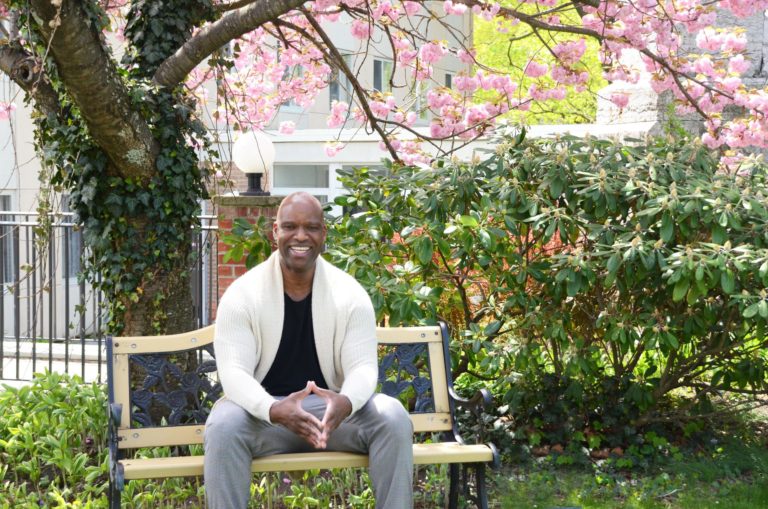

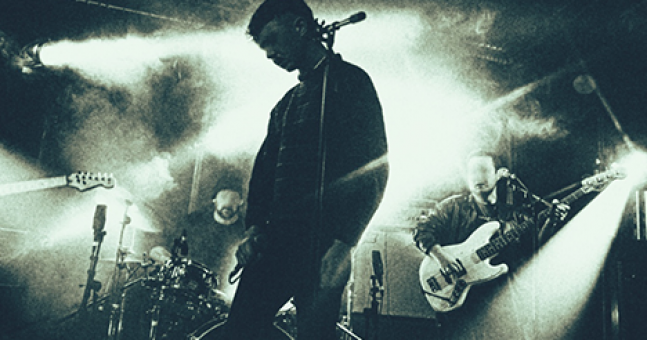
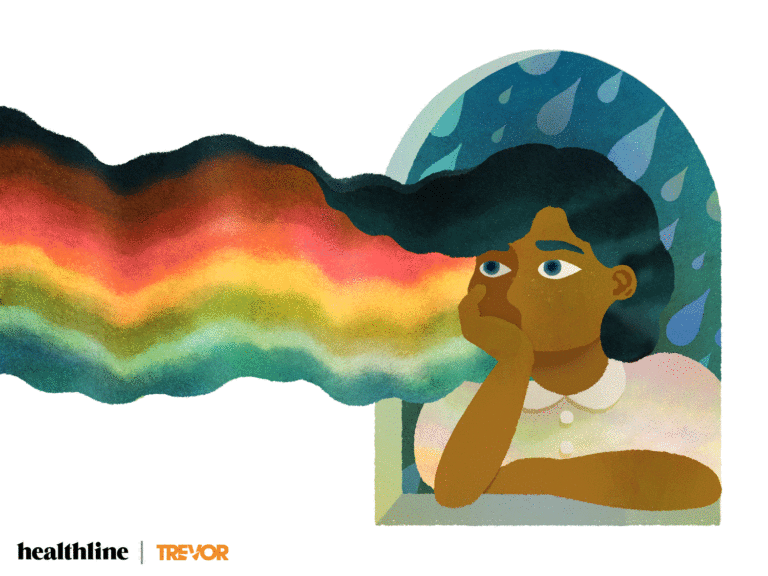
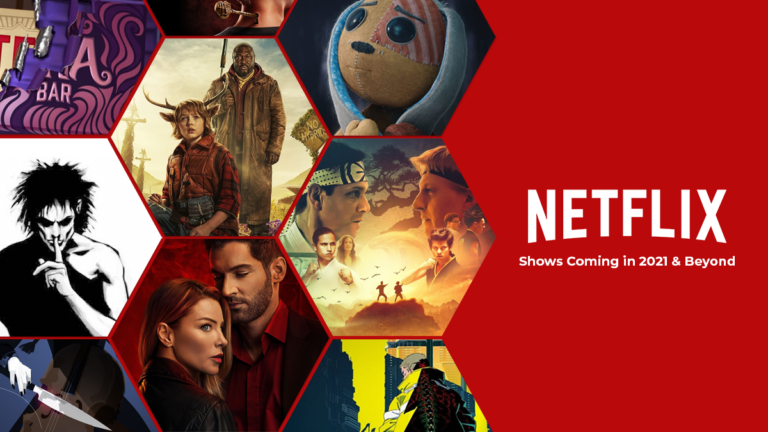

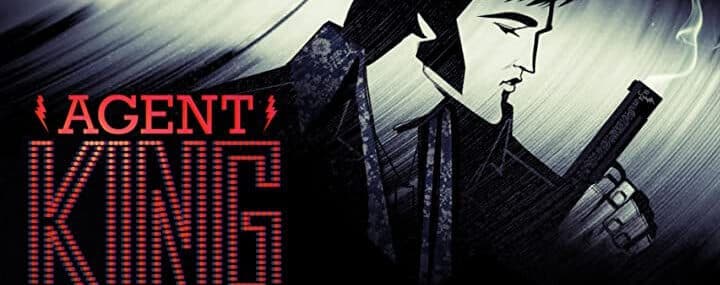
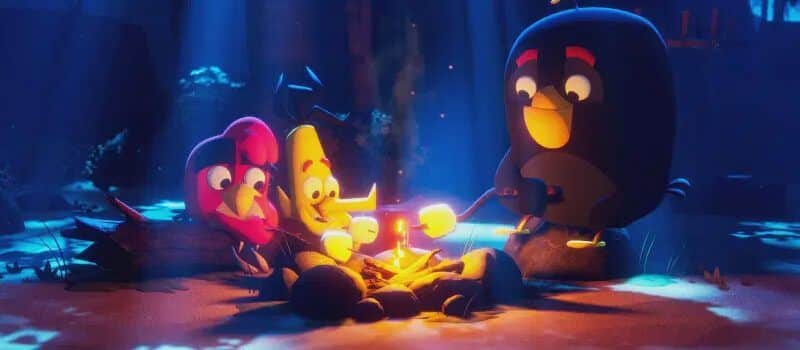

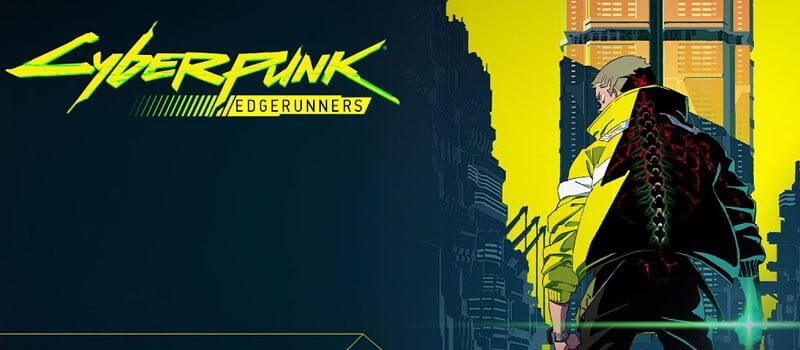
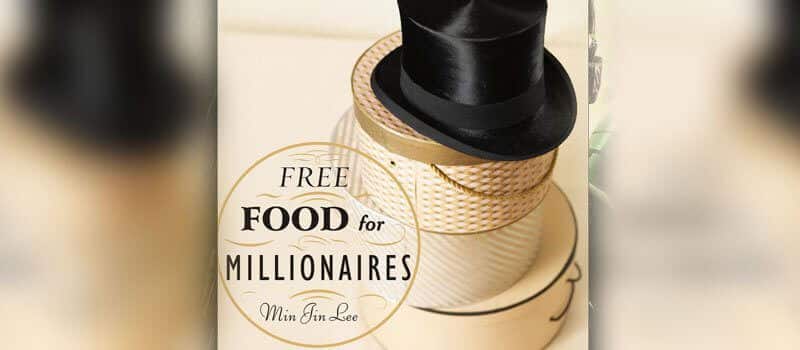
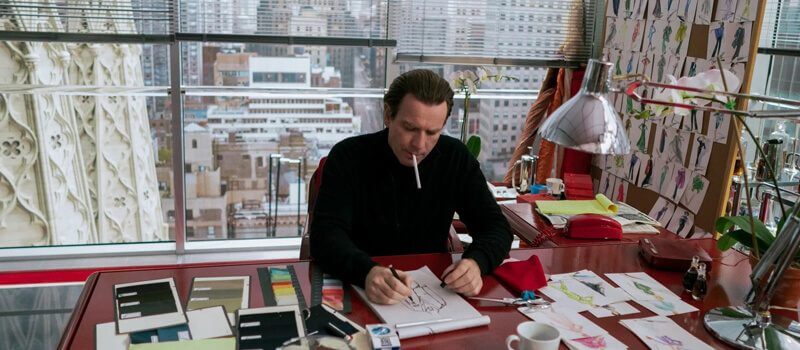
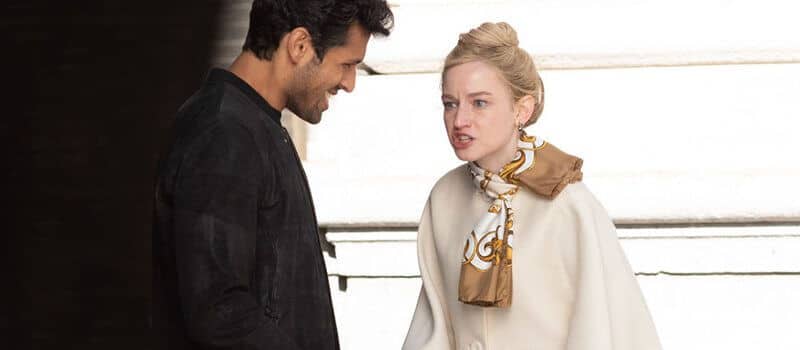
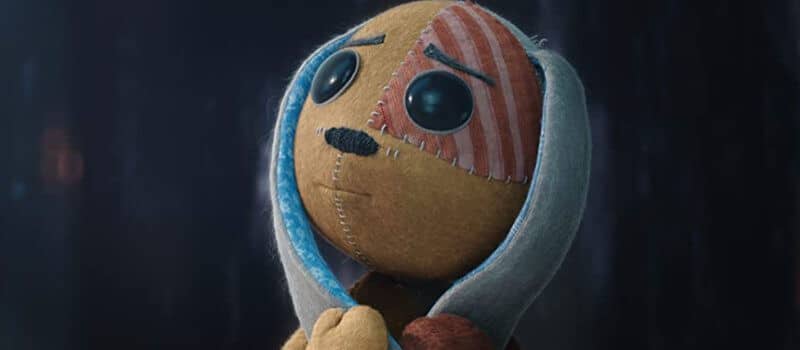
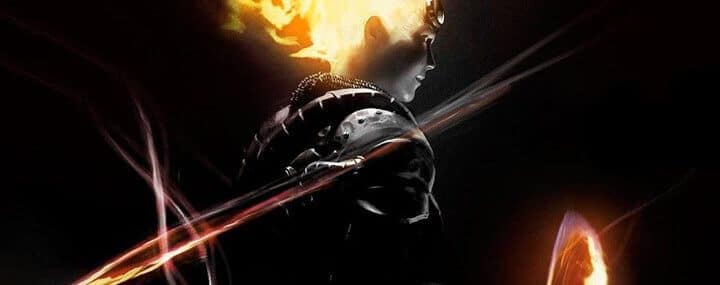

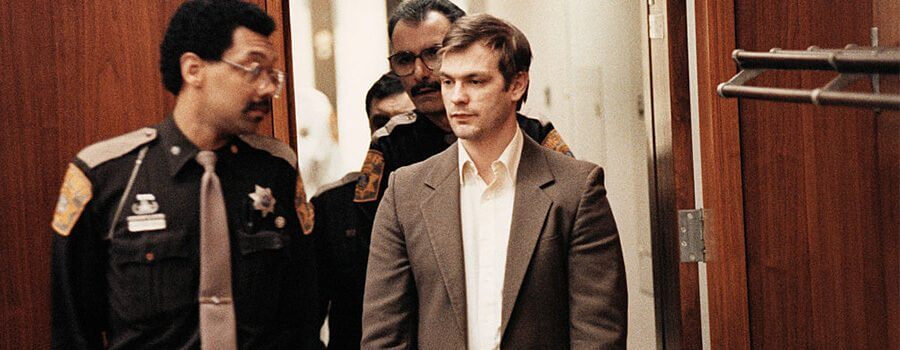
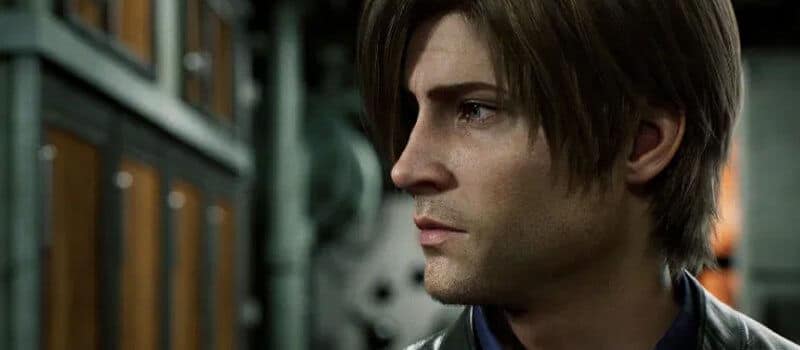
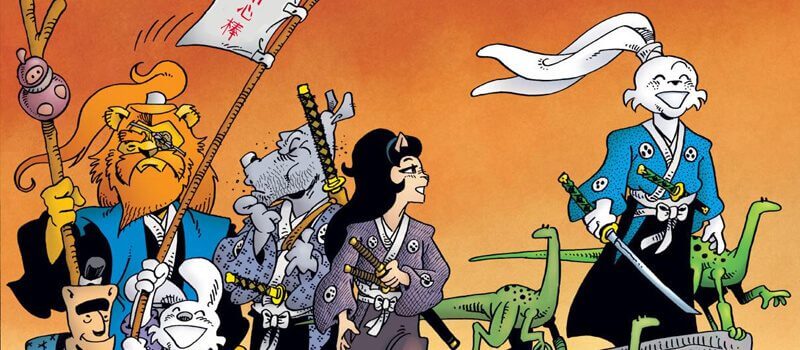
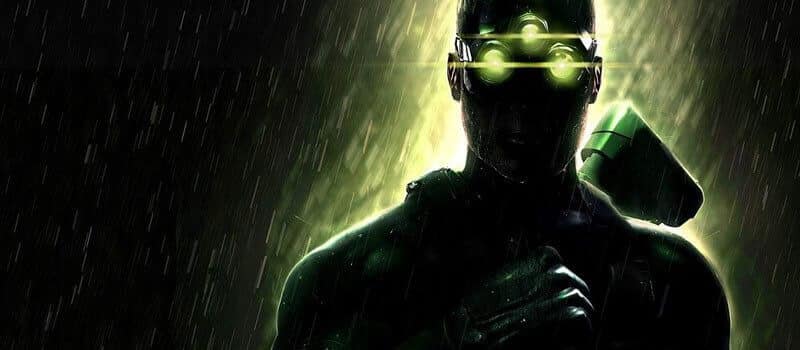
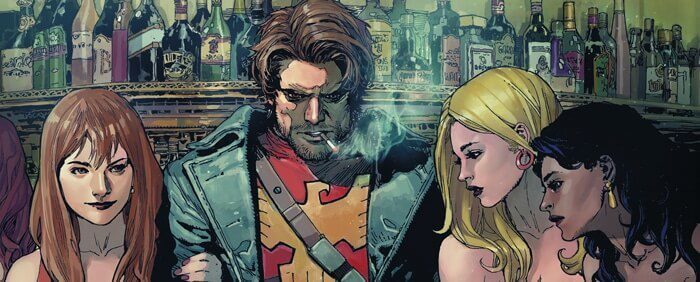

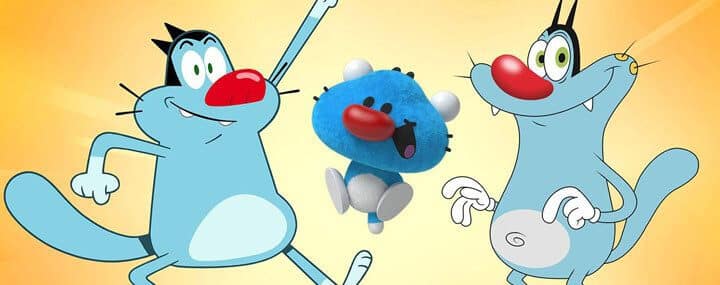


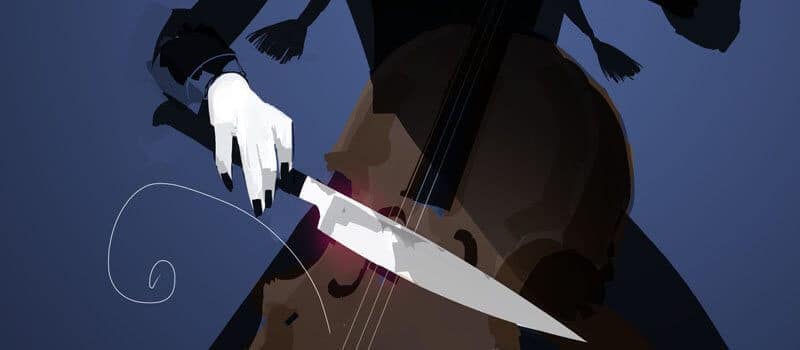



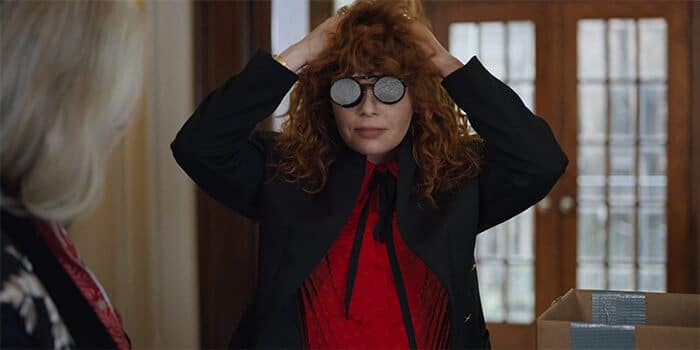
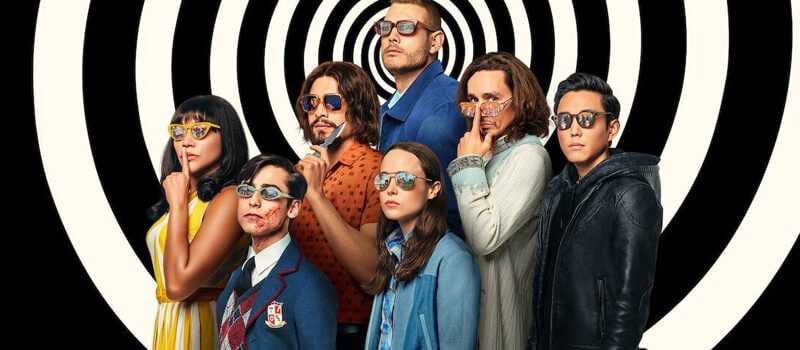

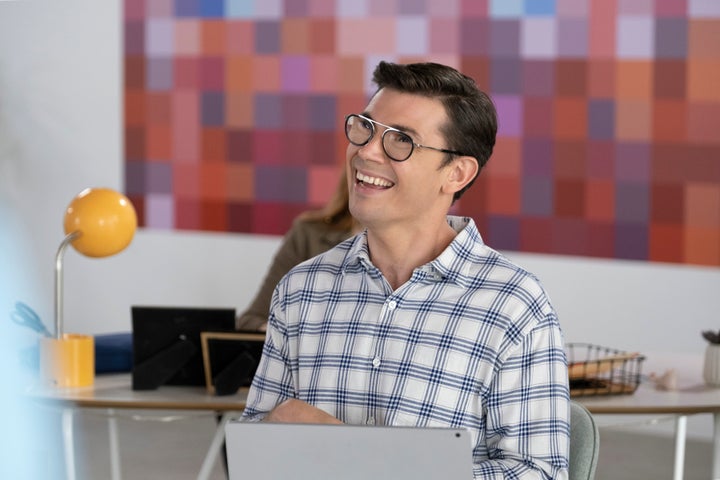
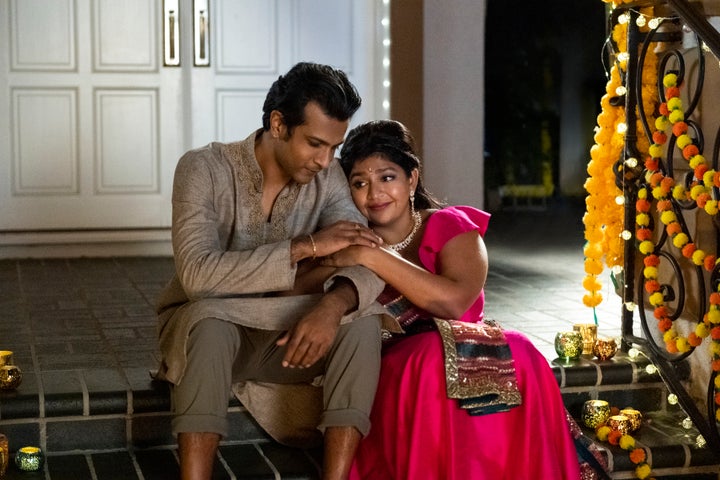
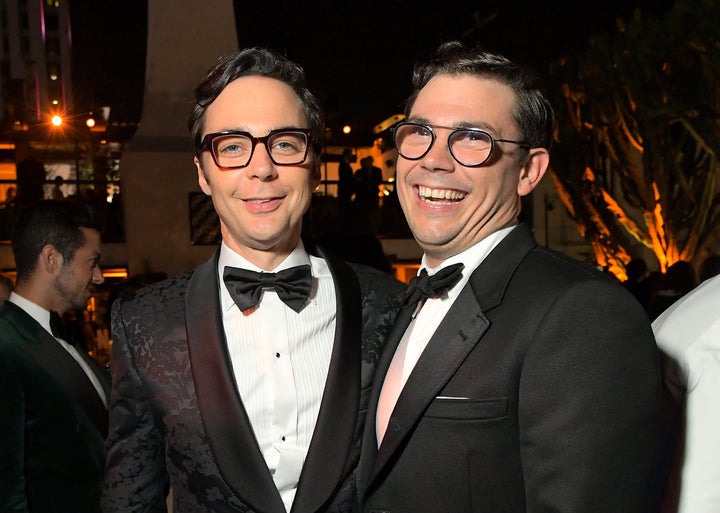
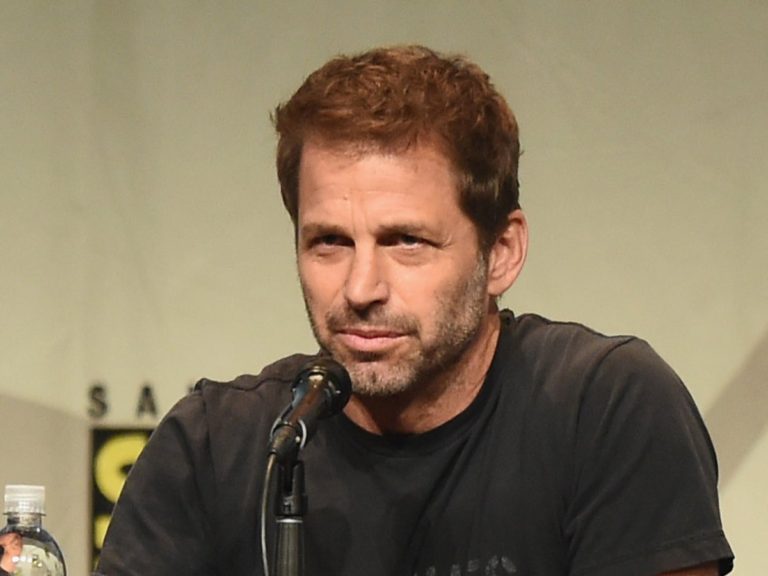
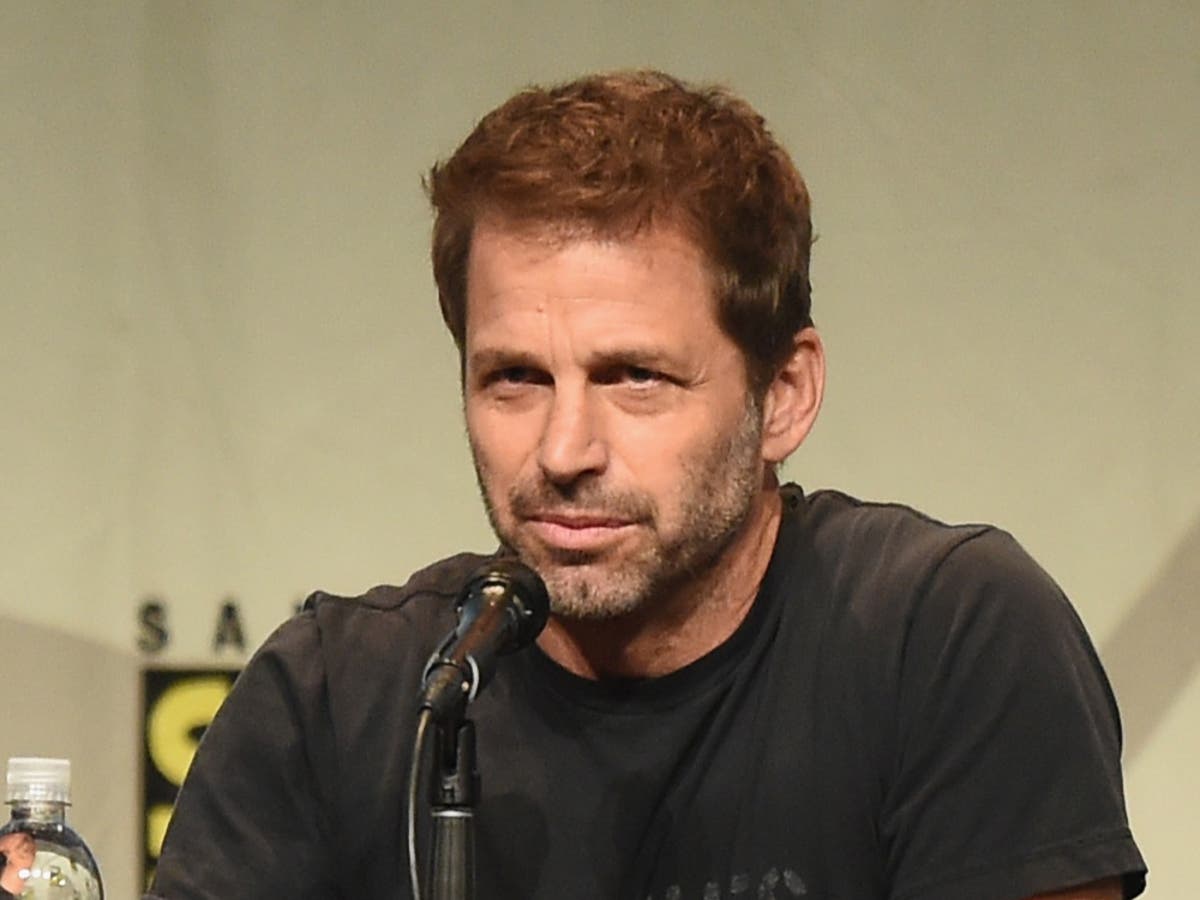


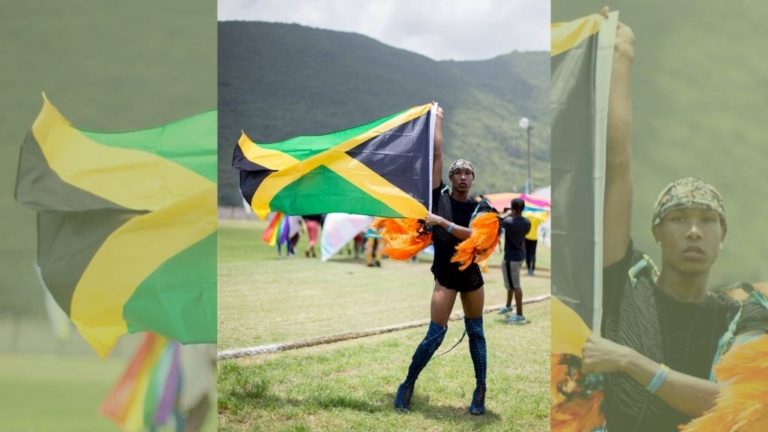
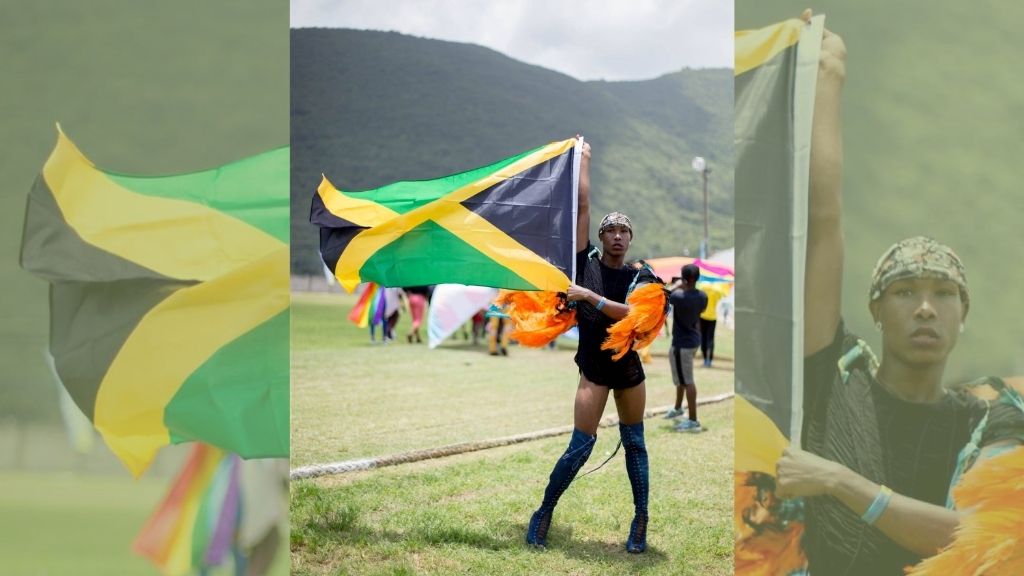

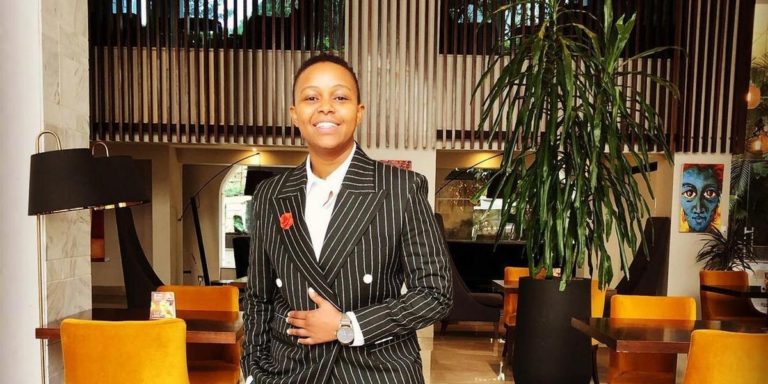
![[US] LGBTQ Africans struggle to navigate US asylum process – Washington Blade](https://www.tampabaygaynewstoday.com/wp-content/uploads/2021/05/us-lgbtq-africans-struggle-to-navigate-us-asylum-process-washington-blade.jpg "[US] LGBTQ Africans struggle to navigate US asylum process – Washington Blade")