SALEM — The City of Salem will be able to kick off its Lesbian, Gay, Bisexual, Transgender and Queer (LGBTQ) Pride Month on June 3 in grand fashion — unlike last year’s experience.
There will be a flag-raising ceremony at 11 a.m. in Riley Plaza, and this year it’ll be open to anyone who wants to go. Last year, as the area was still in the midst of stringent COVID-19 protocols, that wasn’t possible. So, said Laura Assade, who is coordinating the event for the city, it was streamed live.
“This year,” said Assade, who is director of constituent services, Latino affairs coordinator and LGBTQ community liaison for Mayor Kimberley Driscoll’s office, “a lot of these restrictions have been lifted. At least 56 percent of our residents have received at least one dose. We’re having it outside, and there’s plenty of space (for social distancing).”
However, Assade said that if the distancing protocols cannot be followed, those who attend are encouraged to wear masks.
Advocating for LGBTQ causes is something near and dear to Assade. So much so that she lists her preferred pronouns (she/her) on her masthead.
“I have been an advocate of the LGBTQ community for a long time,” she said. “I’ve seen the injustices that have been made against it.
“For me, over time, and for the profession I’m in, listing my pronouns is a way to make people in the community know they’re safe in speaking to me, that they can get the services without any judgment. It’s out of respect for our members to let them know they don’t have to continue to feel fear. They can know that there are allies out there, such as me, who will not misgender them, and will acknowledge their identity.”
Assade said she uses her pronouns for another reason: to identify herself so that people she meets can do the same.
“It’s the easiest way for people to feel comfortable, and acknowledged, and valued members of all communities,” she said. “It’s appropriate to identify yourself. It can spark a conversation. That way, people know you’re a person who understands that you’re not classifying them as a gender based on how they look.”
Salem resident Isabella Strobing and her company, Mainvest, donated the flags for this year’s celebration. Also appearing at the ceremony is Salem resident and LGBTQ activist Gary “Gigi” Gill.
Video games are the ideal platform for solving mysteries. Taking a look at the full breadth of all the video games ever made, there really aren’t as many murder mystery games as you’d think. As kids, the board game Clue introduced us to the basics of detective work, and video games give us the tools to expand our investigative skills even further with unique stories and puzzling gameplay. There’s just something special about collecting clues, questioning suspects, and figuring out the culprit.
That’s why we’ve put together a list of the 20 best murder mystery games available right now. This list is in no particular order — we just want to share some of our favorites. It’s surprising how varied these games are. You’d think we’d only have adventure games to choose from, but the murder mysteries on our list range from action-shooters to pure puzzlers. There’s bound to be one game on our list you absolutely shouldn’t miss, no matter what your tastes.
Return of the Obra Dinn
Not exactly a murder mystery in the traditional sense, but a mystery all the same. The good ship Obra Dinn has returned home but without its crew. Armed with a logbook and a mystical device to look back in time to view a snapshot of the events that transpired, you have to figure out the fates of every single crewman to complete your investigation. The fun of Return of the Obra Dinn is figuring out what happened using incomplete and very limited information. Using the crew log book, you need to write the cause-of-death for everyone, and it gets pretty wild. No spoilers here, but only a handful of deaths were caused by human hands. The Return of the Obra Dinn is one of the most inventive puzzle games of the last decade.
Phoenix Wright: Ace Attorney Trilogy
The Phoenix Wright games are finally available for everyone thanks to the Phoenix Wright: Ace Attorney Trilogy collection available on PS4, Xbox One, and PC. The package includes the original three games, where you play as rookie lawyer Phoenix Wright, getting caught up in one impossible case after another. The games are like an interactive novel where you read along with the story, stopping briefly to gather clues before the trial. The trials are truncated down to three days, with the trial itself really putting your attorney on his toes. During the trial, you’ll have to smartly use clues and your own intuition to point out logical inconsistencies and find the lies in crooked testimonies. It helps that these games are brimming with colorful characters and funny writing. If you’re in the mood for less-than-serious mystery-busting, these games are the perfect pick.
L.A. Noire
L.A. Noire is one of the most ambitious games ever made, featuring dozens of face-mapped actors and a fully-realized 1940s Los Angeles setting. As Detective Cole Phelps, you’ll move through the ranks starting out as a simple beat cop and moving up to Traffic, Murder, Vice, and Arson. No matter what desk you’re sitting at, you’ll usually have to deal with murder in some form — and to solve mysteries, you comb through realistically rendered environments for clues, question suspects, and finally make a choice on who the culprit really was. Usually these mysteries follow a set narrative path you can’t miss, but sometimes you’re free to select your own culprit. Whether you made the right choice is entirely up to you. The fun of L.A. Noire comes in the sumptuous story, the in-depth period detail, and the exciting gunfights that often end each case.
The Wolf Among Us
Following Telltale’s breakout hit The Walking Dead, The Wolf Among Us seemed like a weird choice for adaptation. Based on a series of comics about fairytale creatures living in New York secretly, The Wolf Among Us is about Bigby Wolf, the sheriff of Fabletown. Like other Telltale games, you follow an interactive narrative journey through cutscenes, making choices that can branch the narrative or change how other characters feel about your protagonist. Despite being about fairy tales, this is probably the most adult Telltale game — the murders are violent, and there’s some pretty disturbing content you’ll have to deal with before the story is over. If you’re looking for less puzzles and more narrative, this is one game to sink your teeth into.
Blade Runner
We’ve finally hit our first true adventure game on the list. Blade Runner is an adaptation of the 1982 Ridley Scott film — you play as a different detective, but you’re still hunting down escaped replicants on a murder spree across futuristic Los Angeles. What makes Blade Runner unique is how the story changes. Each time you start a new game, certain characters will be selected to be replicants — synthetic machines that look exactly like humans. During your investigation, you’ll have to figure out who is a replicant, who isn’t, and dismantle the network of criminals however you see fit. What makes this game special isn’t just how open-ended the story is, but that you can literally make “wrong” decisions if you don’t investigate deep enough.
Blade Runner is now available and much easier to play on modern PCs thanks to the recent GOG.com rerelease.
Disco Elysium
A new classic in the genre that’s almost impossible to categorize. Disco Elysium is a weird, weird game — and that’s what makes it special. As an amnesiac detective, you decide how to build your character’s mental map, including their political beliefs, as you navigate a fictional city’s strange realities. At its core, you’re trying to solve a murder, and the game plays out through extended dialogue as you try to outwit (or not) your opponents. There are no easy answers in Disco Elysium, and there’s no combat to speak of. It’s like a CRPG, and the battles are determined by your wits and your dialogue choices. It’s also the best written game since Planescape: Torment — if you’re into that game, you have to play Disco Elysium.
Disco Elysium: The Final Cut is out now on Steam, including new quests and full voice-acting. It’s a free download if you already own the game.
Persona 4 Golden
For the JRPG lovers, there’s one game that’s all about figuring out the identity of a serial killer — a perfect choice for our list. Persona 4 Gold is a fan-favorite in the JRPG genre, and it’s now available for everyone on PC through the Steam store re-release. This is about as far from a regular murder mystery as you can get.
Playing as high school transfer student, you form a party and harness the power of “Personas” — demon-like entities with magic power, to fight in an alternate mental universe. The game is both a high school simulator and a JRPG with battles, bosses, and leveling up. Between delving into the mysterious TV World to discover the truth about certain people in your school, you’ll follow a strict schedule, take tests, study, and choose who to spend time with. Everything culminates in the big choice of the game that determines your ending — who is the killer. That makes this a murder mystery in my book.
Paradise Killer
We’re back to dialogue-heavy (and extremely weird) indie games. Paradise Killer is a surrealist puzzle game with an absurd Killer7 / Suda51 style. You play as an immortal detective investigating a fully-realized open-world, trying to find who pulled of an impossible murder. The fun of Paradise Killer is just how much you can investigate this weird world. You can end the game at any point by initiating the “trial” — but to truly understand what happened, you’ll have to dig deeper, talk to everyone you can, and investigate every clue on the huge island. The most rewarding part of a murder mystery game is figuring out the “correct” answer, and Paradise Killer makes you work for it. Thankfully it’s so bizarre, we’re up for checking out every corner of this world.
Life Is Strange
When a girl disappears in a sleepy Pacific Northwest town, two friends team up to find her. Life Is Strange is structurally very similar to the type of games Telltale made for many years — you’ll explore areas between cutscenes, talk to people, and make choices that change the outcome of the story. These are narrative adventure games, but Life Is Strange puts more emphasis on the puzzles. You play as a girl with the ability to reverse time, and you’ll need to use those powers to escape some of the dangerous situations you’re thrown into. Life Is Strange takes awhile to get going, but the payoff is worth it. This might seem like a gentle indie game about budding LGBT love, and it totally is, but there are some big events waiting for you. Try not to change the future too much.
The Sexy Brutale
Another creative indie murder mystery that’s all about reversing time — except The Sexy Brutale is in the pure puzzle genre mold. In The Sexy Brutale, you’re invited to a strange mansion with a murderous host. As the night progresses, each of the guests is murdered in a different brutally creative way. Using a mystical timepiece, you can rewind time several minutes before each murder takes place. By carefully following the suspects (and murderer) you can figure out the means of each death, and how to prevent it. This is the rare murder mystery game that’s all about stopping murders in the first place. It’s like Groundhog’s Day meets Saw with a jazzy soundtrack.
Her Story
A deceptively simple investigation game that’s wildly unique. In Her Story, you’re trying to figure out an old crime — what that crime actually is? That’s also one of the mysteries you’ll have to solve. The gameplay consists of an old police database UI as you search for videos of a woman’s extensive interrogation sessions across multiple years. The only way to access the video files is by searching for keywords that appear in the videos. By listening carefully and following the rabbit hole of keywords, you’ll eventually find critical (or baffling) confessions that just might explain what’s going on. To say more would be to spoil it.
Danganronpa
In the vein of Phoenix Wright, Danganronpa is another light novel series about investigations, murder, and trials — just with a lot more weird little mini-games. These popular puzzle games drop fourteen students into a sadistic Battle Royale scenario. Trapped, the only way to escape is to kill and get away with it. As an innocent student, you’ll have to investigate each murder and select the correct culprit. If the murderer gets away, the rest of the class will be killed… so the stakes couldn’t be higher.
This is a darkly comedic series of games about ridiculously convoluted murder scenarios. If you’re hungry for more Phoenix Wright with a sadistic twist, you might want to give this series a spin.
Thimbleweed Park
The most traditional adventure on our list is literally a throwback to the days of classic LucasArts games. Created by Ron Gilbert, who also wrote Maniac Mansion and The Secret of Monkey Island, Thimbleweed Park is a love letter to those retro games — complete with pixel graphics and comical stretches of logic to solve puzzles. In a setting inspired by Twin Peaks and X-Files, your pair of FBI investigators explore a weird town full of quirky characters. In Monkey Island fashion, the story takes a pretty bizarre turn towards the end and goes down plenty of weird tangents. At its heart, you’re still here to solve a mystery — by combining rubber chickens and wheels.
Ace Attorney Investigations 2
One of the best games in the Phoenix Wright series is actually a spin-off — and a spin-off that’s only available in English thanks to emulation. Ace Investigations is a more puzzle-heavy offshoot, putting you in direct control of prosecutor Miles Edgeworth as he works with detectives, explores crime scenes, and determines the culprit all before any trial takes place. Instead of going through light novel dialogue segments, you’ll actually move around each environment, search for clues, then complete chess-like dialogue battles against each suspect. It’s a unique, fun game that’s one of the best in the series — you’ll just have to use this incredible fan translation to play it.
Sherlock Holmes: Crimes & Punishments
The developer Frogwares made many Sherlock Holmes adventure games — including some wild ones like Sherlock Holmes versus on Jack the Ripper and Cthulhu! Still, Crimes & Punishments is the best of the bunch. Set in 1884 London, Sherlock Holmes is tasked with investigating six different cases based on the original Sherlock Holmes stories by Arthur Conan Doyle. Each case is a piece of the larger puzzle as you uncover a plot by an anarchist terrorist group called the Merry Men. As far as adventure games go, this is probably the most advanced on our list. If you need a guide, we won’t blame you for this one.
Deadly Premonition
More action-simulation than mystery, Deadly Premonition won’t test your puzzle-solving skills too seriously. It will test your patience.
Fans will go to bat for this singularly weird open-world game. Playing as Special Agent Francis York Morgan, you arrive at a small Pacific Northwest town to solve a grisly murder — and the murders are stacking up. Between shootouts with strange ghost-like beings only your character can see in RE4-lite (and we mean extremely lite) combat sections, you’ll spend most of your time interacting with the off-the-wall locals. There’s nightmarish other worlds, bad cooking story arcs, and log ladies galore. If you don’t take a shower for too long, you’ll become a “Stinky Agent” with flies swarming around you. It’s just that type of game. If you haven’t heard of Deadly Premonition yet, you’ll just have to try it for yourself.
Among Us
The streaming hit of 2020 is, at its essence, a murder mystery game. Everyone knows Among Us, but here’s a quick synopsis — in Among Us, you and your friends play as a spaceship crew just trying to keep your craft running. One (or more) players are randomly assigned to be traitorous aliens with the goal to kill everyone else. As the crew, you try to survive and figure out which wolf-in-sheep’s-clothing is the traitor. At any time, players can call a timeout to talk over the clues and vote to send suspicious crewmates into the airlock. It’s a tense game with an incredibly simple premise — the fun is all in the social aspect. As a traitor, you can sow chaos not just with kills, but also by throwing accusations at your innocent friends.
Blacksad: Under The Skin
Based on the Spanish comic series Blacksad, this narrative adventure game is another in the Telltale lineage — featuring choice-based gameplay and quick-time events as you investigate a series of crimes in an alternate-universe 1950s New York City. In this world, everyone’s an animal — and Blacksad is a cat detective with heightened senses, allowing you to perceive leads others might miss. During investigations, you’ll hunt down clues and combine them into conclusions to resolve cases. Your decisions change the story significantly too. Your average Telltale-like game has two or three endings and Blacksad has a whopping six. That’s a lot of weight to your choices.
Zero Escape: Nine Hours, Nine Persons, Nine Doors
Danganronpa isn’t the only dark Japanese narrative adventure game on our list. 999 is an inventive visual novel / adventure game, where nine people are trapped in a sadistic game of survival. Unique to 999, there’s an extensive branching story that changes wildly depending on your decisions — and you’ll have to run through each choice to finally uncover the true ending, using knowledge previously learned on failed attempts to overcome some of the impossible traps. The game is structured like an elaborate timeline with branching paths after each choice, and you’ll have to experiment to find the correct choices and finally escape. For a game that’s meant to cover 9 hours, a typical complete playthrough takes 32+ hours.
The Dagger of Amon Ra
The Laura Bow series, as developed by Roberta Williams, is an adventure game meant to break the usual mold. The Dagger of Amon Ra was meant to challenges you to think like a real detective. Trapped in a museum with a killer picking off the attendants one-by-one, you’ll have to investigate each crime and make logical inferences to figure out the true identity of the killer. Still, this one is only slightly less silly than your typical adventure game from the 1990s — you’re still hunting down objects, combining them, and using them on the environment. The real test is at the end of the game, where the police question you on your knowledge of the case. If you get the answers wrong, you’ll get a clue to help on future playthroughs. If you get all of them wrong, the killer just might come for you next.
The murder mystery genre is surprisingly varied, and we’re always hunting for more games to scratch that mystery itch. Let us know all about your favorite murder mystery games!
After widespread backlash (and a mildly praised backpedaling) about fnnch’s contentious mural at the queer nonprofit, the trio of rainbow honey bears was removed in April, painted over by a coat of white paint. (Y’all already know how I feel about fnnch’s honey bears that were once smeared across the SF LGBT Center. We’ll leave it at that.. for now.)
And up until last week, the tall wall sat blank, but that’s no longer the case after a pair of queer artists, Simón Malvaez and J Manuel Carmona, finished their mural dedicated to queer trailblazers over the weekend.
Unlike the human-sized ursids it replaces, the joint mural for Carmona and Malvaez was ideated outside of cookie-cutter norms and ambiguous symbolism. It, instead, sits as a welcomed dicotomy to the former piece of public art that graced the center — sitting as a towering homage to the “queeros” who’ve helped create and support a more inclusive society, be it here in San Francisco or halfway across the country.
As Carmona told TBI, the color palette used on the Progress Pride Flag served as a well-fitting foundation for the piece.
“For this mural, we started with the Progressive Pride Flag because to us it represents the amazing diversity within the Queer community,” the queer Mexican-American artists tell us. “We wanted to showcase ‘heroes’ from the past and present who we feel should be celebrated in the LGBTQ+ community as well as the intersection with our Latino Heritage.”
The dozen painted abstract portraits include both local queer notables and national fixtures, some of who have long passed. For example: Depictions of Freddie Mercury, Frida Kahlo, and James Baldwin sit alongside drawings of San Francisco LGBTQI+ royalty like Juanita MORE!, Honey Mahogany, and Sister Roma; Harvey Milk, too, is pictured in the mural next to Marsha P. Johnson.
“We hope that this mural invokes love and curiosity for our past, a connection to our present, and inspires a diverse future for the LGBTQ+ movement,” Carmona adds.
Looking up at the sprawling, chromatic portrayal of diversity, it’s hard not to find an impulse to support the need for a more inclusive society — one where everyone can live authentically, sans prejudice.
A study by Monash University and Alfred Health found a 70 per cent reduction in one type of human papillomavirus (HPV) in gay and bisexual men after the implementation of the school-based HPV vaccination program.
The HYPER2 study, published in Lancet Infectious Diseases, and led by Associate Professor Eric Chow, found there was a significant reduction in all four vaccine-preventable genotypes in gay/bisexual men aged 16-20 years following the introduction of the vaccine for boys in 2013.
Australia is one of the first and few countries that have both boys and girls vaccination programs for HPV. The vaccine covers four genotypes: 6/11/16/18. Genotypes 6/11 cause about 90 per cent of the genital wart cases and genotypes 16/18 cause about 70 per cent of cervical and anal cancers.
This is the first study to show that the implementation of the gender-neutral program can reduce high-risk anal HPV and potentially reduce the incidence of anal cancer in gay and bisexual men.
This repeated cross-sectional study recruited 400 gay and bisexual men with a median age of 19 years from sexual health clinics and the community in Melbourne.
The results are compared with the HYPER1 group of 200 gay/bisexual men pre-vaccination in 2010-2012 and the HYPER2 group of 200 gay/bisexual men post-vaccination in 2017-2018.
It showed a reduction in anal quadrivalent genotypes from 28 per cent down to 7.3 per cent and penile quadrivalent genotypes also lower in the post-vaccination group 6.1 per cent compared to 11.9 per cent.
Anal cancer incidence has increased globally among men over the last three decades. It is overrepresented among gay and bisexual men, particularly those living with HIV.
A meta-analysis estimated the incidence of anal cancer to be 45.9 per 100,000 among HIV-positive MSM. Results from the HYPER2 study suggest that male vaccination may lead to a potential reduction in anal cancer among gay and bisexual men in Australia, which is similar to the reduction in cervical cancer among Australian women after the HPV vaccination program launched in 2007.
“Australia has a very successful HPV vaccination program for both boys and girls with high vaccine coverage,” Associate Professor Chow said.
“The vaccine is effective in reducing HPV-related diseases and showing some promising evidence that this may lead to a reduction in HPV-related cancer in the future.”
Read the full paper in Lancet Infectious Diseases titled: Prevalence of human papillomavirus in young men who have sex with men after the implementation of gender-neutral HPV vaccination: a repeated cross-sectional study
DOI: 10.1016/S1473-3099(20)30687-3
/Public Release. This material comes from the originating organization and may be of a point-in-time nature, edited for clarity, style and length.
May 24, 2021 – Austin Marshall wants to be a physician-advocate for the LGBTQ+ community—to care for patients as a doctor, as well as to steer policy to help improve health systems that serve many. He discusses how working at a free clinic in Berkeley shaped his public health path, his research on mental health access for LGBTQ+ elders during his time at Harvard T.H. Chan School of Public Health, and his many hidden talents, from singing Indian classical music to competing in esports to fixing his friends’ iPhones.
As an undergraduate at Berkeley, I was originally a bioengineering major. But volunteering at a clinic that provided services for people who didn’t have access to insurance or were discriminated against by the mainstream healthcare system—such as people who were homeless, and gay and bisexual men—convinced me to switch to public health. Working at the clinic showed me how situations can arise where the health of an entire group of people is ignored and marginalized. It highlighted for me why we need people educated in public health to make critical policy decisions, people who believe in the care of these communities.
After earning my BA in public health, I returned home to work on my MD at UC San Diego as part of the PRIME Health Equity program. The program trains future physicians focused on fighting health disparities in their communities and in the world more broadly. As part of this program, we complete a master’s degree between years three and four of our medical school curriculum—and I knew I wanted to attend Harvard Chan School for my master’s, to further my knowledge of health policy and to improve quality health care access for LGBTQ+ populations.
Completing my Harvard Chan practicum project at The Fenway Institute was easily the highlight of my experience at the School. I worked on a systematic literature review looking at mental health care access for LGBTQ+ elders. One of our key findings was that provider competency is really lacking regarding LGBTQ+ elder care. We also found that the more impairments people have in terms of their mental health, the more difficult it is for them to maintain both their HIV care appointments and their general care appointments. And a lot of LGBTQ+ older adults have less familial support than their straight counterparts, because a lot of them may not have a legally recognized partnership, or lost a long-term partner during the AIDS epidemic. Not having access to these social supports makes it harder for them to retain care, and also makes it more likely that they’ll develop a mental health diagnosis.
One of my favorite things about Harvard Chan School has been getting to meet and work with people in my health policy cohort. We’ve been doing socially distanced park hangouts for most of the year, rain or shine—including in the snow! The people that the School recruits are just incredible, so being able to learn from them and become friends with them has been a highlight. The same thing goes for the Zuckerman Fellowship, which was a big factor in my decision to come to the School. The people in that cohort are leaders in different Harvard schools across disciplines, but they all have the same commitment to public service and helping underserved populations. They inspire me to keep fighting against inequities, and to recognize the interdisciplinary solutions required for action.
One hidden talent of mine is that I sing Indian classical music. I’m half-Indian, half-white; my mom moved to the U.S. from India when she was 18. She learned from a famous classical singer in India, and she taught me and my brother how to sing. I started learning pretty young, like five or six, and I’ve been singing ever since. Whenever I go back to San Diego, I’ll make time to sing. I also just do it for myself in my free time.
Something people might not know about me is that I’m ranked among the top 1% of Overwatch players worldwide. Overwatch is an immersive game that’s set in a sci-fi future universe. The game is played as an esport, which is basically professional gaming. Right before I started medical school, I thought of potentially trying out for a league to play professionally, but I went the medical school route instead.
I repair Apple laptops and iPhones as a side hobby. I had a friend in high school who had multiple Mac computers that didn’t work. They were sitting in his closet. I asked if I could take a look at them and take them apart, and he said sure. I used online guides, put in a few new components and they started working again. Now if people have iPhones that need a battery replaced or a MacBook that has a noisy fan, I’ll repair it. I find it therapeutic to use my hands and strategize. The tools you have to use for repair are tiny. It’s almost like surgery.
My ultimate way to unwind is regular exercise. It’s a must during the pandemic. First I work out or go for a run, then I might settle down with a video game—or a YouTube documentary about a video game.
Marblehead is home to Grand Army of the Republic (GAR) post #82, the John R. Goodwin post, in honor of the first Marbleheader to perish in the Civil War. Beyond the events and battles, the affects of war on the soldiers after it was “over” is rarely discussed. Join us on Zoom on May 25, at 7 p.m. as the Marblehead Museum book club reads and discusses “Marching Home, Union Veterans and Their Unending Civil War,” by Brian Mathew Jordan. Delve into experiences of those captured in notorious Confederate jails; those who lost limbs and adapted, or were unable to, and those who organized to help fellow veterans survive the aftermath of a war that divided the nation. This fascinating read provides insights into the “after” of the Civil War’s Union veterans. To register, please visit www.marbleheadmuseum.org or call 781-631-1768.
Human RightsAwards May 25
On Tuesday, May 25, at 7 p.m., the Peabody Essex Museum and Voices Against Injustice will co-host the 2021 Salem Award for Human Rights and Social Justice and Rising Leader Awards, honoring Cosecha Massachusetts for their courage and leadership in the immigrant rights movement and for their response to the pandemic. Also honored will be student leaders who are raising their voices against injustice and making a difference in the community. Learn more at: voicesagainstinjustice.org, and save the date for this important occasion: watch here for more details.
Vaccine clinic setsafter-school hours
Hours for the North Shore Regional Vaccination Clinic at Salem State University’s O’Keefe Center, 225 Canal St., have been adjusted for convenience next week to after-school, 3 to 6 p.m. on both Tuesday May 25, and Thursday May 27. Appointments are not required; walk-ins will be taken. If you do wish to make an appointment, you may do so at https://home.color.com/vaccine/register/salem.Those under 18 must have a consent form in order to receive the vaccine. Go to: www.mass.gov/lists/ma-consent-and-screening-forms-for-people-under-18-years. Those age 12 to 15 must be accompanied by a parent or guardian. Masks are required, and please wear a shirt that allows upper arm access. Pre-screen yourself for COVID-19: you will be unable to receive vaccine if you are not feeling well or have received any other vaccine in the last 14 days or are allergic to a component of the vaccine. Anticipate staying for 15-30 minutes of monitoring after your vaccination.
Raise the flags on LGBT Pride
Lesbian, Gay, Bisexual and Transgender (LGBT) Pride Month will kick off in Salem with a Pride Flag Raising Ceremony at Riley Plaza on, Thursday, June 3, at 11 a.m. Salem resident Isabella Strobing is donating the flags and Salem resident Gary “Gigi” Gill will continue the tradition with Mayor Driscoll of inviting the North Shore community to help raise the flags and celebrate Salem’s proud diversity. For more information and other LGBT Pride Month events, visit www.salem.com.
Sea chanteys in Marblehead
On Thursday, June 10, at 7 p.m., enjoy a night of folk songs of the sea with Gary Foreman in the garden at the Jeremiah Lee Mansion. Long enjoyed, what was the role of thge sea chantey in life aboard a seafaring voyage? Explore that history with Foreman, who served in the Navy for 20 years, and spent 23 years interpreting the history of “Old Ironsides” at the USS Constitution Museum. He has performed with the Sea Revels, Summer Revels (and more), and most recently with Three Sheets to the Wind, the sea shanty group based out of Gloucester, and continues to inspire others to pursue their own adventures, find their voices, and sing out loud. To register, visit www.marbleheadmuseum.org or call 781-631-1768. Tickets are $10/members; $15/future-members, at the Jeremiah Lee Mansion Garden, 161 Washington St, Marblehead.
Marblehead Festival of Arts
The Marblehead Festival of Arts is cautiously but optimistically planning to hold the 2021 Arts Festival for this July 4. The current plan is subject to alterations based on changing regulations. Online registration is now available for all artists wishing to enter the exhibits, including Painting the Town. Current plans are for three Marblehead venues to display art for in-person public viewing. Due to current COVID-19 regulations, the art will have to be submitted and judged virtually, and only one piece of art per exhibit. For more information and art submission instructions, visit: www.marbleheadfestival.org/call-for-art-entries. Please periodically check the Festival’s website for the latest event information at: www.marbleheadfestival.org/.
Evolution of
the Black Vote
On May 28, Salem United, Inc., and its president, Doreen Wade, will open a cultural exhibition at Salem’s Hamilton Hall showcasing over 20 paintings, displays and banners. Titled “Unmasking & Evolution of Negro Election Day and The Black Vote,” the exhibition runs through Aug. 29. Learn about “Black Picnic Day,” how black self-governing started with West African slaves, and how white America used voting suppression to constrain elections. Meet the first Black King/Governor in Massachusetts in 1740, and others who earned the title. Founded in 2015 by three Black women, Lorraine and Doreen Wade and Su Almeida, Salem United’s mission is to preserve black history. This is the first exhibition for Wade, whose New England roots go back to the 1600s. The schedule is: Friday, May 28: 4 —7 p.m., May 29: 10 a.m. to noon, 3 to 7 p.m., Sunday, May 30: 10 a.m. to noon, and 3 to 7 p.m., Fridays 4 to 7 p.m., Saturdays 3 to 7 p.m., Sundays 10 a.m. to noon, and 3 to 7 p.m. For more information, visit: SalemUnitedInc.org and HamiltonHall.org.
Salem updates
COVID testing
Salem continues to host two free COVID-19 testing locations through the state’s Stop the Spread program, a walk-up site downtown and a drive-through at Salem High School, and encourages residents and those who work in Salem to get tested regularly. Please note the following changes regarding testing: For the week of May 17th the downtown testing site normally held at Old Town Hall will relocate to the first-floor meeting room in City Hall Annex, 98 Washington St. Testing will take place Monday to Thursday from 9 a.m. to 3 p.m. On May 24, the downtown testing location will return to Old Town Hall at its regular hours. Please follow signage posted in City Hall Annex and wear a mask inside the building. The Stop the Spread testing program has been extended until Sept. 30. Testing at both locations is expected to continue through that date; any changes will be posted on www.salem.com.
Gordon College
calls for artists
The art department at Gordon College in Wenham is planning a gallery exhibit — ‘Squish Fold Twist’ — for the fall, and issuing an open call to the community for submissions. Inviting local artists to engage in this joyful creative practice, the planners are looking for sculptural ceramic work that explores the weird, the wild and the whimsical. Clay as the chosen medium encourages whimsy: the organic nature of the material and its workings naturally leads to a playful artistic process. Submissions are due by June 27, and the exhibition will be on display from Aug. 28 to Oct. 8. The open call will be co-curated by Justin Kedl and Bruce Herman. Visit www.gordon.edu/squishfoldtwist for submission details.
Ballet’s summer
auction begins
The North Shore Civic Ballet (NSCB) invites the public to get involved in its online summer auction to support the performing arts on the North Shore. The nonprofit dance company seeks donations of gift cards and certificates for hotel stays, car detailing, restaurants, spas, massages, photography, retail stores, craft items, luxury services, sports events, concerts, performances, theatres, museums and more. Volunteers are also needed to contribute their time or talent. Call 781-631-6262 or e-mail msb@havetodance.com for opportunities to help with the auction or dance company. The auction’s website, www.biddingforgood.com/ballet, opens for bids on Friday, June 4 at 6 p.m. and continues through Friday, June 25. The NCSB is a 501 (c) 3 tax-exempt organization, and all contributions are tax-deductible as permissible by law. Questions? Call 781-631-6262 or visit: marbleheadschoolofballet.com/the-company/.
Brown BagLunch June 3
The Ipswich Museum invites you to join Roland Arguin, amateur archeologist, on Monday, June 3, at noon as he shares interesting objects found on his journeys around the North Shore. The event will be held in a tent outside the Heard House, 54 S Main St, Ipswich. Feel free to bring your own brown bag lunch and refreshments, Members are free, non-members pay $5. Masks are required. Please RSVP to office@ipswichmuseum.org.
Annie I. McCarthyScholarship
The Annie I. McCarthy Scholarship Committee of the Captain Samuel Brown School, Peabody is offering a $500 scholarship. Applicants must be graduates of the Samuel Brown School and have completed their first year of college. Students should complete the application form with the following materials: 1) Academic grade reports or transcripts from your college, 2) Most recent financial statement from your college. Applications may be found at peabody.k12.ma.us/schools/brown-elementary . Winners will receive their awards at the Fifth Grade Moving-On Ceremony in June. A letter will be sent with the date and details. Application deadline is May 28, 2021. Mail all materials to: Annie I. McCarthy Scholarship Committee, Captain Samuel Brown School, 150 Lynn St., Peabody, MA 01960.
On May 10, the Department of Health and Human Services (HHS) announced that the Office of Civil Rights (OCR) will interpret and enforce the Affordable Care Act (ACA) and Title IX’s prohibitions on discrimination based on sex to include discrimination on the basis of sexual orientation and gender identity.
What are the Affordable Care Act and Title IX?
The ACA, also known as “Obamacare” is the health care reform law enacted under President Obama in March 2010 with the goals of making affordable health insurance available to more people, expanding the Medicaid program, and supporting innovative medical care delivery methods. Section 1557 of the ACA is the nondiscrimination provision of the ACA prohibiting discrimination on the basis of race, color, national origin, sex, age, or disability in covered health programs or activities.
Title IX of the Education Amendments of 1972 is a federal civil rights law that protects people from discrimination based on sex in education programs or activities that receive federal financial assistance.
How have these rules been interpreted in the past?
Under the Obama administration, Section 1557 was expanded, redefining “sex” to include sexual orientation and gender identity. This raised significant concerns at the time for anyone who cared about religious liberty and pro-life issues. One of the concerns was that this interpretation of Section 1557 would require physicians to provide gender reassignment surgeries and administer hormones to facilitate gender reassignment—regardless of conscience on this issue. It would also require medical professionals to perform abortions that violated their consciences.
On Aug. 23, 2016, five states and three private health care providers filed suit in the U.S. District Court for the Northern District of Texas to challenge this redefinition of “sex.” In the case, Franciscan Alliance v. Burwell, the District Court ruled that HHS had wrongly interpreted “sex” under Title IX since Title IX “unambiguously refers to the biological and anatomical differences between male and female students as determined at their birth.” The District Court also ruled that failure to offer religious exemptions likely violated the Religious Freedom and Restoration Act (RERA) and the Administrative Procedure Act (APA).
In 2020, the Trump administration reversed regulations on Section 1557, narrowing the definition of “sex.” Just days after this change was finalized, the Supreme Court ruled in Bostock v. Clayton County to expanded the definition of “sex” to include “sexual orientation” and “gender identity” in regards to employment discrimination under Title VII of the Civil Rights Act of 1964.
What’s changing now?
This month’s announcement from HHS on the OCR’s interpretation of these rules moving forward cited the U.S. Supreme Court’s decision in Bostock v. Clayton County and “subsequent court decisions.”
“The Supreme Court has made clear that people have a right not to be discriminated against on the basis of sex and receive equal treatment under the law, no matter their gender identity or sexual orientation. That’s why today HHS announced it will act on related reports of discrimination,” said HHS Secretary Xavier Becerra. “Fear of discrimination can lead individuals to forgo care, which can have serious negative health consequences. It is the position of the Department of Health and Human Services that everyone – including LGBTQ people – should be able to access health care, free from discrimination or interference, period.”
The statement from HHS did say that OCR will comply with the RFRA which prohibits “substantially burdening a person’s exercise of religion even if the burden results from a rule of general applicability.” However, it is still unclear as to what that means exactly for religious healthcare providers and professionals as HHS begins enforcing actions based on this new interpretation.
Why does this matter?
This change from HHS indicates a major worldview issue. This announcement implies that some gay and transgender people are being denied basic healthcare because of their sexual orientation or gender identity.
“All people need access to healthcare services to fix a broken bone, protect their heart health, and screen for cancer risk,” said Dr. Rachel Levine, Assistant Secretary for Health. “No one should be discriminated against when seeking medical services because of who they are.”
But not even HHS is showing that people are being denied the basic healthcare they need for broken bones or heart health or cancer screenings because of their sexual orientation or gender identity. The real thing that HHS is trying to address with this announcement is healthcare workers who refuse to perform gender-transition procedures on their patients.
There are both scientific and religious reasons why medical professionals may refuse to perform such procedures. Medical research does not determine whether or not these procedures actually improve health outcomes for patients with gender dysphoria. In fact, in cases such as Gibson v. Collier, federal courts have ruled that “there is no medical consensus that sex reassignment surgery is a necessary or even effective treatment for gender dysphoria.” Beyond this, many Christian healthcare workers also see performing these procedures as a violation of human dignity and transgression of God’s boundaries.
With RFRA protections in place, healthcare workers will likely not have to comply to this new interpretation of “sex” right away, but it is clear—through support of the Equality Act, for instance—that the current administration is eager to force medical professionals to go against their medical opinions and even violate their consciences in the name of equal rights for LGBTQ+ people.
NRB will continue to protect and defend religious liberty and human dignity for all people as we engage with issues like these in the days ahead.
We now have the first official trailer for The Eternals, but things aren’t looking good for fans of LGBTQ content.
Earlier today, Marvel Entertainment released a two-minute-long trailer for their upcoming film. So far, what we know of the movie is that a special alien race touches down on earth during the early stages of humanity. They then remain been among Earthings for centuries and watch over humans without interfering in any of our affairs. But something changes and The Eternals finally take center stage.
In the trailer, we see those first moments when the cast of superpowered beings initially interact with humanity. We see Gemma Chan’s Sersi and Richard Madden’s Ikaris giving their first impressions of humans. Then, we’ve taken through a journey as an impending doom seems to create a change within the Eternals.
“We have watched and guided,” says Salma Hayek’s Ajak over the trailer’s visuals. “We have helped them progress and seen them accomplish wonders.”
“Throughout the years, we have never interfered — until now.”
The Eternals is a much-anticipated project for the Marvel Cinematic Universe due to it being such a risky endeavor. First off, the film was directed by recent Oscar-winner Chloé Zhao. What that, the film appears to carry more of gravitas than ever before seen in a Marvel movie. Plus, the movie also boasts a diverse cast full of Hollywood stars. This includes the before-mentioned stars but also Angelina Jolie, Kit Harrington, Kumail Nanjiani, Brian Tyree Henry, Barry Keoghan, Lauren Ridloff, Ma Dong-seok, Lia McHugh, and more.
On top of that, Brian Tyree Henry will become the MCU’s first openly gay superhero. For years, we’ve been reporting on the fact that this film would have its first instance of a queer superhero’s sexuality being acknowledged. Reports say that not only will Henry’s character, named Phastos, be gay but he’ll also be married and have children.
But, there is some room for hesitation. First off, this is a large cast incorporating over 10 main characters. There already was the concern that Phastos would get little screentime. And seeing that his only solo appearance in the above trailer lasts five seconds, our concerns haven’t been eased. Most likely, Phastos will be more of a supporting character than a leading role. So the question is, can we accept blatant representation even if it’s minimal at best? Right now, there’s not much more to go on. But, things aren’t looking promising for fans of LGBTQ media.
Despite concerns, The Eternals is full-speed ahead to arrive in theaters on November 5? Will you be watching?
I’ve wanted the opportunity to interview Lena Waithe since the minute I started writing about television as a career. I realize that sounds some kinda way to say out loud (which kinda way? I fear someplace between braggadocious and a “speak your truth into life” motivational Twitter post) but there are few things I love as much I love Black television, Black film, and queer shit — and Lena Waithe exists smack dab in the middle of that Venn diagram. When Lena Waithe’s Master of None press tour came with the offer for even the slimmest five minutes to sit with her in front of a camera, I nearly broke my wrist I responded so fast.
“We are… Human. Beautifully. And what I hope I also do, is never try to make it seem as if we are perfect.” We maybe only have five minutes together but if it’s one thing lesbians are gonna do, it’s get the job done and so we immediately got to the meat of what matters. In Autostraddle tradition, this is usually the part of the introduction where we give an explainer on the person we’re interviewing. But there are few queer creators working right now in Hollywood who have a reputation that enters the conversation before they do quite like Lena Waithe. In fact, chances are high that when you saw her name in the title of this piece — especially, though not only, if you’re Black — on some gut level your mind was already made up on what you’d expect.
Lena Waithe as Denise, “Master of None” Season Two (2017)
Since charming hearts as Denise in the OG seasons of Master of None, in 2017 becoming the first Black woman to win an Emmy in comedic writing and proclaiming from the awards stage, “to my LGBTQIA family. See each and every one of you. The things that make us different, those are our superpowers… because the world would not be as beautiful as it if we weren’t in it” — Lena Waithe set a bar that was hers alone to surpass. Whether or not she’s met that bar depends on how you’re looking or who you ask. Her 2019 feature writing debut Queen and Slim became somewhat of a community shorthand for Black trauma on film (it remains one of the most hurtful moviegoing experiences that I’ve had) and her most recent production credit, the television series Them on Amazon, has quickly become yet another bat signal of Black trauma (though it’s worth noting that despite misperception given that her production credit was all over the promo material, Waithe wasn’t a creator or writer on the show). Fixation on violence and trauma also circles Waithe’s The Chi on Showtime, along with behind-the-scenes harassment between cast members in the show’s early seasons.
The Chi, however, also happens to have the largest single cast of Black LGBT women characters ever on television. And that’s Lena Waithe in a nutshell. Her work is never just one thing. In addition to creating the largest cast of Black LGBT women characters, Waithe also created the first Black butch protagonist on a television show in BET’s Twenties, which alongside her take on Boomerang, is credited for changing the face of a notoriously homophobic network. There are very few other creators — by which I mean literally none — who’ve seemingly single-handedly remolded the landscape of Black lesbian representation on television.
Taking her last four years all together, plainly speaking it’s almost too much for a single person to be hold. Which is perhaps why the pressure of “positive” representation seems to be at the forefront of Waithe’s mind lately, “none of us should have to bear… particularly when you’re Black and a lesbian… it’s two communities you’re having to live up to, or be a credit to. And in addition to just trying to make it through the day! That can be a lot of weight.”
Sitting on an utterly lush copper-toned couch in an equally lush copper button up with a polo collar — in the middle of a discourse hurricane where everyone who as much as knows her name has an opinion about her, and 240 characters ready to say them — Lena Waithe is remarkably at ease. Press days are defined by their hectic nature, but she moves at a pace of her own. Even in our tiny time across a blurred screen, her confidence captivates.
In Master of None’s third season, Denise finds herself a few years into the future from when last saw her, now married and a successful writer. It’s hard not to read Lena Waithe into her character — after all, Denise was crafted around her voice to begin with. I also reviewed the third season on its own. But for now, here we are talking too fast together with our arms flying to make our points on an extremely hurried zoom call about finding God and humanity in Black lesbians, the uniquely queer feeling of going through your adolescence in your thirties, breaking through brick walls, and so much more.
Lena Waithe as Denise and Naomi Ackie as Alicia, “Master of None” Season Three (2021)
Carmen Phillips: I hope you don’t mind. They only gave me five minutes! I’m gonna hop right to it.
Lena Waithe: Please, go for it! I’m a big fan by the way. Love Autostraddle. I know y’all, didn’t love Twenties, but hopefully you’ll like season two.
Carmen: HA! I will tell you, we did turn around on Twenties. So…
Lena: Oh? Cool…
Carmen: That was me [who wrote that review]. And I did not love the pilot episodes, but I’ll admit, it did come around on me. That actually ties into my first question!
Carmen: In that interview you said, “Can’t no one tell a Black story, particularly a queer story, the way I can, because I see the God in us.”
Lena: Huh.
Carmen: And in the three years since then, you’ve already given us the first Black masc character to ever solo lead her own television show [Jonica Gibbs as Hattie on Twenties]. And now with Master of None, the first Black lesbian couple to ever lead their own television show. I was wondering, looking back on that — and of course, you know, lesbian characters on Boomerang and The Chi, I’m not trying to leave anyone out! — I’m wondering: How have you been feeling about what you’ve done in such a short amount of time? Do you feel like you’re “showing the God in us?”
Lena: Well, one, thank you for that question and thank you for the… just the thoroughness of it.
I do.
And by that, I mean, we are… Human. Beautifully. And what I hope I also do, is never try to make it seem as if we are perfect, because I think that’s something that is a pressure. None of us should have to bear… particularly when you’re Black and a lesbian or Black and queer, or however you identify — It’s sort of two communities you’re having to live live up to, or be a credit to. And in addition to just trying to make it through the day! That can be a lot of weight.
But I absolutely see it as a responsibility to insert us into the narrative. To always make sure we’re present, but also to not make it about the… you know… how we love. Because that’s just a part of us.
And I think what’s exciting about this season of Master of None is that it’s about life after you come out and that there is no marching band. There is no one there to applaud you, but now you have to go be in a relationship. And for me, I can speak for myself having been born in ’84, I wasn’t allowed to be gay in high school. I was a tomboy — as they like to say, you know — I wasn’t really even allowed to be that gay in college because I lived with my mom throughout college. And I was closeted to my mother throughout those four years. So… it was not until I moved Los Angeles, which is what I did. And then I had her fly out in order for me to come out to her!
And now imagine… That’s in my twenties. So I come out in my twenties and now I have to be in relationships in my thirties.
Carmen: Right.
Lena: So now I’m starting where really, a lot of people began in adolescence.
Carmen: I have two minutes left! But I’m glad I came with the heavy hitter first. And I can’t wait for our readers in particular to be able to read that and have a chance to dig into your work, because I’m also someone who came out late and… I think that really comes through in Denise. So I’m going to go ahead and wrap because I see the one minute and —
Lena: [to the moderator off-camera] Can I get… Can we get like two more minutes? Can we get a couple more minutes, folks? For the question you didn’t ask? Thank you. Thank you.
Carmen: Ok I’m going to get into my second question!
Lena: Go for it, go for it.
Carmen: Which really builds right off [this conversation]. It’s about Denise. I think something that’s really interesting is that obviously, you know, you have this big historic Emmy win. And Denise herself has become so iconic, right? We did a list of the 100 Greatest Queer Women of Color Characters in Television, and Denise landed in the top 10.
Lena: [murmurs graciously under her breath] ‘Preciate that. Thank you.
Carmen: So… What was that process to jump back into her, three years later? Was that daunting? Was that exciting? And I think that this builds with what you were saying. The only other time we’ve gotten to really get to know her was her coming out story.
Lena: Right, right, right, right. You know, it was daunting.
It was daunting because now I got to be Denise as a grownup, as an adult and you know… In my own life, because I think there’s also this thing!
You know, Tre’vell Anderson, they do such great work and just interviewed me recently for Entertainment Weekly. They said to me, this must be a heavy cross to bear because you are someone that doesn’t really exist. You’re… you’re sort of there. And what that means is I’m going to get swung at, but I’m also going to be hugged, you know?
And so that’s the thing, it’s like for me, I embrace all of it because I am first through the brick wall. So I’m gonna get those bruises, but my hope is I will take those hits so those coming after me don’t have to. That’s the goal. Don’t make the hits that I take, be in vain. It’s all I ask.
So my thing is that what I want to always do is — show up as my human self. And that’s what I really wanted to do with Denise this season. I wasn’t afraid to make myself the villain. I wasn’t afraid to make that character not likable at times, because even in doing that, my hope is that you will see yourself. So my thing is, I don’t mind representing the best of us, but also the worst of us sometimes. And I think that’s the only way we really heal and really grow.
And because… I don’t want anyone to sanctify me.
The third season of Master of None released yesterday on Netflix, and here’s my review. If you’d enjoy watching the video of this interview — in full disclosure it involves a lot of me talking incredibly fast from nerves and moving my arms far too much (which I’m vulnerably hoping you find charming and not annoying) — then wow do I have a present for you!
Walk through the Reumannplatz, one of the best-known squares in Austria’s capital city, Vienna, and you will probably spot an outdoor platform, prominently labelled Mädchenbühne (girls’ stage). The large podium, which can be used by everyone, was requested as a performance space by the girls of the nearby school when asked what they would like from the urban area.
The girls’ stage joins workout stations, a playground and more than 50 new trees as new additions to the square, which reopened last year following a gender-sensitive redesign. But in Vienna, it’s not only the urban spaces that are developed with gender in mind. All aspects of public life, including transportation and language, are impacted by the capital’s aim of being an inclusive and gender-neutral destination.
The strategy Vienna uses to achieve this aim is called “gender mainstreaming”. The head of the Department for Gender Mainstreaming, Ursula Bauer, describes it as a tool to achieve gender equality in society based on equal structures, settings and conditions for both women and men.
She says that it differs from women’s policy in that it makes sure regulations and procedures take into account that there is a structural difference between women and men, mainly stemming from traditional gender roles. “Women’s policy is repair work, whereas gender mainstreaming is prevention,” Bauer said.
She explained that the department looks at gender-differentiated data and provides guidelines as well as training to make sure government services are gender-sensitive and accessible. Over the years, a network of gender experts in key areas has also been set up. Bauer likens the department’s cross-sectional role to that of a watchdog making sure all areas of the city’s government take gender inequalities into account. “No-one can escape,” she said jokingly. “We are like a spiderweb.”
In practice, gender mainstreaming takes many forms, such as ensuring government bodies use gender-sensitive language to communicate, or that public transportation includes illustrations of men with children to signal seats reserved for parents. A visitor to the capital might also notice the wide pavements for mothers navigating the city with prams or children, or the fact that a large proportion of the city, including the whole public transportation network, is wheelchair accessible.
Another key area is urban planning. Gender planning expert, Eva Kail, was central to making sure Vienna was one of the first cities to look to gender to shape its public spaces. Inspired by feminist planning literature, Kail began exploring the topic 30 years ago and received the budget and political backing to make it a priority. “It was time to look at the whole city from the female perspective,” she said.
Kail began collecting data on how and by whom Vienna’s public spaces were being used and discovered that the female perspective had often been missing. She explained that the predominantly male urban planners had been basing their designs on male interests and their everyday life experiences, meaning they tended to neglect the perspectives of other population groups.
Kail noticed that the perspective of teenage girls in particular was missing from the city’s parks, and, together with her team, worked with them to understand how to make these urban spaces more appealing. The result was larger areas dedicated to soccer being divided into smaller spaces so that multiple groups could play; and creating additional seating areas, such as hammocks, to retreat to. “It may sound trivial but having public toilets in parks is also important for many park users,” she said.
The new park designs, which were tested in six pilot projects in 1999 and 2000, also addressed the safety fears held by many females. “We made sure the main path was well lit, as straight as possible, and that bushes weren’t too close,” she said.
Observations showed that the pilots were a success. “They worked really well,” said Kail. “More girls were using the parks and they were taking up a larger amount of space in them.” Now visitors to the city will see that every new or refurbished park in Vienna follows the same principles.
The planning pioneer says she is often asked how to spot gender mainstreamed urban design around the city. “When it is done well, it is invisible,” she said. “A well-functioning public space, where no group is missing or struggling to use it, doesn’t stand out.”
But sometimes Vienna’s public spaces are purposefully used to make females more visible. For example, in the city’s urban development project Seestadt Aspern, the majority of the streets, squares and parks have been named after women, such as Janis Joplin, as a small counter to the historically predominant male naming. And there’s the symbolic identification of the podium in the Reumannplatz as the girls’ stage.
While Vienna’s gender mainstreaming approach helps it to position highly in quality-of-life rankings, political science professor at the University of Vienna, Birgit Sauer, says the rest of Austria hasn’t yet implemented it to the same extent. “We have a gap between Vienna and the country’s more rural areas and smaller cities,” she said.
Sometimes Vienna’s public spaces are purposefully used to make females more visible
Sauer says that while there is a tradition of gender equality in Austria, including public housing projects dating back to the 1920s, women in Vienna have more access to support, such as free childcare, which tends to be costly and have limited opening hours elsewhere in the country. “This means that mothers can work if they want to,” she said, but adds that gender pay gaps are still common.
Many travellers will think of Vienna, which is known for its formal balls, as a very traditional society, but the professor says that multiple factors have resulted in the capital being ahead of the gender equality curve in Central and Western Europe. Sauer explains that already in the 1970s, the city was home to many active women’s groups and that Vienna has a history of having Social Democratic governments that invested in creating social equality.
And this does not just stop with gender. According to Sauer, there has also been a lot of activism and political support for the LGBTQ community.
Berni Ledinski, who is the Vienna coordinator for QueerCityPass, a tourist ticket for lesbian, gay and trans visitors highlighting queer-friendly institutions, agrees. Ledinski, who also performs as the drag queen Candy Licious, says that “Vienna as a city is a really safe space for queer people.” He says that it not only offers a good range of queer-friendly cafes, bars, shops and museums, but also has a division within the city administration focused on combating LGBTQ discrimination.
For Ledinski, a central moment for the capital’s queer community was when Thomas Neuwirth won the 2014 Eurovision song contest, performing in drag as Conchita Wurst. “It definitely had a really big impact, and marketing campaigns started to include same-sex couples,” he said.
The event also inspired the City of Vienna to make the queer community more visible in public spaces, for example, by including illustrations of same-sex couples in traffic lights. But while much progress has been made for the queer community, Ledinski says there is a potential to do more. “There is always room for improvement, especially when it comes to the recognition of inter and trans people,” he said.
And it appears that important steps in that direction are taking place. Vienna recently unveiled its first transgender crosswalk, located close to the Vienna General Hospital, which is home to the nation’s only transgender healthcare centre. “Due to Covid-19, there have been a lot of problems with trans healthcare, and we thought it would be a great sign of solidarity,” said Dominique Mras who came up with the idea.
Mras, who is the member of parliament in Vienna’s 9th district responsible for diversity, says it is important to note that the pink, blue and white crossing received support from all political parties, including the conservative one. And while it is the only such crosswalk planned for now, Mras believes that it is an important symbol to help open up the conversation around gender diversity and make trans people more visible in Vienna.
“It’s a first step,” she said.
Join more than three million BBC Travel fans by liking us on Facebook, or follow us on Twitter and Instagram.
If you liked this story, sign up for the weekly bbc.com features newsletter called “The Essential List”. A handpicked selection of stories from BBC Future, Culture, Worklife and Travel, delivered to your inbox every Friday.
BUHLER – Abilene High School is sending nine event qualifiers to the Class 4A State Track Meet Friday in Wichita highlighted by first place finishes from the Cowgirl 4x800M Relay and the 4x400M Relay teams.
Freshman Eden Bathurst anchored the Cowgirl 4x800m Relay team to gold with a time of 11:16.12. Abilene was running in third place when Bathurst got the baton for the final two laps. She picked up the pace, even though all they had to do was finish to qualify as there were only four teams, to bring Abilene to the front of pack. They finished ahead of Buhler, who finished at 11:21.25. McPherson and Clay Center also qualified in the event.
The pace for the Cowgirls (Bailey Rock, Samantha Stout, Chloe Rock and Bathurst) was slower because of only four teams as they ran 10:15.08 to win the NCKL meet a couple of weeks ago. Baldwin ran 10:10.30 to win the Class 4A Regional at Tonganoxie.
Junior Allie Cross ran a strong anchor leg for the Cowgirls in the 4x400m Relay as Abilene beat McPherson 4:14.60 to 4:15.95 for first place. Cross replaces Bathurst with the same runners from the 4×800 team. The Cowgirls were second to Marysville in the league meet when they ran 4:16.78 to the Bulldogs 4:09.65. Baldwin ran 4:15.45 to win at Tonganoxie on Friday and the Paola girls ran 4:11.64 to win its Regional.
Bathhurst began the meet with a strong second place finish in the girls 3200M Run to qualify behind Chapman’s Taylor Briggs. She also had a
PR in pole vault placing sixth for the Cowgirls.
Sophomore Amara Johnson battled for third place in high jump clearing 5-0. Ava Jones of Nickerson took the event clearing 5-02 while Chapman’s Sophia Cavanaugh was second at 5-02. Fourth place went to Concordia’s Chloe Conway to give the NCKL three out of the four qualifiers.
Senior Bailey Rock ran fourth place in 800M to earn a trip to State while Chloe Rock ran fourth in 400M to garner her first trip to the State Meet.
In boy’s competition, the 4x800m Relay team of Dayton Wuthnow, Tristone Cottone, Nathan Hartman and Grant Waite ran second at 8:44.02 just behind Buhler.
Individually, Waite placed fourth in 800M while junior Lucas DeDonder ran third in 200M. Freshman Judah Bowell-Armstrong placed third in 110m Hurdles.
Abilene had some really good performances from other members of their team as they set personal best times and distances but just missed qualifying.
Regional Track Individuals
(Top 6 for points; Top 4 for State)
Girls 3200M
Taylor Briggs, Chapman, 1st 11:25.81
Eden Bathurst, Abilene 2nd 12:26.37
Boys 3200M
Trevor Tovar, Abilene, 5th 11:11.55
Girls 100m Hurdles
Maya Kirkpatrick, Chapman 4th 16.29
Joy Clemence, Abilene 6th 16.63
Boys 110m Hurdles
Trevor Erickson, Chapman, 1st 15.54
Judah Bowell-Armstrong, Abilene, 3rd 16.08
Girls 4x800m Relay
Abilene (Bailey Rock, Samantha Stout, Chloe Rock, Eden Bathurst) 1st 15.54
Protesters against homosexuality gathered in Dakar, Senegal, on May 23 to call for a harsher anti-gay law.
Anti-gay protesters assembled May 23 in Dakar, Senegal, to burn a rainbow flag, denounce homosexuality, blame Freemasons for LGBTQ+ rights activism, and demand a new, more repressive anti-homosexuality law.
Speakers treated the gathering as a “rally to outlaw homosexuality” even though Senegal already has a law threatening prison sentences of one to five years for people convicted of sexual activity “against nature” with persons of the same gender.
For example, imam Lamine Dramé told the crowd that criminalization of homosexuality should be an issue in the next presidential candidates. “Any candidate who does not take this concern into account must be rejected as clearly evil,” he said.
The speakers’ denunciation of Freemasons as supposed LGBTQ allies was a modern variation of conspiracy theories about Masonic fraternal organizations that have existed for hundreds of years.
Below, Senegalese LGBTQ+ rights activists analyze the rally:
Speakers at the May 23 protest called on Muslims to oppose homosexuality with violence, if necessary.
Erasing 76 Crimes journalist Moïse Manoel interviewed Tandjigora before the rally.
Q. Saliou Tandjigora, as a Senegalese activist, please tell us what the atmosphere was in Senegal on the eve of this homophobic protest, at a time when a petition is circulating on social media to further criminalize homosexuality.
A. Beforehand, the march was little publicized except on Xalat TV, a YouTube channel with a large following among Wolof-speaking people.
Article 18 of Senegal’s newly revised press code forbids discrimination against people on the basis of their sexual orientation or gender identity.
From a political point of view, the backers of the homophobic petition are a motley crew of people from civil society who are trying to put pressure on the political class. Among them are Abdou Karim Gueye (polemicist), Omar Diagne (economist), Babacar Mboup (theologian), and Dame Mbodj (trade unionist teacher).
In this context, focusing on a subject like homosexuality is a good way for them to test their popularity on an issue they have been working on for a long time. Their approach has always been the same: to promote nationalism, to hate France, to proclaim an ersatz pan-Africanism, all presented with a macho style that often includes homophobia. They fail to propose constructive and alternative solutions to the ills affecting Senegalese society, such as youth unemployment and low purchasing power, for example.
The Senegalese political class, including presidential challenger Ousmane Sonko, is reluctant to sign such a populist, demagogic and irresponsible petition. [He was warmly welcomed at the May 23 rally, however.]
They are not keen on opening a Pandora’s box of human rights issues that could lead to a witch-hunt, so they’ve been kicking the can down the road and clinging to the current status quo. Even Serigne Mountakha Mbacké, the top religious leader of the Islamic Mouride sect [Senegal’s dominant group of believers], is reluctant to sign such a document. On the other hand, the other Islamic brotherhoods of the country and other imams have given their approval to the petition.
Among Senegalese people, this march is received in various ways. Individuals and religious leaders are quick to throw their weight around on LGBTI people. However, in Senegal there is also a silent majority and the way sexual issues are politicized in the public space by homophobes is not very appealing. For some, homosexuality is above all a private matter and there can be no question of the state interfering in the privacy of individuals to see whether they go to heaven or not.
Media and organizations wishing to address the Collectif Free of Senegal can write to the following email address: collectiffree.urgence@gmail.com.
“Say No to Homosexuality” protest in Dakar, Senegal, on May 23. (Photo courtesy of DakarActu)
Summaries of speeches at the “Say No to Homosexuality” rally:
Oustaz Makhtar Sarr of the “Say No to Homosexuality and Freemasonry” alliance presented a brief history of that association. According to him, their group got wind of a satanic project wanting to make Dakar the capital of Freemasons and LGBT people, something they could not let happen because Senegal is a land of holy men, of Islam. He recalled that their alliance has managed to censor video clips on social media that it deemed obscene, to ban Rihanna concerts in Senegal, to inform people of what they believe are the state’s schemes for the LGBT cause. In his diatribe, he declares that LGBT people and their defenders will never find peace in Senegal. Today they burned a rainbow flag, but tomorrow, if nothing is done and the state turns a deaf ear, they will burn LGBT people.
Dr. Boly Diop, president of the Order of Physicians of Senegal, declared that homosexuality is a psychiatric and psychological disorder. To him, it makes no sense to pass laws favoring LGBT Senegalese because he considers them abnormal people who need treatment. In his viewpoint, homosexuality is an abomination that must be fought to the death.
Seyda Halima Kane, spokeswoman of the alliance’s Women’s Movement, called on every Muslim to combat homosexuality — if necessary even fighting against the State. It is the duty of every Muslim to stand as a bulwark against the scourges that are homosexuality and Freemasonry, she said.
Abdou Faty, representing teachers, and Dame Mbodj, a teachers trade unionist, declared that they will never accept educational programs from UNESCO and others that promote tolerance. Any attempts by the government of Senegal to pressure teachers or teach young children about tolerance, respect of gender and personal privacy will be in vain, they said.
Abdou Karim Gueye: a radical activist, gave a belligerent, violent speech. After haranguing the crowd, took out a rainbow flag from his bag and had it burned. He also defended radical Islamist imams who are currently behind bars. According to him, they have done nothing wrong. He and his friends want a Senegal that is like the Afghanistan of the Taliban, including sharia, required veils for women, and the imposition of Muslim morality.
Dr. Abdoulaye Lame and Imam Galadio Ka, two religious leaders, both spoke in Arabic. (Why address a majority Wolof-French-speaking crowd in Arabic? To whom were these two clerics really speaking? To outside forces?) In addition, in Wolof, they endorsed the alliance’s proposals for severe measures against LGBT people and urged Freemasons to leave Senegal in peace.
Ababacar Mboup, coordinator of the alliance and the originator of the homophobic petition circulating in Senegal, was presented as the highlight of the show. He gave an overview of the alliance’s struggle of their petition, which he said has been signed by most of the leaders of Senegal’s religious brotherhoods. Freemasons are plotting against Islam and for LGBT people, he declared. Overall, he put on a show that was reminiscent of Hitler’s fascist speeches.
In summary, it was a sad day for Senegal, with a crowd mostly composed of veiled women, bearded men, Islamic Salafists of all types, and some idle youth in search of scapegoats on whom to pour their bile.
The major political actor at the gathering was presidential challenger Ousmane Sonko, president of the PASTEF political party, who arrived to acclamations from the public and the leaders of the alliance. His smile made clear his position: Sonko is on the side of Muslim fundamentalists.
Colin Stewart and Möise Manuel contributed to this article.
“Hi, I’m Roxane Gay, and welcome to my kitchen in Los Angeles. Today I’m going to be making chicken Milanese with my wife Debbie Millman. It’s her favorite dish, and it’s actually the first thing I ever cooked for her. When I moved into the house everything was painted white and I could not abide that. And so an amazing painter, Elder Solis painted the kitchen Farrow & Ball Stone Blue. This is based on Melissa Clark’s New York Times recipe. You’re going to need chicken breasts, salt and freshly ground pepper. Olive oil, basil leaves, garlic, cherry tomatoes, fresh mozzarella, flour, eggs, panko breadcrumbs, grated Parmesan, unsalted butter and lemon wedges. I’m also going to throw a little oregano in there, because seasoning matters. So of course you start with your chicken. I’m going to pound them to make them really flat, because one of the things that makes chicken Milanese so great is the thin crisp. And of course, it helps you spread salmonella all across your kitchen. Now I’m going to season it, and I assure you, seasoning is your friend. Little oregano just to mix it up a little. So now I’m going to make the pesto. It says to use 2/3 of a cup of basil, but like honestly, who’s only going to use 2/3 of a cup of basil? Olive oil. The first person who invents a great way to cut garlic without wanting to die is going to win a lot of money. And a little salt to taste. Oh there it is. Look at that. So now you take your tomatoes and slice them in half, and this is the nightmare portion of the recipe. I share a lot of my cooking adventures on Instagram, and some of my food turns out great and some of it really doesn’t. I think it’s good to document that it’s not always going to come out right. So now you’re just going to toss some of this fake pesto. I forgot one thing. You’re supposed to add the mozzarella, too. So these are eggs from Schaners, a local farm. Yeah, I know, I’ve gone full LA. You want to put some flour in one bowl, at least two eggs in the second bowl, which is going to be in the middle, and in the final bowl, you’re going to put your panko, seasoned with whatever you want to season it with, and also some Parmesan. I also put a little oregano in there just for fun. So you let the butter and the oil melt and get hot. So first I’m going to do flour, dredge it in the egg, and then last but not least, you put it in the panko bread crumbs. Then you’re going to put it in the oil. So now the oil is too hot and disgusting, but it’s O.K., the food is still going to taste fine. So now we’re going to plate the chicken Milanese. You want to put a little of the pesto, little lemon wedge, little basil, just in case you want to chew on some fresh basil. Just a little Parmesan on top. And I’m done.” “Look at this.” “Chicken Milanese. Do you want to try it?” “I do.” “This is a real reaction. She does a little food dance.” “Amazing. I want more.” “O.K.”
“I’ve gone full L.A.,” Roxane Gay recently told T, by which she meant she’s gotten into juices and cleanses and “going to the farmers’ market and getting super-fresh produce.” The 46-year-old media multihyphenate — she’s an author, a columnist, a film and TV writer and a podcaster — has lived “full-ish time” in Los Angeles for about three years now. She does, however, still make it to New York every two months or so, traveling with her wife, Debbie Millman, who is a designer, branding consultant, educator, writer and podcaster (the pair met when Gay was a guest on Millman’s podcast, “Design Matters,” and eloped last year), and their new puppy, Maximus Toretto Blueberry.
Gay came to cooking on the later side. Born to Haitian parents in Omaha, she and her siblings simply ate what their mother prepared. “I don’t think food was so central to our world,” says Gay, though she especially enjoyed her mom’s Haitian macaroni and cheese, which has a béchamel base, as well as griot, a dish of cubed pork shoulder that’s been marinated in citrus and chiles.In her 20s, she says, she was lost and unfocused, like most young people are.But in 2010 she got her first teaching job, at Eastern Illinois University, and had to fend for herself. “I was a vegetarian at the time, and there weren’t a lot of options. I realized that if I wanted to eat anything more than French fries and iceberg lettuce, I was going to have to learn to cook,” says Gay. And so she did, often tuning in to “Barefoot Contessa,” Ina Garten’s long-running Food Network show, when she got home from work. “I loved her emphasis on good ingredients, and she has a charming way about her. She just made cooking seem like such a joyful experience,” says Gay.
Writing her 2017 book, “Hunger: A Memoir of (My) Body,” which explores her relationship to eating and trauma, proved to be another opportunity for Gay to reorient how she thought about food. “I was trying to find pleasure in it and not feel guilty about nourishing myself,” she says, adding, “it wasn’t my original intention, but the book ended up being really transformative for me.”
Since 2015, Ty Herndon has been producing the Concert for Love and Acceptance, and he’s got big plans for the 2021 show. This year’s concert boasts a star-studded lineup of appearances and performances from Brothers Osborne, Brooke Eden and more.
In addition to BROS and Eden, the 2021 Concert for Love and Acceptance — which is set for June 30 at 8PM ET — will feature actor and singer Kristin Chenoweth, Canadian country singer Terri Clark, vocalist and songwriter Harper Grae, singer-songwriter Chris Housman, country duo LoCash, Grammy-winning singer Kathy Mattea, country singer and radio host Rissi Palmer, singer-songwriter Gretchen Peters, Canadian artist Tenille Townes, country duo Walker County and newcomer Chase Wright. Additional acts will be announced soon.
“I’m thrilled to be partnering with the dynamic team at CMT once again to bring the Concert for Love and Acceptance to a broad audience as musicians, actors, comedians and more demonstrate their support for LGBTQ youth and artists in the country music community and beyond,” says Herndon, who made headlines when he came out as gay in 2014. “This event comes from my heart, and I hope it continues to resonate with people all around the world as we spread a message of acceptance for all people and work toward a world where only love remains.”
Co-hosting the Concert for Love and Acceptance with Herndon will be CMT’s Cody Allen. He hosts CMT’s weekly Hot 20 Countdown and has been co-hosting the event since 2017, the same year he came out as gay.
“It’s a privilege to return as co-host of the annual Concert for Love and Acceptance, whose mission is as important today as when it launched six years ago,” says Allen. “With dangerous and discriminatory legislation pending in our home state of Tennessee, the vocal support of the country music community is immeasurable in changing hearts and minds.”
Proceeds from the concert will benefit GLAAD, MusiCares and Nashville’s Oasis Center. In partnership with CMT, the concert will be streamed online via CMT’s Facebook page and YouTube channel, as well as the Foundation for Love and Acceptance website.




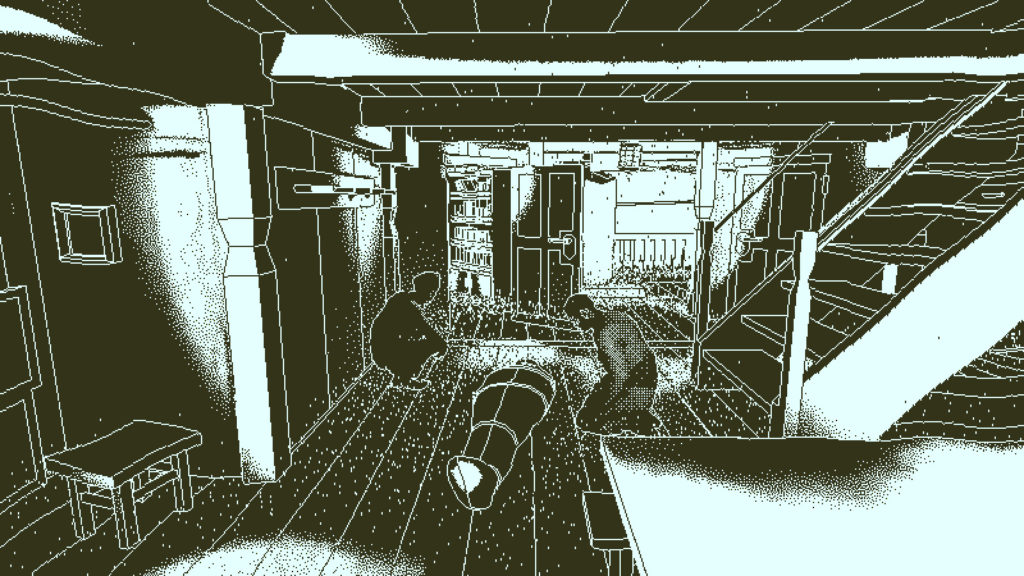


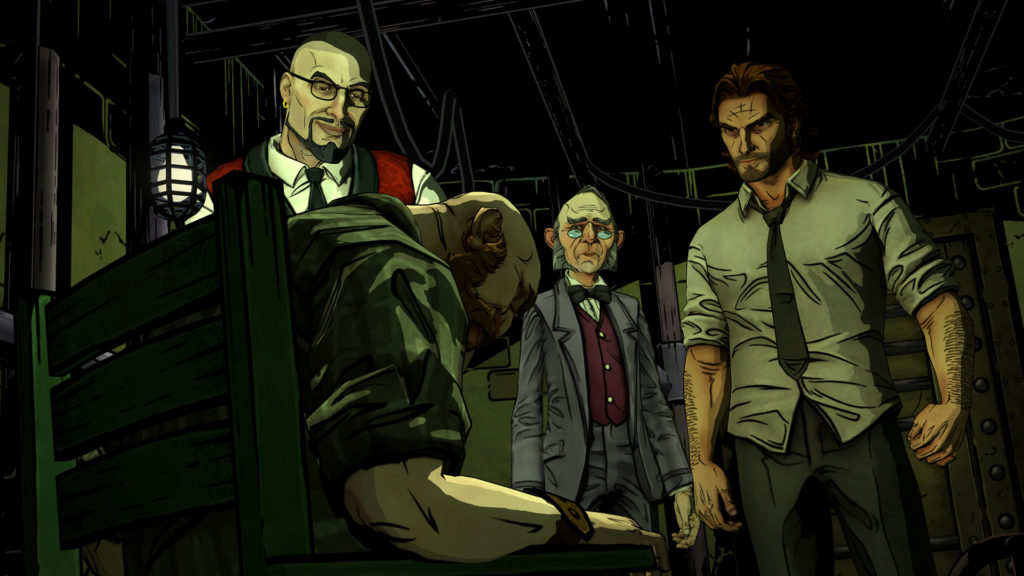
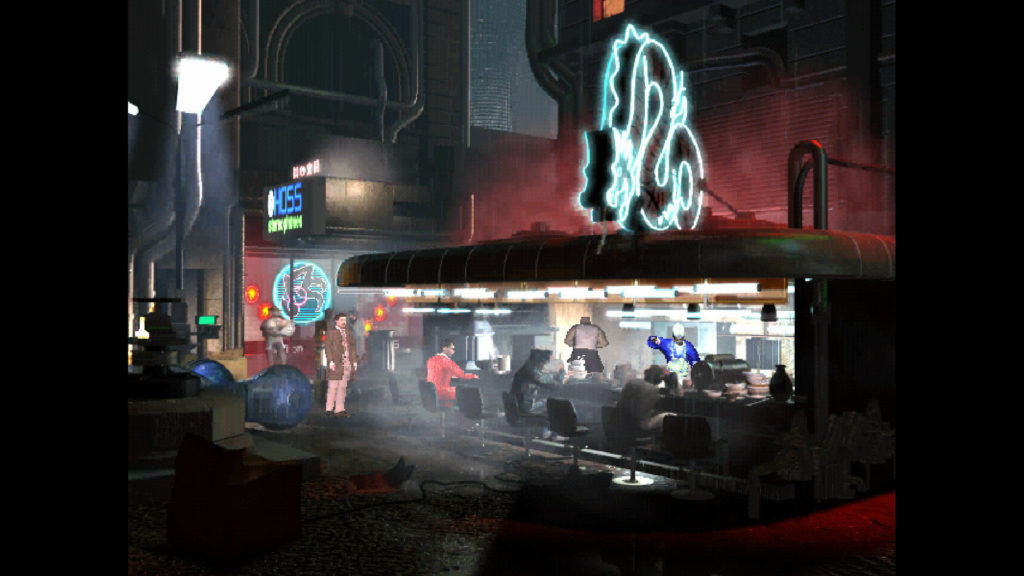
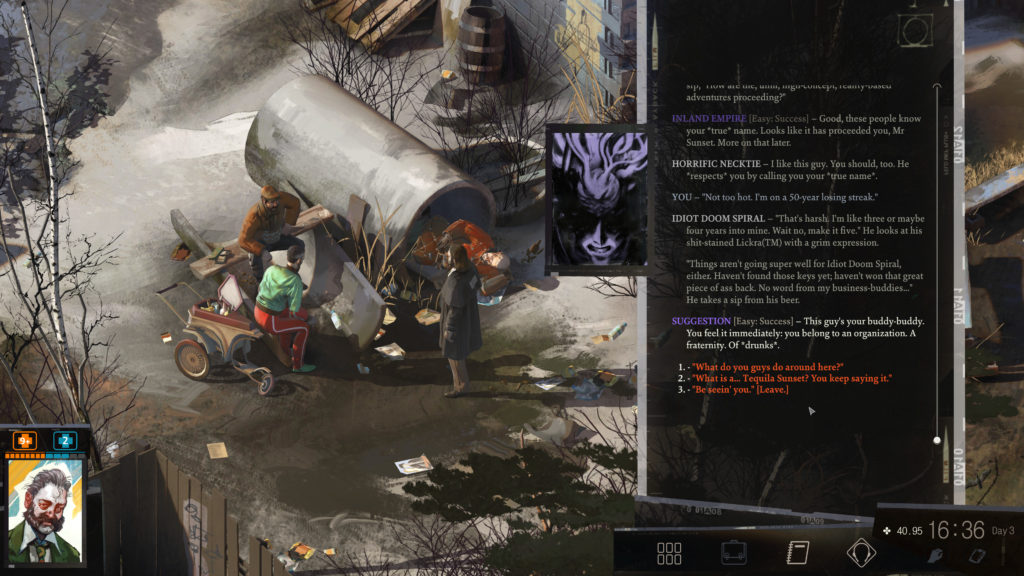
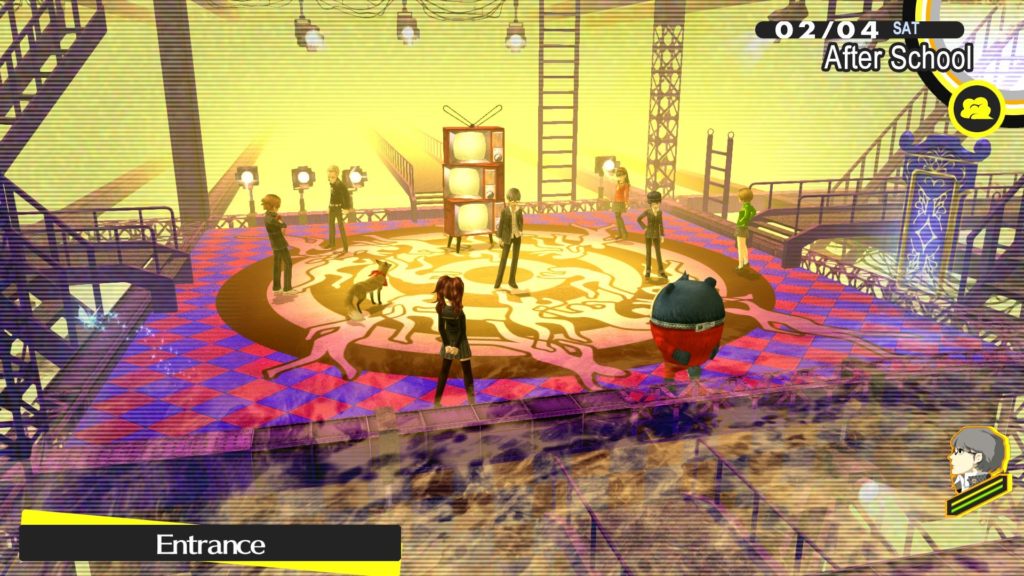
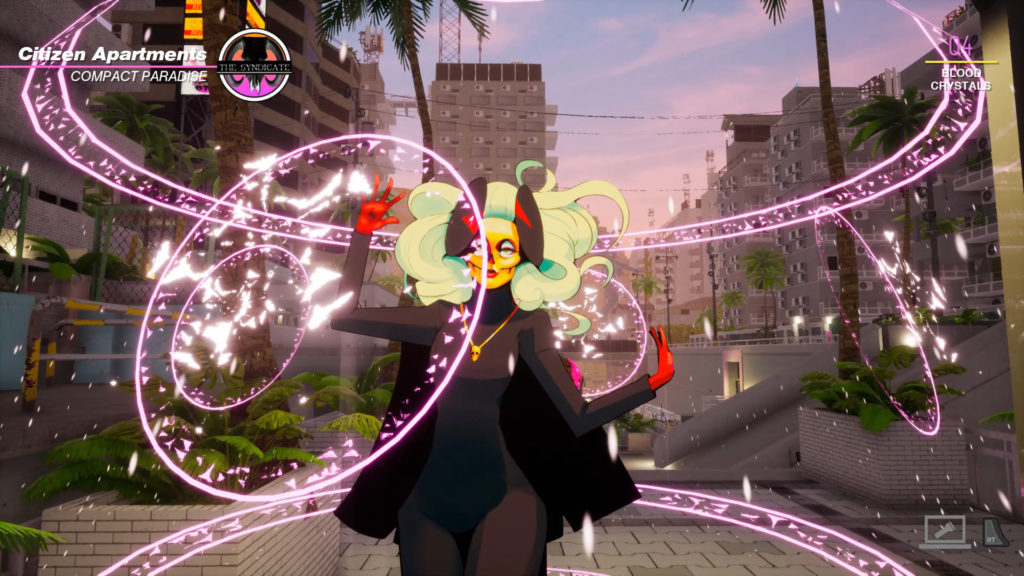
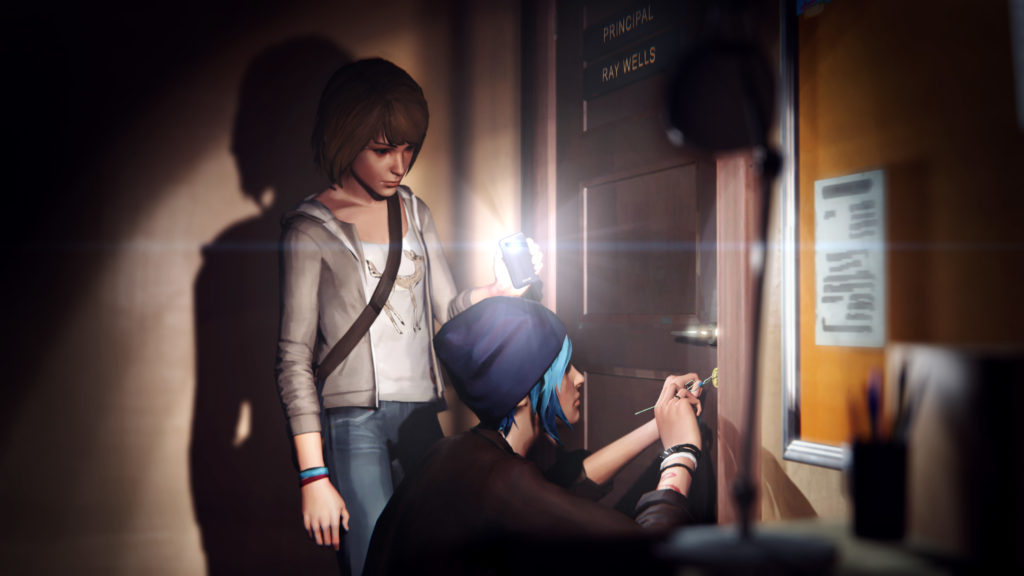
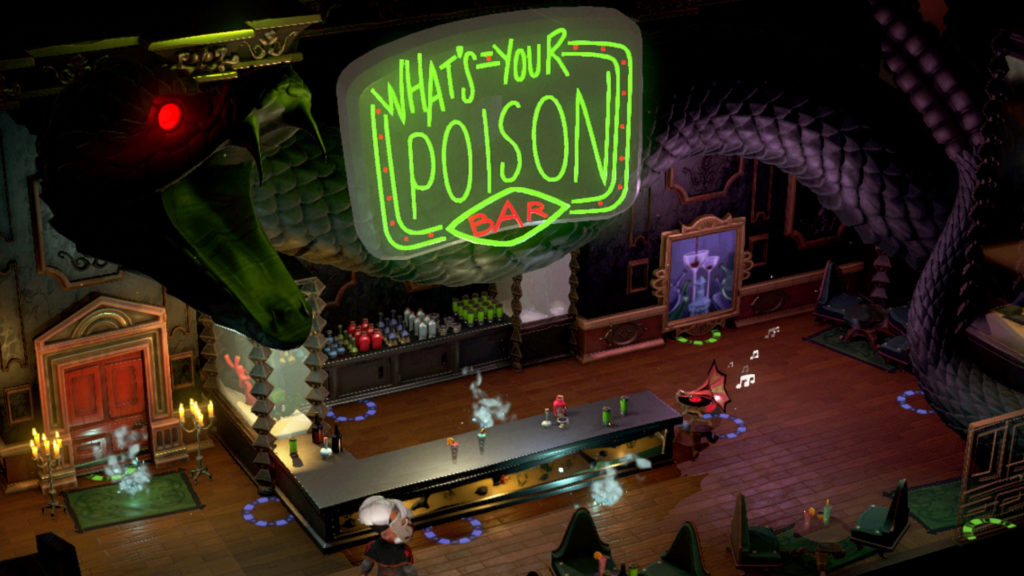
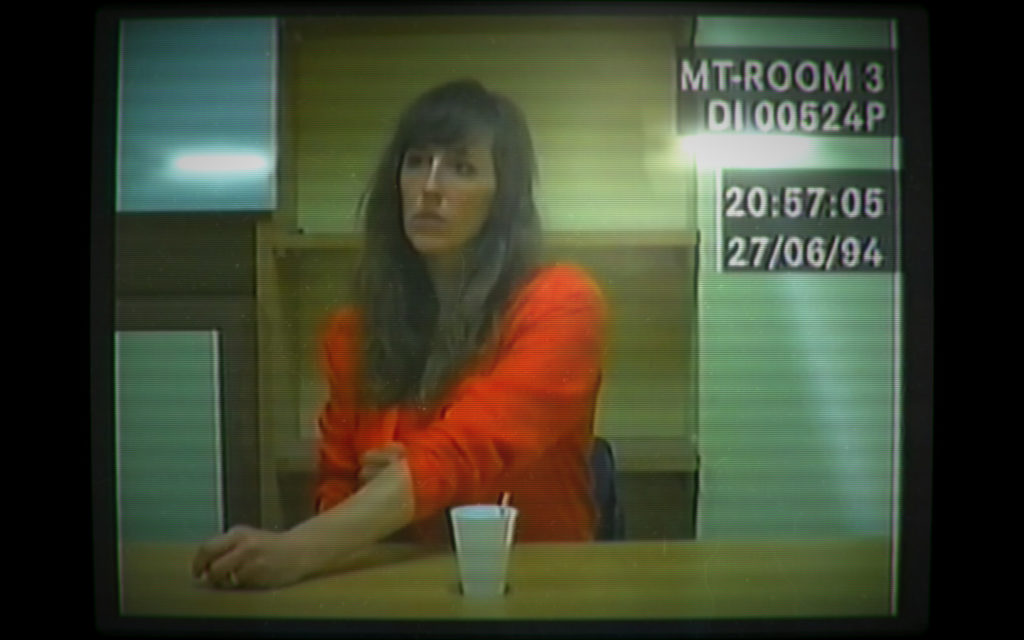
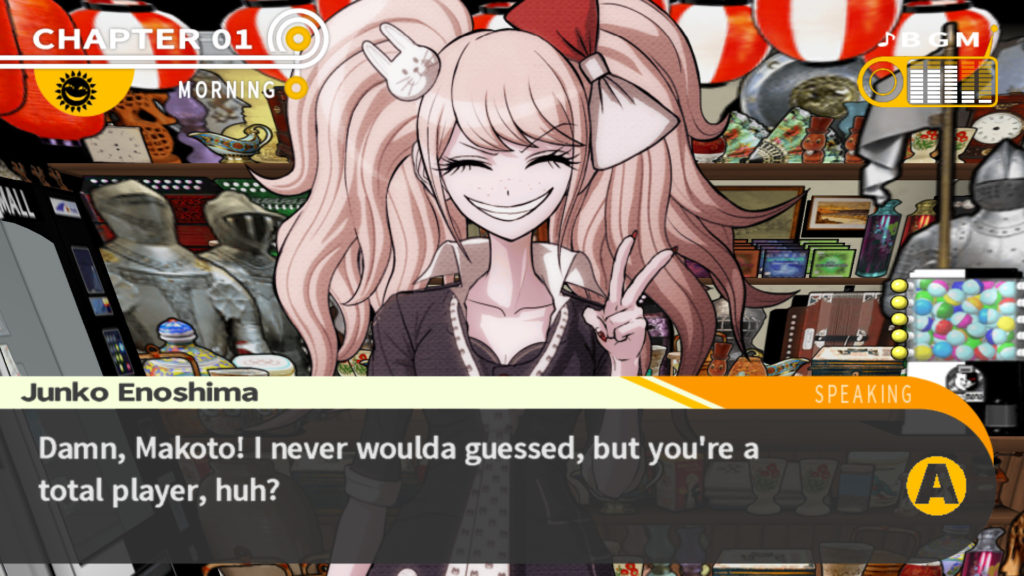
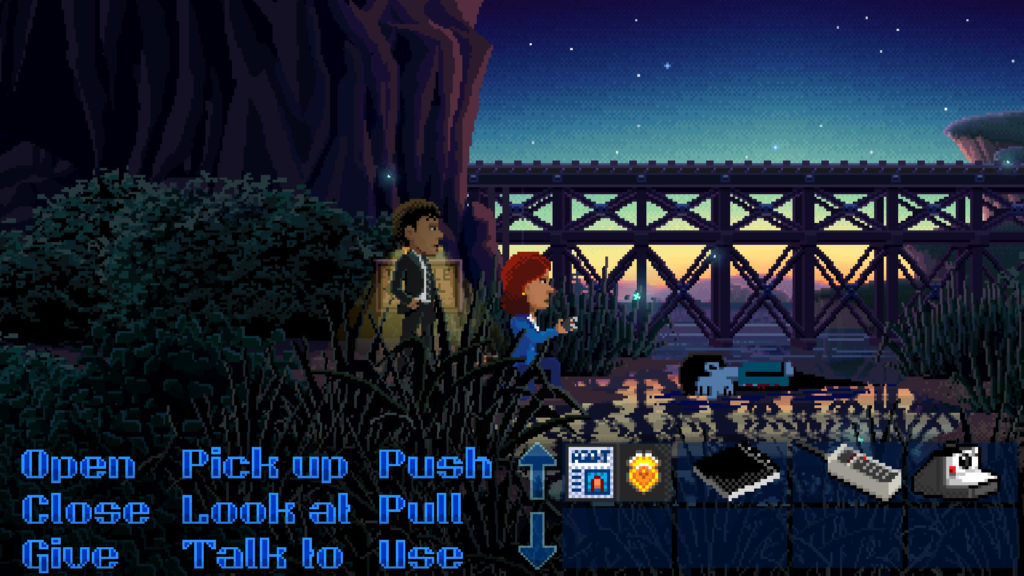
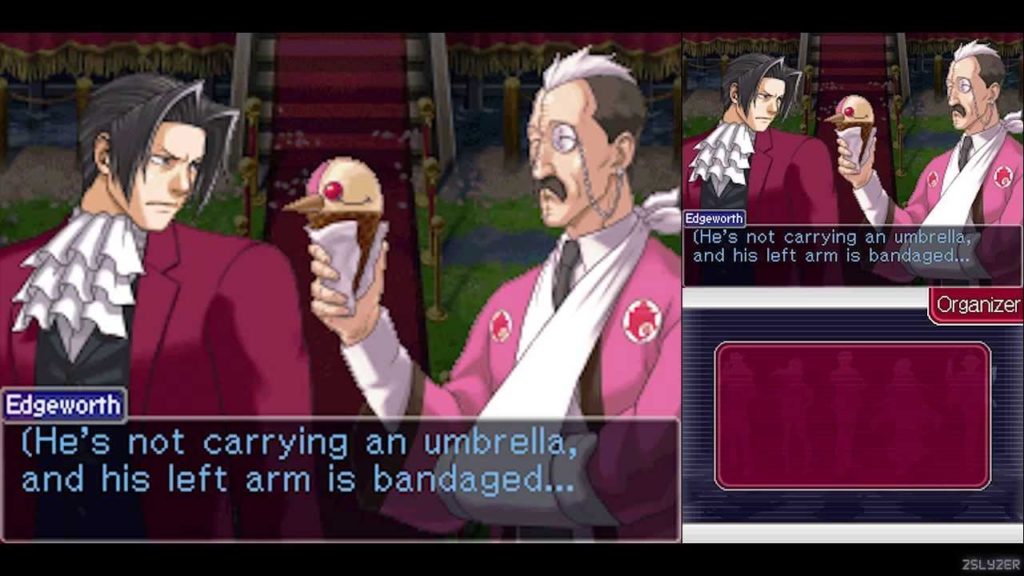
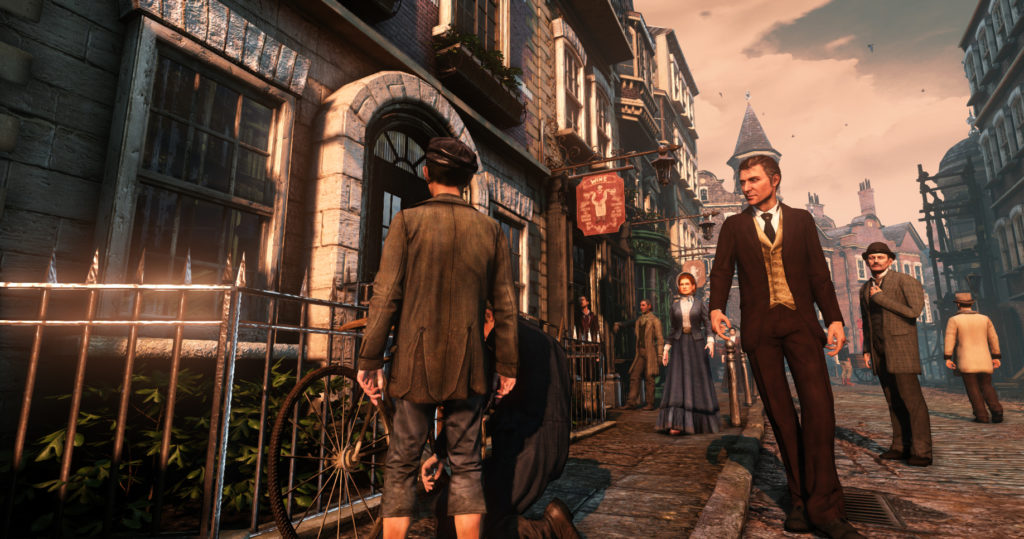
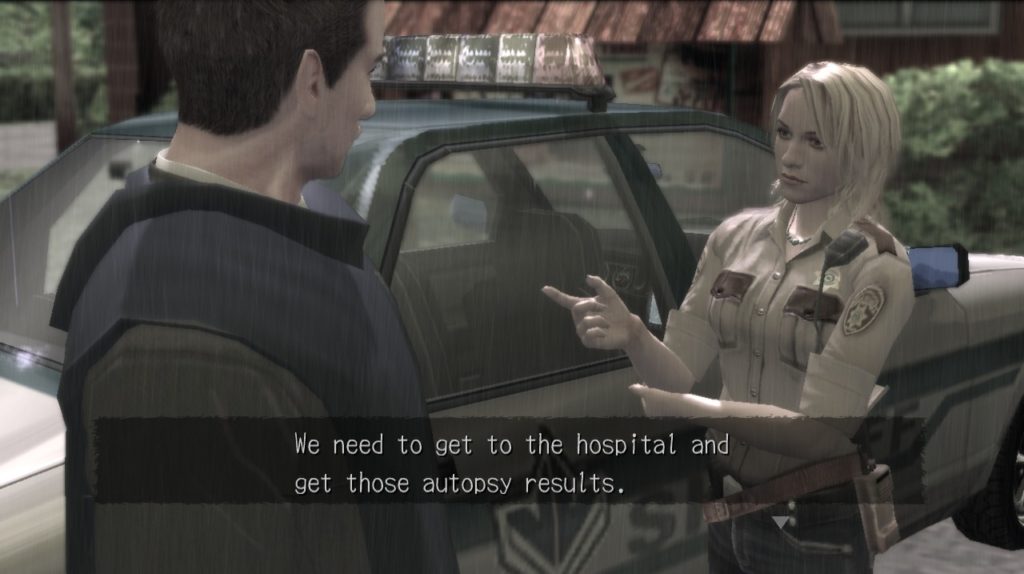
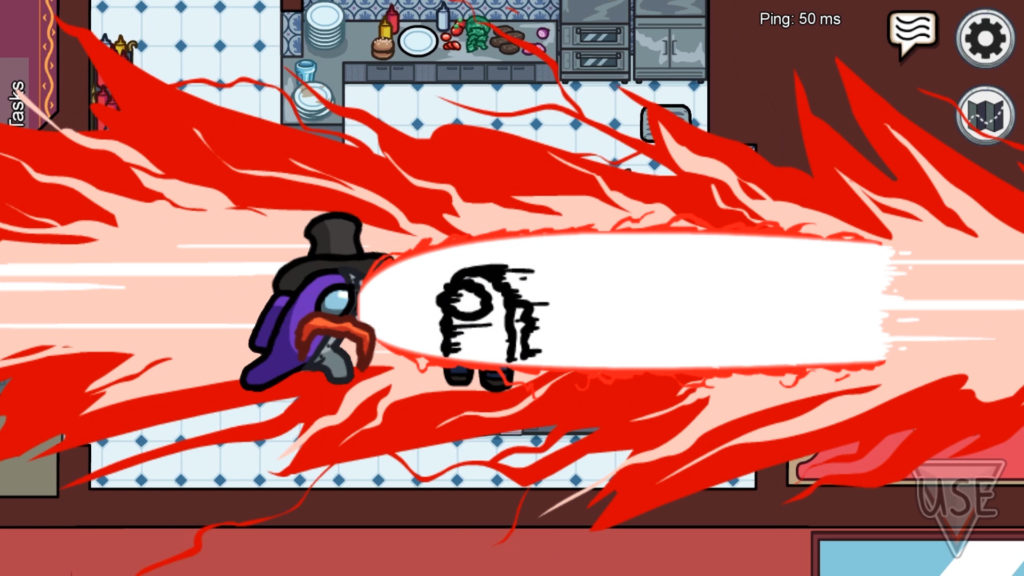
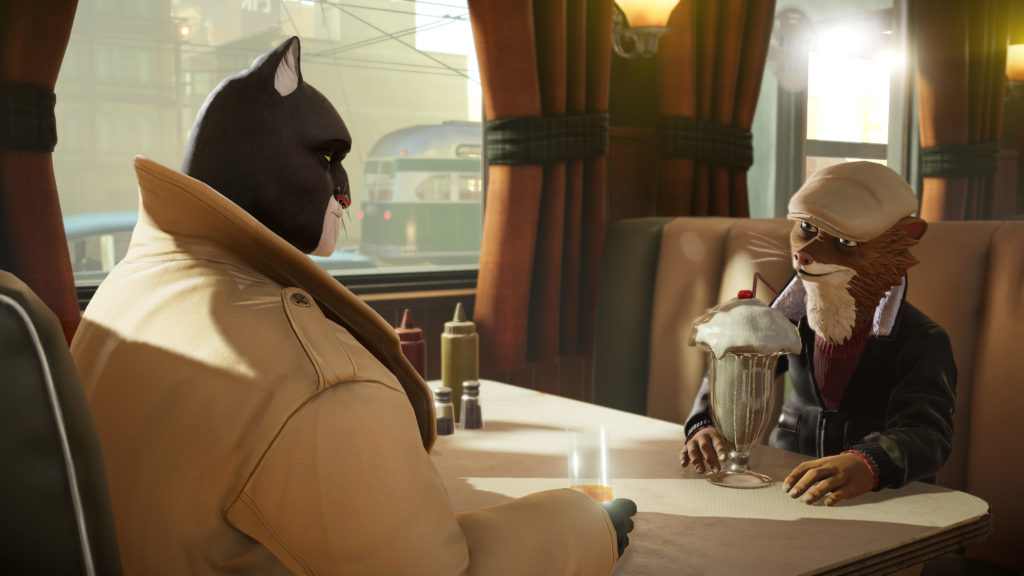
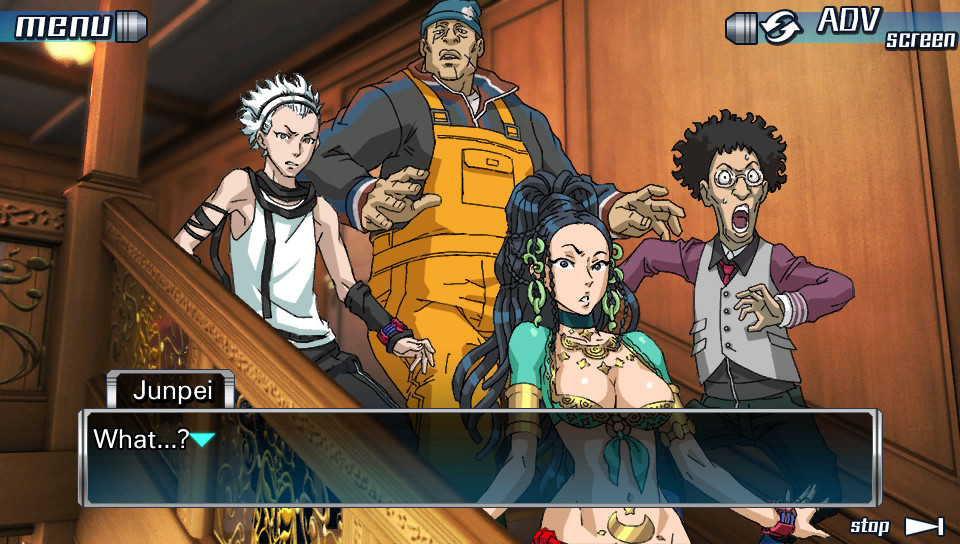
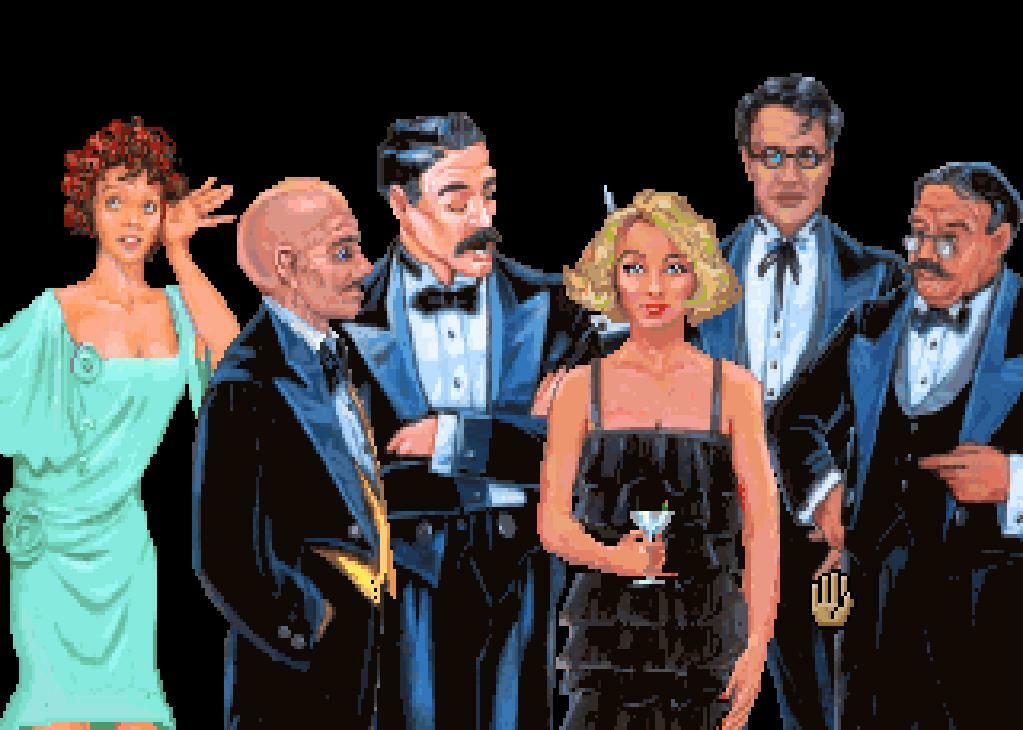


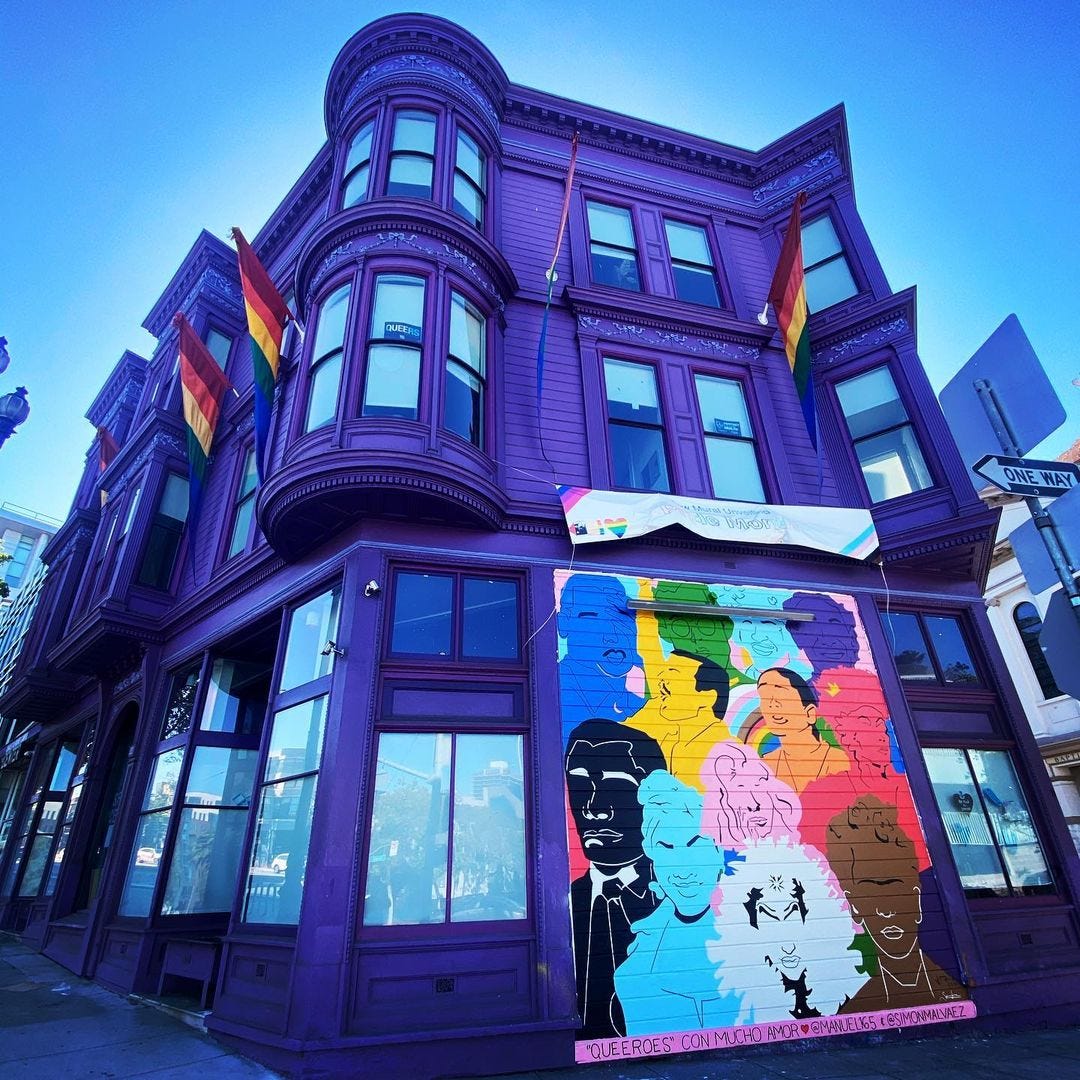


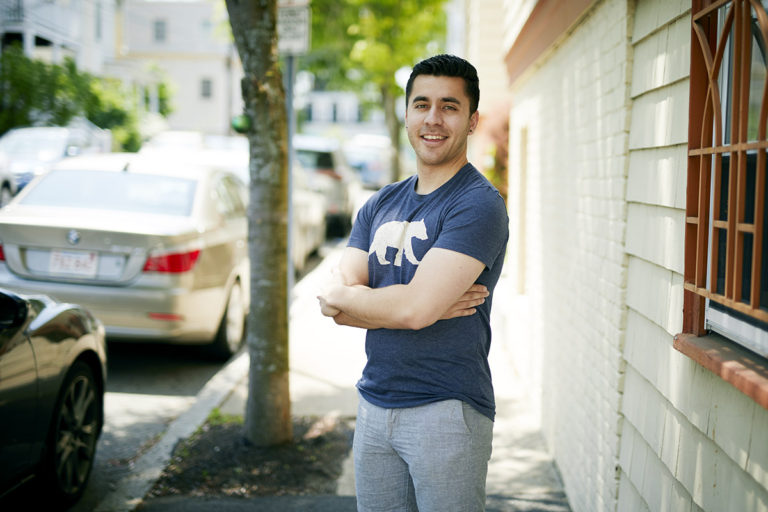




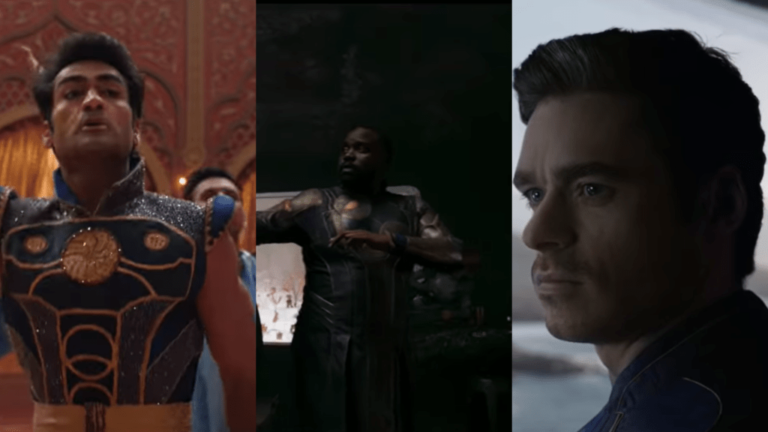


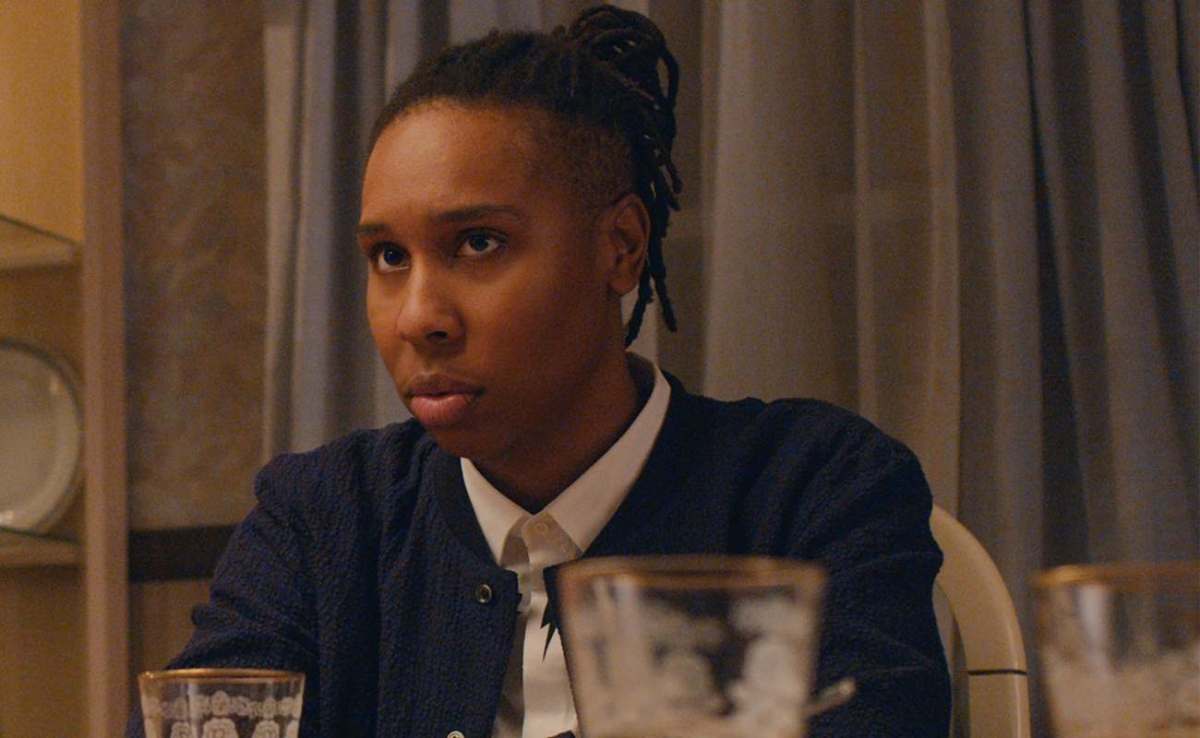
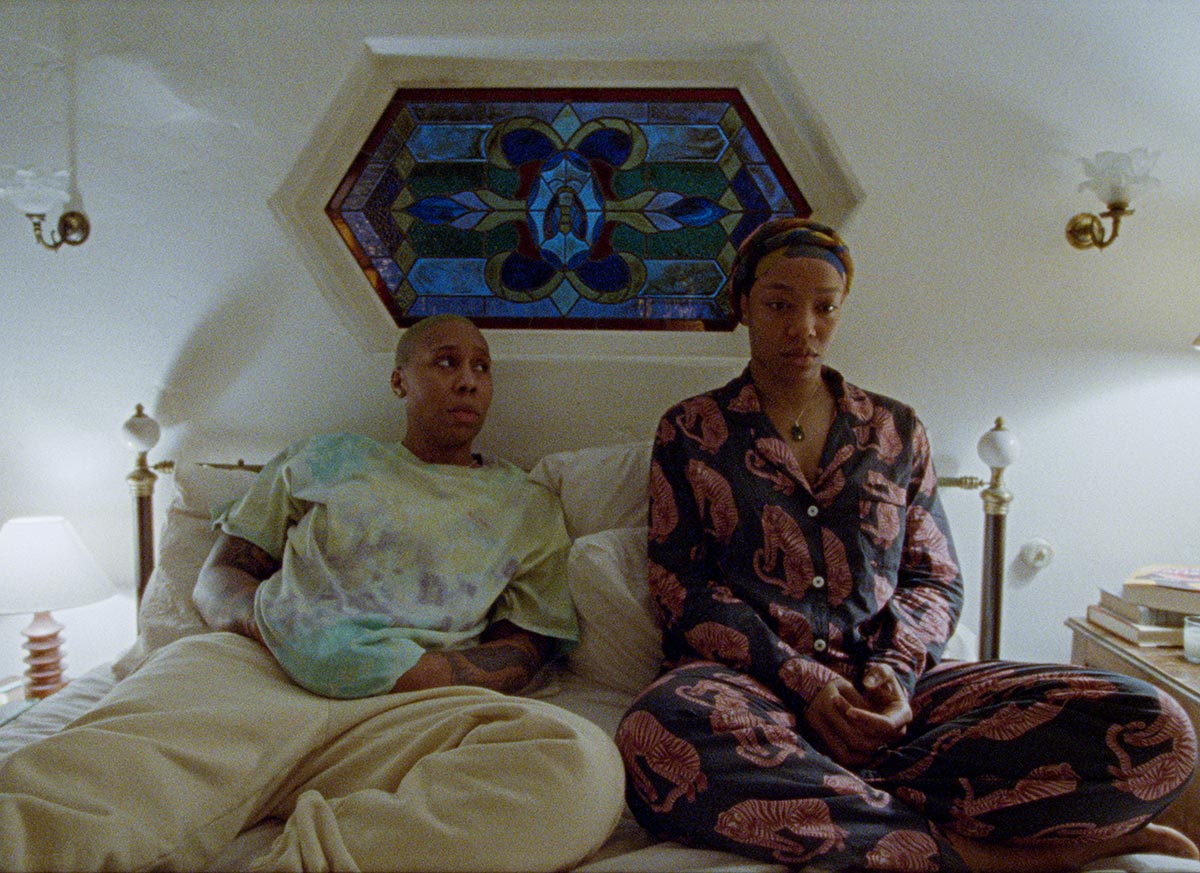
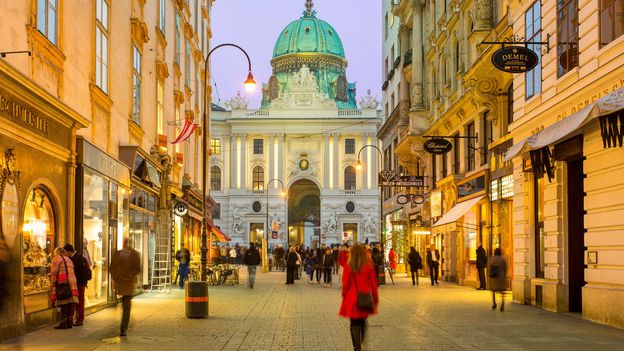
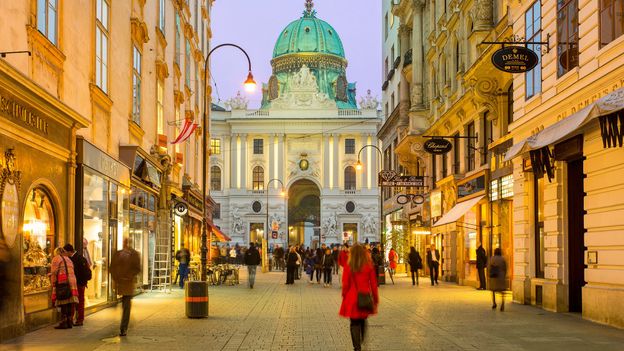


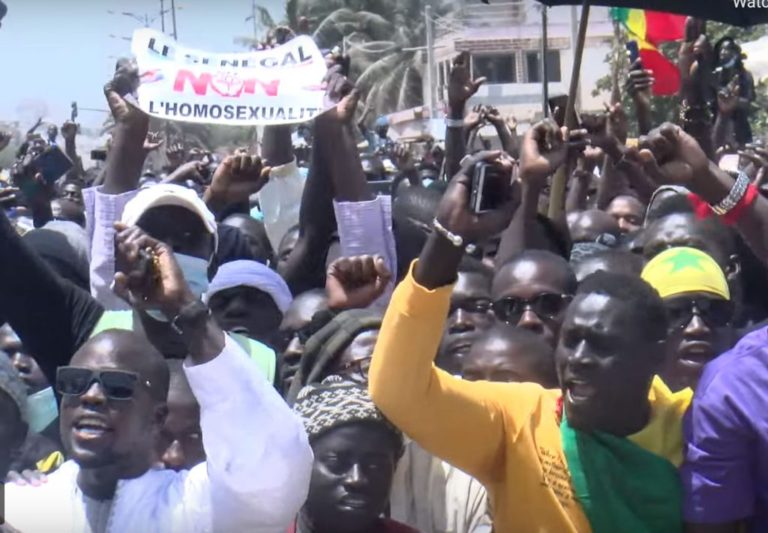
 100vw, 662px”><figcaption id=) Protesters against homosexuality gathered in Dakar, Senegal, on May 23 to call for a harsher anti-gay law.
Protesters against homosexuality gathered in Dakar, Senegal, on May 23 to call for a harsher anti-gay law. 100vw, 662px”><figcaption id=) Speakers at the May 23 protest called on Muslims to oppose homosexuality with violence, if necessary.
Speakers at the May 23 protest called on Muslims to oppose homosexuality with violence, if necessary. ” data-medium-file=”https://76crimes.com/wp-content/uploads/2021/05/Anti-gay-protest-Senegal-May-23-2021-300×155.jpg” data-large-file=”https://76crimes.com/wp-content/uploads/2021/05/Anti-gay-protest-Senegal-May-23-2021-1024×530.jpg” loading=”lazy” class=”size-large wp-image-41214″ src=”https://76crimes.com/wp-content/uploads/2021/05/Anti-gay-protest-Senegal-May-23-2021-1024×530.jpg” alt width=”662″ height=”343″ srcset=”https://76crimes.com/wp-content/uploads/2021/05/Anti-gay-protest-Senegal-May-23-2021-1024×530.jpg 1024w, https://76crimes.com/wp-content/uploads/2021/05/Anti-gay-protest-Senegal-May-23-2021-300×155.jpg 300w, https://76crimes.com/wp-content/uploads/2021/05/Anti-gay-protest-Senegal-May-23-2021-768×398.jpg 768w, https://76crimes.com/wp-content/uploads/2021/05/Anti-gay-protest-Senegal-May-23-2021-1536×795.jpg 1536w, https://76crimes.com/wp-content/uploads/2021/05/Anti-gay-protest-Senegal-May-23-2021-2048×1060.jpg 2048w, https://76crimes.com/wp-content/uploads/2021/05/Anti-gay-protest-Senegal-May-23-2021-561×290.jpg 561w, https://76crimes.com/wp-content/uploads/2021/05/Anti-gay-protest-Senegal-May-23-2021-1122×581.jpg 1122w, https://76crimes.com/wp-content/uploads/2021/05/Anti-gay-protest-Senegal-May-23-2021-364×188.jpg 364w, https://76crimes.com/wp-content/uploads/2021/05/Anti-gay-protest-Senegal-May-23-2021-728×377.jpg 728w, https://76crimes.com/wp-content/uploads/2021/05/Anti-gay-protest-Senegal-May-23-2021-608×315.jpg 608w, https://76crimes.com/wp-content/uploads/2021/05/Anti-gay-protest-Senegal-May-23-2021-758×392.jpg 758w, https://76crimes.com/wp-content/uploads/2021/05/Anti-gay-protest-Senegal-May-23-2021-1152×596.jpg 1152w, https://76crimes.com/wp-content/uploads/2021/05/Anti-gay-protest-Senegal-May-23-2021-93×48.jpg 93w, https://76crimes.com/wp-content/uploads/2021/05/Anti-gay-protest-Senegal-May-23-2021-185×96.jpg 185w” sizes=”(max-width: 662px) 100vw, 662px”><figcaption id=) “Say No to Homosexuality” protest in Dakar, Senegal, on May 23. (Photo courtesy of DakarActu)
“Say No to Homosexuality” protest in Dakar, Senegal, on May 23. (Photo courtesy of DakarActu)