Home Blog Page 153

Marriott Bonvoy And YouTube Pledge Big To 2022 Gay Games ~ – Philanthropy Women

The 2022 Gay Games in Hong Kong have acquired essential support from both Marriott Bonvoy and YouTube, the new main sponsors.

Marriott Bonvoy and YouTube have pledged Platinum Level support, becoming the main partners and sponsors for the 2022 Gay Games in Hong Kong. (Image credit: Gay Games Hong Kong 2022)

(June, 2021) Gay Games 11 Hong Kong 2022 today announced iconic global brands as their first sponsoring partners. Marriott Bonvoy and YouTube have proudly pledged their Platinum Level support for the Games, the largest inclusive sporting and cultural event of its kind.

“We are proud to be one of the main sponsors for the Gay Games 11,” said Bart Buiring, Chief Sales and Marketing Officer, Marriott International, Asia Pacific. “With Marriott Bonvoy’s portfolio of more than 800 properties and 24 exciting brands across Asia Pacific, our doors are always open to welcome all. This sponsorship is just one way we showcase our long-standing commitment to celebrate diversity and inclusion, inspiring travelers to be their true authentic selves whoever and wherever they are.”

From hotel lodgings to shopping and local tourist attractions, the estimated economic impact of the Gay Games in Hong Kong is expected to generate over HK$1billion in the city. It will be one of the biggest events to be held in Hong Kong as the region begins to recover and move onwards from the global COVID-19 pandemic that has affected the hospitality and tourism sectors particularly hard.

 “Gay Games 11 Hong Kong 2022 is happening and we’re thrilled to have this first slate of internationally renowned brands joining this historic project”, said Christof Wittig, Director of Fundraising and Partnerships. “Their support speaks volumes about the values these partners stand for and the immense opportunity for Hong Kong, regional and global businesses to partner with the Gay Games.”

An Historic Event for Hong Kong

Expecting to welcome over 12,000 participants and 75,000 spectators from 100 countries, the Gay Games promise to be a major event contributing to Hong Kong’s hospitality and tourism sectors. 

Commenting on the anticipated substantial economic benefits, Stephen Phillips, Director-General of InvestHK, the HKSAR government department tasked to attract foreign direct investment, said “We are delighted to be a supporting organisation.  Of course, the economic benefits will be welcome. The participation of international companies and talent from around the world is a great opportunity to showcase the diversity and vibrancy of our city.”

Further supporting this sentiment, Gay Games 11 Hong Kong 2022 Advisory Committee member Ming-Wai Lau, Chairman of Ocean Park, remarked that the Gay Games will be “a liberal and inclusive event in Hong Kong while contributing to economic and tourism growth”.

The Most Inclusive Gay Games in History

Founded in San Francisco in 1982 by Dr. Tom Waddell, Gay Games has become the world’s largest sporting and cultural event led by LGBTQ+ sport participants, artists, and musicians. Gay Games 11 Hong Kong 2022 marks the special 40th anniversary of the Gay Games. The Games is proudly organised and funded by the community, participants and commercial partners. The funds will ease the financial hardship for participants from across Asia and the world to join the Gay Games for the first time and make Gay Games 11 Hong Kong 2022 the most diverse edition of the Games in its history.

“Gay Games 11 Hong Kong 2022 is inviting the rest of the world.”, said Lisa Lam co-chair. “The Gay Games Hong Kong’s unique combination of sport, arts, culture, fun and community brings together diverse groups of people to experience moments of joy, creating unity and positive attitudes that will last a lifetime in Hong Kong, Asia and beyond under our tagline “Unity in Diversity” added Dennis Philipse, founder and co-chair of the Gay Games 11 Hong Kong 2022 team. 

An increase in participation levels amongst youths (18-25 years old), women and transgender communities is one of the ambitions for the organizers.

Learn more about how we can make history, together, here.

___________________________

About Gay Games 11 Hong Kong 2022

Gay Games 11 Hong Kong will take place in 11-19 November 2022, first time in Asia. We are expecting 12,000 participants, 75,000 spectators and 3,000 volunteers from 100 countries under the theme “Unity in Diversity.” There are 36 sporting events planned including Dragon Boat Racing, Dodgeball, eSports, and Trail Running, Opening & Closing ceremonies, Festival Village, and Arts & Culture events with daily performances, a Gala Concert, LGBTQ+ art exhibitions, and memorial events to celebrate the 40th anniversary of the Gay Games. Supporting organisations include the Equal Opportunities Commission and BrandHKBuilding on the success of the Paris Gay Games 10 in August 2018, Gay Games 11 will have an estimated economic impact of HKD 1 billion (USD 128 million), comprising 300,000 hotel room bookings and associated consumption revenue, and millions of pictures on social media #HongKong.

Website | Facebook | Twitter | LinkedIn | Instagram | YouTube

About the Federation of Gay Games (FGG)

The FGG mission is to promote equality and social change for LGBTQ+ people through its quadrennial sports and culture event, the Gay Games. Conceived by Dr. Tom Waddell, an Olympic decathlete, the Gay Games principles are “Participation, Inclusion and Personal Best™” and it was first held in San Francisco in 1982. It is now the world’s largest quadrennial LGBTQ+ sports and cultural event open to all, that is organized and led by LGBTQ+ artists and athletes. Gay Games have been held in San Francisco (1986), Vancouver (1990), New York (1994), Amsterdam (1998), Sydney (2002), Chicago (2006), Cologne (2010), and Cleveland+Akron (2014). The most recent Gay Games, in Paris (2018), involved over 10,000 participants from 91 countries, 3,000 volunteers, 36 sports.

Website | Facebook | Twitter | LinkedIn | Instagram | YouTube

Related:

What Can Feminist Philanthropy Do to Address Sexism In Video Games?

New YouTube Documentary Follows Gender Justice Pioneers

How Can Feminist Funding Shift Games Culture?
Two years later: Rockford Pride Month proclamation still a ‘big deal’ – Rockford Register Star

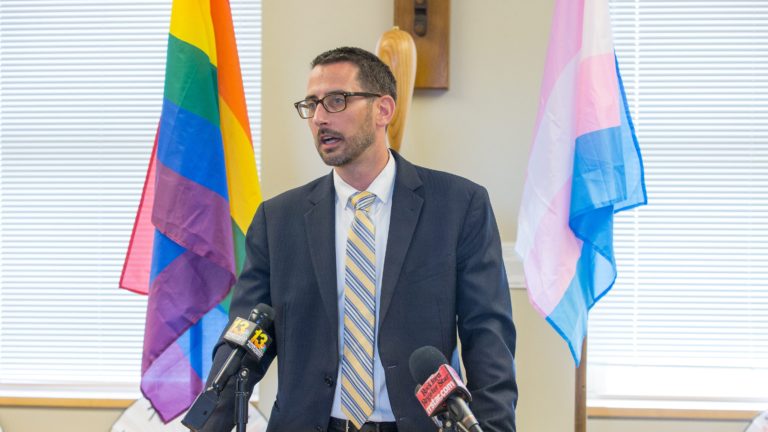
ROCKFORD — Mayor Tom McNamara read a proclamation Tuesday at City Hall proclaiming the city’s recognition and support of Pride Month. 

“This recognition is absolutely critical when you consider these individuals have lived in the shadows decades,” he said. “They have been subject to discrimination, prejudice, marginalization and downright hatred simply for wanting to proclaim their love for others.”

The mayor said Rockford is welcoming to all, and the city’s strength lies in its diversity.

2019:Rockford improves LGBTQ inclusiveness

2016:Rockford provides some, but not many, safe places for LGBTQ youth

Pride Month is a celebration of 52 years since the Stonewall Riots in the Greenwich Village neighborhood of Manhattan, New York City. The June 28,1969, police raid of a gay bar called the Stonewall Inn sparked the gay rights movement. The month is also an acknowledgement of the work that still needs to be done in order to achieve equality for all LGBTQ Americans.

The purpose of the commemorative month is to recognize the impact and contributions of the lesbian, gay, bisexual, transgender and queer community throughout the nation’s history.

In 2019, McNamara became the first mayor in Rockford’s history to provide a Pride Month proclamation.

Chris Greenwood, a member of the city’s human relations department, joined the mayor in the reading of the proclamation.

He cited data from the Centers for Disease Control and Prevention, which identified suicide as one of the leading causes of death among youths and young adults ages 10 to 24.

“That is not acceptable,” he said.

More:In death, transgender teen still shapes Harlem culture

He added, “For me, LGBT visibility is important because people can see hope in the future where they couldn’t before. Young boys and girls, when they see an out and proud firefighter or police officer or politician, they can say, ‘Hey. I can do that. I can stand proud. I can be one of them.'”

Brian Finn, co-owner of The Office Nightclub, 513 E. State St., said the proclamation was a “big deal” two years ago and remains so today.

“We feel heard and acknowledged,” he said of the proclamation. “We are very fortunate to have the unwavering support of the office of the mayor, the city of Rockford and all its departments.”

The public is invited to attend The Office’s Pride Alley Party from 3 to 8 p.m. Saturday. The free event will feature five food trucks, 32 vendors, guest speakers and live entertainment.

Chris Green: cgreen@rrstar.com; @chrisfgreen 

Read This If You’re Asking Yourself ‘Am I Queer Enough?’ – Healthline

This article is for anyone who’s ever asked themselves “Am I queer?” or “Am I queer enough?”

(Spoiler alert: The answer to the first Q = the answer to the second Q).

Here we go!

Typically an umbrella term, “queer” is an identifier that means outside the norm of society, explains Eva Bloom, a queer peer sexuality educator, sex science communicator, and creator of F*ck the Patriarchy, F*ck Yourself, a shame-busting program for non-men.

The so-called norms of society that they’re referring to are cisgender, allosexual, and heterosexual.

“If you’re anywhere outside those identifiers — even a little bit! — you can be queer,” they say.

Sometimes people who are “not straight” or “not cisgender” or “not allosexual” might identify “just” as queer.

And sometimes they may layer “queer” alongside another identity. For example, someone might be a queer bisexual dyke, or a queer trans man, or a queer biromantic asexual.

“Historically, ‘queer’ was used as a slur against the queer community,” says Rae McDaniel, a licensed clinical counselor and gender and sex therapist based in Chicago.

Starting in the 18th century, the word started to get slung at people assumed to be “homosexual” or “engaging in homosexual activity.” Folk who fell outside the acceptable versions of “man” and “woman” also fell victim to the word.

However, in the late 1980s/early 1990s, LGBTQ+ communities began to reclaim the term both as a personal identifier (“I am queer”) and as a field of study (queer theory), says McDaniel.

What fueled this reclamation? Mainly, anger. During the AIDS epidemic, LGBTQ+ communities were (rightfully!) pissed at the lack of response (or compassion!) from doctors, politicians, and unaffected citizens.

Out of spite and in power, LGBTQ+ people began using the word as both an identity and a rallying cry. “We’re here, we’re queer, we will not live in fear,” for example, became a common march chant.

“For some people, especially those alive at a time when queer was used exclusively as a slur, queer is still a dirty word,” says McDaniel.

As such, you should never call someone queer unless that’s a word they would use to refer to themselves.

Due to its history as a slur, many (queer) people see it as having political power.

“For many, identifying as queer is a way of saying ‘I resist cis-hetero patriarchal society that stuffs people into tiny cisgender, heterosexual boxes,’” says McDaniel. For these folks, queerness is about trying to disrupt the people, systems, and institutions that disadvantage minorities.

For them, “queerness is about freedom to be yourself while also working towards others’ freedom as well,” they say.

For the record, you don’t have to be queer to be invested in actively disrupting systems of oppression!

Straight, cisgender, allosexual individuals can and should be doing this activist work, too.

That’s a question only you can answer!

If you answer yes to one or more of the following questions, you may be queer:

  • Does the term “queer” elicit feelings of excitement, euphoria, delight, comfort, or joy?
  • Does it give a sense of belonging or community?
  • Does the fluidity of queerness feel freeing?
  • Does your gender exist outside of society’s understanding of acceptable manhood or womanhood?
  • Is your sexuality something other than straight?
  • Do you experience sexual attraction somewhere on the asexual spectrum?

Remember: “You don’t need to have gone through a physical transition, have a particular kind of gender expression, or even have a queer dating or sexual history in order to claim the label,” says Casey Tanner, a queer licensed clinical counselor, certified sex therapist, and expert for pleasure product company LELO.

“It refers to a sense of self, rather than any behavior or appearance,” adds Tanner.

If you’re queer, you’re queer enough. Full stop.

Unfortunately, many people who want to identify as queer worry that they’re somehow not adequately queer or queer enough to take on the term for themselves. (Tanner says this is known as “queer imposter syndrome.”)

Bloom notes this is an especially common phenomenon among bi+ women and femmes — especially those who have a history of dating men or are currently in a relationship with a nonqueer man.

“Often, the question of ‘Am I queer enough?’ is the result of internalized biphobia and femme-phobia,” she says. Blergh.

While this feeling of inadequacy is common, they say, “You don’t have to worry, sweetie, if you’re queer, you’re queer enough.”

That stands if:

  • You’re in a so-called “straight passing” relationship, aka a relationship others assume to be heterosexual.
  • Nobody knows you’re queer but you.
  • You’re a new member of the LGBTQIA+ community.
  • You’re not physically “clockable” or identifiable as queer.
  • You don’t have any queer friends.
  • You have no sexual or dating history.
  • Your sexual and dating history doesn’t “confirm” your queerness.

No doubt, there’s tremendous privilege that accompanies “passing” as straight (aka not being publicly identifiable as queer).

But, “on the flip side, queer (and bi+) invisibility is associated with increased depression and anxiety and decreased access to affirming healthcare,” says Tanner.

Why? “We all crave being seen and accepted for who we are, and if we aren’t seen, we aren’t accepted,” she says.

Further, not feeling queer enough to enter queer spaces isolates people from the opportunity to make queer friends and join a queer community, says McDaniel.

“And connection to community is an important part of resiliency,” explains McDaniel. “So not feeling able to enter, welcomed by, or seen as queer by the people in your life can have profound impacts on mental health, self-esteem, and self-efficacy.”

The short answer: Connect to the queer community. These avenues can all help.

Read queer books

“Consuming a wide variety of queer stories is an excellent way to normalize queerness for yourself, and even see yourself in the pages,” says Bloom.

Queer memoirs in particular can be powerful for identification. For example:

Watch queer movies and TV shows

“If you’re constantly consuming cisgender and or straight images and media, it becomes easy to forget to affirm the queer part of you,” says McDaniel.

On top of that, it can expedite feelings of inadequacy and otherness.

Listen to queer podcasts

From raunchy to educational, there are queer podcasts for every queer listener’s taste.

Trust, you’ll like all the below!

Follow queer people on Instagram

“Filling your feed with people who are unapologetic in their queerness, can both normalize queerness while validating your own queerness and identity,” says Bloom.

Following people who show off their queer joy, in particular, can be pretty damn invigorating, she says.

Get on TikTok, and maybe even participate

One of the great things about TikTok is how excellent the algorithm is at showing you the content you want to see.

To get on queer TikTok, mass-follow a bunch of the suggested accounts that pop up after following your fave queer comedian, celeb, sex educator, podcaster, or influencer. Then, enjoy falling down the rabbit hole of your now very queer For You feed.

“When you feel comfortable, you might participate in one of the TikTok sound overlays that applies to you,” says Bloom. “This may help other queer people find you, which may lead to friendships or community.”

Attend a queer event online

Thanks to the pandemic, there continue to be all sorts of online queer dance parties, matchmaking games, book readings, and performances, says Bloom.

“For some queer people, these online events feel less intimidating than in-person events because you can leave when you want, keep your camera off, and stay anonymous if you choose,” they say.

If that’s you, she says, “Attend, attend, attend!”

Keep hunting for community until you find one that affirms you

It’s important to remember that the queer community isn’t a monolith.

So, if you attend an event and don’t find queer people who affirm your queerness, keep looking, suggests McDaniel.

“I guarantee there are people out there in the world who will believe and affirm your queerness just because you tell them who you are,” they say. “And when you find them, it can be incredibly affirming and euphoric.”

Identity gatekeeping, which is the act of trying to limit access to who can use an identifier, happens with most gender and sexual identities. And every (!) single (!) time (!) it’s not only disgusting but potentially life endangering.

“Telling queer people that they aren’t queer enough or that they shouldn’t have access to the queer community is no small potatoes,” says Bloom. “It can be detrimental to someone’s mental health.

So, if you’re reading this and you’re being an identity gatekeeper, cut it out.

There are times that queer imposter syndrome and gatekeepers may make you feel otherwise, but if you’re queer, you ARE queer enough.

Queer is queer is queer is queer enough. We promise.


Gabrielle Kassel is a New York-based sex and wellness writer and CrossFit Level 1 Trainer. She’s become a morning person, tested over 200 vibrators, and eaten, drunk, and brushed with charcoal — all in the name of journalism. In her free time, she can be found reading self-help books and romance novels, bench-pressing, or pole dancing. Follow her on Instagram.

Florida governor OKs limits on transgender student athletes – Houston Chronicle

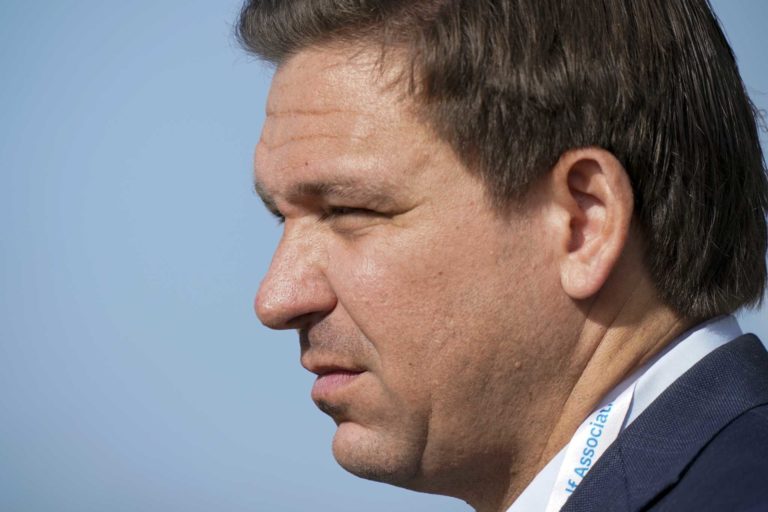
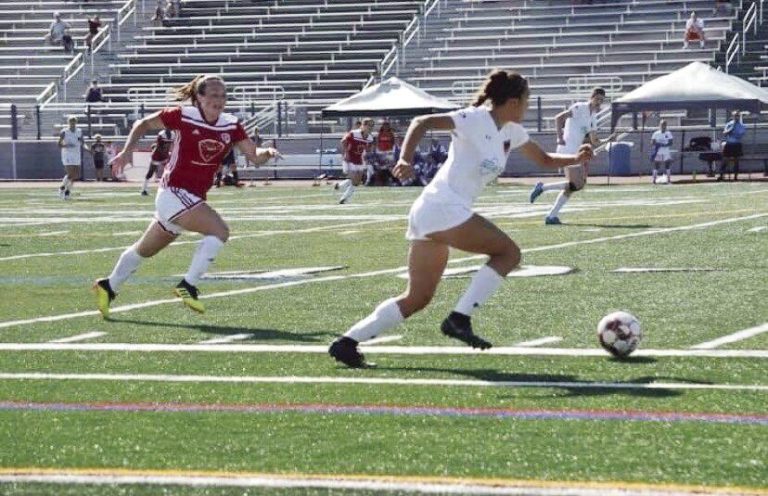
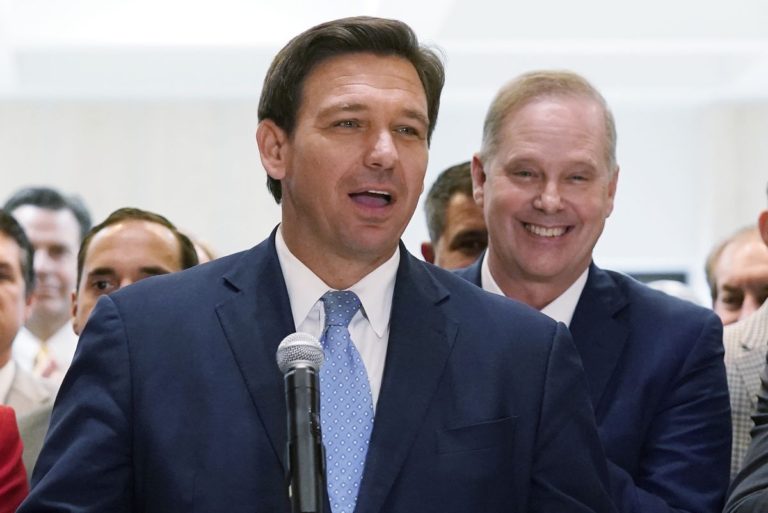
TALLAHASSEE, Fla. (AP) — Florida’s Republican governor signed a bill Tuesday barring transgender females from playing on public school teams intended for student athletes born as girls, plunging the state into the national culture war over transgender rights.

“In Florida, girls are going to play girls sports and boys are going to play boys sports,” Gov. Ron DeSantis said as he signed the bill into law at a private Christian academy in Jacksonville that would not be subject to the law. “We’re going to make sure that that’s the reality.”

The new law, sure to be challenged as unconstitutional, inflames an already contentious discussion unfolding nationally as Republican-controlled states move to limit the rights of LGBTQ people, whose advocates were particularly annoyed that the legislation was signed on the first day of Gay Pride Month.

The NCAA, which oversees college athletics, has said it has “a long-standing policy that provides a more inclusive path for transgender participation in college sports.” The NCAA currently requires transgender women to get treatment to lower their testosterone levels before they can compete in women’s sports.

When the Florida Legislature was considering the measure in April, the NCAA said it would commit championship games to “locations where hosts can commit to providing an environment that is safe, healthy and free of discrimination.”

High-profile athletic events, such as football bowl games and basketball tournaments, generate millions of dollars for local communities.

The measure approved by the GOP-led Legislature takes effect July 1. It says a transgender student athlete can’t participate without first showing a birth certificate saying she was a girl when she was born. It’s not clear whether all females must show their birth certificates, or only those whose gender is questioned. The proposal allows another student to sue if a school allows a transgender girl or woman to play on a team intended for biological females.

The final wording of the “Fairness in Women’s Sports Act” stripped away some of its most contentious elements, including a requirement that transgender athletes in high schools and colleges undergo testosterone or genetic testing and submit to having their genitalia examined.

But the legislation signed by the governor advances an underlying principle asserted by supporters: Biological differences between males and females make it unfair for athletes identified as boys at birth to compete on teams for girls and women. The law would not bar female athletes from playing on boys or men’s teams.

Human Rights Campaign President Alphonso David said the new law would not only harm transgender girls. “All Floridians will have to face the consequences of this anti-transgender legislation — including economic harm, expensive taxpayer-funded legal battles, and a tarnished reputation.”

Democrats and LGBTQ advocates said the law is discriminatory and will be challenged in court as unconstitutional.

“This is yet another hate-driven attack from the governor and Republican legislators, and it’s insulting that they’ve staged this morning’s photo-op on the first day of Pride Month,” said state Sen. Shevrin Jones. “At the end of the day, transgender kids are just kids.”

The ban was tucked at the last minute of the legislative session into a measure allowing public universities and colleges to sponsor charter schools — a point the governor did not mention during the bill signing. It was the transgender athletes provision that was front and center in Tuesday’s rhetoric.

“This bill is very simply about making sure that women can safely compete, have opportunities and physically be able to excel in a sport that they trained for, prepared for and work for,” said state Sen. Kelli Stargel, a Republican who championed the bill.

“This is nothing about anybody being discriminated against,” she said. “It’s solely so that women have an opportunity to compete in women’s sports.”

The Florida law mirrors an Idaho law, the first of its kind when enacted last year, that is now mired in legal challenges. GOP governors in Arkansas, Mississippi and Tennessee recently signed similar measures.

Efforts by conservatives to restrict rights of gay, lesbian and transgender people have spawned numerous battles in key arenas — not only in legislatures and courtrooms but also across the economy, and critics warned of looming consequences.

According to a 2017 Associated Press study, North Carolina stood to lose $3.8 billion over a dozen years because of a so-called “bathroom bill.” Those losses were averted when a 2019 settlement kept the state from barring transgender people from using bathrooms that conformed to their gender identity.

“Let me say very clearly: In Florida, we’re going to do what’s right to stand up to corporations, they are not going to dictate the policies in this state,” DeSantis said while flanked by students at the religious school. “We will stand up to groups like the NCAA who think that they should be able to dictate the policies in different states. Not here, not ever.”

A Connecticut track athlete, Selina Soule, joined the Florida governor at the news conference to talk about how she failed to advance in competitions because she competed against transgender athletes. She called it unfair.

That Soule was from out of state was not lost on critics who contend that the matter was not an urgent one for Florida, noting that just 11 athletes applied for screening by the Florida High School Athletic Association since adopting its transgender participation policy in 2013.

“This is not out of need or necessity,” said Orlando Gonzales, the executive director of SAVE, a South Florida gay rights advocacy group, during a news conference. “This is really just to throw red meat out there to really rally the base of people who are anti-LGBT.”

How to Support Dallas’ Queer Community During Pride Month – Thrillist

We’re here, we’re queer, and we’re finally leaving the house.

Texas Latino Pride

Dallas Pride has had more dramatic twists in its nearly 50-year history than all of Bridegerton, RuPaul’s Drag Race, and Ryan Murphy’s fever dreams combined. After the LGBTQ+ community’s first small-but-significant march shocked many a closed-minded local in 1972—a mere three years after the Stonewall riots in New York City—the city saw very few Pride-related festivities until the next parade in 1980. Three years later, as the parade grew in size and visibility, the traditional June celebration month was ditched in favor of a (hopefully breezier) September fest commemorating the late-summer judicial ruling, albeit brief, that overturned Texas’ sodomy law. (The law wouldn’t officially come off the books until 2003 when the Supreme Court struck them down in every state.) Then in 2019, Pride festivities and the Alan Ross Texas Freedom Parade moved away from the Oak Lawn entertainment district to Fair Park—a decision that split the community despite its popular return to June in honor of Stonewall’s 50th anniversary. And then, of course, came 2020. Like most cities worldwide, Dallas canceled IRL Pride in favor of two days of virtual gatherings and while it was a nice gesture, things just weren’t the same. 

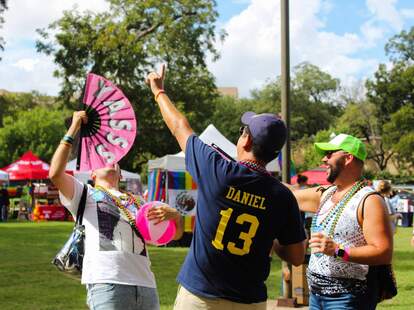
This weekend, however, Dallas Pride returns with a bang, featuring a full roster of in-person events around the city from Fair Park to the Oak Lawn gayborhood. It’s still going to look and feel different than years past, but, afterall, the LGBTQ+ community here (and everywhere) has never shied away from making showstopping lemonade out of lemons. Read on for all the ways you can celebrate and support Dallas-Fort Worth’s queer community this coming weekend, throughout the remainder of Pride month, and beyond.

Marsha Dimes
Marsha Dimes | Photo courtesy of Marsha Dimes

Dance, laugh, and cheer alongside the LGBTQ+ community at Dallas Pride 

With so many fabulous festivities crammed into just three days, you’ll need a spreadsheet to keep track of it all. Of course, the official Dallas Pride celebration returns to Fair Park (sans parade) with two nights of entertainment hosted by Marsha Dimes at the historic Fair Park Band Shell. Each night showcases a different lineup of performers, making a two-day pass worth considering. Over on Cedar Springs, the first-ever TRICK the Mini FEST takes over the lot next door to Woody’s for three days of music from a long list of DJs, dancing, plus contests to crown Lil’ Miss Trick and Mr. Trick.

Also this weekend: Crystal Queer Riot presents two “Reclaiming My Time” events include the Reclaiming My Time – Pride Dance Part and a Rooftop Pool Party; Viva’s Lounge Dallas hosts Release/Dallas Pride Official Dance Party; Grammy Award-nominated singer Ty Herndon kicks off Pride weekend at Cedar Springs Tap House; Bruce Wood Dance presents a beautiful display of sensual humanity over at Moody Performance Hall; and The Round-Up Saloon & Dance Hall brings Man Candy Disco to town.

Keep the Pride party going all month long 

Even though most of the local bashes go down on the first weekend of June, plenty of additional celebrations run throughout the month. Join the discussion with Grand Prairie Libraries and their Pride Squad on Tuesday, June 8. DIFFA gets back into its extravagant event prowess with Sunday Funday at Klyde Warren Park, its first-ever designer picnic complete with a picnic blanket, curated meal, and lots of high fashion on Sunday, June 13. Also that day, the town of Tyler hosts a Downtown Drag & Pride Walk in response to the recent assault of someone who asked about LGBTQ+ bars in the small East Texas town. Road trip, anyone?

Close out the last two weekends of the month with a trio of events, including a reason to (finally) don your best anti-gravity suit at the futuristic Out in Space party Saturday, June 19 at the Green Elephant. After a 16-month hiatus, the Turtle Creek Chorale men’s chorus returns to the stage on Sunday, June 27 for a live outdoor performance of holiday music in the summer heat (yep, Christmas in almost-July) to make up for last year’s crummy December. Then close out the month with LGBTQ SAVES and their CommUNITY Picnic in Fort Worth’s Trinity Park on the scenic shores of the Trinity River.

Spend your hard earned cash at queer-centric restaurants & bars

The city is rife with quality outposts owned and run by LGBTQ+ folks and their allies, most of which have set up shop along Cedar Springs Boulevard’s main strip. And even if a place isn’t specifically helmed by a queer-identified person, many of these establishments’ employees also land somewhere on the queer spectrum so patronizing these joints gives back to the community no matter how you slice it. 

Restaurants in the neighborhood include Hunky’s Old Fashioned Hamburgers, Roy G’s (named in honor of the popular acronym ROYGBIV representing the colors of the rainbow), Cedar Springs Tap House, Mario’s Mexican and Salvadorian Restaurant, Ai Sushi Sake Grill, Crickles & Co Brunch + Brews, Orno, and Street’s Fine Chicken. Outside the gayborhood, Salum Restaurant offers the best in fine dining from openly gay chef Abraham Salum.

When it’s time to commune over cocktails, you’ll find a bar to fit nearly every vibe right at the crossroads of Cedar Springs and Throckmorton. A few places remain temporarily shuttered due to COVID-19, but most have reopened to welcome us back with the sound of laughter and clinking glasses. JR’s Dallas, TMC (The Mining Company), and Woody’s all offer traditional video-bar drinking experiences. Soon-to-expand Alexandre’s offers the best in live music and cocktails in a cozy setting, while the see-and-be-seen Mr. Misster cocktail lounge stands tall as the most recent addition to the mix. And when you want a little boogie with your booze, The Round-Up Saloon is still one of the top spots in the world to country-western dance while Station 4 (S4) just made its triumphant return over Memorial Day Weekend, reopening its dance floor for the first time in more than 14 months. Off the strip, Barbara’s Pavilion in Oak Cliff has long served as a friendly, laid-back neighborhood bar with killer karaoke. 

Tip your queens (and kings)

Drag queens, drag kings, and gender-bending entertainers of all varieties have played a huge role in queer history for centuries. Many full-time performers struggled enormously as a result of the past year’s pandemic lockdown, and with many thankfully returning the stage this month, it’s safe to say that we’re all ready to make up for lost time. Consider bringing along a few extra Lincolns or Hamiltons in addition to dollar bills customarily handed over in exchange for one sassy good time. 

Catch some world-class drag this weekend at the best venue in the city, The Rose Room, as host Cassie Nova and her merry band of divas take over the state-of-the-art upstairs stage inside Station 4. Elsewhere, drag brunch remains a Pride centerpiece with several spots offering the perfect mixture of hollandaise and high heels. Book your tables for Pride Weekend Drag Brunch at Blue Cenote in Oak Cliff; the Mr. Misster Drag Brunch with Jenni P in the gayborhood; the Free Man Drag Brunch in Deep Ellum; and the Glamazon Prime PRIDE Drag Brunch next weekend at Fort Worth’s Urban Cowboy Saloon.

Uplift the queer BIPOC community

The events of the last couple of years, in particular, have made it more important than ever to support all Black, Indigenous, and People of Color, and that goes double for those who identify as LGBTQ+ and thus must contend with yet another layer of discrimination. Though Dallas Pride is inclusive to everyone—including non-LGBTQ+ allies—a few noteworthy events stand out for specifically shining a light on the BIPOC community.

For Juneteenth Unity Weekend (June 18 – 20), Dallas Southern Pride pays tribute to the area’s Black LGBTQ+ population by celebrating diversity and ensuring that all voices are heard. On Saturday, June 26, the 10th Annual AIDS Walk South Dallas continues its decade-long mission to empower folks living with and affected by HIV/AIDS with an emphasis on African-American men who have sex with men (MSMs). Then in September, Texas Latinx Pride Fest focuses on community and culture—the venue’s still being worked out, but it promises to be a fantastic way to celebrate Pride and Hispanic Heritage Month in one fell swoop.

Keep the good times rolling throughout 2021

Wouldn’t it be boring if every event had to be crammed into Pride Month’s paltry 30 days? Thankfully, the Dallas-Fort Worth metroplex has one of the most active LGBTQ+ communities in the nation and as a result, we never miss an opportunity to bust out some elaborate costumes for a theme night, support a great cause, or do both at the same time. Some of the year’s big events have already passed, but there’s still tons to look forward to including 4th of July weekend’s Daddyland Festival Dallas with four days of dance parties honoring Dallas Daddies and the men who love them.

If you’re looking for formal galas, fall is your season. On November 13, the 40th annual Black Tie Dinner is slated to return as an in-person gathering to raise funds for a variety of humanity-focused organizations, adding to its $46 million total to date. Last but least, be sure to keep your datebooks open: While an official decision has yet to be announced, House of DIFFA: Extravaganza, the annual high-fashion evening that was postponed in 2020, might make just a comeback some time this year.

Pitch in at LGBTQ+ nonprofits

Volunteering with or donating to local organizations ensures that the vital programs and services they provide continue on uninterrupted and even expand as needs grow. Here’s a little breakdown of worthy causes in need of your helping hand: Resource Center serves LGBTQ+ adults and youth as well as HIV+ folks in areas of health, community, and advocacy. The North Texas LGBT Chamber of Commerce promotes economic vitality for LGBTQ+ and allied businesses—support them by becoming a member and networking with other professionals with similar outlooks and goals. Prism Health North Texas provides medical and mental health services, including PrEP, HIV and STI testing, and primary care, and they’re always looking for a few good volunteers. The Coalition for Aging LGBT aims to provide programming for the nearly 200,000 estimated LGBTQ+ people aged 45 and up in North Texas. They’re currently only seeking volunteers before, during, and after the official Dallas Pride events, but they’re planning to release a host of new opportunities throughout the remainder of the year, so keep them eyes peeled.

Want more Thrillist? Follow us on Instagram, Twitter, Pinterest, YouTube, TikTok, and Snapchat.

Steven Lindsey is a contributor for Thrillist.

Our Newsletter

Tesla files for trademark to enter restaurant industry – Yahoo News

Axios

CD&R, KKR announce $5.3 billion deal to take Cloudera private

Cloudera is returning to the private markets, after an underwhelming four-year run as a public company.Why it matters: Cloudera was one of the earliest enterprise software unicorns.Stay on top of the latest market trends and economic insights with Axios Markets. Subscribe for freeDriving the news: Private equity firms Clayton Dubilier & Rice and KKR this morning announced plans to buy the Santa Clara, Calif.-based company for $5.3 billion in cash, including assumed debt, or around $16 per share.Each firm will acquire an equal stake, but word is that CD&R led the deal (one of its operating partners will become Cloudera’s chairman).Sixteen dollars is a 24% premium to Friday’s closing price. But it’s barely above where Cloudera went public in April 2017, and below where it closed its first trading day. And all of that is way below the $30.92 per share that Intel paid to invest while Cloudera was still privately held. Cloudera’s worst of times was mid-2019, just months after completing its merger with Hortonworks. Shares slipped to just $5.29 on disastrous earnings, which ultimately led to a C-suite shakeup and Carl Icahn buying into the company. By last summer, Cloudera was talking with prospective buyers (including CD&R).Yes, today’s deal is yet another case of an activist investor getting what it wants from a Silicon Valley company.The big question now is how CD&R and KKR plan to help Cloudera achieve the promise Intel originally saw in it, or that public market investors (very briefly) saw from the Hortonworks merger (when the combined value topped $5 billion).So far, I’m just hearing private equity platitudes about operational efficiency and how Cloudera management will have more flexibility to transition away from its Hadoop roots without public market scrutiny.No word at all yet on how much extra debt the deal will add to Cloudera’s balance sheet (it already has around $500 million of debt and $1.38 billion of total liabilities).CD&R is a bit of a buyside wildcard. It remains best known for industrial deals, although does have a substantial tech portfolio. KKR has a deeper tech history.Data dump: Shortly after the deal announcement, Cloudera reported quarterly earnings and beat most analyst expectations.The bottom line: Cloudera is a reminder of how fast tech trends can change, and how private equity will be there to pounce if companies fail to keep up.More from Axios: Sign up to get the latest market trends with Axios Markets. Subscribe for free

Biden Recognizes Pride Month, Vowing to Fight for LGBTQ Rights – The New York Times

And during his first address to a joint session of Congress, Mr. Biden said he would continue pressing lawmakers to pass the Equality Act, which would provide civil rights protections to the L.G.B.T.Q. community.

As the Biden administration has put an emphasis on diversity in the federal government, the White House noted on Tuesday that 14 percent of all presidential appointees identified as lesbian, gay, bisexual, transgender or queer. Pete Buttigieg, the transportation secretary, was the first openly gay cabinet secretary confirmed by the Senate, and Dr. Rachel Levine, the assistant secretary for health in the Department of Health and Human Services, was the first openly transgender federal official to be confirmed by the Senate.

But state legislatures across the country are advancing measures that seek to limit rights. On Tuesday, Gov. Ron DeSantis of Florida, a Republican, signed into law a bill that barred transgender female student-athletes from competing in women’s sports. Across the country, there are currently 250 bills that seek to target transgender people and limit local protections. Of those, 24, including Mr. DeSantis’s bill, have been signed, according to the Human Rights Campaign.

“We know we have real partners in advancing equality,” Mr. David said. “That’s so important, particularly now, where we’re seeing backlash in certain states.”

The White House did not respond to a request for comment about the Florida law. It also did not say whether Mr. Biden or Vice President Kamala Harris planned to participate in any in-person Pride events this month.

Mr. Biden, a politician whose own views on gay rights have evolved over his decades in public life, did not always identify with the positions of the L.G.B.T.Q. activists with whom he consulted during the presidential transition, seeking policy recommendations. In 1996, he voted for the Defense of Marriage Act, blocking federal recognition of same-sex marriages. Two years earlier, he voted to cut off federal funds to schools that taught the acceptance of homosexuality.

Some of his Democratic presidential primary opponents, like Senator Bernie Sanders, independent of Vermont, tried to make an issue of those votes during the campaign last year. But gay rights advocates have generally accepted that the views of Democratic leaders have evolved significantly over the years, and they credit Mr. Biden with being ahead of many other elected officials in his party.

A few of Thomson’s own head up north to play soccer – McDuffie Progress

Two athletes from Thomson are heading north to play semi-professional soccer in Pennsylvania.

Triston Gay and Zenia Nava signed to play soccer for Torch Sports Ministry in Perkasie, Penn.

According to Gay, he tried out for the team because he was looking for somewhere to play soccer. Due to the COVID-19 pandemic, there wasn’t a season last year. Gay said the season roughly lasts about two months, and if they make the playoffs it’ll go for another month.

According to Gay, he’s excited to play semi-professional soccer.

“I’m excited to get better,” Gay said. “I’m just spreading the word of God.”

Gay said that he eventually wants to play in Europe, but he wants to work his way up to that.

“If I get offered to play overseas, I’ll take it,” Gay said.

Before he started on this journey, Gay was a graduate of Thomson High School in 2018. Gay went to Rhinehart University from 2018-2019. Now, Gay attends Georgia Military College, and he is a double major in kinesiology and business. According to Gay, he was nationally ranked as a goalkeeper in 2018. Gay said that once his playing days are over, or if soccer doesn’t work out, he has plans on what he wants to do.

“I want to build my own soccer academy, and build it up across the United States,” Gay said.

According to Gay, he has an idea of what he wants for his academy.

“I want them to get closer to Christ and to make them the best possible player,” Gay said.

More from this section

Zenia Nava is also going up north to play for the Torch Sports Ministry.

“This is my second year,” Nava said. “I’m excited to get back and improve my game.”

Nava said that she is hoping playing for Torch will open up other doors for the future. Previously to playing semi-professional soccer, Nava graduated from Augusta Prep in 2019, then attended Bellarmine University and was majoring in math, with a minor in sports management.

“I like numbers and I like coaching,” Nava said.

Nava said she was excited about this next chapter because she likes being challenged.

“I like being challenged and I want to win titles,” Nava said.

According to Nava, she believes this year’s team has a good chance to win. Nava said she is originally from Mexico, and the goal is to eventually turn this into a professional career, and maybe even go back home and play in Mexico.

“I’d love to go home and represent Mexico,” Nava said.

Nava said she likes what Torch stands for.

“We’re trying to spread Jesus Christ and that’s what I like about Torch.”

UAW Takes Step to Support Gay Rights – Paul Eisenstein

The United Auto Workers, in move that UAW president Rory Gamble said was long overdue, announced it was setting up a new LGBTQ caucus to operate as part of the union’s established committees on Civil and Human Rights, putting more emphasis on the issues linked to gay issues. 

“The UAW has a unique and proud history of early advocacy of LGBTQ issues in its history,” said Gamble, who is working on rebuilding the union’s public image after a scandal that badly damaged the union’s reputation for integrity. 

The UAW announced it was setting up a new LGBTQ caucus within its existing committee structure.

“From contract negotiations that included non-discrimination and insurance protections prior to the legalization of gay marriage, to local union leadership and support for LGBTQ civil rights advocacy, UAW members in many ways have pioneered efforts for the LGBTQ community.  

Gamble added, “We are so proud to make this announcement during LGBTQ Pride Month.” 

Announcement reflects changes in blue-collar America

Gamble said the member driven caucus will focus on LGBTQ workplace issues and human rights including protection of members from discrimination. Caucus members will create recommended best practice workplace standards, training and programming as well as advise officers and the IEB on key LGBTQ issues. 

The announcement by Gamble also reflects the changes in the union’s membership, which is growing younger and now includes graduate students at major universities on the East and West coasts as well as government worker and employees in the gaming industry as well as industrial workers. 

Younger industrial workers also tend to be more accepting of different lifestyles than the older workers, whose attitudes reflected a range of attitudes from wry bemusement to disapproval based on religious dogma to outright hatred. 

When automakers, such as Fiat Chrysler, began several years back to express support for LGBTQ rights some workers mounted protests, but they quickly fizzled. 

Support mirrors union tradition

Gamble emphasized the support for LGBTQ rights mirrors the union’s best traditions of inclusivity. 

The UAW Constitution provides for standing committees at the international union, regional union and local union levels including the Civil and Human Rights Committee. LGBTQ local representatives will participate through the standing committees. 

“The UAW has been integral in the modern history of civil and human rights whether standing with Dr. Martin Luther King or Nelson Mandela, or passing some of the first LGBTQ workplace protections in our contracts,” said Gamble. “We are all proud to have a permanent structure for our LGBTQ brothers and sisters.” 

The UAW caucus will participate in the AFL-CIO’s Pride at Work program. Other labor unions with LGBTQ caucuses, which includes unions such as AFSCME, SEIU, International Brotherhood of Teamsters, National Education Association and CWA.

‘On Earth, We’re Briefly Gorgeous’ author Ocean Vuong on how ‘queerness’ made him a better person – Today.com

0

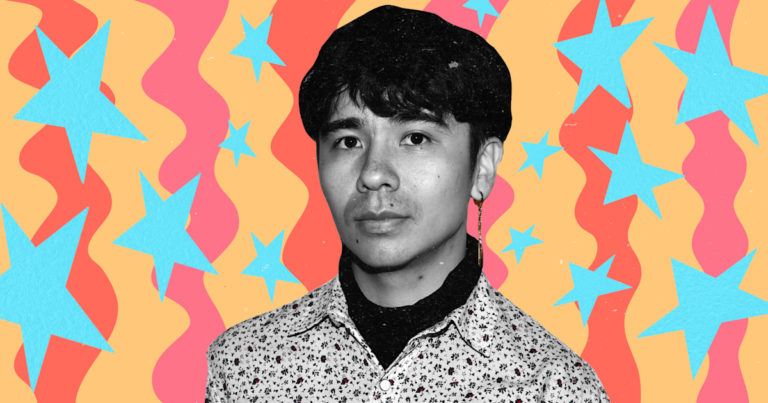
After eight people were murdered, six of them of Asian descent, in the Atlanta-area spa shootings in March, a clip of author Ocean Vuong talking about toxic masculinity and violence went viral.

“In this culture, we celebrate boys through the lexicon of violence. ‘You’re killing it.’ ‘You’re making a killing.’ ‘Smash ’em.’ ‘Blow ’em up.’ ‘You went into that game guns blazing.’ And I think it’s worth it to ask the question: What happens to our men and boys when the only way they can evaluate themselves is through the lexicon of death and destruction?” Vuong said on “Late Night With Seth Meyers” in 2019. “And I think that when they see themselves only worthwhile when they’re capable of destroying things, it’s inevitable that we arrive at a masculinity that is toxic.”

Vuong, 32, has become a celebrated voice, sharing his observations on culture and identity in addition to his award-winning poems and novels. He says his words are shaped by his experience growing up across a number of identities: immigrant, Asian American, gay and raised by a single mother.

“I don’t sit down at the desk saying, well, I’m an LGBTQ writer. I just assume that I write will come out of that filter,” he told TMRW.

Vuong’s first critically-acclaimed collection of poetry, “Night Sky with Exit Wounds,” was released in 2016 and won the Whiting Award and the T.S. Eliot Prize. In it, Vuong explores themes from his life, including queer love, the incarceration of a father he doesn’t know and what it means to be American.

“(Queerness) made me a better person because I had to find different angles to the world. I couldn’t just accept what was there.”

Ocean Vuong

Vuong’s debut novel “On Earth, We’re Briefly Gorgeous,” which comes out on paperback on June 1, is a semi-autographical novel written as a letter from a Vietnamese American narrator to his mother, who cannot read. The story also touches on themes Vuong wishes he had seen growing up in Hartford, Connecticut, including queer love in a small town.

“I think of Robert Frost and his poem ‘Two Roads Diverge,’ and for queer folk, it’s just one road. It’s about trying to think how to really cut through the grass and the trees to make the other road and what you’ve learned on the way, what you discover in making that road, it enriches your life,” he said of his inspiration. “And so I do believe that queerness saved me. It made me a better person because I had to find different angles to the world. I couldn’t just accept what was there.”

Vuong starting walking that road when he was 18 years old and about to travel to New York City for business school, but first came out as gay to his mother. Vuong recalled that he didn’t have any visible gay role models growing up as an only child and a Vietnamese American immigrant in Hartford.

“I wanted to have a route to college in case I wasn’t accepted (as a gay man),” he said.

When Vuong told his mother, who raised him as a single parent, that they needed to have an important talk, her first concern was whether he had gotten someone pregnant.

“When I told her, she said, ‘Well, you’re still you,’ and she said, ‘You’re all I have,'” Vuong said. “It was really important for me, because it was not like the stereotypical response that you often hear about. It was just so accepting.”

Growing up, Vuong said his perception of the United States was entirely shaped by the immigrant community he grew up around in a post-industrial East Coast town.

“As far as I was concerned, America was Hartford and the community I was raised in informed so much of my thinking and my imagination,” he said.

Part of that thinking, as an immigrant, was that he needed to provide for his family and get a good job, which Vuong planned to do by taking the traditional path to business school.

“Like any other immigrant kid, I tried to go to school and you have a real quote-unquote profession to take care of my family and get them off the tenements,” he said. “But I went to New York to go to business school. It didn’t work out. I only lasted about four or five weeks. It wasn’t much.”

Vuong said he was too ashamed to go home, so he stayed in New York City instead, where he found queer role models and had a creative awakening.

“Coming to New York … I realized, there’s so many people that I could just blend in. It’s like putting down your weapons, putting down your hyper-vigilance and finding relief among millions of people. That was very powerful because when you’re visible in New York, you’re visible on your own terms,” he said. “It’s like, I’m going to dress myself in a way that today I want to be seen. That’s a power that some folks never had (in smaller towns). We never were able to be seen or unseen on our own terms”

Vuong couch surfed with friends and soaked up all the poetry he could find, whether it was at libraries or reading poems in the backs of bars, like Bar 13 near Union Square.

“And then I signed up eventually to (go to) Brooklyn College where I studied literature. That’s where I kind of found a home for what I wanted to do,” he said.

Vuong now lives in Northampton, Massachussetts, a town that frequently makes lists as one of the most LGBTQ-friendly places in the United States, where he continues to write and teach in the Masters of Fine Arts Program for Poets and Writers at the University of Massachusetts Amherst.

It’s the life he built for himself, but it’s one he didn’t even know was possible to dream of growing up.

“I never thought that I would ever live to have a home and a garden,” he shared. “My family grew up in tenements and so, I’m soaking up the idea of creating a haven for my queer family. I have a backyard where my chosen family can come, now that everyone’s vaccinated, for a barbecue and to just be at ease with each other.

“It seems like I’m in a parallel universe, and so I just felt that right now, I am trying to live slowly with it.”

This LGBTQ Pride Month 2021, TODAY is highlighting the LGBTQ trailblazers in pop culture who paved the way, along with the trendsetters of today who are making a name for themselves. By examining their experiences individually, we see how all of their stories are tied to one another in a timeline of queer history that takes us from where we were to where we stand today.

Missy Higgins discusses speculation about her sexuality on Anh’s Brush With Fame – New Zealand Herald

Missy Higgins in 2004. Photo / News Limited

Australian singer Missy Higgins has opened up about the relentless speculation about her sexuality she faced in the early years of her career in the latest episode of Anh’s Brush With Fame.

In Tuesday night’s episode, Higgins reflected on the huge success of her nine-times platinum debut album, 2004’s Sound of White, which made her a household name in this country when she was just 21.

With that success came rumours that Higgins was gay – speculation she didn’t address until an October 2007 interview with lesbian publication Cherrie, agreeing with an interviewer who asked if she was “not-so-straight”. A month later, she identified as bisexual via her MySpace page.

Missy Higgins on Brush With Fame: 'The world had me and they were abusing it. Photo / ABC, news.com.au
Missy Higgins on Brush With Fame: ‘The world had me and they were abusing it. Photo / ABC, news.com.au

But before that, Higgins faced several years in the public eye trying to politely bat away questions about her sexuality, an issue she says she was still trying to figure out for herself.

“Everyone was speculating about my sexuality, which was such a personal thing, and such a thing I was grappling with,” she told Brush With Fame host Anh Do.

“All the journalists were trying to get an answer from me, they all wanted me to say I was gay and to come out loud and proud. But I was still figuring it out myself, and I felt SO much pressure to put myself in a box and put a label on it.”

She says the rumours made her “shut down” – in interviews, and also in her music.

“Every time I did an interview, I was in shutdown mode, because they were probing, trying to get me to slip up. Trying to get me to say a pronoun, you know? I’d be like, ‘How do I describe what this song’s about without saying ‘she’?’

“It was so traumatic, in a way. That became my persona: shutting down in that way meant I wasn’t going to be able to express myself because that would make me way too vulnerable.

“The world had me at that point, and they were abusing it. They were abusing that right, and I wanted to take it back.”

Coming out as bisexual in 2007 quietened the speculation. Higgins, 37, began a relationship with comedian Dan Higgins in 2013. The pair wed in 2016 and have two children together.

She told Do that discussing her sexuality now was “really easy for me, because I don’t have anything to hide”.

DeSantis signs transgender sports ban on first day of LGBTQ Pride Month – Orlando Sentinel

“I’ve always heard as a kid, ‘You run like a girl,’” she said of a video played at the event of Selina Soule, a Connecticut track athlete who sued over transgender girls competing in high school girls’ sports. “And when you’re looking at that video, it’s evident the woman, the transgender woman who competed, or self-identified woman, ran very differently than the others in the competition. It’s physiologically different. Men are stronger, they have bigger lung capacity, stronger muscles.”

Canada Ranked Seventh Best LGBTQ+ Destination In The World – TravelPulse Canada

1. Sweden

Canada has been named one of the best countries for LGBTQ+ travel, according to MyDatingAdviser.com. It has been ranked 7th in the world, landing it a spot in the top 20 most gay-friendly travel destinations. Canada has been given an LGBTQ+ travel index score of 95.5 (out of a possible 100 points).

What makes Canada one of the most gay-friendly countries?

– Public acceptance towards homosexuality: 85% of the Canadian public is accepting of homosexuality, according to a ‘Global Attitudes & Trends’ survey by Pew Research.

-Sexual activity for same-sex couples: This has been legal since 1969.

– Civil union rights: Domestic partnerships in Nova Scotia (2001); Civil unions in Quebec (2002); Adult interdependent relationships in Alberta (2003); Common-law relationships in Manitoba (2004).
 

– Marriage rights: Legal in some provinces and territories since 2003, nationwide since 2005.
 

– Adoption rights: Legal in some provinces and territories since 1996, nationwide since 2011.
 

– Military service rights: Legal since 1992; Includes transgender people.
 

– Anti-discrimination laws: Bans all anti-gay discrimination. Pathologization or attempted treatment of sexual orientation by mental health professionals has been illegal in Manitoba and Ontario since 2015, and Vancouver and Nova Scotia since 2018.
 

– Gender identity laws: Transgender people can change their gender and name without completion of medical intervention and human rights protections explicitly include gender identity or expression within all of Canada since 2017.
 

About MyDatingAdviser’s Study: The Best Countries for LGBTQ+ Travel in 2021

To raise awareness of global attitudes for LGBTQ Pride Month, the dating reviews website MyDatingAdviser.com has released a report on ‘The Best Countries for LGBTQ+ Travel in 2021’. 

If you’re part of the LGBTQ+ community, some countries might be better than others for your next adventure. 

There have been major changes in laws and norms surrounding the issue of same-sex marriage and the rights of LGBT people around the world. However public opinion on the acceptance of homosexuality in society remains divided by country, region, and economic development.

To determine the most gay-friendly travel destinations, MyDatingAdviser compared 34 countries across 8 key indicators of LGBTQ+-friendliness. 

The data set focuses on the following categories: society acceptance towards homosexuality, sexual activity rights, civil union rights, marriage rights, adoption rights, military service rights, anti-discrimination laws, and gender identity laws. 

LGBT Win! Penn Closet Rebrands as “Penn Come Out of the Closet” – Under the Button

penn-come-out-of-the-closet

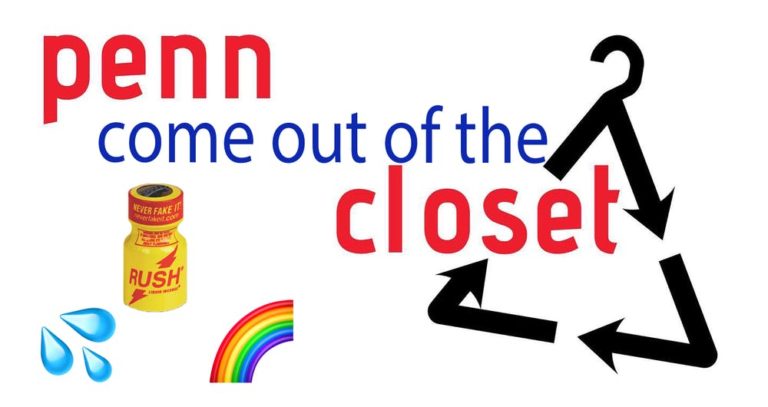
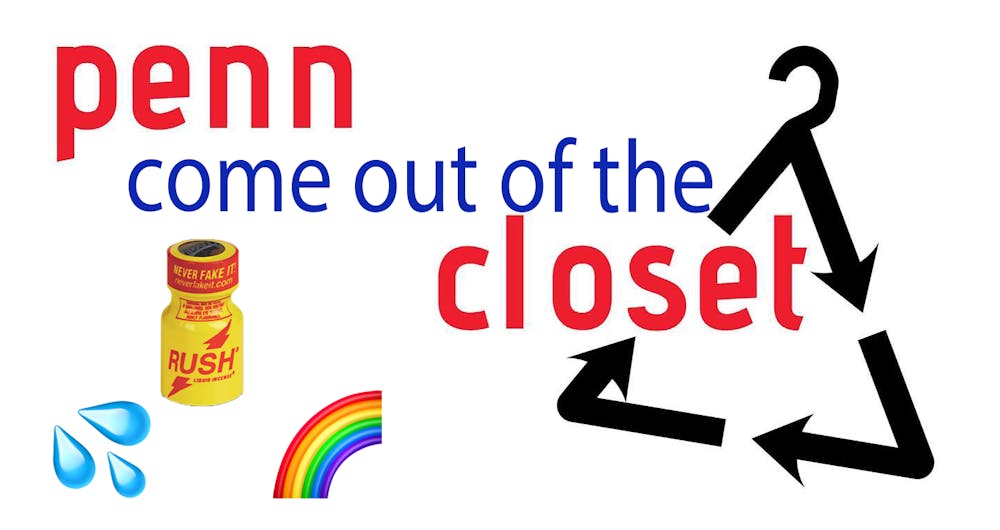
Penn Closet announced this week that in honor of pride month in June, they will be rebranding as “Penn Come out of the Closet.”

The store, formerly known as Penn Closet, is conveniently located in Wilcaf, allowing the gays and the gals who frequent the cafe to stroll in with an iced coffee and a croissant, smirk halfheartedly at the lackluster collection, and then leave without purchasing anything.

“Gay people are basically the only people who come into our store anyway,” said Stacy Weisberg, president of Penn Closet, “they’re always so sassy about how ugly our clothes are, and we love them for that! Plus, everyone who works here is required to be at least bi. It’s in our employee contract. Work queens!”

To critics of their store contents, Weisberg had this to say, “um, obviously the point of Penn Closet isn’t to sell clothes, it’s to employ people who got rejected from Elmo in their last round of rush.” She then proceeded to pull a pack of American Spirits out of her windbreaker pocket and smoked them all in rapid succession.

In addition to the rebrand of their store name, they will be offering complimentary hits of poppers to all customers, expanding their jockstrap collection, and offering discounts on ketamine after your tenth purchase.

Fredrikson & Byron Atty Named LGBT Bar President – Law360

Law360 (June 1, 2021, 4:49 PM EDT) — A Fredrikson & Byron PA shareholder with over a decade of experience litigating white collar disputes has been elected president of the National LGBT Bar Association’s board, the firm said Tuesday.

Minneapolis-based Lousene M. Hoppe will serve a two-year term after spending two separate stints on the association’s board of directors. Hoppe told Law360 on Tuesday that she is looking forward to spearheading the organization and continuing her advocacy work.

“I’m really honored by the designation and by the board’s decision to choose me,” she said. “I have a broad depth of experience working with the bar and the board, and…